Αρχική Blog Σελίδα 1790

Nordic Monitor: Η αστυνομία της τουρκικής πρεσβείας κατασκόπευσε στις ελληνικές πόλεις Αθήνα και Θεσσαλονίκη, αποκαλύπτει μυστικό έγγραφο

0

Abdullah Bozkurt

16 Νοεμβρίου 2022

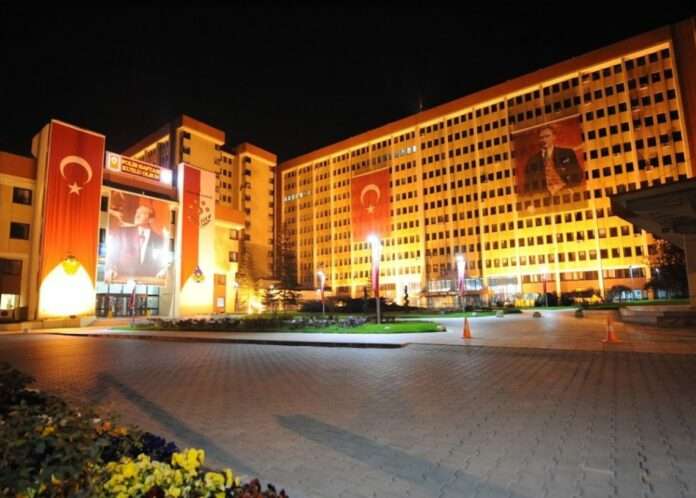
Η έδρα της Γενικής Διεύθυνσης Ασφαλείας (Emniyet) στην Άγκυρα της Τουρκίας.

Abdullah Bozkurt/Stockholm

Ένας αξιωματικός-σύνδεσμος της αστυνομίας, τοποθετημένος στην τουρκική πρεσβεία στην Αθήνα, διεξήγαγε μυστική επιχείρηση συλλογής πληροφοριών σε Αθήνα και Θεσσαλονίκη, αποκαλύπτει απόρρητο έγγραφο της τουρκικής κυβέρνησης που εξασφάλισε το Nordic Monitor.

Το έγγραφο, που στάλθηκε από τη Γενική Διεύθυνση Ασφαλείας (Emniyet) στις 2 Σεπτεμβρίου 2020 σε σχεδόν δώδεκα επαρχιακά αστυνομικά τμήματα, ανέφερε ότι το τουρκικό υπουργείο Εξωτερικών είχε διαβιβάσει πληροφορίες που συγκέντρωσε ένας αστυνομικός που εργάζεται στην τουρκική πρεσβεία.

Το ανακοινωθέν, που χαρακτηρίστηκε απόρρητο, ανέφερε έξι επιχειρηματικές εγκαταστάσεις σε Αθήνα και Θεσσαλονίκη και 13 κατοίκους που φέρεται να συνδέονται με το κίνημα Γκιουλέν, μια ομάδα που επικρίνει την κυβέρνηση του Τούρκου προέδρου Ρετζέπ Ταγίπ Ερντογάν.

Απόρρητο έγγραφο πληροφοριών που στάλθηκε από την τουρκική πρεσβεία στα κεντρικά γραφεία στην Άγκυρα με λεπτομέρειες κατασκοπευτικής δραστηριότητας σε Αθήνα και Θεσσαλονίκη:

Click to access secret_espionage_document_greece_Redacted1.pdf


Τα άτομα που κατασκοπεύτηκαν ήταν ιδιοκτήτες και διαχειριστές διαφόρων επιχειρήσεων, όπως ένα εστιατόριο, ένα μάρκετ, μια μεσιτεία ακινήτων και ένα πρακτορείο ενοικίασης αυτοκινήτων. Σε ορισμένες περιπτώσεις στοχοποιήθηκαν και σύζυγοι των ιδιοκτητών.

Το έγγραφο σημείωνε ότι οι πληροφορίες ήταν μέρος μιας ευρύτερης μυστικής επιχείρησης που ξεκίνησε η τουρκική κυβέρνηση στην Ελλάδα για τον εντοπισμό στόχων από την ομάδα Γκιουλέν, επιβεβαιώνοντας ότι πολλές υπηρεσίες συμμετείχαν σε κατασκοπεία σε ξένο έδαφος.

Η κατασκοπευτική δραστηριότητα δείχνει ότι η κυβέρνηση Ερντογάν όχι μόνο αγνοεί το νόμο σε μια σύμμαχο του ΝΑΤΟ —μια γειτονική χώρα— με την ενασχόληση με επιθετικές κατασκοπευτικές δραστηριότητες, αλλά επίσης δεν αισθάνεται δεσμευμένη από τους τουρκικούς νόμους που απαγορεύουν στην τουρκική αστυνομία να διεξάγει τέτοιου είδους εργασίες.

Ένα μυστικό ανακοινωθέν από έναν αρχηγό της αστυνομίας που προειδοποιούσε ότι οι πληροφορίες πρέπει να αντιμετωπίζονται με βάση την ανάγκη γνώσης και να μην κοινοποιούνται σε μη εξουσιοδοτημένα άτομα/ιδρύματα.

Click to access secret_espionage_document_greece_Redacted2.pdf


Το 2017 η κυβέρνηση Ερντογάν δημιούργησε μια νέα θέση για τις τουρκικές διπλωματικές αποστολές: ειδικά επιλεγμένα άτομα από το Υπουργείο Εσωτερικών για να λειτουργήσουν ως σύμβουλοι. Εργάζονται με τον τίτλο συμβούλων του Υπουργείου Εσωτερικών (İçişleri müşaviri) σε πρεσβείες και ακόλουθους του Υπουργείου Εσωτερικών (İçişleri ataşesi) στα προξενεία. Επιβλέπουν αστυνομικούς και τις αποστολές που τους έχουν ανατεθεί.
Τη θέση στην τουρκική πρεσβεία στην Αθήνα καλύπτει αυτή τη στιγμή ο αρχηγός της αστυνομίας Uygar Elmastaşı, ο οποίος μέχρι πέρυσι διηύθυνε το τμήμα αεροπορίας στη Γενική Διεύθυνση Ασφαλείας, η οποία διαθέτει πολλαπλά αεροσκάφη, από αεροσκάφη παρακολούθησης και drones μέχρι επιθετικά ελικόπτερα. Ο Elmastaşı είναι ακροδεξιός Τούρκος εθνικιστής. Είχε συνεργαστεί με τον Selçuk Bayraktar, τον γαμπρό του Erdoğan που διευθύνει την εταιρεία που κατασκευάζει drone Bayraktar.

Ο διορισμός του Elmastaşı δείχνει ότι η κυβέρνηση Ερντογάν σχεδιάζει να ενισχύσει τις επιχειρήσεις της στην Ελλάδα, μια χώρα που είναι ήδη πρωταρχικός στόχος της τουρκικής υπηρεσίας πληροφοριών MIT. Με άλλα λόγια, η Emniyet, με πολύ μεγαλύτερους πόρους και ανθρώπινο δυναμικό από τη MIT, θα βαρύνει επίσης τις μυστικές επιχειρήσεις στη γειτονική χώρα.

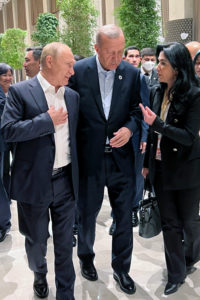
Ο Uygur Elmastaş (R), ο αρχηγός της αστυνομίας που εργάζεται στην τουρκική πρεσβεία στην Αθήνα, φαίνεται δίπλα στον Selçuk Bayraktar (L), γαμπρό του Ερντογάν και κατασκευαστή drones Bayraktar.

Η ολοένα και πιο πολεμική ρητορική του Προέδρου Ερντογάν και άλλων κυβερνητικών αξιωματούχων προς την Ελλάδα έχει σαφώς μεταφραστεί σε πολιτικές ενέργειες και επιχειρήσεις. Μυστικά έγγραφα που δημοσιεύθηκαν από το Nordic Monitor επιβεβαιώνουν μια τέτοια δραστηριότητα.

Στη συγκεκριμένη περίπτωση, το έγγραφο υπεγράφη από τον Ερντογάν Καρτάλ, αναπληρωτή αρχηγό του τμήματος αντιτρομοκρατίας της Emniyet, και διανεμήθηκε σε 10 τουρκικές επαρχίες με ένα μυστικό μήνυμα για περαιτέρω αστυνομική δράση κατά Τούρκων υπηκόων των οποίων το προφίλ προβάλλεται από τον αστυνομικό στην τουρκική πρεσβεία στην Αθήνα.

Προφανώς ανήσυχος για τη διαρροή του εγγράφου που παραβίαζε τους τουρκικούς νόμους και πιθανές συνέπειες από τη σκανδαλώδη δραστηριότητα στην Ελλάδα, ο Kartal αναφέρθηκε στην πηγή των πληροφοριών ως «το πληροφοριακό σημείωμα που ελήφθη από το συνδεδεμένο ίδρυμα (V).

Ο λατινικός αριθμός V είναι ο κωδικός αριθμός της Διεύθυνσης Ασφάλειας και Έρευνας του Υπουργείου Εξωτερικών (αλλιώς γνωστός ως τμήμα πληροφοριών ή Araştırma ve Güvenlik İşleri Genel Müdürlüğü στα τουρκικά).

Προκειμένου να αποφευχθούν διπλωματικές αντιδράσεις και προβλήματα σε διμερές επίπεδο σε περίπτωση που αποκαλυφθούν οι παράνομες κατασκοπευτικές δραστηριότητες στην Ελλάδα, ο αρχηγός της αστυνομίας Kartal προειδοποίησε ότι οι πληροφορίες που διαβιβάζονται από το Υπουργείο Εξωτερικών πρέπει να αντιμετωπίζονται με βάση την «ανάγκη να γνωρίζουμε» και «δεν έπρεπε να κοινοποιηθούν σε μη εξουσιοδοτημένα άτομα/ιδρύματα».

Η επιστολή του αρχηγού της αστυνομίας που αποκαλύπτει πληροφορίες ελήφθη από έναν αστυνομικό της πρεσβείας στην Αθήνα και εστάλη στο τουρκικό Υπουργείο Εξωτερικών, που προσδιορίζεται ως «Ίδρυμα.

Click to access secret_espionage_document_greece_Redacted2.pdf


Είναι σαφές ότι η κυβέρνηση Ερντογάν έχει μετατρέψει τους αστυνομικούς που έχουν τοποθετηθεί στο εξωτερικό με καθήκοντα προστασίας και εργασίες συνδέσμου σε πράκτορες πληροφοριών που έχουν εντολή να κατασκοπεύουν επικριτές, αντιπάλους και αντιφρονούντες. Η κυβέρνηση δεν ανακοινώνει τα στοιχεία για το πόσοι τέτοιοι πράκτορες εργάζονται στο εξωτερικό. Όμως το 2021 οι τουρκικές αρχές πήραν συνέντευξη από 1.400 αστυνομικούς για καθήκοντα προστασίας της αποστολής και 700 από αυτούς επελέγησαν στις 11 Φεβρουαρίου 2021 για ανάπτυξη σε διπλωματικές αποστολές.

Η επιλογή γίνεται βασικά μέσω μιας προφορικής συνέντευξης που διεξήχθη από πιστούς του Ερντογάν, η οποία υποδηλώνει ότι η ιδεολογία και οι πολιτικές απόψεις, και όχι η αξία, είναι κρίσιμοι παράγοντες για την αξιολόγηση των υποψηφίων.

Η τουρκική αστυνομία, υπό την εποπτεία του Υπουργείου Εσωτερικών, είχε προσωπικό 328.719 από πέρυσι. Την διηύθυνε ο Süleyman Soylu, ένας ακροδεξιός πολιτικός που είχε περιληφθεί σε κυρώσεις από την κυβέρνηση των ΗΠΑ για τον ρόλο του στην παράνομη φυλάκιση ενός Αμερικανού πολίτη στην Τουρκία.

Η αστυνομία δέχτηκε τεράστιο πλήγμα από την κυβέρνηση Ερντογάν με εκκαθαρίσεις που ξεκίνησαν το 2014 και εντάθηκαν το 2016 και το 2017. Μεταξύ 43.648 ατόμων που εκκαθαρίστηκαν χωρίς διοικητικές ή δικαστικές έρευνες, οι 14.000 ήταν βετεράνοι αρχηγοί της αστυνομίας. Η κίνηση θεωρήθηκε ως προσπάθεια του Ερντογάν να μετατρέψει την αστυνομική δύναμη σε ένα δικό του ιδιωτικό γραφείο ντετέκτιβ για να κυνηγά τους πολιτικούς του αντιπάλους, δημοσιογράφους, ακτιβιστές και υπερασπιστές των ανθρωπίνων δικαιωμάτων.

Στην πραγματικότητα, οι πληροφορίες που συγκεντρώθηκαν στην Ελλάδα χρησιμοποιήθηκαν από την αστυνομία για τη διεξαγωγή εγκληματικών ερευνών στην Τουρκία. Σε ανακοίνωσή του που στάλθηκε στην Γενική Εισαγγελία της Άγκυρας στις 27 Ιανουαρίου 2021, ο Χουσεΐν Αγκίρ, ο εκτελών χρέη αρχηγού του αντιτρομοκρατικού γραφείου του αστυνομικού τμήματος της Άγκυρας, ζήτησε άδεια για τη διερεύνηση ατόμων που κατασκοπεύθηκαν στην Ελλάδα. Ανέφερε τις πληροφορίες που διαβιβάστηκαν από την τουρκική πρεσβεία στην Αθήνα στην ανακοίνωσή του για να δικαιολογήσει την έρευνα.

Στις 13 Σεπτεμβρίου 2022 ο δημόσιος εισαγγελέας Ali Tanil Gören έστειλε επιστολή στα δικαστήρια και τις εισαγγελίες σε εννέα επαρχίες όπου τηρούνταν τα μητρώα των ατόμων, προκειμένου να ληφθούν περαιτέρω νομικά μέτρα.

Η όλη διαδικασία δείχνει ότι το κράτος δικαίου έχει ουσιαστικά ανασταλεί στην Τουρκία υπό την προεδρία του Ερντογάν και ότι το σύστημα ποινικής δικαιοσύνης και οι υπηρεσίες επιβολής του νόμου λειτούργησαν καταχρηστικά για να τιμωρήσουν επικριτές και αντιπάλους με κατασκευασμένες κατηγορίες για τρομοκρατία.

Το έγγραφο πληροφοριών που εστάλη από το Υπουργείο Εξωτερικών και κοινοποιήθηκε στην εισαγγελία από το αστυνομικό τμήμα δεν μπορεί να θεωρηθεί αποδεικτικό στοιχείο, αναφέρεται στο κάτω μέρος όλων αυτών των εγγράφων σύμφωνα με τον Κώδικα Ποινικής Δικονομίας (CMUK). Τα αποδεικτικά στοιχεία πρέπει να συλλέγονται μόνο αφού η αστυνομία λάβει εξουσιοδότηση από δικαστήριο υπό την επίβλεψη εισαγγελίας.

Η κατασκοπεία των επικριτών του καθεστώτος που ζουν στο εξωτερικό έχει τρομερές συνέπειες για εκείνους που έγιναν στόχος της τουρκικής κυβέρνησης. Όχι μόνο αντιμετωπίζουν ποινικές διώξεις με πολιτικά κίνητρα αλλά κινδυνεύουν επίσης με φυλάκιση των μελών της οικογένειάς τους στην Τουρκία και παράνομη κατάσχεση των περιουσιακών τους στοιχείων.
Abdullah Bozkurt

[email protected]

Nordic Monitor

The Future of US-China Relations

0

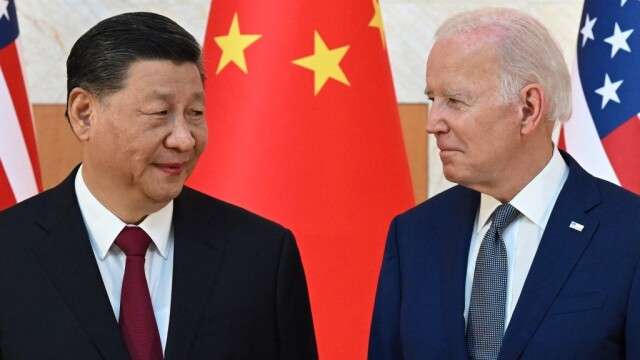
Earlier this week, the G-20 summit opened in Indonesia, during which the long-awaited meeting between U.S. President Joe Biden and Chinese President Xi Jinping took place. That they met at all means the meeting was a success. That it was three hours long is encouraging too, since unsuccessful meetings tend to end quickly and are followed by inconsequential joint statements, which so far has yet to be issued. This suggests honesty, substance and the promise of future substantive talks.

Indeed, early reports from the meeting corroborate as much. The two were apparently agreeable on topics such as the dangers of nuclear weapons and the prospect of Secretary of State Antony Blinken visiting China in the future, even as they reiterated the fact that they are competitors with different views on issues such as Taiwan. Xi allegedly even said the American model of democracy is obsolete.

As I have argued for a year, progress on this front owes not to the virtue of either side but to the geopolitical realities in which they operate. For the United States, the confrontation was anchored in economics. From the U.S. perspective, China has yet to provide ready access to its market for American goods and has been manipulating the value of the yuan to maximize trade and investment – a charge levied years ago by the Obama administration. Washington argued that given the amount of investment and technology provided by American firms, China needed to be forthcoming, especially since public sentiment suggested the U.S. had been exploited by China. China was in no position to comply with American demands without undermining its own economy. Thus was the American foundation laid.

For China, American economic demands signified a military threat. Beijing could not accommodate the United States and feared an American military response. China is an exporting power, and its well-being depends on the ability of its goods to pass from its east coast ports to the South China Sea into the Pacific and then into the world. The United States could, in theory, mine or close those ports by other means. China’s response to this possibility was to appear as aggressive as possible to convince the U.S. that its economic demands could mean war and that China could defeat the U.S. Navy.

It never meant to break China’s economy; it meant to use the threat of breaking it to influence Beijing’s response. Likewise, China never intended to go to war with the United States; it wanted to convince the U.S. it was a real enough possibility to induce a policy change. Each appeared ferocious, but each was careful not to push the other too hard.

Two things brought this to a head. The first was Russia’s attack on Ukraine. The willingness of Washington to wage a clever war, marrying U.S. weapons to Ukrainian forces, demonstrated a capability China did not believe the United States had in its repertoire. China’s alliance with Russia, which was designed to confront the United States in two theaters, collapsed before it was put in place. China reevaluated America’s military power, will and alliance structure and saw a military conflict as more dangerous to China than to the U.S.

The second was the continued deterioration of the Chinese economy. A long-term cyclical force created a massive downturn that has threatened social stability. Regulations on imports from and investment in China could make a bad situation worse. Put differently, China has a lot at stake in their relationship. The United States doesn’t. Absent a military threat, the U.S. benefitted from low-cost Chinese products. The U.S. has little to gain from a military confrontation and plenty to gain from economic cooperation. China had no desire for a war it might lose, and the U.S. had no interest in an economic crisis in China. Economic amelioration is very tempting, so long as it’s possible. The meeting this week shows it may well be possible.

Π. Οικονόμου: Ο κύριος Πάτσης, η κυρία Βλάχου, ο κύριος Μητσοτάκης και οι επερχόμενοι

1

του Παντελή Οικονόμου*

Αθήνα, Τρίτη 15 Νοεμβρίου 2022

Είναι γνωστό ότι ο πλουτισμός στις μέρες μας έχει εξελιχθεί σε, περίπου μοναδικό, «λογικό» σκοπό και η επίτευξη του συνώνυμο της «επιτυχίας». Κάθε άλλη ανθρώπινη δραστηριότητα, από την εργασία έως και την εμπλοκή στα κοινά, έχει περίπου εξοβελιστεί στο χώρο του περιθωρίου. Για την κατάπτωση αυτή μερίδιο ευθύνης έχουν και οι πολυάριθμες, αφόρητα συμβατικές, επιβραβεύσεις μετριοτήτων.

Αλλά το θερμοκήπιο στο οποίο ξεφυτρώνουν οι απόπειρες του καθενός να καζαντίσει είναι τα ήθη και τα έθιμα κάθε χώρας. Στην πατρίδα μας, παραδείγματος χάριν, έχει θεριέψει ξανά το (μη) σύστημα γνωστό ως «κονέ». Στο πλαίσιό του, το χρήμα (και μέσω αυτού η «επωνυμία», η «διάκριση και η «δόξα») αποκτάται μέσω αδιαφανών προσωπικών σχέσεων με βάση την συνενοχή και τελικά, την συγκρότηση κύκλων συμφερόντων. Ασφαλώς αυτή η πρακτική έχει και τις παρενέργειές της, με πιο «πιπεράτη» ανάμεσά τους την σύγκρουση συμμοριών με πιο συνηθισμένη κατάληξη την διευθέτηση. Με παράπλευρες απώλειες, επίσης συνήθως.

Αυτή η ασφαλιστική δικλείδα εκτόνωσης των συγκρούσεων στους κόλπους της εγχώριας «διαπλοκής» είναι που αποτρέπει και την, εκ των έσω, κατάρρευσή της. Όπως επίσης είναι περίπου αδύνατο αυτή η διάχυτη αναξιοκρατία και ανομία να γονατίσουν μπροστά σε καλοπροαίρετα ίσως, πλην αφελή, εκσυγχρονιστικά διαβήματα. Επειδή απλούστατα, στην εκμετάλλευση των νεωτερισμών της τεχνολογίας προηγούνται οι εκτός νόμου, ακολουθούν οι διωκτικές αρχές και τελευταία και καταϊδρωμένη έρχεται η νομοθετική αρχή. Με τη χρονική αυτή υστέρηση να υποβαθμίζει στην λαϊκή συνείδηση, δικαίως ή αδίκως, τους αντιπροσώπους μας σε συμπαίκτες συμφερόντων.

Δεν χρειάζεται να ανακαλύψουμε ξανά τον τροχό. Ο μόνος τρόπος αντιμετώπισης αυτής της, χωρίς προηγούμενο στην ανθρώπινη ιστορία, βαρβαρότητας με την συγκέντρωση όλο και περισσότερου κεφαλαίου σε όλο και λιγότερα χέρια είναι η επαναφορά της δημοκρατικής αρχής της ισονομίας από σύνθημα ευκαιρίας σε κοινό τόπο. Με αξιόπιστα όργανα διαφύλαξης της οριοθέτησης του, βεβαίως.

Ο κύριος Πάτσης
Η επιβολή της νομιμότητας είναι, πράγματι, το σημείο κλειδί. Η παραβατικότητα του κυρίου Πάτση, παραδείγματος χάριν, δεν ξεδιπλώθηκε λόγω κάποιου κενού νομιμότητας. Η νομοθεσία, πράγματι, απαγορεύει ρητά και την χρηματοδότηση του από τράπεζα για εξαγορά δανείων και την συμμετοχή του σε υπεράκτιες (offshore) εταιρίες και την διατήρηση της βουλευτικής του ιδιότητας.

Παρ’ όλα αυτά, «όλα τριγύρω αλλάξανε κι’ όλα τα ίδια έμειναν». Με τον χρόνο να κυλά και τον ίδιο να διαμαρτύρεται στους δικούς του «αφού τα ξέρατε όλα ρε παιδιά, εγώ θα την πληρώσω;» καμία κύρωση, έστω δίωξη κατά του κυρίου Πάτση και των, εν παρανομία, συμπαικτών του. Αδράνεια των δικαστικών αρχών, των μόνων με αρμοδιότητα και ευθύνη να αποκαταστήσουν την νομιμότητα, αλλά και την ζημιά από υπεξαιρέσεις και παράνομο πλουτισμό εις βάρος του ελληνικού δημοσίου και των, δημοσία δαπάνη, εν ζωή τραπεζών.

Η κυρία Βλάχου
Βεβαίως κυρώσεις προβλέπονται όχι μόνο για τον κύριο Πάτση και την παρέα του, αλλά και για λειτουργούς της Δικαιοσύνης σε περίπτωση που ασκούν πλημμελώς ή μεροληπτικά τα καθήκοντά τους. Εδώ έχουμε άλλο πρόσφατο παράδειγμα προς αποφυγήν, αυτό της κυρίας Βλάχου, εισαγγελέως αρμόδιας για την Ε.Υ.Π. Επικαλούμενη απόρρητο, απέφυγε, σε κοινοβουλευτική διαδικασία, να αποκαλύψει για ποιους λόγους συναίνεσε στην παρακολούθηση τηλεπικοινωνιών συμπατριωτών μας. Διατάχθηκε βέβαια ο υπηρεσιακός έλεγχος της. Καλός αλλά λίγος. Τίποτα λιγότερο από την κλήση της να απολογηθεί σε δικαστήριο, δεν αρκεί.

Θα υπενθύμιζε κάποιος ότι για την υπόθεση των παρακολουθήσεων έχει κατατεθεί μηνυτήρια αναφορά του Προέδρου του ΠΑΣΟΚ-ΚΙΝΑΛ στον εισαγγελέα του Αρείου Πάγου. Αποδεικνύεται ότι η κίνηση αυτή δεν μας έκανε σοφότερους, μέχρι στιγμής τουλάχιστον. Είναι ίσως ευκαιρία να συζητηθεί αν ο σημερινός τρόπος ορισμού της ηγεσίας των ανωτάτων δικαστηρίων από την κυβέρνηση είναι ο ενδεδειγμένος ή θα ήταν καλύτερη η επιλογή τους δια κληρώσεως μεταξύ των αντιπροέδρων τους. Και να μάθουμε, επί τέλους, λίγο πριν τις εθνικές εκλογές, τι υποστηρίζει κάθε κόμμα το οποίο ζητάει την ψήφο μας για το θέμα αυτό.

Ο κύριος Μητσοτάκης
Αλλά σε όλα όσα ζοφερά έχουν σωρευθεί στον δημόσιο χώρο μας, ήρθε, δίχως άλλο, να επικαθίσει το βασανιστικό ερώτημα «ποιος, επί τέλους, επιχείρησε να φυτέψει το παράνομο λογισμικό PREDATOR σε τηλέφωνα συμπατριωτών μας;». Η αδυναμία ή απροθυμία ανακάλυψης και αποκάλυψης των αυτουργών, φυσικών και ηθικών, έχει εκτοξεύσει στο μη παρέκει την ανασφάλεια του ελληνικού λαού, η οποία βρίσκεται ήδη στο κόκκινο για πολλούς και διάφορους λόγους.

Η ευθύνη της μη απάντησης βαρύνει, τυπικά και ουσιαστικά, τον  Πρωθυπουργό, τον κύριο Μητσοτάκη και κανέναν άλλο. Ίσως βέβαια να έχει και αυτός συμβιβαστεί με την ιδέα να αναρωτηθεί, μετά από πολλές δεκαετίες, «ποιος, επί τέλους, κυβερνά αυτό τον τόπο;». Ερώτημα ρητορικό βέβαια, αν δεν συνοδεύεται με την αποχώρησή του.

…και οι επερχόμενοι
Υποστήριξα ήδη ότι θα ήταν λάθος να εναποθέσουμε ελπίδες σε συμπλοκές διαπλεκόμενων, πολύ περισσότερα να τοποθετούμαστε υπέρ του ενός ή του άλλου διάδικου κακεργέτη. Αλλά το μεγαλύτερο ίσως λάθος θα ήταν η ανοχή, πολύ περισσότερο η εκδήλωση προτίμησής  μας, προς τον ένα ή τον άλλο, ήδη προβαλλόμενο, δελφίνο από την ίδια γούρνα της διαπλοκής με πιστωτές, συμμάχους και εγχώριους ισχυρούς του χρήματος. Δυστυχώς, τα κόμματά μας για πολλούς και διάφορους λόγους δεν είναι σε θέση να απελευθερώσουν, να ανατάξουν, να σταθεροποιήσουν, να δώσουν ένα όραμα ώστε να πάρουμε στα χέρια μας την κοινή μας μοίρα.

Το βέβαιο είναι ότι η απόπειρα διαγκωνιζόμενων κύκλων συμφερόντων, ντόπιων και ξένων, να τοποθετήσουν στην θέση του απερχόμενου Πρωθυπουργού επόμενο εκλεκτό τους Ύπατο Αρμοστή δεν είναι παρά μια ακόμα απονενοημένη αλλαγή φρουράς. Πιθανότατα η τελευταία πριν την μεταπολίτευση που αναμφισβήτητα χρειαζόμαστε. Είναι αλήθεια ότι ενισχύεται το λαϊκό αίτημα επιστροφής της Δημοκρατίας στον τόπο που γεννήθηκε και πλησιάζει η ώρα της ικανοποίησής του. Αρκεί, ως έθνος, να αντέξουμε μέχρι τότε!

*Διετέλεσε υπουργός σε κυβερνήσεις του ΠΑΣΟΚ

The Governmental Vacuum in Lebanon

0

INSS Insight No. 1660, November 16, 2022

Michel Aoun ended his term as Lebanon’s President before any replacement was selected. Once again, this led to a governmental vacuum, which is more serious now than in the past because the present government is a transitional government. The current composition of Parliament, which is responsible for choosing the president, and the internal disputes among its members make it difficult to agree on and select a candidate. Hezbollah is trying to promote Suleiman Frangieh as a candidate on its behalf and at the same time obstruct the selection of others. This situation, if it continues, will worsen the crisis in the failed state of Lebanon. For Israel, no change is expected in the balance of deterrence vis-à-vis Hezbollah or in the implementation of the maritime agreement with Lebanon in the short term, but in the long term chaos in Lebanon is likely to have negative implications for Israel.

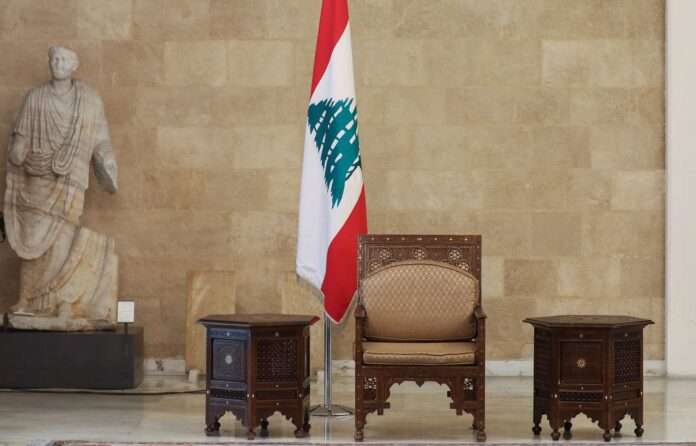
On October 31, 2022, Michel Aoun, who was president of Lebanon for the previous six years, officially stepped down from office. His successor has not yet been chosen, due to a lack of agreement in the political system about who should replace him. This is not the first time that Lebanon has lacked a president; the most notable such incident was the gap of over two years between the end of Michel Suleiman’s term in May 2014 and the beginning of Aoun’s term in October 2016. However, the lack of a president now creates more serious difficulties, for two reasons: the severe economic crisis facing Lebanon, which is the worst in its history; and the fact that the current government, in place since the elections on May 15, 2022, is a transitional government, given the inability of the leading political elements to agree over how to form a new government.

From Aoun’s speech on the day his term ended, it was clear that he aspires to define his legacy as constructive; he emphasized the achievement of the maritime border demarcation agreement with Israel, and placed responsibility for the Lebanon’s current plight on his political rivals. He attacked the leaders of the justice system for acting only based on their personal interests and not for the benefit of the Lebanese people; called to wipe out corruption; and claimed that he is leaving behind a state that was plundered. However, Aoun’s efforts will likely not help in repairing his public image in Lebanon: he is seen as someone who contributed to the collapse of the state and who was ineffective in advancing solutions, as well as one who failed to bring to justice those responsible for the explosion in the Beirut port in August 2020. The Lebanese public also do not look kindly on the legitimacy that Aoun granted Hezbollah, which gained military and political strength during his term and became a central element in the Lebanese system.


A caricature published in the newspaper “Al-Arabi Al-Jadid”

The Lebanese constitution dictates that in the absence of a president, his authority is delegated to the government, but to a limited extent. Until now, it was customary that if there was no president, government decisions would be made unanimously. However, there is a dispute about whether the current transitional government headed by Najib Mikati, which was not approved by the President and the parliament, can fill this role. The outgoing President also contributed to the political chaos by signing – on the day before his term ended – an order approving the resignation of the transitional government: this reflected his personal interest and the interest of his party to weaken Mikati’s status, after failing to reach an agreement with him about the make-up of the new government. Mikati himself rejected this move by Aoun and continued in his role and in this won the support of most parties, excluding the Christian Free Patriotic Movement (FPM), affiliated with Aoun and his son-in-law Gebran Bassil. Even Hezbollah conveyed a message regarding its lack of desire to boycott the temporary government, but emphasized that this government cannot make important or unilateral decisions and must only convene in extreme cases. Regarding the criticism, on November 10, Mikati called for Parliament to act quickly to appoint a new president, and claimed that the government is fulfilling its duties under law and has no intention of taking unmandated authorities, while stating that there are elements attempting to prevent the appointment of a new president.

The selection of a new president is the responsibility of Parliament, but its present composition makes it especially difficult to achieve any agreement. The camp that supports Hezbollah (the so-called March 8 Alliance), which was weakened in the last elections, lacks the majority needed to choose a candidate on its behalf. This camp has only 60 Parliament members, while a two-thirds majority – 86 out of 128 MPs – are needed to choose a president in the first round of voting, followed by a 65-member simple majority in the second round if these rounds are held in the same session. On the other hand, the opposition is highly divided. It includes two central blocs: the remnants of the March 14 Alliance, which opposes Hezbollah and the legacy of Aoun; and the so-called Change Bloc, which includes fragments of independent parties that are not affiliated with traditional camps.

Parliament convened five times thus far (between October 20 and November 10) to choose a president, but without a decision (Aoun was chosen only after 45 sessions of Parliament). The main candidate voted upon thus far is Michel Moawad (son of former president René Moawad), who is affiliated with the bloc of Hezbollah opponents and whom the organization claims is backed by the United States. In the fifth session, Moawad received the support of only 44 members of Parliament, all Hezbollah opponents. The members of the Change Bloc, who see him as a scion of the old leadership, did not support him. In any event, Hezbollah has the ability to recruit a veto bloc of one-third of the parliament and it is doubtful whether the divided opposition will manage to reach a consensus and achieve the election of a candidate who will challenge that organization.

The Hezbollah camp, which includes Amal and the FPM, has not yet put forward a candidate on its behalf due to internal disagreements. Its representatives worked to scuttle the sessions held until now by voting with blank ballots or boycotting the sessions in the second round in order to prevent a quorum. It appears that the leadership of this camp would like first to agree on a candidate and then work to ensure his selection, prior to bringing his candidacy before Parliament. The primary dispute is between the Shiite parties, Hezbollah and Amal, and their Christian partner, the FPM. The Shiite duo already agreed on a candidate, the younger Suleiman Frangieh, who is part of the Hezbollah camp and closely affiliated with President Bashar al-Assad of Syria. They are now trying to convince Gebran Bassil, who heads the FPM and is himself interested in the role, to support their candidate. Transitional Prime Minister Mikati also announced that he supports Frangieh. Bassil has little chance of being chosen as president given his negative public image and American sanctions against him for his affiliation with Hezbollah. For this reason Hezbollah associates blame the US and Saudi Arabia for preventing the selection of the new president. In his speech on November 11, Nasrallah claimed that Lebanon needs a president similar to Aoun, who supported Hezbollah, and who will not be put off by the American stance or bribed, in contrast with the current candidates who are calling for stripping the organization of its weapons.

In this reality, it is clear that the composition of Parliament and the disputes between and within the blocs are likely to see the continued paralysis of the Lebanese political system for a long time. Choosing a president will not solve Lebanon’s difficult problems, but an unfilled presidency would completely freeze decision-making processes in the state. The political paralysis would create additional difficulties on the expected long road to reconstructing Lebanon and prevent the advance of reforms insisted on by the IMF as a prerequisite for Western aid. It appears that the only escape from this conundrum is agreement among all camps on a compromise candidate, who would gain the support required by law. The main candidate mentioned in this regard is Commander of the Lebanese Armed Forces Joseph Aoun, whose political positions are not known but who is known for his pragmatic approach to Hezbollah. Thus far, however, he has denied that he has any interest in the presidency, and in any event, the Constitution requires him to have a two-year “cooling off” period. However, there are precedents for changing this law by consensus.

For Israel, which has an interest in domestic stability in Lebanon, the governmental vacuum in Lebanon may have implications in two main areas:

    • Regarding Hezbollah: It is an open question whether, if the chaos in Lebanon increases, Hezbollah will choose to act against Israel in order to expand its support and strengthen its position as the “defender of Lebanon,” while it continues to ride the wave of what it projects as its success in causing Israel to compromise over the maritime border demarcation. At this stage it seems that the balance of deterrence with Israel will likely be maintained, given that Hezbollah has been drawn into internal Lebanese issues and the increased domestic criticism of the organization. These two factors will continue to be a restraining force on its activity against Israel.
    • Implementation of the maritime agreement with Israel: If Lebanon needs to take decisions on this matter, it is unclear who/what is the address. However, given that central actors have a shared interest in maintaining the agreement (including Speaker of the Parliament Nabih Berri, transitional Prime Minister Mikati, and even Hezbollah) it seems that they will find a solution and will work to continue implementing the agreement, in the hopes that the new Israeli government will recognize the advantages of the agreement and the risks caused by withdrawing from it for Israel as well, and will not act to cancel it.
The opinions expressed in INSS publications are the authors’ alone.

Orna Mizrahi
Orna Mizrahi, a senior researcher at the Institute for National Security Studies, joined INSS in December 2018, after a long career in the Israeli security establishment: 26 years in the IDF (ret. Lt. Col.) and 12 years in the National Security Council (NSC) in the Prime Minister’s Office (she served under 8 heads of the NSC). In her last position (2015-2018) as Deputy National Security Adviser for Foreign Policy, she led strategic planning on regional and international policy on behalf of the NSC for the Prime Minister and the Israeli Cabinet, and was responsible for preparing the papers for the Prime Minister’s meetings with leaders in the international arena.

What are NATO Articles 4 and 5?

0
November 15, 2022

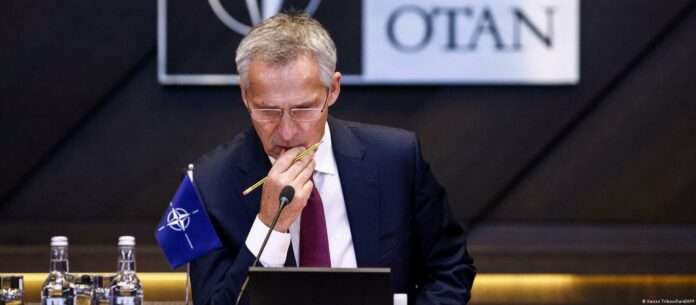
After reports of a missile strike in Poland, there had been speculation the Polish government might invoke Article 4 of the NATO treaty.

Article 4 does not, however, mean that there will be direct pressure to act.

This consultation mechanism has been triggered several times in NATO’s history. For instance, by Turkey one year ago, when Turkish soldiers were killed in an attack from Syria. At that time, NATO decided to consult, but did not take any action.

How does NATO Article 4 differ from Article 5?

Following Russia’s invasion of Ukraine in late February, NATO members Estonia, Latvia, Lithuania and Poland triggered Article 4. Along with Slovakia, Hungary and Romania, those countries are part of the “eastern flank” of NATO, which has been reinforced with thousands of troops from NATO members.

Article 4 is different from Article 5 of the NATO Charter. The latter lays out the military assistance by the entire alliance, should one of the member states get attacked. The only time that Article 5 was used was in 2001 after the al-Qaeda attacks on the US, which killed more than 3,000 people. They became known as the 9/11 attacks. When the US then attacked Afghanistan, NATO sent a mission alongside.

The NATO treaty only applies to member states. Given that Ukraine is not part of the alliance, it can trigger neither Article 4 nor 5.

dw.com

Russia to Install and Man Air Defenses Inside Turkey, Close to NATO Bases

0

Κ. Κυριακόπουλος: Ουκρανικό… Ας μην “διαβάσουμε” επιπόλαια την πολιτική απόφαση των Αμερικανών

0

Όσο συνεχίζονται οι εκδηλώσεις… αυτοθαυμασμού από τους αυτόκλητους πολεμικούς «εμπειρογνώμονες» του διαδικτύου, που «όλα τα ήξεραν και για όλα φώναζαν» από την πρώτη στιγμή, καλό θα είναι όλοι οι υπόλοιποι και όσοι σοβαροί, να έχουμε υπ’ όψιν μας τα εξής, σεβόμενοι τον εαυτό μας, την λογική και φυσικά την ίδια την αλήθεια, σε αυτήν την εξαιρετικά δύσκολη και αβέβαιη ως προς την έκβασή της γεωπολιτική συγκυρία:…

του Κ. ΚΥΡΙΑΚΟΠΟΥΛΟΥ

Πρώτον: Οι S-300 είναι πύραυλοι εδάφους – αέρος Ρωσικής κατασκευής, τους οποίους χρησιμοποιούν ΚΑΙ ΟΙ ΔΥΟ πλευρές που αντιπαρατίθενται στον πόλεμο της Ουκρανίας…

Δεύτερον: Τα συντρίμμια στο Πολωνικό χωριό επιβεβαιώνουν ότι το συγκεκριμένο σημείο χτυπήθηκε από πύραυλο S-300, αλλά αυτό από μόνο του δεν αρκεί προκειμένου να πιστοποιηθεί και η ταυτότητα του χρήστη που τον εκτόξευσε. Αυτή η διαδικασία (πέραν των σειριακών αριθμών που από την στιγμή που θα βρεθούν θα μπορούν και να αποκαλύψουν σε ποιο οπλοστάσιο από τα δυό ανήκε ο συγκεκριμένος πύραυλος) είναι μια διαδικασία περισσότερο σύνθετη, εξαιρετικά πολυπαραμετρική και όλα όσα βεβιασμένα λέχθηκαν ή γράφτηκαν αναφορικά με το συγκεκριμένο ζήτημα, είναι απλώς φτηνές και ανάξιες λόγου κουταμάρες…

Τρίτον: Οι πύραυλοι S-300, πέραν του γεγονότος ότι δεν είναι και ιδιαίτερα ακριβείς, όταν χρησιμοποιούνται ως πύραυλοι εδάφους – εδάφους, τότε το μέγιστο βεληνεκές τους δεν ξεπερνά τα 120 χλμ…

Όλα τα παραπάνω όπως αντιλαμβάνεται ο αναγνώστης, αφήνουν το περιθώριο στους εμπλεκόμενους (και τέτοιος είναι το ΝΑΤΟ και οι Αμερικανοί) να διαχειριστούν πρωτίστως με πολιτικούς και δευτερευόντως με τεχνικούς όρους την συγκεκριμένη εξέλιξη. Ιδιαίτερα δε το μέγιστο δυνατό βεληνεκές που όπως είπαμε δεν ξεπερνά τα 120 χιλιόμετρα σε ένα χτύπημα εδάφους – εδάφους, δεν αποτελεί μονάχα μια σημαντική τεχνική παράμετρο αλλά αποτελεί πριν απ’ όλα ένα πρώτης τάξεως πρόσχημα το οποίο μπορούν να επικαλεστούν οι Αμερικανοί προκειμένου να αποδυναμώσουν την εκδοχή να έχει βληθεί ο συγκεκριμένος πύραυλος από τις ρωσικές ένοπλες δυνάμεις (ακόμη και αν έχει βληθεί από αυτές)…

Είναι λοιπόν προτιμότερο, αντί να ανεχόμαστε τους γυρολόγους κάθε λογής να επιδίδονται σε μια ακατάσχετη και αποπροσανατολιστική ανευθυνολογία, να επικεντρώσουμε ΟΛΟΙ ΜΑΣ την προσοχή μας γύρω από τρία πράγματα που κατά την γνώμη του γράφοντος θα αποδειχτούν ιδιαίτερα κρίσιμα για τις εξελίξεις των επόμενων ημερών. Ποια είναι αυτά…

Πρώτον: Η απόφαση των Αμερικανών να υποβαθμίσουν το συγκεκριμένο γεγονός, είναι μια αμιγώς πολιτική απόφαση, απολύτως ενδεικτική για το οριακό σημείο στο οποίο έχουν οδηγηθεί τα πράγματα και για το ότι επί της ουσίας, δεν απέχουμε και πολύ από το ενδεχόμενο να τεθούν τα πάντα εκτός ελέγχου στο πλαίσιο μια γενικευμένης καταστροφικής σύγκρουσης…

Δεύτερον: Η αμετροεπής Ουκρανική ηγεσία συνιστά πλέον για τους πάντες παράγοντα διαρκούς αποσταθεροποίησης, πολύ δε περισσότερο τώρα που συνειδητοποιεί και η ίδια, ότι η διερεύνηση της όποιας λύσης σε επίπεδο μυστικών διαπραγματεύσεων μεταξύ Αμερικανών και Ρώσων, το πρώτο πράγμα που θα σηματοδοτήσει θα είναι τον εδαφικό διαμελισμό της Ουκρανίας και την οριστική μετάπτωσή της σε failed state ή άλλως σε buffer zone στο πλαίσιο της μεταπολεμικής Αρχιτεκτονικής που σχεδιάζεται. Και…

Τρίτον: Στα κέντρα των αποφάσεων της Δυτικής συμμαχίας, υπάρχουν ισχυρές φωνές που επιμένουν να δείχνουν την Ρωσία πίσω από το συγκεκριμένο χτύπημα, και αυτό παρά και ενάντια στην επίσημη εκδοχή που έσπευσε να υιοθετήσει ο πρόεδρος των ΗΠΑ, ο οποίος «φόρτωσε» το συμβάν στις Ουκρανικές ένοπλες δυνάμεις, αναθέτοντας παράλληλα στον κ. Στόλτενμπεργκ την ευθύνη να τους αποδώσει ορισμένα εύλογα ελαφρυντικά για την πολεμική «αστοχία».

Σε κάθε περίπτωση πάντως, είναι μια από τις σπάνιες φορές στην Ιστορία, που ένα «ατυχές» ή «αμφιλεγόμενο» περιστατικό, ανεξάρτητα από την πραγματική αιτία και το ονοματεπώνυμο του πρωταίτιου που το προκάλεσε, δεν χρησιμοποιείται για να επισπεύσει μια ανεξέλεγκτη κλιμάκωση, αλλά επιδιώκεται να εργαλειοποιηθεί προκειμένου να επιταχύνει μια ελεγχόμενη αποκλιμάκωση, γεγονός που αναμένεται να παράξει ειδήσεις την αμέσως επόμενη περίοδο.

Φυσικά αυτή η εξέλιξη δεν προέκυψε επειδή οι εμπλεκόμενοι πραγματικοί πρωταγωνιστές λάτρεψαν ξαφνικά την Ειρήνη και την ειρηνική διευθέτηση της συγκεκριμένης σύγκρουσης. Προέκυψε επειδή πλέον οι πάντες συνειδητοποιούν ότι εδώ που έχουν φτάσει τα πράγματα, τα πάντα κρέμονται από μια κλωστή και ουδείς είναι έτοιμος για τα χειρότερα και για τα αχαρτογράφητα νερά που αναμένεται να προκύψουν.

Ποιος ήταν πραγματικά πίσω από τη βομβιστική επίθεση στην Κωνσταντινούπολη;

0

National Interest

15 Νοεμβρίου 2022

Robert Ellis

Εν μέσω πτώσης στα ποσοστά αποδοχής του Ερντογάν ενόψει των εκλογών του επόμενου Ιουνίου, υπάρχουν λόγοι για κάποιο σκεπτικισμό σχετικά με το ποιος διέπραξε την επίθεση.

Η έκρηξη της Κυριακής στην πιο πολυσύχναστη οδό της Κωνσταντινούπολης, την Istiklal Caddesi, που σκότωσε έξι και τραυμάτισε ογδόντα έναν, ήταν ξαφνική και φρικτή. Ένας καλός Τούρκος φίλος μου, πρώην διοικητής αρμάτων μάχης, μου έστειλε μήνυμα από την Κωνσταντινούπολη: «Ελπίζω ότι θα είναι μια ευκαιρία για τις δυτικές χώρες (ΗΠΑ, κ.λπ.) να δουν ποιον υποστηρίζουν και για τι;» Και «αυτές οι τρομοκρατικές επιθέσεις προκαλούν αύξηση των ψήφων του Ερντογάν».

Αυτού του είδους τα περιστατικά, αν και όχι συχνά, είναι χαρακτηριστικό της τουρκικής ζωής. Κατά τη διάρκεια του «βρώμικου πολέμου» της Τουρκίας με το Εργατικό Κόμμα του Κουρδιστάν (PKK) από το 1984 έως το 1999, υπήρξαν πολλά τέτοια περιστατικά. Το 1993, ο ερευνητής δημοσιογράφος Ugur Mumcu σκοτώθηκε από παγιδευμένο αυτοκίνητο και το έγκλημα παραμένει άλυτο.
Οι τουρκικές αρχές συμπεριφέρθηκαν με αξιοσημείωτη αποτελεσματικότητα. Η δράστης, μία Σύρια υπήκοος ονόματι Ahlam Albashir, συνελήφθη γρήγορα και φωτογραφήθηκε φορώντας μια κουκούλα με τη λέξη «New York». Η Albashir φέρεται επίσης να παραδέχτηκε ότι είχε εκπαιδευτεί ως «ειδική αξιωματικός πληροφοριών» από το PKK/YPG (τις υποστηριζόμενες από τις ΗΠΑ Μονάδες Προστασίας του Λαού) στη Συρία.

Ο Τούρκος υπουργός Εσωτερικών Σουλεϊμάν Σοϊλού κατέληξε στο συμπέρασμα ότι η εντολή για την τρομοκρατική επίθεση ήρθε από το Ayn al-Arab στη βόρεια Συρία, όπου το PKK/YPG έχει την έδρα του στη Συρία. Λόγω της υποστήριξης των ΗΠΑ προς το YPG και τις Συριακές Δημοκρατικές Δυνάμεις (SDF), οι οποίες ηγούνται με το YPG στον αγώνα κατά του Ισλαμικού Κράτους, ο Σοϊλού απέρριψε τα συλλυπητήρια μηνύματα από τις Ηνωμένες Πολιτείες.

Ωστόσο, εν μέσω πτώσης στα ποσοστά αποδοχής του Προέδρου Ρετζέπ Ταγίπ Ερντογάν ενόψει των προεδρικών και κοινοβουλευτικών εκλογών του επόμενου Ιουνίου, υπάρχουν λόγοι για κάποιο σκεπτικισμό. Έρευνα έχει δείξει ότι τα ποσοστά του Ερντογάν αυξήθηκαν μετά τις τέσσερις προηγούμενες στρατιωτικές επιχειρήσεις της Τουρκίας στη Συρία, αλλά μια νέα εισβολή το περασμένο φθινόπωρο εμποδίστηκε από την αντίθεση Ρωσίας και Ιράν.

Τόσο το PKK όσο και οι SDF έχουν αρνηθεί την ευθύνη και η συνεχιζόμενη εμπλοκή της Τουρκίας στο Ιράκ αποκλείει μια νέα διασυνοριακή επιχείρηση στη Συρία. Αντίθετα, η Τουρκία επιλέγει να εναντιωθεί στις Ηνωμένες Πολιτείες.

Ο Abdüllatif Sener, ιδρυτικό μέλος του κυβερνώντος Κόμματος Δικαιοσύνης και Ανάπτυξης (AKP) και νυν βουλευτής της αντιπολίτευσης, δήλωσε προηγουμένως ότι ο Ερντογάν θα ήταν έτοιμος να παρασύρει την Τουρκία σε έναν εμφύλιο πόλεμο για να διατηρήσει την εξουσία.

Τον Ιούνιο του 2015, το AKP έχασε την πλειοψηφία όταν το φιλοκουρδικό Κόμμα Δημοκρατίας των Λαών (HDP) ξεπέρασε το εκλογικό όριο και κέρδισε 80 από τις 550 έδρες του κοινοβουλίου. Κατά συνέπεια, σε μια συμφωνία με τις Ηνωμένες Πολιτείες, ο Ερντογάν αναζωπύρωσε τον πόλεμο με το PKK και ανέκτησε την πλειοψηφία του AKP στις πρόωρες εκλογές του Νοεμβρίου 2015.

Υπήρξε κάποια συζήτηση σχετικά με το τι είναι διατεθειμένος να κάνει ο πρόεδρος της Τουρκίας προκειμένου να αποτρέψει ένα δημοκρατικό αποτέλεσμα στις εκλογές του επόμενου Ιουνίου.

Πράγματι, ο ηγέτης του HDP Σελαχατίν Ντεμιρτάς βρίσκεται στη φυλακή από το 2016. Ο δήμαρχος της Κωνσταντινούπολης, Ekrem Imamoglu, ένας ισχυρός ανταγωνιστής, αντιμετωπίζει τέσσερα χρόνια φυλάκιση και στέρηση των πολιτικών δικαιωμάτων. Και η κυβέρνηση σχεδιάζει να ανακαλέσει τη βουλευτική ασυλία του αρχηγού της αξιωματικής αντιπολίτευσης, Κεμάλ Κιλιτσντάρογλου, καθώς και την βουλευτική ασυλία άλλων εξήντα τεσσάρων βουλευτών.

Λίγο πριν από τις τοπικές εκλογές στην Τουρκία στα τέλη Μαρτίου 2014, εμφανίστηκε μια κασέτα απο τη συνάντηση Εθνικής Ασφάλειας μεταξύ του Υπουργού Εξωτερικών Αχμέτ Νταβούτογλου, του υφυπουργού Φεριντούν Σινίρογλου, τουΥπαρχηγού του Γενικού Επιτελείου Yasar Güler και του επικεφαλής του Εθνικού Οργανισμού Πληροφοριών (MIT) Hakan Fidan.

Η ηχογράφηση υποδήλωνε ότι σχεδιάστηκε μια ειδική επιχείρηση για να δώσει στον τουρκικό στρατό την ευκαιρία να επέμβει στη Συρία. Αφού ο Σινίρογλου ζήτησε δικαιολόγηση, ο Φιντάν απάντησε: «Μπορώ να παράσχω αιτιολόγηση αν χρειαστεί». Ο Σινίρογλου αντέτεινε επίσης ότι «η εθνική μας ασφάλεια έχει γίνει μια κοινή, φθηνή στολή εσωτερικής πολιτικής», αλλά υπήρξε συμφωνία να μην υποχωρήσουν. Ο τότε πρωθυπουργός Ερντογάν κατήγγειλε τη διαρροή ως «κακή», αλλά η αυθεντικότητά της δεν αμφισβητήθηκε ποτέ.

Η αναφορά του βραβευμένου με Πούλιτζερ Seymour M. Hersh έθεσε ένα παρόμοιο ερωτηματικό σχετικά με την επίθεση σαρίν στο προάστιο της Γούτα της Δαμασκού τον Αύγουστο του 2013, η οποία αναμενόταν να αναγκάσει τις Ηνωμένες Πολιτείες να περάσουν την «κόκκινη γραμμή» του Προέδρου Μπαράκ Ομπάμα.

Στο βιβλίο του After ISIS, ο βετεράνος ρεπόρτερ της Μέσης Ανατολής Seth Frantzman κατέγραψε ότι το ISIS διαχειριζόταν ένα σημαντικό δίκτυο εξαγορών και μια απευθείας γραμμή προμήθειας εκρηκτικών και προπελών στην Τουρκία.

Επιπλέον, ένα πρόσφατο υπόμνημα από το Υπουργείο Οικονομικών των ΗΠΑ ανέφερε ότι το ISIS συχνά βασιζόταν σε υλικοτεχνικούς κόμβους στην Τουρκία για τη μεταφορά κεφαλαίων.

Το 2015, μετά από το πιο θανατηφόρο τρομοκρατικό επεισόδιο στην τουρκική ιστορία σε μια ειρηνική συγκέντρωση στην Άγκυρα, ο Ερντογάν κατηγόρησε για την επίθεση μια «τρομοκρατική συλλογικότητα» που αποτελείται από το PKK, το ISIS, τη συριακή υπηρεσία πληροφοριών και το Κουρδικό Κόμμα Δημοκρατικής Ένωσης της Συρίας (PYD). ). Ωστόσο, αποδείχθηκε ότι οι δράστες ήταν δύο βομβιστές αυτοκτονίας του ISIS.

Όσον αφορά τις εκλογικές προοπτικές του Ερντογάν, ο αναλυτής Γκρεγκ Κόπλεϊ είναι κατηγορηματικός: «Ο Ερντογάν έχει περιορισμένο χρόνο για να ανακτήσει τη θέση του, είτε εκλογικά είτε, λόγω έκτακτης ανάγκης εθνικής ασφάλειας, μέσω της επιβολής κάποιας μορφής ανωτέρας βίας για να ακυρώσει ή να αποτρέψει τις επόμενες εκλογές».

«Ο Ερντογάν, σε τελική ανάλυση, επινόησε να οργανώσει μια «αποτυχημένη απόπειρα πραξικοπήματος» στις 15–16 Ιουλίου 2016, προκειμένου να αποσπάσει και να καταστείλει τους πολιτικούς και στρατιωτικούς του αντιπάλους, με τον ίδιο σχεδόν τρόπο που οι Ναζί του Αδόλφου Χίτλερ οργάνωσαν ένα κατασκευασμένο πραξικόπημα. από τις 30 Ιουνίου έως τις 2 Ιουλίου 1934».

*Ο Robert Ellis είναι διεθνής σύμβουλος στο RIEAS (Institute Research for European and American Studies) στην Αθήνα.

Φωτογραφία Reuters.

National Interest

Who Was Really Behind the Istanbul Bombing?

0
November 15, 2022

Amid a drop in Erdogan’s approval ratings ahead of next June’s elections, there are grounds for some skepticism about who carried out the attack.

Sunday’s explosion on Istanbul’s busiest thoroughfare, Istiklal Caddesi, which killed six and injured eighty-one, was sudden and horrible. A good Turkish friend of mine, a former tank commander, texted me from Istanbul: “I hope that will be an opportunity for Western countries (USA, etc.) to see whom they are backing and for what???” And “These terrorist attacks are causing increases of Erdogan’s votes.”

This kind of incident, although not frequent, is a feature of Turkish life. During Turkey’s “dirty war” with the Kurdistan Workers’ Party (PKK) from 1984 to 1999, there were many such incidents. In 1993, investigative journalist Ugur Mumcu was killed by a car bomb, and the crime is still unsolved.

The Turkish authorities behaved with remarkable efficiency. The perpetrator, a Syrian national named Ahlam Albashir, was quickly arrested and photographed wearing a hoodie emblazoned with “New York.” Albashir also reportedly admitted she had been trained as a “special intelligence officer” by the PKK/YPG (the U.S.-supported People’s Protection Units) in Syria.

Turkish interior minister Süleyman Soylu concluded that the order for the terror attack came from Ayn al-Arab in northern Syria, where the PKK/YPG has its Syrian headquarters. Because of U.S. support for the YPG and Syrian Democratic Forces (SDF), which are led by the YPG in the fight against the Islamic State, Soylu dismissed condolence messages from the United States.

However, amid a drop in President Recep Tayyip Erdogan’s approval ratings ahead of next June’s presidential and parliamentary elections, there are grounds for some skepticism. Research has shown that Erdogan’s ratings were boosted after Turkey’s four previous military operations in Syria, but a new incursion last autumn was blocked by opposition from Russia and Iran.

Both the PKK and the SDF have denied responsibility, and Turkey’s ongoing engagement in Iraq rules out a new cross-border operation into Syria. Instead, Turkey chooses to rail against the United States.

Abdüllatif Sener, a founding member of the ruling Justice and Development Party (AKP) and now opposition deputy, previously stated that Erdogan would be prepared to drag Turkey into a civil war to hold on to power. In June 2015, the AKP lost its overall majority when the pro-Kurdish Peoples’ Democracy Party (HDP) overcame the electoral threshold and won 80 of the parliament’s 550 seats. Consequently, in a bait-and-switch deal with the United States, Erdogan reignited the war with the PKK and regained the AKP’s majority in a November 2015 snap election.

There has been some debate over the lengths Turkey’s president is prepared to go to in order to prevent a democratic outcome in next June’s elections. Indeed, HDP leader Selahattin Demirtas has been imprisoned since 2016; the mayor of Istanbul, Ekrem Imamoglu, a strong competitor, faces four years in prison and a political ban; and the government plans to revoke the parliamentary immunity of the main opposition leader, Kemal Kilicdaroglu, as well as that of sixty-four other deputies.

Shortly before Turkey’s local elections at the end of March 2014, an audiotape surfaced of a National Security Meeting between Foreign Minister Ahmet Davutoglu, Undersecretary Feridun Siniroglu, Deputy Chief of Staff Yasar Güler, and head of the National Intelligence Organization (MIT) Hakan Fidan. The recording suggested that a false flag operation was planned to give the Turkish military the opportunity to intervene in Syria. After Siniroglu called for a justification, Fidan replied: “I can provide justification if need be.” Siniroglu also objected that “our national security has become a common, cheap domestic policy outfit,” but there was an agreement not to back down. Then-Prime Minister Erdogan denounced the leak as “villainous,” but its authenticity was never denied.

Pulitzer Prize winner Seymour M. Hersh’s reporting raised a similar question mark about the sarin attack on the Damascus suburb of Ghouta in August 2013, which was expected to force the United States to cross President Barack Obama’s “red line.”

In his book After ISIS, veteran Middle East reporter Seth Frantzman documented that ISIS operated a major acquisition network and a direct line of supply for explosives and propellants in Turkey.

Moreover, a recent memorandum from the U.S. Treasury Department stated that ISIS has often relied on logistical hubs in Turkey to transfer funds.

In 2015, after the deadliest terror incident in Turkish history was carried out at a peace rally in Ankara, Erdogan blamed the attack on a “terror collective” consisting of the PKK, ISIS, Syrian intelligence, and the Syrian Kurdish Democratic Union Party (PYD). However, it turned out that the perpetrators were two ISIS suicide bombers.

With regard to Erdogan’s electoral prospects, analyst Greg Copley is unequivocal: “Erdogan has a limited time in which to recover his position, either electorally or, due to a national security emergency, through the imposition of some form of force majeure to nullify or prevent the next election.”

“Erdogan, after all, did contrive to stage a ‘failed coup attempt’ on July 15–16, 2016, in order to draw out and suppress his political and military rivals, in much the same manner that Adolf Hitler’s Nazis staged a contrived putsch between June 30 to July 2, 1934.”

Robert Ellis is an international advisor at RIEAS (Research Institute for European and American Studies) in Athens.

Image: Reuters.

National Interest

NATO Should Apply Turkey’s Counterterrorism Principle Against Turkey

0

Turkish President Recep Tayyip Erdogan continues to use Sweden’s desire to join NATO as an opportunity both to humiliate the Scandinavian nation and to extort it. By forcing Swedish politicians repeatedly into submission and servility, Erdogan signals to his followers, not only inside Turkey but also among the sizeable diaspora community in Europe, that democracies are weak and unprincipled, while his brand of strongman rule can bring greatness.

Erdogan frames his latest demands as a campaign against terrorism although, in reality, he conflates terrorism with political opposition and journalism.

Turkish Parliamentary Speaker Mustafa Sentop, Erdogan’s chief rubber-stamp in Turkey’s legislative branch, cares little about such reality, instead insisting that Turkey demanded an end to “propaganda, financing and recruitment activities” from groups it deems to be terrorists.

Before Swedish Prime Minister Ulf Kristersson further Neville Chamberlains himself before Erdogan, he might consider whether it would be better to remind Erdogan of NATO’s definition of terrorism:

The unlawful use or threatened use of force or violence, instilling fear and terror, against individuals or property in an attempt to coerce or intimidate governments or societies, or to gain control over a population, to achieve political, religious or ideological objectives.

NATO is a consensus-driven organization and it should be neither Erdogan’s role unilaterally to redefine terrorism nor Kristersson’s role to affirm Erdogan’s incongruence.

Then there is the Islamic State. One of the main drivers of Erdogan’s irrational anger at exiled journalists is that they have exposed the extent of his, his family’s, and his administration’s ties to the Islamic State. Intelligence debriefings of captured Islamic State fighters suggest that there are numerous safe houses in Turkey and sympathizers throughout Turkey’s Interior Ministry and intelligence service. Perhaps Kristersson and NATO leaders should demand Erdogan put his principle where his mouth is and extradite these individuals for trial.

Finally there are the Gülenists. Prior to 2013, Erdogan worked closely with dissident cleric Fethullah Gülen to marginalize Turkey’s secularists and Kemalists. Erdogan and Gulen’s falling out had more to do with the spoils of Turkey and Erdogan’s desire to monopolize power than any other reason. Erdogan’s anger toward the Gülenists is deeply personal but that does not make them terrorists. Indeed, even the accusation that the 2016 coup attempt was a Gülenist conspiracy is not certain. But, for the sake of argument, if they were, would that not make Erdogan himself complicit in terrorism? His former Foreign Minister and Prime Minister Ahmet Davutoglu owes his career to Gülen. Why should Sweden sacrifice its citizens and residents when Erdogan allows Davutoglu to go free? Such hypocrisy alone should negate any further claims.

Sweden must today decide whether it values its democratic character more than more immediate NATO membership. At the same time, NATO should respond to Erdogan’s antics by applying its definition of terrorism to Turkey, drawing up and delivering lists of radicals to extradite or imprison. Should Erdogan refuse to uphold the standard he demands, then each NATO member should designate Turkey as a terror sponsor under their own national laws, applying whatever legislative sanctions such designation requires.

Author Biography: Dr. Michael Rubin, a 19FortyFive Contributing Editor, is a senior fellow at the American Enterprise Institute, where he specializes in Iran, Turkey, and the broader Middle East. A former Pentagon official, Dr. Rubin has lived in post-revolution Iran, Yemen, and both pre-and postwar Iraq. He also spent time with the Taliban before 9/11. For more than a decade, he taught classes at sea about the Horn of Africa and Middle East conflicts, culture, and terrorism, to deployed US Navy and Marine units. Dr. Rubin is the author, coauthor, and coeditor of several books exploring diplomacy, Iranian history, Arab culture, Kurdish studies, and Shi’ite politics, including “Seven Pillars: What Really Causes Instability in the Middle East?” (AEI Press, 2019); “Kurdistan Rising” (AEI Press, 2016); “Dancing with the Devil: The Perils of Engaging Rogue Regimes” (Encounter Books, 2014); and “Eternal Iran: Continuity and Chaos” (Palgrave, 2005). Dr. Rubin has a PhD and an MA in history from Yale University, where he also obtained a BS in biology.

WRITTEN BY

Now a 1945 Contributing Editor, Dr. Michael Rubin is a Senior Fellow at the American Enterprise Institute (AEI). Dr. Rubin is the author, coauthor, and coeditor of several books exploring diplomacy, Iranian history, Arab culture, Kurdish studies, and Shi’ite politics, including “Seven Pillars: What Really Causes Instability in the Middle East?” (AEI Press, 2019); “Kurdistan Rising” (AEI Press, 2016); “Dancing with the Devil: The Perils of Engaging Rogue Regimes” (Encounter Books, 2014); and “Eternal Iran: Continuity and Chaos” (Palgrave, 2005).

19fortyfive.com

Άγρια κατσάδα του Σι Τζιπινγκ στον άναυδο Τριντό στην G20: Είναι ανάρμοστο, διαρρεύσατε στις εφημερίδες ό,τι συζητήσαμε

0

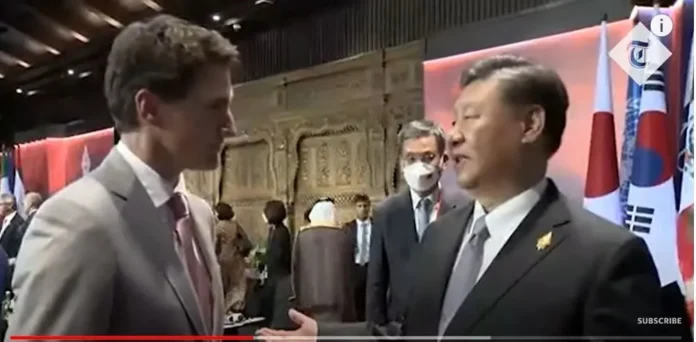
Σε μια σπάνια παρασκηνιακή στιγμή της διπλωματίας την οποία κατέγραψαν, ωστόσο, οι κάμερες,  ο Κινέζος πρόεδρος Σι Τζινπίνγκ φαίνεται να “κατσαδιάζει” άγρια τον Καναδό πρωθυπουργό Τζάστιν Τριντό επειδή η κυβέρνησή του διέρρευσε στα μέσα ενημέρωσης λεπτομέρειες από τη συνομιλία που είχαν οι δύο ηγέτες μια μέρα πριν, στο περιθώριο της συνόδου κορυφής της G20 στο Μπαλί της Ινδονησίας.

«Ό,τι συζητήσαμε έχει διαρρεύσει στις εφημερίδες, αυτό είναι ανάρμοστο», είπε ο Σι στον Τριντό σήμερα Τετάρτη μέσω μεταφραστή, κατά την ολοκλήρωση της συνεδρίασης της G20.

Ένας έκπληκτος Τριντό, σχεδόν χωρίς λόγια, απλώς έγνεψε καταφατικά καθώς ο Σι συνέχιζε τις ατάκες του μέσω μεταφραστή. Ο Κινέζος Πρόεδρος κοίταξε έντονα τον Τριντό και πρόσθεσε: «Και δεν έγινε έτσι η συζήτηση»..

Ο Τριντό, γνωρίζοντας ότι οι λεπτομέρειες της συνάντησής του με τον Σι είχαν διαρρεύσει από πηγές της καναδικής κυβέρνησης, δεν απάντησε στις ανησυχίες του Κινέζου Προέδρου και αντ’ αυτού έδωσε μια ατυχή απάντηση.

«Λοιπόν στον Καναδά, πιστεύουμε στον ελεύθερο και ανοιχτό και ειλικρινή διάλογο, τον οποίο θα συνεχίσουμε να έχουμε», κατάφερε τελικά να πει.

«Θα συνεχίσουμε να προσπαθούμε να εργαστούμε εποικοδομητικά μαζί, αλλά θα υπάρξουν πράγματα στα οποία θα διαφωνήσουμε».

Ενώ ο Τριντό μιλούσε, ο Σι φαινόταν απογοητευμένος και απέφυγε να κάνει οπτική επαφή με τον Καναδό πρωθυπουργό.

Στη συνέχεια ο Σι χαμογέλασε πλατιά, άπλωσε το χέρι του και έσφιξε το χέρι του Τριντό για να τερματίσει την βασανιστική συνομιλία.

Φαινομενικά έκπληκτος από την επίθεση, ο Τριντό περιπλανήθηκε μόνος ενώ ο Σι χαμογέλασε στην κάμερα.

Η Οτάβα κατηγόρησε τις τελευταίες εβδομάδες την κινεζική κυβέρνηση για παρέμβαση στους δημοκρατικούς θεσμούς και το δικαστικό της σύστημα, μετά από χρόνια τεταμένων σχέσεων μεταξύ των δύο χωρών.

Με πληροφορίες από Daily Mail

https://hellasjournal.com/2022/11/agria-katsada-tou-si-tzipingk-ston-anavdo-kanado-prothipourgo-trinto-ine-anarmosto-diarrefsate-stis-efimerides-oti-sizitisame-vinteo/

Russia to install radar and missile systems close to critical NATO facilities in Turkey, prompting security concerns

0
DCIM101MEDIADJI_0192.JPG

Abdullah Bozkurt/Stockholm

Russian plans to install radar and missile systems in a Turkish town located some 280 miles from a critical NATO radar base as part of an agreement to build a 4,500-MW capacity nuclear power plant in Turkey has prompted an outcry and security concerns from the opposition.

“The installation of a radar system also means the establishment of an air defense system. In other words, have you given permission for the construction of a nuclear power plant that we can’t protect ourselves? How and on what basis will the software for this system, which will be left entirely to the Russians, distinguish between friend and foe?” asked opposition lawmaker Zeki Hakan Sıdalı during a debate in parliament on October 26.

Sıdalı represents Mersin province, where Russia’s Rosatom State Nuclear Energy Corporation is building Turkey’s first nuclear power plant in the town of Akkuyu, near Buyukeceli in the Gulnar district.

The agreement was originally signed as an intergovernmental deal between the two countries in May 2010, but numerous concessions to Russia were made by Turkish President Recep Tayyip Erdoğan, who issued hastily drafted decrees and rushed laws through parliament to please the Kremlin.

Trade Registry records for the establishment of the Russian-controlled Turkish company Akkuyu NGS Nuclear Santral A.Ş,:

Page 1 / 3

Zoom 100%


As the terms of the agreement became clearer with the construction of the plant, it turned out that Russia would be installing a radar system near the plant and possibly deploying long-range missiles such as S-400s on the pretext of providing security for the nuclear installation.

There is no explicit reference in either the bilateral agreement or the regulations adopted in Turkey since 2010 to permission granted for such systems other than general provisions on establishing Central Alarm Systems (MAI) for security in and around the power plant.

The detailed regulations issued by Turkey’s Nuclear Regulatory Authority (Nükleer Düzenleme Kurumu, NDK) on August 8, 2020 on the security of the nuclear installation and materials made no mention of radar or missile systems, either.

The issue has been hotly debated in the Turkish parliament, and a legal challenge was filed in a Turkish court to stop the Russian-controlled Turkish company from proceeding with the construction as planned.

Hasan Cüneyt Zapsu, a confidant of the Turkish president, became a member of the board of directors of Akkuyu NGS Nuclear Santral A.Ş. in 2013:

Page 1 / 1

Zoom 100%


“You are bringing an atomic bomb to Akkuyu [the town where the power plant is being built] and handing the button to Putin and the Kremlin,” said opposition lawmaker Serkan Topal.

Akkuyu lies on the eastern Mediterranean coast, not far from a sophisticated radar base in Malatya’s Kürecik district, part of NATO’s missile defense system, which works with missile interceptors in Romania and Poland to counter a missile threat. What kind of radar and air defense systems the Russians plan to bring to Akkuyu and whether they would compromise the security of Turkey and its NATO allies is an open question.

The government of President Recep Tayyip Erdoğan has not been forthcoming with details of the plant construction, which is estimated to cost some $20-$22 billion. The entire process has lacked transparency and is shrouded in secrecy. The government has also been unresponsive to opposition criticism on a range of issues from national security concerns to further dependence to Russia for energy supplies, from flawed environmental impact study reports to overpriced electricity purchase guarantees that many suspect are designed to enrich the cronies of President Erdoğan.

Current members of the the board of directors of Akkuyu NGS Nuclear Santral A.Ş.:

Page 1 / 1

Zoom 100%


The Russians appear to be making up their own rules as they move forward with their plans with respect to the power plant construction. Akkuyu NGS Nuclear Santral A.Ş, the company set up in Turkey by Russia to manage the plant and oversee the construction, was sued in a Turkish court by the sole Turkish board member, Hasan Cüneyt Zapsu, who claimed that the Russian-dominated board left him in the dark and did not include him in the decision-making process.

Zapsu, a long-time ally of President Erdoğan, stated that the radar installation could possibly pose a national security risk to Turkey and may not be aligned with Turkish foreign policy. He told the board that the company needed to talk to Turkish authorities before awarding a contract to a Russian firm, but he was ignored and the Russians on the board simply made a decision on June 6, 2021 and asked him to rubber-stamp it, something that has been going on for some time.

Cover page of the lawsuit filed by Hasan Cüneyt Zapsu against Akkuyu NGS Nuclear Santral A.Ş. in 2022:

Page 1 / 1

Zoom 100%


Yet Zapsu did not resign from the board when he was overruled by the majority, and the lawsuit may simply be a tactical move to strengthen the hand of his ally Erdoğan in talks with Russian President Vladimir Putin in resolving outstanding issues with the project. He may also be laying out a path for a safe exit in the event Erdoğan is ousted from power in the elections next year and to avoid being held to account for irregularities in awarding the multi-billion dollar contract to the Russians.

In any case, the legal challenge and parliamentary debates have generated a great amount of attention to the Akkuyu project in recent months. According to opposition lawmaker Ali Mahir Başarır, the allocation of 10 million square meters (3.86 square miles) of land to Russia for the project seemed suspicious because similar power plants in other countries operate in an area averaging 1 million square meters. That suggests Russia has some other plans for the land that the government is not disclosing, he said.

Company documents reveal opposition from one member of the board of directors to building a radar base near the Russian-controlled power plant: 

Page 1 / 1

Zoom 100%

Page 1 / 1

Zoom 100%

Compounding matters further, the Erdoğan government has been doing everything in its power to suppress criticism and hide from the public the details of the problems in the construction of the plant.

A parliamentary motion filed by the main opposition Republican People’s Party (CHP) on October 24, 2022 asked the legislature to establish an investigation commission to probe security issues for the radar system to be built by Russia in Akkuyu.

The motion referred to decision No.2021/17 by the board of directors of Akkuyu NGS Nuclear Santral A.Ş. on June 16, 2021 which stated that the company had signed a security contract with a  company named New Era of Industrial Technologies (NEPT) A.Ş. to procure physical security systems in and around four nuclear power generation units in Akkuyu. NEPT is a Russian firm that has a branch in Turkey as well, and the contract was for “Physical Safety System for Nuclear Island Facilities” (Nükleer Ada Tesisleri Fiziksel Koruma Sistemi). NEPT specializes in perimeter security systems for important facilities, especially nuclear facilities in Russia.

Parliamentary motion that asked for an investigation into security concerns about building a radar base near the power plant was rejected by Erdoğan’s party and his allies:

Page 1 / 3

Zoom 100%


Despite warnings by the opposition that a radar base could compromise Turkey’s national security and violate its sovereignty, the motion was defeated in the General Assembly on October 26 by a majority of votes from Erdoğan’s ruling Justice and Development Party (AKP) and its far-right backers from the Nationalist Movement Party (MHP).

However, the debate provided further details on some of the disputes over the Akkuyu project. According to Zapsu’s lawsuit, filed at the Ankara 9th Court of Commerce under case file No.2022/655, he was sidelined from the decision making process of Akkuyu NGS, which is building the power plant and will be operating it when it goes on line.

For this project, the Russians established a special Turkish firm in Ankara under the name of Akkuyu NGS Elektrik Üretim A.Ş. on December 13, 2010 with an initial capital of 150 million Turkish lira. All five founding members and shareholders were Russian companies, listed as Atomstroyexport, Inter Rao Ues, Konzern Rosenergoatom, Atomtechenergo and Atomenergoremont. All the board members were Russian nationals. In November 2013 Erdoğan’s confidant Zapsu was brought on as a member of the board.

With the last changes reported to the Trade Registry at the end of 2021, the board of directors is composed of Anastasia Zoteeva (president), Anton Dedusenko (deputy president), Ekaterina Lyakhova, Hemi Edouard Proglio, Gennady Sakharov, Alexey Zhukov, Zapsu and Sergey Zvegintsev.

Safety regulations issued by Turkey’s Nuclear Regulatory Authority (Nükleer Düzenleme Kurumu, NDK] on August 8, 2020:

Page 1 / 7

Zoom 100%


What is more, problems have surfaced during the construction phase of the power plant. Akkuyu NGS contracted the construction to a joint venture company called T2-IC, which is equally owned by Turkish firm IC İçtaş İnşaat Sanayi ve Ticaret AŞ and Russian company Titan-2. The contract was awarded to T2-IC on July 22, 2019 with a push from President Erdoğan to enrich his close business associates even though İçtaş had never been involved in building a nuclear power plant.

A lack of experience coupled with a series of mistakes made by the Turkish firm in the construction caused unnecessary delays. Cracks were detected in the foundation of the plant, but Turkish regulatory body NDK was told by the government to ignore these flaws and not to investigate violations. With a new presidential decree issued by Erdoğan in February 2019, changes were made to fix the problem by pouring concrete on the foundation to cover up the cracks.

Fed up with a series of mistakes by İçtaş, the Russians eventually decided to terminate the contract with T2-IC on July 26, 2022, which led to the laying off of thousands of Turkish workers who were hired by the Turkish contractor. A labor dispute erupted and was taken to local courts, which were prevented from investigating the allegations. The matter was escalated to the intergovernmental level and eventually sorted out during a meeting between Erdoğan and Putin in September 2022 in Samarkand, Uzbekistan, on the sidelines of the Shanghai Cooperation Organisation (SCO) summit. İçtaş again became the contractor.


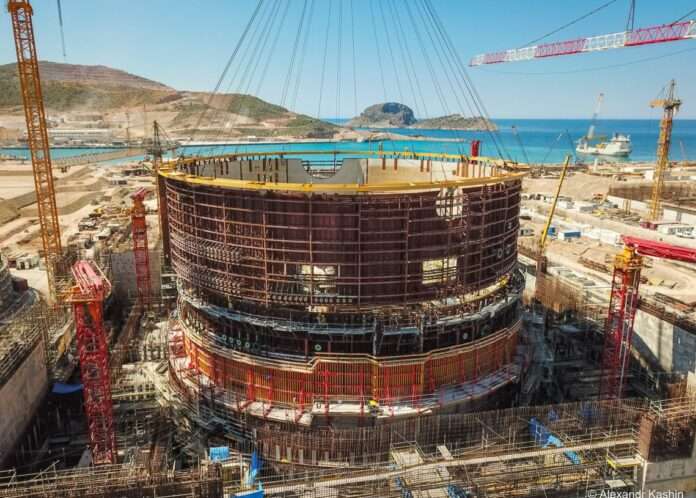
The Akkuyu power plant in Turkey, currently under construction by Russia.

In return, Russia reportedly extracted major concessions from Erdoğan on a number issues such as using Turkey to circumvent Western sanctions and provide sanctuary for oligarchs hunted by the West. More importantly, the Russians secured the commitment of Erdoğan to not challenge changes approved by the board of directors of Akkuyu NGS at a board meeting on March 12, 2019. The changes, which were not part of the original deal that was approved by the Turkish parliament, paved the way for Russia to expand its footprint in the port of Mersin and its maritime facilities in the Mediterranean.

According to the original deal, Akkuyu NGS has the right to build, manage and use port facilities for transport, storage and loading and offloading of materials needed for the power plant. However, with the new changes introduced by the board, Russia also acquired rights to build commercial ports that can be used as a forwarding base to meet the logistical needs of Russian naval vessels in the Mediterranean. Erdoğan reportedly pledged not to challenge these plans even though they were not approved by parliament.

President Recep Tayyip Erdoğan met with Russian President Vladimir Putin on the sidelines of the 22nd Meeting of the Council of Heads of State of the Shanghai Cooperation Organisation (SCO).

To sweeten the deal, Putin reportedly promised Erdoğan help in the elections next year that will put Erdoğan’s 20-year rule to the test amid growing the economic hardship Turkish voters are suffering. Proposals ranging from Russian influence operations to promote Erdoğan during the election campaign to offering discounts on the price of energy Turkey purchases from Russia were brought to table during the talks.

In any case, the fallout from problems with Turkey’s first nuclear power plant continue to trigger political debate in Turkey, and Russia’s deep involvement in the project may very well have repercussions in terms of security concerns among Turkey’s NATO allies.

Russia to install radar and missile systems close to critical NATO facilities in Turkey, prompting security concerns