Οι εκλογές για το ευρωκοινοβούλιο διεξάγονται σε ένα κλίμα απάθειας εξαιτίας του αδιεξόδου στο οποίο βρίσκεται η ευρωπαϊκή πρόταση.
Πάντοτε, η ευρωπαϊκή προοπτική προσπαθούσε να ξεπεράσει το στενό εθνικό πλαίσιο. Δεν μπορούσε να υπάρχει διαφορετικά. Προχώρησε μέχρι του σημείου που εξέλιπαν οι σημαντικοί ηγέτες που εμφορούνταν από τις ευρωπαϊκές ιδέες. Δεν είναι καθόλου τυχαίο που η απουσία ηγετών και ευρωπαϊκής προοπτικής συνέπεσε με την βιολογική έκλειψη της γενιάς που έζησε τον μεγάλο πόλεμο ή τις πρώτες δεκαετίες του. Η Ευρώπη οικοδομήθηκε πάνω στα ερείπια του Β! ΠΠ για να αποφύγουν οι λαοί της γηραιάς ηπείρου μια ακόμη επανάληψη εκδήλωσης των πιο άγριων ενστίκτων του ανθρώπου.
Οι γενιές που ανέλαβαν την εξουσία στις ευρωπαϊκές χώρες δεν έχουν εμπειρία πολέμου. Νομίζουν πως είναι παιχνίδι στον υπολογιστή. Διαχειρίζονται τις υποθέσεις της ηπείρου με εκπληκτική επιπολαιότητα. Θεωρούν ότι η πολιτική, οικονομική και στρατιωτική σταθερότητα είναι ο κανόνας, επειδή η δύση έζησε σε ένα περιβάλλον ασφάλειας τα τελευταία 75 χρόνια. Όλα, όμως, κρίνονται και κρέμονται από μια κλωστή.
Ο ευρωπαίος πολίτης δεν περιμένει και πολλά από την Ευρωπαϊκή Ένωση και βλέπει με προβληματισμό τις εξελίξεις.
Υπάρχουν τρείς λόγοι γι αυτό: Οι ηγεσίες είναι μέτριες και κατώτερες των περιστάσεων που περνά η Ευρώπη. ‘Εχει κυριαρχήσει η Γερμανία, η οποία όταν διοικεί τον εαυτό της τα πηγαίνει περίφημα, όταν, όμως, καλείται να υπερβεί τα εθνικά της σύνορα και να διαχειριστεί ευρύτερες υποθέσεις αποτυγχάνει παταγωδώς. Ο τρίτος λόγος είναι η πόλωση μεταξύ των δυνάμεων της παγκοσμιοποίησης και όσων επιδιώκουν την επανάκτηση μεγαλύτερου ρόλου από τις εθνικές κυβερνήσεις. Οι μεν κατηγορούν τους δε για εθνικισμό, ρατσισμό και ξενοφοβία. Οι δεύτεροι τους πρώτους για αλλοίωση των χαρακτηριστικών της Ευρώπης με την πολιτική τους στο μεταναστευτικό, για προσπάθεια εξάλειψης των εθνικών ταυτοτήτων.
Λείπει η πρόταση που θα εμπνέεται από την Αριστοτελική μεσότητα. Και δεν είναι εύκολο να διαμορφωθεί. Λείπει, ο ορθός, νηφάλιος και εξισορροπιστικός λόγος ενός κέντρου που θα συνδυάζει το εθνικό με το ευρωπαϊκό και το παγκόσμιο και θα παίρνει υπόψη του όλες τις κοινωνικές κατηγορίες.
Μέχρι να βρεθεί η Ευρώπη στην καλύτερη περίπτωση θα αντιμετωπίζει φαινόμενα κρίσης και παρακμής.
Οι οιωνοί δεν είναι αίσιοι. Ο κόσμος το διαισθάνεται. Γι αυτό και αδιαφορεί.
Στην μακρά συνέντευξη του απολογιστική μιας μεσολάβησης που διήρκεσε μια εικοσαετία ο κ. Νίμιτς περιγράφει με προσωπικό τόνο το πως έζησε τις διαφορετικές φάσεις της διαπραγμάτευσης με τους διαφορετικούς ηγέτες της κάθε πλευράς, επιβεβαιώνοντας βεβαίως ότι με την Συμφωνία των Πρεσπών δεν απειλείται η «Μακεδονική Ταυτότητα» και το δικαίωμα των πολιτών της χώρας να δηλώνουν «Μακεδόνες»…
Η συνέντευξη δόθηκε στην εκπομπή στην «μακεδονική γλώσσα» της Deutsche Welle όπου φυσικά στους τίτλους παραμένει η αναφορά σε ειδήσεις από την «Μακεδονία»…
Στην ερώτηση ότι εξελίσσεται σε πρόβλημα για την άλλη πλευρά ότι πολύ συχνά χρησιμοποιείται το «Βορειομακεδόνας» ή η γλώσσα χαρακτηρίζεται «Βορειομακεδονική» ο κ. Νίμιτς εμφανίζεται καθησυχαστικός λέγοντας ότι «με την Συμφωνία συμφωνήσαμε οι άνθρωποι να προσδιορίσουν τους εαυτούς τους ως Μακεδόνες, αλλά το όνομα του κράτους θα είναι «Βόρεια Μακεδονία», οπότε κάποιες φορές θα χρησιμοποιείται ο όρος «Βορειομακεδόνας». Όμως η Εθνική ταυτότητα είναι η Μακεδονική..».
Ο κ. Νίμιτς προβάλει και ένα τουλάχιστον ατυχές επιχείρημα (καθώς αφορά τον διαμελισμό μιας ενιαίας χώρας και ομοιογενούς εθνότητας), λέγοντας ότι στην Βόρειο Κορέα και στην Νότιο Κορέα οι κάτοικοι ονομάζονται και αυτοαποκαλούνται Κορεάτες καθώς όπως είπε τα ονόματα των χωρών αλλάζουν αλλά οι άνθρωποι διατηρούν την ταυτότητα τους. Έτσι μπορούν να αυτοαποκαλούνται Μακεδόνες. Κι αν κάπου χρησιμοποιείται ο όρος Βορειομακεδόνας, δεν είναι και το τέλος του κόσμου…»
Σε σχέση με τις αντιδράσεις που υπάρχουν και στις δυο χώρες ο κ. Νίμιτς είναι αρκετά επιφυλακτικός λέγοντας ότι κανείς δεν μπορεί να είναι σίγουρος για το μέλλον καθώς «η ιστορία δεν σταματά ποτέ και οι διαφορές με βαθιές ρίζες αλλάζουν μεν αλλά ποτέ δεν εξαφανίζονται εντελώς…»
Ο κ. Νίμιτς αναφέρει ακόμη ότι είπε σε όλες τις πλευρές στα Σκόπια ότι έχουν μπροστά τους τον «δρόμο για το ΝΑΤΟ και την Ε.Ε., την οικονομική ανάπτυξη την βελτίωση των σχέσεων των “εθνοτικά Μακεδόνων” με τους Αλβανούς… Με όλα αυτά τα προβλήματα μπροστά σας θα γυρίσετε πίσω και θα συζητήσετε ξανά με τους Έλληνες για το όνομα;»
Ενώ απαντώντας σε όσους διαφωνούν με την Συμφωνία ,στην Ελλάδα ο κ. Νίμιτς δηλώνει ότι οι Έλληνες έχουν μια καλή λύση και η Συμφωνία αποτελεί πραγματική επιτυχία για την Ελλάδα. Πήραν όσα ζητούσαν τα τελευταία χρόνια, Αλλαγή του ονόματος erga omnes, αναγνώριση των ιστορικών θεμάτων , σαφείς δεσμεύσεις αντιμετώπισης του αλυτρωτισμού.
Και εξηγεί ότι κατά την άποψη του οι Έλληνες «δεν έδωσαν τίποτα» και έτσι είναι αδικαιολόγητο το ψυχολογικό αίσθημα της παραχώρησης , προβάλλοντας το επιχείρημα ότι οι Έλληνες δεν παραχώρησαν όπως υποστηρίζουν ορισμένοι την γλώσσα γιατί η γλώσσα υπήρχε και έτσι την αναφέρουν τα αγγλικά λεξικά και ότι εάν η Συμφωνία των Πρεσπών είχε συνταχθεί στην… κινέζικη που είναι επίσημη γλώσσα του ΟΗΕ κανείς δεν θα αντιδρούσε καθώς δεν θα καταλάβαινε ότι η γλώσσα καταγράφεται (σ.σ. στα κινεζικά) ως Μακεδονική.
(Πουθενά βεβαίως δεν επικαλείται το βασικό επιχείρημα της κυβέρνησης για την υποτιθέμενη αναγνώριση της «Μακεδονικής» γλώσσας από την Ελλάδα το 1977 στην διάσκεψη του ΟΗΕ).
Ο κ. Νίμιτς κάνει μια σημαντική παραδοχή ότι το πρόβλημα δεν αφορούσε τόσο την αρχαία κληρονομιά αλλά τις μετά τους Βαλκανικούς Πολέμους εξελίξεις στην περιοχή «με την ένταξη στην Ελλάδα, της «Βόρειας Ελλάδας» που είχε μικτό πληθυσμό και αργότερα με την ενίσχυση από τον Τίτο του κομμουνιστικού Στρατού που αποτελούνταν και από Σλάβους…» και κάνει ιδιαίτερη αναφορά στην βάσιμη ανησυχία που υπήρχε στην Ελλάδα για την δημιουργία μειονοτικού ζητήματος, καθώς όπως λέει η ύπαρξη μειονοτήτων στα Βαλκάνια συνδέονταν με την φιλοδοξία της χώρας καταγωγής να την προστατεύσει…
Φυσικά θα πρέπει να επισημανθεί ότι η Συμφωνία των Πρεσπών έλαβε ελάχιστα υπόψη της τον αλυτρωτισμό που δημιουργήθηκε μετά την κατάρρευση της Οθωμανικής Αυτοκρατορίας και κυρίως από την κομμουνιστική Γιουγκοσλαβία και περιορίσθηκε στο «εύκολο» κομμάτι του διαχωρισμού του αρχαίου ελληνικού πολιτισμού από τον… σλαβικό πολιτισμό.
Ο κ. Νίμιτς περιγράφει με γλαφυρό τρόπο την απογοήτευση που ένοιωθε τα 20 αυτά χρόνια βλέποντας τίποτε να μην κινείται. Ήταν τυχερός λέει που δεν ήταν η μοναδική απασχόληση του γιατί θα ήταν «καταθλιπτικό» να κάθεται στο γραφείο επί μήνες χωρίς να κάνει τίποτε… Όσο για την αμοιβή του ως μεσολαβητής, είναι αποκαλυπτικός. Η αμοιβή του είχε ορισθεί στο συμβολικό ποσό του 1$ το χρόνο.
«Τα είκοσι δολάρια δεν μου τα έδωσαν ποτέ. Τουλάχιστον πλήρωναν τα έξοδα των μετακινήσεων μου…» λέει με το γνωστό φλεγματικό χιούμορ του ο παλιός έμπειρος Αμερικανός μεσολαβητής…
The country’s political system doesn’t deserve the laments it’s recently received.
Article by Steven A. Cook, Author CFR. Council on Foreign Relations.
Last updated May 22, 2019
Turkish President Tayyip Erdogan leaves the voting booth at a polling station in Istanbul, Turkey June 24, 2018.REUTERS/Umit Bektas
This article first appeared here on ForeignPolicy.com on May 13, 2019.
Last week, Turkey’s Supreme Election Council annulled Istanbul’s recent mayoral election, triggering many analysts and journalists to declare the end of Turkish democracy. But these pronouncements fail to reckon with a basic historical question: How could something end that never was?
Over the years, it has become an accepted fact that the founding of Turkey’s Democratic Party in 1946 not only ushered in the country’s era of multiparty politics but also began its democratic transition. The Democrats swept into power in 1950 without resistance from the defeated Republican People’s Party (CHP), and the mythology of Turkish democracy was born. Since then, elections have been held on time, are believed to have been free and fair, and produced a dizzying array of coalition governments, especially in the 1970s and 1990s.
Of course, there were also four coups between 1960 and 1997 that upended these same freely elected governments. That’s why many observers considered the election of the Justice and Development Party (AKP), which first took office in 2002, a critical step toward Turkey’s democratization. Its leaders vowed to reform or abolish institutions that the military had created to protect the state from the individual (mostly at the expense of parties like the AKP and their constituents). Toward that end, the AKP used its parliamentary majority to pass constitutional reform packages that, for example, reined in the National Security Council, made it harder to close political parties and ban politicians, abolished mixed civilian and military state security courts, and changed the penal code.
Yet, 17 years later, the AKP’s leaders have become what they once claimed to abhor. The party has not resurrected the military as the arbiter of Turkish politics, but President Recep Tayyip Erdogan is engaged in a familiar pattern of leveraging and reengineering Turkey’s political and legal institutions to ensure that he and the AKP remain in power. Take, for example, the Supreme Election Council. The body’s membership is drawn from the judges of Court of Cassation and the Council of State, and its role is to ensure the integrity of Turkey’s elections. The election council has, however, ceased to function as a neutral arbiter of the electoral process. Instead, through appointments to the judiciary, it has become an instrument of the AKP and Erdogan.
In April 2017, Turks went to the polls to vote on a raft of constitutional amendments designed to enhance the power of the presidency. When exit polls indicated that approval of the amendments was in jeopardy, the AKP pressured the Supreme Election Council to accept ballots that were missing the proper validation, thereby awarding Erdogan the victory he needed to establish what Turks call the “executive presidency.”
More recently, the election council’s AKP-appointed members voted to nullify the outcome of the Istanbul mayoral contest on the grounds that those administering the vote were not civil servants, a violation of electoral laws. But—and this is a big but—the election of the CHP’s Ekrem Imamoglu to be mayor of Istanbul was the only voided election in the city. The election council certified the results in Istanbul’s district elections that AKP candidates won, even though the same people tallied the results of these contests and the mayoral election. For good measure, ahead of the election council’s decision to overturn Imamoglu’s victory, Turkish prosecutors declared that the very same officials who could not count the CHP’s candidate vote but could count the vote of AKP candidates had links to FETO, the Fethullahist Terrorist Organization, a one-size-fits-all accusation used to purge hundreds of thousands of people since the failed July 2016 coup.
Despite the effort to situate the Supreme Election Council’s questionable decision in law, it was fundamentally a political act. Because Erdogan, his party, and their supporters have been so thuggish in their approach to politics for more than a decade, it is hard not to think of Turkey’s democracy deficit as an AKP problem. This was in part the reason for the endless references a number years ago to “Turkey’sauthoritarianturn,” but as bad as the AKP has become, Erdogan is not the first Turkish leader to leverage the institutions of the state to shut out or repress his opponents.
Followers of Fethullah Gulen are aggrieved over a crackdown that has been going on for years and has resulted in the arrests of journalists, academics, and judges. Setting aside for a moment that Erdogan’s purge has been nothing sort of obscene, the Gulenists had little to say when they were aligned with the AKP and an entirely different set of journalists, academics, and judges were being purged. It was not just their silence that made them complicit, however. Gulenist-linked prosecutors were involved in manufacturing evidence against defendants, and Gulen-supporting judges oversaw questionable convictions. Some of those whom the AKP and the Gulenists put behind bars in the 2000s were involved in or supported the “February 28 Process”—the Orwellian name for the slow-rolling coup of 1997 that ended Turkey’s first experiment with Islamist-led government.
This process was intended to push the government from office and force a new government to modify legal and political institutions to head off what the General Staff feared would be the Islamization of the country. Before the February 28 Process, the 1982 constitution made democratic practices, political outcomes, education, broadcasting, and a range of individual rights contingent on the approval of unelected men in uniform. The 1971 “coup by memorandum” demanded that the Turkish prime minister tighten up aspects of the then-constitution that the military command deemed too liberal. In the 1950s, the Democratic Party may have ushered in an enduring multiparty era, but it too resorted to leveraging the state’s institutions to advance its political interests at the expense of democracy.
The moves and countermoves of Turkish politics belie the notion that the country was a democracy or was democratizing until the AKP won its first election in 2002. Turkey, like a host of other countries, became proficient in some democratic practices, and its constitutions established what resembled democratic institutions, but few of its leaders ever demonstrated a commitment to democratic norms. Without it, cynicism and authoritarianism flourished alongside of, and even with the help of, democratic practices.
If there is little reason to credit Turkish leaders, the millions of Turkish citizens are different. At critical moments, they have infused Turkey’s pseudo-democratic institutions with meaning, defying the military’s call to maintain a ban on politicians in the mid-1980s and defying the officers again in 2007 when the General Staff tried to block Abdullah Gul from becoming Turkey’s president. Many Turks countenanced the electoral chicanery of the AKP since 2014 because the party delivered prosperity and the unfortunate state of the opposition combined with the government’s coercion left them with little choice.
Yet the institutional manipulation in order to nullify the Istanbul election may have gone too far. The AKP candidate is now the odds-on favorite to win. Erdogan would not go to the trouble of overturning the election only to lose again. But it does not seem that Istanbul’s people are going down without a fight. The rerun election is likely a lost cause. But maybe, just maybe, it can be the prelude to the birth of a true Turkish democracy.
Δεν πρόλαβε να στεγνώσει το ψηφιακό «μελάνι» μου και χθες 23-5-2019 στην ηλεκτρονική έκδοση της εφημερίδας Le Monde και του Γαλλικού Πρακτορείου Ειδήσεων διάβασα την νέα σχετική είδηση : «Ευρωβουλευτικοί βοηθοί : η ευρωπαϊκή δικαιοσύνη επιβεβαιώνει, για άλλη μια φορά, ότι η Marine Le Pen οφείλει να επιστρέψει300.000 ευρώ». (Assistants parlementaires : la justice européenne confirme, une nouvelle fois, que Marine Le Pen doit rembourser 300 000 euros). «Το Ευρωπαϊκό Δικαστήριο απέρριψε την προσφυγή της αρχηγού του Εθνικού Συναγερμού κατά της απόφασης στις 19 Ιουνίου 2018, που είναι το τελικό στάδιο αυτής της νομικής διαδικασίας σε ευρωπαϊκό επίπεδο».
Η κυρία Le Pen λοιπόν, τεράστιος «πολεμιστής» ενάντια στις γαλλικές και ευρωπαϊκές Ελίτ, είχε κάνει προσφυγή εναντίον αυτής της απόφασης που της ζητούσε να επιστρέψει πίσω το παραπάνω ποσό που παράνομα εισέπραξε, σε βάρος ημών των φορολογουμένων, στο όνομα της κυρίας CatherineGriset ως δήθεν ευρωβουλευτικής βοηθού της. Η παραπάνω έγκυρη πηγή αναφέρει επί λέξει ότι η κ. Le Pen «δεν μπόρεσε να αποδείξει ότι η βοηθός της εκτελούσε πραγματικά καθήκοντα γι ‘αυτήν»!
Η επιστροφή των χρημάτων αυτών αναφέρεται στην απασχόληση της Catherine Griset, ως κοινοβουλευτικού βοηθού, από το τέλος του 2010 έως τις αρχές του 2016. Στην πραγματικότητα ήταν Διευθύντρια του Πολιτικού Γραφείου της Marine Le Pen στο Παρίσι από το 2015.
Τι είναι τώρα η κυρία Catherine Griset;
Υποψήφια ευρωβουλευτίνα του κόμματος της Le Pen παρακαλώ και μάλιστα στη 10η εκλόγιμη θέση. Υπολογίζεται ότι η Le Pen θα εκλέξει πάνω από 20 ευρωβουλευτές την Κυριακή, εκτός απροόπτου, αφού μέχρι και σήμερα προηγείτο του Μακρόν στις δημοσκοπήσεις. Στη Γαλλία μετράει η αριθμητική θέση των υποψηφίων στη λίστα των υποψηφίων ευρωβουλευτών. Δεν βάζουν σταυρό προτίμησης οι Γάλλοι στις ευρωεκλογές, όπως θα κάνουμε εμείς την Κυριακή. Με άλλα λόγια, η εν λόγω κυρία θα είναι σύντομα σίγουρη ευρωβουλευτίνα για τις πολύτιμες υπηρεσίες της, κι άρα το ποσό των 300.000 ευρώ θα παρακρατηθεί μάλλον από τον παχυλό μισθό της. Ευτυχώς.
Έτσι έγινε σε μια παρόμοια περίπτωση, αναφορικά με τη χρήση από την Le Pen του σωματοφύλακά της ως ευρωβουλευτικού βοηθού της. Και στις δύο παραπάνω περιπτώσεις, ο εν λόγω κοινοτικός θεσμός βασίστηκε σε σχετική έρευνα της OLAF, δηλαδή της Ευρωπαϊκής Υπηρεσίας Καταπολέμησης της Απάτης. Το Ευρωπαϊκό Κοινοβούλιο το 2017 ανέκτησαν περίπου 60.000 ευρώ, σύμφωνα με την ίδια παραπάνω πηγή.
Ξέρετε ποιον τοποθέτησε επικεφαλής του ψηφοδελτίου της η κ. Λεπέν ;
Τον φέρελπι κ. JordanBardella ο οποίος κι αυτός φέρεται να είναι ύποπτος της λεπενικής βιομηχανίας των εικονικών βοηθών, σύμφωνα με το εξής δημοσίευμα : «Ευρωεκλογές : ο επικεφαλής του ψηφοδελτίου του Εθνικού Συναγερμού, Jordan Bardella, θεωρείται ύποπτος για εικονική απασχόληση στο Ευρωκοινοβούλιο» (Elections européennes : la tête de liste du RN, Jordan Bardella, soupçonnée d’emploi fictif au Parlement européen), του ηλεκτρονικού LeMonde και του Γαλλικού Πρακτορείου Ειδήσεων (AFP), στις 8-5-2019. Το εν λόγω δημοσίευμα στηρίζεται στην πληροφορία της 8ης Μαίου 2019 που δημοσίευσε η γαλλική σατυρική εφημερίδα LeCanardenchaîné. Σύμφωνα με αυτήν ο εν λόγω κύριος θεωρείται ύποπτος «σε μια έκθεση της Ευρωπαϊκής Υπηρεσίας Καταπολέμησης της Απάτης (OLAF) του 2016 για παράτυπη χρήση αποζημίωσης για ευρωκοινοβουλευτικό βοηθό».
Και τίθεται το αμείλικτο ερώτημα μετά από τα παραπάνω φρέσκα κουλούρια.
Είναι δυνατόν να περιμένουν οι Γάλλοι ψηφοφόροι αλλά και οι λοιποί ευρωπαίοι (δηλαδή κι εμείς) την αλλαγή, την εξυγίανση και τον μετασχηματισμό της Ευρωπαϊκής Ένωσης από την κ. Λεπέν η οποία εγκατέλειψε το FREXIT και την έξοδο της Γαλλίας από το ευρώ, σαν τους δικούς μας ακρο δεξιο αριστερούς τσαρλατάνους ;
Η μεγαλύτερη πρόκληση που αντιμετωπίζει η χώρα την ερχόμενη Κυριακή είναι να χωριστεί στα δυο. Μα, θα μου πείτε, καθ’ όλη τη διάρκεια της Μεταπολίτευσης, τις μέρες της οποίας ζούμε ακόμη, δεν ήταν ούτως ή άλλως μοιρασμένη η χώρα; Όχι, ποτέ! Ο δικομματισμός δεν έγινε ποτέ διχασμός την επομένη των εκλογών. Με αυτή την προοπτική λειτούργησε το μεγαλύτερο μέρος του Πασόκ, αλλά κι ένα σημαντικό κομμάτι της δεξιάς, όταν σε δυο δόσεις, το 2012 και το 2015, μετανάστευσαν στον Σύριζα. Με την αυταπάτη του «business as usual».
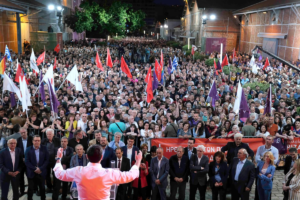
Από το 2015 μέχρι σήμερα, όμως, δεν είχαμε εκλογές για να εκφραστεί ο λαός και να κυρώσει με την ψήφο του μια καταστροφική διακυβέρνηση. Δόθηκε έτσι η ευκαιρία να ξετυλιχθεί μια επιδρομή καθεστωτικού τύπου στο κράτος και τους θεσμούς, που μεθοδεύτηκε από το πολίτ μπυρό της νέας διακυβέρνησης και υλοποιήθηκε από τους «χρήσιμους ηλίθιους» του Πασόκ και της Δεξιάς, οι οποίοι σπεύσανε να στοιχηθούν πίσω από την εξουσία, πιστεύοντας ότι ήταν μια από τα ίδια. Αυτό το πολίτ μπυρό, παραταγμένο μπροστά στον μεγάλο τιμονιέρη, και τον λαό πίσω από τα κάγκελα, το είδαμε χθες στο λιμάνι της Θεσσαλονίκης (photo).
Ποτέ στην κοινοβουλευτική ιστορία της χώρας δεν είδαμε κατά τη διάρκεια μιας παρατεταμένης προεκλογικής περιόδου τέτοιας έντασης επίθεση στο δημόσιο ταμείο για να μεταστραφεί μια κοινή γνώμη, η οποία, από την εκλογή του Κυριάκου στην προεδρία της Νέας Δημοκρατίας και μετά, ήταν σταθερά αρνητική απέναντι στην Κυβέρνηση και στα τρία δημοσκοπικά μέτωπα: στην πρόθεση ψήφου, στον καταλληλότερο πρωθυπουργό και στην παράσταση νίκης. Αυτό εξηγεί γιατί δεν έγιναν εκλογές μέχρι σήμερα. Αυτό εξηγεί, ενόψει εκλογών, και την ένταση και το βάθος των προεκλογικών παροχών, που δεν έχουν προηγούμενο.
Τόσο η ΝΔ όσο και το Πασόκ, λειτουργούσαν ανέκαθεν –ακόμη και σε καιρούς της πιο σφοδρής μετωπικής τους σύγκρουσης– με μια θεσμική υπευθυνότητα, η οποία έβαζε κάποια όρια στην προεκλογική συμπεριφορά τους, τα οποία απέρρεαν από το γεγονός ότι σε κάθε περίπτωση, το κράτος έπρεπε να μείνει όρθιο. Τώρα, αυτή η Κυβέρνηση δεν ταυτίζεται με το Κράτος. Το χρησιμοποιεί ως εργαλείο για την επίτευξη των στόχων της δικής της ατζέντας, που συνοψίζονται σε έναν: την παραμονή στην εξουσία με κάθε κόστος, ακόμη κι αν αυτό θα επιφέρει την κατάρρευση του Κράτους.
Αυτή η Κυβέρνηση πολιτεύεται προεκλογικά, όπως και καθόλη τη διάρκεια της θητείας της, με διχαστικό λόγο και έργο. Συνθλίβει τις παραγωγικές δυνάμεις της χώρας για να πιάσει τους δημοσιονομικούς στόχους και να μοιράσει επιδόματα χωρίς μέλλον. Κι αυτό γιατί δεν την ενδιαφέρει ούτε η ανάπτυξη της χώρας, ούτε το μέλλον της. Την πρώτη αδυνατεί να τη φέρει και το δεύτερο είναι πολύ μακριά γι’ αυτήν. Ζει λοιπόν με το παρόν και σ’ αυτό επενδύει. Στέλνοντας λάθος μηνύματα σε ένα μέρος της κοινωνίας, που αποκαλεί «οι πολλοί», από τους οποίους ζητά να την εμπιστευτούν για να τους συντηρεί ες αεί απομυζώντας «τους λίγους».
Δεν χρειάζεται όλη την κοινωνία μαζί της. Της αρκεί το εν τρίτον. Σ’ αυτούς στοχεύει, δεν την ενδιαφέρουν οι άλλοι, τους οποίους αποκαλεί «λίγους», αντιστρέφοντας και εδώ την πραγματικότητα. Την ενδιαφέρουν τόσοι μόνο, όσοι είναι αρκετοί για να της εξασφαλίσουν την παραμονή της στην εξουσία ή, κατ’ ελάχιστον, την πρόκληση τέτοιας ζημίας στον αντίπαλο, ώστε να μην μπορέσει να κυβερνήσει. Σε κάθε περίπτωση, η χώρα θα το πληρώσει, και μάλιστα ακριβά. Το ίδιο κάνει στην τοπική αυτοδιοίκηση, το ίδιο και στα πανεπιστήμια. Να μην διοικηθεί τίποτε αποτελεσματικά, αρκεί να βάλει πόδι στη διοίκησή τους ο Σύριζα. Μέχρι να εγκαθιδρυθεί το νέο καθεστώς.
Έτσι, από την κάλπη της ερχόμενης Κυριακής, κινδυνεύουν να βγουν δυο Ελλάδες. Μια Ελλάδα που εκπαιδεύεται για να ζει σε βάρος της άλλης και νομίζει ότι θα μπορεί να συνεχίσει να το κάνει αυτό εις το διηνεκές. Να παίρνει επιδόματα, μισθούς και συντάξεις και να προσλαμβάνεται στο Δημόσιο, συντηρούμενη από την άλλη Ελλάδα που συνθλίβεται υπό το βάρος των φόρων, της γραφειοκρατίας και του κρατισμού, καταδικασμένη να χρηματοδοτεί την πρώτη, διασφαλίζοντας και την επίτευξη των δημοσιονομικών στόχων.
Κάτι τέτοιο δεν είναι φυσικά βιώσιμο, ιδίως όταν τα σύνορα της χώρας είναι ανοικτά. Οι νέοι θα φύγουν, οι καλύτεροι έφυγαν κιόλας, πολλές επιχειρήσεις το ίδιο. Αν προκύψουν δυο Ελλάδες την Κυριακή, η χώρα θα ακολουθήσει το δρόμο της βαλκανοποίησης που της έχουν χαράξει οι εταίροι της. Και η εθνική καταστροφή θα μας περιμένει στη γωνία, όπως συνέβη πάντοτε με κάθε διχασμό.
Αυτό που πρέπει να κατανοήσει η Ελλάδα που εκμαυλίζεται σήμερα από μια κυβέρνηση που δεν την ενδιαφέρει το μέλλον όλης της χώρας, είναι πως σε κάθε κοινωνία, ο πλούτος, πριν διανεμηθεί, θα πρέπει πρώτα να παραχθεί. Και η χώρα έχει πάψει να παράγει πλούτο τα τελευταία χρόνια και μ’ αυτή την Κυβέρνηση δεν έχει καμιά προοπτική να παράξει πλούτο τα επόμενα.
Μοιραία, λοιπόν, το λεφτόδενδρο που φύτεψε ο κύριος Τσίπρας στον κήπο του Μαξίμου θα πάψει κάποια στιγμή να βγάζει ευρώφυλλα και κάπου εκεί θα υποστούμε την πιο βαθιά κρίση, από την οποία η πρώτη που θα πληγεί, θα είναι η Ελλάδα που τώρα πιστεύει πως θα μπορεί ες αεί να λαμβάνει μισθούς, συντάξεις και επιδόματα και να διορίζει τα παιδιά της στο Δημόσιο.
Και η κρίση αυτή δεν θάχει προηγούμενο που να μπορεί να θυμάται αυτή η γενιά…
Turkey has been almost constantly in the news over the past year, as troubling headlines about its economy and political situation continue to pile up. In a currency meltdown that escalated last summer, the Turkish lira has plunged by nearly 40%, threatening the Turkish economy as a whole. In January, inflation topped 20%, with skyrocketing food prices having an especially severe impact on the population. At the same time, unemployment hit 14.7%, its highest level in a decade, and a figure that’s only expected to rise further, as the Turkish economy is projected to contract by 2% in 2019. Politically, the country’s intense friction with the US, as well as its internal upheaval, have also provided plenty of reasons for concern and clouded its outlook going forward.
An Artificial Boom and a Very Real Bust
After the hotly contested and high-stake local elections at the end of March delivered severe blows to the Erdogan regime, the prospects of further instability were soon solidified. Erdogan, already in power for 18 years, is now pushing for a rerun of Istanbul mayoral election, following his party’s narrow defeat. It is precisely this timing, of a political inflection point combined with a recession, that makes the situation in Turkey all the more precarious.
For the last two decades, the country’s economy has been instrumental to the expansion and consolidation of power for Turkey’s president. However, the adoption of populist monetary policies and the artificial, debt-fueled growth has become increasingly unsustainable, as is usually the case. As the cracks are now apparent in the country’s economy, support is also at critical lows for the ruling party. In the midst of a recession, with further political friction on the horizon and a potential rerun in Istanbul, investors are justifiably concerned that political goals will overshadow the urgent need to resolve the economic woes of the country. The tough measures needed to stop the lira’s death spiral and to control the toxic debt ticking bomb, are unlikely to be winning electoral arguments.
The Turkish president is, after all, known for his interference in the economy and the private sector, while the central bank itself has lost credibility, as its independence has come under widespread doubt. Just before this last election, for example, it used its reserves to prop up the lira, with the relevant published data revealing that its foreign exchange reserves declined more than $2 billion in the week prior to the vote. According to rating agency Moody’s, gross and net reserves were “already at very low levels.”
Apart from shaking investors’ trust and encouraging suspicions over the politicization of the central bank, the move also failed to support the currency, as the lira has continued to plummet anyway, under the pressure of the extensive concerns over the country’s dwindling reserves. Further pressure is exerted on the weakened currency, and on Erdogan’s credibility for that matter, by the increasingly dominant dollarization trend domestically. More and more Turkish citizens are turning to the USD and the Euro to protect their purchasing power, and even use them in their everyday transactions. According to recent reports by the Financial Times,foreign currency deposits by residents jumped by $2.1 billion in the last week of March, bringing the total to $167 billion.
The Turkish government has nevertheless been persistent in ignoring the flashing danger signs. Instead, the Erdogan regime remains focused on the political aspects of the current crisis, blaming all problems on foreign conspiracies and insisting on policies that would only serve to paper over the core weaknesses of the economy. Despite their efforts to control inflation and to pull the economy out of the recession, the fundamentals are still dire and investor sentiment remains very low. A new reform program unveiled in mid-April also failed to convince market participants of an improved outlook, with a J.P. Morgan survey showing that more than 80% of investors did not have confidence in the government’s ability to revive the economy. The plan merely included a $5 billion injection to struggling state banks, with no references to spending cuts or to any other realistic fiscal steps that would concretely help rein in the spiraling debt problem.
Spillover Effects
Turkey’s debt problem, coupled with the plummeting lira, is arguably the most important risk factor for the nation’s economy. To make matters worse, far from it posing a threat just to Turkey itself, it also has the potential to inflict significant damage elsewhere too, starting with key economies in the Eurozone.
At first glance, the situation in Turkey might resemble many past similar scenarios of a heavily indebted nation with a plummeting currency that descends into a severe recession and eventually gets bailed out, like Greece. However, there is one key difference that makes Turkey’s debt problem much more complicated and potentially dangerous. Unlike Greece, Italy or other seriously debt-laden economies, it’s not just government borrowing that’s the main risk here. Instead, it’s the unsustainable and increasingly unfinanceable corporate debt that makes Turkey a ticking time bomb and renders an IMF-rescue option problematic.
Private debt to GDP stands at a staggering 170%, while, overall, over half of the borrowing is denominated in foreign currencies. Thus, the collapse of the lira has made it extremely challenging for businesses to pay off or even service their debt, while the default risk has surged. Around $179 billion in external debt is due to mature until July 2019, which amounts to almost a quarter of the country’s annual economic output, according to JPMorgan estimates. Most of that, $146 billion, is owed by the private sector and banks in particular.
However dire the current debt predicament might seem for Turkey’s businesses and economic outlook, it is important to also consider the implications for its debtholders, especially since European banks feature prominently among them. In fact, the level of exposure in some cases is so worrying that it justifiably raises concerns that what happens in Turkey won’t just stay in Turkey.
Spain’s banking sector is one of very few in the European bloc that was so far considered not to be problematic; especially in comparison to Italian or Greek banks. However, the exposure of Spanish banks to Turkish debt means that the currency and debt woes of Europe’s neighbor have decisively challenged these assumptions. Spain’s second-biggest bank, BBVA, controls 49.9% of Turkish bank Garanti, which has already reported a rise in non-performing loans. Spanish banks also led the lending spree to Turkish businesses over the past years, rendering them vulnerable to the spiking default risk.
Although Spanish banks were by far the greatest lenders for Turkey, French, Italian and German banks also have significant exposure to Turkish debt. This already became problematic from the onset of the Turkish woes this past summer, when investors dumped Eurozone bank shares and prices suffered significant blows. Among the worst hit were BBVA, Unicredit, and PNB Paribas. Yet still, a blow to the stock price is nothing compared to the damage that a sustained currency crisis and rising default risk can inflict to the already vulnerable European banking sector.
Key Lessons
Overall, Turkey’s woes are yet another important and timely reminder of the frailty of the current monetary system and of the banking sector, as well as of the systemic weaknesses and inevitable unsustainability of a centrally planned economy and of fiat money.
After all, the lira’s value, as that of any other fiat currency, depends on the trust the people place in its issuer. Once that is lost or even shaken, no measures and no force applied by the central planners can stabilize it. We saw that play out over the last months in Turkey, with the government trying a wide variety of approaches to control the currency’s fall, to no avail. That clearly demonstrated the flimsy and fickle nature of the entire system.
As the Turkish currency collapsed, demand for gold more than doubled in the country, while gold priced in lira reached all-time highs, as is to be expected in times of crisis. Erdogan’s public calls for citizens to sell the “gold under their pillows” and buy lira to help defend the country against the “economic attacks” from the outside were clearly ignored. Consumers flocked to the precious metal in response to the deteriorating fiat currency and gold imports to Turkey increased eightfold last December, while the Turkish central bank itself also dramatically increased its official reserves over the last two years.
As the country now joins the long list of nations that came to regret reckless interventionism and aggressive monetary manipulation, it also sends a strong message to those investors who are wise enough to heed it.
Most of the foreign fighters and their cohorts who were caught from 2014 to 2016 by the Turkish military on suspicion of jihadist activity were released, secret intelligence documents obtained by Nordic Monitor have revealed.
According to the classified statistical data kept by the intelligence branch of the Turkish gendarmerie in the Jan. 1, 2014 and June 30, 2016 time period, only 37 percent of detained foreign jihadists were arrested, corresponding to 224 out of 607 detainees. The gendarmerie, which has jurisdiction as the law enforcement agency in rural and border areas, caught 311 Turkish jihadists in the same period. Turkish courts arrested 39 percent of the jihadists while releasing the rest.
The figures represent only the tip of the iceberg because the data on the number of detainees processed by the police department, Turkey’s main law enforcement agency with jurisdiction in the cities and towns that host 79 percent of the Turkish population, is missing from the tally shown in the intelligence documents. Moreover, the data say nothing about how many of those who were arrested were let go during trial. Most suspects who are formally arrested on charges of Islamic State in Iraq and the Levant (ISIL) and al-Qaeda affiliation in Turkey are released quickly during legal proceedings in court. The number of successful convictions remains very low in the Turkish criminal justice system because of the permissive political environment under the Islamist government of President Recep Tayyip Erdogan.
They nevertheless give a snapshot in real figures based on official records about what happened in those years with respect to foreign nationals who came to Turkey in order to cross into Syria and Iraq and engage in an armed jihadist fight. Over time, the number of jihadists who arrived in Turkey had increased according to the pattern that can be deciphered from the figures. For example, in 2014 only eight who came from Macedonia, Kosovo, Albania, Azerbaijan and Turkey were detained by the gendarmerie. The next year the number jumped to 499, and the countries of origin were expanded to include the US, UK, Canada, France, Germany, Sweden, Finland, Japan, China, Russia, India and others.
The intelligence documents divided foreign detainees into terrorists, collaborators, sympathizers and those who aid and abet. The documents did not have any information about how the military logged detainees according to the different classifications and what criteria were used to distinguish them.
The figures indicate that more men (700) joined the jihadist cause than women (202) in the period covered by the report. The number of children was recorded as 16.
Viktor Zolotov, the head of Russian National Guard, also known as Vladimir Putin’s personal army, paid a surprising visit to Turkey’s capital.
The unannounced visit to Turkey of the chief of the Russian National Guard — an internal security establishment also known as Vladimir Putin’s personal army — will undoubtedly be given hard scrutiny by Western capitals amid increasing criticism of Turkey’s drift away from its NATO allies.
Viktor Zolotov, the head of the Russian National Guard, Rosgvardiya, a security unit that oversees anti-riot police and SWAT teams, paid a surprise visit to the capital, Ankara, from May 13-18 with a “heavily loaded” agenda, Turkish security sources told Al-Monitor. Although his Russian delegation’s carefully crafted schedule didn’t include any direct contact with the Turkish army, NATO’s second largest, the visit heralds further military cooperation between Russia and Turkey.
The delegation of 11 officials led by Zolotov held talks with several Turkish security officials, the sources told Al-Monitor.
Zolotov, whose special force of 200,000 provides policing and military capabilities, is an influential name when it comes to Russia’s security policies. As a close friend of Putin, Zolotov recently made headlines in Russia by ridiculing the country’s opposition leader Alexei Navalny by challenging him to a duel.
Zolotov’s visit wasn’t announced prior to his arrival and was low profile for the most part. The Turkish news media said the goal of the visit was information sharing between the Russian National Guard and Turkish gendarmerie forces. Accordingly, Russians wanted to learned the general structure of the Turkish Gendarmerie Command and its operations and to work toward beneficial sharing of information between two states that have close historical and cultural ties. As Al-Monitor reported in 2017, the Turkish Gendarmerie Command has been increasingly interested in Asia.
Turkey’s pro-Russian newspaper Aydinlik reported that Zolotov’s visit wasn’t limited to information sharing and that concrete steps were taken during the visit for institutional cooperation between Russian and Turkish interior security units.
Zolotov was accompanied by Turkey’s Gendarmerie Commander Arif Cetin throughout his visit. The two also signed a memorandum of understanding that covers cooperation in public order, public security, protection of state facilities, combating extremism and sharing intelligence about cross-border organized crime. The cooperation framework also foresees organizing joint exercises, trainings for the military and civilian personnel of Rosgvardia and the Turkish gendarmerie forces.
The two organizations have many common functions. In Russia, Rosgvardiya is responsiblefor protecting power plants, bridges, dams, ports, tunnels and other critical infrastructure. It is also tasked with protecting lives and properties of key officials. International news media frequently report that Rostgvardiya has very close relations with some private paramilitary companies and even owns some of them.
Given that Rosgvardiya, with its extreme influence over private security companies, is tasked with special missions such as restraining societal unrest, suppressing the opposition against the Putin administration, protecting critical facilities and persons, it is important for it to engage in cooperative activities in Turkey. For example, it could offer security services for the Akkuyu nuclear power plant, which is being constructed by Russia’s State Atomic Energy Corp., and the Turkstream natural gas pipeline; Rosgvardiya also could engage in training and exercises with its Turkish partner to ensure public order. Rosgvardiya’s military and personnel could come to Turkey for medical care, training, exercise and even vacations without any restrictions. It could be the trainer, coordinator and even partner of private security firms in Turkey. Of course this extent of cooperation would include sharing intelligence on terror organizations and organized crime.
Zolotov’s contacts were limited to the Interior Ministry’s Gendarmerie Command and the coast guard. This means that Zolotov didn’t hold any direct contact with the Turkish army, which is a NATO element. However, it is worth remembering that the gendarmerie and the coast guard work in an integrated way with the Turkish military in combating terror in southeast Turkey and in patrolling the seas. Thus, in a way, Rosgvardiya will be in touch with the Turkish military and even cooperate with it.
It’s as yet unclear whether the Turkish military will join this honeymoon period between the Turkish Gendarmerie Command and Rosgvardiya. Another important question is whether Russian security private firms affiliated with Rosgvardiya will be given access to the Turkish private security sector. Above all, what will be the effects of the cooperation with Rosgvardiya on the institutional identity of the Turkish security sector’s established pro-Western strategic culture?
No doubt, experts in Western capitals and at NATO have already begun discussing the answer to these questions by scrutinizing Zolotov’s visit.
REUTERS/Sergei Karpukhin
————————-
Metin Gurcan is a columnist for Al-Monitor’s Turkey Pulse. He served in Afghanistan, Kazakhstan, Kyrgyzstan and Iraq as a Turkish military adviser from 2002 to 2008. After resigning from the military, he became an Istanbul-based independent security analyst. Gurcan obtained his PhD in 2016 with a dissertation on changes in the Turkish military over the preceding decade. He has published extensively in Turkish and foreign academic journals, and his book “What Went Wrong in Afghanistan: Understanding Counterinsurgency in Tribalized, Rural, Muslim Environments” was published in August 2016. On Twitter: @Metin4020
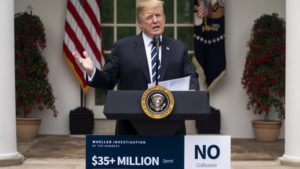
US President Donald J. Trump in the Rose Garden of the White House in Washington, DC, USA, 22 May 2019. EPA, JIM LO SCALZO
MAY 23, 2019
Η κατάσταση των σχέσεων των Ηνωμένων Πολιτειών με την Τουρκία και τη Ρωσία, με αφορμή την αγορά από την Άγκυρα του ρωσικού αντιπυραυλικού συστήματος S-400 περιγραφόταν χθες με μία λέξη: Κόλαση…
Από τη στιγμή της δημοσιοποίησης του αμερικανικού τελεσιγράφου στον πρόεδρο της Τουρκίας Ταγίπ Ερντογάν, που έγινε με επίσημη νότα του Στέιτ Ντιπάρτμεντ, ξεκίνησε ένας πόλεμος ανακοινώσεων από τη Μόσχα και την Άγκυρα και το κλίμα είναι χωρίς αμφιβολία πολεμικό. Να θυμίσω ότι την αποκάλυψη έκανε το αμερικανικό τηλεοπτικό δίκτυο CNBC.
Διπλωματική πηγή χαρακτήρισε το ρεπορτάζ «ακριβές» (accurate). Χθες λύθηκε και ο γρίφος των δηλώσεων του Τούρκου προέδρου, το Σαββατοκύριακο, που πρόβλεψε ότι η χώρα του, εκτός των S-400, θα παραλάβει και τα αμερικανικά μαχητικά F-35, ενώ θα λάβει μέρος και στη συμπαραγωγή του άλλου ρωσικού υπερόπλου, των S-500. Προφανώς έκανε την περίφημη πλέον δήλωση επειδή γνώριζε το αμερικανικό τελεσίγραφο που μεταφέρθηκε στην τουρκική πρωτεύουσα με πρωτοβουλία του υπουργού Εξωτερικών Μαικ Πομπέο και απόφαση του Προέδρου Ντόναλντ Τραμπ.
Τα παραπάνω που μας αφορούν απόλυτα συμβαίνουν στις πρωτεύουσες των υπερδυνάμεων. Διότι στην Αθήνα και τη Λευκωσία έχουν άλλα, πιο …σοβαρά, θέματα που τους απασχολούν… Τα …«δίνουν όλα» στον βασανισμένο λαό…
Την ίδια στιγμή, λοιπόν, στην Ελλάδα, ο πρωθυπουργός Αλέξης Τσίπρας και ο αρχηγός της αξιωματικής αντιπολίτευσης Κυριάκος Μητσοτάκης «αγρόν ηγόρασαν», καθώς γι’ αυτούς το μείζον είναι το κομματικό τους συμφέρον. Προφανώς, οι απειλές στο Αιγαίο και στην κυπριακή ΑΟΖ, μπορούν να περιμένουν… Προκάλεσε κατάπληξη η στάση τους και η αδιαφορία έδειξε και τον τρόπο με τον οποίο αντιμετωπίζουν τα εθνικά θέματα. Δεν τρέχει τίποτα. Αποτελούν «πονοκέφαλο» αντί να είναι η καθημερινή προτεραιότητά τους. Όλα για την πρωθυπουργική καρέκλα και τα οφέλη που κουβαλά μαζί της.
Αλλά, και στην Κύπρο, όπου απειλείται άμεσα από τα τουρκικά πολεμικά πλοία και αεροπλάνα, τα δύο μεγάλα κόμματα, ο δεξιός ΔΗΣΥ και το «κομμουνιστικό» ΑΚΕΛ, που στο παρελθόν συνεργάστηκαν για να επιβάλουν λύση που εξυπηρετούσε την Τουρκία, χρησιμοποιούν βίαιο λόγο για να συγκρατήσουν τη κομματική τους πελατεία, ενόψει των ευρωεκλογών. Κατά τη μάνα και η …θυγατέρα!
Οι τύποι του ΑΚΕΛ, μάλιστα, που δυστυχώς εκφράζουν θέσεις που βοηθούν την κατοχική δύναμη, επιπλέον δεν σεβάστηκαν ότι ο πρώην Πρόεδρος της Δημοκρατίας και πρώην γενικός γραμματέας τους, ο Δημήτρης Χριστόφιας δίνει τη μεγαλύτερη μάχη της ζωής του στο νοσοκομείο. Δεν έπρεπε να αναστείλουν την πολεμική τους τη στιγμή που ένα ηγετικό και ιστορικό στέλεχος του κόμματος, ταλαιπωρείται αφάνταστα στην εντατική του νοσοκομείου; Αλλά που πωλείται η ντροπή για να πάνε να αγοράσουν;
Η κατάσταση στην Ελλάδα και την Κύπρο είναι φρικτή. Ευτυχώς, τα υπουργεία Άμυνας και Εξωτερικών στην Αθήνα και τη Λευκωσία, δίνουν τη δική τους μάχη. Και κάνουν τη διαφορά, κάτι που οφείλω να αναγνωρίσω. ‘Έχουν συναντήσεις με παράγοντες του εξωτερικού και είναι όλη μέρα στα τηλέφωνα με τους ομολόγους τους, προειδοποιώντας για τις επιπτώσεις και τις συνέπειες.
Η Κύπρος βρίσκεται σε άμεσο κίνδυνο από τις ορδές του τρίτου Αττίλα και η Ελλάδα αντιμετωπίζει καθημερινές επιθέσεις στο Αιγαίο. Δεν γνωρίζουμε αυτή τη στιγμή πως θα αντιδράσει ο Ερντογάν που βρίσκεται σε κατάσταση σχιζοφρένειας. Θα τολμήσει να κτυπήσει στην κυπριακή ΑΟΖ; Θα δημιουργήσει επεισόδιο στο Αιγαίο; Όλα είναι ανοικτά στο επίπεδο της ανάλυσης και της πρόβλεψης. Άλλωστε ο πρόεδρος της Τουρκίας είναι ο πιο απρόβλεπτος άνθρωπος στον κόσμο. Επί του εδάφους ακόμα τα πράγματα είναι στο επίπεδο των απειλών. Που θα μπορούσαν να υλοποιηθούν. Αν συμβεί αυτό, το αποτέλεσμα θα είναι οδυνηρό, ως γνωστό. Εκεί που εισβάλουν οι Τούρκοι δεν φεύγουν ποτέ.
Διπλωμάτες, πολιτικοί, οικονομικοί παράγοντες και δημοσιογράφοι στην Ουάσιγκτον, τη Μόσχα, τις Βρυξέλλες και σε άλλες πρωτεύουσες, παρακολουθούν με κομμένη την ανάσα τις εξελίξεις. Διότι εάν ο κ. Τραμπ πραγματοποιήσει όσα αναφέρονται στο τελεσίγραφο του θα ζήσουμε την απόλυτη «κόλαση» της τουρκικής οικονομίας. Όσο και να δίνει υποσχέσεις ο Βλαντιμίρ Πούτιν στον κ. Ερντογάν, για οικονομική ενίσχυση, όσο και να τον συμβουλεύει πως να αντιμετωπίσει τις κυρώσεις, γνωρίζει πως η Τουρκία δεν είναι Ρωσία που άντεξε.
Οι περυσινές «μαλακές» κυρώσεις παρά λίγο να στείλουν την κατοχική δύναμη στο Διεθνές Νομισματικό Ταμείο (ΔΝΤ). Άλλωστε αυτό φαίνεται πως είναι το σχέδιο των Αμερικανών. Να παραδώσουν την Τουρκία στους δανειστές της. Η κατάσταση χρειάζεται προσοχή. Πλέον γνωρίζουμε πως οι Αμερικανοί δεν δέχονται τις μεσοβέζικες λύσεις που πρότεινε η Τουρκία και απαιτούν πλήρη συμμόρφωση προς τις υποδείξεις. Η κατοχική δύναμη πρέπει να βρει τρόπο να ακυρώσει την παραγγελία των S-400 και επιπλέον να ξοδέψει χρήματα για να αγοράσει το σύστημα Patriot. Ομιλούμε για την απόλυτη υποταγή.
Ο Ταγίπ Ερντογάν που γνωρίζουμε δεν φαίνεται να υποχωρεί. Αυτό λέει ο ίδιος και δημόσια αλλά και ιδιωτικά. Οπότε -εάν δεν αλλάξει τη στάση του- οι τουρκοαμερικανικές σχέσεις, όπως τις γνωρίζαμε, θα τελειώσουν οριστικά και η Τουρκία θα χαθεί για τη Δύση. Οι Αμερικανοί έχουν επιλογές και είναι ένας ψεύτικος ανύπαρκτος μύθος ο ισχυρισμός ότι η Τουρκία δεν μπορεί να αντικατασταθεί. Ήδη οι Αμερικανοί έχουν κάνει τα κουμάντα τους και μία από τις επιλογές που ήδη ενέκριναν είναι ο άξονας από το Ισραήλ μέχρι την Ελλάδα, μέσω της Κύπρου. Ο άξονας αυτός θα διατηρηθεί ακόμα και αν την ύστατη στιγμή ο Ερντογάν σηκώσει τα χέρια ψηλά και παραδοθεί στο «βαθύ κράτος» της Αμερικής.
Officers from the Kosovo Security Force take part in an advance mapping class in Ferizaj, Kosovo, on May 6. A recent EU-backed summit failed to restart negotiations between leaders from Kosovo and Serbia over a final resolution of Kosovo’s sovereignty. (Chris McGrath/Getty Images)
The European Union is on the precipice of a major crisis, one rooted as much in the incompetence of the Brussels establishment as in the cynicism and provincialism of the member states. It is a story of hubris and betrayal, of broken promises and cowardice, a story about the “triumph of the lack of will.”
For the past 16 years, Brussels has been promising the states of the Western Balkans, the continent’s most vulnerable and volatile region, that “the future of the Balkans is in the European Union.” Over the past year, however, Brussels has pivoted sharply and all but completely snuffed outthe idea of further enlargement.
As member states embark on the European Parliament elections, enlargement has disappeared from the agenda. In 2018, the European Commission grudgingly floated the idea of 2025 as the next earliest possible date for a new round of enlargement. But in Paris, Emmanuel Macron is explicit: There will be no enlargement, at least not in the foreseeable future. Even in Berlin, long the most outspoken European champion of the Western Balkans, the idea of further E.U. expansion has become politically toxic.
To be clear, no one claimed the remaining non-E.U. states of the region — Bosnia, Montenegro, Serbia, Kosovo, North Macedonia and Albania — were likely candidates for membership in the near future. But the promise of a “European perspective” was an integral part of Brussels’s strategy for keeping the Western Balkans on the path of political and economic reform, and keeping its geopolitical rivals — Russia, China, Turkey and the Persian Gulf monarchies — at bay.
The Macedonians were led to believe by European diplomats that swallowing this bitter pill — changing the name of their country — would mean an accelerated path to E.U. and NATO membership. The latter appears secured, but even the idea of E.U. membership — the big prize for most ordinary people in the region — is increasingly unlikely.
More simply, the E.U. lied, and governments and peoples across the region are livid.
Member states such as France stress that the region is just not ready for membership in the premier political and economic bloc in the world. But this is not new information. And it is not a plan for countering the growing din of rage and indignation reverberating down the spine of the Balkans.
The apparent success of E.U. integration in the former Warsaw Pact countries offers a tantalizing precedent. Yet the Western Balkans are not the same as Eastern Europe. While Eastern Europe lived through decades of authoritarianism, the continent’s southeast saw both decades of one-party rule and then a series of regional and internal conflicts that resulted in the deaths of approximately 150,000 people between 1991 and 2001.
In short, the kind of state-building and democracy promotion the Western Balkans needed was granular, patient and sustained. What the region received instead was the E.U.’s accession model: a technically rigorous but politically ineffectual program. This approach allowed post-communist elites from the Baltic to the Adriatic to make cosmetic legislative changes without ever actually dismantling their vast patronage networks, severing their ties to organized crime or tackling corruption in any meaningful sense.
The result has been the worst of all worlds. The old guard in Western Europe says it is disturbed by the alarming democratic backsliding in the continent’s (south)east. But mostly its members fear the rise of a homegrown far right that points to the Balkans as precisely the kind of alien other — thanks to its large indigenous Muslim populations — that must be kept away.
In the region itself, one portion of the illiberal elite establishment is seizing the opportunity to shift allegiances toward new, autocratic patrons in Moscow, Beijing and Ankara. Another set, like Bosnia’s secessionist Serb nationalist strongman Milorad Dodik, is rebooting ’90s-style political adventurism or peddling megalomaniacal partition schemes.
If the Western Balkans genuinely slips away from the Euro-Atlantic community, European leaders will have only themselves to blame. Fully severed from the promise of integration, Balkan politics will quickly become desperate and dangerous — especially for the E.U. itself.
The E.U. can still reverse course. It must formally begin membership negotiations with North Macedonia and Albania and at least grant Bosnia candidate status. That will momentarily stabilize the ship. The big task, however, is creating a sustainable, long-term plan for the region that will entail not only a credible commitment to liberal-democratic norms and practices but also a hard-power deterrent against the likes of Russia.
Simply saying “no” to the Western Balkans might play well with segments of the Europe’s increasingly nativist electorate, but it’s not a strategy. It’s merely a crisis delayed.
Turkish-Cypriot President Mustafa Akinci walks alongside Turkish President Recep Tayyip Erdogan in the northern part of Nicosia in the self-proclaimed Turkish Republic of Northern Cyprus (TRNC), which is only recognised by Turkey, during a welcome ceremony on July 10, 2018. IAKOVOS HATZISTAVROU/AFP/GETTY IMAGES
When Berat Albayrak, Turkey’s finance minister and the son-in-law of Turkish President Recep Tayyip Erdogan, announced on May 12 that his country would soon send a drill ship to exploit natural gas resources in an area widely considered to belong to Cyprus, it was tempting to write off the incident as just another harmless flare-up in the decadeslong territorial disputes in the Eastern Mediterranean. Periodically stoking tensions with Greece and Cyprus has always been a part of Turkish foreign-policy strategy.
This time is far more dangerous, however, because there are signs Turkey might be ready to escalate its confrontation beyond mere rhetoric. Albayrak’s announcement came a day before Turkey held Sea Wolf, its largest annual naval exercise in the Aegean and Eastern Mediterranean. Then, on May 15, Turkish Foreign Minister Mevlut Cavusoglu reiterated the country’s intention to buy the S-400 missile system from Russia. And throughout this period, Turkish jets have been violating Greek airspace almost daily.
The S-400 purchase has been a source of tension on its own. The United States and NATO believe that the missile system, once plugged into Turkey’s radar network, will give Russian systems access to sensitive NATO data—potentially making it easier, for instance, for Moscow to detect the F-35s that Turkey has been looking to procure from the West. Turkey claims those concerns are overblown, but that hasn’t stopped Washington from threatening Ankara with removal from the F-35 purchasing program and further sanctions.
All this, again, could be seen simply as part of the generally problematic relationship between Turkey and the West following the events of the Gezi Park protests and the escalation of the war in Syria, when Erdogan began consolidating power at home almost six years ago. But recent local elections in Istanbul—in which Erdogan lost the city he considers his seat of power—have clearly spooked the once unshakeable strongman, causing him to overreach and force a rerun. This looks likely to backfire, with opposition parties withdrawing their candidates and throwing their support behind the Republican People’s Party’s Ekrem Imamoglu, who was the winner of the first round.
This comes amid an economy in decline, as reflected in the price of the Turkish lira, and grumbling about Erdogan inside his own party. The frosty reception the president got when he visited Turkey-aligned Northern Cyprus last year also didn’t help his standing at home.
These are developments that Erdogan was clearly not ready for. Turks may ultimately benefit from their autocratic president’s sudden weakening. But as far as international politics go, the effects are far more ambiguous. History suggests that leaders who are losing their grip on power have incentives to organize a show of strength and unite their base behind an imminent foreign threat. Erdogan has every reason to create hostilities with Greece—Turkey’s traditional adversary and Cyprus’s ally— to distract from his problems at home.
This wouldn’t come out of nowhere. Turkey has never allowed Cyprus to benefit from the natural gas reserves in its waters without some sort of confrontation. In that sense, Turkey’s strategy in the Aegean Sea has been consistent for many decades now: apply pressure, put forth demands, wait for a crisis, and then bring the other side to the table on your own terms. This is precisely what it’s trying to do in Cyprus right now. “What is developing before our eyes is a systematic strategy engineered by Turkey to bring into question the status quo in the Aegean and Eastern Mediterranean regions,” wrote Alexis Papachelas, one of Greece’s most senior and well-respected journalists, in his column on May 15. “All evidence points to a climax in tensions next autumn.”
It’s hard to say what the limits of the current confrontation might be. The present conditions make for a dangerous mix. Erdogan has steadily moved Turkey away from the Western institutions it belongs to (NATO) and the ones it once aspired to be a part of (the European Union) and closer to Russia as he attempts to portray himself as a regional leader in the Middle East. Meanwhile, Cyprus and Greece are both members in good standing of the EU. Indeed, Greece has moved closer to the United States and NATO than it has at any time in the past four decades. Greek Prime Minister Alexis Tsipras has promoted stronger ties with both Israel and Egypt, Cyprus’s partners in its natural gas ventures.
Europe has an important role to play in deterring a conflict. The EU’s foreign policy chief, Federica Mogherini, has expressed “great concern” over Turkey’s plans. “We call urgently on Turkey to show restraint, respect the sovereign rights of Cyprus in its exclusive economic zone and refrain from any such illegal action to which the EU will respond appropriately and in full solidarity with Cyprus,” she said last week, while in January, French President Emmanuel Macron had said that France supports Cyprus’ right to gas deposits off its coast, despite Turkey’s objections. The EU’s current approach to protecting its borders, however, is unlikely to be enough to deter Erdogan.
There are broader geopolitical stakes for Europe. In case of an escalation, including any sort of military conflict, wavering by Cyprus’s and Greece’s allies will invalidate the choices made by the two EU members to strengthen their ties with the West and create further doubt about NATO’s effectiveness.
America’s decline resembles nothing so much as the collapse of the Ottoman Empire. Presidential candidates should take note.
None of this is to suggest that the EU has always handled Turkey and Erdogan as well as it could have, or that Greece, Cyprus, and Israel haven’t made decisions of their own that have raised tensions in the region. But those arguments are not relevant to the present situation. The road map Erdogan is following is of his own creation, as are the seeds of his troubles. In responding to his provocations, Europe must now take a levelheaded but firm approach, one that leaves no room for doubt that Cyprus and Greece have allies on their side. That will do more to dissuade an escalation than any attempt to appease a troubled Erdogan with concessions.
Yiannis Baboulias is an investigative journalist, the writer of a forthcoming book on Golden Dawn, and a co-founder of the Precarious Europe project.
Ο πρώην σύμβουλος του Ντόναλντ Τραμπ και της Goldman Sachs ομολογεί με κυνισμό και ειλικρίνεια, γιατί στηρίζει την ευρωπαϊκή ακροδεξιά και τον ευρωσκεπτικισμό. Γράφει ο Αθ. Χ. Παπανδρόπουλος.
Δημοσιεύθηκε: 22 Μαΐου 2019 – 07:59
Από τις αρχές της 16ης Μαΐου, ο Stephen Bannon έχει εγκατασταθεί σε μια σουίτα του ξενοδοχείου Bristol στο Παρίσι, όπου μία και μόνο διανυκτέρευση κοστίζει 2.000 ευρώ!
Από το πολυτελές αυτό ορμητήριο, ο πρώην ακτιβιστής σύμβουλος του Αμερικανού προέδρου Ντόναλντ Τραμπ, κατά δήλωσή του στη γαλλική εφημερίδα «Le Parisien», έχει βάλει στόχο να διαλύσει τη σημερινή Ευρωπαϊκή Ένωση.
«Στις σημερινές γεωπολιτικές και παγκοσμιοποιημένες συνθήκες», πιστεύει ο Αμερικανός πρώην προεδρικός σύμβουλος, «ο ευρωπαϊκός δρόμος προς την ενοποίηση, πριν απ’ όλα δεν εξυπηρετεί την Αμερική, όπως τη φαντάζεται η τωρινή διοίκησή της. Ο κόσμος αλλάζει και στο ξαναμοίρασμα της τράπουλας, την Αμερική δεν τη συμφέρει να υπάρχει στο παιχνίδι μια ισχυρή Ευρώπη. Από την άλλη πλευρά, η ίδια η Ευρώπη σε κάποια ζωτικά θέματα βγάζει μόνη της τα μάτια της και ούτε αυτό είναι κάτι που αρέσει στην Αμερική.
»Πρέπει να αλλάξει λοιπόν η όλη κατάσταση και να επανασχεδιαστούν νέες γεωπολιτικές σχέσεις, με αφετηρία καινούργιες αντιλήψεις για το έθνος-κράτος και τον ρόλο του στον μεταβαλλόμενο κόσμο μας.
»Με βάση τα σημερινά δεδομένα, στο παγκόσμιο γεωπολιτικό παιχνίδι, έχουμε πλέον μια αντιπαράθεση ανάμεσα σ’ αυτούς που θέλουν ισχυρά έθνη-κράτη και στους άλλους που βλέπουν θετικά την παγκοσμιοποίηση. Δεν υπάρχει πλέον αντιπαράθεση δεξιάς και αριστεράς. Σήμερα έχουμε ανταγωνισμό του εθνικο-λαϊκισμού με τον φιλελευθερισμό της “παγκοσμιότητας”. Και το ερώτημά μου είναι “τι προσφέρει άραγε στον απλό άνθρωπο αυτός ο φιλελευθερισμός;”».
Η σκέψη του Bannon όμως δεν σταματά στο επίπεδο αυτό. Έχει και άλλες πτυχές και ο φορέας τους δεν τις κρύβει. Τουναντίον, αίσθησή μας είναι πως κάνει ό,τι μπορεί για να τις προβάλλει.
«Κάποιοι μού απονέμουν τον τίτλο του “ακροδεξιού λαϊκιστή”. Κάνουν μέγα λάθος. Με τα δικά τους ιδεολογικά κριτήρια, θεωρώ τον εαυτό μου αναρχο-φιλελεύθερο ακτιβιστή.
»Ο ακροδεξιός λαϊκισμός της Ευρώπης δεν έχει καμιά σχέση με αυτά που εγώ πιστεύω. Οι Ευρωπαίοι δήθεν δημοκράτες, στην ουσία, θέλουν ένα παντοδύναμο κεντρικό κράτος στη βελγική πρωτεύουσα, εντός του οποίου θα παίζουν τα δικά τους παιχνίδια διαπλοκής. Είμαι κάθετα αντίθετος με αυτή την προοπτική.
Προσωπικά θα ήθελα ένα μικρό και ευέλικτο εθνικό κράτος, ικανό να ελίσσεται και να δημιουργεί. Αυτό είναι το μέλλον στον κόσμο μας και όχι οι βαριές κεντρικές γραφειοκρατίες… Άλλοι πάλι με κατηγορούν ότι χρηματοδοτώ τους ακροδεξιούς πολιτικούς σχηματισμούς. Λάθος. Τους βοηθώ να βρουν πηγές χρηματοδότησης υπό συνθήκες διαφάνειας», τονίζει ο Bannon.
Και κάποιοι, όντως τείνουν ευήκοα ώτα σε αυτά που λέει με μεγάλες δόσεις πειστικότητας. Στο πλαίσιο αυτό, «όραμα» του Stephen Bannon είναι η διάδοση στην Ευρώπη της εθνικο-λαϊκιστικής προοπτικής ως λύση σε μείζονα προβλήματα της εποχής μας, με παγκόσμια εμβέλεια.
Την ώρα που μεγάλες δυνάμεις στην παγκόσμια σκακιέρα, όπως οι ΗΠΑ, η Κίνα, η Ινδία, η Ρωσία, η Τουρκία και η Βραζιλία θέλουν να επαναδιαπραγματευτούν το παγκόσμιο γίγνεσθαι, μια Ευρώπη-νάνος θα ήταν για όλους πολύτιμο δώρο! Κάνουν ό,τι μπορούν για να αξιοποιήσουν τις στρεβλώσεις και τα θεσμικά κενά στις διαδικασίες του ευρωπαϊκού γίγνεσθαι, εκμεταλλευόμενοι παράλληλα και το λαχάνιασμα του ευρωπαϊκού κράτους πρόνοιας.
Μια Ευρώπη πολυδιασπασμένη και ιδεολογικά διαιρεμένη, με το Ηνωμένο Βασίλειο απομακρυσμένο από αυτήν, αλλά και κουρασμένη από την οικονομική κρίση, στο διαπραγματευτικό τραπέζι, είναι ό,τι καλύτερο για τον αναπτυσσόμενο αμερικανικό λαϊκισμό και τα δήθεν φιλελεύθερα ερείσματά του.
Τώρα βέβαια πόσοι τα καταλαβαίνουν όλα αυτά είναι μια άλλη ιστορία, την οποίαν προφανώς στην Ελλάδα θα τη μάθουμε όταν θα έλθει να μας τη διδάξει ο Ρετζέπ Ερντογάν.


 του ΠΑΝΤΕΛΗ ΣΑΒΒΙΔΗ
 Του Νίκου Μελέτη liberal.gr


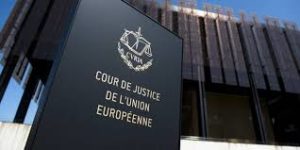 εφημερίδας Le Monde και του Γαλλικού Πρακτορείου Ειδήσεων διάβασα την νέα σχετική είδηση : «Ευρωβουλευτικοί βοηθοί : η ευρωπαϊκή δικαιοσύνη επιβεβαιώνει, για άλλη μια φορά, ότι η Marine Le Pen οφείλει να επιστρέψει 300.000 ευρώ». (Assistants parlementaires : la justice européenne confirme, une nouvelle fois, que Marine Le Pen doit rembourser 300 000 euros). «Το Ευρωπαϊκό Δικαστήριο απέρριψε την προσφυγή της αρχηγού του Εθνικού Συναγερμού κατά της απόφασης στις 19 Ιουνίου 2018, που είναι το τελικό στάδιο αυτής της νομικής διαδικασίας σε ευρωπαϊκό επίπεδο».
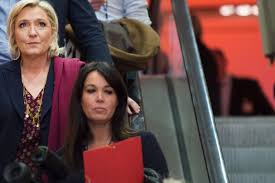 παράνομα εισέπραξε, σε βάρος ημών των φορολογουμένων, στο όνομα της κυρίας Catherine Griset ως δήθεν ευρωβουλευτικής βοηθού της. Η παραπάνω έγκυρη πηγή αναφέρει επί λέξει ότι η κ. Le Pen «δεν μπόρεσε να αποδείξει ότι η βοηθός της εκτελούσε πραγματικά καθήκοντα γι ‘αυτήν»!
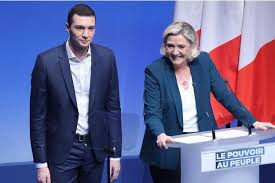 Τον φέρελπι κ. Jordan Bardella ο οποίος κι αυτός φέρεται να είναι ύποπτος της λεπενικής βιομηχανίας των εικονικών βοηθών, σύμφωνα με το εξής δημοσίευμα : «Ευρωεκλογές : ο επικεφαλής του ψηφοδελτίου του Εθνικού Συναγερμού, Jordan Bardella, θεωρείται ύποπτος για εικονική απασχόληση στο Ευρωκοινοβούλιο» (Elections européennes : la tête de liste du RN, Jordan Bardella, soupçonnée d’emploi fictif au
 Parlement européen), του ηλεκτρονικού Le Monde και του Γαλλικού Πρακτορείου Ειδήσεων (AFP), στις 8-5-2019. Το εν λόγω δημοσίευμα στηρίζεται στην πληροφορία της 8ης Μαίου 2019 που δημοσίευσε η γαλλική σατυρική εφημερίδα Le Canard enchaîné. Σύμφωνα με αυτήν ο εν λόγω κύριος θεωρείται ύποπτος «σε μια έκθεση της Ευρωπαϊκής Υπηρεσίας Καταπολέμησης της Απάτης (OLAF) του 2016 για παράτυπη χρήση αποζημίωσης για ευρωκοινοβουλευτικό βοηθό».
 Του Παναγιώτη Γκλαβίνη


 Του ΜΙΧΑΛΗ ΙΓΝΑΤΙΟΥ
 The Washington Post


