Αρχική Blog Σελίδα 2411

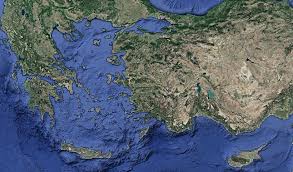
Αν χαθεί η Κύπρος στην Τουρκία, θα ακολουθήσει το Αιγαίο: Ο Γκουτέρες αποκάλυψε το μεγάλο “μυστικό”…

1


ΟΥΑΣΙΓΚΤΟΝ:
Του ΜΙΧΑΛΗ ΙΓΝΑΤΙΟΥ, Hellas Journal

Τι ψάχνουμε ψύλλους στα άχυρα. Ο γενικός γραμματέας των Ηνωμένων Εθνών, Αντόνιο Γκουτέρες, που δεν βρήκε να πει ούτε μία κουβέντα καταδίκης της επιθετικότητας της Τουρκίας, εναντίον της Ελλάδας και της Κυπριακής Δημοκρατίας, δεν κρύφτηκε και αποκάλυψε τους σχεδιασμούς για το νησί. Αποκάλυψε το μεγάλο “μυστικό”…

Απαντώντας σε ερώτηση του ανταποκριτή του ΚΥΠΕ στον ΟΗΕ, Αποστόλη Ζουπανιώτη, ο Αντόνιο Γκουτέρες εξήγησε ότι υπάρχει ομοφωνία -μεταξύ ποιών άραγε;- να περιμένουμε για τις (παράνομες) «εκλογές» στη βόρειο Κύπρο -όπως αποκάλεσε τα κατεχόμενα- πριν προχωρήσουμε με τις διπλωματικές πρωτοβουλίες που οραματιζόμαστε.

Τι να …οραματίζεται ο …”Άγιος” αυτός άνθρωπος άραγε; Και ποιοί άλλοι …οραματίζονται μαζί του;

Και πρόσθεσε ο άβουλος κ. Γκουτέρες:

  • «Μόλις πραγματοποιηθούν (εννοεί οι παράνομες «εκλογές»), είναι η πρόθεσή μου να συγκαλέσω ξανά τους πέντε βασικούς εταίρους -τις εγγυήτριες δυνάμεις (Τουρκία, Βρετανία, Ελλάδα) και τις δύο κοινότητες- και επίσης να ξαναρχίσω τον διάλογο με τους ηγέτες των δύο κοινοτήτων, σε συνέχεια του δείπνου που οργάνωσα στο Βερολίνο, πριν από λίγους μήνες», τόνισε ο Γ.Γ. του ΟΗΕ.

Όπως είδατε κατάργησε και την Κυπριακή Δημοκρατία. Την υποβίβασε σε κοινότητα! Θα λάβει μέρος στην πενταμερή ως κοινότητα για να μην ενοχληθεί η κατοχική δύναμη…

Όμως, για να συμβούν τα παραπάνω, πρέπει να ξεκινήσει και ο ελληνοτουρκικός διάλογος, και αν πιάνουμε καλά τους «σφυγμούς» στην Αθήνα και την Άγκυρα πρέπει να έχει ήδη αποφασιστεί.

Αυτή τη στιγμή, δεν γνωρίζουμε τους όρους και τις προϋποθέσεις και ελπίζουμε ότι ο Πρωθυπουργός Κυριάκος Μητσοτάκης θα παραμείνει σταθερός στις θέσεις του και δεν θα υποχωρήσει ούτε ένα πόντο. Δηλαδή, η συζήτηση θα γίνει μόνο για τις θαλάσσιες ζώνες και αν δεν υπάρξει συμφωνία, να οδηγηθεί η υπόθεση στη Χάγη για να αποφασίσει το Διεθνές Δικαστήριο. Καθαρές κουβέντες.

Δεν μπορώ να καταλάβω πως θα αποδεχθεί τους όρους της Αθήνας ο ισλαμιστής πρόεδρος της Τουρκίας. Έχει στήσει το αφήγημα του για τη «Γαλάζια Πατρίδα» σε ένα παραμύθι, και δεν βλέπω με τίποτα πως θα απαγκιστρωθεί από τις πολεμικές κραυγές των προηγούμενων δύο μηνών. Έχει φανατίσει τον ισλαμικό όχλο στην Τουρκία, που περιμένει με …αλαλαγμούς την εισβολή στα ελληνικά νησιά του Αιγαίου.

Για να ξεκινήσει ο διάλογος πρέπει κάποιος εκ των δύο ηγετών να υποχωρήσει. Ο κ. Μητσοτάκης μίλησε στο λαό και υποσχέθηκε ότι δεν θα συζητήσει τίποτα άλλο εκτός της ΑΟΖ και της υφαλοκρηπίδας. Από την άλλη, ο Ταγίπ Ερντογάν βάζει στο τραπέζι τα πάντα. Από την αποστρατικοποίηση των νησιών μέχρι τα τζαμιά και τους μουφτήδες και ένα σωρό άλλα ανύπαρκτα ζητήματα.

  • Άρα, με βάση τις εκατέρωθεν δηλώσεις είμαστε μπροστά σε ένα αδιέξοδο. Θα έχει ενδιαφέρον η συνέχεια και πως θα πουληθεί στους δύο λαούς, η όποια συμφωνία γι’ αυτόν τον διάλογο.

Όπως γραψαμε παραπάνω, οι ελληνοτουρκικές συνομιλίες είναι απαραίτητες για να προχωρήσει το σχέδιο παράδοσης της Κύπρου στη σφαίρα επιρροής της Τουρκίας. Διότι, εάν ο διάλογος δεν ξεκινήσει και η Τουρκία συνεχίσει να απειλεί την Ελλάδα, πως θα παρακαθίσουν στην πενταμερή για την Κύπρο; Θα ετοιμάζονται για τον πόλεμο στο Αιγαίο και ταυτόχρονα θα συζητούν για να κλείσει το Κυπριακό;

Κάτι δεν πάει καλά και χρειάζεται η Αθήνα να ξεκαθαρίσει τη θέση της -αν και ο Πρωθυπουργός τοποθετήθηκε- για να μην απωλέσει η ελληνική κυβέρνηση την εμπιστοσύνη των πολιτών.

Έχουμε, λοιπόν, ενώπιον μας τη μαζική προσπάθεια των ξένων για να ξεκινήσει ένας διάλογος πριν από τη σύνοδο του Ευρωπαϊκού Συμβουλίου για να γλιτώσει η Τουρκία τις κυρώσεις και τη δήλωση του Αντόνιο Γκουτέρες για την πενταμερή που θα «κλείσει» το Κυπριακό.

Η ελληνική κυβέρνηση έχει συναινέσει; Ποια είναι η θέση της για τη «διευθέτηση» του Κυπριακού; Θα φορτωθεί ο κ. Μητσοτάκης, ένας νέος πολιτικός τις αμαρτίες από το 1960 και την προδοσία της χούντας;

  • Η Λευκωσία εξέδωσε μία ανακοίνωση βάζοντας τα πράγματα στη θέση τους, μετά την άθλια ανακοίνωση του Τούρκου υπουργού Εξωτερικών στους οποίους απαριθμεί τους όρους της Άγκυρας για το Κυπριακό.

«Είναι φανερό –σημειώνει ανακοίνωση της Λευκωσίας– από την ανακοίνωση του τουρκικού Υπουργείου Εξωτερικών πως η Τουρκία προσπαθεί να τορπιλίσει, πριν καν ξεκινήσει, μια νέα προσπάθεια του Γ.Γ. των Η.Ε., μετά από τη χθεσινή του δήλωση με την οποία τονίζει τη δέσμευση του και την αποφασιστικότητα του να συγκαλέσει Διάσκεψη για το Κυπριακό, στη βάση των όσων συμφωνήθηκαν στο δείπνο στο Βερολίνο, μετά τις εκλογικές διαδικασίες στα κατεχόμενα».

Η τουρκική ανακοίνωση βάζει για πρώτη φορά επίσημα στο τραπέζι την απαράδεκτη διευθέτηση για δύο κράτη στην Κύπρο.

Όπως έχουμε αποδείξει πολλές φορές, η Κύπρος δεν είναι αυτή που προκαλεί τις συγκρούσεις μεταξύ της κατοχικής δύναμης και της Ελλάδας. Ο Ερντογάν απαιτεί ελληνικά νησιά, και έλεγχο του Αιγαίου.

Ακόμα και αν επιλυθεί το Κυπριακό, θα συνεχίσει να απειλεί και να προσβάλει την ελληνική κυριαρχία. Μία κακή λύση στην Κύπρο, θα οδηγήσει και σε κάκιστη διευθέτηση στο Αιγαίο. Αυτή είναι η πραγματικότητα, που η ελίτ των Αθηνών προσπαθεί να κρύψει από τους πολίτες…

apopseis.com

Συμμαχίες και εξοπλισμοί

0

Αντιμέτωπη με την απειλητική συμπεριφορά της Τουρκίας στο Αιγαίο και στην Ανατολική Μεσόγειο, η Ελλάδα οικοδομεί διμερείς και πολυμερείς συνεργασίες οι οποίες δεν περιορίζονται στη διπλωματία, αλλά εκ των πραγμάτων αφορούν και στους εξοπλισμούς.

Στο πλαίσιο αυτό εξαγγέλθηκαν σημαντικά προγράμματα ενίσχυσης των Ενόπλων Δυνάμεων. Είναι μια αναγκαία εξέλιξη, η οποία πρέπει να υλοποιηθεί με την ταχύτητα που επιβάλλουν οι περιστάσεις, αλλά και με απόλυτη διαφάνεια.

Τα μεγέθη είναι μεγάλα. Οι ανάγκες διαμορφώνονται και από την έκταση της περιοχής ενδιαφέροντος της Ελλάδος, η οποία έχει αυξηθεί σημαντικά λόγω της συμπεριφοράς της γείτονος. Η αποτρεπτική ισχύς της χώρας πρέπει, λοιπόν, να ενισχυθεί σημαντικά.
Στη θάλασσα απαιτείται αυξημένος αριθμός φρεγατών και υποβρυχίων, τόσο καινούργιων όσο και υφιστάμενων που πρέπει να αναβαθμιστούν. Στον αέρα χρειάζονται περισσότερα και πιο σύγχρονα μαχητικά και ελικόπτερα.

Οι εξοπλισμοί θα έχουν σημαντικό κόστος. Η εμπειρία κάποιων προμηθειών του παρελθόντος λειτουργεί ως καμπανάκι για την αποφυγή ατασθαλιών.

Απαιτούνται άψογες κινήσεις από την κυβέρνηση και ενδελεχής έλεγχος από την αντιπολίτευση. Παράλληλα, στην πορεία των επομένων ετών πρέπει στο συγκεκριμένο ζήτημα να διασφαλισθεί εποικοδομητική στάση από όλους.

Τα δεδομένα είναι γνωστά, όπως και οι συμμαχίες. Η χώρα καλείται να κάνει σημαντικές επιλογές. Στο πλαίσιο αυτό θα χρειασθεί να προμηθευθεί όπλα, τεχνολογία και τεχνογνωσία από σημαντικές δυτικές δυνάμεις. Η μέχρι τώρα εμπειρία δείχνει ότι αυτές θα είναι πρωτίστως η Αμερική, η Γαλλία και η Γερμανία, με τις οποίες έχουν αναπτυχθεί στην πορεία του χρόνου στενές αμυντικές συνεργασίες.

Οπλικά συστήματα που αποτελούν τη ραχοκοκαλιά των ελληνικών Ενόπλων Δυνάμεων έχουν προέλευση και από τις τρεις χώρες.

Στον αέρα υπάρχουν τα αμερικανικά F-16 των οποίων έχει συμφωνηθεί η αναβάθμιση, ενώ διατηρείται ζωντανό και το ενδιαφέρον για ενδεχόμενη μελλοντική συμμετοχή στο πρόγραμμα των F-35. Στο ναυτικό και στον στρατό ξηράς υπάρχει επίσης έντονο αμερικανικό άρωμα.

Από τη Γαλλία ξεχωρίζουν τα Mirage, και τώρα συμφωνήθηκε η προμήθεια των Rafale, ενώ χωρίς να έχουν ληφθεί οριστικές αποφάσεις και να έχουν υπογραφεί συμφωνίες, οι γαλλικές φρεγάτες παραμένουν στο προσκήνιο.

Παρότι οι συζητήσεις το τελευταίο διάστημα εστιάζουν κυρίως στους αμερικανικούς και γαλλικούς εξοπλισμούς, οι ελληνικές Ενοπλες Δυνάμεις καλύπτουν σε σημαντικό βαθμό τις ανάγκες τους με γερμανικά οπλικά συστήματα, από τον τεράστιο αριθμό τανκς μέχρι τα υποβρύχια, με τα πιο σύγχρονα εξ αυτών να αποτελούν την αιχμή του δόρατος στην προστασία του Αιγαίου.

Είναι προφανές ότι παρά τη μάλλον αυτονόητη προσπάθεια τήρησης ισορροπιών στα εξοπλιστικά προγράμματα, δεν είναι δυνατόν να ικανοποιηθούν όλοι στον βαθμό που ίσως να επιθυμούν.

Σε κάθε περίπτωση, μεγάλη σημασία έχει η εμπεριστατωμένη άποψη των ίδιων των στελεχών των ελληνικών Ενόπλων Δυνάμεων που θα κληθούν να χειρισθούν τα οπλικά συστήματα τα οποία θα προμηθευθεί η χώρα.

Οι στρατιωτικοί γνωρίζουν καλύτερα από όλους. Οπως στην αντιμετώπιση της πανδημίας ορθώς δόθηκε προτεραιότητα στην άποψη των επιστημόνων, κάτι ανάλογο πρέπει να γίνει και με την προμήθεια στρατιωτικού υλικού.

Τα οικονομικά συμφέροντα που διακυβεύονται είναι μεγάλα, όπως και οι πιέσεις που απορρέουν από αυτά. Υπό αυτό το πρίσμα, απαιτούνται βήματα προσεκτικά, στη βάση των εισηγήσεων της στρατιωτικής ηγεσίας, με διαφάνεια, και μεγιστοποίηση των οφελών, τόσο στο καθαρά οικονομικό επίπεδο όσο και σε αυτό της στρατηγικής υποστήριξης.

Τέλος, και ίσως το σημαντικότερο, θα πρέπει να επενδύσει η χώρα στην αναδιάρθρωση και μεγέθυνση της εγχώριας αμυντικής βιομηχανίας, στόχος που θα υπηρετηθεί καλύτερα εάν υπάρξει διακομματική συμφωνία ώστε να χαραχθεί και να υλοποιηθεί ένας αποτελεσματικός μακροπρόθεσμος σχεδιασμός.

Δεν υπάρχει κανείς λόγος να μη συμφωνήσουν σε αυτό τουλάχιστον τα τρία μεγάλα κόμματα που έχουν και εμπειρία διακυβέρνησης. Οι αναγκαίες υποδομές και η διαδικασία παραγωγής, η οποία θα εξελιχθεί σε βάθος χρόνου, δεν θα ωφελήσουν μια παράταξη, αλλά τη χώρα.

kathimerini.gr

France vs. Turkey: A Showdown in the Mediterranean Is Brewing

0

National Interest

by Henri J. Barkey

With Washington absent and Berlin indifferent, it has fallen to Paris to deter and diffuse the situation.

French President Emmanuel Macron has thrusted France into a leadership role by deciding to buttress Greek and Cypriot interests in the Mediterranean. Laying out his rationale in an August 29 speech, he depicted a Mediterranean beseeched by conflicts. He included clashes from Syria to Libya, disputes over energy, the never-ending peace process, failed states like Lebanon and intense demographic pressures.

More worryingly for him, new developments are exacerbating the current state of affairs. These include the retreat of the United States and general European indifference. But there is also the reemergence of two great powers, Russia and Turkey, both of which arrive with considerable historical baggage. In Turkey, Macron perceives a dangerous revisionist power imbued with a sort of “fantasy” regarding its past history. He also has upped the pressure at the MED7 Corsica summit last week by encouraging Europeans to stand firm against Ankara.

This is because Ankara has deployed an armada of naval vessels that accompany its seismic research ships in pursuit of hydrocarbon resources and influence in the Eastern Mediterranean. Turkish vessels have crossed into the Exclusive Economic Zones (EEZ) of both Greece and Cyprus challenging their sovereignty. The Turks have made it clear that they are willing to use force if necessary, while carrying out these missions.

Greece and Cyprus do not have the military wherewithal to stop the Turks and this is where Macron comes in. Alarmed by the challenges to the sovereignty of two European Union members, Macron has deployed the French navy’s considerable assets to support both countries. He has said that he is laying down a red line intended to deter Ankara. In what perhaps is a first of its kind, he rebuked a fellow North Atlantic Treaty Organization member by pointedly maintaining that the Turkish President Recep Tayyip Erdogan and the Turks respect only actions and not words.

Erdogan was quick to respond by accusing the French leader and others of being greedy and oblivious to the dire consequences of taking the Turks on.

At the heart of the dispute is Turkey’s decision to explore for hydrocarbon resources in waters deemed to be within the Greek and Cypriot EEZs. The EEZ is a legal designation, together with the concepts of continental shelf and territorial limits, agreed to by the signatories to the 1982 United Nations Law of the Sea Convention or UNCLOS. Accordingly, coastal states can claim up to a 200 miles area as their EEZ where they have the right to exploit existing resources. The problem is that the Mediterranean is a semi-closed sea where countries’ respective EEZs bump into each other. Turkey, while not a signatory to UNCLOS, has decided to interpret its provisions differently. It does not recognize the fact that islands also have a right to an EEZ and hence challenge much of Greece and Cyprus’s EEZ designations.

Turkey does have a valid issue. The hundreds of Greek islands that dot the Aegean Sea, some as close as a mile to the Turkish coast, effectively confine Turkish interests to a very narrow strip. Turkey’s answer is to assert that these islands are part of its continental shelf and hence ineligible to claim their own EEZs. Notwithstanding Turkish proclamations, the status of the Aegean deserves to be adjudicated. The Greek government has made it clear that it is willing to negotiate provided Ankara stops threatening them and remove its naval assets. Cyprus, however, is altogether another matter: Turkey has occupied some 40% of the island since 1974 and refuses to recognize Cyprus, making negotiations between Nicosia and Ankara unlikely in the near future.

The French have also been angered by Turkish interference in Libya in what they see an attempt by Erdogan to extend his influence in an area that is the soft underbelly of Europe. Last month, French and Turkish naval vessels were involved in a tense altercation off the Libyan coast. Turkey also concluded an EEZ agreement of its own with the Libyan government designed to cut the Mediterranean into two with the possible intention of preventing Cyprus, Egypt and Israel from exporting natural gas to Europe through a pipeline.

Macron’s forceful intervention may be having its desired effect. He is pressing the Europeans to take a stand as German efforts at mediation have not had much impact. European leaders will consider imposing sanctions on Turkey in their upcoming September 24 summit. Erdogan, in messages to the outside world, has of late softened his stand suggesting that he is open to negotiations with all parties except Cyprus which Turkey does not recognize. More importantly, he has removed Oruç Reis, the exploratory vessel from the Aegean and sent it back to port. This Turkish decision to dial down tensions taken in anticipation of the pending European Union Summit was also made all the more necessary by Moody’s unprecedented downgrade of Turkish debt deeper into junk category. In justifying its decision, Moody’s pointed to not just the government’s poor steering of the economy but also to the rising tensions, including in the Eastern Mediterranean, resulting from Turkey’s foreign policy stances.

Yet at home, Erdogan’s rhetoric remains rancorous; he is threatening the French as well as all the others and using the Eastern Mediterranean crisis to inflame nationalist sentiments. Facing a series of domestic setbacks, he faces the unenviable task of figuring how to climb down from the escalation ladder.

The jury may still be out on Macron’s step into the leadership vacuum; Turks have backed down for the moment. Back in 1996, when Greece and Turkey almost went to war over two nondescript rocks in the Aegean, Washington had stepped in to diffuse the situation. Today, not only is Washington absent, but President Trump is also seen as having emboldened Erdogan. In risking a showdown with Erdogan, Macron at least deserves recognition for trying.

Henri J Barkey is the Cohen Professor of International Relations at Lehigh University in Bethlehem, Pennsylvania, and an adjunct senior fellow for Middle East studies at the Council of Foreign Relations.

Image: Reuters

National Interest

We’ve Seen New York’s White Flight Before

0
Young boys weather New York’s pandemic summer in Coney Island.ALEXI ROSENFELD / GETTY 
Just south of downtown Brooklyn, right beyond the brownstones of Boerum Hill, are the Gowanus Houses: a foliage-covered public-housing complex, home to mostly Black and Latino families. Like the majority of residents in New York City, mostly everyone here has stayed amid the pandemic, and a good few said they wouldn’t have it any other way.

“Why would I go anywhere? This is home; I was born around here, been here forever,” Jaime Gonzalez, a 51-year-old man who lives near the houses, told me, as we stood beside a store across the street from the complex. Gonzalez, who asked only half-jokingly if I was an undercover cop before agreeing to speak with me, doesn’t care much for the news media. So he hadn’t heard about the Very Online backlash to reports of the city’s fleeing wealthy and, specifically, to the New York Post essay titled “New York City Is Dead Forever.”

After I described the gist of that piece, which many have called elitist, he shrugged his broad shoulders, shrouded in a large light-blue polo. “That’s just talk,” Gonzalez said. “People just like to hear themselves talk.” Jumping, unprompted, into the class politics of the debate, he added, “Just because you have a master’s degree in English, or something else, that doesn’t mean you know everything.”

Gonzalez’s surroundings, lively as ever, lent credibility to his dismissiveness: One of his friends was playing with her dog and bantering with a young woman as they nodded to bachata blasting in the background—a Brooklyn scene typical of any August. Another friend, whose work shifts have been reduced to three days a week because of the pandemic, hung nearby talking on the phone, casually stroking the pet python draped around his neck. As Gonzalez chatted with me—about his disdain for the snake and for increased rent, and about how his elderly mother contracted and survived the coronavirus—he paused to say hello in Spanish or English to anyone he knew passing by, which at one point felt like every fourth man, woman, or child.

That social warmth is just one ray of the city’s continued vibrance, particularly in its majority Black and brown boroughs, which were disproportionately affected by the virus. The stubborn buoyancy of the city this summer—even if muted by uncertainty, mask wearing, and social distancing—doesn’t mesh with the desperate-sounding accounts presented by some cable-news programs and mainstream news outlets. And it certainly isn’t reflective of the apocalyptic depictions offered by some conservatives, such as the 73-year-old actor James Woods, a prominent supporter of President Donald Trump. Woods, whose videotaped drive through a barren, boarded-up stretch of Midtown went viral in mid-August, described the city as the “once mighty New York under Democrat rule.”

A scene from Red Hook, Brooklyn, in July (Andrew Burton / Getty)

It’s true that rental vacancies in New York City are at historic highs, that some streets are eerily sparse when juxtaposed with their pre-coronavirus “City that never sleeps” persona. And the city’s unemployment rate, which stands at about 20 percent, according to the state labor department’s latest calculation, is a tragic fact, particularly since Congress let the federal unemployment supplement expire in July. Yet it’s also true that New Yorkers—the majority of whom do not live in the wealthiest corridors of Manhattan—don’t seem particularly injured about, or engrossed by, the perceived loss of Manhattan as a playground for the rich.

The consulting and finance bros of the Village, Murray Hill, and the Lower East Side may be stuck at their family home in North Jersey or Connecticut (if they’re younger), or lodged in some Instagrammable enclave (if they’re older). But the Rockaways, on the southern edge of Queens, 16 train stops from the edge of Manhattan, have been whizzing on any given weekend with a welcoming middle-class medley of energy. If you walk, as I did, to the beach there, and (in accordance with New York regulations) take off your mask, nap in the hot sand, and splash into the cool sea, then it can almost feel as if there is no pandemic. The Atlantic Ocean water coursing in between your toes in that moment is no different from the Atlantic Ocean waves brushing up against the affluent shores of Fire Island or the Hamptons.


The “Why I’m Leaving New York” essay genre began in the 1960s with Joan Didion’s “Goodbye to All That,” an elegy about her leaving Manhattan behind because, as she wrote, “at some point the golden rhythm was broken, and I am not that young anymore.” The category was brought to life again in the late 2000s and 2010s, largely by the city’s blogging creative class, as the pay cuts and layoffs of the recession lingered and the cost of living soared. During the coronavirus pandemic, a new iteration of this essay has arisen, tilted toward health concerns, but nevertheless imbued with class privilege—which, in American cities, always intersects with race. The New Yorker columnist Masha Gessen considers this intersection with their own entry into the “why I’m leaving” genre, writing: “‘Do we want to be those people?’ my daughter, Yolka, asked. She meant, Do we want to be the rich white people who leave the besieged city because they can? ‘Yes,’ I said.”

New York was plagued by cycles of inequality long before it was plagued by COVID-19. “Wealthy white people may be leaving cities for the suburbs, just as they did decades ago,” Eric Klinenberg, a sociology professor at New York University, told me. “And the horrible thing for Black and brown urban communities is that they suffer either way.” When white families fled cities in the ’60s through the ’80s, crippling divestment followed. A “renewed appetite for urban amenities” brought cities back to life, Klinenberg said, but that growth was racially exclusionary, as anybody who has read about gentrification or been on the wrong side of its effects knows. “We’re all watching something similar play out now,” he said, with the caveat that it is too soon to know whether the current outflows are “temporary” or “durable” relocations.

Regardless of the result, pre-pandemic New York is as likely to come back as Sex and the City New York—or the Do the Right Thing, Taxi Driver, or Mad Men New Yorks before it. More than 19,000 people here have had their life cut short by the coronavirus, and a third of the city’s businesses may close. In the crannies of every borough, several memory-filled neighborhood staples are already gone. But New York isn’t dead—it’s as vital as ever, just changing, for a while or forever, like always. Perpetual shift is the only rhythm this city knows.

In his wrenching post-9/11 essay, “The Way We Live Now: 11-11-01; Lost and Found,” Colson Whitehead wrote, “No matter how long you have been here, you are a New Yorker the first time you say, ‘That used to be Munsey’s’ or ‘That used to be the Tic Toc Lounge.’” He argues, “You are a New Yorker when what was there before is more real and solid than what is here now.” The city feels indeterminate this summer, but that has only heightened the appreciation of the constants that remain. The large playgrounds at the Marcy Houses in Bedford-Stuyvesant, Brooklyn, are still home to an interplay of children’s laughter and 20-somethings’ music. In Liberty Park, Queens—where my barber, at last, can give me a haircut—the old blue-collar white guys still nod to passersby as they mow their front yard. At Brooklyn Bridge Park, I saw how happy hour has moved outdoors, and I eavesdropped on picnic rendezvous between young couples and circles of friends. In Central Harlem, ’80s and ’90s R&B still thumps from the late afternoon to the late evening, vibrating in your chest.

But the cold will come, the outdoor recreation will end, and the virus won’t be gone. What form of life arrives after that, no one knows. For now, residents linger outside for a while longer at dusk, soaking up as much of summer as possible. Inhaling what still feels like their city, as though they can make it through this winter if they absorb enough of what’s left.

We want to hear what you think about this article. Submit a letter to the editor or write to [email protected].

TALMON JOSEPH SMITH is a staff editor at The New York Times Sunday Review and Opinion sections.

Get Ready for the Great Urban Comeback

0

The Atlantic

Visionary responses to catastrophes have changed city life for the better.

Story by Derek Thompson

On december 16, 1835, New York’s rivers turned to ice, and Lower Manhattan went up in flames. Smoke had first appeared curling through the windows of a five-story warehouse near the southern tip of Manhattan. Icy gales blew embers into nearby buildings, and within hours the central commercial district had become an urban bonfire visible more than 100 miles away.

Firefighters were helpless. Wells and cisterns held little free-flowing water, and the rivers were frozen solid on a night when temperatures plunged, by one account, to 17 degrees below zero. The fire was contained only after Mayor Cornelius Lawrence ordered city officials to blow up structures surrounding it, starving the flames of fuel.

A new Manhattan would grow from the rubble—made of stone rather than wood, with wider streets and taller buildings. But the most important innovation lay outside the city. Forty-one miles to the north, New York officials acquired a large tract of land on both sides of the Croton River, in Westchester County. They built a dam on the river to create a 400-acre lake, and a system of underground tunnels to carry fresh water to every corner of New York City.

The engineering triumph known as the Croton Aqueduct opened in 1842. It gave firefighters an ample supply of free-flowing water, even in winter. More important, it brought clean drinking water to residents, who had suffered from one waterborne epidemic after another in previous years, and kick-started a revolution in hygiene. Over the next four decades, New York’s population quadrupled, to 1.2 million—the city was on its way to becoming a fully modern metropolis.

The 21st-century city is the child of catastrophe. The comforts and infrastructure we take for granted were born of age-old afflictions: fire, flood, pestilence. Our tall buildings, our subways, our subterranean conduits, our systems for bringing water in and taking it away, our building codes and public-health regulations—all were forged in the aftermath of urban disasters by civic leaders and citizen visionaries.

Natural and man-made disasters have shaped our greatest cities, and our ideas about human progress, for millennia. Once Rome’s ancient aqueducts were no longer functional—damaged first by invaders and then ravaged by time—the city’s population dwindled to a few tens of thousands, reviving only during the Renaissance, when engineers restored the flow of water. The Lisbon earthquake of 1755 proved so devastating that it caused Enlightenment philosophers such as Jean-Jacques Rousseau to question the very merits of urban civilization and call for a return to the natural world. But it also led to the birth of earthquake engineering, which has evolved to make San Francisco, Tokyo, and countless other cities more resilient.

America’s fractious and tragic response to the COVID-19 pandemic has made the nation look more like a failed state than like the richest country in world history. Doom-scrolling through morbid headlines in 2020, one could easily believe that we have lost our capacity for effective crisis response. And maybe we have. But a major crisis has a way of exposing what is broken and giving a new generation of leaders a chance to build something better. Sometimes the ramifications of their choices are wider than one might think.

The Invention of Public Health

as charles dickens famously described, British cities in the early years of the Industrial Revolution were grim and pestilential. London, Birmingham, Manchester, Leeds—they didn’t suffer from individual epidemics so much as from overlapping, never-ending waves of disease: influenza, typhoid, typhus, tuberculosis. They were also filled with human waste. It piled up in basements, spilled from gutters, rotted in the streets, and fouled rivers and canals. In Nottingham—the birthplace of the Luddite movement, which arose to protest textile automation—a typical gallon of river water contained 45 grams of solid effluent. Imagine a third of a cup of raw sewage in a gallon jug.

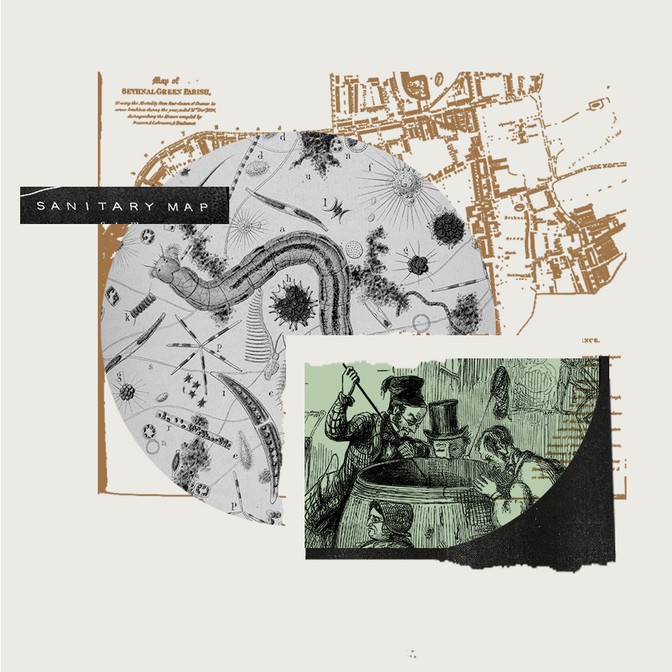
No outbreak during the industrial age shocked British society as much as the cholera epidemic in 1832. In communities of 100,000 people or more, average life expectancy at birth fell to as low as 26 years. In response, a young government official named Edwin Chadwick, a member of the new Poor Law Commission, conducted an inquiry into urban sanitation. A homely, dyspeptic, and brilliant protégé of the utilitarian philosopher Jeremy Bentham, Chadwick had farsighted ideas for government. They included shortening the workday, shifting spending from prisons to “preventive policing,” and establishing government pensions. With a team of researchers, Chadwick undertook one of the earliest public-health investigations in history—a hodgepodge of mapmaking, census-taking, and dumpster diving. They looked at sewers, dumps, and waterways. They interviewed police officers, factory inspectors, and others as they explored the relationship between city design and disease proliferation.

illustration
Illustration by Mark Harris; images from Oxford Science Archive / Getty; British Library / Alamy

The final report, titled “The Sanitary Conditions of the Labouring Population of Great Britain,” published in 1842, caused a revolution. Conventional wisdom at the time held that disease was largely the result of individual moral shortcomings. Chadwick showed that disease arose from failures of the urban environment. Urban disease, he calculated, was creating more than 1 million new orphans in Britain each decade. The number of people who had died of poverty and disease in British cities in any given year in the 1830s, he found, was greater than the annual death toll of any military conflict in the empire’s history. The cholera outbreak was a major event that forced the British government to reckon with the costs of industrial capitalism. That reckoning would also change the way Western cities thought about the role of the state in ensuring public health.

The source of the cholera problem? All that filthy water. Chadwick recommended that the government improve drainage systems and create local councils to clear away refuse and “nuisance”—human and animal waste—from homes and streets. His investigation inspired two key pieces of national legislation, both passed in 1848: the Public Health Act and the Nuisances Removal and Diseases Prevention Act. A new national Board of Health kept the pressure on public authorities. The fruits of engineering (paved streets, clean water, sewage disposal) and of science (a better understanding of disease) led to healthier lives, and longer ones. Life expectancy reached 40 in England and Wales in 1880, and exceeded 60 in 1940.

Chadwick’s legacy went beyond longevity statistics. Although he is not often mentioned in the same breath as Karl Marx or Friedrich Engels, his work was instrumental in pushing forward the progressive revolution in Western government. Health care and income support, which account for the majority of spending by almost every developed economy in the 21st century, are descendants of Chadwick’s report. David Rosner, a history and public-health professor at Columbia University, puts it simply: “If I had to think of one person who truly changed the world in response to an urban crisis, I would name Edwin Chadwick. His population-based approach to the epidemics of the 1830s developed a whole new way of thinking about disease in the next half century. He invented an entire ethos of public health in the West.”

Why We Have Skyscrapers

everyone knows the story: On the night of October 8, 1871, a fire broke out in a barn owned by Patrick and Catherine O’Leary in southwest Chicago. Legend blames a cow tipping over a lantern. Whatever the cause, gusty winds drove the fire northeast, toward Lake Michigan. In the go-go, ramshackle era of 19th-century expansion, two-thirds of Chicago’s structures were built of timber, making the city perfect kindling. In the course of three days, the fire devoured 20,000 buildings. Three hundred people died. A third of the city was left without shelter. The entire business district—three square miles—was a wasteland.

On October 11, as the city smoldered, the Chicago Tribune published an editorial with an all-caps headline: cheer up. The newspaper went on: “In the midst of a calamity without parallel in the world’s history, looking upon the ashes of thirty years’ accumulations, the people of this once beautiful city have resolved that chicago shall rise again.” And, with astonishing speed, it did. By 1875, tourists arriving in Chicago looking for evidence of the fire complained that there was little to see. Within 20 years, Chicago’s population tripled, to 1 million. And by the end of the century, the fire-flattened business district sprouted scores of buildings taller than you could find anywhere else in the world. Their unprecedented height earned these structures a new name: skyscraper.

illustration
Illustration by Mark Harris; images from The Reading Room / Alamy; Thomas Kelly / William Shaw / Library of Congress; Chicago Historical Society / Northwestern University

The Chicago fire enabled the rise of skyscrapers in three major ways. First, it made land available for new buildings. The fire may have destroyed the business district, but the railway system remained intact, creating ideal conditions for new construction. So much capital flowed into Chicago that downtown real-estate prices actually rose in the first 12 months after the fire. “The 1871 fire wiped out the rich business heart of the city, and so there was lots of money and motivation to rebuild immediately,” Julius L. Jones, an assistant curator at the Chicago History Museum, told me. “It might have been different if the fire had just wiped out poor areas and left the banks and business offices alone.” What’s more, he said, the city used the debris from the fire to extend the shoreline into Lake Michigan and create more land.

Second, a combination of regulatory and technological developments changed what Chicago was made of. Insurance companies and city governments mandated fire-resistant construction. At first, Chicago rebuilt with brick, stone, iron. But over time, the urge to create a fireproof city in an environment of escalating real-estate prices pushed architects and builders to experiment with steel, a material made newly affordable by recent innovations. Steel-skeleton frames not only offered more protection from fire; they also supported more weight, allowing buildings to grow taller.

Third, and most important, post-fire reconstruction brought together a cluster of young architects who ultimately competed with one another to build higher and higher. In the simplest rendition of this story, the visionary architect William Le Baron Jenney masterminded the construction of what is considered history’s first skyscraper, the 138-foot-tall Home Insurance Building, which opened in 1885. But the skyscraper’s invention was a team effort, with Jenney serving as a kind of player-coach. In 1882, Jenney’s apprentice, Daniel Burnham, had collaborated with another architect, John Root, to design the 130-foot-tall Montauk Building, which was the first high steel building to open in Chicago. Another Jenney protégé, Louis Sullivan, along with Dankmar Adler, designed the 135-foot-tall Wainwright Building, the first skyscraper in St. Louis. Years later, Ayn Rand would base The Fountainhead on a fictionalized version of Sullivan and his protégé, Frank Lloyd Wright. It is a false narrative: “Sullivan and Wright are depicted as lone eagles, paragons of rugged individualism,” Edward Glaeser wrote in Triumph of the City. “They weren’t. They were great architects deeply enmeshed in an urban chain of innovation.”

It is impossible to know just how much cities everywhere have benefited from Chicago’s successful experiments in steel-skeleton construction. By enabling developers to add great amounts of floor space without needing additional ground area, the skyscraper has encouraged density. Finding ways to safely fit more people into cities has led to a faster pace of innovation, greater retail experimentation, and more opportunities for middle- and low-income families to live near business hubs. People in dense areas also own fewer cars and burn hundreds of gallons less gasoline each year than people in nonurban areas. Ecologically and economically, and in terms of equity and opportunity, the skyscraper, forged in the architectural milieu of post-fire Chicago, is one of the most triumphant inventions in urban history.

Taming the Steampunk Jungle

march 10, 1888, was a gorgeous Saturday in New York City. Walt Whitman, the staff poet at The New York Herald, used the weekend to mark the end of winter: “Forth from its sunny nook of shelter’d grass—innocent, golden, calm as the dawn / The spring’s first dandelion shows its trustful face.” On Saturday evening, the city’s meteorologist, known lovingly as the “weather prophet” to local newspapers, predicted more fair weather followed by a spot of rain. Then the weather prophet went home and took Sunday off.

Meanwhile, two storms converged. From the Gulf of Mexico, a shelf of dark clouds soaked with moisture crept north. And from the Great Lakes, a cold front that had already smothered Minnesota with snow rolled east. The fronts collided over New York City.

illustration
Illustration by Mark Harris; images from F Atkinson / Getty; C. H. Jordan / Library of Congress; NOAA

Residents awoke on Monday, the day Whitman’s poem was published, to the worst blizzard in U.S. history. By Thursday morning, the storm had dumped more than 50 inches of snow in parts of the Northeast. Snowdrifts were blown into formations 50 feet high. Food deliveries were suspended, and mothers ran short on milk. Hundreds died of exposure and starvation. Like the Lisbon earthquake more than a century before, the blizzard of 1888 was not just a natural disaster; it was also a psychological blow. The great machine of New York seized up and went silent. Its nascent electrical system failed. Industries stopped operating. “The elevated railways service broke down completely,” the New York Weekly Tribune reported on March 14:

The street cars were valueless; the suburban railways were blocked; telegraph communications were cut; the Exchanges did nothing; the Mayor didn’t visit his office; the city was left to run itself; chaos reigned.

The New York now buried under snow had been a steampunk jungle. Elevated trains clang-clanged through neighborhoods; along the streets, electrical wires looped and drooped from thousands of poles. Yet 20 years after the storm, the trains and wires had mostly vanished—at least so far as anyone aboveground could see. To protect its most important elements of infrastructure from the weather, New York realized, it had to put them underground.

First, New York buried the wires. In early 1889, telegraph, telephone, and utility companies were given 90 days to get rid of all their visible infrastructure. New York’s industrial forest of utility poles was cleared, allowing some residents to see the street outside their windows for the first time. Underground conduits proved cheaper to maintain, and they could fit more bandwidth, which ultimately meant more telephones and more electricity.

Second, and even more important, New York buried its elevated trains, creating the country’s most famous subway system. “An underground rapid transit system would have done what the elevated trains could not do,” The New York Times had written in the days after the blizzard, blasting “the inadequacy of the elevated railroad system to such an emergency.” Even without a blizzard, as Doug Most details in The Race Underground, New York’s streets were becoming impassable scrums of pedestrians, trolleys, horses, and carriages. The year before the blizzard, the elevated rails saw an increase of 13 million passengers. The need for some alternative—and likely subterranean—form of transportation was obvious. London had opened the first part of its subway system several decades earlier. In New York, the blizzard was the trigger.

“New York is built on disasters,” Mitchell L. Moss, a professor of urban policy and planning at NYU, told me recently. “There’s the 1835 fire, and the construction of the Croton Aqueduct. There’s the 1888 blizzard, and the construction of the subway. There’s the Triangle Shirtwaist fire, which killed 146 workers in Manhattan. Frances Perkins would say, ‘The New Deal started with the factory fire,’ because it was the disaster that led to a New York State commission on labor conditions, which in turn led to the eight-hour workday. In all of these physical disasters, New York City has responded by changing for the better.”

In October 1904, after years of political fights, contractor negotiations, and engineering challenges, New York’s first subway line opened. In a lightning-bolt shape, it ran north from city hall to Grand Central Station, hooked west along 42nd Street, and then turned north again at Times Square, running all the way to 145th Street and Broadway, in Harlem. Operated by the Interborough Rapid Transit Company, the 28-stop subway line was known as the IRT. Just months later, New York faced a crucial test: another massive winter storm. As the blizzard raged, the IRT superintendent reported “446,000 passengers transported,” a record daily high achieved “without a single mishap.”

illustration
Illustration by Mark Harris; images from Hulton Archive / Bettmann / Smith Collection / Gado / Getty; Interborough Rapid Transit Company

Finding Our Inner Chadwick

not all calamities summon forth the better angels of our nature. A complete survey of urban disasters might show something closer to the opposite: “Status-quo bias” can prove more powerful than the need for urgent change. As U.S. manufacturing jobs declined in the latter half of the 20th century, cities like Detroit and Youngstown, Ohio, fell into disrepair, as leaders failed to anticipate what the transition to a postindustrial future would require. When business districts are destroyed—as in Chicago in 1871—an influx of capital may save the day. But when the urban victims are poor or minorities, post-crisis rebuilding can be slow, if it happens at all. Hurricane Katrina flooded New Orleans in 2005 and displaced countless low-income residents, many of whom never returned. Some cataclysms are not so much about bricks and mortar as they are about inequality and injustice. “Natural disasters on their own don’t do anything to stem injustice,” observes Keeanga-Yamahtta Taylor, a professor of African American studies at Princeton. “Without social movements or social upheaval, the recognition of inequities never progresses beyond an acknowledgment that ‘We have a long way to go.’ ”

Still, catastrophes can fix our minds on a common crisis, pull down political and regulatory barriers that stand in the way of progress, and spur technological leaps, bringing talent and money together to solve big problems. “Disasters reveal problems that already existed, and in doing so, create an opportunity to go back and do what you should have done the first time,” Mitchell Moss said. New York City didn’t have to suffer a devastating fire in 1835 to know that it needed a freshwater source. Nonetheless, when Lower Manhattan burned, city leaders were persuaded to act.

Normal times do not offer a convenient news peg for slow-rolling catastrophes. When we look at the world around us—at outdated or crumbling infrastructure, at inadequate health care, at racism and poverty—it is all too easy to cultivate an attitude of small-minded resignation: This is just the way it has always been. Calamity can stir us from the trance of complacency and force us to ask first-principle questions about the world: What is a community for? How is it put together? What are its basic needs? How should we provide them?

These are the questions we should be asking about our own world as we confront the coronavirus pandemic and think about what should come after. The most important changes following past catastrophes went beyond the catastrophe itself. They accounted fully for the problems that had been revealed, and conceived of solutions broadly. New York did not react to the blizzard of 1888 by stockpiling snow shovels. It created an entire infrastructure of subterranean power and transit that made the city cleaner, more equitable, and more efficient.

The response to COVID-19 could be similarly far-reaching. The greatest lesson of the outbreak may be that modern cities are inadequately designed to keep us safe, not only from coronaviruses, but from other forms of infectious disease and from environmental conditions, such as pollution (which contributes to illness) and overcrowding (which contributes to the spread of illness). What if we designed a city with a greater awareness of all threats to our health?

The responses could start with a guarantee of universal health care, whatever the specific mechanism. COVID-19 has shown that our survival is inextricably connected to the health of strangers. Because of unequal access to health care, among other reasons, many people—especially low-income and nonwhite Americans—have been disproportionately hard-hit by the pandemic. People with low incomes are more likely than others to live in multigenerational households, making pathways of transmission more varied. People with serious preexisting conditions have often lacked routine access to preventive care—and people with such conditions have experienced higher rates of mortality from COVID-19. When it comes to infectious diseases, a risk to anyone is a risk to everyone. Meanwhile, because of their size, density, and exposure to foreign travelers, cities initially bore the brunt of this pandemic. There is no reason to think the pattern will change. In an age of pandemics, universal health care is not just a safety net; it is a matter of national security.

City leaders could redesign cities to save lives in two ways. First, they could clamp down on automotive traffic. While that may seem far afield from the current pandemic, long-term exposure to pollution from cars and trucks causes more than 50,000 premature deaths a year in the United States, according to a 2013 study. Respiratory conditions aggravated by pollution can increase vulnerability to other illnesses, including infectious ones. The pandemic shutdowns have shown us what an alternative urban future might look like. Cities could remove most cars from downtown areas and give these streets back to the people. In the short term, this would serve our pandemic-fighting efforts by giving restaurants and bars more outdoor space. In the long term, it would transform cities for the better—adding significantly more room for walkers and bicycle lanes, and making the urban way of life more healthy and attractive.

Second, cities could fundamentally rethink the design and uses of modern buildings. Future pandemics caused by airborne viruses are inevitable—East Asia has had several this century, already—yet too many modern buildings achieve energy efficiency by sealing off outside air, thus creating the perfect petri dish for any disease that thrives in unventilated interiors. Local governments should update ventilation standards to make offices less dangerous. Further, as more Americans work remotely to avoid crowded trains and poorly ventilated offices, local governments should also encourage developers to turn vacant buildings into apartment complexes, through new zoning laws and tax credits. Converting empty offices into apartments would add more housing in rich cities with a shortage of affordable places to live, expand the tax base, and further reduce driving by letting more families make their homes downtown.

Altogether, this is a vision of a 21st-century city remade with public health in mind, achieving the neat trick of being both more populated and more capacious. An urban world with half as many cars would be a triumph. Indoor office and retail space would become less valuable, outdoor space would become more essential, and city streets would be reclaimed by the people.

“Right now, with COVID, we’re all putting our hopes in one thing—one cure, one vaccine—and it speaks to how narrow our vision of society has become,” says Rosner, the Columbia public-health historian. His hero, Chadwick, went further. He used an existential crisis to rewrite the rules of modern governance. He shaped our thinking about the state’s responsibility to the poor as much as he reshaped the modern city. We should hope that our response to the 2020 pandemic is Chadwickian in its capacity to help us see the preexisting injustices laid bare by this disease.

One day, when COVID-19 is a distant memory, a historian of urban catastrophe might observe, in reviewing the record, that human beings looked up, to the sky, after a fire; looked down, into the earth, after a blizzard; and at last looked around, at one another, after a plague.


This article appears in the October 2020 print edition with the headline “How Disaster Shaped the Modern City.”

* Illustration by Mark Harris; images from Interborough Rapid Transit Company; National Weather Service; Wiley & Putnam / Artokoloro / British Library / Alamy; Thomas Kelly / Library of Congress

DEREK THOMPSON is a staff writer at The Atlantic, where he writes about economics, technology, and the media. He is the author of Hit Makersand the host of the podcast Crazy/Genius.

Ας μην παρασυρθούμε από την αναγγελία της αγοράς των 18 Rafale

2

Του Αλκη Καλλιαντζίδη, Οικονομολόγου, [email protected], www.kalkis.eu

Υπάρχουν και συμφέροντα. Υπάρχουν και δυσκολίες. Δεν είμαστε οι μόνοι που τα θέλουμε.

Εν μέσω της καθημερινής μαύρης προπαγάνδας που μας ασκεί ο Σελίμ πασάς για να μας φοβίσει, όπως κάνει εξάλλου και προς τους ιθαγενείς του, ο μέσος έλληνας νομίζω, ανεξαρτήτως του ποιον ψηφίζει, είχε την ψυχική ανάγκη να ακούσει από τον πρωθυπουργό της χώρας μας μια ενθαρρυντική εξαγγελία του. Ε την έκανε λοιπόν στις 12 Σεπτεμβρίου 2020 από τη Θεσσαλονίκη, ως μια δέσμη στρατιωτικών εξοπλισμών, στους οποίους, όπως ήταν φυσικό, κυριάρχησε η αναγγελία της αγοράς των 18 γαλλικών Rafale και όπλα που τα συνοδεύουν. Αν και τα υπόλοιπα του εξοπλιστικού πακέτου έχουν κι αυτά την τεράστια αμυντική σημασία τους.

Όμως δεν θα πρέπει να παρασυρθούμε από αυτήν την εξαγγελία, η οποία προκάλεσε ικανοποίηση έως και ενθουσιασμό ακόμα και στη Γαλλία, αφού αυτή θα πουλήσει κι εμείς θα αγοράσουμε. Μακράν εμού η δαιμονολογία ενάντια στις πωλήσεις των Rafale. Φαίνεται να τα έχουμε ανάγκη για αυτό θα τα αγοράσουμε. Δεν μας τα επιβάλει κανείς. Χρήσιμο είναι να γνωρίζουμε τα πραγματικά δεδομένα για να μην παρασυρόμαστε από συναισθηματισμούς. Διαβάστε ένα χαρακτηριστικό γαλλικό τίτλο από τους πολλούς που διάβασα αυτές τις μέρες στον γαλλικό τύπο : «Παραγγελίες των Rafale από την Ελλάδα : ένα καλό νέο για τον κλάδο της αεροναυπηγικής» (Commandes de Rafale par la Grèce : une bonne nouvelle pour la filière aéronautique), άρθρο της  Guillemette de Préval στην ηλεκτρονική έκδοση της εφημερίδας La Croix στις 15-9-2020. «Αυτή η παραγγελία για τα 18 μαχητικά αεροσκάφη, που τα κατασκευάζει η Dassault Aviation, θα ωφελήσει επίσης και τις γαλλικές εταιρείες Thalès και Safran, οι οποίες συμμετέχουν στη διαδικασία παραγωγής τους. Η αγορά των 18 Rafale δίνει μια ανάσα οξυγόνου στον κλάδο της αεροναυπηγικής, ένα παράπλευρο θύμα της κρίσης Κορωναιού και ο οποίος είχε αποτελέσει αντικείμενο σχεδίου έκτακτης ανάγκης 15 δισεκατομμυρίων ευρώ τον περασμένο Ιούνιο». Καλόν είναι να γνωρίζουμε ότι η Dassault είναι ο σχεδιαστής και ο βιομηχανικός αρχιτέκτονας του Rafale. Η Thalès παράγει τα ηλεκτρονικά του συστήματα και η Safran τον κινητήρα του. Η κάθε μια από αυτές συνεργάζεται με καμιά δεκαριά υπεργολάβους και δια αυτών 500 γαλλικές ΜΜΕ συμμετέχουν στη διαδικασία παραγωγής του μαχητικού. Κάτι που αντιστοιχεί περίπου σε 12.000 θέσεις εργασίας, με τον τρέχοντα ρυθμό παραγωγής δύο αεροπλάνων το μήνα.

Όμως τα πράγματα δεν θα είναι ρόδινα, εύκολα και απλά για την αγορά των Rafale, όπως γράφει και το παρακάτω εμπεριστατωμένο ρεπορτάζ της  Nathalie Guibert, στις 16-9-2020 στον ηλεκτρονικό Le Monde με τίτλο : «Rafale: Η Ελλάδα θα εξυπηρετηθεί πριν από τη γαλλική Πολεμική Αεροπορία» (Rafale : la Grèce sera servie avant l’armée de l’air française) και την διπλανή χαρακτηριστική φωτογραφία (του MARIO GOLDMAN / AFP)  της απογείωσης δυο Rafale από το αεροπλανοφόρο Charles–de–Gaulle στις 10 Φεβρουαρίου 2020. Η εν λόγω δημοσιογράφος συνοψίζει : «Οι κατασκευαστές των αεροπλάνων ανησυχούν ότι οι παραδόσεις τους θα καθυστερήσουν και ότι θα έχουν έλλειψη μαχητικών για να διεξαγάγει η Γαλλία τις τρέχουσες επιχειρήσεις της».

Η γαλλική κυβέρνηση διακήρυξε μεν «την εξαιρετική είδηση», αλλά δεν υπάρχουν μόνο πλεονεκτήματα αναφορικά με  την εξαγωγή των Rafale F3 στην Ελλάδα, τον κορυφαίο αμυντικό πελάτη της Γαλλίας στην Ευρώπη. Η ανακοίνωση της πώλησης από το Παρίσι 6 νέων στρατιωτικών αεροπλάνων και 12 μεταχειρισμένων από το υφιστάμενο γαλλικό στρατιωτικό απόθεμα, δημιουργεί μια σοβαρή δυσκολία για την Πολεμική Αεροπορία της. Επειδή αυτή, με 217 μαχητικά σε λειτουργία (102 Rafale και 115 Mirage 2000), πάσχει ήδη από μια δομική έλλειψη αεροπλάνων για να ανταποκριθεί στις αποστολές που της έχει αναθέσει η ίδια η γαλλική κυβέρνηση, ήτοι : πυρηνική αποτροπή, μόνιμη προστασία του γαλλικού εναέριου χώρου, δεσμεύσεις εξωτερικού στο ΝΑΤΟ ή στο Ιράκ και τη Συρία. «Η κυβέρνηση δεν ενδιαφέρθηκε για τις επιχειρησιακές ανάγκες της Πολεμικής Αεροπορίας σε αυτήν την υπόθεση», διαβεβαιώνει μια πηγή που γνωρίζει αυτό το θέμα. Για την εν λόγω πηγή «η πώληση των Rafale στην Αθήνα δεν εξυπηρετεί παρά μόνο μια οικονομική λογική και την βούληση να καλλιεργήσουμε το προεδρικό πολιτικό όραμα μιας ισχυρής Ευρώπης», αναφέρει η Nathalie Guibert. Περίεργη προσέγγιση του εν λόγω θέματος από την πηγή, θα έλεγε ο γράφων. Μια αμιγώς κακώς νοούμενης δημοσιοϋπαλληλικής προσέγγισης. Δηλαδή τι έπρεπε να κάνει ο Μακρόν σχετικά ; Να συνεχίσει να επιδοτεί τον γαλλικό αεροναυπηγικό κλάδο με δις ευρώ, να αποφύγει την εξαγωγή των 18 Rafale στην Ελλάδα, για να μη θιγεί ο ραχάτ-δημοσιοϋπαλληλισμός της πηγής ; Κι είναι κακό να αποκτήσουμε κάποτε μια «ισχυρή Ευρώπη» που δεν θα είναι έρμαιο του Ερντογάν, του Πούτιν, του Τραμπ και των Κινέζων ιμπεριαλιστών ;

Απέναντι στην Τουρκία, γράφει η Nathalie Guibert, τα 18 Rafales της Ελλάδας δεν θα είναι μεν ο οριστικός « game changer » των υφιστάμενων τουρκο-ελληνικών συσχετισμών. Αλλά θα  δώσουν στις δυνάμεις της ένα ισχυρό προβάδισμα. Ήδη αποδυναμωμένη από τις εκκαθαρίσεις του Ερντογάν, η τουρκική Πολεμική Αεροπορία οφείλει να εγκαταλείψει τα αμερικανικά μαχητικά F-35 που ήθελε να αποκτήσει, λόγω του αμερικανικού βέτο.

«Κενό γαλλικής ικανότητας»

Η γαλλο-ελληνική σύμβαση θα υπογραφεί στα τέλη του 2020, ώστε οι πρώτες παραδόσεις να γίνουν στα μέσα του 2021 και το 2022. Οι Έλληνες δεν μιλούσαν για αεροπλάνα στις συζητήσεις που διεξάγονται, εδώ και μήνες, για την αγορά γαλλικών όπλων. Από τον Ιούνιο 2020 είπαν ότι θέλουν να εφοδιαστούν πολύ γρήγορα ενάντια στην τουρκική επιθετικότητα. Πολλά μαχητικά πρέπει να μεταφερθούν αμέσως.

Επομένως, ξεκινούν πολύπλοκες συζητήσεις, ώστε οι ελληνικές παραγγελίες από τον κατασκευαστή Dassault Aviation να μπορούν να αντισταθμίσουν το αναπόφευκτο «κενό ικανότητας» που ανησυχεί τη γαλλική αεροπορία. Για την τελευταία, παραδέχονται από το περιβάλλον της Υπουργού Άμυνας  Φλωράνς Παρλύ,  ότι θα υπάρξει βέβαια «ένα κενό, το οποίο θα φροντίσουμε να μειώσουμε, ώστε να μην υπάρξουν επιχειρησιακές συνέπειες. Ο αριθμός των μεταχειρισμένων μαχητικών δεν έχει ακόμη οριστικοποιηθεί», αναφέρει το ρεπορτάζ της Nathalie Guibert. Το υπουργείο αναφέρει επίσης ότι «μια αύξηση του ρυθμού παραγωγής» των νέων αεροσκαφών, είναι προς συζήτηση με τον κατασκευαστή των αεροσκαφών, δηλαδή την Dassault Aviation.

Η γαλλική πολεμική αεροπορία μπορεί να θεωρήσει ενδιαφέρον να πουλήσει αεροσκάφη του ήδη «παλαιού» τύπου F3 (με τον οποίο εξοπλίζει όλα τα Rafale από το 2010), αντί να τα εκσυγχρονίσει, όπως αρχικά είχε προγραμματιστεί, εάν επινοήσει γρηγορότερα τα προγραμματισμένα διάδοχά τους, τα Rafale F4.  Ωστόσο, είναι επιβεβαιωμένο ότι τα 6 νέα ελληνικά αεροπλάνα θα κατασκευαστούν πρώτα, αναφέρει η Nathalie Guibert. «Αν μας λείψουν μαχητικά, θα πρέπει να ακυρώσουμε κάποιες αποστολές», εξηγούν βασικά οι κατασκευαστές των αεροπλάνων. Και αυτό ειδικά επειδή μια άλλη χώρα, η Κροατία, αναζητά επίσης να προμηθευτεί 12 μεταχειρισμένα αεροπλάνα. Εάν επιλέξει γαλλικά αεροσκάφη, αυτά θα παρθούν επίσης από τις αεροπορικές βάσεις το 2023–2024.

Η Γαλλία αποφάσισε στα τέλη της δεκαετίας του 1990 να εξοπλίσει τη ναυτική της αεροπορία και την αεροπορική της δύναμη με 225 μαχητικά αεροσκάφη έως το 2025. Ο αρχικός στόχος μειώθηκε στα 185 για δημοσιονομικούς λόγους. Θα έχει 140 αν όλα πάνε καλά, εκτιμούν διάφορες πηγές της εφημερίδας Le Monde. Παρά τις πολυάριθμες εσωτερικές αναδιοργανώσεις που έχουν γίνει, αυτό το έλλειμμα προκαλεί μια στασιμότητα του όγκου της εκπαίδευσης των πιλότων κάτω από τα πρότυπα του ΝΑΤΟ και μια επιχειρησιακή υπερθέρμανση των πληρωμάτων.

Το 2015, η πρώτη πώληση του Rafale στο εξωτερικό στον Αιγύπτιο Στρατάρχη Σίσι βασίστηκε στις επιδείξεις στη μάχη της Λιβύης του μαχητικού πολλαπλών ρόλων και, στη συνέχεια, στις μάχες στο Μάλι. Η εξαγωγή αυτού του μαχητικού διέσωσε τις γραμμές παραγωγής της Dassault (τι έχει να μας πει άραγε σχετικά η ανωτέρω αναφερθείσα επιπόλαια «πηγή»), ενώ η γαλλική Πολεμική Αεροπορία απέκτησε εκεί ακτινοβολία  και δεξιότητες. Αλλά φυσικά και περιορισμούς.

Οι παραδόσεις σε ξένους πελάτες, 96 μαχητικών μέχρι σήμερα για την Αίγυπτο, την Ινδία και το Κατάρ, έχουν λάβει μια προτεραιότητα στο ρυθμό παραγωγής τους. Κι έτσι προκάλεσαν «λευκά χρόνια» για τη γαλλική αεροπορία. Η τελευταία δεν πρόκειται να παραλάβει νέα Rafale μεταξύ του 2019 και του 2021. Θα πάρει τη σειρά της μεταξύ 2022 και 2024, και πάλι μεταξύ 2027 και 2030. Για να συνεχίσει να εκπληρώνει τις στρατιωτικές αποστολές της, μια πρόσφατη κοινοβουλευτική έκθεση ζήτησε από το γαλλικό Κράτος να προωθήσει την παράδοση των μαχητικών του 2027 κατά δυόμισι χρόνια νωρίτερα, παραγγέλλοντας 20 αεροσκάφη, αναφέρει η  Nathalie Guibert. Ειλικρινά δυσκολεύομαι να καταλάβω τη ραχατλίδικη νοοτροπία κάποιων Γάλλων. Η οικονομία της χώρας τους, όπως και όλες οι άλλες στον κόσμο, μαστίζεται από την πανδημία. Διαθέτει όμως έναν άκρως ανταγωνιστικό παγκοσμίως κλάδο, την αεροναυπηγική των μαχητικών αεροσκαφών. Της προέκυψε μια έκτακτη αυξημένη ζήτηση των Rafale και λόγω της επείγουσας ελληνικής παραγγελίας. Αντί λοιπόν να πετάξουν από τη χαρά τους, να βάλουν μπρος τις μηχανές να δουλέψουν σε τρεις βάρδιες για να ικανοποιήσουν τη σχετική ζήτηση, να δώσουν δουλειά στις 500 ΜΜΕ και στο προσωπικό τους, μιζεριάζουν για το «κενό ικανότητας»! Αλήθεια πόσο μοιάζουν με τους «ραχάτ-δεξιούς» και «ραχάτ-αριστερούς» νέο-έλληνες ;

Μη ευνοϊκό χρονοδιάγραμμα

Ένα άλλο σημείο μαστίζει την γαλλική αεροπορία, κατά την Nathalie Guibert  : η εκπαίδευση των ξένων πιλότων. Η τεράστια προσπάθεια, των 7.000 ωρών εκπαίδευσης για τις τρεις πρώτες χώρες-πελάτες, αντιπροσωπεύει, σύμφωνα με τους Γάλλους στρατηγούς, «μία επιπρόσθετη στρατιωτική επιχείρηση» που ισοδυναμεί με τη δραστηριότητα μιας μοίρας των Rafale διάρκειας δύο χρόνων. Το χρονοδιάγραμμα είναι επομένως δυσμενές. Αλλά οι κατασκευαστές των μαχητικών είναι πλέον εξοικειωμένοι με το θέμα. Η Αίγυπτος είχε απαιτήσει  αμέσως 18 αεροπλάνα. Τελικά, 6 θα παρθούν από τον υφιστάμενο γαλλικό αεροπορικό στόλο, τα οποία θα «επιστραφούν» δύο χρόνια αργότερα.

Για να ικανοποιήσει την Ινδία, ο προηγούμενος υπουργός Άμυνας και νυν υπουργός Εξωτερικών, ο Jean–Yves Le Drian, είχε πάρει 4 διθέσια Rafale που προορίζονταν για την πυρηνική μοίρα από τις γαλλικές δυνάμεις. Όσον αφορά δε το Κατάρ, ο εν λόγω υπουργός είχε προσφερθεί να σταθμεύσουν μόνιμα 3 γαλλικά Rafale στη χώρα αυτή, μια ιδέα που απορρίφθηκε από τους στρατιωτικούς και η οποία δεν υλοποιήθηκε.

Τώρα λοιπόν γνωρίζουμε τα δεδομένα των Rafale. Ας είμαστε προσγειωμένοι.



Τι σημαίνει η παραίτηση Σάρατζ

0

Του Κώστα Ράπτη

Σαν να μην έχει μεσολαβήσει τίποτε. Ο Τούρκος πρόεδρος Ταγίπ Ερντογάν ενέκρινε, όπως μετάδωσε το πρακτορείο Anadolu, το μνημόνιο οικονομικής συνεργασίας που υπεγράφη στις 13 Αυγούστου μεταξύ της χώρας του και της Λιβύης και αποβλέπει στην αποκατάσταση των επενδυτικών προγραμμάτων τουρκικών εταιρειών στη χώρα της βόρειας Αφρικής, μετά την διακοπή τους για λόγους ασφαλείας αλλά και διμερών διαφωνιών.

Μόνο που η κυβέρνηση της Τρίπολης με την οποία διαλέγεται η Άγκυρα δεν υπάρχει πια. Ο επικεφαλής της, Φαγέζ Αλ Σάρατζ, αναμένεται να ανακοινώσει την παραίτησή του μέχρι τέλους της εβδομάδας, παραμένοντας σε ρόλο υπηρεσιακό μέχρι και τον επόμενο μήνα, ενόψει των ειρηνευτικών διαπραγματεύσεων στη Γενεύη υπό την αιγίδα του ΟΗΕ, που θα επαναληφθούν τον Οκτώβριο.

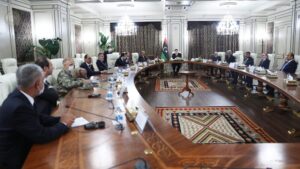
Νωρίτερα, άλλωστε, αυτόν τον μήνα πραγματοποιήθηκαν με τη μεσολάβηση της μαροκινής κυβέρνησης (και με την ενθάρρυνση της Γαλλίας) συνομιλίες ανάμεσα στο Ανώτατο Συμβούλιο του Κράτους, δηλ. την κυβέρνηση Σάρατζ που ελέγχει τη δυτική Λιβύη) και το Λιβυκό Κοινοβούλιο, που εδρεύει στο Τομπρούκ και ελέγχει την ανατολική Λιβύη, οι οποίες κατέληξαν, όπως ανακοινώθηκε, σε “σημαντικούς συμβιβασμούς” στα θέματα “της εξάλειψης της διαφθοράς και της διασπάθισης δημόσιων πόρων”, αλλά και του “τερματισμού της κατάστασης κατάτμησης των θεσμών”.

Παραμένουν ωστόσο οι διαφωνίες για το ποιοι θα αναλάβουν επικεφαλής της Κεντρικής Τράπεζας, της Εθνικής Εταιρείας Πετρελαίου και του Γενικού Επιτελείου Στρατού.

Έχει πάντως τη συμβολική σημασία του το ότι οι συνομιλίες αυτές διεξήχθησαν στην Μπουζνίκα, νοτίως του Ραμπάτ, πολύ κοντά στο Σκιράτ, από το οποίο πήρε το όνομά της η πολιτική συμφωνία του Δεκεμβρίου 2015, με την οποία συγκροτήθηκε υπό την αιγίδα του ΟΗΕ η κυβέρνηση της Τρίπολης – για να αρχίσει ωστόσο σύντομα να φυλλορροεί και να τεθεί σε τροχιά σύγκρουσης με το κοινοβούλιο.

Προτού καν επισημοποιηθεί η παραίτηση Σάρατζ είχαμε πάντως την ανακοίνωση του προέδρου του κοινοβουλίου Αγκίλα Σάλεχ ότι η ανταγωνιστική κυβέρνηση του Αμπντουλάχ αλ Θάνι που εδρεύει στα ανατολικά επίσης υπέβαλε την παραίτησή της.

Οι παράλληλες αυτές εξελίξεις προδιαθέτουν για μία εκτόνωση της λιβυκής κρίσης – ωστόσο αυτή είναι απλώς η αισιόδοξη ανάγνωση.

Στην πραγματικότητα, αφότου αποκρούσθηκε (με τη βοήθεια της Τουρκίας) η πολιορκία της Τρίπολης από τις δυνάμεις του στρατηγού Χάφταρ και κυρίως αφότου οι προελαύνοντες έλαβαν το μήνυμα (λ.χ. με τον αγνώστου πατρότητας αεροπορικό βομβαρδισμό της βάσης αλ-Ουαρίγια) να μην προχωρήσουν πέρα από την στρατηγικής σημασίας γραμμή Σύρτης-Τζούφρα (που η παραβίασή της θα οδηγούσε σε ανοικτή επέμβαση υποστηρικτών του Τομπρούκ, όπως η Αίγυπτος), διαμορφώθηκε μια κάποια ισορροπία, η οποία απλώς ανέδειξε τις εσωτερικές διαιρέσεις των δύο στρατοπέδων.

Στη μεν ανατολική Λιβύη, οι εκεί κρατούντες αντιμετωπίζουν τις διαδηλώσεις που ξέσπασαν στη Βεγγάζη (όπου την Κυριακή πυρπολήθηκαν τα κυβερνητικά γραφεία) από νέους αγανακτισμένους με το κόστος ζωής και τις συχνές διακοπές ρεύματος.

Στη δε Τρίπολη, ο Σάρατζ βρέθηκε επίσης αντιμέτωπος με διαδηλώσεις για παρόμοια αίτια και επιχείρησε ευρισκόμενος σε επίσκεψη στην Τουρκία να αποπέμψει τον υπουργό Εσωτερικών Φάθι Μπάσαγα, αν και στη συνέχεια υποχρεώθηκε να τον διατηρήσει στη θέση του. Συνολικά, στις περιοχές που έχουν ανακτηθεί μετά την υποχώρηση των δυνάμεων του Χάφταρ επικρατεί αστάθεια, με διάφορες φυλές να αυτονομούνται, ιδίως αυτές της Μισράτα που βρίσκονται πολύ κοντύτερα στην Άγκυρα. Ανακοινώνοντας την παραίτησή του, ο Σάρατζ απαλλάσσεται εν μέρει από τις έσωθεν πιέσεις, ενώ παραμένοντας ως υπηρεσιακός, ο Σάρατζ διατηρεί την δυνατότητα να έχει λόγο στις εξελίξεις.

Με αυτή την έννοια, τα χαρτιά ξαναμοιράζονται για όλους, συμπεριλαμβανομένων των τρίτων χωρών που με την ανάμιξή τους έχουν παροξύνει τη λιβυκή κρίση.

Ειδικά για την Τουρκία, το ερώτημα της διατήρησης του αποτυπώματος που απέκτησε στη Λιβύη καθίσταται κρίσιμο – αν και η απόσταση των δύο χωρών δεν βοηθά την μακροπρόθεση υποστήριξη της λιβυκής περιπέτειας του Ερντογάν.

capital.gr

Που αποσκοπεί η πολιτική έντασης της Τουρκίας

0
Του Sinan Ulgen

Η Τουρκία θέλει να γίνει ένας πιο σημαντικός παράγοντας στη Μέση Ανατολή και στην Ανατολική Μεσόγειο όπου οι ισορροπίες δυνάμεων έχουν αναπροσαρμοστεί από τις πρόσφατες αλλαγές στην παγκόσμια τάξη. Οι περικοπές από τις ΗΠΑ υπό την κυβέρνηση Trump, έχουν υπερτονίσει αυτές τις αλλαγές και έχουν περιορίσει τις πιθανότητες για επίλυση των συγκρούσεων σε όλη την περιοχή.

Αντιμέτωπος με δυνητικά αποοσταθεροποιητικές συνέπειες, ο Τούρκος πρόεδρος Erdogan έχει υιοθετήσει μια εξωτερική πολιτική και πολιτική ασφάλειας που διευρύνει την εμβέλεια της χώρας, ακόμη και με το κόστος της αύξησης των εντάσεων με τους παραδοσιακούς της εταίρους στη Δύση.

Οι προσπάθειες του Erdogan για να εδραιώσει την εξουσία στο εσωτερικό, κρατούσε την εξωτερική πολιτική της Τουρκίας σε μεγάλο βαθμό “όμηρο” των εγχώριων πολιτικών υπολογισμών.

Οι στρατιωτικές επιχειρήσεις στο Ιράκ, στη Λιβύη και στη Συρία, οι σκληροπυρηνικές τακτικές στην Ανατολική Μεσόγειο, και οι οξείες σχέσεις με την Ευρωπαϊκή Ένωση, έχουν βάλει την εξωτερική πολιτική της Τουρκίας σε ένα mode μόνιμης διαχείρισης κρίσης που με τη σειρά του, υπογραμμίζει την ανάγκη για ισχυρή ηγεσία στο εσωτερικό.

Εμπλουτισμένη με τη νοσταλγία των Οθωμανικών της ρίζων, η εξωτερική πολιτική της Τουρκίας όλο και περισσότερο φέρει τη σφραγίδα του ΑΚΡ του Erdogan, το οποίο την έχει διαμορφώσει για να προωθήσει το αφήγημα μιας ανεξάρτητης Τουρκίας που να ηγείται στην περιοχή και διαφοροποιεί τις παγκόσμιες συνεργασίες της. Αυτό γίνεται προφανές από την εξαγορά των ρωσικών πυραυλικών συστημάτων S-400 παρά τις απειλές για αμερικανικές κυρώσεις. Ο Erdogan έχει αποκόψει το στρατηγικό συμφέρον της Τουρκίας από τις προηγούμενες προσδοκίες για παραμονή στη δυτική “πτέρυγα”.

Η τουρκική εξωτερική πολιτική λειτουργεί επίσης ως αφήγημα για την εθνική άνοδο. Αυτό το πολιτικό όραμα είναι αυτό που έχει οδηγήσει σε πρωτοβουλίες όπως οι αποτυχημένες προσπάθειες αλλαγής καθεστώτος στη Συρία και πιο πρόσφατα, η ανάπτυξη τουρκικών στρατευμάτων στη Λιβύη για την υποστήριξη της κυβέρνησης εθνικής συμμαχίας εναντίον του Khalifa Haftar.

Το επεκτεινόμενο περιφερειακό αποτύπωμα της Τουρκίας -με την στρατιωτική παρουσία στην Κύπρο, στη Λιβύη, στο Κατάρ και στη Σομαλία- έχει ενισχύσει αυτό το αφήγημα, όπως έχουν και οι αυξανόμενες ικανότητες της στην τεχνολογία παρακολούθησης και στα drones.

Το πόσο καιρό μπορεί να διατηρηθεί αυτή η πορεία της στρατηγικής αυτονομίας, είναι ένα πιεστικό ζήτημα για την Άγκυρα. Η Τουρκία αποτελεί όλο και περισσότερο ένα test case για μια πολιτική μη ευθυγράμμισης, καθώς προσπαθεί να κουμαντάρει μια ανταγωνιστική σχέση με τους εταίρους στη Δύση, διατηρώντας παράλληλα τη συμμετοχή της στο ΝΑΤΟ -βάζοντας σε κίνδυνο την οικονομία της βραχυπρόθεσμα και τις συμμαχίες της μακροπρόθεσμα.

Ως εκ τούτου, οποιαδήποτε πιθανή επίλυση των συγκρούσεων στη Λιβύη, στη Σύρια ή σε άλλα περιφερειακά “καυτά” σημεία, είναι πολύ σημαντική. Κατά πάσα πιθανότητα θα καθορίσει την μελλοντική πορεία της τουρκικής εξωτερικής πολιτικής και τις πιθανότητες η ηγεσία της να παραμείνει ευθυγραμμισμένη με τη Δύση.

Μπορείτε να δείτε το κείμενο εδώ: https://carnegieendowment.org/2020/09/09/on-turkey-pub-82523

infognomonpolitics.gr

Κάτι δεν έχουμε αντιληφθεί καλά.

1
Σε αντίθεση με αρκετούς φίλους δεν πιστεύω πως η Γερμανία θα δημιουργήσει άξονα με την Τουρκία και τη Ρωσία.
Την Τουρκία μπορεί να θέλει να τη διαχειριστεί με την πολιτική της “στρατηγικής υπομονής”, όπως είπε ο πρώην αντικαγκελάριος Γκάμπριελ αλλά με τη Ρωσία, οι γερμανορωσικές σχέσεις τείνουν να απωλέσουν την εμπιστοσύνη που τις διακατείχε.
Το γεγονός θα έχει επιπτώσεις στην πορεία του αγωγού Nord Stream 2. Δεν είναι σίγουρο ότι θα κατασκευαστεί.
Άρα, η Γερμανία θα αντιμετωπίσει πρόβλημα ενεργειακού εφοδιασμού. Και το ερώτημα είναι πως θα το καλύψει.
Πάρτε τη θέση της Μέρκελ. Θα θέλατε να το καλύψετε μέσω Τουρκίας; Εγώ όχι. Για χίλιους λόγους.
Άρα, γιατί να μην σκεφθεί η γερμανική ηγεσία το έλλειμμα αυτό να καλυφθεί από έναν ακόμη αγωγό που θα ελέγχεται στο πλαίσιο της Ε.Ε.;
Ποιος θα είναι αυτός ο ευρωπαϊκός αγωγός; Ο EastMed.
Μπορεί η Γερμανία να ελίσσεται σε σχέση με την Τουρκία αλλά τη συμφέρει να υποστηρίξει την Ελλάδα και την Κύπρο.
Γι αυτό δεν είμαι ανήσυχος.
Η συγκυρία ευνοεί την Ελλάδα. Και την Κύπρο.
Να δούμε πως θα αξιοποιήσουμε τη στιγμή. Και εδώ θα κριθούν πολιτικοί και πολιτικές.

Οι Εβραίοι του Κοσσυφοπεδίου χαιρετίζουν τη νέα συμφωνία με το Ισραήλ

0

Για τον Flori Dedoni, μέλος της μικρής εβραϊκής κοινότητας του Κοσσυφοπεδίου, η είδηση ότι η χώρα του καθιερώνει επίσημους διπλωματικούς δεσμούς με το Ισραήλ είναι αιτία γιορτής.

Μέχρι την περασμένη εβδομάδα, το Ισραήλ ήταν μεταξύ των δεκάδων χωρών που δεν είχαν αναγνωρίσει το μουσουλμανικής πλειοψηφίας έδαφος στριμωγμένο  μεταξύ της Αλβανίας και της Σερβίας.

«Όταν κάποιος μαθαίνει ότι είμαι Εβραίος, συνήθως ρωτά κάποια στιγμή κατά τη διάρκεια της συνομιλίας γιατί το Ισραήλ δεν μας αναγνωρίζει», είπε ο Dedoni. «Τώρα, τελικά συμβαίνει και το συναίσθημα είναι απλώς εορταστικό. Επιπλέον, δεν χρειάζεται να το εξηγήσω πια. “Η σιωπηρή αναγνώριση του Κοσσυφοπεδίου από το Ισραήλ αποτελεί μέρος μιας τριμερούς συμφωνίας που ανακοινώθηκε στις 4 Σεπτεμβρίου από τον Λευκό Οίκο.

Σύμφωνα με την ανακοίνωση, η Σερβία, η οποία διεκδικεί την κυριότητα της επικράτειας του Κοσσυφοπεδίου και αγωνίστηκε ενάντια στη διεθνή αναγνώριση της δήλωσης ανεξαρτησίας της το 2008, συμφώνησε να συνεργαστεί σε ορισμένα οικονομικά ζητήματα με την κυβέρνηση της αποσχισμένης περιοχής.

Η συμφωνία ορίζει ότι και οι δύο χώρες θα ανοίξουν πρεσβείες στην Ιερουσαλήμ – μια εξέλιξη την οποία προχωρούν το Ισραήλ και οι Ηνωμένες Πολιτείες παρά την αντίθεση των Παλαιστινίων και της Ευρωπαϊκής Ένωσης, οι οποίοι λένε ότι η πόλη πρέπει να αναγνωριστεί μόνο ως πρωτεύουσα του Ισραήλ μετά από μια ειρηνευτική συμφωνία με την Παλαιστίνιοι.

Οι Ηνωμένες Πολιτείες είναι μία από τις 116 χώρες που αναγνωρίζουν το Κοσσυφοπέδιο, ένα έθνος που έχει κλειδωθεί στην ξηρά με περίπου 1,8 εκατομμύρια κατοίκους με έκταση περίπου το μισό του μεγέθους του Νιου Τζέρσεϋ.

Η Κίνα, η Ρωσία και η Ινδία, μεταξύ άλλων δυνάμεων, δεν το έχουν αναγνωρίσει. Η μη αναγνώρισή τους, και αυτή των άλλων σημαντικών χωρών, όπως η Ισπανία, το Ισραήλ, το Μαρόκο και η Ουκρανία, πιστεύεται ότι είναι ζήτημα συνοχής: Φοβούνται μήπως  ενθαρρύνουν μονομερείς διακηρύξεις ανεξαρτησίας σε περιοχές που ελέγχουν.

Όμως, η θέση του Ισραήλ αντιμετωπίστηκε με αδιαφορία στο Κοσσυφοπέδιο, του οποίου ο λαός είναι υπερβολικά φιλοαμερικανικός και έχει μια μακρά παράδοση φιλο-σημιτισμού. Κατά τη διάρκεια του Β ‘Παγκοσμίου Πολέμου, οι Κοσοβάροι και οι Αλβανοί διάσωσαν ντόπιους Εβραίους και βοήθησαν τους πρόσφυγες να φύγουν από άλλες ναζιστικές χώρες.

“Είναι ειρωνικό το ότι το Ισραήλ δεν μας αναγνωρίζει”, δήλωσε ο Πρόεδρος του Κοσόβου Χασίμ Θάτσι σε συνέντευξή του το 2016 με το Ynet.

Η 12χρονη αναζήτηση του Κοσσυφοπεδίου για αναγνώριση και η συνεπής αντίθεση μεγάλων παγκόσμιων δυνάμεων, έκαναν τον Ντεντόνι και τη σύζυγό του να αναρωτηθούν αν είναι το καλύτερο μέρος για να μεγαλώσουν τον 7χρονο γιο τους Λιόρ. Ο Dedoni είναι τεχνικός μηχανικός και μέλος του Εβραϊκού Διπλωματικού Σώματος του Παγκόσμιου Εβραϊκού Κογκρέσου.

“Δημιουργούνται όλα τα είδη ζητημάτων, συμπεριλαμβανομένων θεώρησης βίζας και ταξιδιού, όταν μεγάλο μέρος του κόσμου δεν αναγνωρίζει τη χώρα σας, το διαβατήριό σας”, δήλωσε ο Ντεντόνι. «Θέλουμε το Κοσσυφοπέδιο να πετύχει και να το ευχηθούμε, αλλά με όλες τις δυσκολίες αναρωτιόμασταν αν θα γίνει ποτέ μια πλήρως αναγνωρισμένη χώρα, επειδή θέλετε επίσης να δώσετε στο παιδί σας την καλύτερη αρχή στη ζωή».

Οι Dedonis σκέφτονται να μεταναστεύσουν στο Ισραήλ εδώ και αρκετά χρόνια, αλλά η νέα ισραηλινή αναγνώριση της χώρας τους και η προφανής δυνατότητα της Σερβίας να εξομαλύνει τις σχέσεις με το Κοσσυφοπέδιο, δίνουν στους Dedonis «νέα ελπίδα» για να παραμείνουν στη θέση που βρίσκονται, είπε.

Δεν είναι σαφές εάν το Ισραήλ θα αναγνωρίσει επίσημα το Κοσσυφοπέδιο πέραν των όρων της πρεσβείας – μια ανώνυμη πηγή είπε στους Times του Ισραήλ ότι μια επίσημη δήλωση θα “καταστρέψει” τη σχέση του Ισραήλ με τη Σερβία.

Ωστόσο, οι ειδήσεις ενεργοποίησαν την τοπική εβραϊκή κοινότητα περίπου 100, η οποία εδρεύει στην πρωτεύουσα του Κοσόβου, Πρίστινα, αλλά δεν έχει συναγωγή εκεί. Τα μέλη της συναντιούνται για δείπνα Shabbat και για διακοπές σε ένα ξενοδοχείο στην Πρίστινα που ανήκει σε έναν μουσουλμάνο Αλβανό με ενδιαφέρον για τον Ιουδαϊσμό – ιδιαίτερα την Καμπάλα και το πνευματικό βιβλίο του Ζοχάρ, δήλωσε ο Ντεντόνι.

«Υπάρχει μια ατμόσφαιρα ενθουσιασμού» στην κοινότητα αυτή τη στιγμή, πρόσθεσε.

Ο Ντεντόνι γεννήθηκε στο Κοσσυφοπέδιο, αλλά πολλά άλλα μέλη της κοινότητάς του είναι πολίτες του Ισραήλ και απασχολούνται από διεθνείς εταιρείες που δραστηριοποιούνται στο Κοσσυφοπέδιο. Περίπου 50 άτομα εμφανίζονται τακτικά για τις υπηρεσίες Shabbat. Οι περισσότεροι από αυτούς κερδίζουν μισθούς που υπερβαίνουν κατά πολύ τη μέση μηνιαία αμοιβή της χώρας περίπου $ 500, αλλά είναι ισοδύναμες με το εισόδημα άλλων Κοσοβάρων που απασχολούνται σε επαγγέλματα υψηλής ειδίκευσης.

Οι Κοσόβαροι Εβραίοι αγαπούν επίσης τον Ντόναλντ Τραμπ. Ο πρόεδρος των ΗΠΑ δεν είναι γνωστός για τη δημοτικότητά του στις μουσουλμανικές χώρες, όπου πολλοί πιστεύουν ότι φιλοξενεί ένα αντι-μουσουλμανικό είδος, συμπεριλαμβανομένου του ότι παρέχει περιορισμένες ταξιδιωτικές βίζες για πολίτες πολλών μουσουλμανικών χωρών.

Ωστόσο, σε δημοσκόπηση του Gallup από το 2018, η υποστήριξη για τον Τραμπ ήταν περίπου 75% στο Κοσσυφοπέδιο, υψηλότερη από οπουδήποτε αλλού στην Ευρώπη (ακολουθούμενη από την Αλβανία, με 72%).

Στη φετινή δημοσκόπηση Gallup, η βαθμολογία έγκρισης στο Κοσσυφοπέδιο αυξήθηκε στο 82%, και πάλι το υψηλότερο στην Ευρώπη.Ο Dedoni το αποδίδει σε αναφορές για τη διπλωματική διαπραγμάτευση αυτού του μήνα.Στο Κοσσυφοπέδιο, «Ο Τραμπ είναι Αμερική και η Αμερική, καθώς και το Ισραήλ, υπερασπίζονται την επιτυχία και την ελευθερία», δήλωσε ο Ντεντόνι.

jta.org

Η συμφωνία Σερβίας- Κοσόβου είναι αποτέλεσμα της συμφωνίας Ισραήλ-ΗΑΕ

0

By  and 

Την συμφωνία εξομάλυνσης των σχέσεων Ισραήλ-ΗΑΕ με τη μεσολάβηση των ΗΠΑ ακολούθησε γρήγορα μια παρόμοια συμφωνία μεταξύ της Σερβίας και του Κοσσυφοπεδίου, καθώς και μια συμφωνία Ισραήλ-Μπαχρέιν. Η κυβέρνηση Τράμπ έχει ορμή καθώς συνεχίζει να εργάζεται για την αναδιατύπωση παλαιότερων αντιπαρατιθέμενων σχέσεων. Η αντίληψη Ισραήλ εναντίον Αράβων αλλάζει γρήγορα σε μια αντίληψη Ισραήλ με Άραβες εναντίον του Ιράν και αυτή η δυναμική θα δημιουργήσει περαιτέρω νέες συμμαχίες και από τις δύο πλευρές.

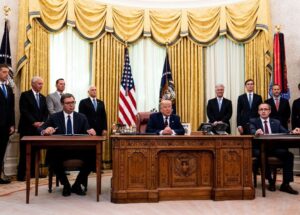
Στις 4 Σεπτεμβρίου 2020, ο Πρόεδρος Ντόναλντ Τραμπ φιλοξένησε τον Πρόεδρο της Σερβίας Αλεξάνταρ Βούτσιτς και τον πρωθυπουργό του Κοσσυφοπεδίου Αβντουλάχ Χότι στο Λευκό Οίκο για να υπογράψουν συμφωνία οικονομικής εξομάλυνσης των σχέσεών τους που θα οδηγήσει στη δημιουργία αεροπορικών, σιδηροδρομικών και αυτοκινητικών συνδέσεων μεταξύ της πρωτεύουσας της Σερβίας  Βελιγραδίου και της Πρωτεύουσα του Κοσσυφοπεδίου Πρίστινα.

Πριν από 21 χρόνια, η Σερβία και το Κοσσυφοπέδιο ξεκίνησαν έναν αιματηρό πόλεμο αφού η Σερβία έλαβε δραστικά μέτρα κατά των Αλβανών στο Κοσσυφοπέδιο, μια σύγκρουση που κατέληξε σε δράση του ΝΑΤΟ κατά της Σερβίας και της δήλωσης ανεξαρτησίας του Κοσσυφοπεδίου το 2008.

Η κυβέρνηση Τραμπ συγκεντρώνει αξιοσημείωτη δυναμική στα εξωτερικά και τη διπλωματία. Η Ουάσιγκτον ανακοίνωσε τη συμφωνία εξομάλυνσης Σερβίας-Κοσσυφοπεδίου μόνο 22 ημέρες μετά την ανακοίνωση της πρωτοποριακής συμφωνίας εξομάλυνσης Ισραήλ-ΗΑΕ και μια συμφωνία εξομάλυνσης Ισραήλ-Μπαχρέιν ανακοινώθηκε λίγο μετά τις ειδήσεις της Σερβίας-Κοσσυφοπεδίου.

Και το Βελιγράδι και η Πρίστινα έχουν δεσμευτεί να δημιουργήσουν σχέσεις με το Ισραήλ. Σχεδιάζουν να ανοίξουν πρεσβείες στην Ιερουσαλήμ έως το 2021. Θα είναι οι πρώτες ευρωπαϊκές χώρες που θα το πράξουν (αντί στο Τελ Αβίβ).

Αυτό το βήμα θα μπορούσε τελικά να οδηγήσει σε διεθνή αναγνώριση της Ιερουσαλήμ ως πρωτεύουσας του Ισραήλ.

Είναι σημαντικό ότι η πρεσβεία της Πρίστινας θα είναι η πρώτη πρεσβεία στο Ισραήλ ενός κράτους με πλειοψηφία Μουσουλμάνων. Η ΕΕ επανεξετάζει τώρα το ενδεχόμενο ένταξης του Κοσσυφοπεδίου στην Ένωση και η Σερβία και οι Ρώσοι και Κινέζοι σύμμαχοί της θα αναγνωρίσουν πιθανώς την ανεξαρτησία του Κοσσυφοπεδίου.

Ο Ισραηλινός πρωθυπουργός Μπέντζαμιν Νετανιάχου χαιρέτισε τη συμφωνία, σχολιάζοντας: «Ευχαριστώ τον φίλο μου τον πρόεδρο της Σερβίας για την απόφαση να αναγνωρίσει την Ιερουσαλήμ ως πρωτεύουσας  του Ισραήλ και να μεταφέρει την πρεσβεία του εκεί» και ευχαρίστησε τον Πρόεδρο Τραμπ για τη συμβολή του στην επίτευξη της συμφωνίας.

Πρόσθεσε: «Το Κοσσυφοπέδιο είναι η πρώτη χώρα με μουσουλμανική πλειοψηφία που άνοιξε πρεσβεία στην Ιερουσαλήμ. Όπως έχω πει τις τελευταίες ημέρες, ο κύκλος της ειρήνης και της αναγνώρισης του Ισραήλ διευρύνεται και αναμένεται να συμμετάσχουν και άλλα έθνη ».

Η εξομάλυνση των σχέσεων Κοσσυφοπεδίου με το Ισραήλ καθιστά το Κόσοβο την πέμπτη μουσουλμανική χώρα που ομαλοποιεί ή υπογράφει ειρηνευτική συμφωνία με το Ισραήλ μετά τις ειρηνευτικές συμφωνίες με την Αίγυπτο το 1977, την Ιορδανία το 1994, τον Λίβανο το 1983, μετά από μια ισραηλινή εισβολή το προηγούμενο έτος και τα ΗΑΕ το 2020 – και μέχρι να ανακοινωθεί ενετάχθη στην ομάδα και ένα έκτο κράτος, το Μπαχρέιν.

Το Ομάν, το Σουδάν και το Μαρόκο αναμένεται να ακολουθήσουν.

Μια μεγάλη αλλαγή συμβαίνει ταχέως στη Μέση Ανατολή καθώς οι πρώην εχθροί ανασυγκροτούν τις σχέσεις τους και ενώνονται για να δημιουργήσουν ένα μέτωπο ενάντια σε κοινούς εχθρούς. Η αντίληψη Ισραήλ έναντι Αράβων αλλάζει σε αντίληψη Ισραήλ-+ Άραβες εναντίον του Ιράν και άλλες νέες συμμαχίες ξεκινούν σύμφωνα με αυτή τη νέα διατύπωση (όπως η Τουρκία, το Πακιστάν, η Μαλαισία και το Κατάρ). Περισσότερες χώρες είναι πιθανό να ενώσουν και τις δύο πλευρές αυτής της αναδυόμενης νέας πολικότητας.

besacenter.org

The Serbia-Kosovo Agreement Is a Result of the Israel-UAE Agreement

0

By  and September 16, 2020

BESA Center Perspectives Paper No. 1,750, September 16, 2020

EXECUTIVE SUMMARY: The US-brokered Israel-UAE normalization agreement was swiftly followed by a similar agreement between Serbia and Kosovo, as well as an Israel-Bahrain agreement. The Trump administration has momentum as it continues to work toward a reformulation of formerly combative relationships. The Israel vs. Arab perception is rapidly changing to an Israel-Arab vs. Iran perception, and that dynamic will create further new alliances on both sides.

On September 4, 2020, President Donald Trump hosted Serbia’s President Aleksandar Vucic and Kosovo PM Avdullah Hoti at the White House to sign an economic normalization agreement that will lead to the establishment of air, rail, and motorway links between Serbia’s capital, Belgrade, and Kosovo’s capital, Pristina. Twenty-one years ago, Serbia and Kosovo engaged in a bloody war after Serbia cracked down on ethnic Albanians in Kosovo, a conflict that ended in NATO action against Serbia and Kosovo’s declaration of independence in 2008.

The Trump administration is gathering remarkable momentum on the foreign policy and diplomacy fronts. Washington announced the Serbia-Kosovo normalization agreement only 22 days after it announced the groundbreaking Israel-UAE normalization agreement, and an Israel-Bahrain normalization agreement was announced shortly after the Serbia-Kosovo news.

Belgrade and Pristina have both vowed to establish relationships with Israel. They plan to open embassies in Jerusalem by 2021, which will make them the first European countries to do so (rather than in Tel Aviv). This step could ultimately lead to international recognition of Jerusalem as Israel’s capital.

Significantly, Pristina’s will be the first embassy of a Muslim-majority state in Israel. The EU is now reconsidering the possibility that Kosovo might join the Union, and Serbia and its Russian and Chinese allies will likely recognize Kosovo’s independence.

Israeli PM Benjamin Netanyahu welcomed the agreement, commenting, “I thank my friend the president of Serbia for the decision to recognize Jerusalem as Israel’s capital and to transfer his embassy there,” and he thanked President Trump for his contribution to achieving the agreement. He added, “Kosovo is the first country with a Muslim majority to open an embassy in Jerusalem. As I have said in recent days, the circle of peace and recognition of Israel is widening, and other nations are expected to join it.”

Kosovo’s normalization with Israel makes it the fifth Muslim country to normalize or sign a peace agreement with Israel following the peace agreements with Egypt in 1977, Jordan in 1994, Lebanon in 1983 after the Israeli invasion the previous year, and the UAE in 2020—and since the announcement they have been joined by a sixth, the Gulf State of Bahrain. Oman, Sudan, and Morocco are expected to follow suit.

A major shift is swiftly occurring in the Middle East as former enemies reconstitute their relationships and join together to create a front against common foes. The Israel vs. Arab perception is changing to an Israeli-Arab vs. Iran perception, and other new alliances are cropping up according to that new formulation (such as Turkey, Pakistan, Malaysia, and Qatar). More countries are likely to join both sides of this emerging new polarity.

View PDF

Dr. Edy Cohen (Ph.D. Bar-Ilan University) is fluent in Arabic and specializes in inter-Arab relations, the Arab-Israeli conflict, terrorism, Jewish communities in the Arab world. He is a researcher at the BESA Center and author of the book The Holocaust in the Eyes of Mahmoud Abbas (Hebrew).

Dr. Frank Musmar is a financial and performance management specialist and a non-resident research associate at the BESA Center.