Αρχική Blog Σελίδα 1846

ΥΔΡΟΓΟΝΟ: Η ασύμφορη λύση που διαιωνίζει τη γερμανική ηγεμονία…!

0


των Jean-Jacques Nieuviaert και Michel Gay*

[Αφορμή ήθελε η γερμανική ΕΕ να μας εισαγάγει στη χρήση του υδρογόνου ως καύσιμου – χθεσινές είναι οι δηλώσεις της κας Ούρσουλα φον ντερ Λάιεν -και αυτή της δόθηκε με τα αντίμετρα Πούτιν στις κοινοτικές κυρώσεις. «Μια ενεργειακή πολιτική που βασίζεται σε αξίες (!!!) πρέπει να γίνει ανεξάρτητη από τα ορυκτά καύσιμα (πετρέλαιο, φυσικό αέριο)» δεν είναι μόνο άποψη του Γερμανού υπουργού Οικονομίας και Κλίματος αλλά και «πιστεύω» της Κομισιόν. Οπερ σημαίνει η Ελλάδα όχι μόνο δεν ενισχύεται εκ μέρους της ΕΕ στη εκμετάλλευση των ορυκτών καυσίμων  – των γνωστών και πλούσιων στη Δυτ. Ελλάδα και νότια της Κρήτης τουλάχιστον από πολλών ετών – αλλά και της απαγορεύτεται γιατί, σύμφωνα με τα δόγματα τα της ΕΕ, αυτά είναι …εφάμαρτα; Γι’ αυτό ακούμε συνέχεια για έρευνες υδρογονανθράκων και υδρογονάνθρακες δεν βλέπουμε; Ε.Δ.Ν.]
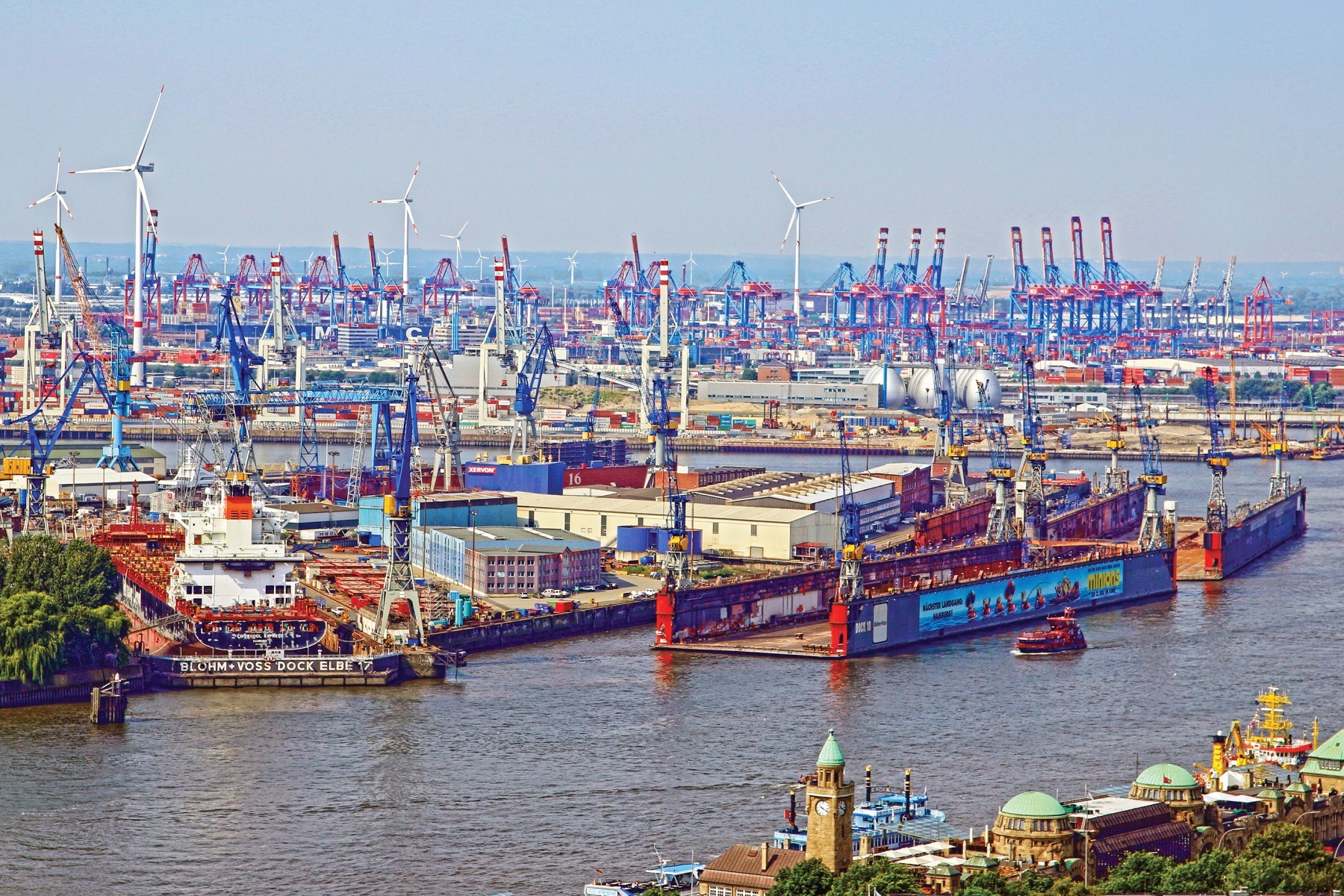
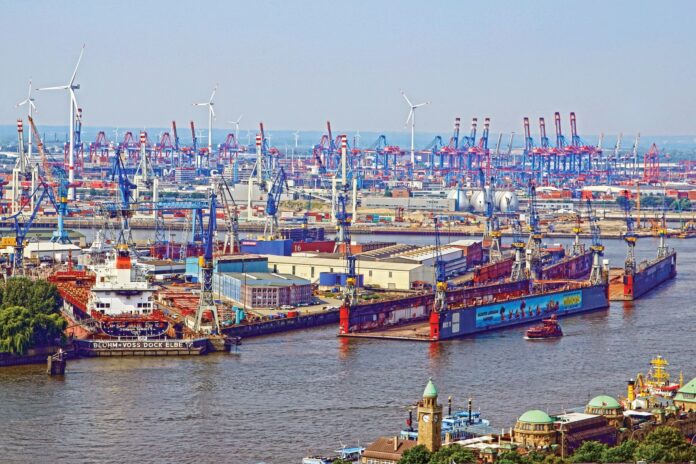
Φιλοδοξία της γερμανικής κυβέρνησης είναι να καταστήσει το λιμάνι του Αμβούργου ευρωπαϊκό κόμβο εισαγωγής και τροφοδοσίας υδρογόνου . 

Η ψευδαίσθηση…

Η φιλόδοξη (τρελή;) πολιτική του πράσινου υδρογόνου που ακολουθεί η ΕΕ θα έχει ως αποτέλεσμα να ενισχύσει τις ασυνέπειες της ευρωπαϊκής ενεργειακής πολιτικής και θα συμβάλει στην αύξηση του κόστους πρόσβασης στην ενέργεια για τους ευρωπαίους καταναλωτές.

pipeline Από: Brian Cantoni – CC BY 2.0

Πριν από το 2020, το υδρογόνο ήταν ένα οριακό προϊόν που προοριζόταν κυρίως για βιομηχανικές χρήσεις, και μετά, σε λίγους μήνες, αυτός ο «  ενεργειακός φορέας  » έγινε το νέο Eldorado της ενεργειακής μετάβασης.

Κατά ειρωνικό τρόπο, στις 28 Δεκεμβρίου 2021, το ρωσικό πρακτορείο ειδήσεων TASS μετέδωσε δήλωση του Ρώσου απεσταλμένου στην ΕΕ ότι η Ρωσία ήταν έτοιμη να συνεργαστεί με την ΕΕ σε έργα υδρογόνου:

« Οι αγωγοί φυσικού αερίου τελευταίας γενιάς, όπως ο Nord Stream 2, μπορούν γρήγορα να προσαρμοστούν στο υδρογόνο, ενώ οι αγωγοί αερίου τύπου «brownfield», όπως ο ουκρανικός αγωγός διαμετακόμισης, δεν προσφέρουν αυτή τη δυνατότητα» .

Ο ενθουσιασμός για το υδρογόνο συνδέεται με τον τρόπο με τον οποίο προσεγγίζεται η ενεργειακή μετάβαση.

Η μαζική ανάπτυξη διακοπτόμενων ανανεώσιμων πηγών ενέργειας (EnRI) αιολικού ή ηλιακού τύπου έχει το κύριο μειονέκτημα ότι δεν είναι ελεγχόμενες. Παρέχουν, μοιραία, ηλεκτρική ενέργεια μη προσαρμοσμένη στη ζήτηση και μάλιστα μερικές φορές όταν το ηλεκτρικό σύστημα δεν τη χρειάζεται.

Γι’ αυτά τα προβλήματα έρχεται ως…σωτήρας το λεγόμενο πράσινο υδρογόνο.

Αλλά ο όρος πράσινος έχει ευρύ φάσμα…

Η σύνδεση της πλεονάζουσας παραγωγής ανανεώσιμων πηγών ενέργειας με ηλεκτρολύτες θα αποτρέψει τη σπατάλη ηλεκτρικής ενέργειας με την παραγωγή πράσινου υδρογόνου, καθώς προέρχεται από ανανεώσιμες πηγές ενέργειας.

Οι φορείς του φυσικού αερίου έχουν κατανοήσει το τεράστιο ενδιαφέρον που αντιπροσώπευε αυτό για να σώσουν τις δουλειές τους.

Πράγματι, το φυσικό αέριο θεωρήθηκε ο φυσικός σύμμαχος της ενεργειακής μετάβασης επειδή εκπέμπει το μισό CO2 (400 gr ανά kWh) από τον άνθρακα (800 gr), αλλά… 60 φορές περισσότερο από την πυρηνική (6 gr/kWh στη Γαλλία).

Eξάλλου, όλο και περισσότερες περιβαλλοντικές ΜΚΟ αμφισβητούν αυτό το όραμα του «φυσικού αερίου», που θα ήταν ανοησία για το κλίμα.

Και καθώς η ρωσο-ουκρανική σύγκρουση έχει αμαυρώσει περαιτέρω την εικόνα του φυσικού αερίου, η στροφή προς το πράσινο υδρογόνο μέσω ανανεώσιμων πηγών ηλεκτρικής ενέργειας έχει γίνει μια πράσινη ευκαιρία για να διασωθούν μεγάλες επενδύσεις σε υποδομές φυσικού αερίου και να διατηρηθεί η εμπορική δραστηριότητα παροχής αερίου σε βιομηχανικούς ή οικιακούς χώρους.

Οι παραγωγοί ανανεώσιμης και μη ελεγχόμενης ηλεκτρικής ενέργειας και οι εταιρείες φυσικού αερίου έχουν γίνει οι καλύτεροι φίλοι στον κόσμο χάρις στο πράσινο υδρογόνο, με την ευλογία της Ευρωπαϊκής Επιτροπής και της… Γερμανίας. Η τελευταία, λόγω της δυσανάλογης ανάπτυξης των ανανεώσιμων πηγών ενέργειας στο πλαίσιο της Energiewende [Ενεργειακής Μετάβασης] της (115 GW αιολικής ενέργειας και 215 GW** φωτοβολταϊκών αναμένονται το 2030), της υψηλής εξάρτησής της από το φυσικό αέριο και των ιστορικών του δεξιοτήτων στη χημεία, ξεκίνησε με τόλμη αυτή την τρελή περιπέτεια.

Ως εκ τούτου, η ΕΕ ολοκλήρωσε την πρώτη της ασυνέπεια (ανάπτυξη EnRIs και μείωση ή ακόμα και κατάργηση της πυρηνικής ενέργειας) αναπτύσσοντας μια δεύτερη τρέλα (πράσινο υδρογόνο).

Παράλογες χρήσεις

Ορισμένες χρήσεις που προβλέπονται για το πράσινο υδρογόνο είναι εντελώς παράλογες.

Σύμφωνα με μια μελέτη με τίτλο «Οι περιορισμοί της ανάμειξης υδρογόνου στο ευρωπαϊκό δίκτυο φυσικού αερίου» που δημοσιεύτηκε στις 26 Ιανουαρίου από το Ινστιτούτο Fraunhofer (IEE), οι πρωτοβουλίες από διανομείς φυσικού αερίου και κυβερνήσεις για προσθήκη έως και 20% πράσινου υδρογόνου στα δίκτυα φυσικού αερίου θα ήταν δαπανηρές, σπάταλη και τεχνικά πολύπλοκη στην εφαρμογή. Επιπλέον, αυτή η εισαγωγή υδρογόνου θα μείωνε τις εκπομπές άνθρακα λιγότερο από άλλες ενέργειες.

Επομένως, η ανάμειξη, ακόμη και σε χαμηλά ποσοστά, είναι μια κακή λύση για την ανάπτυξη υδρογόνου και θα πρέπει να αποφεύγεται.

Η προσθήκη υδρογόνου στο δίκτυο φυσικού αερίου, όπως απαιτείται από πολλούς φορείς εκμετάλλευσης φυσικού αερίου, θα αύξανε το κόστος της βιομηχανίας κατά περίπου 25% κατά μέσο όρο στην ΕΕ.
Μελέτες  προβλέπουν ότι η προσθήκη υδρογόνου στο δίκτυο φυσικού αερίου θα αύξανε το κόστος της βιομηχανίας κατά περίπου 25% κατά μέσο όρο στην ΕΕ.

Στις 17 Μαρτίου, η Cambridge Econometrics σε συνεργασία με το Ευρωπαϊκό Ίδρυμα για το Κλίμα (ECF) και την Ευρωπαϊκή Συμμαχία για Εξοικονόμηση Ενέργειας (EASE) δημοσίευσαν μια έκθεση με τίτλο «Τυποποίηση των κοινωνικοοικονομικών επιπτώσεων του μηδενισμού του CO2 από τις κατοικίες στην Ευρώπη», η οποία καταλήγει σε τρία κύρια συμπεράσματα:

  • Η στήριξη στο πράσινο υδρογόνο αντί για αντλίες θερμότητας για τη θέρμανση της Ευρώπης θα διπλασίαζε τους λογαριασμούς ενέργειας, θα κόστιζε εκατοντάδες χιλιάδες θέσεις εργασίας, θα μείωνε το ΑΕΠ κατά 1%, θα αύξανε την ατμοσφαιρική ρύπανση προκαλώντας πρόωρους θανάτους και θα καθιστούσε απρόσιτους τους κλιματικούς στόχους της ΕΕ για το 2030.
  • Η αντικατάσταση των λεβήτων αερίου με αντλίες θερμότητας, σε συνδυασμό με ανακαινίσεις για τη βελτίωση της ενεργειακής απόδοσης, θα ήταν η πιο οικονομική λύση για την μείωση του CO2 της οικιακής θέρμανσης.
  • Ακόμη και ένας συνδυασμός αντλιών θερμότητας και πράσινου λέβητα υδρογόνου θα ήταν χειρότερος για τους καταναλωτές και τον πλανήτη από τη χρήση μόνο αντλιών θερμότητας.

Αυτή η ανάλυση δείχνει ότι οι λέβητες υδρογόνου απαιτούν έως και έξι φορές περισσότερη ηλεκτρική ενέργεια από ανανεώσιμες πηγές από τις αντλίες θερμότητας. Επιπλέον,  απελευθερώνουν μονοξείδιο του αζώτου (NO), συμβάλλοντας έτσι σημαντικά στην ατμοσφαιρική ρύπανση.

Στις 30 Μαρτίου, μια μελέτη που εκπονήθηκε από την «  Energy Innovation  » προτρέπει τους υπεύθυνους χάραξης πολιτικής να είναι δύσπιστοι ως προς τις αιτήσεις επιχορήγησης για έργα ανάμειξης υδρογόνου με φυσικό αέριο για θέρμανση ή παραγωγή ηλεκτρικής ενέργειας είναι αναποτελεσματική και ελάχιστα μειώνει τις εκπομπές αερίων θερμοκηπίου (GHG).

Αντίθετα, ενώ αυξάνει το κόστος των καταναλωτών και την ατμοσφαιρική ρύπανση, θα μπορούσε να εμποδίσει βιώσιμες οδούς μείωσης του CO2 δημιουργώντας κινδύνους για την ασφάλεια.

Τέλος, στις 6 Μαΐου, ο Διεθνής Οργανισμός Ανανεώσιμων Πηγών Ενέργειας (IRENA) εξέδωσε μια προειδοποίηση ότι οι προσπάθειες για την ανάμειξη υδρογόνου στις κύριες παροχές αερίου θα μπορούσαν να αυξήσουν το ενεργειακό κόστος των νοικοκυριών για ελάχιστες μειώσεις εκπομπών ρύπων.

Τα αποτελέσματα δείχνουν ότι η χρήση υδρογόνου σε οικιακές συσκευές (σόμπες, θερμοσίφωνες) θα ήταν απαγορευτικά δαπανηρή και ότι η ανάμειξη υδρογόνου με φυσικό αέριο προτείνεται κυρίως από εταιρείες αερίου ως μέσο καθυστέρησης της εγκατάλειψης της χρήσης ορυκτών αερίων.

Έτσι, ενώ τουλάχιστον δέκα ανεξάρτητες μελέτες έχουν καταλήξει σε πανομοιότυπα συμπεράσματα, οι διανομείς αερίου, η Eurogas και το Συμβούλιο Υδρογόνου συνεχίζουν να πιστεύουν ότι, στο μέλλον, τα σπίτια θα θερμαίνονται με καθαρό υδρογόνο μέσω των υπαρχόντων δικτύων φυσικού αερίου.

Μια παράλογη ιδέα

Στις 4 Μαΐου, ένας Αυστραλός ερευνητής έκανε μια σύγκριση μεταξύ φυσικού αερίου και πράσινου υδρογόνου που παράγεται από φωτοβολταϊκό ηλεκτρισμό:

« Το σημερινό μεγαλύτερο εργοστάσιο ηλιακής ενέργειας στην Ευρώπη που βρίσκεται στην Ισπανία έχει ισχύ 500 MW (έκταση ίση με 1.200 γήπεδα ποδοσφαίρου). Χρησιμοποιώντας ολόκληρη αυτή την ηλιακή μονάδα για την παραγωγή πράσινου H2 για 15 μέρες – όσες χρειάζεται ένα μεγάλο πλοίο μεταφοράς LNG (μεταφορική ικανότητα 4 petajoules (PJ)) για να φτάσει στην Ισπανία  – θα παράγει λιγότερο από το 2% της ενέργειας που περιέχονται στο φορτίο του πλοίου με LNG. 

Για να παραχθεί το ισοδύναμο του φορτίου, θα χρειαστούν 2 χρόνια  ».

Για να αντικαταστήσει το αέριο που εισάγει από τη Ρωσία,  η ΕΕ (185 Gm3 ή 6.600 PJ), θα ήταν απαραίτητο να εκφορτώνουν 5 πλοία μεταφοράς LNG την ημέρα ή να κατασκευαστούν σχεδόν 2.000 GW ηλιακά πάρκα.

Όσον αφορά την αντικατάσταση όλης της κατανάλωσης φυσικού αερίου της ΕΕ (512 Gm3), θα χρειαζόταν ηλιακά πάρκα με έκταση ισοδύναμη με αυτή της Γερμανίας.

Σε μια διαύγεια, ο υπεύθυνος κλίματος της Επιτροπής (Franz Timmermans) δήλωσε στις 4 Μαΐου ότι «η  Ευρώπη δεν θα μπορέσει ποτέ να παράγει το δικό της υδρογόνο σε επαρκείς ποσότητες  ».

Δεν υπάρχει ήδη αρκετή ηλεκτρική ενέργεια για την παραγωγή αρκετού υδρογόνου στην Ευρώπη για να αντικαταστήσει το φυσικό αέριο, διαφορετικά αυτή η παραγωγή θα συνεπαγόταν συνεχόμενες διακοπές ρεύματος.

Και ακόμη κι αν το υδρογόνο ήταν διαθέσιμο σε επαρκή ποσότητα, το πρόβλημα δεν θα επιλυόταν.

Στις 14 Δεκεμβρίου 2021, μια ομάδα 90 Ευρωπαίων διανομέων φυσικού αερίου ( Ready4H2 που κάνει εκστρατείες για 100% υδρογόνο στα δίκτυά της) δημοσίευσε μια έκθεση με τίτλο «  Ready4H2: Τα τοπικά δίκτυα υδρογόνου της Ευρώπης  » υποδεικνύοντας ότι μόνο το 24% των μελών θα είναι «  πλήρως έτοιμα  »   για 100% υδρογόνο μέχρι το 2035 και μόνο το 67% λέει ότι θα είναι μέχρι το 2040.

Με άλλα λόγια, το ένα τρίτο των πιο φιλικών προς το υδρογόνο διανομέων αερίου στην Ευρώπη λένε ότι δεν θα είναι έτοιμοι για δίκτυα καθαρού υδρογόνου σε 20 χρόνια και ότι τα τρία τέταρτα δεν θα είναι σε  15 έτη.

Η ομάδα ορίζει το «  πλήρως έτοιμο  » ως περιλαμβάνει την ετοιμότητα των υλικών σωλήνων, όλων των εξαρτημάτων (εξαρτήματα, βαλβίδες, εξοπλισμός μέτρησης, συμπιεστές, κ.λπ.) και τα υλικά του τελικού χρήστη.

Και πάλι εξάρτηση...

Αυτές οι ασυνέπειες δεν εμποδίζουν την Ευρωπαϊκή Επιτροπή στο σχέδιό της RePowerEU να προτείνει ένα πρόγραμμα «Hydrogen Accelerator» για την τόνωση της παραγωγής επιπλέον 15 Mt ανανεώσιμου υδρογόνου έως το 2030 (επιπλέον των 5,6 Mt που έχει ήδη προγραμματίσει η τρέχουσα στρατηγική, συμπεριλαμβανομένων 10 Mt που εισάγεται από «  διάφορες πηγές  » (;) και επιπλέον 5 Mt που παράγονται στην ΕΕ).

Αλλά κυρίως η Γερμανία είναι αυτή που πολλαπλασιάζει τις συμφωνίες παραγωγής υδρογόνου στο εξωτερικό (Αφρική, Αυστραλία, Μέση Ανατολή) για να προμηθεύσει την ευρωπαϊκή αγορά. Αυτή η προσέγγιση έχει επισημοποιηθεί με τον όρο «  διπλωματία υδρογόνου  ».

  • Στις 11 Μαρτίου, η Αρχή Οικονομίας και Καινοτομίας του Αμβούργου(BWI) παρουσίασε μια στρατηγική για να γίνει η πόλη-λιμάνι του Αμβούργου ευρωπαϊκός κόμβος για την εισαγωγή πράσινου υδρογόνου. Το υδρογόνο θα εισάγεται δια ξηράς (αγωγοί) και δια θαλάσσης (μεταφορείς LNG). Το έργο HyPerLink θα πρέπει να συνδέσει την πόλη με το ευρωπαϊκό δίκτυο υδρογόνου μεταξύ Γερμανίας, Δανίας και Ολλανδίας.
  • Στις 21 Μαρτίου, με αφορμή την επίσκεψη του Γερμανού Υπουργού Οικονομίας και Κλίματος στα Ηνωμένα Αραβικά Εμιράτα, οι εταιρείες Uniper, Hydrogenious, JERA Americas και ADNOC ανακοίνωσαν έργο μεταφοράς υδρογόνου από τα Ηνωμένα Αραβικά Εμιράτα στη Γερμανία μέσω της τεχνολογίας μεταφοράς υγρού οργανικού υδρογόνου (LOHC). Αναχωρώντας από τη Γερμανία, δήλωσε «μια ενεργειακή πολιτική που βασίζεται σε αξίες πρέπει να γίνει ανεξάρτητη από τα ορυκτά καύσιμα». Αλλά οι ανθρώπινες αξίες μάλλον δεν είναι μέρος αυτού!
  • Στις 2 Μαΐου, ο Γερμανός Υπουργός Οικονομίας υπέγραψε συμφωνία υδρογόνου με την ινδική κυβέρνηση. Η διασφάλιση της αύξησης της παραγωγής και των εφαρμογών του πράσινου υδρογόνου περιλαμβάνεται τις αποστολές του Γερμανού Υπουργού Εξωτερικών, ο οποίος δημιούργησε την έννοια της « διπλωματίας του υδρογόνου».

Εν τω μεταξύ, η Ευρωπαϊκή Επιτροπή συγκροτεί μια νέα ομάδα εμπειρογνωμόνων και ετήσιες υπουργικές συνεδριάσεις (ΕΕ-Κόλπος) «αφιερωμένες στην πράσινη μετάβαση». Μελετά τις δυνατότητες ανάπτυξης διασυνδέσεων με υδρογόνο ή επενδύσεων σε υπάρχοντα δίκτυα για εισαγωγές αερίου χαμηλών εκπομπών CO2 και υδρογόνου στην ΕΕ από τον Κόλπο.

Ταυτόχρονα, η Επιτροπή επαινεί τον σημαντικό ρόλο των χωρών του Κόλπου στη διαφοροποίηση της προσφοράς, «  αυτοί οι αξιόπιστοι προμηθευτές LNG  » (sic!) ότι αντιπροσωπεύουν μια πραγματική εναλλακτική λύση για το φυσικό αέριο! Έχει ξεχάσει η Επιτροπή ότι επικρίνει τακτικά αυτές τις χώρες ότι δεν σέβονται τα ανθρώπινα δικαιώματα και ότι, εκτός από το να μη καταδικάζουν  τη Ρωσία, βρίσκονται επίσης κοντά στην Κίνα;

Συνάπτονται συμμαχίες μεταξύ ευρωπαϊκών κρατών και μεγάλων ενεργειακών ομίλων για να μοιραστούν τα μερίδια αυτής της τεράστιας μελλοντικής τούρτας.

Έτσι, για παράδειγμα, στις 14 Ιανουαρίου, η Ολλανδία και η Χιλή ανακοίνωσαν ότι εργάζονται από κοινού για τη δημιουργία ενός διαδρόμου που επιτρέπει την εξαγωγή πράσινου υδρογόνου που παράγεται στη Χιλή, προκειμένου να διανεμηθεί στην Ευρώπη. Η Χιλή θα είχε πράγματι δυναμικό ανανεώσιμων πηγών ενέργειας 1800 GW, δηλαδή 75 φορές τις εσωτερικές της ανάγκες, και φιλοδοξεί να είναι ο παγκόσμιος ηγέτης στην παραγωγή πράσινου Η2 έως το 2030 με τιμή χαμηλότερη από 1,5 δολάριο/κιλό Η2, με βάση την Εθνική Στρατηγική για το Πράσινο Υδρογόνο.

Η Ολλανδία βλέπει το ενδιαφέρον της να διαφοροποιήσει με υδρογόνο τη δραστηριότητα του λιμανιού του Ρότερνταμ μέσω του οποίου διέρχεται το 13% του συνόλου της ενέργειας της ΕΕ και το οποίο απειλείται με εξαφάνιση λόγω του φυσικού αερίου. Επιδιώκουν να προσελκύσουν τις Engie, TotalEnergies, Enel, Siemens, RWE, Austria Energy, Linde ή Statkraft σε αυτό το σχέδιο.

Συνοπτικά,  η «φιλόδοξη  » (τρελή;) πολιτική του πράσινου υδρογόνου που ακολουθεί η ΕΕ θα έχει ως αποτέλεσμα να ενισχύσει τις ασυνέπειες της ευρωπαϊκής ενεργειακής πολιτικής και θα συμβάλει στην αύξηση του κόστους πρόσβασης στην ενέργεια για τους ευρωπαίους καταναλωτές.

*Ο Jean-Jacques Nieuviaert είναι διδάκτωρ στην οικονομία. Σύμβουλος οικονομίας της αγοράς στη Γαλλική Ένωση Ηλεκτρισμού, είναι επίσης επικεφαλής του τμήματος Καινοτομίας καθώς και του τμήματος τιμολόγησης της γαλλικής ΔΕΗ.

Ο Michel Gay είναι μέλος της Ένωσης Πυρηνικών Οικολόγων (AEPN), της Ομοσπονδίας Αειφόρου Περιβάλλοντος (FED) και της Γαλλικής Εταιρείας Πυρηνικής Ενέργειας (SFEN).

**1MW= 1.000.000 W, 1GW= 1.000.000.000 W,  1TW= 1.000.000.000.000W, 1PW=1.000.000.000.000.000W

Μετάφραση: Ευάγγελος Δ. Νιάνιος

Πηγή: https://www.contrepoints.org/2022/06/19/433111-lillusion-de-lhydrogene-vert


Erdoğan is in New York, the World leaders are in London

0

By 

The funeral of the United Kingdom’s late Queen Elizabeth II will be held in London on September 19. According to the news agencies, some 500 high-level politicians from different countries of the world including the heads of state or government of many that have a say in world politics will be there to pay respects. 

The presidents of Germany, France, and Italy, the Kings, Queens and government leaders of all the European countries governed by a parliamentary monarchy, Spain, the Netherlands, Sweden, Norway, Denmark, and Belgium are already in London; so was Emperor Naruhito of Japan. Even though US President Joe Biden will host the UN General Assembly that will start on September 19, he flew to London the day before in order not to violate the travel restriction imposed by the British government.

However, Turkey is represented at the ministerial level by Minister of Foreign Affairs Mevlüt Çavuşoğlu. Why does President Tayyip Erdogan not attend the funeral? 

Worried about the loss of reputation?

The British government asked the leaders not to come with official planes, official vehicle convoys, bodyguard armies and crowded delegations to accompany them due to the expected high number of attendees to the funeral. The leaders are to go to the ceremony area by bus together.

Is this why Erdogan does not attend the funeral of the Queen of a country with which Turkey has strategic relations including the defense industry, to an event that many world leaders attend?

These days, we are making the final preparations for a book I wrote on Turkey’s former President Turgut Özal. I think both Özal and Süleyman Demirel who have marked Turkey’s politics through the 70s, 80s and 90s would want to go to London just to be on that bus with the other leaders.

Is it a disgrace for Erdogan to be treated the same as other leaders in London, without convoys, bodyguards and delegations?

The question is legitimate because although our President had previously announced that he would attend the UN Climate Change Conference held in Glasgow last year, he did not on the grounds that his crowded escorts and bodyguards were not granted permission.

Does being on the same level as other leaders not fit for the image of the “world leader” that his fans have been expressing? Or was there another governmental task somewhere else that has more strategic importance for Turkey’s interests?

Not in London, alone in New York

The President is in New York. According to the program, he flew from the Shanghai Summit in Uzbekistan to New York to participate in the UN General Assembly. Other leaders to join the UN General Assembly are not yet in New York. Most of them are in London. But our President is in New York.

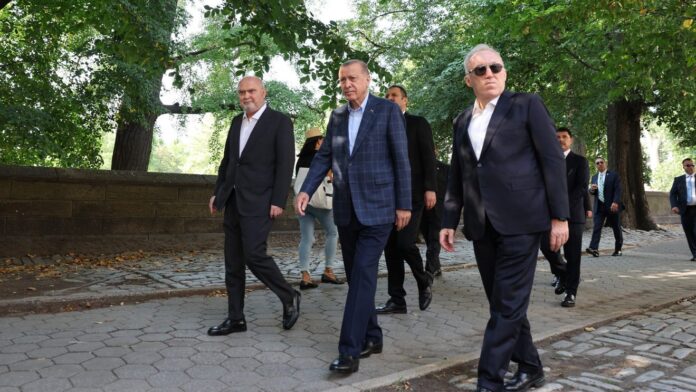
The images and videos of him walking in New York’s well-known Central Park early in the morning of September 18 are shared by presidential social media accounts all day. He is accompanied by Turkey’s Permanent Representative to the UN Feridun Sinirlioğlu and Turkey’s Ambassador to Washington Murat Mercan. He is alone figuratively, in the sense that he is not with other heads of the states. 

Who will he meet until the rulers of other states complete their duties in London and move to New York? He is going to meet with “Turkish organization representatives” including the TÜRKEN Foundation affiliated with the Ensar Foundation and Jewish organization representatives. Representatives from the Jewish community in Turkey would also attend this meeting. Journalists summoned to Erdogan’s plane underline that Erdogan will meet with Israeli Prime Minister Yair Lapid. After all, Israel is represented by President Isaac Herzog in London.

Sharif’s contribution to the image of the “world leader”

President Erdoğan is under the influence of the “world leader” rhetoric that his close circle and the media outlets, whose existence is attached to him, have been producing. 

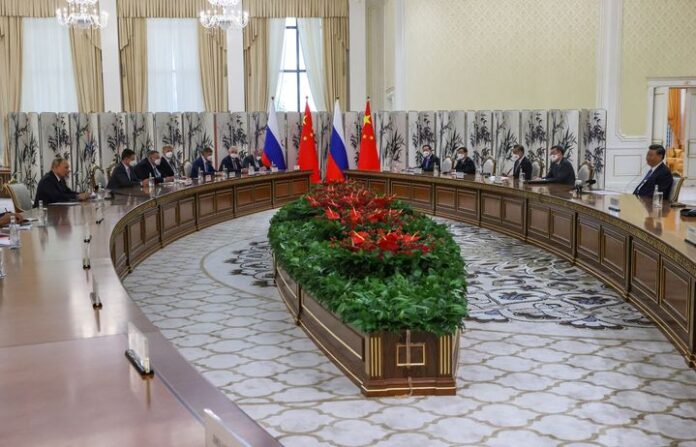
Most recently Erdoğan’s photo with the leaders attending the Shanghai Summit in Samarkand (especially Russian President Vladimir Putin) listening to him attentively, was immediately circulated with the caption “the eyes of the world are on Erdogan”. The photo was impressive, but it soon became clear that it was a picture of a short moment. Erdoğan had already mentioned it on the road from Samarkand to New York road without exaggerating it that much. On the same evening, Pakistani Prime Minister Shehbaz Sharif posted on the government’s Twitter account a pose of a group of Shanghai leaders, including Erdoğan and Putin, while listening to him, with the caption “The eyes of the world are on Pakistan”.

The Pakistani government spread this photo of Erdoğan and Putin as “the eyes of the world are on Pakistan.”

Yet it works for many supporters of Erdoğan; it is music to their ears. Erdoğan may also think like that. 

Will Biden agree to a meeting?

But there is something else Erdoğan is waiting for in New York. Despite a lot of effort last year, a meeting with Biden could not be arranged despite him being in the USA on several occasions. The reason was the Covid-19 outbreak. There are no Covid-19 restrictions this year. In my opinion, after this point, it doesn’t make much difference whether Biden talks with Erdoğan like he did at NATO summits or even if he accepts a face-to-face meeting in Washington. But Erdogan obviously thinks that even a photo with Biden will help the economic crisis.

Would it have helped if Erdogan had attended the ceremony in London? I’m not sure about that either, but let’s see if Biden will include Erdogan in the list of leaders who want to meet with him at the UN summit on his return from London.

If he does, I’m sure the parasitic structures around Erdoğan will try to link it to the Samarkand photo and spin it with the caption “He had to meet with him”. But let us remind you that it’s been two years since attempts to arrange a meeting with Biden have been going on. 

As I said, in my opinion, it doesn’t matter at this moment whether he meets with Biden, whose political priority is to get out of the congressional elections on November 8 with the least damage. But it seems that it is a matter for Erdoğan.

https://yetkinreport.com/en/2022/09/18/erdogan-is-in-new-york-the-world-leaders-are-in-london/

Το ΝΑΤΟ υποθάλπει “τρομοκράτες” του ΡΚΚ; Στη Ρωσία δρα νόμιμα… Ταγίπ

0
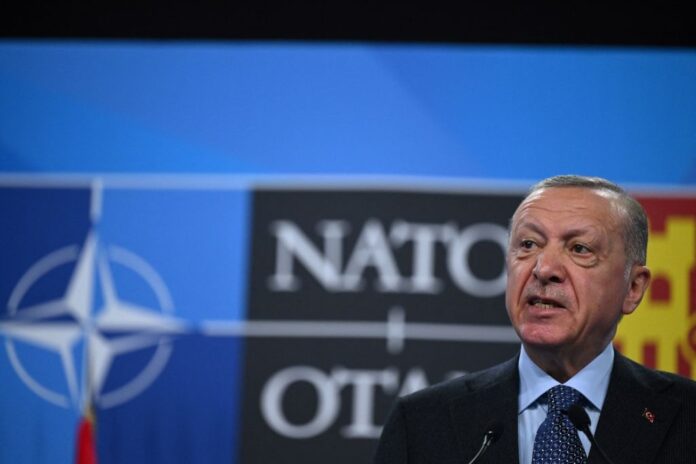
Turkey's President Recep Tayyip Erdogan addresses media representatives during a press conference at the NATO summit at the Ifema congress centre in Madrid, on June 30, 2022. (Photo by GABRIEL BOUYS / AFP) (Photo by GABRIEL BOUYS/AFP via Getty Images)

Γιατί η Τουρκία κλείνει το μέτωπο με τη Συρία;

0

Γράφει ο Λάζαρος Καμπουρίδης, Αντιστράτηγος ε.α.

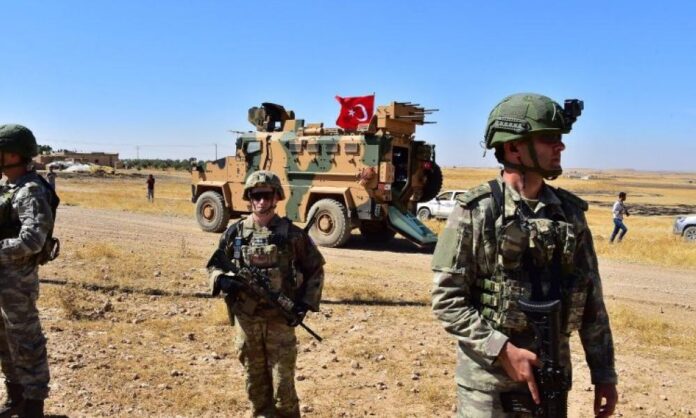
Τούρκοι σχολιαστές το τελευταίο διάστημα, τονίζουν την ανάγκη η Άγκυρα να κλείσει το μέτωπο με τη Συρία, προκειμένου να υπάρξει μεγαλύτερη ευκολία από τουρκικής πλευράς στη στρατιωτική διαχείριση του μετώπου με την Ελλάδα. Είχα αναφέρει σε προηγούμενο άρθρο, ότι η Τουρκία είναι «εγκλωβισμένη» επιχειρησιακά με την εμπλοκή χερσαίων δυνάμεων που μετέφερε την τελευταία εξαετία κυρίως από την 1η Στρατιά (Θράκη) και τη Στρατιά Αιγαίου για στρατιωτικές επιχειρήσεις στο Ιράκ και κυρίως στη Συρία, με αποτέλεσμα να δυσκολεύεται να επιχειρήσει στρατιωτικά εναντίον της Χώρας μας με όρους γενικής σύρραξης, έχοντας δυνατότητα να προκαλέσει μόνο μία στρατιωτική εμπλοκή περιορισμένου εύρους και χρόνου. Φαίνεται όμως ότι οι εξελίξεις οι οποίες προκύπτουν από την διαφαινόμενη επαναπροσέγγιση Άγκυρας – Δαμασκού, αλλάζουν τα δεδομένα εις βάρος της Χώρας μας.

Πως το Συριακό επηρεάζει το ισοζύγιο δυνάμεων;

Η Τουρκία από ενάρξεως του συριακού εμφυλίου, τάχθηκε εναντίον του συριακού καθεστώτος και υποστήριξε πολιτικά αλλά και στρατιωτικά την αντιπολίτευση και άλλες ακραίες ισλαμικές οργανώσεις. Η Άγκυρα εκπαίδευσε και εξόπλισε τον Ελεύθερο Συριακό Στρατό (FSA) επιδιώκοντας την ανατροπή του Άσσαντ, αλλά και των σχεδίων των Κούρδων της Ροζάβα για δημιουργία κουρδικού κρατικού μορφώματος στη Συρία. Οι Τουρκικές Ένοπλες Δυνάμεις (ΤΕΔ) στο πλαίσιο αυτό, πραγματοποίησαν 3 κύριες στρατιωτικές επιχειρήσεις στη βόρεια Συρία με σκοπό τη δημιουργία Ζώνης Ασφαλείας σε βάθος 30 χλμ. κατά μήκος της τουρκοσυριακής μεθορίου. Για το λόγο αυτό, η Άγκυρα προώθησε Μονάδες και Σχηματισμούς στην περιοχή της τουρκοσυριακής μεθορίου και από το δυτικό μέτωπο (Ελλάδα), με σκοπό όχι μόνο την πραγματοποίηση στρατιωτικών επιχειρήσεων αλλά και τη διατήρηση των συριακών εδαφών που καταλήφθηκαν. Κάθε φορά που οι ΤΕΔ πραγματοποιούσαν επιχείρηση στη βόρεια Συρία, το συριακό καθεστώς προωθούσε στρατιωτικές δυνάμεις βορειότερα σε ένδειξη ενόχλησης και ετοιμότητας επέμβασης, ενώ ταυτόχρονα οι υποστηριζόμενες από τις ΗΠΑ «Δημοκρατικές Δυνάμεις Συρίας» (SDF) οι οποίες ελέγχονται από το κουρδικό YPG (Μονάδες Άμυνας του Λαού), προσέγγιζαν για συνεργασία τις συριακές καθεστωτικές δυνάμεις αναζητώντας στήριγμα και συνεργασία. Δηλαδή, ο κουρδικός παράγοντας ενεργεί σε συνεργασία με τις Ένοπλες Δυνάμεις του Άσσαντ, έναντι κάθε επιχείρησης δημιουργίας – επέκτασης της υπό τουρκικής κατοχής Ζώνης Ασφαλείας εντός της συριακής επικράτειας.

Προσέγγιση Άγκυρας – Δαμασκού

Είναι εμφανές ότι την τελευταία πενταετία ο Ερντογάν έχει μαλακώσει τη ρητορική του εναντίον του Άσσαντ ενώ ταυτόχρονα είναι γνωστό ότι την τελευταία διετία υφίσταται επαφή στελεχών των Υπηρεσιών Πληροφοριών της Άγκυρας με αυτές της Δαμασκού. Όμως οι δηλώσεις του Τούρκου Προέδρου μετά από τη συνάντησή του στο Σότσι της Ρωσίας με τον Πούτιν την 05 Αυγούστου 2022, καθώς και οι αντίστοιχες του Τούρκου Υπουργού Εξωτερικών, αποκαλύπτουν ότι η Άγκυρα πλέον δεν επιδιώκει την ανατροπή του Άσσαντ αλλά δρομολογούνται οι διαδικασίες για την έναρξη συνομιλιών μεταξύ των 2 πλευρών και σε κυβερνητικό επίπεδο. Η Άγκυρα σε μία διαφαινόμενη διαπραγμάτευση με τον Άσσαντ, επιδιώκει τη δημιουργία μιας Ζώνης Ασφαλείας σε όλο το μήκος των συνόρων εντός της συριακής επικράτειας με ταυτόχρονη εκκαθάριση των τρομοκρατικών στοιχείων, καθώς και επιστροφή τουλάχιστον του 60-70 % των Σύριων προσφύγων οι οποίοι διαβιούν στην Τουρκία. Το συριακό καθεστώς από την πλευρά του, αξιώνει την απόσυρση των τουρκικών στρατιωτικών δυνάμεων από τη συριακή επικράτεια. Πολύ δύσκολη η εξεύρεση κοινού τόπου επίλυσης των επιδιώξεων Άγκυρας – Δαμασκού, όμως και μόνο η έναρξη μιας παρατεταμένης διαπραγμάτευσης της Άγκυρας με τον Άσσαντ σε υψηλό επίπεδο, προσδίδει στην τουρκική πλευρά τις παρακάτω επιχειρησιακές δυνατότητες εις βάρος της Χώρας μας:

Πάγωμα της κατάστασης έντασης και στρατιωτικής αντιπαλότητας μεταξύ Άγκυρας και Δαμασκού.

Πιθανή αποδόμηση της συνεργασίας Κούρδων της Συρίας με τη Δαμασκό όχι μόνο σε πολιτικό αλλά και σε στρατιωτικό επίπεδο.

Επιτελική αποφόρτιση του Τουρκικού Γενικού Επιτελείου, αφού πλέον δεν θα διατηρεί στο ίδιο επίπεδο επάνδρωσης και ετοιμότητας το Επιχειρησιακό Στρατηγείο που είναι επιφορτισμένο για τις επιχειρήσεις στα συριακά εδάφη.

Απαγκίστρωση τουρκικών στρατιωτικών δυνάμεων από την τουρκοσυσυριακή μεθόριο και επιστροφή τους στις αρχικές έδρες                          (1η Στρατιά – Στρατιά Αιγαίου).

Προσανατολισμός των τουρκικών αεροπορικών δυνάμεων αλλά και του στόλου των Μη Επανδρωμένων Αεροσκαφών (ΜΕΑ) μόνο προς το μέτωπο με Ελλάδα και Κυπριακή Δημοκρατία.

Απόκτηση δυνατότητας από πλευράς Άγκυρας να κλιμακώσει επιχειρησιακά κατακόρυφα την ένταση με τη Χώρα μας, αφού θα διαθέτει πλέον τη δυνατότητα να χρησιμοποιήσει με μεγαλύτερη ευχέρεια αλλά και αριθμό χερσαίες δυνάμεις καθώς και Μονάδες Ειδικών Δυνάμεων, σε αντίθεση με κρίσεις του πρόσφατου παρελθόντος όπου κινητοποιούσε μόνο αεροναυτικές δυνάμεις (κρίση Ορούτς Ρέϊς).

Ενδείξεις αλλαγής του σκηνικού κλιμάκωσης, από πλευράς Άγκυρας

Για πρώτη φορά την τελευταία δεκαετία φαίνεται ότι, το επιχειρησιακό πλαίσιο της αντιπαράθεσης Τουρκίας – Ελλάδας διαφοροποιείται, καθώς πολλές ενέργειες της Άγκυρας συγκλίνουν στον ίδιο Αντικειμενικό Σκοπό, δηλαδή πολεμική ενέργεια εναντίον της Χώρας μας. Ειδικότερα εντύπωση προκαλούν, η πρωτοφανής ρητορική Τούρκων κυβερνητικών αξιωματούχων, η βελτίωση των σχέσεων της Άγκυρας με άλλες χώρες, η ένταση αλλά και η συχνότητα με την οποία η Άγκυρα προβάλλει και καταθέτει τις αξιώσεις της σε Διεθνείς Οργανισμούς, η προετοιμασία της τουρκικής κοινής γνώμης για πιθανή στρατιωτική εμπλοκή με τη Χώρα μας με συνεχείς δηλώσεις – συνθήματα κυβερνητικών αξιωματούχων, οι μαζικές συγκεντρώσεις προσφύγων στα δυτικά αλλά και η μεθοδευμένη τουρκική επιθετική επικοινωνιακή τακτική εναντίον της Χώρας μας.

Θα πρέπει να τονιστεί ότι, ένα πιθανό κλείσιμο του μετώπου από πλευράς Άγκυρας με το συριακό καθεστώς, εξέλιξη η οποία θα συνοδευτεί και από απεμπλοκή στρατιωτικών δυνάμεων από την περιοχή των τουρκοσυριακών συνόρων, αποτελεί δυνητικά το κρίσιμο στοιχείο το οποίο διαφοροποιεί την παρούσα κατάσταση σε σχέση με αντίστοιχες καταστάσεις έντασης του παρελθόντος και εκτιμάται ότι αποτελεί τη βασική ένδειξη ότι η Άγκυρα «οδηγεί νομοτελειακά» την κατάσταση σε στρατιωτική σύγκρουση με τη Χώρα μας.

  • Δημοσιεύεται και στην εφημερίδα «ΤΟ ΠΑΡΟΝ της Κυριακής»

Ο Αντιστράτηγος ε.α. Λάζαρος Καμπουρίδης είναι απόφοιτος της Σχολής Εθνικής Άμυνας, κάτοχος MBA από το Nottinngham Trend University, Πτυχιούχος του Τμήματος Ιστορίας & Εθνολογίας του ΔΠΘ, και υποψήφιος Διδάκτορας του Παντείου Πανεπιστημίου, ενώ διετέλεσε μέλος της Ελληνικής Διπλωματικής Αντιπροσωπείας στην Κωνσταντινούπολη την περίοδο 1995-1999, Ακόλουθος Άμυνας στην Ελληνική Πρεσβεία στην Άγκυρα την περίοδο 2013-2017.


ΤΑΓΙΠ ΕΡΝΤΟΓΑΝ: ο μεγαλύτερος, εν ζωή, φιλέλληνας.

0
Φωτογραφία: Ο Ερντογάν και οι νέοι του σύμμαχοι: Απο δεξιά: Ιλχάν Αλίγιεφ, Πρόεδρος Αζερμπαϊτζάν, Ιμαμαλί Ραχμάν, Πρόεδρος Τατζικιστάν, Βλαντιμίρ Πούτιν Πρόεδρος Ρωσίας, Αλεξάντρ Λουκασένκο, Πρόεδρος Λευκορωσίας, Ιμπραχίμ Ρεϊζί, Πρόεδρος Ιράν.
ΤΙ ΣΗΜΑΙΝΕΙ Η ΑΡΣΗ ΤΟΥ ΕΜΠΑΡΓΚΟ ΟΠΛΩΝ ΚΑΤΑ ΤΗΣ ΚΥΠΡΟΥ
Ποια σημασία έχει η άρση του εμπάργκο όπλων των ΗΠΑ κατά της Κύπρου, η οποία, επιβλήθηκε, μάλιστα, το 1987, σε μια εποχή ουδέτερη για το κυπριακό;
Στρατιωτικοί αναλυτές υποστηρίζουν πως στρατιωτικά, υπο προϋποθέσεις, είναι δυνατή η ανακατάληψη των κατεχομένων. Κατάλληλοι εξοπλισμοί, φρόνημα, αποφασιστικότητα, καλός σχεδιασμός, διεθνής ενθάρρυνση, ενδεχομένως, και βοήθεια, μπορεί να φέρουν θετικά αποτελέσματα.
Άλλοι, προσδίδουν στην απόφαση πολιτική σημασία και βαρύτητα.
Με βάση τις θέσεις όλων των κυπριακών κομμάτων, η στρατιωτική λύση στο κυπριακό έχει αποκλεισθεί. Επιλεγμένες επιλογές, όμως, που θα ενίσχυαν την άμυνα σε περίπτωση τουρκικής επίθεσης προς τις ελεύθερες περιοχές δεν αποκλείονται.
Είναι, όμως, αυτές οι επιλογές τόσο επείγουσες ώστε να δικαολογείται η μεγάλη ικανοποίηση και η έντονη τουρκική δυσαρέσκεια;
Περισσότερο πιθανή μου φαίνεται η ερμηνεία που έδωσε ο φίλος δημοσιογράφος Δημήτρης Αγάδης: οι αμερικανοί θέλουν να εγκατασταθούν στην Κύπρο. Πιστεύω αυτήν την ερμηνεία διότι ταιριάζει με την γεωπολιτική ανάλυση που σας παρουσίασα ως το νέο μέτωπο της Δύσης απέναντι στην Ανατολή: απο τον Βερίγγειο Πορθμό ως το Σουέζ. Με την Τουρκία απο την πλευρά της Ανατολής.
Αδύναμος κρίκος αυτής της γραμμής είναι η Ανατολική Μεσόγειος.
Η Κύπρος, μόνη της, δεν μπορεί να υποστηρίξει αμυντικά την ύπαρξή της. Η Ελλάδα είναι, μόνο λόγια στην στρατιωτική υποστήριξη της Μεγαλονήσου. Το Ισραήλ, για δικούς του λόγους παρέχει κάποια υποστήριξη. Άρα, η αμερικανική παρουσία στην Κύπρο θα παρείχε ασφάλεια. Και θα ενίσχυε την γραμμή.
Για να μην είμαστε αφελείς, οι Αμερικανοί το κάνουν για δικό τους συμφέρον. Όχι, γιατί, ξαφνικά αγάπησαν τους Κυπρίους. Αλλά στη διεθνή σκακιέρα το παιχνίδι παίζεται στη βάση συμφερόντων.
Με αφορμή τις εξελίξεις αυτές, θυμήθηκα τον Γιαννάκη Μάτση. Ήουν στο πανελ παρουσίασης του αυτοβιογραφικού βιβλίου του στο οποίο αναφέρει πως όταν ήταν Πρόεδρος του Δημοκρατικού Συναγερμού, ο Χόλμπρουκ του πρότεινε να ενταχθεί η Κύπρος στο ΝΑΤΟ και οι ΗΠΑ θα έδιναν θετική, για την Κύπρο, λύση στο κυπριακό σε 24 ώρες. Το είπε στον Κληρίδη, πρόεδρο, τότε, της Κυπριακής Δημοκρατίας και ο Κληρίδης δεν δέχθηκε.
Το είπαμε και άλλη φορά. Ο Αλλάχ να χαρίζει χρόνια εξουσίας στον Ερντογάν. Μας κάνει καλό. Ο μεγαλύτερος, εν ζωή, φιλέλληνας.
Παντελής Σαββίδης

Ο στρατηγικός ρόλος της Θεσσαλονίκης και της Βόρειας Ελλάδας στο ευρύτερο περιφερειακό περιβάλλον

0

του Δρ. Βενιαμίν Καρακωστάνογλου*


Ο ρόλος της Θεσσαλονίκης καθορίσθηκε, ιδίως μετά τους Βαλκανικούς Πολέμους, από την κεντρική θέση της στην έξοδο της Νότιας Βαλκανικής προς την Θάλασσα που καθιστούσε το λιμάνι της κόμβο εμπορίου και οικονομίας προς τα βόρεια αλλά και προς τον οριζόντιο άξονα, δηλ. προς την Ανατ. Θράκη και την Τουρκία, όπως και προς την Ιταλία μέσω Ηγουμενίτσας.

Ο Ψυχρός Πόλεμος (1945-1991) απέκοψε την Βαλκανική ενδοχώρα από την Βόρεια Ελλάδα (Ήπειρο, Μακεδονία, Θράκη) και την Θεσσαλονίκη από τις αγορές των Βαλκανίων και κατά προέκταση προς τους οδικούς και σιδηροδρομικούς άξονες από και προς την Κεντρική Ευρώπη. Μολονότι η οικονομική δραστηριότητα ξεπερνούσε τα πολιτικά και ιδεολογικά όρια και αντιπαλότητες, χρειάστηκε η λήξη του Διπολισμού και η μεταστροφή της Ανατ. Ευρώπης (και των Βαλκανίων) προς την πλουραλιστική δημοκρατία και την ελεύθερη οικονομία της αγοράς, για να απελευθερωθούν πλήρως οι οικονομικές και ανθρώπινες σχέσεις μεταξύ Δυτικής και Ανατολικής Ευρώπης.

Ταυτόχρονα οι διακρατικές σχέσεις πέρασαν σε νέα εποχή με την ένταξη των περισσότερων χωρών στην Ευρωπαϊκή Ένωση και στο ΝΑΤΟ. Η αιματηρή διάλυση της πρώην Ομοσπονδιακής Γιουγκοσλαβίας, με τους πολέμους που ακολούθησαν σην Βοσνία-Κροατία και στο Κοσσυφοπέδιο, οδήγησαν σε διεθνείς επεμβάσεις, που όμως δεν φαίνεται να έχουν επιτύχει βιώσιμες λύσεις και συμβατές με το Διεθνές Δίκαιο, στη νέα κρατική διάρθρωση που διαμορφώθηκε στην περιοχή.

Πρόσφατες εξελίξεις και επωαζόμενες κρίσεις υπογραμμίζουν τις υπάρχουσες εκκρεμότητες και βέβαια αποτελούν εμπόδια στην ενσωμάτωση όλων των υπολοίπων χωρών στην Ευρωπαϊκή Ένωση και το ΝΑΤΟ. Η Ρωσική εισβολή στην Ουκρανία υπογράμμισε τις αρνητικές πιθανότητες που παραμένουν για την Ευρωπαϊκή ασφάλεια και ευημερία, αλλά και τις πιθανότητες μιας νέας αρχιτεκτονικής παγκόσμιας ισχύος που ενδεχομένως θα προκύψει μεταξύ Ρωσίας-Κίνας και άλλων χωρών όπως το Ιράν, η Τουρκία (πάντα ερμαφρόδιτη), το Πακιστάν κ.α. Και ίσως θα επαναφέρουν νέα κατάσταση Ψυχρού Πολέμου.

Σ’ όλο αυτό το επικίνδυνο και ρευστό πλαίσιο, η Ελλάδα αποτελεί πόλο σταθερότητας και προβλεψιμότητας, ενώ και οι οικονομικές επιτυχίες της για την αντιμετώπιση της χρεοκοπίας της και η σταδιακή μετέπειτα απογείωση της οικονομίας της, αναδεικνύουν τον θετικό ρόλο και τις ευοίωνες προοπτικές της.

Οι πρόσφατες αμυντικές συμφωνίες για επέκταση στρατιωτικών διευκολύνσεων, μείζονα εξοπλιστικά προγράμματα και στρατηγικές συνεργασίες, με χώρες όπως οι ΗΠΑ, η Γαλλία, το Ισραήλ, η Αίγυπτος, τα Ηνωμένα Αραβικά Εμιράτα, η Σαουδική Αραβία, αποδεικνύουν την παραπάνω εκτίμηση.

Ο ρόλος της Βορείου Ελλάδος, δηλ. Μακεδονίας, Θράκης αλλά και της Ηπείρου, που καθορίζει  τον χερσαίο χώρο της γειτονίας της χώρας μας με τα Βαλκάνια, με κεντρικό πόλο και κόμβο την Θεσσαλονίκη, ως συμπρωτεύουσα (ήδη από το Βυζάντιο), μεγάλο πολεοδομικό συγκρότημα και κέντρο εμπορίου αλλά και θαλάσσιων, αεροπορικών και χερσαίων συγκοινωνιών και μεταφορών, αναβαθμίζεται πολύπλευρα. Αυτό διαμορφώνει νέες δυνατότητες συγκλίσεων με κάθετους και οριζόντιους άξονες που διασταυρώνονται στη Θεσσαλονίκη.

Η πρόσφατη επιλογή των ΗΠΑ και του ΝΑΤΟ για την Αλεξανδρούπολη ως λιμένα αφετηρίας και νότιας κατάληξης ενός οδικού και πιθανότατα και σιδηροδρομικού άξονα προς βορράν, δηλ. προς Βουλγαρία, Ρουμανία, που θα διέρχεται και από άλλες χώρες της Ευρ. Ένωσης και του ΝΑΤΟ, μέχρι να φθάσει στην Πολωνία, τις Βαλτικές χώρες και την Βαλτική θάλασσα, συνδέοντας τελικά και τις δύο Σκανδιναβικές χώρες, νέα μέλη του ΝΑΤΟ (Φινλανδία, Σουηδία), διαμορφώνει μια τεράστια διακρατική σύνδεση που θα βαίνει παράλληλα με την Ρωσική Ομοσπονδία και τις δύο πρώην Σοβιτεικές Δημοκρατίες της Ουκρανίας και της Λευκορωσίας, οι οποίες αποτελούν στόχους χερσαίας επέκτασης ή πολιτικού ελέγχου της Μόσχας.

Η σύνδεση αυτή, λοιπόν, της Μεσογείου με την Βαλτική θάλασσα ενισχύει τις στρατιωτικές-αμυντικές δυνατότητες και την συνοχή του ΝΑΤΟ και της Ευρώπης, στα Δυτικά σύνορα της Ρωσίας και χωρών που κινδυνεύουν από αυτήν ή την στηρίζουν.

Η περίπτωση-παράδειγμα του άξονα της Αλεξανδρούπολης, που αφορά κατ’εξοχήν την άμυνα και ασφάλεια και την ενέργεια της Ευρώπης, μπορεί με την ίδια αντίληψη να χρησιμοποιηθεί και για έναν κάθετο άξονα με έμφαση στο εμπόριο, τις οικονομικές δοσοληψίες και τις μεταφορές-συγκοινωνίες με αφετηρία την Θεσσαλονίκη στο Νότο και κατάληξη στα  Γερμανικά και Ολλανδικά λιμάνια στον Βορρά, στην Βαλτική και την Βόρεια Θάλασσα. Και μάλιστα, εκτός από τις οδικές και σιδηροδρομικές μεταφορές και συγκοινωνίες, και μέσω ποτάμιων συνδέσεων που υπάρχουν ή μπορούν να δημιουργηθούν. Η τουριστική ανάπτυξη είναι επίσης ένας προνομιακός τομέας που θα ωφεληθεί από έναν τέτοιο άξονα, με προφανή μεγάλα κέρδη για τη χώρα μας.

Οι υπάρχουσες υποδομές συγκοινωνιών και μεταφορών στη Βόρεια Ελλάδα(Εγνατία) αλλά και όσες κατασκευάζονται ή μπορούν να σχεδιασθούν για το μέλλον, συμπεριλαμβανομένων και των ενεργειακών αγωγών, έχουν την ικανότητα να στηρίξουν αυτόν τον νέο πολυλειτουργικό και διευρωπαϊκό κάθετο άξονα με αφετηρία την Θεσσαλονίκης μας.

Αντιστοιχες δυνατότητες υπάρχουν και με τον οριζόντιο άξονα από τα σύνορα του Έβρου μέχρι το λιμάνι της Ηγουμενίτσας, μέσω της Εγνατίας οδού και θαλάσσιας συνέχειας προς τα πλησιέστερα Ιταλικά λιμάνια (Μπάρι, Μπρίντιζι). Η “σιδηροδρομική Εγνατία” που πρέπει να ολοκληρωθεί (ευκολότερα στα ανατολικά, δυσκολότερα δυτικά) αλλά και τα υπάρχοντα λιμάνια Ηγουμενίτσας, Θεσσαλονίκης, Καβάλας, Αλεξανδρούπολης και τα διεθνή αεροδρόμια Θεσσαλονίκης, Καβάλας (Χρυσούπολης) και Αλεξανδρούπολης, με ένα πρόσθετο διεθνές στα Ιωάννινα, αποτελούν υποδομές που θα καταστήσουν την Βόρεια Ελλάδα κάθετο και οριζόντιο άξονα για τα Βαλκάνια προς τη Μεσόγειο, τη Μέση Ανατολή, τη Β. Αφρική και την Κεντρική και Δυτ. Ευρώπη. Ο αγωγός φυσικού αερίου ΤΑΡ και  άλλοι βόρειοι κάθετοι που υπάρχουν ή μπορούν να γίνουν, καθιστούν την Β. Ελλάδα ενεργειακό κόμβο για τα Βαλκάνια και παραπέρα.

Η Θεσσαλονίκη ως Πολεοδομικό συγκρότημα, η Περιφέρεια της Κεντρικής Μακεδονίας ως η μεγαλύτερη χερσαία περιφέρεια της χώρας, με 1,9 εκατομμύρια πληθυσμού, σε σύμπραξη και με τις άλλες περιφέρειες (Αν. Μακεδονίας-Θράκης, Δυτ. Μακεδονίας και Ηπείρου) με κατάλληλες επιχειρηματικές και καινοτομικές επενδύσεις και δράσεις, που ήδη πληθαίνουν και με ξένα κεφάλαια από μεγάλα Εταιρικά ονόματα, μπορούν να κάνουν την διαφορά: στην ανάπτυξη, στην ευημερία,στην επιστήμη, και την τεχνολογία, στην διεθνή ακτινοβολία της Μακεδονίας, της Θράκης, της Ηπείρου, ώστε να αντισταθμιστεί ο υπέρμετρος και μη ορθολογικός υδροκεφαλισμός της Αττικής και ο ανερχόμενος ανταγωνισμός από γειτονικές χώρες της ευρύτερης περιφέρειας μας.


* Διεθνολόγος, Μον. Λέκτωρ Νομικής ΑΠΘ, Τομεάρχης Διαπεριφερειακών Συνεργασιών, πρ. Πρόεδρος Περιφερειακού. Συμβουλόυ Κεντρικής Μακεδονίας, πρ. Αντιδήμαρχος Αρχιτεκτονικού Θεσσαλονίκης, πρ. Επικεφαλής Εναλλακτικής Έδρας Οργανισμού Ανασυγκρότησης Ν.Α. Ευρώπης


Τα άρθρα και τα σχόλια που δημοσιεύονται στην ιστοσελίδα μας εκφράζουν απαραίτητα τους συγγραφείς. Η ιστοσελίδα μας δεν λογοκρίνει τις γνώμες κανενός.

speaknews.gr

Germany Closed Its Eyes to Russian Expansionism, Does it Again With Islamism

0

Germany’s coalition government has dissolved an expert working group on political Islamism — opting instead to fight “Islamophobia.” The move has angered and alarmed those who warn that Islamism is spreading unabated in Germany, especially among young people in schools and on social media. Germany’s apparent self-deception about the danger of Islamism may end up being even more detrimental to the country’s future than its catastrophic error to become totally energy dependent on Russia.

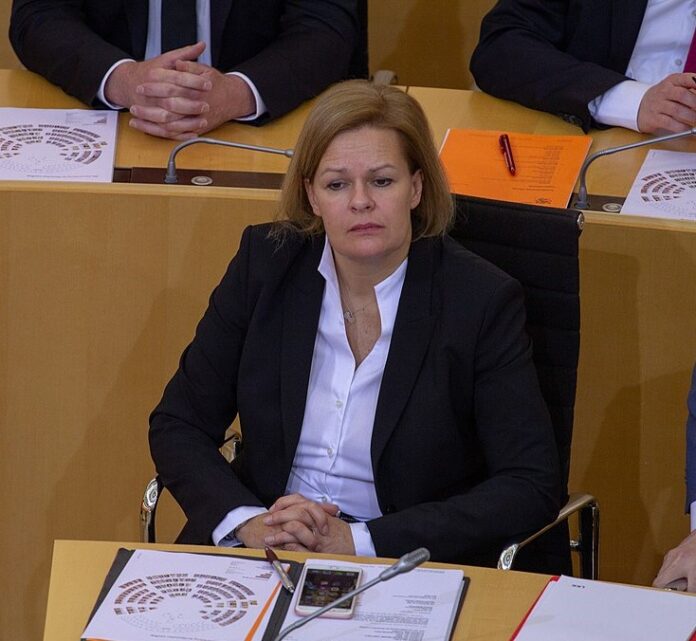
Germany’s Interior Minister, Nancy Faeser, quietly discontinued the so-called Expert Group on Political Islamism (Expertenkreis Politischer Islamismus) in early September. No reason was given for the decision, but since assuming office in December 2021, Faeser, of the left-leaning Social Democratic Party (SPD), has repeatedly been accused of ignoring or downplaying the threat Islamism poses to German democracy.

The expert group, which consisted of eleven people from a variety of academic disciplines, was established in June 2021 by the then interior minister, Horst Seehofer, to identify measures to counter the spread of Islamism in Germany. “We must take decisive action against any ideology that is directed against the values ​​and norms of our free-democratic basic order,” he said at the time.

The working group’s original remit was for a period of one year, but its members had requested that they be allowed to continue their work. A written proposal called for expanding “quantitative and qualitative” research into non-violent Islamism because, “despite numerous preventive efforts and measures, it is not possible to curb the appeal and attraction of political Islamism (especially for young people).”

Bundestag Member Christoph de Vries of the opposition Christian Democratic Union (CDU) said that the government’s decision to dissolve the group of experts represents “the culmination of a policy of looking the other way and ignoring Islamism as a phenomenon that endangers democracy.” He added that Faeser’s decision was “a slap in the face to all those who work against religious extremism and for our democracy.”

In its latest annual report, Germany’s domestic intelligence agency (Bundesamt für Verfassungsschutz, BfV) warned that threats from violent and nonviolent Islamism in Germany continue unabated. The report estimated that Germany is home to roughly 30,000 highly radicalized Muslims, although the actual number certainly is much higher. (The BfV admitted that it lacks data on at least ten Islamist groups operating in Germany.)

The BfV report identifies Salafism, which rejects democracy and the separation of state and religion, as the largest and most influential Islamist movement in Germany. Its roughly 12,000 adherents are said to be increasingly heterogeneous and carrying out their activities underground to avoid detection by German authorities.

The second-largest Islamist organization in Germany is Milli Görüs (Turkish for “National Vision”), a Turkish nationalist political and religious movement that is strongly opposed to Muslim integration into European society. Although Milli Görüs, which is estimated to have at least 10,000 adherents in Germany, has been monitored by German intelligence for anti-constitutional activities, it continues to operate freely throughout the country.

The report listed more than a dozen other Islamist groups active in Germany including: al-Qaeda, Hamas, Hezbollah, Hizb-ut-Tahrir, Islamic State and the Muslim Brotherhood. The groups have ties to, and are believed to receive funding from, Islamist groups in Africa, Asia and the Middle East.

“Despite some successes, such as bans on Islamist associations, the thwarting of Islamist-motivated terrorist attacks in Germany and the prevention of numerous departures to jihad areas, the threat posed by Islamist terrorism in Germany and for German interests and institutions worldwide persists,” the BfV concluded.

Shortly after the BfV published its report, the head of the Frankfurt Research Center on Global Islam, Susanne Schröter, accused the German government of ignoring the problem of Islamism. “The coalition government persistently sweeps the problem of Islamism under the rug,” she said in an interview with Welt am Sonntag. “Neither the high potential for violence, nor the problems with Islamists in schools, nor the oppression of girls and women, seem to worry the government.”

The German government has acknowledged that its priority is to combat “Islamophobia,” not Islamism, according to documents leaked to Welt am Sonntag. Germany’s Interior Ministry more than doubled funding for an Independent Expert Group on Anti-Muslim Hostility (Unabhängigen Expertenkreis Muslimfeindlichkeit, UEM), from 162,000 euros in 2021 to over 473,000 euros in 2022. By contrast, the now-dissolved Expert Group on Political Islamism had a budget of only 112,000 euros in 2021 and requests to increase that funding in 2022 were rejected.

“The coalition government has so far largely ignored the danger of Islamism in Germany,” Bundestag Member Andrea Lindholz told Welt am Sonntag. “By doing nothing, Mrs. Faeser and her coalition partners are creating a security vulnerability.”

Islam expert Rebecca Schönenbach, in an interview with Bild, noted that the coalition government appears committed to fighting all forms of discrimination, except for the discrimination perpetrated by Islamists. “The federal government must take action against Islamic extremists,” she said. “So far, however, it has canceled all measures to do so.”

Schönenbach warned that dissolving the Expert Group on Islamism would end up denying protection to those who urgently need it. “In addition to women, vulnerable groups such as young people are left to Islamists who will try to radicalize as many as possible,” she said.

Bundestag Member Alexander Throm accused Faeser of “neglecting the fight against political Islamism in the most criminal way.” In a statement he said that the representatives of political Islamism “reject our basic democratic order” and, “with their anti-constitutional ideology, create intellectual breeding ground for terrorists.” Throm added that the activity of the expert group was an “important milestone in the fight against extremism and terrorism” and that “with her one-sided politics” Faeser “endangers the security of the citizens.”

The head of the Center for Islamic Theology at the University of Münster, Mouhanad Khorchide, said that the dissolution of the expert group on Islamism indicates that the government does not fully understand the danger of Islamism. “Those in charge are still caught up in the thought that only violent ideologies like jihadism are dangerous,” he said. “There is a lack of awareness of the danger of the ideological underpinning of violent Islamism.”

Soeren Kern is a contributor to Focus on Western Islamism.

islamism.news

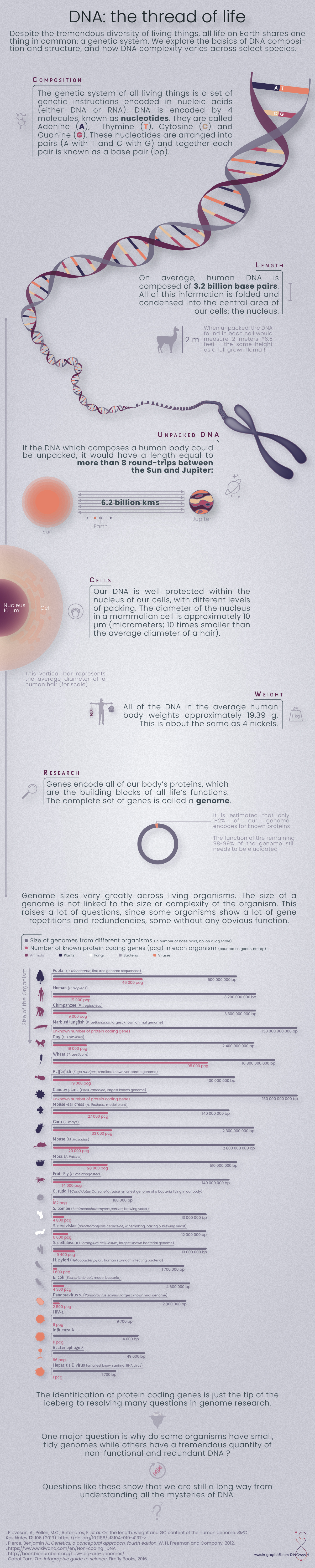
Explainer: The Basics of DNA and Genetic Systems

0

Published on September 16, 2022

Explainer of DNA and Genetic Systems

Explainer: The Basics of DNA and Genetic Systems

While there is great diversity among living things, we all have one thing in common—we all rely on a genetic system made up of DNA and/or RNA.

But how do genetic systems work, and to what extent do they vary across species?

This graphic by Anne-Lise Paris explores the basics of DNA and genetic systems, including how they’re structured, and how they differ across species.

Composition of Genetic Systems: DNA and RNA

A genetic system is essentially a set of instructions that dictate our genetic makeup—what we look like and how we interact with our environment.

This set of instructions is stored in nucleic acids, the two main types being deoxyribonucleic acid (DNA) and ribonucleic acid (RNA).

While most living things rely on a mix of DNA and RNA for cellular reproduction, some viruses just use RNA to store their genetic information and replicate faster.

DNA is made up of four molecules, known as nucleotides: Adenine (A), Thymine (T), Cytosine ( C), and Guanine (G). These nucleotides are grouped in sets of two, which are called base pairs.

Size of Genomes Across Different Organisms

Human DNA is made up of approximately 3.2 billion base pairs that are tightly wound up and stored in our cells. If you were to unwind and measure the DNA stored in a single human cell, it would be about 2 meters (6.5 feet) long!

This lengthy DNA is stored in pairs of chromosomes. A full collection of chromosomes, or an entire set of genetic information, is referred to as a genome.

Genomes vary in size, depending on the organism. Here is a look at 24 different species and the size of their genomes, from animals and plants to bacteria and viruses:

The Marbled Lungfish has the largest known animal genome. Its genome is made up of 130 billion base pairs, which is about 126.8 billion more than the average human genome.

Comparatively, small viruses and bacteria have fewer base pairs. The Hepatitis D virus has only 1,700 base pairs, while E. coli bacteria has 4.6 million. Interestingly, research has not found a link between the size of a species’ genome and the organism’s size or complexity.

In fact, there are still a ton of unanswered questions in the field of genome research. Why do some species have small genomes? Why do some have a ton of redundant DNA? These are still questions being investigated by scientists today.

green check mark icon

This article was published as a part of Visual Capitalist’s Creator Program, which features data-driven visuals from some of our favorite Creators around the world.

visualcapitalist.com

The Eastern Mediterranean Requires a More Muscular American Strategy

0
September 16, 2022

The United States has various tools to bring order to the eastern Mediterranean and steel it against Russian and Chinese efforts to supplant the United States as the primary power broker in the region.

Turkey’s maritime deal with the Libyan Government of National Accord (GNA) that largely ignores legal Greek and Cypriot claims is destabilizing the eastern Mediterranean, as are Greek actions like militarizing Aegean islands close to Turkish shores. The Turkish Navy’s aggressive maneuvering has led to numerous naval incidents with Greece, Cyprus, and Israel and an arms race with Greece—a fellow NATO member.

Russia and China perceive the eastern Mediterranean as a node for great power competition. Russia seeks to undermine U.S., EU, and NATO objectives in this theater. Russia’s soft power initiatives aim to peel away U.S. allies such as Greece, Cyprus, and Turkey—countries susceptible to Russian offers of investment, energy, and tourism dollars. These Russian efforts hinge on exploiting fissures between eastern Mediterranean states and between them and the United States.

China’s Belt and Road Initiative is expanding into the region. As Nader Habibi, the Henry J. Leir Professor of the Economics of the Middle East at the Crown Center, noted, “China has become the largest source of imports for Egypt, Israel, and Lebanon, and the second largest for Turkey, Syria, and Jordan… As undesirable as this sustained trade deficit is for the Levant countries, China, for its part, is using its trade surplus to invest in the region.” Aside from the political and military leverage these investments will provide China down the road, one worry is that technologies developed with or by China could provide backdoor access to U.S. state secrets and give China the ability to hack into U.S. cyber-systems. Another concern relates to eastern Mediterranean states using Chinese payment systems instead of the U.S. dollar.

Russia’s 2022 maritime doctrine places the Mediterranean as a top priority, allowing for the use of military force to achieve national security objectives. The document also states that Russian law supplants international law in the region. A sizable contingent of Russian warships operating out of Russia’s naval base in Tartus, Syria, poses a threat to NATO’s southern flank—to NATO members Greece, Turkey, Italy, and Europe at large. Russian president Vladimir Putin is expanding the capabilities of the Tartus base as the United States is receding from the region. In June 2022, Putin sent a message to the United States in Syria when his fighter jets attacked the al-Tanf garrison, where hundreds of U.S. troops are stationed. Russian aircraft have also been “menacing“ their U.S. counterparts recently in Syria. Finally, Russia just dispatched a nuclear submarine to the Mediterranean to deter NATO forces and provide an outer defense to its Black Sea operations. These escalations could lead to offshore conflict.

America hasn’t been inactive or invisible in the eastern Mediterranean. The United States recently inked an amended bilateral defense agreement with Greece. The United States also has a naval presence in Souda Bay in Crete and in Greece, and the Sixth Fleet is stationed in Italy. America has also created soft power arrangements that foster cooperation and collaboration. One such arrangement is the regional energy forum called the East Mediterranean Gas Forum. Forum members include Israel, Greece, Italy, the Palestinian Authority, Jordan, and Cyprus. The United States and the EU maintain observer status, as does the World Bank Group. A second grouping is a regional defense network called the 3+1 initiative. This initiative includes Greece, Israel, and Cyprus, with the United States as the +1.

Notably, the Biden administration is now mediating a maritime border dispute between Israel and Lebanon—countries like Turkey and Cyprus do not have diplomatic relations and need externally-led arbitration. Despite the efforts of malign actors such as the terrorist entity Hezbollah, the U.S.-led mediation seems likely to succeed.

The United States has various tools to bring order to the eastern Mediterranean and steel it against Russian and Chinese efforts to supplant the United States as the primary power broker in the region. The proper combination of diplomacy, military assistance, and economic investments will reaffirm America’s leadership position in this geostrategic space. Here are four recommendations for the United States.

First, the United States must mediate the maritime disputes between Turkey-Greece and Turkey-Cyprus. Direct bilateral negotiations between Greece and Turkey have­ stalled indefinitely, weakening NATO and the West, as troops and resources are being diverted to fend off each other rather than deter adversaries like Russia. The chaos wrought by this offshore conflict renders it the most pressing issue in the eastern Mediterranean, and thus its resolution is of paramount importance. U.S.-sponsored talks would strengthen regional ties and prevent opportunities for Russia and China.

Second, increase America’s military posture in the eastern Mediterranean. A more visible U.S. military presence would re-instill confidence in allies justifiably shaken up by the war in Ukraine and reestablish red lines and deterrence to a cornered Putin. America’s current force posture is insufficient to address the threat matrix and provide strategic clarity to our friends and foes. Deterrence can be restored in a low-cost, high-impact way by introducing permanent U.S. naval assets in Greece and more rotational vessels, exploring security cooperation with Cyprus more vigorously, and patrolling the eastern Mediterranean and escorting ally convoys through these waters in a more routine fashion.

The 3+1 format could be expanded to create new 2 or 3+1s that would be a first step in integrating Turkey into a joint defense framework. For instance, the United States could hold Turkish president Recep Erdogan’s feet to the fire regarding his ostensible restoration of ties with Israel and Egypt by proposing a 3+1 initiative that includes Israel, Egypt, and Turkey.

Third, increase political pressure to limit China’s influence, and bolster trade and investment in the eastern Mediterranean. China is heavily invested in the eastern Mediterranean, especially in energy infrastructure, transportation, manufacturing and export, and communications and technology development. To challenge China’s growing influence, the United States should apply diplomatic pressure to regional allies but also incentivize them to work with the United States instead of China. The United States should find areas of opportunity for trade and targeted investment that would be mutually beneficial, limiting China’s ability to make economic inroads that could develop into more profound political and military ties with traditional American allies.

Fourth, find new areas of potential cooperation between regional partners regarding food, climate change, and water scarcity. There is precedent for establishing a consortium along these lines. The I2U2 Group is a forum comprising India, Israel, the United Arab Emirates, and the United States. The group’s first joint statement, released on July 14, 2022, states that the countries aim to cooperate on “joint investments and new initiatives in water, energy, transportation, space, health, and food security.” Creating an eastern Mediterranean version of the 12U2 Group would forestall China and Russia and provide the United States with another manifestation of soft power in the region.

America’s diplomatic and military posture in the eastern Mediterranean must realign with new realities. The right balance of proactive statecraft and application of a more muscular deterrence strategy would restore calm to the eastern Mediterranean. Moreover, it would ensure that most littoral states of the eastern Mediterranean are well within the West’s orbit for the foreseeable future.

Nicholas Saidel, JD, MA, is the Associate Director of the Institute for Strategic Threat Analysis & Response (ISTAR) at the University of Pennsylvania.

Image: Reuters.

Ο καιροσκοπισμός των Αμερικανών και το κρίσιμο στοίχημα της Ευρασιατικής σκακιέρας

1

του Κ. ΚΥΡΙΑΚΟΠΟΥΛΟΥ

Στον απόηχο της ιδιαίτερα πληθωρικής σε μηνύματα συνάντησης του Οργανισμού Συνεργασίας της Σαγκάης, ο «λαγός» της κυβέρνησης των ΗΠΑ και πρόεδρος της Βουλής των Αντιπροσώπων Νάνσι Πελόζι, πραγματοποιεί επίσκεψη στην Αρμενία και κατά την διάρκεια αυτής της επίσκεψης, καταδίκασε απερίφραστα τις «παράνομες» όπως τις χαρακτήρισε δολοφονικές επιθέσεις του Αζερμπαϊτζάν…

Είναι φανερό ότι την Αμερικανική πολιτική ηγεσία, δεν την πήρε ο πόνος για το άδικο και για τα απαράγραπτα ιστορικά Δίκαια της Αρμενίας στην συγκεκριμένη περιοχή. Και προφανώς η στάση της δεν υπαγορεύεται από κανενός είδους ανησυχία για το ενδεχόμενο αναζωπύρωσης μιας σοβαρής εστίας συγκρούσεων στο μαλακό υπογάστριο της Ρωσίας, εν μέσω απρόβλεπτων εξελίξεων στο Ουρανικό.

Αυτό για το οποίο ενδιαφέρεται η Αμερικανική ηγεσία, είναι να δημιουργήσει τους όρους για την δυναμική επαναφορά των ΗΠΑ στην υπερκινητική γεωπολιτικά Ευρασιατική σκακιέρα και στην παρούσα ιστορική στιγμή επέλεξε να το κάνει…

  • Ρίχνοντας σανίδα σωτηρίας στον αμφιλεγόμενο και χρεοκοπημένο Πασινιάν πριν οι εξελίξεις οδηγηθούν οριστικά εκτός ελέγχου με την πολιτική ανατροπή του…
  • Τοποθετώντας απέναντί της το Αζερμπαϊτζάν, προσβλέποντας ενδεχομένως σε μια πιθανή κλιμάκωση της ανταγωνιστικής αντιπαράθεσης η οποία θα μπορούσε να επιτείνει και να περιπλέξει έτι περαιτέρω τα αυξημένα ενεργειακά αδιέξοδα με τα οποία βρίσκεται αντιμέτωπη η Ευρώπη. Και…
  • Διατηρώντας μια απόσταση διακριτή από την αποσταθεροποιητική στάση της Τουρκίας στην ευρύτερη περιοχή, αμφισβητώντας εμπράκτως τον ηγεμονικό ρόλο που διεκδικεί η κυβέρνηση της Άγκυρας στην ευρύτερη περιοχή.

Αν και ακόμη είναι πολύ νωρίς για να εξάγει κανείς ασφαλή συμπεράσματα, φαίνεται ότι η συγκεκριμένη πρωτοβουλία βρίσκεται σε σχετική συνάφεια με τις αποφάσεις της Αμερικανικής ηγεσίας αναφορικά με την άρση του εμπάργκο όπλων στην Κύπρο, όπως και με την προτροπή να διευθετηθούν χωρίς περαιτέρω εντάσεις οι ενεργειακές εκκρεμότητες του Ισραήλ τόσο με τον Λίβανο όσο και με την Κυπριακή Δημοκρατία.

Παρ’ όλα αυτά, η συγκεκριμένη πρωτοβουλία παραμένει εξόχως αποσπασματική, αφού όλα δείχνουν πως η Αμερικανική  Εξωτερική πολιτική εμφανίζει σημαντικά κενά, το εύρος και η βαρύτητα των οποίων σηματοδοτούν και το μέγεθος της απόστασης την οποία θα πρέπει να διανύσει προκειμένου να διαμορφώσει μια συνολική και κυρίως μια συνεκτική προσέγγιση για τα τεκταινόμενα στην Ευρασιατική σκακιέρα.

Πρόκειται επομένως για μια πρωτοβουλία στην οποία ουσιαστικά σύρεται από τις εξελίξεις, και αυτό είναι κάτι που δεν το συνειδητοποιούν μονάχα οι Αμερικανοί επιτελείς. Το συνειδητοποιούν πρωτίστως οι στρατηγικοί της αντίπαλοι, αλλά και οι ανταγωνιστικά δρώντες «σύμμαχοι» των ΗΠΑ και αυτό θα πρέπει να θεωρείται ως μια εξαιρετικά κρίσιμη παράμετρος που αναμένεται να επιταχύνει εξελίξεις.

Στην Ευρασιατική σκακιέρα μεταφέρεται σταδιακά το κέντρο βάρους της πολυπαραμετρικής στρατηγικής σύγκρουσης που βρίσκεται σε εξέλιξη κι απ’ ότι φαίνεται η Ευρώπη και οι ΗΠΑ είναι οι κατ’ εξοχήν προβληματικοί κρίκοι σε αυτήν την συγκρουσιακή εξίσωση, από την άποψη της επάρκειας των στρατηγικών τους επεξεργασιών αλλά και της ετοιμότητάς τους να ανταποκριθούν με σοβαρότητα στις σύνθετες απαιτήσεις της εξελισσόμενης αναμέτρησης.

Για τους Ευρασιατικούς δρώντες που επιχειρούν να συντονίσουν την γεωπολιτική τους περπατησιά με όχημα μεταξύ άλλων ΚΑΙ τον Οργανισμό Συνεργασίας της Σαγκάης, τα πράγματα είναι περισσότερο απλά διότι έχουν επίγνωση ΚΑΙ της ταυτότητας του αντίπαλου δέους απέναντι στο οποίο επιδιώκουν να στοιχηθούν, αλλά ΚΑΙ των συγκριτικών πλεονεκτημάτων που διαθέτουν οι ίδιοι και τα οποία αναμένεται να εργαλειοποιήσουν στοχευμένα την επόμενη περίοδο στο περιβάλλον αυτής της σύγκρουσης που θα προσδιορίσει εν πολλοίς και την νέα ισορροπία ισχύος.

Για τους άρτι ανανήψαντες Αμερικανούς όμως, τα πράγματα δεν είναι διόλου απλά από την στιγμή που έχουν να διαχειριστούν σοβαρούς εσωτερικούς ανταγωνισμούς, ανισομέρειες και εξαιρετικά ανταγωνιστικές πολιτικές, γεγονός που τους καθιστά επιρρεπείς στους τυχοδιωκτισμούς και σε ανεπίτρεπτες αστοχίες.

Η Τουρκία φαίνεται ότι ωφελείται πολλαπλά στο περιβάλλον αυτής της πρωτοφανούς ρευστότητας και καλό θα είναι η χώρα μας να σταματήσει να εναποθέτει τις προσδοκίες της στον «αυτόματο συμμαχικό πιλότο» που αργά η γρήγορα θα την οδηγήσει στα βράχια…

Turkey’s Rapprochement with Syrian Regime: Implications for Syrian Opposition

0
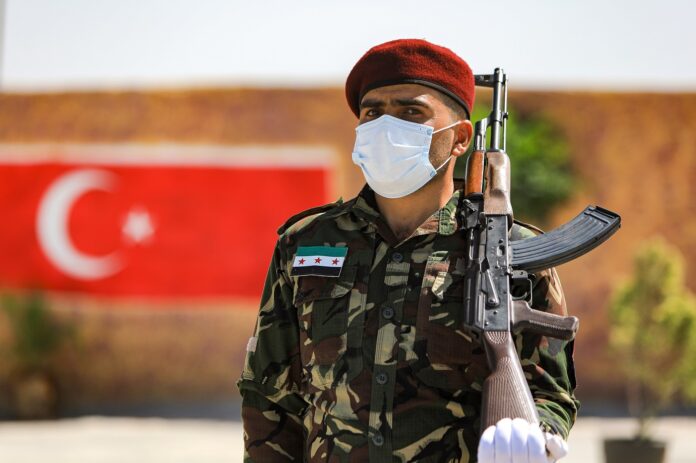
A Turkish-backed Syrian rebel fighter, mask-clad due to the COVID-19 coronavirus pandemic, stands carrying an assault rifle on his shoulder while behind him a large flag of Turkey is seen in the background, during a military parade marking the graduation of a new batch of cadets and attended by officials from the Turkey-backed opposition, at a camp in the Afrin region in the rebel-held northern countryside of Aleppo province, on September 20, 2020. (Photo by Bakr ALKASEM / AFP)
EPC|7 Sep 2022

Syrian opposition groups, be they political or armed, may soon find themselves in a precarious and potentially foreboding situation as a result of Turkey’s growing policy reversals in Syria. Seeking electoral and economic gains, the government of President Recep Tayyip Erdogan appears to be prioritizing reengagement with the Syrian regime and pursuing a reset of their relationship from one of conflict to one of peace and cooperation. The risks facing Syrian opposition groups as a result of this policy shift stem from Turkey’s prominent role in the Syrian conflict over the past few years and Ankara’s role as the primary political and military sponsor of the Syrian opposition.

This paper examines the unfolding reset in Turkey’s relationship with the Syrian regime, as well as options available to the Syrian opposition.

New Strategic Thinking

The reversal in Turkish policy toward Syria is a byproduct of larger geopolitical shifts brought on, primarily, by the conflict in Ukraine. Also, with the United States increasingly siding with Greece and the Syrian Kurds in their disputes with Turkey, there are signs that the relationship between Turkey and the United States may undergo strategic turns.

Therefore, Turkey’s relationship with Russia appears as a strategic lever to help Ankara counterweigh Western attempts to undermine its role in the region due to dissatisfaction with Ankara’s domestic and foreign policies. Also, the 2023 Turkish general elections and the fight to bring an end to Erdogan’s and the Justice and Development Party’s (AKP) rule appear to be major factors in the shift in Turkish policy. This is why Ankara is working to improve ties with Russia and try new tactics in Syria, such as mending fences with the Assad regime and pulling out of Syria’s restive Idlib province and the country’s northeastern region. But if Ankara continues on its current course of action, its strategic capital will be expended at a higher cost than any benefits it might receive.

In addition, given the West’s persistent efforts to make up for Russian energy supplies, Turkey looks forward to becoming a major hub for shipping gas to Europe. This explains Erdogan’s haste to patch up his nation’s ties with Israel and his overtures to make amends with Egypt. Last but not least, Turkey hopes to have a key role in Syria’s prospective reconstruction process.

Although Iran appears to be outside the Russian-Turkish agreement on Syria, it is not entirely unlikely that Turkish decision-makers have taken into account the fact that the US and Iran are reportedly one step away from concluding a new agreement over Iran’s controversial nuclear program, which would revitalize Iran’s economy and open the doors to its oil exports. As a result, Turkey wanted to act ahead of time by calming the conflict with Iran in Syria and building mutual trust.

In light of these presumed strategic interests and considerations, the Syrian opposition, meanwhile, appears to be merely a sideshow for Turkey as it tries to shed the heavy load that has hamstrung its international standing. In other words, Turkey is actively looking for new ways to alleviate the burden of the Syrian crisis and its costs, which it is no longer able to bear.

Removing Stumbling Blocks

The journey to reconciliation between Turkey and the Syrian regime, according to all available evidence, has already begun, pushed in large part by Russia. Moscow is working on a framework to resolve issues between Syria and Turkey, which have been lingering for more than a decade. Erdogan’s government, on the other hand, appears to be caving in to the deep state in Ankara by pursuing and prioritizing political pragmatism over ideologies and principles.

This does not, however, imply that a reset in the relationship between Turkey and the Syrian regime is readily available. Ankara has developed a complicated relationship with the Syrian opposition over the past few years, which is difficult to dissolve overnight. The perception that Ankara has the upper hand over the Syrian opposition does not mean that it actually does for a number of reasons, including the following:

  • There are still foreign actors with influence over the Syrian opposition. Qatar, for example, has extensive ties to both armed and political opposition factions in Syria. Saudi Arabia also has relations with the Syrian opposition, especially the “Negotiation Committee” whose formation was overseen by Riyadh. This is in addition to the factions that have been supported by Riyadh until recently, such as the Army of Islam, whose members are located in Afrin. Therefore, Turkey, which wants to reap the most benefits from working with Russia and Iran in Syria, should not expect Qatar and Saudi Arabia to automatically cede their sway over the Syrian opposition.
  • Despite Turkey’s efforts to weaken the influence of the Muslim Brotherhood within the restructured National Coalition of Syrian Revolution and Opposition Forces, it is hard to imagine that the Muslim Brotherhood would accept its complete exclusion from the arrangements for a political solution in Syria or fully acquiesce to Turkish desires. When Turkish Foreign Minister Mevlut Cavusoglu spoke of the need for reconciliation between the opposition and the regime, the “Syrian Islamic Council” criticized his remarks. Faylaq al-Sham and some Ahrar al-Sham brigades are just two of the many “National Opposition Army” factions that are under the Brotherhood’s command.
  • There are extremist groups that are difficult for Ankara to incorporate into any political solution or to be dismantled, such as Hay’at Tahrir al-Sham, Ansar al-Tawhid and the Guardians of Religion. Although there are reportedly channels of communication between Ankara and these organizations, this does not give Ankara any control over the future of these groups.
  • It is unlikely that the opposition will accept to join the settlement that Turkey and Russia are trying to push without clear and specific commitments and a regional political cover for issues related to a potential political and constitutional change in Syria.

If this happens, Turkey will have no choice but to take the following measures to shape events in northern Syria to its liking:

  • Even if only on the surface, Ankara needs to find common ground between the demands of powerful foreign actors and the demands of the various opposition groups. A way to accomplish this would be to restructure the opposition coalition and the armed forces to make them incorporate the remaining independent groups.
  • Ankara will try to head off any out-of-control developments in northern Syria by containing key armed factions and possibly eliminating those it suspects of opposing its new agenda.

Erdogan’s administration, however, seems to be pressed hard by time as well as other political factors that won’t allow it to wait for very long for two crucial reasons:

First, the longer it takes to improve relations with the Syrian regime, the more electoral support Erdogan’s government risks to lose. Considering how prominently the refugee resettlement issue has figured into political discourse in Turkey in the run-up to the upcoming general elections, any such delay would be highly consequential. If Erdogan’s government fails to find a solution to the refugee crisis, Turkish voters will have no choice but to throw their weight behind opposition parties, which have always claimed to have surefire solutions.

Second: Russia and Turkey have agreed to work toward a diplomatic resolution that prioritizes the implementation of a political change over the outright removal of Bashar al-Assad. This would entail Turkey bringing the opposition to the table and Russia bringing the regime for serious negotiations, provided that the process should not take too long.

Syrian Opposition Options

Turkey has been a major backer of the Syrian opposition for several years, and as a result, the opposition has become a captive of Turkish wants and needs. Not only has Turkey used Syrian opposition groups in places like Libya and Nagorno-Karabakh, but it has also negotiated with Russia and Iran on their behalf and mobilized them at various points.

The majority of National Coalition members reside in Turkey, and the opposition’s political and media institutions are headquartered in Istanbul and Gaziantep. Thus, Turkey has substantial influence over the Syrian opposition. In addition to receiving logistical and financial support from Turkey, the armed factions of the Syrian opposition have developed direct ties to the Turkish military and security establishment. Because of this, the Syrian opposition has fewer and more difficult choices to make:

First: Submitting to the Turkish agenda and attempting to improve the opposition’s standing in any political solution to Syria’s crisis. The opposition will be pushed toward this course of action by two main factors: First, many believe that it is in Ankara’s best interests for the opposition to become politically dominant in Syria, as this would allow Turkey to recoup some of the enormous investment it has made in the Syrian crisis. A second contributing factor is that the Syrian opposition has few other major allies and supporters besides Turkey. So, out of political pragmatism, the Syrian opposition must deal with what is conceivable now. Considering the power dynamic and a shifting international and regional landscape, it is better to get something than nothing, especially since any rupture with Turkey will render the Syrian opposition an easy target for the regime and its Russian and Iranian allies.

This explains why, despite pressure from the opposition’s grassroots bases and accusations of caving in to Turkey, none of the official structures of the Syrian opposition—whether sovereign ones like the “National Coalition” or executive or technical bodies like the Interim Government or the Negotiating Committee and the Constitutional Committee—showed any reaction to the Turkish moves.

Second: Declaring the Syrian northwestern Idlib province independent of Turkish control and delegating responsibility to the opposition. This entails reorganizing the militant groups to incorporate radical factions, such as Hay’at Tahrir al-Sham, into mainstream opposition groups. This option would be acceptable to local and foreign actors for two reasons, despite the fact that it entails real challenges, such as the possibility that the strongest faction, Hay’at Tahrir al-Sham, might control the independent Idlib entity. First, many of the northern Syrian population (roughly 4 million people) are wanted by the Syrian security services. No amount of assurances will make them accept the Turkish agenda and they will be facing the risk of the regime’s retribution. Second, this entity may receive backing from regional and foreign actors, particularly from Qatar and the United States. As evidenced by recent diplomatic moves and meetings with the Syrian opposition and its foreign backers, the United States is aware of the magnitude of the pressure exerted by Turkey on the Syrian opposition and would be keen to open up new avenues for it. In this case, the Syrian political opposition could relocate its institutions to Europe, where a large number of Syrian refugees reside, particularly in Germany, the Netherlands, Sweden and France.

Third: The opposition’s third option is to join forces with the Kurds in northern Syria and form a joint political and military command. This would give Arab and Kurdish opposition groups control over roughly 40 percent of Syria’s territory and nearly half of its population. In spite of the animosities that developed between Arabs and Kurds during the previous war years, they may be compelled to form such an alliance if the alternative is their political demise. Washington will also support this option, especially given its efforts in the past to unite the Kurds and to include them in the Syrian Negotiating Committee, as well as its call for the revitalization of trade between Kurdish- and opposition-controlled regions.

Fourth: The Syrian opposition’s final resort is to hope for the failure of attempts at dialogue between Damascus and Ankara in case Turkey refuses to concede to the regime’s demands or to leave Syria empty-handed. Nonetheless, the opposition does not have much time to wait for its wishes to come true, and thus it will have to make quick decisions in order to survive and possibly cope with internal and external pressures.

Syrian Opposition’s Stance on Rapprochement Between Turkey and the Assad Regime: Possible Scenarios

First: The Syrian opposition, under this scenario, would have to accept the new Turkish agenda in the hopes of reaping any political benefits that Turkey might stand to gain from its negotiations with Russia. After surrendering all leverage to Ankara, the opposition has few options left and few bargaining chips, increasing the likelihood that this scenario will play out.

In this case, the southern Syria model appears to be the most feasible option. A special corps of armed factions, similar to the Eighth Corps in Daraa, may be formed in Idlib, integrating “Hay’at Tahrir al-Sham” into its structures, provided it is placed under joint Russian-Turkish supervision and under the sovereignty of the Syrian regime.

The Syrian opposition’s lack of access to alternatives to Turkish military and political cover, as well as Turkey’s haste to find a solution that ends its involvement in the Syrian crisis and its ramifications, are the two main factors at play in this scenario.  The most significant risk associated with this scenario is the possibility of large numbers of Syrians living in Idlib and in camps along the Turkish border strip crossing into Turkish territory. In addition to this, there will be the risk of reprisal attacks against Turkish forces deployed in northern Syria and Idlib. The Turkish government must be aware of these dangers, so it must approach this situation with caution.

Second: The second scenario assumes that the Syrian opposition might reject the new Turkish policy, which could harm large groups in Idlib and northern Syria. In addition to the extremist organizations that are inevitably expected to refuse to participate in Turkish plans, there are powerful commanders in the Syrian National Army who categorically refuse to submit to the Syrian regime, as well as public opinion in northern Syria that refuses to return to the regime’s rule.

A civil war might likely break out between the parties who would succumb to Turkey’s new policy and those who would reject its project under this scenario, but the size of the “local” parties that are expected to engage in this potential infighting and the size of the splits that are likely to occur within the body of the Turkish-aligned “National Army” are unknown. The fact that there are regional, international, and local actors who may work to make this scenario a reality gives it plausibility. Such parties affected by Turkey’s openness towards Russia and the Assad regime, such as the United States and the Kurdish Autonomous Administration, would find it in their best interests to undermine these plans. They would do so to ensure that regime forces will remain unable to exert pressure east of the Euphrates or bring in thousands of “settlement” fighters from Idlib to accomplish this mission. In fact, Washington took a diplomatic approach and convened a meeting of the envoys of the so-called “Friends of Syria,” who issued a statement urging the Syrian regime to comply with United Nations Security Council Resolution 2254 (which calls for a ceasefire and political settlement in Syria) and create conditions safe enough for the return of war refugees.

This is the most plausible scenario, given that the conditions for a settlement have not yet been met and a settlement would be detrimental to the interests of foreign actors who have the ability to alter the course of events in northern Syria.

Third: This scenario presupposes that both sides will not budge on their demands, rendering Turkey’s efforts to engage with the Syrian regime fruitless. On the one hand, it seems unlikely that Turkey will soon withdraw all of its troops from Syria. The Syrian regime, on the other hand, has no reason to help Erdogan’s political standing in the upcoming Turkish elections by handing him a political victory.

There is little chance that Turkey will be able to quickly sever all ties and relations with the parts of Syria that it currently controls. Any immediate acceding to the Syrian regime’s demands, such as handing over all of the Idlib province and the border crossings, will lead to violent unrest for which Turkey may pay a high price.

Conclusions

Now that Syria is no longer a priority for the international community, Erdogan’s government sees an opportunity to make up for the huge cost incurred there through acceptable Russian offers. Serious consequences for Erdogan and his Justice and Development Party are on the horizon if the Syrian crisis is not resolved soon. The Syrian opposition, both armed and political, is currently in an existential bind because its main ally, Turkey, has demanded that it accept any possible settlement proposal at this point.

As things stand, the Syrian opposition knows it cannot make significant progress and risks losing international support. The Syrians, who have put a lot of faith in it, will be disappointed by the opposition’s strategy. It also means giving in to Iran and Hezbollah’s relentless efforts to alter Syria’s population composition. As a result, the Syrian opposition’s only remaining choices appear to be of a suicidal nature. Accepting the Turkish demands means the opposition will die and may even explode from within, while rejecting them will lead it down uncharted roads.

The structure of the Syrian opposition, which already suffers from heterogeneity and a lack of a unified leadership, is likely to be violently shaken up in the upcoming stage. In addition, it is possible that international action will be taken to torpedo the Turkish-Syrian reconciliation effort.

epc.ae

Η Άγκυρα έτοιμη να εμπλακεί υπέρ του Αζερμπαϊτζάν: Στέλνει 50.000 στρατιώτες στα σύνορα με την Αρμενία!

0

ΗΠΑ κατά Αζερμπαϊτζάν: «Καταδικάζουμε σθεναρά τις φονικές επιθέσεις κατά της Αρμενίας»

Η Τουρκία είναι έτοιμη να εμπλακεί  στη σύγκρουση με την Αρμενία σε περίπτωση επανέναρξης των εχθροπραξιών.

Τις τελευταίες 72 ώρες, ο τουρκικός στρατός έχει αναπτύξει στρατεύματα άνω των 50.000 ατόμων στις συνοριακές περιοχές με την Αρμενία, αναφέρει η ρωσική ιστοσελίδα Avia.pro.

Αυτό υπερβαίνει κατά πολύ το σύνολο του στρατού της Δημοκρατίας της Αρμενίας και με φόντο τη δήλωση του Ερντογάν για την ετοιμότητά του να υποστηρίξει το Αζερμπαϊτζάν, ο κίνδυνος μιας άμεσης ένοπλης σύγκρουσης με την Αρμενία δισατηρείται  σε πολύ υψηλό επίπεδο.

Αυτή τη στιγμή, είναι γνωστό ότι η Τουρκία έχει κινητοποιήσει περίπου 45 χιλιάδες στρατιωτικό προσωπικό από την εφεδρεία και έχει ήδη αναπτύξει στρατιωτικό προσωπικό στις περιοχές που συνορεύουν με την Αρμενία.

Επιπλέον, περίπου 5.000 Τούρκοι στρατιωτικοί του τακτικού Στρατού σταθμεύουν στη συνοριακή ζώνη με την Αρμενία. Αυτό δείχνει το γεγονός ότι η Άγκυρα προετοιμάζεται για εχθροπραξίες πλήρους κλίμακας και ένας τόσο μεγάλος αριθμός στρατιωτικού προσωπικού μπορεί να εμπλακεί στην κατάληψη εδαφών.

Να σημειωθεί ότι η τουρκική κινητοποίηση των 50.000 στρατιωτών έγινε σε μόλις 72 ώρες με ότι αυτό μπορείς να σημαίνει για τα αντίστοιχα ελληνικά αντανακλαστικά και τον Έβρο ή τα νησιά του ανατολικού Αιγαίου.

Αυτή τη στιγμή, η κατάσταση στα σύνορα Αζερμπαϊτζάν και Αρμενίας έχει σταθεροποιηθεί, αλλά η ένταση παραμένει εξαιρετικά υψηλή, καθώς κάθε οργανωμένη πρόκληση μπορεί να μετατραπεί σε ένοπλη σύγκρουση πλήρους κλίμακας, καθώς τόσο ο Στρατός του Αζερμπαϊτζάν όσο και ο Τουρκικός είναι πολύ καλύτερα εξοπλισμένος από τον αντίστοιχο αρμενικό.

Ταυτόχρονα, η Ρωσία είναι έτοιμη να βοηθήσει το Ερεβάν σε περίπτωση επίθεσης από την Τουρκία, και επιπλέον, οι ιρανικές ένοπλες δυνάμεις βρίσκονται  σε κατάσταση ύψιστης ετοιμότητας, καθώς έχουν αναπτύξει  τουλάχιστον εκατό άρματα μάχης και θωρακισμένα οχήματα στα σύνορα μεταξύ Αρμενίας και Αζερμπαϊτζάν.

Την ίδια ώρα η πρόεδρος της Βουλής των Αντιπροσώπων των ΗΠΑ Νάνσι Πελόζι κατηγόρησε την Κυριακή το Αζερμπαϊτζάν ότι ευθύνεται για τις συνοριακές συγκρούσεις αυτή την εβδομάδα μεταξύ των δυνάμεων του Αζερμπαϊτζάν και της Αρμενίας που άφησαν πίσω τους 200 νεκρούς.

«Καταδικάζουμε σθεναρά αυτές τις επιθέσεις, εξ ονόματος του Κογκρέσου που απειλούν την προοπτική μιας τόσο αναγκαίας ειρηνευτικής διευθέτησης», ανέφερε ο κ.με Πελόζι, σε μια συνέντευξη Τύπου από την πρωτεύουσα της Αρμενίας, Ερεβάν.

«Η Αρμενία έχει ιδιαίτερη σημασία για εμάς λόγω της έμφασης που έχει δοθεί στην πτυχή της ασφάλειας μετά τις παράνομες επιθέσεις από το Αζερμπαϊτζάν στο αρμενικό έδαφος», πρόσθεσε.


https://www.pronews.gr/amyna-asfaleia/diethnis-asfaleia/epikindyna-paixnidia-apo-tin-agkyra-stelnei-50-000-stratiotes-sta-synora-me-tin-armenia/