Αρχική Blog Σελίδα 3003

Οι άμυνες των χωρών που «βάλλονται» από Τραμπ

0

Τα εκτελεστικά διατάγματα που έχει εκδώσει μέσα σε λίγες μέρες ο νέος πρόεδρος των ΗΠΑ, στέλνουν μήνυμα σε όσους το αμφισβητούσαν, πως ο Τραμπ εννοεί αυτά που λέει. Πώς μπορούν να “αμυνθούν” οι χώρες που βρίσκονται στο “στόχαστρο”.

Ο Αμερικανός πρόεδρος Ντόναλντ Τραμπ δεν έχει ούτε εβδομάδα από τότε που ανέλαβε τα καθήκοντά του, και ήδη έχει εκδώσει 12 εκτελεστικά διατάγματα και προεδρικά υπομνήματα –υπάρχουν και άλλα που βρίσκονται «στα σκαριά»- που προωθούν τις τολμηρότερες προεκλογικές του υποσχέσεις.

Ο κατάλογος των ενεργειών περιλαμβάνει την απόσυρση από την εμπορική συμφωνία TPP, την μεγιστοποίηση αμερικανικού περιεχομένου στην αναβίωση των συμφωνιών για αγωγούς με τον Καναδά, την επιβολή περιορισμών στη μετανάστευση και την εντολή για κατασκευή τείχους στα σύνορα ΗΠΑ-Μεξικού. Η κυβέρνηση του Τραμπ φέρεται τώρα να ετοιμάζει εκτελεστικά διατάγματα που θα περιορίζουν την αμερικανική χρηματοδότηση σε ορισμένους διεθνείς οργανισμούς και θα αναθεωρούν πολυμερείς συνθήκες.

Το έμμεσο μήνυμα των εκτελεστικών διαταγμάτων είναι το εξής: όσοι νόμιζαν πως οι ισχυρισμοί του στην προεκλογική του εκστρατεία ήταν «κούφια λόγια», θα πρέπει να το ξανασκεφτούν. Ο Τραμπ εννοεί αυτά που λέει.

Και ενώ ορισμένες οδηγίες, όπως η απόσυρση από την TPP, θα έχουν άμεσα αποτελέσματα, άλλες θα ακολουθήσουν έναν πιο περίπλοκο δρόμο. Πολλά από τα μέτρα αυτά, ιδιαίτερα στα υπομνήματα, είναι περισσότερο δηλώσεις πρόθεσης πολιτικής και κατεύθυνσης και δεν περιέχουν τις λεπτομέρειες που χρειάζονται για να ξεπεραστούν εμπόδια και να διαμορφωθεί ένα τελικό αποτέλεσμα. Οι κυβερνητικές υπηρεσίες πρέπει τώρα να εκτιμήσουν αν είναι εφικτές, καθώς και το χρηματοοικονομικό, πολιτικό και κοινωνικό κόστος της εκτέλεσης των εντολών αυτών.

Επιχειρήσεις, ξένες κυβερνήσεις και άλλες ομάδες θα πιέσουν το Κογκρέσο και τον Λευκό Οίκο να αποσαφηνίσει τα κόστη και τις επιπτώσεις των μέτρων αυτών. Οι βουλευτές θα ασκήσουν την εξουσία τους για έγκριση, επίβλεψη και χρηματοδότηση μέσω διαβούλευσης των επιλογών, λαμβάνοντας ταυτόχρονα υπ’ όψιν τις δικές τους προοπτικές επανεκλογής. Τα πιο νομικά αμφισβητήσιμα στοιχεία, όπως η επιβολή μέτρων για τοπικό περιεχόμενο, μπορεί να αμφισβητηθούν δικαστικά εντός της NAFTA και του Παγκόσμιου Οργανισμού Εμπορίου, και ενδεχομένως υπό τη νομοθεσία των ΗΠΑ.

Την ώρα που η Ουάσινγκτον θα δουλεύει με φρενήρεις ρυθμούς για να συγκεράσει την πρόθεση των εντολών με τις πραγματικότητες της εκτέλεσής τους, οι κυβερνήσεις στο εξωτερικό θα πρέπει να προχωρήσουν σε δικούς τους σχεδιασμούς. Κανένας δεν έχει απαντήσεις ως προς το πώς θα καταλήξει η κάθε μια από τις πρωτοβουλίες πολιτικής του Τραμπ, όμως ο καθένας μπορεί να δει ότι ελάχιστα διαφέρουν αυτά που έλεγε ο Τραμπ στην προεκλογική του εκστρατεία, από αυτά που έχει κάνει μέχρι στιγμής στο Οβάλ Γραφείο. Με βάση αυτή και μόνο την παρατήρηση, παίκτες-κλειδιά από όλον τον κόσμο θα πρέπει τώρα να σκεφτούν ποια «καρότα» και ποια «μαστίγια» μπορούν να «κουνήσουν» αν χρειαστεί σε μια εξελισσόμενη διαπραγμάτευση με την παγκόσμια υπερδύναμη.

Το Μεξικό, που έχει πολλά να χάσει από μια δραματική αλλαγή στην αμερικανική πολιτική, δεν έχει και πολλά «καλά χαρτιά» που μπορεί να «παίξει». Ο Καναδάς, μια αναπτυγμένη οικονομία που αντιμετωπίζει πολλές ίδιες προκλήσεις με τις ΗΠΑ, και συνεπώς δεν βρίσκεται στη λίστα εμπορικών στόχων του Τραμπ, ήδη έχει αφήσει να εννοηθεί πως δεν θα είχε αντιρρήσεις για διμερή εμπλοκή με την Ουάσινγκτον ώστε να ενημερωθούν οι εμπορικές σχέσεις των δυο πλευρών, αφήνοντας ουσιαστικά το Μεξικό να τα βγάλει πέρα μόνο του. Το Μεξικό ετοιμάζεται για την μοιραία διαπραγμάτευσή του πιέζοντας τις επηρεαζόμενες αμερικανικές επιχειρήσεις και τις πολιτειακές κυβερνήσεις ελπίζοντας πως οι φωνές τους θα ακουστούν στην κυβέρνηση Τραμπ. Το Μεξικό θα προσπαθήσει να καθοδηγήσει την συζήτηση για τη μετανάστευση προς μια αμοιβαία συνεργασία για την διασφάλιση των συνόρων του Μεξικού με την Κεντρική Αμερική, αλλά παράλληλα θα αφήσει ανοικτό το ενδεχόμενο να χαλαρώσει τους δικούς του συνοριακούς ελέγχους ή της απόσυρσης από τη συνεργασία ασφάλειας και πληροφοριών σε άλλους τομείς, όπως το εμπόριο ναρκωτικών, για να προσπαθήσει να πιέσει τις ΗΠΑ αν «στριμωχτεί».

Το Μεξικό έχει επίσης απειλήσει να αποσυρθεί από τη NAFTA αν οι ΗΠΑ προσπαθήσουν να επιβάλουν άνισους όρους, όμως η πραγματικότητα είναι πως δεν έχει και πολλά περιθώρια να το κάνει αυτό. Το μεγαλύτερο μέρος της βιομηχανικής βάσης του Μεξικό προσανατολίζεται στην παραγωγή αγαθών για πώληση στις ΗΠΑ, και οι περισσότερες επενδύσεις στο Μεξικό έγιναν υπό την υπόθεση ότι έχει προνομιακή πρόσβαση στην αμερικανική αγορά. Η οικονομική ζωτικότητα του Μεξικό εξαρτάται από την ικανότητά του να κρατήσει ανοικτές αυτές τις εμπορικές «πόρτες», άρα θα πρέπει να προχωρήσει με προσοχή.

Μεταξύ μιας στοχευμένης οικονομικής εκστρατείας κατά των φθηνών κινεζικών εισαγωγών και των αμφίσημων επιθετικών σχολίων από την ομάδα του Τραμπ για την προστασία της κυριαρχίας της Νότιας Σινικής Θάλασσας, και το Πεκίνο θα πρέπει να εξετάσει διάφορα σενάρια, καθώς θα καταρτίζει τις στρατηγικές που θα εφαρμόσει έναντι της κυβέρνησης Τραμπ.

Ο Λευκός Οίκος θα προσπαθήσει να χρησιμοποιήσει την μεγαλύτερη εξαγωγική εξάρτηση της Κίνας από τις ΗΠΑ για να κάμψει τη βούληση του Πεκίνου, όμως η Κίνα πρέπει να προσέξει τις δικές της πολιτικές επιτακτικές ανάγκες για να διατηρήσει την εγχώρια σταθερότητα, καθώς ύλοποιεί μια δύσκολη αναδιάρθρωση της οικονομίας της. Ως εκ τούτου, το Πεκίνο θα κρατήσει για «εφεδρεία» αρκετά σημεία πίεσης.

Η Κίνα θα μπορούσε να επιβάλει δασμούς αντι-ντάμπινγκ στις ΗΠΑ για να πιέσει ευαίσθητους κλάδους (το Πεκίνο για παράδειγμα πρόσφατα επέβαλε υψηλότερους δασμούς σε αμερικανικά κτηνοτροφικά σιτηρά εν μέσω αυξημένων εμπορικών εντάσεων). Το Πεκίνο μπορεί επίσης να χρησιμοποιήσει αντιμονοπωλιακούς νόμους και νόμους για την κυβερνοασφάλεια για να πιέσει αμερικανικέ εταιρείες που δραστηριοποιούνται στην Κίνα και να μειώσει τις κυβερνητικές αγορές αμερικανικών αγαθών. Όπως και το Μεξικό, η Κϊνα θα κάνει εκστρατεία στην Ουάσινγκτον για να τονίσει το κόστος της προσπάθειας να δημιουργηθούν εμπόδια στις ολοκληρωμένες αλυσίδες εφοδιασμού.

Αν και ο Τραμπ και οι σύμβουλοί του επικεντρώνονται στην βαριά βιομηχανία της Κίνας, οι επιπτώσεις ενός εμπορικού πολέμου ΗΠΑ-Κίνας θα μπορούσαν να προκαλέσουν σοβαρά προβλήματα στην αμερικανική τεχνολογική βιομηχανία. Και, όπως έδειξε η Κίνα στο τέλος του προηγούμενου έτους με την κατάσχεση drone του αμερικανικού ναυτικού, η Κίνα έχει επιλογές –από την ναυτιλιακή σφαίρα μέχρι την κυβερνοασφάλεια- για να αυξήσει το κόστος ενός εμπορικού πολέμου με τις Ηνωμένες Πολιτείες.

Η Γερμανία δεν ζηλεύει μόνο την ειδική σχέση του Ηνωμένου Βασιλείου με τον Τραμπ, αλλά επίσης νοιώθει ναυτία όταν σκέφτεται τους τρόπους με τους οποίους η αμερικανική πολιτική θα μπορούσε να επιταχύνει τη διάλυση της Ευρωπαϊκής Ένωσης. Η καγκελάριος Άνγκελα Μέρκελ και η ομάδα της φέρεται να έχουν μελετήσει προσεκτικά τη ρητορική του Τραμπ, καθώς προσπαθούν να καταλάβουν πόσο μπορεί να τραβήξει τις μάχες προστατευτισμού του.

Η προσπάθεια στόχευσης της γερμανικής αυτοκινητοβιομηχανίας μέσω ισχυρισμών για χειραγώγηση νομίσματος θα ήταν κάτι ιδιαίτερα περίπλοκο, δεδομένου ότι η Ευρωπαϊκή Κεντρική Τράπεζα είναι αυτή που ασκεί άμεσο έλεγχο στο ευρώ, και όχι η Γερμανία ή άλλα κράτη-μέλη. Οι κανονισμοί του Παγκόσμιου Οργανισμού Εμπορίου επίσης θα περιέπλεκαν πολύ τις προσπάθειες των ΗΠΑ να απομονώσει τις γερμανικές εξαγωγές.

Όμως, η βαθύτερη ανησυχία της Μέρκελ ίσως είναι περισσότερο βασισμένη στην ιδεολογία. Σε τελική ανάλυση, ένας αμερικανικός ισχυρισμός ότι η Γερμανία επωφελείται από τις ευνοϊκές εμπορικές συνθήκες και από ένα αποδυναμωμένο νόμισμα μέσω της χρήσης του ευρώ, αντιστοιχεί σε επίθεση στην ευρωζώνη. Όπως δήλωσε πρόσφατα η Μέρκελ σε ομάδα Γερμανών βιομηχανικών ηγετών, είναι έτοιμη να δώσει μάχη γενεών για τα ιδανικά του ελεύθερου εμπο9ρίου και του ανταγωνισμού, κατά υπέρμαχων του προστατευτισμού όπως ο Τραμπ και άλλοι στην Ευρώπη. Ο Τραμπ δεν έχει κρύψει ότι βλέπει την Ευρωπαϊκή Ένωση ως ένα αποτυχημένο εγχείρημα και έχει επιδοκιμάσει το Ηνωμένο Βασίλειο για την «εξυπνάδα» του να βγει από αυτό νωρίς και να επιστρέψει στην ειδική του σχέση με τις Ηνωμένες Πολιτείες. Αντιθέτως, ο Τραμπ έχει χαρακτηρίσει την Ευρωπαϊκή Ένωση «όχημα» για τη Γερμανία, παρέχοντας πολύτιμη «τροφή» στους ευρωσκεπτικιστές που έχουν παρόμοιες απόψεις. Καθώς το Βερολίνο θα αγωνίζεται να «καλοπιάσει» την ομάδα του Τραμπ, θα δείξει τους τρόπους με τους οποίους μπορεί η Γερμανία να αναλάβει μια ισχυρότερη ηγεσία σε θέματα άμυνας και ασφάλειας στην Ευρώπη για να μοιραστεί μεγαλύτερο μέρος του βάρους αυτού με τις ΗΠΑ. Όμως, παρά τον ιδεαλισμό της Μέρκελ, η Γερμανία είναι η «γενέτειρα» της realpolitik. Την ώρα που το Βερολίνο προετοιμάζεται σιωπηρά για το δικό του χείριστο σενάριο –δηλαδή την κατάρρευση της ευρωζώνης και τη διάλυση της Ευρωπαϊκής Ένωσης- θα πρέπει παράλληλα να κρατήσει ευρωζώνη και ΕΕ ενωμένα για όσο το δυνατόν περισσότερο ώστε να αποφύγει μια μεγαλύτερη οικονομική έκρηξη.

Όταν η Μέρκελ συναντηθεί τελικά με τον Τραμπ, το ισχυρότερο μήνυμα που θα του μεταφέρει, μαζί με τους Ενρίκε Πένα Νιέτο, Σι Ζινπινγκ και άλλους ηγέτες που βρίσκονται στο «ραντάρ» του Τραμπ, θα είναι πως η επιτάχυνση της διάλυσης της Ευρωπαϊκής Ένωσης με ταυτόχρονη προσπάθεια αποσύνθεσης των ολοκληρωμένων αλυσίδων προμήθειας από τη Βόρεια Αμερική στην περιοχή Ασίας-Ειρηνικού, αποτελεί συνταγή αμοιβαίας εξασφαλισμένης καταστροφής στον παγκοσμιοποιημένο κόσμο του σήμερα.

Άννα Φαλτάιτς[email protected]

Εάν η Μέι εναγκαλισθεί τον Τραμπ, η «παγκόσμιας εμβέλειας Βρετανία» της είναι καταδικασμένη

0

Tης Anne Applebaum

Όλοι οι άλλοι μιλούσαν για τα οικονομικά. Όμως καθ΄όλη τη διάρκεια της προεκλογικής περιόδου και τους μήνες μετά το δημοψήφισμα, εγώ ανησυχούσα για τα γεωπολιτικά της Βρετανίας. Ανησυχούσα για τις συμμαχίες της Βρετανίας. Ανησυχούσα ότι οι παρατεταμένες διαπραγματεύσεις του διαζυγίου ανάμεσα στη Βρετανία και τους στενότερους οικονομικούς και πολιτικούς της εταίρους θα δημιουργούσαν παρεξηγήσεις και ενδεχομένως οργή – και όντως, αυτό συμβαίνει ήδη. Ανησυχούσα επίσης ότι η Βρετανία θα αρχίσει σιγά σιγά να επαναπροσδιορίζει τον εαυτό της ως χώρας εκτός της δυτικής συμμαχίας.

Απομονωμένη, αναζητώντας εμπορικούς εταίρους και πολιτικούς φίλους, η Βρετανία πιθανόν να απομακρυνόταν από τους ευρωπαϊκούς και διατλαντικούς θεσμούς και στη θέση τους να αναζητούσε στενότερες σχέσεις με τη Ρωσία και την Κίνα, δύο χώρες που έχουν ήδη ισχυρή παρουσία στην βρετανική οικονομία.

Αλλά απέτυχα να φαντασθώ αυτό που συμβαίνει σήμερα: ότι η Βρετανία – απομονωμένη και σε απελπισμένη αναζήτηση εμπορικών εταίρων και πολιτικών φίλων – θα έσπευδε ευγνώμων και ανακουφισμένη στην αγκαλιά του Ντόναλντ Τραμπ, ενός πρόεδρου των ΗΠΑ που απομακρύνεται από την Ευρώπη και τους διατλαντικούς θεσμούς επίσης.

Απίστευτο, αλλά φθάσαμε σε αυτό το σημείο. Η πρωθυπουργός Τερέζα Μέι έφθασε στις Ηνωμένες Πολιτείες αυτήν την εβδομάδα για την πρώτη της επίσκεψη στον Λευκό Οίκο του Τραμπ. Εβδομάδες πριν, η μεταβατική ομάδα Τραμπ δήλωσε προς πολλούς στη Βρετανία ότι ο πρόεδρος θέλει μία «συμφωνία για να ανταμείψει τη χώρα για το Brexit, μία έκβαση της ψηφοφορίας (του δημοψηφίσματος) που προκάλεσε έκπληξη και ο ίδιος εξισώνει με τη δική του νίκη.

Το αν γνωρίζει για ποιους λόγους η Βρετανία εγκατέλειψε την Ευρωπαϊκή Ενωση – το αν γνωρίζει οτιδήποτε για τη Βρετανία εκτός του ότι διαθέτει καλά γήπεδα γκολφ – δεν έχει καμία σημασία. Οταν έμαθε τις προθέσεις του, μία εκστατική Μέι δήλωσε στον βρετανικό Τύπο ότι θα πει στη νέα κυβέρνηση των ΗΠΑ: «Καθώς ξαναβρίσκουμε την αμοιβαία εμπιστοσύνη μας, καθώς ανανεώνετε τη χώρα σας όπως και εμείς τη δική μας, έχουμε την ευκαιρία – ουσιαστικά την υποχρέωση να ανανεώσουμε την ειδική σχέση για την νέα εποχή. Εχουμε την ευκαιρία να ηγηθούμε, από κοινού, και πάλι».

Αλλά, ποίου θα ηγηθούν οι Ηνωμένες Πολιτείες και η Βρετανία; Και προς ποια κατεύθυνση; Εδώ συναντάμε ένα εμπόδιο. Υπό την πίεση των ακραίων του κόμματός της για να εγκαταλείψει κάθε ελπίδα στενότερης σχέσης με την Ευρώπη, η Μέι αγωνίσθηκε επί μήνες να παρουσιάσει μία θετική εικόνα της «Βρετανίας του Brexit». Τελικά, έπαιξε με τη λέξη «παγκοσμιότητα». Την περασμένη εβδομάδα δήλωσε στο Διεθνές Οικονομικό Φόρουμε του Νταβός, ότι πιστεύει σε μία «πραγματικά παγκόσμιας εμβέλειας Βρετανία» και μία «διεθνή τάξη βασισμένη σε κανόνες» και ότι θέλει η Βρετανία να είναι ο υποστηρικτής των παγκόσμιων ελεύθερων αγορών επίσης.

Ακόμη και σε βρετανικό πλαίσιο, αυτό χτυπά μία φάλτσα χορδή: εάν η Βρετανία νοιάζεται τόσο πολύ για το ελεύθερο εμπόριο, τότε για ποιον λόγο αποχωρεί από την ευρωπαϊκή ενιαία αγορά, την μεγαλύτερη και πλουσιότερη ζώνη ελεύθερου εμπορίου στον κόσμο, μαζί με τις 27 υπάρχουσες συμφωνίες ελεύθερου εμπορίου; Και αν η Βρετανία θαυμάζει την διεθνή τάξη που βασίζεται σε κανόνες, γιατί παίρνει αποστάσεις από χώρες που ενδιαφέρονται περισσότερο για την τάξη αυτή;

Στο πλαίσιο της νεόκοπης «ειδικής σχέσης» ΗΠΑ-ΗΒ, η ίδια η ιδέα μίας «Βρετανίας με παγκόσμια εμβέλεια» μοιάζει περίεργη. Η καμπάνια του προέδρου των ΗΠΑ έχει καταστήσει την έκφραση «παγκόσμιας εμβέλειας» ύβριν.

Στην ομιλία του κατά την τελετή ορκωμοσίας ο Τραμπ δήλωσε «Πρώτα η Αμερική» και υποσχέθηκε να ακολουθήσει δύο απλούς κανόνες: «Να αγοράζει αμερικανικά και να προσλαμβάνει αμερικανικά». Δεν εξέφρασε κάποιο ιδιαίτερο ενδιαφέρον για μία «διεθνή τάξη που θα βασίζεται σε κανόνες». Ο πρόσφατος ισχυρισμός του ότι οι Ηνωμένες Πολιτείες θα έπρεπε να έχουν κλέψει ιρακινό πετρέλαιο ως «λάφυρο πολέμου» δείχνει ότι ούτε που ξέρει τι εννοεί.

Φυσικά, η Μέι μπορεί, έπειτα από παζάρια ετών, να επιτύχει μία συμφωνία. Ισως το γεγονός ότι η Βρετανία είναι σχετικά μικρή και σχετικά λευκή να διασφαλίσει ότι θα είναι μία καλή συμφωνία, αν και πολλοί φοβούνται ότι νομικοί επί εμπορικών θεμάτων μίας μεγάλης χώρας θα αναγκάσουν τους συναδέλφους τους μίας μικρής χώρας να προχωρήσουν σε επώδυνες υποχωρήσεις.

Αλλά όπως και να μοιάζει η συμφωνία και όποτε και να επιτευχθεί, το όραμα της Μέι για «παγκόσμια εμβέλεια» είναι καταδικασμένο, τουλάχιστον για όσο θα είναι συνδεδεμένο με τον πρόεδρο των ΗΠΑ του προστατευτισμού και της απομόνωσης. Το αίνιγμα παραμένει: σε κάθε σχεδόν πιθανή σφαίρα της οικονομικής και της εξωτερικής πολιτικής, οι απόψεις της Μέι συνδέονται στενότερα με την υπόλοιπη Ευρώπη παρά με την Αμερική του Τραμπ. Κρίμα που είναι σιδηροδέσμια ενός κόμματος και μίας πολιτικής που την εμποδίζουν να ενεργήσει στο πλαίσιο αυτής της προφανούς αλήθειας.

Η Αν Άπλμπομ είναι συγγραφέας, επισκέπτις καθηγήτρια του LSE και αρθρογράφος της Washington Post

Πηγή: Εάν η Μέι εναγκαλισθεί τον Τραμπ, η «παγκόσμιας εμβέλειας Βρετανία» της είναι καταδικασμένη http://mignatiou.com/2017/01/ean-i-mei-enagkalisthi-ton-tramp-i-pagkosmias-emvelias-vretania-tis-ine-katadikasmeni/

Οι ΗΠΑ, το Ιράν και η σταθερότητα στη Μέση Ανατολή

0
Javier Solana  Project Syndicate
 Αν η νέα ηγεσία της Ουάσιγκτον ανατρέψει τη συμφωνία για τα πυρηνικά με την Τεχεράνη, το τίμημα για την παγκόσμια σταθερότητα θα είναι μεγάλο
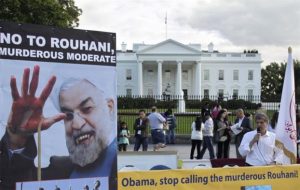
Αμερικανοί διαδηλώνουν έξω από τον Λευκό Οίκο κατά της συμφωνίας της κυβέρνησης Ομπάμα με την Τεχεράνη. Ο Τραμπ έχει πει ότι θα αποσυρθεί, αλλά ποιο θα είναι το τίμημα για τις ΗΠΑ;

 Είναι ατυχές που τόσο λίγες διεθνείς συμφωνίες έχουν επιτευχθεί τα τελευταία χρόνια. Στη διάρκεια μιας περιόδου που ο ανταγωνισμός μεταξύ των μεγάλων δυνάμεων έχει εν γένει επισκιάσει τη συνεργασία, δύο σημαντικές εξαιρέσεις – η συμφωνία για τα πυρηνικά του Ιράν και η συμφωνία του Παρισιού για το κλίμα – δίνουν ελπίδα ότι οι επίσημες, πολυμερείς αντιδράσεις στις παγκόσμιες προκλήσεις είναι ακόμη πιθανές. Αλλά τώρα ο Ντόναλντ Τραμπ απειλεί και τις δύο συμφωνίες και η εκλογή του ως προέδρου των Ηνωμένων Πολιτειών αποκαλύπτει τις αδυναμίες τους.

Αν οι ΗΠΑ αποσυρθούν ή δεν ακολουθήσουν οποιαδήποτε από τις δύο συμφωνίες, το τίμημα για το παγκόσμιο σύστημα διακυβέρνησης που βασίζεται στις πολυμερείς συμφωνίες για την επίλυση των προβλημάτων θα είναι μεγάλο. Ας σκεφθούμε τη συμφωνία με το Ιράν, το Κοινό Ολοκληρωμένο Σχέδιο Δράσης (JCPOA) μεταξύ της Τεχεράνης και των E3/EU 3+3 (τα πέντε μόνιμα μέλη του Συμβουλίου Ασφαλείας των Ηνωμένων Εθνών συν της Γερμανίας και της ΕΕ). Η πρώτη επέτειος του JCPOA συνέπεσε με την ορκωμοσία του Τραμπ, επομένως αξίζει να δούμε πώς φθάσαμε σε αυτήν και τι θα μπορούσε να συμβεί αν κατέρρεε.
Οι Ευρωπαίοι ήρθαν για πρώτη φορά σε επαφή με το Ιράν για το ζήτημα των πυρηνικών το 2003, όταν ξεκίνησαν οι διαπραγματεύσεις με τον τότε γραμματέα του Συμβουλίου Εθνικής Ασφάλειας του Ιράν Χασάν Ρουχανί. Οι δύο πλευρές ήρθαν σε συμφωνία το 2004. Αλλά δεν κράτησε πολύ. Το 2005 η εκλογή του Μαχμούντ Αχμαντινετζάντ ως προέδρου του Ιράν άλλαξε τα πράγματα. Ενώ οι διαπραγματεύσεις επίσημα συνεχίζονταν, η πρόοδος ήταν ελάχιστη. Στο μεταξύ το Ιράν συνέχιζε την ανάπτυξη του πυρηνικού του προγράμματος. Ο Ρουχανί κέρδισε στις προεδρικές εκλογές του 2013. Στα δύο χρόνια που ακολούθησαν, οι αδιάκοπες διπλωματικές διαπραγματεύσεις κατέληξαν στο JCPOA.

Φυσικά στις Ηνωμένες Πολιτείες δεν χαιρέτισαν όλοι τη συμφωνία ή την προοπτική της διαπραγμάτευσης με το Ιράν. Και άλλες χώρες στη Μέση Ανατολή φοβήθηκαν ότι η συμφωνία θα διατάρασσε την περιφερειακή ισορροπία ισχύος και θα απειλούσε τα συμφέροντά τους. Οι πολέμιοι της συμφωνίας παρουσίαζαν τρεις λόγους για την απόρριψή της: ότι δεν μπορούμε να εμπιστευθούμε το Ιράν, ότι η συμφωνία θα αναβάθμιζε τον περιφερειακό ρόλο του Ιράν και ότι το Ιράν δεν άξιζε αυτή τη μεταχείρισης. Εναν χρόνο μετά τη συμφωνία, το Ιράν έχει εκπληρώσει τις υποσχέσεις του; Η Διεθνής Υπηρεσία Ατομικής Ενέργειας λέει πως ναι.

Πολλοί από εμάς ήλπιζαν ότι η συμφωνία θα βελτίωνε σημαντικά τις σχέσεις του Ιράν με τους γείτονές του και τις Ηνωμένες Πολιτείες, αλλά αυτό δεν συνέβη. Η συμφωνία άνοιξε ένα διπλωματικό παράθυρο για τη σταθεροποίηση της περιοχής, αλλά η ευκαιρία χαραμίστηκε. Οι πόλεμοι στη Συρία και στην Υεμένη συνεχίστηκαν, η επαναπροσέγγιση μεταξύ της Σαουδικής Αραβίας και του Ιράν δεν μοιάζει πιθανή και η Ρωσία προβάλλει αξιώσεις στην περιοχή. Είναι ανατριχιαστικό να σκεφθούμε τι θα συνέβαινε στην περιφέρεια αν κατέρρεε η συμφωνία με το Ιράν.
Η Σαουδική Αραβία θα ήθελε να τερματίσει τη στρατιωτική επέμβαση στην Υεμένη αλλά δεν είναι εύκολο. Το Ιράν μπαίνει σε προεκλογική περίοδο και η Τουρκία αποζητεί ένα αποτέλεσμα στη συριακή σύγκρουση που θα ευθυγραμμίζεται με την πολιτική της στο Κουρδικό. Η Ρωσία πρέπει να αποσύρει τα στρατεύματά της από τη Συρία – ανάμειξη που της έχει κοστίσει πολλά. Και η ΕΕ πρέπει να επιλύσει την προσφυγική κρίση, σε ένα πλαίσιο περιφερειακής σταθερότητας. Ο Τραμπ θα πρέπει να σκεφθεί σοβαρά ποια είναι τα αμερικανικά συμφέροντα και ποια εκείνα της περιφέρειας. Αν το κάνει, θα συνειδητοποιήσει ότι αν δεν συμβάλει στην περιφερειακή σταθερότητα ο κίνδυνος θα είναι πολύ μεγάλος.
 
Ο κ. Javier Solana ήταν ύπατος εκπρόσωπος της ΕΕ για την Κοινή Εξωτερική Πολιτική και Πολιτική Ασφαλείας.
“Το Βήμα”

Γιατί δεν έχει τύχη το νέο αίτημα της Τουρκίας για έκδοση των «οκτώ»

0

ΙΩΑΝΝΑ ΜΑΝΔΡΟΥ

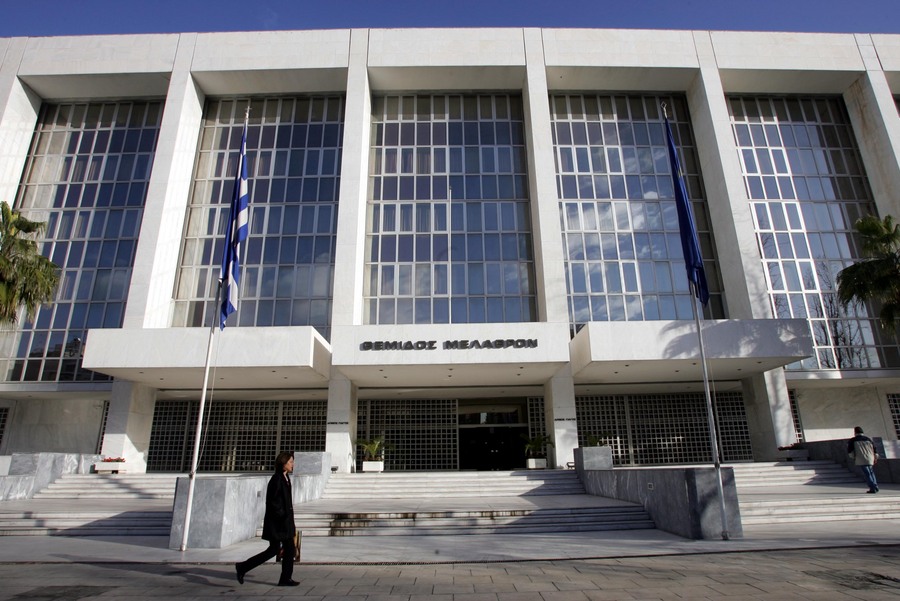
Η απόφαση του Αρείου Πάγου που εκδόθηκε χθες για την μη έκδοση των οκτώ Τούρκων αξιωματικών στη γείτονα και το σκεπτικό στο οποίο βασίστηκε, καθιστούν σχεδόν αδύνατον, όπως εκτιμούν ανώτατες δικαστικές πηγές, να έχει τύχη το νέο αίτημα που υποβλήθηκε από τις τουρκικές αρχές για την έκδοση των οκτώ.

Σύμφωνα με εκτιμήσεις αρμοδίων δικαστικών παραγόντων που γνωρίζουν καλά τα θέματα των εκδόσεων και τις προβλέψεις της ελληνικής νομοθεσίας, το σκεπτικό της απόφασης του Αρείου Πάγου, που απέρριψε το αίτημα έκδοσης των τουρκικών αρχών, δεν βασίστηκε στην αξιολόγηση του αν αυτοί οι άνθρωποι είναι πράγματι πραξικοπηματίες ή τι έχουν κάνει στην Τουρκία.

Βασίστηκε, όπως εκτιμούν οι ίδιες πηγές, στο ότι αν εκδίδονταν στη γείτονα, δεν θα είχαν δίκαιη δίκη, θα υφίσταντο βασανιστήρια και ενδεχομένως να κινδύνευε και η ζωή τους.

Με άλλα λόγια η απόφαση του Αρείου Πάγου, όπως αναφέρεται και στο σύντομο σκεπτικό της, που αναγνώστηκε από το δικαστήριο, βασίστηκε στο ευρωπαϊκό και το ελληνικό δίκαιο που δίδουν πρώτη προτεραιότητα στην προστασία των ανθρωπίνων δικαιώματων και της ανθρώπινης αξιοπρέπειας.

Ομως παρά το γεγονός ότι πιθανότατα το νέο αίτημα δεν θα έχει τύχη, εκτός κι αν οι τουρκικές αρχές, αποστείλουν στοιχεία που θα πείθουν ότι η κατάσταση στη γειτονική χώρα σε ότι αφορά τις διασφαλίσεις των ανθρωπίνων δικαιωμάτων, έχει αλλάξει, εντούτοις το αίτημα αυτό θα εξετασθεί και πάλι από την ελληνική δικαιοσύνη.

Όπως προβλέπεται από την νομοθεσία μας η εξέταση του νέου αιτήματος θα γίνει από την αρχή, νέες δίκες στο εφετείο και αν χρειαστεί και στον Αρειο Πάγο, ενώ οι οκτώ Τούρκοι αξιωματικοί θα παραμείνουν κρατούμενοι, όχι πλέον από τη δικαιοσύνη αλλά στο πλαίσιο της διαδικασίας που είναι σε πλήρη εξέλιξη και αφορά τα αιτήματα που έχουν υποβάλει οι ίδιοι για παροχή ασύλου.

Η διαδικασία αυτή εκτιμάται ότι θα καθυστερήσει και πάντως δεν πρόκειται να ολοκληρωθεί, πριν τις αρχές Απριλίου, στην καλύτερη περίπτωση, ενώ παράλληλα θα τρέχει και η νέα δικαστική διαδικασία που δρομολογείται με το νέο αίτημα έκδοσης των τουρκικών αρχών.

“Καθημερινή”

Από την Τουρκία στον Τραμπ και τα βαλκανικά φαντάσματα – Πολυπλοκότητα και χάος

0
  • ΤΟΥ ΠΑΝΤΕΛΗ ΣΑΒΒΙΔΗ
    Από την προσαγωγή των «8» στον Άρειο Πάγο (φωτ.: ΑΠΕ-ΜΠΕ / Ορέστης Παναγιώτου)

Ικανοποίηση για την απόφαση του Αρείου Πάγου να μην εκδοθούν οι οκτώ Τούρκοι στρατιωτικοί που κατέφυγαν στην Ελλάδα μετά το αποτυχημένο πραξικόπημα κατά του Ερντογάν, εκφράζεται από το συντριπτικά μεγαλύτερο μέρος της κοινής γνώμης. Ικανοποίηση εκφράζουμε και από τις στήλες αυτές καθώς από την πρώτη στιγμή υποστηρίξαμε την ανάγκη σεβασμού των ανθρωπίνων δικαιωμάτων ικετών που κατέφυγαν στην ελληνική πολιτεία για να σωθούν από τους διώκτες τους. Η απόφαση των δικαστών δεν συνάδει μόνο με τα νομικά κείμενα του ευρωπαϊκού νομικού πολιτισμού αλλά και με τις διαχρονικές ελληνικές και ευρωπαϊκές αξίες.

Είναι απόφαση που τιμά την ελληνική δικαιοσύνη, την ελληνική πολιτεία, τον ελληνικό λαό.

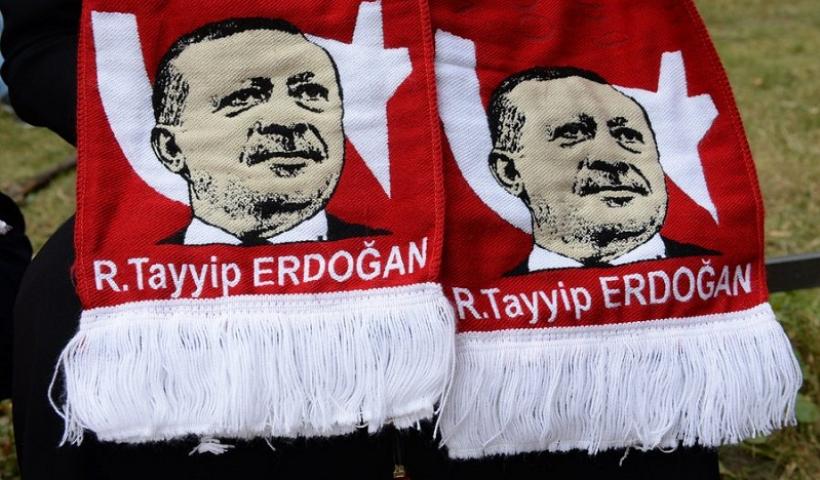
Ήδη, οι δυνάμεις που είναι προσκολλημένες στον αυταρχικό ηγέτη της γειτονικής χώρας άρχισαν τις απειλές αλλά, σίγουρα, μεγάλο μέρος της τουρκικής κοινωνίας, με το οποίο αξίζει ένας διάλογος για τη συμβίωση των δύο λαών, θα εκτιμήσει την απόφαση των Ελλήνων δικαστών. Ο Ερντογάν, είναι εμμονικός και εμπαθής. Σίγουρα θα προσπαθήσει να οξύνει τις σχέσεις της χώρας του με την Ελλάδα. Χρειάζεται εγρήγορση σε όλα τα μέτωπα για την αντιμετώπιση της αναμενόμενης προκλητικότητάς του.


(Φωτ.: EPA / Paul Zinken)

Η απόφαση έχει και μια άλλη διάσταση. Μπορεί να σημάνει το τέλος της ελληνικής δορυφοροποίησης.

Ας διαμηνυθεί στην απέναντι πλευρά πως ο ελληνικός λαός είναι βαθύτατα φιλειρηνικός αλλά και αποφασισμένος να διατηρήσει τις αξίες για τις οποίες νομίζει πως αξίζει να ζει.

Αυτές οι αξίες είναι καταγεγραμμένες στην πολιτισμική συλλογική συνείδηση της ελληνικής κοινωνίας. Γι αυτό είναι απορίας άξιον γιατί η σπουδή του Ινστιτούτου Εκπαιδευτικής Πολιτικής να προτείνει την αφαίρεση της Αντιγόνης από τη διδακτέα ύλη στη Μέση Εκπαίδευση.


Την απόφαση της ελληνικής Δικαιοσύνης εξήρε ο διεθνής Τύπος (φωτ.: ΑΠΕ-ΜΠΕ / Παντελής Σαΐτας)

Η Ελλάδα, είχε ανάγκη μιας διεθνούς καταξίωσης και επιβεβαίωσης της διαχρονικής αξιακής της ύπαρξης. Τα τελευταία αρκετά χρόνια υπάρχει ένας συνεχής διασυρμός της χώρας και του λαού της, κάτι που δεν το αξίζει η ελληνική κοινωνία. Παρά τα προβλήματα που αντιμετωπίζει η χώρα, η ελληνική πολιτεία έχει θεσμούς που, και κατά το γράμμα και κατά το πνεύμα με το οποίο λειτουργούν, έχουν στο κέντρο του ενδιαφέροντός τους τον άνθρωπο.

Τι να περιμένουμε από τον Ερντογάν
Σίγουρα από την πλευρά του Ερντογάν θα πρέπει να αναμένεται κλιμάκωση των προκλήσεων. Αλλά, ο μόνος αποτελεσματικός τρόπος αντιμετώπισής τους είναι η σταθερή διαμήνυση προς την απέναντι πλευρά πως η Ελλάδα είναι κράτος δικαίου, κράτος που σέβεται τις διαχρονικές ανθρώπινες αξίες. Και, πως, ακόμη και αν ο ίδιος ο κ. Ερντογάν, κατέφευγε στην Ελλάδα θα είχε ανάλογη αντιμετώπιση, όπως οι σημερινοί οκτώ τούρκοι στρατιωτικοί, απέναντι στους διώκτες τους.

Στα σενάρια που κατά καιρούς προτείνονται στον Ερντογάν για τη διαμόρφωση του νομικού πλαισίου της χώρας του (θυμίζω πως θέλει να επαναφέρει την ποινή του θανάτου), του επισημαίνεται από διεθνείς φίλους του πως ανάλογα με αυτά που θα διαμορφώσει θα αντιμετωπίσει και ο ίδιος όταν έρθει η ώρα της απομάκρυνσής του από την εξουσία.


Οι τουρκικές παραβιάσεις στο Αιγαίο δεν αποτελούν πλέον έκπληξη

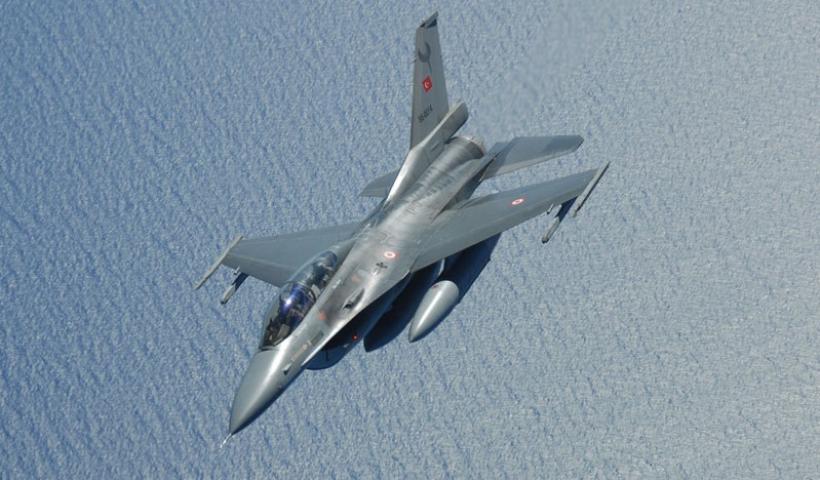
Τι θα πρέπει να αναμένουμε ως προκλήσεις; Οι συνήθεις παραβιάσεις στον αέρα και τη θάλασσα είναι κανόνας και θα συνέβαιναν είτε με είτε χωρίς την απόφαση για τους «οκτώ».

Μια αύξηση των προσφυγικών ροών θα πρέπει να αναμένεται και μια σκλήρυνση της τουρκικής θέσης στο Κυπριακό. Τα ανοίγματα, όπως στις θρησκευτικές ελευθερίες,  θα αντιμετωπίσουν, επίσης, προβλήματα και οι πράκτορες του τουρκικού κράτους στη Θράκη θα δραστηριοποιηθούν. Μια ρητορεία περί Λοζάνης θα πρέπει, επίσης, να αναμένεται, αλλά, από τα λόγια ως την πράξη η απόσταση είναι τεράστια. Η συγκυρία, πάντως, δεν ευνοεί τον Τούρκο πρόεδρο να ανοίξει και άλλα μέτωπα καθώς, οι συριακές εξελίξεις δεν είναι καθόλου ευνοϊκές γι’ αυτόν.

Τα μηνύματα που φθάνουν από την άλλη πλευρά του Ατλαντικού δημιουργούν στην Άγκυρα μια νευρικότητα. Μπορεί ο Αμερικανός πρόεδρος να μιλά για τη διαμόρφωση ζωνών στη Συρία για τον έλεγχο των προσφυγικών ροών –και αυτή είναι μια εξ αρχής τουρκική θέση, με σκοπό τον έλεγχο του κουρδικού διαδρόμου–αλλά, αυτό δεν σημαίνει πως θα δημιουργηθούν. Η Ρωσία ήδη αντέδρασε και τα σχέδια που έχει η Μόσχα είναι πολύ διαφορετικά.

Βάσεις κατασκευάζουν ΗΠΑ-Ρωσία στη Συρία
Το συριακό δράμα έχει και άλλες πράξεις. Οι ΗΠΑ κατασκευάζουν έξι βάσεις στις κουρδικές περιοχές και αυτό δεν είναι καθόλου καλή είδηση για την Τουρκία. Η κουρδική οντότητα στη Συρία, ενδεχομένως, και η ανάδυση ενός κρατικού κουρδικού μορφώματος είναι πολύ πιθανό να συμβεί, καθώς γεωπολιτικά ευνοεί και τις ΗΠΑ και το Ισραήλ, καθώς του παρέχει στρατηγικό βάθος, το οποίο το έχει απόλυτη ανάγκη για την επιβίωσή του.


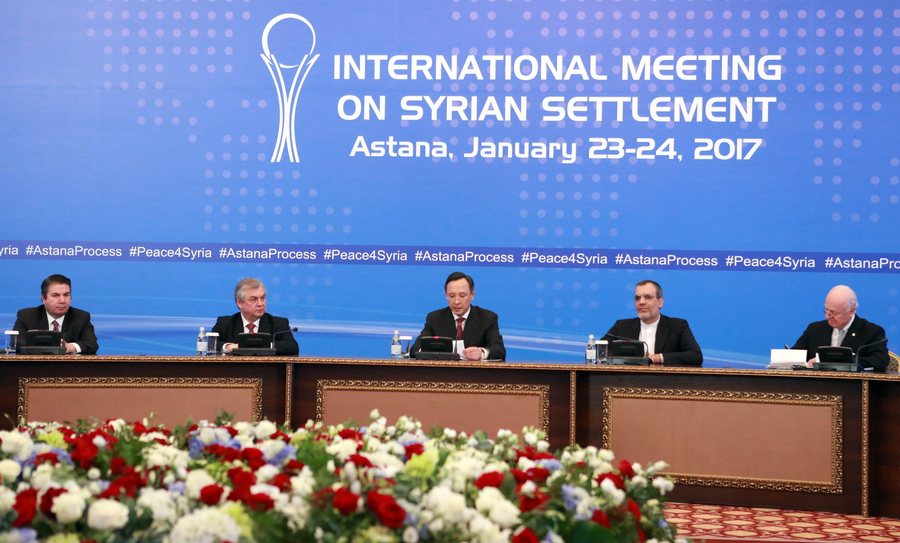
Από τις ειρηνευτικές συνομιλίες στην Αστάνα (φωτ.: EPA / Igor Kovalenko)

Οι Ρώσοι κάλεσαν τους Κούρδους στην Αστάνα, πρωτεύουσα του Καζαχστάν, όπου διεξάγονται συνομιλίες για το μέλλον της Συρίας αν και είναι, ακόμη νωρίς για αποφάσεις.

Εκτός από τις ΗΠΑ που κατασκευάζουν, όπως προαναφέραμε, βάσεις στις κουρδικές περιοχές, και οι Ρώσοι έχουν ανακοινώσει πως υπέγραψαν με τον Άσαντ συμφωνία 49 ετών, η οποία θα ανανεωθεί άλλα 25 έτη αν δεν την καταγγείλει κανένα μέρος, για τη μετατροπή της βάσης της Ταρτούς από βάση ελλιμενισμού και ανεφοδιασμού σε πλήρη βάση.


(Φωτ.: cnn.com)

Στη βάση αυτή θα μπορούν να ελλιμενίζονται και να έχουν πλήρεις εγκαταστάσεις έντεκα ρωσικά πλοία. Η Ταρτούς της Συρίας είναι η μόνη βάση την οποία έχει η Ρωσία στη Μεσόγειο και οι πρώτες εγκαταστάσεις δημιουργήθηκαν το 1977. Είναι στρατηγικής σημασίας ρωσική επιλογή διότι δίνει στη Μόσχα τη δυνατότητα να έχει ναυτική παρουσία εκτός του Ευξείνου Πόντου όπου το ΝΑΤΟ θα μπορούσε να αποκλείσει το ρωσικό στόλο.

Η Τουρκία παρακολουθεί τις εξελίξεις μετά την άνοδο του κ. Τραμπ στην αμερικανική προεδρία αλλά δεν είναι καθόλου σίγουρο πως η αμερικανική πολιτική θα ικανοποιήσει την Άγκυρα.

Η πολιτική αυτή παραμένει, ακόμη, ένα ερώτημα την απάντηση του οποίου αναμένουν πολλοί. Ωστόσο, έγκυροι διεθνείς αναλυτές εκτιμούν πως τα αμερικανοτουρκικά συμφέροντα είναι αποκλίνοντα και πως η Τουρκία του Ερντογάν δημιουργεί στρατηγική αστάθεια στην περιοχή.


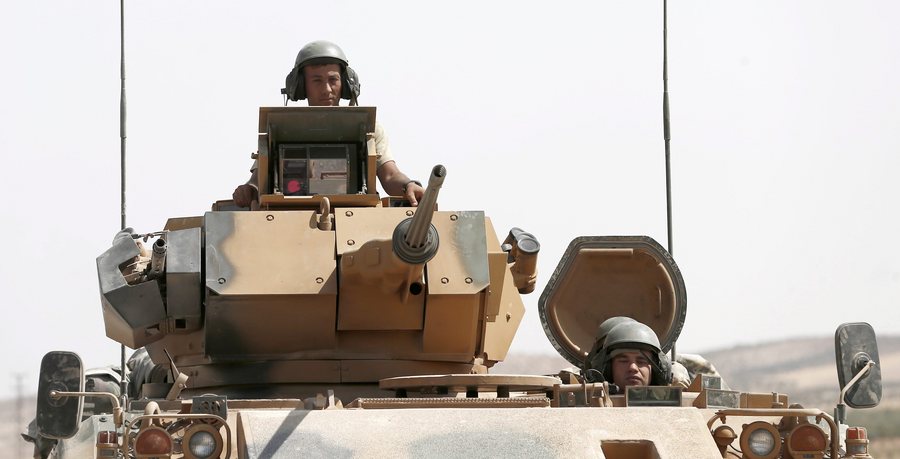
Τουρκικά τεθωρακισμένα στις επιχειρήσεις επί του συριακού εδάφους (φωτ.: EPA / Sedat Suna)

Αν και στρατιωτικοί αναλυτές θεωρούν πως η τουρκική επιχείρηση «Ασπίδα του Ευφράτη» πήγε καλά μέχρι σήμερα, αφού προσέδωσε στην Τουρκία συγκεκριμένα εδαφικά κέρδη, ο τουρκικός στρατός έχει καθηλωθεί έξω από την πόλη Αλ-Μπαμπ, η κατάληψη της οποίας από τις δυνάμεις του ISIS θεωρείται στρατηγικής σημασίας ενέργεια για να υλοποιήσει η Άγκυρα το στρατιωτικό της σχέδιο, να αποσείσει, δηλαδή, τους Κούρδους ανατολικά του Ευφράτη. Αρκετά θα εξαρτηθούν από το αν η Τουρκία καταλάβει την πόλη αυτή  ή θα προστρέξει για το σκοπό αυτό ο συριακός στρατός ο οποίος εκδήλωσε το σχετικό ενδιαφέρον του.

Ο Ερντογάν, έχει και άλλες στρατιωτικές φιλοδοξίες στην περιοχή, κυρίως, να καταδιώξει τους Κούρδους όχι μόνο στο εσωτερικό της χώρας του αλλά και στο Ιράκ όπου βρίσκονται οι βάσεις του PKK αλλά, όλα αυτά θα εξαρτηθούν από το αν καταφέρει να διαμορφώσει διεθνή υποστήριξη κάτι που δείχνει εξαιρετικά δύσκολο.

Ο Ερντογάν πίσω από το πραξικόπημα;
Στη Δύση έχει γίνει βεβαιότητα πως ο Τούρκος πρόεδρος επιχειρεί να ισλαμοποιήσει, πλήρως, τους θεσμούς του κράτους του. Νορβηγική ιστοσελίδα (υπενθυμίζω πως ο γ.γ. του ΝΑΤΟ είναι Νορβηγός) έγραψε πρόσφατα πως αν και δεν υπάρχει επίσημο έγγραφο του ΝΑΤΟ, στη συμμαχία εκτιμούν πως πίσω από το δήθεν αποτυχημένο πραξικόπημα στην Τουρκία ήταν ο Ερντογάν. Η ιστοσελίδα επικαλούμενη Τούρκους αξιωματούχους, επισήμανε πως ο Ερντογάν ετοίμαζε το «πραξικόπημα» εδώ και ένα χρόνο με σκοπό να διώξει από τις τάξεις του στρατού αλλά και από τη δημόσια διοίκηση όλους όσους θεωρεί αντιπάλους του. Ο Τούρκος πρόεδρος έχει βαθιά συνείδηση πως για να μετατρέψει τη χώρα του από «κοσμική» σε ισλαμική πρέπει να κάνει αυτού του είδους τις βαθιές αλλαγές.


(Φωτ.: EPA / Sedat Suna)

Όλα αυτή η μεσανατολική ρευστότητα συμβαίνει σε μια εποχή που ο Αμερικανός πρόεδρος διαμηνύει την πρόθεσή του να συγκρουστεί με την Ευρώπη και δηλώνει ξεκάθαρα πως δεν τον ενοχλεί η διάλυσή της. Το σενάριο της Γερμανικής Ευρώπης και της αποσταθεροποίησής της θα είναι κυρίαρχο στις συζητήσεις το επόμενο διάστημα ενώ δεν είναι χωρίς σημασία να θυμηθούμε πως στους δύο παγκοσμίους πολέμους του 20ου αιώνα αντιπαρατέθηκε ο αγγλοσαξονικός κόσμος (συν τη Γαλλία) με τη Γερμανική συμμαχία.

Το σύστημα είναι πολύπλοκο (αλληλοεπηρεάζεται) και πολύ χαοτικό. Δεν είμαστε παρατηρητές αλλά συμμετέχοντες.

Και σε ό,τι μας αφορά γίνεται ακόμη πιο ασταθές με την αφύπνιση των βαλκανικών εθνικιστικών φαντασμάτων.

Παντελής Σαββίδης

Προεκλογικές υποσχέσεις και πραγματικότητα στο νέο σκηνικό: ΗΠΑ, Ισραήλ, Παλαιστινιακό

0

Του Γαβριήλ Χαρίτου( *)

Επιχειρώντας έναν απολογισμό της ειρηνευτικής διαδικασίας του Παλαιστινιακού προβλήματος από την υπογραφή των συμφωνιών του Όσλο το 1994 μέχρι σήμερα, οι περισσότεροι πολιτικοί παρατηρητές προβάλουν ως πρώτιστο επίτευγμα τη σύσταση της Ανεξάρτητης Παλαιστινιακής Αρχής.

Η Παλαιστινιακή Αρχή υπό την ιστορική ηγεσία του Γιασέρ Αραφάτ επρόκειτο να αποτελέσει προπομπό ενός ανεξάρτητου Παλαιστινιακού Κράτους, με σύνορα που θα εγγυώνται αφ ενός την βιωσιμότητά του και αφ ετέρου την ασφάλεια του όμορου με αυτό, Ισραήλ.

Τα ισραηλινοπαλαιστινιακά σύνορα θα προέκυπταν μέσα από απ ευθείας διαπραγματεύσεις επί της αρχής «Δύο Έθνη-Δύο Κράτη», ως επίσης και με βάση την οριογραμμή Ισραήλ-Ιορδανίας, όπως αυτή είχε καθορισθεί από τις συμφωνίες κατάπαυσης του πυρός που είχαν υπογραφεί στη Ρόδο το 1949. Τέλος, το καθεστώς της κυριαρχίας επί της μείζονος περιφέρειας της Ιερουσαλήμ  και κυρίως επί του ανατολικού της τομέα, που κατελήφθη και προσαρτήθηκε από το Ισραήλ κατά τη διάρκεια του Πολέμου των Έξι Ημερών τον Ιούνιο του 1967 θα καθοριζόταν στην τελική φάση των συνομιλιών.

Πέραν των ανωτέρω όμως, οι Συμφωνίες του Όσλο εισήγαγαν μία πολύ σημαντική πρωτοτυπία: Για πρώτη φορά στην Ιστορία του Παλαιστινιακού προβλήματος, τέσσερεις σημαντικοί διεθνείς παράγοντες συμφώνησαν να τηρήσουν μία κοινή, ενιαία γραμμή ως προς τον τρόπο επίλυσής του. Οι Ηνωμένες Πολιτείες, η Ρωσία, η Ευρωπαϊκή Ένωση και ο Οργανισμός Ηνωμένων Εθνών συναποτέλεσαν το «Κουαρτέτο για την Ειρήνη», που επιφορτίσθηκε να κρατήσει ζωντανή την ειρηνευτική διαδικασία, ασκώντας επιρροή τόσο στο Ισραήλ, όσο και στους Παλαιστινίους, ώστε να αδράξουν από κοινού την ιστορική ευκαιρία να καταλήξουν σε μία κοινά αποδεκτή πολιτική λύση. Το «Κουαρτέτο για τη Ειρήνη», παρά τις εγγενείς αδυναμίες που παρουσίασε στην πορεία της ειρηνευτικής διαδικασίας, τυπικά έθεσε τέρμα σε μία μακρά και επώδυνη εποχή, κατά την οποία το Παλαιστινιακό βρισκόταν στο επίκεντρο του ψυχροπολεμικού ανταγωνισμού μεταξύ Ανατολής και Δύσης, ΗΠΑ και ΕΣΣΔ, πρώην αποικιακών δυνάμεων της Ευρώπης και του Αραβικού κόσμου.

Δυστυχώς, τα χρονοδιαγράμματα των συμφωνιών του Όσλο καταστρατηγήθηκαν. Οι πολιτικές προσωπικότητες που θα ήταν σε θέση να συμβάλλουν εποικοδομητικά στην πρόοδο των διαπραγματεύσεων, τόσο από πλευράς Ισραήλ όσο και από πλευράς Παλαιστινίων, δεν υπάρχουν πια. Ακραίες επιλογές ένθεν κακείθεν προκάλεσαν νέους κύκλους αίματος. Ύστερα από μία σύντομη περίοδο αισιοδοξίας, η Δεύτερη Ιντιφάντα που άρχισε τον Οκτώβριο του 2000, ουσιαστικά μέχρι σήμερα δεν έχει λήξει. Αιματηρές επιθέσεις διαδέχονται η μία την άλλη. Αντίποινα έφεραν αντίποινα.

Η εβραϊκή εποικιστική δραστηριότητα δημιουργεί τετελεσμένα, που μοιραία καθιστούν εξαιρετικά δυσχερή τον εδαφικό διαχωρισμό μεταξύ Ισραήλ και Παλαιστινίων και τη δημιουργία δύο βιώσιμων κρατικών όμορων οντοτήτων. Οι κραυγές του ακραίου ισλαμισμού και του εβραϊκού σωβινισμού βρίσκουν ευήκοα ώτα σε ολοένα και μεγαλύτερη μερίδα της κοινής γνώμης αμφοτέρων των πλευρών. Το μίσος γεννά μίσος. Έτσι, πίσω από την λακωνική και καθ όλα ειλικρινή φράση «Το Όσλο Πέθανε», τα τελευταία χρόνια τόσο στο Ισραήλ όσο και στην Παλαιστινιακή Αρχή αναπτύσσεται μία επιχειρηματολογία χωρίς προοπτική ειρήνης. Από τη μία, οι νεορεβιζιονιστικές τάσεις στο Ισραήλ κερδίζουν έδαφος και επιδιώκουν την προσάρτηση της Δυτικής Όχθης, αναιρώντας την αρχή «Δύο Έθνη-Δύο Κράτη», στην οποία βασίσθηκε μέχρι τώρα όλη η φιλοσοφία της πολιτικής λύσης. Από την άλλη, η Παλαιστινιακή Αρχή, η βιωσιμότητα της οποίας εξαρτάται αποκλειστικά και μόνο από την διεθνή οικονομική βοήθεια και αποδεδειγμένα ευάλωτη σε φαινόμενα διαφθοράς, δεν είναι πλέον σε θέση να εμπνεύσει στους πολίτες την προοπτική για ένα καλύτερο μέλλον. Ακόμα και η καθαυτή διεθνής διπλωματική της νομιμοποίηση ακόμα ένα σημαντικό αποτέλεσμα των Συμφωνιών του Όσλο  μάλλον δεν εντυπωσιάζει πια τον μέσο Παλαιστίνιο που κατοικεί στη Δυτική Όχθη ή στη Γάζα.

Από τις εξαγγελίες του Προέδρου των ΗΠΑ, Ντόναλντ Τραμπ, ότι επίκειται η μεταφορά της Πρεσβείας των ΗΠΑ από το Τελ Αβίβ στην Ιερουσαλήμ, προκύπτει ότι το Παλαιστινιακό εισέρχεται σε μία καινούργια περίοδο. Μία τέτοια κίνηση της Ουάσινγκτον θα σημαίνει την αναγνώριση της – ενιαίας – Ιερουσαλήμ ως πρωτεύουσας του Ισραήλ, ανατρέποντας με αυτόν τρόπο όλα όσα έως τώρα γνωρίζαμε περί του τρόπου επίλυσης της Αραβοϊσραηλινής διένεξης. Οι αντιδράσεις ως προς ένα τέτοιο ενδεχόμενο δεν άργησαν να εκδηλωθούν: Την προηγούμενη εβδομάδα οι ηγεσίες της Φατάχ, της Χαμάς και της Ισλαμικής Τζιχάντ αποφάσισαν να θέσουν τέρμα στον μεταξύ τους πολιτικό ανταγωνισμό, δηλώνοντας ότι εντός του προσεχούς διμήνου τα συλλογικά όργανα της Παλαιστινιακής Αρχής θα επανασυγκροτηθούν από εκπροσώπους όλων ανεξαιρέτως των πολιτικών τάσεων. Το αξιοσημείωτο είναι ότι η παλαιστινιακή συμφωνία επαναπροσέγγισης επετεύχθη χάρη στην αυξημένη παρασκηνιακή κινητικότητα της Ρωσίας.

Την ίδια στιγμή και δη για πρώτη φορά μετά από δεκαετίες η Κίνα ενώπιον των οργάνων της Ισλαμικής Συνδιασκέψεως και δια του Υπουργού Εξωτερικών της, δήλωσε με έμφαση ότι τίθεται υπέρ της ανακήρυξης ανεξάρτητου παλαιστινιακού κράτους, με πρωτεύουσά του την Ανατολική Ιερουσαλήμ. Τέλος, η φιλοδυτική μοναρχία της Ιορδανίας, καθυστερώντας χαρακτηριστικά να αποστείλει συγχαρητήριο τηλεγράφημα στον Πρόεδρο Τραμπ για την ανάληψη των καθηκόντων του, προέβη σε κοινή δήλωση με τον Παλαιστίνιο Πρόεδρο Μαχμούντ Αμπάς, καθιστώντας σαφές ότι πρόκειται να λάβει μέτρα από κοινού με την Παλαιστινιακή Αρχή, σε περίπτωση μεταφοράς της αμερικανικής Πρεσβείας στην Ιερουσαλήμ.

Η εκπεφρασμένη δυσαρέσκεια εκ μέρους του Αμμάν προμηνύει το κλίμα που πρέπει να αναμένεται από τον αραβικό κόσμο, αλλά και τον διεθνή μουσουλμανικό παράγοντα. Οι διαφαινόμενες τάσεις καταδεικνύουν ότι βρισκόμαστε στα πρόθυρα μίας μετεξέλιξης του πάλαι ποτέ ψυχροπολεμικού διπολισμού, που επί δεκαετίες χαρακτήριζε την Αραβοϊσραηλινή διένεξη. Το Παλαιστινιακό τείνει να αναχθεί και πάλι σε ζήτημα τριβής μεταξύ Ανατολής-Δύσης για πρώτη φορά μετά την υπογραφή των Συμφωνιών του Όσλο το 1994. Μία αισιόδοξη προσέγγιση της παρούσας συγκυρίας θα μπορούσε να υποστηρίξει ότι κατά το παρελθόν, ο ψυχροπολεμικός διπολισμός σίγουρα δεν έφερε την απόλυτη ειρήνη στον κόσμο, πλην όμως απέτρεψε περαιτέρω εστίες πολέμου ή τον Έναν Μεγάλο Πόλεμο που δεν έγινε ποτέ επειδή ίσως απεφεύχθη. Σύμφωνα με την ίδια αισιόδοξη συλλογιστική, δεν αποκλείεται ακόμα και αυτή καθαυτή η ανακοίνωση της πρόθεσης του Προέδρου Τραμπ να μεταβάλει ριζικά την πάγια θέση της χώρας του ως προς το πολιτικό καθεστώς της Ιερουσαλήμ, να στοχεύει στην αναβίωση της ειρηνευτικής διαδικασίας. Ήδη, σύμφωνα με δημοσιεύματα του παλαιστινιακού Τύπου, αμερικανοί διπλωματικοί αξιωματούχοι φέρονται να διαβεβαιώνουν Παλαιστινίους ομολόγους τους ότι, παρά τα όσα ακούγονται από την ισραηλινή πλευρά, δεν αποτελεί προτεραιότητα για το State Department η μεταφορά της Πρεσβείας των ΗΠΑ στην Ιερουσαλήμ, αλλά η επανέναρξη των ειρηνευτικών συνομιλιών.

Ωστόσο, με ενδιαφέρον αναμένονται τα αποτελέσματα της επικείμενης επίσκεψης του Ισραηλινού Πρωθυπουργού Νετανιάχου στην Ουάσινγκτον τον Φεβρουάριο, προκειμένου να αποσαφηνισθούν πλήρως εάν οι εντυπωσιακές προεκλογικές εξαγγελίες του Προέδρου Τραμπ είναι εφαρμόσιμες χωρίς να προκαλέσουν επικίνδυνους κραδασμούς στην κινούμενη άμμο της Μέσης Ανατολής και ποιες όχι.

Ο Γαβριήλ Χαρίτος είναι δικηγόρος- Διδάκτωρ Διεθνών Σχέσεων του Πανεπιστημίου Μακεδονίας, συνεργάτης του Κυπριακού Κέντρου Ευρωπαϊκών και Διεθνών Υποθέσεων του Πανεπιστημίου Λευκωσίας και ειδικεύεται σε ζητήματα Ισραήλ.
Πηγή: Προεκλογικές υποσχέσεις και πραγματικότητα στο νέο σκηνικό: ΗΠΑ, Ισραήλ, Παλαιστινιακό http://mignatiou.com/2017/01/proeklogikes-iposchesis-ke-pragmatikotita-sto-neo-skiniko-ipa-israil-palestiniako/

Αυτό το χρέος δεν πρόκειται να αποπληρωθεί ποτέ: Η έκθεση του ΔΝΤ για τη βιωσιμότητα

0

 Mr Poul THOMSEN, Director of the European Department of the IMF with Delia Velculescu. Copyright: European Union JANUARY 27, 2017 9

Εξαιρετικά μη βιώσιμο χαρακτηρίζει το Διεθνές Νομισματικό Ταμείο το ελληνικό χρέος στην αναθεωρημένη ανάλυση βιωσιμότητας του που θα εξεταστεί στις 6 Φεβρουαρίου στο Εκτελεστικό Συμβούλιο του Ταμείου και το περιεχόμενο της οποία αποκαλύπτει το CNN Greece και η ιστοσελίδα μας.

Τα στελέχη του ΔΝΤ αναφέρουν στην ανάλυσή τους πως οι προτάσεις του Eurogroup για την ελάφρυνση του ελληνικού χρέους είναι μη επαρκείς και ασαφείς. Στη βάση αυτή τα στελέχη του ΔΝΤ διατυπώνουν προτάσεις για μεγαλύτερη ελάφρυνση του χρέους με επέκταση της περιόδου χάριτος και αναβολές καταβολής τόκων έως το 2040, επέκταση των ωριμάνσεων των ευρωπαϊκών δανείων έως το 2070 και τη μείωση των επιτοκίων όλων των δανείων του ESFSF και του ESM για 30 χρόνια, χαμηλότερα του 1,5%.

Σύμφωνα με πληροφορίες του CNN Greece, η ανάλυση του ΔΝΤ αναφέρει πως «το δημόσιο χρέος στην Ελλάδα είναι εξαιρετικά μη βιώσιμο, ακόμη και με την πλήρη εφαρμογή των πολιτικών που συμφωνήθηκαν στο πλαίσιο του προγράμματος του ESM». Ακόμη, τονίζει πως οι δημόσιες δαπάνες για τη χρηματοδότηση του χρέους θα γίνουν «εκρηκτικές» μακροπρόθεσμα και ότι «η Ελλάδα δεν θα είναι σε θέση να αντικαταστήσει την ιδιαίτερα χαμηλή χρηματοδότηση που λαμβάνει από τον επίσημο τομέα, με χρηματοδότηση από την αγορά σε τιμές που να συνάδουν με την αειφορία» της χώρας».

Η έκθεση του ΔΝΤ σημειώνει πως οποιαδήποτε λύση για την αναδιάρθρωση του χρέους θα πρέπει να επιτύχει δύο βασικούς στόχους. Κατ ‘αρχάς, θα πρέπει να διατηρήσει τις ακαθάριστες χρηματοδοτικές ανάγκες εντός του εύρους του 15 -20 τοις εκατό του ΑΕΠ. Δεύτερον θα πρέπει να διασφαλίσει ότι το χρέος θα βρίσκεται σε μια σταθερή καθοδική πορεία. «Λύσεις που παρέχουν μόνο προσωρινή ανακούφιση, αλλά δεν οδηγούν σε μια πτωτική πορεία του χρέους στο χρονικό ορίζοντα έως το 2060, δεν είναι συνεπής με τη βιωσιμότητα», τονίζεται, σύμφωνα με πληροφορίες στην ανάλυση.

Στο βασικό σενάριο του ΔΝΤ το ελληνικό χρέος αναμένεται να φτάσει στο 170% του ΑΕΠ μέχρι το 2020 και στο 164% του ΑΕΠ μέχρι το 2022, αλλά εν συνεχεία θα αυξηθεί, φτάνοντας περίπου στο 275% του ΑΕΠ μέχρι το 2060, καθώς το κόστος του χρέους θα αυξάνεται με την πάροδο του χρόνου καθώς ο δανεισμός από τις αγορές θα αντικαθιστά τα χαμηλότοκα δάνεια του επισήμου τομέα υψηλά επιδοτούμενων επίσημο τομέα που χρηματοδοτούν περισσότερο που αντισταθμίζει το χρέος. Αυτή η εξέλιξη θα αντισταθμίσει όποια πιθανά οφέλη από την αύξηση του ΑΕΠ και τα υψηλά πρωτογενή πλεονάσματα.

Στη βάση των προβλέψεων αυτών το ΔΝΤ αναμένει πως οι ακαθάριστες χρηματοδοτικές  ανάγκες της Ελλάδος θα ανέλθουν στο 15% του ΑΕΠ ήδη από το 2024 και στο 20%  του ΑΕΠ μέχρι το 2031, φθάνοντας περίπου το 33% από το 2040 και περίπου το 62% του ΑΕΠ μέχρι το 2060. Η ανάλυση βιωσιμότητας του ΔΝΤ αναφέρει πως τα ευρωπαϊκά θεσμικά όργανα υιοθετούν πολύ πιο αισιόδοξες παραδοχές που οδηγούν σε πιο ήπια δυναμική του χρέους. Όπως τονίζεται, σύμφωνα με τις ευρωπαϊκές υποθέσεις το χρέος προβλέπεται να μειωθεί κάτω από 120% του ΑΕΠ μέχρι το 2030 και ελαφρώς πάνω από το 100% του ΑΕΠ από το 2040, με τις ακαθάριστες χρηματοδοτικές ανάγκες να παραμένουν κάτω από το 10% του ΑΕΠ μέχρι το 2023, κάτω από το 20% του ΑΕΠ μέχρι το 2040, αλλά να αυξάνονται στο 24% του ΑΕΠ από το 2060.

Η πρόβλεψη αυτή βασίζεται σε σημαντικά πιο αισιόδοξες παραδοχές από εκείνες του ΔΝΤ, ιδίως όσον αφορά στην ανάπτυξη και το πρωτογενές πλεόνασμα, που βάσει των ευρωπαϊκών εκτιμήσεων θα διατηρηθεί στο 3,5% του ΑΕΠ για μια δεκαετία (έως το 2028),θα μειωθεί σταδιακά στο 3,2% από το 2030, και στο 1,5% μετά το 2040.

Τι προτείνει το ΔΝΤ

Αναφερόμενο στις δεσμεύσεις του Eurogroup του Μάιου 2016 για την πρόσθετη ελάφρυνση του χρέους το ΔΝΤ αναφέρει πως «ορισμένα μέτρα δεν είναι αρκετά συγκεκριμένα για να καταστεί δυνατή η πλήρης αξιολόγηση των επιπτώσεών τους στη βιωσιμότητα του χρέους». Στη βάση αυτή η ανάλυση του Ταμείου σημειώνει πως «μια σημαντική αναδιάρθρωση των όρων των ευρωπαϊκών δανείων προς την Ελλάδα απαιτείται για την αποκατάσταση της βιωσιμότητας του χρέους σύμφωνα με το βασικό σενάριο του ΔΝΤ».

Στο σημείο αυτό ξεκαθαρίζεται πως μια πιθανή αναδιάρθρωση χρέους που θα μπορούσε να ικανοποιήσει τους στόχους που αναφέρθηκαν παραπάνω θα μπορούσε να βασίζεται σε ένα συνδυασμό από τα ακόλουθα μέτρα, «τα οποία υπερβαίνουν κατά πολύ το πεδίο εφαρμογής των μέτρων που προτείνεται σήμερα το Eurogroup»:

– Από την επέκταση μέχρι το 2040 των περιόδων χάριτος των δανείων του ESM και του EFSF, αλλά και των διμερών δανείων που δόθηκαν στην Ελλάδα το 2010: Σύμφωνα με την ανάλυση χρέους, «αν και πιθανές επεκτάσεις των περιόδων χάριτος αναφέρθηκαν από το Eurogroup, το πεδίο δεν έχει καλά καθορισμένο, και τα μέτρα αυτά δεν περιλαμβάνουν τα διμερή δάνεια (GLF) και τα δάνεια του ESM.

– Από την παράταση των ωριμάνσεων των ευρωπαϊκών δανείων μέχρι το 2070: Αυτό θα απαιτούσε την παράταση των ωριμάνσεων των διμερών διακρατικών δανείων κατά 30 έτη και την επέκταση των ωριμάσεων των δανείων του EFSF έως και 14 έτη και των δανείων του ESM έως και 10 έτη. Στην ανάλυση του Ταμείου υπογραμμίζεται πως «αν και οι πιθανές παρατάσεις των ωριμάσεων αναφέρθηκαν από το Eurogroup, το πεδίο δεν έχει οριστεί και οι προτάσεις δεν περιλαμβάνουν τα δάνεια GLF και του ESM».

– Από τις αναβολές πληρωμής επιτοκίων μέχρι το 2040: Αυτό θα απαιτήσει περαιτέρω αναβολή των πληρωμών τόκων επί όλων των GFL, το ΕΤΧΣ και ΕΜΣ δάνεια μέχρι το 2040, αποσβένεται σε ίσες δόσεις μέχρι το 2070 (συμπεριλαμβανομένων και των τόκων επί των τόκων). Το πεδίο εφαρμογής αυτών των μέτρων δεν έχει επίσης καθορίζεται σαφώς από το Eurogroup

– Από τη μη αύξηση του επιτοκιακού περιθώριο και την επιστροφή κερδών από τα ομολογα SMP και ANFA’s: Κατά το ΔΝΤ η κατάργηση του επιτοκιακού πέναλτι που έπρεπε να καταβάλει η Ελλάδα στον EFSF  από το 2017 και μετά και η επιστροφή κερδών από τα ομολόγα SMP και ANFA’s κατά τη διάρκεια των ετών που έπονται του προγράμματος «έχουν προταθεί από το Eurogroup και θα μπορούσαν να χρησιμοποιηθούν για τη μείωση των ακαθάριστων χρηματοδοτικών αναγκών και του χρέους».

– Από το κλείδωμα του επιτοκίου του συνόλου των δανείων του EFSF και ESM: Τα στελέχη του ΔΝΤ αναφέρουν στην ανάλυση τους πως για να εξασφαλιστεί ότι το χρέος μπορεί να παραμείνει σε καθοδική πορεία, τα επιτόκια όλων των δανείων του ESFSF και του ESM (ύψους περίπου 200 δισ. ευρώ ή 113% ΑΕΠ) θα πρέπει να καθοριστούν σε χαμηλά επίπεδα για 30 χρόνια και να μην υπερβαίνουν το 1,5%.

«Ενώ το Eurogroup έχει συμφωνήσει να κλειδώσει το επιτόκιο σε ορισμένα ευρωπαϊκά δάνεια, το πεδίο εφαρμογής των μέτρων που προβλέπονται είναι πιθανόν πολύ μικρότερο από ότι απαιτείται για τη διασφάλιση της βιωσιμότητας σύμφωνα με το βασικό σενάριο του ΔΝΤ», αναφέρεται στην ανάλυση σύμφωνα με πληροφορίες. Τα δύο σενάρια Το ΔΝΤ ξεκαθαρίζει πως ακόμη και εάν λαμβάνονταν όλα τα παραπάνω μέτρα αναδιάρθρωσης του χρέους, η δυναμική του χρέους θα παρέμενε εξαιρετικά ευαίσθητη σε σοκ. Τα δύο σενάρια σοκ που έχει λάβει υπόψη το ΔΝΤ συνίστανται στα εξής:

 Αισιόδοξο  σενάριο: Το σενάριο αυτό εκτιμά πως θα υπάρξουν διαρθρωτικές και δημοσιονομικές μεταρρυθμίσεις που θα ενισχύσουν την αύξηση της παραγωγικότητας και να διασφαλίσουν ότι ο τραπεζικός τομέας μπορεί να στηρίξει την οικονομία μακροπρόθεσμα.

Απαισιόδοξο σενάριο: Εάν οι πολιτικές είναι ασθενέστερες από εκείνες που αναμένονται με αποτέλεσμα να υπάρξει χαμηλότερο πρωτογενές πλεόνασμα (στο 1% του ΑΕΠ), η βιωσιμότητα του χρέους δεν θα είναι πλέον εξασφαλισμένη. «Στην περίπτωση αυτή, τόσο το χρέος όσο και οι ακαθάριστες χρηματοδοτικές ανάγκες θα καταστούν μη βιώσιμες και θα αυξηθούν με την πάροδο του χρόνου, δεδομένου ότι τα μέτρα δεν θα είναι πλέον επαρκή για να εξασφαλίσουν ότι η Ελλάδα μπορεί να έχει πρόσβαση στις αγορές σε τιμές που συνάδουν με την αειφορία», αναφέρει η ανάλυση. Το ΔΝΤ ξεκαθαρίζει πως για να εξασφαλιστεί η βιωσιμότητα του χρέους σύμφωνα με αυτό το σενάριο τα επιτόκια των δανείων τόσο του EFSF όσο και του ESM θα πρέπει να μειωθούν στο 0,25% για 30 χρόνια.

ΤΟ ΔΝΤ ΠΡΟΕΙΔΟΠΟΙΕΙ ΓΙΑ ΤΟ ΜΕΛΛΟΝ ΤΗΣ ΕΛΛΑΔΑΣ ΣΤΗ ΝΟΜΙΣΜΑΤΙΚΗ ΕΝΩΣΗ

Πηγή: Αυτό το χρέος δεν πρόκειται να αποπληρωθεί ποτέ: Η έκθεση του ΔΝΤ για τη βιωσιμότητα http://mignatiou.com/2017/01/afto-to-chreos-den-prokite-na-apoplirothi-pote-i-ekthesi-tou-dnt-gia-ti-viosimotita/

The law of the South China seize

0

By Rene Wadlow

January 24, 2017

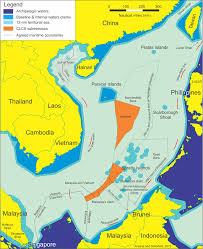
The Chinese Foreign Ministry spokeswoman Hua Chunying replied on 24 January 2017 to statements of the new US President on US interests in the South China Sea delimitation issues saying “China is firm in safeguarding our rights and interest in the South China Sea… China has indisputable sovereignty over the South China Sea islands and their adjacent waters. The United States is not a party to the South China Sea issue.” Her heated statement came in response to a 23 January statement of White House spokesman Sean Spicer who had said “If those islands are, in fact, in international waters and not part of China proper, we’ll make sure we defend international interests from being taken over by one country.”

The South China Sea islands delimitations have been an issue for some time and can be the source of increasing tensions. Therefore, it is useful to look at the Law of the Sea Convention and the way that national claims have come to dominate what my friend John Logue, then Director of Villanova University Common Heritage Institute called “the Law of the Seize.” What started out in November 1967 with a General Assembly presentation by Ambassador Arvid Pardo of Malta as a call to establish a new political and legal regime for the ocean space ended in December 1982 with a draft convention. It was a mixed bag of successes and disappointments, but the Convention on the Law of the Sea has now been ratified by 162 states but not by the United States and certain other industrialized states.

Ambassador Pardo’s phrase ‘the common heritage of mankind’ meant more than a global commons, open to all to exploit. It implied the establishment of rules by which exploitation of a part of the earth’s resources were to be governed, and of institutions capable of acting on behalf of mankind as a whole. For Pardo, the ‘common heritage of mankind’ was to lead to the transformation of world politics.[1]

For world citizens, the quality of the Law of the Sea Convention was of particular significance. The Convention tried to structure what had been largely customary international law and state practice into a legal comprehensive treaty. The Convention was an effort to formulate a written constitution for the world’s oceans. It was perhaps the most comprehensive legislative attempt in the annals of international law. The Convention specified that the greater part of the oceans was considered res communitis, a global common beyond national ownership, although the diplomats accepted an extension of national sovereignty from three to 12 miles from the coast line and a new concept of a 200 mile Exclusive Economic Zone (EEZ).

However, the UN Law of the Sea Conference was first and foremost a political conference with over 160 states participating. From the outset of the conference, it was agreed that the convention had to be drafted by consensus in order to create a political and legal system for the oceans acceptable to all to manage what Arvid Pardo had called ‘the common heritage of mankind’. During the negotiations, there were groupings that cut across the Cold War divisions of the times, especially within a group called “the landlocked and geographically disadvantaged countries.” There were also informal groups of persons who acted in a private capacity, a mixture of NGO representatives, legal scholars, and business corporation representatives who prepared suggestions on many of the issues of the conference.[2]

Although the negotiations were carried out by the representatives of governments, all considered to be equal, there were a number of key individuals who through their personality, vision, negotiating skills, and drive played roles well beyond the status in world politics of their States. Thus, the President of the conference, Hamilton Shirley Amerasinghe of Sri Lanka was an outstanding leader, so much so, that when there was a change in government in Sri Lanka and Amerasingh was replaced as Ambassador to the UN, it was decided, after heated debates, that he should continue as President of the conference the only case of a private citizen directing a UN conference. Unfortunately, he died in 1980 before the conference ended so he did not see the fulfillment of his efforts. He was replaced as President by a man who had already played a key role as chair of a working group, the very able Tommy Koh of Singapore. Paul Engo of Cameroon, chair of a different working group, was the dynamic voice of Africa, while Jens Evensen of Norway was the most active and constructive leader among European and North American diplomats.

The conference was, in many ways, a race against time as unilateral measures by individual states were breaking old conventional rules, making ocean practices a mixed pattern of national legislation, and customary international law. Unilateral legislation was being passed concerning the two key issues of the conference: national sovereignty beyond the shore line and deep sea mineral mining. South American states were claiming a 200-mile limit beyond the shore line, and the US Congress had passed legislation to allow US corporations to mine mineral resources on the sea bed, in particular manganese nodules.[3]

The forces of nationalism were too strong to be swayed by Pardo’s appeals to international cooperation and technocratic rationality. Instead the coastal states, developed and developing alike, saw in the newly available ocean areas an unexpected windfall, offering the prospect of a previously unimagined extension of their natural resource base through the creation of a 200-mile Exclusive Economic Zone. The economic goal of national autonomy had prevailed over the interests in global cooperation, setting in motion the processes of establishing vast national enclosures of offshore areas, especially those enclosures consonant with the new Exclusive Economic Zone regime. International cooperation had yielded to national autonomy.

During the conference, there were lengthy discussions concerning the exclusive economic zone of 200 miles around ‘islands’, ‘rocks’, and ‘low-tide elevations’. The distinctions were loosely made, and no one saw that the mining of petroleum around islands would become today an important political issue and a source of international conflict. Conflicts over national sea boundaries are particularly strong in the Pacific Ocean among China, Vietnam, the Philippines, Japan, Taiwan, and Cambodia, with India and Indonesia watching closely. The disputes arise largely because of the claims of waters around small islands as national territory. Most of these island are not permanently inhabited but are claimed as the starting point of “territorial waters”. Originally, the disputes concerned exclusive fishing rights within national territorial zones. Now the issues have become stronger, as it is believed that there are large oil and gas reserves in these areas.[4]

Concerning China’s dispute with Japan (which is also largely true of China’s policy with other Asian countries), Krista Wiegand writes “China’s current strategy is to negotiate with Japan over joint development of natural gas and oil resources outside the disputed zone This seems to be the most rational strategy it can take in the disputes. Rather than dropping its territorial claim, China continues to maintain its claim for sovereignty, while at the same time benefiting from joint development of natural gas resources. By maintaining the territorial claim, China also sustains its ability to confront Japan through diplomatic and militarized conflict when other disputed issues arise”.[5]

Territorial sea disputes can be heated up or cooled off at will or when other political issues require attention. We are currently in a “heating up” stage, though a 2002 Phnom Penh Declaration of Conduct of Parties in South China Sea calls for trust, restraint, and settlement by juridical means. Today, world citizens call for calm and a policy of mediation and arbitration before current tensions lead to ever-greater divisions.

Notes:

1. See A. Pardo The Common Heritage: Selected Papers on Oceans and World Order, 1967-1974 (Malta University Press, 1975) When a new government came to power in Malta in 1971, Pardo was replaced as Ambassador to the UN. His views were presented during the Law of the Sea negotiations through NGO representatives, in particular Elizabeth Mann Borgese, daughter of the anti-Nazi German author Thomas Mann.

2. For a good picture of the active role that well-informed non governmental representatives played during the eight years of negotiations see: Ralph and Miriam Levering Citizen Action for Global Change: The Neptune Group and the Law of the Sea (Syracuse University Press, 1999) For a lively and detailed analysis of the key issues and the techniques of negotiation by a fellow NGO representative see Roderick Ogley Internationalizing the Seabed (Gower Publishing, 1984)

3. For the world citizen positions that John Logue and I were advocating at the time see: Finn Laursen (Ed.) Toward a New International Marine Order (Martinus Nijhoff Publishers, 1982)Louis B. Sohn, Professor of International Law at Harvard Law School was an outstanding example of an individual scholar. His proposals for dispute settlement largely formed the basis of the dispute mechanisms of the Convention.

4. Douglas M. Johnston and Mark J. Valencia Pacific Ocean Boundary Problems (Martinus Nijhoff Publishers, 1991)

5. Krista R. Wiegand Enduring Territorial Disputes (University of Georgia Press, 2011)

ABOUT THE AUTHOR

Rene Wadlow

Rene Wadlow is the President of the Association of World Citizens, an international peace organization with consultative status with ECOSOC, the United Nations organ facilitating international cooperation on and problem-solving in economic and social issues

Content Sourced from scoop.co.nz
Original url

Trump lays groundwork to change U.S. role in the world  

0
THE WASHINGTON POST
January 26 at 8:25 PM
President Trump began this week to reshape the U.S. role in the world, laying the groundwork, in a series of planned and signed executive actions and statements, for the “America first” foreign policy on which he campaigned.

Already, Trump has mandated construction of a border wall with Mexico and a clampdown on local immigration enforcement. Other directives drafted but not yet signed would halt all refu­gee admissions and entry into the United States of citizens from seven Muslim-majority countries deemed terrorist hotbeds; declare a moratorium on new multilateral treaties; and mandate audits of U.S. funding for international organizations, including the United Nations, with a view toward cutting U.S. voluntary contributions by 40 percent.

Additional pending orders, copies of which were obtained by The Washington Post, call for a review of cyber capabilities and vulnerabilities, in advance of what is expected to be greater use of offensive powers; and direct the Pentagon to quickly develop plans to reduce spending on items not deemed “highest priority,” while ramping up programs to expand the armed forces and modernize the U.S. nuclear deterrent.

Another draft order under consideration would direct the State Department to review its designations of foreign terrorist organizations, allowing it to add the Muslim Brotherhood to the list, according to an administration official who was not authorized to discuss it. The group’s status as a legitimate political movement vs. a terrorist group is controversial in the Middle East. Such a listing would please some, including Egypt and Saudi Arabia, but could anger others, such as Turkey and Qatar.

Trump could sign some of these orders as early as Friday during a scheduled visit to the Pentagon. The White House declined to comment on the directives.

If implemented, these initiatives and other steps Trump has previewed will usher in a new era of American foreign policy, after decades of bipartisan agreement that the United States has a responsibility to spread democracy and stand up for the oppressed, and that it would prosper when a united, free world prospered.

 In the policies Trump has outlined, there are no apparent trade-offs to be made that balance short-term American advantage with global goals benefiting the United States over the longer term. Instead, as a policy posted on the White House website on Inauguration Day put it, “The world will be more peaceful and more prosperous with a stronger and more respected America.”

“Every decision on trade, on taxes, on immigration, on foreign affairs will be made to benefit American workers and American families,” Trump said in his inauguration speech. “We must protect our borders from the ravages of other countries making our products, stealing our companies and destroying our jobs. Protection will lead to great prosperity and strength.”

Trump sees himself as the protector of an American fortress and disrupter of a world that is growing more calamitous and dangerous by the day. “The world is a total mess,” he said Wednesday in an interview with ABC News.

At times, it is difficult to determine whether he is laying down the law or establishing a negotiating position. Having pushed Mexican President Enrique Peña Nieto into a corner on funding the border wall, the administration indicated Thursday that it considered Mexico’s cancellation of a presidential visit to Washington a mere postponement.

 Kori Schake, a former national security official in the George W. Bush administration who opposed Trump’s candidacy, said the executive orders are already causing political damage with U.S. allies. “It’s consistent with the way in which President Trump creates chaos and moves blithely on,” she said.

Many of Trump’s ideas are not new, although they draw from a wide political spectrum. Trump’s reimagining of a new 21st-century architecture for world order, including a sharp reduction in U.S. participation in international institutions, has been a rallying cry for conservatives for years.

His words and actions reflect “a view that the status quo that has essentially grown up over the last 70 years costs the U.S. more than it benefits it,” said Richard N. Haass, president of the Council on Foreign Relations and a senior official in the George H.W. Bush administration. That view, extending from trade policy to traditional alliances, Haass said, “is fundamentally flawed in its assumption that American involvement and leadership in the world has cost us more than it’s gained us, but that nonetheless appears to be their vision.”

 The United Nations, with its welter of sometimes obscure sub-organizations, and the platform it often provides for criticism of the United States, has been a long-standing target.

Two of the treaties that Trump’s proposed executive order makes particular mention of as forcing adherence to “radical domestic agendas” — the Convention on the Elimination of All Forms of Discrimination Against Women and the Convention on the Rights of the Child — are traditional bull’s eyes. Like many other U.N.-generated treaties, they have never been ratified by the United States.

Trump proposes internal high-level committees to examine multilateral treaties, with a view toward leaving them, as well as a 40 percent cut in funding for international organizations whose agendas are “contrary to American interests.” It is unclear whether the intent is to cut funds for U.N. activities such as peacekeeping forces­ and humanitarian programs, as well as those, already targeted by Trump, that support Palestinians and other groups out of favor with the new administration.

John B. Bellinger III, who served as legal counsel to both the National Security Council and the State Department in the George W. Bush administration, said the treaty examination was based on a “false premise . . . that the United States has become party to numerous multi­lateral treaties that are not in the United States’ interest.”

There are “many hundreds of multi­lateral treaties that help Americans every day in concrete ways,” he said. Without them, “Americans could not have our letters delivered in foreign countries; could not fly over foreign countries or drive on foreign roads using our state driver’s licenses; could not have access to a foreign consular official if we are arrested abroad; could not have our children returned if abducted by a parent; and could not prevent foreign ships from polluting our waters.”

While mandates for building a border wall, boosting immigration law enforcement and barring refugees will take immediate effect, others buy time by establishing committees and reviews.

 The draft Pentagon order begins by stating, “It shall be the policy of the United States to pursue Peace Through Strength.” It directs Defense Secretary James Mattis to produce a National Defense Strategy — something virtually every administration regularly does — by the beginning of 2018.

There is little apparent controversy in the draft executive order to strengthen cybersecurity, a six-page document that in tone and substance could have been written by the Obama administration. It calls for no bold initiatives but rather for review of areas Trump’s predecessor had already scrutinized.

One line in the proposed order appeared to signal that the new administration might want to reorganize agencies or boost legal authorities to better protect the country’s civilian government networks and critical infrastructure.

Even as Trump sets direction with executive orders, the White House is trying to exert direct control over policymaking at federal departments and agencies. Although offices in many departments sit empty as Cabinet nominees await confirmation, and sub-Cabinet positions are not yet filled, senior advisers have been deployed from the West Wing as liaisons to some departments, to ensure the work that is being done is in keeping with White House priorities.

Of the suggestion that at least some of Trump’s moves so far may be largely symbolic and eventual policies could become more traditional, Schake said, “Oh my God, that’s the hopeful interpretation — that he’s trying to take rapid symbolic gestures that will please his base and that the policy details can get worked out subsequently when he has a Cabinet in place.”

“The downside, of course, is it brings all of the diplomatic and economic downsides of having taken the policy action, even if it’s only a symbolic gesture,” she said.

Ellen Nakashima, Missy Ryan, Dan Lamothe and Thomas Gibbons-Neff contributed to this report.

https://www.washingtonpost.com/world/national-security/trump-lays-groundwork-to-change-us-role-in-the-world/2017/01/26/812998e6-e404-11e6-a547-5fb9411d332c_story.html?hpid=hp_rhp-top-table-main_trumpworld845p%3Ahomepage%2Fstory&utm_term=.0d6659490bbf

Donald Trump invites authoritarianism to America

0
U.S. President Donald Trump gestures while walking with wife Melania and son Barron during the Inaugural Parade in Washington, January 20, 2017. Donald Trump was sworn in earlier as the 45th President of the United States. (Carlos Barria/Reuters)

America’s scary flirtation with authoritarianism threatens its democratic foundations—and it’ll take a concerted global effort to push back

David Moscrop January 25, 2017

If you’re not worried right now, you’re not paying attention. Or perhaps you’re a partisan whose capacity to warp reality to fit your world view is on par with the ability of large bodies to significantly alter space-time. Donald Trump’s election as president of the United States was abnormal, and the very early days of his administration have given us more reason to be concerned about the future of America and the global order than we had even in the tumultuous months following his victory.

Politicians, academics, commentators, and journalists have regularly compared Trump’s rise to that of fascist and authoritarian leaders. In the halcyon days of only a year ago, it was impolite at best—and absurd at worst—to mention either fascism or authoritarianism in a conversation about mainstream American politics. Indeed, back then, Godwin’s Law marked the outer limits of civil discussion: the claim that the longer a discussion (on the Internet) continues, the more likely it is that Hitler will be invoked as a comparison meant to criticize another’s extremism. Now, epithets such as “Hitler” or “Nazi” or “authoritarian” are just plausible enough that they betray a reasonable, growing anxiety.

RELATED: A dystopian reading list for the Donald Trump era

At best, Trump exercises authoritarian tendencies. (At worst, he and his supporters’ words and actions come disconcertingly close to authoritarianism’s most virulent and nationalist variety, fascism.) Authoritarianism, to slightly adapt political scientist Juan Linz’s definition, is a way of governing marked by severe limits to freedom—the centralization of authority in the hands of a single leader or small group of leaders who may use power to benefit personally (for instance, by using the state to generate personal wealth), and impose limits on civil society. As a way of directing the affairs of state, authoritarianism is enabled and sustained by force—or the threat of force—and is further underwritten by supporters who demonstrate a deep, often emotional attachment to the leader and the regime.

Perhaps all of that is starting to sound familiar.

The Oval Office’s newest tenant owns a politics marked by compulsive, blatant, and sustained lying aimed at generating a cult of personality, rallying his supporters, undermining his opponents, and putting the press on their back heels. On Saturday, Trump’s press secretary, Sean Spicer, stood in the White House briefing room and lied to the assembled media about the crowd size at Trump’s inauguration. “This was the largest audience to ever witness an inauguration, period,” he said.

It wasn’t. But his boss lives in a perpetual campaign and his cult of personality demands ongoing veneration. So, this time, a small, blatant lie was told.

MORE: The Pax America is officially over

Since then, Trump has declared his inauguration a “National Day of Patriotic Devotion,” ordered the construction of a border wall with Mexico, advocated torture, silenced government agencies, launched an investigation into (non-existent) voter fraud, and doubled-down on his promise to ramp up deportations while also limiting entrance to the United States by refugees and Muslims. At the same time, his advisers have been disputing reality, with one, Kellyanne Conway, claiming the existence of “alternative facts.”

In a November essay, political theorist Jacob Levy highlighted that the power to speak untruths and to make others repeat them is a time-worn tactic of oppression: “Saying something obviously untrue, and making your subordinates repeat it with a straight face in their own voice, is a particularly startling display of power over them…Arendt analyzed the huge lies and blatant reversals of language associated with the Holocaust. Havel documented the pervasive little lies, lies that everyone knew to be lies, of late Communism. And Orwell gave us the vivid ‘2+2=5.’ ”

Coupled with attempts to bend reality to his will, Trump sorts the world into simple groups, characterizes them as enemies of one another, and then takes sides. His nativism, nationalism, and isolationism reflect his one-dimensional thinking. In his inaugural address, he began by claiming “Today’s ceremony…has very special meaning because today, we are not merely transferring power from one administration to another or from one party to another, but we are transferring power from Washington, D.C. and giving it back to you, the people.”

U.S. President Donald Trump gestures while walking with wife Melania and son Barron during the Inaugural Parade in Washington, January 20, 2017. Donald Trump was sworn in earlier as the 45th President of the United States. (Carlos Barria/Reuters)

U.S. President Donald Trump gestures while walking with wife Melania and son Barron during the Inaugural Parade in Washington, January 20, 2017. Donald Trump was sworn in earlier as the 45th President of the United States. (Carlos Barria/Reuters)

While he speaks to a long-standing concern—that American politicians don’t serve the interests of the people they’re elected to represent—his division of the world into “elites” and “the people” is deliberately antagonistic. Moreover, his solution to the problems facing the United States is to use the power of the presidency to do battle rather than to work to find solutions. His default operating mode is belligerence—and belligerence requires enemies. This characterization of politics is the antithesis of pluralist liberal democracy.

When Trump says “This American carnage stops right here and stops right now,” he is referencing not crime, but an idea of the United States as a nearly post-apocalyptic hellscape marked by unchecked violence and widespread decay, porous borders across which would-be terrorists are constantly moving, and foreign enemies whose only interest is in the decline and fall of the Republic. He divides the world into heroes (the People) and villains (foreigners, criminals, terrorists, elites). To do battle, extraordinary commitment is required. So are extraordinary powers.

What do Americans get in return?

As Trump said in his inaugural, which reads like it might have been written for a Jerry Bruckheimer movie, “There should be no fear. We are protected and we will always be protected. We will be protected by the great men and women of our military and law enforcement. And most importantly, we will be protected by God.”

Americans get to be safe. Secure. Protected. Just trust and follow the leader.

RELATED: Donald Trump and the new world order

In advanced democracies, a first line of defence against encroaching authoritarianism is elections. If you don’t elect would-be authoritarians, their path to power is much more difficult. Downstream, there are other formal and informal institutions meant to prevent the rise of such people: The Constitution, the courts, law-making bodies, sub-state units, the press, and civil society.

It’s unclear if American institutions will now be able to effectively check Trump. The American system of checks and balances was designed to enable branches of government to resist overreach by their counterparts. To the extent that there was to be an institutionalized adversarial relationship, political parties weren’t the primary mode of organization—branches of government were.

Today, deep polarization between Republicans and Democrats, Republican domination of Congress and state legislatures, and a Supreme Court that will soon feature a majority of Republican-appointed justices could enable Trump to stretch his authority further than other presidents have before as the Red Team squares off against the Blue Team.

None of us knows what comes next. The United States is in uncharted territory and consequently so is the rest of the world. What is to become of the American experiment and the global order? Will America slowly drown in the rising tide of authoritarianism? The fact that it now seems at least plausible that it might, the rapid and bold and frightening steps that Trump has taken in his first days as president, and the uncertainty about the future on so many fronts means that resistance to extremism—and active support for rights and democracy—are more important now than they have been at any time since the Second World War.

A more stable future now hinges on the institutions we have collectively built over the course of decades and, in some cases, centuries. Democracy and rights can only exist through the continued support of a critical mass of those committed to them. Sustained civic action combined with rigorous, critical press coverage will be necessary but not sufficient elements for a bold response. Preserving the best of both America and the world as we know them will also require millions of people believing that democracy and human rights are not just the ways of the past and the present—but also the path toward a more just future. For Americans, that might require reflection on the revolutionary origins of their country and a reminder that liberty can never be taken for granted.

David Moscrop is a Ph.D. candidate at the University of British Columbia and a writer. He’s currently working on a book about why we make bad political decisions and how we can make better ones. He’s at @david_moscrop on Twitter.

http://www.macleans.ca/politics/washington/donald-trump-invites-authoritarianism-to-america/

How Donald Trump Could Save EU Foreign Policy

0

Source: Getty

STEFAN LEHNE,  HEATHER GRABBE Carnegie Europe.
  • January 12, 2017
Summary:  Rather than fall into despondency, Europeans should see the presidency of Donald Trump as a salutary shock. Finally there is real urgency for Europe to get its act together.

The EU should take Donald Trump’s arrival as U.S. president as a major wake-up call to upgrade its foreign and security policies. Trump’s comments on foreign policy during the election campaign suggest he might bring the most significant rupture in the transatlantic order since World War II. His transactional approach to long-standing alliance commitments and skepticism about trade liberalization could cause the United States to stop serving as the anchor of the liberal world order, at least for the next four years.

The EU has huge stakes in preserving a rules-based global system. A relapse to a world dominated by protectionism, power politics, and competing nationalisms would undermine the EU’s foundation as a transnational union that seeks collective solutions to its members’ problems. The EU’s best defense is to lead the resistance to these tendencies and build support around the values on which it was founded. However, this would require a much greater focus on foreign and security policies, with mobilization of resources and increased solidarity among member states to take responsibility for this task.

TIME TO WEAN EUROPE OFF U.S. LEADERSHIP

Generations of European politicians have been conditioned to expect Washington to take the lead in responding to any emerging crisis. Close and continuous transatlantic consultations, in both Brussels and national capitals, kept policies mostly in sync. EU successes such as the stabilization of the Western Balkans, the July 2014 international agreement on Iran’s nuclear program, and the common response to Russia’s aggression against Ukraine were based on intensive cooperation with the United States. When this cooperation broke down, as over the 2003 invasion of Iraq, the EU was effectively paralyzed. Independent European initiatives were rare—and even more rarely successful.

Lehne is a visiting scholar at Carnegie Europe in Brussels, where his research focuses on the post–Lisbon Treaty development of the European Union’s foreign policy, with a specific focus on relations between the EU and member states.

Stefan Lehne

Visiting Scholar
Carnegie Europe

Building capacity must go hand in hand with building coherence. Europe will feature even lower on the Trump administration’s agenda than it has under his predecessor. The new U.S. focus will be on China, Russia, Iran, and the self-proclaimed Islamic State. To the extent that Washington engages with Europe at all, it will likely deal with countries individually. When a leader opposes his agenda, Trump’s government may well seek to play off one European against another. If EU leaders fail to pull together and speak up much more loudly than before, they risk being sidelined.

The EU’s prosperity and security remain very reliant on the postwar multilateral institutions and economic order that the U.S.-European partnership built and maintained over more than half a century. That’s why the EU has invested so much in areas that Trump deplores, such as international action on climate change and promotion of liberal values. Without U.S. engagement, it will be much harder to move this agenda forward. Trump’s preference for ad hoc deals could undermine long-standing commitments and alliances. His transactional approach crowds out the kind of institution building and rules maintenance that is central to the EU’s way of managing itself and dealing with the world.

Trump’s reality-TV style is also having an impact on domestic politics in Europe. His denigration of political institutions, constitutional constraints, and independent media encourages demagogues and would-be authoritarians to reject liberal values that constrain their power—and to echo his xenophobic statements, which heighten social tensions and nationalism. The political battleground in Europe had already been moving from policies to personalities. For the EU, the Trump style of spontaneous messaging from an individual leader is especially challenging because it is the opposite of the bloc’s method of consensual decisionmaking and accommodating all interests.

All these negative effects are compounding the sense of crisis that resulted from the British referendum decision in June 2016 to leave the EU. But rather than fall into despondency, Europeans should see the Trump presidency as a salutary shock. Finally there is real urgency for Europeans to get their act together. Trump has provided an alternative vision of foreign policy that grates against their instincts. His opposition could catalyze European action as no previous U.S. president’s encouragement did.

HOW TO MAKE THE EU FIT FOR A TRUMPIAN WORLD

To take up this challenge, EU leaders will need to make a qualitative shift in the priority they give to external policies, which have too long suffered from political inattention, bureaucratic infighting, and a lack of serious resources. EU foreign policy has a rare chance to emerge from its teenage laziness into full maturity of taking responsibility. But EU leaders have to grasp this opportunity quickly, before the risks and costs become overwhelming as Trump takes office. The first serious challenges for the EU could emerge soon after his inauguration on January 20.

The greatest immediate danger is that the Trump administration may enter into deals with Moscow, particularly on Ukraine, that increase Eastern Europe’s dependence on Russia and ultimately divide the continent into two zones of influence. The United States may drop its support for the sanctions imposed on Russia for its aggression against Ukraine without much progress in implementing the Minsk agreement on stabilizing Ukraine’s eastern Donbas region. Given existing divisions among its members on the sanctions, the EU might then abandon the measures too when they come up for renewal in mid-2017.

So far, negotiations on the crisis in the Donbas have been led by two European powers—France and Germany—in the so-called Normandy format with Russia and Ukraine. A U.S.-Russian deal could cut the EU out of the negotiations, as happened over Syria, marginalizing the bloc’s voice on an issue of major European interest. Ukraine—and probably also Moldova and Georgia—would lose the option of a Western orientation, allowing Russian influence to dominate the whole of Eastern Europe up to the EU’s borders and even inside them.

A U.S.-Russian bilateral deal would diminish the EU’s capacity to offer Eastern European countries a modernization agenda and assistance to build a strong and close partnership. This would also increase the vulnerability of the Baltic states if Russia then felt free to meddle and put pressure on them. Trump’s mixed messages about the U.S. commitment to NATO risk weakening the alliance and might encourage further Russian pressure in the Western Balkans and Central Europe.

This risk alone should be a huge motivation for the EU to upgrade its capacity as a foreign policy player. The union has to become stronger to avoid a new Yalta-style deal to carve out areas of influence in Eastern Europe, negotiated over the heads of the countries whose fates are at stake. Important players in the U.S. administration and Congress have to be convinced that the EU cannot be cut out of decisions about the future of the continent if such agreements are to be sustainable. The EU has to resist a return to a bipolar European order.

Trump could pursue other transactional deals with Russia, or with Turkey or various Arab autocracies, that would run counter to the EU’s long-term engagement and destabilize subregional order in several places. Such deals might lead to sudden and sharp U.S. disengagement from the Caucasus, North Africa, and the Western Balkans, where EU-U.S. cooperation has been close for several decades. They might shift U.S. policy on Syria, moving Washington toward accepting a solution imposed by Russia and Turkey. And they might ease U.S. pressure on Turkish President Recep Tayyip Erdoğan regarding his harsh crackdown on rights, which the EU has criticized.

In addition, the incoming Trump administration may try to take apart the 2014 Iran deal and step up U.S. economic and political pressure on Tehran, creating serious new regional tensions. The Trump team may also seek to ratchet up U.S. counterterrorism efforts in ways that violate fundamental European values and approaches.

To rise to the challenges that Trump’s foreign policy will present to Europe, the EU must raise its game in several ways.

First of all, the EU must invest in its strengths. The EU has to become more capable of withstanding the onslaught of strongman politics based on transactional relationships by investing in foreign and security policies on the same scale as it has in economic policy. It should move faster toward pooling assets, sharing resources, and building stronger institutional capabilities. Even more importantly, the EU needs to change its mind-set. Foreign policy has long been a sideshow of European integration; now, EU leaders must give it much higher priority. For the first time in the EU’s history, foreign policy needs to become a core responsibility among its areas of competence.

There are good ideas on how to do this in the EU global strategy presented by EU High Representative for Foreign Affairs and Security Policy Federica Mogherini in June 2016. The document offers a convincing path toward more coherent and active international engagement by the EU. It had the misfortune of arriving straight after the British referendum and consequently did not receive the attention it deserved. But it could have a second life now that Trump’s election has refocused attention on the EU’s interests, principles, and priorities.

The foreign policy agenda it sets out plays to the EU’s strengths. As a regional power with multilevel decisionmaking, the EU is not well suited to becoming a major geopolitical actor. However, in a world of strongman leaders in the United States, Russia, Turkey, and elsewhere, the EU cannot abstain from realpolitik. In fact, it must get better at it. To start with, the union must streamline its heavy decisionmaking processes and promote greater discipline to overcome its propensity to leaks. However, the need to find agreement among more than two dozen countries will prevent it from ever acting with the speed of a nation-state.

The EU should build on its comparative advantage of vast experience in developing rules and commitments based on a careful balance between the interests of many players. Most of the critical challenges of the twenty-first century, from climate change to cybersecurity, can be resolved only through multilateral negotiation and broad consensus, so there is a great need for this kind of leadership. In a multipolar world characterized by the return of realpolitik, it is increasingly difficult to preserve a rules-based global order, but this makes the EU’s engagement even more necessary. No international actor is better positioned to build the networks and partnerships that can support and develop global governance in the coming decades.

Europeans often point with pride to their ability to bring together an array of instruments, from diplomacy to military assets to trade and development assistance, in tackling international problems. In practice, the EU’s record has often been marred by fights between institutions and with national capitals, but the high representative has helped improve coordination between foreign and security policies, on one hand, and the European Commission’s roles in trade, development, humanitarian aid, and neighborhood policy, on the other. Yet for the EU to become a coherent and comprehensive external actor, its members need to align their policies much more with the common policy of the EU.

The EU needs to upgrade its security and defense. Of all the elements of the EU global strategy, security and defense have received the most attention since the UK referendum. The sense of urgency grows as turmoil in neighboring regions spreads and future U.S. commitment is in doubt.

Since the British referendum, the other 27 member states have made a rapid series of verbal pledges to upgrade investment in European security and defense, strengthen capabilities, enhance cooperation, and improve responsiveness to crises. However, they will need to follow through with stronger political will than they have demonstrated in the past to deliver on these commitments. Long before Trump’s election, U.S. administrations have understandably complained about unequal burden sharing for Europe’s security. Defense budgets are now rising again after a 12 percent drop over the past decade, but European governments need to do a great deal more. Upgrading Europe’s efforts in this area is more vital than ever—whether to convince a reluctant United States to remain engaged or to prepare in case it cannot be convinced.

The EU must also manage migration responsibly. Migration was one of the issues that brought Trump to power. How and whether he implements his campaign promises—for example, to expel irregular migrants and ban Muslims from entering the United States—could have a major impact on the politics of migration in Europe. Managing migration better will be crucial for the EU’s survival and for the credibility of its external action. The EU needs a comprehensive strategy for sustainable migration management, which would encompass better control of the union’s external borders, burden sharing among member states, harmonization of policies and laws, stronger institutions, and fair arrangements with third countries.

But the migration challenge goes far beyond Europe and its neighborhood. It is a consequence of globalization and needs to be tackled at the global level. However restrictive the Trump administration’s migration policies might turn out, the EU has to find partners for building effective international regimes that protect vulnerable people and provide legal routes for the international movement of labor.

DEFEND THE GLOBAL COMMONS

In addition to the multiple problems that Trump’s foreign policy could create for European unity and regional security, it could pose serious threats to the global commons. A combination of neglect and aggressive rhetoric from Washington could damage many parts of the international architecture intended to solve global problems, from the UN to the World Trade Organization (WTO). The EU needs to build stronger defenses for the three areas in which it has most to lose: trade, nonproliferation, and climate change.

Trade

The world trade regime was already in trouble before Trump was elected. Trade growth had leveled out as the boom unleashed by liberalization came to an end. The politics of trade have changed, with many formerly open countries turning protectionist. The growth of opposition to two flagship deals, the Transatlantic Trade and Investment Partnership (TTIP) and the EU-Canada Comprehensive Economic and Trade Agreement (CETA), showed that what used to be one of the most effective instruments of EU external policy has become increasingly contested, including by the European public. Trump has announced he will cancel the Trans-Pacific Partnership (TPP) trade agreement among twelve countries in the Pacific region. Further protectionist steps are likely to follow. If this trend continues and spreads to other regions, the cost to the EU could be tremendous, as much of its prosperity relies on a liberal trade regime for both goods and services.

Protectionism in the United States will lead to clashes of interests that could result in trade wars with the EU. The initial idea behind TTIP was to create a comprehensive framework for furthering the U.S.-EU economic relationship, with trade as one of its strategic pillars; but now, the dynamic is likely to reverse, with tensions over many trade and investment ties.

Countering protectionism requires three types of action. First, within countries, the interests of workers and regions that have lost out from trade liberalization require more serious redistributive measures than were offered during the neoliberal years. The EU’s budget instruments, through structural funds that support poorer regions, are tiny in comparison with the scale of the problem. Member states should also create greater protections at the EU level, for instance through a pan-European unemployment insurance scheme, so that the EU not only enforces fiscal discipline and is an agent of globalization but also provides benefits directly to citizens.

Second, the EU should pursue its own agenda for advanced bilateral and regional free-trade agreements that promote rather than remove protections for environmental and social standards. The union should also push for a comprehensive communications strategy that sets out clearly the advantages and risks of each trade agreement for citizens. Most importantly, trade negotiations need to be conducted in a more transparent manner, in dialogue with civil society, to build trust and ensure the protection of consumer, environmental, and social interests.

Third, the EU should put together a strong international alliance to resist protectionism and defend an open and fair trading system centered on the WTO.

Nonproliferation

Trump’s opposition to the Iran nuclear deal, his December 2016 tweet about the United States needing to expand its nuclear arsenal, and his loose talk about the potential benefits of a Japanese nuclear weapons capability raise the prospect of weaker U.S. commitment to nuclear nonproliferation. After seventy years and despite significant flaws, the Non-Proliferation Treaty remains indispensable to international security. U.S. security guarantees and active diplomacy have been fundamental in convincing countries to desist from nuclear weapons programs. Europeans will need to mobilize their collective persuasive powers to ensure Washington holds to its course of many decades during the next four years.

Climate Change

While the nonproliferation regime depends on U.S. involvement, action on climate change is an area in which the EU can move forward with other allies. Thanks to strong European leadership, the Paris climate change agreement reached in December 2015 opened a new chapter in the long struggle to address global warming. U.S. support and diplomacy, not least in strengthening China’s commitment, was crucial for this achievement. If, as indicated by a number of statements on the campaign trail and recent senior political appointments, the Trump administration disengages from climate diplomacy and reverses policies to reduce emissions at home, this would weaken the climate change regime significantly but would not bring it down.

Many of the national commitments set out in the Paris agreement stand to benefit the signatory countries, regardless of future U.S. policies. People living in Brussels, Paris, and Rome will continue to want improved air quality whether or not Trump rescinds outgoing U.S. President Barack Obama’s Climate Action Plan. European commitments to expand the share of renewables in the energy mix and to expand cooperation in the energy market will remain important factors in accelerating innovation and improving energy security.

Given its size as a global carbon emitter and its role in climate diplomacy to date, the EU is in a unique position to fill the vacuum left by the United States and work alongside China to provide leadership in this area. The EU will need to increase its own engagement and international efforts even further, investing in new partnerships both multilaterally with major emitters in the developing world and with new actors at the substate level to deepen the commitment to the target of keeping global warming to well below 2 degrees Celsius, as set out in the Paris agreement.

WHERE WILL LEADERSHIP COME FROM?

None of these major shifts in policies and instruments can happen without strong leadership in foreign policy at the EU level. The heads of the EU’s institutions have their role, but only national leaders can convince their populations to take foreign policy seriously. Both types of leadership are needed for the EU to engage with strongman and liberal international players alike.

Germany cannot carry the whole weight alone and needs France’s commitment of its military and intelligence assets, UN Security Council role, and global reach. By the end of 2017, elections in France and Germany may have produced stable governments with democratic mandates to revive the partnership that has provided leadership to the whole EU in the past. That would give a core group of willing and able EU members strong regional expertise and significant assets with which to invest in European and not only national solutions.

The European Council, which has so far dealt with foreign policy mainly in crisis-management mode, needs to develop a more strategic approach. The EU’s national leaders need to engage in regular substantive discussions based on strategic analysis provided by the European External Action Service and the commission to build coherence and raise the EU’s collective ambition.

CONCLUSION

Six decades after the postwar order was created, Europe has a massive incentive to overcome its dependence on U.S. leadership. Either the EU fills the vacuum left by a disengaging United States, or the vacuum will fill the EU.

Together with like-minded partners, the EU has the capacity to limit the damage from Trumpian politics and safeguard regional and global cooperation. An EU that gets its act together and takes greater responsibility would also have better chances to convince the United States to remain engaged—or at least to reengage after Trump has gone.

There are five areas in which the EU can and should rise to the challenge posed by the Trump presidency, with EU foreign policy emerging into full maturity.

First, the EU should take responsibility for its neighboring regions. The EU has made commitments to Eastern European neighbors that it has to protect against Russian pressure and potential U.S.-Russian deal making. In the South, Western inaction has allowed the Syrian tragedy to unfold. This experience must not be repeated. The Middle East will remain in turmoil, while demographic pressure and poor governance are burdening African societies. Further cases of state failure are likely. The EU would not be able to contain the fallout just by trying to keep the people who are fleeing instability away from its borders. It will have to invest seriously in the stability of the regions to its East and South through more effective diplomacy and well-coordinated use of all its instruments.

Second, Europeans must take their own security seriously. U.S. disengagement could increase the European will to develop and invest in more active security and defense policies. Strategic autonomy must finally become a top priority. While NATO should remain the principal forum of European security, the increased uncertainty should prompt EU members to develop the capacity to act by themselves.

Third, Europeans must safeguard the international order. The EU should team up with other stakeholders that still want to invest in the liberal world order: Australia, Canada, and New Zealand but also China and India. The EU could become the most attractive partner for China on combating climate change and maintaining the global trading system. If Trump pursues his America First policy, that could push other countries and regions to work together more closely and create greater demand for EU engagement in many parts of the world. Trump’s foreign policy may alienate many countries, and the EU needs to keep the flame of international cooperation alive.

Fourth, the EU needs to preserve a constructive transatlantic relationship beyond the U.S. government. Europe needs to change the way it interacts with the United States. The EU should develop a U.S. policy by reaching out to a broad spectrum of American society and doing much more public diplomacy to convince Americans outside the administration to work with Europe on improving the state of the world. The EU has long promoted civil society dialogue in its relations with third countries. It now needs to apply this method to transatlantic relations, too.

Finally, Europeans must defend liberal values. Trump’s election has given a major boost to leaders who want to abandon the commitment to liberal democracy and reduce the constraints it imposes on their powers. Political culture in advanced democracies is changing as hate speech and xenophobia become normalized, fake news affects public perceptions, and the postwar norms of tolerance and antiracism weaken.

These changes have been happening in Europe as well as the United States. The reaction of some mainstream politicians is to claim that they can no longer stand up for liberal democracy against the triangle of Russian President Vladimir Putin, Erdoğan, and Hungarian Prime Minister Viktor Orbán, which has been boosted by Trump. But the EU was founded with openness, tolerance, and trust building across borders as parts of its DNA. If illiberal democracy is allowed to sweep away these pillars, the EU will disappear with them. European leaders need to bolster the EU’s values base by speaking out for human rights, justice, democracy, and the rule of law and by criticizing more robustly abuses of power and poor governance. Defense of the achievements of liberal democracy could be the real struggle of the next four years, and it needs to be at the heart of EU foreign policy.

Heather Grabbe is the director of the Open Society European Policy Institute.

http://carnegieeurope.eu/2017/01/12/how-donald-trump-could-save-eu-foreign-policy-pub-67655?mkt_tok=eyJpIjoiWVRaak1EWTJOVEEyTVdOaiIsInQiOiJaVFFiTzNYWHMwdFBFQldFQ3ViK2VORElyaXhRajJYREZmNzFjUFVpXC9GNE5DUGU3MVlySk1MU2JnMTFjZHFxc3FUbGRWZW00a09lU2hreFwvclwvUjRLUHF2d09OR0pIZnVpUmJUV0FZWHMyTUxkRXJIendPS2l5UzcxcXc4ZVJ4WSJ9


Τι θα απομείνει απο μια σύγκρουση Τράμπ- Ευρώπης;

1

Που οδηγούνται οι σχέσεις ΗΠΑ- Ευρώπης μετά την εκλογή Τράμπ στην αμερικανική προεδρία; Που βαδίζει η Ευρώπη με ανοιχτά τα ζητήματα των σχέσεων με τις ΗΠΑ, τη Ρωσία, αλλά και τις εκλογές στη Γαλλία, τη Γερμανία, την Ιταλία; Θα μπορέσει να προχωρήσει το πρόγραμμα της ελληνικής οικονομικής διάσωσης, με τις γερμανικές εξαγωγές να αντιμετωπίζουν προβλήματα;

Αυτά είναι μερικά απο τα ερωτήματα που θα απασχολήσουν την εκπομπή “Τομές στην Επικαιρότητα” της Δημοτικής Τηλεόρασης Θεσσαλονίκης την Πέμπτη 26 Ιανουαρίου. Η εκπομπή αρχίζει στις 9μμ και τελειώνει στις 10μ. Επαναλαμβάνεται το Σάββατο απο τις 5μμ ως τις 6μμ. Την παρουσιάζει ο Παντελής Σαββίδης.

Προσκεκλημένοι της εκπομπής είναι:

  • Ο ομότιμος καθηγητής της Νομικής του ΑΠΘ κ. Νικόλαος Ιντζεσίλογλου.
  • -Ο αναπληρωτής καθηγητής Οικονομικών του ΑΠΘ κ. Γρηγόρης Ζαρωτιάδης.
  • -Ο αναπληρωτής καθηγητής Διεθνών Οικονομικών Σχέσεων της Νομικής Σχολής του ΑΠΘ Παναγιώτης Γκλαβίνης.

Το σήμα της TV-100 μεταδίδεται:

Μέσω της Digea στην Κεντρική Μακεδονία

Απο την OTE TV οπουδήποτε

Διαδικτυακά απο τη διεύθυνση:

www.anixneuseis.gr

και

www.fm100.gr