Αρχική Blog Σελίδα 2998

Γιατί η Τουρκία δεν θέλει πόλεμο με την Ελλάδα

0
Δημοσιεύθηκε:

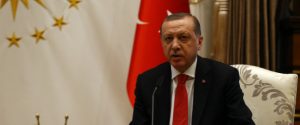
Πολλοί γράφουν για τύμπανα πολέμου μεταξύ Ελλάδας και Τουρκίας, πιστεύω ότι υπάρχουν πολλοί λόγοι που κάνουν τους Τούρκους να μην επιδιώξουν πόλεμο με την Ελλάδα αυτή τη στιγμή.

Πρώτον, οι τελευταίες γεωπολιτικές εξελίξεις σε περιφερειακό και διεθνές επίπεδο. Οι ΗΠΑ κατά την περίοδο Ομπάμα δεν ήταν ο συνήθης στρατηγικός σύμμαχος της Τουρκίας, συνεπώς μέχρι στιγμής οι Τούρκοι δεν έχουν τη στήριξη, ούτε την κάλυψη των ΗΠΑ όπως έγινε με το Κυπριακό το 1974.

Δεύτερον οι ενοχλήσεις των κρατών της Ε.Ε. από την τουρκική εξωτερική πολιτική περί των προσφύγων και άλλων εκκρεμοτήτων που δυσχεραίνουν τις σχέσεις Άγκυρας -Ε.Ε. κυρίως στο θέμα των ανθρωπίνων δικαιωμάτων.

Τρίτον, η Τουρκία είναι η πρώτη χώρα (ευρωπαϊκή) που είναι εκτεθειμένη περισσότερο στην τρομοκρατία και αυτό θα έχει μεγάλο κόστος για την εθνική της οικονομία και προκαλεί προβλήματα στην ασφάλεια και στην άμυνά της.

Σε αυτή τη συγκυριακή και δύσκολη στιγμή η Τουρκία έχει ανάγκη από συμμάχους παρά εχθρούς και πολέμους.

 Τέταρτον, οι μεγάλες ζημιές που ξεπέρασαν τα 100 δισ. δολάρια, καθώς ήταν τεράστιες οι οικονομικές επιπτώσεις που προκλήθηκαν από το αποτυχημένο πραξικόπημα.

Πέμπτον, το ανοικτό εσωτερικό μέτωπο με τους κοσμικούς Κεμαλιστές οι οποίοι βλέπουν ότι εξαιτίας του Ερντογάν συρρικνώνεται ολοένα και περισσότερο η επιρροή τους μέσα στην τουρκική κοινωνία και στους κρατικούς μηχανισμούς.

Έκτον, αδυναμία της επιχειρησιακής δυνατότητας των τουρκικών ενόπλων δυνάμεων εξαιτίας της εκκαθάρισης του 40% των ανώτατων αξιωματικών (να θυμηθούμε την περίπτωση του Στάλιν, όταν εκτέλεσε τους περισσότερους στρατηγούς του με αποτέλεσμα να φτάσει ο Χίτλερ στα πρόθυρα της Μόσχας).

Έβδομον, η στρατηγική μεταβολή προς τη Ρωσία σημαίνει πολλά για τη Δύση που εξαιτίας της επιθυμεί την ανατροπή του Ερντογάν (ο πρώην πρωθυπουργός της Ελλάδας Κ. Καραμανλής-2004-2009) πλήρωσε ακριβά την προσέγγιση του στη Μόσχα.

Όγδοο, οι νέες διαστάσεις στο κουρδικό ζήτημα και η μεγάλη ανάγκη της αναχαίτισής του ως πρώτη προτεραιότητα της τουρκικής εξωτερικής πολιτικής.

Τέλος, για τους Τούρκους ένας ενδεχόμενος πόλεμος με την Ελλάδα σημαίνει αυτοκτονία. Σε αυτή τη συγκυριακή και δύσκολη στιγμή η Τουρκία έχει ανάγκη από συμμάχους παρά εχθρούς και πολέμους.

http://www.huffingtonpost.gr/aref-alobeid/-_9847_b_14590714.html?utm_hp_ref=greece

Ken Clarke was magnificent, defying the Brexit zealots

0

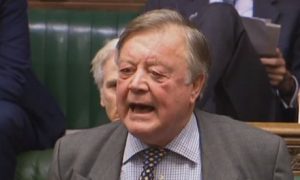
He was magnificent. Ken Clarke spoke for saving Britain, and he spoke for the three-quarters of MPs who never supported this madness. But on his own benches he is the lone refuser, the only one who will vote today against what most of Clarke’s colleagues and almost all on the Labour benches know to be an approaching Brexit calamity.

Like a prophet crying in the wilderness – dismissed as “purple and quavery”, and his words as a “pitiful harrumph” in the Daily Mail – his speech will resonate down the Brexit years.

How did it come to this act of collective cowardice? Because rebelling against your own leadership is easy, and usually delights the voters with a show of sterling independence. But to rebel against the voters – that takes formidable courage.

“Now I’m being told I’m somehow an enemy of the people!” Clarke protested with outrage.

He had earned his right to make a sweeping dismissal of the referendum for the absurdity of such “an enormous question answered with a single yes or no on one day”, since he alone had voted against holding one. The real betrayal of voters, he said, was for MPs not to vote with their conscience and judgment.

With no notes, Clarke’s 17-minute tour de force was a history lesson about his generation. He has spent a political career spanning nearly 50 years hauling Britain into the modern world, rescuing it from its final “appalling” colonial disaster, Suez. We had no role once we had lost an empire, he said, and our economy “was becoming a laughing stock”.

As a young man he worked with Edward Heath, easing the country into the common market, where “our membership restored our national self-confidence”, “made us more valuable to our US allies” and more secure against Russia in the cold war.

But for Margaret Thatcher, he said, there would never have been a single market: it was her pressure that broke down those barriers – “and we benefited more than any other state”. Brexit is “baffling to every friend throughout the world”.

 What we heard from him was a eulogy and an epitaph for the passing of an era where the European idea was the guiding light for all the enlightened liberals of his generation. Withering barbs aplenty he had for the turncoats who had suddenly seen “a light on the road to Damascus on the twenty-third of June. I’m afraid that light has been denied to me.”

Wise scorn was poured on that trading “wonderland” down the rabbit hole, where “nice men like President Trump and President Erdoğan” are “impatient to abandon their normal protectionism, queuing up to give us access to their markets”.

https://www.theguardian.com/commentisfree/2017/feb/01/ken-clarke-brexit-zealots-european

«La tragédie d’Alep symbolise l’effondrement de politiques occidentales guidées par la moral et l’éthique.»

0

Le Monde 15 et 16 janvier 2017

Entretien sur l’état du monde avec Hubert Védrine, recueilli par Christophe Ayad et Marc Semo
paru dans le Monde des 15 et 16 janvier 2017


L’installation de Donald Trump à la Maison-Blanche marque-t-elle la fin d’une prétention américaine au leadership mondial?

C’est encore trop tôt pour le dire mais déjà son élection a désintégré nombre de convictions en Occident. Il a été choquant dans sa campagne, il est déjà perturbant et il va y avoir des turbulences! Mais je ne suis pas sûr qu’il soit forcément dangereux. Cela dépend un peu de nous, et des autres. A partir de 1992, après l’effondrement de l’URSS, nous avons quitté le monde bipolaire pour entrer dans un monde global semi-instable, une mer agitée à 5/6, jamais de mer calme, mais pas non plus de cyclone permanent. Pendant ce dernier quart de siècle, les Occidentaux ont cru à ce qu’avait promis George Bush père, c’est-à-dire un nouvel ordre mondial sous la conduite éclairée des Etats-Unis. Les conceptions en étaient certes sensiblement différentes, plus nationalistes outre-Atlantique, plus idéalistes chez les Européens, mais il y avait une illusion commune. Tout cela s’effondre aujourd’hui.

L’élection de Donald Trump n’est pas la cause de ce bouleversement, elle en est une expression. Résultante d’insurrections électorales – comme par ailleurs le Brexit ou d’autres phénomène similaires- des classes populaires, qui n’ont jamais cru à une mondialisation «heureuse», mais aussi des classes moyennes occidentales qui s’en détournent maintenant comme de «l’Europe». Vu d’Europe, la victoire de Donald Trump était possible mais impensable parce qu’il horrifiait. Elle court-circuite la pensée d’une certaine gauche américaine – et européenne – qui s’est détournée des classes populaires qui votent «mal», et tout misé sur les minorités. D’autre part, le fait que les Occidentaux ont perdu le monopole de la puissance qui était le leur depuis plusieurs siècles était déjà observable depuis déjà un certain temps. Mais il a fallu des événements terribles comme la reconquête des quartiers orientaux d’Alep par le régime syrien aidé par l’aviation russe face à des Occidentaux impuissants, puis les négociations pour une sortie de crise en Syrie annoncées par la Russie avec la Turquie et l’Iran – mais sans les Etats-Unis ni la France-, pour quecette nouvelle donne sidérante devienne une évidence. Et encore, je ne suis pas sûr qu’on ait pleinement réalisé ce que cela signifie.

La vision du monde de Trump où les Etats-unis n’ont pas vocation à intervenir partout n’était-elle pas déjà celle d’Obama?

Sur l’essentiel, notamment sur le terrain des valeurs, les conceptions de Donald Trump sont aux antipodes de celles de son prédécesseur. Mais sur l’idée que les Etats-Unis n’ont pas vocation à demeurer, à perpétuité, les gendarmes du monde ni à imposer partout la démocratie, il s’inscrit dans une continuité paradoxale avec Barack Obama. Ce dernier pensait déjà que les interventions des 25 dernières années, dans la plupart des cas, notamment en Afghanistan et pire en Irak, avaient mal tourné et que donc pour préserver un leadership américain relatif dans la longue durée vis-à-vis des émergents – Chine et autres -, il fallait s’y prendre tout autrement. Donald Trump dit un peu la même chose, mais de façon brutale et outrancière. C’est une rupture énorme avec ce qui était jusqu’ici la vision wilsonienne du monde d’une bonne partie des élites libérales américaines (et mondiales), interventionnistes dont les néo-conservateurs – qui ont tous voté Hillary Clinton – représentent la forme extrême. Cela va avoir des effets profonds dans la durée sur l’ensemble des relations internationales.

Est-ce la fin de l’Occident comme entité unie et des relations transatlantiques?

Il ne faut pas confondre ces deux notions. L’atlantisme au sens classique se réfère à l’alignement obligé de l’Europe sur les Etats-Unis qui s’est imposé après la seconde guerre mondiale, du fait de la menace soviétique. C’est cela qui a unifié les deux rives de l’Atlantique, alors que ce n’était pas le cas avant. Longtemps, en effet, les Etats-Unis n’avaient montré qu’un intérêt très relatif vis-à-vis de l’Europe. Cet atlantisme a perdu en partie sa raison d’être après l’effondrement de l’URSS, même si certains prétendent aujourd’hui que la menace russe est presque équivalente, ce qui est pour le moins exagéré.

L’Occident est une notion plus vague et vaste, portée notamment par les néo-conservateurs américains. Après 1992, les Etats-Unis ont considéré que la démocratie, l’économie de marché et les valeurs occidentales devaient s’appliquer partout. Hyperpuissance triomphale. Avec Georges W. Bush, surtout après le 11 septembre, les États-Unis sont devenus plus inquiets face à un monde(Russes, Chinois, Islam), jugé trop hostile, et plus agressifs (Irak). Là on peut parler «d’occidentalsime». Obama a été élu en réaction à cela et a essayé de calmer l’Amérique. Mais le débat n’est pas clos. En tout cas l’occidentalisme, mélange de supériorité, d’arrogance et de paranoïa a échoué et inquiète … en Occident. Les Américains, mais pas seulement eux, sont lassés des interventions militaires extérieures, même s’il y a eu parfois des raisons justifiées pour intervenir au Kosovo ou au début, en Libye. L’Occident doit admettre qu’il ne peut plus régenter le monde, il va être moins missionnaire, Donal Trump est une traduction brutale de ce fait.

A la question historique : peut-il y avoir un Occident sans ingérence? La réponse n’est pas évidente. Cette vocation prosélyte semble lui être consubstantielle, depuis Saint-Paul qui appelait à évangéliser toutes les nations (les peuples). Cela ne veut pas dire pour autant que l’Occident va couler. Mais l’heure est venue d’un inventaire sérieux sur nous-mêmes, sans repentance inutile.

Mais l’intervention russe en Syrie n’est-elle pas une ingérence aussi?

Oui, d’un autre type. Elle ne nous est pas réservée. L’ingérence ce n’est pas nécessairement l’intervention pour défendre les droits de l’homme, comme on le croit volontiers en France. Il faut assumer qu’il y a des cas où l’intervention est justifiée par les intérêts vitaux du pays. L’intérêt national, ce n’est pas seulement l’indice du commerce extérieur. Ne justifier notre intervention au Mali que par la défense de «valeurs» était partiel. Nous y sommes intervenus, à juste titre, et avec succès, pour défendre notre sécurité et celle des Africains, et nos intérêts, ce qui garantit nos valeurs.

Retourne-t-on à un monde dominé par des zones d’influences?

Il y aura des tentatives en ce sens puisqu’il n’y a pas de communauté internationale ni d’ordre international et que le gendarme du monde est moins omniprésent. Les hégémonistes américains s’en indignent. Pour eux, il doit y avoir une seule zone d’influence mondiale : la leur! Mais voilà, il y a la Chine qui ne cesse de se renforcer et la Russie qui s’est réveillée, même si ses faiblesses sont évidentes. Quelques pays raisonnent en ces termes aussi bien au Moyen-Orient, en Asie du nord-est, en Afrique. C’était d’ailleurs l’objectif de l’Allemagne en matière économique lors de l’élargissement européen à l’Est. La Francophonie ou l’Hispanidad sont des ensembles qui, en se fondant sur une langue partagée, visent aussi à conserver des zones d’influences.

Mais il n’y aura pas de zones d’influence hermétiques. Voyez le Moyen-Orient qui se déstructure sous nos yeux. Aucune des puissances régionales ne peut y imposer complètement sa volonté. Ni le régime iranien avec sa stratégie irano-chiite, ni l’Arabie-saoudite avec la sienne fondée sur un saoudo- sunnisme wahhabite, ni la Turquie et son néo-ottomanisme. L’Egypte ne peut guère gérer que ses propres intérêts. Israël – qui a tort dans sa politique palestinienne – mais ne cherche pour le reste qu’à garantir sa sécurité. Ajouter à cela qu’aucune puissance extérieure n’a les moyens d’imposer sa solution au travers de nouveaux accords de partage du type Sykes-Picot ou San Remo.

Va-t-on vers un monde à trois, dominé par les Etats-Unis, la Chine et la Russie, avec une Europe condamnée à jouer les utilités?

Une Europe spectatrice, peut-être, hélas. Mais à part cela, sur quoi ces trois puissances dont le poids est énorme pourraient-elles réellement se mettre d’accord? Donald Trump passera peut-être tel ou tel «deal» réaliste avec Vladimir Poutine mais je ne vois pas sur quelles bases il pourrait y avoir un accord global entre Moscou et Washington. Ni entre la Russie et la Chine, en dépit de leur rhétorique anti-occidentale commune. Ni entre la Chine et les Etats-Unis. Le jeu international est devenu beaucoup plus diversifié et mouvant, notamment en raison de la multiplicité des acteurs et des sujets. Il y a désormais presque 200 pays au sein des Nations unies. Même si les trois quarts d’entre eux n’ont guère d’influence, il y a quand même ceux qui contrôlent certaines ressources énergétiques, ceux qui occupent des positions géostratégiques importantes ou des «niches», etc. A ceux-ci s’ajoutent les entreprises, les institutions financières, les ONG, les médias, les églises ce qui complexifie encore un peu plus les processus de décision, y compris dans les cadres multilatéraux, sans oublier les mafias! C’est plus facile pour les systèmes autoritaires comme la Chine, la Russie ou l’Iran d’avoir une politique étrangère suivie – bonne ou mauvaise – que pour les démocraties contemporaines. Donc je m’attends plutôt à de la confusion que de la restructuration.

La prise d’Alep et la prise en charge du règlement du conflit syrien par le trio Russie-Turquie-Iran ne sont-elles pas le symbole d’un nouvel ordre mondial?

L’idée de l’ordre mondial que nous nous faisions avant était illusoire. Mais, la tragédie d’Alep est le symbole cruel de l’erreur complète des Occidentaux dès le début dans l’affaire syrienne. C’est presque comparable au fiasco de Suez, même si comparaison n’est pas raison. Il symbolise l’effondrement des politiques occidentales guidées avant tout par des critères moraux et des postures éthiques, sans doute honorables mais qui, en pratique, n’ont pas marché. Finalement, c’est la Russie qui a les cartes en main, avec l’Iran. Même si elle échoue cela ne nous remettre pas dans le jeu. Tirons en les leçons.

Qu’auraient dû faire les Occidentaux en Syrie?

Choisir dès le début. Face à l’épouvantable guerre civile qui se profilait, soit les Américains et les Français se disaient : nous n’avons pas les moyens nécessaires, ni la légitimité pour intervenir, alors faisons de l’humanitaire massif pour atténuer les souffrances des Syriens en aidant davantage la Turquie, la Jordanie et le Liban, et en acceptant d’accueillir plus de réfugiés, tout en essayant de nous concerter avec les Russes. Soit nous jugions fondamental d’imposer la démocratie en Syrie. Et alors, nous nous donnions les moyens militaires, financiers et politiques de réussir, ce qui voulait dire intervenir massivement à l’appui de nos amis démocrates, malgré leurs faiblesses, et donc envoyer s’il le fallait 100000 hommes pour des années tout en nous assurant du soutien de nos opinions publiques. Mais nous n’avons choisi clairement ni l’un ni l’autre tout en faisant croire aux opposants à Assad que nous les aiderions vraiment … parfois moralisme et cynisme se rejoignent.

Deux autres erreurs ont été commises. D’abord de ne pas écouter les chrétiens de Syrie et du Liban qui avertissaient que si le régime de Bachar était cruel, le suivant serait pire. Deuxièmement, en croyant que la Russie allait laisser tomber la seule implantation extérieure qu’elle avait gardée. Ce concentré d’erreurs est l’aboutissement d’une série de croyances et de réflexes chimériques qui se sont accumulés depuis vingt à trente ans. Je suis attaché aux droits de l’homme autant que tout le monde, mais je craignais depuis longtemps que le «droitdel’hommisme» comme seul critère de choix en politique étrangère, nous mène dans une impasse. Nous y sommes. Nous n’avons plus les moyens de nos émotions et il ne peut être question de recommencer la colonisation. Il faut repenser tout cela : Bilan des interventions, et fixation de critères plus rationnels et rigoureux pour l’avenir.

La France a été, dans l’affaire syrienne, la plus interventionniste. Pourquoi?

On peut reprocher son incohérence à Obama: édicter une «ligne rouge» [sur l’usage d’armes chimiques par le régime syrien, comme ce fut le cas en août 2013], et ne pas réagir quand elle a été violée fût une erreur grave. Mais conceptuellement l’erreur française fut plus profonde et continue. Ainsi, après avoir raté les événements de Tunisie, et d’Egypte en 2011, elle s’est engouffrée à fond en Syrie, pour des raisons idéologiques, une sorte de néoconservatisme à la française, à la fois grave et futile. Convaincue que c’était sa «mission», surévaluation de ses forces, hésitations, etc. Il faudrait passer en revue tout ce qui a été fait depuis la fin de Jacques Chirac. Tout n’est pas négatif: Jacques Chirac a été remarquable sur l’Irak; Nicolas Sarkozy a eu des réussites sur la Géorgie, la crise financière, le G20; et François Hollande est courageusement et efficacement intervenu au Mali. Il a bien géré la RCA et lancé le processus de Minsk sur l’Ukraine. Il n’empêche qu’on a l’impression de ne plus bien savoir qui nous sommes et où nous sommes.

Dans ce nouveau paysage mondial, l’Europe est hors-jeu.

Il y a des puissances européennes, mais «l’Europe» n’est pas à l’origine un projet de puissance. Au départ, elle est un mode d’organisation du plan Marshall, quand les Américains nous ont imposé de coopérer avec les Allemands. Puis c’est un marché. L’idée d’Europe puissance est apparue beaucoup plus tard: quand Mitterrand et Kohl, puis Delors ont relancé le projet européen en 1984, et qu’il il y a eu une décennie extraordinaire (jusqu’en 1992) où l’on voulait faire l’Europe politique, sociale, économique, des citoyens, etc, et, les Français, l’Europe de la défense. Mais déjà à l’époque, les autres Européens n’étaient pas très convaincus sur ce point.
Aujourd’hui, les Européens, qui croyaient vivre dans le monde idéal de la communauté internationale et du droit, se réveillent dans Jurassic Park: Donald Trump inquiète tout le monde, Poutine nous provoque, l’islam se convulse. Cela pourrait provoquer un électrochoc créateur, mais pour le moment, rien ne se passe. J’ai relu récemment les conclusions du Conseil européen de Laeken (Belgique) en 2001(1): sur le nécessaire sursaut européen, elles sont beaucoup plus ambitieuses qu’aujourd’hui.

Comment relancer l’Europe?

Pas en ajoutant des promesses aux promesses, sans rien changer au système! De plus en plus de gens décrochent: les anti-Européens bien sûr, mais aussi des sceptiques, des gens déçus, et beaucoup de gens allergiques à la règlementation à outrance, en fait une majorité. Donc on annonce une pause pour écouter les peuples, on admet qu’ils veuillent conserver un peu d’identité, de souveraineté et avoir plus de sécurité. Dans une conférence refondatrice les gouvernements volontaires décident une opération d’une subsidiarité massive, aux termes de laquelle la commission arrête de réglementer tout en détail à outrance et est remissionnée sur des éléments clés et d’avenir, à commencer par un Schengen fiable, avec un contrôle effectif des frontières extérieures. Si on y parvient, alors on pourra présenter aux peuples une idée de l’Europe à nouveau convaincante. En tout cas, je ne crois pas qu’on puisse avancer sans avoir réentraîné les peuples au préalable. Même Wolfgang Schäuble [le ministre allemand des finances] le dit. Si on arrive à convaincre les peuples, on pourra recommencer à bâtir l’Europe de demain, celle qui défendra notre mode de vie dans un monde troublé.

Qu’est-ce que l’arrivée de Trump va changer pour l’Europe?

Sur Donald Trump, on a entendu en Europe beaucoup de gémissements et de cris d’orfraie. Il faut dépasser cette sidération. Les Européens, du moins les trois ou quatre dirigeants qui pèsent, devraient dire: «Vous voulez sortir de l’accord sur le climat? C’est une erreur. Nous continuons à l’appliquer y compris avec la société civile et des entreprises de votre pays.» C’est ce que les Chinois ont annoncé, Donald Trump veut casser l’accord sur le nucléaire iranien? Les Européens n’ont qu’à répondre: «c’est un accord international que nous continuerons à appliquer. Si vous voulez nous empêcher de le faire par des sanctions extraterritoriales et judiciaires, nous créerons un système d’échange avec les émergents, la Russie et la Chine pour travailler malgré tout avec l’Iran.» Si nous sommes capables de prendre ce genre de position, le grand business américain fera pression sur Donald Trump. Donald Trump veut faire un deal avec Poutine? Et bien, définissons sans attendre notre conception de relations réalistes avec la Russie: ce suppose de prendre notre perte sur certains dossiers comme la Crimée ou la Syrie, proposer de coopérer avec la Russie sur d’autres plans, tout en restant fermes et dissuasifs. Quant aux accords commerciaux, cela va dépendre de l’escalade entre Pékin et Washington. De toutes façons, avec quelqu’un comme Donald Trump, cela ne sert à rien de parler de valeurs universelles, il vaut mieux afficher à l’avance nos positions, fondées sur nos intérêts. Dans ce cas-là, elles compteront.

(1) Citer «Sauver l’Europe», Liana Levi, novembre 2016

Μέρκελ: «Ευρώπη πολλών ταχυτήτων»

2

Του Παναγιώτη Γκλαβίνη*

Η χθεσινή δήλωση της Γερμανίδας Καγκελαρίου δεν ήταν κεραυνός εν αιθρία. Ήταν, όμως, είδηση, στο μέτρο που προήλθε από τα χείλη της αδιαμφισβήτητης ηγέτιδας της Ευρώπης, η οποία θα αναλάβει, μετά την ενδεχόμενη επανεκλογή της, να προετοιμάσει την νέα Ε.Ε. για ν’ αντιμετωπίσει τον ταύρο εν υαλοπωλείω που εφορμά από την άλλη άκρη του Ατλαντικού και ακούει στο όνομα Donald Trump.

Τα τελευταία χρόνια έδειξαν, είπε η Άγκελα Μέρκελ,  πως θα υπάρξει μια Ε.Ε. πολλών ταχυτήτων. Δεν χρειάζεται, λέει, να συμμετέχουν πάντα όλες οι χώρες στα ίδια στάδια ευρωπαϊκής ολοκλήρωσης. Ως παράδειγμα δε, ανέφερε το Ευρώ, το οποίο δεν έχουν υιοθετήσει όλες οι χώρες της Ε.Ε.

Καθώς μάλιστα η Ευρώπη γιορτάζει φέτος τα 60 χρόνια από την υπογραφή της Συνθήκης της Ρώμης, η κα Μέρκελ υπογράμμισε τη σημασία να καταγραφεί η πρόταση για μια Ευρώπη πολλών ταχυτήτων και στο ανακοινωθέν των Αρχηγών Κρατών και Κυβερνήσεων της Ε.Ε.

Η συζήτηση για την Ευρώπη των πολλών ταχυτήτων είναι πολύ παλιά στην Ε.Ε. Αναθερμάνθηκε επίσημα –και στο υψηλότερο δυνατό επίπεδο– πέρυσι στις 28 Ιουνίου, στη Σύνοδο Κορυφής που συνεκλήθη αμέσως μετά το δημοψήφισμα για το Brexit.

Ο Πρόεδρος Tusk ανακοίνωσε τότε ότι οι ηγέτες της Ε.Ε. άνοιξαν την συζήτηση για το μέλλον της Ευρώπης. Την ίδια ημέρα, το Ευρωπαϊκό Κοινοβούλιο διακήρυττε σε ψήφισμά του ότι χρειαζόμαστε μια «καλύτερη» και «πιο δημοκρατική Ε.Ε.», στην οποία «ενώ ορισμένα Κράτη Μέλη μπορεί να επιλέξουν να ενσωματωθούν πιο αργά ή σε μικρότερη έκταση, ο πυρήνας της Ε.Ε. θα πρέπει να ενισχυθεί και λύσεις à la carte θα πρέπει να αποφευχθούν».

Ήδη, μετά την επιβεβαίωση του Brexit από το Βρετανικό Κοινοβούλιο, αναθερμαίνεται πλέον, όχι τυχαία, και η συζήτηση για το πού θα πρέπει να πάει η Ευρώπη μετά το Brexit. Μετά τον Γάλλο Πρόεδρο, που πρώτος εξέφρασε την άποψη πριν την υιοθετήσει η κυρία Μέρκελ, έσπευσε και ο Ιταλός Υπουργός να συμφωνήσει με την Γερμανίδα Καγκελάριο. Ο νέος γαλλο-γερμανο-ιταλικός άξονας που στήθηκε μετά το Brexit, φαίνεται να συμφωνεί, λοιπόν, όπως έχουν σήμερα τουλάχιστον τα πράγματα, στην κατεύθυνση που πρέπει να λάβει η Ε.Ε. στο μέλλον.

Καθόσον μας αφορά, η κυρία Μέρκελ ανέφερε ως παράδειγμα υφισταμένων πολλαπλών ταχυτήτων το γεγονός ότι το Ευρώ δεν υιοθετήθηκε από όλες τις χώρες της Ε.Ε.

Υπάρχει, όμως, μια διαφορά, κατά τη γνώμη μας, μεταξύ των χωρών που με τη θέλησή τους δεν υιοθέτησαν το Ευρώ και προτίμησαν να διατηρήσουν το εθνικό τους νόμισμα και των χωρών που, όπως εμείς, υιοθέτησαν μεν το Ευρώ, πλην όμως στην πορεία αποδείχθηκε πολύ ακριβό για τα μέτρα τους.

Ο κ. Trump θα υποχρεώσει την Ε.Ε., βοηθούσης και της Μεγάλης Βρετανίας, να συντομεύσει τους παροιμιωδώς αργόσυρτους ρυθμούς, με τους οποίους η Ε.Ε. λαμβάνει όλες τις κρίσιμες αποφάσεις.

Για να γίνει, όμως, αυτό, θα πρέπει να υπάρχει τουλάχιστον ένα πλάνο προς τα πού θα κινηθεί η Ε.Ε. Και κάτι τέτοιο, πριν από τις Γαλλικές και τις Γερμανικές εκλογές, δεν πρόκειται να υπάρξει. Η δε Μέρκελ, αν και οι Γερμανοί ψηφοφόροι δεν πειραματίζονται στα δύσκολα, φαίνεται πως δεν έχει την επανεκλογή στο τσεπάκι της. Ενώ στη Γαλλία, δεν είναι ακόμη βέβαιο ότι θα χάσει η κυρία Λεπέν, τη στιγμή που οι άλλοι υποψήφιοι κάνουν ό,τι μπορούν για να την στείλουν στα Ηλύσια Πεδία.

Μέχρι τότε, λοιπόν, όλες οι μεγάλες αποφάσεις στην Ε.Ε. αναβάλλονται. Αυτό σημαίνει –καθόσον μας αφορά– ότι οι Ευρωπαίοι θα κλωτσήσουν ακόμη μια φορά το τενεκεδάκι της αξιολόγησης παρακάτω, μέχρι να τους επιτρέψουν οι συνθήκες ν’ αποφασίσουν οριστικά για μας στο πλαίσιο της νέας ευρωπαϊκής αρχιτεκτονικής που θα σχεδιάσουν.

Αν μέχρι τότε ο κ. Τσίπρας παραμείνει στην εξουσία, η Ελλάδα θα είναι η χώρα που θα ενεργοποιήσει την νέα ευρωπαϊκή αρχιτεκτονική. Εκτός αν οι δανειστές θελήσουν να μας δώσουν μια τελευταία ευκαιρία να μείνουμε στο κέντρο της Ευρώπης, πριν πάρουν για μας τις οριστικές τους αποφάσεις.

* Ο κ. Γκλαβίνης είναι αν. καθηγητής Διεθνούς Οικονομικού Δικαίου στη Νομική Σχολή ΑΠΘ.


China criticizes Mattis’ remarks on East China Sea island

0
 

IRAN AND TURKEY: A NEW ROUND OF AN ANCIENT RIVALRY

0


Much of the regional international developments in the Middle East will probably be defined by their rivalry.

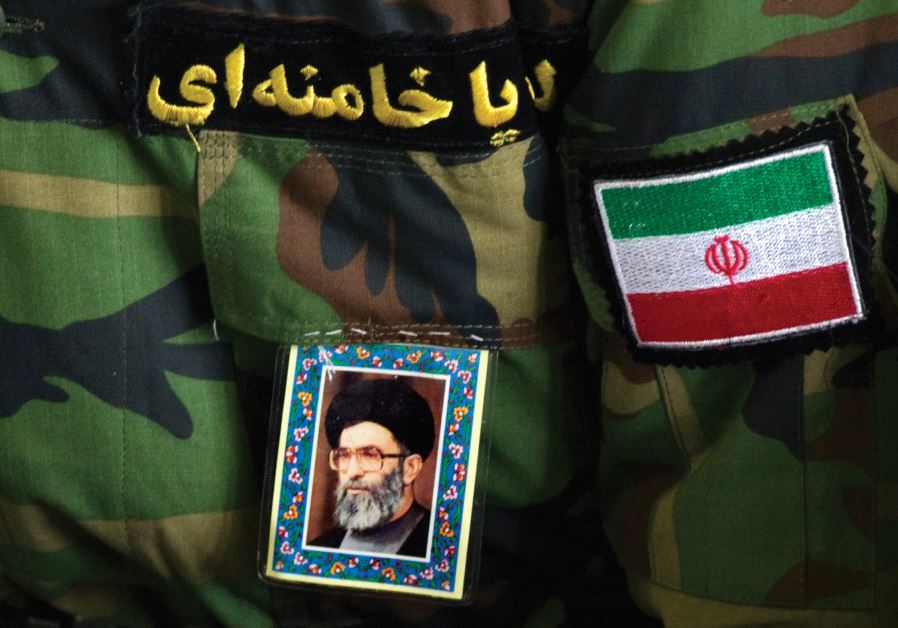
A MAN wearing an Iranian Revolutionary Guard uniform sports a portrait of Iran’s Supreme Leader Ayatollah Ali Khamenei.. (photo credit:REUTERS)

The two most prominent local players in the complex Middle Eastern game are Iran and Turkey. It is their strategies that will define the political future of this region in the coming decades. Inevitably, sometimes these strategies will be in direct contradiction with each other.

The present state of affairs is not exactly historically unique. Turkey and Iran fought relentlessly for primacy in the Middle East during the 16th, 17th and 18th centuries. As a Georgian and a student of history I know a lot about that struggle, because much of it was going on in the South Caucasus and, more specifically, in Georgia, sometimes with deleterious effects for the locals.

In fact, the pattern is much older than even the Ottoman and Safavid empires of the 16th-18th centuries. In late antiquity and the early medieval period the Byzantine and Persian Sassanid empires were engaged in centuries of struggle for control of the Middle East. It all ended sadly for both of these great powers with the Arab conquest, but prior to the mid-7th century when said conquest occurred, they were contenders for dominance in the region. The Sassanid Empire is a precursor of the modern Iranian state, just like the later Safavids. As to the Byzantine Empire of that period, as a geopolitical entity it was very similar to the later Ottoman Empire.
In the 21st century, the competition between Turkey and Iran has taken new forms and is waged with new methods.
The most spectacular example is, of course, the Syrian war. Both powers want to see a satellite regime at the head of this Levantine country. As a result, they support the opposing sides of the civil war in Syria. Iran has been helping the Assad regime with material assistance, diplomatic support and participation in the war by Iran’s satellite organization Hezbollah and groups of Shi’ite mercenaries, as well as by Iran’s own elite military units. Meanwhile, Turkey has been supporting the rebel groups trying to overthrow Syrian President Bashar Assad.

Another venue for strategic competition is Iraq. In that Shi’ite-majority country the government is under very strong Iranian influence. The north of the country, however, is a Sunni-majority region. It also contains a population of Turkmen, who are ethnic “relatives” of the Turks. With the ongoing operation to liberate Mosul and the rest of northern Iraq from Islamic State (ISIS), Turkey is anxious to gain influence in the post-ISIS Mosul region, and prevent it falling under the political dominance of the Iran-friendly Baghdad government.

The dynamics around the Hamas organization, which controls Gaza Strip, are another example of the Turkish and Iranian regional policies. Both powers try to keep Hamas an exclusive junior strategic partner. Turkey’s efforts are based on Hamas’ affiliation with the international Muslim Brotherhood network, which has close ties to Turkey’s ruling AKP party. Meanwhile, Tehran has been using pragmatic interests based on the fact that Israel is the shared enemy of both Iran and Hamas.

Lately, another interesting angle has been added to the Iranian-Turkish strategic dynamics – the geopolitics of the Persian Gulf region. It has been the venue of competition between Iran and the local Arab nations for a long time. The United States, Britain and France are also players in the Gulf, aiming to prevent any change of the local status quo in favor of Iran. Now Turkey appears to be on the way toward becoming another Gulf player, with a large Turkish military base being established in Qatar. The base is to contain 3,000 Turkish ground troops, as well as air and naval units, military trainers and special operations forces. It remains to be seen how considerable Turkish military presence in a region vital to Iranian interests will influence relations between these two powers.

With their large populations, economies and militaries Iran and Turkey have no equal regional rivals except each other. Egypt has large population, but its structural economic and social problems are too deep. Saudi Arabia has great financial resources, but will never be Iran’s or Turkey’s match militarily. Israel, while very strong in military terms and a nuclear power, can never exert beyond its borders the kind of influence Iran and Turkey are exercising.

It is true that neither Iran nor Turkey are exceedingly stable politically. Both might experience very serious internal unrest in the future. There also are scenarios where Iran ends up in a disastrous war against the US. But unless any such calamity happens, Iran and Turkey are there to stay as regional powers for the foreseeable future. Much of the regional international developments in the Middle East will probably be defined by their rivalry.
BY
The author worked for the National Security Council of Georgia in 2008-2013.

http://www.jpost.com

From Obama to Trump: Lessons and challenges

0

Ahmet Davutoğlu, former Turkish PM, writes on the legacy of Obama’s foreign policy and the challenges ahead for Trump.

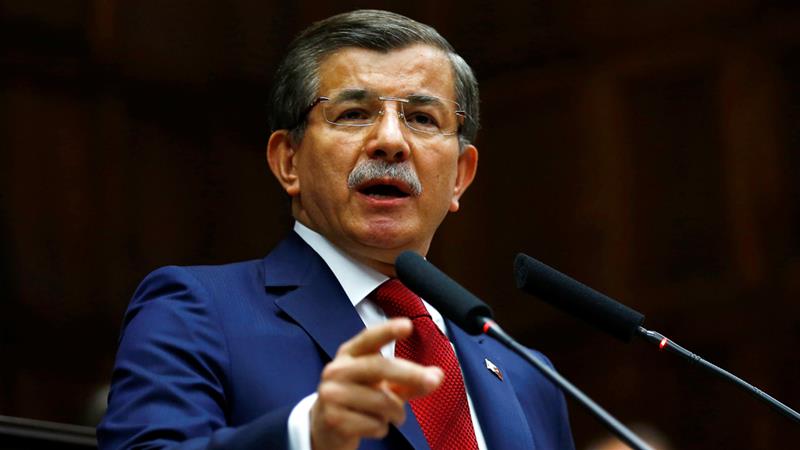
Professor Dr Ahmet Davutoğlu is the former prime minister and foreign minister of Turkey and a member of parliament from the AK Party [Umit Bektas/Reuters]
Former Prime Minister and Foreign Minister of Turkey and a Member of Parliament from the AK Party, Turkey

There are few Western politicians whose election aroused as much excitement and hope both in the West and East, in the north and south, as Barack Obama. But there are also few politicians that have caused as much dismay and disappointment worldwide as Obama. Therefore his legacy will certainly be controversial.

After the United States’ two catastrophic wars in Iraq and Afghanistan and the ill-conceived strategy on the “war on terror”, Obama’s election represented hope and a new beginning towards recalibrating US foreign policy and rethinking its position in the world. This was particularly important in rehabilitating US relations with the Middle East and the larger Islamic world.

In this vein, Obama’s impassioned and eloquent speeches in Turkey and Egypt were seen as the advent of a new era between the two sides. His emphasis on democracy, human rights, pluralism, good governance, and economic development were particularly noteworthy and inspiring, given the US’ previous tendency to sponsor authoritarian regimes in the region with almost no regard for any of these values. By any account, the stage was well set for a new beginning in regional relations, which were to be underpinned by the shared values of democracy, human rights and economic progress, as well as the long-awaited rejection of the authoritarian-stability thesis.

The observation or analysis of Obama’s foreign, and in particular regional policies is more than a matter of analytical or political curiosity for me. It is also very personal. I became foreign minister of Turkey very soon after Obama took office: on May 1, 2009, to be precise. Three factors in particular led me to have high hopes for his presidency and to feel optimistic about the future prospects of his foreign policy.

‘The Audacity of Hope’

First, the election of a black president was in and of itself good news for the United States and for the world at large; a thought I first expressed back in April 2002 during a conference at Princeton University, long before the prospect of Obama’s presidency came to light. Such a choice, I believed, would reflect the inclusive nature of US politics and American identity. The rise and embracement of these values in US politics and their promotion through American foreign policy would have been one of the strongest sources of support for inclusivity and diversity worldwide. As the boundaries between domestic and foreign policies have become ever more insignificant, the political spillover of such a quintessentially American domestic policy development would encourage positive change across the globe.

Second, we expected that the Bush administration’s militant unilateralism and interventionism would be followed by a new multilateralism. Though with the benefit of hindsight, we anticipated a responsible and consequential multilateralism, which would not have slipped into passive diplomacy and inconsequential policies of engagement as easily as it did.

Third, as stated above, we expected that his stress on human rights and democracy would go beyond rhetoric and form part and parcel of US foreign policy, particularly towards the MENA region. This was not and is not purely a normative or idealistic expectation: I believe that such a regional policy would also have borne more positive results for US interests in the region. Such a policy, in fact, would have enlarged the social and political constituency for American foreign policy in the region, which is, in its current form, confined to the triangle of security, foreign policy and economic elites whose legitimacy, and hence their very survival, is now at stake.
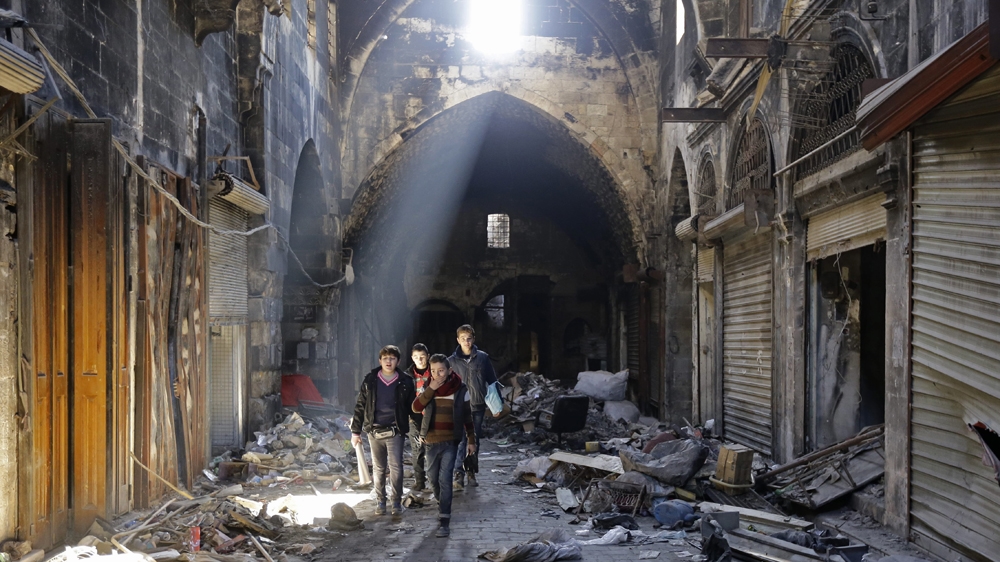
Syrian children walk down a damaged street in the old city of Aleppo [Louai Beshara/AFP]

Unmet expectations

Hence, in my view, the election of Obama by the American people in 2008 was in line with the zeitgeist, and I believed that his foreign policy would also reflect the values and aspirations associated with it.

These expectations have remained unfulfilled. Failure, disappointment and dismay have characterised his foreign policy more than success or “audacious” hope. The US has alienated its traditional allies and emboldened its adversaries. The defence of democracies and promotion of pluralism, human dignity and decency have remained half-hearted at best.

To be fair, Obama began in the right way, but he never followed through throughout his term. He articulated the right statements profusely, but never matched them with the right actions. He projected a benign vision but did not support this with deeds that have had consequences. In short, there has been a glaring gap between the rhetoric and the implementation.

Though it may be a commendable personal feature, eloquence is no substitute for political vision, courage and responsible policies. Plus, we were unfortunately never able to convert our well-functioning personal dialogue with the Obama administration into political progress on the issues and themes of common interest and concern.

To put it more precisely, Turkey mediated four indirect rounds of peace talks between Israel and Syria to settle this dispute between 2007 and the end of 2008. The talks, mediated by a team led by myself, advanced smoothly to the point that by the end of 2008, many expected the two countries to sign a framework agreement for a peace settlement. Yet the Israeli invasion of Gaza at the end of 2008 derailed the process. We naturally felt betrayed by the fact that Israel had once again chosen war at the very moment that the prospect of a peace deal with Syria was becoming attainable, and that they failed to inform us about their intention to go to war despite the fact that Israel’s then-Prime Minister Ehud Olmert had a long talk over dinner with our then-Prime Minister Recep Tayyip Erdogan in Turkey only days before the invasion. The timing of this derailment coincided with the commencement of the Obama presidency. A peace treaty between Israel and Syria would have had a dramatic transformative impact on the regional political scene. It would probably have set the stage for a new beginning in relations between the countries of the Levant, and later the broader region. Yet, to our dismay, the Obama administration chose not to invest any energy or effort in reviving this initiative.

Fast forward to 2011: The Obama administration has adopted the right discursive position on Syria. It declared the Assad regime to be illegitimate in August 2011, well in advance of Turkey doing the same. In fact, on August 9, 2011, I held a six-hour-long talk with Assad himself. We agreed on a 14-point framework for a peaceful transition and two-week time period for him to declare this framework after necessary preparations. We informed our American counterpart about the deal. Yet the US administration was rushing to declare the Assad regime as illegitimate, which it did only a week after we agreed upon the framework deal. Needless to say, during the same time period, the Assad regime also violated the terms of this framework deal several times. Thereafter, we also cut all the contacts with the regime.

Along the same lines, the Obama administration rightly condemned the brutality of the Assad regime, called for a regime change, and denoted the use of chemical weapons as red lines that would trigger a military response and lead to severe repercussions for the Assad regime. All these publicly declared positions and red lines have since been violated by the Assad regime with more or less impunity, not least by the use of chemical weapons in August 2013.

On a more bilateral note, even though the Obama administration denoted the Assad regime early on as illegitimate and rightly accused him of committing grave crimes, including crimes against humanity, the same administration has proven to be unsympathetic towards the difficulties, challenges and threats that Turkey has faced as a neighbour to a war-torn country nominally ruled by an illegitimate regime. From the flow of millions of refugees into the country to Syria-induced ISIL (the Islamic State of Iraq and the Levant, also known as ISIS) and PKK terrorism, Turkey has faced myriad hardships and threats. In other words, this illegitimate regime was the source of these challenges and threats for Turkey, yet the Obama administration was unwilling to recognise it as such and act upon it accordingly. To the contrary, at the end of the day, the Obama administration allowed Assad’s brutality to continue while supporting “his ally” Turkey’s foes, on the ground.

2013: Regional and global implications

Furthermore, just as Obama’s Cairo statements were commendable, forward-looking and encouraging, his stance on the military coup against the first elected president in the most populous country in the Arab world was disheartening and discouraging. The militarisation of the Syrian uprising, the coup in Egypt and the rise of ISIL have been three factors that have turned the tide of the movements of democracy and human dignity in the Arab world. In this respect, 2013 was a crucial year. Obama’s equivocal responses to the breach of his red lines in Syria and the coup in Egypt encouraged dictators to commit further atrocities to retain power, fed into the narratives of extremists, and undermined the cause of democracy and human dignity. To understand ISIL’s exponential expansion from 2014 onwards requires a better comprehension of what happened in 2013.

But the story doesn’t end there: US failure in 2013 also sent signals to the adversaries and rivals of the United States that they could count on the US’ inaction. This message, it seems, Russia has taken deeply to heart. Arguably, Russia would have not been so defiant and groundbreaking in Crimea and the Ukraine in 2014 and later in Syria from 2015 onwards if the Obama administration had been able to match its discourse with deeds. In other words, Russian activism from Ukraine to Syria, and from Crimea to Libya, is all the direct result of the fading away of the deterrence built on the US commitment to upholding the rules and principles of international law and its declared goals, be it by default or by design. Perhaps future historians will treat 2013 as the year that shaped the course of ensuing decades, reversed the tide of region-wide change, and redefined the dynamics of global power relations.
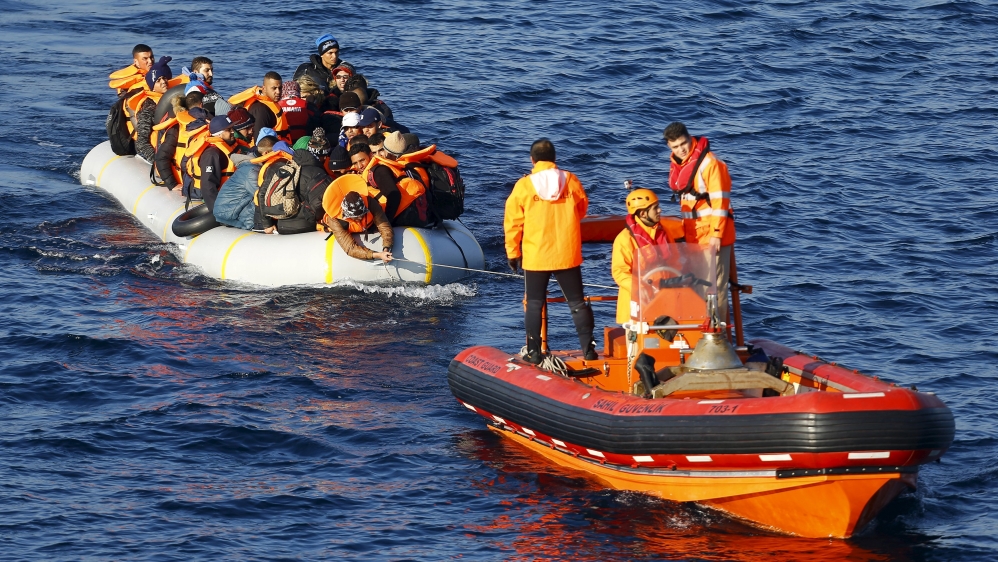
The Turkish Coast Guard tows refugees and migrants in a dinghy [Umit Bektas/Reuters]

Misconceptualisations and faulty prescriptions

Even more tragically, Obama’s ineffective strategies seem, after a while, to have culminated in his reconceptualisation of the issues and of rereading events.

Obama has easily fallen into the trap of trading symptoms for causes. The Syrian crisis has been progressively reduced to yet another war on terror – this time in the form of ISIL – plus the need for humanitarian assistance, while Iran has been reduced to the nuclear file. Such a reading misses the true source of tension between Iran and its neighbours: its regional policy. Even on the nuclear file, the US had to settle for a less favourable deal than the one we, in partnership with Brazil, had negotiated with Iran in May 2010. I still remember the last day, our tough negotiations with the Iranian team, together with my colleague Celso Amorim, foreign minister of Brazil, lasted 17 hours without break. We had informed the US about our efforts and intention to settle the dispute. After long and cumbersome negotiations, we reached a deal on May 16, 2010. We expected a positive response from Washington, but the Obama administration rebuffed the deal, only because it wasn’t achieved by the P5 1. At that time, Iran’s level of enrichment capacity was relatively low. Five years later, the P5 1 had to settle on a deal at a time when Iran had achieved a much higher level of enrichment. Lastly, on Iraq, “getting out of Iraq” has taken precedence and priority over “getting Iraq right” for the Obama administration.

Most of the malaises associated with Bush’s half-baked and shortsighted policy of interventionism, particularly but not exclusively in the Middle East, were mirrored in Obama’s misplaced policy of withdrawal from the Middle East. The idea and mindset of “withdrawal” from the Middle East seems to have afforded the Obama administration the space to pursue inconsequential, ineffective and irresponsible policies towards the region.

This mentality of withdrawal was not solely confined to the Middle East: instead it seems that the US was withdrawing from its responsibilities worldwide. For instance, one reflection of this “withdrawal” was that the Obama administration preferred to invest its time and energy in relatively comfortable issues rather than dealing with the root causes of the real troubles. To put it more concretely, the Obama administration largely reduced the nature of its relations with Europe to that of negotiating over the Transatlantic Trade and Investment Partnership – at a time when the European integration project was facing its severest crisis since its launch in the aftermath of World War II. This in return has left America’s allies between a rock and a hard place.

The Nobel Prize Effect

Arguably, Obama winning a Nobel Prize early on in his presidency did damage his future foreign policy. It encouraged him to stick to diplomatic passivity and to not undertake foreign policy decisions that would have required tough choices and using hard power. This crippled his foreign policy. With the benefit of hindsight, he should have won a Nobel Prize based on a real achievement instead of being given one in advance. This Nobel Prize came too early and too easily for Obama.

History will pass its own verdict on Obama’s foreign policy. In all likelihood, it will be a damning one. Rather than becoming a transformative global foreign policy figure, and in spite of his rhetoric, Obama chose to be a prisoner of the status quo.

Though the early signs aren’t encouraging, President Trump has four years ahead of him, which represent a new opportunity to get US foreign policy towards the region and the world at large right.

Lessons for the Trump administration

Good policies require a sophisticated analysis of what is happening in the world, particularly in the MENA region. Since the region is passing through one of its most transformative periods, it is important that the Trump administration begins to work on a more sophisticated regional policy starting from the first day in office. In this respect, three factors are particularly important for the new administration to take into account while formulating a new foreign and regional policy.

First, the underlying causes that led to uprisings across the Arab world are still there. If anything, these causes have deepened and gained further salience. Two weeks ago, there was a peaceful transition of power in Washington DC. No tanks were on the streets. The military personnel that were visible were only for ceremonial purposes. The people of this region deserve the same as well. And until and unless they acquire this opportunity, the dust of the region is unlikely to settle.

This picture stands in stark contrast to what was attempted in Turkey on July 15, 2016. The July 15 failed coup attempt perpetrated by the Gulenist terror cult aimed at bloody transfer of power from democratically elected civilian government to a secretive cultish terrorist organisation. Unfortunately, the Obama administration did not show sufficient level of solidarity with Turkey in the face of this brutal coup attempt. What we expect from the new US administration is to show solidarity with its ally, Turkey, by handing over the coup leader Fethullah Gulen, who is residing in Pennsylvania, to Turkey to be held accountable for his deeds.

Second, there is a new and consequential political psychology prevailing among people, and particularly young people, across the region, which will shape future political trajectories. Despite all the trauma that they have been through, this new political psychology refuses to condone their being ruled by this “new” and more brutal form of authoritarianism or treat it as their fate.

Third, the interconnected nature of today’s world means that the crisis in the Middle East is no longer a regional but a global one with far-reaching consequences.

The more the West consents to the authoritarian comeback in the region, the more it risks the erosion of democracy in their own national contexts. Europe doesn’t appear to realise that it has only a fluid border, in the shape of the Mediterranean Sea, between itself and the MENA region.

As the great but tragic human migrations of recent years have shown, this fluid border is passable, no matter how much investment Europe makes in border security and fences. The human tragedy on this side of the Mediterranean engenders political calamity in the form of the rise of political populism and the decline of democratic standards in Europe. Putting aside the effort of political leaders such as German Chancellor Angela Merkel, President of the European Council Donald Tusk and President of the European Commission Jean-Claude Juncker, with whom we spearheaded a process in 2015-16 that culminated in the signing of the EU-Turkey Refugee Deal on March 18, 2016 in the EU-Turkey Summit and which in return has prevented the death of refugees in the Aegean Sea, Europe’s political leadership underestimates and underappreciates the interconnected nature of the political destiny of the people of the Mediterranean basin. They hence tend to forget that Europe is a peninsula between the Mediterranean and the Atlantic.

Along the same lines, the destiny of one component of the Atlantic community, Europe, will inevitably shape the destiny of the other, North America (and particularly that of the United States). Therefore, it is in the immediate interests of US and European political elites or the community of democracies to search for real and sustainable solutions for these Middle Eastern crises.

The danger of a tragic beginning and fatal mistakes

Here, extreme caution is warranted. While the expectations that we had vis-a-vis Obama remained unfulfilled, the political discourse of President Trump prior to the election and its performance and decisions since then carry worrisome elements and are in complete contradiction of our expectations.

First, instead of inclusivity, exclusivity has become the defining feature of this new administration’s major decisions since the election. Trump’s campaign rhetoric about immigrants and people of different identities – but particularly Mexican immigrants and Muslims – were toxic or problematic at best. The exclusionary nature of US domestic policy towards its citizens, residents and people living on US soil sets a dangerous path and precedent for far-right parties to pursue elsewhere and will tarnish the US image globally, and destroy the foundation of its soft power, which has formed a significant chunk of the country’s overall power and standing in the world.

Second, instead of multilateralism, an unproductive unilateralism has once again become the order of the day. From the ban on the citizens of seven Muslim-majority countries to the decision to construct a wall along the US-Mexico border, the new administration has opted for a counterproductive unilateralism.

It is rather a paradox at a time when the new US administration has ordered the Pentagon to devise a plan to deal a death blow to ISIL in Iraq and Syria, it is also instituting a Muslim ban. There can be no stronger gift to be given to ISIL than such an ill-conceived Muslim ban.

Also, it was a twist and irony of history that President Trump signed the Muslim ban on Holocaust Remembrance Day. Never again to stigmatise any people, religion, societies collectively should have been the guiding principle for this remembrance.

Likewise, the idea behind 9/11 was to drive wedges between different people, religions, societies and civilisations. First and foremost, 9/11 attacked the inclusivity of societies, the idea of co-existence, the phenomenon of multiculturalism. If insisted upon, this Muslim ban will reward these perpetrators with a gift that they could never have imagined before. This Muslim ban will be the institutionalisation of Islamophobia as the government policy of a superpower. This will increase polarisation worldwide and activate socio-political faultlines among societies, religions and civilisations. Fears shouldn’t be operationalised to score political gains.

Inclusivity, respecting human dignity and upholding rights and liberties would be the most powerful means to counter the twisted ideology of the perpetrators of 9/11 and the cowardice of ISIL. Defaulting on these principles and values will in contrast be tantamount to breathing life into these perpetrators’ decaying and dying ideology.

The securitisation of Islam and Muslims will drive a further wedge not only between the US and its own Muslim population, but also between the US and the larger Islamic world.

Third, the US policy towards the MENA region should be premised on a sophisticated understanding of the region. In this respect, Trump’s declared intention of moving the United States’ embassy from Tel Aviv to Jerusalem, if implemented, will be a tragic beginning and a fatal mistake. It would be inimical to US interests, cause tension and almost certain bloody conflicts between Palestine and Israel, and would torpedo any chance of a two-state solution. It would ignite a further cycle of violence and bloodshed, and provide fertile political ground for extremism of all sorts to thrive in the region. Jerusalem is not only Jerusalem. It is not only a disputed issue between Israel and Palestine or even the Arabs as a whole, but is a much bigger potential source of friction.

The combined impact of these three points will be the further diminishing of the US’ role and presence in the region and the world. This in return will provide further opportunities for other powers, be they Russia or China, to exploit the void created by the fraying of ties between the US and its traditional Middle Eastern allies, and marginalise the United States in the region and, by extension, the world.

Fourth, if not reversed, Trump’s belittling of the European integration project and downplaying of the significance of NATO will shake the bond between the transatlantic community, which again will be counter-productive to the US’ national interests. In particular, his praise of Brexit, and encouragement of its repetition in other contexts, as well as courting populist movements across the continent, invite security challenges of all sorts, be they political, economic or social. The reversal and undoing of the European integration project would be one of the gravest mistakes since World War II, and its consequences would be deep and far-reaching. This process may once again give rise to the long-buried question of the balance of power in Europe. This would not only be tragic news for Europe, but it would also directly and immediately undermine the global standing of the United States. The Trump administration, therefore, should strive to regain the trust of its traditional allies, be they in the Middle East, Asia or Europe, and solidify its existing bonds.

Obama’s lacklustre foreign policy legacy should motivate the new US administration to devise a new democracy and human rights oriented, people-friendly foreign policy. It should strengthen its ties with its current allies and search for new ones. It is for the whole world to shoulder the burden of preventing further destruction and halting the global drift towards authoritarianism.

The need of humanity today is obvious: a more inclusive, more multilateral and more humanitarian international order.

Professor Dr Ahmet Davutoğlu is the former prime minister and foreign minister of Turkey and a member of parliament from the AK Party.

The views expressed in this article are the author’s own and do not necessarily reflect Al Jazeera’s editorial policy.
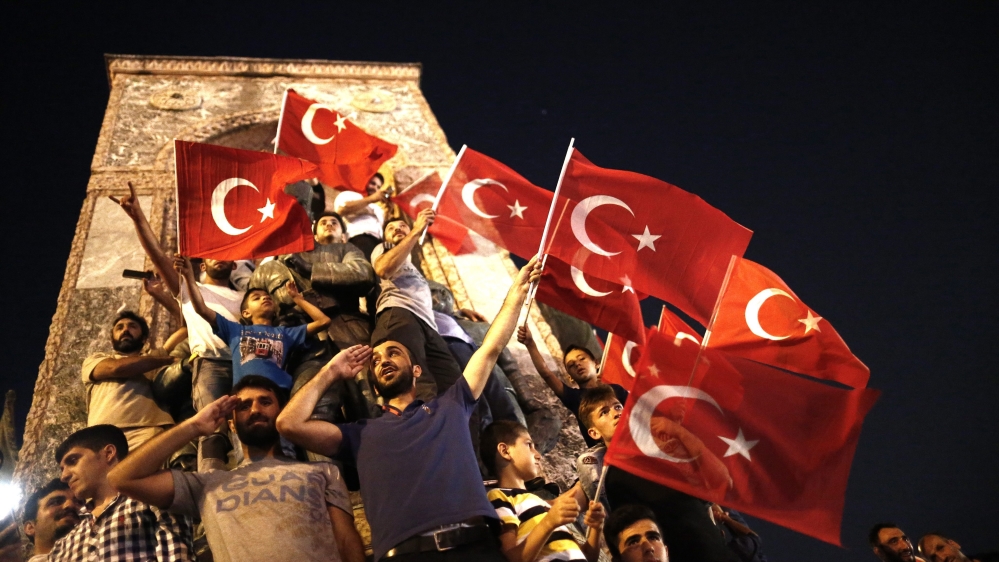
Supporters of Turkish President Recep Tayyip Erdogan shout slogans and hold flags after a failed coup attempt [EPA]

by

http://www.aljazeera.com

What are the Orwellian dystopias of the 21st century?

0

 The Conversation.

February 3, 2017  SavitskyStanislav/Shutterstock.com

Fictional metaphors matter, and in the battle to safeguard our civil liberties few metaphors matter more than George Orwell’s 1984. Although first published almost 70 years ago, the lasting salience of this most archetypal dystopia is undeniable.

In the week after Edward Snowden’s revelations of US government mass surveillance were first revealed, sales of the novel rocketed by 6,000%. A year later, in Thailand, 1984 became a symbol of resistance to government repression, and was promptly banned. And following Trump’s inauguration and the conspicuously Orwellian admission by one of his chief strategists, Kellyanne Conway, that his administration trades in “alternative facts”, 1984 once again leapt to the top of the bestseller list.

Orwell is ingrained in the West’s political lexicon. “Big Brother”, “Newspeak” and “DoubleThink” are now bywords for totalitarianism and political mendacity. But doesn’t every crystal ball have a shelf life, even the most prescient?

Orwell conceived his imaginary surveillance state of Oceania before personal computing, before the information revolution, before CCTV, before 24-hour news cycles, before reality television. As pointed out by John Broich, surveillance and political repression today is far more complex than in Orwell’s time, and far more technologically sophisticated.

For one thing, it is no longer just Big Brother that is watching you. Alongside governments, corporations like Facebook and Google also collect our data and use it to profile us, and we all collect data on each other every time we scroll our social media walls. But if 1984 is anachronistic, an analogue vision applied to a digital age, then what about more contemporary fictions? Who are the digital dystopians, the George Orwells of the present day?

Here are five suggestions:

Super Sad True Love Story

In this 2010 novel “there is no need for a Big Brother”, notes its author, Gary Shteyngart, “because everyone’s been deputised to chronicle their lives at all times”. Super Sad True Love Story’s citizens of 2030s New York are transfixed by their “äppäräti” (which are basically smartphones) that collect and transmit torrents of personal data. Everything from triglyceride levels to intimate sexual predilections are openly broadcast to anyone – which is everyone – who owns an äppäräti.

While “Big Brother” still exists in the Trump-like guise of Defence Secretary Rubenstein, who oversees numerous acts of severe government repression in the novel, Shteyngart reserves his most biting satire for the way in which our own incessant sharing and insatiable consumption of data, along with the banalisation of our cultural life that ensues, implicates us all in the erosion of privacy and our civil liberties.

The Circle

Soon to be released as a major motion picture starring Emma Watson and Tom Hanks, Dave Eggers’s novel The Circle (2013) blames the loss of privacy on the messianic utopianism of Silicon Valley.

The titular “Circle” is basically Google, a giant tech-corporation that rolls out a series of invasive technologies that promise to make the world fitter, happier, healthier, more rational and less corrupt by eradicating privacy. Eggers’ satire of techno-utopianists like David Brin, who in the 1990s lauded the impending emergence of “the transparent society”, offers a warning, as Margaret Attwood put it in her review of his novel that “we can be led down the primrose path much more blindly by our good intentions than our bad ones”.

LoveStar

Along with its surrealist imagery that conjures Norse mythology, what is remarkable about Icelandic novelist Andri Magnason’s LoveStar is its prescience. First published in 2002 (before smartphones and social media), though not translated into English until a decade later, Lovestar foresees a world of hyperconnectivity in which the previously sacred (read private) domains of love, death and religion have all been colonised by a global tech corporation. Its algorithms now determine even the most intimate human interactions.

Black Mirror

Dystopian imaginings are no longer just the preserve of literature. Recent award-winning films such as Ex Machina (2015) and Her (2013) render vivid speculative worlds in which our inner life is exposed by technology. But one of the most pertinent excavations of the social consequences of contemporary technology appeared on the small screen, not in cinemas: Charlie Brooker’s Black Mirror.

The first episode of the most recent series in particular echoes Shteyngart’s parable of a world in which we are all reduced to a constantly fluctuating metric – friends, colleagues and strangers rate each social interaction. This metric is then be used to sort us into categories and grant or deny us access to goods, services and public spaces. Think the idea of an aggregate “social credit” score is fantasy? China’s proposed Sesame Credit scheme, whereby every citizen will be awarded a “social credit” score, suggests that science fiction increasingly resembles documentary.

Inside

Another medium that has successfully updated the Orwellian tradition for a digital age is video games. Playdead’s award-winning Indy platformer Inside (2016) is one of the best examples of a recent interactive dystopia. Video games don’t just imagine surveillance, but force the player to experience it.

In Inside you play a young nameless boy, and your progression through the game is largely determined by evading or conforming to the surveillance gaze. In one of the most chilling moments in the game you are forced to walk in step with a line of zombie-like figures, whose movements are conditioned by the watchful eyes of CCTV. Few narratives better evoke the philosopher Michel Foucault’s metaphor of the panoptic prison, in which our behaviour is disciplined by the surveillance gaze, than Inside.

Simon Willmetts is also curator of Digital Dystopias, the Hull UK City of Culture festival which uses culture as a means to explore the ways in which technology is transforming society.

http://theconversation.com/what-are-the-orwellian-dystopias-of-the-21st-century-72135

Ντόναλντ, ο μπαχαλάκιας

0

The Economist Ανάλυση

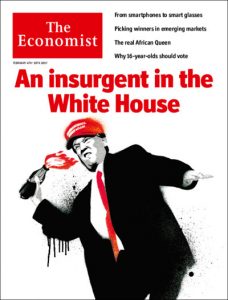
Μολότοφ στο χέρι και κόκκινο καπελάκι με την επιγραφή «Make America Great Again». Δεν είναι δύσκολο να καταλάβει κανείς ποιος είναι ο «insurgent» (σημαίνει «στασιαστής, αντάρτης», αλλά το νόημα αποδίδεται μάλλον καλύτερα ως «μπαχαλάκιας») του Λευκού Οίκου στο εξώφυλλο του Economist .

«Στην πολιτική – γράφει στο κύριο άρθρο του το έγκυρο περιοδικό – το χάος οδηγεί μόνο στην αποτυχία. Αλλά με τον Τραμπ, το χάος φαίνεται να είναι μέρος ενός σχεδίου». Κι αυτό επειδή όσο περισσότερο ο Τραμπ προσβάλλει την καλλιεργημένη κοινή γνώμη «τόσο περισσότερο πείθονται οι υποστηρικτές του ότι θέλει πραγματικά να ξεριζώσει την ύπουλη και άπληστη ελίτ από τα σαλόνια της Ουάσινγκτον». Και κάθε φορά που οι διαδηλωτές και τα μέσα ενημέρωσης συμμαχούν εναντίον του Τραμπ, για τους οπαδούς του είναι η απόδειξη ότι «κάνει κάτι καλό».

Αυτή την «πολιτική της σύγκρουσης» χρησιμοποιεί ο νέος ένοικος του Λευκού Οίκου για να κατεδαφίσει ολόκληρες δεκαετίες αμερικανικής πολιτικής. Με μια Αμερική εσωστρεφή και με απομονωτικές διαθέσεις, ολόκληρο το σύστημα που βασίζεται στις συμφωνίες και τις συμμαχίες των ΗΠΑ μπορεί να φτάσει στο τέλος του. Τι πρέπει να γίνει λοιπόν; Πρώτον να επιχειρηθεί να περιοριστούν οι ζημιές πείθοντας τον Τραμπ ότι οι συμμαχίες είναι η μεγαλύτερη πηγή ισχύος της Αμερικής.

Και αν δεν πειστεί ο Τραμπ; «Ε, τότε θα είναι καλύτερα να προετοιμαστούμε για έναν κόσμο χωρίς την αμερικανική ηγεσία». Κάτι που σημαίνει ότι «η Ευρώπη θα στερηθεί πια την πολυτέλεια να υποχρηματοδοτεί το ΝΑΤΟ ή να μειώνει δαπάνες στην εξωτερική της πολιτική» και ότι η Βραζιλία θα πρέπει να εξοπλιστεί κατάλληλα για να βοηθήσει την Λατινική Αμερική να κάνει ένα βήμα μπροστά». Κι ακόμη ότι τα αραβικά κράτη πρέπει να βρουν έναν τρόπο να συνυπάρξουν με το Ιράν.

Μακάρι. Και μακάρι γιατί, όπως επισημαίνει το Foreign Policy, δεν είναι καθόλου βέβαιο ότι η συμμαχία που έχει στα σκαριά ο Ντόναλντ Τραμπ με τον Βλαντιμίρ Πούτιν θα έχει ευτυχή κατάληξη. Και οι λόγοι είναι πολλοί. Τραμπ και Πούτιν, ας πούμε, δεν έχουν και πολύ καλή σχέση με την πραγματικότητα. Επίσης έχουν παρανοϊκές εξάρσεις καχυποψίας με τον μεν Τραμπ να βλέπει πολλούς εχθρούς στο εσωτερικό και τον Πούτιν στο εξωτερικό. Εάν σε αυτά τα δυο προστεθούν η μεγαλομανία που τους χαρακτηρίζει, «είναι μάλλον δύσκολο να τους δούμε να συμφωνούν σε κάτι ουσιαστικό». Και αν ο καθένας τους γνώριζε καλύτερα το παρελθόν του άλλου, η αμοιβαία δυσπιστία δεν θα γινόταν παρά πιο βαθιά.

Καλά ξεμπερδέματα.

Φωτό: Ο Ντόναλντ Τραμπ στην εικονογράφηση που φέρει την υπογραφή του Μάιλς Ντόνοβαν. Πηγή: The Economist

protagon.gr

Πώς η Ευρώπη θα αποφύγει την παγίδα Τραμπ

0

Financial Times.-

W. Munchau

Οι παγίδες Τραμπ για την Ευρώπη και ποιες πρέπει να είναι οι απαντήσεις. Η ανάγκη να σταματήσει η λογομαχία για την Ελλάδα, η γρήγορη «προσυμφωνία» για το Brexit και η αύξηση των αμυντικών δαπανών. Γράφει ο W. Munchau

 Θέλει ο πρόεδρος Ντόναλντ Τραμπ να διαλύσει την ΕΕ; Δεν μπορούμε να απαντήσουμε σε αυτή την ερώτηση ξεκάθαρα, αλλά οι ενδείξεις που έχει εκπέμψει υπαινίσσονται πως το μπλοκ θα πρέπει να θεωρήσει την πιθανή απειλή πιο σοβαρή απ’ ότι είναι.
Απλά σκεφτείτε αυτή τη δήλωση του Τεντ Μάλοξ, του ανθρώπου που γενικά φημολογείται ότι θα είναι ο πρέσβης του κ. Τραμπ στην ΕΕ. Ο κ. Μάλοξ, καθηγητής στο Henley Business School στο Πανεπιστήμιο του Ρέντινγκ, δήλωσε ότι θέλει να «σορτάρει το ευρώ». Το κοινό νόμισμα βρίσκεται σε κίνδυνο κατάρρευσης μέσα στους επόμενους 18 μήνες, υποστήριξε.

Κι εγώ ο ίδιος δεν είμαι και ο πιο αισιόδοξος για το ευρώ, αλλά μετά χαράς θα δεχόμουν αυτό το στοίχημα. Το χειρότερο σενάριο για το ευρώ δεν είναι η καταστροφή του, αλλά η απώλεια ενός από τα μέλη του.

Πιο ανησυχητικό για την ΕΕ από έναν σκληρό, επίδοξο διπλωμάτη, είναι οι εμπορικές διαπραγματεύσεις που θα ακολουθήσουν τη συνάντηση της περασμένης εβδομάδας μεταξύ του κ. Τραμπ και της Τερέζα Μέι, της Βρετανίδας πρωθυπουργού.

Οι αντιτιθέμενοι στο Brexit στη Βρετανία, έχουν απορρίψει την πιθανότητα μιας εμπορικής συμφωνίας με τις ΗΠΑ, στη λογική ότι η προστατευτική ατζέντα του κ. Τραμπ θα επηρεάσει επίσης και τη Βρετανία. Πέραν αυτού, αυτή η συμφωνία δε θα έχει να κάνει κυρίως με το εμπόριο. Θα είναι μια πολιτική συμφωνία, ένα όχημα για να καλλιεργηθεί η διάσταση απόψεων μεταξύ Ηνωμένου Βασιλείου και Ευρωπαϊκής Ένωσης, η μοναδική εμπορική συμφωνία όπου μπορεί ο κ. Τραμπ να είναι πιο ήπιος για στρατηγικούς λόγους.

Γι’ αυτό η σκληρή διαπραγματευτική ρητορική για το Brexit, από κάποιους πολιτικούς στις Βρυξέλλες, είναι αντιπαραγωγική: διότι «σπρώχνει» τη Βρετανία στην αγκαλιά του κ. Τραμπ. Είναι προς το συμφέρον της ΕΕ να διατηρήσει μια ανοικτή σχέση με το Ηνωμένο Βασίλειο. Η Βρετανία θα έχει περισσότερα οφέλη από μια δίκαιη συμφωνία με την Ευρώπη, απ’ ότι σε σχέση με την πλέον φιλική συμφωνία με τον κ. Τραμπ. Η Βρετανία πάντα θα κάνει περισσότερο εμπόριο με την ΕΕ, απ’ ότι με τις ΗΠΑ. Η γεωγραφία έχει σημασία.

Δεύτερο ανησυχητικό και ίσως ακόμη μεγαλύτερος κίνδυνος για την εσωτερική συνοχή της ΕΕ, θα ήταν μια μονομερής άρση των κυρώσεων κατά της Ρωσίας, από τον κ. Τραμπ. Αυτό δεν έχει συμβεί ακόμη, αλλά αν γίνει, θα «βυθίσει» επίτηδες τη διαδικασία του Μινσκ, μέσω της οποίας η ΕΕ, η Ρωσία και η Ουκρανία έχουν οργανώσει την τριμερή τους σχέση μετά την προσάρτηση της Κριμαίας. Οι ευρωπαϊκές κυρώσεις θα είναι, τότε, όχι μόνο πολιτικά, αλλά και φυσικά αδύνατο να διατηρηθούν. Οι Ευρωπαίοι επενδυτές θα έχουν την ικανότητα να παρακάμψουν εύκολα πολλούς από τους περιορισμούς.

Μια τέτοια απόφαση, πιθανώς θα αποσταθεροποιούσε και θα απομόνωνε την Άνγκελα Μέρκελ, τη Γερμανίδα καγκελάριο, της οποίας ο ρόλος έχει σταθεί καθοριστικός στη διαμόρφωση της ευρωπαϊκής διπλωματίας απέναντι στη Ρωσία, τόσο εγχώρια όσο και στην ΕΕ. Αυτό θα προσφέρει ένα πλεονέκτημα στους κυβερνητικούς εταίρους της, τους Σοσιαλδημοκράτες, ενόψει των εκλογών του Σεπτεμβρίου. Ο νέος υπουργός Εξωτερικών της Γερμανίας, ο Σοσιαλδημοκράτης Ζίγκμαρ Γκάμπριελ, είναι υπέρ μιας σταδιακής κατάργησης των κυρώσεων. Μια μονομερής απόφαση από τις ΗΠΑ να άρουν τις κυρώσεις, πιθανώς θα απομονώσει την κ. Μέρκελ τόσο στη χώρα της όσο και στην ΕΕ.

Ενόψει αυτών των απειλών, η ΕΕ θα πρέπει να εξετάσει τις τέσσερις ακόλουθες ενέργειες:

Πρώτον, εγώ θα παρότρυνα μια άμεση αύξηση στη δαπάνη για την άμυνα στο 2%, για να απαντηθεί η δέσμευση στο ΝΑΤΟ. Πολλές χώρες της ΕΕ είναι εκτεθειμένες σε κατηγορίες πως δεν έχουν συνδράμει αυτό που τους αναλογεί. Με τις εκλογικές μάχες που πλησιάζουν στη Γαλλία και τη Γερμανία, και κατά πάσα πιθανότητα στην Ιταλία, αυτή δεν είναι η καλύτερη εποχή ώστε η ΕΕ να ξεκινήσει μια μεγάλη, κοινή πρωτοβουλία για την άμυνα, πέραν του τι ήδη έχει προγραμματιστεί. Αλλά μια αύξηση στη σχετική δαπάνη μπορεί να επιτευχθεί.

Δεύτερον, η ΕΕ θα πρέπει να επιταχύνει τις συζητήσεις με τη Βρετανία γύρω από το Άρθρο 50, το μηχανισμό εξόδου από την ένωση. Οι Βρυξέλλες θα πρέπει να προσπαθήσουν να διαπραγματευτούν μια προσωρινή, περιορισμένη συμφωνία ελεύθερου εμπορίου που θα απαιτεί την έγκριση μόνο των ευρωπαϊκών θεσμών, αντί για τα εθνικά κοινοβούλια των υπόλοιπων 27 κρατών μελών. Μια γρήγορη «προ-συμφωνία» Brexit θα ωφελήσει και τις δύο πλευρές. Μια πιο ολοκληρωμένη συμφωνία θα μπορούσε να έρθει αργότερα.

Τρίτον, η ΕΕ θα πρέπει να εξετάσει την πιθανότητα μιας οικονομικής σχέσης με την Κίνα. Η απόφαση του κ. Τραμπ να αποσυρθεί από την TPP και η πλέον βέβαιη κατάρρευση της TTIP μεταξύ των ΗΠΑ και της ΕΕ, θα ανοίξουν το δρόμο για νέες οικονομικές συμμαχίες.

Τέταρτον, η ΕΕ θα χρειαστεί να «διορθώσει» την ευρωζώνη, όχι μόνο για να απογοητεύσει το προτεινόμενο σορτάρισμα του καθηγητή Μάλοξ. Αυτή η κρίση διανύει την όγδοη χρονιά της. Η ΕΕ χρειάζεται να σταματήσει να λογομαχεί για την Ελλάδα ή να αγχώνεται για το αν το ευρώ μπορεί να επιβιώσει μετά τις επόμενες ιταλικές εκλογές. Δεν μένουν πολλές επιλογές για την επιδιόρθωση της ευρωζώνης. Η ιστορία των νομισματικών ενώσεων μάς έχει δείξει ότι χρειάζεται να ενσωματωθεί σε μια πολιτική ένωση προκειμένου να είναι βιώσιμη.

Το ένστικτο της ΕΕ την τελευταία δεκαετία, της έλεγε να κάνει όσα λιγότερα ήταν απαραίτητα –μια πολιτική που την άφησε αξιοθρήνητα αδύναμη. Οι Ευρωπαίοι θα πρέπει να σταματήσουν να ξεφυσάνε για τον κ. Τραμπ, αλλά να κοιτάξουν τι χρειάζεται να κάνει η ΕΕ. Δε θα μπορέσει απλά να τα κουτσοκαταφέρει για τα τέσσερα χρόνια, πόσο μάλλον οκτώ, μιας προεδρίας Τραμπ.

του Wolfgang Münchau/ Financial Times- Euro2day.

Κυπριακό από άλλο πλανήτη: Συζητούν για τη διάλυση της Κύπρου αγνοώντας τα …Ίμια

0

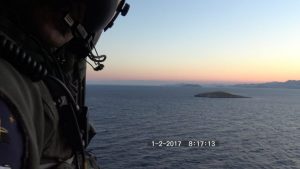
File Photo: Ο υπουργός Εθνικής ’Aμυνας Πάνος Καμμένος, πραγματοποίησε ρίψη στεφάνου στο θαλάσσιο χώρο των Ιμίων, στον τόπο θυσίας των τριών ηρώων Ελλήνων Αξιωματικών του Πολεμικού Ναυτικού Παναγιώτη Βλαχάκου, Χριστόδουλου Καραθανάση, Έκτορα Γιαλοψού, Τετάρτη 1 Φεβρουαρίου 2017. ΑΠΕ-ΜΠΕ, ΓΡΑΦΕΙΟ ΤΥΠΟΥ ΥΠΕΘΑ, STR

Του ΚΩΣΤΑ ΒΕΝΙΖΕΛΟΥ

Το Κυπριακό ως να βρίσκεται «κλεισμένο» σε γυάλα. Δεν επηρεάζεται από τα όσα διαδραματίζονται στο ευρύτερο πολιτικό γίγνεσθαι. Είναι πρόβλημα που θα το επιλύσουν, και σε κατ’ ιδίαν μάλιστα συνάντηση, ο Νίκος Αναστασιάδης και ο Μουσταφά Ακιντζί.

Δεν έχει καμία σημασία εάν η Τουρκία αμφισβητεί νησιά της Ελλάδος, εάν τα μαχητικά της κάνουν «κέντημα» καθημερινά στο Αιγαίο, εάν αξιωματούχοι της βρίζουν Ελλαδίτες υπουργούς και εκτοξεύουν απειλές για πολέμους. Η Κύπρος είναι άλλο κεφάλαιο.

Άλλωστε, εδώ στην Κύπρο, το πρόβλημα, όπως το περιέγραψε και ο Πρόεδρος της Δημοκρατίας, είναι να κάνει η Άγκυρα τη ρητορική της, πράξη. Περιμένουμε πράξεις από την Τουρκία! Την ώρα που η συμπεριφορά της έναντι της Ελλάδος (όχι της Γερμανίας, της Αυστρίας, της Βραζιλίας) φθάνει στα όρια της σύγκρουσης. Δεν έχει καμία σημασία εάν η Τουρκία θέτει ως προϋπόθεση, για να προχωρήσει η διαδικασία, την αποδοχή της αξίωσής της για εφαρμογή στην Κύπρο των τεσσάρων ελευθεριών της Ε.Ε. για Τούρκους πολίτες. Θα επιμένει η Τουρκία, θα απορρίπτει η Λευκωσία.

Μετά τη Γενεύη υπάρχει πληθώρα δηλώσεων ότι «θα πρέπει να υπάρξει προετοιμασία για το επόμενο βήμα», πως «δεν πρέπει να αναμένεται οτιδήποτε πριν το δημοψήφισμα στην Τουρκία» (μάλλον ούτε και μετά) και πως «δεύτερη αποτυχία θα στοιχίσει». Μετά, όχι όμως ξαφνικά, υπήρξε αλλαγή πλεύσης. Οι ηγέτες των κοινοτήτων αποφάσισαν να καλέσουν τα Ηνωμένα Έθνη να συγκαλέσουν νέα διάσκεψη σε συνεννόηση με τις εγγυήτριες δυνάμεις. Και η Κυπριακή Δημοκρατία; Αυτό τελείωσε από την πρώτη Γενεύη και όποιος ρωτά «δεν θέλει λύση».

Της πρώτης Γενεύης προηγήθηκε μια περίοδος προσπαθειών ανάδειξης παραπλανητικών εικόνων και επιδερμικών δεδομένων, που απόπνεε τη μιζέρια που εκφράζουν οι οπαδοί της όποιας λύσης. Αυτή τη φορά, μετά τις ανακοινώσεις της περασμένης Τετάρτης, ακόμη και το συντονιστικό της όποιας λύσης αντιμετώπισε τη νέα εξέλιξη μουδιασμένα και χωρίς τον γνωστό υπερβολικό ενθουσιασμό της «τρελής χαράς».

Το Κυπριακό ταλαιπωρείται από μύθους, που ουσιαστικά σκοπίμως απομονώνουν το πρόβλημα από τις σωστές του διαστάσεις. Οι εικόνες της Γενεύης, με σκηνοθέτη τον κ. Άιντα, στόχευαν στη δημιουργία ενός «μομέντουμ λύσης». Δεν πέτυχε το εγχείρημα. Δεν έφταιξε ο Τσαβούσογλου που πρότασσε τις τέσσερις ελευθερίες και τη διατήρηση του συστήματος εγγυήσεων. Ούτε ο Άιντα που παρέσυρε τον νέο Γενικό Γραμματέα και είχε ετοιμάσει «σημαδεμένη» ανακοίνωση στη συνάντηση με τις εγγυήτριες δυνάμεις. Έφταιξε ο Νίκος Κοτζιάς επειδή τους χάλασε το πάρτι της προσυνεννόησης. Μπορεί και τώρα να θέλουν να φορτώσουν στην Αθήνα μια νέα αποτυχία, γι’ αυτό και, για δεύτερη φορά, η ελληνική κυβέρνηση ενημερώθηκε εκ των υστέρων. Η Τουρκία, πάντως, ήταν ενήμερη εκ των προτέρων από το κ. Ναμί.

Το μετέωρο βήμα της διαδικασίας μπορεί να οδηγήσει στο τέλος της. Εγκλωβισμένο σε κοντόφθαλμες τακτικές και παγιδευμένο σε φοβικά σύνδρομα, το Κυπριακό δεν μπορεί να λυθεί εάν η ημερήσια διάταξη ασφυκτιά από τακτικισμούς περιορισμένης εμβέλειας και από προσωπικές ατζέντες.

ΣΗΜΕΙΩΣΗ: Πρώτο χαιρέτισε τη νέα διάσκεψη το ΑΚΕΛ, ο άλλος εταίρος στο Κυπριακό, ο ΔΗΣΥ την επόμενη ημέρα. Άντε, με το καλό, να τα βρουν και στο ΓεΣΥ…

Η ανέντιμη στάση Ερντογάν απέναντι στην Ελλάδα

0

του Σάββα Καλεντερίδη.

Ο χαρακτήρας του Ταγίπ Ερντογάν μπορεί να επηρεάστηκε καθοριστικά από την ισλαμική πίστη, όμως πάντα διέκρινα στη συμπεριφορά του στοιχεία της καταγωγής του από την περιοχή του Πόντου. Η συμπεριφορά του απέναντι στην Ελλάδα με αφορμή την απόφαση του Αρείου Πάγου, του ανώτατου δικαστηρίου της Ελλάδας, να μην επιτρέψει την έκδοση των οκτώ αξιωματικών στην Τουρκία, χαρακτηρίζεται από αχαριστία και από ανεντιμότητα, κάτι που δεν είναι ίδιον του χαρακτήρα των ανθρώπων της γης του Πόντου.

 Να εξηγήσω το γιατί. Η ελληνική κυβέρνηση, το βράδυ του πραξικοπήματος εναντίον του Ερντογάν, αν και είχε όλα τα στοιχεία των πτήσεων και των πραξικοπηματιών και του αεροπλάνου που τον μετέφερε, στην ουσία προστάτεψε εκείνη την περιπετειώδη πτήση του Τούρκου προέδρου από το αεροδρόμιο του Νταλαμάν στην Κωνσταντινούπολη, και το γνωρίζει αυτό ο ίδιος.

Επίσης, την επόμενη μέρα ο Έλληνας πρωθυπουργός του έδειξε τη συμπάθεια και τη συμπαράστασή του, από τους πρώτους ηγέτες χωρών παγκοσμίως, καταδικάζοντας το πραξικόπημα.

Λίγες μέρες μετά, και αφού είχαν καταφύγει στην Ελλάδα οι οκτώ Τούρκοι αξιωματικοί, 37 αξιωματικοί και μόνιμοι υπαξιωματικοί των ΤΕΔ (που το βράδυ της 15ης Ιουλίου επιχείρησαν να τον σκοτώσουν στο ξενοδοχείο του στη Μαρμαρίδα) υπήρχε σοβαρός κίνδυνος να διαφύγουν στην Ελλάδα, κάτι που και πάλι γνωρίζει πολύ καλά ο κ. Ερντογάν. Τότε η ελληνική κυβέρνηση οργάνωσε μια τεράστια επιχείρηση στη θαλάσσια γραμμή Ρόδος-Σύμη, στην οποία συμμετείχαν πλοία του Πολεμικού Ναυτικού, του Λιμενικού Σώματος, ελικόπτερα και αεροσκάφη, για να επιτηρούν την περιοχή και να αποτρέψουν την είσοδο των πραξικοπηματιών στα ελληνικά νησιά. Και ήταν εύκολο να γίνει, αφού οι περισσότεροι ήταν βατραχάνθρωποι και μπορούσαν άνετα να περάσουν για παράδειγμα στη Σύμη.

Όταν όμως η Ελλάδα επί μέρες σφράγισε όλες τις θαλάσσιες διόδους, οι πραξικοπηματίες αναγκάστηκαν να κινηθούν προς την ενδοχώρα, με αποτέλεσμα να συλληφθούν από τις τουρκικές διωκτικές Αρχές.

Με άλλα λόγια η Ελλάδα, ως μη ώφειλε, συνέβαλε στη σύλληψη των πραξικοπηματιών που προσπάθησαν να σκοτώσουν τον Ερντογάν.

Μετά από όλα αυτά, είναι αχαριστία και ανεντιμότητα από πλευράς του Τούρκου προέδρου να απευθύνει βαριές κατηγορίες στην Ελλάδα για τη μη έκδοση των οκτώ αξιωματικών, τη στιγμή που θα έπρεπε να ευχαριστεί την Ελλάδα και να δηλώνει την ευγνωμοσύνη του.

Όσο για τις πελώριες ανοησίες που του ξεφουρνίζουν οι σύμβουλοι και οι υπουργοί του, ότι οι οκτώ αξιωματικοί θα δώσουν στρατιωτικές πληροφορίες στην Ελλάδα, γι’ αυτό με πολιτική απόφαση δεν εκδίδονται, έχω να πω τα εξής:

  • Πρώτον, η Ελλάδα δεν έχει καμία απολύτως ανάγκη τις πληροφορίες των οκτώ αξιωματικών, οι οποίοι άλλωστε, λόγω βαθμού και θέσης, ξέρουν πολύ λιγότερα για την οργάνωση και τα σχέδια των ΤΕΔ από όσα δικαιούται και δικαιολογείται να γνωρίζει μια γειτονική προς την Τουρκία χώρα. Άρα, αυτή η αιτιολογία που επικαλούνται δημοσίως ακόμα και υπουργοί της τουρκικής κυβέρνησης, ρίχνοντας τη σοβαρότητα και το κύρος της χώρας τους, είναι άκυρη και έωλη.
  • Δεύτερον, η απόφαση του Αρείου Πάγου δεν μπορεί να είναι πολιτική. Οι οκτώ δικάστηκαν από έξι διαφορετικές έδρες και από έξι διαφορετικούς εισαγγελείς, αφού έγιναν τρεις δίκες στο Εφετείο και τρεις στον Άρειο Πάγο. Οι αποφάσεις δε ήταν ομόφωνες.

Άρα, για όσους γνωρίζουν έστω και ελάχιστα την ελληνική πραγματικότητα, δεν υπάρχει καμία περίπτωση να έγινε κάποια εξωτερική παρέμβαση στην ανεξάρτητη Δικαιοσύνη.

Τα πράγματα λοιπόν είναι απλά. Η ίδια Δικαιοσύνη που εξέδωσε μια δυσάρεστη απόφαση για την κυβέρνηση της Τουρκίας και τον Ερντογάν, πριν από ενάμιση μήνα είχε εκδώσει μια άλλη απόφαση, που έκρινε αντισυνταγματικό το νόμο για τις τηλεοπτικές άδειες, δυσαρεστώντας την ελληνική κυβέρνηση αυτήν τη φορά, η οποία δέχτηκε την πρώτη σοβαρή πολιτική ήττα εξαιτίας της απόφασης αυτής.

Κάποιος συνεργάτης του Ερντογάν λοιπόν να μεταφράσει στα τουρκικά αυτό το άρθρο και να το θέσει υπ’ όψιν του, για να σταματήσουν τα επικίνδυνα παιχνίδια στο Αιγαίο, γιατί δεν ταιριάζει σε έναν που έχει καταγωγή από τον Πόντο ούτε η αχαριστία ούτε η ανεντιμότητα!

pontos-news.gr