The country has been deeply damaged by an increasingly dysfunctional political system. A series of compromises have alienated it from its main markets in the Gulf and strangled its economy; anyone that has glanced at fluctuations in Lebanese bank deposits over the last 10 years can see the correlation.
Imagine if Boris Johnson or Donald Trump were obliged to form joint governments with Jeremy Corbyn or Bernie Sanders. The result would be paralysis and lack of accountability as each party pulls the country in opposite directions and blames the other for the state of limbo. This has been the state of affairs in Lebanon since the Doha agreement of 2008.
That agreement followed an 18-month siege that paralyzed Beirut and an attack on the city by Hezbollah’s ‘black shirts’. The Doha formula imposed governments of national unity between Prime Minister Saad Hariri’s pro-Saudi camp and Hezbollah’s pro-Iran camp and their respective internal allies.
The pattern was set: each period of subsequent paralysis was followed by further compromise as the tug of war pulled the country away from its principal economic partners, the Arab Gulf states, with the regional balance of power tilting towards Hezbollah.
It was not supposed to be like this. The Baabda Declaration in June 2012, reached after a process of national dialogue, was meant to secure Lebanon’s neutrality in regional conflicts, with both sides promising to hold back on external alliances and coexist despite difference over major regional issues like the war in Syria, the standoff between the US and Iran or relations with Israel or the Gulf states.
This has worn away. The Baabda declaration itself became a sham when Hezbollah inserted itself into the war in Syria in support of the Assad regime and overtly got involved in Iraq and Yemen as an Iranian proxy. This was followed by Saudi opposition to concessions by Hariri that led to the election of General Michel Aoun, an ally of Hezbollah, as president in October 2016; again, after a political paralysis that lasted 29 months with no active government and no head of state.
The Saudis were also furious when President Aoun’s son-in-law, Foreign Minister Gebran Bassil, abstained from condemning the burning of the Saudi embassy in Tehran at an Arab League meeting in Cairo in January 2016, citing the need to preserve national unity.
Fearing that he was simply providing Hezbollah with protection in the guise of compromise, the Saudis pressured Hariri to resign in November 2017 during a trip to Riyadh, but he later challenged that by retracting on his resignation when back in Beirut. Lebanon was caught between two sides, and as the regional conflict intensified from tension to open confrontation, neutrality was no longer an option.
Gulf connections
An estimated 350,000 Lebanese expats live and work in Saudi Arabia, the UAE, Qatar and Kuwait. These countries are also the main clients for Lebanese contractors, consultants and advertising companies, some of which have offices there. The domestic tourism industry relies heavily on Arab Gulf visitors and they are a principal source of foreign investments especially in the real estate sector.
Lebanon also enjoyed a certain degree of political and economic protection from the US and the Gulf, and Hezbollah benefited indirectly from that protection, as it also shielded it to a certain degree from sanctions.
The deterioration of relations meant that the country was cut off by its Gulf partners. This was manifested in travel bans for Gulf Cooperation Council (GCC) nationals to Lebanon and a decrease in investments and bank deposits, as well as a decrease in remittances from Lebanese expats, partly because of economic crisis in the Gulf countries themselves.
Saudi Arabia withdrew $4 billion of aid to the Lebanese army and internal security forces, and no aid or deposits were forthcoming as the economic and financial situation deteriorated.
The costs to the Lebanese economy include the opportunity cost created by the annual threat of war with Israel, after which trips are cancelled and projects postponed. Hezbollah also controls a section of Beirut port where it pays no duty or taxes. Add to that the economic fallout from the war in Syria, such as the impact on exports, the inflow of refugees and the cost of Hezbollah’s involvement.
The burden of these political factors is difficult to estimate but it constitutes the ransom that the Lebanese economy bears as a cost of the compromise. This is not to absolve Lebanese politicians from corruption or bankers of mismanagement but to add that political factors cannot be ignored.
The cumulative cost and economic impact of being cut off from its main economic partner eventually bankrupted the country. The fiscal and financial aspects, with Lebanon’s inability to service its debt, are but a reflection of these political factors. In the long run, the key to avoiding complete collapse is to restore relations with the GCC and free Lebanon from that very costly grip.
With the US election campaign gaining speed, political opponents of the incumbent President are getting back to their old mantras of Vladimir Putin standing by his old friend and partner—if not his puppet—Donald Trump. This belief remains one of the very few issues on which there appears to be a strong consensus among such different people as Hillary Clinton, Nancy Pelosi, Joe Biden, Charles Schumer, and even Bernie Sanders. All of them seem to be convinced that Trump is “Putin’s best friend” in Washington and therefore, the Kremlin will be supporting Trump’s reelection in 2020 with the same vigor and with the same disrespect of the US sovereignty, as it allegedly supported his presidential race back in 2016.
Let me put aside an important question about whether the Kremlin can indeed exercise a significant influence on the course of the US elections or even define its outcome. I personally tend to believe that no external player has the resources, the skills, and the infrastructure needed to do that. Maybe, I have a higher opinion on the resilience of US political institutions and procedures than leaders of the Democratic Party have these days. However, let us imagine for a second that Vladimir Putin has all the needed resources, skills and infrastructure to define who is going to reside in the White House after January 20, 2021. Should he really support Donald Trump as his best bet for better relations between the two nations?
Nobody can question the apparent reality that since Donald Trump got to power three years ago, the US-Russian relations have not become any better. In fact, they have further significantly deteriorated. There was only one bilateral summit in Helsinki, which turned into a complete fiasco; the US government continues to throw restlessly multiple sanctions at Moscow; bilateral strategic arms control is more dead than alive, and the US and Russian Embassies respectively in Moscow and in DC look more like besieged castles than like full-fledged diplomatic missions.
A Trump’s opponent would probably argue that all this is not an outcome of Trump’s policies, but a result of successful attempts by the Deep State and the opposition on the Hill to prevent the President from reckless and potentially very dangerous moves to reach out to Vladimir Putin and to appease the Kremlin. In fact, the current deterioration of the relationship between Moscow and Washington looks like a dubious accomplishment no matter who claims it. Still, it would be unfair to argue that in this relationship, Congress has always been the bad cop, and the White House — the good one.
For instance, it was the White House, not Congress, to take the initiative in getting the United States out of the INF Treaty with Russia and in questioning the value of the New Start Agreement for the US side. It was the White House to start a fierce war against the North Stream – 2 pipeline and to launch a ‘maximum pressure’ policy on the Islamic Republic of Iran, which happens to be Russia’s strategic partner in the Middle East region. On many issues, the Trump administration went much further in challenging the Kremlin than many experienced and prudent politicians on the Hill would like it to do.
Moreover, what Democrats often label as ‘Trump’s presents to Putin,’ from a closer range do not look like valuable gifts. For example, can Russia really benefit a lot from the planned US withdrawal from Afghanistan or even from Syria? I doubt it very much. In both cases, we are likely to see the strategic vacuum left by the United States more likely to be filled by forces hostile to Moscow than by Russia’s allies or friends.
Donald Trump might personally like Vladimir Putin, and this feeling might be truly mutual. The two men share many views on the world and on how to conduct foreign policy. Both stand for sovereignty, both put specific national interests above abstract global commons. Both like transactional approaches and are not particularly fond of multilateralism. However, the commonality or similarity of views do not make Trump and Putin natural allies; they simply do not have much of offer to each other. Donald Trump cannot convince Vladimir Putin to break his alliances with Beijing, Tehran or Damascus and to move to the ‘right side of history,’ while Putin cannot expect Trump to dismantle the deep anti-Russian consensus existing today in Washington and to put the bilateral relationship back on track.
The outcome of the 2020 Presidential election in the United States will affect not only America but the rest of the world as well, including Europe, China, the Middle East, and so on. Russia is no exception. Nevertheless, for Russia, this election in relative terms will mean less than for many other international players.
Unfortunately, the US-Russian relationship will remain adversarial no matter who gets to the White House in 2021. At this juncture, the best we can do is to try managing this adversity by reducing risks and avoiding prohibitively high costs of an uncontrolled confrontation. And let us hope that the next Presidential election of 2024, which will take place the same year in both the US and Russia, will give us reasons to aim higher than that.
Σε ηλικία 99 ετών έφυγε από τη ζωή η σύζυγος του Αλβανού δικτάτορα Ενβέρ Χότζα. Έζησε σχεδόν έναν αιώνα και μέχρι τέλους δεν εξέφρασε ποτέ μεταμέλεια για τα εγκλήματα της σκληρής δικτατορίας του άνδρα της.
Πάντα χαμογελούσε στο πλευρό του συζύγου της, με τα λεπτά της χείλια και πάντα την ίδια αυστηρή κόμμωση. Η επιρροή που είχε στην πολιτική γραμμή του άνδρα της, του ηγέτη της Αλβανίας Ενβέρ Χότζα, ήταν πολύ μεγαλύτερη από όσο άφηνε να φανεί δημόσια. Όλοι γνώριζαν ότι σχεδόν κατηύθυνε πολλές πολιτικές του επιλογές, ωστόσο ποτέ δεν κλήθηκε να λογοδοτήσει για τίποτα. Χαρακτηρίστηκε από πολλούς ως «Λαίδη Μάκβεθ» της Αλβανίας και ως «Μαύρη Χήρα». Μέχρι το τέλος της ζωής της δεν έδειξε μεταμέλεια για τα εγκλήματα που διέπραξε ο Χότζα. Πέθανε σχεδόν στα 100 της χρόνια την Τρίτη, στο ταπεινό διαμέρισμά της λίγο έξω από τα Τίρανα.
Η Νετζμίε Χότζα γεννήθηκε στην Μπίτολα της πρώην Γιουγκοσλαβίας, σήμερα Βόρεια Μακεδονία, αλλά μεγάλωσε στα Τίρανα. Ήταν ένα από τα λίγα κορίτσια που είχε τη δυνατότητα να πάει σχολείο και να σπουδάσει στην μεταοθωμανική Αλβανία. Στα 20 της έγινε μέλος του Αλβανικού Κομμουνιστικού Κόμματος, υπό την ηγεσία του Χότζα. Σύντομα εγκατέλειψε τη δουλειά της ως δασκάλας σε δημοτικό σχολείο για να πολεμήσει εναντίων των Γερμανών κατακτητών. «Εκπροσωπούσε στην αρχή μια νέα γενιά γυναικών, η οποία πολέμησε στο πλευρό ανδρών, με το όπλο στο χέρι για μια δίκαιη Αλβανία με ανθρωπισμό» αναφέρει στη DW o Γερμανός ιστορικός Μίχαελ Σμιτ-Nέκε.
Υποστηρικτής της δικτατορίας
Η Νετζμίε Χότζα χαρακτηρίστηκε από πολλούς ως «Λαίδη Μάκβεθ» της Αλβανίας και ως «Μαύρη Χήρα»
Το 1945 όμως η Νετζμίε παντρεύεται τον Ενβέρ Χότζα και την ίδια χρονιά εγκαθιδρύεται στην Αλβανία μια από τις σκληρότερες δικτατορίες του εικοστού αιώνα. Κατά τη διάρκεια των χρόνων της εξουσίας του Χότζα, η σύζυγός του ανέλαβε θέσεις-κλειδιά: διευθύντρια του Μαρξιστικού-Λενινιστικού Ινστιτούτου, βουλευτής του αλβανικού κοινοβουλίου, μέλος της Κεντρικής Επιτροπής του Κομμουνιστικού Κόμματος. «Η Νετζμίε Χότζα είχε πολύ μεγαλύτερη επιρροή από άλλες συζύγους μεγάλων κομμουνιστών ηγετών της εποχής – με εξαίρεση ίσως τη Μάργκοτ Χόνεκερ και την Έλενα Τσαουσέσκου» σημειώνει ο Μίχαελ Σμιτ-Nέκε. Μετά τον θάνατο του συζύγου της το 1985, η Νετζμίε συνέχισε να παίζει καθοριστικό ρόλο εντός του ΚΚ της Αλβανίας.
Πάνω από 6.000 άνθρωποι εκτελέστηκαν κατά τη διάρκεια της δικτατορίας του Χότζα, συμπεριλαμβανομένων πολλών αριστερών, που υποστήριζαν απλά μια πιο ήπια μορφή σοσιαλιστικής ή σοσιαλδημοκρατικής διακυβέρνησης. Πολλοί διώχθηκαν ως αντιφρονούντες μόνο και μόνο επειδή έγραψαν ένα ποίημα ή ένα τραγούδι με επικριτική προς το καθεστώς διάθεση.
Καμία μεταμέλεια για το παρελθόν
O Eνβέρ Χότζα το 1976 στα Τίρανα
Όσο ζούσε η χήρα του Χότζα δεν εξέφρασε ποτέ τη λύπη της για τα εγκλήματα του καθεστώτος. Αντίθετα σε μια συνέντευξη το 2004 στο Spiegel δικαιολόγησε τα εγκλήματα εναντίον αθώων ανθρώπων. «Οι ξένοι εχθροί μας συμμάχησαν με τους αντιπάλους μας στο εσωτερικό, γι αυτό έπρεπε να καταστρέψουμε τις οικογένειές τους, έπρεπε να εκδιώξουμε τους ταραχοποιούς και τους συγγενείς τους από τα Τίρανα. (…) Kάναμε τα αδέλφια τους, τα ξαδέλφια και τους γονείς τους να υποφέρουν για να πετύχουμε τον δίκαιο σκοπό μας», είχε πει η ίδια κυνικά στο Spiegel, δίχως ίχνος μεταμέλειας.
Αν και ποτέ η ίδια δεν κρίθηκε ένοχη για τα εγκλήματα του καθεστώτος, πέρασε στη φυλακή μια πενταετία μεταξύ 1992-1997 μετά από μια δίκη με πολλά δικονομικά σφάλματα που οδήγησε στην καταδίκη της μόνο για κατάχρηση δημοσίου χρήματος. «Η δίκη αυτή δεν την έφερε αντιμέτωπη με το παρελθόν» λέει στη DW ο Αλβανός δημοσιογράφος Άρμαντ Πλάκα. Μετά την αποφυλάκισή της το 1997 συνέχισε να ζει σε ένα απλό σπίτι, περιτριγυρισμένη από τα βιβλία και τα ενθύμια του συζύγου της. Λίγες μέρες πριν από τον θάνατό της δημοσιεύθηκαν τα απομνημονεύματά της. Στόχος της ήταν να αποκαταστήσει την υστεροφημία του άνδρα της.
Η Τουρκία που έπλεξε μια πολιτική στη Συρία, που βασίστηκε στην «πολιτική ανοιχτών θυρών», την ήττα του καθεστώτος Άσαντ, την ήττα των Κούρδων, για να μην αποκτήσουν το καθεστώς αυτονομίας και την νίκη της Αλ-Κάιντα και της Μουσουλμανικής Αδελφότητας, την οδήγησαν στο βάλτο του Ιντλίμπ. Μόνο στη χθεσινή αεροπορική επίθεση σκοτώθηκαν δεκάδες Τούρκοι στρατιώτες και άλλοι τόσοι τραυματίστηκαν.
Η Τουρκία, που μπήκε στην επαρχία Ιντλίμπ με βάση τη συμφωνία της Αστανά και του Σότσι, είναι αντιμέτωπη με έναν πόλεμο που συνεχώς εντείνεται. Η Τουρκία, για να έχει παρουσία στη Συρία, υποστήριξε τις ένοπλες ομάδες της Αλ-Κάιντα και της Μουσουλμανικής Αδελφότητας από τότε που ξέσπασε ο εμφύλιος στη Συρία (2011), με αποτέλεσμα σήμερα να είναι αντιμέτωπη με τον συριακό στρατό. Εσχάτως, από χθες το πρωί μέχρι το βράδυ, έχασαν τη ζωή τους δεκάδες στρατιώτες και άλλοι τόσοι τραυματίστηκαν, από βομβαρδισμό μονάδων του τουρκικού στρατού.
Η Τουρκία, που θεωρεί ακόμα και την κουρδική ύπαρξη εκτός των συνόρων της, ως απειλή για την ίδια, ακολούθησε την πολιτική “εξόντωσης των Κούρδων”.
Όταν το ΝΑΤΟ και οι Ηνωμένες Πολιτείες δεν αποδέχτηκαν αυτήν την πολιτική, τότε η Τουρκία στράφηκε προς τη Ρωσία και το Ι.Κ.. Όταν η Τουρκία είδε ότι το Ι.Κ. ηττάται από τις Δημοκρατικές Δυνάμεις της Συρίας και από τις δυνάμεις του Συνασπισμού, και δεν μπορούσε πλέον να εξυπηρετήσει τα σχέδια της Τουρκίας εναντίον των Κούρδων, τότε στράφηκε για τα καλά προς τη Ρωσία.
Μετά από παραχωρήσεις που έκανε στις Ρωσία και τις Ηνωμένες Πολιτείες, πήρε την άδεια να εισβάλει στην περιοχή της Τζαραμπλούζ, της Αζαζ και της Αλ Μπαμπ, με την επιχείρηση “Ασπίδα του Ευφράτη”. Όταν έπεισε τις ομάδες των σαλαφιστών που υποστήριζε, να εγκαταλείψουν τους θύλακες που κατείχαν στο Χαλέπι, τη Χάμα και τη Γκούτα, από το 2011, και να εγκατασταθούν στο Ιντλίμπ, τότε πήρε την άδεια από τους Ρώσους να εισβάλει στο Αφρίν (2018). Η Τουρκία, που συγκέντρωσε όλες τις ομάδες των τζιχαντιστών που συνδέονται με την Αλ-Κάιντα στο Ιντλίμπ, άρχισε να εμβαθύνει τις σχέσεις της με τη Ρωσία, ενώ έκανε διαπραγματεύσεις και με τις ΗΠΑ, με έναν και μοναδικό στόχο, να εκμηδενίσει τα κέρδη των Κούρδων στη Συρία.
Εκείνη την περίοδο που η Τουρκία ακολουθούσε τις εν λόγω πολιτικές, υπήρχαν ειδήμονες αλλά και πολιτικοί που προειδοποιούσαν την τουρκική κυβέρνηση για τους κινδύνους που ελλόχευαν, χωρίς όμως να εισακουστούν από το ΑΚΡ. Αντ’ αυτού, η Τουρκία εισέβαλε στη βόρειο Συρία με την επιχείρηση “Πηγή Ειρήνης” και εγκαταστάθηκε στις περιοχές των Κούρδων στη λωρίδα μεταξύ των πόλεων Girê Spî και Serêkaniye.
Η Τουρκία, μέχρι το τέλος του 2018 ακολούθησε την «πολιτική των ανοικτών θυρών» και δέχτηκε 5 εκατομμύρια πρόσφυγες από τη Συρία. Χρησιμοποίησε αυτούς τους πρόσφυγες ως διαπραγματευτικό χαρτί εναντίον της Ευρώπης και προσπάθησε να λάβει οικονομική στήριξη και μέσω των Ηνωμένων Εθνών (ΟΗΕ). Όταν δεν μπορούσε να πάρει αυτό που ήθελε μ’ αυτή την πολιτική, εγκατέλειψε την “πολιτική των ανοιχτών θυρών” και άφησε τις πόρτες ανοικτές μόνο για τις ομάδες των ενόπλων που υποστήριζε.
Ενώ συνέβαιναν όλα αυτα, εμπόδισε τη διοίκηση της ΒΑ Συρίας να συμμετάσχει σε διεθνή φόρα για τη λύση του προβλήματος της Συρίας, παρότι οι Δημοκρατικές Δυνάμεις της Συρίας ήταν ο ισχυρότερος παράγοντας στη χώρα. Ως εκ τούτου, δεν υπήρξαν αποτελέσματα από τις πολυάριθμες συναντήσεις που έγιναν υπό την ηγεσία του ΟΗΕ στη Γενεύη. Γι’ αυτό, η Ρωσία εγκαινίασε τις συναντήσεις της Αστάνα, πρωτεύουσας του Καζακστάν, με τη συμμετοχή της Τουρκίας και του Ιράν. Στις συναντήσεις αυτές η Ρωσία και το Ιράν, ανέθεσαν στην Τουρκία να φέρει σε πέρας ορισμένες αποστολές, με σκοπό να εξυπηρετήσουν τα ρωσικά και τα ιρανικά συμφέροντα. Η πρώτη από αυτές τις αποστολές, ήταν η εκκαθάριση του Ιντλίμπ από τα ριζοσπαστικά στοιχεία που είχαν μεταφέρει εκεί, το άνοιγμα των αυτοκινητοδρόμων M4-M5, οι οποίοι έπρεπε να τεθούν υπό τον έλεγχο του καθεστώτος και η δημιουργία μιας ζώνης αποκλιμάκωσης εύρους 15-20 χιλιομέτρων.
Γιατί η Τουρκία δεν έφερε σε πέρας τις αποστολές που της ανατέθηκαν;
Ωστόσο, η Τουρκία, αντί να εκτελέσει τις αποστολές που της ανατέθηκαν, ενίσχυσε τα 12 παρατηρητήρια που της έδωσαν άδεια να κάνει περιμετρικά της ζώνης αποκλιμάκωσης, και από αυτά υποστήριζε τις ένοπλες ομάδες που είχε αναλάβει την υποχρέωση να αφοπλίσει. Στο σημείο αυτό, αφού μετέτρεψε τις ομάδες αυτές σε μια μόνιμη και σοβαρή απειλή, τις έβαλε στο τραπέζι των διαπραγματεύσεων και για να τις εξουδετερώσει, ζητούσε από τους Ρώσους ανταλλάγματα για το Κουρδικό. Όσο όμως η Τουρκία δεν έφερνε σε πέρας τις αποστολές που της ανατέθηκαν στο Ιντλίμπ, τόσο ο στρατός της Συρίας προωθούσε τις θέσεις του, με επιχειρήσεις που άρχισαν το φθινόπωρο του 2019. Όταν όμως οι ομάδες που υποστήριζε τόσα χρόνια η Τουρκία, της ζήτησαν την υποστήριξή της, για να αναχαιτίσουν την προέλαση του στρατού της Συρίας, τότε η Τουρκία βρέθηκε αντιμέτωπη με ένα δίλημμα. Ή θα εγκατέλειπε τις ομάδες αυτές στην τύχη τους, απέναντι στο στρατό της Συρίας, θέτοντας σε κίνδυνο τις “κτήσεις” της στο Αφρίν, την Τζαραμπλούζ, την Αζάζ, την Αλ Μπαμπ, το Γκίρε Σπι και τη Σερκάνιγε, ή θα συνέχιζε να τις υποστηρίζει, απέναντι στο στρατό της Συρίας, ο οποίος όμως υποστηριζόταν από τη Ρωσία.
Ποιος ήταν ο στόχος της πολιτικής που ακολούθησε η Τουρκία;
Οι πολιτικές που ακολούθησαν η Ρωσία και το Ιράν, εξυπηρετούσαν συγκεκριμένους στόχους της κάθε χώρας. Η Ρωσία κατάφερε να εγκατασταθεί για τα καλά στην Μεσόγειο, εκμεταλλευόμενη τον εμφύλιο στη Συρία, ενώ το Ιράν κατάφερε να διατηρεί στρατιωτική δύναμη και να ασκεί επιρροή στη Μέση Ανατολή. Η Τουρκία, προτού ξεκαθαρίσει ποιος ακριβώς ήταν ο στόχος της πολιτικής της, βρέθηκε σε αδιέξοδο. Για το λόγο αυτό, όσο και να μην βάζει στο στόχαστρο τη Ρωσία η Τουρκία, γνωρίζει ότι το πρόβλημα γι’ αυτήν δεν είναι ο στρατός της Συρίας αλλά η ίδια η Ρωσία, που ελέγχει τον εναέριο χώρο της Συρίας.
Ερωτήματα που ζητούν απαντήσεις
Ενώ συζητάμε το μέχρι πού μπορεί να φθάσουν οι συγκρούσεις που ο Πρόεδρος του ΑΚΡ και ο Πρόεδρος Ρετζέπ Ταγίπ Ερντογάν ονομάζει πόλεμο του Ιντλίμπ, η πορεία του πολέμου κρύβεται στις απαντήσεις των κάτωθι ερωτημάτων:
1- Σε τι αποσκοπεί ο πόλεμος που έχει ανοίξει η Τουρκία στη Συρία;
2- Για ποιο λόγο η Τουρκία θεωρεί τα κέρδη των Κούρδων που ζουν στην συριακή επικράτεια αλλά και την ίδια την νόμιμη κυβέρνηση της Συρίας ως απειλή γι’ αυτήν (η Τουρκία στηρίζει την νόμιμη κυβέρνηση Σαράζ στη Λιβύη);
3- Είναι δυνατόν να είναι φίλοι της Τουρκίας ομάδες σαλαφιστών ενόπλων που υποστηρίζουν οργανώσεις όπως η Αλ Κάιντα, το Ι.Κ., η HTS και η Μουσουλμανική Αδελφότητα, που θεωρούνται όλες ως απειλή για την ανθρωπότητα;
4- Αλήθεια, ποιούς προστατεύουν οι τουρκικές ένοπλες δυνάμεις στο Αφρίν, την Cerablus, την Ezaz, την Bab, το Girê Spi και τη Serêkaniyê;
5 – Γιατί η Τουρκία δεν μπόρεσε να εκκαθαρίσει την τρομοκρατική οργάνωση HTŞ, να ανοίξει τους αυτοκινητοδρόμους M4-M5 και να δημιουργήσει τη ζώνη αποκλιμάκωσης, όπως ανέλαβε υποχρέωση με βάση τις συμφωνίες;
6 – Γιατί κάνει αυτήν την συσσώρευση στρατιωτικών δυνάμεων στο Ιντλίμπ, ποιους θέλει να προστατεύσει;
7 – Η επιχείρηση που διεξάγει ο στρατός του καθεστώτος μέσα στο έδαφος της χώρας του, εναντίον της οργάνωσης HTŞ, που όλος ο κόσμος θεωρεί ότι είναι τρομοκρατική, δεν είναι νόμιμη;
8 – Γιατί ακόμα και όταν οι αεροπορικές επιθέσεις γίνονται από τη Ρωσία κατά δήλωσή της, τις φορτώνουμε και θεωρούμε υπεύθυνη της Συρία;
Η «Πολιτική των Ανοιχτών Θυρών»
Η «Πολιτική των Ανοιχτών Θυρών» (Open Door Policy), είναι μια από τις παρακαταθήκες που άφησαν οι ΗΠΑ ως ιμπεριαλιστικό μάθημα στην παγκόσμια πολιτική στα τέλη του 19ου αιώνα.Σύμφωνα με αυτό το δόγμα, που προετοίμασε ο τότε υφυπουργός Εξωτερικών των ΗΠΑ, John Hay, το 1899, οι οικονομικά καθυστερημένες χώρες δεν πρέπει να παραμείνουν προνομιούχοι τομείς επιρροής από μεμονωμένα αποικιακά κράτη αλλά πρέπει να διατεθούν σε όλα τα αποικιακά κράτη με ίσες ευκαιρίες.Εν ολίγοις, μια αποικία δεν πρέπει να την εκμεταλλεύεται μόνο ένα αποικιακό κράτος, θα πρέπει να μπορούν έχουν ίσα δικαιώματα και να την εκμεταλλεύονται και άλλες αποικιακές χώρες.
Μπορεί η επιδημία του Κορωναιού να σκεπάζει παγκοσμίως την ειδησεογραφία, η έναρξη της εκδίκασης της πολύκροτης υπόθεσης «Penelopegate» δεν παύει να απασχολεί τα πρωτοσέλιδα του γαλλικού τύπου αφού αφορά έναν πρώην πρωθυπουργό, που έχασε το 2017 τις προεδρικές εκλογές, τη σύζυγό του και τον κοινοβουλευτικό αναπληρωτή του MarcJoulaud.
Ο γράφων που είναι οικονομολόγος, κι όχι νομικός, δεν θα εμπλακεί σε νομικισμούς που αγνοεί. Επιπλέον ασπάζεται την νομική αρχή ότι μέχρι την αμετάκλητη καταδίκη των κατηγορουμένων αυτοί θεωρούνται αθώοι. Κι αυτό οφείλουν να αποδείξουν οι κατηγορούμενοι «στο σκαμνί» στο οποίο θα κάθονται μέχρι τις 11 Μαρτίου 2020, όπως έχει προβλεφθεί.
Ποιεςείναιοικατηγορίες ;
Ο François και η PenelopeFillon δικάζονται από την περασμένη Τετάρτη για «υπεξαίρεση δημόσιων πόρων» και «κατάχρηση κοινωνικών περιουσιακών στοιχείων». Υποθέσεις στις οποίες το ζευγάρι ανακάτεψε και τα παιδιά του, τα οποία όμως τελικά δεν κατηγορούνται. Οι κατηγορούμενοι είναι υποχρεωμένοι να αποδείξουν ότι η κ. Πηνελόπη απασχολήθηκε πραγματικά, κι όχι εικονικά (δηλαδή ότι δεν ήταν αργόμισθη), ως κοινοβουλευτικός βοηθός του συζύγου της και του MarcJoulaud. Εξ ου και η παρουσία στη δίκη, ως πολιτική αγωγή, της γαλλικής Εθνοσυνέλευσης (η οποία πλήρωσε στην κ. Πηνελόπη μισθούς) για να διεκδικήσει το ποσό των 1.081.219 ευρώ ως αποζημίωση και τόκους από τον François Fillon, σύμφωνα με το σχετικό δημοσίευμα του ηλεκτρονικού Le Monde και του Γαλλικού Πρακτορείου Ειδήσεων (AFP) που δημοσιεύθηκε στις 19-2-2020 με τίτλο : «Η Εθνοσυνέλευση θα διεκδικήσει 1.081.219 ευρώ ως αποζημίωση και τόκους από τον François Fillon» (L’Assemblée nationale va demander 1 081 219 euros de dommages et intérêts à François Fillon).
Ποιες είναι οι προβλεπόμενες ποινές ;
Σύμφωνα με τον δημοσιογράφο Pascal Ceaux στην ηλεκτρονική έκδοση της εφημερίδας Le journal de dimanche στις 23 Φεβρουαρίου 2020, «ο πρώην πρωθυπουργός François Fillon και η σύζυγός του αντιμετωπίζουν μέχρι δέκα χρόνια φυλάκισης και πρόστιμο 1 εκατ. Ευρώ» (L’ancien Premier ministre et sa femme encourent jusqu’à dix ans d’emprisonnement et 1 million d’euros d’amende).
Ο γράφων υπενθυμίζει στους αναγνώστες του ότι είχε γράψει σχετικά στις Ανιχνεύσεις στις 26-4-2019 : «Αν δεν είχε συμβεί το σκάνδαλο Penelopegate, πιθανόν να μην είχε εκλεγεί ποτέ ο Μακρόν στη γαλλική προεδρία. Όπως και αν δεν είχε συμβεί πρωτύτερα το δονζουανικό σκάνδαλο του Ντομινίκ Στροσκάν (το μεγάλο φαβορί τότε των σοσιαλιστών), δεν θα είχε εκλεγεί πρόεδρος ο FrançoisHollande. Οι χιλιάδες υποψήφιοι, ευρωβουλευτές, περιφερειάρχες, δήμαρχοι, δημοτικοί και κοινοτικοί σύμβουλοι στις επικείμενες εκλογές της 26ης Μαΐου 2019, ας προσέξουν λοιπόν τον νεποτισμό και το κολλητιλίκη. Αν δεν θέλουν φυσικά μια μέρα να βρεθούν στη θέση των François και PenelopeFillon». http://www.anixneuseis.gr/?p=206491
Παγίδα σε ποιον στήθηκε στην Τουρκία ή στον Ερντογάν;
Στην Τουρκία από το 2003 εμφανίστηκε μια τάση στο βαθύ κράτος και τις τουρκικές ένοπλες δυνάμεις, που θεωρούσε ότι η συμμαχία και συστράτευση της Τουρκίας με τη Δύση (ΝΑΤΟ-Ε.Ε.) θα οδηγούσε την Τουρκία νομοτελειακά στο διαμελισμό, κυρίως λόγω του Κουρδικού.
Κι αυτό γιατί οι αξίες της Δύσης, ευνοούν τα κινήματα των ανθρωπίνων δικαιωμάτων και κυρίως των εθνικών ομάδων που διεκδικούν τα δικαιώματά τους.
Η τάση αυτή επεδίωκε τη στροφή της Τουρκίας προς ανατολάς, ήτοι Ρωσία, Ιράν, Ευρασία και Κίνα.
Ο Ερντογάν παραδόθηκε στην κυριολεξία σ’ αυτήν την τάση μετά το πραξικόπημα, που τον έσπρωξε στην αγκαλιά της Ρωσίας και του Ιράν και τον απομάκρυνε από τις ΗΠΑ, το ΝΑΤΟ και τη Δύση.
Αυτή η τάση, που έχει και πολιτικές εκφράσεις (παλιοί εθνικιστές αριστεροί, Μαοϊκοί κλπ), έπεισε τον Ερντογάν να εισβάλει στο Ιράκ και τη Συρία και να εμπλακεί στη Λιβύη.
Το κύριο επιχείρημα είναι η «επιβίωση» της Τουρκίας.
Το άρθρο που ακολουθεί είναι χαρακτηριστικό αυτής της τάσης και εντυπωσιάζει με την πειστικότητα που παραθέτει τα επιχειρήματά του ο αρθρογράφος, χωρίς αυτό να σημαίνει ότι είναι πολιτικά ορθά.
Ίσα ίσα, από τις εξελίξεις το ερώτημα που θέτει ο αρθρογράφος στον τίτλο του άρθρου που ακολουθεί, μπορεί να αντιστραφεί, όπως παρουσιάζεται στον δικό μας τίτλο:
Έστησαν όντως παγίδα στον Ερντογάν και την Τουρκία οι κύκλοι που επικαλείται ο αρθρογράφος ή οι ίδιοι οι κύκλοι του αρθρογράφου, που τον οδήγησαν στην αδιέξοδη επιλογή της στρατιωτικής επέμβασης σε Ιράκ, Συρία, Λιβύη, επικαλούμενοι το κίβδηλο δίλημμα της «επιβίωσης» ή όχι της Τουρκίας.
Η παγίδα που στήθηκε στην Τουρκία και το πρόβλημα επιβίωσής της
Η Τουρκία βρίσκεται αντιμέτωπη με μια μεγάλη παγίδα στην Ιντλίμπ. Το Ιντλίμπ δεν είναι αυτό καθ’ αυτό η παγίδα, αλλά το όχημα, το μέσον. Η παγίδα που έχει σχεδιαστεί πάει πολύ πιο πέρα από την περιοχή του Ιντλίμπ. Ο στόχος είναι να συρθεί η Τουρκία σε μια σύγκρουση με τη Ρωσία στο Ιντλίμπ και τη Συρία, και να απομονωθεί. Ο στόχος είναι αποδυναμωθούμε, για να μην έχουμε τη δυνατότητα να υπερασπιστούμε την πατρίδα μας σε όλους τους τομείς όπου υπάρχουν απειλές, που θα επηρεάσουν την ίδια την επιβίωση της χώρας μας. Ένας από τους πρωταρχικούς στόχους της παγίδας είναι να καταστεί η χώρα μας «ανοικτή σε επιθέσεις» και από το εσωτερικό αλλά και σε εκείνες τις περιοχές που οι στρατιώτες μας, στην Ανατολική Μεσόγειο και την Κύπρο, τον Εύξεινο Πόντο και τη Συρία.
Η «ΑΣΥΛΙΑ» ΠΟΥ ΜΑΣ ΕΞΑΣΦΑΛΙΣΕ Η ΣΥΝΕΡΓΑΣΙΑ
Οι επιχειρήσεις των τουρκικών ενόπλων δυνάμεων “Ασπίδα Ευφράτη”, “Κλάδος Ελαίας” και “Πηγή Ειρήνης”, είναι επιχειρήσεις που έγιναν για να εξασφαλίσουν τόσο την ασφάλεια της χώρας μας όσο και την εδαφική ακεραιότητα της Συρίας. Οι επιχειρήσεις αυτές, που στηρίχτηκαν στο δίκαιο της Τουρκίας και στην συνεργασία με τη Ρωσία και το Ιράν, στις συνόδους της Αστανά, μας έδωσαν μια φαινομενική “ασυλία”. Δεδομένου ότι ο Ελεύθερος Στρατός της Συρίας (FSA) συμμετείχε στις επιχειρήσεις που αποσκοπούσαν στην εξουδετέρωση του PKK-PYD και του Ι.Κ., τα οποία χρησιμοποιήθηκαν επίσης ως εργαλεία για το διαμελισμό της Συρίας, έπαιξε αρνητικό ρόλο στη συνέχιση αυτής της “ασυλίας”. Στην πραγματικότητα, η κατάσταση αυτή δημιούργησε ένα κατάλληλο έδαφος που άνοιξε το δρόμο για την ενσωμάτωση του FSA στην ακεραιότητα της Συρίας.
ΑΝΤΙΣΤΑΣΗ ΓΙΑ ΝΑ ΜΗΝ ΠΕΣΟΥΜΕ ΣΤΗΝ ΠΑΓΙΔΑ
Το Ιντλίμπ δεν είναι το επίκεντρο του προβλήματος επιβίωσης της χώρας μας. Το Ιντλίμπ είναι ένα “πρόβλημα επιβίωσης” όσον αφορά την εδαφική ακεραιότητα της Συρίας. Η προσπάθεια να κερδίσει κανείς έναν ρόλο για τον FSA στη Συρία και να θέσει ως στόχο την “προέλαση μέχρι τη Δαμασκό” για χάρη αυτού του στόχου, δεν αποφέρει τίποτα στη χώρα μας. Αντιθέτως, οδηγεί τη χώρα μας πιο βαθιά στην παγίδα που έχει στηθεί γι’ αυτήν. Ο σκοπός της ασύμμετρης αντίδρασης στις επιθέσεις που γίνονται ενάντια στις ένοπλες δυνάμεις μας, είναι να αποτρέψουμε την επανάληψη τέτοιων επιθέσεων. Διαφορετικά, μια ανεξέλεγκτη κλιμάκωση της σύγκρουσης, μας οδηγεί στην εμφάνιση της κατάστασης που αποσκοπεί η παγίδα που στήθηκε εις βάρος της πατρίδας μας.
ΤΙ ΑΚΡΙΒΩΣ ΠΕΡΙΛΑΜΒΑΝΕΙ Η ΠΑΓΙΔΑ
Η παγίδα του Ιντλίμπ, στήθηκε από τις Ηνωμένες Πολιτείες και το Σύστημα της Ατλαντικής Συμμαχίας και είναι μια παγίδα που στέφεται κατ’ ευθείαν εναντίον της Τουρκίας. Ο λόγος για τον οποίο τροφοδοτούν την ένταση και μας ενθαρρύνουν να ρίξουμε βενζίνη στη φωτιά που άναψε στο Ιντλίμπ, αντί να την κατασβέσουμε, είναι για να φτάσουν στο στόχο που έχουν βάλει στήνοντας την παγίδα. Κι αυτό γιατί η απώλεια της “ασυλίας” για τη χώρα μας, θα ανοίξει το δρόμο στις δυνάμεις που προσπαθούν να επιβάλλουν οι ΗΠΑ στη χώρα μας, ούτως ώστε να είναι πιο αποτελεσματικές σε κάθε τομέα. Όμως, η απομόνωση της Τουρκίας θα έχει τα εξής αποτελέσματα:
Θα την καταστήσει πιο ευάλωτη και θα προκαλέσει την ακόμα πιο επιθετική στάση των στόλων της Ατλαντικής Συμμαχίας εναντίον μας στην Αν. Μεσόγειο
Θα καταστήσει ακόμα πιο επιθετικό εναντίον μας το PKK-PYD που υποστηρίζουν και εξοπλίζουν στην ΒΑ Συρία
Θα ενισχύσει και θα αναζωπυρώσει στο εσωτερικό της χώρας την απειλή που προέρχεται από το PKK-HDP και από την οργάνωση του Γκιουλέν (FETO)
Θα ενισχύσει και θα αναζωπυρώσει στο εσωτερικό της χώρας την απειλή που προέρχεται από τις πορτοκαλί δυνάμεις και από τις δυνάμεις εκείνες που ελπίζουν στη βοήθεια της Δύσης και θέλουν να καταλάβουν την εξουσία.
Η δημοσιοποίηση της έκθεσης του Rand Corporation με τίτλο “Turkey’s Nationalist Course” και οι αναφορές σ’ αυτήν για το ενδεχόμενο ενός «πραξικοπήματος» ή μιας «φιλο-Δυτικής κυβέρνησης», δεν έγιναν τυχαία.
ΤΟ ΠΡΟΒΛΗΜΑ ΤΩΝ ΠΡΟΣΦΥΓΩΝ
Το πρόβλημα των αιτούντων άσυλο, το οποίο ήλθε και πάλι στο προσκήνιο λόγω της κρίσης στο Ιντλίμπ, μπορεί να επιλυθεί ριζικά μόνο με την εξασφάλιση της εδαφικής ακεραιότητας της Συρίας. Προϋπόθεση για την εξασφάλιση της εδαφικής ακεραιότητας είναι η διάλυση και αδρανοποίηση όλων των τρομοκρατικών ομάδων που δρουν στη Συρία υπό την καθοδήγηση του Ατλαντικού Συστήματος (σ.τ.μ. ΝΑΤΟ). Αλλιώς δεν μπορεί να λυθεί αυτό το θέμα. Επιπλέον, η προσπάθεια να συρθεί η Τουρκία ακόμα πιο βαθιά στη Συρία και να εμπλακεί σε έναν πόλεμο με τη Ρωσία, αντί να λύσει το πρόβλημα των προσφύγων, θα το επιδεινώσει περαιτέρω. Από την άλλη πλευρά, η αποκατάσταση της ειρήνης και της σταθερότητας στη Συρία θα αναβληθεί σε μια άγνωστη ημερομηνία. Η παγίδα για την Τουρκία δεν αφορά ένα νέο κύμα “προσφύγων” προς τη χώρα μας, αλλά την αναβολή της “εξάλειψης των αιτίων που προκαλούν τα κύματα προσφύγων”.
ΟΛΟΚΛΗΡΩΜΕΝΗ ΣΤΡΑΤΗΓΙΚΗ
Η χώρα μας σε όλες τις πολιτικές που ακολουθεί θα πρέπει να επικεντρωθεί στο “πρόβλημα επιβίωσης”. Ως εκ τούτου, είναι ουσιώδες σε όλα τα βήματα που θα κάνει, να έχει ως στόχο να εξουδετερώσουμε τις τρομοκρατικές οργανώσεις που απειλούν την ασφάλεια της χώρας μας, ιδιαίτερα το PKK-PYD και το FETÖ (Γκιουλέν). Η πηγή αυτών των απειλών είναι οι ΗΠΑ και το Ατλαντικό Σύστημα. Η διασφάλιση της ειρήνης και της σταθερότητας είναι δυνατή μόνο με τον περιορισμό και τη σταδιακή εξάλειψη της παρουσίας και της επιρροής του Ατλαντικού Συστήματος στην περιοχή. Γι’ αυτό το λόγο, η Τουρκία έχει ανάγκη από μια ολιστική στρατηγική στην περιοχή που εκτείνεται από το Αιγαίο Πέλαγος έως τον Περσικό Κόλπο και από την Αν. Μεσόγειο μέχρι τον Εύξεινο Πόντο. Ο δρόμος για να εξουδετερωθεί η Ατλαντική Συμμαχία στην περιοχή μας περνάει από τη συνεργασία και την αλληλεγγύη με τη Ρωσία, το Ιράν και την Ευρασία, που έχουν τον ίδιο στόχο μ’ εμάς. Εκτός από τον στηριζόμαστε στις δικές μας δυνάμεις, αν βάλουμε απέναντι στην Ατλαντική Συμμαχία τη βαρύτητα της Συμμαχίας της Δυτικής Ασίας σε κάθε τομέα, συνεισφέρει και θα συμβάλλει καθοριστικά στο κεντρικό ζητούμενο, που είναι το πρόβλημα επιβίωσης της χώρας μας.
Summary: A blend of new threats and opportunities is causing Moscow to take greater risks and embrace more flamboyant policies in Europe. The Kremlin’s relationships with Italy and Austria shine a spotlight on how Europe’s domestic troubles have opened many doors for Moscow.
Russian foreign policy has been growing more assertive in regions that the Kremlin largely neglected in the years after the Cold War—most notably, the Middle East, Northeast Asia, Latin America, and Africa. Europe is another story: it has always been too important for the Kremlin to ignore. It is the historical benchmark for Moscow’s great power ambitions, a vital market for Russia’s hydrocarbons, and a place for Russian elites to park their families and wealth. But Europe is also a persistent and growing source of Russian insecurity. The risk of the North Atlantic Treaty Organization (NATO) and the European Union (EU) moving deeper into the post-Soviet space has long been the Kremlin’s geopolitical obsession, and it has triggered Russian actions that have upended international norms and the post–Cold War security order. Moscow also cannot separate Europe from the threat from the United States. In the Kremlin’s overly simplistic view, European security policies are always subordinate to a U.S. hegemon or simply an extension of U.S. power. Russia also tends to believe that European security is precarious enough that it sometimes wobbles in Washington’s hands. That tempts Moscow to knock it loose.
Russian foreign policy activism in Europe may not be new, but it is evolving. The Kremlin’s war in Ukraine shook the West in 2014, triggering sanctions and a sharp rift in Europe’s relations with Vladimir Putin’s regime. In response, Moscow is meddling more frequently and blatantly in the internal affairs of European states. It promotes allies wherever it finds them and seeks to keep opponents off-balance. At the same time, Europe’s bruising debates over migration, populism, and the future of the European Union are pulling at the continent’s divides, allowing Moscow to take advantage of these rifts. Europe’s far-right, which idolizes Putin’s Russia as leading the conservative vanguard against a discredited West, is flourishing in parts of this polarized political landscape. The blend of new threats and opportunities is causing Moscow to take greater risks and embrace more flamboyant policies.
To be sure, Russian foreign policy across Europe is multidimensional and multifaceted. Yet the Kremlin’s relationships with Italy and Austria shine a spotlight on how Europe’s domestic troubles have opened many doors for the Kremlin. At the same time, Moscow’s deep political, economic, and cultural ties to Rome and Vienna are not new phenomena and stretch back to the Cold War era. The Kremlin has long capitalized on well-established and reliable ways of cultivating pro-Russian Italian and Austrian elites, even though Italy and Austria remain firmly planted in the West. The rise of far-right and populist parties in both countries has created additional openings for Moscow to exploit based on their pro-Russian rhetoric, suspicion of Brussels, and signs of corruption. Yet, in brief experiments with power, recent Italian and Austrian governments that included far-right and populist parties demonstrated the limits of what Moscow can gain in Europe, at least for now. A better understanding of these limits can help Western policymakers and analysts avoid misperceiving or overexaggerating the extent of Russian inroads and frame more effective policy responses.
RUSSIA AND EUROPE: PULLING ON THE SEAMS
The Kremlin’s strategic intent in Europe is widely understood. It wants to keep the continent (and the broader West) too divided and weak to threaten its security or challenge its interests, particularly its desired hegemony over post-Soviet countries.1 If NATO and EU member states are busy fighting among themselves, as the Kremlin’s thinking goes, they cannot promote regime change inside Russia, confront Moscow over its misdeeds, or absorb the post-Soviet countries on Europe’s edge. Russia’s national security establishment has long fixated on NATO’s expansion and the risk of encirclement, but over the past decade the Kremlin has become increasingly hostile toward the EU.2 EU policies to curb reliance on Russian energy, to expand outreach to the post-Soviet space, and to champion democratic norms had soured Putin on the EU long before it imposed Ukraine-related sanctions.
Weiss is the James Family Chair and vice president for studies at the Carnegie Endowment, where he oversees research in Washington and Moscow on Russia and Eurasia.
The Kremlin also dislikes the EU’s multilateralism. It resents that Poland and the Baltics can influence Russia’s relations with states like Germany and France. Moscow prefers dealing with each state on its own terms, whether in terms of commercial ties with friendly states or coercion against less friendly ones. Russia’s deputy national security adviser has explained this preference for such bilateralism, arguing that European countries should work with Russia on the “basis of their own national priorities” and not as “proxies for alien interests.”3 Preventing Brussels from usurping control over European states’ foreign policies toward Russia is a corollary of Moscow’s intent to keep Europe divided.
Natural rifts already separate European countries on the Russia issue. Centuries of history color how each European capital views Russia, and modern geography sharpens differences between existing points of view. Countries closer to Russia’s borders, who spent much of the twentieth century under the Soviet yoke, often view Russia as a dissatisfied power with lingering imperial ambitions that must be confronted and contained. Moving west, European states grow more relaxed on the Russia question, with political leaders open to mollifying Russian insecurity with a tighter political and economic embrace and wary about the post-2014 direction of U.S. policy.
When the Kremlin cultivates ties to friendly European elites or pursues commercial and energy deals that benefit individual states, it widens the gap. The controversy over the Nord Stream 2 pipeline is a high-profile example.4 Moscow appealed to Germany’s national interest by offering cheap, reliable gas and recruited European energy companies to finance the Gazprom-owned project, creating a lobby in other states. But eastern and central European countries opposed the pipeline as a geopolitical ploy to deprive Ukraine of transit fees and to allow Moscow to cut off gas supplies to eastern Europe without damaging supplies to the west. With the pipeline’s construction, the value of close, pragmatic relations with Russia becomes entrenched in some countries, while the anxiety over Moscow’s influence sharpens in others.
COURTING ELITES: RUSSIAN STATECRAFT IN ITALY AND AUSTRIA
For decades, Italy and Austria have stood out as being among the European states most open to Moscow’s appeals for deeper cooperation in multiple spheres, and their elites have a long history of turning to Russia for commercial or political gain. During the Cold War, Italy was home to the largest communist party in Western Europe.5 The strength of domestic support for left-wing policies created political pressure on the policies of a string of Italian governments and stoked perennial concerns in the West at the height of the Cold War that the Communists would come to power and threaten NATO solidarity.
Yet it was the centrist Christian Democrats that brokered trailblazing deals with the Soviets in the 1960s. At the start of the decade, the Italian state-owned oil company ENI signed a massive oil deal with the Soviet Union, which triggered alarm in Washington.6 Italy became by far the largest importer of Soviet oil outside of the Communist bloc, and it delivered pipes for the Soviet Union to build new export capacity. A gas deal followed in 1969, solidifying the energy ties that remain in place today. In 1965, the Italian car company Fiat agreed to build a factory in the Soviet Union that remains Russia’s largest auto production facility.7 Italy was a major supplier of industrial equipment to the Soviet Union and remained one of its top trading partners in Western Europe into the 1980s.8
Austria developed close relations with the Soviet Union as well. After a decade-long occupation, Moscow agreed to restore Austria’s sovereignty as a neutral state in 1955. Neutrality became the bedrock of Vienna’s foreign policy and fostered a heavily transactional approach to foreign policy.9 Austrian officials also occasionally flirted with unrealistic notions of their country serving in the role of mediator that were based on exaggerated perceptions of the country’s geopolitical significance. Even as Austria’s Cold War governments aspired to bridge East and West through dialogue, they established important economic links with the Soviet Union. Austria, like Italy, was a trailblazer when it came to Soviet energy supplies. In 1968, Austria’s state-owned energy company OMV became the first Western European firm to reach an agreement on importing Soviet gas.10 Other countries soon followed suit (including Italy a year later), and Austria became a major hub for Soviet and then Russian gas exports across the continent.
After the Soviet Union collapsed in 1991, Italy and Austria maintained close links to the Russian Federation. Pragmatism toward Moscow is now an unchallenged foreign policy axiom for the majority of both countries’ political and commercial establishments. Russia’s influence is built on close ties to elites maintained through routine state visits and high-level engagement with Italian and Austrian leaders. In some cases, Putin’s relationships veer toward personal friendship. His closeness to former Italian prime minister Silvio Berlusconi stands out, in particular, and caused Washington to suspect mutual corruption.11 Putin infamously danced with Austria’s then foreign minister Karin Kneissl at her 2018 wedding, and once gave two puppies to former Austrian president Thomas Klestil.12
These are the most prominent examples, but they reflect the success of broader Russian statecraft to nurture an elite consensus in favor of closer ties to Russia. Putin once boasted that an Italian politician had told him he was the only person who could get along with both Berlusconi and his one-time political antithesis, Romano Prodi.13 Likewise, leaders from both Austria’s dominant and rival centrist parties—the Social Democratic Party (Sozialdemokratische Partei Österreichs; SPÖ) and the People’s Party (Österreichische Volkspartei; ÖVP)—garner plenty of attention from Moscow based on their avowed support for strong relations with Russia.14 Vienna was the first foreign capital Putin visited after his reelection in 2018, and over the years a succession of Austrian chancellors, no matter their political affiliation, have held multiple meetings with him.15 For a small country like Austria, securing high-level access in Washington is a much more difficult challenge, which increases the appeal of head of state contacts with Moscow.
The Kremlin relies on commercial links to underpin its political influence. Russia is a small-time trading partner for Italy and Austria compared to other European powers, the United States, or China (see figure 1). But such economic data show only part of the story. The Italian and Austrian economic players dealing with Russia are more important than the aggregate trade numbers might suggest.16 In both countries, the key business sectors linked to Russia have ties to the state, strong corporate lobbies, or both.
Energy is one example. Italy’s ENI and Austria’s OMV have partnerships with Russia’s energy parastatals—Gazprom and Rosneft—and Italy and Austria are among Gazprom’s biggest customers.17 In 2018, the chief executive officer of OMV estimated that 10 percent of the company’s capital was invested in Russian projects; OMV is financing Gazprom’s controversial Nord Stream 2 pipeline and has stakes in Russian oil and gas fields.18 Banking is another key sector. Austria’s second-largest bank, Raiffeisen, for example, has remained committed to the Russian market even as most Western banks have pulled back due to the impact of sanctions and assertiveness of Russian state-owned competitors. Italian and Austrian business leaders from the energy, finance, and agriculture sectors are reliable advocates for Russian ties and are critical of sanctions. The head of Russia operations for Italy’s largest bank, Intesa, for example, said in 2017 that sanctions were “illegal” and “imposed due to ideological reasons.”19
Gazprom Chief Executive Officer Alexei Miller and OMV Chief Executive Officer Rayner Zele at a signing ceremony on June 5, 2018, in Vienna.(Photo by MLADEN ANTONOV/AFP via Getty Images)
Moscow also has strengthened its ties to elites by recruiting them to work for major Russian companies. Former German chancellor Gerhard Schroeder’s work for Gazprom and Nord Stream after leaving office has been heavily scrutinized. Yet far less attention has been paid to the fact that Russian companies routinely have snapped up former Austrian politicians across the political spectrum.20 Former chancellor Wolfgang Schüssel, for example, previously served on the board of the Russian telecom company MTS and now sits on the board of Lukoil. Former finance minister Hans Jörg Schelling is an adviser to Gazprom. Former chancellor Christian Kern joined the board of Russian Railways in 2019.21 Even though Western governments have focused on the dark arts of Russian foreign policy, including espionage, disinformation, influence operations, and cyber campaigns, in Italy and Austria, Russia’s prosaic diplomatic and economic appeals to elites and national interests often gain the most traction.
MOSCOW’S FAR-RIGHT FELLOW TRAVELERS
Western anxiety about Russian influence in Italy and Austria has grown with the rise of the far-right in both countries. Moscow’s cultivation of far-right political actors mirrors its outreach to more traditional elites but deserves special scrutiny. Leaders of Italy’s Lega party and Austria’s Freedom Party (Freiheitliche Partei Österreichs; FPÖ) have publicly fawned over Putin, portraying Russia as a bastion of sovereignty, identity, and cultural conservatism against the forces of liberalism destroying Europe.
Putin himself favors instruments, not ideologies; what partners can deliver is more important than what they believe. His appeal to the far-right stems in part from his own (rather insincere) pivot to conservatism in 2012–13, when his regime targeted Western-backed nongovernmental organizations, attacked the LGBTQ community, strengthened its links to the Russian Orthodox Church, and started decrying decadent liberalism. Political expedience in the face of a street protest movement inside Russia—not ideological zeal—drove this turn to the right. As Europe’s migration crisis intensified, Putin pinned the blame on Western foreign policy mistakes in the Middle East and overly generous social welfare benefits at home. That message helped turn Putin into a poster child for part of the European far-right. His stated opposition to a permissive, corrupted liberalism became part and parcel of Russia’s message to various European audiences.
Statements from Lega and FPÖ on Europe, NATO, and the West often align with Putin’s aspirations—demonization of Brussels and an end to sanctions.22 On several of these issues, more centrist political actors share similar sentiments, but the far-right takes a more strident stance. They do not merely criticize sanctions as ineffective, for instance, but claim that Russia’s annexation of Crimea was legitimate.23 For decades, Italian and Austrian leaders on the left and right have defended engagement as the best policy to keep Moscow from being a problematic neighbor; the modern far-right argues that Russia is no problem at all.
The long-standing ties between European far-right and populist figures and Russian right-wing elites have only intensified in the past decade.24 Aleksandr Dugin, an esoteric patriarch of the modern Russian right, forged connections to Italian and other European far-right intellectuals in the late 1980s and early 1990s. More recently, a younger guard of Russian conservatives, including the pro-Orthodox business leader Konstantin Malofeev, have joined Dugin in courting Europe’s far-right. One of Malofeev’s associates, Aleksey Komov, focuses on cultural and social issues and relationships with European and American conservatives opposed to abortion and LGBTQ rights. Komov attended the Lega congress when Matteo Salvini became the leader of the party in 2013. He also co-leads the Lombardy-Russia Cultural Association, which lauds Putin’s Russia as the defender of identity, tradition, and sovereignty, alongside Salvini’s pro-Russian adviser, Gianluca Savoini. In Austria, Malofeev and Dugin hosted a closed-door meeting in Vienna in May 2014 that included key representatives of Europe’s far-right, including the FPÖ’s Heinz-Christian Strache and the French National Front’s Marion Maréchal-Le Pen. The event was intended to mobilize supporters of lessening Russia’s international isolation in the wake of Crimea annexation.25
The political machinations of figures like Dugin, Malofeev, and Komov in various parts of Europe raise questions about where official Russian influence begins and ends. None of them holds an official position or has a close personal relationship to Putin, but Dugin and Malofeev are close to people in various parts of Russian officialdom. Both men helped organize and finance fighters in Ukraine in 2014.26 Much of their conservative activism in Europe looks independent of any Kremlin directive or control, even though it is framed by the Kremlin’s wants and aligns with Russian leaders’ conservative ideology. The logic here is similar to Nathaniel Reynolds’s analysis of the role played by Yevgeniy Prigozhin with regard to the Internet Research Agency and the Wagner Group.27 Malofeev understands that the more he can deliver for the Kremlin, the more support he will gain for his initiatives inside Russia and his own financial well-being. It is a mutually beneficial arrangement: the regime can tap him and his network in Europe for off-the-books activities if needed.
Moscow began to strongly court Europe’s far-right in official channels in 2014. Expedience explains the shift, and luck helped sustain it. Russia’s seizure of Crimea and covert war in eastern Ukraine—including its responsibility for shooting down a civilian airliner, Malaysia Airlines Flight 17—triggered unexpected transatlantic unity to punish Russia. A joint U.S.-EU push for sectoral sanctions went far beyond what Putin likely expected was possible at the dawn of the war. Even European leaders known for being pragmatists on Russia, especially German Chancellor Angela Merkel, grew colder to Moscow. Meanwhile, NATO pivoted to focus more on the Russia threat, and the EU cemented a free-trade agreement with Ukraine. Putin was staring at a Europe that was decidedly more unified and far less friendly to Moscow.
The Italian and Austrian far-right, however, provided an oasis of pro-Russian sentiment. These political figures energetically condemned sanctions, supported Moscow’s annexation of Crimea, and denounced the EU, NATO, and other Western institutions. Lega and the FPÖ had little power in 2014, but Moscow elevated their voices as evidence of European support. By the end of the year, Russian officials had hosted Lega members in Crimea, Putin had met with Salvini in Moscow, and Russian state-owned media were lavishing attention on sympathetic Italian and Austrian far-right figures who lamented the West’s anti-Russian policies.28 Formal cooperation agreements between Russia’s ruling United Russia party and both Lega and the FPÖ soon followed.29 If Russia could not break Europe’s official position, it could at least chip away at the EU’s carefully constructed image of solidarity against Moscow.
Then deputy prime minister and minister of interior Matteo Salvini at the annual meeting of Confindustria Russia on October 17, 2018, in Moscow. (Photo by Mikhail Svetlov/Getty Images)
Moscow’s embrace of Lega and the FPÖ was fortuitous. Until that point, both parties had been politically marginal: Lega secured less than 5 percent of the national vote in Italy’s 2013 general election, and even the somewhat more successful FPÖ had not been in a governing coalition since the early 2000s during the era of Jorg Haider, who was widely viewed as a Nazi sympathizer. However, by 2017, both parties began to have more success at the polls.30 Yet it was their antiestablishment and anti-immigration messages, rather than their public support for Russia, that boosted their popularity, amid growing frustration with elites and Europe’s immigration crisis.
Both parties came to power in a six-month period in 2017–18, joining forces with other political leaders with pro-Russian views. First, the young, charismatic leader of Austria’s center-right ÖVP, Sebastian Kurz, became prime minister and made the controversial decision to make the FPÖ a junior partner in his coalition after it finished a close third in the polls.31 Pushed to the right by the FPÖ’s rise, Kurz took a harder line on immigration and advocated closer ties with Russia.32 (As noted above, Kurz’s view on the latter topic was hardly a nonmainstream position). A few months later, Lega won nearly a fifth of the Italian vote.33 It joined with the antiestablishment Five Star Movement (Movimento 5 Stelle), which also has pro-Russian voices, in a ruling coalition.
In power, both the Italian and Austrian far-right showed an openness to corruption that Russia could exploit. The Kremlin’s financial ties to far-right and populist parties and politicians elsewhere in Europe, including in France and Germany, are well documented.34 In Austria, the Kurz-led coalition government collapsed after a leaked tape showed the leader of the FPÖ discussing shady deals—and taking over media for friendly coverage—with a woman he believed was the relative of a Russian business magnate. Investigative reporting and a leaked tape also showed that representatives from Lega had spoken with Russian officials to obtain illicit financing for the party, skimmed from a corrupt oil deal.35 No quid pro quo is explicitly laid out in the discussions, but in the transcript Salvini’s adviser Savoini makes clear that Lega and the Kremlin have a common agenda.
Neither coalition lasted long; both had collapsed by fall 2019. Yet this time in power, however short, deserves a closer look. To what extent did Austria and Italy radically deviate from well-established policies toward Moscow after overtly pro-Russian, far-right forces came to power? What did Moscow gain from these coalitions, and what does this period tell us about the limits of Russian influence?
RUSSIA AND THE FAR-RIGHT IN POWER
Was the Kremlin pleased by the return on the modest investment it made with far-right and populist political actors in Italy and Austria? The answer depends on precisely what senior officials in Moscow expected that either coalition government might realistically deliver.
To be sure, the rise of figures like Salvini contributed a great deal to the policymaking paralysis and distracting domestic political challenges that have sapped the effectiveness of the EU over the past decade. Both Lega and its Five Star coalition partners were happy to spar with France’s Emmanuel Macron, for instance, as they played to their base on migration and other issues. Salvini called Macron a “terrible president,” and then deputy prime minister Luigi Di Maio thumbed his nose at him by visiting the antigovernment yellow vest (gilets jaunes) protesters in Paris.36 (Di Maio, a member of Five Star, is now Italy’s foreign minister.) The coalition under Kurz in Austria was less hostile, but the mere presence of the FPÖ stoked wariness from Western partners leery of its ties to Russia and far-right extremists. After an FPÖ figure serving as Austria’s minister of interior launched a raid on the country’s internal intelligence service for suspicion of misuse of office, several states stopped sharing intelligence with Austria.37
Yet the European project’s current doldrums are hardly a made-in-Russia phenomenon. And it would be misleading to view the rise of these populist forces largely through a Russia-centric lens. Rather, this period of tremendous political volatility, fragmentation, and disintegration has much broader roots in the 2008 global financial crisis and the 2015–16 refugee crisis. On a deeper level, the rise of rightist populism is mainly a response to the disruptive effects of globalization. As Heather Grabbe and Stefan Lehne have warned, the rise of euroskeptic and so-called sovereigntist voices is part of a fundamental reordering of Europe’s post–World War II political order: “The grand coalition of center-right and center-left parties that has dominated the EU for decades is losing power. Its strategy of keeping the radicals at the edge of the system is unsustainable.”38 It is also worth noting that this unprecedented pressure on traditional parties does not always translate into political advantages for populists and nationalists, as illustrated by the rise of Emmanuel Macron and the centrist En Marche! party in France and the surge in support for Germany’s Green Party.
At present, the leadership of the EU is consumed by seemingly intractable disputes over migration, financial and budgetary matters, and respect for democratic norms and institutions, among other issues. Italy and Austria have, to varying degrees, an important stake in these intra-European squabbles. Even if these quarrels do not directly bear on major Russia-related policy issues such as the future of the sanctions regime, the resulting level of acrimony and dysfunction helps keep Russia out of the line of fire and undermines the unity and cohesiveness of European institutions. Similarly, such internal instability also strengthens perceptions that the EU is simply not equipped to manage the biggest policy issues of the day, which helps validate much of the criticism leveled at it by populist and nationalist opponents.
Still, there is a broad awareness in both Russia and among major EU member countries that at the end of the day Italy and Austria will not break EU consensus on what are widely viewed as ancillary matters. It is one thing for politicians to pay lip service to the harm that has been caused by the sanctions and to make sympathetic noises when engaging with Russian officials; it is another thing entirely to provoke the ire of Germany and top European Commission economic policymakers. These risks were on display in the running debate between the previous Italian government and the commission over Rome’s flouting of EU deficit rules and staggering public debt levels and the mid-2019 threat of EU disciplinary action in the form of multibillion-dollar fines.
The sanctions issue is perhaps the single most important test case. At the Italian government’s first cabinet meeting in June 2018, Salvini threatened publicly that Italy might veto the next six-month rollover of Russia sanctions. Yet such brave talk was not followed by precipitous action. Salvini’s scathing attacks on the sanctions regime had little effect on the actual policies of the government, which appeared to recognize fully that Italy could take such a dramatic move exactly once—and then face the consequences. More sober minds in Italy’s political establishment, financial services industry, civil service, and diplomatic corps understood all too well that the impact on issues of much greater importance such as the long-running battle with Brussels over the state of the country’s public finances could be severe. In such circumstances, going to the mat for a country like Russia—currently eleventh on the list of Italy’s top trading partners—hardly makes sense.
If anything, it is clear that Salvini’s stance on sanctions was less about challenging Brussels head-on over a major foreign policy issue than a means of energizing Lega’s political base. That base is closely connected to the small and medium enterprise sector in northern Italy, a part of the economy that has been hit hard by the country’s chronic low economic growth, poor competitiveness, and sluggish exports. Small and medium enterprises and their supporting politicians in the north have embraced a self-serving narrative that sanctions are a major driver of the current difficulties, and have placed their faith in Lega to bring about a change in policy. Yet the reality is that much of the post-2015 drop in Italian exports to Russia in 2015 was caused by ruble devaluation, not the sanctions. Total exports to Russia in 2017 declined by 34.1 percent compared with 2013; the ruble was down by 47.8 percent over the same period. The hardest hit sectors were machinery (down 31.8 percent), footwear and headwear (down 26.7 percent), and foodstuffs (down 19.6 percent).39
In the end, neither Italy nor Austria lifted a finger to derail the biannual renewals of EU economic sanctions against Russia. Italian and Austrian diplomats rather conspicuously declined the opportunity to become the champions of an antisanctions constituency inside the EU whose numbers have grown steadily over time and now include member countries such as Cyprus, Greece, Hungary, Malta, Portugal, and Spain. Somewhat paradoxically, EU decisionmaking on sanctions rollovers has become increasingly routine even as intra-EU divisions on Russian policy have hardened over the past two years. Upholding EU unity on sanctions has become an easy way of avoiding a far more difficult conversation about the impact of the current policy, the pathways for overcoming the EU’s sharp internal divisions on Russia, or the practical conditions under which it might become possible to launch a midcourse correction. To be sure, the divergence between the EU’s advocates of a return to more business as usual with Moscow such as France’s Macron and more hardline countries in Central Europe and the Nordic region is becoming harder to paper over.
In any event, neither Italy nor Austria spent major political capital to support Russia or to broker new initiatives with Moscow. With the important exception of the migration debate, Kurz proved to be cautious about challenging German leadership inside the EU or bucking the EU consensus on Russia. Apart from Austria’s refusal to expel Russian intelligence operatives in response to the attempted assassination of former Russian military intelligence officer Sergei Skripal in the United Kingdom in 2018, it is difficult to find major examples of Kurz’s going it alone. He stuck to familiar formulations: condemning Russian aggression in Ukraine, calling for a full-scale cease-fire in the Donbas, and pledging Austria’s support for the EU sanctions regime. Kurz and Putin met four times in 2018, but Kurz was generally careful to balance each of these encounters with outreach to figures such as Ukrainian then president Petro Poroshenko and U.S. president Donald Trump.
Italy under Lega and Five Star also showed Western solidarity. Italy maintained ground troops in Latvia as part of NATO’s Enhanced Forward Presence, for example, despite Moscow’s opposition to NATO actions along its borders. It surely was not lost on Moscow that when Salvini traveled to Washington in June 2019, he proclaimed on Facebook, “At a time when European Union institutions are fragile and changing significantly, Italy wants to be the first, most solid, valid, credible and coherent partner for the United States.”40 For its part, the Kremlin was surprisingly outspoken about the dim prospects for any near-term changes in Italy’s transatlantic orientation. As Putin himself explained in June 2019, “We don’t expect that because Italy is a disciplined participant and member of the European community, a disciplined NATO member. No changes are expected here that would lead Italy to independently make such decisions that run counter to the contemporary mainstream of the Western community.”41 At the same time, it is worth recalling that the previous Italian government, led by Matteo Renzi, had a track record of playing games on issues such as EU sanctions renewals. Such diplomatic maneuvers were motivated largely by disputes over unrelated issues, such as the fate of Germany’s controversial Nord Stream 2 pipeline.
It is telling that the Russian government during this period chose to prioritize pomp and circumstance. Moscow launched no major policy initiatives with Austria or Italy and did not seek to expand economic cooperation. Nor were there are any indications that Moscow sought to enlist partners in either government to carry Russia’s water within the EU on major issues, except on a rhetorical level, or to serve as mediators for long-standing disputes with the West. The Kremlin’s approach was grounded in realism: the Russian leadership understands that any initiatives involving major policy issues will need to be hammered out first and foremost with major powers like Germany, France, and the United Kingdom.
Thus, the Kremlin opted to focus primarily on instrumentalizing its relationships with Italy and Austria to emphasize that Putin was no longer isolated diplomatically and that there are important cleavages in the Western camp. Photo ops such as Putin’s inexplicable appearance at then foreign minister Kneissl’s wedding were treated as major international milestones for domestic audiences and as a form of trolling of adversaries in the West. Yet for all the trappings of high-level diplomacy such as Putin’s July 2019 visit to Rome, which included a meeting with Pope Francis, most of these discussions were conspicuously substance-free.
At the same time, frequent pro-Moscow posturing by Lega and Five Star Movement figures had created expectations of far more expansive changes. The parties’ coalition agreement emphasized that Russia
should be perceived not as a threat but as a potentially increasingly important economic and commercial partner . . . which should be rehabilitated as a strategic interlocutor for the resolution of regional crises (Syria, Libya, Yemen). It is also necessary to refocus attention on the Southern front. . . . [I]t is the Mediterranean that involves factors of instability, such as Islamic extremism, uncontrolled migration flows, with consequent tensions between regional powers. Italy should intensify cooperation with countries committed to fight terrorism in this area.42
Russia’s impact on the Italian media environment is worthy of continued scrutiny. For the past several years, Russian state-owned media have played up divisive issues in Italy, as they do elsewhere in Europe. At the same time, they clearly are operating within an environment that on the whole maintains a friendly attitude toward Russia to begin with. Both Lega and Five Star have long demonstrated their aptitude for using social media platforms to engage with voters and bypass traditional media sources. The same can be said for FPÖ. These media networks giddily push false stories and portray a Europe in chaos or overrun by migrants that mesh nicely with their core political arguments.
There are also indications that Russian government-controlled media and proxies such as the Internet Research Agency have engaged in the kinds of information operations that trigger so much anxiety and dread elsewhere.43 Materials from Russian state media on hot-button issues such as migration helped shape the public discourse in Italy in part because they were picked up and recirculated aggressively by Five Star- and Lega-controlled media operations in the run-up to a key constitutional referendum in December 2016 and the March 2018 general elections, according to several studies.44
Then prime minister Renzi twice raised concerns in 2016 with former U.S. president Barack Obama and Merkel about Russian disinformation activities aimed at bolstering his political opponents.45 According to Renzi’s memoir, in October 2016, he also made a direct plea to Putin about willful distortions on RT (a Russian television network) ahead of the referendum vote.46
Yet given that most Italians do not hold negative views toward Russia, the Kremlin has no need to go to great lengths to push pro-Russian narratives or disinformation. According to recent polling, Italians had greater confidence in Putin to do the right thing regarding world affairs than Trump (38 percent versus 32 percent).47 Why spend money or take big risks with information operations when Russia can receive much of what it wants from Italy for free?
POLICY IMPLICATIONS
Russia’s relationships with Italy and Austria can create challenges for Washington, especially in a newly proclaimed era of great power competition. Neither country will see eye to eye with the United States on how to deal with Russia, and Moscow will be happy to emphasize and exploit any differences that emerge. But understanding Moscow’s wants, its ability to appeal to Rome and Vienna, and the limits of Russian influence can help Washington deal with differences in a measured, strategic way. Such an approach would be especially timely in light of Kurz’s new role as the head of a governing coalition with the Green Party and the ever-present threat of collapse of Italy’s post-Salvini coalition government led by Giuseppe Conte. Three guiding principles should shape how the United States views Italy and Austria’s relations with Russia.
DO NO HARM
If Russia’s goal is to keep the West divided and unable to act on consensus, Washington should avoid creating and exacerbating splits. Disagreements are an unavoidable part of partnerships, and at times the United States will have to push on partners and allies to get what it wants. But such moments are best handled quietly and within the framework of a long-term, mutually beneficial relationship. The Trump administration’s public chastising of allies does more harm than good. Russia often uses coercive and bullying tactics, but Washington’s competitive advantage is building steady, institutionalized relationships that can survive disagreements. Some differences among Western states cannot be bridged, and Washington should be careful to manage, not exacerbate, them.
BE REALISTIC AND FOCUS ON WHAT MATTERS
Italy and Austria will surely maintain relationships with Russia that create consternation in Washington at times. No amount of U.S. pressure is likely to change this fact. Moscow can be counted on to use high-level contacts and friendly voices in these countries to claim that it is not isolated from Europe, but most of this is political theater rather than meaningful diplomacy. The United States will expend political capital fruitlessly if it tries to force Italy and Austria to end decades of foreign policy openness toward Moscow. Ensuring a sufficiently substantive political and diplomatic engagement with Vienna and Rome is the best strategy to ensure that Washington’s interests are taken into account.
The United States can accept that Rome and Vienna will take a pragmatic view of Moscow, while being clear with counterparts in both places that Russia sometimes needs to be met with decisive Western unity. Obama, for example, had to lean hard on Renzi to agree to sectoral sanctions after Russia’s involvement in shooting down Malaysia Airlines Flight 17 in 2014. At the end of the day, Renzi did not want to be the lone holdout against the Americans, British, French, and Germans. At critical moments, Washington should be prepared to push hard on both Rome and Vienna.
Washington can also be flexible in responding to Russia when full European unity is elusive. Kurz, for example, condemned Moscow but was unwilling to expel Russian diplomats after the Skripal poisoning in 2016. Other EU capitals criticized Vienna’s decision, which highlighted the Austrian government’s aloofness from the broader EU consensus. The United States and the United Kingdom still managed to persuade eighteen countries to expel more than 100 Russian diplomats, indicating the overall strength of support for their response.
KEEP THE FAR-RIGHT IN PERSPECTIVE
Russia will continue to build ties with the far-right, and the parties’ divisiveness and apparent openness to Moscow’s influence and money will be a lingering concern. Clearly, Salvini remains Italy’s most popular politician and is far from defeated as a political force. Even though the FPÖ’s lackluster showing in the October 2019 elections kept it out of a coalition with Kurz’s ÖVP, it continues to attract support from blue-collar workers as well as voters from rural and lower-income parts of Austria.48 Unburdened from the difficult task of governing, Salvini has continued to focus his talents on regional elections and what he does best—polarizing rhetoric, criticism of the ruling elites, and disruption.
At the same time, these parties are not Russian proxies or puppets. They have shown that they respond to national interests, domestic political concerns, coalition dynamics, and even the costs associated with breaking European unity. Their public messaging on ending sanctions largely represents cheap, feel-good political rhetoric, even though Russia is not a salient political issue that can help them win elections. It is telling that even when the Lega and FPÖ were part of governing coalitions, neither government was willing to spend major political capital in Brussels on Russia’s behalf.
The analogy is imperfect, but the situation with Russia and the far-right in Europe today echoes the Soviet Union’s relations with European communist parties in the 1960s and 1970s. The Eurocommunist parties received support from the Soviets as they pursued their goal of gaining power, but they often adopted positions for domestic political purposes that went against the wishes of the Soviet Union. A Central Intelligence Agency analysis from the 1970s concluded that while the Soviets could keep Eurocommunist parties synched on “marginal” issues, it was unable to do so when those parties’ “vital interests” were at stake.49
Italy and Austria remain rooted in the West, and not even the far-right is willing to challenge that foreign policy orientation. Appealing to Italian and Austrian national interests, no matter who is in power, is the prudent course for Washington. The security, economic, and political benefits that the United States and the broader West can offer are still high, and the alternatives are uncertain. The West, for all its problems and ills, still has more to offer, even for the parties that question it the most.
ABOUT THE AUTHOR
Andrew S. Weiss is the James Family Chair and a vice president for studies at the Carnegie Endowment for International Peace, where he oversees research in Washington and Moscow on Russia and Eurasia.
ACKNOWLEDGMENTS
The author is grateful to Nathaniel Reynolds for his innumerable contributions to this research project. Ambassador Giancarlo Aragona, Jason Horowitz, Stefan Lehne, Paolo Messa, Anton Shekhovstov, Nathalie Tocci, Christian Ultsch, Stefano Vergine, and several other Italy- and Austria-based practitioners and experts were extremely generous in sharing their insights during the preparation of this paper. Aleksandar Vladicic provided outstanding research assistance. The author bears full responsibility for any remaining errors of fact or judgment. This study was supported by a grant from the Open Society Foundations.
3 Aleksandr N. Venediktov, “Nakanune 10-oy mezhdunarodnoy vstrechi vysokikh predstaviteley, kuriruiushchikh voprosov bezopasnosti, na voprosy Rossiyskoy gazety otvetil zamestitel’ Sekretaria Soveta Bezopasnosti Rossiyskoy Federatsii A.N.Venediktov” [On the eve of the tenth international meeting of high representatives in charge of security issues, Deputy Secretary of the Security Council of the Russian Federation A.N. Venediktov answered questions of the Rossiyskaya Gazeta], Security Council of the Russian Federation, June 17, 2019, http://www.scrf.gov.ru/news/allnews/2603/.
6 “40 Years Together. History of Cooperation between Gazprom and Eni,” Gazprom, December 10, 2009, https://www.gazprom.com/about/history/events/italy40/“; Elisabetta Bini, “A Challenge to Cold War Energy Politics? The US and Italy’s Relations With the Soviet Union, 1958–1969,” in Cold War Energy, ed. Jeronim Perović (Naples: University of Naples, 2017), 203.
7 Valentina Fava, “Between Business Interests and Ideological Marketing: The USSR and the Cold War in Fiat Corporate Strategy, 1957–1972,” Journal of Cold War Studies 20, no. 4 (2018), https://www.mitpressjournals.org/doi/pdf/10.1162/jcws_a_00822.
8 “Western Europe: Economic Links with the Soviet Bloc,” Central Intelligence Agency (declassified intelligence assessment), May 1983.
16 Heather A. Conley, Donatienne Ruy, Ruslan Stefanov, and Martin Vladimirov, “The Kremlin Playbook 2: The Enablers,” Center for Strategic and International Studies, March 2019, https://www.csis.org/features/kremlin-playbook-2.
18 “OMV CEO: Stay with Your Friends Even in Hard Times,” TASS, 24 July 2018, https://tass.com/economy/1014569; Kirsti Knolle, “OMV to Pay Gazprom $1 Billion for Stake in Siberian Gas Field,” Reuters, June 7, 2019, .
22 “Italy’s Salvini Says Moscovici, Juncker Are Real Enemies of Europe,” Reuters, October 8, 2018, https://www.reuters.com/article/us-france-italy-salvini-idUSKCN1MI0QE; “Austria’s Vice-Chancellor Urges End to EU Russia Sanctions,” DW, March 6, 2018, https://www.dw.com/en/austrias-vice-chancellor-urges-end-to-eu-russia-sanctions/a-44058919.
25 For more information, see Anton Shekhovtsov, Russia and the Western Far Right: Tango Noir, Routledge Studies in Fascism and the Far Right (New York: Routledge, 2018).
28 Shekhovtsov, Russia and the Western Far Right, 138, 165; “An Interview With Matteo Salvini and Gianluca Savoini of the Italian ‘Lega Nord Party’ on Their Return From Moscow,” InterAffairs, November 17, 2014, http://en.interaffairs.ru/events/563-an-interview-with-matteo-salvini-and-gianluca-savoini-of-the-italian-lega-nord-party-on-their-return-from-moscow.html.
Flying in the face of deglobalisation, Europe’s new science cloud will be open to the world. Recognising the value of harnessing global resources to combat climate change and other global challenges, the architects of the European Open Science Cloud (EOSC) are seeking to ensure it will dovetail with similar initiatives elsewhere.
If it is to become part of a vibrant global research ecosystem, the EOSC will need to allay concerns related to national security, privacy and confidentiality, commercial sensitivity and intellectual property rights, as well as worries about other countries freeriding on national research infrastructures. In some parts of the world, national pride may also be a barrier, as both the political and scientific establishments resist the notion that they depend on support from foreign scientists and research infrastructure.
A new report published by Science|Business makes a series of recommendations as to how the international scientific community can counter the zeitgeist of protectionism and technological competition between regions. In particular, it considers how to build support for open science across borders by pursuing reciprocity – the principle that both the EU and other countries will open up their research data, software and tools on the same basis.
Making digital assets findable, accessible, interoperable and reusable (FAIR) requires time and resources, so this approach needs to be adopted across the advanced economies, including China, to ensure no one region is at a competitive disadvantage. At the same time, different countries and regions could work together to connect their data discovery systems together, as Australia and South Korea are doing.
The new paper also highlights the need for an international governance framework for digital objects, such as data and software, that would help to build support for (and trust in) the principle of reciprocity. However, it contends there is no immediate need for a tribunal or formal dispute resolution process, akin to the World Trade Organisation. In the case of disagreements, it would be quicker and more constructive for scientists from different regions to engage with each other directly and negotiate a way forward.
Playing to regional strengths
At a strategic level, the EU could seek to partner with third countries to combine Europe’s thematic expertise in key scientific disciplines, such as aeronautics, transport technologies, energy and construction, with the data analytics and machine learning capabilities of North America and East Asia, so that the world as a whole benefits. The European Commission’s new European Strategy for Data calls for the creation of 10 “data spaces” that will pool public and private sector data related to specific sectors, such as health, agriculture and energy. The EOSC will be the basis for “a science, research and innovation data space” that will bring together data resulting from research and deployment programmes and “will be connected and fully articulated” with the other nine data spaces, according to a paper published by the European Commission earlier this month.
One of the most important enablers of open science is high quality metadata. Recognising that, the Science|Business paper calls for the development of an internationally-consistent way of indicating the quality of datasets and other data objects, such as software and tools, in metadata. The metadata, for example, could show whether the data has been peer reviewed, whether it has been employed by third-party users and whether there is a known bias in the data: Datasets that are found to be reliable by third parties could be marked higher, creating a kind of peer review system. Furthermore, an internationally-consistent approach to grading the sensitivity and security of datasets could help avoid situations where confidential data is inadvertently shared through open access cloud-based platforms.
The new Science|Business report is the product of meetings of the Cloud Consultation Group, a gathering of members of the Science|Business university-industry network with a special interest in the science cloud. They include experts from CERN, Elsevier, GÉANT, Microsoft and others. While drawing on the members’ expertise, the resultant paper is ultimately a statement of Science|Business and does not necessarily reflect the views of individual members.
EU commission president warns of funding shortfalls for Horizon Europe and Erasmus in 2021 if member states do not agree on a budget quickly
Ursula von der Leyen. Photo: European Commission
Failure to agree on the EU’s multiannual budget for 2021-2027 will delay the launch of Horizon Europe and the student exchange programme Erasmus, Ursula von der Leyen warned after member states failed to agree on how much they should contribute to the EU purse.
For the budget to come into force in January 2021, EU member states have to reach an agreement well before the end of the year, in time for it to put through a vote in the European parliament. “If we have not done that, then we will have no budget, no Erasmus programme, no resources for research, no resources for regional development or border protection,” von der Leyen said.
The European Parliament also voiced dissapointment with the inconclusive summit. “We need resources to ensure that Europe is always at the forefront of research and is not reduced to importing new technologies, which [it] has not helped to develop,” European Parliament president David Sassoli said after meeting EU leaders.
It would not be the first time EU programmes have been delayed because of budget talks, Sassoli told EU leaders. A quick agreement on the budget would help the commission avoid “the delays that hindered implementation of previous financial frameworks,” he said.
Research interests are worried the budget talks will delay the start of Horizon Europe.
Enora Pruvot, deputy director for governance, funding and public policy development at the European University Association said universities are “heavily disappointed” with the European Council’s failure to agree on a figure. “We have a great concern there, in terms of the timely start of Horizon Europe,” Pruvot said.
When the last multiannual budget entered into force in January 2014, the European Council had agreed well in advance, sealing the deal on 8 February 2013. “We are now past the mark of last time,” said Pruvot. “But we still think it’s possible to make room for an agreement in time.”
Horizon delayed
The commission is planning to launch research missions and new industrial partnerships in Horizon Europe, but their start could be pushed beyond January 2021 if EU leaders fail to agree on a budget.
Proposals for research missions and industry partnerships are being drafted without an agreed budget, while some 30 partnerships involved in the green deal are waiting on a renewed budget deal.
Jean-Eric Paquet, the commission’s director general for research and innovation previously said his office will probably be slowed down by budget delays. “We will have to see how far we can finalise the preparations without knowing the headline figure [of the budget],” Paquet said.
Another commission official has made it clear that a delay in agreeing the budget will mean the Global Challenges and European Industrial Competitiveness part of Horizon Europe will start late.
Stalemate at the summit
EU leaders failed to reach an agreement after nearly 27 hours of bilateral and group meetings and two plenary sessions last week.
Member states remain divided into two major camps. Austria, Denmark, the Netherlands and Sweden are in the “Frugal 4”, a group of countries, which has promised to veto any budget that is above 1 per cent of gross national income.
The frugals are up against a group of 17 countries from central, eastern and southern Europe that call themselves the “friends of an ambitious Europe” and which are now demanding member states pay 1.3 per cent of their national income to the EU budget.
The European Parliament has long advocated for a budget of 1.3 per cent, while the European Council proposed a more modest 1.075 per cent. That would mean a €2.9 billion cut to the Horizon Europe budget drafted by the commission in 2018.
During the summit last week, the commission put forward a “non-paper” with a new figure of 1.069 per cent, in attempt to break the stalemate. That included a further cut of €900 million to Horizon Europe. Both camps opposed it.
“The countries supporting the cuts should clearly state which of the programme’s ambitions they would like to see less funded,” said German MEP and Horizon Europe rapporteur Christian Ehler.
Before the budget summit last week, von der Leyen said the commission will continue to defend “a modern budget” which includes financing for digitalisation strategies, the European Green Deal and Horizon Europe. “If Europe wants to prosper in the next decade, it has to invest in innovation in research, it has to invest in new priorities,” she said.
Ehler confirmed the parliament will support the Green Deal and the ambitious industrial and digital strategies planned by commission, but he said, “We have to put the money where the mouth is.”
Charles Michel, president of the European Council said the issue of contributions has become “a very difficult topic, especially after Brexit.” The UK’s departure means member states will have to fill a gap of about €75 billion over the next decade.
Michel is expected to round up EU leaders for another summit sometime in March.
Μία διαφορετική πρόταση για τη ηγεσία του κυβερνώντος κόμματος CDU- ίσως και για την καγκελαρία- είναι ο Νόρμπερτ Ρέτγκεν, ο άνθρωπος που εμφανίστηκε από το …πουθενά. Δεν ήταν άλλωστε η πρώτη φορά…
To 2009 η Άνγκελα Μέρκελ παρουσιάζει ένα νέο πρόσωπο στο υπουργικό συμβούλιο, προκαλώντας το ενδιαφέρον της κοινής γνώμης: ο Νόρμπερτ Ρέτγκεν, βουλευτής από τα 29 του, αναλαμβάνει το υπουργείο Περιβάλλοντος σε ηλικία 44 ετών, ενόψει κρίσιμων διαβουλεύσεων στη Σύνοδο της Κοπεγχάγης για την κλιματική αλλαγή. Τα γερμανικά ΜΜΕ υπενθυμίζουν ότι είναι “έμπιστος” της Άνγκελα Μέρκελ. Η εβδομαδιαία εφημερίδα DIE ZEIT διερωτάται (και αργότερα επιβεβαιώνεται από τις εξελίξεις), μήπως η ανάθεση του συγκεκριμένου υπουργείου στον Ρέντγκεν σηματοδοτεί στροφή της Μέρκελ προς την “πράσινη” ατζέντα. Κάποιοι θυμούνται ότι η ίδια η καγκελάριος είχε αναλάβει το υπουργείο Περιβάλλοντος στα 40 της, βάζοντας υποθήκη για ανώτερα αξιώματα. Μήπως το ίδιο συμβαίνει με τον Νόρμπερτ Ρέτγκεν;
Φωτογραφία από τις παλιές, καλές εποχές: προεκλογικές μπύρες με την Άνγκελα Μέρκελ
Την εποχή που η Μέρκελ συνοδεύεται από το παρατσούκλι Mutti (“η μαμά”), ο Ρέτγκεν αποκτά το δικό του παρατσούκλι Mutti’s Klügster (“το πιο έξυπνο παιδί της μαμάς”). Ο νέος υπουργός γίνεται αντιπρόεδρος του κυβερνώντος Χριστιανοδημοκρατικού Κόμματος (CDU). Όλα δείχνουν ότι βάζει πλώρη για πιο σημαντικές αποστολές. Αλλά όλα αλλάζουν τον Μάιο του 2012, όταν αποχωρεί αιφνιδιαστικά από το υπουργείο Περιβάλλοντος. Για την ακρίβεια, εκπαραθυρώνεται με έναν τρόπο ασυνήθιστο στην ιστορία της μεταπολεμικής Γερμανίας: Η καγκελάριος καλεί τους δημοσιογράφους για μία έκτακτη ανακοίνωση και τους λέει ότι “παρακάλεσε” τον πρόεδρο της Ομοσπονδιακής Γερμανίας να “απαλλάξει από τα καθήκοντά του” τον κ.Ρέτγκεν. Τί είχε προηγηθεί; Μία οδυνηρή ήττα στις τοπικές εκλογές της Βόρειας Ρηνανίας-Βεστφαλίας με τον Ρέντγκεν να παίρνει μόλις 26% και στη συνέχεια μία ιδιαίτερη συνάντηση ανάμεσα στην καγκελάριο και τον υπουργό της. Γερμανικά ΜΜΕ της εποχής αναφέρουν ότι η Μέρκελ είχε εξοργιστεί από τακτικές επιλογές του “εκλεκτού” της στη διάρκεια του προεκλογικού αγώνα, θεωρώντας ότι στοίχισαν ψήφους στο κόμμα.
Από το περιβάλλον στην εξωτερική πολιτική
Με τους υπουργούς Οικονομικών της Γερμανίας και της Σλοβακίας
Ο Ρέτγκεν παρέμεινε βουλευτής, αλλά επέστρεψε στην αφάνεια. Όλα έδειχναν ότι η πορεία του προς την ηγεσία έχει σταματήσει πριν καν ξεκινήσει. Αλλά σύντομα γίνεται η επόμενη ανατροπή: Όσο αιφνιδιαστικά φεύγει το 2012, άλλο τόσο αυτονόητα επιστρέφει το 2014 ο Νόρμπερτ Ρέτγκεν για να αναλάβει την προεδρία της Επιτροπής Εξωτερικών Υποθέσεων στο Ομοσπονδιακό Κοινοβούλιο. Η καγκελάριος συνεχίζει να εκτιμά το βιογραφικό του και τις ικανότητές του, ίσως θέλει να του δώσει άλλη μία ευκαιρία. Η συγκεκριμένη κοινοβουλευτική επιτροπή έχει κύρος και προβολή στα ΜΜΕ. Ο Νόρμπερτ Ρέτγκεν αξιοποιεί τις ευκαιρίες του, επιστρατεύοντας κάποτε γεωπολιτικά επιχειρήματα ακόμη και στην εσωτερικοπολιτική ατζέντα. Τελευταίο δείγμα: σε τηλεοπτική συζήτηση για την πολιτική κρίση στη Θουριγγία, με τους υπόλοιπους Xριστιανοδημοκράτες να ξεκαθαρίζουν ότι δεν συνεργάζονται με το Κόμμα της Αριστεράς γιατί αποτελεί διάδοχο σχήμα του ανατολικογερμανικού κομμουνιστικού κόμματος, ο Ρέντγκεν βάζει μία δική του πινελιά και λέει ότι “δεν μπορεί να συνεργαστεί με ανθρώπους που χαριεντίζονται με τον Μαδούρο στη Βενεζουέλα”.
Χαρακτηριστικός Ρέτγκεν: Τα επιχειρήματα μπαίνουν σε ένα ευρύτερο πλαίσιο, που μπορεί να μην έχει άμεση σχέση με τη συγκεκριμένη συζήτηση, αλλά προσφέρει σε πολλούς συντηρητικούς ψηφοφόρους το θεωρητικό υπόβαθρο που χρειάζονται. Αυτό συμβαίνει και με την προστασία του περιβάλλοντος. Ο Ρέτγκεν δεν τη θέλει για να υποκλέψει την ατζέντα των Πρασίνων, αλλά γιατί, όπως τόνιζε σε παλαιότερες συνεντεύξεις του ο χριστιανοδημοκράτης πολιτικός, “ο Θεός δημιούργησε τη φύση και τον άνθρωπο κι αυτό μας υποχρεώνει να διαφυλάξουμε τη Δημιουργία του”. Την επιχειρηματολογία αυτή αντιγράφουν τα τελευταία χρόνια οι Βαυαροί Χριστιανοκοινωνιστές, πολιτικοί σύμμαχοι της Μέρκελ. Σημειώνεται ότι ο Ρέτγκεν ήταν ένας από τους θαμώνες της θρυλικής Pizza-Connection στη δεκαετία του ’90. Έτσι ονομαζόταν η τακτική συνάντηση σε ελαφρώς “τσιμπημένο” ιταλικό εστιατόριο της Βόννης, στην οποία συμμετείχαν ανερχόμενα στελέχη των Χριστιανοδημοκρατών και των Πρασίνων, σε μία προσπάθεια να βρουν διαύλους επικοινωνίας. Και αυτό όταν τα ήθη της εποχής θεωρούσαν τους Πράσινους στην καλύτερη περίπτωση γραφικούς βολονταριστές και στη χειρότερη εχθρούς της Δημοκρατίας.
Ταπεινή καταγωγή, πλούσιο βιογραφικό
Φωτογραφία από την εποχή της pizza connection
Την περασμένη εβδομάδα ο Νόρμπερτ Ρέτγκεν εμφανίστηκε και πάλι από το πουθενά για να δηλώσει ότι θα είναι υποψήφιος για την ηγεσία του κυβερνώντος κόμματος CDU. Ήταν η πρώτη επίσημη κατάθεση υποψηφιότητας, σε μία στιγμή που ο Φρίντριχ Μερτς, πολιτικός φίλος του Βόλφγκανγκ Σόιμπλε, και ο Άρμιν Λάσετ, συνεχιστής της γραμμής Μέρκελ, ακόμη προβληματίζονταν για τις δικές τους υποψηφιότητες.
Τί άλλο έχει κάνει στη ζωή του ο Νόρμερτ Ρέτγκεν; Σπούδασε νομικά στο πανεπιστήμιο της Βόννης, εργάστηκε ως δικηγόρος στο Ντίσελντορφ και έχει τέσερα παιδιά. Προ ετών η συντηρητική επιθεώρηση Cicero αποκάλυψε λιγότερο γνωστές λεπτομέρειες για τα παιδικά του χρόνια: Ο πατέρας του ήταν ταχυδρόμος, η μητέρα του νοικοκυρά και ενεργό μέλος στον “σύνδεσμο καθολικών γυναικών”, η αδερφή του Μόνικα εργάζεται ως βοηθός ιατρού. Στα παιδικά του χρόνια ο Νόρμπερτ Ρέτγκεν διάβαζε πολύ, δεν έκανε πολλές παρέες, πρόλαβε όμως να πάρει τη μπλε ζώνη στο τζούντο. Στο γυμνάσιο δήλωνε υποστηρικτής του Χέλμουτ Κολ. Οι συμμαθητές του έκαναν πλάκα και έλεγαν ότι, αν συνεχίσει έτσι, μια μέρα θα γίνει καγκελάριος…
Γιάννης Παπαδημητρίου (DPA, KNA, Die Zeit, Cicero)/DV
Δεν είναι αθέμιτο να επιχειρηματολογεί κανείς υπέρ της επαναχάραξης συνόρων, όμως οποιαδήποτε τέτοια αλλαγή θα πρέπει να επέρχεται κατόπιν διαπραγμάτευσης και όχι με μονομερείς προσαρτήσεις τμημάτων από γειτονικές χώρες.
Δημοσιεύθηκε: 26 Φεβρουαρίου 2020 – 08:01
Έχετε μείνει ποτέ ξάγρυπνοι, κάνοντας όνειρα για την προσάρτηση μέρους μιας γειτονικής χώρας; Αν ναι, τότε δεν είστε οι μόνοι.
Πρόσφατη δημοσκόπηση για το Pew Research Center αποκαλύπτει πως ένας τρομακτικός αριθμός Ευρωπαίων δεν είναι ικανοποιημένος με τα σύνορα του κράτους του.
Στην ερώτηση εάν υπάρχουν «τμήματα γειτονικών χωρών που στην πραγματικότητα μας ανήκουν», το 67% των Ούγγρων απάντησε θετικά, όπως και το 60% των Ελλήνων, το 58% τόσο των Βούλγαρων όσο και των Τούρκων, το 53% των Ρώσων και το 48% των Πολωνών. Τέτοια αισθήματα υπάρχουν και στη δυτική Ευρώπη, καθώς με τη δήλωση αυτή συμφωνούν το 37% των Ισπανών, το 36% των Ιταλών και το 30% των Γερμανών.
Σε κανονικούς καιρούς, αυτού του είδους οι ιδέες δεν θα είχαν ιδιαίτερη σημασία. Οι Ούγγροι, για παράδειγμα, μπορεί να κλαίγονται για τη Συνθήκη του Τριανόν του 1920, η οποία, όπως το βλέπουν οι ίδιοι, είχε ως αποτέλεσμα να χαθούν τα δύο τρίτα της ουγγρικής γης, χωρίς να πιστεύουν πως η ανάκτηση του εδάφους αυτού είναι μια πρακτική ιδέα.
Το επικίνδυνο είναι πως αυτοί δεν είναι κανονικοί καιροί. Η ιδέα της προσάρτησης -που από καιρό αποτελούσε θέμα-ταμπού στη διεθνή πολιτική- επανέρχεται στην παγκόσμια πολιτική συζήτηση.
Η σημαντικότερη εξέλιξη ήρθε το 2014, όταν η Ρωσία κατέλαβε την Κριμαία από την Ουκρανία. Μόνο μια μικρή, ετερογενής ομάδα χωρών, περιλαμβανομένων της Βόρειας Κορέας, της Βενεζουέλας και της Ζιμπάμπουε, έχουν αναγνωρίσει τη ρωσική κυριαρχία της Κριμαίας. Αλλά μετά από πέντε χρόνια, η Μόσχα σφίγγει τον κλοιό της στην περιοχή.
Ο περισσότερος κόσμος αποδέχεται τώρα σιωπηρά πως η προοπτική η Κριμαία να επιστρέψει στην Ουκρανία είναι ελάχιστη. Από αυτή την άποψη, η προσάρτηση υπήρξε επιτυχημένη.
Η τρέχουσα εκλογική μάχη στο Ισραήλ δίνεται με φόντο τη διαμάχη για το αν το Ισραήλ θα πρέπει επισήμως να προσαρτήσει σχεδόν το ένα τρίτο της Δυτικής Όχθης. Αν και οι περιοχές αυτές ελέγχονται από καιρό από το Ισραήλ, οι περισσότερες χώρες τις θεωρούν ως κατεχόμενα παλαιστινιακά εδάφη.
Το ειρηνευτικό σχέδιο του Αμερικανού προέδρου Ντόναλντ Τραμπ για τη Μέση Ανατολή πρότεινε την αναγνώριση της ισραηλινής κυριαρχίας επί μεγάλων τμημάτων της Δυτικής Όχθης και ο Μπενιαμίν Νετανιάχου, ο Ισραηλινός πρωθυπουργός, «τρώγεται» να ανακοινώσει την ενσωμάτωσή τους ενόψει των εκλογών της 2ας Μαρτίου.
Μέχρι στιγμής, η κυβέρνηση Τραμπ έχει συγκρατήσει τον κ. Νετανιάχου για να μην ανακοινώσει επίσημη προσάρτηση. Οι ΗΠΑ θα πρέπει να διατηρήσουν αυτή τη στάση, για λόγους που δεν έχουν να κάνουν μόνο με τη Μέση Ανατολή. Η μονομερής αλλαγή ενός άλλου διεθνούς συνόρου, χωρίς τη συμφωνία και των δύο εμπλεκόμενων μερών ή μια διεθνή συνθήκη, θα συνέβαλε στην αίσθηση πως αυτή είναι μια από εκείνες τις περιόδους της ιστορίας όπου επαναχαράσσονται οι γραμμές στους διεθνείς χάρτες.
Οι επίδοξοι «προσαρτηστές» σε όλο τον κόσμο θα αναθαρρούσαν. Αλλά εάν εξαπλωθεί η αποδοχή των προσαρτήσεων, τότε αυτό θα είχε ως αποτέλεσμα την αιματοχυσία και τον εκτοπισμό πληθυσμών. Όπως έχει προειδοποιήσει ο πρώην πρωθυπουργός της Σουηδίας Καρλ Μπιλντ, «τα σύνορα της Ευρώπης έχουν χαραχτεί με αίμα και η αλλαγή τους θα επέφερε και πάλι αιματοχυσία».
Αυτό που ισχύει για την Ευρώπη, ισχύει ακόμα περισσότερο για την Ασία. Στην Ιαπωνία, ο πρωθυπουργός Σίνζο Άμπε έχει επαναφέρει στο επίκεντρο την επαναδιεκδίκηση των νήσων που πήρε η Ρωσία μετά τον Β’ Παγκόσμιο Πόλεμο, ωστόσο ξεκαθαρίζει απόλυτα πως αυτό θα πρέπει να γίνει μέσω διαπραγματεύσεων. Αντιθέτως, η κινεζική κυβέρνηση πάντα επέμεινε στο δίκαιό της να βάλει τέλος στην de facto ανεξαρτησία της Ταϊβάν με στρατιωτικά μέσα.
Για να είμαστε ξεκάθαροι, οι λαοί όλων των χωρών, είτε πρόκειται για Ρώσους, Κινέζους, Ούγγρους ή Ισραηλινούς, είναι ελεύθεροι να πιστεύουν τις θεωρίες τους για τα σύνορα των εθνών τους. Τα σύνορα έχουν μετατοπιστεί πολλές φορές ιστορικά και πάντα θα υπάρχουν ομάδες που για εθνοτικούς ή θρησκευτικούς λόγους θα αισθάνονται πως έχουν εγκλωβιστεί στη λάθος χώρα.
Ο καλύτερος τρόπος αντιμετώπισης τέτοιων διλημμάτων είναι οι ισχυρές συμφωνίες για τα δικαιώματα των μειονοτήτων ή οι διακανονισμοί για τις διπλές υπηκοότητες. Δεν είναι όμως εγγενώς αθέμιτο να επιχειρηματολογεί κανείς υπέρ της αλλαγής των συνόρων. Το «κλειδί» είναι πως οποιαδήποτε τέτοια αλλαγή πρέπει να γίνει μέσω διαπραγμάτευσης.
Οι ρίζες του σύγχρονου ταμπού κατά της προσάρτησης εντοπίζονται στη δεκαετία του 1930. Η κίνηση του Αδόλφου Χίτλερ στη Ρηνανία και η επακόλουθη προσάρτηση της Αυστρίας από τη Γερμανία και η διάλυση της Τσεχοσλοβακίας επετράπη από άλλους να είναι επιτυχημένες. Γενιές μεταπολεμικών πολιτικών έμαθαν ένα μάθημα: το να επιτρέπεις καταλήψεις να περνούν χωρίς αντιδράσεις, είναι εξαιρετικά επικίνδυνο και τελικά οδηγεί σε πόλεμο.
Όταν προσφάτως τα διεθνή σύνορα αλλάζουν, αυτό συμβαίνει σχεδόν πάντα όταν μια νέα χώρα πολέμησε επιτυχώς για την ανεξαρτησία της, συχνά μετά από χρόνια καταπίεσης. Αλλά το να επιτραπεί η απελευθέρωση ενός νέου κράτους όπως το Ανατολικό Τιμόρ ή το Νότιο Σουδάν, συνήθως μέσω διαπραγματεύσεων και διεθνώς αναγνωρισμένων δημοψηφισμάτων ανεξαρτησίας, διαφέρειπολύ από το να επιτραπεί σε ένα υφιστάμενο κράτος να καταλάβει δια της βίας μέρος γειτονικού εδάφους.
Το ταμπού της προσάρτησης εφαρμόστηκε με αυστηρότητα τις τελευταίες δεκαετίες του 20ού αιώνα. Αυτός είναι ο λόγος για τον οποίο η Βρετανία επέλεξε να πολεμήσει με την Αργεντινή για τα Νησιά Φώκλαντ το 1982 και είναι ο λόγος για τον οποίο οι ΗΠΑ δημιούργησαν διεθνή συνασπισμό το 1991 για να πολεμήσουν το Ιράκ, μετά την εισβολή του στο Κουβέιτ.
Η χρονιά του πρώτου πολέμου στο Ιράκ ήταν επίσης και η χρονιά της διάλυσης της Σοβιετικής Ένωσης, που οδήγησε στη δημιουργία 15 κυρίαρχων κρατών. Προς τιμήν της Ρωσίας, η διάλυση της ΕΣΣΔ το 1991 έγινε σε μεγάλο βαθμό ειρηνικά και στη βάση διεθνών συμφωνιών. Η απόφαση της Μόσχας να προσαρτήσει την Κριμαία μετά από 23 χρόνια, αντιπροσωπεύει μια στροφή στη μονομερή επιθετικότητα.
Θα πρέπει να παραμείνει ένα απομονωμένο παράδειγμα και να μη γίνει προάγγελος μιας νέας εποχής.
Ο ένας μετά τον άλλον, όποιος παίρνει τον λόγο στη Βουλή, έχει αποδοκιμάσει τον πρόεδρο Εμανουέλ Μακρόν και τα επαναστατικά του σχέδια, λέγοντας ότι πρόκειται για «κυνισμό» και για «ξεδιάντροπο έγκλημα». Εξω από το Κοινοβούλιο βρίσκονται εκατοντάδες διαδηλωτές, οι οποίοι εκφράζουν την οργή τους. Προς το παρόν, τίποτα από αυτά δεν έχει σημασία. Οι διαδηλώσεις κατά της αναδιάρθρωσης του συνταξιοδοτικού συστήματος έχουν πλέον μειωθεί, παρότι ο θυμός εξακολουθεί να υπάρχει.
Ο Μακρόν, διατρέχοντας πλέον τον τρίτο χρόνο προεδρίας, σκοπεύει να κερδίσει τη μάχη. Η κυβέρνησή του ευελπιστεί ότι το σχέδιό του για κατάργηση των 42 διαφορετικών συνταξιοδοτικών προγραμμάτων και για συγχώνευσή τους σε ένα θα εγκριθεί από το Κοινοβούλιο μέχρι τα μέσα Μαρτίου και ότι θα έχει θεσμοθετηθεί μέχρι το καλοκαίρι. Αυτό θα αλλάξει ριζικά τη Γαλλία, όπως και τα υπόλοιπα σχέδιά του. Το πραγματικό ερώτημα είναι το εξής: κατά πόσον θα ωφελήσει τη Γαλλία, τώρα και στο μέλλον.
Απ’ όσο μπορούν να θυμηθούν οι περισσότεροι Γάλλοι, κανένας πρόεδρος δεν έχει επηρεάσει περισσότερο την οικονομία, την κοινωνία και την πολιτική της χώρας. Ωστόσο, η ταραχώδης προεδρία του Μακρόν έχει δημιουργήσει ρεκόρ και σε άλλους τομείς, όπως στην κοινωνική αναταραχή: κατά τη διάρκεια της προεδρίας του επικρατεί μια συνεχής αναστάτωση.
Η αντιπάθεια προς τον Μακρόν αντικατοπτρίζει αδιαμφισβήτητα το μέγεθος της αλλαγής που επιφέρει στη Γαλλία, όπου οποιαδήποτε επέμβαση στην παράδοση προκαλεί διαμαρτυρίες και συνεπάγεται μεγάλο ρίσκο. Ο Μακρόν έχει απογοητεύσει τους Γάλλους, εξ ου και έχει γίνει σχεδόν μισητός. Συνεπώς, η προεδρία του σημαδεύεται από ένα καθοριστικό στοιχείο, ότι παραμένει αντιπαθητικός, παρότι οι αλλαγές του έχουν ξεκινήσει να αποδίδουν καρπούς.
Το αμετάβλητο ποσοστό ανεργίας, το οποίο ταλαιπώρησε τους προκατόχους του, φαίνεται πως επιτέλους μειώνεται, φτάνοντας πρόσφατα στο χαμηλότερο επίπεδο των τελευταίων 12 ετών στο 8,1%. Το ποσοστό της απασχόλησης στους νέους έχει αυξηθεί, τα προγράμματα εκπαίδευσης εργαζομένων αποδίδουν, η ποιότητα των μακροπρόθεσμων συμβάσεων εργασίας ξεπερνάει τις βραχυπρόθεσμες. Ολα αυτά συνέβαλαν στη χαλάρωση της γαλλικής αγοράς εργασίας, όπως είχε υποσχεθεί ο Μακρόν. Ταυτόχρονα, ο Μακρόν έχει αλλάξει την πολιτική σκηνή, αποδυναμώνοντας τα μεγάλα πολιτικά κόμματα σε τέτοιο βαθμό, ώστε να παραμένει ο κορυφαίος υποψήφιος για τις εκλογές του 2022.
Οι αλλαγές που επέφερε στην πολιτική και στην κοινωνία μπορεί να είναι ανθεκτικές στον χρόνο, ωστόσο έχουν υψηλό κόστος. Οι αλλαγές στο συνταξιοδοτικό προκάλεσαν τη μεγαλύτερη απεργία των μέσων μεταφορών στην ιστορία της Γαλλίας.
Πρόκειται για ένα αξιοσημείωτο γεγονός για μια χώρα η οποία χρησιμοποιεί τις απεργίες σαν όπλο. Η απεργία ακολούθησε τις βίαιες διαμαρτυρίες των «Κίτρινων Γιλέκων» ενάντια στην οικονομική ανισότητα.


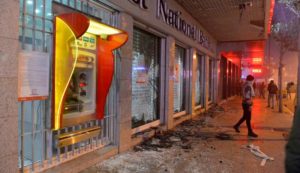 chathamhouse.org

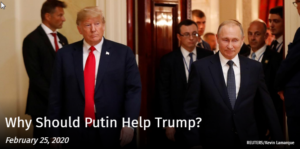






 πολύκροτης υπόθεσης «Penelopegate» δεν παύει να απασχολεί τα πρωτοσέλιδα του γαλλικού τύπου αφού αφορά έναν πρώην πρωθυπουργό, που έχασε το 2017 τις προεδρικές εκλογές, τη σύζυγό του και τον κοινοβουλευτικό αναπληρωτή του Marc Joulaud.
 κατηγορουμένων αυτοί θεωρούνται αθώοι. Κι αυτό οφείλουν να αποδείξουν οι κατηγορούμενοι «στο σκαμνί» στο οποίο θα κάθονται μέχρι τις 11 Μαρτίου 2020, όπως έχει προβλεφθεί.
 στη δίκη, ως πολιτική αγωγή, της γαλλικής Εθνοσυνέλευσης (η οποία πλήρωσε στην κ. Πηνελόπη μισθούς) για να διεκδικήσει το ποσό των 1.081.219 ευρώ ως αποζημίωση και τόκους από τον François Fillon, σύμφωνα με το σχετικό δημοσίευμα του ηλεκτρονικού Le Monde και του Γαλλικού Πρακτορείου Ειδήσεων (AFP) που δημοσιεύθηκε στις 19-2-2020 με τίτλο : «Η Εθνοσυνέλευση θα διεκδικήσει 1.081.219 ευρώ ως αποζημίωση και τόκους από τον François Fillon» (L’Assemblée nationale va demander 1 081 219 euros de dommages et intérêts à François Fillon).
 Του Σάββα Καλεντερίδη
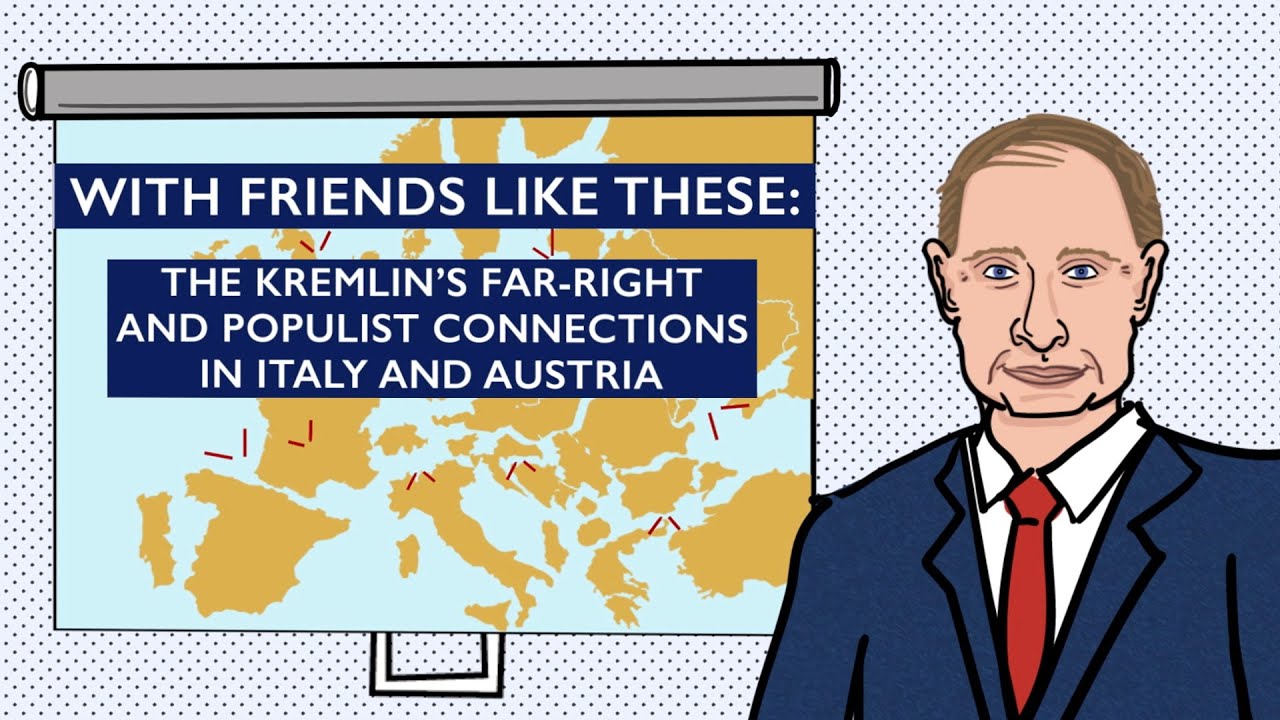






 Φωτογραφία από την εποχή της pizza connection