

 Sibel Edmonds
It’s been more than two weeks since my breaking article on Russia-Turkey-Syria and the contentious S-400 deal. I still consider the article breaking. In fact, I have left it as my pinned thread on Twitter. Some of you may wonder how a news article can be considered breaking after 17 days. Well, it can. If the events and developments giving credence to it keep unfolding since its publication, and if no other media outlets dare provide any information or real coverage on it (on purpose), then, the article’s status remain as breaking. I am not sure if this principle is covered in journalism guidelines, but it is in my guideline. With that I am going to provide you with highlights of the most important developments since.
Syria: Arriving at the Finish Line
A lot has been taking place in Northwest Syria- Idlib region. Three days after my piece, on May 10, Turkey asked Russia to stop its airstrike operations in Idlib:
Turkey has asked Russia to stop bombing Syria’s northwestern province of Idlib. The province has been under attack by Russian-backed Syrian regime troops for about 2 weeks. The news was given by Anadolu, which quoted diplomatic sources as saying that the request had been made in a telephone call between Turkish Foreign minister Mevlut Cavusoglu and his Russian counterpart Sergey Lavrov.
Lavrov, the sources said, had assured Cavusoglu that the bombing would be halted on Friday morning. An agreement in September between Turkish president Recep Tayyip Erdogan and his Russian counterpart, Vladimir Putin, to create a de-escalation zone in Idlib was never fully implemented.
Although the government-controlled media in Turkey kept reporting on Russia assuring Turkey that these operations were going to get scaled down, and that they were even declaring a ceasefire, the assurances and promises never materialized. In fact, the operations actually intensified and escalated.
One interesting fact to be noted on the Turkish media’s reporting on these Idlib-Syria developments is how they have been refraining from mentioning the word “Russia”. I have to say it is not only interesting but also a glaring censorship based on directives coming from above. While international media outlets paired up “Russian and Syrian Forces” in their reports and headlines on the intensifying Idlib airstrikes, Turkish media made sure that only the “Syrian Regime” was used as the perpetrators of these operations – highlights below:
As the Syrian regime bombs Idlib, millions face a humanitarian disaster
Syrian medical workers reel under regime bombardment in Idlib
Regime air strikes kill 23 civilians in Syria’s Idlib
Monitoring this discrepancy between the world media and Turkish media in each report, even those copy-pasted from Reuters’ and such, seeing how the media here removed the word Russia and let “Syria Regime” stand alone, has been almost a surreal experience. Of course, you can see why- during this Yo-Yo stage between Russia and the United States, while playing the S-400 card as a life-line, at least until a final side is chosen, or forced to be chosen, Turkey does not want to alienate Russia. But still, it has gotten to a comical point.
While all the flowery media reports in Turkey have been trying hard to depict Russia as not a party in Idlib-related developments, Russia has been ramping up its joint operations with the Syrian government in the battle on the final front in Syria- right in Turkey’s Syria-Safe-Zone backyard:
Syrian regime hits area near Turkish observation point
Syria’s Bashar al-Assad regime carried out an artillery attack near Turkish observation point in Idlib de-escalation zone on May 12, according to Anadolu Agency correspondents on the ground. This was the third attack of regime forces near the observation point in two weeks. Similar attacks near the observation point were carried out on April 29 and May 4.
Even with this incident Turkish media was careful to not provide factual coverage while Turkey’s S-400 poker game with the U.S. remained in the final blinking-stage status:
Close call: Russian Air Force bombs jihadist forces near Turkish military post
The Russian Air Force unleashed a new round of airstrikes over the northwestern countryside of the Hama Governorate this evening, targeting the positions of the jihadist and Turkish-backed rebels.
The source said the Russian airstrikes hit the militant positions near the Turkish Army’s observation post along the Hama-Idlib axis.
The externally-imposed war in Syria is reaching its final stage- the finish line in the battle for Idlib. A very good indicator of this is the latest no-longer-effective propaganda by the crying wolf USA– Assad chemical attack in Syria!
Idlib is the final battle in ending the Syria war for the Assad-Russia alliance- a fact that has been accepted by the West in the past year. Turkey, on the other hand, appears to be in the no-man camp currently. Turkey was foolishly dragged into US operations against Syria in 2011- I reported this in 2011, almost two years before Syria became the headlines. It has been left behind by the defeated U.S. camp in the last two years or so. And while getting a bit closer to Russia lately, it still remains in the enemy-camp, when it comes to Syria. With that the following piece of news I found today seems to take on a much more significant meaning:
Turkey’s AK Party says nothing wrong with intelligence meetings with Syria despite tensions
The AK Party of President Tayyip Erdogan said on Wednesday there was nothing wrong with Turkey’s intelligence agency meeting Syrian counterparts to prevent conflict – even though Ankara has backed rebels fighting President Bashar al-Assad. The AKP was responding to a Turkish media report of high-level contact between senior Turkish and Syrian representatives.
Is this a desperate attempt by Turkey to officially switch camps at this final stage of the Syria War? Maybe. On the other hand, the following development seems to indicate otherwise:
Turkey-backed fighters join forces with HTS rebels in Idlib
Turkey-backed rebels poured fighters onto the front line in northeastern Syria, joining forces with a rival armed group to beat back government troops from a town they had recaptured earlier this month.
Hay’et Tahrir al-Sham (HTS) seized the town of Kfar Nabuda in Idlib province on Tuesday with the help of the National Liberation Front (NLF), a conglomeration of rebel groups supported by Ankara. The town had been retaken by the Syrian government in its recent assault.
Whether Turkey assumes a tough stand with Russia on Syria or not depends on one, only one, factor: USA. Currently all sorts of behind-closed-doors negotiations and deal-making attempts are taking place between the two. And everything I’ve seen so far, digging in front of and behind-the-scenes, supports my previous breaking news piece indicating the coming camp-switching from Russia to the USA, using Syria-Idlib as a pretext. Let’s quickly highlight these indicators:
Turkey Readily Complies with U.S. Iran Sanctions
Despite all the rhetoric and tough talk Turkey readily accepted, and has already began implementing U.S. sanctions on neighboring country Iran:
Despite rhetoric, Turkey complies with U.S. oil sanctions on Iran
Turkey has closed its ports to Iranian oil, fully complying with U.S. sanctions against its main supplier, despite Ankara publicly criticizing the United States’ move to end import waivers and warning of a struggle to tap alternative producers.
Four days after the waiver ended, a tanker carrying 130,000 tons of Iranian crude was midway across the Mediterranean Sea to Turkey when it changed course and turned off its tracker, Refinitiv oil analyst Ehsan ul-Haq said. Analysts, citing satellite imagery, said it likely unloaded instead at the Syrian port of Banias. The data shows that Turkey began trimming its Iranian imports as early as march. Analysts said it has replaced the oil from its neighbor with oil from Iraq, Russia and Kazakhstan.
As many of you know, these types of sanctions are intentionally geared to create black-markets (even if some may call it different shades of gray) making some entities rich. Nonetheless, Turkey is complying with the ill-intentioned U.S. sanctions on Iran. And this earns Brownie Points for Turkey from the USA. It is a concession. Period.
US Rewards Turkey with Tariff Cuts & Turkey Immediately Reciprocates
On May 16, The U.S. government trimmed tariffs on steel imports from Turkey to 25% after having raised the duty to 50% last year. A few days later Turkey halved tariffs on at least 22 US import goods in order to reciprocate Washington’s move.
You see, when the tensions with the U.S. are real this has no way of happening. Only when things are going according to U.S. wishes goodwill tariff reductions like this take place. Period.
CNN-Turkey Take Sides with the AKP Government
CNN’s Turkish channel, CNN-Turk intentionally cut short an interview with the opposition candidate for Istanbul mayor in favor of the current government party’s mayoral candidate.
Social media users lashed out at CNN Turk after it stopped Monday night’s interview with Ekrem Imamoglu of the Republican People’s Party (CHP) half an hour ahead of schedule.
…
Imamoglu was interrupted by the CNN Turk anchor as he began to talk about the lavish spending in Istanbul municipality which he said he discovered during his brief 18-day stint as mayor.
…
This prompted the anchorman, Ahmet Hakan, first to interrupt him for a commercial break and then to end the program entirely when Imamoglu insisted on talking about the finances. Imamoglu countered that the interview was supposed to last 30 minutes more, but was told time was up.
…
You may think CNN-Turk as a media outlet abided by Turkish government rules. But that’s not the case. This is a U.S.-based mainstream media outlet openly supporting the current government’s party candidate. In CNN-Turk the emphasis, and the lead, is on CNN- An American Mega Corporation Media Outlet. Period.
USA Gives Turkey A Specific & Shortened Timeline Ultimatum on S-400
On May 21, two days ago, the United States gave Turkey a two-week ultimatum to cancel a messy multibillion-dollar Russian S-400 arms deal … or face “very” harsh US penalties:
The United States on Wednesday warned that Turkey will have to face “very real and very negative consequences” if Ankara finalizes the purchase of Russian S-400 surface-to-air missile defence systems.
Just a take from my experience- when timetables given by the U.S. get specific like this (two weeks!), and language gets overtly tough like this (very real and negative consequences- emphasis on “very”), then you know that the turning point is near- very near. As with any logical math equation when we add:
Russia-Syria operations reaching the Finish Line, to, Turkey buckling on U.S. Iran sanctions, to, mutual trade and tariff improvements between Turkey and the U.S., to, American Mega Corporation Mainstream Media openly supporting the current government party in Turkey, to, definitive short deadlines and ultimatum given by the U.S., you get: A Turning Point. In this case, as I had reported in my previous article, it will be about a Turkey-Russia relations set back and backing out of the S-400 deal.
Russia-Syria Idlib operations definitely provide Turkey with the needed excuse (aka justification) while maintaining face- to a certain degree. The face-saving (for the public here in Turkey) can also be bolstered by how it is worded. In this case it will be something like: Turkey postpones the delivery and installation of S-400 for XX period of time until YY issues are addressed, resolved. Postponing the announcement until after the coming mayoral election on June 23, per coordination with the U.S., is another likely possibility on the timing. Meanwhile, during this entire coming period, even before the post-elections announcement, one must keep an eye on the economy, especially the Turkish currency and its sudden recovery without any sensible explanation to go along with it.
 του Δημήτρη Μακροδημόπουλου


 Του Αλκη Καλλιαντζίδη, Οικονομολόγου,
 Πρακτορείο Ειδήσεων υπό τον ομώνυμο τίτλο : «L’Argentine à nouveau en défaut de paiement». Με το ίδιο θέμα είχα ασχοληθεί πριν ακριβώς από ένα μήνα στις Ανιχνεύσεις (24-4-2020) :
 προέδρου Alberto Fernandez επιδιώκει να συνάψει συμφωνία με τους κατόχους ομολόγων της Αργεντινής, χωρίς να πυροδοτήσει το «πυροβολικό της αθέτησης πληρωμών» (όπως απειλούσαν ανοήτως ότι θα κάνουν το 2015 οι ΣΥΡΙΖΑΝΕΛ). Αργά το απόγευμα της Πέμπτης 21-5-2020, η κυβέρνηση της Αργεντινής είχε ήδη ανακοινώσει την παράταση για δεύτερη φορά της προθεσμίας που είχε ορίσει για την αναδιάρθρωση, προσδιορίζοντας τις 2 Ιουνίου ως τη νέα προθεσμία. Αυτή η δεκαήμερη παράταση φαίνεται να δείχνει ότι η κυβέρνηση της Αργεντινής και οι πιστωτές της θα μπορούσαν να είναι κοντά σε μια συμφωνία, αν και η νέα καταληκτική προθεσμία δεν είναι απαραίτητα οριστική, όπως είπε η κυβέρνηση την Πέμπτη. Οι διαπραγματεύσεις είχαν αρχικά προγραμματιστεί να ολοκληρωθούν το αργότερο έως τις 8 Μαΐου, αλλά σε περίπτωση ασυμφωνίας, θα παρατείνονταν μέχρι την Παρασκευή 22-5-2020, όταν έπρεπε να πληρωθούν τόκοι 500 εκατομμυρίων δολαρίων.
 κυβέρνηση είχε συμπεριλάβει τους τρεις ληξιπρόθεσμους τίτλους, που ονομάστηκαν 2021, 2026 και 2046, στο σχέδιο αναδιάρθρωσης. Η ημερομηνία της περασμένης Παρασκευής λέγεται ότι είχε θεωρηθεί «ανεκδοτική», σύμφωνα με τα λεγόμενα του αργεντινού υπουργού Οικονομίας Martin Guzman.Παρόλο ότι η κυβέρνηση λέει ότι οι διαπραγματεύσεις βρίσκονται σε καλό δρόμο, η κύρια ομάδα των δανειστών της Αργεντινής απαίτησε την Παρασκευή «μια άμεση και τάχιστη
 συζήτηση». «Η ομάδα χαιρετίζει την εκφρασμένη πρόθεση της Αργεντινής να συνεργαστεί με
 τους δανειστές, αλλά οι πράξεις πρέπει να είναι πιο εύγλωττες από τα λόγια. Κατά τη διάρκεια του περασμένου μήνα, η Αργεντινή δεν είχε πρακτικά ουσιαστική επικοινωνία με τους πιστωτές της», ανέφερε σε ένα δελτίο τύπου μια ομάδα αρκετών επενδυτικών κεφαλαίων, συμπεριλαμβανομένων της BlackRock και του Fidelity.
 πληρωμών θα είναι πολύ σύντομη», δήλωσε η οικονομολόγος Marina Dal Poggetto της εταιρείας EcoGo. «Αλλά εάν μπλοκάρουν τις διαπραγματεύσεις, θα το πληρώσουμε ακριβά», είπε.
 ανάγκασε την κυβέρνηση να αποδεσμεύσει πόρους για να μετριάσει τις επιπτώσεις της στους πιο ευάλωτους κατοίκους και τις επιχειρήσεις. Το Διεθνές Νομισματικό Ταμείο, το οποίο στηρίζει την Αργεντινή στην αναδιάρθρωσή της, δήλωσε ότι είναι πεπεισμένο, ωστόσο, ότι «οι δύο πλευρές είναι πρόθυμες να συνεχίσουν τις συνομιλίες για να καταλήξουν σε μια συμφωνία», σύμφωνα με τον εκπρόσωπό του Gerry Rice.
 βασιστεί σε μια παράταση έως τα τέλη Ιουλίου. Αλλά αν δεν υπάρξει συμφωνία μέχρι εκείνη την ημερομηνία, «οι κάτοχοι ομολόγων πιθανότατα να σκεφτούν ότι θα είναι πιο καλό να προσφύγουν στη δικαιοσύνη, δεδομένης της δυσκολίας της Αργεντινής να επιτύχει μια βραχυχρόνια συμφωνία», εκτιμάει ο Ignacio Labaqui της εταιρείας Medley Global Advisors. Μια κατάσταση στάσης πληρωμών επιτρέπει πράγματι στους πιστωτές να απαιτήσουν ενώπιον της διεθνούς δικαιοσύνης μια «επιτάχυνση» της αποπληρωμής του χρέους, δηλαδή το αίτημα για την πλήρη αποπληρωμή του.
 του Αναστάσιου Λαυρέντζου*


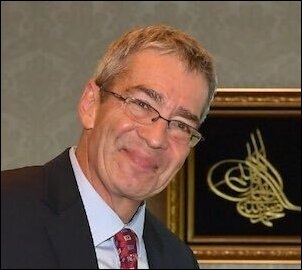 Israel’s Charge’ d’Affairs in Turkey, Roey Gilad
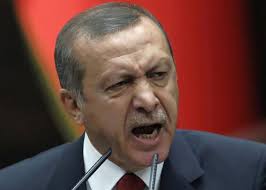 που τα εκφράζει και τη φίμωση του αντιλόγου προς αυτόν που επιβάλει με τις ανανεούμενες προφυλακίσεις. Όμως το πώς λειτουργεί η παγκοσμιοποιημένη οικονομία δεν έχει σχέση με τα «οικονομικά του Ερντογάν», δηλαδή τα Erdoganomics. Ιδιαίτερα σήμερα με την παγκόσμια πανδημία του κορωναϊού που μας προορίζει μια βίαιη ύφεση, με εκατόμβη χρεοκοπημένων επιχειρήσεων, με μαζική ανεργία και με φτωχοποίηση των πιο ευάλωτων πληθυσμών του πλανήτη, άρα και των Τούρκων.
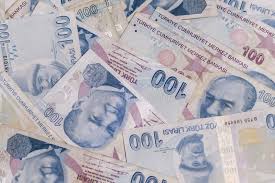 λειτουργεί μέχρι σήμερα και η τουρκική, αυτό είναι μια σκληρή πραγματικότητα για τον ίδιο, εξ ου και οι συνεχιζόμενες υποτιμήσεις της τουρκικής λίρας. Το 2011 το 1 ευρώ ανταλλάσσονταν με 2,25 λίρες Τουρκίας. Στις 21-5-2020 1 ευρώ ήταν ίσο με 7,33 λίρες. Θεωρείται δε πια έκδηλη η αφέλειά του ότι αυτός θα εφαρμόσει νταηλίδικα στη χώρα του τα δικά του οικονομικά, δηλαδή αυτά που επιδοκιμάζει το Κοράνι, το οποίο δεν αποδέχεται τα επιτόκια και τους τόκους των παγκόσμιων αγορών Κεφαλαίου. Και παρά την τόσο ευνοϊκή συναλλαγματική εξέλιξη για τους αλλοδαπούς τουρίστες, η Τουρκία θα παλέψει για να σώσει τον τουρισμό της, λόγω της ανορθόδοξης πολιτικής της και του κορωναϊού. Αυτό αποκαλύπτει στο άρθρο της η έγκυρη ανταποκρίτρια στην Κωνσταντινούπολη, Marie Jégo, του ηλεκτρονικού Le Monde, στις 22-5-2020, με τίτλο : «Κορωναϊος : στην Τουρκία, να σωθεί ο τουρισμός πάνω απ ‘όλα» (Coronavirus : en Turquie, sauver le tourisme avant tout).
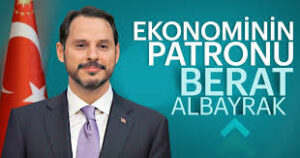 Υπουργού Οικονομίας, του Berat Albayrak, ο οποίος είναι και γαμπρός του Ερντογάν, βέβαιου ότι «η τουρκική οικονομία θα ξεπεράσει τις δυσκολίες με ελάχιστη ζημιά και σε σύντομο χρονικό διάστημα», αποδείχθηκαν μάταιες να πείσουν. Για το 2020, το
 Διεθνές Νομισματικό Ταμείο (ΔΝΤ) προβλέπει μείωση κατά 5% του ακαθάριστου εγχώριου προϊόντος (ΑΕΠ) και ποσοστό ανεργίας 17,2% (έναντι 14,7% το Φεβρουάριο 2020). Εκτιμώντας ότι η πανδημία είναι «υπό έλεγχο», η κυβέρνηση θέλει να αναζωογονήσει την οικονομική δραστηριότητα το συντομότερο δυνατό, με το άνοιγμα της τουρκικής οικονομίας να πραγματοποιείται σταδιακά, ξεκινώντας από τα τέλη Μαΐου, λίγο μετά το Ραμαζάνι. Πάνω απ’όλα πρέπει να
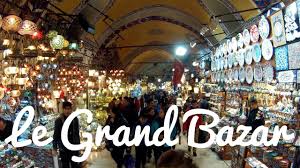
 σωθεί ο κλάδος του τουρισμού που πλήττεται περισσότερο. Στην Κωνσταντινούπολη, μεγάλο εμπορικό και τουριστικό κέντρο, το Μεγάλο Παζάρι, που έκλεισε από τις 23 Μαρτίου 2020, θα ανοίξει ξανά την 1η Ιουνίου.
 συγκοινωνίες, η επίπτωση θα είναι σκληρή. Ως επί το πλείστον, η πελατεία μου είναι βρετανική, ο τοπικός τουρισμός δεν θα είναι αρκετός για να αντισταθμίσει τις απώλειές μου», πρόσθεσε, τηλεφωνικά στην Marie Jégo, ο διευθυντής του ξενοδοχείου.
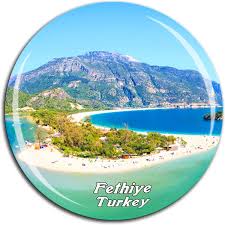 πρόγραμμα πιστοποίησης, το οποίο υποτίθεται ότι εγγυάται τη συμμόρφωση με τους κανόνες υγιεινής και τα μέτρα εμπόδια στα θέρετρα διακοπών. Στα ξενοδοχεία, ο αριθμός των πελατών θα είναι περιορισμένος. «Από τα 100 διαθέσιμα κρεβάτια, θα μου επιτρέπεται να νοικιάζω μόνο τα 60», λέει ο Alkan.
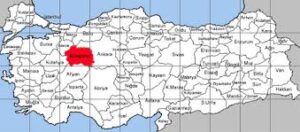 ανεργία περισσότερο από τον ιό», είπε στην Marie Jégo ο Ali Ihsan Akiskalioglu, ένας βιομήχανος από το Εσκισεχίρ, μια κεντρική επαρχία της Τουρκίας. Η χώρα δεν είναι απρόσβλητη από μια κοινωνική κρίση. Ωστόσο, η οικονομική ικανότητα των τουρκικών αρχών για την επίλυση αυτής της κρίσης φαίνεται περιορισμένη. Ειδικά δεδομένου ότι υπάρχει μια νομισματική κρίση σε εξέλιξη. Η μείωση των εισπράξεων σε συνάλλαγμα προστίθεται στην επιτάχυνση της φυγής διεθνών κεφαλαίων που αναζητούν ασφαλέστερες επενδύσεις.
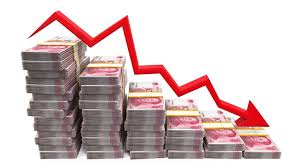 προκαλώντας την ανησυχία των αγορών για την ικανότητά της να ανακάμψει, εάν επιδεινωθεί η κρίση. Υπό την πίεση του Ερντογάν, ξεροκέφαλου σε έναν ανελέητο πόλεμο ενάντια στα υψηλά επιτόκια, τα οποία, κατά τον ίδιο, θα επιδείνωναν μόνο τον πληθωρισμό, η κεντρική τράπεζα τα μείωσε σημαντικά.
 επιχειρηματικού τομέα είναι υψηλό. Ως επί το πλείστον, είναι σε ξένο νόμισμα. Ωστόσο, η υποτίμηση της τουρκικής λίρας οφείλεται σε περιοριστικά μέτρα που έλαβε η Άγκυρα, η οποία συμβάλλει στην αύξηση του άγχους στις αγορές συναλλάγματος», διαβεβαιώνει ο Τούρκος οικονομολόγος Ugur Gürses. Αντιμέτωποι με την προοπτική μιας νομισματικής κρίσης, ο Ερντογάν και ο γαμπρός του άρχισαν να κατηγορούν τους «ξένους κερδοσκόπους». Κατηγορούμενες για «χειραγώγηση», 3 ξένες τράπεζες (Citigroup, UBS και BNP Paribas) απαγορεύτηκαν από την τουρκική ρυθμιστική τράπεζα, την Παρασκευή, 8 Μαΐου 2020, να πραγματοποιήσουν πράξεις swap (δηλαδή ανταλλαγές νομισμάτων). Η απαγόρευση αυτή πάγωσε τις αγορές, παρόλο ότι ανακλήθηκε την Τρίτη 12 Μαΐου.
 «πολύ σοβαρά» επιχειρήσεις και άτομα. Εάν θέλει να σώσει τη λίρα, η τουρκική κυβέρνηση έχει να επιλέξει : μεταξύ της αύξησης των τουρκικών επιτοκίων ή της επιδίωξης βοήθειας από το ΔΝΤ. Δύο επιλογές τις οποίες ο Ερντογάν έχει ήδη απορρίψει, επί του παρόντος. Ως πότε άραγε ;


