Αρχική Blog Σελίδα 2435

Η Τουρκία συνεργάζεται με το καθεστώς της Συρίας για να αντιταχθεί στη συμφωνία πετρελαίου αμερικανικής εταιρείας με την SDF

0
 

Του Η Τουρκία και το καθεστώς της Συρίας καταδίκασαν τις αναφορές για συμφωνία αμερικανικής πετρελαϊκής εταιρείας που συνδέεται με πετρελαιοπηγές στην ανατολική Συρία. Το καθεστώς της Συρίας ισχυρίστηκε ότι η συμφωνία έκλεβε πετρέλαιο από το κράτος. Την ίδια στιγμή, η Τουρκία, η οποία έχει καταλάβει παράνομα μέρος της βόρειας Συρίας και της οποίας οι Σύροι αντάρτες σύμμαχοι έχουν κατηγορηθεί για εθνοκάθαρση μειονοτήτων από το Αφρίν, επέκρινε επίσης τη συμφωνία. Η Άγκυρα ισχυρίστηκε ότι οι ΗΠΑ αγνοούν το “διεθνές δίκαιο” και ότι η θέση των ΗΠΑ δεν θα γίνει ποτέ αποδεκτή ή νομιμοποιημένη. Η Τουρκία γίνεται όλο και περισσότερο σύμμαχος του Ιράν και της Ρωσίας σε θέματα που αφορούν τη Συρία και αντιτίθεται στις ΗΠΑ, παρόλο που η Αμερική και η Τουρκία αποτελούν και οι δύο μέλη του ΝΑΤΟ.

Ωστόσο, οι εκθέσεις δείχνουν επίσης ότι η “συμφωνία” – η οποία αναφέρθηκε σε ορισμένα μέσα ενημέρωσης – δεν μπορεί καν να οριστικοποιηθεί σε μόνιμη βάση. Αυτό μπορεί να οφείλεται σε μυστικές συμφωνίες που ήδη υπάρχουν στην περιοχή και παρενοχλούν το προαναφερθέν αμερικανικό σχέδιο. Περισσότερες ερωτήσεις από απαντήσεις περιβάλλουν το τι πραγματικά συμβαίνει με τα πετρέλαια της Συρίας.

Η Τουρκία και το καθεστώς της Συρίας θέλοντας να καταδικάσουν τη συμφωνία φαίνεται να μην ρίχνουν φως στα θέματα τα οποία θα ακολουθήσουν στο Συριακό μέτωπο. Σύμφωνα με δημοσιεύματα στο Al-Monitor, οι ΗΠΑ ενδέχεται να παρέχουν αρθρωτά διυλιστήρια στην αυτόνομη διοίκηση στην ανατολική Συρία. Η περιοχή διοικείται από τις Συριακές Δημοκρατικές Δυνάμεις (SDF) και τον πολιτικό τους βραχίονα, η οποία είναι μια πολυεπίπεδη γραφειοκρατία. Οι ΗΠΑ είχαν αρχικά δηλώσει ότι θα εγκαταλείψουν την ανατολική Συρία τον Δεκέμβριο του 2018.

Ο πρόεδρος Ντόναλντ Τραμπ απομάκρυνε τα αμερικανικά στρατεύματα από τα τουρκικά σύνορα τον Οκτώβριο του 2019, όταν η Τουρκία απείλησε να επιτεθεί σε περιοχές όπου οι ΗΠΑ υποστήριζαν επιχειρήσεις κατά του ISIS. . Αυτή απετέλεσε μια από τις πρώτες σαφείς ενδείξεις ότι η Άγκυρα προτιμά τη Ρωσία, το Ιράν και το καθεστώς της Συρίας έναντι των αμερικανικών δυνάμεων στη Συρία. Η Τουρκία αγόρασε επίσης το σύστημα αεράμυνας S-400 από τη Ρωσία, παρενοχλούσε αμερικανούς στρατιώτες στην Τουρκία και φυλάκισε Τούρκο εργαζόμενο στην Αμερικανική πρεσβεία.

Αν και η ΤΟΥΡΚΊΑ και η Δαμασκός είναι εξοργισμένες με τη συμφωνία που φέρεται να υπέγραψε η Delta Crescent Energy, υπάρχουν επίσης ερωτήματα σχετικά με την ίδια τη συμφωνία. Το Politico σημειώνει ότι η εταιρεία είναι  ελάχιστα γνωστή και ιδρύθηκε τον Φεβρουάριο του 2019. “Βρίσκεται σε συνομιλίες με τους Κούρδους για περισσότερο από ένα χρόνο, αλλά έλαβε άδεια μόνο από το Γραφείο Ελέγχου Ξένων Περιουσιακών Στοιχείων του Υπουργείου Οικονομικών για το έργο τον Απρίλιο”, σημειώνει η έκθεση.

“Η συμφωνία είναι να τελειοποιήσουμε και να χρησιμοποιήσουμε μέρος του πετρελαίου σε τοπικό επίπεδο, αλλά και να εξαγάγουμε μέρος του μέσω του βόρειου Ιράκ και της Τουρκίας”. Είναι σαφές ότι το τελευταίο μέρος αυτής της πρότασης θα ήταν προβληματικό δεδομένης της αντίθεσης της Άγκυρας. Η θέση του Ιράκ δεν είναι επίσης σαφής.

Στο παρελθόν, το πετρέλαιο της Συρίας έχει περάσει λαθραία στο καθεστώς της Συρίας και επίσης έχει περάσει λαθραία από το ISIS όταν η  οργάνωση ήλεγχε τμήματα της ανατολικής Συρίας. Το λαθρεμπόριο στην Τουρκία φέρεται να έλαβε χώρα και στο παρελθόν. Ωστόσο, τα κοιτάσματα πετρελαίου – τα οποία μπορούν να παράγουν εκατοντάδες χιλιάδες βαρέλια την ημέρα – εκτιμάται ότι παράγουν μόνο το 10% της ποσότητας που χρειάζεται το κράτος.

Δεν είναι σαφές εάν η συμφωνία πετρελαίου θα είναι σε θέση να ενισχύσει την ικανότητα άντλησης και διανομής πετρελαίου. Δεν είναι καν σαφές πώς, κατά τη διάρκεια του COVID-19 και εν μέσω απειλών του ISIS και του κλεισίματος των συνόρων, η εταιρεία σκοπεύει να κάνει τη δουλειά.

Αυτό που πραγματικά συμβαίνει είναι πιο σκοτεινό από ό, τι δείχνουν οι εκθέσεις. Ενώ η ανακοίνωση της συμφωνίας φαίνεται πραγματικά να έχει διαρρεύσει λανθασμένα από τον Γερουσιαστή των ΗΠΑ Lindsey Graham – και με κάποια υποστήριξη από τον Mike Pompeo του Υπουργείου Εξωτερικών αλλά  ακόμη και τον Λευκό Οίκο – είναι ασαφές αν η συμφωνία είναι έτοιμη για την κάλυψη prime time. Είναι γνωστό ότι ο επικεφαλής της IS CENTCOM Στρατηγός Φρανκ Μακένζι συναντήθηκε με τον αρχηγό των SDF Στρατηγό Μαζλούμ Αμπντί τον Ιούλιο.

Αξιωματούχοι του Υπουργείου Εξωτερικών των ΗΠΑ γύρω από τον Γουίλιαμ Ρόμπακ, μέλος της ομάδας ΗΠΑ-Συρίας, προσπαθούν επίσης να κάνουν τις κουρδικές ομάδες να συμφιλιωθούν στην ανατολική Συρία τους τελευταίους μήνες. Αυτό σημαίνει να φέρουμε τα στοιχεία του PYD και του GPJ μαζί με το ENKS και άλλες κουρδικές ομάδες. Βασικά αυτό σηματοδοτεί πως  με τη σειρά τους θα μιλήσουν με το Κουρδικό Δημοκρατικό Κόμμα (KDP) και το Κουρδικό Εργατικό Κόμμα (ΡΚΚ), τα οποία έχουν επιρροή στις συστατικές κουρδικές ομάδες στην ανατολική Συρία.

Τι σχέση έχουν όλα αυτά με το πετρέλαιο; Το πετρέλαιο δεν κινείται κατά μήκος των συνόρων στην αυτόνομη περιοχή του Κουρδιστάν του βόρειου Ιράκ με συζητήσεις που αφορούν το KDP. Οι ΗΠΑ επιδιώκουν εδώ και καιρό να απογαλακτίσουν την πολιτική ηγεσία που συνδέεται με το SDF από τους άμεσους δεσμούς της με το ΡΚΚ. Η Τουρκία δεσμεύθηκε να καταστρέψει το ΡΚΚ, ξεκινώντας επιχείρηση τον Ιούλιο βαθιά στο βόρειο Ιράκ.

Ο στόχος των ΗΠΑ όσον αφορά το πετρέλαιο είναι τριπλός. Πρώτον, η CENTCOM και αξιωματούχοι του Υπουργείου Εξωτερικών, που θέλουν οι ΗΠΑ να επιτύχουν στην ανατολική Συρία, θέλουν να είναι σύμφωνοι με τον στόχο του Τραμπ για την εξασφάλιση του πετρελαίου: Αυτό είναι το σχέδιο Τραμπ. Έτσι, για να δικαιολογήσει την παρουσία των ΗΠΑ, η Ουάσιγκτον πρέπει να θεωρηθεί ότι υπερασπίζεται αυτά τα συμφέροντα.

Δεύτερον, οι αμερικανοί αξιωματούχοι που ασχολούνται με το Ιράν θέλουν να μην τους επιβληθούν κυρώσεις από τη Δαμασκό. Αυτό σημαίνει ότι θα δώσουμε στους SDF έναν τρόπο να μεταφέρουν πετρέλαιο χωρίς να περνάει από την Δαμασκό. Η αποχώρηση των ΗΠΑ τον Οκτώβριο του 2019 ανάγκασε τους SDF να συνεργαστούν στενότερα με τη Δαμασκό. Μια συμφωνία πετρελαίου μπορεί να δείξει ότι οι ΗΠΑ έχουν σοβαρευτεί και βρίσκονται τώρα στην Συρία για να υπερασπιστουν τη συμφωνία  και όχι για να ασχοληθούν με τα ”αιματοβαμμένα πεδία” που δημιούργησε ο Τραμπ και ο Ερντογάν .

Τρίτον, οι καλύτερες πωλήσεις πετρελαίου μπορούν να βοηθήσουν τις εγκαταστάσεις κράτησης του SDF να χρηματοδοτήσουν το ISIS – και οι ΗΠΑ θέλουν να συνεχίσουν να έχουν κρατουμένους του ISIS.

Ένα σημαντικό πρόβλημα με την προφανή συμφωνία είναι ότι, σύμφωνα με μια έκθεση από το NationaInterest τη Δευτέρα, πολλές εταιρείες από τις ΗΠΑ και τη Ρωσία θέλουν να κάνουν μια συμφωνία για το πετρέλαιο και μέχρι στιγμής, “καμία από αυτές δεν υπέγραψε καμία σύμβαση με τη διοίκηση.  Μήπως αυτό έρχεται σε αντίθεση με έναν άλλο αξιωματούχο του Συριακού Δημοκρατικού Συμβουλίου ο οποίος ανέφερε, σε έκθεσή του στο Al-Monitor, ότι είχε επιτευχθεί συμφωνία; Ίσως και όχι.

Οι συμφωνίες πετρελαίου είναι πολύπλοκες. Η ανατολική Συρία είναι περίπλοκη. Οι αμερικανικές κυρώσεις είναι πολύπλοκες. Όταν προσθέτετε μαζί τρία επίπεδα πολυπλοκότητας και τη γεωπολιτική διαμάχη που προκύπτει από οποιαδήποτε πρόταση εμπλοκής των ΗΠΑ  στο πετρέλαιο στην ανατολική Συρία, είναι σαφές ότι δεν είναι προς το τοπικό συμφέρον να τεθούν τέτοιοι όροι που να παρουσιάζονται ως ξεπούλημα στα αμερικανικά πετρελαϊκά συμφέροντα.

Οι ρωσικές δυνάμεις αντιμετωπίζουν τακτικά τριβές με τις περιπολίες των ΗΠΑ στην ανατολική Συρία. Τον Φεβρουάριο του 2018, ρώσοι εργολάβοι προσπάθησαν ακόμη και να επιτεθούν σε πετρελαιοπηγές κοντά στο Deir Ezzor, οι οποίες διοικούντο από την SDF. Οι Σύροι αντάρτες σύμμαχοι της Τουρκίας συχνά κόβουν νερό σε μισό εκατομμύριο ανθρώπους κοντά στη Χασάκα.

Είναι δύσκολο να εξάγεις πετρέλαιο υπό κανονικές συνθήκες από την φτωχή, απομονωμένη και εμπόλεμη ανατολική Συρία. Η έλλειψη νερού σε αρκετές μεγάλες χώρες που προσπαθούν να υπονομεύσουν η μία την άλλη το καθιστά ακόμη πιο δύσκολο.

Μετάφραση Χωριανόπουλος Άγγελος

πηγή: www.jpost.com

infignomonpolitics.gr

Ανάλυση – Λίβανος: Κρίση πάνω στην κρίση

0
O Λίβανος  έχει πληγεί από μια σειρά μακροχρόνιων, φαινομενικά δύσκολων κρίσεων για δεκαετίες.

Η χώρα υπέμεινε από έναν καταστροφικό 15χρονο εμφύλιο πόλεμο και συχνά έχει εγκλωβιστεί στις πυρκαγιές των περιφερειακών συγκρούσεων.

Αλλά η θανατηφόρα έκρηξη που ξέσπασε από το λιμάνι της Βηρυτού την Τρίτη – η οποία έρχεται εν μέσω πανδημίας κοροναϊού και οικονομικής κατάρρευσης – μπορεί να είναι η καταστροφή που φέρνει στα γόνατά του ένα πολιορκούμενο έθνος.

Το πρώτο «κτύπημα»: Η πανδημία του κορωνοϊού

Ο Λίβανος, από το πρώτο θετικό κρούσμα κορωνοϊού που καταγράφηκε τον περασμένο Μάρτιο στη χώρα έχει φθάσει σήμερα να μετρά συνολικά περισσότερους από 5.000 ασθενείς και 65 νεκρούς.

Ενώ οι παραπάνω αριθμοί είναι συγκριτικά χαμηλοί σε σχέση με την κατάσταση που επικρατεί όχι στις υπόλοιπες χώρες της Μέσης Ανατολής και συνολικά στον πλανήτη, τις τελευταίες εβδομάδες παρουσιάζουν ανησυχητική αύξηση και διασπορά σε πολλές περιοχές της χώρας των 4,5 εκατομμυρίων κατοίκων.

Αυτό εν μέρει οφείλεται στην άρση των περιοριστικών μέτρων , που ίσχυαν κατά τη διάρκεια της Άνοιξης.

Συνέπειας της αύξησης των κρουσμάτων ήταν να επιβαρυνθεί ακόμα περισσότερο το ήδη εύθραυστο σύστημα υγείας

«Οι αίθουσες εντατικής θεραπείας στο πανεπιστημιακό νοσοκομείο Rafik Hariri είναι τώρα γεμάτες και, εάν η κατάσταση παραμείνει Το ίδιο και τις επόμενες μέρες, το νοσοκομείο δεν θα είναι σε θέση να αντιμετωπίσει τις περιπτώσεις που απαιτούν εντατική θεραπεία », δήλωσε ο Δρ Osman Itani, πνευμονολόγος και ειδικός εντατικής θεραπείας, την Κυριακή στην Arab News

.« Ο αριθμός των περιπτώσεων σήμερα υπερβαίνει τα 100 την ημέρα και αυτό είναι ένα μεγάλο πρόβλημα που δεν μπορεί να αντιμετωπιστεί από το σύστημα υγείας καθώς είναι πέρα ​​από τις δυνατότητές του», επισημαίνει η επιστημονική κοινότητα της χώρας.

Δεύτερο «κτύπημα»: Η οικονομική ύφεση έφερε ανεργία και φτώχεια.

«Νομίζετε ότι μας ενδιαφέρει οι μάσκες;»:

Αυτή είναι η πιο συνηθισμένη απάντηση των κατοίκων του Λιβάνου στην ερώτηση σχετικά με το  ποιο κατά τη γνώμη τους είναι το σημαντικότερο θέμα που απασχολεί μια οικογένεια σήμερα, στη Βηρυτό.

Η φτώχεια σ΄ ένα μεγάλο τμήμα των κατοίκων της πρωτεύουσας καθώς και οι συχνές διακοπές ρεύματος, εξαιτίας ενός απαρχαιωμένου συστήματος ηλεκτροδότησης, εντείνουν την οργή κα το θυμό.

Τον περασμένο Μάϊο η Βηρυτός κλονίστηκε από μια σειρά βίαιων διαδηλώσεων χιλιάδων πολιτών, που παρέλυσαν τη χώρα και οδήγησαν στην παραίτηση του Σαντ Χαρίρι ως πρωθυπουργού.

Ωστόσο, λίγα έχουν αλλάξει από εκείνη την ημέρα.

Οι εκτεταμένες διακοπές ρεύματος συνεχίστηκαν , η οικονομική κρίση συνέχισε να «βαθαίνει» και οι τιμές των τροφίμων αυξήθηκαν έως και 80%ην οικονομική κρίση βαθαίνει και οι τιμές των τροφίμων αυξάνονται έως και 80 %.

Χιλιάδες νέοι Λιβανέζοι πήραν το δρόμο της μετανάστευσης προς την Ευρώπη και τις ΗΠΑ, αναζητώντας ένα καλύτερο μέλλον

Νέες εκτεταμένες διαμαρτυρίες ενάντια σε αυτό που θεωρείται ως ένα διεφθαρμένο και ανίκανο πολιτικό σύστημα.

Σχεδόν το ήμισυ του πληθυσμού της χώρας ζει κάτω από το όριο της φτώχειας και το 35% είναι εκτός εργασίας, σύμφωνα με επίσημα στατιστικά στοιχεία.

Τον Μάρτιο, για πρώτη φορά στην ιστορία του, ο Λίβανος ανακοίνωσε ότι αθετούσε τα χρέη του προς τους δανειστές.

Εχει ένα εθνικό χρέος 92 δισεκατομμυρίων δολαρίων – σχεδόν το 170% του ΑΕΠ του – έναν από τους υψηλότερους δείκτες χρέους στον κόσμο.

Τον Μάιο η χώρα ξεκίνησε διαπραγματεύσεις με το Διεθνές Νομισματικό Ταμείο με στόχο την εξασφάλιση ζωτικής βοήθειας, στο πλαίσιο ενός σχεδίου για τη διάσωση της οικονομίας εγκρίθηκε από την κυβέρνηση.

Ωστόσο, οι συνομιλίες έχουν σταματήσει από τότε.

Όπως έγραψε ο Martin Chulov στο Guardian τον περασμένο μήνα, πολλοί στο Λίβανο αντιμετωπίζουν ένα ζοφερό μέλλον:

«Από τον Μάρτιο, οι τιμές των περισσότερων αγαθών έχουν σχεδόν τριπλασιαστεί, ενώ η αξία του εθνικού νομίσματος έχει μειωθεί κατά 80% και μεγάλο μέρος του η χώρα έχει σταματήσει. Εκείνοι που εξακολουθούν να εργάζονται επιβιώνουν από μήνα σε μήνα. Τα εμπορικά κέντρα είναι άδεια. Η φτώχεια αυξάνεται, το έγκλημα αυξάνεται και οι δρόμοι είναι εμπρηστικοί. Η χώρα έχει χρεοκοπήσει μια πληρωμή με ομόλογα και μια δεύτερη πρόκειται σύντομα. Μια πυρκαγιά πώληση κρατικών περιουσιακών στοιχείων θεωρείται ως εναλλακτική λύση. Μετά από αυτό, απομένουν λίγα για το εμπόριο, εκτός από το ανθρώπινο κεφάλαιο, το οποίο αφήνει μαζικά τον Λίβανο.» αναφέρει στο άρθρο του ο έμπειρος ανταποκριτής ειδικός στα  γεωπολιτικά θέματα της Μέσης Ανατολής

Η καταστροφή του λιμανιού της Βηρυτού θα καταστρέψει περαιτέρω τη χώρα.

Ο Λίβανος έχει δύο χερσαία σύνορα: το ένα με τη Συρία που έχει καταστραφεί από τον πόλεμο, το άλλο με το Ισραήλ, με το οποίο ο Λίβανος είναι τεχνικά σε πόλεμο.

Βασίζεται σε μεγάλο βαθμό στις εισαγωγές για την προμήθειά του.

Ο Tobias Schneider, ερευνητής στο Παγκόσμιο Ινστιτούτο Δημόσιας Πολιτικής στο Βερολίνο, λέει ότι ο Λίβανος βασίζεται στις εισαγωγές για το 90% της κατανάλωσης σίτου – το σιτάρι χρησιμοποιείται για να κάνει τα βασικά ψωμιά της χώρας – τα περισσότερα από τα οποία εισέρχονται μέσω ενός μόνο τερματικού σταθμού.

Πρόκειται για τον ίδιο σταθμό,  όπου υπήρχαν οι τεράστιες αποθήκες σιταριού, που καταστράφηκαν ολοσχερώς από την τεράστια έκρηξη που σημειώθηκε την Τρίτη.

Οι εμφύλιοι μεταξύ αντίπαλων Σεχτών  και οι κακές σχέσεις με τους  «γείτονες» στη Μέση Ανατολή.

Από τα μέσα της δεκαετίας του  ‘ 70 και για τα επόμενα 15 χρόνια ο Λίβανος απασχολούσε τη διεθνή κοινότητα εξαιτίας ενός αιματηρού εμφύλιος πόλεμου, με έντονο πολιτικο και σεχταριστικό χαρακτήρα.

Τα θύματα ξεπέρασαν τις 120.000 και οι εξόριστοι το ένα εκατομμύριο πολίτες, ενώ αρκετές παραμεθώριες περιοχές τηες χώρας καταλήφθηκαν από τη Συρία και το Ισραήλ, για τουλάχιστον δύο δεκαετίες.

πριν τμήματα του Λιβάνου κατέλαβαν τόσο η Συρία όσο και το Ισραήλ για σχεδόν δύο δεκαετίες. Τα ξένα στρατεύματα αποσύρθηκαν τελικά το 2005.

Το σιιτικό κίνημα που υποστηρίζεται από το Ιράν, η Χεζμπολάχ, που πολέμησε έναν μήνα κατά του Ισραήλ το 2006, εμφανίστηκε ως κίνημα αντίστασης ενάντια στην ισραηλινή κατοχή του Λιβάνου.

Και το 2013 η Χεζμπολάχ ανακοίνωσε ότι πολεμούσε παράλληλα με το καθεστώς του Προέδρου Μπασάρ αλ Άσαντ της Συρίας, χωρίζοντας περαιτέρω την πολιτική σκηνή του Λιβάνου και οδηγώντας σε κυρώσεις που μείωσαν το ποσό των χρημάτων του Κόλπου, με τη μορφή τουρισμού και εμβασμάτων, που ρέουν στη χώρα.

Η παγκόσμια χρηματοπιστωτική κρίση επηρέασε επίσης τα εμβάσματα, τα οποία αποτελούν σημαντική πηγή εισοδήματος – οι Λιβανέζοι που ζουν στο εξωτερικό ξεπερνούν τους κατοίκους της χώρας – καθώς και το ποσό της διαθέσιμης βοήθειας. Η Συριακή σύγκρουση έχει διασκορπιστεί σποραδικά στον Λίβανο, με αρκετές επιθέσεις να τρέχουν τη Βηρυτό και τις περιοχές. Αλλά ο πιο ορατός αντίκτυπος του Συριακού πολέμου στο Λίβανο, μια χώρα περίπου 4,5 εκατομμυρίων ανθρώπων, ήταν η εισροή περίπου 1,5 εκατομμυρίου προσφύγων. Ο Λίβανος και οι διεθνείς οργανισμοί εκδήλωσαν επανειλημμένα τον συναγερμό για την οικονομική και κοινωνική επιβάρυνση που δημιουργεί αυτή η εισροή σε ένα κράτος που δεν είναι εξοπλισμένο για να τους βοηθήσει.

naftemporiki.gr με πληροφορίες από τον Guardian, το Reuters και το ArabNews.

infognomonpolitics.gr

Σ. Ρούσσος: Ο κίνδυνος κατάρρευσης του Λιβάνου

0

Συνέντευξη: Σωτήρης Ρούσσος

Σ. Ρούσσος: Ο κίνδυνος κατάρρευσης του Λιβάνου

Στο χείλος του χάους και της κατάρρευσης φέρνει η καταστροφή το κράτος του Λιβάνου, καθώς έρχεται σε μια συγκυρία όπου αυτό αντιμετωπίζει την οικονομική χρεοκοπία, η Μέση Ανατολή χαρακτηρίζεται από αναβρασμό αλλά και μείωση των πετρελαϊκών εσόδων, ενώ ταυτόχρονα η χώρα βιώνει καθημερινές διαδηλώσεις από σημαντικό τμήμα των νέων ανθρώπων που αντιτίθενται στο πολιτικό σύστημα.

Ο αναπληρωτής καθηγητής στο Πανεπιστήμιο Πελοποννήσου με ειδίκευση τον Αραβικό Κόσμο, Σωτήρης Ρούσσος, εκτιμά ότι σε κάθε περίπτωση η επόμενη ημέρα θα αναγκάσει την Χεζμπολάχ, οργάνωση που είναι σύμμαχος του Ιράν, να ασχοληθεί σχεδόν αποκλειστικά με την κρίσιμη εσωτερική κατάσταση στο Λίβανο και να αποσυρθεί από άλλα μέτωπα όπου αυτή εμπλέκεται, άμεσα ή έμμεσα, όπως για παράδειγμα το Συριακό, το Ιράκ και η Υεμένη. “Τούτο θα πιέσει την περιφερειακή ισχύ της οργάνωσης γεγονός που με την σειρά του αποτελεί πλήγμα και για τις συμμαχίες του Ιράν στην περιοχή”, σημειώνει χαρακτηριστικά.

Συνέντευξη στον Αλέξανδρο Διαμάντη

Αναπαράγονται τις τελευταίες ώρες διάφορες θεωρίες σχετικά με τις αιτίες της έκρηξης στη Βηρυτό, ανάμεσα στις οποίες και αυτές περί πιθανής δολιοφθοράς ή ακόμη περί τρομοκρατικής ενέργειας. Ποια η εκτίμηση σας; 

Το πιο πιθανό είναι,  όπως λένε όλες οι πηγές,  ότι πρόκειται για ένα ατύχημα,  για μια ξαφνική πυρκαγιά στην αποθήκη πυρομαχικών, η οποία προκάλεσε αυτά τα τραγικά αποτελέσματα. Δεν βλέπουμε αυτή τη στιγμή κάποια δολιοφθορά ή μια τρομοκρατική ενέργεια, αλλά ας περιμένουμε τις επόμενες ημέρες όταν θα έρθουν στο φως περισσότερα στοιχεία. Να δούμε επίσης τι θα πει η γαλλική κυβέρνηση και γενικότερα οι πηγές από τη Μέση Ανατολή.

Οι πρώτες εκτιμήσεις μιλούν για μια ανυπολόγιστη καταστροφή. Τι επιπτώσεις μπορεί αυτή να έχει για την χώρα κατά το επόμενο διάστημα; 

Η καταστροφή αυτή φέρνει τεράστιο πλήγμα στο λιμάνι της Βηρυτού που είναι μία από τις βασικές οικονομικές αρτηρίες για τη ζωή της πόλης και αυτό θα έχει απίστευτες συνέπειες. Επίσης υπάρχουν χιλιάδες τραυματίες και άστεγοι, περί τους 300.000 με 350.000. Άρα υπάρχει μια τεράστια ανάγκη να υπάρξει φροντίδα κάτι που σημαίνει τεράστιες δαπάνες. Και, μάλιστα όταν ο Λίβανος βρίσκεται σε μια στιγμή τραπεζικής και κρατικής χρεοκοπίας. Συνεπώς θα είναι πολύ δύσκολο να βρεθούν οι πόροι για την ανασυγκρότηση μέσα από τον Λίβανο. Επίσης σε περίπτωση που δεν υπάρχει αποτελεσματική αντιμετώπιση της καταστροφής από την κυβέρνηση  είναι ιδιαίτερα πιθανό να υπάρξει και μια κατάρρευση του ίδιου του κράτους, αφού πλέον κανείς δεν θα το υπολογίζει.

Πόσο πιθανό είναι αυτό το σενάριο ;

Πολλά θα εξαρτηθούν από τον τρόπο που θα αντιμετωπίσει η κυβέρνηση τις πρώτες ημέρες και τους πρώτους μήνες την καταστροφή. Αν, δηλαδή, υπάρξει αποτελεσματικότητα των πολιτικών δυνάμεων, δηλαδή της Χεσμπολάχ, των Σουνιτών και των Μαρονιτών χριστιανών, τότε ο Λίβανος θα είναι καλύτερος. Διότι θα υπάρξει συσπείρωση των Λιβανέζων γύρω από το κράτος.

Αν όμως αυτό δεν συμβεί, τότε αναμφισβήτητα ο Λίβανος θα οδηγηθεί στην κατάρρευση  και ίσως καταστεί αδύνατο για την Χεσμπολάχ να συγκρατήσει την έννομη τάξη, κάτι που θα οδηγήσει ενδεχομένως σε χάος. Είναι, σε κάθε περίπτωση, σημαντικές οι πρώτες εβδομάδες για την αντιμετώπιση του θέματος.

Ποια θα είναι κατά τη γνώμη σας η στάση των πολλών και αντικρουόμενων συμφερόντων των πολιτικών ομάδων αλλά και κρατών, τα οποία με τον ένα ή τον άλλο τρόπο έχουν λόγο και ρόλο στα πράγματα της μικρής αυτής χώρας ; 

Αρχικά η Χεσμπολάχ είναι ιδιαίτερα πιθανό να γίνει πιο εσωστρεφής, να αναγκαστεί να κοιτάξει περισσότερο το εσωτερικό του Λιβάνου και να αποσυρθεί σε άλλα μέτωπα που εμπλέκεται είτε έμμεσα είτε άμεσα, όπως για παράδειγμα το Συριακό, το Ιράκ και η Υεμένη. Συνεπώς αυτό θα πιέσει την περιφερειακή ισχύ της οργάνωσης, γεγονός που αποτελεί ένα πλήγμα για τις συμμαχίες του Ιράν στην περιοχή. Άρα σε αυτή την φάση και με την παραδοχή ότι δύσκολα η κυβέρνηση του Λιβάνου θα καταφέρει να αντιμετωπίσει αποτελεσματικά τις επιπτώσεις της καταστροφής, έμμεσα αποδυναμώνεται και το Ιράν.

Το πρόβλημα είναι ότι αυτή τη στιγμή οι χώρες του Κόλπου που θα μπορούσαν να βοηθήσουν, όπως η Σαουδική Αραβία ή το Κατάρ βρίσκονται σε μια οικονομικά δύσκολη θέση λόγω τόσο της πτώσης των τιμών του πετρελαίου όσο και της πανδημίας του κορονοϊού. Πάντως, θεωρώ ότι θα υπάρξει ισχυρή οικονομική βοήθεια από αυτές τις χώρες προς τον Λίβανο.

Συμπερασματικά, εκτιμώ ότι θα υπάρξει μια μείωση της επιρροής του Ιράν στο Λίβανο και παράλληλα αύξηση της επιρροής των χωρών του Κόλπου, διότι δεν θα υπάρξει κάποιος άλλος να χρηματοδοτήσει την ανοικοδόμηση του Λιβάνου.

Σε ότι αφορά το Ισραήλ βραχυπρόθεσμα αναμένεται να ευνοηθεί. Η Χεσμπολάχ θα γίνει πιο εσωστρεφής που σημαίνει λιγότερες επιχειρήσεις στη Συρία και άρα λιγότερη επιρροή στην περιοχή. Όμως, θα είναι άσχημη εξέλιξη για το Ισραήλ άμα καταρρεύσει ο Λίβανος, γιατί αυτό θα τους δημιουργήσει ακόμη περισσότερα προβλήματα.

liberal.gr

Economist: Η Ευρώπη… οπλίζει τα πιστόλια της

0

euro2day.gr/economist

Η προσπάθεια για «περισσότερη Ευρώπη» μέσω της χρήσης των ειδικών πλειοψηφιών και τα ρίσκα που δημιουργεί. Η «γερασμένη» συνθήκη της Λισσαβόνα και τι μπορεί να πάει στραβά στους σχεδιασμούς των Βρυξελλών.

Economist: Η Ευρώπη... οπλίζει τα πιστόλια της

«Αν στην πρώτη πράξη κρεμάσεις στον τοίχο ένα όπλο, στην επόμενη θα πρέπει το όπλο να πυροβολήσει». Ο δραματικός κανόνας του Άντον Τσέχωφ για το γράψιμο, είναι καλός. Η Συνθήκη λειτουργίας της Ευρωπαϊκής Ένωσης (Ε.Ε.) θα είχε πιθανότατα προκαλέσει απελπισία στον Ρώσο συγγραφέα, σχολιάζει ο συντάκτης του Economist σε ένα άρθρο που περιγράφει μια διαφορετική «επόμενη ημέρα» για την Ε.Ε.

Αναφέρεται στη μέχρι τώρα απροθυμία των Βρυξελλών να χρησιμοποιήσουν το νομικό οπλοστάσιο που έχουν στη διάθεσή τους, ώστε να αυξήσουν την αποτελεσματικότητα της Ενωσης, έστω και εις βάρος της ομοφωνίας.

Τώρα όμως οι ευρωπαίοι επίσημοι εστιάζουν στον συγκεκριμένο οπλισμό. Έως σήμερα αχρησιμοποίητοι και ξεχασμένοι κανόνες, αλλά και κανόνες που πλέον ερμηνεύονται με διαφορετικό τρόπο δίνουν τα εφόδια για την επίταση της ενοποιητικής διαδικασίας. Μέχρι πριν λίγους μήνες μια παρόμοια χρήση τέτοιων κανόνων θα φαίνονταν αδιανόητη.

Τέτοιοι κανόνες χρησιμοποιήθηκαν και επέτρεψαν στην Ε.Ε. να εκδώσει τίτλους συλλογικού χρέους ύψους 750 δισ. ευρώ και μετά να δώσει το ποσό στα μέλη της, με πάνω από το ήμισυ (390 δισ. ευρώ) να αποτελεί επιδότηση που δεν θα επιστραφεί.

Με μια πρώτη ματιά το σχέδιο αντίκειται στην αρχή που θέλει την Ε.E. να μην αναλαμβάνει χρέος εθνικών κυβερνήσεων. Αντί αυτής, οι επίσημοι της Ε.Ε. επικαλέστηκαν μια πιο ασαφή διάταξη, κατά την οποία η Ε.Ε. έχει το δικαίωμα «να παρέχει στον εαυτό της τα απαραίτητα μέσα για να κατορθώνει τους στόχους της και να εφαρμόζει τις πολιτικές της».

Είναι ένα μικρό πάτημα για τη de facto δημιουργία ομοσπονδιακού ελλείμματος, που είναι ίσως το μεγαλύτερο συνταγματικό άλμα από την έναρξη του ευρώ.

Ειδική πλειοψηφία κρατών

Τέτοια επινοητικότητα, αναφορικά με ποιον κανόνα επικαλούνται, παρατηρούνταν συνήθως όταν τα μέλη της Ένωσης ήθελαν να μπλοκάρουν κάποια ρύθμιση. Προς το παρόν, οποιοδήποτε μέλος της Ε.Ε. μπορεί να μπλοκάρει κάποια φορολογική διάταξη. Τώρα, όμως, η Κομισιόν επεξεργάζεται ένα σχήμα που θα μπορούσε να ξεπερνά τις μεμονωμένες αντιρρήσεις, αν η φορολογική πολιτική μιας χώρας διαστρεβλώνει την ενιαία αγορά- ένα έως τώρα αχρησιμοποίητο τμήμα της συνθήκης. Οι ιθύνοντες εξετάζουν τρόπους διασφάλισης ότι μια ειδική πλειοψηφία κρατών μπορεί να προωθήσει προτάσεις ακόμη και αν υπάρχει μια μειοψηφία που διαφωνεί.

Η ενοποίηση από την πίσω πόρτα φαίνεται ότι είναι της μόδας. Η σκέψη της αναδιαμόρφωσης των συνθηκών της Ε.Ε. προκαλεί ναυτία στους διπλωμάτες. Το να αλλάξει η νομική τάξη της Ευρώπης θα απαιτούσε ένα κύμα από δημοψηφίσματα σε όλη την Ευρώπη- μια διαδικασία που τείνει να μην πηγαίνει και τόσο καλά για την ίδια την Ε.Ε.

Η ηλικία της συνθήκης της Λισαβόνας δεν μπορεί να κρυφτεί, λέει ο συντάκτης του Economist, θυμίζοντας ότι, από τότε που τέθηκε σε ισχύ, το 2009, έχει περάσει μια κρίση του ευρώ, έχει ξεσπάσει η μεταναστευτική κρίση και ένα κράτος- μέλος έχει αποχωρήσει από την Ένωση. Φαίνεται ότι αντί να την ξηλώσουν και να την πάρουν από την αρχή, οι αξιωματούχοι ακολουθούν την συμβουλή του Τσέχωφ και χρησιμοποιούν τα νόμιμα όπλα που έχουν. Η ενιαία αγορά τραβά τα μέλη της να έρθουν πιο κοντά το ένα στο άλλο, χωρίς να λογαριάζει αν αυτό είναι κάτι που θέλουν ή όχι.

Ωστόσο αυτή η αθόρυβη ενοποίηση, με σιγαστήρα, έχει και τα αρνητικά της. Μπορεί να δυσαρεστήσει τους πολίτες. Κατά τη διάρκεια της κρίσης της Ευρωζώνης, Γερμανοί και Ολλανδοί ψηφοφόροι- και άλλοι από την Βόρεια Ευρώπη- εκνευρίστηκαν όταν οι ρήτρες στις ευρωπαϊκές συνθήκες που υποτίθεται ότι απαγόρευαν τις ενισχύσεις, δεν λειτούργησαν με τέτοιο τρόπο.

Τα 750 δισ. ευρώ της Covid 19 δικαιολογούνται ως ένα έκτακτο μέτρο. Ωστόσο τα έκτακτα μέτρα μπορούν να γίνουν μόνιμα. Προσπάθειες της επιτροπής να χρησιμοποιήσει κανόνες περί περιορισμών στην ενίσχυση κρατών προκειμένου να πατάξει τα ανεπιθύμητα φορολογικά καθεστώτα σε χώρες όπως η Ιρλανδία και η Ολλανδία, απορρίφθηκαν στο Ευρωπαϊκό Δικαστήριο. Κάποιες φορές τα όπλα εκπυρσοκροτούν.

Το να περιοριστεί το δικαίωμα των κρατών-μελών στο βέτο μπορεί να επιταχύνει την ενοποίηση. Ωστόσο η αποτελεσματικότητα έχει κόστος, αναφέρει ο Economist. Η ομοφωνία είναι μια άσχημη διαδικασία, όπως εύκολα θα συμφωνήσουν όσοι κάθισαν στις πρόσφατες διαπραγματεύσεις- μαμούθ των πέντε ημερών για τις ενισχύσεις. Όμως χτίζουν συναινέσεις. Αν και όλοι, από την παντοδύναμη Γερμανία έως την μικρούλα Μάλτα, πρέπει να κάνουν θυσίες, κανείς δεν είναι αναγκασμένος να υποχωρήσει πλήρως.

Η αυξημένη χρήση των ειδικών πλειοψηφιών οδηγεί σε μια πιο καταπιεστική Ε.Ε., επισημαίνει ο Hans Kundani του think tank με την ονομασία Chatham House. Κατά τη διάρκεια της μεταναστευτικής κρίσης η Ε.Ε. πίεσε για τους αριθμούς υποδοχής των προσφύγων με βάση μια ψηφοφορία ειδικής πλειοψηφίας.

Αν και πλήρως εντός των κανόνων, αυτό προκάλεσε πικρά συναισθήματα σε μια ήδη δύσκολη συζήτηση. Η χρήση παρόμοιων διαδικασιών για θέματα όπως η εξωτερική πολιτική ή η φορολογία μπορεί να κάνει το όπλο να «κλωτσήσει».

Ο πυροβολισμός ίσως κάνει καλό στην πλοκή του έργου και συνεισφέρει σε μια πιο αποτελεσματική, αλλά όχι αναγκαστικά και πιο ευτυχισμένη Ευρωπαϊκή Ένωση. Όταν κρατάς ένα όπλο, πρέπει να ξέρεις και πού το στρέφεις.

euro2day.gr/economist

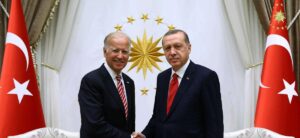
How a President Biden could remake U.S.-Turkey ties

0

A report by the Turkey-U.S. Business Council last week urged Turkish officials to step into the vacuum created by rising U.S.-China tensions to increase trade with the United States and boost U.S.-Turkey relations.

Yet despite a range of major disputes – the possible extradition of Turkish preacher Fethullah Gülen, the sanctions-evasions case against Turkey’s state-run Halkbank, Turkey’s purchase of Russian S-400 missile defence systems and its widely criticised military offensive against U.S.-allied Kurdish militants – ties between the NATO allies may already be too tight.

Since Turkey released U.S. Pastor Andrew Brunson in late 2018, President Donald Trump and his Turkish counterpart Recep Tayyip Erdoğan have been something like bosom buddies, to the point that Trump tends to go along with Erdoğan’s wishes, according to former National Security Adviser John Bolton’s book, “The Room Where It Happened”.

The two leaders speak on the phone every few weeks and their friendship extends to their kin: Bolton details how White House to White Palace communications often occur via the presidents’ sons-in-law, White House adviser Jared Kusher and Turkish Treasury and Finance Minister Berat Albayrak.

Former U.S. Ambassador to Turkey Eric Edelman said earlier this month that these strong family ties give Erdoğan the sense that he has a “get out of jail free” card in regards to possible sanctions. Thus far that appears to be the case. Congress has pushed Trump to sanction Turkey for its S-400 purchase – an action that is mandated by U.S. law – and for its Libya intervention; the U.S. president has yet to budge.

“The personal relationship between these two men has come to transcend all levels of bureaucracy when it comes to foreign policy-making,” Merve Tahiroğlu, Turkey programme coordinator for the Project on Middle East Democracy, told Ahval in a podcast.

As a result, top U.S. government bodies, including the departments of state and defence, have openly disagreed with the country’s leader on crucial policy issues, such as the U.S. presence in Syria. There’s a chance the U.S. presidential vote in November could put an end to the disagreements and the bond with Erdoğan.

“What’s going to happen with U.S.-Turkish relations after Trump leaves?” said Tahiroğlu. “It’s going to necessarily be very different from Trump’s attitude toward Turkey.”

Recent polls give Democratic Party candidate Joseph Biden a double-digit lead on Trump. With the election just three months away, analysts are examining how a President Biden might reshape U.S. policies. The fact that the United States, the United Kingdom, France and Russia all have former Turkey hands either in charge of or in a top role at their intelligence agencies underscores the centrality of Turkey today and the importance of relations with Turkey, particularly for Western powers.

“The most obvious implication is that the Obama administration’s foreign policy community would once again gain influence over U.S. decision-making,” Adam McConnel, a history professor at Istanbul’s Sabancı University, wrote for Turkey’s state-run Anadolu Agency. “And it is safe to say that most people in Turkey would be horrified by that prospect.”

Several of the key tensions between the United States and Turkey originated during the Obama era, when Biden served as vice president, and Trump has largely shifted away from the positions of his predecessor. The Obama administration applied the sanctions against Iran that Halkbank violated, with Erdoğan’s backing, with the largest sanctions-evasion scheme in history. In refusing to levy sanctions, Trump himself has blamed Obama for Turkey’s S-400 purchase.

As vice president, Biden initially seemed to support Turkey: after spending time with the Turkish leader in Washington in May 2013 he said that he had admired Erdoğan for a long time. But in October 2014, Biden in a speech suggested that Turkey had helped create the Islamic State (ISIS). A few months later, Obama chose the Kurdish-led Syrian Democratic Forces (SDF) to lead the fight against the Islamic State.

“The United States partnered with Syrian Kurds because Turkey failed over and again to do its own duties and help the global fight against ISIS,” said Tahiroğlu. “Turkey’s policies allowed the threat of ISIS and other groups to grow.”

Last year, Trump appeased Erdoğan and vowed to cut ties with the SDF, though he later relented. Still, Biden would likely be less willing than Trump to side with Erdoğan on issues that encroach on NATO and U.S. security, such as Turkey’s intervention in Libya, its S-400 purchase, its maritime challenges against Greece and its drilling for natural gas in the Eastern Mediterranean.

“Given Biden’s track record he’s going to be more sympathetic with Greece in the Eastern Mediterranean,” said Tahiroğlu, who added that the former vice president would also be more supportive of Syrian Kurds. “He’s going to be less interested in appeasing Turkey for the very adult decision Erdoğan made to purchase the S-400 system despite a year of warnings. I think Biden is going to be more interested in actually implementing U.S. law, unlike the current president.”

Visiting Turkey in early 2016, Biden criticised the Turkish government for its ongoing military offensive against Kurdish militants in the country’s southeast. He also denounced Turkey’s violations of press freedom and met the wife and son of jailed journalist Can Dundar.

Considering this, Biden seems more likely to pressure Turkey on its illiberal and anti-democratic tendencies, like the lengthy detentions of philanthropist Osman Kavala and former presidential candidate Selahattin Demirtaş, the restrictive social media law Turkey passed this week and government plans to withdraw from the Istanbul Convention, a global compact to combat violence against women.

“In the eyes of the Trump administration this is normal behaviour, like the CEO of a company trying to keep restless employees at bay,” said Tahiroğlu, envisioning a different approach from a President Biden.

“He’s going to care about how democratically an ally of the United States is being governed,” she added. “He’s going to be, hopefully, like the Obama administration, more outspoken when it comes to Erdoğan’s transgressions against these fundamental rights and values.”

During a December interview with The New York Times, Biden described Erdoğan as an autocrat and voiced support for Kurdish voters marginalised by the Justice and Development Party (AKP) government’s years-long crackdown on the pro-Kurdish Peoples’ Democratic Party (HDP). He also said the United States should take a more aggressive approach to Erdoğan by backing opposition party leaders.

“We can support those elements of the Turkish leadership that still exist and get more from them and embolden them to be able to take on and defeat Erdoğan,” Biden said.

A key concern about a more aggressive U.S. posture toward Turkey is that Turkish officials are prone to portray any U.S. or European Union punishment, or even any Western support of pro-democracy activists within Turkey, as part of a conspiracy to topple the Turkish government.

In 2018, Erdoğan said Hungarian-American financier and democracy advocate George Soros was behind Kavala’s alleged attempt to overthrow the Turkish government. Turkish officials have made similar accusations against the “Jewish lobby”, the “interest rate lobby”, the CIA, and U.S.-based Turkey experts like Henri Barkey.

“How do you deal with a leader like Erdoğan who, if you do pushback, can spin anything you do to his domestic audience as America hating Turkey?” said Tahiroğlu, adding that the only reasonable path forward for the United States and the EU is consistently enforcing their own laws and international regulations.

“There’s no winning by appeasing a leader like Erdoğan,” she said. “All the United States and Turkey’s European partners can do here is act consistently, that is the only way they can show the Turkish people what they’re trying to do is help not hurt the Turkish citizen.”

The opinions expressed in this column are those of the author and do not necessarily reflect those of Ahval.

DEBATE: How Serious Is the Israeli-Turkish Rapprochement?

0

By August 5, 2020

Moderated by George N. Tzogopoulos

BESA Center Online Debate No. 19, August 5, 2020

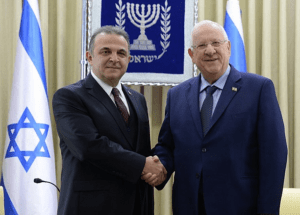
Q: Israel and Turkey appear to be making progress in terms of rewarming their bilateral ties. Roey Gilad, Chargé d’Affaires at the Embassy of Israel in Turkey, published an article in Halimiz suggesting that the two countries could cooperate in Syria as well as in the fight against COVID-19. Other media outlets, including The Jerusalem Post, have also published stories on a potential rapprochement between the two states, though challenges and obstacles certainly remain.

BESA joins the debate by posing the question: How serious is the Israeli-Turkish rapprochement?

Respondents: Amikam Nachmani, Michael Harari, Defne Arslan, Anna Ahronheim, Can Cirnaz, Burak Bekdil, Mark Meirowitz, Gallia Lindenstrauss, Angelos Athanasopoulos

Professor Amikam Nachmani, Department of Political Studies, Bar-Ilan University

The special relations between Turkey and Israel that lasted from the 1990s through the early 2000s were marked by open strategic cooperation and strong Israeli lobbying on Turkey’s behalf, mainly in the US but also among EU members. This open cooperation was dramatically different from the countries’ clandestine relations, which were often flatly denied by Turkey and euphemistically referred to by Israel as “mistress syndrome” relations.

Future relations between the two countries will likely be quite different. Ankara does not need Israel to lobby on its behalf—it fares quite well without it, particularly in Washington. More significantly, the early 2000s saw Israelis grow increasingly reluctant to lobby for Turkey, and that reluctance became a crucial element in the crisis that eventually eroded bilateral relations. This decline was not a direct product of the Mavi Marmara crisis of June 2010, as it began well before that incident.

Relations between Israel and Turkey first began to deteriorate in 2004-05 following growing hesitation among Jewish lobbies to “explain” Turkish policy vis-à-vis the Armenian genocide to American media and decision makers. Ankara’s reaction to that reluctance represented a crossroads in Turkey-Israel relations. One could almost hear the sigh of relief in Turkey: at long last it could get rid of this awkward relationship. If Israel was no longer going to smooth Ankara’s path in Washington, there was no longer any need to maintain good relations with it.

Ankara’s view was that Jewish and Israeli lobbying for Turkey was a form of blackmail. For years, the Turkish regime preferred anti-Israeli policies to pro-Israel and had no real interest in close contacts with it. But because it needed Israeli and Jewish help, Turkey was forced to curtail its true anti-Israeli policies.

On March 2, 2009, Ardan Zenturk wrote the following in an article entitled “Will the US Turn Its Back on Turkey?” in the Star (emphases added):

Will the Obama administration declare Turkey a “committer of genocide” this April 24 (the anniversary of the Armenian genocide)? I don’t know.

At a certain point in Turkey’s Middle East policy, those who are pushing the government to turn against Israel might welcome this development, in order to say “we told you so.” Personally, I wouldn’t care. On the contrary, I would just thank God and be glad that the blackmail which has been imposed on us for so many years had ended.

We were blackmailed into having good relations with Israel. We were repeatedly told that Israel would help us in Washington to thwart attempts to define World War I killings of Armenians as genocide. … Finally [we hold] the potential to reduce the importance of Israeli lobbying in the US on behalf of Turkey. Finally we might be independent of the need for Israeli lobbying on our behalf in Washington. It is so good to get rid of this blackmail!

Matthew Bryza, US Deputy Assistant Secretary of State for European and Eurasian Affairs (2005-09), defined the change in Turkey’s status and the implications this change held for the nations of the Eastern Mediterranean. Turkey, he said, had become a superpower in the region and the US can neither ignore it nor pressure it. An article in Milliyet from July 1, 2009 entitled “The US Can’t Pressure on [sic] Turkey over Cyprus” said (emphasis added),

When Greek Cypriot administration Parliament Speaker Marios Karoyan asked Bryza to put pressure on Turkey on the issue [of Cyprus], Bryza replied, “The US can’t do it […] If this were the ‘70s, ‘80s or ‘90s, it could, but the US putting pressure on Turkey now is out of the question.”

There are still issues that call for Turkish-Israeli cooperation, including Syria, Iran, energy, the Kurds, terrorism, and more. These issues might generate an exchange of (non-military) intelligence behind closed doors. Private traders, businesspeople, tourism, energy exploration and transportation, and so on might yield limited joint ventures—but open strategic relations involving deep lobbying will not recur.

Michael Harari, Policy Fellow at the Mitvim Institute and former Israeli ambassador to Cyprus

The relationship between Israel and Turkey in the last decade (since the Marmara incident in 2010) is in an ongoing slump. The signing of the normalization agreement in June 2016, which settled the Marmara affair, did not restore confidence between the countries or trigger a resumption of high-level dialogue. It’s been two years that diplomatic representation in the countries has been at the level of a Chargé d’Affaires rather than ambassador, a partial indicator of Ankara’s response to the transfer of the US embassy to Jerusalem and what Turkey defines as sharp Israeli measures during clashes with the Gaza Strip.

In the past few weeks, there have been reports of attempts to thaw the relationship, for example with regard to the issue of economic water demarcation in the Eastern Mediterranean basin. It is highly doubtful that these reports have a solid foundation, and in any case, the chances of advancing such a dialogue are quite low.

The main challenge lies in the fact that it is difficult for the two countries to find mutual interests. Their deep disagreements center around the Israeli-Palestinian conflict, Israel’s possible application of sovereignty to parts of the West Bank (which exacerbates tensions on the Palestinian issue), and Ankara’s support for political Islam, whether in the Palestinian arena (Hamas) or in the Middle East in general.

Moreover, Israel has tightened relations with Greece, Cyprus, and Egypt around a wide range of political, economic, and energy issues, and they are conducting regular dialogues at the highest levels. A fascinating illustration of the current array of forces is the Libyan arena: Israel has common ground with Egypt, Greece, Cyprus, the UAE, and even Saudi Arabia in support of General Haftar, while Turkey and Qatar back the Islamic-supported national consensus government.

An important and perhaps restraining factor is the impressive trade volume that has continued between the two countries through the years. But at the same time, the potential for Israel to export gas to Turkey is slim considering the deep mistrust between the two leaderships, the pandemic-induced collapse in energy prices, and Israel’s growing relationship with Cyprus, Greece, and Egypt.

The prospects for improving relations between the two countries are low at present, given their deep differences of opinion and the absence of common political-strategic interests. Yet it remains important to continue to look for ways to restore political dialogue.

Defne Arslan, Atlantic Council Representative;
Director, Atlantic Council in Turkey

There has been a lot of coverage recently regarding a possible rapprochement between Israel and Turkey, which used to be close allies—and as the saying goes, there’s no smoke without fire.

Turkey’s growing role in Libya may have fed these rumors, as did a recent piece published in the Turkish media by Israel’s Charge d’Affaires for Turkey, Roey Gilad. He argued that two countries have common goals and called for a mutual reinstatement of ambassadors.

While all this was happening, there were also unverified reports suggesting that Israel might sign a separate deal with Turkey on the East Med issue as well as a tweet saying Israel is proud of its diplomatic ties with Turkey.

Turkey and Israel have gone through a series of stages since the Mavi Marmara incident in 2010. Despite the challenges, both countries have much to gain if they work together as regional powers. Resuming a diplomatic relationship at the ambassadorial level could be a wise move to start working out the differences.

Israel’s flagship are carrier El Al, which suspended its flights to Turkey in 2010 following the Mavi Marmara incident, landed in Istanbul this May, and Turkey has reportedly given it approval to operate twice a week between Istanbul and Tel Aviv. Its first flight was to collect medical equipment aid destined for the US.

Despite their troubled relationship, trade has never stopped between the two countries. The resumption of El Al flights to Turkey can increase bilateral trade volume even more. According to the Turkish Statistics Office, bilateral trade volume was $4.7 billion in 2015 and $6.1 billion in 2019, and there is room to grow further.

I do believe there are several common areas of cooperation including trade, tourism, energy, and technology. In particular, cybersecurity in the energy sector and renewable energy can be good fields in which to cooperate, as well as East-Med gas at a time when gas prices can no longer sustain such an expensive underwater project.

Anna Ahronheim, Military & Defense Correspondent, Jerusalem Post

Ten years after the Mavi Marmara incident caused an unprecedented diplomatic crisis between former allies Israel and Turkey, there has been talk that the two may once again be growing closer over shared concerns and interests.

Six years after Ankara broke off relations with Jerusalem following the 2010 incident, Turkey and Israel normalized ties and sent ambassadors to their respective capitals. Those ties cooled once again, however, after the US moved its embassy to Jerusalem in 2018.

It is now two years later and not much has changed. There are still no ambassadors in the respective capitals and the countries are still outwardly hostile toward one another. Turkish president Recep Tayyip Erdoğan continues to spew anti-Israel vitriol and turns a blind eye to top-level Hamas operatives continuing to operate on Turkish soil. Israel’s PM Benjamin Netanyahu continues to push forward with plans to apply Israeli sovereignty to large swaths of territory in the West Bank and Jordan Valley.

Nevertheless, there have been some optimistic signs regarding a possible resurgence of ties between the two.

Turkish spy chief Hakar Fidan and his Israeli counterpart Yossi Cohen have met several times over the past year. During the coronavirus pandemic, Turkey allowed the export of medical aid to Israel, and an El Al cargo flight landed in Turkey. There is also talk that officials from the two countries have been meeting to discuss shared interests in the Mediterranean.

Both Turkey and Israel, who are active in Syria, are facing a common enemy in that war-torn country: Hezbollah. The two countries are also actively drilling in the Mediterranean Sea. While Erdoğan’s moves in the area have been aggressive, Israel did not sign a declaration by France, Greece, Cyprus, Egypt, and the UAE condemning Ankara’s actions in the eastern Mediterranean.

And despite the hostile language thrown around between the two, both Jerusalem and Ankara understand that their strong trade (estimated at $5 billion in 2018) will help keep both rulers in power, especially during the post-pandemic economic crisis.

But with Netanyahu continuing to grab as much right-wing support as he can muster and with Erdoğan championing himself as gatekeeper of the Palestinian cause, there is no way the two countries can get past the sovereignty issue without setting off another crisis in bilateral relations.

Can Cirnaz, Foreign News Editor, Milliyet

The state of Turkish-Israeli relations has been questioned many times over the last five to six years in both countries. States like Egypt, Greece, and Cyprus also need to know if the signs of a potential reconciliation are genuine, as their interests in the region are very much related to the Turkish-Israeli relationship.

Turkey’s gas exploration activity in the East Mediterranean is much contested. The agreement between Turkey and the government in Libya, which controls only the (important) western part of the country, met with great opposition in the region.

If this agreement materializes, the activities of Greece and Cyprus in the East Mediterranean might suffer. Other countries like France, Egypt, and the UAE have their own reasons to be disturbed. Cyprus, Egypt, France, Greece, and the UAE recently published a condemnation of Turkey’s gas exploration activities off the coast of Cyprus. This was no surprise. What was surprising is that Israel, which partnered with these countries in the East Med Project, was not a signatory to this condemnation. For many, this was a clear sign that Jerusalem is interested in reconciling with Ankara.

Turkey and Israel shared a long history of military cooperation. The ties between the Turkish and Jewish peoples are much older than that. The two countries also have common enemies in Syria. These are all sound reasons for a rapprochement. However, I believe the recent developments in Libya present the biggest opportunity.

In the past few weeks, the tide has turned in the Libyan civil war. The government in Tripoli was in a very difficult position until help arrived from Turkey. It has now switched from defending to attacking, and it now is entirely possible that the Tripoli government will win the war.

If Turkey can make a similar agreement with Israel about gas exploration, this can create a Turkey-Israel-Libya triangle that might benefit all the participants immensely.

Turkey and Israel have still many unresolved issues, but recent developments might have created an interesting opportunity for both of them.

Burak Bekdil, Ankara-based columnist. He regularly writes for the Gatestone Institute and Defense News and is a fellow at the Middle East Forum

In any rapprochement scenario, one key parameter would be Turkey’s (predictable) reaction to Israel’s possible application of sovereignty to parts of the West Bank.

It might be useful to recall the Turkish reaction to Israel’s post-1967 and post-1980 Jerusalem moves. President Recep Tayyip Erdoğan was just 13 years old in the first case and 26 in the second. He is probably anxiously waiting for the sovereignty proposal to go ahead, as he is cornered at home due to a looming (and potentially punishing) economic crisis as well as foreign policy challenges. He will not miss an opportunity to consolidate his conservative/Islamist voters.

“Normalization” looks to me a distant possibility. How would Turkish Islamists explain normalization with an Israeli government formed on the basis of the sovereignty plan? Another point to keep in mind is the unfortunate fact that the Palestinian dispute has long been an inseparable part of Turkish-Israeli relations. The deep personal dislike (to put it mildly) that has developed over the years between Erdoğan and Israeli PM Benjamin Netanyahu has become a more institutional than a personal factor. As one government source in Ankara put it: “(Deputy PM Benny) Gantz is not an option we would run to shake hands with. The fact is there won’t be normalization under the shadow of annexation.”

Dr. Mark Meirowitz, Associate Professor, SUNY Maritime College, New York

The relationship between Turkey and Israel is like many marriages, which thrive despite challenges. There have been good times and extremely fraught times, yet each party very much wants to continue the relationship.

Turkey and Israel have been on a rollercoaster. The ups are very good, with the halcyon days of Turkish-Israeli cooperation on military, political, and trade relations. The Mavi Marmara incident set this back. Relations moved forward with an exchange of ambassadors; then there was a step backward and the ambassadors were withdrawn. This has been like Lenin’s “One Step Forward, Two Steps Back”. The Middle East version is a few steps back, a few steps forward, then calamity, then repair.

The Charge d’Affaires at Israel’s Embassy in Turkey recently wrote a conciliatory article about common interests between Israel and Turkey, citing “using Israeli seaports for Turkey to export goods to Jordan, bilateral trade, tourism, energy, academic cooperation, investment and other subjects”. He noted that Israel was “actively challenging Iranian military targets in Syria day in and day out” where Iranian militias “played a dominant part in the battle over Idlib where more than 50 Turkish soldiers lost their lives”.

Also, an area of hope is the Eastern Mediterranean, where resources should be shared fairly among Israel, Turkey, Greece and all the residents of the island of Cyprus, both Greek and Turkish. Israel should insist that the Eastern Med parties get together and develop a plan for sharing resources amicably among all the parties involved. Working out such a plan will go a long way to improving the relationship between Turkey and Israel.

Turkey and Israel must also work out a procedure to resolve disputes. A great first step would be to return their ambassadors to their respective posts.

A good relationship between Turkey and Israel is indispensable to peace and security in the region and the world.

Dr. Gallia Lindenstrauss, Senior Research Fellow,
Institute for National Security Studies

In May 2018, when Turkey recalled its ambassador in Tel Aviv and told the Israeli ambassador in Ankara to depart, it did not present any conditions under which the ambassadors would return. There was thus no formal impediment to their return, but two years have passed with no breakthrough on this issue. The formation of a new government in Israel, after a year and half of political crisis, could have been seen as a good opportunity for a possible rapprochement. However, if the new Israeli government is set on proceeding with the application of Israeli sovereignty to parts of the West Bank, it is highly probable that any potential thaw in relations will be short-lived. If, on the other hand, the Blue and White party, which is part of the coalition government, manages to convince PM Benjamin Netanyahu to delay those plans and even to return to negotiations with the Palestinians, this might create a more positive atmosphere in which there will also be a relaxation of tensions between Jerusalem and Ankara. Still, the mistrust that has developed over the years between Netanyahu and Turkish president Recep Tayyip Erdoğan has worsened considerably. As long as they are the leaders of their countries, it is unlikely that a significant change in Turkey-Israeli relations will occur.

Angelos Athanasopoulos, Editor-in-Chief, Politics, To Vima, Athens

In a May 21 essay for the Turkish online publication Halimiz, Israel’s Charge d’Affaires in Ankara, Roey Gilad, proposed that the two countries cooperate on Syria and seize the opportunity to work together in fighting COVID-19. The Israeli diplomat said the two sides don’t have to agree on every issue, but they unquestionably share common concerns. He also called for a mutual reinstatement of ambassadors.

Is a thaw between Turkey and Israel possible? What would be the repercussions for Greek-Israeli relations? In the same context, how would such a rapprochement affect the geopolitical geometry created in the Eastern Mediterranean since 2010 in the form of the trilateral partnerships of Israel-Greece-Cyprus and Greece-Egypt-Cyprus?

A renewed effort for a Turkish-Israeli rapprochement will not be easy. Of course, “Never say never” is a pivotal motto in international relations. It is not clear if a reset is desired by either of the two national leaders, Recep Tayyip Erdoğan and Benjamin Netanyahu. The “strategic schism” created after the Mavi Marmara incident in 2010 left deep scars. The good old days of the bilateral friendship of the 1990s, built around strong military ties, look distant.

The resumption of cargo flights by El Al to Turkey after 10 years sounds good but should not be taken out of proportion. The most probable evolution track for Turkish-Israeli relations will be transactional. Trade volume remains high. Intelligence cooperation will continue as it happens everywhere in the world and especially in the Middle East, even among direct adversaries. The two sides could also accommodate themselves in Syria.

For Athens, the most important aspect as far as a possible Turkish-Israeli rapprochement is concerned is Tel Aviv’s stance on the developments in the Eastern Mediterranean. How would Israel react to a “hot incident” between Athens and Ankara? This is the $1 million question. Furthermore, the coronavirus pandemic has dramatically altered calculations on regional energy cooperation and on the East Med gas pipeline project. Greek elites insist that bilateral relations with Israel possess their own dynamic and should not be considered anti-Turkish. However, if “Never say never” is valid, Athens should stay ready for readjustments.

View PDF 

Dr. George N. Tzogopoulos
Dr. George N. Tzogopoulos (Ph.D. Loughborough University) specializes in media and international relations as well as Chinese affairs. Email: [email protected]

Where Will Erdoğan Strike Next?

0

August 4, 2020 | By Alberto M. Fernandez

Turkey | MEMRI Daily Brief No. 226

Turkey’s economy, like that of many countries, is in trouble. The decline has been clear even before the coronavirus appeared, but the pandemic and the resulting economic fallout have only made matters worse.[1] The country’s economy will shrink for the first time in a decade and the government will post a record deficit.

Turkey has so far weathered this financial storm thanks to support from Qatar and China. Qatari hard currency has enabled all of the Turkish regime’s military adventures over the past years. Qatar had already offered credit to Turkey in 2018, when U.S. sanctions as a result of the Pastor Brunson affair loomed.[2] In May 2020, Turkey obtained from the Qataris a tripling of a hard currency swap agreement, raising it from five to 15 billion Euros. In June 2020, the Turkish Central Bank accessed Chinese currency for the first time in a similar, but presumably far less lavish, agreement.[3] Qatar’s support for Turkey, across all fields, is as massive as it is essential.[4]

While the Turkish Lira may be floundering, the nearly 20-year regime of President Recep Tayyip Erdoğan is flexing its political and military muscles. The controversial reversion of the ancient Byzantine basilica of Hagia Sophia into a mosque may have been decried in the West, but it has, as expected, proved popular in Turkey, cowing secularists, and received with feverish adulation by Islamists elsewhere.[5] Turkey will no doubt continue with its interventions in Syria, Iraq and Libya. But what might the Ankara regime do next in its ceaseless quest for a greater place in the sun?

The likeliest options are indeed more of the same: expansion of the pro-Turkish GNA-controlled zone in Libya in defiance of efforts to prevent this by Egypt, the UAE and Russia; expanding its border zone in Syria and ethnically cleansing it of Kurds and religious minorities as has happened in Afrin; and creating a more aggressive cross-border military presence in northern Iraq. But Erdoğan has big dreams, befitting a man compared in Turkish propaganda videos as the latest in a line of conquerors stretching back to Sultan Alp Arslan, who seized most of Anatolia from the Byzantines in the 11th century.[6]

Also sure to continue, despite criticism from Turkey’s lively if often assailed political opposition, are efforts to limit dissent, such as the country’s new social media law passed by the Islamist-Nationalist majority in Turkey’s parliament.[7] But this is part of an ongoing repressive trend, that includes being a major jailer of Turkish journalists.

There are three new possible areas for Turkish regime to expand. All three seem, on the surface, rather far-fetched – and yet we know that all three are under open discussion among supporters of the regime near and far.

The first and only domestic item would be: What can the regime do to further advance an Islamist agenda inside Turkey? There are no more hugely symbolic buildings like Hagia Sophia. There is the question of the Caliphate – abolished almost a century ago, in March 1924 by Ataturk. This is an issue that was hugely controversial at the time and remains so both inside and outside Turkey.

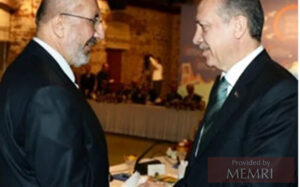
On July 26, Abdurrahman Dilipak, an Islamist who writes for the Yeni Akit daily, tweeted the cover of the latest issue of Turkish weekly Gerçek Hayat (“Real Life”). The cover reads: “If not now, then when; if not you, then who? Gather for the Caliphate.” The Ankara Bar Association filed a criminal complaint against Dilipak and those in charge at the weekly for “calling for a rebellion to remove the constitutional order.” An AKP spokesman distanced the party from the controversy.[8] However, the hashtag “#TheCaliphateIsNot[Just]ADream” reached the No. 1 trending spot in Turkish on July 27.


Abdurrahman Dilipak with President Recep Tayyip Erdoğan

A small protest in favor of restoring a caliphate in Turkey took place on July 27.[9] The protesters used the hand signal of the İslami Büyük Doğu Akıncılar Cephesi (“Islamic Great East Raiders’ Front,” İBDA-C), a Salafi-jihadi group opposed to the secular Turkish state and that has carried out attacks in Turkey for decades, targeting civilian targets such as Jews, Christians, secularists, statues of Ataturk, bars, and tobacco shops. Some Turks have said that while police regularly use pepper spray on, for example, activists protesting violence against women, nothing was done to inhibit this particular protest.

There is no doubt that there is a pro-Caliphate constituency in the Muslim world, but a recent poll showed most Turks opposed to the idea, as are Erdoğan’s Nationalist allies.[10] It is possible that the powerful Religious Affairs Directorate (Diyanet) could be reconfigured to somehow provide guidance to Sunni Muslims worldwide, but this seems unwieldy and unlikely to succeed, and invests someone else with tremendous potential power. Diyanet is the direct descendant of another Ottoman religious role abolished in 1924, that of Sheikh ul-Islam. A safer course would seem to signal openness towards an eventual Caliphate while further enhancing the already considerable role Diyanet plays in Turkish and regional affairs. Diyanet’s budget has already quadrupled over the past five years.[11]

On the international stage, two areas of growing concern are the Christian countries of Greece and Armenia, both of which share a lot of history with Turkey. That small Salafi group of pro-Caliphate demonstrators in Istanbul also called for the abrogation of the 1923 Treaty of Lausanne, which, among other things, delineated the current border between Turkey and Greece (Turkey also gave up claims to places such as Libya and Northern Iraq in this treaty). The Turkish president himself has echoed the call of marginal Salafi groups about tearing up peace treaties and called for Lausanne to be “revised.”[12]

But surely intervention in both those countries would seem to be both unlikely and reckless. Greece is an EU member and also a fellow NATO member. Armenia is protected by Putin’s Russia. Turkish intervention in other places has tended to follow a certain pattern – aggressively pushing against air and sea barriers directly, creating a sense of ambiguity and alarm, while carrying out intervention using proxies, as has been done with Syrian Islamist fighters in Libya.

Under Erdoğan, the regime has been aggressively nurturing a sense of irredentist grievance against Greece, particularly about the Greek islands.[13] Turkish military aircraft have violated Greek air space in the Aegean Sea tens of thousands of times since 2006, and 2019 was the worst year yet, with 4,627 incidents.[14] Islamist and nationalist circles inside Turkey cheer this intervention; one told Al-Jazeera recently that “Turkey has started to act in the Greek Islands. As we speak on this show, Turkish fighter planes are flying over the Greek Islands for the first time. We will see something big happening there. Turkey will reclaim the rights that have been stolen from it everywhere!”[15]

But if Turkey follows the pattern it has established elsewhere, it needs proxies, perhaps in the form of desperate refugees it threatened, and indeed tried, to unleash on Greece earlier this year – perhaps seeking to promote border chaos where Turkey would then intervene for “humanitarian reasons.” Such a plan could well infiltrate unhappy migrant populations on islands such as Lesbos, where migrants now make up a third or more of the population, in order to provide cover for intervention.[16]

If poor and desperate refugees could serve as a Turkish trojan horse against Greece, against Armenia Turkey has Azerbaijan, an entire country to use as a proxy. Locked in conflict with Armenia for decades over ethnic tensions and over the historically Armenian but internationally recognized as Azerbaijan territory of Nagorno-Karabakh (called Artsakh by Armenians), the war recently flared up again, with Turkey’s Defense Minister promising that Armenia would “pay” for the latest incidents.[17]

As tension soared, Turkey now has moved from rhetoric to action, in the guise of weeks-long “giant” war games with Azerbaijan,[18] mobilizing ground troops and aircraft (F-16s and attack helicopters) inside Azerbaijan.[19] Turkey is, easily, militarily dominant in the region, although Russia has aircraft and a local motorized rifle brigade stationed inside Armenia.[20] While Russia would likely react to direct Turkish intervention in this ongoing conflict, an eventual low-scale Azeri-led escalation, coupled with an even deeper Turkish engagement with the Azerbaijan armed forces, is quite possible. Whatever the scale of the Turkish commitment, this is a volatile zone where miscalculation could lead to a wider conflict in which Russia responds to Turkey with tactical nuclear weapons.

In all three of these cases – the Caliphate, Greece, Armenia – Turkey is testing the limits and nature of the regional order that brought about the creation of Kemalist Turkey in the 1920s. Turkey was at war with both Greece and Armenia less than a century ago. The fact that Ataturk won both those conflicts (and then abolished the Caliphate) has somehow, incredibly, been turned into some sort of shameful loss to be avenged by the unholy alliance of AKP Islamist extremists and MHP far-right nationalists in power in Ankara today. These dangerous fantasies involving Islam and infidels may play well among the Qatari-funded Turkish strongman’s core demographic in Anatolia and the Arab world, but could also backfire spectacularly, damaging international peace and stability in a region already soaked with blood.[21]

[1] Reuters.com/article/us-turkey-currency-reserves-graphic/fresh-lira-slide-rekindles-crisis-fears-for-turkey-idUSKCN24V1BU, July 30, 2020.

[2] MEMRI Daily Brief No. 175, Dear Mr. President: You Are Unable To Devastate The Turkish Economy, As You Warned – Because Your Bogus Ally Qatar Will Save Turkey Yet Again From Your Sanctions, January 15, 2019.

[3] Reuters.com/article/us-turkey-cenbank-china/turkish-central-bank-says-used-chinese-yuan-funding-for-first-time-idUSKBN23Q2AH, June 19, 2020.

[4] Fdd.org/wp-content/uploads/2019/12/fdd-report-brothers-in-arms-the-consolidation-of-the-turkey-qatar-axis.pdf, December 2019.

[5] MEMRI TV Clip No. 8179, Palestinian Activist Naser Al-Hadmi: The Re-Conversation Of Hagia Sofia Into A Mosque Will Lead The Way To The Liberation Of Mosques In Spain, Elsewhere In Europe, July 25, 2020.

[6] Youtube.com/watch?v=WKPagHTN_VU, uploaded February 22, 2017.

[7] Bbc.com/news/technology-53579089, July 29, 2020.

[8] Middleeasteye.net/news/turkey-caliphate-back-controversy-magazine

[9] Abcgazetesi.com/seriatcilardan-bir-meydan-okuma-yuruyusuyu-daha-istanbulda-hilafet-sesleri-353325 July 27, 2020..

[10] Washingtonpost.com/politics/2020/07/24/istanbuls-hagia-sophia-is-mosque-again-do-turkish-citizens-want-erdogan-restore-caliphate/, July 24, 2020.

[11] MEMRI Special Dispatch No. 8860, Turkey’s Religious Affairs Ministry, Authority Over Hagia Sophia Mosque And 2,000 Mosques Around The World, Part I – Turkish Press Reports On Ministry’s Jihad Connections, Corruption, July 23, 2020.

[12] Trtworld.com/magazine/turkey-still-debates-whether-treaty-of-lausanne-was-a-fair-peace-deal-14632, January 26, 2018.

[13] Greekcitytimes.com/2020/04/24/turkey-wants-to-teach-a-new-generation-of-students-to-steal-greek-islands/, April 24, 2020.

[14] Euobserver.com/foreign/147565, February 27, 2020.

[15] MEMRI TV Clip No. 8166, Turkish Journalist Hamza Tekin On Hagia Sophia Being Turned Into A Mosque: Turkey Can Do As It Pleases; We Are Breaking The Spiritual Shackles That Have Been Binding Us, July 21, 2020.

[16] Atlanticcouncil.org/blogs/menasource/stranded-on-the-island-of-lesbos-refugees-remain-in-limbo/, NOV 25, 2019.

[17] Carnegieendowment.org/2020/07/22/behind-flare-up-along-armenia-azerbaijan-border-pub-82345

[18] Yenisafak.com/en/video-gallery/news/turkish-azerbaijani-armies-ready-for-giant-war-games-2204548, July 28, 2020.

[19] Caspiannews.com/news-detail/joint-azerbaijani-turkish-military-drills-continue-2020-8-3-36/, August 3, 2020.

[20] MEMRI Special Dispatch No. 8875, Russian Military Expert Pavel Felgenhauer: Russia Will Defend Armenia From The Turks; If Necessary, Russia Will Save Armenia With A Nuclear Strike, August 3, 2020.

[21] MEMRI Special Dispatch No. 8864, Kommersant Columnist Yusin: Erdogan Is Pouring Kerosene On The Territorial Dispute Between Armenia And Azerbaijan, July 27, 2020.

Ayasofya Camii’nde görevli müezzin Osman Aslan kalp krizi geçirerek hayatını kaybetti

0

Ayasofya-i Kebir Camii Şerifi’nde gönüllü rehberlik hizmetinde bulunan Kağıthane Uhud Camii Müezzin-Kayyım’ı Osman Aslan hayatını kaybetti.

Haber Merkezi    Yeni Şafak
Osman Aslan
Osman Aslan
BEĞENDİM

İstanbul Müftülüğü tarafından, Ayasofya-i Kebîr Camii Şerîf’inin yeniden ibadete açıldığı ilk günden itibaren, gelen ziyaretçileri karşılamak ve cami içerisinde Kovid-19 tedbirlerine uyulmasını sağlamak üzere gönüllü rehberlik hizmeti için personel görevlendirmesi yapıldı.

Kağıthane Uhud Camii Müezzin-Kayyım’ı Osman Aslan, 2 Ağustos Pazar günü gönüllü rehberlik hizmetinde bulunduğu Ayasofya-i Kebîr Camii Şerîf’inde görevini yaptığı sırada kalp krizi geçirerek hayatını kaybetti.

Sultangazi Sultançiftliği Merkez Camii’nde İstanbul Müftüsü Prof. Dr. Mehmet Emin Maşalı tarafından kıldırılan namazın ardından cenaze, defnedilmek üzere memleketi olan Siirt Tillo’ya uğurlandı.

Diyanet İşleri Başkanı Erbaş'tan çağrı: Ayasofya bütün insanlığa açık
GÜNDEM
Diyanet İşleri Başkanı Erbaş’tan çağrı: Ayasofya bütün insanlığa açık
Ayasofya-i Kebir Cami-i Şerifi'nde 86 yıl sonra ilk bayram namazı kılındı

 OYNAT 00:58
Ayasofya-i Kebir Cami-i Şerifi’nde 86 yıl sonra ilk bayram namazı kılındı
Ayasofya-i Kebir Cami-i Şerifi’nde ilk Bayram Namazı kılındı. 86 yıl sonra açılan camideki ilk bayram namazına TBMM Başkanı Mustafa Şentop, Ulaştırma ve Altyapı Bakanı Adil Karaismailoğlu’nun yanı sıra binlerce vatandaş saf tuttu.

Με πρωτοβουλία της Ελλάδας οι διαπραγματεύσεις λένε οι Τούρκοι: Η Συνθήκη της Λωζάνης στο τραπέζι

0

Ο υπουργός Εθνικής Άμυνας Χουλούσι Ακάρ (Κ), σε τουρκική Ταξιαρχία Μηχανικού Πεζικού. T.C. Millî Savunma Bakanlığı @tcsavunma


Αντιπροσωπεία από την Ελλάδα φτάνει τις επόμενες βδομάδες στην Άγκυρα για έναρξη διαπραγματεύσεων με την Τουρκία, σύμφωνα με την τουρκική εφημερίδα Τουρκίγε η οποία υποστηρίζει πως έπειτα από αίτημα της Ελλάδας, το πιο σημαντικό θέμα της συνάντησης θα είναι η συνθήκη της Λωζάνης.

Θα συζητηθούν επίσης τα θέματα της υφαλοκρηπίδας, του εναέριου χώρου, της έντασης στην Ανατολική Μεσόγειο. Ωστόσο τίποτα σχετικά με το περιεχόμενο των διαπραγματεύσεων δεν θα ανακοινωθεί.

  • Με πρωτοσέλιδο της η τουρκική εφημερίδα Τουρκίγε με τίτλο “Ατζέντα έκπληξη με Αθήνα: Ας συζητήσουμε τη Λωζάνη”, γράφει ότι «η Ελλάδα μόλις κατάλαβε ότι δεν θα πετύχει τίποτα με την επιθετική της στάση ανταποκρίθηκε στις εκκλήσεις της Άγκυρας για διάλογο».

Οι ίδιες πηγές αναφέρουν ότι οι δύο χώρες οι οποίες έφτασαν στα πρόθυρα διαμάχης συμφώνησαν να θέσουν τα προβλήματά τους στο τραπέζι του διαλόγου και τις επόμενες εβδομάδες θα φτάσει αντιπροσωπεία από την Ελλάδα στην Άγκυρα για να ξεκινήσει η διαδικασία διαπραγματεύσεων.

  • Στην κρίσιμη συνάντηση της Άγκυρας το πιο σημαντικό θέμα θα είναι η Συνθήκη της Λωζάνης η οποία υπογράφηκε το 1923. Σύμφωνα με την Τουρκίγε η Συνθήκη της Λωζάνης επανήλθε στην επικαιρότητα με αίτημα της ελληνικής πλευράς. Ωστόσο η τουρκική πλευρά, σύμφωνα με τις ίδιες πηγές, θα υποστηρίξει με έγγραφα ότι 16 από τα 23 νησιά του Αιγαίου έχουν στρατιωτικοποηθεί κατά παράβασιν της Συνθήκης της Λωζάνης και της Συνθήκης Παρισίων του 1947.
  • Οι ίδιες πηγές αναφέρουν ότι θα συζητηθεί επίσης το θέμα της υφαλοκρηπίδας και του FIR, καθότι η Άγκυρα υποστηρίζει ότι σε κανένα άλλο μέρος του κόσμου δεν υπάρχει χώρα που έχει 6 ναυτικά μίλια χωρικά ύδατα και 10 ναυτικά μίλια εναέριο χώρο, όπως η Ελλάδα. Η Τουρκίγε γράφει ακόμη ότι ένα από τα θέματα που θα τεθούν στο τραπέζι είναι η αμφισβήτηση από πλευράς Τουρκίας της κυριαρχίας μεγάλου αριθμού νησίδων και βραχονησίδων του Αιγαίου.

Στο τραπέζι των διαπραγματεύσεων θα τεθεί, σύμφωνα με την εφημερίδα και η ένταση στην Ανατολική Μεσόγειο, συμπεριλαμβανομένης και της συμφωνίας της Τουρκίας με τη Λιβύη για τις ζώνες θαλάσσιας δικαιοδοσίας καθώς και των δραστηριοτήτων γεώτρησης της Τουρκίας στην περιοχή. Η Άγκυρα αναμένεται να αναφέρει στους Έλληνες συνομιλητές της ότι η συμφωνία με την Λιβύη υπογράφηκε στο πλαίσιο του διεθνούς δικαίου και του δικαίου της θάλασσας, ενώ για τις γεωτρήσεις της στην περιοχή θα δηλώσει ότι δεν πρόκειται να υποχωρήσει. Οι ίδιες πηγές αναφέρουν ότι οι δύο πλευρές δεν θα ανακοινώσουν τίποτα σχετικά με το περιεχόμενο των διαπραγματεύσεων της ελληνικής και τουρκικής αντιπροσωπείας.

Η Ελλάδα θέλει να φέρει στο τραπέζι τη Συνθήκη της Λωζάνη, γράφει η Σοζτζού

Η Ελλάδα θέλει να φέρει τη Συνθήκη της Λωζάνης στο τραπέζι, γράφει η εφημερίδα Σοζτζού υπό τον τίτλο “Η Λωζάνη τίθεται στο τραπέζι”.

Σύμφωνα με την τουρκική εφημερίδα της αντιπολίτευσης, στη συνάντηση μεταξύ των δύο χωρών θα τεθούν στο τραπέζι όλα τα αμφιλεγόμενα ζητήματα μεταξύ Ελλάδας και Τουρκίας. “Οι δύο χώρες δε θα προβούν σε καμία δήλωση σχετικά με το περιεχόμενο των συναντήσεων. Μεταξύ των ζητημάτων που θα τεθούν στο τραπέζι θα είναι και τα σημεία της Συνθήκη της Λωζάνης, με τα οποία δεν συμμορφώνεται η Ελλάδα. Η Ελλάδα θα επιμείνει στην επικαιροποίηση της Λωζάνης. Δεν θα γίνει καμία δήλωση σχετικά με τα θέματα που θα συζητηθούν στις συναντήσεις”, γράφει.

Hellas Journal

Με πληροφορίες από ΚΥΠΕ – Άννα Ανδρέου
Τουρκία/Κωνσταντινούπολη

Περισσότερες ερωτήσεις από ό,τι απαντήσεις για την έκρηξη στη Βηρυτό.

0

By Hilal Khashan

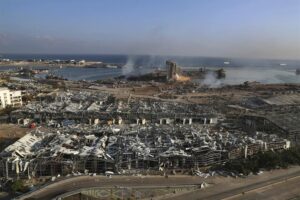
Δεν έχει νόημα να προσπαθήσουμε να κατανοήσουμε τι συνέβη στη Βηρυτό την Τρίτη. Δεν θα μάθουμε ποτέ την πλήρη αλήθεια για τη μαζική έκρηξη που κατέστρεψε το μεγάλο λιμάνι της χώρας, προκάλεσε αμέτρητες ζημιές σε ολόκληρη την πρωτεύουσα, προκάλεσε περισσότερα από 4.000 θύματα και άφησε άγνωστη την τύχη πολλών αγνοουμένων.
Στρατιωτικοί αναλυτές λένε ότι η έκρηξη συνέβη κατά λάθος σε μια περιοχή όπου δεν υπήρχαν μέτρα δημόσιας ασφάλειας. Οι συγκολλητές επισκευάζουν την πόρτα μιας παρακείμενης αποθήκης με πυροτεχνήματα όταν η υπερβολική θερμοκρασία και η συγκόλληση προκάλεσαν την εξάτμιση κάποιου νιτρικού αμμωνίου και την ανάμιξη με σκόνη σίτου που απελευθερώθηκε από τα κοντινά σιλό σίτου. Η αντίδραση προκάλεσε πιθανώς την καταστροφική έκρηξη. Γνωρίζουμε με βεβαιότητα ότι η έκρηξη που συνέβη σε μια χώρα με άνευ προηγουμένου οικονομική κρίση και υπερπληθωρισμό θα περιπλέξει περαιτέρω το πολιτικό αδιέξοδο του Λιβάνου.
Ωστόσο, έχουμε περισσότερες ερωτήσεις παρά απαντήσεις.
Γιατί αποθηκεύτηκε στο λιμάνι μια αποστολή 2.750 τόνων νιτρικού αμμωνίου για έξι χρόνια, και ποιος το είχε;
Γιατί αυτή η επικίνδυνη χημική ουσία αποθηκεύτηκε σε αποθήκη τόσο κοντά στις επιχειρήσεις και τις κατοικημένες περιοχές;
Η έκρηξη έρχεται σε μια ιδιαίτερα κακή στιγμή. Ο Λίβανος ήταν ήδη μια χώρα στο χείλος της καταστροφής, και τα πράγματα θα επιδεινωθούν.
Ο μόνος ωφελημένος από αυτό που συνέβη την Τρίτη είναι η Χεζμπολάχ, η οποία ήταν απρόθυμη να απαντήσει στην ισραηλινή αεροπορική επιδρομή που σκότωσε έναν από τους μαχητές της στη Συρία.
Την Παρασκευή, το Διεθνές Δικαστήριο που εξετάζει τη δολοφονία του πρώην πρωθυπουργού Ραφίκ Χαρίρι θα ανακοινώσει την απόφασή του για τέσσερις πράκτορες της Χεζμπολάχ που εμπλέκονται στη δολοφονία. Κανείς στον Λίβανο δεν έχει διάθεση αυτή τη στιγμή να περιγελάσει τη Χεζμπολάχ για την αμυντική στάση της έναντι του Ισραήλ ή να αναρωτηθεί για το ρόλο της στη δολοφονία του Χάριρι.

More Questions Than Answers Over the Beirut Blast

0

By Hilal Khashan

There is no sense in trying to make sense of what happened in Beirut on Tuesday. We will never know the full truth about the massive explosion that destroyed the country’s major harbor, caused incalculable damage throughout the capital, inflicted more than 4,000 casualties and left unknown the fate of scores of missing people.

Military analysts say the explosion occurred accidentally in an area where public safety measures did not exist. Welders were repairing the door of an adjacent warehouse storing firecrackers when the excessive temperature precipitated by hot and humid weather and welding caused some ammonium nitrate to evaporate and mix with wheat dust released from nearby wheat silos. The reaction probably triggered the disastrous explosion. We know for sure that the blast that happened amid an unprecedented economic crisis and hyperinflation will further complicate Lebanon’s political stalemate.

Even so, we have more questions than answers. Why was a shipment of 2,750 tons of ammonium nitrate stored at the harbor for six years, and who owned it? Why was this dangerous chemical stored in a warehouse so close to the business and residential areas?

The explosion comes at a particularly bad time. Lebanon was already a country on the brink, and things will only get worse. The only beneficiary from what happened on Tuesday is Hezbollah, which has been reluctant to answer the Israeli air raid that killed one of its fighters in Syria. On Friday, the International Tribunal looking into the assassination of former Prime Minister Rafik Hariri will announce its verdict on four Hezbollah operatives implicated in the high-profile killing. No one in Lebanon is in a mood right now to ridicule Hezbollah for its defensiveness vis-a-vis Israel or question its role in Hariri’s assassination.

Η πολιτική αβεβαιότητα και η αδυναμία των ΗΠΑ να αναστείλουν την πανδημία Covid-19 αυξάνουν τη δυσπιστία στην παγκόσμια αγορά και πιέζουν έτσι το δολάριο.

0

Του Αλκη Καλλιαντζίδη, Οικονομολόγου, [email protected], www.kalkis.eu

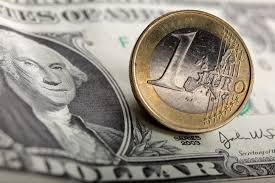
Σπανίως οι όποιες αβεβαιότητες, πολιτικές, οικονομικές, κοινωνικές, επιδημικές ή εκλογικές αφήνουν αδιάφορη την εκάστοτε ισχύουσα ισοτιμία ενός νομίσματος, έστω κι αν θεωρείται «σκληρό», έστω κι αν πρόκειται για το παγκόσμιο μέσο πληρωμών, δηλαδή το αμερικανικό δολάριο. Αυτό αποδεικνύεται για άλλη μια φορά προς μεγάλη απογοήτευση των ευρωθαφτών που εύχονται νυχθημερόν την κατάρρευση του ευρώ. Πράγματι, από τον Μάρτιο του 2020, το πράσινο νόμισμα έχει χάσει 12% έναντι του ευρώ, λόγω των πολιτικών αβεβαιοτήτων των ΗΠΑ και της κακής διαχείρισης του Covid-19. Χθες 4-8-2020 το ευρώ μας έκλεισε στην τιμή των 1,1788 δολάρια ($), καταγράφοντας μια ημερήσια αύξηση +0,23%, ενώ σήμερα 5-8-2020 στις 7,45 ένα (1) ευρώ (€) έκανε 1,1827 δολάρια, σύμφωνα με τον ιστότοπο  https://www.capital.fr/devises/cours/EUR/USD.
Σε περιόδους μεγάλης κρίσης, η οικονομική σοφία υπαγορεύει να καταφεύγουμε στις σίγουρες αξίες, δηλαδή στο δολάριο π.χ.. Κι όμως, το αντίστροφο συμβαίνει τώρα. Από τον Μάρτιο 2020, το νόμισμα των ΗΠΑ έχει χάσει σχεδόν 12% έναντι του ευρώ, πέφτοντας από το 1,06 στο 1,19 δολάρια για 1 ευρώ στα τέλη Ιουλίου. Η πτώση του μόνο για τον Ιούλιο ήταν 5%. Είναι ταυτόχρονα λίγο, όπως μας θυμίζει ο οικονομολόγος Jean Pisani–Ferry – το 1 ευρώ άγγιξε το χαμηλό των 0,82 δολαρίων τον Οκτώβριο του 2000 και το ιστορικό υψηλό του 1,60 τον Ιούλιο του 2008. Από τότε, κυμαίνεται συνήθως μεταξύ 1,05 και 1,25, το οποίο θεωρείται λογικό. Ωστόσο, ήταν μεγάλη η πτώση στον κόσμο των οιονεί σταθερών ισοτιμιών που ήρθε να επικρατήσει. Η δυσπιστία αντικατοπτρίζεται στην άνοδο του χρυσού, η οποία σπάει τα ρεκόρ και έχει αυξηθεί κατά 30% από την αρχή του έτους 2020, με διαπραγμάτευση της ουγγιάς στα 1.975 δολάρια, ένδειξη μείωσης της εμπιστοσύνης στα παραδοσιακά νομίσματα και ενός φόβου για την επιστροφή του πληθωρισμού, σύμφωνα με τα στοιχεία του άρθρου του Arnaud Leparmentier στις 4-8-2020 στον ηλεκτρονικό Le Monde με τίτλο : «Το δολάριο, ενδεικτικό μιας εξασθενημένης Αμερικής» (Le dollar, révélateur d’une Amérique affaiblie).

Το ερώτημα βέβαια είναι αν η πτώση του δολαρίου θα επιταχυνθεί κι αν θα απειλήσει την ηγεμονία του. Η ρήση στα αγγλικά « TINA : there is no alternative» μας είναι γνωστή, ήτοι : «δεν υπάρχει εναλλακτική λύση». Δεν υπάρχει άλλη επιλογή εκτός από το δολάριο, επαναλαμβάνουν οι επενδυτές εδώ και χρόνια, επικαλούμενοι την ενίσχυση των Κινέζων και την αδυναμία του ευρώ. Το δολάριο παραμένει το αποθεματικό νόμισμα αναφοράς (το 62% των αποθεματικών, με πτώση μόνο 2 μονάδων από το 2008, σημειώνουν οι Financial Times), ενώ το μερίδιο του ευρώ στα αποθεματικά νομίσματα μειώθηκε από το 28% σε 20% από το 2008.
«Υπερβολικό προνόμιο»

Ωστόσο, ο Stephen Roach, καθηγητής στο πανεπιστήμιο του Yale και πρώην στέλεχος της Morgan Stanley, αποσυναρμολογεί την «TINA» : εκτιμά, σε ένα κείμενο που δημοσίευσε το Bloomberg, ότι «το υπερβολικό προνόμιο του δολαρίου τελειώνει»  και προβλέπει πτώση κατά 35 % του πράσινου χαρτονομίσματος. Ο επικεφαλής οικονομολόγος της Τράπεζας Natixis, Patrick Artus, αναμένει από την πλευρά του επίσης μια διολίσθηση του δολαρίου. Υπάρχουν πολλές εξηγήσεις. Πρώτον, οι Ηνωμένες Πολιτείες τυπώνουν χρήμα περισσότερο από τα άλλα νομισματοκοπεία. Το δημοσιονομικό έλλειμμα αναμένεται να φθάσει το 23,8% του ακαθάριστου εγχώριου προϊόντος (ΑΕγχΠ) το 2020, διπλάσιο δηλαδή από αυτό της ζώνης του ευρώ (11,7%), σύμφωνα με τις προβλέψεις του Διεθνούς Νομισματικού Ταμείου (ΔΝΤ). Προστίθεται σε αυτό και η πολιτική της Ομοσπονδιακής Τράπεζας των ΗΠΑ (Fed), η οποία μειώνει τα επιτόκια περισσότερο από ό,τι τα μείωσε η Ευρωπαϊκή Κεντρική Τράπεζα (ΕΚΤ), η οποία δεν θα μπορούσε να τα μειώσει κι άλλο με τα αρνητικά επιτόκια που έχει. Τα βραχυπρόθεσμα επιτόκια των ΗΠΑ κυμαίνονται τώρα μεταξύ 0% και 0,25%, δηλαδή μια μονάδα χαμηλότερα από ό, τι στην αρχή της πανδημίας. Πάνω απ ‘όλα, η Federal Reserve παρεμβαίνει μαζικά, αγοράζοντας τους τίτλους των αμερικανικών εταιρειών, επίσημα για να διασφαλίσει τη ρευστότητα της αγοράς, στην πραγματικότητα όμως για να αποφύγει τις πτωχεύσεις.
Οι πολιτικές αβεβαιότητες αυξάνουν τη δυσπιστία στην αγορά : το χάος στην Ουάσινγκτον και η ανικανότητα της χώρας να αναχαιτίσει την πανδημία Covid-19, αλλά και το πρόγραμμα του προεδρικού υποψηφίου του Δημοκρατικού κόμματος Joe Biden των εκλογών του Νοεμβρίου 2020. Ο τελευταίος αναμένεται να αυξήσει τους εταιρικούς φόρους, να επιβάλει ένα φόρο στους πλούσιους για την κοινωνική ασφάλιση και να σφυρίξει το τέλος στο πάρτι του κόμματος Trump στην Wall Street. Αυτά τα γεγονότα συμβαίνουν με φόντο ένα μεγάλο αμερικανικό εμπορικό έλλειμμα, με την διαρθρωτική ανεπάρκεια αποταμιεύσεων και την απο παγκοσμιοποίηση. Οι Αμερικανοί μπαίνουν σε μια τανάλια : πώς μπορείς να επιβάλλεις το προνόμιο του δολαρίου ως αποθεματικού νομίσματος, όταν αποστασιοποιείσαι από τις άλλες οικονομίες του κόσμου, χάνοντας έτσι τον ουσιαστικό σου χαρακτήρα;

Ευρωπαϊκή αντίδραση

Το δολάριο απειλείται από τρεις άλλους εξωτερικούς παράγοντες, σε αυτό το φαινόμενο των συγκοινωνούντων δοχείων, δηλαδή ένα νόμισμα έχει μια ισοτιμία έναντι ενός άλλου. Πρώτον, σε αντίθεση με τη χρηματοπιστωτική κρίση του 2008, η ζώνη του ευρώ αντέδρασε γρήγορα στην κρίση ξεκινώντας ένα σχέδιο οικονομικής ανάκαμψης. Συνήθως, η ευρωπαϊκή αποταμίευση χρηματοδοτεί τα αμερικανικά ομόλογα. Τώρα κατευθύνεται προς την Ευρώπη, σύμφωνα με τον Patrick Artus, αποδυναμώνοντας συνακόλουθα τη ζήτηση για δολάρια.

Ακολούθως, η Κίνα θέλει να συνεχίσει την οικονομική της ανάπτυξη παρά τον εμπορικό και τεχνολογικό πόλεμο μεταξύ αυτής και των Ηνωμένων Πολιτειών. Εάν προσθέσουμε σε αυτό και την έλξη για τις αναδυόμενες αγορές : με τα επιτόκια να είναι σταθερά κοντά στο μηδέν στις ανεπτυγμένες χώρες, οι επενδυτές αναζητούν κεφαλαιακή απόδοση στο νότο.

Η διολίσθηση του δολαρίου συνοδεύεται από ένα άλλο φαινόμενο : την εκτόξευση του χρυσού, όπως έχουμε δει παραπάνω, αλλά και την άνοδο των μη κυβερνητικών κρυπτονομισμάτων, όπως το bitcoin, το οποίο έχει υπερτιμηθεί κατά 55% από την αρχή του έτους και κοστίζει 11.250 δολάρια. Επεξήγηση: σε έναν κόσμο όπου οι κεντρικές τράπεζες και τα κράτη δημιουργούν χρήματα προς όλες τις κατευθύνσεις, είναι απαραίτητο να βρεθούν ασφαλή καταφύγια. Αυτή η αγορά είναι συμβολική – οι κεντρικές τράπεζες κατέχουν 33.000 τόνους χρυσού, καθιστώντας αδύνατη την επιστροφή στον κανόνα χρυσού – αλλά η υπόθεση του δολαρίου δείχνει έναν φόβο για την αξία των περιουσιακών στοιχείων τα επόμενα χρόνια.


Οι χρηματιστηριακοί χειριστές ποντάρουν σε μια νομισματικο-ποίηση των χρεών (στη δημιουργία εσόδων από τα χρέη δηλαδή ). Οι επιχειρήσεις δεν θα εξοφλούν – κάτι που θα μπορούσε να οδηγήσει σε ένα πληθωρισμό των στοιχείων ενεργητικού – το βλέπουμε στις  μετοχές με απίθανες τιμές, αλλά και σε ακίνητα. Δεν μπορούμε να αποκλείσουμε ένα φαινόμενο στασιμοπληθωρισμού, δηλαδή πληθωρισμού σε συνδυασμό με στασιμότητα, όπως στη δεκαετία του 1970,  κόστος που προκλήθηκε από τη χασούρα στην παραγωγικότητα λόγω του Covid-19.

Βεβαίως, η άνοδος των τιμών καταναλωτή παραμένει πολύ χαμηλή – 1,6 στις Ηνωμένες Πολιτείες και 0,9 στη ζώνη του ευρώ στα τέλη του 2021, σύμφωνα με τις προβλέψεις του ΟΟΣΑ, με την υπόθεση μιας απλής κρίσης. Αλλά η Fed προετοιμάζει ήδη τα νότα της. Σύμφωνα με την Wall Street Journal, το ίδρυμα θα πρέπει επίσημα να αποκλείσει τις προληπτικές αυξήσεις επιτοκίων για να την αναχαιτίσει. Η Ευρώπη φαίνεται να προστατεύεται περισσότερο από τις ετερόδοξες περιπέτειες, με μια αυστηρή εντολή και μια ανεξαρτησία της ΕΚΤ να είναι χαραγμένη στο μάρμαρο των ευρωπαϊκών συνθηκών. Ενώ δηλαδή η ζώνη του ευρώ αγωνίζεται ακόμη να σεβαστεί ένα ελάχιστο της δημοσιονομικής πειθαρχίας.

Με αυτό το κριτήριο, το δολάριο φαίνεται υπερτιμημένο.