Αρχική Blog Σελίδα 3006

Turkey’s ‘Lifestyle Massacre’

0

by Burak Bekdil The Gatestone Institute January 8, 2017

http://www.meforum.org/6491/turkey-lifestyle-massacre


A video still from a security camera shows an ISIS terrorist entering the Reina nightclub in Istanbul to commit what one Turkish analyst called a “lifestyle massacre.”

Last year was no doubt an annus horribilis for Turkey. President Recep Tayyip Erdogan said that 1,178 people were killed between July 2015 and December 2016 in Turkey’s fight with the Kurdistan Workers’ Party (PKK). Bomb attacks by the Islamic State (ISIS) claimed another 330 lives. Those numbers exclude 248 people who died during the bloody coup attempt of July 15, as well as 9,500 apparent PKK members who were killed by Turkish security forces. Turkey also claims that it killed 1,800 ISIS members since July 2015. These numbers put the total death toll in Turkey at 13,056, in a span of fewer than 17 months.

Just when most people thought that would be the final death toll for 2016, on December 10, a twin bombing in Istanbul outside a soccer stadium killed at least 38 people, and injured another 136. A week later, a suicide car-bomb in central Turkey killed 13 off-duty soldiers aboard a bus and wounded 56 more.

After so much bloodshed, Turks thought they could now enjoy New Year’s festivities in peace. They were wrong.

About an hour into the New Year, a mysterious man, later identified as a Kyrgyz ISIS terrorist, walked into Reina, a posh nightclub on the Bosporus, took out an assault rifle and started to shoot at the hundreds of guests celebrating the New Year. The assailant killed 39 people and injured 65, changed his clothes, and, pretending to be a customer, walked out of the club. As of January 8, the killer was still on the run.

ISIS terror attacks are no more than violent expressions of the dominant Islamist ideology ruling in Turkey.

The attack at Reina was ISIS’s 15th major act of violence in Turkey since 2014, but its first targeting a nightclub. There was, in fact, a “sociology” behind the jihadists’ choice of target. ISIS clearly wanted to send various messages at many wavelengths. One was to tell “infidel” Turks that they should not celebrate the New Year; another was to tell conservative Muslim Turks that ISIS was on their side. Actually, ISIS’s terror attack was no more than a violent expression of the dominant Islamist ideology ruling in Turkey.

About 10 days before ISIS’s attack, Turkish authorities banned teachers and pupils at Istanbul Lisesi, an elite school in Istanbul that is partly funded by Germany, from singing carols or celebrating Christmas in any way. German teachers at the school received an email from the headmaster early in December, informing them of the new rules.

Around the same time, a soap opera broadcast on Samanyolu TV, a conservative Muslim station, featured Santa Claus as a “terrorist.” Meanwhile, Turkey’s top religious authority, the prime ministry’s General Directorate of Religious Affairs (Diyanet), declared at Friday prayer sermons that New Year celebrations were religiously “illegitimate.”

Elsewhere in Turkey, banners were unfurled, showing a bearded man punching Santa Claus; another banner showed a group pointing guns in the face of another Santa. On December 31, a headline in an Islamist newspaper read, “This is our last warning, DO NOT celebrate.”

Taha Akyol, a prominent Turkish columnist, calls ISIS’s latest attack “a lifestyle massacre.” He wrote: “Innocent people who were having fun were massacred because of their lifestyle.” He reminds that about 8% of Turks sympathize with ISIS. That makes nearly 6.5 million people. ISIS’s attack on Reina was a salute to those millions of Turks who admit their sympathy for ISIS, and millions of others who hide their sympathy.

Aysegul Basar, detained for giving a speech advocating secularism at an Istanbul tea house.

With its increasing vulnerability to jihadist terror and with a homegrown jihadist ideology that provides a safe haven for terror, Turkey is becoming like Iraq, where violence takes lives almost daily. ISIS’s first act of terror targeting Christmas celebrations took place on December 25, 2013, when the radical group killed 38 Christians in Baghdad. Three years later, ISIS visited New Year’s celebrations in Istanbul.

Where, you might ask, are the Turkish authorities? They are busy. The Turkish police, unable to prevent ISIS’s attack, instead detained a woman in Istanbul who called for secularism in a speech protesting jihadist groups. Aysegul Basar, a leftist, was detained after her speech, given at an Istanbul teahouse, emerged on social media. “We say ‘enough!’ From now on we won’t allow ISIL or any reactionary jihadist group into our neighborhoods,” Basar had said.

From a law enforcement point of view, Istanbul is safer for an ISIS gunman than for someone who pledges to fight jihadists.

Burak Bekdil is an Ankara-based political analyst and a fellow at the Middle East Forum.

A Match Made in Hell: The Budding Bromance of Trump and Erdogan

0

Can two power-hungry egomaniacs forge a lasting alliance? Much depends on an extradition request, and whether Trump will continue the alliance with Syria’s Kurds.

 Pundits across the United States and around the world were quick to comment on the president-elect’s shocking behavior, some observing that it smacked of authoritarianism.

Not Recep Tayyip Erdogan. The Turkish president congratulated Trump for standing his ground.

“During the Gezi protests and the PKK terror campaigns, the unity and solidarity of the Turkish nation were attacked,” Erdogan said, referring to the Kurdistan Workers’ Party, during a meeting in Ankara the day after Trump’s press conference. Erdogan places at least some of the blame for his country’s recent instability on the media, and particularly on CNN, whose coverage he sees as particularly skewed against him. In Ankara, Erdogan said he was glad that “Mr. Trump put the reporter…in his place.”

Over the past year, Erdogan has done the same—and much worse—to a number of reporters: arresting more than 144 journalists, and either shuttering or seizing more than 160 media groups. While Turkey has never enjoyed press freedom on par with the United States, in the past year it has deteriorated to abysmal levels, surpassing countries, like China and Iran, that have traditionally been the worst offenders regarding serious violations such as censorship and the jailing of journalists.

Given this context, Erdogan’s encouragement of Trump’s behavior is alarming, and their relationship—its past, present, and future—is worth examining.

“These are the two most unpredictable leaders in the world,” Atilla Yesilada, an Istanbul-based political analyst with Global Source Partners, told The Nation. “It is an ‘anything can happen’ kind of environment. But to be honest, I think that Ankara is going to be very frustrated with Trump.”

Erdogan has not always liked Trump. Last summer, as the leading Republican presidential candidate was rallying his supporters with promises to ban all Muslims from entering the United States, the Turkish president expressed concern about Trump’s Islamophobic rhetoric, even insisting that his name be removed from Istanbul’s Trump Towers. The request went nowhere, and Trump’s name remains there today.

However, the tide of their relationship changed the morning after the July 15 attempted coup. After Erdogan spent the night mobilizing his supporters to stop the coup—a military assault that cost 265 lives and injured thousands—Trump publicly congratulated him on his success, attributing the failure of the coup to Erdogan’s leadership.

As the aftermath of the coup unfolded, Trump’s admiration for Erdogan, and Erdogan’s support for Trump, began to crystallize. Once Erdogan publicly blamed the attempted coup on Fethullah Gülen—an exiled cleric living in the Pocono Mountains of Pennsylvania—the American presidential election became increasingly relevant to Turkey. A new president could mean Gülen’s arrest and extradition, a favor for Erdogan that the Obama administration refused to grant.

When ties between the Hillary Clinton campaign and Gülen’s vast network of followers surfaced a few months later, Erdogan and his followers increasingly came to see her prospective victory as a serious threat to Turkey’s interests. Gülen himself publicly supported Clinton, claiming that she had always been cordial with him, and that the two had even been “pen pals” during her husband’s sex scandal in the 1990s. Despite his Islamophobic rhetoric, Trump became Ankara’s clear choice for the White House—however unexpected that alliance might at first have seemed.

“It’s sad for a country of 80 million people to look at its most important ally through Fethullah Gülen, but it is the reality,” Ilhan Tanir, a Washington, DC–based political analyst, told The Nation. “For a long time, Erdogan has been seeing Gülen as the biggest threat to his control—so this point made people happy.”

It remains to be seen how durable Trump’s relationship with Erdogan will be. Is it a temporary coincidence of interests between two power-hungry men, who could at some point tire of stroking one another’s egos? Or is it a lasting alliance based on shared admiration, respect, and interests?

The first indication will be whether Trump follows through by arresting and extraditing Gülen. This would be an important symbolic gesture of respect for Erdogan, and a strategic step toward strengthening relations between Washington and Ankara.

“It is possible that Trump’s cabinet will see Gülen as another fundamentalist preacher, and want to punish him,” Yesilada said. “However, extradition is largely a legal matter, and could take up to five years. So most likely, Gülen will remain in exile and continue to plot against Turkey.”

While the question of Gülen’s extradition will set the tone for Trump’s relationship with Ankara in the short term, another issue at stake is whether or not Trump will support Syrian Kurds in their fight against the Islamic State.

One of the few foreign-policy items that Trump has been consistent on is his promise to “bomb the shit” out of ISIS. He has repeatedly said he will do whatever is necessary to eliminate the security threat ISIS poses to the United States and the Western world. However, Ankara has long described the most effective anti-ISIS fighters, the Kurds of northern Syria, as enemies and terrorists closely allied with the PKK, against which Ankara is fighting a renewed counterinsurgency campaign. The question will be whether Trump can effectively fight the Islamic State without compromising his relationship with Turkey.

Trump has not formally announced whether he will continue the Pentagon’s current policy of supporting the Syrian Kurds in their fight against ISIS. But Erdogan has made it clear that he will press Trump to end it. He would prefer that the United States instead align itself with Turkey’s recent intervention in Syria—which is explicitly oriented more toward containing Syrian Kurdish actions near the Syrian-Turkish border than fighting ISIS.

“While Turkey claims it wants to defeat ISIS, it has allowed ISIS cells to flourish inside Turkey, committing all kinds of terrorism acts,” Yesilada said, referring to a string of attacks over the past year and a half, including the one that killed 39 at an Istanbul nightclub on New Year’s Eve. “Would Trump necessarily be ready to ditch Kurds, who are currently marching on [the ISIS headquarters in the Syrian city of] Raqqa, and enter a very uncertain relationship with Turkey? I’m not certain.”

Until now, Trump has played along with Erdogan’s game—rhetorically, at least. He has praised the Turkish leader for his strength in the face of adversity, and ignored the purges of civil servants and persecution of journalists, which have caused other world leaders to reconsider Turkey’s place in the international order. Trump has even borrowed a page from Erdogan’s playbook, shutting down journalists at his own press conferences and vowing to “open up” libel and defamation laws.

But if Trump ignores Turkey’s repeated requests to arrest and extradite Gülen—or if he continues or even escalates American support for the Syrian Kurds—the relationship between the two countries could rapidly deteriorate. While the balance of power is currently tilted in Trump’s favor, it wouldn’t take much for Erdogan to rescind his overtures and constrict Washington’s abilities to operate in the region (for example, by cutting off American access to the air base at Incirlik, which has been a crucial hub for the US air war against ISIS). That could have untold consequences for American interests in the Middle East. Trump may have the upper hand. Erdogan will have the final word.

https://www.google.gr/search?q=Turkey%27s+President+Erdogan+speaks+during+the+United+Solidarity+and+Brotherhood+rally+in+Gaziantep,+Turkey,+August+28,+2016.+(Reuters+/+Umit+Bektas)&espv=2&biw=1366&bih=599&site=webhp&source=lnms&tbm=isch&sa=X&ved=0ahUKEwjCpqeGw9zRAhWPF8AKHWyDDX4Q_AUIBygC

Το Κίνημα Mehmet Ali και η Απόσχιση του Λιβάνου από το Οσμανικό Κράτος (1811 – 1861)

1

Του Βασίλη Κυρατζόπουλου
Στις 23/1/2017 στο Καζαχστάν ξεκίνησαν οι “συνομιλίες” ISIS – Συριακής Κυβέρνησης χωρίς να έλθουν σε επαφή αλλά με τους μεσολαβητές Ιράν – Ρωσία – Τουρκία, που έχουν χριστεί “εγγυητές της ειρήνης” για τον τερματισμό των μαχών στην Συρία. Λαμβάνοντας υπόψη την παρελθοντική αναφορά μας σε ότι αφορά τις κυβερνήσεις του Λιβάνου, οι οποίες διαμορφώνονται με “συνταγματική συνταγή” βασισμένη σε εθνοθρησκευτικά δεδομένα[1],
• προς απάντηση στο ερώτημα: Πώς οι ενδιαφερόμενες δυνάμεις καταστάλαξαν στην αυτού είδους λύση, που δημιουργούσε αδιάκοπα προβλήματα στην χώρα και στους κατοίκους της;
• αλλά και για την επικείμενη λύση που πιθανόν θα εφαρμοστεί στην περιοχή Παλαιστίνη – Συρία – Μεσοποταμία [κοίτα υποσυμ.1]
σήμερα θα αναφερθούμε στα ιστορικά δεδομένα που θα βοηθήσουν τον αναγνώστη το να κατανοήσει την “πολιτική κατάσταση” της ευρείας περιοχής και να αφουγκραστεί τα προαναφερόμενα.

Mehmet Ali, Περιφερειάρχης της Αιγύπτου

Ο Καβαλιώτης περιφερειάρχης της Αιγύπτου Mehmet Ali (Μεχμέτ Αλί), με εντολή της Υψηλής Πύλης το 1811 παγιδεύει και εξουδετερώνει όλους τους Μεμλούκους άρχοντες και το 1812 επανακτά τις ιερές πόλεις (Μέκκα και Μεδίνα) αφανίζοντας τους Vehhâbî[2]. Το 1821 προσαρτά το Σουδάν. Μετά την αδυναμία των Γενίτσαρων να αντιμετωπίσουν τους Έλληνες και κατόπιν έκκλησης της Υψηλής Πύλης βοηθά να αντιμετωπιστούν οι εξεγερμένοι Έλληνες έναντι ανταλλαγμάτων[3]. Έτσι τα στρατεύματα της Αιγύπτου υπό την διοίκηση του υιού του Mehmet Ali, İbrahim (Ιμπραχήμ) την περίοδο 5/1822 – 1/1825 αντιμετωπίζουν με βία τους Κρητικούς (καταστροφή Κάσου) και 2/1825 αποβιβάζονται στην Πελοπόννησο (Μεθώνη). Οι εν λόγω στρατιωτικές επιτυχίες και το γεγονός ότι τα Ισλαμικά πνευματικά κέντρα (όπως Κάιρο, Δαμασκός, Μέκκα, Μεδίνα κ.ά.) βρίσκονται πλέον υπό την διοίκηση της περιφέρειας της Αιγύπτου, αναβαθμίζει την υπόληψη του Mehmet Ali στον Ισλαμικό κόσμο. Όταν η Υψηλή Πύλη αθετεί τις υποσχέσεις της, η Αγγλία θέλοντας να εκμεταλλευτεί την ανερχόμενη φήμη του, τού προτείνει να ανεξαρτητοποιηθεί από το Οσμανικό Κράτος (ΟσΚ). Ο Mehmet Ali φοβούμενος την αντίδραση του Ισλαμικού κόσμου αρνείται την πρόταση και ετοιμάζεται να αποκτήσει τα ταγμένα με τον νόμο των όπλων.
Με τη βύθιση του Οσμανικού και Αιγυπτιακού στόλου στο Ναυαρίνο (8/10/1827) και την διάλυση των στρατοπέδων των Γενίτσαρων, ο Mehmet Ali το 1829 απαιτεί να του παραχωρηθούν οι διοικήσεις των περιφερειών Συρίας και Κιλικίας ως αποζημίωση των υπηρεσιών του, που δεν εισέπραξε λόγω αθέτησης. Έτσι με την στήριξη των Ισλαμικών θρησκευτικών ταγμάτων και διαφωνούντων διοικητών ανατολικών περιφερειών, επαναστατεί κατά της Υψηλής Πύλης. Σύντομα προσαρτά υπό την διοίκησή του Συρία και Κιλικία. Τα εδάφη που προσαρτά ανέρχονται πλέον στο 1/5 του ΟσΚ.
Τα νέα Οσμανικά στρατεύματα που έχουν συσταθεί αντί των ταγμάτων των Γενίτσαρων και έχουν ενισχυθεί με Πρώσους αξιωματικούς, θα σταλούν να εμποδίσουν την άνοδο του Mehmet Ali. Όμως οι Οσμανικές δυνάμεις ηττούνται συνεχώς. Ο υιός του Mehmet Ali, İbrahim με τις δυνάμεις του επεκτείνεται μέχρι το Ικόνιο και επιπλέον απαιτεί να επιστραφεί ο τίτλος του Χαλίφη στην Αιγυπτιακή διοίκηση. Τα Ευρωπαϊκά κράτη διαπιστώνουν την αμυντική αδυναμία του ΟσΚ, δεν επιθυμούν όμως μία βαθιά πολιτική αλλαγή, όπου ελλοχεύει η ίδρυση ενός νέου Αραβικού βασιλείου με Σουλτάνο τον Mehmet Ali. Ρωσία και Γαλλία σπεύδουν να βοηθήσουν τον Σουλτάνου του ΟσΚ Mahmud Β’ (Μαχμούτ Β’, 1808 – 1839). Το ΟσΚ εξαναγκάζεται να υπογράψει τις ταπεινωτικές συμβάσεις Edirne (Ανδριανουπόλεως 14/9/1929) και Hünkâr İskelesi (Χουνκάρ Ισκελεσί, 8/7/1833) με την Ρωσία, έτσι:
• Η Ρωσία κατεβάζει στρατεύματα, που θα σταθμεύσουν στις Βορειοανατολικές ακτές του Βοσπόρου, για να προστατεύσουν την πρωτεύουσα από τυχόν επιθέσεις (5/4/1833).
• Πολυεθνική δύναμη αποβιβάζεται στην Βυρηττό. Υποστηριζόμενη από Ορθοδόξους, Μαρωνίτες και Δρούζους της περιοχής ανακόπτει τα στρατεύματα του Mehmet Ali (1834).
Σε όλη αυτή την περίοδο ο Σουλτάνος Mahmud Β’ προσπαθεί να εφαρμόσει οικονομικές, διοικητικές και πολιτισμικές μεταρρυθμίσεις. Τα προαναφερόμενα έχουν τις εξής επιπτώσεις:
• Οι ισλαμιστές λόγω του ότι η πρωτεύουσα του Ισλάμ προστατεύτηκε από αλλόθρησκους και Ισλαμικό στράτευμα αντιμετωπίστηκε σε συνεργασία με αλλόθρησκους, θα αποκηρύξουν την Οσμανική δυναστεία.
• Ο Mehmet Ali, για να αντιπαραταχτεί στο ΟσΚ, δίνει δικαιώματα στους μη Μουσουλμάνους, αναπροσαρμόζει το φορολογικό σύστημα και αντικαθιστά τους περιφερειάρχες και διοικητές των κατεχόμενων με άτομα της αρεσκείας του.
• Λόγω των νέων μεταρρυθμίσεων (και από Αίγυπτο αλλά και από ΟσΚ) επαναστατούν οι κάτοικοι της Συρίας κατά της διοίκησης της Αιγύπτου και της Μεσοποταμίας κατά της διοίκησης του ΟσΚ.
• Για τους προαναφερόμενους λόγους οι Μουσουλμάνοι της Συρίας και Μεσοποταμίας θα αντιπαραταχθούν ανεπιστρεπτί κατά του ΟσΚ. Έτσι τα εν λόγω εδάφη θα απολεσθούν πολύ εύκολα κατά τον Α’ ΠΠ.
Όταν ο Mahmud Β’ προσπαθεί με ιδίες δυνάμεις να ξηλώσει τον Mehmet Ali, τα Οσμανικά στρατεύματα που εντέλλονται για την επιχείρηση αυτή θα ηττηθούν και σχεδόν θα εκμηδενιστούν στο πεδίο της μάχης. Ο Mahmud Β’ δεν θα αντέξει και από τον καημό του θα πεθάνει πριν προλάβει να ανακηρύξει τις μεταρρυθμίσεις (1/7/1839). Την θέση του θα πάρει ο δεκαοκτάχρονος υιός του Abdülmecid (Αμπντουλμετζίτ 1839 – 1861). Το Αιγυπτιακό ζήτημα θα επιλυθεί με την παρέμβαση των Ευρωπαϊκών δυνάμεων, όπου ο Mehmet Ali συμβιβάζεται να περιοριστεί στην περιφέρεια της Αιγύπτου, έναντι της παραχώρησης του δικαιώματος κληρονομικής διαδοχής του τίτλου-θέσης περιφερειάρχη της Αιγύπτου (15/7/1840).

Η απόσχιση

Το ΟσΚ παραβλέποντας τα γεωγραφικά σύνορα των περιοχών Παλαιστίνη, Συρία και Μεσοποταμία τις διαιρεί βάσει προβλεπόμενων εισοδημάτων σε δέκα περιφέρειες με πρωτεύουσες τις: Halep (Χάλεπ, Βέροια), Şam (Σαμ, Δαμασκός), Sayda (Σαϊντα, Σιδώνα), Bağdat (Μπάγνταν, Βαγδάτη), Musul (Μούσουλ, Μοσούλη), Basra (Μπάσρα, Βασόρα ή Βαβυλωνία), Zülkadiriye (Ζουλκαντιριέ, Γερμανίκεια), Diyarı bekir (Ντιάρι-Μπεκίρ Αμίδα), Rakka (Ράκκα, δημιουργείται από την διχοτόμηση της Βυζαντινής Έδεσσας), Şehrizor (Σεχριζόρ, περιοχή του σημερινού Κιρκούκ). Σε Συρία και Παλαιστίνη ο πληθυσμός των μη Μουσουλμάνων (Ιουδαίοι, Μαρωνίτες, Ασσύριοι, Χαλδαίοι, Παυλικανοί, Αρμένιοι Καθολικοί και Διαμαρτυρόμενοι, Σύριοι Ορθόδοξοι, Ελληνορθόδοξοι κ.ά.) είναι περίπου ίσος με τους Μουσουλμάνους (που έχουν μωσαϊκή μορφή, Σιίτες, Σουνίτες, Δρούζοι κ.ά.). Οι εθνότητες εκτός της κοινής γλώσσας, της Αραβικής, δεν διαθέτουν κάτι το “κοινό”. Δεν έχουν καταλαγιάσει ποτέ οι μετά τις σταυροφορίες κοινωνικές διαταραχές. Μέχρι το 1839 εφαρμόζονται οι περιορισμοί που κατά καιρούς έχουν επιβληθεί κατά των Χριστιανών και Ιουδαίων (όπως, τους απαγορεύεται να ιππεύσουν παρουσία Μουσουλμάνων, να φορέσουν κόκκινη ζώνη, καπέλα που δηλώνουν επάγγελμα κ.ά). Κυρίως στην περιοχή Σιδώνα οι αντιπαραθέσεις Δρούζων (102 αμιγείς οικισμοί, ~60.000 πληθυσμός) με Μαρωνίτες (211 αμιγείς οικισμοί, ~ 200.000 πληθυσμός)[4] απαιτούν συχνά την παρέμβαση της κεντρικής εξουσίας.
Όταν ο Mehmet Ali την περίοδο 1830 – 1831 προσαρτά υπό την διοίκησή του Συρία και Παλαιστίνη, γνώριζε ότι και με την επιστράτευση πληθυσμιακά πλέον δεν είναι σε θέση να αντιμετωπίσει και το ΟσΚ και τις εξεγέρσεις στα νεοπροσαρτημένα εδάφη. Έτσι από την μία προσπαθεί να εφαρμόσει την ίση μεταχείριση μεταξύ Μουσουλμάνων και μη Μουσουλμάνων, από την άλλη γνωρίζοντας ότι θα αντιδράσουν οι Σουνίτες και οι Δρούζοι, εξαγγέλλει μεταρρυθμίσεις σε φορολογικό σύστημα, εμπόριο και γεωργία[5]. Όμως για να πετύχουν όλα τα εξαγγελθέντα επιβαρύνονται με σημαντικούς φόρους οι μεγαλογαιοκτήμονες και οι εύποροι των περιοχών. Έτσι οι Μουσουλμάνοι δεν αποδέχονται την “ίση μεταχείριση”.
Όταν το 1840 το ΟσΚ επανακτά τις 10 περιφέρειες, οι απεσταλμένοι της Υψηλής Πύλης είχαν να αντιμετωπίσουν τρία ζητήματα[6]:
• Να επαναφέρουν την ηρεμία μεταξύ των εθνοτήτων και των θρησκευτικών ομάδων που είχαν διαταραχτεί υπό την διοίκηση του Mehmet Ali
• Να εξαλείψουν τις διοικητικές ατασθαλίες που είχαν δημιουργήσει οι εντεταλμένοι του Mehmet Ali και να εφαρμόσουν τις μεταρρυθμίσεις του Gülhâne hatt-ı şerif (Γκουλχανέ χάττι σερίφ),
• Να εφαρμόσουν τα νέα φορολογικά συστήματα και να εισπράξουν τους φόρους.
Στην υπό Οσμανική διοίκηση περιφέρεια της Σιδώνας, οι φόροι προς απόδοση στο ΟσΚ ανέρχονταν στα 2650 kese akçe (κεσία ακτσέ, βαλλάντια)[7], οι οποίοι με την Αιγυπτιακή διοίκηση ανήλθαν στα 6.500 βαλλάντια. Μετά έντονων διαμαρτυριών όλων των κοινοτήτων. το ύψος του φόρου τον Ιούλιο του 1841 καθιερώνεται στα 3.500 βαλλάντια. Όμως λόγω εφαρμογής των μεταρρυθμίσεων (περί φορολογικής ισότητας), αν και οι κεφαλικοί φόροι των χριστιανών δεν καταργήθηκαν, οι Δρούζοι αναγκάζονται να αποδώσουν μεγαλύτερο ποσοστό φόρου από ότι στο παρελθόν και μειώνεται αντίστοιχα η αναλογούσα ποσόστωση των Μαρωνιτών. Οι διαπληκτισμοί των ιθυνόντων καταλήγουν στο να σημειωθεί γενική επίθεση Δρούζων κατά Μαρωνιτών στην περιοχή Dayr-el-kamer (Ντάγιρ ελ κάμερ). Πυρπολούνται κατοικίες και καταστήματα και δολοφονούνται άνευ διακρίσεων εκατοντάδες Μαρωνίτες. Τα γεγονότα επεκτείνονται στις περιφέρειες Halep (Βέροια) και Şam (Δαμασκό). Η Γαλλία ανακοινώνει ότι θα επέμβει για να προστατευτούν οι Καθολικοί Μαρωνίτες, ενώ η Αγγλία κεκαλυμμένα στηρίζει τους Δρούζους. Έτσι το 1842 η Υψηλή Πύλη δέχεται πιέσεις με αντιτιθέμενες απαιτήσεις. Για επίλυση στις 16/9/1842 στην Κωνσταντινούπολη διεξάγεται πενταμελής συνδιάσκεψη (ΟσΚ, Γαλλία, Αγγλία, Αυστρία, Ρωσία και Πρωσία). Οι ξένες δυνάμεις αντιπροσωπεύονται από τις πρεσβείες τους.
Μέχρι το 1843 η κεντρική εξουσία του ΟσΚ αδυνατεί να επιλύσει το πρόβλημα. Η προσπάθεια αφοπλισμού πολιτών βρίσκει αντίθετους τους Κούρδους φυλάρχους. Έτσι το ΟσΚ εκτός του ότι αδυνατεί να εισπράξει φόρους από τις εν λόγω δέκα περιφέρειες, στην ευρεία περιοχή αναπτύσσονται συμμορίες ληστών, με αποτέλεσμα τον περιορισμό των μετακινήσεων κατά 90%. Αρχές του 1843 σε όλους τους νομούς της Σιδώνας αποφασίζεται να υπάρχουν δύο Νομάρχες, ένας Δρούζος και ένας Μαρωνίτης ανά νομό. Η εφαρμογή περιπλέκει περισσότερο την κατάσταση παρά επιλύει τα προβλήματα. Επιπλέον μετά από μακροσκελείς αντιπαραθέσεις, όλες οι πλευρές απευθύνονται στην Υψηλή Πύλη και απαιτούν αποζημιώσεις. Το 1845 οι εχθροπραξίες θα μεταβληθούν σε γενική επανάσταση. Για να επιβληθεί η τάξη αποστέλλεται τακτικός στρατός 16.000 ανδρών. Αποφασίζεται στις νομαρχίες της Σιδώνας να υπάρχει Νομαρχιακό Συμβούλιο που απαρτίζεται από 12 Συμβούλους (ένας αποσταλμένος Νομάρχης της Υψηλής Πύλης, δύο Μουσουλμάνοι, δύο Ελληνορθόδοξοι, δύο Έλληνες Καθολικοί, δύο Μαρωνίτες, δύο Δρούζοι και ένας αντιπρόσωπος των Βακουφιών). Έτσι το 1847 στις περιοχές επέρχεται προσωρινά η ειρήνη αφήνοντας ανοικτό το ζήτημα των αποζημιώσεων. Όπως επισημαίνει η Γαλλική πλευρά έστω και προσωρινά οι φεουδάρχες ελέγχονται από την κεντρική εξουσία[8].
Μετά το Hatt-ı hümayun του 1856, στην Αραβική χερσόνησο οπαδοί του ανερχόμενου Σουνιτικού Τάγματος των Vehâbî αρνούνται να εφαρμόσουν την “ίση μεταχείριση” που επιβάλλεται από την Υψηλή Πύλη. Έτσι τις 15/7/1858 στην Cidde (Τζέντα) με ασήμαντη αφορμή επιτίθενται κατά των Χριστιανών. Στην εξέγερση θα δολοφονηθούν οι πρόξενοι της Αγγλίας και της Γαλλίας. Αγγλία και Γαλλία θα αποβιβάσουν στρατεύματα, θα συλλάβουν τους πρωτεργάτες και θα τους απαγχονίσουν. Η βεβήλωση των Ιερών εδαφών από μη Μουσουλμάνους με την ανοχή του ΟσΚ, κινεί ξανά τους ulema[9] της Συρίας και Παλαιστίνης, οι οποίοι θα καλέσουν τους Μουσουλμάνους της περιοχής προς απόταξη της Οσμανικής δυναστείας από τον τίτλο του Χαλίφη. Το Μάιο του 1860 το κίνημα θα πάρει μορφή γενοκτόνου πράξης (όπως νοείται μετά την θεσμοθέτηση του 1948) κατά του Χριστιανικού πληθυσμού της περιοχής. Στις 17/7/1860 καταφθάνουν τα Οσμανικά στρατεύματα και στις 8/8/1860 τα Γαλλικά. Στις 9/6/1861 υπογράφεται σύμβαση και εκδίδεται ο νόμος περί αυτονομίας της περιοχής του Λιβάνου.

Κλείνοντας

Όπως διαπιστώνουμε, στην ακμή της “Βικτωριανής περιόδου” οι φιλελεύθεροι κρατούντες έχοντας εργαλείο την θρησκεία εισέβαλαν στην Ανατολική Μεσόγειο, αδιαφορώντας για τις δεκάδες χιλιάδες νεκρούς του γηγενούς πληθυσμού. Το ίδιο συμβαίνει και επί των ημερών μας. Οι παγκοσμιοποιημένοι νεοφιλελεύθεροι αγνοώντας το μέλλον του ίδιου του έθνους-κράτους τους και αδιαφορώντας για τα αθώα θύματα σε Παλαιστίνη-Συρία-Μεσοποταμία, ενδιαφέρονται για τα πλουτοπαραγωγικά κέντρα της περιοχής, για δείκτες, αριθμούς και κυρίως για τα προσωπικά τους ταμεία…
βκ

Σημειώσεις

[1] Κοίτα άρθρο Β. Κυρατζόπουλου, Οι εξελίξεις στο Τραπέζιο Ανατολικού Ζητήματος (V), Η μετά ISIS εποχή …, Μάρτιος 2016, http://www.anixneuseis.gr/?p=141509. Όπως και τα 5 άρθρα https://www.academia.edu/Οι_εξελίξεις_στο_Τραπέζιο_Ανατολικού_Ζητήματος_2012_-_2015
[2] Vehabî Σουνιτικό Τάγμα, παίρνει την ονομασία του από τον ιδρυτή Muhammed Abdülvehâb (Μουχαμμέντ Αμπνουλβεχάπ, 1703 – 1792). Είναι ο πρώτος εκφραστής που θέτει την ιδέα εφαρμογής πράξεων του Κορανίου στην καθημερινότητα. Οι ιδέες χρησιμοποιούνται ως πολιτικό εργαλείο από την δυναστεία Suûd (Σουούντ) για να επικρατήσουν στην Σαουδική Αραβία (~200 χρόνια αγώνα1745 – 1932). Τα Ισλαμικά κινήματα του 21ου αι. σε Ιράκ και Συρία είναι άκρως επηρεασμένα από τις αρχές του εν λόγω Τάγματος. Κοίτα ομώνυμο άρθρο στην εγκυκλοπαίδεια Islâm, http://www.islamansiklopedisi.info
[3] Ζητά να ενσωματωθεί η Πελοπόννησος και η Κρήτη στην περιφέρεια της Αιγύπτου. Έτσι θα έλεγχε πλήρως την υδάτινη λεωφόρο της Ανατολικής Μεσογείου. Όταν το ΟσΚ αναγνωρίζει το Ελληνικό Βασίλειο, ζητά τις περιοχές Παλαιστίνη και Συρία. Κοίτα άρθρα: Şinasi Altundağ, Kavalalı Mehmet Ali Paşa İsyanı Esnasında (την περίοδο επανάστασης του Καβαλιώτη Mehmet Ali Paşa), περιοδικό Belleten 7/1942 τομ: 6, τευχ:23 – 24. Επανέκδοση 1995. και 4/1944 τομ.8 τευχ. 40, εκδ. Türk Tarih Kurumu Ankara (Ίδρυμα Τουρκικής Ιστορίας, Άγκυρα).
[4] Κοίτα Osmanlı Tarihi, Türk Tarih Kurumu Ankara 1983 (Ιστορία των Οσμανλίδων, Δ’ έκδοση Τόμος Ε’ σελ 154, Ίδρυμα Τουρκικής Ιστορίας, Άγκυρα 1983).
[5] Κοίτα Osmanlı Tarihi, Türk Tarih Kurumu Ankara 1983 (Ιστορία των Οσμανλίδων, Γ’ έκδοση Τόμος Στ’ σελ 30, Ίδρυμα Τουρκικής Ιστορίας, Άγκυρα 1983).
[6] Κοίτα άρθρο: M. Tayyip Gökbilgin, 1840’tan 1861’e kadar Cebel-i Lübnan Meselesi ve Dürzîler (από το 1840 μέχρι το 1861 το ζήτημα της περιοχής του Λιβάνου και οι Δρούζοι) περιοδικό Belleten 10/1946 τομ:10, τευχ:40, εκδ. Türk Tarih Kurumu Ankara (Ίδρυμα Τουρκικής Ιστορίας, Άγκυρα).
[7] Kese Akçe (βαλλάντιο), είναι μονάδα μέτρησης για το κεντρικό θησαυροφυλάκιο του ΟσΚ. Την περίοδο του Mehmet Β’ (Πορθητής) και Bayezid Β’ (Μπαγιαζίντ Β’) τα 30.000 akçe ή 10.000 χρυσές ήταν ένα βαλλάντιο. Μετά από το 1537, 100.000 akçe, την περίοδο 1660-1661, 40.000 akçe και μετά το 1688, 50.000 akçe απαρτίζουν ένα βαλλάντιο. Την περίοδο του Mahmud Β’ με τις μεταρρυθμίσεις ένα βαλλάντιο καθιερώνεται να είναι 500 γρόσια για το θησαυροφυλάκιο και 416 γρόσια για τα Οσμανικά Ανάκτορα. Την ίδια περίοδο στην Αίγυπτο χρησιμοποιούνταν το βαλλάντιο των 600 γροσιών. Κοίτα http://e-tarih.org/sozluk.php?sd=sozlukdetay&id=247
[8] Κοίτα Nircisse Bouron, Les Druzes, histoire du Liban et de la montagne Haouranaise (Οι Δρούζοι, ιστορία του Λιβάνου και της Συρίας), εκδ. οικ. Berger-Levrault , Παρίσι 1930.
[9] ulemâ=ουλεμά ιερείς θεολόγοι του Ισλάμ.

ΣΗΜΕΙΩΣΗ: Το άρθρο θα δημοσιευτεί στη μηνιαία συνδρομητική εφημερίδα “Ο Πολίτης” στα τεύχη: Φεβρουαρίου – Μαρτίου 2017.

Οι ζοφερές προοπτικές του γαλλικού σοσιαλιστικού κόμματος

0

του Άλκη Καλλιαντζίδη,

Το διασκεδαστικό στοιχείο των προχθεσινών προκριματικών εκλογών (primaires) του γαλλικού σοσιαλιστικού κόμματος είναι ότι κατά πάσα πιθανότητα θα έχουμε στις προσεχείς προεδρικές εκλογές του Μαΐου την εξής ρίμα :

Fillon

Macron

Hamon

Mélenchon

ως υποψηφίους για τον προεδρικό θώκο, πέραν της Le Pin.

Το μελαγχολικό στοιχείο, μάλλον, είναι ότι οι Γάλλοι σοσιαλιστές έχουν ήδη εισέλθει σε μια μακρά ομφαλοσκόπηση για τους υπεύθυνους της αναπότρεπτης σχεδόν ήττας τους. Ιδιαίτερα αν στον δεύτερο ενδοπαραταξιακό γύρο της προσεχούς Κυριακής εκλεγεί, μετά βεβαιότητας, ο κ. Hamon, από τα ηγετικά στελέχη της αριστερής πτέρυγας του parti socialiste, αν και υπήρξε υπουργός του François Hollande, εγκαταλείψας εγκαίρως το κυβερνητικό τρένο.

Μάλιστα κάποιος σχολιαστής ισχυρίστηκε προχθές βράδυ στο κανάλι France 24, καθ’υπερβολήν, ότι ίσως κάνουν και 50 χρόνια για να επανέλθουν στην εξουσία !!! Και τούτο διότι η πλειοψηφία των σοσιαλιστών οδηγούν την παράταξή τους στο «Corbynisation», δηλαδή στο βόλεμά τους στην φωνασκούσα αύριο αντιπολίτευση, δίχως τα βάρη μιας κυβερνητικής παράταξης. Ό,τι δηλαδή έκανε και κάνει στη Βρετανία ο ηγέτης των εκεί εργατικών Τζέρεμι Κόρμπιν με τις αριστερές του κορώνες, εκτός εξουσίας.

Η μόνη πιθανότητα για να μη συμβούν αυτές οι εξελίξεις, λένε οι Γάλλοι αναλυτές, θα ήταν : να έρθει τέταρτος ή και πέμπτος ο κ. Hamon στον πρώτο γύρο των γαλλικών εκλογών και δεύτερος ο κ. Emmanuel Macron (κάτι το πάρα πολύ δύσκολο), ως ανεξάρτητος υποψήφιος με την παράταξη «Εμπρός» και στο δεύτερο γύρο των εν λόγω εκλογών να συμπαρασύρει πίσω του το μεγαλύτερο μέρος της εν γένει αριστεράς (κι ενός μικρού μέρους της κεντροδεξιάς) για να μη βγει δεξιός ή ακροδεξιός πρόεδρος!!! Αφού μάλιστα οι δημοσκοπήσεις του δίνουν διεισδυτικότητα, ως νέου 39 ετών, ακόμα και στο εκλογικό σώμα της Le Pin, πέραν εκείνου του François Fillon.

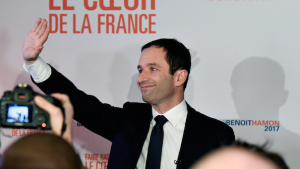
Βέβαια δεν πρέπει να ξεχνάμε ότι τελευταία οι δημοσκοπήσεις πέφτουν έξω, όπως και προχθές. Ο κ. Benoit Hamon εθεωρείτο ως ο τρίτος άνθρωπος (όπως και ο  Fillon εντός της γαλλικής Δεξιάς), κι όμως ήρθε πρώτος τελικά, υποσχόμενος, μεταξύ άλλων, το «καθολικό εγγυημένο εισόδημα των 750 ευρώ», τις 32 ώρες εργασίας τη βδομάδα αντί των 35 σήμερα, τη φορολόγηση των ρομπότ και την νομιμοποίηση της χρήσης της κάνναβης τα οποία ο ενδοκομματικός του αντίπαλος Manuel Valls τα θεωρεί εξωπραγματικά και κοστοβόρα, αφού λεφτά δεν υπάρχουν.

΄Ιδωμεν…


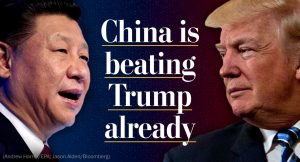
Trump kills TPP, giving China its first big win

0

By Ishaan Tharoor January 24 at 1:00 AM The washington Post

 President Trump signed an executive order on Monday ending the United States’ participation in the Trans-Pacific Partnership, a sweeping trade pact negotiated with eleven other nations. It was neither ratified by American lawmakers nor expected to pass a vote in Congress. But Trump chose to kill it anyway with an executive action, underscoring how different he is from his Republican predecessors — and some of the party’s current leaders — who embraced free trade and preached the dogma of open markets.

He also handed China its clearest opening yet to tilt the geopolitical balance in Asia in its favor.

Trump’s opposition to the TPP is one of his few consistent political positions. Throughout the campaign, he issued loud calls in defense of American workers and against the perils of globalization. The pact became politically toxic for both parties last year, with Democratic candidate Hillary Clinton turning against the TPP (she had initially supported it) and her leftist challenger Bernie Sanders joining Trump in framing the TPP as the project of secretive elites ready to stiff the American common man.

President Trump signs order to withdraw from Trans-Pacific Partnership

On his fourth day in office, President Trump signed an executive order formally withdrawing the U.S. from the Trans-Pacific Partnership trade deal. Crafted by the Obama administration, the trade deal failed to be ratified by Congress during Obama’s two terms. (Daron Taylor/The Washington Post)

Trump spent Monday morning with executives of leading American manufacturing companies, discussing plans to give incentives to American corporations to stay at home and tax those that build factories elsewhere and then ship goods back. Whatever comes of these discussions, Trump seems to be sticking to his protectionist promises. Critics, though, argue that the economic and technological realities of our age mean that the bulk of lost American jobs, particularly in manufacturing, are never going to return.

“Economists have warned that many of Trump’s proposals — including suggestions that he would impose blanket double-digit tariffs on goods from Mexico and China — could backfire on the American economy by causing prices to rise or igniting a trade war,” wrote The Post’s Ylan Q. Mui. “And business groups such as the U.S. Chamber of Commerce had lobbied extensively for passage of the TPP, touting the deal as an engine of job growth and an important check on China’s growing ambitions.”

Those supporting the TPP backed the pact for political reasons as well as economic ones. It emerged as the cornerstone of former President Barack Obama’s strategy to reassert American influence in Asia and balance against a rising China. The pact reduced tariffs, but also involved provisions that would compel countries to comply with tough international standards on labor and intellectual property rights. Longstanding U.S. allies in the Asia-Pacific, including Japan and Australia, were particularly enthusiastic supporters of the agreement.

“We can’t let countries like China write the rules of the global economy,” Obama said last year. “We should write those rules.”

A retreat from the TPP now gives Beijing, which has been negotiating its own trade blocs, a chance to fill a void. Since Trump’s election, the Philippines, Singapore and Malaysia have shifted toward China’s proposed Regional Comprehensive Economic Partnership, which would also reduce tariffs — without many of the standards put in place by Obama’s plan — and redirect Asian trade China’s way. Other nations in the region are likely to follow suit.

“We don’t have the choice America has. It’s big enough that they can make a living selling things to themselves,” said New Zealand Prime Minister Bill English on Monday. “We have to trade.”

A host of foreign policy luminaries in Washington, including this former U.S. ambassador below, panned Trump’s decision to gift China the upper hand:

By withdrawing from TPP today, Trump — “the dealmaker ” — just handed China a giant victory. For free.

“Trump has single-handedly given away an enormous source of leverage over China,” Edward Alden, of the Council on Foreign Relations, told CNN. “The first rule of negotiating is don’t give away something for nothing, and he’s done that right off the bat.” His boss, Richard Haass, echoed the sentiment:

TPP withdrawal will slow US eco growth, cost American jobs, & weaken US standing in Asia/world. China could well be principal beneficiary

But Trump doesn’t care about the establishment’s outrage. He doesn’t care about the United States’ historic role as a guarantor of stability and prosperity for a large swath of Asia. And the White House looks happy to risk escalation with China in a number of strategic hotspots, including over disputed islands in the South China Sea.

The uncertainty posed by the new administration allowed Chinese President Xi Jinping to play the grown-up at the World Economic Forum in Switzerland last week, where he gave a well-received address championing globalization and scolded those with protectionist delusions. The Chinese can now “pitch themselves as the driver of trade liberalization,” Eric Altbach, a former U.S. trade official, told Bloomberg.

Trump’s critics on the left say his populism is a sham aimed at securing plum deals for corporate allies while doing little to boost workers’ rights at home.

It’d be funny if it wasn’t so absurd: Trump, a billionaire, surrounded at his inauguration by billionaires, says he’s anti-establishment.

If Trump is seriously opposed to outsourcing, he can lead by shutting down his own sweatshops and paying workers in the US a living wage.

“Eventual Chinese leadership would not be akin to America assuming Britain’s former role after World War II,” wrote Richard Fontaine, a former Bush administration official, in the Wall Street Journal. “Instead it would lead to a world likely less prosperous and certainly less free.“

Want smart analysis of the most important news in your inbox every weekday along with other global reads, interesting ideas and opinions to know? Sign up for the Today’s WorldView newsletter.

Τζάρεντ Κούσνερ: Ο άνθρωπος του (προέδρου) πεθερού του

0
 Ξεκίνησε την καριέρα του ως γαμπρός του Ντόναλντ Τραμπ – Σήμερα, είναι ο στενότερος σύμβουλος του Προέδρου των ΗΠΑ. ΔΗΜΟΣΙΕΥΣΗ:  23/01/2017 10:41

 «Η αλήθεια είναι ότι θα προτιμούσα αυτή την ευκαιρία μερικά χρόνια αργότερα, αλλά δεν είναι έτσι η ζωή. Η ζωή φέρνει τις ευκαιρίες όπως σου έρχονται, και αυτήν εδώ δεν μπορούσα να τη χάσω». Μιλώντας στις 31 Ιουλίου 2006 για την εκ μέρους του εξαγορά τού καθ’ όλα ευυπόληπτου μεταξύ της νεοϋορκέζικης ελίτ «New York Observer» αντί 10 εκατ. δολαρίων ο 25χρονος τότε Τζάρεντ Κούσνερ θα μπορούσε κάλλιστα να περιγράφει τις γενικές αρχές του περί αρπαγής ευκαιριών: άνετα θα ταίριαζαν τα σχόλιά του στον γάμο του το 2009 με την Ιβάνκα Τραμπ, την ανέλιξή του το 2016 στην de facto θέση της γκρίζας εξοχότητας του Ντόναλντ Τραμπ στην εκστρατεία που τον έφερε ανέλπιστα στον θώκο του Προέδρου των ΗΠΑ, την εμφάνισή του στα εξώφυλλα περιοδικών, από το «New York Magazine» έως το «Forbes», την εξασφάλιση μιας υψηλής θέσης συμβούλου στον Λευκό Οίκο, όπως ανακοινώθηκε επίσημα στις 9 Ιανουαρίου. Για κάποιους ο 36χρονος Τζάρεντ είναι ένας άνθρωπος με ευγενικούς τρόπους, αδίστακτη προσωπικότητα, μνήμη ελέφαντα και εκδικητικό χαρακτήρα. Για κάποιους άλλους είναι ένας ήπιος τύπος μετρίων ικανοτήτων που έως τώρα σωζόταν από την αποτυχία χάρη στα χρήματα της οικογένειάς του και στη φήμη της συζύγου του. Το ότι δεν υφίσταται συναίνεση για το ποιόν ενός ανθρώπου που σύντομα θα ψιθυρίζει στο αφτί του ευέξαπτου Προέδρου συνοψίζει το πόσο άγνωστη προμηνύεται η θητεία αυτής της προεδρίας και πόσα ερωτηματικά καλύπτουν τα πρόσωπά της.

Στην Ανατολική Ακτή υπάρχουν αιώνες χρήματος. Πλούτος κατεχόμενος από οικογένειες εγκατεστημένες στις παλιές μητροπόλεις της Αμερικής από την εποχή που οι 13 μετεπαναστατικές Πολιτείες ήταν ακόμη αποικίες του βρετανικού στέμματος. Αυτός ο πλούτος και αυτές οι οικογένειες έχουν λόγο στην αμερικανική πολιτική: από τη μία τροφοδοτούν τα κομματικά ταμεία σε κάθε επίπεδο, από την άλλη αποτελούν ό,τι κοντινότερο σε πατρικίους έχει ένα έθνος που συστήθηκε εξαρχής ως δημοκρατία και δεν απέκτησε ποτέ αριστοκρατία. Οι Κούσνερ δεν ανήκουν σε αυτούς. Κατ’ αναλογία με τις ρωμαϊκές αντιστοιχίες που δίνουν στο πολίτευμα των ΗΠΑ μια «Σύγκλητο» (την οποία εμείς μεταφράζουμε στα ελληνικά ως «Γερουσία»), οι Κούσνερ είναι homini noves, «νέοι άνθρωποι» – νεόπλουτοι, νεοεισελθόντες στην κοινότητα της πολιτικής επιρροής. Οχι απαραίτητα υποτιμητική ιδιότητα, αλλά ενδεικτική της θέσης τους: ένα σκαλοπάτι πιο κάτω από τους αυθεντικούς πλουτοκράτες. Εχουν, όμως, παρελθόν που απαιτεί σεβασμό και παρόν με πολυψήφια περιουσία. Οι παππούδες του Τζάρεντ ήταν Εβραίοι της Πολωνίας που σώθηκαν στην Κατοχή καταφεύγοντας στα δάση με τους παρτιζάνους του Τούβια Μπιέλσκι, γνωστού σήμερα από την «Εναντίωση» του 2008, όπου τον υποδύθηκε ο Ντάνιελ Κρεγκ. Διασχίζοντας με τα πόδια τη μισή Ευρώπη μετά το τέλος του Β’ Παγκοσμίου Πολέμου έφτασαν στην Ιταλία και από εκεί βρέθηκαν στις Ηνωμένες Πολιτείες. Στο Νιου Τζέρσεϊ ο Γιόσελ Κούσνερ έγινε Τζόζεφ, εργάστηκε ως χτίστης, ο γιος του, Τσαρλς, έγινε μεγαλοεργολάβος και ο εγγονός του, Τζάρεντ, έγινε δεκτός στο Χάρβαρντ, αφού η οικογένεια υποσχέθηκε στο ίδρυμα μια δωρεά 2,5 εκατ. δολαρίων. Για κάποιους το αμερικανικό όνειρο παίρνει μόνο τρεις γενιές για να εκπληρωθεί.
Ολοκληρώνοντας τις προπτυχιακές σπουδές του στο Χάρβαρντ, ο 22χρονος Κούσνερ (γεννημένος στις 10 Ιανουαρίου 1981) μετακόμισε στο Πανεπιστήμιο της Νέας Υόρκης, με τον δρόμο του στρωμένο με τα ροδοπέταλα των 3 εκατ. δολαρίων τής εκεί δωρεάς του πατέρα του το 2001. Μονόχνοτος, κουμπωμένος και φανατικός αναγνώστης εφημερίδων αφιερωμένων αποκλειστικά στις μπίζνες, αποφοίτησε το 2007 με δύο πτυχία ανά χείρας, μάστερ στη διοίκηση επιχειρήσεων και διδακτορικό στη Νομική. Ταυτόχρονα, δραστηριοποιούνταν στην οικογενειακή εταιρεία καλύπτοντας το κενό του Τσαρλς Κούσνερ, ο οποίος αντιμετώπιζε περιπέτειες με τη δικαιοσύνη, και δοκίμαζε τις δυνάμεις του στη διαχείριση μιας εφημερίδας στα χρόνια της κρίσης του Τύπου.
Ονεοϋορκέζικος «Observer», όμως, δεν ήταν το μεγαλύτερο στοίχημά του. Προείχαν οι αγοραπωλησίες ακινήτων και το Διαδίκτυο. Προτού καν αποφοιτήσει από το Χάρβαρντ είχε κερδίσει 20 εκατ. δολάρια επενδύοντας σε κτίρια που κατόπιν μετέτρεψε σε ακριβές κατοικίες. Τον Φεβρουάριο του 2008 ο Τζάρεντ ανακοίνωνε μετά βαΐων και κλάδων τη συγκρότηση του Politicker.com, ενός σχεδίου για 50 δικτυακούς τόπους στις 50 Πολιτείες των ΗΠΑ προορισμένου να αποβεί «μια δραστήρια τοπική πηγή πολιτικών άρθρων, φημών και σκανδάλων», όπως δήλωνε στους «New York Times». Στα χρόνια του θριάμβου των μπλόγκερ το πρότζεκτ φάνταζε φθηνό, εύκολο και αποδοτικό: ο διευθυντής του σάιτ, Τζέιμς Πιντέλ, οραματιζόταν να προσλαμβάνει «νεαρούς δημοσιογράφους, να τους στέλνει στις πρωτεύουσες κάθε Πολιτείας με ένα λάπτοπ και ένα Blackberry και να τους αφήνει να στήνουν μόνοι τους τον κάθε ιστότοπο». Οπως και η εκλιπούσα σήμερα τεχνολογία που χρησιμοποιούσε, η πρωτοβουλία πήγε άπατη. Στις αρχές του 2009 από τους είκοσι αρχικούς δικτυακούς τόπους του Politicker είχαν απομείνει μόνο δύο. Περίπου την ίδια εποχή η κατάρρευση της Lehman Brothers και ο πανικός για τα χαμένα τρισεκατομμύρια των τοξικών ομολόγων εξανέμιζαν την επένδυση 1,8 δισ. δολαρίων στην οποία είχε προβεί ο Κούσνερ τον Δεκέμβριο του 2006 αγοράζοντας έναν ουρανοξύστη 41 ορόφων στον αριθμό 666 της Πέμπτης Λεωφόρου.
Ουδέν κακόν αμιγές καλού. Γιατί η ενασχόληση του νεαρού με τα οικογενειακά συμφέροντά του προσπόρισε τη γνωριμία με τη μελλοντική σύζυγό του. Με την Ιβάνκα Τραμπ συναντήθηκαν το 2007, χώρισαν το 2008, παντρεύτηκαν το 2009. Πλην της ομορφιάς, ο Τζάρεντ κέρδισε μια ιδιαίτερα εύστροφη γυναίκα με τις δικές της επιτυχημένες επιχειρηματικές δραστηριότητες στον τομέα των ρούχων, των κοσμημάτων και των αξεσουάρ – καθώς και την ευχέρεια να χαριεντίζεται καθημερινά με μεγιστάνες όπως οι Ρούπερτ Μέρντοκ και Ντέιβιντ Γκέφεν ή να στήνει ψιλοκουβέντα με την Τσέλσι Κλίντον, στενή φίλη της συμβίας του. Ωστόσο, το μεγαλύτερο κέρδος ήταν η κατάκτηση της εμπιστοσύνης του πεθερού του: οι εργολαβίες και τα ακίνητα οικοδόμησαν ένα προγεφύρωμα, η κοινή αξία της απόλυτης αφοσίωσης στην οικογένεια το στερέωσε. Οχι ότι η σχέση δεν αποδείχθηκε ετεροβαρής, δεν γίνεται διαφορετικά άλλωστε. Οπως έλεγε ένας στενός φίλος των Τραμπ στον «New Yorker» τον Αύγουστο του 2016, ο νέος Πρόεδρος σκέφτεται τον κόσμο αποκλειστικά με βάση τον εαυτό του: «Του λες “Ντόναλντ, σήμερα βρέχει”, σου απαντά “Δεν με νοιάζει, είμαι μέσα”». Σε μια τέτοια αυτοαναφορική προσωπικότητα, μία άλλη φύση, διαλλακτική και συμβιβαστική ως προς τους τρόπους της με τους άλλους, έχει αρκετά να προσφέρει.
Ετσι εξηγεί το «Forbes» τόσο την πολιτική στροφή του Κούσνερ από ανώδυνο Δημοκρατικό, του ύφους του Μάικλ Μπλούμπεργκ, σε Συντηρητικό πιστό τού κατά Τραμπ ευαγγελίου όσο και την ανέλιξή του στην ιεραρχία της καμπάνιας των προεδρικών εκλογών – η εγγύτητα γαμπρού και πεθερού μετέβαλε τα δεδομένα. Εξαιτίας της παροιμιώδους δυσκολίας του χαρακτήρα του Ντόναλντ, ήδη από το στάδιο της διεκδίκησης του χρίσματος των Ρεπουμπλικανών, κάποιοι άρχισαν να απευθύνονται στον μονίμως παρόντα Τζάρεντ, ο οποίος τους εξασφάλιζε και πρόσβαση στον υποψήφιο και προστασία από διαρροές. «Διευκόλυνα τη σύναψη πολλών σχέσεων που διαφορετικά δεν θα είχαν υπάρξει» έλεγε ο ίδιος με μετριοφροσύνη στο «Forbes». Επειτα τηλεφώνησε στους γνωστούς του στη Σίλικον Βάλεϊ ζητώντας τεχνογνωσία. Παντελώς άπειρος στην παραδοσιακή τεχνολογία μιας εκστρατείας για την προεδρία, είδε την επιχειρηματικότητα της πολιτικής με τα μάτια των ιδρυτών των κοινωνικών μέσων. Εστησε ο ίδιος μια ομάδα που χρησιμοποίησε το Twitter, το Facebook και το Google Maps για να εντοπίζει πιθανούς τύπους ψηφοφόρων, να οργανώνει δείγματα των προτιμήσεών τους, να λαμβάνει feedback και να φτιάχνει στοχευμένες διαφημίσεις. Σύμφωνα με τον Στίβεν Μπερτόνι του «Forbes», αυτός ο φθηνός, ευέλικτος, ταχύτατος μηχανισμός έστελνε καθημερινά 100.000 στοχευμένες διαφημίσεις σε συγκεκριμένους ψηφοφόρους κρίσιμων, κατά την ανάλυση των εκλογικών δεδομένων, περιοχών. «Δεν φοβόμασταν να κάνουμε αλλαγές, δεν φοβόμασταν να αποτύχουμε» έλεγε στη συνέντευξή του στο περιοδικό ο Κούσνερ. «Τα κάναμε όλα πολύ φθηνά, πολύ γρήγορα. Αν κάτι δεν δούλευε, το πετάγαμε στα γρήγορα». Με αυτό το μοντέλο ο Τζάρεντ Κούσνερ συγκέντρωσε 250 εκατ. δολάρια από δωρεές εθελοντών μέσα σε τέσσερις μήνες. Με αυτό το μοντέλο εντόπισε τις τελευταίες εβδομάδες της εκστρατείας πόσο ευάλωτη ήταν η Χίλαρι Κλίντον στο Μίσιγκαν και στην Πενσιλβάνια. Με αυτό το μοντέλο ισχυρίζεται ότι το πρωινό της 8ης Νοεμβρίου προέβλεψε την επερχόμενη νίκη του Ντόναλντ Τραμπ με περισσότερους από 300 εκλέκτορες.
Ηπρόγευση της εξουσίας ακολούθησε. Τον Δεκέμβριο του 2016, έγραφε ο Αντριου Ράις στο τεύχος Ιανουαρίου του «New York Magazine», ο «Συνεταιρισμός για την πόλη της Νέας Υόρκης», ένας μη κερδοσκοπικός οργανισμός που εκπροσωπεί τα συμφέροντα της επιχειρηματικής κοινότητας, συγκάλεσε στο κτίριο της Morgan Stanley στην Times Square μια ημερίδα στην οποία παρέστησαν περισσότερα από 400 στελέχη, διευθύνοντες σύμβουλοι και μεγαλομέτοχοι κορυφαίων εταιρειών. Τιμής ένεκεν, ο λόγος δόθηκε πρώτα στον Δημοκρατικό Τσαρλς Σούμερ, επερχόμενο αρχηγό της μειοψηφίας στη Γερουσία. Ωστόσο, όλοι περίμεναν να ακούσουν την εισήγηση του τυπικά δεύτερου τη τάξει, ουσιαστικά όμως κλειδοκράτορα της νέας ηγεσίας, Τζάρεντ Κούσνερ. Ενώπιον ενός κοινού που αναζητούσε να καθησυχαστεί από κάποιον της τάξης του («ο Τζάρεντ Κούσνερ είναι ο άνθρωπός μας», τον προσφώνησε ο δισεκατομμυριούχος διαχειριστής επενδυτικών κεφαλαίων Στίβεν Σβάρτσμαν), φρόντισε να λειάνει αιχμές και προεξοχές. «Νόμιζα ότι θα χρειαζόταν να εξηγήσω στην επιχειρηματική κοινότητα τι θα σημάνει η προεδρία Τραμπ, οι αγορές όμως το κατάλαβαν από μόνες τους» είπε υπαινισσόμενος τη μεγάλη μετεκλογική άνοδο του δείκτη Dow Jones. Κατά τα άλλα, είναι εύκολο να μισείς τον Ντόναλντ εξ αποστάσεως, στο ίδιο δωμάτιο όμως είναι άλλος άνθρωπος. Η πολιτική του έναντι της λαθρομετανάστευσης θα είναι «λογική». Με τους Δημοκρατικούς θα συνεργαστεί σε προγράμματα υποδομής, βελτίωσης των δρόμων και των λεωφόρων της πληροφορικής. Ηδη ρώτησε σε μια συνάντησή τους τον Ελον Μασκ της Tesla και του SpaceX γιατί η αεροδιαστημική βιομηχανία δεν κατασκευάζει γρηγορότερα αεροπλάνα, όπως ήταν το Concorde. «Ο Τραμπ δεν θα φοβηθεί να αποτύχει» κατέληξε. Αλλωστε, είτε φοβηθεί είτε όχι, ο ίδιος θα είναι εκεί για να τον προφυλάξει από τέτοιο ενδεχόμενο: στις 9 Ιανουαρίου απέκτησε θέση υψηλόβαθμου συμβούλου του Προέδρου, σε πείσμα ενός νόμου του 1967 που απαγορεύει σε όλους τους ομοσπονδιακούς αξιωματούχους να διορίζουν συγγενείς σε πολιτικές θέσεις στην υπηρεσία όπου υπηρετούν οι ίδιοι ή βρίσκεται στη δικαιοδοσία τους. Νεποτισμός, είπατε; Διόλου. Ηδη, οι νομικοί φίλοι του Προέδρου αποφάνθηκαν ότι ο Λευκός Οίκος δεν είναι «υπηρεσία».
Και τώρα; Τώρα, προφανώς, το όριο είναι ο ουρανός. Ο νεαρός εγγονός των επιζώντων του Ολοκαυτώματος εγκαθίσταται στον προθάλαμο του ηγεμόνα. Κάποιοι ελπίζουν ότι θα αποδειχθεί η σταθεροποιητική δύναμη της αυλής του ευμετάβλητου Ντόναλντ. «Είναι έξυπνος» έλεγε ο Ντέιβιντ Γκέφεν στους «New York Times» στις αρχές Δεκεμβρίου. «Είναι μεγαλοφυΐα; Οχι, αλλά σκεφτείτε ότι όλες οι μεγαλοφυΐες έχασαν». Κάποιοι άλλοι δεν τον βλέπουν ως παράγοντα ισορροπίας: «Στον μηχανισμό του Τραμπ λογίζεται ως ο πιο αφοσιωμένος υπερασπιστής της κρίσης του» έγραφαν οι Τζόναθαν Μάλερ και Μάγκι Χάμπερμαν στους «New York Times» της 19ης Νοεμβρίου – και η κρίση του Προέδρου ας πούμε ότι ελέγχεται. Κάποιοι τρίτοι αντιτείνουν πως το πρόβλημα είναι η μεγάλη ιδέα που έχει για τον εαυτό του. «Νομίζει ότι έχει το άγγιγμα του Μίδα» έλεγαν πρώην υφιστάμενοί του από τον «New York Observer» στην Εμιλι Τζέιν Φοξ του «Vanity Fair» αποτιμώντας την ευφυΐα του με τον χαρακτηρισμό «διανοητικά ελαφρών βαρών». Πώς θα πολιτευθεί ένας τέτοιος άνθρωπος σε ένα απαιτητικό αξίωμα χαμηλής διαφάνειας;
Τη διδακτικότερη ίσως νύξη τη βρίσκει κανείς σε μια ιστορία από το περιθώριο της αφήγησης του προφίλ του στο «New York Magazine». Στην αμερικανική πολιτική, λοιπόν, δεν υπάρχουν ούτε άγγελοι ούτε δαίμονες. Υπάρχουν χαρτοπαίκτες, μικρότεροι ή μεγαλύτεροι. Ενας μεγαλύτερος χαρτοπαίκτης, ο ρεπουμπλικανός γενικός εισαγγελέας της Πολιτείας του Νιου Τζέρσεϊ, Κρις Κρίστι, είδε το πολιτικό του μέλλον να ανοίγεται μπροστά του το 2005 κυνηγώντας για πολιτική διαφθορά έναν μικρότερο χαρτοπαίκτη, τον χρηματοδότη των Δημοκρατικών εργολάβο Τσαρλς Κούσνερ. Ηταν μία από εκείνες τις επιδείξεις μικρότητας με τις οποίες χτίζονται στην Αμερική μεγάλες πολιτικές καριέρες: ο Κρίστι εξελέγη κυβερνήτης της Πολιτείας το 2009 και θεωρούνταν ισχυρή υποψηφιότητα για το χρίσμα του κόμματος το 2016, προτού εκτροχιαστεί από το δικό του πολιτικό σκάνδαλο. Ο υιός Κούσνερ, ως δόκιμος χαρτοπαίκτης, συνεργάστηκε με τον ψαλιδισμένης σημασίας Κρίστι στη διάρκεια της καμπάνιας του Τραμπ. Την πρέπουσα στιγμή, μετά την εκλογή, δηλαδή, τον άδειασε από το τρένο βάζοντας το χέρι του για να απομακρυνθεί από τη θέση του επικεφαλής της ομάδας προεδρικής μετάβασης την οποία κατείχε έως τότε. Διόλου παράξενο ότι ο άνθρωπος του πεθερού του, ο Τζάρεντ Κούσνερ, δηλώνει θαυμαστής του «Κόμη Μοντεχρήστου» – μιας κλασικής ιστορίας εκδίκησης.


* Δημοσιεύθηκε στο BHmagazino την Κυριακή 22 Ιανουαρίου 2017

Εφιαλτικά σενάρια για το άμεσο μέλλον

16
  • (Φωτ.: Global Future of Work)

Η ανάληψη της προεδρίας από τον Τραμπ δεν αποτελεί παρά τον καταλύτη για την επιτάχυνση αλλαγών που κυοφορούνταν εδώ και καιρό και αρχίζουν να γίνονται σαφείς. Σύμφωνα με ανάλυση του Τζωρτζ Φρίντμαν (Stratfor), που επιβεβαιώνεται και από άλλες πηγές, θα υπάρξουν μέσα στο 2017 τρεις σημαντικές οικονομικές –και κατά συνέπεια και πολιτικές– εκπλήξεις που θα αλλάξουν τους παγκόσμιους συσχετισμούς. Ποιες είναι αυτές;

  1. Η γερμανική οικονομία θα αντιμετωπίσει κρίση από τον περιορισμό των εξαγωγών.
  2. Θα φανούν τα πρώτα πολύ σοβαρά σημάδια μιας ρωσικής οικονομικής κρίσης που οφείλεται στη μακροχρόνια διατήρηση των τιμών του πετρελαίου χαμηλά και
  3. Κρίση θα αντιμετωπίσει και η Κίνα καθώς θα επιχειρεί να προσαρμόσει την οικονομία της στο καταναλωτικό πρότυπο και τα ποσοστά ανεργίας και χρέους θα αυξηθούν.

Πώς θα επηρεάσουν Ελλάδα-Ευρώπη
Είναι ευνόητο ότι οι εξελίξεις αυτές θα επηρεάσουν και την Ευρώπη αλλά και την Ελλάδα, καθώς, δεν είναι και τόσο ξεκάθαρο πως θα μπορούσε να υποστηριχθεί η ελληνική κρίση με μια γερμανική οικονομία που δεν θα έχει τη δυναμική των προηγούμενων χρόνων και οι ιθύνοντες της χώρας θα επιχειρούν να εφαρμόσουν μεταρρυθμίσεις για να διατηρήσουν τη Γερμανία στις πρώτες οικονομικές δυνάμεις στον κόσμο.

Η πτώση των γερμανικών εξαγωγών έρχεται σε μια δύσκολη στιγμή για το Βερολίνο καθώς ο νέος αμερικανός πρόεδρος από τις πρώτες κινήσεις που φαίνεται πως θα κάνει θα είναι να ανοίξει το φάκελο Γερμανία. Ανησυχητικό, σύμφωνα με την ανάλυση του Φρίντμαν είναι και το μέλλον της Ρωσίας η οποία, σύμφωνα με τον αμερικανό αναλυτή, ως το 2040 θα μετατραπεί από Ομοσπονδία που είναι σήμερα σε συνομοσπονδία.

Αναλυτικότερα:

Σκεφτείτε τις πιθανές επιπτώσεις από τρεις βασικές εξελίξεις: συρρίκνωση των εξαγωγών στη Γερμανία, αρχή μιας μακροχρόνιας υποχώρησης στη ρωσική οικονομία, και αύξηση των ποσοστών της ανεργίας στην Κίνα.

Η παγκόσμια κρίση των εξαγωγών είναι έτοιμη να κινηθεί με υψηλότερη ταχύτητα.

Γεγονότα του 2008 είχαν ως αποτέλεσμα τη μείωση της ζήτησης για τις κινεζικές εξαγωγές στην Ευρώπη και τις Ηνωμένες Πολιτείες. Αυτό θέτει ένα σοβαρό πρόβλημα για την Κίνα, υπονομεύοντας τα κινεζικά περιθώρια κέρδους, αλλά και περικόπτει τις κινεζικές εισαγωγές (κυρίως βιομηχανικών προϊόντων). Οι χώρες που εξαρτώνται από τις εξαγωγές αυτών των προϊόντων είδαν τα κέρδη τους να αρχίζουν να συρρικνώνονται. Η ανάπτυξη παρέμεινε στάσιμη στην Ευρώπη και μέτρια, στην καλύτερη περίπτωση, στις ΗΠΑ, δημιουργώντας έναν κύκλο του οποίου τα αποτελέσματα έχουν επηρεάσει την παγκόσμια οικονομία.

Τέσσερις μεγάλες χώρες ήταν πιο ευάλωτες σε αυτόν τον φαύλο κύκλο: η Κίνα, η Γερμανία, η Ρωσία και η Σαουδική Αραβία. Μαζί, αυτές οι χώρες έχουν περισσότερο από το ένα πέμπτο του παγκόσμιου ΑΕΠ. Η Κίνα, η Ρωσία και η Σαουδική Αραβία έχουν ήδη δείξει ανησυχητικά σημάδια αυτής της κρίσης που εκδηλώνεται στις εθνικές τους οικονομίες και έχει οδηγήσει σε πολιτική και οικονομική αστάθεια.

Δύσκολη χρονιά για τη Γερμανία
Η Γερμανία έχει εμφανώς αποφύγει τις χειρότερες συνέπειες της κρίσης μέχρι σήμερα. Αλλά αυτό δεν θα συνεχιστεί το 2017. Το τρέχον έτος, η κρίση των παγκόσμιων εξαγωγών θα επισκεφθεί τη Γερμανία, την τέταρτη μεγαλύτερη οικονομία στον κόσμο, τη μεγαλύτερη οικονομία της Ευρώπης, και την τρίτη μεγαλύτερη εξαγωγέα στην G-20.


Μπούντεσμπανκ (φωτ.:bundesbank.de)

Οι γερμανικές εξαγωγές το 2016 ήταν χαμηλότερες από το προβλεπόμενο. Σύμφωνα με την Destatis (με βάση τα τελευταία διαθέσιμα στατιστικά στοιχεία), οι γερμανικές εξαγωγές αυξήθηκαν μόνο κατά 0,8 τοις εκατό το 2016, σε σύγκριση με το 2015. Η Deutsche Bundesbank παραδέχεται ότι οι προοπτικές για τις γερμανικές εξαγωγές έχουν γίνει «λιγότερο ευνοϊκές», αλλά εξακολουθεί να αναμένει μέτρια αύξησή τους το 2017 και το 2018.

Η Ευρώπη θα συνεχίσει να βλέπει αναιμικούς ρυθμούς ανάπτυξης, καθώς και άλλα σημαντικά προβλήματα που αντιμετωπίζει η Ευρωπαϊκή Ένωση, εκτός από τις προσπάθειες της γερμανικής οικονομίας, της οποίας η ανάπτυξη θα μειωθεί.

Η οικονομία των ΗΠΑ θα αυξηθεί ελαφρά, στην καλύτερη περίπτωση, και μέχρι το τέλος του 2017, μπορεί να αντιμετωπίσει μια κυκλική ύφεση. Η Γερμανία ήταν σε θέση να αντισταθμίσει τη μειωμένη κινεζική ζήτηση για τις εξαγωγές της με την αύξηση του εμπορίου με τις ΗΠΑ και το Ηνωμένο Βασίλειο. Η κινεζική ζήτηση θα συνεχίσει να μειώνεται, και οι ΗΠΑ και το Ηνωμένο Βασίλειο δεν θα είναι σε θέση να απορροφούν τις γερμανικές εξαγωγές για πάντα. Οι γερμανικές τράπεζες έχουν ήδη δείξει σημάδια κόπωσης, και αναμένουμε επιβράδυνση στις επενδύσεις και την απασχόληση στον βιομηχανικό τομέα το 2017. Επειδή το 47% του ΑΕΠ της Γερμανίας προέρχεται από εξαγωγές, αυτό θα ισοδυναμεί με τίποτα λιγότερο από μια κρίση για τη Γερμανία, με αρνητικές οικονομικές και πολιτικές συνέπειες για άλλες χώρες της Ευρώπης.

«Το ΔΝΤ δεν ξέρει που βρίσκεται η Ρωσία»
Δεν είναι μυστικό ότι η Ρωσία έχει αγωνιστεί δυνατά για να κρατηθεί από την κατάρρευση των παγκόσμιων τιμών του πετρελαίου, που ξεκίνησε τον Αύγουστο του 2014. Το 2008, το πετρέλαιο, και μόνο, αντιπροσώπευε το 18 τοις εκατό της ρωσικής οικονομίας, και η μέση τιμή ήταν 91,48 δολάρια το βαρέλι. Η Ρωσία σκέφτηκε ότι θα ήταν υπεύθυνο να προγραμματίσει τον κρατικό προϋπολογισμό της με τις τιμές του πετρελαίου στα 82 δολάρια το βαρέλι, αλλά δεν ανέμενε οι τιμές να πέσουν τόσο απότομα όπως συνέβη. Η μέση τιμή του πετρελαίου το 2016 ήταν 43 δολάρια το βαρέλι. Το ρούβλι έχει χτυπήσει ιστορικό χαμηλό έναντι του δολαρίου, ο πληθωρισμός στη Ρωσία σε ένα σημείο το 2015 ήταν πάνω από 16 τοις εκατό, και το Διεθνές Νομισματικό Ταμείο (ΔΝΤ) εκτιμά ότι το ΑΕΠ της Ρωσίας θα συρρικνωθεί κατά 1,2% το 2016.


Υπουργείο Οικονομικών Ρωσίας (φωτ.: sputniknews.com)

Περιέργως, ο κόσμος φαίνεται να πιστεύει ότι η Ρωσία έχει ήδη χτυπήσει πάτο και ότι θα επέλθει ανάκαμψη από εδώ και πέρα. Μια έκθεση του Ιουλίου 2016 του ΔΝΤ για τη Ρωσία, έλεγε: «Η ανάπτυξη αναμένεται να συνεχιστεί το 2017 και να φτάσει το 1%, καθώς η εγχώρια ζήτηση ανακάμπτει σιγά-σιγά διευκολύνοντας τις οικονομικές συνθήκες και δημιουργώντας ζήτηση.»

Το ΔΝΤ προφανώς δεν ξέρει σε τι πάτο έφθασε η Ρωσία.

Όπως πηγαίνουν οι τιμές του πετρελαίου, έτσι πηγαίνει και η ρωσική οικονομία, και δεν έχουμε κανένα λόγο να πιστεύουμε ότι οι τιμές του πετρελαίου θα αυξηθούν πολύ το 2017. Μια πρόσφατη συμβιβαστική λύση που επιτεύχθηκε στον ΟΠΕΚ ήταν περισσότερο σαν κλείσιμο μιας πληγής που αιμορραγεί παρά θεραπεία από το πρόβλημα της παγκόσμιας υπερπροσφοράς. Η Ρωσία συνεχίζει να δαπανά μεγάλα ποσά για τον εκσυγχρονισμό του στρατού, ενώ μειώνει τις κοινωνικές δαπάνες κατά τουλάχιστον 10% σε όλα τα επίπεδα.

Όποιοι και αν είναι οι ακριβείς αριθμοί για το ρωσικό ΑΕΠ, έχει τελικά μικρή σημασία – αναμένουμε συρρίκνωση, αλλά ακόμα κι αν υπάρχει κάποια αύξηση, το 2017 θα είναι μια εξαιρετικά δύσκολη χρονιά για τη ρωσική οικονομία και, ως εκ τούτου, το ρωσικό λαό. Έχουμε ήδη παρατηρήσει κάποιες ανησυχητικές ενδείξεις ότι αυτό το οικονομικό πρόβλημα έχει αρχίσει να εκδηλώνεται σε κοινωνικές και πολιτικές αναταραχές, και αναμένουμε να δούμε πολύ περισσότερα κατά το επόμενο έτος.

Στις προβλέψεις του Φρίντμαν έως το 2040, περιγράφεται ο τρόπος που πιστεύει ότι από εκείνη τη στιγμή, η Ρωσική Ομοσπονδία θα έχει παύσει να λειτουργεί ως ομοσπονδία.

Η καλύτερη περίπτωση θα μοιάζει με μια χαλαρή συνομοσπονδία, και η χειρότερη θα μπορούσε να περιλαμβάνει την πραγματική απόσχιση διαφόρων περιοχών. Το 2017 δεν είναι το έτος που η Ρωσία θα πέσει, αλλά θα είναι η χρονιά που οι καμπύλες της αβύσσου θα καταστούν σαφείς. Ο μεγάλος ρωσικός χειμώνας έρχεται, και εκ των υστέρων, το 2017 θα πρέπει να θεωρηθεί ως ένα σημαντικό σημείο καμπής στην ιστορία της Ρωσίας. Όλα αυτά θα έχουν σημαντικές επιπτώσεις  στη θέση της Ρωσίας στον κόσμο.


Το 2016 οι ρυθμοί ανάπτυξης της Κίνας ήταν υπερφυσικοί (φωτ.: South China Morning Post)

«Το κινεζικό θαύμα θα τελειώσει»
Τελευταία, και σίγουρα όχι λιγότερο σημαντική, είναι η Κίνα. Το 2016 αποδείχθηκε ότι ήταν η χρονιά που οι υπερφυσικοί ρυθμοί ανάπτυξης της Κίνας δεν θα μπορούσαν να διατηρηθούν για πάντα. Τελικά, το κινεζικό θαύμα ανάπτυξης θα φθάσει σε ένα τέλος, και η Κίνα θα αντιμετωπίσει μια επιλογή – την επιβολή δικτατορίας ή την κατάρρευση στην περιφερειοποίηση που έχει καθορίσει ένα μεγάλο μέρος της κινεζικής ιστορίας.

Ο Κινέζος πρόεδρος Ξι Τζινπίνγκ θα αναγκαστεί να λάβει αυταρχικά μέτρα για κάποιο χρονικό διάστημα.

Και το 2017 θα είναι η χρονιά που ο Ξι θα εξαλείψει και τους τελευταίους από τους αντιπάλους του και θα σταθεροποιήσει τον έλεγχό του πάνω στο πολιτικό σύστημα. Αυτό θα είναι αναγκαίο, διότι τα έντονα οικονομικά προβλήματα της Κίνας θα συνεχίσουν να υπάρχουν, η ανεργία θα αρχίσει να επιστρέφει και αυτό είναι ένα εξαιρετικά επικίνδυνο πρόβλημα για τη σταθερότητα του πολιτικού συστήματος της Κίνας.

Σκεφτείτε το εξής: Το επίσημο ποσοστό ανεργίας στην Κίνα έχει κυμανθεί από 4 ως 4,3% για τα τελευταία 14 χρόνια. Η δήλωση αυτή και μόνο θα πρέπει να είναι ανησυχητική. Ένα τέτοιο σταθερό ποσοστό ανεργίας δεν φαίνεται λογικό, ακόμη και για μια πολύ σταθερή οικονομία. Το Εθνικό Γραφείο Οικονομικών Ερευνών εκτιμά ότι η ανεργία στην Κίνα είναι περίπου 11%, και με βάση την έρευνα μας, καθώς και ανεπίσημα στοιχεία, πιστεύουμε ότι η ανεργία στην Κίνα είναι ήδη σημαντικά υψηλότερη από αυτό.

Το 2016, η Κίνα ανακοίνωσε ότι θα επιδιώξει να απολύσει 5-6 εκατομμύρια εργαζόμενους στο κράτος στα επόμενα δύο με τρία χρόνια, σε μια προσπάθεια να λύσει τη βιομηχανική πλεονάζουσα παραγωγική ικανότητα. Είναι εξαιρετικά ασυνήθιστο για την Κίνα να ανακοινώνει τέτοιες περικοπές θέσεων εργασίας δημοσίως, αλλά αντικατοπτρίζει το πόσο ασταθής είναι η τρέχουσα κατάσταση για πολλές κινεζικές εταιρείες, που έχουν δει τα κέρδη τους να μειώνονται, καθώς η ζήτηση για τα προϊόντα τους έχει μειωθεί γενικά από το 2008.

Ένας αριθμός πιθανών προβλημάτων που θα αντιμετωπίσει η κινεζική οικονομία το 2017, συμπεριλαμβάνει μιας διαφαινόμενη φούσκα των ακινήτων, υποτίμηση του γουάν και το αυξανόμενο χρέος. Αλλά το πιο σοβαρό από αυτά είναι η ανεργία. Η Κίνα έχει πάντα σε υψηλή προτεραιότητα την κοινωνική σταθερότητα και αυτό οφείλεται στο γεγονός ότι η Κίνα είναι τόσο μεγάλη όσο και δυσκίνητη για να κυβερνηθεί.

Το πρόβλημα είναι ότι η οικονομία της Κίνας έχει φτάσει τα όρια της υψηλής ανάπτυξης, του οικονομικού μοντέλου των χαμηλών μισθών, και τώρα προσπαθεί να μεταβεί προς μια καταναλωτική οικονομία.

Κάνοντας τέτοιες αλλαγές σε μια οικονομία είναι δύσκολο-  και για κάποιον που είναι τόσο διαφορετικός όσο η Κίνα που έχει αναπτυχθεί με τόσο γρήγορο ρυθμό, θα είναι ακόμη πιο δύσκολο. Η Κίνα προσπαθεί να βρει μια ισορροπία μεταξύ αυτών των μεταρρυθμίσεων και της άντλησης χρημάτων για στρατηγικές ανάπτυξης που θα διατηρήσουν θέσεις εργασίας, αλλά οι ραφές έχουν αρχίσει να ξηλώνονται.

Όπως και με τη Ρωσία, δεν περιμένουμε το 2017 να αμφισβητηθεί η κυριαρχία της κυβέρνησης. Αλλά αναμένουμε μέτρα καταστολής του Ξι στη δυναμική της αντιπολίτευσης να αυξήσει την ένταση, με κυριότερο αποτέλεσμα πιέσεις στην κινεζική οικονομία, κυρίως στην αύξηση του αριθμού των ανθρώπων χωρίς θέσεις εργασίας. Πώς αυτό θα πρέπει να αντικατοπτρίζεται στην κινεζική εξωτερική πολιτική και στη σχέση ΗΠΑ-Κίνας στον απόηχο της εκλογής του Ντόναλντ Τραμπ;

Π. Σ.

pontos-news.gr

In their presidential primary, France’s Socialists tack to the left

0

THE ECONOMIST.
Quelle surprise

Benoît Hamon beats Manuel Valls with promises of a universal basic income

 AS FRANCE prepares for its presidential election this spring, the unexpected is becoming routine. Few predicted that the socially conservative François Fillon would emerge as the Republican party’s candidate, until he came from behind to win the primary in November. In December François Hollande decided not to seek re-election—the first incumbent president not to do so since the birth of the fifth republic. Now comes January’s surprise. Polls suggested that Manuel Valls, a centrist who served as prime minister until last month, was the front-runner in the first round of the Socialist presidential primary on January 22nd. Instead he finished second; first place went to Benoît Hamon, a figure from the party’s left wing.The two men will face each other in a run-off on January 29th. Mr Hamon is likely to win. He will pick up votes from the third-place candidate, Arnaud Montebourg, and others on the left of the party. His success in the first round matters because it signifies that his party, which already looked weak, is abandoning the centre of French politics. The Socialists are pleased that nearly 2m voters took part in the primary—not bad, considering that almost no one believes the party’s candidate can win the election. But the Republicans drew over 4.3m votes in each of their two primaries in November.

Mr Hamon, who was briefly education minister in 2014, stirred up voters in recent weeks with promises of public largesse. He promotes the idea of a universal basic income of €750 ($803), to kick in by 2022. The idea is to compensate for the possibility of large-scale job losses to digital automation, though he is hazy on how the programme would be funded. He also wants to shorten the already constrained French working week from 35 to 32 hours. And he suggests levying a tax on robots. No other candidate had anything so eye-catching to offer. Mr Valls, who largely stuck by his centrist record in office, wants to loosen labour laws rather than tighten them. He is disliked by voters on the left both for his economics and for his tough stance on fighting terrorism, which some fear is undermining civil liberties.

Assuming Mr Hamon becomes the Socialist candidate, the biggest winner will be Emmanuel Macron, a centre-left figure running as an independent. (Many supporters of Mr Macron may have cast tactical votes for Mr Hamon.) He should pick up many centrist ex-Socialist voters who see Mr Hamon as unserious or unappealing. Mr Macron served as economy minister under Mr Hollande, but quit the government last summer after launching his own political party, En Marche! (“On the Move!”). He promises to modernise France. As a former investment banker, and only 39 years old, he is a relative outsider and a fresh face who has never been elected to office. Socially and economically liberal, and popular in the media, he calls for France to embrace the digital economy.

As economy minister, Mr Macron introduced modestly liberalising reforms, such as opening up coach transport to private firms and easing some labour constraints. Opinion polls now put him in third place nationally, with around 20% support. The same polls suggest that Mr Fillon has roughly 25% support, while Marine Le Pen, the leader of the populist National Front, is backed by some 26%. Most observers expect she will reach a second round of voting in May, but that she will then be defeated by a more mainstream candidate. The question is which candidate that will be.

The Socialist primary gives Mr Macron an opportunity. If Mr Hamon wins, he will draw support mainly among blue-collar voters and others on the left of the party. Mr Fillon of the Republicans, worried about the rise of Ms Le Pen, has promoted himself as a cultural conservative and a neo-Thatcherite who would cut 500,000 government posts and slash public spending. His emphasis on his Catholic faith is unconventional in France’s secular political tradition. Ms Le Pen, a far-right nationalist, propounds a statist economic policy and hostility to the European Union.

All that leaves space in the middle of the political landscape for Mr Macron. He can talk of the need to liberalise France’s economy, but without the radical tone of Mr Fillon, who risks scaring government employees. Mr Fillon, whose poll numbers are drifting down, must worry about Ms Le Pen grabbing voters from the right, just as Mr Macron appeals to centrists. The Republican is still the candidate likeliest to be France’s next president. But the Socialists’ shift to the left and the rise of Mr Macron increase the chances that the presidential election, too, will produce a surprise.

http://www.economist.com/news/europe/21715193-beno-t-hamon-beats-manuel-valls-promises-universal-basic-income-their-presidential?cid1=cust/ddnew/n/n/n/20170123n/owned/n/n/nwl/n/n/EU/email

Game Time

0

By George Friedman Jan 23, 2017

Last Friday, Donald Trump became the 45th president of the United States. For Trump, as with every president before him, everything he said until that point consisted of promises. He had no power, so the only thing that could be expected of him was his analysis of what is wrong with the country, and what he would do to solve it.

On Friday, the question shifted from what he will do, to what he is doing. Presidents don’t stop promising, but the promises become more hollow over time if they are not matched by some degree of achievement.

The President’s Weak Position

The American presidency is a paradox.

It is the most noted position in the world, imbued by observers with all the power inherent to the world’s most powerful country. Everyone is now trying to understand what Trump intends to do.

At the same time, the American president is among the weakest institutional leaders in Euro-American civilization. He can do some things unilaterally, particularly in foreign policy, but Congress can block them. He can do some things by executive order, but the Supreme Court can overrule them. He can pass certain programs that require cooperation from states, but the states can refuse to cooperate. At every step, as the founders intended, his ability to act unilaterally is severely limited. The difference between how presidential power appears and how it is applied in reality is enormous.

So now, the most important question is not, what does Trump intend to do… but instead, what will Congress do? Both chambers have Republican majorities. Republican control of the House of Representatives is overwhelming. Republican control of the Senate, though, is not.

The Senate has 52 Republicans, 46 Democrats, and two independents who are likely to vote with the Democrats. This essentially gives the Republicans a four-vote majority. Because the vice president would be the deciding vote in a tie… and because he is a Republican, three Republicans would have to switch sides to defeat any legislation.

Under the Constitution, senators are not elected to rubber-stamp the president. They are elected to represent their sovereign states. So this battleground will not be between Republicans and Democrats. Nor will it be between both chambers. The real battle will be among Senate Republicans.

Three defections make it impossible to pass any proposed legislation. As such, any Republican senator who can position himself as a potential defector will be able to negotiate for the president’s support on any number of issues. The president will either be forced to compromise or risk having the legislation defeated.

Approval Ratings Are Key

Senators are not free actors. They need to be re-elected. Their calculation on whether to oppose a Republican president will depend heavily (if not entirely) on whether the president will help or hurt them in their re-election bids. That depends on the president’s approval ratings, particularly in the senators’ home states.

According to a Fox News poll taken just before Inauguration Day, 37% of those polled approved of Trump’s performance and 54% did not. And therein lies Trump’s problem and battleground.

President George W. Bush, President Richard Nixon, President Lyndon B. Johnson, and President Harry S. Truman all had approval ratings around 37% toward the end of their terms. This number is normal for a failed or worn-out presidency.

I know of no president in the 20th century who began his term this way. Each party historically commands about 40% support among voters. When a president falls below 40%, he is actually losing support from his own party. It is normally hard to come back from that… and it usually takes years to get to that low level.

This poses a problem for Trump’s administration. With these numbers, it is possible that more than three Republican senators could decide that rigid support for the president might cost them their political lives.

Trump’s approval ratings are unlikely to fall below 37%, but to be effective, he can’t stay at that level. Republican senators will look at the president’s negative ratings in their states and calculate whether supporting his programs might lock 50% of voters against them. It is important to recall that constitutionally, a senator is supposed to serve the people of his state, not the president.

Because public support wanes over the course of a presidency (though it sometimes blooms with nostalgia later in his term), it is essential to start a term with as much support as possible. Therefore, if Trump wants to get controversial bills passed, he must build his popularity quickly. His staff, particularly the vice president, will be examining every Republican senator who is up for re-election in 2018 to determine how to help sway their states’ voters. Trump’s fear will be that he will alienate his core while failing to make inroads with his enemies.

The Other Roadblock

The final point to consider is, of course, the use of filibusters. This is a deep tradition in the Senate, and it has served as another check on power that the founders would have been proud of. Any senator may filibuster a bill, and if a whole party does it, the filibuster can only be stopped by getting 60 votes in favor or by letting the senators go on until they drop.

If the latter happens, the Democrats in the Senate would effectively be able to block Trump’s entire agenda. Alternatively, Trump would need the support of eight Democrats to get 60 votes to end a filibuster. That isn’t likely to happen.

The president can achieve some things with an executive order, assuming the Supreme Court doesn’t step in. But broader policies like infrastructure development won’t get passed without congressional support.

That battleground will be within the Republican Party in the Senate. The result will depend on whether Trump’s approval ratings increase above 37%. Just holding there won’t do it, as that number has been “Death Valley” for other presidencies… although we have no way to benchmark a presidency that starts at this level.

Before we wrap up this week, it is my pleasure to invite you to Geopolitical Futures’ inaugural conference, The Next 4 Years: The Role of the United States in the World. This exclusive one-day event at the Army and Navy Club in Washington, DC, will bring together brilliant minds in the fields of geopolitics and defense, our own analysts, and Geopolitical Futures readers. During in-depth panel sessions, we will discuss today’s critical geopolitical issues, including the evolution of US-Chinese relations and the future of the United States’ trade policy.

For me, one of the most fortunate aspects of the conference is having the opportunity to meet you. The post-event cocktail reception gives all of us—you and me, my analysts, and several of the guest speakers—the chance to freely exchange thoughts and ideas.

Please mark your calendar for April 5. Attendance is strictly limited to 80 guests, so make sure to get on our invitation-only waitlist, which will give you first notice when tickets become available and the opportunity to secure an early-bird discount. For more details, and to join the waitlist, please click here.
George Friedman
Editor, This Week in Geopolitics

Jerusalem is the Center of Gravity

0

by Efraim Inbar BESA Center Perspectives January 19, 2017

http://www.meforum.org/6492/jerusalem-is-the-center-of-gravity

Jerusalem was often depicted as the center of the world in medieval European maps.

Israel’s control of a united Jerusalem is challenged now more than ever. U.N. Security Council Resolution 2334, adopted on December 23, 2016, declared the Jewish Quarter, the Western Wall, and the Temple Mount occupied territory and any Jewish presence there illegal if it is without Palestinian consent. This followed the October 2016 UNESCO resolution ignoring Jewish links to the Temple Mount. Moreover, U.S. Secretary of State John Kerry announced on December 28, 2016 that for the first time, the U.S. supports the idea that Jerusalem should be the capital of two peoples.

Many Israelis console themselves that President Donald Trump will move the U.S. Embassy to Jerusalem, signaling a new era. Even if the move takes place, and even if it goes smoothly with few repercussions, it is not at all clear that the rest of the world will fall in step.

In all probability, most of the world will refuse to come along, despite the fact that west Jerusalem is not disputed territory. It will not help that there should be no legal or political problem moving an embassy to the western part of the city. There was great reluctance to move embassies to pre-1967 Jerusalem long before the Palestinians issued any demands for parts of the city. No particular sensitivity to the Palestinian issue was displayed during the 1948-67 period.

Many foreign ministries simply do not want the Jews to have full control over the eternal city.

The truth is that many foreign ministries have not yet put to rest the November 1947 U.N. resolution for the partition of Palestine, which includes an article to internationalize the city under U.N. control. They simply do not want the Jews to have full control over the eternal city, and are eager to help the Palestinians prevent such control. In the Christian and Muslim worlds, Jerusalem has great resonance, and we know the attitudes toward Jews in those cultures. These factors, together with diplomatic inertia (which certainly plays a role), explain the persistent international refusal to acknowledge that Jerusalem is the seat of government and the capital of the Jewish state.

Jerusalem carries great symbolic value. There is no Zionism without Jerusalem, and David Ben-Gurion accordingly gave the city first priority during the 1948 War of Independence. The Palestinians understand this, which is one of the central reasons why they insist on claiming Jerusalem: They hope to water down Jewish attachment to the land of Israel.

They have not been entirely unsuccessful in this. Today, the most assimilated elements in Israel’s society advocate parting with the Temple Mount for the sake of peace. Most Israelis, however, continue to believe that Jerusalem and the Temple Mount are more important than peace. Indeed, they are ready to fight for it. (For the time being, the Palestinian leadership feels the same.)

Jerusalem also carries great strategic value. Control of Jerusalem secures dominance of the only highway from the coast of the Mediterranean to the Jordan Valley, a route along which military forces can move with little interference from Arab communities. If Israel wants to maintain a defensible border in the east, it must secure the east-west axis from the coast to the Jordan Valley via an undivided Jerusalem. The military importance of Jerusalem, and Jerusalem’s central role in Israel’s eastern line of defense, cannot be overestimated – especially given the immense potential for political upheaval east of the Jordan River. The turmoil of the past few years in the Arab world suggests the need for great caution.

Jerusalem is an issue that commands consensus in Israel. Maintaining social cohesion in the protracted conflict with the Palestinians is easier, not harder, if the struggle is for a united Jerusalem. Therefore, educational efforts should be directed towards reinforcing the national love for Jerusalem, in tandem with budgetary preferential treatment for the development of an even more thriving city.

Israel’s government should make this priority clear in its dealings with the new American administration. With that in mind, it should encourage the U.S. to overcome complaints and threats from the international community and move its embassy to Jerusalem. That would be an important step in securing Jerusalem for the Jewish people.

Of course, most of the work remains to be done by the Israelis themselves. Fortunately, Jerusalem is in our hands, and we have a clear advantage in deciding its future.

Battles are often won by taking over the center of gravity. Jerusalem is the center of gravity in the Israeli-Palestinian conflict in both a symbolic and a strategic sense. This insight must be internalized by Israeli society.

Efraim Inbar, a professor emeritus of political studies at Bar-Ilan University, is the director of the Begin-Sadat Center for Strategic Studies and a Shillman-Ginsburg fellow at the Middle East Forum.


7 Major Foreign Policy Challenges Facing President Donald Trump

0

The 45th President of the United States, Donald J. Trump, has inherited a number of daunting foreign policy challenges spanning the globe from the Middle East through East Asia.

Trump tweeted this morning that “THE WORK BEGINS!” yet many of his top foreign policy positions have yet to be confirmed by the Senate, including CIA Director and Secretary of State.

Trump Announces ExxonMobil CEO Rex Tillerson as Secretary of State PickWhat to Expect in Donald Trump’s First 100 DaysThe White House website says Trump will execute an “American first foreign policy … focused on American interests and American national security.” The White House policy will center on “peace through strength,” made possible in part, it says, by pursuing “the highest level of military readiness.”

ABC News looked at seven of the most challenging foreign policy issues facing the new administration, and what President Trump said about each over the past several months.

1. ISIS

The White House announced today that for this new commander-in-chief, defeating ISIS and eliminating the direct threat it poses to Americans at home and abroad will be the “highest priority.”

Just in the last two days, the United States military conducted two separate rounds of airstrikes in Libya and Syria its says killed nearly 200 ISIS and al-Qaeda militants. The U.S. Department of State has a standing “worldwide travel caution” for all Americans traveling abroad, which warns about the continuing threat of terror attacks.

Donald Trump Sworn In as 45th President of the United States“In the past year, major terrorist attacks occurred in Belgium, France, Germany, Turkey, Egypt, Saudi Arabia, Somalia, Nigeria, Syria, Iraq, Indonesia, Pakistan, Afghanistan, and Bangladesh among others,” the State Department warning says. “Authorities believe there is a continued likelihood of attacks against U.S., Western, and coalition partner interests throughout the world, especially in the Middle East, North Africa, Europe, and Asia.”

The new administration will be under enormous pressure to finish the fights to retake ISIS strongholds in Mosul, Iraq, and Raqqa, Syria — and could easily be faced with a shift in enemy tactics, an insurgency and a protracted fight that could force the White House to make difficult decisions about whether to commit more U.S. forces on the ground.

Guiding stable government institutions to fill the vacuum left by ISIS and encouraging a successful political resolution to the five-year civil war in Syria, ideally including the removal of brutal Syrian dictator Bashar al-Assad, are also enormous challenges.

The refugee crisis caused by both the war in Syria and the violent tactics of ISIS is another pressing issue. Amnesty International estimates the conflict in Syria has forced more than 4.5 million refugees from Syria who are now living in Turkey, Lebanon, Jordan, Iraq and Egypt. The Trump administration will need to work with world powers to manage that refugee flow to prevent more humanitarian suffering and potential they have to destabilize governments that take them in.

What Trump has said: Trump has not presented a clear strategy to defeat ISIS, often claiming that public strategy discussion would tip off the enemy. He has said, though, that he would fight ISIS aggressively.

Yesterday, White House Press Secretary Sean Spicer announced that the Trump administration would be keeping the State Department’s top counter-ISIS planner, Brett McGurk, to ensure continuity.

But in regards to the refugee crisis, Trump rejected calls from former Democratic presidential nominee Hillary Clinton to increase the number of refugees from Syria and Iraq admitted into the U.S. He instead proposed banning Muslim immigration to the U.S. and later called for “extreme vetting” of applicants.

2. RUSSIA

The U.S.-Russian relationship is at its lowest point since the Cold War. President Trump has said a closer relationship with Russian President Vladimir Putin would be an asset to the United States. But much of his incoming administration has maintained that Russia needs to be confronted for its aggression, including for its annexation of Crimea and military incursions into Eastern Ukraine, hacking during the 2016 presidential election and backing Syrian dictator Bashar Assad and Russia’s brutal aerial bombing campaign to assist his efforts.Unprecedented Russian hacking into the Democratic National Committee also highlights the enormous security threat posed to critical components of the U.S. government, infrastructure, defense technology and many other government operations that rely heavily on cybertechnology.

On it’s website, Trump’s White House announced it “will make it a priority to develop defensive and offensive cyber capabilities at our U.S. Cyber Command, and recruit the best and brightest Americans to serve in this crucial area.”

Russia’s military intervention inside Syria has effectively set up a proxy war with the U.S. and the rebel forces it backs. The U.S. has blamed Russia for its subsequent breakdown of cease-fire negotiations and the devastating siege of Aleppo, Syria.

On Monday, the Russians will hold peace talks in Astana, Kazakhstan. It’s unclear if anyone from the Trump administration will attend.

And finally, Putin’s war in Ukraine and illegal annexation of Crimea has sparked fears that he’s seeking to reclaim Soviet-era borders and eventually could bait the NATO alliance into a military conflict.

Donald Trump’s Views on Russia Don’t Conform to Either Party’s Platform

What Trump has said:

Trump’s recent comments on Russia have so far defied the conventional wisdom of either party and have drawn criticism from both sides.

Trump has not condemned the Russian hacks into the U.S. election process and has said he “would be looking at” the possibility of lifting sanctions against Russia tied to its illegal military annexation of Crimea, which the U.S. government has refused to accept.

He publicly doubted the intelligence community’s assessment that Russia hacked the DNC, compared them to Nazis and blamed them for leaking false information about his ties to Russia.

Rather than stand against a potential revival of Soviet expansionism, critics say Trump seems to be embracing it. He has described the North Atlantic Treaty Organization (NATO) — considered the first line of defense against Russian expansionism — as “obsolete,” while also suggesting he may not honor the organization’s most sacred covenant of mutual defense.

During his confirmation hearing Trump’s pick for secretary of state, former Exxon Mobile Chief Rex Tillerson, was questioned about his ties to Russia, where he did deals with the state-run oil industry and developed a personal relationship with President Vladimir Putin. Tillerson denied lobbying against Russian sanctions brought on by its aggression in Ukraine and said that sanctions are a “powerful tool.”

In addition to saying the U.S. would benefit from a friendlier relationship with Putin, Trump has also praised him on Twitter recently, calling him “very smart” for deciding not to retaliate when President Obama kicked out Russian intelligence offers in response to the election hack.

3. NORTH KOREA

In September, North Korea conducted its largest ever nuclear test, detonating a bomb that analysts detected had a yield equivalent to 10 kilotons of TNT. It was the reclusive country’s second nuclear test this year and its fifth test since 2006.

The United States is now more concerned than ever that North Korea is closer to its goal of miniaturizing a nuclear weapon that can be placed on long-range missiles, a move that could destabilize the region and the world. Just this week a South Korean news agency reported the North Koreans announced they’re preparing to test mobile-launched ICMB’s, but U.S. intelligence officials would not confirm those reports.

Unlike with Iran, the U.S. has not been able to negotiate an agreement on nuclear issues. The U.S. and North Korea have virtually no diplomatic relations and China is considered the only global power with any leverage over the regime.

Considering that three of North Korea’s five nuclear tests have occurred during the rule of Kim Jong-un, it’s clear the dictator is undeterred by the suffocating economic sanctions imposed by foreign nations. Though China’s Foreign Ministry has criticized the North Korean test and urged international dialogue, recent tensions between the United States and China over the South China Sea could suppress Chinese support for taking a more aggressive approach to the North Korean regime.

What Trump has said:In response to North Korea’s latest nuclear test, Trump’s spokesman Kellyanne Conway said that if Trump is elected, North Korea will know the Americans “aren’t messing around.”

In January, after the North said it was close to being able to firing off a nuclear weapons that could reach the United States, Trump tweeted “It won’t happen,” which has been interpreted as a possible “red line” for the Trump administration.

In May Trump said he would be open to the idea of allowing North Korea’s neighbors, including U.S. allies South Korea and Japan, to acquire their own nuclear arsenals — a move that would effectively nuclearize the entire region and negate the cost and justification for stationing U.S. troops in the region.

“We cannot afford to be the military and the police for the world,” he said at the time.

What You Need to Know About North Korea’s Latest Nuclear Test

4. CLIMATE CHANGE

A report released in November by the United Nations World Meteorological Organization said that 2011-2015 was the hottest five-year period on record and that the climate has an “increasingly visible human footprint,” according to The Associated Press.One year ago, nearly 200 nations signed a global pact, the Paris Agreement, to combat climate change with the shared goal of preventing global temperatures from rising more than 3.6 degrees Fahrenheit. The U.S., along with other developed countries, will have to make good on commitments to fund new low-carbon emissions systems in countries that are complaining that the finances are not coming as promised.

But the challenges on the road to achieving this shared goal are vast — and they begin with the United States. Already, legal cases in the U.S. Supreme Court have stalled President Obama’s plan to phase out coal power plants as part of his “Clean Power Plan.” The delay could take years as the cases brought by various states play out.

Meeting the goals outlined in the Paris climate agreement will take significant effort both domestically and abroad.

Trump’s pick to be the head of the Environment Protection Agency (EPA), Scott Pruitt, said during his nomination hearing he did not believe climate change is a “hoax” as Trump has previously claimed, but said he was in favor of rolling back environmental regulations he claims have hurt American industries.

What Trump has said:In May of this year, Donald Trump said he would “cancel” U.S. participation in the Paris Agreement.

“Any regulation that’s outdated, unnecessary, bad for workers or contrary to the national interest will be scrapped and scrapped completely,” Trump said. “We’re going to do all this while taking proper regard for rational environmental concerns.”

As mentioned, Trump has also tweeted that global warming is a “hoax” perpetrated by the Chinese.

While Tillerson has acknowledged climate change is a problem, ExxonMobil came under fire at its shareholders’ meeting last year for rejecting resolutions that would have pushed the company’s resources toward renewable energy, according to the Washington Post.

5. TURKEY

Turkey’s proximity to the conflict in Syria, ownership of a military base leased by the United States, failed attempt at a military coup, and resentment of U.S.-backed Kurdish fighters in Syria and Iraq are just some of the contributing factors to its increasingly fraught relationship with the United States.Turkey, a NATO ally, is also accusing the United States of harboring a person that its leaders say is the equivalent of what Osama bin Laden was to the U.S. That was how the Turkish Minister of Justice described Fethullah Gulen, the cleric living in Pennsylvania and the man Turkey’s government blames for inciting that failed coup this past summer. Turkey is insisting Gulen be extradited to Turkey, but the U.S. Justice Department has suggested Turkey has failed to present sufficient evidence of wrongdoing.

Turkish Justice Minister: Fethullah Gulen Is Our Osama bin LadenThe Gulen movement is designated as a terrorist organization inside Turkey and Turkish President Recep Erdogan has been using the failed coup as an excuse to purge all his opposition. Disturbing accusations of imprisoning teachers and journalists and committing torture threaten the state’s democracy have forced the U.S. to distance itself from the country, which has been a critical ally in the past. The tensions have created a pathway for Turkey to form partnerships with adversaries of the U.S.

Meanwhile, the U.S. relies on Turkish border control, Turkish armed forces and its military base in the fight against ISIS. A diplomatic rift with Turkey could damage U.S. efforts, though both Turkey and the U.S. have insisted they don’t want that to happen.

What Trump has said:In a campaign interview with The New York Times last July, Trump applauded the Turkish president and the Turkish people for suppressing the failed coup attempt. He also said he thinks “Turkey can do a lot against ISIS, and I would hope that if I’m dealing with them, they will do much more about ISIS.”

Asked about Erdogan jailing tens of thousands of people and Turkey’s problems with civil liberties, Trump said, “I think it’s very hard for us to get involved in other countries when we don’t know what we are doing and we can’t see straight in our own country.”

6. CHINA

President Trump faces three potential threats from China. First, he’s said he will label China a currency manipulator and flirted with a idea of increasing tariffs. This could set off a trade war and, depending on China’s response, could create economic problems on a global scale.Second, Trump has already taken the provocative step of questioning America’s One China policy, which recognizes the island of Taiwan as a part of China. After winning the election, then President-elect held an unprecedented phone call with the Taiwanese President Tsai Ing-wen, which he says was initiated by Taiwan, that prompted the Obama administration to reaffirm its stance. U.S. policy does allow, however, for the sale of weapons to Taiwan, which it could use in a potential military conflict with the mainland.

And Third, Trump will need to decide how to confront China’s militarization of disputed islands in the South China sea and its claim to Island in the East China Sea. Tillerson has said China’s military actions are illegal, likening them to the taking of Crimea by Ukraine, and said the U.S. should send a signal that their action are “not going to be allowed.”

Chinese state media responded by saying the Trump administration risks “large-scale war” if it attempts to intervene.

IRAN

Trump and a number of his incoming cabinet members have suggested the new administration either ought to abandon or renegotiate the Iran nuclear deal. Vice President Pence has said he would “rip up the Iran deal.” But Trump’s nominee for Ambassador to the United Nations, Gov. Nikki Haley, suggested during her confirmation that the U.S. would strictly enforce the terms — which many see as a threat to dismantle it.

For instance, if the U.S. were to accuse Iran of violating the deal, sanctions could snap back into place and the deal could fall apart. If Trump is unable to negotiate a new deal, Iran would likely return to making a nuclear weapons, which even President Obama drew as a red line. Without a nuclear deal, Trump would have no option other than military force to dismantle Iran’s nuclear program.

https://gma.yahoo.com/5-major-foreign-policy-challenges-facing-president-elect-201105415–abc-news-topstories.html?soc_src=mail&soc_trk=ma


François Fillon plaide pour une “alliance européenne de défense”

0

Le candidat de la droite à l’élection présidentielle a soutenu l’idée d’une mise en commun des moyens de défense au niveau européen

« Notre responsabilité historique est de donner ensemble à l'Europe la puissance politique pour peser face aux États-Unis, face à la Russie, face à la Chine », dit encore François Fillon. 
« Notre responsabilité historique est de donner ensemble à l’Europe la puissance politique pour peser face aux États-Unis, face à la Russie, face à la Chine », dit encore François Fillon.