Αρχική Blog Σελίδα 2996

No decision yet on arming Kurds to fight Islamic State, Trump tells Turkish leader

0

THE WASHINGTON POST.

Turkish President Recep Tayyip Erdogan reviews a guard of honor at the presidential palace in

Ankara, Turkey, on Feb. 7, 2017. (Reuters)

February 8 at 5:32 PM

Turkish President Recep Tayyip Erdogan sought to convince President Trump in a telephone call that arming Kurdish fighters in Syria to fight the Islamic State would be counterproductive to the military effort and damaging to already strained ties between the United States and Turkey, American and Turkish officials said Wednesday.

One of Erdogan’s objectives in the call was to try to persuade Trump to abandon a military-backed proposal to arm Kurdish fighters for an assault on the militants’ self-proclaimed capital, the city of Raqqa. But Trump was noncommittal in Tuesday’s conversation, saying that additional consultations were needed on the Kurdish question, the officials said.

Senior Trump advisers have expressed doubts about the wisdom of arming the Kurds but have not ruled it out.

Turkey sees the Syrian Kurdish fighters as part of its own Kurdistan Workers’ Party, or PKK, a group the United States and Turkey have labeled a terrorist entity. U.S. support for the Syrian Kurds soured ties between the Obama administration and Turkey and could also complicate the nascent relationship between Trump and Erdogan, which has so far been free of the rancor that characterized Obama’s exchanges with the Turkish leader.

Officials said the call was cordial and notably free of fireworks, amid strong indications that both leaders were trying to turn the page. Trump spoke broadly about the importance of strengthening ties with Ankara, U.S. officials said. Hours after the call, Turkey’s semiofficial state news agency announced that CIA Director Mike Pompeo was flying to Turkey this week in what amounted to a high-level sign of U.S. concern for the relationship.

 The CIA declined to confirm Pompeo’s visit. Turkish officials made a point of telling local media outlets that it was Pompeo’s first trip abroad since he became director.

Erdogan has tried to convince the United States that Turkish-backed Arab fighters in Syria and Turkish troops can carry out the offensive on Raqqa instead of the Kurds.

Early Wednesday, Turkish-backed forces made significant advances toward al-Bab, a Syrian border town occupied by the Islamic State that Turkish forces have struggled to capture for months, Turkish officials and rebel commanders said.

The Turkish forces and their Arab allies in Syria — part of Turkey’s overall Syria intervention, known as Euphrates Shield — captured areas west and southwest of the town, including a hospital and a strategically important hill, the commanders said.

The timing of the military push close to the phone call appeared to be no accident, said Selim Koru, a political analyst at the Economic Policy Research Foundation of Turkey, an Ankara-based think tank. With the United States watching, a “competition” was underway between the Turkish-backed forces and Syrian Kurdish fighters, who are allied with the Democratic Union Party in Syria, he said.

“Who is the better ground force against ISIS?” Koru said.

Entous reported from Washington. Karen DeYoung in Washington and Zakaria Zakaria in Istanbul contributed to this report.

 Kareem Fahim is a Middle East correspondent for The Post.

Ο ιός των Fake News

1

του ΑΛΕΞΗ ΠΑΠΑΧΕΛΑ.

Ο όρος Fake News (ψεύτικες ειδήσεις) έχει μπει για τα καλά στη διεθνή ορολογία τους τελευταίους μήνες. Στη δική μας ζωή, όμως, είχε σίγουρα μπει χρόνια πριν, μέσα από τον θαυμάσιο και άναρχο κόσμο του Διαδικτύου. Χθες μου τηλεφώνησε, για παράδειγμα, ένας φίλος να με ρωτήσει εάν όντως θα είμαι υποψήφιος στο Επικρατείας ενός κόμματος. Πριν από τρία χρόνια, αρκετοί φίλοι πήραν να εκφράσουν την απορία τους επειδή «κυκλοφορούσε» ότι θα αναλάβω τη διοίκηση της ΕΡΤ. Κανείς δεν το πρότεινε, ποτέ δεν το σκέφθηκα, αλλά για λίγες ώρες ή και μέρες είχε γίνει «είδηση».

Το πιο «παλαβό», όμως, μου συνέβη στην αρχή του φαινομένου, το 2009. Περπατούσα και μιλούσα στο τηλέφωνο με κάποιον φίλο. Θυμάμαι καλά ότι δεν συζητούσαμε πολιτικά. Εφτασα στο σημείο του ραντεβού μου σε ένα κεντρικό ξενοδοχείο και περίμενα. Κάποια στιγμή, μπήκε μέσα ένας από τους δύο διεκδικητές του χρίσματος της Ν.Δ. στις εσωκομματικές εκλογές. Με ρώτησε τι κάνω και, επειδή είδε ότι ήμουν μόνος, μου πρότεινε να πιούμε έναν καφέ μαζί. Το έκανα. Σε λίγη ώρα άρχισαν να έρχονται μηνύματα στο κινητό μου. Δεν έδινα σημασία, αν και ήταν πολλά, αλλά κάποια στιγμή με πήρε ένας συνεργάτης μου ο οποίος μου διάβασε τι έγραφε κάποιο blog της εποχής. Κατά την περιγραφή, «περπατούσε και φώναζε ότι δεν πάει καλά ο… τάδε υποψήφιος για την αρχηγία της Ν.Δ. Και μετά τον είδαμε να πηγαίνει σε σύσκεψη με τους συνεργάτες του υποψηφίου για να δουν τι θα κάνουν. Εκεί βρίσκεται τώρα». Το μόνο πρόβλημα; Επινα καφέ με τον αντίπαλο του υποψηφίου, και αυτό τυχαία.

Ε, λοιπόν, δυσκολεύθηκα να πείσω φίλους μου ότι δεν ίσχυαν όσα διάβασαν. Σκέφθηκα προς στιγμήν να βγάλω μια… διάψευση. Προφανώς δεν θα είχε κανέναν αντίκτυπο και νόημα. Προσπάθησα να καταλάβω γιατί κάποιος έφτιαξε μια πιστευτή ιστορία από το τίποτα. Δεν έβγαλα άκρη και δεν ασχολήθηκα ξανά από εκείνη την ημέρα, έχοντας την πεποίθηση πως στις μέρες μας χρειάζεται υπομονή και αντοχή.

Πολλές φορές, όμως, αναλογίζομαι πόσα εκατομμύρια συμπολιτών μας, εμού συμπεριλαμβανομένου, έχουν καταλήξει σε κρίσεις, αποφάσεις, ακόμη και για την ψήφο τους, με βάση ανάλογες εντελώς αβάσιμες πληροφορίες.

Εμείς εδώ στην Ελλάδα ζήσαμε από πολύ νωρίς αυτό το φαινόμενο. Θεωρίες συνωμοσίας, δολοφονίες χαρακτήρων, παλαβά σενάρια έγιναν κομμάτι του mainstream της ελληνικής κοινωνίας. Ορισμένοι παραδοσιακοί πολιτικοί τα αξιοποίησαν, μάλιστα, στο έπακρον, πολύ πριν από τον Τραμπ. Σήμερα, πολλοί εξ αυτών βρίσκονται σε απόγνωση, καθώς πέφτουν οι ίδιοι θύματα όλων των παραπάνω. Πρόκειται για έναν ιό που έχει χτυπήσει από μέσα τη δυτική δημοκρατία και ροκανίζει τα πάντα. Αντίδοτο δεν έχει βρεθεί ακόμη, αντιθέτως, το φοβιστικό είναι ότι σε αυτόν τον τομέα η Αμερική, ναι η Αμερική, μοιάζει όλο και περισσότερο με τη χώρα μας…

“Καθημερινή”

Γιατί πρέπει να φύγει…

1

ΝΙΚΟΣ ΧΡΙΣΤΟΔΟΥΛΑΚΗΣ*

Το ΔΝΤ πρέπει να αποχωρήσει από το ελληνικό πρόγραμμα προσαρμογής για λόγους οικονομικούς, θεσμικούς και πολιτικούς. Κατά την πρώτη φάση της κρίσης, το 2010, η συμμετοχή του είχε κριθεί απαραίτητη επειδή θεωρούσαν ότι η Ευρωζώνη δεν επιτρεπόταν να δανείσει ένα κράτος σε κίνδυνο χρεοκοπίας και μόνο το ΔΝΤ μπορούσε γίνει δανειστής ύστατης ανάγκης. Αυτό όμως δεν επαληθεύτηκε στη συνέχεια γιατί οι θεσμοί της Ευρωζώνης συμμετέχουν σήμερα στο πρόγραμμα με 225 δισ. ευρώ και σίγουρα θα μπορούσαν να έχουν καλύψει και τα μόλις 21 δισ. ευρώ που έχει δανείσει έως τώρα στην Ελλάδα το Ταμείο, δηλαδή λιγότερο από το 10% του συνόλου.

Πολλοί πίστευαν επίσης ότι το ΔΝΤ διέθετε μια μοναδική τεχνογνωσία για την αντιμετώπιση της κρίσης, αλλά διαψεύστηκαν ταχέως και με πάταγο. Η πρόγνωση του ΔΝΤ ότι η ελληνική οικονομία σε ένα χρόνο θα είχε βγει από την ύφεση έγινε πλέον διεθνές αφήγημα επιστημονικής αστοχίας. Ούτε η φημισμένη εμπειρία του σε θέματα φορολογικής μεταρρύθμισης έφερε αποτελέσματα. Ο ΦΠΑ αυξήθηκε από 18% το 2010 στο 23% το 2012, όμως τα έσοδα μειώθηκαν από 17 στα 15 δισ. ευρώ, δηλαδή κατά 14%, ακριβώς όσο και η κατανάλωση, χωρίς καθόλου να αποδώσει η αύξηση των συντελεστών. Ούτε απέφυγε το Ταμείο ερασιτεχνικά πειράματα, όπως η χωρίς όριο προσμέτρηση του αφορολογήτου μέσω αποδείξεων, πράγμα που βύθισε τα έσοδα άμεσης φορολογίας του 2010 κατά 19% έναντι της προηγούμενης χρονιάς χωρίς καμία σχεδόν πτώση εισοδήματος, γιατί οι περικοπές δεν είχαν ακόμη υλοποιηθεί. Δεν είδε καν ότι την περίοδο 2009-2010 για ανεξήγητους λόγους δεν υπήρχε υφυπουργός αρμόδιος για τα καταρρέοντα έσοδα, ενώ χρειαζόταν μεγαλύτερη εγρήγορση παρά ποτέ. Η μεγάλη καινοτομία του ΔΝΤ ήταν η «εσωτερική υποτίμηση» για τη μείωση μισθών, που θα αναπτέρωνε την ανταγωνιστικότητα και τις εξαγωγές. Και όντως οι εργατικοί μισθοί κόπηκαν γρήγορα κατά 18% σε σύγκριση με το 2011, όμως ακόμα και το 2016 η αξία των εξαγωγών, σύμφωνα με τα στοιχεία Ε.Ε., παραμένει στάσιμη στα τότε επίπεδα των 53 δισ. ευρώ.

Πέραν όμως της έκδηλης αποτυχίας των οικονομικών πολιτικών που επινόησε το ΔΝΤ, έχει πλέον αλλάξει ριζικά το θεσμικό οπλοστάσιο της Ευρωζώνης στην αντιμετώπιση των κρίσεων. Η ποσοτική χαλάρωση της ΕΚΤ, η ευρωπαϊκή τραπεζική εποπτεία και, προπάντων, η ίδρυση του Μηχανισμού Σταθερότητας (ESM) που εξελίσσεται σε Νομισματικό Ταμείο της Ευρωζώνης, καθιστούν την οποιαδήποτε χρησιμότητα του ΔΝΤ ξεπερασμένη.

Ο ESM έχει πλέον μεγάλη χρηματοδοτική επάρκεια και τα δάνειά του έχουν χαμηλά επιτόκια, γύρω στο 1,5%, έναντι τριπλάσιου κόστους που έχουν του ΔΝΤ. Σήμερα η Ελλάδα έχει επίσης μια «καβάντζα» στον ESM γύρω στα 20 δισ. ευρώ που περίσσεψαν από την τελευταία ανακεφαλαιοποίηση των τραπεζών και μπορούν άνετα να καλύψουν τη δόση που είχε υποσχεθεί το ΔΝΤ. Επιπλέον, όμως, ο ESM έχει αποκτήσει και την τεχνογνωσία εφαρμογής πολιτικής, χωρίς πολλές ιδεολογικές φιγούρες. Με τους νέους μηχανισμούς, η Ισπανία το 2012 εφάρμοσε πρόγραμμα προσαρμογής χωρίς το ΔΝΤ και σήμερα «τρέχει» με ανάπτυξη άνω του 3% και με 7% χαμηλότερη ανεργία.

Είναι πλέον κοινό μυστικό ότι το 2010 η Γερμανία –και όχι μόνο– απαιτούσε τη συμμετοχή του ΔΝΤ παρά τις σφοδρές αντιρρήσεις του Γιούνκερ και της ΕΚΤ, γιατί διέβλεπε τον κίνδυνο Grexit ή ίσως το ήθελε κιόλας. Οντως, η κύρια αποστολή του ΔΝΤ ιστορικά είναι να διαχειρίζεται συναλλαγματικές κρίσεις και αλλαγές νομίσματος, γι’ αυτό άλλωστε είχε γίνει ο προνομιακός συνομιλητής όσων συνωμοτικά ετοίμαζαν το Plan B της δραχμής το 2015.

Σήμερα οι ακραίοι της Ευρωζώνης απαιτούν πάλι τη συμμετοχή του ΔΝΤ γιατί ανεμίζουν ξανά το σενάριο Grexit ως λάφυρο στους συντηρητικούς ψηφοφόρους τους εν όψει εκλογών. Για τον λόγο αυτό, όμως, επιβάλλεται πλέον και πολιτικά η απομάκρυνσή του από το ελληνικό πρόγραμμα, ώστε η εποπτεία να γίνεται αμιγώς εντός ευρωπαϊκών θεσμών και χωρίς άλλα ανεύθυνα και επικίνδυνα σενάρια περί δραχμής, έξωθεν ή έσωθεν προερχόμενα.

*Ο κ. Νίκος Χριστοδουλάκης είναι καθηγητής Οικονομικής Ανάλυσης στο Οικονομικό Πανεπιστήμιο Αθηνών.

“Καθημερινή”

Από φιάσκο σε φιάσκο ο Ερντογάν

0
  • (Φωτ.: Γραφεία Προεδρίας της Τουρκίας)

του Παντελή Σαββίδη.

Προσφάτως ένας από τους γνωστούς Έλληνες πρέσβεις που αφυπηρέτησαν έλεγε πως ήταν λάθος η δοκιμή που έκανε το Ιράν με την εκτόξευση μεσαίου βεληνεκούς βαλλιστικού πυραύλου. Στον διπλωμάτη υπήρξε αντίλογος, πως τα κριτήρια και ο τρόπος που σκέπτεται η ηγεσία και ο λαός  μιας ασιατικής χώρας δεν είναι τα δυτικά. Και ο πρέσβης προβληματίστηκε.

Το ίδιο συμβαίνει και με την Τουρκία, στην οποία συμβιεί αναγκαστικά ένα πλήθος λαών, εθνοτήτων, φυλών, ενώ υπάρχει πληθώρα ιδεολογιών, θρησκευμάτων και άλλων ιδιαιτεροτήτων. Ο μέσος όρος, όμως, της τουρκικής σκέψης και συμπεριφοράς είναι ασιατικός.

Ένας διακεκριμένος τούρκος δημοσιογράφος, ο Σεμίχ Ιντίζ, αμφισβήτησε στην ιστοσελίδα al-monitor το θετικό αποτέλεσμα της τηλεφωνικής συνομιλίας Τραμπ-Ερντογάν. Άλλωστε και οι δύο πλευρές είναι εξαιρετικά επιφυλακτικές στις δημόσιες δηλώσεις τους. Ο Ιντίζ, όμως, θεωρεί πως ανεξαρτήτως του αποτελέσματος ο Ερντογάν είναι κερδισμένος και μόνο από το γεγονός ότι συνομίλησε με τον Αμερικανό πρόεδρο. Διότι, όλα στην Τουρκία ενόψει του δημοψηφίσματος είναι «θέμα κοινής γνώμης».

Και η πλειονότητα της τουρκικής κοινής γνώμης εκτιμά ένα ισχυρό κράτος και, βεβαίως, έναν ισχυρό ηγέτη.

Ο Ταγίπ Ερντογάν, παρά τις αποτυχίες του σε όλους τους τομείς, καταφέρνει και περνά την αντίληψη ότι είναι ένας ικανός και ισχυρός ηγέτης. Και η δυνατότητά του να συνομιλήσει με τον Αμερικανό πρόεδρο, σχετικά γρήγορα από την ανάδειξή του στο προεδρικό αξίωμα, ενισχύει αυτήν την εικόνα.

Όσοι έτυχε να παρακολουθήσουν διαδήλωση ή πορεία Γκρίζων Λύκων στη γειτονική χώρα, θα αντιλήφθηκαν ότι αυτά που κάνουν στην Ελλάδα οι «αντιεξουσιαστές» είναι πορεία νηπιαγωγείου. Ο φανατισμός και η βαρβαρότητα κυριαρχούν. Το διαχρονικά βάρβαρο και γενοκτόνο πρόσωπό της η Τουρκία το δείχνει σε κάθε ευκαιρία.


Αστυνομικοί απομακρύνουν αλεβίτες από το χωριό Καμπάκντερε του νομού Μπαλίκεσιρ

Χθες στο ιστολόγιο Ινφογνώμων γινόταν αναφορά στην ισοπέδωση ολόκληρου χωριού αλεβιτών πέρσι μετά τις εκλογές, επειδή από την εκλογική διαδικασία δεν προέκυψε ούτε μία ψήφος υπέρ του κυβερνώντος κόμματος AKP. Προς γνώσιν και συμμόρφωση.

Βεβαίως αυτό δεν είναι τίποτε μπροστά στην ισοπέδωση ολόκληρων χωριών στο τουρκικό Κουρδιστάν από τις επιχειρήσεις του τουρκικού στρατού. Οι σκληροτράχηλοι, όμως, Κούρδοι, όχι μόνο δεν το βάζουν κάτω αλλά δείχνουν εντυπωσιακή αποφασιστικότητα να επιτύχουν τους στόχους δημιουργίας κρατικής υπόστασης στην περιοχή της Μέσης Ανατολής.

Η ποντιακή επιμονή για αναγνώριση της Γενοκτονίας των χριστιανικών λαών της Ανατολής από τους Τούρκους  δικαιώνεται με την επανάληψη ανάλογων πρακτικών από την Τουρκία. Ίσως ήρθε η ώρα η διεθνής κοινότητα να αναθεωρήσει τη στάση της και να βάλει στην καθημερινή ατζέντα το αίτημα των Ποντίων, Αρμενίων και Ασσυρίων.

Πολλοί, ακόμα και στην Ελλάδα, θεωρούν πως ο Ταγίπ Ερντογάν είναι πρότυπο ισχυρού ηγέτη. Είναι, όμως; Εξαρτάται τι σημασία δίνουμε στην έννοια.

Εάν ισχυρός ηγέτης είναι ο αποτελεσματικός ηγέτης, ο Τούρκος πρόεδρος είναι το ακριβώς αντίθετο. Παρά τις αρχικές επιτυχίες του, στα δύσκολα ακολούθησε μια αποτυχημένη πολιτική φέροντας τη χώρα του και το λαό της σε μεγάλα αδιέξοδα. Δεν συνέλαβε πολιτικά την πορεία των εξελίξεων και υπερεκτίμησε τις δυνάμεις του. Αρχίζει να εισπράττει τα επίχειρα των επιλογών του.

Για να επανέλθουμε στο θέμα της τηλεφωνικής συνομιλίας Τραμπ-Ερντογάν, από το οποίο ξεκινήσαμε, αν και δεν διέρρευσε απολύτως τίποτε εκτός από μια διπλωματική ανακοίνωση, ο Τούρκος πρόεδρος αναμενόταν να πιέσει ώστε να σταματήσει η υποστήριξη του αμερικανικού Πενταγώνου προς τους Κούρδους της Συρίας, και να παραδοθεί ο αυτοεξόριστος στις ΗΠΑ ιμάμης Φετουλάχ Γκιουλέν, μέντορας του Ερντογάν και, σήμερα, φανατικός εχθρός του.

Οι δύο ηγέτες δεσμεύτηκαν να καταπολεμήσουν την τρομοκρατία σε όλες της τις μορφές αλλά, οι μορφές αυτές δεν είναι κοινές, φαίνεται, στην Ουάσιγκτον και την Άγκυρα. Η Τουρκία θεωρεί τρομοκράτες τους Κούρδους της Συρίας, τους οποίους οι ΗΠΑ εφοδιάζουν, ακόμα και με τανκς, για να αντιμετωπίσουν τους φανατικούς ισλαμιστές.


Άνδρες της συριακής κουρδικής πολιτοφυλακής YPG

Όπως έγραψε η Washington Post, υψηλά ιστάμενοι Αμερικανοί στρατηγοί είχαν ζητήσει από τον Μπαράκ Ομπάμα να εξοπλίσει τους Κούρδους της Συρίας για να καταλάβουν την Ράκκα, οιωνεί πρωτεύουσα του ISIS. Ο Ομπάμα μετέθεσε την εφαρμογή της απόφαση στον Τραμπ. Τέτοιες αποφάσεις δεν υλοποιούνται γρήγορα.

Το Πεντάγωνο επί Τραμπ έστειλε δύο φορές τεθωρακισμένα, ως ενίσχυση στους Κούρδους της Συρίας, και δεν απορρίπτει την πρόταση των Αμερικανών στρατηγών που έγινε στον πρώην πρόεδρο. Αλλά ο Ντόναλντ Τραμπ ζήτησε από το Πεντάγωνο να διερευνήσει και άλλες επιλογές, συμπεριλαμβανομένης της δυνατότητας συνεργασίας  τουρκικών στρατευμάτων με μια αραβική δύναμη που θα μπορούσε να βοηθηθεί από την αυξημένη στρατιωτική παρουσία των ΗΠΑ στη Συρία.

Ο προαναφερθείς δημοσιογράφος Σεμίχ Ιντίζ έγραψε στο al-monitor πως οι Τούρκοι έχουν αφήσει πολλά κενά στο πώς θα αντικαταστήσουν τους Κούρδους μαχητές. Δεν απάντησαν, επίσης, στο πόσα στρατεύματα είναι διατεθειμένοι να διαθέσουν για να αντικαταστήσουν τους Κούρδους.

Μάλλον μέχρι τώρα όλα έγιναν για να παρασχεθεί τροφή στην τουρκική κοινή γνώμη.

Μήπως εκεί δεν απέβλεπε και η βόλτα των Τούρκων στρατηγών στα Ίμια, η οποία τους εξέθεσε στα σκεπτόμενα τμήματα της τουρκικής κοινής γνώμης;

Παντελής Σαββίδης

pontos-news.gr

Μπροστά στις εσωτερικές και εξωτερικές προκλήσεις, η Ευρώπη αναγκάζεται να αλλάξει πρόσωπο

0

 Του Ανδρέα Μπονάνι(*)

Φωτογραφία ΑΡΧΕΙΟΥ: Οι Ευρωπαίοι ηγέτες στην οικογενειακή φωτογραφία, στη Σύνοδο Κορυφής για το προσφυγικό, την Πέμπτη 17 Μαρτίου 2016, στις Βρυξέλλες, ΑΠΕ-ΜΠΕ, European Council, Zucchi Enzo FEBRUARY 8, 2017

Η Ευρώπη των δύο ταχυτήτων υπάρχει ήδη. Από το ενιαίο νόμισμα μέχρι τη Σένγκεν και τον φόρο στις χρηματοπιστωτικές συναλλαγές, είναι πολλοί οι τομείς όπου οι 28 (σύντομα 27, μετά την έξοδο του Ηνωμένου Βασιλείου) προχωρούν στη βάση της λεγόμενης «ενισχυμένης συνεργασίας».

Τι έχει στο μυαλό της λοιπόν η καγκελάριος Μέρκελ όταν προτείνει την επισημοποίηση αυτής της διάκρισης στα επόμενα βήματα της ΕΕ;

Πρώτα απ’ όλα θέλει να κερδίσει χρόνο, περιμένοντας να κλείσει αυτή η εκλογική χρονιά, προσδιορίζοντας όμως παρά ταύτα μια μέθοδο που θα αποκτήσει νέο περιεχόμενο μετά την εκλογή νέων κυβερνήσεων στο Παρίσι, στο Βερολίνο, ίσως και στη Ρώμη.

Η Γερμανίδα καγκελάριος παρατηρεί ότι η σημερινή Ευρώπη των 28 είναι πολιτικά, πολιτισμικά και οικονομικά ετερογενής, κατά συνέπεια πρέπει να ληφθούν αποφάσεις προκειμένου να αντιμετωπίσει τις νέες προκλήσεις που έχει μπροστά της.

Σε ποιους τομείς πρέπει να γίνουν αλλαγές;

Το σημείο εκκίνησης είναι χωρίς αμφιβολία η νομισματική ένωση στην οποία συμμετέχουν 19 χώρες. Οι κανόνες της ευρωζώνης επιβάλλουν εναρμόνιση της δημοσιονομικής πολιτικής ώστε να συγκρατούνται τα χρέη και τα ελλείμματα. Δεν ορίζουν όμως μια ενιαία οικονομική πολιτική. Και αυτό έχει οδηγήσει σε μια όλο και μεγαλύτερη διαφοροποίηση στο εσωτερικό της ευρωζώνης, με πολλές χώρες να βελτιώνουν την αποτελεσματικότητα και την ανταγωνιστικότητά τους και άλλες (ιδιαίτερα Ιταλία, Ελλάδα και Πορτογαλία) να μένουν πίσω.

Η διαφοροποίηση αυτή απειλεί το μέλλον του ευρώ. Και οι πιθανές λύσεις είναι δύο.

Πρώτη: να αποφασιστεί μια πραγματική οικονομική κυβέρνηση της ευρωζώνης, που θα υποχρεώνει όποιον μένει πίσω να υιοθετήσει τις αναγκαίες μεταρρυθμίσεις ώστε να συγκλίνει με τους υπόλοιπους. Η συγκρότηση της κυβέρνησης αυτής θα συνοδεύεται από έναν ευρωπαίο υπουργό Οικονομικών, έναν αυτόνομο προϋπολογισμό της ευρωζώνης για τη χρηματοδότηση μιας κοινής πολιτικής και μια ενιαία φορολογική πολιτική.

Δεύτερη: να αποκλειστούν από το κοινό νόμισμα οι χώρες που δεν μπορούν να ακολουθήσουν τον ρυθμό των υπολοίπων σε ό,τι αφορά την αποτελεσματικότητα και την ανταγωνιστικότητα. Η να δημιουργηθούν δύο νομίσματα: ένα για τις αποτελεσματικές χώρες κι ένα άλλο, υποτιμημένο, για όσους δεν μπορούν να ανταποκριθούν στην πρόκληση του ευρώ.

Ο δεύτερος τομέας όπου πρέπει να γίνουν μεταρρυθμίσεις είναι το μεταναστευτικό.

Η συνθήκη Σένγκεν έχει καταργήσει τα εσωτερικά σύνορα, η ισχύς της ανεστάλη όμως πριν από μερικούς μήνες λόγω της μαζικής ροής προσφύγων. Και εδώ έχουν έρθει στην επιφάνεια οι ανισότητες. Γιατί δεν μπορείς να έχεις έναν ενιαίο χώρο ασφαλείας χωρίς μια ενιαία μεταναστευτική πολιτική. Η έξαρση της τρομοκρατίας έδειξε την ανάγκη καλύτερου συντονισμού των αστυνομικών και δικαστικών εξουσιών.

Με άλλα λόγια, πρέπει να συγκροτηθεί ένα ευρωπαϊκό Υπουργείο Εσωτερικών που να αναλάβει να φέρει σε πέρας όλα αυτά τα καθήκοντα. Οποιαδήποτε τέτοια σύγκλιση βέβαια θα οδηγήσει αυτομάτως στον αποκλεισμό των ανατολικοευρωπαϊκών χωρών, οι οποίες διεκδικούν πλήρη κυριαρχία στο έδαφός τους.

Στον στρατιωτικό και βιομηχανικό τομέα υπάρχουν μόνο επιμέρους συνεργασίες.

Η επικεφαλής της εξωτερικής πολιτικής και ασφάλειας Φεντερίκα Μογκερίνι έχει παρουσιάσει μια σειρά προτάσεων για να δημιουργηθεί μια εμβρυακή ευρωπαϊκή άμυνα. Σίγουρα όμως είμαστε μακριά από έναν κοινό στρατό. Και οι αντιστάσεις των Αμερικανών, των Βρετανών και των Ανατολικοευρωπαίων έχουν εμποδίσει τη δημιουργία ενός ευρωπαϊκού Γενικού Επιτελείου, που θα διαχειρίζεται τις δεκαέξι στρατιωτικές αποστολές της ΕΕ εκτός των συνόρων της.

Η νέα πολιτική του Τραμπ απέναντι στο ΝΑΤΟ και την Ευρώπη, όμως, αλλάζει τα δεδομένα. Και επιτάσσει την ενίσχυση της κοινής εξωτερικής πολιτικής της Ευρώπης με κάθε δυνατό τρόπο.

Μένει η ευρωπαϊκή ταυτότητα.

Θεωρητικά, όλες οι χώρες-μέλη της ΕΕ έχουν υπογράψει τη Χάρτα θεμελιωδών δικαιωμάτων της Ευρωπαϊκής Ένωσης. Στην πράξη, η Πολωνία και η Ουγγαρία βρίσκονται εδώ και πολύν καιρό σε τροχιά σύγκρουσης με τις Βρυξέλλες, καθώς δεν σέβονται αυτά τα δικαιώματα. Επιπλέον, η άνοδος των λαϊκίστικων κομμάτων στο εσωτερικό και η πολιτικο-πολιτισμική πρόκληση από την κυβέρνηση Τραμπ στο εξωτερικό ενισχύουν την ανάγκη να επαναβεβαιωθούν οι φιλελεύθερες και δημοκρατικές αξίες στις οποίες στηρίζεται η ευρωπαϊκή ενοποίηση.

Ο Αντρέα Μπονάνι είναι ανταποκριτής της La Repubblica στις Βρυξέλλες
Πηγή: Μπροστά στις εσωτερικές και εξωτερικές προκλήσεις, η Ευρώπη αναγκάζεται να αλλάξει πρόσωπο http://mignatiou.com/2017/02/brosta-stis-esoterikes-ke-exoterikes-proklisis-i-evropi-anagkazete-na-allaxi-prosopo/

    Germany’s Muslim Demographic Future

0

Νότια Θάλασσα της Κίνας: Νέα πραγματικότητα, νέες ανησυχίες, προβληματισμός στην Ελλάδα

1

 Του ΓΩΡΓΟΥ ΔΗΜΗΤΡΑΚΟΠΟΥΛΟΥ

Η προχθεσινή απόφαση του Διεθνούς Διαιτητικού Δικαστηρίου της Χάγης σχετικά με το καθεστώς στη Νότια Θάλασσα της Κίνας, είναι χωρίς αμφιβολία σημαντική εξέλιξη σε μία υπόθεση που εξελίσσεται τόσο σε στρατιωτικό όσο και σε πολιτικό επίπεδα τα τελευταία είκοσι χρόνια τουλάχιστον.

Με την έκδοσή της ολοκληρώνεται μία διαδικασία που ξεκίνησε τον Ιανουάριο του 2013, όταν οι Φιλιππίνες, χώρα που λόγω της γεωγραφικής της θέσης, θεώρησε ότι από την πολιτική της Κίνας θίγονται δικαιώματα της στην συγκεκριμένη θαλάσσια περιοχή, προσέφυγε στο Διεθνές Διαιτητικό Δικαστήριο της Χάγης που κατά κύριο λόγο ασχολείται με υποθέσεις του Δικαίου της Θάλασσας- Η Κίνα δεν είχε αποδεχθεί την δικαιοδοσία του δικαστηρίου για την διευθέτηση της συγκεκριμένης διαφοράς.

Παράλληλα, δημιουργείται ένα νέο σημαντικό προηγούμενο πρώτον σε ότι αφορά την υφαλοκρηπίδα και την ΑΟΖ ορισμένων βραχονησίδων και μικρών σε έκταση νησιών, αφού η απόφαση υποδεικνύει τις προϋποθέσεις που πρέπει να πληρούνται προκειμένου να γίνονται αποδεκτά τέτοια δικαιώματα , και δεύτερον σε ότι αφορά στην εισαγωγή της αρχής της πρόκλησης ανεπανόρθωτων ζημιών στο θαλάσσιο περιβάλλον και τα οικοσυστήματα της περιοχής.

Το ζήτημα του καθορισμού των δικαιωμάτων στην μεγάλης στρατηγικής σημασίας περιοχή της Νότιας θάλασσας της Κίνας, στο οποίο εμπλέκονται πέρα από τις Φιλιππίνες , άμεσα τέσσερις ακόμη χώρες,(Βιετνάμ, Μαλαισία, Ταιβάν και Μπρουνέι) θεωρείται ένα από τα πιο περίπλοκα και σημαντικά ζητήματα στο σημερινό διεθνές σύστημα με νομικές , στρατιωτικές, πολιτικές, οικονομικές και περιβαλλοντικές πτυχές και προεκτάσεις, και για το οποίο υπάρχει , πέραν των άμεσα εμπλεκομένων χωρών , έντονο ενδιαφέρον από τις ΗΠΑ τη Ρωσία και την Ιαπωνία.

Το ενδιαφέρον αυτό δεν είναι βέβαια τυχαίο αφού η Νότια θάλασσα της Κίνας πέρα από την στρατιωτική σημασία της είναι μία περιοχή πλούσια σε κοιτάσματα πετρελαίου (υπολογίζονται σε 11 δις βαρέλια περίπου) και φυσικού αερίου(υπολογίζονται σε 190 τρισεκατομμύρια κυβικά πόδια περίπου), σημαντική για την αλιεία, και θαλάσσια οδός από την οποία διακινούνται κάθε χρόνο αρκετά δισεκατομμύρια τόνων εμπορευμάτων.

Η εξέλιξη του ζητήματος σε μια περιοχή πλούσια σε ιστορικά γεγονότα που προκλήθηκαν και από την παρουσία ξένων δυνάμεων ( Βρετανία, Γαλλία, Ισπανία και ΗΠΑ τουλάχιστον) που στην ουσία ξεκινά από το 1894, στη διάρκεια του Σινο-Ιαπωνικού Πολέμου δείχνει ότι με την πάροδο του χρόνου και με αφορμή σημαντικά γεγονότα όπως ο Δεύτερος Παγκόσμιος Πόλεμος ,η επικράτηση του Μάο και του κομμουνιστικού κόμματος στην Κίνα, η λόγω αυτής της εξέλιξης ίδρυση της Ταιβάν, και η περίοδος του Ψυχρού Πολέμου, επηρέασαν αρκετά την εξέλιξή του αλλά και διεύρυναν τη βάση του, καθιστώντας το ολοένα και πιο περίπλοκο.

Αυτό βέβαια σε συνδυασμό και με την ολοένα και πιο επιθετική πολιτική που από το 1946 και μετά ακολούθησε η Κίνα στην περιοχή. Σήμερα οι διαφορές ανάμεσα στην Κίνα από τη μία πλευρά και τις Φιλιππίνες , το Βιετνάμ, τη Μαλαισία , την Ταιβάν και το Μπρουνέι από την άλλη, περιστρέφονται γύρω από, αφενός, το καθεστώς και τα κυριαρχικά δικαιώματα των νησιών Spratly και Paracel ,αφετέρου γύρω από την οριοθέτηση των επικαλυπτομένων ΑΟΖ όλων των ενδιαφερομένων χωρών με την Κίνα να διεκδικεί σχεδόν την «μερίδα του λέοντος (90%) στην διαδικασία αυτή.

Θα πρέπει να σημειωθεί εδώ ότι τα ζητήματα είναι αλληλένδετα αφού ένα από τα κύρια θέματα σχετικά με τα εν λόγω νησιά (πρόκειται για αρχιπελάγη που αποτελούνται από κατοικημένα, ακατοίκητα μικρότερα η μεγαλύτερα νησιά, βραχονησίδες και κοραλλιογενή συμπλέγματα) αφορά στο αν τα νησιά αυτά έχουν υφαλοκρηπίδα και ΑΟΖ.

Η Κίνα που από το 1946 άρχισε σταδιακά να εγκαθιδρύει την παρουσία της στα νησιά Spratly και το 1947 στο νησί Woody, βρέθηκε το 2002 αντιμέτωπη με μία διακήρυξη των χωρών –μελών του ASEAN σύμφωνα με την οποία οι συμβαλλόμενες χώρες ανελάμβαναν πρώτον την υποχρέωση να δείχνουν αυτοσυγκράτηση σε δραστηριότητες που θα μπορούσαν να οξύνουν την αντιπαράθεση για την υφιστάμενη διαφορά και δεύτερον να αποφεύγουν ενέργειες εγκατάστασης κατοίκων στα ακατοίκητα νησιά , βραχονησίδες και κοραλλιογενείς υφάλους που βρίσκονται μέσα στα εν λόγω αρχιπελάγη της Νότιας θάλασσας της Κίνας.

Το 2009 με βάση την Διακήρυξη η Μαλαισία και το Βιετνάμ απέστειλαν ρηματική διακοίνωση στην Επιτροπή του ΟΗΕ για τον καθορισμό των ορίων της υφαλοκρηπίδας εξηγώντας τις απόψεις και διεκδικήσεις τους.

Ως απάντηση στην διακοίνωση αυτή η Κίνα εισήγαγε , με την παρουσίαση ενός χάρτη, την αρχή της γραμμής των εννέα σημείων (“nine dash” line) , στην ουσία ενός σχεδίου γεωγραφικών στιγμάτων για την οριοθέτηση της περιοχής που έδινε στην Κίνα τον έλεγχο της σε ποσοστό 90% .

Αν και ειδικοί αναλυτές θεώρησαν ότι υπήρχαν ορισμένες ασάφειες στην σινική θέση, η Κίνα οικοδόμησε, από τότε την στρατηγική της πάνω στη θέση αυτή.

Έτσι αφενός δεν δέχθηκε ποτέ τα προβαλλόμενα από τις άλλες χώρες κυριαρχικά δικαιώματα αστυνομεύοντας στην κυριολεξία την περιοχή, αφετέρου προχώρησε στην μετατροπή ακατοίκητων βραχονησίδων και κοραλλιογενών υφάλων σε κατοικίσιμες βάσεις με λιμάνι και μικρά αεροδρόμια.

Η προχθεσινή απόφαση του Διεθνούς Δικαστηρίου θεωρείται ότι ανακόπτει την στρατηγική αυτή αλλά και ανατρέπει την άποψη των 9 σημείων (nine –dash line) της Κίνας, η οποία έσπευσε να εκφράσει την διαφωνία της με την απόφαση και να δηλώσει ότι δεν πρόκειται να την εφαρμόσει.

Αντίθετα ικανοποίηση εξέφρασαν οι Φιλιππίνες αλλά και οι άλλες ενδιαφερόμενες χώρες της περιοχής, ενώ οι ΗΠΑ αφού χαρακτήρισαν σημαντική την απόφαση έσπευσαν να ζητήσουν την αυτοσυγκράτηση όλων των μερών προκειμένου να αποφευχθεί παραπέρα ένταση και κλιμάκωση της ήδη τεταμένης κατάστασης που επικρατεί εκεί.

Θα πρέπει επίσης να σημειωθεί ότι η συγκεκριμένη απόφαση θα επηρεάσει και ένα ακόμη σοβαρό πρόβλημα που είχε δημιουργηθεί ανάμεσα στην Κίνα και το Βιετνάμ και που αφορούσε την επικάλυψη του Βιετναμικού F.I.R από το πλησιέστερο σινικό, ζήτημα με το οποίο είχε πρόσφατα ασχοληθεί και ο διεθνής Οργανισμός Πολιτικής Αεροπορίας (ICAO) μετά από διαμαρτυρία του Βιετνάμ.

Το κύριο ζήτημα εδώ ήταν ο υπερκείμενος των νησιών Spratly εναέριος χώρος την διαχείριση του οποίου έσπευσαν να αναλάβουν οι Κινέζοι κατασκευάζοντας και ένα μικρό αεροδρόμιο σε ένα από τα νησιά αυτά. Όπως ήταν αναμενόμενο το Βιετνάμ που θεωρεί ότι τα νησιά βρίσκονται στη δική του κυριαρχία απέστειλε επιστολή διαμαρτυρίας στον ICAO με στόχο την διόρθωση των σχετικών χαρτών.

Αντίστοιχο πρόβλημα με το F.I.R αντιμετωπίζει και η Σιγκαπούρη. Ανεξάρτητα όμως από τις ένθεν κακείθεν δηλώσεις η συγκεκριμένη απόφαση σηματοδοτεί μία σημαντική ήττα της Κίνας και όσον αφορά στην θέση της για την διευθέτηση των ζητημάτων στη Νότια θάλασσα της και όσον αφορά στην στρατηγική που ως σήμερα ακολούθησε.

Για το Δίκαιο της Θάλασσας συνιστά μία σημαντική ερμηνεία διατάξεων της Σύμβασης για το Δίκαιο της Θάλασσας του1982 και προηγούμενο που μάλλον θα εκμεταλλευτούν άλλοι ενδιαφερόμενοι ανά την υφήλιο.

Για τον πολιτικο-στρατιωτικό συσχετισμό δυνάμεων στην περιοχή πολλά θα εξαρτηθούν από την στάση που στο άμεσο μέλλον θα τηρήσει η Κίνα η οποία ανεξάρτητα από την άποψη της για την απόφαση θα πρέπει να την λάβει σοβαρά υπόψη της .

Για τις ΗΠΑ που όπως δήλωσαν μελετούν το περιεχόμενο της απόφασης, αυτή αποτελεί ένα «μέσο» που , αν και οι ίδιες δεν έχουν ακόμη κυρώσει τη Σύμβαση για το Δίκαιο της Θάλασσας, μάλλον θα χρησιμοποιήσουν σε μελλοντικές παρεμβάσεις τους για αντίστοιχα θέματα σε άλλες περιοχές του πλανήτη.

Για την διεθνή ναυσιπλοϊα και τις εταιρείες που ασχολούνται με την εκμετάλλευση του θαλάσσιου ορυκτού πλούτου η απόφαση αποτελεί μια σημαντική νομική κατοχύρωση την οποία οι εν λόγω εταιρείες αποζητούν ως μία από τις προϋποθέσεις πριν αναλάβουν συγκεκριμένες δραστηριότητες.

Για την Ελλάδα η συγκεκριμένη απόφαση αποτελεί θέμα μελέτης και προβληματισμού δεδομένου ότι η χώρα αντιμετωπίζει τα γνωστά σοβαρά προβλήματα στο Αιγαίο που προέρχονται από την τουρκική αδιαλλαξία αλλά και ερμηνεία των διατάξεων της Σύμβασης για το Δίκαιο της Θάλασσας

Βέβαια η Τουρκία δεν έχει την υπογράψει για τους δικούς της λόγους. Η χώρα μας πρέπει να είναι πάντα έτοιμη να απαντήσει αποφασιστικά σε όσα προηγούμενα επικαλεστεί η τουρκική πλευρά και είναι ενδεχόμενο η Τουρκία να προσπαθήσει να επικαλεστεί την προχθεσινή απόφαση για την εξυπηρέτηση των δικών της στόχων και συμφερόντων.
Πηγή: Νότια Θάλασσα της Κίνας: Νέα πραγματικότητα, νέες ανησυχίες, προβληματισμός στην Ελλάδα http://mignatiou.com/2016/07/notia-thalassa-tis-kinas-nea-pragmatikotita-nees-anisichies-provlimatismos-stin-ellada/

Taxes, red tape leave Greek economy in ruins

0
© Getty Images

Economic conditions in Greece are dire, with countless horror stories about families suffering economic deprivation. After years of supposed austerity and reform, the people have lost ground and the nation is deeper in debt. What went wrong?

Let’s look at some recent history.

When Greece gave up the drachma and joined the euro back in 2001, investors no longer needed a big “inflation premium” when buying bonds from the Greek government, so interest rates dropped substantially.That access to cheap borrowing seemingly was good news, but Greek politicians acted like college students with their first credit cards and went on a spending spree.

This party was fun while it lasted, but when the economy tanked at the end of the decade, investors suddenly realized that they might not get repaid since tax revenues were falling and the burden of government spending had reached record levels.

By the time most investors tried to sell their Greek government bonds, everyone else figured out Greece was in trouble. This meant people were only willing to buy Greek debt if they got very high interest rates to compensate for the risk of default.

This belated realization of Greece’s perilous fiscal status also meant that the government wasn’t in a position to sell new debt except at very high interest rates.

For all intents and purposes, Greek politicians had made all sorts of commitments to spend money, but suddenly they no longer had any ability to finance that spending with borrowing.

The government was faced with three unappealing options — cut spending, which politicians hate to do; raise taxes, which is always unpopular; and/or don’t pay back investors who bought bonds, otherwise known as a default.

This was Part A of the Greek fiscal crisis.

But there was also Part B. Big banks from nations such as France and Germany had purchased lots of Greek government debt in the years leading up to the crisis, especially since they were told by national and international regulators that government bonds were risk free for their balance sheets.

As rumors began to swirl that Greece might default on its debts, these banks faced the prospect of huge losses. Perhaps even insolvency.

This was why Angela Merkel and other major European leaders were so anxious to prevent a Greek default. If Greek bonds lost their value, their banks would suffer major losses and might even require bailouts.

To be sure, these politicians didn’t publicly admit that they were concerned about their domestic banks. Instead, they said they were trying to protect the euro, but this was window dressing.

A Greek default wouldn’t have threatened Europe’s currency any more than a default by Illinois would threaten the U.S. dollar. In effect, the pressure to give a bailout to Greece was really a back-door bailout for banks that mistakenly lent too much money to that nation’s fiscally incontinent government.

In fairness, the politicians from the rest of Europe had a semi-reasonable plan. The European Commission, the European Central Bank, and the International Monetary Fund formed a “troika” to oversee the bailout and insist on various fiscal and economic reforms to put the country on a sound footing.

It was similar to the Financial Control Board created by Congress in the 1990s to fix the mess caused by local politicians in Washington, D.C.

But while the Financial Control Board successfully guided D.C.’s local government out of a fiscal ditch, the same can’t be said about the troika. Greece’s economy today is in the toilet and debt has skyrocketed.

The only “success” is that banks managed to unload a lot of their dodgy Greek debt to the members of the troika.

So why did the troika fail? The simple answer is that it imposed the wrong kind of fiscal reforms. There were lots of promises of spending cuts and privatizations, but what mostly happened is that Greek politicians dramatically increased the nation’s already punitive tax burden.

The Organization for Economic Cooperation and Development’s fiscal database tells a very ugly story. In 2009, on the eve of the crisis, the tax burden in Greece totaled 38.9 percent of GDP.

This year, taxes are projected to reach 52.0 percent of economic output. Every major tax in Greece has been dramatically increased, including personal income taxes, corporate income taxes, value-added taxes, and property taxes. It’s been a taxpalooza that might even satiate Bernie Sanders.

What’s happened on the spending side of the fiscal ledger? Have there been “savage” and “draconian” budget cuts? Actually, there have been some cuts, but the burden of government spending is still a heavy weight on the Greek economy.

Outlays totaled 54.1 percent of GDP in 2009 and now government is consuming 52.2 percent of economic output.

Let’s close by reviewing Greece’s performance according to Economic Freedom of the World. The overall score for Greece has dropped slightly since 2009, but the real story is that the nation’s fiscal score has dramatically worsened, falling from 5.61 to 4.66 on a 0-10 scale.

In other words, during a period of time in which Greece was supposed to sober up and become more fiscally responsible, the politicians engaged in an orgy of tax hikes and Greece went from a failing grade for fiscal policy to a miserably failing grade.

The moral of the story is that higher taxes are a recipe for sinking further into fiscal quicksand. If Greece wants growth and sounder finances, the only successful recipe is spending restraint.

There’s a very impressive list of nations that have achieved great results by limiting budgets so that government spending grows slower than the private sector. Switzerland is a very good role model, assuming Greek politicians and the troika actually want to solve the problem.

Dan Mitchell is a senior fellow at the Cato Institute who specializes in fiscal policy, particularly tax reform, international tax competition, and the economic burden of government spending. 

http://thehill.com/blogs/pundits-blog/economy-budget/318244-taxes-red-tape-leave-greek-economy-in-ruins

The Dismal Cartography of the Pre-Fascist State

0

by

Photo by badlyricpolice | CC BY 2.0

Points of Departure

Listening to Donald Trump’s inaugural speech on January 20th led me to muse about what it might mean to live in a pre-fascist state. After reflecting on key passages and conversations with friends, I came to the view that all the elements were in place, although set before us with the imprecision of a demagogue.

Yet I do not doubt that there are many ideologues waiting in the wings, perhaps now comfortably situated in the West Wing, ready to cover the conceptual rough spots, and supply an ideological overlay, and add the semblance of coherence.

Considering the daily outrages emanating from the White House since the inaugural jolt, the coming years will be rough riding for all of us, with many cruelties being readied for those most vulnerable.

Of course, the Woman’s March on January 21st was temporarily redemptive, and if such energy can be sustained potentially transformative. It is odd to contemplate, but there just may be tacit and effective cooperation between the national security deep state and a progressive populism converging around their divergent reasons for being deeply opposed to the shock and awe of the Trump presidency. Trump may invent ‘alternative facts’ to restore his narcissistic self-esteem, but when it comes to program he has sadly so far been true to his word! This alone should encourage a unified, energetic, and determined opposition. If the Tea Party could do it, why can’t we?

The Pre-Fascist Moment

First, it is necessary to set forth the case for viewing Trump’s Inaugural Address as a pre-fascist plea:

1) Locating power and legitimacy in the people, but only those whose support was instrumental in the election of the new president; the popular majority that were opposed are presumed irrelevant, or worse;

2) Denigrating the political class of both political parties as corrupt and responsible for the decline of the country and the hardships inflicted on his followers;

3) Presuming mass and unconditional trust in the great leader who promises a rupture with the past, and who alone will be able overcome the old established order, and produce needed changes at home and overseas;

4) Making the vision of change credible by the appointment of mainly white men, most with alt-right credentials, billionaires either blissfully ignorant about their assigned roles or a past record of opposition to the bureaucratic mission they are pledged to carry out (whether environment, energy, education, economy);

5) An endorsement of exclusionary nationalism that elevates ‘America First’ to the status of First Principle, erects a wall against its Latino neighbour, adopts a cruel and punitive stance toward Muslims and undocumented immigrants, hostility to womens’ rights, gay marriage, trans dignity, as well as posing threats to non-white minorities, inner city residents, and independent voices in the media and elsewhere;

6) Lauds the military and police as the backbone of national character, loosens protection from civilian or military abuse, which helps explain the selection of a series of generals to serve in sensitive civilian roles, as well as the revitalization of Guantanamo and the weakening of anti-torture policies.

7) The disturbing absence of a sufficiently mobilized anti-fascist opposition movement, leadership, and program. The Democratic Party has not seized the moment vigorously and creatively; progressive populist leadership has yet to emerge inspiring trust and hope; so far there are sparks but no fire.

Fortunately, there are some more encouraging tendencies that could mount anti-fascist challenges from within and below:

1) Trump lost the popular vote, casting a cloud over his claimed mandate to be the vehicle of ‘the people.’ Furthermore, his approval rating keeps falling, and is now below 40% according to reliable polls.

2) The signs of intense dissatisfaction are giving rise to protest activities that are massive and seem deeply rooted in beliefs and commitments of ordinary citizens, especially women and young people;

3) American society is not in crisis, and right-wing extremist appeals are forced to rely on a greatly exaggerated and misleading portrayal of distress in the American economy, the evils of economic globalization and unfair trade relations that are widely understood to be largely ‘fake’;

4) There are fissures within the Republican Party and governmental/think tank establishments, especially on international economic and security policy, that could produce escalating tensions within and challenges to the Trump leadership;

5) There is growing dissatisfaction within the bipartisan intelligence and national security bureaucracies as whether Trump and Trumpism can be tamed before it wrecks the post-1945 international order that rests on America’s global military presence, a global network of alliances, and a disposition toward a second cold war focused on hostility to Russia; if untamed, impeachment scenarios will soon surface, based not on the real concerns, but constructed around economic conflicts of interests, emoluments, and unlawful transactions.

Certainly in my lifetime, with the possible exception of the Great Depression, America has not been tested as it is now. Maybe not since the American Civil War has so much been at stake, and put at risk.

Traditional reliance on political parties and elections will not be helpful until the political climate is radically altered by forces from below and without or above and within. It is strange, but the two main forces of resistance to the pre-fascist reality menacing the country’s and the world’s future are progressive populism as evident in the widespread grassroots protest movement taking shape in the immediate aftermath of Trump’s ascension to the presidency, and the deep state as exhibited by the anti-Trump defection of intelligence and national security specialists from both Republican and Democratic ranks during and after the recent presidential campaign.

Finally, the depiction of the present political reality as ‘pre-fascist’ rather than ‘fascist’ is crucial to this effort to depict accurately the historical moment associated with Donald Trump’s formal induction as the 45th president of the United States.

To speak as if the United States is a fascist state is to falsify the nature of fascism, and to discredit critical discourse by making it seem hysterical. There is no doubt that the pieces are in place that might facilitate a horrifying transition from pre-fascism to fascism, and it could happen with lightning speed. It is also sadly true that the election of Donald Trump makes fascism a sword of Damocles hanging by a frayed thread over the American body politic.

Yet we should not overlook the quite different realities that pertain to pre-fascism.

It remains possible in the United States to organize, protest, and oppose without serious fears of reprisals or detentions. The media can expose, ridicule, and criticize without closures or punitive actions, facing only angered and insulting Trump tweets, although such a backlash should not be minimized as it could have a dangerous intimidating impact on how the news is reported.

We are in a situation where the essential political challenge is to muster the energy and creativity to construct a firewall around constitutional democracy as it now exists in the United States, and hope that a saner, more humane political mood leads quickly and decisively to repudiate those policies and attitudes that flow from this pre-fascist set of circumstances.

Richard Falk is an American professor Emeritus of International Law at Princeton University. He just completed a six-year term as United Nations Special Rapporteur on Palestinian human rights. Falk is an associate at the Transnational Foundation for Future Research, where this essay originally appeared. 

The Dismal Cartography of the Pre-Fascist State

What Turkey was looking for when Trump called Erdogan

0

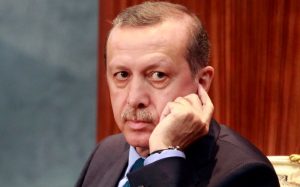
Turkish President Recep Tayyip Erdogan walks to greet Ethiopia’s President Mulatu Teshome Wirtu at the Presidential Palace in Ankara on Tuesday, Feb. 7, 2017. (Burhan Ozbilici/AP)
February 7 at 5:47 PM

Turkish President Recep Tayyip Erdogan and President Trump had their first telephone call late Tuesday, a highly anticipated conversation in which Erdogan was expected to press the new U.S. leader to reject Pentagon proposals to arm Kurdish fighters in Syria and to quickly extradite a Turkish cleric exiled in Pennsylvania and regarded by Turkey as an enemy of the state.

Trump may have preferred to change the subject.

Meeting either demand could be problematic for the administration, analysts said, testing a relationship between the two men that for months has been filled with high hopes and mutual admiration.

A brief White House statement said the two discussed their “shared commitment to combatting terrorism in all its forms.” It said that Trump “reiterated U.S. support to Turkey as a strategic partner and NATO ally, and welcomed Turkey’s contributions” to the campaign against the Islamic State.

During the U.S. presidential campaign, Trump referred in glowing terms to Erdogan’s handling of a failed coup attempt that shook Turkey last summer. He spoke optimistically about the bilateral relationship, telling the New York Times that he hoped Turkey “can do a lot” about the Islamic State.

 In the same interview, Trump declined to criticize Erdogan for a campaign of mass arrests and dismissals that followed the attempted coup. “I think it’s very hard for us to get involved in other countries when we don’t know what we are doing and we can’t see straight in our own country,” he said.

Erdogan hailed Trump’s election, quickly extended an invitation to visit Turkey and even praised Trump for putting a reporter “in his place” during a news conference a few weeks ago. More recently, the Turkish president has avoided condemning Trump’s ban on travel to the United States from seven Muslim-majority countries — despite the fact that Erdogan is the Islamist leader of a Muslim-majority country who has spoken out forcefully in the past against perceived anti-
Muslim bias.

When it comes to Turkey’s most urgent demands, however, it may be difficult for Trump to show much flexibility.  The Pentagon is still weeks away from completing a Trump-ordered 30-day review of its strategy to defeat the Islamic State in Iraq and Syria.

Top U.S. military commanders had pushed the Obama administration for months to directly arm Kurdish fighters in northern Syria for a final assault on the city of Raqqa, the militants’ de facto capital. Turkey has long warned that it considers the Syrian Kurds to be part of Turkey’s own Kurdistan Workers’ Party, or PKK, which both Turkey and the United States have labeled a terrorist group.

Obama deferred the decision on the Kurds to Trump, while noting that such plans depended on a quick determination.

Trump’s advisers have not ruled out the military plan but have asked the Pentagon to explore other options, including the possibility of adding Turkish troops to an Arab force that would be aided by an increased U.S. military presence in Syria.

Trump also may have difficulty with Erdogan’s request that the United States extradite the exiled cleric Fethullah Gulen, whom Turkey accuses of masterminding the coup attempt. Turkish officials were encouraged when Trump’s national security adviser, Michael Flynn, published an article on Election Day calling Gulen a “radical” and saying the United States “should not provide him safe haven.”

A decision on whether Turkish evidence is strong enough to merit extradition rests with the Justice Department. Even if it recommends such a move, the final decision must be made by a U.S. federal court, where Gulen can contest extradition and appeal if he loses, a process that could take months, if not years.

Gulen has denied playing any role in the attempted coup.

Semih Idiz, a Turkish political analyst and columnist who writes for the al-Monitor news site, said Turkey has left “too many unanswered questions” about its proposed alternative to the Kurdish fighters, including how many Turkish troops would need to be mobilized to replace them.

Even so, any demands made on Tuesday’s phone call could aid Erdogan. “There is public opinion that has to be fed,” Idiz said. “They have to appear to be pushing this to the limit.”

DeYoung reported from Washington. Adam Entous in Washington contributed to this report.

Kareem Fahim is a Middle East correspondent for The Post.

Follow @kfahim

Karen DeYoung is associate editor and senior national security correspondent for the Washington Post.

Follow @karendeyoung1

https://www.washingtonpost.com/world/middle_east/what-turkey-will-be-looking-for-when-trump-calls-erdogan/2017/02/07/b37fcea0-ed46-11e6-a100-fdaaf400369a_story.html?utm_term=.edd2ea3ced8e

Turkey: The Crucial Anti-ISIS Ally That Trump … Forgot?

0

An effective war on the so-called Islamic State requires close coordination with Turkey, but Trump hasn’t yet bothered talking to its president.

Roy Gutman

ROY GUTMAN 02.06.17 8:50 PM ET

ISTANBUL — Donald Trump has picked fights with most of America’s closest allies and upset the world with his visa suspension for seven Muslim-majority stories. He’s also rattled sabers at North Korea and Iran.  But for Turkey, a NATO ally on the front lines of the fight against ISIS, his biggest offense may be that he hasn’t bothered to call.

If and when he does, he’ll have a lot to discuss with Recep Tayyip Erdogan, Turkey’s strongman president, for Trump has made destruction of the so-called Islamic State terror group his top national security goal, and Turkey has troops on the ground in Syria fighting ISIS. But the areas of disagreement are growing.

Erdogan vehemently opposes the term “radical Islamic terrorism” that Trump uses regularly. The indefinite ban on Syrian refugees announced Jan. 27 shocked Turks, who now host three million Syrians. The recent delivery of armored personnel carriers to northern Syria to benefit Kurdish forces fighting ISIS is viewed as a threat to Turkey’s security.

But Erdogan has held his tongue.

Whenever the call comes, and Erdogan spokesman Ibrahim Kalin said Saturday it could be any day, Turkey clearly isn’t high on Trump’s dance card.

This comes as a surprise to some, since both sides had earlier signaled a desire to repair the rift that opened between the two countries under the Obama administration.

Just after Trump’s victory, Ret. Gen. Michael Flynn, who’s now National Security Adviser, called for removing Fetullah Gülen, a retired cleric whom Erdogan blames for an abortive coup last summer, from his refuge in Pennsylvania’s Poconos mountains. And Erdogan sent his foreign minister to Trump’s Inauguration, where he met Flynn and other members of Trump’s national security team.

But starting with Trump’s Inaugural address, in which he pledged to eradicate “radical Islamic terrorism…from the face of the Earth,” his real intentions have come into question in majority Muslim nations, especially secular states like Turkey, which take umbrage at his rhetoric.

When German Chancellor Angela Merkel used a more nuanced phrase than Trump in Ankara on Thursday, referring to “the fight against Islamist terrorism,”  Erdogan rebuked her publicly.

“The ‘Islamist terror’ expression gravely saddens us as Muslims,” he said. “Such an expression cannot be used. It is not right because Islam and terror don’t go side by side.  Islam literally means peace.”

Turks were infuriated by the Jan. 27 executive order blocking all refugees for four months, Syrian refugees indefinitely, and refugees from six other Muslim majority countries for three months.

“All of the countries…on the list are crisis spots in their region and face systematic slaughter, massacres and violence, as well as human rights violations,” said Yasin Aktay, the deputy chairman of Erdogan’s ruling Justice and Development Party. “There’s only one word for those that shut their doors to people …fleeing such places and seeking shelter.  That word is ‘racist,’” he said.

Then there was Trump’s Jan. 28 executive order instructing the Pentagon to produce a plan within 30 days to destroy ISIS.

It’s hard to imagine stepped-up U.S. military operation in Syria that don’t make use of Turkey’s Incirlik Air Base and its logistics and support. Turkey also is the only U.S. ally that currently has ground troops in Syria who are now attempting to capture the city of al Bab from ISIS. It has lost 56 soldiers so far.

But there was no sign Trump consulted anyone knowledgeable before signing the order.

Trump justified the move by saying that ISIS was “complicit” in attacks abroad in which Americans died such as in Paris, Nice and Brussels. But he omitted mention of Turkey, which sustained seven ISIS attacks that left 300 people dead.

ISIS assaults are but one layer in Turkey’s continuing security crisis. After an ISIS attack on an Istanbul nightclub before dawn on New Year’s Day, Turkish police arrested dozens of central Asian suspects in Istanbul. This past weekend, police detained 820 people all around Turkey, mostly foreign nationals, on suspicion of ISIS ties. But Turkey also has been under terror attack by offshoots of the Kurdistan Worker’s Party or PKK, which Turkey is fighting in the southeast of the country. And it’s still recovering from an abortive coup attempt last July which Erdogan blames on Gülen.

Erdogan’s and Trump’s positions should overlap in many areas but they divide at crucial points. Both view Iran’s expansionist role as destabilizing the entire Middle East. Turkey is concerned about Iran’s growing control over much of Syria through its dispatch of its own forces and Shiite militias from as far away as Afghanistan, while Trump has even suggested that in the fight against ISIS, he might work with the Assad regime in Syria which Iran is sustaining in power.

In his first two weeks in office, Trump has imposed new sanctions following Iran’s ballistic missile tests and sent a destroyer into the Red Sea after Houthi rebels, reputedly backed by Iran, attacked a Saudi frigate.

Both leaders have made overtures to Russia, which helped turn the tide of the Syrian war through an air intervention against rebel forces that began in September 2015.  Erdogan turned to Russian leader Vladimir Putin in desperation after giving up on working with the Obama administration, and the two leaders announced a cease-fire, which has been widely violated since it began Dec. 30. Trump has said he sees Putin as a potential partner in the war against ISIS, belying the fact that Russia has consistently been bombing civilian targets and moderate rebel forces while claiming to be attacking ISIS.

How they will sort out this tangle of contradictions remains to be seen.

Erdogan and Trump both say they are determined to wipe out terrorism, but Erdogan’s definition of the threat is a lot broader, taking in the PKK and Gülen as well as ISIS, while Trump has yet to explain what he really means by “radical Islamic terrorism.”

Take the Muslim Brotherhood, the sole opposition in much of the Arab world to secular socialist leaders like Syria’s Assad dynasty, but widely viewed as the incubator for political Islam, including terror movements such as al Qaeda.

Trump is under political pressure to designate the Muslim Brotherhood a terror group, which would deeply upset Erdogan, whose Justice and Development party is spiritually close to the Brotherhood. Erdogan openly backed Brotherhood member Mohamed Morsi after he was elected president of Egypt in 2012 and sharply criticized his overthrow the following year in a military coup.

Moving forward, Trump seems unlikely to come down on Erdogan’s side, judging from his telephone log. Just three days after his Inauguration, Trump called Egyptian President Abdel Fattah al Sisi, the general who led the coup.

One of the thorniest issues between the U.S. and Turkey is the next steps in the battle against ISIS.

After the fall of Mosul, Iraq, to ISIS in June 2014, President Obama at first paid little attention to ISIS’s role in Syria, even though the terror group had declared its capital in Raqqa, eastern Syria, about 60 miles south of the Turkish border. Over strong Turkish opposition, the U.S. sent military aid to the Kurdish People’s Protection Units (YPG), which dominate much of northeastern Syria. Turkey objected that the YPG is the Syrian branch of the PKK.

The U.S. provided air support and weapons as Kurds defended the town of Kobani from ISIS in the autumn of 2014, and then sent in U.S. special operations forces, who now total somewhat less than 500 personnel. The YPG moved on to seize major mostly Arab towns from ISIS control, first Tel Abyad in June 2015 and most recently Manbij last August.

As President Obama prepared to leave office, he ordered a step-up in operations to take Raqqa, utilizing the YPG and a grouping of Arab fighters under its command, called the Syrian Democratic Forces or SDF, as its ground force. On the recommendation of the U.S. military, Obama approved the shipment of armored personnel carriers into Kurdish-controlled northern Syria, which arrived after Trump took office. A lot more arms appear to be in the pipeline.

Erdogan has repeatedly denounced U.S. military aid to the YPG as support for a terrorist group with which Turkey is at war. Last August, Turkey sent its own troops into Syria, first capturing the border town of Jarablus, and then moving towards Al Bab, and Erdogan offered to send Turkish forces in a combined operation to oust ISIS from Raqqa.

But Turkey’s plan is in three steps. First is to oust ISIS from Al Bab, where its forces have been bogged down and are now in a race with Syrian government forces to capture the city center. Then, according to Foreign Minister Mevlut Cavusoglu, Turkish forces will move to Manbij to take control of the city now under YPG control, after which they will move to Raqqa.

The U.S. has not been on board with Turkey’s plan to take Manbij. “I don’t expect Turks to have a role there,” Col. John Thomas, spokesman for the U.S. Central Command, told The Daily Beast last month.

If Trump is determined to crush ISIS fast, agreement with Turkey on strategy may be out of reach, but it’s hard to see how the U.S. can proceed without Turkish support.

Another major issue is the fate of Gülen. Obama repeatedly rebuffed Erdogan’s demand to extradite Gülen to face charges that he directed the failed coup last July. Turkey last month sent more documentation to Washington backing up its case, but the U.S. up to now has said this is a decision for U.S. courts to make. Gulen himself has denied playing any role in the coup attempt.

Writing in The Hill on the day after Trump’s election victory, Flynn called Gülen a “radical Islamist” and compared him to Ayatollah Khomeini, the cleric who spearheaded Iran’s Islamic revolution in 1979.  The Gülen movement fits “the description of a dangerous sleeper terror network,” Flynn wrote. “We need to adjust our foreign policy to recognize Turkey as a priority.”

“The forces of radical Islam derive their ideology from radical clerics like Gülen, who is running a scam,” wrote Flynn. “We should not provide him safe haven. In this crisis, it is imperative that we remember who our real friends are.”

Now the question is whether Trump will follow Flynn’s advice.

Then there’s the matter of a “safe zone” inside Syria, which Trump said he “absolutely” will set up so that Syrians fleeing the barrel bombing and missiles of the Syrian regime can find safe refuge inside their won country.

Turkey has long advocated such a zone, but Obama declined to provide military support. The main reason, Turkish officials say, was Iran’s threat that it will send in its own Basij paramilitaries to fight any force trying to protect the safe areas.  Turkey, though a powerful regional player, was unwilling to take on Iran, its current major rival, without U.S. support.

Now, by virtue of its intervention in Jarablus and Al Bab, Turkey has begun carving out a safe zone. But the mystery is what Trump has in mind. Some here fear that the safe zone will be on territory conquered by the YPG with U.S. air support. And it’s hard to see how planning on safe zones can proceed without major input from Turkey. But that’s where things appear to stand.

Meanwhile, Erdogan waits for Trump’s call.

http://www.thedailybeast.com/articles/2017/02/06/turkey-the-crucial-anti-isis-ally-that-trump-forgot.html

D.C. ranks as 4th-best place to live in the country, study says

0

By Dana Hedgpeth February 7 at 1:20 PM

Washington ranks as the fourth-best place to live among big U.S. metropolitan areas, according to a new report.

U.S. News & World Report on Tuesday put out its list “2017 Best Places to Live” in the country. It ranks 100 large-scale metropolitan areas, considering factors such as quality of life, job prospects and affordability.

The top three slots went to Austin, which bumped Denver into second place; and San Jose, which came in third. Fayetteville, Ark., which is about 30 miles from Bentonville, the home of Walmart, was fifth.

Kim Castro, executive editor at U.S. News, said in a statement that among the top things people consider when moving are the following: finding a job in their field, getting involved in their community, good schools for their kids and making enough money to buy a home (in no particular order).

Castro said the ranking of the best places to live “takes all of that into account — the metro areas that do well are the ones with strong job markets and high quality of life.”

For the D.C. area, the report says the experience as a resident varies depending on their neighborhood.

The report said “each neighborhood in the District and its surrounding towns has its own atmosphere.

“Residents gather for block parties, mingle at dog parks and converse at coffee shops, creating an ambiance similar to that of a much smaller community.”

The study gave the D.C. region a score of 7.3 out of 10. And it said the average monthly rent is $1,498 and the average annual salary is $65,910.

The report also highlights the D.C. area’s transit system for being extensive and its supply of restaurants and entertainment and cultural spots. A few other upsides to the D.C. region, the report said, include that the region’s “surrounding communities are clean, and there are plenty of public parks.”

Some of the data and factors for the ranking come from the U.S. Census Bureau, the Bureau of Labor Statistics and the FBI, according to U.S. News & World Report.

The top 10 list also included:

6. Seattle

7. Raleigh/Durham, N.C.

8. Boston

9. Des Moines

10. Salt Lake City

For a complete list of all the 100 cities that were ranked, click here.