Αρχική Blog Σελίδα 2959

Brzezinski, ex-aide to former US President Carter, dies at 89

0

Foreign policy adviser helped topple economic barriers during Cold War, normalize ties with China, and broker Israeli-Egyptian peac

This file photo taken on October 22, 2013 shows former US National Security Adviser Zbigniew Brzezinski (L) listening during a forum discussion at the Johns Hopkins University School of Advanced International Studies in Washington, DC. (AFP/Brendan Smialowski)

This file photo taken on October 22, 2013 shows former US National Security Adviser Zbigniew Brzezinski (L) listening during a forum discussion at the Johns Hopkins University School of Advanced International Studies in Washington, DC. (AFP/Brendan Smialowski)

WASHINGTON (AP) — Zbigniew Brzezinski, who helped topple economic barriers between the Soviet Union, China and the West as President Jimmy Carter’s national security adviser, died Friday. He was 89.

His death was announced on social media Friday night by his daughter, MSNBC host Mika Brzezinski. She called him “the most inspiring, loving and devoted father any girl could ever have.”

In a statement, Carter called Brzezinski “a superb public servant” as well as “brilliant, dedicated and loyal.”

Earnest and ambitious, Brzezinski helped Carter bridge wide gaps between the rigid Egyptian and Israeli leaders, Anwar Sadat and Menachem Begin, leading to the Camp David accords in September 1978. Three months later, US-China relations were normalized, a top priority for Brzezinski.

Born in Warsaw and educated in Canada and the United States, Brzezinski was an acknowledged expert in Communism when he attracted the attention of US policymakers. In the 1960s he was an adviser to John F. Kennedy and served in the Johnson administration.

In December 1976, Carter offered Brzezinski the position of national security adviser. He had not wanted to be secretary of state because he felt he could be more effective working at Carter’s side in the White House.

In this Feb. 14, 1979 photo, President Jimmy Carter, flanked by Secretary of State Cyrus, right, and his advisor on foreign policy, Zbigniew Brzezinski, left, walk toward a waiting helicopter to fly to the nearby Andrews Air Force Base, Md. (AP Photo/Bob Daugherty, File)

In this Feb. 14, 1979 photo, President Jimmy Carter, flanked by Secretary of State Cyrus, right, and his adviser on foreign policy, Zbigniew Brzezinski, left, walk toward a waiting helicopter to fly to the nearby Andrews Air Force Base, Md. (AP Photo/Bob Daugherty, File)

Brzezinski often found himself in clashes with colleagues like Secretary of State Cyrus Vance. For the White House, the differences between Vance and Brzezinski became a major headache, confusing the American public about the administration’s policy course and fueling a decline in confidence that Carter could keep his foreign policy team working in tandem.

The Iranian hostage crisis, which began in 1979, came to dramatize America’s waning global power and influence and to symbolize the failures and frustrations of the Carter administration. Brzezinski, during the early months of 1980, became convinced that negotiations to free the kidnapped Americans were going nowhere. Supported by the Pentagon, he began to push for military action.

Carter was desperate to end the standoff and, over Vance’s objections, agreed to a long-shot plan to rescue the hostages. The mission, dubbed Desert One, was a complete military and political humiliation and precipitated Vance’s resignation. Carter lost his re-election bid against Ronald Reagan that November.

Brzezinski went on to ruffle the feathers of Washington’s power elite with his 1983 book, “Power and Principle,” which was hailed and reviled as a kiss-and-tell memoir.

“I have never believed in flattery or lying as a way of making it,” he told The Washington Post that year. “I have made it on my own terms.”

The oldest son of Polish diplomat Tadeus Brzezinski, Zbigniew was born on March 28, 1928, and attended Catholic schools during the time his father was posted in France and Germany.

The family went to Montreal in 1938 when the elder Brzezinski was appointed Polish consul general. When Communists took power in Poland six years later, he retired and moved his family to a farm in the Canadian countryside.

View image on Twitter

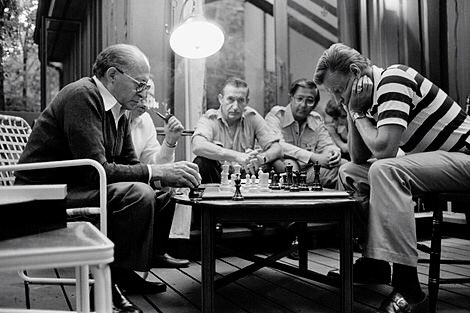
This is one of my favorite photos of Dr. Brzezinski playing chess with PM Begin at Camp David. It captures him well. @zbig

At his new home, the young Brzezinski began learning Russian from a nearby farmer and was soon bitten by the foreign policy bug.

Brzezinski’s climb to the top of the foreign policy community began at Canada’s McGill University, where he earned degrees in economics and political science. Later at Harvard, he received a doctorate in government, a fellowship and a publishing contract — for his thesis on Soviet purges as a permanent feature of totalitarianism.

Frequent trips to Eastern Europe and several books and articles in the 1950s established Brzezinski as an expert on Communism, and by the 1960s he’d begun to attract the interest of policymakers. Throughout his career, he would be affiliated with moderate-to-liberal groups, including the Rand Corp., the Council on Foreign Relations, Amnesty International and the NAACP.

Copyright 2017 The Associated Press.

timesofisrael.com

Syria Has Effectively Ceased to Exist

0

On my last night in Damascus, some younger members of the Ministry of Information-sponsored delegation in which I was taking part decided to have a drink. It was late April, and the bars and restaurants were doing good business in the cool and breezy evenings. An inebriated Russian journalist, accompanied by a uniformed Russian soldier entered the bar opposite our hotel in the Old City where my colleagues were sitting. Words were exchanged. An altercation began.

At a certain point, the Russian journalist produced a pistol and aimed it at the forehead of one of the delegation’s participants. He then entered our hotel, and threatened one of the employees there, all with his uniformed colleague silently accompanying him.

How the incident ended says much about who truly holds power in regime-controlled areas of Syria today. After the two Russians had departed, the delegation’s participants sought to contact the authorities and report the incident. The representative of the Syrian security forces asked if the armed men were Russians. When told that they were, he replied that in that case, there was nothing the Syrian authorities could do.

The survival of the Assad regime is now assured, but the regime has become something of a façade.

Six years into the Syrian war, the survival of President Bashar al-Assad’s regime is assured — but it has become something of a façade, and lacks a strategy for reuniting the country. The sometimes sharply differing interests of Russia and Iran from above, and the local concerns of a myriad array of pro-regime irregular militias from below, are the decisive factors — not the decisions of the country’s nominal rulers. This impacts the calculus of the “regime” side in the war, in determining its strategy in the conflict.

Just take a look at how the war has developed since late last year, when things seemed to be going well for the regime. The rebellion had been driven out of its last finger-holds in eastern Aleppo city, seemingly paving the way for the eventual defeat of the insurgency. But five months later, while the general direction of the war has been against the rebels, they appear still far from collapse. Idlib province, areas of Latakia, Hama, northern Aleppo, and large swathes of the south remain in rebel hands.

While the general direction of the war has been against the rebels, they still appear far from collapse.

The rebels in the south received a boost this week when a coalition airstrike targeted forces loyal to Assad that were advancing on a base used by U.S. and British Special Forces. If the United States and its partners are willing to use force to defend allied groups in the area, it is hard to envision how the regime can hope to reestablish its rule there.

Further east, the war against the Islamic State is being prosecuted by a powerful, U.S.-backed, Kurdish-led force called the Syrian Democratic Forces (SDF). This force will shortly embark on the conquest of Raqqa, the last remaining city fully controlled by the retreating Islamic State.

In other words, the rumors of the death of the rebellion have been greatly overstated. And some of its component parts apparently possess considerable vigor and strength. Does the Assad regime have a strategy for the reunification of the country, or has Syria’s fragmentation now become an unavoidable reality?

In 10 days of meetings with mid-level and senior officials of the Assad regime in Syria, I sought an answer to this question. What I found was a considerable gap between the intentions of the regime and its practical abilities to bring these desires about.

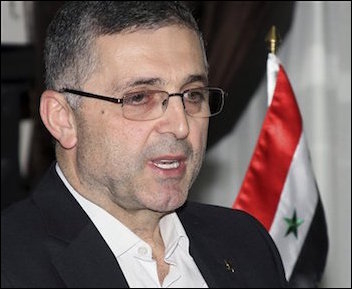
Reconciliation Affairs Minister Ali Haidar, a businesslike and well-briefed official, is a central figure in the government’s attempts to increase the territory under its control. “Reconciliation” is the process whereby the regime and its allies offer rebels and their supporters “safe passage” to rebel-controlled Idlib or Jarabulus, in return for the ceding of the besieged area to government forces. In some areas, rebels and their supporters have not been forced to leave,but may stay as long as they accept the authority of the regime. The latest such “reconciliation” agreement saw the transfer of rebels and their supporters from the towns of Zabadani and Madaya in the western Damascus suburbs to rebel-controlled Idleb.

Syrian Reconciliation Affairs Minister Ali Haidar

The Ministry of Reconciliation Affairs, Haider says, could form the basis for a “comprehensive political resolution” of the Syrian conflict. More than 100 towns and villages have now “achieved reconciliation,” Haidar told our delegation, and 3 million Syrians have been included in the reconciliation process, constituting “40 percent of Syrians affected by the war.” The regime’s notion appears to be that the gradual and incremental continuation of these agreements will eventually whittle the rebellion down to nothing.

What Haidar failed to mention, however, was that this latest agreement was achieved with the mediation of Qatar, a strong supporter of the rebels. And the various agreements so far have served more to demarcate regime and rebel territory and create more cohesive enclaves, rather than to substantially further increase the territory held by the regime. The term “reconciliation” is a misnomer, of course. The regime is interested in the surrender of the rebels, not rapprochement with them. But given the balance of forces and the slow progress, there seems a gap between objective and method. In light of this, I ask Haidar: What is the regime’s strategy for victory and the reunification of the country?

What needs to happen, the minister suggests, is an end to foreign interference. “We ask foreign powers to stop supporting the terrorist organizations,” he said.

“Terrorists,” of course, is the regime’s description of choice for rebel forces. But if foreign supporters of the insurgency decline to withdraw their support, as currently appears to be happening, how can the regime coerce them into doing so? Haidar did not appear to have any answers.

I got no further with Mohammed Tourjman, Assad’s fluent and glib information minister. Tourjman is an articulate presenter of the narrative the regime likes to share with its supporters.

Syria today is de facto divided into no less than seven identifiable enclaves.

“There is a plan to divide Syria into cantons,” he told us. “[T]o keep us weak, to benefit the Zionist entity.”

If this is the plan, it seems in an advanced state of execution. Syria today is de facto divided into no less than seven identifiable enclaves – the regime, three separate areas of rebel control, two Kurdish cantons and the Islamic State area. What is the government’s strategy to reverse it, I ask? “We have absolute faith that this is a temporary situation,” the minister replied. “[T]he major reason for this faith is that the Syrian people start to understand the conspiracy against them.”

In other words, there is no strategy at all, but the kind of conspiracy theories that no self-respecting Baathist should be without. No evidence exists of any such worked out plan, nor do any of the major forces engaged in Syria support the country’s break up. Indeed all of them – regime, rebels, ISIS and even the Kurds, along with their backers, are emphatically in favor of the continued unity of the country, albeit under totally different systems of government. The current de facto division is a result of the inability of any force to prevail over all the others, not of design.

In private conversation with officials who prefer not to be named, however, I found more candid responses. A serving general of the armed forces, puffing on an enormous cigar in his office, noted carefully that “any decision to conclude the war cannot come without the involvement of ‘official Syria'” — meaning the regime.

This measured reply delineates the actual situation well. The regime cannot now be militarily defeated, a significant success for its diplomacy and arms. But neither has it any clear road to victory. I asked one Information Ministry official about the future of eastern Syria, given the growing strength of the U.S.-backed SDF in the region. His response summed up the underlying reality of the regime’s current position: “We don’t know.”

Decisions made by Assad and those around him will not be the decisive factor in determining Syria’s future.

The reason for the regime’s lack of knowledge is that decisions made by Assad and those around him will not be the decisive factor in determining Syria’s future. As the fighting in east Aleppo showed, the government side only makes real progress when the Russians commit to ensuring its victory. So the crucial question is of Russian, not Syrian, intentions — and Moscow may well have already achieved most of what it came to Syria to achieve. It has ensured the safety of its bases in Latakia province and the survival of its regime allies, demonstrated the efficacy of Russian arms, and guaranteed there can be no diplomatic process to settle the war without Moscow’s involvement.

These are significant accomplishments. But it is also the case that a further Russian commitment to finishing off the rebellion could result in the unpleasant situation in which a cash-strapped Russia finds itself saddled with the responsibility for the reconstruction of a ruined Syria on the basis of “you broke it — you own it.”

It appears that Moscow is aiming to freeze the Syrian conflict more or less in place.

The diplomacy emerging from Astana appears to suggest that Moscow is aiming to freeze the Syrian conflict more or less in place, followed by an ongoing political process. The formation of the four “de-escalation zones” looks set to leave the rebellion in control of large swathes of the country, while the upcoming assault on Raqqa by the SDF and the increasingly open U.S. commitment to this force raises the possibility of a U.S.-backed entity emerging east of the Euphrates.

All this raises the question of whether the diplomatic thinking on Syria is lagging behind the emerging reality. With the regime and rebels now effectively reduced to client status and no great desire on the part of the patrons to commit to absolute victory for their proxies, the diplomacy on the Syrian war should presumably begin to shift toward arrangements acknowledging the fragmentation of the country. Such arrangements would be built more or less around the status quo that will pertain after the destruction of the ISIS holding in eastern Syria. That is, the regime enclave in the west, the Sunni Arab rebels in the north west and south west, a Turkish-ensured rebel enclave in the north, the SDF/Kurds in the north east and some arrangement involving both the SDF and western-backed Arab rebels in the south east.

In the meantime, the Russians will continue to do as they wish by day and night in Damascus, the gap between regime rhetoric and reality will remain as gaping as ever, the rebels and the Kurds will continue to march in tune with their own patrons’ wishes, and the stark fact will continue to remain unsaid: namely, that the state still known as Syria has effectively ceased to exist.

Jonathan Spyer, a fellow at the Middle East Forum, is director of the Rubin Center for Research in International Affairs and author of The Transforming Fire: The Rise of the Israel-Islamist Conflict (Continuum, 2011).

Russia and China’s Enduring Alliance

0

A Reverse “Nixon Strategy” Won’t Work for Trump

Several commentators, among them Doug Bandow of the Cato Institute and Edward Luttwak of the Center for Strategic and International Studies, have suggested that U.S. President Donald Trump should take any efforts to warm relations with Russia one step further and try to enlist Moscow’s help in balancing a rising China. Trump views China and Islamist extremism as the two principal challenges to U.S. security, and he sees Russia as a potential partner in combating both. The thinking goes, then, that Trump should run a version of the diplomatic play that former U.S. President Richard Nixon and National Security Adviser Henry Kissinger followed in the early 1970s when they thawed relations with Beijing to counter the Soviet Union. This time, however, Trump would partner with Russia to balance China.

The proposal entices with visions of ambitious strategic gambits across Eurasia, in Trumpian vernacular the “big league” of geopolitics. Nixon going to China was one of the most consequential diplomatic deals in U.S. history. What better way for the dealmaker in chief—especially one who regularly consults with Kissinger—to burnish his credentials than carrying out a version of it for himself? In theory, the move would adhere to traditional maxims of geopolitics: namely, the imperative to maintain the balance of power on the Eurasian continent. U.S. strategists have relied on this principle to varying degrees since at least World War II. Further, a strategy that engages with Russia to counter China might lend a degree of coherence to the Trump administration’s otherwise disjointed foreign policy.

 ALLIED ENOUGH

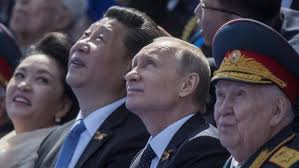
The problem for Trump is that Sino-Russian ties have been improving more or less steadily since the waning years of the Cold War. The thaw between the two communist powers began in the early 1980s and was followed by normalized relations in May 1989. Beijing and Moscow established a “strategic partnership” in 1996 and signed a Treaty of Good-Neighborliness and Friendly Cooperation in 2001. Chinese and Russian leaders now refer to the relationship as a “comprehensive strategic partnership of coordination,” a convoluted term for a not-quite alliance. Last September, Chinese State Councilor Yang Jiechi proclaimed that “the depth and scope of coordination between both countries are unprecedented.” Robust cooperation has accelerated since Xi Jinping became China’s top leader in 2012; he reportedly has a warm personal relationship with Russian President Vladimir Putin.

The two countries cooperate closely across a number of fields. On energy, Russia became the top oil supplier to China in 2016. Crucially for China, it transports supplies overland rather than through contested sea lanes. The nations have partnered on military exercises, including in the Mediterranean and South China Sea, as well as on some joint technology development projects. They have revived their languishing arms trade relationship. In 2015, Beijing agreed to purchase both Su-35 fighter jets and the S-400 Triumf surface-to-air missile system from Moscow. The two countries have also embarked on a number of symbolic people-to-people projects, such as beginning the long-delayed construction of a bridge across the Amur River. And in June 2016, Presidents Xi and Putin agreed to work jointly to increase their control over cyberspace and communications technologies.

A shared political vision for world order provides the foundation for Chinese-Russian cooperation. It is defined primarily by the desire to see an end to U.S. primacy, to be replaced by multipolarity. Once this vision is realized, each nation would command an effective sphere of influence in Asia and eastern Europe, respectively. For now, though, China and Russia have tenser relations with the United States than at any point since the end of the Cold War. This is primarily because of maritime territorial disputes in the East and South China Seas—including over the Diaoyu/Senkaku, the Paracel, and the Spratly island chains—and the war in Ukraine, making the Sino-Russian partnership more important than ever. A recent op-ed in the Chinese Communist Party mouthpiece People’s Daily called that relationship “the ballast stone in maintaining world peace and stability.”

A shared political vision for world order provides the foundation for Chinese-Russian cooperation.

In the 1970s, it was deep discord in the Sino-Soviet relationship that helped convince China to align with the United States. This discord culminated in border clashes in 1969. By 1972, relations between the two communist powers had deteriorated from frosty to outright frozen. When Kissinger came calling, Beijing already saw Moscow as a bigger threat than Washington. For Russia today, the opposite is true. Moscow sees Washington as the primary adversary despite hopes that Trump will repair the relationship.

Moscow sees Washington as the primary adversary despite hopes that Trump will repair the relationship.

To be sure, there is some potential for a rupture between China and Russia. Moscow worries about a lopsided economic relationship based on trading Russian resources for Chinese finished goods. China’s growing influence in Central Asia and the sparsely populated areas of eastern Russia, Moscow’s arms sales to India and Vietnam, and China’s theft of Russian weapons designs all threaten to derail the partnership. But the United States’ ability to fuel those disputes in order to foster divisions remains limited at best. Moreover, Xi and Putin have found a modus vivendi that downplays and contains those frictions while focusing on the cooperative aspects of their relationship. When Chinese leaders talk about a “new type of great power relations” with the United States, they envision something much like the Sino-Russian relationship as a model.

WEAK RETURNS

In exchange for turning against China, Moscow might seek the lifting of sanctions imposed following the annexation of Crimea, an end to U.S. support for a free and independent Ukraine, and acquiescence to the regime of Syrian President Bashar al-Assad. It may also demand a removal of missile defenses from Europe, the cessation of NATO expansion, or, even better from a Russian perspective, the abolition of NATO altogether. Granting Putin’s wishes on these issues would undermine the seven-decade U.S. investment in a Europe whole, free, and at peace—an investment that propelled the United States’ ascension to postwar primacy in the first place. What is more, accepting Russia’s acquisition of territory by force would undermine U.S. arguments about the prohibition of such actions under international law when Beijing asserts its expansive claims in the East and South China Seas using force.

Even if Trump convinced Putin to end Moscow’s partnership with Beijing, Russia would still have little capability to thwart China’s bad behavior in places that matter. Russia’s Pacific Fleet, although relatively sizable in number, suffers from severe shortfalls in maintenance, and many of its assets are aging. Planned additions to the fleet—including extra missile defense systems and submarines—will bolster deterrence capabilities but have limited applicability to the types of sea patrol tasks necessary to counter China’s maritime assertiveness. In theory, Moscow could help arm Asian nations to contribute to the balancing effort, but direct U.S. and other allied assistance could easily substitute for that, building relationships more advantageous to U.S. interests in the process.

Putin would also need to patch up diplomatic relations in Asia if he planned to balance against Beijing. Doing so would require a substantial diplomatic investment and, likely, Russian concessions. Putin’s ballyhooed rapprochement with Tokyo seems to have run aground despite clear eagerness on the part of Japanese Prime Minister Shinzo Abe for a deal to address the dispute over the Northern Territories islands, which Russia calls the Southern Kurils, as well as a peace treaty officially concluding World War II. And Russia’s continued support of North Korea and staunch opposition to the Terminal High Altitude Area Defense missile defense system has made for rocky relations with Seoul. The Russian position on the South China Sea—studied aloofness while agreeing to joint naval exercises with China—means that strategic relations in Southeast Asia would also require substantial diplomatic spadework (Putin’s warm relations with President Rodrigo Duterte in the Philippines notwithstanding).

FINDING LEVERAGE

A better U.S. strategy for competing effectively in the no-holds-barred contest of great power politics—including in “triangular diplomacy” with Moscow and Beijing—would focus on two lines of effort. First, the Trump administration should work with both Russia and China where possible. Those efforts should seek to forge a trilateral understanding on contentious issues affecting strategic stability, such as nuclear and missile defense issues, twenty-first-century definitions of sovereignty, and rules for armed intervention. Trilateral discussions should also build practical cooperation on areas of mutual interest, such as climate and energy, counterterrorism, and nonproliferation. Addressing frictions head-on and building habits of cooperation could mitigate strategic distrust among the three great powers by lessening the worry that two will cut deals at the expense of the other.

Second, Washington must continue to do the hard work of maintaining and building support among current U.S. allies and partners in both Europe and Asia, along with other increasingly powerful middle-tier states such as Brazil, India, and Vietnam. Such ties give the United States leverage over China and Russia, neither of which has similar worldwide networks of friendly states. The United States must assess the costs and benefits of finding and keeping friends overseas in a manner that looks beyond the narrow transactionalism Trump espoused on the campaign trail. Put simply, when considered in the context of a global competition for power and influence, a vast network of allies and partners starts to look more like an asset than a liability.

Trump seeks “good deals” with Russia. Cozying up to Putin in hopes of receiving Moscow’s help in balancing Beijing would not be one.

https://www.foreignaffairs.com/articles/china/2017-02-22/russia-and-china-s-enduring-alliance?cid=int-lea&pgtype=hpg


Η «νέα Τουρκία» και η Δύση

0

του Νίκου Μιχαηλίδη*

Στην Ευρώπη και στις ΗΠΑ γίνεται πλέον αντιληπτό το μέγεθος του προβλήματος που συνιστά η «νέα Τουρκία» για την παγκόσμια ασφάλεια, ειρήνη και σταθερότητα, χωρίς όμως να έχει διασαφηνιστεί ο τρόπος που θα αντιμετωπιστεί. Η πολιτική «εξημέρωσης του θηρίου» διά του εξευρωπαϊσμού έχει πλέον καταρρεύσει. Οι γραφειοκρατίες της Ε.Ε προς το παρόν δεν είναι σαφές τι σκέφτονται να πράξουν.

Οι πρόσφατες δηλώσεις του εκπροσώπου τύπου της τουρκικής προεδρίας Ιμπραχήμ Καλίν και άλλων ηγετικών στελεχών του ΑΚΡ ότι η Τουρκία επιθυμεί να συνεχίσει να θεωρεί την ένταξή της στην Ε.Ε ως έναν στρατηγικό στόχο, συνιστούν τακτικό ελιγμό που στόχο έχει να εξαπατήσει την ευρωπαϊκή κοινή γνώμη και τις κυβερνήσεις, να αποσύρει από πάνω της τη διεθνή κριτική και να ξεφύγει από τη διπλωματική απομόνωση. Έχουμε να κάνουμε με ένα αυταρχικό καθεστώς, με δεκάδες χιλιάδες πολιτικούς κρατουμένους και ισοπεδωμένες πόλεις στις νοτιοανατολικές επαρχίες, μισό εκατομμύριο εκτοπισμένους πολίτες, χιλιάδες νεκρούς, με ένα δήθεν προεδρικό σύστημα που μοιάζει περισσότερο με δικτατορία και με μια συμμαχία μεταξύ ισλαμιστών και ακραίων ρατσιστών εθνικιστών, όλων βαθύτατα αντιδυτικών.

Από τη μια εισβάλει παράνομα σε γειτονικά κράτη, βομβαρδίζει και απειλεί με περαιτέρω στρατιωτικές ενέργειες ενώ ταυτόχρονα αυτοπαρουσιάζεται ως θύμα της δήθεν δυτικής αδιαφορίας και υπεροψίας! Πρόκειται για προπαγάνδα μέσω της οποίας το καθεστώς επιδιώκει να κερδίσει χρόνο, να αυξήσει τη νομιμοποίηση του και τη δυνατότητα διπλωματικών ελιγμών. Είναι μια κλασσική τουρκική μέθοδος επικοινωνιακού μακιγιάζ. Πολλοί στον δυτικό κόσμο δεν έχουν ακόμα κατανοήσει πως λειτουργεί. Η Τουρκία προπαγανδίζει τον εαυτό της ως αιώνιο θύμα ενώ πρόκειται για τον θύτη.

Η Ε.Ε δεν έχει κανένα συμφέρον να «ξεπλύνει» ένα τέτοιο καθεστώς και να προσφέρει άλλοθι στις αυταρχικές πρακτικές του, παρατείνοντας τη ζωή του. Δυστυχώς η χώρα αυτή ποτέ δεν υπήρξε δημοκρατική. Ακόμα χειρότερα, οι ελίτ της ποτέ δεν ήθελαν να την εκδημοκρατίσουν αληθινά γιατί πίστευαν ότι θα έχαναν τη θέση τους και τον έλεγχο του κράτους.

Ήταν πάντα ένα μιλιταριστικό καθεστώς που αναπαρήγαγε τις τρομακτικές κοινωνικές ανισότητες, ενώ ασκούσε ρατσιστικές και σοβινιστικές πολιτικές εντός και εκτός συνόρων. Πάντα όμως δήλωνε πίστη στη δημοκρατία και στις ελευθερίες προκειμένου να παραπλανεί τη διεθνή κοινή γνώμη.

Οι ισλαμιστές του ΑΚΡ δεν διαφέρουν ιδιαίτερα. Πρέπει να γίνει κατανοητό ότι οι κυρίαρχες τουρκικές πολιτικές ελίτ, κεμαλικές και ισλαμικές, δεν επιθυμούν ένταξη στην Ε.Ε γιατί γνωρίζουν πως αυτό απαιτεί δομικές αλλαγές στο αυταρχικό καθεστώς τους. Χρησιμοποιούσαν την προοπτική ένταξης για να βελτιώνουν τη διεθνή δημόσια εικόνα τους, να αποκομίζουν οικονομικά και διπλωματικά οφέλη και να αυξάνουν την επιρροή του κράτους τους προπαγανδίζοντας τη χώρα τους ως γέφυρα μεταξύ Ισλάμ και Δύσης.

Η Ε.Ε δεν πρέπει να τους κάνει τέτοιο δώρο. Η Ένωση έχει δυνατότητες ανάπτυξης άλλων, περισσότερο αποτελεσματικών πολιτικών έναντι της Τουρκίας, που θα περιορίζουν τον ηγεμονισμό και τον αποσταθεροποιητικό της ρόλο στο εξωτερικό και θα ενισχύουν τη δημοκρατία και τις ελευθερίες στο εσωτερικό. Υπάρχουν δυνάμεις σε αυτή τη χώρα που επιθυμούν τον αληθινό εκδημοκρατισμό της αλλά δυστυχώς βρίσκονται είτε στη φυλακή ή σε συνθήκες ιδιώτευσης και εξορίας…Χρειάζονται ενίσχυση, διαύλους επικοινωνίας και διεθνή νομιμοποίηση.

Η Ε.Ε θα μπορούσε, ανάμεσα στα άλλα, να διευκολύνει στο έδαφός της την ίδρυση ενός τηλεοπτικού δικτύου που θα συσπειρώνει και θα δίνει διεθνή φωνή στις αληθινά δημοκρατικές φιλελεύθερες δυνάμεις που δρουν εντός της Τουρκίας αλλά και στην εξ αυτής προερχόμενη και ταχέως διογκούμενη διασπορά στην Ευρώπη.

Μέχρι πριν λίγα χρόνια η Τουρκία αποτελούσε το κακομαθημένο παιδί των μεγάλων κρατών του δυτικού συστήματος ασφαλείας. Θεωρούσαν ότι αποτελεί ανάχωμα στη Ρωσική και Ιρανική επιρροή στην ευρύτερη περιοχή και χώρα δήθεν πρότυπο «εκσυγχρονισμού» για τον σουνιτικό μουσουλμανικό κόσμο αλλά και μεγάλη αγορά για τα δυτικά προϊόντα, παρά τις πενιχρές αγοραστικές δυνατότητες των εκατομμυρίων πάμφτωχων πολιτών της.

Έτσι οι Μπααθιστές της Μικράς Ασίας, το κεμαλικό καθεστώς, είχε κερδίσει μια ιδιότυπη ασυλία που του έδινε τη δυνατότητα να αυθαιρετεί και να ασκεί ωμή βία κατά των ίδιων των πολιτών του αλλά και να απειλεί τους γείτονές του μη σεβόμενο το διεθνές δίκαιο. Σήμερα με τους Ισλαμιστές να κατέχουν τους θεσμούς αλλά τις κεμαλικές ιδέες και πρακτικές να ηγεμονεύουν σε πολλά ζητήματα, βλέπουμε την επανάληψη του ίδιου έργου. Όμως αυτές οι πολιτικές έχουν φτάσει στα όριά τους.

Η Τουρκία είναι μια χώρα κοινωνικά και ιδεολογικά διαμελισμένη εδώ και καιρό. Ο κύκλος της βίας που αναπαρήγαγε για δεκαετίες το καθεστώς δεν είναι δυνατό να συνεχίζεται εσαεί γιατί παράγει αστάθεια και απειλεί τις πολιτικές ισορροπίες σε μια κρίσιμη περιοχή του πλανήτη.

Ούτε ο κεμαλισμός ούτε το πολιτικό Ισλάμ παρέχουν λύσεις. Η διεθνής κοινότητα έχει να αντιμετωπίσει ένα ακόμα σοβαρό διεθνές πρόβλημα. Η Ελλάδα, λόγω γειτνίασης, βρίσκεται στην πρώτη γραμμή. Εκτός από τα ζητήματα της άμυνας και των συμμαχιών, η χώρα μας χρειάζεται επειγόντως και μια εναλλακτική πολιτική και διπλωματική στρατηγική καθώς και ένα νέο αφήγημα για την Τουρκία και τις σχέσεις της μαζί μας.

Μια νέα επικοινωνιακή πολιτική και δημόσια ρητορική έναντι της Τουρκίας είναι επίσης απαραίτητη. Αυτό απαιτεί επιστημονική έρευνα και ανάλυση καθώς και ανανέωση των μηχανισμών σχεδιασμού και χάραξης διεθνούς πολιτικής για την περιοχή μας.

Ο κ. Νίκος Κ. Μιχαηλίδης είναι διδάκτορας ανθρωπολογίας του πανεπιστημίου Princeton και διεξάγει επιτόπια έρευνα στην Τουρκία.

Πηγή: “Το Βήμα”.

Ο Αλέξης, οι υδρογονάνθρακες και η Οδύσσεια της ΑΟΖ: Πως η Κύπρος έπιασε στον ύπνο τον Ερντογάν

4

 Γράφει ο Θεόδωρος Καρυώτης (mignatiou.com)

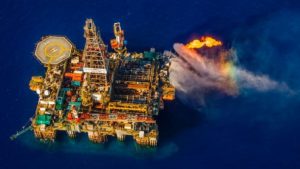
FILE PHOTO. Η πλατφόρμα της Noble Energy στο Οικόπεδο 12 της Κυπριακής ΑΟΖ. ΚΥΠΕ, ΓΤΠ MAY 27, 2017

Η ιστορία της οδύσσειας της ΑΟΖ ξεκίνησε το 1982, όταν υπογράφτηκε η Σύμβαση του ΟΗΕ για το Δίκαιο της Θάλασσας (UNCLOS). Με αυτή την τόσο σημαντική σύμβαση που δημιούργησε το Σύνταγμα των Θαλασσών και Ωκεανών του πλανήτη Γη οι ελληνικές κυβερνήσεις θεώρησαν ότι τίποτα ουσιαστικά δεν έχει αλλάξει και ότι η νέα έννοια της ΑΟΖ, που προέκυψε, είναι το ίδιο πράγμα με την υφαλοκρηπίδα.

Οι Έλληνες κυβερνώντες δεν διάβασαν τα δύο σημαντικά άρθρα, το Άρθρο 56 και το Άρθρο 121. Τα διάβασε όμως ο αείμνηστος Πρόεδρος της Κύπρου Τάσσος Παπαδόπουλος και ανακήρυξε, 22 χρόνια αργότερα, την ΑΟΖ της Κύπρου πιάνοντας στον ύπνο τον Ερντογάν.

Αυτός είναι ο πιο σημαντικός χάρτης της Ελλάδας, που η σημερινή ελληνική κυβέρνηση αγνοεί την αξία του.
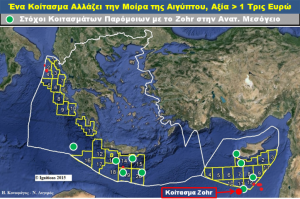
Αυτός ο χάρτης δείχνει τα 20 οικόπεδα που προετοίμασε η προηγούμενη ελληνική κυβέρνηση, όταν Υπουργός Ενέργειας ήταν ο Γιάννης Μανιάτης του ΠΑΣΟΚ. Έχουν περάσει πάνω από δύο χρόνια από τότε που ανήλθε στην εξουσία ο Αλέξης Τσίπρας και η νέα κυβέρνηση το μόνο ουσιαστικό που έχει κάνει είναι να αλλάξει τρεις φορές τους Υπουργούς Ενέργειας.

Πρόσφατα, ο Αλέξης Τσίπρας και ο Γιώργος Σταθάκης άρχισαν, για πρώτη φορά, να ασχολούνται στα σοβαρά με το θέμα των υδρογονανθράκων. Έτσι, ο πρωθυπουργός, σε ανάρτησή του στο twitter, έγραψε «Ο τομέας της ενέργειας αποτελεί έναν από τους κύριους πυλώνες της νέας αναπτυξιακής πολιτικής της χώρας».

Όπως είπε ο κ. Τσίπρας κατά τη συνέντευξη τύπου, ο στόχος είναι να γίνει η Ελλάδα ένας διεθνής ενεργειακός και διαμετακομιστικός κόμβος, ως σταυροδρόμι τριών ηπείρων, αλλά και ένας κόμβος ειρήνης και σταθερότητας σε μία εύθραυστη περιοχή.

Αυτή την περίοδο η Ελλάδα χρειάζεται, άμεσα, να δημιουργήσει νέα οικόπεδα δυτικά του Οικοπέδου 16 και ανατολικά του Οικοπέδου 20, διότι σε αυτές τις περιοχές φαίνεται ότι υπάρχει ένας μεγάλος όγκος υδρογονανθράκων στα θαλάσσια σύνορα ανάμεσα στην Ελλάδα και την Λιβύη, και ανάμεσα στην Ελλάδα και την Αίγυπτο.

Η κυβέρνησή μας δεν έχει ακόμα κατανοήσει πλήρως τι συμβαίνει στην περιοχή μας και προωθεί χερσαίες έρευνες σε τρεις περιοχές της Δυτικής Ελλάδας!

Ο χάρτης που ακολουθεί δείχνει την περιοχή που η Ελλάδα πρέπει να δρομολογήσει την παραχώρηση οικοπέδων για έρευνα υδρογονανθράκων στους πετρελαϊκούς κολοσσούς που γνωρίζουν καλύτερα από εμάς τι περιέχουν.
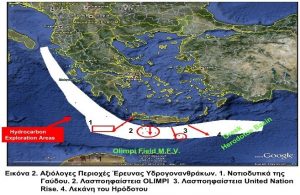
Οι ειδικοί στους υδρογονάνθρακες Αντώνης Φώσκολος, Ηλίας Κονοφάγος και Τερέζα Φωκιανού έχουν υπολογίσει ότι τα μεγαλύτερα κοιτάσματα της ελληνικής ΑΟΖ βρίσκονται το ένα Νοτιοδυτικά της Γαύδου και το άλλο στην Λεκάνη του Ηροδότου και, ίσως, είναι τα μεγαλύτερα της Ανατολικής Μεσογείου.

Ο καθηγητής Αντώνης Φώσκολος σε μια ημερίδα του περιοδικού Economist, στις 18 Μαΐου 2011 στην Αθήνα, χρησιμοποιώντας τον παραπάνω χάρτη ανέφερε μεταξύ άλλων: «Οι 2 περιοχές που έχουμε σοβαρές επιστημονικές ενδείξεις είναι νότια της Κρήτης όπου υπάρχουν 9 λασποηφαίστεια και νοτιοανατολικά της Κρήτης, στην Ελληνική λεκάνη του Ηρόδοτου.

Αναλυτικότερα: Νοτίως της Κρήτης, ήτοι γύρω από τα λασποηφαίστεια θα πρέπει να υπάρχουν αποθέματα υδρογονανθράκων, κυρίως φυσικού αερίου, της τάξης των 1,5 Τρις M3. κατ’ αναλογία με το τι έχει βρεθεί στον Κώνο του Νείλου, την Κασπία Θάλασσα (κοίτασμα Shah Deniz), τη Νορβηγία και αλλού.

Νοτιοανατολικά της Κρήτης υπάρχει η λεκάνη του Ηρόδοτου. Το ελληνικό τμήμα της λεκάνης θα πρέπει να έχει πιθανά αποθέματα της τάξης των περίπου 2 Τρις M3, κατ’ αντιστοιχία με τις ανακαλύψεις φυσικού αερίου στον Κώνο του Νείλου ( SHELL, BP), την πολύ πρόσφατη μελέτη της OMV και τις προβλέψεις των πιθανών αποθεμάτων φυσικού αερίου στο Κυπριακό τμήμα της λεκάνης του Ηρόδοτου που εφάπτεται του Ελληνικού τμήματος της λεκάνης του Ηρόδοτου.»

Δυο κρίσιμες οριοθετήσεις

Με βάση τα υφιστάμενα στοιχεία η Ελλάδα πρέπει, χωρίς καθυστέρηση, να οριοθετήσει την ΑΟΖ της με αυτές της Λιβύης και της Αιγύπτου.

Οριοθέτηση με τη Λιβύη

Ως προς την οριοθέτηση της ΑΟΖ μεταξύ Λιβύης και Ελλάδας θα πρέπει να επισημανθεί ότι η θέση της Λιβύης είναι ότι για μια τέτοια οριοθέτηση θα πρέπει η Ελλάδα να αναγνωρίσει ως νόμιμο το κλείσιμο του κόλπου της Σύρτης, πλάτους περί τα 302 ν.μ., και να δεχτεί ότι η Γαύδος δεν μπορεί να υπολογιστεί σε μια τέτοια οριοθέτηση.

Η Ελλάδα προσπάθησε αρκετές φορές να οριοθετήσει την υφαλοκρηπίδα/ΑΟΖ στο Λιβυκό Πέλαγος, αλλά η προσέγγιση των δύο κρατών είναι διαμετρικά αντίθετη.

Η Ελλάδα υποστηρίζει ότι η μέθοδος οριοθέτησης πρέπει να είναι η μέση γραμμή, ενώ η Λιβύη υποστηρίζει τη μέθοδο της ευθυδικίας, εμμένοντας στη νομιμότητα του κλεισίματος του κόλπου της Σύρτης. Αυτή την περίοδο η Ελλάδα πρέπει να αναλάβει μια πρωτοβουλία, λόγω του κυβερνητικού κενού στην Λιβύη και να δημιουργήσει οικόπεδα βάσει της μέσης γραμμής παραχωρώντας τα για εκμετάλλευση στους μεγάλους κολοσσούς όπως είναι η ΕΝΙ, η TOTAL, και η ExxonMobil, που γνωρίζουν πολύ καλά τη μορφολογία της περιοχής.

Οριοθέτηση με την Αίγυπτο

Όπως έχω γράψει επανειλημμένα, η οριοθέτηση με την Αίγυπτο ξεκίνησε στραβά από το 2009. Σήμερα, φαίνεται, ότι με την αλλαγή καθεστώτος στην Αίγυπτο έχει ανοίξει ένας νέος δρόμος, που γεννά αισιοδοξία για μια οριοθέτηση που θα είναι ωφέλιμη και για τα δύο κράτη.

Θα πρέπει τα οικόπεδα που θα δημιουργήσει η Ελλάδα να είναι τέτοια που δεν θα προβάλει καμία αντίρρηση η Αίγυπτος. Μετά από πολλές συνομιλίες, που διαρκούν επί οκτώ χρόνια, οι δυο πλευρές γνωρίζουν τι ακριβώς επιθυμούν.

Η Ελλάδα εάν δεν προσαρμόσει τις κινήσεις της στην νέα γεωπολιτική σκακιέρα και συνεχίσει να παραμένει ουραγός αρνούμενη να εκμεταλλευθεί την κοσμογονία που παρατηρείται στην περιοχή, θα χάσει το τραίνο και όταν και εάν ξυπνήσει, θα είναι πλέον πολύ αργά.

Επίλογος

Αυτή την κρίσιμη περίοδο στην Ανατολική Μεσόγειο περιμένουμε με αγωνία τις, άγνωστες μέχρι στιγμής, προθέσεις της νέας κυβέρνησης των ΗΠΑ.

Ο μόνος από την κυβέρνηση Τραμπ που γνωρίζει τα θέματα ενέργειας στην περιοχή, είναι ο ΥΠΕΞ Ρεξ Τίλλερσον, καλά ενήμερος για τον πλούτο υδρογονανθράκων της περιοχής.

Ας μη διαφεύγει της προσοχής μας ότι πριν αποχωρήσει από Πρόεδρος της ExxonMobil η εταιρεία του διεκδίκησε και έλαβε για εκμετάλλευση το οικόπεδο 10 της Κυπριακής ΑΟΖ. (Ήταν μια ιδιοφυής κίνηση του υπουργού Ενέργειας Γιώργου Λακκοτρύπη).

Όσον αφορά την άλλη υπερδύναμη, την Ρωσία, δεν καταγράφεται καμία φιλελληνική θέση του Πούτιν στο θέμα της οριοθέτησης των θαλασσίων ζωνών στο Αιγαίο και την Ανατολική Μεσόγειο. Η Ρωσία θα μπορούσε να κάνει μία δήλωση ότι η Ελλάδα, όπως έπραξε και η Ρωσία, δικαιούται να ανακηρύξει, μονομερώς, την ΑΟΖ της.

Όπως είναι γνωστόν, στα τέλη του 1986 η Τουρκία ανακήρυξε τμηματική ΑΟΖ στη Μαύρη Θάλασσα, μία ενέργεια που αποτελεί παγκόσμια πρωτοτυπία, και κατέληξε σε συμφωνία με την τότε Σοβιετική Ένωση για τις επικαλυπτόμενες περιοχές χρησιμοποιώντας τη μέθοδο της «μέσης γραμμής», που τόσο πολύ αντιπαθεί η ‘Άγκυρα . Επιπλέον η Τουρκία δεν ζήτησε να γίνει η οριοθέτηση βάσει της ευθυδικίας (equity), αφού η Μαύρη Θάλασσα είναι μια ημίκλειστη θάλασσα.

Το επιχείρημα της ημίκλειστης θάλασσας ισχυρίζεται η Τουρκία ότι πρέπει να ισχύσει για την οριοθέτηση του Αιγαίου Πελάγους. Αλλά, αυτό το επιχείρημα το έχει, πλέον, χάσει πανηγυρικά, διότι στο διεθνές δίκαιο το «προηγούμενο» (precedent) είναι ένα ισχυρό όπλο και η Τουρκία δεν μπορεί να το χρησιμοποιήσει, αφού το Αιγαίο είναι λιγότερο ημίκλειστη θάλασσα από την Μαύρη Θάλασσα.

Όπως έγραψε ο έγκριτος αναλυτής των ελληνοτουρκικών σχέσεων, ο καθηγητής Άγγελος Συρίγος:

«Οι Τούρκοι δεν επιθυμούν να «περικυκλωθούν» στο μεσογειακό θαλάσσιο μέτωπό τους από το ελληνικό έθνος. Αυτή την αντίληψη είχαν οι κεμαλικοί από το 1956. Τα ίδια συνεχίζουν και οι ισλαμιστές που εξαίρεσαν Ελλάδα και Κύπρο από την πολιτική των «μηδενικών προβλημάτων με τους γείτονες.

Επομένως, η Τουρκία τηρεί την στάση που τηρεί έναντι της Κύπρου, κυρίως επειδή εκεί κατοικούν Έλληνες. Όπως, μάλιστα, έχει γράψει ο Νταβούτογλου, αλλά και όπως έχουν πει πολύ πριν από αυτόν αρκετοί Τούρκοι αξιωματούχοι, το τουρκικό ενδιαφέρον για την Κύπρο δεν οφείλεται στην ύπαρξη των Τουρκοκυπρίων. Οφείλεται στη γεωπολιτική σημασία της. Όπως χαρακτηριστικά έχει ειπωθεί, εάν δεν υπήρχαν Τουρκοκύπριοι, θα έπρεπε η Άγκυρα να τους εφεύρει!»

Και καταλήγει:

«Ο Κυπριακός Ελληνισμός επιτρέπει στην Ελλάδα να προεκταθεί στην καρδιά της Ανατολικής Μεσογείου, σε μία θαλάσσια περιοχή κρίσιμης σημασίας και από γεωπολιτικής και από γεωοικονομικής θεώρησης. Εκτός αυτού, η γεωπολιτική αναβάθμιση της Ελλάδας θα ήταν χρήσιμη και στην προσπάθειά της να χαλαρώσει τον βρόχο της εφαρμογής των μνημονιακών υποχρεώσεων.»

Τέλος, σε ένα εξαιρετικό άρθρο του ο Σταύρος Λυγερός επισημαίνει:

«Οι εξελίξεις αυτές αναβαθμίζουν τη σημασία της Ελλάδας στην ευρύτερη περιοχή. Το γεγονός ότι υπάρχουν τα δύο τρίγωνα (Ελλάδα-Κύπρος-Ισραήλ και Ελλάδα-Κύπρος-Αίγυπτος) συμβάλλει σ’ αυτό. Υπενθυμίζουμε ότι ο Τραμπ έχει ρητά πει ότι θεωρεί το Ισραήλ και την Αίγυπτο βασικούς παίκτες στην περιοχή. Με άλλα λόγια, υπάρχουν οι υποδοχές για να αναπτυχθεί ένας γεωπολιτικός ρόλος για την Ελλάδα, ο οποίος θα έχει τις ευλογίες της Ουάσινγκτον. Το 2017 θα είναι η χρονιά που θα δείξει εάν οι εξελίξεις πάρουν αυτή την τροπή.»

Όμως αυτή η αναβάθμιση της Ελλάδας είναι ελλιπής για έναν πολύ απλό λόγο. Τα κράτη που ανήκουν στα δύο τρίγωνα διαφέρουν από την Ελλάδα σε ένα πολύ κρίσιμο σημείο. Διαθέτουν όλα ΑΟΖ! Η Ελλάδα για να αποκτήσει την αναβαθμισμένη γεωπολιτική θέση, που δικαιούται στην Ανατολική Μεσόγειο, πρέπει να πράξει το ίδιο, το συντομότερο δυνατόν.
Πηγή: Ο Αλέξης, οι υδρογονάνθρακες και η Οδύσσεια της ΑΟΖ: Πως η Κύπρος έπιασε στον ύπνο τον Ερντογάν http://mignatiou.com/2017/05/o-alexis-i-idrogonanthrakes-ke-i-odissia-tis-aoz-pos-i-kipros-epiase-ston-ipno-ton-erntogan/


Hey, NATO, Let’s Move Those 50 US Thermonuclear Weapons Out of Turkey

0

When President Donald Trump and other heads of state meet at this week’s NATO Summit it might be a good time to discuss the wisdom of keeping 50 U.S. thermonuclear weapons in Turkey, just 70 miles from Syria, the most intense combat zone on the planet.

Each of the B61 gravity bombs stored at Incirlik Air Base, 68 miles from the Syrian border have a maximum yield of 170 kilotons, or 10 times more powerful than the bomb dropped on Hiroshima. But these bombs also have a “dial-a-yield” capability that allows them to be set to explode at various levels, down to less than one kiloton of force. They are the vestige of the thousands of battlefield weapons once deployed by the United States and the Soviet Union to wage nuclear war in Europe. Almost all have been withdrawn from deployment except these at Incirlik and approximately 100 other B-61’s stored at NATO bases in Belgium, Italy, Germany, and the Netherlands.

However, unlike those airfields, there are no aircraft based in Turkey capable of carrying the American nuclear weapons stored there. In a crisis, planes would have to fly from other U.S. bases, assuming they could be freed from their other assigned conventional missions. The actual strategy for their use is hazy at best.

“Today, the symbolism of these bombs is far more important than their military utility,” says nuclear historian Eric Schlosser. “Missiles carrying nuclear warheads reach targets much faster, more reliably, and with much greater accuracy.” Rather, the case for keeping the weapons is the nuclear equivalent of the old phrase about the purpose of NATO, “to keep America in, Russia out and Germany down.” In this case, the bombs are there to demonstrate that America’s nukes are in, Russian nukes will be kept out, and German nukes are unnecessary.

Is this symbolism worth the risk? Warning signs are mounting about the security of the weapons as U.S.-Turkish relations deteriorate and the war in Syria intensifies.

Just last year, the United States temporarily lost access to Incirlik during the attempted coup against Turkish President Recep Erdogan. Senior Turkish officers in charge of the base were said to be among the leaders of the coup, and were accused of flying missions from the base in its support. Turkish forces loyal to Erdogan surrounded Incirlik and cut off power for days, effectively trapping some 2,500 U.S. servicemen stationed there — and the 50 nuclear weapons. A week later, the base was again under siege, surrounded this time by thousands of anti-American protesters who burned American flags and demanded the government close the base.

Erdogan’s rule since the coup attempt has grown increasingly authoritarian. His forces killed over 250 people during the uprising, wounded more than 1,400 and arrested almost 3,000. Since then he has purged more than 2,700 judges, detained nearly 50,000 people, including many soldiers, journalists, lawyers, police officers, academics, and Kurdish politicians, sacked 120,000 public servants and vowed to “clean all state institutions of the virus of Fethullah Gülen supporters” loyal to the cleric Erdogan claims was behind the coup.

As Elmira Bayrasli wrote in Defense One, Erdogan holds his own country “hostage for his political benefits.”

Even if you believe the United States should keep tactical nuclear weapons in Europe, is Turkey a safe place to do so?

Since the attempted coup, Turkish forces carried out airstrikes in Iraq and Syria against the Kurdistan Worker’s Party, who are armed by the United States to fight ISIS. If media reports are correct, former National Security Advisor Michael Flynn blocked a plan to use Kurdish forces to spearhead an attack on the ISIS capital of Raqqa, perhaps at the behest of Turkey.

Most recently, during Erdogan’s visit to Washington, his personal bodyguards punched, choked, and kicked peaceful demonstrators outside the Turkish Embassy. Astonishingly, Turkey’s Foreign Ministry on Monday summoned the U.S. ambassador in Ankara to lodge a formal protest over the alleged “aggressive actions” of U.S. police in protecting the demonstrators, further straining relations.

Meanwhile, U.S. combat operations in Syria are intensifying. U.S.-led forces last week fended off an attack by Iranian-affiliated militia fighters operating in Syria and, according to the Pentagon, ignoring even Russia’s request to stand down. The battle for Raqqa is now back on track, and the most violent fighting of the war could occur in the coming months. As ISIS faces elimination, might it’s fighters strike out across the border inside Turkey?

Can we be sure that America’s nuclear bombs at Incirlik are secure? We cannot. There is growing concern that Incirlik is vulnerable to a terrorist attack. Last March, military families were evacuated from southern Turkey, mainly from Incirlik Air Base, as a result of security concerns from ISIS activity threatening the area. Major security upgrades to base are now underway, including around the vaults used to store the nuclear weapons. But new fences are not the answer. “The security risk of basing U.S. nuclear bombs in Europe,”  warns former NSC staffer Steve Andreasen and Isabelle Williams, “clearly demonstrate the case for consolidating U.S. nuclear weapons in the United States.”

Why risk it? No member of NATO will doubt our resolve or the credibility of our nuclear assurances if we pull 50 dangerously exposed nuclear weapons from Turkey. They may actually breathe a sigh of relief.


By Joe Cirincione // Joe Cirincione is president of Ploughshares Fund and the author of Nuclear Nightmares: Securing the World Before It Is Too Late.

http://www.defenseone.com

A Border as a Dynamic Space

0

EXECUTIVE SUMMARY: Israel aspires to permanent borders. Yet a nation, a homeland, a state, and permanent borders are not necessarily congruent, and this complexity is not unique to Israel. Israel should rethink the popular assumption that a homeland and political borders must be a perfect fit.

“Every house has a wall, every villa has a fence, every state has a border. Where is Israel’s border?” That was how Sefi Rachlevsky, in his book Ein Gvul (There Is No Border), expressed his desire for Israeli stability based on permanent borders. Architects, however, know how inaccurate that statement is: not every house has a wall; nor does every villa have a fence. Sometimes the opposite is desired. When a window is opened on a view, one wants continuity from the inner space to the outer, and out beyond the boundaries of the yard.

The yearning for permanent borders exists on the Israeli right, too; it is not only a phenomenon of the liberal left. The congruence between nation, homeland, state, and permanent borders is treated as something obvious. Yet in other countries, such congruence is unusual. The modern nation-state aspires to a civic, cultural, and sovereign homogeneity that would dovetail with political borders, but the dynamic in which reality emerges does not always accord with such a monolithic order.

The large Macedonian population in northern Greece, for example, has a dual affinity with Greece and Macedonia. The phenomenon is also found elsewhere in Europe and in the US. Israel, however, is anomalous in that no Israelis live in the neighboring states.

When the 1948-49 War of Independence came to an end, all the neighborhoods that remained beyond the armistice lines were abandoned. Full congruence emerged between a border and Jewish existence within a territory. Yet things were not always so clear-cut.

During the years of the British Mandate, pioneering movements did not cease their settlement efforts in Baron Rothschild’s lands in the Hauran and the Golan, even though those territories had been made part of the French Mandate in Syria. That approach was common to all the pioneering movements: their notion of territory rejected political borders as delimiting the scope of national aspirations that define a homeland. Similarly, when the 1947 partition plan was adopted by the UN, David Ben-Gurion was disinclined to evacuate significant neighborhoods that remained outside Israeli territory, such as Nahariya, the Western Galilee villages, and Gush Etzion in the Hebron Hills.

The complexity of these tensions between political borders and the territory of the homeland is not unique to Israel. Other examples include the complex status of Alsace-Lorraine for Germany and France, and of Transylvania for Hungary and Romania. After the Soviet Union fell apart, the Russians, too, had to confront the challenge of the incongruity between their recognized borders and lands outside those borders that included substantial Russian populations. From this crisis, Moscow fashioned a new military approach that came to be known as “hybrid warfare” in the West and “new-generation warfare” in Russian.

The most recent campaigns – in Georgia in 2008, in the Crimea, and in Ukraine – made use of traditional Russian concepts in updated forms. These campaigns made deliberate use of a combination of military force and civilian measures. When the Russian troops made their way back to the Russian-Georgian border, President Putin was left with a significant achievement: while his forces had indeed withdrawn fully and evidently from Georgia, the Russian civilians in Abkhazia had, thanks to the campaign, acquired autonomy. In accordance with international law, Abkhazia remained under Georgian sovereignty, without Russia having violated the status quo regarding international borders. Yet the territory, with its national, cultural, and economic affinities, had become a de facto Russian province.

In a reality where the preservation of international borders has become a cornerstone of the law of nations, Israel should reconsider the old notion that a homeland and political borders are not always a perfect fit. When vacillating, for example, between formally annexing Maale Adumim and building 100,000 housing units from Maale Adumim toward the Dead Sea, it is worth asking: if the new border would not be recognized in any case, what purpose would annexation serve? Large-scale building would do far more to promote Israel’s interests.

By

First published in The Liberal, May 9, 2017 (Hebrew)

Gen. (res.) Gershon Hacohen is a senior research fellow at the Begin-Sadat Center for Strategic Studies. He served in the IDF for forty-two years. He commanded troops in battles with Egypt and Syria. He was formerly a corps commander and commander of the IDF Military Colleges.

BESA Center Perspectives Papers are published through the generosity of the Greg Rosshandler Family

Life After NATO

0


For all intents and purposes, the North Atlantic Treaty Organization – the foundation for American security for the past seven decades – ceased existing on May 25, 2017.

While attending a highly anticipated (some might say dreaded) meeting with NATO heads of state and government in Brussels, U.S. President Donald Trump delivered a speech railing against member-states who have failed to meet economic obligations to the defense pact, going so far as to indirectly abrogate the alliance’s cornerstone: the provisions for collective defense under Article V of the treaty.

Article V is the backbone of the NATO alliance: that an attack against any individual member will be treated as an attack against all members, and will be met with a requisite response. Article V is perhaps the biggest piece of what incentivized the Europeans to resist Moscow throughout the nuclear-tinged threat of the Cold War era. But after the fall of the Soviet Union in 1991, the Europeans steadily gutted their militaries, redirecting funds to ballooning social programs and pensions.

I cannot emphasize enough that while the breach between the United States and the rest of NATO is happening on the Trump administration’s watch, this is not a position that will change once Trump is gone.

After the 9/11 attacks, the Bush administration made it clear to the NATO allies that future relations would be viewed through the prism of cooperation on anti-terror programs. In response the French and Germans partnered with the Russians to oppose the Iraq War. During the first Obama administration, the White House explicitly asked NATO to increase its troop commitments to the Afghan conflict to prevent the Taliban’s re-emergence. With a very few exceptions the European allies didn’t just fail to provide, they rejected Obama’s request with fanfare.

I’m not asserting the Americans’ wars were smart plays, or that the link between anti-terror programs and other aspects of strategic policy is what I would have done. I’m saying that the American complaint that the European allies are not carrying their weight – and that there is an explicit link in the American mind between anti-terror support and ongoing NATO security guarantees – is neither new, nor a surprise, nor merely the position of a political outsider like Trump. This is policy. This is bipartisan. This is done.

And holy crap does that throw a lot of things up in the air!

So what does life after NATO look like?
United States. Freed from needing to maintain static deployments throughout Europe or from preparing for mass Army deployments to the Continent, and freed from needing to be responsible for global security in general, the United States can revert to their pre-World War II strategic posture: one of permanent offense. Few troops manning front lines. Little need to rush to the aid of every country on the planet. Yet boasting a military capable of intervening anywhere, anywhen. For the roughly 4.5 billion people on this planet whose physical and economic security was dependent upon active, constructive American engagement, an America that is a persistent wild card is quite possibly the worst outcome of all. And what does the U.S. need to put into place to make this happen? Not a damn thing.
United Kingdom. Theresa May has already struck a deal with the Trump administration to more closely coordinate strategic policy. This wasn’t done because of NATO’s imminent end, but because of Brexit. The Brits leaving the EU means they need to massively increase the size of their diplomatic and intelligence operations. May offered to trade the information such operations generate for a closer alignment with the Americans. From the point of view of the London-Washington alliance, the hard work has already been done.
Russia. Moscow has been praying for a breach between the Americans and the Europeans for decades, and the day has finally arrived. Not a moment too soon either. The Russian demography is in terminal decline and the country will largely lose the ability to field a credible army in just a few years. Russia’s current borders are completely indefensible with its current military, much less a smaller one, so Moscow believes it must expand to something more closely resembling the old Soviet borders. This will bring it into conflict with eleven different countries, five of which are standing NATO members. The one country that could have stopped a Russian assault? The United States. Expect Russian operations within, against and beyond Ukraine to accelerate now that the Americans are no longer a major factor.
Poland and Romania. Warsaw and Bucharest are, well, screwed. Poland and Romania are two of the five countries that the Russians feel they must at least partially secure. Neither have a hope of fighting off the Russians without massive amounts of outside assistance, and with the Americans exiting stage west they will be forced to turn to local powers – powers with which both have less than ideal relations.
Germany. There is zero hope for Poland without tens of thousands of German troops fighting on Polish soil. Considering that currently Germany doesn’t have tens of thousands of deployable troops, and even if they did, historically German troops haven’t tended to leave Poland after being there, and Warsaw-Berlin relations are about to become dizzyingly complicated. Every time the Germans have armed, the result has been a broad-spectrum European war. It is far too soon to call that inevitable, but unless the Germans prove comfortable with Russian troops within a couple hundred miles of Berlin, the era of German pacifism is nearly over.

Turkey. The Turks have been de facto out of NATO for over a decade, following a breach in relations with the George W Bush administration in the run-up to the Iraq war. Now, how much progress the Russians make in the Balkans and Caucasus is largely up to politics in Ankara. Figuring out the specific path forward is an exercise in futility. Not only are the Turks only now waking up from a century long geopolitical coma and they have yet to figure out what about their neighborhood really matters to them, Prime Minister Erdogan is cut from the same nationalistic, populist cloth as the American, Polish and Russian presidents. But whatever happens, relations with the Germans will be key. Germany and Turkey are the only countries in Europe that have the potential manpower to hold off, much less roll back, a Russian advance…and the two are currently in a spat that is dangerously close to severing formal diplomatic relations.
Sweden. The final three NATO countries the Russians will target are the Baltic Trio of Estonia, Latvia and Lithuania. All three Baltic states count Sweden as their strongest and most enthusiastic sponsor. Sweden now has a choice to make. Continue with its policy of neutrality and watch its Baltic apprentices die, or act. Sweden has the military, economic and diplomatic strength to forge and lead a Scandinavian alliance to bulwark the Balts against the Russians. Now we’ll see if they have the will.
Japan. Shinzo Abe was the first foreign leader to visit Trump after his election (and then the second one, after May, to visit after inauguration), and he came with a big fat bribe. Abe knows that Japan is likely to find itself in a full-court conflict with China in the not-too-distant future and needs to be sure the Americans will at a minimum remain neutral. Assuming no American-Japanese hostilities (and the bribe seems to have done the trick), Japan is highly likely to give the Chinese a drumming. The Chinese are more dependent upon maritime supply lines for both merchandise exports and energy imports, while the Japanese navy has longer reach and less strategic exposure. And now that Japan’s second new carrier is fully operational, the Japanese are pretty much good to go.
China. For Beijing the Americans leaving NATO is quite possibly the worst outcome of all. If the Americans are not nailed down defending a long land border in Europe, American power becomes far more freeform. That hugely expands the role of the American Navy in American strategic planning, and the Navy is the branch most capable of containing Chinese power. Even if American relations with Japan were to significantly cool, China just became completely boxed in.

One final thought:

We have not had large-scale regional – much less global – competition outside of the American-Soviet rivalry for 70 years expressly because the Americans took care of pretty much everything. But the Americans have been moving slow-motion in the general direction of disengagement from their Cold War alliance system since 1989. Today’s developments are not the final word on that disengagement, this is simply the end of the interim where people didn’t really know where the Americans stood. We are only now starting to understand the degree to which the Americans just are not going to be there.

Remove the Americans and every country in the world – starting with the European nations – needs to figure out how to look after their own economic and physical security. Different countries will have different ideas of how to do that, and many of those ideas will be mutually exclusive. History is about to start moving again.

And history is bloody.

Should you find any of this interesting (or terrifying) you can read more at the link to the archive at the top of this email. And in a shameless plug, my newest book – The Absent Superpower – has a full chapter on the coming war between Russia and the Europeans.

ΤΟ ΧΡΕΟΣ ΚΑΙ Η ΕΠΑΝΕΚΚΙΝΗΣΗ

1

Κωστας  Βεργοπουλος

Στην 8ετια 2010-2017, τρια ευρωπαικα προγραμματα με την συμμετοχη του ΔΝΤ και την συναινεση ολων των ελληνικων κυβερνησεων, της σημερινης συμπεριλαμβανομενης, εφαρμοσθηκαν στην χωρα μας με υποθετικο στοχο την διασωση απο την χρεωκοπια, την εξασφαλιση των δανειστων και την εξυγιανση της. Ωστοσο, ουδεμια προοδος εχει συντελεσθει μεχρι σημερα σε κανενα απο τα αρχικα προβληματα, τα οποια παραμενουν, οξυνονται, επιδεινωνονται. Το ελληνικο χρεος, αντι να μειωνεται, παραμενει σε ακαταμαχητη δυναμικη ανοδου σε σχεση με το εθνικο εισοδημα, που ενεχεται στην εξυπηρετηση του. Οσο η επιλογη της λιτοτητος παραμενει, οσο οι υπερφορολογησεις εντεινονται και τα εισοδηματα συνθλιβονται, η οικονομια δεν παυει  δεν παυει να εξωθειται σε παρατεταμενη υφεση, με αυτονοητη συνεπεια την διαιωνιζομενη αδυναμια της να ανταποκριθει στις υποχρεωσεις της εναντι των δανειστων της. Με τα τρια προγραμματα και εξ αιτιας αυτων, η ικανοτητα της χωρας να εξυπηρετει το χρεος της δεν βελτιωνεται, αλλα αντιθετα επιδεινωνεται. Εαν στην αρχη της 8ετιας το χρεος ηταν «μη εξυπηρετησιμο», σημερα αποβαινει ακομη λιγωτερο.

Το ΔΝΤ εχει επανειλημενα αναγνωρισει, μεσω των διευθυντων μελετων του Ολιβιε Μπλανσαρ και Μωρις Ομπστφελντ, οτι η «ελληνικη συνταγη» ηταν εσφαλμενη. Ωστοσο συνεχιζει να παραμενει σε αυτην και να την εφαρμοζει, υπο την αξιωση της ευρωπαικης πλευρας. Βασικο σφαλμα των τριων προγραμματων ηταν και παραμενει η απολυτη προτεραιοτητα στην εξασφαλιση των δανειστων, με αναποφευκτο ανταλλαγμα την αποσταθεροποιηση της ελληνικης οικονομιας. Αντι να διασφαλιζουν την ικανοτητα αποπληρωμης της χωρας μεσω στηριξης και αυξησης του εθνικου εισοδηματος της, επιδιωκουν μονοπλευρα και εμμονικα την εξασφαλιση των πληρωμων προς τους δανειστες, ακομη και μεσω αφαιμαξης και αποδυναμωσης της υπερχρεωμενης χωρας. Το ανεπιτρεπτο σφαλμα της «ελληνικης συνταγης», που δεν διαπραχθηκε σε καμια αλλη ομοιοπαθη και υπερχρεωμενη χωρα της ευρωπαικης περιφερειας (Ιρλανδια, Ισπανια, Πορτογαλια, Κυπρο), συνίσταται στο οτι δεν εδοθηκε προτεραιοτητα στην αμεση σταθεροποιηση της ελληνικης οικονομιας, ωστε να αυξανονται οι διαθεσιμοι ποροι της και συνεπως να διευκολυνεται η δυνατοτητα εξυπηρετησης του χρεους. Το χρεος δεν ειναι δυνατον να εξυπηρετειται με συρρικνουμενο εθνικο εισοδημα,  ουτε ειναι δυνατον η εξυπηρετηση του να βασιζεται στην αποσπαση προυπαρχοντος εθνικου πλουτου και στην λεηλατηση της χωρας. Σε καθε περιπτωση, η αναγκη διατηρησης της διεθνους σταθεροτητος προυποθετει την εξυπηρετηση των χρεων με την δημιουργια προσθετου νεου εισοδηματος της οφειλετριας χωρας και οχι την καταβυθιση και παγιδευση της σε διαρκη και διευρυνομενη υφεση. Η κυβερνηση της χωρας θα οφειλε να υπερασπισθει τα αυτονοητα: να εξηγησει σε εταιρους και δανειστες πως προυποθεση για ρεαλιστικα και εφικτα πρωτογενη πλεονασματα ειναι η οικονομια να αναπτυσσεται με ρυθμους ανωτερους αυτων. Οτι οι δανειστες, αντι να εξωθουν την χωρα σε ασφυξια, εχουν καθε συμφερον να την στηριζουν πραγματικα, ωστε να επανελθει το συντομωτερο σε θετικους ρυθμους αναπτυξης, απαρακαμπτη προυποθεση για την πραγματοποιηση των αναλογων πλεονασματων. Οτι σε καθε περιπτωση, η εξυπηρεσιμοτητα του χρεους επιβαλλει ρυθμους της οικονομιας ανωτερους των πλεονασματων, οχι κατωτερους, οπως συμβαινει μεχρι σημερα.

Οι διαπραγματευσεις των ελληνικης πλευρας με τους εταιρους παραμενουν επικεντρωμενες στο ζητημα του χρεους και της εξασφαλισης των δανειστων, με συνεπεια να παρακαμπτεται το πρωταρχικο ζητημα της επανεκκινησης της οικονομιας. Ωστοσο, αφου εχει ηδη δοθει  περιοδος χαριτος μεχρι το 2022  για την αποπληρωμη του κεφαλαιου του χρεους, επεται οτι για την ερχομενη 5ετια, 2017-2022, περισσοτερο και απο την ρυθμιση του χρεους, πιο κατεπειγον ειναι η επανεκκινηση της οικονομιας στο παρον. Οπωσδηποτε, η σκια του χρεους στο βαθος του οριζοντα επιδεινωνει το επιχειρηματικο κλιμα και απωθει τις επενδυσεις. Ωστοσο, η καταρρευση της εσωτερικης αγορας στο παρον τις απωθει ακομη περισσοτερο. Με την διαιωνιζομενη πολιτικη λιτοτητος εισοδηματων, οι προβλεψεις για την ελληνικη αγορα παραμενουν το λιγωτερο απαισιοδοξες. Μπορει καποιες μοναδες να δημιουργουνται με εξαγωγικο στοχο, ομως ενοσω οι οικονομιες των εταιρων μας παραμενουν και αυτες σε συνθηκες λιτοτητος, θα παραμενει δυσκολο για την χωρα μας να ανακαμψει με εξωστρεφη προσανατολισμο. Αφου επι του παροντος οι εξαγωγες δεν αντιπροσωπευουν παρα ενα τεταρτο της παραγωγης και το κυριο μερος της απορροφαται στην εσωτερικη αγορα, η επιλογη της εξωστρεφειας θα προυπεθετε εκ βαθρων αναδιοργανωση της οικονομιας και μαλιστα σε περιοδο κατα την οποια το ευρωπαικο και παγκοσμιο εμποριο καταγραφουν εντονα πτωτικη πορεια.

Η κυβερνηση διαβεβαιωνει οτι η χωρα βρισκεται ηδη στην οδο της ανακαμψης. Ποσο αξιοπιστη ειναι αυτη η εκτιμηση, ενοσω οι εστιες πιθανης ενδυναμωσης της οικονομιας καθηλωνονται σε συνθηκες ασφυξιας;

Παραλληλα, διατυπωμενη επιδιωξη της κυβερνησης, οπως αλλωστε και της προηγουμενης, παραμενει η εξοδος της χωρας στις αγορες, προκειμενου να αντλησει την απαιτουμενη χρηματοδοτηση απο αυτες. Υποτιθεται οτι με αυτην τελειωνει η περιοδος κηδεμονιας της χωρας απο τους δανειστες της. Τρεις προυποθεσεις εχουν ηδη τεθει για αυτο: α) η επιτυχης αξιολογηση για την καταβολη της δοσης των 7 δις απο το προγραμμα του 2015, β) η ευνοικη ρυθμιση του εξωτερικου χρεους και γ) η ενταξη της χωρας στο προγραμμα ποσοτικης χαλαρωσης της ΕΚΤ. Ωστοσο, ακομη και εαν υποτεθει οτι ολες οι προυποθεσεις εκπληρωνονται κατ’ευχην και η χωρα εμφανιζεται στις αγορες, διαφαινομενο προβλημα θα ειναι οτι το κοστος δανεισμου σε ασυγκριτα υψηλοτερα επιπεδα απο αυτο των προηγουμενων δανειων. Αναδυομενες και ισχυρες οικονομιες, Βραζιλια και Ρωσια, χρεωνονται με δανειακο κοστος ανωτερο του 12%. Μπορει για την Ελλαδα, το κοστος δανεισμου να ειναι χαμηλοτερο, λογω του ευρω, αλλα σε καμια περιπτωση δεν προβλεπεται χαμηλοτερο απο 3πλασιο και 4πλασιο αυτου για το οποιο η χωρα χρεωνεται μεχρι σημερα. Ποσο υγιης και διατηρησιμη θα ειναι για την χωρα η εξυπηρετηση χρεων που εχουν συναφθει με 2% και 1,5% με νεο χρημα απο τις αγορες με κοστος 4% και 5%;

Ενοσω τα πιο πανω σημεια δεν διευκρινιζονται αρμοδιως και με πειστικο τροπο, η κοινωνια δεν θα βιωνει σε καμια αισιοδοξια, αλλα σε καταλυτικο ελλειμμα ορατοτητος, σε βαθια ανησυχια, ακομη και για το πιο αμεσο μελλον. Περισσοτερο ανησυχητικο  απο την απουσια και αδυναμια απαντησεων ειναι οτι τα πιο πανω θεμιτα ερωτηματικα δεν αντιμετωπιζονται, αλλα παρακαμπτονται και αγνοουνται, σαν να μην τιθενται καν.-

[email protected]

Μόνο αηδία για όσους χάρηκαν με την επίθεση στον Παπαδήμο -Το μίσος έχει κατακλύσει την κοινωνία

11

 Σχόλιο του www.aixmi.gr

Ήταν αρκετή η τρομοκρατική επίθεση στον Λουκά Παπαδήμο για να πλημμυρίσουν χολή και χυδαιότητα τα Μέσα Κοινωνικής Δικτύωσης.

«Σιγά τα ωά για λίγες στρακαστρούκες», έγραφε ο ένας. «Χεστήκαμε για ένα απόβρασμα«, συμπλήρωνε ο άλλος. «Χρόνια μας πίνουν το αίμα οι τραπεζίτες«, προσέθετε μια «κυρία». «Για όσους αυτοκτονούν από τα χρέη, να μας πείτε», φώναζε ένας ακόμη. «Για τους εργάτες που πεθαίνουν, τα κρύβετε, για ένα σκουλίκι που δεν έπαθε τίποτα, ουρλιάζετε«, σχολίαζε η άλλη… Και τόσα ακόμη…

«Σκουλίκι», «σκουπίδι», «βρωμοτραπεζίτης», ένας άνθρωπος που ήταν στο χειρουργείο εκείνη την ώρα και λίγο αργότερα στην εντατική. Ένας άνθρωπος, που χτυπήθηκε από τρομοκράτες…

Πόσο μίσος έχει σταλάξει σ’ αυτή την κοινωνία; Πόσο βαθύς είναι ο διχασμός;

Τρομάζω όταν ανακαλύπτω ξανά ότι ο χουλιγκάνικος φανατισμός δεν βρίσκεται μόνο μέσα στα γήπεδα, αλλά κυρίως έξω από αυτά. Και αηδιάζω, όταν αντιλαμβάνομαι πόσοι πολλοί χάρηκαν με την τρομοκρατική επίθεση και πόσο πολύ λυπήθηκαν που δεν σκοτώθηκε ο Παπαδήμος…

Λυπάμαι που θα το πω… Είμαστε άξιοι της μοίρας μας…

Η ασφάλεια της Κύπρου εξαρτάται από ένα τσαρλατάνο

1

Το Σχέδιο Ανάν διασφάλιζε με προκλητικότατο τρόπο όλες τις δημόσια διακηρυγμένες θέσεις της νατοϊκής Τουρκίας στο μείζον αυτό ζήτημα. Μάλιστα η υιοθέτηση των θέσεων αυτών έγινε και με ταπεινωτικό τρόπο για τη δική μας πλευρά, σε διεθνή τάχατες σύναξη μελών της INTCOM στο Μπούργκενστοκ της Ελβετίας. Εκεί το μήνυμα το οποίο «τσιμέντωσε» το αποτέλεσμα ήρθε από την Ουάσιγκτον και ήταν κυριολεκτικά και επί λέξει το εξής: «Shoot the South». Προσπαθούσε παρασκηνιακά και απεγνωσμένα η δική μας πλευρά να εξασφαλίσει κάποιες τροποποιήσεις» στο Σχέδιο. Όμως η INTCOM, δηλαδή η Ουάσιγκτον, ήταν ανένδοτη διότι παρέμενε «δεσμευμένη» σε μια κυνική συναλλαγή που ήταν να «προσφερθεί» η Κύπρος στην Τουρκία «υπό την μορφή του Σχεδίου Ανάν», κατά παραδοχή του Aμερικανού αξιωματούχου Daniel Fried. 

Η συναλλαγή έγινε αρχές του 2003 και αφορούσε την παραχώρηση στις ΗΠΑ στρατιωτικών διευκολύνσεων από την Άγκυρα, για την σχεδιαζόμενη αμερικανική επιδρομή κατά του Ιράκ. Παρά το γεγονός ότι οι Τούρκοι αθέτησαν τη συμφωνία, οι Αμερικάνοι παρέμειναν δεσμευμένοι σε ότι υπoσχέθηκαν κατά της Κύπρου. Και αυτό διότι κατά τους Αμερικανούς, ποτέ, μα ποτέ, δεν πρέπει να δυσαρεστείται και να δυσανασχετεί η μεγάλη αυτή σύμμαχος της Δύσης, η Τουρκία. Σε μια τέτοια περίπτωση μπορεί να κάνει «του κεφαλιού της». Και τότε, τι θα απογίνει και πώς θα επιβιώσει η Δύση και μαζί και ο παγκόσμιος πολιτισμός, χωρίς τους Τούρκους; Ξεφεύγει και γίνεται «υπαρξιακό», πλέον, το ζήτημα. Δεν μπορεί να διακυβεύεται η επιβίωση ενός ολόκληρου πολιτισμού, λόγω ενός αδύναμου κράτους. 

Σήμερα η Κύπρος βρίσκεται, και πάλι, σε μια αντίστοιχη με το 2004 κατάσταση. Είναι αντιμέτωπη με μια ακόμη συναλλαγή που παραπέμπει, εν μέρει τουλάχιστον, και πάλι στην Τουρκία και στη Μέση Ανατολή, και με τον Άιντα να πρωταγωνιστεί στη θέση του Ντε Σότο. Όπως και ο Ντε Σότο, αγνοεί και αυτός το ζήτημα της ασφάλειας. Και νομίζει πως με γενικολογίες, ασάφειες και υπεκφυγές, θα βρεί τη «χρυσή τομή» έτσι ώστε η Τουρκία να μπαινοβγαίνει στην Κύπρο κατά το δοκούν και, ταυτόχρονα, οι Ελληνοκύπριοι να νιώθουν «ασφαλείς. 

Επικουρούμενος από την INTCOM, ο Νορβηγός επιχειρεί να πουλήσει το παλιό κρασί του 2004 -την ομηρία δηλαδή της Κύπρου από την Άγκυρα- σε καινούργια μπουκάλια, όπως λεν στη Εσπερία. Και πιστεύει πως είναι τόσο έξυπνος ώστε να το καταφέρει. Ευτυχώς δηλαδή. Το φαινομενικά παράδοξο με τον Άιντα είναι ότι γνωρίζει πολύ καλά τι συμβαίνει. Έχει αρκετή εμπειρία και ειδικά σε ζητήματα εθνοτικών συγκρούσεων και επίλυσης διαφόρων, ώστε να ξέρει τις αρχές που διέπουν διαπραγματεύσεις. Και η πιο βασική από αυτές είναι η αρχή της αμοιβαιότητας και της εξισορρόπησης συμφερόντων. Σε βασικά ζητήματα ουσίας, όπως είναι το κυρίαρχο της ασφάλειας, γνωρίζει πως το αποτέλεσμα δεν μπορεί να είναι, εξ ορισμού, μηδενικό. 

Ωστόσο αυτό που ο Άιντα σήμερα επιχειρεί, είναι να μηδενίσει το αποτέλεσμα στο ζήτημα της ασφάλειας κατά της Κύπρου και υπέρ της Τουρκίας. Δεν γνωρίζει ο ευρυμαθής και πολυπράγμων Νορβηγός, με το εντυπωσιακό βιογραφικό, τι γράφει ο Χένρι Κίσινγκερ, το είδωλό του όπως παραδέχεται, στο ζήτημα της ασφάλειας; Ότι δεν μπορεί να υπάρξει «απόλυτη ασφάλεια» για ένα κράτος; Που είναι η επιδίωξη της Τουρκία στην Κύπρο; Και πως μια τέτοια επιθυμία οδηγεί στη ρευστότητα, στην ανισορροπία και τελικά στη σύγκρουση; Ασφαλώς και το γνωρίζει. Του το υπενθυμίζω, όμως, επειδή ως επιφανές μέλος της INTCOM είναι «μπίζιμποϊ» και πιθανό στην περίπτωση της Κύπρου να του διαφεύγει. Γράφει ο Κίσινγκερ: «Η επιθυμία της απόλυτης ασφάλειας (από μια) δύναμη … σημαίνει την απόλυτη ανασφάλεια για όλες τις άλλες» (δες Henry A. Kissinger, “A World Restored, 1812-1822”). 

Ωστόσο δεν είναι μόνο τον Κίσινγκερ που προσποιείται ότι έχει ξεχάσει ο Άιντα. Έχει προφανώς ξεχάσει και τον εαυτό του και το δικό του έργο για ζητήματα ασφαλείας, διότι αυτά που γνωρίζει δεν εξυπηρετούν την κυπριακή του ατζέντα. Κυριολεκτικά «παίζει πελλόν» για αυτά που έχει γράψει και για τα συμπεράσματα που έχουν προκύψει από συλλογικές έρευνες που έχει κάνει σε περιοχές συγκρούσεων σε Αφρική και Ασία. Αυτά καταγράφονται στό συλλογικό του έργο “Peace building and and Police Reform” (2000). Έχει πάθει, προφανώς, μια μορφή ιδιόμορφης αμνησίας διότι τα αγνοεί, στην περίπτωση της Κύπρου, αυτά για τα οποία αλλού κορδώνεται. Κατά τον μελετητή και ερευνητή Άιντα, το ζήτημα της ασφάλειας πρέπει να ιεραρχείται πρώτο, σε κάθε προσπάθεια εμπέδωσης της ειρήνης. Και υπογραμμίζει πως όπου αγνοήθηκε η βασική αυτή αρχή, εκεί που δεν διασκεδάστηκε το ζήτημα ανασφάλειας ανάμεσα στον πληθυσμό, η οικοδόμηση της ειρήνης απέτυχε. Μάλιστα το σλόγκαν για την εμπέδωση της ειρήνης, “Security First Appoach”, πιστώνεται σε αυτόν και στους συνεργάτες του. Όμως στην κυπριακή του ατζέντα το έχει τελευταίο, ενώ κάθε τόσο αφήνει να του «ξεφύγουν» λόγια , όπως πρόσφατα για την ανάγκη σύγκλισης «πενταμελούς» για το ζήτημα της ασφάλειας και με αναφορές σε «εγγυήτριες δυνάμεις» κ.λπ. Όλα αυτά παραπέμπουν σε πάγιες τουρκικές θέσεις. 

Στην Κύπρο ο Άιντα βρίσκεται με μια δοτή ατζέντα την οποία αφού αισίως εφαρμόσει θα πάρει τις αμοιβές του, πιθανότατα μια υψηλόβαθμη θέση στη Γραμματεία του ΟΗΕ. Όπως έχω υποστήριξει, ο Άιντα είναι μωροφιλόδοξος, γεγονός που διαπιστώνει και ο Αμερικανός πρέσβης στο Όσλο B. Whitney. Ο τελευταίος σκιαγραφεί την προσωπικότητά του Άιντα σε τηλεγράφημα προς Ουάσιγκτον τον Ιούλιο του 2008 που διέρρευσε από τα Wikileaks. Σε άλλα τηλεγραφήματα οι Αμερικάνοι του πλέκουν μεν το εγκώμιο ως φιλοαμερικανού και ατλαντιστή, αλλά τον παρουσιάζουν και ως εξουσιολάτρη έτοιμο να προωθήσει πρωτίστως το προσωπικό του συμφέρον σε βάρος ακόμη και της χώρας του. Κάποιοι Νορβηγοί συνάδελφοί του δεν φαίνεται να τον έχουν σε υπόληψη, αφού στα τηλεγραφήματα των Wikileaks τον εμφανίζουν ως δουλόφρονα (“fawning»), ιδιαίτερα έναντι των ΗΠΑ. 

Θέλει να κλείσει το Κυπριακό

Η ατζέντα του Άιντα για την Κύπρο είναι να «κλείσει το Κυπριακό» όπως επιτάσσουν τα ευρωατλαντικά συμφέροντα και η ιδεολογία του ευρωατλαντισμού που τα διέπει. Μέσα από αυτό το πρίσμα δεν υπάρχει χώρος για ένα αυτόνομο κυπριακό κράτος. Συνεπώς το υφιστάμενο κράτος, δηλαδή η Κυπριακή Δημοκρατία, πρέπει να καταλυθεί και τη θέση του να πάρει ένα ιδιόμορφο κρατικό μόρφωμα το οποίο να διατηρεί μεν τα «τυπικά» χαρακτηριστικά κράτους, αλλά στην πράξη να είναι ενεργούμενο ξένων δυνάμεων και τοποτηρητών.

Κατά την ιδεολογία του ευρωατλαντισμού η κατοχύρωση των ευρωατλαντικών σχέσεων περνά α) μέσα από το «θεσμικό» πάντρεμα του ΝΑΤΟ με την Ευρωπαϊκή Ένωση και β) με την ένταξη της Τουρκίας στην ΕΕ. Και στις δυο περιπτώσεις αυτό είναι αδύνατο χωρίς την ακύρωση θεσμικών όπλων που κατέχουν Κύπρος και Ελλάδα στους μηχανισμούς της ΕΕ. Ειδικά στο ζήτημα της θεσμικής συνεργασίας ΝΑΤΟ και ΕΕ, ο Άιντα έχει αγαστή συνεργασία με τον σημερινό Γ.Γ. του ΝΑΤΟ, τον πρώην πρωθυπουργό της Νορβηγίας (2001 και 2005-20013) Jens Stoltenberg. Αυτό δεν είναι τυχαίο. Ο Άιντα είναι προστατευόμενός του. Αυτός τον ανέδειξε σε πολύ νεαρή ηλικία και αυτός τον «προβίβασε» από γραφειοκράτη σε υπουργό, πρώτα Άμυνας και μετά Εξωτερικών (2011-2013). Η ατζέντα και των δύο για τη Τουρκία είναι η ίδια. Η τουρκολαγνεία του Stoltenberg είναι χωρίς όρια. Τη βλέπουμε σε καθημερινή διάταξη με τη συριακή κρίση. Η αντίστοιχη τουρκολαγνεία του Άιντα είναι επιτήδεια καμουφλαρισμένη. Όμως δεν διαφέρει ποσώς. 

Στην περίπτωση του Άιντα η Κύπρος έχει να κάνει με ένα επιτήδειο τσαρλατάνο, ο οποίος όχι τυχαία επιλέχτηκε για να διαδεχτεί τον Αλεξάντερ Ντάουνερ. Και οι δυο είχαν «παράλληλες» διεθνείς καριέρες ως εκτελεστικά όργανα της INTCOM. Ο Άιντα βρίσκεται στην Κύπρο για να ολοκληρώσει το έργο του Ντάουνερ και της INTCOM. Το έργο του θα το δούμε, οσονούπω, στο ζήτημα ειδικά της ασφάλειας – των λεγόμενων «εγγυήσεων» και των λεγόμενων εγγυητριών δυνάμεων. Εκεί η αμοιβαία υποκρισία που χαρακτηρίζει το σύνολο των διαπραγματεύσεων θα συγκρουστεί, αναπόφευκτα, με την πραγματικότητα. Αυτή είναι η μεγάλη πλειοψηφία του κυπριακού λαού και το μέγιστο μέλημά του, που είναι ασφάλειά του μέσα σε μια ευνομούμενη και δημοκρατική πολιτεία. Και το όχι και τόσο μυστικό όπλο του λαού, όπως ακροθιγώς προανέφερα, είναι ο ίδιος ο Άιντα. Πραγματικά πιστεύει, ο άνθρωπος, ότι είναι εξυπνότερος από τον διπλανό του.

Η περίπτωσή του αποτελεί κλασικό παράδειγμα το πως η ιδεολογία κυριαρχεί σε βάρος των βιωμάτων και εμπειρίων που αποκτά κάποια ως μελετητής. Η ειρωνεία με τον ΕΜΕ είναι πως γνωρίζει από πρώτο χέρι και βάσει δικών του μελετών και εμπειριών σε ζωντανά πεδία έρευνας πως το ζήτημα της αμοιβαίας ασφάλειας είναι εκ των ων ούκ άνευ για μια αποτελεσματική λύση και για την ειρήνη στην Κύπρο. 

Πηγή. Συγγραφέας

Νόμιμο και Ηθικό; ’Η αρκεί το Νόμιμο; Ιδού το δίλημμα του Macron

1

Του ‘Αλκη Καλλιαντζίδη Οικονομολόγου

[email protected],     www.kalkis.eu

Ενώ η γαλλική Προεδρία ετοιμάζει νόμο για την «ηθικοποίηση της πολιτικής ζωής», ο υπουργός Εδαφικής Συνοχής Richard Ferrand κατηγορείται από την σατιρική εβδομαδιαία εφημερίδα «Le Canard enchaîné» για «νόμιμη ευνοιοκρατία» και ως προς τη σύζυγό του και ως προς τον 23χρονο γιό του. Έτσι σε λιγότερο από ένα δεκαπενθήμερο μετά την εγκατάστασή του στο μέγαρο Elysée, ο Emmanuel Macron βρίσκεται, με τη σειρά του (μετά τον François Fillon του οποίου το σκάνδαλο είχε αποκαλύψει η ίδια εφημερίδα), πάνω στη λεπτή γραμμή που διαχωρίζει τις δύο έννοιες του Νομίμου και του Ηθικού, και την απαίτησή του για υποδειγματικότητα των μελών της κυβέρνησής του και των λοιπών στελεχών του. Ο νέος πρόεδρος της Γαλλίας ήθελε το πρώτο νομοθέτημά του να αφορά την «ηθικοποίηση της δημόσιας ζωής» (που αποτέλεσε και μέρος της συμφωνίας του με τον νυν υπουργό Δικαιοσύνης François Bayrou), όμως  τώρα ο Richard Ferrand, o κύριος αρχιτέκτονας της εκστρατείας και της νίκης του προέδρου, θεωρείται ύποπτος για ευνοιοκρατία. Τα δυο περιστατικά χρονολογούνται από το 2011 το πρώτο και από το 2014 το δεύτερο.

Συγκεκριμένα, και σύμφωνα με την Canard enchaîné, το διοικητικό συμβούλιο των Αμοιβαίων Σωματείων (les Mutuelles) της περιοχής της  Βρετάνης, στα οποία ο Richard Ferrand ήταν τότε ο Διευθύνων Σύμβουλος, ήθελε να νοικιάσει έναν επαγγελματικό χώρο σε κατάλληλο μέρος στην πόλη Brest για να ανοίξει ένα κέντρο υγείας. Έτσι  επέλεξε την οικονομικά συμφερότερη (δηλαδή με το χαμηλότερο ενοίκιο), ανάμεσα σε τρεις υποβληθείσες προσφορές. Ποια ήταν η προσφορά; Της  εταιρείας real estate που ανήκει στην γυναίκα του Φεράν. Η τελευταία, σύμφωνα με την εβδομαδιαία εφημερίδα, ιδρύει στα γρήγορα μια κτηματομεσιτική εταιρεία (την SCI) και χάρη στην αποδοχή από τις Mutuelles ενός συγκεκριμένου μισθώματος (41.000 ευρώ το χρόνο) λαμβάνει ένα τραπεζικό δάνειο ισοδύναμο με την τότε τρέχουσα αγοραία αξία του εν λόγω επαγγελματικού χώρου, ευρισκόμενου «σε κακή κατάσταση»!

Εκτός από την πλήρη ανακαίνιση των εγκαταστάσεων του εν λόγω χώρου με έξοδα των Mutuelles ύψους 184.000 ευρώ, σύμφωνα με την Canard enchaîné, η αξία των μετοχών της κτηματομεσιτικής εταιρείας SCI «έχει πολλαπλασιαστεί επί 3000» έξι χρόνια αργότερα! «Τα μέλη του διοικητικού συμβουλίου, στο οποίο δεν συμμετέχω, έχουν διατηρήσει την καλύτερη προσφορά για τις συνθήκες εργασίας των εργαζομένων, για την εγγύτητα του χώρου με τα μέσα μαζικής μεταφοράς, τον οποίο κατείχε η σύντροφός μου, διευκρίνισε ο  Ferrand στο κανάλι BFMTV, προσθέτοντας ότι ο επαγγελματικός χώρος επιμήκυνε τη διάρκεια του μισθώματος, κάτι που σημαίνει ότι οι αρμόδιοι είναι ικανοποιημένοι από την τοποθεσία στην οποία βρίσκεται».

Με εμφανή αμηχανία, ο κυβερνητικός εκπρόσωπος, Christophe Castaner δήλωσε το πρωί της Τετάρτης στο ραδιόφωνο Europe 1: «Δεν αμφισβητείται από την Canard enchaîné ο Richard Ferrand. Υπάρχει μια πληροφορία, που ο ίδιος ο Richard Ferrand δεν αμφισβητεί, η οποία αναφέρει μια πράξη που δεν είναι αδικοπραξία ή εγκληματική πράξη ενός κοινού νόμου, μια πράξη απόλυτα νόμιμη ιδιωτικού δικαίου», αλλά συνεχίζει, «πέφτει άσχημα και αυτό δημιουργεί υποψίες στο πλαίσιο μιας γενικευμένης υποψίας».

Παράλληλα στο κανάλι RTL ο Benjamin Griveaux, εκπρόσωπος της «Δημοκρατίας Εμπρός» (του κόμματος πλέον του Macron), προσπάθησε, από την πλευρά του, να διαχωρίσει την ήρα από το σιτάρι : «Η ηθικοποίηση της πολιτικής ζωής αφορά τα χρήματα του δημοσίου. Στην επίδικη περίπτωση, πρόκειται για ιδιωτικά χρήματα», είπε.

Όμως η εν λόγω υπόθεση επιδεινώνεται με τις πληροφορίες ότι ο 23χρονος γιός του Richard Ferrand απασχολήθηκε με το διμηνιαίο ενημερωτικό Δελτίο του ως βουλευτή της περιοχής της Βρετάνης, με χρήματα των φορολογουμένων, από τις 13 Ιανουαρίου έως και τις 16 Μαϊου 2014 στο κοινοβουλευτικό του γραφείο με αμοιβές 6.800 ευρώ. Ο Richard Ferrand έσπευσε να προσκομίσει την Τετάρτη στο ραδιόφωνο Franceinfo τα αποδεικτικά στοιχεία για την πραγματική, κι όχι εικονική, απασχόληση του γιου του, σε αντιδιαστολή με το «Penelopegate».Πρόσθεσε δε αυτοκριτικά  ότι «αν επρόκειτο να το ξανακάνει, δεν θα το ξανάκανε», ήτοι αναγνώρισε έτσι ότι δεν θα έπρεπε να προσλάβει το γιο του στο γραφείο του με δαπάνες των φορολογουμένων. Παρά ταύτα, ένα μέλος του πολιτικού του γραφείου (βασιλικότερος του βασιλέως) δήλωσε με προκλητική ελαφρότητα τα εξής : «Σας καλώ να πάτε μια βόλτα στο κέντρο της Βρετάνης. Δεν είναι εύκολο να βρείτε ένα νέο εθελοντή, για να δουλέψει πέντε μήνες, που ξέρει να διαβάζει και να γράφει σωστά και να είναι εξοικειωμένος με το Διαδίκτυο. Σχόλια που θεωρήθηκαν «επαίσχυντα» και «έντονα» καταδικαστέα  από τον  Richard Ferrand.

Από την πλευρά του η εθνική οικονομική εισαγγελέας έχει ήδη ανακοινώσει ότι δεν θα ανοίξει οποιαδήποτε σχετική έρευνα.

Σύσσωμη η αντιπολίτευση ζητάει φυσικά εξηγήσεις ή και την παραίτηση του Richard Ferrand.

Τι θα κάνει λοιπόν ο Emmanuel Macron μπροστά στο δίλλημα ; Νόμιμο και Ηθικό; ’Η αρκεί το Νόμιμο;

Τι θα κάνει ο κεντρώος  πολιτικός του εταίρος François Bayrou;

Και το κυριότερο : τι θα κάνουν οι εκλογείς των προσεχών βουλευτικών εκλογών σε δυο βδομάδες; Αυτοί δηλαδή που αποδοκίμασαν σκληρά τον François Fillon…