


“We’re going to have some press coverage. The reporter is sympathetic. Do you want to talk to him?” Sure, always happy to talk to a member of the press, even though I didn’t hold out much hope for a favorable story. This was, let’s face it, the 2011 convention of the Democratic Socialists of America. After three and a half decades as either a volunteer or a staff member, I’d been to too many conferences and conventions that got either no coverage or a few skewed paragraphs. My favorite example was the year one of the predecessor organizations brought to Washington such luminaries as Olof Palme, François Mitterrand, Michel Rocard, Michael Manley, Felipe Gonzalez, Willy Brandt, and Tony Benn—all either legendary democratic socialist leaders or soon-to-be prime ministers in their own countries. Three thousand people attended. We rated a few paragraphs in the style section of the Washington Post on what leftists wear to such an educational event (hint: knapsacks, because they’re probably sleeping on someone’s floor).
This reporter appeared to be interested in our politics, as he questioned a group of us over dinner. I was sitting with people I’d known for more than thirty years, comrades in too many fights against the ravages of capitalism. At an adjoining table were a group of twenty-somethings whom I would get to know over the next few days. “You should talk to them,” I urged the reporter. “We’re getting a lot of new, younger members.” He nodded politely and asked us our ages.
When the article came out, it stressed the theme of aging socialists carrying the torch and recalling the glory days of the sixties. “He could have written that one without bothering to talk to anyone,” I fumed. “At least they spelled the name right.”
And getting the name right was still important. Because the name had the “S” word in it. When I joined the Democratic Socialist Organizing Committee around 1977, it was a fledgling breakaway from the moribund Socialist Party. Founder Michael Harrington was dedicated to strengthening the “left wing of the possible” in the Democratic Party and bringing about a realignment of U.S. politics. Its first few years had been rocky, as the twenty-three-year-old national director, Jack Clark, slept on a couch in a spare room in Deborah Meier’s house at night and put in long hours to forge a coalition of young radicals, trade unionists, and Democratic Party activists. By the time I came on staff in 1979, we had cramped office space, four-and-a-half staff, about 6,000 members, and some credibility with the aforementioned groups. As managing editor of the monthly publication, I ran upbeat articles about the future of the labor movement as well as the numbers of elected officials who were members. Union density was declining, but many heads of unions still had left-wing leanings and supported our work. Breakthroughs were just around the corner.
There were those who urged us to get rid of the name, which in the minds of most people in the United States was more linked to communism than to the tradition of Eugene Debs or Norman Thomas. Harrington resisted, pointing out that the right would know what we meant, even if we called it “economic democracy” as former radical Tom Hayden did for his organization in California or “independent social ideas” as Dissent would in tax filings. By the time we merged with the remnant of the Students for a Democratic Society called the New American Movement to become Democratic Socialists of America, most members were convinced that “socialism” had to be redeemed as a word that would evoke positive associations. We might finally be getting there.
Harrington was part of a left-wing sandwich generation, sympathetic to the Old Left that had mentored him and not young enough for the excessive rhetoric of SDS. He brought thousands of people to the socialist fold, in a time before social media, by speaking on college campuses and debating conservatives on television shows. When he wrote op-ed pieces for national outlets, they refused to print his DSA affiliation, sticking with “author of The Other America,” the best known of his many books. As the young people and newer members came in, they chafed at the bonds of friendship and shared hardship that kept the older leaders together. The jockeying for political power in the organization pretended to be over issues, but in fact was a gradual generational takeover. Some of the veterans left, most stayed and encouraged us. I was thrilled to meet Norman Thomas’s last campaign manager, and at the merger convention in Detroit, I was inspired by veterans of the Flint sit-down strike of 1936–37.
At the 2015 convention, DSA’s fortunes seemed poised for an upturn. The reporter for the Pittsburgh Post-Gazette filed a glowing story on young socialists energized by Bernie Sanders and ready to talk about the word that “has almost dared not speak its name.” There were 120 delegates at the church retreat center in Pennsylvania.
Two years later—post Sanders campaign and Trump election—I was stuffing convention packets in Chicago for an expected 700 or so delegates and 300 observers. It was all hands on deck for volunteers, from the person who scoured the city to find more lanyards for name cards to the media team that fielded requests for interviews from thirty-seven different outlets. Sitting next to me was a comrade from Arizona. As with many there, his tattoos were striking. I asked what they represented, and he pointed to various superheroes inked on each arm. “But this is my favorite,” he said, as he pulled his leg out from under the table and rolled down his sock. It was a cactus with a rose. “We’re trying to get everyone in the Southwest to have one.”
Thirty-five years before, a young woman had shown me the fist and rose tattooed on her shoulder, the first time I’d seen a tattoo on someone who hadn’t been in the military, let alone seen one of the international socialist symbol. “They won’t have to torture you to find out your affiliation,” I’d thought. And as I looked around at the young, brightly adorned bodies in Chicago, I had the same thought. Whether they made the affiliation permanent (like the comrades from a very red state who took a break to go to a tattoo shop for stand-alone roses) or just printed it on a T-shirt (predominant color red, with some variations), these young people were out and proud about their socialism.
Now I was the one being asked about the old days. The antiwar and civil rights work I’d done in the sixties was farther away from them than the Flint sit-down strike had been for me. “Yes, we’re excited,” I told interviewers, reflecting that the internet had been our main source of growth. Before November 9, 2016, we anticipated doubling our membership and were gearing up to take in disappointed Bernie supporters and push Hillary Clinton and the Democratic Party toward meaningful social reforms. Post-election, we not only had former Berniecrats but members of every group threatened by Donald Trump and his minions. That is to say, we were as close as DSA has come to being representative as the country. Even though the membership is still disproportionately white and male, there were more women and people of color than I’d ever seen at any DSA gathering. Among the youngest members, the refrain was similar: “I joined Bernie’s campaign and then was disgusted by the Democratic Party.”
Unlike at previous conventions, there were no big names to draw attendees, no extraordinarily eloquent speakers, no nuanced debate about what it meant to pass reflexively utopian resolutions. “Whatever happened to our policy of only adopting resolutions that we could actually do something about?” muttered a longtime member.
The pragmatism wasn’t to be found in the large assemblies but in the workshops, where people shared their struggles in small towns and red states. “My mom is a citizen but she isn’t used to voting, because where we come from, it doesn’t make any difference. We have to do a lot of voter education before we can even get out the vote,” said an immigrant rights organizer.
“Our city gave up a lot of public property to private interests, and now that the tax base is gone, people are open to ideas about municipal ownership,” said a professor from a rural area in a meeting of DSA chapters from a blue state.
“How does it feel to see all these people?” one reporter asked me. I thought of an elderly comrade who had stood at my side while we looked at a couple of hundred attendees at a fundraising banquet some thirty-four years ago in Chicago. “Take a good look, because a lot of these people won’t be here in ten years. They’ll have gone over to the other side,” he cautioned.
Will we still have 25,000 members next year, or will half of them have made their peace with the new normal? Will some have spun off into ultra-left groupings because our “big tent” approach wasn’t pure enough? Will some be visiting tattoo parlors to have their roses removed? Who would be here for the long haul? The history of the left is not promising, but as we closed ranks on the last day to sing the “Internationale,” I let myself feel, for a few moments, the hope that a “better world’s in birth.”
Maxine Phillips was executive editor of Dissent and is currently the volunteer editor of Democratic Left, a publication of Democratic Socialists of America.
https://www.dissentmagazine.org/blog/dsa-convention-2017-democratic-socialism-s-word
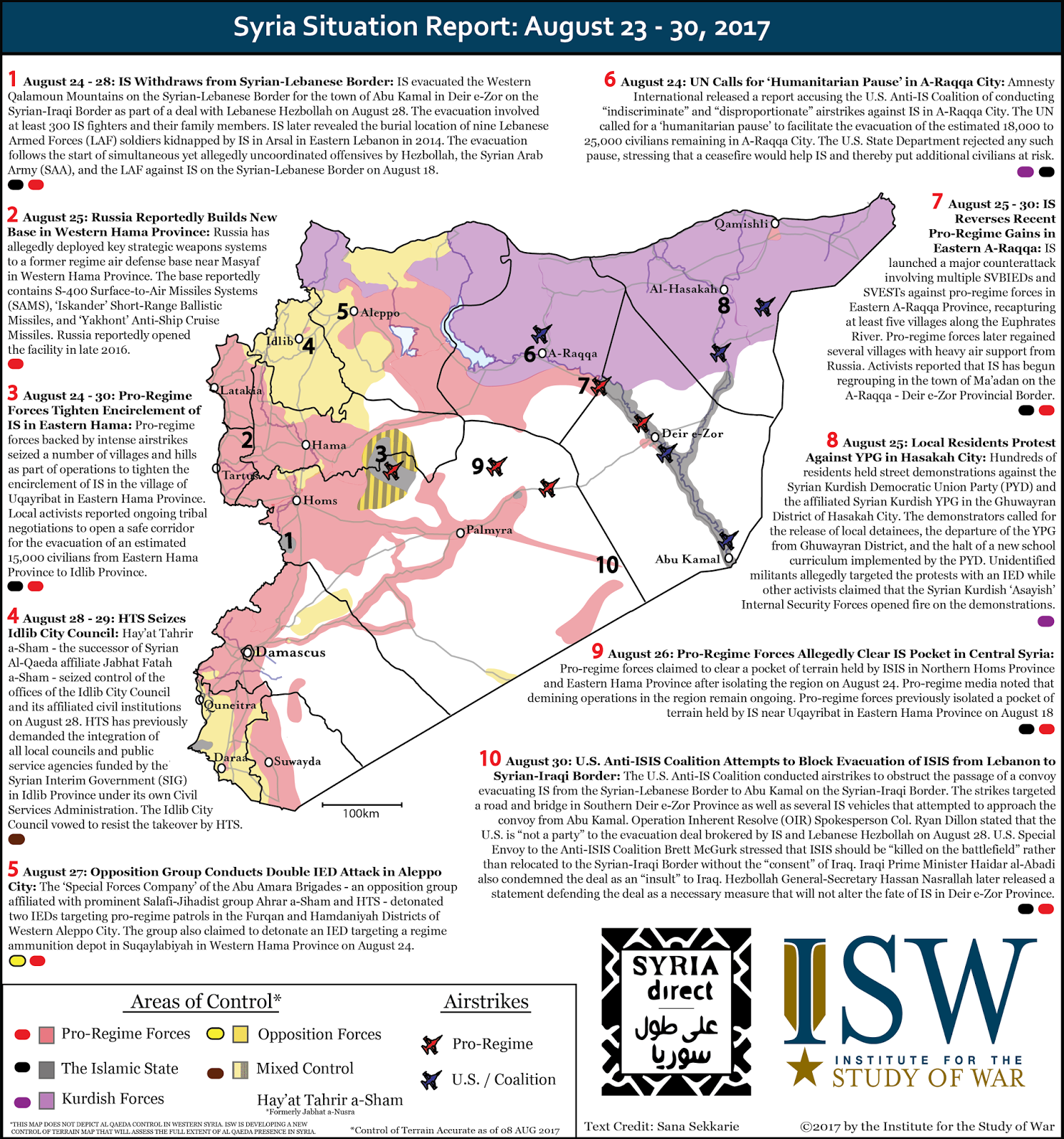
 August 23 – 30, 2017


 Want smart analysis of the most important news in your inbox every weekday along with other global reads, interesting ideas and opinions to know?


 Του ‘Αλκη Καλλιαντζίδη Οικονομολόγου
 Pénicaud, και ο Πρωθυπουργός Edouard Philippe ανακοίνωσαν επισήμως την Πέμπτη 31 Αυγούστου 2017 (άλλη μια τήρηση με θρησκευτική ευλάβεια της προθεσμίας της κυβέρνησης Μακρόν) «36 συγκεκριμένα μέτρα» για τη μεταρρύθμιση του γαλλικού Κώδικα Εργασίας. Το σχετικό κείμενο θα υποβληθεί στο Υπουργικό Συμβούλιο στις 22 Σεπτεμβρίου για γρήγορη εφαρμογή του.
 Ο γαλλικός Κώδικας Εργασίας έχει περίπου 11.000 άρθρα, ομαδοποιημένα σε 8 μέρη, από τις «ατομικές εργασιακές σχέσεις» έως τη «δια βίου επαγγελματική κατάρτιση», περνώντας από την απασχόληση, την υγεία και την κοινωνική ασφάλεια στην εργασία. Αυτό το ογκώδες βιβλίο με το κόκκινο εξώφυλλο που υπερασπίζονται με μαχητικότητα τα συνδικάτα, γρήγορα αναφλέγεται όταν οι κυβερνήσεις, της αριστεράς ή της δεξιάς (με την κυβέρνηση Μακρόν θα δούμε), μιλούν για τη μεταρρύθμισή του. Κάτι που οι βουλευτές της «Ανυπότακτης Γαλλίας» του Jean-Luc Mélenchon (αντιπολίτευση της αριστεράς) κράδαιναν συμβολικά τον Ιούλιο του 2017 κατά τη διάρκεια των κοινοβουλευτικών συζητήσεων.
 Οι αντιδράσεις στην μεταρρύθμιση της κυβέρνησης ; Σύμφωνα με το ρεπορτάζ της ηλεκτρονικής έκδοσης της εφημερίδας Le Figaro, οι αντιδράσεις χωρίζονται ως ακολούθως :
 μήνυμα, ένα μήνυμα ελπίδας» υπέρ των επιχειρηματιών δήλωσε η Ένωση των Επιχειρήσεων Εγγύτητας (U2P), προσθέτοντας την «πλήρη ικανοποίησή της». Ο πρόεδρός της, Alain Griset, εκτιμά ότι «εισακούστηκε σχεδόν σε όλες τις προτάσεις του», και συγκεκριμένα «στο γεγονός ότι μεταξύ 0 και 20» υπαλλήλων, έχουν λιγότερους περιορισμούς. Η οργάνωση των βιομηχάνων Medef χαιρετίζει «ένα σημαντικό πρώτο βήμα στην οικοδόμηση ενός εργατικού νόμου περισσότερο σύμφωνου με την καθημερινή πραγματικότητα των επιχειρήσεων». Ο πρόεδρός της,
 Pierre Gattaz, ζήτησε να «παραμείνουν σε επαγρύπνηση» τα μέλη του, ιδίως όσον αφορά στην εφαρμογή των Διαταγμάτων, «επειδή οι λεπτομέρειες θα είναι καθοριστικές για την ορθή εφαρμογή αυτής της μεταρρύθμισης». Οι επιφυλακτικοί : Το εργατικό συνδικάτο FO εξέφρασε την συγκρατημένη ικανοποίησή του για τη μεταρρύθμιση του κώδικα εργασίας. «Υπάρχουν τρεις στήλες: τι κερδίζουμε, αυτό που έχουμε αποφύγει και με τι διαφωνούμε. Υπάρχουν στοιχεία και στις τρεις στήλες», δήλωσε ο γενικός γραμματέας του Jean-Claude Mailly. Εκφράζοντας την ικανοποίησή του για την ενίσχυση του κλάδου της επιχείρησης και την αύξηση της νόμιμης αποζημίωσης απόλυσης, εξέφρασε όμως την ανησυχία του για τους τρόπους των διαπραγματεύσεων στις Πολύ Μικρές Επιχειρήσεις, ελλείψει
 εκπροσώπου του προσωπικού της. Η επιφυλακτικότητα εκφράστηκε και από την συνδικαλιστή οργάνωση CFTC, για την οποία «το στοίχημα είναι ο επιχειρηματικός κλάδος να διατηρήσει τα προνόμιά του». «Κάτι που συμβαίνει». Παρ ‘όλα αυτά, ο πρόεδρός της Philippe Louis «θα προτιμούσε το ελάχιστο» στα δικαστήρια εργατικού δικαίου, σε περίπτωση παράνομης απόλυσης,
 να είναι 6 μισθοί αντί για τρεις. Η συνδικαλιστική οργάνωση Unsa υπενθυμίζει ότι «δεν ζήτησε νέα μεταρρύθμιση του κώδικα εργασίας», αλλά «διαπιστώνει ότι έχουν απορριφθεί αρκετές μαξιμαλιστικές προτάσεις εναντίον των οποίων είχε τοποθετηθεί κι έτσι απομακρύνθηκαν».
 απογοήτευσή της για την ευκαιρία να καταστεί ο κοινωνικός διάλογος κεντρικό στοιχείο της επιχειρηματικής διακυβέρνησης». «Η κυβέρνηση πρόκρινε την ευελιξία σε βάρος της κοινωνικής δικαιοσύνης» και «νομιμοποίησε τις πιο συντηρητικές προσδοκίες ενός τμήματος της εργοδοσίας», ανέφερε το συνδικάτο σε ένα Δελτίο Τύπου.
 γραμμένος: είναι το τέλος της σύμβασης εργασίας», δήλωσε ο Γενικός Γραμματέας της συνδικαλιστικής οργάνωσης CGT Philippe Martinez. «Αυτό που μας παρουσιάστηκε ως επανάσταση είναι η συνέχεια αυτού που είχε γίνει προηγουμένως», πρόσθεσε ο Martinez, αναφερόμενος στον νόμο El Khomri (νόμος του Ολάντ), επισημαίνοντας ότι «η δυσάρεστη έκπληξη είναι η κατάργηση των συλλογικών συμβάσεων εργασίας». Η συνδικαλιστική οργάνωση CFE-CGC θεωρεί επίσης αυτά τα Διατάγματα ως «πολλά μέσα για την ευελιξία της αγοράς εργασίας» και «πιθανώς μια μεγαλύτερη επισφάλεια των εργαζομένων». Η συνδικαλιστική οργάνωση Solidaires επισημαίνει σε ένα Δελτίο Τύπου «την διευκόλυνση των ατομικών και ομαδικών απολύσεων» και «την αμφισβήτηση της συλλογικής προστασίας των εργαζομένων». Η CGT και οι Solidaires καλούν τα μέλη τους σε διαδήλωση στις 12 Σεπτεμβρίου 2017 ενάντια σε αυτό που αποκαλούν το «εργατικό δίκαιο XXL».


 Even more ruthless Islamists: Turkey’s Recep Tayyip Erdoğan (left) and Iranian Supreme Leader Ali Khamene’i in 2012.
