Αρχική Blog Σελίδα 2908

Catalonia crisis: Spain enters uncharted territory following Madrid move to end autonomy

0

October 27, 2017 4.19pm BST

Shortly after Catalonia’s parliament in Barcelona voted to declare independence from Spain on October 27, the senate in Madrid voted to trigger Article 155 of the Spanish constitution, removing Catalonia’s autonomy.

In his speech to the senate requesting that deputies approve the proposal, the Spanish prime minister Mariano Rajoy justified his request in the face of “a continuous process of anti-democratic decisions” in Catalonia.

One of the first measures required by Article 155 will be the sacking of the Catalan president, Carles Puigdemont, which would pave the way for Rajoy to call elections within six months.

Meanwhile, in the Catalan parliament, parliamentarians voted in secret on a proposal from the ruling coalition Junts Pel Sí (Together for Yes) and the far-left Candidatura d’Unitat Popular (CUP) to begin a constituent process in order to proclaim the independent Republic of Catalonia. The final vote in the 135-seat chamber was 70 deputies in favour, 10 against and two abstentions. Dozens of deputies from the opposition Catalan Popular Party, the Catalan Socialist party (PSC) and the Ciudadanos party abandoned the plenary session ahead of the vote.

In response to the Catalan parliament’s vote, Rajoy went on Twitter to ask all Spaniards for calm and to note that the rule of law would be restored in Catalonia.

The vote closed down the one conciliatory amendment which had been proposed by the Socialists in the Madrid senate to freeze the triggering of Article 155 if elections were called in Catalonia. Instead, the vote in favour of independence was seen as a slap in the face for dialogue.

There was little in the way of conciliation present in the senate. Various deputies from Rajoy’s Partido Popular (PP) jubilantly applauded parts of the premier’s speech in a manner that seemed overly triumphal and expressly designed to trample upon Catalan sentiment. Rajoy repeatedly criticised Puigdemont for appearing to turn down any offer of dialogue with the Spanish government. Puigdemont, on the other hand, had viewed the request to appear before the senate less as a desire for negotiation and more as an imposition.

What the people think

As the two elected assemblies went head-to-head, the rallying cry No nos representan “they don’t represent us” seems as relevant today as when it became the defining cry of the indignant movement, or 15-M movement, which erupted in Spain in 2011 in a challenge to the political status quo.

While the political elites in both Catalonia and Madrid have both been calling the shots, it is not clear what support they have behind them to do so. The Catalan referendum on October 1 was not an accurate representation of the support for a declaration of independence. At 42%, turnout was suppressed – in part because of a heavy police presence and the best efforts of the Spanish government to disrupt the vote. But also because only those in favour of independence were likely to turn out to vote.

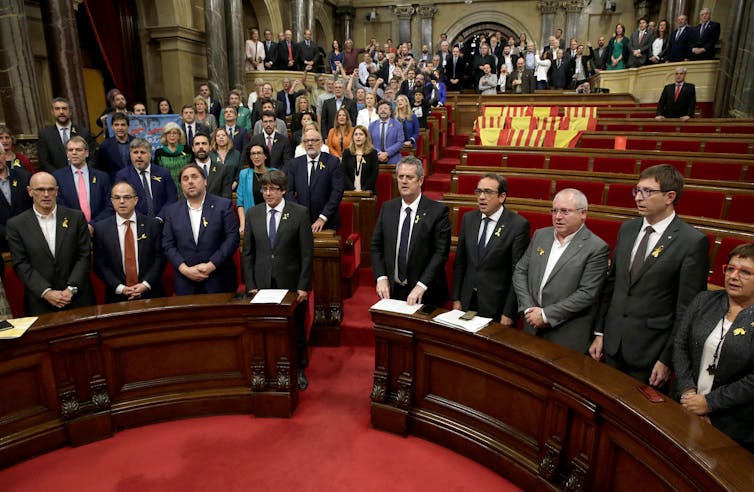
Members of the Catalan Assembly sing the Catalan anthem after voting for independence. EPA/Alberto Estevez

Nor was there any time for a proper campaign before the referendum in which the arguments for and against independence could properly be aired and discussed.

There was barely a month between the Catalan parliament passing a lawto approve the referendum and the vote itself. It is therefore hard to gauge either the level of public support for independence or the level of public understanding which might underpin such a move.

The most recent elections in both Catalonia and Spain are also an unreliable indicator of public sentiment on the independence question. Rather, they lay bare the divisions which exist in Catalonia and Spain on a whole variety of issues. The June 2016 general election – a re-run of December 2015’s election – reaffirmed the reluctance of voters to give any party an absolute majority. Although Rajoy’s PP strengthened its position with 33% of the vote and 137 seats, this was still short of the 176 seats needed for an absolute majority.

The picture is also fragmented in Catalonia where the ruling coalition Junts pel Sí fell short of an absolute majority in the 2015 elections. Gaining 62 seats with 39.6% of the vote, it was forced to form a minority government with the CUP lending confidence and supplying support. Together these separatist political formations garnered 44.3% of the popular vote.

In both Catalonia and across Spain, voters did not give any political party the mandate to govern with an absolute majority. This is a message that politicians should have heeded. It denotes an electorate which wants compromise and negotiation between parties rather than the adoption of maximalist positions by any single political formation.

In all political processes, choices are made at the mass level as well as the elite level. Elite figures should take their cue from voters and the behaviour of groups in civil society who in turn often adapt their behaviour and choices in light of the actions of elites.

The ability to find a negotiated solution to the crisis in Catalonia then depends on both the elites and the general population. While Catalan leaders obviously felt they were fulfilling their historic duty in the face of protesters calling for independence outside the Catalan parliament, those cheering the loudest should not be confused with the views of all in Catalonia.

Although already weary of voting, it is likely that the electorate could once again be called to the polls in Catalonia as one way out of this current impasse. It is time all of the people had their say.

https://theconversation.com/catalonia-crisis-spain-enters-uncharted-territory-following-madrid-move-to-end-autonomy-86489

0

Vice President Mike Pence has pledged that the Trump administration will come to the rescue of Christians in the Middle East, as persecution of religious minorities in the region continues.

He said that Washington will move funding away from the United Nations to the U.S. Agency for International Development, or USAID, in order to directly assist Christian communities in the Middle East.

“Christianity is under unprecedented assault in those ancient lands where it first grew,” the vice president said at a speech to the In Defense of Christians conference.

“Across the wider Middle East, we can now see a future in many areas without a Christian faith. But tonight, I came to tell you: Help is on the way.”

He took aim at the Islamic State militant group (ISIS), which overran large areas of Iraq and Syria in 2014 and forced thousands of Christians to flee, and imprisoned or executed them if they remained. He said the group’s fighters had committed “vile acts of persecution animated by hatred for Christians and the Gospel of Christ.”

Pence said Washington would take “the fight to terrorists on our terms, on their soil” and “hunt down and destroy ISIS at its source, so it can no longer threaten our people or anyone who calls the Middle East home.”

The president’s team has predominantly focused on talking about helping Christians in the Middle East, as opposed to Muslims in the region affected by radical Islamist groups. Critics of the government accused it of targeting Muslims in a proposed travel ban on six Muslim-majority countries that President Donald Trump said was only touted for security reasons.

10_27_Mike_PenceJared Kushner (L), senior advisor to U.S. President Donald Trump and U.S. Vice President Mike Pence (R) attend a joint statement in the Rose Garden held by U.S. President Donald Trump and Singapore Prime Minister Lee Hsien Loong October 23, 2017 in Washington, DC.WIN MCNAMEE/GETTY

Pence explained the divergence of funds from the U.N., saying that it was an “ineffective” use of U.S. money.

“Here is the sad reality: the United Nations claims that more than 160 projects are in Christian areas. But for a third of those projects, there are no Christians to help,” the vice-president said.

Christian leaders have said that followers of the religion are experiencing some of the worst persecution in its history.

A report recently released by Christian organization Aid To The Church In Need said the U.N. was not meeting the requirements of Christians in the Middle East and failing to provide “the emergency help they needed as genocide got underway,” the Catholic Herald reported.

The population of Christians in the Middle East has declined over the past century. But the insecurity faced by Christians in recent years has seen their population decrease even more. As of July 2015, a third of Syria’s 600,000 Christians had fled; Lebanon’s Christian population share has shrunk from 78 percent to 34 percent over the previous century; and only a third of the 1.5 million Christians who lived in Iraq in 2003 remain today, according to The New York Times.

10_27_Christians_Middle_EastLyon’s Archbishop Cardinal Philippe Barbarin stands next to an Islamic State (IS) group graffiti during a visit to the Church of the Annunciation in east Mosul on July 25, 2017.SAFIN HAMED/AFP/GETTY

Catholic organization the Knights of Columbus lauded Pence’s words.

“A year ago the United States used the right word to describe what was happening to Christians and other religious minorities in the Middle East. That word was genocide. Tonight, those words were put into action,” the group’s Supreme Knight Carl A. Anderson said in a statement.

Others were more skeptical about the U.S. pledge. Diana Sarkisian, who works for A Demand For Action, an advocacy organization for minority groups in the Middle East, tweeted: “Mike Pence makes big promises to defend Christians in ME (Middle East). Yeah, heard that one before.”

http://www.newsweek.com/mike-pence-vows-end-unprecedented-assault-christianity-middle-east-un-funding-694326?utm_source=email&utm_medium=morning_brief&utm_campaign=newsletter&utm_content=headline&spMailingID=2443433&spUserID=MjAwODQ2NjQzNDES1&spJobID=891344102&spReportId=ODkxMzQ0MTAyS0

Kurdish Battle Positions Kurds as US Ally Against Iran

0

By October 27, 2017

BESA Center Perspectives Paper No. 628, October 27, 2017

EXECUTIVE SUMMARY: There may be a silver, if risky, lining for Kurdish nationalists in their devastating loss of Kirkuk and other cities on the periphery of their semi-autonomous region as they lick their wounds and vent anger over the deep-seated internal divisions that facilitated the Iranian-backed Iraqi blitzkrieg. Mounting popular anger coupled with US Congressional fury could position the Kurds as a key player in potential US efforts to roll back Iranian influence in Iraq and counter the Islamic Republic as part of President Donald J. Trump’s tougher approach towards Tehran.

Kurdish President Massoud Barzani, in his first comment on the military rout of his Peshmerga forces, vowed that the overwhelming vote for Kurdish independence in a controversial referendum last month “won’t be in vain.” Refusing to take responsibility for the rout, Barzani blamed the Kurdish predicament on his political rival, the Patriotic Union of Kurdistan (PUK), which allegedly ordered the withdrawal of Kurdish forces from Kirkuk.

Technically, that may well be correct. An Iranian Revolutionary Guard general and close associate of Quds Force chief Qassem Soleimani known as Eqbalpour, accompanied by two Iraqi military commanders, reportedly met on the eve of the Iraqi assault on Kirkuk with Kurdish officers in the offices of the PUK in the city. Eqbalpour urged the Kurds to surrender the city peacefully.

“If you resist, we will crush you and you will lose everything,” he warned, pointing to a map that detailed how the Iraqi assault would unfold. “This is our military plan. We will hit you tonight from three points — here, here, and here,” Eqbalpour said. His Kurdish interlocutors agreed to withdraw.

The Kurdish withdrawal, which prompted a Kurdish exodus from the city, was a stab in the back of the PUK’s arch rival, the Kurdish Democratic Party (KDP) headed by Barzani. It has sparked a wave of popular anger against Iran that could complicate any effort to negotiate a compromise between the Kurds and the government in Baghdad of Prime Minister Haider al-Abadi, who has vowed to ensure Iraq’s territorial integrity.

Iranian involvement in the Iraqi blitzkrieg has also sparked anger in the US Congress even though the US, which enabled Kurdish autonomy within Iraq, vowed to remain neutral in the Kurdish-Iraqi dispute. In response to the alleged use of US-built Abrams tanks and Humvees against the Kurds by Iranian-backed Shiite militias (the Popular Mobilization Units, or PMU), congressmen threatened to impose an arms embargo on Iraq, now that the Islamic State has effectively lost control of any territory in the country. To put this position in context, the US provides an estimated $1 billion in annual military assistance to Iraq and has designated some elements of the PMU as terrorist organizations.

In a statement, Senate Armed Services Committee Chairman John McCain called on Iraqi forces to “take immediate steps to de-escalate this volatile situation by ceasing their advances. I am especially concerned by media reports that Iranian and Iranian-backed forces are part of the assault. Make no mistake, there will be severe consequences if we continue to see American equipment misused in this way,” McCain said.

McCain’s words were echoed by Rep. Trent Franks, a member of the House Armed Services Committee, who introduced a resolution in Congress supporting Kurdish independence. “I urge Iraqi Prime Minister al-Abadi to fulfil his pledge to prevent any external or internal attack against the Kurds and prove Baghdad is not the puppet of Tehran. Otherwise, the US will have no other choice but to pull funding as it cannot in good conscience send money to an Iranian patsy working to subvert American interests,” Franks said.

Despite Iraqi denials that the PMU have access to US weaponry, Kurdish emphasis on the role in Kirkuk of the Iranian-backed militia and assertions of the use of Abrams tanks and Humvees were designed to garner US support. Iraq’s embassy in Washington charged that the claims constituted “a concerted misinformation campaign by elements in the Kurdish region to cover up their sinister actions in attempting to disrupt the coordinated and professional movements of the Iraqi security forces.”

The Kurdish assertions amounted to an attempt to make it difficult for the US Department of Defense to certify, in accordance with US law, that Iraq has ensured that US military assistance does not fall into the hands of extremist groups, which would include those elements of the PMU that have been designated as terrorist by the State Department.

The Kurdish position, beyond the immediate politicking that aims to weaken Iraq’s position in any future negotiation and garner US sympathy if not support, also positions the Kurds as a potential US ally in any upcoming attempt to counter Iranian influence in Iraq or destabilize the Islamic Republic with the help of ethnic groups that populate its borders.

President Trump signaled his tougher approach towards Iran earlier this month by refusing to certify that Iran was complying with the terms of the two-year-old nuclear agreement, opening the door to a lifting of international sanctions. A potential re-imposition of sanctions by Congress in the next sixty days could throw the accord into jeopardy.

US and Saudi officials have repeatedly hinted at the possibility of attempting to achieve regime change in Iran. The Kurds, like the Baloch in Pakistan, could play a key role in any such effort. It is a strategy that would likely exploit anti-Iranian sentiment among Kurds in the wake of the Iraqi blitzkrieg; enjoy support from Israel, which has already publicly come out in favor of Kurdish independence; and build on past US and Israeli support for Kurdish nationalism.

That support has not as yet helped the Kurds fulfill their aspirations, and there is no guarantee that a repeat performance would fare any better. The Kurds defended last month’s referendum with the argument that there is no good time for them to stake their claim given deep-seated Turkish, Iranian, and Iraqi rejection of their aspirations for independence. That makes their current attempt, and potential participation in covert operations against Iran, no less risky.

View PDF

Dr. James M. Dorsey, a non-resident Senior Associate at the BESA Center, is a senior fellow at the S. Rajaratnam School of International Studies at Singapore’s Nanyang Technological University and co-director of the University of Würzburg’s Institute for Fan Culture.

BESA Center Perspectives Papers are published through the generosity of the Greg Rosshandler Family

Το πρόβλημα με την στρατηγική των ΗΠΑ στην Μέση Ανατολή

0
Γιατί είναι δύσκολο να γίνουν αυστηρές με το Ιράν
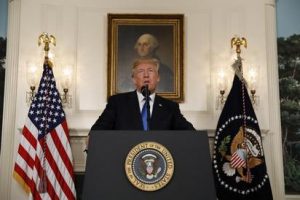
Ο Donald Trump μιλά σχετικά με την συμφωνία με το Ιράν για τα πυρηνικά, στον Λευκό Οίκο, τον Οκτώβριο του 2017. KEVIN LAMARQUE / REUTERS.
Περίληψη:

Η πολιτική των ΗΠΑ έναντι του Ιράν δεν μπορεί να είναι απλώς αρνητική. Οι Ηνωμένες Πολιτείες πρέπει να ενθαρρύνουν και να επιβραβεύουν συμβιβασμούς. Το Ιράν έχει να διαδραματίσει κάποιον ρόλο στην περιοχή και έχει δεσμούς με την Συρία και το Ιράκ που δεν μπορούν να εξαφανιστούν.

Ο AFSHON OSTOVAR είναι ο συγγραφέας του Vanguard of the Imam: Religion, Politics, and Iran’s Revolutionary Guards [1] (Oxford University Press, 2016) και επίκουρος καθηγητής Υποθέσεων Εθνικής Ασφάλειας στη Ναυτική Μεταπτυχιακή Σχολή στο Monterey, στην Καλιφόρνια.

Είναι δύσκολο να γίνεις αυστηρός με το Ιράν. Οι πρόσφατες ανακοινώσεις του προέδρου των ΗΠΑ, Ντόναλντ Τραμπ, ότι θα απο-επικυρώσει την πυρηνική συμφωνία με το Ιράν [2] (το Κοινό Ολοκληρωμένο Σχέδιο Δράσης, Joint Comprehensive Plan of Action ή JCPOA) και θα επεκτείνει τις κυρώσεις εναντίον του ιρανικού Σώματος της Ισλαμικής Επαναστατικής Φρουράς [3] (Islamic Revolutionary Guard Corps, IRGC) μαρτυρούν αυτό το γεγονός. Με αυτές τις δύο κινήσεις, η κυβέρνηση Trump εξέφρασε την δυσαρέσκειά της για την πολιτική περί το Ιράν που κληρονόμησε από τον πρώην πρόεδρο Μπαράκ Ομπάμα. Ταυτόχρονα, η κυβέρνηση πρόδωσε την αδυναμία της (ή την απροθυμία της) να αλλάξει δραματικά την γενική στρατηγική των Ηνωμένων Πολιτειών ως προς το Ιράν. Οι πρόσφατες ανακοινώσεις ενδέχεται να κάνουν την αμερικανική προσέγγιση στο Ιράν οριακά πιο εμφατική, αλλά θα κάνουν ελάχιστα για να αλλάξουν την συμπεριφορά του Ιράν.
26102017-1.jpg

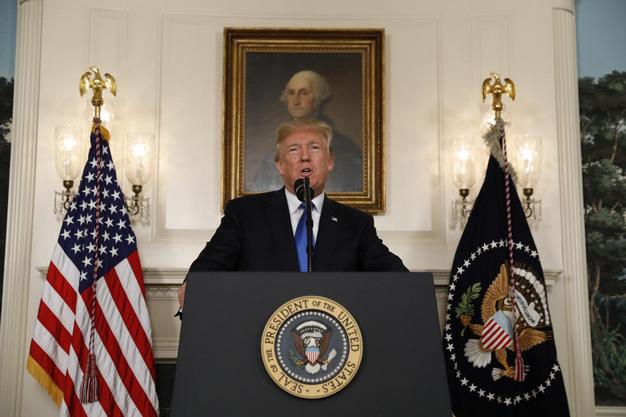
Ο Donald Trump μιλά σχετικά με την συμφωνία με το Ιράν για τα πυρηνικά, στον Λευκό Οίκο, τον Οκτώβριο του 2017. KEVIN LAMARQUE / REUTERS
———————————————-

Η κυβέρνηση Trump αντιλαμβάνεται ότι η αλλαγή της πολιτικής για το Ιράν είναι δύσκολη -όχι επειδή τα προβλήματα της Ουάσινγκτον με το Ιράν είναι ασαφή, αλλά επειδή δεν μπορούν να αντιμετωπιστούν χωρίς να αλλάξει η ευρύτερη πολιτική των Ηνωμένων Πολιτειών στην Μέση Ανατολή. Συγκεκριμένα, εάν η Ουάσινγκτον δεν επανεξετάσει την στρατηγική της προς την Συρία [4], η αμερικανική πολιτική για το Ιράν θα παραμείνει αναποτελεσματική.

ΕΝΑ ΜΠΕΡΔΕΜΕΝΟ ΔΙΧΤΥ

Οι Ηνωμένες Πολιτείες έχουν αρκετά στρατηγικά συμφέροντα στην Μέση Ανατολή. Μεταξύ αυτών είναι η διασφάλιση της ασφάλειας του Ισραήλ και η παροχή εξασφαλίσεων στους Άραβες συμμάχους της Ουάσινγκτον (συμπεριλαμβανομένης της Σαουδικής Αραβίας, της Ιορδανίας και των Ηνωμένων Αραβικών Εμιράτων), κάτι που οφείλεται κυρίως στην διαρκή θαλάσσια παρουσία στον Περσικό Κόλπο. Το Ιράν αποτελεί την κύρια απειλή για όλους αυτούς τους συμμάχους και οι μαχητικοί πελάτες της Τεχεράνης (συμπεριλαμβανομένης της Χεζμπολάχ, των ιρακινών πολιτοφυλακών και των Χούθι στην Υεμένη) αποτελούν την αιχμή της απειλής αυτής. Η αποτροπή του Ιράν και των πληρεξουσίων του είναι επομένως κεντρικό στοιχείο των στόχων των ΗΠΑ στην Μέση Ανατολή. Οι Ηνωμένες Πολιτείες δεσμεύονται περαιτέρω να σταθεροποιήσουν το Ιράκ, να νικήσουν το Ισλαμικό Κράτος (ISIS) στο Ιράκ και την Συρία και να καταπολεμήσουν τις θυγατρικές του ISIS και της Αλ Κάιντα αλλού στην περιοχή. Η Ουάσιγκτον έπαιξε επίσης υποστηρικτικό ρόλο στην υπό την ηγεσία της Σαουδικής Αραβίας εκστρατεία εναντίον της εξέγερσης των Houthi στην Υεμένη [5].

Η περιφερειακή στρατηγική του Ιράν [6] είναι πιο ομαλή. Εστιάζεται στην αντιμετώπιση των Ηνωμένων Πολιτειών και των συμμάχων τους. Η Τεχεράνη θέλει τις δυνάμεις των ΗΠΑ έξω από τον Περσικό Κόλπο και έξω από το Ιράκ και την Συρία μετά τον πόλεμο εναντίον του ISIS. Το Ιράν δεν αποδέχεται την ύπαρξη του Ισραήλ ως εβραϊκού κράτους και είναι ο κύριος χορηγός της αντι-ισραηλινής μαχητικότητας στην περιοχή. Θέλει να νικήσει τους επαναστάτες στην Συρία και το ISIS στην Συρία και το Ιράκ, και μετά να διατηρήσει ένα σταθερό αποτύπωμα ασφαλείας και στις δύο χώρες μέσω των τοπικών πελατών του. Σε γενικές γραμμές, η Τεχεράνη επιδιώκει να δημιουργήσει ένα φιλοϊρανικό μπλοκ, το οποίο εκτείνεται από το Ιράκ μέχρι τον Λίβανο, προκειμένου να αντιταχθεί στις Ηνωμένες Πολιτείες και στους Άραβες συμμάχους τους. Το Ιράν έχει επίσης επενδύσει στην εξέγερση των Houthi στην Υεμένη, τόσο για να επεκτείνει την επιρροή του στην Αραβική Χερσόνησο όσο και για να αποσπάσει την προσοχή των αντιπάλων του, την Σαουδική Αραβία και τα ΗΑΕ, από την συριακή και την ιρακινή σύγκρουση.

Υπάρχει ένα παράδοξο στο επίκεντρο της περιφερειακής στρατηγικής του Ιράν: Η Τεχεράνη θέλει να βγάλει τις Ηνωμένες Πολιτείες από την Μέση Ανατολή, αλλά η συμπεριφορά της είναι σε μεγάλο βαθμό εκείνη που κρατά τις δυνάμεις των ΗΠΑ εκεί. Πράγματι, οι παρενοχλητικές ναυτικές επιχειρήσεις του Ιράν στον Περσικό Κόλπο, η στήριξη προς μαχητικούς πελάτες του όπως η Χεζμπολάχ, και οι επανειλημμένες δοκιμές βαλλιστικών πυραύλων μετά την πυρηνική συμφωνία, διαιωνίζουν την αντίληψη της Ουάσινγκτον ότι το Ιράν αποτελεί την κύρια απειλή για τους συμμάχους της και την σταθερότητα της Μέσης Ανατολής. Μακράν του να αποθαρρύνει το ενδιαφέρον των ΗΠΑ για την περιοχή, αυτή η συμπεριφορά έχει χρησιμεύσει ως μόνιμη υπενθύμιση των εχθρικών προθέσεων του Ιράν και της ανάγκης ανάσχεσης της Τεχεράνης.
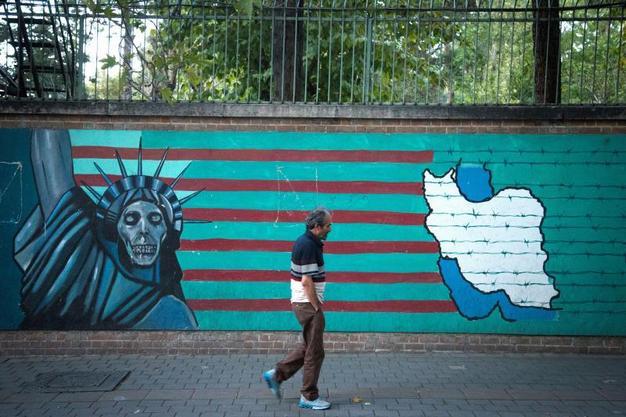
26102017-2.jpg

Ένας άνθρωπος βαδίζει μπροστά από μια αντι-αμερικανική τοιχογραφία στην Τεχεράνη, τον Οκτώβριο του 2017. NAZANIN TABATABAEE / REUTERS
—————————————————–

Η ανάσχεση του Ιράν, ωστόσο, δεν αποδείχθηκε εύκολη. Οι πόλεμοι στο Ιράκ, την Συρία και την Υεμένη έχουν δημιουργήσει ευκαιρίες ώστε το Ιράν να επεκτείνει την επιρροή του στην περιοχή. Σε κάθε χώρα, η ισχύς των πελατών των Ιρανών αυξήθηκε, δίνοντας στην Τεχεράνη ηγετικό ρόλο στις συγκρούσεις και ένα υπερμέγεθες στοίχημα για το μέλλον.

Η μεγαλύτερη στρατηγική σαφήνεια του Ιράν, του επέτρεψε να ανταποκριθεί πιο γρήγορα και αποφασιστικά από ό, τι οι Ηνωμένες Πολιτείες στις αλλαγές της περιφερειακής δυναμικής, όπως και στις συγκρούσεις που ακολούθησαν την Αραβική Άνοιξη. Στην Συρία, για παράδειγμα, η κυβέρνηση Ομπάμα πέρασε τέσσερα χρόνια, χωρίς ούτε να δεσμευθεί με τους αντάρτες ούτε να μείνει έξω από την σύγκρουση [7], ενώ το Ιράν ήταν από την αρχή τελείως υποστηρικτικό του Σύρου προέδρου, Μπασάρ αλ-Άσαντ, και δεν μετέβαλλε ποτέ την θέση του. Η υποστήριξη του Ιράν προς τον Assad θα μπορούσε να βοηθήσει στο πάγωμα της δέσμευσης των Ηνωμένων Πολιτειών υπέρ της εξέγερσης, αν όχι για άλλους τρεις παράγοντες: Πρώτον, η πιο άμεση επέμβαση στην Συρία θα ήταν πολιτικά αντιδημοφιλής εγχωρίως˙ δεύτερον, η εξέγερση σταδιακά κατέληξε να κυριαρχείται από σουνιτικές εξτρεμιστικές ομάδες˙ και τρίτον, αφού ο Χασάν Ρουχανί εξελέγη πρόεδρος του Ιράν το 2013, η κυβέρνηση Ομπάμα άρχισε σοβαρές διαπραγματεύσεις με την Τεχεράνη για το πυρηνικό της πρόγραμμα. Μια στρατιωτική επέμβαση των ΗΠΑ εναντίον του Assad κινδύνευε να ενισχύσει τους εξτρεμιστές στην Συρία και θα περιλάμβανε την καταπολέμηση των πελατών του Ιράν, θέτοντας έτσι σε κίνδυνο τις πυρηνικές συνομιλίες. (Θα είχε επίσης βάλει τα στρατεύματα των ΗΠΑ σε πορεία απωλειών και θα κόστιζε πολλά χρήματα).

Με άλλα λόγια, υπήρχαν εύλογοι λόγοι για τις Ηνωμένες Πολιτείες ώστε να παραμείνουν ως επί το πλείστον έξω από τον πόλεμο στην Συρία. Αλλά αυτή η σχετική αδράνεια βοήθησε στην άνοδο του ISIS, στην επέκταση του ρόλου ασφαλείας του Ιράν και, αργότερα, στην είσοδο της Ρωσίας στον πόλεμο της Συρίας, τον Σεπτέμβριο του 2015. Η παρέμβαση της Μόσχας ήταν ιδιαίτερα περιοριστική για την Ουάσινγκτον. Κατέστησε την κλιμάκωση πιο επικίνδυνη, πράγμα που ωφέλησε το Ιράν, του οποίου οι σύμμαχοι μπήκαν κάτω από την ομπρέλα της ρωσικής στρατιωτικής δύναμης. Η ανάμειξη της Μόσχας μετατόπισε την δυναμική του πολέμου στις ιρανικές και φιλο-ασαντικές δυνάμεις, οι οποίες έκαναν σταθερές προόδους κατά των ανταρτών κατά τα δύο επόμενα χρόνια.

Ο πόλεμος εναντίον του ISIS στο Ιράκ βάλτωσε περαιτέρω την στρατηγική των ΗΠΑ, ωθώντας την Ουάσινγκτον και την Τεχεράνη σε μια de facto συμμαχία υπέρ της Βαγδάτης. Σε αντίθεση με την Συρία, όπου τα συμφέροντα των ΗΠΑ και του Ιράν σαφώς αποκλίνουν, στο Ιράκ και οι δύο χώρες υποστηρίζουν την κυβέρνηση και έχουν δεσμεύσει στρατεύματα και πόρους για να νικήσουν το ISIS. Αν και οι δυνάμεις των ΗΠΑ δεν συντονίζονται με το Ιράν ή με ομάδες υποστηριζόμενες από τον Ιράν, αμφότερες συντονίζονται με την κυβέρνηση και τον στρατό του Ιράκ. Οι Ηνωμένες Πολιτείες και το Ιράν μοιράζονται τον ίδιο άμεσο στόχο της κατανίκησης του ISIS και να διατηρήσουν την ενότητα του Ιράκ, κάτι που τους τοποθετεί στην ίδια πλευρά του κουρδικού ζητήματος ανεξαρτησίας [8] επίσης.

Τα κοινά συμφέροντα των δύο χωρών τελειώνουν εκεί. Αν και τα στρατεύματα των ΗΠΑ στο Ιράκ έχουν ζωτική σημασία στον πόλεμο ενάντια στο ISIS, το Ιράν και οι σύμμαχοί του δεν θέλουν [αυτά] να παραμείνουν στην χώρα μετά τον πόλεμο. Οι πληρεξούσιοι του Ιράν πολέμησαν τις δυνάμεις των ΗΠΑ και της συμμαχίας κατά την διάρκεια της επιχείρησης Iraqi Freedom και υποσχέθηκαν να στοχεύσουν τα στρατεύματα των ΗΠΑ [9] εάν η Ουάσινγκτον λάβει στρατιωτική δράση εναντίον του Assad ή εάν οι δυνάμεις των ΗΠΑ παραμείνουν στο Ιράκ μετά την ήττα του ISIS.

Από τότε που άρχισε ο πόλεμος εναντίον του ISIS, η ικανότητα του Ιράν να χρησιμοποιεί τους πληρεξουσίους του για να στοχεύσει τα στρατεύματα των ΗΠΑ ήταν η κύρια πηγή μόχλευσής του εναντίον των Ηνωμένων Πολιτειών. Η Ουάσινγκτον έπρεπε να πάρει στα σοβαρά αυτές τις απειλές, γνωρίζοντας ότι οποιαδήποτε κίνηση εναντίον ιρανικών συμφερόντων, στην Συρία ή αλλού, θα μπορούσε να θέσει σε κίνδυνο τις δυνάμεις των ΗΠΑ στο Ιράκ. Το Ιράν έχει τα δικά του κίνητρα να μην κλιμακώσει [την αντιπαράθεση] με τις Ηνωμένες Πολιτείες στο Ιράκ -εύχεται να νικήσει πλήρως το ISIS, να αποτρέψει διαφωνίες με την Βαγδάτη και να αποφύγει μια σύγκρουση με τον αμερικανικό στρατό- αλλά η Ουάσιγκτον έπρεπε να υποθέσει ότι το σκεπτικό της Τεχεράνης θα μπορούσε να αλλάξει αν αντιλαμβανόταν μια απειλή για τα συμφέροντά της.
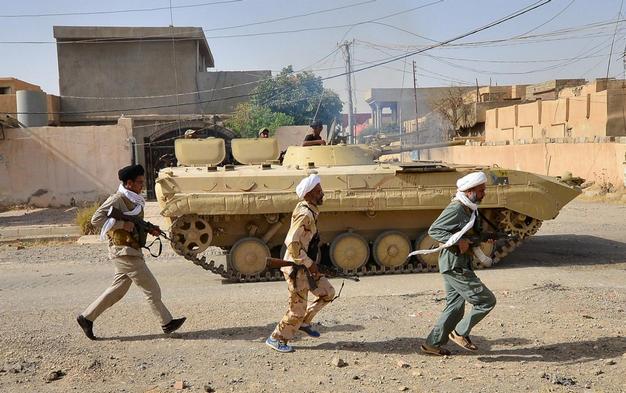
26102017-3.jpg

Μέλη των Δημοκρατικών Δυνάμεων Κινητοποίησης που υποστηρίζονται από το Ιράν στην Hawija, Ιράκ, τον Οκτώβριο του 2017. REUTERS
———————————————————-

ΚΟΛΛΗΜΕΝΟΙ ΜΕ ΤΗΝ JCPOA

Ως αουτσάιντερ, ο Trump είχε μια λευκή σελίδα όταν έφτασε στην Ουάσινγκτον. Έχοντας ήδη την τάση να βελτιώσει τις σχέσεις με την Μόσχα, θα μπορούσε να εκμεταλλευτεί την ευκαιρία να αποσαφηνίσει την πολιτική των ΗΠΑ στην Μέση Ανατολή. Θεωρητικά, για παράδειγμα, η Ουάσιγκτον θα μπορούσε να εγκαταλείψει την Συρία στην Ρωσία. Αυτό θα επέτρεπε στις Ηνωμένες Πολιτείες να επικεντρωθούν στην καταπολέμηση του ISIS στο Ιράκ και να μειώσουν τις εντάσεις με το Ιράν. Το Ιράν, η Ρωσία και ο Άσαντ θα το καλωσόριζαν˙ οι Ευρωπαίοι και Άραβες σύμμαχοι της Ουάσινγκτον, όπως και η Τουρκία, θα έπρεπε να το συνηθίσουν.

Αλλά η εγκατάλειψη της Συρίας στο Ιράν δεν ήταν ποτέ μια ρεαλιστική επιλογή, διότι αυτό θα ήταν αντίθετο με τα μακροχρόνια συμφέροντα των ΗΠΑ και εκείνα των συμμάχων των ΗΠΑ, ιδίως του Ισραήλ. Τα τελευταία δύο χρόνια, το Ιράν και οι πελάτες του έχουν όλο και περισσότερο επικεντρωθεί στην καθιέρωση μιας παρουσίας στα σύνορα της Συρίας με το Ισραήλ, την οποία επιθυμούν να χρησιμοποιήσουν για να ασκήσουν πίεση στο Ισραήλ. Η παρουσία αυτή θα αυξήσει τον κίνδυνο μιας σύγκρουσης [10] (εκ προθέσεως ή όχι) μεταξύ ισραηλινών και φιλοϊρανικών δυνάμεων, η οποία με την σειρά της θα μπορούσε να οδηγήσει σε περισσότερες συγκρούσεις και να αποσταθεροποιήσει περαιτέρω την περιοχή.

Ίσως αισθανόμενη αυτούς τους περιορισμούς, η κυβέρνηση Trump ακολούθησε σε μεγάλο βαθμό την πολιτική του Ομπάμα και άφησε το Ιράν χωρίς αμφισβήτηση στην Συρία. Εντούτοις, έκανε ένα βήμα για να αυξηθεί η πίεση προς το Ιράν ευρύτερα. Η απο-έγκριση της JCPOA και η επέκταση των κυρώσεων στο IRGC είναι τα πιο συγκεκριμένα βήματα στην προσπάθεια αυτή. Ωστόσο, τούτη η πίεση δεν θα επηρεάσει την θέση του Ιράν στην Μέση Ανατολή, πράγμα που σημαίνει ότι δεν πρόκειται να αντιμετωπίσει τα κύρια προβλήματα των Ηνωμένων Πολιτειών με το Ιράν. Η JCPOA ασχολήθηκε με ένα από αυτά τα θέματα -τις προσπάθειες του Ιράν να αποκτήσει πυρηνικό όπλο- και η υπονόμευσή του θα περιπλέξει περαιτέρω τις πολιτικές της Ουάσινγκτον για την Μέση Ανατολή και το Ιράν. Με τις κυρώσεις του Συμβουλίου Ασφαλείας του ΟΗΕ να έχουν πλέον αρθεί, η πυρηνική συμφωνία είναι ένα από τα σημαντικότερα σημεία μόχλευσης των Ηνωμένων Πολιτειών προς το Ιράν. Η απόρριψή του θα εγκατέλειπε τη μόχλευση αυτή.

Παρά το γεγονός ότι η άσκηση μεγαλύτερης πίεσης στο IRGC έχει νόημα (ιδιαίτερα δεδομένης της επιθετικής συμπεριφοράς του μετά την υπογραφή της JCPOA), αυτό θα μπορούσε να γίνει διατηρώντας παράλληλα την πυρηνική συμφωνία ανέπαφη. Η επιβολή κυρώσεων στο IRGC με την ταυτόχρονη απο-έγκριση της συμφωνίας έχει θολώσει τις προθέσεις των Ηνωμένων Πολιτειών. Αντί να οικοδομήσει συναίνεση ενάντια στις αποσταθεροποιητικές δραστηριότητες του Ιράν στην Μέση Ανατολή, η μονομερής απο-έγκριση της συμφωνίας από τον Trump διέλυσε την υπόθεση εναντίον του Ιράν. Έχει κάνει τις Ηνωμένες Πολιτείες να φαίνονται καταστροφικές και αναξιόπιστες όχι μόνο στις ξένες κυβερνήσεις αλλά και στον ιρανό λαό. Η Τεχεράνη, σε σύγκριση, φαίνεται λογική και υπεύθυνη.

Εάν οι Ηνωμένες Πολιτείες θέλουν να απωθήσουν το IRGC, θα πρέπει να στοχεύσουν στην πηγή της δύναμής του: Το περιφερειακό αποτύπωμά του. Η Συρία είναι ο τόπος για να ξεκινήσουν. Αυτό δεν σημαίνει στρατιωτική παρέμβαση ή κλιμάκωση για λογαριασμό των εξεγερμένων -αυτό το τρένο έχει φύγει. Αντιθέτως, σημαίνει μια μεγαλόφωνη και σταθερή επαναβεβαίωση των αμερικανικών και συμμαχικών συμφερόντων σχετικά με το μέλλον της Συρίας. Τουλάχιστον, ένα τέτοιο μέλλον δεν μπορεί να περιλαμβάνει μια μόνιμη παρουσία ασφαλείας για τις ξένες πολιτοφυλακές κατά μήκος των νότιων συνόρων της Συρίας. Εάν μια τέτοια παρουσία παρέμενε, θα οδηγούσε πιθανότατα σε περαιτέρω διαμάχες με το Ισραήλ που θα μπορούσαν να επεκταθούν και στον Λίβανο. Για να αποφευχθεί αυτό το αποτέλεσμα, οι Ηνωμένες Πολιτείες θα πρέπει να αναλάβουν ηγετικό ρόλο προκειμένου να διασφαλίσουν ότι η μετά το ISIS μετάβαση της Συρίας δεν θα αποσταθεροποιεί την περιοχή. Κάτι τέτοιο θα απαιτήσει ισχυρές διπλωματικές προσπάθειες με το Ισραήλ, την Ιορδανία, την Ρωσία και την Τουρκία, ώστε να μην επιτρέπεται στις ομάδες που υποστηρίζονται από το Ιράν να χρησιμοποιούν την Συρία ως βάση για διασυνοριακές επιχειρήσεις εναντίον οποιουδήποτε γειτονικού κράτους. Αυτό θα ξεκαθαρίσει τις κύριες ανησυχίες των Ηνωμένων Πολιτειών στην Συρία και θα παράσχει την βάση για μια πιο συνεκτική και αποτελεσματική στρατηγική έναντι του Ιράν.

Η πολιτική των ΗΠΑ έναντι του Ιράν δεν μπορεί να είναι απλώς αρνητική. Οι Ηνωμένες Πολιτείες πρέπει να ενθαρρύνουν και να επιβραβεύουν συμβιβασμούς. Το Ιράν έχει να διαδραματίσει κάποιον ρόλο στην περιοχή και έχει δεσμούς με την Συρία και το Ιράκ που δεν μπορούν να εξαφανιστούν. Οι νόμιμες δραστηριότητες του Ιράν σε τομείς όπως το εμπόριο, η διπλωματία και οι εμπορικές επενδύσεις θα πρέπει να γίνονται σεβαστές, όπως οι μυστικές δράσεις και οι προσπάθειες αποσταθεροποίησης των γειτονικών κρατών πρέπει να αντιταχθούν σθεναρά. Η αποχώρηση από την JCPOA μόνο θα δυσκολέψει περαιτέρω την διάθεση του Ιράν προς συμβιβασμό και δεν θα βοηθήσει στην αντιμετώπιση των προβληματικών δραστηριοτήτων του στην περιοχή. Το να μηχανεύεται μια αντιπαράθεση με το Ιράν ίσως να είναι ελκυστικό σε ορισμένες γωνιές της Ουάσινγκτον, αλλά οι περισσότεροι παρατηρητές βλέπουν ανόητη σε μια τέτοια επιθυμία. Εξίσου λάθος είναι η αντίληψη ότι ένα ανεξέλεγκτο Ιράν θα αποδειχθεί με κάποιο τρόπο ως διαχειριστής της ειρήνης και της σταθερότητας στην περιοχή.

Με άλλα λόγια, η στρατηγική των ΗΠΑ και εκείνη των περιφερειακών συμμάχων τους προς το Ιράν δεν θα πρέπει να στηρίζεται σε μια μαξιμαλιστική προσέγγιση αλλά στην επίτευξη των πιο σημαντικών στόχων αποτροπής: Η διατήρηση του Ιράν χωρίς πυρηνικά όπλα, η αποτροπή των πελατών του από το να αποκτήσουν βάσεις στα σύνορα της Συρίας και η αντιστάθμιση της επιθετικότητα της Τεχεράνης στον Περσικό Κόλπο. Για να επιτευχθεί αυτό, οι Ηνωμένες Πολιτείες χρειάζονται σκληρή διπλωματία υποστηριζόμενη από στρατιωτική ισχύ, και πρέπει να δεσμευθούν στις συμφωνίες που έχουν ήδη κάνει.

Copyright © 2017 by the Council on Foreign Relations, Inc.
All rights reserved.

Στα αγγλικά: https://www.foreignaffairs.com/articles/iran/2017-10-25/why-its-tough-ge…

Σύνδεσμοι:
[1] https://www.amazon.com/Vanguard-Imam-Religion-Politics-Revolutionary/dp/…
[2] https://www.foreignaffairs.com/articles/persian-gulf/2017-09-20/does-ira…
[3] https://www.foreignaffairs.com/articles/iran/2016-09-07/soldiers-revolution
[4] https://www.foreignaffairs.com/articles/syria/2017-10-16/keeping-out-syria
[5] https://www.foreignaffairs.com/articles/yemen/2017-10-16/yemens-humanita…
[6] https://www.foreignaffairs.com/articles/iran/2016-11-04/tehran-mosul
[7] https://www.foreignaffairs.com/articles/syria/2017-08-02/end-cia-program…
[8] https://www.foreignaffairs.com/articles/iran/2017-09-26/iran-and-kurds
[9] http://www.al-monitor.com/pulse/originals/2017/02/trump-iraq-muslim-ban-…
[10] http://foreignpolicy.com/2017/09/28/israel-is-going-to-war-in-syria-to-f…

Μπορείτε να ακολουθείτε το «Foreign Affairs, The Hellenic Edition» στο TWITTER στην διεύθυνση www.twitter.com/foreigngr αλλά και στο FACEBOOK, στην διεύθυνση www.facebook.com/ForeignAffairs.gr και στο linkedin στην διεύθυνση https://www.linkedin.com/company/foreign-affairs-the-hellenic-edition

Οικονομική Ανάκαμψη:  Από πού θα χρηματοδοτηθεί;

0


Νίκος Χ. Βαρσακέλης Αναπληρωτής Καθηγητής , Τμήμα Οικονομικών Επιστημών
Αριστοτέλειο Πανεπιστήμιο Θεσσαλονίκης Email: [email protected]

Τόσο η κυβέρνηση όσο και η αντιπολίτευση αναφέρονται, τον τελευταίο καιρό, στις επενδύσεις διατυπώνοντας, η κάθε μια από τη μεριά της, ότι η πολιτική της θα φέρει την πολυπόθητη “αναπτυξιακή έκρηξη”. Είναι όμως έτσι; Σε μια πρόσφατη συζήτηση του Richard Thaler (φετινό βραβείο Νόμπελ οικονομίας) ρωτήθηκε από δημοσιογράφο του BBC για την άποψη οικονομικής πολιτικής που εξέφρασε ένας πολιτικός στην Μεγάλη Βρετανία. Ο Thaler απάντησε ρωτώντας εάν ο πολιτικός έχει δεδομένα να υποστηρίξει αυτή την άποψη. Τα δεδομένα είναι ο μοναδικός τρόπος να αξιολογούνται οι οικονομικές απόψεις και θέσεις. Ας δούμε λοιπόν τα δεδομένα.

Οι επενδύσεις χρηματοδοτούνται αποκλειστικά και μόνο από τις αποταμιεύσεις. Είναι νόμος. Είτε στην Κίνα, είτε στην ΕΕΣΔ, είτε στις ΗΠΑ, είτε στην Ελλάδα. Οι επενδύσεις σε μια χώρα χρηματοδοτούνται από την εθνική και την διεθνή αποταμίευση (διεθνείς επενδύσεις). Η εθνική αποταμίευση ορίζεται ως το άθροισμα της ιδιωτικής και δημόσιας. Να σημειώσουμε ότι σε καμία χώρα του αναπτυγμένου κόσμου η διεθνής αποταμίευση δεν μπορεί να καλύψει πλήρως ή ακόμη και σε μεγάλο βαθμό το κενό της εθνικής αποταμίευσης.

Η ιδιωτική αποταμίευση στην Ελλάδα υπολογίζεται ότι ανέρχεται στο πολύ χαμηλό ποσοστό 4% του ακαθαρίστου εθνικού εισοδήματος ή εκφρασμένη σε ευρώ περίπου στα 7,5 δισεκατομμύρια ευρώ για το 2018.  Ως δημόσια αποταμίευση ορίζεται το σύνολο των φόρων που συλλέγει το κράτος. Σύμφωνα με τον κατατεθέντα προϋπολογισμό, οι φόροι θα ανέλθουν περίπου στα 50 δισεκατομμύρια ευρώ. Δηλαδή το 88% περίπου της εθνικής αποταμίευσης είναι δημόσια και μόλις 12% είναι ιδιωτική! Από τα 50 δισεκατομμύρια που εισπράττει το κράτος από φόρους μόλις τα 3 δισεκατομμύρια χρηματοδοτούν το πρόγραμμα δημοσίων επενδύσεων. Το υπόλοιπο καλύπτει τις λειτουργικές δαπάνες του κράτους, δηλαδή η εθνική αποταμίευση χρησιμοποιείται για λειτουργικούς σκοπούς και όχι για επένδυση που εξασφαλίζει το μέλλον. Επιπλέον, ένα ποσό κοντά στα 5,7 δισεκατομμύρια δαπανάται για την πληρωμή των τόκων του δημοσίου χρέους, δηλαδή ένα μέρος της εθνικής αποταμίευσης εκρέει από την χώρα. Τέλος, είναι ενδιαφέρον ότι από το πρόγραμμα δημοσίων επενδύσεων καλύπτονται, σε μερικές περιπτώσεις, ακόμη και λειτουργικές δαπάνες.

Για να καταλάβουμε την απόκλιση: Το 2007 οι ακαθάριστες επενδύσεις παγίου κεφαλαίου ανήλθαν στο 26% του ΑΕΠ της χώρας ή σε απόλυτα μεγέθη στα 60,5 δισεκατομμύρια ευρώ. Το 2016 οι ακαθάριστες επενδύσεις παγίου κεφαλαίου ανήλθαν στο 11,4% του ΑΕΠ ή σε απόλυτα μεγέθη περίπου στα 20,4 δισεκατομμύρια ευρώ. Δηλαδή, σε ετήσια βάση οι ακαθάριστες επενδύσεις παγίου κεφαλαίου είναι λιγότερες κατά περίπου 40 δισεκατομμύρια σε σχέση με το 2007! Όπως είδαμε η εθνική αποταμίευση που μπορεί να χρησιμοποιηθεί για επενδύσεις ανέρχεται σε 14 δισεκατομμύρια περίπου ευρώ. Εάν δε λάβουμε υπόψη και τις εισροές από την ΕΕ μέσω ΕΣΠΑ κλπ, που ανέρχονται στα 4 περίπου δισεκατομμύρια, και τα υπόλοιπα 2 δισεκατομμύρια αφορούν τις ξένες επενδύσεις στην χώρα. Αυτές αφορούν τις 2 -3 αποκρατικοποιήσεις όπως τα αεροδρόμια. Τέλος να σημειώσουμε ότι ένα μέρος των 20,4 δισεκατομμυρίων ακαθάριστων επενδύσεων παγίου κεφαλαίου αφορά τις αποσβέσεις και δεν αποτελεί νέα προσθήκη κεφαλαίου.

Με βάση τα προαναφερθέντα δεδομένα το έλλειμμα της αποταμίευσης είναι συντριπτικό. Οι εθνική αποταμίευση και ειδικά η ιδιωτική σε καμία περίπτωση δεν μπορούν να στηρίξουν την το επενδυτικό κενό της χώρας.

Συμπερασματικά: α) Το επενδυτικό κενό είναι τεράστιο και η εθνική αποταμίευση και ειδικά η ιδιωτική δεν δύναται να το καλύψει με τα σημερινά δεδομένα. Συνεπώς, κρίνεται αναγκαία η προσέλκυση άμεσων ξένων επενδύσεων για να καλυφθεί εν μέρει αυτό το κενό, β) η προσέλκυση ελληνικών αποταμιεύσεων από το εξωτερικό θα βοηθήσει στην προσπάθεια και γ) το μίγμα «ιδιωτική προς δημόσια αποταμίευση» πρέπει να αντιστραφεί. Με την σημερινή δομή είναι σχεδόν αδύνατο να χρηματοδοτηθούν οι εθνικές επενδύσεις.

 Ο Νίκος Βαρσακέλης είναι Αναπληρωτής Καθηγητής στο Οικονομικό Τμήμα του ΑΠΘ και Αντιπρύτανης του Πανεπιστημίου.

Good news: A robot has been hired to care for our old folk

0

New Scientist.

A care bot’s deployment in the UK has come under fire, but I would have welcomed robotic help for my elderly mother, says author Paul Kitcatt

Pepper robot
Care home meals may come with Pepper

Franck Robichon/Epa/REX/Shutterstock

Would you let a robot care for an ageing parent?

That question occurred to me while I was feeding my mother her lunch in a care home, shortly before she died. It wasn’t so much that the care she was getting from humans was bad, but it was inconsistent, and insufficient.

You can do all the mental exercises possible, but what really keeps the brain sharp is the company of other people – preferably intelligent, interesting ones. The staff in care homes can’t provide enough of it because there aren’t enough of them. It’s not their fault. The cost of that type of care, the kind that might help keep dementia at bay, is prohibitive.

This got me speculating about the introduction of robots in such circumstances, which led me to write a novel about the rise of this technology in these settings.

The use of robots in care homes has been popular in Japan for years, often for social interaction. Now it looks like other countries are finally catching on. This week comes the news that Pepper, a companion robot made by SoftBank Robotics of Japan, is being tried out in the UK. Capable of reacting to human emotions, it is being deployed in Southend, a coastal town not far from London, reportedly the first time a UK council has tried using a robot in a care home.

Reaction has been mixed. Critics objected to spending money on Pepper on many grounds. One is that Pepper is rather a basic robot. But look at the first mobile phones, and see how far they have come.

Future upgrades

This technology will get better. Perhaps the next generation of such robots will provide basic medical care. After all, AI has proved better at diagnosis in some fields than human doctors, and surgeons accept that robots can outperform them at some operations. A steady, tireless but robotic hand making tiny stitches inside your body? Why not?

As I explored the idea of care robots for my novel, I looked even further forward, positing a human-like robot so realistic it was indistinguishable from us. This is where we are going. Pepper’s descendants will be thoroughly convincing synthetic humans. Of course, that kind of development would create bigger dilemmas that science is still grappling with. Could an artificial brain have consciousness? What are the possible implications of making an intelligence superior to ours? Those questions need addressing – getting it wrong may not end well for us.

For now though, the other major objection to the use of companion robots like Pepper is that it is a misguided attempt to patch up a fundamental problem in modern societies: that at a personal level we are failing to provide care to others, so are now delegating the job to AI.

There is some truth in that. We should care more than we do. Not just about the elderly, but also about each other, other life on Earth, the planet itself, everything. We have made a bad job of it, to the point where our own survival is in question, along with that of many other species.

On balance though, I can’t help wondering why anyone would object to a practical solution to the difficulty of providing enough care? If a robot like Pepper can help at all, surely it is an improvement.

So to answer my opening question, I would have welcomed a robotic carer for my elderly mother, alongside human care. My mother loved modern life, technology and innovation. She would have enjoyed meeting Pepper, and would have made it her business to outwit it.

https://www.newscientist.com/article/2151595-good-news-a-robot-has-been-hired-to-care-for-our-old-folk/?utm_campaign=RSS%7CNSNS

Church of Antioch Patriarch: ‘Without Christians in the Middle East, There Is No Middle East’

0

The leader of the ancient Antioch Christian church in the Middle East said on Tuesday that Christians are essential for a lasting peace in the region.

“We cannot ignore the fact that, without the Christians in the Middle East, there is no Middle East,” His Beatitude John X said during a press conference in Washington, DC, held as part of the In Defense of Christians’ (IDC) annual summit.

The patriarch said the Islamic State (ISIS) and other terrorists’ efforts to extinguish the Christian population in the Middle East prove his point about the vital role the faith plays in the region, where diverse religions have peacefully co-existed.

“The church is the beacon of truth in this educated world,” the patriarch said. “We will continue to witness to that truth even if we are hanged on the cross.”

He also vowed that Christians will stay in the Middle East despite the ongoing challenges.

The Church of Antioch was founded by Apostles Paul and Barnabas in 42 A.D., with the Apostle Peter serving for the next eight years as the church’s first prelate.

Patriarch John X’s church is one of the five ancient Patriarchates of the Christian Church, along with Alexandria, Constantinople, Jerusalem, and Rome. Antiochians are in full communion with other Orthodox Christian jurisdictions, such as the Greek Orthodox Archdiocese of America and the Orthodox Church in America, as well as many other Orthodox jurisdictions around the world, according to the church’s website.

Andrew Doran, vice president and senior policy adviser with IDC, introduced the patriarch and His Beatitude Moran More Bechara Boutros al-Rai, the 77th Maronite Patriarch of Antioch and a Cardinal with the Catholic Church.

Doran said some 5 million Christians in the United States are part of the two patriarchs’ flock and that the church represents the “very earliest origins of Christianity.”

Christians in the Middle East have suffered horrible persecution and even death at the hands of terrorists in recent years, Doran said.

Doran said that it is not a matter of one policy or one intervention being put in place or not being put in place, but U.S. foreign policy and the response from the broader international community that has been “disastrous.”

“I  think there can be no argument that the consequences over the last 15 years in the Middle East have been nothing short of disastrous for Christians in the region and that the United States needs to do more to protect the Christians in the Middle East,” Doran said.

“The Christians of the Middle East are our natural allies — not just of our government but the American people,” Doran said, adding that driving Christians out of their homeland, which has been the case in places like Iraq and Syria, leaves those nations in the hands of extremists.

The literature from the summit states:

Christians in the Middle East close the cultural gap between East and West and serve as natural bridge builders. However, with an increase of persecution, high rates of immigration, and the rise of ISIS, their number has drastically dwindled in the past few years. The United States of America can support Christian minorities in the Middle East whose continuous presence in the Middle East ensures the national security of the U.S.

The five IDC resolutions for 2017 “work to stabilize Lebanon and Syria, deliver desperately needed aid to victims of genocide in Iraq and Syria, correct a historic injustice by recognizing the Armenian genocide, hold American allies who persecute Christians and other minorities accountable and identify individuals and groups who supported ISIS’ campaign of terror and genocide against Christians.”

http://www.breitbart.com/national-security/2017/10/25/church-antioch-patriarch-without-christians-no-middle-east/

The Rise of Erdogan’s ‘Hostage Diplomacy’

0

Panel: Turkish president using foreign detainees as ‘bargaining chips’


Turkish President Recep Tayyip Erdogan / Getty Images

Recep Tayyip Erdogan, Turkey’s president, has begun an age of “hostage diplomacy” in the year following last July’s failed coup attempt, as he attempts to use foreign nationals as “bargaining chips” in international affairs, according to a panel hosted by the Foundation for Defense of Democracies.

The Tuesday conversation comes just a couple weeks after Turkish authorities arrested a second Turkish employee of a U.S. consular mission, prompting the United States to suspend visa services for Turkey, which did likewise in retaliation. Panel member Aykan Erdemir, a former member of the Turkish parliament and a senior fellow at FDD, described this as just the latest detention in a series of what has become a kind of diplomatic strategy for the president of Turkey.

Erdogan rounded up political and religious dissidents in the immediate aftermath of last year’s coup attempt as what Erdemir called “scapegoats,” especially Kurds, Jews, and Christians. Among Christians, according to Erdemir, Turkish authorities have focused particularly on Protestants, who are seen as a fifth column for American imperialism. As more foreign nationals have been arrested on various charges, Erdemir said it has become clear that Erdogan hopes to use them as “bargaining chips” with the U.S. and Europe.

Andrew Brunson, a pastor and missionary from North Carolina, has been held prisoner in Izmir since last October on allegations of involvement in the coup attempt and affiliation with exiled Muslim cleric and one-time Erdogan ally Fethullah Gulen and the CIA. Brunson and his family had served as missionaries in Turkey for 23 years. Erdemir said Brunson is undergoing a one-sided legal process. He and his legal support have no access to the case materials, no attorney-client privilege, and secret witnesses testifying against him who cannot be cross examined. If convicted, Brunson faces life in prison. Erdemir said the only way to get an idea of what Brunson stands accused of is to track the ever-changing conspiratorial allegations appearing in pro-Erdogan news publications.

“Basically, whatever happens in Turkey, it’s Andrew Brunson’s fault,” Erdemir said.

Erdemir and fellow panelist Lisel Hintz, assistant professor of international relations and European studies at Johns Hopkins University, believe that what began as Erdogan’s opportunistic and retributive arrests has become part of a strategy of escalating tensions abroad to cement support for his Justice and Development party (AKP) at home. Turkey has detained European citizens, notably Germans and Dutch, on charges similar to those Brunson faces and Erdogan has sought to pressure Germany to extradite Turkish exiles he alleges were involved in the coup attempt in exchange for the release of German citizens. Erdogan has suggested a similar deal with the United States, trading Brunson for Gulen himself.

Hintz said these kinds of demands allow Erdogan to foster anti-Western sentiment at home even if he doesn’t get what he wants.

“Even if he doesn’t bring Gulen back, he wins,” she said.

Hintz worries that the U.S. suspension of Turkish visas was a mistake that punishes Turkish citizens rather than Erdogan and his partisans, “puts us in a stalemate,” and gives Erdogan the anti-Western ammunition he wants at home.

A third panelist, Ambassador Eric Edelman, who retired from the Foreign Service in 2009 and is a senior adviser at FDD, said he thinks Erdogan knows he is not likely to secure Gulen’s extradition, and that he is actually focused on the case against Reza Zarrab, a Turkish-Iranian gold trader who was arrested by U.S. authorities for allegedly violating Iran sanctions. Edelman said the Trump administration’s negotiation of release for Aya Hijazi, an Egyptian-American aid worker held by Egypt for almost three years, may have prompted Erdogan to consider President Donald Trump open to a negotiated exchange, and that Erdogan may seek Zarrab for Brunson.

The FDD panel said Erdogan’s “hostage diplomacy” seems aimed at fomenting nationalist fervor ahead of Turkey’s 2019 elections and avoiding financial fallout as he seeks to consolidate his and the AKP’s power in what seems likely to be a series of tight votes.

Micah Meadowcroft

Micah Meadowcroft
Micah Meadowcroft is assistant editor of the Washington Free Beacon. Prior to the Free Beacon, he worked as a social media curator for BuzzFeed News, an editorial assistant at the American Conservative, and a copy desk intern for the Philadelphia Media Network. Micah’s writing has appeared in print in the Wall Street Journal books section, the Philadelphia Inquirer, and Providence Magazine, and online at the American Conservative, the American Spectator, and Acculturated. A native of the Pacific Northwest, he is a graduate of Hillsdale College in Michigan, where he studied history and wrote and edited for the Collegian and Forum. His Twitter handle is @micaheadowcroft.

The Rise of Erdogan’s ‘Hostage Diplomacy’

Με ωμό ρεαλισμό

2

Μετά την διήμερη απεργία των δημοσιογράφων:
1.-Η ενημέρωση στην Ελλάδα είναι κακή και χειραγωγημένη. Μόνο κάποια παράθυρα μπορεί να εκμεταλλευτεί κανείς. Μπορεί να γίνει χειρότερη. Πρέπει να προσπαθήσουμε να το αποφύγουμε και αυτό δεν γίνεται με την συλλήβδην επίθεση κατά του κλάδου.
2.-Και με το χώρο της ενημέρωσης ισχύει το ίδιο ρητό με την πολιτική ηγεσία: κάθε κοινωνία είναι άξια της ενημέρωσης που μπορεί να αντέξει. Ο κόσμος διαβάζει, ακούει ή βλέπει αυτό που τον ικανοποιεί συναισθηματικά.Και αποφεύγει ό,τι μπορεί να του δημιουργήσει δυσάρεστα συναισθήματα. Δεν είμαι σίγουρος ότι θέλει πάντα να πληροφορηθεί την, κατά το δυνατόν, προσέγγιση της αλήθειας, αλλά την ικανοποίηση των στερεοτύπων που έχει διαμορφώσει.
3.-Για να βελτιωθεί η ενημέρωση πρέπει να υπάρξει μια ομάδα ανθρώπων, οι εργαζόμενοι στα Μέσα Ενημέρωσης, για την οποία θα ικανοποιούνται δύο προϋποθέσεις. Να αποκτήσει ουσιαστική και όχι θεσμική ανεξαρτησία και να μπορεί να επιβιώσει βιολογικά. Το πρώτο επιτυγχάνεται στο πλαίσιο οικονομικά βιώσιμων μέσων. Το δεύτερο με τη θεσμική κατοχύρωση των συλλογικών οργάνων που θα υποστηρίξουν και την βιολογική επιβίωση και την εργασιακή ανεξαρτησία των εργαζομένων στα Μέσα. Μέσα ενημέρωσης που η επιβίωσή τους εξαρτάται απο τη συνεχή χρηματοδότηση του ιδιοκτήτη τους, όχι μόνο δεν θα αντέξουν οικονομικά αλλά θα ικανοποιούν και τις σκοπιμότητες του εκδότη τους. Το προσφιλές σύνθημα των ιδιοκτητών είναι: δεν θα πληρώνω εγώ για να κάνετε εσείς το χόμπυ σας.
Βλέπετε πως τα πράγματα είναι πιο σύνθετα απο τα στερεότυπα που έχετε διαμορφώσει για το δημοσιογράφο και την εργασία του.
Αν θέλετε να βελτιωθεί η ενημέρωση στη χώρα δείτε λίγο πιο βαθιά το ζήτημα. Και διαλέξτε τι ενημέρωση θέλετε.

Why Is Israel’s Image Improving in Greece?

0

By October 24, 2017

Israeli and Greek navies on joint drill near island of Piraeus, May 2017, photo by Staff Sgt. Ori Shifrin, IDF Spokesperson’s unit, via Flickr CC
BESA Center Perspectives Paper No. 625, October 24, 2017

EXECUTIVE SUMMARY: Israel’s image in the Greek media has been negative for decades. However, the rapprochement between Athens and Jerusalem and improvement in their political and economic relations since 2010 have affected Greek journalists. While sympathy for the Palestinians has not completely faded, Israel is no longer represented exclusively as a villain. It is now often portrayed as a useful partner. While anti-Semitism remains a problem in Greece, this new media attitude could lead to its decline over the long term.

Generally speaking, there has long been a consensus among Greek journalists on who is to be blamed for the Israeli-Palestinian conflict and for the failure to achieve peace: Israel. The Jewish state has been consistently portrayed as the aggressor and the Palestinians as innocent victims. The Greek coverage of the Mavi Marmara incident in June 2010 illustrates this phenomenon. “Mourning and ire for the Israeli Ressalto” was the headline used by Eleftherotypia, a leftist publication (now closed down for economic reasons). The center-left paper TA NEA was equally critical, opting for the headline: “World outcry: Goliath crushed David”. The “World outcry” phrase was also used by the conservative newspaper Hi Kathimerini.

Greek sympathy for the Palestinian cause is rooted in the proximity of the Arab world and the support of most Arabs on the Cyprus Question. Anti-Semitism has also played a role. But there is another reason why Israel was constantly blamed by the Greek media, at least before 2010. It served as a useful scapegoat for all the problems in the Middle East, if not all the problems in the world. This made it easy for journalists to avoid time-consuming, in-depth research on international affairs. Jerusalem’s close cooperation with Ankara only fueled the negative perception of Israel among the Greek media.

The turning point came in the late summer of 2010. The media tend to follow the prevailing political agenda, and the rehabilitation of Israel’s image was no exception. When Jerusalem decided to look for new allies in the Eastern Mediterranean following the setback in its relations with Ankara, it turned to Athens. In August 2010, Israeli Prime Minister Benjamin Netanyahu visited Greece, opening a new chapter in a relationship that had been marked for decades by misunderstandings and suspicion.

George Papandreou, the Greek premier at the time, saw Israel as a critical ally in an era of economic austerity and uncertainty over Greece’s potential default and exit from the Eurozone. The Greek media followed Papandreou’s lead. The headline of TA NEA was characteristic: “From flirting to marriage: Greece and Israel are opening perspectives for golden cooperation.” Eleftherotypia talked about “Changing balances creating a ‘new axis’ in the region,” and Hi Kathimerini wrote about a “closer collaboration” between the two countries. From late 2010 onwards, covering Israel has been a job not only for foreign editors but also for diplomatic correspondents.

In the aftermath of the Netanyahu-Papandreou Athens meeting, most Greek journalists began to grasp that Israel is no longer an unknown, distant neighbor. Above all, it is a partner. This strategic partnership yields positives for Greece in terms of security and energy affairs, and also has a tangibly positive effect on the Greek economy. While 207,711 Israeli tourists came to Greece in 2012, expected arrivals from Israel are expected to be 530,712 in 2017. Thessaloniki (among others) is a city Israeli citizens are keen to visit due to its historic Jewish past and its mayor Yannis Boutaris, who is very friendly towards Israel.

Also, economic opportunities quickly became apparent. As a “start-up” nation, Israel attracted the attention of Greek entrepreneurs. The Embassy of Israel in Athens organizes events and competitions, the winners of which have the opportunity to participate in the DLD Tel Aviv Innovation Festival. Israel’s communications strategy on Facebook and Twitter also helps Greek journalists and ordinary citizens gain easy access to information about the country.

Moreover, the racist behavior of the neo-Nazi Golden Dawn party, and its position that Israel is Greece’s “eternal enemy,” have (to an extent) associated anti-Israel voices in Greece with political extremists. The attack of a far-left terror group against the Israeli embassy in Athens in December 2014 reinforced this perception and drove some new sympathy for Israel. At the time, most Greek journalists expressed serious concern about safety and security in Greece as well as about the international implications of the event. To Ethnos, a center-left newspaper, said the attack was an international stigma for Greece as it was “the first against an Israeli Embassy for twelve years at the world level.” (For its part, Proto Thema, a weekly tabloid, reported on the involvement of Mossad in the investigation, indirectly implying that Greek authorities would not necessarily be able to locate the suspects.)

Even when covering the Israeli-Palestinian conflict, Greek journalists are no longer exhibiting the automatic pro-Palestinian bias of previous years. Operation Protective Edge in 2014 did not generate the usual aggressively anti-Israel press coverage. Eleftherotypia used the word “invasion” but attached no great significance to it on its front page. TA NEA did not mention it on the front page at all, and Hi Kathimerini opted for the more neutral phrase “Israeli bombardments in Gaza.”

After 2015, an additional barrier tarnishing Israel’s image in Greece was removed. A leftist government, Syriza, came to power, bringing with it a new prime minister, Alexis Tsipras. Though he had participated in pro-Palestinian demonstrations in the past, his tune changed when he assumed his new position. In contrast to his pre-election stance, Tsipras treats Israel as an ally, and his foreign policy is reflected in media coverage on both left and right. The Journalists’ Newspaper, for example, which replaced Eleftherotypia, praised the Trilateral Thessaloniki Meeting of June 2017 for accelerating the construction of an East Med pipeline.

Broadly speaking, Greek journalists are now more mature about Israel. In the aftermath of the “Arab Spring,” even the most pro-Palestinian journalists covering the Israeli-Palestinian conflict acknowledge Jerusalem’s contribution to regional stability. Also, official visits to Israeli cities have left participants impressed by the country, and this is penetrating into their work. Other Greek media representatives have turned their attention entirely to blaming Germany for the Greek drama, and see no need to construct other “enemies.” Still others are affected by rising Islamophobia, rather than anti-Semitism, as terror attacks plotted by ISIS continue to strike Europe.

The improving image of Israel in Greece could theoretically go hand in hand with a reduction in anti-Semitism. In 2014, the Greek parliament voted in favor of a new anti-racism law that made Holocaust denial, inter alia, a criminal act. Numbers cannot confirm this, though, as some stereotypes grounded in the thinking of older generations have deep roots. Greece has not experienced endemic violence against members of Jewish institutions, but the authorities are nevertheless in search of measures to eradicate anti-Semitism. When Speaker of the Greek Parliament Nikos Voutsis visited Israel last January, he signed a declaration to combat anti-Semitism. Politicians such as the vice president of the conservative New Democracy party, Adonis Georgiadis, have decided to publicly apologize for their anti-Semitic pasts. Those who sympathize with racist points of view find themselves politically isolated.

This process will take time, of course, because it is principally related to school education. But the change in coverage of Israel by Greek journalists is a good omen.

View PDF

George N. Tzogopoulos is a Lecturer at the Democritus University of Thrace and Visiting Lecturer at the European Institute of Nice.

The author wishes to thank Alexandra Voudouri (Athina 9.84 FM, diplomatic editor), Angelos Athanasopoulos (To Vima, diplomatic editor), Kaki Bali (Avgi, Editor-in-Chief), Liana Spyropoulou (Eleftherotypia and now Bild Zeitung, Athens correspondent), Marilena Gerantoni (SKAI TV, foreign affairs editor) and Xenia Kounalaki (Hi Kathimerini, foreign affairs editor) for offering insights on this paper.

BESA Center Perspectives Papers are published through the generosity of the Greg Rosshandler Family

Iraqi Kurdistan’s Crisis: A Failure of Strategy

0

October 22, 2017, 1:18 am

The U.S. finds itself in an untenable position on this one.

«Μίνι ευρωπαϊκή επιτυχία του Μακρόν η απόφαση αναθεώρησης της ισχύουσας από το 1996 κοινοτικής Οδηγίας για τους αποσπασμένους εργαζομένους»

0

Του Αλκη Καλλιαντζίδη Οικονομολόγου [email protected] www.kalkis.eu

Στον επίσημο ιστότοπο της Γενικής Διεύθυνσης Απασχόλησης της Ευρωπαϊκής Επιτροπής διαβάσαμε στις 24-10-2017 την είδηση : «Η Επιτροπή επικροτεί την έγκριση που έδωσε το Συμβούλιο στον ευρωπαϊκό πυλώνα των κοινωνικών δικαιωμάτων και την υιοθέτηση μιας γενικής προσέγγισης σχετικά με τη μεταρρύθμιση της οδηγίας για την απόσπαση εργαζομένων».

Για την δημοσιογράφο Cécile Ducourtieux του ηλεκτρονικού  Le Monde.fr και το Γαλλικό Πρακτορείο Ειδήσεων (AFP), 24-10-2017, «Είναι μια αναμφισβήτητη νίκη για τον Μακρόν. Η πρώτη του σε επίπεδο Ευρωπαϊκής Ένωσης (ΕΕ). Οι Ευρωπαίοι Υπουργοί Εργασίας και Κοινωνικών Υποθέσεων, που συνήλθαν στο Λουξεμβούργο τη Δευτέρα 23 Οκτωβρίου, συμφώνησαν για την αναθεώρηση της οδηγίας του 1996 για τους αποσπασμένους εργάτες.

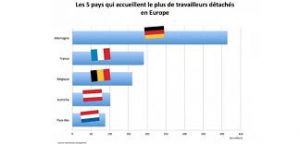
Μια προτεραιότητα της γαλλικής Προεδρίας (αφού η Γαλλία βρίσκεται στη 2η θέση των χωρών Υποδοχής τους, όπως δείχνει το διπλανό γράφημα), που βρίσκεται στο επίκεντρο της μεταρρυθμιστικής της στρατηγικής για μια «Ευρώπη που προστατεύει». Μόνο η Πολωνία, η Ουγγαρία, η Λιθουανία και η Λετονία ψήφισαν κατά του συμβιβαστικού κειμένου, το οποίο συζητήθηκε για περισσότερες από 12 ώρες, ενώ οι χώρες που αντιστέκονταν σε οποιαδήποτε αναθεώρηση της Οδηγίας – η Ρουμανία, η Βουλγαρία, η Σλοβακία και η Τσεχική Δημοκρατία – τελικά προσχώρησαν στο γαλλικό στρατόπεδο».

Στο σχετικό άρθρο μου στις Ανιχνεύσεις στις 27-08-2017 http://www.anixneuseis.gr/?p=173847 έγραφα ότι επρόκειτο για μια ισχυρή χειρονομία του Macron. Ο Γάλλος πρόεδρος θέλησε  να δείξει στους Γάλλους ψηφοφόρους, όπως τους το είχε υποσχεθεί προεκλογικά, ότι είναι δυνατόν να βελτιωθεί η λειτουργία της Ευρώπης μέσα και από την μεταρρύθμιση του ισχύοντος  καθεστώτος των «αποσπασμένων εργαζομένων». Η Γαλλία ήθελε να μειώσει τη διάρκεια των συμβάσεων «αποσπασμένων εργαζομένων» σε ένα έτος από δύο που είναι σήμερα και να εξισώσει την αμοιβή τους με τους γηγενείς εργαζόμενους. Το γαλλικό σλόγκαν ήταν : «ίδια αμοιβή για ίδια εργασία». Ήταν και μια πολιτική χειρονομία φιλεργατισμού, τι στιγμή που ο Μακρόν φέρει τη ρετσινιά «του προέδρου των πλουσίων». Ενώ αυτοί που επέβαλαν παράνομα φόρο Μερισμάτων 3%, πριν μερικά χρόνια, οδήγησαν στην δικαστική καταδίκη της χώρας τους η οποία οφείλει τώρα να επιστρέψει στους Μερισματούχους 10 δις ευρώ!

Το Παρίσι πέτυχε τους στόχους του, παρά το γεγονός ότι αυτή η περίοδος ενός έτους ήταν ακατανόητη από τις ανατολικές χώρες, οι οποίες τη θεωρούσαν απλό μέτρο προστατευτισμού. Σίγουρα με τίμημα ενός διφορούμενου κειμένου, το οποίο αφήνει τη δυνατότητα σε εταιρείες που αποστέλλουν «αποσπασμένους» σε άλλη χώρα της ΕΕ να ζητήσουν παράταση της απόσπασης για έξι επιπλέον μήνες (για συνολικά 18 μήνες), υπό την προϋπόθεση όμως ότι θα «αιτιολογήσουν» την αίτησή τους στο κράτος υποδοχής των μισθωτών τους.

Για να επιτύχει μια άνετη πλειοψηφία για την τροποποίηση της οδηγίας του 1996, που επικρίθηκε πολύ στη Γαλλία για την πρόκληση κοινωνικού ντάμπινγκ σε βάρος των Γάλλων εργαζομένων, το Παρίσι αναγκάστηκε να κάνει σημαντικές παραχωρήσεις, προς την Ισπανία. Η Μαδρίτη ηγήθηκε της μάχης, με συμμάχους τις ανατολικές χώρες, και ζήτησε να εξαιρεθούν από τις διατάξεις της «αποσπασμένης εργασίας», οι οδικές μεταφορές (δηλαδή οι οδηγοί διεθνών μεταφορών) που από τη φύση τους είναι συνυφασμένες με την κινητικότητα της εργασίας. Η Γαλλία, η οποία αρνιόταν  εδώ και μήνες να προχωρήσει προς αυτή την κατεύθυνση, δέχθηκε τελικά ότι η αναθεωρημένη οδηγία για την απόσπαση δεν θα εφαρμοστεί στις οδικές μεταφορές μέχρις ότου επιτευχθεί συμφωνία σε άλλο ειδικό ευρωπαϊκό κείμενο, υποθέτοντας ότι θα καθορίσει τους κοινωνικούς κανόνες που εφαρμόζονται σε αυτόν τον κρίσιμο κλάδο για την ισπανική, πολωνική ή τσεχική οικονομία. Οι γαλλικές εταιρείες οδικών μεταφορών υφίστανται σκληρό ανταγωνισμό, λόγω των πολύ χαμηλών μισθών (200, 300 και 400 ευρώ το μήνα) των Ρουμάνων, Πολωνών, Βουλγάρων νταλικέρηδων.

Το Παρίσι έπρεπε επίσης να συμβιβαστεί σχετικά με την περίοδο έναρξης ισχύος της αναθεωρημένης οδηγίας: όχι πριν από 4 χρόνια μετά την οριστική έγκρισή της από την ΕΕ, δηλαδή όχι πριν από το 2022 τουλάχιστον, εάν το κείμενο εγκριθεί οριστικά πριν από το τέλος του τρέχοντος έτους.

Το Παρίσι επιθυμούσε διακαώς να επισημάνει ότι η αναθεώρηση της οδηγίας αποσκοπούσε κυρίως στην κατοχύρωση της αρχής της ισότητας των αμοιβών για την ίδια εργασία στον ίδιο χώρο εργασίας («ίδια αμοιβή για ίδια εργασία»), ενώ στην ισχύουσα οδηγία του 1996 ισχύει ο κατώτερος μισθός της χώρας υποδοχής των αποσπασμένων εργαζομένων. Η υπουργός εργασίας της Γαλλίας, Mme Pénicaud, εξέφρασε λοιπόν την ικανοποίησή της για το γεγονός ότι η Ένωση κατόρθωσε να αποφύγει έναν νέο διχασμό Ανατολής-Δύσης, αφού στο θέμα αυτό μέχρι τώρα οι θέσεις φαίνονταν ασυμβίβαστες μεταξύ της Ευρώπης των ιδρυτικών χωρών και των νέων χωρών της διεύρυνσης.

Παρόλο ότι οι «αποσπασμένοι εργαζόμενοι» μέσα στα κράτη μέλη της ευρωπαϊκής ένωσης δεν αντιπροσωπεύουν παρά μόνο το 0,9% του εργατικού δυναμικού της, το περιβάλλον Μακρόν τονίζει ότι η δρομολογημένη πλέον τροποποίηση της σχετικής Οδηγίας  «επικυρώνει τη μέθοδο Μακρόν».

«Έχουν γίνει πολλές διαβουλεύσεις, ο πρόεδρος έχει δει τους 23  ομολόγους του από τους 28, η Γαλλία έχει μιλήσει πολύ περισσότερο στην Ανατολή τους τελευταίους μήνες από ό,τι τα τελευταία 10 χρόνια. Και χώρες όπως η Βουλγαρία και η Ρουμανία θέλουν σαφώς να συμμετάσχουν στην Ευρώπη που βαδίζει προς τα εμπρός. Είναι λάθος να λέμε ότι υπάρχει ένα ανατολικό μπλοκ, όπως  είναι λάθος να λέμε ότι υπάρχει ένα δυτικό μπλοκ στην Ευρωπαϊκή Ένωση».

Αυτή η μίνιη επιτυχία αποδεικνύει σε κάθε περίπτωση ότι όταν η Γαλλία παίρνει πρωτοβουλίες πολιτικά σε ευρωπαϊκό επίπεδο, αυτό μπορεί να αποδειχθεί ότι αποδίδει.

Ο Άλκης Καλλιαντζίδης είναι οικονομολόγος