Η Μόσχα είχε καλές σχέσεις με τους Κούρδους της Συρίας, επιδιώκοντας κυρίως να περιλαμβάνει το Κόμμα της Δημοκρατικής Ένωσης (PYD) στη βορειοδυτική Συρία στο τραπέζι των συζητήσεων για το μέλλον της Συρίας, παρά τις επικρίσεις της Άγκυρας. Αυτά μέχρι την επιχείρηση «Κλαδί Ελιάς» του Ερντογάν εντός της Συρίας που βρίσκεται σε εξέλιξη εδώ και 4 ημέρες και μάλλον θα πάρει χρόνο, παρά τις αντιδράσεις που έχει προκαλέσει στην Ευρώπη και στα κοινωνικά δίκτυα. Οι Ρώσοι ανακατεύουν την τράπουλα κατά την προσφιλή τους μέθοδο, δίχως ευαισθησίες. «Γνωρίζουμε πολύ καλά ότι ο τουρκικός στρατός δεν θα είχε πραγματοποιήσει την επίθεση χωρίς τη σύμφωνη γνώμη των διεθνών δυνάμεων, κυρίως της Ρωσίας», υπενθύμισαν αυτό το Σαββατοκύριακο οι κούρδοι μαχητές, καθιστώντας υπεύθυνη τη Ρωσία και την Τουρκία για τις αεροπορικές επιδρομές και τις σφαγές στη πόλη Afrin». Η περιοχή της Αφρίνης φιλοξενεί 800.000 ανθρώπους, οι περισσότεροι από τους οποίους είναι πολίτες, πολλοί εκ των οποίων είναι εκτοπισμένοι από άλλα μέρη της Συρίας, σύμφωνα με τα στοιχεία σχετικού δημοσιεύματος της ανταποκρίτριας Marie Jégo στην Κωνσταντινούπολη της ηλεκτρονικής έκδοσης LE MONDE στις 22-1-2018. «Εγκρίνοντας η Ρωσία, την τουρκική εισβολή και τους αεροπορικούς βομβαρδισμούς, ήξερε ότι η επιχείρηση αυτή θα δημιουργήσει ένα ζιζάνιομεταξύ των συμμάχων τουΝΑΤΟ», δήλωσε ο Nihat Ali Özcan, Τούρκος ειδικός σε θέματα ασφάλειας. «Ήθελε επίσης να καταστήσει σαφές προς τους Κούρδουςότι δεν εκτιμούν την προσέγγισή τους με τις Ηνωμένες Πολιτείες. Μια προσέγγιση που θα μπορούσε να δημιουργήσει μακροπρόθεσμη απειλή για το συριακό καθεστώς και τη Ρωσία», σύμφωνα με όσα ανέφερε σε σχετική ανταπόκριση από την Κωνσταντινούπολη στην δημοσιογράφο Quentin Raverdy της ηλεκτρονικής έκδοσης της εφημερίδας Libération στις 21-1-2018. Έτσι ο τουρκικός στρατός και οι συνοδοιπόροι του, οι αντάρτες του Ελεύθερου Συριακού Στρατού (ASL) συνεχίζουν επί 4 ημέρες την επίγεια και αεροπορική τους επίθεση στο θύλακα της Αφρίνης που κατέχεται από τους Κούρδους της Συρίας του Κόμματος της Δημοκρατικής Ένωσης (PYD) και την ένοπλη πτέρυγά του, τις Μονάδες Άμυνας του Λαού (YPG) στη βορειοδυτική Συρία. Δηλαδή μια κουρδική πολιτοφυλακή που θεωρείται «τρομοκρατική» από την Άγκυρα. Η Τουρκία υποτίθεται ότι απλά επιδιώκει αθώα τη διαμόρφωση μιας ζώνης ασφαλείας 30 χιλιομέτρων εντός του συριακού εδάφους, κατά μήκος των συνόρων της με τη Συρία, για να προστατεύσει τους ομοεθνείς της στην εν λόγω περιοχή τους οποίους εκπαιδεύει και ρίχνει στην 1η γραμμή πολέμου με τους Κούρδους. Σε ένα σημείωμα που δημοσιεύθηκε την Κυριακή στο λογαριασμό του στο Twitter, το γραφείο του τούρκου πρωθυπουργού Binali Yildirim, εξηγεί σε 12 σημεία τον λόγο της πολεμικής επιχείρησης. Μεταξύ άλλων, αποσκοπεί να εμποδίσει την Τουρκία να «χάσει τη γεωγραφική της επαφή με τον αραβικό κόσμο». Από τα σύνορα 911 χλμ. που έχει η Τουρκία με τη Συρία, τα 600 ελέγχονται από τους Κούρδους της Συρίας του PYD. Ο κύριος φόβος των Τούρκων είναι να δουν ανατολικά ότι η περιοχή Αφρίν και η περιοχή του Κομπάνι θα αποτελέσουν εδαφική συνέχεια με την Rojava, δηλαδή τα εδάφη που κατακτήθηκαν από τους Κούρδους στα βορειοανατολικά της Συρίας και θα μπορούσαν να συμπληρώσουν έτσι τον «Κουρδικό Διάδρομο». Στα δυτικά, οι Κούρδοι θα μπορούσαν έτσι να «φτάσουν στη Μεσόγειο», λέει το σημείωμα του Binali Yildirim. Ο τούρκος πρωθυπουργός δήλωσε στο κανάλι Habertürk την Κυριακή ότι η Άγκυρα ζητάει μια υποδειγματική κάλυψη των μέσων μαζικής ενημέρωσης, σύμφωνα με ένα εγχειρίδιο 15 σημείων που απαιτεί«επαγρύπνηση» πάνω στις ειδήσεις που δημοσιεύονται από τον ξένο τύπο για την Τουρκία και ότι πρέπει να δείξουμε ότι τα όπλα που χρησιμοποιήθηκαν για «την πολεμική επιχείρηση κατασκευάστηκαν στην Τουρκία».
Όποιος διαφωνεί ; Παθαίνει ό,τι η τουρκοκυπριακή εφημερίδα «AFRICA», της οποίας τα γραφεία έγιναν γυαλιά καρφιά χθες από «αγανακτισμένους τουρκοκύπριους» επειδή έγραψε σε πρωτοσέλιδο δημοσίευμά της την Κυριακή για «νέα εισβολή της Τουρκίας», σύμφωνα με όσα μεταδίδει από το πρωί το κοινοτικό κανάλι Euronews με σχετικό τηλεοπτικό ρεπορτάζ βανδαλισμών. Δεν σας φτάνει αυτό το πραγματικό αντιδημοκρατικό συμβάν ; Τότε διαβάστε και την γλαφυρή επιστολή καταγγελία του αυτό-εξόριστου τούρκου δημοσιογράφου Ragip Duran, πρώην ανταποκριτή της γαλλικής εφημερίδας «Libération» στην Κωνσταντινούπολή στις 22-1-2018, η οποία μεταξύ πολλών άλλων αναφέρει ότι καταδικάστηκε σε 18 μήνες φυλάκιση για «προπαγάνδα τρομοκρατικής οργάνωσης». Τι έκανε ; Τόλμησε να συμμετάσχει σε διαδήλωση υπεράσπισης της διωκόμενης κουρδική εφημερίδας «Özgür Gündem».
Μοιάζουν τόσο πολύ τα μέτρα δίωξης της ελευθεροτυπίας αλλά και των αντιφρονούντων σε Τουρκία και Ρωσία που προσωπικά δεν εκπλήσσομαι καθόλου που τα «βρήκαν» στην Afrin της Συρίας ένας ισλαμιστής Ερντογάν κι ένας ορθόδοξος χριστιανός Πούτιν.
Αν δεν ταιριάζανε στην ανελευθερία στις χώρες τους, δεν θα συμπεθεριάζανε.
ISTANBUL — Turkey on Sunday opened a new front in its assault on Kurdish militias in northern Syria, launching a ground offensive with allied Syrian rebels and injecting new uncertainty into an already volatile civil war.The land operation by Turkish forces, which began Sunday morning, comes as Turkey intensified air and artillery strikes over the weekend on the Syrian Kurdish enclave Afrin.
Turkey on Saturday had announced the formal start of “Operation Olive Branch,” an apparently open-ended offensive that envisions attacks on at least two Kurdish-controlled cities. Turkish troops and Syrian rebels would then establish a “secure zone” along the border, the Turkish prime minister said Sunday.
“Our units have entered Afrin . . . with the Free Syrian Army,” Prime Minister Binali Yildirim told reporters in Istanbul, according to Turkey’s Hurriyet newspaper. “This means the land operation has begun.”
Also Sunday, rockets fired from northern Syria hit the Turkish town of Reyhanli, killing one and injuring 32, officials said.
Tillerson: U.S. asks Turkey, Syria to ‘show restraint’
A day after Turkey launched a ground offensive against Kurdish militias in northern Syria, Secretary of State Rex Tillerson answered a question about it.(The Washington Post)
The militia group YPG, which controls Afrin, said six civilians and three fighters had been killed in the strikes overnight. Syrian Kurdish officials denied that Turkish troops had crossed into Afrin, claiming instead that YPG fighters had repelled an attack.
But the threat of a full-blown ground invasion also gave fresh urgency to the fighting and raised questions about the military and political objectives of the offensive.
“It’s tough to know exactly what the Turks are doing because the geographic scope and aims are not clear,” said Sam Heller, a fellow at the Century Foundation.
Turkish officials have portrayed the assault as linked to their battle with Kurdish separatists at home and say that Syrian Kurdish militias areindistinguishable from the Kurdistan Workers’ Party, or PKK, which has waged a decades-long guerrilla war in Turkey’s southeast.
“The military operation in Afrin aims to liberate the area by eliminating the PKK-YPG-linked administration,” a Turkish official said late Saturday. He spoke anonymously to discuss the military operations.
Turkey and allied rebels also plan to “rebuild” local institutions and infrastructure, the official said, including in Afrin and in Manbij to the east.
“They could get bogged down in Afrin if they meet very determined resistance,” Heller said of Turkish forces and their allies. “It’s also conflict that could spread elsewhere,” including Turkey itself, he said.
Kurds throughout the region have long aspired to independence or self-rule. Amid the chaos of Syria’s years-long war, Kurds there seized and administered territory. And for the United States, they eventually emerged as the most effective partner in the fight against the Islamic State.
As a result, the Turkish operation threatens to further degrade relations between Ankara and Washington, which have become strained over the course of the war.
The State Department on Sunday said, “The United States is very concerned about the situation in northwest Syria.”
“We urge Turkey to exercise restraint and ensure its operations remain limited in scope and duration . . . to avoid civilian casualties.”
Ahead of the Turkish operation, U.S. officials called on Turkey to focus instead on eradicating Islamist militants. Turkey, a NATO ally, has accused the United States of aiding “terrorists” in Syria.
The operation “continues to ensure peace and security for our people, protect Syria’s territorial integrity and eliminate all terrorist elements in the region,” Ibrahim Kalin, a spokesman for Turkish President Recep Tayyip Erdogan, said Sunday on Twitter. “Turkey expects its allies to support its fight against terrorism in all of its forms.”
On Sunday, both Iran and Egypt condemned the Turkish offensive. Egypt blasted the operation as a violation of Syria’s sovereignty. According to the Associated Press, Turkey’s chief of staff, Gen. Hulusi Akar, discussed the offensive with his Iranian counterpart on Sunday.
Loveluck reported from London. Suzan Haidamous in Beirut contributed to this report.
Kurdish officials once dreamed of forging their own state out of the ashes of the war against the Islamic State. Now they are fighting for their very survival.
Just a few months ago, it appeared that the Kurds of Iraq and Syria were the biggest winners in the war against the Islamic State. Bolstered by alliances with the very Western powers that had once betrayed and divided them, they dared to dream that they were on the verge of undoing what they perceived as a historic wrong, when geopolitical maneuvering denied them a state following the end of World War I.
Yet, instead of witnessing the creation of an independent homeland, the Kurds have suffered a major setback. As the military campaign against the Islamic State winds down, the United States and its allies’ enthusiasm for using the Kurds as their proxies against the jihadi organization has not translated into long-term military or diplomatic backing and certainly not into support for statehood.
Kurdish leaders were always aware of such dangers but nevertheless agreed to go along, seeking a fair reward for sacrifices made: the thousands of lives lost and massive investments diverted from the development of Kurdish areas to recapturing areas of great concern to the United States and its allies but not necessarily to Kurdish forces themselves. Such missions caused deep frustration among the Kurdish public. A Kurdish lawyer in the Syrian city of Qamishli noted that Kurdish forces had fought to liberate numerous Arab towns while majority Kurdish areas still suffered from a lack of basic infrastructure, such as schools and electricity.
To make matters worse, the combination of Western abandonment and internal political dysfunction has left the Kurds in a more precarious position than ever. Over the past year, Kurdish authorities in Iraq abandoned their cautious strategy to achieve independence in the hope that American support would allow them to leapfrog over the remaining hurdles in a dash toward the finish line — and were proved wrong. And their decision to go ahead with a controversial referendum on independence, defying the will of more powerful states, led to a setback of historic proportions.
Masoud Barzani, left, the president of Iraqi Kurdistan, at the Sept. 22 rally in Erbil. (Safin Hamed/AFP/Getty Images); Prime Minister Haider al-Abadi, right, at a press conference in Ankara, Turkey, on Oct. 25, 2017. (Utku Ucrak/Anadolu Agency/Getty Images)
The September 2017 referendum was supposed to begin the process that would see the Iraqi Kurds reap the rewards from their role in the war against the Islamic State. Masoud Barzani, the president of the Iraqi Kurdistan region, extended the vote to areas known as the disputed territories — borderlands between Kurdish and Arab Iraq that are claimed by both sides and prized for their oil. The Baghdad government of Prime Minister Haider al-Abadi objected in particular to this decision, seeing it as the first step toward the Kurdistan region’s annexation of these areas.
The Iraqi government’s response was swift and severe: In the aftermath of the referendum, Abadi sent federal troops into the disputed territories to restore Baghdad’s authority. It had lost these areas to Kurdish Peshmerga fighters more than three years earlier, when the Iraqi Army crumbled under the Islamic State’s initial onslaught. In October, after retaking the Kirkuk oil fields, Iraqi security forces then kept rolling, retaking vast swaths of the disputed territories in northern and eastern Iraq — more than what the Kurds had seized in 2014.
Barzani quickly found that his allies had abandoned him and his enemies were united against him. Iran, which long opposed any move toward Iraq’s breakup, deployed some of the Shiite groups it had trained and equipped against the Kurdish forces, which withdrew in the face of Abadi’s advancing army. Turkey, a Barzani ally, was concerned that secessionist sentiment could spread to its own Kurdish population. It threatened to close its critical border along the Kurdish region and stood aside as Iran brokered a deal that allowed the Baghdad government to push back against the Kurds.
For their part, U.S. officials had long opposed any changes to the Middle East’s borders for fear of setting off an unstoppable domino effect, as well as any move that threatened to undermine the Iraqi central government, and publicly told Barzani not to proceed with the referendum in preceding weeks. Washington then took no action when it learned that Abadi had struck a deal with one of the Kurdish groups, the Talabani faction of the Patriotic Union of Kurdistan (PUK), to retake the Kirkuk oil fields without bloodshed. That deal appears to have been brokered by Iran.
The Iraqi government’s seizure of the oil fields around Kirkuk may represent a larger blow to the Kurds’ aspirations than the loss of the city itself. The oil is critical to their independence bid: It provides a revenue stream that gives them economic leverage with their neighbors. Losing control over those fields means having to revert to an earlier era when they were dependent on Baghdad for income from Iraq’s much larger southern fields. Baghdad’s approach since it retook Kirkuk in mid-October suggests that this is precisely the situation it intends to restore: the Kurdish region’s almost complete reliance on Baghdad.
The Kurdish leadership made two miscalculations that led to their current perilous position. The first was Barzani’s expectation that the United States would support him as he moved toward statehood, based on what he viewed as the Kurds’ utility to the West and the West’s assumed sympathy for them. Kurdish leaders believe they have proved their worth as U.S. allies time and again and have been marketing Kurdistan as a dependable partner in checking Iranian ambitions in the region.
Kurdish leaders also have long invoked their support of democratic principles, claiming to be a model for the Middle East after 2003. They never fail to mention their protection of ethnic minority groups and of more than a million internally displaced Iraqis in the Kurdish region. And they argue with justification that their pursuit of statehood is no less legitimate than was America’s in its war for independence and that the principle of self-determination is enshrined in international law.
That the charm offensive hasn’t paid off is partly due to the second source of Barzani’s miscalculation, which lies much closer to home. The inconvenient fact is that Kurdish leaders like to boast that they built a thriving democratic bastion in the largely autocratic Middle East — but they never actually did. After Saddam Hussein’s fall, the two main Kurdish parties — Barzani’s Kurdistan Democratic Party (KDP) and Jalal Talabani’s PUK — did not pour their energies into creating functional rule-of-law institutions or diversifying the economy. Instead, they used oil money to enrich themselves, their families, and their party cadres.
The Islamic State’s slash-and-burn offensive through northern Iraq in June 2014 made matters worse. Fighting off a common threat gave Barzani political breathing room, a justification for closing parliament, and a chance to extend his term as the region’s president. Party rule was replaced by personality-based rule. The front line with the Islamic State in both KDP- and PUK-controlled areas was commanded by a network of political, military, and business figures who were mainly related to party leaders by personal or familial links.
The coseizure of the spoils of war by a handful of increasingly powerful leaders undermined the political system. Government ministers belonging to opposition parties had less power than KDP or PUK subordinates in the same ministries, who became the Kurdish region’s primary sources of patronage. Masrour Barzani, Masoud’s son, strengthened his control over the KDP’s security apparatus in a power struggle with his cousin Nechirvan Barzani, who is the region’s prime minister and a pragmatist focused on growing the economy.
Unconditional Western military support reinforced these trends. The United States and European countries supplied large amounts of weaponry to Kurdish forces — nominally to the regional government but in reality mainly to the KDP. The KDP’s and the PUK’s security forces pushed farther into the disputed territories, destroying some non-Kurdish areas in the process of fighting the Islamic State and preventing civilians from returning home unless they pledged their loyalty to the Kurdish parties.
In the run-up to the battle to wrest control of Mosul from the Islamic State in late 2016, the mixture of bad governance, political polarization, and popular discontent started to boil. Some saw the fight against the Islamic State in areas outside the Kurdish region as a tool for Kurdish leaders to enrich themselves, with no tangible benefit to ordinary Kurds. “Why should we fight for this political class?” one Peshmerga fighter asked at the start of the Mosul campaign. “Why should we go to fight in Mosul if Mosul is not part of Kurdistan?”
The KDP-PUK split deepened and has led to a territorial division within Kurdistan; entering KDP-controlled Erbil from PUK-controlled Sulaimaniya now feels like crossing a border. In a way, the referendum and subsequent backlash were both spurred by the two parties’ efforts to secure their survival against each other: In order to mobilize popular support for the referendum, the Masoud-Masrour Barzani faction of the KDP struck an uneasy détente with PUK leaders who felt threatened with marginalization by the party’s Talabani faction. This gambit encouraged the Talabani group, through Iranian mediation, to seek an understanding with Baghdad and pull its forces out of Kirkuk.
The Talabanis’ role was critical. They had given only tepid and belated support to Barzani’s referendum plans. When they noticed how much regional and international opprobrium the president incurred for his decision to push ahead with the referendum, they saw their chance to turn the tables on him. As a result of their withdrawal from Kirkuk, the Iraqi Army, backed by pro-Iran military factions, met virtually no resistance as it advanced.
Barzani appeared blindsided by these developments — a testament to his likely belief that Western support and oil revenues had inoculated him against the need for compromise. His party had increasingly taken a go-it-alone approach: “If Sulaimaniya won’t come along with us, we’ll build Kurdistan in Dohuk, Erbil, and the Nineveh Plain,” a businessman-turned-Peshmerga fighter said before the recent events, referring to areas in which the KDP exercises virtually exclusive control.
As a result of this hubris, it is now increasingly doubtful whether they will be able to build Kurdistan anywhere at all.
The group ruling Kurdish districts in Syria’s north may soon face similar challenges. It too has been willing to fight America’s battles in exchange for military hardware, and it too may prove disposable as the Islamic State’s remaining strongholds crumble and Washington’s attention is drawn elsewhere. What will then happen to the de facto autonomous region Syrian Kurds have managed to carve out over the past five years?
Like their brethren across the border in Iraq, the Kurds in Syria have taken advantage of a weakened central state. In 2012, President Bashar al-Assad’s embattled regime pulled out of the north, leaving a vacuum that was filled by a local affiliate of the Kurdistan Workers’ Party (PKK) in Turkey. This group — known as the People’s Protection Units, or YPG — has received U.S. military largesse despite the fact that its leaders are trained by the PKK, which the United States considers a terrorist organization.
As in Iraq, armaments and training have enabled the YPG to deal the Islamic State defeat after defeat. These victories have had two contradictory consequences: They have fed Syrian Kurds’ appetite for building an autonomous Kurdish region in Syria like the one in Iraq, and they also have empowered PKK-trained commanders operating in Syria, the primary U.S. interlocutors. These commanders are torn between wanting to invest their gains in Syria in support of the PKK’s struggle in Turkey and securing first and foremost autonomy in Syria.
The political monopoly exercised by PKK-trained cadres has alienated the YPG from northern Syria’s Kurdish merchant and professional middle classes, who may be thankful for the group’s protection but chafe under its tight control and feel increasingly pushed aside by the war profiteers gravitating around it. As one middle-class resident of Qamishli put it: Taxi drivers have become powerful police officers, and “simple shopkeepers can now be seen driving a 2017 Mercedes because they’re smuggling oil and exporting cement.” He went on to lament that such changes are especially galling at a time when teachers, lawyers, and doctors are doing small jobs on the side simply to survive.
The YPG faces a serious dilemma: In order to be militarily strong, it needs to remain tied to the PKK, from whose training grounds it draws its senior commanders. Yet doing so will prevent it from gaining support from a local population that finds no benefit in PKK-trained commanders carrying the flag of the Kurdish cause in Syria. Whatever the local people think of the group’s ideology, they object to its exercise of power, which tolerates zero opposition. At the same time, the YPG’s PKK affiliation makes it a direct enemy of Turkey, which has tried to strangle northern Syria economically. If the Syrian Kurds are not careful, they will find themselves isolated by their neighbors; Ankara and Damascus may in the future collude to oust the YPG and restore central control, just as Ankara gave a green light to Tehran to set back Kurdish aspirations in northern Iraq.
The YPG has two potential routes to avoid this fate. It could relinquish control over non-Kurdish areas to local non-Kurdish allies following the Islamic State’s military defeat and then focus on building a more viable autonomy for majority Kurdish districts. To do so, it would need to rely on the educated middle class affiliated with parties other than the PKK and its trained military cadres and hope that the United States will provide protection. This might also be acceptable to Turkey, which can tolerate a Kurdish entity on its border, as it has in Iraq, but not one dominated by its mortal enemy, the PKK.
That strategy, however, is complicated by the fact that the U.S. alliance with the Syrian Kurds is even less stable than Washington’s partnership with the Kurds in northern Iraq. In late November, President Donald Trump suggested that the United States might end military supplies to the YPG. If this was a signal that the United States intends to abandon its proxy in the foreseeable future — a possibility that is the subject of vigorous debate within the YPG and PKK — the Kurdish group will have no choice but to diversify its alliances if it wants to survive.
Given this reality, the Syrian Kurdish leaders’ other path would be to integrate their local governance and security institutions under the framework of the Syrian state, whose capability has been severely eroded. The YPG has been present in northern Syria at the tolerance of the regime and its powerful backers, and its fighters have mostly coexisted with Syrian security forces in the cities of Qamishli and Hasakah. The PKK also has a history of making deals with the regime since at least 1978, when it had offices in Damascus and trained its fighters in Lebanon’s Syrian-controlled Bekaa Valley.
The YPG would do well to focus on creating effective governing institutions in cooperation with local Kurdish parties and consider inviting the return of the Syrian state’s service delivery ministries. Such an approach might unlock the doors to trade with Iraq through the shared border, now controlled by Baghdad and Iran-affiliated armed factions on the Iraqi side, because the Iraqi goverment might look favorably upon an understanding between the YPG and Damascus.
It is unclear whether Assad will agree to anything less than full restoration of Syrian sovereignty over the Kurdish areas, but it’s equally unclear whether he will have the capacity to pull it off. Moscow has suggested that it might not oppose Kurdish autonomy. Much will therefore depend on whether the United States, with Russia, will agree to broker a post-conflict arrangement that would allow the Kurdish districts to emerge from the Syrian war with a measure of self-rule.
By demolishing the border between Iraq and Syria, the Islamic State challenged the political order that governed the post-World War I Middle East. Its brash actions helped nourish Kurdish dreams of independence; it invited Western intervention on behalf of the Kurds and offered the chance to change the region’s borders to the Kurds’ benefit. On both sides of the Syria-Iraq border, Kurdish leaders waited for central states to collapse under the strain of civil war while strengthening their forces with the help of Western weaponry. In Iraq, in particular, they appeared to bet on something more important: Western backing for statehood once that battle was done. Increasingly, however, this is looking like it was a losing bet.
There’s a better way for the Kurds to pursue independence than relying on outside powers and escalating repression at home. Until a year ago, Iraqi Kurdish leaders had a brilliant strategy to achieve statehood: an incremental leverage-building process based on the presence of oil and gas inside the Kurdish region. For almost a decade, they were able to lure increasingly powerful oil and gas companies to invest in these largely unexplored blocks, accumulating political support in the process from the companies’ home governments, including the United States, Turkey, and Russia. This approach would not have delivered independence soon, but it laid the foundations for it.
Kurdish leaders will now need to start over. Doing so will require reinvesting in the kinds of institutions that can both lead to and sustain an independent state, if and when the regional balance of forces turns in the Kurds’ favor. A vibrant parliament and an independent judiciary are two essential such institutions, as is an independent anti-corruption agency working in tandem with the judiciary.
The Western-backed fight against the Islamic State encouraged Kurdish leaders to erode the very bases of sustainable statehood. The combination of political overconfidence and territorial greed triggered the disastrous setback for the Kurds in Iraq — and it could soon do the same in Syria as well. If the Kurds want to have any future prospect of independence if and when the regional equation changes, their leaders would do better to prioritize political reform at home. If they fail to do so, they may, seven years after the Arab uprisings, face a Kurdish spring of their own, driven by a youthful populace — furious, frustrated, and keen to punish them for their historic blunder, political mismanagement, and irredeemable corruption.
This article originally appeared in the January 2018 issue of FP magazine.
Joost Hiltermann is program director for the Middle East and North Africa at the International Crisis Group.
Maria Fantappie is a senior analyst at the International Crisis Group’s Middle East and North Africa program. (@MariaFantappie)
Ένα βήμα μπρος, δύο βήματα πίσω, πούλεγε κι ο Λένιν. Η συνέντευξη Τσίπρα στο «Έθνος της Κυριακής» περιείχε δύο θετικά στοιχεία προόδου και ένα στοιχείο επικίνδυνης οπισθοδρόμησης εν σχέσει με την έως τώρα κυβερνητική θέση στο μακεδονικό.
Πρώτον, φαίνεται ότι στην κυβέρνηση αρχίζουν να αντιλαμβάνονται ότι ο Αλέξανδρος πέθανε 1000 χρόνια περίπου προτού εμφανισθούν οι Σλάβοι στα Βαλκάνια. Κάτι είναι κι αυτό. Βεβαίως παραμένει η ζημιά των δηλώσεων του Βελιγραδίου που προηγήθηκαν, τι να κάνουμε όμως, αυτό είναι το κόστος της μεθόδου «στου κασίδη το κεφάλι». Ας ελπίσουμε ότι κάτι θα έχει μείνει στη χώρα μας στο τέλος όλων αυτών των «πειραμάτων» και των «εκπαιδεύσεων».
Δεύτερο, ο κ. Τσίπρας τάχθηκε με σαφήνεια εναντίον της διπλής ονομασίας. Αν συμφωνηθεί ένα όνομα, πρέπει να ισχύει για όλες τις χρήσεις, δηλαδή να αναγραφεί και στο σύνταγμα της γειτονικής μας χώρας. Τελευταίως, ίσως και να κουράστηκε ο άνθρωπος, αλλά πάντως ξεχνάει να το λέει αυτό ο Υπουργός Εξωτερικών στις δηλώσεις του.
Αφού όμως έκανε αυτά τα δύο σημεία προόδου, ο κ. Τσίπρας άλλαξε ξαφνικά την επίσημη θέση της κυβέρνησης, που ήταν μέχρι τώρα, και αναγραφόταν και στο site του Υπουργείου Εξωτερικών, για γεωγραφικό προσδιορισμό. ‘Ανοιξε την πόρτα στον χρονικό προσδιορισμό, που σημαίνει Νέα Μακεδονία.
Η νέα ελληνική θέση εγείρει δύο σοβαρά ζητήματα:
Πρώτον, το «νέα Μακεδονία», όπως και το «Νέα Σμύρνη» ή «Νέα Ιωνία» είναι όχημα αλυτρωτισμού. Σημαίνει (ή μπορεί να σημάνει) «μας έδιωξαν οι Έλληνες από την πατρίδα μας, τη Θεσσαλονίκη και φτιάξαμε τη Νέα Μακεδονία στα Σκόπια».
Δεύτερον, διερωτάται κανείς τι ακριβώς είναι η εξωτερική πολιτική λάστιχο, να αλλάζουν τη θέση της χώρας και των κομμάτων τους όποτε γουστάρουν οι εκάστοτε Πρωθυπουργοί, Υπουργοί Εξωτερικών ή Αμύνης, αρχηγοί κομμάτων, χωρίς να συζητάνε με κανένα, χωρίς να συνεδριάζει κανένα όργανο κρατικό ή κομματικό, χωρίς να είναι κανείς υπόλογος και υπεύθυνος για τις θέσεις του, χωρίς να κάνει κανένας καμία επεξεργασία, χωρίς να γίνεται καμία σοβαρή δημόσια συζήτηση, πέραν της ανταλλαγής ύβρεων και ανακριβών ασυναρτησιών;
Ακόμα και στα πιο κρίσιμα ζητήματα δεν υφίστανται στη χώρα σοβαρότητα, σχεδιασμός και θεσμοί, ανυπαρξία που εξασφάλισε την καταστροφή της και συνεχίζει να την εξασφαλίζει και για το μέλλον.
Αλλοπρόσαλλη εξωτερική πολιτική
Ας δούμε τι έγινε με την πολιτική της Αθήνας στο μακεδονικό.
Πρώτο η Αθήνα διακήρυξε με τον πιο επίσημο τρόπο «’Οχι Μακεδονία, όχι παράγωγα», με συμφωνία ακόμα και της Κυρίας Δαμανάκη, Προέδρου τότε του Συνασπισμού
Τώρα, ειρήσθω εν παρόδω, βρίζουν τους ανθρώπους που διαδηλώνουν ζητώντας την εφαρμογή της επίσημης θέσης όλων σχεδόν των κομμάτων της χώρας ως πρωτόγονους, ακροδεξιούς εθνικιστές! Τους κατηγορούν δηλαδή ότι πήραν στα σοβαρά αυτά που οι ίδιοι τους είπαν!
Ενώ αυτά έλεγε επισήμως η χώρα, πολιτικοί και διπλωμάτες δεν υποστήριξαν τη θέση αυτή, αλλά επί χρόνια, στις συζητήσεις με τους ομολόγους τους στο εξωτερικό, ζητούσαν συγνώμη για την επίσημη θέση της Ελλάδας, εξηγώντας ότι, τι να κάνουν, έχουν να κυβερνούν και να εκπροσωπούν μια καθυστερημένη και ανεπαρκώς ευρωπαϊκή χώρα.
Δεύτερο όταν η κυβέρνηση Καραμανλή, ορθά πράττοντας, έθεσε βέτο στην ένταξη της πΓΔΜ στο ΝΑΤΟ, το 2008, η θέση της χώρας μετεβλήθη σε «σύνθετη ονομασία με γεωγραφικό προσδιορισμό erga omnes». H γνώμη του γράφοντος είναι ότι αυτή είναι η σωστή θέση. Αλλά κάποιος θα έπρεπε και να την εξηγήσει στον ελληνικό λαό!
Τις τελευταίες μέρες όμως και αυτό το σημείο έχει μπει σε αμφισβήτηση. Από τη μια διαβάζουμε «διαρροές» του Καραμανλή ότι δεν συμφώνησε σε τίποτα, αναφορικά με το όνομα της χώρας, από την άλλη άρθρα που υποστηρίζουν, επί τη βάσει λέγεται τηλεγραφημάτων του Σπέρκχαρτ, ότι δέχτηκε οτιδήποτε, αρκεί να μην είναι σκέτο Μακεδονία.
Ένας Έλληνας πολίτης που θέλει να μάθει υπεύθυνα την πολιτική της χώρας του πρέπει μάλλον να γίνει ντέτεκτιβ και να ψάχνει ψύλλους στ΄άχυρα, την αλήθεια δηλαδή μεταξύ των ψεμμάτων που αφειδώς του εκτοξεύουν οι πολιτικοί, οι εφημερίδες, πλέον και τα σόσιαλ μήντια!
Τώρα το θέμα ξανάνοιξε με κυβερνητικές δηλώσεις που αποδίδουν στην πΓΔΜ μέρος της αλεξανδρινής κληρονομιάς (!!!), συνεχίστηκε με το «γεωγραφική ονομασία erga omnes», μετά ξεχάσαμε και μετά ξαναθυμηθήκαμε το όχι σε διπλή ονομασία, για να φτάσουμε αισίως στον χρονικό προσδιορισμό. Τσιμουδιά στο μεταξύ για γλώσσα, εθνότητα, υπηκοότητα.
Η α’ ή β’ εξωτερική πολιτική μπορεί να έχουν διάφορα πλεονεκτήματα και μειονεκτήματα. Η ασυναρτησία ως πολιτική δεν έχει απολύτως κανένα πλεονέκτημα. Είναι η συνταγή για καταστροφή.
Η ιστορία έδωσε το 2011-12 σε αυτή την ομάδα ανθρώπων που ήταν ο ΣΥΡΙΖΑ, υπόλειμμα ενός ιστορικού ρεύματος της ελληνικής αριστεράς, που ισχυρίζονταν ότι είναι οι κληρονόμοι της (φοβούμεθα όσο και οι Σλαβομακεδόνες απόγονοι του Μεγάλου Αλεξάνδρου), μια ιστορική ευκαιρία, που έρχεται μια φορά στα 50 ή στα 100 χρόνια σε μια παράταξη.
Αντί να κυττάξουν όμως να δουλέψουν με σοβαρότητα πάνω στα προβλήματα της χώρας, να αποτελέσουν την αρχή μιας Νέας Ελλάδας που είναι πια όρος επιβίωσης του ελληνικού λαού, το μόνο που τελικά κατάφεραν ήταν να μιμηθούν κι αυτοί τις χειρότερες συνήθειες των παλαιών κομμάτων που μας κατέστρεψαν.
Η έλλειψη σοβαρότητας του πολιτικού προσωπικού της χώρας και των κρατικών της θεσμών είναι από τις κύριες συνθήκες καταστροφής της.
Το θράσος έχει προ πολλού αντικαταστήσει τη γνώση στην κλίμακα των ελληνικών αξιών.
“The mantra of neoliberalism, as Margaret Thatcher famously put it, is: ‘There is no alternative.’” (Photo: R. Barraez D’Lucca)
This essay opens a forum discussion on neoliberalism. Read the complete forum here.
Neoliberalism is the linguistic omnivore of our times, a neologism that threatens to swallow up all the other words around it. Twenty years ago, the term “neoliberalism” barely registered in English-language debates. Now it is virtually inescapable, applied to everything from architecture, film, and feminism to the politics of both Donald Trump and Hillary Clinton. Search the ProQuest database for uses of “neoliberalism” between 1989 and 1999, and you turn up fewer than 2,000 hits. From the crash of 2008–9 to the present, that figure already exceeds 33,000.
On the left, the term “neoliberalism” is used to describe the resurgence of laissez-faire ideas in what is still called, in most quarters, “conservative” economic thought; to wage battle against the anti-tax, anti-government, and anti-labor union agenda that has swept from the Reagan and Thatcher projects into the Tea Party revolt and the Freedom Caucus; to describe the global market economy whose imperatives now dominate the world; to castigate the policies of Bill and Hillary Clinton’s centrist Democratic Party; and to name the very culture and sensibilities that saturate our minds and actions.
Vital material issues are at stake in all these debates. But the politics of words are in play as well. Naming matters. It focuses agendas and attention. It identifies causation and strategies of action. It collects (or rebuffs) allies. Is the overnight ubiquity of the term “neoliberalism” the sign of a new acuteness about the way the world operates? Or is it a caution that a word, accelerating through too many meanings, employed in too many debates, gluing too many phenomena together, and cannibalizing too many other words around it, may make it harder to see both the forces at loose in our times and where viable resistance can be found?
Origins of “neoliberalism”
“Neoliberalism” came into its current usage on the American left through a much messier past than is usually acknowledged. Its whirlwind growth threatens to obscure a set of already existing terms whose analytical and political bite is sharper than the cloud of meanings “neoliberalism” embraces. At a time when social realism in language is needed as never before, “neoliberalism” poses severe disadvantages were progressives to try to use it in the political sphere. Neoliberalism’s advantage is its verbal and conceptual bigness. But before it swallows the field of words around it, it is worth asking if what we gain is worth the potential liabilities.
“Neoliberalism” has no single origin or genealogy. It began its verbal life with a series of false starts. In the nineteenth century, the powerful term around which politics turned was “liberalism.” Throughout Europe and Latin America, liberal political parties stood for the maximization of economic and personal liberty: free trade, laissez-faire economies, weak states, and extended freedom of thought and conscience. In the mid-nineteenth century liberalism was a fighting term, a banner under which to battle for the extension of liberty into more and more domains of the older mercantilist and monarchical social order. It needed no modifier.
The first persons to add the term “new” to “liberal” were rebels within the British Liberal Party who tried to sever commitment to liberty from the liberal project of laissez faire. Starting in the hard times of the 1880s, they began to argue that maximum freedom from the powers of the state did not maximize actual freedom. Against the self-interested actions of rapacious landlords, exploitative employers, and monopoly-seeking interests, liberty needed to be secured by the countervailing hand of government. The intellectual architecture of the mid-twentieth-century welfare states in Britain and the United States was to be largely the work of these new, socially conscious liberals. John Maynard Keynes and William Beveridge were “New Liberals” of this sort. So was Franklin D. Roosevelt. Only in the 1940s did this sense of the term “new liberalism” disappear—fading from political currency in Britain and becoming subsumed into the “New Deal liberalism” label in the United States.
Variations on the term “neoliberalism” made a second, briefer start in continental Europe in the late 1940s. There a small group of economists and political philosophers with Friedrich von Hayek at its center undertook to map a path between socialism and classical laissez-faire economic liberalism that would retain the preeminence of liberty but prove less vulnerable to the strains and instabilities that had torn through the 1920s. “Néolibéralisme” was among the umbrella terms proposed. But the label did not stick long. Hayek disliked the term. The most influential German participants soon abandoned “neoliberal” for “ordo-liberalism” and eventually for “social-market economy,” the mixed economy project that, through the Christian Democratic Party, came to dominate policy making in postwar Germany. Milton Friedman, the youngest and brashest American in this circle in the 1940s, described his thinking as “neoliberal” in an essay in 1951. But there was nothing enduringly “neo” about Friedman’s economic politics. A one-man factory of many of the unabashedly libertarian proposals that the Freedom Caucus now yearns to enact, Friedman soon cashed in the “neoliberal” label for himself in favor of “radical” liberal or just plain “liberal” of the classic nineteenth-century sort.
A third and more wrenching meaning for the term “neoliberal” spilled out of a much later event: the shock-therapy cure for runaway inflation that the military dictatorship, with counsel from its University of Chicago economics department advisers, imposed on Chile after forcibly deposing the nation’s socialist government in the 1970s. Most of those who oversaw the savagely abrupt dismantling of the Allende government’s economic policies and their replacement by austerity budgets, privatization of state enterprises and the state pension system, abolition of price controls, abandonment of most foreign trade restrictions, and demobilization of the labor unions did not call themselves “neoliberals.” Some Chilean economists had picked up the term from their German reading. But the overwhelming majority of Chilean users of the term “neoliberalismo” were critics of the military regime, outraged at its reactionary project of imposing a new version of laissez-faire liberalism on a captive nation. “Neoliberalism,” Chilean-style, meant to its critics nineteenth-century liberalism shorn of political liberty. The term hung on in Latin American debates and, from there, worked its way back into European debates over political economy.
Finally, a fourth invention of the term “neoliberal,” independent of the first three, came with Charles Peters’s “A Neoliberal’s Manifesto” in 1983. As Peters used the word, “neoliberalism” was not a call to bring nineteenth-century economic liberalism back to life but, rather, to moderate the ambitions of New Deal social liberalism particularly with regard to labor union privileges and welfare entitlements. It had a powerful impact on the policies of Bill Clinton and his administration. But the term that stuck in political speech was political “triangulation,” not “neoliberalism.”
In each of these ways, the term “neoliberal” circled through various uses and occasions with no secure attachment to any of them. Run a straight genealogical line back to the term’s origin, and you find the trail strewn with inconsistencies and interruptions. “Neoliberalism” was a term advanced by different groups for different purposes and at several times left orphaned. And then, suddenly, in the mid-1990s, it took off. On the academic left, it is now both the linguistic fad and hegemon of our times.
Prying “neoliberalism” apart
For some of those startled by this sudden turn in political language, the success of “neoliberalism” is a measure of its substantive hollowness. After careful study, two political scientists labeled it a “conceptual trash-heap” in 2009: a word into which almost any phenomenon can be tossed and any number of meanings piled up for composting. Others have called it a vacant, empty epithet.
But the problem with neoliberalism is neither that it has no meaning nor that it has an infinite number of them. It is that the term has been applied to four distinctly different phenomena. “Neoliberalism” stands, first, for the late capitalist economy of our times; second, for a strand of ideas; third, for a globally circulating bundle of policy measures; and fourth, for the hegemonic force of the culture that surrounds and entraps us. These four neoliberalisms are intricately related, of course. But the very act of bundling them together, tucking their differences, loose ends, and a clear sense of their actually existing relations under the fabric of a single word, may, perversely, obscure what we need to see most clearly. What would each of these phenomena look like without the screen of common identity that the word “neoliberalism” imparts to them?
Finance capitalism: Neoliberalism as economy
Neoliberalism (1)—neoliberalism as economy—names a stage in the history of capitalism. It stands for the economic regime that global finance capital has unleashed upon the world. Neoliberalism (1) inscribes on politics and culture the needs of a global capitalism that sustains itself on the free flow of capital, goods, disembedded labor, and market-friendly state policies. It does not rely on the state in the same way that the “embedded” corporate capitalism of the mid-twentieth century did, but it is not a creature of the minimal state either. It depends, rather, on complex structures of institutional supports, business-friendly regulations, and free-range investment opportunities arrayed in different ways across the globe.
And it is fragile. It needs periodic state-managed rescue operations to save it from its recurrent crises of liquidity and overinvestment. It also requires the continuous support of the state to maintain its always endangered profit margins—or so the theorist David Harvey argued in the book that did more than any other to put “neoliberalism” on the map of American readers, A Brief History of Neoliberalism (2005). Born in the structural dislocations of the global economy in the 1970s, the neoliberal restructuring project was triggered by the era’s “crisis of capital accumulation,” Harvey argued. “It has been part of the genius of neoliberal theory to provide a benevolent mask full of wonderful-sounding words like freedom, liberty, choice, and rights.” But the grim reality is that it is in fact a project for “the restoration of naked class power.” Neoliberalism (1) requires political and cultural consent, but its driving engine is the need for capitalist accumulation.
Market fundamentalism: Neoliberalism as an intellectual project
Neoliberalism (2) refers not to an economic structure but to a strand of ideas. It puts at neoliberalism’s center not the needs of capitalism’s class in power but an intellectual project: the restructuring of late-twentieth-century economic thought around the paradigm of the efficient market. The most recent histories of “neoliberal” economic thought focus particularly closely on the Hayek circle and the Mont Pèlerin Society that Hayek had succeeded in organizing by 1947. Liberty was that circle’s overriding concern, as it had been for nineteenth-century laissez-faire liberals before it. But as historian Angus Burgin has shown in The Great Persuasion: Reinventing Free Markets since the Depression (2012), the most striking characteristic of the Mont Pèlerin group was not its ideological rigidity but its multiple, inconsistent tendencies. For Hayek, rollback of wartime and socialist state planning was the key objective of the moment, not rollback of the welfare state in total. The Germans envisioned the ordo-liberal state as integral to creating the conditions for freedom, especially in resisting capitalism’s tendencies toward monopolization.
Despite the attention now bestowed on Hayek, the real engine of the economic theory of neoliberalism (2) was the much later work of the microeconomists who came to dominate the profession after the stagflation crisis of the 1970s. In the public eye, the contest between Keynesian and monetarist theories of the business cycle was that era’s most visible theory quarrel. But the more lasting development was the working of price theory deeper and deeper into analyses of human behavior. Theories of human capital, consumer choice and preference satisfaction, individual utility maximization, the mutual benefits of free trade and comparative advantage, and, above all, the axioms of market efficiency, began their long march into the paradigmatic heart of the economics profession.
Some of those who made a mark on economic theory, particularly those clustered around the “public choice” paradigm, were aggressively hostile to state action. The “rent seeking” behavior of those who looked to the state for noncompetitive profits, the self-interest at the root of every bit of political action, the improbability of securing lasting monopoly advantage absent state support, the disutility of most forms of regulation, and the “moral hazard” of state protection from risks were all powerfully broached in these and other circles. On their own, however, these reformulations of nineteenth-century liberalism’s anti-statist impulses would not have turned the tide. Most economists still believe that economic regulation has its proper place, that public goods and market failures do exist, that redistributing incomes in the face of poverty or high degrees of inequality is a legitimate public function, and that markets are not the universal solution to all human problems.
What the microeconomic revolution did was not to provide a uniform set of answers but to construct a powerful conceptual tool kit for the resolution of virtually every maximization problem. In this form, independent of the early Mont Pèlerin group, elaboration of the way in which human activities of almost any sort might be understood in terms of price and market functions now rolls out of economics seminars, not as a self-labeled “neoliberal” project but as part of the core, commonsense axioms of the trade.
Disaster capitalism: Neoliberalism as policy
Neoliberalism (3) names yet a different phenomenon, politically powerful but less intellectually coherent than neoliberalism (2). It points to the bundle of business-friendly policy measures that has circulated more and more widely through domestic and global politics since the 1970s. Some of these policy measures originated with the economic theorists. Many were the work of freelance policy entrepreneurs. Increasingly, they now issue from policy think tanks and advocacy groups funded by factions of what David Harvey calls the class-in-power. Whatever the source, these measures carry their theoretical and ideological baggage more lightly than their practical utility. Like the austerity program imposed on inflation-wracked Chile, they announce themselves as mandated by events themselves. The mantra of neoliberalism (3), as Margaret Thatcher famously put it, is TINA: “There is no alternative.”
Typically, moments of crisis open up opportunity for these traveling policy bundles to muscle in. The austerity reforms imposed by the IMF, World Bank, and other international lenders in the 1980s when repayment crises overwhelmed debtor nations were a particularly dramatic case in point. Under the rules of the “Washington consensus,” getting one’s economy in order through deep cuts in public spending, elimination of state-owned economic enterprises, and open access for trade and capital became the inescapable price of debt restructuring. Economic crises of a different sort opened up the political possibilities for Margaret Thatcher’s austerity program and Ronald Reagan’s tax cuts. Shock economic therapy, as Naomi Klein has shown, traveled in virtually the same vehicles as the shock-and-awe military invasion of Iraq. Economic disasters like the near bankruptcy of New York City in 1975 and the catastrophic actual bankruptcy of Detroit in 2013 broke open the door for dramatic rollbacks in public services, budgets, and social welfare programs. Hurricane Katrina did the same for New Orleans after 2005, hollowing out its public school system with extraordinary speed as private competitors raced in to take its place. Obamacare was shaped by a political impasse rather than outright disaster. But its experiment with state-created markets in health insurance was the product of a similar dynamic: a log-jam of interest group pressures, political urgency, and policy uncertainty into which a policy scheme, taken off the shelf of pre-made, market-friendly solutions, seemed the only practical way forward.
In none of these instances has the hand of the state been invisible. “Disaster capitalism,” as Klein and others have called these traveling policy projects, enlists the state in a public rescue project to exact concessions from some key economic interests and carve out new markets for other entrepreneurs. The apple-cart of already existing “rent seekers” turns over but the scramble for state-administered favor and privilege only advances. Neoliberalism (3) may sometimes wrap itself in a utopian language of choice and preference but it rarely acts as the free, unsteered market that neoliberalism (2) prescribes.
Commodifying the self: Neoliberalism as cultural regime
Neoliberalism (4), the latest entry into this parade, is the most enveloping of them all. It names a cultural regime that stamps price and profit onto the very souls of those who live under it. In the terms Wendy Brown takes from Foucault in her witheringly critical Undoing the Demos (2015),neoliberalism is not a stage of the economy, a strand of ideas, or a set of policies but, rather, the “governing rationality” of our times. It is a governmentality that needs no tangible governors but rules, instead, by its very ubiquity, its power to spread “the model of the market to all domains and activities.” It “configures human beings exhaustively as market actors, always, only, and everywhere as homo oeconomicus.” Politics, deliberation, and public action dissolve under the relentless pressure for leveraging one’s self into a position of greater human capital and competitive advantage. The state remodels itself as a firm, the university as a factory, and the self as an object with a price tag. Neoliberalism (1) and (3) might be challenged politically; neoliberalism (2) might be argued out in economics seminars. Neoliberalism (4) outlines the saddest and most totalizing scenario of all, in which the horizons of all other meanings and purposes shrink and submit to those of market capitalism.
Neoliberalism’s identity problem
Although it is easy to note certain general ideas that run through all these uses of the term “neoliberalism”—suspicion of the command-and-control powers of the state, respect for the power of incentives in shaping human behavior, and confidence in markets—the differences between these four neoliberalisms are large and important. They differ in the objects they name, the causal relations they outline, and the vulnerabilities they reveal. Most importantly they differ in the political strategies they encourage for contesting the forces advancing on us.
Many of those who have written most acutely about neoliberalism recognize the disorder in the phenomenon they are bent on describing. The capitalist world “stumbled towards neoliberalization” through a series of “gyrations and chaotic experiments,” David Harvey writes. Neoliberalism contrived to “flail-and-fail forward” from crisis to crisis, political economist Jamie Peck declares, in a “churning and contradictory process of flawed experimentation.” Neoliberalism is “inconstant” and “plastic,” perpetually available to “reconfiguration,” Wendy Brown observes. It is “inconstant, morphing, differentiated, unsystematic, contradictory, and impure”; “unruly”; and “disunified and nonidentical with itself.” These qualifiers complicate, as they should, the “it all goes back to Hayek” tale one can still hear in some versions of neoliberalism’s story. But how much of neoliberalism’s identity problem stems from neoliberalism’s shifting phases and points of reconfiguration? And how much is its identity problem the result of overstretching a word?
Each of these phenomena has an already existing name: “finance capitalism” for neoliberalism (1), “market fundamentalism” for neoliberalism (2), the circulating policy programs of “disaster capitalism” for neoliberalism (3), and a pervasive culture of “commodified selves” and commodified social imaginations for neoliberalism (4). These names may not have been fully adequate. But they pointed toward tangible institutions, real world alternatives, and realizable politics. The power and vulnerabilities of modern global finance capitalism, the mechanisms through which growing insecurity at the bottom and extraordinary accumulation at the top have proceeded, even across significantly different public policy regimes, cries out for more probing scrutiny and much more effective counteraction. The way in which the modern, mathematically-armored paradigms of utility maximization andof market efficiency settled into the economics profession as the universal tool kit for analyzing human behavior is an independent issue that begs for criticism and alternatives. The ways in which business-friendly proposals ride in on the back of crisis-fueled policy borrowing demands much more investigation, institutional analysis,and publicresistance. The path to a society that values common goods and the common welfare, that reimagines politics as an arena of deliberation rather than an advertising-fueled field of consumer choice, needs all the political work and imagination progressives can muster. None of these are easy tasks, but within each of these pre-existing terms, the linkages between analysis and action are explicit and direct. Does crowding all these phenomena aboard a single verbal omnibus clarify our political task? Or does it make it harder to identify points of resistance, strategies of action, and the creation of alternative possibilities?
At its extreme, bundling the ills that beset us into too large a sack can exacerbate the seduction of “despair” which, Wendy Brown writes, looms in front of us. She worries about the sense of impotence that the “overwhelmingly large, fast, complex, contingently imbricated, and seemingly unharnessable powers organizing the world today” encourages. For those who imagined that the crash of 2008–9 might be the neoliberal economy’s long-overdue death knell only to see the preexisting structures of economy, ideas, and politics come back stronger than ever, a sense of impotence is hard to dismiss. Brown herself is one of the leading public intellectual activists of our day. There is grit in her Undoing the Demos. But a language of pessimism—“exhaustion,” “collapse,” a pervasive shrinkage of the horizons of possibility and purposes—runs through it. Perhaps this is what a society so thoroughly organized under the sign of the market produces. Or perhaps it is that the distended categories make a workable politics all the harder to perceive.
At the current juncture in our politics when a language of social realism is so urgently needed, of what use is the term “neoliberal”? In the United States, “neoliberalism” is still largely a word of the academic and intellectual left. So-called neoliberals almost never use it to describe their projects or themselves. Within the confines of progressive academic journals and seminars, “neoliberalism” has quickly come to function as a kind of virtual currency. Portable enough to be used to advantage in virtually every intellectual discussion on the left, its injection into the conversation carries few costs and gives back clear status returns.
But expansive words rarely stay within their initial bounds. Already “neoliberalism” has spilled into parts of the public, political arena. To some of those who have tried to understand Donald Trump’s rise from campaign buffoon to president, the disaster of 2016 was the revenge that voters took at the tepid “neoliberalism” that Hillary Clinton stood for. To others, Trump won the electoral votes he needed as “neoliberalism’s” champion: a quintessential man of deals and his own loudly-shilled value. Behind his billowing promises of economic nationalism, faster capitalist accumulation at the top may well have been Trump’s endgame from the beginning.
But in the 2016 electoral burlesque, the politics of language played its independent hand as well. At a time when intellectuals are viewed with more than usual skepticism by the majority of the public and when expertise-based claims of truth are under relentless attack, words matter. For many voters, even those who ultimately voted against him, Donald Trump’s most transparent appeal was that he spoke in plain language (vulgar, racist, sexist, and demagogic, too, of course) that they heard as straightforward, vernacular speech. If he lied and exaggerated, his words bore the air of unvarnished talk. Other politicians tiptoed around; he dished out the real thing. This is a verbal realism that progressives can’t risk ceding to their adversaries.
Political words that escape connections with ordinary speech may soar for a while. If progressives go into the 2018 election with the pitch that they are fighting against our era’s onrushing tide of “neoliberalism” they may hope to expand the scope of public debate. But reinforcing the sense that elites don’t talk to anyone other than themselves any more, they are never going to win outside of a handful of university departments.
Daniel Rodgers is the Henry Charles Lea Professor of History Emeritus at Princeton University. His book, Age of Fracture (Harvard University Press), was a winner of the Bancroft Prize in 2012.
This essay opens a forum discussion on neoliberalism. Read the complete forum—with responses by Julia Ott, Mike Konczal, N. D. B. Connolly, and Timothy Shenk, as well as Rodgers’s reply—here.
By Hayvi MustafaJanuary 22 at 2:16 PM The Washington Post
A Turkish-backed Syrian rebel fighter looks through the scope of a rocket launcher at a monitoring point near the Syrian village of Qilah, at the southwestern edge of the Afrin region. (Omar Haj Kadour/Agence France-Presse via Getty Images)
Hayvi Mustafa is co-president of the Executive Council of Afrin, a region in northern Syria of 1.5 million people that currently includes some 500,000 internally displaced people.
Three months ago, I was sitting here in my office with my colleagues, celebrating the liberation of Raqqa from the Islamic State. The Islamic State’s fighters were vanquished by our own Syrian Democratic Forces (SDF), with the help of our American allies. We had great hopes that day: Eliminating the security threat meant that we could finally begin investing in education and social services. As a woman, I was especially keen to empower others of my gender, which I saw as a crucial part of our plans to transform our society into a true democracy after our lives under the totalitarian state of Syrian President Bashar al-Assad. My duties evolved to include supervising the work of 15 governmental departments that provide security and services to people regardless of their ethnicity, religion or politics. Among our accomplishments is a new university that offers instruction in engineering and social sciences and provides full access to women as well as men.
Today I am sitting in that very same office, listening and watching as Turkish jets bomb us and artillery shells our homes. We are getting calls from local officials warning that Turkey pushing deeper into our territory, perhaps even hoping to take the city of Afrin itself. Turkey accuses us of being an offshoot of the Kurdistan Workers’ Party (PKK). All of the region’s leaders and U.S officials have denied these allegations. Nonetheless, Turkish President Recep Tayyip Erdogan remains determined to wage his war against Afrin. His invasion in our territory also serves the purpose of distracting his own people from his authoritarian power grab at home.
Our region is religiously and ethnically diverse. Our population includes Kurds, Arabs, Armenians, Yazidis and Alawites. Many of us are descendants of the survivors of genocides that were committed by Turkish states against the non-Turkish peoples during and after World War I. All of these communities have refused to leave Afrin despite the threat from the Islamic government in Turkey and the jihadist groups associated with it that publicly threaten us with ethnic cleansing. All of these communities are working together to build a democratic alternative in Syria.
Erdogan wants to destroy this freedom; his forces have already killed 18 innocent civilians. Though ostensibly a U.S. ally, Erdogan is not ashamed to use jihadist groups to eliminate Afrin as a democratic alternative. Not only did Erdogan allow al-Qaeda to grow along Turkey’s border with Idlib, but he has also coordinated with al-Qaeda to facilitate the entry of the Turkish troops into our region. Erdogan doesn’t fight al-Qaeda — he works with them.
Since 2011, when Assad’s regime started to collapse, the democratic political institutions of our region have worked tirelessly to mobilize people in a struggle for democracy and security against the barbarism of the Islamic State and the chaos of the Syrian civil war. We have organized our self-defense and enforced universal human rights. Most importantly, our security forces do not perform summary executions — with one man as judge, jury and executioner — as frequently happens in the other lawless areas of Syria. Our forces abide by the laws written in our legislative assembly.
Ironically, the fact that the Islamic State never took control of our region has limited the American presence here, and we are now paying the price. Unlike some other regions in northern Syria, we do not have U.S. military bases or even military observers. This encouraged Erdogan to wage war against us under the pretext of “fighting terrorism.” He accuses all Kurds of being terrorists by virtue of their birth. But today it is not only the Kurds who are being attacked by Erdogan. Turkish prisons are filled with peaceful political activists from a wide variety of backgrounds, yet all are accused of terrorism.
We should not be destroyed because our struggle for democracy and freedom curtails Erdogan’s ambitions. We should not be destroyed because we kept the Islamic State and al-Qaeda out of our region. We look to Turkey as a neighbor and seek a better relationship with its people. We differentiate between Turkey as a government and its people, between Erdogan as an Islamist dictator and his oppressed subjects. We believe that this is a distinction that our friends in the United States and Europe should also make.
U.S. diplomacy appears to be having little effect on Turkey, and this is not a surprise. Erdogan failed to support a democratic alternative to the Assad regime and refused to help the United States defeat al-Qaeda in Syria. Our defense forces have recruited many democratically minded Syrians from the areas where al-Qaeda is now concentrated, and we are prepared to work together with the United States to end this threat to global security. To do this, the United States needs to enforce a no-fly zone similar to agreements between the United States and Russia preventing the Syrian air force from bombing SDF targets, and to establish closer cooperation with our security forces in the region. But Washington must act soon. Time is running out.
This April 15, 2017 picture released from North Korea’s official Korean Central News Agency (KCNA) on April 16, 2017 shows Korean People’s howitzers being displayed through Kim Il-Sung square during a military parade in Pyongyang marking the 105th anniversary of the birth of late North Korean leader Kim Il-Sung. / AFP PHOTO / KCNA VIA KNS / STR / South Korea OUT / REPUBLIC OF KOREA OUT —EDITORS NOTE— RESTRICTED TO EDITORIAL USE – MANDATORY CREDIT “AFP PHOTO/KCNA VIA KNS” – NO MARKETING NO ADVERTISING CAMPAIGNS – DISTRIBUTED AS A SERVICE TO CLIENTS THIS PICTURE WAS MADE AVAILABLE BY A THIRD PARTY. AFP CAN NOT INDEPENDENTLY VERIFY THE AUTHENTICITY, LOCATION, DATE AND CONTENT OF THIS IMAGE. THIS PHOTO IS DISTRIBUTED EXACTLY AS RECEIVED BY AFP. / (Photo credit should read STR/AFP/Getty Images)
A military parade in Pyongyang marking the 105th anniversary of the birth of late North Korean leader Kim Il-Sung on April 15, 2017. (STR/AFP/Getty Images)
Many commentators across the national security community, such as Edward Luttwak, Michael J. Green, Matthew Kroenig, Oriana Skylar Mastro, and others, have the same bright idea for how to get North Korean leader Kim Jong Un to swear off further ballistic missile and nuclear warhead testing: Punch him right in the metaphorical nose.
The idea is that by hitting the right — and largely symbolic — target inside North Korea, we can find a sweet spot of escalation that’s light enough not to goad the North into a major war but painful enough to make them think twice about further testing of weapons of mass destruction. To quote one proponent, “Limited strikes should be targeted carefully and focused on North Korea’s specific provocation. A good start would be to take out the next North Korean intercontinental test missile on its launch pad.” As for the risk of a response, “If Kim can be deterred, as [critics of a strike] suggest, he will react in a way that risks few lives and leaves him options to preserve his precious regime.”
The allure of a punitive strike on North Korea is its seeming simplicity. North Korea continues its missile testing, or opts to detonate another nuclear device in a test shaft, and the United States fires a few missiles and fixes the problem. But this conclusion comes from a series of bad assumptions. We assume that the North Korean regime can detect with any realistic degree of confidence that a limited strike is in fact limited. We assume that North Korea will only analyze the costs and benefits of retaliating based on the merits of a fleeting crisis. And we assume that Kim Jong Un’s power is limitless and that he has none of his own constituencies to placate in the hours and days after a strike.
These assumptions are shaky at best. North Korea’s early warning network, fragile enough that a clean strike seems somehow viable, is more likely apt to encourage Pyongyang to take more aggressive action. Kim doesn’t have to consider just the ensuing hours and days after a strike, but also many years (and presumably other crises) in the future. And Kim is riding a tiger, and opting to blink will likely lead to his being thrown and eaten.
Limited wars have sometimes, if rarely, worked in the past, even between other nuclear-armed powers, such as the Kargil conflict between India and Pakistan in 1999. Yet everything we know of the messy politics of Pyongyang suggests that the chances of keeping any conflict limited are small at best — and the alternative is far too horrific to take such a risk.
There’s a popular maxim in the military: The enemy always gets a vote. And when that enemy must weigh future risks and rewards, the greater military might and influence enjoyed by a superpower still might not be enough to coerce the outcome it desires. This, for a great power like the United States, is obviously frustrating. But just because it’s frustrating doesn’t make it any less true.
Chief among the problems with the limited strike option is that it assumes that the North is capable of discerning between a punch in the nose and a full-on pummeling — and that Kim could take the public humiliation of sitting on his hands throughout a limited U.S. strike and still cling to power. They can’t, and he wouldn’t. And North Korea isn’t the only case. In fact, studies of threats by larger powers against smaller ones show that most countries in North Korea’s position would retaliate with whatever means they have at their disposal.
In short, when you punch somebody in the face, the recipient understandably can’t know whether more is about to follow.
What to expect when you’re expecting … Tomahawks
The selling point of a limited strike is that American cruise missiles and stealth bombers stand a good chance of slipping past North Korea’s aging early warning system to hit their targets well before the Korean People’s Army could give its leadership a heads-up that an attack is underway. To quote Luttwak writing in Foreign Policy earlier this month, “North Korea’s radars, missiles, and aircraft are badly outdated, with their antique electronics long since countermeasured.” North Korea is actuallymodernizing its air defense networks, but it’s true that they still remain far behind those of the United States or its allies. As such, this is considered to be a selling point: not only could the United States punish North Korea, but it could also do so in a way that requires few resources and risks no casualties.
Unfortunately, the tactical advantages of American stealth and surprise don’t produce a crystal-clear situational awareness and understanding of American intent for our adversaries. Wartime surprise does what it’s supposed to do: confuses and overwhelms the adversary. That surprise is intended to so discombobulate an opponent that they can’t formulate an effective response until it’s all over. But if you’re trying to prevent further escalation, confusion is exactly what you’re trying to avoid on the other side.
Deputy Foreign Minister of Ukraine for European Integration Olena Zerkal has stated Ukraine intends on February 19 to file a memorandum within the claim to the United Nations International Law Commission (Hamburg, Germany) regarding Russia’s violating the UN Convention on the Law of the Sea.
“On February 19 we submit our memorandum, in which we accuse Russia of usurping our rights, Ukraine’s rights as a coastal sea state, where we indicate all the violations connected with the Black Sea, the Sea of Azov, the Kerch Strait, the construction of the Kerch bridge,” she said at a press conference on the results of work of the Ukrainian diplomacy in 2017 and priorities for 2018.
The deputy minister noted that after Ukraine submits the memorandum, Russia will have three months to file objections regarding the jurisdiction of the tribunal to consider this issue.
“Obviously, they will file these objections, because they believe that Crimea is the territory of the Russian Federation recognized by no one,” she added.
Zerkal stressed Ukraine is preparing the second memorandum on the case, in which justifies why it is a coastal state.
Μετά την προχθεσινή συγκέντρωση στη Θεσσαλονίκη αξίζει να κάνουμε μια αποτίμηση για να δούμε και την πορεία του πολύ σοβαρού θέματος της ονομασίας και ορισμένες εσωτερικές πολιτικές ισορροπίες.
1.-Δεν έχει σημασία πόσες χιλιάδες κόσμου συγκεντρώθηκαν. Δεν αμφιβάλλει κανείς πως ήταν μια μεγαλειώδης συγκέντρωση.
2.-Οι διαδηλωτές, ως προς τις πολιτικές τους πεποιθήσεις, διέτρεχαν οριζόντια το πολιτικό φάσμα. Υπήρχαν άνθρωποι που ανήκουν από την άκρα αριστερά ως την άκρα δεξιά. Η διαπίστωση αυτή επιβάλλει μια επαναθεώρηση της προσέγγισης του προβλήματος. Η προσπάθεια επίλυσής του απαιτεί άλλη πολιτική.
3.-Την συγκέντρωση δεν την οργάνωσε η Ομογένεια. Η Ομογένεια βοήθησε τους οργανωτές, ως ένα σημείο, αλλά δεν την οργάνωσε. Υπήρχε μια πολύ ολιγομελής ομάδα που διευθέτησε τα στοιχειώδη οργανωτικά. Μέχρι την Παρασκευή δεν ήταν σίγουρο ότι η συγκέντρωση, σε ό,τι αφορά τους οργανωτές, θα γινόταν.
4.-Η συγκέντρωση αυτοοργανώθηκε, ουσιαστικά, από τη δυναμική που αναπτύχθηκε στην κοινωνία. Λες και περίμενε η κοινωνία το σύνθημα και όταν της δόθηκε ανταποκρίθηκε. Είναι η πρώτη φορά στην Ελλάδα που πραγματοποιείται μια τόσο μεγάλη συγκέντρωση οργανωμένη από τα κοινωνικά δίκτυα και το διαδίκτυο. Το γεγονός αξίζει να μελετηθεί.
5.-Η απουσία συγκροτημένης και προβεβλημένης οργανωτικής ομάδας βοήθησε στην προσέλευση. Ο κόσμος που συμμετείχε ήθελε να δώσει ένα παρών. Και ένοιωσε πιο ελεύθερος όταν διαπίστωσε πως για οποιοδήποτε λόγο κανείς δεν θα μπορούσε να εκμεταλλευτεί τη συμμετοχή του.
6.-Στη συγκέντρωση, σαφώς, και συμμετείχαν και ακροδεξιά, ή φασιστικά στοιχεία όπως και διάφοροι γραφικοί τύποι. Αλλά, είχαν εξαφανιστεί μπροστά στο μεγάλο πλήθος των διαδηλωτών. Όπως θα επισημάνουμε και παρακάτω, είναι τραγικό λάθος να επιχειρείται η αποδόμηση της συγκέντρωσης με την επίκληση της παρουσίας αυτών των στοιχείων. Η κυβέρνηση και τα πολιτικά κόμματα θα πρέπει να προχωρήσουν τις διαδικασίες προσέγγισης με τη γειτονική χώρα, ξαναδιαβάζοντας τις διαθέσεις της κοινής γνώμης και αναζητώντας διαφορετικούς τρόπους επικοινωνίας μαζί της. Το «Μακεδονικό» δεν είναι από τα προβλήματα των οποίων η λύση επιβάλλεται στην κοινωνία. Γι αυτό, είναι λάθος η δημόσια δήλωση του υπουργού εξωτερικών ότι η συγκέντρωση δεν θα επηρεάσει τη διαδικασία λύσης. Αυτό δείχνει νευρικότητα. Αυτά τα πράγματα δεν λέγονται δημοσίως. Στις δημοκρατίες, και, μάλιστα, στις σύγχρονες, οι συγκεντρώσεις τόσου αριθμού πολιτών δεν περιφρονούνται. Η υπόθεση χρειάζεται άλλου είδους διαχείριση.
7.-Ήταν τραγικό λάθος οι αναφορές του εν αποστρατεία στρατηγού Φράγκου Φραγκούλη. Το ίδιο λάθος είναι και η εστίαση, για την αποδόμηση της συγκέντρωσης και των μηνυμάτων της, μόνο στο στρατηγό από τον προπαγανδιστικό μηχανισμό της κυβέρνησης. Η ομιλία του στρατηγού σχολιάστηκε αρνητικά και από πλήθος συμμετεχόντων. Και ο στρατηγός και όσοι τον υποστηρίζουν ήσαν και αυτοί ελάχιστο μέρος της συγκέντρωσης.
8.-Η κυβέρνηση και τα πολιτικά κόμματα πρέπει να διαβάσουν καλά τη συγκέντρωση και να εξάγουν τα αναγκαία συμπεράσματα διότι η διαδικασία προσέγγισης με τη γειτονική χώρα πρέπει να προχωρήσει. Αλλά δεν μπορεί να προχωρήσει με την επιβολή λύσεων. Χρειάζεται αλλαγή του προτύπου δημόσιας διαχείρισης του θέματος.
9.-Όσο λάθος είναι να χαρακτηρίζουν ορισμένοι κύκλοι της κυβέρνησης και του πολιτικού συστήματος μια μεγαλειώδη συγκέντρωση ως σύναξη χουντικών και ακροδεξιών στοιχείων, άλλο τόσο λάθος είναι να χαρακτηρίζεται ως άπατρις όποιος αναζητά λύση μέσω μιας σύνθετης ονομασίας. Αν εξαιρέσει κανείς ορισμένες αντιεξουσιαστικές ακρότητες του είδους «Έλληνας δεν γεννιέσαι αλλά καταντάς», που και αυτές μάλλον πηγάζουν από έναν νεανικό ενθουσιασμό αντίδρασης σε οτιδήποτε διατυπώνεται δημοσίως, δεν είναι απάτριδες όσοι βλέπουν διαφορετικά το συμφέρον της χώρας, είτε το ονομάζουμε εθνικό είτε της κοινωνίας με την οποία συμβιούμε. Τα διεθνή προβλήματα είναι πολύ πιο σύνθετα από τον απλοϊκό τρόπο με τον οποίο τα προσλαμβάνουμε. Η έννοια του εθνικού κράτους δέχθηκε, και δέχεται πιέσεις, αλλά μέχρι στιγμής δεν βρέθηκε κάποια άλλη, σύγχρονη μορφή πολιτειακής οργάνωσης που να εγγυάται κοινωνικά, ανθρώπινα και ατομικά δικαιώματα καλύτερα από το εθνικό κράτος. Οι υπερεθνικοί θεσμοί, όπως η Ευρωπαϊκή Ένωση, συμπληρώνουν τις εθνικές δυνατότητες.
10.-Αν δει κανείς ψύχραιμα το θέμα της προσέγγισης με τη γειτονική χώρα από την οπτική γωνία όσων θέλουν να βρεθεί λύση στο πρόβλημα, η κυβέρνηση δεν το διαχειρίζεται καλά δημοσίως. Είτε δεν έχει τα κατάλληλα πρόσωπα, είτε διότι λειτουργεί με την εμπειρία της διαχείρισης- και χειραγώγησης- της κοινής γνώμης στα μνημόνια και την πολιτική που ανέπτυξε μέχρι σήμερα. Στην κυβέρνηση πρέπει να συνειδητοποιήσουν ότι:
11.-Το σκοπιανό δεν είναι όπως το ζήτημα της οικονομίας. Στο σκοπιανό ακόμη και πολλοί δικοί της οπαδοί και ψηφοφόροι έχουν διαφορετική αντίληψη από αυτήν που είχε το 4% του πρωταρχικού Συριζα. Για λόγους που δεν είναι της παρούσης στιγμής, ένα μεγάλο μέρος της ελληνικής κοινωνίας νοιώθει πως θα απολέσει την ταυτότητά του με μια λύση σαν και αυτήν στην οποία αντιτίθεται. Στους ανθρώπους αυτούς δεν επιβάλλεις αυτό που φοβούνται. Προσπαθείς να τους εξηγήσεις. Διαφορετικά θα τους βρεις μπροστά σου.
12.-Με αυτόν τον κόσμο ο διάλογος δεν μπορεί να είναι πολωτικός. Χρειάζεται μια νηφάλια και πειστική συνομιλία. Ενδεχομένως, το αποτέλεσμα να μην είναι και τότε το επιθυμητό. Αλλά, η πόλωση σίγουρα θα δημιουργήσει περισσότερο δυσάρεστες καταστάσεις.
13.-Η κυβέρνηση και ο Συριζα, δεν έχουν την ίδια ιδεολογική ηγεμονία στην ελληνική κοινωνία, όπως το πρώτο διάστημα που το κόμμα ήρθε στην εξουσία. Ο λόγος του όχι μόνο δεν γίνεται, με την ίδια ευκολία, πιστευτός, αλλά έχει διαμορφωθεί μια εξ αρχής καχυποψία της κοινής γνώμης. Ο υπουργός εσωτερικών μας θύμισε ότι σαν χθές γεννήθηκε ο Γκράμσι. Μήπως στην κυβέρνηση θα πρέπει να ξαναδιαβάσουν τι είπε ο ηγέτης του ΚΚΙ και μεγάλος μαρξιστής πολιτικός φιλόσοφος για το πώς κατακτιέται η ηγεμονία;
14.- Δεν είναι καλή δημόσια διαχείριση του «Μακεδονικού» ο τρόπος τον οποίο επέλεξε η κυβέρνηση. Ούτε και η απαγόρευση της προβολής του από τα κρατικά Μέσα Ενημέρωσης. Γιατί δεν προβληματίζεται η κυβέρνηση ότι, ακόμη και σε ολοκληρωτικά καθεστώτα που απαγορεύεται οποιαδήποτε αναφορά σε κινήσεις κατά των καθεστώτων τους, έγιναν τεράστιες διαδηλώσεις και ανατράπηκαν ηγέτες με την κινητοποίηση της κοινωνίας μέσω του διαδικτύου;
15.-Η Αριστερά στην Ελλάδα, έχει μακρά και πολύ κακή πείρα από αποκλεισμούς είτε από Μέσα Ενημέρωσης είτε του είδους των Μαλγάρων. (Τα διόδια των Μαλγάρων έκλεισαν τις πύλες τους και άφησαν μόνο μία για να εμποδίσουν την προσέλευση διαδηλωτών στη Θεσσαλονίκη). Τέτοιου είδους μέτρα, πολώνουν την κοινωνία, Ακόμη και τους υποστηρικτές της κυβερνητικής πολιτικής.
16.-Στην πολιτική το γινάτι πληρώνεται. Η σύγχρονη πολιτική χρειάζεται ανεκτικότητα ευελιξία και καλή ακρόαση της κοινωνίας. Η κυβέρνηση πρέπει αναθεωρήσει τον τρόπο που αντιμετωπίζει την κοινωνία και τα κόμματα της αντιπολίτευσης. Το σκοπιανό πρόβλημα δεν μπορεί να έχει μονοκομματική λύση. Αν δεν πειστεί η κοινωνία θα ζήσουμε πολύ δυσάρεστες καταστάσεις. Θέλει κόπο και πολύ δουλειά γι αυτό. Αν στην κυβέρνηση δεν είναι διατεθειμένοι να τα καταβάλλον θα διαπιστώσουν ένα πολύ δυσάρεστο αδιέξοδο. Το οποίο θα επηρεάσει όλους μας.
ΟΜΙΛΙΑ ΤΟΥ ΠΡΟΕΔΡΟΥ ΤΟΥ Κ.Σ. ΕΔΕΚ ΜΑΡΙΝΟΥ ΣΙΖΟΠΟΥΛΟΥ
Αναφορικά με τα εθνικά-μας θέματα το 2017 σημαδεύτηκε από δύο σημαντικά γεγονότα:
την 5ημερή Διάσκεψη για το κυπριακό που πραγματοποιήθηκε σε δύο φάσεις στην Ελβετία, τη Γενεύη τον π. Γενάρη και το Κράν Μοντάνα τον π. Ιούνιο και Ιούλιο, η οποία κατέληξε σε αποτυχία λόγω της εμμονής της Τουρκίας για διατήρηση εγγυήσεων, επεμβατικών δικαιωμάτων και στρατευμάτων και μετά τη λύση, και
την επίσημη αμφισβήτηση από την Τουρκία της Συμφωνίας της Λωζάνης του 1923 και τη διατύπωση απαίτησης για αναθεώρηση, με προφανή στόχο την αμφισβήτηση των κυριαρχικών δικαιωμάτων της Ελλάδας στο Αιγαίο και τη Θράκη
Για να μπορέσουμε όμως να κατανοήσουμε την τουρκική συμπεριφορά και να χαράξουμε τακτική αποτελεσματικής αντιμετώπισης, είναι σημαντικό να καθορίσουμε τόσο τους στρατηγικούς στόχους της Τουρκίας όσο και την τακτική-της.
Αμέσως μετά το 2ο Παγκόσμιο πόλεμο και στις αρχές της δεκαετίας του 1950 η τότε τουρκική κυβέρνηση αποφάσισε ότι η Τουρκία δεν μπορεί να είναι ένα μεγάλο κράτος ξηράς. Πρέπει να αποκτήσει θαλάσσια έξοδο για να καταστεί περιφερειακή δύναμη με παγκόσμια εμβέλεια.
Για την υλοποίησή-της το εμπόδιο ήταν η Ελληνική περικύκλωση δυτικά από τα νησιά του Αιγαίου και νότια από το Καστελόριζο και την Κύπρο όπου σε περίπτωση ένωσής-της με την Ελλάδα ο αποκλεισμός θα ήταν πλήρης.
Το παραπάνω επιβεβαιώνεται από σειρά στοιχείων. Ιδιαίτερα αποκαλυπτική όμως είναι η έκθεση την οποία συνέταξε ο εκπρόσωπος της Ελλάδας στις συνομιλίες της Γενεύης για την επιβολή του σχεδίου Ατσενσον τον Ιούλιο του 1964, πρέσβης Δημήτρης Νικολαρείζης. Ο Ατσεσον έθεσε κατά προτεραιότητα ζητήματα τα οποία είχαν σχέση με την ασφάλεια της Τουρκίας και δευτερευόντως με τα δικαιώματα των Τουρκοκυπρίων. Συγκεκριμένα η έκθεση αναφέρει:
«Την Τουρκία ευλόγως ανησυχεί μελλοντική τύχη Κύπρου. Διότι από βορρά συνορεύει με τη Σοβιετικήν ΄Ενωσιν, εις ευρωπαικόν ηπειρωτικόν τμήμα της με Βουλγαρία και εν συνεχεία με Ελλάδα, η οποία δια συνόρων Έβρου και σειράς ελληνικών νήσων κυκλώνει Μικρασιατικήν ακτήν Τουρκίας. Κύκλωσις θα συνεπληρούτο εάν εις Ελλάδα περιήρχετο και Κύπρος, η οποία θα απετέλει νέαν σφήνα προς κατεύθυνση κόλπου Αλεξανδρέττας. Τούτο Τουρκία δεν δύναται δεχθή λόγω ανταγωνισμού και συχνών συρράξεων δια των οποίων διήλθον σχέσεις δύο γειτόνων Εθνών».
Η Κύπρος λοιπόν ήταν η αρχική επιλογή της Τουρκίας για διάρρηξη του ελληνικού θαλάσσιου αποκλεισμού-της.
Ο αρχικός στόχος ήταν να ματαιώσει την ένωση της Κύπρου με την Ελλάδα και ο τελικός στρατηγικός στόχος η ενσωμάτωσή-της στην τουρκική επικράτεια κατά το πρότυπο της Αλεξανδρέττας. Η υλοποίηση αυτού του στόχου θα επιτρέψει στην Τουρκία να ελέγχει σε μεγάλο βαθμό την ανατολική Μεσόγειο, τη διώρυγα του Σουέζ, τις θαλάσσιες συγκοινωνίες και τις ενεργειακές πηγές της Μ. Ανατολής.
Η έναρξη υλοποίησης του στόχου άρχισε με την εμπλοκή της Τουρκίας στο κυπριακό με την τριμερή Διάσκεψη του Λονδίνου το Σεπτέμβριο του 1955. Στη συνέχεια εκπονήθηκε το σχέδιο «επανάκτηση της Κύπρου» από το Γραφείο Ειδικού Πολέμου του τουρκικού στρατού στη βάση των δύο εκθέσεων που ετοίμασε ο καθηγητής συνταγματικού δικαίου Νιχάτ Ερίμ το 1956.
Το σχέδιο άρχισε να τίθεται σε εφαρμογή το 1958 με την ίδρυση της παράνομης τ/κυπριακής τρομοκρατικής οργάνωσης ΤΜΤ.
Με πρόταξη το αίτημα για ξεχωριστή αυτοδιάθεση των Τ/κυπρίων και με κινδυνολογία τη διχοτόμηση σε στενή συνεργασία με τους Βρετανούς υλοποίησε τον αρχικό-της στόχο και ματαίωσε την Ένωση της Κύπρου με την Ελλάδα. Κατοχύρωσε εγγυητικά δικαιώματα και για πρώτη φορά μετά το 1923 τουρκικά στρατεύματα επιστρέφουν επίσημα και νόμιμα σε εδάφη της πρώην Οθωμανικής αυτοκρατορίας τα οποία τέθηκαν εκτός των συνόρων-της, κατά παράβαση της συνθήκης της Λωζάνης.
Όπως αποδεικνύεται από σειρά εγγράφων και στοιχείων η επιλογή-της δεν ήταν η διχοτόμηση, ούτε και η διπλή ένωση. Μετά το 1960 ήταν η κατάλυση της Κ.Δ. και η δημιουργία ενός ελεγχόμενου κρατικού ή υποτελούς μορφώματος στο πλαίσιο της ΔΔΟ
Με τις προτάσεις που κατέθεσε η Τουρκία στον Γκάλο Πλάζα τον πρώτο μεσολαβητή του ΟΗΕ για το κυπριακό το Δεκέμβριο του 1964, πρότεινε ως μοντέλο λύσης του κυπριακού τη μεταβολή της Κύπρου σε ομοσπονδία με γεωγραφική βάση. Να αποτελείται από δύο επαρχίες, την Ελληνική και την Τουρκική οι οποίες θα προκύψουν μετά από ανταλλαγή πληθυσμών και περιουσιών. Η καθεμιά να έχει εσωτερική αυτονομία, νομοθετική, διοικητική και δικαστική εξουσία
Την πρόταση αυτή επανέλαβε ο τούρκος πρωθυπουργός Ντεμιρέλ στη συνάντηση του Έβρου με τη χούντα το 1967
Επιπρόσθετα, στις μυστικές συνομιλίες που είχαν πραγματοποιηθεί στο Παρίσι (17.12.1966) μεταξύ των υπουργών Εξωτερικών της Ελλάδας Ιωάννη Τούμπα (κυβέρνηση αποστατών) και της Τουρκίας Τσαγλαγιαγκίλ, ο τούρκος Υπουργός Εξωτερικών σύμφωνα με τα πρακτικά της συνάντησης ανέφερε ότι: «Τα σημερινά δεδομένα δεν επιτρέπουν ούτε ένωση ούτε διχοτόμηση. Για την αποτροπή των κινδύνων που προκύπτουν από την ανεξαρτησία της Κύπρου να της αφαιρεθεί η εξωτερική κυριαρχία και να αναληφθή αύτη υπό μικτής ελληνοτουρκικής επιτροπής κατ΄ αναλογίαν των πληθυσμών».
Βασική επιδίωξη για την υλοποίηση του στόχου ήταν ο γεωγραφικός διαχωρισμός του πληθυσμού και η ανταλλαγή περιουσιών, ώστε να καταστεί δυνατός αρχικά ο πολιτικός έλεγχος ολόκληρης της Κύπρου και στη συνέχεια η προσάρτησή-της. Σε περίπτωση αποτυχίας το εναλλακτικό σενάριο προβλέπει την ανακήρυξη νόμιμου Τουρκικού κράτους στην Κύπρο
Για να καταστεί αυτό δυνατό πρέπει να εκπληρώνονται οι κάτωθι προϋποθέσεις
νόμιμος λαός
νόμιμο έδαφος
κυριαρχία και
νόμιμα επικυρωμένο σύνταγμα
Είναι λοιπόν σημαντικό να αναλύσουμε πως η Τουρκία επιδιώκει να διασφαλίσει τα παραπάνω ώστε και οι δύο βασικοί-της στόχοι να βρίσκονται σε παράλληλη πορεία.
Η σύγκλιση της 5μερούς Διάσκεψης ήταν αναμφίβολα μια σημαντική διπλωματική επιτυχία της Τουρκίας. Διεκδικούσε τη σύγκλισή-της από το Γενάρη του 1964, χωρίς αποτέλεσμα. Κανένας ΠτΔ δεν την είχε αποδεχθεί γιατί αυτή συνιστούσε κατά τρόπο έμμεσο
Υποβάθμιση της Κ.Δ. δεδομένου ότι σε αυτή θα λάμβαναν μέρος οι δύο κοινότητες σε καθεστώς ίσης πολιτικής εκπροσώπησης, και
Μετά το 1974 μετατροπή του κυπριακού από διεθνές πρόβλημα εισβολής και συνεχιζόμενης κατοχής σε θέμα διακοινοτικής διευθέτησης
Ο ΠτΔ τελικά στο περίφημο δείπνο της 1ης Δεκεμβρίου 2016 αναίρεσε όλες τις προηγούμενες διαβεβαιώσεις-του και αποδέχθηκε να λάβει μέρος στην 5ημερή Διάσκεψη χωρίς να θέσει οποιαδήποτε προϋπόθεση τόσο για τη θεματολογία και τη διαδικασία συζήτησης, όσο και για τη σωστή προετοιμασία-της. Δικαιολόγησε την απόφασή-του με το επιχείρημα ότι προσέρχεται σε αυτή είτε για να λυθεί το κυπριακό, είτε σε αντίθετη περίπτωση να αποδειχθεί η αδιαλλαξία της Τουρκίας.
Τελικά όπως γνωρίζουμε η Διάσκεψη κατέληξε σε αποτυχία λόγω της στάσης της Τουρκίας η οποία επέμενε στη διατήρηση των εγγυήσεων, αλλά και αριθμού στρατευμάτων και μετά τη λύση χωρίς καταληκτική ημερομηνία.
Η έκθεση του Γ.Γ. επί των πεπραγμένων της Διάσκεψης αναφέρει ότι οι 3 εγγυήτριες δυνάμεις επέδειξαν εποικοδομητική στάση και επέρριψε την ευθύνη για τη μη κατάληξη σε λύση εξίσου στις δύο κοινότητες οι οποίες σύμφωνα με την έκθεση του Γ.Γ. δεν ήταν έτοιμες να καταλήξουν σε συμφωνία.
Η εξέλιξη αυτή όχι μόνο δεν δικαίωσε τις προσδοκίες του ΠτΔ, αλλά αντίθετα επιβεβαίωσε τη λανθασμένη τακτική που ακολουθήσαμε τα τελευταία 10 χρόνια, η οποία στηρίχθηκε σε ψευδαισθήσεις ότι με μονομερείς παραχωρήσεις θα φθάναμε σε λύση. Ο μεν προηγούμενος πρόεδρος γιατί συνομιλούσε με τον σύντροφό-του κο Ταλάτ, ο δε σημερινός με τον συμπολίτη-του κο Ακκιντζιή με τον οποίο μοιράζονται κοινά οράματα.
Τόσο ο προηγούμενος όσο και ο σημερινός πρόεδρος δυστυχώς δεν αντιλήφθηκαν ότι το κυπριακό δεν μπορεί να λυθεί μόνο με συναντήσεις κοινωνικού χαρακτήρα και με φιλοφρονήσεις. Δεν υποτιμούμε τη χρησιμότητά-τους, δεν είναι όμως αρκετές.
Την ίδια στιγμή το πλαίσιο ερωτημάτων του Γ.Γ. που υποβλήθηκε στη Διάσκεψη με την συγκατάθεση του ΠτΔ και περιλαμβάνεται στην έκθεσή-του προσφέρει στην τουρκική πλευρά πρόσθετο πολιτικό κεκτημένο.
Τα ερωτήματα – πλαίσιο του Γ.Γ. όπως τα έχει διατυπώσει σε έγγραφο ο κος Αϊντα στις 4 Ιουλίου 2017 κρύβουν παγίδες. Συγκεκριμένα αναφέρουν:
Την κατάργηση των συνθηκών εγγύησης καθώς και των μονομερών επεμβατικών δικαιωμάτων και την αντικατάστασή-τους με ένα νέο σύστημα ασφάλειας το οποίο να ικανοποιεί και τις δύο κοινότητες
Δραστική μείωση των στρατευμάτων την 1η μέρα. Ο αριθμός που θα παραμείνει μετά την εφαρμογή της λύσης και ο χρόνος παραμονής-τους θα αποφασισθεί σε υψηλό επίπεδο (από τους πρωθυπουργούς των 3 εγγυητριών χωρών). Επίσης στη λήξη του χρόνου που θα καθορισθεί να γίνει επανεξέταση εάν η παραμονή θα έχει καταληκτική ημερομηνία ή θα παραμείνει ανοικτή για αναθεώρηση
Να ιδωθεί θετικά η παραχώρηση των 4 ελευθεριών στους τούρκους υπηκόους αρκεί να είναι εποχιακοί εργάτες, φοιτητές ή τουρίστες. Επιπρόσθετα να καθορισθεί η αναλογία των τούρκων υπηκόων που θα μπορούν να έχουν μόνιμη διαμονή στην Κύπρο σε σχέση με τους Ελλαδίτες εάν θα είναι 4:1 (όπως ζητά η Ε/Κ πλευρά) ή 1:1 (όπως ζητά η Τ/Κ πλευρά). Ο αριθμός αυτός θα είναι πέραν των 130 χιλ. εποίκων που θα νομιμοποιηθούν και θα αποκτήσουν την υπηκοότητα,
Να γίνει αποδεκτή η εκ περιτροπής προεδρία με θητεία 2:1 και να συζητηθεί η περαιτέρω συμμετοχή των Τ/Κ στη διακυβέρνηση δηλ η αριθμητική εξίσωση στα θεσμικά όργανα του κεντρικού κράτους, καθώς και η μία θετική ψήφος των Τ/κυπρίων στη λήψη των αποφάσεων
Στο εδαφικό να γίνουν αναπροσαρμογές στο χάρτη που κατάθεσε η Τ/Κ πλευρά και να περιληφθεί και η περιοχή της Μόρφου
Στο περιουσιακό, στις περιοχές που θα παραμείνουν υπό Τ/Κ έλεγχο οι χρήστες να έχουν τον πρώτο λόγο απόκτησης όχι όμως σε ποσοστό 100%, ενώ στις περιοχές που θα επανέλθουν υπό Ε/Κ έλεγχο οι νόμιμοι ιδιοκτήτες να έχουν τον πρώτο λόγο, όχι όμως σε ποσοστό 100%
Όπως γίνεται αντιληπτό τα σημεία που θα αποδώσουμε πρόσθετα οφέλη στην Τ/Κ πλευρά είναι συγκεκριμένα, ενώ αυτά από τα οποία θα αποκομίσουμε οφέλη είναι ασαφή και υπό συζήτηση.
Η αποδοχή αυτών των προνοιών θα οδηγήσει σε λύση τουρκικών προδιαγραφών. Θα νομιμοποιήσει το διαχωρισμό του λαού με κριτήριο την εθνοτική-του προέλευση, αλλά και του εδάφους και μάλιστα με εγγύηση της πλειοψηφίας τόσο σε επίπεδο πληθυσμού, όσο και ιδιοκτησίας γης.
Στην αρνητική αυτή εξέλιξη συνέβαλε και η λανθασμένη τακτική που ακολούθησε ο ΠτΔ. Η απουσία από την αρχή διασταυρούμενης συζήτησης κεφαλαίων και πάρε-δώσε και η μονομερής συζήτηση των κεφαλαίων που αφορούν τη διακυβέρνηση, την Ε.Ε., και το περιουσιακό και στα οποία η πλευρά-μας απόδωσε σημαντικά οφέλη, οδήγησε τη διαδικασία στο τελικό στάδιο των συζητήσεων με την Τ/Κ να έχει αποκτήσει διαπραγματευτικά πλεονεκτήματα, σε αντίθεση με την πλευρά-μας που βρέθηκε σε μειονεκτική θέση.
Δυστυχώς όμως η κατάσταση αυτή δεν έχει προβληματίσει κάποιες πολιτικές ηγεσίες οι οποίες επιμένουν ότι η διαδικασία θα πρέπει να συνεχισθεί από εκεί που έμεινε στο Κραν Μοντάνα.
Η αποδοχή των παραπάνω προνοιών ακόμα και εάν σε αυτές περιλαμβάνονται η κατάργηση των εγγυήσεων και η πλήρης αποχώρηση των τουρκικών στρατευμάτων, εξυπηρετεί την Τουρκία στην ενεργοποίηση όποια στιγμή κρίνει σκόπιμο του εναλλακτικού σεναρίου για την ανακήρυξη τουρκικού κράτους στην Κύπρο, δεδομένου ότι:
Το κοινόν ανακοινωθέν Χριστόφια – Ταλάτ της 23ης Μαίου 2008 αναφέρεται στην ίδρυση ενός νέου συνεταιριστικού κράτους με πολιτική ισότητα των δύο συνιστώντων πολιτειών
Το κοινόν ανακοινωθέν Αναστασιάδη – Ερογλου της 11ης Φεβρουαρίου 2014 αναφέρει ότι η κυριαρχία πηγάζει εξίσου από τους Ε/Κύπριους και τους Τ/Κύπριους κατά παράβαση του ψηφίσματος 186/4 του Σ.Α του ΟΗΕ του Μαρτίου του 1964. , Δηλ οι Τ/Κύπριοι νομιμοποιούνται να διεκδικήσουν το 50% της κυριαρχίας. Μάλιστα ο ΠτΔ με πρόσφατες δηλώσεις-του διχοτόμησε και την ΑΟΖ, κάλεσε μάλιστα την Τουρκία εάν πραγματικά επιθυμεί να διασφαλίσει τα συμφέροντα των Τ/Κυπρίων για το Φ.Α. να περιορίσει τις έρευνες-της στην ΑΟΖ του ψευδοκράτους
Με τη νομιμοποίηση των 130 χιλ εποίκων ο τουρκικός πληθυσμός θα ανέρχεται σε πρώτη φάση στο 25% του συνολικού, ώστε να δικαιολογείται και το ποσοστό εδάφους που διεκδικούν οι Τ/Κύπριοι και που ανέρχεται περίπου στο 29-30%. Εάν μάλιστα ληφθεί υπόψιν και ο ρυθμός γεννητικότητας σε μερικές 5ετίες θα επέλθει πλήρης δημογραφική ανατροπή όπως συνέβη και στην περίπτωση του Λιβάνου
Η ανταλλαγή περιουσιών και η συγκέντρωσή-της σε ομοιογενή περιοχή θα νομιμοποιήσει και το έδαφος, και τέλος
Τα χωριστά δημοψηφίσματα για την έγκριση της λύσης και ταυτόχρονα των συνταγμάτων των δύο συνιστώντων κρατιδίων προσδίδουν νομιμότητα στο σύνταγμα αλλά στους δύο λαούς οι οποίοι εξέφρασαν χωριστά το δικαίωμά-τους για αυτοδιάθεση. Άρα οποιαδήποτε στιγμή μπορούν να το επαναλάβουν χωριστά για απόσχιση και διατήρηση της κρατικής-τους οντότητας. Εάν μάλιστα αυτό συμβεί σε περίοδο προεδρίας Τ/Κ η έποικου ο καθένας μπορεί να αντιληφθεί τις παρενέργειες που θα προκύψουν για τους Ε/Κύπριους
Κάτω από αυτά τα δεδομένα και με τους κινδύνους που ελλοχεύουν από την προκλητική και επεκτατική πολιτική της Τουρκίας, ως ΕΔΕΚ εκτιμούμε ότι η εμπειρία των τελευταίων 10 χρόνων επιβάλλει άμεση αναθεώρηση της τακτικής-μας. Αυτή πρέπει να περιλαμβάνει
Επαναφορά του κυπριακού στην ορθή–του βάση ως προβλήματος εισβολής συνεχιζόμενης κατοχής και εθνοκάθαρσης. Την κατάθεση αιτήματος στα ΗΕ για σύγκλιση Διεθνούς Διάσκεψης για το κυπριακό με τη συμμετοχή και των 5 μονίμων μελών για τη συζήτηση της διεθνούς πτυχής.
Απόσυρση όλων των επικίνδυνων μονομερών παραχωρήσεων που έγιναν
Κατάργηση των εγγυήσεων και την αποχώρηση των τουρκικών στρατευμάτων πριν από την εφαρμογή της λύσης που θα εγκριθεί σε ενιαίο δημοψήφισμα (π.χ. προηγούμενο Αν. Γερμανίας)
Αξιοποίηση της συμμετοχής-μας στην Ε.Ε. και διεκδίκηση λύσης όσον αφορά την εσωτερική δομή του κράτους που να είναι πλήρως εναρμονισμένη με το ευρωπαϊκό κεκτημένο, με πλήρη κατοχύρωση των πολιτικών και ατομικών δικαιωμάτων όλων των πολιτών
Αξιοποίηση των εμπλεκόμενων συμφερόντων στην περιοχή και κύρια του Φ.Α
Ενίσχυση του γεωστρατηγικού ρόλου Ελλάδας και Κύπρου με την επανα-ενεργοποίηση του δόγματος του ενιαίου αμυντικού χώρου, καθώς και την αναβαθμισμένη παρουσία στην Κύπρο Ελληνικών ενόπλων δυνάμεων, τόσο αριθμητικά όσο και σε επίπεδο οπλισμού.
ΘΕΣΣΑΛΟΝΙΚΗ 20.1.2018
ΣΗΜΕΙΩΣΗ “ΑΝΙΧΝΕΥΣΕΩΝ” Η ομιλία πραγματοποιήθηκε κατά την εκδήλωση κοπής της Βασιλόπιτας του κόμματος “Δημοκρατικής Αναγέννησης που οργάνωσε ο Στέλιος Παπαθεμελής
Ο αναπληρωτής πρωθυπουργός της ΠΓΔΜ, Μπούγιαρ Οσμάνι, μιλά αποκλειστικά στην ThessΝews
Ο κυβερνητικός εταίρος του Ζ. Ζάεβ, που κατέχει το χαρτοφυλάκιο των ευρωπαϊκών θεμάτων, αναφέρεται στις συναντήσεις του με τον Ν. Κοτζιά, αναλύει τη θέση του για το θέμα της ονομασίας και στέλνει ένα μήνυμα στο αυριανό συλλαλητήριο της Θεσσαλονίκης!
Τον συναντήσαμε στο γραφείο του χτες στα Σκόπια. Νέος και δυναμικός, έχει επωμιστεί τις ευρωπαϊκές υποθέσεις της κυβέρνησης Ζάεβ, στην οποία εκπροσωπεί το αλβανικό κόμμα DUI. Οι θέσεις του έχουν ιδιαίτερη σημασία, μέσα στη σημερινή «καυτή» συγκυρία που ζούμε με το Μακεδονικό. Στη συνέντευξη μιλά για το πόσο η κυβέρνησή του μπορεί να υποχωρήσει στο θέμα του ονόματος, ερωτάται για τις επαφές του στην Αθήνα και καλείται να στείλει ένα μήνυμα στο συλλαλητήριο της Θεσσαλονίκης.
– Σε δηλώσεις σας μετά την επίσκεψή σας στην Αθήνα είπατε ότι διαπιστώσατε από την πλευρά της ελληνικής κυβέρνησης μία θέληση και ετοιμότητα να επιτευχθεί λύση και μάλιστα με τον όρο «Μακεδονία»… – Αυτό που διαπίστωσα στην Αθήνα είναι την καθαρή θέληση της κυβέρνησης και τη δέσμευσή της να προχωρήσει τις διαπραγματέσεις για να βρεθεί λύση στο όνομα. Η χώρα σας είναι η πιο σημαντική χώρα στην περιοχή. Και όταν είσαι ο πρωτοπόρος, έχεις και ευθύνες. Η Ελλάδα λοιπόν θα πρέπει να είναι η χώρα που θα μπει μπροστά και θα οδηγήσει τις άλλες χώρες της περιοχής μας στον δρόμο προς το ΝΑΤΟ και την Ευρωπαϊκή Ένωση. Το θέμα της ονομασίας έχει ωριμάσει. Δεν θα πρέπει να μιλάμε δημόσια για τις προτάσεις, γιατί στη φάση που βρισκόμαστε μπορεί να «καούν». – Πάντως ο όρος «Μακεδονία» αντιληφθήκατε ότι γίνεται αποδεκτός από την ελληνική κυβέρνηση… – Υπάρχει συναίνεση (consensus) για τη χρήση του όρου «Μακεδονία». Αλλά είναι πολύ νωρίς να μιλήσουμε για τη λύση, γιατί τα δεδομένα αλλάζουν συνεχώς. Εμείς τη Δευτέρα θα έχουμε μία σύσκεψη των πολιτικών κομμάτων, για να συζητήσουμε το θέμα. Η κυβέρνησή μου έχει δεσμευτεί ότι θα επιδιώξει τη μεγαλύτερη δυνατή συναίνεση για να προωθήσει το θέμα. Η γενική αίσθησή μου είναι ότι μπορεί να υπάρξει λύση με μία σύνθετη ονομασία. – Η αισιοδοξία σας αυτή έρχεται επειδή είδατε τη στάση της ελληνικής κυβέρνησης; – Το πιστεύω επειδή είδα τόσο την αποφασιστικότητα στη δική σας κυβέρνηση, όσο και στη δική μας. Είναι σημαντικό ότι φτιάξαμε το περιβάλλον για να συζητάμε απ’ ευθείας χωρίς διαμεσολαβητές, έχουμε κατακτήσει την εμπιστοσύνη να μιλάμε ο ένας στον άλλον. Ξέρουμε πολύ καλά ότι είναι ένα δύσκολο θέμα. Ξέρουμε ότι υπάρχει ιδιαίτερη συναισθηματική φόρτιση και από τις δύο πλευρές των συνόρων. Για τη χώρα μου είναι θέμα ταυτότητας, για εσάς είναι θέμα της Ιστορίας σας. Θα πρέπει να καταλάβουμε ο ένας τον άλλον, αυτό κάνουν οι φίλοι. Ο καλός φίλος νοιάζεται ώστε να μην καταστραφεί η ηθική και η αξιοπρέπεια του φίλου του. Είμαι βέβαιος ότι μπορούμε να βρούμε λύση. Και λίγο αργότερα θα τα θυμόμαστε όλα αυτά και θα γελάμε…
Ποιος θα κάνει περισσότερο πίσω;
– Η δική σας κυβέρνηση είναι αποφασισμένη να κάνει βήματα σ’ αυτήν την κατεύθυνση ή περιμένει μόνο από την Ελλάδα να γίνουν σεβαστές οι δικές της ευαισθησίες; – Ασφαλώς και θα γίνουν βήματα. Η λύση δεν θα είναι win/loose για τις δύο χώρες ούτε φυσικά win/win. Θα είναι win/loose και για την Ελλάδα αλλά και για τη «Μακεδονία». Για μας υπάρχει το θέμα της ταυτότητας, για σας το θέμα της Ιστορίας. Δεν θα είναι εύκολο για κανέναν από εμάς. Αλλά για μας, ακριβώς επειδή σχετίζεται με την είσοδό μας στο ΝΑΤΟ, είναι θέμα υπαρξιακό για τη χώρα μας! Είναι θέμα “to be or not to be”! Χωρίς το ΝΑΤΟ είμαστε γυμνοί μπροστά στις εξελίξεις στην περιοχή μας. Πολύ φοβόμαστε το φαινόμενο του ντόμινο μπροστά σε κάθε κίνηση αποσταθεροποίησης, που θα φτάσει μέχρι και τη χώρα σας. Είναι εξαιρετικά σημαντικό και για την οικονομική μας ανάπτυξη. Δεν μπορεί η περιοχή μας να είναι μία μαύρη τρύπα στην Ευρώπη της συνεργασίας. Είδατε τι έγινε πρόσφατα με το μεταναστευτικό. – Αφού το θέμα είναι ζωής και θανάτου για την κυβέρνησή σας, υπάρχει περίπτωση να υποχωρήσετε σε μία ονομασία που δεν θα περιέχει τον όρο «Μακεδονία»; – Μία τέτοια προοπτική δεν είναι καν στο τραπέζι. Άλλωστε ούτε η Ελλάδα το έχει ζητήσει αυτό… Δεν είναι κάτι που το είδα στην Αθήνα!Αντιλαμβάνομαι ότι η μεγάλη προτεραιότητα για την ελληνική πλευρά είναι να βρεθεί εκείνος ο τρόπος με τον οποίο θα διακρίνεται το ένα πράγμα από το άλλο, μεταξύ της «Δημοκρατίας της Μακεδονίας» και της ελληνικής περιοχής. Πρέπει να προχωρήσουμε χωρίς να ζητήσουμε από την άλλη πλευρά να πετάξει την αξιοπρέπειά της. Άλλωστε είναι και προς το συμφέρον της Ελλάδας να υπάρξει συμφωνία…
Για το συλλαλητήριο της Θεσσαλονίκης
– Δεν ξέρω εάν το έχετε πληροφορηθεί, αλλά στη Θεσσαλονίκη θα πραγματοποιηθεί συλλαλητήριο από κάποιους ανθρώπους και φορείς που επιθυμούν να διαδηλώσουν την άποψη ότι το όνομα «Μακεδονία» είναι καθαρά ελληνικό και κανείς εκτός της χώρας δεν μπορεί να το χρησιμοποιεί. Θα θέλατε να κάνετε ένα σχόλιο ή να στείλετε ένα μήνυμα στους ανθρώπους αυτούς; – Νομίζω ότι θα πρέπει να επικεντρωθούμε στο μέλλον και όχι στο παρελθόν. Συμφωνώ ότι πρέπει να είμαστε ευαίσθητοι μπροστά στις ευαισθησίες του ελληνικού λαού. Δεν θα πρέπει να ξεχνάμε ότι υπάρχουν στην περιοχή μας δυνάμεις που δρουν σύμφωνα με τα γεωπολιτικά τους συμφέροντα. Είναι γνωστό άλλωστε ότι τα Βαλκάνια τα χαρακτηρίζαμε ως μπαρουταποθήκη των Βαλκανίων. Ωστόσο, πιστεύω ότι οι δυνάμεις που κυριαρχούν είναι οι θετικές δυνάμεις, αυτές που εργάζονται για να φύγουμε προς το μέλλον. Είμαστε ευαίσθητοι και προς τις δικές σας ευαισθησίες. Αλλά και εσείς δεν μπορείτε να λέτε ότι δεν υπάρχει τέτοια χώρα (σ.σ. με το όνομα «Μακεδονία»), νομίζω ότι η πλειοψηφία του ελληνικού λαού το πιστεύει. Κοιτάξτε τις σχέσεις που έχουν αναπτύξει οι λαοί μας. Εμείς έχουμε 1,6 εκ. πληθυσμό και κάθε χρόνο στην Ελλάδα ταξιδεύουν 1 εκ. πολίτες! Οι λαοί μας ήδη επικοινωνούν, οι εμπορικές μας συναλλαγές ξεπερνούν τα 600 εκ. ευρώ τον χρόνο! Οι κυβερνήσεις πρέπει να βρουν τρόπους για να ξεπερνούν τα προβλήματα και να απομονώνουν τους ακραίους που πάντα βρίσκουν τρόπους να αναδεικνύουν τις αντιθέσεις και τα προβλήματα. Ξέρετε, εάν ψάχνουμε συνεχώς, μπορούμε να βρούμε εκατομμύρια πράγματα για να μας διχάσουν! Το θέμα είναι να βρούμε μία κοινά αποδεκτή λύση, χωρίς αυτή να κάνει ζημιά στο ένα μέρος. – Εσείς προέρχεστε από την αλβανική κοινότητα της χώρας, που, σύμφωνα με μία δημοσκόπηση που έγινε πρόσφατα, κατά πλειοψηφία δηλώνει ότι δεν θα είχε πρόβλημα να συναινέσει στην αλλαγή της ονομασίας της χώρας, προκειμένου να επιτευχθεί η είσοδος στο ΝΑΤΟ… – Η αλήθεια είναι ότι εμείς δεν είμαστε τόσο ευαίσθητοι για το θέμα της ονομασίας, όσο είμαστε για το θέμα του ΝΑΤΟ. Συνεπώς, επιθυμούμε να προχωρά οτιδήποτε διευκολύνει την ένταξη της χώρας στο ΝΑΤΟ. Έχουμε άλλωστε πρόσφατες μνήμες από μία περιπέτεια στην οποία η αποσταθεροποίηση στην περιοχή μας έκανε θύματα εμάς. Οι πληγές μας είναι ακόμη ανοιχτές. Πιστεύουμε ότι με την ένταξή μας στη συμμαχία δεν θα ξανακινδυνεύσουμε. Για μας, ο ήλιος ανατέλλει από τη Δύση… – Σκοπεύετε να κάνετε δημοψήφισμα για να επικυρώσετε τη συμφωνία όταν αυτή γίνει; – Το δημοψήφισμα είναι το δεύτερο βήμα, ας μείνουμε στο πρώτο, που ακόμη δεν το κάναμε… Τώρα θα πρέπει να είμαστε επικεντρωμένοι στο πακέτο της λύσης, που είναι δύσκολο να εξευρεθεί. Υπάρχει φόβος, γιατί είναι σύνηθες οι πολιτικοί να φοβούνται και να μην παίρνουν αντιδημοφιλείς αποφάσεις. Εγώ πάντα λέω στην κυβέρνησή μου ότι ο πολιτικός θα πρέπει να σκέφτεται τις επόμενες γενιές και όχι τις επόμενες εκλογές!
Από το φύλλο της THESSNEWS #89 (20/01/2018-21/01/2018)
Οι πέντε προτάσεις ονοματολογίας της ΠΓΔ της «Μακεδονίας», που υπέβαλε προς συζήτηση στη Νέα Υόρκη ο διαμεσολαβητής του ΟΗΕ Μάθιου Νίμιτς στους διαπραγματευτές των Αθηνών και των Σκοπίων, ουδέν το νέο αποκάλυψαν. Η ευρηματικότης έχει τα όριά της· και επειδή το αντικείμενο της συναντήσεως αφορούσε λύση «κοινώς αποδεκτή», οι προτάσεις του κ. Νίμιτς περιείχαν τη λέξη «Μακεδονία».
Σήμερα το όλο θέμα περνάει στο επίπεδο των πολιτών, καθώς το απόγευμα διοργανώνεται στη Θεσσαλονίκη συλλαλητήριο, με μόνο σύνθημα τη μη αναγνώριση ονομασίας στο αποσχιθέν νοτιότερο κράτος της πρώην Ομοσπονδίας της Γιουγκοσλαβίας, η οποία θα περιέχει καθ’ οιονδήποτε τρόπο τη λέξη «Μακεδονία».
Η διαπαραταξιακή εκσυγχρονιστική ελίτ της χώρας και η «πεφωτισμένη» Αριστερά αντιμετωπίζουν με υπεροψία και ως έκφραση πρωτογονισμού την αντίδραση των πολιτών της Βορείου Ελλάδος. Δεν πρόκειται ασφαλώς περί αυτού.
Ηδη από το 1992 –από το περίφημο «πακέτο Πινέιρο»– οι διαπραγματεύσεις μεταξύ Αθηνών και Σκοπίων –επί όλων των κυβερνήσεων– αφορούσαν την εξεύρεση «κοινώς αποδεκτής ονομασίας». Και οι προτάσεις των διαμεσολαβητών πάντα περιελάμβαναν τη λέξη «Μακεδονία». Αλλά οι εναλλασσόμενες στην εξουσία κυβερνήσεις άφησαν να πλανάται η εντύπωση περί του αντιθέτου.
Ουδείς μπορεί να ψέξει τις κυβερνήσεις των τελευταίων είκοσι πέντε ετών για την πολιτική που ακολούθησαν στις διάφορες φάσεις των διαπραγματεύσεων. Αλλά ταυτόχρονα με τη διπλωματία όφειλαν να πείσουν τους κατοίκους της Βορείου Ελλάδος ότι μια κοινώς αποδεκτή ονομασία δεν συνεπαγόταν σε καμία περίπτωση άρνηση της ελληνικότητος της Μακεδονίας, αλλά πρόκληση για επέκταση της ελληνικής επιρροής στην ενδοχώρα της Βαλκανικής.
Αντ’ αυτού κατίσχυσε ένας «αμυντικός» πατριωτισμός, που σταδιακώς αύξησε την ανασφάλεια των κατοίκων της περιοχής αυτής. Αυτό από μιαν άποψη συνιστά μείζονα αποτυχία και ολίσθημα πολιτικό ολέθριο.
Καμία κυβέρνηση δεν έλαβε υπ’ όψιν την ιδιαιτερότητα της περιοχής. Σε αντίθεση με την Παλαιά Ελλάδα, τα νησιά του Αιγαίου, την Κρήτη, όπου μετά την εκδίωξη των Τούρκων υπήρχαν από αιώνων ελληνικοί πληθυσμοί, στη Μακεδονία το πλειοψηφικό στοιχείο ήσαν οι πρόσφυγες. Οχι με τη γενική έννοια που δίδεται στη λέξη, αλλά ως Καππαδόκες, Πόντιοι, Θράκες, Κονιαλήδες, άλλοι ελληνόφωνοι, άλλοι τουρκόφωνοι, με μόνον ενοποιητικό λώρο την Εκκλησία, διότι η ανταλλαγή των πληθυσμών έγινε στη βάση του θρησκεύματος.
Την ενότητα των πληθυσμών αυτών απεκατέστησαν πρωτίστως η Εκκλησία, οι επεκτατικές φιλοδοξίες των εθνικιστών Βουλγάρων, ο αγώνας των εκπαιδευτικών της Μακεδονίας, όπου ο ανταρτοπόλεμος πήρε ειδεχθέστερη μορφή καθώς προσέλαβε και αποσχιστική διάσταση. Τόσο απλά.
Το σημερινό συλλαλητήριο στη Θεσσαλονίκη αποτελεί από μιαν άποψη έκφραση δυσπιστίας προς τη μικροπολιτική τής πολιτικής μας ηγεσίας. Καμία επιλογή δεν είναι απορριπτέα εκ προοιμίου, καθώς είναι υπερασπίσιμες όλες ανεξαιρέτως, υπό την προϋπόθεση ότι ενισχύουν την αυτοπεποίθηση και όχι την ανασφάλεια των πολιτών. Εάν δεν συμβεί αυτό, τότε οδεύουμε προς μια πολιτική αυτοεπιβεβαίωση της ιδιαιτερότητος της Μακεδονίας.


 Του Αλκη Καλλιαντζίδη Οικονομολόγου [email protected] www.kalkis.eu
 Συρίας, παρά τις επικρίσεις της Άγκυρας. Αυτά μέχρι την επιχείρηση «Κλαδί Ελιάς» του Ερντογάν εντός της Συρίας που βρίσκεται σε εξέλιξη εδώ και 4 ημέρες και μάλλον θα πάρει χρόνο, παρά τις αντιδράσεις που έχει προκαλέσει στην Ευρώπη και στα κοινωνικά δίκτυα. Οι Ρώσοι ανακατεύουν την τράπουλα κατά την προσφιλή τους μέθοδο, δίχως ευαισθησίες. «Γνωρίζουμε πολύ καλά ότι ο τουρκικός στρατός δεν θα είχε πραγματοποιήσει την επίθεση χωρίς τη σύμφωνη γνώμη των διεθνών δυνάμεων, κυρίως της Ρωσίας», υπενθύμισαν αυτό το
 Σαββατοκύριακο οι κούρδοι μαχητές, καθιστώντας υπεύθυνη τη Ρωσία και την Τουρκία για τις αεροπορικές επιδρομές και τις σφαγές στη πόλη Afrin». Η περιοχή της Αφρίνης φιλοξενεί 800.000 ανθρώπους, οι περισσότεροι από τους οποίους είναι πολίτες, πολλοί εκ των οποίων είναι εκτοπισμένοι από άλλα μέρη της Συρίας, σύμφωνα με τα στοιχεία σχετικού δημοσιεύματος της ανταποκρίτριας Marie Jégo στην Κωνσταντινούπολη της ηλεκτρονικής έκδοσης LE MONDE στις 22-1-2018. «Εγκρίνοντας η Ρωσία, την τουρκική εισβολή και τους
 αεροπορικούς βομβαρδισμούς, ήξερε ότι η επιχείρηση αυτή θα δημιουργήσει ένα ζιζάνιο μεταξύ των συμμάχων του ΝΑΤΟ», δήλωσε ο Nihat Ali Özcan, Τούρκος ειδικός σε θέματα ασφάλειας. «Ήθελε επίσης να καταστήσει σαφές προς τους Κούρδους ότι δεν εκτιμούν την προσέγγισή τους με τις Ηνωμένες Πολιτείες. Μια προσέγγιση που θα μπορούσε να δημιουργήσει μακροπρόθεσμη απειλή για το συριακό καθεστώς και τη Ρωσία», σύμφωνα με όσα ανέφερε
 σε σχετική ανταπόκριση από την Κωνσταντινούπολη στην δημοσιογράφο Quentin Raverdy της ηλεκτρονικής έκδοσης της εφημερίδας Libération στις 21-1-2018. Έτσι ο τουρκικός στρατός και οι συνοδοιπόροι του, οι αντάρτες του Ελεύθερου Συριακού Στρατού (ASL) συνεχίζουν επί 4 ημέρες την επίγεια και αεροπορική τους επίθεση στο θύλακα της Αφρίνης που κατέχεται από τους Κούρδους της Συρίας του Κόμματος της Δημοκρατικής Ένωσης (PYD) και την ένοπλη πτέρυγά του, τις Μονάδες Άμυνας του Λαού (YPG) στη βορειοδυτική Συρία. Δηλαδή μια κουρδική πολιτοφυλακή που θεωρείται «τρομοκρατική» από την Άγκυρα. Η Τουρκία υποτίθεται ότι απλά επιδιώκει αθώα τη διαμόρφωση μιας ζώνης ασφαλείας 30 χιλιομέτρων εντός του συριακού εδάφους, κατά μήκος των συνόρων της με τη Συρία, για να προστατεύσει τους ομοεθνείς της στην εν λόγω περιοχή τους οποίους εκπαιδεύει και ρίχνει στην 1η γραμμή πολέμου με τους Κούρδους. Σε ένα σημείωμα που δημοσιεύθηκε την Κυριακή στο λογαριασμό του στο Twitter, το γραφείο του τούρκου πρωθυπουργού Binali Yildirim, εξηγεί σε 12 σημεία τον λόγο της πολεμικής επιχείρησης. Μεταξύ άλλων, αποσκοπεί να εμποδίσει την Τουρκία να «χάσει τη γεωγραφική της επαφή με τον αραβικό κόσμο». Από τα σύνορα 911 χλμ. που έχει η Τουρκία με τη Συρία, τα 600 ελέγχονται από τους Κούρδους της Συρίας του PYD. Ο κύριος φόβος των Τούρκων είναι να δουν ανατολικά ότι η περιοχή Αφρίν και η περιοχή του Κομπάνι θα αποτελέσουν εδαφική συνέχεια με την Rojava, δηλαδή τα εδάφη που κατακτήθηκαν από τους Κούρδους στα βορειοανατολικά της Συρίας και θα μπορούσαν να συμπληρώσουν έτσι τον «Κουρδικό Διάδρομο». Στα δυτικά, οι Κούρδοι θα μπορούσαν έτσι να «φτάσουν στη Μεσόγειο», λέει το σημείωμα του Binali Yildirim. Ο
 τούρκος πρωθυπουργός δήλωσε στο κανάλι Habertürk την Κυριακή ότι η Άγκυρα ζητάει μια υποδειγματική κάλυψη των μέσων μαζικής ενημέρωσης, σύμφωνα με ένα εγχειρίδιο 15 σημείων που απαιτεί «επαγρύπνηση» πάνω στις ειδήσεις που δημοσιεύονται από τον ξένο τύπο για την Τουρκία και ότι πρέπει να δείξουμε ότι τα όπλα που χρησιμοποιήθηκαν για «την πολεμική επιχείρηση κατασκευάστηκαν στην Τουρκία».
 της την Κυριακή για «νέα εισβολή της Τουρκίας», σύμφωνα με όσα μεταδίδει από το πρωί το κοινοτικό κανάλι Euronews με σχετικό τηλεοπτικό ρεπορτάζ βανδαλισμών. Δεν σας φτάνει αυτό το πραγματικό αντιδημοκρατικό συμβάν ; Τότε διαβάστε και την γλαφυρή επιστολή καταγγελία του αυτό-εξόριστου τούρκου δημοσιογράφου Ragip Duran, πρώην ανταποκριτή της γαλλικής εφημερίδας «Libération» στην Κωνσταντινούπολή στις 22-1-2018, η οποία μεταξύ πολλών άλλων αναφέρει ότι καταδικάστηκε σε 18 μήνες φυλάκιση για «προπαγάνδα τρομοκρατικής οργάνωσης». Τι έκανε ; Τόλμησε να συμμετάσχει σε διαδήλωση υπεράσπισης της διωκόμενης κουρδική εφημερίδας «Özgür Gündem».

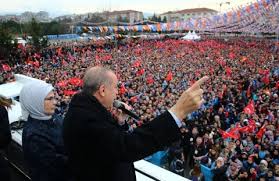 Turkish President Recep Tayyip Erdogan addresses his supporters next to his wife, Emine Erdogan, during a rally Sunday in Bursa, Turkey. (Reuters)
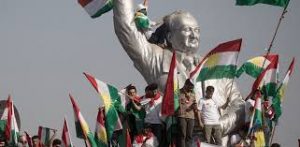 Kurdish officials once dreamed of forging their own state out of the ashes of the war against the Islamic State. Now they are fighting for their very survival.
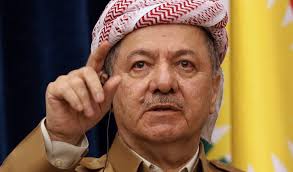
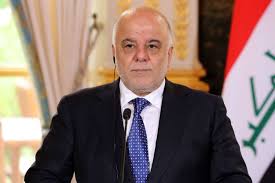
 Του Δημήτρη Κωνσταντακόπουλου



 Deputy Foreign Minister of Ukraine for European Integration Olena Zerkal has stated Ukraine intends on February 19 to file a memorandum within the claim to the United Nations International Law Commission (Hamburg, Germany) regarding Russia’s violating the UN Convention on the Law of the Sea.
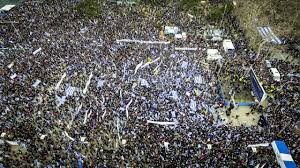 του ΠΑΝΤΕΛΗ ΣΑΒΒΙΔΗ
 ΟΜΙΛΙΑ ΤΟΥ ΠΡΟΕΔΡΟΥ ΤΟΥ Κ.Σ. ΕΔΕΚ
 Συνέντευξη στον ΧΡΗΣΤΟ ΝΙΚΟΛΑΪΔΗ ||