Αρχική Blog Σελίδα 2871

Iran and Saudi Arabia Revisit Their Strategies

0

By January 24, 2018 

 BESA Center Perspectives Paper No. 723, January 24, 2018

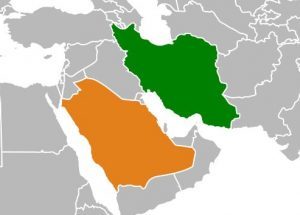
EXECUTIVE SUMMARY: Expressions of support for the Iranian anti-government protests by US President Donald Trump and Israeli Prime Minister Benjamin Netanyahu have provided grist for Iranian claims that the protests were instigated by foreign powers. The assertions, while largely baseless, nonetheless offer insight into the very different strategies adopted by Iran and Saudi Arabia in their vicious struggle for regional dominance.

There is little doubt that the Iranian protests were fueled by widespread economic grievances, and Iran’s detractors abroad resembled not always helpful fans on the sidelines. In fact, Saudi Arabia, Iran’s nemesis, was the one opponent of the Islamic Republic to refrain from joining those fans publicly in a bid to stop the regime in Tehran from using it as a scapegoat. The Iranian leadership pointed a finger at the kingdom anyway, and in so doing illustrated the dynamics of the Iranian-Saudi rivalry.

Both the Iranian and the Saudi approaches to their rivalry are in flux. Protesters in Iran challenged the government’s heavy expenditure on propping up allies like Syrian President Bashar Assad and funding proxies in Lebanon, Iraq, Palestine, and Yemen, not to mention proselytization campaigns in West Africa.

The protests are unlikely to change Iranian policy, which the country’s leaders view as the crux of their defense strategy in Iran’s covert wars with the US and Saudi Arabia. Those wars have been ongoing since the 1979 Islamic Revolution, which toppled the shah – an icon of now waning US power in the region.

Nonetheless, Iranian leaders will have to take public grievances into account even if the protests peter out. Rather than touting its regional successes publicly, Tehran is likely to be more circumspect about its foreign involvements. While that will not change things on the ground, it may contribute over time to a lessening of tensions.

Despite the protests, Iran has little reason to change facts on the ground. With access to the world’s most advanced weapons systems severely restricted for decades because of sanctions and boycotts, some in response to provocative Iranian actions and policies and others part of regional power struggles, Iran has sought to fight its battles far from its borders. Many Iranians bought into the argument that that policy had largely shielded their country from the instability and jihadism wracking the rest of the region.

Simultaneous Islamic State attacks last June on the Iranian parliament and the mausoleum of Ayatollah Ruhollah Khomeini, the founder of the Islamic Republic, which killed 12 people, were viewed as exceptions that proved the rule. That perception has changed, however, among a significant segment of the population. Protesters demanded that funds allocated to Iran’s defense doctrine and enhancement of its regional influence be invested instead in improving deteriorating living standards.

“Our military doctrine is…based on historical experience: During the Iran-Iraq War, Saddam Hussein rained Soviet-made missiles on our cities, some of them carrying chemical components provided by the West. The world not only kept silent, but also no country would sell Iran weapons to enable us to at least deter the aggressor. We learned our lesson,” Iranian Foreign Minister Mohammad Javad Zarif wrote in The New York Times weeks before the protests erupted.

Speaking recently at a Brookings Institution seminar in Washington, Iranian-American journalist Maziar Bahari described Iran’s doctrine as a more brutal and militarized version of the late Israeli prime minister David Ben-Gurion’s policy of the periphery: in the absence of relations with Israel’s neighbors, he sought to forge ties with neighbors of the neighbors.

Zarif represents the view of Iranian President Hassan Rouhani’s pragmatic government, a view shared by conservatives as part of a far greater ambition that they have no compunction about articulating.

In a column in the conservative Tehran Times entitled “What makes Iran stronger than Saudi Arabia?”, sociologist and journalist Muhammad Mazhari argued that “the Saudi regime has no comprehension that money cannot replace ideological values.” By contrast, Mazhari wrote, “there are common ties between Iran and Hezbollah, but the crux of those ties is not monetary. What drives Iran is not a superficial goal; it is working hard to restore the empire, but this time culturally, while Saudi Arabia and its alliances have no clear vision nor project in the Middle East save for keeping their thrones.”

Prince Muhammad vowed, months before Zarif articulated Iran’s defense doctrine, that the fight with Iran would take place “inside Iran, not in Saudi Arabia.” In so doing, the crown prince was playing on deep-seated Iranian fears rooted in a history of foreign intervention that stretches from ancient to modern times as well as highlighting the fundamentally different Saudi and Iranian strategies.

Since coming to power in 2015, Prince Muhammad has shifted the emphasis of Saudi strategy from 1) long-term cultural and public diplomacy focused on the promotion of Sunni Muslim ultra-conservatism as an antidote to Iranian Shiite and revolutionary ideology and 2) passive reliance on the US to defend the kingdom by containing Iran to a more assertive confrontation with the Islamic Republic everywhere but in Iran itself.

Prince Muhammad’s approach is a power play based primarily on checkbook diplomacy, pressure tactics, and projection of the kingdom as the custodian of Islam’s holiest cities. It is an approach that is void of any ideology or worldview beyond the need to counter Iran and support autocratic or authoritarian rule in a bid to ensure the survival of the royal family’s rule.

Prince Muhammad’s approach has so far produced mixed results at best. His effort to force a political crisis in Lebanon by pressuring Prime Minister Saad Hariri to resign backfired. King Abdullah of Jordan and Palestinian President Mahmoud Abbas rejected the crown prince’s demand that they not attend an Islamic summit in Istanbul convened last month to condemn Donald Trump’s recognition of Jerusalem as Israel’s capital.

The prince’s one military adventure, the intervention in Yemen, has produced a quagmire, severely tarnished the kingdom’s image, and even provoked criticism from one of his greatest fans, President Trump. Egypt has adopted an independent foreign policy that is at times at odds with positions adopted by Saudi Arabia despite being financially dependent on the kingdom.

Hanging in the balance is the question whether Prince Muhammad’s declaration last year that he wants to return the kingdom to a yet undefined moderate form of Islam means he will introduce an ideological element to his strategy that would replace the increasingly problematic propagation of Sunni Muslim ultra-conservatism.

It’s a tall order in a country whose religious establishment and culture is steeped in ultra-conservatism despite support for more relaxed religious and social codes among a significant segment of a predominantly young population.

A successful redefinition of Islam would not only significantly enhance confidence in Prince Muhammad’s ability to change the nature of Saudi society and economy but also strengthen the kingdom in its struggle with Iran, which – despite being fought as a zero-sum game – can only be resolved with an agreement that recognizes both Saudi Arabia and Iran as key regional players.

Economics rather than Tehran’s rivalry with Riyadh and hostility towards the US and Israel is at the crux of the anti-government protests in Iran. Nevertheless, the protests are likely to force Iranian leaders to repackage their foreign involvements at a time when Prince Muhammad is seeking to revamp his kingdom as part of an economic and political survival strategy. In the longer term, that could unintentionally create building blocks for the lowering of tensions in a dispute that has wreaked havoc across the Middle East and the wider Muslim world.

View PDF

Dr. James M. Dorsey, a non-resident Senior Associate at the BESA Center, is a senior fellow at the S. Rajaratnam School of International Studies at Singapore’s Nanyang Technological University and co-director of the University of Würzburg’s Institute for Fan Culture.

BESA Center Perspectives Papers are published through the generosity of the Greg Rosshandler Family

Dr. James M. Dorsey
Dr. James M. Dorsey
(Ph.D. University of Utrecht). Specializes in the Muslim world’s political, social, and economic fault lines as well as Chinese policy towards the region with a focus on geopolitics, social movements, and political and militant Islam. James also focuses on the nexus of sports, politics, and society. Email: [email protected]

Βρίθει αλυτρωτικών αναφορών το σύνταγμα της ΠΓΔΜ

0

Το σύνταγμα της ΠΓΔΜ βρίθει αλυτρωτικών αναφορών, παρά τις αλλεπάλληλες αναθεωρήσεις τις οποίες έχει υποστεί, με πιο πρόσφατη αυτή του 2011. Ο αλυτρωτισμός είναι ευκρινής ήδη από το προοίμιο του συντάγματος, το οποίο, μάλιστα, έχει τροποποιηθεί και βελτιωθεί έναντι της αρχικής μορφής του. Εκεί γίνεται λόγος για «τις παραδόσεις της πολιτειακής κατάστασης και νομιμότητας της Δημοκρατίας του Κρουσόβου και των αποφάσεων της Αντιφασιστικής Συνέλευσης της Λαϊκής Απελευθέρωσης της Μακεδονίας, και το δημοψήφισμα της 8ης Σεπτεμβρίου 1991», ως θεμέλια της απόφασης για δημιουργία της «Δημοκρατίας της Μακεδονίας», αλλά και του συντάγματος της χώρας.

Η Αντιφασιστική Συνέλευση της Λαϊκής Απελευθέρωσης της Μακεδονίας, γνωστή με το ακρωνύμιο ASNOM, αμέσως μετά τον Β΄ Παγκόσμιο Πόλεμο είχε ως βασικό στόχο την «ενοποίηση» της γεωγραφικής Μακεδονίας, παρουσιάζοντας τα τμήματά της που ανήκαν τόσο στη Γιουγκοσλαβία όσο και στα υπόλοιπα κράτη ως υπό κατοχή. Στο άρθρο 3, το οποίο προσδιορίζει τα σύνορα της ΠΓΔΜ ως «απαραβίαστα», έχει γίνει μια προσθήκη η οποία αναφέρει ότι η χώρα «δεν έχει εδαφικές αξιώσεις έναντι οποιουδήποτε γειτονικού κράτους». Ωστόσο τονίζεται ότι τα σύνορα μπορεί να αλλάξουν μόνο σε συμφωνία με το σύνταγμα «και στην αρχή της ελεύθερης βούλησης, όσο και σε συμφωνία με τους γενικά αποδεκτούς διεθνείς κανόνες».

Τα άρθρα 4 και 7 του συντάγματος είναι εκείνα που προσδιορίζουν ως «μακεδονική» την ιθαγένεια και τη γλώσσα των Σλαβομακεδόνων της ΠΓΔΜ. Το άρθρο 49 του συντάγματος είναι, επίσης, μια κατ’ εξοχήν επίδειξη αλυτρωτισμού. Αναφέρεται χαρακτηριστικά ότι «η Δημοκρατία ενδιαφέρεται για το καθεστώς και τα δικαιώματα εκείνων των προσώπων που ανήκουν στον Μακεδονικό Λαό σε γειτονικές χώρες καθώς και για τους εκπατρισμένους Μακεδόνες, βοηθά την πολιτισμική ανάπτυξη και προωθεί τους δεσμούς μεταξύ τους». Επ’ αυτού, στην τελευταία αναθεώρηση έγινε μια προσθήκη (Addendum) όπου αναφέρεται ότι «στην άσκηση αυτής της μέριμνας η Δημοκρατία δεν θα παρεμβαίνει στα κυριαρχικά δικαιώματα άλλων κρατών ή στις εσωτερικές υποθέσεις τους».

Τα άρθρα 130 και 131 περιγράφουν τους τρόπους με τους οποίους μπορεί να γίνει συνταγματική αναθεώρηση στη γείτονα και, εν πολλοίς, σκιαγραφούν τα εμπόδια της Ελλάδας στην πορεία για μια συμφωνία erga omnes. Στο άρθρο 130 τονίζεται ότι αλλαγή στο σύνταγμα μπορεί να γίνει α) με πρόταση του προέδρου (δηλαδή του εκ του VMRO προερχόμενου Γκιόργκι Ιβάνοφ), β) με κυβερνητική πρωτοβουλία 30 βουλευτών ή γ) με 150.000 υπογραφές. Στο άρθρο 131 ορίζεται ότι «για να αρχίσει» η διαδικασία αλλαγής του συντάγματος, απαιτούνται τα δύο τρίτα (δηλαδή 80 από τους 120 βουλευτές) της Βουλής. Επ’ αυτού έχει γίνει μια ενδιαφέρουσα προσθήκη το 2005, όπου η πλειοψηφία των ψήφων στη Βουλή θα πρέπει να ανταποκρίνεται όχι επί του συνόλου του πληθυσμού της ΠΓΔΜ αλλά επί κοινοτήτων που την απαρτίζουν.

“Καθημερινή”

Το Αφρίν και η Ελλάδα

0

Το Αφρίν δείχνει ότι η υπερδύναμη έγινε αρνάκι μπροστά στους ελιγμούς της Ρωσίας και την αποφασιστικότητα της Τουρκίας. Το παιχνίδι είναι για γερούς παίχτες και στην Ελλάδα δεν υπάρχουν τέτοιοι. Χωρίς να παραγνωρίσουμε τις εθνικές μας ευαισθησίες, να σοβαρευτούμε και να κλείσουμε μέτωπα στα Βαλκάνια ώστε να εστιάσουμε στην στρατιωτική αποτροπή και στην ενίσχυση των διπλωματικών ερεισμάτων μας απέναντι στην Τουρκία. Άλλο η δικαιολογημένη εκδήλωση εθνικών ευαισθησιών και άλλο να μη θέλουμε να αντιμετωπίσουμε τα βαλκανικά μας μέτωπα.

H κρίση της δημοκρατίας και η άρρωστη παγκόσμια τάξη

1
  • του Martin Wolf

Οι επιφανείς επισκέπτες του Νταβός πρέπει να αναγνωρίσουν το άγχος των χαμένων της παγκοσμιοποίησης. Γιατί πρέπει να βρουν καλύτερες απαντήσεις από τον πλουτο-λαϊκισμό του Τραμπ. Η ανάκαμψη της οικονομίας και ο κίνδυνος της επανάπαυσης.

Αν συμβεί αυτό, θα είναι μια άβολη επίσκεψη. Ο Αμερικανός πρόεδρος απορρίπτει τις αξίες της φιλελεύθερης διεθνούς τάξης που έχει προωθήσει η χώρα του τις τελευταίες επτά δεκαετίες.Οι αξίες αυτές κινητοποιούν και το WEF. Είναι αυτές που το κάνουν κάτι περισσότερο από ένα φόρουμ των πιο ισχυρών και πλούσιων του κόσμου. Όπως υποστηρίζει σε πρόσφατο άρθρο του ο Τζον Ικενμπέρι του Princeton, οι «HΠΑ και οι εταίροι τους έχτισαν μια πολύπλευρη και εκτεταμένη διεθνή τάξη, οργανωμένη στη βάση των ανοικτών οικονομιών, των πολυμερών θεσμών, της αμυντικής συνεργασίας και της δημοκρατικής αλληλεγγύης». Το σύστημα αυτό κέρδισε τον ψυχρό πόλεμο. Η νίκη αυτή με τη σειρά της, πυροδότησε μια παγκόσμια μετατόπιση προς πιο δημοκρατικές πολιτικές και οικονομικές πρακτικές της ελεύθερης αγοράς.

Σήμερα ωστόσο, η διεθνής φιλελεύθερη τάξη είναι άρρωστη. Όπως αναφέρει δημοσίευση του Οίκου Ελευθερίας, ενός αμερικάνικου μη κερδοσκοπικού οργανισμού, «Η Δημοκρατία είναι σε κρίση». Για 12η συνεχή χρονιά, οι χώρες που υπέφεραν από δημοκρατικά πισωγυρίσματα ξεπέρασαν αυτά που κατέγραψαν κέρδη. Τα κράτη που πριν από μια δεκαετία φαίνονταν ελπιδοφόρα success stories – όπως η Τουρκία και η Ουγγαρία – διολισθαίνουν προς μια αυταρχική διακυβέρνηση.

Αλλά τώρα, που ισχυρά αυταρχικά καθεστώτα προκαλούν την δημοκρατία, οι ΗΠΑ έχουν αποσύρει την ηθική τους στήριξη. Ο κ. Τραμπ δείχνει μέχρι και συμπάθεια για ξένους αυταρχικούς ηγέτες. Ακόμα χειρότερα, υποστηρίζει ο Οίκος Ελευθερίας, παραβιάζει τους κανόνες της δημοκρατικής διακυβέρνησης.

Υπό την ηγεσία του κ. Τραμπ, οι ΗΠΑ αμφισβητούν επίσης και το πλέγμα της διεθνούς συνεργασίας – τις αμυντικές συνθήκες, τις ανοικτές αγορές, τους πολυμερείς θεσμούς – και τις προσπάθειες να αντιμετωπιστούν παγκόσμιες προκλήσεις όπως η κλιματική αλλαγή. Έχουν αντίθετα διακηρύξει την πρόθεση τους να κοιτάξουν τα δικά τους συμφέροντα, ακόμα και εις βάρος μακροχρόνιων συμμάχων. Οι σχέσεις τώρα βασίζονται στην συναλλαγή.

Ούτε τα θεμέλια της παγκόσμιας οικονομίας βρίσκονται σε καλύτερη κατάσταση. Η οικονομία μπορεί να ανακάμπτει, αλλά μετά την ένταξη της Κίνας στον Παγκόσμιο Οργανισμό Εμπορίου το 2001 δεν υπήρξε καμία αξιοσημείωτη εμπορική φιλελευθεροποίηση. Το Brexit θα αποδειχθεί επίσης και μια πράξη αποπαγκοσμιοποίησης. Οι εμπορικές και κεφαλαιακές ροές δεν αυξάνονται με πιο γρήγορο ρυθμό από το παγκόσμιο ΑΕΠ. Η εχθρότητα απέναντι στην μετανάστευση είναι ανεξέλεγκτη. Η Κίνα, μια νέα υπερδύναμη, ελέγχει μέχρι και την ροή ιδεών.

Αυτοί που πιστεύουν στη συμβίωση της δημοκρατίας, μιας φιλελεύθερης παγκόσμιας οικονομίας και μιας παγκόσμιας συνεργασίας πρέπει να τα βρίσκουν όλα αυτά κάτι παραπάνω από τρομακτικά.

Οπότε γιατί συνέβησαν όλα αυτά; Η απάντηση πρέπει να περιλαμβάνει τις αλλαγές στον κόσμο και στις συνθήκες στο εσωτερικό των κρατών, ειδικά των δημοκρατιών υψηλού εισοδήματος. Μεταξύ των παγκόσμιων αλλαγών, η πιο σημαντική είναι η φθίνουσα θέση της Δύσης ως μιας αμυντικής κοινότητας μετά το τέλος του ψυχρού πολέμου, μαζί με την πτώση του ειδικού οικονομικού της βάρους, ειδικά σε σχέση με την Κίνα. Πολλοί Αμερικανοί νιώθουν ότι έχουν λιγότερους λόγους και μικρότερη δυνατότητα να είναι γενναιόδωροι με τους πρώην εταίρους τους.

Όσον αφορά τις εγχώριες αλλαγές, πολλοί στις χώρες υψηλού εισοδήματος νιώθουν πως η παγκόσμια φιλελεύθερη τάξη στην οποία είναι δεσμευμένες οι χώρες τους έχει κάνει πολύ λίγα για αυτούς. Προκαλεί αντίθετα μια αίσθηση χαμένων ευκαιριών, εισοδημάτων και σεβασμού. Μπορεί να έφερε τεράστια κέρδη στους ανθρώπους που συχνάζουν στο Νταβός, αλλά πολύ λιγότερα σε όλους τους άλλους. Ειδικά μετά το σοκ της παγκόσμιας οικονομικής κρίσης, η παλίρροια δεν φαίνεται να ανεβαίνει και σίγουρα δεν σηκώνει όλες τις βάρκες.

Όπως επισημαίνει ο κ. Ικενμπέρι: «Η κρίση της φιλελεύθερης τάξης είναι μια κρίση νομιμοποίησης και κοινωνικού σκοπού». Το πρόγραμμα του κ. Τραμπ, το οποίο το έχω ονομάσει «πλουτο-λαϊκισμός», είναι ένα αναγνωρίσιμο αποτέλεσμα όλων αυτών. Λέει στους υποστηρικτές του ότι τα συμφέροντα τους θα σταματήσουν να θυσιάζονται: θα έρχονται πρώτα. Το γεγονός ότι οι πολιτικές της κυβέρνησης δύσκολα θα φέρουν τέτοια οφέλη περνάει απαρατήρητο. Ελάχιστοι άνθρωποι ακούν όσους τα λένε αυτά.

Για όσους πιστεύουν ότι μια φιλελεύθερη διεθνής τάξη που βασίζεται σε δημοκρατικές αρχές είναι ηθικά ορθή και ο καλύτερος τρόπος να συμφιλιωθεί η παγκόσμια συνεργασία με την εγχώρια νομιμότητα, η κατάσταση προκαλεί θλίψη. Οι άνδρες και οι γυναίκες στο Νταβός πρέπει να σκεφτούν τι πρέπει να γίνει για να σωθεί η παγκόσμια τάξη από την κατάρρευση.

Θα μπορούσε κανείς να ελπίζει απλά για το καλύτερο. Η ανάκαμψη της οικονομίας μπορεί να επιστρέψει την αισιοδοξία. Αυτό με τη σειρά του θα περιόριζε ένα μέρος της δυσαρέσκειας. Αλλά αυτό είναι λάθος. Οι δυνάμεις εντός των οικονομιών μας που οδηγούν σε αποκλίνοντα αποτελέσματα είναι ισχυρές. Δεν είναι καθόλου προφανές πως ακόμα και η χρηματοοικονομική ευπάθεια έχει ξεπεραστεί.

Αντί να επαναπαυτούμε, πρέπει να θέσουμε δύο ερωτήματα.

Το πρώτο ερώτημα είναι τι θα επιλέγαμε ως πιο σημαντικό αν ήμασταν αναγκασμένοι: την εγχώρια πολιτική συνοχή ή την διεθνή οικονομική ενσωμάτωση; Έστω και οριακά πρέπει να είναι το πρώτο. Η οικονομική ζωή απαιτεί πολιτική σταθερότητα. Το εύρος των πολιτικών – δημοσιονομικών, νομισματικών και χρηματοοικονομικών – πρέπει να κάνουν το μεγαλύτερο μέρος του πληθυσμού να νιώσει ότι τα συμφέροντά του μετράνε. Διαφορετικά η δημοκρατική σταθερότητα βρίσκεται σε κίνδυνο.

Το δεύτερο είναι που πρέπει να επικεντρωθούν οι προσπάθειες στην παγκόσμια συνεργασία. Η απάντηση πρέπει να είναι ότι η διαχείριση των παγκόσμιων κοινών και η διατήρηση της παγκόσμιας σταθερότητας έρχονται πρώτα. Αν και θα ήθελα να δω περαιτέρω απελευθέρωση του εμπορίου, πρέπει να γίνει με τον σωστό τρόπο και δεν αποτελεί πλέον προτεραιότητα. Ακόμα λιγότερο πιεστικό είναι το περαιτέρω άνοιγμα των συνόρων στην ελεύθερη μετακίνηση ανθρώπων ή ακόμα και η διατήρηση της ελεύθερης ροής του παγκόσμιου κεφαλαίου. Η πολιτική είναι εθνικό ζήτημα. Τα αποτελέσματα των πολιτικών επιλογών πρέπει να ικανοποιούν τους ανθρώπους κάθε χώρας.

Ο κ. Τραμπ δεν είναι η θεραπεία. Αλλά είναι εμφανέστατα το σύμπτωμα. Η φιλελεύθερη διεθνής τάξη παραπαίει, εν μέρει γιατί δεν ικανοποιεί τους ανθρώπους των κοινωνιών μας. Αυτοί που επισκέπτονται το Νταβός πρέπει να το αναγνωρίσουν αυτό. Αν δεν τους αρέσουν οι απαντήσεις του κ. Τραμπ – που δεν θα έπρεπε – θα πρέπει να βρουν καλύτερες.

Copyright The Financial Times Limited 2017. All rights reserved./euro2day.gr

Το επόμενο δύσκολο βήμα της Τουρκίας μετά την Αφρίν

0

Η Άγκυρα συνεχίζει την επιχείρηση κατά των Κούρδων αλλά ήδη σκέφτεται την επόμενη κίνηση στη Συρία. Γιατί μια επίθεση κατά της Μάνμπιτζ μπορεί να φέρει σε δύσκολη θέση τις ΗΠΑ και να περιπλέξει ακόμα περισσότερο την κατάσταση.
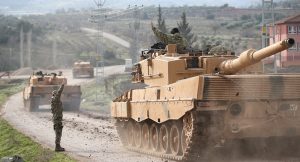
Μετά από ισχυρούς βομβαρδισμούς και αεροπορικές επιδρομές τουλάχιστον δυο ημερών τουρκικές δυνάμεις και οι σύριοι αντάρτες σύμμαχοί της ξεκίνησαν την χερσαία φάση της εισβολής στην Αφρίν.

Η πρόοδος κόντρα στους αμυνόμενους Κούρδους της YPG ήταν ως τώρα αργή, αλλά μεθοδική,επηρεασμένη από το δύσκολο ορεινό έδαφος. Ωστόσο έως και την 23 Ιανουαρίου η Τουρκία και οι σύμμαχοί της είχαν ήδη καταλάβει μια σειρά από στρατηγικούς λόφους, χωριά και κορυφές βουνών.

Η πλειονότητα των επιτιθέμενων δυνάμεων προήλθε από τα βόρεια της Αφρίν και οι κύριοι σχηματισμοί των ανταρτών από την ανατολική πλευρά της ζώνης των μαχών έχουν εξαπολύσει τώρα τη δική τους επίθεση κατά των Κούρδων. Το πλέον δύσκολο έδαφος επικεντρώνεται στα υφιστάμενα σύνορα, κάτι που σημαίνει ότι αν η Τουρκία και οι σύμμαχοί της πετύχουν τους αρχικούς αντικειμενικούς τους σκοπούς θα έχουν ευκολότερο έργο καθώς θα προωθούνται περαιτέρω.

Η Τουρκία, όμως, ήδη σκέφτεται πιο πέρα από τη μάχη για την Αφρίν. Η χώρα έχει εκφράσει την επιθυμία της να διώξει το YPG από την πόλη της Μάνμπιτζ που βρίσκεται ανατολικά της Αφρίν. Και η διάθεση των τουρκικών δυνάμεων και των ανταρτών συμμάχων τους να εισβάλουν στην Αφρίν, παρά την αρχική αντίσταση της Ρωσίας, θέτει την πιθανότητα η Αγκυρα να επιχειρήσει κάτι αντίστοιχο στην Μάνμπιτζ, παρά την πιθανή αντίδραση από ένα άλλο μεγάλο παίκτη στην περιοχή, τις ΗΠΑ.

Υπάρχουν ωστόσο διαφορές μεταξύ της προσέγγισης για την Αφρίν και αυτής για την Μάνμπιτζ. Ενώ η Μόσχα σίγουρα θα προτιμούσε η Αγκυρα να μην εξαπολύσει την καμπάνια κατά της Αφρίν, δεδομένων των προσπαθειών να αναβαθμίσει το YPG στις συριακές ειρηνευτικές διαπραγματεύσεις, η Ρωσία βλέπει την στρατηγική σχέση με την Τουρκία ως πολύ σημαντική για να θυσιαστεί χάριν της Αφρίν.

Η Μάνμπιτζ, από την άλλη πλευρά, ελέγχεται τώρα από τις Συριακές Δημοκρατικές Δυνάμεις (SDF). Και ενώ το YPG είναι μέρος του SDF, η συμμαχία περιέχει πολλές άλλες ομάδες και είναι στο κέντρο της στρατηγικής προσέγγισης των ΗΠΑ στη Συρία. Με το SDF οι ΗΠΑ σχεδιάζουν να χτίσουν μια δύναμη που μπορεί να αποτρέψει την ανάκαμψη του ISIS ή κάποιας ανάλογης ομάδας, να εγκαταστήσει ένα αντίβαρο στην συριακή κυβέρνηση της Δαμασκού και να συγκρατήσει την αυξανόμενη Ιρανική δύναμη.

Ετσι, αν η Τουρκία κινηθεί κατά της Μάνμπιτζ ή άλλες περιοχές που ελέγχει το SDF, η Ουάσιγκτον θα είναι αναγκασμένη να παρέμβει ή διαφορετικά να ρισκάρει την κατάρρευση της βάσης της συριακής της στρατηγικής, της σχέσης της με το SDF. Και καθώς οι Τούρκοι θέλουν να αποφύγουν κάθε πραγματική αντίσταση από τις ΗΠΑ, η Άγκυρα είναι απίθανο να επαναλάβει τις κινήσεις που κάνει στην Αφρίν με μια καθαρά στρατιωτική επιχείρηση στην Μάνμπιτζ, αν και υπάρχει πιθανότητα τα εμπλεκόμενα μέρη να καταλήξουν σε μια διπλωματική συμφωνία.

euro2day.gr

Mixed Messages From U.S. as Turkey Attacks Syrian Kurds

0

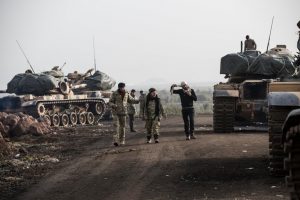
Turkish soldiers around the area of Mount Bersaya, north of the Syrian town of Azaz, on Tuesday.CreditSaleh Abo Ghaloun/Agence France-Presse — Getty Images

WASHINGTON — The White House sent out a message aimed at mollifying Turkey’s president on Tuesday, suggesting that the United States was easing off its support for the Syrian Kurds.

That message was quickly contradicted by the Pentagon, which said it would continue to stand by the Kurds, even as Turkey invaded their stronghold in northwestern Syria.

The conflicting statements appeared to reflect an effort by the administration to balance competing pressures. Turkey, which has been furious over American support for the Kurds, is a NATO ally, while the Kurds have been critical American partners in the war against the Islamic State.

For its part, the White House disavowed a plan by the American military to create a Kurdish-led force in northeastern Syria, which Turkey has vehemently opposed. Turkey, which considers the Kurdish militia a terrorist organization, fears the plan would cement a Kurdish enclave along its southern frontier.

That plan, a senior administration official said Tuesday, originated with midlevel military planners in the field, and was never seriously debated, or even formally introduced, at senior levels in the White House or the National Security Council.

 The official, who spoke to reporters on condition that he not be identified, also said that the United States had no connection to the Kurds in the northwestern Syrian city of Afrin, where the Turkish military has launched an invasion in recent days.

And he drew a distinction between allies — a term he said had legal connotations — and partners in a combat mission, like the Kurds. America’s actions on the ground in Syria, he said, would be driven by a calculation of its interests.

Taken together, the administration’s statements appeared to be a significant attempt to reassure Turkey’s president, Recep Tayyip Erdogan, who considers the Kurds a threat to his country’s internal stability.

But the Pentagon issued its own statement on Tuesday standing by its decision to create the Kurdish-led force. And a senior American commander praised the partnership with the Kurds, whose help was critical in a major American airstrike on the Islamic State, also known as ISIS, over the weekend.

“U.S. forces are training local partners to serve as a force that is internally focused on stability and deterring ISIS,” Maj. Adrian Rankine-Galloway, a Pentagon spokesman, said in the statement. “These local security forces are aimed at preventing the potential outflow of fleeing ISIS terrorists as their physical presence in Syria nears its end and pending a longer-term settlement of the civil war in Syria to ensure that ISIS cannot escape or return.”

The Pentagon has engaged in a rebranding effort, however, as the force was initially described as a border force, leading Turkey to fear the presence of thousands of American-backed, Kurdish troops on its border. Military officials are now saying that its duties will be mainly internal.

The debate over the partnership with the Kurds is taking place as the Kurds continue to play a major role fighting alongside the Americans in Syria.

The military’s Central Command said Tuesday that about 150 Islamic State fighters were killed in American airstrikes near As Shafah, Syria, on Saturday, in one the largest strikes against ISIS in the past year. The Kurdish-led militia, called the Syrian Democratic Forces, or S.D.F., helped guide the airstrikes, American officials said.

“The strikes underscore our assertion that the fight to liberate Syria is far from over,” Maj. Gen. James Jarrard, the commander of Special Operations forces in Iraq and Syria, said a statement. “Our S.D.F. partners are still making daily progress and sacrifices, and together we are still finding, targeting and killing ISIS terrorists intent on keeping their extremist hold on the region.”

Senior Pentagon officials and American commanders say that the Syrian Kurds will most likely serve as the backbone of the allied forces on the ground in Syria for months to come.

Echoing earlier comments by Defense Secretary Jim Mattis, the commander of the United States Central Command, General Joseph L. Votel, said in an interview last month that American forces would remain in eastern Syria, alongside their Syrian Kurdish and Arab allies, as long as needed to defeat the Islamic State.

Photo

President Recep Tayyip Erdogan of Turkey was among those at the funeral of a soldier killed in the country’s operation in Syria. CreditAdem Altan/Agence France-Presse — Getty Images

“What we don’t want to do is leave a mess,” General Votel said, something “worse than what we found.”

Coalition forces are attacking the last remnants of the Islamic State in the Euphrates River valley of Syria, near the Iraqi border. But as that campaign begins to wane, the American partnership with the Kurds is bringing it into ever-more-direct conflict with Turkey.

While the Turkish military incursion into Afrin has seized the world’s attention, American, NATO and Turkish officials have directed their eyes east, to the strategic city of Manbij.

Home to a contingent of United States Special Operations troops who are training and equipping Kurdish forces that control the city, Manbij is increasingly emerging as the ultimate target of the Turkish operation and a far more serious source of tension than the Afrin offensive.

A Turkish assault on Manbij could bring its forces into direct conflict with the Americans, with unpredictable results.

“It may bring a direct military confrontation, as American forces are there,” said Gonul Tol, director of the Center for Turkish Studies at the Middle East Institute in Washington. “The death of even one American soldier may completely break ties.”

Turkey’s foreign minister, Mevlut Cavusoglu, raised Manbij when briefing Turkish journalists on Tuesday morning, having met the day before with Secretary of State Rex W. Tillerson in France.

“Terrorists in Manbij are constantly firing provocation shots,” Mr. Cavusoglu said. “If the United States doesn’t stop this, we will stop it.

Mr. Tillerson said the United States would keep working with Turkey to stabilize the situation and address its security concerns.

The level of concern about Turkish-American relations was reflected in the flurry of meetings this week between officials of the two countries.

American officials, led by the deputy assistant secretary of state for European and Eurasian affairs, Jonathan R. Cohen, flew to Ankara, Turkey’s capital, for meetings scheduled for Wednesday, including with security officials. They were joined there by Rose Gottemoeller, the deputy secretary general of NATO, who was in Turkey for a planned, two-day visit.

In an interview with the NTV news channel, Ms. Gotemoeller treaded carefully, saying that “Turkey has legitimate reasons to be concerned about the Kurdish armed organizations in Syria,” but adding that “one should keep a balance between the threat and the reaction to it.”

Turkey has long complained about American support for Syrian Kurdish militias, which it says have emboldened the Kurdish separatist movement that Ankara considers a threat to its territorial sovereignty and is prepared to go to great lengths to counteract. Turkish officials say that this has allowed weapons and support to reach the outlawed the Kurdistan Workers’ Party, or P.K.K., which is considered a terrorist organization by the United States and Europe and has waged a decades-long insurgency in Turkey.

Turkey, which shares a long border with Kurdish-controlled areas of northeastern Syria, has been particularly incensed by the Kurdish militias’ seizure of Arab villages and towns in the area.

Manbij is in many respects the gateway to those areas, a regional center some miles west of the Euphrates. It is now under the control of the Syrian Democratic Forces, and has been since last August, when it expelled the Islamic State.

Robert S. Ford, a senior fellow at the Middle East Institute and a former Ambassador to Syria, wrote in an analytical column that Turkey’s military operations in Syria demonstrated the difficulties of the American position. Turkey’s brushoff of American concerns made the United States look weak, Mr. Ford wrote, adding that some Kurdish observers were accusing America of being an unreliable ally.

“Over the longer term, it is hard to see how the U.S. will secure its stated political goal of stabilization in eastern Syria and genuine governance reforms in Syria,” he wrote.

Άλλος ένας μεγάλος συνασπισμός μορφοποιείται στο Βερολίνο

0

Θα είναι καλός για την Ευρώπη αλλά κακός για την Γερμανία

Περίληψη:

Κάθε κόμμα του νέου μεγάλου συνασπισμού στην Γερμανία κέρδισε οριακές νίκες για να τις φέρει πίσω στην αντίστοιχη βάση του: Αυξημένες δαπάνες για τις υποδομές και την εκπαίδευση, ένα ήπιο ανώτατο όριο για τους πρόσφυγες, μια μέτρια φορολογική περικοπή και εγγυήσεις για τις συντάξεις. Εν τω μεταξύ, το μακροπρόθεσμο μέλλον της χώρας στον τομέα της ασφάλειας και της άμυνας, της οικονομικής ανταγωνιστικότητας, του κλίματος και της ενέργειας έχει παραμείνει περισσότερο ή λιγότερο στο περιθώριο.

Η SUDHA DAVID-WILP είναι ανώτερη διατλαντική συνεργάτις και αναπληρώτρια διευθύντρια του Γραφείου Βερολίνου του German Marshall Fund of the United States.

Το «μια από τα ίδια» δεν είναι αυτό που ψήφισαν οι Γερμανοί στις κοινοβουλευτικές εκλογές του περασμένου Σεπτεμβρίου, αλλά είναι αυτό που θα πάρουν τώρα που οι Σοσιαλδημοκράτες (SPD) συμφώνησαν να προχωρήσουν σε επίσημες διαπραγματεύσεις για μια κυβέρνηση μεγάλου συνασπισμού με τους Χριστιανοδημοκράτες της καγκελαρίου Άνγκελα Μέρκελ (CDU). Μετά από έντονες εσωτερικές μάχες, οι εκπρόσωποι του SPD ψήφισαν με μικρή διαφορά, σε μια σύνοδο του κόμματος την Κυριακή, να δώσουν στην ηγεσία τους την άδεια να υπηρετήσει για τρίτη φορά ως δευτερεύων εταίρος του συντηρητικού κόμματος της Μέρκελ. Η απόφασή τους βασίζεται σε ένα έγγραφο κοινής θέσης 28 σελίδων, το οποίο τα δύο κόμματα είχαν συζητήσει νωρίτερα στο Βερολίνο.

Δεδομένης της κατάρρευσης των συνομιλιών του κυβερνητικού συνασπισμού τον Νοέμβριο, η προθυμία του SPD να συμμετάσχει σε επίσημες συνομιλίες συνασπισμού με το CDU έδωσε στη Μέρκελ ένα πολιτικό σωσίβιο. Θα εισέλθει στην τέταρτη θητεία της, πιθανότατα κατά το Πάσχα, και μέχρι τότε το μελάνι στην συμφωνία συνασπισμού θα έχει στεγνώσει και τα 400.000 μέλη του κόμματος SPD θα έχουν δώσει την έγκρισή τους με μια τυπική ψηφοφορία του SPD. Αν όμως η ψηφοφορία της συνόδου του SPD την Κυριακή είχε πάρει την αντίθετη κατεύθυνση, η Γερμανία θα είχε να αντιμετωπίσει την ανυπόφορη προοπτική να χρειαστεί να διεξαχθούν νέες εκλογές, πράγμα που θα παρέτεινε τις καθυστερήσεις για κρίσιμες μεταρρυθμίσεις εντός της Ευρωπαϊκής Ένωσης και θα έβλαπτε την φήμη της χώρας ως παγκόσμιου ηγέτη. Με μια κυβέρνηση μεγάλου συνασπισμού, η ΕΕ και ο υπόλοιπος κόσμος μπορούν να περιμένουν ένα ισχυρό, σταθερό χέρι στο Βερολίνο. Αλλά εγχωρίως, αυτός ο συμβιβασμός θα συνεχίσει να αποδυναμώνει το γερμανικό κομματικό σύστημα, καθώς τα οραματικά σχέδια για το μέλλον της χώρας θα τεθούν σε αναμονή και τα λαϊκίστικα κόμματα θα έχουν την ευκαιρία να επικρίνουν τα δύο μεγάλα κόμματα με μια κίνηση.

23012018-1.jpg

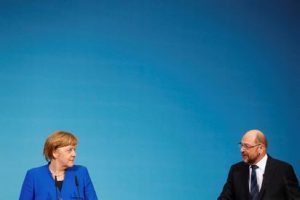
Η Γερμανίδα καγκελάριος, Άνγκελα Μέρκελ, και ο ηγέτης του Σοσιαλδημοκρατικού Κόμματος (SPD), Martin Schulz, σε συνέντευξη Τύπου μετά από διερευνητικές συνομιλίες για την συγκρότηση νέας κυβέρνησης συνασπισμού στην έδρα του SPD, στο Βερολίνο, στις 12 Ιανουαρίου 2018. HANNIBAL HANSCHKE / REUTERS
—————————————————————————–

Στις εκλογές τον Σεπτέμβριο, τα αποτελέσματα υπογράμμισαν σαφώς την δυσαρέσκεια των ψηφοφόρων με την τετραετή διακυβέρνηση του CDU και του SPD. Και τα δύο κόμματα είχαν κακή επίδοση, και ειδικότερα το SPD υπέστη μια ιστορική απώλεια στις κάλπες ως το παλαιότερο πολιτικό κόμμα της Γερμανίας. Σε σύγκριση, τα μικρότερα κόμματα -οι Πράσινοι, οι υπέρ της αγοράς Ελεύθεροι Δημοκράτες (FDP), η Αριστερά, καθώς και το πρόσφατα καθιερωμένο κόμμα Εναλλακτική για την Γερμανία (AfD)- έχουν κερδίσει έδαφος. Ένας αριθμός-ρεκόρ επτά κομμάτων, αν μετρηθεί και το αδελφό κόμμα των Χριστιανοδημοκρατών, οι Χριστιανοί Σοσιαλιστές της Βαυαρίας (CSU), κατέχουν θέσεις στην Βουλή της Γερμανίας, καθιστώντας δύσκολο για οποιονδήποτε πιθανό καγκελάριο να σχηματίσει πλειοψηφία. Αρχικά, ο ηγέτης του SPD, Martin Schulz, ήλπιζε να αναζωογονήσει το κόμμα του και αρνήθηκε να ξεκινήσει άλλον έναν κύκλο διαπραγματεύσεων για μεγάλο συνασπισμό. Αυτό άφησε τη Μέρκελ να βρει την τύχη της με έναν λεγόμενο Συνασπισμό Τζαμάικα που θα αποτελείτο από το CDU-CSU, τους Πράσινους και το FDP. Αλλά οι ελπίδες για αυτό το σχέδιο κατέρρευσαν τον Νοέμβριο, όταν το FDP αποσύρθηκε από τις συνομιλίες, φέρνοντας το Βερολίνο στην τρέχουσα στιγμή του πολιτικού déjà vu.

Για το SPD, η συνεργασία με τη Μέρκελ επέφερε κάποιες επιθυμητές αλλαγές πολιτικής, όπως η θέσπιση ελάχιστου μισθού, αλλά απείλησε επίσης το καθεστώς του ως βιώσιμου Volkspartei (λαϊκό κόμμα). Οι αρχικές φιλοδοξίες του SPD να κάνει τους συντηρητικούς να δεσμευτούν σε ένα σχέδιο ασφάλισης για όλους τους πολίτες, σε έναν υψηλότερο φορολογικό συντελεστή για τα μεγαλύτερα εισοδήματα και σε οικογενειακή επανένωση χωρίς περιορισμούς για τους πρόσφυγες, δεν υλοποιήθηκε. Στην πραγματικότητα, κάθε πλευρά κέρδισε οριακές νίκες για να τις φέρει πίσω στην αντίστοιχη βάση τους: Αυξημένες δαπάνες για τις υποδομές και την εκπαίδευση, ένα ήπιο ανώτατο όριο για τους πρόσφυγες, μια μέτρια φορολογική περικοπή και εγγυήσεις για τις συντάξεις. Εν τω μεταξύ, το μακροπρόθεσμο μέλλον της Γερμανίας στον τομέα της ασφάλειας και της άμυνας, της οικονομικής ανταγωνιστικότητας, του κλίματος και της ενέργειας έχει παραμείνει περισσότερο ή λιγότερο στο περιθώριο.

Η ηγεσία του SPD μπορεί να δικαιολογήσει αυτή την επανεξισορρόπηση ως εθνικό καθήκον, δεδομένου ότι ένα κυβερνητικό μοντέλο μειοψηφίας θεωρείται ταμπού στην Γερμανία και οι νέες εκλογές ίσως να μην οδηγήσουν αναγκαστικά σε καλύτερα αποτελέσματα για τα κυρίαρχα κόμματα. Ο Schulz δεν βλέπει καλύτερη επιλογή για το κόμμα του και την χώρα, αν και σχηματίζοντας ένα μεγάλο συνασπισμό θα δώσει στο δεξιό, ξενοφοβικό AfD τον πολυπόθητο τίτλο του μεγαλύτερου κόμματος της αντιπολίτευσης και, ως εκ τούτου, την πρώτη του ευκαιρία να ανταπαντά στην Βουλή και να προεδρεύει στην επιτροπή προϋπολογισμού στο κοινοβούλιο. Επιπλέον, άλλος ένας μεγάλος συνασπισμός θα θολώσει περαιτέρω την ιδεολογική διαφορά ανάμεσα στα μεγάλα κεντροαριστερά και κεντροδεξιά κόμματα. Αυτό, με την σειρά του, θα υποβαθμίσει ακόμη περισσότερο την [λαϊκή] υποστήριξή τους. Ίσως με μια νέα ηγεσία στο μέλλον, το CDU και το SPD θα μπορούσαν να συνέλθουν, και να σχηματίσουν συμμαχίες της προτίμησής τους, αλλά αυτό είναι δύσκολο να το δούμε δεδομένου του σημερινού κατακερματισμού του κομματικού συστήματος. Στην πραγματικότητα, σύμφωνα με την ARD Deutschlandtrend, μια μικρή πλειοψηφία Γερμανών απορρίπτει ένα άλλο μεγάλο συνασπισμό. Και σύμφωνα με το Politbobometer, περισσότεροι Γερμανοί αποδοκιμάζουν σήμερα την ηγεσία της Μέρκελ παρά αμέσως μετά τις βουλευτικές εκλογές το περασμένο φθινόπωρο. Τότε, μόνο το 35% των Γερμανών αντιπαθούσε την ιδέα ότι η Μέρκελ θα παραμείνει καγκελάριος, αλλά σήμερα έχει αυξηθεί στο 42%. Ένα μίγμα κόπωσης γα τη Merkel, η αποδοκιμασία της στάσης της για τη μετανάστευση και η επιθυμία για μια πιο συντηρητική πυξίδα στο CDU σημαίνει ότι [η Μέρκελ] θα ξεκινήσει από μειονεκτική θέση την πιθανότατα τελική θητεία της.

Και παρόλο που μια κυβέρνηση CDU-SPD θα αποδυναμώσει την Γερμανία στο εσωτερικό, θα λειτουργήσει ενισχυτικά για την ΕΕ, έναν πυλώνα της γερμανικής εξωτερικής πολιτικής και πολιτικής ασφάλειας, και μια πηγή της οικονομικής ισχύος της. Ακόμα κι αν οι Γερμανοί άρχισαν να κουράζονται με τη Μέρκελ, ο κόσμος συνεχίζει να επευφημεί κι εκείνη και την Γερμανία της οποίας ηγείται. Είναι αξιοσημείωτο ότι, αν και θα έχουν περάσει σχεδόν έξι μήνες μετά τις εκλογές πριν η χώρα αποκτήσει μια κυβέρνηση, μια πρόσφατη δημοσκόπηση από την Gallup κατονομάζει την Γερμανία ως την κορυφαία παγκόσμια δύναμη. Αυτό οφείλεται στις οικονομικές δάφνες του Βερολίνου και στην δημοτικότητα της Merkel στο εξωτερικό. Η χώρα παραμένει πρωταθλήτρια στις εξαγωγές, έχει κρατήσει την ανεργία στο εκπληκτικό 5,5% και προβλέπεται να απολαμβάνει υπερβολικά δημοσιονομικά πλεονάσματα κατά τα επόμενα δύο χρόνια. Η Μέρκελ είναι επίσης ένα οικείο, ήρεμο πρόσωπο σε μια ολοένα και πιο χαοτική παγκόσμια τάξη που περιλαμβάνει το Brexit, τις ρωσικές εκστρατείες παραπληροφόρησης και μια εξωτερική πολιτική «Πρώτα η Αμερική» στην Ουάσινγκτον.

Πράγματι, είναι η ΕΕ, παρά ένα συγκεκριμένο γερμανικό πολιτικό κόμμα, που αναδύεται ως ο μεγάλος νικητής από την διαφαινόμενη κυβέρνηση στο Βερολίνο. Και τα δύο κόμματα έχουν τοποθετήσει τα οραματικά στοιχήματά τους στην ενίσχυση της Ευρώπης. Στην πραγματικότητα, η 28 σελίδων κοινή θέση τους ξεκινά με μια έκκληση για ανανέωση της ΕΕ και για να πάρει τη μοίρα της στα χέρια της, προωθώντας τη μεγαλύτερη εσωτερική συνοχή και αλληλεγγύη. Το SPD φαίνεται να έχει πείσει το CDU να υποστηρίξει τις εκκλήσεις του Γάλλου προέδρου Εμμανουέλ Μακρόν για μεταρρύθμιση της ΕΕ. Η επόμενη κυβέρνηση της Γερμανίας σίγουρα δεν θα κατηγορηθεί για ρητορική υποταγή στις Βρυξέλλες. Είναι πρόθυμη να δαπανήσει περισσότερα για τον προϋπολογισμό της ΕΕ, θα ασκήσει πιέσεις για φορολογική εναρμόνιση και είναι έτοιμη να μεταμορφώσει τον προσωρινό Ευρωπαϊκό Μηχανισμό Σταθερότητας (ESM), ο οποίος προσφέρει δάνεια σε χώρες που παλεύουν όπως η Ελλάδα, σε ένα μόνιμο Ταμείο για την διανομή της οικονομικής βοήθειας στην ευρωζώνη. Μια ισχυρή ΕΕ είναι επωφελής για την Γερμανία και η μελλοντική κυβέρνηση μεγάλου συνασπισμού σχεδιάζει να πραγματοποιήσει μια σοβαρή επένδυση στις Βρυξέλλες. Όμως, μακροπρόθεσμα, η ΕΕ χρειάζεται επίσης μια δυναμική Γερμανία. Όταν η παλιά φρουρά στο Βερολίνο αποχωρήσει, ελπίζεται ότι οι νέοι ηγέτες του CDU και του SPD θα είναι σε θέση να κτυπήσουν τις λαϊκιστικές δυνάμεις και να επιστρέψουν στην διακυβέρνηση με τρόπο που θα αντιμετωπίζει τις ανησυχίες των βασικών ψηφοφόρων τους. Τελικά, ο γερμανικός λαός θέλει να δει την κυβέρνησή του να προσφέρει οικονομική ασφάλεια και ευημερία, όχι μόνο στο εξωτερικό αλλά και εγχωρίως.

Copyright © 2018 by the Council on Foreign Relations, Inc.
All rights reserved.

Στα αγγλικά: https://www.foreignaffairs.com/articles/germany/2018-01-22/another-grand…

Μπορείτε να ακολουθείτε το «Foreign Affairs, The Hellenic Edition» στο TWITTER στην διεύθυνση www.twitter.com/foreigngr αλλά και στο FACEBOOK, στην διεύθυνση www.facebook.com/ForeignAffairs.gr και στο linkedin στην διεύθυνση https://www.linkedin.com/company/foreign-affairs-the-hellenic-edition

Ο Ερντογάν εισβάλει: Αδυναμία ΗΠΑ, κάλυψη από Μόσχα, οι Κούρδοι πεθαίνουν, οι υπόλοιποι κοιμούνται

0

 Του Παντελή Δ. Καρύκα

Ο πρόεδρος της Τουρκίας Ταγίπ Ερντογάν το είχε προαναγγείλει. Έστειλε στη Μόσχα τον αρχιστράτηγο των ενόπλων δυνάμεων στρατηγό Ακαρ και τον αρχηγό της ΜΙΤ Φιντάν, έλαβε την ευλογία του Βλαντιμίρ Πούτιν και εισέβαλε στη Συρία.

Έστειλε προπομπούς τους χιλιάδες «κατσαπλιάδες» του λεγόμενοι «Ελεύθερου Συριακού Στρατού», που ούτε ελεύθερος, ούτε συριακός, ούτε στρατός είναι και τους υποστηρίζει με Τούρκους κομάντο, άρματα μάχης, πυροβολικό και αεροπορία.

Οι Κούρδοι επίσης δεν είναι στρατός. Πολιτοφυλακή είναι εφοδιασμένη με ελαφρύ οπλισμό και λίγα αμερικανικά βαριά όπλα.

Σε τακτικό επίπεδο αν οι Τούρκοι και οι σύμμαχοί τους συναντήσουν σοβαρή αντίσταση στο Αφρίν, μπορούν κάλλιστα να το περικυκλώσουν, να το πολιορκήσουν και μοιραία να το καταλάβουν.

Οι Κούρδοι της Συρίας γενικά είναι μόνοι και γεωγραφικά περικυκλωμένοι. Το κουρδικό κίνημα είναι ούτως ή άλλως διχασμένο. Οι Κούρδοι του Ιράκ ακόμα κι αν ήθελαν – που δεν θέλουν – δεν μπορούν πλέον μετά το ιρακινό χαστούκι που έφαγαν να βοηθήσουν.

Ιράν, Ιράκ, Συρία, Τουρκία έχουν κοινά συμφέροντα στο κουρδικό και παρά τις περί του αντιθέτου αναφορές Δαμασκού και Τεχεράνης, η τουρκική επέμβαση μάλλον δεν δυσαρεστεί καθόλου τους Ιρανούς μουλάδες και το καθεστώς Άσαντ.

Οι ΗΠΑ δεν μπορούν να βοηθήσουν ακόμα και να θέλουν, να κινηθούν, αν και πιθανότατα δεν θέλουν. Προσπάθησαν να αποτρέψουν τους Τούρκους, παραδίδοντας 70 περίπου αντιαρματικά TOW στους Κούρδους με στόχο την αποτροπή. Η κίνηση δεν απέδωσε και αυτό διότι η Μόσχα έδωσε το πράσινο φως.

Ο Ερντογάν, δικαίως, δεν φοβήθηκε. Έχει περιθώριο να χάσει και επιλαρχίες ολόκληρες, ακόμα, αρμάτων, προκειμένου να κερδίσει το παιχνίδι ζωής ή θανάτου για την Τουρκία. Πέραν πάντως του όχι αδικαιολόγητου, στρατηγικά, φόβου των ΗΠΑ μη δουν την Τουρκία σύμμαχο της Μόσχας, υπάρχει και η καθαρά αντικειμενική δυσκολία επέμβασης και ενίσχυσης των Κούρδων.

Τι θα κάνουν οι Αμερικανοί; Θα δώσουν, άρματα, θα αναπτύξουν Patriot, ή θα στείλουν στρατιώτες τους, τινάζεται το ΝΑΤΟ στον αέρα, άμεσα; Θα δημιουργήσουν αερογέφυρα μέσω Ιορδανίας ή Ισραήλ ενισχύοντας τους Κούρδους με όπλα και άνδρες; Προφανώς αυτά δεν είναι εφικτά, εκτός κι αν ο Τραμπ αποφασίσει να ξεγράψει την Τουρκία, κάτι που στο ορατό μέλλον δεν φαίνεται εφικτό.

Θα πιέσουν οι ΗΠΑ διπλωματικά ή οικονομικά την Τουρκία; Ε και! Μέχρι οι όποιες κυρώσεις να έχουν αποτέλεσμα οι Κούρδοι θα είναι απλώς ανάμνηση.

Ο μόνος παίκτης που θα μπορούσε να αλλάξει τα δεδομένα του παιχνιδιού είναι το Ισραήλ, αλλά αυτό συνεπάγεται σύγκρουση με την Συρία και εμμέσως με τη Ρωσία και το Ιράν, αναγκαστικά, με ότι αυτό μπορεί να σημαίνει. Η προοπτική τυχόν γενικευμένης πολεμικής εμπλοκής του Ισραήλ με Συρία, η οποία θα έχει την υποστήριξη της Ρωσίας και του Ιράν προφανώς δεν ενθουσιάζει την Ιερουσαλήμ και θα προχωρούσε σε αυτή μόνο για πάρα πολύ σοβαρό λόγο.

Δυστυχώς η Τουρκία ελίχθηκε άριστα και ανατρέπει τώρα υπέρ της όσα έχασε στην Συρία μετά τη ρωσική επέμβαση. Η Μόσχα και ο Άσαντ γνωρίζουν ότι οι Τούρκοι θέλουν τα κεφάλια των Κούρδων. Ακόμα και να θέλει συριακά εδάφη ο Ερντογάν ξέρει ότι δεν θα πάρει. Άρα περιορίζεται στο εφικτό, δηλαδή στην συντριβή των Κούρδων. Περικυκλωμένοι δε οι τελευταίοι δεν έχουν πολλές ελπίδες απέναντι στις συντριπτικά υπέρτερες αντίπαλες δυνάμεις.

Το τουρκικό παιχνίδι όμως είναι ευρύτερο. Δεν εξαντλείται στη Μέση Ανατολή, όπως οι εν Ελλάδι, θέλουν, ανοήτως, να πιστεύουν. Αυτό φάνηκε με τις προκλήσεις στα Ίμια. Ο Ερντογάν έχει πετύχει να καταστήσει την Τουρκία περιφερειακή δύναμη και ο εξευμενισμός του από τις ΗΠΑ ενδεχομένως να περνά από Θράκη, Αιγαίο ή Κύπρο. Σε Αθήνα και Λευκωσία ακούει κανείς;

Πηγή: Ο Ερντογάν εισβάλει: Αδυναμία ΗΠΑ, κάλυψη από Μόσχα, οι Κούρδοι πεθαίνουν, οι υπόλοιποι κοιμούνται http://mignatiou.com/2018/01/o-erntogan-isvali-adinamia-ipa-kalipsi-apo-moscha-i-kourdi-pethenoun-i-ipolipi-kimounte/

Γιατί η Τουρκία επιτέθηκε εναντίον των Κούρδων της Συρίας; Τι φοβάται ο Ερντογάν;

0

Του Σιούελ Τσαν (*)

Η Τουρκία έχει βελτιώσει τα τελευταία χρόνια τις σχέσεις της με τη Ρωσία και το Ιράν, δύο αντιπάλους των Ηνωμένων Πολιτειών. Μέχρι τώρα, και οι τέσσερις χώρες είχαν συμφέρον να νικήσουν το λεγόμενο «Ισλαμικό Κράτος», τώρα όμως που η τρομοκρατική οργάνωση υποχωρεί οι παλιές συγκρούσεις επανέρχονται στο προσκήνιο.

Η Ρωσία και το Ιράν στηρίζουν τον πρόεδρο της Συρίας Μπασάρ αλ-Ασαντ. Οι ΗΠΑ επιμένουν ότι πρέπει να φύγει από την εξουσία, αλλά εκείνος δείχνει αμετακίνητος, γεγονός που ανησυχεί την Τουρκία.

Με την επίθεσή της εναντίον των υποστηριζόμενων από την Ουάσινγκτον κουρδικών οργανώσεων στη Συρία, η Τουρκία θέλει να απωθήσει τους Κούρδους, που από το 2012 κυβερνούν μια περιοχή της βόρειας Συρίας την οποία αποκαλούν Ροζάβα. Οι Τούρκοι θέλουν να εμποδίσουν τους Κούρδους να ενώσουν διάφορους θύλακες, στους οποίους περιλαμβάνονται το Αφρίν στα βορειοδυτικά, το Κομπάνι στο κέντρο και το Καμισλί στα βορειοανατολικά.

Δεν είναι η πρώτη φορά που η Τουρκία επεμβαίνει στη Συρία. Το έκανε και τον Αύγουστο του 2016, όταν εξαπέλυσε μεγάλη επίθεση για την απομάκρυνση δυνάμεων του ISIS από μεθοριακές περιοχές και την απώθηση των κουρδικών δυνάμεων που κέρδιζαν έδαφος.

Ο Ερντογάν φοβάται ότι οι Κούρδοι της Συρίας θα χρησιμοποιήσουν τον έλεγχο ενός μεγάλου μέρους της βόρειας Συρίας για να ενισχύσουν το ΡΚΚ. Και εδώ τα πράγματα περιπλέκονται.

Οι Ηνωμένες Πολιτείες έχουν εξοπλίσει μια οργάνωση των Κούρδων της Συρίας που λέγεται Μονάδες Λαϊκής Προστασίας και έχει παίξει καταλυτικό ρόλο στην καταπολέμηση του ISIS. Η Τουρκία φοβάται τώρα ότι αυτή η οργάνωση θα στρέψει την προσοχή της στην ενίσχυση των Κούρδων συμμάχων της στην Τουρκία. Και ο φόβος αυτός δεν είναι τελείως αβάσιμος, λέει ο Ρενάντ Μανσούρ από το Chatham House του Λονδίνου.

Όπως επισημαίνει, ο Αμπντουλάχ Οτσαλάν είχε ως έδρα του το συριακό Κουρδιστάν για δύο σχεδόν δεκαετίες. Ο Μάικλ Γκάντερ, ένας πολιτικός επιστήμονας στο Tennessee Tech που μελετάει εδώ και χρόνια τους Κούρδους της Συρίας, λέει ότι οι Τούρκοι διογκώνουν την απειλή, χωρίς αυτό να σημαίνει ότι τη βγάζουν από το μυαλό τους.

Η Εϊμι Οστιν Χολμς πάλι, καθηγήτρια στο Wilson Center, θεωρεί ότι πολλοί από τους Κούρδους της Συρίας εντάχθηκαν στις Μονάδες Προστασίας για να υπερασπιστούν τα χωριά τους που δέχονταν επίθεση από τους ισλαμιστές, όχι επειδή πείστηκαν από την ιδεολογία του ΡΚΚ.

Οι ίδιοι οι Κούρδοι, όπως και οι Σιίτες, θεωρούνται από το ISIS αποστάτες και αιρετικοί. Ενώ μερικοί από αυτούς ονειρεύονται ένα ανεξάρτητο κουρδικό έθνος, δεν ισχύει αυτό για όλους.

Η ηγεσία της ημιαυτόνομης κουρδικής περιοχής του Ιράκ, για παράδειγμα, έχει στενούς οικονομικούς δεσμούς με την Τουρκία και βλέπει με επιφυλάξεις τους Κούρδους της Συρίας.

Για να αποφύγουν την εντύπωση ότι ευθυγραμμίζονται με τους Κούρδους, οι Ηνωμένες Πολιτείες συνέβαλαν το 2015 στη συγκρότηση μιας πολυεθνικής δύναμης, των Συριακών Δημοκρατικών Δυνάμεων. «Γνωρίζαμε ότι θα ερχόταν η ημέρα που το ISIS θα ηττάτο και οι Ηνωμένες Πολιτείες θα καλούνταν να αποφασίσουν αν θα συνεχίσουν ή όχι να στηρίζουν τις Συριακές Δημοκρατικές Δυνάμεις», σημειώνει ο Χάντερ.

Σύμφωνα με τον Ζόρντι Τεζέλ, έναν ιστορικό από το Πανεπιστήμιο του Νουσατέλ της Ελβετίας, η αναγγελία του αμερικανού υπουργού Εξωτερικών Ρεξ Τίλερσον ότι η χώρα του θα στηρίξει μια νέα μεθοριακή δύναμη 30.000 ανδρών στη βορειοανατολική Συρία επέσπευσε την τουρκική επίθεση.

«Η Τουρκία ήθελε εδώ και καιρό να επέμβει στην περιοχή», τονίζει. «Η αναγγελία της κυβέρνησης Τραμπ αποτέλεσε ένα καλό πρόσχημα».

Ο πρώην πρεσβευτής της Ολλανδίας στο Ιράκ Νικόλαος βαν Νταμ επισημαίνει ότι η κυβέρνηση Τραμπ υποστήριζε τους Κούρδους της Συρίας παρά τις διατυπωμένες αντιρρήσεις της Τουρκίας επειδή ήθελε να διατηρήσει τον έλεγχο της Συρίας μετά την κατάρρευση του ISIS. Αυτή η προσέγγιση όμως δύσκολα θα πετύχει αν ο Ασαντ παραμείνει στην εξουσία.

Ο κίνδυνος τώρα είναι πρώην σύμμαχοι να αρχίσουν να πολεμούν μεταξύ τους. Ο Ελεύθερος Συριακός Στρατός, μια οργάνωση μετριοπαθών ανταρτών που πολεμούσαν τον Ασαντ με την υποστήριξη των ΗΠΑ, έχουν τώρα συνταχθεί με τον τουρκικό στρατό και πολεμούν τους Κούρδους.

Μακροπρόθεσμα, σημειώνει ο βαν Νταμ, η Ουάσινγκτον μάλλον θα θεωρήσει τη συμμαχία της με την Τουρκία σημαντικότερη από τη σχέση της με τους Κούρδους.

(*) Ο Σιούελ Τσαν είναι αρθρογράφος της εφημερίδας New York Times

Πηγή: Γιατί η Τουρκία επιτέθηκε εναντίον των Κούρδων της Συρίας; Τι φοβάται ο Ερντογάν; http://mignatiou.com/2018/01/giati-i-tourkia-epitethike-enantion-ton-kourdon-tis-sirias-ti-fovate-o-erntogan/

As Turkey Attacks Kurds in Syria, U.S. Is on the Sideline

0

Turkish soldiers at the Syrian border on Monday. The United States has not chastised Turkey for attacking its allies, the Syrian Kurds. CreditSedat Suna/European Pressphoto Agency
WASHINGTON — When President Trump met with Turkey’s president, Recep Tayyip Erdogan, at the United Nations last September, he embraced him as a friend and declared, “We’re as close as we’ve ever been.” Five months later, Turkey is waging an all-out assault against Syrian Kurds, America’s closest allies in the war against the Islamic State.

The Turkish offensive, carried out over the protests of the United States but with the apparent assent of Russia, marks a perilous new phase in relations between two NATO allies — bringing their interests into direct conflict on the battlefield. It lays bare how much leverage the United States has lost in Syria, where its single-minded focus has been on vanquishing Islamist militants.

As Turkish troops advanced Monday on the Kurdish town of Afrin, in northwest Syria, the White House warned Turkey not to take its eye off the campaign against the Islamic State. But it stopped short of rebuking Turkey, and acknowledged its security concerns about the Kurds, whom Turkey considers terrorists and a threat to its territorial sovereignty.
The inherent conflict of the United States using the Kurds as its on-the-ground partner in fighting the Islamic State could be overlooked as long as that group remained a threat. But with the militants now in retreat, the White House is groping for a way to maintain relations with the Kurdish fighters without further alienating the Turks.
The Trump administration’s response has been to help the Kurds build a border security force in northeast Syria, ostensibly to guard against the resurgence of the Islamic State. But that has only antagonized the Turks, who view it as a staging ground for a future insurgency against their homeland.
“The U.S. has tried to walk a very fine line in Syria,” said Ali Soufan, a former F.B.I. counterterrorism agent who is now chairman of the Soufan Group. But, he said, “as the battlefield shrinks in Syria, the line has become near impossible to maintain.”
Mr. Soufan said the United States “would likely have to either dramatically scale back its support of the Kurdish rebels — which would be seen as yet another U.S. betrayal of the few groups that have consistently supported and helped the U.S. in Syria and Iraq — or risk indirect and even direct conflict with Turkey, a fellow NATO member.”
The administration tried to stave off either of those scenarios with carefully worded statements by Secretary of State Rex W. Tillerson, Secretary of Defense Jim Mattis and the White House press secretary, Sarah Huckabee Sanders.
Mr. Tillerson acknowledged that Turkey has “legitimate concerns about terrorists crossing the border,” while Mr. Mattis praised Turkey for allowing the United States to use its air base at Incirlik to fly missions against the Islamic State. Ms. Sanders urged Turkey on Monday to use “restraint in its military actions and rhetoric,” and limit the scope and duration of the operation.
As it has so often in Syria, however, the United States seemed mostly a bystander. And as it has receded, Russia has filled the vacuum, gaining influence and rehabilitating its relationship with Turkey.
It is widely assumed in Ankara that the Turkish government received a green light from Russia to launch the attack, even as Russian officials denied it. Mr. Erdogan said Monday that Turkey had an agreement with Russia on the operation.
“Russia is managing the tempo of this operation,” said Metin Gurcan, a security analyst and columnist for Al-Monitor. Turkey’s senior security officials had visited Moscow the day before it began.
Though Turkish forces, together with fighters of the Free Syrian Army, captured high ground and three villages near Afrin on Monday, military analysts said the campaign was dependent on Russia’s agreement to open up the airspace to Turkish jets.
Russia controls Syrian airspace in the region west of the Euphrates River, which includes Afrin, while the United States controls the skies east of the Euphrates.
For Mr. Erdogan, who is seeking the support of nationalists before presidential elections this year or next, the Afrin operation is politically vital. He has criticized the United States over its support of the Syrian Kurd militias, which he says are allied with the outlawed P.K.K., a Kurdish militant group that has been waging a separatist struggle in Turkey for the last three decades.
Photo

President Recep Tayyip Erdogan of Turkey speaking in Ankara on Monday. CreditOffice of the Turkish President
On Monday, he took another swipe at the United States, saying, “Our country does not envy the soil of others.”
“When the operation achieves its aims, it would be over,” Mr. Erdogan told a group of businessmen in the presidential palace. “Some, or America, are asking us about the duration. And I am asking America, ‘Was your timing determined in Afghanistan?’ When the job is done. We are not eager to stay. We know when to pull out. And we do not care to have permission from anyone to do this.”
Russia has joined Turkey in accusing the United States of encouraging the Kurds and aggravating the situation in Syria. “This is either a lack of understanding of the situation or an absolutely conscious provocation,” said the foreign minister, Sergey V. Lavrov.
The Turkish assault underscores the deepening ties between Russia and Turkey — a relationship that has rebounded from the nadir of November 2015, when the Turks shot down a Russian fighter plane over Syria.
Analysts say Russia has good reasons to bless the Turkish attack. It stands to gain by sowing discord between the United States and its allies and, more broadly, by extending diplomatic influence in the region. They also speculate that Turkey, in return for Moscow’s forbearance, has agreed to turn a blind eye to Russian and Syrian attacks on rebels in Idlib Province, who are nominally allied with Turkey against the Syrian government.
The United States has taken some steps to reassure Mr. Erdogan. It stopped supplying heavy weapons to the Kurds, now that the operation to retake the Islamic State stronghold of Raqqa is finished. But administration officials said they were determined to continue their relationship with the Kurds because of their effectiveness in fighting militants.
In recent weeks, senior American officials have talked about the need to re-establish security in northern Syria by installing local security forces that reflect the demographics of those areas before the civil war. That would require the return of tens of thousands of Arabs who fled Syria during the fighting.
Mr. Tillerson outlined the strategy in a speech last week in which he said the United States would keep troops in Syria for the foreseeable future.
“We cannot allow history to repeat itself in Syria,” he said. “ISIS presently has one foot in the grave, and by maintaining an American military presence in Syria until the full and complete defeat of ISIS is achieved, it will soon have two.”
Critics, however, questioned whether the administration had the diplomatic muscle, political commitment or military staying power to put that strategy into effect. Even now, some noted, many of its statements are still narrowly focused on the fight against the Islamic State and do not take account of the common interest Turkey and the United States have in resisting Russia, Iran and the Syrian government of Bashar al-Assad.
The United States, some analysts said, needs to make a better case to the Turkish government for why the American alliance with the Syrian Kurds will most likely outlast the war against the Islamic State.
“We told the Turks that the Kurds were temporary, tactical, and transactional to defeat ISIS,” said James F. Jeffrey, a former American ambassador to Turkey and Iraq. “Now we need them to contain Iran.”
He said the administration was sending mixed messages to the Turks, which antagonized Mr. Erdogan and made it impossible for him to turn a blind eye to the links between the Syrian Kurds and the P.K.K.
“The whole purpose of this is to split the Russians from the Syrians by saying we’re going to stay on to force a political solution in Syria,” Mr. Jeffrey said. “We have a seeming inability, in our various public announcements, to send this message to the Turks.”
So far, the Turkish operations have been limited to targets around Afrin, which lies about 25 miles north of Aleppo and about 75 miles from the main Kurdish areas east of the Euphrates River. These areas are of less concern to the United States.
The question, said Andrew J. Tabler, a Syria expert at the Washington Institute for Near Eastern Studies, is, “Once Turkey gets control of that area, will they push into the other areas?” That could bring Turkey into conflict with the main force of Kurds, and even potentially, with American troops.
Correction: January 22, 2018

An earlier version of this article misattributed a statement about Turkish officials visiting Russia to Metin Gurcan, a security analyst and columnist. Mr. Gurcan said Russia was managing the tempo of the Turkish operation in Syria, but he did not say that Turkey’s senior security officials had visited Moscow the day before it began.

Turkey’s Next Phase in Afrin, Syria

0

By Elizabeth Teoman and Jennifer Cafarella
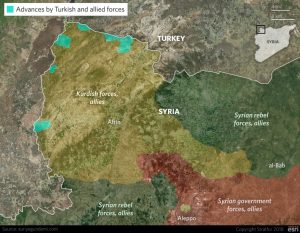
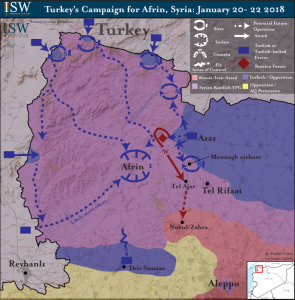
Turkey is preparing to launch the main effort of its Operation Olive Branch assault against the Syrian Kurdish People’s Protection Units (YPG) in the Afrin area in northern Syria. Turkish forces and Turkish-backed Syrian opposition groups have set military conditions for a Turkish Armed Forces (TSK) ground operation in the coming days. Turkish warplanes began an air campaign against YPG military targetsalong the Syrian-Turkish border on January 20th, 2018. Turkish Armed Forces and Turkish-backed Syrian opposition groups attacked YPG forces on multiple fronts along the northern outskirts of YPG-held terrain from January 20-22 in order to fix YPG forces while additional TSK forces, including armored units, mobilized on the YPG’s western and southwestern flank. Russian forces, meanwhile, withdrew from Afrin and reinforced Russian positions near Tel Rifaat.

The Institute for the Study of War’s January 23 map depicts a possible course of action that would achieve Turkey’s likely operational objectives. Those objectives are to secure the Syrian-Turkish border, isolate Afrin city, seize the Mennagh airbase, secure ground lines of communication, and establish a new forward line of troops to serve as a future “de-escalation” line with pro-Bashar al Assad regime forces including Russia. Turkish officials have also stated that they will attack the YPG-held town of Tel Rifaat. They may pursue that secondary phase after they accomplish their prior objectives. Tel Rifaat is a priority for Turkish-backed opposition groups but not critical for Turkey’s goals.

The U.S. has accepted Turkey’s offensive against Afrin but appealed to Turkey to limit the scale of civilian casualties. U.S. military officials are in Ankara to meet with their Turkish counterparts on January 23, 2017. The U.S. goal is likely to prevent Turkey from attacking the town of Manbij, farther east near the Euphrates River, where U.S. forces are present. Turkey’s President Recep Tayyip Erdogan threatened to seize Manbij after Afrin.

Posted by Institute for the Study of War at 11:56 AM 

US Unilateral Actions in Syria Provoked Turkey to Fury – Moscow

0

© REUTERS/ Stringer 

Russian Foreign Minister Sergey Lavrov has pointed to the United States’ “destructive role in foreign affairs” in an interview with Russia’s Kommersant newspaper.

“Many political scientists ask the question, why are we concerned [over US actions as regarding the Iranian nuclear deal], saying that ‘worse is better’: let the United States prove its inability to negotiate, its destructive role in foreign affairs, whether in Iran, or in Syria, where Washington is taking unilateral steps that have enraged Turkey,” Lavrov said, answering a question about the benefits Russia could gain as a result of US the policy to abort the deal with Tehran.

The statement was made amid an enraged Turkey’s military operation in the Kurdish-populated Syrian city of Afrin, dubbed Olive Branch, which was launched on January 20 with airstrikes in the area, and moving on to ground operations, which began on January 21.

In his Sunday statement, Turkish President Recep Tayyip Erdogan has blamed the United States for supporting the Kurdish militia in Syria, saying that the US has sent 5,000 trucks with weapons to the Syrian Kurds.

The president urged Washington not to provoke Ankara, underlining that “this is our people’s struggle”.

READ MORE: Erdogan Vows to Eliminate PKK, YPG, PYD, Urges US to Refrain From Provocations

Russia-US Relations

Speaking about the recently tense relations between Moscow and Washington, Russian Foreign Minister Sergey Lavrov stressed that a set of “non-paper” proposals on cooperation that was given by Russia to the United States is still in place.

READ MORE: Trump’s Election Promises — Broken & Kept

“The proposals are always in effect. We never ‘strike a pose,’ but try to understand the background of the activities carried out either by the US side, or by our other colleagues,” Lavrov said, answering a question if these proposals still remained in place.

The minister noted that in US-Russia relations, there were currently a number of issues stipulating the aggressive stance of the US establishment on Moscow.

The statement was made in spring 2017, when US Secretary of State Rex Tillerson declared after talks in Moscow that the Russian side had given the United States a set of proposals on cooperation.

As Russian Deputy Foreign Minister Sergey Ryabkov specified, Moscow had given Washington the list of proposals in a “non-paper” format on issues such as cybersecurity and the struggle against intellectual property infringement.

Lavrov went on by saying that certain representatives of the US Congress admit that the current situation in Washington’s relations with Moscow is far from normality.

READ MORE: ‘Cold War Mentality’: US Defense Strategy Includes False Judgments on China

“We are encouraged by the situation that recently several members of the US Congress, the representatives of US political science, diplomacy have admitted off the record that the situation [between the United States and Russia] is abnormal and it should be corrected,” Lavrov said.

The diplomat added that, at the same time, those people understand the US actions towards Russia as excessive, proposing Moscow to make some steps to allow them to say that Russia had “eased up.” According to the minister, such mentality does not serve US interests either.

The top diplomat pointed to the growing military buildup across the world, comparing the situation with the Cold War-era.

READ MORE: Beijing Slams US Defense Strategy as Confrontational ‘Cold War Mindset’

“In the absence of ideological differences, a buildup of military capacities is unfolding. We have not seen such developments since the cold war,” Lavrov said.

2018 Winter Olympic Games

In his interview, Sergei Lavrov denounced the “sponsored” campaign that was launched against Moscow, which, according to him, impacted the participation of Russia’s athletes in the Olympic Games.

“There are numerous facts showing that apart from real cases of doping use by our athletes, as well as by athletes from other states… there is an absolutely sponsored campaign based on a principle that is also being used in other spheres of international life when it comes to contacts with Russia and its partners,” Lavrov said.

The minister went on to speak about the provisions of the report of Richard McLaren, head of the World Anti-Doping Agency investigative team.

“If I am not mistaken, Richard McLaren in his report said that there was no evidence, they do not know, how [the use of doping] had been carryied out, but they know how it could be carried out. No court in any country would recognize such accusations as reasonable. However, taking into account such rather exotic statements, the decisions to deprive the country of the Olympics are made,” the diplomat added.

According to the diplomat, the existing situation in the world is characterized by an unprecedented wave of Russophobia, a level that was not even registered during the Cold War, when relations between the Soviet Union and the United States were characterized by ideological rivalry.

The statement is connected with the disgrace, sparked by WADA informant and former head of the Moscow Anti-Doping Laboratory Grigory Rodchenkov’s doping accusations against the Russian sports, which triggered a massive scandal and sanctions against Russian athletes.

The punitive measures include the deprivation of medals won at the 2014 Sochi Olympics and banning the Russian national team from the 2018 Winter Games in South Korea.

Commenting on the issue, President Vladimir Putin denied the existence of a state-run doping program, but admitted that sports at the national level faces some problems with doping that were being tackled.

READ MORE: WADA Informant to Testify Next Week at Banned Russian Athletes’ Hearing

US-North Korea Relations

Lavrov further touched upon the abrasive relationship between the United States and North Korea.

READ MORE: Russia Regrets US Unwilling to Cooperate on Pyongyang Issue — Kremlin

“I think that it is unacceptable [to violate international accords] either on Iran… or on the Korean Peninsula, where we also head an agreement reached in 2005 that had clearly defined the requirements imposed on North Korea and on others… In a couple of weeks after everything had been defined, the US side suddenly found out about an old case with a certain bank account in Macau and started blocking North Korean accounts… There was an accord that said ‘Stop’ to the confrontation and the provocative actions. It failed,” Lavrov said.

According to Lavrov, it is possible to argue on the issue, who had the point in the situation, but the accords were violated and the capacity to reach agreements was one of the most important issues nowadays.

The statement was made in wake of Trump’s January 18 accusations against Russia, which he voiced in an interview with Reuters.

As the US president explained his stance, Moscow was “not helping us at all with North Korea,” accusing Russia of “denting” what had been achieved by China through introducing harsh economic sanctions against Pyongyang. According to Trump, Russia is allegedly helping North Korea by supplying the country with fuel in violation of international sanctions.

READ MORE: US Blaming Russia for Supporting North Korea Attempts to Mask Own Failure

The president emphasized that the United States was increasing its missile defense and offensive capabilities, as despite his hopes that the tensions between Washington and Pyongyang could beresolved in a peaceful manner, “it’s very possible that it can’t.”

READ MORE: New US Defense Strategy: Work With Diplomats or Deal With Military

https://sputniknews.com/middleeast/201801211060943244-us-syria-actions-turkey-afrin-fury/