Αρχική Blog Σελίδα 2730

ΕΥΡΩΠΗ: ΄΄Κλίμα΄΄ και Μετανάστευση καταλύουν τη Δημοκρατία!

0

[Ποιος θα το περίμενε, πριν περάσει μια γενιά μετά την ευφορία που δημιούργησε η πτώση του κομουνισμού, η Δημοκρατία στη Δύση -ως βούληση του λαού – να βρίσκεται σε κίνδυνο. Μια σειρά υπερεθνικών θεσμών ΟΗΕ, Ευρωπαϊκή Επιτροπή, Διεθνές Νομισματικό Ταμείο Κομισιόν, κ.ά. ανάγονται σε φορείς διεθνούς δικαίου το οποίο υπερισχύει των εθνικών δικαίων καταργώντας έτσι την εθνική κυριαρχία και καθιστώντας τη λαϊκή ετυμηγορία…μασκαράτα. Οσο υπήρχε το αντίπαλο δέος, ο κομουνισμός, στη Δύση η πολιτική καθόριζε την οικονομία και έτσι υπήρξε και εργατικός συνδικαλισμός και κράτος πρόνοιας και η προσφυγή στις κάλπες είχε νόημα. Σήμερα, ελλείψει αντιπάλου, η Διεθνής του Χρήματος τα πήρε όλα πίσω και μας επιτρέπει απλώς να επικυρώνουμε τις προεπιλογές των εκλεκτών της. Η βαρβαρότητα επελαύνει και αλίμονο σε λαούς και άτομα που θα διανοηθούν να προβάλλουν αντίσταση. Ο λόγος που εκφέρει ο κ. Τσίπρας και η ρητορική του κ. Μακρόν – περίεργο(;) ότι και οι δύο προέρχονται από την Αριστερά! – συναντώνται στην ωμή περιφρόνηση του λαού και αυτό λέει πολλά…Ε.Δ.Ν.]

του Ντριέ Γκοντεφριντί*


© Reuters

Ας θυμηθούμε τα γεγονότα. Στην ουσία, η Συμφωνία των Παρισίων υποχρεώνει τη Δύση να μειώσει αμέσως και δραστικά τις εκπομπές CO2  – επιλέγοντας τρομακτικά δαπανηρές ενέργειες – ενώ ο υπόλοιπος κόσμος έχει το δικαίωμα να συνεχίσει να αυξάνει αυτές τις εκπομπές για πολλά χρόνια. Και σαν να μην έφτανε αυτό, η Συμφωνία αυτή υποχρεώνει τη Δύση να μεταφέρει 100 δισεκατομμύρια δολάρια ετησίως από τους φορολογούμενούς της στους Ασιάτες ή Αφρικανούς αρχηγούς κρατών, με την ελπίδα – πολύ υποθετική – ότι θα μειώσουν τις εκπομπές τους σε CO2.

Αυτή η συμφωνία, όπως επεσήμανα από τη στιγμή της υπογραφής της, απορρέει από μια συγκεκριμένη ιδεολογία, τον διεθνιστικό σοσιαλισμό, σύμφωνα με το οποίο η Δύση έχει ηθικό καθήκον να αναδιανείμει τον πλούτο που παράγει στον υπόλοιπο πλανήτη. Μέχρι την ανάπτυξη της ιδεολογίας της Διακυβερνητικής Επιτροπής για την Αλλαγή του Κλίματος (ΔΕΑΚ) – της κλιματικής ομάδας του ΟΗΕ – την αποκαλούσαμε “τριτοκοσμική ” ιδεολογία και το προβαλλόμενο κίνητρο της διανομής εμφανιζόταν ως ηθικό. Σήμερα, επικαλούνται την επιστήμη του κλίματος. Αλλά το αποτέλεσμα είναι ακριβώς το ίδιο.

Φαίνεται απίθανο ότι κάποιος ευρωπαϊκός ή αμερικανικός λαός θα είχε επικυρώσει αυτήν την ποινικοποίηση / αναδιανομή αν του την είχαν υποβάλει δια της δημοκρατικής οδού. Όταν ο μηχανισμός καθιερώνεται ως διεθνής βασικός κανόνας (norme), επιβάλλεται οριστικά στους λαούς, σύμφωνα με την αρχή της υπεροχής του διεθνούς δικαίου έναντι του εθνικού δικαίου.

Ο μηχανισμός αυτός βρίσκεται και στο Σύμφωνο του Μαρακές για τη Μετανάστευση. Να ένα σύμφωνο που, στη γενική του οικονομία, φέρνει το νομικό καθεστώς του λαθρομετανάστη (σε παράνομη κατάσταση) πιο κοντά σε εκείνο του νόμιμου πολιτικού πρόσφυγα και του νόμιμου οικονομικού μετανάστη. Να ένα σύμφωνο το οποίο, στις ειδικές του διατάξεις, ενισχύει τα δικαιώματα των λαθρομεταναστών σε όλα τα επίπεδα. Τέλος, να ένα σύμφωνο που ορίζει διατάξεις τόσο εκπληκτικές όπως η αναγνώριση στον λαθρομετανάστη της αρμοδιότητας να «διαπιστώνει» αδικήματα ρατσισμού, ξενοφοβίας και διακρίσεων (sic), και που υποχρεώνει τις δημόσιες αρχές να καταργούν τις επιδοτήσεις σε MME που δεν παρουσιάζουν τη μετανάστευση στο σύνολό της, συμπεριλαμβανομένης της λαθραίας και παράνομης συνιστώσας, ως ένα θετικό και επιθυμητό φαινόμενο. Το Σύμφωνο του Μαρακές είναι ιδεολογικό με τη στενή έννοια και αποτελεί ένα σημαντικό βήμα στη νομική καθιέρωση της ιδεολογίας των «ανοιχτών συνόρων», μιας άλλης μορφής του διεθνιστικού σοσιαλισμού.

Ντριέ Γκοντεφριντί

Το επιχείρημα του φερόμενου ως μη δεσμευτικού χαρακτήρα αυτού του συμφώνου δεν αντέχει σε ανάλυση. Όπως μόλις υπενθύμισε η κυβέρνηση των Ηνωμένων Πολιτειών στην επίσημη θέση της για το Σύμφωνο του Μαρακές, το διεθνές δίκαιο λειτουργεί κατ’ ουσίαν μέσω “αυτοαναφοράς”, δηλαδή με την επίκληση εγγράφων, ψηφισμάτων, εκθέσεων και άλλων ΄΄συμφώνων΄΄  για την υποστήριξη νέων αποφάσεων των οποίων το σωρευτικό αποτέλεσμα δημιουργεί νομικά αποτελέσματα. Στην πραγματικότητα, το μόνο ερώτημα είναι αν εθνικοί και διεθνείς δικαστές θα επικαλούνται το Σύμφωνο του Μαρακές για να στηρίξουν τις αποφάσεις και την επιχειρηματολογία τους, έστω και με τη μορφή ερμηνείας του ισχύοντος δικαίου. Δεδομένου ότι η απάντηση στο ερώτημα είναι θετική, δεν είναι δυνατόν να υποστηριχθεί λογικά ότι το εν λόγω σύμφωνο δεν έχει καμία νομική επιρροή.

Φαίνεται αμφίβολο αν καλούνταν κάποιος ευρωπαϊκός λαός να αποφανθεί για το Σύμφωνο του Μαρακές ότι θα το ενέκρινε. Με το βραχυκύκλωμά του μέσω της διεθνούς οδού, η κυβέρνηση παρακάμπτει τη σύμφωνη γνώμη του λαού και του επιβάλλει ένα διεθνή βασικό κανόνα που καμία δημοκρατική πλειοψηφία δεν μπορεί να νικήσει ή να τροποποιήσει.

Αυτή η κατάλυση του κανόνα μέσω της διεθνούς οδού είναι ανησυχητική. Τα δυτικά καθεστώτα μας, συνταγματικά και δημοκρατικά, είναι καρπός αγώνων πολλών αιώνων για την αναγνώριση του δικαιώματος των λαών στην αυτοδιάθεση. Από δημοκρατικής απόψεως, είναι υπερβολικά δυσάρεστο το γεγονός ότι το μέλλον των λαών μας δεσμεύεται χωρίς τη συναίνεσή τους και ότι καμία εθνική πλειοψηφία, ακόμα και συντριπτική, δεν θα μπορέσει να τροποποιήσει αυτό που πήρε τη μορφή διεθνούς προτύπου.

Η επικαιρότητα μας υπενθυμίζει τον κίνδυνο αυτής της παραγνώρισης. Από την εποχή της αρχαίας Αθήνας, το ίδιο το διακύβευμα της δημοκρατίας είναι η έλεγχος του βασικού κανόνα. Αν διεξάγονται εκλογές, με τον κανόνα στο ΄΄απυρόβλητο΄΄, αυτές είναι σκέτη μασκαράδα. Στο βαθμό που είναι όντως πάγιο, το δίκαιο γίνεται τυραννικό.

 *O Ντριέ Γκοντεφριντί (γεν. 1972) είναι Βέλγος φιλελεύθερος συγγραφέας, ιδρυτής του Ινστιτούτου Χάγιεκ στις Βρυξέλλες. Είναι κάτοχος μάστερ στο οικονομικό δίκαιο και διδάκτωρ φιλοσοφίας της Σορβόννης. Δημοσίευσε βιβλία με θέμα την Διακυβερνητική Επιτροπής για την Αλλαγή του Κλίματος.

Μετάφραση: Ευάγγελος Δ. Νιάνιος

Πηγή: https://www.atlantico.fr/decryptage/3560991/pacte-de-marrakech-et-accord-de-paris-ne-sont-que-deux-visages-d-une-meme-tyrannie


Trump to order withdrawal of 7,000 U.S. troops from Afghanistan: Reports

0

– The Washington Times – 

The Trump White House has requested plans for the withdrawal of 7,000 U.S. troops from Afghanistan, slashing the total number of American forces in the country by half, a day after the administration announced the complete pullout of all American forces from Syria.

Mr. Trump reportedly made the decision to request the Afghanistan reduction at the same time White House officials opted to pull out all 2,000 U.S. service members assisting local forces battling the Islamic State in Syria. The Wall Street Journal first reported details of the Trump administration’s request Thursday night.

Withdrawal plans from the Pentagon are expected to reach the White House by the new year, while no timeline has been set for when the pullout would begin, NBC News reported.

The mission of the nearly 14,000 U.S. service members in Afghanistan are split between counterterrorism operations against the Taliban and Islamic State’s Afghan affiliate, Islamic State in Iraq and Syria — Khorasan group or ISIS-K, and training local forces alongside their NATO counterparts.

News of the U.S. withdrawal comes as Afghan-led offensives backed by American airpower and a cadre of U.S. and NATO military advisers have ramped up, in an effort to roll back Taliban gains and force the insurgents to the negotiating table.

Seeking peaceful reconciliation with the Taliban, for the first time, as a main goal in the American war plan in Afghanistan — known as the South Asia strategy — has been seen as a bold and distinct break from previous administrations’ efforts to end the war.

On Monday, U.S. Special Envoy to Afghanistan Zalmay Khalilzad met with top Taliban officials to discuss potential peace talks. Mr. Khalilzad’s meeting in Abu Dhabi was the third time he has sat down with the terror group’s leaders since being appointed as the White House’s special envoy.

photo: Copyright © 2018 The Washington Times, LLC

U.S. Marines watch during the change of command ceremony at Task Force Southwest military field in Shorab military camp of Helmand province, Afghanistan. (AP Photo/Massoud Hossaini, File)

James Mattis quitting as defense secretary, cites differences with Trump

0

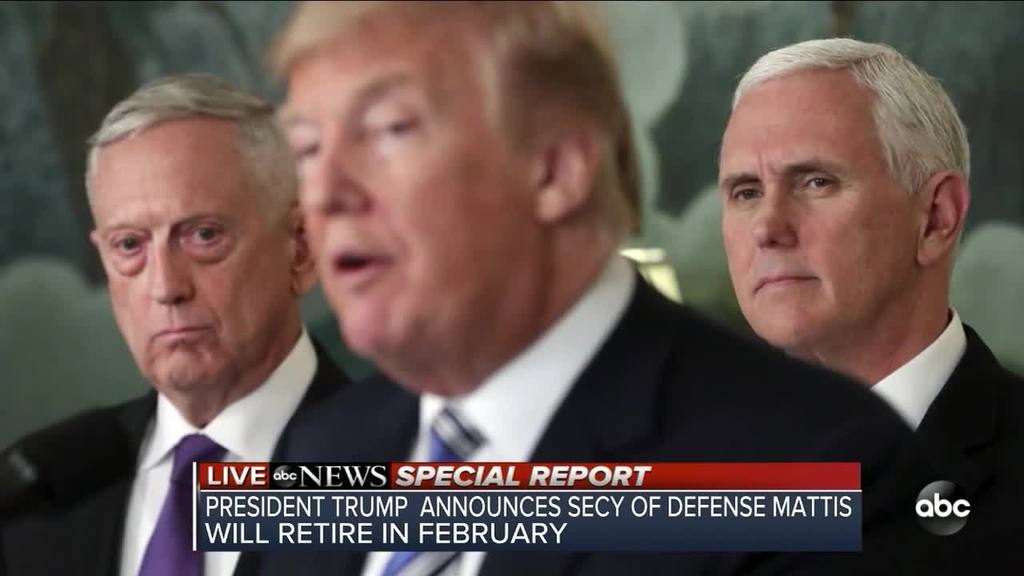
Defense Secretary James Mattis, the last of a team President Trump dubbed “my generals,” will step down early next year amid deepening rifts with the White House on crucial foreign policy matters, marking the departure of an original Trump Cabinet member and creating a leadership void at the Pentagon at a critical time for the president at home and abroad.

After meeting with Mr. Trump earlier in the day, Mr. Mattis said in a resignation letter Thursday evening that his views are no longer aligned with those of the commander in chief. He took thinly veiled shots at the president over America’s “common defense,” the best way to confront rivals such as China and Russia, and the guiding principle of “treating allies with respect.”

Notably, the Mattis letter said it was a privilege to “serve the nation and our men and women in uniform” — without mentioning the president.

His coming exit, first announced by Mr. Trump on Twitter, sent shock waves through Washington and governments around the world just a day after the president made the stunning declaration that the U.S. had defeated the Islamic State in Syria and that all American troops would soon leave the country.

Mr. Mattis strongly disagreed with the decision and argued to Mr. Trump that withdrawing could leave allies who fought alongside U.S. forces in the lurch. The secretary reportedly tried to persuade Mr. Trump to change his mind on Syria during their White House meeting but was unsuccessful.

The defense secretary’s frustration may have been compounded by reports that Mr. Trump was contemplating a second partial troop withdrawal opposed by many of his senior security advisers in Afghanistan. Together with Syria, such a withdrawal would mark a fundamental shift in American foreign policy in the Middle East.

Reaction to the resignation was swift.

“Just read Gen. Mattis‘ letter,” Sen. Marco Rubio, Florida Republican, tweeted shortly after the news broke. “It makes it abundantly clear that we are headed toward a series of grave policy errors which will endanger our nation, damage our alliances and empower our adversaries.”

“Everything that indicates strength, everything that indicates knowledge, is leaving this administration,” said Senate Minority Leader Charles E. Schumer, New York Democrat. He said recent departures, including former Gen. John F. Kelly’s decision to step down as White House chief of staff, are signs of “chaos” under Mr. Trump.

In his two-page letter, Mr. Mattis spoke of the need for America to stand up strongly to “authoritarian” regimes such as Russia and China. But his central disagreement appeared to focus on the decision to pull out of Syria and what it means for the U.S. relationship with key allies.

“One core belief I have always held is that our strength as a nation is inextricably linked to the strength of our unique and comprehensive system of alliances and partnerships,” Mr. Mattis wrote. “While the U.S. remains the indispensable nation in the free world, we cannot protect our interests or serve that role effectively without maintaining strong alliances and showing respect to those allies.

“My views on treating allies with respect and also being clear-eyed about both malign actors and strategic competitors are strongly held and informed by over four decades of immersion in these issues,” he continued. “Because you have the right to have a secretary of defense whose views are better aligned with yours on these and other subjects, I believe it is right for me to step down from my position.”

The president’s decision to withdraw from Syria has sparked bipartisan outrage. Publicly, Mr. Mattis stayed mum on the subject, but he and other Pentagon officials in recent weeks have stressed that the Islamic State is far from defeated — something Mr. Trump directly contradicted in his withdrawal order.

Mr. Trump praised Mr. Mattis on Twitter, saying he made great strides in rebuilding the military for 21st-century conflicts. His tweet suggested only that Mr. Mattis decided it was time to retire.

“During Jim’s tenure, tremendous progress has been made, especially with respect to the purchase of new fighting equipment,” Mr. Trump said. “General Mattis was a great help to me in getting allies and other countries to pay their share of military obligations. A new Secretary of Defense will be named shortly. I greatly thank Jim for his service!”

Mr. Trump earlier this month announced that Gen. Mark A. Milley, Army chief of staff, will succeed Gen. Joseph F. Dunford as chairman of the Joint Chiefs of Staff next fall.

White House officials Thursday night tried to downplay the divide between Mr. Trump and Mr. Mattis and took issue with the narrative that the secretary was resigning in protest over Syria

“It’s very normal at this point in the administration to have turnover,” White House adviser Stephen Miller told CNN.

Respected voice

Across Washington, reaction to Mr. Mattis‘ departure was a mix of respect for decades of military service and fear that a respected figure widely seen as a somber voice of reason in a chaotic administration was leaving.

Mr. Rubio said filling Mr. Mattis‘ shoes at the Pentagon will be no easy task. He said he hoped the secretary did not resign only because of fundamental disagreements over Syria, though Mr. Mattis was reportedly “livid” heading into his meeting with Mr. Trump.

“For the sake of our national security, I hope his decision to resign was motivated solely by a desire to enjoy a well-deserved retirement,” Mr. Rubio said.

Sen. Mark R. Warner, Virginia Democrat, characterized Mr. Mattis‘ retirement as scary. He tweeted that Mr. Mattis “has been an island of stability amidst the chaos of the Trump administration.”

“As we’ve seen with the president’s haphazard approach to Syria, our national defense is too important to be subjected to the president’s erratic whims,” he added.

Other lawmakers agreed and openly worried that Mr. Mattis was essentially being pushed out of an administration that wrongly believes the fight against Islamic State terrorists is over.

“This is a sad day for America because Secretary Mattis was giving advice the president needs to hear,” said Sen. Ben Sasse, Nebraska Republican. “Mattis rightly believes that Russia and China are clear adversaries and that we are at war with jihadists across the globe who plot to kill Americans at home … and no, ISIS is not gone.”

Mr. Trump will be searching for a new defense chief while he installs a new White House chief of staff, shepherds a new attorney general nominee through Senate confirmation, deals with a Democratic House coming to power, bargains over a looming government shutdown Friday, and deals with special counsel Robert Mueller’s widening investigation into claims that his presidential campaign colluded with Russia

Democratic leaders pounced on the news of Mr. Mattis‘ resignation as further proof that the wheels are coming off Mr. Trump’s presidency.

“As this administration continues to implode, Secretary Mattis‘ extraordinary resignation is a significant loss and a real indication that President Trump’s foreign policy agenda has failed and continues to spiral into chaos,” Sen. Robert Menendez of New Jersey, the ranking Democrat on the Senate Foreign Relations Committee, said in a statement. “Clearly, Secretary Mattis‘ resignation was prompted by the president’s flawed and hasty decision to withdraw our troops from Syria.”

Speculation over Mr. Mattis‘ dimming future in the administration heightened after the announced departure of Mr. Kelly, a fellow former Marine Corps general, as chief of staff this month. The end of Mr. Mattis‘ tenure in the Trump administration marks the last former general officer to leave a White House post.

Retired Gen. Michael Flynn quit after only a month as White House national security adviser after he admitted misleading Vice President Mike Pence about the extent of his contacts with Russian officials. Flynn is awaiting sentencing for lying to the FBI in Mr. Mueller’s Russia investigation.

Army Gen. H.R. McMaster succeeded Flynn as national security adviser, but he clashed with Mr. Trump and lasted less than a year in the post.

Mr. Kelly began in the administration as homeland security secretary and was tapped in July 2017 as White Housechief of staff to bring more discipline to the West Wing. Mr. Trump announced that Mr. Kelly will leave his post at the end of this year.

A deteriorating relationship

While Mr. Trump and Mr. Kelly were known to engage in heated arguments inside the West Wing, the relationship between the president and Mr. Mattis was more nuanced. The two men were always publicly respectful of each other.

But behind the scenes, the deep policy disagreements had been piling up. Mr. Mattis recently went to the mat with the White House over a planned Defense Department budget cut, privately telling the president that he could not execute the administration’s national security strategy with a spending level of $700 billion. Mr. Trump eventually reversed course and raised the figure to $750 billion.

Mr. Mattis also opposed the president’s decision to withdraw from the Paris climate accord in the summer of 2017. He also spoke out against the concept of a U.S. Space Force, though he ultimately got on board with the idea after Mr. Trump insisted on it.

Mr. Mattis was privately critical of the president’s decision to send U.S. troops to the Mexican border, and he opposed Mr. Trump’s suggestion that members of the armed forces could be drafted to construct a wall.

The defense secretary was largely left in the dark when Mr. Trump announced over the summer that the U.S. would suspend key joint military drills with South Korea amid the president’s unprecedented diplomatic outreach to North Korea. Mr. Mattis also expressed serious reservations about the White House’s decision to move the U.S. Embassy in Israel from Tel Aviv to Jerusalem.

Perhaps most important, Mr. Trump’s determination to challenge the foreign policy establishment on the wisdom of overseas U.S. military missions and alliances led to repeated clashes between the White House and the Pentagon. The Syria decision — and the possible drawdown in Afghanistan — deeply unsettled Mr. Mattis.

Mr. Trump also clearly chafed at the respect and praise Mr. Mattis received in Congress and abroad. The Pentagonchief was often portrayed in the press as the last line of defense against Mr. Trump’s worst foreign policy impulses. The billionaire real estate developer and the scholarly, professional soldier also failed to click on less-momentous issues. Mr. Trump reportedly was frustrated at the Pentagon’s slow-walking of his order banning transgender troops from the military and of his desire for an expensive military parade on the streets of Washington.

The relationship clearly reached a tipping point in October when Mr. Trump called Mr. Mattis “a Democrat” during a “60 Minutes” interview.

I have a very good relationship with him. … I think he’s sort of a Democrat, if you want to know the truth,” Mr. Trumpsaid. “But Gen. Mattis is a good guy. We get along very well. He may leave. I mean, at some point, everybody leaves. Everybody. People leave. That’s Washington.”

Mr. Mattis responded by saying he had never been affiliated with any political party.

The unexpected timing of the resignation left Mr. Trump with no clear favorite as a replacement. One long-rumored candidate is Sen. Tom Cotton, a hawkish Arkansas Republican who received the Bronze Star while serving in the Army in Iraq and Afghanistan.

Before ascending to the defense secretary post, Mr. Mattis‘ nickname in the media was “Mad Dog Mattis” — a moniker that reporters often used to describe the respect he had from rank-and-file soldiers in the field.

But it may also have been tied to Mr. Mattis‘ notoriously bare-knuckle demeanor as a combat general in the Iraq and Afghanistan wars, where he offered sharp-tongued quotes to the press.

He was quoted as saying that a good soldier “follows orders, but a true warrior wears his enemy’s skin like a poncho,” and to live by the motto: “Be polite, be professional, but have a plan to kill everybody you meet.”

The retired Marine general said during his defense secretary confirmation hearing in January 2017 that the “nickname was given to me by the press.”

“Perhaps they didn’t get it quite right,” he added, suggesting he wasn’t entirely comfortable with the moniker.

Some reports have noted that the nickname is never used by Mr. Mattis‘ close friends, who regard him as a kind and studious man, who is so well-read in military history that he has a penchant for saying memorable things of his own.

• Guy Taylor and Dave Boyer contributed to this report.

Copyright © 2018 The Washington Times, LLC.

Γιατί τα Δυτικά Βαλκάνια αποτελούν την πυριτιδαποθήκη της Ευρώπης

4

Του Γιώργου Ντούσκα, Πολιτικού Επιστήμονα

Με την ευκαιρία της επίσκεψης του Έλληνα Πρωθυπουργού στη Σερβία, αξίζει να θυμηθεί κανείς πώς φτάσαμε στη διάλυση της Γιουγκοσλαβίας και τι επακολούθησε.

Η συνταγματική αναθεώρηση του 1974 ενίσχυσε την αυτονομία των συνιστωσών και ουσιαστικά την μετέτρεψε σε συνομοσπονδία, ενώ παραχώρησε ευρεία αυτονομία στο Κοσσυφοπέδιο. Το νέο θεσμικό πλαίσιο αποδυνάμωσε καταφανώς τους Σέρβους. Από τις αρχές του ’80, η οικονομία της Γιουγκοσλαβίας χαρακτηρίζεται από στασιμοπληθωρισμό και εκτόξευση του δημόσιου χρέους (το όποιο άρχισε να αυξάνεται από τα μέσα του ’70), με τον πληθωρισμό να τρέχει με ρυθμό 1000% στα τέλη του ’89.  Η εσωτερική ανισοκατανομή του πλούτου ενίσχυσε τις διασπαστικές τάσεις.

Η άνοδος του Μιλόσεβιτς στη Σερβία, με την εθνικιστική του ατζέντα, που βασιζόταν στην πεποίθηση πως οι Σέρβοι ήταν ο «χαμένος εταίρος» του γιουγκοσλαβικού «συνεταιρισμού», ενίσχυσε τις φυγόκεντρες δυνάμεις και στις υπόλοιπες «δημοκρατίες» και ανέδειξε στην Κροατία τον έτερο εθνικιστή Τούτζμαν.

Ο ρόλος της Γερμανίας στην υπονόμευση μιας συντεταγμένης ειρηνικής μετάβασης και η τελική μεθόδευση της αναγνώρισης των πρώην γιουγκοσλαβικών δημοκρατιών με βάση τα υφιστάμενα σύνορα, στο όνομα της αυτοδιάθεσης, με πεισματική άρνηση του ίδιου δικαιώματος για τις ισχυρές κοινότητες των Σέρβων σε Κροατία και Βοσνία – Ερζεγοβίνη, παρήγαγε την σπίθα για τις πολεμικές συρράξεις εντός.

Μετά τη βίαιη και εκβιαστική διευθέτηση του θέματος της Βοσνίας – Ερζεγοβίνης το 1995, το επόμενο μέτωπο άνοιξε στο Κοσσυφοπέδιο, με την αλβανόφωνη πλειονότητα να απαιτεί την απόσχιση και με τον αμερικανικό παράγοντα αυτή τη φορά να οδηγεί στη de-facto αναγνώριση της ανεξαρτησίας του. Όπως ήταν φυσικό, τη σκυτάλη του αλβανόφωνου εξτρεμισμού πήρε η ΠΓΔΜ ως ο επόμενος «αδύναμος κρίκος», με συρράξεις «ανταρτών» και κυβερνητικών δυνάμεων, που δεν έλαβαν ευτυχώς γενικευμένο χαρακτήρα, με το διεθνή παράγοντα να μεσολαβεί, αυτή τη φορά πυροσβεστικά.

Σήμερα, Βοσνία – Ερζεγοβίνη (Β-Ε), Π.Γ.Δ.Μ. και Κοσσυφοπέδιο (Κ) αποτελούν τα «ενεργά ηφαίστεια» σε λήθαργο των Δυτικών Βαλκανίων, για τους εξής λόγους:

  1. Συγκροτήθηκαν και εξελίχθηκαν στην φάση συγκρότησης της Γιουγκοσλαβίας και μετεξελίχθησαν στην πορεία της διάλυσής της, δεν αποτέλεσαν δηλαδή κυρίαρχες οντότητες με μακρόχρονη ιστορία, αλλά μέρη άλλων οντοτήτων (Οθωμανικής -Αυστροουγγρικής αυτοκρατορίας).
  2. Αποτελούν ζώνες με πολυεθνική – πολυεθνοτική σύνθεση, όπου η κάθε κοινότητα έχει ελάχιστη ή μηδαμινή διάδραση με τις υπόλοιπες, με ισχυρές διαχωριστικές γραμμές.
  3. Δεν διαθέτουν ούτε τον παραγωγικό, ούτε τον θεσμικό εξοπλισμό, ώστε να διατηρηθούν και να αναπτυχθούν σε ομαλή και σταθερή βάση και κατά συνέπεια, αναμένεται σε διαφορετικό χρόνο να έχουν μετάπτωση μορφής και χαρακτήρα.
  4. Μπορεί βεβαίως να διαφέρουν σε φύση και υπόσταση, όπως για παράδειγμα οι δύο περιπτώσεις που είναι πρώην ομόσπονδα κρατίδια αναγνωρισμένα ως κράτη, το δε Κοσσυφοπέδιο ως αυτόνομη περιοχή, μερικώς αναγνωρισμένο, με αμφισβητούμενη επικράτεια και κυριαρχία, και η πολυεθνική τους σύνθεση να είναι επίσης διαφορετική, έχουν όμως κοινό χαρακτηριστικό ότι οι κοινότητες δεν αναμειγνύονται και συγκροτούν συμπαγείς πλειοψηφίες σε γεωγραφικά διαμερίσματα της κάθε χώρας.
  5. Και οι τρεις οντότητες, έχουν αδύναμες οικονομίες (κατά κεφαλήν εισόδημα 3,800 Β-Ε, 4,100 ΠΓΔΜ, 3,100 Κ), υψηλή ανεργία και παραοικονομία, αδύναμους θεσμούς (δικαιοσύνη, διαφάνεια, εσωτερική ασφάλεια, κοινωνία πολιτών), με εξαπλωμένη διαφθορά και διαπλοκή με οργανωμένα δίκτυα εγκλήματος, ενώ βασίζονται στην ευρωπαϊκή και διεθνή βοήθεια προκειμένου να παραμένουν σχετικά σταθερές.
  6. Στη Β-Ε, η ανορθόδοξη επιμονή διατήρησής της ως μια οντότητα, όταν στο όνομα της αυτοδιάθεσης νομιμοποιήθηκε η διάλυση της Γιουγκοσλαβίας, πέραν του ότι προκάλεσε έναν αιματηρό ενδοφυλετικό πόλεμο, συντηρεί ένα μόρφωμα όπου οι 3 κοινότητες (των Σέρβων και της ομοσπονδίας Κροατών-Βόσνιων) συγκροτούνται σε μια ιδιότυπη συνομοσπονδία, στην οποία όλοι συμφωνούν πως έχουν συνάψει έναν «λευκό γάμο».
  7. Στο ημιανεξάρτητο Κοσσυφοπέδιο, προϊόν δημιουργίας του ΝΑΤΟ και της Ε.Ε., το 18χρονο status quo συντηρείται επίσης τεχνητά, καθώς η πόλωση Αλβανών – Σέρβων δεν αφήνει περιθώρια για συμπόρευση και η μόνη ρεαλιστική λύση είναι η συμφωνία για επαναχάραξη των συνόρων, που εφόσον επιτευχθεί, ανοίγει το δρόμο για αντίστοιχα σενάρια και στις υπόλοιπες προβληματικές περιοχές.
  8. Με τις αλβανικές πολιτικές ελίτ και στις δύο πλευρές των συνόρων (Αλβανία-Κ) να «φλερτάρουν» συχνά με την προοπτική της συγχώνευσης, η μακροπρόθεσμη προοπτική της 3ης συνιστώσας σε αυτό το κατακερματισμένο πάζλ, που ακούει στο όνομα ΠΓΔΜ, δεν αφήνει περιθώρια για ευοίωνες σκέψεις.
  9. Το πολιτικό σύστημα της ΠΓΔΜ παραμένει αδύναμο και η προοπτική ένταξης στο ΝΑΤΟ δεν πρόκειται να υποκαταστήσει τις εγγενείς εσωτερικές αδυναμίες, όπως έχει δείξει και η περίπτωση της Αλβανίας, καθώς η 10ετής παρουσία της στο ΝΑΤΟ δεν οδήγησε ούτε σε οικονομική ανάπτυξη, ούτε σε πολιτική και θεσμική ωρίμανση στο εσωτερικό της. Με δύο κοινότητες (αλβανική και σλάβικη), που έχουν «τραφεί» για πολλές γενιές με ισχυρές δόσεις εθνικισμού κάθε απόχρωσης, καμία διακρατική ή υπερεθνική ομπρέλα δεν πρόκειται να τις μετασχηματίσει σε μια λειτουργική σχέση τύπου Φλαμανδών και Γάλλων.
  10. Και στις τρεις περιοχές, το καθεστώς των τελευταίων δεκαετιών προέκυψε μέσα από βίαιες συγκρούσεις και εξίσου εκβιαστικές – τεχνητές συμφωνίες, οι οποίες διατηρούν ένα status-quo που δεν επετεύχθη λόγω συναινετικών διαδικασιών και κοινωνικο-πολιτισμικής όσμωσης.

Σε αυτό το πλαίσιο, η Ελλάδα, εμφανίστηκε όχι μόνο απροετοίμαστη στις αρχές του ’90, στα γεγονότα αποσύνθεσης και στη συνέχεια ανασύνθεσης των Δυτικών Βαλκανίων, αλλά ανίκανη να στοχοθετήσει προτεραιότητες στο μεταβαλλόμενο σκηνικό, με αποτέλεσμα να αντιδρά σπασμωδικά ή αυτιστικά απέναντι στα γεγονότα. Δεν μπόρεσε να κεφαλαιοποιήσει ούτε την ιδιότητα της ως οργανικό μέλος του ΝΑΤΟ και κυρίως της Ε.Ε., ούτε την οικονομική της διείσδυση.

Αμήχανα αντιμετώπισε και την ροή Αλβανών και Β/Η ομογενών που ακολούθησε την κατάρρευση της Αλβανίας, χωρίς σχέδιο και στρατηγική, στο δε ονοματολογικό της ΠΓΔΜ πέτυχε να γίνει μέρος του προβλήματος αντί για παράγοντας διαμόρφωσης της λύσης του. Στο Κοσσυφοπέδιο επέλεξε τον αυτισμό της ουδετερότητας και γενικότερα περιχαρακώθηκε στην επιθυμητή μεν αλλά άνευρη  και αδύναμη στάση του «σταθερού πόλου – υπερασπιστή της διεθνούς νομιμότητας». Μόνο που οι διεθνείς εξελίξεις δεν καθορίζονται από το διεθνές δίκαιο, αλλά αντίστροφα, καθώς το τελευταίο ερμηνεύεται και προσαρμόζεται στις πρώτες.

Η Νέα Τάξη πραγμάτων του ’90 για τα δυτικά Βαλκάνια ήταν καταλυτική, μιας και εκατομμύρια άνθρωποι στην πρώην Γιουγκοσλαβία γεννήθηκαν ως «Γιουγκοσλάβοι» και σήμερα ζούνε ως Σέρβοι, Κροάτες, Βόσνιοι, Αλβανοί κλπ, αφού μεσολάβησε καταστροφή και βία, με ανοιχτούς λογαριασμούς και ανταγωνιστικές πορείες.

Το status quo, όπως αποδείχτηκε παραπάνω, έχει επιβάλει ασταθή σχήματα και η σημερινή κατάσταση δεν είναι καλύτερη από ό,τι ήταν στην αυγή του 21ου αιώνα, επομένως οι αναθεωρητικές δυνάμεις έχουν το πάνω χέρι, γιατί εκφράζουν πραγματικές κοινωνικές και πολιτικές δυναμικές και η Ελλάδα οφείλει να βγει από τον δογματικό της αυτισμό και να αντιληφθεί ότι μόνο η προσαρμογή και η πρόληψη σε καθιστούν διεθνή δρώντα.

Στο «δίλημμα του φυλακισμένου», όταν όλοι οι εμπλεκόμενοι αναζητούν να διαπραγματευτούν το «τομάρι» τους, αυτός που κάθεται στη γωνία και επαναλαμβάνει μονότονα την εμμονή του στο σεβασμό του διεθνούς δικαίου, στο τέλος του επιβάλλεται η μεγαλύτερη ποινή.


Παρανοϊκές αποφάσεις

1

Η παγκόσμια ισορροπία βρίσκεται στα χέρια ενός ανθρώπου που λαμβάνει παρανοϊκές αποφάσεις.

Η απόφαση του Τράμπ να αποχωρήσει από τη Συρία, και εν μέρει από το Αφγανιστάν, δημιουργεί τεράστιες ανατροπές ισορροπιών και παραδίδει περιοχές και λαούς στο τρίγωνο Ρωσία- Τουρκία- Ιράν και τους Κούρδους στην τουρκική βουλιμία.

Είναι αδιανόητο ο αμερικανός πρόεδρος να παίρνει μόνος του τέτοιας σημασίας αποφάσεις και να μην συμβουλεύεται κανέναν, ούτε το Σύμβουλο Εθνικής Ασφαλείας, ούτε τον υπουργό άμυνας, ούτε τον υπουργό εξωτερικών, παρά να ακούει μόνο τον Ερντογάν.

Κάτι σοβαρό συμβαίνει πίσω από τις πόρτες του Λευκού Οίκου. Στις ΗΠΑ δεν βγήκε ούτε ένας πολιτικός παράγων με κύρος να σχολιάσει θετικά την απόφαση του Τράμπ.

Όπως είναι γνωστό ο αμερικανός υπουργός άμυνας έφθασε στο σημείο να παραιτηθεί ενώ τα ειδησεογραφικά δίκτυα αναμένουν και άλλες παραιτήσεις τις επόμενες ημέρες.

Οι Ηνωμένες Πολιτείες αλλά και ο κόσμος, στον βαθμό που επηρεάζεται από τις αποφάσεις της υπερδύναμης βρίσκονται στα χέρια ενός ανθρώπου που από ορισμένους χαρακτηρίζεται παρανοϊκός.

Προσέξτε την επικίνδυνη αντίφαση: ο Τράμπ δεν είναι γνώστης της παγκόσμιας κατάστασης και παίρνει αποφάσεις όχι μόνο χωρίς να συμβουλευτεί τους απολύτως στενούς συνεργάτες του αλλά αυτοί να έχουν αντίθετη γνώμη.

Οι Ηνωμένες Πολιτείες, η παγκόσμια υπερδύναμη, καθίστανται αφερέγγυες στους συμμάχους τους την κρισιμότερη περίοδο της μετάβασης από τον παλιό κόσμο σε έναν, υπο διαμόρφωση, νέο. Οι κίνδυνοι είναι τεράστιοι.

Ο Τράμπ φαίνεται πως είναι ευάλωτος σε εκβιασμούς. Ρωσικούς και τουρκικούς. Και δρα εναντίον των αμερικανικών συμφερόντων. Δυστυχώς, και των συμφερόντων της παγκόσμιας κοινότητας.

Mattis resigns, says views aren’t in line with Trump’s

0

The announcement came a day after the White House said the U.S. would be withdrawing its troops from Syria, as well as reports it was also considering a drawdown in Afghanistan. Both moves have been met with opposition by Pentagon officials and members of the foreign policy establishment.

In a striking resignation letter to Trump notable as much for what it did not say as what was included, Mattis signaled his concern with the way Trump treated allies in NATO as well as rivals such as China and Russia. 

He wrote that his “core belief” is that U.S. strength is “inextricably linked with the strength of our unique and comprehensive system of alliances and partnerships.”

“My views on treating allies with respect and also being clear-eyed about both malign actors and strategic competitors are strongly held and informed by over four decades of immersion in these issues,” Mattis wrote. “We must do everything possible to advance an international order that is most conducive to our security, prosperity and values, and we are strengthened in this effort by the solidarity of our alliances.””Because you have a right to have a Secretary of Defense whose views are better aligned with yours on these and other subjects, I believe it is right for me to step down from my position,” Mattis wrote.

The letter did not mention Trump and did not include statements typically found in resignation letters about it having been an honor to serve the president. It was addressed “Dear Mr. President,” and concluded with a line about how it had been an honor to serve the nation and “our men and women in uniform.”

A former White House official who worked closely with Mattis’ team described the letter as “a 21 gun f— you.”

Congressional reaction to the Mattis resignation was gloomy, with House Democratic Leader Nancy Pelosi (D-Calif.), the likely next Speaker of the House, saying it had left her shaken.

“I am shaken by the resignation of Gen. Mattis and pray for our country,” Pelosi told reporters at a press conference held over the looming government shutdown — the backdrop for the defense chief’s news.

“This is a sad day for America because Secretary Mattis was giving advice the President needs to hear,” Sen. Ben Sasse (R-Neb.) said in a statement.

“Mattis rightly believes that Russia and China are clear adversaries and that we are at war with jihadists across the globe who plot to kill Americans at home. Isolationism is a weak strategy that will harm Americans and America’s allies. Radical Islamic jihadists are still at war with us, and no ISIS is not gone.”

Mattis specifically highlighted NATO and the coalition fighting the Islamic State in Iraq and Syria (ISIS) as example of alliances for which America must provide “effective leadership.”

Trump has frequently derided NATO as outdated and chastised allies to pay more for their own defense. At a NATO summit in July, Trump reportedly threatened to withdraw the United States from the alliance if allies did not increase their defense spending.

Trump’s Wednesday announcement that he will withdraw from Syria, meanwhile, rattled allies in the anti-ISIS coalition who were not informed beforehand. It was also widely criticized as abandoning the U.S.-backed forces fighting ISIS on the ground in Syria, including Kurdish forces threatened with attack by Turkey.

Several lawmakers have said Mattis made clear to them he did not agree with Trump’s decision.

Sen. Lindsey Graham (R-S.C.) earlier Thursday said that Mattis “thought that the time was not right to leave” Syria and was “very worried about the Kurds.”

Mattis’s letter was released minutes after Trump said on Twitter that the secretary was “retiring.”

“General Jim Mattis will be retiring, with distinction, at the end of February, after having served my administration as Secretary of Defense for the past two years,” Trump tweeted.

Trump also praised Mattis for his efforts to boost the defense budget and work to increase allies’ defense spending.

“During Jim’s tenure, tremendous progress has been made, especially with respect to the purchase of new fighting equipment,” Trump tweeted. “General Mattis was a great help to me in getting allies and other countries to pay their share of military obligations. A new Secretary of Defense will be named shortly. I greatly thank Jim for his service!”

Mattis offered his resignation to Trump on Thursday during a meeting at the White House that included a “long conversation” touching on their policy differences, according to White House press secretary Sarah Huckabee Sanders.

Sanders, however, downplayed the level of tension between Mattis and Trump, saying “they agree to disagree at times, but that doesn’t mean you can’t have a good relationship with somebody.” She also said Trump believes hearing different viewpoints is a “good thing.”

“The president always listens to the members of his national security team, but at the end of the day, it’s the president’s decision to make,” she said.

Trump plans to name a replacement for Mattis by year’s end, according to Sanders, who did not name any candidates under consideration.

Rumors of Mattis’s potential departure have swirled for months as Trump bucked his defense secretary’s advice on a number of issues.

Over the last couple of years, Trump announced a ban on transgender troops on Twitter, canceled joint U.S.-South Korea military exercises, withdrew from the Iran nuclear deal and deployed troops to the U.S.-Mexico border, among other moves that Mattis either opposed or received little forewarning of.

Recently, Trump passed over Mattis’s choice of successor for Joint Chiefs of Staff Chairman Gen. Joseph Dunford in favor of Army Chief of Staff Gen. Mark Milley,

But there were also signs Mattis continued to have clout, such as convincing Trump to boost next year’s defense budget to $750 billion.

Reports about growing animosity between the two and Mattis’s possible exit picked up steam in September following the publication of a book from journalist Bob Woodward. In the book, Mattis is quoted as saying Trump’s understanding of the situation on the Korean peninsula is like that of a “fifth or sixth grade.”

At the time, Mattis dismissed rumors of his exit, saying “I wouldn’t take it seriously at all” and that people should “keep a sense of humor about it.”

Mattis also called Woodward’s reporting “fiction,” and Trump praised that denial.

Mattis set his resignation date as Feb. 28 to allow for “sufficient time” to nominate and confirm a successor, ensure the Pentagon is “properly” represented at upcoming congressional hearings and a NATO defense ministerial, and have the transition happen well before Dunford’s departure in September.

Former GOP Sens. Kelly Ayotte (N.H.) and Jim Talent (Mo.) have been mentioned as possible replacements by sources close to the administration.

Mattis has been one of the few Trump Cabinet member to receive bipartisan praise throughout his tenure. Dating back to his nomination, lawmakers saw him as a potentially steadying hand to a volatile president.

In a sign of their faith in him, lawmakers passed a waiver that allowed the retired general to serve as Defense secretary in spite of a law saying the secretary must be out of uniform for at least seven years. At the time, Mattis had only been out of uniform for three years.

On Thursday, Democrats said they saw Mattis’ resignation as a sign of chaos.

“A secretary of Defense quitting over a public disagreement with a president whose foreign policy he believes has gone off the rails is a national security crisis,” Sen. Chris Murphy (D-Conn.) tweeted. “No way around it.”

Rep. Adam Smith (D-Wash.), who is expected to be House Armed Services Committee chairman in January, similarly said the resignation “shows that President Trump is now very much out of control.”

“I respect the decision; I understand why he did it. But it’s unfortunate for the country,” Smith said.

Smith added that it’s “very important” that Mattis be replaced with a figure of his experience and gravitas, but added that he has “no confidence whatsoever that that will be the case.”

“It now seems that President Trump is picking people who are simply going to do his bidding.”

Jordan Fabian and Mike Lillis contributed

https://www.google.com/search?q=trump+mattis&source=lnms&tbm=isch&sa=X&ved=0ahUKEwjb8_2Il7DfAhVKIlAKHc2-BGwQ_AUIDygC&biw=1350&bih=613

Φεύγει από την Συρία ο Τραμπ για να κάνει το MAGA

0

Βαγγέλης Σαρακινός

Νέα δεδομένα στην Μέση Ανατολή δημιουργεί η απόφαση του Τραμπ να αποσύρει τις αμερικανικές δυνάμεις από την Συρία, προκαλώντας  τις αντιδράσεις παραδοσιακών συμμάχων των ΗΠΑ, αλλά και αρκετών Γερουσιαστών. Την ίδια ώρα, ικανοποιημένες, για διαφορετικούς λόγους, εμφανίζονται η Μόσχα και η Άγκυρα, ενώ μεγάλη είναι η ανησυχία που έχει προκληθεί στους Κούρδους της Συρίας, οι οποίοι έδωσαν και τις περισσότερες μάχες κατά του Ισλαμικού Κράτους.

Η απόφαση του Τραμπ δεν ήταν κεραυνός εν αιθρία και δεν προκάλεσε έκπληξη. Ήδη από την συνάντηση κορυφής στο Ελσίνκι η αμερικανική συμμετοχή στις επιχειρήσεις είχε περιοριστεί, την ώρα που οι δυνάμεις του Άσαντ με την υποστήριξη του Πούτιν προχωρούσαν στην ανακατάληψη συριακών επαρχιών. Η Ουάσινγκτον και προσωπικά ο Αμερικανός πρόεδρος είχαν κατηγορηθεί αρκετές φορές για διστακτικότητα, εξαιτίας αυτών των εξελίξεων.

Ο Τραμπ, ο οποίος είχε εκφραστεί πολλές φορές υπέρ της αποχώρησης από την Συρία, υπεραμύνθηκε της απόφασής του να κηρύξει την νίκη εναντίον του Ισλαμικού Κράτους και να αποσύρει τις αμερικανικές δυνάμεις από την περιοχή. Ανέφερε μάλιστα ότι με την απόφασή του αυτή υλοποιεί μια προεκλογική υπόσχεσή του.

Μεγάλο κόστος, μικρά οφέλη

Ο ίδιος υποστήριξε ότι οι ΗΠΑ έκαναν στη Συρία την δουλειά άλλων χωρών, περιλαμβανομένης της Ρωσίας και του Ιράν, και ότι αυτό είχε πολύ κόστος για τους Αμερικανούς και κανένα όφελος. Παραδέχθηκε μάλιστα ότι ήθελε να αποχωρήσει από την περιοχή πριν από έξι μήνες, δηλαδή λίγο πριν το Ελσίνκι, αλλά τότε συμφώνησε να μείνει και άλλο.

Στα μηνύματά του στο Twitter ο Αμερικανός πρόεδρος αφήνει αιχμές για χώρες της περιοχής, οι οποίες ωφελούνται από την αμερικανική παρουσία, μια παρουσία που έχει κόστος «πολύτιμες ζωές και τρισεκατομμύρια δολάρια» και, όπως είπε, στο τέλος δεν το εκτιμούν. Αν και δεν την κατονομάζει, η Τουρκία θα πρέπει να περιλαμβάνεται σίγουρα σε αυτές τις χώρες. Το γεγονός όμως ότι δεν κάνει εξαιρέσεις βάζει και άλλες χώρες της περιοχής στην σφαίρα της δυσαρέσκειάς του.

Ο Τραμπ αναφέρει ακόμη ότι «είναι καιρός άλλοι να πολεμήσουν τελικά» και εμείς (οι Αμερικανοί) «να γυρίσουμε σπίτι & να ανοικοδομήσουμε #MAGA»(Make America Great Again, Να κάνουμε την Αμερική μεγάλη ξανά).

Στον απόηχο των δηλώσεων του Τραμπ, ο ειδικός απεσταλμένος των ΗΠΑ για τη Συρία, Τζιμ Τζέφρι, ακύρωσε όλες τις προγραμματισμένες συναντήσεις που είχε για σήμερα στον ΟΗΕ. Η ακύρωση έγινε λίγες ώρες πριν ο ειδικός απεσταλμένος των Ηνωμένων Εθνών για την Συρία, Στάφαν ντε Μιστούρα, ενημερώσει το Συμβούλιο Ασφαλείας για τις εξελίξεις στην περιοχή.

Πως θα γίνει η αποχώρηση

Ο Τραμπ ανακοίνωσε την απόφαση αποχώρησης από την Συρία, αμέσως μετά τους πανηγυρισμούς του για την νίκη επί του Ισλαμικού Κράτους. Οι σύμμαχοί του ωστόσο εκτιμούν διαφορετικά την κατάσταση.

Το Παρίσι και το Λονδίνο, που μετέχουν στον υπό τις ΗΠΑ συνασπισμό, κρίνουν ότι το Ισλαμικό Κράτος δεν έχει νικηθεί ολοκληρωτικά  και δηλώνουν ότι θα διατηρήσουν τις στρατιωτικές δυνάμεις τους επί του πεδίου και μετά την μονομερή αποχώρηση των Αμερικανών. Σε ανάλογες εκτιμήσεις προχώρησε και το Βερολίνο, εκφράζοντας την ανησυχία τους για τις εξελίξεις.

Σημειώνεται ότι η Γαλλία μετέχει με αεροσκάφη που επιχειρούν από την Ιορδανία, αλλά και με πυροβολικό στα σύνορα του Ιράκ με την Συρία, όπου υποστηρίζει τις Συριακές Δημοκρατικές δυνάμεις, ραχοκοκαλιά των οποίων είναι οι Κούρδοι πολιτοφύλακες της YPG. Το Παρίσι δεν έχει επιβεβαιώσει ωστόσο ποτέ την παρουσία γαλλικών ειδικών δυνάμεων στο έδαφος της Συρίας, κάτι που ισχυρίζεται το αμερικανικό Πεντάγωνο.

Θα παραμείνει όμως ο συνασπισμός μετά την αποχώρηση των ΗΠΑ; Χθες η εκπρόσωπος του Λευκού Οίκου διαβεβαίωνε ότι η αποχώρηση των αμερικανικών δυνάμεων από τα συριακά εδάφη δεν συνιστά λύση του συνασπισμού. Σήμερα ωστόσο, Αμερικανοί αξιωματούχοι ανέφεραν ότι η διαταγή του Τραμπ σημαίνει και τον τερματισμό των βομβαρδισμών εναντίον θέσεων του Ισλαμικού Κράτους. Ο Συνασπισμός των Δυτικών όμως, το μόνο που έκανε, τους τελευταίους μήνες τουλάχιστον, ήταν να υποστηρίζει με αεροπορικούς βομβαρδισμούς τις χερσαίες επιχειρήσεις των Κούρδων εναντίον των τζιχαντιστών.

Η αγωνία των Κούρδων

Η απόφαση του Τραμπ δεν έχει βέβαια ακόμη επιπτώσεις επί του πεδίου, όπως ανέφερε ο εκπρόσωπος των Συριακών Δημοκρατικών Δυνάμεων, καθώς δεν έχει καθοριστεί ακόμη ούτε το χρονοδιάγραμμα της αποχώρησης. Για το θέμα αυτό άλλωστε, σύμφωνα με το γαλλικό υπουργείο Εξωτερικών, οι σύμμαχοι των ΗΠΑ βρίσκονται σε συζητήσεις με την Ουάσινγκτον.

Στόχος των συνομιλιών, όπως αναφέρει το Παρίσι, είναι να διασφαλιστεί η ασφάλεια όλων των εταίρων των ΗΠΑ, περιλαμβανομένων των Κούρδων Πολιτοφυλάκων. Το Παρίσι μάλιστα φαίνεται ότι αναλαμβάνει πρωτοβουλίες για το θέμα, καθώς η Γαλλία είναι η μόνη χώρα του συνασπισμού των Δυτικών, πέραν των ΗΠΑ, που διαθέτει στρατό σε συριακά εδάφη.

Η αποχώρηση των Αμερικανών αφήνει έκθετους τους Κούρδους απέναντι στα υπολείμματα του Ισλαμικού Κράτους στην Ανατολή και την τουρκική απειλή στον Βορρά. Οι Κούρδοι πάντως δηλώνουν ότι θέλουν να συνεχίσουν τις μάχες εναντίον των τζιχαντιστών στην Ανατολική Συρία. Προειδοποιούν ωστόσο, ότι θα τις σταματήσουν, αν οι Τούρκοι  προχωρήσουν το σχέδιο του στον Βορρά, εξαπολύοντας επιθέσεις εναντίον των περιοχών τους.

Ποιος όμως θα σταματήσει την εισβολή του Ερντογάν στην Μανμπιτζ, αν φύγουν από την περιοχή οι επίλεκτες αμερικανικές δυνάμεις;  Ποιος θα κάνει το ίδιο στις περιοχές ανατολικά του Ευφράτη για τις οποίες ο Τούρκος πρόεδρος έχει ήδη εξαγγείλει την ετοιμότητα της Άγκυρας να ξεκινήσει στρατιωτικές επιχειρήσεις;

Κλειδί και πάλι η Ιντλίμπ;

Οι Αμερικανοί έχουν προειδοποιήσει βέβαια, ότι δεν θα ανεχθούν ανάληψη μονομερούς δράσης από οποιονδήποτε στην βορειοανατολική Συρία, όπου δρουν οι αμερικανικές δυνάμεις. Θα ισχύει όμως αυτό και μετά την αποχώρησή τους; Γιατί πρόκειται να ισχύει και μετά, χρειάζεται μία απάντηση ο Τούρκος υπουργός Άμυνας που δήλωσε ότι οι Κούρδοι μαχητές ανατολικά του Ευφράτη «θα θαφτούν στα χαρακώματά τους όταν έρθει η ώρα».

Την κατάσταση δυσκολεύει και το ανοιχτό μέτωπο στην Ιντλίμπ, το οποίο, πιθανότατα, θα αναγκάσει τον  Άσαντ, και κυρίως τον Πούτιν, να επικεντρώσουν σε αυτήν την περιοχή, αφήνοντας και αυτοί ελεύθερο το πεδίο για τον Ερντογάν στην βορειοανατολική Συρία. Σήμερα άλλωστε, στην καθιερωμένη ετήσια συνέντευξη τύπου, ο Πούτιν δήλωσε ότι Μόσχα και Άγκυρα καταλήγουν σε συμβιβασμούς στο θέμα της Συρίας, παρότι τα συμφέροντα τους δεν ταυτίζονται. Ανέφερε μάλιστα ότι η Μόσχα αντιμετωπίζει «με σεβασμό τα εθνικά συμφέροντα του τουρκικού λαού σε αυτή την κατεύθυνση».

Αν δεν λυθεί πάντως το θέμα της ασφάλειας των Κούρδων της βόρειας Συρίας και δεν αποτραπεί η τουρκική στρατιωτική επέκταση ανατολικά του Ευφράτη, τότε ο Τραμπ, εκτός από το MAGA θα κάνει «μάγκα» και τον Ερντογάν. Και ο Πούτιν όμως θα πρέπει να είναι έτοιμος να μοιραστεί μαζί του την ευθύνη για μια νέα ανθρωπιστική κρίση στην Συρία, αυτήν την φορά από τα «ανδραγαθήματα» του Ερντογάν.

Φεύγει από την Συρία ο Τραμπ για να κάνει το MAGA

Tsipras Has Betrayed the Greek People

0

By John Kiriakou
Special to Consortium News

The Greek word “syriza” means radical or from the grass roots.  That, however, does not describe the man who leads Syriza, Greece’s ruling party of the same name.

Prime Minister Alexis Tsipras mishandled the dramatic standoff with the EU and international creditors three years ago. He is now meddling with the country’s anti-terrorism laws concerning the Revolutionary Organization 17 November, a far-left group formed in 1975 that has carried out numerous assassinations.

I am not unbiased on this issue.  I was a CIA officer in Athens from 1998-2000 working against 17 November, which has killed 23 people, including foreign diplomats, a Greek publisher of a right-wing newspaper, a member of parliament, a CIA station chief in Athens, two U.S. defense attaches, and a U.S. Air Force sergeant.

I left Greece abruptly in August 2000 after 17 November assassinated my neighbor, British Defense Attache Stephen Saunders.  The group said in a subsequent communique that they had set out to kill me that morning, but they saw that I was driving an armored car and they knew that I was armed.  I was evacuated two hours after the communique was published.

“Anti-imperialist March 23/5 German Embassy” “Whoever is afraid is already dead.”  (John Kiriaou)

Under Tsipras’ reforms, any prisoner who has significant physical disabilities and who is serving a life sentence may be released unconditionally.  That law affects only one person, Savvas Xiros, the 17 November assassin whose bomb went off in his hands as he was positioning it to kill a shipowner in the port city of Pireaus.  Xiros lost his hands and an eye.  He thought he would die from his injuries, so he confessed everything to the police.  Then he lived. So far he’s still in prison.

Another provision gave furloughs to all of the 17 November terrorists serving life terms for murder, including the group’s founder Alexandros Yiotopoulos and its two lead assassins, Christodoulos Xiros and Dimitris Koufondinas. They are all serving terms of more than 1,600 years each.  Two years ago, while on a two-week Christmas furlough, Christodoulos Xiros simply walked free. He was caught a year later.  But instead of being punished with a longer sentence, he is scheduled for another furlough this Christmas.

Tsipras’ Betrayal

After becoming prime minister in January 2015, Tsipras, then 44, almost immediately began hinting that Greece would exit the Eurozone and return to the drachma as its national currency unless the “evil troika”— the European Central Bank, the World Bank and the International Monetary Fund—eased demands to slash government spending, primarily on pensions.

He sent his finance minister at the time, Giannis Varoufakis, who is now working with Sen. Bernie Sanders to form an international progressive movement, to Berlin and London to hold the Greek position as forcefully as possible. Varoufakis did as he was asked. He made it clear that Syriza was willing to leave the European Union and default on its loans to defend Greek citizens from hardship. His comments rattled foreign exchange markets and weakened the euro against the dollar.

 Tsipras: Broken promises. (Wikimedia)

As part of these hardline and high-stakes negotiation, Greece missed a payment deadline of its international creditors by 24 hours, further escalating tensions. Tsipras then pulled an infamous publicity stunt. He called for a national referendum on withdrawing from the Eurozone, calculating that it would fail. He had no intention of dropping the euro and returning to the drachma. But voters approved the referendum.

Varoufakis, who is a personal friend, told me that he was with the prime minister the night of the referendum. When it was clear it would pass, he said, Tsipras looked at him and said, “Shit.  We’re going to actually win this.”

Tsipras decided to ignore the voters. Instead of fulfilling his party’s essential, opening promise—to resist demands for massive budget cuts and layoffs from the public sector for Greece—Tsipras capitulated.

Varoufakis Takes the Fall

Tsipras also threw Varoufakis to the wolves. Varoufakis was forced to resign and the country’s chief prosecutor wound up charging him with “undermining the national currency” by weakening the euro against the dollar with his threat to withdraw from the Eurozone in meetings with the Germans.

Varoufakis was arraigned on a charge of treason and still faces trial, although he may not see the inside of a courtroom for another 20 years.  That’s the Greek justice system, where treason cases typically drag on for decades and then fizzle out. The last treason conviction was in the 1970s, when the leaders of the 1967-74 military junta were convicted and sentenced to life in prison.  They all died there.

In the years since Greece’s drastic face-off with the EU, unemployment has fallen to 19 percent from 30 percent to.  Tourism is way up.  And the country is no longer on the brink of insolvency. But none of that has anything to do with the Syriza Party, its platform or its leader. The economy is turning around because it has finally found a natural equilibrium, albeit at a much-reduced size from before the crisis, and in spite of Syriza’s policies.

Syriza is a comparatively new party in Greece, founded in 2001 after the socialist PASOK party collapsed under the weight of its own corruption.  It’s a coalition of stragglers from PASOK and five small Eurocommunist parties.  Its platform is socialist and nationalist at the same time:  oppose neoliberal economic policies, protect Greek workers, clean up the environment, provide for the elderly, maintain good relations with neighbors, oppose counterterrorism laws and welcome refugees.

Capitalist Moves

But in accordance with the EU’s bailout conditions, Tsipras wound up firing thousands of government workers, taking 10,000 priests off the government payroll and selling state monopolies to foreign investors. Thousands of Greeks either lost their pensions or had them slashed. For the first time in generations, many Greeks went hungry and became homeless.

None of that was socialist. It was capitalist. A truly socialist leader would have increased spending to stimulate the economy, while allowing public ownership of key industries.  He would have increased exports from already socialized sectors, such as concrete and olive oil production.

Skouries Mine. (Wikimedia)

Another notable failure of Tsipras concerns the Skouries mine in northern Greece, which is operated by the Canadian Eldorado Gold Corporation. Greece is a rather important producer of gold, but Eldorado’s operation has stirred intense demonstrations to protect the local water supply. Stridently anti-Eldorado graffiti in the northern part of the country expresses some of thelocal outrage. Instead of taking over the mine, cleaning it up, and selling mining rights to any number of “green” gold mining companies, Tsipras did nothing.  As a result, miners went on strike last year and the company has announced layoffs.

On the heels of these failures, Tsipras looked for ways to recover his credentials as a “democratic socialist,” bringing him to his current debacle.

Tsipras’s predecessors, prime ministers from both the conservative New Democracy and socialist PASOK parties, all asked U.S., British and Israeli intelligence services for help against 17 November. Flouting that precedent, Tsipras decided to weakened the country’s anti-terrorism laws. Since many of these laws were pushed by the United States, he saw it as a way to set himself apart from Greek conservatives.

I’ve been a Greek citizen since 2008. The Tsipras government hired me to help it write a new whistleblower protection law, enacted in April.  But Tsipras has turned his back on democratic socialism.  He’s turned his back on the poor, the elderly, the environment, and even the victims of terrorism for no good reason.  Tsipras has set back his professed democratic socialism by a generation.

John Kiriakou is a former CIA counterterrorism officer and a former senior investigator with the Senate Foreign Relations Committee. John became the sixth whistleblower indicted by the Obama administration under the Espionage Act—a law designed to punish spies. He served 23 months in prison as a result of his attempts to oppose the Bush administration’s torture program.

Alexis Tsipras’ Failed Attempt at Democratic Socialism

Προχειρότητα, ελαφρότητα ή αποπροσανατολισμός της κοινής γνώμης;

1
Του Κωνσταντίνου Λουκόπουλου  

Για μία ακόμα φορά καταδεικνύεται περίτρανα η προχειρότητα, η ελαφρότητα αλλά και η κουτοπονηριά με την οποία οι «Συγκυβερνήτες» Τσίπρας – Καμμένος χειρίζονται όλα ανεξαιρέτως τα σοβαρά εθνικά ζητήματα, τις προκλήσεις της εξωτερικής πολιτικής και οπωσδήποτε την αντιμετώπιση της τουρκικής επιθετικότητας αλλά και το θέμα της ανακήρυξης της ΑΟΖ.

Δεν γνωρίζουμε αν οι χθεσινές δηλώσεις Καμμένου στο Καστελόριζο είχαν την έγκριση του Πρωθυπουργού της Χώρας, αλλά για μία ακόμα φορά ο Υπουργός Εθνικής Άμυνας δήλωσε εντελώς αναρμοδίως, μιας και αυτό είναι πρωτίστως ευθύνη ΥΠΕΞ και δευτερευόντως Υπουργείου Ενέργειας, ότι τους επόμενους μήνες επίκειται ανακήρυξη ΑΟΖ. Για μία ακόμα φορά ο θολός και συγκεχυμένος λόγος του γεμάτος από εννοιολογικά θραύσματα αποδεικνύει ότι, είτε οι σύμβουλοι του δεν του τα έχουν πει καλά, είτε ότι βρίσκεται σε σύγχυση και αγνοεί το πιο σημαντικό στοιχείο αυτής της υπόθεσης που είναι η οριοθέτηση της με την Τουρκία. Κάτι που δεν έχουμε κάνει ούτε και με την Υφαλοκρηπίδα που ήδη υπάρχει. Και ουσιαστικά μας είπε ότι κηρύσσουμε ΑΟΖ και οσονούπω…. «ανοίγουν οι στρόφιγγες» με το φυσικό αέριο! Άσε που ως «Γεωλόγος» προσδιόρισε και το μέγεθος και την εκμεταλλευσιμότητα των κοιτασμάτων. Αστεία πράγματα βεβαίως, βεβαίως!

Αισθάνομαι υποχρεωμένος να θυμίσω στον κ. Υπουργό ότι η μονομερής ανακήρυξη ΑΟΖ μπορεί να είναι ένα σημαντικό βήμα, αλλά δεν δίνει αυτομάτως την κυριότητά, δεν οριστικοποιεί την έκταση της και επομένως δεν …«ανοίγει αυτόματα τους κρουνούς παροχής υδρογονανθράκων», όπως ίσως ο ίδιος και κάποιοι άλλοι λανθασμένα νομίζουν! Απαιτείται σύναψη συμφωνιών οριοθέτησης με τα γειτονικά κράτη και σε περίπτωση ασυμφωνίας εύρεση δίκαιης λύσης με βάση τους κανόνες του Διεθνούς Δικαίου (Άρ74 της Σύμβασης και Άρ38 του Καταστατικού του Διεθνούς Δικαστηρίου). Τότε μόνο νομιμοποιούμαστε να προχωρήσουμε σε οικοπεδοποίηση και μετά σε αδειοδότηση έρευνας και εξόρυξης.

Πέρα από το αδιαμφισβήτητο γεγονός ότι ο κ. Καμμένος είναι αναρμόδιος ως ΥΕΘΑ να κάνει μία τέτοια δήλωση, δημιουργείται έντονος προβληματισμός για μία ακόμα φορά για τον τρόπο με τον οποίο λειτουργεί αυτή η απίθανη Κυβέρνηση. Τι λέει άραγε ο κ. Πρωθυπουργός που είναι συνάμα και part time …Υπουργός Εξωτερικών για το ότι ο Υπουργός Εθνικής Άμυνας «μπήκε για μία ακόμα φορά» στα χωράφια του ΥΠΕΞ. Μήπως τελικά οι δηλώσεις αυτές έγιναν με την συναίνεση του ίδιου του κ. Τσίπρα για να αποπροσανατολιστεί η κοινή γνώμη και να στρέψει την προσοχή της από την φαύλη και αλλοπρόσαλλη κυβερνητική πολιτική στα …ελληνοτουρκικά. Μήπως καλλιεργείται απεγνωσμένα και αφρόνως κλίμα για κάποια γενικώς και αορίστως εθνική …επιτυχία;

Κρίνεται σκόπιμο να επισημανθεί ότι την ίδια ώρα που ο κ. Καμμένος έκανε τις δηλώσεις αυτές στο Καστελόριζο, ο Α/ΓΕΕΘΑ Ναύαρχος Βαγγέλης Αποστολάκης χρησιμοποιώντας φρασεολογία του Πολιτικού του Προϊστάμενου, απευθυνόμενος σε Στρατιωτικούς Συντάκτες σε τελετή ανταλλαγών ευχών, δήλωσε εμφατικά ότι «Εάν οι Τούρκοι ανέβουν σε βραχονησίδα θα την ισοπεδώσουμε και αυτό είναι μία κόκκινη γραμμή που ενστερνίζεται η κυβέρνηση». Βέβαια ο κ. Αρχηγός για τους «παροικούντες στην Ιερουσαλήμ» δεν μας είπε κάτι νέο αλλά καλώς ή κακώς αναφέρθηκε σε ένα από τα υφιστάμενα τακτικά σχέδια του ΓΕΕΘΑ για την αντιμετώπιση κατάληψης βραχονησίδας. Η εκτέλεση όμως ενός τέτοιου σχεδίου σχέδιο απαιτεί Κυβερνητική έγκριση (ΚΥΣΕΑ). Όπως βέβαια δεν μας είπε αν τελικά αυτή η βραχονησίδα είναι τα …Ίμια! Ειλικρινά προκαλεί ερωτηματικά πως ο γενικά μετρημένος κ. Αποστολάκης προχώρησε σε μία τέτοια δήλωση που συγχέει το τακτικό-επιχειρησιακό με το στρατηγικό-πολιτικό επίπεδο. Ίσως να ετοιμάζεται να διαδεχθεί τον κ. Καμμένο στο Υπουργείο όπως λένε οι φήμες και ετοιμάζει νέο ύφος.

Απορία όμως μεγάλη δημιουργείται και από το γεγονός ότι όλα, μα όλα τα ειδησεογραφικά sites που παρουσίασαν το υπόψη θέμα χθες το απόγευμα χρησιμοποίησαν το ίδιο ακριβώς κείμενο… αυτολεξεί, σαν να ήταν δελτίο του… κρατικού ΑΠΕ.

Σε κάθε περίπτωση είναι ανεπίτρεπτο να χρησιμοποιείται για μία ακόμα φορά ένα τόσο σοβαρό εθνικό ζήτημα με προχειρότητα ή/και κουτοπονηριά! Και επειδή οι λεονταρισμοί έχουν και λεόντειες απαιτήσεις πριν ξαναμιλήσουν στην Κυβέρνηση για ΑΟΖ προκειμένου να καλλιεργήσουν προσδοκίες έωλης επιτυχίας στον λαό μας ας κάνουν πρώτα τα παρακάτω βασικά:

– Έντονη και συστηματική διπλωματική προετοιμασία με οικοδόμηση συμμαχιών με βάση κοινά συμφέροντα.

– Ολοκληρωμένη νομική και τεχνική υποστήριξη με επικοινωνιακή σχεδίαση για τις κυβερνήσεις και τους οργανισμούς τόσο στο εξωτερικό και φυσικά

– Περαιτέρω ισχυροποίηση των Ενόπλων Δυνάμεων και ειδική σχεδίαση για διασφάλιση των δικαιωμάτων που πηγάζουν από την ΑΟΖ. (σημ. το κύριο καθήκον της Πολιτική Ηγεσίας του ΥΠΕΘΑ).

https://www.liberal.gr/arthro/233677/amyna–diplomatia/2018/procheirotita-elafrotita-i-apoprosanatolismos-tis-koinis-gnomis.html?fbclid=IwAR1Mxe-555rsuAAZjrEyvPl8DrN333ySUw4rvZMxTpAZXlXPFhqYOvLOpPw

ISIS’s Second Resurgence

0
By Brandon Wallace and Jennifer Cafarella 

Key Takeaway: The Islamic State of Iraq and al Sham (ISIS) is reconstituting a capable insurgent force in Iraq and Syria despite efforts to prevent its recovery by the U.S. Anti-ISIS Coalition. The U.S. Department of Defense stated in August 2018 that ISIS retains nearly 30,000 fighters across Iraq and Syria and is “more capable” than Al-Qaeda in Iraq – ISIS’s predecessor – at its peak in 2006 – 2007. ISIS is waging an effective campaign to reestablish durable support zones while raising funds and rebuilding command-and-control over its remnant forces. On its current trajectory, ISIS could regain sufficient strength to mount a renewed insurgency that once again threatens to overmatch local security forces in both Iraq and Syria. The Institute for the Study of War (ISW) is issuing a map update depicting ISIS’s current operating areas based on an analysis of its activity from January 1, 2018 to October 1, 2018. 

Note: This map depicts ISIS’s operating areas in Iraq and Syria as of October 1, 2018. The graphic presents an assessment of ISIS’s control, support, and attack zones based on openly available reporting from January 1, 2018 to October 1, 2018. ISW’s rigorous methodology conforms to the doctrinal definitions used by the U.S. Armed Forces. Control zones are areas in which ISIS controls and governs civilian populations. Support zones are areas in which ISIS retains the ability to conduct logistics and administrative support functions. Attack zones are areas in which ISIS conducts kinetic attacks against civilians, infrastructure, and local security forces. ISW will publish updates to this assessment as appropriate.

The U.S. Anti-ISIS Campaign has not eliminated the global threat posed by ISIS despite largely accomplishing its stated objectives in Iraq and Syria. The campaign aimed to destroy ISIS’s physical caliphate and “drive down [its] capability” to the point where local forces could maintain security with limited international support. In Iraq, the U.S. Anti-ISIS Coalition accomplished this mission by April 2018 after finishing the last urban clearing operations in Anbar Province in Western Iraq. The Coalition scaled down its operations to a Building Partner Capacity (BPC) effort aimed at enabling Iraqis to “independently manage” a continued insurgency by ISIS. In Syria, the U.S. and its local partner forces are now attacking a final ISIS territorial stronghold near the Syrian-Iraqi border. ISIS has nonetheless already restructured its operations to return to a regional insurgency. The Pentagon stated in August 2018 that ISIS retains nearly 30,000 fighters across Iraq and Syria and is “more capable” than Al-Qaeda in Iraq – ISIS’s predecessor – at its peak in 2006 – 2007. ISIS is now waging an effective campaign to reestablish durable support zones while raising funds and rebuilding command-and-control over its remnant forces. On its current trajectory, ISIS could regain sufficient strength to mount a renewed insurgency that once again threatens to overmatch local security forces in both Iraq and Syria despite support from the Coalition.

Detecting ISIS’s Reconstitution 

ISIS is finding new sources of revenue and rebuilding command-and-control over its scattered remnant forces in order to prepare for a future large-scale insurgency in both Iraq and Syria.

Revenue Generation

ISIS was able to smuggle as much as $400 million out of Iraq and reinvest it into legitimate businesses across the wider Middle East. It also continues to engage in lucrative criminal activity including extortion, smuggling, theft, and money laundering. ISW has observed multiple additional indicators of efforts by ISIS to generate additional revenue, including:

  • Syrian Al-Qaeda affiliate Hay’at Tahrir al-Sham (HTS) accused ISIS of taking hostages and extorting their families for sums worth tens of thousands of dollars in Northern Syria.
  • The U.S. Anti-ISIS Coalition has interdicted large caches of drugs including Captagon and other amphetamines being trafficked by ISIS in Southern Syria.
  • ISIS reportedly stole an unspecified quantity of drugs during a raid on a healthcare facility near Kirkuk in Iraq in mid-September 2018. ISIS could intend to sell these drugs for a profit. Alternatively, it may be restocking provisions for injured fighters ahead of future operations.
ISW cannot assess the full scale of revenue being generated through these and other efforts by ISIS. Revenue generation is nonetheless a requirement for any military force to scale up its combat operations.
Command-and-Control 

ISIS can only wage an effective insurgency if it maintains command-and-control over its estimated tens of thousands of remaining fighters. The U.S. Anti-ISIS Campaign has forced some of ISIS’s cells to go to ground and it is unclear how many fighters its senior leaders can directly command. ISIS Emir Abu Bakr al-Baghdadi released an audio message on August 22 calling for his followers to “wage attack after attack” and “unite and organize” against their opponents. ISIS similarly appealed in publications in March – April 2018 for the activation of sleeper cells. These messages suggest that ISIS deliberately embedded operatives to conduct future attacks in recaptured areas across Iraq and Syria. The public orders nonetheless signal that ISIS may lack control mechanisms to issue direct commands to its forces. ISW has observed at least four indicators that ISIS is reconstituting an operational-level command structure in Iraq and Syria as of October 1.

  • ISIS announced the formation of two new wilayats (provinces) for Iraq and Syria on July 20. ISW assesses that these new structures are operational-level headquarters responsible for directing ISIS’s military campaign and bureaucratic functions across Iraq and Syria. ISIS retains a roughly equal combat force in each country. The U.S. Department of Defense estimated in August 2018 that ISIS commands 15,500 to 17,000 fighters in Iraq and 14,000 fighters in Syria.
  • Iraq conducted an airstrike targeting a reported ISIS “operations command” at an unidentified location in Syria on August 16. Iraqi officials reported that the strike disrupted a planned suicide vest (SVEST) attack in Iraq. If true, ISIS continues to coordinate cross-border operations despite efforts by the U.S. Anti-ISIS Coalition to secure the Syrian-Iraqi border. The strike may have damaged this command element and thereby disrupted ISIS’s reconstitution.
  • ISIS’s official media outlets have implemented a new format of attack claims aligned with the new wilayats announced by ISIS on July 20. Previous claims had preserved the provincial command structure in place prior to the loss of ISIS’s de facto capitals in Mosul and Ar-Raqqa City. This standardization of communications guidelines indicates a centrally-controlled media campaign across Iraq and Syria. A parallel military command that reports and authorizes the release of content typically accompanies this type of media effort. The standardization of attack claims also allows ISIS to more effectively measure the progression of its own campaigns.
  • ISIS launched a new weekly report on its military activities on August 2. The report details attack statistics in Iraq and Syria as well as Afghanistan-Pakistan, Egypt, Nigeria, Somalia, and the Philippines. This detailed product is similar to the annual reportsreleased by ISIS during its resurgence after the U.S withdrew from Iraq in 2011. It demonstrates that ISIS remains capable of tracking its campaigns across Iraq and Syria as well as its most active wilayats abroad.


ISIS’s Operating Areas

Iraq 

ISIS is waging an effective campaign to reestablish durable support zones across Iraq and deny the rehabilitation of communities liberated by the U.S. Anti-ISIS Campaign. ISIS retains a small control zone where it continues to govern a local population north of Baiji in Northern Iraq.[1] It also retains established support zones in areas south of Kirkuk City including Daquq, Hawija, Riyadh, and Rashad Districts as well as rural areas around Lake Hamrin in the Diyala River Valley. ISIS possesses the ability to move freely across this terrain at night and is actively waging attacks to expand its freedom of movement during the day. Its activities have thus far been limited to small arms attacks, targeted assassinations, and suicide vests (SVESTs). ISIS is steadily scaling up the rate of these attacks, conducting as many as fourassassinations per week across Northern and Central Iraq. This violence has expelled civilians from small villages in Diyala and Kirkuk Provinces.[2] ISIS also retains a durable support zone in the Hamrin Mountains, where it appears to base some of its leadership. Iraqi Security Forces (ISF) regularly claim to kill senior militants during clearing operations in the area.[3] In Baghdad, ISIS’s attack pattern indicates that it is likely reconstituting support and logistical networks throughout the Baghdad Belts, replicating its safe havens in 2006 – 2007. ISIS has not yet returned to the systematic use of vehicle-borne IEDs (VBIEDs), which were a hallmark of its resurgence in 2011 – 2013. ISIS may cross this threshold soon. The Iraqi Ministry of Interior claimed to disrupt an ISIS VBIED cell north of Baghdad on September 6.[4]

ISIS has also established a support zone along the Iraqi-Iranian border that it is using to project capability into Iran. ISIS remnants (including Kurdish Salafi-Jihadist group Ansar al-Islam) have maintained a support zone in the Halabja Mountains in Iraqi Kurdistan since late 2016. Ansar al-Islam pledged allegiance to ISIS in 2014 but remained a distinct unit within its command structure. ISIS fighters from Ansar al-Islam conducted the major spectacular attack in Tehran during Ramadan in June 2017. A similar cell later deployed into Iran and clashed with the Iranian Islamic Revolutionary Guard Corps (IRGC) in January 2018. A senior leader of the Patriotic Union of Kurdistan (PUK) Peshmerga stated in February 2018 that Ansar al-Islam is leveraging its cross-border links and local knowledge to facilitate infiltration into Iran.[5] ISIS is expanding its support base in Iraqi Kurdistan beyond the Halabja Mountains. Local Kurdish forces have detained numerous alleged cells in Sulaymaniyah Province in Northern Iraq since January 2018.[6]

Syria 

ISIS is also reconstituting as an insurgent force across Syria. ISIS has lost all its territorial control in Syria except a twenty-kilometer-long stretch of terrain along the Euphrates River in Eastern Syria near the Syrian-Iraqi border. The area is currently under attack by the U.S. Anti-ISIS Coalition. ISIS is nonetheless reconstituting in areas nominally under the control of Syrian President Bashar al-Assad. ISIS negotiated evacuation deals from Damascus and the Golan Heights to relocate its forces to the Syrian Desert east of Damascus in May – July 2018. ISIS has exploited its underground tunnel networks in order to regroup and launch local counter-attacks in this area against both the Russo-Iranian Coalition and the U.S. Anti-ISIS Coalition. ISIS is also infiltrating Al-Qaeda’s areas of operations in Northern Syria in order to gain access to logistics routes through Turkey. It may also intend to tap into flows of Al-Qaeda-aligned foreign fighters. ISIS has also demonstrated that it retains the ability to mount attacks in areas held by the U.S. Anti-ISIS Coalition and Syrian Democratic Forces (SDF) including Ar-Raqqa City, Hasaka City, and Qamishli. ISIS is likely regenerating support networks across its former territorial holdings in Northern and Eastern Syria.

Future of the Anti-ISIS Campaign 

ISIS’s resurgence will likely accelerate as the Anti-ISIS Campaign falls down the priority list of the Government of Iraq. Iraq shifted its focus towards Iraqi Kurdistan in October 2017 after the Iraqi Kurdistan Regional Government (KRG) held a contested independence referendum in September 2017, triggering a military response from both Iraq and Iran in the contested city of Kirkuk. The subsequent military standoff between the Government of Iraq and Iraqi Kurdistan disrupted operations against ISIS and created opportunities for ISIS to expand in the Disputed Internal Boundaries (DIBs) with Iraqi Kurdistan.

Iraq’s May 2018 Parliamentary Elections and subsequent political developments have further disrupted the ability of the Government of Iraq to prioritize the Anti-ISIS Campaign. A growing protest movement in Southern Iraq divided the government and disrupted clearing operations against ISIS. Iraqi Prime Minister Haider al-Abadi redeployed part of the elite Iraqi Counterterrorism Services (CTS) to secure government installations in Southern Iraq on July 13.[7] The CTS is the preeminent force against ISIS in Iraq and works closely with the U.S. Anti-ISIS Coalition. Abadi similarly redeployed part of the Iraqi Emergency Response Division from the DIBs to Southern Iraq on September 9, further degrading security in Northern Iraq.[8]

The U.S. risks finding its options against ISIS in Iraq further constrained by the outcome of the ongoing government formation process in Baghdad. Iran is making a concerted effort to shape a Government of Iraq that is hostile to the U.S. and could demand a full withdraw of the U.S. Anti-ISIS Coalition. The U.S. is meanwhile using its economic leverage – and threats to revoke bilateral military support – in order to block powerful proxies of Iran from occupying key positions in the Government of Iraq. The outcome of this showdown remains unclear but it could lead to a violent confrontation between rival powerbrokers that would provide new openings for ISIS. The U.S. and its allies must take action to set the political conditions necessary to sustain a long-term campaign against ISIS in Iraq and Syria. ISIS otherwise threatens to return yet again in a form even more dangerous and more capable than its rise to global prominence in 2014.

—

[1] [“Successive Clearing Operations in Five Provinces After Monitoring the Movements of ISIS,”] Al-Mada Press, September 26, 2018, http://almadapaper(.)net/Details/213471/%D8%B9%D9%85%D9%84%D9%8A%D9%91%D8%A7%D8%AA-%D8%AA%D9%85%D8%B4%D9%8A%D8%B7-%D9%85%D8%AA%D9%84%D8%A7%D8%AD%D9%82%D8%A9-%D9%81%D9%8A-5-%D9%85%D8%AD%D8%A7%D9%81%D8%B8%D8%A7%D8%AA-%D8%A8%D8%B9%D8%AF-%D8%B1%D8%B5%D8%AF-%D8%AA%D8%AD%D8%B1%D9%91%D9%83%D8%A7%D8%AA-%D9%84%D8%AF%D8%A7%D8%B9%D8%B4.
[2] [“Source Reveals the Displacement of Families from South of Kirkuk,”] Sot al-Iraq, June 20, 2018, https://www.sotaliraq(.)com/2018/06/20/%D9%85%D8%B5%D8%AF%D8%B1-%D9%8A%D9%83%D8%B4%D9%81-%D8%B9%D9%86-%D9%86%D8%B2%D9%88%D8%AD-%D8%B9%D9%88%D8%A7%D8%A6%D9%84-%D9%85%D9%86-%D8%AC%D9%86%D9%88%D8%A8-%D9%83%D8%B1%D9%83%D9%88%D9%83/; [“Kurdish Lawmaker: 200 Kurdish Families Displaced from Villages of Daquq District Because of ISIS,”] Sumaria, June 26, 2018, https://www.alsumaria(.)tv/news/240307/%D9%86%D8%A7%D8%A6%D8%A8-%D9%83%D8%B1%D8%AF%D9%8A-%D9%86%D8%B2%D9%88%D8%AD-%D8%B9%D8%A7%D8%A6%D9%84%D8%A9-%D9%83%D8%B1%D8%AF%D9%8A%D8%A9-%D9%85%D9%86-%D9%82%D8%B1%D9%89-%D9%82%D8%B6%D8%A7%D8%A1-%D8%AF%D8%A7%D9%82%D9%88%D9%82-%D8%A8%D8%B3%D8%A8%D8%A8/ar.
[3] [“Popular Mobilization Announces the Killing of an ISIS Leader Northeast of Diyala,”] Sumaria, June 15, 2018, https://www.alsumaria(.)tv/news/239447/%D8%A7%D9%84%D8%AD%D8%B4%D8%AF-%D8%A7%D9%84%D8%B4%D8%B9%D8%A8%D9%8A-%D9%8A%D8%B9%D9%84%D9%86-%D9%85%D9%82%D8%AA%D9%84-%D9%82%D9%8A%D8%A7%D8%AF%D9%8A-%D8%A8%D9%80%D8%AF%D8%A7%D8%B9%D8%B4-%D8%B4%D9%85%D8%A7%D9%84-%D8%B4%D8%B1%D9%82%D9%8A-%D8%AF%D9%8A%D8%A7%D9%84/ar; [“Death of a Senior Commander for ISIS in Clashes with Iraqi Forces in the North of the Country,”] The New Arab, June 26, 2018, https://www.alaraby.co(.)uk/politics/2018/6/26/%D9%85%D9%82%D8%AA%D9%84-%D9%82%D9%8A%D8%A7%D8%AF%D9%8A-%D8%A8%D8%A7%D8%B1%D8%B2-%D8%A8%D9%80-%D8%AF%D8%A7%D8%B9%D8%B4-%D9%81%D9%8A-%D9%85%D9%88%D8%A7%D8%AC%D9%87%D8%A7%D8%AA-%D9%85%D8%B9-%D8%A7%D9%84%D9%82%D9%88%D8%A7%D8%AA-%D8%A7%D9%84%D8%B9%D8%B1%D8%A7%D9%82%D9%8A%D8%A9.
[4] [“Source: Interior Intelligence Thwarted Plan to Revive ‘Wilayat Baghdad’ of ISIS,”] Al-Ghad Press, September 6, 2018, https://www.alghadpress(.)com/news/%D8%A3%D8%AE%D8%A8%D8%A7%D8%B1-%D8%A7%D9%84%D8%B9%D8%B1%D8%A7%D9%82/173347/%D9%85%D8%B5%D8%AF%D8%B1-%D8%A7%D8%B3%D8%AA%D8%AE%D8%A8%D8%A7%D8%B1%D8%A7%D8%AA-%D8%A7%D9%84%D8%AF%D8%A7%D8%AE%D9%84%D9%8A%D8%A9-%D8%A3%D8%AD%D8%A8%D8%B7%D8%AA-%D9%85%D8%AE%D8%B7%D8%B7%D8%A7-%D9%84%D8%A5%D8%B9%D8%A7%D8%AF%D8%A9-%D8%A5%D8%AD%D9%8A%D8%A7%D8%A1-%D9%88.
[5] [“ISIS Fails in Declaration of ‘Wilayat Halabja’ and Reveals Its Hideouts in Sulaymaniyah,”] Sot al-Iraq, February 5, 2018, https://www.sotaliraq(.)com/2018/02/05/%D8%AF%D8%A7%D8%B9%D8%B4-%D9%8A%D9%81%D8%B4%D9%84-%D8%A8%D8%A5%D8%B9%D9%84%D8%A7%D9%86-%D9%88%D9%84%D8%A7%D9%8A%D8%A9-%D8%AD%D9%84%D8%A8%D8%AC%D8%A9-%D9%88%D9%8A%D9%83%D8%B4%D9%81-%D9%85%D8%AE/.
[6] [“Asayish Official: ISIS Militants That Clashed with Iranian Forces Entered Iran Through Borders of Kurdistan,”] Sumaria, January 27, 2018, https://www.alsumaria(.)tv/news/228070/%D9%85%D8%B3%D8%A4%D9%88%D9%84-%D8%A8%D8%A7%D9%84%D8%A7%D8%B3%D8%A7%D9%8A%D8%B4-%D9%85%D8%B3%D9%84%D8%AD%D9%88-%D8%AF%D8%A7%D8%B9%D8%B4-%D8%A7%D9%84%D9%85%D8%B4%D8%AA%D8%A8%D9%83%D9%8A%D9%86-%D9%85%D8%B9-%D8%A7%D9%84%D9%82%D9%88%D8%A7%D8%AA-%D8%A7%D9%84%D8%A7%D9%8A/ar; [“Sulaymaniyah…The Arrest of Two Groups of Terrorists Before the Implementation of Their Plans in the Kurdistan Region,”] Rudaw, January 8, 2018, http://www.rudaw(.)net/arabic/kurdistan/080120186.
[7] [“Basra Police to Mirbad: Incoming Forces Will Protect Facilities and Their Movement Under the Order of Abadi Exclusively,”] Mirbad, July 14, 2018, http://www.almirbad(.)com/news/view.aspx?cdate=14072018&id=41fdb375-61bd-4121-8283-81cb054e4446.
[8] [“Emergency Response Announces the Deployment of Their Formations in Basra to Protect Vital Centers,”] Mirbad, September 14, 2018, http://www.almirbad(.)com/news/view.aspx?cdate=14092018&id=9b320244-1d0d-4ff7-805c-a7b2b2e50d94.

Depuis 10 ans, le pouvoir d’achat a stagné

0

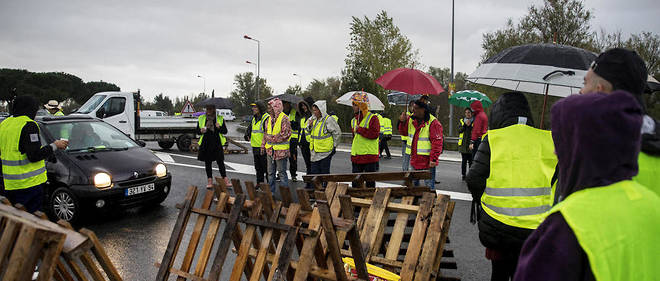
Selon l’Insee, le pouvoir d’achat rapporté au nombre de personnes du foyer n’a pas augmenté depuis 2008. Une explication possible au ras-le-bol des Gilets jaunes.

Les Gilets jaunes se plaignent d'avoir tout depense avant la fin du mois.
Les Gilets jaunes se plaignent d’avoir tout dépensé avant la fin du mois.

© Idriss Bigou-Gilles

U.S. Backs Patriot Missile Sale to Turkey in Breakthrough

0
  • Proposal to sell Patriot missile system comes amid tensions
  • Erdogan alarmed U.S. with plan to buy a Russian missile system
A US Patriot missile defence system. Photographer: Jack Guez/AFP via Getty Images

The U.S. State Department notified Congress of a proposal to sell the Patriot air and missile defense system to Turkey, a move that may signal a breakthrough with a NATO ally that had been moving closer to Russia and roiling administration plans for the F-35 fighter jet.

The potential $3.5 billion deal for the Patriot system, which is manufactured by Raytheon Co. and Lockheed Martin Corp., marks an opening gambit by the Trump administration to get Turkey to halt its purchase of Russia’s S-400 missile system, which the administration and Congress had vehemently opposed, according to four people familiar with internal discussions before the announcement.

Tensions between the U.S. and Turkey have escalated in recent years as the government of President Recep Tayyip Erdogan turned more authoritarian and the two allies disagreed over U.S. support for Kurdish militias in Syria. In recent days, Erdogan threatened to send his forces in Syria toward Kurdish-held areas where U.S. troops are operating, raising the prospect of a battlefield confrontation between NATO’s two biggest armed forces.

“It’s a big deal, because only a few months ago, analysts were predicting all doom and the end of a nearly seven-decades-old U.S.-Turkey relationship,” said Soner Cagaptay, the director of the Turkish research program at the Washington Institute for Near East Policy. “This suggests a new phase in U.S.-Turkish ties, one driven by a new rapport between Presidents Erdogan and Trump, and aided by bureaucracies in both countries determined not to let the U.S.-Turkish relationship collapse.”

Trump administration officials seeking better relations were stymied by a disagreement that threatened to turn into a crisis: Turkey’s intention to purchase an advanced Russian anti-aircraft missile system, the S-400 Triumph.

Turkey is a crucial partner in the U.S.-led program to build the F-35 stealth fighter jet, with 10 Turkish companies set to produce about $12 billion in parts, including key components such as the center fuselage and some landing gear.

The Russian S-400 was designed to shoot down U.S. and coalition aircraft at greater ranges and altitudes than older systems. U.S. officials are concerned that sensitive F-35 technology designed to evade such a system could be compromised and used to improve the Russian air defense system if Turkey takes possession of both systems.

The White House and several members of Congress were against the idea of Turkey having both F-35s and the S-400, whose computer systems could gain — and possibly feed back to Russia — crucial data about the warplane. At the same time, lawmakers had successfully blocked the possibility of a Patriot deal over fear of rewarding Turkey for what was seen as its bad behavior.

The people familiar with the discussions, who asked not to be identified discussing internal deliberations, said congressional opposition softened after the administration argued Turkey would face punishing sanctions no matter what if it went through with the S-400 purchase.

Speaking to reporters in Washington last month, Turkish Foreign Minister Mevlut Cavusoglu said his country had wanted to buy Patriot missiles but was never able to get a commitment from Washington. He said there was no going back on the S-400 deal with Moscow but left the door open to buying U.S. hardware in the future.

Turkey had pushed hard in recent weeks to control damage from the S-400 decision. Two of the people familiar with the discussions said Turkey had floated the idea of offering U.S. technical experts the chance to study any S-400s that it purchased from Russia.

The State Department said the Patriot sale would strengthen Turkey as it confronts instability in the region, according to a statement by the Defense Security Cooperation Agency posted on Tuesday.

“This proposed sale will contribute to the foreign policy and national security of the United States by improving the security of a key NATO Ally on the front lines of the fight against terrorism,” according to the statement.

The proposed deal, which must be approved by Congress, includes up to 140 Patriot missiles, radar and ground control stations. Lawmakers have 15 days to review the proposed sale under streamlined procedures the State Department has in place for NATO allies.

The White House declined to comment on the proposal.

Turkey has given no indication so far that it will be willing to give up the S-400 and officials there have said they want technology transfer as part of the Patriot deal, which the U.S. may not be willing to provide.

The complication over the S-400 was not the only obstacle to better U.S.-Turkish ties. Turkey continues to detain a NASA scientist and Turkish employees of the State Department after freeing a detained American pastor earlier this year. Erdogan has been frustrated by the conviction in a U.S. court of a Turkish banker on sanctions-violation charges. And the Ankara government demands that the Turkish cleric Fethullah Gulen, a former Erdogan ally who has been living in the U.S., be extradited.

(Updates with context on U.S. concerns over the S-400 in seventh paragraph. An earlier version was corrected to fix the spelling of an analyst’s name and the date of the statement.)
https://www.bloomberg.com/news/articles/2018-12-19/state-department-backs-missile-sale-to-turkey-in-breakthrough?fbclid=IwAR0kKyFpykAXpKUfWV1lS9-M_eR3JZ2R1n6N-3PrAnOCW5bqIU3LuiwmWwM