Αρχική Blog Σελίδα 2589

Russia-Turkey Deal Fails to Compel YPG Withdrawal from Northern Syria: October 31, 2019 Map

0

By Michael Land and John Dunford 

Thursday, October 31, 2019

Key Takeaway: Russia has failed to compel the withdrawal of the Kurdish People’s Protection Units (YPG) from the areas subject to the 22 OCT Russo-Turkish agreement on Northeastern Syria. The 22 OCT agreement requires the YPG to withdraw 30 km from the Turkish border. YPG forces did withdraw from a few locations but even those withdrawals exploited a loophole: they left behind Kurdish internal security forces not technically subject to the agreement. Russia is now conducting joint patrols with those Kurdish forces west of Qamishli after falsely claiming the full YPG withdrawal from the zone per the agreement. Meanwhile, Turkish-backed forces have continued to push south and east against the YPG and regime forces that deployed to support the YPG. Finally, US forces conducted a separate joint patrol with Kurdish internal security forces east of Qamishli.

Click the image to view an enlarged version of the map.

«ΕΝΕΡΓΕΙΑΚΑ ΔΕΔΟΜΕΝΑ ΚΑΙ ΤΡΟΠΟΙ ΑΝΤΙΜΕΤΩΠΙΣΗΣ ΤΗΣ ΤΟΥΡΚΙΚΗΣ ΕΠΕΚΤΑΤΙΚΗΣ ΠΟΛΙΤΙΚΗΣ»

1


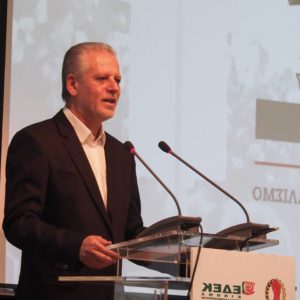
του ΜΑΡΙΝΟΥ ΣΙΖΟΠΟΥΛΟΥ, Προέδρου του Κόμματος ΕΔΕΚ Κύπρου.*

ΘΕΣΣΑΛΟΝΙΚΗ 30 ΟΚΤ. 2019

Σε εκδήλωση οργάνωσε το δίκτυο «Σύγχρονοι Δημοκράτες» την Τετάρτη 30 Οκτωβρίου στη Θεσσαλονίκη Μακεδονίας) με θέμα «Ν.Α. Μεσόγειος: Οι εύκολες στρατηγικές, εύκολα καίγονται – Συρία, Κύπρος, Αιγαίο», ο Πρόεδρος της ΕΔΕΚ, Μαρίνος Σιζόπουλος, ήταν ο κεντρικός ομιλητής.

«Η Τουρκία ως σύμμαχος της ναζιστικής Γερμανίας αμέσως μετά τον Β’ Παγκόσμιο Πόλεμο είχε έγκαιρα προσδιορίσει τη μεγάλη στρατηγική σημασία που είχαν για την Ευρώπη η διώρυγα του Σουέζ, οι θαλάσσιες οδοί της Αν. Μεσογείου και οι ενεργειακές πηγές της Μ. Ανατολής και της Βορ. Αφρικής.

Το 1952 για πρώτη φορά η τουρκική κυβέρνηση αποφάσισε ότι η Τουρκία δεν μπορεί να παραμείνει ένα μεγάλο κράτος ξηράς όπως το καθόρισε η συνθήκη της Λωζάνης το 1923. Πρέπει να προχωρήσει σε θαλάσσια επέκταση για να ελέγχει τόσο τις θαλάσσιες συγκοινωνίες όσο και τις ενεργειακές πηγές της περιοχής και να μετατραπεί σε περιφερειακή δύναμη με παγκόσμια εμβέλεια.

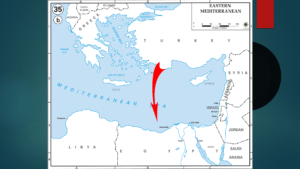
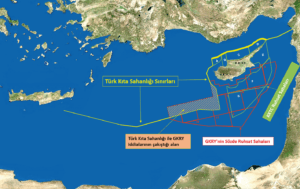
Για την υλοποίηση αυτού του στόχου σχεδίασε το τουρκικό θαλάσσιο τόξο της Α. Μεσογείου το οποίο αρχίζει από τα παράλιά της πλησίον της Ρόδου και φθάνει μέχρι τη Βορ. Αφρική.

Για την επιτυχία του έπρεπε να αποτρέψει τον θαλάσσιο αποκλεισμό της από την Ελλάδα. Αυτός θα ήταν πλήρης στην περίπτωση της ένωσης της Κύπρου με την Ελλάδα.

Πρώτος λοιπόν στρατηγικός στόχος της Τουρκίας ήταν η ματαίωση της ένωσης της Κύπρου με την Ελλάδα.

Δεύτερος στόχος ήταν η προσάρτηση της Κύπρου στην τουρκική επικράτεια για να μπορεί να ελέγχει την ευρύτερη περιοχή της Μ. Ανατολής, τη διώρυγα του Σουέζ και το ανατολικό  τμήμα της Βορ. Αφρικής. Είναι επιβεβαιωμένο από αρχαιοτάτων χρόνων ότι όποιος ελέγχει την Κύπρο, ελέγχει την ευρύτερη περιοχή της αν. Μεσογείου.

Η ευκαιρία για την επίτευξη αυτών των στόχων δόθηκε στην Τουρκία όταν η Μ. Βρετανία για να αντιμετωπίσει τον αγώνα της ΕΟΚΑ και το αίτημα για ένωση με την Ελλάδα πρότεινε τη σύγκληση τριμερούς διάσκεψης για το κυπριακό στο Λονδίνο το Σεπτέμβριο του 1955. Η Βρετανία στη βάση του δόγματος του «διαίρει και βασίλευε» κατά παράβαση των συνθηκών των Σερβών του 1920 και της Λωζάνης με την πρότασή της προσπάθησε να εμπλέξει στο κυπριακό και την Τουρκία. Η πρότασή της δυστυχώς λόγω της υποτελούς και μυωπικής πολιτικής της τότε Ελληνικής κυβέρνησης έγινε αποδεκτή και έτσι η Τουρκία επίσημα εμπλέκεται στην επίλυση του κυπριακού ως ενδιαφερόμενο μέρος. Η τριμερής υπήρξε η πρώτη μεγάλη διπλωματική νίκη της Τουρκίας σε βάρος της Ελλάδας.

Μετά από αυτή την εξέλιξη η Τουρκική κυβέρνηση  ανάθεσε στο συνταγματολόγο Νιχάτ Ερίμ, να ετοιμάσει σχετική έκθεση για την υλοποίηση των στόχων της όπως αναφέρθηκαν πιο πάνω.

Ο Νιχάτ Ερίμ ετοίμασε δύο εκθέσεις τις οποίες και παράδωσε στην τουρκική κυβέρνηση το Νοέμβριο του 1956. Τα βασικά σημεία των εκθέσεων του είναι:

  1. Οι διεκδικήσεις στην Κύπρο να στηρίζονται σε πολιτικούς λόγους χωρίς να διαταράσσονται οι σχέσεις με τη Μ. Βρετανία.
  2. Στο νησί υπάρχουν δύο διαφορετικές εθνικές κοινότητες, η κάθε μία από τις οποίες έχει το δικαίωμα της αυτοδιάθεσης. Η λύση να αποφασισθεί με ξεχωριστά δημοψηφίσματα.
  3. Η αρχή της αυτοδιάθεσης θα πρέπει να εφαρμοσθεί με την μετακίνηση ελληνικού πληθυσμού για να υπάγεται στην διοίκηση της επιθυμίας του, αλλά και για να μην καταπατούνται τα δικαιώματα της τουρκικής κοινότητας που είναι μειοψηφία, και να διασφαλίζεται επίσης η ασφάλεια της Τουρκίας.
  4. Η Τουρκία πρέπει να καθορίσει την προσφορότερη μορφή διχοτόμησης, λαμβάνοντας υπόψη τα οικονομικά και στρατιωτικά της συμφέροντα, καθώς και τα συμφέροντα των Τ/Κυπρίων. Στην ασφάλεια της περιοχής που θα παραχωρηθεί στους Ρωμιούς της Κύπρου θα πρέπει να συμμετέχει και η Τουρκία γιατί το θέμα σχετίζεται τόσο με την ασφάλεια της ίδιας, όσο και με αυτή της Μ. Ανατολής.
  5. Πρέπει να επιδιωχθεί η ελεύθερη μετάβαση Τούρκων προς την Κύπρο. Υπό την προϋπόθεση ότι θα λάβουμε τα μέτρα μας. Το σύνολο του τουρκικού πληθυσμού μπορεί να αυξηθεί στο ποσοστό που ανερχόταν επί Οθωμανικής αυτοκρατορίας και τότε δεν θα ανησυχούμε για την έκβαση του δημοψηφίσματος που θα γίνει είτε για τον καθορισμό του συνόλου της νήσου, είτε για τη διχοτόμηση.

Στη βάση των εκθέσεων του Νιχάτ Ερίμ το γραφείο ειδικού πολέμου του τουρκικού στρατού ανέλαβε την ευθύνη να σχεδιάσει και να εφαρμόσει το σχέδιο «επανάκτησης της Κύπρου». Ο σχεδιασμός ολοκληρώθηκε το 1957 και πρώτη ενέργεια ήταν η ίδρυση της τρομοκρατικής οργάνωσης ΤΜΤ, βασική αποστολή της  οποίας ήταν η πρόκληση εχθρότητας και αντιπαράθεσης ανάμεσα στους Ε/Κ και τους Τ/Κ για να δικαιολογηθεί στη συνέχεια ο πληθυσμιακός διαχωρισμός.

Κομβικό σημείο για την παραπέρα πορεία του κυπριακού υπήρξε η Αμερικανοβρετανική  συνάντηση στις Βερμούδες το Μάρτιο του 1957. Οι Βρετανοί μετά την αποτυχημένη Γαλλοβρετανική απόβαση στο Σουέζ, αποχώρησαν από τη Μ. Ανατολή και  παρέδωσαν στους Αμερικανούς τον έλεγχο της περιοχής, με αντάλλαγμα να διατηρήσουν τον έλεγχο της Κύπρου και οι ΗΠΑ να υποστηρίξουν τις Βρετανικές θέσεις για την Κύπρο στην Αθήνα.


Από την πλευρά τους οι ΗΠΑ απαίτησαν:

  • η λύση να είναι η διπλή ένωση,
  • να είναι αποτέλεσμα μυστικών συνομιλιών Ελλάδας και Τουρκίας υπό την εποπτεία του ΝΑΤΟ, και
  • από τη λύση που θα συμφωνηθεί να μην υπάρχει νικητής και ηττημένος και να μη προκαλέσει αναταραχή στις σχέσεις των χωρών της νοτιοανατολικής πτέρυγας του ΝΑΤΟ.

Το καλοκαίρι του 1957 άρχισαν στη Ζυρίχη οι συνομιλίες Ελλάδας – Τουρκίας που κατέληξαν στη συμφωνία που επικυρώθηκε το Φεβρουάριο του 1959 στο Λονδίνο για την ανακήρυξη της Κύπρου σε ανεξάρτητη δημοκρατία.

Η Τουρκία για πρώτη φορά μετά το 1923 επέστρεψε νόμιμα σε εδάφη της πρώην Οθωμανικής Αυτοκρατορίας με εγγυητικά δικαιώματα και μάλιστα με την παρουσία στρατευμάτων. Από το 1960 και ειδικά μετά το 1964 όταν οι Τ/κύπριοι αποχώρησαν από την κυβέρνηση και δημιούργησαν καθ΄ υπόδειξη της Τουρκίας τους αμιγείς θύλακες, το σύνθημα για διχοτόμηση (Ταξίμ) διαφοροποιήθηκε και έκτοτε προωθείται η λύση της Ομοσπονδίας με γεωγραφικό διαχωρισμό, δηλ της Διζωνικής Δικοινοτικής Ομοσπονδίας (ΔΔΟ). Αυτό επιβεβαιώνεται από επίσημα έγγραφα όπως:

  • τις προτάσεις που έδωσε η Τουρκία στον πρώτο μεσολαβητή του ΟΗΕ για το κυπριακό Γκάλο Πλάζα το Δεκέμβριο του 1964
  • τα πρακτικά της συνάντησης των ΥΠΕΞ Ελλάδας – Τουρκίας το Δεκέμβριο του 1966 στο Παρίσι, και
  • τα πρακτικά της συνάντησης του Έβρου το Σεπτέμβριο του 1967. Τα πρακτικά αυτά είναι ιδιαίτερα αποκαλυπτικά καθότι στις προτάσεις του Ντεμιρέλ περιλαμβάνονται όλα αυτά τα οποία η Τουρκία διεκδικεί σήμερα ως λύση του κυπριακού στο πλαίσιο της ΔΔΟ και τα οποία δυστυχώς η πλευρά μας τα έχει σχεδόν στο σύνολό τους αποδεχθεί. Είναι ένας από τους λόγους που ως ΕΔΕΚ τονίζουμε ότι η λύση της ΔΔΟ με το περιεχόμενο που της προσδίδεται είναι λύση τουρκικών προδιαγραφών.

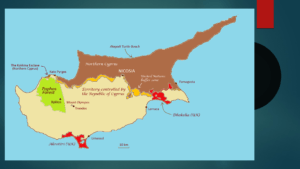
Η προδοσία του 1974 έφερε την Τουρκία ένα βήμα μακριά από την υλοποίηση του στόχου της. Της εξασφάλισε ισχυρό διαπραγματευτικό και γεωστρατηγικό πλεονέκτημα.

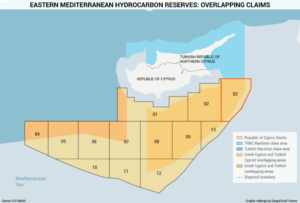
Η ένταξη της Κύπρου στην Ευρωπαϊκή Ένωση το 2004 και η επιβεβαίωση της ύπαρξης κοιτασμάτων Φυσικού Αερίου (Φ.Α.) στη νότια Αποκλειστική Οικονομική της Ζώνη (ΑΟΖ), δημιούργησε νέα γεωστρατηγικά δεδομένα. Ισχυροποίησε την κρατική υπόσταση της Κ.Δ. αλλά παράλληλα αύξησε την τουρκική επιθετικότητα, δεδομένου ότι οι τριμερείς συνεργασίες της Κύπρου με τις χώρες της περιοχής οδηγούν την Τουρκία σε απομόνωση και μειώνουν τις πιθανότητες για την υλοποίηση του στόχου της δηλ. του ελέγχου της Αν. Μεσογείου και της Μ. Ανατολής.

Επιπρόσθετα ο κίνδυνος πλήρους αποκλεισμού της από την εκμετάλλευση και αξιοποίηση των κοιτασμάτων του Φ.Α. ειδικά μετά την αποτυχία της 5μερούς Διάσκεψης του Κρανς Μοντανά, την υποχρεώνουν σε αναπροσαρμογή της πολιτικής της επικεντρώνοντας την προσπάθειά της σε συγκεκριμένες δράσεις με προτεραιότητα:

  • Την επίλυση του κυπριακού με τουρκικές προδιαγραφές ώστε να νομιμοποιήσει την παρουσία της και να μπορεί άμεσα ή έμμεσα να συμμετέχει στην αξιοποίηση του Φ.Α.
  • Σε αντίθετη περίπτωση είτε το ενεργειακό να συζητηθεί κατά προτεραιότητα ως κύριο θέμα στις διαπραγματεύσεις για την επίλυση του κυπριακού, είτε με παρεμβάσεις και προκλητικές ενέργειες να το ματαιώσει και τέλος με την εγκατάσταση των γεωτρύπανων να δημιουργήσει γκρίζες θαλάσσιες περιοχές για να μπορεί να διεκδικήσει κυριαρχικό ρόλο.
  • Επιπρόσθετα επιχειρεί να ανασχεδιάσει στη βάση των δικών της αντιλήψεων τις ΑΟΖ των χωρών της περιοχής ώστε να αποκτήσει γραμμή επαφής με τη Λιβύη. Αυτός είναι και ο λόγος που στηρίζει ένοπλες μουσουλμανικές δυνάμεις στη Λιβύη και έχει εκφράσει την πρόθεση να δημιουργήσει στρατιωτική βάση στην περιοχή που ελέγχουν.

Μέσα λοιπόν στο πιο πάνω πλαίσιο εντάσσονται οι συνεχείς προκλητικές ενέργειες της Τουρκίας στην περιοχή καθώς και οι ασύμμετρες απειλές που εκτοξεύει σε βάρος της Ελλάδας και της Κύπρου.

Ο γεωστρατηγικός παράγοντας έχει αποδειχθεί ως ένας ισχυρός μηχανισμός πρόκλησης διεθνών προβλημάτων αλλά και επίλυσης όπως είναι το κυπριακό. Η προσεκτική αξιοποίηση της γεωγραφική θέσης της Κύπρου καθώς και των εμπλεκομένων συμφερόντων σε συνδυασμό με τα πολιτικά και διπλωματικά πλεονεκτήματα μπορούν να αναβαθμίσουν το γεωστρατηγικό ρόλο της Κύπρου και να ενισχύσουν τη διαπραγματευτική της θέση με στόχο την εξισορρόπηση των πλεονεκτημάτων που διαθέτει η Τουρκία.

Η μέχρι σήμερα εμπειρία από τα 42 χρόνια συνομιλιών επιβάλλει αλλαγή τακτικής για αποτελεσματική αντιμετώπιση των τουρκικών επεκτατικών σχεδιασμών και ανάληψη πρωτοβουλιών που θα φέρουν την Τουρκία σε δύσκολη θέση πολιτική και οικονομική.

Με βάση τα δεδομένα που υπάρχουν αυτή τη στιγμή η Κύπρος από μόνης της αδυνατεί να διαμορφώσει αυτές τις προϋποθέσεις. Ως εκ τούτου η διαμόρφωση ενιαίας πολιτικής Κύπρου – Ελλάδας είναι αναγκαία και απαραίτητη. Οι δύο χώρες επιβάλλεται να επικεντρώσουν την προσπάθειά τους στην αναβάθμιση του γεωστρατηγικού τους ρόλου στην περιοχή.

Η διαμόρφωση κοινής εθνικής πολιτικής πρέπει να στηριχθεί σε τρείς βασικούς πυλώνες:

Τον Πολιτικό

Με επικέντρωση τον ΟΗΕ και την Ε.Ε.

Στον ΟΗΕ σταθερή θέση πρέπει να είναι η υλοποίηση του συνόλου των αποφάσεων και των ψηφισμάτων του Σ.Α και της Γ.Σ. και όχι επιλεκτικά με την απομόνωση μιας πρόνοιας του ψηφίσματος 649 του Σ.Α. που αναφέρεται στη ΔΔΟ με πολιτική ισότητα. Αιχμή αυτής της πολιτικής πρέπει να είναι η απόφαση της Γ.Σ. της 13ης Μαΐου 1983 για σύγκληση Διεθνούς Διάσκεψης για το κυπριακό με τη συμμετοχή των 5 μονίμων μελών του Σ.Α. της Ε.Ε., των εγγυητριών χωρών και της Κ.Δ. με μοναδικό θέμα την υλοποίηση των αποφάσεων των Η.Ε. για τη διεθνή πτυχή του κυπριακού και συγκεκριμένα:

  • Την πλήρη αποχώρηση των κατοχικών στρατευμάτων
  • Την κατάργηση των συνθηκών εγγύησης και συμμαχίας
  • Τον επαναπατρισμό των εποίκων, και
  • Την επιστροφή των προσφύγων σε συνθήκες ασφάλειας

Δεν τρέφουμε ψευδαισθήσεις ότι η υλοποίηση των πιο πάνω είναι εύκολη. Όμως η εμμονή σε αυτά:

  • Αναστέλλει την αναβάθμιση του κατοχικού καθεστώτος και τους κινδύνους που αυτή συνεπάγεται
  • Επαναφέρει το κυπριακό στη σωστή του βάση ως προβλήματος εισβολής, συνεχιζόμενης κατοχής και εθνοκάθαρσης. Την ίδια στιγμή το απομακρύνει από τον επικίνδυνο εγκλωβισμό στη δικοινοτική του πτυχή και πολύ περισσότερο την ενεργειακή όπως επιχειρεί η Τουρκία, όπου ουσιαστικά την απαλλάσσει πλήρως από τις ευθύνες της και μετατρέπει το κατοχικό καθεστώς σε «πολιτικά ισότιμο εταίρο», και τέλος
  • Απεγκλωβίζει τη λύση του κυπριακού από τον ασφυκτικό έλεγχο του Αμερικανο – Βρετανικού παράγοντα ο οποίος το δημιούργησε για να κατοχυρώσει τα γεωστρατηγικά-του συμφέροντα στην ευαίσθητη περιοχή της Αν. Μεσογείου και της Μ. Ανατολής.

Όσον αφορά  την Ε.Ε. η στόχευση πρέπει να αφορά την παρεμπόδιση της  αναβάθμισης των εμπορικών και οικονομικών σχέσεων με την Τουρκία. Ειδικά αυτή την περίοδο όπου η τουρκική οικονομία εισέρχεται σε περίοδο ύφεσης είναι σημαντικό να παρεμποδισθεί η οικονομική αρωγή της Ε.Ε.

  • Είναι ουτοπία να πιστεύει κάποιος ότι υπάρχει πρόθεση είτε από την τουρκική κυβέρνηση, είτε από τις ηγέτιδες χώρες της Ε.Ε. για πλήρη ένταξη της Τουρκίας στην Ε.Ε.
  • Αυτό που αμφότεροι επιθυμούν είναι το ειδικό καθεστώς. Αυτό βολεύει την Τουρκία γιατί ενώ δεν θα είναι υποχρεωμένη να εκδημοκρατικοποιήσει το πολιτειακό της σύστημα και δεν θα τίθεται υπό αμφισβήτηση η εξουσία της άρχουσας πολιτικής τάξης, θα μπορεί την ίδια στιγμή να απολαμβάνει των οικονομικών πλεονεκτημάτων της συμφωνίας και να απορροφά ευρωπαϊκά κεφάλαια, αλλά και τις ηγέτιδες χώρες της Ε.Ε. να αξιοποιούν αφενός τα φτηνά εργατικά χέρια στην Τουρκία για την παραγωγή των προϊόντων τους και αφετέρου ως μιας μεγάλης αγοράς.
  • Η αναστολή αναβάθμισης αυτών των σχέσεων ενδέχεται να ενεργοποιήσει αντιθέσεις εντός του τουρκικού πολιτικού συστήματος λόγω διαφοροποίησης συμφερόντων, χωρίς να αποκλείεται αυτό να οδηγήσει σε χαλιναγώγηση της επεκτατικής πολιτικής της Άγκυρας σε βάρος της Ελλάδας, τερματισμό των προκλήσεων στο Αιγαίο και συναίνεση για εξεύρεση δημοκρατικής και βιώσιμης λύσης στο κυπριακό.
  • Το πολιτικό πλαίσιο αυτής της τακτικής πρέπει να περιλαμβάνει τη συμμόρφωση της Τουρκίας στις πρόνοιες της Συνθήκης της Λωζάνης του 1923 και την υλοποίηση των κυπρογενών υποχρεώσεων που ανέλαβε έναντι της Ε.Ε. το Σεπτέμβριο του 2005.

Τον ενεργειακό

Η προσεκτική και πολυεπίπεδη αξιοποίησή του θα υποβοηθήσει στη μερική εξισορρόπηση των συμφερόντων των δυνάμεων που εμπλέκονται στην περιοχή.

Έχουν ήδη αναφερθεί οι σχεδιασμοί της Άγκυρας και η τακτική που ακολουθεί για υλοποίησή τους.

Η υλοποίησή τους όμως την φέρνουν επί του παρόντος σε σύγκρουση με άλλες δύο ισχυρές χώρες της περιοχής, το Ισραήλ και την Αίγυπτο.

Με βάση αυτά τα δεδομένα Ελλάδα και Κύπρος πρέπει να σχεδιάσουν τη  δική τους τακτική και με προσεκτική και αναβαθμισμένη κλιμάκωση να προωθήσουν την υλοποίησή της. Οι προτάσεις μας είναι συγκεκριμένες:

  • Περαιτέρω αναβάθμιση των τριμερών συμφωνιών που έχουν υπογραφεί με τις άλλες χώρες της περιοχής, ώστε αυτές πέραν της έρευνας για ανεύρεση Φ.Α., να περιλαμβάνουν και εμπορικούς και γεωστρατηγικούς τομείς
  • Εμπλοκή ισχυρών εταιριών στην εκμετάλλευση με προηγούμενη διερεύνηση οι κυβερνήσεις των χωρών από τις οποίες προέρχονται να προσφέρουν κάλυψη έναντι των τουρκικών προκλήσεων
  • Οριοθέτηση της υφαλοκρηπίδας Ελλάδας – Κύπρου και Αιγύπτου
  • Άμεση διερεύνηση της δυνατότητας κατασκευής του αγωγού Αν. Μεσογείου (EastMed) για μεταφορά Φ.Α. στην Ευρώπη. Αυτό θα έχει ως αποτέλεσμα να θέσει τέρμα στους τουρκικούς σχεδιασμούς για αγωγό μέσω Τουρκίας, θα προσφέρει ενεργειακή επάρκεια στην Κεντρική Ευρώπη και θα οδηγήσει σε μερική εξισορρόπηση των οικονομικών και εμπορικών συμφερόντων αυτών των χωρών σε σχέση με την Τουρκία.

Τον στρατιωτικό

Η υλοποίηση των δύο προηγούμενων πυλώνων θα ενισχυθεί σημαντικά από ανάλογη στρατιωτική υποστήριξη, την οποία η Κύπρος αδυνατεί να προσφέρει. Σε συνεργασία όμως με την Ελλάδα τα δεδομένα αλλάζουν σημαντικά.

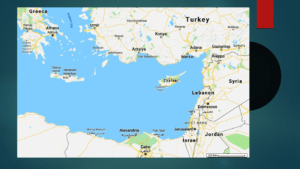
Επιπρόσθετα η Ελλάδα δεν πρέπει να περιορίσει το γεωστρατηγικό της ρόλο στο χώρο των Βαλκανίων όπου τις τελευταίες 10ετίες έχει περιορισθεί σημαντικά. Πρέπει να τον αναζητήσει στην Αν. Μεσόγειο και τη Μ. Ανατολή. Μπορεί να το επιτύχει αξιοποιώντας την Κύπρο. Όπως ελέγχει το θαλάσσιο τρίγωνο Κύπρος – Κρήτη – Ρόδος ουσιαστικά ελέγχει και την Αν. Μεσόγειο.

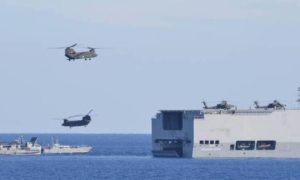
Λάθη των ελληνικών κυβερνήσεων στο παρελθόν περιόρισαν αυτή τη δυνατότητα και ενίσχυσαν την τουρκική πολιτική. Η ευκαιρία εξακολουθεί να υπάρχει. Οι συνθήκες σήμερα προσφέρονται για στενή στρατιωτική συνεργασία Ελλάδας και Κύπρου, με ενδεχόμενη εμπλοκή και άλλων ευρωπαϊκών δυνάμεων.

Σε αυτό το πλαίσιο είναι σημαντικό να ενεργοποιηθεί το Δόγμα του Ενιαίου Αμυντικού Χώρου και να ενισχυθεί η παρουσία του ελληνικού στρατού στην Κύπρο, τόσο αριθμητικά όσο και σε επίπεδο σύγχρονων οπλικών συστημάτων.

Πρέπει να γίνει κατανοητό ότι ο αγώνας αντιμετώπισης του τουρκικού επεκτατισμού είναι κοινός. Η Κύπρος δεν είναι το προκεχωρημένο φυλάκιο του Ελληνισμού, αλλά το τελευταίο. Εάν χαθεί η μάχη της Κύπρου θα χαθεί και η μάχη της Θράκης και του Αιγαίου.

Κλείνοντας, θα ήθελα να υπενθυμίσω αυτό που πολλές φορές μετά το 1974 ανέφερε σε ομιλίες του ο Β. Λυσσαρίδης: ότι ο στρατηγικός στόχος της Τουρκίας είναι «Η Αλεξανδρεττοποίηση της Κύπρου, η Κυπροποίηση της Θράκης και η διχοτόμηση του Αιγαίου».

*Το κείμενο αποτέλεσε ομιλία του προέδρου της ΕΔΕΚ Μαρίνου Σιζόπουλου σε εκδήλωση του Δικτύου Σύγχρονων Δημοκρατών στη Θεσσαλονίκη, στις 30 Οκτωβρίου 2019.  

President Rouhani: Iran-Turkey cooperation guarantees regional peace

0
Nov 01, 2019 08:04 UTC

President Hassan Rouhani congratulated Turkey on the anniversary of its Republic Day and stressed that cooperation and unity between Tehran and Ankara would guarantee regional peace and security.

According to Tasnim news agency, in a message to Turkish President Recep Tayyip Erdogan released on Thursday, Rouhani congratulated the Turkish leader and people on the 96th anniversary of the neighboring country’s Republic Day.

He also hailed the growing “historic, friendly and brotherly ties” between Iran and Turkey, saying the two neighbors have been enhancing their relations by setting up the Supreme Council of Cooperation, holding regular meetings of the Council, and holding various expert commission meetings, such as the Joint Economic Commission, the Joint Transportation Commission, and the Strategic Agricultural Committee.

“The regional developments over the past decade and the prominent role that the Islamic Republic of Iran and the Republic of Turkey have played in helping address the issues also reveal that the two great neighboring states’ companionship could guarantee peace, security and stability in regional countries,” President Rouhani added.

The 96th anniversary of the proclamation of the Republic of Turkey was celebrated across the country on October 29.

Marking the day, President Erdogan visited the mausoleum of Turkish Republic founder Mustafa Kemal Ataturk in Ankara.

On October 29, 1923, Ataturk officially declared the name of the nation and proclaimed Turkey’s status as a republic.

ME

https://parstoday.com/

Ο «υπερόπτης» Μακρόν δοκιμάζει τα νεύρα της ΕΕ

0

Victor Mallet (Παρίσι) και Michael Peel (Βρυξέλλες) euro2day.gr/Financial Times.

Η… μοναχική διπλωματία του Γάλλου προέδρου και οι εκτιμήσεις του Παρισιού για «πολιτική παράλυση» του Βερολίνου. Η έλλειψη αντίβαρου στον γαλλογερμανικό άξονα και οι πρωτοβουλίες που προκάλεσαν αντιδράσεις.

Από την νίκη του στις εκλογές το 2017, ο γάλλος πρόεδρος Εμμανουέλ Μακρόν δεν ήταν ποτέ ντροπαλός στην προώθηση του οράματος του για ενσωμάτωση της Ευρώπης, όμως, η «μοναχική» διπλωματία του δοκιμάζει την υπομονή κάποιων εκ των ευρωπαίων εταίρων του.

Από το φλερτ με τον Ρώσο πρόεδρο Βλάντιμιρ Πούτιν έως της αντίδρασή του στην έναρξη ενταξιακών διαπραγματεύσεων χωρών των Δυτικών Βαλκανίων και την διστακτικότητά του να παραταθεί το χρονοδιάγραμμα για το Brexit, η διάθεσή του να αγνοήσει την γενική συναίνεση έχει προκαλέσει την εχθρότητα ακόμα και μακροχρόνιων συμμάχων.

Ο Φίλιπ Λαμπέρτς, συμπρόεδρος του Green/EFA Group στο Ευρωπαϊκό Κοινοβούλιο και πολιτικός αντίπαλος, συνέκρινε τον κο Μακρόν με τον Αυτοκράτορα Πάλπατιν, τον χαρακτήρα του Star Wars, κατηγορώντας τον Γάλλο πρόεδρο ότι έχει «μεθύσει από την εξουσία».

«Είναι κάποιος που δρα αρκετά αυταρχικά», είπε ένας διπλωμάτης στις Βρυξέλλες για τον 41χρονο Εμ. Μακρόν.

Ως ένα δείγμα των πολιτικών εντάσεων στην καρδία της ΕΕ, αντίπαλοι του Εμ. Μακρόν στο Ευρωπαϊκό Κοινοβούλιο μηχανεύτηκαν αυτόν το μήνα μια ντροπιαστική απόρριψη της Σιλβί Γκουλάρντ, της υποψηφίας της Γαλλίας για την νέα Κομισιόν. Είναι πιθανόν να θέσουν θέμα και για τον Τιερί Μπρετόν, την νέα επιλογή του για τις Βρυξέλλες, δημιουργώντας ένα ακόμα ανεπιθύμητο πονοκέφαλο για τη νέα επικεφαλής της Κομισιόν Ούρσουλα φον ντερ Λάιεν.

Η προσέγγιση του κου Μακρόν έχει αρχίσει ακόμα και να αποσταθεροποιεί την γαλο-γερμανική συνεργασία που ήταν πάντα στην καρδιά της Ευρώπης. Χωρίς πάντα να ενημερώνει την Γερμανίδα καγκελάριο Αγκελα Μέρκελ, επεδίωξε να κλείσει συμφωνία για ειρήνη μεταξύ Ρωσίας και Ουκρανίας και έκανε το ίδιο με το Ιράν και τις ΗΠΑ, επιδιώκοντας μια νέα συμφωνία που θα χαλιναγωγήσει τις πυρηνικές φιλοδοξίες της Τεχεράνης.

Οι εκνευρισμοί στις γαλλο-γερμανικές σχέσεις διαρκώς συσσωρεύονται, σύμφωνα με την Ντανιέλα Σβάρζερ, του Γερμανικού Συμβουλίου Διεθνών Σχέσεων. Όταν ο κος Μακρόν έκανε το άνοιγμα προς τον κο Πούτιν το καλοκαίρι, καλώντας για μια νέα προσέγγιση από την ΕΕ προς τη Ρωσία «πολλοί είπαν ότι δεν τους είχε ούτε καν ενημερώσει», υποστήριξε. «Μοιάζει να είναι μέρος ενός αναδυόμενου μοντέλου μονομερών πράξεων».

Γάλλοι αξιωματούχοι και διπλωμάτες αποδέχονται ότι ο κος Μακρόν θεωρείται υπερόπτης από άλλους ευρωπαϊους, και ένας ότι «έχει ένα τρόπο να κάνει κήρυγμα τους άλλους, κάτι που είναι πολύ «γαλλικό», αλλά τους εκνευρίζει». Υπερασπίζονται, όμως, αυτό που κάποιος αποκάλεσε «μαχητική θέση» στην Ευρώπη και λένε ότι είναι περισσότερο συνεπής σε θέματα όπως το Brexit (καμία παράταση χωρίς καλό λόγο) και την διεύρυνση της ΕΕ (βαθύτερη ενσωμάτωση στην υφιστάμενη πριν προστεθούν νέα μέλη), απ’ όσο του αναγνωρίζουν οι ανταγωνιστές του.

Ο κος Μακρόν εμπνέεται από τον Σαρλ Ντε Γκωλ και υπάρχουν στοιχεία στη συμπεριφορά του που θυμίζουν το επιβλητικό στιλ του ηγέτη της εποχής του πολέμου που εξόργιζε τον Ουίνστον Τσόρτσιλ. «Η γραμμή μας δεν είναι κάποιου είδους απομόνωση τύπου Ναπολέοντα», επέμεινε κυβερνητικός αξιωματούχος την προηγούμενη εβδομάδα. «Είναι αλήθεια ότι ο Μακρόν έχει μια φωνή που είναι ισχυρή και δυνατή [από αυτή άλλων ευρωπαίων ηγετων]. Δεν είναι όμως για να ενοχλήσει τους εταίρους, αλλά επειδή έχει ένα όραμα… το σύστημα πρέπει κάποιες φορές να «ανακατεύεται» λίγο κάποιες φορές».

Ο κος Μακρόν είναι αυτή την περίοδο ο ποιο «ορατός» ευρωπαίος ηγέτης στην εξωτερική πολιτική, όχι μόνο γιατί ανυπομονεί να προωθήσει την ατζέντα του, αλλά και γιατί δεν υπάρχει άλλη προφανής εναλλακτική. Το Ηνωμένο Βασίλειο ετοιμάζεται να εγκαταλείψει την ΕΕ τους επόμενους μήνες, αφήνοντας τον πρωθυπουργό του, Μπόρις Τζόνσον, σχεδόν απόλυτα αφοσιωμένο στο Brexit, ενώ η κα Μέρκελ πλησιάζει στο τέλος της πολιτικής της καριέρας.

«Το Παρίσι αυξανόμενα θεωρεί ότι το Βερολίνο βρίσκεται σε κατάσταση πολιτικής παράλυσης και εσωστρέφειας με μια εύθραυστη κυβερνητική συμμαχία», είπε η κα Σβάρζερ.

Ενας πρώην Γάλλος διπλωμάτης που έχει δουλέψει με τον Εμ. Μακρόν δήλωσε: «Τα τετ α τετ μεταξύ Γαλλίας και Γερμανίας δεν είναι ποτέ εύκολα και είχαμε ένα αντίβαρο που για πολύ καιρό ήταν η Βρετανία. Δεν υπάρχει πια Βρετανία. Ετσι, σκεφτήκαμε ότι η Ιταλία, ως ιδρυτικό μέλος της ΕΕ θα μπορούσε να είναι μέρος του παζλ, αλλά αυτό δεν δούλεψε εξαιτίας του σημείου που βρίσκεται τώρα η χώρα. Επιπλέον, η Μέρκελ περνά στο χρονοντούλαπο της ιστορίας. Ετσι, είμαστε μόνοι».

Ακόμα και επικριτές του Γάλλου προέδρου λένε ότι είναι υπερβολή να πει κανείς ότι πάντα δρα μονομερώς και δεν κάνει ποτέ παραχωρήσεις. Το άνοιγμα στη Ρωσία βρήκε ευρύτερη στήριξη, περιλαμβανομένης της Φινλανδίας, που ασκεί την εναλλασσόμενη προεδρία της ΕΕ, ενώ εν τέλει ακολούθησε τη γραμμή στο θέμα της παράτασης του Brexit.

© The Financial Times Limited 2019. All rights reserved.
FT and Financial Times are trademarks of the Financial Times Ltd.
Not to be redistributed, copied or modified in any way.
Euro2day.gr is solely responsible for providing this translation and the Financial Times Limited does not accept any liability for the accuracy or quality of the translation

Μεταναστευτικό και αντιφασισμός

1

του Κώστα Καραϊσκου*

Ξεκινώ με την αλήθεια των αριθμών. Το πρώτο 9μηνο 2019, σε σχέση με το 2018 είχαμε στην Ιταλία μείωση μεταναστευτικών ροών 75%, στην Ισπανία μείωση 50%, στην Ελλάδα αὐξηση 50% και συνολικό αριθμό πολύ μεγαλύτερο από τις 2 άλλες μεσογειακές χώρες μαζί. Οι αιτήσεις ασύλου στην Ελλάδα από 56.000 το 2017, πέρυσι γίνανε 69.000, περισσότερες από ότι στη Βρετανία, Αυστραλία, Καναδά και όλη την ΕΕ πλην Γαλλίας – Γερμανίας (συνολικά από το 2016 κάναμε δεκτές κάπου 40.000).

Σήμερα μιλάμε για παράνομους – κι όχι παράτυπους – μετανάστες γιατί έχουμε και τους παλιότερους νόμιμους ή νομιμοποιημένους μετανάστες: οι μισοί ήταν από την Αλβανία και από τους υπόλοιπους οι περισσότεροι ήταν από χώρες της πρώην ΕΣΣΔ, δλδ πολιτισμικά κοντινοί, αν δεν είχαν και ελληνική ρίζα. Ο ερχομός εκείνων των ανθρώπων είχε άλλα χαρακτηριστικά και η ενσωμάτωσή τους σε έναν βαθμό προχώρησε. Σήμερα πια έχουμε μια πανσπερμία τριτοκοσμική, άσχετη με οποιονδήποτε πόλεμο αφού κι ο ίδιος ο πρωθυπουργός δήλωσε πως ούτε 5% δεν είναι πλέον οι Σύριοι. Και ποιος πληρώνει το κόστος; Ας θυμίσουμε ότι ο κερδοσκόπος κ. Τζώρτζ Σόρος διέθεσε 32 δις $ στην OPEN SOCIETY που ίδρυσε και διοικεί γιατί είναι φιλάνθρωπος και το 2016 έδωσε άλλο μισό δισεκατομμύριο στην Mastercard για τις ανάγκες των λαθρομεταναστών σε μετρητά! Πρακτικά δεν πρέπει να υπάρχει μηχανισμός με δράση υπέρ της μετανάστευσης που να μην χρηματοδοτείται από τον πολυπλόκαμο οργανισμό του, στη χώρα μας εκπροσωπείται από την Solidarity Now. Η δε ΕΕ λέει ότι διέθεσε συνολικά για την Ελλάδα 2,2 δισ. αλλά πόσα έχουν μπει στα κρατικά ταμεία μας; 277 εκατομμύρια όλα κι όλα! Τα υπόλοιπα είτε πάνε σε ΜΚΟ (από Γερμανία, Δανία, Νορβηγία, Ισπανία, Βρετανία κτλ), είτε σε υπηρεσίες ευρωπαϊκές, είτε ΘΑ έρθουν κάποτε. Κι όλα αυτά βέβαια για να μείνουν εδώ οι μετανάστες και να μην προχωρήσουν δυτικότερα. Χαρακτηριστική ήταν η προ μηνός εκδήλωση στην Αθήνα όπου η πρέσβειρα της Ολλανδίας μάς ενημέρωσε για τα …καλά της μετανάστευσης!

Το παγκόσμιο φαινόμενο της μετανάστευσης, συντονισμένο άνωθεν και χρηματοδοτούμενο από τα αφεντικά αυτού του κόσμου (Σόρος στο προσκήνιο και άλλοι πίσω του), στοχεύει τελικά στην αποσύνθεση των συγκροτημένων κοινωνιών, αυτών δηλαδή στα δυτικά κράτη. Οι ισχυροί του κόσμου δεν ενδιαφέρονται για χρήματα μόνο, αυτά τα κατέχουν απολύτως. Θέλουν υπηκόους – υποζύγια, τύπου μπαγκλαντεσιανού εργοστασίου, υποταγμένα σε μια παγκόσμια υπερκυβέρνηση, μη αιρετή φυσικά, και αυτό θα το πετύχουν μόλις εκλείψουν οι λειτουργικές κοινωνίες που ακόμα σκέφτονται και αντιδρούν. Από τη μια προωθείται σαρωτικά κάθε σαχλαμάρα, παρέκκλιση και ανωμαλία ως απολύτως ισότιμη με τις αλήθειες που συγκρότησαν κάποτε τις κοινωνίες αυτές, κι από την άλλη οι αρχιμηχανικοί της υφηλίου τις νοθεύουν στην ίδια τους τη σύσταση, επιβάλλοντάς τους την συγκατοίκηση με απολύτως αλλότρια στοιχεία. Ως τώρα είχαμε μόνο υποθετικά σενάρια μετοίκησης πολλών εκατοντάδων εκατομμυρίων τριτοκοσμικών στην Ευρώπη, τώρα έχουμε και καταστατικό κείμενο: το Παγκόσμιο Σύμφωνο του Μαρακές για την Μετανάστευση, όπου αυτή ορίζεται ως ανθρώπινο δικαίωμα (!) και τίθεται ένα πλαίσιο για την διευκόλυνσή της μέσω νομίμων οδών τα επόμενα χρόνια. Ήδη οι ελίτ σε μια σειρά χωρών το έχει αποδεχθεί, ενώ μένουν εκτός όσες χώρες ακόμη διαθέτουν ισχύ για την υπεράσπιση των συμφερόντων τους (ΗΠΑ, Ρωσία, Ισραήλ, Ιαπωνία, Αυστραλία, Ελβετία, Αυστρία, Ουγγαρία, Ιταλία…). Ακούγοντας κανείς όσα εκεί ειπώθηκαν για τους εναντιόφρονες, θα τα έχανε: η Μέρκελ έφτασε μέχρι και σε συγκρίσεις με τον …ναζισμό! Παρόμοιες πομφόλυγες αράδιασε και ο ευρωπαίος Επίτροπος Αβραμόπουλος όταν ήρθε πέρυσι στην Κομοτηνή μιλώντας για …πόλεμο αν κλείσουν τα ευρωπαϊκά σύνορα (!) και τον ρωτήσαμε σχετικά, για να μην λάβουμε φυσικά καμμία απάντηση. Πρωθυπουργοί κρατών και Κυβερνήσεις κατήγγειλαν ότι το Σύμφωνο συγχέει επίτηδες πρόσφυγες και μετανάστες, νόμιμη και παράνομη μετανάστευση κι αυτός έλεγε ότι δεν το διάβασαν καλά! Κι αν σήμερα δεν είναι δεσμευτικό, αυτό σημαίνει ότι θα παραμείνει έτσι; Προς τι τότε τα 80 σημεία που αναφέρονται σε υποχρεώσεις των κρατών υποδοχής;

Το σχέδιο εκτυλίσσεται παντού, με έμφαση όμως πλέον μόνο στα ελληνοτουρκικά σύνορα, αφού στη μεν κεντρική Μεσόγειο ο Σαλβίνι φρέναρε το δουλεμπόριο από την Αφρική, στην δε Αμερική ο Τραμπ προχωράει το τείχος κατά της λαθρομετανάστευσης από το Μεξικό. Η Αυστραλία το είχε ξεκόψει από νωρίς και για το Ισραήλ ας μη το συζητάμε. Είμαστε ως Ελλάς και πάλι στην πρωτοπορία των εξελίξεων, μόνο που (πάλι) δεν τις προκαλούμε εμείς, ούτε και τις ελέγχουμε. Αντιθέτως, έχουμε απέναντί μας ένα κράτος δουλέμπορα, που λέει ανοιχτά σε όλη της Ευρώπη ότι θα την τιμωρήσει με 3,5 εκατομμύρια μετανάστες, και ο οποίος έχει βρει άλλο ένα όπλο για να απειλεί ειδικά τη χώρα μας με θανάσιμους κινδύνους. Έχοντας καταργήσει τη βίζα σε μια σειρά από μουσουλμανικές (και μη) χώρες και με την ανάπτυξη των τουρκικών αεροπορικών εταιρειών, το απλούστερο και φθηνότερο πράγμα για κάθε Αλγερινό, Πακιστανό, Νιγηριανό είναι να βρεθεί μπροστά στην ελληνική μεθόριο. Έρχεται λοιπόν και δένει ο σχεδιασμός της διεθνούς ελίτ με εκείνον της Τουρκίας τόσο αρμονικά που αναρωτιέσαι μήπως και δεν είναι τυχαίο…  Τι είναι αυτό που φέρνει όμως στα ελληνικά σύνορα τον επίδοξο λαθρομετανάστη; Η εξαπάτησή του από τα κυκλώματα αυτού του ιδιότυπου trafficking στο οποίο πρωτοστατούν μεγάλοι διεθνείς παίκτες, παρασκηνιακοί και όχι, με πρώτον τον ΟΗΕ. Σας παρακαλώ να μπείτε στη σελίδα της Ύπατης Αρμοστείας για την Ελλάδα και να διαβάσετε πώς παρουσιάζει το πρόγραμμα ΕΣΤΙΑ: ανοίξαμε και σας περιμένουμε! Όλα καλά και ρόδινα, ουδεμία νύξη για παράνομη είσοδο, για κέντρα κράτησης κτλ!

Το πώς μεθοδεύεται άνωθεν η ιστορία έχει ήδη αποκαλυφθεί, ας δούμε την περίπτωση της Βρετανίας. Στο βιβλίο του δημοσιογράφου Τομ Μπάουερ για την περίοδο διακυβέρνησης υπό τον Τόνυ Μπλαιρ, οι τότε ιθύνοντες ομολογούν ότι μεθόδευσαν τη λεγόμενη «πολυπολιτισμικό-τητα» ενθαρρύνοντας τη μαζική μετανάστευση. Είναι λοιπόν γνωστό από το 2016, ότι έφεραν στη Βρετανία 2.000.000 μετανάστες στα χρόνια του Μπλαιρ (κυρίως 1999-2001), δήθεν για λόγους ψηφοθηρίας (https://www.express.co.uk/news/uk/648008/Tony-Blair-Labour-immigration-asylum-seekers-UK-Brexit-EU-referendum). Ο πρώην λογογράφος του Μπλαιρ, Andrew Neather είπε στον Bower ότι σκοπός του σχεδιασμού ήταν «να τρίψει τη μούρη της Δεξιάς στην διαφορετικότητα και παρουσιάσει ως παρωχημένους τους ισχυρισμούς της». Μήπως αυτό δεν συνέβη και στην Ελλάδα, δεν τρέχει η ΝΔ πίσω από τις πασοκοσυριζέικες ιδεοληψίες; Δεν πρόκειται λοιπόν για καμμία ανθρωπιστική υπόθεση, εκτός κι αν ένας δολοφόνος δύο λαών (Ιράκ και Γιουγκοσλαβίας) σαν τον Μπλαιρ θεωρείται …ανθρωπιστής! Είναι μια πολιτική απόφαση σκοτεινής στοχοθεσίας, παγκοσμίως συντονισμένη άνωθεν, δεν έχει να κάνει με τις ανάγκες κανενός λαού ή ανθρώπου αλλά μόνο με τις ανάγκες των ελίτ. Αποφάσισαν αυτές να σβήσουν τα ανθρώπινα δικαιώματα όλων των γηγενών ευρωπαϊκών λαών (εθνικά, κοινωνικά, εργασιακά…) και προχωράνε.

Πώς όμως δέχονται οι κοινωνίες την εισβολή του ξένου στοιχείου σε συνθήκες ανεξέλεγκτες, συχνά με προφίλ παραβατικό ή και τζιχαντιστικό; Το τοπίο φρόντισαν να το καθαρίσουν οι λεγόμενοι «αντιφασίστες». Η θηριώδης προπαγάνδα κατά του φασισμού, του εθνικισμού, του ρατσισμού κτλ είναι αυτή που προλείανε το έδαφος για τη φίμωση κάθε φωνής λογικής. Ξεσήκωσαν έναν αντιφασισμό από την δεκαετία του 1930, κομμουνιστικής κοπής, χωρίς να υπάρχει πουθενά πραγματικός αντίπαλος,  ούτε φασιστικός κίνδυνος αλλά ούτε και κομμουνισμός, βεβαίως. Ο ρατσισμός εξέπνευσε στη Νότια Αφρική του Απαρτχάιντ το 1994 και τέλος, έκτοτε υπάρχει μόνον ως προπαγάνδα. Τα γελοία ποσοστά που παίρνανε ανέκαθεν οι περιθωριακές ομάδες σε ευρωπαϊκά κράτη (και στην Ελλάδα) εμφανίστηκαν ως συναφής απειλή, και το φρούτο των Αντίφα, από την Αμερική ως τη Γερμανία και την Ελλάδα, έγινε η εμπροσθοφυλακή του καθεστώτος. Μια εμπροσθοφυλακή νεολαιίστικη, μαχητική, κινούμενη και πέραν της νομιμότητας, μπροστά στην οποία οι καθημερινοί άνθρωποι δεν τολμούν να αντιταχθούν. Κάπως έτσι, με τα συμφέροντα και τις υποκρισίες των κυβερνώντων από πάνω, με τους τραμπουκισμούς των βαλτών ή ανοήτων από κάτω, και με την πολιτική ορθότητα από μέσα ως σύγχρονη Ιερά Εξέταση, δεν έμεινε όρθια καμμία κοινωνική δύναμη. Ποιος τολμάει ν΄ αρθρώσει λόγο ενάντια στον αποικισμό μιας χώρας απ΄ τα κόκκαλα βγαλμένης των Ελλήνων τα ιερά;

Σε όλες σχεδόν τις δυτικές χώρες – με κάποιες πρόσφατες εξαιρέσεις, ευτυχώς – κυριαρχεί η απίστευτη συμμαχία των καθαρόαιμων εκφραστών του κατεστημένου (ΜΚΟ, Πανεπιστήμια, μεγαλοπαράγοντες της πολιτικοοικονομικής ζωής…) με τους πιο ακραίους, ρητορικά τουλάχιστον, αμφισβητίες του συστήματος (αντιεξουσιαστές, Αντίφα κλπ ρετάλια μιας κάποιας «Αριστεράς»). Όλοι τους είναι ενάντια στον ντόπιο πληθυσμό, υπέρ των «αδυνάμων» ξένων, κατά των συνόρων, χωρίς να μπορούν να δώσουν καμμία απάντηση στα εύλογα ερωτήματα που θέτει ο κοινός νους σ΄ αυτές τις ανοησίες. Δεν χρειάζεται όμως, φτάνει που η άλλη πλευρά είναι «κακοί», ποτέ δεν θα καταδεχθούν να της απευθύνουν τον λόγο, το πολύ πολύ καμμιά απειλή, κάποια δίκη, κανέναν τραμπουκισμό, ως εκεί. Και κατά κανόνα περιθωριοποίηση.

Κλείνω με την απάντηση στο μόνιμο ερώτημα, «τι να κάνουμε;». Να ξεκαθαρίσουμε πρώτα το τοπίο, βλέποντας τον πραγματικό εχθρό. Δεν είναι απέναντί μας ούτε οι όποιοι πρόσφυγες, ούτε οι τριτοκοσμικοί φτωχοδιάβολοι, ούτε ακόμη και οι κανίβαλοι ισλαμιστές. Η παράνομη μετανάστευση είναι το εργαλείο με το οποίο μας πατάει το κεφάλι κάτω η υπερεθνική ελίτ και είναι αυτήν την τελευταία που πρέπει πρωτίστως να αντιπαλέψουμε, χωρίς φυσικά να ξεχνάμε τον καλό μας εξ ανατολών γείτονα που αφενός μάς υποσκάπτει κι αφετέρου κονομάει ως κρατικός λαθροδιακινητής. Ήδη στις ΗΠΑ του Τραμπ, στις χώρες του Βίσεγκραντ, στην αποχωρούσα Βρετανία κτλ ο λαός έχει κερδίσει μεγάλες μάχες. Στην πατρίδα μας δυστυχώς δεν έχει αλλάξει το τοπίο, σε επίπεδο χώρας σαρώνει η καθεστωτική μονοκαλλιέργεια. Εμείς εδώ, ως Παράταξη Πολιτών ΣΠΑΡΤΑΚΟΣ, πιστοί στο γνωστό «σκέψου παγκόσμια, δράσε τοπικά», πετύχαμε ένα ψήφισμα από το δημοτικό συμβούλιο Κομοτηνής ενάντια στην παρουσία οποιασδήποτε δομής για παράνομους μετανάστες, όχι όμως με το σκεπτικό να φύγει από το κεφάλι μας κι ας πάει λίγο πιο κει. Ζητάμε από την Κυβέρνηση να υπερασπίσει τα σύνορα, όπως έχει πρώτιστη υποχρέωση! Δεν αρκούν οι σωστές ρυθμίσεις που επιχειρεί να κάνει τις επόμενες μέρες, αυτά έπρεπε να είχαν γίνει χρόνια πριν. Τώρα πια αυτό που θα κρίνει το παν  είναι να μην μπαίνουν στη χώρα οι παράνομοι μετανάστες κι όχι να τους διαχειριστούμε καλύτερα. Η Κυβέρνηση δεν δικαιούται να μηρυκάζει τεχνικά ζητήματα στο εσωτερικό και να αναζητάει χαρτζηλίκι στο εξωτερικό, κι αν δεν αποφασίσει ριζική αλλαγή γραμμής σύντομα θα βρει απέναντί της σύσσωμο τον κόσμο. Στρατός και Συνοριοφυλακή θα φυλάττουν τα σύνορα, που θα τα ενισχύσουμε με κάθε πρόσφορο μέσο, η δε Frontex ή θα πάει από την άλλη πλευρά των συνόρων ή από κει που ήρθε, τροχονόμο – καταγραφέα της λαθροεισβολής δεν χρειαζόμαστε. Να μιλήσουμε λοιπόν όλοι ανοιχτά, στη γλώσσα της αλήθειας, για να σπάσουμε το ταμπού και την έμφοβη σιωπή. Και καλούμε όλον τον ελληνικό λαό να σηκωθεί και να διεκδικήσει τον τόπο του που χάνεται, όσο ακόμη τα δίκτυα συμφερόντων δεν τον έχουν χειροπόδαρα δεμένο και φιμωμένο. Ο λαθροεποικισμός είναι το πιο επείγον μας πρόβλημα και η λύση μπορεί να δοθεί τώρα, αύριο δεν θα υπάρχει!

Ο Κώστας Καραΐσκος ζει στην Κομοτηνή και εργάζεται ως μαθηματικός στη δημόσια εκπαίδευση. Υπεύθυνος του εντύπου «Αντιφωνητής» που κυκλοφορεί από το 1998. Είναι επικεφαλής της Παράταξης Πολιτών «Σπάρτακος» στον Δήμο Κομοτηνής.

What Are Palestinian Leaders Afraid Of?

0

Meeting of Foreign Ministers, Brussels, 20 November 2019

0


GENERAL

  1. Meetings of the North Atlantic Council (NAC) at the level of Foreign Ministers will be held at the NATO Headquarters on Wednesday 20 November 2019. All information about these meetings will be on the NATO website. This media advisory marks the opening of online registration for accreditation (see below).
  2. The meetings will be chaired by NATO Secretary General Jens Stoltenberg.

PROGRAMME

  1. The media programme will be available online closer to the event and provided to media representatives in the media centre. The meetings will start in the afternoon on 20 November. Pre-ministerial events (e.g. the Secretary General’s pre-ministerial press conference) will take place on Tuesday 19 November 2019; more details will be announced at a later date.
  2. Media representatives not permanently accredited with NATO need to seek accreditation (detailed procedure outlined below).
  3. The Accreditation Office, where badges can be picked up, will be located at the Main Entrance, NATO Headquarters, Boulevard Leopold III 1110. The opening hours are provided below.
  4. Information about individual ministers’ media programmes should be sought directly from the national delegation(s) concerned. A list of NATO delegation press officers is available from the Press & Media Section and upon accreditation.

MEDIA ACCESS AND POOLS

  1. Access is unrestricted to press conferences of the NATO Secretary General. Briefings by delegation officials may be by invitation only. Open delegation events are announced on CCTV.
  2. Access to meeting openings and the official portrait is restricted by pool only. Pool cards will be given to a small number of videographers and photographers drawn from among those who submit an accreditation request on time. The pool cards will be distributed on the first floor of the Public Square of NATO HQ. More details about timings will be provided in the media programme. Journalists requesting late accreditation will not be given access to pools.
  3. Audiovisual media representatives who wish to cover the opening remarks from inside the Council room may make a written request for a pool card to the e-mail address given at the end of this advisory. No confirmation will be sent.
  4. When a media representative accepts a NATO pool position he/she must share immediately all information and material collected while in the pool with any accredited media that request it. The media representative in the pool will share the material at no charge and with no restriction on the use of the material for news purposes.
  5. Media representatives can only accept the pool accreditation if they have the agreement of their employer to all of the conditions on providing pool material listed above.
  6. Media organisations that want pooled images should first contact the wire service / photo agency of which they are a member / client. Media representatives and news organisations must identify that it is pooled material every time it is used. Pooled material can only be used for legitimate news purposes and it cannot be sold.
  7. NATO photographers and videographers will provide video clips and photos of all the media events for posting to the NATO website; photos can be downloaded from www.nato.int.

ONLINE / BROADCAST

  1. The opening remarks of several NATO meetings as well as the Secretary General’s press conference(s) will be broadcast live on the internal closed-circuit television system and can be viewed in the press working area as well as online, on the NATO website.
  2. B-roll and press conference videos can be downloaded live via satellite or from the NATO TV & Radio Unit (see the contact details below). After each event, the videos are available for free download from NATO Multimedia.

ACCREDITATION AND SECURITY CHECKS

  1. Journalists in possession of a valid NATO permanent media pass do not need to request accreditation.
  2. Journalists not in possession of a valid NATO permanent pass need to request ad-hoc accreditation here. Please find instructions on how to create a profile in Annex 1.
  3. Media representatives who have successfully been accredited will receive confirmation by email. Media representatives are encouraged to bring a printout of the confirmation email when collecting their badge.
  4. The deadline for ad-hoc accreditation requests is no later than Monday 11 November 2019 at 23:59 (Brussels Time).

    Requests entered after the deadline are considered late, will be strictly limited, and may be unsuccessful. In accordance with NATO media accreditation procedures, NATO reserves the right to deny or withdraw accreditation of media representatives from media organisations who abuse their privileges, put the accreditation to improper use or act in a way not consistent with the principles of the organisation. Late applications will not be taken into consideration for pool access.

  5. Media passes must be collected in person upon presentation of an ID card or passport and a valid national press pass (or accreditation letter from a recognised media organisation) at the Main Entrance, NATO Headquarters, Boulevard Leopold III 1110.
  6. The same NATO accreditation procedures shall apply for media wishing to cover both the ministerial and pre-ministerial events (on Tuesday 19 November 2019). They are detailed here.
  7. Passes must be visible at all times, and security personnel may ask to see another form of ID. Media representatives are advised to arrive with sufficient lead time to clear security checks. Security personnel will examine and may test equipment and personal effects carried onto the site.

MEDIA FACILITIES

  1. Television and Radio editing spaces will be made available. They will be allocated on a first-come, first-served basis, upon request by email to the NATO TV & Radio Unit (see contact details below).
  2. NATO also makes available one TV and one radio studio when they are not in use by senior NATO officials. These facilities are usually booked via delegations’ press officers wishing to accept interview requests from media organisations.
  3. A press area with working spaces will be set up on the first floor of the public square area. Electricity sockets, Wi-Fi internet, and telephones will be available. In addition, the permanent filing centre is also available on the first floor of the Public Square, facing the Agora.
  4. Working spaces cannot be booked in advance but are available on a first-come, first-served basis.

OPENING HOURS


  Accreditation Office Media Centre
Tuesday 19 November 08:00 – 13:00 09:00 – 20:00
Wednesday 20 November 09:00 – 18:00 09:00 – End of Operations


PARKING

  1. Media representatives will not be allowed to park their vehicles inside the NATO compound. They may, however, park in the visitor’s car park of the NATO HQ, or in the car park directly across the Main Entrance, at the Z entrance parking of the former NATO HQ. Uplink vans may park in a special section of the car park upon request to the NATO TV & Radio Unit.

CONTACT POINTS

Overall Coordination & pool cards Ms Marion Aubry Telephone: +32 (0)2 707 7901
[email protected]
Accreditation Mr Angelo Pacifico Telephone: +32 (0)2 707 83 46
[email protected]
TV & Radio arrangements on site and via satellite Mr Serge Bosmans Telephone: +32 (0)2 707 50 03
[email protected]
Mr Eric Morel Telephone: +32 (0)2 707 12 87
[email protected]
NATO  Video on demand NATO Multimedia Telephone: +32 (0)2 707 12 27
[email protected]


Annex 1

New profiles:

How to create a new profile in the NATO Accreditation portal https://my.hq.nato.int/:

  1. Please select New user
  2. Use a unique email address per registration. It is not possible to register groups or more than one person with the same email address
  3. Avoid using special characters (e.g. accents) when you enter information in your profile and ensure that the filenames of your photo and attachments do not contain special characters
  4. In case our site is blocked by your provider (most likely because of a firewall), it is advisable to use a device connected to a different Internet source (4G or connection at home)
  5. For media not in possession of a national press card number, please enter N/A within the National Press Card Number field

Existing profiles:

  1. If you have lost your password, please reset it here
  2. If your email address/username has changed, please send an email to [email protected]

How to register for the event:

Once your profile has been created:

  1. Login: https://my.hq.nato.int/ (Click on Registered user)
  2. Click on Update your Event Attendance: select the event
  3. Attach files as required
  4. Tick and accept fields
  5. Submit your request before the deadline

To verify if you have duly submitted your application with attachments, please log in to your profile and click on Update Your Event Attendance. The event tick box should appear as checked.

Attachments

To complete your registration, you will be required to upload two types of attachments:

  1. Identity: a copy of your ID card/passport
  2. Professional:
  • Candidates in possession of a valid press card (provided by a recognised national professional body of a NATO country – i.e. government, professional association or union) are required to upload a scanned copy of it onto their profile (PDF)
  • Candidates not in possession of a valid press card (provided by a recognised national professional body of a NATO country – i.e. government, professional association or union), are required, regardless of nationality, to upload a signed letter from their editorial staff onto their profile (PDF)

Groups

The system does not allow group registrations. However, as a practical measure and in order to avoid delays due to late requests, your editor can produce a comprehensive letter containing all the names of the crew members s/he intends to send to cover the event. Please include SURNAME, Name, Date of birth and Passport/ID card number of the crew members.
Once scanned, each media representative in the letter can upload the same comprehensive letter onto their profile upon individual registration before the deadline.


Réunion des ministres des Affaires étrangères, Bruxelles, le 20 novembre 2019


INFORMATIONS GÉNÉRALES 

  1. Le Conseil de l’Atlantique Nord (« le Conseil ») se réunira au niveau des ministres des Affaires étrangères le mercredi 20 novembre 2019 au siège de l’OTAN. Toutes les informations concernant la réunion seront publiées sur le site web de l’Organisation. L’ouverture du site web d’accréditation (voir ci-après) est dès à présent effective.
  2. Les réunions seront présidées par le secrétaire général de l’OTAN, M. Jens Stoltenberg.

PROGRAMME

  1. Le programme pour les médias sera mis en ligne à l’approche de la réunion et communiqué aux représentants des médias au Centre des médias. Les réunions débuteront le 20 novembre dans l’après-midi. Les activités préparatoires (notamment la conférence de presse du secrétaire général) se dérouleront le mardi 19 novembre 2019 ; des précisions seront fournies ultérieurement.
  2. Les représentants des médias qui ne seraient pas titulaires d’une accréditation permanente auprès de l’OTAN devront demander une accréditation (voir procédure détaillée ci-après).
  3. Le Bureau d’accréditation, où les laissez-passer pourront être retirés, se trouvera à l’entrée principale du siège (boulevard Léopold III, 1110 Bruxelles). Les heures d’ouverture sont indiquées ci-après.
  4. Les demandes d’information relatives aux rencontres individuelles des ministres avec les médias sont à adresser directement aux délégations concernées. La liste des attachés de presse des délégations auprès de l’OTAN peut être obtenue auprès de la Section Presse et médias, une fois l’accréditation reçue.

ACCÈS DES MÉDIAS ET POOLS

  1. L’accès aux conférences de presse du secrétaire général de l’OTAN sera libre. Les exposés des responsables des délégations pourraient n’être accessibles que sur invitation. Les activités auxquelles les délégations donneront libre accès seront annoncées sur le système de télévision en circuit fermé.
  2. L’accès à la séance d’ouverture des réunions et à la photo officielle sera restreint à un seul pool. Des cartes de pool seront distribuées à un petit nombre de vidéastes et de photographes choisis parmi ceux qui auront soumis à temps une demande d’accréditation ; la distribution se fera au premier étage de la Place publique. De plus amples informations sur les horaires seront fournies dans le programme destiné aux médias. Les journalistes qui introduiraient une demande d’accréditation hors délai n’auront pas accès aux pools.
  3. Les représentants des médias audiovisuels qui souhaitent couvrir les observations liminaires depuis l’intérieur de la salle du Conseil peuvent adresser par écrit une demande de carte de pool OTAN à l’adresse de courrier électronique mentionnée à la fin de la présente note. Aucune confirmation ne sera envoyée.
  4. Lorsqu’un représentant des médias accepte une place au sein d’un pool OTAN, il s’engage à partager immédiatement toutes les informations recueillies et/ou tous les documents enregistrés dans le cadre de ce pool avec tout autre média accrédité qui en ferait la demande. Il partagera gratuitement ces éléments avec d’autres journalistes, sans aucune restriction concernant leur utilisation dans un but légitime d’information.
  5. Les représentants des médias ne peuvent accepter une accréditation pour un pool que s’ils ont obtenu l’accord de leur employeur sur toutes les conditions concernant la communication des documents enregistrés dans le cadre du pool énoncées plus haut.
  6. Les médias souhaitant obtenir des clichés pris par les pools doivent d’abord contacter l’agence de presse/l’agence photographique dont ils sont membres ou clients. Les représentants des médias – et les agences de presse qui les emploient – doivent, lors de toute utilisation, identifier les documents partagés comme étant issus d’un pool. Les documents issus de pools peuvent être utilisés uniquement dans un but légitime d’information, et ne peuvent en aucun cas être vendus.
  7. Les photographes et les vidéojournalistes de l’OTAN réaliseront des clips vidéo et des photos de tous les événements médias pour publication sur le site web de l’OTAN. Les photos pourront être téléchargées à partir du site www.nato.int.

RETRANSMISSION

  1. Les déclarations qui seront faites au début de certaines séances en configuration OTAN ainsi que la / les conférence(s) de presse du secrétaire général seront retransmises en direct dans la zone de travail de la presse, par le système de télévision en circuit fermé, ainsi que sur le site web de l’Organisation (www.nato.int).
  2. Les B-roll et les vidéos des conférences de presse pourront être obtenues en direct par liaison satellite ou auprès de l’Unité Télévision et radio de l’OTAN (voir coordonnées ci-après). Les vidéos pourront par la suite être téléchargées gratuitement sur la bibliothèque multimédia de l’OTAN.

ACCRÉDITATION ET CONTRÔLES DE SÉCURITÉ

  1. Les journalistes en possession d’un laissez-passer de presse OTAN permanent valide n’ont pas besoin de demander une accréditation.
  2. Les journalistes qui ne possèdent pas de laissez-passer de presse OTAN permanent valide doivent demander une accréditation ad hoc en cliquant ici. Les instructions à suivre pour créer un profil figurent en annexe.
  3. Les représentants des médias qui auront obtenu l’accréditation recevront une confirmation par courriel. Ils sont invités à apporter une version imprimée de ce courriel lorsqu’ils viendront retirer leur laissez-passer.
  4. Les demandes d’accréditation ad hoc doivent être soumises au plus tard pour le lundi 11 novembre 2019 à 23h59 (heure de Bruxelles).
    Les demandes reçues après cette échéance seront considérées comme ayant été soumises en retard ; elles ne seront acceptées qu’à titre exceptionnel et pourront ainsi être refusées. Conformément à ses procédures d’accréditation des médias, l’OTAN se réserve le droit de refuser ou de retirer l’accréditation de représentants des médias qui abusent des privilèges qui leur sont accordés, qui font un usage inapproprié de leur accréditation ou qui agissent d’une manière non conforme aux principes de l’Organisation. Les demandes tardives ne seront pas prises en considération pour l’accès aux pools.
  5. Les représentants des médias devront retirer en personne leur laissez-passer de presse et, lors du retrait, présenter leur carte d’identité ou leur passeport ainsi qu’une carte de presse nationale en règle (ou une lettre d’accréditation d’un média reconnu), à l’entrée principale du siège de l’OTAN, boulevard Léopold III, 1110 Bruxelles.
  6. Les procédures d’accréditation OTAN habituelles s’appliqueront aux médias qui souhaiteront couvrir la réunion et les activités préparatoires (le mardi 19 novembre 2019). Elles se trouvent ici.
  7. Les laissez-passer devront être visibles en permanence, et le personnel de sécurité pourra demander que lui soit présentée une pièce d’identité. Les représentants des médias sont donc invités à se présenter suffisamment à l’avance pour passer les contrôles de sécurité. Le personnel de sécurité examinera et pourra tester les appareils et les effets personnels apportés sur place.

INSTALLATIONS MÉDIAS

  1. Des espaces destinés aux travaux de montage radio et télévision seront mis à disposition. Elles seront attribuées en fonction de l’ordre d’arrivée des demandes, lesquelles doivent être adressées par courriel à l’Unité Télévision et radio de l’OTAN (voir coordonnées ci-après).
  2. L’OTAN mettra également à disposition un studio de télévision et un studio de radio lorsque ceux-ci ne seront pas utilisés par des hauts responsables de l’OTAN. La réservation des studios se fait généralement par l’intermédiaire des attachés de presse des délégations disposées à accepter des demandes d’interview émanant des médias.
  3. Une zone de presse avec postes de travail sera installée au premier étage de la Place publique. Des prises électriques, une connexion wifi et des téléphones y seront mis à disposition. Par ailleurs, la zone de travail est accessible en permanence à ce même étage, face à l’Agora.
  4. Les postes de travail mentionnés ci-dessus ne peuvent pas être réservés à l’avance et seront attribués suivant l’ordre d’arrivée.

HEURES D’OUVERTURE

  Bureau d’accréditation Centre des médias
Mardi 19 novembre 8h00 – 13h00 9h00 – 20h00
Mercredi 20 novembre 9h00 – 18h00 9h00 – fin des activités

PARKING

  1. Les représentants des médias ne seront pas autorisés à stationner à l’intérieur du site de l’OTAN. Ils pourront en revanche utiliser le parking Visiteurs du nouveau siège, ou celui situé juste en face de l’entrée principale, à l’entrée Z de l’ancien siège. Les camions utilisés pour la transmission par satellite pourront, sur demande à adresser à l’Unité Télévision et radio de l’OTAN, stationner sur une zone spécifique du parking.

POINTS DE CONTACT

Coordination générale
et cartes de pool
Mme. Marion Aubry Téléphone : +32 (0)2 707 7901
[email protected]
Accréditations M. Angelo Pacifico Téléphone : +32 (0)2 707 83 46
[email protected]
Dispositions télévision
et radio sur le site
et par satellite
M. Serge Bosmans Téléphone : +32 (0)2 707 50 03
[email protected]
M. Eric Morel Téléphone : +32 (0)2 707 12 87
[email protected]
Vidéo OTAN à la demande NATO Multimedia Téléphone : +32 (0)2 707 12 27
[email protected]


Annexe 1

 Nouveaux profils

 Comment créer un nouveau profil sur le portail d’accréditation OTAN (https://my.hq.nato.int/) :

  • Cliquez sur « Nouvel utilisateur ».
  • Utilisez une seule adresse électronique pour vous inscrire. Il est impossible d’inscrire des groupes ou plus d’une personne avec la même adresse électronique.
  • Évitez les caractères spéciaux (accents, etc.) lorsque vous entrez des informations dans votre profil, et assurez-vous que le nom de votre fichier photo et de vos pièces jointes n’en contient pas.
  • Si le portail est bloqué par votre fournisseur d’accès (très probablement à cause d’un pare-feu), il est conseillé de réessayer en utilisant un autre moyen de connexion à internet (4G ou connexion à domicile).
  • Les représentants des médias qui ne sont pas en possession d’un numéro de carte de presse nationale doivent indiquer N/A dans le champ « Numéro de carte de presse nationale ».

Profils existants

  • Si vous avez perdu votre mot de passe, vous pouvez le réinitialiser ici.
  • Si votre adresse électronique ou votre nom d’utilisateur a changé, envoyez un courriel à [email protected].

Comment s’inscrire pour l’événement :

Une fois que votre profil a été créé :

  1. Connexion : https://my.hq.nato.int/ (cliquez sur « Utilisateur/groupe enregistré »)
  2. Cliquez sur « Mettre à jour la liste des événements auxquels vous êtes inscrit » : sélectionnez l’événement.
  3. Joignez les fichiers requis.
  4. Cochez et acceptez les champs.
  5. Soumettez votre demande avant la date limite.

Pour vérifier que vous avez bien envoyé votre candidature accompagnée des pièces jointes, connectez-vous et cliquez sur « Mettre à jour la liste des événements auxquels vous êtes inscrit ». Si la case de l’événement est cochée, vous êtes inscrit.

Pièces jointes  

Pour achever votre inscription, vous devez télécharger deux types de pièces jointes :

  1. Document d’identité : une copie de votre carte d’identité/passeport.
  2. Document professionnel :  
    • les candidats en possession d’une carte de presse valide (délivrée par un organisme professionnel national reconnu d’un pays de l’OTAN – p. ex. gouvernement, association ou union professionnelle) devront en télécharger un exemplaire scanné (au format PDF) sur leur profil ;
    • les candidats qui ne seraient en possession d’une carte de presse valide (délivrée par un organisme professionnel national reconnu d’un pays de l’OTAN – p. ex. gouvernement, association ou union professionnelle) devront, quelle que soit leur nationalité, télécharger sur leur profil (au format PDF) une lettre signée de leur rédaction.

Groupes  

Il est impossible d’inscrire des groupes sur le portail. Cela étant, dans un souci de simplification et pour éviter les retards qui seraient dus aux demandes introduites tardivement, il est loisible à votre rédaction de rédiger une lettre contenant la liste exhaustive des personnes qu’elle compte envoyer pour couvrir l’événement. La lettre doit indiquer pour chacune de ces personnes le nom de famille (en majuscules), le prénom, la date de naissance et le numéro de la carte d’identité/du passeport.

Chaque personne mentionnée dans cette lettre peut ensuite scanner celle-ci et la télécharger sur son compte au moment de son inscription, et ce avant la date limite.

Can The New Government Change Kosovo’s Fortunes?

0

October 31, 2019

By Alon Ben-Meir and Arbana Xharra

There is a new political day dawning in Kosovo—the newest, but a troubled country in Europe. The last 20 years were marred by bad governance, high unemployment, and pervasive corruption in and outside the government. Those who once bravely fought for the country’s freedom failed to secure a functioning democracy able to responsibly address the public’s aspirations. In his first trip to Kosovo after the end of the 1999 war between Kosovo and Serbia, US President Bill Clinton told the Kosovo Albanian crowd greeting him, “We won the war. But listen: Only you can win the peace. The time for fighting is passed.”

Sadly though, those who fought gallantly with the support of NATO and won the war against Serbia have lost their way. Instead of focusing on what’s best for the country, they concentrated on what serves them best. They ended up losing public confidence and trust, which explains their astounding defeat on October 6.

The two leading winners are the leftist-nationalist Vetevendosje party led by Albin Kurti, which garnered 25.6 percent of the vote, followed by the center-right Democratic League of Kosovo (LDK) led by Isa Mustafa, albeit Vjosa Osmani led the campaign and won, with 24.9 percent. The biggest loser is the Democratic Party of Kosovo (PDK), which has been in power since 2007, currently led by Kadri Veseli. The party leaders were busy enriching themselves while ignoring the needs of their fellow citizens.

The public dreamed of being free, secure, and prosperous following a horrifying war that exacted so much pain, suffering, loss of life, and widespread destruction. The results of the recent parliamentary election clearly demonstrated that people are fed up and want change—and they want it now.

Notwithstanding their lack of experience in governing, the new leaders, Mr. Kurti and Ms. Osmani, are young, visionary, and understand the plight and the needs of their people. Even though they may not have, as of now, a fully articulated socio-political and economic development plan, they have the potential to serve their country’s interests best. They are not tainted with corruption and are committed to change the fortunes of their country, which faces multiple and profound domestic and foreign problems.

The reactions to the drastically changing political landscape run the gamut from those like Astrit Gashi, a political analyst who is hopeful that in spite of prevailing skepticism, the new government will usher in important change. He stated that “I expect that new political scene will banish the instilled culture of impunity for politicians that have violated the law. I also expect the law to treat all citizens equally.”

Others like Florian Qehaja, the Executive Director of Kosovar Centre for Security Studies (KCSS), expects some but certainly not major changes. “There is a general societal fatigue”, he said, “which has been accumulated due to corrupted political elite as well as increased populism in the West…I expect some minimal changes from these elections.”

And there are individuals including Rron Gjinovci, a political analyst who is rather doubtful, stating that “Their discourse (Kurti and Osmani) is totally unclear, with lack of precision and with populist connotation all over. This convinces me that the change will be symbolic and formal…”

Regardless of the lack of experience of the newly elected leaders and the insurmountable problems that face the nation, a change in direction is critical before the country becomes a failed state. But judging them based on their personality, experiences, and commitment to affect a positive change, they certainly deserve the public’s support along with all public institutions who have serious stakes in their success, but more important the future wellbeing of the country.

To that end, as soon as they form a new government, Kurti and Osmani should embark on a practical national plan that can be implemented during their first term in office. They must keep in mind though, that they will face a) resistance from the bureaucrats who have vested interests in the current corrupt system, b) difficulties emanating from the lack of human and financial resources, and c) public cynicism and a serious lack of trust in government officials.

The two leading parties may not concur on everything, but they agree on much of what’s ailing the country, which they must address in a systematic way, stay the course, demonstrate accountability and transparency, and remain true to the promises and commitments they make to the public.

First, they should invite the ethnic minorities along with the Serbian parliamentarians, who each are granted 10 seats in the parliament, to join the government. This in and of itself will demonstrate the new leadership’s intent to form a coalition government that represents the people regardless of their ethnicity. Even though the Serbians may refuse to join the government, it is important for Mr. Kurti and Ms. Osmani to demonstrate that Kosovar Serbs are an integral part of the population, and they have a place in the government.

Second, they must make economic development a top priority, which is central to creating jobs and opportunities for growth. Given that financial resources are scarce, however, the government should make it conducive for foreign investors to invest in the private sector. Moreover, other than loans given by the IMF and the World Bank designated for special projects, the US and EU would certainly be open to provide further financial aid provided that the money is spent on projects with transparency and competency. The funds, however, should be given incrementally and correspond to the progress being made.

Third, they should seek a solution to the conflict with Serbia that is not contingent on any other domestic issues or concerns. Both the US and the EU want an end to the conflict, and given the imperative of their economic and political support, the new government cannot dismiss what they believe to be in the best interest of Kosovo. As important for the new government is to make a good-will gesture toward Serbia by immediately lifting the 100% tariff imposed on imports of Serbian goods. The government should make it clear that it is ready to enter negotiations in good faith to resolve the conflict, which neither can escape indefinitely.

Fourth, given the public’s skepticism and lack of trust in past governance, the new government should engage the public on a regular basis through the media and public statements about the progress being made or the lack thereof. This is essential not only for restoring public trust, but also for engendering public support, as they are impatient and eager for quick solutions to the many endemic problems facing the country.

Fifth, the government should develop trade and friendly relations with all its neighbors, but limit the influence of major powers like Russia, China, and Turkey, whose presences in Kosovo are increasing exponentially and geared to serve their interests. In contrast to the old government, the new one should not invite these countries to develop national projects, such as major energy plants or networks of highways, through which they can exert undue political and economic influence.

Sixth, the government must maintain the secular nature of the country and insist on the separation between “state and church.” Turkey in particular has made no secret of its desire to greatly influence the political discourse in Kosovo. Ankara should be prevented from building more mosques and other religious institutions, and Pristina should oppose the Islamization of the country. Erdogan is using religion as a tool to promulgate his Islamic agenda, which is against the Kosovo public’s Western orientation.

Seventh, it is central for the government to allocate enough funds to advance the educational system. No child should be deprived of a good education. Well trained and better paid teachers and rehabilitated schools create a conducive learning environment and quality education. Given the extremely high number of unemployed youths, ranging from 30-50 percent, technical schools to train young adults in various trades that would allow them to find better job opportunities are necessary.

Eighth, maintaining and protecting the democratic nature of the state is sine qua non for the health of the country as well as its standing among the European community. Democracy is not merely free and fair elections. A true democracy rests on an additional four major pillars: freedom of the press, speech, and assembly; an independent judiciary; strict adherence to human rights; and religious and ideological freedom.

Ninth, the new government should postpone the establishment of an army, which was advocated by the previous government, as there is no imminent threat in the offing. Building even a small army would require hundreds of millions of dollars annually, which must instead be invested in economic development. The focus should be on building a strong and uncorrupt domestic force to provide internal security. Presently, the US and EU are committed to Kosovo’s security, and once the conflict with Serbia is resolved, Kosovo could become a NATO member, which would provide it with the security umbrella it needs.

It would be presumptuous to assume that such a “revolutionary” agenda can be implemented within the first “100 days.” Given, however, the public’s impatience and skepticism, the new government should lay down its plans and engage the public in the development process to instill hope and restore confidence that real and constructive change is approaching.


Dead Caliph, Eternal Jihad

0

The Poverty of Politics by JEFFREY SOMMERS

0

Photograph Source: Ron Reiring – CC BY 2.0

Keeping the Poor, Poor

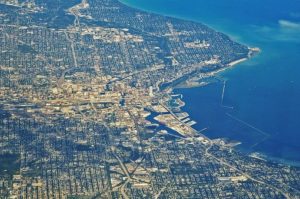
In a move resembling the fictionalized “People’s Front of Judea’s” struggles against Roman rule in Monty Python’s classic 1979 comedy Life of Brian, an alliance of anti-meat activists and higher office seeking politician just shut down a proposed meat processing plant straddling the edge of Milwaukee’s 53206 zip code. While opposing Roman suzerainty represented the good fight in Life of Brian, please remember what their strategy was for stopping the Romans: mass suicide…

The proposed plant (Strauss Meats) straddles Milwaukee’s 53206 zip code, notorious for its de-industrialization induced blight and poverty. Century City is the rebranded 80 acre “business park” that once housed A.O. Smith, once the largest producer of auto and truck frames in the United States. At its peak, it employed nearly 8000 industrial union workers. These jobs delivered solid incomes to African-Americans in the 53206 and adjacent zip codes. A.O. Smith’s closure, along with a larger deindustrialization underway in Milwaukee, struck a death blow to middle-class aspirations for many of the city’s African-Americans. The ensuing socio-economic devastation there reminds one of Tacitus’ characterization of Carthage, put in the mouth of the Celtic chieftain Calgacus before the battle of Mons Graupius, of Rome’s victories, where “they make a desert and they call it peace.” While there was no intent to destroy Milwaukee’s north side African-American neighborhoods, the shuttering of its factories were nonetheless similar in effect to Carthage’s treatment at the hands of Rome. Both were rendered “deserts,” Carthage for farming and 53206 (and neighboring areas) for living-wage jobs.

The City of Milwaukee has long tried bringing employment to the blighted Century City site. A long struggle was undertaken to bring high-speed rail to Wisconsin, with its $800 million construction costs fully funded by the Federal government. Spanish train manufacturer Talgo was brought to Century City to build train cars. Unfortunately, this project crashed on the shoals of then Wisconsin Governor Scott Walker’s presidential aspirations. Walker, supported and mentored by the dirty energy Koch Brothers, shut down the rail project. Talgo remains, but employs only a few people.

A decade later Milwaukee now managed to interest Strauss Meats of Franklin Wisconsin to the Century City site. The area’s local city councilman, Khalif Rainery, supported the project. Promising to deliver 250 jobs to start, with expansion to 500, Strauss could have started a desperately needed trickle of money into the 53206 income desert. Strauss’ Franklin, WI unionized plant pays workers $13-17 an hour. Nobody gets rich on that wage, but in a two-earner household, in an area with low housing costs, this wage can provide a decent living. Moreover, this income would seed the neighborhood with demand-side multiplier effects sustaining new area businesses.

But, then the “perfect making the enemy of the good” campaign started. Opposition was mounted by anti-meat, and incidentally mostly white, activists chiefly from outside the immediate area. Their general concerns are ones all should consider. Meat comes from the killing of arguably sentient beings. Belching, flatulent beasts raised for human consumption contribute mightily to the production of global warming greenhouse gases. Meanwhile, grain-fed animals consume resources and generate pollution. These are all legitimate arguments in favor of reducing or even eventually ending the consumption of meat. Yet, none of these goals are served by shutting down a single meat processing plant that is going to open at some location regardless.

Misplaced, however, were arguments comparing Strauss’s proposed plant to the XL Pipeline or proposed strip mines in Wisconsin’s northwoods. In both cases the risk of environmental catastrophes are ever present. Moreover, given limited sources of supply, such as with the Bakken oil-shale fields of the Dakotas or the Tar Sands of Alberta, stopping pipeline projects can have a real impact on diminishing the supply of a harmful (fossil fuel) industry, given the lack of alternatives for bringing this oil to market.

Furthermore, Strauss is no Foxconn, the Taiwanese electronics giant with a reputation for mistreatment of labor, pollution and deal breaking that Scott Walker and Donald Trump brought to Wisconsin. There was no multi-billion subsidy, as Scott Walker and the Wisconsin GOP showered on Foxconn. Granted, Strauss was going to be given the land to build on for $1. But, this property has for years stubbornly resisted efforts to attract enterprise. Strauss would pay their own building costs and and pay property taxes on their plant as well.

A real concern expressed by some in the neighborhood of the site was pollution and odors. This should have led to serious discussions and definable plans of how Strauss would handle the treatment and air quality and wastewater (which they presently have a decent record of). Strauss, a company with over 80 years in Wisconsin, has a solid reputation in an industry that has many bad actors. In fact, the company’s sole extant operation is in Milwaukee’s white suburb of Franklin, where that municipality has lobbied Strauss hard to expand their existing facility. Strauss works with lots of family farms and buy many grass-fed animals. While not suggesting perfection for Strauss, it was neither honest nor helpful for anti-meat activists to conjure images of Upton Sinclair’s The Jungle and the slaughterhouses of Chicago from a century back (or even the worst modern industrial butchering plants) in working to stop this plant. Nor was it accurate to suggest that Strauss wanted to engage in the all-too-common practice of exploiting a black central city neighborhood.

Lastly, some said, “why not better STEM jobs making more useful and/or producing less harmful products like solar panels or train cars?” While this is a great question to pose for advancing a socialist vision for re-development in the context of the 2020 Democratic presidential primary, the market alone presently won’t support it. The US is no longer competitive with China on solar panels, and Talgo already makes train cars at Century City, but with few people employed. Moreover, while it would be nice to have STEM related jobs around the 53206 area code, one needs to be reminded of what 4 decades of de-industrialization has wrought. The area’s public high school, North Division has ACT (the midwest’s version of the SAT) scores ranking in the lowest 7% for the nation. Less than 40% of the area’s students graduate from high school. Only 5% of North Division’s students test proficient in math and reading, and test scores generally are in the bottom 1% for Wisconsin. Remembering the area’s poverty, over 90% of their students are eligible to receive federally funded free lunches. Moreover, over half of Milwaukee County’s African-American males in their 30’s have prison records and unemployment rates are high. In short, the 53206 area needs jobs now. Not jobs at any cost, but jobs at the level of where many people are after decades of deindustrialization. With employment and living wages in place, these communities can begin to rebuild. Without them, nothing changes.

While tempting to solely blame a group of anti-meat activists for the failure of the Strauss project to materialize, the project was advancing regardless, until an intervention was made from another quarter. When a significant project suddenly collapses the classic question of cui bono? must be asked. And, in this instance the person benefiting is Lena Taylor. Taylor, a state senator with a habit for finding herself at the center of controversies, recently announced her intent to run for mayor of Milwaukee. That goal would be enhanced by denying the current mayor, Tom Barrett, a victory in bringing jobs to Milwaukee’s urban core, where Taylor serves as an officeholder. With the Strauss deal sailing toward easy passage in the city council, Taylor’s legislative aide Michelle Bryant used her platform as morning host with Milwaukee’s African-American talk radio, WNOV, the week before the project collapsed to daily disparage the Strauss deal. Mayor Barrett was blind-sided by this last minute attack, but in part left himself open to it by not explaining its benefits to local community members.

Coda: the stop Strauss campaign prevailed this week. Local alderman Khalif Rainey abruptly reversed support for the project under new opposition arising concurrently with the disparaging radio campaign from state senator Lena Taylor’s legislative aide. Strauss responded by exiting from their plans to invest in Century City. A more holistic overview of people’s needs might have been employed that weighed the benefits of this project with possible problems and brought oversight to ensure legitimate neighborhood environmental concerns were addressed. Instead, the “People’s Front of Judea” strategy prevailed, with no practical substitute for delivering work to the area’s income starved residents. The question also remains of what constitutes progressive activism? Can single-issue activist groups, regardless of how well intentioned, thwart efforts at economic development benefiting primarily the poor? And, if so, how can we reconcile these goals in the future to prevent poor and working people from becoming collateral damage in these struggles? In short, progressives should seek to expand what is possible. Yet, such efforts must not simply devolve into reactive campaigns against incremental efforts to improve people’s condition, nor permit individual opportunism to trump the greater good.

More articles by:
Jeffrey Sommers is Professor of Political Economy & Public Policy in the Department of African &African Diaspora Studies and a Senior Fellow, Institute of World Affairs, University of Wisconsin-Milwaukee. His book on the Baltics (with Charles Woolfson), is The Contradictions of Austerity: The Socio-economic Costs of the Neoliberal Baltic Model.
https://www.counterpunch.org/2019/10/31/53206-the-poverty-of-politics/

Χάνεται ο έλεγχος στη Σουηδία

3