The Trump administration’s corruption and degradation of U.S. foreign policy were on shameful display on both ends of Pennsylvania Avenue on Wednesday.
In the White House, President Trump was fawning over Turkish President Recep Tayyip Erdogan, a vicious anti-American dictator who has ethnically cleansed the Kurds in northern Syria, locked up his domestic critics and established close ties with Russia. “You’re doing a fantastic job for the people of Turkey,” Trump gushed. Of course he did: By Trump’s lights, this is how a leader should behave.
Trump even praised Erdogan for having “a great relationship with the Kurds,” which will come as news to them. The United States reportedly has drone imagery showing atrocities committed against Kurds by pro-Turkish militias in Syria; I’d hate to see how Erdogan treats someone he has a lousy relationship with. Once again Trump put his extraordinary gift for Orwellian doublespeak to use on behalf of an odious autocrat.
In the Longworth House Office Building, meanwhile, the House Intelligence Committee was hearing damning evidence of how Trump had mistreated a democratic ally threatened by another one of his favorite dictators—Vladimir Putin. The facts are incontrovertible: This summer Trump blocked military aid that Ukraine desperately needs to force its government to announce a sham investigation of Joe Biden. Ukraine eventually got its military aid, as Republicans repeatedly pointed out, but this only occurred after the whistleblower came forward. And while Trump did meet Volodymyr Zelensky on the sidelines of the United Nations General Assembly in September, the democratically elected president of Ukraine still has not gotten the kind of White House welcome that the Turkish dictator has twice received.
In recounting this sordid story for a television audience, diplomats George Kent and William B. Taylor Jr. were utterly credible and totally devastating witnesses. They pointed out what an important ally Ukraine is and what a heavy price it paid in the lives of its soldiers when the military aid was withheld.
Republicans were left sputtering about crackpot conspiracy theories that blame Ukraine, not Russia, for 2016 election interference. Even if that’s true (and it’s not, as Kent and Taylor noted), how would that justify Trump soliciting a bribe? The Republicans talked so much nonsense because they could not challenge the damning evidence about Trump’s corruption of U.S. foreign policy.
At one point, committee counsel Daniel Goldman asked Taylor: “Have you ever seen another example of foreign aid conditioned on the personal or political interests of the president of the United States?” “No, Mr. Goldman,” the veteran diplomat testified. “I’ve not.”
But while Trump’s disreputable and dishonorable actions in Ukraine were unprecedented when compared with other presidents, they are utterly routine for this one. Trump recognizes no separation between public and private: He thinks “his” officials are there to serve him, not the U.S. government. He demands personal loyalty even at the cost of violating the law, and when he does not get it, he fires appointees such as James B. Comey as FBI director and Jeff Sessions as attorney general.
Knowing what we now know about how Trump operates, I cannot help but be suspicious of his motives in kissing up to Erdogan. According to NBC News, former national security adviser John Bolton recently said that “he believes there is a personal or business relationship dictating Trump’s position on Turkey because none of his advisers are aligned with him on the issue.”
Trump himself admitted that he has a “little conflict of interest” with Turkey because of the Trump Towers in Istanbul. A New York Times article spells out those conflicts by exposing the cozy links between Trump’s son-in-law and shadow secretary of state, Jared Kushner; Erdogan’s son-in-law and finance minister, Berat Albayrak; and Mehmet Ali Yalcindag, the son-in-law of Trump’s Turkish business partner, Aydin Dogan, who built the Trump Towers Istanbul and still pays Trump for the use of his name.
As a result of their “backdoor diplomacy,” the Times notes, “the Trump administration has balked at aggressively punishing a state-owned Turkish bank for evading American sanctions against Iran” and “also deferred legally mandated sanctions against Turkey, a member of the North Atlantic Treaty Organization, for installing Russian missile defense systems.”
Eric Edelman, a former ambassador to Turkey and undersecretary of defense under President George W. Bush, told the Times that “Trump is replacing formal relations among nations in several cases with family-to-family relationship, or crony-to-crony relationships.”
Whether in Ukraine or Turkey or elsewhere, Trump invariably seeks to cut deals with the most corrupt cronies he can find. Zelensky’s misfortune is that he is trying to fight corruption while Trump is promoting it. Hence Trump’s outrageous attempt at blackmail. Unless Trump is removed from office by either impeachment or election, he will continue to corrupt U.S. foreign policy on a hitherto unimaginable scale.
The top Democrat on the House Committee on Oversight and Government Reform told then Vice President-elect Mike Pence in a November letter that the man Donald Trump had tapped to be his national security adviser was lobbying on behalf of a foreign government.
The letter, a copy of which was shared with McClatchy, contradicts White House claims that neither Pence nor Trump knew of Michael Flynn’s lobbying until it was revealed in a Justice Department filing this week.
In the letter, Rep. Elijah Cummings, D-Maryland, asked Pence, then the leader of Trump’s transition team, for information regarding Flynn’s business interests and statements regarding potential conflicts of interests.
Cummings said Flynn’s work for Turkey and a speech Flynn gave in Russia could violate Trump for America’s code of ethics if Flynn was advising Trump on policy related to those two nations. Flynn was Trump’s principal foreign policy adviser during the campaign.
“Lt. Gen. Flynn’s involvement in advising Mr. Trump on matters relating to Turkey or Russia – including attending classified briefings on those matters – could violate the Trump for America, Inc. Code of Ethical Conduct,” Cummings wrote.
The Cummings’ letter, which was dated Nov. 18, the day after Trump announced that Flynn would be his national security adviser, adds to the mystery surrounding Flynn’s short tenure in the White House.
Trump fired Flynn Feb. 13 for offering a misleading account to Pence of a conversation he’d had with Russian Ambassador Sergey Kislyak. But that firing came three weeks after the Justice Department had warned the White House that Flynn’s conversation with Kislyak had been monitored and that a transcript contradicted Pence’s televised account of what Flynn had told him had been discussed.
Trump moved against Flynn only after the Washington Post had revealed the Justice Department warning a few hours earlier.
Flynn’s lobbying for Turkey came to light this week when he belatedly registered with the Justice Department’s Foreign Agent Registration Unit and acknowledged that he’d been paid $530,000 for work from August to November that might have benefited Turkey’s government.
On Thursday, White House press spokesman Sean Spicer said Trump had been unaware of Flynn’s lobbying when he named him national security adviser. For his part, Pence told that he had heard about Flynn’s work for Turkey only after Flynn’s Justice Department filing this week.
But Cummings’ letter contradicts both versions.
Pence’s office did not respond to a request for comment. On Friday, Spicer acknowledged that Flynn’s attorney had raised a possibility of filing as a lobbyist with the transition team but that officials there did not advise him what to do.
“It’s a business matter, it’s not something that would be appropriate for a government entity to give someone guidance on when they should file as an individual,” Spicer said.
EDITORS: BEGIN OPTIONAL TRIM
Cummings and Trump met at the White House about the cost of prescription drugs on Wednesday.
Flynn’s activities in Russia and Turkey were hardly secret. His appearance at a dinner commemorating the 10th anniversary of the Russian news agency RT in 2015, seated next to Russian President Vladimir Putin, drew wide attention largely because of Flynn’s former role as head of the Defense Intelligence Agency. Flynn reportedly received $40,000 for his appearance.
Flynn also advocated publicly for the extradition of a Turkish cleric, Fethullah Gulen, from his exile in Pennsylvania in response to Turkish government allegations that Gulen was behind a July 15 coup attempt. The U.S. government has made no decision to date on the extradition request.
Cummings’ letter made note of news reports on Flynn’s activities in questioning his role in the Trump transition.
“Recent news reports have revealed that Lt. Gen. Flynn was receiving classified briefings during the presidential campaign while his consulting firm, Flynn Intel Group, Inc., was being paid to lobby the U.S. Government on behalf of a foreign government’s interests,” Cummings wrote.
EDITORS: END OPTIONAL TRIM
U.S. citizens who lobby on behalf of a foreign government or political entity must register with the Justice Department, according to the Foreign Agent Registration Act. Failure to register is a felony.
Spicer said Flynn’s work was acceptable because it was done before he worked for the federal government. But Cummings’ letter suggested that Flynn was something other than a private citizen because he was receiving classified briefings as a Trump adviser.
Flynn was believed to have been an advocate for Trump’s campaign position that a Trump administration would consider lifting sanctions that the Obama administration had imposed on Russia in retaliation for Russia’s 2014 annexation of Crimea.
Turkish media and officials also left little doubt that they expected Flynn to advocate for Turkish positions inside the White House. An opinion piece Flynn wrote in November for The Hill website in which he called Gulen a terrorist was widely quoted in Turkey and appeared on the front page of a Turkish government newspaper. Government officials said then that they expected a more favorable U.S. reaction to their extradition request once the Trump administration was in office.
Trump signed an executive order that forbids government employees from lobbying for five years and bars them permanently from representing foreign governments after leaving the administration. It also prohibits lobbyists turned government employees from participating for two years in decisions about the issues on which they lobbied.
will be “inevitable” and result in “a catastrophic outcome” that “will be worse than world wars” unless the countries settle their differences, according to former US secretary of state Henry Kissinger.
“We are in a difficult period now. I am confident the leaders on both sides will realise the future of the world depends on the two sides working out solutions and managing the inevitable difficulties,” he said at an event hosted by the National Committee on US China Relations in New York on Thursday.
“There is no doubt many aspects of the evolution of China are challenging to the US,” the 96-year-old said. “It never happened before that two major countries in different parts of the universe were in similar positions.”
But they must understand that a permanent conflict between them could not be won and would end in “a catastrophic outcome” for Beijing and Washington, he said.
If no resolution was achieved, “it will be worse than the world wars that ruined European civilisation”, he said.
“It’s no longer possible to think that one side can dominate the other,” he said. “They have to get used to the fact that they have that kind of a rivalry.”
The remarks from Kissinger – who was a diplomatic driving force behind then-US president Richard Nixon’s groundbreaking visit to China in 1972 – came as the world’s two largest economies are embroiled in a trade war that has dampened appetites for cross-border business and damaged their economic growth prospects.
US-China trade deal ‘in final stages’
US President Donald Trump began imposing tariffs on thousands of Chinese-made products in July 2018 to put pressure on Beijing to change trade practices and industrial policies his administration deemed unfair.
Kissinger, who met President Xi Jinping and senior cabinet officials during a visit to China in November last year, said in New York that “when we started this relationship, it was a strategic one”.
“There were differences at the beginning of the relationship. Nevertheless, we’ve learned to live with each other for many decades,” he said.
Looking to the future, he said he was confident the trade disputes would be resolved “in a positive way”.
Aime Williams (Ουάσιγκτον) και Laura Pitel (Αγκυρα)
Η ατάκα του Αμερικανού προέδρου σε Τουρκάλα δημοσιογράφο και το καυστικό σχόλιο ρεπουμπλικανού γερουσιαστή για τα ΜΜΕ της γείτονος. Αλυτα έμειναν τα βασικά θέματα μεταξύ των δύο χωρών.
Δημοσιεύθηκε: 14 Νοεμβρίου 2019 – 13:55
Ο Τούρκος πρόεδρος Ρετζέπ Ταγίπ Ερντογάν έβαλε κατά Αμερικανών βουλευτών από τον Λευκό Οίκο μετά τη συνάντησή του με τον Ντόναλντ Τραμπ, η οποία φαίνεται πως άφησε άλυτα βασικά διπλωματικά θέματα.
Ο Ερντογάν, που περιέγραψε τον κο Τραμπ ως «αγαπητό φίλο» καθώς μιλούσε στη συνέντευξη Τύπου, κατηγόρησε τη Βουλή των Αντιπροσώπων ότι «ρίχνει μια βαριά σκιά» στις διμερείς σχέσεις.
Οι Αμερικανοί βουλευτές είναι βαθιά δυσαρεστημένοι με τη συμπεριφορά της Αγκυρας στη βορειοανατολική Συρία, όπου εισέβαλαν πρόσφατα Τούρκοι στρατιώτες και εκδίδουν νομοσχέδια που απειλούν με τιμωρητικές κυρώσεις τη χώρα. Ο κος Ερντογάν επιμένει εδώ και καιρό ότι επιδιώκει να προστατευτεί από ομάδες που θεωρεί «τρομοκρατικές».
Ο Τούρκος πρόεδρος έθιξε ιδιαίτερα το νομοσχέδιο που εγκρίθηκε από τη Βουλή των Αντιπροσώπων στα τέλη του περασμένου μήνα και αναγνωρίζει επίσημα τις δολοφονίες 1,5 εκατομμυρίου Αρμενίων το 1915 από το εθνικιστικό κόμμα που ήταν στην εξουσία στα τέλη της Οθωμανικής Αυτοκρατορίας.
Πέντε ρεπουμπλικανοί γερουσιαστές, περιλαμβανομένου του Λίντσεϊ Γκράχαμ, που ήταν μεταξύ των εισηγητών νομοσχεδίου που ζητά σκληρές κυρώσεις κατά της Τουρκίας για την εισβολή στη Συρία και του Τζιμ Ριτς, πρόεδρου της επιτροπής διεθνών σχέσεων της Γερουσίας, παρακολούθησαν την συνάντηση του κου Τραμπ με τον κο Ερντογάν.
Ο κος Τραμπ είπε ότι είναι «μεγάλος οπαδός» του κου Ερντογάν, επαινώντας τις αμυντικές δαπάνες της Αγκυρας και ευχαριστώντας τον για το ότι ήταν «πολύ πολύ επιβοηθητικός», όταν οι αμερικανικές δυνάμεις «εξουδετέρωσαν» τον Αλ-Μπαγκντάντι, μια αναφορά στον πρόσφατο θάνατο του ηγέτη του ISIS στη Συρία.
Ο κος Τραμπ είπε ότι ο ίδιος και ο κος Ερντογάν «διαβεβαίωσαν ο ένας τον άλλο» ότι η εκεχειρία μεταξύ των συμμαχικών των ΗΠΑ κουρδικών δυνάμεων και του τουρκικού στρατού θα διατηρηθεί.
Λίγες λεπτομέρειες δόθηκαν για όποιες συζητήσεις έγιναν αναφορικά με την αγορά από την Αγκυρα ρωσικού αντιαεροπορικού συστήματος (σ.σ. S-400) και την πιθανότητα αμερικανικών κυρώσεων στη βάση της «Countering America’s Adversaries Through Sanctions Act», γνωστής ως Caatsa.
Ο κος Τραμπ είπε μόνο ότι η τουρκική αγορά των S-400, που παραμένει ένα από τα μεγαλύτερα εκκρεμή διπλωματικά θέματα μεταξύ της Αγκυρας και της Ουάσιγκτον, θέτει «μερικές πολύ σοβαρές προκλήσεις» και ότι οι δυο χώρες «συζητούν γι’ αυτό διαρκώς».
Ο Αμερικανός πρόεδρος ήταν κατά λάθος εύστοχος για την κατάσταση στα τουρκικά μέσα ενημέρωσης, τα οποία βρίσκονται υπό τεράστια πίεση καθώς ο κος Ερντογάν έχει εξελιχθεί αυξανόμενα απολυταρχικός τα τελευταία χρόνια. Τουλάχιστον 117 δημοσιογράφοι και εργαζόμενοι στον Τύπο είναι στη φυλακή, σύμφωνα με την ανεξάρτητη δημοσιογραφική πλατφόρμα P24.
Θέτοντας την προοπτική μιας ερώτησης από Τούρκο δημοσιογράφο, ο κος Τραμπ ζήτησε «ένα φιλικό ρεπόρτερ», ένα σχόλιο που κατά πληροφορίες προκάλεσε τον κο Γκράχαμ, που παρακολουθούσε μαζί με τους δημοσιογράφους που καλύπτουν τον Λευκό Οίκο, να ρίξει την ατάκα στον ανταποκριτή του ABC που καθόταν δίπλα του: «Δεν έχουν απομείνει άλλοι…».
Ο κος Ερντογάν επέλεξε τη Χιλάλ Καπλάν, μια διακεκριμένη αρθρογράφο σε εφημερίδα του αδελφού του γαμπρού του. Όταν οι ερωτήσεις της επανέλαβαν βασικά τουρκικά σημεία συζήτησης, ο κος Τραμπ αστειεύτηκε: «Είστε σίγουρα δημοσιογράφος; Δεν δουλεύετε για την Τουρκία με αυτή την ερώτηση;».
Μετά τη συνάντηση, ο κος Γκράχαμ είπε ότι ενώ εκτίμησε το ότι προσκλήθηκε για να συζητήσει την αγορά των S-400 από την Τουρκία και τη στρατιωτική εισβολή στη Συρία με τον Ερντογάν, η επίθεση της Αγκυρας στη χώρα υπήρξε «απίστευτα αποδιοργανωτική».
Ο Ελιοτ Ενγκελ, ο δημοκρατικός πρόεδρος της επιτροπής Εξωτερικών Υποθέσεων της Βουλής, είπε ότι ο κος Τραμπ «άφησε την Τουρκία να γλιτώσει για την εισβολή στη Συρία, δημιουργώντας μια τεράστια φυγή Κούρδων και την αγορά των S-400 από τη Ρωσία.
Μεγάλο ενδιαφέρον στη συνάντηση Τραμπ-Ερντογάν είχαν οι αναφορές των δυο προέδρων στη Γαλλία, με επίκεντρο τις δηλώσεις του προέδρου της για το ΝΑΤΟ. Ο Μακρόν είχε χαρακτηρίσει –μιλώντας στο περιοδικό Economist– την Ατλαντική Συμμαχία «κλινικά νεκρή», σε κατάσταση «εγκεφαλικού θανάτου». Είχε, επίσης, ξιφουλκήσει εναντίον της Τουρκίας, την οποία και κατηγόρησε ότι εξαπέλυσε επίθεση εναντίον μιας άλλης χώρας, της Συρίας, σε μια ζώνη όπου διακυβεύονται γαλλικά συμφέροντα. Ο Μακρόν εύλογα αναρωτήθηκε, εάν, με βάση το Άρθρο 5, το ΝΑΤΟ θα πρέπει να σπεύσει να συνδράμει την Τουρκία, εάν το καθεστώς Άσαντ αποφασίσει αμυνόμενο να αντισταθεί στρατιωτικά στα τουρκικά στρατεύματα που έχουν εισβάλει στη Συρία.
Οι δηλώσεις Μακρόν ήταν λογικό να προκαλέσουν αναταραχή στους κόλπους του ΝΑΤΟ. Η Γερμανία αντέδρασε διά της καγκελαρίου Μέρκελ, προκαλώντας την ανταπάντηση του Γάλλου προέδρου. Αντικείμενο, όμως, του παρόντος σχολίου είναι ο τρόπος με τον οποίο αξιοποίησαν τη δήλωση Μακρόν τόσο ο Ερντογάν, όσο και και ο Αμερικανός οικοδεσπότης του.
ΤΟΥΡΚΙΚΗ ΕΠΙΚΟΙΝΩΝΙΑΚΗ ΦΙΛΟΣΥΜΜΑΧΙΚΗ ΠΑΡΑΣΤΑΣΗ
Η δήλωση εκείνη αποτέλεσε μια πρώτης τάξεως ευκαιρία για την τουρκική διπλωματία να προβεί σε μια παράσταση σχεδιασμένη για να προωθήσει επικοινωνιακά το μήνυμα ότι η Τουρκία παραμένει πιστός σύμμαχος. Με τον τρόπο αυτό επιχειρεί να διασκεδάσει τις εντυπώσεις ότι απομακρύνεται από το δυτικό στρατόπεδο και έχει προσεγγίσει τη Ρωσία.
Οι στόχοι του Ερντογάν είναι δύο: Ο πρώτος είναι προφανής και εξαιρετικά δύσκολος. Να διατηρήσει στο τουρκικό οπλοστάσιο το ρωσικό σύστημα S-400, αλλά και να παραλάβει τα μαχητικά πέμπτης γενιάς F-35 Lightning II, στα οποία η τουρκική Αεροπορία βασίζει την ισχύ και τα σχέδιά της για τις δεκαετίες που ακολουθούν. Σύμφωνα με τις πρώτες πληροφορίες, ο στόχος αυτός, όπως άλλωστε αναμενόταν, δεν επιτεύχθηκε.
Ωστόσο, ενώ η προαναφερθείσα επικοινωνιακή στόχευση είναι εμφανής, τα σύννεφα που έχουν παρουσιαστεί στη σχέση Άγκυρας-Μόσχας μετά την τουρκική εισβολή στη βόρεια Συρία, αφήνουν ανοικτό το ενδεχόμενο, οι αναφορές του Ερντογάν στη συνάντηση με τον Τραμπ να στοχεύουν και στα ώτα του Ρώσου προέδρου. Εν ολίγοις, συνιστά για μια ακόμη φορά κλασική εφαρμογή της στρατηγικής του Ερντογάν να χρησιμοποιεί τις ΗΠΑ για να πιέσει τη Ρωσία και το αντίστροφο (play one against the other). Επιδίωξή του είναι να μεγιστοποιεί τα διπλωματικά οφέλη για τη χώρα του.
Η στάση του Αμερικανού προέδρου απέναντι στον Τούρκο ομόλογό του κινείται επικίνδυνα στο όριο της δουλικότητας. Το γεγονός αυτό όχι μόνο δικαιώνει τη στρατηγική του Ερντογάν, αλλά και την καθιστά ιδιαίτερα αποτελεσματική, με αποτέλεσμα να την εκτρέφει. Στον Λευκό Οίκο ο Τούρκος πρόεδρος παρουσίασε μια παραπλανητική εικόνα, στην οποία, όμως, κατά μία έννοια έβαλε την υπογραφή του και ο πρόεδρος Τραμπ.
Παρουσιάζοντας την Τουρκία σαν πιστό μέλος του ΝΑΤΟ, ο Ερντογάν αφενός επιχειρεί να καθησυχάσει την Ουάσιγκτον και ευρύτερα τους Δυτικούς, αφετέρου επιχειρεί να πιέσει τους Ρώσους στο θέμα της βόρειας Συρίας, για να πετύχει όσο το δυνατόν περισσότερους στόχους. Στην πραγματικότητα, πρόκειται για μία διπλωματική σχοινοβασία, η οποία προς το παρόν φέρνει αποτέλεσμα.
Η ΤΟΥΡΚΙΑ ΕΠΟΦΘΑΛΜΙΑ ΤΟΝ ΓΑΛΛΙΚΟ ΡΟΛΟ ΣΤΗΝ ΑΝΑΤΟΛΙΚΗ ΜΕΣΟΓΕΙΟ
Επειδή όμως τα συμφέροντα Ρωσίας και Τουρκίας στη Συρία παραμένουν αποκλίνοντα, η αξιοποίηση των δηλώσεων Μακρόν από τον Ερντογάν, έχει πιθανότατα και μια άλλη διάσταση: Αξιοποιεί τη δυσαρέσκεια των ΗΠΑ για τη γαλλική αυτονομία, για να μπει σφήνα στις σχέσεις Ουάσιγκτον-Παρισίων.
Αυτό έχει σημασία για την Τουρκία, επειδή συγκρούεται με τη Γαλλία όχι μόνο στη Συρία, αλλά και στην Ανατολική Μεσόγειο και ειδικά στην κυπριακή ΑΟΖ. Ο Ερντογάν προωθεί την εικόνα ότι αυτός αποτελεί τον αξιόπιστο και αποτελεσματικό σύμμαχο των Αμερικανών στην περιοχή, παρά τον εναγκαλισμό του με τον Πούτιν.
Όσο Αμερικανοί και Γάλλοι συμπλέουν συνιστούν ένα απροσπέλαστο μέτωπο για την Τουρκία σε μια περιοχή ζωτικού γι’ αυτήν ενδιαφέροντος. Εξ ου και η τουρκική διπλωματία επιχειρεί να αξιοποιήσει τα προβλήματα που ανέκυψαν στις αμερικανογαλλικές σχέσεις με σκοπό την εφαρμογή του “διαίρει και βασίλευε”.
Σε μια πιο ευφάνταστη μακροπρόθεσμη εξέλιξη, οι Τούρκοι θα μπορούσαν να διαμηνύσουν ότι εάν λάβουν τα ανταλλάγματα που θέλουν στην Ανατολική Μεσόγειο και στη βόρεια Συρία, θα επιστρέψουν σταδιακά στη ΝΑΤΟϊκή κανονικότητα.
Η διάρρηξη των σχέσεων της Τουρκίας με τη Ρωσία, πάντως, θα πρέπει να αποκλειστεί ως σενάριο. Η κατευναστική στάση, όμως, του Λευκού Οίκου απέναντι στο καθεστώς Ερντογάν, έχει ως αποτέλεσμα την πλήρη αποτυχία της αμερικανικής διπλωματίας να θέσει όρια στην τουρκική συμπεριφορά.
ΑΛΛΗ ΜΙΑ ΔΙΠΛΩΜΑΤΙΚΗ ΑΣΤΟΧΙΑ ΤΡΑΜΠ
Όσον αφορά στην αξιοποίηση των δηλώσεων Μακρόν για το ΝΑΤΟ από την πλευρά του Τραμπ, αυτή αφορούσε την εξυπηρέτηση της προσωπικής πολιτικής του απέναντι στην Τουρκία του Ερντογάν. Πολιτική, η οποία έχει εγείρει έντονες υποψίες ότι δεν έχει ως σημείο αναφοράς την εξυπηρέτηση των αμερικανικών γεωστρατηγικών συμφερόντων, αλλά ιδιοτελείς επιχειρηματικούς υπολογισμούς.
Πώς αλλιώς να ερμηνευθεί η αναφορά Τραμπ ότι ο Ερντογάν είναι… στενοχωρημένος από τη δήλωση Μακρόν για το ΝΑΤΟ! Εάν η αναφορά αποδειχθεί ακριβής, πρόκειται για έναν ακόμα χειρισμό του Αμερικανού προέδρου που προκαλεί μειδίαμα.
Αν και είναι νωρίς ακόμα για να εκτιμηθεί η κατάσταση από την πλευρά των ελληνικών συμφερόντων, η Αθήνα δεν έχει άλλη επιλογή από το να συνεχίσει να επιδιώκει πλήρη συνεργασία τόσο με τις ΗΠΑ όσο και με τη Γαλλία για τα θέματα ασφαλείας στην Ανατολική Μεσόγειο και να κινείται στην κατεύθυνση της γεφύρωσης των όποιων διαφορών ανακύπτουν.
Σε κάθε περίπτωση, έχουμε συνηθίσει τα τελευταία χρόνια, το Στέιτ Ντιπάρτμεντ και το Πεντάγωνο να σπεύδουν να διορθώνουν τις όποιες “διπλωματικές αστοχίες” του προέδρου Τραμπ.
*Ο ΖΑΧΑΡΙΑΣ Β. ΜΙΧΑΣείναι Διευθυντής Μελετών στο Ινστιτούτο Αναλύσεων Ασφάλειας και Άμυνας (ΙΑΑΑ/ISDA)
Team of rivals: Putin and Trump at the G-20 summit in Hamburg, Germany, July 2017Evan Vucci / AP
Since the end of the Cold War, every U.S. president has come into office promising to build better relations with Russia—and each one has watched that vision evaporate. The first three—Bill Clinton, George W. Bush, and Barack Obama—set out to integrate Russia into the Euro-Atlantic community and make it a partner in building a global liberal order. Each left office with relations in worse shape than he found them, and with Russia growing ever more distant.
President Donald Trump pledged to establish a close partnership with Vladimir Putin. Yet his administration has only toughened the more confrontational approach that the Obama administration adopted after Russia’s aggression against Ukraine in 2014. Russia remains entrenched in Ukraine, is opposing the United States in Europe and the Middle East with increasing brazenness, and continues to interfere in U.S. elections. As relations have soured, the risk of a military conflict has grown.
U.S. policy across four administrations has failed because, whether conciliatory or confrontational, it has rested on a persistent illusion: that the right U.S. strategy could fundamentally change Russia’s sense of its own interests and basic worldview. It was misguided to ground U.S. policy in the assumption that Russia would join the community of liberal democratic nations, but it was also misguided to imagine that a more aggressive approach could compel Russia to abandon its vital interests.
A better approach must start from the recognition that relations between Washington and Moscow have been fundamentally competitive from the moment the United States emerged as a global power at the end of the nineteenth century, and they remain so today. The two countries espouse profoundly different concepts of world order. They pursue opposing goals in regional conflicts such as those in Syria and Ukraine. The republican, democratic tradition of the United States stands in stark contrast to Russia’s long history of autocratic rule. In both practical and ideological terms, a close partnership between the two states is unsustainable.
In the current climate, that understanding should come naturally to most U.S. policymakers. Much harder will be to recognize that ostracizing Russia will achieve little and likely prove to be counterproductive. Even if its relative power declines, Russia will remain a key player in the global arena thanks to its large nuclear arsenal, natural resources, geographic centrality in Eurasia, UN Security Council veto, and highly skilled population. Cooperating with Russia is essential to grappling with critical global challenges such as climate change, nuclear proliferation, and terrorism. With the exception of China, no country affects more issues of strategic and economic importance to the United States than Russia. And no other country, it must be said, is capable of destroying the United States in 30 minutes.
Only Russia is capable of destroying the United States in 30 minutes.
A more balanced strategy of restrained competition would not only reduce the risk of nuclear war but also provide the framework for the cooperation needed to tackle global challenges. Smarter relations with Russia can help guarantee European security and strategic stability, bring a modicum of order to the Middle East, and manage the rise of China. As U.S. policymakers demand that Russia moderate its behavior, they must be prepared to scale back their near-term goals, especially in settling the crisis in Ukraine, to forge a more productive relationship with Moscow.
Above all, U.S. policymakers will need to see Russia plainly, without sentiment or ideology. A new Russia strategy must dispense with the magical thinking of previous administrations and instead seek incremental gains that advance long-term U.S. interests. Rather than trying to persuade Moscow to understand its own interests differently, Washington must demonstrate that those interests can be more safely pursued through both considered competition and cooperation with the United States.
END OF THE ILLUSION
Washington’s initial post–Cold War emphasis on partnership and integration fundamentally misread the reality in Russia, positing that the country was in the midst of a genuine democratic transition and that it was too weak to resist U.S. policies. To be sure, the premise that Russia was shedding its authoritarian past did not appear unreasonable in the early 1990s. In the U.S. view, the Cold War had ended with the triumph of Western democracy over Soviet totalitarianism. The former Soviet bloc countries began to democratize after the revolutions of 1989. The rising forces of globalization fed the belief that free-market democracy was the pathway to prosperity and stability in the decades ahead. The leaders of the new Russia—President Boris Yeltsin and the dynamic young reformers around him—declared their commitment to sweeping political and economic reforms.
Yet even in the 1990s, there were signs that these assumptions were wrong. Contrary to the dominant Western narrative, the collapse of the Soviet Union marked not a democratic breakthrough but the victory of Yeltsin, a populist, over Soviet leader Mikhail Gorbachev, who ironically was a more committed democrat, having overseen what remain the freest and fairest elections in Russian history. Russia had few enduring native democratic traditions to draw from and only a shaky sense of political community on which to base a well-functioning democracy. To make matters worse, the state institutions fell prey to rapacious oligarchs and regional barons. Ruthless cliques competed, often violently, to carve up the assets of a once totally nationalized economy. Political chaos spread as old-time Communists and Soviet patriots battled more progressive forces.
The disorder intensified throughout the 1990s to the point that many observers feared Russia would crumble, just as the Soviet Union had earlier in the decade. The task of restoring order fell to Yeltsin’s successor, Putin. Even as he packaged his plans in democratic rhetoric, Putin made clear in a document called “Russia at the Turn of the Millennium” (released on December 30, 1999) that he intended to return to the traditional Russian model of a strong, highly centralized authoritarian state. “Russia,” he wrote, “will not soon, if ever, become a version of the United States or England, where liberal values have deep historical roots. . . . For Russians, a strong and sturdy state is not an anomaly to be resisted. To the contrary, it is the source and guarantor of order, the initiator and driver of any change.”
“Russia will not soon, if ever, become a version of the United States or England,” Putin wrote.
U.S. officials were not blind to the obstacles to democratic reform or to Putin’s intentions, but in the afterglow of the Cold War victory, they insisted that partnership with Russia had to be grounded in shared democratic values; mere common interests would not suffice. To build public support for its policies, each administration assured Americans that Russia’s leaders were committed to democratic reforms and processes. From the 1990s on, the White House measured the success of its approach in large part in terms of Russia’s progress toward becoming a stronger and more functional democracy, an uncertain enterprise over which the United States had little influence. Not surprisingly, the strategy collapsed when it proved impossible to bridge the gap between that illusion and Russia’s increasingly authoritarian reality. For Clinton, the moment of truth came when Yeltsin installed a new government of conservatives and Communists after the 1998 financial collapse in Russia; for Bush, it came when Putin cracked down on civil society in reaction to the Orange Revolution in Ukraine in 2004; and for Obama, it came when Putin announced in 2011 that, after having served as prime minister, he would reclaim the presidency.
The second flawed premise—that Russia lacked the strength to challenge the United States—also appeared sensible in the early post-Soviet years. Russia’s economy contracted by nearly 40 percent between 1991 and 1998. The once feared Red Army, starved of investment, became a shadow of its former self. Russia was dependent on Western financial support to keep both its economy and its government afloat. In these circumstances, the Clinton administration for the most part got its way, intervening in the Balkans and expanding NATO without serious pushback from Russia.
This premise, however, became less plausible as Russia’s economy rapidly recovered after Putin took office and restored order by clamping down on the oligarchs and regional barons. He subsequently launched a concerted effort to modernize the military. Yet the Bush administration, convinced of Washington’s unparalleled might in the “unipolar moment,” showed little respect for renewed Russian power. Bush withdrew from the Anti-Ballistic Missile Treaty, expanded NATO further, and welcomed the so-called color revolutions in Georgia and Ukraine, with their anti-Russian overtones. Similarly, the Obama administration, although less certain of American power, still dismissed Russia. As the upheavals of the Arab Spring unfolded in 2011, Obama declared that Syrian President Bashar al-Assad, a Russian client, had to go. Washington also paid little heed to Russia’s objections when the United States and its allies exceeded the terms of the UN Security Council–backed intervention in Libya, turning a mandate to protect an endangered population into an operation to overthrow the country’s strongman, Muammar al-Qaddafi.
A Russian soldier near Tiblisi, Georgia, in August 2008Eddie Gerald / laif / Redux
Both the Bush and the Obama administrations were brought crashing down to earth. The Russian incursion into Georgia in 2008 demonstrated to the Bush administration that Russia had a veto over NATO expansion in the guise of the use of force. Similarly, Russia’s seizure of Crimea and destabilization of eastern Ukraine in 2014 shocked the Obama administration, which had earlier welcomed the ouster of Viktor Yanukovych, the pro-Russian Ukrainian president. A year later, Russia’s military intervention in Syria saved Assad from imminent defeat at the hands of U.S.-backed rebels.
WILL TO POWER
Today, nearly everyone in Washington has dropped the pretense that Russia is on the path to democracy, and the Trump administration considers Russia to be a strategic competitor. These are overdue course corrections. Yet the current strategy of punishing and ostracizing Russia is also flawed. Beyond the obvious point that the United States cannot isolate Russia against the wishes of such major powers as China and India, this strategy makes some grave mistakes.
For one thing, it exaggerates Russian power and demonizes Putin, turning relations into a zero-sum struggle in which the only acceptable outcome of any dispute is Russia’s capitulation. But Putin’s foreign policy has been less successful than advertised. His actions in Ukraine, aimed at preventing that country’s westward drift, have only tied Ukraine more closely to the West while refocusing NATO on its original mission of containing Russia. Putin’s meddling in U.S. elections has complicated relations with the United States, which Russia needs to normalize to win greater foreign investment and to create a long-term alternative to its excessive strategic dependence on China.
In the absence of concerted Western action, Putin has inserted Russia as a major player in many geopolitical conflicts, most notably in Syria. Nevertheless, Putin has yet to demonstrate that he can bring any conflict to an end that consolidates Russia’s gains. At a time of economic stagnation and spreading socioeconomic discontent, his activist foreign policy now risks overstretch. In these circumstances, Putin needs to retrench. And that imperative should open up possibilities for the United States to turn to diplomacy and reduce the burden of competition with Russia while protecting U.S. interests.
Putin’s foreign policy has been less successful than advertised.
Another flaw in the current strategy is that it imagines Russia as a pure kleptocracy, whose leaders are motivated principally by a desire to preserve their wealth and ensure their survival. To work, this policy assumes that sanctioned officials and oligarchs will pressure Putin to change his policy in Ukraine, for example, or unwind Russia’s interference in American domestic politics. Nothing of the sort has happened because Russia is more like a patrimonial state, in which personal wealth and social position are ultimately dependent on the good graces of those in power.
U.S. policymakers are also guilty of not reckoning seriously with Russia’s desire to be perceived as a great power. Russia is indeed weak by many measures: its economy is a fraction of the size of the U.S. economy, its population is unhealthy by U.S. standards, and its investment in the high-tech sector is far below U.S. levels. But Russian leaders cling to the conviction that to survive, their country must be a great power—one of the few countries that determine the structure, substance, and direction of world affairs—and they are prepared to endure great ordeals in pursuit of that status. That mindset has driven Russia’s global conduct since Peter the Great brought his realm into Europe more than 300 years ago. Since the collapse of the Soviet Union, Russian leaders have focused on restoring Russia’s great-power status, just as their predecessors did after the national humiliation of the Crimean War in the 1850s and then again after the demise of the Russian empire in 1917. As Putin wrote two decades ago, “For the first time in the past two to three centuries, [Russia] risks sliding to the second, and possibly even third, echelon of world states. To prevent this, we must exert all our intellectual, physical, and moral forces. . . . Everything depends on our ability to grasp the dimensions of the threat, to rally together, and to commit to this long and difficult task.”
Part of that task is countering the United States, which Putin sees as the primary obstacle to Russia’s great-power aspirations. In contrast to what it imagines as Washington’s unipolar ambitions, the Kremlin insists on the existence of a multipolar world. More concretely, Russia has sought to undermine Washington’s standing by checking U.S. interests in Europe and the Middle East and has tried to tarnish the United States’ image as a paragon of democratic virtue by interfering in its elections and exacerbating domestic discord.
Russian soldiers outside a war memorial in Volgograd, Russia, in July 2019Stanislava Novgorodtseva / The New York Times / Redux
RUSSIA’S WORLD
In its quest for great-power status, Russia poses specific geopolitical challenges to the United States. These challenges stem from Russia’s age-old predicament of having to defend a vast, sparsely settled, multiethnic country located on a landmass that lacks formidable physical barriers and that abuts either powerful states or unstable territories. Historically, Russia has dealt with this challenge by maintaining tight control domestically, creating buffer zones on its borders, and preventing the emergence of a strong coalition of rival powers. Today, this approach invariably runs against U.S. interests in China, Ukraine, Europe, and the Middle East.
No part of eastern Europe and the former Soviet Union has loomed larger in the Russian imagination than Ukraine, which is strategically positioned as a pathway into the Balkans and central Europe, blessed with tremendous economic potential, and hailed by Russians as the cradle of their own civilization. When a U.S.-supported popular movement in 2014 threatened to rip Ukraine out of Russia’s orbit, the Kremlin seized Crimea and instigated a rebellion in the eastern region of the Donbas. What the West considered a flagrant violation of international law, the Kremlin saw as self-defense.
When they look at Europe in its entirety, Russian leaders see at once a concrete threat and a stage for Russian greatness. In practical terms, the steps Europe took toward political and economic consolidation raised the prospect of an enormous entity on Russia’s borders that, like the United States, would dwarf Russia in population, wealth, and power. Psychologically, Europe remains central to Russia’s great-power sensibilities. For the past three centuries, Russia has demonstrated its prowess on Europe’s great battlefields and through its grand diplomatic conferences. After the defeat of Napoleon in 1814, for example, it was the Russian emperor Alexander I who received the key to the city of Paris. Europe’s consolidation and the continued expansion of NATO have had the effect of pushing Russia out of Europe and diminishing its voice in continental affairs. And so the Kremlin has accelerated efforts to exploit the fault lines within and between European states and to stoke doubts in vulnerable NATO members about their allies’ commitment to collective defense.
After the defeat of Napoleon in 1814, the Russian emperor Alexander I received the key to the city of Paris.
In the Middle East, Russia has returned after an absence of some 30 years. At first, Putin intervened in Syria both to protect a long-standing client and to prevent the victory of radical Islamist forces with ties to extremists inside Russia. But after saving Assad and seeing the absence of a strong U.S. role, his ambitions grew. Russia decided to use the Middle East as an arena to showcase its great-power credentials. Largely bypassing the UN-sponsored peacemaking process, in which the United States is a central player, Russia has teamed up with Iran and Turkey to seek a final political resolution of the crisis in Syria. To reduce the risk of a direct conflict between Iran and Israel, Russia has strengthened its diplomatic ties to Israel. It has rebuilt relations with Egypt and worked with Saudi Arabia to manage oil prices.
It has also grown closer to China in developing a strategic counterbalance to the United States. This relationship has helped Russia resist the United States in Europe and the Middle East, but the greater concern for Washington should be how it enhances Beijing’s capabilities. Russia has aided China’s commercial penetration of Central Asia and, to a lesser extent, Europe and the Middle East. It has given China access to natural resources at favorable prices and has sold the country sophisticated military technology. In short, Russia is abetting China’s rise as a formidable competitor to the United States.
Moscow’s more assertive foreign policy today is a reflection not of the country’s growing strength—in absolute terms, its power hasn’t increased much—but of the perception that U.S. disarray has magnified Russia’s relative power. The country’s behavior is also driven by a persistent fear that guides Russian foreign policy: the sense that in the long run, Russia will fall dangerously behind both the United States and China. The Russian economy is stagnating, and even official projections see little hope for improvement in the next ten years. Russia cannot invest as much as its two competitors in the critical technologies, such as artificial intelligence, bioengineering, and robotics, that will shape the character of power in the future. Putin may be pressing hard now, at the time of Russia’s heightened relative power, to better position the country in the new multipolar world order he sees emerging.
BETWEEN ACCOMMODATION AND RESISTANCE
The challenge Russia now poses to the United States does not echo the existential struggle of the Cold War. Rather, the contest is a more limited competition between great powers with rival strategic imperatives and interests. If the United States was able to reach accommodations with the Soviet Union to strengthen global peace and security while advancing American interests and values, surely it can do the same with Russia today.
Beginning in Europe, U.S. policymakers should give up any ambitions of expanding NATO farther into formerly Soviet spaces. Rather than courting countries that NATO is unwilling to defend militarily—note the limp responses to Russian attacks on Georgia and Ukraine—the alliance should strengthen its own internal cohesion and reassure vulnerable members of its commitment to collective defense. Halting NATO expansion eastward would remove a central reason for Russia’s encroachments on former Soviet states. But the United States should still cooperate on security matters with those states, a kind of relationship that Russia tolerates.
So far, the United States has insisted that the possibility of NATO membership remains open to Ukraine. Washington has categorically rejected Russia’s incorporation of Crimea and insisted that the conflict in the Donbas be brought to an end on the basis of the agreement signed in Minsk in 2015, which stipulates a special autonomous status for separatist regions inside a reunited Ukraine. This approach has made little headway. The Donbas conflict continues, and Russia is putting down deeper roots in Crimea. Distracted from reform by the struggle with Russia, Ukraine is beset by corruption, political volatility, and economic underperformance.
The time is ripe for bold diplomacy in settling the crisis in Ukraine.
The recent election in Ukraine of a new president, Volodymyr Zelensky, whose supporters now dominate the parliament, has created an opening for a comprehensive resolution of the crisis. Two tradeoffs are essential. First, to allay Russian concerns, the United States should tell Ukraine that NATO membership is off the table, while deepening bilateral security cooperation with Kiev. Second, Kiev should recognize Russia’s incorporation of Crimea in exchange for Moscow’s acceptance of the full reintegration of the Donbas into Ukraine without any special status. In a comprehensive agreement, Ukrainians would also receive compensation for lost property in Crimea and Ukraine would be afforded access to offshore resources and guaranteed passage through the Kerch Strait to ports on the Sea of Azov. The United States and the EU would incrementally ease their sanctions on Russia as these arrangements took effect. At the same time, they would offer Ukraine a substantial assistance package aimed at facilitating reform in the belief that a strong, prosperous Ukraine is both the best deterrent against future Russian aggression and a necessary foundation for more constructive Russian-Ukrainian relations.
Such an approach would be met initially with great skepticism in Kiev, Moscow, and elsewhere in Europe. But Zelensky has staked his presidency on resolving the Donbas conflict, and Putin would welcome the chance to redirect resources and attention to countering spreading socioeconomic unrest in Russia. Meanwhile, European leaders are suffering from Ukraine fatigue and want to normalize relations with Russia while still upholding the principles of European security. The time is ripe for bold diplomacy that would allow all sides to claim a partial victory and accommodate the hard realities on the ground: NATO is not prepared to accept Ukraine as a member, Crimea is not going back to Ukraine, and a separatist movement in the Donbas is nonviable without Moscow’s active involvement.
Ukrainian soldiers in the Donbas region of eastern Ukraine in December 2016Juan Teixeira / Redux
A smarter Russia strategy would also better reckon with the implications of the Kremlin’s military intervention in the Middle East. It is Iran—not Russia—that poses the main challenge there. When it comes to Iran, Russia has diverging, but not necessarily opposing, interests from those of the United States. Like the United States, Russia does not want Iran to obtain nuclear weapons—that was why it supported the nuclear deal with Iran, the Joint Comprehensive Plan of Action, from which the Trump administration withdrew in 2018. Like the United States, Russia does not want Iran to dominate the Middle East; Moscow seeks to forge a new equilibrium in the region, albeit with a different configuration than the one sought by Washington. The Kremlin has worked to improve relations with other regional powers, such as Egypt, Israel, Saudi Arabia, and Turkey, none of which is especially friendly with Iran. Russia has paid particular attention to Israel, allowing it to strike Iranian and Hezbollah positions in Syria. If the United States deferred to Russia’s limited security interests in Syria and accepted Russia as a regional player, it could likely persuade the Kremlin to do more to check aggressive Iranian behavior. The Trump administration is already moving in this direction, but a more vigorous effort is warranted.
Washington must also update its approach to arms control. What worked for the last 50 years no longer will. The world is shifting toward a multipolar order, and China in particular is modernizing its forces. Countries are developing advanced conventional weapons capable of destroying hardened targets once vulnerable only to nuclear weapons and cyberweapons that could put at risk nuclear command-and-control systems. As a result, the arms control regime is breaking down. The Bush administration withdrew from the Anti-Ballistic Missile Treaty in 2002, which the president described as an obsolete relic of the Cold War, and in 2018, the Trump administration withdrew from the Intermediate-Range Nuclear Forces Treaty, which it had derided as ineffective and out of date.
Nevertheless, the United States should prolong New START—the strategic arms reduction treaty signed in 2010 that is set to expire in 2021—a move that Russia supports despite the Trump administration’s hesitation. The treaty fosters transparency and trust between the two countries—essential qualities in a time of strained relations—but it does not restrain the accelerating arms race in increasingly sophisticated and powerful weapons. The most promising systems—hypersonic weapons and cyberweapons, for example—fall outside the New START treaty’s purview. Policymakers need to develop a new arms control regime that encompasses novel, rapidly developing technologies and includes other major powers. Although it is necessary to bring China into the process at some point, the United States and Russia should take the lead, as they have before—they possess unique experience in considering the theoretical and practical requirements of strategic stability and corresponding arms control measures. Together, Washington and Moscow should develop a new arms control regime and then bolster it with multilateral support.
On strategic nuclear issues and other matters, the United States cannot prevent the rise of China, but it can channel growing Chinese power in ways that are consistent with U.S. interests. It should make Russia part of this effort rather than drive Russia into China’s embrace, as the United States is now doing. It is impossible, of course, to turn Russia against China; Russia has every reason to pursue good relations with a neighbor that has already surpassed it as a major power. But the United States could deftly encourage a different balance of power in Northeast Asia that would serve U.S. purposes.
Together, Washington and Moscow should develop a new arms control regime.
To do so, U.S. policymakers should help multiply Russia’s alternatives to China, thereby improving the Kremlin’s bargaining position and reducing the risk that its trade and security agreements with Beijing will be tilted heavily in China’s favor, as they are now. As U.S.-Russian relations improve in other areas, the United States should focus on removing those sanctions that prevent Japanese, South Korean, and U.S. investment in Russia’s Far East and that block joint ventures with Russian firms in Central Asia. Increasing Russia’s options would give the Kremlin greater leverage in dealing with China, to the United States’ advantage.
U.S. efforts to moderate competition on regional issues could incline Russia to curb its electoral meddling, but the problem won’t go away easily. Some level of interference, from Russia and from other states, is unavoidable in today’s interconnected world. Because European democracies face similar challenges, the United States should work with its allies to develop joint and reinforcing responses to these cyberthreats. There should be some redlines regarding Russian behavior; for instance, U.S. officials should take a strong stance against hacking that aims to weaponize stolen information or corrupt data, including voter rolls and vote counts. With better-coordinated exchanges of intelligence, the sharing of best practices, and occasional joint action, the United States and its allies must harden critical electoral infrastructure, push back against Russia with criminal prosecutions and targeted sanctions, and, when appropriate, launch cyber-counterstrikes.
Russian propaganda outlets, such as the television channel RT, Sputnik radio, and social media accounts, pose a trickier problem. A confident, mature, and sophisticated democratic society should be capable of containing this threat with ease without frantically trying to shut down offending websites and Twitter accounts. Amid hyperpartisan rancor in the United States, however, the media and the political class have exaggerated the threat, blaming Russia for domestic discord and dangerously narrowing the room for critical debate by insinuating that opinions that might align with official Russian preferences are part of a Kremlin-inspired influence campaign. A more constructive approach would be for the United States and other democracies to foster greater awareness of the arts of media manipulation and help raise the critical reading skills of their publics, without dampening the vigorous debate that is the lifeblood of democratic societies. Some Scandinavian countries and Baltic states have devoted considerable effort to these tasks, but the United States has lagged behind.
As the United States hardens its systems and educates its citizens, it should also involve Russia in establishing rules of the road in cyberspace. Even if such rules are not fully observed in practice, they could act as a restraint on the most troubling behavior, much in the way the Geneva Conventions have constrained armed conflict.
On all these issues, the proposed mix of accommodation and resistance takes into account the hard realities of Russian interests and American power. This approach stands in sharp contrast to the ones U.S. administrations have pursued since the end of the Cold War, which misread Russia and refused to recognize U.S. limitations. In many ways, this strategy would represent a return to the tradition of U.S. foreign policy before the end of the Cold War.
That grand tradition was forward-looking, pursuing foreign policy with patience over time and satisfied in the short term with incremental gains. The United States did not fear making accommodations with Moscow because it was confident in its values and its future, aware of its great power but mindful of its limitations and respectful of its rival’s power. This subtle understanding marked the strategies that all U.S. Cold War–era presidents pursued to master the challenge from Moscow. By recapturing the virtues of its past, the United States can master that challenge again today.
Η πολιτική της χώρας μας στα Βαλκάνια αναδεικνύει την συνεπή επιδίωξή της για πολιτική σταθερότητα και κοινωνικό-οικονομική ανάπτυξη στον βόρειο περίγυρό της.
Καλή Γειτονία, η εποικοδομητική διασυνοριακή συνεργασία, το απαραβίαστο των συνόρων, η επίλυση διαφορών με ειρηνικά μέσα προς εμπέδωση συμφιλιωτικού περιβάλλοντος διαμορφώνουν το πλαίσιο προτεραιοτήτων για την προώθηση εξισορροπητικών σχέσεων πολυμερούς και γόνιμης συνεργασίας.
Η Διαβαλκανική συνεργασία (SEECP- South Eastern European Cooperation Process και μετέπειτα RCC- Regional Cooperation Process), η συνεργασία στον αμυντικό τομέα ( SEDM- South Eastern Defense Ministerial, με το επιχειρησιακό σκέλος την SEEBRIG- South Eastern Brigade), η στρατιωτική συνεργασία υπό την σκέπη της Ευρωπαϊκής Ενωσης στην συγκρότηση «Σχηματισμών Μάχης» όπως το ΗΕLBROC- (Hellas,Bulgaria, Romania, Cyprus), αποτελούν ενδεικτικά στοιχεία τα οποία συντείνουν στην έμπρακτη και πολύπλευρη συνεννόηση και εν τέλει αμοιβαία συν- αντίληψη.
Βέβαια η Ασφάλεια και η Σταθερότητα στην βόρεια Γειτονιά μας υπαγορεύεται από τις κρατούσες συνθήκες στις επιμέρους χώρες. Δηλαδή αξιόπιστη τοπική και περιφερειακή συνεργασία συναρτάται ευρέως με τον βαθμό επίτευξης εσωτερικού εκδημοκρατισμού και θεσμικών μεταρρυθμίσεων σε γείτονες όπως οι όμορες Αλβανία και η BΜ, ήδη υποψήφιες προς μελλοντική ένταξη στην Ε.Ε, το Κοσσυφοπέδιο, αλλά και η Βοσνία, (λαμβανομένης υπόψη της ιδιαιτερότητας της « Σερβικής Δημοκρατίας»/ Republika Srbska) στην ομοιογένεια της κρατικής υπόστασης.
Παραλλήλως με τις εγγενείς εντάσεις στις εν λόγω χώρες, η δυστοκία στην καθιέρωση νοοτροπίας διενέργειας ειλικρινούς και συμφιλιωτικού Διαλόγου, καθώς και στην διαμόρφωση πλαισίου ανέφελων σχέσεων, θεωρώ ότι χαρακτηρίζει την ποιότητα των διμερών σχέσεων της χώρας μας.
Η δύσπεπτη, πιστεύω, για σημαντική μερίδα των πολιτών Συμφωνία που προκρίθηκε για την επίλυση του ονοματολογικού με την Β.Μ., φαίνεται ότι δικαιολογεί εγρήγορση για την παρακολούθηση της εφαρμογής της. Και τούτο μάλιστα ενόψει των πολιτικών εξελίξεων (εκλογές 12/4/2020) στην εν λόγω χώρα. Αρα είναι φυσιολογικό να παραμείνει υψηλά στις προτεραιότητες της εξωτερικής πολιτικής της κυβέρνησής μας.
Εξίσου εξαιρετική προσοχή αποδίδεται στα θέματα απτόμενα της συνολικής προσέγγισης με την Αλβανία, λόγω του ευρέος φάσματος των ζητημάτων τα οποία αναζητούν διαχρονικά βιώσιμες λύσεις. Εξυπακούεται ότι ο σεβασμός των ανθρωπίνων δικαιωμάτων και η αταλάντευτη προστασία των ατομικών δικαιωμάτων των μελών της Ελληνικής Εθνικής Μειονότητας, είναι ζητήματα αδιαπραγμάτευτα.
Επίσης, συνεκτιμάται συναφώς το γεγονός της διατήρησης της θέσης μας για μη αναγνώριση της (μονομερούς) ανακήρυξης της ανεξαρτησίας του Κοσσυφοπεδίου. Πάντως σε επίδειξη ευελιξίας συστάθηκε σχετικά πρόσφατα στην χώρα μας Γραφείο Εμπορικών υποθέσεων του Κοσσυφοπεδίου.
Συνεπώς από το σύνολο των σκέψεων αυτών διαφαίνεται η ορατή ανάγκη βελτίωσης των κατάλληλων συνθηκών, σε περιφερειακό επίπεδο, που να διασκεδάζουν την γενικότερη έγνοια, αν όχι ανησυχία ως προς την επίτευξη ουσιαστικής προοπτικής για την οριστική ειρήνευση του γεωπολιτικού περίγυρού μας.
Εν κατακλείδι, η χώρα μας καλείται να αξιοποιήσει τον ήδη εποικοδομητικό ρόλο της στην Νοτιοανατολική Ευρώπη και να πρωταγωνιστήσει στην περαιτέρω ενίσχυση της περιφερειακής σταθερότητας, της ασφάλειας, της διαρκούς συμφιλίωσης καθώς και της πολύπλευρης ανάπτυξης, στοχεύοντας στην δημιουργία περιβάλλοντος απτής προόδου επ’ωφελεία των λαών τους.
Είναι γνωστό πως ο Ταγίπ Ερντογάν επενδύει στην προσωπική του σχέση με τον Ντόναλτ Τράμπ ενώ ακόμη και ο πρώην σύμβουλος ασφαλείας του Λευκού Οίκου, δηλώνει ότι η κόρη, αλλά κυρίως ο προεδρικός γαμπρός, Τζάρεντ Κούσνερ διαχειρίζονται οικογενειακά συμφέροντα τονίζει στο liberal.gr, o Άγγελος Συρίγος, Μάλιστα κάνει λόγο για ένα νέο πλαίσιο αμοιβαιότητας ως προς την διαχείριση των συμφερόντων τους των δύο χωρών.
Σύμφωνα με τον Βουλευτή της ΝΔ και καθηγητή Διεθνούς Δικαίου και Εξωτερικής Πολιτικής στο Πάντειο Πανεπιστήμιο, ο Τραμπ είναι πιθανόν να έχει προσωπική ατζέντα, η οποία δεν ταυτίζεται απολύτως με την αμερικανική εξωτερική πολιτική. Άλλωστε οι αντιδράσεις από το αμερικανικό κατεστημένο είναι έντονες ως προς τις σχέσεις με την Τουρκία.
Σημειώνει πάντως πως «παρά την ένταση στις αμερικανο-τουρκικές σχέσεις με αφορμή την προμήθεια από την Άγκυρα των ρωσικών πυραυλικών συστημάτων S-400 και τις απειλές της Ουάσιγκτον για κυρώσεις κατά της Τουρκίας και αποπομπή της από το πρόγραμμα συμπαραγωγής των F-35 το κλίμα στη συνάντηση Τραμπ – Ερντογάν φαίνεται ότι ήταν θερμό».
Τέλος σημειώνει πως η Τουρκία παρά τα όσα είπε ο Ντόναλντ Τράμπ κάθε άλλο παρά εγκράτεια δείχνει μετά την Συρία και είναι ενδεικτικό όπως αναφέρει ότι «την ώρα μάλιστα της συνάντησης, μετά το Γιαβούζ, η Τουρκία έστειλε το γεωτρύπανο Fatih («Πορθητής») νότια της χερσονήσου της Καρπασίας. Ενώ νοτιοδυτικά της κυπριακής ΑΟΖ στέλνει το σεισμογραφικό Ορούτς Ρέις, σύμφωνα με δύο παράνομες Navtex που εξέδωσε η Άγκυρα».
Συνέντευξη στον Ανδρέα Ζαμπούκα
– Κύριε Συρίγο, τι προέκυψε τελικά από την συνάντηση Τραμπ Ερντογάν;
Ήταν φανερή η διάθεση του Ερντογάν να προσεταιρισθεί το ενδιαφέρον του Τραμπ και της αμερικανικής πλευράς. Δεδομένου ότι επέκρινε τις δηλώσεις που έκανε πρόσφατα για το ΝΑΤΟ ο Γάλλος πρόεδρος Εμανουέλ Μακρόν. Ο Αμερικανός πρόεδρος από την πλευρά του, παρατήρησε ότι η Τουρκία είναι «πολύ απογοητευμένη» δίνοντας την ευκαιρία στον Ερντογάν να χαρακτηρίσει «απαράδεκτη» τη δήλωση του Μακρόν ότι το ΝΑΤΟ είναι «κλινικά νεκρό»… Μην ξεχνάτε βέβαια, ότι βρισκόμαστε σε μία κρίσιμη καμπή στο συριακό μέτωπο κι ενώ οι σχέσεις των δύο ΝΑΤΟϊκών συμμάχων βρίσκονται σε δοκιμασία.
– Προέκυψε τελικά κάποια συμφωνία για τους F-35;
Όχι, το άφησαν σε εκκρεμότητα. Ούτε και με τους S-400 βγήκε άκρη, δεδομένου πως και οι δύο επαναδιατύπωσαν τις επιθυμίες τους, χωρίς βεβαίως, ο Ερντογάν να δεσμευτεί για το οτιδήποτε που θα πάγωνε την χρήση ή την λειτουργία τους.
Eίναι γνωστό ότι η Ουάσινγκτον απομάκρυνε την Τουρκία με αφορμή την αγορά από την Άγκυρα του ρωσικού αμυντικού συστήματος S-400. Κι από την άλλη, ο Τούρκος πρόεδρος επιχείρησε να δείξει στις ΗΠΑ και στα υπόλοιπα μέλη του ΝΑΤΟ ότι η Τουρκία είναι πάντα μία υπολογίσιμη δύναμη στην περιοχή.
Μέχρι τώρα, η Άγκυρα έχει αποφύγει την επιβολή αμερικανικών κυρώσεων, αλλά οι ΗΠΑ έχουν απαγορεύσει τις πωλήσεις αμερικανικών μαχητικών F-35 στην Τουρκία και εξαίρεσαν την Άγκυρα από το πολυεθνές πρόγραμμα παραγωγής του αεροσκάφους.
– Υπάρχει κρυφή προσωπική ατζέντα για τον Τραμπ, όταν επικοινωνεί με τον Ερντογάν; Διακρίνατε κάτι τέτοιο στην χθεσινή συνάντηση; Ισχύει μήπως αυτό που είπε ο Τζον Μπόλτον;
O Τζον Μπόλτον, ο πρώην σύμβουλος Εθνικής Ασφάλειας του Λευκού Οίκου, θεωρεί ότι η κόρη, αλλά κυρίως ο προεδρικός γαμπρός, Τζάρεντ Κούσνερ διαχειρίζονται οικογενειακά συμφέροντα. Όχι τα στρατηγικά συμφέροντα των ΗΠΑ…
Όλοι ξέρουν ότι ο Τούρκος πρόεδρος επενδύει πλέον μόνο στην προσωπική του σχέση με τον απρόβλεπτο Ντόναλντ Τραμπ. Ενώ, το αμερικανικό Κογκρέσο διάκειται σαφώς αρνητικά προς τον Ερντογάν μετά την στρατιωτική εισβολή στη Συρία και την αγορά των S-400. Και για αυτόν ακριβώς τον λόγο, έφερε τους Γερουσιαστές να «μαλώσουν» τον Τραμπ, ενώ ο ίδιος εκδήλωσε τα φιλικά του αισθήματα…
– Δεν σας τρομάζει αυτή η εντέχνως αλλοπρόσαλλη πολιτική ενός Αμερικανού προέδρου;
Πρώτα θα έπρεπε να τρομάζει τους Αμερικανούς πολίτες και μετά εμένα. Γιατί είναι φανερό ότι εδώ κάτι συμβαίνει πίσω από τις πλάτες τους. Και πίσω ίσως, από τις πλάτες του αμερικανικού πολιτικού συστήματος που δεν μπορεί πια να κατανοήσει τις συμπεριφορές του Προέδρου.
– Τελικώς ποια είναι η εξωτερική πολιτική των ΗΠΑ στη Συρία σε σχέση με την Τουρκία;
Δεν είναι καθόλου σαφής. Το μόνο σίγουρο είναι πως η πολιτική της Τουρκίας έχει γίνει αποδεκτή. Και από τον Πούτιν και από τον Τραμπ! Όσο για τους Αμερικανούς που σέρνονται πίσω από τις περίεργες διαθέσεις του Τραμπ, αρκούνται στο να εξασφαλίζουν πως η Τουρκία δεν θα γίνει ισλαμικό κράτος, όπως το Ιράν. Πρόκειται σίγουρα για κάτι πρωτοφανές στα χρονικά, ηγέτης χώρας μέλους του ΝΑΤΟ να καταφέρνει να ισορροπεί τόσο απροκάλυπτα μεταξύ ΗΠΑ και Ρωσίας, εισπράττοντας εύσημα, φιλικές διαθέσεις και οπλικά συστήματα και από τους δύο. Σε ό, τι αφορά στην Συρία, μπορεί να μην πήρε όσα ήθελε αλλά ο Ερντογάν παγιώνει μία κατάσταση η οποία τον καθιστά σχεδόν κυρίαρχο στην περιοχή.
– Είναι όμως δυνατόν ο Τραμπ να ξεχάσει τις κυρώσεις εναντίον της Τουρκίας;
Όχι βέβαια. Αυτό θα παραβίαζε τους αμερικανικούς νόμους. Δεν μπορεί να περάσει το εξάμηνο και να μην επιβάλει τις κυρώσεις. Ο νόμος λέει ότι αγορά των S-400 συνοδεύεται με κυρώσεις στη βάση του νόμου CAATSA. To πώς τώρα θα το διαχειριστεί είναι μια άλλη υπόθεση η οποία μας κρατά ζωντανό το ενδιαφέρον…
– Είχαμε κάποια αντίδραση από την Τουρκία τις τελευταίες ώρες που να δείχνει μία εγκράτεια μετά την συνάντηση;
Κάθε άλλο. Την ώρα μάλιστα της συνάντησης, μετά το Γιαβούζ, η Τουρκία έστειλε το γεωτρύπανο Fatih («Πορθητής») νότια της χερσονήσου της Καρπασίας. Ενώ νοτιοδυτικά της κυπριακής ΑΟΖ στέλνει το σεισμογραφικό Ορούτς Ρέις, σύμφωνα με δύο παράνομες Navtex που εξέδωσε η Άγκυρα.
Βεβαίως, κανένα από τα σημεία των ερευνών δεν επηρεάζει τμήμα της ελληνικής υφαλοκρηπίδας αλλά βγαίνει το συμπέρασμα ότι η Τουρκία με το Fatih επιδιώκει να δηλώσει «παρούσα» αφού γίνεται λόγος για γεωτρητικές έρευνες το 2020 στον κόλπο της Καρπασίας…
– Και τελικά, οι Αμερικανοί μπλόκαραν το ψήφισμα της αναγνώρισης της γενοκτονίας των Αρμενίων;
Είναι μάλλον «προσφορά» του γερουσιαστή Λίντσεϊ Γκράχαμ. Και συνέβη λίγες ώρες μετά τη συνάντηση και τα δημόσια παράπονα του Τούρκου προέδρου για το ζήτημα αυτό. Το επιχείρημα του Γκράχαμ είναι ότι «οι γερουσιαστές δεν μπορούν να προσπαθούν να ξαναγράψουν την ιστορία!»
Even as Erdogan meets with Trump on Wednesday, the US Congress is pushing forward with more sanctions against Turkey for its invasion of Syria disguised as a military operation. (AFP)
2 / 8
Turkey has helped solidify Russian influence over large expanses of the war-torn Middle East at the expense of its traditional NATO allies. (AFP)
3 / 8
Turkey has helped solidify Russian influence over large expanses of the war-torn Middle East at the expense of its traditional NATO allies. (AFP)
4 / 8
Turkey has helped solidify Russian influence over large expanses of the war-torn Middle East at the expense of its traditional NATO allies. (AFP)
5 / 8
Turkey has helped solidify Russian influence over large expanses of the war-torn Middle East at the expense of its traditional NATO allies. (AFP)
6 / 8
Turkey has helped solidify Russian influence over large expanses of the war-torn Middle East at the expense of its traditional NATO allies. (AFP)
7 / 8
Turkey has helped solidify Russian influence over large expanses of the war-torn Middle East at the expense of its traditional NATO allies. (AFP)
8 / 8
Even as Erdogan meets with Trump on Wednesday, the US Congress is pushing forward with more sanctions against Turkey for its invasion of Syria disguised as a military operation. (AFP)
Updated 14 November 2019
DAVID ROMANO
Despite being a NATO member, Turkey is now a strategic competitor of the US in the Middle East
Erdogan has helped solidify Russia’s influence at the expense of the US and Western allies
MISSOURI: The vast majority of US policymakers, legislators, officials and even American citizens do not look favorably upon Turkish President Recep Tayyip Erdogan’s official state visit on Wednesday. The honor of the White House invitation strikes many in the US as inappropriate and badly timed.
This, along with US President Donald Trump’s Oct. 6 capitulation to Erdogan and his surprise announcement of an immediate withdrawal of US troops from the Syrian border, stands out as perhaps the only major issue to cause bipartisan opposition to Trump.
Even as Erdogan meets with Trump on Wednesday, the US Congress is pushing forward with more sanctions against Turkey for its invasion of Syria disguised as a military operation — “Operation Peace Spring” — against “Kurdish terrorists.”
In recent years, Turkey has helped solidify Russian influence over large expanses of the war-torn Middle East at the expense of its traditional NATO allies, from whom it has steadily drifted away.
Assuming that Trump’s America (if not Europe) does not care so much about democracy or human rights norms, other recent Turkish policies make the collision with Washington and the Europeans abundantly clear.
Turkey helped Iran evade US sanctions for many years, leading to indictments against some of its officials and top bank executives.
Last summer, Turkey purchased the S-400 air defense system from Russia, which is not inter-operable with NATO systems and could allow Russian technicians to gain valuable intelligence about American-made fighter aircraft.
Throughout most of the civil war in Syria, Turkey backed various extremist groups fighting Bashar Al-Assad’s regime. It allowed tens of thousands of militants to transit through its territory en route to Syria, without lifting a finger as they established their “caliphate” right over the border.
After also denying the Americans the use of the NATO airbase at Incirlik for anti-Daesh operations, Washington found its Syrian Kurdish allies to help them against Daesh. As soon as the Kurds had liberated the last of Daesh-held territories in Syria, Turkey insisted that it had to move against main Kurdish fighting force.
With its “Operation Peace Spring,” Turkey and its Syrian proxies successfully pushed the Americans out of most of Syria and forced the Kurds to turn to Russia and the Assad regime for protection.
As European leaders criticized the offensive, which many describe as a program of ethnic cleansing, Turkey threatened to unleash millions of Syrian refugees into Europe.
The ongoing fighting, chaos and displacement in northern Syria is also allowing Daesh captives held by the Kurds to escape, reinvigorating a movement that was on its deathbed just a few weeks ago.
Small wonder then, talk of expelling Turkey from NATO is now a mainstay in American and European media. Despite fierce Turkish opposition and lobbying, Congress on Oct. 29 finally passed a resolution recognizing the Armenian genocide.
American attitudes towards Turkey were not always like this.
In the halls of US government and particularly in the State Department, there was a time when one could not overemphasize Turkey’s importance or praise Ankara enough.
In the early days of the previous Democratic administration, President Obama often spoke of Turkey as “a model” for the rest of the Muslim world.
What happened?
President Erdogan and his Sunni nationalist Justice and Development Party (AKP) happened.
At the beginning of the AKP’s takeover of Turkey, the changes seemed too slow or subtle to draw much attention. Following the AKP’s first electoral victory in 2002, Turkey’s military and secular old guard (known as “Kemalists”) continued to wield a great deal of political power behind the scenes.
This Western-leaning old guard placed a great deal of value on Turkey’s NATO membership, its relations with Washington and a general policy of not becoming too entangled in the myriad problems of the Middle East.
The first sign of change came just before America’s 2003 invasion of Iraq. While few expected Turkey to participate in that war, top Turkish leaders and the military had promised the Americans they could pass through their territory to attack Saddam Hussein’s Iraq from the north as well as the south.
AKP parliamentarians surprised the old guard by voting not to allow American troops to transit through Turkey, effectively denying America its northern front against Saddam’s regime.
The move proved extremely popular with the Turkish public, which despite a long relationship with NATO and the US, was never known for much pro-American sentiment.
In the following years, Erdogan managed to completely purge the Kemalist old guard and military from politics. He did so through his own charisma and a series of mostly fabricated conspiracy charges against his political opponents, aided by a growing economy and an increasingly strident anti-American, Islamist-sounding rhetoric.
The change in Turkey became most apparent by 2011, when the Turkish chief of army staff, the head of the air force, the head of the navy and the head of the land forces all resigned on the same day.
Once the Kemalist old guard was purged and the military forced back into its barracks, Erdogan and his inner circle could freely pursue their own foreign policy instincts.
These instincts seemed to call for Turkey to become more involved in the Middle East, to aspire towards regaining some of the stature and importance of its Ottoman forebears, to distance itself from American and European policies, and even to lean more towards the East and Russia.
These new foreign-policy goals put Turkey on a collision course with America’s interests and those of other American allies.
When the Arab Spring began in 2011, Erdogan’s new Turkey supported Islamists in every Arab country rocked by protests. Erdogan himself reveled in the prospect of a new Muslim Brotherhood-dominated Middle East, envisioning himself as the neo-Ottoman leader of the new trend.
He bought currency for his ambition to lead the Arab and Sunni Islamist world by projecting himself as the Palestinians’ indispensable defender, wrecking Turkey’s delicate relationship with Israel in the process.
The mainstays of Islamist discourse include not only exploiting the Palestinian issue but anti-Western (especially anti-American) and anti-Semitic rhetoric, a promise to return to a “golden age” of Muslim ascendance, and a penchant for authoritarianism at home.
Erdogan and his inner circle proved no exception to this rule. Erdogan and his party members continually accused the American ambassador in Ankara of innumerable plots against Turkey. They used dog whistle anti-Semitic language wherein the “interest-rate lobby” and a “higher mind” sought to undermine Erdogan and his quest for a strong Turkey.
They spoke of “liberating Jerusalem” and insisted that any “friend of Zionism” is an enemy of Turkey (which might include Washington, many wondered).
The Turkish minister of defense in October even posted a map online which showed northern Syria, northern Iraq, Greek islands in the Aegean Sea, parts of the Balkans and Greece, and all of Cyprus as part of Turkey – with the message: “We have no eyes on anyone’s soil. We will only take what’s ours.”
The discourse fit very well with Erdogan’s constant glorification of the Ottoman Empire.
Erdogan even built himself a $615 million, 1,100-room Ottoman-style palace in 2014, dubbed the “White Palace” (AK Saray). The palace includes a costumed honor guard of 16 warriors dressed in period garb from various Turkic empires of the last 2,000 years.
At the same time, Turkey under Erdogan became increasingly authoritarian after 2011, to the point than many wonder if the country can remain in a NATO alliance whose preamble states that members “… are determined to safeguard the freedom, common heritage and civilization of their peoples, founded on the principles of democracy, individual liberty and the rule of law.”
All of which makes many wonder what Erdogan and Trump will discuss at the White House on Wednesday.
Will the conversation include any talk of how Turkey damaged American interests in the Middle East; assisted Russia, Iran and Assad’s designs on northeastern Syria; and provided Daesh and other militant groups there a new lease on life?
Do Turkey and America even share any strategic interests?
The editorial board is a group of opinion journalists whose views are informed by expertise, research, debate and certain longstandingvalues. It is separate from the newsroom.
Nov. 13, 2019
There is every reason President Trump should not have hosted President Recep Tayyip Erdogan of Turkey at the White House, including Turkey’s attack on America’s Kurdish allies in Syria, its purchase of antimissile systems from Russia and the brutal continuing crackdown on Turkish journalists and opposition figures. That was obvious to legislators from both parties who wrote Mr. Trump, urging him to disinvite Mr. Erdogan, and it was no doubt obvious to most members of Mr. Trump’s administration, who are now scrambling to justify the visit as bridge-building to a critical ally.
But in Mr. Trump’s world — the world we are increasingly living in — Mr. Erdogan is “a tough guy who deserves respect.” In fact, the tougher the guy, the more respect Mr. Trump seems prepared to show, whether it’s a secretive tête-à-tête with the Russian president, Vladimir Putin, in Finland, meetings with North Korea’s Kim Jong-un or protestations of admiration for Xi Jinping of China and Rodrigo Duterte of the Philippines.
There are probably many ways to explain this weakness for ruthless authoritarians, including the affinity of a real-estate wheeler-dealer for men who have the power to deliver what they want — something American democratic institutions have often blocked Mr. Trump from getting. In any case, the real question is not what drives Mr. Trump, but whether his dealings with the tough guys benefit the United States in the way that Cold War relations with the Soviet Union or China were believed to lower tensions or improve lives in police states.
At the joint White House news conference Wednesday, Mr. Erdogan showed little reciprocity for Mr. Trump’s bonhomie, making no pretense of taking seriously Mr. Trump’s famously fatuous Oct. 9 letter (“Don’t be a tough guy. Don’t be a fool. I will call you later.”). And hearing Mr. Trump say “I’m a big fan of the president” did not prevent Mr. Erdogan from raising pet peeves against the United States, including the vote in the House of Representatives to recognize the killing of an estimated 1.5 million Armenians in Ottoman Turkey as “genocide,” or the refusal of the United State so far to extradite Fethullah Gulen, a rival Mr. Erdogan holds responsible for a failed coup in 2016.
There was no evidence that the meeting had been “wonderful and productive,” as Mr. Trump proclaimed, beyond talk of a $100 billion trade deal yet to be negotiated. Mr. Trump conceded that Turkey’s purchase of Russia’s S-400 missile defense system, which would provide a sophisticated Russian weapon for a major NATO ally, was a “very serious challenge,” one that evidently was left unresolved.
On the Syrian-Kurdish front, Mr. Trump once again celebrated the cease-fire that Secretary of State Mike Pompeo and Vice President Mike Pence negotiated with Mr. Erdogan last month as a “tremendous” breakthrough, purportedly ending what he described as a centuries-old conflict. He again overlooked the reality that his own withdrawal of American troops from northern Syria had triggered the Turkish offensive, and that it truly settled nothing there except that America’s influence is diminished.
Mr. Trump appeared fully satisfied by Mr. Erdogan’s claim that he was only combating terrorism in his drive to push hundreds of thousands of Syrian Kurds back from Turkey’s border, naïvely noting that “many Kurds live currently in Turkey, and they’re happy.” And, as he often does when cozying up to a tough guy, Mr. Trump took a gratuitous swipe at America’s European allies. Europe is “not helping us,” he groused, apparently referring to the war on the Islamic State.
Mr. Trump will no doubt tout the meeting with Mr. Erdogan as a great success. It played out against the backdrop of a congressional impeachment investigation into another “perfect” foreign-policy incursion by the president, his attempt to compel Ukraine’s new president to do him a political favor in exchange for an invitation to the White House and the release of military aid.
Mr. Erdogan apparently got his visit without any quid pro quo, and that is the problem. A White House meeting with an authoritarian thug like Mr. Erdogan should have a clear and tangible foreign-policy benefit for the United States and the world. By contrast, a White House invitation to an ally, like Ukraine’s Volodymyr Zelensky, should be a demonstration of generous support. The difference seems to escape Mr. Trump.
Today’s testimony in the House Intelligence Committee shows the importance and integrity of the civil service, or “the permanent government.” Since the beginning of his term, the U.S. bureaucracy has served as a punching bag for President Trump. As his term wore on, Trump promised that a centerpiece of his legacy would be “the destruction of the deep state.”
But his animus towards the so-called deep state is seriously misguided. The permanent government serves across administrations and works diligently to carry out the mission of their agencies in compliance with the laws put forth by Congress. Most civil servants have political leanings that they leave at home regardless of the party of the sitting president. Like in any large organization, there are bureaucrats who behave badly, break the rules, act unethically, or let politics inform their views. However, the government has safeguards to hold those bureaucrats accountable. Laws like the Hatch Act and internal, administrative processes deal with bad acts such as insubordination or political activity.
Regardless of what you believe about the permanent government, what is its alternative? It is an executive branch staffed entirely via patronage. In a patronage system, the bulk of the civilian executive branch staff is hand-selected by the president—a system in which each employee of the government owes their allegiance to the president. In its first century of its existence, the U.S. largely operated in this manner. The government was not predominantly staffed by qualified professionals, but by those to whom the president owed political favors. Under that system—one distanced from career civil servants and that at times calls on them to fill certain policy-focused appointments—the government workforce would have far fewer Bill Taylors, George Kents, Fiona Hills, and Alexander Vindmans. Instead, the bureaucracy would look more like the White House political staff, packed with Mick Mulvaneys, Kellyanne Conways, and Stephen Millers.
However, the president, the White House, and congressional Republicans have woven a conspiracy theory about a deep-state, coordinated, liberal campaign to take down the Republican president. They argue that the bureaucracy is full of Democrats who work simply to undermine the president. Defenders of the president argue that a deep-state liberal conspiracy is the only explanation for the current environment we find this country in—not improper presidential behavior.
But if the U.S. civil service is a stockpile of liberal Democrats bursting at the seams to take down a Republican president, why act now? Why did the bureaucracy not rise up with a coordinated conspiracy to take down President George W. Bush? President Bush was a polarizing president who the political left despised. There were several periods of President Bush’s second term in which he was far less popular than President Trump has been over the past year. He cut taxes, sent America to two wars, campaigned on the backs of anti-gay marriage ballot initiatives, and was committed to the right to life. He incensed liberals in America and would have been an easy target for a large liberal conspiracy to try to take him down. And in fact, the final two years of the Bush administration gave America a Democratic-controlled House of Representatives with Nancy Pelosi as Speaker—the same situation we find ourselves in today. Instead, the civil service did not.
Why? Because the civil service is not an apparatus of some deep-state, liberal force. It is a group of individuals dedicated to their country that sounds a warning siren when they see that country and its principles under threat. The fact that the deep state has not regularly risen up to undermine conservative, Republican presidents belies the deep-state theory. In fact, for civil servants, it is not the norm to contradict the president. The fact that so many career bureaucrats have come forth to testify against the president is an indication that the actions in question are so breathtakingly unprecedented that these public servants were moved to report it to proper authorities and testify about it publicly. That reaction to the president’s behavior reflects not a personal animus toward Mr. Trump but rather an oath and allegiance to country and to the Constitution.
However, if the president and his defenders cast aside the entire American bureaucracy and claim that any concerns or criticisms of President Trump must be a liberal, deep-state conspiracy, it creates a larger problem. Those claims about the blanket guilt of the permanent government promote and institutionalize the idea of the infallibility of President Trump—a dangerous trope in a democracy.
While the president and his supporters may well embrace the idea of 100,000 Stephen Millers working in the Department of Homeland Security, they could be replaced by Bernie Sanders’s or Elizabeth Warren’s loudest cheerleaders after another election. Even if you don’t think the president’s behaviors were improper, even if you think they were improper but don’t rise to the level of impeachment, one can make those arguments without attacking the civil service. The nonsensical, heavy-handed attacks on the bureaucracy are unfounded, especially when they target anyone questioning the president’s actions as “witnesses deemed suitable for television by the Democrats…” who would deliver “a televised theatrical performance staged by Democrats,” as Intelligence Committee Ranking Member Devin Nunes (R-CA) described at the start of the hearing. Nunes went on to “congratulate [Ambassador Taylor and Mr. Kent] for passing the Democrats’ star chamber auditions held for the last weeks in the basement of the Capitol.”
Nunes, sitting before two career civil servants, one of whom is a veteran, finally said “I’ll conclude by noting the immense damage the politicized bureaucracy has done to Americans’ faith in us.” First, the Ranking Member has no grasp of what a politicized bureaucracy looks like because Congress hasn’t dealt with one in over a century. Second, Congress didn’t need any help from the bureaucracy in losing faith among the public. Finally, the men and women who will testify before the Intelligence Committee over the coming weeks will be attacked for being political hacks when in reality they look a lot like most of the permanent government: well-qualified, dedicated public servants who swore allegiance to the Constitution and not to a president.
Fille Photo: Ο πρωθυπουργός Κυριάκος Μητσοτάκης με τον πρόεδρο της Κίνας, Σι Ζιπενγκ. ΑΠΕ-ΜΠΕ, ΓΡΑΦΕΙΟ ΤΥΠΟΥ ΠΡΩΘΥΠΟΥΡΓΟΥ, ΔΗΜΗΤΡΗΣ ΠΑΠΑΜΗΤΣΟΣ NOVEMBER 14, 2019
Η πρόσφατη επίσκεψη στην Αθήνα σε ανώτατο επίπεδο της πολιτικής ηγεσίας της (μακρινής) Κίνας, με την ιδιαίτερου κύρους παρουσία του Προέδρου της Κίνας κ. Σι Τζινπινγκ αφορά αδιαμφισβήτητο γεγονός υψηλής σημασίας. Θα πρέπει, όμως, εξ αρχής να επισημειωθεί ότι αποτελεί συγκροτημένη πολιτική που εδράζεται στη διπλωματία της τελευταίας πενταετίας και ήδη αποφέρει τους πρώτους καρπούς. Τούτου δοθέντος θα πρέπει να αναφερθούμε ποια είναι η έννοια και σημασία του «Νέου Δρόμου του Μεταξιού».
Ως εκ τούτου έχει ιδιαίτερη σημασία «πώς» μπορεί αυτό το «άνοιγμα» να αξιοποιηθεί από πλευράς Ελλάδας και Κίνας, αυστηρώς όμως στο πλαίσιο αμοιβαίων συμφερόντων. ο «Δρόμος του Μεταξιού» Το νέο αυτό άνοιγμα της Κίνας στην παγκοσμιοποιημένη οικονομία, μας υποχρεώνει στον αναστοχασμό της ιστορικής διαδρομής του «Δρόμου του Μεταξιού».
Στο πλαίσιο της τότε παγκοσμιοποιημένης οικονομίας διακινούνταν από την Κίνα προς το λοιπό κόσμο χρήσιμα υλικά, όπως μετάξι, γυαλί, πορσελάνη, πολύτιμοι λίθοι, είδη πολυτελείας, άλλα και μπαχαρικά. Μέσω αυτού του διαύλου οι Ευρωπαίοι κατέκτησαν μεταξύ των άλλων τη γνώση του χαρτιού και της πυρίτιδας, ενώ και κατά μία εκδοχή (στην οποία προσχωρεί ο γράφων) το πρώτο χαρτονόμισμα (ως νόμισμα) εφευρέθηκε από τους Κινέζους. Η σημασία του «Δρόμου του Μεταξιού» εκτός από εμπορική και οικονομική, συνεπαγόταν και πολιτική επιρροή με πολιτιστικές προεκτάσεις. Δεν είναι τυχαίο δε, ότι κατά μήκος του «Δρόμου του Μεταξιού» αναπτύχθηκαν σημαντικοί πολιτισμοί.
Ωστόσο η πτώση της Κωνσταντινούπολης το 1453 και η εγκατάσταση της Οθωμανικής Αυτοκρατορίας τον 15ο αιώνα, είχε ως συνέπεια την κατ’ ουσία ακύρωση του διαύλου αυτού. Έτσι, προέκυψε η ανάγκη εύρεσης νέων διαύλων. Σ’ αυτή την ανάγκη οφείλεται η ανακάλυψη του Νέου Κόσμου!
το νέο παγκοσμιοποιημένο περιβάλλον
Στο νέο παγκοσμιοποιημένο περιβάλλον η κινεζική οικονομία και διπλωματία αρχίζουν να κατακτούν σημαντικό έδαφος. Βεβαίως «αιφνιδιάζει» το δεδομένο ότι η «κομμουνιστική Κίνα» συμπεριφέρεται πλέον ως ο «Μεγάλος Καπιταλιστής». Προκειμένου, όμως, να διαπιστωθεί-διαγνωσθεί η πολιτική στροφή της οικονομικής πολιτικής της θεωρητικώς «περίκλειστης Κίνας», θα πρέπει να αναλυθούν επιγραμματικώς τα παρακάτω:
1) Η Κίνα ήδη από την περίοδο του Μάο Τσε Τούνγκ (στο εξής Μάο) και από το ιστορικό σημείο εκείνο και μετά, που η Κίνα προέβη στο άνοιγμα προς τις ΗΠΑ (όπως παρακάτω αναλύεται), θα έπρεπε να προδιέθετε τους οξυδερκείς και επιμελείς παρατηρητές ότι θα επακολουθούσε εξωστρεφής πολιτική ευνοούμενη τόσο από τους κανόνες του διεθνούς εμπορείου όσο και από το νέο παγκοσμιοποιημένο περιβάλλον.
2) Βεβαίως ο Μάο υιοθέτησε ένα κινεζικό νασιοναλισμό και μία αντί-ιμπεριαλιστική πολιτική, αναλύοντας κυρίως το Λένιν, επηρεασμένος όμως και από την Κινεζική Επανάσταση του 1911. Ο Μάο που μυήθηκε στον Μαρξισμό-Λενινισμό, ενόσω βρισκόταν στο Πανεπιστήμιο του Πέκινκ, υπήρξε ιδρυτικό στέλεχος του Κομμουνιστικού Κόμματος της Κίνας και στη 1 Οκτωβρίου 1949, όντας πλέον ο «Μεγάλος Τιμονιέρης» διακήρυξε τη ίδρυση της Λαϊκής Δημοκρατίας της Κίνας, που αφορούσε μονοκομματικό κράτος, ελεγχόμενο από το ΚΚΚ. Το 1957 ο Μάο οργάνωσε το «Μεγάλο Άλμα Μπροστά», με στόχο τη μετατροπή της οικονομίας της Κίνας από αγροτική σε βιομηχανική, και «ολοκλήρωσε» το «άλμα» αυτό σε επίπεδο ιδεολογίας και οικονομίας το 1966 με τη Μεγάλη Προλεταριακή Πολιτιστική Επανάσταση. Οι δράσεις αυτές του Μάο συνεπαγόταν ριζικές αλλαγές στην κοινωνία και στην οικονομία της Κίνας.
3) Η ανυποψίαστη κοινή γνώμη μπορεί να εκτιμήσει ότι λόγω της «απομαοποίησης» της Κίνας που έλαβε χώρα μετά το θάνατο του Μάο (Σεπτέμβριος 1976), έχει επέλθει η μεταβολή για μια εξωστρεφή πολιτική, που συνοδεύεται, άλλωστε, και με άλλα «παραστατικά» στοιχεία π.χ. την ενδυμασία των Αξιωματούχων της Κίνας κατά το «Δυτικό πρότυπο». Ωστόσο, τα πράγματα δεν έχουν ακριβώς έτσι.
Την έξοδο της Κίνας στη διεθνή οικονομία και αγορά υιοθέτησε πρώτος ο Μάο. Με την καθοδήγηση του Μάο το 1972 επισκέφθηκε ο Αμερικανός Πρόεδρος Ρίτσαρντ Νίξον το Πεκίνο και αφορούσε σημαντικότατη κίνηση του πολιτικού αλλά και οικονομικού ανοίγματος της Κίνας προς τον λοιπό κόσμο.
Τα πράγματα δε έχουν ως εξής:
το «άνοιγμα» της Κίνας και η «θεωρία των τριών κόσμων»
Για όσους παρακολουθούν τις διεθνείς σχέσεις και τα διαλαμβανόμενα στο ιδεολογικοπολιτικό πεδίο δεν μπορεί παρά να γνωρίζουν τη «θεωρία των τριών κόσμων». Η θεωρία αυτή που διατυπώθηκε για πρώτη φορά από το Μάο το Φεβρουάριο του 1974, έχει ακριβώς ως εξής: «Κατά τη γνώμη μου, οι Ηνωμένες Πολιτείες και η Σοβιετική Ένωση αποτελούν τον Πρώτο Κόσμο. Η Ιαπωνία, η Ευρώπη και ο Καναδάς, οι ενδιάμεσες δυνάμεις, ανήκουν στο Δεύτερο Κόσμο. Εμείς είμαστε ο Τρίτος Κόσμος.
Ο Τρίτος Κόσμος έχει έναν τεράστιο πληθυσμό. Με εξαίρεση την Ιαπωνία, η Ασία ανήκει στον Τρίτο Κόσμο. Ολόκληρη η Αφρική ανήκει στον Τρίτο Κόσμο, όπως επίσης και η Λατινική Αμερική» (sic).
Αυτή είναι η «διαίρεση» του κόσμου σύμφωνα με τη «Μαοϊκή θεωρία». Εκ του αποτελέσματος όμως και της πολιτικής πρακτικής, ο Μάο αποδείχθηκε ότι αποσκοπούσε περισσότερο στην αποδυνάμωση της σοβιετικής επιρροής στο παγκόσμιο γίγνεσθαι. Κατ’ αρχάς αυτή η διαφοροποίηση οφειλόταν στην ιδεολογικοπολιτική διαφορά, καθόσον ο Μάο ήταν απολύτως αντίθετος στην «αποσταλινοποίηση» που διακήρυξε η (τότε) Σοβιετική Ένωση. Ωστόσο, την περαιτέρω αντίθεση του Μάο προς τη Σοβιετική Ένωση εξωθούσε η ίδια η Μόσχα, καθόσον προκειμένου να διατηρεί τα πρωτεία στο χώρο του λεγόμενου «σοσιαλιστικού-κομμουνιστικού κόσμου» επιχειρούσε να καταστείλει το «πυρηνικό πρόγραμμα» του Πεκίνου.
η «διπλωματία του πινγκ πονγκ»
Η συγκυρία όμως αυτή πέραν των ιδεολογικοπολιτικών διαφορών έχει δύο κρίσιμα στρατηγικά-γεωπολιτικά δεδομένα:
1) Το πρώτο δεδομένο αφορά στην ένταση των σχέσεων Μόσχας-Πεκίνου και αντιστρόφως, καθόσον ισχυρές σοβιετικές δυνάμεις (44 Μεραρχίες) σωρεύτηκαν στα Βόρεια της Κίνας και απειλούσαν ακόμη και με επέμβαση.
2) Το δεύτερο δεδομένο αφορά στην πολιτική των ΗΠΑ για «βιετναμοποίηση», δηλαδή στην πολιτική των ΗΠΑ για σταδιακή αντικατάσταση των στρατιωτικών δυνάμεων τους από δυνάμεις του Νοτίου Βιετνάμ, στο συγκεκριμένο πόλεμο που μαινόταν επί σειρά ετών. Τούτων δοθέντων ο Μάο, όπως ήταν πολιτικά και λογικά επόμενο, δεν είχε καμία επιφύλαξη να έρθει σε συνεννόηση με τη μία από τις δυνάμεις του «Πρώτου Κόσμου», ήτοι τις ΗΠΑ. Αυτό επιβαλλόταν από λόγους τουλάχιστον ασφάλειας της Κίνας. Ωστόσο θα έπρεπε να μεθοδευθεί η προσέγγιση αυτή.
Η προσέγγιση όμως αυτή, αφορούσε το άνοιγμα του Μάο προς τις ΗΠΑ, τη λήξη της απομόνωσης της Κίνας και την από τότε, σε μακροπρόθεσμο σχέδιο, ένταξη της μεγάλης αυτής χώρας στο ανοιχτό διεθνές σύστημα και περιβάλλον. Η μεθόδευση όμως αυτή, που αφετηρία της έχει την «πολιτική σκέψη» του Μάο δεν ήταν τόσο απλή, καθόσον, κατ’ αρχάς και κατ’ αρχήν υφίστατο δυσπιστία και ως προς την πλευρά του Πεκίνου και ως προς την πλευρά της Ουάσιγκτον για μια δημιουργία σχέσεων.
Η μεθόδευση αυτή αναγνώρισε το Πακιστάν ως το δίαυλο επικοινωνίας, καθόσον απολάμβανε εμπιστοσύνης και από πλευράς του Πεκίνου και από πλευρά της Ουάσιγκτον. Έτσι το 1970 το Πακιστάν συνέβαλε στην προσέγγιση των δύο αυτών χωρών.
Με τούτα τα δεδομένα ο Μάο τον Απρίλιο του 1971 κάλεσε στην Κίνα την εθνική ομάδα πινγκ πονγκ των ΗΠΑ, που βρισκόταν στην Ιαπωνία. Η κίνηση αυτή που χαρακτηρίστηκε διεθνώς ως η «διπλωματία του πινγκ πονγκ», ήταν η προϋπόθεση της μυστικής επίσκεψης του τότε Αμερικανού Συμβούλου Εθνικής Ασφάλειας, του περιβόητου Χένρι Κίσινγκερ, στο Πεκίνο τον Ιούλιο 1971, που αποτέλεσε στη συνέχεια την σημαντικότατη για την διεθνή οικονομία και διπλωματία επίσκεψη του Προέδρου Νίξον στην Κίνα το 1972.
Με βάση τα προαναφερόμενα, είναι προδήλως βέβαιον, ότι η πολιτική του Μάο ήταν εκείνη που σηματοδότησε σε κρίσιμο ιστορικό σταυροδρόμι την εξωστρεφή πολιτική της Κίνας. Άλλωστε, ως προεκτέθηκε ο Μάο ήταν επηρεασμένος από την Επανάσταση του 1911, που εκφράζοντας τα ρεύματα της ευρωπαϊκής νεωτερικότητας, ανέτρεψε ένα αυτοκρατορικό σύστημα 21 αιώνων.
η Κίνα σήμερα -δανειστής των ΗΠΑ
Η Κίνα σήμερα αποτελεί κολοσσό στρατιωτικής, οικονομικής και πολιτικής ισχύος. Ασφαλώς είναι ένας από τους μεγάλους «δρώντες» στο παγκοσμιοποιημένο οικονομικό και πολιτικό περιβάλλον.
Φυσικά δεν είναι χωρίς προβλήματα η οικονομία της, καθόσον το εταιρικό χρέος της Κίνας φτάνει τα 14,2 τρις δολάρια, όταν το αντίστοιχο χρέος των ΗΠΑ είναι 13,1 τρις δολάρια. Όμως, τα συναλλαγματικά αποθέματα της Κίνας μόλις τον περασμένο Μάρτιο 2017 αυξήθηκαν για δεύτερο συνεχόμενο μήνα στα 3,0091 τρις δολάρια από 3,0051 τρις δολάρια τον Φεβρουάριο, σύμφωνα με στοιχεία της Κεντρικής Τράπεζας της Κίνας (PBOC).
Υπ’ όψιν δε ότι το δημόσιο χρέος της Κίνας αφορά μόλις το 16,6% του ΑΕΠ οπότε ο κάθε Κινέζος πολίτης οφείλει 1.174 δολάρια, ενώ το αντίστοιχο χρέος των ΗΠΑ είναι 81,6% του ΑΕΠ, οπότε ο κάθε Αμερικανός πολίτης οφείλει 41.930 δολάρια. Υπ’ όψιν επίσης ότι στο πλαίσιο του παγκόσμιου νομισματοπιστωτικού γίγνεσθαι, για τα ομόλογα των ΗΠΑ που διακρατεί η Κίνα, το Πεκίνο θα απαιτήσει από την Ουάσιγκτον εγγυήσεις σε χρυσό εάν υπάρξει περιδίνηση στις χρηματοπιστωτικές αγορές συνεπεία «θερμών καταστάσεων» Ουάσιγκτον-Μόσχας. Με στοιχεία δε του Φεβρουαρίου 2017 το χρέος των ΗΠΑ στην Κίνα ανέρχεται στο εντυπωσιακό ποσό των 1.059 τρις δολαρίων. Υπ’ όψιν τέλος ότι η Κίνα αφορά το σημαντικότερο καταναλωτή γερμανικών προϊόντων, καθόσον το 40% των εξαγωγών της Γερμανίας κατευθύνονται στην Κίνα. Συνεπώς, απειλές που θα συνεπάγονταν ένα “China crush” είναι εκτός τόπου και χρόνου, καθόσον μια τέτοια κατάσταση (θα) συνεπάγεται ασύμμετρες παγκοσμίως οικονομικές καταστάσεις.
Τα προαναφερόμενα θα πρέπει να συνεκτιμηθούν ιδιαιτέρως από τη νέα Αμερικανική Διοίκηση στο ενδεχόμενο επιβολής «περιορισμού των εισαγωγών στις ΗΠΑ από την Κίνα». Από την άλλη πλευρά όμως και η Κίνα θα πρέπει να εκτιμήσει ότι δεν μπορεί το γουάν να αντικαταστήσει με κανένα τρόπο το δολάριο στο διεθνές εμπόριο πρώτων υλών και ιδιαιτέρως του πετρελαίου.
η Κίνα και η Ελλάδα.
Ας επανέλθουμε όμως στις ελληνοκινεζικές σχέσεις. Το τριετές ελληνοκινεζικό σχέδιο δράσης που υπεγράφη προσφάτως στο Πεκίνο έλαβε χώρα στο περιθώριο του «Φόρουμ για τη Διεθνή Συνεργασία», στο πλαίσιο του «Νέου Δρόμου του Μεταξιού». Οι συμφωνίες αυτές αφορούν σιδηροδρομικά δίκτυα, λιμάνια, αεροδρόμια, διασυνδέσεις τηλεπικοινωνιακών και ενεργειακών δικτύων, καθώς και επενδύσεις σε εργοστάσια παραγωγής ηλεκτρικής ενέργειας, συμπεριλαμβανομένων των ανανεώσιμων πηγών.
Πέραν των συμφωνιών αυτών και πριν τη μετάβαση των Ελλήνων Αξιωματούχων στο Πεκίνο, έχει προηγηθεί η παρέμβαση στα ενεργειακά της κινεζικής εταιρείας «State Grid», ενώ δεν αποκρύπτεται και το ενδιαφέρον της κινεζικής «Fosun» για την «Εθνική Τράπεζα» –και την «Εθνική Ασφαλιστική» (ως προς την «Εθνική Ασφαλιστική» εκδηλώθηκαν ήδη αντιδράσεις αμερικανικών συμφερόντων).
Ταυτοχρόνως δεν αποκλείεται να έχει συμφωνηθεί (αναμένεται να αποδειχθεί στην πράξη) εάν, σε περίπτωση εξόδου της Ελλάδας στις Αγορές, η «Bank of China» θα εισφέρει σημαντικό ποσό για την κάλυψη της προσφοράς. Ωστόσο, ο γράφων, διερωτάται για ποιό λόγο δεν υπάρχουν αντίστοιχες συμφωνίες για ελληνικά αγροτικά προϊόντα, όπως είναι το ελαιόλαδο, τα τυποποιημένα γαλακτοκομικά και κτηνοτροφικά προϊόντα καθώς και για τον τουρισμό.
αντί επιλόγου
Η Κίνα ασφαλώς παρεμβαίνει στο διεθνή καταμερισμό ισχύος με όρους όμως που δεν επιτρέπουν ελεύθερες επενδύσεις στη χώρα αυτή από το «εξωτερικό».
Όσο δε τα ημερομίσθια αναλόγως της περιοχής (οικονομικής ζώνης) θα κυμαίνονται από 1,30 έως 1,80 ευρώ και το γουάν θα αντιστοιχεί στο 0,13 του ευρώ η Κίνα θα έχει συγκριτικό πλεονέκτημα…
Συνεπώς, το πώς θα εξελιχθεί ο «Νέος Δρόμος του Μεταξιού» θα έχει ενδιαφέρον για τον παγκόσμιο καταμερισμό εργασίας καθώς και για την παγκόσμια ισχύ!…
(*) Ο Πέτρος Μηλιαράκης δικηγορεί στα Ανώτατα Ακυρωτικά Δικαστήρια της Ελλάδας και στα Ευρωπαϊκά Δικαστήρια του Στρασβούργου και του Λουξεμβούργου (ECHR και GC-EU).


 The Washington Post


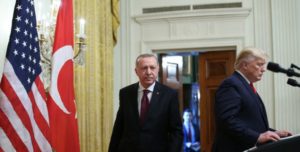 Γράφει ο ΖΑΧΑΡΙΑΣ Β. ΜΙΧΑΣ*


 του κ. Δημοσθένη Στωϊδη, Πρέσβη ε.τ.
 Cooperation Process), η συνεργασία στον αμυντικό τομέα ( SEDM- South Eastern Defense Ministerial, με το επιχειρησιακό σκέλος την SEEBRIG- South Eastern Brigade), η στρατιωτική συνεργασία υπό την σκέπη της Ευρωπαϊκής Ενωσης στην συγκρότηση «Σχηματισμών Μάχης» όπως το ΗΕLBROC- (Hellas,Bulgaria, Romania, Cyprus), αποτελούν ενδεικτικά στοιχεία τα οποία συντείνουν στην έμπρακτη και πολύπλευρη συνεννόηση και εν τέλει αμοιβαία συν- αντίληψη.
 Η δύσπεπτη, πιστεύω, για σημαντική μερίδα των πολιτών Συμφωνία που προκρίθηκε για την επίλυση του ονοματολογικού με την Β.Μ., φαίνεται ότι δικαιολογεί εγρήγορση για την παρακολούθηση της εφαρμογής της. Και τούτο μάλιστα ενόψει των πολιτικών εξελίξεων (εκλογές 12/4/2020) στην εν λόγω χώρα. Αρα είναι φυσιολογικό να παραμείνει υψηλά στις προτεραιότητες της εξωτερικής πολιτικής της κυβέρνησής μας.
 Ευρώπη και να πρωταγωνιστήσει στην περαιτέρω ενίσχυση της περιφερειακής σταθερότητας, της ασφάλειας, της διαρκούς συμφιλίωσης καθώς και της πολύπλευρης ανάπτυξης, στοχεύοντας στην δημιουργία περιβάλλοντος απτής προόδου επ’ωφελεία των λαών τους.

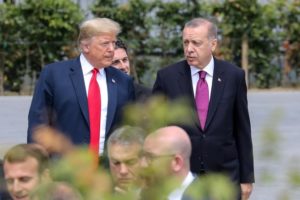
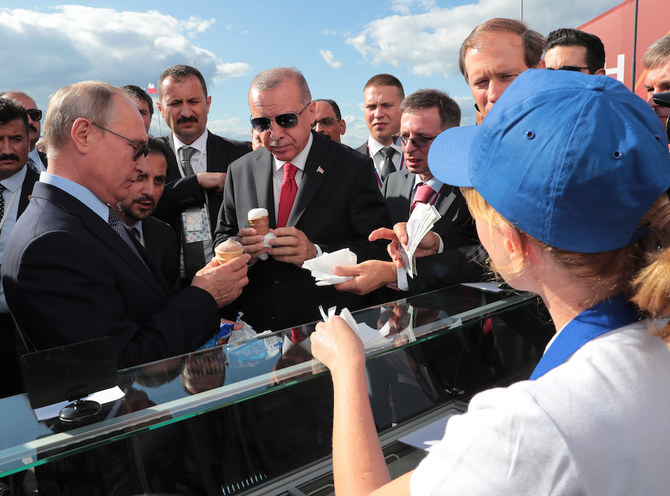
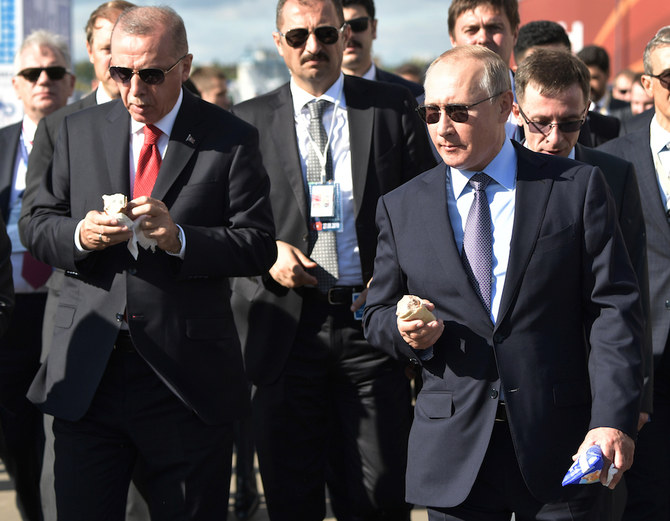
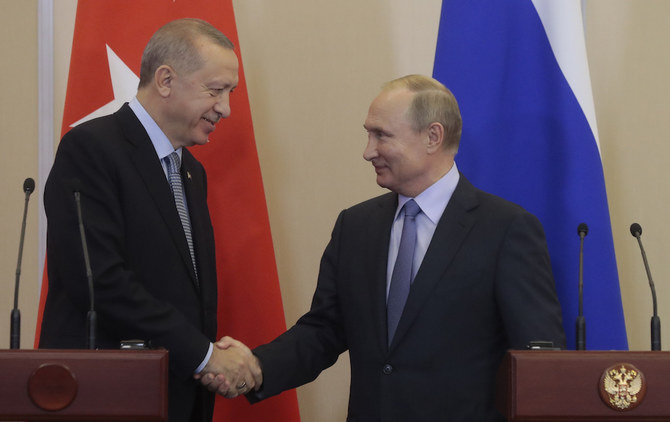
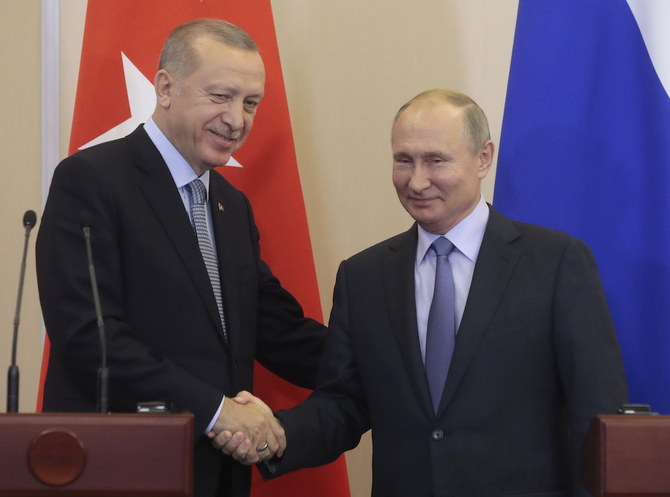
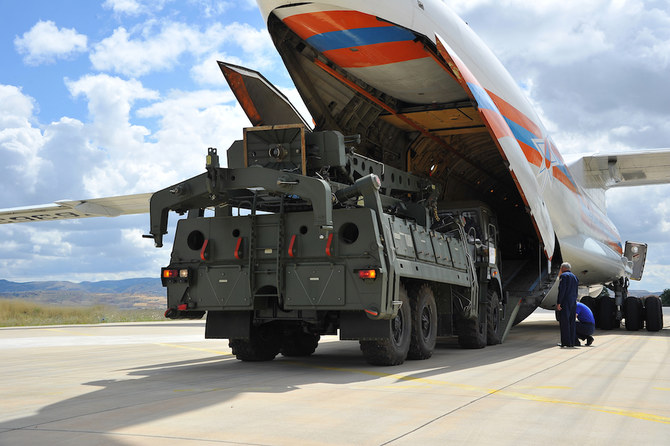
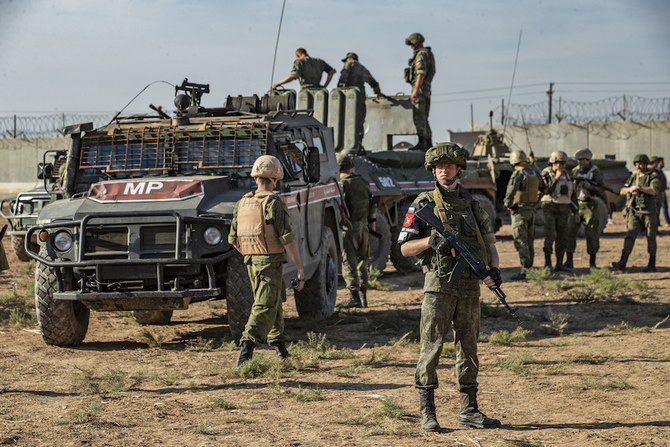
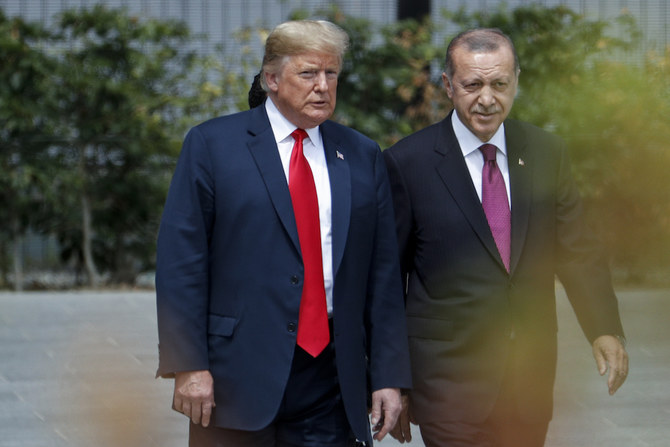
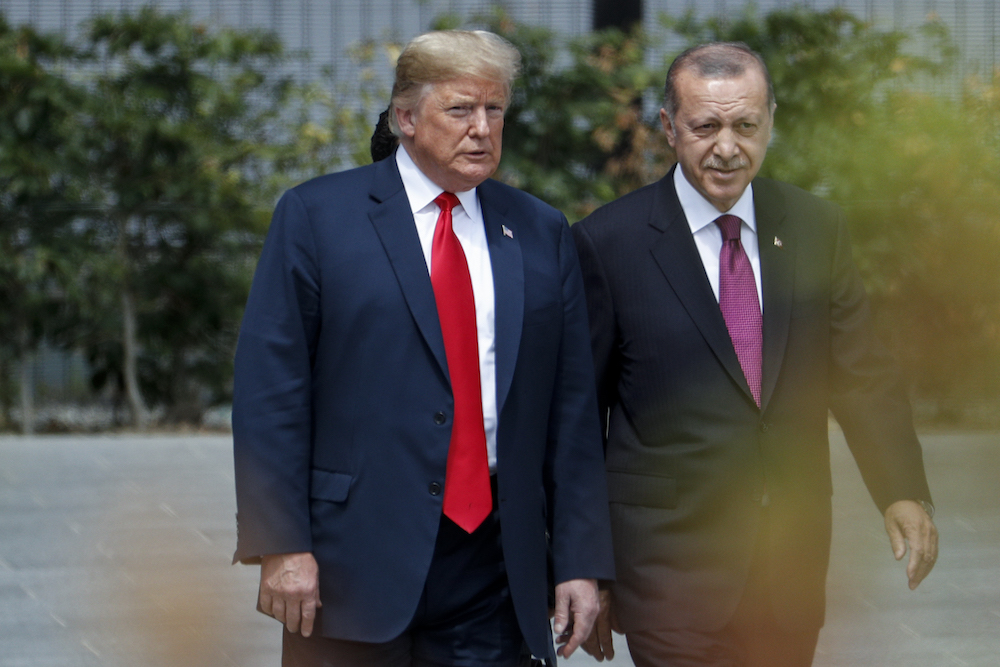
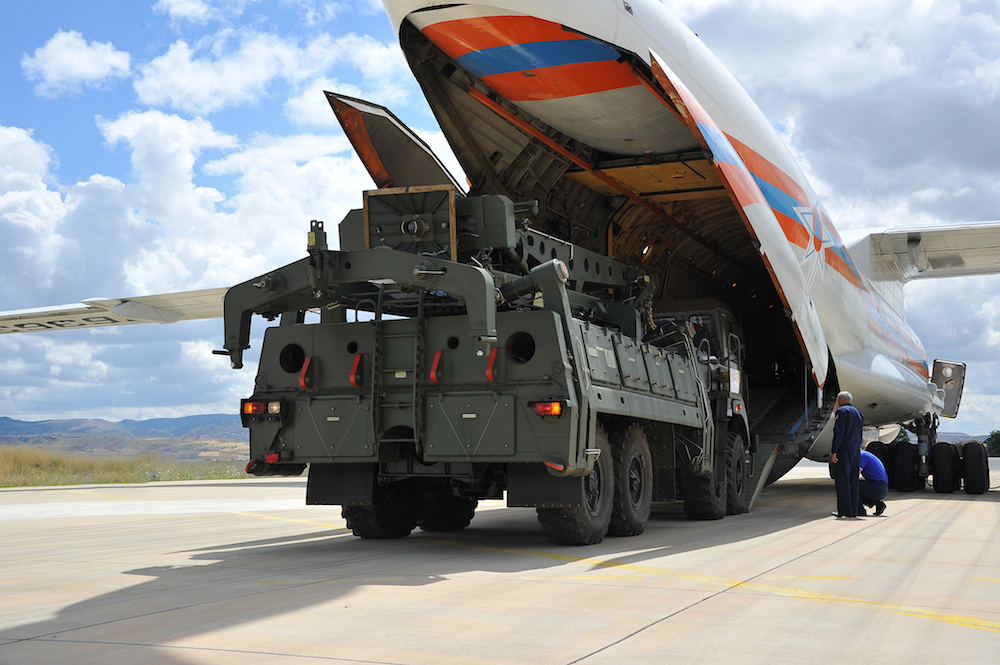

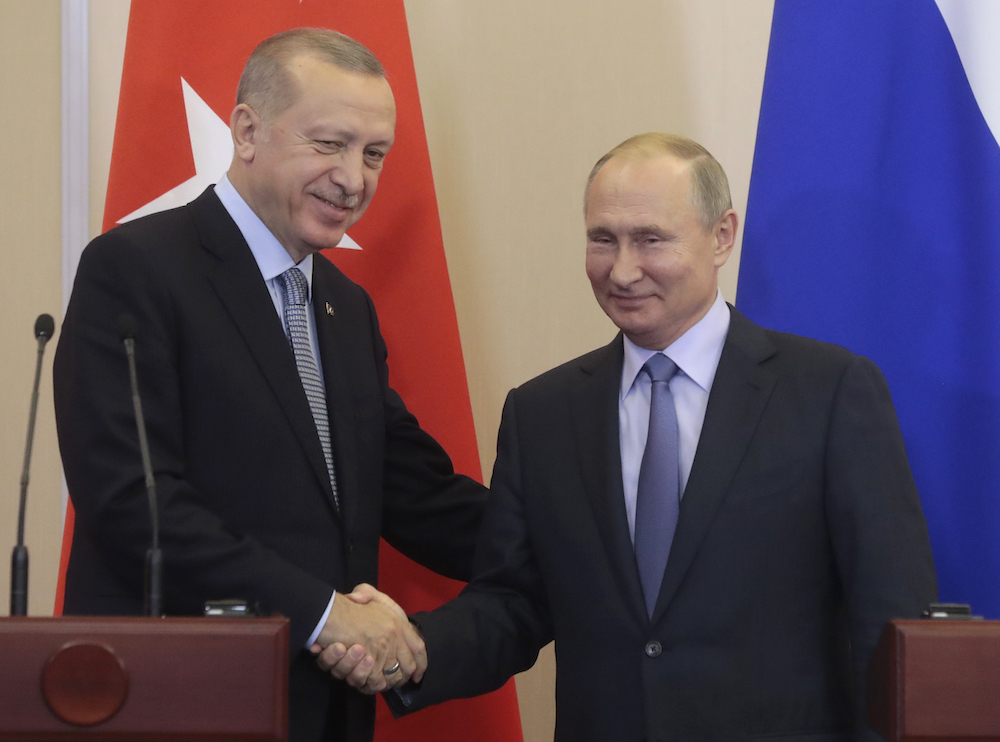


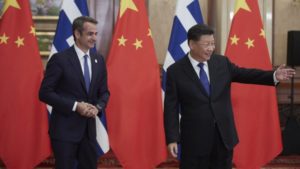 Του ΠΕΤΡΟΥ ΜΗΛΙΑΡΑΚΗ (*) Hellas Journal