

Αρχική Blog Σελίδα 2577

Appreciate The Peaceful, NATO-Dominated Mediterranean Sea While You Can

0

After enjoying a generation of relative peace, the Mediterranean Sea is quietly heading towards a major maritime crisis. Somehow, the “peaceful” Mediterranean has become one of the most militarized oceans in the world. Only a tired, sclerotic NATO–and possibly a somnolent European Union–remains to hold the five largest Mediterranean-based navies together. For seventy years, the united front of NATO has been enormously successful in maintaining relatively good order in the Mediterranean Sea. Without it, the specter of a newly-balkanized Mediterranean raises the prospect of maritime conflict and trade disruptions on a scale unseen since World War II.

NATO’s success has facilitated a sense of complacency–and a sense that the regional tectonic plates won’t come apart quickly. It’s easy to overlook and dismiss the threat of impending crisis. A united NATO overmatches every potential maritime risk and has a great record of damping-down regional crises.

NATO’s Mediterranean armada is big. Comprised of major naval contributions from Spain, France, Italy, Greece, Turkey and occasionally Britain, the United States, minor contributors (Slovenia, Croatia, Montenegro, Albania) and other transient NATO forces, NATO’s mutual security umbrella has helped keep the crowded and fractious Mediterranean waters free of major trade-disruptions or region-spanning crises. Even though NATO shares the Mediterranean with Israel’s formidable Navy, a large Egyptian force as well as a the modernizing Moroccan and Algerian Navies, NATO’s united maritime forces can easily overwhelm unaligned Mediterranean nations. Of course, maritime heavyweights, Russia and China, loom, but, at the present time, NATO’s regional forces can keep those risks in check.

NATO’s bonds, however, are fraying. As leaders of the 29 NATO nations prepare for an early December summit, it may do well to focus upon the consequences a broken NATO will inflict upon the region and the globe. Despite the emergence of other large shipping centers, the Mediterranean remains a locus of Western maritime commerce, accounting for fifteen percent of global shipping activity in 2013. Without NATO guaranteeing order in the Mediterranean, the Med’s maritime commerce is at risk, leaving Russia and China as the primary beneficiaries.
Trouble Everywhere:

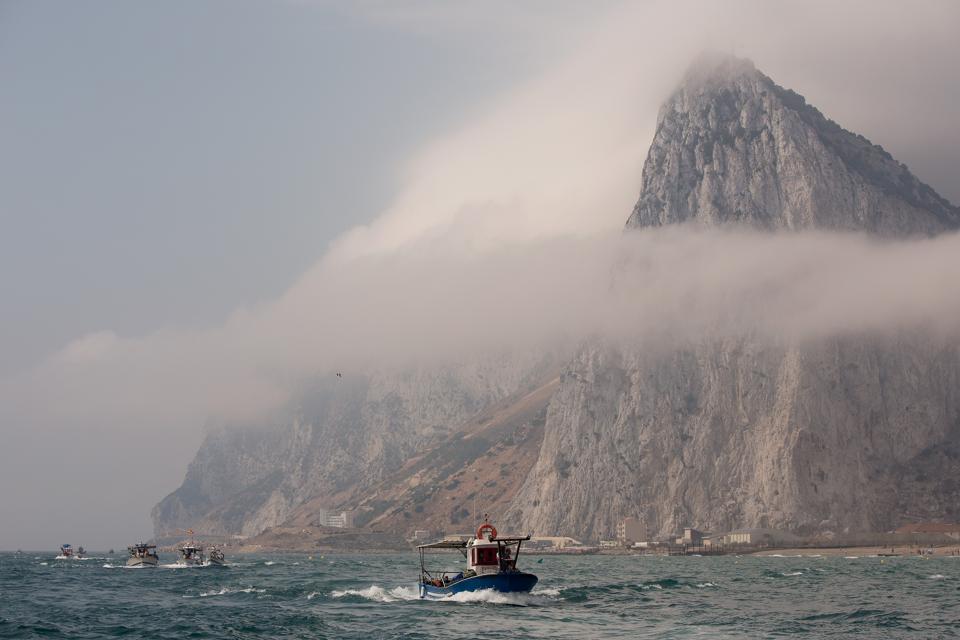
In the Mediterranean, challenges facing NATO are getting harder and harder to paper over. To the West, NATO members Spain and Britain warily eye each other over the status of Gibraltar. Should Britain withdraw from the European Union, this dispute will re-emerge under any flimsy pretext, and there will be few European mechanisms left to moderate things.

The potential for Spanish-British tension extends beyond Gibraltar. Britain and Spain regularly come to blows over fishing rights and practices. In 1994, Spanish fishing crews surrounded and attacked Cornish fishing boats, cutting nets and trawling gear. At about the same time, Britain sided with Canada in the Turbot War, when Spain and Canada squared off over fishing rights. Once Britain leaves the European Union, Spanish fishing in British waters will undoubtably re-emerge as an issue, further exacerbating the Gibraltar situation.

To the East, resource exploitation has increased tension as Greece, Cyprus, Israel, Egypt, Turkey, and even Russia posture over a broken Libya and Eastern Mediterranean gas fields. Egypt and Turkey, two of the larger regional Navies in the Mediterranean, are squaring off, waging a proxy conflict in Libya while jousting over plans to exploit natural resources in Cyprian waters.

Turkey, as a somewhat rogue member of NATO, offers a particularly under-appreciated challenge to the tired NATO diplomacy. An autocratic state, flirting with Russia via arms deals and through regional collaboration in Syria, Turkey is drifting into some sort of unaligned status, contesting islands, disputing neighboring exclusive economic zones in the Aegean Sea and aggressively jockeying for hydrocarbons.

With NATO, Turkey is pursing national self-interest. On one hand, Turkey is an active participant in NATO exercises, including the ongoing NEMO 2019 electromagnetic warfare exercise off the United Kingdom, but, in the maritime, Turkey is also charting it’s own route, hosting NATO units as well as other friendly allies in an exercise of it’s own, the “Eastern Mediterranean Invitation Exercise of 2019”. The challenge for NATO will be in demonstrating that NATO offers more to both Turkey and President Recep Tayyip Erdogan than the alternative, the allure of being an un-aligned country of strategic “significance”, might.

The region is beset with political instability–one coup away from a massive shift in the maritime balance of power. A single successful coup, deposing Turkey’s Erdogan or Egypt’s President, Abdel Fattah el-Sisi, changes the Mediterranean maritime outlook virtually overnight. But Israel, Italy, Greece, Britain–even France–are facing domestic challenges that may also dramatically shift the balance of power in the Mediterranean.

Naval expansion is another potential irritant. As the regional maritime forces of the Mediterranean look to expand beyond their various sectors and Russia and China look for a means to enter or enhance their Mediterranean presence, basing will become an issue. China would be foolish not to exploit regional tensions by building a base of operations and then moving to serve as the region’s security arbiter.
Don’t Dismiss The Potential For Trouble:

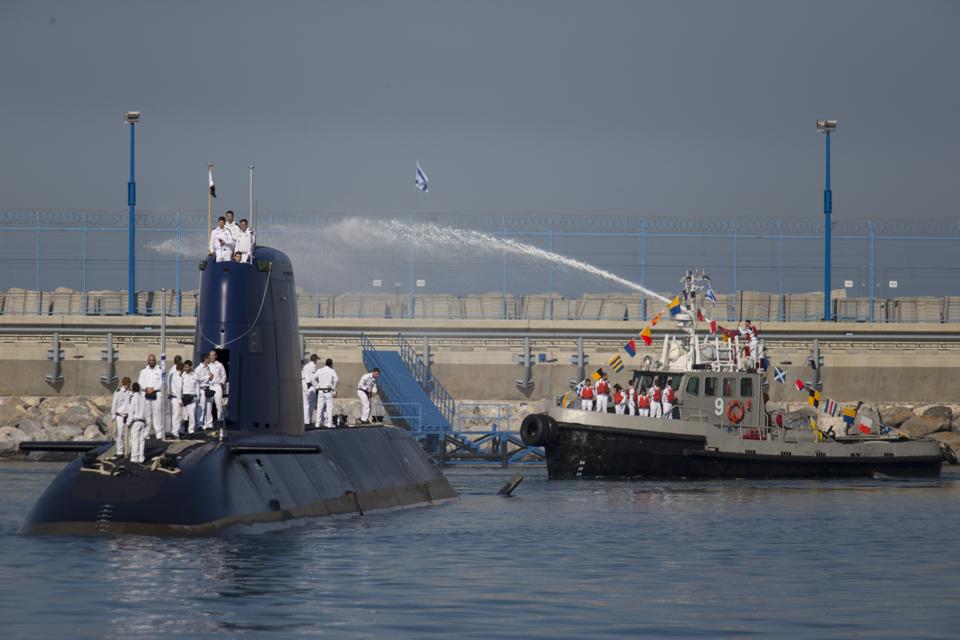
A look at the numbers shows that the Mediterranean Sea is an armed camp. In the undersea domain alone, as of 2018, eight Mediterranean countries field almost sixty attack submarines. Russia, the United States and Britain contribute others.

While NATO-affiliated countries operate well over half of the Mediterranean submarine fleet, Mediterranean undersea forces are set to grow on all sides. Turkey is rapidly modernizing the country’s submarine fleet and setting a course towards an indigenous submarine production capability. Italy is on the road to developing an indigenous submarine production capability as well. Egypt is receiving a set of four new German-built submarines. Algeria is steadily adding Russian-built Kilo Class Submarines. Morocco is adding submarine capability. The list of undersea naval projects is endless.

Surface ship trends in the Mediterranean are following a similar path, with local navies adding larger and newer combatants and racing to add new capacity. Flat-deck amphibious platforms as well as larger and more capable destroyers and patrol craft are entering service at a rapid clip.

These are not trends exhibited by a region expecting a peaceful future. It is a buildup befitting a region expecting serious maritime instability—the pace is outstripping even the Baltic Sea, a region under direct threat from Russian adventurism. Conventional policymakers may laugh, but, in most cases, navies are built to be used, and it would behoove more governments to sit down and figure out just what the Mediterranean navies are all building for. The Mediterranean is engaging in a full-fledged naval arms race, and the world is being polite and “sotto voce” about it.

The challenges are real. And imminent. Should Turkey leave the NATO alliance, an abrupt emergence of an independent-minded Turkish Navy would pose a real burden to already over-stressed U.S. Navy and NATO forces working to maintain maritime ties to Romania and Bulgaria, new NATO members on the Black Sea. If the prospect of a rogue Turkey is ugly, conflict between Britain and Spain over Gibraltar would pose a fundamental rupture within NATO’s bedrock states, threatening the entire alliance. And, without NATO, the doors are open for regional attempts at maritime hegemony, maritime arms races and regional maritime conflict–offering Russia and Chinese naval forces an opportunity to emerge as guarantors of Mediterranean stability.

Follow me on Twitter or LinkedIn. Check out my website.

I offer blunt, uncompromising guidance on national security solutions, bringing complex security issues and oft-neglected defense topics to the attention of interested

… 

Russia at Tribunal for Law of Sea in Hague seeks closure and postponement of process, – Zerkal

0
 On November 21, an exchange of positions and arguments between Ukraine and Russian Federation took place, but agreement was not reached
10:35, 22 November 2019

Kyivpost

Moscow at the tribunal for the law of the sea in The Hague in the case “Ukraine vs Russia” wants to achieve a delay and closure of the process.  The Deputy Minister of Foreign Affairs of Ukraine, Elena Zerkal, who represents the interests of Ukraine in the UN International Court of Justice and in the Arbitration Tribunal for the Law of the Sea, announced this on Facebook.

“We insist that the case is urgent, because despite the fact that the Russian Federation released our sailors in September, criminal proceedings against them continue. That is, they continue to deny the immunity of Ukrainian sailors. Three days ago, almost a year later after they were hijacked on November 25, 2018, the Russian Federation freed our ships by seizing weapons, communication equipment and documents from them. Thus, the Russian Federation continues to violate the order of the International Tribunal for the Law of the Sea of ​​May 25, 2019 and the UN Convention on the Law of the Sea  “, – Zerkal noted.

Related: Ukraine will demand compensation from Russia after Hague’s court passes judgment, – Zerkal

The Russian Federation is trying to gain as much time to consider this case as in the case of violation of the rights of the coastal state in the Black and Azov Seas and in the Kerch Strait.  In addition, Russia seeks to make the hearings as close as possible, the diplomat said.

On November 21, an exchange of positions and arguments between Ukraine and the Russian Federation took place, but agreement was not reached.

On November 22, the Arbitration Court shall adopt the rules of procedure for its activities, taking into account previous hearings and its own understanding.

As we reported, The vessels that Russia returned to Ukraine after capturing them in the Kerch Strait in 2018 are completely damaged, are not capable of going on their own, and even the ceiling lights, electric connectors and toilets inside were deinstalled by the Russians.

ukraine

Η επέμβαση στη Συρία δεν «τόνωσε» τον Ερντογάν

0
  • euro2day/Financial Times
  • Laura Pitel (Κωνσταντινούπολη)  Δημοσιεύθηκε: 24 Νοεμβρίου 2019 – 09:52

Καθώς ο χειμώνας μπαίνει για τα καλά οι ψηφοφόροι ασχολούνται πλέον με τις αυξήσεις στις τιμές ενέργειας. Τα βραχυχρόνια πολιτικά κέρδη του προέδρου, το χάσμα στον συνασπισμό της αντιπολίτευσης και η πορεία προς τις επόμενες εκλογές.

Ο Τούρκος πρόεδρος Ρεντζέπ Ταγίπ Ερντογάν είχε ισχυρή εγχώρια στήριξη στην πρόσφατη αμφιλεγόμενη στρατηγική εισβολή στη Συρία αλλά ήδη αυτή η πατριωτική έκλαμψη έχει αρχίσει να φθίνει.

Για έναν ηγέτη που βρίσκονταν υπό πίεση, παλεύοντας με μια οικονομία που αντιμετωπίζει προβλήματα και έχοντας αντιμετωπίσει αναποδιές στις πρόσφατες τοπικές εκλογές, η επίθεση έφερε μια καλοδεχούμενη στροφή στην δημόσια συζήτηση καθώς η χώρα κατακλύστηκε από ένα κύμα εθνικού πάθους. Ενώ τα ξένα κράτη καταδίκασαν τον κο Ερντογάν, στην χώρα του η επιχείρηση κατά των κουρδικών πολιτοφυλακών στη Συρία, που η Αγκυρα θεωρεί τρομοκράτες, ήταν εξαιρετικά δημοφιλής.

«Κατά τη διάρκεια της επιχείρησης, ειδικά τις πρώτες δυο ή τρεις εβδομάδες, όλοι μιλούσαν γι’ αυτή», δήλωσε ο Σερέν Σελβίν Κορκαμάζ, διευθυντής του think tank IstanPol. «Ο Ερντογάν κέρδισε χώρο και χρόνο για να ελιχθεί».

Τώρα, με την στρατιωτική επιχείρηση εν πολλοίς ολοκληρωμένη, οι πολιτικοί αναλυτές λένε ότι είναι εντυπωσιακό το πόσο λίγη πολιτική στήριξη κέρδισε ο κος Ερντογάν. Δημοσκόπηση από την Istanbul Economics Research (IER), μια συμβουλευτική εταιρεία, δείχνει ότι το 79% των ψηφοφόρων κρίνει την επιχείρηση επιτυχημένη. Αντίθετα, η στήριξη στον κο Ερντογάν άλλαξε οριακά, με τον κυβερνητικό συνασπισμό του να κερδίζει μόλις δυο ποσοστιαίες μονάδες, σύμφωνα με άλλη έρευνα της συμβουλευτικής η οποία δημοσιεύτηκε στις αρχές Νοεμβρίου. Μια άλλη εταιρεία, η Metropoll, έδωσε στον Τούρκο πρόεδρο ελαφρά μεγαλύτερη, τεσσάρων μονάδων, άνοδο στη δημοφιλία.

«Φυσιολογικά κάποιος θα περίμενε πολύ μεγαλύτερο αντίκτυπο από αυτό που συνέβη», είπε ο Καν Σελκούκι, διευθυντής της IER. «Η πολιτική είναι σε τέλμα αυτή τη στιγμή. Φαίνεται πως ανεξάρτητα από το τι λέει η αντιπολίτευση ή το τι κάνει η κυβέρνηση, οι ψηφοφόροι δεν επηρεάζονται».

Ο κος Ερντογάν μπορεί να επωφεληθεί με άλλους τρόπους, κυρίως από την πίεση που έχει ασκήσει με τη στρατιωτική επίθεση στους πολιτικούς του αντιπάλους. Ενας βασικός παράγοντας πίσω από την ήττα του κόμματος του προέδρου στην Κωνσταντινούπολη και άλλες μεγάλες πόλεις στις εκλογές του Μαρτίου ήταν η απόφαση των, προηγουμένως διχασμέων, κομμάτων της αντιπολίτευσης, να συνεργαστούν.

Το HDP, που αντλεί μεγάλη από τη δύναμή του από μέλη της μεγάλης κουρδικής μειονότητας της Τουρκίας, έπαιξε κρίσιμο ρόλο ζητώντας από τους ψηφοφόρους του να στηρίξουν αρκετούς υποψηφίους του CHP. Η στρατιωτική επιχείρηση σε εδάφη της Συρίας που ήλεγχαν οι Κούρδοι δοκίμασε αυτή τη συμμαχία. Το CHP ήταν ένα από τα διάφορα κόμματα της αντιπολίτευσης που στήριξαν την επιχείρηση, ενώ το HDP αντέδρασε σφοδρά και βρέθηκε αντιμέτωπο με νέο κύμα καταστολής από τις αρχές της Τουρκίας έναντι της κουρδικής κοινότητας.

«Φυσικά επηρέασε αρνητικά την σχέση μεταξύ του CHP και του HDP», δήλωσε ο Αζάντ Μπαρίς, αντιπρόεδρος του HDP. Αυτή τη στιγμή οι υποστηρικτές του HDP, ειδικά στην ανατολική περιοχή της Τουρκίας όπου οι Κούρδοι είναι πλειοψηφία «δεν θέλουν να ακούσουν τίποτα για το CHP», είπε.

Τέτοιες δηλώσεις πιθανότατα ευχαριστούν τον κο Ερντογάν, η οποίος τον προηγούμενο μήνα είπε ότι ήθελε να δει το σπάσιμο της συμμαχίας της αντιπολίτευσης, περιγράφοντάς το ως «πολύ, πολύ σημαντικό».

Παρότι οι επόμενες προεδρικές εκλογές δεν αναμένονται πριν από το 2023, πολλοί στους τουρκικούς πολιτικούς κύκλους πιστεύουν ότι θα γίνουν νωρίτερα. Και ο κος Ερντογάν, ένας δαιμόνιος πολιτικός που κυριάρχησε στην τουρκική πολιτική τα τελευταία 17 χρόνια, συχνά εμφανίζεται να είναι σε ένα διαρκή εκλογικό βηματισμό.

Αξιωματούχοι τόσο του CHP όσο και του HDP επιμένουν ότι μπορούν να ξεπεράσουν την διαφορά για τη Συρία και να κάνουν κοινό προεκλογικό αγώνα στις επόμενες προεδρικές εκλογές. «Πρέπει να το κάνουμε για τη Δημοκρατία», δήλωσε ο κος Μπαρίς του HDP.

Πιθανότατα θα πλαισιωθούν από τουλάχιστον δυο νέα κόμματα. Ο πρώην πρωθυπουργός Αχμέτ Νταβούντογλου και ο πρώην αναπληρωτής πρωθυπουργός Αλί Μπαμπατζάν, αμφότεροι υπηρέτησαν για χρόνια στις κυβερνήσεις του κου Ερντογάν, σχεδιάζουν να ιδρύσουν κόμματα πριν το τέλος της χρονιάς και εν τέλει να πάρουν ψήφους από την βάση του προέδρου, σύμφωνα με ανθρώπους που έχουν γνώση των σχεδίων τους.

Η διεύρυνση της τουρκικής αντιπολίτευσης συνδυασμένη με το θαμπό οικονομικό outlook, θέτει δύσκολες προκλήσεις για τον κο Ερντογάν τους επόμενους μήνες. Ενώ η ύφεση που πυροδοτήθηκε από την νομισματική κρίση της περσυνής χρονιάς τελείωσε πιο γρήγορα απ’ ότι πολλοί οικονομολόγοι περίμεναν, η κυβέρνηση προβλέπει ανάπτυξη μόλις 0,5% για φέτος. Η ανεργία είναι κοντά σε ιστορικά υψηλά σε εποχικά προσαρμοσμένους όρους και οι περισσότεροι αναλυτές πιστεύουν ότι η κυβέρνηση θα δυσκολευτεί να πετύχει γρήγορη επιστροφή στην ταχεία ανάπτυξη που ενίσχυε την στήριξη για τον κο Ερντογάν.

Με την έλευση του χειμώνα που θα φέρει στα νοικοκυριά τον αντίκτυπο από τις πρόσφατες αυξήσεις στο φυσικό αέριο και το ηλεκτρικό ρεύμα, οι αναλυτές λένε ότι η δημοφιλία της πρόσφατης στρατιωτικής δράσης θα περάσει γρήγορα.

“Ο αντίκτυπος διεθνών θεμάτων στην εγχώρια πολιτική της Τουρκίας είναι βραχυπρόθεσμος», δηλώνει ο Τ. Σ. Μπαικάν, βοηθός καθηγητής στο πανεπιστήμιο Kirklareli. «Προβλήματα που αφορούν το κράτος δικαίου, την οικονομία – αργά ή γρήγορα το κοινό θα επιστρέψει στη συζήτηση αυτών των θεμάτων».

© The Financial Times Limited 2019. All rights reserved.
FT and Financial Times are trademarks of the Financial Times Ltd.
Not to be redistributed, copied or modified in any way.
Euro2day.gr is solely responsible for providing this translation and the Financial Times Limited does not accept any liability for the accuracy or quality of the translation

Idlib on a knife-edge awaiting its destiny

0

Updated in seventeenth paragraph by replacing [in former SDF territory] with [in former rebel territory].

In the last Syrian rebel-held province of Idlib, Turkey is more influential than the Syrian government. But Turkey’s position has never been entirely secure. Run by Syrian rebels and Islamists, Idlib is the last part of Syrian territory not run by a foreign state or President Bashar Assad. Idlib’s people are not happy with their present rulers and protest against them, but they fear the government and its allies.

The White Helmets civil defence units said more civilians had been killed in Idlib and in government and Russian attacks this week.

President Recep Tayyip Erdoğan speaks of the need to protect Idlib’s civilians. This is why, he said, he established Turkish observation posts in the northwestern province and supported its opposition and some Islamist groups. Turkey built up the Syrian Liberation Front (SLF) to oppose the jihadists of Hayat Tahrir al-Sham (HTS), formerly affiliated with al-Qaeda.

This failed, and the SLF was defeated by HTS. Later, it was incorporated into Turkey’s coalition of former rebel forces, the Syrian National Army (SNA).

With HTS so powerful, Turkey is not supreme in Idlib. Turkey has tried to rally international support to prevent Idlib being overtaken by the Syrian government, but advances by Assad’s forces suggest it will continue to push forward.

Turkey might be expected to defend Idlib for humanitarian reasons and self-interest. Idlib holds millions of displaced civilians who fear the regime and risk death it if approaches. Refugees would seek to flee to Turkey to escape Assad. Idlib has also served as a staging post for Turkey’s own refugees – or ‘guests’, as Turkey calls them – many of whom have been forcibly deported to Idlib as the refugee burden has proven unpopular in Turkey.

Hamish de Bretton-Gordon, co-director of Doctors Under Fire and an adviser to Idlib humanitarian operations, said: “Idlib is on a knife edge at the moment and the full scale assault by Russia and Syrian regime forces appears to being just held in track by the presence of Turkish military on the periphery of the province.  There are 3 million civilians trapped amongst about 5,000 jihadists.

“The only humanitarian aid, which is just enough to prevent starvation, comes via Turkey,” de Bretton-Gordon said. “Many of the civilians are living in tents or temporary structures. The winter snows are only weeks away, and many, especially the young, are likely to perish.”

But Turkey’s commitment to Idlib is not absolute. The Turkish government favours creating a safe zone through its operation against the Kurdish-led Syrian Democratic Forces (SDF) in the country’s northeast.

Turkey signed a deal with Assad and Russia to protect this new zone, but that places Idlib’s fate in question. Even more so in the light of Assad’s continued, stated desire to retake Idlib.

More concerning for Idlib’s residents is Turkey’s separate suggestion that its new territory in the northeast will take the refugees, which it previously attempted to relocate in Idlib.

Idlib’s residents and the Syrian diaspora are fearful that Turkey will sign a new and separate deal to give Idlib over to Assad.

“There is a distrust in general,” said Ruwan al-Rejoleh, the founder of a geopolitical consultancy based in Washington. “Yes, there will be a deal, and it will include HTS.”

Many Syrians fear that Turkey might, sooner rather than later, give up Idlib in a deal with the Syrian government and Russia.

Turkey’s position was strong, but is difficult to maintain given the defeat of its favoured insurgent coalition, the SLF, by HTS, and its edgy relationship with the HTS-supported salvation government.

The risks of any deal are great. When Turkey’s operation against the SDF began, the SDF signed a deal with the Syrian government that allowed Assad’s forces into its territory. Many Syrian oppositionists, civil society activists and former rebels found themselves facing the prospect of imprisonment, torture and death at the hands of the regime as formerly safe territory came under Assad’s compass.

Elizabeth Tsurkov, fellow at the Foreign Policy Research Institute, said: “Based on the regime’s track record in all areas outside of its control, regime opponents and those perceived to oppose Assad, such as activists, medical workers, humanitarian NGO workers and former rebels, are routinely targeted for arrests. Some of those arrested [in former rebel territory] have already been tortured to death.”

Therefore, she said, “the fears of activists and regime opponents of the regime’s return to SDF-held areas are well justified”.

Some former rebels and civil society volunteers, certain the government would seek them out, fled towards the Turkish front line in a bid to escape the advance of Assad’s forces.

“Thus far,” Tsurkov said, “most activists remain in place, waiting to see whether their area will remain under the protection of the United States and what will be the exact internal security arrangement in place. Civilians do not oppose the return to state institutions, except its repressive organs, namely, the secret police. Two Kurdish activists with whom I am in touch already fled to the KRI [Kurdistan Region of Iraq], because their border towns will likely be taken over by the Assad regime.”

Residents of Idlib fear a similar fate if Turkey continues to sign deals with Assad, Russia and Iran. Any accommodation between Turkey and the Syrian government puts those in Idlib at risk.

“If Turkey decides to concentrate on northeast Syria and allow free rein to Assad in Idlib, we are likely to see a genocide of biblical proportions in Idlib over this winter. Assad knows he can use any weapons – chemical, incendiary, etc. – with impunity and his medieval scorched earth policy will see thousands freeze to death over the next few months,” de Bretton-Gordon said.

“Turkey has done a great service to the 5 million refugees in Turkey, and has single-handedly kept aid flowing into Idlib, where the UN and West has been unable or unwilling to do so,” he said.

But all this could change if Turkey makes an accommodation with the Syrian government.

“If Turkey leaves Idlib, the future is very simple; either the UN steps in to perform this muscular humanitarian support or thousands starve and burn to death as Assad’s storm troopers raze Idlib to the ground,” de Bretton-Gordon said. “At the moment the latter, sadly, seems most likely.”

© Ahval English

Ahval

Τελειώνει πράγματι η Αμερική;

0

του ΠΑΤΕΛΗ ΣΑΒΒΙΔΗ

Μου έκανε εντύπωση ο τίτλος άρθρου του εμβληματικού theatlantic.com: «Πώς τελειώνει η Αμερική», έλεγε το άρθρο. Δεν ρωτούσε. Ήταν σίγουρος ο συντάκτης.

Το διάβασα με προσοχή, αλλά για να είμαι ειλικρινής, δεν κατάλαβα ότι η Αμερική τελειώνει. Περνά όμως μια βαθιά μετάλλαξη η οποία δεν είναι γνωστό πότε θα ολοκληρωθεί, αν ολοκληρωθεί ποτέ. Κυρίως, όμως, δεν μπορεί να προδικάσει κανείς ποια θα είναι η αμερικανική απάντηση, η απάντηση της μεταλλαγμένης Αμερικής, στις μεγάλες προκλήσεις της εποχής.

Για να γίνω πιο κατανοητός, η Αμερική περνά μια εσωτερική κοινωνική μετάλλαξη που θα μεταβάλει σε βάθος την πληθυσμιακή της σύνθεση από άποψη εθνοτήτων προέλευσης, θρησκευτικών και πολιτικών αντιλήψεων, την ίδια στιγμή που η ανθρωπότητα ολόκληρη δεν έχει ισορροπήσει από τις αλλαγές που επέφερε το 1989, όταν κατέρρευσαν τα καθεστώτα του Ανατολικού συνασπισμού.

Είναι χαρακτηριστικό και αξιοπρόσεκτο το εξής, που δείχνει τη βαθιά διαίρεση της χώρας:

«Το 1960, λιγότερο από το 5% των Δημοκρατικών και Ρεπουμπλικανών δήλωναν ότι θα ήταν δυσαρεστημένοι εάν τα παιδιά τους παντρεύονταν κάποιον από το άλλο κόμμα. Σήμερα, το ποσοστό είναι 35% των Ρεπουμπλικανών και 45% των Δημοκρατικών, σύμφωνα με πρόσφατη έρευνα του Ινστιτούτου Θρησκευτικών Ερευνών /  δημοσκόπηση του Atlantic, πολύ υψηλότερο από τα ποσοστά που αντιτίθενται στους γάμους μεταξύ ανθρώπων διαφορετικών φυλών και θρησκειών. […] Πιο περιθωριακά, oι ακροδεξιοί ακτιβιστές στο Τέξας και οι αριστεροί ακτιβιστές στην Καλιφόρνια έχουν ξαναρχίσει να μιλάνε για απόσχιση».

Η ρευστότητα που δημιουργούν και οι δύο εξελίξεις είναι επικίνδυνη. Κανείς δεν γνωρίζει τι τον περιμένει. Και αυτό δεν είναι καλό για τους συμμάχους της Αμερικής.

Δεν μπορούμε να προδικάσουμε τις αμερικανικές αντιδράσεις σε γεγονότα που συμβαίνουν σε διάφορες περιοχές, με βάση τα στερεότυπα ανάλυσης που έχουμε διαμορφώσει ως σήμερα.

Κλασικό παράδειγμα, η περίπτωση Τραμπ. Τον πιστεύει κανείς σήμερα, όποια υπόσχεση και αν δώσει; Για ορισμένους που ρέπουν προς τη φιλοσοφία, έχουμε περάσει στην εποχή της μετα-αλήθειας και ο Τραμπ είναι μια χαρακτηριστική τέτοια περίπτωση. Αν το δούμε και αλλού θα έλεγα αλίμονό μας, αλλά στην Ελλάδα είμαστε εξοικειωμένοι με το φαινόμενο.

Επί πέντε, κοντά, χρόνια είχαμε έναν πρωθυπουργό που ασκείτο στο είδος.

Ο Αμερικανός πρόεδρος δημιούργησε μια δική του αντίληψη, φαντάζομαι και ομάδα, που υπερέβη τις θέσεις, τις αξίες και τις αντιλήψεις του κόμματός του. Και δυστυχώς, η εκτίμηση του αρθρογράφου του The Atlantic είναι ότι ο Τραμπ έδωσε ανάσα ζωής στο κόμμα του, χωρίς το κόμμα του –οι Ρεπουμπλικανοί, δηλαδή– να ταυτίζεται μαζί του. Με άλλα λόγια, ο Τραμπ έσωσε ένα καταρρέον κόμμα.

Οι Ρεπουμπλικανοί έχουν αρνηθεί να ανοίξουν τις θύρες του κόμματος σε νέους μετανάστες που έχουν κατακλύσει τις ΗΠΑ –όπως τις άνοιξαν οι Δημοκρατικοί–, και αυτό οδηγεί το ένα από τα δύο κόμματα της αμερικανικής δημοκρατίας στη συρρίκνωση και στην απειλή να μην ξαναδεί εξουσία. Και όταν οι οπαδοί ενός κόμματος έχουν συνείδηση πως δεν πρόκειται να ασκήσουν ποτέ εξουσία, προσπαθούν να αρπαχτούν παντοιοτρόπως από αυτήν. Αυτό είναι πολύ σοβαρό πρόβλημα για τη δημοκρατία στις ΗΠΑ, διότι εκλείπει η Κεντροδεξιά, ο χώρος που διατηρούσε μια κοινωνική και πολιτική ισορροπία και δεν επέτρεπε να ευδοκιμήσουν δεξιότερα ή ακροδεξιότερα επικίνδυνα ρεύματα που θα θύμιζαν την περίφημη Ku Klux Klan.

«Κάποια στιγμή στο επόμενο τέταρτο του αιώνα, περίπου, ανάλογα με τα ποσοστά μετανάστευσης και τις φαντασιοπληξίες της εθνοτικής και φυλετικής ταύτισης, οι μη λευκοί θα γίνουν πλειοψηφία στις ΗΠΑ. […] H μετάβαση έχει ήδη προκαλέσει μια απότομη πολιτική αντίδραση, την οποία εκμεταλλεύεται και επιδεινώνει ο πρόεδρος» γράφει ο αρθρογράφος, και συνεχίζει: «Τα δύο τρίτα των ψηφοφόρων του Τραμπ συμφώνησαν ότι “οι εκλογές του 2016 αντιπροσώπευαν την τελευταία ευκαιρία να σταματήσουν την παρακμή της Αμερικής”. Στον Τραμπ βρήκαν έναν υπoστηρικτή».

Με άλλα λόγια ο κλασικός λευκός, ευαγγελιστής Αμερικανός που σε πληθυσμιακό ποσοστό πνέει τα λοίσθια στις ΗΠΑ, πιάστηκε και είδε ως σωτήρα τον Τραμπ διότι προσελκύσθηκε από τον λόγο  και τις υποσχέσεις του.

«Οι ριζοσπάστες Δημοκρατικοί αντίπαλοί μας οδηγούνται από το μίσος, τις προκαταλήψεις και την οργή», δήλωσε ο Τραμπ στο πλήθος σε εκδήλωση για την επανεκλογή του στο Ορλάντο, τον Ιούνιο. «Θέλουν να σας καταστρέψουν και θέλουν να καταστρέψουν τη χώρα μας όπως την γνωρίζουμε». Αυτός είναι ο πυρήνας τoυ προεδρικού παροξυσμού προς τους υποστηρικτές του.

Σήμερα, ένα ρεπουμπλικανικό κόμμα που απευθύνεται κυρίως σε λευκούς χριστιανούς ψηφοφόρους μάχεται για μια χαμένη μάχη. Το Εκλογικό Κολέγιο, το Ανώτατο Δικαστήριο και η Γερουσία μπορεί να καθυστερήσουν την ήττα για κάποιο χρονικό διάστημα, αλλά δεν μπορούν να την αναβάλουν για πάντα.

«Εάν οι Ρεπουμπλικανοί ψηφοφόροι δεν μπορούν να πεισθούν ότι οι δημοκρατικές εκλογές θα συνεχίσουν να τους προσφέρουν μια βιώσιμη πορεία προς τη νίκη, ότι θα μπορούν να ευδοκιμήσουν μέσα σε ένα διαφοροποιημένο έθνος και ότι ακόμα και να χάσουν τα βασικά τους δικαιώματα θα προστατευθούν,  τότε ο τραμπισμός θα επεκταθεί πολύ αφότου ο Τραμπ εγκαταλείψει το γραφείο – και η δημοκρατία μας θα υποφέρει από αυτό» καταλήγει ο αρθρογράφος Yoni Appelbaum του The Atlantic.

In God we trust, αλλά… we hope God put his hand.

Οσα πρέπει να ξέρετε για τις βρετανικές εκλογές

0

euro2day.gr/finanacial Times

Ο Μπόρις Τζόνσον και ο Τζέρεμι Κόρμπιν έχουν εντελώς διαφορετικό όραμα για τη Μεγάλη Βρετανία. Ποιες είναι οι θέσεις τους για το Brexit, την οικονομία και την πορεία της χώρας.

Μια είναι η λέξη που κυριαρχεί: Brexit. Ο Μπόρις Τζόνσον κατεβαίνει στις εκλογές με σύνθημα «να κάνουμε το Brexit πράξη και να απελευθερώσουμε την δυναμική της Μεγάλης Βρετανίας». Ζητά την ψήφο των πολιτών για να προωθήσει τη συμφωνία που διαπραγματεύτηκε.

Από την πλευρά τους, οι Εργατικοί δεν έχουμε δεσμευτεί σε ότι αφορά το «μένουμε» ή «φεύγουμε» από την Ευρωπαϊκή Ενωση, αλλά έχουν υποσχεθεί δεύτερο δημοψήφισμα. Η στρατηγική του Τζέρεμι Κόρμπιν είναι να διαπραγματευτεί μια «λογική» συμφωνία και να την θέση στην κρίση των πολιτών δίνοντας παράλληλα την επιλογή της παραμονής στην ΕΕ.

Οι Φιλελεύθεροι Δημοκράτες από την πλευρά τους, είναι απόλυτοι: εισηγούνται πλήρη ανάκληση του άρθρου 50 (σ.σ. ενεργοποιήθηκε για να ξεκινήσει η διαδικασία εξόδου από την ΕΕ) και παραμονή. Δεδομένου ωστόσο ότι δεν αναμένεται να κερδίσουν τις εκλογές, το πιθανότερο είναι να στηρίξουν ένα δεύτερο δημοψήφισμα. Σκοτσέζοι, Ουαλοί και Πράσινοι είναι επίσης υπέρ ενός δεύτερου δημοψηφίσματος.

Την ίδια στιγμή και στο μέτωπο της οικονομίας τα δυο βασικά κόμματα (Συντηρητικοί και Εργατικοί) έχουν εντελώς διαφορετικές θέσεις. Το κόμμα του Τζέρεμι Κόρμπιν μάλιστα επιδιώκει να μεταφέρει την συζήτηση από το Brexit στο πεδίο της οικονομίας όπου έχει καταθέσει ένα «μανιφέστο» το οποίο θεωρείται το πλέον ριζοσπαστικό αριστερό σχέδιο που υπήρξε ποτέ από το κόμμα. Υπόσχεται αύξηση φόρων και δαπανών αλλά και εθνικοποίηση βασικών τομέων της χώρας (σιδηρόδρομοι, ταχυδρομεία ακόμα και τα ευρυζωνικά δίκτυα). Σχεδιάζει να εκμεταλλευτεί τα χαμηλά επιτόκια προκειμένου να δανειστεί και να επενδύσει στις υποδομές και υπόσχεται φορολογικές απαλλαγές για τους εργαζόμενους.

Ένα άλλο μεγάλο προεκλογικό θέμα στη Μεγάλη Βρετανία είναι παραδοσιακά το Εθνικό Σύστημα Υγείας (NHS).  Το NHS δεν είναι προς πώληση, δηλώνουν οι Εργατικοί, ενώ δεδομένων των υπαρκτών προβλημάτων που αντιμετωπίζει, όλα τα κόμματα υπόσχονται να ξοδέψουν περισσότερα χρήματα.

Το μεγάλο ερώτημα πάντως παραμένει: τι θα γίνει αν δεν υπάρξει πλειοψηφία; Σε ένα τέτοιο ενδεχόμενο το μεγαλύτερο κόμμα αναμένεται να αναζητήσει σύμμαχο ή να προσπαθήσει να σχηματίσει κυβέρνηση μειοψηφίας. Το πρόβλημα εδώ είναι ότι οι Φιλελεύθεροι Δημοκράτες αρνούνται τη στήριξη τόσο στον Μπ. Τζόνσον, όσο και στον Τζ. Κόμπιν γιατί «αξίζουμε περισσότερα», ενώ το κόμμα των Σκοτσέζων θέτει ως όρο συνεργασίας να υπάρξει δεύτερο δημοψήφισμα για την ανεξαρτησία.

Χωρίς κάποιου είδους λύση, η Μεγάλη Βρετανία θα οδεύει σε νέες εκλογές…

© The Financial Times Limited 2019. All rights reserved.
FT and Financial Times are trademarks of the Financial Times Ltd.
Not to be redistributed, copied or modified in any way.
Euro2day.gr is solely responsible for providing this translation and the Financial Times Limited does not accept any liability for the accuracy or quality of the translation

Ο Χίτλερ, ο Ερντογάν, και ο πόλεμος με τη Ρωσία

0

Σάββας Καλεντερίδης

Στο άρθρο μας της προηγούμενης Κυριακής κάναμε μια συγκριτική μελέτη του φαινομένου Ερντογάν και του Αδόλφου Χίτλερ, παραθέτοντας αντικειμενικά στοιχεία για την πολιτική πορεία των δυο ανδρών.

Δεδομένης της σοβαρότητας του θέματος για την εθνική ασφάλεια της Κύπρου και της Ελλάδας αλλά και για την περιφερειακή και παγκόσμια ειρήνη, δεν ήταν λίγοι οι Έλληνες που αντέδρασαν στα μέσα κοινωνικής δικτύωσης αρνητικά στο άρθρο, με ορισμένους εξ αυτών να έχουν περίπου ως πρότυπο ηγέτη τον Ερντογάν και να εκφράζουν τη λύπη τους γιατί η Ελλάδα δεν έχει έναν τέτοιο πολιτικό ηγέτη.

Το αναφέρω, γιατί θεωρώ ότι έχει τη σημασία του και ενδιαφέρει τους αναγνώστες μας.

Όμως πριν στεγνώσει το… μελάνι του άρθρου μας, είδαμε με σχετική έκπληξη στην τουρκική ιστοσελίδα ahvalnews.com άρθρο του İşxan Miroyev, με τίτλο «Όπως δεν μπόρεσαν να σταματήσουν τον Χίτλερ, έτσι δεν θα σταματήσει και ο Ερντογάν. Ο Ερντογάν βαδίζει προς τον πόλεμο».

Επειδή το θέμα αφορά την περιφερειακή ειρήνη αλλά και την εθνική ασφάλεια της Κύπρου και της Ελλάδας, παρουσιάζουμε τη μετάφραση ορισμένων τμημάτων του άρθρου:

Ο Ερντογάν κινείται ακάθεκτος προς τον πόλεμο. Μάλλον ο Μουσταφά Κεμάλ δεν τον αφήνει να ησυχάσει, και θέλει να γίνει ο δεύτερος πατέρας των Τούρκων. Και αυτό θέλει να το πετύχει με την παλινόρθωση της Οθωμανικής Αυτοκρατορίας και την ένωση όλων των τουρκικών λαών υπό την ηγεσία του. Δεν τον σταματά κανένα εμπόδιο. Οποιαδήποτε παραχώρηση της Ευρώπης και της Ρωσίας την εκλαμβάνει ως αδυναμία, και αυτό του ανοίγει την όρεξη. Όπως η Συμφωνία του Μονάχου δεν σταμάτησε τον Χίτλερ, έτσι τίποτα δεν θα σταματήσει και τον Ερντογάν.

Η διεθνής κοινή γνώμη παρακολουθεί τα γεγονότα σαν να συμβαίνουν κάπου αλλού, πολύ μακριά. Όμως είναι λάθος να θεωρεί κανείς ότι το θέμα αυτό είναι τοπικό και να μην αντιλαμβάνεται ότι αν ξεσπάσει πόλεμος, θα έχει τεράστιες διαστάσεις και θα λειτουργήσει όπως ένα ντόμινο. Το πιο αξιοπρόσεκτο είναι το γεγονός ότι ο Ερντογάν θέλει τους προέδρους των τουρκικών κρατών να σκύβουν το κεφάλι και να προσεγγίζουν την Τουρκία και όχι τη Μόσχα και τη Δύση. Η υιοθέτηση από το Καζακστάν του λατινικού αλφαβήτου και η ανέγερση ανδριάντα του Μ. Κεμάλ είναι ένα δείγμα.

Η Τουρκία θα επωφεληθεί από την αποδυνάμωση της Ρωσίας και θα διεκδικήσει τον Β. Καύκασο, το Μπασκουρδιστάν, το Ταταρστάν, και θα φθάσει μέχρι τη Γιακουτία.

Η ένταση στο διεθνές σκηνικό αυξάνεται, και οι πολιτικοί απειλούν με πόλεμο – ακόμα και με πυρηνικό. Η γενιά που έζησε τον πιο φοβερό πόλεμο του 20ού αιώνα έφυγε, και η τωρινή γενιά θεωρεί ότι το να παίζεις «πολεμικά παιχνίδια» δεν είναι κάτι τόσο σοβαρό.

Οι δε Τούρκοι το έχουν προχωρήσει και θεωρούν ότι όλα τα προβλήματα θα τα λύνουν με στρατιωτική βία. Επειδή με όσα έκαναν τον 20ό αιώνα βγήκαν κερδισμένοι, νομίζουν ότι τα διεθνή προβλήματα μπορούν να τα λύσουν με τη βία και σήμερα. Με άλλα λόγια, γινόμαστε μάρτυρες ενός δεύτερου Χίτλερ στο πρόσωπο του Ερντογάν. Θεωρώ ότι είναι λάθος οι εκτιμήσεις Ρώσων αναλυτών που λένε ότι όσο είναι ο Ερντογάν στην εξουσία δεν θα αρχίσει ένας μεγάλος πόλεμος, και ότι αν αναλάβουν οι εθνικιστές υπάρχει μεγαλύτερος τέτοιος κίνδυνος και θα είναι χειρότερα για τη Ρωσία.

Οι αναλυτές αυτοί θεωρούν ότι το πραξικόπημα που έγινε εναντίον του Ερντογάν, οργανώθηκε από τις ΗΠΑ. Το στρατιωτικό πραξικόπημα είναι το πιο επικίνδυνο όχημα για επίλυση πολιτικών προβλημάτων. Οι ΗΠΑ έχουν πολλά άλλα οχήματα-επιλογές. Η Τουρκία είναι μέλος του ΝΑΤΟ και αυτό σημαίνει ότι ο Ερντογάν είναι εξαρτημένος από κάθε άποψη από τις ΗΠΑ. Φυσικό είναι να δίνει την εντύπωση ότι είναι ένας πολιτικός ανεξάρτητος.

Όμως αυτό είναι για το εσωτερικό της Τουρκίας. Ποτέ δεν μπορεί να σηκώσει κεφάλι στις ΗΠΑ, αυτό είναι αδύνατο.

Η Τουρκία είναι γεμάτη με βάσεις των ΗΠΑ, ο τουρκικός στρατός είναι εξοπλισμένος με ΝΑΤΟϊκά (δηλαδή αμερικανικά) όπλα, οι ΗΠΑ έχουν επενδύσει πολλά στην Τουρκία. Κάτω από αυτές τις προϋποθέσεις ποιος μπορεί να μιλήσει για αυτονομία του ηγέτη της Τουρκίας;

Φυσικά οι ΗΠΑ είναι δυνατό να κλείσουν τα μάτια στα ιμπεριαλιστικά σχέδια του Ερντογάν εναντίον της Ρωσίας. Είναι γνωστό ότι ο Ερντογάν θέλει να αναβιώσει τη μεγάλη Τουρκία και ο ίδιος να γίνει σουλτάνος. Όμως για να γίνει αυτό, θα πρέπει να πολεμήσει με τη Ρωσία. Οι ΗΠΑ αυτό περιμένουν από την Τουρκία. Όταν λάβουμε υπόψη μας όλα αυτά, είναι δυνατόν να σκεφθούμε ότι ο Ερντογάν έχει παραιτηθεί από τα σχέδια του; Όχι, απλώς συμπεριφέρεται πονηρά.

Ο Ερντογάν είναι ο Χίτλερ της Τουρκίας. Μέχρι σήμερα έχει συλλάβει 9.000 αξιωματικούς του τουρκικού στρατού. Οι μαζικές συλλήψεις αξιωματικών συνεχίζονται, όπως και πιέσεις στην αντιπολίτευση, ενέργειες που εμπεδώνουν το δικτατορικό του καθεστώς.

Όλα αυτά σας θυμίζουν τίποτε; Ο Χίτλερ, τη «Νύχτα των Μεγάλων Μαχαιριών», στις 30 Ιουνίου 1934, με την υποψία προετοιμασίας πραξικοπήματος εναντίον του, κατέστρεψε τις μονάδες SA του Ερνστ Ρεμ μέσα σε μια νύχτα.

Μετά από αυτό έγινε αδιαμφισβήτητος δικτάτορας.

Ορισμένοι αναλυτές λένε ότι θα πρέπει να διατηρήσουμε την ειρήνη με την Τουρκία πάση θυσία και «να μην επιτρέψουμε μια πολεμική σύγκρουση χριστιανών και μουσουλμάνων». Όμως όλοι γνωρίζουν ότι οι σχέσεις Ρωσίας-Τουρκίας είναι μια ιστορία εναλλασσόμενων πολέμων. Αυτό έτσι ήταν και έτσι θα συνεχιστεί. Θυμηθείτε πόσοι ρωσοτουρκικοί πόλεμοι έγιναν. Θυμηθείτε το ρόλο των Τούρκων στον Πόλεμο της Κριμαίας, την απελευθέρωση των Σλάβων των Βαλκανίων από τον τουρκικό ζυγό, την υποστήριξη της Τουρκία στη Γερμανία στον Β΄ Παγκόσμιο Πόλεμο, παρά την υποτιθέμενη ουδετερότητά της.

Οι ειρηνικές σχέσεις Ρωσίας-Τουρκίας είναι μικρά διαστήματα μεταξύ πολεμικών συγκρούσεων. Η Ρωσία ποτέ δεν θέλησε και δεν θέλει πόλεμο με την Τουρκία, όμως η Τουρκία πάντα επιδίωκε και ακόμα επιδιώκει έναν πόλεμο εναντίον της Ρωσίας. Δεν μπορούμε δε, όσο και να το θέλουμε, να κάνουμε ότι δεν βλέπουμε τη θρησκευτική αντιπαλότητα στις σχέσεις Ρωσίας-Τουρκίας.

pontos-news.gr

JFK: What the CIA Hides

0

Photograph Source: Abbie Rowe – Public Domain

When I launched JFK Facts, a blog about the assassination of President John F. Kennedy, in 2012, I was often asked by strangers, “So who killed JFK?”  “I don’t know,” I shrugged. “It’s too early to tell.” Given that the handsome liberal president had been shot dead a half-century before, my answer was a lame joke based on an apocryphal story. Henry Kissinger once said that when he asked Zhou Enlai, “What was the effect of the French Revolution on world history?” the Chinese statesmen replied, “It’s too early to tell.”

True to Kissingerian form, the story turns out to be not exactly true. Zhou was actually responding to a question about France’s political convulsions in 1968, not 1789. But Kissinger’s spin on the anecdote struck me as perceptive. The meaning of a great historical event might take a long time–a very long time–to become apparent. I didn’t want to jump to conclusions about the causes of JFK’s murder in downtown Dallas on November 22, 1963.

It’s still too early to tell. Fifty six years after the fact, historians and JFK researchers do not have access to all of the CIA’s files on the subject The 1964 Warren Commission report exonerated the agency with its conclusion that Kennedy was killed by one man alone.  But the agency was subsequently the subject of five official JFK investigations, which cast doubt on its findings.

The Senate’s Church Committee investigation showed that the Warren Commission knew nothing of CIA assassination operations in 1963. JFK records released in the last 20 years show the Commission’s attorneys had no real understanding the extensive counterintelligence monitoring of Lee Harvey Oswald before JFK was killed. We now know that senior operations officers, including counterintelligence chief James Angleton, paid far closer attention to the obscure Oswald as he made his way to Dallas than the investigators were ever told.

To be sure, there is no proof of CIA complicity in JFK’s death. And  conspiracy theories spouted by the likes of the Alex Jones and James Fetzer deserve no attention. The fact remains some of the most astute power players of 1963–including Lyndon Johnson, Charles DeGaulle, Fidel Castro, and Jackie and Robert Kennedy–concluded that JFK was killed by his enemies, and not by one man alone.  Did these statesmen get it wrong, and the under-informed Warren Commission get it right?

The new documentary, Truth is the Only Client, says yes. The film, shown last month in the auditorium of the U.S. Capitol, features interviews with numerous former Warren Commission staffers. Supreme Court Justice Stephen Breyer, who served as a fact checker for the Commission in 1964, defends the lone gunman conclusion, saying, “You have to look at the new evidence and when you do, I come to the same conclusion.”

Justice Breyer, oddly, passes judgment on evidence he has not seen. The record of the CIA’s role in the events leading JFK’s assassination is far from complete. In 2013 I reported on JFK Facts that Delores Nelson CIA’s information coordinator had stated in a sworn affidavit filed in federal court, that the agency retained 1,100 assassination-related records that had never been made public.

A small portion of this material was released in 2017, including new details about the opening of the CIA’s first Oswald file in October 1959.

Yet thousands of JFK files remain secret.  According to the latest figures from the National Archives, a total of 15,834 JFK files remain fully or partially classified, most of them held by the CIA and FBI. Thanks to an October 2017 order from President Trump, these documents will not be made public until October 2021, at the earliest.

The assumption of Justice Breyer and many others is that any and all unseen CIA material must exonerate the agency. It’s an odd conclusion. If the CIA has nothing to hide, why is it hiding so much? While 95 percent of the still-secret files probably are trivial, the remaining 5 percent—thousands of pages of material–are historically pregnant.  If made public, they could clarify key questions in the long-running controversy about JFK’s death.

These questions have been raised most concisely by Rolf Mowatt-Larssen, a career CIA officer who served in senior positions. Now a senior fellow at Harvard’s Belfer Center, Mowatt-Larssen has implicated his former employer in the Dallas ambush. In a presentation at Harvard last December, Mowatt-Larssen hypothesized that a plot to kill JFK emanated from the CIA’s station in Miami where disgruntled Cuban exiles and undercover officers loathed JFK for his failure to overthrow Castro’s government in Cuba.

Mowatt-Larssen has yet to publish his presentation and documentation, so I can’t say if he’s right or wrong. But he asks the right question: “How can intelligence operational and analytical modus operandi help unlock a conspiracy that has remained unsolved for 55 years?” And he focuses on the right place to dig deeper: the CIA’s Miami office, known as WAVE station.

My own JFK questions involve George Joannides, a decorated undercover officer who served as branch chief in the Miami station in 1963. He ran psychological warfare operations against Cuba. In 2003, I sued the CIA for Joannides’ files. The lawsuit ended 15 years later in July 2018, when Judge Brett Kavanaugh, in his last opinion before ascending to the Supreme Court, tossed my case. Kavanaugh declared the agency deserved “deference upon deference” in its handling of Freedom of Information Act requests about JFK files.

Nonetheless, my lawsuit illuminated the extraordinary sensitivity of the psy-ops Joannides ran out of WAVE station. As reported in the New York Times, Fox News, Associated Press, and Politico, Morley v. CIA forced disclosure of the fact Joannides had received the CIA’s Career Intelligence Medal  in 1981. The honor came two years after he stonewalled the House Select Committee on Assassination about what he knew of Oswald’s contacts with pro-and anti-Castro Cubans in the summer and fall of 1963.

I believe Joannides was honored because he concealed the existence of an authorized covert operation involving Oswald that has never been publicly acknowledged. In CIA lingo, Joannides protected the agency’s “sources and methods” concerning Oswald.  And he might have done more. His actions may have also shielded other officers who knew of a scheme to kill the liberal president and lay the blame on Cuba.

Never been seen by JFK investigators, they contain details about his Joannides’ undercover work in Miami in 1963, when he funded Oswald’s antagonists among the anti-Castro Cuban exiles. They also detail his work in 1978, when he duped chief investigator Robert Blakey and the House Select Committee on Assassination. These records, the agency says, cannot be released in 2019 without risk of “irreversible harm” to national security.

It’s a bizarre claim, at odds with the law. These ancient documents, all of them more than 40 years old, meet the statutory definition of “assassination-related,” according to federal judge John Tunheim. He chaired the Assassination Records Review Board which oversaw the declassification of 4 million pages of JFK files between 1994 and 2017.  In an interview, Tunheim told me that, under the terms of the 1992 JFK Records Act, the Joannides files are subject to mandatory review and release. “It’s a no-brainer,” he said.

Yet the files remain off-limits to the public. Thanks to the legal consensus, articulated by Justices Kavanaugh and Breyer, the CIA enjoys “deference upon deference” when it comes to the JFK assassination story. As a result, the JFK Records Act has been flouted. The public’s interest in full disclosure has been thwarted.

Yet legitimate questions persist: Did a plot to kill JFK originate in the agency’s Miami station as Mowatt-Larssen suggests? The fact that the CIA won’t share the evidence that could answer the CIA man’s question is telling.

So these days, when people ask me who killed JFK, I say the Kennedy was probably victimized by enemies in his own government, possibly including CIA officers involved in anti-Castro and counterintelligence operations. I have no smoking gun, no theory. Just look at the suspicious fact pattern, still shrouded in official secrecy, and it’s easy to believe that JFK was, as Mowatt-Larssen puts it, “marked for assassination.”

More articles by:

Νέοι κανόνες… Απολύτως ΥΠΟΧΡΕΩΤΙΚΟΙ… Για ένα νέο σύστημα Διεθνούς Ασφαλείας

4

του Κ.ΚΥΡΙΑΚΟΠΟΥΛΟΥ

Το 2020, συμπληρώνονται 75 χρόνια από την ίδρυση του ΟΗΕ και την υπογραφή του καταστατικού χάρτη του, και οι προετοιμασίες για τις φιέστες , έχουν ήδη ξεκινήσει…

Κυρίαρχος στόχος, είναι να υπάρξει υπερδοσολογία καταχνιάς, πίσω από την οποία επιδιώκεται να συγκαλυφθεί η κατάντια, η χρεοκοπία που είναι πρωτίστως ηθική, η εκτρωματική μετάλλαξή του, η ουσιαστική κατάρρευση και κυρίως η ανάγκη διαμόρφωσης ενός νέου πλαισίου Διεθνών κανόνων, μιας νέας ΟΥΣΙΑΣΤΙΚΑ ΔΕΣΜΕΥΤΙΚΗΣ ΧΑΡΤΑΣ για την στήριξη και την τήρησή τους σε όλα τα επίπεδα.

Είναι φανερό άλλωστε ότι μετά την ηθική κατάρρευση του ΟΗΕ και την παγιωμένη τακτική συμψηφισμών και διαχείρισης ισορροπιών που ακολουθείται και που  ευνουχίζει στην πράξη τον ρόλο του Συμβουλίου Ασφαλείας, η ανάγκη για την δημιουργία ενός ΝΕΟΥ ΣΥΣΤΗΜΑΤΟΣ  ΚΑΝΟΝΩΝ ΔΙΕΘΝΟΥΣ ΑΣΦΑΛΕΙΑΣ αλλά και ενός ΝΕΟΥ, πραγματικά ΛΕΙΤΟΥΡΓΙΚΟΥ και εξόχως ΑΠΟΤΕΛΕΣΜΑΤΙΚΟΥ ΔΟΓΜΑΤΟΣ στην εφαρμογή τους , είναι περισσότερο επίκαιρη παρά ποτέ.

Ο σύγχρονος κόσμος, ΔΕΝ έχει πλέον ανάγκη από ένα γραφικό ανοοσιούργημα, οι παρεμβάσεις του οποίου θα εξαντλούνται σε ψηφίσματα μηδενικού κύρους… Σε προτροπές χωρίς αντίκρισμα που αγνοούνται επιδεικτικά… Και σε αποφάσεις που ενέχουν θέση «Συμφώνων» και έχουν επιλεκτική βαρύτητα, ανάλογα με το τι υπηρετεί κάθε φορά την ομάδα συμφερόντων και την ενότητα επιδιώξεων, αυτών που νέμονται και άρα χαλιναγωγούν τα διοικητικά του οφίτσια και μέσω αυτών συγκεκριμένες πολιτικές που επιδιώκεται να καταστούν κυρίαρχες σε ολόκληρο τον πλανήτη.

Αυτό που απαιτείται…

Είναι ένα νεοπαγές και κυρίως ένα στιβαρό σύστημα αξιών και κανόνων, και φυσικά ένας αδιαμφισβήτητου κύρους θεματοφύλακας, με σαφείς, ισχυρές, αμετάκλητα συμφωνημένες και αδιαπραγμάτευτες αρμοδιότητες, που θα τον καθιστούν ικανό να διασφαλίσει τον σεβασμό και την τήρηση αυτών των κανόνων από τους πάντες.

Προφανώς αυτός ο θεματοφύλακας, δεν μπορεί να είναι ο σημερινός ΟΗΕ, των «Ύπατων αρμοστειών»… των αμφιλεγόμενων μηχανισμών… και των ανάρμοστων αποφάσεων και «Συμφώνων» που επιβάλλονται με το «έτσι θέλω» στους λαούς…

Δεν μπορεί να είναι θεματοφύλακας και εγγυητής αξιών και κανόνων, ένας ΟΗΕ που ΑΛΛΟΤΕ αυτοεξευτελίζεται ως τσιλιαδόρος των δολοφονικών επεμβάσεων, και ως γεωπολιτικός Πόντιος Πιλάτος που συνιστά αυτοσυγκράτηση, ενώ το δολοφονικό έργο των ισχυρών βρίσκεται σε πλήρη εξέλιξη… Και ΑΛΛΟΤΕ προθυμοποιείται με τρόπο αδίστακτο, να αναλάβει ανάδοχος των επίσης δολοφονικών παρεμβάσεων των αυτόκλητων τιμωρών, που κατασκευάζουν προσχήματα και μακελεύουν λαούς και κυβερνήσεις.

Και δεν μπορεί να είναι θεματοφύλακας και εγγυητής αξιών και κανόνων ΑΥΤΟΣ ο ΟΗΕ, όχι μονάχα γιατί απέδειξε στην πράξη -ιδιαίτερα τα τελευταία τριάντα χρόνια μετά την κατάρρευση των σοσιαλιστικών χωρών- την μεροληπτική του ανικανότητα στην διαχείριση κρίσιμων διεθνών προκλήσεων (επέμβαση στην Γιουγκοσλαβία, Ιράκ, Λιβύη, σχέδιο ΑΝΑΝ, Σκοπιανό κλπ)…

Αλλά κυρίως, γιατί αυτό το παρελθόν, είναι η χειρότερη δυνατή παρακαταθήκη μπροστά στις πολυσύνθετες προκλήσεις του μέλλοντος, που προδιαγράφονται ως ιδιαιτέρως ανησυχητικές για την παγκόσμια Ασφάλεια και την Διεθνή Ειρήνη.

Προφανώς δεν είναι απαραίτητο να (ξανα)ανακαλύψουμε την Αμερική επαναδιατυπώνοντας το πλαίσιο αυτών των κανόνων. Αυτό όμως που είναι σε κάθε περίπτωση αναγκαίο, είναι να επαναπροσδιοριστούν τα φυσιογνωμικά χαρακτηριστικά και ο Καταστατικός Χάρτης ενός πραγματικά αναγεννημένου ΟΗΕ, και για να το κάνουμε αποτελεσματικά, η Διεθνής Κοινότητα θα πρέπει να αποφασίσει…

  • Αν θέλει έναν ΟΗΕ που θα συνεχίσει να παραμένει άντρο της Υποκρισίας και απολύτως χειραγωγούμενος από συμφέροντα που τον καθιστούν πλυντήριο αυθαιρεσιών…
  • Ή αν θέλει έναν ΟΗΕ πραγματικό εγγυητή και αδιαφιλονίκητο θεματοφύλακα αξιών και κανόνων του Διεθνούς Δικαίου.

Σημείο κλειδί…

Για να κατακτήσει η Διεθνής Κοινότητα μια διαφορετική σχέση με τους κανόνες της Διεθνούς Ασφαλείας, είναι να απαιτήσει και εν τέλει να επιβάλλει, ισχυρές αρμοδιότητες στον θεματοφύλακα αυτών των κανόνων.

Αυτό πρακτικά σημαίνει, πως οι διεθνείς αντιδράσεις σε κάθε περίπτωση παραβίασης ή αυθαίρετης δράσης, θα είναι άμεσες… θα είναι καταλυτικές… θα είναι υποχρεωτικές… και οι επιπτώσεις για τον «παραβάτη» θα είναι αμείλικτες.

Και για να είναι τέτοιες, θα πρέπει να είναι χειροπιαστές και άμεσα υλοποιήσιμες, και όχι ευχολόγια που θα εγγράφονται στα παλαιότερα των υποδημάτων όλων των ενδιαφερομένων.

Όρος απαράβατος λοιπόν, για τον Νέο Καταστατικό Χάρτη ενός πραγματικά αναγεννημένου και πλήρως εναρμονισμένου με τις σύγχρονες ανάγκες ΟΗΕ, είναι το δικαίωμά του να επιβάλει τον χαρακτηρισμό “FAILED STATE” στην χώρα – παραβάτη, στην χώρα δηλαδή που ναρκοθετεί την παγκόσμια Ειρήνη και στην χώρα ή στην ομάδα χωρών που αποτολμούν ένοπλη εισβολή σε βάρος κυρίαρχου κράτους, ενώ αυτοδίκαια η πολιτική της ηγεσία θα παραπέμπεται σε Διεθνές Δικαστήριο.

Χώρα η ομάδα χωρών, που θα έχει μεταπηδήσει στο καθεστώς “FAILED STATE” με απόφαση του Συμβουλίου Ασφαλείας, θα υφίσταται κυρώσεις βαρύτατες. Οι κυρώσεις αυτές θα είναι πραγματικά διεθνείς… Απολύτως υποχρεωτικές στην εφαρμογή τους από το σύνολο των χωρών… Και πολυεπίπεδες ως προς το εύρος και το αντικείμενο της υλοποίησής τους.

  • Μηδενική δυνατότητα διεθνούς δανεισμού…
  • Αυστηρότατοι περιορισμοί στις διεθνείς εμπορικές της σχέσεις έως και πλήρης αποκλεισμός κάθε εξαγωγικής εμπορικής δραστηριότητας…
  • Κλιμακούμενος ως προς τον χρόνο αποκλεισμός από πάσης φύσεως εξοπλιστικά προγράμματα…
  • Εξοντωτικές κυρώσεις στον τομέα των αερομεταφορών και της ναυσιπλοΐας…

Είναι ορισμένα μόνο από τα μέτρα που θα μπορούσε ο αναγεννημένος ΟΗΕ να επιβάλλει, η εφαρμογή των οποίων θα είναι υποχρεωτική από το σύνολο της Διεθνούς κοινότητας.

Το βέβαιο είναι πως εάν θέλουμε ένα νέο σύστημα Διεθνούς Ασφάλειας με εγγυήσεις, και πλήρως θωρακισμένο ώστε να μην καταπέσει την επόμενη στιγμή, και να μην εκφυλιστεί σε μια καρικατούρα του υπάρχοντος πλήρως ανυπόληπτου ΟΗΕ, ο μοναδικός τρόπος για να το εξασφαλίσουμε είναι να θεσμοθετηθούν αυστηρότατες κυρώσεις για οποιονδήποτε θα αποτολμούσε να το παραβιάσει.

Όλα τα υπόλοιπα, είναι απλώς ανέξοδες φλυαρίες…


Foreign Ministers take decisions to adapt NATO, recognize space as an operational domain

0

NATO

20 Nov. 2019 –

NATO Foreign Ministers met in Brussels on Wednesday (20 November 2019) to address a wide range of security challenges in preparation for the meeting of NATO leaders in London. “We all agree that NATO remains indispensable for our security, and that despite our differences, we are stronger as we face the future together,” said NATO Secretary General Jens Stoltenberg.

Ministers took important decisions for NATO’s continuing adaptation. They agreed to recognize space as a new operational domain for NATO, alongside air, land, sea and cyber. “This can allow NATO planners to make requests for Allies to provide capabilities and services, such as hours of satellite communications,” said the Secretary General. He added that NATO has no intention to put weapons into space, and the Alliance’s approach to space will remain fully in line with international law.

Addressing energy security, ministers agreed recommendations to consolidate NATO’s role. “The recommendations aim to improve situational awareness and understand the risks; protect critical infrastructure and enhance Alliance resilience; and enable NATO forces to have the necessary energy resources at all times,” said the Secretary General.

Ministers also discussed NATO’s role in the fight against terrorism, and reviewed progress in strengthening Black Sea security. Addressing fairer burden-sharing in the Alliance, Mr. Stoltenberg noted that “the trend is up and it is unprecedented.” Ministers also adopted a policy that sets standards in the prevention and response to sexual exploitation and abuse.

Later, ministers are set to discuss NATO’s coordinated approach to three strategic issues: relations with Russia, the rise of China, and arms control. “NATO is the only platform where Europe and North America engage every day on such strategic issues, which matter to our shared security,” said the Secretary General. He added that Europe and North America are doing more together than for many years.

First NATO AGS remotely piloted aircraft ferries to Main Operating Base in Italy

0

21 Nov. 2019 –

NATO  

The first of five NATO Alliance Ground Surveillance (AGS) aircraft landed in Sigonella, Italy at 16h46 local time on Thursday (21 November 2019), marking an important step in the delivery of the AGS Program.

Naval Air Station Sigonella, Italy - NATO'€™s first RQ-4D has arrived in Europe.First NATO Alliance Ground Surveillance (AGS) aircraft lands in Sigonella, Italy on Thursday (21 November 2019)
 “I welcome the arrival of the first Alliance Ground Surveillance aircraft in Sigonella. This demonstrates that NATO Allies are committed to modernising the Alliance and investing to deliver key cutting-edge capabilities to the benefit of our shared security”, said the NATO Secretary General Jens Stoltenberg in Brussels.

The aircraft took off on Wednesday (20 November 2019) from Palmdale Air Base in California, US at 10h00 local time and landed 22 hours later in its new home  at the AGS Main Operating Base, according to plan. The aircraft was received by the NATO Alliance Ground Surveillance Management Agency (NAGSMA) General Manager Brigadier General Volker Samanns. AGS Force Commander Brigadier General Phillip Stewart and other senior officials were also present.

The first AGS ferry flight from the United States to Italy marks the implementation of a key multinational project for the procurement of state-of-the art equipment. AGS is being developed with significant contributions from 15 Allies – Bulgaria, Czech Republic, Denmark, Estonia, Germany, Italy, Latvia, Lithuania, Luxembourg, Norway, Poland, Romania, Slovakia, Slovenia and the United States.

Alliance Ground Surveillance will be collectively owned and operated by all NATO Allies and will be a vital capability for NATO operations and missions. All Allies will have access to data acquired by AGS, and will benefit from the intelligence derived from the surveillance and reconnaissance missions that AGS will undertake.

With its ground elements, AGS is a custom-made system specifically designed to meet the surveillance requirements identified by the North Atlantic Council and SACEUR.  The AGS NATO RQ-4D remotely piloted aircraft is based on the US Air Force block 40 Global Hawk. It has been uniquely adapted to NATO requirements, to provide a state-of-the art Intelligence, Surveillance and Reconnaissance capability to NATO, to the benefit of all NATO Allies

The NATO AGS program includes five NATO RQ-4D remotely piloted aircraft. All five are currently performing different stages of developmental test flights. Once each of the aircraft arrives at the Main Operating Base in Sigonella, a verification phase will start, in order to ensure full compliance of the system. The entire AGS system will be handed over to the NATO AGS Force once it has completed all its testing and performance verification. Initial operational capability is expected for the first half of 2020.

Why the U.S. lets wealthy hoteliers become ambassadors, when other nations don’t

0

THE WASHINGTON POST

By

Adam Taylor

November 20, 2019 at 6:00 a.m. EST

Just a few years ago, Gordon Sondland was best known as the founder of a successful chain of hotels and a merchant bank in the Pacific Northwest. But this week, Sondland, now U.S. ambassador to the European Union, sits at the center of a scandal that spans Washington, Brussels and Kyiv, Ukraine.

Sondland appeared before the House Intelligence Committee on Wednesday as lawmakers probed allegations that President Trump was using military aid to pressure Ukrainian President Volodymyr Zelensky to investigate former vice president Joe Biden, a 2020 Democratic presidential candidate, and his son Hunter.

However, during Sondland’s testimony, another question was in plain sight: Why exactly did the United States send this wealthy hotelier to one of its most important overseas postings rather than an experienced diplomat?

The short answer is that Sondland donated $1 million to Trump’s inauguration committee. The longer answer is more complicated and, to critics, more alarming: America has a deep-seated and unusual system of sending people with no diplomatic experience to do high-level diplomatic jobs.

“None of our major competitors or adversaries would dream of sending an ambassador without decades of experience in the diplomatic corps,” said Barbara J. Stephenson, a career Foreign Service official who served as U.S. ambassador to Panama and is a former president of the American Foreign Service Association.

The United States regularly names political appointees to ambassador positions around the world, but few other nations copy that practice. A 2017 study by researchers at the University of Texas at Austin said the United States was an “extreme outlier among foreign services in the number of political appointees as ambassadors, even in key posts.”

The researchers noted that in the other countries they studied (Brazil, Britain, China, France, Germany, India, Russia and Turkey), ambassadorial posts were almost entirely reserved for career diplomats. In the few cases in which political appointees were named, they tended to have significant high-level governmental experience.

The U.S. Constitution states only that the president can choose ambassadors pending Senate approval. It says nothing about their particular qualifications or lack thereof. Historically, most diplomats were simply those with political connections; often they were independently wealthy, which had the practical positive of enabling them to hobnob with economic and political elites during their assignment.

Though the Foreign Service was institutionalized in 1924, political appointments continued. Herbert Kalmbach, an attorney for President Richard M. Nixon, once testified under oath that he had spoken to a wealthy political donor about an ambassadorship. “Well, you know, I am interested in Europe, I think, and isn’t $250,000 an awful lot of money for Costa Rica?” Kalmbach recalled the donor, Ruth Farkas, complaining about one potential destination.

Farkas eventually donated $300,000 to Nixon’s reelection campaign. She was ambassador to Luxembourg from 1974 to 1976.

That appointment caused its own quid pro quo scandal. The Foreign Service Act of 1980 attempted to address it, stating a chief of mission should “possess clearly demonstrated competence to perform the duties of a chief of mission,” including language ability and knowledge of history and culture. “Contributions to political campaigns should not be a factor in the appointment of an individual as a chief of mission,” the act states.

Despite the Foreign Service Act, political appointees, many of them big-dollar donors, have continued to be placed in embassies since 1980. According to data collected by AFSA, only 26 percent of ambassador positions were given to political appointees during President Jimmy Carter’s time in office. During Ronald Reagan’s two terms, between 1981 and 1989, that figure shot up to 38 percent.

Since then, both Democratic and Republican administrations have given plenty of spots to political appointees. Three out of every 10 ambassadors picked by President Barack Obama were political appointees. Obama drew criticism for appointing campaign backer Caroline Kennedy as U.S. ambassador to Japan in 2013, for example.

Even so, Trump has gone further. According to the most recent AFSA data, 45 percent of the ambassadors appointed under him are political appointments, the most of any modern president. He has also stacked the corridors of Foggy Bottom with political appointees — at present, only a handful of assistant secretaries of state are career Foreign Service officers.

In theory, an ambassador requires Senate confirmation. This can weed out some picks. Though the Senate has not voted down a White House ambassadorial pick in decades, just appearing before the Senate can sometimes cause weak candidates to crumble: Hotel magnate George Tsunis withdrew from the nomination to become ambassador to Norway in 2014 after questioning revealed his lack of basic knowledge about Norway.

But, in general, the Senate does little to hold things up. The ever-ballooning cost of U.S. electoral campaigns, which surged to $6.5 billion in 2016, according to OpenSecrets, may add to the problem. Many wealthy presidential donors who harbor ambassadorial ambitions also donate to members of the Senate Foreign Relations Committee.

This does not mean all political appointees are inept or scandal prone. Even critics of political appointees acknowledge that often they are professional and can sometimes bring the sort of experience that a career Foreign Service officer might not have.

Some of the most perceptive U.S. ambassadors in history have been political appointees, including William Dodd, a historian sent to Berlin between 1933 and 1937 who warned of the horrors of Nazi Germany as many in Washington ignored them. Previous U.S. ambassadors to the E.U. were political appointees who served without incident.

But the attention on Sondland this week has renewed scrutiny of political appointees, casting a harsh light on the Brussels-based hotelier who seemed to overstep his mark in Ukraine, where he was surrounded by career diplomats and experts in the region.

In her private testimony last week, former White House official Fiona Hill said Sondland’s inexperience and overeagerness made him a “counterintelligence risk.” Sondland has also faced scrutiny for pursuing a $1 million taxpayer-funded home renovation (his attorneys told The Post this week that the renovations were necessary).

The hotelier is not the only Trump political appointee to face scrutiny. The U.S. ambassadors to Germany and Israel have been accused of acting like political activists rather than diplomats. Pete Hoekstra, U.S. ambassador to the Netherlands, suffered a bruising first few weeks in office after he refused to answer questions about past anti-Muslim statements.

Michael McFaul, former U.S. ambassador to Russia, wrote Tuesday that all candidates in the 2020 presidential election should pledge to choose ambassadors for expertise, not financial contributions. “For every excellent donor-turned-diplomat, there are many more who have been out of their depth of expertise,” wrote McFaul, an Obama political appointee himself.

Sen. Elizabeth Warren (D-Mass.) made such a pledge in June. No other candidates have followed suit.