Αρχική Blog Σελίδα 2523

Coronavirus, 200 mila mascherine per gli ospedali italiani bloccate ad Ankara da 15 giorni

0

corriere.it

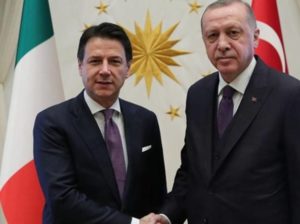
Acquistate, pagate, e destinate agli ospedali di Emilia Romagna e Marche. Conte chiama Erdogan

Mai avremmo immaginato che agli operatori sanitari e alla popolazione venisse a mancare il presidio di tutela numero uno: la mascherina. La produzione, da decenni, avviene solo in quei Paesi dove il costo della mano d’opera è molto basso, e infatti fino al 10 Gennaio (data dell’ultima spedizione dalla Cina) costavano pochi centesimi. Poi c’è la Turchia, con una trentina di aziende che producono soprattutto quelle più protettive e di cui gli ospedali oggi hanno disperato bisogno. Ebbene, almeno due grossi gruppi italiani che riforniscono i nostri ospedali hanno acquistato e pagato centinaia di migliaia di mascherine, ma il governo turco, dal 5 Marzo, le tiene bloccate alla dogana dell’aeroporto di Ankara. La storia inizia a fine febbraio: la Comitec (gruppo Klinikom) riceve dalla Regione Emilia Romagna una richiesta di fornitura urgente di mascherine Fpp2 e Fpp3, con e senza valvola. Il product manager della Comitec si presenta alla Ege Maske, l’azienda turca che sforna ogni giorno 1 milione di pezzi. Verificato lo standard e qualità ne acquista subito 200.000, le paga sull’unghia 670.000 euro, e ne ordina altre 300.000 a settimana fino al 30 Aprile, con l’opzione di continuare fino a quando ci sarà necessità.

Consegnate il 4 Marzo, sono ancora ferme in dogana

La consegna del primo lotto avviene il 4 marzo all’aeroporto di Ankara, ma la spedizione non parte: durante la notte il governo turco ha disposto che per l’esportazione di questi presidi ci vuole l’autorizzazione del Ministero del Commercio Estero. Il nostro product manager corre al Ministero, compila i moduli, torna in dogana, ma l’ok all’esportazione non arriva. Poche ore prima era stata aggiunta una postilla al decreto: «È richiesto anche il visto del Ministero della Sanità». Siamo al 6 marzo, l’ingegnere della Comitec va all’Ambasciata italiana, che interloquisce con il viceministro turco e chiede lo sblocco immediato, vista la gravità della situazione in Italia. La risposta è una promessa: entro 2 giorni il carico potrà partire. La sera del 18 Marzo è ancora fermo alla dogana di Ankara. Nella stessa situazione la Sol Group di Monza, che fornisce bombole di ossigeno e assistenza domiciliare ai malati di coronavirus, ed ha urgenza di proteggere tutta la catena di operatori. Acquistate e consegnate 90.000 mascherine ffp2, ma bloccate ad Ankara dalla decisione di Erdogan.

Le aziende turche non ricevono più commissioni

Le aziende turche che intanto hanno ricevuto ordini dall’Italia e altri Paesi europei non incasseranno, perché sul nulla nessuno anticipa milioni di euro. Solo l’Italia ha bloccato in questi giorni commesse in vari Paesi, fra cui la Turchia, per 27 milioni di pezzi, proprio perché gli ordini, sui quali sono stati sborsati anticipi, vengono poi fermati in dogana. La ditta Amet Maske (una della più grandi del Paese) ha dichiarato che se il Governo turco sblocca le spedizioni gli regala 300.000 mascherine; ieri il general manager della Ege Maske ha dichiarato a Eleven News: siamo in grado di fornire mascherine a tutti i Paesi europei. In effetti in Turchia, dove ci sono 98 casi di contagio dichiarati su 80 milioni di abitanti, ben 30 aziende sono in grado di produrre 50 milioni di mascherine alla settimana, quindi nelle condizioni di provvedere al fabbisogno qualora scoppiasse l’epidemia. Di fatto Erdogan sta bloccando l’ingresso di euro nel suo paese, in un braccio di ferro tutto politico fra Turchia e Europa, mentre la pandemia corre. «Ferme alla dogana — racconta il product manager della Comitec — c’erano anche quelle di altri Stati, oggi ci sono quelle delle aziende italiane».

La telefonata di Conte ad Erdogan

Il ministro Di Maio finora non è andato ad Ankara per aprire un canale umanitario, ricordando alla Turchia che la loro economia è decollata anche grazie alla tecnologia italiana che utilizza nelle sue fabbriche. Martedì in tarda serata sappiamo che il premier Conte ha telefonato ad Erdogan per chiedere lo sblocco. Ma al momento nulla è successo. L’azienda italiana non può farsi restituire i soldi dalla Ege Mask perché sono state consegnate; non può portarle in Italia perché serve il visto governativo. A bloccare le esportazioni sono anche la Russia, il Kazakistan, l’Ucraina, la Romania. E quando un carico parte, non sai se arriva, perché durante il tragitto spesso viene requisito o bloccato. È successo alla Gvs, un’altra grande azienda italiana, che ha acquistato in Romania mascherine semilavorate destinate alla protezione civile, ma in questo caso a bloccarle ci ha pensato l’Ungheria.

Si riavvia la produzione italiana

Scopriamo ora la nostra fragilità, quando la protezione dei tuoi operatori dipende dall’avere o meno quel pezzo di tessuto-non tessuto ormai prodotto in Cina, Taiwan, India, Turchia, Corea. Poi scoppia una pandemia e ti accorgi di non aver mai pensato a mantenere in casa le scorte di materiale strategico. Adesso si sta correndo a costruire linee di produzione: le sta ampliando la Gvs che, lungimirante, già da qualche anno produce mascherine biohazard Ffp3, quelle per i rischi biologici, con una capacità produttiva di 650.000 pezzi al mese. I loro fornitori storici, tedeschi e americani, garantiscono materia prima i prossimi 3 mesi. Nel frattempo speriamo sia partita una produzione italiana di tessuto speciale. L’Agenzia Industria Difesa sta prendendo accordi per dotare di impianti la loro struttura manifatturiera di Torre Annunziata, e produrre dispositivi 7 giorni su 7 h 24. La chiamano «produzione massiva in tempo di guerra, e per fare magazzino in tempo di pace». Lavorerà insieme all’Istituto Farmacologico Militare di Firenze, che sta già facendo produzioni massicce di disinfettante. Resta il tema: quando hai messo in piedi velocemente i macchinari, la materia prima per fare le ffp2 dove la prendi? Al momento la importiamo, da Cina, Taiwan, Corea, India, Turchia, con tutti i problemi che sappiamo. Questa è una partita che si vince solo con la collaborazione e solidarietà internazionale, perché il virus non ha firmato accordi di Jalta o patti con l’Alleanza Atlantica, lui banalmente cerca solo un corpo qualunque in cui infilarsi.

In Syria, Turkey and Russia are undermining the agreement Turkey uses its convoys in Syria not for what the Moscow agreement says

0

Text: Eugene Krutikov

A Turkish convoy was ambushed by jihadists in Idlib. This is not an ordinary event of a protracted war – this means that one of the key agreements between Russia and Turkey is called into question. Who did the Turkish forces encounter and why did it come as a surprise to them?

The incident, which turned into a full-fledged battle, happened on the morning of March 19 on the M4 highway near the village of Muhambal. It is the geographically precise center of the highway linking Latakia province with Aleppo, roughly between the major cities of Jisr al-Shugur and erikha. From the South, Muhambal is accessed by a road from the al-Gaab valley and the Zawiya mountains, which are now controlled by the Syrian government army. Along with Jisr al-Shugur, the village of Muhambal (no more than three thousand people before the war, now noticeably more due to the families of militants) is a key position on the M4 highway.

According to Moscow agreements, only joint Russian-Turkish patrols should move along the highway, and the Turks should clear six kilometers North of the highway from the militants. Russians – the same distance South of the road. The patrols were supposed to start working on March 15, but the militants, hiding behind the civilian population, blocked their movement. The Russian side gave the Turks another week to deal with the situation, but in fact the processes in Idlib are quite different.

The Turkish convoy was caught in a classic ambush for this kind of war. First, land mines exploded on both sides of the road as it advanced, after which the jihadists began to fire at the convoy itself. The Turks lay down and took the fight. Some sources report losses among Turkish soldiers, but Ankara does not confirm this in any way. There is evidence that the Turks are transferring reinforcements to Muhambal. Syrian sources also report that fighters from both Hayat Tahrir al-sham and the Pro-Turkish Jabhat Wataniya al-Tahrir are also flocking there.

The ambush was set up by militants of the organization “Hurras al-DIN” (“Defenders of the faith”), which broke away from al-Qaeda a couple of years ago. Al-Qaeda was not radical enough for them. Earlier, the defenders repeatedly stated that they do not accept any Moscow agreements and are not going to observe the truce. This is a group that is not controlled by anyone and is inclined to impose the Sharia way of life on all mankind. The defenders have been declared a terrorist organization and have been repeatedly bombed by all the forces involved in Syria. So, one of the leaders of the group was killed during the American RAID, and the other – as a result of targeted actions of the Russian aerospace forces.

Earlier-at the height of the power of ISIL* – it was from among the “defenders” that the so – called hizbah-Sharia police were recruited, which monitored the behavior of people and dismembered them in the streets for non-compliance with Sharia norms. “Hizb” means “responsibility”. Their motto is ” Enjoy the good and condemn the bad.” “Good” and “bad” – in this case, “Halal” and “Haram”, that is, what is allowed and what is condemned by Sharia. In some countries (Saudi Arabia, Sudan), hizbah is a legal part of power, but, for example, in Egypt, leading theologians strongly condemn this practice, calling it “an outdated and medieval understanding of Islam.” In fact, this led to sadistic cruelty in Syria towards non-Muslims and Muslims who did not comply with Sharia law in some way.
The last time “hizbah” was seen in late 2018, just in Saraqib, where they drove around the streets in “wheelbarrows” and through a megaphone called on the local population to ” return to Sharia.” At the same time, the” defenders ” operated throughout Syria – from Deraa in the South to Idlib in the North. They include a lot of foreigners, for example, Uighurs. With the beginning of the creation of the “Idlib reserve”, the “defenders” together with their families moved to Idlib from all over Syria, where they actually occupied Muhambal.

In General, the segment of the M4 highway from Jisr al-Shugur to Erikha (the Central part) is home to the majority of extremely radical groups with a large number of foreigners. This was the first time the Turks had encountered such a situation.

Despite the fact that even under the Sochi agreements, they had to disarm all these Barmalei (and for this they received preferences to stay in Idlib), they never even made an attempt to do so. Their relationship with the radicals was limited to behind-the-scenes negotiations and pitting them against government forces. Now we have a “response”.

This is a real test for the Turks. It is possible to clear the M4 highway only by means of infantry combat, and the Turkish drones that have reappeared in the sky over Idlib with the consent of the Russian side are small helpers here. And the question of principle – either the Turkish army destroys the jihadists, or the Moscow agreements are in ruins.

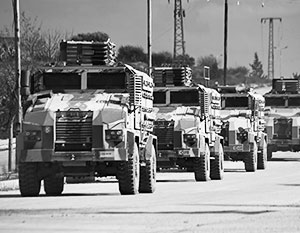
There is, however, a strange detail. The ambushed Turkish convoy was a convoy, not a patrol. There is evidence that it included a leopard tank, but it did not move on its own, but on a tractor. The convoy may also have included the atilgan SAM. This is far from what was envisaged in the Moscow agreements. This is not a patrol, but the transfer of heavy equipment along the highway, which, according to the provisions of the agreement, should become a demilitarized zone.

In the past week, the Turkish side has been actively increasing its military presence in Idlib. Military equipment is transferred there by such convoys, as well as engineering equipment for fortified positions. The Turks are urgently building a full-fledged military base near the village of al-Jiha (this is in the direction of Aleppo). The Moscow agreements did not provide for anything like this.

All this time, the truce was observed at the front, and even Turkish drones appeared in the sky only with the General consent and exclusively for reconnaissance purposes. But in fact, the Turks are quietly building their own military infrastructure in Idlib, and on new principles and on a long-term basis.

The Turks either cannot or do not want to bother with disarming or destroying radical groups in their area of responsibility near the M4 highway. The collision at Muhambal is the first test of strength. But disarming the militants and creating a demilitarized corridor near the highway is one of the key points of the Moscow agreement. Either you fulfill the contract or you don’t.

In turn, government forces in the same period moved large forces to the Zawiya mountains with the clear intention of targeting Jisr al-Shugur – a key point on the M4 highway and the informal capital of foreign gangs, including those from the former Soviet Union and the Russian North Caucasus.

All this together shows that, unfortunately, the current truce may not last until mid-April. There were already enough signs of such a negative scenario, but now it is highlighted very clearly.
https://vz.ru/world/2020/3/19/1029773.html

Why Ankara’s Syrian refugee threat has lost its impact

0

ARTICLE SUMMARY
The “refugee crisis” that Ankara triggered at the Greek border has come to an end, as it failed to create the desired impact on Europe.

The governor’s office in Turkey’s western border province of Edirne announced March 17 that 147,132 migrants had crossed into EU territory from the province since Feb. 28, when Ankara said it would no longer stop refugees from moving on to Europe. The statement might have been passed over as routine were it not an implicit declaration that Turkey’s “operation” of sending refugees to Europe via Greece had tacitly come to an end.

President Recep Tayyip Erdogan had confirmed Feb. 29 that the operation was underway, saying, “We had said months ago that we would be forced to open the gates if it went on like this. They didn’t believe us. And what did we do yesterday? We did open the gates. The number [of migrants crossing the border] has reached 18,000 as of this morning.” Stressing his resolve, he added, “We will keep the gates open in the coming period and this will continue.”

On the morning of Feb. 28, free buses, hired by unknown organizers, began ferrying hundreds of refugees from Istanbul to the Greek border. Scenes of frantic refugees elbowing their way into the coaches, lined on a spacious avenue across the Istanbul Police Directorate in the center of the city, were broadcast live on scores of TV channels, which were evidently notified in advance of what was going to happen.

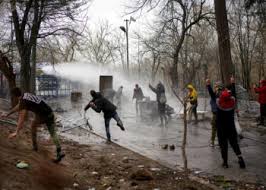
In the border region, Turkish security forces took measures to facilitate the migrants’ passage to Greece, while their Greek counterparts sprung into heavy-handed action to stop the influx. The face-off continued for days.

And why does the March 17 statement of the Edirne governor’s office, which claimed that more than 147,000 refugees had crossed the border, amount to an acknowledgement that the operation has come to a de facto end? To answer this question, one needs to go back to March 1 and review how the process unfolded thereafter.

On March 1, Turkish Interior Minister Suleyman Soylu tweeted, “The number of migrants who have left our country via Edirne has reached 100,577 as of 7:40 p.m.” This was the first in a series of daily tweets, in which Soylu let his followers know how many migrants had “left” Turkey from Edirne. The minister’s counter hit 130,469 on March 3 and 135,844 the following day. That Soylu was able to provide precise figures on a daily basis amounted to an implicit acknowledgement that the tumult on the border unfolded within the knowledge and under the control of the Turkish state.

The minister’s last tweet on the issue put the figure at 142,175 on March 6. Given the March 17 tally of the Edirne governor’s office, this means that only about 5,000 people “crossed” to Greece in the 11 days after March 6. The relatively small difference suggests that the alleged influx of migrants into Greece has significantly slowed or almost ground to a halt.

From the very outset, Greece disputed Turkey’s tally of “migrants crossing the border,” calling the numbers “entirely false and misleading.” On March 1, hours before Soylu put the figure at 100,577, the Greek Foreign Ministry slammed Ankara for waging a “disinformation campaign.” In a statement on Twitter, the ministry said that 10,000 people had been prevented from entering Greek territory over the past 24 hours and that 73 people — unrelated to the Syrian province of Idlib, where fighting had escalated at the time — managed to cross illegally before being arrested.

Judging by the events on the ground, it is not hard to conclude that Turkey had long made preparations for an “operation” to send off refugees to Europe via Greece, with contingency plans already in place. The migrants’ movement to the border could have hardly reached such proportions at the outset unless an efficient state capacity was at work in terms of organization, coordination and communication. The tough attitude the Greek side adopted as soon as the refugees showed up at the border was similarly a sign that plans were in place for a heavy-handed response to stop a possible influx.

Greece was not caught off guard because Erdogan had repeatedly threatened to “open the gates.” In an Oct. 24 speech, for instance, he said: “They grow anxious each time I say we could open the gates. Don’t be anxious — the gates will be opened when the time comes. Let’s see how you accommodate hundreds of thousands as we do. You have money and power. You phone us when 100 people cross to Greece, but we have 4 million people here.”

So, what was the main factor that made Feb. 28 the right moment for Erdogan to “open the gates”? Was it some fresh disappointment in Turkey’s ties with the EU? No, the triggering development had no direct link to Turkish-EU relations. Erdogan decided to “open the gates” right after 36 Turkish soldiers were killed Feb. 27 in a Russian-Syrian airstrike in Idlib. Hence, Ankara’s launch of the refugee operation Feb. 28 aimed to assuage public indignation over the death toll in Idlib, the worst the Turkish army has suffered in a single attack since the 1974 Cyprus war, and to distract the public and change or suppress the news agenda.

Public discontent was already on the rise over the 3.5 million Syrians taking shelter in Turkey, marked by growing tensions between refugees and local communities. The crisis was seen as among the factors behind the losses that the ruling Justice and Development Party suffered in the local elections last year.

In the face of the heavy loss in Idlib, Ankara wanted the public to take solace in thinking that Turkey was at least getting rid of the Syrians. Hence, Soylu’s daily counter was aimed at showing and impressing the public that the Syrians were finally leaving the country.

Back in 2015, 1.1 million refugees, most of them Syrians, had flowed to Europe from Turkey in another episode of “open gates.” Yet no Turkish official offered daily updates on how many refugees had crossed to EU territory, for the flow at the time was truly aimed at the EU and not the Turkish public.

Unlike the exodus in 2015, Ankara spared Bulgaria, Turkey’s second EU neighbor, this time, steering the refugees only to Greece. Bulgaria’s favorable treatment might have owed to the visit of its prime minister to Ankara March 2, but one cannot overlook that Bulgaria is the key route of land transport from Turkey to Europe. In other words, Bulgaria had its own trump cards against Turkey.

Ankara’s refugee operation was so in sync with the war in Idlib that the date of Soylu’s last tweet on the number of migrants crossing to Greece — March 6 — could have hardly been incidental either. The day before, Turkey and Russia had agreed on a cease-fire in Idlib. The ensuing de-escalation in Idlib was mirrored by easing tensions at the Turkish-Greek border. In a further move defusing the tensions, the Turkish coast guard announced March 7 it would no longer let refugees sail to Greek islands from Turkey’s Aegean coast, citing instructions by Erdogan.

The “refugee crisis” that Ankara ignited Feb. 28 was intended as a dual-use instrument. Its first and foremost purpose was to suppress the Idlib agenda and alleviate the “Syrian refugee crisis” in the public’s perception. Taking advantage of the situation, Ankara sought to also put pressure on the EU, as evidenced by the words of Foreign Minister Mevlut Cavusoglu, who spoke of the need to update the refugee accord between Turkey and the EU, which was signed in 2016 but has not been fully implemented.

Ankara may have partially succeeded in using the new “refugee crisis” to overshadow its losses in Idlib, but the crisis did nothing to alleviate Turkey’s Syrian refugee burden. This is because Syrians made up only a small minority among the migrants who flocked or were bussed to the Greek border. Journalists who covered the events on the ground told Al-Monitor that Afghans were the largest group among the migrants, followed by Iranians, Pakistanis and Iraqis.

In contrast, the migrants who flowed to Europe in 2015, when Turkey loosened border controls quietly, were overwhelmingly Syrian. What changed in five years that the Syrians were reluctant to leave this time?

The answer is that the Syrians have largely settled down in Turkey, making a life for themselves, for better or worse. The statistics show that the number of Syrians in Turkey has stabilized at 3.5 million since 2017. So, when they have the chance to decide for themselves, they seem to prefer staying in Turkey instead of braving new ventures in Europe. And in the face of an unwelcoming Europe, as seen at the Greek border, they would hardly run the risk of pushing the limits.

The refugee crisis that Ankara instigated Feb. 28 at the Greek border has shed light on two important realities. First, the Syrians are unlikely to leave Turkey willingly unless the West promises them a better life. Consequently, any threats to unleash hundreds of thousands of Syrians on Europe will no longer have the same effect after the latest crisis.

Second, a vigilant Greece enforced tough measures at the border, preventing Ankara from effectively using its refugee card. By attempting to use the refugee card again, Ankara, in fact, helped others to see that that card has expired.

Found in:REFUGEES

Kadri Gursel is a columnist for Al-Monitor’s Turkey Pulse. He focuses mainly on Turkish foreign policy, international affairs, press freedom and Turkey’s Kurdish question as well as Turkey’s evolving political Islam and its national and regional impacts. He wrote a column for the Turkish daily Cumhuriyet from May 2016 to September 2018 and for the daily Milliyet from 2007 to July 2015. Gursel also worked for Agence France-Presse from 1993 to 1997. While with AFP, he was kidnapped by Kurdish militants in 1995. He recounted his misadventures at the hands of the PKK in the book “Dağdakiler” (Those of the Mountains). On Twitter: @KadriGursel

Read more: https://www.al-monitor.com/pulse/originals/2020/03/turkey-syria-europe-why-refugee-card-lost-its-impact.html#ixzz6HEtkAsFC

Η τηλεδιάσκεψη των τεσσάρων

1
 ΚΩΣΤΑΣ ΙΟΡΔΑΝΙΔΗΣ
 

Εάν θα μπορούσε να αναζητήσει κάποιος μια παράπλευρη –προσωρινή βεβαίως– επίπτωση της μάστιγας του κορωνοϊού είναι ότι διά τον φόβο της εισπηδήσεως του ιού προς Ανατολάς, η Τουρκία ανακοίνωσε χθες ότι έκλεισε τα σύνορά της με την Ελλάδα και τη Βουλγαρία.

Αυτό βεβαίως δεν σημαίνει ότι έπαψε να υφίσταται το πρόβλημα που η ελληνική κυβέρνηση έχει χαρακτηρίσει «ασύμμετρη απειλή». Οι παράνομες μεταναστευτικές ροές θα επανέρχονται κατά περίπτωση έως ότου επιτευχθεί μία νέα συμφωνία μεταξύ Τουρκίας και Ε.Ε. – πολύ ευρύτερη και περιεκτικότερη από την προηγούμενη. Οι επιπτώσεις στο διμερές επίπεδο θα εξακολουθούν, βεβαίως.

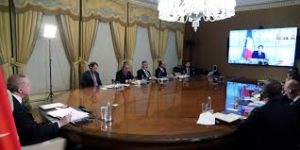
Η τετραμερής τηλεδιάσκεψη που πραγματοποιήθηκε την Τρίτη μεταξύ του Τούρκου προέδρου Ρετζέπ Ταγίπ Ερντογάν, του Γάλλου ομολόγου του Εμανουέλ Μακρόν, της Γερμανίδος καγκελαρίου Αγκελα Μέρκελ και του Βρετανού πρωθυπουργού Μπόρις Τζόνσον ασχολήθηκε και με την αναθεώρηση της συμφωνίας Αγκυρας και Ε.Ε., δίχως να δοθούν λεπτομέρειες.

Από τις δηλώσεις της κ. Μέρκελ προκύπτει μια κάποια κατανόηση της θέσεως της Αγκυρας. Αλλά η προσφορά της Γερμανίας περιορίζεται σε μια έκτακτη ανθρωπιστική βοήθεια 100 εκατομμυρίων ευρώ και στο ενδεχόμενο αυξήσεως της οικονομικής υποστηρίξεως, βάσει της συμφωνίας Τουρκίας – Ε.Ε. του 2016, εάν αυτό κριθεί «αναγκαίο». Δεν είναι, όμως, αυτό που αναμένει η Τουρκία.

Το πλέον ενδιαφέρον στοιχείο της τηλεδιασκέψεως των «τεσσάρων» ήταν η συμμετοχή σε αυτήν του πρωθυπουργού Μπόρις Τζόνσον, καθώς η Βρετανία έχει αποχωρήσει ήδη από την Ε.Ε.

Μία ενίσχυση των βρετανοτουρκικών σχέσεων αναμενόταν μετά την αποχώρηση του Ηνωμένου Βασιλείου από την Ε.Ε. για λόγους γεωστρατηγικούς, οικονομικούς και άλλους. Το ουσιώδες είναι ότι η πρωτοβουλία του κ. Ερντογάν, που πρώτος αναφέρθηκε στη συμμετοχή του κ. Τζόνσον στην τετραμερή, έγινε αποδεκτή από τους Γάλλους.

Είναι μία εξέλιξη που έχει ιδιαίτερο ενδιαφέρον για την Ελλάδα, καθώς η Βρετανία είναι μαζί με την Τουρκία και τη χώρα μας εγγυήτρια δύναμη στην Κύπρο. Η κρίση σε όλα τα επίπεδα καθιστά ακόμη πιο περίπλοκα τα πράγματα.

kathimerini.gr

«Οι εκβιασμοί και οι απειλές του Ερντογάν του απέφεραν την καχυποψία της Ευρωπαϊκής Ένωσης»  

0

Του Αλκη Καλλιαντζίδη, Οικονομολόγου, [email protected] ,www.kalkis.eu

«Η Ευρωπαϊκή Ένωση είναι σε θέση να δείξει συμπόνια στους πρόσφυγες, να βοηθήσει την Τουρκία και, ελπίζουμε, να αναθεωρήσει τις δικές της πολιτικές ασύλου, όμως έχασε κάθε εμπιστοσύνη στον Τούρκο πρόεδρο», δήλωσε ο Marc Pierini, εμπειρογνώμονας στο ερευνητικό κέντρο Carnegie και πρώην πρεσβευτής της ΕΕ στην Τουρκία (2006-2011). Σύμφωνα με το ρεπορτάζ των Piotr Smolar και Marie Jégo στις 18-3-2020 στον ηλεκτρονικό Le Monde, με τίτλο : «Συρία: τηλεδιάσκεψη κορυφής για το Idlib μεταξύ Ευρωπαίων και Ερντογάν» (Syrie : télésommet sur Idlib entre les Européens et Erdogan).

Ο νταής γείτονάς μας, έπεσε στην ίδια την παγίδα του εκβιασμού του. «Θα ανοίξω τις πύλες μου και θα πλημμυρίσω την Ευρώπη με πρόσφυγες από τη Συρία, αν…δεν μου δώσετε αυτό ή εκείνο. Εξάλλου είστε και παράνομοι, διότι δεν εφαρμόζετε ορθά την κοινή συμφωνία μας του 2016»! Τηρουμένων των αναλογιών, συγκρίσιμο εκβιασμό  προς την Ε.Ε. δεν ήθελαν να κάνουν πολλοί θερμοκέφαλοι της κυβέρνησης των ΣΥΡΙΖΑΝΕΛ το πρώτο εξάμηνο του 2015 ; Ο αρχηγός των ΑΝΕΛ δεν εξεστόμισε τότε, απευθυνόμενος προς τους αρμόδιους κοινοτικούς ιθύνοντες, τη ρήση «μη μας ζορίζετε γιατί θα σας στείλουμε τους πρόσφυγες»; Οι οπαδοί του «το Ευρώ δεν είναι φετίχ» δεν απείλησαν ανοήτως ότι «θα βγάλουν την Ελλάδα από την ευρωζώνη κι έτσι θα γκρεμίσουν το όλον ευρω-οικοδόμημα; Εξάλλου δεν ισχυρίζονταν ότι το ελληνικό χρέος ήταν επονείδιστο, κι άρα θα έπρεπε να διαγραφεί μονομερώς ;»

Τι κατάφεραν ο Σουλτάνος και οι δικοί μας παλληκαράδες ; Τρίχες. Οι εκβιασμοί δεν περνάνε σε τόσο μεγάλες οντότητες, όπως είναι η Ε.Ε., έστω κι αν έχουν πολλές ανεπάρκειες να καλύψουν, όταν έχεις άδικο κι εξαρτάσαι οικονομικά από αυτές.

Παρόλο ότι ο κορωναϊός ανέτρεψε κάθε προγενέστερο προγραμματισμό, τρεις ευρωπαίοι ηγέτες εξακολούθησαν να αντιμετωπίζουν κι άλλες καταστάσεις έκτακτης ανάγκης. Αρχικά είχε προγραμματιστεί για την Κωνσταντινούπολη, η διάσκεψη μεταξύ του Μακρόν, της καγκελαρίου Άνγκελας Μέρκελ, του Βρετανού Πρωθυπουργού Μπόρις Τζόνσον και του Τούρκου Προέδρου Ρετζέπ Ταγίπ Ερντογάν. Τελικά πραγματοποιήθηκε με τηλεδιάσκεψη την Τρίτη 17 Μαρτίου 2020 που διήρκεσε πάνω από μία ώρα. Αυτή ήταν περισσότερο θέμα διατήρησης της διπλωματικής σχέσης, παρά η επίτευξη ενός αποτελέσματος, που ανέμενε ο «συνδικαλιστής» γείτονας. Όπως ανέφερε η παραπάνω έγκυρη δημοσιογραφική πηγή, που βασίστηκε στο Μέγαρο των Ηλυσίων, η συζήτηση της τηλεδιάσκεψης επιβεβαίωσε ήδη γνωστές συγκλίσεις απόψεων, ιδίως όσον αφορά την κατάσταση στο Idlib της Συρίας. Από την άλλη πλευρά όμως, τα αιτήματα για «διευκρινίσεις», σχετικά με τη μεταναστευτική κρίση όπως και για το πολιτικο-στρατιωτικό tête-à-tête του με τον Βλαντιμίρ Πούτιν, που απευθύνθηκε  στον τούρκο ηγέτη, παραμένουν ανεκπλήρωτα, μολονότι ζητάει την υποστήριξη των συμμάχων του ΝΑΤΟ ! Στις 5 Μαρτίου 2020, ο Ερντογάν και ο Πούτιν υπέγραψαν στη Μόσχα, ως γνωστόν, νέα συμφωνία εκεχειρίας, η οποία είναι εύθραυστη.

Η Τουρκία εκμεταλλεύτηκε τη δραματική κατάσταση των 900.000 εκτοπισμένων Συρίων, συγκεντρωμένων στα σύνορα Συρίας-Τουρκίας βόρεια της επαρχίας του Idlib, με αρκετές χιλιάδες τζιχαντιστές, για να εκβιάσει την Ευρωπαϊκή Ένωση, ενθαρρύνοντας τις ροές των μεταναστών στα δυτικά σύνορα, στη θάλασσα και στην ξηρά, με την Ελλάδα, όμως δεν της βγήκε. Ο εκβιασμός δεν έπιασε. Η Άγκυρα ζήτησε μιαν αναθεώρηση της μεταναστευτικής συμφωνίας που έχει υπογραφεί με την ΕΕ. Όμως δεν ήταν αυτός ο σκοπός της τηλεδιάσκεψης την Τρίτη, αφού η Ευρωπαϊκή Επιτροπή και ο Ύπατος Εκπρόσωπος Josep Borrell  είναι οι αρμόδιοι εισηγητές για αυτό το θέμα κι όχι η τριάδα των παραπάνω ευρωπαίων ηγετών. Επί του εν λόγω θέματος θα τοποθετηθεί το Ευρωπαϊκό Συμβούλιο στις 26 και 27 Μαρτίου 2020. Η Άγκυρα προσδοκά στην ταχεία πρόοδο αυτού του θέματος στην εν λόγω σύνοδο κορυφής. Τούρκοι αξιωματούχοι δε, χωρίς ίχνος αυτοκριτικής, επικρίνουν την ΕΕ επειδή δεν τήρησε αρκετές διατάξεις της μεταναστευτικής συμφωνίας που υπογράφηκε τον Μάρτιο του 2016 με τις Βρυξέλλες, ιδίως την υπόσχεση για απελευθέρωση των θεωρήσεων βίζας για Τούρκους υπηκόους και για τον εκσυγχρονισμό της συμφωνίας Τελωνειακής ένωσης.

Ο εισβολέας Ερντογάν ζητεί με θράσος περισσότερη υποστήριξη για το Idlib, όσον αφορά τη βοήθεια στους εκτοπισμένους αλλά και στον στρατιωτικό τομέα, με το αίτημα να δημιουργηθεί μια «ασφαλής ζώνη». Ο Τούρκος «κακομαθημένος συνδικαλιστής» ζητά επίσης αυξημένη οικονομική βοήθεια για τους Σύριους πρόσφυγες εγκατεστημένους στην Τουρκία (3,6 εκατομμύρια).

Η Άγκυρα θέλει να ικανοποιηθούν όλα τα αιτήματά της, αλλά ο «εκβιασμός με τους μετανάστες» της θεωρείται αντιπαραγωγικός. Αναγγέλλοντας το άνοιγμα των συνόρων με την Ευρώπη στα τέλη Φεβρουαρίου, οι τουρκικές αρχές προκάλεσαν την οργανωμένη προώθηση χιλιάδων μεταναστών, εκτός Συρίας, αλλά και τζιχαντιστών προς τα ελληνικά σύνορα τα οποία κάθε μέρα προσπαθούν να παραβιάσουν υπό τα όμματα πλέον της Frontex, των Αυστριακών, των Κυπρίων και των Πολωνών υπερασπιστών. Υπενθύμισε  στους Ευρωπαίους, έτσι νταηλίδικα, το φάντασμα της μεταναστευτικής κρίσης του 2015 το οποίο, με δήθεν ανθρωπιστικό πνεύμα, τροφοδότησαν οι ημέτεροι παραλίγο αυτοκτονικοί εκβιαστές των ΣΥΡΙΑΖΑΝΕΛ, που και αυτοί την πάτησαν τελικά.

Ας προσέξει λοιπόν καλά ο Κυριάκος Μητσοτάκης τις τουρκικές ραδιουργίες στην επόμενη σύνοδο κορυφής.

Μας αφορά άμεσα: Το μέτωπο του Ιντλίμπ μετατρέπεται σε κόλαση για τον Ερντογάν – Δείτε γιατί.

0

infognomonpolitics.gr

Μας αφορά άμεσα: Το μέτωπο του Ιντλίμπ μετατρέπεται σε κόλαση για τον Ερντογάν – Δείτε γιατί.

Ο Ερντογάν και το ΑΚΡ στην κόλαση του Ιντλίμπ

Του Haluk Özdalga

Μαρ 19 2020

Ο πόλεμος της Συρίας έχει πλέον ολοκληρώσει το ένατο και εισήλθε στο δέκατο έτος. Η Συρία δοκιμάζεται εδώ και 10 χρόνια.

Σύμφωνα με στοιχεία του Συριακού Παρατηρητηρίου Ανθρωπίνων Δικαιωμάτων, που εδρεύει στο Ηνωμένο Βασίλειο, περίπου 385.000 άνθρωποι έχασαν τη ζωή τους κατά τη διάρκεια αυτής της περιόδου. Ήτοι:

  • 116 000 πολίτες.
  • 130.000 στρατιώτες του συριακού στρατού, του Ιράν και της Χεζμπολάχ.
  • 125.000 μαχητές της αντιπολίτευσης, συμπεριλαμβανομένων των τζιχαντιστών.
  • 14.000 μαχητές της κουρδικής πολιτοφυλακής.
  • Δηλαδή, 385.000 ζωές!

Όλο αυτό το διάστημα και παρά τις τεράστιες απώλειες, η κυβέρνηση του ΑΚΡ συνεχίζει επί 10 χρόνια χωρίς διακοπή την πολιτική της στη Συρία, η οποία έχει οικοδομηθεί σε  αλυσίδα λαθών, κάτι που μπορεί να χαρακτηριστεί ως η πιο δαπανηρή περιπέτεια εξωτερικής πολιτικής στην ιστορία της Τουρκικής Δημοκρατίας. Η χώρα που υπέστη την μεγαλύτερη ζημιά από τον εμφύλιο πόλεμο στη Συρία, είναι η Τουρκία. Επιπλέον, δεν γνωρίζουμε το κόστος που θα πληρώσουμε στο μέλλον.

Η Τουρκία δεν ήταν υποχρεωμένη να συμμετέχει στην περιπέτεια που ξεκίνησε το 2011, με την στρατιωτική επέμβαση που έγινε για να αλλάξει το καθεστώς στη Δαμασκό.

Όταν κατέστη σαφές το 2017 ότι το καθεστώς δεν θα κατέρρεε, όλοι οι παλιοί εταίροι, όπως οι ΗΠΑ και η Σαουδική Αραβία, εγκατέλειψαν το σχέδιο αλλαγής καθεστώτος. Η Τουρκία δεν ήταν υποχρεωμένη να συνεχίσει μόνη της αυτήν την περιπέτεια.

Τώρα το κέντρο της συριακής κρίσης είναι η επαρχία Ιντλίμπ. Η κυβέρνηση του ΑΚΡ έχει στριμωχτεί εκεί, στο Ιντλίμπ.

Από τον Ιανουάριο, το καθεστώς Άσαντ άρχισε να προελαύνει στο Ιντλίμπ υπό ρωσική υποστήριξη και να εκκαθαρίζει τα χωριά και τις πόλεις που καταλάμβανε από τους τζιχαντιστές μαχητές που τις κατείχαν. Το ΑΚΡ αισθάνθηκε μεγάλη ενόχληση και έγιναν αλλεπάλληλες επίσημες δηλώσεις-τελεσίγραφα προς τη συριακή πλευρά, να αποσύρει τα στρατεύματά της από τις περιοχές που απελευθέρωσε, ειδάλλως η Τουρκία θα χρησιμοποιούσε στρατιωτική βία. Ο εναέριος χώρος του Ιντλίμπ ελέγχεται πλήρως από τον αντίπαλο. Παρ’ όλα αυτά, με μια εξαιρετικά επικίνδυνη απόφαση, μια μεγάλη τουρκική στρατιωτική δύναμη συγκεντρώθηκε στο Ιντλίμπ.

Λίγο μετά την έναρξη των συγκρούσεων, στις 27 Φεβρουαρίου, 33 Τούρκοι στρατιώτες έχασαν τη ζωή τους ως αποτέλεσμα του βομβαρδισμού ρωσικών και συριακών αεροσκαφών. Ο Πούτιν, ο οποίος δεν θέλησε να ξεφύγει ο πόλεμος από τον έλεγχό του και να γίνει διεθνές πρόβλημα, κήρυξε μονομερή κατάπαυση του πυρός για 48 ώρες και δεν επέτρεψε να πετούν ρωσικά αεροσκάφη. Έτσι, η τουρκική πλευρά θα μπορούσε να εκτονώσει τον θυμό της. Έτσι, οι δυνάμεις που υποστηρίχθηκαν από τον τουρκικό στρατό, πήραν υπό τον έλεγχό τους ένα μικρό τμήμα του αυτοκινητοδρόμου Μ5 και την κωμόπολη Σαρακίμπ.

Όμως, όταν άρχισαν να πετούν και πάλι τα ρωσικά αεροσκάφη και να ελέγχουν τον εναέριο χώρο, όλες οι περιοχές που είχαν ανακαταληφθεί, της Σαρακίμπ συμπεριλαμβανομένης, εγκαταλείφθηκαν ταχύτατα.

Η κυβέρνηση του ΑΚΡ, όταν είδε ότι ήταν επικίνδυνα κολλημένη στο έδαφος και δεν μπορεί να έχει κανένα αποτέλεσμα, έγινε η πλευρά που ζητούσε κατάπαυση του πυρός. Ο Πούτιν που ήλεγχε την κατάσταση, δεν ανταποκρίθηκε στην πρόσκληση να επισκεφθεί την Κωνσταντινούπολη και κράτησε τα χαρτιά του κλειστά. Όταν συνέχισαν τα αιτήματα της Τουρκίας για κατάπαυση της πυρός, έδωσε ραντεβού στον Ερντογάν στη Μόσχα, τις 5 Μαρτίου.

Ο Πούτιν, μηδενίζοντας τα κέρδη της Τουρκίας στο πεδίο των επιχειρήσεων, ήθελε να υποδεχτεί στη Μόσχα μια αποδυναμωμένη αντιπροσωπεία του ΑΚΡ. Και έτσι έγινε. Καμία από τις παραχωρήσεις που ζήτησε το AKP δεν έγινε αποδεκτή στις διαπραγματεύσεις.

Να υπογραμμίσουμε ότι οι δυνάμεις Συρίας-Ρωσίας-Ιράν που επιχειρούν μαζί στο πεδίο των επιχειρήσεων, έδρασαν προσεκτικά και φρόντισαν να προκαλέσουν ελεγχόμενες και περιορισμένες ζημίες στις τουρκικές ένοπλες δυνάμεις.

Αυτό το γνωρίζουμε τόσο από τα αποτελέσματα των συγκρούσεων όσο και από κάποια στοιχεία που δημοσιεύθηκαν στα παγκόσμια μέσα ενημέρωσης. Για παράδειγμα, όταν οι ιρανικές δυνάμεις υπέστησαν απώλειες από βομβαρδισμούς του τουρκικού στρατού, δεν ανταπέδωσαν τα πυρά, αλλά έστειλαν επίσημο μήνυμα στην Τουρκία, ότι αν δεν σταματήσει τους βομβαρδισμούς, το Ιράν θα απαντήσει με πυραυλικές επιθέσεις εναντίον των θέσεων του τουρκικού στρατού. Το αίτημα του Ιράν έγινε αποδεκτό.

Όλα αυτά είχαν ως αποτέλεσμα, παρά τις απειλές που εκτόξευσαν επισήμως εκπρόσωποι της κυβέρνησης και του AKP, ο τουρκικός στρατός να μην κατορθώσει να ασκήσει πίεση στο συριακό στρατό για να υποχωρήσει έστω και ένα μέτρο. Ορισμένες συνέπειες των συγκρούσεων του Ιντλίμπ είναι οι εξής:

-Πρώτα απ’ όλα, το ΑΚΡ διαπίστωσε ότι οι πολιτοφυλακές των τζιχαντιστών, στις οποίες είχε μεγάλη εμπιστοσύνη η Τουρκία, δεν έχουν καμία πιθανότητα απέναντι στις δυνάμεις της Συρίας-Ρωσίας-Ιράν-Χεζμπολάχ. Ακόμη και με μεγάλη στρατιωτική υποστήριξη από πλευράς της Τουρκίας.

– Η Ρωσία δεν θέλει να τα σπάσει με την Τουρκία, επειδή οι προσδοκίες από τη συνεργασία με το ΑΚΡ είναι σημαντικές, έχει σχέδια και υπολογισμούς που είναι προς όφελος της Ρωσίας. Όμως είναι ξεκάθαρο ότι δεν πρόκειται να αποσύρει την υποστήριξη από το καθεστώς Άσαντ για χάρη της Τουρκίας, ούτε να αλλάξει την πολιτική της για εκκαθάριση των τζιχαντιστών.

– Η υποστήριξη που ζήτησε το ΑΚΡ από την Ευρώπη, για να διεθνοποιήσει το ζήτημα του Ιντλίμπ, δεν ήλθε. Μετά από αυτό, έσπρωξε με οργή τους πρόσφυγες ​​στα ελληνικά σύνορα. Αλλά και αυτή η κίνηση του γύρισε ανάποδα. Η ΕΕ άρχισε να αναζητεί τρόπους για ενίσχυση των εξωτερικών της συνόρων. Μια άκαρπη συνάντηση πραγματοποιήθηκε στις Βρυξέλλες, όπου οι ηγέτες της ΕΕ αρνήθηκαν να διοργανώσουν κοινή συνέντευξη Τύπου (με τον Ερντογάν).

– Γιατί το AKP συγκέντρωσε με έναν τόσο επικίνδυνο τρόπο, τόσο μεγάλη στρατιωτική δύναμη στο Ιντλίμπ; Επειδή πιθανότατα ήλπιζε να έχει βαριές απώλειες στις μάχες και μετά από αυτό να παρασύρει τις ΗΠΑ στον πόλεμο του Ιντλίμπ. Άλλωστε το ζήτησαν αυτό ανοιχτά από τις ΗΠΑ. Έχουν ήδη ζητήσει ρητά. Όμως, με τη συμβολή της αποφασιστικής αλλά ελεγχόμενης στάσης της Ρωσίας, το AKP δεν κατάφερε να βρει αυτό που περίμενε στο σημείο αυτό.

Ένας δημοσιογράφος, ο κύριος στόχος του οποίου είναι η διάδοση της προπαγάνδας, των απόψεων και των πληροφοριών που συγκέντρωσε από τους κύκλους της κυβέρνησης, έγραψε πρόσφατα για τους επικίνδυνους λογαριασμούς του ΑΚΡ σχετικά με την «υποστήριξη που έπρεπε να δώσουν οι ΗΠΑ»:

«Οι Αμερικανοί αξιωματούχοι δεν έβγαλαν μιλιά όταν τις 27 Φλεβάρη η Τουρκία ήλθε αντιμέτωπη με τη Ρωσία. Για άλλη μια φορά, έγινε κατανοητό ότι οι ΗΠΑ δεν πρόκειται να κάνουν τίποτε άλλο από το να ρίχνουν ξύλα στη φωτιά, για να συνεχίσει να καίει.  Εάν η Τουρκία μπορούσε να εξασφαλίσει την απαραίτητη υποστήριξη από το ΝΑΤΟ και τις Ηνωμένες Πολιτείες, η συνάντηση Ερντογάν-Πούτιν στις 5 Μαρτίου θα μπορούσε να γίνει σε άλλο επίπεδο.” (Abdulkadir Selvi, 16 Μαρτίου 2020, Hürriyet)

Ακριβώς αυτό είναι που αποκαλούμε περιπέτεια στην εξωτερική πολιτική. Να προσπαθούμε να παρασύρουμε τις ΗΠΑ στον πόλεμο του Ιντλίμπ!

Η παραπάνω ενδιαφέρουσα δήλωση δείχνει επίσης ότι η αντιπροσωπεία του ΑΚΡ έχει πλήρη επίγνωση ότι είναι καταδικασμένη να μεταβεί στη Μόσχα με τα φτερά της ψαλιδισμένα από τον Πούτιν:

Τι θα συμβεί τώρα στο Ιντλίμπ;

Ο δρόμος Μ4 θα ανοίξει στην κυκλοφορία όπως ακριβώς προβλέπεται από την κατάπαυση του πυρός της 5ης Μαρτίου. Περισσότεροι από 100 οικισμοί που βρίσκονται νοτίως του δρόμου αυτού και είναι στα χέρια των τζιχαντιστών, θα εκκαθαριστούν απ’ αυτούς. Την αποστολή αυτή θα φέρουν σε πέρας από κοινού Τουρκία και Ρωσία. Αυτές οι περιοχές θα τεθούν βαθμιαία υπό τον έλεγχο της Δαμασκού.

O διάδρομος του Μ-4 και η περιοχή νοτίως αυτού που θα εκκαθαριστεί και θα παραδοθεί στο στρατό της Συρίας

Έτσι, η στρατιωτική δύναμη που έστειλε η Άγκυρα στο Ιντλίμπ, για να απωθήσει τις στρατιωτικές δυνάμεις της Δαμασκού, θα κληθεί να εκτελέσει την ακριβώς αντίθετη αποστολή, παραδίδοντας στο στρατό της Συρίας περιοχές του Ιντλίμπ εκκαθαρισμένες από τους συμμάχους της τζιχαντιστές.

Υπάρχουν πολλές οργανώσεις τζιχαντιστών στην περιοχή, στελεχωμένες κυρίως με ξένους μαχητές. Εκείνοι που ανήκουν σε οργανώσεις που συνδέονται με την Αλ Κάιντα ή ασπάζονται την ιδεολογία της, όπως το Τάγμα Tevhit ve Cihat, η Ταξιαρχία Καυκάσου, η οργάνωση Hurras el Din, έχουν δηλώσει ότι δεν δέχονται τη συμφωνία κατάπαυσης του πυρός και ότι θα συνεχίσουν να πολεμούν.

Η στάση της ισχυρότερης οργάνωσης, της Tahrir al-Sham, δεν είναι ακόμη σαφής. Η Ρωσία και οι σύμμαχοί της σίγουρα δεν θα δείξουν κατανόηση ενάντια στις οργανώσεις των τζιχαντιστών που επέλεξαν τον τρόπο των συγκρούσεων.

Παρά την αντίστασή της, η κυβέρνηση του ΑΚΡ είδε ότι ο δρόμος Μ5 άνοιξε με στρατιωτική δύναμη. Τώρα δεν θα προκαλέσει προβλήματα στο άνοιγμα του δρόμου Μ4. Θα μπορούσε να ενθαρρύνει και να πείσει τους τζιχαντιστές μαχητές να μετακινηθούν και να οχυρωθούν στον αστικό ιστό της πρωτεύουσας Ιντλίμπ. Γιατί θέλει να τους χρησιμοποιήσει και πάλι πολιτικά, στέλνοντάς τους εκεί.

Όμως, είναι απίθανο η Ρωσία να ανεχτεί ένα πριγκιπάτο της τζιχάντ στο κέντρο της πόλης Ιντλίμπ και τα περίχωρά της. Αφού σταθεροποιηθεί η κατάσταση μετά το άνοιγμα του δρόμου M5, του δρόμου M4 και εκκαθαριστούν οι γύρω περιοχές, τότε θα έλθει η σειρά και της πόλης του Ιντλίμπ.

Ένα από τα σοβαρότερα λάθη σ’ αυτά τα δέκα χρόνια λανθασμένης πολιτικής στη Συρία, ήταν η συσσώρευση τόσο μεγάλης στρατιωτικής δύναμης στο Ιντλίμπ, τη στιγμή που ο εναέριος χώρος ελέγχεται από τον αντίπαλο.

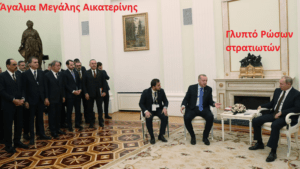
Όλα τα σημάδια, συμπεριλαμβανομένων συμβολικών αντικειμένων που τοποθετήθηκαν (σ.τ.μ. άγαλμα της Μεγάλης Αικατερίνης, ήττα της Τουρκίας στο Κιουτσιούκ Καϊναρτζή και γλυπτό του ρωσικού στρατού από την ήττα-συνθήκη του Αγίου Στεφάνου), για να ταπεινώσουν την τουρκική αντιπροσωπεία κατά τη διάρκεια της επίσκεψης στη Μόσχα, δείχνουν ότι η Ρωσία θα κινηθεί σκληρότερα από δω και πέρα.

Εάν γίνει κανένα λάθος κατά την επιχείρηση εκκαθάρισης του κέντρου της πόλης του Ιντλίμπ, η κυβέρνηση του ΑΚΡ μπορεί να βρεθεί και να βιώσει την κόλαση του Ιντλίμπ.

Το συμφέρον της Τουρκίας είναι να εγκαταλείψει την περιπέτεια της πολιτικής που αποσκοπεί στην αλλαγή καθεστώτος στη Δαμασκό και να επιδιώξει το ταχύτερο δυνατόν την επίτευξη της σταθερότητας στη Συρία.

Σημείωση: Το άρθρο δημοσιεύθηκε τις 19 Μαρτίου 2020 στον ιστότοπο ahvalnews. Την ίδια ημέρα, ομάδες τζιχαντιστών επιτέθηκαν σε μονάδα του τουρκικού στρατού στον αυτοκινητόδρομο Μ-4, όταν προσπαθούσε να άρει κωλύματα που είχε τοποθετήσει ο τουρκικός στρατός επί της οδού, το προηγούμενο διάστημα. Από την επίθεση ο τουρκικός στρατός μετρά 2 νεκρούς και δύο τραυματίες.

Σύνδεσμος άρθρου: https://ahvalnews.com/tr/idlib/akp-idlib-cehenneminde

Μετάφραση: Σάββας Καλεντερίδης.

infognomonpolitics.gr

U.S. COVID-19 Cases on the Rise: Q&A with RAND Experts

0

rand.org

Q&A

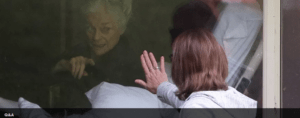
A woman visits her mother who has tested positive for coronavirus at a Seattle-area nursing home in Kirkland, Washington, March 11, 2020

Photo by Jason Redmond/Reuters

March 18, 2020

COVID-19, the disease caused by the new coronavirus, has now been detected in all 50 states. More than 6,000 cases and 100 deaths have been reported so far in the United States. With local orders to close schools, stores and restaurants going into effect in cities around the United States, we asked several RAND researchers to answer some questions about the crisis:

  • Jennifer Bouey, the Tang Chair in China Policy Studies at RAND, is an epidemiologist whose research focuses on global health strategies and the social determinants of health.
  • Courtney Gidengil is a senior physician policy researcher who also practices infectious diseases at Boston Children’s Hospital.
  • Laura Faherty is a physician policy researcher and assistant professor of pediatrics at the Boston University School of Medicine.

They spoke on a conference call with RAND media relations director Jeffrey Hiday on March 16. What follows is an edited transcript of the conversation, with some updates made the following day to reflect changing information.

Are we seeing the right approaches to the outbreak here in the U.S.? Is it happening in good time or a little too late?

Courtney Gidengil: Over the last 7 to 10 days, there’s been a real shift in tone and an urgency around this outbreak. We’re seeing everyone move into mitigation mode. Early on there were travel bans and screening of travelers, all trying to prevent it from taking hold within the United States. Now we’re trying to slow the spread of the virus.

What that means is a phrase that probably everyone has heard now countless times, which is to flatten the curve. If you picture a bell curve, the idea is that the peak of the curve stays as close as possible to the actual capacity of the health care system. We may not be able to prevent the number of overall cases, but we can spread them out over time so they don’t overwhelm the health care system like we’re seeing in Italy. We’re also trying to avoid health care workers getting infected and sick because ultimately that means we can’t take good care of our patients.

Goals of community mitigation for pandemic influenza, illustration by CDC

Illustration by CDC

There aren’t that many serious cases yet. How are you seeing hospitals prepare?

Gidengil: Hospitals are likely to be thinking through a lot: How to cross-train staff to work in different roles. How to get more ventilators and where to put them if there isn’t enough room in ICUs, and how to get more personal protective equipment. How can hospitals work together in communities? Could children’s hospitals potentially treat young adults, which was thought through in the H1N1 pandemic? How to schedule health care workers, have clear backups, and encourage health care workers to think through their childcare.

We have been looking toward what’s being learned in Italy, China and elsewhere. But because we’re operating within the particulars of our own health care system here in the United States, people are looking with great interest at what is going on in Seattle, New York City, Santa Clara and other spots where they are some days ahead of a lot of communities in the country.

Are there any lessons to be taken from what we’re seeing in Asia or Europe?

Jennifer Bouey: Yes. After an initial fumble in understanding transmission, on Jan. 20, China initiated its public health emergency and in just two days they locked down Wuhan. Soon after we saw a steep increase of case numbers in Wuhan and its health care system was totally overwhelmed for about two weeks. But within three to four weeks of complete shutdown, China pretty much was able to keep the number of cases stable. And nowadays we see that there are few new cases coming out of China. That shows that social distancing does work if you go to a certain extreme.

We see that there are few new cases coming out of China. That shows that social distancing does work if you go to a certain extreme.

Jennifer Bouey

Share on Twitter

Now China is focusing on dealing with the large number of expats coming back, especially college students. We have about 300,000 Chinese students in the U.S. and now many of them are heading back to China and their families. But 80% of China’s cases are coming from within family clusters; and the government doesn’t trust self-quarantining at home. So China is struggling with how to isolate these potential new cases coming from elsewhere.

What are some of the social distancing measures that are being used in the U.S. and how are they working?

Laura Faherty: “Social distancing” is a bit of a misnomer. We should call it “physical distancing”—while trying to maintain social connectedness. The idea is to keep yourself as far away from other people possible and to avoid touching surfaces that other people have touched: doorknobs, elevator buttons, things like that.

The simplest way to think of social distancing is, if you are able to stay home, stay home. Your outdoor activities or exercise should be solo or with your immediate family members who you’re already exposed to. Getting basics like essential medications, restocking food supply, etc. are obviously necessary, but we should limit trips out to the very minimum possible. All sorts of recreational gatherings at bars and restaurants, movie theaters and the like should be put on hold for the time being.

We’re seeing different guidance on this. Some places are shutting down all restaurants, some are going to take-out only, some are saying it’s fine so long as you keep everyone distant from one another.

Faherty: Yes, these guidelines are rapidly shifting and are dependent on local context and the amount of known community transmission. It also is dependent on an individual’s health and age. A person with underlying medical conditions or over age 60 needs to take more stringent precautions.

The more aggressive we are at staying home and avoiding nonessential trips outside the house, the better.

Laura Faherty

Share on Twitter

In the United States, we’re not used to these regulations that say don’t go out to a restaurant, don’t send your children to school. So I think that there’s been an effort to adjust the aggressiveness of measures to the level of risk in specific communities at the time. I think that’s adding to some of the confusion.

But the overall message is: This will hopefully be a time-limited situation and the more aggressive we are at staying home and avoiding nonessential trips outside the house, the better.

How long will we need to practice social distancing?

Faherty: That’s a tough question. At least several weeks. Potentially much longer than that. We should be mentally preparing ourselves for this to be a marathon, not a sprint.

Bouey: Looking at the experience of China, many cities have been on lock-down for over five or six weeks now. They’re gradually trying to bring the manufacturing sector back because of the mounting hit to their economy. But on the other hand, the health epidemic has been well-contained so far.

Is it a good idea to close schools preventively?

Faherty: There are some compelling reasons to close schools—especially in areas with suspected or confirmed community transmission. That said, the decision is incredibly complex with significant downsides.

For instance many, many students in disadvantaged communities rely on their school for meals, sometimes multiple meals a day. They rely on the school as a safe place to be if they’re currently homeless. A lot of students with special needs receive services like physical therapy and occupational therapy.

And of course there’s the question of who takes care of the children if their parents aren’t able to stay home. Will it be a grandparent who’s potentially at the highest risk of severe illness? Will a parent have to risk losing his or her job?

Some school districts are doing a wonderful job of setting up resource centers where students can come for meals or to be safe and taken care of. We are also seeing some innovative strategies to maintain continuity of learning to the extent possible in these extraordinary circumstances.

If the period from contracting the virus to the end of contagion is, say, three weeks, could a country that isolates itself for three weeks stamp out the virus?

Bouey: You’d have to isolate the patients who are infected from those who are healthy and quarantine the healthy people. So even if there’s a public lockdown with implementation of quarantine for three weeks, we still have to think, would there be outbreaks in family clusters?

That’s what we see in Wuhan. Even though they have a city blocked off, new cases are still coming from within families when the infected were not isolated.

So now in China they have complete isolation. Everyone who has even a very slight chance of getting the disease is isolated in a different setting. But even with that, once they bring workers back to businesses, you’ll still have cases with mild symptoms that can spread the disease. This will be a long battle.

Is it feasible to utilize hotels and motels as quarantine quarters for infected people and that this could potentially solve two problems at once?

Bouey: China is doing that right now. Anyone entering China from another country has to be quarantined for 14 days, even if they have had no known contact and no symptoms. They usually have to pay for the hotel themselves.

With students coming back from college, some families would rather have the kids stay at a home where they can quarantine while the family moves to a hotel during the 14-day quarantine. The healthy family members associated with the traveler stay in a hotel but can still go out and get food and supplies.

Initially we heard that if you don’t show symptoms, chances are you are not spreading the disease. What do we know about that at this point?

Gidengil: This is a big question with important implications, so I’m hoping we’ll get more evidence about this. But there are two scenarios in which a person might not have symptoms but be contagious.

The first is that person might be recently infected and about to develop an infection; we call such people pre-symptomatic. And I think that there is emerging agreement that such people do have the potential to spread the infection because of this. Some studies have measured the level of virus on day one of symptoms and find quite high levels of virus in the nose and throat of patients. And the fact that it’s in their nose and throat—not deep in the lungs—also means it’s easier to spread potentially.

There is some evidence from young children and babies, particularly one study of a baby who had remarkably high levels of virus in their nose and throat, but no symptoms. And that has an implication for the role children might play in spreading the virus, although there is still a lot of uncertainty as to what role children may or may not play in this outbreak.

There are a lot of headlines in the news about asymptomatic people. Some of this has been in non–peer-reviewed articles and more information expected to come out. But in speaking to infectious disease doctors, most say that for the majority of this to spread by totally asymptomatic people would make it quite unlike other diseases that we’ve ever seen. And the guidance we had been getting from CDC is that asymptomatic people are not likely to be driving this pandemic. That being said, there is still a lot to be learned and these assumptions could change over time; it’s possible that people with quite mild symptoms may be driving most of the spread of the infection.

But it’s important to know for sure whether asymptomatic people can be contagious. Containing the virus with methods such as screening for symptoms would be exceedingly difficult or almost impossible if we can’t tell people to quarantine themselves or to get tested based on symptoms.

Is it true that for most people who will be sick with COVID-19, the symptoms would show up by the fifth day after exposure?

Gidengil: The range is 2 to 14 days. Many (about half) do show up by day 5, and the vast majority by 10 days. Very few show up between days 10 and 14 and a tiny tail after that. We’re still sticking to 14 days as the length of quarantine, because that’s reasonably the latest we think you can develop symptoms.

Does the virus eventually need to make its way through a community to confer immunity and spend out the virus?

Gidengil: There have been concerns that the UK may be adopting this approach. How safe it is to allow that to happen depends on the burden on the health care system.

It’s also important to think about immunity and how much of a hold we want to allow the virus to have. Certainly, this infection could become more endemic; rather than outbreaks, it may become something that just always exists in particular communities. There’s also a question of how long-lasting immunity is.

Does the virus spread faster in cold climates? And if so what does that mean for the curve flattening in the summer in the U.S.?

Bouey: There are some hypotheses like that based on SARS, which appeared around the same time in November and December, and when the World Health Organization identified the virus and epidemic, it was already in April. When China implemented quarantines, it was May–June and the new cases soon disappeared.

Based on that example, lots of people think, OK, this is another coronavirus, and in addition to the quarantine measures implemented, maybe the warm weather also helped. That’s the hypothesis.

But so far we have seen cases of community transmission in Singapore, in Guangzhou, and many warm-weather places. So it’s a hypothesis that no one has confirmed yet.

If over the last few months people who’d had flu shots got something severe and flu-like, any chance they had coronavirus and, if so, what would the implications for that be?

Gidengil: It’s hard to know. There has been a fair number of severe respiratory viruses this season. It has been a very, very difficult flu season. But I don’t think anyone can say with certainty whether those people had COVID-19 rather than the flu because we haven’t had the ability to test those people for coronavirus.

Hopefully we’ll soon have antibody testing as well and that’ll give us a much better handle on whether someone was exposed to COVID-19 or had it. I doubt that we’ll be able to test everybody, but we’ll be able to do some population studies that will be very helpful.

Have scientists figured out whether a person who has recovered from COVID-19 has immunity, or can they get it again?

Gidengil: I don’t think we have a handle on that yet. With SARS, we saw at least some immunity, but it’s also clear that SARS behaves differently. With the new coronavirus, there have been news reports of individual people testing negative and then they redeveloped symptoms and tested positive. It’s not clear why this is happening—whether their throat wasn’t swabbed well enough or some other reason the test didn’t go well, or whether they are getting the infection again.

As I was saying, we need antibody or titer testing to understand some of these cases. That would help us know not only who was infected, even if they didn’t know it, and speak to some of this asymptomatic question. It would also help us understand what level of antibody you need to have immunity.

It would be unusual for people to not have any immunity whatsoever to this virus. That would be unlike most viruses we’ve observed. Then again, as I said, this virus is new and may behave differently.

Where do we stand with the amount of testing being done in the country?

Gidengil: We still don’t have enough tests to go around for everyone who is presenting sick to emergency rooms. There have been more tests available in recent days, and my sense is that hospitalized patients can now be more relatively easily tested.

In addition to testing in the state labs and at the CDC we also have some commercial labs that over the last week have started to take tests. I don’t know how much backlog they may eventually acquire or what volume of testing they’re getting. I think we can expect the testing will increase, although I think there’s still uncertainty as to whether it can truly meet capacity or not.

We still don’t have enough tests to go around for everyone who is presenting sick to emergency rooms.

Courtney Gidengil

Share on Twitter

The other big issue is who is going to actually do the testing. Primary care providers don’t have enough personal protective equipment to test someone. If you’re testing someone and they’re coughing and sneezing in your face, you’re supposed to wear particular types of personal protective equipment and they just don’t stock that in the primary care offices. Or they don’t have the swabs to do the test.

We are seeing some pretty innovative approaches: drive throughs and tents outside of hospitals. There are many aspects to ramping up the testing besides just the test kits.

And what about the supply chain? Do we have enough reagents, for example?

Bouey: The three or four weeks of shutdown after Chinese New Year in China caused lots of anxiety globally about supply chain. China produces about half of the global production of chemicals, metals, electronics and textiles.

API, the active pharmaceutical ingredients, has become a big concern in the U.S. and other countries. China provides about 80% of the API for both generic and other medicines. What I’ve heard is that most of the generic drug makers in India are using China’s API, but because of the Chinese New Year and seasonal storage, they usually have three months of stock. If China’s manufacturing sector doesn’t come back to normal production until April, that will be become more of a problem.

China is also a big producer of face masks and all of that personal protection gear. Hopefully, production there is much enhanced because they put a priority on those medical supplies and soon they will be willing to start exporting again.

Can you talk about surveillance testing, and why that would be helpful if we had sufficient tests available?

Gidengil: About three or four weeks ago, the CDC had announced that they were going to do surveillance in five major cities including New York City, Los Angeles, San Francisco, Chicago and Seattle. I thought that was proactive. They were going to use the existing flu surveillance network—outpatient practices that send flu swabs from a certain proportion of all patients who have compatible symptoms.

The hope would have been to detect some early signal ahead of seeing people present very sick, because there was a delay between when you get infected to when you’re so sick that you maybe need to be in the hospital.

Unfortunately, to my knowledge, that has not come to fruition. The presumed reason is CDC’s test kits were not working as expected and there was an inadequate supply. But once we get enough, that will be incredibly important to do. It could let communities know what to expect, or if the number of cases detected indicates there’s a surge coming. Surveillance is a cornerstone of public health and we can’t know what’s happening without taking some action.

What are the main differences in the underlying assumptions used in the models that suggest contradictory approaches to handling the crisis, such as in the U.S. and UK?

Bouey: One of the things we talk about when we assess interventions is political feasibility and viability. We have to think about the cultural and social environment. Those are all part of the reason that different policies can come out in different countries.

However, I still feel that any policy implementation should be based on evidence and science in terms of whether we want to have the immunity passive or active. Passive immunity means that you just let people get the disease and then produce a herd immunity. Whereas active immunity means that we have a vaccine and we protect large populations that way. Before the vaccine is available, the only public health tool is social distancing.

So we want to make sure that we understand the disease transmission and the capacity of our health care system, as well as the population’s willingness to get tested and do the social distancing. All those things should be understood and factored into these policies.

rand.org

Coronavirus and the Western Media

0

By March 19, 2020

BESA Center Perspectives Paper No. 1,492, March 19, 2020

EXECUTIVE SUMMARY: While the Western media initially perceived the coronavirus pandemic as exclusively belonging to China, they are now faced with the challenge of covering the crisis as it spreads across the Western world. An analysis of Italian front pages shows that fear is a recurrent feature in news coverage and reveals a delay in journalists’ understanding of the need to adopt difficult measures. Despite the weaknesses of their coverage, their example can perhaps help other Western media not only avoid politicization in a challenging time but also fight the constant stream of fake news spread via social media. 

The role of the media in public health crises has long been an area of interest in the field of communication studies, with media coverage of SARS, influenza, and Ebola epidemics providing grist for research. Studies have examined the effect on media of proximity to the virus epicenter, national contexts, and local cultures, as well as the specific features of the media organizations selected for analysis.

Generally speaking, fear always receives major coverage. While journalists do report on precautionary measures, dramatization of the crisis, almost always fueled by messages sent by the political elites, tends to be a regular feature in media discourse.

As the coronavirus (COVID-19) pandemic is ongoing, it is premature to draw hard and fast conclusions about how it is being covered by the Western media, but some preliminary insights can be offered.

Their response is best assessed in two phases: the outbreak of coronavirus in China and its rapid and broad spread across the West. During the first phase, most Western media defined the problem as Chinese and situated their news stories in the context of Sino-Western tensions. Coronavirus was seen as an opportunity to criticize the Chinese government, condemn its practices, and advocate for media freedom rather than focus on potential repercussions for global public health. Western journalists attributed measures taken in China to contain the virus, such as the lockdown of the Wuhan region, to its different political system. When fear was expressed, it had to do with potential consequences to the world economy. The assessment by US commerce secretary Wilbur Ross that the coronavirus outbreak in China could accelerate the return of jobs to North America did not generate much optimism in the media discourse.

To no one’s surprise, the coronavirus sparked disagreements between Washington and Beijing. In early February, The Wall Street Journal published an article by the American academic Walter Russel Mead, “China is the Real Sick Man of Asia,” that angered Beijing so much that it demanded an apology. (Mead responded that he was responsible for the content of his op-ed, not the title, which had been selected by the editors.)

In mid-February, the US put more pressure on China by announcing that it would treat five major Chinese state-run news agencies with operations in the country as foreign missions. As a result, these agencies would need to register their employees and properties with the State Department. At about the same time, the Chinese Ministry of Foreign Affairs announced that it would revoke the press credentials of three Wall Street Journal reporters working in Beijing. Whether or not the two announcements were directly linked, they reflect a ratcheting up of mutual suspicion.

If the first phase of the coronavirus pandemic was relatively easy and safe for most Western media to report on, the second was, and continues to be, more complicated and emotional. Italy has been suffering since mid-February and a chain reaction has occurred in several other European countries. At this stage, it is easy to see the traditional trend of the media to amplify risk. Media scholar Karin Wahl-Jorgensen notes the usage of frightening language in British media, including the phrase “killer virus.”  In response to this media tendency, the World Health Organization published a guide to prevent social stigma. The guide encourages the spreading of facts and narration of sympathetic stories while challenging myths and stereotypes.

An analysis of the front pages of three Italian newspapers, Il Corriere della Sera, La Repubblica, and La Stampa, over the three weeks from February 20 through March 10 reveals interesting trends in coverage. In the first days, the papers almost completely ignored the coronavirus, focusing instead on other stories like the Hanau attacks in Germany. As they gradually realized the severity of the situation, they began to publish images from hospitals and reported on urgent government measures to block off the northern part of Italy and later the whole country. Only after the number of victims dramatically rose did the three papers put an emphasis on advising readers how to protect themselves and stressed the importance of staying home and abiding by the rules.

Subsequently, most stories have addressed the health dimension of the problem and its economic ramifications, hospital capacity, the heroism of doctors, the difficulty citizens are having supplying their basic needs, and some social consequences, such as limited revolts in prisons. The Italian government was criticized to an extent for not having put travelers returning to Italy from China into quarantine. The coverage was not politicized, however, with the exception of some pieces that appeared following calls in late February by Matteo Salvini for PM Giuseppe Conte to resign. The Italian papers’ coverage reflected a sentiment of national unity, especially in March.

The Italian media provide an example for other Western media of how to prevent high politicization during the pandemic. The mainstream American media might not be able to absorb this lesson, however, as the passionately anti-Trump agenda of much of the media cannot easily be reined in. With that said, politicization is not the greatest media risk during the crisis. Much more serious are misinformation and disinformation.

Unlike previous public health crises, the coronavirus pandemic is evolving amid an almost completely uncontrolled flow of fake news. Social media facilitate its spread. Whereas the debate about fake news up to now has revolved principally around its alleged impact on the political process, the current discussion is different. Inaccurate information cultivates illusions about nonexistent cures and can deceive desperate citizens into sharing personal details with malicious websites.

The traditional online media will have a greater and greater responsibility in the coming weeks to expose these activities and disseminate factual information provided by health authorities. This is also true of technology companies such as Facebook and Twitter, which both need to improve their fact-checking policies.

View PDF

Dr. George N. Tzogopoulos is a BESA Research Associate, Lecturer at the Democritus University of Thrace, and Visiting Lecturer at the European Institute of Nice.

KOΡΩΝΟΪΟΣ: Η εκδίκηση των συνόρων, το Βατερλώ της παγκοσμιοποίησης!

3

του Christian Romain, εκπαιδευτικού και συγγραφέα

Ιταλοί στρατιώτες στο σταθμό του Μπρενέρο, στα σύνορα με την Αυστρία, 10 Μαρτίου 2020. © ESPA Photo Agency/Cal Sport Medi/SIPA

Ώστε λοιπόν, κατόρθωσαν να το λύσουν. Ώστε λοιπόν, μετά από μέρες και βδομάδες αναβολών, η κυβέρνηση αποφάσισε να κλείσει τα σύνορά μας. Α, όχι της χώρας μας· όχι ακόμα. Ούτε αυτά, τα ανεξέλεγκτα του τρυπητού ονόματι Σένγκεν· ματαιοπονία να θέλουμε να κλείσουν.  Όχι, τα δικά μας σύνορα, τα προσωπικά μας σύνορα, τα όριά μας: εκείνα του δέρματός μας, των θυρών μας και των τοίχων της κατοικίας μας.

Η χίμαιρα «Κάτω τα σύνορα»

Επειδή, τι είναι αυτή η «απομόνωση» στην οποία τώρα όχι μόνο καλούμαστε, όχι μόνο παρακινούμαστε, αλλά  υποβαλλόμαστε ωμά; Τι είναι αυτός ο υποχρεωτικός περιορισμός, αν όχι το κλείσιμο των προσωπικών συνόρων; Τι είναι αυτή η απόσταση ασφαλείας που επιβάλλεται σε όλους εναντίον όλων, αν όχι παρανοϊκή επαγρύπνηση στα σύνορα του σώματός μας;

Η μεταφορά είναι τρομερή. Αμείλικτη. Όχι μόνο ο ιός έχει εξαπλωθεί μέσω των επιπτώσεων της αχαλίνωτης παγκοσμιοποίησης, αλλά προκαλεί πρωτοφανή  αντίδραση σε όλες τις δυτικές χώρες. Η απογοήτευση είναι στο μέτρο της χίμαιρας, η τιμωρία στο ύψος της βλάβης. “Τιμωρούμαστε πάντα στο βαθμό που αμαρτήσαμε” λέει η σοφία των λαών. Ο Covid-19 επιβάλλει στους παγκοσμιοποιητές ηγέτες μας μια αιχμηρή απόδειξη. Ονειρευτήκατε έναν κόσμο χωρίς σύνορα; Θα έχετε τα ζηλιάρικα σύνορα της κατάστασης έκτακτης ανάγκης. Δεν θέλατε πλέον τα σύνορα του εθνικού κράτους; Θα πρέπει να δημιουργήσετε σύνορα μεταξύ Παρισιού και Νορμανδίας, μεταξύ Λομβαρδίας και Βενετίας, μεταξύ Αραγονίας και Ναβάρας … Έχετε εγκαταλείψει τα τελωνεία και τα σημεία ελέγχου; Θα έχετε ελέγχους στους δρόμους, τα πάρκα και τα εμπορικά κέντρα. Θέλατε να ανοίξετε τα πάντα; Θα πρέπει να κλείσετε τα πάντα.

Το στραπάτσο της παγκοσμιοποίησης

Τα σύνορα, λένε κάποιοι, δεν θα μας είχαν προστατεύσει. Ένα φράγμα, φαίνεται, δεν σταματάει τον ιό. Παράλογο επιχείρημα! Οι ιοί δεν μετακινούνται μόνοι τους, σε σμήνη ή σε ορδές, όπως τα ψαρόνια ή τα γκνου. Δεν υπάρχει σύννεφο από ιούς, όπως υπήρξε σύννεφο του Τσερνομπίλ. Οι ιοί φτάνουν μέσω μολυσμένων ατόμων. Και είτε μας αρέσει είτε όχι, οι έλεγχοι στα εθνικά σύνορα θα περιόριζαν, θα επιβράδυναν την εξάπλωση της νόσου. Η απόδειξη είναι ότι όλο και περισσότερες χώρες κλείνουν τα σύνορά τους, ακριβώς με την ελπίδα να επιβραδυνθεί αυτή η διάχυση. Και κυρίως, φτάνουν, φτάνουμε, να υψώνουμε όρια ανάμεσα σε κάθε πολίτη. Σύνορα με τοίχους, γάντια, μάσκες και απόσταση ασφαλείας.

Ώστε λοιπόν, ο κ. Mακρόν έχει δίκιο: όταν όλα αυτά θα είναι πίσω μας – και όλοι θέλουν να είναι το δυνατόν γρηγορότερα – θα πρέπει να βγάλουμε τα συμπεράσματά μας. Ένα από τα πιο αξιομνημόνευτα είναι αναμφισβήτητα αυτή η αποκατάσταση των συνόρων. Επειδή αυτή η λέξη, περιφρονημένη παράλογα από τους αγαπητούς προοδευτικούς μας, αυτή η λέξη, η οποία έχει σταδιακά υποτιμηθεί, θα βρει νέα λάμψη και νόημα χάρη σε αυτήν την κρίση. Όταν θα μπορούμε να ξαναβρεθούμε, να γελάσουμε και να γιορτάσουμε μαζί, να ξαναδώσουμε τα χέρια, να πάμε παρέα σε μια  συναυλία, να χωθούμε ανάμεσα στους οπαδούς της ποδοσφαιρικής μας ομάδας, όταν θα μπορούμε να ζήσουμε μαζί ξανά, με το καλύτερο νόημα της λέξης, θα θυμόμαστε ότι, για να προστατευθούμε, για να υπερασπιστούμε τους δικούς μας, θα πρέπει να ψάξουμε και να οικοδομήσουμε σύνορα.

Μετάφραση: Ευάγγελος Δ. Νιάνιος

Πηγή:  https://www.causeur.fr/coronavirus-frontieres-2-174094


Η Κίνα αρχίζει να βρίσκει τους ρυθμούς της

0

WINNI ZHOU, BRENDA GOH / REUTERS   
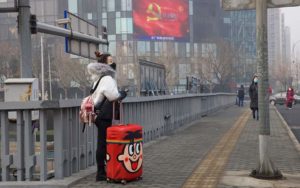
Ενώ τα εμπορικά καταστήματα στην Ευρώπη και στις ΗΠΑ κατεβάζουν ρολά, στην Κίνα η αισθητή μείωση των νέων κρουσμάτων μόλυνσης από τον κορωνοϊό ενθάρρυνε τους καταναλωτές να τολμήσουν να κάνουν εξορμήσεις στα εμπορικά κέντρα και στα εστιατόρια. Παρότι είναι επιφυλακτικοί στις εξόδους τους, κάποιες φορές παρατηρείται κοσμοσυρροή. Σε αυτή την επιστροφή των καταναλωτών έχει άλλωστε συμβάλει και η χαλάρωση των μέτρων καραντίνας καθώς και άλλων περιορισμών σε επιχειρηματικό και κοινωνικό επίπεδο. Οσα εστιατόρια ικανοποίησαν τις Αρχές λαμβάνοντας μέτρα που στόχο είχαν να περιορίσουν τους κινδύνους μετάδοσης του ιού, τώρα έχουν τη δυνατότητα να εξυπηρετήσουν κάποιες ομάδες πελατών. Επίσης, τα περισσότερα μαγαζιά έχουν ανοίξει, παρόλο που μεγάλα brands όπως τα ΙΚΕΑ και η Apple, θέτουν περιορισμούς όσον αφορά τον αριθμό των πελατών που μπορούν να εισέλθουν στα καταστήματα. Αφού έμεινε έγκλειστη στο σπίτι της για πολλές εβδομάδες, η 21χρονη φοιτήτρια Τσεν Τσάι, που βρίσκεται στη Σαγκάη, λέει ότι ήταν σαν να ανέπνευσε ξανά, όταν βγήκε το Σάββατο από το σπίτι της για να αγοράσει καφέ και κέικ. «Υπήρχε αρκετός κόσμος στο κέντρο της πόλης. Ηταν μια τελείως διαφορετική κατάσταση από αυτήν που επικρατούσε στα τέλη Φεβρουαρίου. Υπήρχαν ακόμη και ουρές σε μαγαζιά που πωλούν ροφήματα τύπου bubble tea ή σε μαγαζιά που πουλούν μπισκότα», ανέφερε η ίδια.

Τουλάχιστον 80.000 άτομα έχουν νοσήσει στην Κίνα από τον κορωνοϊό, ενώ έχουν σημειωθεί 3.200 θάνατοι, υποχρεώνοντας εκατοντάδες εκατομμύρια ανθρώπους να μείνουν στο σπίτι τους από τα τέλη Ιανουαρίου. Την ίδια στιγμή, οι λιανικές πωλήσεις της δεύτερης μεγαλύτερης οικονομίας παγκοσμίως έχουν συρρικνωθεί κατά το ένα πέμπτο τους δύο πρώτους μήνες του 2020 σε σχέση με έναν χρόνο νωρίτερα. Ωστόσο, τα νέα επιβεβαιωμένα κρούσματα έχουν μειωθεί το τελευταίο διάστημα. Η επιστροφή των Κινέζων καταναλωτών στα καταστήματα θεωρείται απαραίτητη για την ανάκαμψη της εγχώριας οικονομίας καθώς και για τους εργαζομένους που απασχολούνται στους κλάδους της εστίασης και του λιανεμπορίου.

Επίσης, είναι σημαντική και για τις πολυεθνικές εταιρείες που ήδη βλέπουν τα κέρδη τους να συρρικνώνονται το πρώτο τρίμηνο του τρέχοντος έτους εξαιτίας της εξάπλωσης της πανδημίας στην Κίνα, αλλά και των μειωμένων πωλήσεων στις δυτικές χώρες. Μάλιστα, για ορισμένα δημοφιλή brands, η ανταπόκριση του κόσμου, ύστερα από το άνοιγμα των καταστημάτων, ήταν ενθαρρυντική. Εκατοντάδες καταναλωτές κατέκλυσαν τα καταστήματα της Apple στους δύο κεντρικούς εμπορικούς δρόμους της Σαγκάης το προηγούμενο Σαββατοκύριακο. Τα τοπικά μέσα ενημέρωσης αναφέρουν ότι τρία καταστήματα της ΙΚΕΑ στο Πεκίνο άνοιξαν στις 8 Μαρτίου, με αρκετό κόσμο να προσέρχεται στα καταστήματα. Επίσης, είχαν σχηματιστεί ουρές καθώς η εταιρεία εφαρμόζει κανόνες βάσει των οποίων θα πρέπει να μπαίνουν μέχρι 4 άτομα στο ασανσέρ. Αλλά και στα κεντρικά εστιατόρια που βρίσκονται στην πόλη Τσονγκτσίνγκ έχει συρρεύσει κόσμος από τότε που άνοιξαν τις πόρτες τους, με αρκετούς να περιμένουν έξι με οκτώ ώρες για να εξυπηρετηθούν. Ολα αυτά καταδεικνύουν ότι η διάθεση για να βγει ο κόσμος έξω και να ξοδέψει χρήματα είναι πολύ υψηλή. Την ίδια όμως ώρα, άδεια παραμένουν αρκετά καταστήματα καθώς και εστιατόρια που συνεχίζουν να είναι κλειστά. Ενδεικτικά, στο εμπορικό κέντρο Gemdale Plaza στο Πεκίνο, μόλις τρία από τα 10 εστιατόρια του τελευταίου ορόφου ήταν ανοικτά.

Καθώς όλο και περισσότεροι άνθρωποι επιστρέφουν στη δουλειά τους, αρκετοί ανησυχούν για την πιθανότητα εμφάνισης νέων κρουσμάτων. Αλλοι διστάζουν επίσης να ξοδεύουν πολλά χρήματα και αισθάνονται ανασφαλείς λόγω πιθανών περικοπών στους μισθούς, εξαιτίας της πορείας της οικονομίας.

“Καθημερινή”

Η Συλλογική Άμυνα στην Εποχή του Covid-19

0

Του Alessandro Marrone

ΝΑΤΟ, ΗΠΑ ΚΑΙ ΣΤΡΑΤΙΩΤΙΚΕΣ ΑΣΚΗΣΕΙΣ

https://www.affarinternazionali.it/2020/03/la-difesa-collettiva-ai-tempi-del-covid-19/

19 Μαρτίου 2020

[ΣΗΜ. Μ: Ο συντάκτης του άρθρου είναι υπεύθυνος του Προγράμματος Άμυνα του Think Tank “Affari Internazionali”. Εργάζεται στην επεξεργασία προγραμμάτων και δημοσιεύσεων συνδεόμενα με την Ευρωπαϊκή και Ατλαντική Ασφάλεια και την ιταλική αμυντική πολιτική. Διδάσκει στο Ανώτατο Ινστιτούτο του Γενικού Επιτελείου των Ενόπλων Δυνάμεων Ιταλίας]

Επιμέλεια-Μετάφραση

Ιωάννης Ε. Χρυσάφης, δημοσιογράφος

Οι πανδημίες όπως ο κορονοϊός, γνωστός και ως  Covid-19, θέτουν άμεσα σε κίνδυνο τόσο την προσωπική ασφάλεια των ατόμων όσο και τη συλλογική ασφάλεια της κοινωνίας . Όλα τα άλλα περνούν δικαιολογημένα σε δεύτερο πλάνο. Αλλά δεν φεύγουν από το προσκήνιο. Μάλλον αναστέλλονται, επιβραδύνονται, συρρικνώνονται ή προσαρμόζονται όσο το δυνατόν περισσότερο.

Αρκεί να αναφερθούμε στην καταπολέμηση της εγκληματικότητας, κάτι που ασφαλώς δεν έχει την ίδια διάσταση σήμερα στην Ιταλία σε σχέση με πριν από ένα μήνα, αλλά σε καμία περίπτωση δεν μπορεί να παραμεριστεί εντελώς. Ή ακόμη στη λειτουργία της αλυσίδας εφοδιασμού σε τρόφιμα και φαρμακευτικά προϊόντα, στον εφοδιασμό ενέργειας, στο τραπεζικό σύστημα, εν ολίγοις, σε όλες αυτές τις κρίσιμες υποδομές που μας επιτρέπουν να παραμένουμε στο σπίτι με ηλεκτρική ενέργεια και σύνδεση στο διαδίκτυο ή να βρούμε τρόφιμα και φάρμακα όταν βγαίνουμε για τα ψώνια μας.

Σε αυτή την περίοδο έκτακτων αλλαγών  στην καθημερινή ζωή και αβεβαιότητας αναφορικά με την πανδημία, όλα αυτά που συμβαίνουν στο παρασκήνιο αντιμετωπίζονται συχνά υπό το πρίσμα του Covid-19 και των ανησυχιών που προκαλεί, με επιπτώσεις συχνά στρεβλωτικές. Επιπλέον, ακριβώς επειδή δεν είναι στο προσκήνιο, αγνοούνται, απλοποιούνται και παραμορφώνονται οι διάφορες εκδοχές, τα αίτια και οι επιπτώσεις.

Smart Working, ΝΑΤΟ και στρατιωτικές ασκήσεις

Αυτή ακριβώς είναι η περίπτωση: Του πώς προσλαμβάνουμε τη συμμαχική στρατιωτική δραστηριότητα που εξελίσσεται τώρα στην Ευρώπη,  παρά τον Covid-19. Τα περίπου 5.000 στελέχη  του ΝΑΤΟ που σταθμεύουν από το 2015 στην Πολωνία και τις χώρες της Βαλτικής, μετά από αίτημα αυτών των χωρών, για να αποτρέψουν πιθανή ρωσική ενέργεια στο πρότυπο της  Κριμαίας του 2014, συνέχισαν τη δραστηριότητά τους [https://www.nato.int/cps/en/natohq/news_174407.htm]. Όπως άλλωστε τη συνέχισαν οι αεροπορικές δυνάμεις που είναι επιφορτισμένες με την προστασία του ευρωπαϊκού εναέριου χώρου ή οι ναυτικές που περιπολούν τις θάλασσες που γειτνιάζουν με την Ευρώπη, παρέχοντας εγγυήσεις για την ασφάλεια και την ελευθερία της ναυσιπλοΐας. Επιπρόσθετα, όμως, λαμβάνουν όλα τα πιθανά μέτρα για τη μείωση των προσωπικών επαφών και συνεπώς του κινδύνου μετάδοσης, ξεκινώντας από την εργασία από απόσταση για μέρος του προσωπικού του επιτελείου, της διοίκησης και των παραρτημάτων του ΝΑΤΟ.

Σε αυτό το πλαίσιο εντάσσεται η στρατιωτική άσκηση Defender Europe 20, υπό την ηγεσία των Ηνωμένων Πολιτειών με τη συμμετοχή τόσο των μεμονωμένων ευρωπαϊκών κρατών όσο και των δομών του ΝΑΤΟ. Η πρωτοβουλία χρησιμεύει για να δοκιμαστεί  και να αποδειχθεί η ικανότητα έγκαιρης άφιξης ενισχύσεων από τις ΗΠΑ στην Κεντρική και Ανατολική Ευρώπη σε περίπτωση ρωσικής επίθεσης. Συνεπώς, έχει απολύτως αμυντικό χαρακτήρα και περιορίζεται στο έδαφος των συμμαχικών χωρών. Ακριβώς για να δοκιμάσει έναν αξιόπιστο αμυντικό μηχανισμό έναντι των ρωσικών δυνάμεων που έχουν ήδη παραταχθεί στα σύνορα του ΝΑΤΟ, η άσκηση Defender Europe 20 προέβλεπε την ανάπτυξη τουλάχιστον 20.000 Αμερικανών στρατιωτών και την κινητοποίηση διαφόρων τομέων ικανών να αντιπαρατεθούν σε μια σύγκρουση υψηλής έντασης, που θα περιλαμβάνει και βαρά πολεμικά μέσα.

Η επιδημία μας καταλαμβάνει εξ απήνης και αλλάζει τις αντιλήψεις

Όπως όλες οι ασκήσεις αυτού του είδους, η Defender Europe 20 σχεδιάστηκε πολλούς μήνες νωρίτερα, όταν μια πανδημία όπως η Covid-19 ήταν αδιανόητη.

Το αδιανόητο όμως εκδηλώθηκε και κατέλαβε εξ απήνης την Ιταλία, την Ευρώπη και τη Δύση. Ήταν μια έκπληξη που προκάλεσε άμεσες αλλαγές στις αντιλήψεις και τις πολιτικές των κυβερνήσεων. Αρκεί να αναφερθούμε στη Γαλλία, η οποία την περασμένη Κυριακή κάλεσε 47 εκατομμύρια ψηφοφόρους να ψηφίσουν παρά τον κίνδυνο μετάδοσης και στη συνέχεια  και μόλις την επόμενη ημέρα επέβαλε δραστικούς περιορισμούς στις μετακινήσεις. Ή στο Ηνωμένο Βασίλειο, όπου καταγράφηκε μια ριζική μεταστροφή στην απόφαση για την ανοσία της αγέλης, η οποία, σύμφωνα με την ίδια την βρετανική υγειονομική υπηρεσία, θα είχε προκαλέσει από 80.000 έως 500.000 θανάτους.

Στο κλίμα των ξαφνικών αλλαγών στις συλλογικές αντιλήψεις, τοποθετούνται τόσο οι στρεβλωτικές ερμηνείες της άσκησης  Defender Europe 20 όσο και η προβληματική θέση των υπευθύνων της. Στο πρώτο μέτωπο, ανάμεσα στις πιο παράλογες αναγνώσεις της κατατάσσεται  η αμερικανική βούληση να φέρει δήθεν τον ιό στην Ευρώπη, η οποία συγκρούεται με την πραγματικότητα που βλέπει ήδη σε ευρωπαϊκό έδαφος αρκετά κρούσματα δέκα φορές περισσότερα από όσα στις Ηνωμένες Πολιτείες.

Μια απλούστερη και πιο προβληματική πραγματικότητα

Η πραγματικότητα είναι απλούστερη και πιο προβληματική. Απλούστερη, καθόσον δεν υπάρχει μυστική συνωμοσία ή εμβόλιο στην κατοχή των Ηνωμένων Πολιτειών, αλλά μόνο η υλοποίηση μιας δράσης που σχεδιάστηκε πολύ πριν και είναι σημαντική για τη συλλογική άμυνα της Ευρώπης. Και προβληματική, επειδή συμβαίνει κατά τη διάρκεια του κορονοϊού.

Έπρεπε να ανασταλεί η άσκηση Defender Europe 20; Ίσως. Εξαρτάται από την αξιολόγηση των κινδύνων. Από τη μια πλευρά, θα είχε μειωθεί ο κίνδυνος μετάδοσης μεταξύ του στρατιωτικού προσωπικού. Από την άλλη πλευρά, θα είχε σταλεί ένα μήνυμα αδυναμίας αναφορικά με την ικανότητα της Δύσης να αμυνθεί σε περιόδους κρίσης, αυξάνοντας τον κίνδυνο για τους ανατολικοευρωπαίους συμμάχους που φοβούνται τη Ρωσία πολύ περισσότερο από τον Covid-19. Στο σημείο αυτό οι αντιλήψεις, τόσο σε ατομικό επίπεδο όσο και στο επίπεδο της ηγετικής τάξης, έχουν το ειδικό τους βάρος και ποικίλλουν από χώρα σε χώρα και από μέρα σε μέρα. Άλλωστε, οι διοργανώσεις  Uefa και Europa League αναβλήθηκαν στις 13 Μαρτίου και μόλις στις 18 Μαρτίου αναβλήθηκε το EURO 2020.

Τελικά, η αμερικανική στρατιωτική ηγεσία έλαβε μια συμβιβαστική απόφαση.: Να αφαιρέσει τις μη ουσιαστικές δράσεις που συνδέονται με την άσκηση Defender Europe, όπως τις ελάσσονες ασκήσεις: Dynamic Front, Joint Warfighting Assessment, Saber Strike και Swift Response. Να μειώσει τον αριθμό του αμερικανικού προσωπικού [https://shape.nato.int/defender-europe/defender/newsroom/exercise-defendereurope-20-announcement-covid19-implications] που στάλθηκε στην Ευρώπη και επέστρεψε ήδη ένα μέρος από αυτό. Να αυξήσει τα μέτρα κατά της μετάδοσης του ιού όσο το δυνατόν περισσότερο. Αλλά να συνεχίσει οπωσδήποτε την άσκηση. Με δεδομένη την πανδημία, όλα τα άλλα περνούν σε δεύτερο πλάνο. Αλλά δεν θα ακυρωθεί. Και πρέπει να συνεχίσουμε να επικεντρωνόμαστε σε αυτή τη διαδικασία  για να μπορούμε να την κατανοήσουμε και να την διαχειριστούμε.

ΣΗΜΕΙΩΣΗ:

Η σύμπτωση της διεξαγωγής της άσκησης Defender Europe 2020 στον ευρωπαϊκό χώρο στην περίοδο έξαρσης της πανδημίας του COVID-19 , γέννησε πολλά ερωτηματικά και αναθέρμανε το κλίμα συνωμοσιολογίας που αναφύεται σε αυτές τις περιπτώσεις. Η φιλολογία αναφορικά με το ποιος «εφηύρε» τον επικίνδυνο ιό, ποιος και γιατί τον διέδωσε, ποιοι έχουν συμφέροντα και κέρδη καλά κρατεί από τα άκρα της Άπω Ανατολής, με την Κίνα στο επίκεντρο, μέχρι τον ευρωπαϊκό χώρο και τις ΗΠΑ από την άλλη άκρη του Ατλαντικού. Τα πράγματα πήραν και πολεμική χροιά όταν αμερικανικά άρματα μάχης και μάχιμες επίλεκτες μονάδες των ΗΠΑ θεάθηκαν να κινούνται σε χώρες της Ευρώπης χωρίς κάποια δημοσιοποιημένη προειδοποίηση. Το παραπάνω άρθρο με την υπογραφή έγκυρου στρατιωτικού αναλυτή υπό τη σκέπη ενός επίσης έγκυρου Think Tank, στέκεται στην ουσία του θέματος, εστιάζοντας στη σκοπιμότητα της ύπαρξης και της διεξαγωγής τέτοιων ασκήσεων ακόμη και σε περιόδους πλανητικών κρίσεων, μη στρατιωτικής υφής.

Ιωάννης Ε. Χρυσάφης, Δημοσιογράφος

[email protected]

Η πρόσφατη αναζωπύρωση της κρίσης στο Ιράκ: Τι συμβαίνει;

0
Πέμπτη 19 Μαρτίου 2020, 00:03
Όλος ο κόσμος ασχολείται με την αντιμετώπιση του κορωνοϊού. Στην Μέση Ανατολή, ωστόσο, η κατάσταση δεν δείχνει να ηρεμεί. Οι συγκρούσεις μεταξύ των διαφόρων αντίπαλων παρατάξεων συνεχίζονται. Στην Λιβύη, την Υεμένη και την Συρία ο πόλεμος δεν έχει σταματήσει. Τις τελευταίες ημέρες παρατηρείται μάλιστα μια νέα φάση συγκρούσεων μεταξύ των αμερικανικών δυνάμεων και μέρους της σιιτικής πολιτοφυλακής στο Ιράκ.

Η σύγκρουση αυτή θυμίζει ανάλογες συγκρούσεις που είχαν προηγηθεί, αλλά και που ακολούθησαν την δολοφονία του Qassem Soleimani, στις αρχές του 2020, η οποία, όπως ο αναγνώστης θυμάται, παραλίγο να οδηγήσει σε έναν ιρανο-αμερικανικό πόλεμο.

Τι συμβαίνει τώρα;

Την περασμένη Τετάρτη (11/3) πραγματοποιήθηκε πυραυλική επίθεση στην στρατιωτική βάση Taji, η οποία βρίσκεται βορείως της Βαγδάτης. Κατά την επίθεση 15 – 30 ρουκέτες Katyusha έπληξαν το τμήμα της στρατιωτικής βάσης που φιλοξενεί Αμερικανούς, κυρίως, στρατιώτες σκοτώνοντας δύο Αμερικανούς και έναν Βρετανό, ενώ άφησαν πίσω τους και πολλούς τραυματίες. Παρά το γεγονός ότι καμία οργάνωση δεν ανέλαβε την ευθύνη, η επίθεση φαίνεται να έγινε από κάποια σιιτική παραστρατιωτική οργάνωση – μέλος της σιιτικής πολιτοφυλακής (Popular Mobilization Forces), κατά πάσα πιθανότητα από την οργάνωση Kata’ib Hezbollah, δηλαδή την Hezbollah του Ιράκ.

Μετά την δολοφονία του Soleimani και του Abu Mahdi al-Muhandis (ηγέτη της Kata’ib Hezbollah) στις 3 Ιανουαρίου του 2020, το μεγαλύτερο μέρος των σιιτικών οργανώσεων, πολιτικών κομμάτων και παραστρατιωτικών μονάδων μάχονται, με την υποστήριξη του Ιράν, κατά της παραμονής των αμερικανικών δυνάμεων στο Ιράκ. Όμως οι Σιίτες αποφεύγουν προς ώρας την άμεση σύγκρουση με τους Αμερικανούς και απλώς πραγματοποιούν πυραυλικές επιθέσεις κατά αμερικανικών θέσεων.

Ως απάντηση στην επίθεση αυτή, την Πέμπτη (12/3), 26 μαχητές της σιτικής πολιτοφυλακής σκοτώθηκαν μετά από βομβαρδισμούς που έγιναν στα ανατολικά της συριακής Επαρχίας Deir ez-Zor, κοντά στα σύνορα με το Ιράκ. Οι ΗΠΑ δεν ανέλαβαν επίσημα την ευθύνη της αεροπορικής αυτής επίθεσης, είναι ωστόσο ξεκάθαρο ότι οι βομβαρδισμοί έγιναν από αεροπλάνα του συνασπισμού (CJTF–OIR) ο οποίος βρίσκεται υπό αμερικανική διοίκηση, ενώ υπάρχει μια πολύ μικρή πιθανότητα οι επιθέσεις να έγιναν από την ισραηλινή Πολεμική Αεροπορία. Την ίδια ημέρα οι Αμερικανοί βομβάρδισαν 5 στρατιωτικές εγκαταστάσεις της Kata’ib Hezbollah στο κεντρικό Ιράκ.

Ούτε αυτές οι επιθέσεις έμειναν αναπάντητες: το περασμένο Σάββατο (14/3), η ίδια βάση Taji έγινε ξανά στόχος πυραυλικών επιθέσεων. Σύμφωνα με αμερικανικές πηγές, τουλάχιστον 24 πύραυλοι χτύπησαν τις στρατιωτικές εγκαταστάσεις στην Taji, με αποτέλεσμα να τραυματιστούν Δυτικοί και Ιρακινοί στρατιώτες, ενώ ένας άγνωστος αριθμός πυραύλων αναχαιτίστηκε από την αεράμυνα της βάσης.

Τα ανωτέρω γεγονότα κλιμακώνουν την ένταση στο Ιράκ. Είναι τραγικό ότι στην χώρα δεν υπάρχει ουσιαστικά κυβέρνηση μετά την παραίτηση του Πρωθυπουργό τον περασμένο Νοέμβριο. Παρ’ όλα αυτά οι αντικυβερνητικές διαδηλώσεις συνεχίζονται λόγω της γενικότερης καχεξίας της χώρας και των ανεπίλυτων προβλημάτων της, την ώρα που υπάρχει ο κίνδυνος της περαιτέρω εξάπλωσης του κορωνοϊού. Ανησυχητική είναι, επίσης, και η παρουσία του Ισλαμικού Κράτους σε πολλές περιοχές στα βόρεια και ανατολικά του κράτους. Η Τουρκία, από την άλλη πλευρά, συνεχίζει τις στρατιωτικές επιχειρήσεις και τους αεροπορικούς βομβαρδισμός κατά των Κούρδων μαχητών του PKK στον Βορρά, δηλαδή εντός του Ιρακινού Κουρδιστάν.

Σαν να μην έφταναν αυτές οι συγκρούσεις και τα λοιπά κοινωνικά και πολιτικά προβλήματα, πάνω από το Ιράκ πλανάται ο εξαιρετικά επικίνδυνος σκιώδης πόλεμος που λαμβάνει χώρα στο Ιράκ μεταξύ των ΗΠΑ και του Ιράν. Οι φιλοϊρανικές σιιτικές οργανώσεις, αλλά ακόμα και οι Σιίτες που αντιτίθενται στην ιρανική παρουσία στο Ιράκ, ζητούν την άμεση αποχώρηση των ΗΠΑ από το κράτος αυτό της Μεσοποταμίας. Οι ΗΠΑ από την άλλη πλευρά, παρά το γεγονός ότι επιθυμούν την σταδιακή αποχώρησή τους από την Μέση Ανατολή, δεν είναι διατεθειμένες να αποχωρήσουν από το Ιράκ, καθώς η παρουσία τους εκεί εξυπηρετεί τα αμερικανικά συμφέροντα.

Καταρχήν, η παρουσία των ΗΠΑ αποτρέπει την μετατροπή του Ιράκ σε ένα de facto ιρανικό «προτεκτοράτο». Με την στρατιωτική τους παρουσία οι Αμερικανοί προσπαθούν να αποτρέψουν την δημιουργία ενός «σιιτικού τόξου» (Ιράκ – Συρία – Λίβανος) το οποίο θα σήμαινε την έξοδο του Ιράν στη Μεσόγειο Θάλασσα. Η αμερικανική παρουσία στο Ιράκ αποτελεί έτσι και δικλείδα ασφαλείας για τους στενούς συμμάχους των ΗΠΑ που απειλούνται από το αναθεωρητικό Ιράν, δηλαδή το Ισραήλ και την Σαουδική Αραβία. Επιπλέον, οι ΗΠΑ υποστηρίζουν ότι η παρουσία τους στο Ιράκ εμποδίζει την επανεμφάνιση του Ισλαμικού Κράτους. Τέλος, η αμερικανική στρατιωτική παρουσία εκεί δίνει την δυνατότητα στους Αμερικανούς να έχουν στρατιωτική παρουσία και στην Συρία. Τα στρατεύματα που βρίσκονται στην βορειοανατολική Συρία, εισήλθαν στην χώρα μέσω του Ιράκ και ο ανεφοδιασμός τους γίνεται από τις εκεί αμερικανικές βάσεις.

Επομένως, το Ιράκ είναι εξαιρετικά σημαντικό για την εξυπηρέτηση των αμερικανικών συμφερόντων στη Μέση Ανατολή και κυρίως για την αποτροπή της ηγεμονίας του Ιράν στην περιοχή. Το τίμημα για την αναχαίτιση του Ιράν, ωστόσο, σημαίνει και σύγκρουση με τους Σιίτες του Ιράκ (φιλοϊρανούς και μη). Το συμπέρασμα λοιπόν είναι ότι οι συνεχιζόμενες εντάσεις μπορεί να οδηγήσουν σε έναν πόλεμο φθοράς και να ξανά ζήσουμε την μακρά περίοδο ανταρτοπολέμου (2003 – 2009), που όλοι θυμόμαστε ότι ήταν συνδεδεμένη με την επιστροφή φερέτρων από το Ιράκ η οποία οδήγησε και στην ταπεινωτική κατά πολλούς αποχώρηση των ΗΠΑ από το Ιράκ.

liberal.gr