 theatlantic.com
The U.S. may end up with the worst COVID-19 outbreak in the industrialized world. This is how it’s going to play out.
Three months ago, no one knew that SARS-CoV-2 existed. Now the virus has spread to almost every country, infecting at least 446,000 people whom we know about, and many more whom we do not. It has crashed economies and broken health-care systems, filled hospitals and emptied public spaces. It has separated people from their workplaces and their friends. It has disrupted modern society on a scale that most living people have never witnessed. Soon, most everyone in the United States will know someone who has been infected. Like World War II or the 9/11 attacks, this pandemic has already imprinted itself upon the nation’s psyche.
A global pandemic of this scale was inevitable. In recent years, hundreds of health experts have written books, white papers, and op-eds warning of the possibility. Bill Gates has been telling anyone who would listen, including the 18 million viewers of his TED Talk. In 2018, I wrote a story for The Atlantic arguing that America was not ready for the pandemic that would eventually come. In October, the Johns Hopkins Center for Health Security war-gamed what might happen if a new coronavirus swept the globe. And then one did. Hypotheticals became reality. “What if?” became “Now what?”
“No matter what, a virus [like SARS-CoV-2] was going to test the resilience of even the most well-equipped health systems,” says Nahid Bhadelia, an infectious-diseases physician at the Boston University School of Medicine. More transmissible and fatal than seasonal influenza, the new coronavirus is also stealthier, spreading from one host to another for several days before triggering obvious symptoms. To contain such a pathogen, nations must develop a test and use it to identify infected people, isolate them, and trace those they’ve had contact with. That is what South Korea, Singapore, and Hong Kong did to tremendous effect. It is what the United States did not.
The testing fiasco was the original sin of America’s pandemic failure, the single flaw that undermined every other countermeasure. If the country could have accurately tracked the spread of the virus, hospitals could have executed their pandemic plans, girding themselves by allocating treatment rooms, ordering extra supplies, tagging in personnel, or assigning specific facilities to deal with COVID-19 cases. None of that happened. Instead, a health-care system that already runs close to full capacity, and that was already challenged by a severe flu season, was suddenly faced with a virus that had been left to spread, untracked, through communities around the country. Overstretched hospitals became overwhelmed. Basic protective equipment, such as masks, gowns, and gloves, began to run out. Beds will soon follow, as will the ventilators that provide oxygen to patients whose lungs are besieged by the virus.
Rudderless, blindsided, lethargic, and uncoordinated, America has mishandled the COVID-19 crisis to a substantially worse degree than what every health expert I’ve spoken with had feared. “Much worse,” said Ron Klain, who coordinated the U.S. response to the West African Ebola outbreak in 2014. “Beyond any expectations we had,” said Lauren Sauer, who works on disaster preparedness at Johns Hopkins Medicine. “As an American, I’m horrified,” said Seth Berkley, who heads Gavi, the Vaccine Alliance. “The U.S. may end up with the worst outbreak in the industrialized world.”
I. The Next Months
Having fallen behind, it will be difficult—but not impossible—for the United States to catch up. To an extent, the near-term future is set because COVID-19 is a slow and long illness. People who were infected several days ago will only start showing symptoms now, even if they isolated themselves in the meantime. Some of those people will enter intensive-care units in early April. As of last weekend, the nation had 17,000 confirmed cases, but the actual number was probably somewhere between 60,000 and 245,000. Numbers are now starting to rise exponentially: As of Wednesday morning, the official case count was 54,000, and the actual case count is unknown. Health-care workers are already seeing worrying signs: dwindling equipment, growing numbers of patients, and doctors and nurses who are themselves becoming infected.
Italy and Spain offer grim warnings about the future. Hospitals are out of room, supplies, and staff. Unable to treat or save everyone, doctors have been forced into the unthinkable: rationing care to patients who are most likely to survive, while letting others die. The U.S. has fewer hospital beds per capita than Italy. A study released by a team at Imperial College London concluded that if the pandemic is left unchecked, those beds will all be full by late April. By the end of June, for every available critical-care bed, there will be roughly 15 COVID-19 patients in need of one. By the end of the summer, the pandemic will have directly killed 2.2 million Americans, notwithstanding those who will indirectly die as hospitals are unable to care for the usual slew of heart attacks, strokes, and car accidents. This is the worst-case scenario. To avert it, four things need to happen—and quickly.
Some manufacturers are already rising to the challenge, but their efforts are piecemeal and unevenly distributed. “One day, we’ll wake up to a story of doctors in City X who are operating with bandanas, and a closet in City Y with masks piled into it,” says Ali Khan, the dean of public health at the University of Nebraska Medical Center. A “massive logistics and supply-chain operation [is] now needed across the country,” says Thomas Inglesby of Johns Hopkins Bloomberg School of Public Health. That can’t be managed by small and inexperienced teams scattered throughout the White House. The solution, he says, is to tag in the Defense Logistics Agency—a 26,000-person group that prepares the U.S. military for overseas operations and that has assisted in past public-health crises, including the 2014 Ebola outbreak.
On March 6, Trump said that “anyone who wants a test can get a test.” That was (and still is) untrue, and his own officials were quick to correct him. Regardless, anxious people still flooded into hospitals, seeking tests that did not exist. “People wanted to be tested even if they weren’t symptomatic, or if they sat next to someone with a cough,” says Saskia Popescu of George Mason University, who works to prepare hospitals for pandemics. Others just had colds, but doctors still had to use masks to examine them, burning through their already dwindling supplies. “It really stressed the health-care system,” Popescu says. Even now, as capacity expands, tests must be used carefully. The first priority, says Marc Lipsitch of Harvard, is to test health-care workers and hospitalized patients, allowing hospitals to quell any ongoing fires. Only later, once the immediate crisis is slowing, should tests be deployed in a more widespread way. “This isn’t just going to be: Let’s get the tests out there!” Inglesby says.
In these moments, when the good of all hinges on the sacrifices of many, clear coordination matters—the fourth urgent need. The importance of social distancing must be impressed upon a public who must also be reassured and informed. Instead, Trump has repeatedly played down the problem, telling America that “we have it very well under control” when we do not, and that cases were “going to be down to close to zero” when they were rising. In some cases, as with his claims about ubiquitous testing, his misleading gaffes have deepened the crisis. He has even touted unproven medications.
A recent analysis from the University of Pennsylvania estimated that even if social-distancing measures can reduce infection rates by 95 percent, 960,000 Americans will still need intensive care. There are only about 180,000 ventilators in the U.S. and, more pertinently, only enough respiratory therapists and critical-care staff to safely look after 100,000 ventilated patients. Abandoning social distancing would be foolish. Abandoning it now, when tests and protective equipment are still scarce, would be catastrophic.
II. The Endgame
Even a perfect response won’t end the pandemic. As long as the virus persists somewhere, there’s a chance that one infected traveler will reignite fresh sparks in countries that have already extinguished their fires. This is already happening in China, Singapore, and other Asian countries that briefly seemed to have the virus under control. Under these conditions, there are three possible endgames: one that’s very unlikely, one that’s very dangerous, and one that’s very long.
The first is that every nation manages to simultaneously bring the virus to heel, as with the original SARS in 2003. Given how widespread the coronavirus pandemic is, and how badly many countries are faring, the odds of worldwide synchronous control seem vanishingly small.
The second is that the virus does what past flu pandemics have done: It burns through the world and leaves behind enough immune survivors that it eventually struggles to find viable hosts. This “herd immunity” scenario would be quick, and thus tempting. But it would also come at a terrible cost: SARS-CoV-2 is more transmissible and fatal than the flu, and it would likely leave behind many millions of corpses and a trail of devastated health systems. The United Kingdom initially seemed to consider this herd-immunity strategy, before backtracking when models revealed the dire consequences. The U.S. now seems to be considering it too.
But it’s also the fastest step among many subsequent slow ones. The initial trial will simply tell researchers if the vaccine seems safe, and if it can actually mobilize the immune system. Researchers will then need to check that it actually prevents infection from SARS-CoV-2. They’ll need to do animal tests and large-scale trials to ensure that the vaccine doesn’t cause severe side effects. They’ll need to work out what dose is required, how many shots people need, if the vaccine works in elderly people, and if it requires other chemicals to boost its effectiveness.
III. The Aftermath
The cost of reaching that point, with as few deaths as possible, will be enormous. As my colleague Annie Lowrey wrote, the economy is experiencing a shock “more sudden and severe than anyone alive has ever experienced.” About one in five people in the United States have lost working hours or jobs. Hotels are empty. Airlines are grounding flights. Restaurants and other small businesses are closing. Inequalities will widen: People with low incomes will be hardest-hit by social-distancing measures, and most likely to have the chronic health conditions that increase their risk of severe infections. Diseases have destabilized cities and societies many times over, “but it hasn’t happened in this country in a very long time, or to quite the extent that we’re seeing now,” says Elena Conis, a historian of medicine at UC Berkeley. “We’re far more urban and metropolitan. We have more people traveling great distances and living far from family and work.”
After infections begin ebbing, a secondary pandemic of mental-health problems will follow. At a moment of profound dread and uncertainty, people are being cut off from soothing human contact. Hugs, handshakes, and other social rituals are now tinged with danger. People with anxiety or obsessive-compulsive disorder are struggling. Elderly people, who are already excluded from much of public life, are being asked to distance themselves even further, deepening their loneliness. Asian people are suffering racist insults, fueled by a president who insists on labeling the new coronavirus the “Chinese virus.” Incidents of domestic violence and child abuse are likely to spike as people are forced to stay in unsafe homes. Children, whose bodies are mostly spared by the virus, may endure mental trauma that stays with them into adulthood.
Years of isolationist rhetoric had consequences too. Citizens who saw China as a distant, different place, where bats are edible and authoritarianism is acceptable, failed to consider that they would be next or that they wouldn’t be ready. (China’s response to this crisis had its own problems, but that’s for another time.) “People believed the rhetoric that containment would work,” says Wendy Parmet, who studies law and public health at Northeastern University. “We keep them out, and we’ll be okay. When you have a body politic that buys into these ideas of isolationism and ethnonationalism, you’re especially vulnerable when a pandemic hits.”
The lessons that America draws from this experience are hard to predict, especially at a time when online algorithms and partisan broadcasters only serve news that aligns with their audience’s preconceptions. Such dynamics will be pivotal in the coming months, says Ilan Goldenberg, a foreign-policy expert at the Center for a New American Security. “The transitions after World War II or 9/11 were not about a bunch of new ideas,” he says. “The ideas are out there, but the debates will be more acute over the next few months because of the fluidity of the moment and willingness of the American public to accept big, massive changes.”
In 2030, SARS-CoV-3 emerges from nowhere, and is brought to heel within a month.








 .


 του Δημήτρη Μακροδημόπουλου

 χρέους τις πιο ευάλωτες οικονομίες των χωρών μελών της ευρωζώνης. Και πράγματι, μόνον με την αναμονή μιας τέτοιας αύξησης των δημοσίων ελλειμμάτων, τα μακροπρόθεσμα επιτόκια του δημόσιο χρέος της Ιταλίας πήγαν από το 1% σε σχεδόν 3%, ενώ στην Ελλάδα από το 1% σε σχεδόν 5%.
 Για παράδειγμα, η Ομοσπονδιακή Τράπεζα των ΗΠΑ (Fed) και η Τράπεζα της Αγγλίας θεώρησαν ότι ενέργησαν δυναμικά, με τη μείωση κατά 0,5 ή 1 πόντο του επιτοκίου. Οι αγορές αντέδρασαν θετικά καταρχάς αλλά και πάλι υπέστησαν καθίζηση. Η ΕΚΤ, η οποία δεν διέθετε το ίδιο περιθώριο ελιγμών, με βασικό επιτόκιο ανα-χρηματοδότησης ήδη κοντά στο 0%, μείωσε κατά κάποιο τρόπο, το κόστος της ανα-χρηματοδότησης των τραπεζών, στις 12 Μαρτίου, επιδοτώντας τες για να μπορέσουν να διατηρήσουν το επίπεδο των πιστώσεών τους στην οικονομία. Οι ευρωπαϊκές αγορές δεν «χαλάρωσαν» σχεδόν καθόλου, αλλά αντίθετα, μόλις οι ανακοινώσεις έγιναν γνωστές, αυτές βυθίστηκαν και πάλι. Τα μηδενικά επιτόκια, τα οποία δεν κατάφεραν να τονώσουν τις επενδύσεις κατά την περίοδο της «αποθεραπείας» των οικονομιών μετά από την κρίση των subprimes, θα καταγράψουν δυστυχώς ακόμα πιο πενιχρά αποτελέσματα εν μέσω μιας επιδημίας η οποία θα παραλύσει τόσο την προσφορά των επιχειρήσεων όσο και τη ζήτηση των νοικοκυριών.
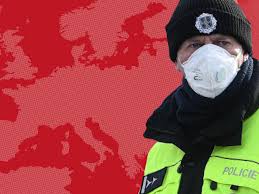 ευρωπαϊκές χώρες έχουν δεχθεί ότι η ΕΚΤ μπορεί να ρευστοποιεί ορισμένα δημόσια χρέη. Αλλά αυτό για πόσο καιρό; Τι θα συμβεί όταν οι αγορές συνειδητοποιήσουν την απότομη αύξηση του δημόσιου χρέους των χωρών που, αν δεν διαγραφούν σε ένα τελικό σχέδιο έκτακτης ανάγκης, θα οδηγήσουν την ευρωζώνη σε μια νέα κρίση χρέους; Παράλληλα, όσον αφορά τον συντονισμό των κεντρικών τραπεζών, αυτός παραμένει πολύ ανεπαρκής. Αυτό που παρουσιάστηκε ως «συντονισμένη δράση» την Κυριακή 15 Μαρτίου δεν ήταν τίποτα περισσότερο από μια συμφωνία ανταλλαγής μεταξύ της Fed και των ομολόγων της, έτσι ώστε οι τελευταίες να μπορούν να παρέχουν δολάρια εκτός από το νόμισμά τους που οι εμπορικές τους τράπεζες ενδέχεται να στερούνται. Και πάλι, τίποτα το νέο: χρησιμοποιήθηκε επίσης κατά τη διάρκεια της οικονομικής κρίσης 2007-2008, με κάποια αποτελεσματικότητα στην περίπτωση αυτή. Αλλά αυτό δεν είναι ικανό να ανατρέψει τις προσδοκίες της αγοράς.
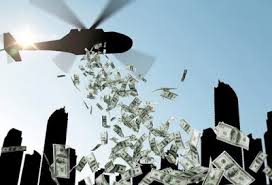 Συγκεκριμένα, ο μηχανισμός της προσφοράς «χρήματος ελικόπτερου» είναι περισσότερο από ποτέ μία από τις λύσεις στις οποίες θα μπορούν να στραφούν τα κράτη για να στηρίξουν ενεργά τις οικονομίες τους μπροστά σε αυτό το σοκ που απειλεί να τις αφανίσει. Η παροχή χρημάτων απευθείας στους καταναλωτές, χωρίς να γίνεται τραπεζική πίστωση, είναι η αρχή του «χρήματος ελικοπτέρου». Σύμφωνα με την περιγραφή του Milton Friedman το 1969 (“ας φανταστούμε ότι μια μέρα ένα ελικόπτερο πετά πάνω από μια κοινότητα και μοιράζει τραπεζογραμμάτια 1000 δολαρίων”), αυτό συνεπάγεται τη δημιουργία χρήματος από την κεντρική τράπεζα μιας χώρας και τη διανομή του απευθείας στους πολίτες. Η ιδέα αυτή, η οποία φαινόταν μακρινή πριν από μερικά χρόνια, συζητείται τώρα πολύ σοβαρά.
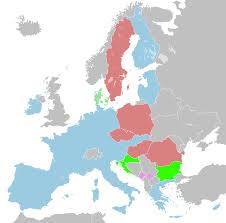 τράπεζας» που δεν θα επιβαρύνει τα δημόσια οικονομικά. Αν οι κεντρικές τράπεζες αρνούνται να το πράξουν, με τυφλό συντηρητισμό, θα πρέπει τουλάχιστον να εξετάσουν το ενδεχόμενο να διαθέσουν άμεσα το δικαίωμα τους δημιουργίας «νομίσματος κεντρικής τράπεζας» στα κράτη, έτσι ώστε η διαχείριση αυτής της άνευ προηγουμένου κρίσης να μην επιβαρύνει τα δημόσια οικονομικά. Στην περίπτωση αυτή, δεν πρόκειται για αγορά των χρεογράφων του δημοσίου, αλλά για την απευθείας μεταφορά «νομίσματος κεντρικής τράπεζας» χωρίς να περιμένουμε την εξόφληση, με την εγγραφή στο ενεργητικό της κεντρικής τράπεζας ενός είδους «διηνεκούς» δανείου για ένα ποσό και μια διάρκεια που θα καθορίζεται σε συνεννόηση με τα κράτη. Η μεταφορά «νομίσματος κεντρικής τράπεζας» σε επιχειρήσεις και σε νοικοκυριά θα μπορούσε να οδηγήσει στον ίδιο λογιστικό χειρισμό.
 Όλη η Ελλάδα μιλά για τον κ. Τσιόρδα και τον τρόπο που χειρίζεται την υπόθεση του κορονοϊού.
 President Trump is warning Americans to brace for a “rough two-week period.”

 ΑΡΙΣΤΟΜΕΝΗΣ ΒΑΡΟΥΔΑΚΗΣ*

