Αρχική Blog Σελίδα 2371

Κυπριακό: Γιατί όχι στη διχοτόμηση;

8

του Δημήτρη Μακροδημόπουλου.

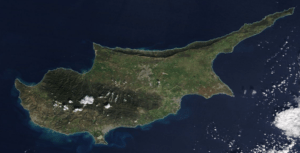
O Ταγίπ Ερντογάν στη φιέστα στα Βαρώσια επιβεβαίωσε όσα είχε προαναγγείλει με την εκλογή του στην προεδρία του τουρκοκυπριακού ψευδοκράτους ο Ερσίν Τατάρ. Δηλαδή ότι στις προθέσεις της Άγκυρας προτάσσεται ως λύση του κυπριακού η διχοτόμηση της νήσου με τη δημιουργία δύο διακριτών, ανεξάρτητων κρατών έναντι της διζωνικής δικοινοτικής ομοσπονδίας, προκαλώντας τη δυσφορία στην Αθήνα και στην Λευκωσία.

Όμως προς τί η εμμονή στη λύση της διζωνικής δικοινοτικής ομοσπονδίας;  Διότι, σήμερα  με τη de facto κατάσταση διχοτόμησης που επικρατεί στην Κύπρο, όλα είναι ξεκάθαρα: Μπορεί η Τουρκία να συμμετέχει ενεργά και να επηρεάζεται άμεσα από την κρίση στην Εγγύς Ανατολή, αυτό όμως ουδόλως επηρεάζει την Κυπριακή Δημοκρατία, ούτε κατ’ επέκταση επιβαρύνει την  Ελλάδα. Όμως, δεν είναι ολοφάνερο ότι η ενωμένη Κύπρος, λόγω της εξάρτησης των Τουρκοκυπρίων από την Άγκυρα, ιδιαίτερα τώρα με τον Ερσίν Τατάρ στην προεδρία, θα μεταβληθεί σε μέρος της κρίσης στην Εγγύς Ανατολή συμπαρασύροντας και την Ελλάδα; Η Κυπριακή Δημοκρατία είναι μέλος της ΕΕ σε αντίθεση με την Τουρκία, υπάρχει δηλαδή μια σαφής διαχωριστική γραμμή που δίνει τη δυνατότητα στη Λευκωσία να ανθίσταται στην Άγκυρα μέσω των Βρυξελλών, όπως συμβαίνει σήμερα με την κρίση της Ανατολικής Μεσογείου, ενώ μετά την ομοσπονδοποίηση της Κύπρου η Άγκυρα θα έχει τη δυνατότητα παρέμβασης σε όλα τα θέματα μέσω των Τουρκοκυπρίων.

Υπάρχουν όμως και βαθύτεροι λόγοι που υπερβαίνουν τις σκοπιμότητες των συμφερόντων και αμφισβητούν τη δυνατότητα των δύο λαών να συνυπάρξουν σε ενιαίο ομόσπονδο κράτος. Το Κυπριακό πρόβλημα, δημιουργήθηκε σε συνθήκες παγκόσμιας ισορροπίας, έστω του «τρόμου», με παγιωμένη την κατάσταση στην Εγγύς και τη Μ. Ανατολή και ενώ η συμβίωση διαφορετικών εθνοτήτων στα όρια ενός πολυεθνικού κράτους ήταν βιώσιμη. Σήμερα, επιχειρείται να επιλυθεί σε εντελώς διαφορετικές συνθήκες που είναι  πολύ δυσμενέστερες. Διότι σήμερα, σε συνθήκες όπου τα πολυεθνικά κράτη έχουν διαλυθεί και εθνότητες διεκδικούν την αυτοδιάθεσή τους (Σκωτία, Καταλονία, κ.α.), επιχειρείται, κόντρα στην πραγματικότητα, η συμβίωση δύο εθνοτήτων που δεν κατόρθωσαν να συνυπάρξουν όταν οι συνθήκες ήταν παγκόσμια ευνοϊκές γιαυτό.

Γιαυτό μία βιώσιμη λύση υπάρχει που να υπηρετεί τα εθνικά μας συμφέροντα: Να μετατραπεί η de facto σημερινή κατάσταση σε de jure με τη δημιουργία δύο ανεξάρτητων κρατών εκ των οποίων το ελληνοκυπριακό θα ενσωματωθεί στην Ελλάδα. Μόνο με αυτή τη λύση:

  1. Θα πάψει το Κυπριακό να υποδαυλίζει τις ελληνοτουρκικές σχέσεις.
  2. Θα οριοθετηθούν οριστικά τα ελλαδικά και τα τουρκικά συμφέροντα στην Κύπρο, χωρίς να νοούνται παρεμβάσεις τρίτων χωρών που αξιοποιούν τις ελληνοτουρκικές διαφορές ως εφαλτήριο των δικών τους συμφερόντων στην περιοχή.
  3. Δεν θα υπάρχει κανένα πρόσχημα για επέμβαση διότι θα αποκλείεται η αναθέρμανση των εντάσεων του παρελθόντος μεταξύ των δύο κοινοτήτων και καμία χώρα δεν θα έχει το καθεστώς της εγγυήτριας δύναμης.
  4. Η ασφάλεια της Κύπρου, ως έδαφος της ελληνικής επικράτειας, θα αποτελεί υποχρέωση της Ελλάδας. Μάλιστα, η χώρα μας θα ενισχυθεί στρατηγικά έναντι της Τουρκίας αφού θα την περικυκλώσει τρόπον τινά και θα διαθέτει δυνάμεις στο κυπριακό έδαφός.
  5. Θα επαυξήσει τη γεωστρατηγική αξία της Ελλάδας και επακόλουθα θα πολλαπλασιάσει την αξία της εντός της Ε.Ε., διότι θα επεκτείνει το ρόλο της στην ευρύτερη περιοχή της Ανατολικής Μεσογείου και της Εγγύς Ανατολής με τις οποίες θα γειτνιάζει άμεσα. Ας αξιολογήσουμε ότι σήμερα εμπλέκεται στα τεκταινόμενα στην Αν. Μεσόγειο μέσω της Κύπρου με τις τριμερείς συμφωνίες με Αίγυπτο, Ισραήλ κ.α..
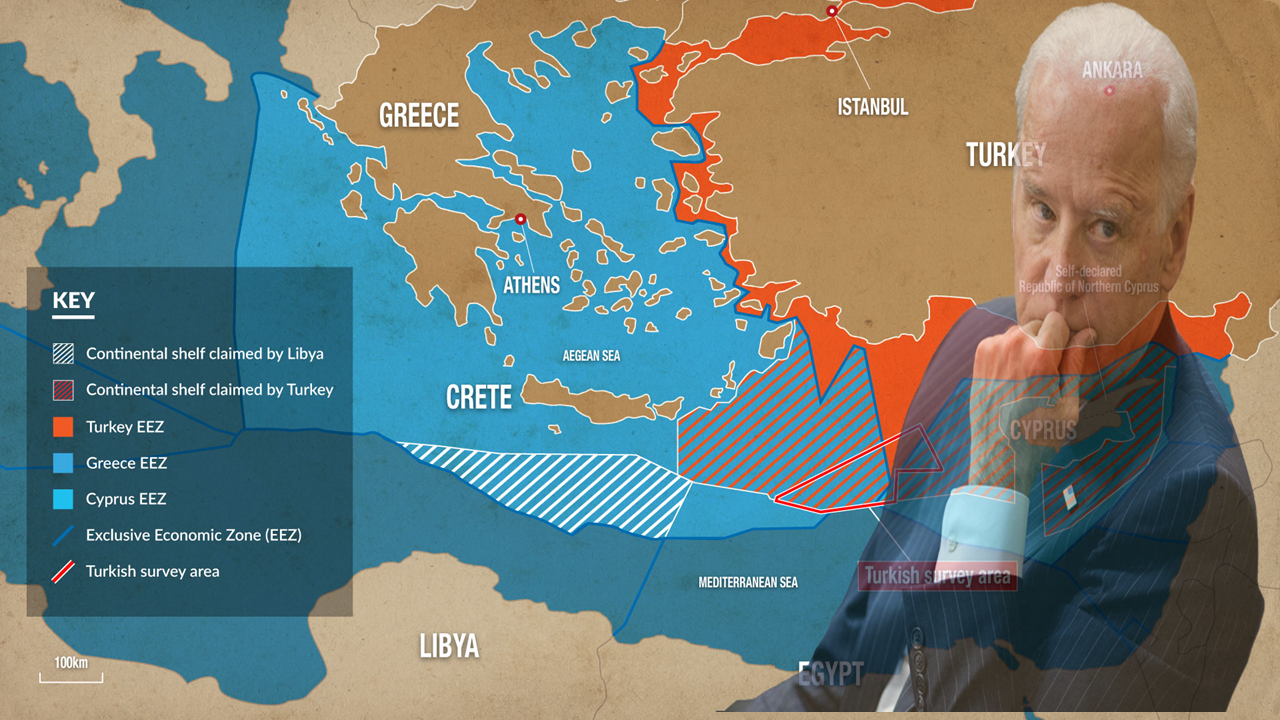
  6. Η ΑΟΖ, που αντιστοιχεί στο νότιο τμήμα της Κυπριακής Δημοκρατίας όπου κατοικούν οι ελληνοκύπριοι, είναι πολλαπλάσια αυτής που αντιστοιχεί στο τουρκοκυπριακό τμήμα, η οποία περιορίζεται μεταξύ Κύπρου και Τουρκίας, και δεν θα επιδέχεται αμφισβητήσεις
  7. Η διχοτόμηση της Κύπρου και η δημιουργία τουρκοκυπριακού κρατιδίου δεν αντιστρατεύεται τα τουρκικά συμφέροντα. Διότι το κρατίδιο θα είναι μέλος της Ε.Ε., ένα υποκατάστατο δηλαδή της Τουρκίας εντός της Ε.Ε., μεσάζων ανάμεσα σε ΕΕ και Τουρκία. Πρόκειται για ενδεχόμενο που ευνοεί και τις δύο πλευρές αφού τις απαλλάσσει από το πολιτικό κόστος των ενταξιακών διαπραγματεύσεων της Τουρκίας.

Αντίθετα, η επιδιωκόμενη λύση διζωνικής, δικοινοτικής ομοσπονδίας, που είναι η επίσημη γραμμή της ελλαδικής πλευράς, αποτελεί και αυτή μορφή διχοτόμησης, εμπεριέχεται στο ίδιο τον όρο της. Επιτρέπει όμως στην Τουρκία να κυριαρχήσει σε ολόκληρη τη νήσο, όπως προαναφέρθηκε. Αλλά υπάρχει και ακόμη ένας λόγος που προτάσσεται η λύση διζωνικής, δικοινοτικής ομοσπονδίας: Η οικονομική ελίτ της Κύπρου θέλγεται από τη διαχείριση των ευρωπαϊκών εισροών και ιδιαίτερα των συμβολαίων για την εκμετάλλευση των υδρογονανθράκων και με κανένα τρόπο δεν επιθυμεί να εκχωρήσει τα «προνόμια» αυτά στην Αθήνα κατά την ένωση με τη Ελλάδα που λογικά θα ακολουθήσει τη διχοτόμηση. Γιαυτό το σημερινό καθεστώς της «μη λύσης» ή της ομοσπονδοποίησης, εξυπηρετεί τα συμφέροντά της.


Μακροδημόπουλος  Δημήτρης

Αλεξ/πολη – κιν. 6947-771412

27-11-2020

Κοσμοπολιτισμός

0

Η Μαρία Μαγγιώρου Δρ Πολιτικών Επιστημών και Συγγραφέας αναλύει στην εκπομπή “Πολιτική Φιλοσοφία” της Διαδικτυακής Τηλεόρασης Ανιχνεύσεις web tv το τι είναι Κοσμοπολιτισμός και ποιες οι επιδράσεις του.

How would Blinken impact U.S.-Turkey relations as secretary of state?

0

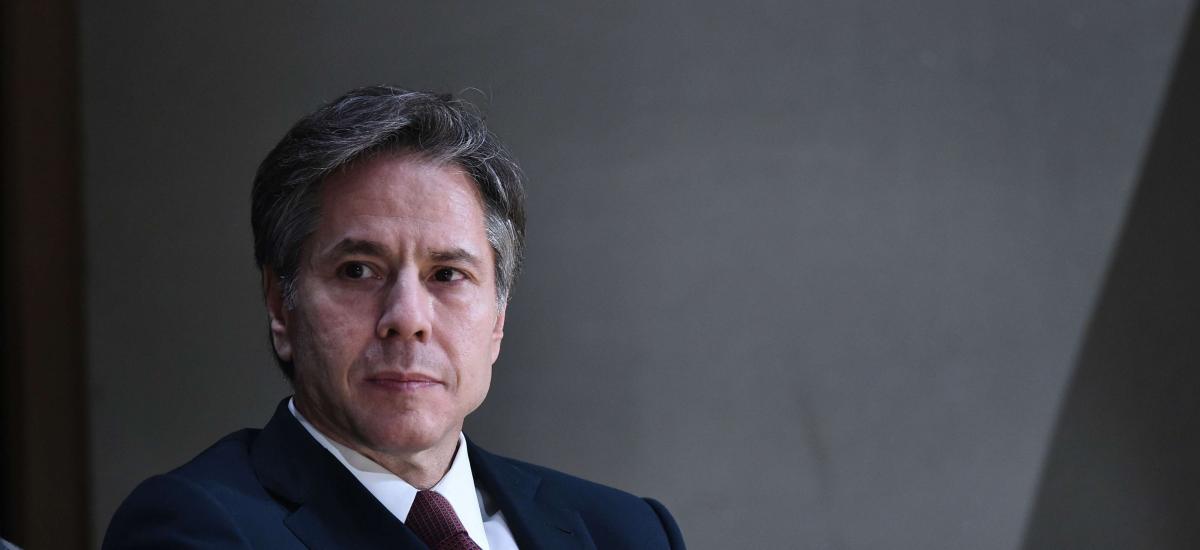
U.S. President elect Joe Biden is expected to nominate Antony Blinken as secretary of state. If nominated and confirmed, he would be a leading actor in the incoming administration’s bid to reframe U.S. relations with the rest of the world, including Turkey.

Turkey has been drifting away from its historical Western orbit in a bid to strengthen its position in the region, taking advantage of a political vacuum created by U.S. President Donald Trump’s “America First” foreign policy. Since Trump’s election in 2016, Turkey and the United States have also clashed politically over the former’s purchase of Russian S-400 missile systems, differences in policy over Syria, the eastern Mediterranean and the Middle East.

The United States has been supporting the Syrian Kurdish People’s Protection Units (YPG) in the fight against the Islamic State (ISIS) in the region. Turkey sees the YPG as an existential threat due to its links to the outlawed Kurdistan Workers’ Party (PKK), an armed group that has been at war in Turkey for over 30 years.

Blinken served as deputy secretary of state and deputy national security adviser during the Obama administration, when the United States first decided to support the YPG.

In a January 2017 editorial, Blinken argued that the United States should support Syrian Kurdish forces in their campaign to liberate the self-declared Islamic State (ISIS) capital Raqqa, while simultaneously helping Turkey establish a presence in al-Bab, a northern Syrian town near the Turkish border.

During an interview in July, he described U.S.-Turkish relations as a “very challenging place”.

“We obviously want to find a way to have a more productive and positive relationship with Turkey, but that requires the Turkish government itself to want the same thing,” he said in an interview with the Hudson Institute, a leading U.S. think tank.

“We obviously have some real issues and differences but we also have areas where it would make good sense for us to find ways to work more effectively together, Syria, for example, being one of them.”

Trump’s warm personal relationship with Turkish President Recep Tayyip Erdoğan have concealed a deterioration in diplomatic and political relations between two countries.

Trump ignored repeated bipartisan pressure from Congress to implement targeted sanctions against Turkey mandated by U.S. law, for its acquisition of the S-400s, which Washington says presents a security threat to its latest weaponry, including F-35 stealth fighter jets. Turkey was removed from the joint F-35 fighter jet programme last year.

Acting against recommendations by his own Defense and State Departments, Trump greenlit Turkey’s invasion of northeastern Syria in October last year after a phone call with Erdoğan. He also reportedly personally interfered to obstruct an ongoing Iran sanctions-busting case against Turkey’s state-owned Halkbank in U.S. courts.

Blinken, however, is perhaps the most traditionally pro-Turkish of Biden’s likely cabinet picks.

In a 2015 interview with Turkish daily Cumhuriyet, he said judging between Turkey and the YPG was “not even a matter of discussion” since Turkey is “an important U.S. ally”, despite his strong support for Syrian Kurdish forces, which have constituted the main local military force in the battle against ISIS.

Most of the nominees for cabinet-level posts have been critical of Erdoğan, supportive of Syria’s Kurds and opposed to Turkey’s Syria policy.

Michele Flournoy, one of the top contenders to be Biden’s Secretary of Defense, served as the U.S. Under Secretary of Defense for Policy between 2009 and 2012. She raised concerns about democracy in Turkey in discussions of the challenges posed by Turkey’s acquisition of the Russian S-400 missile system, and suggested that it be tied to security cooperation, in a 2019 House Foreign Affairs Committee hearing on NATO.

Former U.S. army officer and Senator Jack Reed, the ranking member of the Senate Armed Services Committee, has also been named as a potential nominee to lead the Defense Department. He is an outspoken Erdoğan critic who strongly criticised the Turkish invasion of Kurdish-dominated regions of northern Syria.

Reed has sponsored legislation calling for stronger U.S. action on human rights in Turkey throughout his legislative career, dating back to a 1996 bill that called on the United States to end all aid to Turkey until it “recognises the civil, cultural, and human rights of its Kurdish citizens, ceases its military operations against Kurdish civilians, and takes demonstrable steps toward a peaceful resolution of the Kurdish issue”.

Former military veteran and Senator Tammy Duckworth is another possible choice to lead the Defense Department. She sponsored legislation condemning Erdoğan’s crackdown on political dissent to Turkey’s incursion into northeast Syria, and broader human rights violations. She also supported sanctions on senior Turkish officials.

http://ahval.co/en-100736

Turkey-US relations under Anthony Blinken

0
Do you remember that British Prime Minister Boris Johnson once won the competition for writing the most offensive poem about President Recep Tayyip Erdoğan? Less than a year later, however, he found himself as a foreign secretary and came to express his eagerness to work with the Erdoğan administration.

In addition, Johnson, a partner in the thesis “Turks will invade Europe,” one of the most basic arguments of Brexit, declared during his first visit to Ankara as a minister that they would support Turkey’s efforts for European Union accession. It is more important to predict and analyze the actions of politicians without paying attention to their remarks.

I am of the opinion that we need to assess U.S. President-elect Joe Biden and Anthony Blinken, who is expected to be nominated as secretary of state, from a similar point of view. Biden’s declaration in an interview with The New York Times one year ago that he would support the opposition to overthrow Erdoğan in the election was not only a blunder in terms of admitting that he would interfere in Turkey’s elections, but also an arrogant attitude that no NATO member has adopted against the leader of an allied nation. We will all see Biden taking a much softer tone in his first meeting with Erdoğan, a president who, like himself, was elected through democratic means.

So, I would like to focus more on Blinken’s views on Turkey today. I think his adept perspective and diplomatic tone will determine the tone of future relations. On all occasions, Blinken highlights the importance of Turkey, which has the second-largest army in NATO. However, the main topics that strain the NATO alliance, such as the purchase of the Russian S-400 missiles and the exclusion of Turkey from the F-35 project in violation of international law, are still unresolved.

Also, we can predict that Turkey-U.S. relations on Syria will enter a very tense phase. Blinken, despite all objections by Turkey, advocated arming and supporting the YPG, the Syrian offshoot of the PKK terrorist group. He turned a deaf ear to the border security concerns of Ankara, the only NATO member that fights Daesh on the ground, and also objected to U.S. President Donald Trump’s decision to withdraw from Syria.

Another point of divergence in Turkey-U.S. relations will be Cyprus. As the struggle for energy exploration in the Eastern Mediterranean escalates, the importance attached to Cyprus is increasing. Under the Trump administration, the U.S. lifted its arms embargo on Southern Cyprus, making it clear that it was taking up a stance against Turkey.

However, after the 2004 referendum, the Greek Cyprus administration was made a member of the EU, despite its rejection of the olive branch extended by the Turkish Republic of Northern Cyprus (TRNC) for a federal solution. Then in 2017, at the Crans-Montana meetings, the negotiations remained inconclusive again, as the Greek Cypriots gave a maximalist ultimatum with zero concessions. However, despite this, Blinken opposes a two-state solution in Cyprus.

On the other hand, we know that Blinken has a more sensitive approach to the July 15 coup attempt of the Gülenist Terror Group (FETÖ) than Biden, who had said, “We couldn’t understand if it was an internet game, if it was serious, when it happened.” Blinken, who started his visit to Turkey by visiting the Parliament bombed by Gülenists, said, “People around the world need to know that this attack is a dagger in the heart of democracy in Turkey.”

Of course, feelings are not enough to change the fact that Fetullah Gülen, the mastermind of the deadly coup, has lived freely in Pennsylvania for 20 years and led FETÖ from there. In other words, the U.S. “aiding and abetting” Gülen will remain a problem in relations that could not be solved in the four to five years since the coup.

As you can see, a challenging four-year period is beginning in Turkey-U.S. relations. The U.S. will either accept the importance of Turkey as a NATO ally not just with words but by deeds and seek a happy medium accordingly. Or, Washington will continue to regard it as a country that it needs to “contain” and surround, like Russia, and push Turkey to further increase cooperation with Moscow, as in Syria and Azerbaijan.

https://www.dailysabah.com/opinion/columns/turkey-us-relations-under-anthony-blinken

Πενταρόφσκι στην DW: «Δεν αλλάζει στάση η Βουλγαρία»

1

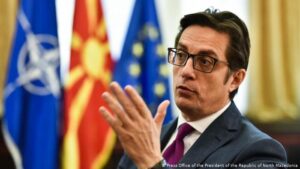
Ο πρόεδρος της Βόρειας Μακεδονίας Στέβο Πενταρόφσκι, μιλώντας στην DW, δηλώνει ότι δεν αναμένει έναρξη ενταξιακών διαπραγματεύσεων με την ΕΕ μέσα στο 2020, καθώς η Βουλγαρία φαίνεται να επιμένει στο βέτο.

Η κυβέρνηση των Σκοπίων ήλπιζε να αρχίσουν οι ενταξιακές διαπραγματεύσεις επί γερμανικής προεδρίας στο δεύτερο εξάμηνο του 2020. Ωστόσο προ ημερών, σε σχετική συζήτηση στο Συμβούλιο Υπουργών, η βουλγαρική κυβέρνηση μπλόκαρε την έναρξη διαπραγματεύσεων, επικαλούμενη ιστορικά ζητήματα. Μεταξύ άλλων η Σόφια ζητεί από τη γειτονική χώρα να ξαναγραφτούν τα σχολικά βιβλία της ιστορίας, ώστε να είναι σαφείς οι βουλγαρικές «ρίζες» της Βόρειας Μακεδονίας.

Διπλωμάτες από τις δύο χώρες καταβάλλουν προσπάθειες για να καταλήξουν σε συμβιβασμό πριν από την προσεχή σύνοδο κορυφής της ΕΕ στις 9 Δεκεμβρίου. Πάντως ο πρόεδρος της Βόρειας Μακεδονίας δεν φαίνεται αισιόδοξος. «Έχω ήδη επισημάνει, μετά τα μηνύματα που εκπέμπει η Σόφια τον τελευταίο μήνα, ότι οι πιθανότητες για εξεύρεση λύσης είναι ελάχιστες, αν και υπαρκτές βεβαίως», δηλώνει ο Στέβο Πενταρόφσκι στην Deutsche Welle. «Αυτό συμβαίνει γιατί προσπαθούν να βάλουν στο τραπέζι των διαπραγματεύσεων ζητήματα ταυτότητας, ζητήματα τα οποία ποτέ κανείς στον κόσμο δεν έχει διαπραγματευθεί, ούτε πρόκειται να διαπραγματευθεί…»

Οι βουλγαρικές απαιτήσεις

Καθυστερεί η έναρξη ενταξιακών διαπραγματεύσεων με τη Βόρεια ΜακεδονίαΚαθυστερεί η έναρξη ενταξιακών διαπραγματεύσεων με τη Βόρεια Μακεδονία

Η Σόφια απαιτεί επίσης από τη γειτονική χώρα να αναγνωριστούν οι «βουλγαρικές ρίζες» στη γλώσσα και στον πολιτισμό της, πριν συναινέσει στην έναρξη ενταξιακών διαπραγματεύσεων. Μιλώντας στους δημοσιογράφους στις 17 Νοεμβρίου η υπουργός Εξωτερικών της Βουλγαρίας Εκατερίνα Ζαχαρίεβα δήλωσε χαρακτηριστικά ότι «η Βουλγαρία δεν υποστηρίζει στην παρούσα φάση το πλαίσιο ένταξης με τη Δημοκρατία της Βόρειας Μακεδονίας και τη σύγκλιση της πρώτης διακυβερνητικής διάσκεψης (ΕΕ- Βόρειας Μακεδονίας). Το σχέδιο δεν λαμβάνει υπόψη τις βουλγαρικές θέσεις και δεν μπορεί να γίνει αποδεκτό».

Τον Αύγουστο του 2017 Βουλγαρία και Βόρεια Μακεδονία είχαν συνυπογράψει Συνθήκη Φιλίας, σε μία προσπάθεια να ξεπεράσουν τις ιστορικές διαφορές και τις αντιπαλότητες του παρελθόντος. Βούλγαροι αξιωματούχοι υποστηρίζουν τώρα ότι η Βόρεια Μακεδονία δεν σέβεται τη συμφωνία. Ο Στέβο Πενταρόφσκι διαφωνεί και επιρρίπτει ευθύνες στη βουλγαρική κυβέρνηση: «Όταν δεν προσεγγίζεις με καλή πίστη τη συμφωνία που υπογράφεις, μπορείς πάντοτε να βρεις λόγους για να μην την τηρήσεις, ενώ η πολυπλοκότητα της ενταξιακής διαδικασίας προσφέρει αρκετές ευκαιρίες για μη εποικοδομητική στάση», τονίζει ο πρόεδρος της Βόρειας Μακεδονίας. Άλλωστε η συμφωνία για την έναρξη ενταξιακών διαπραγματεύσεων προϋποθέτει ομοφωνία ανάμεσα στα 27 κράτη-μέλη.

Επιτροπή ιστορικών αναλαμβάνει καθήκοντα

Προ ημερών η υπουργός Εξωτερικών Εκατερίνα Ζαχαρίεβα ξεκαθάρισε ότι η Βουλγαρία εμμένει στις θέσεις τηςΠρο ημερών η υπουργός Εξωτερικών Εκατερίνα Ζαχαρίεβα ξεκαθάρισε ότι η Βουλγαρία εμμένει στις θέσεις της

Μία κοινή επιτροπή ιστορικών, με τη συμμετοχή γνωστών προσωπικοτήτων και από τις δύο χώρες, επιχειρεί να διευκρινίσει τα επίμαχα ιστορικά ζητήματα, αλλά μέχρι στιγμής δεν έχει καταφέρει να βρει κοινό έδαφος. Άλλες χώρες- μεταξύ αυτών και η Γερμανία διά στόματος του προέδρου Φρανκ Βάλτερ Σταϊνμάγερ- έχουν προτείνει να «υποβοηθήσουν» το έργο της επιτροπής ανεξάρτητοι εμπειρογνώμονες από τρίτες χώρες, κάτι που ωστόσο δεν αποδέχεται η Βουλγαρία. «Δυστυχώς έχει απορριφθεί ακόμη και η δική μας πρόταση να συμπεριλάβουμε στην επιτροπή ιστορικούς από μία τρίτη χώρα με περιορισμένες συμβουλευτικές αρμοδιότητες- παρότι είναι σαφές πως όταν έχεις ήδη δύο διαφορετικές ιστορικές προσεγγίσεις, μία τρίτη ανεξάρτητη προσέγγιση δεν μπορεί να τορπιλίσει τη διαδικασία», λέει ο Στέβο Πενταρόφσκι.

Με τη Συμφωνία των Πρεσπών το 2019 η γειτονική χώρα επιχείρησε να επιλύσει τις ιστορικές διαφορές της με την Ελλάδα. Σήμερα οι πιθανότητες για προσχώρηση στην ΕΕ φαίνεται να λιγοστεύουν και πάλι. Ο πρόεδρος της Βόρειας Μακεδονίας ανησυχεί ότι η έλλειψη ενταξιακής προοπτικής για τη χώρα του μπορεί να υποσκάψει τη μεταρρυθμιστική ατζέντα σε κρίσιμους τομείς. «Είμαι βέβαιος ότι χωρίς τον άμεσο έλεγχο της ΕΕ δεν θα καταφέρουμε να υλοποιήσουμε τις μεταρρυθμίσεις με την ταχύτητα που απαιτείται», λέει ο Στέβο Πενταρόφσκι στην DW. «Από αυτή την άποψη η παραμονή της Βόρειας Μακεδονίας εκτός της επίσημης ενταξιακής διαδικασίας θα αποτελέσει αρνητικό παράγοντα, τον οποίον πρέπει να λάβουμε υπόψη».

Μπόρις Γκεοργκιέφσκι, Σκόπια

Επιμέλεια: Γιάννης Παπαδημητρίου

DW

Τουρκική κατασκοπεία και ΜΚΟ σε Ουγγαρία και Βαλκάνια

0

Δρ Λάμπρος Γ. Καούλλας

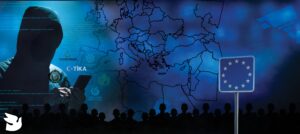
Νέες αποκαλύψεις για την επιρροή πολιτιστικών και ανθρωπιστικών ΜΚΟ της Τουρκίας σε ευρωπαϊκό έδαφος, παράλληλα με τη δράση του διπλωματικού σώματος και των μυστικών υπηρεσιών. Σφυρηλάτηση σχέσεων με μουσουλμανικά ιδρύματα της Ουγγαρίας και νέες πληροφορίες για την δράση τους στα Βαλκάνια.

Σχέσεις με τους μουσουλμάνους της Ουγγαρίας σφυρηλατεί η Τουρκία μέσα από την δράση ΜΚΟ και πολιτιστικών ιδρυμάτων ενώ νέες πληροφορίες έρχονται για την ύπαρξη κατασκοπευτικού δικτύου στα Σκόπια.

Τις πληροφορίες για την δραστηριότητα σε ευρωπαϊκό έδαφος κάνει σε μια σειρά από δημοσιεύματά του η ομάδα του «Nordic Monitor» υπό τον Τούρκο δημοσιογράφο Abdullah Bozkurt, ο οποίος ζει αυτοεξόριστος στη Σουηδία.

Ισλάμ στην Ουγγαρία

Σε δημοσίευμα του «Nordic Monitor» (19/11/2020) αναφέρεται πως τουρκικές υπηρεσίες και ΜΚΟ όπως το Ίδρυμα για Ανθρωπιστικής Βοήθειαςς (İHH), η Τουρκική Υπηρεσία Συνεργασίας & Συντονισμού (TİKA), η Προεδρία για τους Τούρκους του Εξωτερικού & Συναφών Κοινοτήτων (YTB), το πολιτιστικό ίδρυμα Yunus Emre Enstitüsü και το εκπαιδευτικό ίδρυμα Türkiye Maarif Vakfı, «είναι η ραχοκοκαλιά της κυβέρνησης του Προέδρου Recep Tayyip Erdoğan στην προώθηση της θρησκευτικής και εθνικιστικής προπαγάνδας στην περιοχή». Αυτές οι οργανώσεις σφυρηλατούν δεσμούς με τοπικές κοινότητες και οργανώσεις στην Ευρώπη.

Στην Ουγγαρία, η İHH έκανε συμφωνία για προώθηση κοινών προγραμμάτων με την Ουγγρική Ισλαμική Κοινότητα (Magyar Iszlám Közösséget – MIK). Ο Zoltán Bolek, επικεφαλής της MIK, επισκέφθηκε πρόσφατα τα κεντρικά γραφεία της İHH στην Κωνσταντινούπολη, σύμφωνα με δελτίο τύπου της τελευταίας. Ανάμεσα στα προγράμματα είναι η προώθηση της συνεργασίας στην Ουγγαρία και οι ανάγκες των Ούγγρων Μουσουλμάνων. Το 2018 είχε φιλοξενήσει τον Osman Atalay της İHH στη Βουδαπέστη.

ihh1.JPG

Η İHH είχε κατηγορηθεί επανειλημμένως για σχέσεις με τρομοκρατικές οργανώσεις. Το «Nordic Monitor» αναφέρει πως η İHH λειτουργεί ως η μακρά χειρ του AKP και καλλιεργεί σχέσεις με τρομοκρατικές οργανώσεις. Κατηγορήθηκε τον Ιανουάριο του 2014 πως «μετέφερε παράνομα όπλα σε τζιχαντιστές στη Συρία που σχετίζονται με την Al-Qaeda στα πλαίσια έρευνας κατά της τρομοκρατίας που διενήργησε εισγγελέας της επαρχίας Βαν της Τουρκίας. Η έρευνα για ένα τουρκικό πυρήνα της Al-Qaeda ανακάλυψε πως ο İbrahim Şen, ένα κορυφαίος πράκτορας της Al-Qaeda, κρατήθηκε στο Πακιστάν και φυλακίστηκε στο Guantanamo μέχρι το 2005 πριν να παραδοθεί στην Τουρκία, ο αδελφός του Abdurrahman Şen και άλλοι έστελναν όπλα, προμήθειες και χρήματα σε ομάδες της Al-Qaeda στη Συρία με τη βοήθεια της υπηρεσίας πληροφοριών της Τουρκίας».

Και η Ρωσία είχε κατηγορήσει την İHH για διοχέτευση οπλισμού σε τζιχαντιστές στη Συρία, σύμφωνα με το «Nordic Monitor» αλλά και παλαιότερα δημοσιεύματα του ρωσικού «RT». Έγγραφα που κατέθεσε στο Συμβούλιο Ασφαλείας του ΟΗΕ στις 10 Φεβρουαρίου του 2016 αναφέρουν πως οι ρωσικές υπηρεσίες «παρείχαν στοιχεία μέχρι και για τις πινακίδες των φορτηγών που έστειλε η İHH φορτωμένα με όπλα και προμήθειες για την σχετιζόμενες με την Al-Qaeda οργανώσεις συμπεριλαμβανομένης της Nusra». Σημειώνεται επίσης η σχέση του Berat Albayrak, γαμπρού του Προέδρου Erdoğan και πρώην Υπουργού Οικονομικών, με την χρήση της İHH για εξοπλισμό παραστρατιωτικών της Λιβύης από το 2011. Η İHH βρισκόταν επίσης πίσω από το πλοίο «Mavi Marmara» που προσπάθησε να σπάσει τον ισραηλινό αποκλεισμό της Λωρίδας της Γάζας τον Μάιο του 2010.

ihh2.JPG

Σε σχέση με την Ουγγαρία, έκθεση της Δρ. Zsuzsanna Vidra (“Counter-Islamophobia Kit”, Ιούλιος 2017) του στηριζόμενου από την ΕΕ Centre for Ethnicity & Racism Studies, αναφέρει πως στην χώρα «υπάρχουν δύο επίσημα αναγνωρισμένοι ισλαμικοί θρησκευτικοί οργανισμοί, και οι δύο σουνιτικοί: η Ουγγρική Ισλαμική Κοινότητα τα μέλη της οποίας είναι κυρίως αλλαξοπιστήσαντες Ούγγροι, και η Εκκλησία των Μουσουλμάνων της Ουγγαρίας που είναι κυρίως ξένοι Μουσουλμάνοι που έχουν γεννηθεί εκτός χώρας. Υπήρξε και μια τρίτη οργάνωση, η Ισλαμική Εκκλησία, που ήταν και η μεγαλύτερη, αλλά το επίσημό της στάτους ανεκλήθη το 2012. Η μουσουλμανική κοινότητα αντιπροσωπεύεται σε κυβερνητικό επίπεδο από το Ισλαμικό Συμβούλιο Ουγγαρίας. Στην Βουδαπέστη υπάρχει μόνο ένα τζαμί και μια χούφτα δωμάτια προσευχής και ο τελευταίος μιναρές κτίστηκε πριν 500 χρόνια».

Bolek_Atalay_Hungary-768x576.jpg

Σύμφωνα με τον Csaba Tóth της «The Budapest Beacon» (19/01/2015), ο Zoltán Bolek κατηγορήθηκε για απάτη και απόπειρα δωροδοκίας, κατηγορίες που ο ίδιος αντέκρουσε επικαλούμενος την αντιμεταναστευτική πολιτική της κυβέρνησης του Πρωθυπουργού Viktor Orbán, ο οποίος τα τελευταία χρόνια ακολουθεί μια πολύ πιο χριστιανοκεντρική πολιτική (Σημερινή, 11/11/2020).

Πέραν των ισλαμικών δικτύων και της οθωμανικής παράδοσης, η Τουρκία προωθεί συστηματικά και το υπερεθνικιστικό αφήγημα της δήθεν «μεγάλης οικογένειας του Τουράν» (Σημερινή, 15/11/2020) με σκοπό να προσεταιριστεί λαούς στην Ευρώπη, όπως τους Ούγγρους (Σημερινή, 22/11/2020).

Ανθρωπιστικές και πολιτιστικές ΜΚΟ, όπως η TİKA, χρησιμοποιούνται και για τουρκική διείσδυση στην ήπειρο της Αφρικής (Σημερινή, 13/11/2020).

Βαλκάνια & Αυστρία

Έγγραφα που περιήληθαν στα χέρια του «Nordic Monitor» (21/11/2020) αναφέρουν πως Τούρκοι διπλωμάτες στα Σκόπια αύξησαν την κατασκοπευτική τους δραστηριότητα κατά επικριτών της τουρκικής κυβέρνησης με σκοπό να τους τιμωρήσουν, αλλά και άλλων πολιτών του βαλκανικού κράτους. Ανάμεσα σε αυτούς που παρακολουθούσαν περιλαμβάνονται πολίτες που πιστεύεται πως σχετίζονταν με το Κίνημα Gülen, αντιπρόσωποι τοπικών οργανώσεων, επιχειρηματίες και τα μέλη των οικογενειών τους.

Τα έγγραφα που αποκάλυψε το «Nordic Monitor» είχαν σταλεί από Τούρκους διπλωμάτες στην Τουρκία και χρησιμοποιήθηκαν για την έναρξη έρευνας με τις κατηγορίες της τρομοκρατίας.

Πριν μερικούς μήνες το «Nordic Monitor» (20/04/2020) αποκάλυψε πως η τουρκική Εθνική Οργάνωση Πληροφοριών (MİT) «διείσδυσε σε καταυλισμούς προσφύγων στην Ελλάδα με σκοπό να κατασκοπεύει επικριτές της ισλαμικής κυβέρνησης του Προέδρου Recep Tayyip Erdoğan, όπως αποκαλύπτουν μυστικά έγγραφα».

Τον Σεπτέμβριο είχαν έλθει στο φως πληροφορίες για τη δράση των τουρκικών μυστικών υπηρεσιών με διπλωματική κάλυψη σε Βουλγαρία και Αυστρία κατά Τούρκων αντιφρονούντων, εκπαιδευτικών και δημοσιογράφων αλλά και Ευρωπαίων πολιτών των χωρών αυτών (Σημερινή, 30/09/2020).

Οι αρχές ασφαλείας της Αυστρίας διερεύνησαν τις επιχειρήσεις κατασκοπείας ενός τουρκικής καταγωγής Αυστριακού πολίτη, ο οποίος παρακολουθούσε Τούρκους και διαβίβαζε τις πληροφορίες στην Τουρκία. Ο κατάσκοπος ομολόγησε πως «στρατολογήθηκε από την τουρκική μυστική υπηρεσία για να κατασκοπεύει άλλους Τούρκους πολιτες ή Αυστριακούς πολίτες με τουρκικό μεταναστευτικό παρελθόν και να τους αναφέρει στις τουρκικές αρχές ασφαλείας».

Ο Υπουργός Εσωτερικών της Αυστρίας Karl Nehammer δήλωσε πως μεταξύ 2018-2020, περισσότερα από 30 άτομα που πήγαν στην Τουρκία από την Βιέννη, είχαν συλληφθεί. Μετά τη σύλληψή τους, η MİT απαίτησε την συνεργασία τους με αντάλλαγμα την απελευθέρωσή τους.

«Η τουρκική κατασκοπεία δεν έχει θέση στην Αυστρία. Δεν υπάρχει χώρος για τουρκική επιρροή στην ελευθερία και τα βασικά δικαιώματα στην Αυστρία. Θα το πολεμήσουμε σθεναρά», δήλωσε ο Αυστριακός ΥΠΕΣ, προσθέτοντας πως ενημερώθηκε η Europol και το Ευρωπαϊκό Συμβούλιο.

Τον περασμένο Αύγουστο, ένας Ιταλός πολίτης με τουρκικές ρίζες ομολόγησε πως τον Αύγουστο διατάχθηκε από την MİT να δολοφονήσει την κουρδικής καταγωγής Αυστριακή πολιτικό Aygül Berîvan Aslan, βουλευτή του κόμματος των Πρασίνων. Η Aslan είχε ξεσκεπάσει ένα δίκτυο Τούρκων πρακτόρων σε πολλές επαρχίες της Αυστρίας, συμπεριλαμβανομένης και της Βιέννης. Τα άτομα της MİT, σύμφωνα την Aslan, «είχαν διαταχθεί να δημιουργήσουν ταραχή μεταξύ των τουρκικών και κουρδικών κοινοτήτων στην χώρα». Ο ίδιος κατάσκοπος είχε ομολογήσει πως παρακολουθούσε την Aslan με σκοπό να την δολοφονήσει.

simerini.sigmalive.com

Τζο Μπάιντεν: ένας τραυλός που έγινε πρόεδρος

0

Όταν ο Μπάιντεν ήταν παιδί οι συμμαθητές του τον περιγελούσαν επειδή τραύλιζε. Σήμερα όμως είναι εκλεγμένος πρόεδρος των ΗΠΑ. Για όσους αντιμετωπίζουν παρόμοιο πρόβλημα ο νέος πρόεδρος αποτελεί παράδειγμα προς μίμηση.

    
default

Ένας μόλις 13χρονος έκλεψε τη παράσταση στο συνέδριο των Δημοκρατικών τον περασμένο Αύγουστο όταν απευθυνόμενος στους συνέδρους είπε ότι «χωρίς τον Τζο Μπάιντεν δεν θα βρισκόμουν σήμερα εδώ για να σας μιλήσω». Ο Μπράιντεν Χάρινγκτον τραυλίζει. Έμαθε ωστόσο να μη το βάζει κάτω. «Ο Τζο Μπάιντεν μου είπε ότι ένα κοινό μας στοιχείο είναι ότι τραυλίζουμε», λέει γεμάτος αυτοπεποίθηση ο αμερικανός έφηβος και προσθέτει ότι ο τότε υποψήφιος του έδειξε πώς υπογραμμίζει συγκριμένες λέξεις στα κείμενα των ομιλιών του για να μιλά ευκολότερα στο κοινό.

Περίπου τρεις μήνες μετά ο πολιτικός, ο οποίος αναφέρεται ανοιχτά στο πρόβλημά του, είναι εκλεγμένος πρόεδρος των ΗΠΑ. Ο αμερικανικός Εθνικός Σύνδεσμος Τραυλών (National Stuttering Association) με έδρα τη Νέα Υόρκη κάνει λόγο για «μια ιδιαίτερη περίοδο για όλους τους ανθρώπους με αυτό το πρόβλημα». Ο Σύνδεσμος θεωρεί ότι ο Μπάιντεν αποτελεί «πρότυπο και πηγή έμπνευσης για όσους τραυλίζουν και αποδεικνύει ότι ο τραυλισμός δεν μπορεί να σταθεί εμπόδιο για όσους είναι αποφασισμένοι να πετύχουν».

Για «θετικό μήνυμα» κάνει λόγο και ο επικεφαλής του γερμανικού Ομοσπονδιακού Συνδέσμου για τον Τραυλισμό (BVSS) καθηγητής Μάρτιν Ζόμερ: «Εύχομαι όσο το δυνατόν περισσότεροι να εμπνευστούν από τον Τζο Μπάιντεν και να πάρουν τη ζωή στα χέρια τους», λέει ο αρχίατρος της κλινικής Νευροφυσιολογίας στο Γκέτινγκεν, ο οποίος τραυλίζει από παιδί.

Έκανε ασκήσεις για να μιλά ελεύθερα

Προτιμούν τη σιωπή από το χλευασμόΠροτιμούν τη σιωπή από το χλευασμό

Για αρκετά χρόνια ο νεοεκλεγείς πρόεδρος των ΗΠΑ προσπαθούσε να αποκρύψει το πρόβλημα. «Φοβόμουν ότι οι άνθρωποι θα νόμιζαν  ότι κάτι δεν πάει καλά αν γνώριζαν ότι τραυλίζω», λέει ο αμερικανός πολιτικός. Τις τελευταίες δεκαετίες ωστόσο ο σήμερα 78χρονος πολιτικός μιλά ανοιχτά για τον τραυλισμό. Σε πρόσφατη συνέντευξή του στο αμερικανικό περιοδικό The Atlantic έλεγε ότι στο σχολείο τον περιγελούσαν λέγοντάς του «Γ-Γ-Γειά σ-σ-σου Τζ-Τζ-Τζο Μπ-Μπ-Μπάιντεν». Ο πολιτικός λέει ότι αισθάνονταν οργή και ταπείνωση. Από την άλλη πλευρά όμως αναγκάστηκε να αντιμετωπίσει το πρόβλημά του κάνοντας ασκήσεις λόγου έτσι ώστε να μιλά ελεύθερα μέσα στην τάξη.

Ο επικεφαλής του γερμανικού Συνδέσμου BVSS πιστεύει ότι «η ροή στην ομιλία είναι κάτι που μαθαίνεται» και πως «ο Μπάιντεν εδώ και πολλές δεκαετίες εξασκήθηκε και τα καταφέρνει πλέον υποδειγματικά». Ο καθηγητής προσθέτει ότι δυστυχώς πολλοί τραυλοί επιλέγουν ένα επάγγελμα ελπίζοντας ότι δεν θα χρειαστεί να μιλούν μπροστά σε κόσμο, όμως «αυτός είναι ο λανθασμένος τρόπος για να αντιμετωπίσεις το πρόβλημα».

Ο τραυλισμός είναι διαταραχή στη ροή ομιλίας. Οι αιτιολογικοί παράγοντες είναι γενετικοί, αλλά και κληρονομικοί όταν υπάρχει οικογενειακό ιστορικό. Συναντάται συχνότερα σε άνδρες παρά σε γυναίκες. Υπολογίζεται ότι το 1% των ενηλίκων σε παγκόσμιο επίπεδο τραυλίζουν. Στις ΗΠΑ είναι περίπου 3.000.000 και στη Γερμανία 800.000. Ο επικεφαλής του BVSS δίνει μερικά παραδείγματα διασημοτήτων: Ο βρετανός βασιλιάς Γεώργιος ο ΣΤ΄, του οποίου η ιστορία έγινε το 2010 ταινία με τίτλο «Ο Λόγος του Βασιλιά» κερδίζοντας βραβείο Όσκαρ, η ηθοποιός Μέριλιν Μονρόε και ο βρετανός πρωθυπουργός Γουίνστον Τσόρτσιλ. «Ο Τζο Μπάιντεν ωστόσο είναι για εμάς σήμερα το καθοριστικό παράδειγμα», υπογραμμίζει ο γερμανός επιστήμονας.

Με μεγαλύτερη κατανόηση

Η Μονρόε τραύλιζε, άλλα έγινε σταρΗ Μονρόε τραύλιζε, άλλα έγινε σταρ

Ο Μάρτιν Ζόμερ υποψιάζεται ότι πολλοί με πρόβλημα τραυλισμού κλείνονται στον εαυτό τους και παραιτούνται από τη πραγματοποίηση των στόχων τους. Και εκεί η εκλογή του Τζο Μπάιντεν στη προεδρία των ΗΠΑ μπορεί να βοηθήσει πολλούς με παρόμοια προβλήματα. «Ίσως βλέποντας έναν αμερικανό πρόεδρο να τραυλίζει πότε πότε, να τους κάνει να αντιδρούν αποφασιστικότερα στους χλευασμούς, να μη δίνουν τόση σημασία σε κακές εμπειρίες και να επικεντρώνονται σε όσα θετικά συμβαίνουν στη ζωή τους». Ο γερμανός καθηγητής ελπίζει η εκλογή του Τζο Μπάιντεν να ευαισθητοποιήσει γενικότερα την κοινωνία, έτσι ώστε να αντιμετωπίζονται οι συνάνθρωποι με μεγαλύτερη κατανόηση.

Ο Μάρτιν Ζόμερ καθιστά παράλληλα σαφές ότι ο τραυλισμός είναι μονάχα μια πτυχή της προσωπικότητας του Τζο Μπάιντεν: «Πιστεύω ότι για τους τραυλούς έχει ιδιαίτερη σημασία ότι το καθοριστικό χαρακτηριστικό του αμερικανού προέδρου δεν είναι ότι τραυλίζει». Και όπως δήλωσε και ο ίδιος ο Τζο Μπάιντεν στο περιοδικό The Atlantic «ο τραυλισμός δεν πρέπει να ορίζει το ποιος είσαι».

Κριστίνα Χόρστεν, dpa

Επιμέλεια: Στέφανος Γεωργακόπουλος

DW

ΠΑΝΔΗΜΙΑ. ΕΣΩΤΕΡΙΚΕΣ ΚΑΙ ΔΙΕΘΝΕΙΣ ΕΠΙΠΤΩΣΕΙΣ

0

ΔΙΑΔΙΚΤΥΑΚΗ ΤΗΛΕΟΡΑΣΗ anixnefsies web tv.

Ο Πρέσβης ε.τ. Νίκος Κανέλλος συνομιλεί με τον Ομότιμο Καθηγητή Ιατρικής του Πανεπιστημίου Αθηνών Δημοσθένη Μπούρο για την πανδημία και τις επιπτώσεις της.


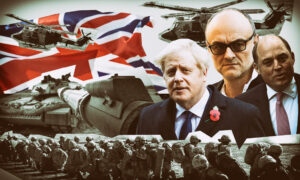
The UK military’s overseas base network involves 145 sites in 42 countries

0

REVEALED:

by Phil Miller

Britain’s armed forces have a far more extensive base network than ever presented by the Ministry of Defence. New research by Declassified reveals the extent of this global military presence for the first time – as the government announces an extra 10% spending on defence.

  • UK military has base sites in five countries around China: naval base in Singapore, garrisons in Brunei, drone testing sites in Australia, three facilities in Nepal and quick reaction force in Afghanistan
  • Cyprus hosts 17 UK military installations including firing ranges and spy stations, with some located outside UK’s “sovereign base areas”
  • Britain maintains military presence in seven Arab monarchies where citizens have little or no say in how they are governed
  • UK personnel are stationed across 15 sites in Saudi Arabia, supporting internal repression and the war in Yemen, and at 16 sites in Oman, some run directly by British military
  • In Africa, British troops are based in Kenya, Somalia, Djibouti, Malawi, Sierra Leone, Nigeria and Mali
  • Many UK overseas bases are located in tax havens such as Bermuda and Cayman Islands

Britain’s military has a permanent presence at 145 base sites in 42 countries or territories around the world, research by Declassified UK has found.

The size of this global military presence is far larger than previously thought and is likely to mean that the UK has the second largest military network in the world, after the United States.

It is the first time the true size of this network has been revealed.

The UK uses 17 separate military installations in Cyprus as well as 15 in Saudi Arabia and 16 in Oman – the latter both dictatorships with whom the UK has especially close military relations.

The UK’s base sites include 60 it manages itself in addition to 85 facilities run by its allies where the UK has a significant presence.

These appear to fit the description of what General Mark Carleton-Smith, Britain’s Chief of the General Staff, recently termed as “lily pads” – sites which the UK has easy access to as and when required.

Declassified has not included in the figures the UK’s small troop contributions to UN peacekeeping missions in South Sudan or the Cyprus buffer zone, nor staffing commitments at NATO administrative sites in Europe or most of its special forces deployments, which are largely unknown.

The findings come days after Prime Minister Boris Johnson announced an extra £16-billion would be spent on the UK military over the next four years – a 10% increase.

The spending announcement was originally meant to be combined with a review of defence strategy, that was being championed by Johnson’s former chief adviser Dominic Cummings.

The results of Whitehall’s “integrated defence review” are now not expected until next year. Indications suggest the review will recommend a traditional British strategy of building more overseas military bases.

Last month, former Defence Secretary Michael Fallon said the UK needs a more permanent presence in the Asia-Pacific region. The current Defence Secretary, Ben Wallace, has gone further. In September he announced a £23.8-million investment to expand Britain’s army and navy bases in Oman, to accommodate the Royal Navy’s new aircraft carriers as well as many tanks.

General Carleton-Smith recently said: “We think there is a market for a more persistent presence from the British Army (in Asia).”

His superior, Chief of the Defence Staff General Sir Nick Carter, spoke more cryptically when he said the military’s future “posture will be engaged and forward deployed.” 

 ENCIRCLING CHINA?

The rise of China is leading many Whitehall planners to believe Britain needs military bases in the Asia-Pacific region to counter Beijing’s power. However, the UK already has military base sites in five countries around China.

These include a naval logistics base at Sembawang Wharf in Singapore, where eight British military staff are permanently based. The base provides Britain with a commanding position overlooking the Malacca Strait, the world’s busiest shipping lanes which are a key choke point for vessels sailing from the South China Sea into the Indian Ocean.

The Ministry of Defence (MOD) has previously told Declassified: “Singapore is a strategically important location for commerce and trade.” Singapore’s most elite police unit is recruited by British soldiers and commanded by UK military veterans.

As well as having a naval base on the rim of the South China Sea, the British military has an even more central basing location in Brunei, near the disputed Spratly Islands.

The Sultan of Brunei, a dictator who recently proposed the death penalty for homosexuals, pays for British military support in order to stay in power. He also allows the British oil giant Shell to have a major stake in Brunei’s oil and gas fields. 

British Prime Minister Boris Johnson (L) welcomes the Sultan of Brunei Hassanal Bolkiah (R) to 10 Downing Street in London, Britain, 04 February 2020. EPA-EFE/ANDY RAIN

The UK has three garrisons in Brunei, at Sittang Camp, Medicina Lines and Tuker Lines, where around half of Britain’s Gurkha soldiers are permanently based.

Declassified files show that in 1980, British troops in Brunei were based “on land provided by Shell and in the middle of their headquarters complex”.

Special accommodation for British troops is provided through a network of 545 apartments and bungalows in Kuala Belait, near the military bases.

Elsewhere in Brunei, 27 British troops are on loan to the Sultan at three locations, including the Muara naval base. Their roles include imagery analysis and sniper instruction.

Declassified has found that the UK also has around 60 personnel spread across Australia. Some 25 of these hold defence attaché roles in the British High Commission in Canberra and at Australian Defence Department sites near the capital, such as the Headquarters Joint Operations Command at Bungendore.

The remainder are on exchange to 18 separate Australian military bases, including a warrant officer at Australia’s Electronic Warfare Unit in Cabarlah, Queensland.

Four Royal Air Force (RAF) officers are based at the Williamtown airfield in New South Wales, where they are learning to fly the Wedgetail radar plane.

Britain’s MOD is also testing its high-altitude Zephyr surveillance drone at an Airbus site in the remote settlement of Wyndham in Western Australia. Declassified understands from a freedom of information response that MOD staff visit the test site but are not based there.

Two members of UK Strategic Command, which manages British military operations across the services, and one from Defence Equipment and Support visited Wyndham in September 2019.

The Zephyr, which is designed to fly in the stratosphere and could be used to surveil China, has crashed twice during testing from Wyndham. Another high-altitude drone, the PHASA-35, is being tested by staff from arms corporation BAE Systems and the UK military’s Defence Science and Technology Laboratory in Woomera, South Australia.

Airbus also operates a ground station for the Skynet 5A military communications satellite on behalf of the MOD at Mawson Lakes in Adelaide. A British naval commander is based in the coastal city, according to a freedom of information response.

A further 10 British military personnel are based at unspecified locations in New Zealand. Parliamentary data from 2014 showed their roles included working as navigators on a P-3K Orion aircraft, which can be used for maritime surveillance.

Meanwhile in Nepal, on China’s western flank close to Tibet, the British army runs at least three facilities. These include Gurkha recruitment camps in Pokhara and Dharan, plus administrative facilities in the capital Kathmandu.

Britain’s use of young Nepalese men as soldiers has continued despite a Maoist government coming to power in Kathmandu.

In Afghanistan, where peace talks are now under way between the government and the Taliban, UK forces have long maintained a quick reaction force at Hamid Karzai International Airport in Kabul, as well as providing mentoring at the Infantry Branch School and the Afghan National Army Officers’ Academy. The latter, known as ‘Sandhurst in the Sand’, was built with £75-million of British money.

Around 10 personnel are based in Pakistan, where roles have included teaching pilots at the air force academy in Risalpur.

 EUROPE AND RUSSIA

In addition to concern over China, military chiefs believe Britain is now locked in a permanent competition with Russia. The UK has a military presence in at least six European countries, as well as at NATO administrative sites, which Declassified has not included in our survey.

Britain continues to run four base sites in Germany that house 540 personnel, despite a 10-year drive called “Operation Owl” to scale down its Cold War-era network.

Two barracks remain in Sennelager, in northern Germany, with a vast vehicle depot in Mönchengladbach and a munitions storage facility in Wulfen on a site originally built by slave labour for the Nazis.

In Norway, the British military has a helicopter base codenamed “Clockwork” at Bardufoss airport, deep in the Arctic Circle. The base is frequently used for mountain warfare exercises and lies 350 miles from the headquarters of Russia’s northern fleet in Severomorsk near Murmansk.

Bardufoss airport and the Andselv town, centre of the municipality of Malselv, Troms (North Norway). Photo: Wikipedia

Since the fall of the USSR, Britain has expanded its military presence into former Soviet bloc states. Twenty UK military personnel are currently on loan to the Czech military academy in Vyškov.

Closer to Russia’s border, the RAF bases Typhoon fighter jets at Estonia’s Amari Air Base and Lithuania’s Siauliai Air Base, from where they can intercept Russian jets over the Baltic as part of NATO’s “air policing” mission.

In the eastern Mediterranean, Declassified has found there are 17 separate UK military installations in Cyprus, which analysts have traditionally counted as one British overseas territory comprising the “sovereign base areas” of Akrotiri and Dhekelia, containing 2,290 British personnel. 

The sites, which were retained at independence in 1960, include runways, firing ranges, barracks, fuel bunkers and spy stations run by the UK’s signals intelligence agency – GCHQ.

Declassified has also found that several of the sites are located beyond the sovereign base areas, including on the top of Mount Olympus, the highest point on Cyprus.

British military exercises areas L1 to L13 are outside of the UK enclave and inside the Republic of Cyprus

A map obtained by Declassified shows that the UK military can use a large area of land outside Akrotiri known as Lima as a training area. Declassified previously revealed that low flying British military aircraft have caused the deaths of farm animals in the Lima training area.

British special forces operating in Syria are believed to be resupplied by air from Cyprus, where RAF transport planes can be seen online taking off before their trackers disappear over Syria.

Little is known about the location of UK special forces teams in Syria, aside from a claim that they are based at Al-Tanf near the Iraq/Jordan border and/or in the north near Manbij.

 GUARDING GULF DICTATORS

RAF flights from Cyprus also frequently land in the Gulf dictatorships of the United Arab Emirates and Qatar, where the UK has permanent bases at the Al Minhad and Al Udeid air fields, run by around 80 personnel.

These bases have been used to supply troops in Afghanistan as well as for conducting military operations in Iraq, Syria and Libya.

Qatar has a joint Typhoon squadron with the RAF based at RAF Coningsby in Lincolnshire which is half-funded by the Gulf emirate. Defence minister James Heappey has refused to tell Parliament how many Qatari military personnel are based at Coningsby amid plans to expand the base.

Even more controversial is Britain’s major military presence in Saudi Arabia. Declassified has found that UK personnel are installed across 15 key sites in Saudi Arabia. In the capital, Riyadh, British armed forces are spread out over half a dozen locations, including the air operations centres where RAF officers observe Saudi-led coalition air operations in Yemen.

Under the Ministry of Defence Saudi Armed Forces Project (MODSAP), BAE Systems has made 73 accommodation units available to UK military personnel at its Salwa Garden Village compound in Riyadh.

RAF staff, some of whom are on secondment to BAE Systems, also serve at the King Fahad air base in Taif, which services the Typhoon jet fleet, the King Khalid air base in Khamis Mushayt close to the Yemen border and at the King Faisal air base in Tabuk where Hawk jet pilots train.

There are separate contracts for Britain to support the “special security brigade” of Saudi Arabia’s National Guard (SANG), a unit that protects the ruling family and promotes “internal security”.

British soldiers are believed to be stationed at the Guard’s ministry in Riyadh as well as at its Signals School (SANGCOM) in Khashm al-An on the outskirts of the capital, in addition to smaller teams at SANG command posts in the western and central regions at Jeddah and Buraydah.

The rest of the British personnel in Saudi Arabia are situated in its oil-rich eastern province, whose Shia Muslim majority is harshly discriminated against by the ruling Sunni monarchy.

A Royal Navy team teaches at the King Fahd Naval Academy in Jubail, while RAF staff assist the Tornado jet fleet at King Abdulaziz air base in Dhahran.

Accommodation for British contractors and personnel is provided by BAE at the company’s purpose built Sara compound at Khobar, near Dhahran. A British army lieutenant colonel advises SANG infantry units at their Eastern Command post in Damman.

After the uprising was crushed, Britain increased its military presence in Bahrain with the construction of a naval base that was opened in 2018 by Prince Andrew, a friend of King Hamad.

These British personnel in the eastern province are close to the King Fahd Causeway, the vast bridge connecting Saudi Arabia to the neighbouring island of Bahrain where Britain has a naval base and a smaller presence (costing £270,000 per year) near the international airport in Muharraq.

In 2011, the SANG drove BAE-made armoured vehicles over the causeway to suppress pro-democracy protests by Bahrain’s Shia majority against its Sunni dictator King Hamad.

The British government later admitted: “It is possible that some members of the Saudi Arabian National Guard which were deployed in Bahrain may have undertaken some training provided by the British military mission [to the SANG].

After the uprising was crushed, Britain increased its military presence in Bahrain with the construction of a naval base that was opened in 2018 by Prince Andrew, a friend of King Hamad.

Britain maintains a substantial military presence in seven Arab monarchies where citizens have little or no say in how they are governed. These include around 20 British troops supporting the Sandhurst-trained King Abdullah II of Jordan.

The country’s army has received £4-million in aid from Britain’s shadowy Conflict, Security and Stabilisation Fund to set up a quick reaction force, with a British army lieutenant colonel on loan to the unit.

Last year it was reported that a British military adviser to Jordan’s King, Brigadier Alex Macintosh, was “fired” after becoming too politically influential. Macintosh was reportedly replaced immediately, and Declassified has seen army records that show a serving British Brigadier remains on loan to Jordan.

Similar arrangements exist in Kuwait, where around 40 British troops are stationed. They are believed to operate Reaper drones from the Ali Al Salem air base and teach at Kuwait’s Mubarak Al-Abdullah Joint Command and Staff College.

Until August, former Royal Navy officer Andrew Loring was among the college’s leading staff, in keeping with a tradition of giving British personnel very senior roles.

Although there are British personnel on loan to all three branches of Kuwait’s military, the MOD has refused to tell Declassified what role they have played in the war in Yemen, where Kuwait is a member of the Saudi-led coalition.

The most extensive British military presence in the Gulf can be found in Oman, where 91 UK troops are on loan to the country’s repressive Sultan. They are stationed at 16 sites, some of which are run directly by the British military or intelligence agencies.

These include the Royal Navy base in Duqm, which is being tripled in size as part of a £23.8-million investment designed to support Britain’s new aircraft carriers during their deployments to the Indian Ocean and beyond.

It is unclear how many British personnel will be based at Duqm.

Heappey has told Parliament: “The possibility of additional personnel to support this logistics hub at Duqm is being considered as part of the ongoing Integrated Review of Security, Defence, Development and Foreign Policy.”

Duqm port expansion, 2009 (L) and 2019 (R)

He added that 20 personnel have been temporarily deployed to Duqm as a “UK Port Task Group” to assist with the expansion plans.

Another major development to Britain’s base network in Oman is the new “joint training area” located 70kms south of Duqm at Ras Madrakah, which it has used for tank firing practice. It appears plans are underway to move a large number of Britain’s tanks from their current firing range in Canada to Ras Madrakah.

In Oman, it is a criminal offence to insult the Sultan, so domestic resistance to the new British bases is unlikely to get far.

British forces at Duqm will likely work closely with the US military facility at Diego Garcia on the Chagos Islands, part of the British Indian Ocean territory that belongs to Mauritius under international law. Some 40 UK military personnel are stationed at Diego Garcia.

Britain has refused to return the islands to Mauritius, in defiance of a recent UN General Assembly resolution, after having forcibly removed the indigenous population in the 1970s.

In Iraq, the only democracy in the Arab world which housed British troops this year, the political figures have taken a different approach.

In January, Iraq’s parliament voted to expel foreign military forces, which include the remaining 400 British troops, and which, if implemented, would bring an end to their presence at four sites: Camp Havoc in Anbar, Camp Taji and Union III in Baghdad and Erbil International Airport in the north.

Britain’s other military presence in the Middle East can be found in Israel and Palestine, where around 10 troops are stationed. The team is split between the British embassy in Tel Aviv and the United States security coordinator’s office which is, controversially, based in the US embassy in Jerusalem.

Declassified recently discovered that two British army personnel assist the US team.

 MILITARISED TAX HAVENS

Another feature of Britain’s overseas military bases is that they are often located in tax havens, with Declassified finding six such sites. Closest to home, these include Jersey in the Channel Islands, which is one of the world’s top ten tax havens according to the Tax Justice Network.

A crown dependency and not technically part of the UK, Jersey’s capital, St Helier, is home to an army base for the Royal Engineers’ Jersey Field Squadron.

Further afield, Britain continues to govern Gibraltar, at the southernmost tip of Spain, amidst demands from Madrid to return the territory which was seized by the Royal Marines in 1704. Gibraltar has a corporation tax rate as low as 10% and is a global hub for gambling companies.

Approximately 670 British military personnel are stationed across four sites in Gibraltar, including at the airport and dockyard. Accommodation facilities include the Devil’s Tower Camp and an MOD-run swimming pool.

The rest of Britain’s militarised tax havens can be found branching out across the Atlantic Ocean. Bermuda, a British territory in the mid-Atlantic, is ranked as the world’s second “most corrosive” tax haven.

It contains a small military site at Warwick Camp, run by 350 members of the Royal Bermuda Regiment which is “affiliated to the British army” and commanded by a British officer.

A similar arrangement exists on the British territory of Montserrat in the Carribean, which is periodically included on lists of tax havens. Security for the island is provided by 40 local volunteers of the Royal Montserrat Defence Force based in Brades.

This model appears to have inspired plans for similar schemes in the Cayman Islands and Turks and Caicos, two British Carribean territories which are both major tax havens.

Since 2019, there have been efforts to establish a Cayman Islands Regiment, which aims to recruit 175 soldiers by the end of 2021. Much of the officer training has taken place at Sandhurst in the UK. Plans for a Turks and Caicos Regiment appear to be less advanced.

 THE AMERICAS

While these military installations in the Caribbean are unlikely to grow to significant size, the UK presence in the Falkland Islands in the South Atlantic is much larger and more expensive.

Thirty-eight years after the Falklands war with Argentina, the UK maintains six separate sites across the islands. The barracks and airport at RAF Mount Pleasant is the largest, but it relies upon a dockyard at Mare Harbour and three anti-aircraft missile silos on Mount Alice, Byron Heights and Mount Kent.

Their remote nature has given rise to abusive behaviour.

RAF veteran Rebecca Crookshank claims she was subjected to sexual harassment when serving as the only female recruit at Mount Alice in the early 2000s. Naked airmen greeted her upon arrival and rubbed their genitals against her in a crude initiation ritual. Later she was cable-tied to a bed.

The incident is alleged to have taken place in facilities where the MOD subsequently spent £153-million in 2017 to install a Sky Sabre air-defence system, the majority of which is supplied by Israeli arms company, Rafael. The move was criticised at the time, given Rafael’s history of supplying missiles to Argentina.

In addition to these sites, there is a local defence camp in the capital of Stanley, while Royal Navy vessels keep a constant patrol offshore.

The net result is a military presence of between 70 and 100 MOD personnel, although the Falkland Islands Government puts the figure much higher: 1,200 troops and 400 civilian contractors.

None of this comes cheap. Stationing soldiers and their families overseas requires housing, schools, hospitals and engineering work, overseen by the government’s Defence Infrastructure Organisation (DIO).

The DIO has a 10-year investment scheme for the Falklands budgeted at £180-million. Almost a quarter of this has been spent on keeping troops warm. In 2016, £55.7-million went on a boiler house and power station for the Mount Pleasant military headquarters complex.

In 2018, Mare Harbour was expanded at a cost of £19-million, mainly to ensure food and other supplies can reach the troops more easily. Cleaning, cooking, emptying the bins and other administrative tasks costs another £5.4-million a year, payable to outsourcing firm Sodexo.

This expenditure has been justified by the government despite a decade of austerity on the UK mainland, which saw 59-year-old army veteran David Clapson die in 2014 after his job seeker’s allowance was stopped. Clapson was diabetic and relied on a supply of refrigerated insulin. He had £3.44 left in his bank account and had run out of electricity and food.

The Falklands also serves as a link to the British Antarctic Territory, a vast area which is reserved for scientific exploration. Its research station at Rothera relies on logistical support from the UK military and is resupplied by HMS Protector, an ice patrol ship in the Royal Navy with around 65 personnel usually onboard.

Maintaining such a ‘forward’ presence in Antarctica and the Falklands is only possible because of another expensive British territory in the South Atlantic, Ascension Island, whose runway at Wideawake Airfield acts as an air bridge between Mount Pleasant and RAF Brize Norton in Oxfordshire.

Ascension recently hit the news with Foreign Office proposals to build a detention centre for asylum seekers on the island, which is 5,000 miles from the UK. In reality such a scheme is unlikely to go ahead.

Britain’s Home Secretary Priti Patel (R) and Britain’s Defence Secretary Ben Wallace (L) arrive at 10 Downing street for a cabinet meeting in London, Britain, 14 February 2020. EPA-EFE/FACUNDO ARRIZABALAGA

The runway is in need of costly repairs, and Britain’s secretive spy agency GCHQ has a significant presence there at Cat Hill.

In total there appear to be five UK military and intelligence sites on Ascension, including accommodation at Travellers Hill and married quarters at Two Boats and George Town.

The US air force and National Security Agency operate alongside the UK personnel on the island, a relationship mirrored in the United States where 730 Britons are spread throughout the country.

Many of them are clustered in US military command centres around Washington D.C. and NATO sites in Norfolk, Virginia. The RAF has around 90 personnel based at Creech Air Force Base in Nevada, where they fly Reaper drones on combat operations around the world.

Until recently, there were also major deployments of RAF and Navy pilots at other airfields in the US, where they were learning to fly the new F-35 strike fighter. This scheme saw 80 British personnel conducting long-term training at Edwards Air Force Base (AFB) in California.

Other sites involved in the F-35 training scheme included Eglin AFB in Florida, Marine Corps Air Station Beaufort in South Carolina and the Naval Air Station Patuxent River in Maryland. By 2020, many of these pilots returned to the UK to practice flying the F-35s from the Royal Navy’s new aircraft carriers.

In addition to these deployments, there are British military officers on exchange to a wide range of US units. In September 2019, British Major General Gerald Strickland held a senior role at the US army base in Fort Hood, Texas, where he was working on Operation Inherent Resolve, the mission to combat Islamic State in the Middle East.

There have also been British personnel stationed inside President Trump’s much derided Space Force. Last December, it was reported that the Deputy Director of the Combined Space Operations Center at Vandenberg Air Force Base in California was “Group Captain Darren Whiteley – a Royal Air Force officer from the United Kingdom”.

One of the few British overseas bases that looks threatened by the government’s defence review is the tank training range at Suffield in Canada, where around 400 permanent staff maintain 1,000 vehicles.

Many of these are Challenger 2 tanks and Warrior Infantry Fighting Vehicles. The Defence review is expected to announce a reduction in the size of Britain’s tank force, which would decrease the need for a base in Canada.

However, there is no sign that Britain’s other major base in the Americas, in Belize, will be axed by the review. British troops maintain a small garrison at Belize’s main airport from where they have access to 13 sites for jungle warfare training.

Declassified recently revealed that British troops have access to one sixth of Belize’s land, including a protected forest area, for such training, which includes firing mortars, artillery and “machine-gunning from helicopters”. Belize is one of the world’s most biodiverse countries, home to “critically endangered species” and rare archaeological sites.

Exercises in Belize are run by the British Army Training Support Unit Belize (BATSUB), located at Price Barracks near Belize City. In 2018, the MOD spent £575,000 on a new water treatment plant for the barracks.

 AFRICA

Another region where the British military still maintains military bases is Africa. During the 1950s, the British army suppressed anti-colonial fighters in Kenya by using concentration camps where prisoners were tortured and even castrated.

After independence, the British army was able to retain its base at Nyati Camp in Nanyuki, Laikipia County. Known as BATUK, it is the hub for hundreds of British army personnel in Kenya.

Britain has access to five more sites in Kenya and 13 training grounds, which are used for preparing troops before they deploy to Afghanistan and elsewhere. In 2002, the MOD paid £4.5-million in compensation to hundreds of Kenyans who had been injured by unexploded weaponry fired by British troops at these training grounds.

From Nyati, British soldiers also make use of the nearby Laikipia air base, and the training ground at Archers Post in Laresoro and Mukogodo in Dol-Dol. In the capital Nairobi, British troops have access to Kifaru Camp at Kahawa Barracks and an International Peace Support Training Centre in Karen.

An agreement signed in 2016 set out that: “The Visiting Forces shall respect and be sensitive to the traditions, customs and cultures of local communities of the places where they are deployed in the Host Nation.”

British soldiers are also known to use local sex workers.

Amnesty International alleges that 10,000 civilians have died in detention camps run by the Nigerian military, one of which was part funded by the UK.

There have been attempts to attack the British troops in Kenya. In January, three men were arrested for attempting to break in to Laikipia and were questioned by anti-terrorism police.

They are believed to be linked to the Al Shabaab group in neighbouring Somalia, where British troops also have a permanent presence. Army training teams are stationed at Mogadishu International Airport, with another team at the Baidoa Security Training Centre.

A smaller British military presence can be found at Camp Lemonnier in Djibouti, where UK forces are involved in drone operations over the Horn of Africa and Yemen. This secretive site is linked by a high-speed fibre optic cable to the Croughton spy base in England, which is connected to the GCHQ headquarters in Cheltenham. Djibouti has also been linked to UK special forces operations in Yemen.

A more overt British presence is maintained in Malawi, where British soldiers are assigned to counter-poaching missions in Liwonde National Park and the Nkhotakota and Majete Wildlife Reserves.

Mathew Talbot in Malawi. Photo: MOD

In 2019, a 22-year-old soldier, Mathew Talbot, was trampled by an elephant in Liwonde. There was no helicopter support on standby to airlift injured troops and it took over three hours for a paramedic to reach him. Talbot died before arriving at hospital. An MOD investigation made 30 recommendations to improve safety after the incident.

Meanwhile in west Africa, one British officer still runs the Horton Academy, a military training centre, in Sierra Leone, a legacy of Britain’s involvement in the country’s civil war.

In Nigeria, around nine British troops are on loan to the Nigerian armed forces, amid its controversial human rights record. British troops seem to have regular access to Kaduna International Airport where they train local forces to guard against the threat from Boko Haram.

Amnesty International alleges that 10,000 civilians have died in detention camps run by the Nigerian military, one of which was part funded by the UK.

Britain’s military presence in Africa is set to grow substantially later this year with the deployment of a “peacekeeping” force to Mali in the Sahara. The country has been rocked by civil war and terrorism since the NATO intervention in Libya in 2011.

UK troops have operated with French forces in Mali under the banner of Operation Newcombe almost continuously since the Libya intervention. The current order of battle involves RAF Chinook helicopters based in Gao flying ‘logistical’ missions to more remote bases manned by French troops who have suffered heavy losses. The SAS is also reported to be operating in the area.

The future of the mission has been in jeopardy since Mali’s military staged a coup in August 2020, following massive protests against the presence of foreign forces in the country and years of frustration at the government’s handling of the conflict. DM

A note on our method: We have defined “overseas” as outside the United Kingdom. The base must have a permanent or long-term British presence in 2020 for it to be counted. We included bases run by other nations, but only where the UK has constant access or a significant presence. We only counted NATO bases where the UK has a major combat presence e.g with Typhoon jets deployed, not just officers stationed on a reciprocal basis.


Phil Miller is a staff reporter for Declassified UK, an investigative journalism organisation that covers the UK’s role in the world.
Follow Declassified on Twitter, Facebook and YouTube. Sign up to receive Declassified’s monthly newsletter here.
Artwork done by Leila Dougan

dailymaverick.co.za

A New Lebanese Civil War?

0

By November 26, 2020

BESA Center Perspectives Paper No. 1,831, November 26, 2020

EXECUTIVE SUMMARY: Despite their desire to evict sectarianism from their country’s corrupt government, Lebanese civilians are likely to see increased tensions across religious lines. Iran will continue to back Hezbollah despite its regional weakening, while Turkey and Qatar will play a bigger counterbalancing role by increasing their influence on the Sunni community.

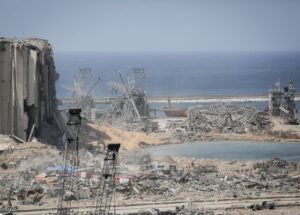
After the Beirut explosion in the summer of 2020, Lebanon seemed poised for a revolution. The country’s economy was already in terrible shape due to massive corruption, the global economic crisis, the COVID-19 pandemic, sanctions on Iran (which controls the ruling Shiite Hezbollah militia), and the recognition of Hezbollah as a terror group by more and more countries (which subjected it, in turn, to increased sanctions).

Widespread protests against the government and sectarianism have intensified since the explosion, including against Hezbollah and Iranian influence in Beirut. The explosion’s aftermath, particularly regarding cleanup crews and hospital interactions, will likely increase the spread of the coronavirus on a large scale, further weakening the economy. Such has been the damage to the country’s image—international donors are refusing to give aid to Lebanon until it enacts political reforms—that Hezbollah is essentially unable to carry out an attack against Israel anytime soon.

The weakness of Iran and Hezbollah at this particular moment, along with the withdrawal of the Gulf States from Lebanon, presented an opportunity for Turkey to enter the stage. Saudi Arabia and its Sunni allies in the Gulf have largely given up trying to influence the Lebanese Sunni community, despite their common position against Hezbollah. Turkey and Qatar stepped up to fill the gap, allegedly providing weapons to Sunni communities in the north as well as aid following the Beirut explosion. The aid is aimed primarily at Lebanon’s small Turkic community.

Pro-Gulf media outlets in the region have expressed alarm at these developments, but so have pro-Iranian and pro-Hezbollah media outlets, including within Lebanon. This is curious, as some analysts believe Iran has united with Qatar and Turkey to oppose the West and its regional allies.

The reality is that Turkey and Qatar are not operating in perfect tandem with Iran, though they do cooperate at times in areas of mutual interest. Turkey is seeking, with Qatari funding, to expand its neo-Ottoman vision for the region based on the Sunni Muslim Brotherhood—a project fundamentally incompatible with Iran’s Shiite revolutionary export.

The Ottoman Empire once ruled Gaza, Israel, the West Bank, Egypt, Libya, Yemen, Syria, Iraq, and Lebanon. These are considered the “near-abroad” by the Turkish regime. Like Iran, the Turks and the Qataris want the Gulf and Western countries out of these nations. However, the regimes have diametrically opposed goals in the region in general and in these countries in particular.

As Hezbollah and Tehran are being blamed for the Lebanese coronavirus and economic crises as well as the Beirut explosion, this is a golden opportunity for Ankara to challenge and perhaps eliminate them from Lebanon’s political scene. While Turkey has also faced economic difficulties (partially due to the pandemic) and Western sanctions in recent years, it remains wealthier and more powerful than Iran, and much of the West still considers Turkey an important ally against Russian and Iranian influence throughout the region. As such, it is better poised to succeed in Lebanon, Iraq, and Syria than the Islamic Republic.

In Syria earlier this year, the Turkish military crushed Hezbollah’s elite Radwan unit (and other fighters) among other Shiite paramilitaries aligned with the Assad regime in Idlib. A weakened Hezbollah, bogged down by infighting with Sunnis within its domain, will be unable to challenge the Turks and their allies in Syria. The placing of Lebanon within Turkey’s sphere of influence would give Ankara greater access to the eastern Mediterranean and its gas resources, a particularly desirable prospect given that Lebanon has gas fields of its own. It would also grant Turkey access to a border with Israel from which it could threaten the Jewish state and “champion the Palestinian cause.”

If Turkey does elect to accelerate its push for influence in Lebanon, the likely result would be a new civil war. An impoverished and sectarian country with massive illegal weapons caches and multiple foreign powers exerting influence within its borders is an ominous scenario. To counter a Turkish expansionist drive, Iran will probably try to increase its aid to Hezbollah. It will view Turkey’s expansion into Lebanon as a step toward Ankara’s cementing its presence in neighboring Syria as well.

Turkey could, theoretically, send its Sunni supporters from Lebanon to Idlib to fight Iranian-backed forces on its behalf. Qatar would probably fund such ventures. Turkey could then use Lebanese Sunni proxies in its other campaigns in Libya and against the Armenians (who are located, coincidentally, on Iran’s northern border).

Any Turkish-backed Lebanese force would likely come into serious conflict with Christians in the country, given that a large proportion of Lebanese Christians are of Armenian descent. That further ramps up the likelihood of civil conflict. So, too, would the interests of Israel and its Arab partners, who all want to see the demise of Hezbollah and to block Qatar’s, Iran’s, and Turkey’s imperial ambitions in the region. Stable Arab countries and the US would likely provide funding to Christian militias in the country, while Israel would (once again) provide arms and training. Greece, Cyprus, and Armenia might also come to the aid of Lebanese Christians due to their shared interest in bogging down Turkey and their ethno-religious links.

For Israel, a civil war in Lebanon could provide the advantage of an already weakened Hezbollah being mired in local conflict and perhaps even defeated by other enemies, with little to no damage to the Jewish state. At the same time, further instability on another northern border of Israel could lead to a refugee crisis and a revival of the Palestinian issue, given the large proportion of Palestinian refugees living in Lebanon.

Turkish and Qatari proxies on Israel’s northern border are also undesirable, especially given their commitment to the Palestinian issue. The unreliability of the American presence in the region, as well as the possibility that wealthy Arab countries might shift sides to support radical Sunnis, is another reason why the Jewish state will not be keen to see a second Lebanese civil war. There is little appetite in Jerusalem for sending troops into Lebanon right now to combat Hezbollah, despite the campaign against it in Syria and the likelihood that the unfinished business of 2006 will eventually resume.

The Israeli military is increasing its arsenal and improving its training to prepare for such a war in the future. Israel is embroiled in an economic crisis due to the pandemic and is having issues with governmental stability. Now is simply not the right time for the IDF to reenter Lebanon.

To prevent a resumption of hostilities, the EU and the US, along with the UN and influential Arab countries, must continue to recognize Hezbollah as a terror group and ban or sanction it. But the ban must include arms shipments to forces other than the military—meaning Turkish-Qatari proxies as well as Hezbollah. Instead of waiting for tragedies to occur in the Middle East and indeed in the world at large, the West and other influential blocs must act to prevent the outbreak of civil wars and sectarian terror before it is too late.

View PDF

Dmitri Shufutinsky is a graduate of Arcadia University’s Masters program in International Peace & Conflict Resolution. He currently lives as a Lone Soldier in Kibbutz Erez, Israel, serving in the Givati Brigade under the Garin Tzabar program. 

Ελληνική Στρατηγική: Η “παγίδα του Status quo” και η λογική των “μικρών βημάτων”

0

    Του Κωνσταντίνου Λαμπρόπουλου 
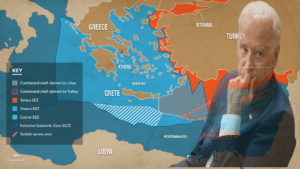
    Στρατηγική χωρίς σχεδιασμό

    Αναμφίλεκτα, η Ελλάδα εμπίπτει στην κατηγορία των κρατών, τα οποία διαθέτουν ασθενέστατες δομές παραγωγής στρατηγικής, καθώς το στρατηγικό “προϊόν” παράγεται εν τη απουσία ενός ολοκληρωμένου/ καθολικού στρατηγικού σχεδιασμού, λογιζόμενου ως φιλοσοφία και ως πρακτική.

    Η ανωτέρω θλιβερή και επιζήμια διαπίστωση, επιβεβαιώνεται πλειστάκις από την αδυναμία ιεράρχησης των εθνικών συμφερόντων, από την απουσία συγκεκριμένων/και εναλλακτικών στρατηγικών κατευθύνσεων, από την ένδεια στρατηγικής καινοτομίας των κύριων πυλώνων πολιτικής και από την χαμηλή παραγωγικότητα αναφορικά με την θεσμική αποτύπωση της εθνικής ασφάλειας (παραγωγή επίσημων κειμένων για την στρατηγική εθνικής ασφάλειας και τις επιμέρους υπο-στρατηγικές).

    Ως εκ τούτου, είναι προφανής, η ανυπαρξία θεσμικής μνήμης και παράδοσης στη σύγχρονη ελληνική στρατηγική σκέψη και πρακτική. Ακολούθως, είναι κυριαρχούσα μια αποσπασματική- επιφανειακή ανάγνωση της διεθνούς πολιτικής και ξεκάθαρη η αδυναμία μετουσίωσης των σύγχρονων τάσεων που διαμορφώνονται σε παγκόσμια κλίμακα, αναφορικά με την Διπλωματία και τις Στρατιωτικές Υποθέσεις, σε χρηστικά δόγματα.

    Ελλείψει στρατηγικού σχεδιασμού, η ελληνική υψηλή στρατηγική δομείται σε ad hoc βάση, χωρίς να διέπεται από φιλοσοφία συνέχειας, εδραζόμενη στην λογική τήρησης συμπεφωνημένων μεταξύ των πολιτικών κομμάτων στο πλαίσιο επίτευξης πολιτικής συναίνεσης.

    Επιπρόσθετα, επικρατεί στους εκάστοτε διαμορφωτές αποφάσεων και στο πολιτικό προσωπικό, η λανθασμένη αντίληψη πως ο μηχανισμός εθνικής ασφάλειας θα κινηθεί αυτόματα σύμφωνα με τις βουλές του εκάστοτε πρωθυπουργού, ή του εκάστοτε υπουργού.

    Είναι άλλωστε χαρακτηριστικό πως οι απαιτήσεις της διαχείρισης μιας πολυδαίδαλης γραφειοκρατίας στο πλαίσιο της εξωτερικής πολιτικής και της εθνικής ασφάλειας, συνήθως δεν γίνονται αντιληπτές από το πολιτικό προσωπικό.

    Ένα ουσιαστικό σφάλμα αποτελεί ο μη καθορισμός οργανωτικής διαδικασίας εξαρχής, καθώς η πιο συνήθης πρακτική συνίσταται στην διαμόρφωση διαδικασίας εφαρμογής εν τοις πράγμασι (on the spot), με συνέπεια ο μηχανισμός εθνικής ασφάλειας να καθίσταται δυσλειτουργικός, χωρίς επεξεργασμένα εναλλακτικά σχέδια, προσπαθώντας να ισορροπήσει μεταξύ πραγματικότητας και επιθυμίας της ηγεσίας.

    Συνεπεία αυτού, η Ελλάδα, αδυνατεί να αξιοποιήσει το ικανό ανθρώπινο δυναμικό που διαθέτει, ενώ στερείται της κρίσιμης μάζας που κινητοποιεί το συλλογικό υποκείμενο- εν προκειμένω τον μηχανισμό εθνικής ασφάλειας προς ρηξικέλευθες και καινοτομικές κατευθύνσεις.

    Η τουρκική αναβαθμισμένη απειλή, τα ελληνικά αντίμετρα και η “Παγίδα του Status Quo”

    Η ανωτέρω δυσάρεστη πραγματικότητα είναι αναντίστοιχη με την κορυφαία γεωστρατηγική θέση της χώρας, την εξαιρετική γεωπολιτική σημασία της και το αδιαμφισβήτητο κολοσσιαίο πολιτισμικό brand nameπου φέρει.

    Στη σημερινή ρευστή και μεταβατική διεθνή τάξη πραγμάτων η Ελλάδα δεν διαθέτει την πολυτέλεια να μένει θεατής, στο περιθώριο των διεθνών και περιφερειακών εξελίξεων. Αντί να ακολουθεί αποκλειστικώς στρατηγική πρόσδεσης στο άρμα τρίτων (bandwagoning),χρειάζεται να καταστεί ενεργός στρατηγικός δρων, θέτοντας την δική της ατζέντα στην Ν.Α Μεσόγειο και στα Βαλκάνια, συμβατή με την εξασφάλιση των εθνικών συμφερόντων της.

    Η απειλή της αναθεωρητικής Τουρκίας απαιτεί την δημιουργία ευνοϊκών προϋποθέσεων και ισχυρών δυνατοτήτων σε μεσο-μακροπρόθεσμο επίπεδο, ώστε ο μηχανισμός εθνικής ασφάλειας να ανταποκριθεί επαρκώς στην τουρκική στρατηγική εξουθένωσης, στις απόπειρες επιβολής τετελεσμένων και στις κινήσεις στρατηγικού αιφνιδιασμού , που ενέχουν το στοιχείο του διαφαινόμενου δυναμικού αντικτύπου (φαινόμενο Grey Swans).

    Η αναθεωρητική τουρκική απειλή, λαμβάνει τα χαρακτηριστικά ιδιότυπης πολιορκίας και συνίσταται σε δύο άξονες: στην απόκτηση περιφερειακών ερεισμάτων για να λειτουργήσουν ως δυνητικοί αντιπρόσωποι-πληρεξούσιοι (proxies-surrogates) της Άγκυρας και στην υιοθέτηση σύγχρονων υβριδικών δογμάτων προς την κατεύθυνση δημιουργίας πλεγμάτων άρνησης πρόσβασης και πρόσβασης περιοχής (anti-access/areadenial).

    Ο πρώτος άξονας περιλαμβάνει πολιτική στήριξη καθεστώτων, πολιτισμική συνεργασία και διείσδυση, επιθετικές διπλωματικές πρωτοβουλίες, εργαλειοποίηση μεταναστευτικών ροών, εμπορικές συμφωνίες, απόκτηση στρατιωτικών βάσεων και παροχή στρατιωτικών συμβούλων και παραστρατιωτικών ομάδων, ενώ ο δεύτερος επικουρεί τον πρώτο, με χρήση μη επανδρωμένων αεροχημάτων, πυραυλικής τεχνολογίας μέσου και μεγάλου βεληνεκούς στο πλαίσιο ενός δικτυοκεντρικού πολέμου υπεροχής.

    Η ελληνική στρατηγική απόκρουσης του τουρκικού αναθεωρητισμού ως προς τον πρώτο άξονα εδράζεται, πρωτίστως στην εξωτερική εξισορρόπηση, στην σύμπηξη περιφερειακών συμμαχιών προς υποστήριξη των ελληνικών διπλωματικών θέσεων βάσει αμοιβαίων συμφερόντων.

    Ήδη έχουν αναληφθεί μεγάλης κλίμακας διπλωματικές πρωτοβουλίες και έχουν επιτευχθεί συμφωνίες στο πλαίσιο των συμμαχικών σχημάτων με χώρες κορωνίδες του Αραβικού Κόσμου (Αίγυπτος-Σαουδική Αραβία-ΗΑΕ), το Ισραήλ, ενώ έπεται η Ινδία.

    Η πρόσφατη σημαντική ελληνική διπλωματική κινητικότητα, αφενός επενδύει στις αντι-συσπειρώσεις που προκαλεί ο τουρκικός αναθεωρητισμός αφετέρου χαρακτηρίζεται απόπροβλεψιμότητα και είναι απολύτως ταυτισμένη με την διατήρηση του status quo, νοούμενο όχι μόνο ως τήρηση των υφιστάμενων συνθηκών αλλά και ως αδιάλειπτη συνέχεια των δεδομένων (Κανόνων-Νορμών) της διεθνούς τάξης που εγκαθιδρύθηκε με την περίφημη “συναίνεση της Ουάσιγκτον” από το 1945.

    Μολονότι οι ανωτέρω πρωτοβουλίες είναι εξόχως σημαντικές και επιβεβλημένες, απαιτείται περαιτέρω εμβάθυνση και ένας “οδικός χάρτης” (roadmap) που θα επιφέρει απτά αποτελέσματα σε συγκεκριμένο χρονικό ορίζοντα.

    Αναφορικά με τον δεύτερο άξονα, η εσωτερική εξισορρόπηση (ανάπτυξη δυνατοτήτων ΕΔ) περιλαμβάνει την απόκτηση προηγμένων οπλικών συστημάτων και στους τρεις κλάδους με στόχο την ανάκτηση της στρατιωτικής ισορροπίας. Παραταύτα, απουσιάζει ένα καθολικό δόγμα πολυφασικής μάχης (full spectrum war fare) με έμφαση στην δημιουργία ασύμμετρου πλεονεκτήματος (asymmetric advantage). Η απόκτηση οπλικών συστημάτων από μόνη της δεν εγγυάται την Αποτροπή.

    Ο κίνδυνος που ελλοχεύει για την ελληνική πλευρά εδράζεται στην εδραιωμένη αντίληψη και νοοτροπία που συνδέεται με την περίφημη “παγίδα του status quo”, ήτοι την επιμονή σ ένα στάσιμο-παρωχημένο μοντέλο της ανάγνωσης του διεθνούς περιβάλλοντος με τους όρους πρότερων δεκαετιών που προϋποθέτει προβλέψιμες στρατηγικές προσεγγίσεις των δρώντων και συγκεκριμένες ορθολογικές επιταγές και επιλογές των εμπλεκομένων.

    Προκρίνεται εν προκειμένω, μια ενεργητική στρατηγική προσέγγιση βασισμένη στη συγκυρία του “βροντερού παρόντος” και ένα πλάνο διπλωματικής δράσης που προϋποθέτει ήπια εξισορρόπηση (soft balancing) της τουρκικής απειλής, ευελπιστώντας ότι οι ΗΠΑ θα ανακτήσουν τον καθοριστικό ρόλο τους στη περιοχή και θα αποτρέψουν ακραίες τουρκικές επιθετικές ενέργειες, παράλληλα με δράσεις της Ε.Ε που θα πιέσουν και θα στρέψουν δυνητικά την Τουρκία συμμορφώνοντάς την , σε πιο αποδεκτή στρατηγική συμπεριφορά.

    Τουτέστιν, παραβλέπεται η σημαντική μεταβολή του διεθνούς συστήματος την τελευταία δεκαετία και αγνοείται η επίδραση των τεκτονικών αλλαγών στην διεθνή και περιφερειακή ασφάλεια.

    Η τρέχουσα σύρραξη στο Αρτσάχ, σε συνδυασμό με τη συνεχιζόμενη τουρκική επιθετικότητα σε Αιγαίο και Ανατολική Μεσόγειο, και η αναιμική αντίδραση των Μεγάλων Δυνάμεων εμπεδώνουν τη μετάβαση του διεθνούς συστήματος σ ένα υβριδικό πολυπολικό σύστημα, στο οποίο αρχίζουν και δημιουργούνται προϋποθέσεις για νέες σφαίρες επιρροής, ενώ καθιερώνεται ολοένα και περισσότερο η ανοχή στην χρήση της στρατιωτικής ισχύος.

    Η τελευταία συνάντηση κορυφής της Ευρωατλαντικής Συμμαχίας στο Λονδίνο επιβεβαίωσε τον πολιτικό κατακερματισμό του λεγόμενου δυτικού κόσμου, απόρροια της κόπωσης των ΗΠΑ και του επαναπροσδιορισμού των προτεραιοτήτων τους, ενώ η συμπερίληψη της Κίνας στο κάδρο των στρατηγικών αντιπάλων οδηγεί τους Ευρωπαίους εταίρους σε σημαντική αναπροσαρμογή των πολιτικών επιλογών τους.

    Καθώς ο περίφημος ευρω-ατλαντικός δεσμός ποδηγετείται από μια συναλλακτική προσέγγιση εντός των τειχών, δημιουργείται μια εικόνα παράλληλων και ασύνδετων πολιτικών εντός της Συμμαχίας, γεγονός που υπονομεύει τη συνοχή του ΝΑΤΟ.

    Λαμβάνοντας υπόψη την αλματώδη άνοδο της Κίνας, τη μεταφορά του παγκόσμιου κέντρου βάρους στην Ασία, τον εσωτερικό διχασμό που αντιμετωπίζουν οι ΗΠΑ (με τις τάσεις νεο-απομονωτισμού να καθίστανται κυρίαρχες σε σημαντικό κομμάτι των αμερικανικών ελίτ και της αμερικανικής κοινωνίας) και την πολλαπλασιαστική δυνατότητα της πανδημίας λειτουργούσης ως επιταχυντής υπαρχόντων τάσεων, τεκμαίρονται τα κάτωθι:

    Οι ΗΠΑ είτε δεν επιθυμούν διακαώς, όπως στο παρελθόν είτε δεν δύνανται λόγω της πρότερης υπερεπέκτασής τους να αναλάβουν εξ ολοκλήρου τον παγκόσμιο ρόλο τους εκ νέου, παρά τίθενται επί τάπητος νέα δεδομένα στην αμερικανική εξωτερική πολιτική που άπτονται της πραγματικότητας του εσωτερικού πεδίου, συνεπώς το πλαίσιο εμπλοκής τους στην ευρωπαϊκή ήπειρο περιορίζεται.

    Θα πρέπει να επισημανθεί το διαφορετικό πλαίσιο στο οποίο καλείται να ανταποκριθεί η ελληνική πλευρά, που απέχει παρασάγγας απ’ το αντίστοιχο της πρώιμης μεταψυχροπολεμικής εποχής, όταν ο δυτικός κόσμος ήταν συμπαγής υπό την πρωτοκαθεδρία των ΗΠΑ και διαμόρφωνε αποτελέσματα ανεμπόδιστος.
    Η τρίτη δεκαετία του 21ου αιώνα θα καθοριστεί και από τον βαθμό “πυγμής” που θα επιδείξουν τα έθνη-κράτη σ’ ένα αβέβαιο διεθνές περιβάλλον. Τα κράτη επανακαθορίζουν στόχους και προτεραιότητες, κινούμενα στην ευόδωση των εθνικών συμφερόντων τους strictosensu και με όλα τα μέσα, σ’ ένα περιβάλλον ευρείας αλληλεξάρτησης, όπου τα αποτελέσματα συν- καθορίζονται από την αλληλεπίδραση δικτύων επιρροής που αφορούν κρατικούς και μη κρατικούς δρώντες.

    Η “παγίδα του status quo” που κατατρέχει το πολιτικό σύστημα της χώρας δύναται να οδηγήσει σε καλλιέργεια ευσεβών πόθων και την ελληνική στρατηγική σε μη ρεαλιστικές ατραπούς, καθιστώντας την χώρα ευάλωτη σε στοχεύσεις τρίτων.

    Προβλεψιμότητα, Ρίσκο και “Μικρά Βήματα”

    Η προβλεψιμότητα αποτέλεσε και αποτελεί το βασικό mottoτης ελληνικής στρατηγικής ιδίως στο πλαίσιο της εξωτερικής εξισορρόπησης της τουρκικής απειλής. Αναφορικά με την σύναψη συμμαχιών, η ανωτέρω λογική εδράζεται στην παραδοχή πως η προβλεψιμότητα ενισχύει την αξιοπιστία στο πλαίσιο σύναψης συμμαχιών, γεγονός απολύτως αληθές, εφόσον όμως ισχύουν τα εξής δεδομένα:

    Να υφίσταται ένα διεθνές σύστημα ισχυρών πόλων-κυρίως διπολικό(όπως αυτό του Ψυχρού Πολέμου), να υπάρχει ηγεμονική σταθερότητα καθώς και ισχυροί θεσμοί που θα διατηρούν την συνοχή εντός της συμμαχίας. Όλα τα παραπάνω ίσχυαν απολύτως τόσο την περίοδο του Ψυχρού Πολέμου με το ΝΑΤΟ πανίσχυρο και τις ΗΠΑ εγγυητές της ασφάλειας του δυτικού κόσμου, όσο και κατά την πρώιμη Μεταψυχροπολεμική Εποχή, όπου οι ΗΠΑ απολάμβαναν την αδιαμφισβήτητη πρωτοκαθεδρία σε παγκόσμιο επίπεδο, καθορίζοντας αποτελέσματα.

    Στο λυκαυγές της τρίτης δεκαετίας του 21ου αιώνα δεν ισχύει κανένα απ’ τα παραπάνω αξιώματα-τουλάχιστον στον βαθμό που απαιτείται για να καθίσταται ο μικρότερος σύμμαχος απολύτως προβλέψιμος και να ακολουθεί στρατηγική απολύτου σύμπλευσης.

    Αντιθέτως, ευνοούνται σχήματα συνεργασίας επ’ αμοιβαία ωφελεία και το περιθώριο (range) αυτονομίας των μεσαίων ή μικρότερων κρατών διευρύνεται.

    Θα πρέπει να σημειωθεί πως η προβλεψιμότητα ταυτίζεται με την απροθυμία ανάληψης ρίσκου (riskaversion)και εντάσσεται στην πεπατημένη καταφυγή των ελληνικών κυβερνήσεων σε λογικές κλιμακούμενης δέσμευσης (escalation of commitment) ή παρατεταμένου κόστους (sunk cost fallacy).

    Το αίτιο αυτής της προσέγγισης, πρέπει να αναζητηθεί αρχικά στις λεγόμενες πελατειακές σχέσεις (patron-clientrelations) στο πλαίσιο της σύναψης συμμαχιών και στην νοοτροπία του συγκεκριμένου πολιτικού συστήματος που απορρέει από τον ρόλο του στο ανωτέρω πλαίσιο, καθώς επιδιώκει την μεταφορά των βαρών σε τρίτους με αντιστάθμισμα βραχυπρόθεσμα κέρδη.

    Επιπρόσθετα, ελλείψει ολοκληρωμένου στρατηγικού σχεδιασμού και κουλτούρας μακροπρόθεσμης στρατηγικής, το ελληνικό πολιτικό σύστημα εγκλωβίζεται σε μια επιφυλακτική στρατηγική προσέγγιση “μικρών βημάτων” (small steps approach), με βραχυπρόθεσμο ορίζοντα, με ανακλαστική και αμυντική χρήση της διπλωματίας χωρίς απώτερο στρατηγικό στόχο (ultimate strategic objective), ήτοι την ανάσχεση της Τουρκίας και χωρίς τις συνεπαγόμενες στρατηγικές επιλογές.

    Ακολούθως, οι ελληνικές στρατηγικές κινήσεις εν τέλει υπαγορεύονται από την εδραιωμένη πεποίθηση των ιθυνόντων και διαμορφωτών αποφάσεων πως η Άγκυρα απομονώνεται διεθνώς εξαιτίας της επιθετικής συμπεριφοράς της, γεγονός που καθιστά ευεπίφορο το έδαφος για μια διαπραγμάτευση βάσει των κανόνων του διεθνούς δικαίου, ρυμουλκώντας εν τέλει την Τουρκία σε προβλέψιμες και ασφαλείς ατραπούς, πιθανόν και με μια αλλαγή ηγεσίας.

    Ως εκ τούτου, είναι σαφής η άκαμπτη εμμονή της ελληνικής πλευράς στη κλιμακούμενη δέσμευση των τετριμμένων και παρωχημένων στρατηγικών επιλογών διευκόλυνσης (facilitation-accommodation) της Άγκυρας και αποφυγής σκληρότερων μέτρων εναντίον της, ευελπιστώντας αυτή να παραμείνει εντός της ευρω-ατλαντικής αρχιτεκτονικής περιορισμένη.

    Η ανωτέρω ανεδαφική ,ουτοπική και επικίνδυνη αντίληψη, συνεχίζει να ταλανίζει την ελληνική στρατηγική, καθώς αγνοεί κατά παράδοξο τρόπο την αναβαθμισμένη γεωστρατηγική σημασία της Τουρκίας εντός ΝΑΤΟ, ενώ ως προς τον περιορισμό του τουρκικού αναθεωρητισμού, παραγνωρίζονται η εγγενής φύση του (την θεωρία της Γαλάζιας Πατρίδας την ενστερνίζονται άπαντα τα τουρκικά κόμματα πλην του κουρδικού) και το γεγονός της αυτονόμησης της Τουρκίας εντός πλαισίου ΝΑΤΟ στον 21ο αιώνα.

    Εν κατακλείδι, οι σημαντικές ελληνικές διπλωματικές πρωτοβουλίες και η αναβάθμιση των ελληνικών ΕΔ για να καταστούν αποτελεσματικές ως προς την αποτροπή της τουρκικής επιθετικότητας, οφείλουν να συμβαδίσουν με την ορθή ανάγνωση του διεθνούς και περιφερειακού περιβάλλοντος ασφάλειας. Ελλείψει στρατηγικού σχεδιασμού και στρατηγικής κουλτούρας επικράτησης, καθίστανται όμως αποσπασματικές και ανεδαφικές.

    * Ο κ. Κων/νος. Θ Λαμπρόπουλος είναι Στρατηγικός Αναλυτής, Εταίρος του Κέντρου Μελετών Ασφάλειας της Γενεύης

    capital.gr

    The United States and the Aegean dispute: what will change following Biden’s election?

    0

    The United States and the Aegean dispute: what will change following Biden’s election?The United States has decided: with 306 electoral votes, Joe Biden is officially the 46th U.S. president. Biden’s victory has been considered a turning point for a number of policy issues, from the tackling of the COVID-19 pandemic to racial injustice, and it raises important questions about the future of the U.S. foreign policy. In the face of four years of isolationism where the U.S. found itself during Trump’s presidency, Biden’s geopolitical strategy promises to be more internationalist, with a greater consideration for multilateral agreements and international organizations. A greater focus on climate, environment and NATO is expected. In this context, the recovery of relations with the old continent will certainly be one of the foreign policy priorities. As for relations with China, the main dossiers will probably concern human rights, Taiwan and Hong Kong. The president-elect may also be willing to defuse tensions with Iran, reducing the sanctions against Tehran and reviving the nuclear deal.
    As for the Middle East, however, it seems that Biden’s line will not differ from Trump’s: the withdrawal of troops from Iraq and Afghanistan will continue to be a priority, with the aim of putting an end to the “forever wars” affecting the region- even though the fact that this happens in conjunction with the achievement of autonomy over oil speaks volumes about U.S. interests in the fight against terrorism. Regarding the Israeli-Palestinian question, Biden’s position is very clear, and again does not differ much from the policies implemented by the former administration. His almost 40-year old friendship with Netanyahu, Israel’s Prime Minister, and his lack of intentions to move the U.S. embassy back to Tel Aviv make it difficult to reverse the destructive cut-off of diplomatic ties with the Palestinian Authority that occurred under the Trump presidency. The distinctive feature of the new administration is Biden’s commitment to restore the financial aid to the Palestinian people, and his advocacy for a termination of Israel’s settlement activities in the occupied Palestinian territories.

    The already strained relations between Turkey and Greece may exacerbate following Biden’s election to the White House. Biden, former vice president of the United States during Obama’s mandate, gained a deep knowledge on the Eastern Mediterranean following his longtime membership in the Senate Foreign Affairs Committee, and appears to be determined to strengthen the U.S. alliance with its traditional allies. The newly elected president has already proven in the past to be inclined to pursue a more resolute policy towards Turkey than his predecessor, and his history provides some indicators of how he could deal with the Aegean dispute.

    Following the discovery of a natural gas field in the exclusive economic zone of Israel by the Texan company Noble Energy in 2009, several Eastern Mediterranean countries started drilling their respective continental platforms in search of more energy fields. However, the lack of delimitation of their EEZs by some countries has sparked strong tensions regarding energy explorations in the region, which may be carried out into disputed areas. This is the case of the ongoing controversy between Turkey and Greece. Turkey, which has not signed the International Convention on the Law of the Seas, does not recognize islands as having the right to their own exclusive economic zone, and has sent the Oruç Reis to explore near Kastellorizo, a Greek island of only 12 sq.km. located 2 km off the Turkish coast and 600 km off the Greek mainland. This move immediately triggered sharp reactions from Athens and other European countries, urging Erdoğan to stop operations in disputed areas and resuming dialogue for a peaceful resolution of the controversy.

    During Trump’s presidency, the United States did not pursue a distinctly proactive agenda in the Eastern Mediterranean, aiming instead at easing e existing tensions between countries in order to create a situation of stability that would allow the U.S. to expand its energy markets. While it is undeniable that relations between Greece and the United States have never been as close as in recent years, it is also true that, despite some disagreements, Trump and Erdoğan have established a calm relation between their respective countries. In particular, Trump’s decision not to impose sanctions on Ankara following Turkey’s S-400 missile deal with Russia avoided what could have turned into a tightening of relations between the two countries. In addition, the recent U.S. military disengagement from the Middle East has granted Turkey a wider scope for action, allowing it to carry out its planned operations with more freedom, especially in Syria and in Libya, other than in the Southern Caucasus. It follows that, for the White House, an excessive imbalance towards one of the parties in the Aegean dispute would have been likely to lead to complications, while indeed it has always avoided exposing itself excessively by siding with one or the other actor. However, the lack of assertive politics in the Eastern Mediterranean does not mean that Trump has left everything to chance: on the contrary, it mirrors a diplomatic move intended to improve U.S. position in the region without necessarily assuming the leadership, as it was used to do in the past.

    Biden’s approach to Erdoğan will probably differ. The former has made no secret of his criticism against the latter, labelling him “an autocrat” and advocating for the support of opposition leaders, and has criticized the Turkish president for his attacks on freedom of expression. Moreover, he has repeatedly taken a pro-Kurdish stance in the past, which led the Turkish government to consider him as “anti-Turkish”. Biden’s criticism has also been addressed towards Erdoğan’s foreign policy in the Eastern Mediterranean. He has condemned Turkey’s threats of violence against Greece while stating that “disputes in the region must be resolved peacefully and the sovereignty and territorial integrity of all countries must be respected and protected”, and he has reaffirmed the need to impose sanctions on Turkey to prevent it from expanding its belligerent posturing fueled by the “Blue Homeland” conceptualizations. If the U.S. intransigence towards Turkey were to increase hardly, the strengthening of the Ankara-Moscow axis and further distancing of Turkey from its Western allies could materialize, as had already happened during the Obama presidency, with possible disastrous effects on the stability of the region.

    However, no clear-cut alignment with Greece is expected, nor a drastic change of strategy, at least in the short term. Ankara remains a partner of extreme strategic importance, and the interests at stakes are considerable. For this reason, it is unlikely that the United States will start an open confrontation with a key NATO ally. “It is typical that rhetoric dominates an election race. But afterward facts on the ground will take prominence”, Vice President of Turkey Fuat Oktay stated in this regard. In addition, there are vital domestic factors that the new U.S. administration will likely have to devote much of its attention to, including the fight against COVID-19.

    In conclusion, we can expect that, during Biden’s presidency, the knots that have plagued the U.S.-Turkish relation in recent years will be brought to surface, and Ankara may be in the position to face some challenges with Washington. Biden’s pre-election rhetoric suggests the adoption of a confrontational approach to his Turkish counterpart, which would not benefit the stability of the Eastern Mediterranean. Nonetheless, there will probably be some institutional pressures to moderate the hot spirits of Biden’s administration in favor of maintaining at least a decent relation with a fundamental ally, who could otherwise take other decisive steps in the direction of the Russian domain at any moment.