Τούρκοι εναντίον Κούρδων, Σουνίτες εναντίον Αλεβητών, προοδευτικοί ενάντια στους συντηρητικούς, κοσμικοί ενάντια στους θρησκόληπτους
Παρά τους καθημερινούς λεονταρισμούς (νταηλίκια) του Ερντογάν και των περί αυτόν, η Τουρκία είναι μια διχασμένη κοινωνικά (κάθε άλλο δηλαδή από ισχυρή) που απωθεί τους άνεργους και ταυτόχρονα στερούμενους ελευθεριών νέους οι οποίοι θέλουν διακαώς να την εγκαταλείψουν, σύμφωνα με την έγκυρη ανάλυση και τα στοιχεία της Marie Jégo, στον ηλεκτρονικό Le Monde στις 11-2-2021 με τίτλο : «Στην Τουρκία, ο θυμός μιας νεολαίας που δεν γνώρισε τίποτα άλλο από τον Ερντογάν» (En Turquie, la colère d’une jeunesse qui n’a rien connu d’autre qu’Erdogan). «Η διαμαρτυρία, που ξεκίνησε από την Κωνσταντινούπολη, πραγματοποιείται από μια απογοητευμένη νεολαία που δεν βλέπει πλέον τι μπορεί να της προσφέρει το κυβερνών κόμμα».
Παρά τα κατασταλτικά μέτρα που όλοι είδαμε στις τηλεοράσεις μας, η διαμαρτυρία των φοιτητών δεν υποχωρεί στην Τουρκία. Ξεκινώντας από το Πανεπιστήμιο του Βοσπόρου (« Bogazici », στα τουρκικά), στην Κωνσταντινούπολη, το νεανικό κίνημα εξαπλώθηκε στην Άγκυρα, τη Σμύρνη και τα Άδανα. Στην Κωνσταντινούπολη όπως και στην Άγκυρα, οι καθηγητές διαδήλωσαν, φορώντας την τήβεννό τους, πάνω στο γρασίδι των πανεπιστημιουπόλεων, ενώ 147 Τούρκοι διανοούμενοι, συμπεριλαμβανομένου και του Ορχάν Παμούκ, που έλαβε Βραβείο Νόμπελ Λογοτεχνίας, δημοσίευσαν μια επιστολή υποστήριξης στους φοιτητές.
Ο διορισμός, από τον Ερντογάν, ενός νέουπρύτανη στο πανεπιστήμιο του Βοσπόρου, ένα από τα πιο ξακουστά δημόσια ιδρύματα, έβαλε φωτιά στην πυρίτιδα. Μερικοί από τους φοιτητές και τους καθηγητές τους καταγγέλλουν μια μη δημοκρατική διαδικασία και αμφισβητούν τη νομιμότητα του ουρανοκατέβατου πρύτανη, MelihBulu, ενός ασήμαντου αλλά πιστού πανεπιστημιακού, δεδομένου ότι είναι στρατευμένος του προεδρικού κόμματος για τη δικαιοσύνη και την ανάπτυξη (AKP, ισλαμο-συντηρητικό), που βρίσκεται στην εξουσία από το 2002. Οι διαδηλωτές απαιτούν την παραίτησή του. «Μπουλού! Εκτός από τον Ερντογάν, κανείς δεν σε θέλει εδώ», έγραφε ένα από τα πλακάτ που κρατούσαν οι διαδηλωτές. Τόνισαν το δικαίωμα κάθε πανεπιστημίου να εκλέγει τον πρύτανή του.
«Δηλητηριώδη φίδια»
Όμως, από το αποτυχημένο πραξικόπημα της 15ης Ιουλίου 2016, η διαδικασία επιλογής πρυτάνεων, η οποία γινόταν σχεδόν πάντα σε συνεργασία με τα πανεπιστημιακά συμβούλια, καταργήθηκε. Οι διορισμοί είναι τώρα αποκλειστική αρμοδιότητα του Ερντογάν, ο οποίος διόρισε 27 πρυτάνεις κατά τη διάρκεια του 2020 και 12 για τους δύο πρώτους μήνες του 2021.
Η αντίδραση των τουρκικών αρχών στο φοιτητικό κίνημα ήταν σκληρή. Περισσότερα από 600 άτομα συνελήφθησαν σε ολόκληρη τη χώρα από τις 4 Ιανουαρίου 2021, την ημέρα που ξεκίνησαν οι ειρηνικές διαδηλώσεις. Σύμφωνα με το τουρκικό υπουργείο Εσωτερικών, 498 από αυτούς που συνελήφθησαν έχουν αφεθεί ελεύθεροι. Οι άλλοι βρίσκονται υπό δικαστική έρευνα, σε προληπτική κράτηση ή υπό κατηγορία.
Οι τουρκικές αρχές έχουν βέβαια την δική τους ερμηνεία για το τι συμβαίνει στις πανεπιστημιουπόλεις. Οι διαμαρτυρόμενοι φοιτητές είναι «τρομοκράτες» και «βάνδαλοι», σύμφωνα με τον Ερντογάν, «κουσουρλήδες ομοφυλόφιλοι ΛΟΑΤ», σύμφωνα με τον Υπουργό Εσωτερικών, SüleymanSoylu, «δηλητηριώδη φίδια που πρέπει να συνθλίβουμε το κεφάλι τους» , όπως έγραψε στο λογαριασμό του στο Twitter ο DevletBahçeli, αρχηγός του Εθνικιστικού Κόμματος Δράσης (MHP, ακροδεξιά).
Τα φιλοκυβερνητικά μέσα ενημέρωσης δεν πήγαν πίσω στις αντιφοιτητικές κατηγορίες. «Το πανεπιστήμιο του Βοσπόρου είναι το τελευταίο προπύργιο της φιλοδυτικής πνευματικής ολιγαρχίας. Ούτε το πανεπιστήμιο ούτε το Κράτος δεν θα ησυχάσουν έως ότου καταστραφεί αυτό το φρούριο », έγραψε ο ÖmerLekesiz, ένας χρονογράφος της εφημερίδας YeniSafak, σε άρθρο του στις 5 Φεβρουαρίου 2021.
Η εκρίζωση, η προσβολή και το μίσος είναι τα μόνα που η ισλαμο-συντηρητική κυβέρνηση, στην εξουσία για σχεδόν δύο δεκαετίες, φαίνεται να είναι σε θέση να προσφέρει στους απογοητευμένους νέους της. Ο Alp, 21 ετών, που συμμετείχε στις διαδηλώσεις στην πανεπιστημιούπολη του Βοσπόρου, όπου σπούδασε, βλέπει «μια απώλεια επαφής των ηγετών με την πραγματικότητα». «Θέλουμε δημοκρατικές πανεπιστημιακές εκλογές, είναι τόσο μεγάλο ; Η κυβέρνηση μας απαντά με συλλήψεις και έρευνες στην πανεπιστημιούπολη, με τη διάλυση του ομοφυλοφιλικού συλλόγου μαςΛΟΑΤ … »
Η Ada, 20 ετών, φοιτήτρια του Πανεπιστημίου Galatasaray στην Κωνσταντινούπολη, παρακολούθησε στενά τις διαδηλώσεις στο Bogazici. Γνωρίζει τις προσδοκίες των συντρόφων της. «Οι περισσότεροι νέοι γύρω μου είναι δυσαρεστημένοι. Δεν βλέπουν το μέλλον τους στην Τουρκία επειδή η οικονομική κατάσταση είναι κακή. Δεν υπάρχει ούτε προοπτική καριέρας αλλά και ούτε ελευθερία», δήλωσε στη Marie Jégo. Ωστόσο, οι νέοι απόφοιτοι, «με δεξιότητες και με ανοιχτό μυαλό άτομα, είναι αφοσιωμένοι στην ελευθερία, κάτι που δεν ισχύει για όλους στην Τουρκία, όπου ο πληθυσμός είναι, γενικά, προσκολλημένος στις συντηρητικές αξίες».
Το 76% των νέων θέλουν να μεταναστεύσουν
Η δίψα για ελευθερία είναι ένας από τους λόγους για τους οποίους οι νέοι θέλουν να μεταναστεύσουν. Σύμφωνα με έρευνα, που πραγματοποιήθηκε τον Σεπτέμβριο του 2020 από το Κέντρο Μελετών Κοινής Γνώμης Avrasya, σε δείγμα 8.000 ατόμων, το 76% των νέων που ερωτήθηκαν δήλωσαν ότι ήθελαν να φύγουν από τη χώρα. Χτυπημένη σκληρά από την ανεργία – δηλαδή 27%, έναντι 12,9% σε σχέση με τον εθνικό μέσο όρο – η τουρκική Γενιά Z της ψηφιοποιημένης κοινωνίας, οι νέοι που δεν γνώρισαν τίποτα άλλο από την αδιαμφισβήτητη κυριαρχία του Ερντογάν, πιστεύει ότι αυτός και το κόμμα του δεν έχουν τίποτα άλλο να προσφέρουν.
Η Ada και ο Alpδεν βλέπουν ούτε αυτοί το μέλλον τους στην Τουρκία. Η ακραία πόλωση της κοινωνίας τους απογοητεύει. Ειδικά επειδή η ρητορική μίσους έχει κλιμακωθεί με την δαιμονοποίηση από τις αρχές των ομοφυλοφίλων, που παρουσιάζονται ως αιχμή του δόρατος της διαμαρτυρίας.
Ο Ερντογάν παραδέχτηκε πρόσφατα ότι η ανερχόμενη γενιά δεν αποδέχθηκε τα μηνύματά του. «Η Γενιά Z δεν ξέρει σε ποια κατάσταση βρίσκονταν οι ασθενείς στα δημόσια νοσοκομεία μας, όταν [η αντιπολίτευση] ήταν στην εξουσία», είπε στα μέλη του κόμματος. «Για τους νέους μας, που δεν έζησαν στην παλαιά Τουρκία, (…), δυσκολευόμαστε να τους πούμε τη σημασία των επιτευγμάτων μας». Η φοιτητική αμφισβήτηση υπονομεύει τις ελπίδες του για επανεκλογή. Επειδή μέχρι τον Ιούνιο του 2023, την ημερομηνία των επόμενων προεδρικών και βουλευτικών εκλογών, θα κληθούν 5 εκατομμύρια «νέοι ψηφοφόροι» να ρίξουν την ψήφο τους στην κάλπη.
Σύμφωνα με τους πολιτικούς επιστήμονες, μόνο το ένα τρίτο από αυτούς πρόκειται να ψηφίσουν υπέρ του AKP και του «reis» του («αφέντη», ένα από τα ψευδώνυμα του Ερντογάν). «Οι νέοι μας είναι δυσαρεστημένοι με τον τρόπο που κυβερνάται η χώρα. Σκέφτονται το μέλλον τους, αλλά οι ηγέτες, με την οπισθοδρομική νοοτροπία τους, τους προτείνουν να κοιτάξουν στο παρελθόν», συνοψίζει η CananKaftancioglu, η ηγέτης του Δημοκρατικού Λαϊκού Κόμματος (CHP, αντιπολίτευση) στην Κωνσταντινούπολη.
Συμπέρασμα
Δεν κωλώνουμε μπροστά σε μια πολυπληθή μεν, αλλά τόσο κοινωνικά διαιρεμένη Τουρκία.
Οργανώνουμε την αποτρεπτική μας ισχύ, χωρίς μεγάλες κουβέντες. Αυτές τις αφήνουμε στους «μεμέτηδες». Κι αν χρειαστεί, τους βαράμε στο κεφάλι…
Από το 1976 όλα όσα έγιναν, στο Υπεξ, οργανισμοί και μπαλώματα κάθε σχεδόν διετία, εξυπηρέτησαν τα εθνικά μας ιδανικά; Η κάποιο μεγάλο όραμα;
Παλιά μας πολιτική τέχνη, λοιπόν, κόσκινο μ’ ένα κείμενο που η Βουλή καλείται να συζητήσει και να ψηφίσει ως Κώδικα. Μ’ ένα Νόμο κι ένα άρθρο. Από αυτά που διαβάζω, βλέπω ότι είναι σαν να σου έχουν τσακίσει τα πόδια και σε στηρίζουν συγκρατώντας σε από́ μερικές κλωστές, σαν μαριονέτα.
Έτσι αισθάνονται τους Έλληνες Διπλωμάτες και ολα τα άλλα στελέχη και υπάλληλους του Υπουργείου Εξωτερικών; Μας θέλουν έτοιμους και βράχους για μεγάλα ΟΧΙ αλλά όταν δεχόμαστε απειλές, απόπειρες εναντίον της ζωής μας και κάθε είδους πίεση ενίοτε και διασυρμό εκείνοι κάνουν πίσω είτε από πολιτικό αμοραλισμό είτε από έλλειψη του αναγκαίου στοιχειώδους σεβασμού;
Συνεργάτες τους, προφανώς, οι εγκάθετοι και πολιτικό-κομματικοί φίλοι τους ανεξάρτητα από ψευδό χρωματισμένη τους ιδεολογία. Αυτοί που βιάζονται να τρέξουν και να αποδομήσουν η να κατασυκοφαντήσουν συναδέλφους τους Εκτός της κραυγαλέας έλλειψης της αξιοκρατίας και των στρατηγικών του «αποκλεισμού» που θα έρθει η ώρα να τα πούμε. Πως θέλουν, λοιπόν, να κινείται και να εκτελεί́ την αποστολή του νέος/α ανώτατος αξιωματούχος του Κράτους με μόνο μια τέτοια στήριξη; Πού είναι η αναγνώριση της προσφοράς και της ανάλωσης του εαυτού από την πολιτεία; Πού είναι η πραγματική και αντικειμενική στήριξη στο έργο τους; Πού είναι η μέριμνα στην Εξωτερική υπηρεσία για την κάλυψη του κεφαλαιώδους αγαθού της Υγείας των υπαλλήλων; Που είναι οι αυτονόητες διευκολύνσεις για τις σπουδές των τέκνων και την απρόσκοπτη εξέλιξη τους; Πού είναι οι πολιτικές αιχμής για τους νεότερους; Οι δυνατότητες συνεχούς μάθησης –και μη πει κανείς για την πρακτική καθημερινότητα; Οι ηθικές ανταμοιβές; Η δημοκρατική βεβαιότητα της εξέλιξης βάσει προσόντων και προσπάθειας και αποτελεσμάτων και όχι «φίλων και κύκλου φίλων»;
Δεν υπάρχουν. Απλά, δεν υπάρχουν. Να μην μιλήσω για την απόλυτη αδιαφορία για όλους όσους βγαίνουμε στη σύνταξη Όλοι συμφωνούν με αυτά που, σήμερα, λέω Κάποιοι μάλλον σιωπούν γιατί περιμένουν θέσεις η απλά φοβούνται.
Τι κι αν η τουρκική οικονομία καταρρέει μαζί με τα ποσοστά των δύο κυβερνώντων κομμάτων στην Γείτονα! Ο Τούρκος Πρόεδρος Ρετζέπ Ταγίπ Ερντογάν -μάστορας στην επικοινωνία-ανακάλυψε ένα νέο «όραμα» για να αλλάξει την ατζέντα : Θα στείλει Τούρκο πολίτη στη σελήνη ως το 2023 , που η χώρα θα γιορτάζει τα 100 της χρόνια. «Στόχος μας είναι να στείλουμε έναν Τούρκο πολίτη στο διάστημα. Είμαι σίγουρος ότι πολλοί άνθρωποι έχουν μεγαλώσει με αυτό το όνειρο. Ίσως υπάρχουν γυναίκες που θα είναι υποψήφιες» είπε ο Ερντογάν ,παρουσιάζοντας το νέο, φαραωνικό σχέδιό του. «Πιθανώς, ο Πρόεδρος να ξεκινήσει να αναζητά ” γυναίκες” που θα σταλούν στο διάστημα τις επόμενες μέρες» γράφει με μπόλικη δόση ειρωνείας, η γνωστή δημοσιογράφος Οζλέμ Γιουζάκ , στην αντιπολιτευόμενη Cumhuriyet .
«Τη στιγμή που οι ψήφοι του κυβερνώντος κόμματος AKP μειώνονται, το διαστημικό πρόγραμμα θεωρείται “προσπάθεια αλλαγής της ατζέντας”. Η ανεξέλεγκτη οικονομική κρίση, η αυξανόμενη φτώχεια και η ανεργία έχουν ήδη την αντανάκλασή τους στις δημοσκοπήσεις και η κυβέρνηση υπό τον πρόεδρο Ερντογάν βρήκε έναν νέο ,μελλοντικό στόχος για τη χώρα, πιο συγκεκριμένα για τους δικούς της ψηφοφόρους, για τους αναποφάσιστους» γράφει η Οζλέμ Γιουζάκ .
«Ηδη , στις περισσότερες έρευνες , ο Ερντογάν υπολείπεται των δημάρχων της Κωνσταντινούπολης και της Άγκυρας και δεν ξέρει πλέον τι να εφεύρει για να κάνει τους υποστηρικτές του να ονειρεύονται και να σταματήσει η αιμορραγία στις τάξεις των ψηφοφόρων του. Για αυτό κάλεσε τους Τούρκους να κοιτάξουν τον ουρανό και όχι τη γη , υποσχόμενος να στείλει τον πρώτο Τούρκο στο φεγγάρι» τονίζει η ιταλική HaffPost.
Δύσκολο το έργο! Όταν επτά στους 10 Τούρκους πολίτες είναι υπερχρεωμένοι και αδυνατούν να αποπληρώσουν τα δάνειά τους , ένας στους πέντε είναι άνεργος και το 43% ζει κάτω από όριο της φτώχειας, σύμφωνα με έρευνα της Ενωσης Προοδευτικών Συνδικάτων DISK. Όπως δύσκολα μπορεί να κατευνάσει και τις αντιδράσεις καθώς σχεδιάζει εφέτος να δαπανήσει 82 εκατομμύρια ευρώ από τον κρατικό προϋπολογισμό για δύο νέα Προεδρικά παλάτια .
Ο Τούρκος Πρόεδρος με το διαστημικό πρόγραμμα προσπαθεί να πετύχει «με ένα σμπάρο δύο τριγώνια» λέει η Οζλέμ Γιουζάκ. Μιλάει για επιστημονικά θαύματα όταν «η κυβέρνηση Ερντογάν καταφέρεται εναντίον του επιστημονικού κόσμου σε κάθε ευκαιρία, δημιουργεί όλες τις πολιτικές της μακριά από την επιστημονική πραγματικότητα, μειώνει τα βασικά επιστημονικά προγράμματα των πανεπιστημίων, συλλαμβάνει ως “τρομοκράτες” τους φοιτητές του Πανεπιστημίου του Βοσπόρου ,επειδή δεν αποδέχονται τον δοτό Πρύτανη», προσθέτει.
Η ιστοσελίδα HaffPost στην ιταλική της έκδοση γράφει ότι «ο Ερντογάν ψάχνει στο διάστημα για τη συναίνεση που χάθηκε στη χώρα του… Από το 2013 και τις μεγάλες διαδηλώσεις για το Πάρκο Γκαζί ,ο Ερντογάν δεν έχει όραμα, προσπαθώντας μόνο με την καταστολή να πατάξει κάθε μορφή διαφωνίας και αντιπολίτευσης, μπροστά στον φόβο της απώλειας εξουσίας και, όπως ένας γητευτής φιδιών, αναλώνεται σε μια μαγευτική εθνικιστική ρητορική για να κάνει τη φαντασία των πολιτών να ταξιδέψει αλλού»….
«Οργασμός» για την ονομασία του Τούρκου …σεληνάνθρωπου
Η τακτική του Ερντογάν λειτουργεί, πάντως : τα μέσα ενημέρωσης και οι χρήστες των κοινωνικών δικτύων μιλούν επί του παρόντος περισσότερο για τη διαστημική αποστολή παρά για τα πραγματικά προβλήματα της χώρας. Παρά το κλίμα τρομοκρατίας και αυταρχισμού ,στο twitter γίνεται χαμός με το βίντεο «ο Ερντογάν αστροναύτης» : «Τώρα νομίζω ότι η χώρα μας μπορεί να ξεκουραστεί» είναι το ειρωνικό μήνυμα που κυριαρχεί στα μέσα κοινωνικής δικτύωσης. Σε ένα άλλο tweet ,εμφανίζεται ο Ερντογάν μαζί με μια ομάδα πιστών συνεργατών του, όλοι ντυμένοι αστροναύτες , με την επιγραφή: «Αφήστε τους εξωγήινους να σκεφτούν για την Τουρκία». Σε μια άλλη ανάρτηση ,εμφανίζονται οι μιναρέδες της Αγίας Σοφίας, που πέρυσι μετέτρεψε προκλητικά σε τζαμί ο Ερντογάν, να εκτοξεύονται στο … διάστημα.
Οι φιλοκυβερνητικές εφημερίδες κάνουν πάντως τη …δουλειά τους, υμνώντας το διαστημικό όραμα του Προέδρου. Ο Ερντογάν μέσω του λογαριασμού του στο Twitter, κάλεσε μάλιστα τους πολίτες να «αποφασίσουν από κοινού» πως θα αποκαλείται ο πρώτος Τούρκος υπήκοος που θα ταξιδεύσει στο διάστημα. Αλλωστε οι λέξεις «αστροναύτης» ή «κοσμοναύτης» που χρησιμοποιούν οι Αμερικανοί και οι Ρώσοι, αντίστοιχα , δεν έχουν καμία τύχη στην Τουρκία ως …ελληνικές.
Ηδη η Sabah κάνει και δημοσκόπηση: Κάποιοι είπαν να ονομαστεί “Semanot” ή “Göknot ,που σημαίνει «Ουρανο-ναύτης» στα αραβικά και τα τουρκικά . Ενας άλλος χρήστης έγραψε ότι πρέπει να ονομαστεί “Gökoğul”, που συνδυάζει την τουρκική λέξη ουρανός και “oğul” που σημαίνει “γιος” στα Τουρκικά σήμερα, αλλά παλιότερα ήταν ουδέτερο ως προς το φύλο και χρησιμοποιούνταν τόσο για τα αγόρια όσο και τα κορίτσια. Την παράσταση έκλεψε βέβαια ο ακροδεξιός κυβερνητικός εταίρος του Ερντογάν, Ντεβλέτ Μπαχτσελί που πρότεινε ο πρώτος Τούρκος διαστημάνθρωπος να ονομαστεί “Cacabey” ,από το όνομα του αστρονόμου Νουρετίν Τσιμπρίλ Μπιν Κατσάμπεϊ που έζησε στη διάρκεια της …Αυτοκρατορίας των Σελτζούκων ,τον 13ο αιώνα .
«Τα φιλοκυβερνητικά μέσα ενημέρωσης μιλάνε με πολύ θριαμβευτικό τρόπο» λέει στην Figaro ο Ζαν Φρανσουά Περούζ ,συγγραφέας του βιβλίου «Ερντογάν: Ο νέος πατέρας της Τουρκίας;». Μερικοί πιστεύουν ότι το τουρκικό διαστημικό πρόγραμμα που ξεκίνησε μόλις πριν δύο χρόνια με την ίδρυση Υπηρεσίας Διαστήματος στην Αγκυρα, αποτελεί ένα σημάδι της δύναμης της νέας Τουρκίας, όπως και η παρουσίας της στην Ανταρκτική από το 2017. «Άλλοι το ειρωνεύονται ,τονίζοντας ότι πρόκειται για μια ακατάλληλη δαπάνη σε μια εποχή που ο πληθυσμός πάσχει από την πανδημία, την ανεργία και την φτώχεια» λέει ο Περούζ.
Η Σελήνη στην …προεκλογική εκστρατεία του Ερντογάν
«Με την οικονομική κρίση να έχει επιδεινωθεί λόγω των μέτρων που ελήφθησαν κατά της πανδημίας ,ακόμη και υποστηρικτές του AKP έχουν αρχίσει να αμφισβητούν τον Ερντογάν» γράφει η γερμανική Tagesschau. «Ο Ερντογάν σπάνια βέβαια μιλάει για τα οικονομικά προβλήματα , και όταν το κάνει, ανακοινώνει ότι μοιράζει συνεχώς δισεκατομμύρια. Όπως στην τελευταία συνεδρίαση του υπουργικού συμβουλίου που είπε ότι το ταμείο κοινωνικής υποστήριξης για τους πολίτες έχει διαθέσει πάνω από 51 δισεκατομμύρια τουρκικές λίρες» .
«Για τον Ερντογάν όμως το 2023 είναι η ημερομηνία των επόμενων Προεδρικών εκλογών. Ηδη, πολλά έργα που έχει σχεδιάσει για το 2023 αποδεικνύονται ανέφικτα. Μόλις πρόσθεσε άλλο ένα, για να αλλάξει την ατζέντα» προσθέτει ο Ζαν Φρανσουά Περούζ , που διετέλεσε και διευθυντής του γαλλικού Ινστιτούτου Ανατολικών Σπουδών.
Αλλωστε, το διαστημικό «παραμύθι» του Ερντογάν «δεν έχει πολύ επιστημονικό ενδιαφέρον» λέει η Ιζαμπέλ Σουρμπέ -Βερζέ, ερευνήτρια στο CNRS που ειδικεύεται στις διαστημικές πολιτικές. « Η Σελήνη έχει χαρτογραφηθεί πολύ καλά για μεγάλο χρονικό διάστημα», προσθέτει η Γαλλίδα ειδικός
Παραμένει όμως ένα δίλημμα: η επιλογή του «διαστημικού» συμμάχου. Μέχρι σήμερα, η Άγκυρα συνεργάστηκε με την εταιρία του Ελον Μασκ , «SpaceX», για να θέσει τους δορυφόρους της σε τροχιά. Εάν η Τουρκία θέλει να δημιουργήσει το δικό της διαστημικό πρόγραμμα, θα πρέπει να συνεργαστεί με μια χώρα που ήδη έχει τεχνογνωσία και εμπειρία στις διαστημικές αποστολές: Κίνα, Ηνωμένες Πολιτείες, Ρωσία, Ιαπωνία, Ευρώπη ή ακόμα και Ινδία
Το πιθανότερο είναι ο Ερντογάν να επιδιώξει συνεργασία με τους Ρώσους, η τεχνολογία των οποίων είναι ασφαλής και φθηνότερη. «Κάτι τέτοιο όμως είναι σίγουρο ότι θα έκανε τους Δυτικούς να ουρλιάξουν », λέει η Ιζαμπέλ Σουρμπέ -Βερζέ. «Θα μπορούσαν επίσης να το κάνουν μόνοι τους οι Τούρκοι, αλλά θα χρειαστούν τουλάχιστον 15 χρόνια έρευνας και πόρους … φαραωνικών διαστάσεων»
« Η προγραμματισμένη διαστημική αποστολή είναι πιθανώς η τελευταία εκστρατεία δημοσίων σχέσεων του Τούρκου Προέδρου» εκτιμά η γερμανική Tagesschau. «Πρόσφατα ξεκίνησε μια συζήτηση για ένα νέο σύνταγμα, σήμερα μιλάει για το φεγγάρι – για να αποσπάσει την προσοχή των πολιτών από τα προβλήματα της χώρας. Ο Ερντογάν χρησιμοποιεί αυτή τη στρατηγική για μεγάλο χρονικό διάστημα, όπως αποκάλυψε ο γαμπρός του και πρώην υπουργός Οικονομικών του, Μπεράτ Αλμπαράκ, πριν από δύο χρόνια. Ένας πολίτης τον διαβεβαίωσε ότι θα πιστέψει τον αρχηγό του κράτους Ερντογάν αμέσως εάν δεσμευτεί ότι θα φτιάξει έναν αυτοκινητόδρομο τεσσάρων λωρίδων προς το… φεγγάρι, είχε πει τότε ο Αλμπαϊράκ. είπε εκείνη την εποχή.
«Οι γελοίες υποσχέσεις της εξουσίας» γράφει στην Cumhuriyet ο γνωστός σχολιαστής Εμρέ Κονγκάρ. «Βλέποντας ότι χάνει την εξουσία, η κυβέρνηση Ερντογάν πανικοβάλλεται .Αυξάνει τα λάθη και την ίδια ώρα προσπαθεί με υπερβολική και αβάσιμη ρητορική να τα καλύψει: Υποσχέθηκε «εθνικό αεροσκάφος», αλλά δεν υπάρχει κανένα σχετικό έργο …Υποσχέθηκε
« εθνικό αυτοκίνητο» , που το παρουσίασε στο κοινό με εισαγόμενες φωτογραφίες, χωρίς να έχουν ληφθεί ακόμη σοβαρά μέτρα για την παραγωγή του …Υποσχέθηκε «εθνικό άρμα μάχης» λόγω του εργοστασίου Tank Pallet στο Κατάρ, αλλά δεν μπόρεσε να υλοποιηθεί επειδή το πρόβλημα με τους κινητήρες παραμένει άλυτο… Και τώρα , η ιστορία “Going to the Moon”. Αντε και στον Αρη…
Στην πολιτική είναι καλύτερα να αντιμετωπίζεις το πρόβλημα, παρά να στρουθοκαμηλίζεις και να καταφεύγεις στο γνωστό μοτίβο περί ακροδεξιών.
Η ακροδεξιά επηρέασε τις εξελίξεις στην κορύφωση της οικονομικής κρίσης αλλά, τώρα, έχει περιοριστεί αριθμητικά και έχει εξαφανιστεί πολιτικά. Ιδιαιτέρως, μετά την φυλάκιση των χρυσαυγιτών.
Το μεταναστευτικό απασχολεί το σύνολο των Ελλήνων. Ακόμη και εκείνων που βλέπουν θετικά την παρουσία μουσουλμάνων στη χώρα.
Το να αποδίδει η κυβέρνηση τις αντιδράσεις σε ακροδεξιούς δείχνει ότι ή δεν έχει επαφή με την πραγματικότητα ή δεν έχει πολιτική να το αντιμετωπίσει.
Και τα δυο είναι επικίνδυνα.
Κύριε Μητσοτάκη το πολιτικό κεφάλαιο εξαντλείται γρήγορα. Μην επενδύεται στην προσωρινή ύπαρξή του. Κυρίως, όμως, χωρίς πολιτική σε μείζονος σημασίας θέματα δημιουργούνται κίνδυνοι για τη χώρα.
Η επίκληση της ακροδεξιάς, δεν σώζει πάντα. το ίδιο έκανε και ο Σύριζα όταν χαρακτήρισε ακροδεξιά την πλειονότητα των Ελλήνων που αντιδρούσαν στο “Μακεδονικό”.
Εν ολίγοις, υπάρχει σοβαρό πρόβλημα εκπροσώπησης του λαού στην πολιτική. Ναι, μεν, οι κυβερνήσεις έχουν την τυπική αναγνώριση για να διοικήσουν, στερούνται, όμως, της ουσιαστικής. Της πραγματικής πλειοψηφίας.
Το αντεπιχείρημα είναι πως αυτοί είναι οι κανόνες της δημοκρατίας. Αλλά τους κανόνες τους φτιάχνουν οι άνθρωποι. Και τους φτιάχνουν όπως τους βολεύει.
Άρα, στο ερώτημα αν το καθεστώς που έχουμε είναι δημοκρατικό, η απάντηση είναι ότι πρέπει να προσδιορίσουμε τι εννοούμε όταν λέμε δημοκρατία.
Bill doubling Greece’s territorial waters in Ionian Sea brought disputes over maritime jurisdiction with Albania to the fore
Fatjon Cuka |12.02.2021
TIRANA, Albania
The issue of the delimitation of maritime jurisdiction zones between Albania and Greece is causing controversy around the region, especially after the Jan. 20 passage of a bill doubling Greek territorial waters in the Ionian Sea from six miles to 12, with the jurisdiction issue now set to go to The Hague.
The Greek move to double its waters, which drew criticism and sparked debates in Albania in recent months, raised questions about exclusive economic zones on Albania’s continental shelf and determining the maritime jurisdiction zones between the two countries.
History of dispute
The first document establishing borders between Albania and Greece goes back to the 1912-1913 London Conference of Ambassadors. Later, on Jan. 25, 1925, a protocol establishing maritime borders was signed. The final judgment concerning Albanian maritime borders was drafted on July 30, 1926, at the Paris Conference of Ambassadors, signed by Albania, Greece, and Yugoslavia. Although the judgments and protocols established the maritime borders between Albania and Greece, in recent years their delimitation has sparked into a dispute.
The UN Nations Convention on the Law of the Sea (UNCLOS) appears as the most important document on international maritime law. Before the UNCLOS, two separate UN conferences about maritime law were arranged in Geneva in 1958 and 1960. Greece ratified the UNCLOS in 1995 followed by Albania in 2003. The convention, known as “the constitution of maritime law,” gives every country has a right to extend its territorial waters up to 12 miles. Nonetheless, some other provisions limit and regulate that right. Due to the characteristics of the Albanian and Greek coasts and the special situations and details of Greek islands such as Corfu, Lazaretto, Ereikoussa, and Othonoi, these provisions have been subject to legal discussions and different interpretations. International legal norms give precise rules and principles for the problem of maritime jurisdiction zones that are binding beyond the parties’ interests and requests.
Another controversial topic is the need for an agreement to determining exclusive economic zones under maritime law. According to UNCLOS, which both Albania and Greece are subject to, for two countries with coasts opposite or adjacent to each other, establishing an exclusive economic zone should be made upon a mutual agreement under international law. Continental shelves between two countries with coasts opposite or adjacent are also established under the same basis.
Keeping in mind the international maritime law definitions mentioned above and the characteristics of the Albanian and Greek coasts, to extend territorial waters, parties should make a mutual agreement on small Greek islands’ territorial waters and the status of these islands’ territorial waters against the continental shelf.
Albania and Greece’s dispute comes into clearer focus with Albanian experts on international law suggesting “a small island cannot have the same rights as a continental shelf.”
Article 15 of UNCLOS states, “Where the coasts of two States are opposite or adjacent to each other, neither of the two States is entitled, failing agreement between them to the contrary, to extend its territorial sea beyond the median line every point of which is equidistant from the nearest points on the baselines from which the breadth of the territorial seas of each of the two States is measured. However, the above provision does not apply where it is necessary because of historic title or other special circumstances to delimit the territorial seas of the two States in a way which is at variance therewith.”
Considering that many Greek islands in the Ionian and Aegean Seas are located very close to the Albanian and Turkish mainland, the situation becomes more complicated for Greece. For that reason, taking action on extending territorial waters and dividing maritime zones requires agreement between Greece and its neighbors.
2009 Albania-Greece agreement and objections
The issues of maritime jurisdiction areas, which were neglected under Albania’s communist regime (1944-1991), came back to life after the regime’s collapse, and official negotiations began. In 2009, an agreement concerning the “delimitation of counterparties’ continental shelf, and other maritime zones in accordance with international law” was signed between the Greek and Albanian governments, represented by then-prime ministers, Kostas Karamanlis and Sali Berisha.
The agreement was objected to by the Socialist Party (PS), led at the time by Edi Rama, who is now Albania’s prime minister. The party later applied to the Supreme Court, arguing that the agreement is unconstitutional. About the agreement, which was nullified after scrutiny and not approved by parliament, the party claimed that the “maritime borders between Albania and Greece were previously determined and there was no need for a new establishment” and that “the agreement’s negotiation and preparation period was not dealt with transparency.” The party argued that the baseline was not determined before and that it was important to do so for determining the continental shelf and other areas, that the Albanian and Greek coasts were not the same, and that this matter affected the principal to be chosen to determine the maritime border.
According to these arguments, the Greek island of Corfu was located within a maritime jurisdiction zone that should belong to the Albanian government. This argument created advantageous geographic conditions for the Greek party. The socialists, arguing before the Supreme Court, also claimed that the island of Othonoi formed an extension of the Greek maritime area towards the north, to the disadvantage of Albania. The Socialist Party stated there is no reason to acknowledge a maritime area for the Barketa rock since it appears and disappears with the tides.
Rejection of agreement by Albanian Supreme Court
In 2010, Albania’s Supreme Court declared the agreement “legally invalid” and “unconstitutional” and nullified it. The court detected substantial procedural infractions within the draft agreement, breaching the Constitution and UNCLOS. The court stated that the agreement failed to fulfill the “equity” principle stated necessary for the establishment of maritime jurisdictions zones in UNCLOS and emphasized that the “equity” principle is not only taken into account in the determination of continental shelves and exclusive economic zones but also in the division of territorial waters between countries with have coasts opposite or adjacent to each other, citing Article 15. According to this, under “special conditions,” coast length, shape, and the presence and natures of islands or rocks are pointed out. Bearing in mind the principle of “equity” and the aforementioned “special conditions,” the court stated Albania’s opinion on the matter, adding that the special features of both countries and especially the presence of islands and rocks subject to maritime jurisdiction zones should be taken into account.
The court, while sharing the opinion that the main island of Corfu should be taken in hand separately and that the effects of the settled islands Lazaretto, Ereikoussa, and Othonoi should be assessed individually, also stated that the borderline established by the agreement grants all of the islands full jurisdiction (unjustly), making the islands equal to Albania’s continental land. The court also pointed to a 1977 agreement concerning the determination of the continental shelf between Italy and Greece in which the islands of Othonoi and Ereikoussa are granted partial authority.
According to the Supreme Court, another important problem of the 2009 agreement was the Barketa rock. Pointing out that the agreement grants this rock full jurisdiction, it said it is problematic that a small, deserted island with no economic activity is held on equal terms as the continental land of Albania. Moreover, due to its location, the rock causes the borderline between the two countries’ continental shelves to shift to a considerable extent.
The court, in its final declaration, also stated the agreement signed by Albania and Greece is unconstitutional for the following reasons: The president did not give the Albanian committee full authority to run the negotiations. There were serious deficiencies in its content. The fundamental principles of international law were not applied to ensure a fair and correct deliberation of the maritime zone between the two countries, and the islands were not considered a special condition.
In case of a possible further negotiation process or if the issue goes to international courts, this decision by the Supreme Court of Albania should be taken into consideration.
Beginning of negotiations and decision to go to international court
The issue of maritime jurisdiction areas between Albania and Greece remains an obvious complication, causing disputes in both countries.
In April 2018, Albanian Prime Minister Edi Rama and then-Greek Prime Minister Alexis Tsipras commenced official meetings once again on the delimitation of maritime jurisdiction zones between the two countries. After several meetings, the parties were unable to reach a settlement and the talks ended without a conclusion. Also, Greece’s claims on extending their maritime jurisdiction areas in the Ionian Sea faced a backlash by top Albanian authorities. Against these claims, Rama said, “The right to extend to 12 miles can only be executed in areas where it is applicable,” adding that this right is based on UNCLOS and that Albania used this right in 1990 per the equity principle.
Last August former Prime Minister Berisha, who signed the agreement voided by the Supreme Court, said about Greece’s plan to double the territorial waters from six miles to 12: “This action will be harmful to Albania. The region is already under trouble from the existing frictions between Turkey and Greece, and these situations will create consequences.”
The latest conflict between Albania and Greece arose in 2020. On Oct. 20, Albanian authorities stated that they reached an agreement with Greece to take the issue to the international courts, and Greek Foreign Minister Nikos Dendias confirmed that the issue would be taken to The Hague.
After the parties prepare their documents, they are expected to present their arguments in front of The Hague International Court of Justice. As expected, the court will deliver its final judgment, hopefully resolving the issue as an explicit dispute between the parties.
*Translated from Turkish by Baran Burgaz Ayaz
Πώς ο Τούρκος πρόεδρος πήρε αυτό που ήθελε στο παζάρι με την Άνγκελα Μέρκελ. Η δημιουργία πρόσφορου εδάφους στην Ευρώπη και περιοχές γεωπολιτικού ενδιαφέροντος. Τι πρέπει να αλλάξει. Γράφει ο Αθαν. Χ. Παπανδρόπουλος.
Δημοσιεύθηκε: 12 Φεβρουαρίου 2021 – 08:07
Τρία εκατομμύρια είναι οι Τούρκοι στη Γερμανία, ένα εκατομμύριο στη Γαλλία, τετρακόσιες χιλιάδες στο Βέλγιο και στην Ολλανδία και κάπου διακόσιες χιλιάδες στις σκανδιναβικές χώρες.
Συνολικά στη σημερινή Ευρωπαϊκή Ένωση κατοικούν περί τα πέντε εκατομμύρια Τούρκοι, οι οποίοι το 2050 δεν θα βρίσκονται μακριά από τα 10 εκατομμύρια.
Με πιο απλά λόγια, οι Τούρκοι της ΕΕ θα ξεπερνούν σε αριθμό τους αντίστοιχους πληθυσμούς 18 χωρών-μελών της Ένωσης. Μαζί με τον υπόλοιπο μουσουλμανικό πληθυσμό θα αποτελούν ένα πανίσχυρο πληθυσμιακό σύνολο, της τάξεως των 40 και παραπάνω εκατομμυρίων ανθρώπων. Σαφώς, δε, θα διαθέτουν και την ανάλογη πολιτική δύναμη, η οποία είναι ήδη ενεργή στη Γερμανία, στο Βέλγιο και στην Ολλανδία. Όπως εξίσου αισθητή είναι και η παρουσία του Ισλάμ σε όλο και περισσότερες περιοχές των χωρών αυτών.
Η Τουρκία, έχοντας επίσης σήμερα στο έδαφός της κάπου 3 εκατομμύρια πρόσφυγες και 2.000-3.000 τζιχαντιστές στη διάθεσή της, σε συνδυασμό με τους 150 Τούρκους ιμάμηδες που κυκλοφορούν σε τζαμιά της Ευρώπης και της Βορείου Αφρικής, διαθέτει ένα σοβαρό όπλο στις σχέσεις της με την Ευρώπη, θρησκευτικό και πολιτικό. Και αυτό δεν το λέμε εμείς, το επισημαίνει ο Wolfgang Munchau, ένας πολύ γνωστός Γερμανός αρθρογράφος της βρετανικής εφημερίδας “Financial Times”, ο οποίος πρόσφατα έγραφε:
«Την ώρα που οι ηγέτες της EE “σέρνουν τα πόδια τους” για το θέμα της επιβολής ή όχι κυρώσεων στην Τουρκία, ο πρόεδρος Ρετζέπ Ταγίπ Ερντογάν δημιουργεί μια νέα τουρκική αυτοκρατορία, χρησιμοποιώντας “αντιπροσώπους” και προσφεύγοντας στις τουρκικές και ισλαμιστικές κοινότητες στο εσωτερικό και στο εξωτερικό της χώρας».
Με εξαίρεση δε τη Γαλλία, η Ευρωπαϊκή Ένωση το όλο θέμα δεν το βλέπει στις πραγματικές και εξαιρετικά δυσάρεστες διαστάσεις του, οι οποίες πάνε πολύ πιο μακριά από διάφορες επιδείξεις ισχύος που ο Τούρκος πρόεδρος πραγματοποιεί στην Ανατολική Μεσόγειο. Επιδείξεις που ενδεχομένως υποκρύπτουν απώτερες επιδιώξεις και άρα ως τέτοιες συνιστούν μεγάλη απειλή για το σύνολο της Ένωσης πέρα από Ελλάδα και Κύπρο.
«Ο Ερντογάν εμπνέει Τούρκους και μουσουλμάνους με ένα όραμα για μια σύγχρονη αυτοκρατορία που θα εκτείνεται από την Αφρική, θα διαπερνά την Ευρώπη και θα φτάνει στην Ασία. Μπορεί να μην τη βλέπετε στον χάρτη, όμως η “Νέα Τουρκία” γίνεται πραγματικότητα», γράφει στο EuroIntelligence ο Wolfgang Munchau.
Επισημαίνει δε ότι ο Τούρκος πρόεδρος, επιδιώκοντας αυτό το γεωπολιτικό «κέντημα», χρησιμοποιεί όλα τα μέσα για να κρατήσει την Ευρώπη χωρισμένη και ηθικά εκτεθειμένη.
Η Τουρκία έχει ήδη παρουσία στην Αφρική, τη Μέση Ανατολή, την Ευρώπη και την Ασία. Έχει στρατιωτικές βάσεις στη Λιβύη, στο Αζερμπαϊτζάν, στο Ιράκ, στο Κατάρ, στη Συρία, στο Σουδάν, στη Σομαλία, στο βόρειο τμήμα της Κύπρου και στην Αλβανία. Εμπλέκεται στρατιωτικά στους εμφύλιους πολέμους στη Λιβύη και στη Συρία και τώρα στο Αζερμπαϊτζάν εναντίον της Αρμενίας. Με αυτό τον τρόπο η Τουρκία επεκτείνει την εμβέλειά της στον Καύκασο.
Όπου πατήσει το πόδι του ο τουρκικός στρατός δημιουργεί πραγματικότητες επί εδάφους. Η ουδέτερη ζώνη στη βόρεια Συρία έχει μετατραπεί de facto σε ζώνη τουρκικής διοίκησης, όπου κυκλοφορούν η τουρκική λίρα και τουρκικά προϊόντα. Δεν υπάρχει λόγος να αλλάξουν τα σύνορα, καθώς η ένωση με την Τουρκία αποτελεί καθημερινή εμπειρία. Από την Αφρική μέχρι την Ασία, ο Ερντογάν κινητοποιεί τους υποστηρικτές του.
Σύμφωνα με τον κ. Munchau, ο Ερντογάν ξέρει πώς να ενεργοποιήσει τις μεγάλες τουρκικές κοινότητες του εξωτερικού. Η μεγαλύτερη τουρκική διασπορά βρίσκεται στη Γερμανία. Παραδοσιακά η τουρκική διασπορά, η πλειοψηφία της οποίας στηρίζει τον Ερντογάν, ψηφίζει το SPD αλλά επίσης όλο και περισσότερο το CDU και τους Πράσινους. Τους τελευταίους μήνες, ο Ερντογάν έχει παίξει ένα διπλωματικό παιχνίδι με την Άνγκελα Μέρκελ. Στο τέλος, πήρε αυτό που ήθελε: δεν του επιβλήθηκαν κυρώσεις από το Ευρωπαϊκό Συμβούλιο. Με τον τρόπο αυτόν έδειξε στην τουρκική διασπορά τι είναι ικανός να κάνει».
Θα πρέπει δε, στο πλαίσιο αυτό, να μελετήσει κανείς πολύ προσεκτικά τους τουρκικούς χειρισμούς στις σχέσεις της χώρας με τη νέα ηγεσία των ΗΠΑ. Κατά τον δημοσιογράφο Πίτερ Σπίγκελ, επικεφαλής της έκδοσης των “Financial Times” στις ΗΠΑ, ο πρόεδρος Τραμπ υπήρξε ο πιο φιλότουρκος ηγέτης από τότε που η Αμερική εκλέγει πρόεδρο. Παράλληλα δε είχε και επιχειρηματικές σχέσεις με το περιβάλλον Ερντογάν. Η έξοδός του από την προεδρία μπορεί να αποτελεί έτσι σοβαρό μείον για τον Τούρκο ηγέτη, πλην όμως δεν αναιρεί τους κρυφούς σχεδιασμούς του.
Ιδιαίτερα δε για έναν πραγματικό επαγγελματία της χειραγώγησης και της διαπραγμάτευσης, η διπροσωπία είναι μέρος της στρατηγικής του.
Ο W. Munchau εξηγεί έτσι πως ο Ταγίπ Ερντογάν έστειλε πρόσφυγες στα ελληνικά σύνορα, απειλώντας εμμέσως την ΕΕ. Παραθέτει τα όσα συνέβησαν και συμβαίνουν εν μέρει στα ελληνικά χωρικά ύδατα, τονίζει δε ότι η ΕΕ αποφεύγει να δει κατάματα τις τακτικές του.
«Μόνο η Αίγυπτος είχε μέχρι στιγμής τα κότσια να θέσει κόκκινες γραμμές στη Λιβύη», γράφει. Και η Τουρκία συμμορφώθηκε. Αυτός είναι ο τρόπος για να προχωρήσουμε. Αν η Ευρώπη δεν «συμμαζευτεί» και αποφασίσει ποιες είναι εκείνες οι «κόκκινες γραμμές», τότε τίποτα δεν θα σταματά τον Ερντογάν.
Και μπροστά στην κατάσταση αυτή, η Ευρώπη δείχνει να αποφεύγει την ψυχρή θεώρηση της πραγματικότητας. Γιατί άραγε; Φοβάται τις ασύμμετρες απειλές που επικαλείται κατά καιρούς ο Ταγίπ Ερντογάν; Υπολογίζει το οικονομικό κόστος των όποιων κυρώσεων; Δεν θέλει αναταραχές στο εσωτερικό της; Υπάρχουν σοβαροί ενεργειακοί λόγοι που υπαγορεύουν αποχή στις τουρκικές προκλήσεις;
Όποιοι και αν είναι οι λόγοι της ευρωπαϊκής ηπιότητας έναντι της Τουρκίας, η σημερινή συγκυρία επιβάλλει στην ΕΕ να δείξει ποια είναι και τι θέλει. Και το κλίμα είναι ευνοϊκό για κάτι τέτοιο.
Η Τουρκία χάνει έδαφος, γιατί τα δεδομένα αλλάζουν στην περιοχή μας.
Ο πρόεδρος της Τουρκίας Ρετζέπ Ταγίπ ΕρντογάνAP Photo / Evan Vucci
Για να καταλάβει κανείς τις στρατηγικές σκέψεις των κυβερνώντων στην Άγκυρα οφείλει να προσέχει τα γραπτά του Μπoυρχαντεντίν Ντουράν. Σε πρόσφατο άρθρο του, ο επικεφαλής του think tank SETA έγραφε ότι οι Τούρκοι ωφελήθηκαν πολύ περισσότερο σε σχέση με άλλους από την χαώδη κατάσταση που δημιούργησε ο τέως πρόεδρος των Ηνωμένων Πολιτειών, Ντόναλντ Τραμπ. Τώρα, συνεχίζει ο στενός συνεργάτης του Ερντογάν, ήρθε η ώρα η Τουρκία να θωρακίσει τα στρατιωτικά κέρδη της προηγούμενης τετραετίας με διπλωματικά μέσα.
Ο Ντουράν αναφέρεται στη Συρία, τη Λιβύη και την Ανατολική Μεσόγειο, τις διεθνείς εστίες κρίσης στις οποίες η Άγκυρα κατάφερε να προωθήσει τα συμφέροντα της με δυναμικό τρόπο.
Οι επιθετικές επιλογές την έφεραν σε διπλωματική ρήξη με ουκ ολίγους γείτονές της. Σπάνια στην πρόσφατη ιστορία της η Τουρκία ήταν τόσο απομονωμένη όπως είναι σήμερα. Τελευταία, η Άγκυρα έχει ξεκινήσει μια προσπάθεια με στόχο να αλλάξει το αρνητικό αυτό κλίμα.
Πρώτος και προς στιγμή κύριος δέκτης της πρωτοβουλίας καλής θέλησης -τα διεθνή ΜΜΕ την αποκαλούν good will mission- είναι η Ευρώπη.
Τον περασμένο χρόνο οι σχέσεις της Τουρκίας με την Ευρωπαϊκή Ένωση έπεσαν σε πολύ χαμηλό επίπεδο και κόντεψαν να φτάσουν σε πολιτική ρήξη. Κύριος λόγος της κλιμάκωσης αυτής ήταν οι συνεχιζόμενες απειλές και προκλήσεις στην Ανατολική Μεσόγειο -και (αυτό πρέπει να υπογραμμιστεί) η πετυχημένη στρατηγική των Αθηνών να διεθνοποιήσει το θέμα κυρίως στο πλαίσιο της Ευρωπαϊκής Ένωσης.
Με μια συντονισμένη προσπάθεια, που θυμίζει εκστρατεία δημοσίων σχέσεων, ο Ερντογάν και οι συνεργάτες του προσπαθούν να ωραιοποιήσουν την κακή εικόνα τους. «Το μέλλον μας είναι η Ευρώπη, θέλουμε να κτίσουμε το μέλλον μας στην Ευρώπη» είπε χαρακτηριστικά ο Τούρκος πρόεδρος στις αρχές του χρόνου.
Τα ασυνήθιστα γλυκά λόγια δεν έπεσαν στο κενό: Αυτές τις ημέρες παρατηρούμε μια νέα διπλωματική κινητικότητα στο τρίγωνο Άγκυρας, Βρυξελλών και Βερολίνου.
Η αποκλιμάκωση της ελληνο-τουρκικής κρίσης και η αποφυγή νέων επεισοδίων στα νερά της Ανατολικής Μεσογείου είναι ο πρωταρχικός στόχος της Γερμανίας. Για αυτό το Βερολίνο χαιρετίζει την επιστροφή των Τούρκων και Ελλήνων στο τραπέζι των συνομιλιών ως μεγάλο επίτευγμα. «Πρόκειται για θετικά σήματα τα οποία αναμέναμε για πολύ καιρό» δήλωσε χαρακτηριστικά ο Γερμανός υπουργός Εξωτερικών, Χάικο Μάας. Ως ανταμοιβή στους Τούρκους η ΕΕ ανέστειλε τις μικρό-κυρώσεις τις οποίες είχε αποφασίσει στην πρόσφατη Συνάντηση Κορυφής το Δεκέμβριο.
Προηγουμένως ο κ. Ερντογάν είχε κάνει μια σπάνια για τον ίδιο υποχώρηση: χωρίς τυμπανοκρουσίες απέσυρε τα ερευνητικά πλοία του και τα έδεσε σε λιμάνια της χώρας του. Στην ουσία η κίνηση αυτή δημιούργησε και εξακολουθεί να δημιουργεί ένα είδος μορατόριουμ που αφήνει τους Έλληνες να γυρίσουν στο τραπέζι των συνομιλιών.
Για μια ακόμα φορά, ο φάκελος Τουρκία θα ξαναβρεθεί στην ατζέντα των ηγετών της ΕΕ τον Μάρτιο. Εφόσον η Άγκυρα συνεχίζει την καλή συμπεριφορά της απέναντι στην Ελλάδα και την Κύπρο, οι Ευρωπαίοι δηλώνουν πρόθυμοι να ανοίξουν μια «θετική ατζέντα», δηλαδή να συζητήσουν θέματα, όπως είναι η αναβάθμιση της Τελωνειακής Ένωσης ή και μια νέα συμφωνία για το προσφυγικό.
Όπως φαίνεται, οι σχέσεις της Άγκυρας με την Ευρώπη διανύουν μία φάση ύφεσης – και κυρίως οι Γερμανοί κάνουν ό,τι μπορούν για να μείνει έτσι. Η ρητορική τους προς την Άγκυρα είναι εκπληκτικά φιλική και οι δημόσιες επικρίσεις είναι σπάνιες. Το Βερολίνο υπογραμμίζει με λόγια και πράξεις ότι έχει ανάγκη την συνεργασία της Άγκυρας για να βρει διέξοδα στα διαφορά ανοικτά μέτωπα.
Εντελώς διαφορετικό ύφος έχουν οι δηλώσεις που ακούγονται από την αμερικανική νέα κυβέρνηση. Είναι ήδη φανερό ότι η πολιτική των ΗΠΑ απέναντι στην Τουρκία βρίσκεται σε καθεστώς ριζικής αναθεώρησης. Με τον κολλητό του Τραμπ στον Λευκό Οίκο, ο Ερντογάν είχε ελεύθερα τα χέρια του να πράττει ό,τι θέλει εντός και εκτός των συνόρων της χώρας του.
Αυτή η άνεση δεν υπάρχει πια.
«Για τις Ηνωμένες Πολιτείες η προστασία των ανθρωπίνων δικαιωμάτων έχουν προτεραιότητα και βρισκόμαστε δίπλα σε όλους που μάχονται για τις δημοκρατικές ελευθερίες τους» είπε χαρακτηριστικά ο εκπρόσωπος του Στέιτ Ντιπάρτμεντ και εξέφρασε την έντονη δυσαρέσκεια του για την καταστολή από τις τουρκικές αρχές των εκδηλώσεων διαμαρτυρίας στο Πανεπιστήμιο του Βόσπορου.
Η Άγκυρα καλά θα έκανε να συνηθίσει στη νέα πολιτική των ΗΠΑ -και όχι μόνο στα θέματα των ανθρωπίνων δικαιωμάτων. Η ριζοσπαστική αλλαγή πλεύσης αφορά και στην εξωτερική πολιτική. Ο πρόεδρος Μπάιντεν έχει τη φήμη του φιλέλληνα και του υποστηρικτή των Κούρδων. Αυτές οι αντιλήψεις αναμένεται αργά η γρήγορα να επηρεάσουν την πολιτική της Ουάσιγκτον στην Ανατολική Μεσόγειο, την Κύπρο και τη Συρία.
«Η κυβέρνηση της Τουρκίας θεωρεί τις ΗΠΑ στρατηγική απειλή και όχι σύμμαχο» σχολιάζει χαρακτηριστικά ο Νίκολας Ντάνφορντ σε πρόσφατη και άκρως ενδιαφέρουσα ανάλυσή του και προσθέτει: «Και στην Ουάσιγκτον επίσης αυξάνεται ο αριθμός των ανθρώπων που βλέπουν την Τουρκία με τον ίδια τρόπο».
Ενώ -για να συνοψίσουμε- η Τουρκία μπορεί να περιμένει πιο ήπιους χειρισμούς από τους Ευρωπαίους, οι σχέσεις της με τις Ηνωμένες Πολιτείες αναμένονται να είναι ταραγμένες. Ωστόσο, παραμένει ανοικτό εάν η αλλαγή αυτή θα οδηγήσει σε αλλαγή πλεύσης της Τουρκίας ή όχι. Τα χρόνια της διακυβέρνησης του προέδρου Ομπάμα διδάσκουν ότι ο Ερντογάν είναι σε θέση να αντέχει τις πιέσεις από τη Δύση.
Η αναμενόμενη κλιμάκωση των σχέσεων με τους Αμερικανούς έχει για τον κ. Ερντογάν και θετικές διαστάσεις. Από την μια φανερώνει και ενισχύει την εικόνα του διεθνώς ως ανεξάρτητο ηγέτη που ακολουθεί πολυδιάστατη εξωτερική πολιτική. Ταυτόχρονα, ταιριάζει στην κοσμοθεωρία πολλών οπαδών του κυβερνώντος κόμματος, σύμφωνα με την οποία η Δύση είναι ο εχθρός.
Σύμφωνα με πρόσφατη σφυγμομέτρηση της κοινής γνώμης, πάνω από 60% των ερωτηθέντων δήλωσαν ότι θεωρούν τις Ηνωμένες Πολιτείες ως την πλέον επικίνδυνη απειλή για την Τουρκία. Για τον Ερντογάν λοιπόν μια κλιμάκωση με τον Μπάιντεν έχει και πλεονέκτημα.
Ο Δρ. Ρόναλντ Μαϊνάρντους είναι ο διευθυντής του Ιδρύματος Friedrich Naumann στην Τουρκία και πολιτικός αναλυτής για περιφερειακά και διεθνή θέματα.
Στο κατηγορητήριο εναντίον του Ντ.Τραμπ κατά την έναρξη της δίκης του στη Γερουσία αναφέρεται ο γερμανικός Tύπος. Σχόλια και για την ευρωπαϊκή διαχείριση της πανδημίας.
Στην δεύτερη δίκη καθαίρεσης (impeachment) εναντίον του τέως αμερικανού προέδρου Ντόναλντ Τραμπ αναφέρεται ο γερμανικός Tύπος εστιάζοντας στην έναρξή της ενώπιον της Γερουσίας με την παρουσίαση βίντεο από τα γεγονότα της 6ης Ιανουαρίου στο Καπιτώλιο. «Τα γεγονότα απαιτούν διευκρίνιση. Το τραύμα είναι πανταχού παρόν, όπως δείχνουν οι μαρτυρίες μελών του Κονγκρέσου περιγράφοντας τον φόβο τους και την οδύνη των συγγενών των θυμάτων που έχασαν τη ζωή τους» παρατηρεί σε σχόλιό της η Handelsblatt σημειώνοντας: «Και μόνο το κατηγορητήριο (σε βάρος του πρώην προέδρου) είναι ένα σημαντικό βήμα. Η διαδικασία καθαίρεσης είναι ένα από τα ισχυρότερα όπλα του αμερικανικού Συντάγματος. Το Κογκρέσο έχει καθήκον να κάνει χρήση αυτού του μέσου, προκειμένου να γίνει ομαλά η επιστροφή στην ημερήσια διάταξη μετά την επίθεση στο Καπιτώλιο (…) Ο Τραμπ υπονόμευσε επί μήνες τη δημοκρατία με μια εκστρατεία κλονισμού της εμπιστοσύνης και οργής. Γι αυτό είναι αναπόφευκτο, οι Δημοκρατικοί και μια χούφτα Ρεπουμπλικανών να προσπαθούν να του αποδώσουν την πολιτική ευθύνη. Οτιδήποτε άλλο θα σήμαινε για τους μελλοντικούς προέδρους ότι δεν θα πρέπει να φοβούνται τις συνέπειες αντίστοιχων πράξεων.»
Καπιτώλιο 9 Φεβρουαρίου 2021
Η Handelsblatt προβαίνει επίσης και σε μια σύγκριση με την πρώτη παραπομπή του Τραμπ: «Ακόμη και σήμερα η υπόθεση με την Ουκρανία λειτουργεί ως μια καλά τεκμηριωμένη μαρτυρία για το πώς ένας πρόεδρος καταχράται της εξουσίας του. Ακόμη κι αν ο Τραμπ εκ νέου αθωωθεί, η δίκη θα δείχνει πόσο μακριά τράβηξε τα όρια για το τι είναι εφικτό να γίνει και να λεχθεί στη μεγαλύτερη δημοκρατία της Δύσης. Γι αυτό δεν έχει σημασία αν ο Τραμπ βρίσκεται στο Οβάλ γραφείο ή για γκολφ στο Mar-a-Lago. H αστυνομία και η εισαγγελία κάνουν ήδη τη δουλειά τους για την επιβολή του νόμου. Αυτό που είναι απαραίτητο είναι και το Κογκρέσο να συμβάλει το μερίδιό του σε πολιτικό επίπεδο.»
«Η υπεροφορτωμένη ΕΕ»
«Τo προσωπικό των Βρυξελλών δεν έχει καμία εμπειρία με διαδικασίες παραγγελιών»
Στην αδυναμία της ΕΕ να αντιμετωπίσει τις αυξανόμενες προκλήσεις που θέτει η πανδημία και ειδικόυερα η διάθεση των εμβολίων αναφέρεται σε σχόλιό της η FrankfurterAllgemeineZeitung. «H έλλειψη εμβολίων δείχνει ότι δεν μπορεί να φορτώνει κανείς πολλά βάρη στις Βρυξέλλες. Η πανδημία του κορωνοϊού είναι η τρίτη κατά σειρά κρίση που πλήττει την ΕΕ μέσα σε λίγα χρόνια. Το 2007 ξέσπασε η διεθνής χρηματοπιστωτική κρίση, η οποία μετατράπηκε σε νομισματική κρίση στην ευρωζώνη. Ακολούθησε το 2015 η προσφυγική κρίση (…). Και στις τρεις περιπτώσεις οι αρχικές αιτίες των κρίσεων δεν εντοπίζονται στην Ευρώπη. Ιστορικά αυτό είναι ασυνήθιστο. Στο παρελθόν, οι Ευρωπαίοι ήταν οι ίδιοι υπαίτιοι για όσα υπέφεραν, εξαιτίας των πολέμων που διεξήγαγε ο ένας εναντίον του άλλου. Ωστόσο δεν υπάρχει κανένας λόγος για να χαιρόμαστε. Ο ίδιος θεσμός που έφερε την ειρήνη στους Ευρωπαίους χάνει σε αξιοπιστία καθώς η μια κρίση διαδέχεται της άλλης».
Ο θεσμός, τον οποίο θέτει στο μικροσκόπιο η FAZ δεν είναι άλλος από την Κομισιόν και τις αδυναμίες της στη διαχείριση κρίσεων. Σε άλλο σημείο το σχόλιο παρατηρεί σε σχέση με το θέμα των εμβολίων: «Δεν χρειάζεται να είναι κανείς ευρωσκεπτικιστής για να αντιληφθεί ότι οι λανθασμένες εκτιμήσεις, για τις οποίες η φον ντερ Λάιεν τώρα ζητά δημόσια συγγνώμη, προήλθαν από το γεγονός ότι το προσωπικό των Βρυξελλών δεν έχει καμία εμπειρία με αντίστοιχες διαδικασίες παραγγελιών (…) Στην ασθμαίνουσα τάξη των πεπεισμένων Ευρωπαίων, πολλοί πίστευαν ότι οι κρίσεις ήταν χρήσιμες γιατί μπορούσαν να οδηγήσουν σχεδόν αυτόματα στην εκχώρηση περισσότερων εξουσιών στις Βρυξέλλες. Αυτό συνέβη σίγουρα στην ευρωκρίση, στην προσφυγική κρίση λιγότερο. Στην πανδημία, αν λάβουμε υπόψη τις πρόσφατες εμπειρίες, δεν φαίνεται απαραίτητο (…) Ένα είναι σίγουρο: στο άμεσο μέλλον δεν αναμένονται πλειοψηφίες για την αναθεώρηση των Συνθηκών που θα μετέτρεπαν την Κομισιόν σε μια πλήρως ικανή κυβέρνηση. Συνεπώς θα συνεχίσει να είναι αναγκαίο τα κράτη-μέλη να φροντίζουν για τις επιχειρήσεις της ΕΕ-κυρίως σε καταστάσεις έκτακτης ανάγκης».
Aναξιόπιστες προβλέψεις λόγω αβεβαιότητας
Παραγωγή αυτοκινήτων στο Ζβικάου
Στις προβλέψεις της Κομισιόν για την ανάπτυξη στην ΕΕ αναφέρεται σχόλιο στην αυστριακή DiePresse, το οποίο μεταξύ άλλων σημειώνει: «Η Κομισιόν χθες διόρθωσε τις προβλέψεις της για την ανάπτυξη για το τρέχον έτος. Και δεν θα είναι η τελευταία διόρθωση προς τα κάτω. Πιθανώς. Αυτό λοιπόν μας φέρνει ενώπιον του προβλήματος που αντιμετωπίζουν οι οικονομολόγοι: δεν μπορούν να γίνουν αξιόπιστες προβλέψεις για την ανάπτυξη αυτή τη στιγμή. Οι αβεβαιότητες είναι πάρα πολλές. Όχι μόνο αναφορικά με την περαιτέρω εξέλιξη της πανδημίας αλλά και αναφορικά με τους τρόπους που θα βρει η πολιτική για να βγει από το αδιέξοδο του κορωνοϊοϋ».
Υπάρχει ένα σοβαρότατο πρόβλημα με το νομοσχέδιο οργάνωσης του Υπουργείου Εξωτερικών που η κυβέρνηση φέρνει στη βουλή.
Πρόκειται για ένα νομοσχέδιο που, όπως λένε βουλευτές που γνωρίζουν τι γίνεται και πως λειτουργεί το υπουργείο, οδηγεί σε διάλυση την Διπλωματική Υπηρεσία σε μια στιγμή που η ελληνική πολιτεία την χρειάζεται όσο ποτέ άλλοτε.
Δεν είναι τυχαίο, εξάλλου, ότι τόσο σοβαρά θέματα προωθούνται εν μέσω κορονοϊού με τους περιορισμούς που επιβάλλει η αντιμετώπιση της πανδημίας.
Στο υπόβαθρο αυτού του νομοσχεδίου βρίσκεται η κυβερνητική αντίληψη “περί ημετέρων”.
Το νομοσχέδιο είναι βλαπτικό. Θα σας κρατήσουμε τις επόμενες ημέρες αναλυτικά ενήμερους και θα αναδείξουμε τα προβληματικά σημεία του. Δείξτε ευαισθησία στο ζήτημα, όσοι ενδιαφέρεστε για την προώθηση μιας αποτελεσματικής εξωτερικής πολιτικής.
«Οποιαδήποτε πλευρά της εθνικής ταυτότητας σε οποιαδήποτε στιγμή της σύγχρονης ελληνικής ιστορίας συνδέεται με τον τουρκικό παράγοντα, ενώ τα σχετικά με την Ελλάδα ζητήματά μας διαπλέκονται με τα θέματα που σχετίζονται με την Δύση» γράφει στον πρόλογο του βιβλίου του «Οι τουρκοελληνικές σχέσεις 1821-1993» ο Τούρκος καθηγητής πολιτικών επιστημών S. S. Gurel που διετέλεσε επίσης βουλευτής Σμύρνης, Υπουργός , κυβερνητικός εκπρόσωπος και τελευταία (το 2002), αντιπρόεδρος της τουρκικής κυβέρνησης και υπουργός Εξωτερικών. (Ελληνική μετάφραση: Π. Τουλουμάκου, Θεσσαλονίκη, Εκδόσεις Κυριακίδη, 2008) Για την αντιπροσωπευτική αξία των απόψεων που υποστηρίζονται στο βιβλίο, αυτά τα βιογραφικά στοιχεία έχουν την ευνόητη ιδιαίτερη σημασία στην παρούσα, από την πολιτική επικαιρότητα υπαγορευόμενη, αναδρομή. Από τις απόψεις αυτές έχουν επιλεγεί και παρατίθενται «αυτολεξεί» οι ακόλουθες:
Στα τρία μεγάλα κράτη (Μεγάλη Βρετανία, Γαλλία και Ρωσία η Ελλάδα χρωστάει την ανεξαρτησία της, στην μεροληπτικότητά τους έναντι της Τουρκίας στηριζόταν η επεκτατική αλυτρωτική της πολιτική (σ. 19)
Τα πρώτα εδαφικά κέρδη της εις βάρος του Οθωμανικού κράτους απέκτησε η Ελλάδα χωρίς να πολεμήσει-παρέμεινε ουδέτερη στον Ρωσοτουρκικό πόλεμο το 1877/1878 και όμως της δόθηκαν η Θεσσαλία και μέρος της Ηπείρου(σ. 43)
Μετά την βαριά ήττα της το 1897 από τα οθωμανικά στρατεύματα η Ελλάδα έφθασε στα πρόθυρα της εξάλειψής της, σώζεται όμως από τα ευρωπαϊκά κράτη, η Θεσσαλία δόθηκε και πάλι στην Ελλάδα και η Κρήτη έγινε αυτόνομη με ύπατο αρμοστή μέλος της βασιλικής οικογένειας (σ. 44)
Με την βοήθεια της Μεγάλης Βρετανίας κατά την διάρκεια της Συνδιάσκεψης Ειρήνης στο Παρίσι (το1919), οι Έλληνες έκαναν ό,τι μπορούσαν για να αρπάξουν ένα μεγάλο μερίδιο από την Μικρά Ασία- διαστρεβλώνοντας ακόμη τους πληθυσμιακούς αριθμούς (14 εκ. Μουσουλμάνοι, 1,254 εκ Έλληνες) (σ.47/48).
Στην σκληρή αντίδραση των Συμμάχων(και όχι μόνο της ελληνικής κυβέρνησης) οφειλόταν η αποτυχία της προσπάθειας των Τούρκων αντιπροσώπων για την απομάκρυνση του Πατριαρχείου από την Κωνσταντινούπολη , το 1923 (σ. 54).
Μετά την έναρξη της Δεύτερης Ειρηνευτικής Επιχείρησης ο Καραμανλής συγκάλεσε το ελληνικό πολεμικό συμβούλιο και ζήτησε την κήρυξη πολέμου εναντίον της Τουρκίας. Οι στρατηγοί δεν δέχονταν. Ο Καραμανλής ήθελε να αποσταλούν από την Κρήτη μονάδες τεθωρακισμένων στην Κύπρο καθώς και υποβρύχια εναντίον των τουρκικών πλοίων και ελληνικές αεροπορικές δυνάμεις εναντίον τουρκικών στόχων. Αλλά ο ελληνικός στρατός δεν μπορούσε να αποτολμήσει όλα αυτά. (σ. 96)
Από τα τέσσερα μέρη του κεφαλαίου «Τα ζητήματα του Αιγαίου» τα τρία («Το ζήτημα της υφαλοκρηπίδας», «Το πρόβλημα των χωρικών υδάτων», «Το πρόβλημα του εναερίου χώρου») περιέχουν τις γνωστές διεκδικήσεις, στο πρώτο και εκτενέστερο με τον τίτλο «Το καθεστώς αποστρατικοποίησης των νησιών του Αιγαίου» γράφονται τα εξής: «Η Στρατιά του Αιγαίου είναι ένα στρατιωτικό σώμα που ιδρύθηκε πολύ μετά την έναρξη της στρατιωτικής δραστηριότητας εναντίον της Τουρκίας. Γι’ αυτόν τον λόγο δεν είναι δυνατόν να αιτιολογείται ο εξοπλισμός των νησιών στο όνομα της νόμιμης άμυνας. Πριν από ό,τι άλλο, η έννοια του δικαιώματος της νόμιμης άμυνας προβλέπει ότι ένα κράτος που δέχεται ένοπλη επίθεση, οφείλει να προστατευθεί με μέσα ίδια με εκείνα του επιτιθέμενου(σ.103). Συμπληρώνοντας το επόμενο («Η περίοδος 1976-1990 –Οι τουρκοελληνικές σχέσεις υπό την σκιά της Κύπρου, του Αιγαίου και της Δύσης») ως εξής: «Τον Ιούνιο του 1975 η Τουρκία επέσπευσε τις έρευνές της στο Αιγαίο. Τον Ιούλιο εξάλλου ιδρύθηκε η Στρατιά του Αιγαίου που βρισκόταν στην σημαντική πόλη της Σμύρνης. Επειδή ήταν φανερό ότι η νέα στρατιά ιδρύθηκε τότε για να αντιμετωπίσει την προερχόμενη από το Αιγαίο απειλή, αλλά και ως αντίδραση στο εμπάργκο όπλων που ξεκίνησαν να εφαρμόσουν οι ΗΠΑ αμέσως μετά τις εξελίξεις στην Κύπρο, αυτή η 4η Στρατιά ιδρύθηκε ως μια δύναμη που δεν θα παραχωρούνταν από την Τουρκία στο ΝΑΤΟ» (σ.110).
Οι τρεις Μεγάλες Δυνάμεις-Αγγλία, Γαλλία Ρωσία- ανεγνώρισαν τον αγώνα της ελευθερίας των Ελλήνων μόνο αφότου οι Φιλέλληνες από όλα τα κοινωνικά στρώματα σε διάφορες ευρωπαϊκές χώρες έδειξαν με έμπρακτη συμπαράσταση-βιβλία, δημοσιεύματα στον ημερήσιο τύπο, εράνους, εθελοντική συμμετοχή στον αγώνα-την πολιτική και ηθική σημασία του προπάντων μετά τις ακραίες βαρβαρότητες των Τούρκων. Η πρώτη, σύμφωνα με την περιγραφή από ένα Γερμανό ιστορικό: «Τον Απρίλιο του 1821 ο Πατριάρχης Γρηγόριος ο Ε΄απαγχονίστηκε με πλήρη αμφίεση μπροστά από την μεσαία πύλη του πατριαρχικού ναού, τρεις μητροπολίτες και τρεις ιερείς μπροστά από τους ναούς τους. Μισή ώρα μετά τον θάνατο του Πατριάρχη ο Μέγας Βεζίρης έβλεπε ηδονικά τον νεκρό πριν ρίξουν το πτώμα στην θάλασσα. (Β.Sosemann, Annaeherungen an Hellas, Βερολίνο 1995 σ. 54).
Η εισβολή (σε δυο φάσεις) στην Κύπρο το 1974 χαρακτηρίζεται στο βιβλίο του Τούρκου συγγραφέα ως « ειρηνευτική επιχείρηση» (σ. 92,95,96), αλλά στην διεθνή κοινή γνώμη είναι γνωστή ως Αττίλας Ι, ΙΙ με ό,τι σημαίνει η σύνδεση της ονομασίας με την παρουσία των Ούννων στην Ευρώπη για τους ίδιους τους εισβολείς από την μια μεριά που την έδωσαν και για κάθε μορφωμένο Ευρωπαίο από την άλλη.
Το πογκρόμ του Σεπτεμβρίου του 1955 κατά των Ελλήνων της Κωνσταντινούπολης αποδίδεται βέβαια στο βιβλίο σε ευθύνη της τότε τουρκικής κυβέρνησης, αναφέρεται όμως απλώς ως «επαίσχυντο περιστατικό» ή «ως επονείδιστο γεγονός» (σ. 82, 113), σε αντίθεση με τις πολύ εκτενείς αναφορές στην «στέρηση θεμελιωδών δικαιωμάτων και ελευθεριών των Τούρκων της Δυτικής Θράκης» (σ. 112-115).
«Τους Μουσουλμάνους ¨Έλληνες υπηκόους δεν μπορεί να απελάσει η Ελλάς γιατί είναι χώρα που θέλει να σέβεται το διεθνές δίκαιο…Δεν είναι δυνατόν να φανταστεί κανείς» γράφει ο Έλληνας διπλωμάτης Βύρων Θεοδωρόπουλος, αυτόπτης μάρτυρας των γεγονότων του πογκρόμ «ότι το ελληνικό κράτος θα οργάνωνε εν ψυχρώ μια επιχείρηση σαν αυτή της 6ης Σεπτεμβρίου 1955. Ακόμη λιγότερο ότι ο ελληνικός πληθυσμός της Ξάνθης και της Κομοτηνής θα προέβαινε αυθόρμητα σε τέτοιες αγριότητες. Θα προδίδαμε τον εθνικό μας χαρακτήρα και ως κράτος και ως άτομα, αν φθάναμε στο σημείο αυτό («Οι Τούρκοι και Εμείς», Αθήνα 1988 σ.314).
Τα συμπεράσματα του έργου του «Ο μηχανισμός της Καταστροφής-Το τουρκικό πογκρόμ της 6/7 Σεπτεμβρίου και ο αφανισμός της ελληνικής κοινότητας της Κωνσταντινούπολης» -Ελληνική μετάφραση από τα Αγγλικά, Αθήνα 2007, σ. 632-668, ο διακεκριμένος ιστορικός Σπύρος Βρυώνης κλείνει με τις ακόλουθες- ίσως ποτέ άλλοτε τόσο επίκαιρες επισημάνσεις. «Παρά την ριζική στροφή, πριν από μερικά χρόνια στην ελληνική εξωτερική πολιτική, η οποία έχει οδηγήσει στην υποστήριξη της υποψηφιότητας της Τουρκίας στην Ευρωπαϊκή Ένωση, ο τουρκικός στρατός συνεχίζει την προκλητική τακτική των παραβιάσεων του ελληνικού εναερίου χώρου. Ταυτόχρονα, ο τουρκικός στρατός δυσκολεύεται να συμφωνήσει με την θεσμοποίηση των πολιτικών και ανθρωπίνων δικαιωμάτων όλων των Τούρκων πολιτών. Μολονότι το πογκρόμ της 6ης -7ης Σεπτεμβρίου 1955 εκτυλίχθηκε πριν από μισό αιώνα, η κληρονομιά του περιπλέκεται, ακόμη και σήμερα σε ένα μεγαλύτερο ιστό περιφερειακών και διεθνών συμφερόντων. Αυτός ο ιστός είναι πράγματι το κλειδί για την κατανόηση σημαντικών πτυχών αυτής της εν εξελίξει ιστορίας. Στην πραγματικότητα, η «επιτυχία» του τουρκικού στρατιωτικού τέρατος κατά την διάρκεια των τελευταίων πενήντα χρόνων έχει καταστήσει το τουρκικό κράτος μόνιμο καταπατητή όχι μόνο των ανθρωπίνων και των πολιτικών δικαιωμάτων των μειονοτήτων του, αλλά και των δικαιωμάτων της τεράστιας πλειονότητας του τουρκικού λαού»
Γεωπολιτικοί και δημογραφικοί λόγοι, σε πολύ μεγαλύτερο βαθμό όμως από οτιδήποτε άλλο, η εμφανής πολιτισμική διαφορά υπαγορεύουν την ανάγκη να εγκαταλειφθούν οι ρητορικές υπερβολές και οι ανειλικρινείς δικαιολογίες, με τις οποίες υποστηρίζεται η ένταξη στην Ευρωπαϊκή Ένωση της Τουρκίας. Ωστόσο χρειάζεται μια θετική σαφής πολιτική απέναντι στη χώρα αυτή-πολιτική η οποία θα έχει ως κριτήριο την εξέλιξη και αυτοδυναμία της ίδιας της Ένωσης (Η. Schmιdt, «Die Selbstbehauptung Europas-Η αυτοδυναμία της Ευρώπης» Μόναχο 2000 σ.250).
Οι Αξίες της Ευρώπης
Η Ένωση βασίζεται στις αξίες του σεβασμού της ανθρώπινης αξιοπρέπειας, της ελευθερίας, της δημοκρατίας, της ισότητας, του κράτους δικαίου καθώς και του σεβασμού των ανθρωπίνων δικαιωμάτων, συμπεριλαμβανομένων των δικαιωμάτων των προσώπων που ανήκουν σε μειονότητες. Οι αξίες αυτές είναι κοινές στα κράτη- μέλη εντός κοινωνίας που χαρακτηρίζεται από τον πλουραλισμό, την απαγόρευση των διακρίσεων, την ανοχή, την δικαιοσύνη, την αλληλεγγύη και την ισότητα μεταξύ γυναικών και ανδρών. (Το Σύνταγμα της Ευρώπης, Άρθρο 1ο, Ειδική Έκδοση 2005). Οι αξίες αυτές συνιστούν «την κοινή ηθική όλων των Ευρωπαίων, στην διατήρηση των οποίων με κάθε τρόπο οφείλουν όλοι να συμβάλλουν (H. Schmidt, οππ., σ. 251)
U.S. Secretary of State Antony Blinken listens as U.S. President Joe Biden delivers remarks to State Department staff, Washington, D.C., the U.S., Feb. 4, 2021. (AP Photo)
U.S. President Joe Biden recently gave his first address on foreign policy in a symbolic visit to the U.S. State Department. For anyone watching the speech, the message was clear. Biden acknowledged that the United States had receded from the global stage and that former U.S. President Donald Trump was to blame. While his speech did little in outlining policy – except for proclaiming an end to U.S. support for the Saudi campaign in Yemen – it summed up the gloomy mood in the Biden White House.
The administration feels that the U.S. has been left out of the fold, and Biden seems desperate to get back in. His administration’s renewed interest in the conflict in Libya and his hope to return to some rendition of the Joint Comprehensive Plan of Action (JCPOA) with Iran should be seen as part of this bid to reclaim the lost mantle of leadership. Biden is unmistakably gearing up for a more proactive role in the region’s conflicts.
Biden, however, faces an uphill battle in redesigning the U.S. approach to the Middle East. The U.S. has avoided the region for so long that re-engagement will be a prolonged and difficult affair and might never even produce the results that Washington hopes to see.
Difficulties are already emerging. Iran, which was heavily targeted by the former administration, is not inclined to return to compliance with the JCPOA. On both ends of the agreement, the once present understanding seems to have been rendered null and void. A lack of trust is present in both Tehran and Washington.
The alliance has no clear focus in Libya, with member states instead pursuing distinct and often irreconcilable agendas. This runs the risk of bringing the conflict under closer European Union scrutiny, which would further diminish the U.S.’s ability to respond to global crises. It appears that Libya too has drifted past the orbit of waning American global influence.
Renewed U.S. engagement with Turkey can reverse some of these trends. On both accounts, the U.S. would do well to enlist Turkey’s existing strategic expertise. Turkey has much to offer to Washington.
Ankara and Tehran, despite the persistence of radically different philosophies on the region’s conflicts, have found a way to construct meaningful dialogue.
In Libya, Turkey is involved in a comprehensive military capacity-building mission on behalf of the Government of National Accord (GNA).
This is the first step. More senior-level contact from the Biden administration, which is sure to follow, can see a renewed regional dialogue materialize. If the president is serious about multilateralism as an ailment for regional conflicts, then Turkey must be consulted.
The Iranian question
Returning to the JCPOA was one of Biden’s earlier foreign policy promises. Every single commentary that ran on Biden’s potential foreign policy priorities included a reference to Iran. Yet now with Biden at the helm, the impetus for a return to the JCPOA seems to be lost. Both sides are fatigued by the impact of the Trump years.
While it was under Biden’s tenure as vice president that the JCPOA had been negotiated, Trump’s “maximum pressure” campaign on Tehran has created a new de facto reality. Iranians no longer seem to be interested in complying with the previous agreement unless they see Washington take the first step, which in the current conjuncture is quite unlikely.
On the other hand, Turkish-Iranian relations continue to produce results. While Ankara and Tehran often find one another at opposing sides in the region’s conflicts, both parties see that cooperation supersedes conflict. Iranian Foreign Minister Javad Zarif visited the Turkish capital recently and he and his Turkish counterpart, Mevlüt Çavuşoğlu, mulled over a return to the JCPOA.
The line from Ankara to Tehran is open. Biden can capitalize on this. Rather than bringing in the European stakeholders of the JCPOA to negotiate alongside the U.S., why not Turkey? Turkey has been against unilateral sanctions against Iran since day one. Moreover, in tune with U.S. interests, Turkey would rather see that Iran’s nuclear program does not reach fruition.
American officials have talked and talked about consulting regional partners when negotiating a new deal with Iran. What better partner is there to consult than Turkey? Unlike most of America’s allies in the region – which are in open conflict with Tehran in one way or another – Turkey’s relationship with the Iranians is nuanced. Biden should see this to his advantage. Iran’s willingness to listen to Turkey might prove invaluable for Biden.
The politics at play at Libya have also laid bare the dismal state that NATO finds itself in, which again weakens the U.S. position. With French President Emmanuel Macron openly treating Turkey as an adversary and joining forces with the likes of Russia and the UAE to prop up Haftar, the U.S. will find a difficult situation to navigate through.
The U.S. position though should be clear. The U.S. cannot throw its weight in with Russian mercenaries and futile French ambitions; rather, it must follow the Turkish example in supporting the GNA.
Again, building on the platform that Turkey already enjoys in Libya, Biden can act to dispel the foreign intervention that plagues the country. Macron might not be so inclined to continue his endeavors if he meets a heavy hand from Washington.
Moreover, Biden has already promised to more effectively counter the Russian interference. And lastly, the UAE would never dare confront the U.S. if a clear stance is communicated.
The U.S. has much to gain from Turkey’s positions in Libya and Iran. Biden thus far has failed to mention Turkey as one of America’s closest allies. He would do well to remember that elevating ties with Ankara is in the U.S. interest.
*Researcher with a focus on Turkey, Israel and the Gulf
Ren Chenming / Color China Photo / AP
Officials in Washington and Beijing don’t agree on much these days, but there is one thing on which they see eye to eye: the contest between their two countries will enter a decisive phase in the 2020s. This will be the decade of living dangerously. No matter what strategies the two sides pursue or what events unfold, the tension between the United States and China will grow, and competition will intensify; it is inevitable. War, however, is not. It remains possible for the two countries to put in place guardrails that would prevent a catastrophe: a joint framework for what I call “managed strategic competition” would reduce the risk of competition escalating into open conflict.
The Chinese Communist Party is increasingly confident that by the decade’s end, China’s economy will finally surpass that of the United States as the world’s largest in terms of GDP at market exchange rates. Western elites may dismiss the significance of that milestone; the CCP’s Politburo does not. For China, size always matters. Taking the number one slot will turbocharge Beijing’s confidence, assertiveness, and leverage in its dealings with Washington, and it will make China’s central bank more likely to float the yuan, open its capital account, and challenge the U.S. dollar as the main global reserve currency. Meanwhile, China continues to advance on other fronts, as well. A new policy plan, announced last fall, aims to allow China to dominate in all new technology domains, including artificial intelligence, by 2035. And Beijing now intends to complete its military modernization program by 2027 (seven years ahead of the previous schedule), with the main goal of giving China a decisive edge in all conceivable scenarios for a conflict with the United States over Taiwan. A victory in such a conflict would allow President Xi Jinping to carry out a forced reunification with Taiwan before leaving power—an achievement that would put him on the same level within the CCP pantheon as Mao Zedong.
Washington must decide how to respond to Beijing’s assertive agenda—and quickly. If it were to opt for economic decoupling and open confrontation, every country in the world would be forced to take sides, and the risk of escalation would only grow. Among policymakers and experts, there is understandable skepticism as to whether Washington and Beijing can avoid such an outcome. Many doubt that U.S. and Chinese leaders can find their way to a framework to manage their diplomatic relations, military operations, and activities in cyberspace within agreed parameters that would maximize stability, avoid accidental escalation, and make room for both competitive and collaborative forces in the relationship. The two countries need to consider something akin to the procedures and mechanisms that the United States and the Soviet Union put in place to govern their relations after the Cuban missile crisis—but in this case, without first going through the near-death experience of a barely avoided war.
Managed strategic competition would involve establishing certain hard limits on each country’s security policies and conduct but would allow for full and open competition in the diplomatic, economic, and ideological realms. It would also make it possible for Washington and Beijing to cooperate in certain areas, through bilateral arrangements and also multilateral forums. Although such a framework would be difficult to construct, doing so is still possible—and the alternatives are likely to be catastrophic.
BEIJING’S LONG VIEW
In the United States, few have paid much attention to the domestic political and economic drivers of Chinese grand strategy, the content of that strategy, or the ways in which China has been operationalizing it in recent decades. The conversation in Washington has been all about what the United States ought to do, without much reflection on whether any given course of action might result in real changes to China’s strategic course. A prime example of this type of foreign policy myopia was an address that then Secretary of State Mike Pompeo delivered last July, in which he effectively called for the overthrow of the CCP. “We, the freedom-loving nations of the world, must induce China to change,” he declared, including by “empower[ing] the Chinese people.”
The only thing that could lead the Chinese people to rise up against the party-state, however, is their own frustration with the CCP’s poor performance on addressing unemployment, its radical mismanagement of a natural disaster (such as a pandemic), or its massive extension of what is already intense political repression. Outside encouragement of such discontent, especially from the United States, is unlikely to help and quite likely to hinder any change. Besides, U.S. allies would never support such an approach; regime change has not exactly been a winning strategy in recent decades. Finally, bombastic statements such as Pompeo’s are utterly counterproductive, because they strengthen Xi’s hand at home, allowing him to point to the threat of foreign subversion to justify ever-tighter domestic security measures, thereby making it easier for him to rally disgruntled CCP elites in solidarity against an external threat.
That last factor is particularly important for Xi, because one of his main goals is to remain in power until 2035, by which time he will be 82, the age at which Mao passed away. Xi’s determination to do so is reflected in the party’s abolition of term limits, its recent announcement of an economic plan that extends all the way to 2035, and the fact that Xi has not even hinted at who might succeed him even though only two years remain in his official term. Xi experienced some difficulty in the early part of 2020, owing to a slowing economy and the COVID-19 pandemic, whose Chinese origins put the CCP on the defensive. But by the year’s end, official Chinese media were hailing him as the party’s new “great navigator and helmsman,” who had prevailed in a heroic “people’s war” against the novel coronavirus. Indeed, Xi’s standing has been aided greatly by the shambolic management of the pandemic in the United States and a number of other Western countries, which the CCP has highlighted as evidence of the inherent superiority of the Chinese authoritarian system. And just in case any ambitious party officials harbor thoughts about an alternative candidate to lead the party after Xi’s term is supposed to end in 2022, Xi recently launched a major purge—a “rectification campaign,” as the CCP calls it—of members deemed insufficiently loyal.
Meanwhile, Xi has carried out a massive crackdown on China’s Uighur minority in the region of Xinjiang; launched campaigns of repression in Hong Kong, Inner Mongolia, and Tibet; and stifled dissent among intellectuals, lawyers, artists, and religious organizations across China. Xi has come to believe that China should no longer fear any sanctions that the United States might impose on his country, or on individual Chinese officials, in response to violations of human rights. In his view, China’s economy is now strong enough to weather such sanctions, and the party can protect officials from any fallout, as well. Furthermore, unilateral U.S. sanctions are unlikely to be adopted by other countries, for fear of Chinese retaliation. Nonetheless, the CCP remains sensitive to the damage that can be done to China’s global brand by continuing revelations about its treatment of minorities. That is why Beijing has become more active in international forums, including the UN Human Rights Council, where it has rallied support for its campaign to push back against long-established universal norms on human rights, while also regularly attacking the United States for its own alleged abuses of those very norms.
Xi is also intent on achieving Chinese self-sufficiency to head off any effort by Washington to decouple the United States’ economy from that of China or to use U.S. control of the global financial system to block China’s rise. This push lies at the heart of what Xi describes as China’s “dual circulation economy”: its shift away from export dependency and toward domestic consumption as the long-term driver of economic growth and its plan to rely on the gravitational pull of the world’s biggest consumer market to attract foreign investors and suppliers to China on Beijing’s terms. Xi also recently announced a new strategy for technology R & D and manufacturing to reduce China’s dependence on imports of certain core technologies, such as semiconductors.
Beijing has concluded that the United States would never fight a war it could not win.
The trouble with this approach is that it prioritizes party control and state-owned enterprises over China’s hard-working, innovative, and entrepreneurial private sector, which has been primarily responsible for the country’s remarkable economic success over the last two decades. In order to deal with a perceived external economic threat from Washington and an internal political threat from private entrepreneurs whose long-term influence threatens the power of the CCP, Xi faces a dilemma familiar to all authoritarian regimes: how to tighten central political control without extinguishing business confidence and dynamism.
Xi faces a similar dilemma when it comes to what is perhaps his paramount goal: securing control over Taiwan. Xi appears to have concluded that China and Taiwan are now further away from peaceful reunification than at any time in the past 70 years. This is probably correct. But China often ignores its own role in widening the gulf. Many of those who believed that China would gradually liberalize its political system as it opened up its economic system and became more connected with the rest of the world also hoped that that process would eventually allow Taiwan to become more comfortable with some form of reunification. Instead, China has become more authoritarian under Xi, and the promise of reunification under a “one country, two systems” formula has evaporated as the Taiwanese look to Hong Kong, where China has imposed a harsh new national security law, arrested opposition politicians, and restricted media freedom.
With peaceful reunification off the table, Xi’s strategy now is clear: to vastly increase the level of military power that China can exert in the Taiwan Strait, to the extent that the United States would become unwilling to fight a battle that Washington itself judged it would probably lose. Without U.S. backing, Xi believes, Taiwan would either capitulate or fight on its own and lose. This approach, however, radically underestimates three factors: the difficulty of occupying an island that is the size of the Netherlands, has the terrain of Norway, and boasts a well-armed population of 25 million; the irreparable damage to China’s international political legitimacy that would arise from such a brutal use of military force; and the deep unpredictability of U.S. domestic politics, which would determine the nature of the U.S. response if and when such a crisis arose. Beijing, in projecting its own deep strategic realism onto Washington, has concluded that the United States would never fight a war it could not win, because to do so would be terminal for the future of American power, prestige, and global standing. What China does not include in this calculus is the reverse possibility: that the failure to fight for a fellow democracy that the United States has supported for the entire postwar period would also be catastrophic for Washington, particularly in terms of the perception of U.S. allies in Asia, who might conclude that the American security guarantees they have long relied on are worthless—and then seek their own arrangements with China.
As for China’s maritime and territorial claims in the East China and South China Seas, Xi will not concede an inch. Beijing will continue to sustain pressure on its Southeast Asian neighbors in the South China Sea, actively contesting freedom-of-navigation operations, probing for any weakening of individual or collective resolve—but stopping short of a provocation that might trigger a direct military confrontation with Washington, because at this stage, China is not fully confident it would win. In the meantime, Beijing will seek to cast itself in as reasonable a light as possible in its ongoing negotiations with Southeast Asian claimant states on the joint use of energy resources and fisheries in the South China Sea. Here, as elsewhere, China will fully deploy its economic leverage in the hope of securing the region’s neutrality in the event of a military incident or crisis involving the United States or its allies. In the East China Sea, China will continue to increase its military pressure on Japan around the disputed Diaoyu/Senkaku Islands, but as in Southeast Asia, here too Beijing is unlikely to risk an armed conflict, particularly given the unequivocal nature of the U.S. security guarantee to Japan. Any risk, however small, of China losing such a conflict would be politically unsustainable in Beijing and have massive domestic political consequences for Xi.
AMERICA THROUGH XI’S EYES
Underneath all these strategic choices lies Xi’s belief, reflected in official Chinese pronouncements and CCP literature, that the United States is experiencing a steady, irreversible structural decline. This belief is now grounded in a considerable body of evidence. A divided U.S. government failed to craft a national strategy for long-term investment in infrastructure, education, and basic scientific and technological research. The Trump administration damaged U.S. alliances, abandoned trade liberalization, withdrew the United States from its leadership of the postwar international order, and crippled U.S. diplomatic capacity. The Republican Party has been hijacked by the far right, and the American political class and electorate are so deeply polarized that it will prove difficult for any president to win support for a long-term bipartisan strategy on China. Washington, Xi believes, is highly unlikely to recover its credibility and confidence as a regional and global leader. And he is betting that as the next decade progresses, other world leaders will come to share this view and begin to adjust their strategic postures accordingly, gradually shifting from balancing with Washington against Beijing, to hedging between the two powers, to bandwagoning with China.
But China worries about the possibility of Washington lashing out at Beijing in the years before U.S. power finally dissipates. Xi’s concern is not just a potential military conflict but also any rapid and radical economic decoupling. Moreover, the CCP’s diplomatic establishment fears that the Biden administration, realizing that the United States will soon be unable to match Chinese power on its own, might form an effective coalition of countries across the democratic capitalist world with the express aim of counterbalancing China collectively. In particular, CCP leaders fear that President Joe Biden’s proposal to hold a summit of the world’s major democracies represents a first step on that path, which is why China acted rapidly to secure new trade and investment agreements in Asia and Europe before the new administration came into office.
Washington, Xi believes, is unlikely to recover its credibility and confidence as a global leader.
Mindful of this combination of near-term risks and China’s long-term strengths, Xi’s general diplomatic strategy toward the Biden administration will be to de-escalate immediate tensions, stabilize the bilateral relationship as early as possible, and do everything possible to prevent security crises. To this end, Beijing will look to fully reopen the lines of high-level military communication with Washington that were largely cut off during the Trump administration. Xi might seek to convene a regular, high-level political dialogue, as well, although Washington will not be interested in reestablishing the U.S.-China Strategic and Economic Dialogue, which served as the main channel between the two countries until its collapse amid the trade war of 2018–19. Finally, Beijing may moderate its military activity in the immediate period ahead in areas where the People’s Liberation Army rubs up directly against U.S. forces, particularly in the South China Sea and around Taiwan—assuming that the Biden administration discontinues the high-level political visits to Taipei that became a defining feature of the final year of the Trump administration. For Beijing, however, these are changes in tactics, not in strategy.
As Xi tries to ratchet down tensions in the near term, he will have to decide whether to continue pursuing his hard-line strategy against Australia, Canada, and India, which are friends or allies of the United States. This has involved a combination of a deep diplomatic freeze and economic coercion—and, in the case of India, direct military confrontation. Xi will wait for any clear signal from Washington that part of the price for stabilizing the U.S.-Chinese relationship would be an end to such coercive measures against U.S. partners. If no such signal is forthcoming—there was none under President Donald Trump—then Beijing will resume business as usual.
Meanwhile, Xi will seek to work with Biden on climate change. Xi understands this is in China’s interests because of the country’s increasing vulnerability to extreme weather events. He also realizes that Biden has an opportunity to gain international prestige if Beijing cooperates with Washington on climate change, given the weight of Biden’s own climate commitments, and he knows that Biden will want to be able to demonstrate that his engagement with Beijing led to reductions in Chinese carbon emissions. As China sees it, these factors will deliver Xi some leverage in his overall dealings with Biden. And Xi hopes that greater collaboration on climate will help stabilize the U.S.-Chinese relationship more generally.
Adjustments in Chinese policy along these lines, however, are still likely to be tactical rather than strategic. Indeed, there has been remarkable continuity in Chinese strategy toward the United States since Xi came to power in 2013, and Beijing has been surprised by the relatively limited degree to which Washington has pushed back, at least until recently. Xi, driven by a sense of Marxist-Leninist determinism, also believes that history is on his side. As Mao was before him, Xi has become a formidable strategic competitor for the United States.
UNDER NEW MANAGEMENT
On balance, the Chinese leadership would have preferred to have seen the reelection of Trump in last year’s U.S. presidential election. That is not to say that Xi saw strategic value in every element of Trump’s foreign policy; he didn’t. The CCP found the Trump administration’s trade war humiliating, its moves toward decoupling worrying, its criticism of China’s human rights record insulting, and its formal declaration of China as a “strategic competitor” sobering. But most in the CCP’s foreign policy establishment view the recent shift in U.S. sentiment toward China as structural—an inevitable byproduct of the changing balance of power between the two countries. In fact, a number have been quietly relieved that open strategic competition has replaced the pretense of bilateral cooperation. With Washington having removed the mask, this thinking goes, China could now move more rapidly—and, in some cases, openly—toward realizing its strategic goals, while also claiming to be the aggrieved party in the face of U.S. belligerence.
But by far the greatest gift that Trump delivered to Beijing was the sheer havoc his presidency unleashed within the United States and between Washington and its allies. China was able to exploit the many cracks that developed between liberal democracies as they tried to navigate Trump’s protectionism, climate change denialism, nationalism, and contempt for all forms of multilateralism. During the Trump years, Beijing benefited not because of what it offered the world but because of what Washington ceased to offer. The result was that China achieved victories such as the massive Asia-Pacific free-trade deal known as the Regional Comprehensive Economic Partnership and the EU-China Comprehensive Agreement on Investment, which will enmesh the Chinese and European economies to a far greater degree than Washington would like.
China is wary of the Biden administration’s ability to help the United States recover from those self-inflicted wounds. Beijing has seen Washington bounce back from political, economic, and security disasters before. Nonetheless, the CCP remains confident that the inherently divisive nature of U.S. politics will make it impossible for the new administration to solidify support for any coherent China strategy it might devise.
Chinese Coast Guard vessels passing Philippine fishing boats in the South China Sea, April 2017
Erik De Castro / Reuters
Biden intends to prove Beijing wrong in its assessment that the United States is now in irreversible decline. He will seek to use his extensive experience on Capitol Hill to forge a domestic economic strategy to rebuild the foundations of U.S. power in the post-pandemic world. He is also likely to continue to strengthen the capabilities of the U.S. military and to do what it takes to sustain American global technological leadership. He has assembled a team of economic, foreign policy, and national security advisers who are experienced professionals and well versed in China—in stark contrast to their predecessors, who, with a couple of midranking exceptions, had little grasp of China and even less grasp of how to make Washington work. Biden’s advisers also understand that in order to restore U.S. power abroad, they must rebuild the U.S. economy at home in ways that will reduce the country’s staggering inequality and increase economic opportunities for all Americans. Doing so will help Biden maintain the political leverage he’ll need to craft a durable China strategy with bipartisan support—no mean feat when opportunistic opponents such as Pompeo will have ample incentive to disparage any plan he puts forward as little more than appeasement.
To lend his strategy credibility, Biden will have to make sure the U.S. military stays several steps ahead of China’s increasingly sophisticated array of military capabilities. This task will be made more difficult by intense budgetary constraints, as well as pressure from some factions within the Democratic Party to reduce military spending in order to boost social welfare programs. For Biden’s strategy to be seen as credible in Beijing, his administration will need to hold the line on the aggregate defense budget and cover increased expenses in the Indo-Pacific region by redirecting military resources away from less pressing theaters, such as Europe.
As China becomes richer and stronger, the United States’ largest and closest allies will become ever more crucial to Washington. For the first time in many decades, the United States will soon require the combined heft of its allies to maintain an overall balance of power against an adversary. China will keep trying to peel countries away from the United States—such as Australia, Canada, France, Germany, Japan, South Korea, and the United Kingdom—using a combination of economic carrots and sticks. To prevent China from succeeding, the Biden administration needs to commit itself to fully opening the U.S. economy to its major strategic partners. The United States prides itself on having one of the most open economies in the world. But even before Trump’s pivot to protectionism, that was not the case. Washington has long burdened even its closest allies with formidable tariff and nontariff barriers to trade, investment, capital, technology, and talent. If the United States wishes to remain the center of what until recently was called “the free world,” then it must create a seamless economy across the national boundaries of its major Asian, European, and North American partners and allies. To do so, Biden must overcome the protectionist impulses that Trump exploited and build support for new trade agreements anchored in open markets. To allay the fears of a skeptical electorate, he will need to show Americans that such agreements will ultimately lead to lower prices, better wages, more opportunities for U.S. industry, and stronger environmental protections and assure them that the gains won from trade liberalization can help pay for major domestic improvements in education, childcare, and health care.
The Biden administration will also strive to restore the United States’ leadership in multilateral institutions such as the UN, the World Bank, the International Monetary Fund, and the World Trade Organization. Most of the world will welcome this after four years of watching the Trump administration sabotage much of the machinery of the postwar international order. But the damage will not be repaired overnight. The most pressing priorities are fixing the World Trade Organization’s broken dispute-resolution process, rejoining the Paris agreement on climate change, increasing the capitalization of both the World Bank and the International Monetary Fund (to provide credible alternatives to China’s Asian Infrastructure Investment Bank and its Belt and Road Initiative), and restoring U.S. funding for critical UN agencies. Such institutions have not only been instruments of U.S. soft power since Washington helped create them after the last world war; their operations also materially affect American hard power in areas such as nuclear proliferation and arms control. Unless Washington steps up to the plate, the institutions of the international system will increasingly become Chinese satrapies, driven by Chinese finance, influence, and personnel.
MANAGED STRATEGIC COMPETITION
The deeply conflicting nature of U.S. and Chinese strategic objectives and the profoundly competitive nature of the relationship may make conflict, and even war, seem inevitable—even if neither country wants that outcome. China will seek to achieve global economic dominance and regional military superiority over the United States without provoking direct conflict with Washington and its allies. Once it achieves superiority, China will then incrementally change its behavior toward other states, especially when their policies conflict with China’s ever-changing definition of its core national interests. On top of this, China has already sought to gradually make the multilateral system more obliging of its national interests and values.
But a gradual, peaceful transition to an international order that accommodates Chinese leadership now seems far less likely to occur than it did just a few years ago. For all the eccentricities and flaws of the Trump administration, its decision to declare China a strategic competitor, formally end the doctrine of strategic engagement, and launch a trade war with Beijing succeeded in making clear that Washington was willing to put up a significant fight. And the Biden administration’s plan to rebuild the fundamentals of national U.S. power at home, rebuild U.S. alliances abroad, and reject a simplistic return to earlier forms of strategic engagement with China signals that the contest will continue, albeit tempered by cooperation in a number of defined areas.
The question for both Washington and Beijing, then, is whether they can conduct this high level of strategic competition within agreed-on parameters that would reduce the risk of a crisis, conflict, and war. In theory, this is possible; in practice, however, the near-complete erosion of trust between the two has radically increased the degree of difficulty. Indeed, many in the U.S. national security community believe that the CCP has never had any compunction about lying or hiding its true intentions in order to deceive its adversaries. In this view, Chinese diplomacy aims to tie opponents’ hands and buy time for Beijing’s military, security, and intelligence machinery to achieve superiority and establish new facts on the ground. To win broad support from U.S. foreign policy elites, therefore, any concept of managed strategic competition will need to include a stipulation by both parties to base any new rules of the road on a reciprocal practice of “trust but verify.”
The idea of managed strategic competition is anchored in a deeply realist view of the global order. It accepts that states will continue to seek security by building a balance of power in their favor, while recognizing that in doing so they are likely to create security dilemmas for other states whose fundamental interests may be disadvantaged by their actions. The trick in this case is to reduce the risk to both sides as the competition between them unfolds by jointly crafting a limited number of rules of the road that will help prevent war. The rules will enable each side to compete vigorously across all policy and regional domains. But if either side breaches the rules, then all bets are off, and it’s back to all the hazardous uncertainties of the law of the jungle.
Washington, Xi believes, is unlikely to recover its credibility and confidence as a global leader.
The first step to building such a framework would be to identify a few immediate steps that each side must take in order for a substantive dialogue to proceed and a limited number of hard limits that both sides (and U.S. allies) must respect. Both sides must abstain, for example, from cyberattacks targeting critical infrastructure. Washington must return to strictly adhering to the “one China” policy, especially by ending the Trump administration’s provocative and unnecessary high-level visits to Taipei. For its part, Beijing must dial back its recent pattern of provocative military exercises, deployments, and maneuvers in the Taiwan Strait. In the South China Sea, Beijing must not reclaim or militarize any more islands and must commit to respecting freedom of navigation and aircraft movement without challenge; for its part, the United States and its allies could then (and only then) reduce the number of operations they carry out in the sea. Similarly, China and Japan could cut back their military deployments in the East China Sea by mutual agreement over time.
If both sides could agree on those stipulations, each would have to accept that the other will still try to maximize its advantages while stopping short of breaching the limits. Washington and Beijing would continue to compete for strategic and economic influence across the various regions of the world. They would keep seeking reciprocal access to each other’s markets and would still take retaliatory measures when such access was denied. They would still compete in foreign investment markets, technology markets, capital markets, and currency markets. And they would likely carry out a global contest for hearts and minds, with Washington stressing the importance of democracy, open economies, and human rights and Beijing highlighting its approach to authoritarian capitalism and what it calls “the China development model.”
Even amid escalating competition, however, there will be some room for cooperation in a number of critical areas. This occurred even between the United States and the Soviet Union at the height of the Cold War. It should certainly be possible now between the United States and China, when the stakes are not nearly as high. Aside from collaborating on climate change, the two countries could conduct bilateral nuclear arms control negotiations, including on mutual ratification of the Comprehensive Nuclear Test Ban Treaty, and work toward an agreement on acceptable military applications of artificial intelligence. They could cooperate on North Korean nuclear disarmament and on preventing Iran from acquiring nuclear weapons. They could undertake a series of confidence-building measures across the Indo-Pacific region, such as coordinated disaster-response and humanitarian missions. They could work together to improve global financial stability, especially by agreeing to reschedule the debts of developing countries hit hard by the pandemic. And they could jointly build a better system for distributing COVID-19 vaccines in the developing world.
Human rights activists in Hong Kong protest in support of Xinjiang’s Uighur community, December 2019
Lucy Nicholson / Reuters
That list is far from exhaustive. But the strategic rationale for all the items is the same: it is better for both countries to operate within a joint framework of managed competition than to have no rules at all. The framework would need to be negotiated between a designated and trusted high-level representative of Biden and a Chinese counterpart close to Xi; only a direct, high-level channel of that sort could lead to confidential understandings on the hard limits to be respected by both sides. These two people would also become the points of contact when violations occurred, as they are bound to from time to time, and the ones to police the consequences of any such violations. Over time, a minimum level of strategic trust might emerge. And maybe both sides would also discover that the benefits of continued collaboration on common planetary challenges, such as climate change, might begin to affect the other, more competitive and even conflictual areas of the relationship.
There will be many who will criticize this approach as naive. Their responsibility, however, is to come up with something better. Both the United States and China are currently in search of a formula to manage their relationship for the dangerous decade ahead. The hard truth is that no relationship can ever be managed unless there is a basic agreement between the parties on the terms of that management.
GAME ON
What would be the measures of success should the United States and China agree on such a joint strategic framework? One sign of success would be if by 2030 they have avoided a military crisis or conflict across the Taiwan Strait or a debilitating cyberattack. A convention banning various forms of robotic warfare would be a clear victory, as would the United States and China acting immediately together, and with the World Health Organization, to combat the next pandemic. Perhaps the most important sign of success, however, would be a situation in which both countries competed in an open and vigorous campaign for global support for the ideas, values, and problem-solving approaches that their respective systems offer—with the outcome still to be determined.
Success, of course, has a thousand fathers, but failure is an orphan. But the most demonstrable example of a failed approach to managed strategic competition would be over Taiwan. If Xi were to calculate that he could call Washington’s bluff by unilaterally breaking out of whatever agreement had been privately reached with Washington, the world would find itself in a world of pain. In one fell swoop, such a crisis would rewrite the future of the global order.
A few days before Biden’s inauguration, Chen Yixin, the secretary-general of the CCP’s Central Political and Legal Affairs Commission, stated that “the rise of the East and the decline of the West has become [a global] trend and changes of the international landscape are in our favor.” Chen is a close confidant of Xi and a central figure in China’s normally cautious national security apparatus, and so the hubris in his statement is notable. In reality, there is a long way to go in this race. China has multiple domestic vulnerabilities that are rarely noted in the media. The United States, on the other hand, always has its weaknesses on full public display—but has repeatedly demonstrated its capacity for reinvention and restoration. Managed strategic competition would highlight the strengths and test the weaknesses of both great powers—and may the best system win.
KEVIN RUDD is President of the Asia Society, in New York, and previously served as Prime Minister of Australia.




 υποχωρεί στην Τουρκία. Ξεκινώντας από το Πανεπιστήμιο του Βοσπόρου
 (« Bogazici », στα τουρκικά), στην Κωνσταντινούπολη, το νεανικό κίνημα εξαπλώθηκε στην Άγκυρα, τη Σμύρνη και τα Άδανα. Στην Κωνσταντινούπολη όπως και στην Άγκυρα, οι καθηγητές διαδήλωσαν, φορώντας την τήβεννό τους, πάνω στο γρασίδι των πανεπιστημιουπόλεων, ενώ 147 Τούρκοι διανοούμενοι, συμπεριλαμβανομένου και του Ορχάν Παμούκ, που έλαβε Βραβείο Νόμπελ Λογοτεχνίας, δημοσίευσαν μια επιστολή υποστήριξης στους φοιτητές.
 τους καταγγέλλουν μια μη δημοκρατική διαδικασία και αμφισβητούν τη νομιμότητα του ουρανοκατέβατου πρύτανη, Melih Bulu, ενός ασήμαντου αλλά πιστού πανεπιστημιακού, δεδομένου ότι είναι στρατευμένος του προεδρικού κόμματος για τη δικαιοσύνη και την ανάπτυξη (AKP, ισλαμο-συντηρητικό), που βρίσκεται στην εξουσία από το 2002. Οι διαδηλωτές απαιτούν την παραίτησή του. «Μπουλού! Εκτός από τον Ερντογάν, κανείς δεν σε θέλει εδώ», έγραφε ένα από τα πλακάτ που κρατούσαν οι διαδηλωτές. Τόνισαν το δικαίωμα κάθε πανεπιστημίου να εκλέγει τον
 πρύτανή του.
 διαμαρτυρόμενοι φοιτητές είναι «τρομοκράτες» και «βάνδαλοι», σύμφωνα με
 τον Ερντογάν, «κουσουρλήδες ομοφυλόφιλοι ΛΟΑΤ», σύμφωνα με τον Υπουργό Εσωτερικών, Süleyman Soylu, «δηλητηριώδη φίδια που πρέπει να συνθλίβουμε το κεφάλι τους» , όπως έγραψε στο λογαριασμό του στο Twitter ο Devlet Bahçeli, αρχηγός του Εθνικιστικού Κόμματος Δράσης (MHP, ακροδεξιά).
 πανεπιστήμιο ούτε το Κράτος δεν θα ησυχάσουν έως ότου καταστραφεί αυτό το φρούριο », έγραψε ο Ömer Lekesiz, ένας χρονογράφος της εφημερίδας Yeni Safak, σε άρθρο του στις 5 Φεβρουαρίου 2021.
 προσφέρει στους απογοητευμένους νέους της. Ο Alp, 21 ετών, που συμμετείχε στις διαδηλώσεις στην πανεπιστημιούπολη του Βοσπόρου, όπου σπούδασε, βλέπει «μια απώλεια επαφής των ηγετών με την πραγματικότητα». «Θέλουμε δημοκρατικές πανεπιστημιακές εκλογές, είναι τόσο μεγάλο ; Η κυβέρνηση μας απαντά με συλλήψεις και έρευνες στην πανεπιστημιούπολη, με τη διάλυση του ομοφυλοφιλικού συλλόγου μας ΛΟΑΤ … »
 Σύμφωνα με έρευνα, που πραγματοποιήθηκε τον Σεπτέμβριο του 2020 από το Κέντρο Μελετών Κοινής Γνώμης Avrasya, σε δείγμα 8.000 ατόμων, το 76% των νέων που ερωτήθηκαν δήλωσαν ότι ήθελαν να φύγουν από τη χώρα. Χτυπημένη σκληρά από την ανεργία – δηλαδή 27%, έναντι 12,9% σε σχέση με τον εθνικό μέσο όρο – η τουρκική Γενιά Z της ψηφιοποιημένης κοινωνίας, οι νέοι που δεν γνώρισαν τίποτα άλλο από την αδιαμφισβήτητη κυριαρχία του Ερντογάν, πιστεύει ότι αυτός και το κόμμα του δεν έχουν τίποτα άλλο να προσφέρουν.
 ήταν στην εξουσία», είπε στα μέλη του κόμματος. «Για τους νέους μας, που δεν έζησαν στην παλαιά Τουρκία, (…), δυσκολευόμαστε να τους πούμε τη σημασία των επιτευγμάτων μας». Η φοιτητική αμφισβήτηση υπονομεύει τις ελπίδες του για επανεκλογή. Επειδή μέχρι τον Ιούνιο του 2023, την ημερομηνία των επόμενων προεδρικών και βουλευτικών εκλογών, θα κληθούν 5 εκατομμύρια «νέοι ψηφοφόροι» να ρίξουν την ψήφο τους στην κάλπη.
 AKP και του «reis» του («αφέντη», ένα από τα ψευδώνυμα του Ερντογάν). «Οι νέοι μας είναι δυσαρεστημένοι με τον τρόπο που κυβερνάται η χώρα. Σκέφτονται το μέλλον τους, αλλά οι ηγέτες, με την οπισθοδρομική νοοτροπία τους, τους προτείνουν να κοιτάξουν στο παρελθόν», συνοψίζει η Canan Kaftancioglu, η ηγέτης του Δημοκρατικού Λαϊκού Κόμματος (CHP, αντιπολίτευση) στην Κωνσταντινούπολη.
 του Νίκου Κανέλλου, Πρέσβη ε.τ.
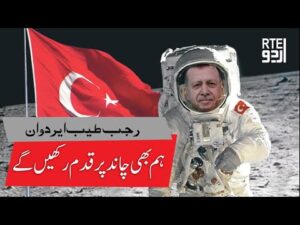


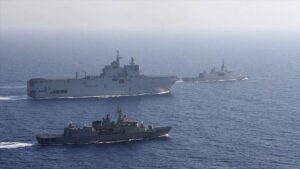 Anadolu Agency

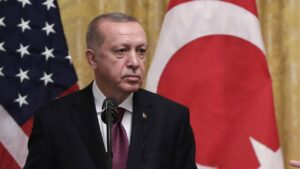




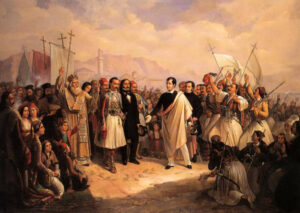 ΕΠΙΚΑΙΡΑ ΕΡΑΝΙΣΜΑΤΑ
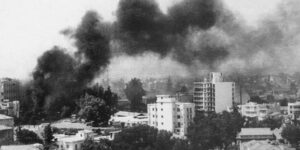 συμβούλιο και ζήτησε την κήρυξη πολέμου εναντίον της Τουρκίας. Οι στρατηγοί δεν δέχονταν. Ο Καραμανλής ήθελε να αποσταλούν από την Κρήτη μονάδες τεθωρακισμένων στην Κύπρο καθώς και υποβρύχια εναντίον των τουρκικών πλοίων και ελληνικές αεροπορικές δυνάμεις εναντίον τουρκικών στόχων. Αλλά ο ελληνικός στρατός δεν μπορούσε να αποτολμήσει όλα αυτά. (σ. 96)
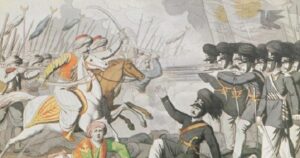 Οι τρεις Μεγάλες Δυνάμεις-Αγγλία, Γαλλία Ρωσία- ανεγνώρισαν τον αγώνα της ελευθερίας των Ελλήνων μόνο αφότου οι Φιλέλληνες από όλα τα κοινωνικά στρώματα σε διάφορες ευρωπαϊκές χώρες έδειξαν με έμπρακτη συμπαράσταση-βιβλία, δημοσιεύματα στον ημερήσιο τύπο, εράνους, εθελοντική συμμετοχή στον αγώνα-την πολιτική και ηθική σημασία του προπάντων μετά τις ακραίες βαρβαρότητες των Τούρκων. Η πρώτη, σύμφωνα με την περιγραφή από ένα Γερμανό ιστορικό: «Τον Απρίλιο του 1821 ο Πατριάρχης Γρηγόριος ο Ε΄απαγχονίστηκε με πλήρη αμφίεση μπροστά από την μεσαία πύλη του πατριαρχικού ναού, τρεις μητροπολίτες και τρεις ιερείς μπροστά από τους ναούς τους. Μισή ώρα μετά τον θάνατο του Πατριάρχη ο Μέγας Βεζίρης έβλεπε ηδονικά τον νεκρό πριν ρίξουν το πτώμα στην θάλασσα. (Β.Sosemann, Annaeherungen an Hellas, Βερολίνο 1995 σ. 54).
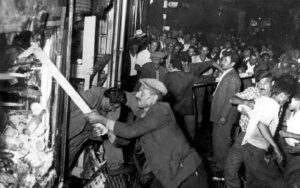 Σεπτεμβρίου και ο αφανισμός της ελληνικής κοινότητας της Κωνσταντινούπολης» -Ελληνική μετάφραση από τα Αγγλικά, Αθήνα 2007, σ. 632-668, ο διακεκριμένος ιστορικός Σπύρος Βρυώνης κλείνει με τις ακόλουθες- ίσως ποτέ άλλοτε τόσο επίκαιρες επισημάνσεις. «Παρά την ριζική στροφή, πριν από μερικά χρόνια στην ελληνική εξωτερική πολιτική, η οποία έχει οδηγήσει στην υποστήριξη της υποψηφιότητας της Τουρκίας στην Ευρωπαϊκή Ένωση, ο τουρκικός στρατός συνεχίζει την προκλητική τακτική των παραβιάσεων του ελληνικού εναερίου χώρου. Ταυτόχρονα, ο τουρκικός στρατός δυσκολεύεται να συμφωνήσει με την θεσμοποίηση των πολιτικών και ανθρωπίνων δικαιωμάτων όλων των Τούρκων πολιτών. Μολονότι το πογκρόμ της 6ης -7ης Σεπτεμβρίου 1955 εκτυλίχθηκε πριν από μισό αιώνα, η κληρονομιά του περιπλέκεται, ακόμη και σήμερα σε ένα μεγαλύτερο ιστό περιφερειακών και διεθνών συμφερόντων. Αυτός ο ιστός είναι πράγματι το κλειδί για την κατανόηση σημαντικών πτυχών αυτής της εν εξελίξει ιστορίας. Στην πραγματικότητα, η «επιτυχία» του τουρκικού στρατιωτικού τέρατος κατά την διάρκεια των τελευταίων πενήντα χρόνων έχει καταστήσει το τουρκικό κράτος μόνιμο καταπατητή όχι μόνο των ανθρωπίνων και των πολιτικών δικαιωμάτων των μειονοτήτων του, αλλά και των δικαιωμάτων της τεράστιας πλειονότητας του τουρκικού λαού»
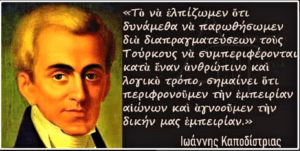 Η Ένωση βασίζεται στις αξίες του σεβασμού της ανθρώπινης αξιοπρέπειας, της ελευθερίας, της δημοκρατίας, της ισότητας, του κράτους δικαίου καθώς και του σεβασμού των ανθρωπίνων δικαιωμάτων, συμπεριλαμβανομένων των δικαιωμάτων των προσώπων που ανήκουν σε μειονότητες. Οι αξίες αυτές είναι κοινές στα κράτη- μέλη εντός κοινωνίας που χαρακτηρίζεται από τον πλουραλισμό, την απαγόρευση των διακρίσεων, την ανοχή, την δικαιοσύνη, την αλληλεγγύη και την ισότητα μεταξύ γυναικών και ανδρών. (Το Σύνταγμα της Ευρώπης, Άρθρο 1ο, Ειδική Έκδοση 2005). Οι αξίες αυτές συνιστούν «την κοινή ηθική όλων των Ευρωπαίων, στην διατήρηση των οποίων με κάθε τρόπο οφείλουν όλοι να συμβάλλουν (H. Schmidt, οππ., σ. 251)
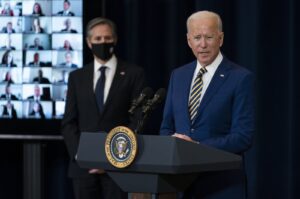 BY BATU COŞKUN