Chinese President Xi Jinping takes his oath during the Third Plenary Session of the National People's Congress (NPC) at the Great Hall of the People, in Beijing, China, 10 March 2023. MARK R. CRISTINO/Pool via REUTERS TPX IMAGES OF THE DAY
Πώς ο κινέζος ηγέτης έφτασε στην ομόφωνη επανεκλογή του στην προεδρία της Κίνας και την εξασφάλιση της ιστορικής τρίτης θητείας του.
Σε μια προσεκτικά χορογραφημένη τελετή στο Πεκίνο, ο Σι Τζινπίνγκ σήκωσε τη δεξιά του γροθιά και έβαλε το αριστερό του χέρι σε ένα κόκκινο δερμάτινο αντίγραφο του συντάγματος της Κίνας. Στον όρκο -που μεταδόθηκε ζωντανά από την κρατική τηλεόραση σε όλη την Κίνα– υποσχέθηκε να «χτίσει μια ευημερούσα, ισχυρή, δημοκρατική, πολιτισμένη, αρμονική και μεγάλη σύγχρονη σοσιαλιστική χώρα». Έτσι σήμανε την ομόφωνη επανεκλογή του σήμερα στην προεδρία της Κίνας και την εξασφάλιση της ιστορικής τρίτης θητείας του ως πρόεδρος, μία θητεία που είχε εξασφαλιστεί από τον Οκτώβριο.
Ποιος είναι ο κινέζος ηγέτης ;
Υπό κανονικές συνθήκες, φέτος θα ήταν η τελευταία χρονιά της διακυβέρνησης του, καθώς είχε συμπληρώσει το όριο των δύο θητειών που όριζε το Σύνταγμα, πριν τις αλλαγές που έκανε ο ίδιος. Ωστόσο, στο 20ο Συνέδριο του ΚΚΚ, τον Οκτώβριο, ο Σι, μετά από μία δεκαετία ήδη στην εξουσία, εξασφάλισε μια τρίτη θητεία ως Γενικός Γραμματέας και επικεφαλής της Κεντρικής Στρατιωτικής Επιτροπής, τις δύο πιο σημαντικές θέσεις του Κόμματος, το οποίο συνεπαγόταν πώς θα ηγούνταν της Κίνας τουλάχιστον για τα επόμενα πέντε χρόνια.
Κατά τη διάρκεια του Συνεδρίου, εξάλειψε βασικούς αντιπάλους από την ηγεσία της Κίνας, ενώ όρισε σε όλες τις θέσεις έμπιστούς του, απομακρύνοντας οποιονδήποτε θα μπορούσε να αμφισβητήσει τις πολιτικές του, όπως π.χ. τον πρωθυπουργό Λι Κετσιάνγκ, ώστε να μπορεί να έχει την απόλυτη κυριαρχία.
Όλα τα παραπάνω, σε συνδυασμό με το ότι δεν προέκυπτε κάποιος πιθανός διάδοχος αλλά και ότι οι εναπομείναντες ανώτεροι αξιωματούχοι που αντιτίθενται στον Σι ήταν απίθανο να διακινδυνεύσουν να μιλήσουν εναντίον του, συνέβαλαν στην επίτευξη του απώτερου σκοπού του: να γίνει ο ισόβιος ηγέτης της Κίνας.
Υπό τη δεκαετή διακυβέρνησή του, οι αρχές έχουν επεκτείνει κατά πολύ τη λογοκρισία και τους ελέγχους στην οικονομία, έχουν δημιουργήσει ένα εκτεταμένο δίκτυο στρατοπέδων συγκέντρωσης στη δυτική Σιντζιάνγκ και έχουν κατηγορηθεί για αμέτρητες παραβιάσεις ανθρωπίνων δικαιωμάτων.
Μελανό σημείο για την αυταρχική διακυβέρνησή του, η μεγάλη εγχώρια δυσαρέσκεια για τον χειρισμό της πανδημίας, η οποία εκτονώθηκε με πρωτοφανείς για το καθεστώς διαδηλώσεις στο τέλος του 2022.
Σύμφωνα με τον Guardian, δεν υπάρχει καμία προσδοκία ότι η ιδεολογία ή οι αρχές του Σι θα μετατοπιστούν στη τρίτη του θητεία. Σε πολλές από τις ομιλίες του, ο πρόεδρος μιλάει για την Κίνα που πρέπει να περιηγηθεί σε έναν όλο και πιο εχθρικό κόσμο, με το όραμά του να υποδηλώνει περισσότερη καταστολή στο εσωτερικό, περισσότερη κρατική παρέμβαση στην οικονομία –αν και αυτό έχει εμποδίσει την ανάπτυξη– και επιθετικότητα στο εξωτερικό.
Ενδεικτικό του τελευταίου, το οτι οι δεσμοί μεταξύ του Πεκίνου και της Ουάσιγκτον παραμένουν στον αέρα, μετά τους ισχυρισμούς ότι η Κίνα κατασκόπευε τις ΗΠΑ με μπαλόνια αλλά και λόγω της στάσης της ασιατικής χώρας στον ρωσοουκρανικό πόλεμο και της στενής σχέσης που έχει αναπτύξει με την Ρωσία.
Οι αναλυτές παρατηρούν πως τόσο στην εικόνα όσο και στη ρητορική του, ο Σι Τζινπίνγκ μιμείται τον Μάο Τσε Τουνγκ. Όπως και να έχει, ο Σι βιώνει τον δικό του πολιτικό θρίαμβο, ως ένας σύγχρονος αυτοκράτορας, όπως τον αποκαλεί η Washington Post.
In a world now dominated by U.S. strategic competition with Russia and China, what are the prospects that meaningful cooperation may still occur between the United States and these two countries? RAND researchers investigated the potential for such cooperation across a number of national security issues across the world and found that while not entirely absent, the prospects are slim.
A New National Security Focus
As the 2018 National Defense Strategy (NDS) makes clear, the primary national security concern facing the United States now is “strategic competition” with Russia and China, rather than terrorism. Of course, that does not mean that cooperation with Russia and China is not desirable, as long as it comes “from a position of strength and based on our national interests.” But is there is any room for meaningful strategic cooperation in this era of competition among great powers?
RAND researchers studied this question and found that
There is not much room to work in—that the “trade space” for cooperation is already narrow.
The obstacles to cooperation—particularly the absence of trust—are growing.
There are relatively few wedge issues that could be used to divide Russia and China.
The side benefits of cooperation over competition do not clearly outweigh the costs.
The Bottom Line
Cooperation will be rare and narrowly focused, often limited to making strategic competition “safer.” The Department of the Air Force, the Joint Force, and the United States as a whole should expect that the era of strategic competition is not going anywhere for the foreseeable future.
How the RAND Team Assessed the Prospects for Cooperation
Under what conditions can great power cooperation occur in an era of increasing great power competition?
In choosing issues, the researchers started by deriving a list of U.S. objectives from key American strategic documents, namely the NDS, National Security Strategy, findings of the bipartisan National Defense Strategy Commission, and more-tailored strategic documents, with input from the U.S. Air Force office that sponsored the research. Because China and Russia cannot be expected to share U.S. objectives or aid the United States in accomplishing them, the researchers reframed some of the U.S. objectives into more generalizable issues for which bilateral or trilateral cooperation might be more plausible. For example, although the United States may not be able to cooperate with Russia on preventing Russian aggression in the Baltics, both sides may be able to cooperate to improve security in the Baltic states in other ways. In general, the team’s analytic effort was weighted toward 22 national security issues in geographic areas prioritized in the NDS: the Indo-Pacific (7), Europe and the Middle East (7), and the global commons (8), which consists of overarching issues not specific to any one region.
Measuring the Prospects for Cooperation
Cooperation depends first on an alignment of interests. National security issues are often complex and multifaceted; only rarely do states’ equities perfectly align. Still, given that cooperation is rooted in self-interest, we can expect that the closer the alignment between states’ interests, the more likely they will be to cooperate on a given topic. Cooperation also hinges on the stakes at play for each country—that is, how much a national security issue matters.
Alignment
The RAND team’s approach to measuring rhetorical alignment looks at states’ public statements:
Yes
Competitors’ official documents and public statements support interests that largely overlap with U.S. interests.
No
Competitors’ official documents and public statements do not support interests that largely overlap with U.S. interests.
Mixed
Competitors’ interests are not entirely harmonious or adverse to U.S. objectives—which could occur when there is partial overlap in interests, when official statements on a subject are contradictory, or when official statements appear to resemble the U.S. position but it can be easily ascertained that the Chinese or Russian interpretation of their own position diverges from the U.S. understanding.
Stakes
To measure the stakes involved, the team used a high-medium-low coding scheme:
High
The issue is vital to the state’s survival or mentioned in its defense or foreign policy documents or official statements as a core national security concern.
Medium
The issue touches on the state’s self-conceived sphere of influence or key allies, partners, or economic relationships but does not directly affect the state’s or regime’s survival.
Low
The issue is peripheral to the state’s interests, capturing minimal attention in leaders’ public statements or official policy documents.
Cooperation
After identifying the list of issues across the geographic areas, researchers analyzed the American, Chinese, and Russian equities on each issue to gauge the possibility for cooperation. To do this, they drew on a range of official strategy documents, public statements, and English-, Chinese-, and Russian-language scholarly and policy analytic work on each issue. The team originally intended to conduct interviews with key government, academic, and policy experts in eight countries across the Indo-Pacific, Europe, and the Middle East—including China and Russia—about the prospects for cooperation, but because of COVID-19, only the Middle East field research in Israel and Jordan was completed before the global travel shutdown.
The potential for cooperation is measured on a high-medium-low scale, with not applicable (N/A) used where one of the countries does not really have a seat at the table but may have stakes in the issue.
Chief of Naval Operations Adm. John Richardson meets with senior Chinese defense officials at the People’s Liberation Army (Navy) headquarters in Beijing on January 14, 2019. Richardson was on a three-day visit to Beijing and Nanjing to encourage professional interactions at sea, specifically addressing risk reduction and operational safety measures to prevent unwanted and unnecessary escalation.
Photo by Chief Mass Communication Specialist Elliott Fabrizio/U.S. Navy
Cooperation in the Indo-Pacific
The Indo-Pacific is arguably ground zero for great power competition. Geographically, Russia and China are the two largest countries in Asia, and the United States borders the Pacific Ocean and maintains a sizable military presence in the region. All three powers thus have strategic and economic interests at stake in the region’s future. But the opportunities for great power cooperation on national security issues, particularly between the United States and China, are few and far between, as shown in the table.
Indo-Pacific Issue Sets
China
Russia
Alignment
Stakes
Cooperation
Alignment
Stakes
Cooperation
Maintaining a peaceful and open regional order
Mixed
High
Low
Mixed
Medium
Low
Promoting and preserving regional alliances
No
High
Low
Mixed
Medium
Low
Expanding strategic cooperation with Indonesia, Malaysia, and Vietnam
No
Medium
Low
Mixed
Low
Low
Managing cross-Strait differences between China and Taiwan
No
High
Low
Mixed
Low
Low
Achieving the denuclearization of North Korea
Yes
Medium
Medium
Yes
Medium
Low
Countering terrorism and violent Islamist extremism in Afghanistan and Southeast Asia
Mixed
Low
Low
Mixed
Low
Medium
India’s role and strategic orientation
Mixed
Medium
Low
No
Medium
Low
Maintaining a Peaceful and Open Regional Order. The United States, China, and Russia may share a common interest in a stable, peaceful Indo-Pacific governed by the rule of law, but there is little common ground beyond these vague generalities. Russia and China view the U.S.’s goal of a “free and open Indo-Pacific” as advancing American hegemonic interests, much as the United States views the actions of China and Russia as designed to place their own interests and power in privileged positions. And with China and Russia largely in lockstep on their worldview, there is little apparent room to cooperate with one over the other.
Promoting and Preserving Regional Alliances. In the zero-sum world of alliances, there is little room for U.S.-China-Russia cooperation here. For China and Russia, American alliances are at best an obstacle to be overcome, if not a mortal threat. Thus, any American policy to strengthen those alliances is likely to directly conflict with Chinese and Russian interests, leaving little room for any real cooperation, except on the tactical level.
Expanding Strategic Cooperation with Indonesia, Malaysia, and Vietnam. When it comes to Southeast Asia, American and Russian interests are not completely misaligned. The United States would prefer these countries to buy weapons from the United States or its allies, but Russian arm sales to Indonesia, Malaysia, and Vietnam still indirectly benefit American interests because those arms are most likely to be directed against Chinese forces. And Russian-owned corporations are cooperating with Vietnamese companies on resource extraction within China’s self-proclaimed Nine-Dash Line in the South China Sea, suggesting that Russia may be willing to pursue its own economic interests even when they contradict China’s preferences. But Russia’s willingness to challenge China goes only so far. Russia has not expressed clear support for China’s Nine-Dash Line claim, but it has consciously avoided taking Vietnam’s side and declined to mediate the dispute when Vietnam asked.
Managing Cross-Strait Differences Between China and Taiwan. Given China’s claims about the fundamental importance of achieving “reunification” with Taiwan, there is not much hope for great power cooperation on the core issue of “resolving” Taiwan’s final status. Russo-Taiwanese relations have improved but still pale in comparison to the value Russia places on its relationship with China, and Russia has shown no signs of moving closer to the U.S. position on Taiwan. The only real trade space for cooperation on Taiwan may be in preventing accidental conflict over the issue.
Achieving the Denuclearization of North Korea. Many analysts believe that all three powers would prefer a denuclearized North Korea, and both China and Russia have taken some limited steps in pursuit of that objective, such as signing UN Security Council resolutions to impose sanctions on Pyongyang. Still, they have often delayed such measures, negotiated verbiage to water them down substantially, and enforced sanctions unevenly if at all, and often only under substantial American pressure. Both Beijing and Moscow appear to prefer stability over denuclearization and have urged the United States to make concessions to North Korea, as well as to back off from its demand for complete, verifiable, and irreversible denuclearization. These structural goal divergences are unlikely to be transformed in the near term; therefore, the United States might best focus on more tactical goals, such as cooperating with China to help secure and render safe North Korean nuclear weapons in the event of a North Korean regime collapse.
Countering Terrorism and Violent Islamist Extremism in Afghanistan and Southeast Asia. It is hard to see how the United States can directly cooperate with China or Russia on counterterrorism in Asia in general and on Afghanistan in particular, especially given China’s ongoing crimes against humanity in Xinjiang and politicized use of “counterterrorism” for domestic repression. But China and Russia have committed forces to Afghanistan in the past. If the United States were to withdraw from Afghanistan, China and/or Russia might be forced by their own self-interest to take on a greater role in providing stability in the region. China and Russia almost certainly would not continue U.S. democracy and human rights promotion efforts in the country and may even work with Afghan insurgents (as both have been charged with doing).
India’s Role and Strategic Orientation. From the American standpoint, although Russia does not want India to become an American ally or bulwark for democracy, Russia’s willingness to sell advanced weaponry to New Delhi offers an opportunity for tacit cooperation to strengthen India against China. Traditionally, the United States has opposed India’s purchase of Russian weapons and threatened to impose sanctions, but the United States could drop its opposition to such sales, thereby making India a more formidable military competitor to China, albeit at the cost of undermining Washington’s own sanctions regime against Moscow.
U.S. soldiers with the California Army National Guard and the Oklahoma Army National Guard render salutes during the official opening ceremony for Rapid Trident 17 on September 11, 2017, at the International Peacekeeping Security Center in Yavoriv, Ukraine.
Photo by Sgt. Justin Geiger/U.S. Army
Cooperation in the Middle East and Europe
Opportunities for cooperation are more promising in the Middle East (the first two rows of the table) because the United States’, China’s, and Russia’s interests are in tension, but not always diametrically opposed. In Europe, the United States and Russia—the two powers with the highest stakes—are diametrically opposed in many of their core objectives. However, the shared interest in avoiding an unintended escalation to conflict between the United States/NATO and Russia produces at least some opportunity to cooperate. China’s relatively low stakes in the area, its general opposition to U.S. interests, and its deference to Russia on many issues of European security that divide Russia and the United States/Europe make it highly implausible that China would be inclined to cooperation across virtually any of the issue sets in Europe (thus, prospects are assessed as “N/A” rather than “Low” for most of those issues in the table).
Middle East and Europe Issue Sets
China
Russia
Alignment
Stakes
Cooperation
Alignment
Stakes
Cooperation
Middle East stability and peace processes
Mixed
Medium
Medium
Mixed
Medium
Medium
Countering Iran and its proxies
Mixed
Medium
Medium
Mixed
Medium
Medium
Broader Euro-Atlantic security
Mixed
Low
N/A
Mixed
High
Medium
Baltic security
Mixed
Low
N/A
Mixed
High
Medium
Balkan security and strategic orientation
Mixed
Low
N/A
Mixed
Medium
Low
Turkey’s regional role and strategic orientation
No
Low
Low
Mixed
Medium
Low
The future of Ukraine
Mixed
Low
N/A
Mixed
High
Medium
Middle East Stability and Peace Processes. This remains an area where cooperation on core security issues with Russia, and to a lesser extent China, is possible. Although China and Russia seek to undermine U.S. influence in the region, all three powers favor stabilization of the region’s conflicts. Notably, all three share some interest in advancing the Israeli-Palestinian peace process, stabilizing and rebuilding Syria, and ensuring U.S.-Russia military deconfliction in Syria. All three powers—though to varying degrees—have supported these interests in word and deed. Yet cooperation on these issues is beset by obstacles and is contingent on changed conditions (such as the departure of Assad from power in Syria) and on future U.S. policy choices (such as its approach to the Israeli-Palestinian peace).
Countering Iran and Its Proxies. Although China and Russia have cooperative relationships with Iran, there is some potential to cooperate with Russia, and to a lesser extent China, on countering malign Iranian activities. First, neither Russia nor China favors a nuclear-armed Iran. Both have cooperated on international efforts to curtail Iran’s nuclear program, even though China opposed the U.S. sanctions regime. Chinese and Russian efforts to keep the Joint Comprehensive Plan of Action alive suggest that both remain averse to a nuclear Iran and may be open to renewed cooperation, conditional on the U.S. approach after its withdrawal from the agreement. Second, there is some potential to cooperate on limiting at least some advanced arms and military technology exports to Iran. Both China and Russia have, at times, limited arms sales to Iran and complied with UN sanctions, though China has done so grudgingly. Third, there may be room for tactical cooperation with Russia in countering Iran’s proxy network, some of which threatens to undermine Russia’s influence in a post-conflict Syria. In the past, Russia has promised to keep Iranian forces from a buffer zone in Syria near the Israeli and Jordanian borders (albeit without much success) and passively acquiesced to Israel’s strikes against Iranian affiliates in Syria.
Broader Euro-Atlantic Security. There is no tenable space for cooperation with either Russia or China that would advance U.S. interests with respect to the key pillar of Euro-Atlantic security architecture, the future of NATO. But there is some potential for cooperation to reduce the risk of inadvertent escalation between NATO and Russia, based on existing or alternative instruments of conventional arms control and confidence- and security-building measures.
Baltic Security. There is no room for cooperation when it comes to the core U.S. objective of preventing Russian aggression and limiting Russia’s malign influence in Estonia, Latvia, and Lithuania. Building on the same mutual interest in reducing the chances of unintended conflict between Russia and NATO states, cooperation with Russia may be possible on deconfliction or escalation management measures.
Balkan Security and Strategic Orientation. There is scant space for cooperation with either China or Russia to address most sources of instability in the Balkan region or to integrate the Balkan countries more firmly into Western institutions, as neither competitor sufficiently shares the same goals. A somewhat speculative, but noteworthy, area for potential cooperation with Russia might be stabilizing the Kosovo-Serbia conflict. This is contingent on Serbia’s willingness to seek U.S. help to normalize relations with Kosovo, in which case Russia might cooperate so as not to lose influence over its close partner, Serbia.
Turkey’s Regional Role and Strategic Orientation. Because both China and Russia wish to push Turkey further away from NATO and the West, there is no prospect of cooperation to advance the key U.S. interests in Turkey. A relatively narrow trade space might exist for the United States and Russia to cooperate on reducing the risk of unintended escalation in the Black and Mediterranean seas, the European regions where Russia and Turkey are most likely to become involved in dangerous incidents that risk drawing in NATO. Still, Russia’s willingness to cooperate in this regard is relatively low.
The Future of Ukraine. Although there is no trade space for cooperation with Russia when it comes to the ultimate vision for Ukraine’s future (i.e., pertaining to its prospects for EU or NATO membership), there is some space to cooperatively advance conflict resolution based on the Minsk II agreements. There is also space for cooperation on the more modest goals of limiting hostilities and the worst humanitarian consequences of the conflict in Ukraine’s East and constraining the potential for the conflict to escalate or spill over. Although Russia’s aggression set off the conflict, which then plunged relations between Russia and the West to a post–Cold War low, the conflict cannot realistically be settled without Russia’s participation.
Soldiers provide overwatch during a deployment of Stryker armored vehicles as part of the U.S. Army Alaska-led Arctic Edge 2018 exercise held at Eielson Air Force Base, Alaska, March 13, 2018. Arctic Edge 2018 is a biennial, large-scale, joint-training exercise that prepares and tests the U.S. military’s ability to operate tactically in extreme cold-weather conditions found in Arctic environments.
Photo by Airman 1st Class Isaac Johnson/U.S. Air Force
Cooperation in the Global Commons
The global commons issues—those related to the “common domains” of outer space, cyberspace, and the air and maritime domains that are not the sovereign territory of any specific state—could offer more cooperation opportunities than the geography-specific topics. The research team also considered “common goods” abstractly—policy objectives shared across the international community that are not bound to a specific region or location, such as countering violent extremist organizations and transnational criminal networks, promoting global stability, and preventing nuclear proliferation and arms races. Yet even across these issues (see the table), cooperation is challenging and the room for negotiations is relatively narrow, because as much as these issues may be “common,” they are still inextricably linked with core sovereignty and national security concerns.
Maintaining Freedom of Access to Space. The United States, China, and Russia all have strong interests in space on issues that might pose a threat to space exploration, such as space debris. The United States has cooperated with both powers on civilian uses of space and enjoyed long-term cooperation with Russia on such projects as the International Space Station. At the same time, all three countries seek to maintain a robust space capability and unfettered access to the domain for both commercial and military purposes, while denying it to their adversaries. Thus, future cooperation in space may be limited.
Dismantling Transnational Criminal Organizations/Networks. Transnational crime inflicts human and economic costs on all nation-states. But China’s cooperation is often transactional, and experts are skeptical about the sincerity of its promises to crack down on Chinese sales of fentanyl abroad. Russia’s willingness to cooperate with the United States has also proven mixed, partly because of Russia’s own ambivalence toward organized crime, the criminalization of its politics, and its preference for methods of cooperation that give it control over the effort.
Countering Violent Extremist Organizations. As with the issue of transnational crime, turning interest into cooperation has proven difficult for this issue. U.S. cooperation with Russia on counterterrorism may be somewhat more plausible than with China, but only barely. The United States and Russia differ on who they consider to be terrorists and on methods for counterterrorism. Thus, while the United States and Russia may be able to coordinate and deconflict their counterterrorism efforts on an operational level, more fulsome cooperation is unlikely.
Promoting Global Stability. The United States, China, and Russia all support promoting global stability, but disagree about the best means to do this. The United States views China and Russia’s support for oppressive regimes as counterproductive, while China and Russia view the United States’ democracy and human rights promotion and military intervention as destabilizing and interfering with states’ sovereignty. Despite this, China’s growing role in peacekeeping could be an area for potential future cooperation. With Russia, the United States could cooperate on promoting global stability, but at a cost. Such cooperation would itself be inhibited by diminished trust between the countries and countervailing strategic priorities.
Preserving Access to the Air and Maritime Commons. In the abstract, the United States, China, and Russia all want their citizens and goods to travel freely through these shared spaces and the ability to exploit the resources located in the maritime domain. There may be room for cooperation with Russia and China on air and maritime commons issues, particularly on common threats (e.g., Somali counterpiracy) and regions of common interest (e.g., the Horn of Africa). But moving beyond a handful of issues and select locations, each power’s strategic and economic interests limit the potential for cooperation.
Preventing Nuclear Arms Races. The United States and Russia, the two largest nuclear powers, have a history of cooperation on nuclear arms control and nuclear safety and an equally long history of mutual distrust. The United States has a growing list of complaints about Russia’s violations of existing agreements. Extending the New Strategic Arms Reduction Treaty (START) likely will ensure a certain level of global nuclear stability and preserve verifiable constraints on nuclear arsenals. Nuclear safety could be another promising area of cooperation, as both countries share a concern that nuclear material could fall into the hands of malign nonstate actors or third countries with inadequate security protocols. But China has been reluctant to participate in arms control discussions.
Preventing Militarization of the Arctic. There is a mismatch between the willingness and the ability of the three countries to cooperate in the Arctic. China has a growing interest in leveraging the Arctic’s resources and its trade routes, but China’s ability to affect Arctic policy is limited. Russia has a core interest in ensuring that it maintains the economic rights to the Northern Sea Route and that its territory and nuclear capability remain secure and its sovereign territories remain well protected. While there may be some room for cooperation with Russia on environmental protection, scientific exploration, and search and rescue operations in the Arctic, larger issues will likely remain challenging.
Maintaining the Openness of Cyberspace. This is arguably the site of some of the fiercest competition between the great powers, and the prospects for cooperation are dim and would come at a significant cost. Fundamentally, the three countries disagree over how to govern cyberspace. Russia and China view control over the cyber domain as vital to their survival and a powerful and cost-effective weapon to wield against the United States.
Then–Vice President Joe Biden greets Russian Prime Minister Vladimir Putin at the Russian White House, in Moscow, March 10, 2011.
Photo by David Lienemann/Official White House
Growing Obstacles to Cooperation
Even if interests overlap on an issue, this does not necessarily mean the countries are likely to choose to cooperate in practice. International cooperation often confronts a series of obstacles, some more immutable than others. The left panel lists eight obstacles that hinder cooperation and that manifest themselves in the 22 policy areas described above.
Across all the Indo-Pacific, Europe/Middle East, and global commons issues, multiple, significant obstacles must be overcome. How insuperable are these obstacles? Are they merely speed bumps, or are they roadblocks to cooperation? At one level, we do not and cannot know how formidable an obstacle is until states try to overcome it. Still, logically, certain obstacles should be more easily overcome than others.
The lack of immediacy problem is, perhaps, the easiest for a country to fix, if leadership chooses to make a given issue a priority. Capability, capacity, or structural constraints and legal constraints can be resolved by shifting a country’s investment priorities, tweaking organizational structures, and/or changing laws, which can be harder to do in democracies than autocracies but which still lie within the realm of the feasible. Issue linkage and definitional obstacles can be resolved through negotiation and through narrowing the scope of the issues at hand. Audience costs and third-party obstacles may be on the more difficult end of the spectrum to resolve, because they require a country’s leaders to get buy-in from external constituencies. Still, politicians and diplomats spend careers building support for policies.
Arguably, the most difficult obstacle to overcome is distrust. Trust revolves around perceptions of an adversary. What is more, this obstacle is growing—a trust deficit. International institutions should be one way to mitigate this lack of trust, but thus far they have not succeeded in doing so. As the United States’ trust in Russia and China declines (and vice versa), the distrust obstacle will become increasingly significant, making other obstacles that much harder to overcome and cooperation in the future that much more difficult and less likely.
Few Wedge Issues; Positive and Negative Second-Order Effects
Pursuing cooperation for its own sake is unlikely to substantially advance important U.S. interests.
International cooperation is sometimes presented as a good unto itself. This view stems from both a normative judgment that harmonious interactions between states are better than conflictual ones and from a strategic premise that international cooperation is a prerequisite for solving the world’s most difficult problems. But the RAND team’s analysis suggests that pursuing cooperation for its own sake is unlikely to substantially advance important U.S. interests.
For the United States, one of the foremost geopolitical challenges is dealing with two great power adversaries simultaneously. One promising way to approach this would be to use cooperation to drive a wedge into the relationship between them. Cooperation with China or Russia on “wedge” issues might serve to inject tensions into the two competitors’ strategic partnership. But analysis suggests there are relatively few “wedge” issues of this sort.
Another argument for cooperation rests on the idea that cooperation may spark a virtuous cycle, with cooperation begetting more cooperation. The underlying logic is that trust built from successful cooperation in one area can lead to more harmonious relationships. A gradual build-up of trust from instances of successful cooperation that spill over into other areas may well be one positive second-order effect. But cooperation on the issues within the trade space is likely to have both positive second-order effects on other issues and U.S. allies and partners, as well as negative ones; this would inevitably entail trade-offs.
Also, evidence suggests that these positive second-order effects can be elusive, at least in the near term. The few clear-cut successful cases of cooperation on national security matters and the mixed cases of cooperation on issues such as the Middle East peace, counterpiracy, or counterterrorism may have reduced great power friction in select areas, but they have not yet produced the spillover effect that some may have hoped to see.
In the final instance, cooperation, even where theoretically possible, has both benefits and costs—direct and second-order ones. Great power cooperation could affect the U.S.’s relations with other countries for better or for worse, as the United States’ actions might be viewed as either reducing regional tensions or as abandoning them to a hostile power. U.S. decisionmakers should carefully consider where and whether to attempt cooperation with one or the other competitor.
U.S. Trade Representative Ambassador Robert Lighthizer, senior staff, and Cabinet members meet with Chinese Vice Premier Liu He and members of his delegation for the U.S.-China trade talks Wednesday, January 30, 2019.
Photo by Andrea Hanks/Official White House
Concluding Thoughts and Key Recommendations
The overarching finding from the RAND team’s analysis is that the prospects for cooperation on national security issues between the United States, China, and Russia are narrow and may be narrowing. To respond to this gloomy forecast, the United States should cooperate in the few places where it can with China and Russia—and prepare for long-term strategic competition. While a “grand bargain” that can reset the proverbial great power playing board has a certain allure, no such bargains are in sight. Another commonly debated idea for cooperation is to try to leverage Russia to counter China, but few potential wedge issues exist to do so. Finally, cooperation is sometimes treated as an unqualified good, but cooperation always involves transactional costs; while some fights are worth fighting, others are not.
Given these concerns, the RAND team identified recommendations, summarized below, on how the United States can best pursue cooperation, organized by whether they pertain to the U.S. government, the Department of Defense and the Joint Force, or the U.S. Air Force and U.S. Space Force. A full discussion of the list is provided in the report.
U.S. Government
View cooperation as a strategic choice, rather than as an objective unto itself.
Embrace self-interested cooperation.
Concentrate efforts on the global commons and the Middle East.
Use international organizations to ease cooperation, but accept their limitations.
Divide the 22 issue areas into more narrowly focused topics
Prepare for long-term competition.
Department of Defense and the Joint Force
Focus on deconfliction and de-escalation.
Coordinate with allies on “safe competition.”
Concentrate on North Korea contingency planning, counterpiracy, and counterterrorism.
Weigh the utility of Russian arms sales to Indo-Pacific partners.
U.S. Air Force and U.S. Space Force
Expand air deconfliction mechanisms.
Increase communications on space debris management.
Τα προβλήματα χρονίζουν και επιδεινώνονται. Κάθε φορά που σπάει ένα σπυρί καταλαβαίνεις πόσο εκτεταμένη είναι η μόλυνση και πόσο βαθιά είναι η σήψη.
Εγκύκλιος παιδεία με τσιτάτα, παπαγαλίες, έλλειψη επιχειρημάτων, ορθού λόγου κ.ά., φυσικό είναι να οδηγεί σε κοινωνίες του φαίνεσθαι, του επιδεικνύειν, της δοκησισοφίας, του ωχαδελφισμού και άλλων παλιών και νέων παθογενειών.
Ο λόγος στοχαστών, επιστημόνων, ανθρώπων που ψάχνουν, που αφουγράζονται, που πονούν, που προβάλλουν αξίες, θάβεται γρήγορα μέσα στην οχλαγωγή από επιτήδειους που διαθέτουν τα μέσα και την ισχύ. «Μη μου τους κύκλους τάραττε». Οι πολίτες μειώνονται και οι υπήκοοι αυξάνουν.
1 «Ας σταθούμε σε δύο λέξεις, που αν και φαίνεται να έχουν την ίδια σημασία, διαφέρουν ουσιαστικά και χαρακτηρίζουν την εκάστοτε κοινωνία, οι έννοιες πολίτης και υπήκοος. Πολίτης σήμαινε στα αρχαία ελληνικά ο ελεύθερος άνθρωπος που ήταν μέλος της πόλης και του τρόπου διακυβέρνησης, με ενεργή συμμετοχή στη λήψη αποφάσεων και δικαίωμα συμμετοχής στο εκλέγειν και εκλέγεσθαι. Η ενεργητική αυτή έννοια διέφερε κατά πολύ από την παθητικότητα που εκφράζει η έννοια υπήκοος, που στην αρχαιότητα πάλι σήμαινε, αυτός που ακούει και κατ΄επέκταση ο ευπειθής, ο υποτασσόμενος στον ηγεμόνα ή στην χώρα.
Πολίτης λοιπόν ή υπήκοος, ενεργή συμμετοχή στις αποφάσεις ή παθητικότητα, αμηχανία και υποταγή; Ποιες είναι οι θέσεις και ποιες οι αντιθέσεις στις ενσπειρόμενες φοβίες «πολιτισμένων απειλών» όπως: διατήρηση των συνθηκών διαβίωσης, παγκόσμια οικονομία, παγκοσμιοποιημένος πλανήτης, χρηματιστήρια αειφόρου ή βιώσιμης ανάπτυξης και τόσες άλλες βαρύγδουπες εκφράσεις;
Τα δεδομένα μιλούν από μόνα τους: Αυξάνεται η ανισότητα στον πλανήτη. Οι 62 πιο πλούσιοι άνθρωποι διαθέτουν τόσο πλούτο, όσο ο μισός πληθυσμός του πλανήτη μας.»
Και βεβαίως θα εμφανίζονται πάντα οι σωτήρες που θα επικαλούνται την ανεπάρκεια και την ανικανότητα των προηγουμένων, θα μιλούν για την άμεση ίαση των χρόνιων παθήσεων, θα υπόσχονται «γη της επαγγελίας» … και ο φαύλος κύκλος θα συνεχίζεται … … και η αδράνεια θα μεγαλώνει τον φόβο και την απογοήτευση …
Τα προβλήματα είναι πολλά και όσο δεν τα λύνεις τόσο θα συσσωρεύονται και θα αυξάνονται. Οι κοινωνίες δεν προετοιμάζονται για την 4η λεγόμενη τεχνολογική επανάσταση. Οι «από μηχανής θεοί» δεν φαίνεται να είναι … διαθέσιμοι, και η διάθεση για επίλυση των προβλημάτων δεν είναι ορατή … Η καλλιέργεια θέλει χρόνο για να αποδώσει και για να πετύχει θέλει τον κατάλληλο σπόρο, το κατάλληλο χώμα αλλά και τον κατάλληλο χρόνο σποράς.
Οι καιροί ου μενετοί …
2 «Όλο και πιο έντονα κουδουνίζουν στα αυτιά και καρφώνεται στο μυαλό ο στίχος του Τζον Ντον (1624) και το πιστεύω του Έρνεστ Χεμινγουέι (1940) … όταν ακούς να χτυπά η καμπάνα, μη ρωτάς για ποιόν χτυπάει, να ξέρεις ότι χτυπάει για σένα …».
1, 2 – Ζαχαρίας Σκούρας. Ταξιδεύοντας στην εποχή του ανθρώπου. Η Ζωή στην Ανθρωπόκαινο (2019) Εκδόσεις ΓΕΡΜΑΝΟΣ
Ζαχαρίας Σκούρας
*Η επιλογή των φωτογραφιών και του σκίτσου είναι των Ανιχνεύσεων
Congress has considered notable legislation to improve the U.S. contribution to Black Sea security and stability. This effort is laudable and should be supplemented with a broader array of security cooperation initiatives to ensure U.S. actions match the level of U.S. interests. Focusing diplomatic and security engagement activities to build maritime security capacities in the wider eastern Mediterranean region can best position the United States to navigate the myriad and often conflicting national interests of regional partners. In this strategic environment, a maritime approach can bring lightly aligned nations together for common cause.
KEY TAKEAWAYS
U.S. action is needed urgently in the Greater Mediterranean to grow the space for free, secure, and resilient commerce.
The United States should leverage its network of partner nations and alliances.
Supporting maritime security capacities in the wider eastern Mediterranean region will best address the myriad national interests of U.S. partners in the region.
Iran, Russia, and China continue to expand their influence in Europe, a region critical to transatlantic security and U.S. interests. America is beneficiary of a Europe whole, free, prosperous, and peaceful. To this end, expanding stability in Eurasia, the Middle East, and North Africa is important. To achieve this, U.S. action is needed urgently in the Greater Mediterranean to grow the space for free, secure, and resilient commerce that enables security and diplomatic cooperation.
Currently, U.S. efforts in the region are not commensurate with America’s interests: European energy resiliency, a secure Black Sea, and freedom from the destabilizing scourge of a range of illicit maritime activities. The United States can accomplish a great deal more through security cooperation, burden-sharing, and joint action. The United States should leverage its network of partner nations and alliances, a joint capability that China, Russia, and Iran cannot match.
Why the Eastern Mediterranean Matters
The wider eastern Mediterranean sits at an important crossroads, straddling Europe, the Middle East, North Africa, and Asia. Many important oil and gas pipelines, shipping routes, and fiber-optic cables crisscross the region throttled at two strategic chokepoints: the Suez Canal and the Turkish Straits.
Strengthening alliances that benefit U.S. interests is important. Burden-sharing requires not just demanding allies do more but making an equitable contribution as well and sharing responsibilities, risks, and rewards of effective security cooperation. America has treaty obligations under NATO to Black Sea nations Bulgaria, Romania, and Türkiye. In addition, America’s biggest European geopolitical competitor, Russia, is at war with Ukraine and remains a threat undermining U.S. interests across the wider region.
The following dangers and concerns put this crossroads at risk.
Russia. For Moscow, the wider eastern Mediterranean presents opportunities to expand and protect its southern flank while also challenging the United States and its allies. The Kremlin’s strategic objectives in each maritime subregion, however, are different. On the one hand, in the Black Sea and Caspian Sea, Russia aims to maintain its status as the dominant power and prevent NATO and Western powers from gaining a foothold. In the eastern Mediterranean, the goal is to expand its presence to undermine the military alliance NATO and fragment the economic coherence of the European Union.
China. Beijing seeks to exploit Russian and Western competition and engage where it can while furthering economic and military interests via its Belt and Road Initiative. China is on track to dedicate over $1 trillion by 2027 to developing the seaborne element of the Belt and Road, its Maritime Silk Road, beginning in Southern China and ending in Europe.1
Andrew Chatzky and James McBride, “China’s Massive Belt and Road Initiative,” Council on Foreign Relations, last updated January 28, 2020, https://www.cfr.org/backgrounder/chinas-massive-belt-and-road-initiative (accessed January 29, 2023).
Investments aim to improve connectivity and cooperation across the region through improved infrastructure and industrial development. Port infrastructure has been a particular focus for China, with investments in the Greek port of Piraeus, now a majority stakeholder, and other efforts to gain footholds in Israel, Italy, Germany, and many more countries across the region. Maritime port access in strategic trade nodes will ultimately give China strategic dominance. This is done through control of the port and local political influence without having to fight for naval dominance in each of these subregions. The war in Ukraine, however, gives the United States an opportunity to rethink its engagement in the wider eastern Mediterranean to challenge both Russia as a weakened power and China as a rising power.
Freedom of the Commons. For the United States, freedom of navigation and access drive engagement in the wider eastern Mediterranean. Although each of the maritime subregions present different challenges for U.S. fleets, all are united by a common U.S. goal: to ensure the security and stability of a region that is today anything but secure and stable. Ultimately, Washington should look for opportunities to strengthen the capabilities of its partners and allies in the Black Sea, Caspian Sea, and eastern Mediterranean to deter Russia’s maritime ambitions and protect Europe. The United States has a unique opportunity to contribute to the development of nations that seek to chart their own destiny and integrate with the West absent the oppressive influence of external powers.
Regional Stability. The Black Sea region has been inherently unstable since the dissolution of the Soviet Union. Complex and unworkable agreements between Russia and Ukraine have not helped, such as the disposition of the remnants of the Soviet Black Sea Fleet. This arrangement spelled out basing and access for Russian naval forces in Sevastopol as well as the division of the Soviet fleet between these two new nations until its dissolution by Russia’s 2014 invasion and annexation of Crimea.2
Agreement between Ukraine and the Russian Federation on the status and conditions of stay of the Black Sea Fleet of the Russian Federation on the territory of Ukraine, May 28, 1997, https://zakon.rada.gov.ua/laws/show/643_076#Text (accessed November 11, 2022).
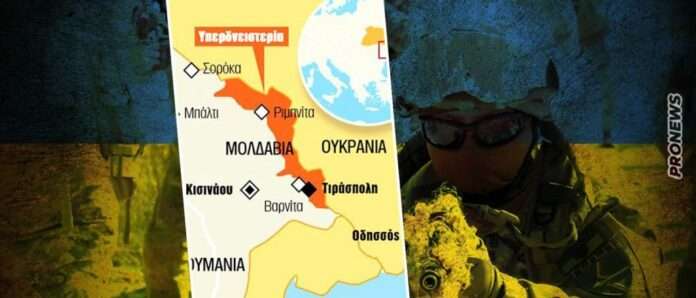
As the fighting progresses in the current Ukraine–Russia war, a lasting peace will be possible only with a firm and simple resolution of borders, maritime rights, and, importantly, a favorable balance of power with a greatly diminished Russian naval presence. However, Russia’s occupation of Georgia’s Abkhazia and South Ossetia, and its presence in disputed breakaway province Transnistria, gives the Kremlin a basis for future intervention.
Energy Security. Azerbaijan is a potential strategic partner for the United States, because its capital and the largest port on the Caspian Sea, Baku, serves as a transportation hub for goods shipped between Europe and Central Asia.3
James Carafano, “The West Should Welcome the Middle Corridor,” Heritage Foundation Commentary, October 3, 2022, https://www.heritage.org/trade/commentary/the-west-should-welcome-the-middle-corridor.
The nation’s oil and natural gas exports can serve as a significant alternative to Russia for Europe, while greater trade with Europe serves as a counterweight to Iran and Russia.4
Anthony Kim, “Oklahoma National Guard Deepens Strategic Engagement with Azerbaijan,” The Daily Signal, October 26, 2022, https://www.dailysignal.com/2022/10/26/oklahoma-national-guard-deepens-strategic-engagement-with-azerbaijan/.
To achieve this, the current bilateral relationship focusing on counterterrorism and intelligence-sharing will need to broaden to include securing its offshore oil infrastructure.5
Luke Coffey, “Azerbaijan and Armenia: A Regional Conflict with Global Implications,” Heritage Foundation Backgrounder No. 3542, October 6, 2020, https://heritage.org/global-politics/report/azerbaijan-and-armenia-regional-conflict-global-implications.
Azerbaijan’s claims in the Caspian Sea include vast hydrocarbons and other natural resources. The Azeri–Chirag–Deepwater Gunashli is Azerbaijan’s largest oilfield, with total production in 2021 averaging 458,000 barrels per day (167 million barrels a year), and the Shah Deniz field is one of the largest gas-condensate fields in the world.6
British Petroleum, “2021 Full-Year Results,” February 10, 2022, https://www.bp.com/en_az/azerbaijan/home/news/business-updates/Full-year-2021-results.html#accordion_1 (accessed January 13, 2023).
According to British Petroleum (BP), in the first half of 2022, Azerbaijan produced about 13 billion standard cubic meters of gas and more than 18 million barrels of crude.7
British Petroleum, “Shah Deniz,” https://www.bp.com/en_az/azerbaijan/home/who-we-are/operationsprojects/shahdeniz.html (accessed December 28, 2022).
For now, the amount of gas delivered to Europe from Azerbaijan is a small percentage of its annual consumption.8
British Petroleum, Statistical Review of World Energy 2022, 71st ed., 2022, p. 31, https://www.bp.com/content/dam/bp/business-sites/en/global/corporate/pdfs/energy-economics/statistical-review/bp-stats-review-2022-full-report.pdf (accessed January 13, 2023).
However, Azerbaijan’s exports are growing. In October 2022, Azerbaijan announced that by 2027, the country will double its natural gas exports to partners in Europe.9
Joseph Hammond, “Azerbaijan’s Response to Russia’s Invasion Has Included Plans for Increased Energy Exports to Europe,” Forbes, October 28, 2022, https://www.forbes.com/sites/zengernews/2022/10/28/azerbaijans-response-to-russias-invasion-has-included-plans-for-increased-energy-exports-to-europe/?sh=366ee2782fc4 (accessed January 29, 2023).
Three of the major oil pipelines that transport Caspian and Central Asia energy travel through Azerbaijan: Baku–Tbilisi–Ceyhan (BTC), Baku–Supsa, and Southern Gas Corridor.10
Anthony Kim, “Why Azerbaijan Merits Greater Strategic Attention from Washington,” The Daily Signal, July 19, 2022, https://www.dailysignal.com/2022/07/19/why-azerbaijan-merits-greater-strategic-attention-from-washington/.
Significantly, Israel also receives 40 percent of oil imports from Azerbaijan via the BTC pipeline and then on ship.11
Tovah Lazaroff, “Azerbaijani Ambassador: Border Hostilities May Harm Israeli Oil Supplies,” Jerusalem Post, July 21, 2020, https://www.jpost.com/israel-news/azerbaijani-ambassador-border-hostilities-may-harm-israeli-oil-supplies-635851 (accessed December 28, 2022).
That said, these pipelines transit dangerous ground, vulnerable to criminal, external, and regional threats. Siphoning and other criminal or destructive efforts are a continual concern. An intricate, successful criminal operation in 2016 was uncovered in neighboring Georgia.12
Eurasianet, “Is This the Most Intricate Oil Theft Operation Yet?,” OilPrice.com, March 23, 2016, http://oilprice.com/Energy/Energy-General/Is-This-The-Most-Intricate-Oil-Theft-Operation-Yet.html (accessed December 28, 2022).
During the October 2020 Nagorno–Karabakh conflict, Azerbaijan reported that its air defense systems intercepted and destroyed missiles near these pipelines.13
Reuters, “BP Works on Reinforcing Security at Azerbaijan Facilities,” October 7, 2020, https://www.reuters.com/article/armenia-azerbaijan-bp-int/bp-works-on-reinforcing-security-at-azerbaijan-facilities-idUSKBN26S27U (accessed February 28, 2023); Kama Mustafayeva, “Azerbaijan ‘Thwarts Rocket Assault’ on Oil and Gas Export Pipelines,” Upstream, October 7, 2020, https://www.upstreamonline.com/politics/azerbaijan-thwarts-rocket-assault-on-oil-and-gas-export-pipelines/2-1-889154 (accessed December 22, 2022).
From March through June 2022, BP closed the Baku–Supsa pipeline due to the Ukraine war disrupting commercial tankers collecting Azerbaijani crude at Supsa, located on Georgia’s coast of the Black Sea. Exports were rerouted to ship through BTC pipeline on Türkiye’s Mediterranean coast.14
David O’Bryne, “Ukraine War Forces Closure of Azerbaijani Oil Export Pipeline,” Eurasianet, June 6, 2022, https://eurasianet.org/ukraine-war-forces-closure-of-azerbaijani-oil-export-pipeline (accessed December 27, 2022).
Another constant consideration is Russia’s creeping occupation in Georgia. In 2015, Russian border guards extended the border of South Ossetia in Georgia, putting Russia and pro-Russia South Ossetia in control of a mile-long stretch of the Baku–Supsa pipeline.15
Luke Coffey, “NATO Membership for Georgia: In U.S. and European Interest,” Heritage Foundation Special Report No. 199, January 29, 2018, https://www.heritage.org/defense/report/nato-membership-georgia-us-and-european-interest.
Through its presence in South Ossetia, Russia has the ability to threaten the Southern Gas Corridor. In order for these pipelines to serve as an alternative energy supply to Europe, Azerbaijan and its neighbors must have the capacity to secure overland and undersea pipelines as well as offshore Caspian Sea oil facilities.
Illicit Maritime Activity. Despite United Nations arms embargoes on Libya, 11 years of civil war there has created a permissive environment for smuggling of illicit arms, migrants, and narcotics.16
Countries such as Egypt, Jordan, Russia, Türkiye, Qatar, and the United Arab Emirates have all been accused of supplying weapons to various factions within Libya, fueling the conflict.
A U.N. report released in March 2021 detailed dozens of arms shipments over a period of October 2019 to January 2021, including drones, surface-to-air missiles, artillery, and armored vehicles, as well as the deployment of mercenaries—including Russians, Syrians, Sudanese, and Chadians via disguised airlines and merchant vessels operating in eastern Mediterranean waters.17
Samy Magdy, “UN Report Documents Mass Violations of Libyan Arms Embargo,” AP News, March 18, 2021, https://apnews.com/article/africa-libya-middle-east-north-africa-united-nations-d7418ac4d2bf98ecf4bc2654c5008e65 (accessed December 19, 2022).
Although a cease-fire was declared in 2020 between the warring parties in Libya, the U.N.-sponsored peace process has not yet led to presidential elections, and ongoing tensions among rival factions could push the country back into civil war at any time.
In addition, narcotics trafficking is a persistent threat in the eastern Mediterranean. Record amounts of Captagon—an amphetamine-type illicit stimulant—have been seized in the Middle East and increasingly in Europe. From 2017 to January 2022, 10 Captagon shipments were seized in European ports or airports.18
Caroline Rose and Alexander Söderholm, “The Captagon: A Profile of Illicit Trade, Consumption, and Regional Realities,” New Lines Institute, April 2022, https://newlinesinstitute.org/wp-content/uploads/20220404-Captagon_Report-NLISAP-final-.pdf (accessed December 22, 2022).
In 2020, Italian customs officials seized 84 million pills in the port of Salerno, the largest seizure at the time. Greek authorities have also seized several large shipments of Captagon. All of these shipments have originated from the port of Latakia in Syria, which is controlled by the Assad regime.19
The Jerusalem Post, “New Report Documents How Syrian Drug Trade Flowed Through Italy,” July 21, 2022, https://www.jpost.com/middle-east/article-712669 (accessed December 6, 2022).
This evidence, in addition to other investigative reports, tie the $10 billion Captagon drug trade to the Assad regime in Syria and Hezbollah in Lebanon.20
Nicole Robinson and Rafi Levitt, “Captive to Captagon,” The Daily Signal, April 12, 2022, https://www.dailysignal.com/2022/04/12/captive-to-captagon-how-a-narcotic-has-become-scourge-of-middle-east/.
Saudi Arabia, Jordan, and other Arab countries are attempting to disrupt overland smuggling routes of Captagon in the Middle East, but less understood is smuggling done out of Latakia. As land routes become more scrutinized, smugglers may explore alternative routes over sea.
Immigration. Dealing with this challenge is already an established priority for the EU and, specifically, for the European countries in the region bearing the brunt of illegal migrant flows.21
Catherine Wihtol de Wenden, “Migrations in the Mediterranean Region,” European Institute of the Mediterranean, 2015, https://www.iemed.org/publication/migrations-in-the-mediterranean-region/ (accessed February 22, 2023).
Moreover, the deteriorating economic conditions in Africa and the prospect of additional conflict has increased the flow of migration to historic levels. In 2022, over 90,000 migrants and refugees have crossed the Mediterranean to make their way to Europe, a 50 percent increase. If unchecked, the refugee crisis could once again be weaponized by Russia and its partners to undermine European unity, as was the case in the fall of 2021, when Belarussian President Alexander Lukashenko used vulnerable refugees from various countries in the Middle East as bargaining chips to pressure the EU to lift sanctions.
Challenges to Progress
Multinational cooperation and burden-sharing have demonstrated some success, but they are inadequate to the scope of interests to be protected.
In 2021, for instance, the U.S. Coast Guard conducted training with the Italian navy to enhance economic stability and increase operational interoperability.22
USCGC Hamilton Public Affairs, “U.S. Coast Guard Strengthens Trans-Atlantic Ties with Italy,” April 26, 2021, https://www.navy.mil/Press-Office/News-Stories/Article/2584443/us-coast-guard-strengthens-trans-atlantic-ties-with-italy/ (accessed February 22, 2023).
Such exercises are conducted by U.S. Sixth Fleet, based in Naples, Italy. This effort supports NATO and EU activities in the eastern Mediterranean, notably the Mediterranean Dialogue, Operation Sea Guardian, and Operation EUNAVFOR MED IRINI.
The Mediterranean Dialogue brings together NATO members with Algeria, Egypt, Israel, Jordan, Mauritania, Morocco, and Tunisia yearly in bilateral and multilateral settings to discuss security issues and identify activities for cooperation. This has fostered a regional consensus among participants.23
NATO, “Mediterranean Dialogue,” June 23, 2022, https://www.nato.int/cps/en/natohq/topics_52927.htm (accessed February 22, 2023).
Operation Sea Guardian is a multinational NATO-led surface, undersea, and aerial initiative that began in 2016 to interrupt the flow of arms and terrorism between the Middle East and North Africa and Europe.24
The effort has seen the formation of a “hub for maritime security information sharing” among member-states, furthering freedom of navigation. For more information, see NATO, “Operation Sea Guardian,” updated May 17, 2021, https://www.nato.int/cps/en/natohq/topics_136233.htm (accessed December 2, 2022).
Despite some successes, the operation remains underutilized. It is classified as a “non-Article 5” operation, so the forces have no authority to interdict illicit maritime activity.25
Ibid.
The EU’s Operation EUNAVFOR MED IRINI enforces U.N. embargoes, interdicting ships suspected of smuggling weapons into Libya. IRINI’s efforts at improving Libyan maritime security capacity has in recent years also had success in countering migrant flows. IRINI, however, lacks the authority and capacity to fully implement mission requirements.
Moreover, inter-regional disputes complicate region-wide U.S. approaches. These disputes involve several allied countries and regional partners. Turkish and Greek relations, for instance, are at an all-time low. U.S. regional partners have distinctly diverging interests in Libya. France, Egypt, Israel, and others have economically and politically partnered on a range of energy deals and joint-military exercises in contested waters.26
Ismail Numan Telci, “Why the Eastern Mediterranean Is of Strategic Importance for Turkey,” Politics Today, May 13, 2019, https://politicstoday.org/why-the-eastern-mediterranean-is-of-strategic-importance-for-Turkey (accessed December 22, 2022).
Meanwhile, there is a genuine lack of joint effort and common vision for improving stability in the western Balkans.
Migration is a particularly divisive issue among European allies. Since Italian national elections in September 2022, the issue has once again become a bilateral flashpoint between Italy and France. Although the EU is looking to spend $594 million in the next two years to support North African economies to stem migration, Italy’s new prime minister, Giorgia Meloni, has called for the EU to do more to defend its borders. In early November 2022, Meloni’s government barred a non-governmental vessel from docking with 230 migrants in Italy, instead directing the ship to France. This action infuriated Paris, which shortly afterward froze plans to take in 3,500 migrants from Italy as part of a European redistribution deal. Instead, Paris announced that it would fortify the border with Italy to prevent future migrant crossings.27
Alys Davies, “France Suspends Migrant Deal with Italy over Boat Row,” BBC News, November 10, 2022, https://www.bbc.com/news/world-europe-63582122 (accessed December 6, 2022).
The European Commission has tried to mediate, but the two heads of state at the time of this publication have not shown any signs of reconciliation.
In addition, recent natural gas discoveries in the eastern Mediterranean fueled interregional disputes. In the past few years, Egypt, Europe, Israel, Türkiye, and others have raced to lay claim to over 122 trillion cubic feet of gas and 1.7 billion barrels of oil discovered in the eastern Mediterranean Sea. In 2019, Cyprus, Greece, and Israel established the Eastern Mediterranean Gas Forum, a coordination body that will facilitate the development of an Eastern Mediterranean Pipeline to bring energy to Europe. Egypt and Jordan were included in the forum, but, notably, Türkiye was excluded.28
Geoffrey Aronson, “Conflict Expands in Eastern Mediterranean over Gas Riches,” Arab Weekly, January 19, 2020, https://thearabweekly.com/conflict-expands-eastern-mediterranean-over-gas-riches (accessed December 21, 2022).
As a result, Ankara forged ahead with its own energy exploration, signing deals with Libya’s U.N.-recognized Government of National Accord and sent out exploration vessels in contested waters surrounding Cyprus.29
Federica Marsi, “Turkey Resumes Gas Exploration in the Eastern Mediterranean,” Al-Jazeera, August 9, 2022, https://www.aljazeera.com/news/2022/8/9/Turkey-resumes-gas-exploration-in-the-eastern-mediterranean (accessed December 20, 2022).
The small island country is a point of contention between Greece and Türkiye, with sizable Greek and Turkish Cypriot populations. The long-simmering dispute over the divided island is now bleeding over into maritime disputes involving significant energy reserves. Added to this are renewed efforts by the Meloni government to pen energy deals like that recently agreed with Algeria to make Italy an energy hub for the region.30
Allan Kaval, “Giorgia Meloni Launches Her Mediterranean Policy in Algiers,” Le Monde, January 24, 2023, https://www.lemonde.fr/en/international/article/2023/01/24/giorgia-meloni-launches-her-mediterranean-policy-in-algiers_6012947_4.html (accessed February 1, 2023).
Overall, energy competition is becoming a zero-sum game among regional allies.
The United States has the partnerships and capacity to overcome the challenges impending joint action, achieving much better outcomes for the United States and its partners and allies by enhancing security cooperation and making burden-sharing much more effective and resilient.
Recommendations
Congress has considered notable legislation to improve the U.S. contribution to Black Sea security and stability.31
Seth Cropsy, “The U.S. Needs a Black Sea Strategy,” Barron’s, February 2, 2023, https://www.barrons.com/articles/black-sea-strategy-russia-ukraine-security-51675363906 (accessed February 22, 2023).
This effort is laudable and should be supplemented with a broader array of security cooperation initiatives to ensure that U.S. actions match the level of U.S. interests. The U.S. should:
Enhance security cooperation with Georgia. The United States should enhance bilateral relations with Georgia.32
Alexis Mrachek, “Top Five Priorities for the U.S.–Georgian Relationship in 2020,” Heritage Foundation Issue Brief No. 5033, January 31, 2020, https://www.heritage.org/global-politics/report/top-five-priorities-the-us-georgian-relationship-2020.
In particular, bolstering Georgia’s naval forces would ensure a more favorable military balance in the Black Sea. Georgia has built a coast guard with former U.S. Coast Guard ships. However, the United States will need to work closely with Tbilisi to develop a maritime security capacity that complements wider regional efforts. One way to achieve this is by establishing a NATO-certified Center of Excellence for maritime security to provide meaningful maritime security planning and training. The center could also include Ukraine and Moldova.
Enhance security cooperation with Azerbaijan. The United States should increase opportunities for foreign military sales to Azerbaijan to build out the country’s maritime and air security capacity. In 2020, United States Marine, Inc., based in Mississippi, was awarded a $7.5 million order to the government of Azerbaijan for 15.9-meter Explosive Ordnance Disposal multi-use response watercraft. The United States should expand such efforts.
Reduce post-conflict residual Russian Black Sea naval presence. In any post-conflict negotiations between Russia and Ukraine, the United States should propose a reduction of Russian presence in the Black Sea below pre-conflict levels. The goal is to ensure that Russia cannot recapitalize its Black Sea navy to threaten Ukraine or any Black Sea state in the future.
Assist allies and partners in developing anti-submarine warfare. The anti-submarine rocket (ASROC) system was developed during the Cold War and is employed by numerous allied navies for shipboard use with a range of 10 miles.33
U.S. Navy, “Vertical Launch Anti-Submarine Rocket ASROC (VLA) Missile,” August 31, 2021, https://www.navy.mil/Resources/Fact-Files/Display-FactFiles/Article/2169310/vertical-launch-anti-submarine-rocket-asroc-vla-missile/ (accessed November 11, 2022).
One novel concept is using shore-based rocket-propelled torpedoes by using repurposed naval ASROC systems and unmanned platforms. This effort would be in addition to naval ships, aircraft, and land-based assets capable of supporting anti-submarine missions.
Establish a standing sea-lane protection task force in the Black Sea. By pooling NATO member minesweeping capabilities, it is possible to form a standing Black Sea task force to ensure that NATO member waters remain free of mines and open to commerce. Germany’s assistance would be significant as a Danubian state. According to Article 30 of the 1948 Convention Regarding the Regime of Navigation on the Danube, only Danubian countries may operate naval vessels in the river (or, if outside their national borders, then with permission of the relevant Danubian state, which could be problematic since it requires consent from Russia-leaning Serbia).34
Danube Commission, “Convention Regarding the Regime of Navigation on the Danube,” August 18, 1948, http://www.danubecommission.org/uploads/doc/convention-en.pdf (accessed November 10, 2022).
As such a state, Germany’s minesweepers could conceivably be less constrained in supporting counter-mining operations in the Black Sea. Such an effort would mirror NATO’s current two Standing Naval Mine Countermeasure Groups.
Propose and host a maritime risk-reduction consultative body between Greece and Türkiye. This would augment existing bilateral efforts between these two allies such as the third working meeting held in Athens in February 2022. The United States should reach out to Greece and Türkiye to aid in resolving key maritime issues that Ankara feels the West is ignoring. At the same time, Washington should reaffirm that efforts by any side to unilaterally change borders would be unacceptable.
Support resolving the migration dispute between France and Italy. Although the EU already negotiated a redistribution deal to address migrant resettlement, France and Italy are not on the same page. Italy has claimed that the quota system is not working and that the borders need to be better fortified. France claims that Italy is failing to respect the law of the sea by turning away migrant vessels. The United States should work with both countries to resolve the dispute and work toward a better policy for migrants and asylum seekers.
Support shared maritime policing in the central and eastern corridors of the eastern Mediterranean. Intelligence-sharing and coordination to combat migration and weapons smuggling should build on existing bilateral information-sharing mechanisms between the EU and Libya and expand to include Malta and Tunisia. These efforts should then be replicated with NATO and Cyprus, Egypt, Israel, and Lebanon. Partner nations’ coast guards and navies could provide mutual support fighting criminal behavior at sea, such as illegal fishing, illegal migrant flows, and sanctions violations. Ship-rider programs such as those employed by the U.S. Navy and Pacific island nations, such as the Federated States of Micronesia, should serve as a model.
Expand coordinated maritime cooperation with Egypt and Israel. Migration, narcotics trafficking, and weapons flows disrupt the collective security of all countries in the eastern Mediterranean. As such, efforts should be made for NATO to build the capacity of non-NATO countries such as Egypt, Israel, and Lebanon to police their coastlines against criminal activities. A notable focus of such combined operations would be countering Captagon narcotics shipments.
Expand maritime and pipeline security cooperation with Azerbaijan and Georgia. The security of Black Sea maritime infrastructure, especially undersea pipelines and communications cables, is critical for the diversification of energy supplies to Europe. Doing this requires broadened collaboration with these non-NATO countries. Appropriate maritime and pipeline (undersea and overland) safety capabilities—such as finance assistance, training programs, exercises, and so on—should be developed. Additionally, information-sharing should be further developed as it relates to securing pipelines and maritime rights.
Conclusion
Supporting maritime security capacities in the wider eastern Mediterranean region can best position the United States to navigate the myriad and often conflicting national interests of its partners in the region. In this strategic environment, a maritime approach can bring lightly aligned nations together for a common cause.
Brent D. Sadler is Senior Research Fellow for Naval Warfare and Advanced Technology in the Center for National Defense at The Heritage Foundation. James DiPane is Policy Analyst for Defense Policy in the Center for National Defense. Nicole Robinson is Senior Research Associate for the Middle East in the Douglas and Sarah Allison Center for Foreign Policy Studies. Janae Diaz is Administrative Assistant in the Kathryn and Shelby Cullom Davis Institute for National Security and Foreign Policy.
In a country still reeling from last month’s devastating earthquake, these words from Istanbul’s Mayor Ekrem İmamoğlu highlight how the disaster now entirely pervades and steers national politics — with significant potential consequences for the two-decade-long rule of President Recep Tayyip Erdoğan, who faces an election on May 14.
İmamoğlu is one of the main opposition politicians seeking to eject the sitting president from power in two months time, and it has escaped no one’s attention that Erdoğan before him had used the Istanbul mayorship as a springboard to national office. And while Turkey’s opposition has rallied behind former bureaucrat Kemal Kılıçdaroğlu as the unity candidate to defeat Erdoğan in the race for the presidency, İmamoğlu has been identified as a vice-president in the wings.
Addressing a crowd that greeted him with rapturous applause, İmamoğlu’s main theme at the March 1event was the need to steel Istanbul itself — a city of 16 million people — against the impact of the “next one” that could flatten the city.
“Unfortunately, February 6, 2023 was the beginning,” İmamoğlu told the throng before him at an upscale convention center looking out over the Bosphorus from the heart of Istanbul, referring to the quake that killed over 45,000 people in southeastern Turkey.
But the beginning of what exactly? No discussion of earthquake preparedness is simply a matter of seismology and building materials. National politics now centers on the calamitous death toll. Why wasn’t more done to protect against it? Why did so many new builds collapse? What is the relationship between Erdoğan’s ruling party and the contractors who profited from the construction boom?
In Istanbul, a sprawling, varied microcosm of the country, the political atmosphere has become intensely more febrile in the wake of the disaster. Police are more visible, particularly in some of the city’s secular bastions like Kadıköy, which are traditionally hostile to Erdoğan’s brand of religious conservatism.
Seeking to smother dissent, Erdoğan has intensified his long-standing crackdown on social media — more than 100 people who have posted offensive comments have recently been detained, and Ekşi Sözlük, a popular forum, has been banned.
But people are still talking. The earthquake, and the government’s responsibility for the damage, is the main topic on buses, in coffee houses and bars, on the street and in soccer stadiums — even in the home stadium of Fenerbahçe, Erdoğan’s favorite team.
In late February, Fenerbahçe fans turned on the president who has supported the club for years. “Twenty years of lies and cheating, resign!” they chanted. The government responded by banning the team’s fans from attending a national match — and is now floating the idea of playing games with empty stadiums.
Erdoğan consolidates his base
But amid the repression and anger, it will be hard to reset Turkey’s deep political divisions — divisions Erdoğan has capitalized on for decades — making him a kind of Islamist forerunner to former United States President Donald Trump and his battle against America’s cosmopolitan elites. However, Erdoğan does appear to be more vulnerable than ever beforeö not only because of the earthquake but also because of double*digit inflation and unease about his increased centralization of powers around himself and his cliques.
Many AKP voters see Erdoğan as a liberator — the man who brought roads, schools and hospitals to previously neglected shantytowns and rural outposts — largely because of his passion for construction | Ozan Kose/AFP via Getty Images
“Under normal circumstances, this government should have been under the rubble politically after the earthquake, but instead it is on the offensive,” says Soli Özel, a veteran political analyst at Kadir Has University in Istanbul. “There’s a bombardment of propaganda; they are sending imams to the region [affected by the earthquake] as well as funds. The latest polls show that the earthquake has consolidated the party bases instead of decreasing political divisions.”
In fact, Özer Sencar, the founder of Metropoll, one of Turkey’s leading polling companies, said that while Erdoğan’s Justice and Development Party (AKP) lost ground since the earthquake, it did so far less than expected. Sencar’s research shows that the AKP fell 4 points in February, retreating to its loyal base of 30 percent, while the Republican People’s Party (CHP) — the main secular opposition party — also lost support, sliding down 2 points to 20 percent.
Meanwhile, Erdoğan’s alliance maintained a lead of some 7 percentage points over the combined opposition — more if undecided voters are proportionally distributed.
According to Metropoll’s surveys, 39 percent of AKP supporters blame construction companies and 20 percent blame municipalities for the terrible death toll. Just 11 percent blame the government.
“The government base sees earthquakes as God’s will, or holds construction groups and local municipalities responsible,” Sencar said. “There is a good chance that the government might not lose a considerable amount of votes.”
That is also the impression voters give in Fatih, a traditionally conservative neighborhood of Istanbul, where people seem to be content with the government’s response.
“I believe Turkey will get over this,” said Şeyma Karakaş, a volunteer for the IHH, a charity close to the government that has taken a leading role in providing aid to the southeast. “Our state is very strong . . . From day one, the government was present in the region.”
Yüsra Türk, a 20-year-old student nurse who was preparing to pray at the Fatih mosque, said the fact that the earthquake hit 10 cities in the region made it very hard for the government to manage the disaster. No government in the world, she argued, could have responded in a perfect way.
Her friend Merve Duru Ocaktan, a student dentist, added that the scary things she read on social media were mostly lies against the government.
Both students said they would vote for the AKP again, despite the earthquake.
“As long as the AKP is in power, there is still hope for us,” Ocaktan said. “If the opposition comes to power, we might lose our rights about the headscarf, education and scholarships.”
Many AKP voters see Erdoğan as a liberator — the man who brought roads, schools and hospitals to previously neglected shantytowns and rural outposts — largely because of his passion for construction. He also cleared the way for pious Turks to play a bigger role in national life, battling against restrictions put in place by the country’s old secular elite — most notably on women wearing the headscarf, who were previously banned from many public sector jobs.
Billboards on the Bosphorus
The government is currently running a massive communication campaign, covering Istanbul with messages of unity and national mourning on billboards, posters and screens.
But national unity only goes so far. In Esenler, an AKP stronghold where support for the party topped 60 percent in the 2019 local elections, posters featuring the faces of two of the main opposition figures — CHP leader Kılıçdaroğlu and his ally, Good Party leader Meral Akşener — had been defaced. The opposition’s presidential contender, Kılıçdaroğlu’s face was scratched out, while the eyes of the nationalist Akşener were gouged out. Erdoğan’s pictures remained intact.
A man walks in a destroyed neighborhood among the rubble of collapsed buildings in Hatay | Ozan Kose/AFP via Getty Images
But here too Erdoğan’s support is sliding — though less than might be expected, and the opposition remains far behind.
Relaxing in an all-male tea house, Barış Balcı, a 21-year-old student X-ray technician who declined to give his real name, said he volunteered to go to Kahramanmaraş, the epicenter of the quake, with the Red Crescent, but added that the reality was far from what the pro-government media portrayed.
“The government did not send aid to some places. There were no tents, no heaters, no water. Why did they not send the army to the region in the first place?” he asked.
Balcı said his family still supports the AKP. He, however, is not going to vote for Erdoğan. In fact, he is not going to vote at all.
His 21-year-old friend Bedirhan, whose family also supports the president, agreed.
“Erdoğan and Kılıçdaroğlu are the same,” he said, referring to the opposition leader. “It is all talk, no action. We need someone who can solve the main problem of the country, building a merit-based system rather than only protecting their party’s people.”
Necati Özkan, a communication strategist and adviser to Mayor İmamoğlu, argued that an economic crisis or such a devastating earthquake might not be enough for fundamental political change. He said that in autocratic regimes, despite big crises and disasters, change does not happen overnight.
“The opposition needs a new narrative on how Turkey and its people’s lives might be better,” Özkan said. “The earthquake showed us the ground is ready for change, but this process is not going to be automatic.”
Είναι από αυτά που ακούς, που φθάνουν στα αυτιά σου, που αρνείσαι να πιστέψεις, που με υπέρβαση του δύσπιστου εαυτού σου μπαίνεις στη διαδικασία να τα ψάξεις και που τελικώς υποχρεώνεσαι να τα πιστέψεις, προς μεγάλη σου θλίψη και-γιατί όχι;-τελικώς και με θυμό.
Δεν θα το μάθαινα. Ας είναι. Φίλος, μού άνοιξε τα μάτια και με βοήθησε να προσεγγίσω την άκρη του νήματος, που αφορά το status δύο ταχυτήτων που διέπει εργαζόμενους με ταυτόσημο αντικείμενο εργασίας, υπό το κράτος της πάνδημης συγκίνησης γιά τη σιδηροδρομική τραγωδία των Τεμπών που συνεχίζει να μάς συνταράσσει όλους.
Ως γνωστόν, η χώρα μας διαθέτει ένα ευρύτατο δίκτυο 39 αεροδρομίων, διάσπαρτων σε όλη τη χώρα, σε κάθε γωνιά της Ελληνικής επικράτειας, με κορυφή το Διεθνές Αεροδρόμιο Αθηνών «Ελευθέριος Βενιζέλος» και πολλά άλλα μεγάλα, όπως του Ηρακλείου και της Θεσσαλονίκης και άλλα μικρότερου ή μικρού μεγέθους. Εις τα προηγούμενα τρία αεροδρόμια διακινείται, ποσοστό μεγαλύτερο του 50% της τουριστικής κίνησης προς την Ελλάδα, γεγονός που προσδίδει και τη σημασία των ασφαλών αεροσυγκοινωνιών γιά τη χώρα, μία απαίτηση μοναδική και ουσιώδης γιά τα Ελληνικά συμφέροντα.
Στο υπολειπόμενο ποσοστό, σαφώς υψηλότερο του 30%, των πτήσεων εξωτερικού, είτε κανονικών, είτε ναυλωμένων (charter), αυτές κατευθύνονται σε στρατιωτικά αεροδρόμια που αποτελούν πύλη εισόδου μεγάλου αριθμού εισερχομένων στην Ελλάδα.
Είναι λοιπόν εύλογο και προφανές, ότι, σε όλες οι εμπορικές πτήσεις που κατευθύνονται σε αυτά τα στρατιωτικά αεροδρόμια (ενδεχομένως και σε άλλα, που θα μπορούσε να απαιτηθεί εκτάκτως), τη διαδικασία προσέγγισης, προσγείωσης/απογείωσης και τροχοδρόμησης σε αυτά, διαχειρίζονται ΕΕΚ της ΠΑ στους Πύργους Ελέγχου Πτήσεων σε αυτά.
Την διαχείριση όμως της μεγάλης αυτής εναέριας κυκλοφορίας στην Ελλάδα την έχουν εξαίρετοι επαγγελματίες, οι περισσότεροι των οποίων ανήκουν στην ΥΠΑ και κάποιοι στην Π.Α.
Πρόκειται γιά τους Ελεγκτές Εναερίου Κυκλοφορίας, οι οποίοι, υπό την ιδιότητα οιονεί «τροχονόμου του αέρα», καλούνται να επιτελέσουν το έργο της ασφαλούς διακίνησης των διακινούμενων αεροσκαφών εντός του Athinai FIR, είτε υπεριπταμένων στην περιοχή αυτή, είτε κατευθυνομένων σε Ελληνικά αεροδρόμια γιά προσγείωση. Στη δεύτερη περίπτωση, ζητούμενο είναι η ασφαλής προσέγγιση σε αυτά μέσω των διαδικασιών approach στις αντίστοιχες τερματικές περιοχές αυτών των αεροδρομίων (ΤΜΑ) και τέλος η ασφαλής προσγείωση και τροχοδρόμηση σε αυτά, μέχρι την στάθμευσή τους. Βεβαίως και η ίδια διαδικασία ισχύει και αντιστρόφως, στη διαδικασία απογείωσης, πριν φθάσει ένα αεροσκάφος εις τα προβλεπόμενα ύψη πτήσεως εις τους αεροδιαδρόμους που διέρχονται από το Athinai FIR προς όλες τις κατευθύνσεις, προς Βορρά, Νότο, Δυσμάς και Ανατολή.
Όπως μάλιστα μπορεί να πληροφορηθεί κανείς ανατρέχοντας στο οικείο site των Ελεγκτών Εναερίου Κυκλοφορίας Ελλάδος (ΕΕΕΚΕ-GATCA), υπαλλήλων της Υπηρεσίας Πολιτικής Αεροπορίας: «Oι Ελεγκτές Εναέριας Κυκλοφορίας παρέχουμε έλεγχο στο ATHINAI FIR/HELLAS UIR στελεχώνοντας τον πάροχο Εναέριας Κυκλοφορίας (ΥΠΑ) με εξαίρεση τις στρατιωτικές περιοχές (MTMA, CTR ATZ) στις οποίες (σ. σ. περιοχές) υπηρεσίες παρέχουν στρατιωτικοί ΕΕΚ. Η περιοχή παροχής Ελέγχου εναέριας κυκλοφορίας είναι η Ελληνική Επικράτεια με τα χωρικά ύδατα καθώς και ο εναέριο χώρος πάνω από τα διεθνή ύδατα εντός FIR/UIR»
Και όπως προσθέτουν οι ίδιοι: «Στόχος μας είναι η ασφαλής και ταχεία εξυπηρέτηση της κυκλοφορίας και πιο συγκεκριμένα η πρόληψη συγκρούσεων μεταξύ αεροσκαφών και μεταξύ αεροσκαφών και εμποδίων στην περιοχή ελιγμών ενός αεροδρομίου, η επιτάχυνση της ροής της κυκλοφορίας, η παροχή πληροφοριών χρήσιμων για την διεξαγωγή πτήσεων και η συνέγερση των αρμόδιων φορέων για παροχή βοήθειας σε αεροσκάφος που έχει ανάγκη»
Για την ασφαλή όμως, έγκαιρη και αποτελεσματική διαχείριση των πολιτικών αεροπλάνων στον εναέριο χώρο της Ευρώπης, όλοι οι Ευρωπαίοι ΕΕΚ αμείβονται από το EUROCONTROL (ο κεντρικός έλεγχος εναερίου κυκλοφορίας της ηπείρου) με ένα επίδομα, το οποίο λειτουργεί ως κίνητρο αλλά και ως δίκαιη αμοιβή για την δύσκολη και ψυχοφθόρα εργασία που κάνουν. Αυτό λοιπόν το επίδομα, που δεν είναι ευκαταφρόνητο, το αντίθετο μάλιστα, οι ΕΕΚ της ΠΑ δεν το λαμβάνουν, παρότι σε έξι μεικτά αεροδρόμια (πολιτικά και στρατιωτικά) , μόνον αυτοί εξυπηρετούν την πολιτική εναέριας κυκλοφορία και κανείς της ΥΠΑ.
Πώς όμως εμπλέκονται οι μεν και οι δε, αφού πρόκειται για δύο διαφορετικές Υπηρεσίες (ΥΠΑ και Π.Α.); Είναι απλό: Αφορά τα μεικτά αεροδρόμια, δηλαδή τα στρατιωτικά, τα οποία εξυπηρετούν και την πολιτική αεροπορία. Εκεί, την παροχή υπηρεσιών εναερίου κυκλοφορίας, σε στρατιωτικά και πολιτικά αεροπλάνα, παρέχουν οι στρατιωτικοί ελεγκτές. Αυτά είναι:
-Η 115 Πτέρυγα Μάχης, στα Χανιά,
-Η 120 Πτέρυγα Εκπαιδεύσεως Αέρος, στην Καλαμάτα
-Η 135 Σμηναρχία Μάχης, στην Σκύρο,
-Το 131 Αεροπορικό Απόσπασμα Ακτίου,
-Η 117 Πτέρυγα Μάχης, στην Ανδραβίδα (που ελέγχει την προσέγγιση και των Τερματικών Περιοχών των Α/Δ Ζακύνθου και Κεφαλληνίας)
-Η 111 Πτέρυγα Μάχης, στη Ν. Αγχίαλο
Διαπίστωση πρώτη λοιπόν:Μιλούμε γιά την ίδια κρίσιμη και ευαίσθητη αποστολή, που καλούνται να επιτελέσουν εργαζόμενοι του Δημόσιου Τομέα του ίδιου ακριβώς αντικειμένου, ταυτόσημης ειδικότητας, πλην όμως διαφορετικής προέλευσης οι μεν – και περισσότεροι – από την ΥΠΑ και οι δεύτεροι από την Πολεμική Αεροπορία με ειδικότητα ΕΕΚ.
Διαπίστωση δεύτερη: Προς επιβεβαίωση των προηγουμένων, η παροχή των αναγκαίων, απολύτως ασφαλών, υπηρεσιών, δεν νοείται να διακρίνει προέλευση της προέλευσής τους, είτε πρόκειται γιά ελεγκτές εναερίου κυκλοφορίας, προερχόμενους από την ΥΠΑ, είτε από την ΠΑ.
Διαπίστωση τρίτη και σημαντικότερη: Δεν νοείται, δεν επιτρέπεται από τους κανόνες του κρατούντος κράτους δικαίου, η υστέρηση στις καταβαλλόμενες αποδοχές στους στρατιωτικούς ελεγκτές εναερίου κυκλοφορίας της ΠΑ σε σχέση με τις αντίστοιχες αμοιβές των ελεγκτών εναερίου κυκλοφορίας της ΥΠΑ. Πρόκειται γιά κατάφωρη παραβίαση της θεμελιώδους αρχής του εργατικού δικαίου «ίση αμοιβή στην ίση εργασία, αδιακρίτως φύλου».
Ουσιαστικά, αυτό που πραγματικά συμβαίνει είναι, ότι το προαναφερθέν επίδομα, το οποίο δικαιούνται οι στρατιωτικοί ΕΕΚ, αφού εργάστηκαν σκληρά για την εξυπηρέτηση πολλών πολιτικών αεροπλάνων στα αεροδρόμια όπου υπηρετούν, το μοιράζονται οι ΕΕΚ της ΥΠΑ. Οι ίδιοι, από έμφυτη σεμνότητα διακρινόμενοι, δεν μιλούν ποτέ γι’ αυτό, αλλά γιά πόσο ακόμη θα το πράττουν;
Πόσους όμως μπορεί να αφορούν οι προαναφερθείσες παρεχόμενες υπηρεσίες από την ΠΑ, μέσω των στρατιωτικών ελεγκτών εναερίου κυκλοφορίας; Δεν υπερβαίνουν τους 45, έναντι των 600 περίπου ελεγκτών εναερίου κυκλοφορίας της ΥΠΑ.
Όπως δε προεξοφλείται από δικηγόρους, ειδικούς περί το Εργατικό Δίκαιο, ακόμη και ένας στρατιωτικός ελεγκτής εναερίου κυκλοφορίας να προσέφευγε εναντίον των προηγούμενων ανισοτήτων, αυτές θα είχαν καταπέσει αυτομάτως, δημιουργώντας δεδικασμένο ισχύος και γιά όλους τους ΕΕΚ, με την ίδια ειδικότητα και συνθήκες ταυτόσημης απασχόλησης.
Γιά όσους κακόπιστους, δε, επιχειρείται να αμφισβητηθεί η εγκυρότητα μιάς τέτοιας πιστής καταγραφής, βάσει της οποίας θα βασισθεί η άρση της προηγούμενης μισθολογικής αδικίας, τα αντικειμενικά αρχεία/μητρώα των ΠΕΠ που τηρούνται σε όλα τα αεροδρόμια της ΠΑ καταγράφουν κάθε προσγείωση/απογείωση αεροσκάφους…
Τώρα που, υπό το φώς(…)της ανείπωτης σιδηροδρομικής τραγωδίας των Τεμπών, αναδείχθηκαν προβλήματα και παθογένειες ετών στη λειτουργία των συγκοινωνιών και μεταφορών ανά την Ελλάδα, είναι προφανές και επιβαλλόμενο η απαιτούμενη εγρήγορση να εκδηλωθεί σε όλο το φάσμα των συγκοινωνιών, συνεπώς και των αεροπορικών περιλαμβανομένων.
Ήδη, υπέπεσε στην αντίληψή μου ανακοίνωση της ΕΕΕΚΕ, την οποία έσπευσε να υιοθετήσει ο ΣΥΡΙΖΑ (Γ. Μπαλάφας, εάν δεν απατώμαι), όπου μιλούν γιά «εντατικοποίηση» στην εργασία τους, υπαινισσόμενοι κινδύνους που εγκυμονούνται εξ αυτής. Διερωτώμαι, εάν και κατά πόσον μπορεί αυτό μπορεί να ευσταθεί, τουλάχιστον όσο το επικαλούνται, με ποιά πραγματικά μέτρα. Διερωτώμαι, επίσης, κατά πόσον οι ίδιοι συνδικαλιστές της ΕΕΕΚΕ θα ώφειλαν πρώτοι να θέσουν το θέμα της μισθολογικής αδικίας εις βάρος των συναδέλφων τους ελεγκτών εναερίου κυκλοφορίας από την ΠΑ στην ίδια και ενιαία υπηρεσία της ΥΠΑ.
Ουδεμία αμφιβολία έχω, ότι το θέμα δεν είναι ολωσδιόλου άγνωστο είς την ηγεσία του Υπουργείου Υποδομών και Μεταφορών, καθώς και του Υπουργείου Εθνικής Αμύνης. Αλλά, πέραν αυτού, η θεραπεία του προβλήματος, με την εξομοίωση των αποδοχών των ελεγκτών εναερίου κυκλοφορίας της ΠΑ που προσφέρουν τις υπηρεσίες τους στην ΥΠΑ, δεν θα απέβαινε ποτέ εις βάρος του Π/Υ του Κράτους, καθώς οι σχετικές πιστώσεις καλύπτονται από ανταποδοτικές εισροές προς την Ελλάδα από το Eurocontrol, γιά παρεχόμενες υπηρεσίες στην περιοχή ελέγχου πτήσεων που καλύπτεται από τη χώρα μας.
Επειδή, λοιπόν, η ελπίδα πρέπει να πεθαίνει τελευταία το θέμα χρήζει άμεσης θεραπείας άμεσα, πριν αρχίσει η τρέχουσα τουριστική περίοδος.
Το γνωρίζουν λοιπόν το θέμα σε ΥΠΑ και ΓΕΑ και προφανώς το εγνώριζε και ο παραιτηθείς προϊστάμενος της ΥΠΑ Υπουργός κ. Κώστας Καραμανλής. Θα έχει, βεβαίως, τη δυνατότητα να το πληροφορηθεί αναλυτικώς και ο διάδοχος του τελευταίου, κ. Γιώργος Γεραπετρίτης, ο οποίος, όπως εμφανίσθηκε στη χθεσινή του συνέντευξη, είναι αποφασισμένος να πιάσει τον ταύρο από τα κέρατα, λειτουργώντας με ταχύτητα και κάθε δυνατή αποφασιστικότητα.
Διαπίστωση τέταρτη και τελευταία: Το υπάρχον πρόβλημα με τους στρατιωτικούς ελεγκτές εναερίου κυκλοφορίας της ΠΑ, στην υπηρεσία της ΥΠΑ, δεν μπορεί να παραπεμφθεί περισσότερο στις καλένδες. Η σιδηροδρομική τραγωδία των Τεμπών, έρχεται να αναδείξει και να προσδώσει τη διάσταση του δέοντος γενέσθαι σε όλο το φάσμα των συγκοινωνιών στη χώρα.
Τα πρώτα στοιχεία μυστηριακών τελετών στην Ελλάδα τα συναντούμε στη Μινωική Κρήτη
Ο Μυστικισμός ως φαινόμενο συναντάται σε όλη σχεδόν την θρησκευτική σκέψη, από την αρχαιότητα έως και σήμερα, συνδεόμενος άμεσα με την θρησκεία, η οποία αποτελεί μία φυσική ανάγκη του ανθρώπου να ανακαλύψει τα ιερά μυστήρια της ύπαρξης.
Αυτό που διαφοροποιεί την θρησκεία από τον μυστικισμό είναι πως η «μυστική εμπειρία» , αφορά την προσωπική βιωματική αξιοποίηση του περιεχομένου της κοινής πίστης, ενώ η θρησκεία είναι μία έκφραση προς ωφέλεια όλων.
Ο μυστικισμός αφορά μία οδό «θεογνωσίας», την ένωση ανθρώπου και θείου, είτε μέσω της «έκστασης» είτε μέσω της «ενόρασης».
Η λέξη Μυστήριο παράγεται από το ρήμα «Μυείν» , που σημαίνει κλείνω, υποδεικνύοντας το απόρρητο, τα μυστικά, δρώμενα και τελετουργικά, που λάμβαναν χώρα σε κλειστό κύκλο ανθρώπων.
Η «μυστική» αυτή εμπειρία στην αρχαιότητα επιτυγχανόταν δια μέσου της «μύησης» στα αρχαία μυστήρια. Σε αυτές τις τελετές αρχικά οι νέοι της φυλής διδάσκονταν τα ήθη και τα έθιμα της φυλής, περνώντας κάποιες δοκιμασίες για να ενταχθούν ως ενήλικα πλέον μέλη στην φυλή. Κατά την διάρκεια των μυητικών ιεροτελεστιών, το νεαρό μέλος της φυλής εκπαιδευόταν μέσω συμβολικών και τελετουργικών πράξεων, και στο τέλος «πέθαινε» για να «ξαναγεννηθεί» , αποβάλλοντας την παιδική του άγνοια.
Σταδιακά και με την εξέλιξη των κοινωνιών η μύηση πήρε θρησκευτικό χαρακτήρα, αποτελώντας τιμητικό και ιδιαίτερο χαρακτηριστικό γνώρισμα ολιγομελών ομάδων, στα μέλη των οποίων δεν επιτρεπόταν η κοινοποίηση των μυστικών τελετουργιών και δρωμένων στις οποίες συμμετείχαν. Στην αρχαία Ελλάδα το θείο γινόταν αντιληπτό με τρεις τρόπους.
Ο πρώτος αφορούσε την λαϊκή θρησκευτική παράδοση, που περιλάμβανε την λατρεία βλαστικών και θεοποιημένων δυνάμεων της φύσεως, αλλά και των τοπικών ηρώων.
Ο δεύτερος αφορούσε την αναζήτηση δια μέσου της φιλοσοφικής σκέψης, της Ουσίας του Σύμπαντος, της πρώτης Αρχής, του «αεί Όντος», του άρρητου «Αγαθού».
Ο τρίτος αφορούσε τις μυστηριακές τελετές στα Ιερά Μυστήρια, κατά την διάρκεια των οποίων, οι αυστηρά επιλεγμένοι και μετά από δοκιμασίες συμμετέχοντες, βίωναν μία υπερβατική εμπειρία, κορύφωμα της οποίας αποτελούσε η στιγμή της «Εποπτείας» , κατά την οποία αποκαλύπτονταν στους μυημένους το «Θείο».
Οι μύστες πίστευαν πως όχι μόνον η Θεότητα ήταν παρούσα, αλλά και ότι μετείχαν κατά κάποιο τρόπο στην Θεότητα. Όπως χαρακτηριστικά λεει ο Αριστοτέλης «η ψυχή του ανθρώπου περισσότερο πάθαινε παρά μάθαινε στα μυστήρια», συνεπώς λάμβανε χώρα μια βιωματική κατάσταση.
Δύο είναι τα στοιχεία που χαρακτηρίζουν τις μυστηριακές τελετές στον Ελλαδικό χώρο, όπως θα εξετάσουμε αναλυτικότερα στην συνέχεια. Το πρώτο αφορά μυστηριακές τελετές σε ένα πρώιμο στάδιο, που έχουν να κάνουν με μαγικές τελετουργικές πρακτικές που αφορούσαν την βλάστηση, και τον κύκλο ζωής της φύσης, και το δεύτερο που αφορά το Ορφικό και Διονυσιακό στοιχείο, το οποίο εισάγει στην ελληνική θρησκεία ένα πάντρεμα του οργιαστικού και εκστατικού στοιχείου, με την μετά θάνατον ζωή και την επαναγέννηση, τόσο του πάσχοντα Θεού όσο και του «μύστη».
Η δομή των μυστηρίων βασιζόταν σε τρία στοιχεία σύμφωνα με τον Πρόκλο. Tον μύθο, την τελετή, και την μύηση, ενώ επτά ήταν κυρίως τα στάδια ή οι βαθμίδες που οδηγούσαν στην ολοκλήρωση της μύησης στα μυητικά συστήματα. Καθαρμός, Χρίσμα, Περιβολή, Ιερός λόγος, Ενθρονισμός, Ιερογαμία, Εποπτεία. Σύμφωνα με τον Ιάμβλιχο (Περί μυστηρίων) τα μυστήρια, είχαν ως σκοπό να ελευθερώσουν τους μύστες από τα ασελγή πάθη.
Έδιναν τροφή στην όραση, ενώ ταυτόχρονα εξουδετέρωναν κάθε βλαβερή και κακή σκέψη, μέσω της τρομερής ιερότητας που συνόδευε αυτές τις τελετές. Ο Ηλιόδωρος (Αιθιοπικά 9,9 , ) αναφέρει πως αυτοί που έφτασαν στις υψηλότερες βαθμίδες των μυστηρίων μυούνται στην καθαρή γνώση, στην απομόνωση του ιερού βωμού, υπό το φως που ρίχνει η φλόγα του πυρσού της αλήθειας, ενώ σύμφωνα με τον Σαλλούστιο, κάθε μύηση έχει ως σκοπό να μας ενώσει τον άνθρωπο με τον κόσμο και την θεότητα.
Τα πρώτα στοιχεία μυστηριακών τελετών στον Ελλαδικό χώρο τα συναντούμε στην Μινωική Κρήτη, όπου λάμβαναν χώρα τελετές, οι οποίες εξυμνούσαν την μητέρα φύση σε ιερά σπήλαια, υπό τον ήχο τυμπάνων και εκστασιακών χορών.
Στις τελετές αυτές η φύση είχε λάβει την μορφή της μεγάλης Θεάς, και η βλάστηση την μορφή του βρέφους. Οι Μινωίτες μύστες εκστασιαζόμενοι, έβλεπαν την Θεά να κατεβαίνει από τους Ουρανούς και να κάθεται στον βωμό της, βιώνοντας την Θεότητα σαν κάτι μυστηριακό, φευγαλέο και άπιαστο, που μόνο στιγμιαία παρουσιαζόταν με ανθρώπινη μορφή ή με διάφορες μορφές ιερών ζώων.
Όταν το περιοδικό Monocle κατέταξε, στα τέλη του 2020, την Ελλάδα στην κορυφαία δεκάδα των χωρών με τη μεγαλύτερη «ήπια ισχύ» παγκοσμίως, πολλοί πανηγύρισαν, και δικαίως.
Η εικόνα με την ελληνική σημαία, που ως «soft power super star» φιγουράρει στο πρωτοσέλιδο ενός έγκυρου διεθνούς ακτινοβολίας εντύπου, θα μπορούσε να διαφημιστεί ανά την υφήλιο ως επιβεβαιωτική της αποδέσμευσης από τα δεινά της μνημονιακής περιόδου και ως προαναγγελτική συνάμα ενός ανοίγματος προς πολλά υποσχόμενες νέες προοπτικές ανάπτυξης. Πολύ, δε, περισσότερο όταν μιλάμε για το πρωτοσέλιδο ενός περιοδικού όπως είναι το Monocle, που προβάλλεται ως brand ικανό να διαμορφώνει τάσεις διεθνώς.
Δύο χρόνια και 22 τεύχη μετά (από το υπ’ αριθμόν 139 με το ελληνικό εξώφυλλο, στο 161 του τρέχοντος μήνα Μαρτίου), το Monocle επιστρέφει με ένα άρθρο το οποίο, όμως, προβληματίζει. Πολύ, δε, περισσότερο ακριβώς επειδή μιλάμε για ένα περιοδικό που τείνει να βλέπει τάσεις και να τις αναδεικνύει.
«Διαχωριστικές γραμμές»
Η Χάνα Λουσίντα Σμιθ, Βρετανίδα δημοσιογράφος με έδρα την Κωνσταντινούπολη (και συγγραφέας του βιβλίου «Η άνοδος του Ερντογάν: Κίνδυνος για την Ευρώπη» που κυκλοφορεί στα ελληνικά από τις εκδόσεις Gutenberg), υπογράφει στο τεύχος 161 του Monocle ένα άρθρο για τα κατεχόμενα με τον τίτλο «Διαχωριστικές γραμμές» («Dividing lines»).
«Η πολιτική βούληση επανένωσης της Κύπρου έχει χαθεί», γράφει η κα. Σμιθ. Και επειδή αυτή βούληση έχει χαθεί, «οι απομονωμένοι Τούρκοι ελπίζουν στη διεθνή αναγνώριση και στην προσέλκυση τουριστών», συνεχίζει η Βρετανίδα δημοσιογράφος, με φόντο το Βαρώσι, το άλλοτε κοσμοπολίτικο παραλιακό κομμάτι νοτίως της κατεχόμενης πόλης της Αμμοχώστου, το οποίο η ίδια επισκέφθηκε συνοδευόμενη από τον (επίσης εδρεύοντα στην Κωνσταντινούπολη) φωτογράφο Μπράντλεϊ Σέκερ.
Ήταν Σεπτέμβριος του 2019 όταν ο Τούρκος ΥΠΕΞ Μεβλούτ Τσαβούσογλου μπήκε στο περίκλειστο Βαρώσι συνοδευόμενος από δημοσιογράφους, και Οκτώβριος του 2020 όταν οι κατοχικές δυνάμεις προχώρησαν στο μονομερές άνοιγμα μέρους της παραλίας του Βαρωσίου κατά παράβαση των ψηφισμάτων 550/1984 και 789/1992 του Συμβουλίου Ασφαλείας των Ηνωμένων Εθνών.
Κάνοντας μια σύντομη αναδρομή στα γεγονότα της δεκαετίας του 1970, η δημοσιογράφος του Monocle προτιμά να μην κάνει καμία αναφορά στην τουρκική εισβολή και κατοχή. Αντιθέτως, μιλά για έναν «εμφύλιο πόλεμο μεταξύ ελληνόφωνων και τουρκόφωνων κοινοτήτων».
Επιστρέφοντας στο σήμερα, η ίδια καταγράφει την περίπτωση ενός Ελληνοκύπριου ο οποίος θέλει να επιστρέψει στο Βαρώσι για να διεκδικήσει την περιουσία που είχε η οικογένειά του εκεί. Η εν λόγω διεκδίκηση θα πρέπει ωστόσο, ως έχουν σήμερα τα πράγματα, να γίνει υπό κατοχική διοίκηση, στην σκιά του αφηγήματος που θέλει το Βαρώσι να είναι βακουφική/οθωμανική περιουσία που υπάγεται στον έλεγχο του ΕΒΚΑΦ.
Η δημοσιογράφος του Monocle καταγράφει ακροθιγώς το πλαίσιο, χωρίς όμως να κάνει αναφορά στα σχετικά ψηφίσματα του Συμβουλίου Ασφαλείας των Ηνωμένων Εθνών. Η ίδια δεν βλέπει κατοχικές δυνάμεις στην Κύπρο. Αποκαλεί την Πέργαμο Beyarmudu και το Τρίκωμο Yeni Iskele, το ψευδοκράτος «Τουρκική Δημοκρατία της Βόρειας Κύπρου (ΤΔΒΚ)», τον Ερσίν Τατάρ «πρόεδρο» και τη διοίκηση των κατεχομένων «κυβέρνηση» (χωρίς εισαγωγικά όλα τα παραπάνω στο κείμενο του Monocle).
Προκλητικός Τατάρ
«Δεν μπορείς να γυρίσεις πίσω το ρολόι. Εκείνοι μιλούν ελληνικά. Εμείς μιλάμε τουρκικά. Δεν έχουμε τίποτα κοινό. Αναπνέουμε τον ίδιο αέρα – τίποτα άλλο», δηλώνει ο Ερσίν Τατάρ, μιλώντας στο Monocle και τη Βρετανίδα δημοσιογράφο Χάνα Λουσίντα Σμιθ. Κατά τη διάρκεια μάλιστα της εν λόγω συνέντευξης, ο Τατάρ παρουσιάζεται να δέχεται τηλεφώνημα από τον Τούρκο πρόεδρο, Ρετζέπ Ταγίπ Ερντογάν, τον οποίο αποκαλεί «πρόεδρέ μου», σύμφωνα με όσα αναφέρονται στο σχετικό κείμενο.
Καζίνα, κρυπτονομίσματα και αλκοόλ
Η Βρετανίδα δημοσιογράφος γράφει ότι στα κατεχόμενα υπάρχουν πια «16 δημόσια πανεπιστήμια που δέχονται χιλιάδες φοιτητές από την Αφρική και την Ασία», 36 καζίνα, «επενδυτές» προερχόμενοι από το Ιράν και τη Ρωσία (που ρίχνουν λεφτά σε ακίνητα κυρίως στο Τρίκωμο), ανταλλακτήρια κρυπτονομισμάτων και αλκοολούχα ποτά τα οποία είναι πολύ φθηνότερα από εκείνα σε Τουρκία και Κυπριακή Δημοκρατία. Παράλληλα, υπάρχει και ένα «νέο αεροδρόμιο» όπως είναι εκείνο της Τύμπου (Ερτζάν στο κείμενο του Monocle) που ετοιμάζεται να ξεκινήσει να λειτουργεί τους προσεχείς μήνες δεχόμενο πτήσεις όχι μόνο από την Τουρκία αλλά και – ενδεχομένως – από ιδιωτικές ρωσικές αεροπορικές.
«Η πρότασή μου για το Βαρώσι είναι να χρησιμοποιηθεί ως ζώνη ελεύθερου εμπορίου, όπου Τουρκοκύπριοι και Ελληνοκύπριοι θα είναι αναγκασμένοι να γίνουν συνέταιροι (σ.σ. business partners)», δηλώνει στο Monocle ο Σερντάρ Ντενκτάς, γιος του Ραούφ Ντενκτάς.
Το Βαρώσι είχε όντως, κατά καιρούς στο παρελθόν, παρουσιαστεί ως δυνητικό εφαλτήριο οικοδόμησης εμπιστοσύνης μεταξύ των δύο κοινοτήτων. Εν έτει 2023 ωστόσο, αυτή η εμπιστοσύνη μετρά πληγές… τις οποίες ξένα δημοσιεύματα επιχειρούν να εξωραΐσουν.
Σχολιάζοντας την τρέχουσα αύξηση των δικαιωμάτων εκπομπών στα 100€/MWh και τη μείωση της τιμής του φυσικού αερίου στα 50€/MWh έγκριτοι ενεργειακοί αναλυτές εύλογα επισημαίνουν ότι όσο πέφτει η τιμή στο αέριο και ανεβαίνουν τα δικαιώματα CΟ2, τόσο κερδίζει έδαφος το αέριο. Επίσης, ότι καθ’ οδόν προς την πράσινη ενέργεια καλό θα ήταν να αποδεχθεί η κοινή γνώμη την ανάγκη της απεξάρτησης από το λιγνίτη και τα άλλα ορυκτά καύσιμα.
Το σκεπτικό είναι ρεαλιστικό, και αποτέλεσε το βασικό ερέθισμα αυτού του άρθρου, στο οποίο αναπτύσσονται προσωπικές μου απόψεις.
Θεωρείται επίσης ηλίου φαεινότερον, αυταπόδεικτο γεγονός που δεν χρειάζεται επιχειρήματα, ότι σε κάθε περίπτωση, «το ράλι των ρύπων δεν είναι άσχετο με το γεγονός ότι η Ελλάδα παραμένει μεταξύ των ευρωπαϊκών χωρών με τις υψηλότερες χονδρεμπορικές τιμές ηλεκτρισμού. Aπό τους μεγαλύτερους «χαμένους» δε είναι η ΔΕΗ, στο μέτρο που υποχρεώνεται σε αγορά ακριβών δικαιωμάτων ρύπων για τη λειτουργία των λιγνιτικών της μονάδων».
Σπεύδω και πάλι να σημειώσω ότι το σκεπτικό αυτό θα εξεταστεί ποσοτικά στη συνέχεια, σε αντιπαραβολή με πραγματικά δεδομένα της αγοράς κατά το τελευταίο οκτάμηνο που έχουμε διαθέσιμα δεδομένα.
Διατρέχουμε μια περίοδο αβεβαιότητος, χωρίς εύκολες και αξιόπιστες προβλέψεις, στην οποία, όχι μόνο ο λιγνίτης, αλλά ακόμη και το καύσιμο γέφυρα, το φυσικό αέριο, αργά ή γρήγορα, θα αντιμετωπίσει προβλήματα στην Ευρωπαϊκή Ένωση. Δεν είναι τυχαίο ότι η διευθύνουσα σύμβουλος του ΔΕΣΦΑ χρειάστηκε να αντικρούσει απόψεις μείωσης του φυσικού αερίου κατά 50% το 2030, στις προβλέψεις στο Εθνικό Σχέδιο για την Ενέργεια και το Κλίμα (ΕΣΕΚ), με το επιχείρημα ότι στην ΕΕ θεωρούν ότι το φυσικό αέριο θα καλύπτει σημαντικό μέρος του μείγματος ενέργειας τις επόμενες δύο δεκαετίες.
Περιέργως όμως συνέβη και αυτό στην αγορά του φυσικού αερίου, του οποίου οι συναλλαγές έχουν μειωθεί σημαντικά. Η ΔΕΠΑ Εμπορίας προχώρησε στην ακύρωση δυο φορτίων LNG που είχε κλείσει σε ειδική συμφωνία με στόχο να καλύψει προληπτικά πιθανή περικοπή στις ροές του ρωσικού φυσικού αερίου προς την χώρα μας.
Αυτά συμβαίνουν σε περίοδο ενεργειακής κρίσης, ή καλλίτερα ενεργειακής σύγχυσης θα έλεγα, που επισπεύδει την αναθεώρηση των κανόνων της Ευρωπαϊκής αγοράς ηλεκτρικής ενέργειας. Όπως δήλωσε η Επίτροπος Ενέργειας της ΕΕ Kadri Simson «Η άνευ προηγουμένου ενεργειακή κρίση που αντιμετωπίζουμε δείχνει ότι πρέπει να κάνουμε το σχέδιο της αγοράς ηλεκτρικής ενέργειας κατάλληλο για το μέλλον, ώστε να προσφέρει τα οφέλη της φθηνότερης καθαρής ενέργειας σε όλους». Θα προσθέσω ότι το παρόν προσφέρθηκε βορά στα υπερκέρδη και κανείς στην Ευρωπαϊκή Ένωση δεν ένοιωσε την ανάγκη να απολογηθεί.
Ο ρόλος του άνθρακα μετά τη ρωσική εισβολή στην Ουκρανία
Ενίσχυση του λιγνίτη στην Κίνα
Παρά τη στρατηγική της Κίνας για την ενίσχυση της χρήσης του φυσικού αερίου ως καυσίμου γέφυρας, για να επιτύχει την ουδετερότητα του άνθρακα το 2060, η Κίνα αναγκάστηκε να επιβραδύνει μια επιθετική εκστρατεία που ξεκίνησε το 2017 για την αντικατάσταση του άνθρακα με φυσικό αέριο, ανησυχώντας για ελλείψεις εν μέσω υψηλών παγκόσμιων τιμών (Reuters, 5 Μαρτίου 2023).
Η Υπηρεσία Κρατικού Σχεδιασμού της Κίνας ανακοίνωσε αυξημένο ρόλο του άνθρακα στην παραγωγή ηλεκτρικής ενέργειας, επιλέγοντας επενδύσεις στον άνθρακα για τη βελτίωση της αξιοπιστίας και της ασφάλειας του ενεργειακού της συστήματος. Η δεύτερη μεγαλύτερη οικονομία του κόσμου το 2022 κατέφυγε στον άνθρακα για να παραγάγει το 56,2% της ηλεκτρικής της ενέργειας, σύμφωνα με στοιχεία του Εθνικού Γραφείου Στατιστικής, έχοντας παράλληλα ενισχύσει σημαντικά τη χρήση φυσικού αερίου και ανανεώσιμων πηγών ενέργειας.
Ωστόσο, η εποχιακή διακύμανση του ύψους παραγωγής από ανανεώσιμες πηγές ενέργειας οδήγησε τους υπεύθυνους χάραξης πολιτικής να στηριχθούν στην αξιόπιστη ενέργεια από άνθρακα για να ενισχύσουν το βασικό φορτίο της χώρας. Το 2022 οι καυτές θερμοκρασίες του καλοκαιριού και η ξηρασία στα νοτιοδυτικά της Κίνας προκάλεσαν μείωση της παραγωγής υδροηλεκτρικής ενέργειας, οδηγώντας σε διακοπές ρεύματος. Κατόπιν αυτού, η Κίνα το 2022 ενέκρινε την κατασκευή νέων σταθμών ηλεκτρικής ενέργειας με καύση άνθρακα δυναμικότητας 106GW, από τα οποία τα 50GW είναι ήδη υπό κατασκευή. Αυτό που απόκλινε από τους σχεδιασμούς ήταν ότι η πρόσθετη ισχύς ανανεώσιμων πηγών ενέργειας δεν μπόρεσε να καλύψει την αύξηση της ζήτησης, όπως είχε υποτεθεί, πράγμα που επέβαλε αυξημένη παραγωγή από άνθρακα.
Το ένα τρίτο της ηλεκτρικής ενέργειας στη Γερμανία από λιγνίτη
Με βάση τα προσωρινά αποτελέσματα της Ομοσπονδιακής Στατιστικής Υπηρεσίας της Γερμανίας (Εικόνα 1) η ηλεκτρική παραγωγή ενέργειας από άνθρακα το πρώτο εξάμηνο του 2022 αυξήθηκε κατά 17,2% σε σύγκριση με το πρώτο εξάμηνο του 2021. Έτσι, σχεδόν το ένα τρίτο της ηλεκτρικής ενέργειας στη Γερμανία προήλθε από σταθμούς με καύση άνθρακα (31,4%). Συνολικά όμως, η ηλεκτρική ενέργεια από συμβατικές πηγές (άνθρακας, φυσικό αέριο, πυρηνικά) μειώθηκε κατά 7,1% σε 51,5% της συνολικής ηλεκτρικής ενέργειας, σε σχέση με 56,2% το πρώτο εξάμηνο 2021, ενώ το ποσοστό της ηλεκτρικής ενέργειας από ανανεώσιμες πηγές ενέργειας αυξήθηκε κατά 12,1% σε 48,5% (1ο εξάμηνο 2021: 43,8%).
Όπως φαίνεται στην Εικόνα 2 η κατανάλωση άνθρακα στον τομέα της ηλεκτρικής ενέργειας στις Ηνωμένες Πολιτείες κορυφώθηκε μεταξύ 2005 και 2008 και η υποχώρηση άρχισε με την εισαγωγή του φθηνότερου σχιστολιθικού αερίου. Σήμερα οι ΗΠΑ είναι η Τρίτη χώρα σε κατανάλωση άνθρακα μετά την Κίνα και την Ινδία. Η διαβάθμιση αυτή εντούτοις είναι η μια όψη του νομίσματος. Στην επόμενη Εικόνα 3 προβάλλονται οι αθροιστικές εκπομπές διοξειδίου κατά κεφαλήν για την περίοδο 1750-2019.
Όσον αφορά την Ινδία, προγραμματίζει την εγκατάλειψη του άνθρακα το 2070 που πρακτικά συμπίπτει με την εξάντληση των αποθεμάτων της.
Εικόνα 2. Η κατανάλωση άνθρακα στον τομέα της ηλεκτρικής ενέργειας στις Ηνωμένες Πολιτείες από το 1950, σε short tons. Πηγή: Statista.
Εικόνα 3. Αθροιστικές εκπομπές διοξειδίου του άνθρακα κατά κεφαλήν για την περίοδο 1750 – 2019. Πηγή: C. Zhao et al. 2022, Fig. 5.
Ο ρόλος του λιγνίτη στην Ελλάδα
Η Ελλάδα, με καθυστέρηση δεκαετιών σε σχέση με τη Γερμανία, εισέρχεται με το λιγνιτικό σταθμό Πτολεμαΐδα 5 στην καθαρή τεχνολογία άνθρακα, εφάμιλλη αυτής που θα εφαρμοστεί στη Γερμανία μέχρι το 2030 και ίσως έως το 2035. Από τη σκοπιά αυτή συμβαδίζουμε με τη Κίνα, η οποία προγραμματίζει τη μετάβαση σε ένα καθαρό σύστημα ενέργειας σε τρία στάδια. Στο πρώτο, από το 2021 μέχρι το 2035, στόχος είναι η κατά προτεραιότητα παραγωγή καθαρής ενέργειας από ορυκτές πρώτες ύλες και η ανάπτυξη νέων πηγών ενέργειας. Στη φάση αυτή περιλαμβάνεται η καθαρή χρησιμοποίηση άνθρακα και παράλληλα η ανάπτυξη ΑΠΕ και πυρηνικής ενέργειας. Στη δεύτερη φάση από το 2036 μέχρι το 2050 θα αντιστραφεί η αναλογία και θα επικρατήσουν οι νέες μορφές ενέργειας. Και τέλος από το 2051 θα κυριαρχήσουν οι νέες μορφές ενέργειας, φθηνότερες και επαρκείς.
Ξενίζει ίσως η παραγωγή καθαρής ενέργειας από το λιγνίτη, ο οποίος θεωρείται εξ ορισμού ρυπογόνος, γιατί έχει καλλιεργηθεί η απλούστευση ότι οι περιβαλλοντικές επιπτώσεις εξαρτώνται αποκλειστικά από το καύσιμο, το λιγνίτη. Η πραγματικότητα όμως είναι συνθετότερη, γιατί αποφασιστικό ρόλο έχουν οι συνθήκες καύσης, η τεχνολογία του θερμοηλεκτρικού σταθμού και τα αντιρρυπαντικά μέτρα (φίλτρα συγκράτησης της τέφρας, αποθείωση). Θα αναφέρω συγκριτικά το ανάλογο φαινόμενο του αστικού νέφους που δεν γνώρισαν οι νεότεροι, έβλαψε όμως σοβαρά το φυσικό και το έμβιο περιβάλλον, και αντιμετωπίστηκε με τεχνολογικές εξελίξεις που βελτίωσαν την ποιότητα των καυσίμων και των συνθηκών καύσης στους κινητήρες.
Στη διάρκεια υψηλών τιμών του φυσικού αερίου κατά το τελευταίο οκτάμηνο, πριν ενεργοποιηθεί ο νέος σταθμός της Προλεμαΐδας, ασφαλές καταφύγιο ήταν ο λιγνίτης από τους ήδη εγκατεστημένους λιγνιτικούς σταθμούς, όχι μόνο για την ενεργειακή ασφάλεια και επάρκεια, αλλά και για την μείωση του κόστους. Στην Εικόνα 4 προβάλλονται οι μηνιαίες ρυθμιζόμενες τιμές της ΡΑΕ για λιγνιτικούς σταθμούς και για σταθμούς φυσικού αερίου, ανοικτού ή συνδυασμένου κύκλου. Ο λιγνίτης, όχι μόνο ήταν η οικονομικότερη επιλογή, αλλά επιπλέον και αξιόπιστα προβλέψιμος, με ελάχιστες διακυμάνσεις.
Το οικονομικό όφελος από την αξιοποίηση του λιγνίτη προβάλλεται στην Εικόνα 5, βάσει της συμμετοχής του λιγνίτη στο ενεργειακό μείγμα , όπως αυτό προκύπτει από τα στοιχεία του ΑΔΜΗΕ. Το αθροιστικό οικονομικό πλεονέκτημα του λιγνίτη, επτακοσίων περίπου εκατομμυρίων ευρώ στο οκτάμηνο, υπολογίστηκε με την παραδοχή ότι το αέριο χρησιμοποιήθηκε αποκλειστικά σε σταθμούς συνδυασμένου κύκλου, αφήνοντας κατά μέρος τους σταθμούς ανοικτού κύκλου με πολύ υψηλότερη ρυθμιζόμενη τιμή που θα μεγέθυνε το εκτιμώμενο οικονομικό όφελος από το λιγνίτη. Το όφελος αυτό είναι εντυπωσιακό συγκριτικά με το ύψος της επένδυσης στην Πτολεμαΐδα 5. Σε οκτώ μήνες οι παλιές λιγνιτικές μονάδες εξοικονόμησαν τη μισή επένδυση της νέας μονάδας, ύψους 1,5 δις ευρώ!
Εικόνα 4. Ρυθμιζόμενες τιμές από τους μηνιαίους πίνακες της ΡΑΕ. Παράδειγμα: οι τιμές Αυγούστου 2022 εδώ.
Εικόνα 5. Μηνιαίο όφελος από τη χρήση λιγνίτη, συγκριτικά με αέριο συνδυασμένου κύκλου, σε εκατομμύρια ευρώ. Η εξέλιξη μείγματος συμβατικής παραγωγής βάσει των δεδομένων ΑΔΜΗΕ (Πίνακας 2.2).
Βραχυπρόθεσμα εκτιμάται ότι τα δικαιώματα εκπομπών θα διατηρηθούν στο επίπεδο των 100€/MWh, αλλά με τάση ανόδου μεσοπρόθεσμα, γιατί αυτός είναι εξ άλλου και ο σχεδιασμένος ρόλος τους για την επίτευξη βαθμιαίας μείωσης των εκπομπών. Η τιμή του αερίου θα διατηρηθεί σε χαμηλά επίπεδα γύρω στα 35 έως 60€/MWh για διάστημα μερικών μηνών πριν από την αύξηση ζήτησης που θα εξαρτηθεί από τις καιρικές συνθήκες, την επαναπλήρωση των αποθηκών αερίου, τη μείωση κατανάλωσης άνθρακα και τη διείσδυση του αερίου σε νέες αγορές της Ασίας. Και το ερώτημα είναι πως θα επηρεάσουν τον λιγνίτη οι τάσεις αυτές.
Είναι ευτυχής η συγκυρία ότι οι συνθήκες αυτές, δέκα έτη μετά από την απόφαση της ΔΕΗ, βρίσκουν σε λειτουργία το σταθμό Πτολεμαΐδα 5 με σημαντικά πλεονεκτήματα, τα οποία συνοψίζονται στον Πίνακα σύγκρισης της νέας μονάδας Πτολεμαΐδα 5 με τις παλιότερες και προέρχεται από την τεκμηρίωση έγκρισης της νέας μονάδας και της σχετικής σύμβασης της έκτακτης Γενικής Συνέλευσης της ΔΕΗ στις 29.3.2013.
Συγκριτικός πίνακας πλεονεκτημάτων του λιγνιτικού θερμοηλεκτρικού σταθμού Πτολεμαΐδα 5.
Ένα παραστατικό στοιχείο της σύγκρισης του παραπάνω πίνακα είναι ότι για την ίδια ισχύ οι παλιοί σταθμοί θα έκαιγαν δέκα εκατομμύρια τόνους λιγνίτη, ενώ για τη νέα μονάδα αρκούν μόνο εξίμισι. Την εκτίμηση αυτή επιβεβαιώνουν και οι πρόσφατες δηλώσεις του Υπουργού Περιβάλλοντος και Ενέργειας ότι «η Πτολεμαΐδα 5 είναι μονάδα πολύ πιο εξελιγμένη σε σχέση με τις παλαιότερες λιγνιτικές μονάδες της χώρας, καθώς για να παράγει μια λιγνιτική μεγαβατώρα χρησιμοποιεί ενάμιση τόνο λιγνίτη, έναντι 2,2 τόνων λιγνίτη που χρησιμοποιούν οι υφιστάμενες μονάδες και έχει κόστος λιγνίτη 30 ευρώ/MWh, έναντι 45 ευρώ που έχει μια υφιστάμενη μονάδα».
Και αυτά βέβαια με σοβαρά περιβαλλοντικά πλεονεκτήματα που δικαιολογούν την αναφορά των Κινέζων στη νέα γενιά καθαρής τεχνολογίας άνθρακα. Ωστόσο, και με τα αυξημένα δικαιώματα διοξειδίου του άνθρακα η νέα μονάδα θα είναι ανταγωνιστική, ακόμη και για χαμηλές τιμές φυσικού αερίου. Ενδεικτικά σημειώνουμε ότι για κόστος δικαιωμάτων 100€/t CO2 ο λιγνίτης συμφέρει όταν το κόστος αερίου είναι πάνω από 45€/MWh, ενώ αν συνυπολογισθεί ότι η Πτολεμαΐδα 5 θα προσφέρει και θερμική ενέργεια ισοδύναμης ισχύος 140MW για την τηλεθέρμανση, τότε το σημείο εξίσωσης (break-even) μειώνεται στα 35€/MWh λαμβάνοντας υπόψη μόνο τη μείωση δικαιωμάτων εκπομπών λόγω αποφυγής καυσίμων θέρμανσης και ακόμη χαμηλότερα αν συνυπολογισθεί το κόστος καυσίμων που εκτοπίζονται. Στις εκτιμήσεις αυτές χρησιμοποιήθηκε συντελεστής εκπομπών 1,05t CO2/MWh από τον παραπάνω πίνακα, ενδέχεται όμως να είναι ευνοϊκότερος στην πράξη γιατί ο Υπουργός Ενέργειας και Περιβάλλοντος ανέφερε πρόσφατα συντελεστή ένα τόνο διοξειδίου του άνθρακα ανά μεγαβατώρα. Συνεπώς, δικαιολογημένα τόνισε ότι «η νέα μονάδα που ήδη λειτουργεί, μπορεί να ανταγωνιστεί υφιστάμενες μονάδες φυσικού αερίου και άρα μπορεί να λειτουργήσει και όταν οι τιμές του φυσικού αερίου είναι σε χαμηλότερα επίπεδα από τα σημερινά».
Επιτέλους, χρειάστηκαν τρία χρόνια για να φθάσουμε σε αξιόπιστη τεχνοκρατική αξιολόγηση σε πολιτικό επίπεδο και να ξεφύγουμε από την αντίληψη ότι «ο λιγνίτης είναι βαρίδι» και ότι « πρέπει να τελειώσουμε με το λιγνίτη», απόψεις που είχα τεκμηριωμένα αντικρούσει σε άρθρο μου με τίτλο «Τα συγκριτικά πλεονεκτήματα της ΔΕΗ: Λιγνίτης, το βαρίδι που έγινε αιχμή του δόρατος, EnergyPress, 24.6.2022)». Αυτό όμως δεν αναιρεί το γεγονός ότι η κατανάλωση απερίσκετα επιβαρύνθηκε με εκατοντάδες εκατομμύρια ευρώ (επτακόσια εκατομμύρια μόνο στο οκτάμηνο Ιουλίου 2022 – Φεβρουαρίου 2023) που τροφοδότησαν υπερκέρδη.
Την οικονομική ανταγωνιστικότητα της νέας μονάδας είχα ήδη επισημάνει ρητά σε άρθρο μου με τον τίτλο «Η νέα λιγνιτική μονάδα Πτολεμαΐδα 5 θα μειώσει σύντομα και αποφασιστικά την ενεργειακή μας εξάρτηση από το φυσικό αέριο, EnergyPress, 14.6.2022». Είναι δυνατόν οι πρωταγωνιστές της βίαιης απολιγνιτοποίησης να μην είχαν αντιληφθεί το προφανές; Αυτό δηλαδή που ευθαρσώς δήλωσε ο Υπουργός κύριος Σκρέκας, ότι «η νέα μονάδα που ήδη λειτουργεί, μπορεί να ανταγωνιστεί υφιστάμενες μονάδες φυσικού αερίου».
Συμπερασματικά, η εμπειρία από την πρόσφατη ενεργειακή κρίση είναι ότι ο λιγνίτης λειτούργησε στην Ελλάδα ως σταθεροποιητικός παράγοντας προσφέροντας ταυτόχρονα ασφάλεια και μείωση του κόστους. Διαφαίνεται ότι μεσοπρόθεσμα ο λιγνίτης θα παραμείνει ανταγωνιστικός, κυρίως όμως θα είναι μια στέρεη βάση ενεργειακής ασφάλειας για τη χώρα σε περίοδο ενεργειακής σύγχυσης και, δυστυχώς, ενόψει ψυχροπολεμικού κλίματος στην Ευρώπη. Και αυτό το τελευταίο έχει βαρύνουσα σημασία για την εθνική ασφάλεια. Αξίζει να σημειωθεί ακόμη ότι 30 έως 40% του κόστους του λιγνίτη αφορούν δαπάνες που πραγματοποιούνται στην Ελλάδα, ενώ το αντίστοιχο ποσοστό για το φυσικό αέριο είναι μικρότερο από 10%.
Και μετά από μερικά χρόνια ποιες θα είναι οι προοπτικές για το λιγνίτη;
Θα εξαρτηθεί από εμάς και ειδικότερα από την πρόνοιά μας να αξιοποιήσουμε την εξελισσόμενη τεχνολογία, αλλά και από την αναγνώριση διεθνώς των δυσανάλογων περιβαλλοντικών επιπτώσεων του μεθανίου που σήμερα υποκριτικά παραβλέπονται εις βάρος του άνθρακα. Η νέα μονάδα έχει και άλλες «αρετές» που δεν σχολιάσαμε. Από κατασκευής μπορεί να συγκρατήσει το διοξείδιο του άνθρακα για να το χρησιμοποιήσει ως πρώτη ύλη χημικής βιομηχανίας ή για να το αποθηκεύσει. Επιπλέον, έχει και τη δυνατότητα μεικτής καύσης λιγνίτη και βιομάζας. Αυτά όμως σε επόμενο άρθρο.
* Ο κ. Ευστάθιος Χιώτης είναι Δρ. Μεταλλειολόγος Μηχανικός ΕΜΠ, Μηχανικός Πετρελαίων Imperial College, πρώην διευθυντής στη Δημόσια Επιχείρηση Πετρελαίων και στο Ινστιτούτο Γεωλογίας και Ερευνών Υπεδάφους.
Κλιμακώνεται η κρίση μεταξύ της αποσχισθείσας από την Μολδαβία, περιοχής της Υπερδνειστερίας, καθώς όπως αναφέρουν οι Ρώσοι και οι φιλορωσικές αρχές της αυτόνομης περιφέρειας, απετράπη απόπειρα δολοφονίας του προέδρου της Βαντίμ Κρασνοσέλσκι.
Σύμφωνα με το Τιρασπόλ, η απόπειρα διοργανώθηκε από την ουκρανική SBU και θα πραγματοποιούνταν στο κέντρο της πρωτεύουσας!
Δύσκολο να πει κανείς αν όντως ισχύουν αυτά που λένε οι αρχές του Τιρασπόλ.
Το Ιράν έχει εμπλουτίσει ουράνιο σε καθαρότητα 84%, λίγο χαμηλότερα από το 90%
Του Hal Brands
Πέρυσι, παρατηρήθηκε εκτόξευση της έντασης σε δύο περιοχές οι οποίες βρίσκονται στο επίκεντρο της αμερικανικής εξωτερικής πολιτικής και πολιτικής ασφάλειας: σε Ευρώπη και Ανατολική Ασία. Η μεγάλη κρίση του τρέχοντος έτους θα μπορούσε να έρθει σε μια περιοχή την οποία η Ουάσιγκτον θα προτιμούσε να ξεχάσει: τη Μέση Ανατολή. Καθώς το Ιράν πλησιάζει πιο κοντά στη Βόμβα, μια “πυρηνική” αναμέτρηση αργής κίνησης θα μπορούσε να επιταχυνθεί – ενώ ο πόλεμος στην Ουκρανία καθιστά πιο δύσκολη την επίλυση της τρέχουσας μεσανατολικής κρίσης.
Ο πρόεδρος των ΗΠΑ Τζο Μπάιντεν αρχικά επεδίωξε αποκλιμάκωση με τη Ρωσία και το Ιράν, ώστε οι Ηνωμένες Πολιτείες να επικεντρωθούν στην Κίνα. Το 2021, επιδίωξε “σταθερές και προβλέψιμες” σχέσεις με τον Ρώσο πρόεδρο Βλαντιμίρ Πούτιν. Με το Ιράν, επιδίωξε μια “μακροβιότερη και ισχυρότερη” πυρηνική συμφωνία η οποία θα αντικαθιστούσε το Κοινό Ολοκληρωμένο Σχέδιο Δράσης (JCPOA) το οποίο είχε διαπραγματευτεί ένας προκάτοχός του, ο Μπαράκ Ομπάμα (με αντιπρόεδρο τον ίδιο) και το οποίο ένας άλλος προκατοχός του, ο Ντόναλντ Τραμπ, είχε εγκαταλείψει. Ωστόσο, η Μόσχα δεν συμβάδισε με το σχέδιο του Μπάιντεν και, όπως φαίνεται, ούτε η Τεχεράνη σκοπεύει να το πράξει.
Κοντά στο όριο
Το Ιράν έχει εμπλουτίσει ουράνιο σε καθαρότητα 84%, λίγο χαμηλότερα από το 90% το οποίο απαιτείται για ένα πυρηνικό όπλο. Ακόμη κι αν το μεγαλύτερο μέρος του αποθέματός του εξακολουθεί να είναι περίπου στο 60%, ο χρόνος τον οποίο θα χρειαζόταν η Τεχεράνη για να συγκεντρώσει αρκετό ουράνιο οπλικής ποιότητας για μια βόμβα εάν προχωρούσε με πλήρη ταχύτητα – μπορεί να είναι λιγότερο από δύο εβδομάδες.
Θα χρειαζόταν αρκετούς μήνες ακόμη για να κατασκευαστεί πραγματικά μια βόμβα και η Τεχεράνη προς το παρόν απλώς οδεύει προς τη γραμμή του “τερματισμού”. Ακόμα κι έτσι, το Ιράν έχει γίνει ένα κράτος στο πυρηνικό “κατώφλι” και ο Μπάιντεν δεν διαθέτει καλές διπλωματικές επιλογές για τον περιορισμό του.
Οι διαπραγματεύσεις για την αναβίωση και την ενίσχυση του JCPOA δεν οδηγούν πουθενά. Ένα ολοένα και πιο σκληροπυρηνικό Ιράν δεν ήταν ποτέ πιθανό να επιστρέψει σε μια συμφωνία από την οποία είχαν αποχωρήσει μονομερώς οι ΗΠΑ, εκτός κι αν αυτή η συμφωνία “γλυκαινόταν” με κάποιο τρόπο. Ωστόσο, ο Μπάιντεν δεν ήταν ποτέ πιθανό να αποδεχτεί μια συμφωνία η οποία να ήταν πιο “αδύναμη”, από αμερικανική σκοπιά, σε σχέση την αρχική. Πλέον, οι προοπτικές για τη διπλωματία έχουν γίνει ακόμη χειρότερες.
Το καθεστώς του Ιράν δολοφονεί διαδηλωτές στο εσωτερικό του, ενώ βοηθά τον Πούτιν να δολοφονεί αμάχους στην Ουκρανία, κινήσεις οι οποίες καθιστούν απίθανη οποιαδήποτε χαλάρωση των εντάσεων με την Ουάσιγκτον και καθιστούν οποιαδήποτε συμφωνία με την Τεχεράνη πολιτικά δηλητηριώδη για τον Μπάιντεν. Ίσως να μπορεί να επιτευχθεί κάποια ενδιάμεση συμφωνία που να διατηρεί τα πράγματα “ακίνητα”, ωστόσο οι πιθανότητες δεν φαίνονται πολλές. Το JCPOA είναι “νεκρό, αλλά δεν πρόκειται να το ανακοινώσουμε”, έχει δηλώσει ο Μπάιντεν – γιατί κάτι τέτοιο θα έθετε το ερώτημα περί του τι θα συμβεί στη συνέχεια.
Εκείνο το οποίο ακολουθεί είναι μια εντεινόμενη προσπάθεια καταναγκασμού της Τεχεράνης. Το τελευταίο πράγμα που θέλει ο Μπάιντεν είναι άλλος ένας πόλεμος των ΗΠΑ στη Μέση Ανατολή, επομένως πιθανότατα εξακολουθεί να θεωρεί μια αμερικανική επίθεση εναντίον των πυρηνικών εγκαταστάσεων του Ιράν ως έσχατη λύση. Ακόμη πιο πιθανά, οι ΗΠΑ και το Ισραήλ θα ασκήσουν πίεση, χωρίς πόλεμο, με τρόπους οι οποίοι θα επιβραδύνουν το Ιράν ή θα σταματήσουν το πυρηνικό του πρόγραμμα.
Υπάρχουν πολλές εναλλακτικές: κυβερνοεπιθέσεις ή άλλες μυστικές προσπάθειες για να διαταραχθεί το ιρανικό πρόγραμμα, χαμηλού βαθμού στρατιωτικές επιθέσεις οι οποίες να υπενθυμίζουν στην Τεχεράνη την ευάλωτη θέση της, προσπάθειες να αυστηροποιηθούν οι αμερικανικές κυρώσεις ή να επανέλθουν οι πολυμερείς κυρώσεις οι οποίες ανεστάλησαν όταν τέθηκε σε ισχύ το JCPOA. Πολλά από αυτά προφανώς συμβαίνουν ήδη: το Ισραήλ φέρεται να έχει δολοφονήσει σημαντικούς Ιρανούς επιστήμονες και να έχει επιτεθεί σε πυραυλική εγκατάσταση εντός του Ιράν.
Τόσο η Αμερική όσο και το Ισραήλ έχουν σηματοδοτήσει ότι θα προχωρήσουν παραπέρα εάν χρειαστεί: τον Ιανουάριο, οι δυνάμεις των ΗΠΑ και του Ισραήλ πραγματοποίησαν τις μεγαλύτερες κοινές ασκήσεις στην ιστορία τους, προσομοιώνοντας πολλά από τα καθήκοντα τα οποία είναι απαραίτητα για την καταστολή του πυρηνικού προγράμματος του Ιράν. Ισραηλινοί αξιωματούχοι υποστηρίζουν ότι δεν θα δεχτούν να υπάρξει ιρανική πυρηνική βόμβα. Αμερικανοί αξιωματούχοι σημειώνουν με νόημα ότι δεν πρόκειται να δέσουν τα χέρια του Ισραήλ.
Κίνδυνοι
Δεδομένου του πόσο επικίνδυνο θα ήταν ένα πυρηνικό Ιράν, μια εντατική εκστρατεία καταναγκασμού του να μην προχωρήσει “πυρηνικά” φαντάζει λογική. Έρχεται όμως μαζί με μεγάλους κινδύνους.
Όταν η κυβέρνηση Τραμπ προσπάθησε να στραγγαλίσει οικονομικά το Ιράν το 2018-19, το αποτέλεσμα ήταν ένα κλιμακούμενο σπιράλ το οποίο κορυφώθηκε με τη δολοφονία του Κασέμ Σουλεϊμανί, του ισχυρού διοικητή της ιρανικής δύναμης Κουντς και μια ιρανική πυραυλική επίθεση σε αμερικανική βάση στο Ιράκ. Σημαντικές απώλειες των ΗΠΑ και ένας μεγαλύτερος πόλεμος μόλις που αποφεύχθηκαν.
Το μάθημα εδώ είναι ότι το Ιράν δεν θα καθίσει ήσυχο καθώς οι εχθροί του θα του ασκούν βασανιστική πίεση: μπορεί να αντεπιτεθεί με βίαιο, αποσταθεροποιητικό τρόπο.
Ένας άλλος κίνδυνος περιλαμβάνει μια διάχυση του προβλήματος. Η Ρωσία, που έχει υπογράψει το JCPOA, δεν θα βοηθήσει τις ΗΠΑ να πιέσουν αφόρητα το Ιράν: μια στρατιωτική κρίση στον Κόλπο, με όλες τις δυνατότητές της να αποσπάσει την προσοχή της Ουάσιγκτον, μπορεί να είναι η καλύτερη ελπίδα σωτηρίας του Πούτιν.
Ίσως η Ρωσία να ενισχύσει ακόμη και τις στρατιωτικές δυνατότητες του Ιράν με κρίσιμους τρόπους. Η παράδοση θανατηφόρων συστημάτων αεράμυνας S-400, προηγμένων μαχητικών αεροσκαφών SU-35 ή ίσως ακόμη και τεχνολογίας βαλλιστικών πυραύλων θα μπορούσε να χρησιμεύσει ως αντάλλαγμα της Μόσχας για την υποστήριξη που της έχει παράσχει το Ιράν στη μάχη της κατά της Ουκρανίας – και θα μπορούσε να κάνει τη χρήση βίας εναντίον της Τεχεράνης πιο τρομακτική.
Το Ισραήλ μπορεί να επιτεθεί ούτως ή άλλως, ελπίζοντας ότι η τεχνολογική του υπεροχή θα του επιτρέψει να καθυστερήσει το ιρανικό πρόγραμμα και ότι η αντιπυραυλική του άμυνα και η συμβατική υπεροχή του θα του επιτρέψουν να αντιμετωπίσει οποιαδήποτε αντίποινα. Αλλά με τον ένα ή τον άλλο τρόπο, το θέμα φτάνει σε ένα οριακό σημείο.
Πολλοί Αμερικανοί πρόεδροι προσπάθησαν να σταματήσουν τις πυρηνικές φιλοδοξίες του Ιράν, αποφεύγοντας ταυτόχρονα έναν θανατηφόρο πόλεμο. Αυτή θα μπορούσε να είναι η χρονιά που αυτοί οι δύο στόχοι θα γίνουν ασύμβατοι μεταξύ τους.
Είναι απόλυτα κατανοητό το συναίσθημα της συλλογικής ικανοποίησης και της αποδοχής που έχουν οι πολύμορφες και σημαντικές κινητοποιήσεις– αντιδράσεις οι οποίες βρίσκονται σε εξέλιξη σε ολόκληρη την επικράτεια, μετά από την πολύνεκρη τραγωδία των Τεμπών…
του Κ. ΚΥΡΙΑΚΟΠΟΥΛΟΥ
Έχουμε όμως την υποχρέωση να μην αρκεστούμε σε αυτάρεσκους σχολιασμούς, αλλά να κοιτάξουμε κατάματα την μεγάλη εικόνα, πίσω από την «ρίμα» της νεότευκτης και επικαιροποιημένης συνθηματολογίας που διαπερνά απ’ άκρου εις άκρον την χώρα, είτε πρόκειται γι’ αυτήν που κυριαρχεί στα παραδοσιακό μπλοκ των κινητοποιήσεων, είτε για εκείνη την όψιμη συνθηματολογία, που «πουλά» ακραίο δήθεν «αντισυστημισμό», ψαρεύοντας στα θολά νερά της απολιτίκ οργής και της διογκούμενης κοινωνικής αγανάκτησης.
Ορισμένες κρίσιμες διαπιστώσεις…
Α. Η αιφνίδια επανενεργοποίηση επαγγελματικών κλάδων και τμημάτων του πληθυσμού, επιβεβαιώνει την ύπαρξη συσσωρευμένης αγανάκτησης αλλά και μια έκρηξη οργής, με όλα όσα αποκαλύπτονται με αφορμή την πολύνεκρη τραγωδία.
Β. Μέσα σε αυτό το περιβάλλον των κλιμακούμενων κινητοποιήσεων, αποσταθεροποιείται πλήρως ο κυβερνητικός εκλογικός σχεδιασμός, αφού έχει οδηγηθεί σε ολοκληρωτική κατάρρευση η εκλογική επικοινωνιακή ατζέντα του πρωθυπουργικού επιτελείου.
Γ. Είναι φανερό ότι οι αυτοδύναμες φαντασιώσεις της κυβέρνησης εξανεμίζονται οριστικά και τα κυοφορούμενα σενάρια για την πιθανή μετατόπιση του χρόνου των εκλογών, φαίνεται ότι εγκαταλείπονται σταδιακά, αφού όλα δείχνουν ότι δεν παρέχουν πλέον την δυνατότητα αντιστροφής αυτής της εξέλιξης.
Δ. Ο ΣΥΡΙΖΑ δεν καρπώνεται αυτήν την εκρηκτική αποστροφή που αποδομεί σταθερά την εκλογική επιρροή της ΝΔ. Άλλωστε ο ΣΥΡΙΖΑ, κατά την διάρκεια της κυβερνητικής του θητείας, δεν υπήρξε συνώνυμο της δικαίωσης των πολιτικών προσδοκιών. Αντιθέτως, ταυτίστηκε με την διάψευση και την πολιτική ψευδολογία, επέδειξε καραμπινάτη εθνική ανεπάρκεια, ενώ οι συνολικές πολιτικές που υιοθέτησε, συνιστούν – μεταξύ άλλων – μέρος της αλυσίδας των διαχρονικών εγκληματικών επιλογών που ενοχοποιούνται ΚΑΙ για την συγκεκριμένη πολύνεκρη τραγωδία, η οποία λειτουργεί σωρευτικά ΚΑΙ με το Μάτι… ΚΑΙ με την Μάνδρα κοκ…
Αντιφατικές δυναμικές – Αβέβαιες εξελίξεις
Οι κινητοποιήσεις αναμένεται να κλιμακωθούν. Αυτό όμως δεν προδιαγράφει ότι οι εξελίξεις που θα δρομολογηθούν θα βρίσκονται αυτόματα και σε θετική κατεύθυνση. Η κοινωνία αυτήν την περίοδο συσπειρώνεται με εργαλείο την οργή και την αγανάκτηση, αλλά αυτό δεν εξασφαλίζει την πολιτική συνεκτικότητα που είναι απαραίτητη για να προσδιορίσει και την φυσιογνωμία της πολιτικής ανατροπής. Το μαρτυρά πριν απ’ όλα η πανσπερμία των συνθημάτων τα οποία κινούνται σε ένα ευρύτερο φάσμα. Από την ώριμη πολιτική επεξεργασία, μέχρι τον περιθωριακό δήθεν «αντισυστημισμό» και τούμπαλιν.
Ο πρωταγωνιστικός ρόλος σε ότι αφορά στην διαμόρφωση της ατζέντας των εξελίξεων, έχει χαθεί πλέον οριστικά από τα χέρια του πρωθυπουργικού επιτελείου. Η κυβέρνηση σύρεται – μάλλον αμήχανα – πίσω από τα γεγονότα, σε μια προσπάθεια να οργανώσει την επικοινωνιακή της άμυνα προκειμένου να περιορίσει το εύρος των διαφαινόμενων εκλογικών της απωλειών. Η προσπάθεια αυτή δεν στέφεται από επιτυχία.
Η σκυτάλη του πρωταγωνιστή αυτήν την περίοδο έχει περάσει αντικειμενικά στην πολιτική και κοινωνική αντιπολίτευση, στο πλαίσιο μιας ευμετάβλητης και εξαιρετικά ασταθούς ισορροπίας που συντηρείται με καταλύτη τις διαδηλώσεις. Κυριαρχεί ο καταγγελτικός λόγος που ροκανίζει σταθερά την εκλογική βάση του κυβερνώντος κόμματος, αλλά σε καμία περίπτωση δεν οριοθετεί μια συνολική πολιτική πρόταση για την λύση της επόμενης μέρας.
Την ίδια στιγμή, είναι βέβαιο ότι στο παρασκήνιο ξένες πρεσβείες αλλά και ντόπια σκοτεινά κέντρα, προετοιμάζονται προκειμένου να κάνουν αισθητή την παρουσία τους, με τυχοδιωκτισμούς, με κουκουλοφόρες προβοκάτσιες αλλά και με λοιπές έγχρωμες έως πολύχρωμες παρεμβάσεις, που θα τους επιτρέψουν να διατηρήσουν τον απόλυτο έλεγχο των πολιτικών εξελίξεων και να εκτρέψουν τις μαζικές κινητοποιήσεις σε έναν εκφυλιστικό ευνουχισμό.
Από αυτήν την άποψη, καλό θα είναι να έχουμε υπ’ όψιν μας ότι το μείγμα οργής και αγανάκτησης το οποίο διαμορφώνεται, παρά την εκρηκτικότητά του, παραμένει πολιτικά ασαφές, εξαιρετικά ασταθές αλλά και επικίνδυνα ευμετάβλητο, προϊδεάζοντας για το γεγονός πως οι επιλογές οργής που πρόκειται να τροφοδοτήσει, δεν είναι δεδομένο πως θα αποβούν τελικά προς το συμφέρον του τόπου και το καλό του λαού.
Συμπερασματικά…
Α. Οι Έλληνες πολίτες αυτήν την περίοδο, βγαίνουν μαζικά στους δρόμους, τοποθετώντας – έστω και ασυνείδητα στην συντριπτική τους πλειοψηφία – απέναντί τους το ΣΥΣΤΗΜΑ, τις κυρίαρχες αντιλήψεις του, τις θεμελιώδεις και διαχρονικές πολιτικές του, χωρίς όμως να έχουν την δυνατότητα να αντιπαραβάλουν απέναντι σε όλα αυτά την δική τους ολοκληρωμένη και συνεκτική πολιτική πρόταση, ως βάση για να κλιμακώσουν μια συνολική πολιτική αντεπίθεση με όραμα εξουσίας.
Β. Οι μηχανισμοί του ΣΥΣΤΗΜΑΤΟΣ, έχουν απόλυτη επίγνωση του χαρακτήρα που προσλαμβάνει αυτή η σύγκρουση, και ετοιμάζονται να θυσιάσουν τα αναλώσιμά τους για να εκτονωθεί η οργή με πολιτικά και συστημικά ανώδυνο τρόπο.
Γ. Οι συγκρίσεις που είναι μοιραίο να γίνονται, μεταξύ της κατάντιας που παρουσιάζει αυτή η χώρα, ακόμη και στα ζητήματα που σχετίζονται με κρίσιμες και στοιχειώδεις υποδομές και της κατάστασης που υπάρχει στις υπόλοιπες Ευρωπαϊκές χώρες, όπου αντίστοιχα προβλήματα είναι λυμένα εδώ και χρόνια ή και δεκαετίες, επιβεβαιώνει ότι τα αυτονόητα πλέον, οφείλουμε να τα απαιτήσουμε ως Έθνος. Την μεγάλη ανατροπή που έχει ανάγκη η πατρίδα μας, οφείλουμε να την διεκδικήσουμε και μπορούμε να την επιβάλουμε ως Έθνος. Και η Ελληνική κοινωνία, μπορεί να καταστεί πραγματικά μαχόμενη δύναμη, μόνο εάν συνειδητοποιήσει ότι το πραγματικό διακύβευμα, είναι η ίδια η Εθνική της υπόσταση και επιβίωση, που τίθενται πλέον σοβαρά εν αμφιβόλω.
Οι παραπάνω διαπιστώσεις, προφανώς δεν αγνοούν την ταξική διαστρωμάτωση, τους ανταγωνισμούς και τις ασυμβίβαστες ταξικές αντιθέσεις που υπάρχουν σε κάθε κοινωνία επομένως και στην Ελληνική. Θεωρούν όμως ότι εάν συνεχίσουμε να ταυτίζουμε την πολιτική αντιπολίτευση με το συνδικάτο και την πολιτική διακυβέρνηση με την άκριτη εξυπηρέτηση των συμφερόντων της Άρχουσας τάξης, αδιαφορώντας για το εάν αυτό ζημιώνει την Εθνική υπόθεση, τότε η μάχη της Εθνικής επιβίωσης, θα έχει χαθεί οριστικά και αμετάκλητα.
Δ. Για πολλοστή φορά επιβεβαιώνεται ότι η διαλεκτική σχέση ανάμεσα στην κοινωνία και στην πολιτική προσωπικότητα, παραμένει η κρισιμότερη παράμετρος που μπορεί να ανοίξει τον δρόμο για ουσιαστικές κοινωνικές και πολιτικές ανατροπές. Στην πατρίδα μας, ένα τραγικό δυστύχημα υπήρξε ο καταλύτης που έβγαλε την κοινωνία μαζικά στους δρόμους, αλλά η ανυπαρξία ηγετικής προσωπικότητας ικανής να εμπνεύσει και να συσπειρώσει, θα αποδειχτεί και πάλι καθοριστική και μοιραία. Πολύ δε περισσότερο σήμερα που ο προσδιορισμός «ΕΘΝΙΚΗ» σε μια τέτοια ηγετική προσωπικότητα, θεωρείται προαπαιτούμενο εν όψει κρίσιμων εξελίξεων.
Ε. Τα πολύ χειρότερα μάλλον είναι μπροστά μας. Και δυστυχώς το κενό πολιτικής ωριμότητας και αποφασιστικότητας που παρατηρείται στην συμπεριφορά της Ελληνικής κοινωνίας σε συνδυασμό με όλα τα παραπάνω, θα σπεύσει να το καλύψει το υπερπλεόνασμα θράσους των αδίστακτων ισχυρών μας «συμμάχων», που σπεύδουν ήδη να εκμεταλλευτούν την κατάσταση για να βάλουν πλήρως στο χέρι την χώρα…






 του Ζαχαρία Σκούρα, Ομότιμου Καθηγητή ΑΠΘ


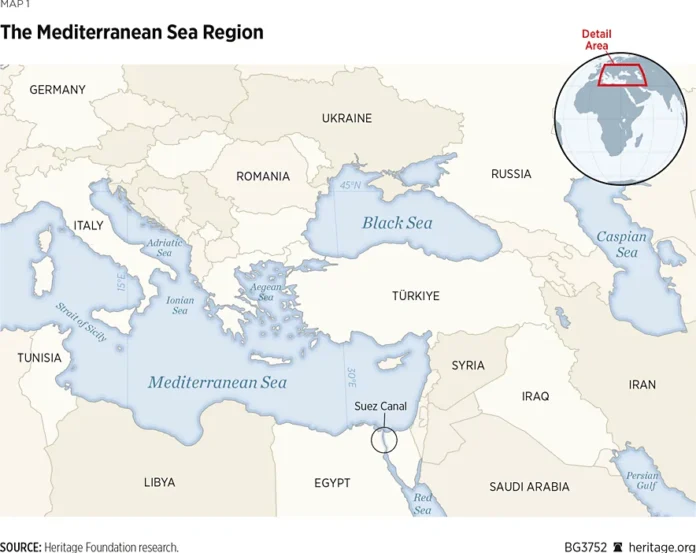
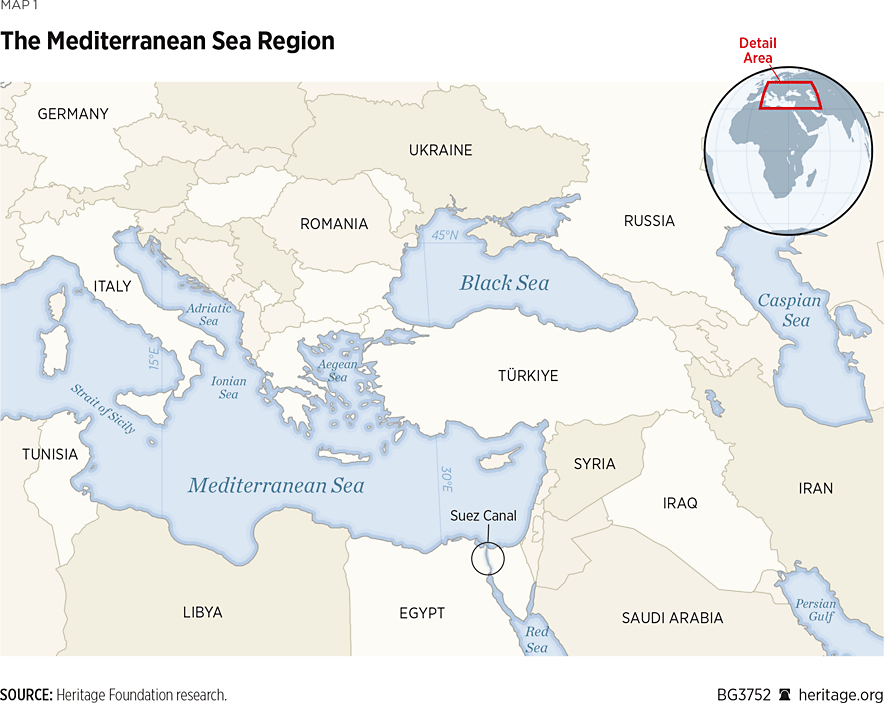
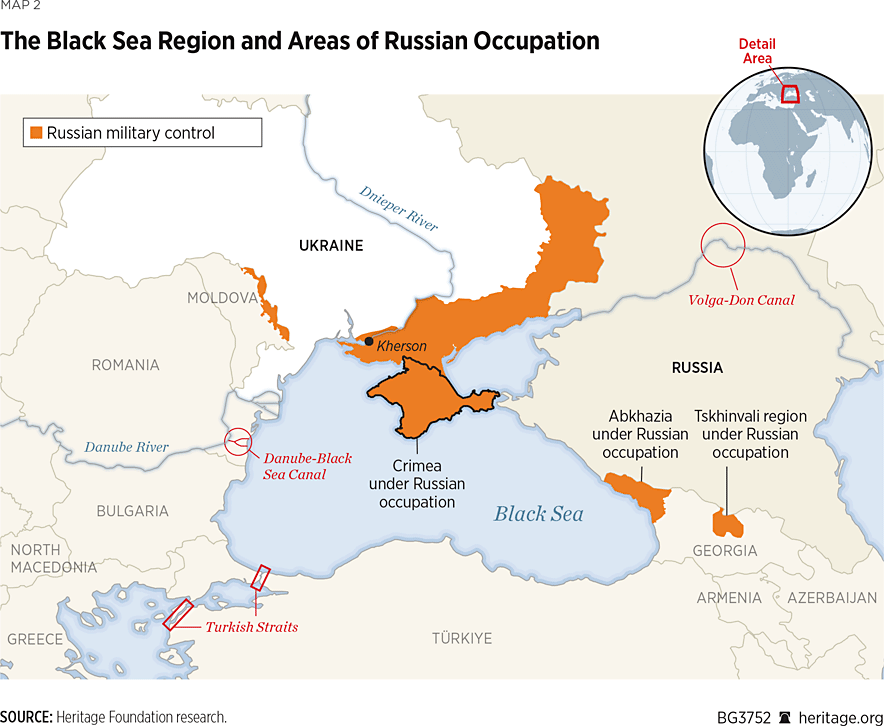
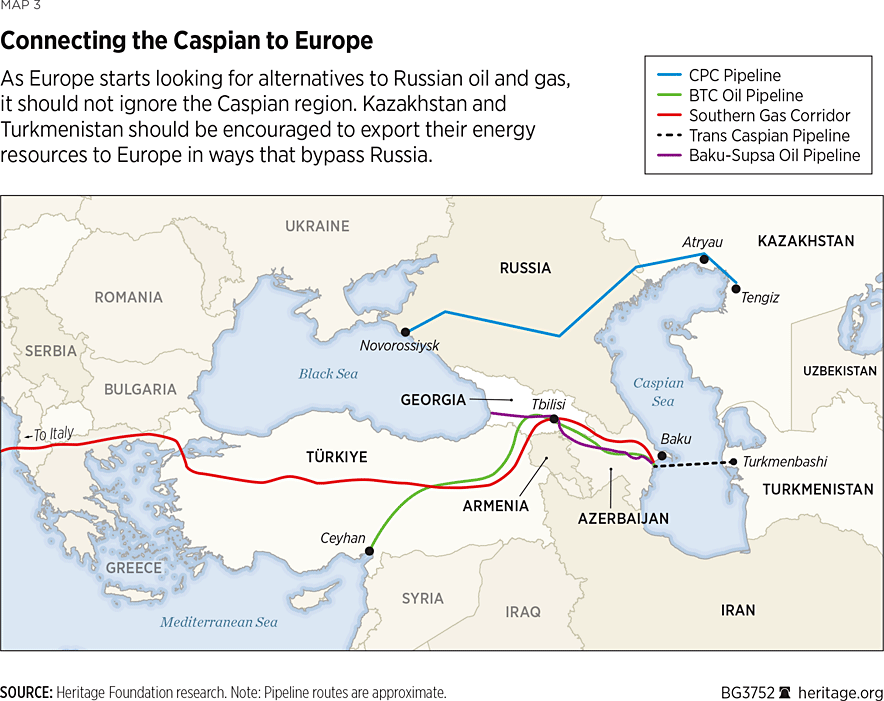
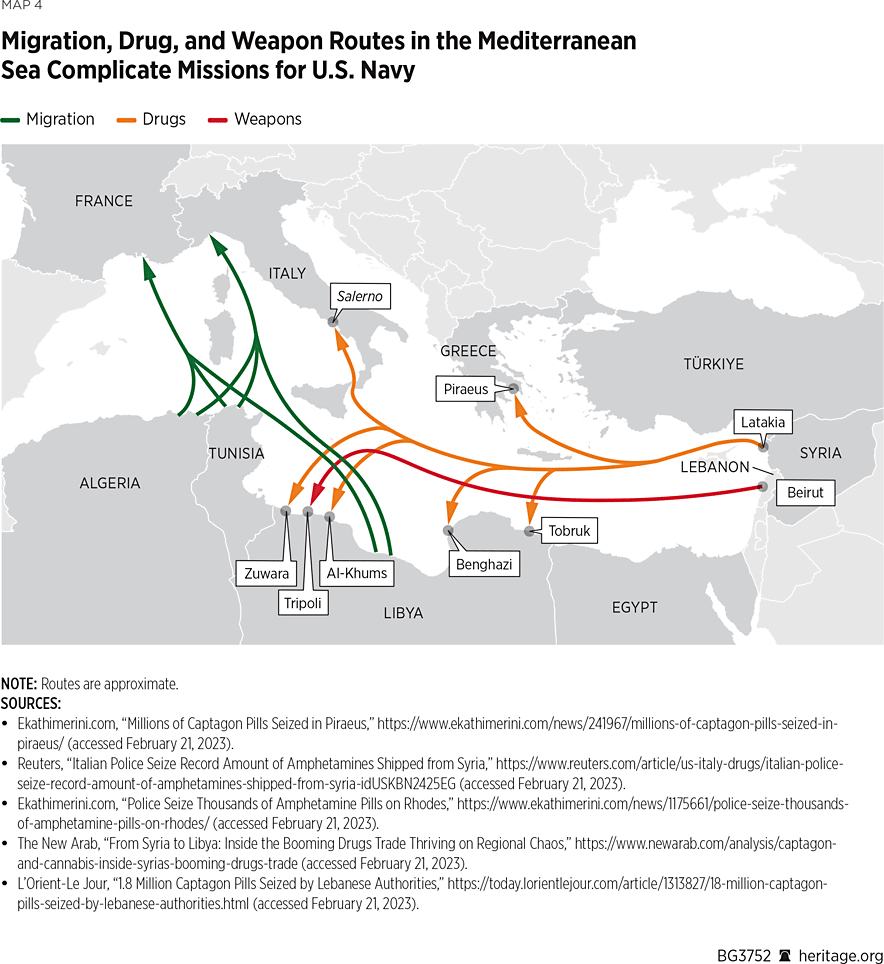






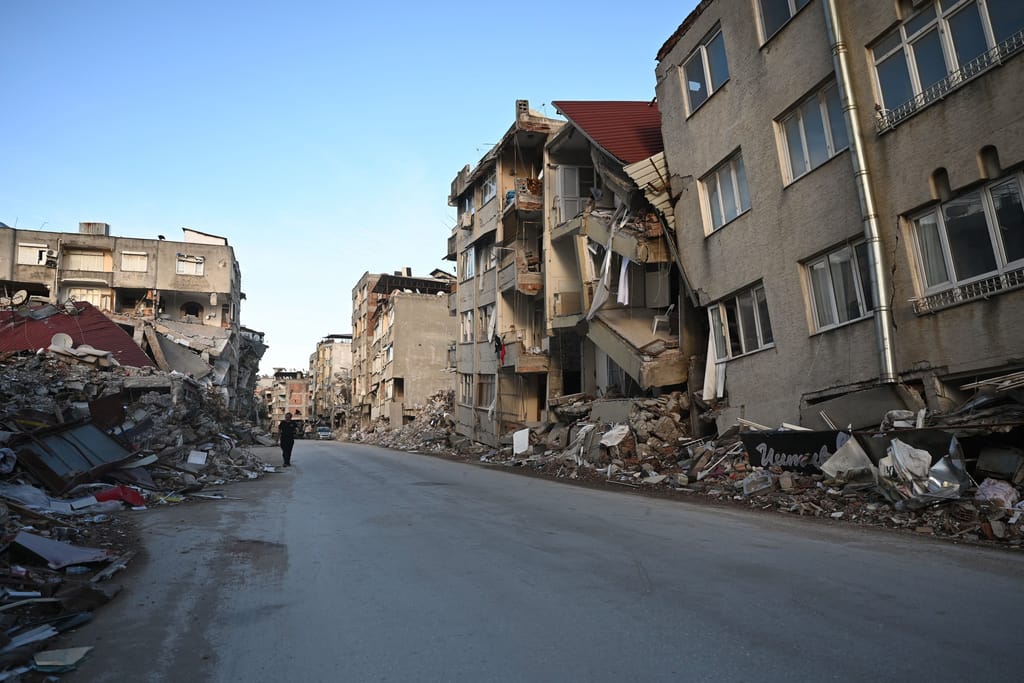

 του Σεραφείμ Μηχιώτη


 του Ευστάθιου Χιώτη