H ύπαρξη μιας ένοπλης ομάδας όπως οι Δυνάμεις Ταχείας Υποστήριξης στο Σουδάν δεν είναι ένα σπάνιο φαινόμενο στην ευρύτερη Μέση Ανατολή και τον αραβικό κόσμο, ιδιαίτερα μετά την Εισβολή του Ιράκ και τις Αραβικές Εξεγέρσεις που οδήγησαν σε κατάρρευση των κρατικών οντοτήτων στην περιοχή.
Τι κοινά έχουν οι «Δυνάμεις Ταχείας Υποστήριξης» του Mohamed Hamdan Dagalo στο Σουδάν με την «Λιβυκό Εθνικό Στρατό» του Khalifa Haftar (γνωστό στην Ελλάδα ως δυνητικό «σύμμαχο» εναντίον της Τουρκίας στην Λιβύη);
Τα κοινά
1. Πρόκειται για δύο παραστρατιωτικές, ουσιαστικά, οργανώσεις που, ναι μεν συνδέθηκαν για ένα διάστημα με τις ένοπλες δυνάμεις των χωρών τους, αλλά δεν έγιναν ποτέ κομμάτι του επίσημου στρατού. Είναι, επίσης, αρκετά ισχυρές σε σχέση με τον τακτικό στρατό των χωρών αυτών.
2. Αμφότεροι ελέγχουν σημαντικό τμήμα των πλουτοπαραγωγικών πηγών της χώρας τους. Ο Λιβυκός Εθνικός Στρατός ελέγχει αρκετές από τις πετρελαϊκές εγκαταστάσεις της Λιβύης και οι Δυνάμεις Ταχείας Υποστήριξης ελέγχουν τα χρυσωρυχεία του Σουδάν.
3. Και οι δύο ομάδες έχουν διαπράξει εγκλήματα πολέμου.
4. Και οι δύο υποστηρίχτηκαν σημαντικά από τα Ηνωμένα Αραβικά Εμιράτα με εξοπλισμούς, μισθοφόρους και οικονομική ενίσχυση.
5. Και οι δύο συνεργάζονται με τους Ρώσους μισθοφόρους της Ομάδας Βάγκνερ.
6. Τόσο ο Λιβυκός Εθνικός Στρατός όσο και οι Δυνάμεις Ταχείας Υποστήριξης διεκδικούν έμμεσα ή άμεσα την εξουσία.
Οι διαφορές
Μια σημαντική διαφορά μεταξύ των δύο είναι ότι ο Λιβυκός Εθνικός Στρατός υποστηρίζεται από την λιβυκή Βουλή των Αντιπροσώπων, επομένως έχει, θεωρητικά τουλάχιστον, περισσότερη νομιμοποίηση από τις Δυνάμεις Ταχείας Υποστήριξης – αν και δεν ξέρω πόση νομιμοποίηση έχει η ίδια η λιβυκή Βουλή των Αντιπροσώπων, εννέα χρόνια μετά από τις βουλευτικές εκλογές του 2014 στις οποίες συμμετείχε μόλις το 18% των εγγεγραμμένων στις λίστες.
Μια ακόμη διαφορά είναι ότι ο Λιβυκός Εθνικός Στρατός κυριαρχεί στο μεγαλύτερο κομμάτι της Λιβύης (το οποίο ωστόσο είναι πιο αραιοκατοικημένο), ενώ οι Δυνάμεις Ταχείας Υποστήριξης δεν ελέγχουν τεράστιες εκτάσεις του Σουδάν (προς ώρας).
Ποια άλλη ομάδα θα μπορούσε να συγκριθεί με τις Δυνάμεις Ταχείας Υποστήριξης ή τον Λιβυκό Εθνικό Στρατό;
Ενδεχομένως οι «Δυνάμεις Λαϊκής Κινητοποίησης», η σιιτική πολιτοφυλακή στο Ιράκ. Πρόκειται για μια παραστρατιωτική οργάνωση η οποία έχει συνδεθεί με τις ένοπλες δυνάμεις του Ιράκ και είναι πιο ισχυρή από αυτές, ενώ υποστηρίζεται από μία ξένη δύναμη (το Ιράν). Δεν ελέγχει, ωστόσο, τις ιρακινές πετρελαιοπηγές, ούτε διεκδικεί την εξουσία με βίαια μέσα (κατεβαίνει στις εκλογές, παρόλα αυτά, ως κόμμα όπως η λιβανική Χεζμπολάχ).
Συμπέρασμα: η ύπαρξη μιας ένοπλης ομάδας όπως οι Δυνάμεις Ταχείας Υποστήριξης στο Σουδάν δεν είναι ένα σπάνιο φαινόμενο στην ευρύτερη Μέση Ανατολή και τον αραβικό κόσμο, ιδιαίτερα μετά την Εισβολή του Ιράκ και τις Αραβικές Εξεγέρσεις που οδήγησαν σε κατάρρευση των κρατικών οντοτήτων στην περιοχή.
Όλα δείχνουν ότι η Μεγάλη Μάχη πλησιάζει και αυτό που πρέπει να μας απασχολεί ως Ε.Ε και Ελλάδα,
Έχουμε αναφερθεί πολλές φορές για τις περιοχές που θα υποκαταστήσουν αυτές που φιλοξένησαν μάχες εκτόνωσης της έντασης του Ψυχρού Πολέμου. Η Αφρική είναι μια σταθερά εμπόλεμη ήπειρος η οποία λόγω της οργάνωσης της κοινωνίας σε συνδυασμό με το αποικιοκρατικό της παρελθόν και την ″κατάρα″ του ορυκτού της πλούτου συνιστά μια τεράστια ″Μέση Ανατολή″.
Οι περισσότεροι ηγέτες των χωρών της Αφρικής, ηγούνται αποτυχημένων κρατών και στα αποτυχημένα κράτη, η απολυταρχία είναι εκείνη που παραμένει σταθερή, συνεχίζοντας τον φαύλο κύκλο.
Οι δύο υπερδυνάμεις του Ψυχρού Πολέμου, ανήκαν ουσιαστικά στο Βόρειο Ημισφαίριο. Σήμερα, οι πολλοί πόλοι, βρίσκονται και στο Νότιο Ημισφαίριο. Η καρδιά των συγκρούσεων είναι ο Ινδοειρηνικός και επομένως, ανατολικά και δυτικά του Ινδοειρηνικού, βρίσκονται τα διακυβεύματα.
Η Κίνα επωφελήθηκε από το ότι είναι μια νέα δύναμη για την Αφρική, μια μη αποικιοκρατική δύναμη η οποία λόγω του ίδιου της του πολιτεύματος και της άποψης που έχει για την κοινωνικο-πολιτική οργάνωση, όχι μόνο δεν την αφορούν οι αυταρχικοί ηγέτες, αλλά τους στηρίζει γιατί πολύ απλά, οι οικονομικές συνδιαλλαγές είναι πολύ πιο εύκολες αν δεν έχουν πολιτικό κόστος.
Η Ινδία είναι ακόμη μια δύναμη η οποία είναι ανταγωνιστική της Κίνας και η ασφάλεια του Ειρηνικού Ωκεανού την αναγκάζει να έχει στραμμένο το ενδιαφέρον της στην Ανατολική Αφρική και στην Αραβική Χερσόνησο, προκειμένου να αποκτά βάθος και να αποφύγει την περικύκλωση Κίνας-Πακιστάν.
Η Ρωσία έρχεται πάντα ως ο πιο αδύναμος πόλος από τα λεγόμενα BRICS και η διείσδυσή της στην Αφρική, παρόλο που μοιάζει με την κινεζική (να υποστηρίζει αυταρχικά πολιτεύματα) δεν μπορεί να είναι μακροπρόθεσμη και βιώσιμη, λόγω έλλειψης ρευστού.
Η Wagner όσο ήταν ο Κέρβερος του Κρεμλίνου, αποτελούσε το μακρύ χέρι της Μόσχας, όχι μόνο στο Σουδάν, αλλά και αλλού (πχ Λιβύη). Έτσι, οι συνδιαλλαγές σε είδος (χρυσό έναντι όπλων) συνιστούν την επιρροή της Ρωσίας. Η λεπτομέρεια στην οποία οφείλουμε να δώσουμε σημασία είναι ότι η Wagner λειτουργεί ανταγωνιστικά ως προς το Κρεμλίνο.
Η διαμεσολάβηση στο Σουδάν (για εκεχειρία μιας μέρας) έγινε από τις ΗΠΑ. Το Σουδάν, μέσα από το χρυσό και τις παροχές όπλων, αποτελεί μια «μαύρη» υποστήριξη του πολέμου της Ουκρανίας. Η Ρωσία έχει αρχίσει και αποκτά όλο και μεγαλύτερα χρηματοδοτικά προβλήματα στον πόλεμο και όταν κλείνουν τέτοιες πόρτες, ασφυκτιά.
Οι μισθοφόροι σαν τον Χεμέτι, ή τον Μπιν Λάντεν, είναι απλά μισθοφόροι. Αλλάζουν ″πάτρωνες″ από τη μία μέρα στην άλλη. Μένει να δούμε το ρόλο που παίζει η Wagner και σε άλλα μέρη της Αφρικής.
.
.
Η Αφρική θα γίνει δυστυχώς το πεδίο σύγκρουσης των μεγάλων δυνάμεων και αυτό σαφώς θα επηρεάσει την Ευρώπη και τη Μέση Ανατολή
Η Ευρώπη, είναι σε πολύ κακή κατάσταση και η επιρροή Κίνας, ΗΠΑ. Ρωσίας, είναι δυσανάλογη. Η μόνη χώρα που θα μπορούσε να έχει επιρροή είναι η Γαλλία η οποία όμως δεν έχει τους πόρους χωρών όπως είναι η Ινδία, η Κίνα, οι ΗΠΑ.
Κάτι πολύ σημαντικό αφορά και τη ναυτική βάση που επιθυμεί η Ρωσία στο Port Sudan. Στο Τζιμπουτί, η Κίνα έχει τη μοναδική της βάση εκτός επικράτειας και η Ερυθραία είναι η μια από τις πέντε χώρες που στηρίζουν και επίσημα την εκστρατεία του Πούτιν. Η Ερυθρά Θάλασσα είναι το ″τέλος″ της διαδρομής από τη Νότια Σινική Θάλασσα και τα Στενά της Μαλάκκα.
Οι χώρες της Αραβικής Χερσονήσου απέκτησαν έναν μεγάλο πονοκέφαλο, όπως και όλες οι ″ουδέτερες χώρες″ μεταξύ των οποίων και η Αίγυπτος.
Η Αίγυπτος έχει ειδικά συμφέροντα τόσο στην Αιθιοπία (περιφερειακή δύναμη στο Κέρας της Αφρικής) όσο και στο Σουδάν. Ουδέτεροι είναι όλοι, μέχρι ο πόλεμος να τους χτυπήσει την πόρτα.
Για τη Ρωσία, απώλεια επιρροής στο Σουδάν, σημαίνει και απώλεια επιρροής στην Αίγυπτο η οποία είχε κάθε λόγο να έχει ειδική σχέση με τη Ρωσία, όσο η Μόσχα ήταν νότια και δυτικά (Λιβύη) των συνόρων της.
Η Αφρική είναι πολύ σημαντική ήπειρος γιατί ακριβώς, συνιστά τη μια ακτή του Ινδοειρηνικού και την μια ακτή του Ατλαντικού, είναι η πόρτα που χωρίζει τον Ινδοειρηνικό με τη Νότια Αμερική , περιοχές που η Κίνα τις θεωρεί στρατηγικής σημασίας για να μπορεί να ελέγχει τις θαλάσσιες εμπορικές οδούς.
Όλα δείχνουν ότι η Μεγάλη Μάχη πλησιάζει και αυτό που πρέπει να μας απασχολεί ως Ε.Ε και Ελλάδα, είναι ότι είμαστε παντελώς απροετοίμαστοι για όσα έρχονται και τα οποία, πιθανόν, να μην τα έχει ξαναζήσει η ανθρωπότητα με τέτοια ένταση. Η Κίνα θα αντιδράσει στην Ταϊβάν από τη στιγμή που δεν έχει δεδομένες τις ″δυτικές ακτές″ του Ινδοειρηνικού.
*Αρθρογράφος
Διεθνολόγος -Συντονιστής του Τομέα Ευρασίας & Ν. Α. Ευρώπης στο ΙΔΙΣ – Research Fellow in HALC (Hellenic American Leadership Council)
«Ο Μισέλ θα είναι πάντα εδώ. Στο Ολύμπιον και στο λιμάνι, στις μεγάλες οθόνες και στους δρόμους της Θεσσαλονίκης, στις κουβέντες, στα βιβλία και τα περιοδικά».
Πέθανε ο Μισέλ Δημόπουλος, καλλιτεχνικός διευθυντής του Φεστιβάλ Κινηματογράφου Θεσσαλονίκης από το 1991 έως το 2005, μετά από πρόβλημα υγείας που αντιμετώπιζε και το οποίο επιδεινώθηκε τον τελευταίο καιρό.
Άνθρωπος που αφιέρωσε τη ζωή του στο σινεμά, ο Μισέλ (Μιχάλης) Δημόπουλος ήταν το πρόσωπο που προσέδωσε στη διοργάνωση διεθνή χαρακτήρα, και με τον Δημήτρη Εϊπίδη στον πλευρό του, σύστησε στο ελληνικό κοινό σημαντικούς κινηματογραφιστές, διοργάνωσε αφιερώματα και παρουσίασε αξιομνημόνευτες εκδόσεις.
Ο Μισέλ Δημόπουλος σπούδασε κινηματογράφο στη Γαλλία και ξεκίνησε την καριέρα του ως κριτικός κινηματογράφου στην «Αυγή» και στο περιοδικό «Σύγχρονος Κινηματογράφος», τη δεκαετία του ’70.
Ο Μισέλ Δημόπουλος (δεξιά) με τον Θόδωρο Αγγελόπουλο και τον Παντελή Βούλγαρη
MOTION TEAM
«Η οικογένεια του Φεστιβάλ αποχαιρετά έναν δικό της άνθρωπο»
«Η οικογένεια του Φεστιβάλ Κινηματογράφου Θεσσαλονίκης αποχαιρετά έναν δικό της άνθρωπο, τον οραματιστή και πρωτοπόρο Μισέλ Δημόπουλο», αναφέρει στο μήνυμα του το ΦΚΘ.
«Το πολύπλευρο έργο του, οι ανεξάντλητες γνώσεις του, η ακούραστη αφοσίωσή του στο σινεμά, καθώς και η πολύτιμη παρακαταθήκη που άφησε πίσω του, περιγράφουν ιδανικά την προσωπικότητα και την προσφορά του Μισέλ Δημόπουλου. Αυτό που αδυνατούν, όμως, να περιγράψουν είναι το χάρισμά του να αγγίζει τις καρδιές όλων όσοι είχαν την τύχη και το προνόμιο να συνεργαστούν μαζί του.
Ο Μισέλ Δημόπουλος ήταν καλλιτεχνικός διευθυντής του Φεστιβάλ από το 1991 μέχρι το 2005 και σε αυτό το διάστημα έδωσε νέα πνοή και διεύρυνε τους διεθνείς ορίζοντες του θεσμού. Επιμελήθηκε πολλές ρετροσπεκτίβες, αφιερώματα, καθώς και τριάντα εκδόσεις και μονογραφίες αφιερωμένες σε έλληνες και ξένους σκηνοθέτες. Η βαθιά αγάπη του για τον κινηματογράφο, το ανήσυχο πνεύμα του και η ανάγκη του να ανακαλύπτει νέους δημιουργούς, είδη και τάσεις, τον οδήγησαν να κάνει πραγματικότητα το όραμα της διεθνοποίησης του Φεστιβάλ Κινηματογράφου Θεσσαλονίκης.
Ήταν πάντα κοντά στο Φεστιβάλ και τους ανθρώπους του. Παρακολουθούσε ταινίες φανατικά και υπερασπιζόταν με πάθος το ανεξάρτητο, ευρωπαϊκό σινεμά. Θα τον θυμόμαστε πάντα στους διαδρόμους του Ολύμπιον, στο Λιμάνι, στις κινηματογραφικές αίθουσες, ακούραστο και χαμογελαστό, να μιλά με πάθος για τις ταινίες που τόσο αγάπησε, να διευρύνει τους ορίζοντές μας και να μας ταξιδεύει στο πρωτοποριακό και ανήσυχο σινεμά της νέας εποχής.
Τα πιο θερμά μας συλλυπητήρια στην Έρση Σωτηροπούλου, στην Καρολίνα, στον Μάρκελλο, στην οικογένεια και τους οικείους του».
Μενδώνη: Πήρε έναν θεσμό τοπικού ενδιαφέροντος και εμβέλειας και του άνοιξε ένα μεγάλο παράθυρο στον κόσμο
Πληροφορούμενη την απώλεια του Μισέλ Δημόπουλου, η υπουργός Πολιτισμού και Αθλητισμού Λίνα Μενδώνη έκανε την ακόλουθη δήλωση: «Με τις ιδιότητες του κριτικού κινηματογράφου, του συγγραφέα και κυρίως, του Διευθυντή επί πολλά έτη του Φεστιβάλ Κινηματογράφου Θεσσαλονίκης, ο Μισέλ Δημόπουλος μετέδιδε την απεριόριστη αγάπη του για το σινεμά σε όλους όσοι τον γνωρίζαμε και συζητούσαμε μαζί του, εκπαιδεύοντας δεκάδες χιλιάδες θεατές στην απόλαυση της κινηματογραφικής εμπειρίας. Αναλαμβάνοντας τη διεύθυνση του Φεστιβάλ το 1992, πήρε στα χέρια του έναν θεσμό τοπικού ενδιαφέροντος και εμβέλειας και του άνοιξε ένα μεγάλο παράθυρο στον κόσμο. Το επιτυχημένο πρόγραμμα διεθνοποίησης του Φεστιβάλ Κινηματογράφου Θεσσαλονίκης αποτέλεσε μοντέλο για αντίστοιχες διοργανώσεις παγκοσμίως. Σύστησε στο κοινό δεκάδες δημιουργούς και το έργο τους, αναδεικνύοντας τις νέες τάσεις, παρουσιάζοντας σπάνιες ταινίες στην Ιστορία της κινούμενης εικόνας. Η γνώση, το πάθος, οι πρωτοβουλίες, ο ήρεμος δυναμισμός του χαρισματικού Μισέλ ήταν εκείνα τα στοιχεία που συνέβαλαν ουσιαστικά, ώστε το Φεστιβάλ Κινηματογράφου Θεσσαλονίκης να εξελιχθεί σε έναν ισχυρό θεσμό. Του οφείλουμε ένα μεγάλο ευχαριστώ για αυτό. Εκφράζω τα ειλικρινή μου συλλυπητήρια στην οικογένεια και στους φίλους του».
Γιατρομανωλάκης: Αφοσιώθηκε στον κινηματογράφο, αγάπησε τον κινηματογράφο, δίδαξε τον κινηματογράφο
«Με σεβασμό αποχαιρετούμε τον Μισέλ Δημόπουλο τον άνθρωπο στον οποίο το Φεστιβάλ Κινηματογράφου Θεσσαλονίκης οφείλει την διεθνοποίηση και την αναζωογόνησή του, την πολυμορφία και την πολυφωνία του, στοιχεία που κρατάει μέχρι σήμερα», δήλωσε ο υφυπουργός Πολιτισμού, Νικόλας Γιατρομανωλάκης. «Ο απόλυτος ”σινεφίλ” και ”φεστιβαλιστής”, αφοσιώθηκε στον κινηματογράφο, αγάπησε τον κινηματογράφο, δίδαξε τον κινηματογράφο. Θερμά συλλυπητήρια στους δικούς του και στην μεγάλη οικογένεια του Φεστιβάλ Κινηματογράφου Θεσσαλονίκης».
Το Ελληνικό Κέντρο Κινηματογράφου αποχαιρετά τον Μ. Δημόπουλο
«Ο Μιχάλης Δημόπουλος ανήκει στη γενιά των ευαίσθητων κι ανήσυχων ανθρώπων που εξέφρασαν το πάθος τους για το σινεμά γράφοντας κριτικές ταινιών. Η γενιά αυτή εμφανίστηκε ορμητική με το κύμα της μεταπολίτευσης και βρήκε στέγη στον Σύγχρονο Κινηματογράφο (ένα περιοδικό σαν τo γαλλικό Cahiers du Cinema) έχοντας την πεποίθηση πως θα ισχυροποιήσει στο κοινό την εικόνα την οποία διαμόρφωναν, ή μόλις είχαν διαμορφώσει για τον κόσμο τα νέα ρεύματα του κινηματογράφου στο εξωτερικό και στην Ελλάδα. Συνεργάτες και φίλοι του, οι οποίοι προσέδωσαν ιδιαίτερο περιεχόμενο και χροιά στην κινηματογραφική κριτική και στην κινηματογραφοφιλία εκείνα τα χρόνια, ήταν ο Χρήστος Βακαλόπουλος και ο Γιώργος Μπράμος. Απόντες και οι τρεις τώρα.
Ο Μιχάλης Δημόπουλος προσέφερε σημαντικά στη Δημόσια Τηλεόραση ως προγραμματιστής της Κινηματογραφικής Λέσχης κι άλλων κινηματογραφικών ζωνών. Ακόμη πιο σημαντική ήταν η προσφορά του στο Φεστιβάλ Κινηματογράφου Θεσσαλονίκης ως Καλλιτεχνικός Διευθυντής του κατά την κρίσιμη καμπή της διεθνοποίησης του θεσμού αυτού.
Το Ελληνικό Κέντρο Κινηματογράφου εκφράζει τα βαθιά συλλυπητήριά του στην οικογένειά του», αναφέρει στο μήνυμα για την απώλεια του Μ. Δημόπουλου το ΕΚΚ.
Το «τζίνι της Μεγάλης Τουρκίας που βγήκε από το μπουκάλι» και τη «λύση-πακέτο» που κυοφορείται
ΓΙΑΝΝΗΣ ΒΑΛΗΝΑΚΗΣ
Η προφανής (και για τους μη αφελείς αναμενόμενη) επιστροφή της Τουρκίας στην επιθετικότητα, κονιορτοποιεί τις επικίνδυνες ψευδαισθήσεις πολλών, που σε κάθε «ευκαιρία» καλούν σε άμεσο «διάλογο», εκπέμποντας επικίνδυνα μηνύματα αγωνιώδους απελπισίας χωρίς στοιχειώδη αίσθηση της (δυστυχώς σκληρής) πραγματικότητας
Μπροστά στο «τζίνι της Μεγάλης Τουρκίας που βγήκε από το μπουκάλι» και τη «λύση-πακέτο» που κυοφορείται, δεν χωρεί η τρέχουσα διακομματική αφωνία, ασυνεννοησία και τελικά απρονοησία για τα δύσκολα που έπονται. Απαιτείται μια νέα στρατηγική με μελέτη εναλλακτικών σεναρίων και σε κάθε περίπτωση η συνειδητοποίηση ότι διάλογοι χωρίς όρους, κανόνες, θέσεις και συμμάχους με έναν διαρκώς ισχυροποιούμενο αντίπαλο οδηγούν στα δυσμενέστερα αποτελέσματα.
Χωρίς όρους. Στα 50 χρόνια της αντιπαράθεσης με τη μονίμως απειλούσα Τουρκία, η χώρα μας έθετε διαχρονικά ορισμένους όρους πριν προσέλθει σε διάλογο. Ακόμη κι όταν αυτοί δεν τηρούνταν απόλυτα, δημιουργούσαν μια ασπίδα αξιοπρέπειας. Οι όροι που σήμερα τίθενται διατυπώνονται με προβληματική ασάφεια και ποικίλουν από χειριστή σε χειριστή κι από ομιλία σε ομιλία, εκπέμποντας κάθε άλλο παρά εικόνα συνεκτικής στρατηγικής.
Χωρίς κανόνες. Η αναφορά στο διεθνές δίκαιο ή ακόμη και στο δίκαιο της θάλασσας και σε «ήρεμα νερά», δεν συνιστούν σαφές πλαίσιο διαλόγου. Ως προς την επιλογή, εξάλλου, της διαδικασίας δοκιμάσαμε διαχρονικά, αλλά χωρίς αποτέλεσμα, όλες τις πιθανές εναλλακτικές μεθόδους συνεννόησης με τη γείτονα: τη δικαστική οδό της προσφυγής στη Χάγη, τη διεθνή μεσολάβηση και τον πολιτικό διάλογο. Η Χάγη αποτελεί την προσφιλή επιλογή των πολιτικών που επιλέγουν να αγνοούν τις αυξητικά επικίνδυνες συνέπειές της και να μετακυλίσουν αβασάνιστα εθνικές ευθύνες σε ξένους δικαστές. Στα πολύ δύσκολα (κρίσεις Ιμίων 1996 και «Ορούτς Ρέις» 2020) προσφύγαμε στη μεσολάβηση τρίτων για να εισπράξουμε τις «ίσες αποστάσεις» συμμάχων και εταίρων, μεταξύ επιτιθέμενου και αμυνόμενου. Αλλά και στον πολιτικό διάλογο δοκιμάσαμε διαχρονικά (αν και συνήθως εκ του προχείρου) τα πάντα. Συνομιλίες κάθε επιπέδου (από τους εμπειρογνώμονες μέχρι τους ηγέτες), αλλά και κάθε ατζέντας: από την οικονομική συνεργασία και τα ΜΟΕ μέχρι τις διερευνητικές. Οι τελευταίες, στις οποίες πολλοί βιάζονται να επανασυρθούμε, εκχώρησαν στην Αγκυρα τη δυνατότητα να προβάλλει οποιαδήποτε διεκδικητική παραφροσύνη της και να την καταθέτει παράλληλα με επιστολές στον ΟΗΕ, εξαναγκάζοντάς μας έτσι σε διεθνή αντίλογο επί αναθεωρητικών διεκδικήσεών της. Διεθνείς δυσχέρειες για τη διπλωματία μας θα δημιουργήσει πλέον και η θεαματική στροφή της Αγκυρας, που τώρα μας καλεί να προσφύγουμε για «όλες τις διαφορές» μας στη Χάγη – άλλο ένα απότοκο της έλλειψης συνολικού σχεδίου.
Χωρίς θέσεις. Παρά τις δεκαετίες εμπειρίας μου σε διεθνείς διαπραγματεύσεις, δεν εντόπισα παραδείγματα χώρας που προσέρχεται σε διάλογο οριοθέτησης χωρίς να γνωστοποιεί δημόσια επί χάρτου πώς ορίζει τα γεωγραφικά όρια των θαλασσίων ζωνών που διεκδικεί. Ούτε κατανόησα την αποκλειστική και άτολμη επικέντρωσή μας στα περιορισμένα οφέλη των 12 ν.μ. σε σχέση με τα πολύ περισσότερα της ΑΟΖ, δηλ. σε μια θαλάσσια έκταση μέχρι τέσσερις φορές μεγαλύτερη από την ξηρά μας. Αναποφάσιστοι, κρυφτήκαμε (ανεπίσημα) για καιρό πίσω από τον σχετικό Χάρτη της Σεβίλλης, που εκπονήθηκε για λογαριασμό της Ε.Ε. Ομως, μετά την κρίση του 2020 τον αποκηρύξαμε επισήμως με επιστολή στον ΟΗΕ ως απλά ιδιωτικό, εγείροντας –παράλληλα με άλλες εξελίξεις– ανησυχητικό προβληματισμό για πιθανή εγκατάλειψη οποιασδήποτε διεκδίκησης θαλάσσιων δικαιωμάτων ανατολικά της Ρόδου.
Μπροστά στο «τζίνι της Μεγάλης Τουρκίας που βγήκε από το μπουκάλι» και τη «λύση-πακέτο» που κυοφορείται, δεν χωρεί η τρέχουσα διακομματική αφωνία.
Χωρίς συμμάχους. Η χώρα μας, δυστυχώς, ουδέποτε αξιοποίησε τη συμμετοχή στην Ε.Ε. με ένα συνεκτικό σχέδιο. Αρκεί να θυμίσουμε ότι επί 40 χρόνια ασκήσαμε πραγματικό βέτο μόνο (επί Α. Παπανδρέου) για το Τσαντ και το κορεατικό τζάμπο(!), αλλά ουδέποτε για την Τουρκία. Ακόμη και εντός του ΝΑΤΟ που μάχεται τελευταία κατά του αναθεωρητισμού, μας έλειψε μια έξυπνη διεθνής καμπάνια ανάδειξης των κοινών σημείων Πούτιν – Ερντογάν. Εξάλλου, παρά τους διαφημιζόμενους παλαιούς και νέους συμμάχους μας, η επιθετικότητα της Αγκυρας συνεχώς γιγαντώνεται. Απορία, τέλος, προκαλεί και η (από επίσημα πλέον χείλη) διατύπωση της προτίμησής μας για τον απευθείας διάλογο, «χωρίς τρίτους μεσολαβητές», «σαν δυο καλοί γείτονες» – όπως ακριβώς τον απαιτεί την τελευταία διετία ο Ερντογάν.
Ο διάλογος, στον οποίο υπό στρατιωτική απειλή και από τρίτους μεσολαβητές θα πιεστούμε να προσέλθουμε εκ νέου, προβάλλει επί θύραις. Οι ΗΠΑ επείγονται για συμφωνίες ενεργειακής και όχι μόνο συνεργασίας στην Αν. Μεσόγειο και δεν μπορούν να περιμένουν τις αργές και αδιέξοδες διαδικασίες της Χάγης. Αν και συνήθως προτιμούν την άσκηση πιέσεων σε Ελλάδα και Κύπρο (αφού, με ή χωρίς Ερντογάν, προέχει η «επιστροφή του ασώτου»), ίσως η αναπόφευκτη οικονομική στενότητα της επόμενης τουρκικής ηγεσίας και το ενδεχόμενο εσωτερικής αστάθειας (ως αποτέλεσμα της έντονης αμφισβήτησης του εκλογικού αποτελέσματος), να καταστήσουν την Αγκυρα πιο ευεπίφορη σε υποχωρήσεις. Ενόψει συνεπώς των παραπάνω, αντί της παθητικής και εμμονικής προσκόλλησης σε οποιαδήποτε πρόταση διαλόγου ως πανάκειας, απαιτούνται άμεσα έξυπνες θέσεις και πρωτοβουλίες ισχυροποίησής μας, υποστηρίξιμες από εταίρους και συμμάχους και αξιοποιήσιμες από τους μεσολαβητές. Οταν, παρά τη διατυμπανιζόμενη αποτρεπτική μας ισχύ, η τουρκική διεκδικητικότητα – επιθετικότητα γιγαντώνεται αντί να κάμπτεται, προφανώς παράλληλα επείγει η άμεση ενίσχυσή της με ουσιαστικότερη (κατά το δυνατόν συναινετική) προετοιμασία, μακριά από αναβλητικές προχειρότητες επικοινωνιακής στόχευσης.
Ενόψει της συνδυαστικής πίεσης διεθνούς μεσολάβησης και διαλόγου, με στόχο μια «λύση-πακέτο» σε Αιγαίο και Αν. Μεσόγειο, οφείλουμε να διασφαλίσουμε ότι η τυχόν επίτευξη οποιασδήποτε συμφωνίας ή και μερικής εξομάλυνσης με την Τουρκία, θα ενισχύει πραγματικά και δεν θα αποδυναμώνει τη θέση και ασφάλεια του Ελληνισμού σε σχέση με τη σημερινή κατάσταση.
Ο κ. Γιάννης Βαληνάκης είναι καθηγητής, πρόεδρος του Ευρωπαϊκού Κέντρου Αριστείας/ΕΚΠΑ, πρώην υφυπουργός Εξωτερικών.
Η δυσπιστία, η αμφισβήτηση, η αμφιβολία είναι αισθήματα που προσδίδουν δυναμική στον δημόσιο διάλογο, φτάνει να μην εκφράζονται προσβλητικά.
Ειδικά στην επιστήμη, το αξίωμα ειναι ότι απο την στιγμή που διατυπώνεις επιστημονικά μια θεωρία, την ίδια ώρα αρχίζεις να την αμφισβητείς. Πάντα, μέσα στα όρια της ευπρέπειας του λόγου.
Δεν πέρασαν ούτε δύο ημέρες που έγραψα σε αυτές τις στήλες ότι απαγορεύθηκαν οι επισκέψεις κρατικών αξιωματούχων σε νησιά που αμφισβητεί η Τουρκία.
Η “Καθημερινή” με σημερινό δημοσίευμά της το επιβεβαιώνει. Θα ήθελα να σχολιάσω μια αναφορά απο το ρεπορτάζ της εφημερίδας που προφανώς είναι προβληματισμός της κυβέρνησης. Την κυβέρνηση σχολιάζω, όχι την εφημερίδα.
Λέει- για να δικαιολογήσει την θέση της κυβέρνησης- ότι δεν επισκέφθηκαν τα νησιά Έλληνες αξιωματούχοι και, αντίσοιχα, δεν επισκέφθηκε ο Ερντογάν τα κατεχόμενα.
Είναι ασύλληπτη αυτή η θέση. Γίνεται σύγκριση δυνατότητας επίσκεψης κρατικών αξιωματούχων σε ελληνική επικράτεια με την επίσκεψη του τούρκου προέδρου στα κατεχόμενα.
Το πρόβλημα επεκτείνεται και στον τρόπο που αντιμετωπίζει η κυβέρνηση την ελληνική κοινωνία. Θεωρεί ότι έχει να κάνει με μια καθυστερημένη πνευματικά οντότητα.
Λέει και κάτι άλλο το δημοσίευμα για να υποβαθμίσει την απαγόρευση επισκέψεων. Μιλά για επισκέψεις για φωτογράφηση με στρατιώτες.
Και εδώ μένει κανείς άφωνος.
Για να μην χανόμαστε σε λεπτομέρειες το πρόβλημα είναι το εξής:
Η κυβέρνηση Μητσοτάκη αποδέχθηκε μειωμένη κυριαρχία στην ελληνική επικράτεια. Όταν τις επισκέψεις σε γεωγραφικά διαμερίσματα της χώρας τις εξαρτά η κυβέρνηση απο τις αντιδράσεις άλλης δύναμης, αυτό ακριβώς συμβαίνει.
Το πρόβλημα είναι τεράστιο και πρέπει να απασχολήσει ευρύτερους θεσμούς απο τους πολιτικούς. Μιλάμε για παραχώρηση κυριαρχίας!!! Το αντιληφθήκατε;
Τέλος, προς τους νησιώτες το μήνυμα είναι: για να έχει το κεφάλι της ήσυχο η Αθήνα, μπορεί να σας “πουλήσει” οποιαδήποτε στιγμή.
AMSTERDAM — I first met James Le Mesurier in Istanbul. He greeted me at his office, a three-story building in the trendy district of Beyoğlu, along the shores of the Bosphorus Strait. I had traveled to Turkey to meet him, a renowned humanitarian and one of the founders of the White Helmets rescue group in Syria. James had the dignified bearing of a former soldier in the British military, but I sensed a fragility. For years, he had been the target of disinformation from the Russian government, which accused him of being a pawn of Western intelligence, and of financial impropriety. The assaults on his character were taking a toll.
Soon after meeting James in the summer of 2019, I developed a feeling of urgency I found inexplicable at the time. One day, I climbed the stairs from his office to his living quarters on the third floor, where James sat hunched over a wooden dining table, working. A framed motto, in capital letters, hung over dishes in a kitchen cupboard, “OH DARLING, LET’S BE ADVENTURERS.” Books on systems and social change, and Russian President Vladimir Putin, filled a shelf behind him.
“I am sorry for interrupting,” I said, as he looked up from his work. “You need to start writing down the story of your life. You should tell your story and explain how you founded the White Helmets. I would love to help you write it, but if I don’t, you need to do it yourself, and start writing right away.” He was intrigued but preoccupied. There was a heaviness in his demeanor. He said we would talk further, and we did later during my visit. The last time we spoke, the prospect of writing his memoirs seemed to excite him.
James never got a chance to tell his story. Within four months, he was dead. He had fallen from the third-floor ledge of his apartment in the middle of the night.
Since James’ death, others have been trying to tell his story for him. As the war in Syria grinds on, his legacy — and the reputation of the White Helmets — has been subject to an information tug-of-war, with those who were close to James defending him from attacks by the Kremlin and the Syrian government.
I was an active participant in that conflict, and one of its minor casualties. The time I spent with James, and with the telling of his story, has left me wrestling with a series of questions, about him and the organization he headed, and about the role Russian disinformation played in their undoing.
The day I arrived in Istanbul, James took me on a tour of Karaköy, the harborside neighborhood where he and his team worked. James told me about his birth in Singapore, his time in the British military and his experiences monitoring Palestinian prisoners in Jericho as part of the Ramallah Agreement.
As we arrived at a concrete esplanade running along the Bosphorus, I felt a sharp pain in my foot. I took off my black flat, to see blood streaming from where a piece of glass had become lodged in my shoe, slicing through the skin. James, who had walked ahead of me, raced back. “You have only been in Istanbul an hour, and you have already gotten hurt,” he said, kneeling to examine my injury.
I had been talking with James and his wife Emma Winberg about the White Helmets for more than a year. James helped found the organization and its primary backer, Mayday Rescue. He trained Syrians in emergency response so they could rescue their neighbors in the wake of attacks by the Russian and Syrian governments, and he helped grow the White Helmets into a 4,000-person force. In 2016, Queen Elizabeth II awarded James an OBE for his service to the White Helmets and “the protection of civilians in Syria.” James’ teams of humanitarians say they have saved more than 100,000 lives.
When I first spoke with James in 2018, I had recently returned to the United States, deeply disillusioned after years of reporting in China. It seemed that everywhere, the bad guys were winning. I reached out to humanitarian organizations, including the International Red Cross and Mayday Rescue, and volunteered my assistance. Mayday seemed like a perfect fit. As a reporter, one of my interests was human rights. James had succeeded in rearchitecting the world according to values I believed in — empowering the underdog. I wanted to know how he did it, and why.
James and Emma offered to speak with me over Skype, and when I asked what the biggest challenge was in his humanitarian efforts, James had a surprising response. “The Russian government is targeting me personally and my organization with online disinformation. I need help.” The Kremlin’s propaganda machine had been attacking them since 2015, claiming, among other charges, that James’ group was a propaganda front for Western governments, or that the White Helmets had ties to al-Qaeda.
Mayday Rescue provided training, funding and equipment for the White Helmets and was the recipient of substantial international support — more than €120 million in government donations from countries including Germany, the United Kingdom, the Netherlands, France and Canada. In addition to carrying out rescues, the White Helmets filmed many of their operations, recording evidence of potential war crimes by Russian and Syrian government forces. The online smears were an attempt to delegitimize the group and create a pretext for targeting it with missile strikes.
To me, they also showed James was making an impact. We spoke about my taking on a communications role with his foundation, and I traveled to Turkey to meet him — only to discover that his organization was falling apart.
After I hurt my foot, James took me back to the office, a beige stucco building, on a narrow stone alley, across from a mosque. Green ivy vines climbed its facade, framing the windows, balcony, and a heavy, black steel door. Stretched across the wall was a painted motto in black, capitalized letters: “WHAT WILL SAVE MORE LIVES?” James instructed his staff to use this question as their compass, in decisions small and large.
The White Helmets worked out of the first floor of the building, and a metal spiral staircase led to the second, where Mayday’s staff, desks and computers filled the room. Mannequins clothed in protective suits and helmets stood in one corner, alongside rescue equipment and an orange stretcher. Advertorial posters featuring the White Helmets’ work lined the walls. “Killing is the easiest thing,” read one, “Saving lives is much harder.”
There was a palpable tension in the office that surprised me. James got into a shouting match with a public relations manager for the White Helmets over who founded the rescue group. Other employees streamed in and out. One stood apart from the mostly Syrian staff: a European man with gray, curly hair. Mayday employees told me he was the CFO; his name was Johan Eleveld, and he was from the Netherlands. Johan’s blue eyes surveyed the room with intensity. The White Helmets were in the process of formally separating their operations from Mayday and physically moving their offices across the city, to a location near Istanbul’s airport.
James explained that the White Helmets had grown up as an organization and no longer needed his foundation’s support. But one of Mayday’s employees suggested another explanation, telling me the Syria Campaign, a nonprofit advocating for human rights, had spread false rumors about Emma and James among the White Helmets, poisoning their partnership with Mayday. “People are jealous,” she said. Meanwhile, Russia continued to pressure James, attacking him and his organization through state media, tweets, blogs and podcasts.
Observing James amid this tumult, I grew increasingly concerned. I could not pinpoint the source of my apprehension, but my sense of urgency grew that James needed to find a way to tell his story and write his memoirs.
That weekend James and Emma invited me and a college intern from Harvard to spend a night at their weekend home on Büyükada, the largest of the Princes’ Islands in the Sea of Marmara. The intern and I took an hour-long ferry and began the walk to the address Emma had provided, past horse-drawn carriages the islanders used for transport. In the late 19th century, Büyükada became a summer destination for the elite of the Ottoman empire. Pine trees partially concealed mansions and landscaped gardens along its shore. James’ white, wooden house peered over an ivy-covered white wrought-iron gate, down the road from the former home of Leon Trotsky, the Russian revolutionary.
A long dining area stretched past framed maps and a sitting room with a mishmash of textile pillows and chests, to the patio, where couches and cushions overlooked a tiered garden below leading to a private dock and the ocean. The sun was beginning to set behind the treetops and a neighboring island, and James and Emma treated us to cocktails.
They said they were planning to start a new organization, called the Resilience Collective, which would replicate the White Helmets’ model of grassroots emergency response in other parts of the world. A key aspect that would differentiate it from the White Helmets is that it would not rely on government donations.
“Humanitarians should get paid as much as Google executives and bankers at Goldman Sachs,” Emma said. “We need more people who would go to work on Wall Street to become humanitarians instead, so we should pay them highly. We would like to pay our staff a lot of money, as much as they are worth, and we can’t depend on government donors. They would never allow that.” James and Emma’s work with the White Helmets was a world away from that of my friends in finance in New York, and I was puzzled over what intersecting values she believed could bridge the two.
Dusk gave way to night, and James regaled us with stories of his work, including how he had hand-delivered unexploded chemical weapons ordnance in the trunk of a rental car to British inspectors at a Turkish airport. The inspectors arrived on a plane, in protective gear, and James, in jeans and a button-down shirt, went inside the airport and ordered a cocktail, while they retrieved the munition.
When Emma was inside preparing dinner, he said, “If you come to work for me, I would like to send you to Iran.” I demurred, explaining that I knew journalists who had been arrested in Iran, and it wasn’t a place I was interested in traveling to. James didn’t elaborate, and I wondered if he was speaking from fantasy, or if he had work planned there.
The intern and I slept on the bottom floor of the house that night, which looked out onto another outdoor sitting area with white couches and cushions and palm trees. James and Emma took us out on their boat the next day, and we sped along the water, past Büyükada’s beaches and Istanbul’s skyscrapers on the horizon.
On my last day in Istanbul, James and I met at a cafe near his office. “I came to say goodbye,” he said. He wore a pale-yellow linen suit. As we ordered coffee, he pulled a pair of spectacles from his pocket and seemed embarrassed, “I have to wear glasses now to read.”
“Thank you for your kind and gentle way of talking with my staff,” he said. “I want to hear your ideas for telling my story.”
I spent the next few months back home in Washington D.C., preparing — among other things — for a formal job interview with James and expecting to continue our conversation about the writing of his memoir. At 6:40 a.m. on November 11, I was awakened by a text, “James has been reported dead at the office/apartment in Istanbul.”
“Apparently pro-Assad trolls are posting pics of his body on Twitter,” the texts continued from one of James’ colleagues. “You can’t ‘fall’ from those windows.”
I looked online. Russian state media had uploaded videos of James lying in the alley outside of his office to YouTube. It was still dark when they were filmed, and dawn had not broken yet in Istanbul. James’ shirt had risen, exposing his stomach, and one of his arms was stretched out, away from his torso. A yellow Labrador dog I recognized from my visit to Beyoğlu was sleeping in the video foreground, unaware of the tragedy behind him.
I was shocked and upset and reached out to Emma and James’ staff to express my condolences. Turkish police barred Emma from leaving the country and placed her under house arrest for several weeks while they investigated his death. They determined that James died of “general body trauma linked to a fall from height,” that there were no signs of foul play, and that James had committed suicide, jumping from the ledge of his third-story apartment.
I searched for reasons why James would have taken his life. Was it the ongoing assaults on his reputation? Three days before his death, Russia’s Ministry of Foreign Affairs tweeted, “The White Helmets’ co-founder, James Le Mesurier, is a former agent of Britain’s MI6, who has been spotted all around the world, including in the #Balkans and the #MiddleEast.” The tweet went on to accuse James of ties to terrorist organizations.
Pressure was also building on James from other quarters. Reports later emerged in Dutch media that Johan Eleveld, Mayday Rescue’s CFO, had accused him of financial misconduct, and auditors had visited James just days before his death, inquiring about his personal finances. (Eleveld did not respond to a request for comment.)
Syria’s President Bashar al-Assad had his own theory, which he explained in an interview with Russian state television, three days after James died. “It is quite possible that Turkish intelligence agencies did the job upon the instructions of foreign intelligence services,” Assad said. “Possibly, the founder of the White Helmets had been working on his memoirs and on the biography of his life, and this was unacceptable.”
Contacted through its foreign ministry and its embassy in the Netherlands, the Russian government did not respond to a request for comment.
By February 2020, Emma had moved from Istanbul to Amsterdam, where Mayday Rescue was headquartered and James and Emma had a house. We spoke over the phone, and Emma described James’ “clear burning sense of right” and how Russia’s campaign of online disinformation actually “broke his confidence.” She had signed on with a literary agent, and film production companies were reaching out. Emma said she was interested in me continuing the work I had discussed with her late husband and helping her tell his life story.
In July 2020, the Volkskrant, the Netherlands’ main newspaper, reported a Dutch auditor had discovered forged receipts at Mayday for an amount of $50,000. The story also detailed tensions with government donors over salary requests by James, Emma and another Mayday administrator. It included the auditor’s concerns about a potential conflict of interest because James’ wife was also working at Mayday.
Emma told me the CFO was the main source for the report, that he was lying, and that there was no fraud. After James’ death, Grant Thornton, an accounting firm, conducted a forensic investigation of Mayday, and, according to news reports, found “no evidence of misappropriation of funds.” The firm did, however, find “significant gaps in the administrative organization” and “significant cash transactions that have not been (fully) recorded in the cash books and/or general ledger.” Auditors “had to reconstruct a number of financial events and are unable to provide certainty in those cases.” The firm concluded the cash withdrawals had been justified and fully accounted for and the missing $50,000, central to the CFO’s complaints, was a result of a “misunderstanding.” James had offset the bulk of the amount against his salary.
Emma attributed the disorganization to their zeal for getting the work done and putting off administrative tasks. I found it hard to believe that James, someone I had admired, could be guilty of the misconduct detailed in the Dutch news reports.
Emma encouraged me to move to Amsterdam, so that we could write a book and proposal for a film based on James’ life, together. “You have the perfect background for this,” she said. I was eager to leave the chaos of the U.S. during the height of the COVID pandemic and relocated to Amsterdam that October. I also wanted to memorialize James’ life, and share its lessons, so humanitarians and policymakers could replicate his success.
I arrived as Amsterdam was entering lockdown. Emma’s residence mirrored aspects of their life on Büyükada. Her and James’ home was in a neighborhood called Prinseneiland, bordered by canals and drawbridges. Their €1.6 million apartment sat on the ground floor, and was like a dark, linear cave, with exposed brick and wooden beams, leading to a light-filled living room and shrine to James in the back, featuring his photo, candles and flowers.
Emma was simultaneously working with the Guardian and the BBC on stories refuting the Volkskrant’s reporting and detailing the disinformation targeting James before his death. Sometimes she bantered with Russian diplomats over social media. In one tweet, Russia’s representative to the U.N. wished Emma a merry Christmas, and advised her to “Stay safe and sane! ;)”
Shortly after my move, I began receiving phishing emails in Cyrillic. Russian state media seemed to be tracking our work, writing of plans for a film and mass media campaign to restore James’ reputation. “Mainstream efforts to deify [him] are evidently ongoing,” Russia Today reported. Moscow was still watching every move Emma made, looking for vulnerabilities to turn into weapons in the information war.
I began drafting outlines for the book and film and sifted through hours of recorded conversations with Emma. She told me of her love for James, and the years before she met him when she worked for the British government in Damascus, Syria. She said several times she had worked for MI6.
After that, she said, she moved to Istanbul, and Erbil, Iraq, where she founded a strategic communications firm, alongside former members of the British military. The company produced covert propaganda aimed at Iraqis. One of its campaigns sought to deter people from joining the Islamic State. “The Russians learned from the British,” Emma told me. “We invented covert influence ops.” In 2016, the Guardian reported her firm was providing media support to the Syrian opposition, under close supervision by the British government.
Emma was living in Erbil in 2016 when she met James, who had already earned international renown for his work with the White Helmets. Emma said she asked James to meet in Istanbul to develop a plan for the rescue of thousands of people in the path of a dam about to breach in Iraq. She said they instantly connected, and during their courtship, she began working for Mayday Rescue and later took a seat on its board. They married in 2018.
Emma said James had no savings and was incapable of managing his finances. After beginning work at Mayday, she encouraged him to increase his salary to build up his retirement funds. James and the other directors’ salaries amounted to hundreds of thousands of euros a year. “What was he spending it on?” I blurted out, during one of my conversations with Emma.
Their home on Büyükada was a rental, and Emma described the more than £120,000 she said they spent on its decoration. She showed me a photo album documenting the home’s interior design. The decor included rose bushes she had brought from England and sinks and brassware purchased during a trip to Morocco. “We loved beauty,” she explained.
Emma described a series of financial decisions at the foundation that confused me. The night James died, Emma said he wasn’t worried about the auditor’s assertions of forged receipts for $50,000. She said James was concerned about what they had done with their retirement accounts. Another director, she explained, had wanted money from Mayday to purchase a home in England. She didn’t elaborate.
During our research, Emma did not want me to go through James’ emails. She specified that I couldn’t write about “the boat,” but it was unclear to me which boat she was referring to. By my count, there were three. Emma also asked me not to speak with some of the Syrian staff of the White Helmets. She said they thought she had been a bad influence on James.
She retraced the hours just before James’ death. He was facing questions from auditors and government donors about Mayday’s finances, and a renewed attack on Twitter from Russia’s foreign ministry. The stress of the allegations made her sick, and Emma said she was throwing up in a bin beside their bed.
“James knelt beside me and said, ‘We have three choices: We can both commit suicide.’” Emma formed the symbol of a pistol with her hand, with the barrel at her temple, pulling the trigger. “You can use your dark arts to fix this situation,” James continued. “Or we can fight this.”
Emma replied, “We’ll fight this.” When she woke up, James was dead.
I never learned what “dark arts” meant.
Three months had elapsed since my arrival in Amsterdam, and I was feeling trapped. The Netherlands remained under lockdown, and much of the world seemed paralyzed by COVID. I crafted a proposal for a six to eight-part streaming series, called “Lionhearted,” about James’ life, work, and his fight against Russian disinformation. Calamity Films, a London film production company, made an offer for the treatment. “You are a torchbearer for James and me, and the telling of our story,” Emma said to me at the time.
Three days later, just before we were to meet and finalize the deal, Emma inexplicably changed her mind. She said she was too overcome with grief to continue with plans for a book, and that the film production would continue, but without me. “This is my life story, and I don’t see any reason for you to be involved,” Emma said.
When I asked about compensation for my work and move to Amsterdam, Emma replied, “That was the risk you took. It was a shared risk, and I am sorry that the risk did not work out.” I hired intellectual property lawyers in London, who sent letters to Emma and the production company notifying them of my claim to the copyright of the treatment I had worked on and requesting compensation for my move to Amsterdam and the time I had invested. This matter is yet to be resolved.
(Asked to comment on the details included in this article, Emma through a law firm sent a series of letters to POLITICO seeking to stop its publication. She did not confirm or deny she had worked for MI6 but said she had been formerly employed by the U.K. Foreign & Commonwealth Office. MI6 works with the Foreign, Commonwealth & Development Office, as the department is currently known. She said she had been advised by her agent that my requests for compensation were not proportionate to the role I had played).
To this day, I am still processing what this episode in my life meant, and how my conviction that James should write his memoirs led me down this path. The end of my work with Emma came as a shock, especially because it came out of the blue and seemed random, without cause. At least none that she gave me.
Since my work with Emma ended, I’ve had plenty of time to roll James’ story around in my mind. What I keep coming back to isn’t the good he and Emma did with the White Helmets but why it turned out to be so easy to undermine. As I looked into James’ life, I realized that Moscow’s disinformation-fueled influence campaign had succeeded and that part of the reason it did was that some of the material they used to destroy his reputation had enough truth in it to be plausible.
Emma had told me she had once worked for British intelligence. James had served in the British military, as an intelligence officer in Bosnia and Kosovo. The BBC later reported that years before working with the White Helmets, he had tried to join MI6 but had been rejected. Then there were their accounting troubles — and their lavish spending.
All this provided fodder for Russian propagandists to spin into a narrative — that James, his foundation, and Emma were exploitative profiteers working for Western security agencies running a “fraudulent humanitarian group.” For the Russians, the bar was low. They didn’t have to prove anything. They just needed to create enough doubt about James’ leadership to discourage donors from making their work possible.
James’ struggles offer lessons for small local organizations, NGOs and donors in navigating the information battlespace. Nonprofits managing tens of millions of euros in government donations need transparency, oversight and an independent supervisory board. The most powerful way for the West to counter Russian disinformation is to not provide grist for the Kremlin’s narratives in the first place.
James told me that when he founded Mayday Rescue in 2014, his conception of the White Helmets was precisely the opposite of the neocolonial effort Russia purported it to be. His idea was to do something fresh in the humanitarian world: to put aside the paternalistic impulse to rescue people, and instead, empower local communities to save themselves. This concept is what allowed the White Helmets to grow and succeed, and James’ approach to humanitarian work has had a lasting impact on the field.
Mayday Rescue was declared bankrupt and shut down in 2020. The White Helmets, along with the Syrian war, have fallen out of the limelight, but they continue to do extraordinary and important work; after the recent earthquake in Turkey and Syria, they extracted people from collapsed buildings, saving, by their count, more than 3,000 lives. While many countries have pledged money for the White Helmets’ rescue efforts in Turkey, the Dutch government has responded with silence. The Netherlands withdrew funding for all Syrian stabilization projects, including the White Helmets, in 2018. At the time, a study by the Dutch Ministry of Foreign Affairs found the White Helmets and their partner foundation Mayday Rescue were highly intertwined and cited a lack of transparency around Mayday Rescue’s finances.
A former employee distinguished the White Helmets from Mayday Rescue’s managers and admonished me when I expressed sadness over how my work with Emma ended. “The leaders of Mayday were former British soldiers. They were in the military,” he said. “That means they carried guns and killed human beings. They are not nice people.” For James, however, he made an exception: “He was kind, and he was powerful. That is what made him rare — that the two went hand in hand.”
Sometimes I imagine what I would be doing if James were alive. Perhaps we would be sitting at his wooden kitchen table in Istanbul writing his memoir, as I had urged him to do. I would be listening, and taking notes, while he detailed his adventures, and how he came to work with the White Helmets.
They bring enormous promise and peril. But how do they work?
IMAGE: GEORGE WYLESOL
Since november 2022, when Openai, the company which makes Chatgpt, first opened the chatbot to the public, there has been little else that the tech elite has wanted to talk about. As this article was being written, the founder of a London technology company messaged your correspondent unprompted to say that this kind of ai is “essentially all I’m thinking about these days”. He says he is in the process of redesigning his company, valued at many billions of dollars, around it. He is not alone.
Chatgpt embodies more knowledge than any human has ever known. It can converse cogently about mineral extraction in Papua New Guinea, or about tsmc, a Taiwanese semiconductor firm that finds itself in the geopolitical crosshairs. gpt-4, the artificial neural network which powers Chatgpt, has aced exams that serve as gateways for people to enter careers in law and medicine in America. It can generate songs, poems and essays. Other “generative ai” models can churn out digital photos, drawings and animations.
Running alongside this excitement is deep concern, inside the tech industry and beyond, that generative ai models are being developed too quickly. gpt-4 is a type of generative ai called a large language model (llm). Tech giants like Alphabet, Amazon and Nvidia have all trained their own llms, and given them names like palm, Megatron, Titan and Chinchilla.
The lure grows greater
The London tech boss says he is “incredibly nervous about the existential threat” posed by ai, even as he pursues it, and is “speaking with [other] founders about it daily”. Governments in America, Europe and China have all started mulling new regulations. Prominent voices are calling for the development of artificial intelligence to be paused, lest the software somehow run out of control and damage, or even destroy, human society. To calibrate how worried or excited you should be about this technology, it helps first to understand where it came from, how it works and what the limits are to its growth.
The contemporary explosion of the capabilities of ai software began in the early 2010s, when a software technique called “deep learning” became popular. Using the magic mix of vast datasets and powerful computers running neural networks on Graphics Processing Units (gpus), deep learning dramatically improved computers’ abilities to recognise images, process audio and play games. By the late 2010s computers could do many of these tasks better than any human.
But neural networks tended to be embedded in software with broader functionality, like email clients, and non-coders rarely interacted with these ais directly. Those that did often described their experience in near-spiritual terms. Lee Sedol, one of the world’s best players of Go, an ancient Chinese board game, retired from the game after Alphabet’s neural-net-based AlphaGo software crushed him in 2016. “Even if I become the number one,” he said, “there is an entity that cannot be defeated.”
By working in the most human of mediums, conversation, Chatgpt is now allowing the internet-using public to experience something similar, a kind of intellectual vertigo caused by software which has improved suddenly to the point where it can perform tasks that had been exclusively in the domain of human intelligence.
Despite that feeling of magic, an llm is, in reality, a giant exercise in statistics. Prompt Chatgpt to finish the sentence: “The promise of large language models is that they…” and you will get an immediate response. How does it work?
First, the language of the query is converted from words, which neural networks cannot handle, into a representative set of numbers (see graphic). gpt-3, which powered an earlier version of Chatgpt, does this by splitting text into chunks of characters, called tokens, which commonly occur together. These tokens can be words, like “love” or “are”, affixes, like “dis” or “ised”, and punctuation, like “?”. gpt-3’s dictionary contains details of 50,257 tokens.
gpt-3 is able to process a maximum of 2,048 tokens at a time, which is around the length of a long article in TheEconomist. gpt-4, by contrast, can handle inputs up to 32,000 tokens long—a novella. The more text the model can take in, the more context it can see, and the better its answers will be. There is a catch—the required computation rises non-linearly with the length of the input, meaning slightly longer inputs need much more computing power.
The tokens are then assigned the equivalent of definitions by placing them into a “meaning space” where words that have similar meanings are located in nearby areas.
The llm then deploys its “attention network” to make connections between different parts of the prompt. Someone reading our prompt, “the promise of large language models is that they…”, would know how English grammar works and understand the concepts behind the words in the sentence. It would be obvious to them which words relate to each other—it is the model that is large, for example. An llm, however, must learn these associations from scratch during its training phase—over billions of training runs, its attention network slowly encodes the structure of the language it sees as numbers (called “weights”) within its neural network. If it understands language at all, an llm only does so in a statistical, rather than a grammatical, way. It is much more like an abacus than it is like a mind.
Once the prompt has been processed, the llm initiates a response. At this point, for each of the tokens in the model’s vocabulary, the attention network has produced a probability of that token being the most appropriate one to use next in the sentence it is generating. The token with the highest probability score is not always the one chosen for the response—how the llm makes this choice depends on how creative the model has been told to be by its operators.
The llm generates a word and then feeds the result back into itself. The first word is generated based on the prompt alone. The second word is generated by including the first word in the response, then the third word by including the first two generated words, and so on. This process—called autoregression—repeats until the llm has finished.
Although it is possible to write down the rules for how they work, llms’ outputs are not entirely predictable; it turns out that these extremely big abacuses can do things which smaller ones cannot, in ways which surprise even the people who make them. Jason Wei, a researcher at Openai, has counted 137 so-called “emergent” abilities across a variety of different llms.
The abilities that emerge are not magic—they are all represented in some form within the llms’ training data (or the prompts they are given) but they do not become apparent until the llms cross a certain, very large, threshold in their size. At one size, an llm does not know how to write gender-inclusive sentences in German any better than if it was doing so at random. Make the model just a little bigger, however, and all of a sudden a new ability pops out. gpt-4 passed the American Uniform Bar Examination, designed to test the skills of lawyers before they become licensed, in the 90th percentile. The slightly smaller gpt-3.5 flunked it.
Emergent abilities are exciting, because they hint at the untapped potential of llms. Jonas Degrave, an engineer at DeepMind, an ai research company owned by Alphabet, has shown that Chatgpt can be convinced to act like the command line terminal of a computer, appearing to compile and run programs accurately. Just a little bigger, goes the thinking, and the models may suddenly be able to do all manner of useful new things. But experts worry for the same reason. One analysis shows that certain social biases emerge when models become large. It is not easy to tell what harmful behaviours might be lying dormant, waiting for just a little more scale in order to be unleashed.
Process the data
The recent success of llms in generating convincing text, as well as their startling emergent abilities, is due to the coalescence of three things: gobsmacking quantities of data, algorithms capable of learning from them and the computational power to do so (see chart). The details of gpt-4’s construction and function are not yet public, but those of gpt-3 are, in a paper called “Language Models are Few-Shot Learners”, published in 2020 by Openai.
Sources: Sevilla et al., 2023; Our World in Data
Before it sees any training data, the weights in gpt-3’s neural network are mostly random. As a result, any text it generates will be gibberish. Pushing its output towards something which makes sense, and eventually something that is fluent, requires training. gpt-3 was trained on several sources of data, but the bulk of it comes from snapshots of the entire internet between 2016 and 2019 taken from a database called Common Crawl. There’s a lot of junk text on the internet, so the initial 45 terabytes were filtered using a different machine-learning model to select just the high-quality text: 570 gigabytes of it, a dataset that could fit on a modern laptop. In addition, gpt-4 was trained on an unknown quantity of images, probably several terabytes. By comparison AlexNet, a neural network that reignited image-processing excitement in the 2010s, was trained on a dataset of 1.2m labelled images, a total of 126 gigabytes—less than a tenth of the size of gpt-4’s likely dataset.
To train, the llm quizzes itself on the text it is given. It takes a chunk, covers up some words at the end, and tries to guess what might go there. Then the llm uncovers the answer and compares it to its guess. Because the answers are in the data itself, these models can be trained in a “self-supervised” manner on massive datasets without requiring human labellers.
The model’s goal is to make its guesses as good as possible by making as few errors as possible. Not all errors are equal, though. If the original text is “I love ice cream”, guessing “I love ice hockey” is better than “I love ice are”. How bad a guess is is turned into a number called the loss. After a few guesses, the loss is sent back into the neural network and used to nudge the weights in a direction that will produce better answers.
Trailblazing a daze
The llm’s attention network is key to learning from such vast amounts of data. It builds into the model a way to learn and use associations between words and concepts even when they appear at a distance from each other within a text, and it allows it to process reams of data in a reasonable amount of time. Many different attention networks operate in parallel within a typical llm and this parallelisation allows the process to be run across multiple gpus. Older, non-attention-based versions of language models would not have been able to process such a quantity of data in a reasonable amount of time. “Without attention, the scaling would not be computationally tractable,” says Yoshua Bengio, scientific director of Mila, a prominent AI research institute in Quebec.
The sheer scale at which llms can process data has been driving their recent growth. gpt-3 has hundreds of layers, billions of weights, and was trained on hundreds of billions of words. By contrast, the first version of gpt, created five years ago, was just one ten-thousandth of the size.
But there are good reasons, says Dr Bengio, to think that this growth cannot continue indefinitely. The inputs of llms—data, computing power, electricity, skilled labour—cost money. Training gpt-3, for example, used 1.3 gigawatt-hours of electricity (enough to power 121 homes in America for a year), and cost Openai an estimated $4.6m. gpt-4, which is a much larger model, will have cost disproportionately more (in the realm of $100m) to train. Since computing-power requirements scale up dramatically faster than the input data, training llms gets expensive faster than it gets better. Indeed, Sam Altman, the boss of Openai, seems to think an inflection point has already arrived. On April 13th he told an audience at the Massachusetts Institute of Technology: “I think we’re at the end of the era where it’s going to be these, like, giant, giant models. We’ll make them better in other ways.”
But the most important limit to the continued improvement of llms is the amount of training data available. gpt-3 has already been trained on what amounts to all of the high-quality text that is available to download from the internet. A paper published in October 2022 concluded that “the stock of high-quality language data will be exhausted soon; likely before 2026.” There is certainly more text available, but it is locked away in small amounts in corporate databases or on personal devices, inaccessible at the scale and low cost that Common Crawl allows.
Computers will get more powerful over time, but there is no new hardware forthcoming which offers a leap in performance as large as that which came from using gpus in the early 2010s, so training larger models will probably be increasingly expensive—perhaps why Mr Altman is not enthused by the idea. Improvements are possible, including new kinds of chips such as Google’s Tensor Processing Unit, but the manufacturing of chips is no longer improving exponentially through Moore’s law and shrinking circuits.
There will also be legal issues. Stability ai, a company which produces an image-generation model called Stable Diffusion, has been sued by Getty Images, a photography agency. Stable Diffusion’s training data comes from the same place as gpt-3 and gpt-4, Common Crawl, and it processes it in very similar ways, using attention networks. Some of the most striking examples of ai’s generative prowess have been images. People on the internet are now regularly getting caught up in excitement about apparent photos of scenes that never took place: the pope in a Balenciaga jacket; Donald Trump being arrested.
Getty points to images produced by Stable Diffusion which contain its copyright watermark, suggesting that Stable Diffusion has ingested and is reproducing copyrighted material without permission (Stability AI has not yet commented publicly on the lawsuit). The same level of evidence is harder to come by when examining Chatgpt’s text output, but there is no doubt that it has been trained on copyrighted material. Openai will be hoping that its text generation is covered by “fair use”, a provision in copyright law that allows limited use of copyrighted material for “transformative” purposes. That idea will probably one day be tested in court.
A major appliance
But even in a scenario where llms stopped improving this year, and a blockbuster lawsuit drove Openai to bankruptcy, the power of large language models would remain. The data and the tools to process it are widely available, even if the sheer scale achieved by Openai remains expensive.
Open-source implementations, when trained carefully and selectively, are already aping the performance of gpt-4. This is a good thing: having the power of llms in many hands means that many minds can come up with innovative new applications, improving everything from medicine to the law.
But it also means that the catastrophic risk which keeps the tech elite up at night has become more imaginable. llms are already incredibly powerful and have improved so quickly that many of those working on them have taken fright. The capabilities of the biggest models have outrun their creators’ understanding and control. That creates risks, of all kinds.
Οι Χριστιανοί του Λιβάνου είναι ολοένα και πιο ανταγωνιστικοί απέναντι στον μεγάλο πληθυσμό των Σύριων προσφύγων της χώρας.
6 Απριλίου 2023
Πολλοί Λιβανέζοι, ιδιαίτερα Μαρωνίτες Χριστιανοί, έχουν γίνει όλο και πιο επιφυλακτικοί σχετικά με την παρουσία Σύριων προσφύγων στον Λίβανο. Από το 2011, όταν οι Σύροι άρχισαν να εγκαταλείπουν τη χώρα τους για να γλιτώσουν από την κλιμακούμενη βία, η κυβέρνηση στη Δαμασκό είτε έχει καταστρέψει τα σπίτια πολλών προσφύγων είτε τα έχει δώσει στους πιστούς του Άσαντ. Πολλοί στο Λίβανο φοβούνται τώρα ότι οι πρόσφυγες δεν θα επιστρέψουν στη Συρία και θα μπορούσαν να δημιουργήσουν μια ανισορροπία στα επισφαλή δημογραφικά στοιχεία της χώρας. Αυτό είναι ιδιαίτερα ανησυχητικό για τη χριστιανική κοινότητα του Λιβάνου, η οποία έχει κουρασθεί, ολοένα και περισσότερο, όχι μόνο με το ζήτημα των Σύριων προσφύγων αλλά και με την κυριαρχία της Χεζμπολάχ στη χώρα τους. Το Χριστιανικό Ελεύθερο Πατριωτικό Κίνημα ζήτησε μεγαλύτερη αποκέντρωση, απαιτώντας να επιτραπεί στις περιοχές με χριστιανική πλειοψηφία να αυτοδιοικηθούν.
Μέσα σε αυτές τις συνθήκες, οι εντάσεις μεταξύ των διαφόρων δημογραφικών ομάδων του Λιβάνου έχουν αυξηθεί. Ένας εξέχων Σύρος αντιφρονών κάλεσε τους Σύρους πρόσφυγες στον Λίβανο να πάρουν τα όπλα για να εμποδίσουν κάθε προσπάθεια αναγκαστικής έξωσης. Ένας Λιβανέζος πολιτικός αναλυτής απάντησε λέγοντας ότι οι Λιβανέζοι θα καθαρίσουν τη χώρα τους από τους πρόσφυγες όταν έρθει η κατάλληλη στιγμή. Οι προοπτικές για βία μεταξύ Λιβανέζων Χριστιανών και Σύριων προσφύγων αυξάνονται, καθώς πολλοί χριστιανοί πιστεύουν ότι δεν μπορούν να επιτύχουν αυτονομία χωρίς μια στρατιωτική αντιπαράθεση, η οποία θα μπορούσε να πείσει τη Δύση να υποστηρίξει τα αιτήματά τους.
Σύριοι στον Λίβανο
Ακόμη και πριν ξεσπάσει ο συριακός εμφύλιος πόλεμος το 2011, οι Σύροι ήταν παρόντες σε πολλά μέρη του Λιβάνου, συμπεριλαμβανομένων των χριστιανικών περιοχών. Πολλοί Σύροι έφτασαν στη χώρα μετά το τέλος του εμφυλίου πολέμου του Λιβάνου το 1989, αναζητώντας δουλειά. Οι Λιβανέζοι επωφελήθηκαν πολύ από τους Σύρους εργάτες επειδή οι περισσότεροι Λιβανέζοι ήταν απρόθυμοι να κάνουν χειρωνακτική εργασία, στην οποία οι Σύριοι ήταν γενικά καλύτεροι ούτως ή άλλως.
Η προσφυγική πολιτική του Λιβάνου έχει αλλάξει με την πάροδο του χρόνου. Η χώρα δεν επικύρωσε τη Σύμβαση του ΟΗΕ για τους Πρόσφυγες του 1951, παρόλο που υποστήριξε ένθερμα ένα ψήφισμα της Γενικής Συνέλευσης του ΟΗΕ του 1946 για την προστασία των προσφύγων και των εκτοπισμένων. Η κυβέρνηση αντέστρεψε την προσφυγική της πολιτική μετά την εισροή κατά κύριο λόγο μουσουλμάνων Παλαιστινίων το 1948, επιλέγοντας να διαφυλάξει την επισφαλή θρησκευτική ισορροπία του Λιβάνου. Ο Λίβανος δέχθηκε περισσότερους από 100.000 Παλαιστίνιους πρόσφυγες και αυτό που η κυβέρνηση περίμενε ότι θα ήταν μια προσωρινή ρύθμιση μετατράπηκε σε μόνιμη κατάσταση.
Μετά την έναρξη του εμφυλίου πολέμου στη Συρία, οι πρόσφυγες άρχισαν γρήγορα να φτάνουν στον Λίβανο σε μεγάλους αριθμούς, οδηγώντας σε εντάσεις μεταξύ αυτών και του τοπικού πληθυσμού. Η κυβέρνηση στη Βηρυτό δεν προσπάθησε να βοηθήσει τους πρόσφυγες και αντ’ αυτού προσπάθησε να εμποδίσει τη βοήθεια του ΟΗΕ να φτάσει σε αυτούς. Επίσης, επέβαλε αυστηρούς περιορισμούς στις συνοριακές διελεύσεις για να αποτρέψει την είσοδο περισσότερων Σύριων στον Λίβανο. Αυτά τα περιοριστικά μέτρα δεν κατάφεραν να σταματήσουν τους πρόσφυγες, οι οποίοι αντ’ αυτού έκαναν παράνομες διελεύσεις. Κατευθύνθηκαν προς περιοχές της χώρας στις οποίες ένιωθαν ασφαλείς, εγκαθιστάμενοι σε περιοχές του Λιβάνου που αντιτίθεντο στο συριακό καθεστώς (δηλαδή, περιοχές Σουνιτών, Δρούζων και Λιβανικών Δυνάμεων). Στα επόμενα κύματα της εισροής, αναζήτησαν επίσης καταφύγιο σε χριστιανικά μέρη της χώρας.
Πολλοί Σύροι πρόσφυγες ζουν σε καταυλισμούς που δεν έχουν τις ελάχιστες απαιτήσεις ασφάλειας και δημόσιας υγείας, σε ερειπωμένες σκηνές που πλημμυρίζουν με λιμνάζοντα νερά το καλοκαίρι και ξεριζώνονται από τους χιονισμένους ανέμους το χειμώνα, χωρίς θέρμανση ή επαρκή ρούχα. Η Ύπατη Αρμοστεία του ΟΗΕ για τους Πρόσφυγες αποφάσισε πρόσφατα να αφαιρέσει περίπου 35.000 συριακές οικογένειες από τη λίστα επισιτιστικής και οικονομικής βοήθειας, παρόλο που οι περίπλοκες οικονομικές συνθήκες του Λιβάνου ώθησαν περίπου το 90 τοις εκατό από αυτές σε άθλια φτώχεια. Βιώνουν επίσης αυξανόμενες πιέσεις από τις λιβανικές αρχές, οι οποίες επιμένουν στον επαναπατρισμό τους, παρά τη διεθνή αντίθεση. Φέτος, το ποσοστό των συριακών οικογενειών που επωφελούνται από προγράμματα βοήθειας του ΟΗΕ μειώθηκε σε περίπου 15 τοις εκατό.
Για τους Σύρους στο Λίβανο, αυτή η κατάσταση έχει οδηγήσει σε επισιτιστική ανασφάλεια, αυξημένα ποσοστά παιδικών γάμων, απομάκρυνση των παιδιών από το σχολείο και κακή πρόσβαση στην υγειονομική περίθαλψη. Για να τα βγάλουν πέρα, έχουν καταφύγει στην επαιτεία, αποδέχονται δουλειές υψηλού κινδύνου, παιδική εργασία και ακόμη και πορνεία σε ακραίες περιπτώσεις. Οι περισσότερες οικογένειες που έλαβαν μετρητά από την Ύπατη Αρμοστεία του ΟΗΕ για τους Πρόσφυγες για να εξασφαλίσουν θέρμανση το χειμώνα τα χρησιμοποιούσαν για να αγοράσουν τρόφιμα και να νοικιάσουν σκηνές, επιλέγοντας να ζεσταθούν καίγοντας πλαστικά, παλιά ρούχα και παπούτσια ή μαζεύοντας ξύλα από τους δρόμους.
Οι ανησυχίες των Χριστιανών
Η κυβέρνηση του Λιβάνου δεν προσφέρει βοήθεια στους Σύρους πρόσφυγες, όπως αρνήθηκε να αναλάβει οποιαδήποτε ευθύνη για τους Παλαιστίνιους πρόσφυγες. Σχεδόν όλη η υποστήριξη για τους πρόσφυγες και τους πιο φτωχούς Λιβανέζους προέρχεται από τον Οργανισμό Διεθνούς Ανάπτυξης των ΗΠΑ, τη Διαχείριση Κρίσεων της Ευρωπαϊκής Ένωσης και το Παγκόσμιο Επισιτιστικό Πρόγραμμα του ΟΗΕ. Η βοήθεια από αυτές τις ομάδες αποτρέπει την πείνα αλλά όχι τον υποσιτισμό, ο οποίος εξακολουθεί να επικρατεί, ειδικά μεταξύ των παιδιών. Οι Λιβανέζοι όλων των αιρέσεων παραπονιούνται ότι οι Σύροι έχουν γίνει τεράστιο βάρος για τη χώρα τους και επιδεινώνουν την οικονομική της κρίση, ειδικά τώρα που πρέπει να μοιράζονται λιγοστούς πόρους στην εκπαίδευση, την ιατρική περίθαλψη και τις επιχειρήσεις κοινής ωφέλειας. Οι Μαρωνίτες, ωστόσο, πρωτοστάτησαν στην εκδίωξη των Σύριων προσφύγων από περιοχές της χώρας που κυριαρχούν.
Οι περισσότεροι Σύροι στο Λίβανο είναι σουνίτες. Οι Μαρωνίτες φοβούνται τον αντίκτυπο που θα μπορούσε να έχει η παρουσία τους στη δημογραφία του Λιβάνου, η οποία ήδη κλίνει σε μεγάλο βαθμό εναντίον των Χριστιανών. Ο φόβος τους είναι παρόμοιος με τις ανησυχίες που εξέφρασαν οι Λιβανέζοι χριστιανοί για τους Παλαιστίνιους. Ακόμη και τα χριστιανικά κόμματα κατά του Άσαντ χρησιμοποιούν ρητορική κατά των προσφύγων για να κερδίσουν τις εκλογικές τους περιφέρειες. Πολλοί Χριστιανοί θεωρούν τους Σύρους πρόσφυγες ως πραγματικό κίνδυνο, προειδοποιώντας για μια ωρολογιακή βόμβα έτοιμη να εκραγεί. Σε αυτή την τεταμένη ατμόσφαιρα, ένας αντίπαλος του καθεστώτος Άσαντ κάλεσε τους Σύρους στο Λίβανο να οπλιστούν για να προστατεύσουν τα στρατόπεδά τους και τις ζωές τους.
Οι Λιβανέζοι Χριστιανοί ανησυχούν για τη μείωση του αριθμού τους σε σχέση με τον ταχέως αυξανόμενο μουσουλμανικό πληθυσμό. Σύμφωνα με τη Στατιστική Υπηρεσία του Λιβάνου, η οποία διεξήγαγε επίσημη απογραφή πέρυσι, οι Χριστιανοί αντιπροσώπευαν το πολύ το 32 τοις εκατό του συνολικού πληθυσμού της χώρας των 4,6 εκατομμυρίων. Η μόνη απογραφή στον Λίβανο που έγινε από τους Γάλλους έδειξε ότι οι Χριστιανοί, συμπεριλαμβανομένων των ομογενών, αντιπροσώπευαν το 55 τοις εκατό του πληθυσμού το 1932. Εν τω μεταξύ, 2 εκατομμύρια Σύροι πρόσφυγες έχουν φτάσει στον Λίβανο από το 2011 και 350.000 Παλαιστίνιοι πρόσφυγες από το 1948, το έτος ίδρυσης του Ισραήλ. Η συντριπτική πλειονότητα των Σύριων και Παλαιστινίων προσφύγων είναι σουνίτες μουσουλμάνοι, γεγονός που έχει αποσταθεροποιήσει το πολιτικό σύστημα του Λιβάνου, το οποίο χτίστηκε σε σεχταριστική ισορροπία.
Ανεξάρτητα από τη σεχταριστική τους σχέση, πολλοί Λιβανέζοι έχουν χρησιμοποιήσει τους Σύρους ως αποδιοπομπαίο τράγο για την οικονομική κατάρρευση της χώρας τους, παρά το γεγονός ότι γνώριζαν ότι η κυβερνητική κακοδιαχείριση και η διαφθορά προκάλεσαν την κατάρρευση του τραπεζικού τομέα, οδηγώντας πολλούς να χάσουν τις αποταμιεύσεις τους. Οι πολιτικοί αγνοούν εσκεμμένα το γεγονός ότι πολλά από τα χρήματα του Λιβάνου προέρχονται από χώρες χορηγούς βοήθειας και οργανισμούς που παρέχουν βοήθεια σε Σύρους. Αυτά τα χρήματα τονώνουν την υποτονική οικονομία και αποτρέπουν την πλήρη κατάρρευσή της. Αλλά όταν οι Λιβανέζοι βλέπουν ότι οι Σύροι πρόσφυγες λαμβάνουν ξένη βοήθεια, δημιουργείται ζήλια στους ντόπιους. Η οικονομική κρίση της χώρας έχει εξαφανίσει τη μεσαία τάξη και όσοι ζουν στη φτώχεια έγιναν ακόμη φτωχότεροι. Αυτή η πραγματικότητα έχει επιδεινώσει τις εντάσεις μεταξύ του ντόπιου και του προσφυγικού πληθυσμού ακόμη και σε μέρη που αρχικά αγκάλιασαν Σύριους.
Οι πρόσφυγες έχουν υποστεί εκτεταμένες αδικίες στο Λίβανο. Οι αναφορές για φόνους, ξυλοδαρμούς, βιασμούς, απέλαση και άλλες αποτρόπαιες πράξεις έχουν γίνει συχνές. Πολλές πόλεις και κωμοπόλεις εισήγαγαν απαγόρευση κυκλοφορίας για τους Σύρους από τη δύση του ηλίου μέχρι την ανατολή του ηλίου. Οι αρχές του Λιβάνου απέτυχαν να δράσουν όταν διαπράχθηκαν εγκλήματα κατά των προσφύγων. Οι χριστιανικοί δήμοι έδιωξαν βίαια μουσουλμάνους πρόσφυγες από τις περιοχές τους, ενώ επέτρεψαν σε Σύρους και Ιρακινούς χριστιανούς πρόσφυγες να μείνουν.Η κυβέρνηση του Λιβάνου έχει αρνηθεί να προστατεύσει τα δικαιώματα των προσφύγων ή να οδηγήσει σε λογοδοσία όσους τους επιτίθενται. Αντίθετα, οι δυνάμεις ασφαλείας συμμετείχαν συχνά σε αυτές τις επιθέσεις. Η κυβέρνηση αρνήθηκε επίσης να δημιουργήσει προσφυγικούς καταυλισμούς, όπως έκαναν η Τουρκία και η Ιορδανία, για να μην γίνουν μόνιμοι τόποι διαμονής, όπως συνέβη με τους Παλαιστίνιους πρόσφυγες μετά το 1948.
Η κυβέρνηση του Λιβάνου και τα αντιμαχόμενα πολιτικά κόμματα αρνήθηκαν να οδηγήσουν σε λογοδοσία την Χεζμπολάχ για τη συμμετοχή της στον πόλεμο της Συρίας. Δεδομένου ότι δεν μπορούν να πολεμήσουν τη Χεζμπολάχ, κατευθύνουν την οργή τους στα θύματά της. Υπάρχει έντονη επιθυμία μεταξύ των χριστιανών στο Λίβανο για ένα αποκεντρωμένο σύστημα, το οποίο θα τους επέτρεπε να λαμβάνουν αποφάσεις που επηρεάζουν τη ζωή τους χωρίς να ανησυχούν για τη Χεζμπολάχ ή τους Παλαιστίνιους και Σύρους πρόσφυγες. Η προσπάθειά τους να σύρουν την Ευρώπη στον εμφύλιο πόλεμο του Λιβάνου απέτυχε το 1975. Αλλά για κάποιους, αυτό που δεν μπόρεσαν να επιτύχουν το 1975 φαίνεται σήμερα εφικτό.
Χιλάλ Κασάν
https://geopoliticalfutures.com/author/hkashan/
Η Hilal Khashan είναι Καθηγητής Πολιτικών Επιστημών στο Αμερικανικό Πανεπιστήμιο της Βηρυτού. Είναι ένας αξιοσέβαστος συγγραφέας και αναλυτής των υποθέσεων της Μέσης Ανατολής. Είναι συγγραφέας έξι βιβλίων, συμπεριλαμβανομένου του Hizbollah: A Mission to Nowhere. (Lanham, MD: Lexington Books, 2019.)
In recent weeks I have focused on the social and economic evolution of the United States. Obviously, we also need to discuss U.S. strategic policy. Domestic policy tends to be more dynamic than strategic policy, which follows from more persistent things like imperatives. The United States is secure from an attack on land. Neither Canada nor Mexico has the ability to wage or interest in waging a land war against the United States. Therefore, the fundamental threat to American national security must come from the sea. Still, American strategy has within it a logic. It lacks the cyclical logic of domestic politics but is shaped by the necessities imposed by place and enemies.
America’s entry into World War I was triggered by a German attack on U.S. shipping. In World War II, Washington’s key motive was the same. If Germany cut off lines of supply between the U.S. and Britain, it could isolate Britain and attack it at will. Having secured the Atlantic and a base of operations in Britain, Germany could threaten the East Coast. In the Pacific, the Japanese attack on Pearl Harbor, if fought sensibly, could have secured sea lanes from Hawaii to the West Coast and possibly enabled Japan to impose its will there. Even the Cold War was primarily naval. Germany was indeed the line of contact with the Soviet Union, but the vital supply lines ran from the U.S. to Europe, and NATO could be crippled by cutting off those supplies. Toward that end, the Russians deployed submarines and supersonic anti-ship systems.
The Germans (twice), the Soviets and the Japanese each saw the defense of their nations as rooted in maritime war against the United States. The German failure permitted D-Day to take place, the Soviet failure made a Soviet ground offensive in Europe impossible, and the Japanese failure led to Hiroshima and the U.S. occupation of Japan. In each case, the ability of the U.S. to maintain lines of supply and block enemy attacks was the key to the defense of the United States and its economy, and in each case, American strategy was built on deterrence. In the event that U.S. security was not entirely at risk at sea, Washington created barriers to block enemy powers from moving assets toward Atlantic or Pacific ports. It was understood that the immediate threat might be trivial compared to the long-term threat. Therefore, it was essential to engage Germany as early as possible – to contain the long-term threat while it still entailed combating ground forces and before the sea threat had fully materialized. This was also critical in the Pacific against Japan. It should be noted that in Vietnam, where the U.S. had no land-sea strategy, matters ended badly.
In Ukraine, there is an element of this strategy. Russia, if it were to defeat Ukraine, would be at NATO’s border and could attack westward. The U.S. is practicing a strategy of preemption at a relatively low cost in terms of U.S. casualties to prevent the very unlikely move of Russia to the Atlantic coast. Maritime action is used to drive back land forces. This was the strategy used against the Soviet Union in the Cold War, and it is now being used against Russian forces in Ukraine. In this use of sea power, there is significant indirectness designed to impose an element of risk on ground forces deep in their own territory. It is a strategy normally too subtle to easily see.
Therefore, U.S. naval strategy in Ukraine is designed primarily to block waterways that could facilitate Russian movement – namely the Black Sea and the Baltic Sea. It is not the heart of the broader U.S. strategy.
It is with respect to China that this strategy is being most seriously tested. The primary strategy of the U.S. must be to maintain control of the Pacific and maintain lines of supply to allies to prevent an opening for China. The heart of the strategy is to apply varying pressures on China so that it is forced to balance and rebalance its forces. As an example, China’s seizing Taiwan is not possible given the time needed for a task force to reach the Taiwan coast, during which it would be open to attack by the United States. This limits the ultimate Chinese threat to the U.S. coasts. Naval warfare (and here I include naval air power, as has been normal since World War II) combines two strategies, one limiting Chinese movement at sea and the other opening the possibility of threatening the Chinese homeland.
The Chinese constantly threaten Taiwan, but until now they have never acted because of the likely intervention of the U.S. Navy. The U.S. has a far inferior ground force – primarily to be transported by naval power, which would be a challenge – to pose a threat to a Chinese invasion. It is naval power that prevents Chinese action. There is a logic between the United States and China, a logic of geography, technology and fear that is in its way consistent and ties us in an internal cycle that naval war generates.
Adm. Alfred Thayer Mahan wrote the book on this strategy more than a century ago. It is a strategy that is still in place, replete with subtle interaction with land power. When U.S. military action was unsuccessful, as in Vietnam, it failed either because the terrain was not susceptible to naval power or because naval power was not used. However, as I have tried to show, U.S. warfighting strategy, particularly on the strategic level, has never changed. China is constrained by that power, Russia is blocked from effective use of waters on its periphery, and other hostile powers seek to avoid U.S. naval power, whereas the U.S. uses it as a central force.
The idea of a consistent domestic model is more difficult to grasp than that of a consistent military strategy. But the latter has a persistent reality of geography and a persistent solution of naval power aligned with technology and strategy. Even when the connection between naval power and a war deep on land seems to make that strategy pointless, there is constant pressure for the enemy to go to sea. The Soviet Union was forced to enter the North Atlantic as was Germany in spite of their focus on land operations. It is vital to understand the naval dimension of all American wars.
Σε κλίμα αμοιβαίας αποχής από κινήσεις που θα μπορούσαν να αξιοποιηθούν ως προεκλογικά επιχειρήματα και να διαταράξουν την ατμόσφαιρα που επικρατεί τους τελευταίους δυόμισι μήνες στα ελληνοτουρκικά κινούνται οι δύο πλευρές
Την αμοιβαία πρόθεση των κυβερνήσεων στην Αθήνα και στην Αγκυρα να μην αφήσουν κανένα περιθώριο για λάθη που θα μπορούσαν να διαταράξουν την ατμόσφαιρα που έχει επικρατήσει τους τελευταίους δυόμισι μήνες στα ελληνοτουρκικά αναδεικνύει η αποχή από κάθε δραστηριότητα που θα μπορούσε να αξιοποιηθεί ακόμη και ως προεκλογικό επιχείρημα ενόψει κάλπης και στις δύο χώρες.
Από την ελληνική πλευρά, για πρώτη φορά έπειτα από αρκετά χρόνια, την περίοδο πριν από το Πάσχα αλλά και κατά τη διάρκεια των πασχαλινών εορτασμών δεν έγιναν θεαματικές (σε αυτή τη φάση θα ήταν αμιγώς) προεκλογικού χαρακτήρα επισκέψεις σε ακριτικά νησιά με σκοπό τη φωτογράφιση πολιτικών στελεχών με αξιωματικούς και στρατιώτες.
Την ίδια στιγμή, και οι Τούρκοι φαίνεται ότι απείχαν από κινήσεις που θα μπορούσαν να δυναμιτίσουν την ατμόσφαιρα, με πλέον χαρακτηριστική την αναβολή της προγραμματισμένης επίσκεψης του προέδρου της χώρας Ρετζέπ Ταγίπ Ερντογάν στα κατεχόμενα εδάφη της Κύπρου.
Οι κινήσεις αυτές έχουν γίνει και με τη σαφή (αν και όχι πάντα ορατή) ενθάρρυνση τρίτων παραγόντων που επιθυμούν την παγίωση του κλίματος νηνεμίας στις ελληνοτουρκικές σχέσεις και, κυρίως, την καλλιέργεια συνθηκών για τη μετέπειτα προσπάθεια έναρξης πιο εντατικών διαπραγματεύσεων ανάμεσα σε Αθήνα και Αγκυρα.
Η πρόθεση των Αμερικανών είναι γνωστή, άλλωστε έγινε σαφής σε όλους κατά τις τελευταίες επισκέψεις του υπουργού Εξωτερικών των ΗΠΑ σε Αθήνα και Αγκυρα, ωστόσο ανάλογη ατμόσφαιρα επικρατεί και στο Βερολίνο, όπου άλλωστε το επίκεντρο της προσοχής βρίσκεται στην αναταραχή που προκαλεί στα εγχώρια γερμανικά ζητήματα ο πόλεμος στην Ουκρανία.
Μορατόριουμ ασκήσεων
Η ενθάρρυνση τρίτων παραγόντων που επιθυμούν παγίωση του κλίματος νηνεμίας και την καλλιέργεια συνθηκών για τη μετέπειτα προσπάθεια έναρξης πιο εντατικών διαπραγματεύσεων.
Οπως πληροφορείται η «Κ», τον Μάρτιο και τον Απρίλιο από την ελληνική πλευρά αποφασίστηκε η ακύρωση των δύο ασκήσεων με την επωνυμία «Τρίαινα» του Πολεμικού Ναυτικού, ενώ και οι Τούρκοι από τη δική τους πλευρά προχώρησαν στη ματαίωση των αντίστοιχων ναυτικών γυμνασίων.
Επίσης, πέρα από το μορατόριουμ των ασκήσεων, η Αθήνα προχώρησε σε αναστολή χρήσης των τριών νόμιμων πεδίων βολής που διαθέτει στο Αιγαίο για τη θερινή περίοδο (μέχρι, δηλαδή, τα μέσα Σεπτεμβρίου).
Από την τουρκική πλευρά ανεστάλη ακόμη για την αντίστοιχη περίοδο η χρήση των τριών πεδίων βολής που έχουν (παρανόμως) κηρυχθεί σε τρία σημεία του Αιγαίου, τα τελευταία από τα οποία το 2015.
«Μπρος-πίσω» από Καλίν
Η ηρεμία αυτή δεν σημαίνει βέβαια ότι κάποια από τις δύο πλευρές προτίθεται να υποχωρήσει από τις εθνικές θέσεις της, κάτι το οποίο έγινε πρόδηλο και μετά τις τελευταίες δηλώσεις του εκπροσώπου του προέδρου της Τουρκίας, Ιμπραήμ Καλίν, ο οποίος πάντως μιλώντας για τα ελληνοτουρκικά αναφέρθηκε στην ανάγκη «διπλωματικής αποθεραπείας» των διαφορών.
Εν συνεχεία, βέβαια, φιλοτέχνησε το όραμα της τουρκικής εξωτερικής πολιτικής των τελευταίων χρόνων, βάσει της οποίας το ενδιαφέρον της Αγκυρας εκτείνεται από τις Βρυξέλλες μέχρι και το… Τόκιο.
«Με την Ελλάδα δεν θα πρέπει να μπαίνουμε σε καβγάδες», είπε ο κ. Καλίν, ο οποίος στη συνέχεια σημείωσε ότι «έχουμε κάποια βάρη που μας φορτώνει η ιστορία και η γεωγραφία. Δίχως να περιθάλψουμε αυτά, δίχως να τα περάσουμε από διπλωματική αποθεραπεία και δίχως να βρούμε λύσεις σε αυτά, δεν μπορούμε να κάνουμε βήμα προς το μέλλον». Αναφέρθηκε εν συντομία και στα προβλήματα που δημιουργούν «τα νησιά, το στρίμωγμα της γεωγραφίας, κάποιες πρακτικές του παρελθόντος και το κυπριακό ζήτημα».
Στρατιωτική επίδειξη στο Κέντρο Εκπαίδευσης Ειδικών Δυνάμεων στο Μεγάλο Πεύκο, η οποία πραγματοποιήθηκε παρουσία του πρωθυπουργού Κυριάκου Μητσοτάκη, Τρίτη 18 Απριλίου 2023. Διακρίνεται και ο αρχηγός ΓΕΕΘΑ Κωνσταντίνος Φλώρος. ΑΠΕ-ΜΠΕ, ΓΡΑΦΕΙΟ ΤΥΠΟΥ ΠΡΩΘΥΠΟΥΡΓΟΥ, ΓΙΩΡΓΟΣ ΒΙΤΣΑΡΑΣ
Τον τελευταίο καιρό στην Αθήνα διεξάγεται μια σοβαρή συζήτηση για τις θαλάσσιες ζώνες και οι αναλύσεις δίνουν και παίρνουν ανάμεσα στους ειδικούς και μη του Δικαίου της Θάλασσας (UNCLOS).
Σύμφωνα με την UNCLOS, οι ωκεανοί χωρίζονται στις ακόλουθες θαλάσσιες ζώνες, καθεμία από τις οποίες διέπεται από ξεχωριστό νομικό καθεστώς:
Εσωτερικά ύδατα
Αρχιπελαγικά νερά
Χωρικά Ύδατα
Συνορεύουσα ζώνη
Αποκλειστική Οικονομική Ζώνη
Υφαλοκρηπίδα
Ανοικτή θάλασσα
Στην Ελλάδα οι «ειδικοί» αναφέρονται σε τέσσερις θαλάσσιες ζώνες. Τα Χωρικά Ύδατα ή Αιγιαλίτιδα Ζώνη, η Συνορεύουσα Ζώνη, η Αποκλειστική Οικονομική Ζώνη (ΑΟΖ) και η Υφαλοκρηπίδα.
Οι Θαλάσσιες Ζώνες της Σύμβασης του Δικαίου της Θάλασσας
Πηγή: Maritime zones under the UNCLOS (Geoscience, Australia)
Οι αναλύσεις επικεντρώνονται στο τι ακριβώς σημαίνει ο όρος «θαλάσσιες ζώνες», που χρησιμοποιούν ο πρωθυπουργός και ο υπουργός Εξωτερικών της πατρίδας μας.
Έτσι, όταν ο Κυριάκος Μητσοτάκης αναφέρει ότι η μοναδική μας διαφορά με την Τουρκία είναι η «οριοθέτηση των θαλασσίων ζωνών στο Αιγαίο και την Ανατολική Μεσόγειο» αρκετοί θεωρούν, σωστά νομίζω, ότι αυτή η οριοθέτηση περιλαμβάνει την αιγιαλίτιδα ζώνη ή τα χωρικά ύδατα, που σημαίνουν ακριβώς το ίδιο πράγμα.
Δυστυχώς κανείς μέχρι σήμερα δεν έχει ζητήσει μια πολύ απλή διευκρίνιση από τον Έλληνα πρωθυπουργό: «όταν μιλάτε για θαλάσσιες ζώνες, αυτές περιλαμβάνουν και τα χωρικά ύδατα;»
Το πρόβλημα, βέβαια, μεγαλώνει, όταν ό Νίκος Δένδιας διαφοροποιείται αναφερόμενος στο ίδιο θέμα με τη διευκρίνηση ότι «η μοναδική μας διαφορά με την Τουρκία, είναι αυτή της οριοθέτησης Υφαλοκρηπίδας και ΑΟΖ».
Αλλά σε μία πρόσφατη συνέντευξή του στην ΕΡΤ, ο κ. Δένδιας δήλωσε ότι και οι δύο πλευρές θα πρέπει να καθίσουν μετά τις εκλογές και να συζητήσουν τη δυνατότητα να μοιραστούν δυνητικά κερδοφόρα ενεργειακά κοιτάσματα, αντί να τσακώνονται για αυτά.
Αυτό το μοίρασμα των κοιτασμάτων της ΑΟΖ μας στην Ανατολική Μεσόγειο πρέπει να μας ανησυχεί. Πρόσφατα και η Ντόρα Μπακογιάννη μίλησε για συνεκμετάλλευση ή μάλλον συνδιαχείριση, που είναι ό,τι πιο επικίνδυνο για τον Ελληνισμό!
Η διαδικασία θαλάσσιας οριοθέτησης σε όλο τον κόσμο είναι ένα περίπλοκο θέμα, λόγω τόσο του αριθμού των πραγματικών και δυνητικών καταστάσεων, όσο και της πολυπλοκότητας της διαδικασίας οριοθέτησης.
Το πρόβλημα της Αιγύπτου
Ένα από τα προβλήματα που θα αντιμετωπίσουμε το επόμενο διάστημα είναι το λάθος που κάναμε στις 6 Αυγούστου 2021 συμφωνώντας σε μια τμηματική οριοθέτηση ΑΟΖ με την Αίγυπτο, κάτι που δεν προβλέπεται από το Δίκαιο της Θάλασσας.
Μετά από μια δεκαετία ρήξης των δεσμών και εντάσεων που σιγοβράζουν, η Αίγυπτος και η Τουρκία οδεύουν προς μια προσέγγιση – μια κίνηση που θεωρούνταν αδιανόητη από ορισμένους παρατηρητές πριν από μερικά χρόνια. Σ’αυτή την αναθέρμανση των σχέσεων έδωσε συμβολικό χαρακτήρα η πρόσφατη επίσκεψη του Τούρκου υπουργού Εξωτερικών Μεβλούτ Τσαβούσογλου στο Κάιρο στις 18 Μαρτίου.
Τα αιγυπτιακά μέσα ενημέρωσης χαιρέτισαν τη νέα εποχή στις σχέσεις Αιγύπτου-Τουρκίας, αλλά το Κάιρο φαίνεται λιγότερο ενθουσιώδες από την Άγκυρα για την πλήρη αποκατάσταση των διπλωματικών σχέσεων και βαδίζει προσεκτικά. Έτσι, με τις τουρκικές προεδρικές εκλογές να έχουν προγραμματιστεί για τα μέσα Μαΐου, η αιγυπτιακή ηγεσία θα προτιμούσε να περιμένει τα αποτελέσματα των εκλογών για να προχωρήσει στην εξομάλυνση.
Ο επόμενος χάρτης δείχνει την οριοθέτηση ΑΟΖ ανάμεσα στην Ελλάδα, την Τουρκία, την Κύπρο και την Αίγυπτο βάσει της μέσης γραμμής
Οριοθέτηση ΑΟΖ βάσει μέσης γραμμής (UNCLOS 1982)
Πηγή: Λεόντιος Πορτοκαλάκης: Ας μιλήσουμε για την Αποκλειστική Οικονομική Ζώνη (ΑΟΖ). Υπάρχει στρατηγική; (abc10.gr)
Δυστυχώς η Ελλάδα σταμάτησε την οριοθέτηση με την Αίγυπτο στον 28ο Μεσημβρινό, ενώ η σωστή οριοθέτηση θα ήταν πλησίον του 31ου Μεσημβρινού. Υποψιάζομαι ότι αυτή η τμηματική οριοθέτηση ήταν επιθυμία της Αιγύπτου, ώστε να στείλει ένα μήνυμα στην Τουρκία ότι διαθέτει θαλάσσια σύνορα μαζί της και ότι στην οριοθέτηση της με την Ελλάδα δεν έλαβε υπόψιν την ΑΟΖ του συμπλέγματος του Καστελλόριζου.
Το φάντασμα της ΑΟΖ συνεχίζει να καταδιώκει την Τουρκία. Είναι γνωστό σε όλους ότι η Τουρκία θεωρεί την έννοια της ΑΟΖ τον μεγαλύτερο εχθρό της στην Ανατολική Μεσόγειο. Το πρόβλημά μας όμως είναι ότι οι σύμμαχοί μας, και ιδιαίτερα οι Αμερικανοί, θέλουν να λυθεί η ελληνοτουρκική διαφορά με συνεκμετάλλευση ή καλύτερα συνδιαχείριση του ορυκτού μας πλούτου με την Τουρκία. Ιδού μία άλλη καυτή πατάτα, που θα κληθεί να διαχειρισθεί η νέα ελληνική κυβέρνηση.
Υπάρχει μόνο ένας τρόπος για να προλάβουμε την ανεπανόρθωτη ζημιά και αυτός είναι να ενημερώσουμε τις ΗΠΑ και την Ευρωπαϊκή Ένωση ότι θα οριοθετήσουμε την ΑΟΖ μας με αυτή της Κύπρου.
Υποψιάζομαι, χωρίς να μπορώ να το αποδείξω, ότι σε αυτή την Ελληνοαιγυπτιακή οριοθέτηση έβαλε το χεράκι του και το State Department, γιατί υιοθετεί τη θέση ότι η ΑΟΖ στην Ανατολική Μεσόγειο της Τουρκίας φτάνει στον 28ο Μεσημβρινό. Έτσι δεν αποκλείεται οι Αμερικανοί να εμφανιστούν, μετά τις εκλογές στα δυο κράτη και ως από μηχανής Θεός να προσπαθήσουν να λύσουν δια παντός την ελληνοτουρκική διαφορά, προτείνοντας να δοθεί στην Αθήνα ολόκληρο το Αιγαίο Αρχιπέλαγος και στην Αγκυρα η μισή Ανατολική Μεσόγειος.
Σε έναν διακανονισμό της τελευταίας στιγμής πριν από τη δίκη, το δίκτυο συμφώνησε να πληρώσει 787,5 εκατομμύρια δολάρια -περίπου τα μισά από τα 1,6 δισ. δολάρια που αρχικά ζητούσε η Dominion.
Σε εξωδικαστικό συμβιβασμό με την εταιρεία που παρέχει τα μηχανήματα καταμέτρησης των ψήφων στις αμερικανικές εκλογές, Dominion, ήρθε το αμερικανικό συντηρητικό δίκτυο Fox News, το οποίο κατηγορήθηκε για συκοφαντική δυσφήμιση σχετικά με αναφορές του για τις προεδρικές εκλογές του 2020.
Σε έναν διακανονισμό της τελευταίας στιγμής πριν από τη δίκη, το δίκτυο συμφώνησε να πληρώσει 787,5 εκατομμύρια δολάρια -περίπου τα μισά από τα 1,6 δισ. δολάρια που αρχικά ζητούσε η Dominion.
Η Dominion υποστήριξε ότι υπέστη βλάβη από τη διάδοση ψευδών ισχυρισμών εκ μέρους του Fox ότι υπήρξε νοθεία σε βάρος του Ντόναλντ Τραμπ στις εκλογές του 2020.
Χάρη στη συμφωνία, στελέχη του Fox, όπως ο Ρούπερτ Μέρντοκ, δεν αναγκάζονται να καταθέσουν στο δικαστήριο.
Σύμφωνα με την αμερικανική νομοθεσία η συμφωνία δεν είναι υποχρεωτικό να πάρει έγκριση από τον δικαστή που θα δίκαζε την υπόθεση.
Σε ανακοίνωσή του το Fox News αναφέρει ότι η συμφωνία πριν από τη δίκη -μια από τις πιο πολυαναμενόμενες τον τελευταίο καιρό στις ΗΠΑ- αποτυπώνει τη «δέσμευσή του στα υψηλά δημοσιογραφικά πρότυπα».
Ο διευθύνων σύμβουλος της Dominion, Τζον Πούλος, ανέφερε σε συνέντευξη Τύπου ότι η συμφωνία περιελάμβανε την παραδοχή εκ μέρους του Fox ότι «είπε ψέματα, προκαλώντας τεράστια ζημιά στην εταιρεία μου».
Ο Τζάστιν Νέλσον, δικηγόρος του Dominion, είπε στους δημοσιογράφους ότι «η αλήθεια έχει σημασία».
«Τα ψέματα έχουν συνέπειες», πρόσθεσε. «Πριν από πάνω από δύο χρόνια, ένας χείμαρρος ψεμάτων σάρωσε την Dominion σε ολόκληρη την Αμερική σε ένα εναλλακτικό σύμπαν θεωριών συνωμοσίας, προκαλώντας σοβαρή ζημιά στη Dominion και στη χώρα».
Ο κ. Νέλσον πρόσθεσε ότι για «να αντέξει η δημοκρατία», οι Αμερικανοί πρέπει να «μοιράζονται τη δέσμευσή τους στα γεγονότα».












 say goodbye,” he said. He wore a pale-yellow linen suit. As we ordered coffee, he pulled a pair of spectacles from his pocket and seemed embarrassed, “I have to wear glasses now to read.”






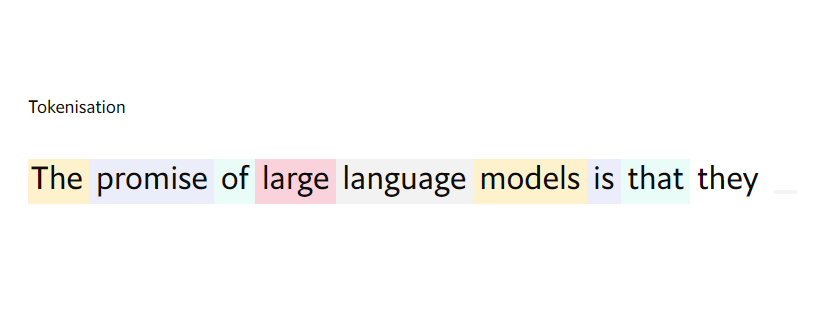
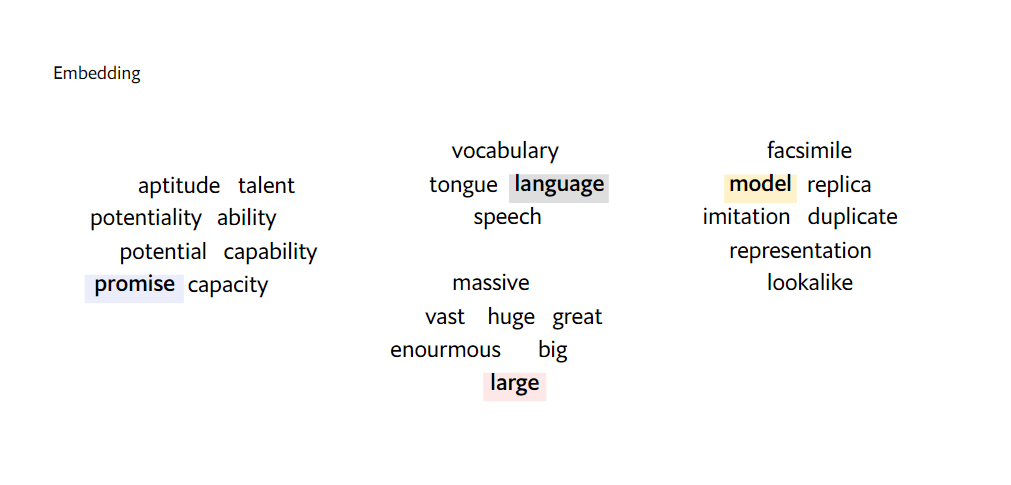
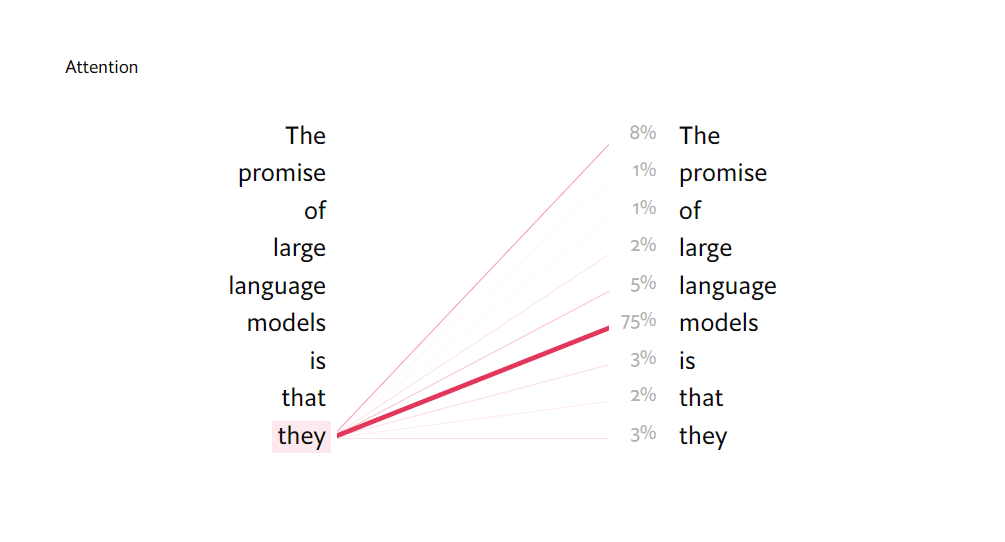
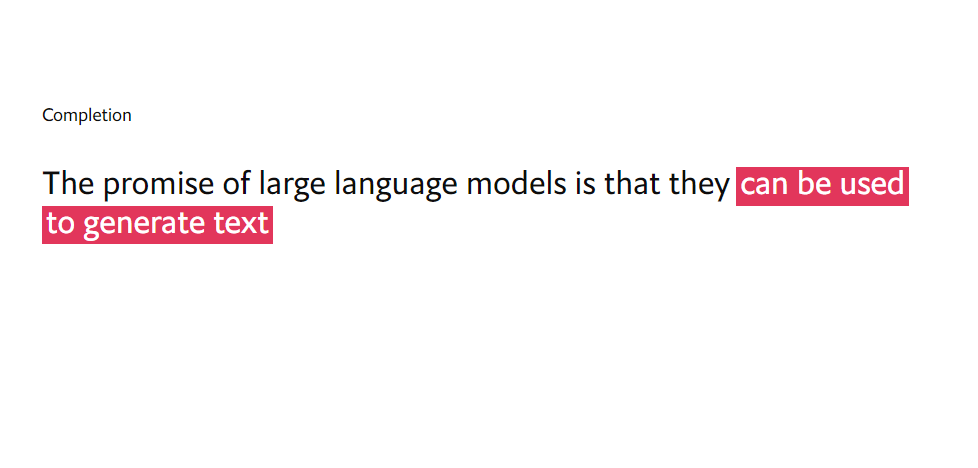
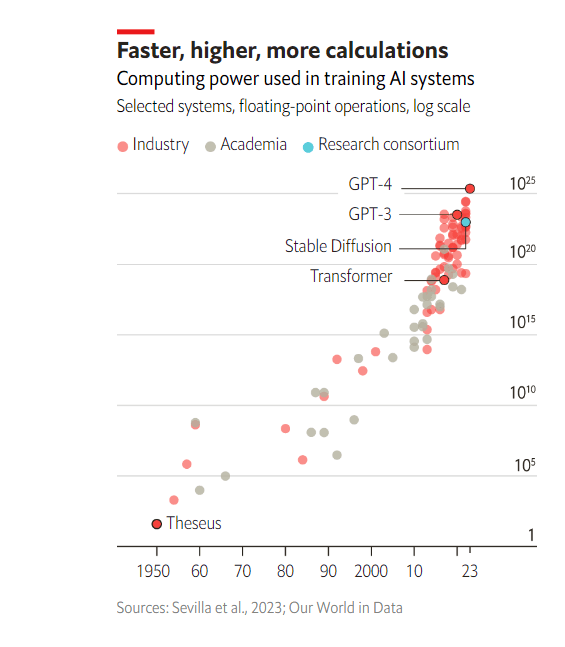


 Χιλάλ Κασάν


