Αρχική Blog Σελίδα 1653

Την εγκαθίδρυση Συμβουλίου Εθνικής Ασφάλειας αποφάσισε το Υπουργικό

0

Την εγκαθίδρυση Συμβουλίου Εθνικής Ασφάλειας αποφάσισε το Υπουργικό Συμβούλιο την Τετάρτη, ανακοίνωσε ο Κυβερνητικός Εκπρόσωπος Κωνσταντίνος Λετυμπιώτης.

Σε δηλώσεις του μετά τη συνεδρία του Υπουργικού Συμβουλίου, ο κ. Λετυμπιώτης, ανέφερε ότι «αποφασίστηκε η εγκαθίδρυση και λειτουργία Εθνικού Συμβουλίου Ασφάλειας, σημειώνοντας ότι είναι ένα συμβουλευτικό όργανο, το οποίο ήταν και στο προεκλογικό πρόγραμμα του Προέδρου της Δημοκρατίας.

Το σύνολο σχεδόν των χωρών της ΕΕ, όλα τα Μόνιμα Μέλη του Συμβουλίου Ασφαλείας των Ηνωμένων Εθνών, αλλά και όλες οι γειτονικές μας χώρες διαθέτουν ένα αντίστοιχο Συμβούλιο με τη μια ονομασία ή την άλλη.

Το Συμβούλιο θα συμβουλεύει τον Πρόεδρο της Δημοκρατίας και μέσω αυτού το Υπουργικό Συμβούλιο για ζητήματα εθνικής ασφαλείας, περιλαμβανομένης της άμυνας, της εξωτερικής πολιτικής και βεβαίως του Κυπριακού.

Θα αναλύει και θα σχεδιάζει την εθνική στρατηγική ασφάλειας που θα εγκρίνεται από το Υπουργικό Συμβούλιο.

Το Συμβούλιο Εθνικής Ασφαλείας θα ενημερώνει και το Εθνικό Συμβούλιο δια του Προέδρου της Δημοκρατίας για θέματα που αφορούν το Κυπριακό και εννοείται ότι το Εθνικό Συμβούλιο θα μπορεί να ζητά από τον Πρόεδρο της Δημοκρατίας να αναθέτει στο ΣΕΑ τη διεξαγωγή συγκεκριμένης έρευνας ή μελέτης που εμπίπτει στις αρμοδιότητες του και θα την υποβάλλει δια του Προέδρου της Δημοκρατίας στο Εθνικό Συμβούλιο.

Η αποστολή του ΣΕΑ θα είναι να παράγει σκέψεις, ιδέες, εισηγήσεις και προτάσεις με πρακτική αξία σε θέματα εθνικής ασφάλειας. Θα έχει την ικανότητα να διαγιγνώσκει υπάρχουσες και να προβλέπει μελλοντικές ανάγκες στο πεδίο των αρμοδιοτήτων του και να μεριμνά για την ανάθεση μελετών και ερευνών σε επίλεκτους μελετητές, ερευνητές και εμπειρογνώμονες μετά από την ανάθεση από τον Προέδρου της Δημοκρατίας.

Θεωρούμε ότι μέσα από το ΣΕΑ θα αναβαθμιστεί και ο ρόλος του Εθνικού Συμβουλίου ως το ανώτατο Σώμα πολιτικής διαβούλευσης περί του εθνικού θέματος, που αποτελεί το κατ΄εξοχήν πρόβλημα ασφάλειας της χώρας μας, και το Εθνικό Συμβούλιο έχει ανάγκη επαρκούς και έγκυρης πληροφόρησης και προπαντός πληροφορημένων και τεκμηριωμένων εκτιμήσεων για τις πτυχές του Κυπριακού και συναφή με αυτό θέματα».

https://www.philenews.com/politiki/article/1320928/tin-egkathidrisi-simvouliou-ethnikis-asfalias-apofasise-to-ipourgiko/

Σερβία -Κόσοβο: Η Ουάσιγκτον «γυρίζει την πλάτη» στην Πρίστινα

0

Το Κόσοβο τέθηκε υπό καθεστώς άτυπων κυρώσεων από τις ΗΠΑ εξαιτίας της συμπεριφοράς της κυβέρνησης του Αλμπιν Κούρτι στο ζήτημα της εγκαθίδρυσης των νεοεκλεγέντων δημάρχων στους δήμους όπου ο σερβικός πληθυσμός αποτελεί πλειοψηφία.

Ο αμερικανός πρέσβης στην Πρίστινα Τζέφρι Χόβενιερ σε συνέντευξη Τύπου επέκρινε έντονα την απόφαση της Πρίστινα να επιβάλει με τη βία το αποτέλεσμα των δημοτικών εκλογών της 23ης Απριλίου. Ανακοίνωσε ότι ακυρώνεται η συμμετοχή του Κοσόβου στην διακλαδική στρατιωτική άσκηση «Defender Europe 2023» ενώ δήλωσε ότι «οι ΗΠΑ δεν έχουν πλέον ενθουσιασμό» να προωθούν το αίτημα του Κοσόβου για αναγνώριση της ανεξαρτησίας. Επίσης ανέφερε ότι ακυρώθηκαν όλες οι προγραμματισμένες επισκέψεις Κοσοβάρων επισήμων στις ΗΠΑ.

Ο επικεφαλής της διπλωματικής αποστολής των ΗΠΑ στο Κόσοβο επισήμανε ότι κλιμάκωση της έντασης στον Βορρά του Κοσόβου που προκλήθηκε από την Πρίστινα υπονομεύει την διαδικασία για την εξομάλυνση των σχέσεων Βελιγραδίου-Πρίστινας. Ο Τζέφρι Χόβενιερ δήλωσε ότι ο Κούρτι δεν εισάκουσε τις συστάσεις των ΗΠΑ στον χειρισμό του ζητήματος των δημάρχων και λειτούργησε αυτοβούλως.

Αξίζει να σημειωθεί ότι είναι η πρώτη φορά που οι ΗΠΑ «γυρίζουν την πλάτη» στο Κόσοβο και κατά γενική εκτίμηση αυτό θα προκαλέσει έντονες αντιδράσεις κατά της κυβέρνησης Κούρτι στο εσωτερικό.

Επέμβαση της αστυνομίας σε 4 πόλεις στο Κόσοβο
Σημειώνεται ότι την περασμένη Παρασκευή 26 Μαΐου, η αστυνομία του Κοσόβου επενέβη σε τέσσερις πόλεις στον βορρά για να διαλύσει συγκεντρώσεις του σερβικού πληθυσμού που εμπόδιζε τους νεοκλεγέντες δημάρχους να αναλάβουν καθήκοντα.

Οι δήμαρχοι αυτοί εξελέγησαν στις έκτακτες δημοτικές εκλογές που διεξήχθησαν στις 23 Απριλίου χωρίς τη συμμετοχή των Σέρβων. Η προσέλευση στις κάλπες δεν ξεπέρασε το 3,5% και η σερβική κοινότητα στο βόρειο Κόσοβο θεωρεί μη έγκυρο το αποτέλεσμα.

Οι αντιδράσεις των Σέρβων είχαν ως αποκορύφωμα τις συμπλοκές που σημειώθηκαν χθες στην πόλη Ζβέτσαν με στρατιώτες της διεθνούς ειρηνευτικής δύναμης KFOR, όπου τραυματίστηκαν 30 νατοϊκοί στρατιώτες και 52 διαδηλωτές

Οι ΗΠΑ κρατούν αποστάσεις από το Κόσοβο εν μέσω ταραχών με την Σερβία / Φωτογραφία:

“https://www.iefimerida.gr/kosmos/serbia-kosobo-i-oyasigkton-gyrizei-tin-plati-stin-pristina”>Σερβία -Κόσοβο: Η Ουάσιγκτον «γυρίζει την πλάτη» στην Πρίστινα –


Henry Kissinger Is a Disgusting War Criminal. And the Rot Goes Deeper Than Him.

0
BERLIN, GERMANY - JANUARY 21: Former United States Secretary of State and National Security Advisor Henry Kissinger attends the ceremony for the Henry A. Kissinger Prize on January 21, 2020 in Berlin, Germany. The annual prize is awarded by the American Academy in Berlin for "outstanding service" to transatlantic relations. The 2019 edition of the award was given to German Chancellor Angela Merkel. (Photo by Adam Berry/Getty Images)

It’s Henry Kissinger’s 100th birthday today. The fact that this monster is celebrated instead of in jail tells you that he’s part of a much bigger problem — and that problem is America’s global empire.

The ugliest truth about Henry Kissinger is that he isn’t a unique monster. (Adam Berry / Getty Images)

The late Anthony Bourdain wrote in 2001 that “once you’ve been to Cambodia, you’ll never stop wanting to beat Henry Kissinger to death with your bare hands.”

However many people might have wanted to do that over the decades, Kissinger remains with us. Today is his one hundredth birthday. And he continues to be treated as a respected elder statesman. That should tell you everything you need to know about America’s global empire.

At Least He Likes Sports

Tributes have been flowing to Dr Kissinger all week. At CNN, foreign correspondent David Andelman enthuses that “at 100, Henry Kissinger is still teaching us the value of ‘Weltanschaüng.’” (Weltanschaüng roughly translates to “worldview,” and here it means something like “a comprehensive understanding of how the world works.”) On the website of the International Olympic Committee, IOC president Thomas Bach calls Kissinger a “great statesman” and “political genius” who is also a “great sports enthusiast” and has long been involved with the Olympics.

None cared to mention his various crimes.

As Richard Nixon’s national security advisor — and then secretary of state, a role he took on without giving up his original job — Kissinger personally oversaw a bombing campaign that killed 150,000 civilians in Cambodia. And among many other atrocities he abetted, he helped overthrow Salvador Allende, the democratically elected socialist president of Chile. Kissinger notoriously said that he didn’t see “why we need to stand by and watch a country go communist due to the irresponsibility of its people.”

The evidence for these crimes has never been in doubt. It’s all a matter of public record. So why hasn’t “Dr K” ever seen the inside of a jail cell?

The ugliest truth about Kissinger is that he isn’t a unique monster. He is an unusually plainspoken representative of a monstrous system of US global hegemony.

Kissinger and Nixon

Nixon didn’t live to see his own hundredth birthday. He died at the age of eighty-one in 1994. But a posthumous centennial birthday celebration was held for the disgraced former president in 2013. Kissinger spoke at that event, ending his remarks by proposing a toast to Nixon as a “patriot, president, and, above all, peacemaker.”

It’s true that Nixon was willing to pursue pragmatic détentes with America’s superpower rivals, China and the Soviet Union. But when I watched the clip of Kissinger’s “peacemaker” toast, all I could think about was an infamous snippet from the 1970 conversation between Kissinger and his deputy Alexander Haig in which Kissinger relays Nixon’s instructions for the bombing of Cambodia. Kissinger knew some members of the administration might have qualms about extending the war to a neutral country, but he made it clear that the commander in chief didn’t want to hear it.

K: Two, he wants a massive bombing campaign in Cambodia. He doesn’t want to hear anything. It’s an order, it’s to be done. Anything that flies on anything that moves. You got that?

H: (Couldn’t hear but sounded like Haig laughing.)

A few years later, Nixon and Kissinger would burnish their “peacemaker” credentials by finally throwing in the towel after several years of ratcheting up bloodshed in Vietnam, Laos, and Cambodia. Perhaps this is the achievement Kissinger was fondly remembering when he toasted his old boss’s memory.

If so, Kissinger was conveniently forgetting that he and Nixon had been spurning essentially the same deal the whole time they’d been escalating the war. In fact, even before Nixon arrived at the White House, he’d worked to sabotage his predecessor Lyndon Johnson’s Paris peace talks — encouraging the South Vietnamese delegation to stonewall in the hopes of getting a better deal when Nixon assumed office.

That much no one bothers to deny. There is some controversy about the extent of Dr Kissinger’s role. In his CNN tribute, David Andelman defends Kissinger by arguing that while “some have suggested that it was Kissinger who sought to slow the process toward peace during Nixon’s presidential campaign,” the evidence from the White House tapes points to H. R. Haldeman as Nixon’s primary accomplice in “monkey wrenching” the talks. But even Adelman allows that Dr Kissinger “may well have tipped off Nixon’s campaign team to Johnson’s thinking.”

A small point, maybe, to hold against an Important Statesman who throws around words like Weltanschaüng.

A Story of Continuity

When Congress brought articles of impeachment against Nixon for corruption and obstruction of justice, Michigan Democratic representative John Conyers proposed including an article on the illegal bombing of Cambodia — which had initially been kept secret from the US public. The proposal was defeated 26 to 12. As Conyers reflected in an article later that year, this may have been because raising the issue of war crimes in Southeast Asia would have impugned “previous administrations” and Congress’s own failure to constrain presidential war-making power.

When Nixon left office, Kissinger stayed on, continuing to serve his highly unusual dual role as national security advisor and secretary of state for Nixon’s successor Gerald Ford. And every single president between Ford and Joe Biden — Democrats and Republican alike — has at some point extended an invitation to Dr K to come to the White House to discuss matters of war and diplomacy.

Some of those visits may have even afforded Kissinger a chance to catch up with old friends. That ghoul softly laughing on the other end of the line as Kissinger relayed Nixon’s instructions for the indiscriminate mass murder of Cambodian civilians, Alexander Haig? He served as commander of US European Command and NATO supreme allied commander for most of Jimmy Carter’s presidency. Ronald Reagan made him secretary of state.

Kissinger Isn’t the Only Kissinger

Oddly, Kissinger hasn’t been to the Biden White House, or at least not yet. I’d like to believe that the current president is disturbed by Kissinger’s long history of involvement in prosecutable crimes against humanity. But Biden’s history suggests otherwise.

Does it bother Biden that Kissinger killed lots of civilians in Cambodia? Senator Biden showed no such qualms about the “shock and awe” bombing of Iraq when he backed that war in 2003.

Does it bother Biden that Kissinger plotted coups against elected leftists in Latin America? Vice President Biden doesn’t seem to have uttered a peep of protest when President Barack Obama and Secretary of State Hilary Clinton supported the coup against Honduran president Manuel Zelaya.

And while we’re on the subject of Hilary Clinton, it’s worth remembering that she touted her relationship with Henry Kissinger — whom she called a friend and trusted advisor — when she was running for president in 2016. When her primary challenger Bernie Sanders responded by bringing up Salvador Allende, the response from both Clinton and the moderator might as well have been, “Salvador who?”

Kissinger has never deigned to conceal his complicity in clear violations of US and international law that killed vast numbers of innocent people. The fact that he’s reached the age of one hundred as a free man isn’t an oversight; it’s a symptom of a much deeper pathology.

A willingness to bend the global rules — order an assassination here, massacre some villagers there, depose an elected leftist or two in countries that, come on, don’t really matter anyway — was integral to how the United States managed its spheres of influence around the world long before Henry Kissinger came on the scene.

It’s not like Dwight Eisenhower needed advice from Henry Kissinger, who was just about finishing up graduate school at the time, when he decided to protect the interests of the United Fruit Company by overthrowing the government of Guatemala in 1954. And Secretary Clinton may or may not have picked up a phone to consult with a very elderly Dr K about how to handle the crisis in Honduras.

I certainly won’t shed any tears when Dr Kissinger finally dies. And I’ll be ecstatic — if shocked — if he sees the inside of a courtroom before that happens. But we shouldn’t fool ourselves into thinking that he’s unique. You don’t run a globe-spanning empire for this many decades, batting down geopolitical rivals, peasant revolutions, insurgencies in occupied countries, and inconvenient electorates in crucial client states, without a lot of people staffing your imperial apparatus who think like Henry Kissinger.

There may be something almost demonic in how unabashed Dr K is about his crimes. But when it comes to his basic willingness to disregard legal and moral obstacles to the United States working its will in the world?

It’s Kissingers all the way down.

CONTRIBUTORS

Ben Burgis is a Jacobin columnist, an adjunct philosophy professor at Rutgers University, and the host of the YouTube show and podcast Give Them An Argument. He’s the author of several books, most recently Christopher Hitchens: What He Got Right, How He Went Wrong, and Why He Still Matters.

jacobin.com

Two Centuries of the National Question

0

Critics say Marxism can’t account for the popular appeal of nationalism. But the Marxist tradition contains some vital insights into the origins and future of national communities.

Communist Manifesto, Brazilian edition, 1982.

In his 1975 essay “The Modern Janus,” Tom Nairn described the theory of nationalism as “Marxism’s great historical failure.” You can find similar claims throughout the abundant literature on the subject.

The argument usually goes something like this. From Karl Marx onward, socialists expected workers to identify with their class rather than their nation, and with international socialism rather than any form of nationalist ideology. When the actions of real flesh-and-blood workers didn’t conform to this abstract schema, most spectacularly upon the outbreak of a general European war in 1914, socialists couldn’t explain the appeal of nationalism in Marxist terms, except as the product of bourgeois manipulation intended to divert the working class from its true historic mission.

Ernest Gellner ridiculed the Marxist perspective in his book Nations and Nationalism:

Marxists basically like to think that the spirit of history or human consciousness made a terrible boob. The awakening message was intended for classes, but by some terrible postal error was delivered to nations. It is now necessary for revolutionary activists to persuade the wrongful recipient to hand over the message, and the zeal it engenders, to the rightful and intended recipient. The unwillingness of both the rightful and the usurping recipient to fall in with this requirement causes the activist great irritation.

This is certainly a memorable quotation, but it can’t do justice to the range and complexity of Marxist thinking on the subject. In what follows, I’ll concentrate on a selection of ideas from the late nineteenth and early twentieth centuries — a period when Marxism was supposed to be willfully blind to the importance of this question. They don’t add up to a comprehensive, full-fledged theory of nationalism, but they do supply us with some invaluable tools for thinking about it.

Nations and States

The idea of nationalism as we understand it was still taking shape when Marx and Friedrich Engels published The Communist Manifesto in 1848. The territorial nation-state had yet to become the standard political model. Some of the biggest nation-states in Europe today — Germany, Italy, Poland — were then composed of subnational city-states and principalities or fragments under the control of dynastic empires.

Two famous lines from the Manifesto seem to exemplify what Gellner dubbed the “Wrong Address Theory” of nationalism: “The working men have no country” and “National differences, and antagonisms between peoples, are daily more and more vanishing.” First of all, let’s put those lines in the full context of what Marx and Engels wrote:

The working men have no country. We cannot take from them what they have not got. Since the proletariat must first of all acquire political supremacy, must rise to be the leading class of the nation, must constitute itself as the nation, it is, so far, itself national, though not in the bourgeois sense of the word.

National differences, and antagonisms between peoples, are daily more and more vanishing, owing to the development of the bourgeoisie, to freedom of commerce, to the world market, to uniformity in the mode of production and in the conditions of life corresponding thereto.

The supremacy of the proletariat will cause them to vanish still faster.

Right away, it looks as if there’s something more complicated going on here. If the workers have “no country,” then how can they be “national, though not in the bourgeois sense of the word”? What other senses might there be?

Erica Benner suggested one answer in her book Really Existing Nationalisms, noting that the original German version of the Manifesto said that workers had no Vaterland: “By the time Marx and Engels were writing, the word Vaterland had already acquired highly charged political connotations quite different from those of the now neutral-sounding English ‘country’: the language of Vaterland was often and eloquently used by both defenders of the traditional state and the Romantic prophets of ethnic nationality.” Since 1848, of course, Vaterland has picked up even more baggage from the experience of twentieth-century German history.

Benner went on to offer her own interpretation of the passage:

The workers have no exclusive allegiance to the nation-state, and no stake in the survival of institutions and cultural practices which help to sustain class dominance over them. They therefore lack nationality in the “bourgeois sense of the word,” which holds that the interests protected by existing states are identical to those of society as a whole.

Roman Rosdolsky put forward a similar reading: “When the Manifesto says that the workers ‘have no country,’ this refers to the bourgeois national state, not to nationality in the ethnical sense.”

At this point, it’s important to distinguish between two concepts that are often jumbled together: national consciousness and nationalism. The first refers to the sense people may have of belonging to a particular nation, the second to the political conclusions they may draw from that sense of belonging. Take Scotland, for example. For much of the twentieth century, support for an independent Scottish state was negligible; today it is high enough to make Scottish independence a realistic prospect in the coming years.

This is not because there was a sudden increase in the number of people who considered themselves Scottish. For many years, a sense of Scottishness coexisted with support for the union with England. A political movement had to persuade a critical mass of Scots that a separate state was necessary to advance their interests, and it will have to persuade even more if independence is to be achieved.

In the modern world, if someone defines themselves as a nationalist in the political sense, it does not simply mean that they identify with a particular nation. It also means that they identify with the state that rules over the nation (or with the struggle to establish such a state in a case like Scotland).

On the other hand, the goal of internationalists is not to persuade people that they should cease considering themselves to be French, Greek, Thai, or Mexican in cultural terms. It is to question the political assumption that their primary loyalty must be directed toward the national state that claims their allegiance.

National Differences

Of course, the claim that “national differences, and antagonisms between peoples,” were “more and more vanishing” in the face of capitalist development proved to be badly mistaken. But we need to be more precise about what Marx and Engels got wrong. They obviously did not believe that cultural distinctions based on language and other factors would rapidly disappear (although they did look forward to the development of a “world literature” in which the “intellectual creations of individual nations” would become “common property”).

Rather, they seem to have anticipated that the rise of capitalism would create a more or less homogenous world economic model based on large-scale industry, with the same polarization between workers and capitalists as the primary social antagonism. In that scenario, it would have made little difference in socioeconomic terms whether someone was born in London or Lagos, New York or New Delhi.

A famous section from the Manifesto argued that “the need of a constantly expanding market for its products chases the bourgeoisie over the whole surface of the globe” and that “the cheap prices of its commodities are the heavy artillery with which it batters down all Chinese walls.” In doing so, according to Marx and Engels, the bourgeoisie “compels all nations, on pain of extinction, to adopt the bourgeois mode of production; it compels them to introduce what it calls civilization into their midst, i.e., to become bourgeois themselves.”

However, it wasn’t merely cheap prices that functioned as “heavy artillery” in the spread of global capitalism. With Britain in the lead, the big European powers also used actual heavy artillery to promote their economic interests. By the end of the nineteenth century, most African and Asian countries were under their direct control. During the 1850s, Marx wrote with savage contempt about the wars Britain had been waging to open China up to the opium trade and dismissed the arguments used to legitimize them: “The Chinese have at least ninety-nine injuries to complain of to one on the part of the English.”

In a series of articles on British rule over India, published a few years after the Manifesto, Marx suggested that the British bourgeoisie would play the same role there it had already played on the home front by promoting industrial development. This would, according to Marx, “neither emancipate nor materially mend the social condition of the mass of the people,” which depended “not only on the development of the productive forces, but on their appropriation by the people.” That moment of social emancipation would not come “till in Great Britain itself the now ruling classes shall have been supplanted by the industrial proletariat, or till the Hindus themselves shall have grown strong enough to throw off the English yoke altogether.”

But what if the effect of colonial rule was to hold back the development of the productive forces in Asia? Marx moved toward this position in his later writings on India and depicted the revolt of 1857 as a natural response to British atrocities, including the routine use of torture to extract revenue from the population. By 1914, Vladimir Lenin could observe that most of Asia consisted “either of colonies of the ‘Great Powers,’ or of states that are extremely dependent and oppressed as nations,” yet the conditions for the “freest, widest and speediest growth of capitalism” had been created “only in Japan, i.e., only in an independent national state.”

In Europe and North America, the possession of an independent state was also an important tool in the development of capitalism. Countries like Germany and the United States made extensive use of tariffs and other forms of state intervention to build up their own manufacturing sectors, before preaching the virtues of free trade to countries that were still trying to catch up. In the past few decades, East Asian states like Taiwan and South Korea have followed a similar approach, not to mention China.

We cannot reduce the popular appeal of nationalism in the nineteenth and twentieth centuries to a question of economics. But the uneven and combined development of capitalism around the world certainly gave a powerful impetus to movements for national independence, especially in what became known as the Global South. It also helped reproduce and exacerbate the “national differences, and antagonisms between peoples,” to which Marx and Engels referred in the Manifesto.

Class and Nation

While the Manifesto may be the most influential piece of writing by Marx and Engels, it accounts for a tiny fraction of the material they published, including their thoughts on the national movements of their own day. They took an especially strong interest in the affairs of Poland and Ireland. Shortly before the Revolutions of 1848 began, the two men spoke at meetings in London and Brussels to support the cause of Polish independence. Engels put forward a simple maxim, addressed in particular to his fellow Germans: “A nation cannot be free and at the same time continue to oppress other nations.”

Toward the end of his life, Marx remained a staunch advocate of Polish independence. His comments on the subject in 1875 revealed a subtle understanding of the relationship between nation and class:

It is not in the least a contradiction that the international workers’ party strives for the creation of the Polish nation. On the contrary; only after Poland has won its independence again, only after it is able to govern itself again as a free people, only then can its inner development begin again and can it cooperate as an independent force in the social transformation of Europe. As long as the independent life of a nation is suppressed by a foreign conqueror it inevitably directs all its strength, all its efforts and all its energy against the external enemy; during this time, therefore, its inner life remains paralysed; it is incapable of working for social emancipation.

When he discussed the Irish struggle for land reform, Marx recognized that the discontent generated by social inequality could be more explosive when combined with foreign rule. He argued that it would be “infinitely easier” to overthrow the landed aristocracy in Ireland than in England, “because in Ireland it is not only a simple economic question but at the same time a national question, because the landlords there are not, as in England, the traditional dignitaries and representatives of the nation but its mortally hated oppressors.” There is little sign here of a man who subscribed to a simpleminded “Wrong Address Theory” of nationalism.

Marx’s observations about the experience of Irish immigrant workers in British cities foreshadowed the theory of the “psychological wage” that W. E. B. Du Bois later developed to account for the grip of racist attitudes among white workers in the United States:

The ordinary English worker hates the Irish worker because he sees in him a competitor who lowers his standard of life. Compared with the Irish worker he feels himself a member of the ruling nation and for this very reason he makes himself into a tool of the aristocrats and capitalists against Ireland and thus strengthens their domination over himself.

In the case of North America, Marx was a passionate supporter of the abolitionist cause and agitated on behalf of the Union during the Civil War, predicting that its leaders would have no choice but to abolish slavery if they wanted to prevail over the Confederacy. He incorporated one of the key lessons to be drawn from across the Atlantic into the text of Capital: “Labor in a white skin cannot emancipate itself where it is branded in a black skin.”

Unfortunately, Marx and Engels never generalized their views on Ireland or Poland into a coherent theoretical system. In the wake of the 1848 revolutions, Engels did far more harm than good by trying to distinguish between “historic” and “nonhistoric” nations. He was hostile to the national movements of the South Slavs because the monarchies of Central Europe had been able to enlist them on the side of counterrevolution.

Instead of explaining this alignment of forces as the product of one historical moment, Engels asserted that communities like the Serbs and the Romanians were permanently incapable of independent political action and destined only to be the tool of powerful reactionary states. The peoples that Engels identified as “nonhistoric” went on to falsify his predictions over the next century and a half.

Self-Determination

Critics of Marxism argue that it is hopelessly in thrall to what they call “class reductionism.” Yet Lenin, who considered himself a perfectly orthodox Marxist of the generation that came after Marx and Engels, emphatically rejected the idea that conflicts over national identity were simply a disguised form of class struggle. He also denied that class consciousness would dissolve the problem of national disputes, even in the white heat of a socialist revolution:

While being based on economics, socialism cannot be reduced to economics alone. A foundation — socialist production — is essential for the abolition of national oppression, but this foundation must also carry a democratically organized state, a democratic army, etc. By transforming capitalism into socialism the proletariat creates the possibility of abolishing national oppression; that possibility becomes reality “only” — “only”! — with the establishment of full democracy in all spheres, including the delineation of state frontiers in accordance with the “sympathies” of the population.

More consistently than Marx and Engels, Lenin drummed home the message that national communities without a state of their own would have to be granted the right to self-determination. This did not mean that socialists should actively desire the breakup of existing states: “To accuse those who support freedom of self-determination, i.e., freedom to secede, of encouraging separatism, is as foolish and hypocritical as accusing those who advocate freedom of divorce of encouraging the destruction of family ties.”

For Lenin, there were “indisputable advantages” to big states rather than small ones, which meant that national minorities would “resort to secession only when national oppression and national friction make joint life absolutely intolerable.” He believed that the workers’ movement would actually discourage the tendency to political fragmentation by granting those minorities full democratic rights, including the right to form a state of their own: “The closer a democratic state system is to complete freedom to secede the less frequent and less ardent will the desire for separation be in practice.”

This was an urgent political question for Lenin and his comrades in the Russian socialist movement, because the non-Russian nationalities comprised the majority of the population in the territories ruled by the tsar. Lenin seems to have had a visceral loathing of big-nation chauvinism. He referred disdainfully to the self-styled “great nations” that were “great only in their violence, only great as bullies,” and condemned European socialists who refused to support anti-colonial liberation struggles in Africa and Asia as “chauvinists and lackeys of bloodstained and filthy imperialist monarchies.”

He wanted to see nationalism of all varieties give way to “internationalism, the amalgamation of all nations in the higher unity,” but only on a voluntary basis. The Bolshevik leader urged socialists from small, stateless nations to support the right of their conationals to self-determination, yet at the same time “fight against small-nation narrow-mindedness, seclusion and isolation.”

In his final articles, toward the end of 1922, Lenin was concerned that some of his associates in the Soviet leadership were beginning to revive Great Russian chauvinism beneath an internationalist facade. He stressed that internationalism on the part of socialists from a country like Russia “must consist not only in the observance of the formal equality of nations but even in an inequality of the oppressor nation, the great nation, that must make up for the inequality which obtains in actual practice.” With that background in mind, it was “better to overdo rather than underdo the concessions and leniency towards the national minorities.”

Joseph Stalin was one of the Soviet leaders that Lenin had in mind when issuing this warning. Although Stalin was himself a Georgian, Lenin observed that it was “common knowledge that people of other nationalities who have become Russified overdo this Russian frame of mind.” We can only imagine what Lenin would have had to say when Stalin carried this “frame of mind” to the point of ordering the deportation of entire nationalities, like the Chechens, to Central Asia, before imposing puppet administrations throughout Eastern Europe by force.

It was ironic that this failure to respect the right of national communities to self-determination should have played a crucial role in the eventual demise of the Soviet Union. Yet the outcome of the policy followed by Stalin and his successors would probably not have come as a surprise to Lenin.

Since Lenin died, the number of independent nation-states around the world has grown spectacularly. We can apply his argument most directly in the remaining clear-cut cases of national oppression, from Palestine to Western Sahara, Kashmir, and Xinjiang. However, it also applies to countries like Scotland and Catalonia: their citizens may not experience the same oppression as Palestinians or Sahrawis, yet they should also be free to decide whether they want a state of their own.

This still leaves an important question for anyone who invokes the right to self-determination. How do we decide on the political unit in which that right should be exercised? When you have overlapping national communities, a majority can soon become a minority, depending on where you draw a line on the map. There is no straightforward answer to this question, which has fueled some of the most intractable modern conflicts.

Communities of Destiny

Lenin started with the assumption that national consciousness was an important phenomenon that socialists could not wish away. For the most part, he did not try to explain why people identified with nations. The most ambitious attempt by one of his contemporaries to do so came in a 1907 book by the Austrian socialist leader Otto Bauer, The Question of Nationalities and Social Democracy.

Bauer’s work was neglected for much of the twentieth century, and a full English translation only appeared in 2000. He fell between political stools in terms of legacy, too Marxist for the social democrats and too social democratic for the Marxists. That was a major loss, since Bauer’s work anticipated some of the best modern writing on nationalism.

Bauer rejected the idea that nations, as we understand them, had existed since time immemorial, seeing them as a development linked to the rise of industrial capitalism, which had resulted in “a completely new spatial and professional distribution of the population.” Uprooted from rural communities where they “did not even know the peasants in the next village, as a mountain range made communication difficult between the two,” countless people now found themselves in towns and cities where they were “thrown hither and thither with the ups and downs of the trade cycle.”

This world of profit and power required a new kind of education for the masses, which had to be delivered in a standardized language that most people could understand:

Modern capitalism needed a higher level of popular training, as without this the complicated administration of large-scale business would be impossible; the modern peasant needed education, if he was to develop into a modern farmer; the modern state needed it, if it was to create local administration and the modern army.

Conscription into national armies “tears the peasant’s son away from the narrow realm of the village” and “brings him together with companions from the town and from other parts of the country.” Meanwhile, the spread of political democracy “becomes the means of bringing the great questions of the day into every peasant village and every workshop. . . . Each speech in the assembly, each page of the newspaper, brings a piece of our mental culture to the last voter.”

Bauer defined national character as “the complex of physical and mental characteristics that distinguishes one nation from others.” He stressed that it was “not an explanation” but rather “something to be explained.” For Bauer, national character was a product of history, not biology or geography: “Nothing but a precipitate of history, it changes with every hour, with every new event that the nation experiences. . . . Placed back in the midst of world events, it is no longer a persistent being, but rather a constant becoming and perishing.” This historical view is a vital retort to fearmongers who claim that immigration will extinguish a supposedly timeless national way of life.

Bauer distinguished between “community of destiny,” which involved “common experience of the same fate in constant communication and ongoing interaction with one another,” and “similarity of destiny,” where such communication and interaction were lacking. He saw the working classes of different European countries as an example of the latter:

Whatever links of communication there may be between German and English workers, these are far looser than those that connect the English worker with the English bourgeois — who both live in the same town, read the same posters on the walls, the same newspapers, take part in the same political or sporting events, and occasionally either speak to each other or at least both speak to the same individuals, the various intermediaries between capitalists and workers.

You could write entire books exploring the ideas that Bauer sketched out, and some people have in the great efflorescence of writing on nationalism since the 1970s. Ernest Gellner based his own theory of nationalism on the need of industrial society for a literate mass culture in which people could be instructed. Benedict Anderson stressed the importance of “a half-fortuitous, but explosive, interaction between a system of production and productive relations (capitalism), a technology of communications (print), and the fatality of human linguistic diversity.”

What unites Gellner, Anderson, and others who belong to the “modernist” school of theorizing about nationalism is the idea that national states have not always existed as a way of organizing human societies and, by implication, need not always exist in the future. In today’s world, the main danger is not that we will underestimate the force of nationalism but rather that we will see it as an all-conquering force and an eternal part of the human condition.

CONTRIBUTORS

Daniel Finn is the features editor at Jacobin. He is the author of One Man’s Terrorist: A Political History of the IRA.

jacobin.com

Ανάλυση CT: Τα δύο πρόσωπα του Ερντογάν και η αυριανή, πρώτη συνάντηση με Χριστοδουλίδη

0
31/05/2023, 06:41

Αύριο στο ίδιο τραπέζι Χριστοδουλίδης και Ερντογάν – Θα παρευρεθούν στη Σύνοδο της Ευρωπαϊκής Πολιτικής Κοινότητας στην Μολδαβία – Πρώτο τεστ για τις μετεκλογικές προθέσεις του Τούρκου Προέδρου για ευρωτουρκικά και Κυπριακό – Ακροβατεί ανάμεσα σε Δύση και Μόσχα

Οι εκλογές στην Τουρκία τέλειωσαν, αφήνοντας πίσω τους μια σειρά από ερωτήματα για την επόμενη μέρα. Ανάμεσα σ’ αυτά και ένα καίριο ερώτημα, που μας αφορά άμεσα. Ποια θα είναι η στάση που θα επιλέξει ή θα αναγκαστεί να ακολουθήσει ο Ερντογάν στο πεδίο της εξωτερικής πολιτικής. Ένα άλυτο αίνιγμα, η λύση του οποίου περνάει από χίλιους δρόμους.

Σε πρώτη φάση θα πρέπει να αναζητήσουμε απαντήσεις ως προς το τί ακριβώς έχει στο μυαλό του ο προσφάτως επανεκλεγείς Πρόεδρος της Τουρκίας. Τις τελευταίες 48 ώρες άφησε να εννοηθεί πως θα επιλέξει να κινηθεί στη λογική των δύο κατευθύνσεων. Να διατηρήσει τις άριστες σχέσεις που ανέπτυξε με την Μόσχα του Πούτιν και ταυτόχρονα να κινηθεί προς τη δύση με κλαδί ελιάς. Κάτι που μετά την ρωσική εισβολή στην Ουκρανία φαντάζει αδύνατο.

Και επειδή δεν είναι η πρώτη η φορά, ο Ερντογάν θα θυμηθεί πολύ σύντομα πως στην πράξη οι δύο βάρκες και τα δύο πρόσωπα μπορούν να λειτουργήσουν μέχρι ενός σημείου. Τρανό παράδειγμα η κρίση που ξέσπασε για τα εξοπλιστικά της Τουρκίας, η οποία ζητιανεύει εδώ και μήνες την άρση των αμερικανικών κυρώσεων που την αφήνουν μακριά από τα F35 λόγω της εξασφάλισης των ρωσικών S400. Σε τέτοιου είδους κόκκινες γραμμές είδαμε πως ακόμα κι η νατοϊκή «ομπρέλα» δεν λειτουργεί ως αντίβαρο.

Σ’ αυτή την εξίσωση πρέπει να συνυπολογίσουμε και τη στάση που θα κρατήσει ο Ερντογάν απέναντι στην Ευρωπαϊκή Ένωση. Μια σχέση που πέρασε από σαράντα κύματα, για να οδηγηθεί τα τελευταία χρόνια σε ένα από τα χειρότερα σημεία που βρέθηκε. Είναι ξεκάθαρο πως αμέσως μετά την επανεκλογή του Τούρκου Προέδρου, τα δύο μέρη θα εξετάσουν τη δυνατότητα επαναφοράς γεφυρών. Αυτών που γκρεμίστηκαν τα τελευταία χρόνια λόγω του προσφυγικού, των παραβιάσεων και προκλήσεων σε βάρος της Κύπρου και της Ελλάδας και των αντιδημοκρατικών πολιτικών Ερντογάν.

Από την έναρξη αυτής της προσπάθειας μας χωρίζουν μόλις μερικές ώρες, αφού εκτιμάται πως ένα πρώτο βήμα θα γίνει αύριο στην Μολδαβία στο πλαίσιο της δεύτερης Συνόδου της Ευρωπαϊκής Πολιτικής Κοινότητας. Ο Τούρκος Πρόεδρος θα κάτσει στο ίδιο τραπέζι με τους ηγέτες των «27» -και άλλους αρχηγούς κρατών- για να συζητήσει μαζί τους την προώθηση της συνεργασίας και την ενίσχυση της ασφάλειας, σταθερότητας και ευημερίας στην Γηραιά Ήπειρο.

Μετά από αυτό το πρώτο τεστ αναμένεται να φανούν σε μεγάλο βαθμό οι προθέσεις του Ερντογάν για την εξέλιξη των ευρωτουρκικών σχέσεων. Τα ανοιχτά μέτωπα είναι πολλά, όπως και τα εκατέρωθεν αιτήματα των δύο πλευρών. Σ’ αυτά ποντάρει η Λευκωσία μέσα από την προσπάθεια που καταβάλλεται για ενεργότερη εμπλοκή της Ένωσης στο Κυπριακό.

Παρών στη Σύνοδο θα είναι φυσικά και ο Νίκος Χριστοδουλίδης ο οποίος θα βρεθεί πρόσωπο με πρόσωπο με τον Ερντογάν, για πρώτη φορά μετά τις εκλογές σε Κύπρο και Τουρκία. Αυτό από μόνο του καθιστά τη Σύνοδο ως ιδιαιτέρως ενδιαφέρουσα και για την έκβαση του Κυπριακού. Σίγουρα δεν αναμένεται να γίνει ουσιαστική συζήτηση μεταξύ των δύο, όμως θα είναι η πρώτη φορά που θα βρεθούν στον ίδιο χώρο, με τους νέους όρους.

cyprustimes.com

Β. Κόντης: Ο ρόλος της ιστορικής έρευνας και του ΙΜΧΑ στην προάσπιση των Εθνικών Θεμάτων

0

του Βασίλη Κόντη, Ομότιμου Καθηγητή Ιστορίας ΑΠΘ

Η επανεκλογή Ερντογάν στο προεδρικό αξίωμα σηματοδοτεί ανάμεσα στα πολλά ότι θα συνεχιστεί η πολιτική της Τουρκίας να θέτει θέμα ολικής αποστρατικοποίησης των νησιών του Αιγαίου, όπως έχει καταστεί σαφές με τις τρεις επιστολές του μόνιμου αντιπροσώπου της Τουρκίας στον ΟΗΕ Φεριντούν Σινιρλιόγλου. Οι επιστολές έχουν ως κεντρικό άξονα την σύνδεση της αποστρατικοποίησης των νησιών με τα κυριαρχικά δικαιώματα της Ελλάδας. Η πρόθεση της τουρκικής αντιπροσωπίας ήταν εμφανής από την πρώτη επιστολή, όπου και γίνεται η άμεση σύνδεση της αποστρατικοποίησης με το ζήτημα της οριοθέτησης των θαλασσίων ζωνών. Από την στιγμή που η Ελλάδα παραβιάζει, κατά τους Τούρκους, τις συμβατικές της υποχρεώσεις ως προς την αποστρατικοποίηση των νησιών, έχει απολέσει και τα δικαιώματά της που απορρέουν από τις υπογραφείσες διεθνείς συνθήκες.

Ο διπλωματικός ελιγμός των Τούρκων βασίζεται στην πάγια επιθυμία τους, τα ζητήματα του καθορισμού της ΑΟΖ και της υφαλοκρηπίδας να διευθετηθούν ταυτόχρονα με αυτά της αποστρατικοποίησης και κατ’επέκταση των «γκρίζων ζωνών» στο Αιγαίο είτε στο Διεθνές Δικαστήριο της Χάγης είτε με μία απευθείας διακρατική συμφωνία Ελλάδας-Τουρκίας. Κατανοώντας πως η Συνθήκη της Λωζάννης δεν μπορεί να αλλάξει, οι Τούρκοι προσπαθούν να δώσουν εκ νέου την δική τους ερμηνεία στην Συνθήκη, προσθέτοντας όλο και περισσότερα θέματα στο τραπέζι των διαπραγματεύσεων. Έτσι σήμερα Ελλάδα και Τουρκία επικαλούνται το Διεθνές Δίκαιο και την διεθνή νομιμότητα για να επιλύσουν τις διαφορές τους στο Αιγαίο βασιζόμενοι στο ίδιο κείμενο, το οποίο ας μην ξεχνάμε ότι συντάχτηκε πριν από ακριβώς 100 χρόνια.

Αν η Τουρκία είχε δώσει την σημερινή της ερμηνεία μέσα σε ένα εύλογο χρονικό διάστημα από την υπογραφή της Συνθήκης, τα τουρκικά επιχειρήματα θα είχαν πολύ μεγαλύτερη βαρύτητα από αυτήν που έχουν σήμερα. Από την άλλη, οι Τούρκοι ισχυρίζονται πως η Ελλάδα ξεκίνησε να εξοπλίζει τα νησιά μετά το 1950 και η «παραβίαση» των συμφωνηθέντων κορυφώθηκε μετά την εισβολή στην Κύπρο. Έτσι, κατά το τουρκικό ανάγνωσμα, δεν υπήρχε λόγος να δοθεί ερμηνεία για την αποστρατικοποίηση της Λωζάννης πριν το 1974.

Η βασική απόκλιση μεταξύ Ελλάδας και Τουρκίας συνίσταται στο εάν η Συνθήκη της Λωζάννης επικύρωσε την απόφαση των Έξι Δυνάμεων του 1914 μόνο ως προς το θέμα της κυριαρχίας (θέση Ελλάδας) ή ως προς την ολότητά της, συμπεριλαμβανομένου και του καθεστώτος της ολικής αποστρατικοποίησης των νησιών του Αιγαίου (θέση Τουρκίας).  Η διαφορετική ερμηνεία που δίνουν οι δύο χώρες στην Σύμβαση του Μοντρέ και στην Συνθήκη των Παρισίων του 1947 οδηγεί σε εκ διαμέτρου διαφορετικά συμπεράσματα αναφορικά με τις συμβατικές υποχρεώσεις της Ελλάδας έναντι στην Τουρκία, αναφορικά με την αποστρατικοποίηση στο Αιγαίο: Η Ελλάδα αποδέχεται μόνο τα συμφωνηθέντα της Λωζάννης για την τροποποιημένη αποστρατικοποίηση που ισχύει για την Μυτιλήνη, Χίο, Σάμο και Ικαρία, κατά τα προβλεπόμενα του άρθρου 13, ενώ η Τουρκία επιμένει πως ΟΛΑ τα νησιά του Ανατολικού Αιγαίου και τα Δωδεκάνησα οφείλουν να παραμείνουν αποστρατικοποιημένα.

Μια διέξοδο στο αδιέξοδο των διαφορετικών ερμηνειών της Συνθήκης της Λωζάννης μπορεί να προσφέρει η ιστορική έρευνα. Μια πρώτη ιστορική προσέγγιση του ζητήματος της αποστρατικοποίησης επιχειρήθηκε σε έναν βαθμό από τους Βρετανούς και το Φόρεϊν Όφις το 1981, που καταλήγουν ότι η Λωζάννη επικύρωσε την απόφαση του 1914 μόνο ως προς την κυριαρχία, επιβεβαιώνοντας δηλαδή τη θέση της Ελλάδας. Η στάση των ΗΠΑ δεν είναι το ίδιο ξεκάθαρη,  καθώς ο πρώην πρεσβευτής των ΗΠΑ στην Άγκυρα Τζέιμς Τζέφρι έχει επανειλημμένως δηλώσει πως τάσσεται υπέρ των τουρκικών θέσεων. Η αμερικανική στάση διαφαίνεται και από την τακτική που έχει ακολουθήσει το ΝΑΤΟ από το 2007 και έκτοτε με αφετηρία την ακύρωση της άσκησης «Noble Archer» στον Άγιο Ευστράτιο.

Η τουρκική διπλωματία και η Τουρκία εν γένει πρέπει πρωτίστως να αντιμετωπίζεται με σεβασμό. Υπάρχουν αρκετά think tanks και ιδρύματα τουρκικών συμφερόντων στο εξωτερικό που συστηματικά προάγουν τις τουρκικές θέσεις, προσπαθώντας να δώσουν μεταξύ άλλων και επιστημονική επίφαση στην καινούργια ερμηνεία που έδωσε η Τουρκική Κυβέρνηση για την Συνθήκη της Λωζάννης. Κάτι αντίστοιχο συνέβαινε και επί χρόνια στο Μακεδονικό, όπου όσο η «Μακεδονία» αποτελούσε κομμάτι της Σοσιαλιστικής Ομοσπονδιακής Δημοκρατίας της Γιουγκοσλαβίας, η ελληνική πολιτεία δεν προσπαθούσε συστηματικά να αντικρούσει την προπαγάνδα των Σκοπιανών.

Με την διάλυση της Γιουκοσλαβίας, η τότε υφυπουργός της κυβέρνησης Κωσταντίνου Μητσοτάκη Βιργινία Τσουδερού είχε αναθέσει στο Ίδρυμα Μελετών Χερσονήσου του Αίμου την έκδοση ενός βιβλίου στα Αγγλικά, όπου θα διατυπώνονταν με επιστημονικό τρόπο οι θέσεις της Ελλάδας στο Μακεδονικό Ζήτημα. Το “Macedonia Past and Present” εκδόθηκε το 1992 από το ΙΜΧΑ με χρήματα του Υπουργείου και αποτέλεσε ένα εξαιρετικό ανάχωμα στην προπαγάνδα των Σκοπιανών. Το βιβλίο αυτό τυπώθηκε σε 22.000 αντίτυπα και διενεμήθει σε όλα τα πανεπιστήμια, βιβλιοθήκες και επιστημονικά ιδρύματα της Ελλάδας και του Εξωτερικού. Κάτι αντίστοιχο είχε επιχειρηθεί και με την έκδοση το 1994 του βιβλίου “The Greek Minority in Albania: Α documentary record 1921-1993”, όταν είχαν ανακύψει τα πρώτα ζητήματα για την ελληνική εθνική μειονότητα στην μετακομμουνιστική Αλβανία.

Ο στόχος και στις δύο περιπτώσεις ήταν να πειστεί ο διεθνής παράγοντας για την ορθότητα και το δίκαιο των ελληνικών θέσεων, κάτι που δεν είναι τόσο εύκολο όσο ακούγεται. Πέρα από την στενή συνεργασία του ΙΜΧΑ με το Υπουργείο, στο ΙΜΧΑ έρχονταν τακτικά στελέχη των Γενικών Προξενείων των ΗΠΑ, των Βαλκανικών κρατών αλλά και ο Τούρκος πρόξενος για τακτική ενημέρωση και ανταλλαγή απόψεων. Θυμάμαι χαρακτηριστικά την αμερικανική αντίδραση την εποχή που κυριαρχούσε το σύνθημα «Η Μακεδονία είναι Ελληνική». Ο Αμερικανός πρόξενος είχε παρανοήσει εντελώς τις ελληνικές θέσεις, αφού με ρώτησε αν η Ελλάδα έχει εδαφικές διεκδικήσεις στα Σκόπια. Αναφορικά με τα ελληνοτουρκικά θα πρέπει να είμαστε πολύ προσεκτικοί, καθώς σήμερα οι Τούρκοι συνδέουν την άρνηση της Ελλάδας να συζητήσει για την αποστρατικοποίηση με δήθεν επιθετικές βλέψεις έναντι της Τουρκίας.

Με τον αείμνηστο Κωσταντίνο Οικονομίδη, που διετέλεσε για χρόνια επικεφαλής της νομικής υπηρεσίας του Υπουργείου, υπήρχε η αμοιβαία εκτίμηση και η κατανόηση ότι το Μακεδονικό είναι ένα καθαρά ιστορικό ζήτημα, ενώ το Νησιωτικό είναι περισσότερο μια νομική διαμάχη. Σήμερα όμως η Τουρκία επικαλείται ιστορικά γεγονότα για να δώσει μια καινούργια ερμηνεία στην Συνθήκη της Λωζάννης. Μέχρι πρόσφατα,  η άμυνα της Ελλάδας απέναντι στον τουρκικό αναθεωρητισμό βασιζόταν κυρίως μέσα από τα καθαρά νομικά επιχειρήματα του Οικονομίδη, όπως διατυπώθηκαν στα δοκίμιά του ήδη από την δεκαετία του 1980. Ο ιστορικός παράγοντας, ο οποίος και δεν έχει αξιοποιηθεί επαρκώς, μπορεί να δώσει μια πειστική εξήγηση στους Τούρκους και στους λοιπούς νατοϊκούς μας Συμμάχους.

Σήμερα το ΙΜΧΑ κάνει μια καινούργια προσπάθεια στο να παράγει ιστορική έρευνα που μπορεί να αποβεί χρήσιμη στα κρίσιμα εθνικά θέματα, όπως είναι το ζήτημα της αποστρατικοποίησης και των «γκρίζων ζωνών» των νησιών του Αιγαίου. Η προσπάθεια αυτή έχει αγκαλιαστεί από παλιούς συνεργάτες του Ιδρύματος, όπως είναι ο έγκριτος διεθνολόγος Δρ. Βενιαμίν Καρακωστάνογλου, ο καθηγητής διπλωματικής ιστορίας του Α.Π.Θ. Δρ. Γιάννης Στεφανίδης, και από το μόνιμο προσωπικό του Ιδρύματος, η Γραμματέας του ΙΜΧΑ κα. Έλενα Χαϊδιά.

Σύντομα θα κυκλοφορήσει από το ΙΜΧΑ το βιβλίο του Δ. Κόντη «Τα Νησιά του ΒΑ Αιγαίου: Επτά Απαντήσεις στον Τουρκικό Αναθεωρητισμό», του οποίου μια ιδιωτική έκδοση μοιράστηκε με πρωτοβουλία του κ. Γκιουλέκα στην Επιτροπή Εθνικής Άμυνας και Εξωτερικών Υποθέσεων της προηγούμενης Βουλής. Ο συγγραφέας του βιβλίου έχει επιλέξει να απαντήσει σε επτά καίρια ερωτήματα, τα οποία αποτελούν και τα βασικά σημεία τριβής μεταξύ Τουρκίας και Ελλάδας. Δεν αντικρούει τις τουρκικές θέσεις με νομικά επιχειρήματα, αλλά βασιζόμενος στο πλούσιο αρχειακό υλικό της εποχής, κάνοντας εκτεταμένη χρήση των βρετανικών και οθωμανικών διπλωματικών εγγράφων. Σκοπός του συγγραφέα είναι να ενισχύσει τις θέσεις της Ελλάδας μέσα από την ιστορική έρευνα και να καταδείξει μια εναλλακτική διάσταση του όλου ζητήματος.

Στις αρχές της δεκαετίας του 1990, Το ΙΜΧΑ απασχολούσε περισσότερους από δέκα επιστημονικούς συνεργάτες, πολλοί από τους οποίους σήμερα είναι καθηγητές, μεταξύ άλλων στο Α.Π.Θ και στο Δημοκρίτειο. Η έλλειψη σταθερής κρατικής χρηματοδότησης οδήγησε σταδιακά στην υπολειτουργία του Ιδρύματος, που τα τελευταία χρόνια επιβιώνει ως σχολή βαλκανικών γλωσσών. Οι υποδομές του όμως παραμένουν σημαντικές, όπως και η πλούσια σε πρωτότυπο αρχειακό υλικό από το Φόρεϊν Όφις και Στέιτ Ντιπάρτμεντ βιβλιοθήκη του.

Υπό την καθοδήγηση του τωρινού προέδρου και ομότιμου καθηγητή του ΑΠΘ Δρ. Δημήτρη Μαυροσκούφη, το ΙΜΧΑ μπορεί να γίνει ο πόλος για την συσπείρωση των νέων ερευνητών της Βορείου Ελλάδας και όχι μόνο και να αποτελέσει ξανά πολύτιμο αρωγό της ελληνικής πολιτείας για τα εθνικά θέματα.

*Ο Βασίλης Κόντης είναι ομότιμος καθηγητής Ιστορίας στο ΑΠΘ. Έχει διατελέσει επιστημονικός συνεργάτης, διευθυντής και πρόεδρος του Ιδρύματος Μελετών Χερσονήσου του Αίμου από το 1975 μέχρι το 2008.


Ή  Κωνσταντινούπολη  ΔΕΝ  παραδόθηκε  αλλά  κατακτήθηκε στις  29  Μαίου του  1453. Γι’αυτό  παραμένει  ή  εν  αιχμαλωσία  πρωτεύουσα  του  Ελληνισμού

20

της Αθηνάς Κατσαφάδου*

Το  γνωρίζουν  καλά  οί  Τούρκοι  αυτό.  Κάθε  χρόνο  επαναλαμβάνουν  τις  ίδιες  κακόγουστες, ανούσιες   διθυραμβικές  παραστάσεις  τους  για  την  Άλωση  της  Βασιλεύουσας. Νομίζουν  πώς  ταπεινώνουν  τον  μεγάλο  ναό  της  Χριστιανοσύνης  μετατρέποντάς  τον  σε  τζαμί  και  πώς ή  Κωνσταντινούπολη  είναι  πράγματι  δική  τους  και  την  ορίζουν.

Εάν  πράγματι, ήσαν  σίγουροι  για  την  τελεσίδικη  κατάκτηση  της  Πόλης  των  πόλεων  δεν  χρειάζονταν  όλα  αυτά  τά  πανηγύρια. Σοβαροί  Τούρκοι  δημοσιογράφοι  το  έχουν  κατ΄επανάληψη  επισημάνει. Οί  μορφωμένοι  ανάμεσά  τους  ξέρουν  πώς  είναι  πρόσκαιροι  και  επήλυδες. Είναι  καταχτητές  ενός  μεγάλου  πολιτισμού  και  μιάς  Πόλης  πού  όμοιά  της  δεν  υπήρξε  ποτέ  και πώς  εκείνοι  απεδείχτηκαν πολύ  κατώτεροι των  κατακτημένων.

Ή  Βασιλεύουσα  δεν παραδόθη. Κατελήφθη  με  μπαμπεσιά . Ό  βασιλέας  μας  δεν  παρεδόθη. Πολέμησε στην  Πύλη  του  Ρωμανού  ως  απλός  στρατιώτης  και  σκοτώθηκε. Ή  άρνηση  της  παράδοσης  της  Πόλης  με  την  ελληνική  απάντηση  του  Κωνσταντίνου  Παλαιλόγου  στον  Μωάμεθ  Β΄ έχει  μείνει  ιστορική για  το  απέριττο,  περήφανο  και  βαθύ  περιεχόμενό  της. << Το  δε  την  Πόλιν  σοι  δούναι, ούτ΄εμόν  εστί  ούτ΄αλλου  των  κατοικούντων  εν  ταύτη.  Κοινή  γάρ  γνώμη  , πάντες  αυτοπροαιρέτως  αποθανούμεν  και  ού  φεισόμεθα  της  ζωής  ημών>>.

Είναι  το  βυζαντινό  ΜΟΛΩΝ ΛΑΒΕ. Με  αυτήν  την  σεμνή  ,  περήφανη  και  αποφασιστική  απάντηση   ή  Βασιλεύουσα  κατέχτησε στο  φαντασιακό  του  Ελληνικού  Έθνους  όλους  αυτούς  τους  αιώνες  της  σκληρής  και  βάρβαρης  τουρκικής  σκλαβιάς  την αναγκαιότητα   της  απελευθέρωσης.  Το  έθνος  μας  ταπεινώθηκε.  Εξανδραποδήθηκε,  βιάστηκε, μάτωσε ,  πόνεσε. Ποτέ  μά  ποτέ  δεν  έπαψε  να  ελπίζει  στην  απελευθέρωσή  του . Δεν  παραδοθήκαμε  με  συνθηκολόγηση  γιατί δήθεν είμαστε  αδύναμοι  ενώπιον  πολυάριθμου  καλά  εξοπλισμένου  στρατού .Τήν  παράδοση  θα  την  διαπραγμετευόντουσαν οι Μητσοτάκηδες,  Τσίπρηδες,  Δένδιες,  Κοτζιάδες και  Κατρούγκαλοι εκείνης  της  εποχής. Αντισταθήκαμε, πολεμήσαμε  και  σκοτωθήκαμε  υπερασπίζοντάς  την.

Ό  αυτοκράτωρ  Κωνσταντίνος – όχι  μόνο  γενναίος, αλλά  και  μέγας  στην  σκέψη και  στην  ψυχή ­– ήξερε  καλά  ότι,  και  αν  ό λ ο ι  τ ο υ ς  πέθαιναν ,  δ έ ν  θ ά  π έ θ α ι ν ε   Τ Ο   Γ Ε Ν Ο Σ   Μ Α Σ , ενώ  εάν , υιοθετώντας τις  προτάσεις  του  σουλτάνου , δεχόταν  να  σώσει  τον  εαυτό  του  και  όλους  τους  άρχοντες ,  το  Γένος  θα  χανόταν.

Μια  Πόλη πού   αντιστάθηκε  με  τέτοιο  λυσσαλέο  τρόπο , ελάχιστοι  έναντι  υπερπολλαπλασίων έχει  εγγράψει   απαίτηση  αναπόδραστη  στην  μνήμη  του  λαού  μας   της  πώς  περιμένει……..

Πάλι  με  χρόνια  με  καιρούς , πάλι  δικιά  μας  θα,ναι…

Τον  κατευνασμό, (όπως  αποκαλούν  οι σημερινοί  ναινέκοι  την  παραχώρηση  εθνικής  κυριαρχίας μας  στην  αναθεωτητική Τουρκία ) άλλωστε  τον  αντιμετώπισε  και  τότε  ό  Κωνσταντίνος  Παλαιολόγος  όταν  ό  Μωάμεθ  του  έκανε  πρόταση  να  φύγει  με όλους  τους  άρχοντες   και  με  όλα  τά  τιμαλφή  του  από  την  Πόλη  απείραχτος  και  να  του  την  παραδώσει. Ό  Βασιλέας μας,   με  βαθύτατη  πίστη  στον  Θεό  και  στην  χιλιάδων  ετών   διαχρονικότητα  του  γένους  μας  απάντησε  πάλι  μέ  ένα  κείμενο – απάντηση,  πού  παραμένει  έκτοτε  μνημείο  Πολιτικής  ηθικής  και  ήθους  για  την  βαριά  ευθύνη  πού  έχει  ή  πού  θα  έπρεπε  να  έχει  όποιος  αποφασίζει  για  το  μέλλον  ή  για  την  εξαφάνιση  από  την  ιστορία  τού  έθνους  τοu :

<<Επεί  τά  της  μάχης ηρετίσω, και  ούτε όρκοις ούτε  κολακείες πεισθήναι ποιήσαι σε έχω, ποίει  α βούλει. Εγώ  γάρ προς  τον  Θεόν καταφεύγω, και  ει  θελητόν αυτώ εστί του  δούναι και  την  πόλιν  ταύτην  είς  χείρας  σου, τις  αντειπείν  δυνάμενος; Ει  δε  πάλιν εμφυτεύσει ειρήνην  εν  τη  καρδία  σου ,  και  τούτο ασπασίως αποδέχομαι. Εγώ από  του  νύν  τάς  πύλας  της  πόλεως κεκλεισμένας  έχων φυλάξω  όσον  ή  δύναμις .  Σύ  δε καταδυναστεύων  δυνάστευε, έως ό  δίκαιος  κριτής αποδώσει εκάστω  εμοί τε και  σοί , την  δικαίαν  απόφασιν>>.

Οί  θαυμάσιοι  αυτοί  λόγοι του  Κωνσταντίνου  απευθύνοντο  στον  Μωάμεθ  πρίν  καταφθάσει  ό  Ιουστινιάνης και  ό  Ισίδωρος ,  δηλαδή  τον  Ιούνιο  του  1452.

Το  μεγαλείο  των  λόγων  του ,απευθυνόμενος  στον  ίδιο  τον  αντίπαλό  του, βρίσκεται  ακριβώς στο  ότι, δεν  πήρε  το  κοινό και  φθαρμένο στην  ιστορία, αλαζονικό ύφος της  απειλής, και  δεν  εμνημόνευσε  διόλου το  ενδεχόμενο  της  δικής  του  νίκης.  Δεν  θα  ήταν  πραγματικά  Μέγας  εάν  μνημόνευε  το  ενδεχόμενο  αυτό. Γνώριζε  ότι  ήταν  αρχηγός  κράτους  ανυπάρκτου. Και  ότι  ήταν  αυτοκράτωρ  δίχως  αυτοκρατορία. Θα  είχε  το  δικαίωμα επιχειρώντας  να  εκφοβίσει  τον  αντίπαλό  του  με  λόγια  αναιδή  και  κούφια να  παραστήσει  τον  ισχυρό  και  τον αισιόδοξο;

Θα΄χαναν κάθε  ηθική  ομορφιά  και  σεμνότητα  οί  λόγοι  του  τελευταίου  Καίσαρος, αν  μιλούσε  όπως  ό  πρώτος  συνονόματος  Καίσαρ.  Ηταν  βαθύτατα  πεπεισμένος  ότι θα  θυσιαστεί.  Εκτός  εάν  γινόταν  θαύμα. Δύναμή  του ήταν  ή  απόφαση  να  θυσιαστεί. Δεν  θα  έδειχνε  πραγματική  δύναμη  εάν έλεγε  ότι  αποβλέπει  και  στην  πιθανότητα  να  σωθεί.

Ή  πύλη  του Αγίου  Ρωμανού βρίσκεται  λίγο  πιο  πέρα  από  την  μέση  των  χερσαίων  τειχών . Εκεί,  στην  πύλη  του  Αγίου  Ρωμανού,  ό  τελευταίος  βασιλέας  μας,  αποφασισμένος,  γαλήνιος,  υπερκόσμιος  ,  καβάλα  στο  αλογο  ,  ήλθε  αντιμέτωπος  με  την  μοίρα  του.  Το  ήξερε. Στο  τελευταίο  του  λόγο  στους άρχοντες,  εκατόνταρχους  και  λαό  μίλησε  γι΄αυτά  πού  αξίζει  να  ζεί  και  να  πεθαίνει  ό  Έλλην :

<<……Καλώς  ούν οιδατε,  αδελφοί, ότι  διά  τέσσαρα τινά οφειλέται κοινώς  εσμέν  πάντες ινα  προτιμήσωμεν αποθανείν μάλλον ή  ζήν, πρώτον  μέν  υπέρ της  πίστεως  ημών και  της  ευσεβείας , δεύτερον δε υπέρ πατρίδος, τρίτον  δε υπέρ  του βασιλέως  Χριστού Κυρίου και  τέταρτον  υπέρ  φίλων …..ούκ  έχω καιρόν  ειπείν  υμείν  πλείονα. Μόνον  το  τεταπεινωμένον ημέτερον σκήπτρον  είς  τάς υμών  χείρας ανατίθημι, ίνα  αυτό μετ΄ευνοίας  φυλάξητε. Παρακαλώ δε  και  τούτο και  δέομαι της υμετέρας  αγάπης , ίνα την  πρέπουσαν τιμήν και υποταγήν δώσητε τοίς ημετέροις στρατηγοίς και  δημάρχους και  εκατοντάρχοις, έκαστος  κατά  τάξιν αυτού και  τάγμα  και υπηρεσία.  Γνωρίσατε δη τούτο. Και  εάν εκ καρδίας φυλαξητε τά  οσα  ενετειλάμην υμίν, ελπίζω είς  Θεόν  ως λυτρωθείημεν  ημείς  της ενεστώσης αυτού  δικαίας  απειλής. Δεύτερον δε  και  ό  στέφανος ό  αδαμάντινος έν ουρανοίς εναπόκειται υμίν, και  μνήμη αιώνιος καί  άξιος  εν  τώ  κόσμω  έσεται >>.

Οί  πάντες,  γράφει  ό  Σφρατζής  πού  ήταν  παρών <<ως  έξ  ενός  στόματος απεκρίναντο  μετά  κλαυθμού  λέγοντες , αποθανώμεν υπέρ  της  Χριστού  πίστεως  και  της  πατρίδος  ημών >>.

Ή  παρακαταθήκη  του  βασιλέως  μας  είναι  μία. Υπέρ  Πίστεως  και  Πατρίδας.

Καλό  είναι  να  το  έχουν  υπ΄όψιν   τους    όσοι  προωθούν  τον  επονομαζόμενο  κατευνασμό  παραχωρώντας  εθνική  κυριαρχία  υπο  την  μορφή  συνεκμετάλευσης – συνδιαχείρισης υπέρ  της  Τουρκίας  καί  ‘’ φίλιων  συμμαχικών  μας  δυνάμεων’’.

Θα  βρεθούν  πρό  εκπλήξεων…

ΑθΗΝΑ  ΚΑΤΣΑΦΑΔΟΥ

ΔΙΚΗΓΟΡΟΣ

ΑΘΉΝΑ  28 Μαίου 2023

Γ. Κοντογιώργης: Πουθενά στήν Δύση καί στόν κόσμο δέν παράγεται σήμερα μία, ἔστω, νέα ἰδέα

6

ENEΡΓEIA: Η «πράσινη» και πανάκριβη τρέλα που θέλει να μας επιβάλει η ΕΕ

1


Παρά το υψηλό ποσοστό αιολικής και ηλιακής ενέργειας στη Γερμανία  τα νοικοκυριά πληρώνουν την πιο ακριβή ηλεκτική ενέργεια στην ΕΕ, προ και μετά την εισβολή της Ρωσίας στην Ουκρανία.

Η Γερμανία εξέπεμψε 8 φορές περισσότερο CO2 ανά kWh παραγόμενης ηλεκτρικής ενέργειας σε σχέση με τη Γαλλία το 2021, παρότι είχε εγκατεστημένη αιολική ισχύ 3,4 φορές υψηλότερη από τη Γαλλία και 4,5 φορές ως προς την ηλιακή.

Στα τέλη του 2021, καταργώντας την πυρηνική ενέργεια, η Γερμανία είχε συνολική εγκατεστημένη ισχύ 3πλάσια από τις μέγιστες ανάγκες της, σε σύγκριση με 1,4 φορές για τη Γαλλία.

Πώς εξηγείται αυτή η εντυπωσιακή αντίθεση μεταξύ αυξημένου ποσοστού ανανεώσιμων πηγών ενός δικτύου ηλεκτρικής ενέργειας με  τα άσχημα αποτελέσματα;

Μετά την απόφαση εξόδου από την πυρηνική ενέργεια, η Γερμανία κατασκεύασε σταθμούς ηλεκτροπαραγωγής με αέριο για να αντικαταστήσει την χαμένη ενέργεια.

Επειδή δεν προβλέπεται, στο άμεσο μέλλον, μαζική αποθήκευση ηλεκτρικής ενέργειας, κάθε ηλεκτρικό δίκτυο πρέπει να έχει εγγυημένη ισχύ, δηλαδή ισχύ που μπορεί να καλείται όταν απαιτείται, τουλάχιστον ίση με την κατανάλωση αιχμής.

Καθώς οι διακοπτόμενες και μη ελεγχόμενες ενέργειες (αιολική και ηλιακή) δεν μπορούν να παρέχουν εγγυημένη ισχύ, είναι οι ελεγχόμενες πηγές που την παρέχουν: στη Γερμανία κυρίως οι θερμοηλεκτρικοί σταθμοί.

Η αιολική και η ηλιακή ενέργεια αντικαθιστούν τη θερμική: όταν υπάρχει άνεμος και ήλιος, τότε οι θερμοηλεκτρικοί σταθμοί  επιβραδύνονται ή σταματούν, μειώνοντας έτσι τις εκπομπές CO2.

Παράδειγμα η αιολική ενέργεια: εάν η συνολική εγκατεστημένη αιολική ισχύς είναι ίση με τη θερμική ισχύ, η αιολική ενέργεια μπορεί να αντικαταστήσει τη θερμική ενέργεια μόνο όταν φυσάει άνεμος, δηλαδή κατά μέσο όρο στη Γαλλία και τη Γερμανία, το 23% αυτής της ισχύος (μέσος όρος απόδοσης της χερσαίας αιολικής ενέργειας), υπό τον όρο ότι το σύνολο της αιολικής ενέργεια διοχετεύεται στο δίκτυο.

Η απανθρακοποίηση της θερμικής παραγωγής περιορίζεται έτσι φυσικά στο 23%.

Κατά συνέπεια, ο μόνος τρόπος είναι να αυξηθεί η εγκατεστημένη αιολική ενέργεια.

Αυτό όμως δεν αυξάνει την εγγυημένη ισχύ του δικτύου, αλλά επιτρέπει να διπλασιαστεί η παραγωγή αιολικής ενέργειας όταν φυσάει ο άνεμος και να μη λειτουργούν περισσότεροι σταθμοί θερμικής ενέργειας.

Παράδειγμα, εάν διπλασιάζαμε ακόμη την εγκατεστημένη αιολική ενέργεια, θα μπορούσαμε θεωρητικά να απανθρακοποιήσουμε το 2×23% ή το 46% της θερμικής παραγωγής ηλεκτρικής ενέργειας.

(θεωρητικά, επειδή σύντομα θα αντιμετωπίσουμε διαταραχές του δικτύου λόγω της αρρυθμίας της αιολικής ενέργειας).

Το ίδιο ισχύει και για την ηλιακή ενέργεια με συντελεστή φορτίου μικρότερο από 15%, δηλαδή κατά μέσο όρο θα μπορεί να παράγει το 15% της ονομαστικής ισχύος της, με, όπως και για την αιολική ενέργεια, πολύ μεγάλες διακυμάνσεις από έτος σε έτος.

Για να απανθρακοποιήσει την ηλεκτρική της ενέργεια, η οποία είναι ουσιαστικά θερμικής προέλευσης, και όταν ο άνεμος φυσάει ή ο ήλιος λάμπει, η Γερμανία έχει επενδύσει έτσι μαζικά στην παραγωγή αιολικής και ηλιακής ενέργειας.

Πρόκειται για ένα τεράστιο πρόσθετο κόστος που πρέπει να πληρώσουν οι χρήστες, στο οποίο πρέπει να προστεθεί το κόστος μιας σημαντικής αύξησης των δικτύων μεταφοράς και διανομής ηλεκτρικής ενέργειας, τα οποία πρέπει να κλιμακώνονται ανάλογα με τη ονομαστική ισχύ των αιολικών και ηλιακών πηγών, ακόμη και αν αυτές παράγουν μόνο μερικές εβδομάδες το χρόνο.

Αυτή η αύξηση των δικτύων είναι επίσης μια ακραία ενόχληση. Επιπλέον, αντιμέτωπη με την αντίσταση των πολιτών της, η Γερμανία καθυστερεί πολύ στην κατασκευή γραμμών μεταφοράς που θα επέτρεπαν τη βελτιστοποίηση της χρήσης του μείγματος ηλεκτρικής ενέργειάς της.

Επιπλέον, παρά τη γερμανική τιμή ηλεκτρικής ενέργειας κατά 50% υψηλότερη από τις γαλλικές τιμές, το μοντέλο δεν είναι βιώσιμο χωρίς επιδοτήσεις.

Ενώ η Γερμανία είχε μειώσει σταδιακά τις εγγυημένες τιμές για τους παραγωγούς αιολικής και ηλιακής ενέργειας και κατάργησε όλες τις επιδοτήσεις στα μέσα του 2022, υποχρεώθηκε να επαναλάβει τις επιδοτήσεις και να αυξήσει τις εγγυημένες τιμές το 2023 κατά 25%, επειδή οι προσκλήσεις για διαγωνισμούς νέων σχεδίων δεν βρήκαν πλέον αποδέκτες.

Τέλος, όταν η αιολική ενέργεια, συγκεκριμένα, υπερλειτουργεί, η Γερμανία βρίσκεται με άφθονη στιγμιαία πλεονάζουσα παραγωγική ικανότητα που δεν μπορεί να διοχετεύσει στο δίκτυό της. Πρέπει λοιπόν να την εξάγει, μερικές φορές με αρνητικές τιμές, συμβάλλοντας σε μεγάλη αναταραχή στις ευρωπαϊκές αγορές τοις μετρητοίς.

Όμως τα χειρότερα έρχονται.

Για να απελευθερώσει την ενέργειά της από τον άνθρακα, η Γερμανία, όπως και η Γαλλία, θα ηλεκτροδοτήσει όλη τη χώρα.

Το 2045, λοιπόν, προβλέπει διπλάσια από την τρέχουσα κατανάλωση.

Για να γίνει αυτό, θα πρέπει να επενδύσει σε νέους σταθμούς ηλεκτροπαραγωγής με

Χάρις στα ορυκτές πηγές ενέργειας εγκαταλείψαμε τους ανεμόμυλους και «χόρτασε ο κόσμος ψωμί».

καύσιμο αέριο για να μπορέσει να καλύψει και τις έκτακτες ανάγκες. Αυτές οι νέες ικανότητες δεν έχουν ακόμη εξηγηθεί με σαφήνεια.

Αλλά πάνω από όλα, για να μηδενίσει τον άνθρακα το 2045, θα πρέπει να αυξήσει περαιτέρω την πλεονάζουσα δυναμικότητα αιολικής και ηλιακής ενέργειας.

Σύμφωνα με αρκετούς διαδοχικούς νόμους, η Γερμανία σχεδιάζει έτσι 600 GW διακοπτόμενης [σ.μ.: αιολικής και ηλιακής] ισχύος το 2045, δηλαδή 5 φορές την εγκατεστημένη ισχύ στο τέλος του 2022, ενώ η κατανάλωση διπλασιάζεται μόνο.

Φυσικά, θα χρειαστεί και η ανάλογη επέκταση των δικτύων μεταφοράς.

Δεν έχουμε βρει μια σοβαρή εκτίμηση για τις απαραίτητες επενδύσεις ή τις τιμές που θα πρέπει να πληρώσουν οι Γερμανοί οικονομικοί παράγοντες. Αλλά μπορούμε εύκολα να φανταστούμε ότι θα είναι ιλιγγιώδεις.

Και πώς θα δεχτούν οι Γερμανοί τον πολλαπλασιασμό των ανεμογεννητριών, των ηλιακών συλλεκτών και ακόμη περισσότερων γραμμών μεταφοράς ηλεκτρικής ενέργειας;

Πώς θα μπορέσει ο Γερμανός χρήστης να πληρώσει χωρίς μεγάλη απώλεια αγοραστικής δύναμης τον λογαριασμό του για ένα ηλεκτρικό ρεύμα που έχει γίνει  σχεδόν μοναδική πηγή ενέργειάς του ;

Επιπλέον, όταν ο άνεμος φυσάει δυνατά (ή ο ήλιος λάμπει), οι διακοπτόμενες πηγές θα παράγουν τόσο πολύ ηλεκτρισμό που θα είναι εντελώς αδύνατο να εισαχθεί στο δίκτυο.

Εάν οι γειτονικές χώρες, ιδίως η Γαλλία, έχουν αναπτύξει το ίδιο μείγμα ηλεκτρικής ενέργειας, αυτά τα πλεονάσματα θα αυξηθούν καθώς οι άνεμοι είναι παρόμοιοι.

Πού μπορούμε να τα διοχετεύσουμε; Πρέπει να κλείνουν οι ανεμογεννήτριες όταν φυσάει; και να αποσυνδέουυμε τους ηλιακούς συλλέκτες όταν λάμπει ο ήλιος; Ποιος το φαντάζεται!

Στο άμεσο μέλλον, λόγω της έλλειψης αποθήκευσης μεγάλων ποσοτήτων ηλεκτρικής ενέργειας ή της διαθεσιμότητας πολύ μεγάλων ποσοτήτων πράσινου υδρογόνου με την πολύ περίπλοκη επιμελητεία που απαιτείται, η Γερμανία, αρνούμενη την πυρηνική ενέργεια, δεν έχει άλλη λύση για την απανθρακοποίηση της ηλεκτροδότησής της εκτός από αυτό τον κολασμένο και καταστρεπτικό μονόδρομο.

Τελικά, ένα πραγματικό κακό παράδειγμα.

Κι όμως, προς αυτή την τρέλα θέλει να μας οδηγήσει η ΕΕ, έντονα επηρεασμένη από τη Γερμανία.

Gérard Buffière                                                           Bernard Kasriel

Πρ. Γεν. Διευθυντής της Imérys                                                     Πρ. Γεν. Διευθυντής της Lafarge

 ΚΑΤΑΡ: Η Ευρώπη θα κρυώσει τον χειμώνα! 
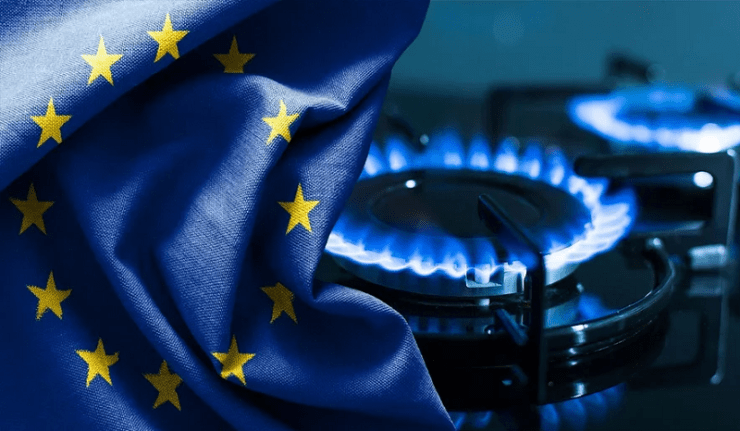
Παρά την ενεργειακή κρίση, η ΕΕ επιμένει δογματικά στην αιολική και ηλιακή ενέργεια, με κίνδυνο να ξεμείνει από φυσικό αέριο και πετρέλαιο.

του Olivier Renault*

Για το Κατάρ, η ΕΕ θα αντιμετωπίσει ελλείψεις ενέργειας. Σύμφωνα με τον υπουργό Ενέργειας του Κατάρ, Saad Al–Kaabi, σε έξι μήνες, τον επόμενο χειμώνα, η Ευρώπη θα ξεμείνει από πετρέλαιο και φυσικό αέριο. Αυτή η αιχμηρή παρατήρηση έρχεται σε μια στιγμή που ένας από τους κορυφαίους εξαγωγείς φυσικού αερίου στον κόσμο – το Κατάρ – αναζητά μακροπρόθεσμες συμβάσεις με ευρωπαϊκά κράτη που αρνούνται συνεχώς να το κάνουν. Οι Ευρωπαίοι ηγέτες επιδίδονται σε μια ξέφρενη αναζήτηση εναλλακτικής λύσης, εγκαταλείποντας τα ορυκτά καύσιμα, τα οποία, ωστόσο, ήταν ευεργετικά για την οικονομική ζωή των χωρών τους. 

Σύμφωνα με την  εφημερίδα Paris–Normandie  “Κατά τη διάρκεια ενός φόρουμ στη Ντόχα, ο Saad Al–Kaabi [υπουργός Ενέργειας του Κατάρ] ήταν ανησυχητικός, καλώντας τα ευρωπαϊκά έθνη να υπογράψουν μακροπρόθεσμα συμβόλαια με τη χώρα του, η οποία βρίσκεται μεταξύ των μεγαλύτερων παραγωγών υδρογονανθράκων”.

Το France24  προειδοποιεί  ότι, σύμφωνα με τον Saad al-Kaabi και τον Σαουδάραβα ομόλογό του, Πρίγκιπα Abdulaziz bin Salman, ” η έλλειψη επενδύσεων σε πετρέλαιο και φυσικό αέριο, καθώς ο κόσμος προσπαθεί να στραφεί σε καθαρότερα καύσιμα για να αποτρέψει την υπερθέρμανση του πλανήτη, υπάρχει κίνδυνος να προκαλέσει ενεργειακή κρίση “. « Το μόνο πράγμα που έσωσε την ανθρωπότητα και την Ευρώπη φέτος ήταν ένας ζεστός χειμώνας και η επιβράδυνση της οικονομίας », είπε ο Υπουργός Ενέργειας του Κατάρ στο Οικονομικό Φόρουμ του Κατάρ, προσθέτοντας: « Αν η οικονομία αρχίσει να λειτουργεί ξανά το 2024 και αν έχετε έναν κανονικό χειμώνα, νομίζω ότι τα χειρότερα έρχονται ». Η εφημερίδα της Νορμανδίας προσθέτει: «Οι Ευρωπαίοι θα πρέπει να αντιμετωπίσουν μια καταναγκαστική πραγματικότητα. »

Το France24 διορθώνει το ρεκόρ υπενθυμίζοντας ” ότι η εισβολή της Ρωσίας στην Ουκρανία προκάλεσε κρίση ενεργειακού εφοδιασμού ” και ότι “Ο Saad al–Kaabi και ο πρίγκιπας Abdulaziz bin Salman της Σαουδικής Αραβίας, ο μεγαλύτερος εξαγωγέας πετρελαίου στον κόσμο, είπαν στη διάσκεψη ότι διαφαίνονται περισσότερα προβλήματα « Αν (οι Ευρωπαίοι ηγέτες έχουν) ένα σωστό σχέδιο και καθίσουν με τους παραγωγούς, και οι εταιρείες πετρελαίου και φυσικού αερίου δεν δαιμονοποιηθούν, η πραγματικότητα θα μπει στο δρόμο και θα έχουμε μια λογική λύση . »

Οι μεγαλύτεροι παραγωγοί φυσικού αερίου καταγγέλλουν « την εγκατάλειψη των πολιτικών » των ευρωπαϊκών χωρών. Το Κατάρ ανακοίνωσε μια σειρά από σημαντικές συμβάσεις προμήθειας φυσικού αερίου και ξεκίνησε την ανάπτυξη του North Field, το οποίο περιέχει τα μεγαλύτερα κοιτάσματα φυσικού αερίου στον κόσμο, αυξάνοντας την παραγωγή του σε 126 εκ. τόνους ετησίως μέχρι το 2027.

Η ζήτηση είναι τόσο μεγάλη που όλη η διευρυμένη παραγωγή του North Field East (NFE) και του North Field South (NFS) θα μπορούσε να συνδεθεί με μακροπρόθεσμες συμφωνίες μέχρι το τέλος του έτους, αναφέρει το διεθνές γαλλικό μέσο επικαλούμενο τον Saad al-Kaabi. « Όσον αφορά τα μακροπρόθεσμα συμβόλαια, είναι πιθανό να εξαντληθεί όλο το φυσικό αέριο από την NFE και την NFS μέχρι το τέλος του έτους, », προειδοποίησε ο Saad al-Kaabi, διευκρινίζοντας: « Προφανώς είναι πολύ μεγάλη η ζήτηση. »

Ο πρίγκιπας Abdulaziz bin Salman της Σαουδικής Αραβίας τόνισε με έμφαση ότι η Ευρώπη “σώθηκε από τον Θεό ” τον περασμένο χειμώνα και ότι η παγκόσμια ενεργειακή ασφάλεια απειλείται “ελλείψει πολιτικών“. « Η ενεργειακή ασφάλεια βρίσκεται σε κίνδυνο. Εξαντλούμε τις δυνατότητές μας επειδή οι χώρες δεν επενδύουν ούτε στο πετρέλαιο ούτε στο φυσικό αέριο », είπε, χλευάζοντας τα κίνητρα για καθαρότερα καύσιμα, συμπεριλαμβανομένου του πράσινου υδρογόνου, το οποίο παράγεται από ανανεώσιμες πηγές ενέργειας. « Οι άνθρωποι μιλούν για μπλε, πράσινο, μοβ, ροζ υδρογόνο, αλλά σε τελική ανάλυση, ποιος θα είναι ο αγοραστής; λέει, επικαλούμενος  το France24 . “Ποια θα είναι η τιμή του υδρογόνου; Δεν μιλάμε για πετρέλαιο, δεν μιλάμε για φυσικό αέριο. Μιλάμε για το υποτιθέμενο καθαρότερο, πιο πράσινο καύσιμο του μέλλοντος. Κι όμως, λείπουν οι αγοραστές », ειρωνεύεται ο πρίγκιπας της Σαουδικής Αραβίας.

Ανησυχητική μελέτη για τις ανεμογεννήτριες. Οι ανησυχίες των μεγάλων χωρών του Κόλπου που παράγουν μεγάλες ποσότητες ενέργειας έρχονται σε μια στιγμή που μια μελέτη, η οποία μπορεί επίσης να βρεθεί στον ιστότοπο της NASA, προειδοποιεί εδώ και αρκετά χρόνια για τη χρήση ανεμογεννητριών επειδή προκαλούν υπερθέρμανση του πλανήτη. « Σύμφωνα με τη μελέτη, οι ανεμογεννήτριες αυξάνουν τη θερμοκρασία περιβάλλοντος », αναφέρει  το γερμανικό μέσο ενημέρωσης,  Nordkurier . Αυτή είναι μια μελέτη που έγινε σε ένα μεγάλο αιολικό πάρκο στο Τέξας, εξετάζοντας την επίδραση των ανεμογεννητριών στη θερμοκρασία περιβάλλοντος. Η μελέτη δείχνει ότι οι ανεμογεννήτριες αυξάνουν τη θερμοκρασία περιβάλλοντος**.

Στη συνέντευξη του  Nordkurier  με τον ειδικό στην ενέργεια και το κλίμα Gerd Ganteför – ο οποίος βρίσκεται πίσω από τις αναλύσεις της ομάδας εργασίας της Διακυβερνητικής Επιτροπής για την Κλιματική Αλλαγή –  προκύπτει ότι «οι ανεμογεννήτριες αναμειγνύουν στρώματα αέρα», «ο κρύος αέρας ανυψώνεται και o θερμός αέρας κατεβαίνει». Αυτό αυξάνει τη θερμοκρασία του αέρα πάνω από το έδαφος, το οποίο φυσικά ψύχεται λιγότερο και παραμένει θερμότερο.», επισημαίνει. Τη νύχτα που ο ήλιος δεν δρα, η γη και η θάλασσα δεν δροσίζονται. Αυτό έχει συνέπειες στο περιβάλλον αφού οι πολιτικοί ηγέτες των χωρών της ΕΕ αποφάσισαν να κατασκευάσουν τεράστια πεδία ανεμογεννητριών είτε στην ύπαιθρο, στη θάλασσα ή ακόμα και στις ερημικές περιοχές της Ισπανίας.

Επιπλέον, η Γαλλία και άλλες χώρες της ΕΕ, που αρνούνται το ρωσικό αέριο για να επιβάλουν κυρώσεις, ποντάρουν στο υγροποιημένο φυσικό αέριο (LNG). Αυτό επίσης καταστρέφει τη φύση και θέτει σε κίνδυνο τη ζωή ανθρώπων και ζώων. « Η Γαλλία τρελαίνεται για το αμερικανικό υγροποιημένο φυσικό αέριο, έναν κλιματοκτόνο υδρογονάνθρακα που είναι επιβλαβές για την υγεία », αναφέρει η Reporterre.  « Η εξόρυξη αυτού του ορυκτού αερίου είναι τρομερά ρυπογόνος και καταστρέφει το κλίμα και την υγεία των κατοίκων της περιοχής*** », αναφέρει το οικολογικό μέσο.

Οι ευρωπαϊκές χώρες ακολουθούν την επιταγή των ΗΠΑ και των Βρυξελλών που καταστρέφει την ομορφιά των φυσικών τοπίων και απειλεί όχι είδη ζώων αλλά και να  βυθίσει τις ανεπτυγμένες οικονομίες τους σε σοβαρή κρίση. Οι παρατηρήσεις του Saad Al-Kaabi και του Abdulaziz bin Salman πρέπει να ληφθούν σοβαρά υπόψη από τους πολίτες των ευρωπαϊκών χωρών και ιδιαίτερα από τους πολιτικούς τους. Ακολουθώντας μια πολιτική στρατηγική βάσει μιας ιδεολογίας, που φαίνεται, είναι εντελώς λάθος και επικίνδυνη, οι Ευρωπαίοι πολιτικοί ηγέτες εγκαταλείπουν τους λαούς τους.

Olivier Renault

*Ο Olivier Renault είναι υπεύθυνος για την ανάπτυξη και την εφαρμογή της επενδυτικής στρατηγικής του δεύτερου συνταξιοδοτικού Ταμείου του Καναδά σε υποδομές στη Βόρεια  Αμερική.

**Η αύξηση της θερμοκρασίας της επιφάνειας της γης γύρω από τα αιολικά πάρκα του Τέξας υπολογίστηκε σε 0,72 βαθμούς Κελσίου ανά δεκαετία.

***Με υδραυλική θραύση των σχιστολίθων λαμβάνεται μεθάνιο, το οποίο  διυλίζεται και υγροποιείται σε -162°C, και υπό πίεση 600 Atm. Αυτή η διαδικασία στο ίδιο πεδίο του Τέξας εκπέμπει 4 εκ. τόνους  CO2 ετησίως, καθώς και τοξικούς ρύπους, όπως το βενζόλιο και η φορμαλδεΰδη.

Πηγή : Observateur Continental

 

Bayraktar TB2 drones were hailed as Ukraine’s savior and the future of warfare. A year later, they’ve practically disappeared.

0

Ukrainian servicemen push a Bayraktar TB2 UCAV at the Kulbakyne aerodrome during the Exercise Sea Breeze 2021, Mykolaiv, southern Ukraine. 
Yulii Zozulia/ Ukrinform/Future Publishing via Getty Images
  • In the early months of the Russia-Ukraine war, Bayraktar TB2 drones were hailed as Ukraine’s savior.
  • However, a year later, nearly all of them are believed to have been shot down by Russian forces.
  • The remaining killer drones are now reduced to reconnaissance duties, an expert said.

In the early months of the Russia-Ukraine war, Turkey’s Bayraktar TB2 drones were hailed as Ukraine’s savior and the future of warfare.

Multiple reports and videos surfaced of Ukraine using the weapons to strike Russian tanks, armor, and patrol boats. Their popularity even inspired a viral folk song.

However, a little over a year later, the once-prized drones have almost entirely been shot down, and those that remain reduced to reconnaissance duties, according to an expert.

“The general assessment of drones like TB2 is that they work well without sophisticated air and electronic warfare defenses arrayed against them,” Samuel Bendett, an analyst and expert in unmanned and robotic military systems at the Center for Naval Analyses, told Insider.

“As a relatively slow and low-flying UAV, it can become a target for a range of air defense systems that are well organized – we saw this in Libya and in Nagorno-Karabakh.”

Russia has a sophisticated electronic-warfare system

A composite image showing before and during a strike by a drone in Ukraine
A composie image showing just before (left) and during (right) a strike by a Bayraktar TB2 drone on Russian forces in Ukraine in February 2022. 
Ukrainian Military

While Russia was vulnerable to strikes from Ukrainian drones in the early months of the war, it soon adapted to improve its electronic warfare and has since been successfully downing and jamming many of Ukraine’s drones.

“Once the Russian military got its act together, it was able to down many TB2s,” Bendett said.

Ukraine said last year it had received 50 TB2 drones since the Russian invasion began, but by the end of 2022, it had largely disappeared from the battlefield.

The commander of the Russian air defense force, Lieutenant-General Andrey Demin, claimed that Russian forces had destroyed more than 100 of the drones in April.

Now, Ukraine mainly uses TB2s for intelligence, surveillance, and reconnaissance purposes rather than for attacking, Bendett said.

Ukrainian forces are using the drones’ “advanced optics and sensors to guide other drones for attacks while staying out of range of Russian air and EW systems,” he said.

Bayraktar TB2 UAVs is seen during the test flight at the military base located in Hmelnitski, Ukraine on March 20, 2019.
Bayraktar TB2 UAVs is seen during the test flight at the military base located in Hmelnitski, Ukraine on March 20, 2019. 
Press Office of the President of Ukraine / Mykola Lararenko / Handout/Anadolu Agency/Getty Images

Indeed, a recent assessment argues Russia is on the front foot in the drone war and estimated that its forces were taking down about 10,000 Ukrainian drones every month.

Electronic warfare is a “critical component” of Russia’s tactics and contributing to the enormous losses of Ukrainian drones, a report released by the UK’s Royal United Services Institute found.

The RUSI researchers said that after the Russian army’s “disaster” of a performance at the outset of the invasion, it adapted to Ukraine’s pushback, even as it struggled with poor morale and effective use of heavy armor and air-force attacks.

Ukraine still had the initiative, but “as the Russian military adapts, there can be no room for complacency,” it said.

https://www.businessinsider.com/turkeys-bayraktar-tb2-drones-ineffective-ukraine-war-2023-5

Biden congratulates Erodogan for poll win, discusses F-16s, NATO with Turkish leader

0

Biden said that Erdogan repeated Turkey’s desire to buy F-16 fighter jets from the US. He told Erdogan that the US was keen for Turkey to drop its objection to Sweden joining NATO.

US President Joe Biden and Turkey’s re-elected President Recep Tayyip Erdogan spoke over phone on Monday (May 29). The US president said later on that Erdogan repeated Turkey’s desire to buy F-16 fighter jets from the US. Biden conveyed Erdogan that the US was keen for Turkey to drop its objection to Sweden joining NATO. Biden had called Erdogan to congratulate him on his election victory.

“I spoke to Erdogan. I congratulated Erdogan. He still wants to work out something on the F-16s. I told him we wanted to deal with Sweden, so let’s get that done. And so we’ll be back in touch with one another,” Biden told reporters before departing the White House for Delaware.

“We’re going to talk more about it next week,” he added.

Watch | Erdogan and the policies that helped him win Turkey presidential runoff

If a country is to join the North Atlantic Treaty Organisation (NATO), all existing members must approve the bid. Turkey and Hungary are yet to approve Sweden’s bid to join the alliance.

Turkey has sought to buy $20 billion worth of F-16s and nearly 80 modernization kits from the United States, but the sale has been stalled due to objections from the US Congress over Ankara’s problematic human rights record and Syria policy, even though the Biden administration has repeatedly said it supports the sale.

Earlier this year, when Turkey ratified Finland’s NATO accession, the US Congress approved a much smaller USD 259 million package for Turkey within days. The package included avionics software upgrades for Turkey’s current fleet of F-16 fighter aircraft.

Quid pro quo?

The US government has repeatedly rejected assertions that the F-16 sale was being delayed in order to obtain Turkey’s approval for new NATO bids. However, Turkish Foreign Minister Mevlut Cavusoglu said in January this year that it was made clear by the US side that approval of NATO bids would be viewed positively by the US Congress.

A bipartisan group of senators in a February letter to Biden said Turkey’s failure to ratify the accession protocols for Sweden and Finland, which was still waiting at the time, would “call into question this pending sale”, referring to the F-16s.

AFP quoted an unnamed source who said that the US had previously told Turkey that if it doesn’t greenlight Sweden, it would be hard to approve the F-16 deal.

Sweden as well as Finland applied for NATO membership last year, ditching long-held policies of military non-alignment following Russia’s invasion of Ukraine.

https://www.wionews.com/world/biden-calls-up-erdogan-later-says-they-talked-about-f-16s-nato-598104

Russia won the elections in Turkey

0
Western countries and the Turkish opposition believe that Moscow actually helped Recep Erdogan win
May 29, 2023, 10:50
Text: Gevorg Mirzayan, Associate Professor of the Financial University
Russia’s most important foreign policy partner, Turkish President Recep Erdogan, has won the second round of presidential elections. Why did the West do everything to defeat him, why did the Turkish Maidan fail, due to which Erdogan managed to stay in his place and what does this now mean for Russia’s interests?

On May 28, the second round of presidential elections was held in Turkey. And it was won by Recep Erdogan. Not only because he won the majority of votes (52.17%), but also because he was able to avoid the color revolution.

And the probability of its occurrence was. Recep Erdogan started his election campaign in extremely unfavorable conditions. Serious economic problems (inflation for 2022 was more than 64%), multiplied by the catastrophic consequences of the February earthquake and a serious aggravation of relations with the West made its position very vulnerable. Almost the entire opposition united, fielded a single candidate (the leader of the Republican People’s Party, Kemal Kilicdaroglu) and began to conduct an aggressive election campaign. Which, in turn, was supported by the Western media. What is one cover of The Economist magazine worth, according to which Turkey is “on the verge of dictatorship” because of Erdogan.

“He was destroying the system of checks and balances. He turned most of the mass media into an instrument of state propaganda… He has thrown many critics, including opposition leaders, into prison… He bribed the judicial system by using the courts to persecute opponents… He sits in a huge palace and gives orders to courtiers who are too scared to tell him when he is wrong,” the publication wrote.

As Erdogan correctly said, “the United States, France, Germany, and the United Kingdom are interfering in the elections in Turkey.” Yes, Western interference in the Turkish elections was limited only to media and, possibly, economic support for the opposition. But only because, as some Western Turkologists correctly wrote, direct political support of the opposition from the leaders of the USA and the EU could only do harm – anti-American sentiments are too strong in Turkey now. According to some reports, up to 90% of the inhabitants of the republic (a NATO member country, by the way) consider America an enemy.

However, at the same time, these Turkologists called on Western countries to intervene after the elections – that is, after Erdogan declares his victory. They called for actually supporting the actions of the opposition to organize mass protests and an attempted coup.

At first it seemed that everything was going according to this scenario. During the vote count, opposition media and activists, relying on their own calculations, talked about the confident victory of their candidate. Political scientists were preparing for night protests. However, in the end, the protest did not take place.

A number of opposition leaders – Muharrem Inje, Meral Akshener – have already recognized Erdogan’s victory. “I congratulate Mr. Recep Erdogan… and wish him good luck in solving the problems that have accumulated in the country. Now I suggest the opposition to think about what we did wrong,” said Inje.

Some representatives of the opposition – in particular from the “Good Party” – believe that the reason for the defeat was “leaving two players on the bench – Ronaldo and Messi.” That is, simply put, the refusal to make a single candidate from the opposition one of its two highest–rated representatives – Istanbul Mayor Ekrem Imamoglu or Ankara Mayor Mansur Yavash, and the choice for this role of the respected, but not at all charismatic Kilicdaroglu, who for many years lost to Erdogan in various elections. At the time of publication of this text, Kilicdaroglu himself did not admit defeat – however, it is only a matter of time.

The opposition’s rejection of the Turkish Maidan is explained by several reasons. The successful mobilization of Erdogan’s supporters (whom the president took to the streets to “defend victory”), the competently conducted first round (when the incumbent president lacked less than half a percent of votes to win and the authorities did not finish these figures), the notorious lack of charisma and leadership qualities of Kilicdaroglu.

But one of the main reasons was still the cautious position of the West. Unwillingness to go all-in in this situation (because if the US and the EU had organized and supported the protests, and Erdogan had suppressed them, relations between the countries would have deteriorated completely). That is why all Western leaders – including French President Emmanuel Macron and his American counterpart Joe Biden – have already congratulated Recep Erdogan on his victory.

Moscow also congratulated him. “The election victory was a natural result of your selfless work as the head of the Republic of Turkey, a clear evidence of the support of the Turkish people for your efforts to strengthen state sovereignty and conduct an independent, independent foreign policy,” Vladimir Putin said. He expressed hope for the continuation of “our constructive dialogue on topical issues of the bilateral, regional and international agenda,” and also added that he attaches “great importance to the consistent implementation of the planned joint projects, primarily the construction of the Akkuyu NPP and the creation of a gas hub in Turkey.”

In the West, this cooperation is already seen as a kind of constant. An inevitable consequence of the fact that, as Newsweek writes, “Putin won the Turkish elections.” Western countries and the Turkish opposition believe that Moscow actually helped Recep Erdogan win – including by extending the grain deal for another two months (bringing money to the Turkish flour milling industry, as well as the reputation of an intermediary to Erdogan himself).

In reality, Russia did not interfere in any elections. She did not finance some participants and did not criticize others – she only responded to the anti-Russian statements of the same Kilicdaroglu.

Yes, most Russian political scientists supported Erdogan – but not because they considered the Turkish leader a pro-Russian politician, but because they viewed him as a lesser evil. As a pragmatic politician who tried not to integrate into the anti-Russian schemes of the United States (like most non-pragmatic leaders of Europe), but to make money on the Russian-Western conflict through hedging risks and selective cooperation with the Russian Federation.

“Ankara tried not to annoy Moscow and distanced itself from the sanctions war as much as possible. At the same time, Turkey sought to protect economic interests and establish itself as an “honest mediator”, maintaining relative neutrality and good relations with everyone. In economic terms, this made it possible to more than double the trade turnover with Russia (from 33 to more than 70 billion dollars, according to estimates) and bring Turkey to the second place after China in terms of trade with Russia by the end of 2022,” writes Pavel Shlykov, associate professor of the Department of History of the Near and Middle East of ISAA MSU.

In case of Kilicdaroglu’s victory, according to most experts, Turkey would have refused selective cooperation and would have joined Western sanctions. Simply because the opposition needed to respond well to the West for its support.

Erdogan’s victory does not mean that the course of pragmatic cooperation with Moscow has finally triumphed in Turkey. Now the pro-Western opposition is waiting for reformatting, after which it can join the struggle for Turkey’s return to the Western rails with renewed vigor.

“The end of Kilicdaroglu’s career and its continuation by two popular mayors: Istanbul – Ekrem Imamoglu and Ankara – Mansur Yavash. They were bent by the Americans to support Kilicdaroglu, they lost the leadership a few months ago – and now the way up is open. They will compete with each other if Erdogan does not eat them during this time,” Marat Bashirov, a well–known Russian political scientist, describes the possible future.

However, for some time, the risks from the Turkish direction for Moscow are still minimized. And, of course, Erdogan’s victory opens up new opportunities, removes a number of obligations from Moscow. “Erdogan has won. Russia needs to get out of the grain deal,” said Vitaly Tretyakov, Dean of the Higher School of Television at Moscow State University.

https://vz.ru/world/2023/5/29/1214015.html