Αρχική Blog Σελίδα 2977

I Went To Turkey To Interview The President And (Almost) All I Got Was A Meeting With A Conspiracy Theorist

0

Turkey wants the U.S. to take its concerns seriously. The mayor of Ankara isn’t helping.

ANADOLU AGENCY VIA GETTY IMAGES
Turkish President Recep Tayyip Erdogan greets a crowd in Kocaeli, Turkey, on March 12, 2017.

ANKARA, Turkey – Last week, the mayor of Ankara escorted me and about a dozen other journalists into a windowless room with rows of green velvet armchairs facing a flat-screen television and told us his theory about ISIS.

Reporters from a bevy of major outlets, including the New York Times, Washington Post, Wall Street Journal and Associated Press, had traveled to Ankara to interview Turkish President Recep Tayyip Erdogan and other high-ranking government officials. But the mayor, an energetic, mustachioed man named Melih Gokcek, had a different idea.

ISIS “is an artificial organization, a fake organization, just like President Trump says,” Gokcek told journalists from 11 major Western news outlets through an interpreter. ISIS is actually the successor organization of al Qaeda in Iraq. But Trump “didn’t say it just once, he repeated it three times,” Gokcek said. “So three times — I believe it has some truth in it.”

It was around this time that I realized we definitely weren’t going to meet Erdogan.

The other reporters and I had traveled to Ankara to hear the Turkish government’s side of a complicated story. Turkey, a NATO member, is one of America’s most important Muslim allies in the Middle East. But relations have soured recently — in part because Turkish government officials are angry that the U.S. hasn’t extradited Fethullah Gulen, the cleric they accuse of plotting a failed coup in July.

SELAHATTIN SEVI/ZAMAN DAILY/REUTERS
Fethullah Gulen, a cleric living in self-imposed exile in Pennsylvania who is accused by Ankara of plotting the failed coup in Turkey last year.

Turkish officials are adamant that Gulen, now living in self-imposed exile in Pennsylvania, is to blame for the coup. But they have failed to offer hard evidence.

Erdogan rarely makes himself available to the media — especially for foreign reporters who are freer than Turkish journalists to criticize his government. So when Adam Sharon, a Washington-based public relations executive, contacted me and several other reporters last month and offered interviews with Erdogan and other top Turkish officials, it held out a chance, however remote, for American reporters to assess face-to-face whether top Turkish officials had any evidence for their claims about Gulen.

If the goal of the trip was to convince reporters that the Turkish government’s case against Gulen was based on facts, rather than innuendo and conspiracy theories, it backfired spectacularly.

Gokcek, who has been the mayor of Ankara for nearly 23 years, offered to arrange the meetings, and his team did everything they could to entice reporters to make the trip. They provided an invitation letter proposing to arrange meetings with Erdogan, the prime minister, the foreign affairs minister, the chief of general staff to the military, and the chief of national intelligence. They later followed up with a detailed itinerary. They offered to cover the cost of airfare, room and board, and meals. (The Huffington Post paid my expenses.)

Onur Erim, the mayor’s chief adviser, enlisted in the help of Arda Sayiner, an Istanbul-based public relations expert. Sayiner brought on Sharon, who was paid $20,000 for his work setting up the trip. Sayiner received “very very very little,” he said, declining to say how much.

Gokcek met us at a compound he uses to entertain guests on the first evening of our two-day trip in the capital city. He had a single red rose for each of the female reporters in honor of International Women’s Day. The mayor said he was excited to show us “never-before-seen footage” of the failed July 15 coup. The video was so gory that women might not be able to watch, his chief adviser warned during lunch.

The reporters were growing restless. Our hosts had dropped Turkey’s intel chief from the itinerary and replaced him with the justice minister. Our appointment with the justice minister kept getting pushed back so he could assemble better evidence against Gulen, Sayiner told us — a claim that seemed questionable, at best. And sources in the offices of the president’s and prime minister told our Turkey-based colleagues that we weren’t on those officials’ schedules.

The day was nearly over, and with the exception of a morning interview with Deputy Prime Minister Mehmet Simsek, we had spent much of it touring Mustafa Kemal Ataturk’s mausoleum and a revitalized former slum in Ankara. We also saw Parliament buildings that had been damaged during the coup. The destruction was being preserved for future generations to see, our parliamentary guide, Sami Akgun, said. He showed us a bombed-out portion of the Grand National Assembly — and a hole in the ground in front of it. The depression used to be deeper, Akgun said, but the rain and snow during the eight months since the attack had partially filled it in.

JESSICA SCHULBERG
A hole in the ground in front of Turkey’s Parliament building that was created during the July 2016 coup attempt.

When we asked for updates about our interviews, Sayiner assured us they would still happen, but he didn’t say when.

Gocek led us downstairs to the room with the green velvet armchairs and the TV. There was a dessert platter set out next to every chair. The 24-minute video was as bloody as promised. The mayor, seated next to the screen, provided running commentary. At one point, he told us that he had appeared on television 18 times on the night of the failed coup. After the video, he told us his theory about former President Barack Obama and 2016 Democratic nominee Hillary Clinton creating ISIS. Mehul Srivastava, a Financial Times reporter based in Istanbul who is familiar with Gokcek’s style, wanted to make sure the other journalists fully understood what they were dealing with.

“Could you perhaps explain to us your theory on earthquakes?” Srivastava asked the mayor.

“Surely, I would be happy to answer that,” Gokcek said. “There are two types of earthquakes in Turkey. The ordinary ones that happen spontaneously, the other ones that are triggered.” According to Gokcek, the U.S. and Israel had collaborated to “trigger” a 7.4-magnitude earthquake in the Gulf by sailing up to a coastal fault line and attempting to extract energy. “They couldn’t manage it, just like an atom bomb, the energy inside the ground exploded and it turned into an earthquake,” he said. There’s no evidence of such an occurrence. The mayor has also suggested that Gulen and his followers created an earthquake with the goal of destabilizing Turkey.

Gokcek said he gets his information from the Internet. “I have the largest intelligence service in the world: Google,” the mayor said. “You can find anything in Google. In Turkey, I am the person who uses Google the best way … I would like to thank Google.”

Sharon, the Washington-based PR hand, started breathing heavily.

ADEM ALTAN/GETTY IMAGES
Mayor of Ankara Melih Gokcek told reporters he believes former President Barack Obama created ISIS, the U.S. and Israel are responsible for earthquakes, and Google is a suitable substitute for intelligence briefings. 

We interviewed Yildirim, the prime minister, the next day.

At the end of the hourlong meeting, The New York Times’ Gardiner Harris thanked Yildirim for his time and asked if he was aware that we also had been promised interviews with Erdogan and other top government officials.

The prime minister looked surprised. He had only been asked to meet with us two days ago, he said.

Ultimately, we heard from Simsek, Justice Minister Bekir Bozdag, and Erdogan’s spokesman, Ibrahim Kalin. The meeting with the justice minister, Sayiner told us, was the hastily arranged result of a request from Prime Minister Yildirim’s office.

The Turkish officials said what we’d expected them to say. They defended Turkey’s post-coup crackdown and said they had been unfairly judged and abandoned by the U.S. in the wake of the violent attempt to overthrow their democratically elected government.

Many of their grievances were understandable: The Syrian Kurds that are armed and trained by the U.S. to fight against ISIS have ties to the PKK — a group accused of several attacks against Turkish troops, including a suicide bombing last year that killed 11 police officers. They argued that Washington should take them at their word when it comes to Gulen. When former President George W. Bush said Osama bin Laden was behind the Sept. 11, 2001, attacks, “We didn’t say show us smoking guns,” Simsek said. “We sent our Turkish army to Afghanistan to fight.”

All of those arguments would have seemed more compelling coming from Erdogan himself in a setting where reporters could question him directly. Instead, we heard from the president’s subordinates — and a conspiracy theorist who claims Obama literally created ISIS.

It felt just like home.

Address to the Kurdish Nation

0

By history and by language I am a member of a very old nation, one of the oldest in the world: France.

And in spirit I am a member of a very old people, the Jewish people – like the Kurds, one of the oldest on the planet, a people that founded one of the youngest states, Israel. That is an experience that the Kurds are now preparing to replicate.

As a people, the Kurds have existed for a very long time. They have lived through countless trials, endured innumerable twists of fate, suffered domination again and again.

But empires have crumbled; tyrants have passed away; and their executioners have fallen into the dustbins of history. All the while, the Kurds have held fast, resisting the forces that wanted them to disappear.

And today, they are approaching a milestone: a declaration of self-determination in the form of a free state in which all citizens will be able to live in liberty, their heads held high.

The Kurdish nation was forged over centuries of pain and pride. It was strengthened in the course of the war against Islamist terrorism, in which the Kurds have been the civilized world’s staunchest – and sometimes solitary – spearhead.

I know not one Peshmerga fighter who, while waging our common battle, did not have in mind the achievement of that ancestral dream of Kurdish independence. Mosul will be liberated; the Islamic State (ISIS) will be defeated; and, when the moment comes for the referendum that Massoud Barzani, President of Iraq’s Kurdistan Regional Government, has described as the inalienable right of the Kurds, the will of each citizen will be shared by all.

Even the Kurds’ closest allies worry that recognition of a Kurdish state might upset the regional balance and pose a threat to peace. I believe that the contrary is true: the Kurds will be a pole of stability in a region increasingly susceptible to fanaticism and terror.

To their eternal credit, the Kurds have defended against all odds the standards – respect for borders, for the rule of law, and for the fundamental human rights of all – that underpin stability, and that tyrants from Saddam Hussein to Bashar al-Assad have flouted. In a region where others create refugees, the Kurds provide a safe haven.

Indeed, the Kurds have forged one of the region’s few examples of a vibrant democracy that upholds tolerance, cultural coexistence, and the rule of law. In what other part of the Muslim Middle East does one find such a strong belief in a geopolitical order that tends toward peace, not war; favors reconciliation over ancient hatreds; and prefers respect for the other to a war of civilizations?

For these reasons, I believe very deeply that, in this stormy region, swept by so many ill winds, threatened by the worst of ideologies and by the violence that accompanies them, the rebirth of an independent Kurdish nation and state will mark an advance. It will be an advance that helps to dispel from the region the terrible genies of disintegration, chaos, and bloody convulsion.

What kind of nation-state will the ancient Kurdish people make? It will be small – a nation of only several million – but that will not make it fragile or weak. History offers many examples of what the writer Milan Kundera has called “small nations” that are solid and strong, because their people are united in the face of their powerful neighbors. When it came time to defend the nation, the sword has always been close to the plow. They are nations of citizens united by their history and spirit, rather than ethnicity, a sense of superiority, or an arrogant identity.

The Kurds are such a nation: a people of volunteers who know why they fight, a people who, from the humblest to the greatest, from the Peshmerga regular to the loftiest of Kurdish commanders, does not hesitate to take up arms to discourage or to dismantle despotism – and not only on their behalf. They have been soldiers of freedom who kept Christians from being purged from the last place in the world where the language of Christ is still spoken, while defending the principle of equality of the sexes, even in combat – a principle that is the hallmark of great civilizations.

For all these reasons, I believe that a Kurdish nation-state will be a force for peace, not disorder, in the Middle East, a stormy region that is threatened by the worst of ideologies and by the violence that they beget. I believe that the Kurds will build a strong and solid state that helps to return the awful genies of violent extremism, tyranny, and disintegration to their bottles.

Furthermore, this new Kurdish nation-state will be a safe haven and a shared home for a people that has been scattered by the cruelties of history. It will help to unite a people long divided not just by scheming enemies, but also by deep disagreement over what it means to be a Kurd.

Like one of the world’s greatest nations – though one currently debased by those who purport to lead it – the Kurdish nation-state will be a “shining city on a hill,” a luminous lodestar for the lost sons and daughters of Kurdistan, and a source of hope for all of the world’s dispossessed and displaced. As such, the Kurds should never be afraid to proclaim their vocation – a vocation which is both universal and, if the words have any meaning at all, truly internationalist.

The very voices of the Kurds embody this. One thing that has struck me in the course of my frequent visits to Kurdistan is that the Kurds are a multilingual people. In addition to Kurdish – their mother tongue, rich with ancient culture – they speak the languages acquired in exile. Like the French nation, which was enriched over the centuries by immigrants and oppressed peoples, the Kurds are diverse in origin and cosmopolitan in outlook. Their provision of refuge for persecuted Yezidi and Christian communities is further proof of this.

Today’s populist wreckers across the West deny it, but “internationalism” is a beautiful idea. For two centuries, it has been the animating spirit of so many battles for freedom, and has inspired so much courage, resistance, sacrifice, and nobility, and so many beautiful writings. Despite the traps into which it has sometimes fallen and become entangled, internationalism has nourished the best of what “the West” has represented.

One of Kurdistan’s merits is to have kept alive the flame of internationalism in a benighted region. Reflect for a moment on the Kurds’ battle against ISIS, which they have waged not only for themselves and their safety, but also on behalf of the rest of the world. The Kurds have acted as internationalists, while also being internationalists in heart and soul.

So the Kurds will soon – very soon, I hope – be free, with their own independent nation-state. But, after that, they will be surrounded by powerful neighbors that will, one expects, be hostile toward them – not least because of the precedent Kurdish independence sets. Free Kurdistan will be a living reproach to the many false nations, anti-nations, and prison nations across the Middle East, in which Kurds, among others, remain confined.

Confronted with the new tests and challenges that are bound to stem from that reproach – challenges that independence alone will not suffice to surmount – the Kurdish people must recognize that they are likely to find themselves as alone as they have ever been in their long history. Charles de Gaulle once said that a people has no friends, and, alas, the Kurds will find out soon enough that today’s friends will not always be their friends. It may happen that they prefer their supposed world order to friendship, justice, and the cause of true stability and peace.

The Kurds are preparing for this. And, fortunately, there are also millions of men and women abroad, in France and throughout the world, who believed in Kurdistan when governments wanted nothing to do with it. That sort of friendship – the support offered by so many of the world’s citizens – is much more constant. Friends like that will never fail.

Ce que l’on sait de l’attaque d’Orly

0

Un homme a été abattu par les forces de sécurité de l’aéroport parisien ce samedi matin. Les terminaux ont été évacués. Une enquête est en cours.

Le trafic aérien a été interrompu à l'aéroport d'Orly.
Le trafic aérien a été interrompu à l’aéroport d’Orly. © AFP/ CHRISTOPHE SIMON

Turkish gov’t dismissed 22,920 military personnel after July 15

0
Turkish President Recep Tayyip Erdoğan visits the Anıtkabir, the mausoleum of the late founder of the Turkish Republic Mustafa Kemal Atatürk, during a ceremony marking the 93rd Anniversary of Republic Day in Ankara on October 29, 2016.

Turkish Defense Minister Fikri Işık stated that the ruling Justice and Development Party (AKP) government dismissed a total of 22,920 military personnel after a coup attempt on July 15, the state-run Anadolu news agency reported on Friday.

In response to a question by Republican People’s Party (CHP) deputy Muharrem İnce, Işık said 6,511 officers and 16,409 cadets were dismissed from the military. The cadets included 4,090 from military high schools, 6,140 from noncommissioned officers colleges and 6,179 from university-level military schools.

The government is at the center of criticism over dismissing 22,920 military personnel due to their ties with the Gülen movement, despite the fact that the Turkish military stated on July 27 that only 8,651 military members including cadets and conscripts took part in the July 15 coup attempt.

“if it was a coup perpetrated by the Gülen movement and 22,920 military personnel were dismissed for their connections to the movement as Erdoğan and the government assert, why did only 8,651 military members participate in the coup?” is a question being asked by critics.

Defense Minister Işık said last month that 30,000 new people would be enlisted in the military.

Regulations that task retired officers and noncommissioned officers with recruiting cadets and military personnel went into effect in January amid debates that it was a gift to SADAT A.S. International Defense Consulting, which has also been called President Recep Tayyip Erdoğan’s “secret army.”

SADAT was directed by retired Brig. Gen. Adnan Tanrıverdi, who was appointed as an adviser to President Erdoğan. Tanrıverdi is known for his Islamist ideology and has counseled Erdoğan for years although in an unofficial capacity, columnist Abdullah Bozkurt wrote for Turkish Minute on Nov. 25.

A report prepared by the EU Intelligence Analysis Centre (IntCen) revealed that although President Erdoğan and the Turkish government immediately put the blame for the July 15 failed coup on the faith-based Gülen movement, the coup attempt was staged by a range of Erdoğan’s opponents due to fears of an impending purge, according to a report by The Times newspaper on Jan. 17.

The Aldrimer.no website reported on Jan. 25 that NATO sources believe the coup was staged by the president of Turkey himself.

Speaking to vocaleurope.com, a former Turkish officer who served at NATO headquarters in Brussels but was sacked and recalled to Turkey as part of an investigation into the failed coup on July 15 claims that the putsch was clumsily executed and never intended to bring down the government, but rather served as a vehicle for President Erdoğan to eliminate opponents and the ultranationalists to take a prominent role in the military and impose their “Eurasian” agenda on the country.

During a panel discussion organized by the Bipartisan Policy Center on Feb. 1, Henri Barkey, director of the Middle East Program at the Washington-based Wilson Center, said that many generals purged by the Turkish government are pro-NATO and pro-American, saying this could create a shift in Turkey-NATO relations.

“It happened essentially very quickly, which means that it was a pre-planned purge of the military, and maybe also explains why there was an attempted coup by some elements,” Barkey said while speaking about a purge conducted by AKP government.

“After the coup 149 generals and admirals were kicked out of the Turkish military. This is 46 percent of all the Turkish General Staff. We know that those 149 were not involved in the coup, because had they been involved in the coup, there would have been more than six or ten thousand soldiers out in the streets.”

/ AFP PHOTO / ADEM ALTAN

By

TM

Φλόγες εθνικισμού στην καρδιά των Βαλκανίων  και η  Ελληνική Αποστολή   στο Κόσσοβο.  

2

του Γιώργου Μουρουζίδη, ταξίαρχου ε.α.

Την περίοδο αυτή, που ο αλβανικός  εθνικισμός  και αλυτρωτισμός  επανέρχονται  στην επικαιρότητα, σε συντονισμό  με τις  νευρωτικές  εθνικιστικές κορώνες του Ερτογάν,  ως  μόνιμη απειλή  πλέον  σε βάρος των Σκοπίων, της Σερβίας και της Ελλάδας, κρίθηκε σκόπιμο  και ως ιστορική ανάγκη  να αναφερθούμε στα γεγονότα  που διαδραματίστηκαν στο  Κοσσυφοπέδιο, στις 17 και 18 Μαρ του 2004, μεταξύ των  αλβανόφωνων  Κοσσοβάρων (Α-Κοσσοβάρων)   και  της  πολυεθνικής δύναμης των  Ηνωμένων Εθνών, στην οποία συμμετείχε και η Ελλάδα.


  Χάρτης του Κοσσόβου

Στις 24 Μαρ του 1999, το ΝΑΤΟ ξεκίνησε τις αεροπορικές επιδρομές εναντίον της Σερβίας, ενώ  χιλιάδες   Α-Κοσσοβάρων   προσφύγων εγκατέλειπαν  το Κόσσοβο. Μετά από 45 ημέρες σφοδρών βομβαρδισμών, παρά τις εκκλήσεις της Σερβικής αντιπολίτευσης για εξεύρεση λύσης με το ΝΑΤΟ,  οι Σερβικές στρατιωτικές δυνάμεις εγκατέλειψαν το  Κόσσοβο και  περισσότεροι από 45.000 στρατιώτες   (KFOR, Kossovo Forces)  από 45 χώρες του κόσμου,  σε εφαρμογή της 1244 απόφασης του Συμβουλίου Ασφαλείας του ΟΗΕ, αναπτύχθηκαν  στο Κόσσοβο, με σκοπό την  «επιβολή» της ειρήνης και την επιστροφή των Α-Κοσσοβάρων προσφύγων.   Το Κόσσοβο τέθηκε  υπό την διοίκηση των Ηνωμένων Εθνών, τα οποία ανέλαβαν  την δέσμευση  να διευκολύνουν  τις   πολιτικές  διαδικασίες,  αναφορικά  με  τον καθορισμό του καθεστώτος  του Κοσσυφοπεδίου.

Παράλληλα με τις στρατιωτικές δυνάμεις, αναπτύχθηκε και  η  UNMIK  ( United Nations Mission in Kossovo), καθώς επίσης και περισσότερες από 50  κυβερνητικές  και  μη κυβερνητικές οργανώσεις.

Στην KFOR συμμετείχε και ελληνική δύναμη 1500 στρατιωτών επιπέδου Ταξιαρχίας (-), καθώς επίσης και αστυνομική δύναμη.

Βομβαρδισμοί

Προϊόντος του χρόνου όμως και ενώ η στασιμότητα στις  πολιτικές εξελίξεις δεν ικανοποιούσε  προφανώς  τον κύριο στόχο των Α-Κοσσοβάρων , που ήταν η οριστική απόσχιση από την Σερβία και η διακήρυξη της ανεξαρτησίας τους, ο  εθνικιστικός  εκνευρισμός  εντείνονταν και αναζητούσε  αφορμή για εξέγερση και διαμαρτυρία, έχοντας την  παρασκηνιακή  σιωπηρή υποστήριξη της Ουάσινγκτον και των Βρυξελλών.

Η αφορμή δόθηκε το βράδυ της 16ης προς την 17η Μαρτίου 2004, όταν στα αλβανικά  μέσα ενημέρωσης,  εμφανίστηκε η πληροφορία ότι τρεις νεαροί Αλβανοί πνίγηκαν στον ποταμό  Ίμπαρ,  κοντά στη σερβική κοινότητα Ζούμπιν Πότοκ.  Σύμφωνα με την ίδια πληροφορία, οι πνιγμοί συνέβησαν  επειδή τα τρία αγόρια έτρεχαν  να γλιτώσουν από Σέρβους που τα καταδίωκαν. Την επόμενη ημέρα όμως και  μολονότι  ο εκπρόσωπος της δύναμης του ΟΗΕ,  αρνήθηκε πως  ο πνιγμός  των Αλβανών οφείλονταν  σε Σέρβους, ένα σαρωτικό κύμα τυφλής καταστροφικής βίας, εξαπλώθηκε σε όλο το Κοσσυφοπέδιο.

Στην πόλη  Ουρόσεβατς  (Φεριζάϊ στα αλβανικά)  ένα τμήμα της ελληνικής δύναμης είχε την ευθύνη φύλαξης του καθεδρικού ναού  του Αγ. Ούρου.  Το απόγευμα της  17 Μαρ, πλήθος 4-5 χιλιάδων μαινόμενων Α- Κοσσοβάρων,  συγκεντρώθηκε έξω από την  προαναφερόμενη εκκλησία με εχθρικές  διαθέσεις . Εντός της εκκλησίας  συγκεντρώθηκε  η ελληνική δύναμη φρουράς  και στο περίγυρο  της ,  παρέμειναν σταθμευμένα  2 στρατιωτικά  τζιπ  και 2 τεθωρακισμένα οχήματα VBL.   Εναντίον της εκκλησίας βλήθηκαν πυρά ελαφρού οπλισμού από  ελεύθερους σκοπευτές. Τα  τζιπ παραδόθηκαν στην πυρά των διαδηλωτών, ενώ τα  VBL εντός των οποίων παρέμεινε το προσωπικό λόγω της ισχυρής  θωράκισης  τους, υπέστησαν μόνο εξωτερικές ζημιές.  Το ίδιο βράδυ, ένας  μηχανοκίνητος λόχος της ελληνικής δύναμης,  μετέβη στην εκκλησία του Αγ. Ούρου, από το στρατόπεδο ΄΄Ρήγας Φεραίος ΄΄,  προκειμένου  να περισυλλέξει την  εγκλωβισμένη ελληνική δύναμη.

Ελληνικά Μ113

Αξιοσημείωτο είναι  το γεγονός ότι, μετά την απομάκρυνση της ελληνικής φρουράς από τον Αγ. Ούρο και για χρονικό διάστημα  περίπου μισής ώρας, μέχρι την άφιξη  δύναμης καταστολής πλήθους  και αμερικανικών E/Π, ούτε ένας  από τους μαινόμενους  διαδηλωτές  εισήλθε στην εκκλησία.

Το πρωί της 18 Μαϊ 2004, όταν τα καμένα τζιπ μεταφέρονται  στο ελληνικό Στρατόπεδο.

Την επομένη  18 Μαρ 2004, διαδηλωτές επιτέθηκαν  σε 4 σημεία φύλαξης  (εκκλησίες- νεκροταφεία)  της ελληνικής δύναμης και αφού εξανάγκασαν το προσωπικό να τα εγκαταλείψει, επιδόθηκαν  σε καταστροφές και βεβηλώσεις.

Ανάλογες καταστροφές  γίνανε σε όλο σχεδόν το Κόσσοβο εκτός του Β. Ανατολικού Σερβικού τομέα και των Σερβικών θυλάκων.

Κατά την διάρκεια των επεισοδίων, 31 στρατιώτες της KFOR τραυματίσθηκαν, Σέρβοι πολίτες σκοτώθηκαν, χιλιάδες εκδιώχθηκαν από τις εστίες τους, 935 σπίτια Σέρβων καταστράφηκαν, σε  10 δημόσια ιδρύματα (σχολεία, ταχυδρομεία, μονάδες υγείας, κλπ…)  προξενήθηκαν  σοβαρές ζημιές,  35 εκκλησίες και μοναστήρια βεβηλώθηκαν, 6 κωμοπόλεις και  9 χωριά υπέστησαν εθνοκάθαρση.


Iερά Μονή Ταξιαρχών μετά την καταστροφή του Μαρ 2004.

Αντιμετώπιση εξεγερμένων διαδηλωτών από δυνάμεις της αστυνομίας.


 Οχήματα και μέσα  της UNMIK στην πυρά.

Κατά την διάρκεια των επεισοδίων, ούτε η ελληνική αλλά ούτε καμιά άλλη δύναμη της KFOR έβαλε εναντίον των εξεγερμένων διαδηλωτών, δεδομένου ότι δεν υπήρχε ανάλογο νομικό πλαίσιο.  Στο σημείο αυτό  αναφύεται το ερώτημα πώς αυτή η τεράστια, για τα δεδομένα του Κοσσόβου δύναμη (KFOR, UN, UNMIK,  Governmental  Organizations,  NGOs, κλπ…) πιάστηκε κυριολεκτικά στον ύπνο και δεν προέβλεψε  την εξέγερση των  Α-Κοσσοβάρων.  Επιπλέον απαιτούνταν  να δαπανηθεί  ένα τεράστιο οικονομικό  κεφάλαιο από όλον τον κόσμο, για την δημιουργία της αυτονομίας του Κοσσόβου και μόνο ;

Οι εμπειρίες του ελληνικού Στρατού  από τα επεισόδια αυτά ήταν  σημαντικές , δυστυχώς  όμως δεν  κεφαλαιοποιήθηκαν προς ανάλογη μελλοντική εκμετάλλευση.   Σημαντική ήταν επίσης  και η στρατιωτική διπλωματία,  η οποία ασκήθηκε τόσο προς  την τοπική κοινωνία, όσο και προς την υπόλοιπη πολυεθνική δύναμη. Το φιλότιμο του  Έλληνα στρατιώτη μεγαλούργησε αλλά δεν κατάφερε να υπερισχύσει της εσωστρέφειας, του συντηρητισμού  και των παθογενειών  Στρατού και Πολιτείας, πού ενήργησαν στο Κοσσυφοπέδιο δαπανώντας  τεράστια κονδύλια,  χωρίς εθνική στρατηγική  για τον διεμβολισμό  του βαλκανικού εθνικισμού.

Διανομή τροφίμων από στελέχη του Ελληνικού Στρατού.

Ένα άλλο σημείο το οποίο πρέπει να αναφέρουμε  είναι η αδυναμία του ελληνικού κράτους και του Ελληνικού Στρατού να ασκήσουν οικονομική δραστηριότητα στην KFOR, έτσι παρά το γεγονός, ότι η Ελλάδα βρίσκονταν  πλησιέστερα στο Κόσσοβο από οποιαδήποτε άλλη οργανωμένη χώρα την εποχή εκείνη, ο Ελληνικός Στρατός δεν κατάφερε να αναλάβει ούτε ένα ρόλο RSN [Role Specialist Nation], δηλαδή την διαχείριση και την υποστήριξη όλης της KFOR  με κάποιο υλικό ή εφόδιο ή υπηρεσίας ή κάτι άλλο. Ούτε  επίσης η πόλη της Θεσσαλονίκης εκμεταλλεύτηκε  σε ικανοποιητικό βαθμό  οικονομικά  την KFOR, εξ’ αιτίας κυρίως  των  ιδεοληπτικών αντιδράσεων  μερίδας της αριστεράς,  που θεώρησε ότι  μπορούσε να  παρεμποδίσει την ανάπτυξη της  KFOR για να «αποτρέψει τον Γ’ΠΠ» , παρακωλύοντας  την κίνηση στο λιμάνι της Θεσσαλονίκης.

Ο βαλκανικός  και εν προκειμένω ο αλβανικός εθνικισμός, ουρά του τουρκικού την περίοδο αυτή, σ’ ένα πεδίο διαρκούς γεωπολιτικής αντιπαράθεσης μεταξύ Δύσης και Ρωσίας,  απαιτεί   ισχύ και επιθετική διπλωματία για την αντιμετώπιση του.


Saudi Arabia’s Failed Oil War

0

Why Its Days of Market Dominance Are Over

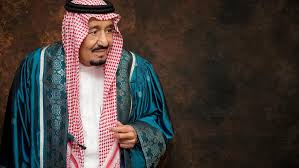
Saudi King Salman’s ongoing visit to Asia, through which he hopes to attract Japanese and Chinese investment in Saudi Arabia, is another indication of how committed the country is to reforming its economy. This trip, along with a host of fiscal modifications at home and the impending initial public offering (IPO) of Saudi Aramco, the country’s national petroleum and natural gas company, underscore the Kingdom’s recognition of its need to escape dependence on oil—a realization that has come as a result of failed policies from 2014 to 2016 that forced Riyadh to accept the fact that its days of dominating oil markets are over.

Saudi Arabia’s strategy during the production war was to let the spigots flow in the hopes that doing so would undermine two other producers: Iran and the United States. Iran had always enjoyed a latent ability to wrest market control from Saudi Arabia, but crippling international sanctions prevented it from doing so. After the nuclear deal, though, the threat to the Kingdom increased. At the same time, the U.S. oil industry presented a new challenge. By 2015, after a decade of technological innovations, including the use of wireless seismological testing and the automating of various oilrig functions, it had claimed the mantle of global production leader from Saudi Arabia.

In the face of eroding market share, Riyadh refused to cut oil production. It instead opted to increase output in 2016—setting new records for its production levels—to keep global supply high and prices down. In so doing, Riyadh wagered that it could survive depressed prices with its over half a trillion dollars in foreign exchange reserves, while its U.S. and Iranian competitors would in turn face so much financial pressure that they would bow out of the running. This was a marked divergence from past Saudi strategy, which typically favored cutting production to regulate supply and keep prices elevated.

The Kingdom’s production war was costly. The resultant oil price slump hurt Saudi finances; between 2014 and 2016, Saudi reserves fell from $746 billion to $536 billion—a pace that would have completely emptied the Kingdom’s coffers in half a decade. The drop in oil revenues, combined with the costs of a war in Yemen and a generous system of subsidies and low taxes, resulted in an unsustainable situation. So it surprised no one when Riyadh declared a cease-fire to its oil war last year, agreeing with other OPEC members to cut production.

Saudi overproduction might have been worth it if it had knocked out Iran or the United States, but instead, Saudi Arabia was the main victim. Given how severe the sanctions on Iran had been, Iran was bound to benefit from any oil exports, no matter how low oil prices became. And despite the toll of low prices on U.S. shale oil producers, those producers continued to have a competitive advantage because of their state-of-the-art extraction technology. If anything, the pressure of low prices pushed U.S. producers to focus even more intently on cost-cutting, automation, and increasing overall efficiency to lower the breakeven price.

Saudi overproduction might have been worth it if it had knocked out Iran or the United States, but instead, Saudi Arabia was the main victim.

U.S. producers are far ahead of their peers in much of the world, Saudi Arabia included. This is because for some time, U.S. experts have been developing new technologies so that U.S. producers can get more oil out of their operations abroad. Those experts have now turned their technologies inward. The U.S. has become one of the epicenters of technological innovation in horizontal drilling and fracturing. This is why Saudi Aramco has established a research center in Houston to explore the usage of unconventional oil and gas production.

 Saudi Arabia is, of course, not so lucky. Its growth is slowing and its ratio of debt to economic output is increasing. For these reasons, Saudi Arabia’s cost of borrowing is rising; Fitch, Standard & Poors, and Moody’s all lowered the country’s credit rating in 2016. As a result of its financial difficulties, Saudi Arabia has since sought to shore up its economy in various ways. One unprecedented measure is the public listing of five percent of Saudi Aramco—which will occur next year and will likely be the biggest IPO in history. On his trip to Asia, Salman is seeking to attract investors for the IPO, and the Hong Kong Exchanges and Clearing is vying to host the event. Hong Kong, given its connection to Chinese markets, would serve as a bridge between Saudi Aramco and the deep pockets of mainland Chinese investors.

Fiscal reforms at home are equally unprecedented. They include increasing excise taxes and visa fees for expats, cutting subsidies to water and energy products, and reducing the number of public works projects in the transport, housing, and health-care sectors. And perhaps most fantastically of all, Saudi Arabia has a plan to switch from the 354-day Islamic lunar calendar to the 365-day Western Gregorian calendar, allowing the government to squeeze 11 more work days out of employees without increasing annual salaries.

Even before oil prices took a dive, Saudi Arabia had already been aware that in the not-so-distant future, it would need to get its financial house in order and diversify economically. That is why it had pushed to develop new non-oil sectors, such as renewable energy and even dairy farming. Until recently, it was moving at a decidedly lackadaisical pace, but what the oil war showed is that slow change is no longer an option.

https://www.foreignaffairs.com/articles/saudi-arabia/2017-03-13/saudi-arabias-failed-oil-war?cid=nlc-twofa-20170316&sp_mid=53641803&sp_rid=YW5peG5lZnNlaXNAZ21haWwuY29tS0&spMailingID=53641803&spUserID=MjE5ODU3MTU2MDk3S0&spJobID=1122787648&spReportId=MTEyMjc4NzY0OAS2

Η νεοφιλελεύθερη παγκοσμιοποίηση πεθαίνει και ο νεοεθνικισμός ανατέλλει;

4

Α. Οι δύο μορφές του φιλελευθερισμού, η κρίση τους και η ενίσχυση των άκρων

Μέχρι πρόσφορα η μεταπολεμική φιλελεύθερη τάξη υπήρξε σταθερή. Η τάξη αυτή ενσωματώνει δύο διακριτές και όχι κατ’ ανάγκην συμβατές μεταξύ τους προσεγγίσεις. Η πρώτη, ο κεϋνσιανισμός, θεωρούσε ως θεμέλια κοινωνία  του συστήματος  το Έθνος-κράτος και τις σχετικά κλειστές Εθνικές οικονομίες. Η δεύτερη, ο νεοφιλελευθερισμός, ενίσχυσε και πολλαπλασίασε τη δυνατότητα που έχουν οι ισχυροί «παίχτες» της αγοράς, οι εταιρίες γίγαντες, να παρακάμπτουν και να αποδομούν τους κανόνες που ισχύουν σε Εθνικό επίπεδο. Εκτός από αυτές τις εταιρίες-γίγαντες το θεσμικό περιβάλλον του νεοφιλελευθερισμού το συμπληρώνει η αυξανόμενη ισχύς υπερεθνικών οργανισμών όπως το Διεθνές Νομισματικό Ταμείο, ο Παγκόσμιος Οργανισμός Εμπορίου και η Παγκόσμια Τράπεζα.

Στα πλαίσια του κεϋνσιανού κοινωνικού μοντέλου οι Ηνωμένες Πολιτείες και οι σύμμαχοι τους μετά τον Β’ Παγκόσμιο Πόλεμο, έχοντας ν’ αντιμετωπίσουν ως αντίπαλο τη Σοβιετική Ένωση, αποφάσισαν, ότι η μακράς διάρκειας ανεργία ήταν μία υπαρξιακή απειλή για τον καπιταλισμό και ότι έπρεπε να αποφευχθεί με κάθε κόστος. Οι κυβερνήσεις κλήθηκαν να διατηρήσουν δείκτες ανεργίας κατώτερους του 4%. Όμως η επιδίωξη της σταθερότητας μίας μεταβλητής, των δεικτών της ανεργίας εν προκειμένω, μέσα από την ίδια την δυναμική των οικονομικών και κοινωνικών εξελίξεων και σε βάθος χρόνου αυτοϋπονομεύθηκε. Οι μισθοί συγκεκριμένα, τείνουν να αυξάνονται στους κόλπους σχετικά κλειστών και ρυθμιζόμενων αγορών, και η απάντηση των επιχειρήσεων είναι να ανεβάζουν με τη σειρά τους τις τιμές των προϊόντων τους. Αυτός ο μηχανισμός, όπου οι μισθοί και οι τιμές «κυνηγούν» οι μεν τις δε, πήρε τη δεκαετία του ‘70 τη μορφή ενός εκρηκτικού σπιράλ ανόδου μισθών και τιμών και συνδυάστηκε με τον πενταπλασιασμό της τιμής του πετρελαίου κατά τις δύο πετρελαϊκές κρίσεις του 1973 και του 1979.

Δεν είναι παράξενο, κατά συνέπεια, που η δεκαετία του ‘70 αναδείχθηκε σε παράδεισο του δανειολήπτη, καθώς ο ανερχόμενος πληθωρισμός «κατέτρωγε» τα χρέη, ενώ την ίδια στιγμή, το εργατικό εισόδημα  ανέβαινε, ως ποσοστό του εθνικού εισοδήματος, τα κέρδη μειώνονταν, τα συνδικάτα ισχυροποιούνταν, οι ανισότητες περιορίζονταν και η θέση των δανειστών και των επιχειρηματιών αποδυναμώνονταν. Η εποχή αυτή συμπίπτει με το πέρασμα στον μεταμοντερνισμό και τη βασιλεία του απενεχοποιημένου καταναλωτή. Ενός καταναλωτή «απελευθερωμένου» από την αστική ασκητική ηθική της αναβεβλημένης απόλαυσης και της συσσώρευσης και αποταμίευσης.

Οι σαρωτικές αυτές εξελίξεις βρήκαν ανέτοιμο και αναποφάσιστο το κεϋνσιανό Έθνος – κράτος. Θεωρητικά  το κράτος αυτό παρατηρώντας την άνοδο του πληθωρισμού θα έπρεπε να μειώσεις τις δαπάνες του ή και να αυξήσει τους φόρους,  για να συγκρατήσει τις πληθωριστικές πιέσεις. Αυτό όμως θα σήμαινε αποδοχή μιας σημαντικής αύξησης της ανεργίας. Οι κυβερνήσεις της περιόδου ανέλαβαν δράση προς την κατεύθυνση αυτή, αλλά πάντοτε «πολύ λίγο και πολύ αργά», αναμετρώντας το πολιτικό κόστος μιας αντιπληθωριστικής πολιτικής.

Δεν αποτελεί έκπληξη, απ’ αυτήν την άποψη, που στο τέλος της δεκαετίας του ‘70 και στις αρχές της επόμενης δεκαετίας, ο κεϋνσιανισμός σαρώθηκε από την νεοφιλελεύθερη «επανάσταση». Στόχος τώρα ήταν η σταθερότητα των τιμών και όχι η χαμηλή ανεργία, ώστε να αποκατασταθεί η αξία των χρεών και να «πειθαρχηθεί» η εργατική τάξη. Τα επόμενα τριάντα χρόνια μετατράπηκαν από παράδεισο του δανειολήπτη σε παράδεισο του δανειστή. Το μερίδιο των κερδών και των τόκων στο εθνικό εισόδημα αυξήθηκε σε στρατοσφαιρικά ύψη, ενώ αυτό της εργασίας έπεσε καθώς οι μισθοί έμειναν στάσιμοι. Τα εργατικά συνδικάτα συντρίφτηκαν, ενώ η ικανότητα της εργατικής τάξης να διεκδικεί μισθολογικές αυξήσεις περιορίσθηκε δραστικά, λόγω της μετακίνησης μέρους της βιομηχανικής παραγωγής στις αναδυόμενες οικονομίες (τις «τίγρεις της Ασίας» αρχικά και μετέπειτα στην Κίνα και την Ινδία). Τα κοινοβούλια έγιναν διακοσμητικά καθώς οι κεντρικές τράπεζες και οι τεχνοκράτες απέσπασαν τον έλεγχο της οικονομίας.

Με δεδομένο το «πάγωμα» των μισθών στις αναπτυγμένες δυτικές οικονομίες, ο μόνος τρόπος να εξασφαλισθεί άνοδος της κατανάλωσης στα παλαιά κέντρα του συστήματος ήταν η υπερχρέωση ιδιωτών αλλά και κρατών. Η μαζική υπερχρέωση έγινε η «η κότα που γεννά χρυσά αυγά», επιτρέποντας σε όλους, κατά κάποιο τρόπο, να είναι ευχαριστημένοι : οι μεν εργαζόμενοι συντηρώντας επίπεδα κατανάλωσης αναντίστοιχα με τα εισοδήματά τους, οι δε τραπεζίτες αποκτώντας τεράστιο πλούτο, συναλλασσόμενοι στις διαρκώς επεκτεινόμενες αγορές παραγώγων, που μεταξύ των άλλων τιμολογούν τους κινδύνους μη αποπληρωμής των χρεών. Η ανάπτυξη του «καπιταλισμού -καζίνο» σηματοδοτεί τη συμπερίληψη και της ελίτ στη μεταμοντέρνα συνθήκη της φθοράς της παραδοσιακής αστικής ηθικής και της γενικότερης ανθρωπολογικής αποσύνθεσης.

Τελικά, πάντως, το αντιπληθωριστικό καθεστώς του νεοφιλελευθερισμού αυτοϋπονομεύθηκε, όπως συνέβη και με τη στόχευση για χαμηλή ανεργία στα πλαίσια του κεϋνσιανισμού. Είναι χαρακτηριστικό, ότι παρά το γεγονός, πως μετά την κρίση του 2008 οι μεγαλύτερες κεντρικές τράπεζες του κόσμου τροφοδότησαν με 12 τρισεκατομμύρια δολάρια την παγκόσμια οικονομία, με στόχο να την αναθερμάνουν, ο πληθωρισμός δεν αυξήθηκε εντυπωσιακά και οι ρυθμοί ανάπτυξης ανήλθαν στην καλύτερη περίπτωση σε μέτριους στις κυριότερες ανεπτυγμένες οικονομίες.

Ο Αμερικανός οικονομολόγος IrvingFisherυπήρξε ο πρώτος, που την δεκαετία του 30 του προηγούμενο αιώνα, επισήμανε τον ρόλο που παίζει η αύξηση του χρέους στη δημιουργία ενός οικονομικού μπουμ και αντίστροφα πόσο δυσκολεύει η υπερχρέωση την ανάκαμψη μετά από μία κρίση.

Πράγματι, η Δύση βρισκόταν, μέχρι πρόσφατα τουλάχιστον, σε μία χρόνια ύφεση, που το κύριο χαρακτηριστικό της ήταν αυτό που έχει αποκληθεί «αποπληθωρισμός χρέους». Το κόστος εξυπηρέτησης του αυξανόμενου βάρους των χρεών άφηνε λιγότερο διαθέσιμο εισόδημα για αγορά αγαθών και υπηρεσιών, αφ’ ενός, και προώθηση νέων επιχειρηματικών επενδύσεων, αφ’ ετέρου. Οι κυβερνήσεις με την σειρά τους χρησιμοποιούσαν τα φορολογικά τους έσοδα, για να πληρώσουν τους ομολογιούχους, περικόπτοντας τις δημόσιες δαπάνες. Συνολικά τα πάντα συνωμοτούσαν προς την κατεύθυνση καθηλώσεως ή και πτώσης των τιμών και περιορισμού των οικονομικών δραστηριοτήτων.

Σ’ ένα τέτοιο κόσμο το νέο χρήμα που τύπωναν οι κεντρικές τράπεζες, με τη λεγόμενη ποσοτική χαλάρωση, διοχετευόταν λιγότερο στην πραγματική οικονομία για να συμβάλλει στο σχηματισμό πάγιου ιδιωτικού κεφαλαίου (μηχανήματα, εξοπλισμός, κτηριακή υποδομή) και περισσότερο εισέρρεε στα χρηματιστήρια και στην αγορά ακινήτων δημιουργώντας φούσκες.

Συμπερασματικά σήμερα, μετά από την διοχέτευση κολοσσιαίας ρευστότητας στο σύστημα από τις κυριότερες τράπεζες και με τις αγορές να προεξοφλούν το πακέτο τόνωσης της οικονομίας των ΗΠΑ από τον Τραμπ, οι αναλυτές βλέπουν μια κάποια επιτάχυνση της ανάπτυξης και σ’ ένα βαθμό και του πληθωρισμού κατ’ αρχάς στις Ηνωμένες Πολιτείες και ακολούθως και στην Ευρώπη. Η διεθνής οικονομία μοιάζει να απεγκλωβίζεται από την αποπληθωριστική δίνη και να εισέρχεται σε μια περίοδο ευπαθούς και εύθραυστης ανάπτυξης. Ένα μέτριο και αβέβαιο αποτέλεσμα έχει επιτευχθεί με αντίτιμο, μεταξύ των άλλων, την τεράστια συσσώρευση χρέους (το άθροισμα δημοσίου και ιδιωτικού χρέους ως ποσοστό του παγκόσμιου ΑΕΠ έχει ανέλθει στο 325%). Η ανάπτυξη μέσω της συνεχούς αύξησης του χρέους εξαντλεί σταδιακά τα όριά της. Δεν μπορεί κανείς απ’ αόριστον «να κλωτσά το τενεκεδάκι παρακάτω» με περισσότερο χρέος. Η στιγμή της αλήθειας, όπου πρέπει να γίνει διάκριση μεταξύ παραγωγικών και μη παραγωγικών δραστηριοτήτων πλησιάζει.

Δεν είναι παράδοξο, λοιπόν, που τα παραδοσιακά πολιτικά κόμματα της κεντροαριστεράς και της κεντροδεξιάς, οι οικοδόμοι τους αντιπληθωριστικού καθεστώτος, στοχοποιήθηκαν από τους δανειολήπτες, ως πολιτικοί υποστηρικτές όσων διεκδικούν σήμερα αποπληρωμή των χρεών πάση θυσία. Η γενικότερη δομική αποτυχία της φιλελεύθερης παγκοσμιοποίησης να αξιοποιήσει τα πλεονάσματα της κάποιας ευημερίας των προ της κρίσης δεκαετιών, για να αποζημιώσει τους χαμένους αυτής της περιόδου, στρέφει τα εργατικά στρώματα στην αγκαλιά της νέας εθνικιστικής δεξιάς, η οποία πάντως δεν μονοπωλεί τον «αντισυστημισμό» αφού, ιδιαίτερα στη Νότιο Ευρώπη, ενισχύονται και μορφώματα με αριστερό πρόσημο. Ειδικά σε ότι αφορά τη νέα Δεξιά μπορεί μεν να αρθρώνει έναν λόγο, ο οποίος έχει ως αιχμή του την αντιπαλότητα προς τους μετανάστες, καθώς η μετανάστευση αποτελεί την πιο ορατή πλευρά της παγκοσμιοποίησης, αλλά κάθε άλλο παρά περιορίζεται σ’ αυτήν την αντιμεταναστευτική ατζέντα. Ο Τραμπ, η Λεπέν και άλλοι εκφραστές αυτού του χώρου, σε επίπεδο ρητορικής τουλάχιστον, κάνουν λόγο για ανάκτηση της εθνικής κυριαρχίας, που εκχωρήθηκε τα τελευταία τριάντα χρόνια σε μια διεθνή γραφειοκρατία και σε μερίδες της οικονομικής ολιγαρχίας, κυρίως τη χρηματοπιστωτική. Για την νέα Δεξιά η αποπαγκοσμιοποίηση περνάει μέσα από την επιστροφή στο έθνος-κράτος. Η εποχή του νεοεθνικισμού, έστω με πολλά σύννεφα στον ορίζοντα, μοιάζει να ανατέλλει.

Β. Η νέα εποχή και τα εμπόδια στην εδραίωση της

Το τέλος της παγκοσμιοποίησης δεν σχετίζεται απλά και μόνον με την αυτοϋπονόμευση του αντιπληθωριστικού καθεστώτος. Συνδέεται επίσης με το γεγονός ότι ο Δυτικός κόσμος χάνει συνεχώς θέσεις έναντι της ταχέως αναπτυσσόμενης Ανατολής (της Κίνας ιδιατέρως).

Γι αυτό και ο νεοπροστατευτισμός και η αναδίπλωση στο έθνος – κράτος, είχαν αρχίσει να εκδηλώνονται πριν ακόμη γίνουν αισθητές οι συνέπειες της κρίσης του νεοφιλελευθερισμού στα πολιτικά συστήματα των χωρών της Δύσης (με την ενίσχυση των άκρων κλπ). Έτσι ήδη από το 2015 το παγκόσμιο εμπόριο έπεσε κατά 10%, πρώτη φορά μετά το 2009. Ένα μέρος αυτής της πτώσης είναι βέβαια σύμπτωμα της ευρύτερης οικονομικής δυσπραγίας και της μείωσης των επενδύσεων. Ένα υπολογίσιμο τμήμα της όμως οφείλεται στην ελάττωση του ρυθμού απελευθέρωσης του παγκόσμιου εμπορίου και στον ανερχόμενο προστατευτισμό. Μεταξύ 1985 και 1996 οι δασμοί έπεφταν με έναν ρυθμό 1% το χρόνο. Μεταξύ 1996 και 2008 υπήρξε επιβράδυνση της πτώσης σε 0,5%. Μετά το 2008 η μείωση των δασμών σταμάτησε στην ουσία, ενώ άρχισε να σημειώνεται μια εκρηκτική άνοδος των φραγμών στο παγκόσμιο εμπόριο.

Η νέα πάντως εποχή της αποπαγκοσμιοποίησης και της επιστροφής στο έθνος –κράτος δεν έχει βρει ακόμη το βηματισμό της. Ειδικά στις ΗΠΑ, αλλά και ευρύτερα, οι αντιστάσεις της υπερκρατικής ελίτ θα είναι έντονες, όπως φαίνεται από την προληπτική προσπάθεια ενοχοποίησης του Τραμπ, ως εκλεκτού ή στην καλύτερη περίπτωση ομήρου του Κρεμλίνου, πριν ακόμη αναλάβει τα καθήκοντά του. Στην ακραία περίπτωση που παραπεμφθεί σε δίκη ή πολύ χειρότερα δολοφονηθεί, ορισμένοι αναλυτές δεν αποκλείουν το ενδεχόμενο ανοιχτού εμφυλίου πολέμου. Πέραν του χάσματος μεταξύ φιλελεύθερης ελίτ και λευκής εργατικής τάξης και η ίδια η ελίτ και το βαθύ κράτος είναι διχασμένα στις ΗΠΑ. Έτσι οι εταιρίες εξόρυξης υδρογονανθράκων και οι κλάδοι των μη διεθνώς εμπορεύσιμων αγαθών και υπηρεσιών, επιθυμούν δασμολογική προστασία, ενεργειακή αυτάρκεια με την εξόρυξη καυσίμων από τα σχιστολιθικά πετρώματα και τερματισμό της συμμαχίας με τη Σαουδική Αραβία, ενώ βλέπουν τη Ρωσία σαν πιθανό οικονομικό εταίρο και στρατιωτικό σύμμαχο για την εκρίζωση της ισλαμιστικής τρομοκρατίας. Αυτές οι μερίδες της ολιγαρχίας συσπειρώνονται γύρω από τον Τραμπ.

Το μεγαλύτερο τμήμα της Γουώλ Στρητ πάλι, η Σίλικον Βάλεϋ, το Χόλυγουντ, οι «πράσινες» βιομηχανίες, δεν θέλουν να απειληθεί με μέτρα προστατευτισμού η θέση τους. Επιπλέον επιδιώκουν τη διαφύλαξη της συμμαχίας με τη Σαουδική Αραβία, με στόχο χαμηλές τιμές πετρελαίου και επίσης στηρίζουν την επιθετικότητα εναντίον της Ρωσίας. Αυτή η μερίδα των ελίτ υποστήριξε την Κλίντον και υιοθετεί την εκστρατεία που έχουν εξαπολύσει οι μυστικές υπηρεσίες και ο Τύπος κατά του Τραμπ. Στο στράτευμα οι συσχετισμοί δύναμης ευνοούν τον νέο Πρόεδρο, ενώ στο διπλωματικό σώμα ευνοούν τους αντιπάλους του. Συνολικά την αντιπολίτευση των κομματικών και κρατικών μηχανισμών στον Τραμπ, ενορχηστρώνει η επίφοβη διακομματική πολιτική δύναμη των νεοσυντηρητικών.

Πέραν της λυσσαλέας αντίδρασης της μερίδας της ελίτ απέναντι στην αντισυστημική Δεξιά, η αποπαγκοσμιοποίηση έχει να αντιμετωπίσει και τη φθορά των νοοτροπιών και των θεσμών που οικοδομήθηκαν παλιότερα στα πλαίσια των εθνών – κρατών, η οποία εμποδίζει την επιστροφή μέρους τουλάχιστον της παραγωγής από τις αναδυόμενες οικονομίες στη Δύση. Γίνεται λόγος για την απαξίωση και απονοηματοδότηση της εργασίας του βιομηχανικού εργάτη στις ανεπτυγμένες οικονομίες, με εξαίρεση λίγες χώρες όπως η Γερμανία. Στα πλαίσια αυτά, τις τελευταίες τέσσερις δεκαετίες η ποιότητα της τεχνικής – επαγγελματικής εκπαίδευσης έχει πέσει δραματικά, την ίδια στιγμή που νέες δεξιότητες, όπως γνώσεις ρομποτικής και στοιχείων προγραμματισμού, απαιτούνται από ένα σημερινό βιομηχανικό εργάτη, που είναι πιθανότερο να περνά ώρες μπροστά στην οθόνη του υπολογιστή παρά μπροστά από ένα θερμό κλίβανο. Ακόμη και αν συγκεντρωθούν άλλες προϋποθέσεις επανάκαμψης της παραγωγής της Δύσης, δεν υπάρχει, σε επαρκή αριθμό τουλάχιστον, το ειδικευμένο ανθρώπινο δυναμικό για να στελεχώσει αυτήν την προσπάθεια. Εξάλλου ακόμη και μετά την επαναδιαπραγμάτευση των εμπορικών σχέσεων με την Κίνα και άλλες χώρες, η εργασία σ’ αυτές θα παραμείνει φθηνότερη, ενώ την ίδια στιγμή στη Δύση οι θέσεις εργασίας, που θα χάνονται λόγω τεχνολογικών καινοτομιών και αυτοματοποίησης, θα είναι σαφώς περισσότερες από εκείνες που θα δημιουργήσει η αποπαγκοσμιοποίηση, και τραγικά ανεπανόρθωτα χαμένες, παρά τους νέους νόμους και τους πιθανούς δασμούς.

Ένα άλλο μεγάλο πρόσκομμα στην αίσια έκβαση της αποπαγκοσμιοποίησης, είναι το γεγονός, ότι δεν υπάρχει καμία στρατηγική, για ένα ελεγχόμενο σκάσιμο της φούσκας των χρηματιστηρίων και της αγοράς ακινήτων και προπάντων, για την αντιμετώπιση της υποχρέωσης κρατών και ιδιωτών. Ειδικά για την απομείωση του χρέους, θα πρέπει να σημειωθεί ότι σε αντίθεση με την «αφθονία» εργαλείων που επέτρεψαν να αντιμετωπισθούν τα υπέρογκα κρατικά χρέη που είχε συσσωρεύσει ο Β’ Παγκόσμιος Πόλεμος, αλλά και η περίοδος πριν από αυτόν, σήμερα δεν υπάρχουν ανάλογα όπλα στη διάθεση των κρατών και κυβερνήσεων. Αναφερόμαστε σε εργαλεία όπως ο μεγάλος ρυθμός ανάπτυξης, ο πληθωρισμός, τα χαμηλά επιτόκια δανεισμού, οι έλεγχοι κεφαλαίων και η υψηλή φορολογία. Σήμερα εκλείπει, ως όπλο, ο πληθωρισμός που μόνο ασθενώς αυξήθηκε με την ποσοτική χαλάρωση. Με την ίδια μέθοδο έγινε προσπάθεια αύξησης του ρυθμού ανάπτυξης χωρίς όμως εντυπωσιακά αποτελέσματα, παρ’ ότι τα επιτόκια δανεισμού των δυτικών κρατών ευρίσκονται στο χαμηλότερο σημείο όλων των εποχών (αν και προβλέπεται να αυξηθούν σταδιακά), με τους ελέγχους κεφαλαίων να έχουν υιοθετηθεί, επίσημα και ακούσια, μόνον από την Ελλάδα. Μένει ως μόνο και τελευταίο όπλο,  για την απομείωση του χρέους, η αύξηση των φορολογικών εσόδων. Αλλά τα ανώτερα εισοδηματικά στρώματα έχουν δεκάδες τρόπους αποφυγής καταβολής φόρων (φορολογικοί παράδεισοι κλπ). Συμπερασματικά, οι υπερχρεωμένες δυτικές οικονομίες δεν είναι δυνατόν να εξυγιάνουν τα οικονομικά τους, κάνοντας χρήση παραδοσιακών εργαλείων πολιτικής, οπότε θα πρέπει να καταφύγουν στη μέθοδο της διαγραφής χρεών ή έστω του παγώματος μεγάλου μέρους των.

Τώρα, παρ’ ότι ο Τραμπ δεν φαίνεται να επιδιώκει έναν εμπορικό πόλεμο με την Κίνα, είναι αλήθεια ότι στοχεύει σε μία επαναδιαπραγμάτευση των οικονομικών και των εμπορικών σχέσεων με το Πεκίνο. Ο Τραμπ προσεγγίζει μάλλον ρεαλιστικά τη σχέση με την Κίνα: Η Κίνα είναι μια ώριμη, εξαιρετικά ανταγωνιστική οικονομική δύναμη, η οποία νικάει στον ανταγωνισμό της με τις ΗΠΑ, επειδή μεταξύ των άλλων επιδοτεί και ενισχύει ποικιλοτρόπως τις εξαγωγές της. Εάν οι ΗΠΑ εξασφαλίσουν αμοιβαία επωφελείς συμφωνίες με το Πεκίνο, που να οδηγούν σε ένα πιο ισορροπημένο εμπορικό ισοζύγιο, δεν υπάρχουν λόγοι να επιβληθούν δασμοί και τέλη στα Κινέζικα προϊόντα. Είναι σαφές βέβαια, ότι οι διαπραγματεύσεις με την Κίνα θα είναι πολύ δύσκολες, επειδή οι Αμερικάνοι μεγαλοεισαγωγείς είναι αντίθετοι στον Τραμπ και θα συμμαχήσουν με τους πανίσχυρους Κινέζους εξαγωγείς. Επιπλέον επειδή η Γουώλ Στρήτ επιδιώκει να διεισδύσει στις Κινέζικες χρηματαγορές, ο Αμερικάνικος χρηματοπιστωτικός τομέας θα είναι στην καλύτερη περίπτωση ένας ασταθής σύμμαχος στις φιλοβιομηχανικές πολιτικές του Τραμπ. Στα πλαίσια αυτά ο Τραμπ πιθανόν θα διατηρήσει, χωρίς να επεκτείνει, την πολιτική περικύκλωσης των θαλάσσιων συνόρων της Κίνας, που προώθησε ο Ομπάμα. Ο νέος Αμερικανός πρόεδρος τείνει μάλλον να συμβιβαστεί με το γεγονός, ότι οι ΗΠΑ είναι το πιο ευάλωτο μέρος στο τρίγωνο ΗΠΑ- Ρωσίας- Κίνας. Η ισχύς ειδικά της Ρωσίας δεν είναι μόνον υλική. Εξήλθε από το χάος, την αποσύνθεση και την ανομία της πρώτης υπό τον Γιέλτσιν μετακομμουνιστικής περιόδου με ενισχυμένο ηθικό κεφάλαιο και με αξιοσημείωτη κοινωνική συνοχή. Επιπλέον για πρώτη φορά οι ΗΠΑ έχουν χάσει το σχεδόν ολοκληρωτικό μονοπώλιο που διέθεταν στην ενημέρωση. Μια εξαιρετικά ενεργός φιλορωσική «μπλοκόσφαιρα» στο διαδίκτυο προσφέρει αυτό που έλειπε από τη Ρωσία μέχρι πρόσφατα, αποθέματα δηλαδή «μαλακής» ισχύος.

Σε ότι αφορά, τέλος, τη Γερμανία και την Ιαπωνία, η θέση του Τραμπ είναι ότι εξασφαλίζουν μεγάλα εμπορικά πλεονάσματα εις βάρος των ΗΠΑ και άλλων χωρών , βασιζόμενες μεταξύ των άλλων στα υποτιμημένα νομίσματα τους. Ειδικά για τη Γερμανία, ο Τράμπ βάλλει κατά του ευρώ, θεωρώντας το ως υποτιμημένο μάρκο, γεγονός που εξηγεί και την «προφητεία» του αμερικανού προέδρου για διάλυση της Ευρωζώνης εντός μηνών.

Συνολικά φαίνεται ότι η διαδικασία αποπαγκοσμιοποίησης θα είναι έντονα συγκρουσιακή. Κάθε άλλο παρά εύκολα η αποπαγκοσμιοποίηση θα ενεργοποιήσει έναν «ενάρετο κύκλο», όπου η ανάπτυξη με καθοριστική συμβολή του εθνικού κράτους θα συνδυάζεται με τη γενναία αύξηση των κοινωνικών παροχών. Εισερχόμαστε σε μία εποχή, όπου οι παλιοί τρόποι δεν λειτουργούν πλέον σωστά, ενώ καινούργιοι και πιο αποτελεσματικοί, δεν είναι ακόμη διαθέσιμοι.

Πηγές

– Global capitalism in Disarray. Intequality Debt and Austerity. By Anderson Solimano. Oxford University press 2017

– Από τον 20ο στον 21ο Αιώνα. Του Παναγιώτη Κονδύλη. Εκδόσεις Θεμέλιο. 2000. Αθήνα

– The Dept – Deflation theory of Great Depressions. By Irving Fisher. Econometrica 1933.

– Το κεφάλαιο τον 21ο Αιώνα. Του Thomas Piketty, Εκδόσεις ΠΟΛΙΣ. 2014. Αθήνα.

– Postmodernism or the Cultural Logic of Late Capitalism. By Frederic Jameson. Verso. 1991.

– Ο περίεργος μη θάνατος του Νεοφιλελευθερισμού. Του Κόλιν Κράουτς Εκδόσεις Εκκρεμές. Σεμπτέμβριος 2014. Αθήνα.

– Το παράδοξο της χρηματιστικοποιημένης εκβιομηχάνισης. Του Michael Hudson. Εκφωνήθηκε στις 10-10-2015 στο Παγκόσμιο συνέδριο Μαρξισμού στο Πανεπιστήμιο του Πεκίνου. Μεταφράστηκε από Ζούκα Βασίλειο και Μηνά Γρηγοράτο.

– Σύγχρονα ψέματα και αρχαίες αλήθειες. Για μια οντολογική αναθεώρηση της Δύσης. Του ΘεόδωρουΖιάκα. www.antifono.gr

– Global Trumpism Why Trymp’s Victory was 30 years in the Making and why it won’t stop here. By Mark Blyth Foreign Affairs From the anthology: The best of 2016

– Make America Make Again. Training workers for the new Economy. By Katherine S. Newman and Hella Winston. Foreign Affairs. January / February 2017.

– Risk of  Deglobalization Hangs Over World Economy. By Simon Nixon. Oct 5, 2016. The Wall Street Journal.

Ο ζωγραφικός πίνακας (“Ο χάρτης του κόσμου”, 1971) που πλαισιώνει τη σελίδα είναι έργο του, ιταλού, Alighiero Boetti.

πηγή κειμένου: Aντίφωνο

Tillerson to woo Turkey during Ankara visit

0

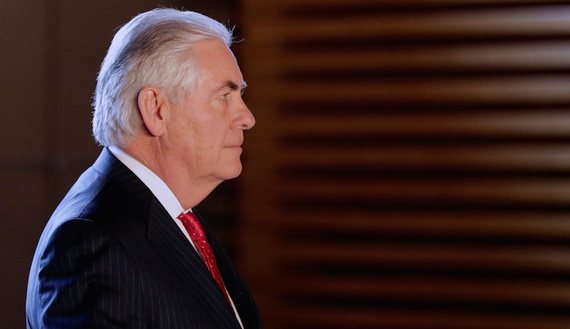
US Secretary of State Rex Tillerson walks to meet Japanese Prime Minister Shinzo Abe, prior to their talk at the prime minister’s office in Tokyo, March 16, 2017.  (photo by REUTERS/Eugene Hoshiko)

Al-Monitor has learned that US Secretary of State Rex Tillerson is expected to travel to Turkey March 30. He will be the most senior US official to formally visit Turkey since the Donald Trump administration took office in January.

A senior Turkish official who spoke on the condition of anonymity confirmed that Tillerson was expected to meet with Turkish President Recep Tayyip Erdogan and Foreign Minister Mevlut Cavusoglu, among others. The official was unaware of Tillerson’s full itinerary but said it would not be unusual for the secretary to visit other countries in the region as well. The official declined to elaborate any further.

In an emailed response to Al-Monitor’s request for comment, the State Department said it had “nothing to announce on [the] Secretary[‘s] travel.”

Tillerson’s visit comes amid long-standing tensions between Washington and Ankara over US plans to pursue its alliance with the Syrian Democratic Forces (SDF) against the Islamic State (IS). The SDF’s Arab component is growing by the day, but nonetheless remains dominated by the Syrian Kurdish People’s Protection Units (YPG).

Turkey wants the United States to scrap its ties with the YPG, arguing that the group is linked to the Kurdistan Workers Party (PKK), which is on the State Department’s list of terrorist organizations and is fighting a bloody insurgency inside Turkey. The United States, however, clings to the fiction that the YPG and PKK are separate entities. All signs indicate that Washington will stick with the SDF, which has proven to be the most robust local force on the ground in the fight against IS, as it prepares for the capture of Raqqa, the jihadis’ “capital.”

In the meantime, Washington is scrambling to keep Turkey on an even keel. With a 559-mile border with Syria, Turkey remains a critical if increasingly troublesome ally for the United States regionwide. In efforts to massage Turkish feelings, CIA Director Mike Pompeo visited Ankara in February, and Chairman of the Joint Chiefs of Staff Joseph F. Dunford met with Turkish Chief of the General Staff Hulusi Akar in the resort city of Antalya earlier this month.

The Incirlik Air Base, in Adana, remains the main logistical hub for anti-IS operations, and while Turkey’s military effectiveness in Syria has proven to be limited, it has displayed an infinite capacity to be disruptive. Its persistent shelling of YPG positions in Afrin and more recent attacks against the group near the SDF-controlled town of Manbij are taking their toll. “When we carry out the final assault on Raqqa, how can we be sure that Turkish forces won’t be chasing us from behind,” asked a senior YPG commander contacted in northeastern Syria via WhatsApp.

On March 7, Turkey dealt a blow to humanitarian aid efforts in Syria by ordering Oregon-based Mercy Corps to shut down operations it runs out of Turkey. Ankara’s official reason is that the group, which is among the biggest dispensers of aid in Syria, had failed to complete formal paperwork. More likely it was because Mercy Corps probably also coordinates with the YPG to ensure secure delivery of supplies, like most other aid outfits do.

At the same time, Turkey, which alongside Albania is a predominantly Muslim NATO ally, is putting on a big show of growing closer to Russia. It is currently in discussions with the Russians to buy S-400 long-range missile systems. James F. Jeffrey, a former US ambassador to Turkey and a senior fellow at the Washington Institute for Near East Policy, observed, “Doing so would leave people in America and Europe with the strong belief that Erdogan has thrown in his lot definitively with Russia and end efforts by Trump to cooperate with Turkey.” It would be “felaket,” he told Al-Monitor using the Turkish word for “disaster.”

Yet, the Russians also support the YPG and are keeping Turkish forces and their rebel allies within a tightly delineated area in Syria. Turkish forces and Free Syrian Army fighters operating under the Operation Euphrates Shield command currently control more than 772 square miles captured from IS since August 2016. They are hemmed in to the east, however, by Russian, Syrian regime and US Special Operations Forces, which are effectively preventing them from acting on repeated threats to pursue the YPG in Manbij.

Turkish Defense Minister Fikri Isik struck a more conciliatory tone today, saying that finding “a diplomatic solution” with the United States and Russia for ending the YPG presence in Manbij was “necessary.” His comments reflect a general softening in Turkey’s anti-American rhetoric, which grew increasingly shrill in the last days of the Barack Obama administration.

Howard Eissenstat, a Turkey expert at St. Lawrence University in upstate New York, remarked, “With Trump, Erdogan’s been altogether more cautious.” Eissenstat told Al-Monitor that this is because Erdogan “still holds out some hope for cooperation on Syria, but also perhaps because he is unsure what the cost might be. Trump might hold a grudge.”

The caution is obviously mutual. The United States has hardly uttered a word as Turkey continues to lock up tens of thousands of people accused of involvement in the failed July 15 coup. It has also not commented on the increasingly desperate plight of Turkey’s Kurds, many of whom are fighting under the YPG banner against IS.

Nicholas Heras, a senior fellow at the Center for a New American Security, thinks that in a bid to placate Turkey, the United States could offer it “an opportunity to work out post-IS security and governance for Raqqa, similar to the project Turkey is engaged in to have influence over the post-IS governance in Mosul.”

Heras told Al-Monitor that all such options would, however, hinge on Turkey accepting “the reality that the US military will not totally abandon the SDF, which was made by America and has demonstrated its effectiveness against IS.”


http://www.al-monitor.com

Ο προσφυγικός χώρος δεν είναι ιδιοκτησία κανενός γραφειοκράτη

0
  • του Παντελή Σαββίδη
  • Ένα από τα κτήρια του στρατοπέδου «Παύλου Μελά» όπου θα δημιουργηθεί το επίμαχο μουσείο (φωτ.: Ρωμανός Κοντογιαννίδης)

Ως απάντηση στην επιστολή των Αλατσατιανών θα είχα να επισημάνω, επιγραμματικά, τα εξής:

1. Ασχολήθηκα με το θέμα και γράφω, πού και πού, στο pontos-news.gr, επειδή ως απόγονο προσφύγων, το προσφυγικό ζήτημα –που είναι ακόμη ζωντανό– με καίει. Η παλαιότερη ενασχόλησή μου περιοριζόταν σε δημοσιογραφικό επίπεδο. Σήμερα ένιωσα την ανάγκη να συμμετάσχω πιο ενεργά. Αυτό δεν σημαίνει ότι εκπροσωπώ κάποια ομάδα Ποντίων. Είμαι απολύτως μόνος μου, είδα την πρώτη επιστολή, και –αν θέλετε– από επαγγελματική συνήθεια, θέλησα να σχολιάσω ορισμένα σημεία της.

Πίστευα πως θα αντιμετωπιζόταν με θετικό ενδιαφέρον. Διότι ήταν μια ενέργεια που σε δημοκρατίες και σε δημοκρατικές συνειδήσεις πολιτών είναι απολύτως αποδεκτή και οικεία. Τέτοιες ενέργειες δεν επισύρουν απαντήσεις αυτού του τόνου που διάβασα. Δεν εκπροσωπώ, επίσης, το pontos-news.gr. Γνωρίζω τον κ. Καλεντερίδη, στέλνω ορισμένα κείμενά μου στη σύνταξη και δημοσιεύονται. Η ευθύνη, επομένως, των όσων έγραψα, βαρύνει εμένα και κανέναν άλλον. Ούτε ομάδα ή υποομάδα Ποντίων, ούτε –πολύ περισσότερο– το pontos-news.gr.

Ξέρετε, αγαπητοί συντάκτες της επιστολής την οποία υπογράφει ως πρόεδρος δημοσιογράφος, στις δημοκρατικές κοινωνίες οι πολίτες μπορεί να εκφράζονται χωρίς το φόβο του αναθέματος. Ο διάλογος είναι η ουσία της δημοκρατίας. Αυτόν κανείς δεν μπορεί να μου τον στερήσει.

Και μην επικαλείστε τα ιερά λείψανα και τους αγώνες των προγόνων μας για να εξιλεώσετε τη δική σας άποψη. Είναι ιεροσυλία.

2. Στο κείμενο που έγραψα, και δημοσίευσε το pontos-news.gr, το οποίο ευχαριστώ δημοσίως, διέκρινα τη δική μου θέση από τις αναφορές που έκανα στις διαφορετικές απόψεις που επικρατούν στον ευρύτερο προσφυγικό χώρο για το θέμα της Γενοκτονίας. Η παράθεση των διαφορετικών αυτών απόψεων θα μπορούσε μόνη της να ήταν ένα ενδιαφέρον ρεπορτάζ. Είστε κάποιο ιερατείο το οποίο θα κρίνει αν θα πρέπει να σχολιάσουμε κάτι ή όχι;

3. Η προσωπική μου άποψη, την οποία μετ’ επιτάσεως αναφέρω στο κείμενο και παραλείπετε, σκοπίμως, από την απάντησή σας, είναι: «Γενοκτονία υπέστη το σύνολο του χριστιανικού πληθυσμού της Μικράς Ασίας, υποστηρίζω τη δημιουργία ενός μνημείου στη μνήμη των θυμάτων, και θα ήταν καλό το ζήτημα της Γενοκτονίας να ενταχθεί στην ατζέντα της ελληνικής εξωτερικής πολιτικής και να προωθηθεί παγκοσμίως». Αυτή είναι η προσωπική μου άποψη. Αν είναι ορθή ή εσφαλμένη μπορείτε να την κρίνετε, να την απορρίψετε ή οτιδήποτε άλλο. Δεν μπορείτε, όμως, να την παραποιείτε. Διότι με την απόκρυψή της, αυτό κάνετε. Και κάτι ακόμη: Υποστηρίζω, επίσης, πως το μνημείο και η κεντρική αναφορά του προσφυγικού ελληνισμού πρέπει να γίνεται στη Θεσσαλονίκη και τη Βόρεια Ελλάδα. Εδώ βρίσκεται η μεγάλη πλειονότητα του προσφυγικού ελληνισμού και εδώ πάλλει η καρδιά του.

4. Έγραψα –και συνεχίζω να πιστεύω– πως η δημόσια εκδήλωση των εσωτερικών αντιπαραθέσεων βλάπτει τον προσφυγικό ελληνισμό και την προώθηση των ζητημάτων που τον απασχολούν. Το δίκαιο κατ’ εμέ αίτημα δημιουργίας μουσείου όλου του προσφυγικού ελληνισμού θα μπορούσε να προωθηθεί χωρίς δημόσια αντιπαράθεση.

Διότι ο λόγος σας –και στην επιστολή που απευθύνατε στην πολιτική εξουσία και στο κείμενο που διαβάζω ως απάντησή σας στο σχόλιο του pontos-news.gr– δεν ήταν απλώς έντονος, αλλά και διχαστικός.

Αυτό, όποιος το επισημαίνει δεν σημαίνει ότι παραβιάζει ιερά και όσια. Σταματήστε την καπηλεία. Είναι ηθικό έγκλημα. Επί της ουσίας, τα κείμενα έχουν δημοσιευθεί· όποιος καλόπιστος θέλει, μπορεί να τα διαβάσει και να καταλήξει στα συμπεράσματά του. Έχετε υπόψη σας ότι οι γείτονες είναι πολύ πιο καλά οργανωμένοι ως κράτος, και όλα αυτά που επισημαίνω τα κρατούν, τα αρχειοθετούν, και την κατάλληλη στιγμή θα τα ανασύρουν. Ένας δημόσιος διχαστικός λόγος μπορεί να χρησιμοποιηθεί κάποια κρίσιμη στιγμή στο μέλλον. Αυτό, δυνάμει, δεν υπονομεύει την κοινή προσπάθεια του προσφυγικού ελληνισμού;

5. Ο προσφυγικός χώρος δεν είναι ιδιοκτησία κανενός γραφειοκράτη. Το αν θα γράφουμε και πώς θα γράφουμε όλοι οι Έλληνες πολίτες –και όχι μόνο οι προσφυγικής καταγωγής–, είναι δικαίωμα των πολιτών μιας δημοκρατικής κοινωνίας. Δεν μπορείτε να το στερήσετε ούτε εσείς ούτε κανένας άλλος επειδή κρατά μια σφραγίδα.

6. Έχουν γραφεί πολλά βιβλία, έχουν κατατεθεί πολλές μαρτυρίες και έχουν γυριστεί πολλά ντοκιμαντέρ για την ιστορία του μικρασιατικού και ποντιακού ελληνισμού, την προσφυγιά του και τα μαρτύρια που υπέστη. Αλλά η έρευνα γενικώς, και η ιστορική έρευνα ειδικώς, δεν τελειώνει. Την πρόταση για τη δημιουργία ενός χώρου μελέτης της ιστορίας και των παραδόσεων του ποντιακού ελληνισμού την έκανα στο κείμενο μετά τη διαπίστωση της αναγκαιότητάς της από συζητήσεις που είχα με αρκετούς κλάδους επιστημόνων. Αν δεν σας ενδιαφέρει, δικαίωμά σας.

Δεν μπορείτε, όμως, να ανακηρύξετε και εσείς το τέλος της ιστορίας.

7. Ας έχουν υπόψη όλοι οι γραφειοκράτες πως οι πρόσφυγες όλων των αλησμόνητων πατρίδων τους έχουν καταλάβει. Και αυτούς και τους στόχους τους. Προσωπικά δεν πρόκειται να με πτοήσετε, αν σ’ αυτό αποσκοπούσε ο σκληρός τόνος της ανακοίνωσής σας – τόνος που προδίδει ότι δεν σας ενδιαφέρει ο διάλογος αλλά η χειραγώγηση. Ε, αυτά δεν περνούν.

Προσοχή, στήνεται παρακράτος.

2

Ζαλισμένος από τα απανωτά χτυπήματα που δέχεται απο την πολιτική του Συριζα, και τον γκεμπελικό δημόσιο λόγο των προπαγανδιστών του, ο ελληνικός λαός αφήνει να περνούν απαρατήρητες καταγγελίες τεράστιας σημασίας που έχουν να κάνουν με την υπονόμευση της Δημοκρατίας και τη δημιουργία ενός παρακράτους της συριζαίας αριστεράς.

Η πρώην βουλευτής και αντιπρόεδρος της Βουλής Δέσποινα Χαραλαμπίδου από τα πολύ δραστήρια στελέχη του Συριζα μέχρι τη διάσπαση του καλοκαιριού του 2015, με επιστολή της στον υπουργό Δημόσιας Τάξης καταγγέλλει, ουσιαστικά, τη δημιουργία παρακρατικών μηχανισμών στην Ελληνική Αστυνομία, καταγγελία που επιβεβαιώνουν και στελέχη του Σώματος.

Συγκεκριμένα, η πρώην αντιπρόεδρος της Βουλής καταγγέλλει, με την παράθεση δύο ονομάτων, ότι τοπικά στελέχη του Συριζα (στη Θεσσαλονίκη) ήσαν παρόντα και έδιναν εντολές στις αστυνομικές δυνάμεις κατά τις επιχειρήσεις στις 6/3/2017 στον χώρο του  ΣΜΑ στα όρια του Δημοτικού Διαμερίσματος Ευκαρπίας του Δήμου Παύλου Μελά.

Πληροφορίες της στήλης υποστηρίζουν πως στελέχη του τοπικού Συριζα, μετέχουν και στις συσκέψεις που γίνονται στην αστυνομία για να καθοριστεί η επιχειρησιακή συμπεριφορά των αστυνομικών δυνάμεων.

Αν όλα αυτά συμβαίνουν, αυτό είναι ο ορισμός της δημιουργίας παρακρατικού μηχανισμού στην Αστυνομία. Ένας κίνδυνος που δεν πρέπει να περάσει απαρατήρητος γιατί θα τον βρούμε μπροστά μας. Υπονομεύεται η δημοκρατία. Ας το καταλάβουμε.

Οι εξελίξεις από εδώ και πέρα δεν θα είναι ομαλές και αν τέτοιου είδους φαινόμενα δεν αντιμετωπιστούν, εγκαίρως, δεν αποκλείεται το οτιδήποτε. Η λενινιστική ψυχή του Συριζα είναι παρούσα.

Αξίζει να σημειώσουμε, ακόμη, πριν παραθέσουμε ολόκληρη την επιστολή της κ. Χαραλαμπίδου πως, όπως λένε νομικοί κύκλοι, τα στελέχη της αστυνομίας που υπακούουν σε εντολές μη θεσμικών προσώπων, διαπράττουν αδίκημα και κάποια στιγμή θα αντιμετωπίσουν τη δικαιοσύνη. Τα σχετικά στοιχεία συλλέγονται. Και πως τα στελέχη αυτά είναι οι άνθρωποι που επι ΠΑΣΟΚ έλυναν και έδεναν στην αστυνομία. Τα συμπεράσματα δικά σας.

ΥΓ. Η προσπάθεια δημιουργίας παρακρατικών μηχανισμών απο την κυβέρνηση Συριζα- ΑΝΕΛ, δεν περιορίζεται, βεβαίως, στην περίπτωση αυτή. Γίνεται μια μεθοδευμένη προσπάθεια που αρχίζει απο τους προπαγανδιστικούς μηχανισμούς, ακόμη και στο διαδίκτυο και φθάνει ως τη συντήρηση ενός κοινωνικού περιθωρίου το οποίο χρησιμοποιείται ως το μακρύ δόρυ της εξουσίας, κατά το δοκούν. Όποιος νομίζει πως η χώρα θα απαλλαγεί εύκολα απο το Συριζα, είναι βαθιά νυχτωμένος.

Ολόκληρη η επιστολή της κ. Χαραλαμπίδου ή οποία αξίζει της προσοχής σας, έχει ως εξής:

ΧΑΡΑΛΑΜΠΙΔΟΥ ΔΕΣΠΟΙΝΑ

Πρώην Βουλευτής  και Γ΄ Αντιπρόεδρος της Βουλής

Εγνατίας  75 ,4ος όροφος

Τηλ-Φαξ :2310271321


Θεσσαλονίκη 9/3/2017

Προς τον κύριο Υπουργό Δημόσιας Τάξης

Κύριε Υπουργέ

Προχθές  6 Μαρτίου 2017 και κατά την διάρκεια αγωνιστικής κινητοποίησης των κατοίκων της περιοχής Ευκαρπίας του Δήμου Παύλου Μελά, όλοι εμείς  που ήμασταν στην κινητοποίηση, διαπιστώσαμε με έκπληξη, ότι πίσω ακριβώς από τις παρατεταγμένες αστυνομικές δυνάμεις βρίσκονταν δύο στελέχη του ΣΥΡΙΖΑ (οι κύριοι Νικόλαος Παυλίδης και Νικόλαος Γιάγκος) οι οποίοι παρακολουθούσαν την όλη διαδικασία.

Εύλογα λοιπόν θέλω να σας θέσω τα παρακάτω ερωτήματα:

Με ποια αρμοδιότητα θεσμικού χαρακτήρα τα παραπάνω στελέχη του ΣΥΡΙΖΑ βρίσκονταν στο συγκεκριμένο χώρο ?

Επειδή κατά την αντίληψη των παρευρισκομένων διαδηλωτών, τα ως άνω στελέχη έδιναν οδηγίες στους αξιωματικούς της Αστυνομίας, ρωτάμε με ποια ακριβώς ιδιότητα προέβησαν σε αυτή την ενέργεια και για ποιον ακριβώς λόγο οι αξιωματικοί της Αστυνομίας δέχτηκαν κομματικά στελέχη πίσω από τις παρατεταγμένες δυνάμεις τους και πολλώ δε μάλλον ανέχτηκαν τη λήψη εντολών από πρόσωπα χωρίς καμία σχετική ιδιότητα και εξουσία.

Είναι δυνατόν η Ελληνική Αστυνομία να επιτρέπει τη δημιουργία εντυπώσεων κατά τις οποίες η ίδια δέχεται εντολές από κομματικά στελέχη;

Αληθεύουν οι φήμες κατά τις οποίες ,ο ένας εξ αυτών ( ο Νικόλαος Παυλίδης ) συνηθίζει να συμμετέχει σε συσκέψεις των αξιωματικών της Ασφαλείας Θεσσαλονίκης ή είναι ανυπόστατες; Κι αν αληθεύουν, με ποιον άραγε ρόλο και κυρίως βάσει ποιας ιδιότητάς του συμμετέχει εκεί;

Κύριε Υπουργέ, επειδή θεωρώ ότι εάν τα παραπάνω ερωτήματα  στέκουν ,υπάρχει σοβαρή  θεσμική εκτροπή, απαιτώ να διερευνήσετε τα παραπάνω και να απαντηθούν τα ερωτήματά μου .

Υ.Γ. Προς επιβεβαίωση των γραφθέντων υπάρχει πλούσιο φωτογραφικό και οπτικοακουστικό υλικό που είναι στην διάθεσή σας εφ όσον ζητηθεί.

Με τιμή

Χαραλαμπίδου Δέσποινα πρώην Βουλευτής και Γ Αντιπρόεδρος της Βουλής.


Γιατί όλες οι ελληνικές κυβερνήσεις ντρέπονται να θίξουν το μείζον θέμα της ΑΟΖ; Τι φοβούνται;

1

Η ΑΟΖ ΤΩΝ ΗΠΑ, Η ΜΕΓΑΛΥΤΕΡΗ ΑΟΖ ΤΟΥ ΚΟΣΜΟΥ MARCH 16, 2017

Γράφει ο Θεόδωρος Καρυώτης

Ο Υπουργός Εξωτερικών της Ελλάδας, Νίκος Κοτζιάς, επισκέφθηκε την χιονισμένη Ουάσιγκτον την Δευτέρα 14 Μαρτίου 2017 για να συναντήσει τον Ρεξ Τίλλερσον, Υπουργό Εξωτερικών των ΗΠΑ, τον ικανότερο υπουργό του Τραμπ και άριστο γνώστη της ΑΟΖ.

Δυστυχώς ο δικός μας υπουργός, από ό,τι φάνηκε, ήρθε στην αμερικανική πρωτεύουσα απροετοίμαστος και αδιάβαστος. Ο νέος ΥΠΕΞ των Ηνωμένων Πολιτειών γνωρίζει άριστα τη σημασία της ΑΟΖ, διότι η ExxonMobil, την οποία διηύθυνε πριν αναλάβει το νέο πόστο του, έχει εκμεταλλευθεί, για πολλά χρόνια τώρα, τις ΑΟΖ πολλών κρατών. Επομένως, ευελπιστούμε ότι δεν θα είναι αρνητικός στην ανακήρυξη της ελληνικής ΑΟΖ. Έτσι είδαμε την εταιρία του να αναλαμβάνει την εκμετάλλευση του οικοπέδου 10 της Κυπριακής ΑΟΖ, που αποτελεί το σημαντικότερο οικόπεδο, μια και γειτνιάζει με το τεράστιο κοίτασμα Ζορ της Αιγυπτιακής ΑΟΖ. Δυστυχώς, φαίνεται ότι στη συνάντηση του Στεητ Ντηπαρτμεντ ο δικός μας υπουργός έπασχε από το φοβικό σύνδρομο όλων των ελληνικών κυβερνήσεων από το 1996.

Διαβάστε τι είπε ο ικανότερος υπουργός των ΣΥΡΙΖΑΝΕΛ μετά την συνάντησή του με τον Ρεξ Τίλλερσον.

Δημοσιογράφος: «Κύριε Υπουργέ, πως πήγε η συνάντηση με τον Αμερικανό ομόλογό σας;»

Ν. Κοτζιάς: «Δεν έκανα στον κ. Tillerson μία ενημέρωση με την παραδοσιακή έννοια. Περισσότερο ήθελε την ανάλυσή μας για την περιοχή, για το πώς μπορεί να υπάρξει σταθερότητα και ασφάλεια, ποιες δυνάμεις κινούνται και με ποιον τρόπο.»

Αποδέχεται ότι δεν έκανε μια ενημέρωση με την παραδοσιακή έννοια. Δηλαδή η πρώτη φορά αριστερά δεν κάνει παραδοσιακές ενημερώσεις, αλλά μήπως έκανε ενημερώσεις δημιουργικής ασάφειας, οπως παλαιότερα ένας άλλος συνάδελφός του;

Δημοσιογράφος: «Και για το Κυπριακό;»

Ν. Κοτζιάς: «Δεν με ρώτησε για το Κυπριακό και δεν κάναμε ανάλυση για το Κυπριακό. Νομίζω ότι είναι ένα θέμα που θα το συζητήσω περισσότερο με τον Σύμβουλο Εθνικής Ασφαλείας.»

Δεν τον ρώτησε για το Κυπριακό! Δεν θα το συζητήσει με τον Αμερικανό ΥΠΕΞ αλλά με το Σύμβουλο Εθνικής Ασφαλείας. Οι οπαδοί του στην Κύπρο θα τραβάνε τα μαλλιά τους. Δεν προνόησε να μιλήσει για την Κυπριακή ΑΟΖ και να την συνδέσει με την Ελληνική ΑΟΖ.

Είχε και μια άλλη ευκαιρία να μιλήσει για την ΑΟΖ, όταν οι δημοσιογράφοι τον ρώτησαν, εάν έγινε κάποια συζήτηση για τα θέματα ενέργειας. «Εξήγησα τα ενεργειακά projects που υπάρχουν στην περιοχή. Νομίζω ότι τα γνωρίζει καλύτερα και από μένα, αλλά αναφέρθηκα στο πως τα βλέπουμε εμείς και στην σημασία που έχει για τους Έλληνες το να εξελιχθεί η Ελλάδα σε ένα κέντρο μεταφοράς διαφόρων μορφών ενέργειας.», απάντησε.

Η συζήτηση για την ΑΟΖ ήταν η πρώτη μεγάλη ευκαιρία της σημερινής ελληνικής κυβέρνησης να φέρει στο προσκήνιο τις αντιρρήσεις των αμερικανικών κυβερνήσεων. Οι Αμερικανοί, από την εποχή του Ανδρέα Παπανδρέου μέχρι του Αλέξη Τσίπρα, παίζουν το ίδιο βιολί, διαμηνύοντας στις ελληνικές κυβερνήσεις ότι δεν πρέπει να προχωρήσουν σε μονομερή ανακήρυξη ΑΟΖ χωρίς να συμφωνήσουν πρώτα με την Τουρκία, παριστάνοντας ότι δεν γνωρίζουν πως η ανακήρυξη ΑΟΖ είναι πάντα μια μονομερής πράξη, όπως ακριβώς έκαναν και οι Αμερικανοί το 1983.

Μία από τις πιο σημαντικές δηλώσεις, από αμερικανικής πλευράς, έγινε στις 27 Ιουλίου 2011 από τον τότε βοηθό υπουργό Εξωτερικών Φίλιπ Γκόρντον, ο οποίος, σε συνάντησή του με δημοσιογράφους στην Αθήνα, έκανε μια απαράδεκτη δήλωση, που για τους Αμερικανούς ισχύει μέχρι σήμερα: «Πιστεύω ότι είναι σημαντικό να αποφεύγονται μονομερή βήματα. Οι Ηνωμένες Πολιτείες αναγνωρίζουν τα δικαιώματα των χωρών για την ανακήρυξη αποκλειστικών οικονομικών ζωνών, αλλά… δεν νομίζουμε ότι θα ήταν προς το συμφέρον της Ελλάδος να το πράξει χωρίς πλήρη συνεργασία με τους γείτονές της, της Τουρκίας συμπεριλαμβανομένης».

Ήταν μια μεγάλη ευκαιρία για τον Κοτζιά, στην καρδιά της Αμερικανικής διπλωματίας, να ζητήσει από τον Τίλλερσον να αρθεί αυτή η θέση της κυβέρνησης Ομπάμα, που δεν δέσμευε τη νέα κυβέρνηση των ΗΠΑ. Οι ειδικοί στο Δίκαιο της Θάλασσας γνωρίζουν τη θέση των ΗΠΑ, που ακολουθεί δύο μέτρα και δύο σταθμά, στο θέμα της οριοθέτησης θαλασσίων ζωνών.

Η Αμερική έχει οριοθετήσει την ΑΟΖ της με βάση την αρχή της ίσης απόστασης (equidistance), που τόσο αντιπαθεί η Τουρκία, με την Ρωσία, τον Καναδά, το Μεξικό, τις Μπαχάμες και την Κούβα. Όταν όμως έρχεται η ώρα να ασχοληθεί με την ελληνοτουρκική διαφορά στο Αιγαίο Αρχιπέλαγος, υποστηρίζει τις τουρκικές θέσεις περί ευθυδικίας. Έτσι, οι Αμερικανοί υποστηρίζουν ότι τα δικά τους νησιά, κατοικήσιμα ή όχι, έχουν πλήρη δικαιώματα ΑΟΖ, αλλά παρόμοια δικά μας νησιά δεν έχουν τα ίδια δικαιώματα.

Αυτή είναι μια απαράδεκτη φιλοτουρκική θέση των Αμερικανών από το 1982, που πρέπει, επιτέλους, να ανατραπεί. Αυτό θα μπορούσε ο Κοτζιάς να συζητήσει με τον Τίλλερσον, αξιοποιώντας και την δήλωση του σημερινού πρωθυπουργού στην Ουάσιγκτον, στις 23 Ιανουαρίου 2013, όταν ήταν ακόμα στην αντιπολίτευση.

Είχε πει τότε ο Αλεξης Τσίπρας : «Στα πλαίσια του Διεθνούς Δικαίου η Ελλάδα δεν πρόκειται και δεν πρέπει να διαπραγματευθεί με κανέναν το δικαίωμά της στην Αποκλειστική Οικονομική Ζώνη και μάλιστα πιστεύουμε ότι αυτό το δικαίωμα, το αναφαίρετο δικαίωμα, πρέπει να υποστηριχθεί και από την πλευρά των Ηνωμένων Πολιτειών της Αμερικής».

Εμείς δυστυχώς όχι μόνο δεν έχουμε ανακηρύξει την Ελληνική ΑΟΖ, αλλά παρακολουθούμε άπρακτοι τις ανακηρύξεις και οριοθετήσεις των ΑΟΖ των κρατών της Ανατολικής Μεσογείου. Δεν υπάρχει χειρότερο πράγμα από την απαξίωση της Θάλασσας από ένα λαό που έγραψε μια τόσο λαμπρή ιστορία μέσα από τις θάλασσές του.

Πηγή: Γιατί όλες οι ελληνικές κυβερνήσεις ντρέπονται να θίξουν το μείζον θέμα της ΑΟΖ; Τι φοβούνται; http://mignatiou.com/2017/03/giati-oles-i-ellinikes-kivernisis-ntreponte-na-thixoun-to-mizon-thema-tis-aoz-ti-fovounte/

RANKED: The world’s 20 strongest militaries

0

Jeremy Bender Apr. 21, 2016

F 22 and F 15A US F-22 flying alongside an F-15.US Air Force

Despite budget cuts and a reduction in size, the US has maintained its position as the world’s strongest military, according to a report on globalization from Credit Suisse.

While the US is still far and away the world’s top military superpower, Russia and China are its closest rivals. Canada, however, is the weakest of the 20 countries on the list.

Credit Suisse acknowledged the difficulties of determining comparative military strength in its report. To provide a benchmark, the report assigns weighted values for six variables before tabulating a final score.

The factors under consideration for military strength and their total weights are number of active personnel (5% of total score), tanks (10%), attack helicopters (15%), aircraft (20%), aircraft carriers (25%), and submarines (25%).

The ranking defines military might in purely quantitative terms and does not account for the actual quality of the arms and training that the militaries may have. As such, the placement of some countries on the list may come as a surprise.

The world’s 20 strongest militaries are below:

View As: One Page Slides

 No. 20. Canada
No. 20. Canada

A Canadian soldier on patrol in Afghanistan.MCpl. Angela Abbey/Canadian Forces Combat Camera

Budget: $15.7 billion
Active frontline personnel: 92,000
Tanks: 181
Total aircraft: 420
Submarines: 4

Canada ended up at the bottom of the list because of the country’s small number of active personnel, its lack of aircraft carriers and attack helicopters, and its small number of tanks and submarines. But Canada has still taken part in US operations in Afghanistan and Iraq, and it is a member of the NATO military alliance.

Canada is also a partner in the US F-35 program, although it may decline the purchase of F-35s depending on the outcome of elections in October.

No. 19. Indonesia

No. 19. Indonesia

Indonesian soldiers arrive at Talang Betutu airport in Palembang to reinforce firefighter teams in south Sumatra Province on September 10, 2015.Beawiharta Beawiharta/REUTERS

Budget: $6.9 billion
Active frontline personnel: 476,000
Tanks: 468
Total aircraft: 405
Submarines: 2

The Indonesian military placed above Canada because of its high numbers of active personnel and relatively large number of tanks. The military, however, suffers from a lack of carriers and aircraft, as well as a small number of submarines.

No. 18. Germany

No. 18. Germany

German special forces.Fabian Bimmer/REUTERS

Budget: $40.2 billion
Active frontline personnel: 179,046
Tanks: 408
Total aircraft: 663
Submarines: 4

The German military ended up low on the list because of its lack of power-projection platforms. Germany does not have an aircraft carrier and has relatively few submarines, which, according to the Credit Suisse methodology, drops its ranking.

But Germany does have a fair number of attack helicopters. Recently, the country has started considering offering military support to Eastern European NATO members.

No. 17. Poland

No. 17. Poland

Polish servicemen take part in military exercises outside the town of Yavoriv near Lviv on September 19, 2014.Roman Baluk/Reuters

Budget: $9.4 billion
Active frontline personnel: 120,000
Tanks: 1,009
Total aircraft: 467
Submarines: 5

Poland edges out Germany in the list because of its larger number of tanks and a more fleshed-out submarine fleet. Poland has also drastically increased its military spending in reaction to Russia’s seizure of Crimea and the ongoing Ukraine crisis.

No. 16. Thailand

No. 16. Thailand

A Thai solider keeps guard from a military helicopter after arriving in southern Thailand’s Narathiwat Province on March 2, 2007.Surapan Boonthanom/REUTERS

Budget: $5.39 billion
Active frontline personnel: 306,000
Tanks: 722
Total aircraft: 573
Submarines: 0

Thailand’s military is currently in control of the country following a coup in May 2014. The military is a major player in maintaining Thai unity, and Thailand receives strong scores from Credit Suisse for its number of active personnel, its number of tanks, and its possession of an aircraft carrier.

Thailand also scores well as it has an aircraft carrier, although it does not have an aircraft fleet to complement the vessel.

No. 15. Australia

No. 15. Australia

An Australian army soldier with the 5th Battalion, Royal Australian Regiment makes his way up a beach after landing in an amphibious assault vehicle from the USS Peleliu while participating in an assault exercise at Marine Corps Base Hawaii during the multinational military exercise RIMPAC in Kaneohe, Hawaii, on July 29, 2014.Hugh Gentry/REUTERS

Budget: $26.1 billion
Active frontline personnel: 58,000
Tanks: 59
Total aircraft: 408
Submarines: 6

Australia’s military is comparatively small — it receives bottom scores on the report for the number of active personnel and the number of tanks. It also receives near-bottom scores for the number of aircraft it has in its fleet.

Credit Suisse boosts Australia’s ranking because of its attack helicopters and submarines though.

No. 14. Israel

No. 14. Israel

Israeli soldiers secure the Israel-Lebanon border on January 28, 2015.Ariel Schalit/AP

Budget: $17 billion
Active frontline personnel: 160,000
Tanks: 4,170
Total aircraft: 684
Submarines: 5

In absolute terms, Israel has a small military. But with mandatory military service, a large percentage of the Israeli population is militarily ready. With a past history of being surrounded by aggressive neighbors, Israel also has a large tank, aircraft, and attack-helicopter fleet.

Israel also has qualitative military advantages. It has space assets, advanced fighter jets, high-tech armed drones, and nuclear weapons.

No. 13. Taiwan

No. 13. Taiwan

A trainee leopard-crawls along a 50-meter-long path of jagged coral and rocks as part of the Taiwan marines’ frogmen “Road to Heaven” test in Zuoying, Kaohsiung, on January 19, 2011. The test is the final stage of a nine-week intensive amphibious training program. Nicky Loh/REUTERS

Budget: $10.7 billion
Active frontline personnel: 290,000
Tanks: 2,005
Total aircraft: 804
Submarines: 4

Threatened by China, which continues to have plans for how to invade and retake the country, Taiwan has focused its military development on defensive plans. As such, the island has the fifth-highest number of attack helicopters on the list. It also has a fairly large fleet of aircraft and a number of tanks.

No. 12. Egypt

No. 12. Egypt

Armored personnel carriers and tanks in the Egyptian military.Mohamed Abd El Ghany

Budget: $4.4 billion
Active frontline personnel: 468,500
Tanks: 4,624
Total aircraft: 1,107
Submarines: 4

The Egyptian military is one of the oldest and largest armed forces in the Middle East. It receives substantial financial aid from the US and has the fifth-largest tank fleet in the world. It has over 1,000 M1A1 Abrams tanks, many of which sit in storage and have never been used.

Egypt also has a relatively large aircraft force.

No. 11. Pakistan

No. 11. Pakistan

Pakistani soldiers stand guard as people, who fled the military offensive against militants in North Waziristan, receive food supplies from the army in Bannu.Thomson Reuters

Budget: $7 billion
Active frontline personnel: 617,000
Tanks: 2,924
Total aircraft: 914
Submarines: 8

The Pakistani military is one of the largest forces in the world, in terms of active personnel. Credit Suisse also credits the country with having large tank, aircraft, and attack-helicopter fleets.

In addition, Pakistan is thought to be building nuclear weapons at a fast-enough rate that it could have the world’s third-largest nuclear arsenal within the following decade.

No. 10. Turkey

No. 10. Turkey

Turkish army tanks take up position on the Turkish-Syrian border near the southeastern town of Suruc in Sanliurfa Province on October 6, 2014.Umit Bektas/REUTERS

Budget: $18.2 billion
Active frontline personnel: 410,500
Tanks: 3,778
Total aircraft: 1,020
Submarines: 13

Turkey’s armed forces are one of the largest in the eastern Mediterranean. Although lacking an aircraft carrier, only five countries on Credit Suisse’s list have more submarines than Turkey.

In addition, the country can lay claim to an impressively large tank fleet as well as numerous aircraft and attack helicopters.

Turkey is also a committed member of the F-35 program.

No. 9. UK

No. 9. UK

British army Cpl. Birendra Limbu of the 2nd Battalion, Royal Gurkha Rifles shows his rifle to Afghan children as he secures an area near an Afghan National Police checkpoint outside the town of Lashkar Gah in Helmand Province on July 13, 2011.Shamil Zhumatov/REUTERS

Budget: $60.5 billion
Active frontline personnel: 146,980
Tanks: 407
Total aircraft: 936
Submarines: 10

Although the UK is planning to reduce the size of its armed forces by 20% between 2010 and 2018, it can count on being able to project its power around the world.

The Royal Navy is planning to put the HMS Queen Elizabeth, an aircraft carrier that has a flight deck measuring 4.5 acres, into service in 2020, carrying 40 F-35B joint-strike fighters across the globe.

No. 8. Italy

No. 8. Italy

An Italian air force Eurofighter Typhoon fighter patrols over the Baltics during a NATO air-policing mission from Zokniai air base near Siauliai on February 10, 2015.Ints Kalnins/REUTERS

Budget: $34 billion
Active frontline personnel: 320,000
Tanks: 586
Total aircraft: 760
Submarines: 6

The Italian military placed high on Credit Suisse’s report because of the country’s possession of two active aircraft carriers. These carriers, in addition to the country’s relatively large submarine and attack-helicopter fleets, drastically boosted Italy’s ranking.

No. 7. South Korea

No. 7. South Korea

Members of South Korea’s special forces participate in military training.Cpl. Matthew J. Bragg/US Marine Corps

Budget: $62.3 billion
Active frontline personnel: 624,465
Tanks: 2,381
Total aircraft: 1,412
Submarines: 13

South Korea has been left with little choice but to have a large and capable military in the face of potential North Korean aggression. With those realities in mind, South Korea has a number of submarines, attack helicopters, and active personnel.

The country also has numerous tanks and the sixth-largest air force in the world.

No. 6. France

No. 6. France

French soldiers patrol in the Terz valley, about 37 miles south of the town of Tessalit in northern Mali on March 20, 2013.Stringer ./REUTERS

Budget: $62.3 billion
Active frontline personnel: 202,761
Tanks: 423
Total aircraft: 1,264
Submarines: 10

The French military is relatively small, but highly trained, professional, and capable of force projection.

The country has the nearly new aircraft carrier Charles de Gaulle, and France routinely engages in military deployments throughout Africa to help stabilize governments and fight against extremism.

No. 5. India

No. 5. India

India’s Rapid Action Force personnel inside their base camp in New Delhi on November 6, 2014.Adnan Abidi/Reuters

Budget: $50 billion
Active frontline personnel: 1,325,000
Tanks: 6,464
Total aircraft: 1,905
Submarines: 15

India is one of the largest military powers on the planet. It has the most active manpower of any country aside from China and the US, in addition to the most tanks and aircraft of any country besides the US, China, or Russia.

India also has access to nuclear weapons. It’s expected to become the fourth-highestmilitary spender on earth by 2020.

No. 4. Japan

No. 4. Japan

Japanese tanks and helicopters participate in a military-training exercise.Yuya Shino/REUTERS

Budget: $41.6 billion
Active frontline personnel: 247,173
Tanks: 678
Total aircraft: 1,613
Submarines: 16

In absolute terms, the Japanese military is relatively small. Nonetheless, the country is extremely well-equipped.

According to Credit Suisse, it has the fourth-largest submarine fleet on the list. Japan also has four aircraft carriers, although these vessels are equipped only with helicopter fleets.

Japan also has the fourth-largest attack-helicopter fleet behind China, Russia, and the US.

No. 3. China

No. 3. China

A Chinese soldier takes part in a drill during heavy snow in Heihe, Heilongjiang Province.REUTERS/CDIC

Budget: $216 billion
Active frontline personnel: 2,333,000
Tanks: 9,150
Total aircraft: 2,860
Submarines: 67

The Chinese military has grown rapidly in terms of size and capability in the past few decades. In terms of raw manpower, it’s the largest military in the world. It also has the second-largest tank fleet behind Russia and the second-largest submarine fleet behind the US.

China has also made rapid strides in its military-modernization program, now developing a range of potentially game-changing military technologies, including ballistic missiles and fifth-generation aircraft.

No. 2. Russia

No. 2. Russia

Russian soldiers on military armored-personnel carriers on a road near the Crimean port city of Sevastopol on March 10, 2014.REUTERS/Baz Ratner

Budget: $84.5 billion
Active frontline personnel: 766,055
Tanks: 15,398
Total aircraft: 3,429
Submarines: 55

The Russian armed forces are the unquestioned second-strongest military power in the world. Russia has the world’s largest tank fleet, the second-largest aircraft fleet behind the US, and the third-largest submarine fleet behind the US and China.

The Kremlin’s military spending has increased by almost a third since 2008 and is expected to grow 44% more in the next three years. Russia has also demonstrated its ability to project force abroad with its deployment of soldiers to Syria.

No. 1. US

No. 1. US

The F-22 and F-35 flying together.USAF

Budget: $601 billion
Active frontline personnel: 1,400,000
Tanks: 8,848
Total aircraft: 13,892
Submarines: 72

Despite sequestration and other spending cuts, the US spends more money — $601 billion — on defense than the next nine countries on Credit Suisse’s index combined.

America’s biggest conventional-military advantage is its fleet of 10 aircraft carriers. In comparison India, which is constructing its third carrier, it has the second-most carriers in the world.

The US also has by far the most aircraft of any country, cutting-edge technology like the Navy’s new rail gun, a large and well-trained human force — and that’s not even counting the world’s largest nuclear arsenal.