Αρχική Blog Σελίδα 2944

Αυτοί οι φόροι δεν αντέχονται

0
Σχόλιο “Καθημερινής”

Χιλιάδες άνθρωποι που εργάζονται σκληρά και παράγουν αναρωτιούνται πλέον αν έχει νόημα να συνεχίσουν να το κάνουν σε αυτόν τον τόπο. Οι φόροι είναι πλέον κυριολεκτικά εξοντωτικοί. Τα όποια αποθέματα «λίπους» έχουν τελειώσει. Η κυβέρνηση δεν νοιάζεται γιατί το μόνο που την ενδιαφέρει είναι να διορίσει, να κάνει παροχές και να φροντίζει αυτούς που θεωρεί πελάτες της. Οποιος, Ελληνας ή ξένος, τεχνοκράτης συνέταξε το σχέδιο που εφαρμόζεται τώρα και αποτυπώνεται στα εκκαθαριστικά είναι προφανώς άσχετος ή απλά τον ενδιέφερε «να βγαίνουν τα νούμερα». Ε, λοιπόν, δεν θα βγουν στο τέλος. Γιατί αυτοί οι φόροι δεν αντέχονται. Ειδικά όταν καταλήγουν σε μία μαύρη τρύπα φαυλότητας και διαχειριστικής ανεπάρκειας.

Άμεση αναγκαιότητα για χάραξη νέας στρατηγικής στο κυπριακό.

0

του Λουκά Αξελού.

Η ΑΔΙΕΞΟΔΗ ΠΟΛΙΤΙΚΗ ΤΟΥ ΣΗΜΕΡΑ

ΠΡΟΑΓΓΕΛΟΣ ΚΑΤΑΣΤΡΟΦΙΚΩΝ ΕΞΕΛΙΞΕΩΝ

Θα ξεκινήσω με την αποδοχή ενός θλιβερού για όλους μας, αλλά πραγματικού γεγονότος.

Η Ελλάδα και η Κύπρος κατά το πλείστον της σύγχρονης κρατικής τους ιστορικής διαδρομής, λειτούργησαν υπό καθεστώς στενής διεθνούς επιτροπείας.

Η κατάσταση όμως την τελευταία επταετία ξεπέρασε κάθε όριο, καθιστώντας τες όχι μόνον ουσιαστικά, αλλά και τυπικά κράτη περιορισμένης κυριαρχίας.

Ξεπερνά και τα πλαίσια της επιστημονικής φαντασίας το πώς μια Ελλάδα που αντιστάθηκε νικηφόρα στην τριπλή φασιστική-ναζιστική κατοχή το 1940-1945, βρέθηκε υπό νέα αγγλοαμερικανική ημικατοχή την δεκαετία του ’50, με ολική επαναφορά στις μέρες μας, στα χρόνια του μνημονίου, των ηττημένων στον πόλεμο Γερμανών κατακτητών.

Και το ίδιο ισχύει και για την Κύπρο, όπου ένας λαμπρός εθνικός-απελευθερωτικός αγώνας το 1955-1959, κατέληξε στην ανάπηρη ανεξαρτησία του 1960, την εισβολή και κατοχή του 40% του νησιού το 1974, και την σημερινή σχεδόν αφασική κατάσταση, παρ’ όλο το ελπιδοφόρο εκείνο 76%, του 2004, που, όπως θα έλεγε και ο Σεφέρης, το αφήσαμε σαν πλατύ  ποτάμι να περάσει μέσα από τα δάκτυλά μας.

Η καταθλιπτική αυτή πραγματικότητα με χαίνουσα, εδώ και σαράντα τρία χρόνια πληγή, την Κύπρο, φορτίζεται κατεξοχήν αρνητικά στην παρούσα συγκυρία.

Κι αυτό γιατί μετά τον θάνατο του αείμνηστου Τάσσου Παπαδόπουλου και την αποδιοργάνωση του άτυπου, πολλαπλά  προβληματικού, είναι η αλήθεια, αλλά υπαρκτού πατριωτικού-δημοκρατικού  μετώπου, που με αφορμή το Σχέδιο Ανάν είχε συγκροτηθεί σε Κύπρο και Ελλάδα, η σύνολη υπόθεση της Κύπρου έχει τραγικά υποχωρήσει, στον βαθμό που επικεφαλής της Κυπριακής Δημοκρατίας βρέθηκαν και βρίσκονται κυβερνήσεις των δύο βασικά συνυπόλογων και συνυπεύθυνων για την κατάντια του Κυπριακού κομμάτων, του ΑΚΕΛ και του ΔΗΣΥ. Κομμάτων που σε ηγετικό επίπεδο, προσπαθούν επίμονα να επαναφέρουν από το παράθυρο αυτό που με συντριπτική πλειοψηφία ο κυπριακός λαός, η ίδια η λαϊκή τους βάση, έριξε στον κάλαθο των αχρήστων το 2004.

Την κατάσταση όμως επιδεινώνει περαιτέρω το γεγονός ότι και η αντίστοιχη ελλαδική κυβέρνηση, των ΣΥΡΙΖΑ-ΑΝΕΛ, θανάσιμα εγκλωβισμένη και με ευθύνη της στην μέγγενη των μνημονίων, και αθεράπευτα ανιστόρητη στο να αντιληφθεί το μέγεθος και το βάθος του τουρκικού κινδύνου, αποκαλύπτεται καθημερινά ως ανεπαρκής στο να προασπίσει τον ρόλο της Ελλάδος ως κέντρου του καθόλου Ελληνισμού, αλλά και ως εγγυήτριας δύναμης στην μεγάλη υπόθεση της Κύπρου.

Δεν χρειάζονται δραματοποιήσεις για να γίνει από μόνο του αντιληπτό το γεγονός της τραγικής κατάστασης που βρίσκεται σήμερα σύμπας ο Ελληνισμός και το μέγεθος των ορατών εθνικών κινδύνων ή καταστροφών που εγκυμονεί η παράταση και συνέχιση της μέχρι σήμερα συνολικά χρεοκοπημένης πολιτικής.

Καιρός όμως είναι να εστιάσουμε την προβληματική μας στο πού ακριβώς βρίσκεται σήμερα το Κυπριακό προσπαθώντας με βάση τις δηλώσεις, αλλά – κυρίως – τις πρακτικές των ποικίλων εμπλεκομένων, να καταλάβουμε τις βαθύτερες στοχεύσεις τους.

Είναι, κατά την γνώμη μου, πιστοποιημένο πια, ότι οι τρίτοι και κατά πρώτο λόγο η Βρετανία, οι ΗΠΑ και το Ισραήλ, αφού από το 1950 και εντεύθεν κατόρθωσαν να αποτρέψουν την ένωση της Κύπρου με την Ελλάδα και ενέπλεξαν τον τουρκικό παράγοντα (Τουρκία-Τουρκική μειονότητα στην Κύπρο) ω οργανικό κομμάτι και «αφετηριακή συνιστώσα» του όλου ζητήματος, φαίνεται να έχουν ως στόχο τους στην παρούσα – τουλάχιστον – συγκυρία, να μην επιτρέψουν την ολική τουρκοποίηση του νησιού. Κι αυτό γιατί είτε με την Κύπρο στην ΕΕ, είτε όχι, σταθερός στόχος τους παραμένει ή μια πλήρως αποδυναμωμένη και διχοτομημένη Κύπρος ή μια κατ’ όνομα ενωμένη Κύπρος υπό την διεύθυνση «τριών δικαστών δικής τους αρεσκείας», όπως προέβλεπε και το υποδειγματικό τερατούργημα προς σύσταση προτεκτοράτου, το διαβόητο Σχέδιο Ανάν.

Σε όλο αυτό το πλέγμα και δη μετά την αποχώρηση του Ηνωμένου Βασιλείου από την Ευρωπαϊκή Ένωση, ο ρόλος της Ένωσης είναι επί της ουσίας δευτερεύων, όπως – άλλωστε – αποκάλυψε η «γενναιοδωρία» των βασικών παικτών (Τουρκία-Αγγλία-ΗΠΑ), στο να της παραχωρήσουν την θέση του παρατηρητή και μόνον, στην πρώτη αλλά και στην επικείμενη δεύτερη Γενεύη. Θέση πτωχού συγγενούς, αλλά καλύτερη, θα έλεγε ενδεχομένως κάποιος, από αυτήν της σταθερής απόρριψης συμμετοχής των μονίμων μελών του Συμβουλίου Ασφαλείας του ΟΗΕ.

Ο πιο σοβαρός, λοιπόν, κίνδυνος για την Κύπρο, όπως και στο παρελθόν επεσήμανα, δεν είναι η κατάληψη του υπόλοιπου νησιού από τους Τούρκους, αλλά η κατάλυση της υπάρχουσας, ανάπηρης αλλά ζωντανής ακόμα, Κυπριακής Δημοκρατίας ως κυρίαρχο και ανεξάρτητο κράτος και η υπαγωγή της σε κάποιο νέο μοντέλο προτεκτοράτου του 21ου αιώνα, με σφραγίδα βοσνιακή.

Τον κίνδυνο αυτό καθ’ όλα υπαρκτό, δεδομένης της πρωτοφανούς ελλαδικής και ελληνοκυπριακής υποχωρητικότητας, οφείλουμε να τον έχουμε συνέχεια κατά νου. Οι τάχα μου «νηφάλιες και ρεαλιστικές» προσεγγίσεις των σε διατεταγμένη υπηρεσία τεχνοκρατών τύπου Έσπεν Μπαρθ Άιντα, ότι η Κύπρος ως μέλος του ΟΗΕ, της ΕΕ και άλλων διεθνών οργανισμών είναι καθ’ όλα κατοχυρωμένη, μπορεί να βρίσκουν και βρίσκουν έρεισμα στους αθεράπευτα αφελείς ή τους χρήσιμους ηλίθιους, που – παρεμπιπτόντως – δεν είναι λίγοι, αλλά πρέπει να ξεσκεπαστούν χωρίς ταλάντευση, από όλους εμάς.

Σαφές, λοιπόν πρέπει να είναι ότι με τον Α΄ ή Β΄ τρόπο η Κύπρος θα εξακολουθεί να παρίσταται στους διεθνείς οργανισμούς στους οποίους συμμετέχει.

Απλώς η Κυπριακή Δημοκρατία, όπως την γνωρίσαμε, έστω και με τα τόσα αρνητικά της, θα πάψει να υφίσταται και την θέση της θα καταλάβει ένα νεοαποικιακό έκτρωμα βοσνιανής κοπής, που θα μας κάνει να αναπολούμε νοσταλγικά αυτό που ζήσαμε και που έως σήμερα μας θέλει ως ζωντανή παρουσία του ακριτικού Ελληνισμού στην Ανατολική λεκάνη της Μεσογείου.

Ούτως εχόντων των πραγμάτων, με δεδομένο το εκρηκτικό ανατολικομεσογειακό τοπίο και την ελλαδική και ελληνοκυπριακή πλευρά σε προφανή αναντιστοιχία – αδυναμία χάραξης μιας νέας εθνικής στρατηγικής, διερωτώμαι φωναχτά, αν έχει κανένα πολιτικό όφελος, κανένα νόημα η επίσπευση των συνομιλιών, που αποτελούν απλή επανάληψη, ξεφτισμένη όμως πλέον, της αθλιότητας της δήθεν κάθε φορά τελευταίας ευκαιρίας, που ανερυθρίαστα προβάλλουν όλοι εκείνοι που στόχο είχαν και έχουν να κλείσουν άρον-άρον το ζήτημα.

Με δεδομένη την τουρκική αδιαλλαξία, με το τουρκοκυπριακό παρακράτος συνεπή  εκτελεστή των τουρκικών επιταγών, με σταθερά και διαχρονικά απέναντί μας τον κατεξοχήν τέκτονα της Κυπριακής τραγωδίας τον βρετανικό παράγοντα και τις ΗΠΑ και το Ισραήλ προβληματισμένες μεν στην «μετά Νούλαντ εποχή», αλλά όχι, τουλάχιστον ακόμα (και δεν είναι βέβαιο ότι θα το κάνουν), να επεξεργαστούν μια νέα στρατηγική προσέγγισης της Τουρκίας, πρέπει κανείς να έχει ολική απώλεια οράσεως για να βλέπει έστω και χαραμάδα φωτός στον νέο κύκλο συνομιλιών.

Ποιο λοιπόν, επαναλαμβάνω, είναι το νόημα της επισπεύσεως, που με άφρονα τρόπο αποδέχθηκε η κυβέρνηση Αναστασιάδη, πρωταθλήτρια, δυστυχώς, στις υπαναχωρήσεις και ανεχόμενη ποικίλες ταπεινώσεις από τον εκπρόσωπο του τουρκοκυπριακού παρακράτους και εντολοδόχο της Τουρκίας Μουσταφά Ακιντζί;

Πόσο ικανή και αποτελεσματική μπορεί να θεωρηθεί μια κυβέρνηση που αυτοπαραιτείται από το διεθνές κεκτημένο της, αποδεχόμενη κατ’ ουσίαν στα πλαίσια της Πενταμερούς, ρόλο ισοβαρή με αυτόν της τουρκοκυπριακής μειονότητας;

Γιατί ας μην κοροϊδευόμαστε, η κυβέρνηση Αναστασιάδη αποδέχεται «χάριν του κοινού καλού;», να λειτουργήσει  κατ’ ουσίαν ως εκπρόσωπος της «ελληνικής κοινότητας», αφού κατά τους Τούρκους η Κυπριακή Δημοκρατία είναι εκλιπούσα, σε μια διαδικασία που είναι πασιφανές ότι οδηγεί στην επικράτηση της οργανωμένης και μεθοδικά στοχεύουσας τουρκικής πλευράς, η οποία μέσω της νέας Πενταμερούς θα επιβάλει και διαδικαστικά και ουσιαστικά την δική της ατζέντα.

Γιατί επ’αυτού ας μην υπάρχει η παραμικρή αυταπάτη. Η προτεινόμενη λύση δεν είναι και δεν μπορεί παρά να είναι, χειρότερη ακόμα και από αυτήν που προτεινόταν μέσω του τερατουργήματος Ανάν.


Έχει ήδη επαρκώς, θα έλεγα, αναλυθεί, γιατί η φόρμουλα της Δικοινοτικής Διζωνικής Ομοσπονδίας, αποτελεί πρόταση που βρίσκεται κυριολεκτικώς εκτός τροχιάς διεθνούς δικαίου και κυπριακής πραγματικότητας.

Ουσιαστικά πρόκειται περί λεοντής που προσπαθεί να καλύψει τον πραγματικό στόχο που είναι η κατάλυση της Κυπριακής Δημοκρατίας ως κυρίαρχο και ανεξάρτητο κράτος.

Είναι απόλυτα καθαρό ότι μια λύση που νομιμοποιεί τα τετελεσμένα της κατοχής, του εποικισμού και της εθνοκάθαρσης, που επεκτείνει μέσω εγγυήσεων και παραμονής των στρατευμάτων κατοχής, την τουρκική παρουσία σε όλο το νησί και που μπάζει από το παράθυρο την Τουρκία και στα ευρωπαϊκά δρώμενα, όχι μόνο δεν αποτελεί λύση που συνάδει με το διεθνές δίκαιο και το ευρωπαϊκό κεκτημένο, αλλά τουναντίον έρχεται να σαρώσει και τα τελευταία υπολείμματα αυτού που θα χαρακτηρίζαμε διεθνή νομιμότητα.

Αυτή, λοιπόν, η λύση που προσπαθεί να επιβληθεί από την Τουρκία και την Βρετανία, είναι σαφές ότι εξυπηρετεί τα συμφέροντα της Τουρκίας και του Ηνωμένου Βασιλείου, βαθαίνοντας ακόμα περισσότερο την στρατηγική τους συνεργασία που εγκαινίασε η Τριμερής του 1955.

Η «λύση» όμως αυτή, οφείλω να πω, δεν φαίνεται να γίνεται ως σύνολο αποδεκτή, σε διαφορετική, φυσικά, κλίμακα και για διαφορετικούς λόγους, από μια σειρά «παικτών της περιοχής», με τους οποίους η Τουρκία βρίσκεται σε εμφανή προστριβή τα τελευταία χρόνια.

Τόσο το Ισραήλ, όσο και η Αίγυπτος, αλλά και ο Λίβανος και η Ιορδανία (Η Συρία είναι πλέον εξ αντικειμένου απέναντι από την Τουρκία), αισθάνονται την ανάγκη αναδιάταξης του παλιού «status» και την δημιουργία νέων συμμαχιών που θα «εναρμονίζονται»  με την νέα πραγματικότητα και θα ανακόπτουν και περιορίζουν τον εμφανώς επεκτατικό τουρκικό μεγαλοϊδεατισμό.

Η ανακάλυψη των κοιτασμάτων υδρογονανθράκων στην Ανατολική Λεκάνη αποτέλεσε και αποτελεί μιαν πρώτης τάξεως ευκαιρία για να υλοποιηθεί και πρακτικά η συγκρότηση ενός μετώπου στο οποίο ο προεξάρχων ρόλος του Ισραήλ είναι εμφανής, στον βαθμό –άλλωστε – που οι κινήσεις του δείχνουν να συμπλέουν με τους επανασχεδιασμούς των Αμερικανών στην περιοχή, όπου εξακολουθούν τυπικά και ουσιαστικά να είναι ο κυρίαρχος του παιχνιδιού.

Σε αυτό το πλαίσιο μια πάντα αδύναμη (διότι έτσι όλοι την θέλουν) Κυπριακή Δημοκρατία, φαίνεται να παίζει έναν περισσότερο λειτουργικό – συγκολλητικό ρόλο καθώς οι σχέσεις της με την υπερδύναμη και το Ισραήλ δείχνουν να λειτουργούν ικανοποιητικά, καθώς οι πολυεθνικοί πετρελαϊκοί κολοσσοί θεωρούν  ότι εξυπηρετούνται καλύτερα από μιαν αδύναμη και υπάκουη Κύπρο, παρά από μια κραταιά και δύστροπη Τουρκία και καθώς – τέλος – η στάση των αραβικών εμπλεκόμενων κρατών είναι σε προφανώς καλύτερο επίπεδο με την Κυπριακή Δημοκρατία, από ό,τι οι σχέσεις τους με την άρτι νεοϊσλαμική Τουρκία, για την οποία οι μνήμες τους από την οθωμανική κατάκτηση είναι ακόμη νωπές.

Αυτό λοιπόν που πρωτοξεκίνησε με την πρωτοβουλία του διορατικού Τάσσου Παπαδόπουλου και αφορούσε την διευθέτηση της Κυπριακής ΑΟΖ με τις όμορες της Κύπρου  χώρες, δείχνει ως ένα βαθμό, αν και αντιφατικά και με ασυνέχειες, να συνεχίζεται έως και σήμερα.

Οι συγκεκριμένες κινήσεις που διαμορφώνουν τους άξονες Κύπρου-Ελλάδος-Ισραήλ, Κύπρου-Ελλάδος-Αιγύπτου  και πιθανά άμεσα Κύπρου-Ελλάδος-Λιβάνου, συνθέτουν μια πραγματικότητα στο κέντρο της οποίας βρίσκεται η Κύπρος.

Στον βαθμό που αυτή η εκτίμηση είναι βάσιμη, αυτό και μόνον αποτελεί έναν πρόσθετο λόγο, ένα πολύ ισχυρό θα έλεγα επιχείρημα, για το σταμάτημα της ψοφοδεούς, φοβικής και αυτοκαταστροφικής πολιτικής που συνεπάγεται ο εγκλωβισμός μας σε μια Πενταμερή, που εξυπηρετεί απροκάλυπτα, την Άγκυρα, το κατοχικό παρακράτος και το Λονδίνο.

Μια πολιτική που δεκαετίες τώρα έχει θύμα- αναγκαστικό θεατή τον λαό της Κύπρου. Θεατή που παρακολουθεί το διαρκές θέατρο του παραλόγου, της ελληνοποίησης δηλαδή των τουρκικών θέσεων που στην συνέχεια παρουσιάζονται ως το απαύγασμα – τάχα μου – των «σκληρών» διαπραγματεύσεων που διεξάγονται ανάμεσα στις δύο «ισότιμες πλευρές».

Δεν είμαι σε θέση να διαγνώσω αν έχουμε πατώσει στου κακού την σκάλα. Είμαι όμως σε θέση να σας διαβεβαιώσω ότι η άλλη πλευρά της ιστορίας των Ελλήνων και δη των Ελλήνων της Κύπρου δεν είναι μακριά, δεν είναι αλλού.

Είναι αυτό το Έθνος και αυτός ο Λαός που δημιούργησε το έπος του 1955-1959, είναι αυτό το Έθνος και αυτός ο Λαός που είπε ΟΧΙ στην κατάργησή του ως ιστορικό υποκείμενο το 2004.

Κανένας έλατος δεν πάει μόνος του στο πριονιστήριο, λέει ο ποιητής.

Ελπίζω ο Κυπριακός Λαός να πει ξανά ένα γενναίο ΟΧΙ στους καταπατητές ξυλοκόπους της ζωής και των ονείρων του.


Πάφος, Ιούνιος 2017


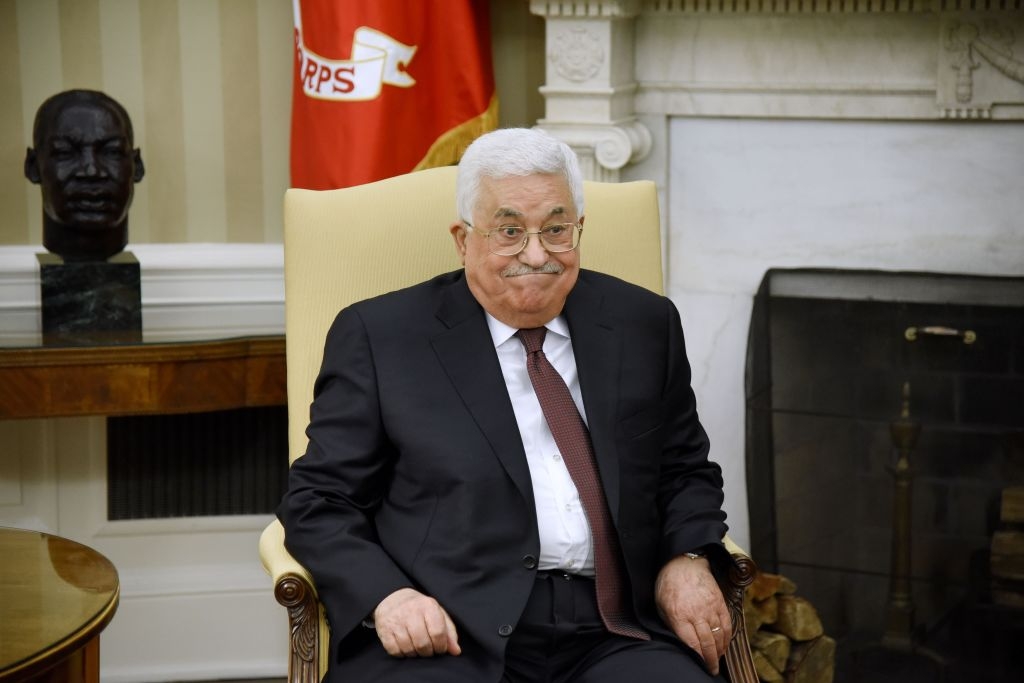
Abbas: Shut Up or I will Arrest You!

0
  • Critics say the Palestinian Authority’s (PA) Cyber Crime Law, which permits the imprisonment of Palestinians for “liking” or sharing published material on the internet, paves the way for the emergence of a “police state” in PA-controlled territories in the West Bank. They also argue that the law aims to silence criticism of Abbas and the PA leadership.
  • “What is laughable is that this law carries penalties that are tougher than those imposed on thieves and sex offenders… the law, in its present form, is designed to limit the freedom of the media and punish people for simple matters.” — Journalist in Ramallah.
  • This latest dictatorial move in the PA-controlled territories might also serve to remind the international community about the current readiness of the Palestinian leadership for statehood, and what such statehood would look like. In its current incarnation, that state would fit in just fine with its brutal Arab neighbors.

A new Palestinian law combating information technology (IT) crimes has sparked a wave of protests from Palestinian journalists and human rights organizations.

The controversial Cyber Crime Law, signed by Palestinian Authority (PA) President Mahmoud Abbas on July 11, permits the imprisonment of Palestinians for “liking” or sharing published material on the internet.

Critics say the law paves the way for the emergence of a “police state” in PA-controlled territories in the West Bank. They also argue that the law aims to silence criticism of Abbas and the PA leadership.

The new law comes on the heels of the PA’s recent decision to block more than 20 Palestinian websites accused of publishing comments and articles critical of the PA leadership.

The law was approved by Abbas himself, without review by the Palestinian parliament, known as the Palestinian Legislative Council (PLC). The PLC has been paralyzed for the past decade, as a result of the power struggle between Abbas’s PA and Hamas — the Islamist movement that controls the Gaza Strip.

In the absence of parliamentary life, Abbas and his senior officials and advisors have felt free to pass their own laws to serve their interests and promote their personal and political agendas.

In the view of Palestinian journalists and human rights advocates, the new Cyber Crime Law will further restrict freedom of expression, especially on social media, which will now be closely monitored by the PA security forces. They say that the law makes a mockery of the PA leadership’s motto that the “sky is the limit when it comes to freedom of expression.”

The absence of a free and independent media in the PA-controlled territories has prompted many Palestinian journalists, bloggers and political activists to resort to Facebook and Twitter. There, they express their opinions, air their grievances, and discuss taboo issues — such as financial and administrative corruption among the top brass of the Palestinian Authority leadership.

The new law legalizes what has long been happening in the PA-controlled territories, however. PA security forces have long targeted Palestinians who post critical and controversial comments on social media.

Hardly a week passes without two or three Palestinians arrested or summoned for interrogation by the PA security forces regarding a Facebook or Twitter posting or comment. Many Palestinians have been taken into custody for “liking” or sharing a post, article or photo that was deemed offensive to Abbas or a senior PA official.

Yet, the Cyber Crime Law is indeed a watershed in repression: prior to it, no law existed that prohibited Palestinians from expressing their views on social media platforms.

Now, anyone who commits the offense of establishing a website with the intent of disseminating news that could “undermine the safety of the state or its internal or external security” is liable to a prison sentence and fine. The law also aims to punish anyone who promotes such news by “liking” or sharing it.

Palestinian journalists identify themselves as the real targets of the Cyber Crime Law. One journalist in Ramallah remarked:

“What is laughable is that this law carries penalties that are tougher than those imposed on thieves and sex offenders. This is a law with a purely political goal, although it has some positive aspects such as preventing extortion, fraud and impersonation on social media. But the law, in its present form, is designed to limit the freedom of the media and punish people for simple matters.”

Jihad Barakat, a Palestinian journalist who was recently arrested by the Palestinian Authority security forces for filming the motorcade of PA Prime Minister Rami Hamdallah while it was passing through an Israeli military checkpoint, expressed outrage over the new law. He too said that the law was aimed at curbing freedom of expression and intimidating critics of the PA.

“This is a dangerous law,” Barakat complained. “The law should conform with public freedoms and not be used to curb them.” Barakat later was charged with “begging and loitering in a public place in suspicious circumstances.” He was arrested because his filming of the PA prime minister at the checkpoint was considered embarrassing and offensive.

Palestinian journalists and human rights activists point out that the law contains ambiguous references, such as the “undermining or endangering of the safety of the state.”

Journalist Shatha Hammad said that she and her colleagues were not sure what this phrase actually means.

“As journalists, we are confused,” she said. “We don’t know what type of news or postings which are considered — according to this law — a threat to the security of the state.” She also pointed out that the new law comes amid a continued crackdown by the PA on Palestinian journalists and activists over their Facebook postings.

Alarmed by the new law, several Palestinian journalists and writers said it paves the way for the emergence of a repressive regime whose goal is to suppress public freedoms and violate the privacy of people.

“This law is aimed at providing the Palestinian Authority with a legal cover to suppress the voices of its opponents,” explained Palestinian writer Ahmed Al-Najjar.

“In this way, the PA can arrest any journalist or ordinary citizen for publishing an article or posting something on social media that is deemed harmful to the security of the state. This is a bleak scenario that makes it clear that we are facing a repressive police system. This dangerous law drives the final nail in the coffin of public freedoms.”

The Ramallah-based Palestinian human rights organization Al-Haq joined the chorus of critics of the new law restricting freedom of expression. “The law was issued by President Abbas without being presented to the public,” the organization said. “It was issued in a very secretive manner.”

Al-Haq also noted that the PA leadership turned down requests and appeals by Palestinian groups and individuals to receive copies of the new law before it was passed. The organization went on to denounce the law as a “Sword of Damocles” over the head of Palestinian journalists.

The Cyber Crime Law showcases the fact that the Palestinian Authority regime is being run as a one-man show.

This latest dictatorial move in the PA-controlled territories might also serve to remind the international community about the current readiness of the Palestinian leadership for statehood, and what such statehood would look like. In its current incarnation, that state would fit in just fine with its brutal Arab neighbors.

by Khaled Abu Toameh
Photo by Olivier Douliery-Pool/Getty Images

Khaled Abu Toameh, an award-winning journalist and television producer, is based in Jerusalem.

A Natural Gas War Is Brewing In The Mediterranean

0

Natural gas pipeline

Offshore gas developments in the East Mediterranean region are heating up. Alongside increased exploration efforts and a possible gas pipeline deal between Turkey and Israel, geopolitical risks are increasing too. While commercial prospects are starting to look good for all parties, a real military conflict is also brewing and may come to a head if Cyprus, Greece and Turkey are not able to find a solution soon.

Optimism has been high of late about the prospects of offshore Cyprus gas developments, not only due to the increased interest and agreements reached by Nicosia and several international partners, but also based on a possible Cyprus reunification success. However, the latest development has once again proved to be in vain, as the two main stakeholders, Greek Cyprus and Turkish Cyprus, were again not able to find a solution to solve the dispute. Both sides still accuse each other of being unwilling to reach a final solution. This continuing military standoff could threaten the ongoing offshore oil and gas exploration projects of French oil major Total and Italian major ENI. The oil majors have stated that they will start their offshore drilling operations at Block 11 on July 16.

 Due to the offshore drilling activities, Cyprus has closed five miles around the Block 11 and two neighboring blocks to sea traffic. Ankara sees this as a direct confrontation, as it has always stated that all the resources of the (whole) island belong to both communities (Greek and Turkish Cypriots). In a reaction to the Turkish press, officials stated that all resources (gas) should be shared between these two communities. During the 22nd World Petroleum Congress, currently held in Istanbul, Turkish President Recep Tayyip Erdo?an said “our expectation from those who are party to developments in Cyprus is to avoid the steps leading to new tensions in the region.” “I would like to remind them that they could face the risk of losing a friend like Turkey, not just in the region, but anywhere and in any field,” Erdo?an warned.

Turkey at present is not sitting still either. In a reaction to the Cypriot drilling operation, Turkey has already sent the Barbaros Hayrettin Pa?a seismic research vessel to conduct drilling. Turkish Energy and Natural Resources Minister Berat Albayrak has said that Turkey will begin drilling in the Mediterranean by purchasing its own ship this year. Several other Turkish navy vessels have already been controlling part of the disputed areas.

Until now, the Cypriot gas developments have been directly linked to the ongoing Israeli offshore gas projects. In June, Greece, Cyprus and Israel, discussed plans for an ambitious underwater natural gas pipeline. Which, according to officials, would carry natural gas from Israeli and Cypriot reserves in the eastern Mediterranean to Europe. The pipeline would be over 2,000 kilometers in length and is expected to cost over $6 billion dollars. The so-called East-Med pipeline would be among the world’s longest. Israel at that point, as indicated by Israeli PM Benyamin Netanyahu, was still backing the plans. This strategic integration of Cyprus-Israel-Greece/EU and even Egypt, is now under threat. During a visit this week of Israeli Energy Minister Yuval Steinitz to Turkey, both countries have decided to speed up an intergovernmental agreement on the construction of a subsea pipeline between Israel and Turkey. Turkish Energy Minister Berat Albayrak is set to visit Israel by the end of this year to conclude this.

Main gas supplies should come from Israel’s Leviathan natural gas field (613 bcm of gas and 39.4 million barrels of condensates). Tel Aviv is still searching for additional partners to make it economically feasible. “We want to build a pipeline stretching from Israel to Turkey in order to able to export natural gas from Israel to Turkey,” Steinitz said, adding that the Israeli gas could be delivered to Europe and to the Balkans through Turkey. The Israeli ideas are clear, but will be in conflict with the other East Mediterranean developments.

The Israeli overture with Ankara could lead to a breakdown of the Israel-Greek-Cyprus and Egypt options, as all the others are not very interested or even vehemently opposed to a possible cooperation with Ankara. Tel Aviv could be (until proven wrong) stepping into a quagmire that could increase the instability in the region substantially. Choosing the Turkish side, Israel is putting a bomb under the other European focused strategy of Cyprus, Greece and Egypt.

The Turkish implicit threats to the Cypriot offshore developments has also been met by a harsh reaction from Athens. Greece officially has stated that the Turkish “countermeasures to Cyprus Block 1 developments” will be met by Greece, as it is “ready to defend its sovereign rights”. The latter is another sign of growing tensions between the two NATO allies. The Greek support is needed for Cyprus, but Nicosia has also received the support already from Washington and the European Commission. Brussels has openly stated that Ankara should refrain from making threats against EU member states. In a reaction, Yorgos Lakkotrypis, Cypriot Minister of Energy, stated in May that his country will continue its project of developing offshore gas, keeping this dossier “completely separate” from the negotiations for the reunification of the island. The latter, shown by the failure of the Cyprus reunification talks, has not been possible according to Ankara. Greek Premier Alexis Tsipras has also reacted to the implicit threats by Ankara. The Greek PM said that the latest developments were not making Athens “particularly happy”.

A possible escalation between the parties is a real possibility. Over the last months, EU sources and NATO have indicated that Turkey has been violating Greek airspace on a regular basis. Navy vessels have also been crossing into national waters. The latter, when showing a real military intent in Cypriot waters could lead to a military confrontation, as Greece and Cyprus since 1993 have set up their Defence Doctrine of the Single Area, which aims to deter or jointly react to an aggression by another country.

The main unknown in this brewing conflict is the position that Egypt will take. Cairo has been one of the main potential suppliers of natural gas to Ankara, but politics have blocked a potential deal until now. Turkey’s ongoing support of Qatar, while implicitly supporting the Muslim Brotherhood and other groups, has caused anger in Egypt. If a potential conflict would escalate in the East Mediterranean, Turkey will have to assess a possible Egyptian involvement too.

Offshore security issues have already been recognized by Israel it seems. Israel’s Defense Ministry announced that it has signed a $420 million deal to outfit the Israeli Navy with maritime systems to protect the country’s gas fields and shipping lanes. This deal is in addition to Israel’s existing purchase of 4 Sa’ar-6 warships, which are going to be used to guard Israel’s economic waters in the Mediterranean Sea. The new deal entails missile defense batteries, electronic warfare, navigation systems, command and control centers, communication gear and other naval systems. The procurement is largely done with local Israeli companies. The ministry stated that the deal is a “substantial milestone” in the multi-year plan to protect Israel’s gas fields.

By Cyril Widdershoven for Oilprice.com

Who Is the Russian Lobbyist Who Met With Donald Trump Jr.? 

0

Rinat Akhmetshin once worked for military intelligence in the former Soviet Union. He says he’s long retired from that work, but some American officials suspect he still has ties to Russian intelligence.

When Donald Trump Jr., his brother-in-law and his father’s campaign chairman sat down with a Russian lawyer last June expecting to receive incriminating information about Hillary Clinton, the lawyer brought along a chatty Russian-born Washington lobbyist named Rinat Akhmetshin.

Akhmetshin’s presence at the meeting, reported today by the Associated Press, only deepens the mystery surrounding that encounter.

Like Natalia Veselnitskaya, the Kremlin-linked lawyer who showed up at the Trump Tower meeting, Akhmetshin is a colorful character, with a murky personal history and myriad ties to powerful Russian political and business leaders.

When I interviewed Akhmetshin last year, he told me he had served in military intelligence after being drafted as a young man growing up in the former Soviet Union. But he cut a figure unlike any Cold War thriller: a squat man in his late 40s with upright coils of graying hair, he arrived on a bright orange bicycle, wearing trendy glasses, a cardigan sweater and purple loafers. American officials quoted by NBC News said Akhmetshin was a military counterintelligence officer, and may still have links with Russian spy agencies, an assertion he adamantly denied to both NBC and the AP.

This much is clear: Since immigrating to the United States in the 1990s and becoming a dual citizen, Akhmetshin has worked as a lobbyist and public affairs consultant in Washington. Last year, he joined Veselnitskaya in a fight to overturn an American law that imposes financial and travel sanctions against Russians accused of violating human rights.

He is one of a growing number of figures with mysterious links to Russian government and business leaders whose names have surfaced in the sprawling investigations of Russia’s role in the 2016 election.

“In Russia, everything is much more informal, that’s what makes it so hard to pin down,” said Bill Browder, the investor who championed the U.S. law Akhmetshin and Veselnitskaya were attacking. “None of these people are carrying KGB business cards.”

Akhmetshin did not return a phone call or email from ProPublica. He told the AP he was surprised by how much attention his meeting with Trump Jr. has attracted. “I never thought this would be such a big deal,” he said.

Akhmetshin immigrated to the U.S. and runs PR campaigns for Kremlin causes.

As a lobbyist and public affairs consultant, Akhmetshin has worked for clients such as former Kazakh Prime Minister Akezhan Kazhegeldin, who fled his country on corruption charges that he said were politically motivated, and Andrey Vavilov, a powerful Russian politician and businessman who wanted to derail a rival’s bid for asylum in the United States.

A Dutch mining company owned by three Central Asian businessmen sued Akhmetshin in state court in Manhattan, accusing him of hacking into its computer system on behalf of a Russian firm with which it had a legal dispute. It quoted emails in which Akhmetshin purportedly told the Russian company that “the indexing is done” and that he would “get that thing in London tomorrow, can take it anywhere, pls advise where I should go.” Akhmetshin denied hacking or stealing any files. The dispute between the companies was settled with the Dutch firm which dropped its lawsuit against Akhmetshin.

In an affidavit filed as part of that case, Akhmetshin recounted a multi-faceted relationship with the American government. He said he had negotiated the lease of an U.S. air base in Kyrgyzstan, a former Soviet Republic that is now an independent nation. Separately, he said he had “helped save American lives” in Afghanistan by consulting with U.S. officials on “surveillance of undercover agents and suspected undercover agents.”

Akhmetshin has long cultivated relationships with journalists and government officials in Washington. I know of other reporters who have met with him for years and considered him a useful if mysterious source. He also introduced me to someone he claimed was a State Department official formerly posted in Moscow, but neither he nor the purported official would tell me his name.

Akhmetshin worked with Veselnitskaya on a top Putin priority: Undoing a U.S. sanctions law that has made it impossible for some prominent Russians to travel to this country.

When The New York Times first reported on Trump Jr.’s meeting with Veselnitskaya, Trump said it was to discuss resuming adoptions from Russia. In 2012, Russian President Vladimir Putin halted U.S. adoptions of Russian children in retaliation for passage of the Magnitsky Act, a U.S. law that froze the assets and restricted the travel of Russian officials accused of corruption and human rights abuses. The law was named after Sergei Magnitsky, a Russian lawyer who died mysteriously in a Moscow jail cell after investigating a $230 million tax fraud.

U.S. prosecutors in the Southern District of New York subsequently charged that almost $2 million from the tax scheme was invested in New York real estate. The holding company that bought the property, Prevezon, was owned by Denis Katsyv, the son of a man who was Moscow’s regional transport minister and is now vice president of state-owned Russian Railways. In May 2017, Prevezon settled the case by paying a $6 million fine in a deal in which it did not admit wrongdoing.

When the case was still pending, Katsyv hired both Veselnitskaya and Akhmetshin to represent his interests. Veselnitskaya had previously been the family’s go-to lawyer, The New York Times reported. She identified herself as the younger Katsyv’s lawyer in an affidavit filed in the Prevezon case.

Meanwhile, Akhmetshin registered as a lobbyist for a nonprofit organization called the Human Rights Accountability Global Initiative Foundation. Federal disclosures filed by the foundation show the organization was controlled by Katsyv and two other Russians.

Veselnitskaya and Akhmetshin both appeared at a planned screening in Brussels of a new documentary challenging the widely accepted narrative of the Magnitsky story. Akhmetshin also helped organize a screening in Washington on June 13 — a few days after he and Veselnitskaya met with Trump Jr. in New York. Campaign chief Paul Manafort and adviser Jared Kushner also attended.

Akhmetshin’s lobbying effort against the Magnitsky Act enlisted a former Democratic congressman from California named Ron Dellums, a former Treasury official, and several others, according to my reporting at Politico. I met Akhmetshin a few times last year in response to my questions on this subject. The lobbying succeeded in persuading Rep. Dana Rohrabacher, R-Calif., widely viewed as the member of Congress most sympathetic to Putin, into entering testimony from the director of the skeptical documentary into the congressional record, a propaganda coup for Moscow.

Akhmetshin has met Rohrabacher and one of his top aides repeatedly, people with direct knowledge of the meetings told me — they even had dinner at the Capitol Hill Club after a congressional hearing on U.S.-Russian relations.

The FBI warned Rohrabacher in 2012 that Russian spies were trying to recruit him, according to The New York Times. (That story did not mention Akhmetshin.)

Senate Judiciary Committee Chairman Chuck Grassley is investigating Akhmetshin’s lobbying.

Akhmetshin’s lobbying campaign has drawn the attention of Sen. Chuck Grassley, R-Iowa, who chairs the powerful Judiciary Committee. Grassley has been pressuring the Justice Department for answers about whether some people working with Akhmetshin failed to properly report their activities to the Justice Department. Grassley has also asked the Department of Homeland Security for information about Akhmetshin’s immigration record.

While Veselnitskaya was Katsyv’s Russian lawyer, Katsyv was represented in New York by Mark Cymrot of the law firm BakerHostetler. Cymrot hired a research firm called Fusion GPS, led by a former Wall Street Journal reporter named Glenn Simpson. Simpson and Akhmetshin were in contact and have known each other for a long time, people with direct knowledge of the relationship told me.

Browder, the investor who employed Magnitsky at the time of his death, accused Simpson of failing to disclose his participation in the lobbying effort. Fusion GPS said in a statement it didn’t lobby and didn’t do anything that required disclosure. Grassley invited both Browder and Simpson to testify at a hearing on foreign lobbying next week, but Simpson reportedly won’t show.

Simpson’s role is intriguing because last summer he was also working with Christopher Steele, the former British spy who was assembling research on Trump’s ties to Russia, later published by BuzzFeed. Fusion GPS has refused to reveal its client for that investigation.

The role of Fusion GPS in the 2016 campaign appears complex, to say the least. In the same year, the company has acknowledged working on a project supported by the Kremlin (the repeal of the Magnitsky Act) and hostile to Russia’s interests (the Steele dossier). The company said through its lawyer that it would have no comment.

Grassley has said Simpson’s ties to Akhmetshin undermine the Steele dossier’s credibility. U.S. officials have verified some parts of Steele’s research and valued his work in the past, according to CNN and The Washington Post. A person close to Steele said he had no knowledge of Simpson’s relationship with Akhmetshin and that Akhmetshin was not among the Russians who provided information to Steele for the dossier.

Akhmetshin’s history resembles that of several other mysterious figures in the Trump-Russia scandal.

Akhmetshin is not the only person with mysterious ties to Russian business and politics who have shown up in Trump’s orbit.

Konstantin Kilimnik: Manafort, who worked for the pro-Russian party in Ukraine before running Trump’s campaign, had an employee in Kiev named Konstantin Kilimnik who U.S. and Ukrainian authorities have suspected of having ties to Russian intelligence, according to Politico. Kilimnik served in the Russian army and learned English at a school that experts say often trains spies. Kilimnik denied being a spy to The Washington Post. Manafort had dinner with Kilimnik last August in New York, just before he was forced out of the Trump campaign amid growing questions about his work in the Ukraine, the Post reported.

Felix Sater: Years ago, Trump partnered on a Manhattan real-estate project with a convicted Russian criminal named Felix Sater. This February, Sater worked with then-national security adviser Michael Flynn on a back-channel peace plan for Russia and Ukraine, The New York Times reported.

David Zaikin: Until Trump picked Flynn for national security adviser, Flynn was lobbying for Turkish interests, although he didn’t initially disclose that. Since at least 2015, pro-Turkish lobbying in Washington was secretly coordinated by a Ukrainian-born man named Dmitri “David” Zaikin, people with direct knowledge of the arrangements say. Zaikin has denied any role in Flynn’s Turkish lobbying. A Canadian citizen who now lives in London, Zaikin brokered the sale of condos in the Trump Tower in Toronto, helped a Putin ally attract U.S. and British investors in western Siberia, and worked as an executive at a mining company owned by a Russian oligarch. In recent years, he has also become involved in international politics, advising parties in Albania and Macedonia.

ProPublica is a Pulitzer Prize-winning investigative newsroom. Sign up for their newsletter.

https://www.boiseweekly.com/boise/who-is-the-russian-lobbyist-who-met-with-donald-trump-jr/Content?oid=5912593

‘Turkey building new military bases in northern Syria’

0

“Turkey is increasing the number of its Syrian military bases north of Aleppo, as part of the preparation to surround the city of Afrin”
 Turkey is increasing the number of its Syrian military bases north of Aleppo, as part of the preparation to surround the city of Afrin, controlled by Kurdish forces, Rezan Hiddo, the chairman of the Syrian Democratic Council, which includes the Kurdish Democratic Union Party (PYD), told Sputnik.

On July 7, the Syrian Foreign Ministry said that the Turkish Armed Forces violated all international laws and the UNSC resolutions while invading some areas on the Syrian territory and conducting military operations there.

“As part of the preparation for an operation in Afrin, Turkey is building its military bases in the region. According to our information, over the past two weeks, Turkey has created military bases in the Mare, Azaz, and Tel Cibrin districts adjacent to Afrin. The Turkish military, heavy weapons and equipment were deployed there. Earlier, the Turkish Armed Forces placed its bases near Al Bab, Jarabulus, Sawran and Akhtarin,” Hiddo said.

According to Hiddo, Turkey gradually increases its military presence in the war-torn country and the Turkish forces conduct regular shelling of the territory near Afrin.

Afrin is located in the province of Aleppo and belongs to the de facto autonomous region of Rojava, proclaimed by the Kurds in the north of Syria. Turkey has repeatedly bombed Kurd positions and hideaways in northern Syria and considers the Syrian Kurdish associations to be a wing of the Kurdistan Workers’ Party (PKK), outlawed in the country.
US air force commander in Ankara for Syria talks

Chief of Staff of the United States Air Force Gen. David L. Goldfein held talks in Ankara with his Turkish counterparts in an unannounced visit

Chief of Staff of the United States Air Force Gen. David L. Goldfein held talks in Ankara with his Turkish counterparts in an unannounced visit, sources told daily Hürriyet on July 12.

Goldfein met with Commander of the Turkish Air Force Abidin Ünal and other senior military officials in order to discuss ongoing military cooperation in Syria as part of international efforts to defeat the Islamic State, Hürriyet Daily News reported.

The visit comes as Turkey’s criticisms of the U.S. intensify due to the latter’s decision to ally with the People’s Protection Units (YPG), the Syrian offshoot of the outlawed Kurdistan Workers’ Party (PKK), the report said.

U.S. Secretary of State Rex Tillerson held talks with President Recep Tayyip Erdoğan and Foreign Minister Mevlüt Çavuşoğlu over the weekend in a bid to rebuild trust between the two NATO allies, it added.

Goldfein’s visit comes as ideas to establish no-fly zones over some parts of Syrian airspace in a bid to strengthen a fragile ceasefire between the Syria and the militant groups.

news.sol.org.tr

Redefining US Allies: Turkey & Qatar’s Support for Extremist Groups in Focus

0

President Trump made it clear during his official visit in Saudi Arabia that the United States would support the countries that are willing to fight extremists, which also meant an opportunity to improve the US ties with Turkey and Qatar. Both countries are home to important American military bases and Turkey is moreover a NATO member. However, both countries have been providing support to extremist groups including the Muslim Brotherhood and Al-Nusra front and the United States can no longer afford to let the two countries go in both directions.

President Trump has recently met with his Turkish counterpart and both cemented their commitment to the coalition against terrorism despite the numerous disagreements over the question of Syria’s Kurds or the fight against ISIS. Although both Turkey and Qatar have allowed the United States to use their military bases and airspace to fight the Islamists, they are merely helping out to solve the problems they had themselves helped generate.

The Turkish-Qatari ties deepened after President Erdogan came to power in 2002 and Qatari investment became a key source of capital for him. Their relationship further thrived following the 2011 Arab Spring uprisings when both countries were aligned ideologically. When the leading Arab countries, such Saudi Arabia and the United Arab Emirates, were strongly against the rise of the Muslim Brotherhood, Turkey and Qatar threw their lot, as well as financing in Qatar’s case, behind the Brotherhood’s struggle for power in Egypt, Syria and elsewhere.

The struggle with the Brotherhood is that it is far from moderate. It forms the ideological foundation that contemporary extremist Islamism is based on, depicting the West and particularly the United States as the lethal enemy of all Muslims. They have supported virulent anti-Semitism and endorsed suicide bombings. Yet, for the time being, Turkey and Qatar’s policies are backfiring. Both countries are increasingly seen as troublemakers and they are getting more isolated from the region’s other key players and the international community. However, there is still no sign of a strategic setback.

The Trump administration should now correct its policies towards both countries. In order to fight terrorism effectively, Washington needs to redefine the meaning of being America’s ally. We can no longer ignore the double standards when our proclaimed allies are actively backing the very forces we are trying hard to defeat.

‘Turkey & Qatar’s Support for Extremist Groups’ – Commentary by Svante E. Cornell and Lawrence Stutzriem – Institute for Security & Development Policy.

(The Commentary 

Turkey & Qatar’s Support for Extremist Groups

President Trump made clear in Sunday’s Riyadh speech that America stands by countries willing to fight Islamist extremism. A welcome opportunity to revisit our relationship with two ostensible allies, Turkey and Qatar. Both host significant American military bases and Turkey is a NATO member, yet for too long they have been American partners in name while providing material support to extremist groups, including the Muslim Brotherhood and Al-Nusra front. President Trump’s serious intent to confront Islamic terrorism means he must redefine the terms of our alliances with Turkey and Qatar. The United States can no longer allow them to have it both ways.

Last week, President Trump met at the White House with Turkish President Tayyip Erdogan. Though the two disagree on Syria’s Kurds – America arms them against ISIS, Turkey considers them terrorists – and though Turkey turned against ISIS only very belatedly, it is still viewed as a key coalition partner. Indeed, since 2015 Turkey has allowed Washington to use its base at Incirlik near the Syrian border as part of this fight. Simultaneously, Qatar hosts U.S. forces and the strategically important Combined Air and Space Operations Center at Al Udeid airbase, from which the United States directs coalition air operations against ISIS.

Model allies, it would seem? Not quite. Scratching the surface, it becomes clear that Ankara and Doha are merely helping put out fires they had started. The Turkish-Qatari relationship accelerated after Erdogan came to power in 2002 when Qatari investments became a crucial source of capital for Erdogan – not least as he used it to acquire media holdings critical of his government through hostile takeovers.

Simultaneously, Turkey helped Qatar diversify its foreign military relations. In recent years, Turkey has even begun building a military base in Qatar that could eventually host up to 3,000 troops. Given the existing American basing there, it remains unclear what purpose this deployment will have – aside from helping reduce Qatar’s dependence on the U.S. for its security.

Their relationship burgeoned following the 2011 Arab uprisings since the two countries were aligned ideologically. To seasoned observers, that was no surprise: Erdogan’s ruling AKP party stems from an Islamist movement that remains deeply influenced by Muslim Brotherhood ideology, and Qatar began serving as a base for the Brotherhood as early as the 1960s. For some time, both countries had agitated for Islamist causes across the region, such as endorsing the militant group Hamas’s control of the Gaza Strip.

Thus, even though most Arab states viewed the uprisings with alarm, Turkey and Qatar enthusiastically supported them. In particular, while Saudi Arabia and the United Arab Emirates strongly opposed the rise of the Muslim Brotherhood and its affiliated organizations across the region, Turkey and Qatar threw their lot, as well as plenty of money in Qatar’s case, behind the Brotherhood’s bid for power in Egypt, Syria and elsewhere.

Once their support for the Syrian Brotherhood failed to yield results, both countries extended their backing to even more extremist groups. Including Al Nusra Front, al Qaeda’s franchise in Syria, which both Ankara and Doha have tried to convince Washington is rather moderate – all while both countries appeared unconcerned by the rise of ISIS until it was far too late.

The Obama Administration realized characterizing Al Nusra as “moderate” was a bridge too far, but it had no problem with Turkish and Qatari support for the Brotherhood. Indeed, the Obama Administration endorsed the notion of the Brotherhood as a force for moderation to counter growing extremism in the region.

The problem is that the Brotherhood is far from moderate. It forms the ideological foundation upon which modern extremist Islamism is built. Brotherhood ideologues from the late Sayyid Qutb to the Qatar-based Yusuf al-Qaradawi have provided a coherent narrative depicting the West and particularly the United States as the lethal enemy of all Muslims. They have spewed out virulent anti-Semitism, and Qaradawi endorsed suicide bombings, including through the megaphone of Qatar’s Al Jazeera satellite TV channel. The Brotherhood and its key backers are part of the problem, not the solution.

For now, Turkey’s and Qatar’s policies are backfiring, and both are increasingly isolated from the region’s other key players. However, there is no indication they see this as anything more than a tactical setback. With America’s permissive attitude toward their policies thus far, why should they?

The Trump Administration must correct this mistake. To combat Islamist extremism effectively, America needs to clearly and forcefully redefine what it means to be our ally. We can no longer afford to turn a blind eye when our putative allies are actively supporting the very forces we are trying to defeat.


Lawrence Stutzriem, MGEN (USA, Ret.) was Director, Plans, Policy and Strategy for U.S. Northern Command, and serves on the Board of Advisors for the Jewish Institute for National Security of America (JINSA).

Svante E. Cornell is Senior Fellow at the American Foreign Policy Council and co-founder of Sweden’s Institute for Security and Development Policy.


Potable Water vs. Energy Resources: National Security Under Trump and Netanyahu

0
 

EXECUTIVE SUMMARY: Access to potable water is critical for Israel’s future, yet Israel depends more and more on desalination plants, aquifers, and water from outside its borders to provide this resource. These sources could be in jeopardy as Israel seeks to extract oil and natural gas off its coast and on land. There is a real possibility that President Donald Trump might seek access to Israel’s energy supplies at the cost of its water, an ominous prospect.

Perhaps few resources are more valuable to a nation than water and energy supplies. Israel will soon reach what could be a point of no return in which the Netanyahu government will have to decide which to put first: water or energy. That decision, should it become necessary, would result from President Donald Trump’s likely push for access to oil and natural gas deposits for US-based companies within Israel.

The struggle therefore is how best to protect Israel’s water supplies given the continued demand for energy resources. The wealth Israel’s natural resources can generate is vast indeed, but could come at a steep price – the possible contamination of the aquifers and the Sea of Galilee, making the desalination plants either unusable or lowering their capacity to produce potable water.

The Israeli government must put access to drinkable water at the top of its list of national security issues. It must forsake any attempt by the Trump administration to open Israel’s energy reserves to development and extraction. The future of Israel depends upon this decision.

Access to fuel, in the form of coal, oil, or natural gas, has historically been almost as vital a concern for Israel as national security. The country now finds itself at the early stages of a massive oil and natural gas boom, but is struggling to find a means to exploit it while ensuring its survival as a Jewish state.

The challenge is to find a balance between the need to provide Israel’s citizens with potable water and the desire to generate the level of wealth that can be derived via the newfound energy reserves. Similarly, the US is experiencing a boom of its own through the extraction of oil and natural gas due, in part, to the extensive use of hydraulic fracturing.

Shale deposits have been known to exist in Israel for some time, but only recently have researchers discovered methods for extracting the oil and natural gas from the shale. When considering the use of hydraulic fracturing to gain access to the massive oil and natural gas reserves that lie underneath the Golan Heights and throughout much of Israel and the West Bank, Israel needs to consider not just what will occur over the next few years, but over the next twenty, fifty, hundred, and so on.

The Golan Heights, where water flows from the tributaries and Upper Jordan River to the Sea of Galilee, requires special attention in terms of water purity. Taken from Syria in the June 1967 war, the Golan now has implications for the close relationship the Trump administration has with Moscow due to the latter’s patronage of the Assad regime.

The central struggle for Israel’s long-term future under the Netanyahu government, in conjunction with the Trump administration, will prove to be balancing the needs for energy and potable water. It is unclear whether Israel would consent to a quid pro quo allowing for the extraction of its oil and natural gas by US-based companies in exchange for financial or political support from the Trump administration.

Israel has sufficient natural gas reserves off its coast for its domestic needs. But the scale of sheer wealth embedded in the land and sea might be sufficient to tempt both Trump and Netanyahu to consider doing the unthinkable by allowing large-scale extraction of oil and natural gas.

The future of Israel depends on viable long-term sources of potable water. Continued struggles over water among its neighbors, especially Syria, and the evolving relationship between Presidents Trump and Putin must factor into Israel’s decisions about whether it should pursue its natural resources and whom it should trust to assist (e.g., those supporting renewable energy and access to viable water resources, or those focused on the extraction of energy resources at the expense of environmental concerns, à la the Trump administration). It is hoped that Netanyahu and Trump will make the right choice for everyone, not only for this generation but for future ones as well. Access to drinkable water must be the first of Israel’s national security goals.

 By

Donald D. A. Schaefer holds a Ph.D. in political science from the University of Michigan and a J.D. from the University of Washington. The author would like to thank Charles C. Grimm, Judith Levy, and Ma Crisha Fiel for their editorial assistance.

Water purification image by Shai Kessel via Wikimedia Commons

BESA Center Perspectives Papers are published through the generosity of the Greg Rosshandler Family

Μια «σιδηρά κυρία» ετοιμάζεται για κόντρα με τον Ερντογάν! Κρατείστε το όνομα Μεράλ Ακσενέρ

0

 FILE PHOTO. Meral Aksener, the dissident of Turkey’s opposition Nationalist Movement Party (MHP), speaks. EPA, TUMAY BERKIN JULY 16, 2017

Του Τρύφωνα Σεραφειμίδη

Όταν ένα ξένο έντυπο με τη μακρά Ιστορία και τη φήμη του αμερικανικού TIME ασχολείται με εκτεταμένο αφιέρωμα στην Τουρκάλα πολιτικό Μεράλ Ακσενέρ, στην οποία βλέπει το εν δυνάμει αντίπαλο δέος του ανεξέλεγκτου Ρετζέπ Ταγίπ Ερντογάν, αποκαλώντας την μάλιστα «Σιδηρά Κυρία» της Τουρκίας, η λογική υπαγορεύει τουλάχιστον να διαβάσουμε προσεκτικά όσα αναφέρονται στο ρεπορτάζ του Τζάρεντ Μαλσίν, αφού «καπνός χωρίς φωτιά» συνήθως δεν υπάρχει, ενώ παραπέμπει συνειρμικά στην περίοδο της Τανσού Τσιλέρ με την οποία είχαμε προβλήματα… πάμε λοιπόν.

Η Μεράλ Ακσινέρ δεν τρέπεται σε φυγή! Η πρώην υπουργός Εσωτερικών της Τουρκίας, έχει αποκτήσει το προσωνύμιο, «η λύκαινα». Χαρακτηριστικό είναι το γεγονός, ότι το 1997, όταν η στρατιωτική νομενκλατούρα της Τουρκίας, επιχείρησε να καθαιρέσει την κυβέρνηση, η ίδια δεν δίστασε να σταθεί απέναντί της. Στις απειλές του Τούρκου στρατηγού, τότε, ότι «θα την σουβλίζουν μπροστά από το υπουργείο της», η Ακσινέρ, χωρίς ίχνος φόβου, απάντησε αργότερα, ότι «κάνω αυτό που πρέπει, χωρίς να με αγγίζει τίποτα».

Έχοντας ήδη μια «μάχη» με το στρατιωτικό κατεστημένο, οι υποστηρικτές της, τη βλέπουν ως ανάχωμα στην φθίνουσα πορεία της δημοκρατίας στην γείτονα χώρα. Μια βετεράνος πολιτικός του εθνικιστικού χώρου, υπήρξε κάθετα αντίθετη στο διακύβευμα του δημοψηφίσματος εκ μέρους του Ερντογάν, στην μεγαλύτερη συγκέντρωση, δηλαδή, εξουσιών στο πρόσωπο του προέδρου.

Η Πύρρειος νίκη του Ερντογάν, πέραν της εμβάθυνσης της αμφισβήτησης απέναντί του, ανέδειξε την Ακσινέρ, σε νέο κεντρικό πολιτικό πρόσωπο. Στις συγκεντρώσεις, υπέρ του «όχι» στο δημοψήφισμα, είναι χαρακτηριστικό το σύνθημα, «Μεράλ, πρωθυπουργέ μας»!

Είναι κοινό μυστικό, ότι το όνομά της Ακσινέρ, ψιθυρίζεται για την νέα πολιτική αντίπαλο του Ερντογάν, στις προεδρικές εκλογές του 2019. Υπάρχει δήλωση στο TIME, ότι ήδη σχεδιάζει την ίδρυση του νέου κόμματος της. Τον περασμένο Μάιο, το πρόσωπό της «φωτίστηκε» όταν ρωτήθηκε για τη στρατηγική της εναντίον του Ερντογάν: «Διέρρηξα την άμυνα ζώνης του», δήλωσε χαρακτηριστικά, προσθέτοντας, «γιατί γνωρίζει ότι είμαι πραγματική μαχήτρια». «Για να τον νικήσεις, πρέπει να παίξεις το παιχνίδι του»!

Ελάχιστοι είναι αυτοί που τολμούν να ορθώσουν ανάστημα απέναντι στο τουρκικό καθεστώς. Μετά από 14 χρόνια πρωθυπουργίας και προεδρίας, ο Ερντογάν, έχει ελέγξει ή καταστείλει κάθε έννοια ή φωνή αντιπολίτευσης. Οι φυλακίσεις δικηγόρων αλλά και δημοσιογράφων, είναι ένα μόνο μέρος της καταστολής.

Η εξουσία αυτή, κερδήθηκε βασιζόμενη σε παρόμοιες μεθόδους λαϊκισμού και συντηρητικού Λόγου, όπως σε εκλογικές διαδικασίες στην Ευρώπη και τις ΗΠΑ, το 2016.

Η καταστολή γενικεύτηκε την επομένη του αποτυχημένου και αιματηρού πραξικοπήματος, ένα χρόνο πριν, στις 15 Ιουλίου του 2016. Πέραν των 50.000 πολιτών που συνελήφθησαν, μεταξύ αυτών πολλών δημοσιογράφων, φοιτητών/ μαθητών αλλά δημοσίων λειτουργών, άλλοι 10 ακτιβιστές των ανθρωπίνων δικαιωμάτων, μεταξύ αυτών και ο επικεφαλής της Διεθνούς Αμνηστίας, δικάζονται με κατηγορίες περί «τρομοκρατίας».

Ο επικεφαλής της τουρκικής αντιπολίτευσης, Κεμάλ Κιλιτσντάρογλου, ηγήθηκε μιας πορείας 280 μιλίων, από την Άγκυρα στην Κωνσταντινούπολη, ως διαμαρτυρία ενάντια στις μαζικές συλλήψεις πολιτών. Αυτή ήταν και η κυριότερη δράση της αντιπολίτευσης, τα τελευταία χρόνια. Ωστόσο, ο γκριζομάλλης αρχηγός της αντιπολίτευσης, δεν εμπνέει τον τουρκικό λαό, ότι μπορεί να ηγηθεί μιας γενικότερης αλλαγής.

«Είναι καλός άνθρωπος, αλλά δεν ξέρει πώς για να αντιμετωπιστεί, ο Ερντογάν, πρέπει να παίξει το παιχνίδι του», αναφέρει χαρακτηριστικά ο Γκιονούλ Τολ, διευθυντής στο Κέντρο Τουρκικών Σπουδών, στο Ινστιτούτο Μέσης Ανατολής, στην Ουάσιγκτον.

«Η Μέραλ Ακσινέρ, από την άλλη, και ο τρόπος που εκφράζει την πολιτική της αντίθεση στον Ερντογάν, θεωρώ ότι κάνει εξαιρετική δουλειά, στο να επικοινωνεί αυτά τα μηνύματα», προσθέτει ο Τολ. Η Ακσινέρ φαντάζει ως ιδιαίτερη περίπτωση αντιπάλου του Ερντογάν και αυτό γιατί το ακροατήριο της αποτελείται από επιχειρηματίες, ισλαμιστές αλλά και εθνικιστές ψηφοφόρους. Είναι αμετανόητη ως προς τα συντηρητικά της πιστεύω, τόσο που να την παρομοιάζουν ως την ακροδεξιά Λεπέν.

Είναι ιδιαίτερα σκληρή ως προς τους Κούρδους αυτονομιστές, αλλά και ως προς το μεταναστευτικό, έχει διατυπώσει την άποψη ότι ναι μεν θα «φιλοξενούσε» τους Σύρους πρόσφυγες στη χώρα της, αλλά «με τους δικούς της όρους». Ωστόσο, εξακολουθεί να ισχυρίζεται ότι απευθύνεται σε ένα ευρύ πολιτικό φάσμα, περιλαμβανομένων και των Κούρδων πολιτών.

Παράλληλα, αποστρέφεται κάθε σύγκρισή της με πολιτικούς της ευρωπαϊκής ακροδεξιάς και του ρατσιστικού λόγου. «Δεν ασκούμε πολιτική βασισμένη στη φυλή ή την εθνότητα», αναφέρει σε έντονο τόνο. «Θεωρούμε ότι το έθνος μας, μοιράζεται κοινές μνήμες, κοινούς δεσμούς και κοινές χαρές», προσθέτει χαρακτηριστικά.

Ασκώντας έντονη αντιπολίτευση το διακύβευμα του δημοψηφίσματος του Ερντογάν, σημείωσε δραστική αύξηση της δημοφιλίας της, στο τουρκικό εκλογικό σώμα. Πρώην οπαδοί του Ερντογάν, αλλά και αριστεροί, είναι τα τελευταία στοιχεία του εκλογικού σώματος, που την παρακολουθεί, πλέον με ελπίδα.

Αντίθετα, με τον Κιλιτσντάρογλου, η Ακσινέρ θεωρείται ότι μπορεί να ηγηθεί μιας πολιτικής αλλαγής. «Είναι ο κυριότερος πολιτικός αντίπαλος του Πρόεδρου Ερντογάν», αναφέρει ο Αϊκάν Ερντεμίρ, φιλελεύθερος Τούρκος πολιτικός που θήτευσε μαζί της στο κοινοβούλιο.

«Η Ακσινέρ, μπορεί να γίνει η ελκυστική υποψήφια της τουρκικής κέντρο-δεξιάς», προσθέτει. «Πιστεύω στον κανόνα του δικαίου» .

Γεννημένη το 1956, στο Ισμίτ (Νικομήδεια), με προσφυγικές ρίζες από τη Ελλάδα, ανέπτυξε το ενδιαφέρον της για την πολιτική, όταν στην πόλη της, εκλέχτηκε η πρώτη γυναίκα δήμαρχος στην ιστορία της Τουρκίας, η Λαϊλά Ατακάν. Παρότι έλαβε το διδακτορικό της τίτλο στη Ιστορία, άφησε την έδρα της καθηγήτριας πανεπιστημίου το 1994, έχοντας εκλεγεί ως βουλευτής με το κοσμικό-συντηρητικό Κόμμα του Ορθού Δρόμου.

Έχοντας λίγα χρόνια κοινοβουλευτικής θητείας, έγινε το επίκεντρο του τουρκικού πολιτικού δράματος. Κατέχοντας τη θέση της υπουργού Εσωτερικών στην κυβέρνηση συνεργασίας του ισλαμιστή πρωθυπουργού Ερμπακάν, ήταν μία εκ των πρωταγωνιστών της έκρυθμης εκείνης περιόδου, με το Κουρδικό να αναζωπυρώνεται.

Ειδικότερα, το χειμώνα προς άνοιξη του 1997, ο στρατός επέδωσε τελεσίγραφο στην κυβέρνηση, υπογραμμίζοντας την πολιτική ένταση εκείνων των μηνών. Η ενέργεια αυτή χαρακτηρίστηκε ως «μεταμοντέρνο πραξικόπημα». Ήταν τότε ακριβώς, που μια νέα πολιτικός ύψωσε το ανάστημα της ενάντια στους στρατιωτικούς. Δήλωσε έτσι, την αντίθεση της στην εμπλοκή του Στρατού, στα πολιτικό γίγνεσθαι την Τουρκίας.

Ωστόσο, ποτέ δεν καλλιέργησε κλίμα εκδίκησης έναντι των στρατιωτικών τότε, κάτι που υπογραμμίζει άλλη μια σημαντική διαφορά της με τον Ερντογάν. Ο τελευταίος, έχει επιδείξει μια απερίγραπτη πολιτική αντιποίνων κατά των κατηγορούμενων στρατιωτικών. Τότε αλλά και τώρα, η Ακσινέρ συνεχίζει να αυτοχαρακτηρίζεται ως σκληρή συντηρητική πολιτικός με μόνο ένα πρόταγμα: την ισχύ του νόμου.

Αυτό το χαρακτηριστικό της, έρχεται σε άμεση αντίθεση με τον ακραίο λαϊκισμό του Ερντογκάν. «Θεωρεί (ο Ερντογάν), ότι ο κόσμος είναι μαύρο-άσπρο. Δεν πιστεύω στο δίπολο καλό-κακό. Πιστεύω στο νόμο των νόμων», αναφέρει χαρακτηριστικά η Ακσινέρ.

Παράλληλα, είναι πολύ επικριτική στο πως βλέπει το ρόλο της γυναίκας, ο Ερντογάν: «Μας θέλει να μείνουμε στο σπίτι», αναφέρει. Το πολιτικό παρελθόν της Ακσινέρ έχει να επιδείξει τις στενές επαφές που είχε με ακραία στοιχεία της τουρκικής πολιτικής.

Αφότου εκδιώχθηκε από το γραφείο της, με την χούντα του 1997, η Ακσινέρ επανήλθε στον πολιτικό στίβο 10 χρόνια αργότερα, ως μέλος του δεξιού Κόμματος Εθνικιστικής Δράσης, ενός κόμματος που έχει τις ρίζες του στο βίαιο ακροδεξιό παρελθόν της Τουρκίας.

Η νεολαία του κόμματος, οι Γκρίζοι Λύκοι έχουν κατηγορηθεί για σειρά δολοφονιών κατά τις δεκαετίες του ’70 και ’80, σε μια περίοδο έντονης πολιτικής βίας. Ακόμα και σήμερα, τα μέλη του Εθνικιστικού Κόμματος Δράσης, σχηματίζουν το σύμβολο των Γκρίζων Λύκων με τα δάχτυλά τους, σε δημόσιες εκδηλώσεις.

Η ίδια η Ακσινέρ, μοιράζεται το ίδιο σύμβολο με τους ομοϊδεάτες της, αναφέροντας ότι η πολιτική της επαφίεται στον εθνικισμό.

Στο παρελθόν ήταν κάθετα αντίθετη σε οποιαδήποτε προσπάθεια ειρήνευσης με το Κουρδικό Εργατικό Κόμμα. Αναφέρει χαρακτηριστικά, ότι κάθε μειονότητα της Τουρκίας καλύπτεται απολύτως από το υφιστάμενο Σύνταγμα της χώρας και έτσι δεν πρέπει να γίνει καμιά νέα παραχώρηση. «Προσπάθησαν να με κάνουν να σιωπήσω, αλλά δεν τα κατάφεραν».

Πλέον η Ακσινέρ έχει στόχο την προεδρία της χώρας. Οι πολιτικοί της αντίπαλοι την χαρακτηρίζουν ως «Χίλαρι Κλίντον της Τουρκίας», ως μη επαρκή δηλαδή για την προεδρία της χώρας, παρότι είναι καλή πολιτικός.

Στην περίοδο που διανύουμε, ο Ερντογάν έχει κηρύξει «ανένδοτο» στους πολιτικούς του αντιπάλους, με κυριότερο γεγονός την σύλληψη του επικεφαλής του φίλο-Κουρδικού κόμματος, Ντεμιρτάς. Από τις διώξεις και την γενικότερη καταστολή δεν γλύτωσε ούτε η Ακσινέρ. Φιλοκυβερνητικά κανάλια και ΜΜΕ, αναφέρονται με δυσμενή σχόλια στην προσωπική της ζωή. Επίσης, δέχεται ανώνυμες απειλές κατά της ζωής της. Όμως δηλώνει χαρακτηριστικά: «Από τον Απρίλη του 2016, προσπαθούν να με κάνουν να τα παρατήσω, αλλά δεν το έχουν καταφέρει». Ένα πράγμα δεν θα κάνει ποτέ, αναφέρει: Να το βάλει στα πόδια. Δεν έχει διαβατήριο και δηλώνει ότι εάν οι αρχές παρουσιαστούν στην πόρτα της, αυτή θα ανταποκριθεί ως εξής: «Παρακαλώ περάστε, είμαι στη διάθεσή σας».

Πηγή: Μια «σιδηρά κυρία» ετοιμάζεται για κόντρα με τον Ερντογάν! Κρατείστε το όνομα Μεράλ Ακσενέρ http://mignatiou.com/2017/07/mia-sidira-kiria-etimazete-gia-kontra-me-ton-erntogan-kratiste-to-onoma-meral-aksener/

One year after the coup attempt: Turkey hijacked

0

Turkey’s crisis will be long-lasting, because Erdogan’s opponents will not let go quietly.


 2017/07/16 


 The Arab Weekly
 Yavuz Baydar


More than a year after a patchy mili­tary uprising, Turkey is entan­gled in its deepest systemic crisis ever. The coup attempt that began about 10pm on July 15, 2016, was an amateurish move to topple the elected government but seemingly an act of collective suicide. The institution that secular Turks had for long seen as the guarantor of its safety — the army — joined the fray.

The state and the rule of law were vulnerable to undemocratic interventions and the coup attempt exposed how divided, fragile and inefficient the disar­rayed opposition was. No wonder that Turkish President Recep Tayyip Erdogan, the day after, called it “God’s gift” and set out on an unchallengeable effort to transform Turkey into a republic whose course and fate are tied to his words and moods.

It was really a freak uprising about which all the key questions have been repeatedly asked without any convincing answers or proof provided. Almost every­thing about the build-up, back­ground and choreography of the coup attempt remains a mystery.

The information available is limited. It helps understand that the attempt was reported by an officer in the national intelligence service (MIT) at 2.30pm July 15, 2016, but the rest is blurred. The chief of staff was alarmed but the top general, Hulusi Akar, did not react properly. Neither he nor the director of MIT, Hakan Fidan, seemed to reach Erdogan, Prime Minister Binali Yildirim or members of the cabinet.

They were acting as everything was normal that night. Contacted at the weddings they were attending they were told no one had any idea about what was happening, though Akar was aware of what was going on.

The uprising was disorganised and doomed to fail. It was, as it were, designed to end so. Official data stated that only 1.5% of the army took part in the attempt. The reaction of the ruling Justice and Development Party (AKP) also seemed suspicious. It took a very short time to organise people on the streets, to alert AKP munici­palities to set in motion trucks to block the tanks and the mosques to broadcast prayers to call for resistance.

While the shackled media had only the official version to report, unable to investigate shady corners of the story, the only hope was that a parliamentary commis­sion would scrutinise the ques­tions that remained unanswered. It turned out to be a farce. Its chairman had fooled the opposi­tion, it was revealed later, by failing to call four key witnesses of the night for testimony. Neither Erdogan, nor Yildirim, nor Fidan, nor Akar appeared.

After a bumpy start, it took only days to disband the commission after Erdogan unlawfully declared it had done its job and the report it was expected to produce was declared null and void by the two opposition parties, the Republican People’s Party (CHP) and the People’s Democratic Party (HDP), which published dissenting reports. Both called the uprising a move to seize control because it would be crucial for Erdogan to launch his counter-coup.

Several fiercely pro-Erdogan pundits called it a “hybrid coup,” involving pro-NATO officers, those loyal to the secular ideals of the founder of the Republic of Turkey, Mustafa Kemal Ataturk, and followers of US-based Turkish Islamist preacher Fethullah Gulen. Two pundits wrote that they had been told by the prominent politicians of the AKP in Ankara days after the uprising that the coup attempt was the work of various commanders but for the sake of national unity the entire blame would be put on a group that is an object of hate in Turkey — the Gulenists.

Nobody questioned who had truly pushed the buttons and joined in wholeheartedly. To this day, none of the observers of Turkey with sound reason deny that Gulenists were behind the coup to a large extent but nobody can demonstrate with proof who led whom that night.

After the failed coup, an unprecedented witch-hunt was launched in public service, academia, media, the security apparatus and the army. About 160,000 people were fired from their jobs, 50,000 were arrested, 160 journalists imprisoned and academia was cleansed.

It is symbolic that Kemal Kilicdaroglu, leader of the main opposition CHP, walked 420km from Ankara to Istanbul in a march for justice, signalling that that Turkey’s crisis will be long-lasting, because Erdogan’s opponents will not let go quietly.

Their adversary is more powerful than ever, however. Erdogan had a head start and he is determined to maintain the best tool he has a grip on. On July 12, he said emergency rule would continue “as long as we see necessary.” In plain words, that means at least until the end of 2019, the year of presidential elections and the change to a political system of one-man rule.

The rule of law has collapsed in Turkey and the judiciary is an extension of Erdogan’s palace. The parliament has been stripped of its powers of scrutiny and the media are probably more than 90% under the AKP’s control.

Turkey from its allies’ and friends’ perspective is lost. The consequences will be far more costly in terms of democratic values and human dignity than ever imagined.


 Yavuz Baydar is a journalist based in Istanbul. A founding member of the Platform for Independent Journalism (P24) and a news analyst, he won the European Press Prize in 2014. He has been reporting on Turkey and journalism issues since 1980.

http://www.thearabweekly.com/Opinion/8869/One-year-after-the-coup-attempt%3A-Turkey-hijacked

Νίκος Αναστασιάδης στην «Κ»: Η Τουρκία δεν ήταν έτοιμη για λύση

0

ΑΘΑΝΑΣΙΟΣ ΕΛΛΙΣ

Ο πρόεδρος Αναστασιάδης επικρίνει τον μεσολαβητή του ΟΗΕ, Εσπεν Μπαρθ Εϊντε, ότι «ζούσε σε μια πλάνη» και ουσιαστικά παρέσυρε τον γενικό γραμματέα.

ΛΕΥΚΩΣΙΑ – ΑΠΟΣΤΟΛΗ. Η Αγκυρα δεν ήταν έτοιμη για λύση, και αυτό είχε καταστεί σαφές και στις επαφές και επικοινωνίες που είχε πρόσφατα ο Ελληνας πρωθυπουργός με τους κ. Ερντογάν και Γιλντιρίμ, δηλώνει σε επίκαιρη συνέντευξή του στην «Κ» ο πρόεδρος της Κύπρου, Νίκος Αναστασιάδης. Παράλληλα, επικρίνει τον μεσολαβητή του ΟΗΕ, Εσπεν Μπαρθ Εϊντε, ότι «ζούσε σε μια πλάνη» και ουσιαστικά παρέσυρε τον γενικό γραμματέα να συγκαλέσει βεβιασμένα τη διάσκεψη του Κραν- Μοντανά χωρίς να έχει προηγηθεί η αναγκαία προεργασία.

Μιλώντας στο γραφείο του στο προεδρικό μέγαρο της Λευκωσίας, λίγες ημέρες μετά την κατάρρευση των συνομιλιών, και ενώ άρχισαν οι γεωτρήσεις της Total στην κυπριακή ΑΟΖ, ο κ. Αναστασιάδης υπογραμμίζει ότι απαιτούνται ψυχραιμία και αποφυγή όξυνσης, σημειώνει ότι δεν αλλάζουν οι ενεργειακοί σχεδιασμοί της χώρας και τονίζει ότι η Κύπρος «έχει πάρει μέτρα». Αποκαλύπτει, δε, ότι συζήτησε το θέμα με τον Τούρκο υπ. Εξωτερικών Μεβλούτ Τσαβούσογλου.

Εκτιμά ότι δεν έχουν πέσει τίτλοι τέλους στο Κυπριακό –μιλά για «διάλειμμα»– και διαμηνύει ότι η διαδικασία αναβάθμισης της Τελωνειακής Ενωσης Ε.Ε. – Τουρκίας που θα εξεταστεί μετά τις εκλογές σε Γερμανία και Αυστρία, μπορεί να λειτουργήσει ως κίνητρο για επανέναρξη των συνομιλιών. Χαρακτηρίζει «θετικότερο όλων των συμμετεχόντων» στη διάσκεψη του Κραν-Μοντανά τον Ελληνα υπ. Εξωτερικών Νίκο Κοτζιά, ενώ εκφράζει τις ευχαριστίες του προς τη Ν.Δ., το ΠΑΣΟΚ και το Ποτάμι, για τη στήριξη που προσέφεραν στον ίδιο και στην Κύπρο.

Τέλος, δηλώνει πως δεν μετάνιωσε για τις προτάσεις που κατέθεσε –λέει ότι και ο αείμνηστος Τάσσος Παπαδόπουλος είχε αποδεχθεί την εκ περιτροπής προεδρία– αλλά καθιστά σαφές ότι αυτές έχουν αποσυρθεί, αφού τις παρουσίασε υπό την προϋπόθεση ότι θα υπάρξει αλλαγή της τουρκικής στάσης για τις εγγυήσεις και την απόσυρση των δυνάμεων κατοχής.

– Πώς διαγράφεται η «επόμενη μέρα» του Κραν-Μοντανά;

– Δεν υπάρχει αμφιβολία ότι η ανεπιτυχής λήξη της διάσκεψης για την Κύπρο προκάλεσε και απογοήτευση αλλά και προβληματισμούς όσον αφορά τις προθέσεις των συμμετεχόντων και πιο συγκεκριμένα της Τουρκίας, ενδεχομένως, και το λέω με ερωτηματικό, και της τουρκοκυπριακής κοινότητας. Αυτό που απαιτείται είναι ψυχραιμία και αποφυγή όξυνσης. Εστω κι αν υπάρχει προσπάθεια αλληλοαπόδοσης ευθυνών, τα γεγονότα μιλούν από μόνα τους. Αυτό που μετράει και ενδεχομένως να δημιουργήσει μια νέα προοπτική, είναι η προσπάθεια και των δύο κοινοτήτων να ζήσουν ή να δημιουργήσουν συνθήκες έτσι ώστε η νέα κατάσταση πραγμάτων που θα δημιουργηθεί μέσα από ένα συμφωνημένο πλαίσιο λύσης να δημιουργεί ένα πραγματικά ανεξάρτητο κράτος. Η εμμονή εξάρτησης από την Τουρκία είναι ο μεγαλύτερος παράγων ανησυχίας για τους Ελληνοκυπρίους.

– Στο Κραν-Μοντανά έκλεισε το Κυπριακό όπως το γνωρίζαμε, τελείωσε ένας κύκλος συνομιλιών, ή βρισκόμαστε σε ένα διάλειμμα;

– Θέλω να ελπίζω ότι είναι ένα διάλειμμα.

– Θα επιδιώξετε να ανοίξετε ξανά το θέμα τον Σεπτέμβριο κατά τη Γενική Συνέλευση του ΟΗΕ;

– Εχω την εντύπωση ότι ορθόν είναι να προηγηθούν οι συνεδρίες του Εθνικού Συμβουλίου και να περάσει ένα διάστημα περισυλλογής και ορθολογικής αξιολόγησης των δεδομένων προκειμένου να αποφασίσουμε με ποιες πρωτοβουλίες μπορεί να ενεργοποιηθούν εκ νέου τα Ην. Εθνη.

– Τα σχέδια Β και Γ στα οποία αναφέρθηκε ο κ. Ερντογάν, σας προβληματίζουν;

– Θα ήταν αφέλεια ή έλλειψη πολιτικής κρίσης να μη λαμβάνονται υπόψη οι κίνδυνοι που ενυπάρχουν πάντοτε, όταν απουσιάζει ο διάλογος ή η προοπτική με βάση τους στόχους που έχουν τεθεί. Ομως, θεωρώ πως είναι βεβιασμένο να ισχυριστεί κανείς ότι η Τουρκία θα προχωρήσει σε βήματα που δεν θα οδηγήσουν ενδεχόμενα στα όσα προγραμματίζει. Κατά μία εκτίμηση δεν ήταν ώριμη η περίοδος κατά την οποία συνεκλήθη η διάσκεψη, εφόσον και η Τουρκία αναμένει κάποια πράγματα από την Ε.Ε. μετά τις γερμανικές εκλογές. Είχα προειδοποιήσει κατ’ επανάληψη τόσο τον κ. Ακιντζί όσο και τον κ. Εϊντε ότι βεβιασμένες κινήσεις χωρίς κατάλληλη προετοιμασία –ιδιαίτερα όσον αφορά τις εγγυήτριες δυνάμεις και την ασφάλεια που είναι ζωτικής σημασίας για μας και δεν είχαν συζητηθεί ποτέ– θα οδηγούσαν από τη μία σε αύξηση προσδοκιών, και από την άλλη σε βέβαιη αποτυχία χειρότερη της αναμονής ή της συνέχισης του διαλόγου στην Κύπρο.

– Υπήρχαν αποχρώσες ενδείξεις;

– Υπήρχαν. Η αναφορά των αρμοδίων του ΟΗΕ ότι είχαν τηλεφωνική επικοινωνία με την Αγκυρα αντί της όποιας επαφής, είμαι βέβαιος πως ήταν άρνηση να δεχθούν τους συγκεκριμένους αξιωματούχους στην Τουρκία. Αυτό υποδηλοί ότι η Αγκυρα δεν αισθανόταν ότι είναι η ώρα να συζητηθεί αυτό το ζήτημα. Και είναι καλά γνωστό από επαφές φιλικών χωρών με Τούρκους επισήμους ότι η Τουρκία θα ανέμενε να δει αποτελέσματα των διαπραγματεύσεων που βρίσκονται σε εξέλιξη με την Ε.Ε. και πως δεν ήταν διατεθειμένη να κάνει βήματα στο Κυπριακό. Αυτό μάλιστα είχε τεθεί και στο Ευρωπαϊκό Συμβούλιο, όταν ενημέρωσα, και υπήρχε για πρώτη φορά τόση εμπλοκή της Ε.Ε. με σημαντικές αναφορές στο τι θα έπρεπε να πράξει η Τουρκία και για το Κυπριακό, και εν συνεχεία να συζητηθεί η διεύρυνση της Τελωνειακής Ενωσης.

– Αρα, εάν πάει καλά η Τελωνειακή Ενωση με την Τουρκία, θα μπορούσε να λειτουργήσει ως «καρότο»; Και ποια θα είναι η στάση της Κύπρου;

– Μέσα από κινήσεις της Ε.Ε. εν καιρώ –διότι τώρα βρίσκονται σε εκλογικές διαδικασίες η Γερμανία και η Αυστρία– θα μπορούσε. Θα μπορούσε να είναι το κίνητρο ο διάλογος Τουρκίας – Ευρώπης, είτε για την Τελωνειακή Ενωση είτε για την ειδική σχέση που θέλει η Τουρκία, για ένα νέο ξεκίνημα στο Κυπριακό.

– Η θέση σας δηλαδή θα διαμορφωθεί σε συνδυασμό με τον ευρωτουρκικό διάλογο;

– Ακριβώς.

– Κάποιοι αμφισβητούν το τι έγινε στο Κραν-Μοντανά. Υπάρχουν πρακτικά;

– Βεβαιότατα. Και όχι μόνο. Σε όλες τις συναντήσεις κρατούνταν πρακτικά. Σε όλες. Προειδοποίησα και κάποιους που εξέφρασαν αμφιβολία, κατ’ ιδίαν, να είναι προσεκτικοί για να μη μείνουν εκτεθειμένοι. Κρατήσαμε τα πρακτικά που αποτυπώνουν επί λέξει το τι ελέχθη. Από την αρχή ελέχθη πως η λύση των θεμάτων εγγυήσεων, επεμβατικών δικαιωμάτων και στρατευμάτων, ήταν εκείνο το κεφάλαιο που θα διευκόλυνε την παραπέρα πορεία στα θέματα εσωτερικής δομής του κράτους. Οι απαντήσεις δόθηκαν από όλες τις πλευρές και είναι εκεί που αποτυπώθηκε και η θέση της Τουρκίας στο τι επιδιώκει και στο τι δεν επιδιώκει. Η κάθε πλευρά ανέμενε να δει, η μεν Τουρκία να δει ότι ικανοποιούνται οι Τουρκοκύπριοι στα θέματα εσωτερικής δομής, εμείς αναμέναμε να δούμε κινήσεις στα θέματα ασφάλειας και στα θέματα εδαφικών αναπροσαρμογών. Η όλη συζήτηση τις πλείστες των ημερών, πλην εκείνων που ήταν παρών ο γ.γ., αναλώθηκε σε άσκοπες συζητήσεις περί κότας και αυγού, ποιο θα είναι το πρώτο και ποιο το δεύτερο. Γι’ αυτό προ του διαφαινομένου αδιεξόδου αποφάσισα ότι έπρεπε να γίνει μια κίνηση ενόψει και της νέας καθόδου του γ.γ. Υπέβαλα γραπτές προτάσεις κάτω από συγκεκριμένους όρους βεβαίως. Διότι η πρόσκληση ήταν «δώστε τις προτάσεις σας που θα είναι υπό την προϋπόθεση ότι (subject to)». Ετσι, ενεργώντας με σαφήνεια, καθορίζοντας ότι ήταν υπό προϋποθέσεις, δηλαδή πρόοδος στο θέμα των εγγυήσεων, κατέθεσα προτάσεις που παρέμεναν εντός των παραμέτρων που έθεσε ο γ.γ. και αφορούσαν την αποτελεσματική συμμετοχή των Τουρκοκυπρίων συμπεριλαμβανομένης της εκ περιτροπής προεδρίας, του περιουσιακού και του θέματος της ίσης μεταχείρισης των Τούρκων υπηκόων. Ταυτόχρονα, υπέβαλα ένα συνοπτικό σημείωμα στις 5 Ιουλίου με μια διαφοροποιημένη πρόταση όσον αφορά τα θέματα ασφάλειας όσο και τα θέματα του εδαφικού.

– Μετανιώσατε που καταθέσατε τις προτάσεις;

– Θέλω να είμαι σαφής. Μετά την αποτυχία κατά το δείπνο είπα ότι αποσύρονται. Διότι ποιος ήταν ο στόχος; Μέσα από τις προτάσεις, αφού απαντούσαμε στην ανησυχία των Τουρκοκυπρίων για θέματα ασφάλειας, να δημιουργούσαμε ένα κράτος απεξαρτημένο από την οποιαδήποτε επιρροή της Τουρκίας. Σε αυτό αποσκοπούσαμε με την κατάργηση εγγυήσεων, επεμβατικών δικαιωμάτων και χρονοδιαγραμμάτων αποχώρησης ακόμη και των συμφωνημένων αγημάτων που θα παρέμεναν. Αποσκοπούσαν στο να δημιουργήσουμε συνθήκες που να νιώθουμε ότι, απεξαρτημένοι από την όποια επιρροή τρίτης χώρας, θα μπορούσαμε να λειτουργήσουμε. Εστω κι αν κάποιες των διατάξεων δεν ήταν εκείνες που θα επιθυμούσαμε.

– Ωστόσο, ακόμη κι αν έχουν αποσυρθεί οι προτάσεις, αν ανοίξει πάλι το Κυπριακό θα θεωρείται δεδομένο πως θα δώσουμε, π.χ., την εκ περιτροπής προεδρία;

– Να σας πω για την εκ περιτροπής, για να το ξεκαθαρίσουμε. Αν δει κανείς τα πρακτικά του Εθνικού Συμβουλίου του Απριλίου 2005 θα διαπιστώσει ότι και ο αείμνηστος Τάσσος Παπαδόπουλος είχε πει πως δεν είναι θέμα που θα πρέπει να μας απασχολήσει τώρα γιατί υπάρχει ο ισχυρισμός ότι θα επηρεαστεί η ισορροπία του Σχεδίου Ανάν. Δεν ήταν μέσα στα θέματα που ετέθησαν από τον κ. Πρεντεκάρστ για τροποποίηση του Σχεδίου Ανάν. Συνεπώς, η εκ περιτροπής γινόταν αποδεκτή. Την απέσυρα θέτοντας ως προϋπόθεση την αποδοχή ανάλογης πρότασης προς ικανοποίησή μας στα θέματα ασφάλειας και εδαφικών αναπροσαρμογών. Παραγνωρίζουν όσοι τα λένε ότι τίποτα δεν έχει συμφωνηθεί αν δεν συμφωνηθούν όλα. Να πω επίσης, το είπα και στη συνέντευξη Τύπου, αν υπάρχουν κάποιοι που ισχυρίζονται ότι ήταν έτοιμη η Τουρκία να δεχθεί τον τερματισμό των εγγυήσεων και των επεμβατικών δικαιωμάτων από την ημέρα έναρξης των διαπραγματεύσεων, ας το κάνει σαφές και είμαι διατεθειμένος να επανέλθω στο τραπέζι των διαπραγματεύσεων και να επαναφέρω προτάσεις.

– Εχετε την αίσθηση ότι η εκ περιτροπής προεδρία θα γίνει αποδεκτή από τους Ελληνοκυπρίους;

– Οι προϋποθέσεις απεξάρτησης από την Τουρκία, δηλαδή η απαλλαγή από τον κατοχικό στρατό, η κατάργηση εγγυήσεων και επεμβατικών δικαιωμάτων και οι εδαφικές αναπροσαρμογές έχω την εντύπωση ότι είναι σημαντικότερα από την εκ περιτροπής προεδρία. Η εκ περιτροπής θα γίνεται είτε διά κοινού ψηφοδελτίου είτε διά σταθμισμένης ψήφου. Που σημαίνει ότι είτε η μία είτε η άλλη κοινότητα θα πρέπει να δώσουν θετική ψήφο εις τον Τουρκοκύπριο και συνεπώς ο κάθε Τουρκοκύπριος πλέον θα πρέπει να δείξει πως ενδιαφέρεται για την πατρίδα μας και όχι για την εξυπηρέτηση συμφερόντων τρίτων. Το πώς μπορεί, αν υπάρχει εξάρτηση, να το αποφύγει είναι το μεγάλο πρόβλημα. Η συζήτηση τώρα δεν είναι για την εκ περιτροπής προεδρία. Εκανα κίνηση για να δείξω ότι αν μας επέτρεπαν να ζήσουμε ως ανεξάρτητο κράτος, αυτό θα ήταν κάτι που θα γινόταν δεκτό υπό τις προϋποθέσεις που είχαν τεθεί.

– Θεωρείτε κεκτημένο ότι η συζήτηση στο Κυπριακό μετατοπίστηκε στις εγγυήσεις και στην ασφάλεια;

– Δεν υπάρχει κανείς που δεν μας κατανοεί στο θέμα των εγγυήσεων. Παρουσίασα συγκεκριμένα παραδείγματα προς άλλους ηγέτες στο Ευρ. Συμβούλιο και γινόταν απ’ όλους αντιληπτό πως δεν μπορούμε να έχουμε εγγυήσεις από τρίτες χώρες.

– Στο πλαίσιο που έδωσε ο γ.γ. υπήρχε χρονοδιάγραμμα για τις εγγυήσεις;

– Οχι. Ηταν σαφέστατος. Δεν νοείται το 2017 να υπάρχει δικαίωμα επέμβασης και εγγυήσεων. Και ότι εκείνοι που καλούνται να υλοποιήσουν υποχρεώσεις που θα απορρέουν από τη συμφωνία δεν μπορούν να είναι και επιτηρητές. Οσον αφορά τα στρατεύματα, η πρόταση του υπ. Εξωτερικών της Τουρκίας μιλούσε για σημαντική μείωση στρατευμάτων χωρίς να το καθορίζουν, να φτάσουμε στον συμφωνημένο αριθμό και εσαεί παραμονή στρατευμάτων.

– Ο κ. Ακιντζί λέει ότι προτιμήσατε τους 40.000 στρατιώτες αντί τους 650 του αγήματος.

– Το άκουσα και αυτό από τον κ. Ακιντζί τον οποίο καλώ να αναλογιστεί πόσο ωφέλησε την κοινότητά του η απόρριψη των προτάσεών μου, χάριν της Τουρκίας. Το πρώτο θέμα που ήγειραν οι Τουρκοκύπριοι προς συζήτηση στα θέματα εσωτερικής πτυχής και ιδιαίτερα της διακυβέρνησης, ήταν η ισότιμη μεταχείριση Τούρκων και Ελλήνων υπηκόων. Και είπα στον ειδικό σύμβουλο, γιατί ξεκινάμε από κάτι που δεν αφορά τις δύο κοινότητες; Πώς είναι δυνατόν, ενώ στην ανακοίνωσή του ο γ.γ. είχε τονίσει πως τα θέματα που θα συζητηθούν είναι εδαφικό, περιουσιακό και διακυβέρνηση, να ξεκινάτε από κάτι που δεν έχει σχέση με μας αλλά με τρίτη χώρα;

– Η αποτυχία στο Κραν-Μοντανά αντανακλάται στον κ. Εϊντε;

– Ο ειδικός σύμβουλος πιστεύω ότι ήταν καλής πίστης, πλην όμως έχει το ελάττωμα να πιστεύει ότι συμβαίνει αυτό που ήθελε να συμβεί. Και ζούσε σε μια πλάνη ότι τα πάντα ήταν σχεδόν λυμένα. Αυτή ήταν η εικόνα που έδινε και τον είχα προειδοποιήσει. Δεν εισακούστηκα δυστυχώς. Εκείνο που χρεώνεται είναι η έλλειψη σωστής προετοιμασίας, ειδικά στο θέμα της ασφάλειας και των εγγυήσεων. Θα έπρεπε να διερευνά και να μεταφέρει επακριβώς τα μηνύματα που έπαιρνε ειδικά από την Τουρκία.

«Ο κ. Κοτζιάς υπήρξε ο θετικότερος των συμμετεχόντων στη διάσκεψη»

– Ποια ήταν η αίσθηση για τη στάση της Τουρκίας στο Κυπριακό μετά τη συνάντηση Τσίπρα – Ερντογάν στο Πεκίνο και την επίσκεψη Γιλντιρίμ στην Αθήνα;

– Από τις επαφές του Ελληνα πρωθυπουργού διαμορφώθηκε η εικόνα ότι η Τουρκία δεν θέλει τώρα να κάνει βήματα, κι αυτό ελέχθη και προς τους αρμοδίους του ΟΗΕ για να τονιστεί το πρόωρο ή το άκαιρο της συνάντησης. Από την ώρα όμως που μας καλούσε ο γ.γ., πεπεισμένος από τις πληροφορίες που λάμβανε από τους καθ’ ύλην αρμοδίους, έκρινα ότι μια διάσκεψη θα μπορούσε να έφερνε αποτελέσματα.

– Κάποιοι αμφισβήτησαν τον ρόλο του Ν. Κοτζιά, αλλά και του πρωθυπουργού, στο Κραν-Μοντανά.

– Να ξεκαθαρίσω κάτι. Ο κ. Κοτζιάς υπήρξε ο θετικότερος των συμμετεχόντων στη διάσκεψη. Προέβαλε τις θέσεις του, υποστήριζε τις θέσεις μας, χωρίς να προκαλέσει κανέναν και να δώσει την αφορμή ότι η Ελλάδα συνέβαλε με οποιονδήποτε τρόπο στην αποτυχία. Αυτό είναι το πρώτο και το σημαντικότερο που πρέπει να λεχθεί. Το δεύτερο είναι ότι από την πρώτη μέχρι την τελευταία μέρα είχαμε διαδοχικές συσκέψεις για να χαράξουμε από κοινού γραμμή, πάντα μέσα στο πλαίσιο των παραμέτρων του γ.γ., ώστε να επιτευχθεί πρόοδος και γιατί όχι συγκλίσεις τέτοιες που να επέτρεπαν στους πρωθυπουργούς να συμμετάσχουν στη διάσκεψη, ώστε να κλείσει το θέμα των στρατευμάτων. Θέλω να ευχαριστήσω για άλλη μία φορά και να τονίσω την άψογη συνεργασία που είχαμε με τον κ. Κοτζιά και με τον πρωθυπουργό Αλέξη Τσίπρα μέσα από επικοινωνίες που είχαμε για τους τρόπους χειρισμού της όλης διαπραγμάτευσης για τη διάσκεψη της Κύπρου.

– Τα κόμματα στην Ελλάδα συμπεριφέρθηκαν συναινετικά σε αυτή την κρίσιμη φάση.

– Τις θερμές μου ευχαριστίες και προς τις πολιτικές δυνάμεις, τόσο τη Ν.Δ. και τον Κυριάκο Μητσοτάκη όσο και το ΠΑΣΟΚ και το Ποτάμι, με τις ηγεσίες των οποίων πάντα έχουμε στενή συνεργασία. Για πρώτη φορά στην Ελλάδα παρουσιάζεται το φαινόμενο της από κοινού αντιμετώπισης ενός εθνικού θέματος, κι αυτό είναι πολύ σημαντικό και για εμάς.

«Συνεχίζουμε με τις γεωτρήσεις, έχουμε πάρει σειρά μέτρων»

– Το «West Capella» αφίχθη χωρίς να συμβεί κάτι. Συνεχίζουμε με τις γεωτρήσεις, όπως έχετε πει, και όλα είναι σε τροχιά υλοποίησης;

– Εκ των πραγμάτων διαφαίνεται πως οι ενεργειακοί μας σχεδιασμοί δεν έχουν αλλάξει. Είναι ένα δικαίωμα που ασκείται από την Κυπριακή Δημοκρατία, ούτε διαφήμιση χρειάζεται ούτε προκλήσεις απαιτούνται. Είναι καλά γνωστό πως η Τουρκία αμφισβητεί, πρώτον, την Κυπριακή Δημοκρατία, δεύτερον την ΑΟΖ. Εμείς έχουμε ήδη πάρει σειρά προληπτικών μέτρων και δεν εννοώ πολεμικών, αλλά υπάρχουν νομικά μέτρα, οι διεθνείς οργανισμοί και το Δίκαιο της Θάλασσας που καθορίζουν τα δικαιώματα του κάθε κράτους. Συνεπώς, η άποψή μου είναι ότι τα λιγότερα που λέγονται, καλύτερα είναι προς όφελος του συνόλου του κυπριακού λαού. Να πω εδώ ότι ο φυσικός πλούτος ανήκει στο σύνολο των νομίμων κατοίκων της χώρας. Η κατάθεση νομοσχεδίου για τη δημιουργία Εθνικού Ταμείου υδρογονανθράκων, διασφαλίζει όλους τους Κυπρίους. Δεν πρόκειται να καταχραστούμε των κυριαρχικών δικαιωμάτων εις βάρος των συμπατριωτών μας.

– Δηλώσεις, όπως αυτή του Ισραηλινού υπ. Ενέργειας, για κατασκευή αγωγού προς την Τουρκία;

– Είναι πολύ γνωστό πως η Τουρκία και το Ισραήλ βρίσκονται σε έναν διάλογο προκειμένου το Ισραήλ να προμηθεύει την Τουρκία με αέριο. Ως εκ της αποστάσεως είναι οικονομικότερη πηγή άντλησης και μεταφοράς. Το πρόβλημα που αναφύεται είναι ότι ο αγωγός θα διέρχεται μέσα από την ΑΟΖ της Κύπρου. Ναι μεν δεν έχουμε δικαίωμα βέτο, αλλά έχουμε σωρεία άλλων δικαιωμάτων, είτε αυτά αφορούν το περιβάλλον είτε μελλοντικούς σχεδιασμούς, οπότε απαιτείται η συγκατάθεση της Κύπρου.
Με τον Ισραηλινό πρωθυπουργό έχουμε συζητήσει κατ’ επανάληψη το θέμα και του έχω εκφράσει τις ενστάσεις που διατηρούμε, όχι έναντι του Ισραήλ αλλά της Τουρκίας, λόγω της μη αναγνώρισης της Κυπριακής Δημοκρατίας. Αν η Τουρκία, ακόμη και με άλυτο το Κυπριακό, προχωρήσει σε βήματα που δεν βλέπω πού θα τη βλάψουν, θα διευκολύνει σημαντικά στο να καταλήξει η συμφωνία. Και αυτή είναι σημαντική και για το Ισραήλ και για την Τουρκία και για εμάς.

– Δηλαδή να αναγνωρίσει η Τουρκία την Κυπριακή Δημοκρατία.

– Ναι, γιατί καλώς ή κακώς, χρειάζεται και μια τριμερής συμφωνία μεταξύ των κρατών που συμβάλλονται για την πώληση ή προμήθεια αερίου.

– Και υποθαλάσσια…

– Γιατί θέλουν οι χώρες να περνούν από τα εδάφη τους; Διότι έχουν σημαντικά έσοδα. Σημαντικά θα είναι και τα έσοδα της Κυπριακής Δημοκρατίας από τη διέλευση του αγωγού. Συνεπώς δεν μπορεί να παραγνωρίζεις την κυριαρχία ενός κράτους ή την ύπαρξη, και την ίδια ώρα να θέλεις να εξυπηρετηθείς. Εν πάση περιπτώσει, είμαστε σε επαφή με τον Ισραηλινό πρωθυπουργό, ενώ είχα την ευκαιρία να τα πω αυτά και με τον υπ. Εξωτερικών της Τουρκίας, Μεβλούτ Τσαβούσογλου. Στόχος ήταν να μιλήσουμε πιο ανθρώπινα για τα συμφέροντα και τα δικά μας και της Τουρκίας. Και όταν λέω τα δικά μας, εννοώ των Ελληνοκυπρίων και Τουρκοκυπρίων, αλλά και της περιοχής.

– Εδειξε κατανόηση;

– Νομίζω ήταν μια ειλικρινής συνομιλία. Αναφέρθηκε στις δυσκολίες που αντιμετωπίζουν. Αναγνωρίζει τις δυσκολίες που εμείς αντιμετωπίζουμε σε κάποιες από τις αξιώσεις που εγείρει η Τουρκία. Αυτό που χρειάζεται είναι κάποια περίοδος ύφεσης, μη έξαρσης των παθών, γι’ αυτό και προσπάθειά μου είναι να αποφευχθεί η όξυνση στις σχέσεις είτε των δύο κοινοτήτων είτε ακόμη και με την Τουρκία. Δεν είναι έτσι που θα κερδίσεις τη «μάχη» που δεν είναι άλλη από την επικράτηση της ειρήνης και της δημιουργίας συνθηκών συμφιλίωσης, αν και εφόσον λυθεί με τρόπο ορθό το Κυπριακό.

– Πώς αποτιμάτε τον ρόλο του αντιπροέδρου Πενς; Είναι ανάλογος αυτού του Τζο Μπάιντεν;

– Καταγράφεται ένα αυξημένο ενδιαφέρον από πλευράς ΗΠΑ χωρίς να σημαίνει ότι παρεμβαίνουν. Πίστευαν ότι οι φιλικές παραινέσεις θα απέδιδαν, κάτι που δυστυχώς δεν συνέβη.

– Ξεκίνησε η προεκλογική περίοδος για τον Νίκο Αναστασιάδη;

– Γιατί να ξεκινήσει; Οχι. Είμαι ακόμη και θα παραμείνω πρόεδρος μέχρι την τελευταία ημέρα. Η υποψηφιότητά μου, αν και εφόσον την αποφασίσω, θα ανακοινωθεί εν καιρώ.

“Καθημερινή”

Budget : le gros coup de gueule du chef d’état-major des armées

0

Bercy réclame 850 millions d’euros d’économies à la Défense. Le général Pierre de Villiers a fait savoir ce qu’il en pensait, avant d’être recadré par le président.

Le général a souligné qu'« à la guerre toute insuffisance se paye cash ».
Le général a souligné qu’« à la guerre toute insuffisance se paye cash »