Αρχική Blog Σελίδα 2920

Τουρκία: Έκθεση προόδου της επιδίωξης μιας απόλυτης εξουσίας

0
Τα χαρακτηριστικά του αυταρχικού καθεστώτος του Ερντογάν
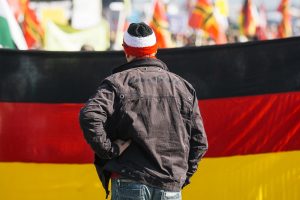
Άνθρωποι ανεμίζουν σημαίες που δείχνουν τον πρόεδρο της Τουρκίας Ρετζέπ Ταγίπ Ερντογάν στο Ομπερχάουζεν της Γερμανίας στις 18 Φεβρουαρίου 2017, στο πλαίσιο της προώθησης του συνταγματικού δημοψηφίσματος της Τουρκίας της 16ης Απριλίου 2017. REUTERS/Wolfgan
Περίληψη:

Άνθρωποι ανεμίζουν σημαίες που δείχνουν τον πρόεδρο της Τουρκίας Ρετζέπ Ταγίπ Ερντογάν στο Ομπερχάουζεν της Γερμανίας στις 18 Φεβρουαρίου 2017, στο πλαίσιο της προώθησης του συνταγματικού δημοψηφίσματος της Τουρκίας της 16ης Απριλίου 2017. REUTERS/Wolfgang Rattay

Ο CENGIZ AKTAR είναι καθηγητής Πολιτικών Επιστημών.

Τον Ιανουάριο του 2016, δήλωσα στην [εφημερίδα] Nouvel Observateur: «Ένα φασίζον κράτος εγκαθίσταται όλο και πιο σίγουρα στην Τουρκία».

Λίγους μήνες αργότερα, την μεθεπομένη μετά την απόπειρα πραξικοπήματος της 15ης Ιουλίου 2016, σημείωσα σε ένα άρθρο στην εφημερίδα Le Monde: «… μετά την αποτροπή του στρατιωτικού πραξικοπήματος, η Τουρκία δεν θα είναι πιο δημοκρατική όπως υπονοούν αδέξια οι δηλώσεις από το εσωτερικό και από το εξωτερικό. Η τουρκική πολιτική ισορροπία δεν ταλαντεύεται εδώ και πολύ καιρό μεταξύ δημοκρατίας και δικτατορίας, αλλά μεταξύ δύο δικτατορικών τρόπων. Πράγματι, το καθεστώς αισθάνεται τώρα ισχυρότερο προκειμένου να επιβάλει συνταγματικά το ισχυρό προεδρικό σύστημα “α λα Πούτιν”, χωρίς φρένα ή αντισταθμίσεις».

26092017-1.jpg

Άνθρωποι ανεμίζουν σημαίες που δείχνουν τον πρόεδρο της Τουρκίας Ρετζέπ Ταγίπ Ερντογάν στο Ομπερχάουζεν της Γερμανίας στις 18 Φεβρουαρίου 2017, στο πλαίσιο της προώθησης του συνταγματικού δημοψηφίσματος της Τουρκίας της 16ης Απριλίου 2017. REUTERS/Wolfgang Rattay
—————————————————————–

Τέλος, στο τελευταίο μου κείμενο που δημοσιεύθηκε στην [μηνιαία επιθεώρηση] Courrier du Maghreb et de l’Orient λίγο πριν από το δημοψήφισμα της 16ης Απριλίου φέτος, σημείωνα: «Το δημοψήφισμα που έχει προγραμματιστεί για τις 16 Απριλίου θα επιτρέψει την συνταγματικοποίηση αυτής της ισχυρής εξουσίας αν επικρατήσει το “ναι”. Μια συνταγματική τροποποίηση 18 άρθρων, κακότεχνη, περιέχουσα πολλές αντιθέσεις με το υπάρχον Σύνταγμα, που δεν αντιστοιχεί σε καμία συνταγματική αρχή που να είναι γνωστή σε ολόκληρο τον κόσμο, και που δίνει πλήρη εξουσία στον Πρόεδρο της Δημοκρατίας, θα υποβληθεί στην λαϊκή διαβούλευση. Τα πάντα, απολύτως τα πάντα είναι νόμιμα στα μάτια του καθεστώτος για να βγάλει ένα μαζικό “ναι”(…).

Με το τέλος του ευρωπαϊκού συμβολαίου, το καθεστώς αισθάνθηκε να μεγαλώνουν όλο και περισσότερο τα φτερά του για να μεταμορφώσει όχι μόνο το πολιτικό σύστημα αλλά και την κοινωνία. Σήμερα, τα εκπαιδευτικά, στρατιωτικά, δικαστικά, οικονομικά, διοικητικά και διπλωματικά συστήματα της χώρας λειτουργούν με βάση την αφοσίωση στο ισλαμικό καθεστώς, το οποίο είναι τελείως αντίθετο από αυτό που γνώρισε η χώρα από την αρχή της ευρωπαϊκής διαδικασίας το 1999. Γενικά, υπάρχει άμεση σχέση μεταξύ της χρεοκοπίας της ευρωπαϊκής διαδικασίας της Τουρκίας και της αυταρχικής και αντιδυτικής ριζοσπαστικοποίησης του καθεστώτος. Η Τουρκία απο-Δυτικοποιείται ακριβώς όπως και η Ρωσία, αμφότερες πιστές σε μια προγενέστερη προδιάθεση στις μεταρρυθμίσεις του Τανζιμάτ και του Πέτρου του Μεγάλου, αντίστοιχα.

Αυτός είναι ο λόγος για τον οποίο η πεποίθηση ορισμένων πολιτικών στην Ευρώπη που ονειρεύονταν την ομαλοποίηση μετά την ημέρα του δημοψηφίσματος ή σε περίπτωση νίκης του “όχι”, δεν είναι σωστή. Η έντονη τάση της Τουρκίας υπό την ράβδο των ισλαμιστών παραμένει η απο-Δυτικοποίηση, ανεξάρτητα από το αποτέλεσμα του δημοψηφίσματος. Σε περίπτωση [που επικρατήσει το] “ναι”, το καθεστώς θα ανακτήσει μια συνταγματική βάση, στην αντίθετη περίπτωση θα συνεχίσει απλά στην αυταρχική του γραμμή με την διατήρηση της κατάστασης έκτακτης ανάγκης. Και στις δύο περιπτώσεις δεν θα υπάρχει κανένας λόγος για τον οποίο η αντι-Δυτική πορεία του πρέπει να εκτραπεί, εφόσον οι ευρωπαϊκές αξίες, οι κανόνες, οι αρχές και τα πρότυπα πάντοτε έρχονται σε αντίθεση με τις αξίες, τους κανόνες, τις αρχές και τα πρότυπα του ισχύοντος καθεστώτος. Γνωρίζουμε από την εμπειρία ότι τα αυταρχικά καθεστώτα δεν μετατρέπονται ποτέ από μόνα τους σε δημοκρατία, ειδικά όταν έχουν μια δημοφιλή βάση».

Μέχρι το τέλος του 2017 και μετά την νίκη του «ναι» στο δημοψήφισμα, το φασιστικό και Δυτικο-φοβικό καθεστώς της Άγκυρας βρίσκεται σε ισχυρή θέση να επιβληθεί πλήρως στους θεσμούς και στην κοινωνία. Δεν έχει φανεί καμία ομαλοποίηση στην χώρα ούτε στις σχέσεις με τους στρατηγικούς εταίρους και τους γείτονες της Τουρκίας. Το καθεστώς επιβάλλει στον εαυτό του με κάθε τρόπο ένα είδος φυγής προς τα εμπρός, οπότε η πολιτική πρακτική του να παραμείνει μη βιώσιμη. Ας ρίξουμε μια πιο προσεκτική ματιά στην κατάσταση του παιχνιδιού.

Στην Τουρκία:

-Από τις 15 Ιουλίου 2016, η ανά τρίμηνο ανανέωση της [κατάστασης] έκτακτης ανάγκης έχει γίνει ο κανόνας και κατά πάσα πιθανότητα θα είναι μόνιμη.

-Η χώρα κυβερνάται με κυβερνητικά διατάγματα υπό τον πλήρη έλεγχο του Προέδρου.

-Θεσμοθετήθηκαν 28 νομοθετικά διατάγματα που αντλούν τη νομιμότητά τους όχι από το εκλεγμένο κοινοβούλιο αλλά από την κατάσταση έκτακτης ανάγκης, σύμφωνα με τα οποία απολύθηκαν περίπου 150.000 δημόσιοι υπάλληλοι με σχεδόν καμία [δυνατότητα για] προσφυγή, και 50.000 συνελήφθησαν.

-Από την άλλη πλευρά, 11 μέλη της αντιπολίτευσης, 63 δήμαρχοι εκ των οποίων η συντριπτική πλειοψηφία είναι Κούρδοι, 172 δημοσιογράφοι και 10 ακτιβιστές υπέρ των ανθρωπίνων δικαιωμάτων συχνά κρατούνται χωρίς δίκη.

-50 νέες φυλακές βρίσκονται υπό κατασκευή, ενώ ο πληθυσμός των φυλακών υπερβαίνει το 10% της δυναμικότητάς τους.

-Μεταξύ των απολυθέντων, 8.500 ακαδημαϊκοί έχασαν την δουλειά τους, χωρίς πιθανότητες να βρουν άλλη ακαδημαϊκή θέση, και δεν αντικαταστάθηκαν στην πλειοψηφία των περιπτώσεων.

-Έκλεισαν 19 πανεπιστήμια και συνολικά 2.099 σχολεία.

-187 οργανισμοί του Τύπου έκλεισαν και απαγορεύθηκαν.

– Έκλεισαν 560 ιδρύματα, 54 νοσοκομεία, 1125 ενώσεις και 19 συνδικάτα.

-Περίπου 550 ιδιωτικές εταιρείες έχουν εθνικοποιηθεί, τα περιουσιακά τους στοιχεία έχουν λεηλατηθεί.

-Ως αποτέλεσμα αυτών των καταχρήσεων, οι αιτήσεις ασύλου των πολιτών της Τουρκίας αυξάνονται έντονα στις ευρωπαϊκές χώρες.

Το καθεστώς, ενισχυμένο από την έκβαση του δημοψηφίσματος, συνεχίζει να κάνει πιο σταθερή την λαβή του στη νομοθετική και δικαστική εξουσία, υλοποιώντας de facto τις διατάξεις της συνταγματικής τροπολογίας που θα ξεκινούσε να ισχύει κανονικά μετά τις προεδρικές εκλογές του 2019. Η ανώτατη δικαιοσύνη διορίζεται από τον ισχυρό άνδρα και όλο το δικαστικό σώμα ελέγχεται από το καθεστώς. Το Κοινοβούλιο κλονίζεται και οι βουλευτές της αντιπολίτευσης διατρέχουν συνεχώς τον κίνδυνο να στερηθούν την ασυλία τους, όπως συμβαίνει με τους 11 βουλευτές [που βρίσκονται] πίσω από τα κάγκελα. Σήμερα δεν μπορούμε πλέον να μιλάμε για τον διαχωρισμό των εξουσιών αλλά για την ενότητα της εξουσίας. Και δεδομένης της τρομακτικής κατάστασης της ελευθερίας του Τύπου και του υπερσυγκεντρωμένου χαρακτήρα της διοίκησης, σήμερα δεν υπάρχει καμία εξουσία στην Τουρκία ικανή να αντισταθμίσει την παντοδυναμία του καθεστώτος.

Ακριβώς μέσα στην διοίκηση, η πίστη [στο καθεστώς] είναι τόσο διαδεδομένη που σήμερα δεν υπάρχει πλέον ούτε ένας διευθυντής υψηλού επιπέδου που δεν συνδέεται άμεσα ή έμμεσα με το κυβερνών κόμμα. Κατά συνέπεια, τα μεγάλα σώματα του κράτους είναι απόλυτα διαβρωμένα από τους προσδεδεμένους στο καθεστώς, συχνά ανίκανους, αλλά πιστούς. Η ακαδημαϊκή κοινότητα, η τοπική αυτοδιοίκηση, ο στρατός, η διπλωματία, η δικαιοσύνη και το Υπουργείο Οικονομικών εκκενώνονται από τους καλύτερους αξιωματούχους τους και έχουν καταστεί αποψιλωμένοι [θεσμοί]. Οι αποφάσεις που κανονικά λαμβάνουν αυτά τα μεγάλα κρατικά όργανα, λαμβάνονται από έναν στρατό προεδρικών συμβούλων που στεγάζονται στο προεδρικό μέγαρο.

Με το εξωτερικό:

-Το καθεστώς βρίσκεται σε ανοικτή σύγκρουση με δύο μεγάλους συμμάχους, την Γερμανία και τις Ηνωμένες Πολιτείες.

-Οι παράνομες δραστηριότητες των επίσημων ιμάμηδων που στελεχώνουν τα τζαμιά των Τούρκων στην Γερμανία, οι κατηγορίες για κατασκοπεία σε γερμανικό έδαφος, οι προσβολές του καθεστώτος προς την κατεύθυνση των Γερμανών πολιτικών, το άσυλο που έδωσε η Γερμανία σε κάποιους κατηγορούμενους για την προσπάθεια πραξικοπήματος της 15ης Ιουλίου 2016, η αναγνώριση από την ομοσπονδιακή βουλή της Γερμανίας της γενοκτονίας των Αρμενίων, οι εκλογικές οδηγίες στους Τούρκους της Γερμανίας για τις γερμανικές εκλογές, η απαγόρευση [σε μέλη της] της Bundestag να επισκεφθούν τους Γερμανούς στρατιωτικούς στην αποστολή του ΝΑΤΟ στην Τουρκία, η κράτηση Γερμανών υπηκόων που κατηγορούνται για κατασκοπεία, οι σκεψεις περί εμπάργκο στην πώληση γερμανικών όπλων στο καθεστώς, η ομόφωνη άρνηση της γερμανικής πολιτικής τάξης και της κοινωνίας να συνεχίσει τις ενταξιακές διαπραγματεύσεις της Τουρκίας στην Ευρωπαϊκή Ένωση … όλα αυτά τα σημεία των διαφωνιών δηλητηριάζουν τις τουρκο-γερμανικές σχέσεις χωρίς να φτάνουν μέχρι το να αμφισβητούν τις επικερδείς εμπορικές και βιομηχανικές ανταλλαγές.

-Με τον άλλο μεγάλο σύμμαχο, τις ΗΠΑ, το καθεστώς υπέστη σειρά αποτυχιών παρότι είχε στοιχηματίσει υπέρ του Trump. Η νέα κυβέρνηση αρνήθηκε να εκδώσει τον Gülen ως τον κύριο ένοχο στην απόπειρα πραξικοπήματος, όπως και τον Τουρκο-ιρανό επιχειρηματία Zarrab [που είναι] σε φυλακή στη Νέα Υόρκη, κατηγορούμενο μαζί με Τούρκους πολιτικούς ότι παραβίασαν το αμερικανικό εμπάργκο κατά του Ιράν. Η Ουάσινγκτον, προς μεγάλην απελπισία της Άγκυρας, αρνήθηκε επίσης να συμμορφωθεί και εξακολουθεί να παρέχει βαριά όπλα και να προστατεύει τον κουρδικό στρατό στην Συρία κατά τον πόλεμο εναντίον του Daesh (ISIS). Οι υποψίες για την συνεργασία της Άγκυρας με το Daesh παραμένουν επίσης ένα μελανό σημείο στην λεγόμενη στρατηγική τουρκο-αμερικανική εταιρική σχέση. Στο πνεύμα αυτό, οι χειρονομίες του καθεστώτος για την αγορά αντιαεροπορικών πυραύλων SS-400 από την Ρωσία ερεθίζουν την Ουάσινγκτον ως το κέντρο του ΝΑΤΟ.

26092017-2.jpg

Ο εδρεύων στις ΗΠΑ, Τούρκος κληρικός Fethullah Gulen, στο σπίτι του στο Saylorsburg, στην Pennsylvania, στις 29 Ιουλίου 2016. REUTERS/Charles Mostoller
—————————————————————–

-Οι σχέσεις με την Ευρωπαϊκή Ένωση έχουν σταματήσει εδώ και πολύ καιρό και δεν έχουν καμία πιθανότητα επανέναρξης. Τα ευρωπαϊκά θεσμικά όργανα είναι πιθανό να σημειώσουν ατή την κατάσταση και να προτείνουν τους προσεχείς μήνες στην Άγκυρα μια νέα μορφή διμερών σχέσεων χωρίς προοπτική ένταξης ή ακόμη και αναθεώρηση της τελωνειακής ένωσης, μια σχέση κρίσιμη παρά ταύτα για την τουρκική οικονομία. Τώρα είναι κοινό μυστικό ότι η Τουρκία δεν εκπληρώνει με κανέναν τρόπο τα κριτήρια που απαιτούνται για την διαπραγμάτευση της προσχώρησής της στην Ένωση και οι σχέσεις της με την Ευρώπη γενικά θυμίζουν τα πάντα εκτός από μια εταιρική σχέση.

-Οι σχέσεις με άλλα ευρωπαϊκά θεσμικά όργανα, όπως το Συμβούλιο της Ευρώπης, για παράδειγμα, είναι επίσης τεταμένες. Η Τουρκία κατηγορείται για παραβίαση των θεμελιωδών αξιών της ηπείρου, η Επιτροπή κατά των Βασανιστηρίων την δείχνει με το δάχτυλο, η Κοινοβουλευτική Συνέλευση την ξανάβαλε υπό επιτήρηση και το Ευρωπαϊκό Δικαστήριο Ανθρωπίνων Δικαιωμάτων έχει προ πολλού «ρίξει στην πετσέτα» ενόψει του τεράστιου αριθμού καταγγελιών των πολιτών της Τουρκίας, τόσο που δεν μπορούμε πλέον να μιλάμε για κράτος δικαίου.

-Η Ύπατη Αρμοστεία των Ηνωμένων Εθνών για τα Ανθρώπινα Δικαιώματα επικρίνει τακτικά τις καταχρήσεις της Άγκυρας όπως και οι μεγάλες διεθνείς μη κυβερνητικές οργανώσεις όπως η Διεθνής Αμνηστία, το Freedom House, το Human Rights Watch, οι Δημοσιογράφοι Χωρίς Σύνορα, κλπ…

-Οι σχέσεις με τους γείτονες αυξάνουν περισσότερο τις εντάσεις και τις απειλές παρά την συνεργασία. Η Τουρκία έχει φυσιολογικές σχέσεις μόνο με την Γεωργία μεταξύ των 12 γειτόνων της σε ξηρά και θάλασσα. Με τις άλλες 11 χώρες, οι σχέσεις ακολουθούν μια ασταθή καμπύλη σύμφωνα με τις διαθέσεις των υπευθύνων λήψης αποφάσεων του προεδρικού παλατιού. Όσον αφορά την Μέση Ανατολή, οι «φίλοι» της Άγκυρας είναι προς το παρόν περιορισμένοι στο… Κατάρ!

Συμπερασματικά, ιδού τα έξι βασικά χαρακτηριστικά του καθεστώτος, στον σχεδιασμό του και στην εκτέλεση:

• Το καθεστώς βασίζεται στην υπερ-νομομοποίηση ή την μη νομιμιμοποίηση, στο μέτρο που θέλει να είναι επαναστατικό και αντιθετικό με την κεμαλική δημοκρατία. Εξ ου η απόλυτη επιπολαιότητά του σε σχέση με τις νομικές και συνταγματικές καταχρήσεις που διαπράττει ελαφρά [τη καρδία], σε καθημερινή βάση. Στην Τουρκία δεν υπάρχει πλέον θέμα ανθρωπίνων δικαιωμάτων, μειονοτήτων, ή δικαιωμάτων, γενικά. Από την άλλη πλευρά, το καθεστώς στηρίζεται σε μια νέα νομιμοποίηση και, φυσικά, σε ένα νέο «δίκαιο».

• Το σύνθημα «Νέα Τουρκία» είναι το αποτέλεσμα αυτών των βιαιοτήτων, αλλά μένει να εφευρεθεί το περιεχόμενο και η μορφή. Εξ ου και η επιθετική ανάληψη των εκπαιδευτικών, θρησκευτικών και πολιτιστικών συστημάτων και δομών.

• Το καθεστώς έχει μια αναμφισβήτητη λαϊκή βάση, η υποταγή της οποίας παραμένει ακατανόητη χωρίς μια ανάλυση σχετικά με την επιθυμία για φασισμό.

• Το καθεστώς κατόρθωσε να μονοπωλήσει και να ελέγξει την χρήση των όπλων, είτε πρόκειται για στρατιωτικούς, αστυνομικούς, χωροφύλακεςή, ιδιωτικούς πολιτοφύλακες, κουρδικές φιλο-κυβερνητικές πολιτοφυλακές και ιδιωτικές επιχειρήσεις ασφαλείας.

• Η οικονομική πολιτική βασίζεται αποκλειστικά στις οικοδομές, τα μεγάλα έργα, τις επενδύσεις σε ορυκτές πηγές ενέργειας και την μαζική κατανάλωση, δια των οποίων είναι υπερήφανα αντι-περιβαλλοντική.

• Οι εξωτερικές σχέσεις παραμένουν έντονα κυριαρχούμενες από τις διαθέσεις του προέδρου, τα οικονομικά συμφέροντα των πρωτοπαλίκαρων του καθεστώτος, την υπερβολική εμπιστοσύνη στις ικανότητες επιρροής, τον αντι-Δυτικισμό και τον αταβιστικό αντισημιτισμό του σαλαφιτικού Ισλάμ.

Και έπεται συνέχεια …

Copyright © 2017 by the Council on Foreign Relations, Inc.
All rights reserved.

Στα γαλλικά:http://www.foreignaffairs.gr/articles/71434/cengiz-aktar/turquie-bilan-detape-dune-quete-de-pouvoir-absolu

Μπορείτε να ακολουθείτε το «Foreign Affairs, The Hellenic Edition» στο TWITTER στην διεύθυνση www.twitter.com/foreigngr αλλά και στο FACEBOOK, στην διεύθυνση www.facebook.com/ForeignAffairs.gr και στο linkedin στην διεύθυνση https://www.linkedin.com/company/foreign-affairs-the-hellenic-edition

To όραμα Μακρόν για μεταρρύθμιση της Ευρώπης

0

euro2day.gr

Ο μόνος δρόμος προς τα μπρος είναι η επανίδρυση μιας κυρίαρχης, ενωμένης και δημοκρατικής Ευρώπης, υποστήριξε ο Γάλλος πρόεδρος σε ομιλία του στη Σορβόνη. Πρότεινε την δημιουργία ενός κοινού αμυντικού προϋπολογισμού και μιας ευρωπαϊκής υπηρεσίας ασύλου.

To όραμα Μακρόν για μεταρρύθμιση της Ευρώπης

Το μεγάλο του όραμα για την μεταρρύθμιση της Ευρώπης παρουσίασε ο Γάλλος πρόεδρος, Εμανουέλ Μακρόν, καλώντας την Ευρωπαϊκή Ένωση να συνεργαστεί πιο στενά στην άμυνα, την φορολογία και την κοινωνική πολιτική και την ευρωζώνη να αποκτήσει το δικό της προϋπολογισμό.Σε μια ομιλία δύο μόλις ημέρες μετά την απογοητευτική επίδοση του χριστιανοδημοκρατικού κόμματος της Άνγκελα Μέρκελ στις γερμανικές εκλογές, ο κ. Μακρόν υπογράμμισε την ανάγκη της συνεργασίας και έκρουσε τον κώδωνα του κινδύνου για την άνοδο του εθνικισμού. O ίδιος επισήμανε πως επέλεξε σκόπιμα να παρουσιάσει το όραμα του για την Ευρώπη λίγο μετά τις γερμανικές εκλογές και πριν ξεκινήσουν οι διαπραγματεύσεις για το σχηματισμό κυβέρνησης.

«Ορισμένοι υποστήριξαν πως θα έπρεπε να περιμένω να ολοκληρωθούν οι διαπραγματεύσεις για τον κυβερνητικό συνασπισμό» σημείωσε ο κ. Μακρόν, λέγοντας πως αν το είχε κάνει αυτό η αντίδραση του Βερολίνου θα ήταν: «Οι προτάσεις είναι σπουδαίες αλλά είναι πολύ αργά, η συμφωνία του κυβερνητικού συνασπισμού αναφέρει ξεκάθαρα τι θα κάνει για την Ευρώπη τα επόμενα τέσσερα χρόνια».

Η Ευρώπη θύμα επικίνδυνων ιδεών

Η Ευρώπη είναι πιο εύθραυστη από ποτέ, προειδοποίησε ο κ. Μακρόν, λέγοντας πως η γηραιά ήπειρος έχει πέσει θύμα επικίνδυνων ιδεών όπως ο απομονωτισμός και ο εθνικισμός.

«Έχουμε ξεχάσει πώς να προστατεύουμε την Ευρώπη, τα οράματα μας. Έχουμε ξεχάσει την Ευρώπη» τόνισε ο Γάλλος πρόεδρος σε ομιλία του στη Σορβόνη, στην οποία παρουσίασε τις προτάσεις του για την αναμόρφωση της Ευρώπης,.

«Η Ευρώπη δεν αφορά μόνο το εμπόριο, αλλά και την ειρήνη. Για την Ελλάδα, την Ισπανία και την Πορτογαλία, η ένταξη στην ΕΟΚ αφορούσε την ειρήνη και την ελπίδα» πρόσθεσε.

Ο Γάλλος πρόεδρος τόνισε πως ο μόνος δρόμος προς τα μπρος είναι η επανίδρυση μιας κυρίαρχης, ενωμένης και δημοκρατικής Ευρώπης.

Η Ευρώπη χρειάζεται κοινό αμυντικό προϋπολογισμό

Ο κ. Μακρόν υποστήριξε πως η πρώτη πολιτική μεταρρύθμιση στην Ε.Ε. πρέπει να αφορά την άμυνα, προτείνοντας έναν κοινό αμυντικό προϋπολογισμό και μια κοινή αμυντική δύναμη.

«Η Ευρώπη πρέπει να συνεχίσει να συνεργάζεται με το ΝΑΤΟ. Αλλά πρέπει να εργαστούμε από κοινού στην Ευρώπη για να χρηματοδοτήσουμε το δικό μας αμυντικό προϋπολογισμό. Και πρέπει να πάμε πέρα από αυτό. Η αδυναμία μας να συνεργαστούμε σε αυτό υποβαθμίζει την αξιοπιστία μας. Χρειαζόμαστε μια κοινή στρατηγική κουλτούρα. Χρειαζόμαστε στρατιώτες από διαφορετικές χώρες για αυτό. Η Ε.Ε. θα πρέπει να εξοπλιστεί με μια κοινή αμυντική δύναμη» σημείωσε ο Γάλλος πρόεδρος.

Ο ίδιος τάχθηκε και υπέρ της δημιουργίας μιας πανευρωπαϊκής υπηρεσίας ασύλου για την επιτάχυνση και εναρμόνιση της επεξεργασίας των αιτημάτων για την έκδοση ασύλου, ενώ πρότεινε και την σταδιακή συγκρότηση μιας ευρωπαϊκής δύναμης φύλαξης των συνόρων. Ανέφερε επίσης πως θέλει να εφαρμοστεί ένα ευρωπαϊκό πρόγραμμα για την ένταξη και επαγγελματική εκπαίδευση των μεταναστών.

Εν τω μεταξύ, ο κ. Μακρόν επανέφερε στο τραπέζι την ιδέα της επιβολής ενός φόρου επί των χρηματιστηριακών συναλλαγών, με στόχο τη χρηματοδότηση ενός σχεδίου συνεργασίας με την Αφρική. «Δύο χώρες της Ε.Ε. έχουν φόρο επί των χρηματιστηριακών συναλλαγών: η Γαλλία και το Ηνωμένο Βασίλειο. Πρέπει να τον υιοθετήσουμε για ολόκληρη την Ευρώπη» επισήμανε.

Το σχέδιο για τη μεταρρύθμιση της ευρωζώνης

Ο κ. Μακρόν τόνισε πως η ευρωζώνη πρέπει να αποκτήσει το δικό της προϋπολογισμό για να χρηματοδοτεί κοινά επενδυτικά σχέδια και να διασφαλίσει την σταθερότητα σε περιόδους κρίσεων. Σύμφωνα με τον ίδιο, την ευθύνη για τον ξεχωριστό αυτό προϋπολογισμό πρέπει να έχει ένα υπουργείο Οικονομικών της ευρωζώνης, το οποίο θα ελέγχεται από ένα κοινοβούλιο.

«Το κύριο ζητούμενο δεν είναι ένας μηχανισμός που θα λύσει μαγικά όλα τα προβλήματα μας. Το ζητούμενο είναι να μειώσουμε την ανεργία που πλήττει έναν στους πέντε Ευρωπαίους νέους» τόνισε.

Πρόσθεσε επίσης πως η ιδέα αυτή δεν πρέπει να συγχέεται με την «αμοιβαιοποίηση του χρέους» ή με μια προσπάθεια «επίλυσης των δημόσιων οικονομικών ενός κράτους»

Ο ίδιος τάχθηκε και υπέρ της θέσπισης ενός κατώτατου μισθού στην Ε.Ε., ο οποίος θα προσδιορίζεται στην οικονομική πραγματικότητα της κάθε χώρας.

Η μετάβαση σε μια ευρωπαϊκή ενεργειακή αγορά

Ο Γάλλος πρόεδρος υποστήριξε πως μια κυρίαρχη Ευρώπη πρέπει να έχει την δυνατότητα να επιτύχει έναν οικολογικό μετασχηματισμό, ο οποίος θα δημιουργήσει και θέσεις εργασίας.

«Χρειαζόμαστε μια ευρωπαϊκή ενεργειακή αγορά για αυτό και να σκεφτούμε την Ευρώπη σαν μια ενιαία οντότητα, ώστε να επωφεληθούν όλοι από αυτό» ανέφερε. «Δεν θα μπορέσουμε να το επιτύχουμε αυτό σε μια ημέρα, αλλά αν δεν μιλήσουμε ποτέ για αυτό δεν θα συμβεί. Ας κάνουμε ένα σχέδιο για τα επόμενα 5 με 10 χρόνια, αλλά ας αρχίσουμε» πρόσθεσε.

Παράλληλα, ο κ. Μακρόν κάλεσε την Ε.Ε. να συγκροτήσει ένα σχέδιο για την στήριξη των καθαρών ενεργειακά οχημάτων και των απαραίτητων υποδομών, όπως των σταθμών φόρτισης.

Εύσημα από τον Γιούνκερ

Θερμή ήταν η αντίδραση του προέδρου της Κομισιόν, Ζαν-Κλοντ Γιούνκερ, στην ομιλία του Γάλλου πρόεδρου.  Ένας πολύ ευρωπαϊκός λόγος από το φίλο μου Εμμανουέλ Μακρόν. Η Ευρώπη χρειάζεται ενθάρρυνση. Σε ευχαριστώ για την υποστήριξη σου στην δουλειά που κάνουν οι ευρωπαϊκοί θεσμοί» έγραψε σε μήνυμα του στο Twitter ο κ. Γιούνκερ.


Un discours très européen de mon ami @EmmanuelMacron.L’Europe a besoin de courage.Merci pour votre soutien au travail des institutions UE 🇪🇺

Russia Analytical Report, Sept. 18-25, 2017

0

I. U.S. and Russian priorities for the bilateral agenda

Nuclear security:

  • No significant commentary.

North Korea’s nuclear and missile programs:

“Russia Can Profit From North Korea’s Missile Tests. Kim’s Provocations and the US’s Failure to Act Strengthen Moscow’s Position,” Fyodor Lukyanov, Financial Times, 09.20.17: The author, editor of Russia in Global Affairs, argues that some of Moscow’s controversial statements regarding North Korea’s missiles stem from what Russia has to gain by skillfully managing the current situation in the Asia-Pacific. Due to its relationships with the East Asian countries involved, Russia finds itself in a unique position. The author suggests one possible solution to the crisis: “a joint initiative by Russia and China (not on behalf of the U.S.), offering North Korea security guarantees and inclusion in major regional economic projects in return for the end of provocations and a verifiable freeze of the nuclear missile program.” While this could be a face-saving option for North Korea, it places a great deal of responsibility on Russia and China, and the U.S. would likely oppose it as rewarding Pyongyang for bad behavior. Although Russia has energy and infrastructure projects that would benefit from the resolution of this issue, preserving the status quo is also attractive to Moscow due to its strong bargaining position among the major players. While Moscow and Beijing can keep dialogue open and increase pressure thanks to gradually increasing U.N. sanctions, Washington’s failure to resolve the crisis becomes “more obvious” as it wears on.

Iran and its nuclear program:

  • No significant commentary.

New Cold War/Sabre Rattling:

“The Myth of Russia’s Lowered Nuclear Threshold,” Kristin Ven Bruusgaard, War on the Rocks, 09.22.17: The author, a Stanton Nuclear Security Fellow, writes that concerns over Russia’s “alleged ‘lowered nuclear threshold’” may be unfounded. Evidence for the possibility of Russia using nuclear weapons early in an armed conflict includes: the alleged “escalate-to-deescalate” doctrine; Russia’s large tactical nuclear weapons arsenal; and the inviting opportunity for nuclear blackmail against NATO due its inability to defend the Baltic States. However, this is undercut by the following: lack of hard evidence for de-escalation as part of Russia’s nuclear doctrine; Russia’s quickly improving arsenal of conventional weapons; and the lack of logic behind why Russia would want to pursue conflict with NATO. Although Russia’s updated 2014 public military doctrine features a more restricted stance on the use of nuclear weapons than the doctrine issued in 2000, some believe that the classified document on Russia’s nuclear deterrence strategy contradicts the public document. The author argues that this kind of contradiction makes little sense. The “main novelty” of Russia’s 2014 military doctrine was the introduction of non-nuclear deterrence. Russia’s cyber capabilities and the time and money it has devoted to its conventional capabilities further reduce the likelihood of a lowered nuclear threshold. The author argues that fascination with the lowered nuclear threshold idea is symptomatic of Western concerns over facing “a nuclear-armed adversary with mature capabilities and concepts designed to take advantage of Western weaknesses.” Although Russia may have a concerning lower threshold for “nuclear saber-rattling,” that does not mean a lower threshold for using nuclear weapons in conflict.

“Russia Was the Target of NATO’s Own Fake News. Military and Media Reports Hyped the Zapad Military Exercise as a Major Threat. In Fact, What Took Place Was Nothing as Dramatic as the West’s Warnings Would Have Led You to Believe,” Mary Dejevsky, Independent, 09.22.17: The author, a former foreign correspondent, argues that the idea that Russia’s Zapad-2017 war games posed a major threat to the West did not come from “the ‘irresponsible’ media.” Reports by media and military sources prior to the military exercises focused on two claims: the likelihood of over 100,000 troops taking part in the exercises while Russia claimed less than 13,000 would, and that the exercises might serve as cover for a Russian invasion. The author asserts that neither claim turned out to be true despite evidence provided by authoritative experts. such as Igor Sutyagin, senior research fellow in Russian studies at the Royal United Services Institute, has provided evidence that the actual number of participating troops was to have been closer to 65,000-70,000. While the media is being accused of over-exaggerating the threat, a look back shows that media reports “relied on sometimes anonymous, but more often named, sources—sources moreover that could claim some expertise in the matter in hand.” These sources included Eastern European think tanks, the British Defense Secretary and NATO’s Secretary General Jens Stoltenberg. Initial analysis following the war games shows that the scale and intent of Zapad-2017 was actually most like “the sort of exercise that Western forces hold.”

NATO-Russia relations:

  • No significant commentary.

Missile defense:

  • No significant commentary.

Nuclear arms control:

  •  No significant commentary.

Counter-terrorism:

  • No significant commentary.

Conflict in Syria:

  • No significant commentary.

Cyber security:

  • No significant commentary.

Elections interference:

“Bashing Facebook Is Not the Answer to Curbing Russian Influence Operations,” Jamie Collier and Monica Kaminska, Council on Foreign Relations, 09.18.17: The authors, experts in cyber studies, write that due to social media’s “echo chambers,” attempts to convince users of an opinion they do not already hold is quite difficult, making for only a small pool of swing voters susceptible to Russian influence. Even if Moscow’s aim is to exploit existing divisions rather than convince others, the effectiveness of social media campaigns remains unclear, as passive online participation rarely turns into active political mobilization, such as the four person anti-refugee rally organized by a Russian-backed Facebook group that promised to be much larger. The authors argue that Russia’s political advertising on social media is no different than other kinds of propaganda used by both Moscow and Washington long before the Internet. To really address Russian election meddling, policymakers and tech companies need to look at Russian cyber operations “as a spectrum of activity,” not just social media interference. “It is up to political campaigns, not social media platforms, to develop effective public relations strategies to counter the effects of doxing through WikiLeaks and improve their woeful cybersecurity.”

Energy exports from CIS:

  • No significant commentary.

U.S.-Russian economic ties:

  • No significant commentary.

U.S.-Russian relations in general:

“Wanted: Russia Experts, No Expertise Required. Jingoism Has Replaced Scholarship and a Spirit of Real Inquiry When It Comes to Russia. That’s a Mistake.” Leonid Bershidsky, Bloomberg, 09.21.17: The author, a columnist and veteran Russia watcher, writes that the lack of Russia experts on the Committee to Investigate Russia is “a sign of the times.” With both Russian experts and American analysts with dissenting opinions keeping quiet, the voices in demand are those like Molly McKew’s, whose argument that Russia is waging an information war on America “is both simplistic and misguided” with “no market for a robust rebuttal.” Also mostly unheard are voices like those of Roger McDermott, who argues that belief in a Russian “lethal and new hybrid warfare doctrine” is a dangerous one. Arguments that Moscow’s foreign policy is reactive or that Russia isn’t “sophisticated enough to tip U.S. elections” are also hushed. “But Russia will still be there when this phase is over—resentful and hungry for Western praise, defiant and confused, thuggish and loftily intellectual, muscular and aggressive and weakened by graft and incompetence.” Those who will be able to pick up the pieces are those whose work long-time investigating Russia has currently been supplanted by “less through and more politicized ‘investigation.’”

“The Five Lessons That Must Guide US Interactions With Vladimir Putin. US-Russian Relations Will Be Strained for the Foreseeable Future. But Following These Lessons Will Give the US Leverage in the Tense Relationship,” Hal Brands, The Washington Post, 09.22.17: The author, the Henry Kissinger distinguished professor at the Johns Hopkins School of Advanced International Studies, writes that the U.S.-Russia conflict is one with deep roots. These tensions come from the U.S. desire to expand the liberal international order and Russia’s desire to resist and undermine it. While there will be no grand bargain between the two countries, even the recent past has shown that there are areas for cooperation, such as on arms control and counterrorism. Domestic politics have often inflamed Moscow and Washington’s divergent worldviews, meaning that “things will get worse before they get better.” Additionally, the Kremlin’s daring has repeatedly surprised the West, so politicians should expect the unexpected. Finally, the author advises Washington to take the next few years to rearrange “the broader geopolitical chessboard” to give the U.S. a better position of strength for engaging in future diplomacy with Russia.

II. Russia’s relations with other countries

Russia’s general foreign policy and relations with “far abroad” countries:

“An Ambiguous Partnership: The Serpentine Trajectory of Turkish-Russian Relations in the Era of Erdoğan and Putin,” Pavel K. Baev and Kemal Kirişci, Brookings Institution, September 2017: The authors, senior fellows at the Brookings Institution, write that while relations between Russia and Turkey “may appear to be friendly,” they are unstable and likely to remain that way. The relationship’s economic foundation is not solid, and for both countries, their economic relationship with the E.U. is of greater importance. While both resent the West, their geopolitical interests in the eastern hemisphere clash. However, the personal relationship between Putin and Erdogan remains of great importance. Turkey downsized its military in July 2016, and as a result, NATO has found it difficult to keep up its traditionally close relationship with the Turkish military. For Washington, the U.S.-Turkey relationship is of lower priority than its relationship with Moscow. However, the ties between Turkey and Russia are important to the U.S. with regards to Iraq and Syria. Turkey is looking to use Russia to show the U.S. “that tactical cooperation with YPG must not be transformed into a political commitment.” The U.S. can use NATO to contend with possible ramifications of the relationship between Russia and Turkey. The West could focus its efforts on reassuring Turkish anxieties in its relationship with Russia, and should bring Turkey further into NATO in order to manage “the risks in the uncertain new strategic environment.”

“Energy Alliance Propels Russia-Saudi Cooperation; King Salman To Visit Vladimir Putin as Links Between Old Foes Broaden From Oil to War, Politics,” James Marson and Summer Said, Wall Street Journal, 09.21.17: The authors, the paper’s deputy Moscow bureau chief and its Middle East energy and OPEC correspondent, look at Saudi King Salman’s upcoming visit to Moscow, the first by a Saudi monarch. During the Oct. 4-7 visit, Riyadh is expected to support the de-escalation zones in Syria and to finalize a deal with Moscow on extending efforts “to withhold global oil supply and prop up crude prices.” Oil coordination is a first move for the two countries to build their relationship. This cooperation with Saudi Arabia has also underscored Russia’s “balancing act” in the Middle East with Iran, Qatar and now Saudi Arabia, as well as its attempts to gain influence in the region. While relations between Riyadh and Washington have warmed some this year, Saudi Arabia is aware of a need for better relations with Moscow, particularly if the U.S. turns its back on the Middle Eastern country again.

“Germany’s Election Gives the Country a Reality Check,” Anne Applebaum, The Washington Post, 09.24.17: The author, a columnist for the paper, writes that while German Chancellor Angela Merkel has won a fourth term in office, Germany has not managed to “escape the Western populist wave altogether.” Germany’s major center-right and center-left parties both did more poorly than expected, while smaller parties did better than in previous elections. The “anti-immigration, anti-European Union, anti-NATO party,” Alliance for Germany (AfD) also did well. AfD had Russian support on social media and is most united by opposing Germany’s admission of large numbers of refugees. With a more fractious domestic government, Germany will find it more difficult to implement the reforms needed to create a more cohesive EU.

China:

  • No significant commentary.

Ukraine:

“Ukraine Has Many Problems, and Only One of Them Is Russia,” Judith Miller, Wall Street Journal, 09.19.17: The author, a contributing editor of City Journal and a Fox News contributor, writes that Ukraine’s prospects of surviving “as a free, independent, pro-Western nation” are uncertain. Despite the upheaval since the Russian annexation of Crimea in 2014, Ukraine has overcome many of the challenges it has faced. In 2016, Ukraine’s economy stabilized and began to grow, and is projected to continue doing so. The country recently returned to the sovereign debt market, and is no longer dependent on Russian natural gas. Additionally, the Euro-Maidan Revolution has given rise to “a cantankerous free press and vibrant civil society.” However, corruption remains a persistent problem, with Ukrainian President Petro Poroshenko at the heart of many such complaints, and reforms have slowed down. Government promises of privatization have not been kept, and Ukrainians are growing increasingly discontent. Ukraine is also facing more deaths than births per year, as well as a steady flow of emigration out of the country and little immigration into it.

Russia’s other post-Soviet neighbors:

  • No significant commentary.

III. Russia’s domestic policies

Politics, economy and energy:

“Court and Politburo: Putin’s Changing Inner Circle,” Konstantin Gaaze, Carnegie Moscow Center, 09.22.17: The author, a reporter and political commentator, offers a new take on how to conceptualize the Putin regime. While it has been aptly referred to as “Politburo 2.0,” this  Soviet-era concept also coincides with one from Russian imperial times: Putin has a “court,” the author writes, “consisting of figures who do not have government positions but still exercise great power.” Politburo 2.0 “encompasses the most influential and independent centers of power in Russia―a club of select government officials and businessmen that have the president’s trust. The composition of the new Politburo defines the official political strategy, rather than the other way round.” Putin’s court, the author writes, formed in 2009, when “he left the Kremlin and handed over the presidency—temporarily—to Dmitry Medvedev. As prime minister, Putin was forced to restructure his life and revamp his inner circle. His court consisted of those who worked with him every day: bodyguard Alexei Dyumin, protocol officer Anton Vaino, now Putin’s chief of staff, and oligarch-lite Arkady Rotenberg.” In 2012, when Putin returned to the Kremlin, he opted to incorporate rather than dismantle the court. This paved the way for the current system of rule: “a formal presidential administration and cabinet bureaucracy that is complemented by the court.” However, the author notes, this “has created a system in which there are multiple loyalties and confusion about roles.” This challenge looms large among those facing Putin ahead of a fourth term. “He has yet to decide whether to rely more on the informal courtiers he is bringing into government or on the old government structures that his courtiers have been undermining.”

History:

“When Stalin Faced Hitler. Who Fooled Whom?” Stephen Kotkin, Foreign Affairs, 09.19.17: The author, a professor of history and international affairs at Princeton University and a senior fellow at the Hoover Institution, examines the forces that shaped Joseph Stalin as a leader and his response to the threat posed by Adolph Hitler in the lead-up to World War II. The author characterizes Stalin and Hitler as “two very different men from the peripheries of their societies who were bloodily reviving and remaking their countries, all while unknowingly (and then knowingly) drawing ever closer.” Neither Hitler nor Stalin, the author notes, can be explained in terms of his social origins or his early life and influences. “The greatest shaper of Stalin’s identity was the building and running of a dictatorship, whereby he assumed responsibility for the Soviet Union’s power in the world.” The question that primarily concerns the author is whether Stalin miscalculated Hitler’s intentions to invade the Soviet Union. In Berlin, “the Soviet ambassador to Germany, after months of equivocation, finally averred that Germany’s actions signaled an imminent invasion. But Stalin evidently concluded that his envoy in Berlin had been fed disinformation and remarked that he was ‘not such a smart fellow,’” the author writes. “Stalin reasoned that the Americans and the British wanted nothing more than for the Germans and the Soviets to become embroiled in war. He was right, of course. But as a result, he dismissed all warnings of a German attack.” The author notes that “Stalin’s dealings with Hitler differed from British appeasement in that Stalin tried deterrence as well as accommodation. But Stalin’s policy resembled British appeasement in that he was driven by a blinding desire to avoid war at all costs.” For Hitler, the author writes, “a commitment to a prolonged contest for supremacy with the British, whom Hitler expected to be aided more and more by the vast resources of the United States, made quick annihilation of the Soviet Union an absolutely necessary prelude. Moreover, even though Hitler and the German high command knew that the Soviet Union was not poised to attack, the invasion amounted to a preventive war all the same in his logic, for the Soviet Union was only getting stronger and might itself attack at a time it deemed more advantageous.”

“Gorbachev: A Tragic Hero,” Nicholas Burns, Boston Globe, 09.21.17: The author, a Harvard professor and former U.S. ambassador, reviews the book “Gorbachev: His Life and Times,” by William Taubman, and finds it a compelling account of “a brilliant, driven, but flawed leader.” Taubman, the reviewer explains, offers three main reasons why Gorbachev failed in his effort to remake the Soviet system: First, he was far from a perfect leader, failing to win over key figures in the Kremlin’s power structure. Second, Burns notes, Gorbachev had “the bad luck of the Chernobyl catastrophe and waited far too long to withdraw from the disastrous Afghan War.” Third, the Estonians, Latvians, Lithuanians and Ukrainians fought for and deserved their own independence. And most important, Gorbachev never accepted that “the only way to save his country was to quit the failing communist system instead of trying to fix it.” Still, history may prove to be a kinder judge of Gorbachev. “A decade or more from now, Putin and his Soviet-trained generation of leaders will also pass from power. Perhaps then, Taubman concludes in this magisterial book, a younger generation might begin to appreciate anew the extraordinary optimism, hope, and courage that Gorbachev brought to the Kremlin three decades ago when he changed the world for the better.”

Defense and aerospace:

  • No significant commentary.

Security, law-enforcement and justice:

  • No significant commentary.

https://www.russiamatters.org/news/russia-analytical-report/russia-analytical-report-sept-18-25-2017

Πολιτικές μεταλλάξεις

6
ΑΛΕΞΗΣ ΠΑΠΑΧΕΛΑΣ 24.09.2017 

Ο​​ι δανειστές και εταίροι θαυμάζουν αυτό που συμβαίνει στην Ελλάδα τα τελευταία δύο χρόνια. Αναρωτιούνται πώς είναι δυνατόν να γίνονται τόσες περικοπές σε συντάξεις, να αλλάζουν τα εργασιακά και πολλά άλλα, χωρίς να ανοίγει μύτη. Ορισμένοι, όπως ο επίτροπος Μοσκοβισί, το χρησιμοποιούν μάλιστα για να δηλώσουν τη στήριξή τους στην κυβέρνηση Τσίπρα.

Η αλήθεια είναι ότι έως το 2015 έβλεπαν την Αθήνα να καίγεται κάθε τόσο, όπως και πολύ συχνές μαζικές κινητοποιήσεις. Ξαφνικά όλα αυτά σταμάτησαν. Οι πολίτες παρακολουθούν απαθείς τις συνεχιζόμενες περικοπές, οι διαδηλώσεις είναι λιγότερες και μικρότερες, οι μπαχαλάκηδες περιορίζονται σε εξωσχολικές δραστηριότητες τα Σαββατοκύριακα.

Τι συνέβη; Κανείς δεν έχει μια καθαρή απάντηση. Ισως η ελληνική κοινωνία να προσαρμόστηκε, με σκληρό και ακριβό τρόπο, στην πραγματικότητα. Να «έβγαλε από το σύστημά της» μεγάλο μέρος της οργής μετά το φιάσκο της διαπραγμάτευσης και του δημοψηφίσματος. Μπορεί, ακόμη, τμήμα της κοινής γνώμης να έχει ζαλιστεί από μια κυβέρνηση που με επικοινωνιακό ζήλο άλλα κάνει, άλλα εννοεί και άλλα ισχυρίζεται ότι θέλει. Είναι πάντως σαν ένα αόρατο χέρι να πάτησε ένα κουμπί και να σταμάτησαν οι ακραίες διαμαρτυρίες, οι οποίες μονοπωλούσαν το παγκόσμιο τηλεοπτικό ενδιαφέρον.

Το ερώτημα λοιπόν είναι: τι θα συμβεί αν χάσει τις επόμενες εκλογές ο ΣΥΡΙΖΑ; Θα ξαναγυρίσουμε στα ίδια, θα ξαναζήσουμε μαζικές κινητοποιήσεις και συχνότερες επιδείξεις δύναμης από τους μπαχαλάκηδες; Αν ρωτήσετε τα περισσότερα πολιτικά στελέχη του ΣΥΡΙΖΑ, θα σας πουν, χωρίς περιστροφές, πως δεν θα έχουν κανέναν ενδοιασμό να μεταλλαχθούν και πάλι σε ακραίους διαμαρτυρόμενους εναντίον των πάντων την επόμενη μέρα. Κανέναν. Αλλωστε είναι προφανές ότι ο κ. Τσίπρας δείχνει να θέλει να πάει προς το Κέντρο, αλλά η ψυχή του και το DNA των γύρω του τον τραβάνε πίσω στο προπατορικό 3%.

Θα μπορέσει όμως να ξαναπαίξει τον ρόλο του αντιμνημονιακού ηγέτη που ξεσηκώνει τα πλήθη; Και να τον παίξει, θα πεισθεί και θα τον ακολουθήσει ο κόσμος που τον ψήφισε; Θα δείξει.

Αυτό που φαίνεται τώρα όμως είναι πως ο κ. Τσίπρας δεν μπορεί να εκμεταλλευθεί το σπάσιμο των ταμπού για να πάει παρακάτω τη χώρα. Μιλάει ανοικτά υπέρ των ιδιωτικοποιήσεων, της επιχειρηματικότητας, των επενδύσεων. Χωρίς να καίγεται η Αθήνα και με το συνδικαλιστικό κίνημα στο καναβάτσο. Αν όμως δεν μπορέσει να κάνει πράξη αυτά που θέλει, σύντομα θα βρεθεί σε αδιέξοδο και οι πολιτικές εξελίξεις θα είναι ραγδαίες. Θα είναι τραγικό για τη χώρα αν μεταλλαχθεί και πάλι σε αντίπαλο όσων ευαγγελίζεται τελευταία, έστω και με λιγότερη λάμψη και απήχηση. Η χώρα χρειάζεται την κανονικότητα, η οποία προϋποθέτει και μια κανονική ευρωπαϊκή αντιπολίτευση.

“Καθημερινή”

Five Signs of Germany’s Rightward Shift

0
  

Suddenly a lot of mainstream politicians are discovering the need to cover their “open right flank.”

Zwei Jahre Pegida in Dresden
Don’t turn your back on these numbers. Source: DPA

1 – The AfD enters the Bundestag as the third-strongest force

The Alternative for Germany isn’t just a right-wing protest movement headed for the German parliament; it’s also a brown-tinged magnet pulling other German political parties in its direction. Its leaders fear the German idyll of bratwurst and beer is being threatened by asylum seekers and Islam. To the AfD, strict immigration limits and draconian security are ways to enforce a sort of cultural Reinheitsgebot (“purity law”, in a term that usually applies to beer brewing). “We’re going to hunt Frau Merkel; we will claim back our country and our people,” said top candidate Alexander Gauland after his party emerged as the third-biggest in the new parliament. While politicians sought clarification of his language, Mr. Gauland insisted his party’s ideals were far more democratic than its rhetoric.

Horst Seehofer und Angela Merkel
Was it something I said? Source: DPA

2 – Bavaria’s CSU discovers its open right “flank”

The response to the AfD’s success from the Christian Social Union, Ms. Merkel’s smaller Bavarian sister party, came quickly. “We got the message,” the irked party leader Horst Seehofer told reporters on Monday. “We will close the right flank with a clear edge and clear political positions.” Mr. Seehofer, who is also the Bavarian premier, had to come up with something after his party suffered its worst federal-election result since 1949. He has long been an outspoken advocate for a cap on refugees, so rivals wondered if closing a flank means aping the AfD. Mr. Seehofer also seemed to call into question the CSU’s relationship with the CDU, but a spokesman later clarified that the politician just wanted the parties to renew their vows.

Federal election in Germany
Sad face emoji. Source: Reuters

3 – Angela Merkel’s Christian Democrats talk Leitkultur

If Ms. Merkel and her center-right Christian Democrats move to the right, does that make them right-centerish-right? The CDU lost more than 1 million voters to the AfD, even though it, too, had burnished its conservative rhetoric. Thomas de Maizière, Germany’s interior minister and a CDU member, in May uttered some populist sentiments of his own in Germany’s most populist newspaper, Bild: “Not everyone who stays in our country for a certain period of time becomes a part of our country.” Possibly a dog whistle for lederhosen, bratwurst and beer, the comment sparked a nationwide discussion on German Leitkultur, or a definitive core culture. Now facing the most splintered parliament in modern German history, Chancellor Merkel too feels the pull. She’s promising to win back disaffected voters “by taking on board” their concerns and fears. Interpret that however you wish.

119623209lindner hands-reuters 1800
It’s okay, we’re here now. Source: Reuters

4 – The Free Democrats turn Canadian

Middle-aged but still boyish, Christian Lindner, the leader of the pro-business Free Democrats, returned his party to the Bundestag after crashing out of it in the last election in 2013. He’s pushing tougher immigration rules for Germany but softens the sell by saying it would follow the Canadian model — and who doesn’t love Canadians? His idea comes down to a targeted selection of people with qualifications, and mass rejections of most others. He’s also talking a good conservative talk on the euro zone. Got a weak European economy? Mr. Lindner would prefer you leave the currency area.

Pegida Demonstration auf dem Theaterplatz
Flags and das Volk: a Pegida march in Dresden. Source: DPA

5 – The Ossis go from far left to far right

You thought the AfD’s national vote share of 13 percent was a lot? In the area that used to be East Germany the party won 21.5 percent, and in Saxony, which borders on the Czech Republic and Poland, it got a whopping 27 percent. Among eastern German men, the AfD was even the strongest party overall. Those born in the formerly communist east, known as Ossis, used to express their disappointment with the economic gloom that followed reunification by voting for the The Left, which descends from the communist party that ruled East Germany. But The Left is nowadays part of some state governments, which seems to make it appear mainstream. So Ossis are defecting to the AfD to vent their frustration.

John Blau is a senior editor at Handelsblatt Global. Andrew Bulkeley is an editor for Handelsblatt Global. To contact the authors:[email protected], [email protected]

https://global.handelsblatt.com/politics/five-signs-of-germanys-rightward-shift-831991?ref=MTI5ODU1&utm_source=newsletter&utm_medium=mail&utm_campaign=embreg

Θεοφάνη Τάση: η επιμέλεια εαυτού στην εικονιστική κοινωνία. “Αρμός”

0

H ζωή είναι χαρακτηριστικό όλων των φυσικών οργανισμών, αλλά μόνο στον άνθρωπο μπορεί να μεταμορφωθεί σε βίο, κάτι που για να επιτευχθεί απαιτεί μια τέχνη του βίου, μια «επιμέλεια εαυτού», η οποία και αποτελεί ένα από τα κεντρικά θέματα του βιβλίου αυτού. Στον δεύτερο τόμο της τριλογίας του για τις Πολιτικές του Βίου, ο Θεοφάνης Τάσης εξετάζει τον χώρο μεταξύ του καθαρά προσωπικού και του αποκλειστικά δημοσίου, μεταξύ του ηθικού και του πολιτικού όπου μπορεί να εξασκηθεί η τέχνη αυτή.

Βασικό του ερώτημα είναι η επίδραση της «εικονιστικής» κοινωνίας, όπου ο εαυτός εξαϋλώνεται βαθμιαία σε εικόνα, στην άσκηση μιας αναστοχαστικής τέχνης του βίου, δηλαδή στην προσπάθεια του ατόμου να δημιουργήσει ένα δικό του, ιδιαίτερο τρόπο ζωής και, παράλληλα, να παραμείνει ενεργό μέλος του κόσμου στον οποίο ανήκει. Στο σημαντικό αυτό έργο, ο Θεοφάνης Τάσης, γνώστης και της φιλοσοφικής και της φιλοσοφικής παράδοσης και της τεχνικής εξέλιξης, συνδέει πρωτότυπα τα θέματα της αρχαίας ελληνικής φιλοσοφίας με τη σημερινή κοινωνία.

Yπερασπίζεται την Σωκρατική αρχή, «Ὁ ἀνεξέταστος βίος οὐ βιωτὸς ἀνθρώπῳ», αλλά θέτει την εξέταση αυτή σ’ ένα απαραίτητο πολιτικό πλαίσιο.

Αλέξανδρος Νεχαμάς Καθηγητής Φιλοσοφίας στο Princeton University

The predicament of Turkey and the Kurds

0

Prince Michael of Liechtenstein   24 February 2017

Most Kurds live in the historic Kurdistan – which lies within the borders of today’s states of the Middle East region (source: macpixxel for GIS)

This is a new editorial offering of GIS, an expanded viewpoint essay by our founder, Prince Michael of Liechtenstein and some of our other top experts. Look for these on most Fridays.

The Kurds live mostly in northern parts of Iraq, Syria and Iran, and in eastern Turkey. Until the end of World War l, most Kurds lived in the Ottoman Empire. Throughout history, the Kurds rarely had a state of their own and their diaspora constantly lacked unity. These conditions seem hard to change.

Lately, however, Kurds have created a functional state, with its capital in Erbil, in their autonomous zone in northern Iraq. This state is not yet recognized by Baghdad and the international community, but it enjoys a high degree of autonomy. The Iraqi Kurds have been a leading force in the fight against Daesh (a terror group also known as Islamic State, or ISIS). The Erbil government is also interested in maintaining good relations with Ankara.

Turkey for a long time has been haunted by the Kurdistan Worker’s Party (PKK), which is internationally recognized as a terrorist organization. The PKK’s terror campaign relented about 15 years ago, at a time when the Justice and Development Party (AKP) headed by Recep Tayyip Erdogancame to power. In the years that followed, Ankara tried with some success to ease the conflict with Turkey’s Kurds.

Matrix of conflicts

When the civil war in Syria started, the Kurds in the north of the country defended their territories. At the beginning, they mainly fought against the Sunni Arabs (who were part of the rebellion against Syrian President Bashar al-Assad), and later also against Daesh. As in Iraq, the Kurds in Syria courageously confronted Daesh. They now control sizable enclaves of Syrian territory running along the Turkish border. In this context, however, the PKK insurgency within Turkey, which had subsided for a long while, has revived. The vicious circle of PKK terrorist violence and Turkish government repression is taking its tragic toll again.

Turkey’s military pressure against Daesh has prompted a wave of terrorist attacks inside Turkey

Kurdish leaders in northern Syria appear to see it as in their interest to align with radical Kurdish elements in Turkey and to supply them with war material. Ankara perceives the idea of a Kurdish state in Syria, along its border, as unacceptable.

From the beginning of the Syrian war, Turkey supported the Sunni Arab rebels against President Assad and demanded his resignation. Ankara also felt threatened by Daesh. As the conflict escalated, Turkey decided to intervene in Syria. It has begun a two-front war against Daesh on the one side and the Syrian Kurds on the other. Although the Turks continue to insist that President Assad must go, Syrian government forces and Turkish troops have avoided engaging each other.

  • With a population of more than 22 million, the Kurds are among the most populous nations in the world not to possess their own state
  • Most Kurds live in the historic territory of Kurdistan – which lies within the borders of Turkey, Iran and Iraq, with small parts also belonging to Syria, Armenia and Azerbaijan
  • In the 21st century, a sizeable Kurdish diaspora formed in the main cities of Turkey, Iran and in Western Europe
  • Turkey’s 10 to 12 million Kurds comprise some 15 percent of the total population
  • Iran has 5 to 6 million Kurds – close to 10 percent of the population
  • In Iraq, Kurds number more than 4 million – about 23 percent of all the Iraqis

Source: Middle East Research and Information Project (MERIP)

Turkey’s military pressure against Daesh has prompted a wave of terrorist attacks inside Turkey. In late 2016, radical elements of the PKK struck at Turkish police and military units in Kayseri and Istanbul. These attacks appeared to have been carried out with the use of material supplied by the Kurds of north Syria – who, for other reasons, receive support from the West.

This terror campaign threatens to backfire on all the Kurds in the region. Sound efforts to find sustainable political solutions will be frustrated as international opinion begins to link Kurdish aspirations with extremism.

The Kurds have many friends in the West, and understandably so. There is evident hesitation in the public sphere to criticize Kurdish extremism against Turkey. People are afraid that this could be understood as excusing the current policies of President Erdogan.

Erbil, Dec. 11, 2016: four Kurdish Peshmerga fighters receive U.S. medals for bravery during a ceremony in the capital of the Kurdish autonomous region of northern Iraq (source: dpa)

It is in the interest of the Kurds not to continue antagonizing Ankara. Their only realistic path to living in peace and self-determination leads through good relations with Turkey. That could lead to the creation of autonomous Kurdish zones within that country, and possibly also a close association with Kurdish territories outside Turkey.

Kurdish opportunity

The Kurds could be on a promising path. Northern Iraq will soon start to consolidate as Daesh no longer poses an existential threat. For war-ravaged Syria, the only solution is a federalization, which could include a high degree of Kurdish autonomy. The Turkish policy of 2002, which sought accommodation with the Kurds, could be reactivated – providing that the Kurds inside and outside Turkey refrain from taking radical measures. Finding a solution now hinges on pragmatism and wisdom. These should be displayed both by the different Kurdish groups and by Ankara.

Today’s Syria is a geopolitical conundrum. It borders and overlaps with Turkish and Kurdish areas. Syrian government troops, supported actively by Russia and Iran, are fighting a whole range of Sunni Arab rebel groups – several of which are supported by the United States and some Arab countries. Daesh, in its turn, is resisting Syrian government troops, the Russians, the Iranians and some of the Arab rebels. It is under attack from U.S. warplanes and a U.S.-led coalition on the ground in Iraq. The Kurds are fighting against Daesh and clashing with Turkish troops in Syria. Also, they continue to combat some of the Arab anti-Assad rebels.

Both Turkey and the Kurds must brace for chaos as the inevitable fragmentation of two failed states, Iraq and Syria, approaches. This common problem could help them create an association of common interest.

https://www.gisreportsonline.com/the-predicament-of-turkey-and-the-kurds,defense,2142.html

Angela Merkel Reorients Germany

0

If her country isn’t the leader of the free world, what is it?

Wolfgang Rattay / Reuters
If you’re caught up in such a storm, Alexander asked me, “do you change the captain?”

Now, however, the question is where the captain will steer the tempest-tossed ship. Earlier this year, Merkel famously declared that “the times in which we could completely depend on” allies like the United States and the United Kingdom “are on the way out.” In the coming years, Merkel’s government could demonstrate what it means for Germans and Europeans more broadly to, as she put it, “take our fate into our own hands.”

In Germany, said Jana Puglierin of the German Council on Foreign Relations, “we very often say Trump and Brexit in the same sentence” because the developments shook the two pillars of German foreign policy since the mid-20th century: the U.S.-German alliance and the European Union. “The two nations which did the most to make Europe whole and free again after ’45 and stand for the tradition of liberalism and democracy, they turned their back to alliances and took a nationalistic orientation,” Puglierin explained.

The United States has served as a model for German democracy and as a guarantor of German security, both through NATO and America’s nuclear-weapons arsenal. The European Union has allowed Germany to become a leading power in Europe while maintaining good relations with its neighbors—as Puglierin put it, “to breathe and to feel well in our own shoes.” In Brexit, the EU will lose its second-largest economy and its strongest link to the United States. In Trump, Germans have confronted a leader across the Atlantic who has waveredon defending NATO members, demanded that Germany pay more for U.S. military protection, challenged certain aspects of liberal democracy, championedthe very nationalism that European integration was designed to transcend, and dismissed the EU as a “vehicle” for German power. At first, after the one-two punch of Brexit andTrump, Germans had “the impression that our world crumbled,” Puglierin said.

That initial impression was overblown; so far, the European Union has absorbed the shock of Britain’s departure and Trump has backed away from many of his threats to German interests. But Germany is still struggling to find its place in a world where old certainties are now in question.

In a telling debate before the German election, representatives of the country’s six main parties were asked which of four nations—the United States, the United Kingdom, Russia, and Turkey—was Germany’s closest partner. Two chose the U.K. in a show of European solidarity. Two picked the U.S. because transatlantic relations were most important, though they explicitly excluded Donald Trump, the “outrageous U.S. president” who “is insulting the whole world and endangering the world with his tweets,” from the partnership. One—the emissary from Merkel’s party—wondered why he couldn’t pick France. Another made no selection whatsoever. When the moderator asked whether any audience members thought Trump was a “reliable partner for Germany,” two lonely hands went up.

Germany is in a particularly tough spot when it comes to its relations with the United States. As was evident in the run-up to this weekend’s election—during which Merkel’s main opponent campaigned on full-throated opposition to Trumpand Merkel issued more subdued criticisms of the American president’s isolationism and threats of war with North Korea—anti-Americanism, or at least anti-Trumpism, is popular in Germany, as it is elsewhere in Western Europe. A mere 11 percent of Germans express confidence in Trump, down from 86 percent who had confidence in Barack Obama in 2016. Most Germans disapprove of everything from Trump’s retreat from free trade to his threats to scrap the nuclear deal with Iran. (There are exceptions: Alexander Gauland, a leader of the far-right Alternative for Germany, which finished third in the election and will now enter the German parliament for the first time, recently told me that he sees echoes of his own policy agenda in Trump’s “Muslim ban” and pledge to put his country’s interests “first.”)

But no policy has generated more hostility than the U.S. withdrawal from the Paris climate-change agreement. “The president, in this instance, gave [priority] to his domestic agenda over the ambition to display American leadership on the international stage,” Peter Wittig, the German ambassador to the United States, told me in an interview this summer. In Europe, “there’s a fear out there that America is wittingly or willingly embarking on a tectonic shift in our configuration in the world by leaving a vacuum, by tolerating a vacuum” wherein China is “posing as the standard-bearer of free trade, posing as the greatest protector of the global climate.”

And yet while China is now Germany’s largest trading partner and a top ally in combating climate change, it is “not a like-minded partner” in that it does not share Germany’s values, Wittig noted. Germans “are fully aware that we cannot and don’t want to” substitute the U.S. alliance for an alliance with China, the ambassador explained. “There is no alternative to the transatlantic relationship for us.”

As for whether the current occupant of the White House is bound to these values, “many people in Germany … would doubt that—whether the leadership of [the United States] still shares entirely the same values,” Wittig said. But he himself “wouldn’t go that far,” because those values—liberal democracy, rule of law, human rights—are “part and parcel” of American society. (It’s a lesson to the world “when the acting attorney general, being a member of the executive, appoints a special investigator who potentially investigates against the president,” Wittig told me. “If that is not a constitutional strength, [along with] checks and balances, I don’t know what is. This is, in a way, a model of a rule-of-law country.”)

Just as German leaders aren’t prepared to cut loose the United States, they’re also unwilling to embrace the role that some critics of Trump’s America have assigned to the country: that of the new “leader of the free world.” When I asked Puglierin whether the title was appropriate, she laughed. “I mean, with which army?” she asked. Merkel has vowed to gradually meet a NATO target of spending at least 2 percent of Germany’s gross domestic product on defense. But she’ll likely encounter great resistance in reaching that goal—both because of Germans’s post-World War II aversion to military buildups and the use of force to resolve conflict, and because many Germans don’t want to comply with a demand they feel is coming not from NATO but from a money-grubbing American president.

Merkel has repeatedly defended values associated with the “free world,” insertedher government into international efforts to address climate change and curb nuclear proliferation in Iran and North Korea, and led the response to Europe’s debt and refugee crises. But Germany is “not aspiring to be a global power,” Wittig insisted. It is, rather, a “medium-sized power” and a “leading power in Europe.”

If Germany isn’t interested in remaking its place in the world—by turning away from the United States and toward world powers like China, or by becoming a global power in its own right—that leaves the country with two wobbly but familiar pillars: Europe and America.

At the moment, Merkel’s priority appears to be strengthening the Europe pillar by boosting the EU’s economic competitiveness and cooperation among the 27 nations that will remain in the bloc once Britain leaves. It’s a comfortable role for postwar Germany, which has preferred to lead through multilateral institutions rather than alone. Merkel and Emmanuel Macron, the new pro-EU president of France, have indicated that they’ll pursue several reforms—pooling European defense resources, establishing a European Monetary Fund, creating a eurozone finance minister and budget—though political opposition at home and elsewhere in the European Union could stifle their ambitions. The EU may also accelerate long-contemplated free-trade deals with other economic powers. Operating through the European Union, Germany could seek out allies such as Australia, Canada, and Japan that share Germany’s interest “in this liberal international order—in … open and free markets, in globalization,” Puglierin said.

As for Trump-era America, Merkel’s strategy seems to be to weather the storm, just as Germany has overcome previous bouts of volatility in its decades-old alliance with the United States. “The transatlantic relationship is bigger and much more important than” Trump’s presidency, Puglierin argued. “It’s not about abandoning [the relationship]. It’s just about trying to survive this period without totally losing the United States.”

Wittig acknowledged that the turmoil and polarization of contemporary American politics could weaken the United States and, by extension, Germany and other U.S. allies. “You want to have a leader of the free world that is not … sucked up by a domestic, permanent struggle,” he noted. “The more this presidency is captured and oxygen is sucked out by domestic challenges, the less it can devote time and energy and leadership to the problems of the world.”

https://www.theatlantic.com/international/archive/2017/09/us-germany-relations-trump/531321/

As EU ties chill, UK-Turkey defense cooperation thrives

0

REUTERS/Umit Bektas
Turkish President Recep Tayyip Erdogan shakes hands with British Prime Minister Theresa May after their meeting at the presidential palace in Ankara, Turkey, Jan. 28, 2017.

At a London seminar at the end of June, a senior British diplomat responded to Al-Monitor’s questions about the implications of Prime Minister Theresa May’s unexpected visit to Ankara in January 2017 and other overt signs of rapprochement between Britain and Turkey. He started off by saying, “History repeats itself,” and continued, “Just as in 1580s, when England and the Ottoman Empire entered into economic and security cooperation against the Catholic bloc in continental Europe, today the same dynamics stimulated the cooperation between Turkey and England.”

Defense, the aerospace industry and security are the most visible fields of cooperation between the two countries. May, who on Jan. 28 became the first high-level European leader to visit Turkey after the July 2016 coup attempt, witnessed the signing of a critical 100 million-pound ($135 million) contract between the British defense and aerospace company BAE Systems and Turkish Aerospace Industries (TUSAS). The two companies will cooperate in developing the engine, avionics, radar and software for the fifth generation TF-X Turkish stealth warplane project.

Turkey has never before developed and manufactured a warplane. Lacking the experience and human resources for such a monumental project, Turkey needs an experienced partner.

With a budget of $7 billion, Ankara will develop the TF-X at the TAI-TUSAS plant near Ankara that previously worked on F-16s. Planning for the TF-X will be completed by 2019. The first prototype will be available in 2023 and the planes will start flying for the Turkish air force after 2030. In the long tern, the plan calls for production of 250 planes for Turkey and then marketing them to third countries, primarily in Europe.

Defense analyst Arda Mevlutoglu said defense and security cooperation between Turkey and Britain has advanced substantially without much publicity over the past few years. “The most critical element of the TF-X project is its engine. We know that British Rolls Royce has entered into partnership with Turkey’s Kale Company for joint engine production,” he said.

Defense analyst Hakan Kilic told Al-Monitor that Turkey had first thought of developing Swedish Saab’s JS 39 Gripen 5 model as its fifth-generation warplane but had turned to Britain instead. He said, “Today, apart from China’s J-20 and J-31, the US F-22 and F-35 and Russia’s T-50 and Japan’s X-2, there are no other fifth-generation plane projects on the drawing board. When Turkey realized that it couldn’t cope with production of a fifth generation by itself, it started looking for partners and Britain emerged as the most acceptable candidate. I think Britain feels that if the TF-X succeeds, then it could be promoted as the European fighter and draw in France and Italy to jointly produce an EF-2000 Typhoon that excludes Germany.”

In reality, Turkish-British defense and security cooperation has thrived because of deteriorating relations between Germany and Turkey in these fields.

Representatives of British and Turkish defense industry and aerospace firms gathered at a reception held by Turkey’s EU Minister Omer Celik at Turkey’s London embassy on Sept. 11. Both the minister and Britain’s Ankara ambassador Richard Moore, who has a significant number of Twitter followers in Turkey, tweeted about the developing ties between two countries.

London has been closely monitoring the aftermath of the July 15 coup attempt and expressing solidarity with Turkey while other European countries remained aloof. Most of the success of this public diplomacy is attributable to the personal efforts of Moore, who is popular in Turkey with his active use of traditional and social media and his witty messages in Turkish, and his staff. Currently the British Embassy’s staff in Ankara is the only European diplomatic staff that can appear in pro-government publications and give interviews, while diplomatic envoys of other European countries refrain from such public statements.

The presence of Vice Chief of Defense Staff Lt. Gen. Gordon Messenger at the Turkish Embassy reception also attracted notice. London wants to assist in developing Turkey’s newly established National Defense University, such as helping in the curriculum design and starting undergraduate and graduate student exchanges between the two countries. Over the past year, there has been a significant increase in the number of Turkish generals visiting the UK, while British generals have frequently visited Ankara seeking solutions for the Turkish military education system,

The trade fair Defence and Security Equipment International 2017, held in London Sept. 12-15, was another milestone. More than 30 Turkish companies participated in the fair, the highest-ever participation by Turkish companies in a defense industry fair abroad. An address by Turkey’s Deputy Defense Minister Suay Alpay on the opening day emphasized the developing cooperation between the two countries and Britain’s support for Turkey’s efforts against terror and the Fethullah Gulen movement.

Talk of Turkish-British cooperation on the Altay tank engine is also circulating in Ankara. Turkey’s 2016 decision to buy the engine from Austria’s AVL was scrapped because of political impediments. The next effort to jointly develop the engine with Ukraine’s official defense corporation UkrOboronProm also fell through. According to reports in Ankara corridors, with Britain’s encouragement, Caterpillar-Europe’s Perkins Engines, which manufactures Britain’s Challenger 2 tank’s engine and transmission, made a presentation to Turkish companies about potential cooperation in Altay tanks.

In a nutshell, despite the conspiracy theories that generally place Britain as Turkey’s most sinister enemy, defense-aerospace projects and military/security cooperation are burgeoning by the day. The progress must be attributed to London’s skillful analysis of the political and diplomatic realities in Ankara, as well as the political rupture between Turkey and continental Europe, and London’s adeptly filling the vacuum, just as it did more than 430 years ago.

Metin Gurcan is a columnist for Al-Monitor’s Turkey Pulse. He served in Afghanistan, Kazakhstan, Kyrgyzstan and Iraq as a Turkish military adviser from 2002-2008. Resigned from the military, he is now an Istanbul-based independent security analyst. Gurcan obtained his PhD in May 2016, with a dissertation on changes in the Turkish military over the last decade. He has been published extensively in Turkish and foreign academic journals and his book titled “What Went Wrong in Afghanistan: Understanding Counterinsurgency in Tribalized, Rural, Muslim Environments” was published in August 2016. On Twitter: @Metin4020

Read more: http://www.al-monitor.com/pulse/originals/2017/09/turkey-united-kingdom-burgeoning-strategic-ties.html#ixzz4ti4Cfajy

Μήπως διαβάζουμε λάθος τις γερμανικές εκλογές;

4

του ΠΑΝΤΕΛΗ ΣΑΒΒΙΔΗ.

Η γενική εκτίμηση στα άρθρα που διαβάζουμε σήμερα για τις γερμανικές εκλογές είναι ότι η Άνγκελα Μέρκελ κέρδισε μια πύρρειο νίκη, το SPD υπέστη καθίζηση και οι ακροδεξιοί του AfD είναι οι κερδισμένοι των εκλογών, με το 13% που συγκέντρωσαν.

Και, όταν, μάλιστα, την περίοδο που βρίσκεται στην εξουσία διαχειρίζεται μια από τις χειρότερες οικονομικές κρίσεις, μια τεράστια προσφυγική εισβολή και τη μεταβατική περίοδο προς νέες μορφές παγκοσμιοποίησης. Είναι σαφής νίκη. Αν μετά από 12 χρόνια στην εξουσία ένα κόμμα εμφανιζόταν χωρίς απώλειες τότε θα είχαμε ανατροπή όλων των στατιστικών δεδομένων που έχουν σχέση με την πολιτική. Η Μέρκελ κέρδισε τις εκλογές όπως αναμενόταν, και το SPD έχασε, όπως και πάλι αναμενόταν. Το ποσοστό δε του ακροδεξιού AfD ήταν απολύτως αναμενόμενο.

Η Γερμανία είναι σήμερα μια χώρα δημοκρατική, αλλά η χώρα που οδήγησε την Ευρώπη σε δύο παγκόσμιους πολέμους είναι αδύνατον να μην έχει στους κόλπους της ένα ποσοστό ανθρώπων με ακραίες αντιλήψεις. Και –για να είμαστε αντικειμενικοί στις προσεγγίσεις μας– το AfD μπορεί να είναι ξενοφοβικό και αντιευρωπαϊκό, δεν έχει δώσει δείγματα ωστόσο ότι είναι ναζιστικό. Οι πολιτικές αναλύσεις δεν γίνονται στη βάση ενός βολονταρισμού του αναλυτή.

Το SPD πήρε το μήνυμα
Θα περάσει στην αντιπολίτευση. Έπρεπε να το κάνει εδώ και καιρό. Τα 15 από τα τελευταία 19 χρόνια βρίσκεται στην κυβέρνηση. Η διαχείριση της κυβερνητικής εξουσίας δεν του άφηνε περιθώριο να σκεφτεί την ταυτότητά του. Τι είναι και τι εκπροσωπεί. Στην αντιπολίτευση θα πρέπει να επαναπροσδιορίσει την ιδεολογία, την πολιτική και τους στόχους του. Είναι το μεγαλύτερο σοσιαλιστικό κόμμα στην Ευρώπη, και αυτό από το οποίο, ενδεχομένως, να υπάρξει μια νέα σοσιαλδημοκρατική πρόταση. Αυτό το κενό, της νέας Σοσιαλδημοκρατίας, δεν μπορεί να το καλύψει ούτε η ελληνική Αριστερά, ούτε η κατακερματισμένη πια ιταλική, ούτε από ό,τι φαίνεται η διαλυμένη γαλλική. Πέφτει στους ώμους της γερμανικής Σοσιαλδημοκρατίας η οποία έχει βαριά ιστορία.

Χρειάζεται πολιτικούς αλλά και διανοουμένους. Μέχρι σήμερα δεν έχουν εμφανιστεί ούτε οι μεν ούτε οι δε.

Το 1998 το 49% των ψηφοφόρων της εργατικής τάξης προτιμούσε το SPD και το 29% το CDU, στις εκλογές της Κυριακής τα ποσοστά αυτά μειώθηκαν σε 25% και 23% αντίστοιχα. Η εργατική τάξη εγκαταλείπει τα παραδοσιακά κόμματα που υποστήριζε, αλλά πρώτα τα κόμματα αυτά εγκατέλειψαν την εργατική τάξη. Η απάντηση της Σοσιαλδημοκρατίας στην παγκοσμιοποίηση ήταν ο «αριστερός νεοφιλελευθερισμός». Η διαχρονική εκλογική επιτυχία του κόμματος της Μέρκελ οφείλεται στα νεοφιλελεύθερα μέτρα που πήρε ο σοσιαλδημοκράτης Σρέντερ, όταν ήταν στην εξουσία. Αλλά, η δυναμική των μέτρων εκείνων εξαντλήθηκε. Όπως και εξέλιπε η παραδοσιακή εργατική τάξη. Δεν υπάρχει ο γνωστός προλετάριος. Και σε λίγα χρόνια θα αλλάξει εντελώς και ο εργαζόμενος. Η επανάσταση της ρομποτικής τεχνολογίας θα είναι καταλυτική. Αυτά που έχουμε βιώσει ως σήμερα δεν είναι τίποτε μπροστά στις αλλαγές που έρχονται στην παραγωγή σε πέντε με δέκα χρόνια. Και εκεί παίζεται το παιχνίδι. Με άλλους όρους, ίσως καταστεί επίκαιρο αυτό που είπε ο Λένιν το 1922 κρίνοντας το σύνθημα «δημοκρατία στην παραγωγή», που υποστήριζε ο Μπουχάριν: «Η παραγωγή είναι πάντοτε αναγκαία, η δημοκρατία όχι…» είπε ο ηγέτης της Οκτωβριανής Επανάστασης.

Αυτή η σχέση κοινωνίας, δημοκρατίας και παραγωγής επαναπροσδιορίζεται με τις νέες τεχνολογικές εξελίξεις.

Η Γερμανία κινείται πολύ αργά
Το θέμα αυτό δεν το έχει αντιληφθεί ούτε το κόμμα της Μέρκελ. Οι αλλαγές που επιφέρει η τεχνολογία είναι ταχύτατες, και η Γερμανία κινείται πολύ αργά. Έτσι θα συνεχίσει να κινείται και στο μέλλον. Αν και η ελίτ της αντιλαμβάνεται πως μπορεί, σήμερα, να βρίσκεται στην διεθνή πρωτοπορία σε ό,τι αφορά την παραγωγή προϊόντων, η εποχή αυτή, όμως, φθάνει στο τέλος της διότι οι ανταγωνιστές της την πλησιάζουν.

Η Γερμανία πρέπει να προσαρμοστεί στα νέα δεδομένα και η προσαρμογή αυτή θα γίνει διότι διαθέτει ισχυρή και σκληρή αστική τάξη.

Όταν η τάξη αυτή ενοχλήθηκε από τα μέτρα που πήγε να πάρει ο Όσκαρ Λαφοντέν ως υπουργός Οικονομικών, ο ισχυρός Γερμανός πολιτικός εξαφανίστηκε εν μια νυκτί. Την επομένη δεν πήγε στο υπουργείο του και εξήγηση δεν δόθηκε καμιά. Συνεπώς, είναι αβάσιμο να λέγεται πως οι ιδεοληψίες οποιουδήποτε μικρού ή μεγαλύτερου κόμματος θα καθορίσουν τη γερμανική πολιτική. Η πολιτική αυτή θα στραφεί προς τα εκεί που θα συμφέρει τη χώρα.

Ποιο θα είναι, λοιπόν, το συμφέρον της Γερμανίας στο επόμενο διάστημα; Από την απάντηση που θα δοθεί στο ερώτημα αυτό θα εξαρτηθούν οι γερμανικές επιλογές. Όχι από το τι λέει ο κάθε βουλευτής ή μικροστέλεχος των κομμάτων.

Το τέλος του μεγάλου συνασπισμού και η νέα κυβέρνηση
Η Γερμανία δεν μπορούσε να προχωρήσει άλλο με τον μεγάλο συνασπισμό. Ο κόσμος εγκαταλείπει τα μεγάλα παραδοσιακά κόμματα και τον κόσμο αυτό θα πρέπει να τον συσπειρώσει ένα κόμμα στο οποίο θα μπορέσουν να πιστέψουν οι δυσαρεστημένοι. Το κόμμα αυτό, όμως, θα πρέπει να είναι αποδεκτό και από το κατεστημένο. Οι σοσιαλδημοκράτες μπορούν να επιτελέσουν το ρόλο αυτόν. Αν τα καταφέρουν, η επόμενη εκλογική αναμέτρηση θα είναι δική τους.

Το πιθανότερο κυβερνητικό σενάριο στη Γερμανία είναι τα χρώματα της σημαίας της Τζαμάικας: Χριστιανοδημοκράτες, Φιλελεύθεροι, Πράσινοι.

Δύο εταίροι των Χριστιανοδημοκρατών που θα αλληλοεξουδετερώνονται, οπότε η τελική απόφαση θα βρίσκεται στα χέρια της Μέρκελ.

Το μέλλον της Ευρώπης
Η Ευρώπη συμφέρει, ακόμη, στη Γερμανία. Αν και οι ίδιοι οι Γερμανοί κάνουν πως δεν καταλαβαίνουν όταν τους το επισημαίνεις, η Γερμανία μόνη της είναι μικρή δύναμη στη διεθνή σκηνή. Ως ηγεμονεύουσα της Ευρώπης διαδραματίζει ρόλο στην πρώτη γραμμή. Δεν φαίνεται να έχει λόγους να εγκαταλείψει την Ευρώπη. Ποια Ευρώπη, όμως; Ούτε η σημερινή αλλά ούτε και η Ευρώπη του Μακρόν. Μια Ευρώπη στην οποία θα συγκλίνει ο γαλλογερμανικός άξονας και της οποίας τα χαρακτηριστικά δεν είναι, ακόμη, αδρά.

Το ερώτημα, για εμάς, είναι αν αυτή η Ευρώπη θα περιλαμβάνει και την Ελλάδα. Με όσα είναι αυτήν τη στιγμή γνωστά, η απάντηση είναι θετική.

Η Γερμανία στη νέα πολιτική της θα έχει προβλήματα διαφορετικής φύσεως με διάφορες ευρωπαϊκές χώρες. Με την Ελλάδα οικονομικά, με την Ουγγαρία και την Πολωνία διαχείρισης των προσφύγων, με άλλες χώρες διάφορα άλλα. Θα πρέπει να συνθέσει. Δεν είναι σίγουρο ότι μπορεί.

Και η αστική της τάξη και η διανόησή της και οι πολιτικοί της αλλά και ο λαός της έχουν την άποψη πως θα πρέπει να είναι πρώτοι και μόνοι. Να ωφελούνται αυτοί και οι άλλοι ας χάνουν. Οι χθεσινές εκλογές κατέδειξαν ότι και με αυτό ως δεδομένο οι ψηφοφόροι δεν ήταν ικανοποιημένοι από την κυβέρνησή τους. Τι επιθυμούν;

Όσοι γνωρίζουν καλά τη Γερμανία –και το ακούσαμε και στις συζητήσεις που έγιναν στην τηλεόραση– υποστηρίζουν πως η χώρα έχει προβλήματα στις υποδομές της, στο εκπαιδευτικό σύστημά της, στο σύστημα υγείας κτλ. Το μεταναστευτικό ήταν ένα επιπλέον πρόβλημα.

Οι γερμανοτουρκικές σχέσεις
Θα μπορέσει να τα διαχειριστεί αυτά η Άνγκελα Μέρκελ; Οι Χριστιανοδημοκράτες φαίνονται φειδωλοί στο θέμα των οικονομικών παροχών, αν και το θησαυροφυλάκιο της χώρας πρέπει να είναι γεμάτο. Στο θέμα των μεταναστών θα υπάρξουν εξελίξεις που ίσως ευνοήσουν και την Ελλάδα, σε περίπτωση που το Βερολίνο επιβάλλει την κατανομή τους στις ευρωπαϊκές χώρες. Αλλά θα πρέπει να διαμορφώσει καλές σχέσεις και με την Τουρκία, διότι το προσφυγικό είναι ένα ζήτημα που μπορεί να το χρησιμοποιήσει ο αδίστακτος ο Ερντογάν. Με τεταμένες τις γερμανοτουρκικές σχέσεις τα πράγματα θα είναι δύσκολα και για την Ελλάδα.

Θα θελήσει η Μέρκελ να βελτιώσει τις σχέσεις της με την Άγκυρα; Πώς θα αντιδράσουν οι Φιλελεύθεροι ως κυβερνητικός της εταίρος;

Η Τουρκία έχει παραδοσιακά καλές σχέσεις με τη Γερμανία και οι γερμανικές βιομηχανίες έχουν αναπτύξει σημαντικές εργασίες με την Τουρκία. Βελτίωση στις σχέσεις των δύο χωρών θα υπάρξει, έστω και αν πάρει χρόνο. Δεν είναι σίγουρο όμως πως η Τουρκία χωράει στη νέα ευρωπαϊκή αρχιτεκτονική.

Τέλος, εκεί που θα κληθεί να απαντήσει η νέα γερμανική κυβέρνηση είναι τι μέτρα θα πάρει για να κρατηθεί η Γερμανία στην κορυφή του νέου παγκόσμιου περιβάλλοντος. Δεν αποκλείεται η Μέρκελ να προσπαθήσει να χρονοτριβήσει στο θέμα αυτό και να αφήσει τη νέα σοσιαλδημοκρατική κυβέρνηση το 2022 να τα χρεωθεί.

“ISLAMBUL”

0

Turkish President Recep Tayyip Erdogan praying at the Fatih Mosque in Istanbul, Turkey, July 17, 2016. Photo: EPA

Sheri Laizer | Exclusive to Ekurd.net

“Önce bu hainlerin kafasını kopartacağız” (First of all we’ll sever the traitors’ heads!” Erdogan pledges, making reference to embracing the death penalty, his greater powers having been secured. He stood before a crowd on the Bosphorus bridge where a year earlier, tanks had rushed against the crowd in the dubious ‘coup’ to remove him. The ‘No’ campaign barely got a look in on the referendum that took place on 16 April this year.

I watched as a cold rain fell around the podium where Erdoğan was delivering his Presidential speech while all around me in the un-celebratory darkness, the tang tang tang domestic protest of pots and pans being clashed rang out across Taksim and Cihangir – the old heart of Istanbul now turned “Islambul”. A pathetic shower of fireworks barely lit up the sky on the Asian shore. Erdogan lost Istanbul, Ankara and Izmir – Turkey’s three main cities to the ‘No’ vote – but that would make no difference. The CHP’s challenge would remain on its knees, like other opposition endeavours.

Wearing their hairdryer-style turbans, his wife and daughter waved limply to their supporters with all the pretense of little Majesties, his son-in-law and business partner, Energy Minister, Berat Albayrak positioned at a slight distance. “Yes, we’ll hang them!” he promised the baying crowd.

Erdoğan family and oil

Erdoğan’s pernicious Islamization drive not only affects those in Turkey but threatens far wider regional alignments, general freedoms and security of life and person. Refer to my earlier paper Welcome to the Islamic Republic of Turkey.1

While he turns a blind eye to Salafist killers being trained (allegedly by his allies in SADAT inside Turkey and beyond), he and his family profit regally from their direct involvement in oil and energy companies, jewellery, cosmetics, ready meals, and shipping (eldest son, Ahmet Burak Erdoğan) inter alia. Although he receives a formal salary equating to 50,000 euros per annum for office, his offspring and their spouses have become worth millions.

Some time ago German Bild newspaper asked where all this wealth of the First Turkish Family comes from noting: “While their father [President Erdoğan] earns some 50 thousand euro per year, his children bathe in luxury. Where does it come from? There is no official data on that account.” 2

The related story about Erdoğan’s son-in-law Albayrak’s shady business dealings and ISIS contacts has already been well aired in the media as also the scandal revolving around Erdoğan son, Bilal, in 2012-20133 over laundering stacks of cash and ensuing investigations were smothered well into 2014. 4 Erdoğan’s response has been lies, denial and to invoke the spectre of Fethullah Gülen followed by the witch hunts in action that are still being pursued with vigour – but that is a different story and one upon which we must not deviate here. More pressing is to expose to light of day the nature of those dealings and their implications in the ‘terrorism’ front – and just whose terrorists are whose?

MIT trucks – Erdoğan denies fault but punishes the messengers

As INSURGE intelligence reported, “there is significant evidence that high-level elements of Turkish government and intelligence agencies have covertly sponsored Islamist terrorist groups in Syria, including ISIS, and that this has involved permitting black market oil sales. Why, however, did Vladimir Putin wait until the murder of a Russian pilot before announcing Russia’s possession of intelligence on Turkish state-sponsorship of ISIS? There can be little doubt that Putin had previously been more interested in protecting Russian relations with Turkey as an emerging gas transshipment hub to Europe, under which he and Erdoğan planned to build the multibillion Russia-Turkey gas pipeline, Turkish Stream — now suspended after the recent diplomatic furor…”5

Hundreds of oil truck tankers on Turkish Syrian border

Hundreds of oil truck tankers on Turkish Syrian border, photo released Russian Defence Ministry in Moscow on Dec 2, 2015. Photo: Reuters

Turkey seems to have been more highly involved with Ahrar al Sham than ISIS in Syria – the former was competing with ISIS at the time the weapons shipments were exposed.6Ahrar al Sham was in control of the area directly across the border from Hatay but like Jabhat al Nusra was no less brutal than ISIS. MIT truck deliveries also went to Adana.

Ahrar al-Sham’s commanders included the late Abu Khaled al-Soury, (AKA Abu Omair al-Shamy), killed by a suicide attack in Aleppo in February 20147 a former cohort of Osama bin Laden and ally of Al Qaeda successor, Ayman al-Zawahiri. Erdoğan quietly appears to have backed them all at the same time. He also supported the Jihadists against the PKK-linked groups fighting in Syria and continues to launch direct attacks on YPG and PKK positions in Syrian Kurdistan (Rojava) and Iraqi Kurdistan, including PKK and Yezidi controlled areas of liberated Sinjar).

The MIT trucks that had been secretly transporting weapons supplies to jihadists in Syria were first intercepted in November 2013 and three times in January 2014. The radical Wahabbist groups were competing for resources and regional control in Syria.

Reuters states that it accessed “testimony from gendarmerie officers in court documents reviewed by Reuters allege that rocket parts, ammunition and semi-finished mortar shells were carried in trucks accompanied by state intelligence agency (MIT) officials more than a year ago to parts of Syria under Islamist control.

“One of the truck drivers, Murat Kislakci, was quoted as saying the cargo he carried on Jan. 19 was loaded from a foreign plane at Ankara airport and that he had carried similar shipments before. Reuters was unable to contact Kislakci.

Russia provided corroborative evidence.

Turkish human rights lawyer, Sezgin Tanrikulu, claimed the weapons were for ISIS in Syria and has spoken about taking Erdoğan to the Criminal court (in Turkish) for state crimes. 8

Enis Berberoğlu, a member of the secular opposition Republican People’s Party (CHP), was convicted this June to 25 years’ imprisonment for revealing the “state secrets”. He was accused of having exposed footage from January 2014 of the MIT trucks clandestinely carrying arms to jihadists but the story had already been published in Aydinlik. Other reporters, including Can Dundar have also been unjustly imprisoned over the affair.9

Dundar stated: “Erdoğan was in a fix. He couldn’t refute the story, so instead chose to censor the publication and threaten the journalist responsible, who was me. In a live broadcast on a state TV channel, he said: “The person who wrote this story will pay a heavy price for it; I won’t let him go unpunished.” He added that the footage was a “state secret”, and that publishing it was an act of “espionage”. Furthermore, as if to confirm that this was not the state’s secret but his secret, he filed a personal complaint to the prosecutor’s office.

“The punishment he demanded for me was two life sentences – for “treason” and for “acquiring and publishing classified information for the purpose of espionage”. This signalled the arrest of those of us who were well aware that the president of the republic’s wishes are received as orders by the judges of the criminal court…”10

Further evidence of Turkey’s illegal oil dealings

Sleeping with dogs in Gezi Park, Istanbul

Sleeping with dogs in Gezi Park, Istanbul, 2017. Photo: Sheri Laizer via Ekurd net

Tehran had been criticising Turkey’s illegal oil smuggling even before Moscow. Erdoğan retorted publicly that he had demanded President Rouhani cease the negative media reporting and also stop “supporting Russian revelations about his family’s involvement in the illegal oil trade…” But “Mohsen Rezaie, secretary of the Iranian Expediency Discernment Council stated that ‘Iranian military advisors in Syria have taken photos and filmed all the routes used by ISIL’s oil tankers to Turkey; these documents can be published’.”11

For their part, the UK Foreign Affairs Committee hearings (and published reports) did not reveal that they also knew ISIS was smuggling oil with the help of Presidents Erdoğan and Barzani – perhaps because some of its authors were those deriving immediate profits 12.

During a meeting with a friend in Germany in July 2017 who enjoys inside knowledge it was explained how “The mixing and oil truck transport nexus was run by the Turks just outside Hunt Oil’s Ain Sifni block, not far from Bashiqa. IS trucks were being driven in and then the oil was mixed and came out via Erdoğan’s lorry fleet. Photographs were circulated of the mixing and topping plant opposite the Maglub well in the Ain Sifni block. This operation constituted a well organised collaboration between the KDP, the IOCs involved and Turkey. Erdogan and Barzani were sending this oil up to Turkey with Range oil, active on the border with Iran while IS was transporting it to the Nineveh governorate borders. Oil was also coming in from Syria and was being mixed with Hunt Oil. With ISIS oil, it was easy to mix the oil with other oil at places like Turkey’s Ceyhan Dörtyol – there are several routes by which it was transported out.13

Erdoğan stationed troops close to the border with Iran near where Range Oil was becoming active just as he had done in Bashiqa, also close to the oil wells. Landing strips were built in partnership with KDP President, Masoud Barzani, and the Nujaif brothers, fellow Sunni allies whose own militia, Hash’d al Watani were Turkish trained.14 15 16

Turkish troops arrived in Bashiqa in 2014, such arrival coinciding with that of ISIS. Before long, ISIS was getting oil out via Turkey. Moscow elaborated in detail upon the routes in operation also making its satellite imagery public.17

Çalık Enerji, operates under Çalık Holding and is one of the largest of Turkey’s corporations. The Oil Price source, Shadow Governance Intelligence, revealed the following details in a feature published on Turkish influence in the KRG oil sector earlier this month. Its former CEO is Berat Albayrak, who went on to apply to the Petroleum Directorate of Turkey for a license to build a crude oil pipeline from the KRG-Turkish border to Ceyhan in early 2012. The pipeline from Khurmala to Faysh Khabur, was subsequently completed at the end of 2013. PowerTrans was granted the rights to transport the oil by lorry, having been founded just four months prior to the resolution. PowerTrans’s rights were extended to 31 December 2020 (under Resolution 2015/7583), finalised just one week before June 2015 Turkish elections. Its access to the energy collaboration strongly suggests that it enjoyed “privileged access to the industry before it became a high-profile sector.”

Turkish Energy Company (TEC)

In May 2012, Turkey had sealed an energy agreement with ExxonMobil to cooperate on ExxonMobil’s six blocks in the KRG region that was signed at the Steam Energy Conference with Nechirvan Barzani, Tillerson and Taner Yildiz. Trafigura and Vitol had been working with XOM, Turkey and the KRG in October 2012 moving 90,000 bpd by truck. Exxon had been backing out in April 2012 as the six Blocks they had signed up to in September 2011 had TEC in place in two of them and fell in disputed territory in Nineveh governorate (strictly outside the KRG). They therefore had to pay the local Nujaifi brothers in whose territory it lay.

Erdogan said this deal made it suitable for an (unnamed) “Turkish company” to embark upon a partnership with Exxon and KRG.18

Erdoğan had withheld the name of the “Turkish company” given stakes in the Choman (80 percent), Hindren (80 percent), Arbat (80 percent), Pulkhana (40 percent), Jabal Kand (40 percent), and Khalakan Blocks” (40 percent with Jamal Daniels Range Energy Resources being one of the other partners in Khalakan. It was subsequently disclosed that the company concerned was TEC – the Turkish Energy Company (initially registered as Salus Energy in the Channel Islands, 12 October 2012).

There is much much more to this story. The huge energy deals being done are cemented by the Turkish and the Kurdish ruling elite bypassing Baghdad, and are not executed in the name of the Turkish and Kurdish governments.

Berat Albayrak has reportedly “played a key role in the Ankara-Erbil energy relations, benefiting economically and politically. His ministerial role has further upgraded his presence in the KRG energy sector such that his network has presented benefits to “Kurdish families with strong ties to the KDP, such as Mushin Nezir, active in the Turkish energy company, PetroTrans…”19

“Despite having no background or experience in politics, Albayrak has led the Turkish Energy Ministry since November 2015.”20

Albayrak presents as a staunch Sunni Muslim just like his father-in-law, and their hands are overflowing with golden apples. Clearly these riches have all fallen from Allah’s tree – a tree that was not originally growing in Albayrak’s garden as the son of a Conservative writer close to Erdoğan, Sadik Albayrak, or indeed Erdoğan himself, the son of a Black Sea coastguard that moved his family to Istanbul.

“Then Satan whispered to him; he said, “O Adam, shall I direct you to the tree of eternity and possession that will not deteriorate?” [Koran 20:120]

After winning the post of Minister of Energy and Natural Resources, Berat Albayrak “pushed through preferential Tax Amnesty legislation written by his former Çalık associates. The law, called the ‘Wealth Peace Act’, would permit Çalık to repatriate unlimited amounts of offshore cash. Tax-free. Albayrak’s offshore dealings are exposed in a combination of leaked financial documents and the Redhack e-mails as part of the European Investigative Collaboration (EIC) network’s #MaltaFiles.” “21

Nepotism is the name of the game. Concern for the inhumane massacres and murders perpetuated by the jihadist extremists they backed was always on the back burner.22 But by then it was too late and ISIS had established a strong foothold inside Turkey.

Islamic State militants, Turkey

Photo: SM

Islamic State’s Turkish home bases

The “Islamic State” organisation has become bigtime in the southern Turkish city of Gaziantep. Lying not far from the border with Syria and being a sizeable multi-ethnic, but mainly Sunni city, ISIS recruitment and training in Gaziantep proved very effective. Some commentators even go so far as to say ‘Antep is the logistical base of the organization in Turkey aligning across the Syrian-Turkish border with Jarablus and Azaz and from there to Raqqa.

CHP MP, Aran Ardam, claimed that “ISIS had around 200 networks in Turkey and that there were active cells in Istanbul…” 23 Three Antep based, ISIS leaders of Turkish origin, İlhami Balı, Mustafa Dokumacı and Yunus Durmaz, were reportedly involved in the twin terror attacks inside Turkey in Ankara in October 2015. Hurriyet newspaper reported “Yunus Emre Alagöz, one of the suicide bombers in the Oct. 10, 2015 Ankara attack which claimed 101 lives, and his brother, Abdurrahman Alagöz, who killed 33 students in a similar attack in Suruç on July 20, 2015, were both members of the ‘Dokumacılar’ group.” 24

The porous border between Syria and Turkey also allowed the AKP government to support Jabhat al-Nusra’s local reign in Idlib 25, with hundreds of foreign fighters arriving from countries like Turkmenistan along with weaponry freely transiting the border after arriving in Turkey via mysterious air carrier routings like Azerbaijani Silk Way Airlines.26 The same major border transit points were also used by ISIS recruits until foreign pressure on Erdoğan meant he had to attempt to save face and carry out limited strikes on ISIS while striking YPG Kurdish guerrillas at the same time under the auspices of the euphemistically named Operation Euphrates Shield – equating to protect the AKP’s Islambul.

Among the ranks of the jihadists may also be found many Turkish and Turkmeni fighters, including, it is said, personnel from Turkish Intelligence. Turkish recruits are said to number in the thousands 27. At least one ISIS captive taken prisoner by Kurdish YPG forces has stated the same while coolly admitting to mass executions. Filmed by a Jewish reporter, the videotape interview discloses chilling details of the beheadings of civilians in cold blood, executed simply because they were not Wahabbist extremists. The captive reported on the good relations they enjoyed with Turkey and the numerous Turks in their ranks.28 Jihadist propaganda has been widely disseminated in Turkish and websites allowed to flourish. 29

The key to the spiraling support for Jihadist ideology in Turkey lies with Erdoğan’s direct complicity with the Free Syrian Army and jihad sponsors even before the Arab Spring in Syria of 2011 turned rotten.

Erdoğan displays huge ambition towards becoming the key Sunni Islamist leader in the wider region, hence his recent addresses on the Al Aqsa mosque crisis calling for Muslim unity in action against Israel. Erdoğan believes in the concept of the ‘Caliphate’ with himself firmly positioned at its centre, reviving the Turkish Pan Turanian ‘Empire’ incorporating the Turkic peoples of Central Asia and Iraq’s Turkmen.

Sacked, pro-Islamist, former General Adnan Tanrıverdi, now head of SADAT, was appointed as Erdogan’s military advisor.

SADAT presents itself as a company dealing in ‘International Defense Consulting (Uluslarasi Savunma Danismanliği. The SADAT website currently flies a banner denying negative allegations in the media writing: “In order as to inform yourselves about the false reporting concerning our company and Adnan Tanrıverdi click here!”30 However, its promotional blurb make its mercenary training activity clear to “the countries that it serves.” It details in Turkish, Arabic and English the brochures it makes available on: “Military training, military maintenance systems, training modules for air, land and sea forces as well as interior security forces. Tanrıverdi spearheads a pro-Islamic agenda in serving Muslim countries in rivalry to private Western defense and consultancy companies writing in bad English:

“This urged us to found “SADAT International Defense Consultancy Company” for islamic countries or friendly countries to bring organized idealist and capable Officers and NCOs having broad experiences and qualifications from Turkish Armed Forces after their services in various units and branches of TAF, to care for national values of islamic countries based on the co-benefits of islamic world when they need military personnel from an armed forces with profound military sensations to get their armies to be set, reorganized, modernized and trained by…..

Sadat

Photo: Ekurd.net/courtesy KLMircea Flickr/sadat.com.tr

“Turkish Armed Forces have been providing training, consultancy and ordnance services in 22 other Turkish or Friendly Islamic Countries already but still seem not possible to respond all of 60 Islamic countries’ all needs at defense sector.

“In order to provide services for their needs, to help them prevent from dependence on western crusader imperialist countries and to help establishment of a Defensive Collaboration and Defensive Industrial Cooperation among Islamic Countries with the intend of serving Islamic Union; SADAT International Defense Consultancy Construction Industry and Trade Incorporation was founded by 23 brave enterprising co-owners with the support of 64 successful Officers and NCOs who have served in various units of Turkish Armed Forces and respectful to Islamic values.”31

Detailed evidence of the AKP’s relations with jihadists and close links with SADAT is set forth in a well sourced fashion on the Turkishpedia website that deserves close reading. It observes inter alia on SADAT:

“Adnan Tanrıverdi was retired without his consent from the Turkish Armed Forces in the 90s due to his fundamentalist belief when he was holding rank of Brigadier General. He is the Honorary President of the association named ASDER (Association of Justice Defenders) founded by the people who were retired from the TSK because of their Islamist tendencies.

Tanrıverdi has established private security firm SADAT on February 28, 2012 together with ASDER members Reşat Fidan, Nuretin Yavuz, Fethi Kıran, Haluk Yildirim.

“He is in close connection with the leading members of the AKP government including Justice Minister Bekir Bozdag and Mustafa Şentop. Tanrıverdi is a columnist in the Yeni Akit Daily (Formerly known as Vakit), which adopts a radical religious publication policy and gives unconditional support to Erdogan. From time to time, Yeni Akit daily publishes news to legitimize actions of Al Qaeda and ISIS.

“In his interview published on his personal blog about the July 15 coup, he claims that the United States which controls the Gülen movement was behind the coup and that emptied positions with post-coup large scale purges to be filled by competent (meaning, pro-Erdogan) officers and the TSK will be even stronger. As can be understood from his statement, pro-Erdogan officers with radical tendencies who cannot find the opportunity to rise within the secular TSK had the opportunity to rise within the TSK after the attempted coup…” 32

“Islambul” and TÜRGEV (Turkish Foundation for Youth and Education)

German Bild had also fingered the TÜRGEV association and reported last year that Bilal Erdoğan reportedly received “230 million dollars for only 1.2 million dollars” for a 30-year lease of public ground in Istanbul for the Association. Turkish newspaper, Anadolu Türk Haber reported the foundation (established by the Erdogan family) bought up protected plots of land with the budget of the Istanbul Fatih municipality.

The paper cited Aydınlık newspaper claiming “the General Directorate of Foundations allocated free of charge for 49 years some of the most valuable land from Eminönü, one of the most central districts of İstanbul, to the TÜRGEV foundation, which has been turned over to the management of PM Erdoğan’s daughter, son and relatives.”33

Then there are the Osmanlı Ocaklar (Ottoman Hearths) the word ‘ocaklar’ (hearths) provoking links with the Ülkücü Ocakları – the Grey Wolf/Bozkurt ‘Idealist hearths’ foundations. The paramilitary ‘youth’ group swears loyalty to Erdogan: The group’s site confirms its ideology as that of: “being a soldier who wears a shroud for the leader with the shroud.” The leader is apparently Erdoğan, who frequently reminds the audience in his speeches that he departed for his holy voyage in politics with his shroud — in a clear reference to the idea that he is ready to be a martyr. In other words, Erdoğan is stressing the idea that he is willing to risk everything for his cause without explaining what that cause actually is.”

“Kadir Canpolat, the head of Osmanlı Ocakları, is an open fan of Erdoğan. Speaking in Isparta this April, Canpolat said: “We are soldiers of Recep Tayyip Erdoğan. I want to thank Tayyip Erdoğan. We owe Osmanlı Ocakları to him. We would not exist if he did not exist!” 34

The pro-Kurdish HDP accuse the group of targeting its members and premises as well as provoking street violence and becoming entangled in the Gezi Park protests. Osmanlı Ocakları members have also attacked CHP premises and one local branch leader publicly praised ISIS after the Suruç bombing. 35

Turkish President Recep Tayyip Erdogan

Turkish President Recep Tayyip Erdogan. Photo: Reuters

Fresh Decrees of the Super President

The Turkish Super President now holds to ransom the police chiefs he has personally appointed, the new Chief of Staff and the judiciary – all on the basis of unswerving loyalty to himself. At the same time political opponents and media workers that challenge him face spurious allegations of support for “terrorism.”

On the anniversary of the failed ‘coup’ in July 2017 a fresh decree was published on the basis of which were sacked “7,395 state employees including teachers, academics, military and police officers, bringing the number of the dismissed to more than 110,000. The government calls the crackdown necessary to purge state institutions of those linked to Gülen, but critics say the dismissals are arbitrary and paths to recourse severely curtailed.” 36

Many commentators, including the Stockholm Center for Freedom (SCF) ascribe the coup plot to Erdoğan himself observing: “Based on publicly available data, the coup indictments, testimonials in court trials, private interviews, reviews of military expert opinions and other evidence collected by researchers, SCF is fairly confident that this attempt did not even qualify a coup bid in any sense of military mobilization which was unusually limited in numbers, confined in few cities, poorly managed, defied the established practices, tradition, rules of engagement and standard operating procedures in Turkish military.

“This was a continuation of a series of false flags that were uncovered in the last couple of years under the authoritarian rule of Erdoğan regime and it was certainly the bloodiest one,” said Abdullah Bozkurt, the President of SCF…” 37

Tel Afar – a new stage in the same contest

Following the ‘coup’, the purges, the Presidential referendum that secured further power for the Turkish leader in April this year, pseudo ally, IS/ISIS remains powerful, despite being dislodged from Mosul. Those operations carried a very high price for civilians along with damage to the city itself. ISIS would never have been able to seize control of Mosul had Turkey, the peshmerga and the Iraqi Army forces not failed in their duty to protect civilians.

Erdoğan’s forces, including those based in Bashiqa allied with the KDP peshmerga, may yet oppose the Shi’a PMU militia over Tel Afar, also taken under control by ISIS in 2014. And Tel Afar is rich in oil. Meanwhile, as a challenge to Turkey, IS is busy executing Turkmen Iraqis in the interim 38.

Al Masdar News observed of the newly launched campaign to retake Tel Afar: “The Iraqi Army’s 15th Division – heavily backed by the Popular Mobilization Units (PMU) and Kataib Hezbollah (paramilitary branch)…managed to impose full control over the villages of Abu Sheka and Halawah following a series of related gains this weekend. The two villages are located near the main road between Mosul and Tel Afar. “39

Al Masdar News also claims the ISIS-linked Amaq Agency published photos of a Turkish suicide bomber, nicknamed Abu Musab Al-Turki, striking the newly liberated government-held town of Tal As Saman…”40

IS fighters may still retreat to the Hamrin mountains and to the desert routes between Iraq to Syria without suffering serious losses. Without their presence, the strategic justification for the US military to stay on in Iraq and Syria effectively ceases. However, senior military personnel and politicians close to Trump – and indeed Bush – have long since swapped their military hats to commercial ones in service of their personal ‘energy’ interests. 41

Qatar’s leadership and Rex Tillerson, allied with Erdoğan, constitute a working partnership aimed at protecting their joint corporate gains. Qatar had also been arming the Jihadist groups along with Turkey. Now Erdoğan stands shoulder to shoulder with Qatar publicly.

IS forces also remain in control of Hawija, outside Kirkuk. Sleeper cells are active in Kirkuk city, with so-called ‘rats’ frequently being flushed out and displayed before the cameras and cell phones in the course of being brutalized in a raucous hue and cry by the peshmerga reserving for themselves the final means of punishment.42 Extra judicial killings of disarmed alleged IS fighters feature widely in these short sequences.

Kirkuk city, Iraq

Kirkuk city, Iraq. Photo: AFP

Kirkuk – what future?

With the referendum for Kurdistan’s independence due to take place on 25 September, questions should be focused on the future of Kirkuk and the thorny issue of oil control. But that is another chapter and one that has to be written. Just who will protect which parts of Kirkuk appears to be up for grabs.

Michael Rubin recently exposed outright lies on the part of the KRG’s Washington representative, Bayan Sami Abdul Rahman observing: “The Kurdistan Regional Government (KRG) meanwhile complains that they are also not receiving weaponry. Bayan Sami Abdul Rahman…has gone so far as to tell congressmen that Baghdad has not transferred weaponry to the Kurds for the fight against the Islamic State.” 43

Rubin then reproduces a precise breakdown of the content of “369 plane loads of military equipment and weaponry delivered to the KRG between August 21, 2014 and June 22, 2015” adding “to the national breakdown: 131 British flights, 71 Italian flights, 45 US supply flights, 35 Canadian flights, 31 German flights, 28 French flights, 15 from Australia, six from the Netherlands, two each from Russia and the Czech Republic, and a single flight each from Ukraine and Norway. This list, of course, only includes official purchases. The KRG has separately received weaponry from Iran, Bulgaria, and Hungary, the manifests for which are not available to Baghdad and so are also not included below.” 44

These lists speak for themselves. Rubin sums up saying: “Perhaps it’s time for Bayan Sami Abdul Rahman to be a bit more like Barham (Salih) and to stop spinning a false tale of woe to congressmen while her patrons divert weaponry to their political party and away from the fight against the Islamic State. And, as for US congressmen, rather than blindly repeat calls for more arms to be delivered to Iraqi Kurdistan, it’s long past time to demand transparency on the whereabouts of the weaponry provided: How much of it is warehoused in Erbil or distributed to party apparatchiks? How much has actually reached the frontlines in regions like Kirkuk where it is most sorely needed?“ 45

So just who will help the people of Kirkuk? Will Kirkuk’s diverse civilian population numbering hundreds of thousands of families (at least 1.5 million) simply be deemed collateral damage in the high stakes game for control in Iraq as, sadly, with Mosul?

The New Arab recently reported how even late last October, Erdoğan was boasting “that Turkey would expand its Euphrates Shield operation in northwest Syria to “Kirkuk, Mosul, Tel Afar and Sinjar”…The phantom limb syndrome that Turkey expresses in different ways over Kirkuk and Mosul from time to time also goes hand-in-hand with the so-called Sevres Syndrome…” 46

Phantom limb, hidden hands, big companies in the complex network of those that put business before ethics and power above all.

Germany has taken the brave step of calling Erdogan to account over its abuse of journalistic freedoms etc. and is urging fellow EU member states to do the same. The Super President’s response to German Foreign Minister Sigmar Gabriel:

“Who are you to talk to the president of Turkey?” Erdogan said in a televised speech. “Know your limits. He is trying to teach us a lesson… How long have you been in politics? How old are you?” 47

It is worthwhile remembering that “Turkey repeatedly blocked access for German MPs to NATO’s air base at Incirlik, once home to some 300 Bundeswehr soldiers and several reconnaissance jets. In June, Berlin authorized troop withdrawal, relocating its contingent to Jordan.” 48

Given the lucrative business deals – including oil contracts with Turkey and the KRG, the UK’s Conservative government, that boasts billionaire investors with enormous shares in Kurdish oil, is certain to stand behind him. 49

Exhibiting a blatant conflict of interest, corrupt politicians turned entrepreneurs in the UK continue to fill their pockets even while Islamic extremists plot mass carnage on London’s streets and the class gulf yawns ever wider. Their often eye watering theft continues in the wake of that other dubious referendum – the so-called Brexit vote that was staged – not least – on a populist anti-migration basis while thousands from Turkey, Iraq, Syria, and other turbulent nations, drown annually in the Mediterranean unable to endure life at home. 50 51

1 http://ekurd.net/islamic-republic-of-turkey-2016-09-08
2 http://www.bild.de/politik/ausland/recep-tayyip-erdogan/wer-gehoert-zu-den-vertrauten-des-tuerkischen-praesidenten-45692482.bild.html
3 Ibid.
4 https://www.economist.com/news/europe/21597936-uncertainty-grips-country-another-scandal-engulfs-recep-tayyip-erdogans
5 https://medium.com/insurge-intelligence/western-firms-plan-to-cash-in-on-syria-s-oil-and-gas-frontier-6c5fa4a72a921a
6 http://web.stanford.edu/group/mappingmilitants/cgi-bin/groups/view/523
7 http://uk.reuters.com/article/us-mideast-crisis-turkey-arms-idUSKBN0O61L220150521
8 http://www.cumhuriyet.com.tr/haber/turkiye/98173/_Erdogan_in_emri_ile_ISiD_e_silah_gonderildi_.html
9 https://www.turkishminute.com/2017/06/26/chp-leader-says-prison-cell-prepared-for-berberoglu-before-court-ruling/
10 https://www.theguardian.com/commentisfree/2015/dec/28/truth-president-erdogan-jailed-turkey-regime-state-security-crime
11 http://www.censoo.com/2015/12/turkish-isil-oil-trade-iraq-iran-syria-russia-accuse-turkey-smuggling-oil/
12 https://publications.parliament.uk/pa/cm201617/cmselect/cmfaff/121/121.pdf
13 http://asbarez.com/142374/russia-presents-proof-of-turkeys-role-in-isis-oil-trade/
14 Private interview
15 http://www.zerohedge.com/news/2015-11-28/isis-oil-trade-full-frontal-raqqas-rockefellers-bilal-erdogan-krg-crude-and-israel-c
16 http://www.rudaw.net/english/middleeast/iraq/141020162
17 http://asbarez.com/142374/russia-presents-proof-of-turkeys-role-in-isis-oil-trade/
18 http://oilprice.com/Energy/Oil-Prices/Turkey-Expands-Influence-In-Kurdish-Energy-Sector.html
19 Ibid
20 https://theblacksea.eu/malta-files/article/en/erdogans-son-in-law-off-shore-tax-scheme
21 Ibid.
22 http://www.businessinsider.fr/us/links-between-turkey-and-isis-are-now-undeniable-2015-7/
23 https://english.aawsat.com/said/features/gaziantepisis-escape-route
24 Cited in Rudaw at http://www.rudaw.net/english/middleeast/turkey/050420161
25 https://english.alarabiya.net/en/News/middle-east/2017/02/04/Activist-says-anti-Nusra-Front-demo-in-Idlib-beginning-of-new-revolution-.html
26 https://news.am/eng/news/398455.html
27 https://www.isdglobal.org/wp-content/uploads/2016/07/ISDJ4677_Turkey_R1_WEB.pdf
28 https://www.youtube.com/watch?v=icH1HoUQxTs&feature=youtu.be
29 “Online propaganda in Turkish has been central to recruitment efforts of Nusra and ISIS. Forms of propaganda include videos and nasheedat (jihadi songs) with Turkish translations, as well as Turkish-language jihadist magazines, websites, and social media accounts. ISIS supportive websites and social media accounts were readily accessible before March 2015, when Istanbul’s Third High Criminal Court ordered the closure of Takva Haber, Turkey’s leading ISIS website.49 Turkey’s principal ISIS websites, including Takva Tube, a video sharing website, and Enfal Medya, which opened following the closure of Takva Haber, were subsequently shuttered. On the other hand, sites linked to Nusra have remained largely unaffected by government crackdown. A range of Nusra supporting websites, Facebook pages, YouTube pages, and Twitter accounts are as active today in 2016 as they were in 2014.50 Despite the crackdown on ISIS media in Turkey, sympathetic Turkish language websites that repeat favourite ISIS themes without explicitly declaring support remain accessible.51 ISIS’s glossy Turkish-language 18 ISIS and Nusra in Turkey magazine, Konstantiniyye, is also available to download online. Al-Hayat Media Center, the foreign language media division of ISIS, began producing Konstantiniyye in summer 2015. The publication released its sixth issue in April 2016. Turkish translations of some issues of Dabiq, ISIS’s English language magazine, also exist…” cited from pp 17-18 https://www.isdglobal.org/wp-content/uploads/2016/07/ISDJ4677_Turkey_R1_WEB.pdf
30 http://www.sadat.com.tr/
31 http://www.sadat.com.tr/about-us/why-sadat-inc-international-defense-consulting.html
32 http://www.turkishpedia.com/2017/04/17/erdogans-relations-and-ties-with-radical-terrorist-organizations/
33 http://www.anadoluturkhaber.com/TR/Detail/Turkish-First-Family-Mired-In-Corruption-Scandal/1644
34 https://elicit.wixsite.com/the-watchdog/single-post/2015/09/16/Osmanl%C4%B1-Ocaklar%C4%B1-Erdo%C4%9Fans-paramilitary-force-VIDEO
35
36 https://www.theguardian.com/world/2017/jul/15/turkey-sacks-over-7000-civil-servants-for-alleged-links-to-terror-groups
37 Ibid.
38 http://www.iraqinews.com/iraq-war/executes-200-turkmens-last-local-leader-tal-afar/
39 https://www.almasdarnews.com/article/iraqi-army-pushes-towards-tal-afar-isis-throws-turkish-suicide-bombers-battle/
40 https://www.almasdarnews.com/article/iraqi-army-pushes-towards-tal-afar-isis-throws-turkish-suicide-bombers-battle/
41 http://ekurd.net/iraqi-kurdistan-sold-2017-05-23
42 https://www.youtube.com/watch?v=qUJZoEFSBkA and https://www.youtube.com/watch?v=Z-5ngNoNvwA
43 http://www.aei.org/publication/congress-should-fact-check-the-kurd
44 Ibid
45 Ibid
46 https://www.alaraby.co.uk/english/indepth/2017/5/12/turkeys-long-term-interest-in-kirkuk-and-mosul
47 https://www.thelocal.de/20170822/erdogan-supporters-have-threatened-my-wife-german-foreign-minister-says
48 http://www.libertyfighters.uk/europe/it-takes-2-to-tango-germany-threatening-turkey/
49 http://ekurd.net/iraqi-kurdistan-sold-2017-05-23
50 http://www.migrationpolicy.org/article/brexit-role-migration-upcoming-eu-referendum
51 https://missingmigrants.iom.int/ More than 2410 deaths in the Mediterranean sea in 2017.

Sheri Laizer, a Middle East and North African expert specialist and well known commentator on the Kurdish issue. She is a senior contributing writer for Ekurd.net. More about Sheri Laizer see below.

The views expressed in this article are solely those of the author.

Copyright © 2017 Ekurd.net. All rights reserved


What if worst comes to worst with North Korea? China ‘must be ready’ for war on the peninsula

0

Beijing should consider talks with other countries to prepare for possible fallout in the region, analyst says

 PUBLISHED : Sunday, 24 September, 2017, 10:03pm

Beijing needs to come up with backup plans – either on its own or with Washington and Seoul – in case the crisis on the Korean peninsula escalates into conflict, a leading Chinese analyst has warned.

But other observers said it was still too early to discuss a post-war Pyongyang with other countries, insisting there is no sign of the North Korean regime falling.

In an article published in Australia-based online magazine East Asia Forum earlier this month, Peking University international relations professor Jia Qingguo called on China to work with the United States and South Korea on contingency plans.

Analysts said it was rare for such a subject to be raised so publicly by a Chinese academic.

In his article, Jia said four major areas needed to be addressed: North Korea’s nuclear arsenal, an influx of refugees, restoration of social order, and post-crisis political arrangements on the peninsula.

“So far Beijing has resisted the idea for fear of upsetting and alienating Pyongyang. But, given recent developments, Beijing may have no better choice than to start talking with Washington and Seoul,” Jia wrote. “When war becomes a real possibility, China must be prepared.”

He said that if the regime of North Korean leader Kim Jong-un fell, most likely as a result of a US military strike, either China or the United States should be ready to manage North Korea’s nuclear facilities to prevent the spread of the weapons.

A safety zone should be set up in northeast China to shelter North Korean refugees, and Beijing should talk to Washington about whether to accept a unified Korea.

Sun Xingjie, a North Korea specialist at Jilin University, agreed that preparation was necessary.

“Being well prepared on the border to deal with a possible nuclear or refugee crisis is a good idea,” Sun said.

But he also said the prospect of war was low given that North Korea already had nuclear weapons and there had never been a direct conflict between nuclear-armed nations.

China has taken various steps in recent months to signal its impatience with its neighbour, the latest being an immediate ban on imports of North Korean textiles and a tighter cap on oil supplies from next year.

Nevertheless, China would not be willing to talk to the US about a contingency plan unless the ultimate sanction – a full oil embargo – was imposed, according to Cheng Xiaohe, an international relations researcher at Renmin University.

Cheng said that turning off the oil taps completely would probably trigger an economic or humanitarian crisis or a pre-emptive strike by Pyongyang.

No matter who made the first strike, China must safeguard its own interests, he said. To that end, authorities in the military, civil defence and border control would no doubt have strategies in place.

“[China]must take quick action to minimise damage to China’s own interests and earn a biggest say in the post-crisis arrangement,” he said.

There are signs that some preparations are under way, with Xinhua reporting that Central Military Commission vice-chairman General Xu Qiliang inspected troops from the Northern Theatre Command, which covers China’s border with North Korea.

Cheng said that in a post-crisis Korean peninsula, China’s basis interests were to rid the region of nuclear weapons and to ensure US forces remained south of the 38th parallel. Other key considerations would be a border agreement, repayment of Pyongyang’s debts to China and protection of Chinese commercial holdings in North Korea.

“The Chinese military should move fast to secure important facilities and locations, prevent a refugee crisis and nuclear proliferation, and ensure a good position in the follow-up international settlement,” he said.

Lu Chao, from the Liaoning Academy of Social Sciences, agreed that a massive influx of refugees from North Korea would be the biggest concern for China and neighbours, but it was still too early to discuss it.

“A precondition of making a contingency plan is the likely collapse of the Kim regime, but up until now we have seen no sign of it,” Lu said.

This article appeared in the South China Morning Post print edition as: China ‘needs war contingency plan’
http://www.scmp.com/news/china/diplomacy-defence/article/2112620/what-if-worst-comes-worst-north-korea-china-must-be?utm_source=edm&utm_medium=edm&utm_content=20170925&utm_campaign=scmp_china&emarsys=1&sc_src=email_2026490&sc_llid=5688&sc_lid=145933176&sc_uid=SkpGPjvNwp