Αρχική Blog Σελίδα 2918

American Islamists Turn to Ankara

0

The Small-State Survival Guide to Foreign Policy Success

0

The National Interest

U.S. Ambassador to the United Nations Nikki Haley attends the United Nations Human Rights Council

The international system is full of small states. The number of small states swelled in the twentieth century, with the end of both World Wars, the decolonization process in the 1960s and the collapse of the Soviet Union in 1991. More than half of the member-states of the United Nations have a population of under ten million. Small states are not only prominently represented in numerical terms within the international community, but can influence world politics.

Small states are certainly disadvantaged in the international system. Having a small population inherently inhibits the aggregate structural power of that state, as well as creating hurdles that need to be compensated for and unique needs that have to be fulfilled. Small states are geographically and economically diverse, and thus face different challenges in terms of security and welfare. Nonetheless, they all have to compensate for size-related problems and meet needs that are inherent to their smallness.

Small State Disadvantages and Needs

Owing to their size, small states are highly dependent on security guarantees, free trade and international institutions.

First and foremost, small states are militarily weak, owing to the constraints of small populations and economies. Military weakness, coupled with the lack of a buffer against threats, leaves small states vulnerable to external coercion. Small states therefore need a peaceful international system and the security guarantees of powerful states and organizations.

Furthermore, small states need an open international economy where small states can trade freely. While both large and small states benefit from free trade, smaller states are far more reliant on trade for their prosperity. Unlike large states, which have large domestic markets (and therefore have access to a large market regardless of the state of international trade liberalization), small states, with their small domestic markets, greatly need barriers to trade in the world to be as low as possible.

International institutions are important to small states because they reduce the asymmetry between the large and small. Again, due to the limits of population and economy, small statesare unable to field a large and diverse diplomatic force, which limits the skills and manpower that can be put into forming foreign policies and taking part in negotiations.

International institutions also reduce the transaction costs of diplomacy for small states by bringing states, experts and interested parties to the same fora. This allows small states to access information, learn best practices, form relationships, coordinate with other states, and strike deals that they otherwise could not. Small states cannot set up diplomatic missions across the world or form robust relations on a state-by-state basis due to their limited resources. Therefore, international institutions help to fill these gaps.

Compensating for Disadvantages

These needs should put small states in a position of disadvantage when negotiating with larger states, as small states depend more on what large states have to offer than vice versa. This weak bargaining position should be readily observed in security negotiations, trade negotiations and negotiations within institutions. Nonetheless, small states can compensate for these disadvantages by adopting particular strategies.

In terms of security negotiations, small states can, in fact, obtain highly favorable outcomes provided that they are strategically important. Due to their smallness, small allies can free-ride on an alliance without any broader implications for the sustainability of the alliance. Large states cannot free-ride to the same extent without undermining the deterrent effect of the alliance.

In negotiations in general, small states compensate for smaller diplomatic forces and resources by turning the quirks of small public administrations and foreign services into advantages. They can take advantage of their flexible, autonomous and informal diplomatic forces. Unlike their larger counterparts, their bureaucracies can make decisions rapidly. Decisionmaking often occurs informally, as officials tend to know each other and make joint decisions through informal meetings.

On many issues, small-state diplomats have the autonomy to act apart from their national governments. Diplomats from small states therefore can often speak more authoritatively and credibly because they have the autonomy to make their own decisions. This might give small states a boost when it comes to individual sources of power since their diplomats can more easily use personal relations with other diplomats and develop personal authority.

To compensate for their lack of diplomatic resources, broad-based expertise and aggregate structural power, small states need to prioritize their efforts in order to have any influence at all. This means that they tend to focus on policy sectors of great importance and/or where direct benefits can most likely be gained. A failure to influence a broad and diverse set of issues is not necessarily a huge downside for small states, as most they will have a limited set of issues that are of great diplomatic and economic importance to them.

There has been considerable research on small states within the EU and how they can influence its decisionmaking. Small states use several strategies to exert influence. For instance, the Nordic EU member-states have been identified as influential in terms of soft power. Due to fewer direct interests, and the persistent use of soft-bargaining tactics, small states are more likely to be perceived as neutral, trustworthy and compliant value-creators in negotiations. Findings suggest that several small EU member-states are as good at networking as the large member-states. Research also shows that small states within the European Union compensate for their lack of individual bargaining power through regional coordination and by partnering with individual big member-states.

There is considerable research that suggests the size of member-states in the European Union either has no impact on outcomes or that small states actually achieve more favorable outcomes. These counterintuitive findings, at the very least, suggest that large member-states do not dominate proceedings in the EU, and that small member-states can have some influence.

Becoming Large Is Not a Panacea

Many of the problems that small states face could certainly be solved by becoming large states, either by expanding or by merging with other states. However, as Alesina and Spolaoreshow, the benefits of size come at a cost of preference heterogeneity: a larger population and more diverse interests lead to greater disapproval among citizens and interest groups about the policies of the central government in a large state than in a smaller one. In republican thought, the shift from small political unit to large political unit often meant a shift from republicanism to despotism. In paraphrasing Montesquieu, Daniel Deudney describes the dilemma of republics as “if a republic be small, it is destroyed by a foreign force; if it be large, it is ruined by an internal imperfection”. Deudney writes, “[b]ecause republics had to be small, they were vulnerable, tended to be rare, and had to be martial to survive. But if they expanded through conquest, as did the Roman Republic, then they would inevitably become despotic monarchies.”

This is one stumbling block towards ever expanding states; in fact, as the benefits of size are decreasing, states will grow increasingly smaller. Thankfully for small states, it has never been as easy being small as it is in the current international system with its unprecedented degree of peace, economic openness and institutionalization. While small states remain highly constrained by their size, there is considerable leeway for maneuver. Small-state influence is, however, contingent on the time, effort and resources that small states put into diplomacy.

Sverrir Steinsson is a researcher in the Faculty of Political Science at the University of Iceland. He tweets at @SverrirSte.

Baldur Thorhallsson is professor of Political Science and Jean Monnet Chair in European Studies in the Faculty of Political Science, and Programme and Research Director at the Centre for Small States at the University of Iceland.

Their new study “Small State Foreign Policy” appears in the Oxford Research Encyclopaedia of Politics.

Image: Reuters

http://nationalinterest.org/print/feature/the-small-state-survival-guide-foreign-policy-success-22526

SPAIN VS. CATALONIA: AS TENSIONS RISE OVER CATALAN INDEPENDENCE VOTE, WILL VIOLENCE ERUPT?

0
 Why Does Catalonia Want Independence From Spain?

It’s crunch time in Catalonia. What began as a heated political debate over whether the northeastern Spanish province should secede from the rest of the country has devolved into a full-blown constitutional and political crisis, with central and regional government locking horns over a referendum planned for Sunday.

Demonstrators have filled the streets of Barcelona, the region’s capital. Spain has deployed police forces to the province and instructed law enforcement to do all it can to stop the referendum, which the central government says is illegal. The government in Catalonia—one of Spain’s 17 autonomous regions—insists it is not breaking the law in calling the vote. But as October 1 approaches tensions are rising. Pro-independence websites have been blocked. Catalan government officials have been arrested.

Both sides agree that the picture right now is bleak. “At this moment, the problem that we have is not about independence,” says Sergi Marcén, head of the pro-independence Catalan government’s London delegation. “In Catalonia we are in a state of emergency.” Santiago Fisas, on the Spanish side, a lawmaker in the European Parliament for the country’s ruling center-right People’s Party (PP), says the region is now in “a situation of a coup d’état. Of course without weapons, without tanks, but it’s bad.”

As we head toward the planned, banned referendum, it’s not clear what exactly will happen. The authorities are doing all they can to prevent a the vote taking place, but influential pro-independence campaign group the Catalan National Assembly has nonetheless urged supporters to turn up to polling stations even if they are blockaded by police.

09_29_Barcelona_Catalan_ReferendumStudents wear Catalan separatist flags during a demonstration in favor of the banned October 1 independence referendum in Barcelona on September 28. The graffiti on the wall reads, “We will vote!”JON NAZCA/REUTERS

As the atmosphere reaches a boiling point, just how serious can things get? Is this a civil war in the making or just a political disagreement ready to fizzle out?

The answer, says Jose Javier Olivas Osuna from the London School of Economics, is somewhere between the two. “I don’t think there’s the potential for armed conflict,” he says. But there is, he believes, the potential for violence between civilians, if riots or violent demonstrations break out over the weekend.

That could be exacerbated by the presence of out-of-town police officers. The Spanish government has chartered cruise ships to house an additional 6,000 police. Recent demonstrations were prompted partly by the arrest of Catalan government officials by officers from the Guardia Civil, a national police force. Similar activity at the weekend could spark a backlash.

There is further uncertainty over the position of the Mossos d’Esquadra, the Catalan regional police force. The central Spanish interior ministry has claimed control over it, but regional police chief Josep Luis Trapero originally refused to accept the order. Osuna says there’s a chance that the Mossos will be unwilling to prevent protesters from occupying buildings or otherwise pursuing direct action: “People are going to go take over things in a peaceful way,” he says, “and then the Mossos will be there, around.”

The Spanish government believes it has little choice but to block the referendum. Spain’s constitution, which came in when the country moved from dictatorship to democracy in 1978, was approved by the whole country, including Catalan voters, and affirms “the indissoluble unity of the Spanish nation.” In early September, Spain’s constitutional court suspended the two laws the Catalan government passed to plan the referendum. “The constitution is binding them,” says Osuna, adding that any Spanish government would have likely sought to block a vote from happening. The constitution can technically be amended, but the process is arduous and considered something of a political taboo.

The Spanish government took some time to acknowledge the depth of pro-independence feeling in Catalonia, and as such has had trouble communicating its side of the story, especially in the international media. Fisas agrees that central government took too long to respond to the pro-independence voices gaining traction among the public. “For my party and the Socialist Party [historically the other main party of government], sometimes they don’t understand, and thought that it was a small problem that could be solved with time. No, that is not a small problem that could be solved with time.”

The Catalan government, meanwhile, says it is a passive, peaceful victim of central government oppression. “The Catalan people [are] really peaceful,” Marcén, the Catalan delegate, says. “[The Spanish government] are trying to provoke something, some violence, but the Catalan people, we don’t want violence. We are awaiting these police with flowers.”

U.N. human rights experts issued a statement Thursday urging the Spanish government to respect “the fundamental rights to freedom of expression, assembly and association,” warning that the arrest of politicians and the charging of protest leaders with sedition “appear to violate fundamental individual rights.”

Meanwhile, Spain’s ruling party is keen to emphasize the divisions within the independence movement in Catalonia. The Catalan government is made up of a coalition between the center-right Catalan European Democratic Party and the center-left Republican Left of Catalonia. But another pro-independence party, represented in the parliament and in local politics though not the government, is the Popular Unity Candidacy (CUP), a coalition of more hard-left groups and individuals.

“CUP, for them, the important thing is not the independence of Catalonia; [it is] revolution,” says Fisas, the PP lawmaker, who says it is that party that makes him fear this weekend could descend into violence. There also have been local news reports of foreign anarchists arriving in the city, raising fears they could hijack peaceful protests and try to make them more aggressive.

The Catalan government and mainstream pro-independence groups have urged their supporters to act peacefully. “Peaceful resistance, zero violence… If you can’t access the voting stations, by no means should you respond with violence,” an internal Catalan National Assembly document seen by Reuters advised members. “Above all, bear in mind this is not a demonstration but a giant queue. The picture of millions of people queuing with a ballot paper in their hand will be more impressive.”

Even once this weekend is over, it’s far from clear how the tensions will be resolved.

As was the case in a previous (also centrally unrecognized) referendum in 2014, a vote on Sunday would likely deliver a landslide in favor of independence, but only because anti-independence parties and groups mostly abstain from participating. Support among independence across the Catalan population is in a sizable minority, at 41 percent. But it could grow, both if the Catalan government attracts sympathy by portraying itself as the victim of oppression, and as a younger generation educated largely in the Catalan language comes of age.

Fisas believes the Spanish government must open a dialogue with the Catalans, stopping short of offering a referendum, which he says is not constitutionally possible, but making clear it is willing to consider other possible concessions: new fiscal powers, or a new special status for Catalonia within Spain, for example. But his proposals are very much a personal initiative; he has yet to convince his party to commit to talks.

Spain is far from descending into full-scale conflict. But the total polarization and frenetic pace of the Catalan independence debate has the potential to prove seriously destabilizing for years to come.

http://www.newsweek.com/catalonia-referendum-independence-spanish-government-674191


Preparing for War in Korea

0

Malcolm Chalmers

Whitehall Reports, 27 September 2017

This report looks at how a war in the Korean Peninsula could start and what might happen should it break out.

Preparing for War in KoreaThis report examines how a conflict might unfold and its likely consequences, for both the region and the world. It argues that the UK needs to start thinking now about its response to what would be one of the most momentous strategic shocks of the post-Cold War era.

Watch launch event

Executive Summary

  • The UK government should continue to work with others to intensify international sanctions on North Korea and to support efforts to achieve nuclear restraint through diplomatic means.
  • War is now a real possibility. With North Korea making rapid progress in its missile and nuclear programmes, time is not on diplomacy’s side. US President Donald Trump and his senior officials have said that America will not tolerate a North Korean ICBM threat to its territory and citizens, and that ‘classical deterrence theory’ is not applicable. The president has told the UN that ‘Rocket Man [Kim Jong-un] is on a suicide mission for himself and for his regime’.
  • The war could start in a variety of ways: North Korea could strike first if it believed that the US were moving towards a surprise attack; or a US attack might be triggered by North Korean test missiles hitting the ocean near Guam or California.
  • If war were to begin, it is likely to involve a large-scale US-led air and cyber offensive at an early stage, followed by massive North Korean retaliation against South Korea and US bases in the region, using conventional, chemical and possibly nuclear weapons. In these circumstances, a full-scale invasion of North Korea would be highly likely.
  • Casualties in such a conflict would likely reach the hundreds of thousands, even if no nuclear weapons were used. There could be far-reaching consequences for the global economy, involving sustained disruption of vital supply chains and markets.
  • If the US were to launch a preventive strike without South Korea’s agreement, it would be seen as signifying a willingness to ‘sacrifice Seoul.
  • https://rusi.org/publication/whitehall-reports/preparing-war-korea

Η παθολογία της κρίσης στην Ευρώπη. Υπάρχει διέξοδος;

3

 του Δημήτρη Μακροδημόπουλου.

Όσο βαθαίνει η κρίση τόσο τα ερωτήματα πληθαίνουν, ιδιαίτερα στους παλαιότερους που βίωσαν ολόκληρη τη μεταπολεμική περίοδο μέχρι σήμερα. Πώς, δηλαδή, οι τεράστιες καταστροφές του Β’ Παγκόσμιου Πολέμου οδήγησαν την Ευρώπη στην ανάπτυξη και στην ευημερία και γιατί όλα αυτά μετά το τέλος του Ψυχρού Πολέμου, δηλαδή μετά τη νίκη της Δύσης που λογικά έπρεπε να οδηγήσει σε μεγαλύτερη ευημερία, μεταβάλλονται βαθμιαία σε στασιμότητα και κρίση.

Όσοι αναφέρονται στις «χρυσές δεκαετίες» της Ευρώπης από το 1945 έως το 1973 αποφεύγουν να αναφέρουν το τίμημά τους: Πάνω από 50 εκατομμύρια νεκροί στον Β’ Παγκόσμιο Πόλεμο και ολική καταστροφή των μέσων παραγωγής και των υποδομών. Όμως, η καταστροφή όλων αυτών είχε “δημιουργικό” χαρακτήρα αφού όλα έπρεπε να ξαναχτιστούν από την αρχή. Αυτή είναι η ονομαζόμενη «δημιουργική καταστροφή» των Μαρξ, Σουμπέτερ, κ.α..Την προσπάθεια ανοικοδόμησης της Ευρώπης ενίσχυσαν και οι ΗΠΑ αφού ήδη το «αντίπαλο δέος», η ΕΣΣΔ, επεξέτεινε με το τέλος του πολέμου την επιρροή της στην Ανατολική Ευρώπη και η Δυτική Ευρώπη έπρεπε να λειτουργήσει ως ανάχωμα του κομμουνισμού και ως βιτρίνα του καπιταλισμού. Γιατί όμως η «δημιουργική καταστροφή» της Ευρώπης εκτόξευσε τις ΗΠΑ στην πλανητική ηγεμονία; Διότι η συγκυρία του πολέμου τις έδωσε τη δυνατότητα να δημιουργήσουν τη μεγαλύτερη πολεμική βιομηχανία, ενώ η πλήρης καταστροφή των μέσων παραγωγής και των υποδομών της Ευρώπης αναζωογόνησε την αμερικανική βιομηχανία. Και όλα αυτά ενώ οι ΗΠΑ δεν υπέστησαν καταστροφές λόγω της γεωγραφικής θέσης τους. Παράλληλα, όμως, η οικονομική καταστροφή των ευρωπαϊκών κρατών από τα βάρη του πολέμου επέφερε τη διάλυση των αποικιοκρατικών αυτοκρατοριών τους με αποτέλεσμα την επικράτηση του αμερικανικού κεφαλαίου στις αγορές που ήλεγχε προπολεμικά η Ευρώπη. Η απώλεια των αποικιών και των αγορών τους, όπου οι Ευρωπαίοι είχαν το αποκλειστικό δικαίωμα πρόσβασης, και η υπερχρέωση της Ευρώπης έναντι των ΗΠΑ στη διάρκεια του πολέμου, άλλαξε τους παγκόσμιους συσχετισμούς υπέρ των ΗΠΑ. Εκεί βρίσκονται τα αίτια της αδυναμίας της Ευρώπης να ανακάμψει μετά τις «χρυσές δεκαετίες», και ιδιαίτερα μετά τη διάλυση της ΕΣΣΔ.

Έγραφε ο Παναγιώτης Κονδύλης από το 1993: «Όσο και αν φαίνεται παράξενο, το τέλος του Ψυχρού Πολέμου συνεπέφερε και το τέλος μιας Ευρώπης συνασπισμένης από τους φόβους του Ψυχρού Πολέμου και οικονομικά εύρωστης χάρη στην αμερικανική πολιτικοστρατιωτική στήριξη. Οι ευρωπαϊκές Δυνάμεις καλούνται να πληρώσουν τώρα οι ίδιες τα έξοδα για τις περιφερειακές και παγκόσμιες υποχρεώσεις ή επιθυμίες τους, και αρχίζει μια περίοδος, όπου καθένας μετρά ως την τελευταία πεντάρα τα (πολιτικά και οικονομικά) έσοδα και έξοδα, προετοιμαζόμενος για τους διαπραγματευτικούς νέους και οξείς ανταγωνισμούς». Άργησε επομένως πάρα πολύ η Άγκελα Μέρκελ να καταλάβει, με αφορμή τις δηλώσεις του Ντόναλντ Τραμπ στις συνόδους κορυφής του ΝΑΤΟ και της G7 τον περασμένο Μάιο, ότι «οι Ευρωπαίοι πρέπει να πάρουν στα δικά τους χέρια τις τύχες τους» και όσο δεν το πράττουν αυτό, ώστε να χειραφετηθεί η Ευρώπη από τις ΗΠΑ, θα συνεχίζεται η υποβάθμισή της στη διαμόρφωση των παγκόσμιων εξελίξεων.

Η σημαντικότερη όμως συνέπεια της κατάρρευσης της ΕΣΣΔ και του σοβιετικού μπλοκ είναι ότι η συσσώρευση του κεφαλαίου μπόρεσε να επαναληφθεί σε παγκόσμιο επίπεδο, όπως “τη χρυσή εποχή” του 19ου αιώνα. Νέα εδάφη, νέες χώρες προσφέρονταν τώρα για εκμετάλλευση. Με άλλα λόγια η διάλυση της ΕΣΣΔ δημιούργησε ξαφνικά ένα τεράστιο γεωοικονομικό κενό που έσπευσε το παγκόσμιο κεφάλαιο να το καλύψει και να αξιοποιήσει τις ιδιαιτερότητές του (φθηνές πρώτες ύλες και φθηνή εργασία), εγκαταλείποντας τις ευημερούσες δυτικές κοινωνίες. Εκεί ας αναζητηθεί η αποβιομηχάνιση των μεσοδυτικών πολιτειών των ΗΠΑ που ψήφισαν τον Τραμπ, εκεί οφείλεται η ανεργία στην Ευρώπη και η ακροδεξιά στροφή.  Γιαυτό τα δυτικά συμφέροντα που έχουν εισχωρήσει στο χώρο της πρώην σοβιετικής κυριαρχίας και επιρροής μετά τη διάλυση της ΕΣΣΔ, πολεμούν με κάθε τρόπο την ενδυνάμωση της Ρωσίας και την επάνοδό της στα όρια της σοβιετικής επιρροής, παρά τη στροφή της Μόσχας στον άγριο καπιταλισμό,.

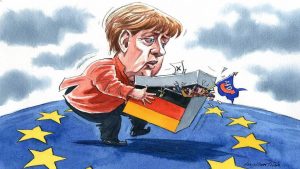
Πώς μπορεί να επανέλθει η Ευρώπη στον πρωταγωνιστικό της ρόλο στις παγκόσμιες εξελίξεις. Μοναδική διέξοδος στις συνθήκες παγκοσμιοποίησης που υπερβαίνουν το έθνος κράτος, αποτελεί η πολιτική  ενοποίησή της ώστε να αντιμετωπίσει με επιτυχία τον παγκόσμιο ανταγωνισμό, διαφορετικά θα παραμένει δέσμια των οικονομικών εθνικισμών και ανίκανη να αντιδράσει στην απαξίωσή της στο παγκόσμιο γίγνεσθαι. Ο Paul Krugman εξετάζοντας την Ευρωζώνη αθροιστικά εν μέσω της κρίσης, το 2012,  διαπίστωνε ότι «τόσο το ιδιωτικό όσο και το δημόσιο χρέος της είναι ελαφρώς χαμηλότερα από των ΗΠΑ, πράγμα που σημαίνει, όπως γράφει, ότι θα έπρεπε να υπάρχουν μεγαλύτερα περιθώρια ελιγμών». Συνεχίζοντας τις διαπιστώσεις σημείωνε ότι «η Ευρώπη ως σύνολο έχει χονδρικά ισοσκελισμένο ισοζύγιο τρεχουσών συναλλαγών, γεγονός που σημαίνει ότι δεν χρειάζεται να προσελκύσει κεφάλαια από αλλού. Η Ευρώπη όμως, συνέχιζε, δεν είναι άθροισμα είναι ένα σύνολο κρατών που έχουν τους δικούς τους προϋπολογισμούς και τις δικές τους αγορές εργασίας. Κι έτσι δημιουργείται η κρίση». Μάλιστα, ο πρόεδρος της Ευρωπαϊκής Επιτροπής Ζαν- Κλοντ Γιούνκερ στη Σύνοδο Κορυφής του περασμένου Ιουνίου, επέκτεινε τη σύγκριση και στον στρατιωτικό τομέα. «Οι ΗΠΑ, είχε πει, ξοδεύουν το διπλάσιο ποσό για αμυντικές δαπάνες από την Ε.Ε. αλλά είναι 15 φορές πιο αποτελεσματικές. Στην Ε.Ε. υπάρχουν σήμερα 178 τύποι όπλων ενώ στις ΗΠΑ 30, στην Ε.Ε. υπάρχουν 30 τύποι τεθωρακισμένων  ενώ στις ΗΠΑ μόνον ένας».

Ποιο είναι το πρόβλημα; Σύμφωνα με το γερμανικό οικονομικό ινστιτούτο ifo, το πλεόνασμα τρεχουσών συναλλαγών της Γερμανίας κατά το τρέχον έτος εκτιμάται ότι θα ανέλθει στα 285 δις δολάρια, έναντι πλεονάσματος 190 δις της Κίνας και 170 δις της Ιαπωνίας! Αν συνυπολογίσουμε το γεγονός ότι με τις συνεχείς διευρύνσεις κατόρθωσε η Γερμανία να εντάξει στην ΕΕ ακόμη και στην Ευρωζώνη τους δορυφόρους της, τής Βαλτικής και του Βίζεγκραντ, πιστεύει κανείς ότι το Βερολίνο προτίθεται να απεμπολήσει ή να μειώσει προς όφελος της ενωμένης Ευρώπης την οικονομική της υπεροχή και την ευρωπαϊκή της ηγεμονία;


Μακροδημόπουλος    Δημήτρης

Αλεξ/πολη –  κιν. 6947-771412

25-9-2017


Το Ιράν και οι Κούρδοι

0
Τι σημαίνει το δημοψήφισμα για την Τεχεράνη
Ένα αγόρι οδηγεί ποδήλατο με την κουρδική σημαία στο Tuz Khurmato, στο Ιράκ, τον Σεπτέμβριο του 2017. THAIER AL SUDANI / REUTERS
Περίληψη:

Για το Ιράν, μια χώρα που έχει δει τα ιστορικά της εδάφη πελεκημένα επί αιώνες, το Κουρδιστάν δεν είναι απλά μια ανησυχητική προοπτική, είναι μια υπαρξιακή απειλή.

Η ARIANE M. TABATABAI είναι διευθύντρια Προγράμματος Σπουδών και επισκέπτρια επίκουρη καθηγήτρια της Σχολής Εξωτερικών Υπηρεσιών Edmund A. Walsh στο Πρόγραμμα Σπουδών Ασφαλείας στο Πανεπιστήμιο Τζορτζτάουν, και συνεργάτις του Διεθνούς Προγράμματος Ασφαλείας στο Κέντρο Belfer του στην Σχολή Κένεντι του Πανεπιστημίου Harvard.

Την παραμονή του δημοψηφίσματος της Δευτέρας σχετικά με το μέλλον του ιρακινού Κουρδιστάν, οι ιρανικές ένοπλες δυνάμεις διενήργησαν [1] μια σημαντική στρατιωτική άσκηση στα σύνορα μεταξύ Ιράν και Ιράκ, καθώς η Τεχεράνη προειδοποιούσε [2] τους Κούρδους να μην προχωρήσουν με το δημοψήφισμα. Εν τω μεταξύ, το Ανώτατο Συμβούλιο Εθνικής Ασφάλειας του Ιράν -η οντότητα που είναι επιφορτισμένη με την εφαρμογή και την επικοινωνία της στρατηγικής ασφάλειας της χώρας- ανακοίνωσε [3] ότι θα σταματήσει όλες τις πτήσεις από και προς τα μεγάλα αεροδρόμια της περιοχής του Κουρδιστάν, στην Sulaymaniyah και την Erbil. Σύμφωνα με την Τεχεράνη, το συμβούλιο έλαβε το μέτρο αυτό αφού της το ζήτησε η Βαγδάτη. Όλη αυτή η δραστηριότητα δεν προκαλεί έκπληξη˙ σε μια περιοχή που μαστίζεται από συγκρούσεις και τρομοκρατία, το κουρδικό δημοψήφισμα [4] ίσως να είναι απλώς το μεγαλύτερο ζήτημα για το Ιράν μέχρι τούδε. Και τώρα που οι Κούρδοι ψήφισαν για την ανεξαρτησία τους παρά την περιφερειακή και διεθνή αντίθεση, θα ξεκινήσουν [5] αυτό που πιθανότατα θα γίνει μια μακρά, πολυεπίπεδη διαδικασία διαπραγμάτευσης για να επιτευχθεί η απόσχιση.

29092017-1.jpg

Ένα αγόρι οδηγεί ποδήλατο με την κουρδική σημαία στο Tuz Khurmato, στο Ιράκ, τον Σεπτέμβριο του 2017. THAIER AL SUDANI / REUTERS
—————————————————————

Το Ιράν έχει μακρόχρονη σχέση με τους Ιρακινούς Κούρδους και είναι η μόνη χώρα στην περιοχή με σημαντικό κουρδικό πληθυσμό [6] που διατηρεί σταθερά αξιοπρεπείς σχέσεις με αυτούς. Η υποστήριξη του Ιράν προς τους Κούρδους έχει προσελκύσει περισσότερη προσοχή από το 2014, όταν το Ιράν υποστήριξε ορισμένες κουρδικές προσπάθειες κατά του Ισλαμικού Κράτους (ISIS), αλλά οι δεσμοί υπάρχουν εδώ και δεκαετίες.

Ακόμη και πριν από την Ισλαμική Επανάσταση του 1979, ο σάχης υποστήριζε τους Κούρδους στο Ιράκ. Τα χρόνια εκείνα, το Ιράν, μαζί με το Ισραήλ και τις Ηνωμένες Πολιτείες, υποστήριξε μια κουρδική εξέγερση εναντίον της κυβέρνησης του al-Bakr στο Ιράκ. Εκείνη την εποχή, η στήριξη των Κούρδων από την Τεχεράνη εξυπηρετούσε δύο βασικούς σκοπούς. Πρώτον, ο σάχης μοιραζόταν τους φόβους των Ηνωμένων Πολιτειών για την διάδοση του κομμουνισμού στην Μέση Ανατολή και την υποστηριζόμενη από την Σοβιετική Ένωση κυβέρνηση στην Βαγδάτη. Δεύτερον, ο σάχης ήθελε να ελέγξει το Ιράκ, του οποίου οι διεκδικήσεις επί τμημάτων του ποταμού που χωρίζει [στο νοτιότερο τμήμα του] τις δύο χώρες -τον Shatt al-Arab, όπως είναι γνωστός στους Άραβες, και Arvand Rud, όπως είναι γνωστός στους Ιρανούς- είχαν προκαλέσει μακρές εντάσεις στις δύο πρωτεύουσες.

Η διαμάχη τελικά οδήγησε [7] στον πόλεμο Ιράν-Ιράκ στις 22 Σεπτεμβρίου 1980. Κατά την διάρκεια εκείνου του πολέμου, οι Κούρδοι συμπαρατάχθηκαν με το Ιράν, και το καθεστώς του Σαντάμ Χουσεΐν στόχευσε αμφότερους με χημικά όπλα. Δεκαετίες αργότερα, το Ιράν και οι Κούρδοι θα βρεθούν και πάλι στην ίδια πλευρά μιας σύγκρουσης: Αυτής εναντίον του ISIS [8], στην οποία οι Κούρδοι πεσμεργκά πολέμησαν παράλληλα με την ελίτ της Ισλαμικής Επαναστατικής Φρουράς «Δύναμη Quds» και τις υποστηριζόμενες από το Ιράν σιιτικές πολιτοφυλακές.

Αλλά αν οι κοινές απειλές και τα συμφέροντα έχουν φέρει κοντά το Ιράν και τους Ιρακινούς Κούρδους για δεκαετίες, ο ίδιος ο κουρδικός πληθυσμός του Ιράν έχει καταστήσει την σχέση πιο περίπλοκη. Ο κουρδικός πληθυσμός του Ιράν, μεγέθους περίπου επτά εκατομμυρίων ατόμων, συγκεντρώνεται στις βορειοδυτικές και δυτικές περιοχές της χώρας και ο πληθυσμός αυτός περιλαμβάνει σημαντικό αριθμό σουνιτών. Οι περιοχές που κατοικούν οι Κούρδοι παραμένουν από τις πλέον υπο-αναπτυγμένες περιοχές της χώρας˙ η κυβέρνηση αποτυγχάνει σταθερά να επενδύει εκεί και οι ιδιωτικές επενδύσεις επίσης δεν έχουν έρθει. Δεν προκαλεί έκπληξη λοιπόν ότι ακόμα και ενώ οι πεσμεργκά πολεμούν το ISIS στο Ιράκ, ορισμένοι Ιρανοί Κούρδοι προσχώρησαν στην τρομοκρατική ομάδα. Και αυτό δεν αγνοήθηκε από το ISIS, το οποίο στόχευσε [9] τον κουρδικό πληθυσμό του Ιράν για στρατολογήσεις. Οι πράκτορες του ISIS, οι οποίοι διεξήγαγαν τις δυο επιθέσεις [10] του Ιουνίου του 2017 στην Τεχεράνη, ήταν Ιρανοί Κούρδοι.

Παρ’ όλα αυτά, οι Ιρανοί βλέπουν τους Κούρδους, όπως και τις πολλές άλλες εθνικές, θρησκευτικές και γλωσσικές μειονότητες που έχουν αποτελέσει τα υπολείμματα της περσικής αυτοκρατορίας, ως φυσικό μέρος της σύνθεσης της χώρας τους. Αλλά το κουρδικό δημοψήφισμα περιπλέκει τα πράγματα. Αντί να το θεωρήσει ως ένα μεμονωμένο περιστατικό, η Τεχεράνη θεωρεί ότι ανοίγει την πόρτα σε μια πιο ολοκληρωμένη προσπάθεια για την απόσχιση των κουρδικών εδαφών από το Ιράν, την Συρία και την Τουρκία, προς την δημιουργία μιας νέας χώρας [11] στην περιοχή. Και αυτή η ιδέα δεν είναι υπερβολική. Οι ειδήμονες και οι πολιτικοί στην περιοχή και στο εξωτερικό έχουν σκεφτεί εδώ και πολύ καιρό να κάνουν ακριβώς αυτό, σαν λύση σε αυτό που βλέπουν ως την ουσία της ανασφάλειας στην Μέση Ανατολή: Τα σύνορα της περιοχής -που χαράχτηκαν κυρίως από τις αποικιοκρατικές δυνάμεις. Ορισμένοι, μέχρι που υποστήριξαν [12] ότι οι ημέρες των συνόρων που χαράχτηκαν από την συμφωνία Sykes-Picot είναι ούτως ή άλλως μετρημένες. Όπως το έθεσε ο δημοσιογράφος Jeffrey Goldberg [13] στην υποστήριξή του προς την ανεξαρτησία των Κούρδων το 2014, «καμία κόλλα δεν θα μπορούσε να κρατήσει ενωμένο αυτό το μέρος». Για το Ιράν, μια χώρα που έχει δει τα ιστορικά της εδάφη πελεκημένα επί αιώνες, το Κουρδιστάν δεν είναι απλά μια ανησυχητική προοπτική -είναι μια υπαρξιακή απειλή.

29092017-2.jpg

Κούρδοι στην Ερμπίλ παρελαύνουν προς υποστήριξη του δημοψηφίσματος υπέρ της ανεξαρτησίας, τον Σεπτέμβριο του 2017. AZAD LASHKARI / REUTERS
————————————————

Και είναι μια απειλή που το Ιράν έχει δει και στο παρελθόν. Το 1946, Ιρανοί και Ιρακινοί Κούρδοι ίδρυσαν ένα βραχύβιο ανεξάρτητο κράτος γνωστό ως Δημοκρατία του Μαχαμπάντ. Η Δημοκρατία του Μαχαμπάντ ιδρύθηκε στο Ιράν και συμπεριέλαβε Ιρακινούς Κούρδους, κυρίως τον πιο εξέχοντα Κούρδο ηγέτη στην σύγχρονη ιστορία, τον Μουσταφά Μπαρζανί. Η δημοκρατία υποστηρίχθηκε από την Σοβιετική Ένωση, αλλά κατέρρευσε σε λιγότερο από έναν χρόνο. Και ο Μπαρζανί και ο σάχης θα εξακολουθήσουν να έχουν μια ταραχώδη σχέση, μια σχέση συνεργασίας σε ένα πλαίσιο καχυποψίας. Η συνεργασία και η καχυποψία διαρκούν μέχρι σήμερα. Στην πορεία προς το κουρδικό δημοψήφισμα, ο επικεφαλής της Δύναμης Quds του Ιράν, Qasem Soleimani, συναντήθηκε [14] με τον Masoud Barzani, τον γιο του Mustafa Barzani, πρόεδρο της Κουρδικής Περιφέρειας και αρχιτέκτονα του δημοψηφίσματος, ακόμα κι όταν οι ιρανικές δυνάμεις αύξαναν την πίεση στους Κούρδους.

Εάν οι Κούρδοι του Ιράκ κατορθώσουν να δημιουργήσουν και να διατηρήσουν ένα λειτουργικό κράτος, το Ιράν σίγουρα θα επηρεαστεί βαθιά. Πρώτον, ένα επιτυχημένο κίνημα ανεξαρτησίας στο Ιράκ σίγουρα θα αναζωογονήσει παρόμοιες προσπάθειες των Κούρδων στο Ιράν. Και αυτό, με την σειρά του, θα μπορούσε να παρακινήσει άλλες μειονότητες να πιέσουν για ανεξαρτησία. Δεύτερον, η κουρδική περιοχή που μοιραζόταν το Ιράν και το Ιράκ ήταν από καιρό μια εύκολη ζώνη για να την διασχίσει κάποιος -ένα χαρακτηριστικό που εκτιμάται από τους λαθρεμπόρους και τους αντιφρονούντες. Στην πραγματικότητα, στο αποκορύφωμα των διεθνών κυρώσεων κατά του Ιράν, η πόλη Μαχαμπάντ ήταν ένας κόμβος για επιχειρήσεις που έφερναν αγαθά από το ιρακινό Κουρδιστάν στην κουρδική περιοχή του Ιράν πριν τα στείλουν σε άλλες περιοχές της χώρας. Η ευκολία κινήσεων, η κοινή γλώσσα και τα κοινά μέσα μαζικής ενημέρωσης μεταξύ του ιρακινού και του ιρανικού κουρδικού πληθυσμού θα κάνει της πολιτική επίδραση πιθανή. Τρίτον, οι Κούρδοι είναι γνωστοί στις Ηνωμένες Πολιτείες ως μετριοπαθής δύναμη. Στο κάτω-κάτω, έχουν συνηθίσει να συμπαρατάσσονται με τις Ηνωμένες Πολιτείες ενάντια σε τυράννους και τρομοκράτες, συμπεριλαμβανομένων του Σαντάμ και του ISIS. Αλλά και αυτοί, επίσης, έχουν πιο αμφίβολες ομάδες στις τάξεις τους. Οι κουρδικές περιοχές του Ιράν φιλοξενούν διάφορες ομάδες σαλαφιστών, συμπεριλαμβανομένων και ορισμένων με δεσμούς με την αλ Κάιντα και τη Μουσουλμανική Αδελφότητα. Και οι προσπάθειες στρατολογήσεων του ISIS στην περιοχή έχουν προσθέσει λάδι στην φωτιά. Το δημοψήφισμα θα μπορούσε να χρησιμεύσει για την ενδυνάμωση αυτών των ομάδων, και γι’ αυτό, σύμφωνα με τις Ηνωμένες Πολιτείες, έχει ήδη βλάψει [15] τις προσπάθειες κατά του ISIS.

Το δημοψήφισμα θα μπορούσε επίσης να έχει επιπτώσεις στις σχέσεις του Ιράν με την υπόλοιπη περιοχή. Στην πραγματικότητα, μπορεί να είναι η πρώτη εξέλιξη μέσα σε ένα μεγάλο χρονικό διάστημα για να φέρει μαζί τους βασικούς παίκτες. Ο Μπαρζανί και άλλοι Κούρδοι ηγέτες υποστηρίζουν ότι ο στόχος του δημοψηφίσματος δεν είναι να αρχίσει να επαναπροσδιορίζει τα σύνορα τώρα. Αντ’ αυτού, έχει ως στόχο να ξεκινήσει διαπραγματεύσεις μεταξύ των Κούρδων και της Βαγδάτης. Αλλά για το Ιράν (και για άλλες χώρες της περιοχής), το δημοψήφισμα θα έκανε τον τροχό να γυρίσει και θα ήταν δύσκολο να τον σταματήσουν προτού χτυπήσει σε άλλα εδραιωμένα σύνορα. Ως αποτέλεσμα, το Ιράν και η Τουρκία έχουν ήδη δεσμευτεί [16] να λάβουν μέτρα για την εξάλειψη των ιρακινών κουρδικών προσπαθειών για ανεξαρτησία.

29092017-3.jpg

Ένα άγαλμα φόρος τιμής στους Κούρδους πεσμεργκά, στο Κιρκούκ, τον Σεπτέμβριο του 2017. AKO RASHEED / REUTERS
—————————————————–

Στο πλαίσιο αυτό, θα συνεργαστούν με το Ιράκ, έναν από τους βασικούς στρατηγικούς εταίρους του Ιράν στην περιοχή. Στην πραγματικότητα, το δημοψήφισμα ενδέχεται να ενισχύσει τους δεσμούς μεταξύ Ιράν και Ιράκ. Από την πλευρά της, η Σαουδική Αραβία βρίσκεται στην αντίθετη πλευρά με το Ιράν στα περισσότερα θέατρα της περιοχής, από το Αφγανιστάν έως την Συρία και την Υεμένη. Αλλά οι Σαουδάραβες εντάχθηκαν στον χορό [17] των περιφερειακών ηγετών καλώντας τους Κούρδους να αναβάλουν το δημοψήφισμα. Οι Ηνωμένες Πολιτείες επίσης δήλωσαν [15] ότι θα μπορούσαν να περιορίσουν την υποστήριξή τους και την βοήθεια προς τους Κούρδους εάν εκείνοι προχωρήσουν με την ανεξαρτησία. Και σήμερα, οι Ηνωμένες Πολιτείες εξακολουθούν να διατηρούν την επίσημη θέση τους ότι η εδαφική ακεραιότητα και η εθνική ενότητα του Ιράκ είναι οι κορυφαίες προτεραιότητές της. Αυτά αφήνουν εκτός έναν βασικό περιφερειακό παράγοντα –το Ισραήλ. Ο πρωθυπουργός Βενιαμίν Νετανιάχου, του οποίου η κύρια έγνοια της εξωτερικής πολιτικής ήταν η ανάσχεση του Ιράν, είναι ίσως ο μοναδικός σημαντικός ηγέτης της περιοχής που υποστήριξε [18] την δημιουργία ενός κουρδικού κράτους, το οποίο θεωρεί πιθανό φράγμα ενάντια στην ιρανική επέκταση και επιθετικότητα.

Το δημοψήφισμα δημιούργησε σημαντική προσέλευση. Αλλά μακράν του να δώσει μια οριστική απάντηση στο κουρδικό ζήτημα, το δημοψήφισμα είναι μόνο η αρχή μιας μακράς διαδικασίας. Και αυτή η διαδικασία θα ξεδιπλωθεί, καθώς οι βασικοί παίκτες στην περιοχή προσπαθούν να σταματήσουν την κουρδική ανεξαρτησία. Ήδη, ο πρόεδρος της Τουρκίας, Ρετζέπ Ταγίπ Ερντογάν, δήλωσε [19] ότι οι ένοπλες δυνάμεις της χώρας είναι έτοιμες στα σύνορα. Από την πλευρά του, το Ιράν έκανε επίδειξη δύναμης με μια σημαντική άσκηση στα σύνορα και ανέπτυξε τους Φρουρούς και συμβατικό στρατό καθώς και πλήθος συστημάτων όπλων, συμπεριλαμβανομένων πυραύλων και αεροσκαφών. Προσπάθησε επίσης κάποια παρασκηνιακή διπλωματία. Πράγματι, το Ιράν ενδέχεται να αντιμετωπίζει την μέχρι σήμερα μεγαλύτερη περιφερειακή πρόκλησή του μετά τον πόλεμο Ιράν-Ιράκ, μια εξέλιξη που το Ιράν πιστεύει ότι θα χρησιμεύσει μόνο για να επιδεινώσει ένα ήδη άθλιο τοπίο ασφαλείας στην περιοχή.

Copyright © 2017 by the Council on Foreign Relations, Inc.
All rights reserved.

Στα αγγλικά: https://www.foreignaffairs.com/articles/iran/2017-09-26/iran-and-kurds

Σύνδεσμοι:
[1] https://www.tasnimnews.com/fa/news/1396/07/02/1528880/%5F%5F%5F%5F%5F%5F…
[2] http://www.bbc.com/persian/iran-41298621
[3] http://www.bbc.com/persian/iran-41379238
[4] https://www.foreignaffairs.com/articles/2017-09-19/politics-kurdish-inde…
[5] http://www.bbc.com/news/world-middle-east-41382494
[6] https://www.foreignaffairs.com/articles/persian-gulf/2017-09-01/why-iran…
[7] http://www.mitpressjournals.org/doi/full/10.1162/ISEC_a_00286
[8] https://www.chathamhouse.org/sites/files/chathamhouse/field/field_public…
[9] http://www.al-monitor.com/pulse/originals/2017/06/iran-tehran-isis-attac…
[10] https://www.foreignaffairs.com/articles/iran/2017-07-04/isis-hits-iran
[11] https://www.foreignaffairs.com/articles/2017-04-12/iraqi-kurds-trump-bri…
[12] https://www.newyorker.com/news/news-desk/the-194th-state-the-kurds-bid-f…
[13] https://www.theatlantic.com/international/archive/2014/06/the-new-map-of…
[14] http://www.bbc.com/persian/world-41380209
[15] https://www.ft.com/content/69b5b776-9e58-11e7-8cd4-932067fbf946
[16] http://www.reuters.com/article/us-mideast-crisis-kurds-referendum-minis/…
[17] http://www.arabnews.com/node/1164416/middle-east
[18] https://www.nytimes.com/2017/09/22/world/middleeast/kurds-independence-i…
[19] http://www.aljazeera.com/news/2017/09/erdogan-warns-armed-action-iraqi-k…

Μπορείτε να ακολουθείτε το «Foreign Affairs, The Hellenic Edition» στο TWITTER στην διεύθυνση www.twitter.com/foreigngr αλλά και στο FACEBOOK, στην διεύθυνση www.facebook.com/ForeignAffairs.gr και στο linkedin στην διεύθυνση https://www.linkedin.com/company/foreign-affairs-the-hellenic-edition

Learning from Germany

0


By Sebastian Payne  Financial Times
September 28, 2017

Explaining populist uprisings around the world has become the holy grail of political analysis. Thousands of words have been devoted to the blue-collar insurgency that propelled Donald Trump to the White House. The same goes for the anti-elite rhetoric that persuaded the British electorate to turn away from the EU. Now it is Germany’s turn. Although the campaign in the recent federal elections was considered to be dull and dry, the nativist Alternative for Germany broke through, picking up 12.5 per cent of the votes and 94 seats in the Bundestag. Angela Merkel may have gained a fourth term as chancellor but governing will be much trickier for her this time.

In his column today, Philip Stephens digs into the right (and wrong) lessons to be drawn from the German elections. Although the AfD broke through, he argues it was not an earthquake on the scale of Brexit or Donald Trump’s victory. The vast  majority of German voters stuck to established parties. Nevertheless, something changed. Some argue that the “grand coalition” of centre-left parties stifled genuine debate. The consensual style of politics that has governed Germany until now has ensured stability and prosperity. But it has also contributed to the rise of fringe elements.

The challenge for mainstream politicians such as Ms Merkel is how to react and respond to the grievances of these voters. I discussed this question with Fred Studemann in our weekly FT and Cake video discussion. Our conclusion was that the German government will most likely turn inwards over the next few years to try to tackle these concerns. As Hajo Funke argued in an opinion piece this week, longstanding feelings of exclusion need to be addressed in order to address the growth of nationalism. Radical and rapid Eurozone reform, as proposed by French president Emmanuel Macron, is likely to stall – as is talk of Germany becoming the leader of the West. Germany, it turns out, is not immune to the febrile politics gripping the rest of the globe.

Further reading: Fu Ying, the chairperson of the Foreign Affairs Committee of China’s National People’s Congress, writes on America’s approach to the situation in North Korea. The Trump administration has taken great joy in pointing fingers at China for not doing enough to temper Kim Jong-un. Ms Fu argues that sanctions alone cannot solve the situation and the US must engage with North Korea. Although Donald Trump once advocated such an approach, the tweet-twitchy president might have moved beyond the talking phase.

Quote of the day

“Now where is the rally? Athens, super, we love Athens. And you are from . . . Golden Dawn, I don’t think Nigel’s worked with you before has he? So tell me a bit about yourselves. You don’t like immigrants? No, that shouldn’t be a problem. Or gays, I see. Well that’s not a core Farage policy but it won’t be a deal-breaker.”

Robert Shrimsley imagines what it is like to be Nigel Farage’s booking agent

What you’ve been saying

Yellen is right to sound the alarm on inflation – Joel Solkoff:

“The number one raw material in the production of food is petroleum. Despite reports of food surpluses in the developed world, international grain reserves will be insufficient protection were crops currently in the ground to fail.”

Comment from Old School Canuck on The world’s hopes rest with America’s generals:

“In my view, the generals will be unable to stop Mr. Trump. The precipitous and confrontational approach is his to maintain or abandon–given his record, I doubt that any sound advice that does not accord with his own view of how the world ought to be will be dismissed out of hand.”

How privatisation failed a natural public good – Guy Standing:

The fact that Thames Water, a privatised foreign-owned monopoly, has been found guilty of pouring 34,000 tonnes of untreated sewage into our national river, and had its wrists slapped, is not a regulatory failure. It is a failure of privatisation. Private corporations will always put the interests of their shareholders first, and those of the public and the environment a distant second

Iran’s Military Options Against Kurdish Independence

0

on September 28, 2017 at 10:00 AM

 Post a Comment
An Iranian war-boat fires a missile during the “Velayat-90” navy exercises in the Strait of Hormuz in southern Iran on December 30, 2011. Iran, which has been carrying out war games in the Strait of Hormuz over the past week, has said that “not a drop of oil” would pass through the strait if Western governments follow through with planned additional sanctions over its nuclear programme.
AFP PHOTO/IIPA/ALI MOHAMMADI (Photo credit should read ALI MOHAMMADI/AFP/Getty Images)

Tehran has several means of putting military and economic pressure on the Iraqi Kurds following the independence referendum, but taking action on its recent warnings could widen Kurdish discontent at home.

The Kurdish independence referendum is only a few days away, and there are growing indications that Iran is considering drastic measures to stop the process. As Tehran increases diplomatic pressure on the Kurdistan Region of Iraq (KRI), military measures could also be on the table, whether in the short or long term.

A HISTORY OF UPRISINGS

The lack of political coherence among the millions of Kurds scattered throughout the Middle East has prevented them from achieving their dream of independence and statehood. This dream in turn has led many of them to launch armed struggles against the governments under which they live. The only modern-day Kurdish state, the Mahabad Republic of 1946, was formed in parts of Iranian Kurdistan with direct Soviet support. This self-declared republic was the birthplace of the Peshmerga movement, but it soon ended after Soviet forces withdrew from Iran the next year.

Armed Kurdish insurgency against the central government in Tehran began in the 1960s, during which the Kurdish Barzani clan in Iraq initially sided with Iranian Kurdish rebels. This insurgency was eventually quelled with the help of American military advisors. Years later, Iranian and American military personnel came to the aid of Iraqi Kurds fighting for autonomy from the Baath government in Baghdad. This covert support continued until the March 1975 Algiers agreement between Iran and Iraq, bringing the insurgency to a temporary pause.

Iran’s 1979 revolution and its 1980 border clashes with Iraq triggered a series of armed skirmishes and bloody urban fighting with Iranian Kurdish rebels, but the latter again failed to win autonomy. The Kurdish armed rebellion was further revived by the Iran-Iraq War, but U.S. intelligence assessments from the early 1980s judged that deep internal splits prevented the Kurds from seriously threatening the Iranian, Iraqi, or Turkish governments. Even so, several groups — including the Kurdistan Free Life Party (PJAK), a branch of the Turkey-based Kurdistan Workers Party (PKK) — have continued to fight a low-intensity insurgency against the Iranian government since the early 2000s.

Meanwhile, the KRI achieved a great degree of autonomy following the 1991 Gulf War, and for the most part enjoyed neighborly relations with Iran even amid armed conflicts between Iraqi Kurdish parties. One of these parties, the Patriotic Union of Kurdistan (PUK), had developed close relations with Tehran during the Iran-Iraq War, when it partnered with elements of the Islamic Revolutionary Guard Corps (IRGC) to fight Saddam Hussein. Yet the PUK has put this relationship at risk by supporting the current KRI independence drive.

DOMESTIC COUNTERINSURGENCY

Iran’s bloody history of Kurdish insurgency shows how Tehran is prepared to go to great lengths to prevent Kurdish autonomy on its own territory, let alone independence. Iran continues to maintain sizable military forces near Kurdish populations in the provinces of Kurdistan, West Azerbaijan, and Kermanshah. In recent years, these forces have witnessed a surge in armed clashes with Kurdish insurgents, resulting in heavy casualties on both sides.

The country’s two main Kurdish opposition groups are the Komala Party of Iranian Kurdistan (KSZK) and the Democratic Party of Iranian Kurdistan (PDKI). PJAK is also very active in the Kurdish regions. If a strong, independent Kurdistan emerges in Iraq, Iranian Kurdish unrest could become more vocal and forceful. Such concerns are the main driver behind Tehran’s vehement opposition to the KRI referendum and calls for independence in general. As a result, Iran’s intelligence services have been closely monitoring Kurdish communities for signs of discontent or separatist activities.

Tehran is also wary of perceived Israeli geopolitical designs on northern Iraq, probably seeing Israel’s public support for the referendum as a response to years of Iranian/Hezbollah posturing on its northern borders. Iran will therefore continue to scrutinize Kurdish-Israeli relations.

IRAN’S MILITARY CAPABILITIES IN THE NORTHWEST

Iran has four command-and-control structures in place to handle threats ranging from cross-border incursions to street riots in the Kurdish regions. The IRGC’s Hamzeh Sayyed al-Shohada headquarters in Urmia handles the northwest sector, while the Najaf Ashraf headquarters in Kermanshah handles the west. Together they oversee four corps, including the Beit al-Muqaddas Special Provincial Corps in Kurdistan; each corps has a division with two brigades.

Tehran has always feared that a punitive security operation against one Kurdish group or town could spur more widespread unrest in other regions. It has therefore tasked these local IRGC headquarters and their Basij affiliates, along with various intelligence services, to establish an urban control and containment system in Kurdish areas that is second only to that seen in Tehran province.

The national army (Artesh) complements these efforts with its own Northwest and West Regional Command Headquarters, also based in Urmia and Kermanshah. They each control three skeleton divisional headquarters whose subordinate units act as independent “operational brigades,” reportedly with more firepower and mobility. These units are mainly oriented toward foreign threats; they include the 35th Brigade, a quick-response special forces unit in Kermanshah, usually the first Artesh force deployed in response to any border incident.

HARD STANCE AGAINST THE REFERENDUM

On September 17, Ali Shamkhani, the secretary of Iran’s Supreme National Security Council, threatened to sever all military and security agreements with the KRI and close all border crossings if the Kurds proceed with their referendum, while parliamentary speaker Ali Larijani alluded to a possible economic blockade. Shamkhani also threatened to use “totally different measures” against Iranian Kurdish opposition groups allegedly based in Iraqi Kurdistan, which could mean more forceful and frequent military action against PJAK and other groups in the mountainous border areas. Such actions could gradually target KRI forces as well.

Likewise, Maj. Gen. Mohammad Bagheri, chairman of the Armed Forces General Staff, has spent the past few months warning of the referendum’s “dangerous consequences.” In August, he surprised observers by visiting Turkey and meeting with President Recep Tayyip Erdogan and his army chief of staff Gen. Hulusi Akar. Officials from both countries later spoke of possible joint military operations against Kurdish “separatist plans,” not only along their shared border, but also in Syria and Iraq.

Going forward, Iran can be expected to throw its weight behind Baghdad’s threat to use force against the Kurdish drive for independence, perhaps by offering more arms and special operatives to the Iraqi army and Shia militias. But Tehran is likely aware that any shipments of heavy weapons (e.g., large-caliber artillery, Fateh-110/Zolfaqar missiles) to those parties are prohibited under UN Security Council Resolution 2231, even if rerouted through Syria. Iran may also try to exploit intra-Kurdish rivalries by wooing specific factions away from the independence movement with arms and other support.

In the longer term, Iran, Iraq, or Turkey could decide to counter the land-locked KRI with an “aerial unsafe zone,” a no-fly zone, or even an air blockade, preventing international flights from landing at Erbil, Sulaymaniyah, or Kirkuk. Given the limited number of fighter aircraft at its northwestern air bases in Tabriz and Hamedan, Iran’s participation in such efforts would likely be limited to forward-deploying air defense assets such as S-300 missile batteries. The KRI lacks a capable air force or air defense system, and no foreign air force is currently committed to protect it, so its oil facilities and military infrastructure remain very vulnerable. At the same time, Iran may be restrained by the possibility that tensions on its western and northwestern borders could affect the thousand-plus daily commercial overflights of those areas, for which it is paid a substantial surcharge by international airlines.

Moreover, for any blockade to be successful, Russian cooperation would be needed. Moscow’s position on Kurdish independence has been ambiguous despite its warming relations with states bordering the KRI. Recently, the state-owned Russian energy company Rosneft signed a deal with the KRI to build a pipeline to Turkey, potentially allowing it to send as much as 30 billion cubic meters of gas per year to feed European demand. Turkey’s large gas market would also benefit from this new initiative. With the help of major Russian investment, KRI oil exports are expected to grow as well, increasing from their current level of about 650,000 barrels per day to as high as 1 million. These economic factors could greatly complicate any Iranian plans to put military pressure on the KRI.

CONCLUSION

Tehran would likely perceive an independent KRI as a direct threat to its sovereignty and revolutionary ideology, so it may do whatever it can to prevent that outcome. Accordingly, the United States should prepare itself for escalation along the KRI’s borders. Yet Washington should also realize that continued opposition to the independence movement will weaken its leverage on the Kurds and perhaps open further opportunities for Russia.

Tehran would not be immune to the consequences of opposing the KRI either. Any Iranian attempt to actively derail the Kurdish independence drive or supply other actors with arms would be a gift to the Trump administration, which has already set its sights on Iran’s regional activities. And even if Tehran limits its interference to trade leverage, it would still risk becoming a common enemy to the Kurdish cause. Many Iranian Kurds are dependent on cross-border trade, so economic sanctions or blockades against the KRI could lead to further destabilization and discontent in western Iran — the very outcome Tehran is striving to avoid.

Farzin Nadimi is a Washington-based analyst specializing in the security and defense affairs of Iran and the Persian Gulf region.

Originally Posted on September 22, 2017

©2017 The Washington Institute for Near East Policy. Reprinted with permission.

After Europe: An Interview with Ivan Krastev

0

Can democratic institutions be turned to exclusionary ends? ~ Why has the ongoing refugee crisis transformed the politics of Central and Eastern European states—despite the fact that these countries host virtually no migrants? ~ And what do demographic and generational changes mean for the liberal consensus that emerged in the wake of communism’s fall?

In this thought-provoking thirty-minute interview, frequent Journal contributor and Editorial Board member Ivan Krastev discusses with the Open Society Foundations’ Leonard Benardo these and other questions raised in his widely praised new book After Europe (University of Pennsylvania Press, 2017, 128 pp.). From the unexpected return of nationalism and socialism to the rise of populism and eruption of “demographic panic,” this wide-ranging dialogue examines key social and political dynamics likely to shape Europe’s politics in the years to come.

After Europe is also available in German under the title Europadämmerung: Ein Essay (Suhrkamp, 2017, 143 pp.), with additional translations forthcoming.  


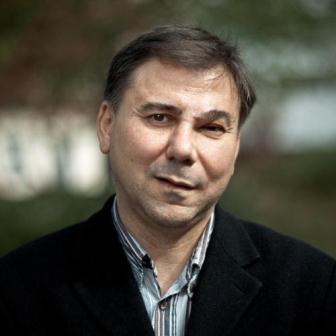
Ivan Krastev is the chairman of the Centre for Liberal Strategies in Sofia and permanent fellow at the Institute for Human Sciences, Vienna. He is a founding board member of the European Council on Foreign Relations, a member of the Board of Trustees of the International Crisis Group, and a contributing opinion writer for the International New York Times. His latest books in English are After Europe (2017), Democracy Disrupted: The Politics of Global Protest (2014), and In Mistrust We Trust: Can Democracy Survive When We Don’t Trust Our Leaders? (2013). He is coauthor, with Stephen Holmes, of a forthcoming book on Russian politics. 
Leonard Benardo is regional director for the Open Society Foundations’ Eurasia Program and director of the Open Society Fellowship. His writing has appeared in the New York Times, the New York Review of Books,the International Herald Tribune, and Bookforum. He is also the coauthor of Brooklyn by Name: How the Neighborhoods, Streets, Parks, Bridges, and More Got Their Names (2006), and Citizen-in-Chief: The Second Lives of the American Presidents (2009).
 Ivan Krastev in the Journal of Democracy

For more of Krastev’s incisive analysis on these and other themes, turn to his October 2016 Journal article “The Specter Haunting Europe: The Unraveling of the Post-1989 Order,” watch his 2010 Seymour Martin Lipset Lecture on “Paradoxes of the New Authoritarianism,” and peruse his many past contributions:

Linked articles are freely available on this site. For full access to all of our current and past content, subscribe to the Journal.

Praise for After Europe

Gideon Rachman, Financial Times: “Krastev is one of Europe’s most interesting public intellectuals. In what is essentially a long essay he argues that the refugee crisis threatens to widen the gap between elites and voters in ways that threaten the future of the entire European project.”

David Goodhart, Times: “In this slim volume, which is a treasure chest of striking observations and colourful vignettes, the Bulgarian commentator brings a distinctly East European sense of tragedy to Europe’s multiple crises.”

Paschal Donohoe, Irish Times: “Most arresting book of the year. . . . A short work, it attributes our severest European challenges to the refugee crisis. Despite this I finished it with a sense of hope that we are rediscovering the EU as a source of freedoms.”

Robert Fox, London Evening Standard: “The best essay today on history and the world of Trump, Brexit, migrants and climate change.”

Pankaj Mishra, Guardian: “After Europe (Pennsylvania), a sober reckoning with the challenges to Europe, defines the dangers that will outlast, and may even be aggravated by, Emmanuel Macron’s triumph.”

Yascha Mounk, New Republic: “[The intensity of anti-immigrant sentiment in Central and Eastern European countries] is one of many riddles that Ivan Krastev—a Bulgarian political scientist who casually wields the dialectical wit to which Slavoj Zizek so desperately pretends—solves in After Europe.”

http://journalofdemocracy.org/after-europe-interview-ivan-krastev


ΔΙΑΠΡΑΓΜΑΤΕΥΣΗ ή ΠΑΡΑΛΟΓΙΣΜΟΣ;

1

Κωστας  Βεργοπουλος

Ασφαλως τα αποτελεσματα των προσφατων βουλευτικων εκλογων στην Γερμανια δεν προαναγγελλουν θετικες εξελιξεις για την πορεια της ευρωπαικης ενοποιησης. Ενισχυθηκαν οι ευρωφοβικες πολιτικες δυναμεις, παρ’ολο που η συνθηματολογια περι γερμανικης αποχωρησης απο την ΕΕ περιερχεται ολο και περισσοτερο σε αδιεξοδο και εξασθενει. Ωστοσο, παρα την εκλογικη καταμετρηση, ενα στοιχειο παραμενει και πιεζει με ολο και περισσοτερο αδηριτο τροπο προς την αντιθετη κατευθυνση, αυτην της ενισχυσης και σταθεροποιησης του ευρωπαικου εγχειρηματος και οχι προς την αποδομηση και εγκαταλειψη του.

Το σημερινο βασικο διακυβευμα για την Ευρωζωνη ειναι: να αυξηθει η συνοχή της νομισματικης περιοχης του ευρω, να παραμεινει στα σημερινα ανεπαρκη επιπεδα που τροφοδοτουν επαναλαμβανομενες κρισεις ή μηπως να μειωθει με την επιστροφη σε εθνικες προτεραιοτητες;

Στην προσφατη συναντηση της με τον νεοεκλεγεντα Γαλλο προεδρο, η Γερμανιδα καγκελαριος συμφωνησε  στην πρωτη επιλογη και βεβαια δεν θα μπορουσε να κανει διαφορετικα, οχι τοσο για ιδεολογικους και πολιτικους λογους, που παντως εχουν και αυτοι την σημασια τους, αλλα κυριως για οικονομικους. Η Γερμανια, πρωτη οικονομια στην Ευρωζωνη, ειναι ταυτοχρονα και πρωτη στην συνεισφορα στον ευρωπαικο προυπολογισμο με καθαρη συμμετοχη περιπου 20 δις ευρω ετησιως, ενω η γαλλικη καθαρη συμβολη ανερχεται σε μολις 8 δις και η αντιστοιχη βρετανικη ειχε φθασει στα 9 δις. Ωστοσο, για την δικαιη αποτιμηση του κοστους της ευρωπαικης ενοποιησης για καθε χωρα μελος, θα οφειλαν να συνεκτιμηθουν και τα οφελη που η καθε χωρα μελος αντλει με την συμμετοχη της στο κοινο εγχειρημα. Στο τελευταιο σημειο, δεν υπαρχει καμια αμφιβολια ως προς το οτι η Γερμανια και παλι, με την μεριδα του λεοντος στο κοστος του ευρωπαικου εγχειρηματος, ειναι ταυτοχρονα αυτη που αντλει και την μεριδα του λεοντος απο τα εξ αυτης οφελη, και παντως ασυγκριτα περισσοτερα απο τα επερχομενα στην Γαλλια και Βρετανια, τοσο εμπορικα οσο και χρηματοπιστωτικα.

Με την ελευθερη διακινηση των εμπορευματων της, η Γερμανια τοποθετει εντος της ΕΕ 25% του ΑΕΠ, ενω η Γαλλια μολις 12,8% και η Βρετανια  8% των αντιστοιχων ΑΕΠ. Η γερμανικη εξαγωγικη επιδοση στις αγορες των εταιρων της υπερβαινει και τον αντιστοιχο μεσο ορο για το συνολο των χωρων μελων που κυμαινεται μεταξυ 20% και 22% του συνολικου ευρωπαικου ΑΕΠ. Ας σημειωθει οτι με την υψηλη εξαγωγικη επιδοση της, η Γερμανια αντλει απο την ΕΕ  50% του εξωτερικου εμπορικου πλεονασματος της. Χωρις την ελευθερη προσβαση στην αγορα των 450 εκατομμυριων καταναλωτων και παραγωγων, η Γερμανια δυσκολα θα μπορουσε να επαιρεται για το «εναρετο» υποδειγμα της. Με κοστος 20 δις ευρω ετησιως, η ιδια διασφαλιζει ελευθερες πωλησεις υψους σχεδον 900 δις ευρω. Παραλληλα, τα χρηματοπιστωτικα οφελη της απο το ευρωπαικο οικοδομημα δεν ειναι διολου ευκαταφρονητα, αφου το μεγιστο μερος των ευρωπαικων αποταμιευσεων συρρεουν σε αυτην προς αναζητηση ασφαλειας, με συνεπεια το μηδενικο για αυτην κοστος του χρηματος, ενω για τις λοιπες χωρες μελη αυτο το παραμενει οπωσδηποτε υψηλοτερο. Κι ακομη, με τις διαφορες των επιτοκιων μεταξυ των χωρων μελων, η Γερμανια ειναι σε θεση να μετατρεπει τις αναγκαιες και σταθεροποιητικες χρηματοδοτησεις μεταξυ εταιρων στο κοινο νομισμα σε κερδοσκοπικες επιχειρησεις εκατονταδων δισεκατομμυριων ευρω. Ακομη και αν υποτεθει οτι διπλασιαζοταν, τριπλασιαζοταν η τετραπλασιαζοταν η καθαρη συμβολη της στην ΕΕ, τα εξ αυτης οφελη θα παρεμεναν σε καθε περιπτωση τουλαχιστον 50 με 60 φορες υψηλοτερα. Και η ιδια θα ειχε καθε συμφερον να στηριζει πραγματικα και οχι κερδοσκοπικα τους εταιρους της στο κοινο νομισμα, αφου οσο αυτοι και το ευρωπαικο συνολο ανακαμπτουν και σταθεροποιουνται τοσο περισσοτερα θα ειναι τα οφελη για την ισχυρη οικονομια της περιοχης.

Παρ’ολα αυτα, το γερμανικο πολιτικο προσωπικο, αυτο που εχει προκυψει ιδιως μετα την ενοποιηση της χωρας (1990), δεν ακολουθει τους προκατοχους Κονραντ Αντεναουερ, Βιλυ Μπραντ, Χελμουτ Σμιτ και Χελμουτ Κολ, οι οποιοι, μαζι με τα οικονομικα οφελη απο την Ευρωπη, δεν επαυαν να διακηρυσσουν οτι η χωρα τους δεν θα μπορουσε να εξαγορασει το βεβαρυμενο παρελθον της παρα μονον με την πληρη και ανεπιφυλακτη προσηλωση της στην ευρωπαικη προοπτικη. Οι σημερινες πολιτικες ηγεσιες παρουσιαζονται ευαλωτες στον εθνικισμο και λαικισμο, υπερτονιζοντας το υψηλο κοστος της ευρωπαικης ενοποιησης και παρασιωπωντας τα εξ αυτης οικονομικα και πολιτικα οφελη. Βοηθουσης και της δημογραφικης γηρανσης, οπως της συρροης των μεταναστευτικων ρευματων, η ανησυχια των γερμανων φορολογουμενων σχετικα με το μελλον τους δεν καθησυχαζει, αλλα εντεινεται μεχρι παρανοιας. Χωρις ομως να τους εξηγειται υπευθυνα οτι η Ευρωπη δεν επιβαρυνει την θεση τους, αλλα αντιθετα την βελτιωνει εναντι ολων των αλλων αντιξοοτητων. Η ενισχυση της ευρωπαικης συνοχης συνεπαγεται επισης την ενισχυση της γερμανικης θεσης εντος αυτης. Αυτο το γνωριζουν πολυ καλα οι Γερμανοι βιομηχανοι, εμποροι και τραπεζιτες, οπως γνωριζουν επισης πολυ καλα οτι μια απαγγιστρωση της χωρας τους απο την ευρωπαικη προοπτικη θα ισοδυναμουσε με αλμα στο κενο και με ανευ προηγουμενου καταστροφη της. Το ζητημα πλεον ειναι εαν η σημερινη Γερμανια ειναι σε θεση να ακολουθησει το οικονομικο και πολιτικο συμφερον της ή μηπως θα παραδοθει, ακομη μια φορα στην ιστορια της, στην εθνικιστικη επαρση σε πορεια συγκρουσης με το μεγιστο μερος της Ευρωπης και με τον υπολοιπο κοσμο. Η πρωτη ειναι η οδος της λογικης προς το συμφερον ολων, η δευτερη ειναι η οδος του παραλογισμου, που συχνα παρενεβη στην ιστορια αυτης της χωρας, με σοβαρες απωλειες για ολους.

Οσον αφορα την κατεπειγουσα αναγκη συνοχης στην Ευρωζωνη, αυτο δεν αποτελει «πονηρο» αιτημα των «χαλαρων» και «απειθαρχητων» εταιρων στο ευρω εις βαρος «φιλοπονων» και «πειθαρχημενων». Αλλα συνιστα απαρακαμπτη προυποθεση για την ομαλη λειτουργια της νομισματικης περιοχης του ευρω, προς οφελος ολων των εταιρων και ιδιως αυτων που εξ αυτου αντλουν τα περισσοτερα οφελη.

Εαν οι σημερινες πολιτικες ηγεσιες δεν εχουν τα απαιτουμενο θαρρος προκειμενου να θεσμοθετησουν κανονες για βαθυτερη και λειτουργικωτερη συνοχη της νομισματικης περιοχης, θα μπορουσαν τουλαχιστον να συμφωνησουν στην εκδοση κοινων ευρω-ομολογων απο τους ευρωπαικους θεσμους, ωστε να μην επιβαρυνεται ουτε κατ’ελαχιστον ο γερμανος φορολογουμενος. Το εργο θα μπορουσε να ανατεθει ειτε στην ΕΚΤ ειτε στον ΕΣΜ, με συνεπεια η Ευρωζωνη να μην εμφανιζεται σημερα ως η πιο υπερχρεωμενη περιοχη του πλανητη, πραγμα που την καθηλωνει και στους χαμηλοτερους ρυθμους αναπτυξης στον κοσμο, ενω παραλληλα η ανεργια και η κοινωνικη δυσπραγια παραμενουν σε υψηλα επιπεδα και η υπολειτουργια του παραγωγικου δυναμικου της σε ακομη υψηλοτερα. Ποσο λογικο ειναι να προεξοφλειται η επιλογη του παραλογισμου, οταν δεν εχει καν αρχισει η νεα  διαπραγματευση με βαση τους κανονες της λογικης, του κοινου συμφεροντος και της ιστοριας;

[email protected]

Escalation in Eastern Syria

0

By Christopher Kozak
The Russo-Iranian Coalition and U.S. Anti-ISIS Coalition hold divergent strategic objectives that will undermine efforts to deconflict operations against ISIS in Deir ez-Zour Province. The U.S. Anti-ISIS Coalition remains largely fixated on its mission to defeat ISIS along the Middle Euphrates River Valley. No other actors operating in the region share this prioritization. The Russo-Iranian Coalition aims first and foremost to block the further expansion of the U.S. Anti-ISIS Coalition in Eastern Syria. Russia and Iran view this expansion as a long-term threat to Syrian President Bashar al-Assad as well as potential ground lines of communication from Iran to Syria via Iraq. The Syrian Democratic Forces (SDF) – an umbrella organization led by the Syrian Kurdish YPG that is the preferred ground partner of the U.S. Anti-ISIS Coalition in Syria – also retains its own objective to secure valuable terrain and resources as a future bargaining chip in negotiations with Syrian President Bashar al-Assad. Both sides intend to seize and exploit the valuable oil and natural gas fields of Eastern Syria. These conflicting and overlapping objectives cannot be overcome through deconfliction but rather stand to drive future direct confrontation between the Russo-Iranian Coalition and U.S. Anti-ISIS Coalition along the Euphrates River Valley.

The U.S. Anti-ISIS Coalition and Russo-Iranian Coalition have entered a dangerous escalation cycle near Deir ez-Zour City as of September 2017. Russia conducted overnight airstrikes targeting positions held by the SDF near Deir ez-Zour City on September 16. The strike occurred less than one day after the SDF-affiliated Deir ez-Zour Military Council asserted that its fighters would resist efforts by pro-regime forces to cross the Euphrates River in Eastern Syria. Pro-regime forces later crossed the Euphrates River near Deir ez-Zour City on September 18. Russia and Syria also reportedly conducted a new set of airstrikes and artillery shelling targeting the SDF on September 25 after the SDF seized the critical Conoco Gas Plant on September 23. The U.S. Anti-ISIS Coalition has repeatedly attempted to bolster deconfliction efforts with Russia – including an unprecedented “face-to-face” meeting between high-ranking military officers to share maps and intelligence on their positions in Eastern Syria. These efforts nonetheless remain insufficient to address the strategic gulf between the two rival coalitions.

The Russo-Iranian Coalition will likely intensify its efforts to constrain and block the U.S. Anti-ISIS Coalition in Eastern Syria. Pro-regime forces will likely launch new cross-river operations to deny key oil fields and population centers to the SDF along the Euphrates River Valley. Russia has already established at least one fixed pontoon bridge across the Euphrates River near Deir ez-Zour City. The Russo-Iranian Coalition will likely deploy additional capabilities including anti-aircraft systems to Deir ez-Zour City to further constrain the U.S. Anti-ISIS Coalition. The Russo-Iranian Coalition will also likely bolster its efforts to coopt Iraq into a joint offensive against ISIS in Albu Kamal and Al-Qa’im on the Syrian-Iraqi Border that excludes the U.S. Anti-ISIS Coalition. This operation could include cross-border operations by Iraqi Shi’a Popular Mobilization Units (PMU) backed by Iran. The Russo-Iranian Coalition and Iraqi Security Forces have already begun synchronized ground operations to clear ISIS from the Syrian-Iraqi Border on September 16. Russia and Iran stand to gain a sustained forward presence to exert influence over Iraq and Jordan via Eastern Syria. The mounting competition on the ground will also likely distract all actors from their ostensible shared objective – the defeat of ISIS in Deir ez-Zour Province. ISIS thus stands to retain at least limited safe haven for the foreseeable future along the Middle Euphrates River Valley. 

Δημοψήφισμα στο Κουρδιστάν: η Μέση Ανατολή γύρισε σελίδα.

0

Παναγιώτης Μπαλακτάρης Δικηγόρος  todelta,gr

Στις 25 Σεπτεμβρίου η Μέση Ανατολή γύρισε σελίδα. Η πορεία των Κούρδων του Ιράκ, αρχικά προς την αυτονομία και εν συνεχεία την ανεξαρτησία, η οποία τέθηκε σε εφαρμογή το 1991 και θεμελιώθηκε συνταγματικά το 2005, πέρασε στο επόμενο στάδιο. Αυτό της ελεύθερης, και γι’ αυτό σημαντικής, έκφρασης της λαϊκής βούλησης. Ήτοι, της πραγμάτωσης της λαϊκής κυριαρχίας.

Το δημοψήφισμα, του οποίου η διενέργεια είχε προκηρυχθεί, ολοκληρώθηκε. Παρά τις αντίθετες «προτροπές» της κυβέρνησης του Ιράκ, της Τουρκίας, του Ιράν, των ΗΠΑ και του Ηνωμένου Βασιλείου, η Περιφερειακή Κουρδική Διοίκηση (KRG), με επιμονή στην Ιστορία του κουρδικού λαού που ζητεί τη λύτρωση, διέβη τον Ρουβίκωνα. Οι κάλπες στήθηκαν και το αποτέλεσμα ήταν συντριπτικό υπέρ της ανεξαρτησίας. Το 92,73% των ψηφισάντων επέλεξε την ελευθερία και την ανεξάρτητη πορεία των Κούρδων, αντιλαμβανόμενο ότι οι «σωτήρες» και οι «πάτρωνες» είναι αναχρονιστικές έννοιες.

Απέδειξαν, συγχρόνως, ότι λαός που πραγματικά θέλει να πάρει στα χέρια του την τύχη του δεν έχει να φοβηθεί τίποτε και κανέναν. Αντιθέτως, οι δυσκολίες τον δυναμώνουν και τον ατσαλώνουν, με αποτέλεσμα την επίτευξη των στόχων που θέτει και μεθοδικά επιδιώκει. Κι αυτό αποτελεί – ή, τουλάχιστον, πρέπει να αποτελεί – παράδειγμα για όλους τους λαούς.

Υπάρχει μια σειρά από λόγους, οι οποίοι αναγκάζουν ορισμένα κράτη να αντιτίθενται. Άλλα, όπως η Τουρκία, το Ιράκ και το Ιράν, για λόγους επιβίωσης, άλλα, όπως το Ηνωμένο Βασίλειο και οι ΗΠΑ, για λόγους εξυπηρέτησης των άμεσων δικών τους συμφερόντων και άλλα, όπως η Αίγυπτος και η Ιορδανία, υπό τον κίνδυνο μεσο-μακροπρόθεσμων επιπτώσεων από μειονότητες που ενυπάρχουν στα εδάφη τους.

Έχει, όμως, στην πραγματικότητα το δικαίωμα οποιοδήποτε κράτος να αντιταχθεί στη βούληση ανεξαρτησίας του κουρδικού λαού; Η απάντηση είναι αρνητική. Πρωτίστως, για ιστορικούς λόγους, οι Κούρδοι, οι οποίοι αναφέρονται ακόμη και στην αρχαία ελληνική γραμματεία είναι εκ των παλαιοτέρων φύλων της Μέσης Ανατολής. Κατοικούσαν στα εδάφη της Μεσοποταμίας (περιοχή ανάμεσα σε Τίγρη και Ευφράτη) και ονομάζονταν Καρδούχοι. Και πάντως, πολύ πριν εμφανιστούν τα τουρκικά φύλα και κατακλύσουν για αρχή τις πεδιάδες της Εύφορης Ημισελήνου. Αντλούν δικαίωμα ανεξαρτησίας, λοιπόν, πρώτον ένεκα της ιστορικής τους παρουσίας στην περιοχή. Έπειτα, είναι το μεγαλύτερο έθνος στον κόσμο χωρίς κράτος. Υπολογίζεται ότι ο κουρδικός πληθυσμός ανέρχεται συνολικά σε τριάντα πέντε με σαράντα (35-40) εκατομμύρια.

Κρατικά ανέστιοι, ενώ κατ’ ουσίαν είναι διωχθέντες, έχουν υπομείνει και ανεχτεί σχεδόν κάθε είδους σκλαβιά και εξαπάτηση. Έχουν παραγκωνισθεί από τις διεθνείς συνθήκες που καθόρισαν τα σύνορα της Μέσης Ανατολής και υποτάχθηκαν στους αυθαίρετους σχεδιασμούς των Μεγάλων Δυνάμεων και στην χάραξη των κρατικών ορίων. Τώρα, σε αυτήν την καμπή, το όνειρο της ανεξαρτησίας των Κούρδων συμπίπτει με τον ρου της Ιστορίας. Επιπροσθέτως, οι επιτυχείς μάχες που έδωσαν οι Κούρδοι εναντίον του λεγομένου Ισλαμικού Κράτους είναι χαρακτηριστικές του γεγονότος, ότι μόνον εκείνοι αντιμετώπισαν αποτελεσματικά τις επιθέσεις σε Χριστιανούς, Γιεζιντί και Μουσουλμάνους από την σαλαφιστική λαίλαπα, που η Τουρκία παραδείγματος χάριν ευνοούσε. Έτσι, κεφαλαιοποιούν τις αξιοθαύμαστες στρατιωτικές νίκες τους, ενάντια σε έναν αποφασισμένο εχθρό, ο οποίος ισχυρή αντίσταση άρχισε να βρίσκει πρώτα στην Κομπάνι και ύστερα αλλού. Άλλωστε, όπως έχει γράψει και ο διπλωμάτης Ρόμπερτ  Κήλυ: «θεμελιώδης αρχή της διπλωματίας είναι: εντόπισε το αναπόφευκτο και εκμεταλλεύσου το προς όφελός σου».

Όλα τα ανωτέρω συνηγορούν στο γεγονός, ότι οι Κούρδοι είναι νόμιμοι κληρονόμοι των περιοχών, στις οποίες δρούσαν ήδη από χιλιάδων χρόνων και επιπλέον, δικαιούνται να αποζητούν την πλήρη ανεξαρτησία τους.

Η ανεξαρτησία των Κούρδων, ιδωμένη από την πλευρά της Τουρκίας, του Ιράκ, του Ιράν, αλλά και της Συρίας, που φοβούνται για την επιβίωσή τους, είναι θανάσιμο πλήγμα. Εάν ο κουρδικός πληθυσμός του Ιράκ κερδίσει την ανεξαρτησία του, το ίδιο θα ζητήσουν και οι όμοροι και καταπιεσμένοι κουρδικοί πληθυσμοί. Αυτό συνεπάγεται την έκρηξη στα σαθρά, εξ επόψεως ομοιογένειας, κρατικά θεμέλια αυτών των χωρών και την περαιτέρω ομοσπονδοποίηση ή και ακρωτηριασμό, σε βάθος χρόνου. Η Συρία, αντιλαμβανόμενη ότι η ορθότερη μεταχείριση των Κούρδων απαιτεί την αυτονομία τους, έσπευσε δια στόματος του υπουργού εξωτερικών Μουαλέμ να διακηρύξει την πρόθεση παραχώρησης προνομίων έως αυτονομίας. Αυτό ακριβώς, δηλαδή, που τρέμει η Τουρκία και το Ιράν! Όμως, η ανεξαρτησία των Κούρδων του Νοτίου Κουρδιστάν θα δημιουργήσει ικανό προηγούμενο – και νομικό στον ΟΗΕ – για την εξάπλωση του αέρα ανεξαρτησίας και στα λοιπά τρία (3) τμήματα του Κουρδιστάν. Ιδιαιτέρως σημαντικό είναι το γεγονός τής σε πρώτο χρόνο εκτιμώμενης αναγνώρισης του ανεξάρτητου κράτους του Κουρδιστάν από αρκετά κράτη, μεταξύ των οποίων και αυτό του Ισραήλ.

Τουρκική αντίδραση

Η Τουρκία ευρισκόμενη μονίμως στο κυνήγι των εθνικιστικών της φιλοδοξιών δεν βλέπει καθαρά και διαπράττει σφάλματα στη μεταχείριση γενικώς των ανθρωπίνων δικαιωμάτων και ειδικώς των δικαιωμάτων των Κούρδων. Έχει ισοπεδώσει, λόγου χάριν, την Σουρ που βρίσκεται στο Ντιγιάρμπακιρ και διώκει κατά σύστημα, όποιον επιθυμεί μια πιο ανοιχτή κοινωνία. Ο Τζαν Ντουντάρ, πρώην αρχισυντάκτης της Τζουμχουριγιέτ, κλείνει το εξαιρετικό βιβλίο του με τίτλο «Μας συνέλαβαν» με την ανατριχιαστική φράση: «Αγκαλιασμένος από τους αγαπημένους μου, βγήκα από την κλειστή φυλακή της Σηλυβρίας στην μισάνοιχτη φυλακή που είναι η Τουρκία». Απόδειξη της δεινής συμπεριφοράς που επιφυλάσσει το τουρκικό κράτος σε οποιονδήποτε αντιφρονούντα.

Εν προκειμένω, η Τουρκία απειλούσε σε όλους τους τόνους την KRG για τη ματαίωση του δημοψηφίσματος, αλλά για άλλη μια φορά οι απειλές της αποδείχθηκαν κούφιες. Οι από κοινού με την ιρακινή κυβέρνηση στρατιωτικές ασκήσεις δεν στάθηκαν ικανές «να γυρίσουν το ποτάμι πίσω» και πλέον, μετά το δημοψήφισμα πλειοδοτεί σε συσκέψεις των αρχών ασφαλείας και σχεδιασμούς δράσεων στο έδαφος του Νοτίου Κουρδιστάν. Προειδοποιήσεις, οι οποίες εκτιμώνται από σοβαρούς αναλυτές ότι είναι «αδειανά πουκάμισα», διότι η Τουρκία δεν θα τολμήσει να μπει σε έναν βάλτο χειρότερο ενδεχομένως από αυτόν της Συρίας και σίγουρα πιο επικίνδυνο, εάν συνυπολογιστεί το γεγονός της ύπαρξης του αρχηγείου του ΡΚΚ στο όρος Κανδήλι…

Ανακοινώσεις Τούρκων υπουργών, ότι θα παγώσουν το εμπόριο με την KRG, με σκοπό να της προκαλέσουν οικονομική ασφυξία, δηλώσεις του Τούρκου πρωθυπουργού κατόπιν επικοινωνίας με τον Ιρακινό ομόλογό του περί λήψης «σκληρών μέτρων» και υπόνοιες ανάληψης στρατιωτικής δράσης εκτιμάται ότι θα παραμείνουν στα λόγια. Δεν θα υλοποιηθούν, ακόμη και εάν προβούν από κοινού Τουρκία και Ιράκ σε μικρής κλίμακας διασυνοριακές επιχειρήσεις.

Όσον αφορά το Ιράκ, αυτό σε αυτήν την περίπτωση, αποτελεί τον μπροστινό της Τουρκίας, η οποία θα προσπαθήσει να χειριστεί την κυβέρνησή του ως αντιπρόσωπο στη μάχη εναντίον των Κούρδων. Εξ ου και η απόφαση του ιρακινού κοινοβουλίου, την οποίαν υποστηρίζει η Τουρκία, για αποστολή στρατευμάτων στο Κιρκούκ, προκειμένου να το αποσπάσουν με τις πολύτιμες πετρελαιοπηγές του από τον έλεγχο των πεσμεργκά. Γι’ αυτό και η Τουρκία ενθαρρύνει την επιβολή εμπάργκο στην KRG και συμφωνεί με το κλείσιμο των αεροδρομίων (Ερμπίλ και Σουλεϋμανίγια) από μέρους του Ιράκ. Η Τουρκία, ταυτόχρονα, σκοντάφτει και στην αινιγματική στάση της Ρωσίας. Η Ρωσία δι’ επίσημης ανακοίνωσης του υπουργείου εξωτερικών της έκανε λόγο για «σεβαστές φιλοδοξίες των Κούρδων», βάζοντας ταφόπλακα στην προσμονή της Άγκυρας για δήθεν συμπόρευση στο θέμα αυτό, που για την τελευταία είναι μείζον. Εκτός από τη Ρωσία, πίσω από την KRG βρίσκονται και άλλες δυνάμεις, μέσω των πανίσχυρων πετρελαϊκών τους εταιρειών, γεγονός που διασφαλίζει έως έναν μεγάλο βαθμό την υπόσταση του διαφαινόμενου κράτους του Νοτίου Κουρδιστάν. Απέναντι σε αυτήν την έμμεση, αλλά πολύ ουσιαστική, στήριξη που παρέχεται χωρίς τυμπανοκρουσίες στον Μπαρζανί η Τουρκία είναι αδύναμη.

Ελληνική σιγή

Η χειμαζόμενη και άτυχη πατρίδα μας ζει το δικό της δράμα. Έχει πειστεί ότι μοναδικό της ενδιαφέρον είναι η Οικονομία και οι ανίκανοι πολιτικοί έχουν κλείσει τα μάτια τους στις κοσμοϊστορικές εξελίξεις που λαμβάνουν χώρα στη γειτονιά μας. Ως αποτέλεσμα, ουδεμία εξ αυτών αξιοποιούν και αφήνουν τις ευκαιρίες να φεύγουν ανεκμετάλλευτες. Κάποιοι μάλιστα, ευτυχώς λίγοι, έχουν τοποθετηθεί ενάντια στο κουρδικό δημοψήφισμα με επιχειρηματολογία που θα ζήλευε και ο εκπρόσωπος τύπου του Τούρκου προέδρου… Ισχυρίζονται, ότι δεν πρέπει η χώρα μας να αναγνωρίσει το αποτέλεσμα του κουρδικού δημοψηφίσματος, διότι μπορεί να αντιμετωπίσει πρόβλημα με δήθεν παρόμοιες καταστάσεις. Ουδέν ψευδέστερον και παραπειστικότερον τούτου! Η Ελλάδα δεν διαθέτει στους κόλπους της κάποια εθνική μειονότητα, ούτε υφίσταται κάποιος τέτοιος φόβος. Ίσως, αυτός εγκαταβιεί στις ρίζες της δειλίας ορισμένων και πάντως, δεν είναι πραγματικός. Ούτως ή άλλως, η ζωή είναι μια άναντη οδός και ως τέτοια επιτάσσει να είμαστε διαρκώς σε ετοιμότητα για την ικανοποίηση των εθνικών μας συμφερόντων. Πολλώ δε μάλλον, όταν αυτά περνούν μέσα από την δημοκρατικοποίηση των γειτόνων μας, οι οποίοι έτσι θα πάψουν να είναι προκλητικοί και επιθετικοί.

Κατά τα φαινόμενα, οι αρμόδιες Αρχές παρακολουθούν στενά τα τεκταινόμενα στα ανατολικά μας και ίσως τηρούν σιγήν ιχθύος για λόγους τακτικής. Εάν αυτό ισχύει, τότε πράττουν σωστά. Εάν, τουναντίον, η σιγή υποκρύπτει φοβίες και διαχρονικές ανασφάλειες, θα είμαστε απλώς άξιοι της μοίρας μας. Κυριολεκτικά!