Αρχική Blog Σελίδα 2895

Washington Think Tank Calls For Permanent U.S. Military Presence In Balkans

0

November 29, 2017 18:47 GMT


A new Atlantic Council report suggests that a permanent U.S. military presence in the Balkans could be modeled on the current Camp Bondsteel facility in Kosovo. (file photo) 

WASHINGTON — The United States should establish a permanent military presence in the Southeastern Europe to help stabilize the Western Balkans and prevent further inroads by Russia, a Washington-based think tank says.

A new report published by the Atlantic Council ahead of a November 29 conference on Southeastern Europe in Washington said that such a move “would demonstrate an enduring U.S. commitment to security in the region and anchor the United States’ long-term ability to influence developments.”

The report titled Balkans Forward – A New U.S. Strategy For The Region called the Western Balkans a “region in flux” and cautioned over Russia’s aggressive moves in the area.

It cited “notable progress” and movement toward the West among Southeastern European countries, but stated that the “final outcome” was no longer assured.

“The Western Balkans remain the unfinished business of a Europe whole and free,” it said. “As the United States and Europe focus on internal concerns, Russia and other countries are reshaping the geopolitical landscape across the region.”

It said a U.S. military presence could be modeled on the current Camp Bondsteel facility in Kosovo. Camp Bondsteel, established in the late 1990s, is the main U.S. Army base in Kosovo and is used by NATO forces.

“Troops would be used both to help strengthen local authorities’ terrorist interdiction capabilities through training and sharing of best practices, and to provide aid in humanitarian catastrophes, should they arise,” it said.

U.S. Embassy Downplays Idea

The U.S. Embassy in Belgrade downplayed the suggestion in the think tank report.

“Many academic and research institutions in the United States participate in public debates on foreign policy issues on a daily basis and this is an important part of the democratic process,” the embassy press office said in a statement.

“Discussions and debate on ideas help the public and policymakers to better understand the important issues that we face in the world, but these academic and research institutions do not have a formal role in creating the official U.S. policy,” it added.

The Atlantic Council report also said the United States and the European Union should pursue a “historic” rapprochement with Serbia in an effort to move it toward the West and away from traditional ally Moscow.

“Belgrade can and should be a close partner and ally in the region, but it can only become one if it begins to meaningfully distance itself from Russia.”

“This is not a trivial pivot for Serbian leadership, but neither should it be something on which the United States or the EU should compromise,” it added.

Fragile States

Other recommendations by the Atlantic Council urged the United States to play the role of “honest broker,” especially in longstanding disputes between Montenegro and Greece and between Serbia and Kosovo.

The report stressed the importance of maintaining peace and stability and warned of the dangers of potential Russian actions in the region.

“If a Balkans political crisis escalates to the point of skirmishes or civil war, it would speed up the weakening of already fragile states like Macedonia and Kosovo,” it said.

“As they serve as buffer states for refugee flows, destabilization could lead to a radicalization of heretofore secular Muslim societies, both in Macedonia and Kosovo, and critically, further north in [Bosnia-Herzegovina],” the document said. “Either outcome poses a looming threat to European security and represents a positive outcome for the Kremlin.”

The report said that the last two years have seen “breathtaking attempts by Russia to capitalize on the region’s lingering pathologies to undermine the European project,” including the “failed Russian-backed coup” in Montenegro, Serbian “agitprop” on the border with Kosovo, and “lingering tensions” in Macedonia.

It also warned of Turkish efforts to “cultivate its clients,” mainly in Bosnia-Herzegovina and Albania.

The U.S. military and NATO have already begun bolstering their presence in Eastern European NATO-member states in the face of a more assertive Russia after its illegal annexation of Ukraine’s Crimea region in March 2014 and its support for separatists in eastern Ukraine in a war that has killed more than 10,000 people since April 2014.

With reporting by RFE/RL’s Balkan Service

https://www.rferl.org/a/balkans-us-military-presence-atlantic-council/28886879.html

White House Plans Tillerson Ouster From State Dept., to Be Replaced by Pompeo

0

Rex Tillerson May Be Dropped by Trump

The White House has developed a plan to force Rex W. Tillerson out as secretary of state, according to sources, as President Trump sours on him.By AINARA TIEFENTHÄLER and SAMEEN AMIN on Publish DateNovember 30, 2017. Photo by Doug Mills/The New York Times.Watch in Times Video »

WASHINGTON — The White House has developed a plan to force out Secretary of State Rex W. Tillerson, whose relationship with President Trump has been strained, and replace him with Mike Pompeo, the C.I.A. director, perhaps within the next several weeks, senior administration officials said on Thursday.

Mr. Pompeo would probably be succeeded at the C.I.A. by Senator Tom Cotton, a Republican from Arkansas and key ally of the president on national security matters, according to the White House plan. Mr. Cotton has signaled that he would accept the job if offered, said the officials, who insisted on anonymity to discuss sensitive deliberations before decisions are announced.

Mr. Trump has not signed off on the plan developed by John F. Kelly, the White House chief of staff, officials said, but the president is said to have soured on Mr. Tillerson and is ready to make a change at the State Department. Mr. Trump spoke harshly about Mr. Tillerson in front of White House aides as recently as Thursday but did not seem ready yet to replace him, according to one person close to the president.

For all his public combativeness and his “you’re fired” reputation from reality television, Mr. Trump is often reluctant to dismiss advisers. The disclosure of Mr. Kelly’s transition plan may have been a way to nudge him into making a decision, according to that person. It may also have been meant as a not-too-subtle message to Mr. Tillerson that it is time to go.

The ouster of Mr. Tillerson would end a turbulent reign at the State Department for the former Exxon Mobil chief executive, who has been largely marginalized over the last year. Mr. Trump and Mr. Tillerson have been at odds over a host of major issues, including the Iran nuclear deal, the confrontation with North Korea and a clash between Arab allies. The secretary was reported to have privately called Mr. Trump a “moron” and the president publicly criticized Mr. Tillerson for “wasting his time” with a diplomatic outreach to North Korea.

Replacing him with Mr. Pompeo could presage a dramatic change. While many veteran diplomats have expressed disappointment in Mr. Tillerson for the way he has run the State Department, they see him as a pragmatic figure in the Situation Room. Mr. Pompeo, a former congressman from the Tea Party wing of the party, would be more hawkish on Iran, North Korea and other key issues.

But his appointment could produce a more consistent public message on foreign policy for an administration that has spoken in multiple voices. Mr. Trump and Mr. Tillerson have often seemed to describe contradictory policies, a confusion only exacerbated by the presence of other voices like Nikki R. Haley, the ambassador to the United Nations, and Jared Kushner, the president’s son-in-law and conduit to certain foreign countries.

The White House did little on Thursday to discourage the impression that Mr. Tillerson was on the way out. The secretary was in the West Wing twice for meetings during the day, but neither the president nor his team gave a public reaffirmation of his position in the administration.

As he hosted the visiting crown prince of Bahrain, Mr. Trump was asked by reporters if he wanted Mr. Tillerson to stay on the job. “He’s here,” Mr. Trump said simply. “Rex is here.”

Sarah Huckabee Sanders, the White House press secretary, later issued a statement saying that “there are no personnel announcements at this time,” not denying that there was a transition plan in mind.

“When the president loses confidence in someone, they will no longer serve in the capacity that they’re in,” Ms. Sanders told reporters at a briefing later in the day. “The president was here today with the secretary of state. They engaged in a foreign leader visit and are continuing to work together to close out what we’ve seen to be an incredible year.”

Heather Nauert, the State Department spokeswoman, sought to portray Mr. Tillerson as having a routine day, noting that in addition to two trips to the White House, he had breakfast with Defense Secretary Jim Mattis, met with Foreign Minister Sigmar Gabriel of Germany and spoke with the United Nations secretary general.

“He remains, as I have been told, committed to doing this job,” Ms. Nauert said. “He does serve at the pleasure of the president. This is a job that he enjoys.”

She said Mr. Kelly called Margaret Peterlin, Mr. Tillerson’s chief of staff, to tell her that reports that the secretary was being pushed out were false.

Mr. Tillerson is scheduled to leave Monday on a trip to Europe, stopping in Brussels for talks with his NATO counterparts and then heading to Stockholm, Vienna and Paris. Asked how he could continue to conduct diplomacy when his standing within the administration was so uncertain, Ms. Nauert said that Mr. Tillerson “is someone whose feathers don’t get ruffled very easily.”

Mr. Tillerson’s departure has been widely anticipated for months, but associates have said he was intent on finishing out the year to retain whatever dignity he could. Even so, an end-of-year exit would make his time in office the shortest of any secretary of state whose tenure did not end around a change in presidents in nearly 120 years.

While some administration officials initially expected him to be replaced by Ms. Haley, Mr. Pompeo has become the favorite. A former three-term member of the House, he has impressed Mr. Trump during daily intelligence briefings and become a trusted policy adviser on issues far beyond the C.I.A.’s mandate, like health care. But he has been criticized by intelligence officers for being too political in his job.

Mr. Cotton has been perhaps Mr. Trump’s most important supporter in the Senate on national security and immigration and a valued outside adviser. Officials cautioned that there was still a debate about whether Mr. Cotton was more valuable to the president in the Senate than in taking over the spy agency in Langley, Va.

Under Arkansas state law, Gov. Asa Hutchinson, a Republican, would appoint a replacement who could serve until the 2018 election. That could put another seat in play during a midterm election when Republicans, with 52 of 100 seats in the Senate, cannot afford to take too many chances. If Mr. Cotton stayed in the Senate, his seat would not be up for election again until 2020.

Asked about a possible move on Fox News, Mr. Cotton ducked the question. “I’m very proud to be representing the people of Arkansas,” he said.

Another candidate in the mix in recent weeks is Robert S. Harward, a retired Navy vice admiral who interviewed for and then declined the position of national security adviser after Michael T. Flynn was pushed out in February.

The decline in Mr. Tillerson’s fortunes was evident in Mr. Kelly’s role in developing the transition plan. Although Mr. Kelly sought over the summer to keep Mr. Tillerson from leaving for the sake of continuity, the chief of staff has since grown weary of the constant fighting over personnel between the State Department and the White House, according to White House officials. White House aides have made it clear to a number of presidential appointees that Mr. Tillerson’s days were numbered, and the only question was how long he would remain.

Mr. Tillerson’s appointment was something of an experiment from the start. Never before had a president named a secretary of state with no prior experience in government, politics or the military. Mr. Trump, who himself had no government or military experience before this year, gambled that Mr. Tillerson would be able to translate his formidable skills in the corporate world to international diplomacy after 41 years at Exxon Mobil.

But Mr. Tillerson has often been on a different page than Mr. Trump, and he has spent much of his time reorganizing the State Department, slashing its budget and pushing out more than 2,000 career diplomats. Even on that he ran into serious troubles. Just this week, the counselor he brought in to execute his plan quit after just three months.

The disconnect on foreign policy was clear this week, too. On Wednesday, Ms. Haley said in a speech that all nations should suspend diplomatic relations with North Korea. But Ms. Nauert declined in a briefing on Thursday to endorse Ms. Haley’s call, saying only that if foreign governments “would be willing to close their missions in North Korea altogether I think that that is something that we would be supportive of.

https://www.nytimes.com/2017/11/30/us/politics/state-department-tillerson-pompeo-trump.html?emc=edit_na_20171130&nl=breaking-news&nlid=191943&ref=headline&_r=0

US Foreign Policy in the Middle East Doesn’t Exist Anymore

0

Now it is Putin who invites Bashar al-Assad to Sochi, and chats to the presidents of Iran and Turkey, and whose army remains in Syria, and remains a good friend of President-Field Marshal al-Sissi of Egypt

By Robert Fisk

November 30, 2017 “Information Clearing House” –  Time was when a mere statement from a secretary of state – let alone a US president – would have the phones jangling across the Middle East. The Reagans, Clintons, Bushes or Obamas of this world actually did have an effect on the region, albeit often malign, US leaders being poorly briefed and always in awe of Israel (not to mention its power to destroy political lives in Washington). But today, who is calling the shots across the old Ottoman Empire?

Well, just take a look at Putin and Assad and Erdogan and Sissi and Macron and Rouhani. These are the men who are currently holding the headlines, either declaring Isis dead or beaten or Syria “saved” or the Kurds “terrorists” or rescuing Prime Minister Saad Hariri from his hostage home in Saudi Arabia – although now we’ve all got to believe that he wasn’t detained and didn’t really intend to resign or did resign but doesn’t want to resign any more. And rather oddly, Mohamed bin Salman looks less and less influential, a Gulf Crown Prince whose attempts to destroy Yemen, Assad’s Syria, Qatar and Al Jazeera and even poor Lebanon look more and more like a child in a tantrum, throwing his toys around in an attempt to frighten the neighbours – including the one neighbour he will not fight, the Islamic Republic of Iran.

So the Middle East I live in looks less and less like the place I arrived to report on more than four decades ago. Then US “policy” was real if often delusional, balanced by an ever more crumbling Soviet Union, constantly reassuring a battery of dictators that they would support them – at various times, they included Saddam Hussein, Hafez al-Assad, Anwar Sadat, King Hussain of Jordan, Colonel Gaddafi and the Shah of Iran. It was a time, too, when even the PLO and Arafat were “terrorists” – though they were confusingly taken on and off “terrorist lists” by the US or Israel every few years. In fact, these were the jolly days when the Israelis were encouraging that nice friendly Hamas movement – now, of course, back in the “terrorist” cage – to open new mosques in Gaza to counterbalance Arafat’s statelet in Lebanon. The Israelis have effectively “forgotten” that dangerous little policy of theirs.

And in those far-off days, who could imagine the cults that would emerge to recast all the “terrorists” of yesterday as “moderates” and present an entirely new chamber of horrors – al-Qaeda and Isis – to put the fear of God into us all and to spread their influence around the globe and to force even the dunderheads in the Pentagon to call them “apocalyptic”? And it’s interesting that Iran’s own President announces that Isis is beaten – it used to be George W Bush who talked about “mission accomplished”.

And of course, now it is Putin who invites Bashar al-Assad to Sochi, and chats to the presidents of Iran and Turkey, and whose army remains in Syria, and remains a good friend of President-Field Marshal al-Sissi of Egypt. So, please note, does Emmanuel Macron who invited Sissi to Paris this month without once mentioning human rights – all this with 60,000 political prisoners in Egypt, thousands of “disappeared” and many mysterious murders. Yes, it’s all very well to thank Macron for pulling Hariri out of his glitzy prison in Riyadh – and he did that rather well, by the way – but do not think that France is going to be a beacon of reform in the Middle East any more than Putin. And if Bashar al-Assad talks again of his preparedness to negotiate with “anyone”, he did so only after meeting Putin and thanking him for “saving” Syria (and himself, one might add).

Truly, the US has turned into the Cheshire Cat, sometimes quite disappearing from our vision with the exception of various bits and bobs of American special forces who pop up to help Kurds and weirdly named militias – all of which appear to have three-letter acronyms – who will be abandoned, betrayed or forgotten in the months to come. Perhaps only the Cheshire Cat’s grin will remain. The Hezbollah, I suspect, is the only armed force in the Middle East which has only one name. And they’re on the “terrorist” list – though not of course in Moscow, where Putin supports the Hezbollah’s ally Bashar.

What has not changed, however, in all these years, is the pit of injustice, impoverishment, educational ignorance, fear and indignity in which the Arab and Muslim peoples live in the Middle East. And not one of the “new” leaders who are taking over from the Americans is doing anything to alleviate either the corruption that is the great sickness of the Arab world or the inequality and tribal politics which the Ottoman Empire bequeathed to the Middle East when it collapsed. Humanism has retreated rather than advanced and human and civil rights are now scarcely mentioned in the context of the region. The great Arab revolutions have played themselves out, in some cases – in Egypt, for example – actually re-infantalising their people to yet again love deep state dictators and brutal cops and generals with governessy eagles on their cap badges. Perhaps Saudi Arabia is a revolution still to come. I have always thought that the day the royal princes started locking each other up might be the beginning of the end of the Kingdom.

But there is precious little reason to find any optimism across the smashed and rubbleised landscape of the Middle East. And we should remember that it was from this place of abject sorrow that al-Qaeda emerged, and then Isis and the whole gamut of frightening men with hoods and knives which still exists in the deserts of Iraq and Syria and across Africa from Sinai to Mali. And what new monster is going to arrive next? Those glorious days of the 1970s seem quite tame by comparison. You could almost wish for the return of the corrupt old PLO. Even the return of serious American foreign policy – which does not these days even amount to a Cheshire Cat – would be a relief. Kipling’s “Recessional” sounds even more geographically appropriate today, when navies melt away and all the pomp of yesterday “is one with Nineveh and Tyre!”

This article was originally published by The Independent –

The Trump allegations

0

A list of the sexual misconduct accusations made against Donald Trump. He has denied the allegations

Last updated on Wednesday

Agrowing list of powerful men have faced serious consequences for sexual misconduct allegations but the most powerful one of all has faced none. Instead Donald Trump’s official position, as his spokeswoman Sarah Sanders recently clarified in a White House press briefing, is that the 20 women accusing him of assault and harassment are lying. Trump has also suggested some were not attractive enough for him to want to sexually assault. As the conversation around sexual conduct continues to evolve, and new abusers are revealed, here are the cases against the president.

“He was like an octopus … His hands were everywhere.”Jessica Leeds

Leeds alleges Trump groped grabbed her breasts and tried to put his hand up her skirt. Source: The New York Times

“I referred to this as a ‘rape’, but I do not want my words to be interpreted in a literal or criminal sense.”Ivana Trump

In a divorce deposition, Trump’s first wife used “rape” to describe an incident that transpired between them. After a settlement was reached, and the rape allegation became public in a 1993 book, Ivana softened the claim. As part of her nondisclosure agreement, she is not allowed to discuss her marriage to Trump without his permission. Source: Lost Tycoon: The Many Lives of Donald J Trump

“He pushed me up against the wall, and had his hands all over me and tried to get up my dress again.”Jill Harth

A former business partner, Harth alleges Trump forcibly kissed her on the lips and groped her breasts and grabbed her genitals, in what she referred to in a 1997 lawsuit as “attempted rape”. On a previous occasion, she alleges, he groped her under the table during dinner with colleagues at the Plaza Hotel. Source: The Guardian

“He did touch my vagina through my underwear.”Kristen Anderson

Anderson alleges Trump put his hand up her skirt and touched her genitals through her underwear. Source: The Washington Post

“[Trump] stuck his head right underneath their skirts.”Lisa Boyne

Boyne alleges Trump insisted the female models walk across the table and that he looked up their skirts, commenting on whether they were wearing underwear and their genitalia. Source: The Huffington Post

“He took my hand, and grabbed me, and went for the lips.”Cathy Heller

Heller alleges Trump forcibly kissed her on the lips in public. Source: The Guardian

“He kissed me directly on the lips.”Temple Taggart

The former Miss Utah alleges Trump forcibly kissed her on the mouth on two occassions, including the first time she met him. Source: The New York Times

“I remember putting on my dress really quick because I was like, ‘Oh my God, there’s a man in here.'”Mariah Billado

The former Miss Vermont Teen USA and other unnamed accusers allege Trump walked into the dressing room unannounced while teen beauty queens aged 15 to 19 were naked. Source: BuzzFeed

“Then his hand touched the right side of my breast. I was in shock.”Karena Virginia

Virginia alleges Trump grabbed her arm and touched her breast. Source: Gloria Allred press event

“The time that he walked through the dressing rooms was really shocking. We were all naked.”Bridget Sullivan

The former Miss New Hampshire alleges Trump walked in to the dressing room unannounced while contestants were naked. Source: BuzzFeed

“Our first introduction to him was when we were at the dress rehearsal and half-naked changing into our bikinis.”Tasha Dixon

The former Miss Arizona alleges Trump entered dressing rooms while her fellow contestants were “half-naked”. Source: CBS News

“All of a sudden I felt a grab, a little nudge.”Melinda McGillivray

McGillivray alleges Trump grabbed her buttock in a pavilion behind the main house in the middle of a group of people. Source: Palm Beach Post

“I was thinking ‘Oh, he’s going to hug me’, but when he pulled my face in and gave me a smooch. I was like ‘Oh – kay.’”Jennifer Murphy

The former contestant on The Apprentice alleges Trump forcibly kissed her after a job interview.

“[Trump] kissed me directly on the mouth.”Rachel Crooks

Crooks alleges Trump kissed her forcibly on the lips. Source: New York Times

“I turned around, and within seconds he was pushing me against the wall and forcing his tongue down my throat.”Natasha Stoynoff

Stoynoff alleges Trump forcibly kissed her. Source: People

“Trump stood right next to me and suddenly he squeezed my butt.”Ninni Laaksonen

The former Miss Finland alleges Trump grabbed her buttocks during a photoshoot before an appearance on The Late Show with David Letterman. Source: Finnish newspaper Ilta-Sanomat

“When we entered the room he grabbed each of us tightly in a hug and kissed each of us on the lips without asking for permission.”Jessica Drake

Drake alleges Trump forcibly kissed her and two female friends on the lips and when rebuffed, pursued her, asking: “How much?” Source: Gloria Allred press event

“He would step in front of each girl and look you over from head to toe like we were just meat, we were just sexual objects, that we were not people.”Samantha Holvey

The former Miss North Carolina alleges Trump would barge into the pageant dressing room and inspected women like “meat”. Source: CNN

“He then grabbed my shoulder and began kissing me again very aggressively and placed his hand on my breast.”Summer Zervos

The former contestant on The Apprentice has accused Trump of groping and kissing her on two occasions. She has filed a defamation claim against the now-president. Source: Gloria Allred press event

“He probably doesn’t want me telling the story about that time he continually grabbed my ass and invited me to his hotel room.”Cassandra Searles

The former Miss Washington 2013 alleges in a comment on Facebook that Trump repeatedly grabbed her buttocks and invited her to his hotel room. Source: Facebook, via Yahoo News
https://www.theguardian.com/us-news/ng-interactive/2017/nov/30/donald-trump-sexual-misconduct-allegations-full-list

As a Turkish person whose family fled to the UK from Cyprus, I’m excited about Erdogan’s visit to Greece

0

My mother didn’t want to tell me about the war in Cyprus, so instead I found out one day when a girl at my primary school started yelling racist insults, telling me to ‘get out of Cyprus – it’s our country’


Next week Recep Erdogan will become the first sitting Turkish President to visit Greece in 65 years. Let that sink in: after decades of hostility and racial tension, Erdogan (the unlikely peacemaker) will be travelling to Athens for two days to talk about trade agreements.

There is much speculation about what this will mean for Turkish-Greek relations, and even though I cannot stand the Turkish President myself, I’m still pretty excited.

Like Erdogan, I will also be a Turk visiting Athens for the first time in my life next month. I’m the first person in my family for three generations to visit Greece, and he’s the first President in three generations of an entire country visiting Greece – granted, these two things don’t have quite the same global significance. Nevertheless, this holiday carries with it real political baggage for me – and I can’t even begin to imagine how much Erdogan will be carrying when he visits.

I can only guess that Erdogan, like me, must be feeling incredibly nervous (that is, if he feels at all). Although I’ve been told that “things are different now” between Greeks and Turks, I’m not sure how different they really are. I say this as a second-generation immigrant who grew up in an area of London where the demographic was about 50 per cent Greek and Turkish, and 50 per cent anyone else.

I was raised far away from my culture,  far away from the conflict and far away from the war that my grandparents left Cyprus to escape. I begrudged going to Turkish school every weekend, and got addicted to the album Olurum Sana by Tarkan, but apart from that, and the Turkish I spoke with my grandparents, I was blissfully unaware of my cultural roots as a child.

Donald Trump can’t pronounce President Erdogan’s name

One day in primary school – I must have been about six or seven maybe – a girl in my class began shouting words at me, insults. “You Turk!” – like Turk was a dirty word. “Get out of Cyprus – it’s our country!” and so on.

And I went home to my mum crying. Because as far as I was aware there was no conflict in Cyprus and we didn’t have “sides”.

My mum sat me down, and I remember the heaviness in her face when she said, “I didn’t want to have to tell you about the war.”

 That was when I learnt about the history of Cyprus. And after a long explanation about my grandparents, their surnames and my country’s history, interwoven as it was with our own family politics, my mother added: “I didn’t want to have to tell you because I didn’t want your generation to go on hating each other like our generation did.”

I can’t describe how much I love my mum for this. But unfortunately history creeps up on you eventually, and the first time I discovered mine was through that act of racism by the girl in my class.

Throughout primary school, this girl continued to torment me. Looking back, I don’t believe she really hated me, or really even knew what she was saying. Children of a certain age simply repeat the words of their parents.

By the time I got to secondary school, kids stopped repeating words of a previous generation. But even though no one was shouting slurs anymore, conflict and difference was still marked into us, indelible.

“Jokes” between Greeks and Turks at school were always only half-jokes, and even though everyone made friends, you could feel the tension.

After all, in this London suburb, I lived across the road from and went to school with kids whose grandparents had also fled Cyprus because of the conflict. Maybe they’d lost more than one relative in the war, like I had. Maybe their parents had even lost their parents. We had everything in common – except that some of us were Turkish and some of us were Greek.

I was speaking to a friend recently who grew up in the same area of London as me, but who is neither Greek nor Turkish. She said to me that she’s always nervous when introducing people from those cultural backgrounds.

The thing is, our names are so distinctive. I wear my name like an identifier – Yasemin Necati is so typically Turkish, just like many names that are “so Greek”. If I’m ever introduced to a Greek person, I immediately know their baggage, and they immediately know mine. Sometimes we share it, but I’m always nervous they might be one of those people who wants to batter me with it.

I hate this underlying tension over a small piece of land. I hate it because even generations after the war, we are influenced by it. Even in a foreign country we are haunted by it. And even though Erdogan’s trip shouldn’t be a big deal, it really, really is.

On 7 September, when Erdogan is due to land in Athens, I will be glued to the Turkish news at my grandparents’ home. You can’t solve generations of hostility in one visit, but I’m hoping the more trips we take, and the more conversations we have, the more we’ll move forward. I’m not saying I’m not scared, for his trip or mine – but I’m hopeful.

http://www.independent.co.uk/voices/recep-tayyip-erdogan-turkey-uk-cyprus-greece-refugees-migrants-war-mediterranean-a8085386.html

Ο υβριδικός πόλεμος της Ρωσίας εναντίον της Δύσης

0
του John R. Deni

Η φαινομενική εμπλοκή του Κρεμλίνου στην απόφαση του Ηνωμένου Βασιλείου να αποχωρήσει από την Ευρωπαϊκή Ένωση, είναι η τελευταία μόνο σε μια σειρά έντονων ρωσικών προσπαθειών να υπονομεύει τις δυτικές κυβερνήσεις και τους θεσμούς, να αυξήσει την ανασφάλεια και τελικά να διακόψει τον διατλαντικό δεσμό. Προφανώς, η Ρωσία έχει εμπλακεί σε ένα είδους συγκαλυμμένου πολέμου ενάντια στη Δύση, ή όπως αλλιώς λέγεται στη μοντέρνα του εκδοχή, σε έναν υβριδικό πόλεμο.

Αν και δεν είναι απολύτως σαφές, η δυτική απάντηση μέχρι στιγμής φαίνεται να είναι η κωλυσιεργία -υποχωρώντας όπου είναι αναγκαίο, αλλά ελπίζοντας σε συνεργασία με τη Μόσχα όπου είναι πιθανό. Ωστόσο, αυτού του είδους η προσέγγιση προς τη Ρωσία δεν καταφέρνει να αντιμετωπίσει την καρδιά της σύγκρουσης μεταξύ Μόσχας και της Δύσης, και έτσι είναι απίθανο να προστατεύσει επαρκώς τα δυτικά συμφέροντα με την πάροδο του χρόνου.

Στη διάρκεια των γερμανικών εκλογών, η επιτυχία του ακροδεξιού AfD ήταν -τουλάχιστον εν μέρει- αποτέλεσμα της σχέσης του κόμματος με τα ΜΜΕ που επιδοτούνται από το ρωσικό κράτος. Νωρίτερα φέτος, τα στοιχεία έδειξαν ότι οι Ρώσοι εφάρμοσαν πολύ πιο επιθετικές τακτικές στη διάρκεια των γαλλικών προεδρικών εκλογών, διεισδύοντας στις υποδομές που συνδέονται με την ψηφοφορία, διαρρέοντας παράλληλα 9 GB emails από την προεκλογική εκστρατεία του Emmanuel Macron στο Διαδίκτυο.

Ομοίως, το Κρεμλίνο επιδίωξε να χειραγωγήσει την κοινή γνώμη και το εκλογικό αποτέλεσμα στην περίπτωση των ολλανδικών εκλογών, σύμφωνα με έκθεση που δόθηκε στη δημοσιότητα από τις ολλανδικές υπηρεσίες πληροφοριών. Η επιθετική, άμεση παρέμβαση της Ρωσίας στις αμερικανικές προεδρικές εκλογές του 2016 είναι ασφαλώς ευρέως γνωστή. Και πιο πρόσφατα, Ισπανοί αξιωματούχοι έχουν κατηγορήσει το Κρεμλίνο για “μαζική” δημοσιοποίηση της αποσχιστικής προσπάθειας της Καταλονίας μέσω των social media.

Στο μεταξύ, οι ρωσικές παραβιάσεις του συμμαχικού εναέριου χώρου συνεχίστηκαν και η επιθετική δοκιμή των ικανοτήτων ηλεκτρονικού πολέμου προσφάτως προκάλεσε προβλήματα σε αστικές αεροπορικές υπηρεσίες κάποιων χωρών του ΝΑΤΟ. Οι ρωσικές προσπάθειες για αξιοποίηση της ενέργειας είναι μακρόχρονες, αλλά το 2015 Ρώσοι αξιωματούχοι φέρεται να εξόπλισαν ακόμη και πρόσφυγες, διευκολύνοντας τη διέλευσή τους μέσω της Ρωσίας, στη Νορβηγία και τη Φινλανδία. Επιπλέον, η Ρωσία συνεχίζει να παραβιάζει τους όρους της Συνθήκης για Πυρηνικές Δυνάμεις Μεσαίας Εμβέλειας (INF), αποσταθεροποιώντας ως εκ τούτου περαιτέρω την Ευρώπη καθώς η Μόσχα κατασκευάζει, δοκιμάζει και τοποθετεί απαγορευμένα πυραυλικά συστήματα.

Όλα αυτά μαζί, αυτή η πραγματική επίθεση σε δυτικά δίκτυα, κυβερνήσεις, εκλογικές διαδικασίες, ασφάλεια, θεσμούς και κανόνες, συνιστούν έναν υβριδικό πόλεμο που διεξάγεται από τη Μόσχα εναντίον της Δύσης, προορισμένος να πετύχει οποιονδήποτε αριθμό ρωσικών στόχων μέσω ενεργειών που οριακά δεν παραβιάζουν το Άρθρο 5. Ως απάντηση, η δυτική στρατηγική παραμένει κυρίως αδιαφανής, ή τουλάχιστον όχι ρητή. Οι λόγοι για αυτό είναι πολύ σύνθετοι για να αναλυθούν εδώ, αλλά περιλαμβάνουν εξίσου εσωτερικούς πολιτικούς παράγοντες, καθώς και ενδοεπιχειρησιακούς παράγοντες.

Στο βαθμό που μια στρατηγική είναι διακριτή, η δυτική προσέγγιση που φαίνεται να επικρατεί είναι να μεταχειριστεί τη Μόσχα ως ένα συνδυασμό αντιπάλου και εταίρου- να αντιμετωπίσει τη Μόσχα εκεί που πρέπει, αλλά να συνεργαστεί μαζί της εκεί που πρέπει. Τουλάχιστον, πρόσφατες δηλώσεις από υψηλόβαθμους Αμερικανούς αξιωματούχους φαίνεται να το επιβεβαιώνουν, καθώς και οι προσπάθειες του ΝΑΤΟ να αναβιώσει το Συμβούλιο ΝΑΤΟ-Ρωσίας.

Αυτή η προσέγγιση, ή αυτό που θα μπορούσε να χαρακτηριστεί ως μια στρατηγική συνεργασίας και αντιπαράθεσης, αναγνωρίζεται σε διάφορα ζητήματα -όπως στην τρομοκρατία, στη Συρία και στη μη διάδοση των όπλων- η συνεργασία με τη Ρωσία μπορεί να εξυπηρετήσει κάλλιστα τα δυτικά συμφέροντα. Από πολλές απόψεις, αυτή είναι ουσιαστικά η στρατηγική που έχει επιδιώξει η Δύση μετά από τη ρωσική εισβολή στην Ουκρανία και την παράνομη προσάρτηση της Κριμαίας. Ίσως το πιο ενδιαφέρον, είναι επίσης η στρατηγική την οποία η Δύση έχει προωθήσει κάθε φορά που εμφανίζεται κάποια σκιά στις σχέσεις ΝΑΤΟ-Ρωσίας τα τελευταία 25 χρόνια. Διαισθητικά, αυτού του είδους η διπλή προσέγγιση είναι πολύ ελκυστική, από τη στιγμή που φαίνεται να είναι ένας εξαιρετικά πρακτικός τρόπος διαχείρισης ενός προβληματικού εταίρου.

Ωστόσο, αυτή η προσέγγιση έχει κάποιες θεμελιώδεις αδυναμίες. Πρώτον, μια στρατηγική συνεργασίας και αντιπαράθεσης δεν κατορθώνει να προστατεύσει επαρκώς τα ζωτικά δυτικά συμφέροντα. ΤΟ κάνει αυτό αφήνοντας τη Μόσχα ελεύθερη να συνεχίσει να παραβιάζει τον εναέριο χώρο, να εξοπλίζει την ενέργεια, να χειραγωγεί την κοινή γνώμη και να καταστρέφει τις κρίσιμες υποδομές, με λίγες συνέπειες προφανώς. Αντί αυτού (αν υποτεθεί ότι η Μόσχα μπορεί να ανεχθεί περιστασιακά έντονη ρητορική, όπως αυτή της Theresa May την προηγούμενη εβδομάδα), ανταμείβει τη Μόσχα με ένα διαχρονικό δυτικό βαθμό αφέλειας.

Το πιο σημαντικό είναι ότι μια στρατηγική συνεργασίας και αντιπαράθεσης αποτυγχάνει να τακτοποιήσει αυτό που είναι στην καρδιά του προβλήματος μεταξύ Ρωσίας και Δύσης. Δηλαδή, δεν ασχολείται με την ασυμβίβαστη σύγκρουση μεταξύ της γεωπολιτικά εμπνευσμένης συγχώνευσης της Μόσχας του χώρου και της ασφάλειας από τη μια πλευρά και της διαρκούς δέσμευσης της Δύσης στην ελευθερία, στο κράτος δικαίου και στην αυτοδιάθεση από την άλλη.

Με άλλα λόγια, μια στρατηγική συνεργασίας και αντιπαράθεσης αντιμετωπίζει τα συμπτώματα αλλά όχι την ασθένεια στην καρδιά των διαφορών Δύσης-Ρωσίας. Με αυτόν τον τρόπο, η συνεργασία και η αντιπαράθεση είναι ίσως αναγκαία αλλά όχι επαρκή για την διαχείριση των προκλήσεων που θέτουν στα δυτικά συμφέροντα.

Τέλος, μια στρατηγική συνεργασίας και αντιπαράθεσης κοστίζει στη Δύση -πολιτικά, οικονομικά και πιθανώς στρατιωτικά- επειδή τοποθετεί τη Δύση στη θέση του να πρέπει επανειλημμένως να “αντιμετωπίζει” τη Ρωσία, όσο παραβιάζονται οι δυτικές κόκκινες γραμμές.

Η Δύση ξεκάθαρα χρειάζεται μια νέα προσέγγιση έναντι της Μόσχας. Δυστυχώς, εξακολουθώντας να βασίζεται σε μια στρατηγική συνεργασίας και αντιπαράθεσης, είναι πιθανό να καταλήξει σε μία από τα ίδια για τη Δύση, συμπεριλαμβανομένων των εκλογών και δημοψηφισμάτων, αναδεικνύοντας την αυξημένη διχόνοια στη δημόσια σφαίρα και την απομόνωση εντός της διατλαντικής κοινότητας.

Μπορείτε να δείτε το κείμενο εδώ: http://carnegieeurope.eu/strategiceurope/74811?lang=en

capital.gr

Ο Πούτιν και η «βελούδινη» τριχοτόμηση της Συρίας

0

H de facto προωθούμενη τριχοτόμηση της χώρας θα είχε αντίκτυπο και στην υπόλοιπη Μέση Ανατολή. Η στρατηγική του Ρώσου προέδρου, που κέρδισε τον πόλεμο και ψάχνει την ειρήνη και ο ρόλος του ΟΗΕ. Τι προσδοκούν Τουρκία και Ιράν.

Της Roula Khalaf

 Ήταν ντυμένος στην τρίχα, με ένα σκούρο γκρι σακάκι. Περπατούσε γεμάτος αυτοπεποίθηση και ένα μεγάλο χαμόγελο στο πρόσωπο. Μετά από έξι χρόνια πολέμου, ο Μπασάρ αλ Άσαντ είχε κάθε λόγο να αισθάνεται χαρούμενος, καθώς έφθανε στο Σότσι για να συναντηθεί με τον προστάτη του, Βλαντιμίρ Πούτιν.
Ευγνώμων που ο Ρώσος ηγέτης είχε στείλει πριν από δύο χρόνια αεροπορικές δυνάμεις για να τον σώσει, ο Σύρος ηγέτης έδωσε σαν δώρο στον κ. Πούτιν ένα πίνακα.

Η συνάντηση στο Σότσι την περασμένη εβδομάδα ήταν μια αναγκαία χορογραφία καθώς ο κ. Πούτιν προσπαθεί να βάλει τέλος στην περιπέτειά του στη Συρία. Τώρα που ουσιαστικά κέρδισε τον πόλεμο για λογαριασμό του κ. Άσαντ, αναζητά μια ομαλή έξοδο.

Προς το παρόν, ο κ. Πούτιν μπορεί να ισχυριστεί ότι έχει επιτύχει τους στόχους του. Συνέβαλε στην ήττα του ISIS, απώθησε τους αντάρτες που απειλούσαν την κυριαρχία του κ. Άσαντ και ενίσχυσε τη στρατιωτική παρουσία της Ρωσίας στη Μεσόγειο. Επίσης ξαναέβαλε τον εαυτό του στον χάρτη της Μέσης Ανατολής: αξιωματούχοι σε όλη την περιοχή μού λένε ότι ακόμα και οι ηγέτες που διαφωνούν με την πολιτική του κ. Πούτιν κάθονται να τον ακούσουν.

Το μεγάλο ερώτημα ωστόσο είναι αν μπορεί να απεμπλακεί από τη Συρία, χωρίς να συρθεί πάλι πίσω. Αν η πρόθεσή του ήταν, όπως άκουσα διάφορους από τους οπαδούς του να λένε, να δείξει στους αντιπάλους του στη Δύση ότι οι επεμβάσεις πρέπει να αποκαθιστούν την τάξη και όχι να σπέρνουν το χάος, πρέπει να διασφαλίσει πως θα επικρατήσει η τάξη.

Σημαίνει αυτό μια ειρήνη του Πούτιν για τη Συρία; Όχι αναγκαστικά. Παρά την ήττα του ISIS και τις διαπραγματεύσεις του ΟΗΕ, μια πολιτική συμφωνία είναι ακόμα μακριά. Οι ομάδες των ανταρτών δεν επιμένουν στην απομάκρυνση του κ. Άσαντ (και πώς θα μπορούσαν, από τη στιγμή που έχουν χάσει;).
Αλλά η επιβολή μιας συνθηκολόγησης από το συριακό καθεστώς που μετέτρεψε τη χώρα σε χαλάσματα και εξαθλίωσε την κοινωνία με σκοτωμούς και πείνα, δεν θα οδηγήσει στην ειρήνη.

Ένα πιο πιθανό αποτέλεσμα είναι η καλά σχεδιασμένη ρωσική στρατηγική για το πάγωμα της συριακής διαμάχης. Δύο ημέρες μετά τη συνάντηση του κ. Πούτιν με τον κ. Άσαντ, ο Ρώσος ηγέτης είχε συνάντηση στο Σότσι με τους προέδρους της Τουρκίας και του Ιράν. Η Άγκυρα υπήρξε μεγάλος υποστηρικτής των ανταρτών, η Τεχεράνη, η βασική δύναμη πίσω από το συριακό καθεστώς και ο βασικός προμηθευτής των πολιτοφυλακών που έδωσαν μάχη στο πλευρό του κ. Άσαντ.

Τα τρία κράτη έχουν δημιουργήσει ζώνες αποκλιμάκωσης, όπου διαπραγματεύονται και παρακολουθούν την κατάπαυση του πυρός σε τοπικό επίπεδο. Οι μάχες έχουν κοπάσει σε κάποιες από αυτές τις ζώνες αλλά όχι σε άλλες, όπως δείχνει ο βομβαρδισμός της πόλης Γκούτα από το καθεστώς αυτή την εβδομάδα.

Οι ζώνες, αν και περιορίζονται σε μικρές εδαφικές περιοχές, ενισχύουν την de facto τριχοτόμηση της Συρίας. Αν και οι τρεις δυνάμεις δεσμεύονται για την εδαφική ακεραιότητα της Συρίας, η τριχοτόμηση αρχίζει να μετατρέπεται σε πραγματικότητα.

Ο έλεγχος των εδαφών χωρίζεται ανάμεσα στις σιιτικές πολιτοφυλακές και τις καθεστωτικές δυνάμεις, τον τουρκικό στρατό και τις κουρδικές πολιτοφυλακές μαζί με τις ομάδες ανταρτών. Μια ζώνη αποκλιμάκωσης στη νότια Συρία είναι υπό διαπραγμάτευση με την Ιορδανία, η οποία θα αναλάβει και την παρακολούθησή της.

Η τριχοτόμηση είναι μια φορτωμένη λέξη. Για πολύ καιρό, οι διπλωμάτες απέφευγαν να την αναφέρουν, γιατί οι ίδιοι οι Σύροι φοβούνται να την αποδεχτούν. Αλλά και για τους έξω, οποιαδήποτε υπόνοια ότι εγκαταλείπεται η ιδέα μιας ενωμένης Συρίας φαίνεται επικίνδυνη. Αν δεν μπορεί να συγκροτηθεί ξανά η Συρία σε κράτος, τότε η ενότητα του Ιράκ και του Λιβάνου, χωρών με αντίστοιχα πολύπλοκη εθνοτική και θρησκευτική σύνθεση, μπορεί να είναι επίσης σε κίνδυνο.

Αλλά το ταμπού έχει πλέον σπάσει, καθώς εδραιώνεται η πραγματικότητα της βελούδινης τριχοτόμησης. Σε τέτοιο βαθμό, που ο Στάφαν ντε Μιστούρα, ο απεσταλμένος του ΟΗΕ στη Συρία, κυκλοφορεί στις πρωτεύουσες του κόσμου με ένα πολύχρωμο χάρτη στην τσέπη του, που αποτυπώνει πώς θα χωριστεί η χώρα.

Ο κ. ντε Μιστούρα προειδοποιεί ότι χωρίς μια πολιτική λύση, η τριχοτόμηση θα μετατραπεί σε μια οριστική διάλυση του συριακού κράτους. Επίσης μπορεί να οδηγήσει σε νέες συγκρούσεις, ανάμεσα στους συμμάχους του συριακού καθεστώτος και των κουρδικών πολιτοφυλακών ή ανάμεσα σε Τούρκους στρατιώτες και Κούρδους.

Κανένα αποτέλεσμα δεν θα επιτρέψει στον κ. Πούτιν να ισχυριστεί πως το συριακό κράτος επιβίωσε. Στο άμεσο μέλλον, μπορεί να πάρει αποστάσεις και να αφήσει το αβέβαιο μέλλον της Συρίας στον ΟΗΕ. Αλλά όταν προσπαθήσει αργότερα να κάνει κήρυγμα στη Δύση, μπορεί να διαπιστώσει πως το κράτος για το οποίο πολέμησε, μπορεί να μην υπάρχει πλέον.

Copyright The Financial Times Limited 2017. All rights reserved./ Euro2day.gr

Turkey Rejects “Moderate Islam”

0

Οι Βρετανοί δεν συγχώρησαν ποτέ τον εθνικοαπελευθερωτικό αγώνα, οι Έλληνες της Κύπρου σχεδόν τον ξέχασαν

1

Του Κώστα Βενιζέλου

Πενήντα οκτώ σχεδόν χρόνια από το τέλος του εθνικοαπελευθερωτικού αγώνα κατά της βρετανικής αποικιοκρατίας, έχει αρχίσει στο Λονδίνο δικαστική διαδικασία για την υπόθεση αγωγής 35 πρώην αγωνιστών της ΕΟΚΑ, σε βάρος της βρετανικής κυβέρνησης, για βασανιστήρια που υπέστησαν κατά την περίοδο 1955-1959.
Η διαδικασία βρίσκεται στα αρχικά της στάδια καθώς έχει ολοκληρωθεί η προκαταρκτική ακροαματική διαδικασία ενώπιον του Ανωτέρου Δικαστηρίου του Λονδίνου, που θα αποφανθεί κατά πόσον στην υπόθεση αυτή πρέπει να ληφθεί υπόψη το κυπριακό δίκαιο ή η αγωγή να εκδικαστεί αποκλειστικά με βάση το αγγλικό Δίκαιο. Πέραν από τη δικαστική μάχη, προκύπτουν μια σειρά ζητήματα, που αφορά τόσο την εν γένει στάση της Βρετανίας όσο και αυτή των Ελλήνων Κυπρίων.Η Βρετανία 58 χρόνια μετά τη λήξη του αγώνα και την ανακήρυξη της κολοβωμένης ανεξαρτησίας της Κύπρου, δεν απολογήθηκε ποτέ για τα όσα υπέβαλε τους Κυπρίους. Τις θανατικές καταδίκες, τις κρεμάλες που στήθηκαν για αγωνιστές, τα βασανιστήρια. Ποτέ δεν απολογήθηκε για τις πράξεις της, ποτέ δεν αναγνώρισε εκείνο τον αγώνα ως εθνικοαπελευθερωτικό. Τον θεωρεί μέχρι σήμερα «τρομοκρατική δράση». Έκτοτε η εν γένει συμπεριφορά του Λονδίνου θεωρείται ως συνέχεια της αντίδρασης του έναντι του γεγονότος ότι οι Έλληνες της Κύπρου «τόλμησαν» να εξεγερθούν κατά της «Αυτοκρατορίας της αυτού Μεγαλειότητας» και να ζητήσουν αυτοδιάθεση, ένωση, απελευθέρωση.

Στην αντίπερα όχθη, οι Έλληνες Κύπριοι, όλα αυτά τα χρόνια γιόρταζαν επετειακά τον εθνικοαπελευθερωτικό αγώνα, παρίστανται- κάθε χρόνο και λιγότεροι- στα μνημόσυνα ηρώων, διατηρούν όμως πάντα τα κανάλια επικοινωνίας με τη Βρετανία. Με φόβο έναντι στον παλιό κατακτητή. Ίσως. Την ίδια ώρα, ενίοτε από κάποιους εκφράζεται και θαυμασμός (γιατί άραγε;) προς την ξεδοντιασμένη «Αυτοκρατορία» . Γι αυτό και οι δηλώσεις πως ναι μεν προσφεύγουν στη Δικαιοσύνη, αλλά δεν θέλουν να χαλάσουν τις σχέσεις Κύπρου και Βρετανίας!

Το δρόμο άνοιξαν οι ηλικιωμένοι Κενυάτες που διεκδίκησαν αποζημιώσεις από τη βρετανική κυβέρνηση για βασανιστήρια που υπέστησαν από τις αποικιοκρατικές δυνάμεις στη διάρκεια της εξέγερσης του Μάου Μάου την δεκαετία του ΄50. Ούτε σε μια απλή δικαστική διαδικασία, μια διεκδίκηση, δεν καταγράφεται πρωτιά.

infognomon

The Unyielding Paranoia of Recep Tayyip Erdogan

0

A major sanctions case could further imperil an already fraught relationship between Washington and Ankara, and reveal the Turkish president’s illicit dealings.
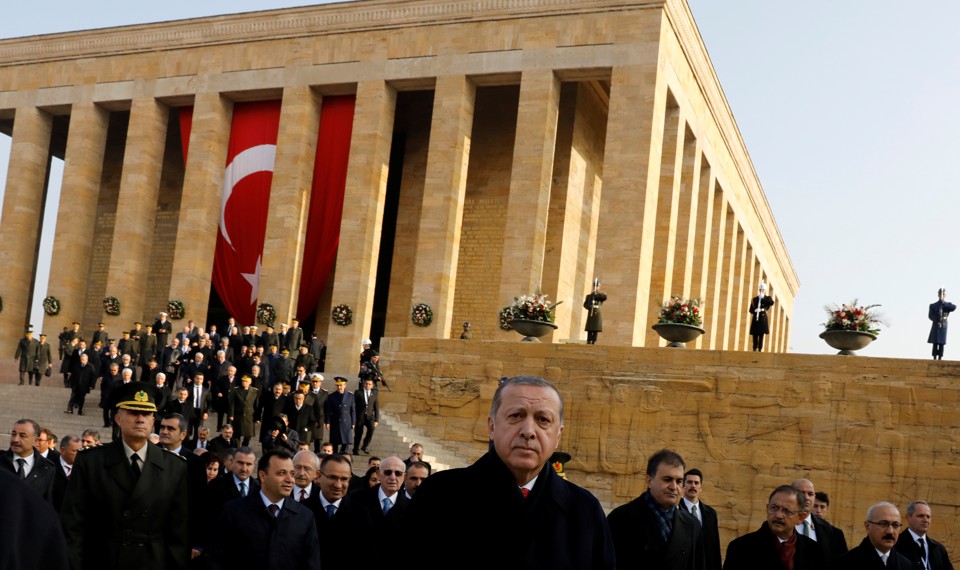
Umit Bektas/Reuters
A key defendant in an Iranian sanction-busting case has now become its “most important witness.” Following weeks of speculation, Reza Zarrab, a Turkish-Iranian businessman, pleaded guilty on Tuesday to charges of helping Iranian entities evade U.S. sanctions through his international network of businesses, possibly with the help of Turkish banks and government officials. Today, Zarrab is expected to testify in a Manhattan court. His testimony is likely to implicate prominent figures in both Turkey and the United States. Zarrab played a central role in setting up schemes that enabled Iran to purchase gold with oil and gas revenues at a time when the country was under crippling U.S. sanctions. He was indicted along with Mehmet Hakan Atilla, a Turkish banker in U.S. custody, and seven additional defendants, some of whom held cabinet positions under Recep Tayyip Erdogan, the president of Turkey.

Since Zarrab is now cooperating with U.S. prosecutors, his testimony is likely to damage Erdogan’s international and domestic standing, ahead of Turkey’s 2019 presidential elections. For this reason, Erdogan has bashed the trial, casting it as a U.S. plot to undermine Turkey’s economy and unleashing a torrent of anti-American rhetoric on Turkish airwaves. Of course, ties between the Unites States and Turkey, long-time nato allies, have been strained since Washington threw its support behind Kurdish militants in Syria, and refused to extradite exiled cleric Fethullah Gulen, who Erdogan claims fomented last year’s failed coup attempt.

Aside from rattling Turkey’s most powerful figures, Zarrab’s testimony may also expose attempts at cooperation between the Trump administration and the Turkish government. Earlier this month, The Wall Street Journal reported that Michael Flynn, Trump’s former national security adviser, who is currently under investigation for his dealings with Russian officials, and his son were to be paid $15 million to forcibly remove Gulen from his home in Pennsylvania and deliver him to Turkey. These revelations have prompted U.S. officials to investigate whether Flynn was in talks with Turkish officials to extradite Zarrab as well, though no clear links between Flynn and Zarrab been made public.

After being dismissed from his role in the Trump administration, Flynn revealed he had received $530,000 for lobbying work which the U.S. Justice Department said has “principally benefitted the Republic of Turkey.” Such lobbying from the Turkish government via Flynn could have severe implications if linked to political decisions in the United States. The most prominent point of contention is Trump’s firing of former U.S. Attorney Preet Bharara, who originally filed the Zarrab case and has been cast by Turkish officials as a Gulen supporter working to undermine the Turkish government. Nicholas Danforth, a senior analyst at the Bipartisan Policy Center, said he believed any evidence connecting Bharara’s dismissal to pressure from Turkish officials “would be not just explosive for U.S.-Turkish relations, but for U.S. domestic politics as well.”

To understand how Zarrab’s case spiraled, one need only look back to Turkey, where evidence of his foul play first surfaced in 2013 and was quickly snuffed out. In December of that year, police raided the home of Suleyman Aslan, former chief executive of HalkBank, a state-owned bank, and seized $4.5 million—allegedly bribes from Zarrab—stashed away in shoeboxes. Recordings from a phone-tapped conversation from this same period, in which then-Prime Minister Erdogan allegedly instructed his son to hide large sums of cash, also surfaced. Despite the seemingly damning nature of the revelations, they were quickly dismissed in Turkish courts. Erdogan belittled the apparent graft scandals as Gulenist conspiracy. In response, government officials demoted or reassigned the judges and police officers involved in the investigation. Only three government officials tied to Zarrab’s businesses eventually resigned without facing charges. They denied any wrongdoing.

Now, Erdogan fears that the evidence and testimony in the Zarrab case could give credibility to the long-dismissed charges against his government, if they are deemed valid by a U.S. court. He is also likely concerned that the trial could lead to sanctions or fines on Turkish banks, possibly weakening an already unstable Turkish economy, while paving the way for further indictments on Turkish officials.

In a speech before the Turkish parliament on November 21, Erdogan referred to the raid on Aslan’s home as “one of the greatest traps in history.” He has suggested Gulen and his followers are influencing U.S. prosecutors in a plot against Turkish sovereignty—a message that plays well to supporters of his Justice and Development Party (AKP), who have become increasingly dissatisfied with U.S. policy towards Turkey and the Middle East.

But these accusations don’t quite square with recent history. The case against Zarrab has been building since March 2016, when he was arrested shortly after arriving in Miami—reportedly to visit Disney World with his family—though some analysts have suggested he may have negotiated his move out of Turkey with U.S. prosecutors. The coup, and Erdogan’s subsequent purge of government officials suspected of Gulenist ties, occurred in July of that year. “The United States did cooperate with Turkish prosecutors, presumably some linked to the Gulen movement, in its efforts to prosecute Zarrab,” Danforth told me. “But at the time the United States did this, those prosecutors were employees of good standing of the Turkish legal system who had been appointed by the AKP government.” Erdogan, in other words, seems content to ignore chronology in order to suit his reading of history. For those living outside the world of Turkish politics, this might be the most important, most difficult aspect of the case to understand.

Every day, Turkey’s politicians and pro-state media push conspiracy theories—stories of foreign actors trying to weaken the Turkish Republic. The intensity of the rhetoric far exceeds what westerners have come to know as “fake news,” instead creating an alternate reality propped by half-truths that depict Erdogan and his government as the saviors of the oppressed people of the world, and everyone else as the enemy. When Erdogan fails, he and his coterie blame that failure on foreign actors.

Since the 2016 coup attempt, this “politics of the victimized” seems to be Erdogan’s only mode. While the coup posed a very real threat to Turkey’s democracy, and many people lost their lives in its chaos, the purges of thousands of people on accusations of dubious links to terrorist organizations—such as downloading a specific phone messaging application known to be used by Gulenists—is testimony to just how far the falsehoods can go.

Furthermore, Turkey’s ongoing purges have put his country at odds with natoallies, some of which have seen their citizens arrested or detained over the last year and a half. Currently, about a dozen American citizens are being held in Turkish prisons on thin allegations of collaborating with the coup plotters. More recently, two staff members of U.S. consular missions in Turkey were arrested on similar charges, prompting some analysts to claim Erdogan’s administration has taken a “hostage diplomacy” approach to bilateral negotiations.

The term refers to Erdogan’s unsuccessful appeals to have Gulen extradited to Turkey, and he seems to have interpreted the lack of U.S. cooperation on the matter as a personal insult, as well as additional proof that Washington is aiding his adversaries. “Erdogan puts a premium on personal relationships and, at the core, believes that relations between states are reciprocal and transactional,” Howard Eissenstat, an associate professor at St. Lawrence University and nonresident senior fellow at the Project on Middle East Democracy (POMED), told me. “If I were to make a critique of U.S. policy, it would be that they over-promise and under-deliver,” he added. “All these warm embraces from President Trump to Erdogan have exacerbated the situation by misleading Erdogan as to what the real capabilities of the U.S. [government] were on some of these issues.”

The ongoing tensions have sent the Turkish lira tumbling in recent weeks, as few analysts expect positive developments from the Zarrab case. In a worst-case scenario, Erdogan’s government could escalate the crisis by refusing to bow to foreign pressure in the form of sanctions or to pay fines imposed on Turkish entities, Eissenstat said. He could escalate, too, by limiting access to Turkey’s Incirlik Air Base, which America has used for operations against isis in Iraq and Syria.

While some U.S. policymakers believe economic pressure could persuade Erdogan to restore U.S.-Turkey relations, Selim Koru, an analyst at TEPAV, an Ankara-based think-tank, said AKP supporters will likely be emboldened by such moves, and Erdogan’s government will get a much-needed domestic boost ahead of elections in 2019.

“The more pressure the outside world puts on the Erdogan government, and the more they threaten or even seem to threaten Turkey’s sovereignty, the less likely it is for the country to have a democratic future,” Koru said.

https://www.theatlantic.com/international/archive/2017/11/zarrab-erdogan-turkey-iran-sanctions/546986/

Atlantic Council proposes new US strategy for Balkans

0

The Atlantic Council will publish a report on the new US strategy for the Balkans.

SOURCE: TANJUG 

(Thinkstock)

According to Voice of America, it proposes establishing a permanent US military presence in Southeast Europe, advocates for “historic reconciliation” with Serbia and renewal of the reputation of the United States as a true mediator.

Atlantic Council’s Executive Vice President Damon Wilson told the broadcaster that this US NGO is committed to promoting a historic process of reconciliation with Serbia and to being a genuine mediator in making real progress on the political front, when it comes to the dialogue between Belgrade and Pristina, or providing assistance to Greece and Macedonia.

When the VOA reporter said that Serbia is balancing between the EU and Russia, and that a US State Department official recently advised Belgrade not to sit on two chairs, Wilson said:

“There is a great chance for Serbia, under Vucic’s leadership, and the United States under this administration, to try to bring about a historic reconciliation between the two countries that recognizes that there are many more areas in which we can cooperate and that, which is obvious from the polls and from other sources, the electorate in Serbia understands that the future is in Europe.”

Under the current leadership in Belgrade, there is a chance to help bring the talks with Pristina to an end, to provide a certain sense of security in that relationship, as well as a sense of inevitability in terms of Serbia’s future, said Wilson:

“These are difficult decisions for President Vucic and the Serbian government, but they clearly showed the interest and the will.”

Asked whether he supports Pristina’s request for the United States to directly engage in the negotiations with Belgrade, he replied:

“I think it makes sense for the United States to be a part of that process. Obviously, first of all, the two sides should lead it. The European Union will continue to play a valuable role as a mediator, but the Americans should not sit outside. We should have a role and help the dialogue lead to a constructive ending.”

Wilson also said that the United States needed a more active role in the region, because, he warned, if Washington is no longer engaged, it risks the outbreak of a crisis in the Balkans.

According to him, the report should send a message that now is the right time for a renewed US engagement in the region and that there is a strategy for the United States to join forces with the EU and help to achieve a vision that the Balkans will become part of Europe and of the trans- Atlantic community.

“To strengthen our presence in Southeast Europe, as we did in its northeastern part,” he said.

It is also a signal to other major powers, which may be active in the region, added Wilson.

“At the political level, we can help and send a clear message to those who want to disrupt the process of trans-Atlantic integration, whether it is the Russian intelligence or organized crime,” says Wilson.

http://www.b92.net/eng/news/world.php?yyyy=2017&mm=11&dd=28&nav_id=102901

Πανεπιστήμιο Οξφόρδης: εργαλεία προπαγάνδας τα social media

0

jaj.gr

Τα μέσα κοινωνικής δικτύωσης ως εργαλεία προπαγάνδας ήταν το αντικείμενο του Computational Propaganda Research Project του Oxford Internet Institute, του Πανεπιστημίου της Οξφόρδης. Στο πλαίσιο της έρευνας αυτής αναλύθηκαν δεδομένα από εννιά χώρες, περιλαμβανομένων εκατομμυρίων posts σε επτά διαφορετικές πλατφόρμες κοινωνικής δικτύωσης, μέσα σε περιόδους εκλογών, πολιτικών κρίσεων και περιστατικών που είχαν να κάνουν με την εθνική ασφάλεια.

Τα δεδομένα αφορούν την περίοδο  2015-2017 και τις χώρες: Βραζιλία, Καναδά, Κίνα, Γερμανία, Πολωνία, Ταϊβάν, Ρωσία, Ουκρανία και ΗΠΑ.

Διαβάστε την περίληψη της έρευνας

Τα ευρήματα

Όπως επισημαίνει ο Φίλιπ Χάουαρντ, καθηγητής Σπουδών Διαδικτύου (Internet Studies), «τα ψέματα, τα σκουπίδια, η παραπληροφόρηση» της παραδοσιακής προπαγάνδας έχουν εξαπλωθεί ευρύτατα online, και μάλιστα «υποστηρίζονται από τους αλγορίθμους του Facebook ή του Twitter».

Στην περίπτωση των ΗΠΑ, ο Σάμιουελ Γούλεϊ, διευθυντής έρευνας του project, έκανε λόγο για «κατασκευή ομοφωνίας» (manufacturing consensus)- δηλαδή τη δημιουργία ψευδαίσθησης δημοτικότητας, έτσι ώστε ένας πολιτικός να αποκτά μεγαλύτερο «βάρος» από ό,τι είχε προηγουμένως.

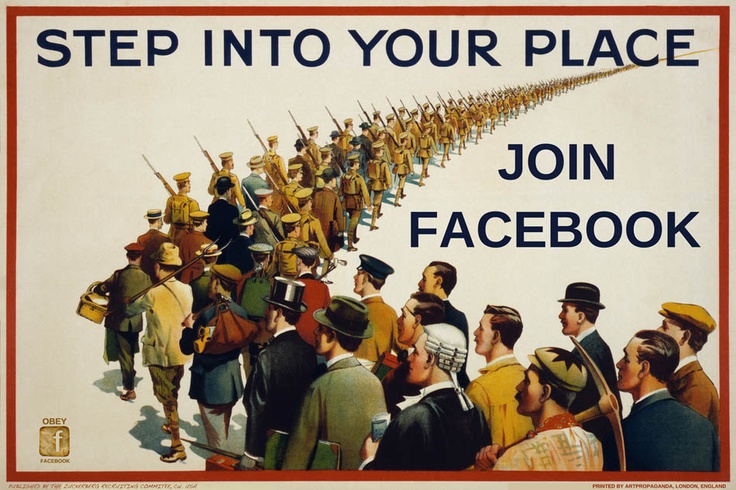
Image result for social media propaganda

Στη Ρωσία, περίπου το 45% των πολύ ενεργών λογαριασμών στο Twitter θεωρείται πως είναι bots(ψεύτικοι- ελεγχόμενοι από λογισμικό που λειτουργεί αυτόματα βάσει κάποιων κανόνων, με συγκεκριμένους σκοπούς- ή έστω εν μέρει αυτόματα), ενώ στην Ταϊβάν μια εκστρατεία εναντίον της προέδρου Τσάι Ινγκ Γουέν περιελάμβανε χιλιάδες συντονισμένους- αλλά όχι πλήρως αυτοματοποιημένους- λογαριασμούς που διέσπειραν προπαγάνδα από τη Λαϊκή Δημοκρατία της Κίνας.

Στην πιο απλή μορφή τους, οι τεχνικές αυτές περιλαμβάνουν αυτοματοποιημένα accounts για like, share και δημοσιεύσεις σε κοινωνικές δίκτυα.

Όπως σημειώνεται σε δημοσίευμα του Guardian, tέτοιου είδους λογαριασμοί μπορούν να εκμεταλλεύονται τον τρόπο λειτουργίας των αλγορίθμων των δικτύων για την προώθηση περιεχομένου στα social feeds, «πνίγοντας» τον πραγματικό διάλογο, χάριν της δημιουργίας πολύβουων κοινωνικών δικτύων, όπου κυριαρχεί η έντονη αντιπαράθεση και οι «ιαχές». Επίσης, μέσω της «παραγωγής» likes μπορούν να δημιουργήσουν ψευδαισθήσεις απήχησης.

Στην περίπτωση της Ρωσίας, είναι γνωστή η χρήση προπαγάνδας απευθυνόμενης προς το εξωτερικό, καθώς και οι καταγγελίες περί εμπλοκής στις εκλογές στις ΗΠΑ και τη Γαλλία. Στο εσωτερικό, σύμφωνα με την έρευνα, τα κοινωνικά δίκτυα της χώρας είναι γεμάτα ψηφιακή προπαγάνδα- με τη χώρα να έχει αναπτύξει την τεχνογνωσία της σε πρώτη φάση για την αντιμετώπιση εσωτερικών απειλών για τη σταθερότητα και την καταστολή των φωνών που αντιτίθενται στην κυβέρνηση Πούτιν- δημιουργώντας παράλληλα την ψευδαίσθηση ομοφωνίας και υποστήριξης προς αυτήν.

Παράλληλα, όπως σημειώνεται, η Ουκρανία αποτελεί πεδίο δοκιμών μέσων και τεχνικών ψηφιακής προπαγάνδας.

Στην περίπτωση της Κίνας, υπογραμμίζεται η ύπαρξη αυστηρών μηχανισμών ελέγχου και λογοκρισίας στο Διαδίκτυο, καθώς και ότι τα fake accounts είναι κοινά στο «κινεζικό Twitter», Weibo, καθώς και ότι χρήστες στην υπηρεσία της κυβέρνησης κυκλοφορούν μεγάλους όγκους θετικής (για την κυβέρνηση) προπαγάνδας- ειδικά σε «ευαίσθητες» περιόδους. Στο Twitter το ίδιο η Κίνα δεν φαίνεται να δραστηριοποιείται και πολύ από πλευράς προπαγάνδας- αν και έχει παρατηρηθεί δραστηριότητα ομάδων που προωθούν οπτικές οι οποίες έρχονται σε αντίθεση με τις θέσεις του κράτους σε «ευαίσθητα» θέματα. Ενδιαφέρον είναι το ότι, όπως σημειώνεται, η Κίνα μπορεί να δώσει μαθήματα στις δυτικές χώρες όσον αφορά στην αντιμετώπιση των «fake news», και άλλων μορφών ψηφιακής προπαγάνδας, ωστόσο πολλές από τις στρατηγικές της έρχονται σε αντίθεση με σημαντικές αξίες των σύγχρονων δημοκρατιών. «Μπορεί ωστόσο να είναι δυνατόν να μάθουμε από τις τεχνολογικές, νομοθετικές και πρακτικές επιτυχίες της Κίνας στον χώρο της υπολογιστικής προπαγάνδας (computational propaganda), χωρίς να διολισθήσουμε προς την απολυταρχία».

Στη Βραζιλία,  η υπολογιστική προπαγάνδα έπαιξε σημαντικό ρόλο σε τρία πολιτικά γεγονότα: Τις προεδρικές εκλογές του 2014, την απαγγελία κατηγοριών σε βάρος της Ντίλμα Ρούσεφ και τις δημοτικές εκλογές του 2016 στο Ρίο ντε Τζανέιρο.

Όσον αφορά στη Γερμανία,λόγω Brexit και αμερικανικών εκλογών υπάρχει μια «επαγρύπνηση» όσον αφορά στο θέμα της χειραγώγησης της κοινής γνώμης στην ψηφιακή δημόσια σφαίρα- ωστόσο δεν φαίνεται να υπάρχει σημαντικό πρόβλημα με την υπολογιστική προπαγάνδα, ενώ υπογραμμίζεται πως η Γερμανία αποτελεί υπόδειγμα όσον αφορά στον προσεκτικό τρόπο με τον οποίο προσεγγίζει το ζήτημα.

Image result for social media propaganda

Οι εταιρίες τι κάνουν;

Όσον αφορά στη στάση των ίδιων των εταιρειών του χώρου των social media, στην έρευνα σημειώνεται πως διαφαίνεται μια έλλειψη ενδιαφέροντος – είτε αναθέτοντας τη δουλειά της αντιμετώπισης προπαγάνδας σε «τρίτους»/ εξωτερικούς φορείς, όπως κάνει το Facebook, είτε (σαν το Twitter) χρησιμοποιώντας συστήματα anti-bot που είναι αποτελεσματικά μεν στην αντιμετώπιση ψεύτικων λογαριασμών που επιδίδονται σε δραστηριότητα «εμπορικού» τύπου, με στόχο οικονομικά οφέλη, αλλά όχι ιδιαίτερα σε αυτούς που έχουν πολιτικό πρόσημο. «Ως επί το πλείστον, αφήνουν τις κοινότητες των χρηστών να αυτοελέγχονται και να υποδεικνύουν λογαριασμούς».

Δείτε ακόμα το video:

Oxford University
Μήπως τα social media σκοτώνουν τη Δημοκρατία; Υπολογιστική Προπαγάνδα, Αλγόριθμοι, Αυτοματισμός και Δημόσια Ζωή.

Πηγή Φωτογραφίας

Πανεπιστήμιο Οξφόρδης: εργαλεία προπαγάνδας τα social media