Αρχική Blog Σελίδα 2886

Power on the Periphery of Europe

0

By Antonia Colibasanu Geopolitical Future

Dec. 22, 2017 Britain and Poland are increasing cooperation as the EU fragments.

British Prime Minister Theresa May visited Warsaw to sign a new defense treaty between Britain and Poland. May called the deal a “powerful symbol” of the two countries’ close cooperation; however, the agreement speaks less to the cooperation between the two countries and more to Europe’s slow regression to pre-EU realities through the fragmentation of the European Union.

European member states increasingly prefer bilateral arrangements to multilateral cooperation as they pursue their national interests over multinational agendas. The new defense agreement between Britain and Poland is one example of this trend. The deal aims to increase cooperation between the two countries’ militaries. But cooperation between British and Polish armies is nothing new. (Britain already has deployments on NATO’s eastern flank, including in Poland.) What is new is the formation of an alliance along Europe’s periphery against Brussels.


Britain’s Prime Minister Theresa May (center) and Polish counterpart Mateusz Morawiecki (right) take part in a welcoming ceremony in Warsaw on Dec. 21, 2017. JANEK SKARZYNSKI/AFP/Getty Images

As part of the defense agreement, the two countries will spend 10 million pounds – about $13 million (a small sum as far as defense deals go) – on strategic communication projects. The deal also calls for increased cybersecurity cooperation to counteract Russian “disinformation” across the region.

History reveals strong ties between the two countries. In August 1939, they formed the Anglo-Polish military alliance. In September the same year, Britain and France declared war against Germany after the Germans invaded Poland. Relations between Poland and Britain remained tense during the Cold War, since Poland was a Soviet satellite state. But once the Cold War ended, relations became stronger, both in defense and in EU matters. When Poland joined NATO and as the country’s relationship with the U.S. evolved into a strategic partnership, Britain also increased its defense ties with Poland. Within the EU, after Poland’s accession in 2004, the two countries supported each other, voting for or against the same policy proposals issued by Brussels.

This week, the EU Commission also invoked, for the first time, Article 7 against Poland for breaching European common values and the rule of law. This could lead to Poland losing its voting rights in the EU Council. It may also have its EU funding cut. But by signing a bilateral defense agreement, Britain is resisting the EU Commission in its attack on Poland at a time when London is also negotiating its own deal with Brussels on withdrawing from the union. Poland and Britain are already on Europe’s geographic periphery. Now they are both becoming part of its political periphery as well.

It’s no secret that the EU is bureaucratic; it operates by a complex set of rules and legislation. Even in its negotiations with Britain, where both parties need a resolution, Brussels’ mandate is rigid and marked by complexity. At the same time, Brussels has also been challenging Poland, as Warsaw has refused to go along with certain EU directives. It launched the rule of law procedure earlier this year, trying to push Poland to obey EU legislation. This all comes at a time when European economies are recovering from the 2008 economic crisis and are still facing social problems that need to be dealt with at the national level. The EU is under increasing pressure, and it is incapable of adapting because of the way it has been structured.

Since 2008, the EU’s fragmentation has accelerated. Recently there has been talk of Germany leading the way in forming a separate, enhanced union whose members – all members of the eurozone – would harmonize their fiscal and economic policies. This would permit them to not be responsible for poorly performing members. The formation of new alliance blocs in Europe should be expected, considering that all EU members don’t share the same interests. Germany and France have different views on key issues from Poland or Greece. Poland is wary of Russia, while Germany is focused on managing the refugee crisis and dealing with internal security threats.

Britain, because of its geography, has always been able to keep its options open. Since the end of World War II, Britain has changed its strategy from maintaining the balance of power on the Continent to maintaining its balance between the U.S. and Europe. It waited to see whether the EU would grow into a powerful entity capable of challenging the U.S., while maintaining its close relationship with the U.S. and hedging its bets. It joined the EU when the bloc became more united, but it kept its autonomy and refused to join the eurozone. It calculated that if European nation-states re-emerged as the primary political units in Europe and the EU failed, Britain would be in a position to exploit the fragmentation of Europe to its own economic and political advantage and have the United States available to support its strategy.

Now, the EU is under pressure from within. Multiple Europes are emerging. Britain’s strategy is to increase its autonomy and adapt to the new reality Europe finds itself in, while seeking to manipulate the EU’s breakdown for its benefit. It remains close to the U.S., not only in terms of their economies but also in terms of defense. Britain has supported many American military operations. With the EU slowly disintegrating, Britain may try to form its own alliance structure along the Continent’s periphery. A military alliance has already taken shape in the east, with U.S. support and British involvement. As Brexit negotiations continue, and as Britain seeks to deepen its cooperation with certain EU member states, the current free trade agreement within the EU may face new challenges. Whether other EU member states, particularly those in Eastern Europe, become interested in participating will be key to the way British alliances and the EU evolve.

https://geopoliticalfutures.com/power-periphery-europe/

A Conversation with A. G. Sulzberger, the New Leader of the New York Times

0

In 2009, a byline began appearing in the Times that carried with it the harbinger of dynastic transition. A new general-assignment reporter named A. G. Sulzberger was banging around the city, writing about a Third Avenue flop house upstairs from J. G. Melon, a high-end burger joint; about the maiden voyage of the U.S.S. New York, a ship fashioned in part from the wreckage of the World Trade Center; and about the fading popularity of the “humble tool” known as the Pooper Scooper. Not long after, the very same Sulzberger was based in Kansas City, where he described the experience of being a vegetarian in a city known as a “Mecca of meat.” At Arthur Bryant’s famous barbecue place, he rejected the brisket and the “lard-bathed French fries” and drank a Bud for lunch. Despite the grandeur of the byline, carnivorous readers could not help but feel sympathy for their self-denying correspondent.

A. G. Sulzberger’s apprenticeship is now at an end. On New Year’s Day, he will become the publisher of The New York Times, occupying the position that his father, Arthur Ochs Sulzberger, Jr., who is sixty-six, assumed after the retirement of his father, Arthur Ochs (Punch) Sulzberger. A. G., who also goes by Arthur, is thirty-seven. He is the sixth member of the Ochs-Sulzberger family to lead the paper. Earlier this week, he came by our offices for an interview on The New Yorker Radio Hour. He seemed earnest, serious, disciplined, even a bit nervous. This surely had less to do with the fact that this was his first interview as publisher than it was about the challenges at hand. The institution that he now leads is almost certainly the most influential media property in the country—and, arguably, the most important civic institution in private hands. He comes into this inheritance while revenues from print advertising plummet, Google and Facebook consume more than three-quarters of the digital-ad market, and the President of the United States feels free to smear his home-town paper as the “failing” New York Times.

And yet this is an optimistic moment for a family that bought the paper in 1896 but, despite its commitment to the future, seemed in recent years to be losing its hold. Arthur Sulzberger, Jr., the outgoing publisher—he will remain as chairman—has taken a lot of criticism, not least for making some costly deals. When the accelerating digital revolution intersected with the financial implosion of 2008, there was more and more talk that the Sulzberger family might have to sell control of the Times to a far wealthier investor, such as Michael Bloomberg. This was alarming. Bloomberg, who constantly complained about the way he was covered in the paper as mayor, had ill-concealed contempt for the Times. (I’ve heard it direct.) If Bloomberg had bought the Times, there was no guarantee that he would have run it with the same commitment to journalistic depth and daring. The Times under Ochs-Sulzberger ownership has made mistakes over the decades, serious ones, but its principles and sense of ambition—its commitment to publish “without fear or favor”—remain benchmarks in the news business.

For all the low and painful moments in his tenure (including the firing of two executive editors, Howell Raines and Jill Abramson), Arthur Sulzberger, Jr., achieved serious things. Above all, he managed to sustain, and even deepen, the quality of the paper’s journalism while deciding on the right financial path for a vital future—an emphasis on digital subscriptions sold at a high price to a national, and even an international, audience. And so even while ad revenues are dropping precipitously, the Times’ subscription picture is brightening. TheTimes now has 3.5 million subscribers—2.5 million of them digital-only. Meanwhile, the paper this year continued to publish remarkable reporting, including Maggie Haberman and Peter Baker on the Trump White House, and Jodi Kantor, Megan Twohey, Susan Chira, Emily Steel, Michael Schmidt, and others on sexual harassment in the United States.

A few years ago, A. G. Sulzberger led a study that became known as the Innovation Report, a self-critical hundred-page-long exploration of newsroom culture and the future that helped set the paper’s current digital direction.

The paper’s promising situation is at odds with what happened at the Wall Street Journal, in 2007, when the Bancroft family, a far more fractured and less journalistically committed clan than the Sulzbergers, gave up on the paper and sold it to Rupert Murdoch for five billion dollars (a gaudily inflated price). And it’s different from what happened at the Washington Post. The Post’s chief proprietor, Donald Graham, was deeply committed to the paper, but, in the end, he and his family could not find a feasible way out of decline. Graham’s last great service to the Post, no matter how personally painful it might have been to carry out, was, in 2013, to find a buyer in Jeff Bezos, the founder and chairman of Amazon. So far, Bezos, who is worth nearly a hundred billion dollars, has poured money into the paper, demanded deeper digital innovation, and left the journalism to the editors, led by Martin Baron.

Sulzberger grew up in New York and went to the Fieldston School. His mother is Gail Gregg, a writer and painter; in 2008, his parents announced they were divorcing. He graduated from Brown, in 2003, with a degree in political science and worked at the Providence Journal and the Oregonian before coming to the Times.

Jill Abramson, who helped bring Sulzberger along as a young reporter and editor at the Times, told me that he was initially quite anxious about coming to the paper. “He was nervous that people would think it was nepotism,” she said. “But he was a terrific reporter and writer. I genuinely would have hired him if he’d had a different last name.” Sulzberger studied the paper with unusual attention. “Early on, I remember I met him for breakfast, and he read the Timesmore carefully than I did,” Abramson said. “That made an impression on me. He recited the first paragraph of a story by Monica Davey, out of Chicago. He was clearly studying up on everything.”

Sulzberger competed in a kind of bake-off for the top spot at the paper against two of his cousins, Sam Dolnick and David Perpich. All three are said to command respect at the Times, but the combination of Sulzberger’s work on the Innovation Report, his journalistic experience, and, yes, the fact that his father was first among equals in the family, helped settle matters. The three cousins are said to maintain a good familial and professional relationship. Dolnick is a masthead-level editor who works on digital initiatives, including podcasts, and Perpich is an executive at the paper and runs the Wirecutter, a gadget-review site, which the Times bought last year.

But even while the Times has settled its succession plan and has made concrete gains in both strategy and revenue recently, there is no shortage of lingering anxiety at the headquarters on Eighth Avenue. Sulzberger recently promised that there would be no cuts to the news budget for the next two years, but ad revenues continue to drop, the Trump Administration continues to lash out at the purveyors of “fake news,” the newsroom staff is squeezing into fewer floors, and the media business, in general, is not exactly a warm bath of stability. Our interview with A. G. Sulzberger, which was edited for space and clarity, transcribed by Hannah Wilentz, and produced for the Radio Hour by Mythili Rao, began with notes of both congratulation and trepidation.

David Remnick: I should begin by congratulating you on getting what seems like one of the hardest jobs imaginable. Do you feel like you should be congratulated, or do you feel like you should be given a cool glass of water?

A. G. Sulzberger: Well, thank you. It’s definitely an honor and a privilege—and a daunting one. Maybe the best note I got from a colleague was, “Congratulations/Sorry!” Which I think is probably a statement of the pretty profound challenges facing journalism in this moment.

D.R.: At the Washington Post, Donald Graham was the publisher, and he was essentially raised to be the publisher. He worked as a policeman in Washington, D.C., to get to know the city; he was a sports editor; he had all kinds of jobs that were, in a sense, training him for this future. Did you always know, as a kid, that this was the likely future for you?

A.G.S.: I’ve always had a theory that decent journalists are contrarians by nature, because they have to ask tough questions of people. They have to ask tough questions of people, and assume people are lying to them, and wake up in the middle of the night wondering if they got something wrong. And, like any decent journalist, I have a contrarian streak, and I actually spent most of my life not thinking I would go into journalism.

D.R.: But you grew up with the Sulzberger family and the New York Times. How could you picture yourself outside of it? Was that really open to you?

A.G.S.: My parents and the broader Sulzberger family have always encouraged people to chart their own course. For me, it changed in college. I was always a little frustrated with academia and the sort of indirectness of it. In my senior year, I took a class with a professor who was a full-time investigative reporter at the Providence Journal. Her name is Tracy Breton. She won a Pulitzer Prize for the Journal, a great investigative reporter. And I found I just loved that type of writing.

D.R.: So you got the bug from her?

A.G.S.: I ended up doing two classes with her. At the end of it, we had this moment that I’ll never forget. The conversation basically went like this: “Arthur, I’ve got a job for you at the Providence Journal. It’s a two-year internship, and I’d really like you to do it. You’ll be covering a small town in southern Rhode Island, a town called Narragansett.” And I said, “Tracy, I’ve always been a little ambivalent about following such a predictable route. I think I’m going to start my career trying some other things.” And she looked and me and she said, “Arthur, you know, I can just tell, from working with you, that you’re going to love this, and I think, if you don’t try it, you’ll always wonder. And, if you try it and you don’t love it, then you’ll do something else.” And, you know, the first three months on any new beat are terrifying.

D.R.: What was your beat?

A.G.S.: Narragansett is one of the largest fishing communities in the Northeast. But it’s also become a sort of vacation destination, second homes. Iwas a town reporter—I covered town-council meetings, I covered school-board meetings. Every morning, I’d call the police chief to ask what happened overnight. And I’d do the slice-of-life stories that any small-town reporter does.

The first three months were tough, because the job of the reporter is to explain something to everyone else. But, whenever you start a new beat, you’re keenly aware of how much you don’t know. So for the first three months, I wondered, Is this for me? After about six months, I said, Is there any better way that you could spend—

D.R.: You were addicted. Why did you get addicted?

A.G.S.: Well, for me, it wasn’t a specific story; it was just that beautiful combination of spending half your day learning and half your day teaching. Half your day talking to people, finding out what’s going on in the world, half your day alone pulling a story out of yourself. I just loved the rhythm of the days. So I worked there, I worked at the Oregonian, eventually joined the Metro desk at the Times. And then I covered the Great Plains as the Times Kansas City Bureau Chief. And then for the last few years switched to editing and then digital strategy. That work has brought me in much closer contact with the big business questions facing the Times, and all newspapers.

D.R.: Let’s get into that a little bit. Because these are existential questions for the news business, for the New York Times, and frankly for the family ownership of the New York Times. And, unless I’ve got this wrong, the great dilemma is that print advertising has, if not cratered, than certainly declined much more rapidly than anybody had thought possible, or had hoped. And that’s a trend that’s not likely to reverse. When it comes to online advertising, there’s the phenomenon of what we call pennies for dollars. You can’t really make a business of it completely from online advertising.

A.G.S.: The famous phrase here is “print dollars, digital dimes, mobile pennies.”

D.R.: So, the only way, it seems to me, for the New York Times, or for, quite frankly, The New Yorker, and a number of other publications to go forward and have a healthy newsgathering business, and business in general, is to go to the reader and say, “We hope you like what we do, and we have to charge you a great deal more for it than in 1985 or 1995.”

A.G.S.: Yeah, I mean, so, let’s start from the advertising side of the business. I actually think it’s more difficult and complex than you’re letting on. The other great factor here is that almost all the growth in digital advertising is going to two companies—Google and Facebook. The rest of media is battling over the remainders. There’s some evidence that that pie may actually shrink. Which is why you’ve seen businesses that rely exclusively on advertising under such pressure. We saw that first with newspapers and magazines, because print dollars started disappearing first. But increasingly we’ve been seeing it with digital publications—you’ve just seen news about places like Mashable or BuzzFeed struggling to meet revenue projections, or selling low. The entire ad ecosystem is becoming very, very difficult for news organizations, particularly news organizations that do the expensive work of original reporting. So the model that we shifted to about three years ago was to declare ourselves “subscription first.” Which basically means that, today, the vast majority of our revenue comes directly from our readers.

D.R.: So at the peak of the advertising era, what percentage of the revenue of the New York Times came from advertisements, and what is it now?

A.G.S.: I believe it was around eighty per cent. And what’s remarkable is that that’s relatively low for many print publications, which would get as much as ninety-five per cent of their revenue from ads. Now the majority is through subscribers. So now we’re about two-thirds subscribers.

D.R.: And probably rising.

A.G.S.: And rising every day.

D.R.: And your subscription numbers are exploding. You’ve got 2.5 million subscribers who are digital-only and 3.5 million over all.

A.G.S.: Which is more than any American newspaper had at the peak of print.

One thing I’d say about the subscription model that we didn’t expect, which was an unintended benefit of this strategic shift we made, is that everyone in the New York Times today wakes up thinking how can we serve our readers. That’s aligned our journalistic mission and all of our business incentives in a really clean and consistent way.

D.R.: How is that different from the past?

A.G.S.: Well, in the past, you’re aware of the old notion of the old wall between the news and the business side. And the big reason that the wall existed was that advertising was serving a different master than news. The folks in the newsroom [thought], “How can we put out the best journalism that meets the needs and interests of our readers every day?” And then on the advertising [side], it was, “How can we get a bunch of rich and powerful corporations to buy a bunch of ads?” There’s an inherent tension there, which is why all these very important rules exist about ad acceptability and insuring that advertising and newsroom aren’t interacting and it wasn’t skewing the report inadvertently. Which organizations like The New Yorker, the New York Timespride themselves on.

D.R.: Does that mean the wall’s gone? Does that mean that the business side and reporters and editors can both physically and metaphorically waltz into each other’s offices? Is there any separation at all left?

A.G.S.: So, to me, what matters is protecting against conflicts of interest. I just gave a speech to my colleagues, in which I said two things. I said, “We are one company, with a shared mission and a shared strategy, but we are also one company that knows that the independence and integrity of our journalism always comes first.” So, to me, the most important thing is to have real strong protections around the editorial independence of our newsroom. But even the notion of news and the business sides––these are catch-all phrases that sort of miss the point. Four years ago, when I started thinking about how the Timeshad to evolve in order to keep pace with this fast-changing world, one of the things that really struck me was that we regarded the members of our technology team and product team as being on the business side. So, you had this really unhelpful construct in which the folks who were building our Web site weren’t able to talk to the people who were filling the Web site with great journalism each day. So we’ve tried to move away from the construct of “a wall” and toward a more nuanced understanding of how, in a fast-changing digital environment, does this company need to work together to get where we need to go.

D.R.: It seems to me that your apprenticeship was not merely as a reporter in various bureaus. Maybe the most important phase of that apprenticeship was working on something that become known as the Innovation Report. Tell me a little about that.

A.G.S.: I’d been an editor on Metro for a couple years and I was looking for a new challenge. Jill Abramson, who was then the editor of the Times, approached me and said she wanted me to lead a small group that would be charged with coming up with a new product idea. And her belief, which is something I really agree with, is that the newsroom should be a hub of innovation. So I pulled together a team—smart people from around the newsroom, people who had taken very different paths and journeys to get where they were—and we started brainstorming. It pointed me to a clear spot: the New York Times wasn’t lacking for good ideas about new products. What it was lacking was a full embrace that we were becoming a digital-media company. This would force us to break a lot of habits that we had built for print and to really re-think a lot of what we were doing.

D.R.: In other words, it’s campaigning for cultural change.

A.G.S.: Yeah, so I wrote a hundred-page memo, printed eight copies, very discreetly delivered them to a small number of newsroom leaders. And you can only imagine my surprise when, several weeks later, it was printed in full on BuzzFeed.

D.R.: There were politics involved. What were the politics at that point? What was the sense of conflict over this report?

A.G.S.: Well, if there’s one thing I learned as a journalist, it’s don’t waste your time chasing leakers. Just move on to addressing the problems that the leaks reveal.

D.R.: You’re the only one in political power who’s learned that lesson.

A.G.S.: I won’t get into that. But, look, it was a controversial document at the time. I think it was read outside the building as, the New York Times, with a lot of humility and reflection, trying to understand what it wasn’t doing right as the world was changing around it. And one of the theses was that, if we didn’t move fast, we were at risk of being left behind. I know that there were people who were unhappy with that notion. One of the things that makes an institution like the New York Times, or The New Yorker, or the Washington Post, successful, is these traditions that have been passed down through generations, these really old-fashioned public-oriented notions about service and about truth and about fairness. When journalists who feel those things strongly see change, I think it’s inevitable to worry that some of those special things could be at risk.

D.R.: Was the conflict along generational lines?

A.G.S.: Not exclusively, but it probably trended that way. But the leak of it, I have to say, was the most productive thing that happened in the evolution of the Times.

D.R.: Because it forced the conversation?

A.G.S.: It didn’t just force the conversation. There’s this phrase in journalism—“show, don’t tell”—and I think leaders of news organizations for many years had been telling people to change. You know, you have to file faster, because the Web is fast; you have to go on social media, because that’s where the conversation is; you have to change how you tell stories, because we have all these new storytelling tools, and the Internet is more visual. But we weren’t arming our colleagues with the shared sense of reality. Where are we? What are the forces we’re facing? And there were some really tough findings in there, and tough statistics.

D.R.: What do you think was the toughest thing for people to bear, statistically or just in terms of the facts of the matter?

A.G.S.: I think at the time it was really tough to realize that a whole bunch of digital players, like the Huffington Post and BuzzFeed, had rapidly eclipsed us and our journalism in reach.

D.R.: And that hurt the pride of people in the newsroom?

A.G.S.: I don’t know if it’s pride. I’m not sure if people had fully engaged with how dramatically the way that people were finding and engaging with journalism had changed. You can only imagine how worried you are that this very candid hundred-page internal document is now being read simultaneously by the entire world, and with particular interest by our competitors in media. But a Pulitzer Prize winner—actually, a three-time Pulitzer Prize winner—David Barstow, pulled me aside that day, and he had just read it. On paper, he would seem like the type of old-fashioned journalist that may feel threatened by a document like this. Instead, he pulled me aside and said, “I get it now. I’ve been hearing all this stuff for years, but I needed to read that. If I started over here, and you started over here, you brought me ninety per cent of the way.”

D.R.: You’re now in your late thirties. At what point do you expect that the print New York Times will be either completely gone or just something that very special readers read in very tiny numbers.

A.G.S.: I’m always amazed at how often this question comes up.

D.R.: Do you care? Do you think it’s important at all?

A.G.S.: Well, I think it’s a testament to how much people love the print New York Times, that this is this enduring concern. What I will say is that we’ve got a million loyal readers, the paper is profitable every day of the week, even without a single advertisement, and I expect it to be around for a long time.

D.R.: But sooner or later—we all read the statistics, it’s fifteen per cent [less print advertising] this year, fifteen per cent the next year—does it matter to you in terms of the experience of reading the Times? I’m now at the point where I read both, and a lot of the time I have the sensation, when reading the [print] paper, is, oh, I read this two days ago. And then I have the other frustration—maybe some people agree, maybe you do, maybe you don’t—but that the one thing reading on the phone doesn’t do as well is surface more things. It’s very hard on a device that’s the size of an index card to surface as many things as efficiently as turning the pages of a broadsheet newspaper.

A.G.S.: For serendipity, and if you’re a completist—you know, you want to have read everything—nothing beats print. But you look at the type of storytelling we’re doing on the phone or on the desktop right now, or in podcasts, and it is qualitatively better experiences that we’re creating. Things that you could not do in ink and paper.

D.R.: I don’t want to speak for you, but essentially what you’re saying is, when the advertising finally dribbles out, even more, it’ll be completely atavistic. A print, broadsheet newspaper.

A.G.S.: I’m certainly not saying that, because, as I say, print is profitable every day of the week without a single ad dollar.

D.R.: Despite the trucks, despite the ink and the printing and all the costs.

A.G.S.: If we were just relying on the loyal readers who really care about that tactile experience of leaning back on their couch and unfolding the broadsheet, then we will keep printing. You know, the reason I’m not predicting an end date, is that everyone who has tried to predict an end date has been wrong. It’s proved to be a really enduring thing. And it’s proved to be not incompatible with the phone. In fact, we’ve found that many of our readers love reading us on the phone during the work week, as they commute on the subway to work, and love nothing more than not staring at a screen on the weekend and leaning back on the couch and passing sections to the family.

D.R.: Donald Trump calls you the “failing” New York Times. But, at the same time, your subscription numbers are way up; the level of journalism is what it is. I used to hear things about how the [Sulzberger] family wouldn’t be able to hold on to the paper anymore, because this is your only business in a sense, there’s no tech company on the side that’s providing billions of dollars. But I no longer hear as much about Mike Bloomberg, or Laurene Jobs, or somebody plucking away the New York Times. Do you feel more confident?

A.G.S.: I think that’s a testament to the progress that we’ve made. You asked me about the innovation report. Four years later, our audience, our subscriber base, and our digital revenue have all more than doubled. We are now the most consumed news organization in the country.

D.R.: But it is expensive to do.

A.G.S.: It is expensive to do. This is the thing I say to my colleagues, when I say it’s important for us to keep growing, I say, “Great journalism is more expensive than people understand.” This is an institution that gives reporters weeks, months, sometimes years to report a single story. Last year—and this is one of the statistics I’m proudest of—we put reporters on the ground in a hundred and seventy-four countries. As you know, as a former foreign correspondent, it is so important to actually immerse yourself in a place in order to understand it. Increasingly, we’re seeing that people are recognizing that original, deeply reported, rigorously fair, expert journalism is worth paying for.

D.R.: Has Donald Trump helped you? Did you get a “Trump bump” like the rest of us? How big was the Trump bump for the New York Times?

A.G.S.: Hundreds of thousands. Significant. But I think we started to see this growth even before the election. We’ve seen it even after that initial surge following Election Day. We’re seeing steady growth still. I actually attribute it to a couple things. One, we’ve gotten much better as a digital news organization. Our product, our journalism, is drawing people in in a new way. Two, I think that we’re seeing a real shift in people’s willingness to pay for services online—not just goods but services—so I think that it’s not a coincidence that before the election we were having our best subscription quarters at the same time that Spotify and Netflix were having their best subscription quarters. Three––and I think this is the tough one that I think all of us who care about journalism and who care about this country should really be worrying about—I think we’ve been seeing growth because the rest of the media ecosystem has been getting so weak.

D.R.: You mean regional newspapers, and many other organizations that we would normally depend on.

A.G.S.: That’s right. I talked about the struggles of even some of the digital players. Over the last year, we’ve seen report after report of layoffs even on the newer entrants that people had hoped would fill the void left from the decline of local news.

D.R.: At the Washington Post, I’m reliably told, there’s a committee studying what would happen, in business terms, at the Post if and when Donald Trump is not the President of the United States. In other words, if the Trump bump is reversible, will there be a slackening of audience when the kind of anxiety level lowers? Do you worry about this? In a saner time, would there be fewer readers of the New York Times?

A.G.S.: I think we are living at the intersection. Trump is front-of-mind to many people. But Trump is actually part of a broader and very important story, which is the rise of global populism. And that broader story is one of three or four stories of our time that are unfolding. Technology is remaking every aspect of how life is lived and re-ordering our economy with breathtaking speed. Climate change is doing the exact same thing, except it’s much less visible, and its consequences are less clearly known, although they will be serious. The fourth story is the story around race and gender that is growing in volume, particularly since the Harvey Weinstein story that we broke.

D.R.: For many in the general public, the New York Times is seen as a liberal newspaper. True or false?

A.G.S.: False. And I can send you all the hate mail that I’ve gotten from our aggressive coverage of the Clinton campaign.

D.R.: O.K., but do you really think that it’s possible to argue that the New York Times, by and large, isn’t both populated by people who are left of center, and that the tone of the newspaper isn’t left of center?

A.G.S.: We’re committed to a really old-fashioned notion. It’s a notion that isn’t too popular these days, which is reporting the news “without fear or favor.” Those are words that my great-great-grandfather, Adolph Ochs, wrote in our initial mission statement. What that means to me is reporting on the world aggressively, searching for the truth wherever it leads, and not putting our thumb on the scale. I really deeply admire my colleagues’ commitment to that. We strive to understand every side of the story, and to convey it fairly.

D.R.: Do you believe in the notion of objectivity?

A.G.S.: I do believe in the notion of objectivity. I think it’s something you have to work at; I think it’s something that we don’t always get right.

D.R.: I have a hard time with the notion of objectivity. Objectivity, to me, sounds to me like what you do in a science lab. Fairness is another matter. I struggle with that—the notion of objectivity. You think it’s possible to accommodate it?

A.G.S.: You know, I think fairness is a word that comes pretty close to me, too, if you want to call it fairness. The point is the discipline of trying to strip away your own biases—whether they come from a worldview or lived experience—and to try to tell a story in a way that’s fair to all the participants in it. I think it’s a discipline. As I say, this isn’t the most popular position right now. One of the first things we did after the election was we hired a conservative columnist, Bret Stephens, who had just won a Pulitzer Prize for the Wall Street Journal.

D.R.: Were you concerned after his first column, about climate change, blew up?

A.G.S.: If you look back at the history of conservative columnists at the New York Times, you see this type of reaction each time someone starts. It certainly happened when Bill Safire started.

D.R.: But that tells you what about the audience of the New York Times?

A.G.S.: Well, what’s fascinating is that, when Bill Safire died, he was mourned universally across our audience. What it tells me is that our audience likes to be challenged. And already, we’re getting notes—and I’m sure you can see on social media—of people being surprised to have ideas, assumptions challenged even in our opinion pages. And certainly we strive to do that every day in our news pages.

D.R.: Now you have a situation where the editor of the newspaper is Dean Baquet, who is [sixty-one]. And you have a hard retirement age now for the executive editor. You just hired a new editorial-page editor, James Bennet came from The Atlantic. Probably the biggest decision you have to make in your position is who’s the next editor, and it seems to the rest of the world as if Joe Kahn is in that position. Is that true?

A.G.S.: We’ve got the best editor in the business, Dean Baquet, and I hope he is with us for a very long time. I always find it interesting how the second there’s one succession decision—in this case, me stepping into the publishing role—we immediately start gossiping about the next one. I think we’re years away from looking at that.

D.R.: You just announced to your staff—and this was a big deal—that theTimes newsroom budget will remain stable for at least the next couple of years. What gave you the confidence to make that announcement, and what does it mean for the staff?

A.G.S.: Earlier, you asked, what is the value of family control in a news organization like the Times? Because it can seem like an old-fashioned notion. One of the things it allows you to do is to build towards a longer time horizon. To make bets that pay off in decades or even generations, rather than this quarter or this year. And, when I look at all the decisions that my father, Arthur, made over the years, the one that was the most important was never to cut back on the size or ambition of our newsroom. Ultimately, that wasn’t just good for our journalism; it was really good for our business. And it’s what’s left us in such a strong position today. So I think that that reflects a continued understanding that, at this particular moment, when the newsroom is pursuing all these important stories all at once, that we want to offer our colleagues there some sense of stability, even as the world is going to continue to change rapidly.

D.R.: One thing has clearly changed—and it’s been an evolution, but it’s clearly now the case, unless you tell me otherwise—and that is we used to think of the New York Times as a New York newspaper. It was one of any number of New York papers, and there were times when there were a dozen or more. And now you’ve got, in terms of authoritative newspapers, you’ve got the national, if not international, New York Times, the national Washington Post, which is now gone from the Graham family to Jeff Bezos. But, all around, when it comes to newspapers, you see shrinkage. Do you feel a greater sense of responsibility now that you are playing a bigger role than a generation ago to deal with, say, malfeasance in Little Rock, Arkansas, or Dallas, Texas, or Sacramento, California?

A.G.S.: I don’t think our country can rely on a single newspaper to fill this void that’s been opening up around local journalism. It can’t and it shouldn’t. It’s not healthy for our country. The New York Times, particularly under Dean Baquet, who is a Pulitzer Prize-winning former investigative reporter, has been deeply investing in the form of investigative and accountability reporting all around the country. Over the last year, we’ve hired a hundred new journalists, and hiring investigative reporters from places like Miami and Milwaukee has been at the top of that list. But I actually think that the service that the Timescan provide to the broader industry, more than any other, is to find a path forward for quality, resource-intensive journalism, and to lead the way on the business model.

D.R.: How have you felt about the change at the Washington Post? It’s now owned by Jeff Bezos, who has essentially unlimited resources, which is an extraordinary thing in any business. And it’s made a difference. You now have what is, to my mind, a real, old-fashioned newspaper war going on between the Post and the New York Times, particularly in Washington.

A.G.S.: The numbers would say it’s a mobile-app war. How do I feel about the growth at the Washington Post? It’s wonderful to see that institution growing again.

D.R.: Is it good for you?

A.G.S.: It’s good for our country, first and foremost. After years of shrinking—you were probably there at its height.

D.R.: Yes, but then I’d call my friends, and every afternoon they were cutting another sheet cake to say goodbye to yet another person.

A.G.S.: And closing their foreign bureaus, and closing their national bureaus. And it’s wonderful to see this institution—the country needs a great newspaper in Washington growing again. And I think competition is really healthy. I have a bunch of admiration, both for Marty Baron [the editor of the Post] and for Jeff Bezos, for what they’ve done to that place in just a couple years.

D.R.: You used to have, until very recently, a public editor, who was a kind of in-house critic of whatever he or she wanted to critique. You’ve decided to get rid of that. Why?

A.G.S.: It felt like a vestige of print. One of my jobs over the last few jobs is to look at all the things that we’re doing that made total sense in an era in which the news came once a day—or, if you were a Sunday subscriber, once a week—and don’t make sense in a world in which you don’t have a passive, removed audience, and you can respond immediately to concerns that arise. And I think it felt like, in some ways, we were dis-intermediating—we were putting an intermediary around—accountability, and asking a single person to call us out if we did something wrong. I actually think that there’s a much better model, which is the reporters and the editors immediately stepping forward and responding in the moment to readers, and saying, “This didn’t work.” There’s a great example of this: we had a pretty lousy story, about a year ago, about what would all the dads do in Montclair when all the moms went to the Women’s March.

D.R.: Ouch.

A.G.S.: And it was just a bad story. In the old system, we would have waited a week for the public editor to decide whether or not it was bad; she would weigh in; the editor and reporter in question probably would have crossed their fingers and hoped that she deem that it wasn’t bad, even though all of social media has decided, no, this is a very bad story. In this scenario, what actually happened was the Metro editor, within hours, went public and said, “Hey, I really messed up here. This was a really terrible story. Please don’t blame it on our reporter. It was a bad assignment that he was given.” I think that that is a much more responsive model that fits much better with the moment.

D.R.: Are you a big presence on Twitter and social media?

A.G.S.: I’m not a big presence on social media. I think if you opened up my Twitter account you’d find two tweets from my Kansas City reporting days.

D.R.: Why’d you back out?

A.G.S.: I’m not on social media. I’m a pretty private person. When I initially signed up for Twitter, in the first few days, I discovered that every media critic in America had decided to follow me in those initial days. And reporting is enough of a high-wire act.

D.R.: And yet you say that all the conversation is there. We hear this from all kinds of wise heads. I remember the late David Carr going on, “If you’re not on Twitter, you’re not in the conversation.” And then some of those same people have been slowly backing out of Twitter, because they’re tired of the poisonous side of it. Is that why you don’t jump back in?

A.G.S.: I haven’t felt like I needed to be on social media to do my job effectively. I have felt I needed to understand social media to do my job effectively. I’ve made myself a student of it. But I think that that’s really the reason I’m not spending time on it.

D.R.: I’m giving you a very important opportunity here. I just saw the new Steven Spielberg movie, “The Post.” And I hope this doesn’t hurt, but this is about the Washington Post’s experience vis-a-vis the Pentagon Papers. Now, the Times is given credit for breaking the story, but I’m told that people at the New York Times are really annoyed with this movie.

A.G.S.: I wouldn’t say really annoyed.

D.R.: No, I mean, super annoyed at this movie.

A.G.S.: I think we’re all looking forward to the next Watergate movie. Focussing on the extraordinary reporting of the New York Times.

D.R.: Why is Times-level journalism under risk?

A.G.S.: Because it’s expensive. In fact, I think our pretty spectacular growth in audience and subscribers is a testament that people actually do want quality. I believe it’s the reason behind The New Yorker’s rapid growth as well. These are two organizations that are committed to adding value with everything they do––to digging deep, to asking tough questions. So I believe that the single most important challenge facing folks like you and me is proving that there’s a path forward for that type of journalism. And I’m really encouraged by the path we’re on right now. I think there’s a secondary challenge that has more to do with this moment in the life of the country, when our politics are so polarized, when our media diets are so fragmented, when even the underlying notion of truth is somehow in question. In that environment, I really do believe that the New York Times can play a role in bringing people together around a shared understanding of the truth.

D.R.: Maybe this is a rude question, and maybe it’s a private question, but it’s an essential question to our discussion: The Wall Street Journal finally got sold by the Bancroft family, to Rupert Murdoch, for an ungodly sum, for five billion dollars, because the Bancroft familygot larger and larger—this is a historic dynamic we see in all kinds of families—and less and less interested in the challenges of journalism. They finally wanted the cash. We see you, and hear your commitment to journalism, but the Sulzberger family is large, complicated, diverse, [with] different opinions. Is there any guarantee against that kind of fracturing of commitment so that it’s hard to maintain a hold on it?

A.G.S.: My family is unequivocally committed to this institution. In fact, we feel like it’s the great privilege of our lives to be in service of an institution that is so important to this country. I actually think that the smoothness of this publisher transition that you’ve just witnessed is actually a testament to how unified we are. I’ve got five other cousins who work at the New York Times, but I’m always particularly struck by how deep the commitment is of my aunts and uncles and cousins who’ve never spent a day working at the Times. They feel it just as strongly as we do.

D.R.: So even when times get tough, and dividends might disappear, the commitment is to the end?

A.G.S.: I think you have your test case. Times were tough for much of the past decade, and the family didn’t just hold strong, we got stronger. And we’re deeply committed to the Times for the future. We’re building something for generations.

  • David Remnick has been editor of The New Yorker since 1998 and a staff writer since 1992. He is the author of “The Bridge: The Life and Rise of Barack Obama.”

  • https://www.newyorker.com/news/news-desk/a-conversation-with-a-g-sulzberger-the-new-leader-of-the-new-york-times

Βόμβα στη Δικαιοσύνη

0

του Παναγιώτη Μπαλακτάρη, Δικηγόρου.

Η ζωή και η πολιτεία όλων μας στην Ελλάδα του 21ου αιώνα δεν κυλάει ομαλά. Δεν «ζουν αυτοί καλά κι εμείς καλύτερα». Η πατρίδα μας είναι βαρειά πληγωμένη και οι Θεσμοί της υπό κατάρρευση. Όχι επειδή ήταν νομοτέλεια. Όχι. Αλλά εξαιτίας των ανήθικων και πρόστυχων βολών που δέχτηκαν και δέχονται από τους κυβερνώντες.

Η Ελλάδα βυθίστηκε σε μια κρίση αξιών, ηθών και νομιμότητας, περισσότερο από οποιοδήποτε άλλο κράτος. Η αφορμή της οικονομικής κρίσης έκανε να βγουν στην επιφάνεια χαιρέκακα και ζωώδη ένστικτα κάποιων, όπως ακριβώς φυτρώνουν τα χόρτα στο έδαφος ενός παρατημένου σπιτιού. Η διαίρεση, η κακία, η ανηθικότητα, η ιδιοτέλεια και το ατομικό συμφέρον επικράτησαν την ώρα που ήταν πιο αναγκαίο από ποτέ να αναδυθούν και να υπερισχύσουν η αλληλεγγύη, η ομόνοια, η εξωστρέφεια και το εθνικό καθήκον. Στο πλαίσιο αυτό όλοι – επαναλαμβάνω, όλοι – βάφτισαν κάποιους «εχθρούς», περισσότερο για να αποσείσουν τις δικές τους ευθύνες και να αποτινάξουν το άγος της ανοχής του σεσηπότος πολιτικού συστήματος. Αυτούς τους «εχθρούς» στη συνέχεια άρχισαν δειλά-δειλά να υβρίζουν και μετά να τους πετροβολούν. Μεταφορικά και κυριολεκτικά. Αποτέλεσμα; Η πλήρης εξαχρείωση μιας ταλαιπωρημένης κοινωνίας και η ανάδειξη του ιζήματός της, το οποίο να σημιεωθεί ότι υπάρχει και παραμονεύει σε όλες τις κοινωνίες όλων των εποχών.

Ανάλογα με τις ορέξεις του εκάστοτε επικρατήσαντος κόμματος, στοχοποιήθηκαν συλλήβδην βουλευτές, δικαστές, δικηγόροι, επιχειρηματίες, αστυνομικοί, δημοσιογράφοι, και πολλών άλλων επαγγελματικών ομάδων θεράποντες, αρκεί αυτό να εξυπηρετούσε το αποτυχημένο αφήγημα του Μαξίμου. Ως μέσα για την σπορά αυτής της απέχθειας στην ψυχή του κάθε μικρόψυχου χρησιμοποιήθηκαν πρωτίστως εφημερίδες και ΜΜΕ και πλέον τα μέσα κοινωνικής δικτύωσης. Είναι χαρακτηριστικό το παράδειγμα εφημερίδας που…κυβέρνησε, σε πρωτοσέλιδο της οποίας κατονομαζόταν ως «κλεπταποδόχος» κάποιος που μετά από λίγο καιρό δολοφονήθηκε από τον εκτελεστικό βραχίονα μιας τρομοκρατικής οργάνωσης. Ο καταιγισμός προσβολών, ύβρεων, απειλών και χαλκευμένων ειδήσεων, προκειμένου να καταστεί ευχερέστερος ο παραγκωνισμός όσων έχουν ταχθεί να ελέγχουν τις ελίτ και τους κυβερνώντες κι έτσι να διοικούν οι τελευταίοι τη χώρα αυθαίρετα είναι διαρκής. Προσωπικές επιθέσεις σε δικαστές, σε δικηγόρους, σε οποιονδήποτε έχει αντίθετη άποψη συνιστούν αυτό που οι αριστεροί της κυβέρνησης θα αποκαλούσαν «δολοφονία χαρακτήρα». Από αυτήν μέχρι την πραγματική δολοφονία η απόσταση είναι ελάχιστη.

Κάποιοι ίσως να μην ενδιαφέρονται για όλα αυτά. «Καλά να πάθουν όσοι έφταιξαν για την κατάσταση» λένε. Άλλοι επιχαίρουν για την απαξίωση των Θεσμών και των λειτουργών τους και είναι πρόθυμοι για ανάληψη περαιτέρω δράσης.

Διαπράττουν μέγα λάθος! Αύριο, μεθαύριο ή εν πάση περιπτώσει, όποτε θελήσει ο εκάστοτε «πολυχρονεμένος» πρωθυπουργός, θα στραφεί, εάν αυτό τον βολεύει, εναντίον των δικών τους θεσμικών συμφερόντων και θα αποπειραθεί να τα ξηλώσει με βίαιο τρόπο. Μετά από λίγα χρόνια, με αυτόν τον ρυθμό, η Ελλάδα θα είναι μόνον ένα παράπηγμα φιλοξενίας μεταναστών, για να μην πω ασύντακτη πολιτεία, μια και όλοι θα έχουν φαγωθεί μεταξύ τους.

Υπάρχουν και κάποιοι που πιστεύουν ότι πρέπει να «πολεμάς» το σύστημα. Και επιλέγουν νοσηρούς και εγκληματικούς τρόπους γι’ αυτό, χωρίς να συνειδητοποιούν ότι έτσι ρίχνουν νερό στον μύλο του συστήματος.

Ένεκα των παραπάνω, δεν αποτελεί έκπληξη για όποιον ενημερώνεται στοιχειωδώς η τοποθέτηση βόμβας στο Δικαστικό Μέγαρο του Εφετείου Αθηνών. Άλλωστε, η ίδια η κυβέρνηση, μέλη της, έχουν κλιμακώσει τον – ανόητο και όχι ανένδοτο – αγώνα τους εναντίον της δικαστικής εξουσίας.  Ανεπίτρεπτες θεσμικές βολές, μεθοδευμένη κυκλοφορία ροζ δημοσιευμάτων, αδιαφορία και περιφρόνηση, δεν είναι η αντιμετώπιση που αρμόζει στη μία εκ των τριών λειτουργιών της Δημοκρατίας μας. Η αποτυχημένη θητεία ενός υπουργού, ο οποίος δεν πάει καν στη συνέλευση της μεγαλύτερης ένωσης του τομέα του είναι προφανής. Ο διαγκωνισμός μεταξύ πολιτικών και δικαστών είναι εκτροχιασμός. Και εάν σε αυτόν δεν τεθεί τέρμα, τότε θα οδηγηθούμε σε εκτροπή.

Η Ελλάδα έχει, αυτή τη στιγμή, ανάγκη από περισσότερη Δημοκρατία και όχι από «ηγέτες», «σωτήρες» ή «μεσσίες». Αυτοί, όσο αυτονομούνται από το θεσμικό μας οικοδόμημα, γίνονται επικίνδυνοι και ασταμάτητοι. Όπως και η βλακεία…


Working for the algorithm

0

Machines will help employers overcome bias

BUSINESS

Who is best placed to judge a firm’s workers? In 2018 employees everywhere will increasingly feel the effects of the rise of “talent analytics”, also known as “people analytics”, as they go about their daily work. Having been relatively slow compared with other corporate departments in making use of big data, in 2018 human-resources (HR) folk will become its most enthusiastic proponents—with significant implications for who gets hired, what they are paid and whether they are promoted. Employees will have to get used to being (often unwitting) guinea pigs in frequent HR experiments. And wise ones will think ever more carefully about how they express themselves in e-mails and on digital collaborative-working platforms such as Slack.

One reason is the pressure HR executives will face to make workplaces better for women and minority groups. The limitations of established approaches, such as training and awareness programmes, had caused “diversity fatigue” to set in. But it has become a corporate priority again after shocking headlines in 2017 about sexual discrimination and harassment in Silicon Valley, Hollywood, professional sports and big media firms, which reminded the world that bad corporate culture is a serious business risk.

So companies will be crunching the numbers with ever-greater analytical sophistication to see if their recruitment and promotion policies are fair. New analytical tools from firms such as LinkedIn will help. A key test of this approach will be the fate of lawsuits brought against Google by America’s Labour Department and some female ex-employees based on allegations of sexual discrimination that Google says its talent analytics (long presumed to be cutting-edge) show are false. The search giant’s decision this summer to fire an employee who circulated a memo criticising its diversity efforts has made it a bellwether for the prospects of talent analytics.

“Unconscious bias” has become a hot topic in HR, so employers will deploy software designed to overcome it. A tool called Blendoor hides “data that are not relevant” (such as photos and names of applicants) and highlights data that are (skills, experience). Indexio scans job ads for unconsciously biased language. BetterWorks, a Silicon Valley startup, is testing software that scans conversations on Slack, using natural-language processing to detect sexist or other biased talk.

Cracking the code

Algorithms are only as good as those who code them. Some early talent-analytic software, based on studying the behaviour of recruitment firms, simply embedded existing unconscious biases, such as a preference for those who attended fancy colleges. But their quality is improving fast, and will continue to do so in 2018. Just as “Moneyball” data analytics undermined long-held beliefs in baseball about which players to recruit, so talent analytics will challenge traditional approaches to hiring and promotion in every business. Annual performance reviews will be transformed from uncomfortable exchanges of anecdotal flimflam into evidence-based conversations using real-time data. If, that is, annual reviews (and associated rankings of employees) survive at all. More organisations will begin to question their worth, although so far the decision by firms such as Microsoft and ge to replace reviews with continuous assessment has not been widely imitated. The preferred solution may turn out to be continuous assessment plus annual reviews.

Talent analytics will encourage a greater focus on how best to incentivise and reward employees. This will be one area in which HR people become active data scientists, coming up with experiments to see what works. When Google looked at its best workers, for example, solving its famous brain-teasers for applicants was not a good indicator of later success. Talent analytics may also encourage firms to give employees the right to take as much holiday as they wish, as some Silicon Valley firms already do. The data show that workers generally love this perk, though very few take more leave than would have been allowed under the old system.

Sceptics may worry about what misery might be wrought by a flawed boss using talent analytics. Clearly there are risks that these tools will give a boost to micro-managers, and that they will be used to squeeze every last ounce of effort out of relatively powerless workers in the gig economy. More likely, talent analytics will shed much needed empirical light on who is a good manager, and who is not. Overall, their greater use should make the world of work fairer, more inclusive and more meritrocratic.

http://www.theworldin.com/edition/2018/article/14573/working-algorithm

Can Evangelicalism Survive Donald Trump and Roy Moore?

0

By 

 For centuries, renewal movements have emerged within Christianity and taken on different forms and names. Often, they have invoked the word “evangelical.” Followers of Martin Luther, who emphasized the doctrine of salvation by faith alone, described themselves in this way. The Cambridge clergyman Charles Simeon, who led the Low Church renewal movement within the Church of England, adopted the label. The trans-Atlantic eighteenth-century awakenings and revivals led by the Wesleys were also often called “evangelical.” In the nineteen-forties and fifties, Billy Graham and others promoted the word to describe themselves and the religious space they were seeking to create between the cultural withdrawal espoused by the fundamentalist movement, on the one hand, and mainline Protestantism’s departures from historic Christian doctrine, on the other. In each of these phases, the term has had a somewhat different meaning, and yet it keeps surfacing because it has described a set of basic historic beliefs and impulses.

When I became a Christian in college, in the early nineteen-seventies, the word “evangelical” still meant an alternative to the fortress mentality of fundamentalism. Shortly thereafter, I went to Gordon-Conwell Theological Seminary, to prepare for the Presbyterian ministry. It was one of the many institutions that Graham, Harold Ockenga, and J. Howard Pew, and other neo-evangelicals, as they were sometimes called, established. In those years, there was such great energy in the movement that, by the mid-nineteen-nineties, it had eclipsed mainline Protestantism as the dominant branch of the Christian church in the U.S. When I moved to Manhattan to start a new church, in 1989, most people I met found the church and its ministry to be a curiosity in secular New York but not a threat. And, if they heard the word “evangelical” around the congregation, a name we seldom used, they usually asked what it meant.

Today, while the name is no longer unfamiliar in my city, its meaning has changed drastically. The conservative leaders who have come to be most identified with the movement have largely driven this redefinition. But political pollsters have also helped, as they have sought to highlight a crucial voting bloc. When they survey people, there is no discussion of any theological beliefs, or other criteria. The great majority of them simply ask people, “Would you describe yourself as a born-again or evangelical Christian?” And those who answer ‘yes’ are counted. More than eighty per cent of such people voted for Donald Trump, and, last week, a similar percentage cast their ballots for Roy Moore, in the Alabama Senate race. So, in common parlance, evangelicals have become people with two qualities: they are both self-professed Christians and doggedly conservative politically.

The fury and incredulity of many in the larger population at this constituency has mounted. People who once called themselves the “Moral Majority” are now seemingly willing to vote for anyone, however immoral, who supports their political positions. The disgust has come to include people within the movement itself. Earlier this month, Peter Wehner, an Op-Ed writer for the Times who served in the last three Republican Administrations, wrote a widely circulated piece entitled “Why I Can No Longer Call Myself an Evangelical Republican.” Many younger believers and Christians of color, who had previously identified with evangelicalism, have also declared their abandonment of the label. “Evangelical” used to denote people who claimed the high moral ground; now, in popular usage, the word is nearly synonymous with “hypocrite.” When I used the word to describe myself in the nineteen-seventies, it meant I was not a fundamentalist. If I use the name today, however, it means to hearers that I am.

Understanding the religious landscape, however, requires discerning differences between the smaller, let’s call it “big-E Evangelicalism,” which gets much media attention, and a much larger, little-e evangelicalism, which does not. The larger, lower-case evangelicalism is defined not by a political party, whether conservative, liberal, or populist, but by theological beliefs. This non-political definition of evangelicalism has been presented in many places. The most well known is by the historian David Bebbington, whose “Evangelicalism in Modern Britain: A History from the 1730s to the 1980s” has become standard. He distinguishes evangelicals from other religions and Christians by a core set of beliefs. Evangelicals have generally believed in the authority of the whole Bible, in contrast to mainline Protestants, who regard many parts as obsolete, according to Bebbington. They also see it as the ultimate authority, unlike Catholics, who make church tradition equal to it. In addition, the ancient creedal formulations of the church, such as the Apostles’ Creed and the Nicene Creed, as well as others, are taken at face value, without reservation. And, again, unlike many in mainline Protestantism, evangelicals believe that Jesus truly did exist as the divine Son before he was born, that he actually was born of a virgin, and that he really was raised bodily from the dead.

Under Bebbington’s formulation, another defining evangelical quality is the belief in the necessity of conversion, the conviction that everyone needs a profound, life-changing encounter with God. This conversion, however, comes not merely through church attendance or general morality, but only through faith in Christ’s sacrificial death for sin. A lyric from Charles Wesley’s famous hymn captures the evangelical experience of conversion through saving faith in Christ alone: “My chains fell off, my heart was free; I rose, went forth, and followed thee.” Finally, contemporary evangelicals feel bound by both desire and duty to share their faith with others in both word and deeds of service. In this, they seek to resemble, as well as to obey, their Lord, Jesus, who is described as mighty in word and deed.

Do the self-identified white “big-E Evangelicals” of the pollsters hold to these beliefs? Recent studies indicate that many do not. In many parts of the country, Evangelicalism serves as the civil or folk religion accepted by default as part of one’s social and political identity. So, in many cases, it means that the political is more defining than theological beliefs, which has not been the case historically. And, because of the enormous amount of attention the media pays to the Evangelical vote, the term now has a decisively political meaning in popular usage.

Yet there exists a far larger evangelicalism, both here and around the world, which is not politically aligned. In the U.S., there are millions of evangelicals spread throughout mainline Protestant congregations, as well as in more theologically conservative denominations like the Assemblies of God, the Southern Baptist Convention, and the Lutheran Church, Missouri Synod. But, most significantly, the vast majority of the fast-growing Protestant churches in Asia, Latin America, and Africa all share these same beliefs. And in the U.S., while white Evangelicalism is aging and declining, evangelicalism over all is not.

VIDEO FROM THE NEW YORKER

Doug Jones Defeats Roy Moore

The enormous energy of the churches in the global South and East has begun to spill over into the cities of North America, where a new, multiethnic evangelicalism is growing steadily. Non-Western missionaries have started thousands of new urban churches there since the nineteen-seventies. Here in New York City, even within Manhattan, I have seen scores of churches begun over the last fifteen years that are fully evangelical by our definition, only a minority of which are white, and which are not aligned with any political party.

In my view, these churches tend to be much more committed to racial justice and care for the poor than is commonly seen in white Evangelicalism. In this way, they might be called liberal. On the other hand, these multicultural churches remain avowedly conservative on issues like sex outside of marriage. They look, to most eyes, like a strange mixture of liberal and conservative viewpoints, although they themselves see a strong inner consistency between these views. They resist the contemporary ethical package deals that today’s progressivism and conservatism seek to impose on adherents, insisting that true believers must toe the line on every one of a host of issues. But these younger evangelical churches simply won’t play by those rules.

In a book published earlier this year, “In Search of Ancient Roots: The Christian Past and the Evangelical Identity Crisis,” the historian Kenneth J. Stewart makes the case that the evangelical impulse in Christianity has been with us for centuries, taking on many different forms and bearing many different names, while maintaining substantially similar core beliefs. Many have analyzed the weaknesses of the current iteration of this movement. The desire by mid-twentieth-century leaders to foster more widespread coöperation between evangelicals and downplay denominational differences cut believers off from the past, some religion scholars have found. The result was an emphasis on personal experience rather than life in a church with historical memory. This has made present-day evangelicals more vulnerable to political movements that appeal to their self-interest, even in contradiction to Biblical teachings, for example, about welcoming the immigrant and lifting up the poor. However, evangelicalism is much more resilient than any one form of itself. The newer forms that are emerging are more concerned with theological and historic roots, and are more resistant to modern individualism than older, white Evangelicalism.

Does the word, then, have an ongoing usefulness? For now, the answer may be no. These new urban churches are certainly not mainline Protestant, yet they don’t look at all like what the average person thinks of by the term “Evangelical.” Will these younger churches abandon the name or try to redefine it? I don’t know, but, as a professional minister, I don’t think it is the most important point to make. What is crucial to know is that, even if the name “evangelical” is replaced with something else, it does not mean that the churches will lose their beliefs. Some time ago, the word “liberal” was largely abandoned by Democrats in favor of the word “progressive.” In some ways, the Democratic Party is more liberal now than when the older label was set aside, evidence that it is quite possible to change the name but keep the substance.

The same thing may be happening to evangelicalism. The movement may abandon, or at least demote, the prominence of the name, yet be more committed to its theology and historic impulses than ever. Some predict that younger evangelicals will not only reject the name but also become more secular. That is not what I have been seeing here in New York City. And studies by the Pew Research Center and others indicate that religious denominations that have become more friendly to secularism are shrinking precipitously, while the evangelical churches that resist dilution in their theological beliefs and practices are holding their own or growing. And if evangelicals—or whatever they will call themselves­—continue to become more multiethnic in leadership and confound the left-right political categories, they may continue to do so.

  • Timothy Keller is the founder and Pastor Emeritus of the Redeemer Presbyterian Churches of New York City.

The world’s most miserable countries

0

The world’s gloomiest country in the year ahead
HAPPINESS

Forget happiness. Where will be the most miserable place in the year ahead? The World in 2018 asked the country analysts at The Economist Intelligence Unit (EIU), a sister company to The Economist, for their pick. Sadly, they found plenty of competition.

Americans enraged by President Donald Trump and Britons in despair about Brexit will keep arguing over which country has it worse. Yet neither comes close to winning the global gloom contest. Among rich countries, a case can be made for Greece, still suffering after a catastrophic slump in the euro crisis; Greeks were the most stressed people in the world in a recent Gallup survey. But in 2018 their economy should be growing again.

North Korea could experience a double whammy in 2018. Not only will it suffer under the ghastly dictatorship of Kim Jong Un, but it could face physical destruction if its war of words with Mr Trump turns into a real war. That prospect is scary, but still unlikely.

Venezuela has a strong claim, too, despite being a middle-income country sitting on the world’s largest oil reserves. Thanks to chronic mismanagement, its economy has shrunk by a quarter since 2014, and the EIU forecasts a further painful fall, of 6%, in 2018. Inflation is on course to exceed 1,000%. Foreign-exchange constraints will mean extreme shortages of food and medicine will continue. Debt default, and a virtual economic collapse, are all too likely. Instead of tackling these woes, President Nicolás Maduro seems more interested in trampling over the opposition, often violently. The presidential election due in 2018 will not be fair, if it happens at all.

Still, you might rather be there than in Yemen. It was already the poorest country in the Arab world even before its current civil war. But since early 2015 more than 10,000 civilians have been killed and 3m-4m internally displaced (closed borders make leaving the country difficult). Yemen is now on the brink of famine and is suffering from the largest cholera outbreak in modern history (over 750,000 suspected cases, and rising). The worst is probably yet to come.

That is hard to beat, you might think. Alas, several countries in sub-Saharan Africa will give Yemen a run for its misery. They include Burundi (one of the world’s poorest countries, slipping into a deepening dictatorship); the Central African Republic (where sectarian violence is pushing out aid groups and refugee flows are increasing the risk of the country splitting into a Muslim north and a Christian south); and the Democratic Republic of Congo (where an intensifying political crisis risks destabilising its whole region, amid violence that displaced nearly 1m people in the first half of 2017).

Newest and saddest of them all

However, the unfortunate winner of the EIU’s non-prize is the world’s newest country, South Sudan. It gained independence in 2011 and has been in a state of crisis for almost all of its existence. Inflation has been above 150% since early 2016. The presidential and parliamentary terms run until July 2018, but there will either be no elections or at best a flawed one. Either could herald a deeper disaster. The UN is warning that persistent tribal conflict could lead to genocide.

The country has fallen apart in all but name. Conflict between the army and tribal militias has led to widespread ethnic cleansing. Unpaid troops loot aid convoys with impunity. A third of South Sudanese have fled their smouldering homes to avoid being killed. Many huddle in UN camps, and women are raped if they venture out for firewood. Some 6m people face acute hunger, and 1.7m are on the brink of famine. If security remains poor, and the rains are meagre (again), the country could easily tip further into crisis. Nowhere will be more miserable in 2018.

Please note: This article has been updated to reflect new developments that have occurred between November 1st, our print editorial close, and November 20th, the digital one.

VIDEO>> What will be the top ten stand-out moments in 2018?
The World in 2018 brings you tomorrow’s water-cooler moments, today

Τι θα συμβεί όταν ο Τραμπ μοιράσει τις “ποινές” για την ήττα στον ΟΗΕ; Το “λαθος” Αθήνας και Λευκωσίας

7

Του ΜΙΧΑΛΗ ΙΓΝΑΤΙΟΥ

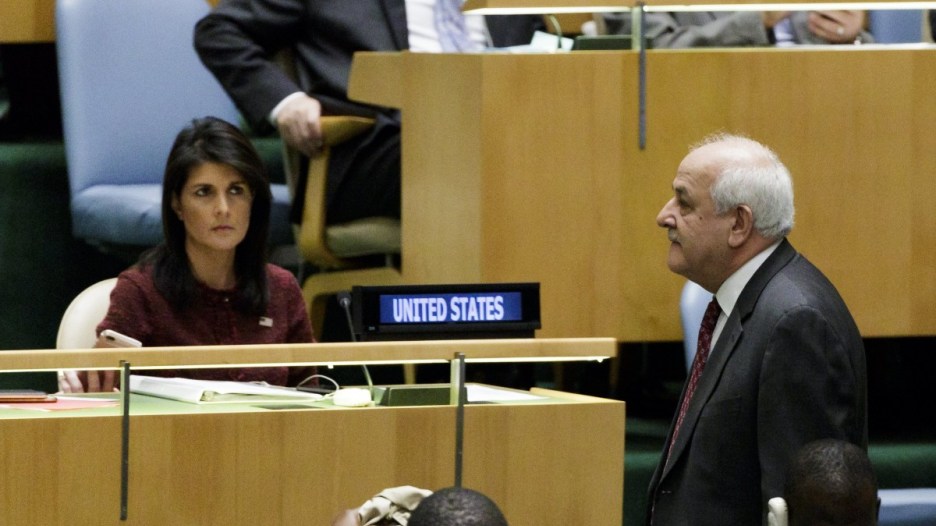
«Οι Ηνωμένες Πολιτείες θα θυμούνται αυτή την μέρα, που είδαν να διαπομπεύονται από την Γενική Συνέλευση (του ΟΗΕ) μόνο και μόνο για την άσκηση του κυριαρχικού μας δικαιώματος».

Τα παραπάνω δήλωσε χθες, μιλώντας στη Γενική Συνέλευση των Ηνωμένων Εθνών, η μόνιμη αντιπρόσωπος των ΗΠΑ Νίκι Χέιλι. Αφορμή ήταν το γεγονός ότι 128 χώρες ψήφισαν υπέρ του σχεδίου απόφασης που καταδικάζει τη μονομερή αναγνώριση της Ιερουσαλήμ από την Αμερική, μετά από απόφαση του Προέδρου των ΗΠΑ, Ντόναλντ Τραμπ.

Η Αμερικανίδα πρέσβειρα στον ΟΗΕ Εθνών είπε ακόμα μία κουβέντα, που προκάλεσε φόβο, καθώς περιείχε απειλές και εκβιασμούς. Τόνισε: «Θα το θυμόμαστε όταν μας ζητηθεί για ακόμη μια φορά να κάνουμε την μεγαλύτερη (οικονομική) συνεισφορά στα Ηνωμένα Έθνη». Ως γνωστόν, χωρίς την Αμερική, ο ΟΗΕ θα οδηγηθεί σε πτώχευση. Κυριολεκτικά… Ουδείς γνωρίζει πως θα αντιδράσει ο κ. Τραμπ, τον οποίο περιέγραψαν οι καλά γνωρίζοντες  αξιωματούχοι του, ως «πολύ θυμωμένο». Με το δίκιο του, βέβαια, αν δεχθούμε ότι η πρότασή του για την Ιερουσαλήμ ήταν η πρώτη σοβαρή κίνηση για τα θέματα της εξωτερικής πολιτικής.

Το ερώτημα είναι πως θα αντιδράσει ο Αμερικανός Πρόεδρος, και αν θα συνεχίσει να κάνει τα στραβά μάτια για τις χώρες που πραγματικά τον διέσυραν. Πρώτη και καλύτερη ήταν η Τουρκία του Ταγίπ Ερντογάν, η οποία μάλιστα αντιπροσωπεύθηκε από τον υπουργό Εξωτερικών, Μεβλούτ Τσαβούσογλου, ο οποίος με την ευκαιρία ζήτησε να «πεταχτεί» στην Αμερικανική πρωτεύουσα για να συζητήσει όλα τα προβλήματα που άπτονται των τουρκο-αμερικανικών σχέσεων, αλλά φαίνεται πως οι Αμερικανοί του αρνήθηκαν. Θα αποδειχθεί σήμερα… Εάν όντως του έκλεισαν την πόρτα πρόκειται για μία σοβαρότατη εξέλιξη, που σημαίνει ότι άρχισε να υλοποιείται το σχέδιο «εκδίκησης» που ανακοίνωσε στον ΟΗΕ η κ. Χέιλι. Αν τον δεχθούν στην Ουάσιγκτον, τότε οι Αμερικανοί αποδεικνύονται τεράστιοι μπουνταλάδες, που φοβούνται το μπούλιγκ των Τούρκων ισλαμιστών.

Πάντως, για να είμαστε ορθοί δεοντολογικά, στο σημερινό επίσημο πρόγραμμα του κ. Ρεξ Τίλερσον, δεν υπάρχει κανένα ραντεβού, ούτε με τον κ. Τσαβούσογλου, ούτε με οποιονδήποτε άλλο. Για να αρχίσουν να τους υπολογίζουν ξανά σε διεθνές επίπεδο, οι Αμερικανοί πρέπει να στρέψουν τα πυρά τους σε αυτούς που ρεζίλεψαν τον Πρόεδρο τους στη Γενική Συνέλευση.

Πίσω από αυτήν την προκλητική ενέργεια εναντίον του κ. Τραμπ, βρίσκονται ο Ταγίπ Ερντογάν και η κλίκα του στην Άγκυρα και στη Μέση Ανατολή. Ο πρόεδρος της Τουρκίας ανέλαβε το βάρος οργάνωσης της χθεσινής φιέστας εναντίον της Αμερικής, και αυτός πρέπει να «πληρώσει».

Υπό την έννοια ότι εάν δεν κινητοποιείτο ο κ. Ερντογάν, δεν θα είχε σημειωθεί η χθεσινή πολύ αρνητική εξέλιξη. Μόνο επτά χώρες, εκτός των ΗΠΑ και το Ισραήλ, υποστήριξαν την απόφαση του Αμερικανού Προέδρου. Ρεζιλίκια σε «ζωντανή» μετάδοση… Ο πρόεδρος της Τουρκίας είναι από μόνος του ένα …«ψυχιατρείο». Όταν το είχαμε γράψει μας χλεύασαν μερικοί ανόητοι, αλλά και αυτοί πλέον υποστηρίζουν το ίδιο. Το γεγονός ότι ακούμε τα πιο ισχυρά επιχειρήματα για να αποδειχθούν τα αυτονόητα, μας ικανοποιεί.

Το βασικό θέμα πλέον είναι η Τουρκία, η οποία αποδεικνύεται στον «απόλυτο ταραξία» της Μέσης Ανατολής. Εάν οι Αμερικανοί δεν την επαναφέρουν στην τάξη είναι ως να αντιστρατεύονται τα ίδια τα στρατηγικά τους συμφέροντα. Ο κ. Ερντογάν ενδιαφέρεται μόνο για την Τουρκία και εσχάτως για το παγκόσμιο Ισλάμ. Άρα έχει αναγάγει τον εαυτό του σε εχθρό της Αμερικής…

ΥΣΤΕΡΟΓΡΑΦΟ: Η Ελλάδα και η Κύπρος υποστήριξαν το ψήφισμα που κατέθεσαν η Τουρκία και η Τυνησία. Θα αποδειχθεί ότι έσφαλλαν. Καλή και άξια η ευαισθησία, αλλά οι χώρες, δυστυχώς, καθοδηγούνται από τα στρατηγικά τους συμφέροντα. Θα μπορούσαν, ας πούμε, να απέχουν της ψηφοφορίας έχοντας το εξής καταπληκτικό επιχείρημα: «Δεν θέλουμε να παίξουμε το παιγνίδι της Τουρκίας, που εκμεταλλεύεται τους Άμοιρους Παλαιστίνιους». Αυτό και μόνο να έλεγαν θα «καθάριζαν» και με τους Παλαιστίνιους και με τον Λευκό Οίκο. Δεν θα είχε κανένας παράπονο. Όμως από τη στιγμή που η Ελλάδα και η Κύπρος έλαβαν θέση απέναντι στην Αμερική, θα βρεθούν σε δυσκολία όταν ο κ. Τραμπ αρχίσει να μοιράζει τις «ποινές»… Βεβαίως δεν θα τους πούμε εμείς τι θα κάνουν… Γνωρίζουν καλύτερα από τον καθένα… Share this:

http://mignatiou.com

«Η Διεθνής της άκρας Δεξιάς θεωρεί την Ευρωπαϊκή Ένωση ως σούπερ μάρκετ : ό,τι της συμφέρει το παίρνει»

11

Του Αλκη Καλλιαντζίδη Οικονομολόγου [email protected]  www.kalkis.eu
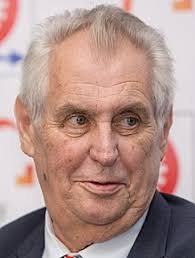
Στο άρθρο μου στις Ανιχνεύσεις στις 4-12-2017 επισήμανα τον πραγματικό κίνδυνο για τη γεωγραφική συνοχή της Ευρώπης από τους περιφερειακούς εθνικο-λαϊκισμούς με αίτημα την ανεξαρτησία από τις χώρες τους, μέλη της Ευρωπαϊκής Ένωσης : http://www.anixneuseis.gr/?p=180045 . Ας κρατήσουμε εδώ ότι οι εξτρεμιστές της Κορσικής είναι δεδηλωμένοι Δεξιοί «Κυριαρχιστές», περιφερειακής εμβέλειας. Στην Καταλονία είδαμε ότι οι αιτούντες την ανεξαρτησία τους από την Ισπανία ήταν μια περιφερειακή δεξιο-αριστερά συμμαχία. Με το αποτέλεσμα των χθεσινών εκλογών οι κοινοβουλευτικοί συσχετισμοί δεν άλλαξαν. Θα εξακολουθήσουν να έχουν την απόλυτη πλειοψηφία (70 έδρες σε σύνολο 135) στο περιφερειακό τους κοινοβούλιο, υπό την προϋπόθεση βέβαια ότι οι 3 πολιτικοί συμπράττοντες θα τα ξαναβρούν κάτω από το αδειανό πουκάμισο (πρόγραμμα διακυβέρνησης δεν έχουν) της ανεξαρτησίας. Τι ζητούν στο όνομα του «ενός λαού, μιας γλώσσας, ενός πολιτισμού» ; Την αυτονομία οι Κορσικανοί  και την ανεξαρτησία οι Καταλανοί από μια μεγάλη γεωγραφική ενότητα : της Γαλλίας και της Ισπανίας αντίστοιχα, όντες βέβαιοι αφελώς ότι η Ευρωπαϊκή Ένωση θα τους δεχθεί αργά ή γρήγορα, ως νέες κρατικές οντότητες με νόμισμα το ευρώ ! Κι ας επιχειρούν να κατακερματίσουν έτσι de facto την Ευρωπαϊκή  Ένωση, της οποίας θέλουν να γίνουν μέλη με άλλο καπέλο !

Κάτι ανάλογο επιχειρεί, τηρουμένων των αναλογιών, η ακροδεξιο-αριστεριστερά και σε εθνικό επίπεδο, με

εθνικού και διεθνούς επιπέδου ηγέτες. Εξ ου και η τελευταία Σύνοδός τους, ως «ακροδεξιάς Διεθνούς»,  στην Πράγα της Τσεχίας στις 16 Δεκεμβρίου 2017, υπό το σλόγκαν «Για μια Ευρώπη των Κυρίαρχων Εθνών» (!!!) και με φιλοξενούντα τον επιχειρηματία Tomio Okamura, τον γεννηθέντα στο Τόκυο νέο ακροδεξιό αστέρα της Τσεχίας που στις τελευταίες βουλευτικές εκλογές έλαβε το 10% των ψήφων και 22 έδρες στη βουλή με το κόμμα «Ελευθερία και άμεση δημοκρατία», με την υποστήριξη της Marine Le Pin και του Τσέχου προέδρου Milos Zeman. Ανθρώπου της αριστεράς γνωστού για τις φιλο-ρωσικές, φιλο-κινεζικές και αντι-μουσουλμανικές ομιλίες του, που παραβρέθηκε και στην εν λόγω «Διεθνή», σύμφωνα με το ρεπορτάζ της  Le Monde.fr και του Γαλλικού Πρακτορείου Ειδήσεων στις 16-12-2017.

Μαζί με τους παραπάνω, παραβρέθηκαν και :


ο Ολλανδός Geert Wilders του «Λαϊκού Κόμματος για την Ελευθερία και τη Δημοκρατία”

Ο Ιταλός Lorenzo Fontana του κόμματος της «Λίγκας του Ιταλικού Βορρά»,


ο Αυστριακός  Georg Mayer, του «Κόμματος της Ελευθερίας της Αυστρίας», ο Βέλγος Gerolf Annemans, του κόμματος «Φλαμανδικό Συμφέρον»,
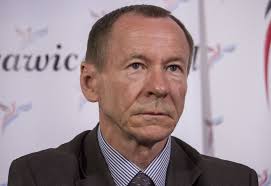


ο Πολωνός Michal Marusik, του κόμματος «Κογκρέσσο της Νέας Δεξιάς», ο Γερμανός Marcus Pretzell του κόμματος «Εναλλακτική για τη Γερμανία, The Blue Party»


 

και η Βρετανίδα Janice Atkinson (η εξ αριστερών της φώτο), πρώην μέλους του «Κόμματος για την ανεξαρτησία του Ηνωμένου Βασιλείου» (UKIP) το οποίο τα παράτησε μετά το Brexit ! Μόνο οι δικοί μας της Χρυσής Αυγής έλειπαν από αυτήν την «ακροδεξιά Διεθνή». Ως πότε όμως, διερωτώμαι.
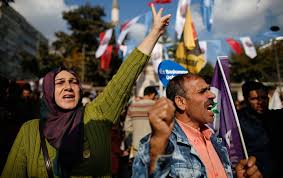
Ο Milos Zeman, ο οποίος έχει ήδη συγκρίνει τη μεταναστευτική κρίση με μια «οργανωμένη εισβολή» και θεωρεί ότι οι μουσουλμάνοι είναι «αδύνατο να ενσωματωθούν», είναι το μεγάλο φαβορί στις προεδρικές εκλογές του Ιανουαρίου 2018. Η Τσεχία, η οποία αντιτίθεται σθεναρά στο ευρωπαϊκό σύστημα μεταναστευτικών ποσοστώσεων μετανάστευσης, φιλοξένησε μόνο 12 μετανάστες στο έδαφός της στο πλαίσιο αυτού του προγράμματος! Η μουσουλμανική μειονότητα είναι σχεδόν ανύπαρκτη σε αυτή τη χώρα της ΕΕ. των 10,6 εκατομμυρίων ατόμων και τα διάφορα τσεχικά κόμματα επιθυμούν να προσθέσουν αντι-μουσουλμανικές και αντι-μεταναστευτικές προεκτάσεις στις εκλογικές τους εκστρατείες για να αξιοποιήσουν τον φόβο της τρομοκρατίας και των πιθανών κοινωνικών δαπανών. Με άλλα λόγια οι Τσέχοι, όπως και οι Πολωνοί και τα λοιπά μέλη της Λέσχης του Βίζεγκραντ, απολαμβάνουν τα τεράστια οικονομικά πλεονεκτήματα (κοινοτικούς πόρους) της Ευρωπαϊκής Ένωσης, ως ισότιμα μέλη της, όμως δεν επιθυμούν την ανάληψη των προκυπτόντων συλλογικών βαρών, όπως η λαθρο-μετανάστευση με όλα τα αρνητικά της. Σαν να είναι η Ευρωπαϊκή Ένωση  ένα σούπερ μάρκετ, από τα ράφια του οποίου θέλουν να επιλέγουν ό,τι τους αρέσει και τους συμφέρει, στο όνομα της «εθνολογικής και θρησκευτικής τους καθαρότητας» (στην Πολωνία οι ακροδεξιοί θέλουν ένα «λευκό έθνος των Καθολικών») αλλά και της «εξοικονόμησης κοινωνικών δαπανών» προς όφελος «των δικών τους». Η Πολωνία π.χ. για τη γεωργία της οποίας έχουν εγκριθεί 86 δις. ευρώ, κατά την τρέχουσα προγραμματική περίοδο, διοργάνωσε πρόσφατα ακροδεξιά ξενοφοβική διαδήλωση των 60.000 διαδηλωτών περίπου, ενώ παράλληλα ζητάει από την Ε.Ε. την προστασία των 800.000 Πολωνών, οικονομικών μεταναστών της, στη Μεγάλη Βρετανία οι οποίοι δέχονται λεκτικές επιθέσεις από Βρετανούς οπαδούς του Brexit (άλλους εθνικιστές δηλαδή) και μόνο επειδή τους ακούν να μιλούν πολωνικά μέσα στα λεωφορία κι άλλα μέσα μαζικής μεταφοράς, σύμφωνα με σχετικό τηλεοπτικό ρεπορτάζ που είδα προχθες στο γαλλικό κανάλι France24.

Μετά τον άστοχο χειρισμό των Καταλανών από τον Μαριάνο Ραχόϊ, που ευλόγως υπέστη δεινή πολιτική ήττα χθες, και των Κορσικανών που βιάζονται να πάρει θέση ο Μακρόν μετά την πρόσφατη νίκη τους, διερωτώμαι.

Πού βαδίζουμε τελικά στην Ευρώπη μετά από 60 χρόνια ειρήνης και σχετικής ευημερίας ;

Θα υποκύψουμε στους Λαοπλάνους των «δεξιο-αριστερίστικων συμμαχιών του Πολιτικαντισμού», που το μόνο που τους ενδιαφέρει είναι η νομή της εξουσίας, στο όνομα του εθνικού ή περιφερειακού εθνικισμού τους ;

Ποια θέση θα πάρει η χώρα μας εν όψει όλων αυτών των δυσάρεστων εξελίξεων κοινοτικής αστάθειας, όταν μάλιστα η ίδια η Ελλάδα απειλείται διαχρονικά από την Τουρκία για την μουσουλμανική της μειονότητας ;

Ο Άλκης Καλλιαντζίδης είναι οικονομολόγος.


In Turkey, Repression of the Kurdish Language Is Back, With No End in Sight

0

Since 2015, scores of Kurdish media organizations, associations, language schools, and cultural institutions have been shut down.
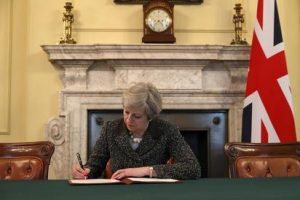
By Constanze Letsch

TODAY 12:51 PM

Το δίλημμα της Theresa May για το Brexit

1
Καταλήγει στο «το κόμμα ή η χώρα»
Η Βρετανίδα πρωθυπουργός υπογράφει την επίσημη επιστολή προς τον πρόεδρο του Ευρωπαϊκού Συμβουλίου, επικαλούμενη το άρθρο 50 και την πρόθεση της χώρας της να εγκαταλείψει την ΕΕ, τον Μάρτιο του 2017. CHRISTOPHER FURLONG / REUTERS.
Περίληψη:

Η Μέι θα πρέπει να διευκρινίσει με ακρίβεια τι είδους Brexit θέλει η κυβέρνησή της, «σκληρό» ή «ήπιο». Περιέργως, αυτή η συζήτηση δεν έχει γίνει ακόμη, διότι θα είχε εκθέσει τα σφάλματα στην καρδιά του γραφείου της.

Ο MATTHIAS MATTHIJS είναι επίκουρος καθηγητής Διεθνούς Πολιτικής Οικονομίας στην Σχολή Προωθημένων Διεθνών Σπουδών του Πανεπιστημίου Johns Hopkins.

Αν υπήρχε ένα βραβείο το οποίο άξιζε φέτος η Βρετανίδα πρωθυπουργός Theresa May [1], θα ήταν το βραβείο πολιτικής επιβίωσης. Μετά από τις γενικές εκλογές τον Ιούνιο που έφεραν το Συντηρητικό Κόμμα της να χάνει την περιορισμένη πλειοψηφία του στην Βουλή των Κοινοτήτων, οι περισσότεροι παρατηρητές της βρετανικής πολιτικής σκέφτηκαν ότι οι ημέρες της ήταν μετρημένες. Η εκπληκτική αναζωογόνηση του Εργατικού Κόμματος υπό τον Τζέρεμι Κόρμπιν [2], μια επισφαλής συμφωνία «εμπιστοσύνης και προσφοράς» με το υπερ-συντηρητικό Δημοκρατικό Κόμμα της Βορείου Ιρλανδίας (DUP) για να στηρίξει την κυβέρνησή της, ατελείωτες εσωτερικές διαμάχες στο υπουργικό συμβούλιο μεταξύ σκληρών και ήπιων υπέρμαχων του Brexit, και συνεχείς συνομωσίες για να την ανατρέψουν, δεν προμήνυαν κάτι καλό για την Βρετανίδα ηγέτιδα εκείνη την εποχή. Μέχρι το τέλος του έτους, ωστόσο, μπόρεσε να επιδείξει μια συμφωνία διαζυγίου με την Ευρωπαϊκή Ένωση βάσει του άρθρου 50, που λίγοι νόμιζαν ότι θα μπορούσε να είναι δυνατή. Αν και πολλοί από τους βουλευτές της ήθελαν να φύγει μέχρι το τέλος του καλοκαιριού, τώρα φωνασκούν για να παραμείνει μέχρι το 2021 τουλάχιστον.

21122017-1.jpg

Η Βρετανίδα πρωθυπουργός, Theresa May, στο γραφείο του υπουργικού συμβουλίου υπογράφει την επίσημη επιστολή προς τον πρόεδρο του Ευρωπαϊκού Συμβουλίου, Donald Tusk, επικαλούμενη το άρθρο 50 και την πρόθεση του Ηνωμένου Βασιλείου να εγκαταλείψει την ΕΕ, στο Λονδίνο, τον Μάρτιο του 2017. CHRISTOPHER FURLONG / REUTERS
————————————————————————-

Δυστυχώς για την Μέι, το Brexit πρόκειται να αντιμετωπίσει την πραγματικότητα. Όντως, η συμφωνία διαζυγίου με την ΕΕ δεν ήταν τίποτα περισσότερο από μια διπλωματική άσκηση στην δημιουργική χρηματοοικονομική λογιστική, μια περικοπή των αμοιβαίων δικαιωμάτων των πολιτών και μια μάλλον αινιγματική αφήγηση για το ζήτημα των συνόρων της Βόρειας Ιρλανδίας [3]. Όλες οι σκληρές κουβέντες των Tory για το ότι η ΕΕ θα μπορούσε να «πάει να πνιγεί» με τα χρήματά της και περί τερματισμού της δικαιοδοσίας του Δικαστηρίου των Ευρωπαϊκών Κοινοτήτων (European Court of Justice, ECJ) την πρώτη ημέρα του Brexit, κατέληξαν γρήγορα στο να υπογράψει το Ηνωμένο Βασίλειο μια συμφωνία σε μεγάλο βαθμό με τους όρους της ΕΕ. Τώρα η Μέι θα πρέπει να δείξει στο κόμμα της και στην χώρα της ότι μπορεί να εξασφαλίσει μια μελλοντική εμπορική συμφωνία με την ΕΕ, η οποία θα είναι και ευνοϊκή από οικονομικής πλευράς, αλλά και θα επιτρέψει στο Ηνωμένο Βασίλειο να «αναλάβει τον έλεγχο» [4] των συνόρων του, των χρημάτων του και των νόμων του.

Νωρίς και όχι αργότερα, η Μέι θα πρέπει να διευκρινίσει με ακρίβεια τι είδους Brexit θέλει η κυβέρνησή της [5]. Περιέργως, αυτή η συζήτηση δεν έχει γίνει ακόμη, διότι θα είχε εκθέσει τα σφάλματα στην καρδιά του γραφείου της. Η έλλειψη κοινού στόχου από την βρετανική πλευρά ήταν ήδη σε πλήρη θέα κατά την διάρκεια των επίπονων διαπραγματεύσεων του άρθρου 50. Ενώ ο Michel Barnier, ο επικεφαλής διαπραγματευτής της ΕΕ για το Brexit, αποπνέει την γαλλική διπλωματική ευγλωττία και την εύχαρη σαφήνεια, ο David Davis, ο Βρετανός υπουργός για την έξοδο από την ΕΕ, έδωσε την εντύπωση ότι είναι θλιβερά απροετοίμαστος, συνδυάζοντας τις αντιφατικές μπερδεμένες κουβέντες με την αδέξια ασάφεια. Οι προσεχείς μήνες θα αποκαλύψουν τελικά τα ψέματα στο επίκεντρο της υπόθεσης των υπέρμαχων του Brexit για να εγκαταλειφθεί η Ευρωπαϊκή Ένωση, ώστε να τα δουν όλοι. Το Ηνωμένο Βασίλειο θα εγκαταλείψει την ΕΕ τον Μάρτιο του 2019. Αλλά δεν θα υπάρξει ανάκτηση του ελέγχου σε τίποτα, βραχυπρόθεσμα, δεδομένου ότι η μετάβαση θα είναι με το status quo της ΕΕ αλλά χωρίς βρετανική φωνή. Μακροπρόθεσμα, είτε το κόμμα των Tory θα διασπαστεί και οι Εργατικοί θα επανέλθουν στην εξουσία, είτε το Ηνωμένο Βασίλειο θα καταρρεύσει και θα συρρικνωθεί στην Αγγλία και την Ουαλία.

ΜΕΤΑΒΑΤΙΚΗ ΑΚΙΝΗΣΙΑ

Τώρα που η πρώτη φάση της διαδικασίας του Brexit -η συμφωνία διαζυγίου, όπως ορίζεται στο άρθρο 50 της Συνθήκης της Λισαβόνας της ΕΕ- έχει τελειώσει, η εστίαση θα στραφεί στην δεύτερη φάση ή αλλιώς στις συζητήσεις για την μετάβαση προς την τελική διευθέτηση μεταξύ Ηνωμένου Βασιλείου και ΕΕ. Τόσο το Ηνωμένο Βασίλειο όσο και η ΕΕ συμφώνησαν να επιτρέψουν μια μεταβατική περίοδο που θα διαρκέσει μέχρι δύο χρόνια και θα ξεκινήσει στις 30 Μαρτίου 2019, την τελευταία ημέρα συμμετοχής του Ηνωμένου Βασιλείου στην ΕΕ, μετά την οποία η χώρα εγκαταλείπει τις θεσμικές δομές της Ένωσης. Η Theresa May και οι υπουργοί της προτιμούν να μιλούν για μια «περίοδο εφαρμογής» [6] που είναι αυστηρά περιορισμένη χρονικά αντί για μια μεταβατική φάση που θα μπορούσε θεωρητικά να διαρκέσει για πάντα. Στο κάτω-κάτω, μέχρι τώρα τόσο η ΕΕ όσο και το Ηνωμένο Βασίλειο έχουν αφήσει κάποια αμφιβολία ως προς το αν η μετάβαση θα μπορούσε να επεκταθεί –χωρίς να θέλουν να δεσμευθούν- παρότι συμφωνούν καταρχήν ότι θα πρέπει να περιοριστεί στα δύο χρόνια. Αλλά το πρόβλημα με τον όρο «περίοδος εφαρμογής» είναι ότι δεν υπάρχει τίποτα να εφαρμοστεί εφόσον δεν έχουν συμφωνηθεί τα γενικά περιγράμματα των μελλοντικών σχέσεων του Ηνωμένου Βασιλείου με την ΕΕ.

Και οι δύο πλευρές έχουν ριζικά διαφορετικές ιδέες και προσδοκίες για το τι είναι δυνατόν κατά την διάρκεια αυτής της φάσης μετάβασης. Η ΕΕ, από την πλευρά της, θεωρεί την μετάβαση ως μια συμφωνία ακινησίας (standstill), στην οποία το Ηνωμένο Βασίλειο θα εξακολουθεί να είναι μέλος της τελωνειακής ένωσης και της ενιαίας αγοράς της ΕΕ, θα σέβεται το κοινό εξωτερικό δασμολόγιο της ΕΕ, θα πληρώνει στον προϋπολογισμό της ΕΕ σαν να ήταν ένα πλήρες μέλος, θα αποδέχεται όλες τις νέες οδηγίες και τους κανονισμούς και θα διατηρεί αυστηρή ρυθμιστική σύγκλιση προς όλες τις πτυχές της ενιαίας αγοράς. Αυτό σημαίνει επίσης ότι το Ηνωμένο Βασίλειο θα επιτρέπει την ελεύθερη κυκλοφορία των ανθρώπων και δεν θα είναι σε θέση να διαπραγματευτεί τις δικές του εμπορικές συμφωνίες. Ταυτόχρονα, η χώρα δεν θα έχει πλέον θέση στο τραπέζι [των συνομιλιών εντός της ΕΕ] και δεν θα έχει λόγο σε νέες εμπορικές συμφωνίες ή κανονισμούς της ΕΕ. Προκειμένου να αποφευχθούν φαινόμενα μίμησης του Brexit σε άλλα κράτη-μέλη, η ΕΕ είναι ανένδοτη στο ότι η φάση της μετάβασης θα είναι ξεκάθαρα χειρότερη για το Ηνωμένο Βασίλειο από ότι η πλήρης συμμετοχή του.

Το Ηνωμένο Βασίλειο, ωστόσο, βλέπει την φάση μετάβασης αρκετά διαφορετικά. Ο Liam Fox, ο Βρετανός υπουργός Εμπορίου, θέλει άμεσα και ζωηρά να ξεκινήσει προπαρασκευαστικές εργασίες για νέες εμπορικές συμφωνίες με την Αυστραλία, την Ινδία, τη Νέα Ζηλανδία και τις Ηνωμένες Πολιτείες, για να αναφέρουμε μόνο μερικές χώρες. Ο Michael Gove, ο υπουργός Περιβάλλοντος, προτιμά η χώρα του να εγκαταλείψει την κοινή αλιευτική πολιτική αμέσως μετά την έναρξη της μεταβατικής φάσης. Ο υπουργός Εξωτερικών Μπόρις Τζόνσον επιμένει ότι η ρυθμιστική απόκλιση από την ΕΕ μπορεί να ξεκινήσει την ημέρα του Brexit, διαφορετικά η χώρα κινδυνεύει να γίνει ένα «υποτελές κράτος» [7] που θα κυβερνάται από τις Βρυξέλλες. Οι περισσότεροι υπέρμαχοι της σκληρής γραμμής του Brexit επιθυμούν επίσης να σταματήσουν την ελεύθερη κυκλοφορία των ανθρώπων αμέσως μετά την έξοδο του Ηνωμένου Βασίλειου από την ΕΕ. Η Μέι θα πρέπει πιθανώς να τους απογοητεύσει για όλα τα παραπάνω. Η φάση της μετάβασης θα δει το Ηνωμένο Βασίλειο να διατηρεί όλες τις υποχρεώσεις που απορρέουν από την ένταξη στην ΕΕ, αλλά να χάνει τα δικαιώματα ψήφου του. Πόσω δε μάλλον να πάρει πίσω τον έλεγχο.

21122017-2.jpg

Ο υπουργός για την Έξοδο από την ΕΕ, David Davis, η Βρετανίδα πρωθυπουργός Theresa May, ο πρόεδρος της Ευρωπαϊκής Επιτροπής Jean-Claude Juncker και ο επικεφαλής διαπραγματευτής της Ευρωπαϊκής Ένωσης για το Brexit , Michel Barnier, σε συνάντηση στην Ευρωπαϊκή Επιτροπή στις Βρυξέλλες, στο Βέλγιο, τον Δεκέμβριο του 2017. ERIC VIDAL / REUTERS
———————————————————

ΝΟΡΒΗΓΙΑ-ΠΛΗΝ Ή ΚΑΝΑΔΑΣ-ΣΥΝ;

Μόλις η πραγματικότητα της μεταβατικής φάσης γίνει αντιληπτή, η συζήτηση στο Ηνωμένο Βασίλειο κατά το επόμενο έτος θα επικεντρωθεί πιθανώς σε δύο σενάρια που επί του παρόντος δεν είναι ακόμη στο τραπέζι των διαπραγματεύσεων στις Βρυξέλλες: Το Norway -Minus και το Canada-Plus. Η ιδέα πίσω από το Norway-Minus (ή «ήπιο» Brexit) είναι ότι η Βρετανία θα μπορούσε να έχει όλα τα οφέλη του να είναι στην ενιαία αγορά -δηλ. την ελεύθερη κυκλοφορία αγαθών, υπηρεσιών και κεφαλαίων- αλλά θα μπορούσε να ελέγχει τη μετανάστευση από την ΕΕ. Η Νορβηγία επίσης δεν είναι μέλος της τελωνειακής ένωσης, επομένως το Όσλο είναι σε θέση να καθορίσει την δική του εξωτερική εμπορική πολιτική, αλλά τα αγαθά του εισάγονται χωρίς δασμούς στην ΕΕ. (Μολονότι η Νορβηγία έπρεπε να αποδεχθεί την ελεύθερη κυκλοφορία των ανθρώπων από και προς την ΕΕ, το Ηνωμένο Βασίλειο θα θέλει να ελέγξει τα μεταναστευτικά ρεύματα, εξ ου και το «μείον»)

Παρόλο που το Norway-Minus δεν πρόκειται να προσφερθεί -οι αξιωματούχοι της ΕΕ έχουν επαναλάβει ότι δεν θα υπάρξει «επιλογή θεμάτων»- το Ηνωμένο Βασίλειο θα μπορούσε να διαπραγματευτεί μια τελική συμφωνία Brexit παρόμοια με αυτή που έχει σήμερα η Νορβηγία. Το πρόβλημα με ένα τέτοιο σενάριο είναι ότι παραβιάζει την υπόσχεση του στρατοπέδου εκείνων υπέρ της εξόδου από την ΕΕ να «αναλάβουμε τον έλεγχο των συνόρων μας, των χρημάτων μας και των νόμων μας», καθώς τίποτε από αυτά δεν θα υλοποιηθεί. Είναι επίσης δύσκολο να δούμε ένα σενάριο Νορβηγίας χωρίς αυστηρά σύνορα στην Ιρλανδία, κάτι που λογικά θα συνεπαγόταν η έξοδος από την τελωνειακή ένωση.

Όμως, τι γίνεται με το Canada-Plus (ή το «σκληρό» Brexit); Η μόνη μακροπρόθεσμη σχέση που ικανοποιεί τα περισσότερα αιτήματα των υπέρ του Brexit –έλεγχος της μετανάστευσης, το Ηνωμένο Βασίλειο να εμπορεύεται ελεύθερα με τον υπόλοιπο κόσμο και το τέλος της αρμοδιότητας του ECJ- είναι [το Ηνωμένο Βασίλειο] να εγκαταλείψει τόσο την τελωνειακή ένωση όσο και την ενιαία αγορά και να υπογράψει μια εμπορική συμφωνία με την ΕΕ παρόμοια με αυτή που υπέγραψε ο Καναδάς πέρυσι. Όμως, το Ηνωμένο Βασίλειο θα θέλει η συμφωνία του να προχωρήσει πολύ περισσότερο από ό, τι η Ολοκληρωμένη Οικονομική και Εμπορική Συμφωνία (Comprehensive Economic and Trade Agreement, CETA) μεταξύ του Καναδά και της ΕΕ όσον αφορά την απελευθέρωση υπηρεσιών -συμπεριλαμβανομένων των «διαβατηρίων» για τις χρηματοπιστωτικές επιχειρήσεις ή όσο πιο κοντά στα τα οφέλη του πλήρους μέλους της κοινής αγοράς (εξ ου και το «συν»).

Είναι αρκετά εύκολο να φανταστεί κανείς μια συμφωνία ελεύθερων συναλλαγών για τα αγαθά, αλλά είναι πολύ πιο δύσκολο να υλοποιηθεί μια ευρεία συμφωνία για τις υπηρεσίες χωρίς την ελεύθερη κινητικότητα των εργαζομένων. Στην πραγματικότητα, οι βρετανικές επιχειρήσεις πρόκειται να χάσουν πάρα πολλά σε ένα σενάριο Καναδά, ακόμη και αν ορισμένες βασικές υπηρεσίες μπορεί να συμπεριληφθούν στην τελική συμφωνία. Είναι επίσης δύσκολο να φανταστεί κανείς ότι μια τέτοια διαπραγμάτευση θα διεξαχθεί σε λιγότερο από δύο χρόνια. Τούτο συνεπάγεται την παράταση της μεταβατικής περιόδου τουλάχιστον για δύο ακόμη έτη, βγάζοντας την χώρα πολύ πέρα από τις επόμενες εθνικές εκλογές, που έχουν προγραμματιστεί για τον Ιούνιο του 2022. Οι περισσότεροι σκληροπυρηνικοί των Tory δεν θα δέχονταν μια τέτοια καθυστέρηση.

Αν και το σενάριο της Νορβηγίας είναι μακράν το λιγότερο ενοχλητικό από οικονομική άποψη -και ως εκ τούτου το προτιμώμενο αποτέλεσμα για τις επιχειρήσεις- εκθέτει τις υποσχέσεις της καμπάνιας Brexit για «ανάκτηση του ελέγχου» ως καθαρά ψέματα. Το σενάριο του Καναδά θα έδινε τουλάχιστον στο Ηνωμένο Βασίλειο την ψευδαίσθηση της κυριαρχίας, καθώς θα επέτρεπε στο Λονδίνο να ελέγχει τη μετανάστευση, θα άφηνε το μεγαλύτερο μέρος της δικαιοδοσίας του ECJ στους βρετανικούς νόμους και θα επέτρεπε στην χώρα να υπογράψει εμπορικές συμφωνίες και να αναβιώσει το παλιό όνειρο της αποκατάστασης μιας μορφής της Βρετανικής Κοινοπολιτείας. Αλλά το βραχυπρόθεσμο οικονομικό κόστος θα είναι σημαντικό και το δυνητικό μακροπρόθεσμο κέρδος αβέβαιο. Είναι επίσης ένα σενάριο που θα διαρκέσει δέκα χρόνια για να υλοποιηθεί πλήρως. Μέχρι τότε, το Εργατικό Κόμμα θα μπορούσε να επανέλθει στην εξουσία και να επιλέξει να κάνει το μεταβατικό στάδιο σχεδόν μόνιμο.

ΣΥΓΚΡΟΥΣΗ ΝΟΜΙΜΟΦΡΟΣΥΝΗΣ

Η υπογραφή της συμφωνίας του άρθρου 50 με την ΕΕ δεν έχει λύσει το κεντρικό δίλημμα της Μέι για το Brexit. Αφενός, εάν θέλει να σεβαστεί την Συμφωνία της Μεγάλης Παρασκευής που έφερε ειρήνη στην Βόρεια Ιρλανδία και να τηρήσει την υπόσχεσή της να διατηρήσει τα σύνορα με την Ιρλανδία ανοιχτά και χωρίς τελωνειακούς ελέγχους, η κυβέρνηση της Μέι θα καταστήσει αδύνατο το Brexit, εκτός αν η Βόρεια Ιρλανδία ψηφίσει υπέρ μιας επανένωσης με τη Δημοκρατία της Ιρλανδίας, φύγει από το Ηνωμένο Βασίλειο και παραμένει μέλος της ΕΕ. Είναι δύσκολο να φανταστούμε ότι η Σκωτία δεν θα ακολουθήσει τον ίδιο δρόμο στην περίπτωση αυτή. Στην συνέχεια επιστρέφουμε στο σενάριο του «πρώην Ηνωμένου Βασιλείου της Αγγλίας και της Ουαλίας» (former United Kingdom of England and Wales, FUKEW) [8]. Από την άλλη πλευρά, επιλέγοντας να παραμείνει στην τελωνειακή ένωση και την ενιαία αγορά, η Μέι μπορεί πιθανώς να κρατήσει την χώρα της ενωμένη, αλλά το Συντηρητικό Κόμμα της θα διασπαστεί, καθώς η πλειοψηφία του κόμματός της δεν θα δεχτεί ποτέ να είναι ένα «υποτελές κράτος» των Βρυξελλών .

Το να κρατηθεί η χώρα ενιαία θα έρθει με το σημαντικό πολιτικό κόστος του να επιτρέψει την ελεύθερη κυκλοφορία του εργατικού δυναμικού και να ανεχθεί την πλήρη δικαιοδοσία του ECJ, χωρίς να έχει Βρετανούς δικαστές στην έδρα του στο Λουξεμβούργο. Από εμπορική άποψη, είναι ακόμα χειρότερα. Όχι μόνο το Ηνωμένο Βασίλειο δεν θα μπορέσει να υπογράφει τις δικές του εμπορικές συμφωνίες, αλλά θα πρέπει επίσης να καταπιεί κάθε μελλοντική εμπορική συμφωνία που θα συνάπτει η ΕΕ με τρίτες χώρες χωρίς να έχει λόγο στο ζήτημα. Η Τουρκία είναι ένα παράδειγμα. Η Άγκυρα οφείλει τώρα να επιτρέπει στα καναδικά προϊόντα να εισέρχονται ατελώς στην χώρα, αλλά δεν υπάρχει καμία υποχρέωση από την πλευρά του Καναδά να ανταποκριθεί, καθώς η Τουρκία δεν είναι μέλος της ΕΕ.

Εν ολίγοις, το 2018, η Μέι θα πρέπει να επιλέξει μεταξύ του κόμματός της και της χώρας της. Η ειρωνεία είναι ότι είναι ηγέτις ενός κόμματος του οποίου το επίσημο όνομα είναι «Συντηρητικό και Συνδικαλιστικό Κόμμα» (Conservative and Unionist Party). Θα μπορούσε όντως να προεδρεύσει της διάλυσης του Ηνωμένου Βασιλείου στην μακρόπνοη προσπάθειά της να κατευνάσει τους Συντηρητικούς σκληροπυρηνικούς. Ως εκ τούτου, το 2018 θα είναι η χρονιά που θα δείξει στο βρετανικό εκλογικό σώμα, και ίσως ακόμη και στην πλειοψηφία της Βουλής των Κοινοτήτων, ότι η ένταξη στην ΕΕ -ειδικά το είδος της ένταξης που απολάμβανε το Ηνωμένο Βασίλειο, δηλαδή με την εξαίρεση από το ενιαίο νόμισμα και την χωρίς σύνορα ζώνη Σένγκεν- ήταν εξαιρετικά ανώτερη από οποιαδήποτε από τις εναλλακτικές λύσεις βρίσκονται στο τραπέζι των διαπραγματεύσεων.

Η πραγματική τραγωδία είναι ότι η άλλη αναπόφευκτη εναλλακτική πιθανότατα δεν θα συμβεί παρά μέχρι να είναι πολύ αργά και το Brexit θα έχει γίνει πραγματικότητα. Το άρθρο 50 είναι ανελέητο από αυτή την άποψη. Μόλις ξεκινήσει το ρολόι των δύο ετών, είναι πολιτικά πολύ δύσκολο να σταματήσει. Τίποτα, φυσικά, δεν μπορεί να εμποδίσει το Ηνωμένο Βασίλειο να υποβάλει εκ νέου αίτηση ένταξης στην ΕΕ στο μέλλον, ίσως υπό μια κυβέρνηση Εργατικών. Αλλά η χώρα είναι πιθανό να αντιμετωπιστεί αυτή την φορά από μια πιο σκεπτικιστική ήπειρο από όσο την δεκαετία του 1960, όταν ο Γάλλος πρόεδρος Charles de Gaulle άσκησε δύο φορές βέτο στην αίτησή της προς την Ευρωπαϊκή Οικονομική Κοινότητα. Το Ηνωμένο Βασίλειο δεν θα έχει ξανά την γλυκιά συμφωνία που απόλαυσε από το 1973 έως το 2016.

Copyright © 2017 by the Council on Foreign Relations, Inc.
All rights reserved.

Στα αγγλικά: https://www.foreignaffairs.com/articles/united-kingdom/2017-12-19/theres…

Σύνδεσμοι:
[1] https://www.foreignaffairs.com/articles/united-kingdom/2017-06-09/mays-b…
[2] https://www.foreignaffairs.com/articles/united-kingdom/2017-06-14/genera…
[3] https://www.foreignaffairs.com/articles/western-europe/2017-09-04/brexit…
[4] https://www.reuters.com/article/britain-eu-johnson/whole-uk-needs-to-tak…
[5] https://www.foreignaffairs.com/articles/united-kingdom/2016-07-18/which-…
[6] https://www.theguardian.com/politics/blog/live/2017/sep/22/theresa-may–…
[7] https://www.reuters.com/article/us-britain-eu-johnson/foreign-minister-w…
[8] https://www.foreignaffairs.com/articles/united-kingdom/2017-03-29/pullin…

Μπορείτε να ακολουθείτε το «Foreign Affairs, The Hellenic Edition» στο TWITTER στην διεύθυνση www.twitter.com/foreigngr αλλά και στο FACEBOOK, στην διεύθυνση www.facebook.com/ForeignAffairs.gr και στο linkedin στην διεύθυνση https://www.linkedin.com/company/foreign-affairs-the-hellenic-edition

Βόμβα και πλειστηριασμοί.

2

Κατά μια εκτίμηση, η βόμβα στο Εφετείο Αθηνών είχε ως στόχο τους πλειστηριασμούς. Είναι σαφές ότι η ενέργεια αυτή φέρνει σε δύσκολη θέση όσους αντιτίθενται στη διεξαγωγή τους. Απο αυτήν την άποψη εγείρονται υποψίες για τη σκοπιμότητα της τρομοκρατικής ενέργειας και τους ηθικούς αυτουργούς της.
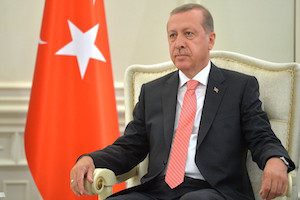
Αλλά, ας ξεπεράσουμε αυτόν το συλλογισμό.
Υπάρχουν δύο απόψεις για τους πλειστηριασμούς. Η μια λέει πως αν δεν γίνουν, δεν θα μπορέσει να κινηθεί η ελληνική οικονομία. Και όσοι απο αυτούς που την υποστηρίζουν είναι και υποστηρικτές της κυβερνητικής πολιτικής, προσθέτουν πως θα πέσει η κυβέρνηση. (Σιγά μην το επιτρέψουν οι βουλευτές της).
Η άλλη λέει πως είναι άδικο να παίρνεις το σπίτι απο ανθρώπους που σήμερα είναι άνεργοι ή μετά βίας επιβιώνουν την οικογένειά τους. Κάποια στιγμή αγόρασαν με δάνειο ένα κεραμίδι 60 τετραγωνικών και σήμερα τους βγάζουν στο δρόμο.
Πολλοί που υποστηρίζουν αυτήν την άποψη εξαιρούν, βεβαίως, τους ξιπασμένους που δεν άντεχαν στα σπίτια των 80 ή 100 τετραγωνικών, πήραν δάνειο πέραν των δυνατοτήτων τους και σήμερα αδυνατούν να το αποπληρώσουν.
Η στιγμή της κρίσης αργά ή γρήγορα έρχεται.
Ο Συριζα πληρώνει τα επίχειρα της πολιτικής του. Όταν ήταν αντιπολίτευση θεωρούσε εθνικό συμφέρον να μην πληρώνουμε. Τώρα που είναι κυβέρνηση θεωρεί εθνικό συμφέρον να πληρώνουμε.
Τι είναι, λοιπόν, το εθνικό συμφέρον; Το συμφέρον του Συριζα;

New Turkey: Neo-nationalist or the reincarnation of the “Old”?

0
By Cengiz Candar December 20,  2017

The roots of President Recep Tayyip Erdoğan’s “New Turkey” can be found in the decades that preceded the foundation of the Turkish republic. The ultranationalist Young Turks who ruled the Ottoman Empire during its final years – with catastrophic consequences – have extended their tentacles into the present. To preserve his power, Erdoğan has made a Faustian deal with their incarnations.

BACKGROUND:   Since the botched military coup of July 15, 2016, President Recep Tayyip Erdoğan has emerged as the uncontested strongman of his country and the drift into an increasingly autocratic regime continues unabated.  However, identifying the ideological contours of this authoritarianism is a challenge for political analysts and observers who attempt to make sense of the Turkish regime. There is no consensus among scholars and intellectuals, and the characterizations of the “New Turkey” of Erdoğan vary widely. Turkish intellectuals with leftist and quasi-Marxist tendencies do not hesitate to label the regime “fascist.” They claim that the Turkish regime manifests many similarities with that of Nazi period of Germany of the 1930s. Others argue that the Turkish regime is mainly autocratic, on the fringe of totalitarianism.

Ryan Gingeras, an acclaimed American historian, asks “Is Turkey turning into a Mafia state” in a recent Foreign Affairsarticle. Nilüfer Göle, a renowned Turkish expert on Islamic movements, writing in the Huffington Post, argues that Turkey is undergoing a radical shift from pluralism to Islamic populism:  “Illiberal values and populist movements are gaining ground not only among emerging countries and in authoritarian regimes but also among Western democracies. Turkey, an interface country between Islam and the West, finds itself at the epicenter of this transmutation. Over the last three decades, a country of promise, an emerging star in the Middle East, a model Muslim country that combined religion and secularism, economic development, political pluralism and open society, now faces a total collapse of democratic institutions and individual freedoms… Turkish society is going through radical change, turning from an open society into one governed by Islamic populism.”

If one would seek a radically differing view from that of Göle on defining what President Erdoğan’s “New Turkey” is all about, this publication’s editor Halil Karaveli provides it. For Karaveli, Turkey’s political regime has overall been characterized by one form or another of authoritarianism. In his important essay “Turkey’s Authoritarian Legacy” in the Cairo Review of Global Affairs, he argues that it is right-wing continuity from Atatürk to Erdoğan that accounts for the hold of authoritarianism. He contends that “a closer look reveals that secularists and Islamists are in fact two sides of the right.”

In fact, the roots of Erdoğan’s “New Turkey” go further back: they can be found in the decades that preceded the foundation of the Turkish republic. The ultranationalist Young Turks – the Committee of Union and Progress (CUP) – that ruled the Ottoman Empire during its final years with catastrophic consequences, have extended their tentacles into the “New Turkey.” It is with their latter-day incarnations – the neo-nationalists – that President Erdoğan has teamed up in recent years.

IMPLICATIONS: Turkey’s new power configuration began to take shape during the power struggle that tore apart the alliance of Erdoğan and the followers of Fethullah Gülen. The “civil war” between the two versions of Turkish Islamism dealt a death-blow to political Islam in Turkey in terms of the foundational ideology for the “New Turkey.” The self-destruction of political Islam in Turkey has brought to the fore the regenerated and replenished old state establishment of Turkey, the offspring of the Young Turk school of politics of the late Ottoman Empire.

The new power structure of Turkey in the aftermath of the Islamists’ civil war (See December 18, 2013 Turkey Analyst) is furnished by the elements of the Turkish deep state; this is the consequence of the Faustian deal that Erdoğan reached with these elements against his erstwhile allies, the Gülenists. All imprisoned military officers and their civilian cohorts embroiled in the infamous Ergenekon and Sledgehammer cases were released in 2014 as Erdoğan needed their support and expertise in his war with the Gülen movement.

The “deep state”, originally, is a very Turkish phenomenon. Historian Ryan Gingeras notes that the concept of a state within the state, in fact originated in Turkey, during the final days of the Ottoman Empire, when the Young Turks took over the state through their Committee of Union and Progress and its notorious special unit, the Teşkilat-ı Mahsusa(which literally means special organization). The “Special Organization” was a clandestine force within the state that was entrusted with carrying out the extermination of the Ottoman Armenians during the First World War.

In 2005, their political offspring founded the Talât Paşa Komitesi (The Committee of Talât Pasha.) The committee was – not innocently – named after the unionist interior minister and later Grand Vizier during the First World War who was the main culprit of the Armenian genocide. Talât Pasha, who is revered by the neo-nationalists, was guilty of crimes against humanity, as the leading organizer of the extermination of the Ottoman Armenians. The founding of the Committee of Talât Pasha was an act of defiance on the part of the neo-nationalist elements within the Turkish deep state that resented the liberal reforms that the Justice and Development Party (AKP) had embarked on during its early years in government. Its members included Rauf Denktaş, the staunchly nationalist founding president of the Turkish Republic of Northern Cyprus; Doğu Perinçek, the leader of the extreme nationalist “Workers’ Party, ” which has since been renamed The “Homeland Party” (Vatan Partisi, VP); and a number of high-ranking officers, among whom the head of the military intelligence. Perinçek is today an ally of President Erdoğan, and the former head of the military intelligence is the vice chairman of Perinçek’s party. The Committee of Talât Pasha represented the public face of Turkey’s “deep state” in the first decade of the 2000s. Its members vigorously opposed Turkey’s bid for membership in the European Union, any sort of compromise to solve the Cyprus problem; they had an unflinchingly anti-Kurdish discourse and they vehemently rejected reconciliation with Armenia.

These neo-unionists are part of the wider, secularist-nationalist formation, the so called ulusalcılar. The word literally means nationalists and can thus be understood as synonymous with milliyetçiler, the traditional Turkish word for nationalists, but the words nonetheless refer to two distinct, nationalist constituencies. The latter are traditional right-wing nationalists, while the former are secularists who claim to be “progressives” and of the “left.” The Nationalist Action Party (MHP), led by Devlet Bahçeli, represents the traditional right-wing nationalism which caters in equal measure to Turkish ethnic nationalism and to Sunni conservatism. The political representative of the extreme secularist-nationalism is the “Homeland Party.” On the face of it, the party is insignificant. The VP has no electoral record to speak of: as a rule, the party scores less than 1 percent in elections, yet that is no measure of its influence. The VP is a sort of hub of deep state elements; what distinguishes several of its representatives is the fact that they have occupied key positions in the military’s top echelons, primarily in the military intelligence and in the state security apparatus in general. Most of them were purged and jailed during the Ergenekon and Sledgehammer trials between 2007 and 2014.

After Erdoğan’s volte face in 2014, the deep state nationalists have made a come-back in grand style. They were not only released from prison, but were in many cases returned to their key positions in the security establishment. They have been instrumental in masterminding the rapprochement between Turkey and Russia that had begun on the eve of the 2016 coup attempt and which has been pursued in its aftermath. These nationalists within the Turkish state establishment are also referred to as Eurasianists, and they are strongly present within the military. They espouse anti-American and anti-NATO views, and advocate an eastward strategic realignment that would make Turkey the partner of Russia, Iran and China.

In 2015, the coalition that had been formed in 2014 between Erdoğan and the neo-unionists was broadened with the participation of the right-wing nationalist MHP. MHP leader Devlet Bahçeli had previously opposed the introduction of an executive presidency; he now became a vocal advocate of such a constitutional amendment. This was prompted by the historical showing of the pro-Kurdish Peoples’ Democratic Party (HDP) in the general election in June 2015. For the first time, a pro-Kurdish party crossed the 10-percent threshold that had been designed to keep pro-Kurdish parties out of parliament. The HDP entered the parliament with a formidable 80-member bloc. In this situation, the interests of Erdoğan and the “deeper” interests of the state converged: the parliament, in which there would be a significant Kurdish representation, had to be rendered irrelevant with the introduction of an executive presidency.

CONCLUSIONS: Since 2015, Turkey is governed by a nationalist coalition that is an amalgam of neo-unionists, traditional ethnic Turkish right-wing nationalists and Islamist nationalists. It has been further cemented after the 2016 coup attempt. It is, in a sense, a continuation of the “Old Turkey,” rooted in the last days of the Ottoman Empire. This is a coalition that revives and joins together two distinct – and what was at the time opposing — traditions: the secular nationalism of the Young Turks, the unionists, and the Islamism of the Sultan Abdülhamid II that the Young Turks deposed in 1909.  Abdülhamid was a despot who sought to maintain the unity of the Ottoman Empire by emphasizing an Islamic identity, at the expense of the Christian subjects. The Young Turks were secular nationalists, but in fact they finished what Abdülhamid had begun when they annihilated the Ottoman Armenians. President Erdoğan is seen as the reincarnation of Abdülhamid by his Islamist supporters, the sultan who is despised for his Islamism by the secularist nationalists in the unionist and Kemalist tradition. Yet in an ironic twist, Erdoğan recently – and for the first time – embraced the secularist founding father of Turkey, Kemal Atatürk, to the consternation and astonishment of some in his own constituency. But this was not a coincidence.

When it comes to upholding state authoritarianism, the frontiers between the secular state elite and the Islamists were never insurmountable. It was the military regime in the 1980s that developed a “Turkish-Islamic synthesis.” Erdoğan’s regime represents both a continuation and a break with the old Turkey. It is a different incarnation of the old, with the omnipresence of the “deep state” in the background. Erdoğan is an asset for the “deep state:” he provides it with an electoral following that the “deep state” has never before enjoyed. In return, he is allowed to pursue an Islamist agenda, to the extent that the nationalist-centralist-authoritarian underpinnings and pillars of Turkish state are not endangered.

Such a political marriage, symbolized by the alliance between the devotees of Abdülhamid II and the modern day disciples of those, the ultranationalist unionists, who removed the sultan from power, is new and unprecedented. That, absolutely, is the “New Turkey” of President Recep Tayyip Erdoğan.

AUTHOR’S BIO:

Cengiz Çandar is Distinguished Visiting Scholar at the Institute for Turkish Studies, University of Stockholm

Picture credit: By en.kremlin.ru accessed on December 20, 2017

http://www.turkeyanalyst.org/publications/turkey-analyst-articles/item/592-new-turkey-neo-nationalist-or-the-reincarnation-of-the-old?.html