“Οι Ανεξάρτητοι Έλληνες ζητούν δημοψήφισμα για το όνομα “Κεντρική Δημοκρατία των Βαλκανίων”
Η τηλεόραση Sitel των Σκοπίων αναφέρεται σε δηλώσεις και δημοσιεύματα στην Ελλάδα που αναφέρονται στην επίλυση της διαφωνίας του ονόματος.
Έτσι:
Οι αρχές της Αθήνας, λένε ότι το επόμενο έτος υπάρχει ευκαιρία να επιλυθεί τη διαφωνία του ονόματος.
Ο κυβερνητικός εκπρόσωπος σε συνέντευξή του στο ραδιόφωνο της Άλφα, λέει ότι το πρόβλημα των 25 ετών το κληρονόμησε η κυβέρνηση από το κόμμα της Νέας Δημοκρατίας, αλλά τώρα ανοίγεται ένα παράθυρο ευκαιρίας για το ζήτημα αυτό να βγει από την ημερήσια διάταξη.
Κανείς δεν γνωρίζει…
Αλλά, και ο ίδιος δεν γνωρίζει πως μπορεί να γίνει αυτό αφού στο εσωτερικό του κυβερνητικού συνασπισμού ο καθένας έχει τη δική του άποψη για τα πώς πρέπει να μοιάζει το νέο όνομα του γείτονα (…)
Η «Κεντρική Δημοκρατία των Βαλκανίων»…
Το κόμμα των Ανεξάρτητων Ελλήνων, ο μικρός εταίρος του κυβερνητικού συνασπισμού, προτείνει τον όρο « Κεντρική Δημοκρατία των Βαλκανίων» και αντιτίθεται σθεναρά σε όνομα με τη λέξη Μακεδονία.
Σγουρίδης όχι στο ‘Μακεδονία’
Αυτή η χώρα μπορεί να παίξει έναν σημαντικό ρόλο στα Βαλκάνια και η ένταξή της στην ΕΕ και το ΝΑΤΟ θα είναι παραγωγική για την περιοχή. Κατά συνέπεια, δεν θα πρέπει να προσδίδει αλυτρωτισμό και ως εκ τούτου προτείνουμε το όνομα Κεντρική Δημοκρατία των Βαλκανίων, λέει ο Παναγιώτης Σγουρίδης από τους ‘Ανεξάρτητους Έλληνες’ στο ράδιο Φόκους.
Μπγιάλας χρησιμοποιούμε το ‘Μακεδονία’…
Αλλά, σε αντίθεση με αυτόν, ο βουλευτής του ΣΥΡΙΖΑ, Χρήστος Μπγιάλας, αναφέρει ότι η Ελλάδα εδώ και 25 χρόνια χρησιμοποιεί το όνομα Μακεδονία στον σημερινό όρο ΠΓΔΜ και επιπλέον, 120 χώρες έχουν αναγνωρίσει τη χώρα αυτή με τον όρο Μακεδονία, όπως είπε στο ράδιο Φόκους της Θεσσαλονίκης.
και η Ν.Δ. …
Μια τέτοια διαφωνία μεταξύ των εταίρων του συνασπισμού, η αντιπολίτευση τη θεωρεί απαράδεκτη.
Η Μαρία Σπυράκη, εκπρόσωπος της Νέας Δημοκρατίας, προέτρεψε την κυβέρνηση της Αθήνας να φύγει εάν δεν μπορεί να έχει μια ενιαία στάση στο θέμα.
Η ανάπτυξη της οικονομίας, η κοινωνική συνοχή και η αύξηση της αποτροπής είναι τα τρία μεγάλα ζητούμενα για την Ελλάδα τη χρονιά που έρχεται. Σε πραγματικό –και όχι εικονικό– επίπεδο, όμως, ελάχιστα θα επιτευχθούν. Για λόγους εντυπώσεων η κυβέρνηση θα προβάλλει το αφήγημα της εξόδου από τα μνημόνια και της αρχής μιας οικονομικής ανάκαμψης αλλά κανένας σοβαρός οικονομολόγος δεν συμμερίζεται την άποψή της.
Οικονομική ανάκαμψη χωρίς επενδύσεις όχι μόνο δεν μπορεί να επιτευχθεί αλλά και κάποια αριθμητική βελτίωση αν παρουσιαστεί, θα είναι σαν να τρώμε τις σάρκες μας. Για να δώσει μερίσματα η κυβέρνηση έχει εξαντλήσει τις δυνατότητες μικρών και μεσαίων επιχειρήσεων αλλά και φυσικών προσώπων. Το πλεόνασμα, αν υπάρχει, δεν προέρχεται από αύξηση της πίτας αλλά από ανακύκλωση των κομματιών της. Με λίγα λόγια, η οικονομία –αυτή που κατάφερε να επιβιώσει ως σήμερα από την κρίση– στενάζει. Και στενάζει βαριά.
Μόνο άνθρωποι, όπως πολλά στελέχη της κυβέρνησης που δεν εργάστηκαν ποτέ στη ζωή τους, κάθονται στα γραφεία και λαμβάνουν αποφάσεις έξω από τον πραγματικό κόσμο. Αριστερά χωρίς στοιχειώδη ανάγνωση των συνθηκών που αντιμετώπισε η ρωσική επανάσταση δεν νοείται. Ακόμη και τότε η ισορροπία που επιδιώκονταν μεταξύ των κομμουνιστικών ιδεοληψιών και της πραγματικότητας που αντιμετώπιζε το καθεστώς των μπολσεβίκων, ήταν πιο προσεκτική.
Η κοινωνική συνοχή έχει διαρραγεί και οι ευθύνες της σημερινής κυβέρνησης γι’ αυτήν τη διάρρηξη είναι μεγάλες. Από την αρχή της πορείας του ο Σύριζα είχε έναν διχαστικό λόγο αλλά και όταν έγινε κυβέρνηση ακολούθησε μια πολιτική κοινωνικού αυτοματισμού για να πετύχει τους στόχους του. Έφερνε, με τη χρησιμοποίηση κατάλληλων προπαγανδιστικών μηχανισμών, τη μια κοινωνική κατηγορία σε αντίθεση με την άλλη, καλλιεργώντας τα χειρότερα ανθρώπινα ένστικτα σε μια περίοδο κρίσης όπου κατέρρευσαν όλες οι αντιστάσεις.
Το κοινωνικό χάσμα δύσκολα καλύπτεται και για να γίνει αυτό θα χρειαστούν χρόνια κοινωνικής γαλήνης, που μπορεί να επέλθει μόνο σε συνθήκες οικονομικής ανάπτυξης.
Η αποτροπή είναι, ίσως, ένα μεγάλο ζητούμενο καθώς το επίπεδο στο οποίο υπάρχει σήμερα δεν είναι πειστικό. Οι παραβιάσεις και οι καταπατήσεις όχι μόνο κυριαρχικών δικαιωμάτων αλλά, ακόμη, και ελληνικής κυριαρχίας είναι συχνό φαινόμενο. Για να μπορέσει να διαδραματίσει έναν ρόλο ήπιας δύναμης, η χώρα χρειάζεται να αυξήσει το επίπεδο σεβασμού και εκτίμησής της, τουλάχιστον στη γεωπολιτική της περιφέρεια. Αυτό, δυστυχώς, σήμερα με την κρίση δεν υπάρχει. Και εξασθενεί καθημερινά από την αδυναμία να αντιμετωπιστούν οι προκλήσεις της Τουρκίας που υπερεξοπλίζεται. Κάτι που το επισήμανε και ο υπουργός Εθνικής Άμυνας.
Ο χώρος από τα Βαλκάνια μέχρι την Ανατολική Μεσόγειο είναι το πεδίο στο οποίο δραστηριοποιείται η Ελλάδα, έστω και με τις περιορισμένες δυνατότητες λόγω της κρίσης. Η μεγαλύτερη πρόκληση που αντιμετωπίζει προέρχεται από την γειτονική Τουρκία η οποία αμφισβητεί το σύνολο, σχεδόν, των ζητημάτων που διευθετήθηκαν με τη Συνθήκη της Λοζάνης. Το πιθανότερο είναι ότι η Ελλάδα θα έχει να αντιμετωπίσει και τα επόμενα, αρκετά χρόνια, την πολιτική μιας ερντογανικής Τουρκίας, η οποία έχει σαφή επεκτατικά χαρακτηριστικά με όραμα το νεοοθωμανισμό.
Καθώς ο χρόνος κυλά, έρχονται ολοένα και περισσότερα στοιχεία στο φως της δημοσιότητας περί των επαφών που είχε ο Ταγίπ Ερντογάν με μουσουλμανικές αδελφότητες και προσωπικότητες του μουσουλμανικού κόσμου και στα Βαλκάνια και στις αραβικές χώρες. Ο Ενρτογάν είναι Αδελφός Μουσουλμάνος και συνδεόταν στενά με την εμβληματική μουσουλμανική φυσιογνωμία της Βοσνίας, τον Αλία Ιζεντμπέκοβιτς, ο οποίος λίγο πριν πεθάνει του παρέδωσε το χρίσμα του ηγέτη που θα προωθήσει τα μουσουλμανικά οράματα.
Ήδη από τη χρονιά που διανύουμε η Τουρκία έχει μπει σε προεκλογική περίοδο. Οι εκλογές που θα αλλάξουν το πολιτικό σύστημα της Τουρκίας (και από κοινοβουλευτική δημοκρατία θα τη μετατρέψουν σε προεδρική) θα διεξαχθούν το Νοέμβριο του 2019 και ο Ερντογάν δεν αντιμετωπίζει μέχρι στιγμής κανένα σοβαρό κίνδυνο. Η μόνη που μπορεί να του αντιπαρατεθεί, αλλά με περιορισμένες δυνατότητες από ό,τι φαίνεται, είναι η Μεράλ Αξενέρ, πρώην υπουργός και πρώην στέλεχος του εθνικιστικού κόμματος MHP.
Πιθανότατα ο Ερντογάν να οδηγήσει τη χώρα σε εκλογές με την κατάσταση έκτακτης ανάγκης σε ισχύ, για να μπορέσει να ελέγξει και το εκλογικό σώμα και απειλητικούς, πιθανώς, αντιπάλους του.
Δεν το έχει σε τίποτε να φυλακίσει όποιον θεωρεί ότι τον απειλεί. Η κατηγορία δεν είναι καθόλου δύσκολο να κατασκευαστεί. Με τη νοοτροπία που τον διακρίνει και τις εξουσίες που θα περιβληθεί ο Ερντογάν, ο πρόεδρος της Τουρκίας θα γίνει ένας απόλυτος εκλεγμένος δικτάτορας. Το νεοοθωμανικό του όραμα αρχίζει να θολώνει και λόγω των αποτυχιών που συνάντησε στη μέχρι σήμερα πολιτική του και λόγω της περιθωριοποίησης των ανθρώπων με τους οποίους το εμπνεύστηκε. Κανένας, ή ελάχιστοι από την παλιά φρουρά των ηγετικών στελεχών του έχουν απομείνει.
Ο δεύτερος τη τάξει, ο Αμντουλάχ Γκιούλ διαφοροποιήθηκε δημοσίως με την αντίθεσή του σε ένα νομοσχέδιο που απήλλασσε οποιασδήποτε κατηγορίας οπαδούς του Ερντογάν, που επιτέθηκαν σε Τούρκους στρατιώτες κατά την εξέλιξη του πραξικοπήματος και πολλοί είναι εκείνοι που αναμένουν ο κ. Γκιούλ να αναλάβει μια πιο σοβαρή πολιτική πρωτοβουλία. Αλλά, ο κ. Ερντογάν φαίνεται να αντέχει σε σχέση με το κόμμα του. Η δημοφιλία του είναι μεγαλύτερη. Βεβαίως, τα πράγματα στην Τουρκία δεν είναι ρόδινα.
Η εξωτερική πολιτική της χώρας χαρακτηρίζεται από έναν καιροσκοπισμό και τυχοδιωκτισμό. Η προσέγγιση προς τη Ρωσία δεν έχει γίνει λόγω μιας ταύτισης συμφερόντων που προέκυψε ύστερα από ενδελεχή ανάλυση αλλά λόγω της δυσαρέσκειας του Ερντογάν από την πολιτική των ΗΠΑ στο συριακό, στη Μέση Ανατολή και στο κουρδικό ζήτημα. Είναι ζήτημα χρόνου να αναδυθούν οι διαφωνίες της Άγκυρας και με τη Μόσχα και με την Τεχεράνη. Αν και δεν πρόκειται να υπάρξει πλήρης κατάρρευση των σχέσεων της Τουρκίας με τις ΗΠΑ και την Ευρώπη, λόγω των εκατέρωθεν συμφερόντων, εντάσεις θα εκδηλωθούν.
Το επιχειρηματικό περιβάλλον μετά το πραξικόπημα έγινε αβέβαιο αν και η οικονομία της Τουρκίας συγκρατήθηκε σχετικά καλά, κυρίως χάρη στον διαφοροποιημένο ιδιωτικό, επιχειρηματικό τομέα της χώρας, τα ισχυρά δημόσια οικονομικά της και τον καλά ρυθμισμένο τραπεζικό τομέα.
Ωστόσο, εξακολουθεί να απειλείται από τα προβλήματα της αύξησης του πληθωρισμού και των υψηλών επιτοκίων.
Τα ζητήματα ασφαλείας είναι έντονα και λόγω του PKK, του Κουρδικού Εργατικού Κόμματος, αλλά και των διάχυτων εστιών του ISIS που πιστεύεται πως υπάρχουν σε ολόκληρη τη χώρα. Ωστόσο, η Τουρκία θα συνεχίσει να είναι μια αναθεωρητική δύναμη προς όλες τις γεωγραφικές κατευθύνσεις και, ιδιαιτέρως, προς την Ελλάδα. Δεν υπάρχει καμιά δυνατότητα αντιμετώπισής της παρά μόνο αν συντρέξουν οι τρείς προϋποθέσεις με τις οποίες αρχίσαμε. Οικονομική ανάπτυξη, κοινωνική συνοχή και αύξηση της αποτροπής. Είναι όροι, υπαρξιακού χαρακτήρα για τη χώρα.
Prof. Yavuz from the University of Utah said that the U.S. and NATO knew about the coup beforehand but to really explain what happened, a thorough assessment of Turkey’s internal dynamics is needed.
The University of Utah’s Prof. Hakan Yavuz, who has studied the evolution of FETÖ and its current remnants abroad, says it is important to distinguish between the guilty and the innocent, adding that the fight against FETÖ needs to be national and not based on a few individuals and agencies
One of the world’s foremost researchers on the Gülenist Terror Group (FETÖ), Professor M. Hakan Yavuz from the University of Utah, whose focus is on transnational Islamic networks in Central Asia and Turkey and the role of Islam in state-building and nationalism, spoke to Sabah about the group and its future. The interview is translated from Turkish.
Prof. Hakan Yavuz (L) with Sabah’s İsa Tatlıcan.
Daily Sabah: As an academic who has followed the group for years, did FETÖ’s coup attempt last year on July 15 come as a surprise?
M. Hakan Yavuz: While certain aspects of it were surprising, it did not really come as a surprise to me. Islamic movements in Turkey have been historically loyal and at peace with the tradition of the state. We call this “Turkish Islam,” for which social stability and state is of paramount importance. The only outlier here is the Gülen Movement. While it appeared to feed from the teachings of Said Nursi, later it became apparent that they had nothing to do with it.
D.S.: When did foreign factors become involved?
Yavuz: Once FETÖ realized that it would not achieve its objectives through the modest and local means at its disposal, it began a search for international support. With the end of the Cold War, it got the opportunity to establish links with some countries by supporting the moderate Islam project. While FETÖ is basically centered on a single leader, it works through a network of cells in the international arena. As its international support increased, it started to follow a methodology more in line with the demands of the international community. In time, it became a conduit to deliver the demands of foreign forces to Turkey, which allowed it to strengthen its domestic base. Just imagine a law enforcement officer goes by himself to the U.S. Consulate in Istanbul to make a presentation to officials on Turkey’s security problems. FETÖ, while infiltrating foreign networks to further its objectives, allowed the same forces not only to infiltrate, but build colonies in Turkey’s most sensitive areas.
D.S.: How did they become so strong?
Yavuz: The strengthening of the organization and the movement necessitated the creation of an internal education structure and standardized group members. The education begins very young, and pupils are taught to lead double lives. They are taught to be tolerant and vicious, lenient and cruel. They are told to consume alcohol while believing themselves to be true Muslims for being part of a religious community. In short, they needed to be perceived by the public as secular or as a member of the military while taking their orders from “abis” [elder members]. All means were justified to reach the goal of taking over the state. The only goal of the convert is to obey orders. They were allowed no ego or will, just the determination to serve the leader.
D.S.: Are there groups similar to FETÖ in the world?
Yavuz: The Gülen Movement is not a classic religious movement. It is similar to Scientology in the U.S., Opus Dei or some Masonic networks. To understand FETÖ, one needs to know about the others. Patriarchal organizational structure, secrecy, distrust of outsiders, perpetual precautionary reflexes, sensitive interactions done solely by members, stealing of public recruitment test questions to allow initiates to infiltrate state agencies, issue threats, blackmail and others to control individuals and agencies, full control of the judiciary. When one looks at what FETÖ was involved in, there is no comparable movement. The Gülen Movement, after 2007, and especially after the 2010 constitutional referendum, transformed itself into a solely political movement.
D.S.: When did it start to resort to illegal measures to gain power?
Where FETÖ failed the most is among society. It is easy to take over the state, but much harder to do the same for the public. It assumed that it would take control of society once the state was subdued, and consequently focused on receiving the support of the state. It always shaped itself in accordance with the needs of the state. It preferred to not establish a political movement, rather exploiting those already present to infiltrate the state. This is because it is always harder to persuade the public to vote for oneself or one’s movement. FETÖ tried to control politics through its control of the media, education, law enforcement and the judiciary, and it must be said that it succeeded. I believe [Fetullah] Gülen’s objective was to control the state through its domination of the bureaucracy, not politics. Once it controlled the police, it moved on to the judiciary, and from there it turned to the military. Meanwhile, FETÖ, of course, focused on information, or, in other words, the media. Their third target was the finance sector. They were well aware that without control over money they had no control over power. Once they took over a certain agency, they initiated a purge. Those who did not think like them were fired.
D.S.: Where was it the strongest?
Over four decades, it took control of many agencies it never thought it could. Its headquarters were the Police Academy in Ankara. Once it was in, it started to get involved in criminal activities. Illegal wiretaps, videos and all the plots were done there. We all saw how extreme the belief in the ends justifying the means can go during the July 15 coup attempt. While plots hatched at the academy proved very useful for the group, through the guidance of academics there, they eventually transformed into FETÖ.
D.S.: FETÖ’s coup failed due to President Recep Tayyip Erdoğan’s forbearance. They may have succeeded if there was someone else in power.
Exactly so. His fight after the December 2013 judicial coup and his determined stance during the July 15 coup attempt broke FETÖ’s back. The public, of course, did not leave the president by himself and resisted. For FETÖ, July 15 was practically suicide. But they had no other option. They established a huge network within the bureaucracy, business and media with incredible secrecy. Eventually, FETÖ wanted to control the state. In 2011, their demand from then Prime Minister Erdoğan to pick 100 parliamentary deputies was rejected. Erdoğan naturally did not want to share the political authority he won through legal means, with another power. FETÖ operatives controlled the interruption of bureaucratic procedure and the 2012 National Intelligence Organization [MİT] crisis showed Erdoğan what FETÖ’s true objectives were. They were well aware of the fact that Erdoğan was close to destroying them if they had not initiated the coup. The FETÖ presence within law enforcement and the judiciary was gone. The only weapon left was the military. And if they had not acted, most FETÖ members in the military were going to be fired at the upcoming Supreme Military Council (YAŞ) meetings in August. They had one bullet left and they pulled the trigger.
D.S.: Is it possible to launch a coup without any outside support?
It was FETÖ that launched the coup. There is no doubt about that. Was there support from abroad? Most definitely. The U.S. knew about the coup. NATO as well. How else can you explain remarks by NATO officials after the coup that their contacts were arrested. However, explaining everything through the U.S.’s knowledge is not possible. One should not forget about the United Arab Emirates and Germany. Political analysts in Turkey lazily delve into conspiracy theories to blame everything on factors form abroad. The focus should be on internal dynamics.
D.S.: The U.S. knows about FETÖ but still allows its schools to operate?
This may appear as a contradiction, but the U.S. sees FETÖ as a threat exclusively for Turkey. I repeat, the U.S. administration and Pentagon know that FETÖ was behind last year’s coup attempt. However, knowing this and usual diplomatic dialogue is something else. The U.S. will of course demand evidence and ask Turkey to persuade it. The documents given to the U.S. for Gülen’s extradition are controversial. FETÖ activities in the U.S. are under scrutiny, but still, some agencies invest a lot in the group. The Gülen Movement was the fastest growing Turkish movement in the U.S. since 1995. It played an important part in bilateral ties. FETÖ, rather than the local embassy, arranged the visits of Turkish statesmen arriving in the U.S. The U.S. is severing its ties with the group, but time is needed for a complete break.
D.S.: What would have happened if the coup attempt had succeeded?
It is frightening even just to imagine it. If the coup attempt had succeeded, a civil war would have erupted. Turkey would have become a second Syria. Maybe it would have become a second Egypt. I don’t know. What I know is that if it had succeeded, we would have faced a months-long civil war. Still, it is wrong to compare this with others, because we are not faced with soldiers here. We have a group of disciples who have completely surrendered themselves to a leader disguised as soldiers. That’s why I don’t call July 15 a military coup. Civilians played a critical role in this coup. We have seen many military coups in this country. July 15 was a coup arranged by FETÖ’s imams. These people have no pity. They risked the nation’s future for FETÖ’s future. They hurt the military. That’s why I don’t call July 15 a military coup. So what happened? A secretive organization targeted a president who resisted its attempt to take over the state.
D.S.: So why did it fail?
Yavuz: They did not take the president and the public into account. They ignored the possibility that politicians and the public would resist. If the assassination attempt on the president had succeeded or the plotters launched the coup at 3 a.m. like they had previously set, we would be speaking about something else. But fate intervened and the morning of July 16 became FETÖ’s last day in Turkey.
D.S.: Have you had to the opportunity to observe FETÖ members abroad?
Yavuz: There are some in dire straits. There were also some who made significant investments in California. They are transforming into a mutated diaspora movement. They are allowed freedom of movement in countries that are anti-Turkish. Some countries that can’t speak to Turkey’s face allow FETÖ to do the talking. There is a strong alliance between the PKK terrorist group, FETÖ and ASALA [Armenian Secret Army for the Liberation of Armenia]. In short, nationalist Armenians act in cooperation with the PKK and FETÖ.
D.S.: What can be done?
Firstly, there should be a clear distinction drawn between those who are guilty and those who are not. Justice needs to be served. No one should be allowed to exploit the current situation to victimize innocent people. There are around 2,000 students in the U.S. from families linked to the Gülen Movement. I don’t know how, but something must be done to win them over. Some realized what was happening only after the fact. FETÖ members seem to have severed all ties with Turkey. They face arrest warrants. Some may even lose their Turkish citizenship. Most have lost touch with their families. I don’t think Fetullah Gülen’s diehard supporters and those with financial ties will ever turn their backs on him as long as he is alive. Alternative strategies need to be adopted.
The PKK, Armenian groups and FETÖ do not act independently of each other. These three groups cooperate in many countries around the world. When the president arrived in Washington, these three groups had organized the protests. FETÖ supports Armenians on the 1915 issue. Who would have imagined that FETÖ members would be cooperating with the PKK and ASALA? And they do this openly. Leading members of FETÖ write tweets announcing their support.
D.S.: Have you ever come across a self-critical FETÖ member?
It is hard for people in such groups to engage in self-criticism. Once you start questioning what you are taught, your belief mechanism suffers and you are ostracized. For example, Zaman daily’s U.S. representative wrote a tweet at one time calling on those who stole recruitment test questions to answer for what they had done. He was immediately silenced. Many FETÖ members depend on the group for their livelihood. They still have significant investments in the U.S. and EU countries. One should not forget that they are brainwashed. They fear they will be lost if they see themselves as individuals. Just listen to the testimonies of the generals at court. They all say the same thing. They protect the group, not themselves.
D.S.: What can universities do in this regard?
It is very hard to tackle the threat posed by FETÖ abroad. How many reports and studies were done on FETÖ at Turkish universities? How many symposiums were held? Isn’t a social phenomenon such as FETÖ a topic of sociological research? The Foundation for Political, Economic and Social Research [SETA] is trying to cover the gap left by universities. No other body is investigating it. This is not a problem only Erdoğan needs to think about. It is a national issue that needs to be tackled by the whole nation.
D.S.: Isn’t it also the opposition Republican People’s Party’s (CHP) duty?
The CHP is a total disappointment for me. They are blinded by their hate for the president. I can’t explain their support for FETÖ in any other way. They have not prepared even a single page of analysis on July 15. There are also indications that there is some FETÖ presence within the party at the level of deputy, advisor and local administrations. The CHP initially thought it could gain political capital after December 2013. The CHP is in a poor state. Just look at how the march to Istanbul began. It began after a case that epitomizes FETÖ’s interference in the judiciary: The MİT trucks case. I believe the CHP base is not too happy with the leadership that is cooperating with FETÖ and the HDP [Peoples’ Democratic Party].
D.S.: Can you talk about your soon-to-be published book: “Turkey’s Coup and the Gülen Movement: Piety to Violence”?
The Turkish Coalition of America, supported by U.S. businessman Yalçin Ayaşlı, has been conducting studies on Turkey at the University of Utah since 2007. We conducted the most serious and scientific studies on the Armenian issue this way. Our studies after 2015 are on Turkish-Muslim communities in 19th century Russia. Of course, the main objective of the project is to better promote Turkey. After July 15, we invited 23 international experts who had studied and published articles and books on Gülen, the Gülen Movement and FETÖ to the University of Utah to attend a workshop. The two-day discussions assessed the group’s role in the July 15 coup attempt. Academics came to the conclusion that FETÖ would be against cooperating with other factions within the military to launch the coup. There was a general consensus on this coup being the work solely of FETÖ.
D.S.: How did the coup affect Turkish-U.S. relations?
Yavuz: The basis of bilateral ties have been security rather than economic or cultural. Moreover, ties have never gone beyond the military. In recent years, the Turkish community in the U.S. has taken some initiatives to expand relations to focus on cultural, social and economic cooperation. The best example of this is the Turkish Coalition of America. To better promote Turkey, inviting and educating American teachers on Turkey’s culture and history, scholarships and inviting political elites to Turkey were very beneficial. I also believe hiring a single lobbying firm is not correct. Turkish-Americans need to bear some of the brunt of lobbying efforts in cooperation with the Turkish state. [U.S. President] Donald Trump is unfortunately not trusted by American agencies. That’s why it is definitely necessary for Turkey to improve its ties with Congress.
While 2016 was a year of challenges and despair when it comes to the future of the EU and its enlargement in the Western Balkans, 2017 brought some much-needed positive news. Even though 2016 was marked by the Brexit referendum, victory of Donald Trump in the US and the rise of populism and Euroscepticism, 2017 raised new hopes with some positive outcomes. Eurosceptics lost in successive elections in Austria, the Netherlands and France, and failed to make a significant impact in Germany. In the Western Balkans proper, change of regime in Macedonia brought a new dynamic after a decade of democratic backslide and stagnation on the Euro-Atlantic path. The EU itself recognized the importance of the moment and gave hope to Western Balkan states through a change of narrative, famously expressed in the State of the Union speech by Jean-Claude Juncker in September 2017, where he stated that the there must be a “credible enlargement perspective” for the Western Balkans.
The year ahead of us is widely considered to be of great importance for the EU enlargement process in the Western Balkans, and expectations are much higher than only a year ago. From the announced European Commission Enlargement Strategy, through the scheduled EU – Western Balkans Summit, the first in 15 years, to the possible resolution of the longstanding name dispute between Macedonia and Greece – the year 2018 promises to bring significant changes.
European Western Balkans presents some of the key events and processes which should be eagerly anticipated in 2018.
1. European Commission Enlargement Strategy
Jean-Claude Juncker; Photo: European Commission
European Commission’s EU Strategy for successful integration of the Western Balkans, which is expected to be presented on 6 February 2018, will most likely include all the countries of the Western Balkans.
Notwithstanding the earlier announcement of the President of the European Commission, Jean Claude Juncker, that the new strategy would pertain to the prospective accession of Serbia and Montenegro, the frontrunners in the process, by 2025, the draft of the Strategy includes the rest of the WB6 as well – Albania, Bosnia and Herzegovina, Kosovo and Macedonia.
The new strategy will also focus on the rule of law, fundamental rights, fight against corruption and organised crime, and the overall stability in the region, areas of major concern for the EU. The draft of the document also envisages the conclusion of a legally binding agreement between Belgrade and Pristina by the end of 2019, as reported by Koha Ditore and Tanjug.
Commenting on the prospective strategy, Srđan Cvijić, Senior Policy Analyst on the EU external relations at the Open Society European Policy Institute, considers it to be the “key document in this process”.
Cvijić believes that there are five elements that have to be covered by the strategy in order to “make the EU ‘carrot’ more appealing and thus the ‘stick’ used to assure a successful reform process in the candidate and potential candidate countries”
According to him, these are transparency and predictability of the process, introduction of new mechanisms to monitor progress, more funds available for the Western Balkan countries, socialisation of the political elites, and the integration of the Western Balkan citizens into the European Union through different mechanisms.
2. EU – Western Balkans Summit and the Bulgarian EU Presidency
There is an atmosphere in both the European Union and the region that the upcoming Bulgarian presidency of the Council of the EU will be a great opportunity for the Western Balkans 6 (WB6) to move forward in their individual accession processes and make significant progress.
Bulgaria has already expressed its ambition to push forward the EU integration of the WB6 and rendered it one of the priorities of the upcoming presidency. It also aims to push for more funds, more infrastructure, energy and other projects.
Lilyana Pavlova, the minister responsible for Bulgaria’s EU presidency, told Reuters that the “integration is a natural process“, which “needs to continue and now is the time if we don’t want to miss the moment“.
“The peace, the calm, the stability and the future of Europe pass through the Western Balkans. The European project will not be complete without them,” said Pavlova.
In addition, it has been announced that, on 17 May 2018, Sofia would host an EU – Western Balkans Summit which is to be attended by the six Western Balkans leaders.
“The summit is an important symbolic gesture and it is also a positive note that Bulgaria has taken an active interest in promoting the EU accession of its neighbours“, notes Florian Bieber, professor at the University of Graz, and reminds that “a Summit itself, without a content, will have a limited impact“.
“However, with a new EU strategy for the WB6 there is an atmosphere that the summit organisers could draw on, focusing on resolving bilateral disputes, making enlargement more engaging, looking more critically at shortcomings in democracy and rule of law in the region“, concludes Bieber.
According to Vedran Džihić, Senior Researcher at the Austrian Institute for International Affairs, “the big looming question for the Balkans is whether the EU with the new Enlargement strategy and with efforts undertaken by the Bulgarian and subsequent presidencies will manage to turn the wheel from „business as usual“ towards more pro-active and even offensive policy beyond the stabilitocracy approach. Enlargement has to be placed high on the agenda of a more ambitious EU.”
According to Džihić, “Bulgaria will undertake a huge effort by organizing the Sofia Balkans Summit.”
“If the Summit is to become a success it needs to kick-start a new process of strengthening incentives for successful reforms while being strict and clear on red lines (e.g. in terms of media freedoms, rule of law, widespread democracy and reform faking practices).”
Džihić points out that “another crucial issue for Bulgaria but also for Austria will be to save the positive democratic „Macedonian moment“ and to undertake everything that is needed to make Macedonia a new regional success story and certainly also a role model for democratic changes in the Balkans.”
3. Austrian EU Presidency
Sebastian Kurz; Photo: OSCE/Micky Kroell
Austria is due to take over the presidency of the Council of the EU on 1 July 2018 and, owing to its traditionally resounding interest in the Western Balkans and the support for the region’s integration into the EU, it has been widely discussed that the country’s presidency will have a positive impact on the WB6 EU prospects.
However, Austria has recently got a new government and a coalition partner of the ruling People’s Party is the right-wing Freedom Party, which has staunchly advocated for inward-looking politics and whose members have been criticized for their extreme rightist and often racist remarks.
According to Vedran Džihić, Senior Researcher at the Austrian Institute for International Affairs, “Austria has very competent diplomats working on the region and a huge expertise on the Balkans in the society.”
Džihić believes that even though the Austrian presidency will be preoccupied with Brexit debate and discussion on the new budget of the EU, the Balkans will be on the agenda.
“The new chancellor leans more toward emphasizing security, migration management and stability of the region. This will be not enough, and this is not what is expected from one of the most proactive promoters of the region and the Enlargement.”
Džihić believes that Austria “should and is already liaising with Bulgaria and Romania to create a broader time-frame of three presidencies to upgrade the Enlargement process. It should put an extra effort to try to place the Balkans on the map of larger EU reform debates, which will definitely culminate in 2019.”
In his article for European Western Balkans, Džihić pointed at how little interest the new Foreign Minister, Karin Kneissl, has so far expressed for the Balkans, although it is not excluded that she will show more interest in the future.
“It is then questioned essentially how she will behave towards Strache’s open support for Milorad Dodik’s policy and the position of the Freedom Party towards Kosovo, whose independence has already been openly criticized by Strache”, added Džihić.
“Of course, this is not the final decision, a lot will still be changed in the coming months, but it would definitely be fatal for the Balkans that, in the ‘Year of Chance for the Balkans 2018’ and, say, after Bulgaria, which has announced the grand summit dedicated to the Balkans, Austria returns to the ‘business as usual’, which, for the EU integration, would mean a new and potentially fatal waste of time for some countries“, concluded Džihić, thus referring to primarily to BiH and Kosovo, “which are far behind other countries in the region and can only move forward with a very strong, explicit and continuous support from the EU and important countries such as Austria“.
4. London Summit of the Berlin Process
Western Balkans countries’ flags
The upcoming Western Balkans Summit will be held in London on 10 July 2018. It is perceived by the UK’s officials as an expression of a will of the UK to maintain its commitment to the Western Balkans even after Brexit.
For instance, British Minister of State for Europe and the Americas within the Foreign and Commonwealth Office, Alan Duncan, stressed in his recent talks with Kosovo Prime Minister Haradinaj that, even though the UK was about to leave the EU, they would not leave Europe or the world.
It has been envisaged that the London Western Balkans Summit, the fifth meeting of the WB leaders, EU officials and representatives of several EU member states, would be the last conference organised within the framework of the Berlin Process, launched in 2014. However, it is not quite certain what will ensue following the conclusion of the meeting.
According to Marika Djolai, an International Development Consultant and Social Inclusion Policy Analyst for the Western Balkans and Head of Eurasia Programme at International Alert, “Brexit and withdrawal from the EU membership shouldn’t be interpreted as the UK’s diminishing interest in the Western Balkans, particularly after twenty years of direct engagement in region’s stabilisation.”
As she states, “commitment to holding the Western Balkans Summit in London in 2018 in the Berlin Process framework is a telling gesture from the British Government, which is also aware that it has to motivate bilateral relations with the region’s counterparts.”
“Currently, the most credible path for the UK’s engagement in the region is the security and stability agenda, where it is already providing support and cooperation to Western Balkans organisations and institutions, particularly in the areas of fighting corruption and organised crime.”
When it comes to topics which will be present on the Summit, Djolai believes that “connectivity agenda is likely to be prominent at the London Summit agenda alongside digitization as well as commitment to youth and, hopefully, more emphasis on the civil society direct involvement.”
5. Resolution of the Macedonia – Greece name dispute
Dimitrov and Mogherini; Photo: Ministry of Foreign Affairs of Macedonia
A long-lasting name dispute between Greece and Macedonia, which has been obstructing the former Yugoslav republic’s EU bid for almost a decade, could finally reach an epilogue in 2018. Many refer to the coming year as a crucial one with regard to the dispute, mostly owing to the current political momentum in Macedonia.
Matthew Nimetz, the Personal Envoy of the Secretary-General for the talks between Greece and the former Yugoslav Republic of Macedonia, too, said that the name dispute could be resolved next year, stressing that the climate for the settlement of the dispute had improved both in Macedonia and Greece. However, there is still no new name to reflect on.
Florian Bieber and Nikolaos Tzifakis share the impression that the year 2018 offers an opportunity to finally resolve the name dispute, which “has been undermining the credibility of Greece in the Western Balkans and the EU and held back Macedonia for years”, according to Bieber.
“The next year is an opportunity to resolve the dispute, and short of that to transform the atmosphere and prepare the ground for the future”, notes Bieber.
“Decision makers in both Athens and Skopje have repeatedly stated their willingness to resolve the conflict without any further delay. Considering that they know well each other’s negotiating positions, a compromise deal should be within reach”, adds Tzifakis, Professor at the University of Peloponnese.
In addition, Bieber emphasizes the importance of the dispute settlement for the region in total.
“It would not just increase the number of countries which are in a position to compete about joining, but it can also help stem the cynical mood in the region that takes neither the EU seriously, nor the commitment to reform in the region itself”, he adds.
However, both of them point out at some of the challenges both countries have to face.
Bieber stresses that the process of resolving of such an issue is “always difficult and sensitive and the risk of failure is great” and adds that any solution, irrespective of the moment it is reached, “will need to build mutual trust and broad support”.
Commenting on the stance of Macedonian public, Tzifakis warns that “if the leadership of the former Yugoslav Republic of Macedonia takes the path of organizing a referendum on the name issue, it is uncertain whether it will manage to convince the majority of people to approve the deal.”
“As for Greece, SYRIZA should find a way to persuade its junior coalition partner, the populist right party of Independent Greeks, to support a compromise solution that would definitely include the term Macedonia. If both coalition partners in Greece do not stand behind a deal, the mainstream centre-right and centre-left opposition parties of New Democracy and Democratic Alignment will not offer their support and will request early elections”, he adds.
Therefore, Tzifakis points that the domestic affairs both in Athens and Skopje may eventually be “more crucial than the UN-mediated international negotiations” and that this may lead to the delay of the dispute settlement.
Zoran Nechev, Senior researcher and manager of the Center for European Integration at the Institute for Democracy “Societas Civilis”, expects “concrete actions from both sides that will pave the way for eventually resolving the name-dispute and unblocking the Macedonian accession path.” According to him, “it is essential to sustain the positive momentum created and the relationship developed between two sides in recent times.”
“The expressed willingness on the Macedonian side to close this issue is definitely a positive thing. Incentivizing Greece to agree on opening accession negotiations with Macedonia might be missing piece of the puzzle and could lead towards a breakthrough in the negotiations in the year to come.”
Nechev sees the impact of the resolution far beyond the Macedonian borders. As he states, “the resolution of the name issue will have an acceleration effect on resolving other bilateral issues in the Western Balkan, particularly within the framework of the accession process.”
In the coming year, Turkey is likely to face many of the same risks that it experienced during 2017 – specifically civil unrest, foreign policy tensions, an unsettled economy, and a continued threat form terrorist groups.
2017 was marked by political tensions in Turkey. On 16 April, the narrow victory of the ‘yes’ camp in the constitutional referendum paved the way for the implementation of President Recep Tayyip Erdogan’s plan to install a presidential system of government after the 2019 elections. Allegations of irregularities during the vote have exacerbated tensions in the country, even as relations between Turkey and its traditional Western allies deteriorated.
Alongside rising political risk, foreign investors will also have to contend with the country’s faltering economy, which is still affected by the aftermath of the 2016 failed coup. Security risk will remain high, fueled by the ongoing insurgency of the Kurdistan Workers’ Party (PKK) in the south-east of Turkey, as well as the presence of Islamic State (IS) cells across the country.
Domestic affairs
Turkey’s 2018 political agenda will be shaped by three ballots due the following year: municipal elections in March 2019, and the parliamentary and presidential elections in November 2019. Following these votes, the current parliamentary system will be replaced by an executive presidential system of government that will significantly increase the President Recep Tayyip Erdogan’s powers. Among the changes introduced by theconstitutional reform, the President will become head of the executive as well as head of state. Erdogan will be able to appoint ministers, prepare the budget, choose the majority of senior judges and enact certain laws by decree.
Erdogan’s party, the ruling religiously conservative Justice and Development Party (AKP) will likely win the elections and remain in power until 2024. Although the AKP suffers from a popularity deficit since the referendum, Erdogan still has considerable political capital. Moreover, it is likely that the government will use the state of emergency law to intensify its policy of arbitrary arrests in the run-up of the 2019 elections. This will likely result in the imprisonments of political opponents at home and the implementation of clandestine networks to target dissidents abroad.
The political opposition is too disunited and marginalized to pose a serious threat to the AKP’s dominance over the country’s political sphere. While the right-wing Nationalist Action Party (MHP) has flip-flopped and gave its support to the constitutional reform, the pro-Kurdish People’s Democratic Party (HDP) has been weakened by successive waves of arrests and run the risk of falling below the 10% national vote threshold for parliamentary representation. In this context, President Erdogan only credible challenger seems to be Meral Aksener, also known as Turkey’s ‘Iron Lady.’
A career politician, Aksener served as Minister of the Interior and was a vice-speaker of the parliament. After breaking away from the MHP, she set up the Good Party (IP), a centre-right opposition party. She will run against Mr. Erdogan in the critical 2019 elections, where she will try to capture the conservative vote of the disillusioned constituents with the president’s almost authoritarian control over the country. However, her hopes of winning are slight, as she would need the support of the Republican People’s Party (CHP) and has to attract votes from Kurds and nationalists, who currently vote for the AKP.
Protestors in favor of the constitutional changes rally in the Netherlands.
Foreign policy
Turkish diplomacy shifted focus in 2017. The country drew closer to Russia, China and Iran, while relations with its Western allies deteriorated, a trend that is expected to continue into 2018.
Concern over the risk of Turkey leaving NATO has been growing since September, after the country signed a controversial deal with Russia to arm its forces with Russian S-400 anti-aircraft missiles, which are not interoperable with NATO’s air-defense system. Sanctions could be imposed by the United States: Russian arms companies involved in the deal have recently been blacklisted by the State Department, in order to punish Russia for its alleged 2016 election meddling.
The deal marked the beginning of a series of events that led to unprecedented tensions between Turkey and the US. The arrest of Metin Opuz, a staff member of the US Consulate in Istanbul, led the US Embassy in Ankara to halt all of its non-immigrant visa services. Turkey responded in kind. Separately, US aid to Syrian Kurdish militias which Turkey considers to be affiliates of the PKK terrorist group, and Washington’s refusal to extradite Fethullah Gülen (who Erdogan believes is behind the 2016 failed coup) are sticking-points that are unlikely to change in 2018.
Relations between the European Union (EU) and Turkey are also in disarray, as several EU countries, including Germany and France, have been outraged by the arrest of several EU citizens in Turkey. The case of a group of human rights activists detained in July is particularly sensitive. Among them was Peter Steudtner, a German national, whose arrest was denounced by Chancellor Angela Merkel as “absolutely unjustified”. German Foreign Minister Sigmar Gabriel called for a “reorientation” of relations between the countries and warned German businesses about operating in Turkey.
Germany’s refusal to allow Turkish ministers to campaign in the country prior to the constitutional referendum also proved controversial, as did the German parliamentary vote in June 2016 that recognized the Armenian genocide. Last but not least, Erdogan’s ambition of holding a referendum on reinstating the death penalty could deliver the coup de grâce to Turkey’s moribund accession negotiations with the EU, as it is not line with the Guidelines on Death Penalty adopted by the Council of the European Union in 1998.
Despite these tensions, there will not be a complete breakdown of Turkey’s relations with Western allies in 2018. Quite simply, this would compromise vitally important policies and strategic interests on both sides. These include the EU-Turkey migrant deal, the presence of the US-led coalition forces at Incirlik air base, and the fight against terrorist organizations in the Middle East. However, Turkey’s relations with the US and the EU will increasingly be restricted to a transactional strategic partnership.
Relations with Russia have improved since Turkey’s shooting down of a Russian warplane on its border with Syria back in November 2015. That said, trust between the two countries is low. The future of the Syrian conflict is an important indicator, as the two countries have been pursuing opposing goals in Syria.
Russian President Vladimir Putin with Turkish President Recep Tayyip Erdogan.
Economy and business environment
Following the coup attempt in July 2016 and the proclamation of martial law, the business environment has been unpredictable: the government has seized more than 800 companies worth 40.3 billion lira ($11.32 billion).
Turkey’s economy has held up relatively well, mainly thanks to the country’s diversified private business sector, its robust public finances, and its well-regulated banking sector. However, it is still threatened by the problems of rising inflation and high interest rates. In November 2017, the Turkish Central Bank announced it would start auctioning foreign exchange hedging instruments that would allow companies with foreign currency liabilities to protect themselves against any drops in the lira. The Central Bank is likely to keep a restrictive monetary policy to address the acceleration of inflation and to prevent another decline of the lira’s value.
A weaker lira would make Turkish goods and services relatively cheaper, which might boost the country’s exports of goods and services. Moreover, the Kremlin announced in May 2017 that it was lifting most of the sanctions imposed on Turkey after the fighter jet incident. This will bring some relief for Turkey’s economy, whose tourism industry had been seriously undermined by a ban on Russian package tours.
Security
Finally, ongoing violence in Syria and Iraq, which share a border with Turkey, poses serious security threats. This risk is reinforced by the deployment of Turkish military forces in two regions of Syria, and by the presence of IS-affiliated terrorist cells across the country. As the major purge in the Turkish Armed Forces (TSK) and the police after the 2016 coup has seriously constrained the operational capacity of the security forces, it is likely that the terrorist threat will cast a shadow over 2018.
Άλλη μια κινητικότητα άρχισε να αναπτύσσεται γύρω από το «Σκοπιανό», που δημιουργεί την εντύπωση ότι αυτήν τη φορά μπορεί το πρόβλημα να λυθεί. Το ευχόμαστε. Αλλά…
Αλλά αν δεν υπάρξουν ισχυρές πιέσεις από τον διεθνή παράγοντα, η καλή διάθεση από τις δύο πλευρές δεν αρκεί.
Το δέλεαρ για τα Σκόπια είναι ότι με τη λύση στο θέμα της ονομασίας η χώρα θα εισέλθει στο ΝΑΤΟ. Και αυτό σε ένα περιβάλλον όπως το βαλκανικό, που κρύβει πολλές παγίδες, είναι ένας παράγοντας ασφάλειας. Άλλωστε, μπορεί να μην είναι προαπαιτούμενο, αλλά δύσκολα οι χώρες της Ευρωπαϊκής Ένωσης θα άρχιζαν συνομιλίες με μια βαλκανική χώρα χωρίς προηγουμένως η χώρα αυτή να έχει εξασφαλίσει την αποδοχή της από την Ατλαντική Συμμαχία.
Πράγματι, όλα δείχνουν πως κινητήρια δύναμη των εξελίξεων, μετά την ανάδειξη της νέας κυβέρνησης του Ζόραν Ζάεφ, είναι η ισχυρή βούληση του διεθνούς παράγοντα.
Η βούληση αυτή δεν εκφράζεται μόνο προς τα Σκόπια, αλλά και προς την Ελλάδα. Η Σύνοδος Κορυφής του ΝΑΤΟ τον Ιούλιο, παρά τις κατά καιρούς δεσμεύσεις της Συμμαχίας και των ΗΠΑ, μπορεί να κρύβει εκπλήξεις για την Αθήνα αν δεν εξευρεθεί, με δική της υπαιτιότητα, λύση. Γι’ αυτό και το ελληνικό ενδιαφέρον, το οποίο σε άλλη χρονική συγκυρία ίσως να μην ήταν τόσο έντονο. Ενδιαφέρον βεβαίως θα υπήρχε, διότι η εκκρεμότητα στο θέμα της ονομασίας στερεί την Ελλάδα από τη διαμόρφωση ισορροπιών στα Βαλκάνια, που θα της προσέδιδαν ήπια ισχύ την οποία έχει ανάγκη.
Οι ΗΠΑ συνειδητοποίησαν πως η αποχώρησή τους από τα Βαλκάνια δημιούργησε ένα κενό το οποίο εκμεταλλεύτηκε –και συνεχίζει να εκμεταλλεύεται– η Ρωσία, αλλά και η ερντογανική Τουρκία.
Η πολιτική και των δύο αυτών χωρών στα Βαλκάνια δεν είναι επιθυμητή από την Ουάσινγκτον. Γι’ αυτό, στην πρόσφατη συνάντηση του Atlantic Council στην αμερικανική πρωτεύουσα, διατυπώθηκε η πρόταση στρατιωτικής επανόδου των Ηνωμένων Πολιτειών στη βάση Bondsteel που οι Αμερικανοί κατασκεύασαν στο Κόσοβο κατά τη διάρκεια της μακρόχρονης γιουγκοσλαβικής κρίσης.
Το ενδιαφέρον λοιπόν των ΗΠΑ για τα Βαλκάνια είναι δεδομένο, και το ερώτημα είναι πώς θα εκδηλωθεί. Το θέμα της ελληνοσκοπιανής διαφοράς είναι από τα πρώτα στη λίστα της υπερδύναμης, είτε διότι η Ελλάδα είναι μια παραδοσιακή και ευπειθής σύμμαχος στο ΝΑΤΟ και χρειάζεται στη διαμόρφωση νέων βαλκανικών ισορροπιών, είτε διότι και νέες χώρες, όπως η πΓΔΜ, είναι αναγκαίο να εισέλθουν στη Συμμαχία για να αποτραπεί η ρωσική ανάμιξη και η διαμόρφωση θυλάκων ρωσικής και τουρκικής επιρροής.
Το ερώτημα είναι αν θα σταθεί δυνατή η εξεύρεση λύσης.
Η ελληνική διπλωματία, για ανεξήγητους λόγους, παραβλέπει συχνά έναν κανόνα των διπλωματικών συνομιλιών που τον βρίσκει, στη συνέχεια, μπροστά της. Σε κάθε συνάντηση κάνει και μια υποχώρηση χωρίς να παίρνει τίποτε. Και στις επόμενες συνομιλίες η αρχή γίνεται με δεδομένη τη νέα θέση της ελληνικής υποχώρησης.
Στις τελευταίες συναντήσεις για το Σκοπιανό –όχι αυτής της περιόδου αλλά της προηγούμενης– η Ελλάδα αποδέχθηκε σύνθετη ονομασία με γεωγραφικό προσδιορισμό για όλες τις χρήσεις. Δεν είναι γνωστό αν και η άλλη πλευρά έκανε πίσω στην αρχική της θέση για ονομασία σύμφωνη με το συνταγματικό της όνομα (Μακεδονία) και η Ελλάδα να την ονομάζει στις διμερείς σχέσεις με ένα όνομα που θα προκύψει από διαπραγμάτευση. Αν, δηλαδή, τα Σκόπια συζήτησαν και αποδέχθηκαν συνομιλίες για λύση ονόματος για όλες τις χρήσεις (erga omnes, στα λατινικά).
Καμιά σοβαρή ενημέρωση δεν έχει γίνει στην ελληνική κοινή γνώμη γύρω από τις μακροχρόνιες συνομιλίες με τα Σκόπια.
Εν πάση περιπτώσει η ελληνική θέση στις συνομιλίες, σύμφωνα με όσα έχουν γίνει δημοσίως γνωστά, είναι:
Σύνθετη ονομασία με γεωγραφικό προσδιορισμό για όλες τις χρήσεις.
Μη αποδοχή ως «μακεδονικής» της γλώσσας και της ταυτότητας των πολιτών της γειτονικής χώρας.
Τα Σκόπια, φαίνεται να εκκινούν από τη θέση ότι αποδέχονται σύνθετη ονομασία, αλλά για τις διμερείς σχέσεις της χώρας τους με την Ελλάδα. Όχι δηλαδή ονομασία για όλες τις χρήσεις. Και προφανώς επιμένουν να ονομάζονται «μακεδονική» και η ταυτότητα και η γλώσσα.
Στην ελληνική υποχώρηση (αποδοχή σύνθετης ονομασίας, από την αρχική θέση που ήταν καμιά αναφορά στο όνομα Μακεδονία), αντιδρά ο κυβερνητικός εταίρος του ΣΥΡΙΖΑ, οι ΑΝΕΛ.
Και, βεβαίως, ένα μεγάλο μέρος της ελληνικής κοινής γνώμης.
Αν και το πρόβλημα φαίνεται αξεπέραστο, οι ΑΝΕΛ είτε θα κάνουν τη γνωστή «kolotoumba» –πολιτικό όρο στο διεθνές λεξιλόγιο που καθιέρωσε ο πρωθυπουργός Αλέξης Τσίπρας– είτε, αν επιμείνουν, θα υπάρξει θέμα κυβερνητικής συνοχής. Ενδιαφέρον έχει να δούμε εάνη Νέα Δημοκρατία επιμείνει μέχρι τέλους στη θέση που διατυπώνει ότι δηλαδή, θα στηρίξει τη συμφωνία μόνο αν πράξει το ίδιο και ο κυβερνητικός εταίρος Π. Καμμένος.
Αυτό είναι το ένα ζήτημα που απασχολεί τα κόμματα. Το άλλο είναι το ερώτημα, ακόμη και αν οι συνομιλίες ξεκινήσουν από την ελληνική αποδοχή σύνθετης ονομασίας με γεωγραφικό προσδιορισμό και τα Σκόπια αποδεχθούν το αποκαλούμενο erga omnes, ποιος θα είναι ο προσδιορισμός αυτός; Διότι επιρρήματα όπως άνω, κάτω κτλ., ανάλογα, ενέχουν το στοιχείο του αλυτρωτισμού. Η Άνω Μακεδονία προϋποθέτει την «υπόδουλη» Κάτω, η Βόρεια Μακεδονία, την «υπόδουλη» Νότια. Αυτά τα προβλήματα δεν θα παρουσιαστούν σήμερα –αν και κανείς δεν μπορεί να το προδικάσει–, αλλά μια ανάλογη ονομασία έχει τη δυναμική να τεθούν ως ζητήματα στο μέλλον.
Όμως, ένα μεγάλο μέρος της ελληνικής κοινής γνώμης δεν θα αποδεχθεί ούτε τη σύνθετη ονομασία και θα αντιδράσει. Σε περίπτωση δε δημοψηφίσματος, με την απαξία στην οποία έχουν περιέλθει τα ελληνικά πολιτικά κόμματα, δεν είναι καθόλου σίγουρο ότι η κοινή πρότασή τους θα περάσει.
Τέλος, και για την ιστορία, ιδού οι προτάσεις που κατά καιρούς έχουν γίνει, από τότε που ανέκυψε το πρόβλημα.
1/04/92 «Νοβοματσεντόνια» (Νέα Μακεδονία – «Πακέτο Πινέιρο»). Δεν το αποδέχθηκε η Ελλάδα.
11/12/92 «Δημοκρατία της Μακεδονίας – Σκόπια». Τέθηκε στη Βουλή των Σκοπίων αλλά δεν ψηφίστηκε εν αναμονή των εξελίξεων στη Σύνοδο Κορυφής του Εδιμβούργου, όπου δεν έγινε αποδεκτή.
7/4/93 Τα Σκόπια μπαίνουν στον ΟΗΕ με την απόφαση 817 του Συμβουλίου Ασφαλείας με την ονομασία πΓΔΜ (FYROM στα αγγλικά).
14/5/93 «Νέα Μακεδονία». Πρόταση των Βανς-Όουεν που δεν έγινε αποδεκτή και από τα δύο μέρη.
4/6/93 Δημοκρατία «Σλαβομακεδονίας». Πρόταση του Μιλόσεβιτς χωρίς ευτυχή κατάληξη.
4/10/94 Άνω ή Νέα Μακεδονία. Πρόταση του Γερμανού υπουργού εξωτερικών Κλάους Κίνκελ την οποία απέρριψε ο Γκλιγκόροφ.
8/4/2005 «Republika Makedonija – Skopje». Πρόταση Νίμιτς την οποία απορρίπτουν τα Σκόπια.
8/10/2005 «Republika Makedonija – Skopje». Πρόταση Νίμιτς μόνο για τις διμερείς σχέσεις. Απορρίπτεται και από τα δύο μέρη.
21/2/2008 Το σχέδιο Νίμιτς. Τα πέντε ονόματα που προτείνει ο διαμεσολαβητής: Συνταγματική Δημοκρατία της Μακεδονίας, Λαϊκή Δημοκρατία της Μακεδονίας (Σκόπια), Ανεξάρτητη Δημοκρατία της Μακεδονίας (Σκόπια), Νέα Δημοκρατία της Μακεδονίας, Δημοκρατία της Άνω Μακεδονίας (Ελλάδα).
25/3/2008 «Δημοκρατία της Μακεδονίας – Σκόπια». Πρόταση Νίμιτς ενόψει Συνόδου Κορυφής του ΝΑΤΟ στο Βουκουρέστι. Απορριπτική η στάση της Αθήνας.
7/7/2009 «Δημοκρατία της Βόρειας Μακεδονίας» για διεθνή χρήση και κάποιες τροποποιήσεις επί της πρότασης αυτής. Μάθιου Νίμιτς.
Αυτές ήταν πάνω-κάτω οι προτάσεις που συζητήθηκαν, και γύρω από αυτές θα περιστραφούν και οι εν εξελίξει συνομιλίες.
Τον Φεβρουάριο του 1993, ο τότε πρωθυπουργός Κωνσταντίνος Μητσοτάκης διατύπωνε την άποψη ότι το θέμα του ονόματος της Δημοκρατίας των Σκοπίων δεν είναι τόσο σοβαρό και ότι «κανείς δεν θα το θυμάται σε δέκα χρόνια». Φθάσαμε αισίως στα τέλη του 2017 και η ονομασία της ΠΓΔ της Μακεδονίας αναδεικνύεται σε μείζον ζήτημα πολιτικής αντιπαραθέσεως, πριν συνομολογηθεί καν συμφωνία, ενόψει της Συνόδου Κορυφής του ΝΑΤΟ τον προσεχή Ιούλιο, οπότε θα τεθεί εκ νέου θέμα εντάξεως αυτής της χώρας στη Βορειοατλαντική Συμμαχία.
Παρέλκει ασφαλώς το ιστορικό της κρίσεως του «μακεδονικού ζητήματος» υπό τη νέα του μορφή –διότι περί αυτού και μόνον πρόκειται– και η άθλια διαχείρισή του, ιδιαίτερα τα πρώτα χρόνια, όταν διαμορφώθηκαν οι προϋποθέσεις μονίμου αδιεξόδου, οπότε στις συσκέψεις των πολιτικών αρχηγών, υπό τον τότε Πρόεδρο της Δημοκρατίας Κωνσταντίνο Καραμανλή, αποκλείσθηκε η αναγνώριση του νέου κράτους εάν στην ονομασία του αναφερόταν η λέξη «Μακεδονία» ή παράγωγό της.
Ο τραγέλαφος όμως ήταν ότι, στις διαπραγματεύσεις που ακολούθησαν, οι συζητήσεις και οι προτάσεις που υποβάλλονταν στις δύο χώρες από τον διαμεσολαβητή Μάθιου Νίμιτς αφορούσαν μια σύνθετη ονομασία, αναιρετική της αποφάσεως των πολιτικών αρχηγών.
Ιδιαίτερη σημασία έχει το γεγονός ότι την εποχή εκείνη υπήρξε μια στρέβλωση του περιεχομένου της λέξεως «πατριωτισμός». Σε όλες τις εποχές, η λέξη «πατριωτισμός» σημαίνει –εκτός της προσαρτήσεως εδαφών– διεύρυνση της οικονομικής, πολιτικής και πολιτιστικής επιρροής μιας χώρας, στον άμεσο περίγυρό της κατ’ αρχήν.
Ο ελληνικός «πατριωτισμός», που διαμορφώθηκε τη δεκαετία του ’90, ήταν αμυντικός, φυλετικός και άκρως αντιπαραγωγικός, ως μη επεκτατικός, διότι η πίεση μεταφέρθηκε από τα Σκόπια στην Αθήνα. Πέραν τούτου, ο ελληνικός «πατριωτισμός» οδήγησε σε περαιτέρω ενίσχυση του αλυτρωτισμού σε αυτή τη χώρα, με βασικούς φορείς τούς φυγάδες του ανταρτοπολέμου, που είχαν καταφύγει από την Ελλάδα στη Γιουγκοσλαβία. Από μιαν άποψη πρόκειται για συνέχιση του Εμφυλίου, με άλλα μέσα.
Σε αυτή τη βάση συνεχίζουμε υφιστάμενοι πιέσεις και ανιχνεύοντας «συμφιλιωτικές» πρωτοβουλίες και οδηγούμεθα σε ήττα, είτε συνομολογηθεί μια συμφωνία είτε όχι. Το αδιέξοδο είναι πλήρες και ουδείς συναισθάνεται την ευθύνη. Οι πάντες αισθάνονται δικαιωμένοι, είτε επιδιώκουν μια λύση συμβιβαστική είτε την απορρίπτουν. Μόνον ένας πολιτικός, ο πρώην πρωθυπουργός Γεώργιος Ράλλης, παραιτήθηκε από το βουλευτικό αξίωμα, στις 29 Μαρτίου 1993, αποδοκιμάζοντας τους χειρισμούς του πρωθυπουργού Μητσοτάκη και την αδιαλλαξία του ΠΑΣΟΚ. Ο άνθρωπος αηδίασε· τόσο απλά.
Ενα βασικό προσόν των κυβερνώντων, από την εποχή που ήταν στην αντιπολίτευση έως σήμερα, είναι το θράσος. Παράδειγμα λαμπρό, το παιχνίδι με τα «βοθροκάναλα». Ο ΣΥΡΙΖΑ τα χρησιμοποίησε πολλαπλώς. Την εποχή της δυναμικής αντιπολίτευσης τα κατήγγελλε όταν δεν έπαιζαν σκηνές από τις «παρεμβάσεις» των διαφόρων ομάδων διαμαρτυρίας. Ταυτοχρόνως τα έβριζε και είχε πιάσει στασίδι, ειδικά στα πρωινά τηλεκαφενεία. Ηταν η καλύτερη επιλογή. Τα περισσότερα κανάλια πάντοτε λαΐκιζαν και είχαν υιοθετήσει την άποψη ότι «ο πελάτης έχει πάντα δίκιο». Η τακτική του ΣΥΡΙΖΑ ήταν όμως πολύ έξυπνη. Τα απαξίωσε, αλλά τα εκμεταλλεύθηκε στο έπακρο.
Οι εκπρόσωποί του έλεγαν τα πιο ακραία και εξωπραγματικά πράγματα ταΐζοντάς τα τηλεθέαση την ίδια ώρα που τα έβριζαν.
Και τώρα έρχεται το καλύτερο. Δεν μπορώ να διανοηθώ τι θα γινόταν αν ο Γ. Παπανδρέου ή ο Αντ. Σαμαράς καλούσαν τους τραπεζίτες στο Μαξίμου την εποχή των μεγάλων κινητοποιήσεων για να τους ζητήσουν να πιέσουν τα κανάλια και να πέσουν οι τόνοι στα ρεπορτάζ. Πανηγύρι θα είχε στηθεί για παιχνίδια διαπλοκής, εξωθεσμικές παρεμβάσεις και πολλά ακόμη.
Συνέβη όμως και αυτό και το θεωρήσαμε κάτι κανονικό.
Εχει μπλέξει όμως ο ΣΥΡΙΖΑ και μαζί και εμείς. Γιατί εκείνος έφερε στην Ελλάδα το μοντέλο της ακραίας διαμαρτυρίας, πολύ πριν ξεσπάσει η οικονομική κρίση, ώστε να τη δικαιολογήσουν οι δημοσιολογούντες ως προϊόν φτώχειας και μνημονιακής απελπισίας. Αυτό συνέβη ήδη όταν ο ΣΥΡΙΖΑ ήταν ένα πολύ μικρό κόμμα. Με την έλευση του μνημονίου, γιγαντώθηκε. Οι προπηλακισμοί πολιτικών, τα… δεν πληρώνω και άλλες μορφές διαμαρτυρίας λανσαρίστηκαν τότε με μεγάλη επιτυχία. Το ίδιο και το υπερόπλο των μέσων κοινωνικής δικτύωσης και η στοχοποίηση προσώπων και θέσεων.
Ο ΣΥΡΙΖΑ λογικεύθηκε από τότε, αλλά έμειναν πίσω όσοι πίστεψαν στην «παλαβομάρα» και στην αρχή πως κάθε μορφή διαμαρτυρίας δικαιολογείται. Βρίσκει απέναντί του –στον μνημονιακό δρόμο που ακολούθησε– όλες τις ακρότητες και τις υπερβολές που ο ίδιος έφερε στην πολιτική ζωή του τόπου. Λέγαμε μέχρι πρόσφατα ότι επί ΣΥΡΙΖΑ δεν «άνοιγε μύτη», παρά τις περικοπές και τα μέτρα. Αυτό αλλάζει σιγά σιγά. Και δεν βοηθάει καθόλου η ενοχική αντιμετώπιση της κυβέρνησης απέναντι στα πιο ακραία κρούσματα ανομίας. Το χάδι και το καλόπιασμα δεν πιάνουν πια, αλλά και η σκληρή αντιμετώπιση είναι ανάθεμα για τον σκληρό πυρήνα του κόμματος. Οσο και να πιέσουν οι τράπεζες τα κανάλια να ρίξουν τους τόνους, ένα κομμάτι της κοινωνίας βράζει, ενώ κλιμακώνεται η αγανάκτηση των προδομένων οπαδών. Στο «πάτωμα» έχουν χυθεί, και από τον ΣΥΡΙΖΑ, πολύ εύφλεκτο υλικό και μίσος. Πριν ζητήσει από όλους να αποφύγουν τις ακρότητες, καλό θα ήταν να κάνει την αυτοκριτική του και να μαζέψει όσους κυβερνούν συμβατικά και βρίζουν αντισυστημικά. Και τα δύο δεν γίνονται.
IN THE EYES OF TURKISH PEOPLE, THE BEST THING IN ELPIDOPHOROS’ FAVOUR IS THE ABSENCE OF A NEGATIVE IMAGE IN THE MASS MEDIA.
When Constantinople was captured by Turks in 1453, the only organization left of the Byzantine Empire was the ‘Ecumenical’ Patriarchate. For more than a quarter of a century this has been led by Patriarch Bartholomew I but recent events have blackened his reputation in Turkish society. Washington prepares successor for its spiritual representative in Turkey.
First, after last year’s coup attempt the Patriarch’s ties with US intelligence and Fethullah Gulen were revealed. With the active involvement of Bartholomew I in international politics, it has become clear that he pursues not just his own interests. The Patriarchate’s reputation in the Orthodox world has also been damaged, in particular due to the 2016 Council held on Crete.
The event was meant to be a Holy and Great Council that would witness the unity of Orthodox Christians. However, the hierarchies of several Churches representing the majority of the Orthodox World refused to go to Crete. Patriarch Bartholomew imposes its decisions on all the Orthodox Christians and Antiochian, Georgian and Bulgarian Patriarchates doubt whether the council can be referred to as “Holy and Great”.
The Russians do not recognize the Council as Pan-Orthodox but consider it a step in the right direction. All of this has sparked a discussion on whether Bartholomew, a controversial person, should retire. At the same time, the ‘Ecumenical’ Patriarchate is torn by inner conflicts. Last July saw a confrontation between the Fener and its affiliate in the US Greek Orthodox Archdiocese, the main source of income of the Patriarchate in Turkey. First, there was conflict between Patriarch Bartholomew and the head of the personnel department of Archbishop Demetrios.
The latter was then accused of maladministration and of nearly bankrupting his diocese. The media speculated on the 89-year-old American Archbishop’s possible retirement. The candidates for the two offices – in Istanbul and New York – are Metropolitan Emmanuel (Adamakis) of France and Metropolitan Elpidophoros (Lambriniadis) of Bursa (Turkey). Both may be behind attempts to create discord and discredit the acting leaders – Patriarch Bartholomew and Archbishop Demetrios. For an outsider it may seem that metropolitans Emmanuel and Elpidophoros are rivals. However, according to more knowledgeable sources the two agreed on their roles long ago. Being the eldest of the two and accustomed to a slow-paced and comfortable life, Emmanuel chose the post in the US.
Also, the name of Metropolitan Emmanuel is unknown in Turkey, and he doesn’t speak Turkish, which would complicate his relations with the authorities. Therefore, he left the ‘Ecumenical’ Patriarchate to the younger and more active Metropolitan Elpidophoros, who is seen as an ideal candidate by Ankara. Elpidophoros is not only a Turkish citizen but also was born in Istanbul. He is fluent in Turkish and doesn’t overly publicise his Greek origin. He enjoys the attention of the local media which quote him as saying how his activity would foster educational development and boost tourism to Turkey.
The metropolitan is also on good terms with the Turkish authorities. This is important because, according to long-standing practice, the Istanbul Mayor can delete any unwanted name from the list of candidates. Elpidophoros has never publicly expressed support for the US or criticized the Turkish government. However, is everything really so “nice and rosy”? Why, one has to ask, would a Greek Orthodox Metropolitan wish to so blend into Turkish society, disregarding the perennial insults and national pride still strong in the hearts of his contemporaries? What do we know about Metropolitan Elpidophoros? In the eyes of Turkish people, the best thing in Elpidophoros’ favour is the absence of a negative image in the mass media. But everything can’t be in secret. So, let’s look at what we know about him. Metropolitan Elpidophoros commands the attention of western journalists.
For instance, here is an interview on the Cyprus issue and the reopening of the Halki seminary on the site of the Monastery of the Holy Trinity on the Halki Island (Turkish: Heybeliada). He is also cited in popular Arab-American media like Al Monitor. However, the personal views of the Dean of the School remain a secret. Appointed Metropolitan of Bursa in 2011, Elpidophoros began to purchase ancient Byzantine churches and restore them. In September 2012, he bought the world’s third oldest Orthodox Church, Taksiyarhon Church, in the province of Mudanya. In 2007 this property was valued at about $400,000. Judging by the building’s condition, the restoration project and work initiated in 2014 also required vast amounts of money. But where did Elpidophoros get it from? Was it from the Greek Orthodox Patriarchate whose congregation in Turkey is noticeably small? Or from his Western friends, who are intermediaries between the Patriarchate and the US intelligence? Or were Turkish taxpayers the source?
The Metropolitan of Bursa also was involved in the “St. John Church affair” in the same Mudanya province. In 2011, a Turkish businessman bought the lot and planned to renovate the church and set up a hotel there. But, strangely, he could not start construction because of bureaucratic obstacles created by the local authorities who, for various reasons, refused to authorize the work. As a result, St. John Church was offered to Metropolitan Elpidophoros for $1 million. Turning to international relations, Elpidophoros rarely meets foreign politicians, unlike Patriarch Bartholomew. Though the local authorities attempted to bring Greece’s Prime Minister Alexis Tsipras to Halki island to meet Elpidophoros, the School Dean has not yet met with him. It would be interesting to know what a high-ranking Greek official and atheist and a modest Turkish metropolitan would find to discuss together. Nonetheless, Mr. Lambriniadis attended meetings between Patriarch Bartholomew and Joe Biden, the U.S political veteran, a number of times. Moreover, Elpidophoros received some very interesting guests on Heybeliada.
For example, he was visited by the U.S Assistant Secretary of State for European and Eurasian Affairs, Philip H. Gordon, a man probably tied to the US special services. Having left the Department of State at the zenith of his powers, Mr. Gordon is now a senior fellow at the Council on Foreign Relations. Orthodox Christianity is alien to the Turkish people and the purpose of such meetings is unlikely to strengthen cultural ties between the U.S and Turkey. On the other hand, there are not so many Orthodox Christians in the U.S, so concern for the diaspora in America is unlikely to be a reason either. A recently published article in the Turkish newspaper Sozcu revealed the true motives of Bursa’s Greek Metropolitan and the people behind him. In particular, Elpidophoros disseminated brochures and maps of Bursa province in Byzantine times, the period Greek politicians would like to revive. However, because of severe economic crisis, Greece is dependent on the U.S and EU, which control Athens via financial aid and by using politicians’ ambitions to advance their Middle East policy. Interestingly, the article’s author blames the previously mentioned US Council on Foreign Relations for attempts to cause divisions in Turkey.
It is quite natural that Turkey’s enemies would prefer such activity not to attract the attention of Turkish special services and to make Patriarchate clergymen look independent. Distrust in Patriarch Bartholomew in Turkey, which has grown after the 2016 coup attempt, hinders the US intelligence activity and creates political risks. That is why Washington has a direct stake here, preferring to wait for the scandal to be forgotten. The US is also keen not to commit the same mistakes with the future head of the Patriarchate. So, it seeks to install Metropolitan Elpidophoros as the leading candidate in the eyes of the Turks. Even so, it is not that difficult to see who is behind him.
by Roie Yellinek
BESA Center Perspectives Paper No. 699, December 27, 2017
EXECUTIVE SUMMARY: While he was on the campaign trail, Donald
Trump promised to recognize Jerusalem as the Israeli capital and start plans
to move the US embassy from Tel Aviv to Jerusalem. On December 6, 2017,
he made good on that promise. Like media elsewhere around the world,
Chinese newspapers – which express the positions of the central government
in Beijing – had much to say on the matter. The Chinese responses cast light
on two areas: Israeli-Chinese relations and Chinese foreign policy towards
the greater Middle East.
On December 6, 2017, US President Donald Trump signed a declaration that
said, “We finally acknowledge the obvious: that Jerusalem is Israel’s capital.”
In doing so, he overturned the traditional evasion of US presidents of
Congress’s 1995 decision to transfer the US embassy to Jerusalem. Trump went
on to say: “This decision is not intended, in any way, to reflect a departure from
our strong commitment to facilitate a lasting peace agreement…The United
States remains deeply committed to helping facilitate a peace agreement that is
acceptable to both sides.”
Trump is not the first world leader of late to have taken up the status of
Jerusalem. In his speech to the Arab League on January 22, 2016, Chinese
President Xi Jinping said, “China supports the peace process in the Middle East
and the establishment of a Palestinian state with East Jerusalem as its capital.”
Xi reiterated this position during the visit of Palestinian Authority President
Mahmoud Abbas to Beijing in July 2017.
The Russian Foreign Ministry also addressed the matter. In a statement issued
on April 5, 2017, it said: “We reaffirm our commitment to the UN-approved
principles for a Palestinian-Israeli settlement, which include the status of East
Jerusalem as the capital of the future Palestinian state. At the same time, we
must state that in this context we view West Jerusalem as the capital of Israel.”
Why did Trump’s statement draw more attention than either of those two prior
statements? There are several reasons. Trump’s statement, while recognizing the
situation on the ground and leaving East Jerusalem’s future reliant on IsraeliPalestinian
agreement, is innovative in that it refers to Jerusalem as the capital of
Israel and not as a common capital. Also, the two previous statements were more
declarations than action plans. Trump’s statement, by contrast, took the first step
towards physically moving the US embassy from Tel Aviv to Jerusalem.
About Trump’s statement, Israeli PM Benjamin Netanyahu said: “This is a
historic day. It’s rare to be able to speak of new and genuine milestones in the
glorious history of this city. Yet today’s pronouncement by President Trump is
such an occasion.” Other responses were sharply negative. Abbas accused
Trump of “violating international resolutions and bilateral agreements,” and of
“reward[ing] Israel for denying agreements and defying international
legitimacy that encourages it to continue the policy of occupation, settlement,
apartheid and ethnic cleansing.” Saeb Erekat, the PLO/PA chief peace
negotiator said: “The two-state solution is over. Now is the time to transform
the struggle for one state with equal rights for everyone living in historic
Palestine, from the river to the sea.”
Most countries and international organizations opposed the move, while some
remained indifferent. The Chinese media, which generally expresses the position
of the central government in Beijing, devoted many articles to the subject.
The Chinese responses are interesting in two ways. First, they provide some
insight into the extent to which the American declaration will affect IsraeliChinese
relations. Second, they shed light on the possibility of movement in
Chinese foreign policy towards the Middle East.
Chinese reporting on the declaration came in two forms: quotes from foreign
entities and comments by Chinese officials.
The Chinese media turned to many Middle Easterners on the day of and the
days immediately following Trump’s announcement. Those sources almost
uniformly concurred that the declaration would severely damage the peace
process between Israel and the Palestinians, with some even warning of
potential harm to the stability of the global arena (as did Iraqi Minister of
Foreign Affairs Ibrahim Jafari). They called for a boycott on the US and Israel
and an escalation of the Arab struggle against Israel, and even demanded that
the EU recognize the Palestinian state as a response.
In addition to quotes from Arab officials, the Chinese media offered
elaborations on the official status of Jerusalem. Those elaborations were largely
consistent with the Palestinians’ preferred interpretation of reality. For
example, emphasis was placed on Israel’s having taken Jerusalem by force
twice: once in 1948 when the west side was taken, and then in 1967 when the
city was unified. The Chinese media stated repeatedly that the designation of
Jerusalem as the Israeli capital violates international law.
Chinese Foreign Ministry Spokesman Geng Shung said: “The status of Jerusalem
is sensitive and complicated. [China is] urging all parties concerned to exercise
caution for peace and tranquility in the Middle East…all parties concerned
should exercise caution and avoid rocking the basis for the settlement of the
Palestinian issue, which may trigger a new regional confrontation. China firmly
supports the Middle East peace process and the just cause of the Palestinian
people to restore their legitimate rights and interests.”
In another statement, the Chinese Ministry of Foreign Affairs said Beijing
supported the unified struggle, led by the UN, against terrorism, with the
purpose of restoring order and stability to the region.
The China Daily opened one of its articles with these words: “In a welcome move
to some and a controversial move to others, US President Donald Trump is
reportedly expected to recognize Jerusalem as Israel’s capital later this week. Any
such announcement has inflammatory potential in an already volatile region.”
The Global Times, known for its nationalist positions, took the same approach.
In an editorial entitled “Trump kicks the hornet’s nest, again,” it criticized the
declaration. “This latest Trump decision will turn to rubble years of diplomatic
peace efforts between Palestine and Israel. This also means the mediator role
the US government has been playing for years between Palestine-Israel
relations has hit the ground hard.” It went on to state that “Trump’s action offers
zero benefits for his so-called strategy to ‘go all out on economic development'”.
The editorial further stated that Trump believes he and his administration can
do whatever they want and the rest of the world will stand aside. After this, the
paper wondered, what might be Trump’s next move? Will he use American
power against North Korea? Will he use military force to create democratic
reforms in places and countries that refuse to accept the American way?
The South China Morning Post reported that following the Trump declaration, the
Chinese intend to invite Israeli and Palestinian representatives to a joint meeting
to discuss ways to reach a peace agreement. The article quoted Chinese Foreign
Minister Wang Yi, who reiterated Chinese support for the establishment of a
Palestinian state with East Jerusalem as its capital. He added that China would
“continue playing a constructive role towards the resolution of the PalestinianIsraeli
issue.” The article pointed out that in 2013, when the Chinese hosted
Netanyahu and Abbas in the same week, Beijing offered to hold a summit, a
proposal that was not implemented.
The central principles underpinning the Chinese response to the declaration
were opposition to US hegemony, one-sided actions, and interference by one
country in other countries’ affairs; as well as an aspiration to keep the global
system stable. These are hardly a surprise, as they are in line with the tenor of
Chinese foreign policy for the past several decades. Beijing’s primary goal – the
preservation of stability to support economic development – brings it down
firmly against the declaration. The Chinese consider it both needless and capable
of prompting conflict in an area already plagued by disorder.
The Chinese, who usually support the Palestinians in their ongoing dispute
with Israel, are continuing to do so in response to Trump’s declaration. This is
largely a practical matter: the Palestinians are backed by Arab states that are
large exporters of crude oil and natural gas, and China needs those resources.
Moreover, Israel and China have developed a close relationship over the past
two-and-a-half decades that has come at no cost to Beijing’s relations with the
Arab world, so it sees no reason to make any changes. The Chinese approach
to foreign policy is to do business with anyone who is willing to engage with
it, politics notwithstanding. Trump’s declaration is unlikely to change this.
The Chinese position in the Middle East at large is expected to remain the same,
and Trump’s statement should not lead to changes in Beijing’s policy towards
the Israeli-Palestinian issue. For many years, China has had a special envoy to
the region and has occasionally raised the Israeli-Palestinian issue in talks with
official regional representatives. But the envoy never did anything beyond
meet with the parties. The Chinese approach is to allow the opponents to
attempt to resolve their own disputes, with Beijing getting involved only if both
sides express interest in such mediation. Recent statements by Chinese officials
suggest that that approach will continue.
Trump’s recognition of Jerusalem as Israel’s capital will have little impact on
Israeli-Chinese relations. The official Chinese view is that Israel is not, after all, at
fault for what happened – Trump is. In addition, the Chinese president, who
stated during the last conference of the ruling party as well as on other occasions
that China must focus on development and modernization, sees Israel as a
primary source of innovation that could aid his country. The large Chinese
investments in the Israeli high-tech industry indicate that Xi and the rest of the
Chinese leadership will not abandon their relations with Israel so easily.
Roie Yellinek is a doctoral student in the department of Middle East studies at Bar-Ilan
University, a fellow at Kohelet Policy Forum, and a freelance journalist.
BESA Center Perspectives Papers are published through the generosity of the Greg Rosshandler Family
Ukraine will submit to the International Court of Justice a memorandum, which is now being finalized, on Russia’s violation of the UN Convention on the Law of the Sea, according to Ukrainian Deputy Foreign Minister Olena Zerkal.
According to Ms Zerkal, the memo will be submitted within two months, and then the Russians will have another three months to file objections to the jurisdiction (until May 2018). According to the procedure, Ukraine will then have three months to lodge counter-objections to the opposing party’s objections.
“Hearings will take place to make a decision whether the arbitration has jurisdiction or not to consider the case,” Zerkal told Ukrainian TV Channel 5. She added that the first results could be expected as early as 2019. After this, hearings on the merits are possible. It is assumed that they could start in 2021.
Zerkal has said that the Foreign Ministry continues its work on the case as regards Russia’s violation of the two fundamental conventions – on the prohibition of the financing of terrorism and on racial discrimination. The materials must be ready for submission to the Hague Court before June 2018. Read also Emine Dzhaparova: Our main success story in Crimea is Chonhar tower broadcasting 4 radio stations and 5 TV channels across occupied territory In addition, the diplomat recalled Ukraine’s successes this year in litigations against Russia. “2017 year is very positive as for protecting our interests in international jurisdictions – starting from The Hague and ending with a decision on all claims that were considered this year regarding Russia’s responsibility for investments that have been lost in Crimea. In all arbitration meetings – there have been five of them – Russia’s responsibility for the lost property was recognized,” Zerkal said.



 του ΠΑΝΤΕΛΗ ΣΑΒΒΙΔΗ.


 By


 by Leo Kabouche


 του ΠΑΝΤΕΛΗ ΣΑΒΒΙΔΗ
 ΚΩΣΤΑΣ ΙΟΡΔΑΝΙΔΗΣ
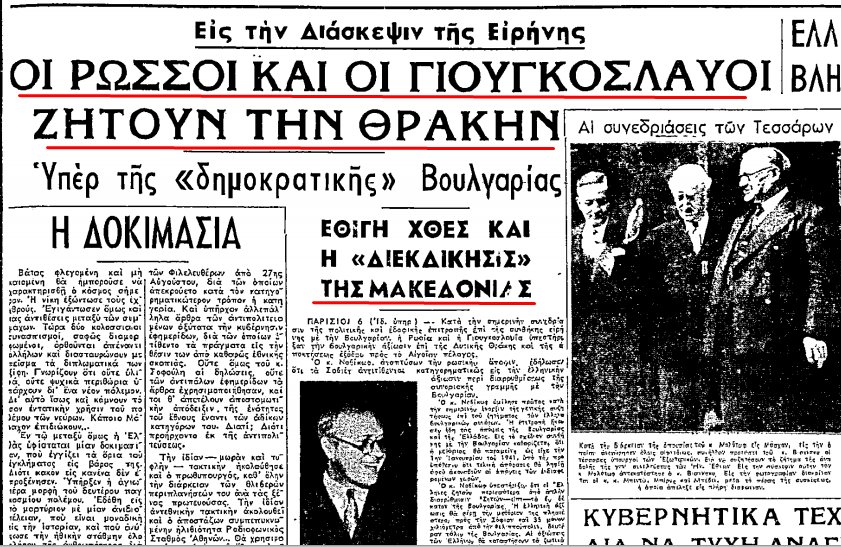
 Αλέξης Παπαχελάς
 POSTED BY MARTIN BANKS
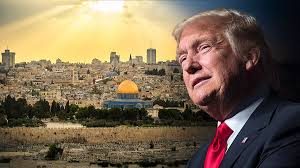 by Roie Yellinek
 Photo from UNIAN