In a span of a week we heard [Turkey’s] powerful religious affairs office, Diyanet, issuing a fatwaendorsing the classical Muslim thinking in which a man can renounce his wife unilaterally by pronouncing the word talaq on three occasions. That is against Turkey’s civil laws and the constitution. In fact, by issuing that fatwa Diyanet violated Article 136 of the Constitution, which requires Diyanet to function in line with the constitutional principle of secularism.
In another occasion, the provincial Mufti of Hatay told a gathering of parents that they should marry their daughters between the ages of nine and 15, “as commanded both by the Quran and by our Prophet.”
Diyanet’s fatwa and the Mufti’s call for the marriage of nine-year-old girls gave me the opportunity I was craving in the past years. H.F. is, or rather was, my best Greek friend. I tolerated his faith thinking he, being Christian Orthodox, is a “person of the book.” A few years ago H.F. shocked me when he confessed that he was a radical polytheist.
“Kill the polytheists wherever you find them.” The Quran (9:5)
I have spent the past few years trying, unsuccessfully, to have him converted to Islam. He refused. I waited with patience. He refused again. And I waited. He would not get circumcision and become a Muslim, stubborn H.F. I told him endless times that he should repent, establish prayer and give zakah. He refused. Which left me with one unpleasant option.
One day as he parked his car, got out and started walking on a dark street I quietly went after him and shot him in the back of his head three times. H.F. died immediately. I walked to the nearest police station to inform law enforcement authorities about the murder. My lawyer arrived at the courthouse and demanded my immediate release. The prosecutor on duty asked my lawyer to legally substantiate his demand, to which my lawyer simply answered by citing a Quranic verse (9:5):
And when the sacred months have passed, then kill the polytheists wherever you find them and capture them and besiege them and sit in wait for them at every place of ambush. But if they should repent, establish prayer, and give zakah, let them [go] on their way. Indeed, Allah is Forgiving and Merciful.
I had waited for the sacred months to pass before killing H.F. I had acted exactly in the way the Quran commanded Muslims to act. So, where was the offense? Was it an offense when Diyanet or the Mufti endorsed behaviour that is in line with holy commandments but is not entirely legal? Why not apply the same logic to the murder case? Was every offense stated in the laws not the same from the legal point of view?
Fortunately the prosecutor, being a devout Muslim, ordered my immediate release. Now I can go and discuss conversion with my best Italian friend who, unfortunately, is another polytheist. I hope he will agree to establish prayer.
A new American-backed border force will essentially be a restructured version of the Kurdish-led Syrian Democratic Forces, an official said.CreditIvor Prickett for The New York Times
BEIRUT, Lebanon — A plan to create a new American-backed, Kurdish-led border force in northeastern Syria has raised alarms in the region that the United States may be helping to cement an autonomous Kurdish enclave that could further divide the country.
The 30,000-strong force, vehemently opposed by Russia, Turkey, Iran and the Syrian government, could also ignite a new phase in the war that could pit American allies against one another and draw the United States deeper into the conflict.
While Kurdish and American officials sought to tamp down the controversy on Tuesday, insisting that the force was really nothing new, they confirmed some of the fears.
They said the border force will help defend and preserve the section of northeastern Syria controlled by the Kurdish-led, United States-backed militia known as the Syrian Democratic Forces, an area that has become a de facto semiautonomous zone. And they said that the United States was committed to backing the force for at least two years.
The force will be essentially a restructured version of the Syrian Democratic Forces, or S.D.F., its spokesman, Mostafa Bali, said Tuesday. He said the fighters would be “professionally well trained as border guards,” and would deploy along parts of Syria’s borders with Turkey and Iraq to prevent an Islamic State resurgence, which he called “a moral duty.”
It would also, he said, hold the line between S.D.F.-held territory and areas held by Syrian government forces, roughly along the Euphrates River.
The territory includes large swaths of land captured from the Islamic State by the S.D.F., the Kurdish and Arab militia that has been the United States’ main partner in Syria against the militant group. But there has never been agreement on what would happen to that territory once the Islamic State was vanquished.
The Kurdish party that dominates the S.D.F. has always said the territory would remain as a self-governing part of a federalized Syria. American officials have said the United States would continue to support its allies in Syria, but they have been vague about how and for how long.
The new force suggested a possible answer to that question.
But the Syrian government and its allies Russia and Iran object to any division of the country. So do most Syrian opposition groups. The government led by President Bashar al-Assad wants to re-establish control over all of Syria and objects to American tinkering outside of a negotiated peace deal.
Perhaps the angriest protests have come from Turkey, an American ally and NATO member. Turkey opposes the Syrian government, but considers the Kurds a dangerous enemy and fervently objects to a semiautonomous Syrian Kurdish entity bordering its own Kurdish areas, where it is fighting Kurdish insurgents.
Turkey has threatened to invade another Syrian Kurdish enclave, called Afrin, as soon as Wednesday.
American analysts offered sharply diverging views on the significance of the new force, its impact on any potential peace plan, and how it fits into broader American policy on Syria.
Photo
An S.D.F. soldier at a forward base near the front line in Raqqa, Syria, last year. Last fall, the American-backed militia drove the Islamic State out of Raqqa, which had been the group’s capital.CreditIvor Prickett for The New York Times
“This is about making sure that ISIS is truly defeated and the conditions for its regeneration are eliminated,” said Andrew J. Tabler, a Syria specialist at the Washington Institute for Near East Policy. “This isn’t to create a Kurdistan or an enclave in the long term.”
But Joshua M. Landis, a Syria specialist at the University of Oklahoma, said in an email that the United States was effectively “backing an independent state north of the Euphrates River,” one that controls a large portion of Syria’s oil and gas reserves and its main electric dam and that has its own army and Kurdish-language school curriculum.
“It will become a de facto Kurdish-run state should the U.S. continue to protect and fund it,” he said.
Although the Americans have committed to protecting the area for two years, it remains to be seen if they will, or what would happen after that. Russia, Iran, Turkey and the government in Damascus have all demonstrated that they are more invested, militarily and politically, to shaping the outcome in Syria than is the United States.
Mr. Landis said the force could be less about a long-term commitment to the Kurds than a fig leaf for a continued American presence to counter Iran’s forces there.
Given those uncertainties, the Kurds are hedging their bets. They have worked not only with Americans but also, increasingly openly, with the Russians. By keeping channels open to the Russians, analysts and officials say, they gain leverage over the United States and Turkey, and an escape hatch to reconcile with the Syrian government if all else fails.
On Tuesday, American and Kurdish officials sought to calm worries, saying that the troops will not be entirely Kurdish but their ethnic makeup will reflect the areas where they are stationed.
“These forces are not a threat against anybody,” including Turkey, Mr. Bali, the S.D.F. spokesman said.
He said the enclave would not break Syria apart but would be part of a new, more decentralized or federalized Syria. He said it would not be based on Kurdish ethnicity but would be a government for an area of northeastern Syria that includes Arabs, Armenians, and Syriacs.
“Syria should be a united federation, like those of the United States and Russia,” said Abdelkareem Omar, a Syrian Kurdish official. “The vision we have of Syria does not in any way threaten the unity of Syria, nor the safety and security of countries in the vicinity.”
Col. Ryan Dillon, the American military spokesman in Baghdad, said the United States could have explained the plan more clearly to avoid alarming allies, but that it was simply a logical next step from the local security forces that S.D.F. has created in areas taken from the Islamic State.
Photo
S.D.F. soldiers returning from the front line in Raqqa last year.CreditIvor Prickett for The New York Times
“We’ve established internal security forces,” Colonel Dillon said. “This is the same for border areas.”
But Turkey considers the new force a terrorist army and has promised to destroy it, risking a new round of fighting.
Such a conflict could pit American allies — Turkey, some Syrian Arab rebels, and the Kurdish-led force — against one another, further muddling an already murky American policy in Syria.
Kurdish forces have not fought the Syrian government much, mainly policing their territory and fighting the Islamic State, although they may later have to choose between fighting government forces and losing their de facto autonomy.
Several Syrian rebel groups, including some once backed by the United States, now work directly with Turkey. Last year, they seized an area along the Turkish border that separates the main Kurdish-held area from the smaller enclave, Afrin, which is now threatened with a similar incursion.
The dispute is creating new bumps in the already rocky road to a negotiated settlement for the war.
Preparations are underway for a new United Nations-led round of talks next week and a Russian-hosted Syrian dialogue conference in February in Sochi. But there is no agreement in any of the ongoing talks about the future of the Kurdish areas.
Denied a separate Kurdish delegation at the United Nations-sponsored Geneva talks, Kurdish groups have been trying to get one in Sochi. But Turkey says it will pull out if Russia grants that request.
Kurdish officials say that in a compromise, they will send 40 delegates to Sochi representing not the Kurdish ethnic group but the S.D.F.-held locally governed area.
Meanwhile, the government led by Mr. Assad has shown no interest in decentralization, or in any reforms at all.
But Kurdish officials say they are determined.
“It won’t go back to how it was before 2011 after all this,” Mr. Omar, the Kurdish official, said.
Another Kurdish official, who asked not to be identified because he was not authorized to comment on the matter, said the Kurds would not bow to Turkey or to the Syrian government.
With rebel groups divided, he said, the S.D.F. is the last coherent force left to push for change.
Matthew Nimetz, Personal Envoy of the Secretary-General for the talks between Greece and the former Yugoslav Republic of Macedonia, speaks to journalists on the status of discussions on the “name” issue between the two nations. UN Photo, Yubi Hoffmann JANUARY 17, 2018
Από τον περασμένο Αύγουστο έγραφα πώς για να έχει οποιαδήποτε προοπτική κατάληξης σε έναν αξιοπρεπή συμβιβασμό η διένεξη με τα Σκόπια, έπρεπε πρώτα η Ελλάδα να έχει αξιώσει και να έχει πετύχει την αντικατάσταση του Αμερικανού διαμεσολαβητή, Μάθιου Νίμιτς.
Επί 23 ολόκληρα χρόνια η απεχθής αυτή νυφίτσα περιφέρει το σαρκίο της μεταξύ Αθήνας και Σκοπίων, ταξιδεύοντας στην πρώτη θέση των αεροπλάνων και διαμένοντας στα πολυτελέστερα ξενοδοχεία για να προσφέρει-υποτίθεται-τις καλές του υπηρεσίες προς τη γεφύρωση της διαφοράς γύρω από την ονομασία του κρατιδίου.
Επι της ουσίας, όλο αυτό το διάστημα αρκείται στο να διαπιστώνει τις «αποκλίσεις», να συνιστά μεγαλύτερη διαλλακτικότητα κυρίως προς τη πλευρά της Αθήνας και να προτείνει διάφορες απαράδεκτες φόρμουλες «διπλής ονομασίας» με διεθνή εκδοχή το ανήκουστο «Μακεδονία-Σκόπια» ή το «Μακεδονική Δημοκρατία των Σκοπίων» που άρεσε και στον Πάγκαλο…Πρακτικά δηλαδή για να ενθαρρύνει την σκοπιανή αδιαλλαξία και να ευτελίζει την ελληνική δημοκρατία ακόμη και σε εποχές που είχαμε πανίσχυρη επιρροή στον βαλκανικό χώρο. Μόλις προχθές επανήλθε λέγοντας ότι «δεν έχει κάτι νέο να προτείνει», πέραν των όσων αναίσχυντων αναμασά χρόνια τώρα. Και προς αυτήν ακριβώς την κατεύθυνση χαιρέτισε την διαφαινόμενη υποχωρητικότητα των εμπλεκόμενων πλευρών αφήνοντας να εννοηθεί ότι σιγά-σιγά συγκλίνουν προς τις «ιδέες» του…
«Ο τύπος αυτός», έγραφα χαρακτηριστικά, «ισχυρίζεται ότι αμείβεται συμβολικά για την αποστολή του με…ένα δολάριο το χρόνο. Κατά την προσωπική μου πεποίθηση, αλλά χωρίς να μπορώ να το αποδείξω, πρόκειται για μεγάλη…αρπάχτρα που σιτίζεται από ξένα κέντρα αποφάσεων τύπου Σόρος, προς υλοποίηση επιδιώξεων στην περιοχή των «Δυτικών Βαλκανίων» διαμετρικά αντίθετων με τα ελληνικά εθνικά συμφέροντα». Ακριβώς γιατί υπηρετεί την λογική του συστήματος Κλίντον, από τα σπλάχνα του οποίου προέρχεται. Αν η κυβέρνηση Τσίπρα δέχτηκε πράγματι πιέσεις από τον νέο Ρεπουμπλικάνο Αμερικανό πρόεδρο να κλείσει γρήγορα το Σκοπιανό, έπρεπε πριν αρχίσει την οποιαδήποτε διαδικασία διαπραγμάτευσης να έχει απαιτήσει την αντικατάσταση του Νίμιτς.
Απαίτηση απολύτως εύλογη ακριβώς επειδή προέρχεται από το πολιτικό στερέωμα των Δημοκρατικών και επιπλέον επειδή 23 χρόνια τώρα, δεν έχει πετύχει την παραμικρή πρόοδο! Είναι εξ αντικειμένου αποτυχημένος.
Δεν θέλω να γίνω μάντης κακών, αλλά πολύ φοβούμαι ότι αυτή η νυφίτσα θα ναρκοθετήσει εκ νέου την διαδικασία και στο τέλος θα μείνει η Ελλάδα με τον…μουτζούρη του «αδιάλλακτου». Απολύτως αχρείαστη εξέλιξη για την χώρα και για την κυβέρνηση εκτός και αν απλά εξυπηρετούνται σκοπιμότητες πολιτικού αποπροσανατολισμού της κοινής γνώμης…
The writer is professor at Mykolas Romeris University’s Institute of Political Sciences, Vilnius, Lithuania.
The ‘Macedonian Question’ is today actual for several reasons of which two are of fundamental importance: 1. Albanian secession in FYROM; and 2. the Greek dispute with the FYROM authorities over several issues (1).
For the matter of illustration, for instance, Greece is so far blocking Macedonia’s joining NATO and the EU because of an ongoing dispute between FYROM and Greece. The main disputable issue is a title of ‘Macedonia’ used in the country’s constitution in the form of the official state-name — the Republic of Macedonia(2).
When the ex-Yugoslav Socialist Republic of Macedonia voted for independence on Sept. 8, 1991(3) as the Republic of Macedonia (confirmed as the official constitutional name in November 1991)(4), Greece became, with great reason, immediately reluctant to recognize the country’s official name in addition to some other significant disputable issues in regard to the independence of FYROM.
In essence, according to the Greek administration, the use of this name brings a direct cultural, national and territorial threat to Greece and the Greek people. The Greeks feel that by using such a name, FYROM imposes an open territorial claim on the territory of northern Greece that is also called (the Aegean) Macedonia.
To make things clear, Greece claims, and with a right reason, to have exclusive copyright on the use of the name of Macedonia as the history and culture of ancient Macedonia were and are integral parts of the Greek national history and civilization and nothing to do with the present-day ‘Macedonians’ who are the artificial creation of the Titoist regime of socialist Yugoslavia after WWII. (5)
A Basic Historical Background
The present-day territory of FYROM was formerly part of the Byzantine, Bulgarian and Serbian empires until 1371/1395 when it became included into the Ottoman Sultanate, followed by a process of Islamization. The Christian population of the land was constantly migrating from Macedonia especially after the Austrian-Ottoman wars and uprisings against Ottoman rule.
After the 1878 Berlin Congress, Bulgaria started to work on the annexation of all historical-geographic Macedonia and for that reason it established in 1893 the openly pro-Bulgarian Internal Macedonian Revolutionary Organization (the IMRO). After the Second Balkan War in 1913 Macedonian territory became partitioned between Greece, Serbia and Bulgaria. During WWI, Macedonia was the scene of heavy battles between the forces of the Central Powers and the Entente (the Salonika Front or the Macedonian Front).
After WWI, according to the Treaty of Neuilly, the territorial division of historical-geographical Macedonia between Serbia (now the Yugoslav state), Greece and Bulgaria was confirmed, followed in the next years by a large population movement which transformed the ethnic and confessional composition of Macedonia’s population primarily due to the population exchange between Greece and Turkey after the Greco-Turkish War of 1919−1922.
In the interwar period, despite continued activism by IMRO terrorists from Bulgaria, the aim to annex Yugoslav (Vardar) Macedonia remained unfulfilled. After WWII, Vardar Macedonia became transformed into one of six Yugoslav socialist republics (the Socialist Republic of Macedonia) followed by the official recognition of the Macedonian nation, language and alphabet by the Yugoslav communist authorities — a decision which alienated Bulgaria and Greece.(6)
The proclamation of state independence of the Yugoslav portion of Macedonia under the official name the Republic of Macedonia immediately created an extremely tense relationship with neighboring Greece as Macedonia developed rival claims for ethnicity and statehood, followed by the appropriation of ancient Macedonian history and culture.
This Greco-Macedonian rivalry became epitomized in the dispute on Macedonia’s official state-name for the very reason that Greece objected to the use of the term ‘Macedonia’ in any combination of the name of the state of its northern neighbor.
Origin of the Dispute
The dispute between Greece and FYROM came on the agenda when the ex-Yugoslav Socialist Republic of Macedonia adopted its new constitution in November 1991 in which the country’s official name was declared as the Republic of Macedonia.
Greece blocked the European Union from recognizing Macedonia’s independence (7) and on Dec. 4, 1991, the Greek government officially declared its goodwill to recognize the independence of FYROM but only if it would:
1. Made a clear constitutional guarantee of having no claims to Greek territory.
2. Stop hostile propaganda against Greece.
3. Exclude the term ‘Macedonia’ and its derivatives from a new official name of the state.
The first of these three conditions was a Greek reaction to the Article 49 in Macedonia’s new constitution which declared that the Republic of Macedonia cares for the status and rights of those persons belonging to the Macedonian people in all neighboring countries as well as the Macedonian expatriates, assisting in their cultural development, and promoting links with them.(8)
This article was interpreted by Greece as an indirect reference to the (unrecognized) Macedonian minority (i.e. ‘Slavophile Greeks’) in North Greece (Aegean Macedonia) and it was perceived as a threat to the territorial sovereignty and integrity of Greece.
The EU supported Greece and stated in the same month that it would only recognize a new Macedonian state if it guaranteed to have no territorial claims against any neighboring EU member state (9) and not to engage in any act against such state, including and the use of a state-name that potentially could imply territorial claims.
Under pressure from Brussels, the parliament (Sobranie) in Skopje amended Macedonia’s constitution in January 1992 and as a result, the formal constitutional guarantees were provided that the country would not interfere in the internal affairs of other states and would respect the inviolability of the international borders of any state.
Macedonia’s authorities fulfilled only minor EU requirements, hopping to be soon recognized by the same organization, but two crucial problem-issues (the state-name of Macedonia and Article 49 of the constitution) which caused fundamental Greek dissatisfaction, still remained unchanged. Therefore, the EU sided with Greece and decided in June 1992 not to recognize the republic if it used the term Macedonia in its official state title. (10)
However, at the first glance, it may seem that the EU supported the Greek policy in 1991 toward the Macedonian question as it aligned itself with Greece as a member state of the bloc, but in fact, it was not the case. Greece’s position and arguments have been publicly rejected and even ridiculed by the officials from several EU member states, but three crucial realpolitik reasons made the EU officially side in 1992 with Greece in her dispute with FYROM:
1. In exchange for EU support on the Macedonian question, Greece promised to ratify the Maastricht Treaty (signed in February 1993), to participate in sanctions against Serbia (its traditional ally), and to ratify the EU financial protocol with Turkey.
2. By taking the same position as Greece, the EU demonstrated its own internal political cohesion and unity, trying at the same time to thwart the use of Greek veto rights in order to protect its own national interest within the EU.
3. A last factor that contributed to EU support for the Greek case was a fear that the Greek government might fall if the Republic of Macedonia were recognized under that name.(11)
Alternative Official Names for Macedonia
A variety of alternative names for the ex-Yugoslav Socialist Republic of Macedonia were proposed after 1991 in order to solve the problem and normalize relations with Greece – Macedonia’s neighbor and economic partner.
It was quite clear that Greece herself would not accept any kind of state-name that includes the term ‘Macedonia’ and therefore a variety of solutions without the term ‘Macedonia’ were suggested by Athens, ranging from Dardania and Paeonia (used in antiquity to name regions to the north of the ancient Macedonia) to the names of the South Slavia, the Vardar Republic (12), the Central Balkan Republic and the Republic of Skopje (named after Macedonia’s capital).
All other name suggestions which used the designation Macedonia, mainly proposed by the Macedonian side, were in no way acceptable to Greece for political, historical and moral reasons.
What Greece could accept as a kind of temporal solution was the state-name of the country with the designation Macedonia but only to make clear difference between Macedonia as a former republic of Yugoslavia and Macedonia that is a region in northern Greece.
These solutions included names such as, for instance, North Macedonia, New Macedonia or the Slavic Republic of Macedonia. (13)
Greece even suggested that a new state of Macedonia could adopt two names: 1. One official for the external use, without mentioning designation Macedonia, and 2. One unofficial for internal use, which could include the designation Macedonia.
However, all these Greek solutions were rejected by the Macedonian authorities who insisted on the recognition of Macedonia’s independence exactly under the constitutional name of the Republic of Macedonia. (14)
FYROM and the ‘Sun of Vergina’
The ex-Yugoslav Socialist Republic of Macedonia was gaining international recognition step by step, although not in a majority cases under its constitutional name as the Republic of Macedonia.
By early 1993 the new state was able to become a member of the International Monetary Fund (the IMF) under the name the Former Yugoslav Republic of Macedonia (FYROM)(15) and by April 1993 the United Nations (the UN) also admitted Macedonia under the provisional name as a temporary compromise between the Macedonian and the Greek authorities.
It was agreed that a permanent state-name of Macedonia that is going to be used in the foreign affairs had to be decided later through a process of mediation by the UN. However, FYROM was not allowed to fly its original state flag (from 1991) at the UN headquarters as the official state emblem as Greece strongly opposed such an idea.
The real reason for this Greek decision was basically of the essential nature of the political conflict with the authorities in Skopje as the flag was composed of the yellow-colored sixteen-ray sun of star from Vergina on a red-colored background.
The background color was not a problematic issue, but the yellow ‘Sun of Vergina’ on the flag, however, created a fundamental dispute between two states, together with the issue of the official state-name of Macedonia.
The Greek government strongly opposed the Macedonian authorities’ use the ‘Sun of Vergina’ as a state emblem at least for two good reasons:
1. It was an insignia of the ancient Macedonians of the Macedonian Empire.
2. It was found between two world wars in Vergina, an ancient town on the territory of present-day Greece but not of FYROM.
The Greek authorities’ understanding of the ‘Sun of Vergina’ as a symbol which has nothing to do either with the territory of FYROM or with the ethnic Macedonians, or better to say, with Macedonia’s Slavs. (16)
The Greeks are clear in this matter, having a position that the history and culture of the ancient Macedonians does not belong to the historical and ethnic heritage of the FYROM but on the contrary, they belong to the Greek (Hellenic) inheritance.
Therefore, the use of the ‘Sun of Vergina’ by the FYROM authorities is seen by Greece as an act of falsification of history and cultural aggression on the state territory of Greece with unpredictable political consequences in the future.
It is the same with cases of naming certain institutions and public objects with the names of Philip II (the national soccer stadium in Skopje) or Alexander the Great (a highway in FYROM as well as the Skopje airport) or with the building of monuments devoted to them (as in the main city square in Skopje).
Embargo and Further Negotiations
In 1993 several states recognized Macedonia under the official state-name as FYROM but there were also those states which recognized the country as the Republic of Macedonia.
Macedonia was recognized by six EU members, followed by the U.S. and Australia by early 1994. However, the Greek government experienced this recognition of independence as a great diplomatic and national defeat.
In response, Athens imposed a strict trade embargo on FYROM on Feb. 17, 1994 to more firmly point out its unchanged position regarding several problematic issues in dealing with its northern neighbor.
The embargo had a very large, and negative, impact on Macedonia’s economy as its export earnings fell by 85 percent and its food supplies dropped by 40 percent. On the other side, the economic blockade was very much criticized by the international community, including the EU and, therefore, was lifted in 1995 but after successful negotiations between Greece and FYROM, these two countries finally recognized each other and established diplomatic relations.
FYROM, as a part of a settlement package with Greece, was also forced to change the official flag of the state — the ‘Sun of Vergina’ was replaced with the ‘Macedonian Sun’. (17)
However, negotiations between FYROM and Greece in regard to a permanent state-name of Macedonia are still being conducted by the UN, and this problem remains unsolved to the present day.
The issue arose several times when concerning the possibility of FYROM joining both NATO and the EU; Greece (a member state of both organizations) threatened to veto Macedonia’s admission if the problem of its state-name was not solved in Greece’s favor.
Talks between FYROM and Greece have produced some new alternative state-name proposals by both sides, for instance, the Constitutional Republic of Macedonia, the Democratic Republic of Macedonia, the Independent Republic of Macedonia, the New Republic of Macedonia and the Republic of Upper-Macedonia.
Nevertheless, the talks proved that none of these proposals is acceptable to both parties. FYROM proposed as a workable solution to use a changed state-name only in relations to Greece, but at the same time to keep its constitutional state-name in all other international relations.
However, even this proposal did not lead to a final and sincere solution as Greece insisted that a final deal must be applied internationally.
The UN mediator’s compromising proposal was to rename the state as the Republic Macedonia-Skopje.
Nevertheless, despite all possible efforts made to solve the problem, no agreement has been reached so far and, therefore, NATO and EU membership for FYROM are very problematic as one of the membership requirements is to reach agreements with Greece on all disputable political questions, including the official Macedonian state-name. (18)
Concluding Remarks
It is quite remarkable that a dispute between FYROM and Greece on Macedonia’s official state-name after 1991, which looks probably quite trivial on the first sight, can have such large political and other implications with unpredictable consequences in the future. One can wonder how Greece and FYROM became firmly stuck to their positions for a quarter of century. However, the fact is that this dispute is actually directly connected with their national identities and cultural inheritance.
References:
1 James Pettifer (ed), The New Macedonian Question, New York: Palgrave, 2001, 15−27.
2 The term Macedonia is of Greek origin.
3 This day is celebrated in FYROM as Independence Day.
4 James Pettifer (ed), The New Macedonian Question, New York: Palgrave, 2001, xxv.
5 Nicolaos K. Martis, The Falsification of Macedonian History, Athens: Graphic Arts, 1983.
6 Bulgaria never recognized a separate Macedonian nationality, language and alphabet. For Bulgarians, all Macedonia’s Slavs are of Bulgarian origin. Greece is recognizing only the existence of the Macedonian Slavs but not on its own territory where all Slavs are considered as Slavophone Greeks [Hugh Poulton, The Balkans: Minorities and States in Conflict, London: Minority Rights Publications, 1994, 175].
7 Greece has been a member of the EU since 1981.
8 The constitution’s adoption was on Nov. 17, 1991 and came into force on Nov. 20, 1991.
9 At that time, it was the European Community which became the European Union the following year.
10 Victor Roudometof, “Nationalism and Identity Politics in the Balkans: Greece and the Macedonian Question”, Journal of Modern Greek Studies, 14 (2), 1996, 253−301.
11 Loring M. Danforth, “Claims to Macedonian Identity: The Macedonian Question and the Breakup of Yugoslavia”, Anthropology Today, 9 (4), 1993, 3−10.
12 The territory of the Former Yugoslav Republic of Macedonia (FYROM) is also known as the Vardar Macedonia, contrary to the Macedonian territory in Bulgaria – the Pirin Macedonia, and in Greece – the Aegean Macedonia. A geographical-historical territory of Macedonia became divided between Greece, Serbia and Bulgaria as a consequence of the Balkan Wars of 1912−1913: “…Bulgaria who had only a little piece of Macedonia in her share: the Struma Valley between Gorna Dzumaja (Blagoevgrad) and Petric with the Strumica enclave. Greece received all Macedonia south of Lake Ohrid and the coast with Thessalonika and Kavala. Serbia was given Northern Macedonia and the center up to Ohrid, Monastir (Bitola) and the Vardar” [Georges Castellan, History of the Balkans from Mohammed the Conqueror to Stalin, New York: Columbia University Press, 1992, 381]. In essence, Greece received 60%, Serbia 30% and Bulgaria 10% of the geographic-historical territory of Macedonia. A Present-day FYROM is in fact the Vardar Macedonia that became annexed by the Kingdom of Serbia in 1913 known in Titoist Yugoslavia as the Socialist Republic of Macedonia with the capital in Skopje.
13 The Greeks are not Slavs.
14 Loring M. Danforth, “Claims to Macedonian Identity: The Macedonian Question and the Breakup of Yugoslavia”, Anthropology Today, 9 (4), 1993, 3−10.
15 Victor Roudometof, “Nationalism and Identity Politics in the Balkans: Greece and the Macedonian Question”, Journal of Modern Greek Studies, 14 (2), 1996, 253−301.
16 Loring M. Danforth, “Claims to Macedonian Identity: The Macedonian Question and the Breakup of Yugoslavia”, Anthropology Today, 9 (4), 1993, 3−10.
17 The Greeks in the Aegean Macedonia are using regularly a blue flag with the “Sun of Vergina” which is also in many cases put on the state flag of Greece as a historical emblem of North Greece.
18 FYROM is currently a candidate for EU membership together with Turkey, Serbia and Montenegro.
The deterioration has occurred even though far fewer refugees are arriving on Lesbos now than at the height of the influx to Europe in 2015 and 2016.(Griff Witte, Jason Aldag/The Washington Post)
The first thing you notice is the smell: the stench from open-pit latrines mingling with the odor of thousands of unwashed bodies and the acrid tang of olive trees being burned for warmth.
Then there are the sounds: Children hacking like old men. Angry shouts as people joust for food.
And, finally, the sights: Thin, shivering figures drinking water from washed-out motor oil jugs. A brown-haired girl of no more than 3 clutching a fuzzy toy rabbit and smiling as she repeats to all who will listen, “I love you. I love you.”
For years, the turquoise-ringed vacationer’s paradise known as Lesbos has been on the front lines of Europe’s struggle to contain its part of a global refugee crisis. But conditions at the Greek island’s vastly overcapacity, razor-wired main camp have rarely if ever been as bad as they are this winter.
The deterioration has occurred even though far fewer refugees are arriving on Lesbos now than at the height of the influx to Europe in 2015 and 2016.
That seeming paradox has led aid workers, island officials and human rights activists to a disturbing conclusion: The appallingly bad conditions are no accident, but rather the result of a deliberate European strategy to keep people away.
“There’s no reason why 5,000 people in a camp in Europe cannot have access to basic shelter, health care, toilets and hot water,” said Aria Danika, Lesbos field coordinator for the aid group Doctors Without Borders. “The fact that they have to endure this tells me it’s part of a broader plan.”
That plan, she said, comes down to a single word: deterrence. And the message being sent to asylum seekers by the camp’s Greek operators and European Union financial backers rings clear.
“ ‘Don’t come here, or you’ll be stuck on this horrible island for the next two years,’ ” said Eva Cossé, Greece researcher for the advocacy group Human Rights Watch.
“It’s urgent that people be transferred to the mainland,” Cossé said. “But they don’t want to do that.”
European leaders, acutely sensitive to challenges from the far right and to popular opinion that has swung against refugees, have made no secret of their desire to stop people from reaching the continent.
Ever since the E.U. inked a deal with Turkey in March 2016 to send those who arrive on Greek shores back across the sea, E.U. officials have warned people that paying a smuggler to make the treacherous voyage would earn them only a return ticket, not a new life in Europe.
By some measures, the strategy has worked. Arrivals on Lesbos and other Greek islands averaged 2,500 a month last year, compared with the 10,000 who made landfall on Lesbos in just one day at the height of the crisis in October 2015. Drownings in the Aegean Sea have also plummeted, to 45 last year from nearly 800 in 2015.
But in other respects, the deal has not gone according to plan. The number of people sent back to Turkey, for instance, has dropped into the low dozens per month as asylum seekers appeal rejections and rights groups challenge the legality of turning away those in legitimate need of protection.
Meanwhile, Greece once ferried people off the islands and to the mainland for processing but has sharply cut back. The result is more than 7,000 people stranded in limbo on Lesbos, more than double the island’s capacity to house. Newcomers still arrive daily. Thousands more live on other islands also well past their maximums. And many are stuck for months — or more.
Qamar Ahmad, a Pakistani who is a member of the persecuted Ahmadi minority, arrived in Lesbos just as the E.U.-Turkey deal was kicking in.
He’s still there, living with a dozen others crammed on a plywood frame beneath a leaky tarp, and with no indication of a departure date.
“All my legal papers are in Greek, and I can’t understand them. They haven’t told me when I’ll get answers,” said Ahmad, 22, who studied physics in Pakistan.
The contrast between the Europe he expected and the one he’s experienced still shocks him.
“We’d seen on television that Europeans were protecting the law and fighting for refugees,” said Ahmad, slim with a neatly trimmed beard and a knit cap too thin for the January chill. “But when we got here, we found that no one is looking out for our rights.”
Alfred, a 32-year-old migrant from Cameroon, watches a fistfight that broke out among refugees on the Greek island of Lesbos. “It is like this every day here in Moria,” he says. (Myrto Papadopoulos for The Washington Post)
Europe’s approach to refugees has changed dramatically while Ahmad has been waiting.
In early 2016, there were still leaders, notably German Chancellor Angela Merkel, arguing that the world’s most peaceful and prosperous region had an obligation to help as many people as possible fleeing wars and oppression in the Middle East, Asia and Africa.
Hungarian Prime Minister Viktor Orban, by contrast, was treated as a pariah for saying the asylum seekers were actually “Muslim invaders.”
But it’s Orban’s vision that has won out; Merkel’s political allies in Munich made him a featured guest at their annual conference this month, where he railed against supposed plans to “let in millions of Muslims.”
European and Greek officials acknowledge that conditions at the main camp in Lesbos, a former military facility known as Moria, are poor. But they insist that it’s not by design, while seeking to shift the blame to others.
E.U. Migration Commissioner Dimitris Avramopoulos, for instance, has argued that Brussels has provided well over $1 billion to deal with asylum seekers in Greece and that responsibility for the conditions at Moria is “in the hands of the Greek authorities.”
Greek Migration Minister Ioannis Mouzalas counters that much of that money has gone to nongovernmental organizations and that local officials have resisted efforts to expand facilities.
But he also acknowledged that transporting people to the Greek mainland, where conditions are markedly better, would create new incentives for asylum seekers and result in “a mini version of 2015.”
“If we relieve the islands, that would play into the hands of the smugglers,” he told the German magazine Der Spiegel last month.
Those arguments all ring hollow on Lesbos, where the island’s 86,000 residents have shown remarkable hospitality and forbearance over the past several years, but where frustration has now reached critical levels.
“The refugees are not to blame. But patience toward the Greek government and the European Commission is over,” said Marios Andriotios, spokesman for the island’s mayor.
The mayor, Spyros Galinos, recently joined his counterparts from other islands in a protest in Athens against the creation of “island prisons.” The Greek government responded in December by transferring several thousand people to the mainland.
But with new arrivals every day, Andriotios said, there’s been virtually no improvement at Moria. And as winter deepens, he said, so does the evidence that camp authorities were unprepared.
It can be seen all around the camp, where Moria’s population overflows onto a hillside packed with hundreds of makeshift tents. Once lined with the gnarled trunks and silvery-green foliage of olive trees, the area has been stripped nearly bare. Residents burn the wood to keep warm and heat pots of water over the open flames so they can cook or bathe.
A girl stands in the camp, where trash, used toilet paper, urine-filled water bottles and dirty diapers scatter the ground. (Myrto Papadopoulos for The Washington Post)
The Aisa family gather in their tent. (Myrto Papadopoulos for The Washington Post)
Saleh, a 22-year-old Syrian refugee, has been living among Lesbos’s refugees for the past six months. (Myrto Papadopoulos for The Washington Post)
“There’s winter every year. It shouldn’t have been a surprise,” Andriotios said. “Letting things get worse and worse just to warn newcomers is not the solution. It’s not the humane thing to do.”
The local government has proved that Moria doesn’t have to be the way it is. Just down the road, island authorities have set up a camp for more than 1,000 especially vulnerable asylum seekers — the sick, the disabled and the old. Residents say conditions there are far superior.
On the northern Greek mainland, meanwhile, the American financier and philanthropist Amed Khan worked with partners to turn an abandoned factory into a home for hundreds. Residents co-run a facility that features kitchens, gardens and yoga classes.
Visiting E.U. officials rave about the space when they visit, he said, but have done nothing to emulate it.
“It’s not incompetence; it’s by design,” said Khan, who was inspired to get involved in part by his experience on Lesbos at the height of the crisis in 2015. “There’s no other explanation for the conditions people are living in 2½ years into this.”
Even those accustomed to a harsh environment are taken aback by Moria.
Ahmed al-Kilani walked the camp in a disbelieving daze one recent evening, just 24 hours after his arrival in Europe.
He had come from Gaza, where he worked at refugee camps known chiefly for their misery and where he was forced out by threats from Hamas. But he was unprepared for this.
“Why is there no entertainment for the children here? Or training programs for new mothers? Or psychological support?” asked the tall, fit 26-year-old as he watched kids wrestle in the sewage-stained dirt.
As a pink sun set over the island’s green hills and a shimmering sea, Kilani scrolled through his phone. Over and over, he watched videos of himself playing soccer with laughing children in the refugee camps of Gaza, his thoughts lost in a better place.
Refugees pray just outside the Moria camp. (Myrto Papadopoulos for The Washington Post)
Almost a year ago to the day, we wrote an article titled “The Geopolitics of 2017 in Four Maps.” The premise was simple: We picked out four of the best maps our graphic designers (TJ Lensing, Jay Dowd, and Mandy Walsh) had made in the past year. We selected the maps based not only on how awesome they were, but also on how closely they linked to our predictions for the year ahead. As it turned out, that article was one of our most popular in 2017.
We return this year with a similar concept in mind. Here is some of our best graphic design work from the past year, with an explanation of why each graphic is crucial for understanding the geopolitical forces to watch in the year ahead.
Map 1: The Coming Conflict Between China and Japan
2017 was not kind to certain aspects of our East Asia forecast. (Here is our report card on last year’s forecasts.) We expected the US to launch a pre-emptive strike against North Korea’s nuclear program. The strike never materialized, in large measure because of objections by South Korea, which is unwilling to sacrifice Seoul to keep the US out of range of Kim Jong Un’s missiles.
We don’t expect that to change in 2018. There will be no repeat of the Korean War. At most, the US will launch a limited tactical strike to slow North Korea’s progress toward a deliverable, long-range nuclear weapon. In other words, the world is going to get used to the idea of a nuclear North Korea. That takes the focus in the region away from the back-and-forth threats between Kim and US President Donald Trump and places it firmly on the Sino-Japanese relationship.
Theirs is a relationship that has remained steady for many decades, and with good reason. After all, China and Japan have many economic interests in common. But a nuclear North Korea changes the game. It would signal to Japan that a US security guarantee is perhaps not worth what it once was—and that means Japan will become more aggressive in pursuing its own interests. It would signal to China that the US is all bark and no bite, and that Trump is a paper tiger.
In 2017, Xi Jinping became the newest dictator in China, and Shinzo Abe pulled off a stunning electoral comeback in Japan, cementing his mandate for years to come. They are two powerful leaders of two powerful countries with a history of mutual mistrust and a hunch that the US is too self-absorbed to throw its weight around in the region the way it used to. That means China and Japan will begin competing with each other directly—on the Korean Peninsula, in Southeast Asia, and as shown above, in areas that both claim for themselves.
The Middle East in 2017 was all about the war against the Islamic State. It created strange bedfellows. Russia coordinated its military activities with the United States. The cooperation between Turkey and Iran, historical rivals, was unprecedented. The Arab states put aside their differences and their disdain for the Bashar Assad regime and devoted their resources to the Islamic State’s defeat.
As it turned out, the war was successful. IS no longer holds meaningful territory in the Middle East—just a few isolated pockets in Syria and Iraq. The victor of this war was Iran, which is poised to be the most consequential actor in the region in 2018. As the map shows, Iran has at various times been powerful enough to dominate the Middle East. The Islamic State’s defeat is Iran’s best chance to realize its regional ambitions.
Everything is set up well for Iran. Its influence over its old nemesis Iraq has become quite strong. The preservation of the Assad regime means the preservation of one of Iran’s most powerful allies. The end of the war against IS means Hezbollah can retreat from the battlefield and get back to ruling Lebanon… and causing problems for Israel. And all of this means Iran’s dream of projecting power out to the Mediterranean is within its grasp.
We don’t expect Iran to complete its objectives. First of all, Iran’s geography makes power projection difficult, even with significant allies in the region. But second and more important, Turkey is stronger than Iran. However, Turkey is not yet ready to assert that strength. That means 2018 will belong to Iran. It must make its moves now if it is to press its advantage successfully. In the long term, a new Persian empire will fail to materialize. But in 2018, Iran’s pursuit of empire will define Middle Eastern affairs.
This chart shows the range of break-even oil prices for new wells in the US Lower 48, the Gulf of Mexico, and Canada. For many of these wells, the break-even point has dipped well below $60 a barrel. And that means 2018 is going to be another year of oil prices that are too low to solve the fundamental problems of Iran, Saudi Arabia, and Russia in particular.
At the time of writing, oil prices have actually spiked to near $70. There are a host of reasons for this: cold weather, political uncertainty, and an unexpectedly large decline in US crude stocks. The thing to keep in mind is that even with many OPEC nations respecting crude production cuts, supply will outweigh demand in 2018.
For Iran, that means less money to spend on its adventurism abroad. For Saudi Arabia, it means more political upheaval as the young, new crown prince attempts to do what no Saudi ruler before him has been able to do: make Saudi Arabia more than an artificial state held together by oil profits. For Russia, it means a choice between cutting social spending, cutting defense spending, or running its economy into the ground (none of which are particularly savory options from Moscow’s point of view).
Absent a major event that knocks out one of the main crude producers—and we don’t see such an event happening in 2018—we expect oil prices to remain around the $60 range, perhaps even slightly lower. We can’t predict the exact price, but we can predict continued problems for oil-dependent states as well as record-high levels of US production.
Perspective maps are my favorite kind of map that we make. Even the subtlest change in perspective can completely alter the way you view a situation. This map of Europe from the United Kingdom’s perspective is a case in point. It also happens to highlight some of the issues we expect to dominate European affairs in the year ahead.
The UK is going to leave the European Union in 2019. 2018 will feature a great deal of political melodrama as negotiations between the EU and UK occupy headlines. But the headlines will not capture the issues of real importance. What matters is not whether there will be a UK-EU trade deal. We expect there will be simply because the EU (i.e., Germany) trades a lot with the UK, and the UK in turn trades a lot with the EU. It is in neither side’s interests to fail to reach an agreement.
But the UK’s exit means London’s foreign policy toward Europe must now revert to a prior form. We’ve already seen the beginnings of this process with the recently signed Polish-UK defense treaty. What’s the goal for the UK? To ensure that no country on the European continent becomes strong enough to project power across the English Channel.
Another intriguing element of this map is that at its center are two countries whose relationship more than any other will define EU affairs in 2018: Poland and Germany. Poland is fed up with Germany’s disproportionate influence in the EU and is nervous about what losing the UK, a counterbalancing force to Germany within the bloc, will mean. The EU will be tested in several areas, and separatism won’t go away, but the Polish-German disagreement on the EU’s future will be the most important issue to watch.
NAFTA negotiations are heating up so much that even Canada is becoming a tough negotiator. Jokes aside, one of GPF’s major forecasts for 2018 is that NAFTA will remain in place, despite whatever threats are bandied about or whatever letters of intent Trump signs. This chart goes a long way toward explaining why.
The only way we know to analyze highly politicized debates like the one surrounding NAFTA is to tune out the rhetoric. Interests take precedence over words and politics. And the interests here—for all three countries—require that NAFTA stay in place. The chart shows very clearly why this is the case for Canada and Mexico—trade with the US is an overwhelmingly important part of their economies.
But the chart doesn’t quite say everything about the US angle. US trade with NAFTA partners is large, but it doesn’t come close to US trade volumes with the rest of the world. We can’t forget, though, that the US is made up of 50 states, and two of the most influential of those states—California and Texas—are deeply invested in NAFTA’s continued existence. And California and Texas are by no means the only states whose economies rely on trade with NAFTA partners.
As with the Brexit-EU negotiations, expect a good deal of political soap opera performances around NAFTA, especially on the question of whether Trump will try to take the US out of the trade pact unilaterally (a step that is as likely to lead to years of domestic litigation as it is to an actual US exit). Expect also that at the end of the day, NAFTA will remain in place, no matter how badly the three sides insult each other.
These are some of GPF’s best maps and charts of 2017, and each sheds light on what will be the important stories in 2018. China and Japan will compete for power in Asia. Iran will try to reshape the Middle East to suit its interests. Oil prices will remain too low for Iran’s, Saudi Arabia’s, and Russia’s liking. Poland and Germany will square off over who gets to make the rules in Brussels, while the UK will go back to being an outsider, working to balance powers on the Continent. And NAFTA, for all the political drama to come, will remain in place. It should be an interesting year.
Harvard University Professor Steven PinkerCreditVictor J. Blue/Bloomberg, via Getty Images
This week, a video surfaced of a Harvard professor, Steven Pinker, which appeared to show him lauding members of a racist movement. The clip, which was pulled from a November event at Harvard put on by Spiked magazine, showed Mr. Pinker referring to “the often highly literate, highly intelligent people who gravitate to the alt-right” and calling them “internet savvy” and “media savvy.”
The clip went viral. The right celebrated; the left fumed. The neo-Nazi Daily Stormer website ran an article headlined, in part, “Harvard Jew Professor Admits the Alt-Right Is Right About Everything.” A tweet of the video published by the self-described “Right-Wing Rabble-Rouser” Alex Witoslawski got hundreds of retweets, including one from the white-nationalist leader Richard Spencer.
“Steven Pinker has long been a darling of the white supremacist ‘alt-right,’” noted the lefty journalist Ben Norton. “And he returns the favor.” Others reacted to the rumor with simple exasperation: “Christ on a crutch,” said the liberal commentator and biologist PZ Myers, who also wrote a blog post denouncing Mr. Pinker for this supposed alliance.
The idea that Mr. Pinker, a liberal, Jewish psychology professor, is a fan of a racist, anti-Semitic online movement is absurd on its face, so it might be tempting to roll your eyes and dismiss this blowup as just another instance of social media doing what it does best: generating outrage.
But it’s actually a worthwhile episode to unpack, because it highlights a disturbing, worsening tendency in social media in which tribal allegiances are replacing shared empirical understandings of the world. Or maybe “subtribal” is the more precise, fitting term to use here. It’s one thing to say that left and right disagree on simple facts about the world — this sort of informational Balkanization has been going on for a while and long predates Twitter. What social media is doing is slicing the salami thinner and thinner, as it were, making it harder even for people who are otherwise in general ideological agreement to agree on basic facts about news events.
That’s because the pernicious social dynamics of these online spaces hammer home the idea that anyone who disagrees with you on any controversial subject, even a little bit, is incorrigibly dumb or evil or suspect. On a wide and expanding range of issues, there’s no such thing as good-faith disagreement.
The online anger aimed at Mr. Pinker provides a perfect case study.
The clip was deeply misleading. If you watch the whole eight-minute video from which it was culled, it’s clear that Mr. Pinker’s entire point is that the alt-right’s beliefs are false and illogical — but that the left needs to do a better job fighting against them.
The clip begins with Mr. Pinker saying he agrees with the other panelists (two journalists and a lawyer) that “political correctness has done an enormous amount of harm in the sliver of the population that might be — I wouldn’t want to say ‘persuadable,’ but certainly whose affiliation might be up for grabs.” This problem presents itself when it comes to “the often highly literate, highly intelligent people who gravitate to the alt-right: internet savvy, media savvy, who often are radicalized in that way, who ‘swallow the red pill,’ as the saying goes, the allusion from ‘The Matrix.’”
Mr. Pinker goes on to argue that when members of this group encounter, for the first time, ideas that he believes to be frowned upon or suppressed in liberal circles — that most suicide bombers are Muslim or that members of different racial groups commit crimes at different rates — they are “immediately infected with both the feeling of outrage that these truths are unsayable” and are provided with “no defense against taking them to what we might consider to be rather repellent conclusions.”
That’s unfortunate, Mr. Pinker argues, because while someone might use these facts to support bigoted views, that needn’t be the case, because “for each one of these facts, there are very powerful counterarguments for why they don’t license racism and sexism and anarcho-capitalism and so on.”
He then goes on to carefully explain those counterarguments: For example, while at the moment it’s true that, according to the Bureau of Justice Statistics, the homicide rate is higher for blacks than for whites, that doesn’t really tell us anything about a group of people since at different times in history, different groups have had elevated crime rates — at one point Irish-Americans did. By that same token, he says, “the majority of domestic terrorism is committed by right-wing extremist groups,” not Muslims.
It would be impossible for a reasonable person to watch the eight-minute video and come away thinking Mr. Pinker’s point is to praise the alt-right rather than to make a psychological argument about political correctness, alt-right recruitment and how to better fight that movement’s bigoted ideas
Now, maybe you disagree with certain parts of this argument — I do, in that I think Mr. Pinker overstates the intensity of campus political correctness — but it’s hard to have that debate in the first place when such a wildly skewed version of Mr. Pinker’s point is spreading like wildfire on the internet.
Steven Pinker will be O.K. A fleeting Twitter blowup isn’t going to bruise his long and successful career as a public intellectual. But this is happening more and more — and in many cases to people who don’t have the standing and reputation he does.
It’s getting harder and harder to talk about anything controversial online without every single utterance of an opinion immediately being caricatured by opportunistic outrage-mongers, at which point everyone, afraid to be caught exposed in the skirmish that’s about to break out, rushes for the safety of their ideological battlements, where they can safely scream out their righteousness in unison. In this case: “Steven Pinker said the alt-right is good! But the alt-right is bad! We must defend this principle!”
Τις τελευταίες μέρες αναζωπυρώθηκε, για μία ακόμα φορά, το ενδιαφέρον του πολιτικού συστήματος και κατ’ επέκταση της δημοσιογραφικής και της ευρύτερης κοινής γνώμης, για το από τριακονταετίας περίπου αποτελματωμένο ζήτημα της ονομασίας των Σκοπίων. Το οποίο κατά καιρούς αφυπνίζεται, σαν να θέλει να μας υπενθυμίσει την ύπαρξή του ώστε να μην επαληθευθεί η προ πολλών ετών πιθανολόγηση της αναπόφευκτης μεσοπρόθεσμης λήθης περί αυτού.
Τις περιστασιακές αυτές εξάρσεις του πυροδοτούσε συνήθως η δραστηριοποίηση, ποικίλης αιτιολογίας και προτροπής, του επί δεκαετίες εκπροσώπου του Γ.Γ. του ΟΗΕ Μάθιου Νίμιτς ή, σπανιότερα, κάποια έμμεσα ή και άμεσα σχετιζόμενα με αυτό γεγονότα (όπως προσπάθειες ένταξης της ΠΓΔΜ σε διεθνείς οργανισμούς). Αυτή τη φορά το έναυσμα και, σε κάποιο βαθμό για ορισμένους, το άλλοθι, παρασχέθηκε από τον σχηματισμό νέας κυβερνήσεως στα Σκόπια υπό τον μετριοπαθή, όπως χαρακτηρίζεται, Ζόραν Ζάεφ. Ο κ. Ζάεφ διαδέχθηκε τον ακραία εθνικιστή και σκληροπυρηνικό κ. Γκρούεφσκι.
Η εξέλιξη αυτή κρίθηκε ότι δικαιολογεί βάσιμες προσδοκίες αν όχι για να «λύσουμε», πάντως για να «κλείσουμε» αυτό το χρονίζον και ως εκ τούτου ενοχλητικό θέμα. Σε αυτό εκτιμάται ότι θα βοηθήσει και η σχετική εγγενής προδιάθεσή μας και το σύμπλεγμα αναπολήσεως θεωρητικών και εξωπραγματικών, ως επί το πλείστον, «χαμένων ευκαιριών». Αντί ωστόσο της επιβεβλημένης σοβαρότητος, ώστε να απαντηθούν ορισμένα ερωτήματα που θα πρέπει ανυπερθέτως να συνεκτιμηθούν προκαταβολικά προκειμένου να χαραχθεί η προσφορότερη τακτική και στρατηγική και να ενημερωθεί σωστά η κοινή γνώμη, γινόμεθα μάρτυρες δυστυχώς της συνήθους πολιτικής και διακομματικής αντιπαραθέσεως. Και μάλιστα μέχρι σημείου, πολλές φορές, επιδείξεως πρόδηλης άγνοιας, γελοιότητος και ευσεβοποθισμού, με δημόσια κατάθεση ιδεών και εισηγήσεων ονοματολογίας. Το αποτέλεσμα είναι η εντύπωση ότι μαλώνουμε σε έναν, εν μέρει τουλάχιστον, ξένον αχυρώνα.
Τα ερωτήματα που μέχρι στιγμής δεν έχουν διευκρινισθεί στον δημόσιο διάλογο άπτονται της αδήριτης ανάγκης για μία εμπεριστατωμένη στάθμιση των αντικειμενικών δεδομένων του προβλήματος, πέραν του ονόματος αυτού καθεαυτό, που ασφαλώς αποτελεί την κύρια αλλά όχι την αποκλειστική παράμετρό του. Αλήθεια, τι ακριβώς έχουμε εις χείρας μας εκτός από τη διαφαινόμενη εποικοδομητική διάθεση του κ. Ζάεφ – και αυτή πάντα σε σύγκριση προς την αδιαλλαξία του κ. Γκρούεφσκι;
Εχουμε μήπως κάποιο συγκεκριμένο και απτό δείγμα γραφής ως προς την πρακτική έκφραση της καλής αυτής διαθέσεως, πέραν του υπαινιγμού του να μετονομάσει το αεροδρόμιο των Σκοπίων, που άλλωστε θυμίζει το προηγούμενο του Γκλιγκόροφ να αποσύρει τον Ηλιο της Βεργίνας από τη σκοπιανή σημαία το 1995; Εχουμε συνειδητοποιήσει το γεγονός ότι ο ακραίος κ. Γκρούεφσκι δεν έκανε τίποτε άλλο από το να εφαρμόσει επιμελώς την επί είκοσι σχεδόν χρόνια πάγια αρνητικότητα των Σκοπίων; Εχουμε αντιληφθεί την πιθανότητα να εξεδήλωσε τις εξτρεμιστικές εθνικιστικές θέσεις του επωφελούμενος απλώς μιας υπαρκτής πραγματικότητας στα Σκόπια, την οποία ενδεχομένως θα αναγκασθεί να σεβασθεί και ο «καλοπροαίρετος» κ. Ζάεφ;
Εχουμε συνεκτιμήσει, στο πλαίσιο αυτό, τον χάρτη και τις ισορροπίες των πολιτικών δυνάμεων της γείτονος και τα συνακόλουθα περιθώρια εφαρμογής της μιας ή της άλλης πολιτικής, κυρίως όταν πρόκειται για ριζική αναθεώρηση της μέχρι τούδε αδιαλείπτως ακολουθούμενης γραμμής, με άλλα λόγια για τη γνωστή και παρ’ ημίν «κωλοτούμπα»; Η μεταστροφή αυτή συνεπάγεται πολιτικό κόστος το οποίο, ανεξαρτήτως καλών προθέσεων, αποτελεί πάντοτε το θεμελιώδες κριτήριο στη λήψη σχετικών πολιτικών αποφάσεων, και φυσικά όχι μόνο στα Σκόπια.
Εχουμε άραγε μελετήσει τον τρόπο και τη μέθοδο αντιμετωπίσεως τυχόν αποφάσεως της άλλης πλευράς να καταφύγει –έστω κατ’ ανάγκη– σε δημοψήφισμα προς επικύρωση οποιασδήποτε συμφωνίας, πράγμα που πιθανότατα θα παρασύρει και εμάς σε παρόμοιες επικίνδυνες διχαστικές διαδικασίες, με προφανείς καταλυτικές επιπτώσεις; Εχουν ληφθεί υπόψη πιθανές αντιδράσεις του αλβανικού πληθυσμού των Σκοπίων και οι μακροπρόθεσμες γεωστρατηγικές συνέπειες σε περίπτωση τυχόν αποσχίσεώς του;
Εχει εξασφαλισθεί κατά τρόπο αδιαμφισβήτητο ότι η καλή διάθεση του κ. Ζάεφ καλύπτει πλήρως τον απαράβατο ελληνικό όρο για γενική χρήση του όποιου ονόματος συμφωνηθεί erga omnes – έναντι όλων τόσο στις διεθνείς σχέσεις της χώρας όσο και στο εσωτερικό, με ανάλογη συνταγματική και νομοθετική αναθεώρηση; Η πρόβλεψη αυτή είναι ίσως σημαντικότερη από το όνομα καθεαυτό. Και στο πλαίσιο αυτό έχει διερευνηθεί ο επιθετικός προσδιορισμός που παράλληλα με το συμφωνηθέν όνομα θα χρησιμοποιείται σε επιμέρους τομείς – π.χ. για τους υπηκόους, τα διαβατήρια, τη γλώσσα, τις Αρχές κ.λπ.;
Πέραν της προσφοράς του κ. Ζάεφ για μετονομασία του αεροδρομίου των Σκοπίων έχει επισημανθεί ανάλογη προθυμία εξαλείψεως όλων των αλυτρωτικών κρουσμάτων στη συμπεριφορά των γειτόνων μας και πρωταρχικά στα σχολικά βιβλία και τη γενικότερη εκπαιδευτική πολιτική τους;
Τέλος, έχει εξετασθεί η διαδικασία με την οποία όσες χώρες έχουν ήδη αναγνωρίσει τα Σκόπια με το συνταγματικό λεγόμενο όνομά τους θα προβούν και πάλι σε πράξη αναγνωρίσεως της χώρας με το νέο όνομά της, που θα πρέπει να γνωστοποιηθεί στους τρίτους με επίσημη διακοίνωση της κυβερνήσεώς της;
Τα ερωτήματα αυτά αντικατοπτρίζουν έναν προβληματισμό που απαιτείται να συνεκτιμηθεί σοβαρά κατά τον χειρισμό του θέματος. Οχι ασφαλώς για να επιβαρύνει τη διαπραγματευτική διαδικασία με στοιχεία υπερβολικών επιδιώξεων και αρνητικής συμπεριφοράς. Αλλά αντιθέτως για να εξασφαλίσει ακριβώς τα αυτονόητα προαπαιτούμενα επιτυχίας στο εγχείρημα της ονοματοδοσίας των Σκοπίων, ώστε να αποτραπεί η δημιουργία καταστάσεως χειρότερης της σημερινής και μάλιστα επικυρωμένης με τη σφραγίδα της καταρρεύσεως μιας πανηγυρικά προαναγγελθείσης προσπάθειας.
1. Με αφορμή το Σκοπιανό αναδύθηκαν, και πάλι, οι αρετές της φυλής. Στην Ελλάδα ζούμε έναν μύθο. Ότι είμαστε μια χώρα στην οποία ανθεί η δημοκρατία και ο λαός της είναι βαθιά πολιτικοποιημένος. Ούτε το ένα ισχύει ούτε το άλλο. Η δημοκρατία δοκιμάστηκε άγρια και, μόλις, από το 1974, μπουσουλάμε να την αναζητήσουμε. Δεν είναι δημοκρατία ούτε ο αυταρχισμός της κρατικής γραφειοκρατίας και ευνοιοκρατίας, ούτε η αυθαιρεσία των κάθε είδους γκρουπούσκουλων που έχουν ως σύνθημα «η δημοκρατία βρίσκεται στην κάνη του τουφεκιού».
Προφανώς δεν είναι δημοκρατία ούτε η διαμόρφωση ομάδων συμφερόντων που κανιβαλίζουν εναντίον όποιου διαφωνεί μαζί τους.
Όσο για την πολιτική, ο λόγος είναι συνθηματικός, πολωτικός, επιφανειακός, χωρίς καμιά διάθεση να δοκιμαστεί στη δημόσια κριτική και αντιπαράθεση. Αυτά είναι περιττές πολυτέλειες. Την πρακτική εφαρμογή των παραπάνω την βλέπουμε στις ημέρες μας που έχει τεθεί πάλι επί τάπητος ένα πρόβλημα που μας ταλανίζει από το 1990: το «Μακεδονικό». Με τη γνώση και υπέρβαση των παραπάνω, κατατίθεται μια άποψη η οποία θεωρεί εδραιωμένη –χωρίς ανάγκη περαιτέρω επιχειρηματολογίας– την ιστορική καταγραφή των Μακεδόνων ως ελληνικού φύλου. Προσπαθεί να προσεγγίσει τις σημερινές εξελίξεις που δεν επηρεάζονται από την ιστορική αυτή διαπίστωση. Έχει, όμως, και ως αρχή ότι ιστορία και πολιτισμός δεν παραχωρούνται για την ικανοποίηση πολιτικών σκοπιμοτήτων.
2. Δεν υπάρχει καμιά αμφιβολία ότι το λεγόμενο «Μακεδονικό» δημιουργήθηκε ως μέσο επιβουλής κατά της ακεραιότητας της ελληνικής επικράτειας. Στόχος του Τίτο ήταν η απόσπαση της ελληνικής Μακεδονίας. Με την επινόηση και την αναπαραγωγή του ιδεολογήματος του «μακεδονισμού» διαμορφώθηκε μια ομάδα ανθρώπων που απέκτησε συνείδηση ότι είναι κάτι διαφορετικό από τους πολίτες των άλλων δημοκρατιών με τις οποίες συγκροτούσαν την ενιαία Γιουγκοσλαβία. Η πρώτη γενιά αυτών των ανθρώπων είχε συνείδηση της κατασκευής της εθνογένεσής της. Οι επόμενες, που σήμερα βρίσκονται στα πράγματα, θεωρούν πως αυτό που βιώνουν ως ταυτότητά τους, υπήρχε πάντοτε και με αυτό θα πορευθούν. Είναι αδιανόητο γι’ αυτούς να εγκαταλείψουν το ιδεολόγημα το οποίο τους δίνει υπόσταση ζωής. Αυτό είναι ένα τεράστιο πρόβλημα για την Ελλάδα.
Αυτού του είδους τα προβλήματα λύνονται σε περιόδους ρευστές και εν τη γενέσει τους. Δεν τα καταφέραμε όταν έπρεπε, είναι πολύ δυσκολότερο σήμερα.
3. Μετά από 25 χρόνια εκκρεμότητας, κατά τα οποία είχε παγιωθεί μια κατάσταση ισορροπίας, η διαφορά με τη γειτονική χώρα ετέθη και πάλι στο τραπέζι των διαπραγματεύσεων. Ανεξήγητο. Θα μπορούσε να αναζητηθεί μια πιο ευέλικτη λύση στα ερωτήματα της γεωπολιτικής ανάλυσης του υπουργού των Εξωτερικών. Η λύση που διαφαίνεται θα είναι μια επανάληψη προηγούμενων προτάσεων που απερρίφθησαν, και φάνηκε πως δεν ήταν δυνατόν να γίνουν αποδεκτές από την ελληνική κοινωνία. Δεν υπάρχει λύση στο πρόβλημα αυτό που να έρχεται σε αντίθεση με τη λαϊκή βούληση, τουλάχιστον στα στοιχειώδη. Καμιά αναφορά στο Μακεδονία. Είτε στο όνομα είτε στην ταυτότητα. Και εδώ επέρχεται ο απόλυτος διχασμός. Η μεν ελληνική πλευρά δεν μπορεί να αποδεχθεί τον όρο Μακεδονία, η δε γειτονική δεν μπορεί να υπάρξει χωρίς τον όρο αυτόν. Αυτό το πρόβλημα δεν λύνεται με συναίνεση. Επιβάλλεται. Αλλά η επιβολή μιας λύσης θα είναι τρομερά επώδυνη. Μπορεί οι ιστορικές λεπτομέρειες να είναι άγνωστες στους λαούς, η αναπαραγωγή όμως μιας αντίληψης ιστορικής συνέχειας που προσδίδει ταυτότητα είναι απόλυτη δύναμη. Αυτήν τη στιγμή και στην Ελλάδα και στα Σκόπια αυτή η δύναμη δεν μπορεί να υπερνικηθεί από τις προσπάθειες σύγκλισης. Και δεν θα υπερνικηθεί.
4. Η συντριπτική πλειονότητα των Ελλήνων δεν θέλει λύση με το όνομα Μακεδονία. Ας μην υπάρχει καμιά αμφιβολία περί αυτού. Υπάρχουν χώροι και στοιχεία δημόσιας έκφρασης που το επιβεβαιώνουν. Για την ακρίβεια των συμπερασμάτων που μπορούν να αναχθούν από τους χώρους αυτούς, μπορεί να γίνει επίκληση του δημοψηφίσματος του 2015. Οι προβλέψεις επιβεβαιώθηκαν πλήρως. Σ’ αυτόν τον κόσμο που αποτελεί τα ⅔ της ελληνικής κοινωνίας δεν μπορεί να επιβληθεί μη αρεστή λύση. Η κυβέρνηση κάποια στιγμή θα σκεφτεί την υπαναχώρηση. Όχι μόνο το πολιτικό κόστος, αλλά και η κοινωνική αναταραχή θα είναι μεγάλη.
Για τους soft πολιτικούς τού σήμερα δεν ισχύει η αρχή ότι και στο παρελθόν ο λαός αφομοίωσε εθνικές ήττες. Δεν θα το αντέξουν.
Πολύ περισσότερο που η λύση που μπορεί να αναζητηθεί δεν είναι αυτή που αναπαράγεται. Το πιθανότερο είναι ότι πάμε σε μια λύση διπλής ονομασίας. Μερικά στοιχεία αυτής της λύσης περιγράφηκαν την προηγούμενη Κυριακή σε δημοσίευμα του Βήματος στο οποίο οι λεπτομέρειες από μια συνάντηση στην Οξφόρδη εξέπληξαν. Το εσωτερικό όνομα της χώρας, αυτό που ονομάζουμε συνταγματικό όνομα, δεν θα αλλάξει. Στο εσωτερικό θα λέγεται «Δημοκρατία της Μακεδονίας». Αναζητείται μια λύση για διεθνή χρήση, και μάλιστα στους διεθνείς οργανισμούς. Εκεί παίζουν τα συνθετικά ονόματα. Στο τραπέζι βρίσκονται διάφορες παραλλαγές του «Νέα Μακεδονία». Είτε στην αγγλική είτε στη σλαβική μορφή. Όσο για τα θέματα ταυτότητας, γλώσσας κτλ., θα παραπεμφθούν σε διμερή, αέναη διαπραγμάτευση. Αυτή η λύση δεν μπορεί να περάσει στην Ελλάδα. Στην κυβέρνηση προφανώς υπερεκτίμησαν τις ικανότητές τους να χειραγωγούν την κοινή γνώμη και θεώρησαν πως αφού πέρασαν τις υποχωρήσεις τους στους δανειστές και την υπογραφή των μνημονίων, το Σκοπιανό θα ήταν πιο εύκολη υπόθεση. Θα διαπιστώσουν το μέγα λάθος τους. Μπορεί στα μνημόνια να άντεξε η κυβέρνηση, στο Σκοπιανό θα έχει τραγικές απώλειες.
5. Υπάρχει μια αντίληψη που διατρέχει τα κόμματα οριζοντίως: πως μπορεί να γίνει αποδεκτή μια σύνθετη ονομασία αλλά να λύσουμε το ζήτημα του αλυτρωτισμού. Το ζήτημα αυτό δεν λύνεται. Πρώτον, ουσιαστικά ζητήματα που έχουν να κάνουν με τη θεωρούμενη ταυτότητά τους, όπως προσδιορίζεται στο σύνταγμα, αποκλείεται να αφαιρεθούν. Εκείνο που μπορεί να αφαιρεθεί είναι η αναφορά ότι «ο μακεδονικός λαός», ενδιαφέρεται για τους ομοεθενείς του στις άλλες γειτονικές χώρες. Αλλά αυτό δεν περιορίζει τον αλυτρωτισμό. Αποτελεί μια παρόξυνσή του. Τις παροξύνσεις θα τις λειάνουν· η ουσία θα παραμείνει. Δεύτερον, ακόμη και αν πολλές αναφορές τις αφαιρέσουν από το σύνταγμα ή τα άλλα κρατικά έγγραφα, τίποτε δεν εγγυάται ότι με το πέρασμα του χρόνου, και εφόσον χρειαστεί, δεν θα τα επαναφέρουν.
Τρίτον, δεν υπάρχει η δυνατότητα σύναψης διεθνούς συνθήκης που να εγγυάται την άρση του αλυτρωτισμού, όπως λένε τουλάχιστον όσοι γνωρίζουν από Διεθνές Δίκαιο και Διεθνείς Σχέσεις.
6. Και ερχόμαστε στα καινούρια. Η ανακίνηση του Σκοπιανού έδωσε την ευκαιρία σε ακραίες δυνάμεις με σαφή πολιτικά χαρακτηριστικά που ταλαιπώρησαν τον ελληνισμό με την πατριδοκαπηλία τους, και οδήγησαν στην απώλεια εθνικού εδάφους, να κάνουν την επανεμφάνισή τους με έναν λόγο και μια συμπεριφορά που θυμίζει αλήστου μνήμης εποχές. Η κυβέρνηση πρόσφερε πολύ καλή υπηρεσία στις δυνάμεις αυτές. Το επιδίωξαν και με την εκμετάλλευση της οικονομικής κρίσης και δεν τα κατάφεραν. Το επιδιώκουν και τώρα, και μάλλον θα το καταφέρουν. Είναι ένα ακόμη επίτευγμα της ιδεοληπτικής πολιτικής της σημερινής κυβέρνησης. Ο Αλέξης Τσίπρας μπορεί να είναι καλός τακτικιστής για να παίρνει συνελεύσεις στα πανεπιστήμια, αλλά ο ρόλος ενός πρωθυπουργού είναι πιο σύνθετος και πολύ διαφορετικός. Χρειάζεται ιστορική γνώση και μελέτη ιστορικών γεγονότων που επέδρασαν στη συμπεριφορά λαών.
7. Το ερώτημα, λοιπόν, παραμένει. Τι γίνεται με το πρόβλημα; Καταρχάς, σε όλη την ανθρωπότητα υπάρχουν προβλήματα με τα οποία οι διαφορετικές κοινωνίες συνυπάρχουν. Δεν λύνονται όλα τα προβλήματα. Και δεν χρειάζεται να λυθούν αν η λύση προκαλεί περισσότερα προβλήματα από όσα υπήρχαν. Το Σκοπιανό είναι ένα από αυτά. Το γειτονικό κράτος δεν αντιμετωπίζει πρόβλημα σταθερότητας, όπως λένε, για να βοηθηθεί με μια επίλυση ενός τέτοιου προβλήματος. Η ύπαρξή του, ως κρατικής υπόστασης, είναι απολύτως αναγκαία για την Ελλάδα. Και να μην υπήρχε, η Ελλάδα θα έπρεπε να φροντίσει να δημιουργηθεί.
Μεταξύ αυτού του στρατηγικού συμφέροντος της χώρας και του προβλήματος της ονομασίας θα πρέπει να βρεθεί η χρυσή τομή.
8. Το ζήτημα που τίθεται είναι πως το γειτονικό κράτος θα πρέπει να ενταχθεί στις Δυτικές δομές: ΝΑΤΟ και Ευρωπαϊκή Ένωση. Η ένταξή του έχει πολλά θετικά και λίγα αρνητικά παράγωγα για την Ελλάδα. Στα αρνητικά είναι το ζήτημα της ονομασίας και η αξιοποίηση των ευρωπαϊκών μηχανισμών για την αναπαραγωγή αλυτρωτικών διεκδικήσεων. Αλλά τους μηχανισμούς αυτούς η πολιτική ηγεσία του γειτονικού κράτους τους αξιοποίησε στο επίπεδο του Ευρωπαϊκού Δικαστηρίου Ανθρωπίνων Δικαιωμάτων. Οι συνέπειες ήταν ελεγχόμενες. Είναι επίσης εντυπωσιακό πως οι μικροί θύλακες που η ηγεσία της γειτονικής χώρας χρησιμοποιούσε, κυρίως στη Δυτική Μακεδονία, έχουν αποδομηθεί. Οι λόγοι δεν είναι γνωστοί αλλά η κινητικότητα που παρουσιάστηκε κάποια περίοδο δεν υπάρχει. Αυτό δεν σημαίνει πως δεν θα βρεθούν διαθέσιμα πρόσωπα να διαδραματίσουν ρόλο αν χρειαστεί. Αλλά υποτίθεται πως υπάρχει κάποιας μορφής ελληνικό κράτος που θα κινηθεί στη βάση των διεθνών υποχρεώσεών του για να προασπίσει τα συμφέροντά του.
9. Τα οφέλη από μια ένταξη των Σκοπίων στους Δυτικούς θεσμούς είναι περισσότερα. Στο ΝΑΤΟ παρέχεται η δυνατότητα στην Ελλάδα να συμβάλει στη διαμόρφωση τοπικών ισορροπιών που θα υπερβαίνουν τις σημερινές επιλογές. (Αλβανία-Βουλγαρία-Μαυροβούνιο). Η ένταξή του, δε, στην Ευρωπαϊκή Ένωση, ουσιαστικά αυξάνει γεωγραφικά την Ελλάδα. Όχι με την κατάκτηση εδάφους αλλά ως ενιαίου, πλέον, χώρου στον οποίο θα διακινούνται με ευκολία αγαθά και άνθρωποι. Και αυτό είναι πάρα πολύ σημαντικό. Η εξέλιξη αυτή και η υποχώρηση της έντασης θα αναδείξει δυνάμεις της γειτονικής χώρας που τώρα, για πολλούς λόγους, δεν αποκαλύπτονται. Οτιδήποτε άλλο –πέραν του ονόματος– που αυτή η εξέλιξη θα δημιουργούσε ως απαίτηση μέρους των πολιτών της γειτονικής χώρας, μπορεί να διευθετηθεί κατά τις συζητήσεις της ευρωπαϊκής της πορείας.
10. Τέλος, το ερώτημα παραμένει: Μήπως είναι προς το συμφέρον όλων η παρούσα κατάσταση; Διότι από πουθενά δεν προκύπτει ότι υπάρχουν πιέσεις για ένταξη της FYROM στο ΝΑΤΟ. Γιατί επείγεται το ΥΠΕΞ;
Ο Αντώνης Φουρλής, ο Μιχάλης Ιγνατίου και ο Αντώνης Καλκαβούρας στην έκτακτη εκπομπή του Mega. Photo via aixmi.gr JANUARY 15, 2018
Γράφω για σένα σήμερα, μικρόψυχε που εύχεσαι ή επιδιώκεις το μαύρο. Εσύ που μέσα σου κατακλύζεσαι από βία, φόβο και μίσος. Εσύ, που θέλεις να αφήσεις 420 ανθρώπους στο δρόμο. Εργαζόμενοι-όμηροι, απλήρωτοι μηνών. Οι περισσότεροι με οικογένειες. Άνθρωποι έντιμοι. Άνθρωποι που για μήνες τώρα, εργάστηκαν και εργάζονται χωρίς ρεύμα και χωρίς νερό. Όλοι μια γροθιά, ενάντια στο μαύρο. Ενάντια στη βία. Ενάντια στο θάνατο.
Μήνες τώρα παλεύουν για ζωή, μάχονται για να βρουν το φάρμακο και μέχρι αυτό να βρεθεί, δίνουν ανάσα απ’ την ανάσα τους… Και εσύ μιλάς, για τα μνημόνια, για την «πλάτη» που έβαλαν σ’ αυτά, αλλά ψηφίζεις ή ψήφισες τον Τσίπρα και τον κάθε πολιτικό/πρωθυπουργό που επέβαλε αυτά.
Μάλλον δεν έχεις αντιληφθεί, ότι κι εσύ δεν είσαι τίποτα άλλο παρά μέρος αυτής της διαπλοκής, όπως και ολάκερη η χώρα….
Για τρίτη συνεχόμενη μέρα, οι άνθρωποι του Μεγάλου Καναλιού, διεκδικούν με ζωντανές εκπομπές και όχι μόνο, την 7η τηλεοπτική άδεια. Κι από τους 420 ομήρους, οι 400 ήσαν χαμηλόμισθοι, να ξέρεις, δημοσιογράφοι, τεχνικοί, παραγωγοί. Άνθρωποι που εργάστηκαν τίμια, για το γάλα και για το ψωμί των παιδιών τους. Άνθρωποι που σε ενημέρωναν ή σε ψυχαγωγούσαν όταν εσύ υπήρξες αραχτός στον καναπέ σου.
Άνθρωποι που έκρυβαν τη θλίψη από τα μάτια τους και το πρόσωπο τους για να μην τη δεις εσύ… Εργαζόμενοι που δεν είχαν δικαίωμα, στον πόνο ή στο θυμό… Κι εσύ γι αυτούς εύχεσαι το λουκέτο.
Δε λυπάμαι για τους συναδέλφους μου, μικρόψυχε… γιατί το φως πάντα καβαλάει το σκοτάδι και λάμπει μέσα απ’ αυτό. Για σένα λυπάμαι να ξέρεις, που δεν έχεις ψυχή, μήτε και γνώση. Κι «άνθρωπος» που δεν έχει ψυχή, δεν μπορεί και να παλέψει… Εσένα λυπάμαι να ξέρεις που συνήθισες τη φρίκη και τρομάζεις από την ομορφιά των ανθρώπων…
Για σένα που βυθίστηκες στη λήθη και στην ανοχή. Για σένα το δειλό , που βουλιάζεις. Για σένα που τα όνειρα μια μέρα θα σε εκδικηθούν. Και οι αναμνήσεις και τα δάκρυα αυτών των ανθρώπων, θα ρθουν και θα σε στοιχειώσουν. Σε ένα κανάλι που ακόμα και «κλειστό, είναι χρυσό. Σε ένα κανάλι που γράφτηκε ιστορία. Σε ένα κανάλι που ακούστηκαν τα πιο δυνατά «χειροκροτήματα»… Σε ένα κανάλι που το πιο δυνατό χειροκρότημα ανήκει στους εργαζομένους του, που το κρατούν και θα το κρατήσουν ζωντανό…
Των Πλάμεν Τόντσεφ, επικεφαλής του Τμήματος Ασιατικών Σπουδών στο Ινστιτούτο Διεθνών Οικονομικών Σχέσεων (ΙΔΟΣ), Πολυξένης Νταβαρίνου, ερευνήτριας στο Ινστιτούτο Διεθνών Οικονομικών Σχέσεων (ΙΔΟΣ)* Κυριακή 14 Ιανουαρίου 2018
Με τεράστια συναλλαγματικά αποθέματα στα ταμεία της, με εξαγωγές που αυξάνουν αλματωδώς, με ακόρεστη δίψα για ενέργεια και πρώτες ύλες, με εκδηλωμένη πρόθεση να κατακτήσει όλες τις μεγάλες αγορές του πλανήτη, η Κίνα αποτελεί αναμφίβολα έναν από τους μεγαλύτερους «παίκτες» στην παγκόσμια οικονομική και γεωπολιτική σκακιέρα.
Υπό αυτό το πρίσμα, η Ευρώπη δεν θα μπορούσε να λείπει από το «χαρτοφυλάκιο» και τα σχέδια της ηγεσίας του Πεκίνου. Καθώς βρίσκεται σε στρατηγική θέση και διαθέτει μεγάλη τεχνογνωσία και δυνατότητες, σε συνδυασμό με το γεγονός ότι η Ευρωπαϊκή Ενωση αντιπροσωπεύει μία από τις πιο πολυπληθείς -μισό και πλέον δισ. κάτοικοι- και πλούσιες αγορές διεθνώς, η προσοχή των κινεζικών μεγαθηρίων (τα οποία ουσιαστικά βρίσκονται υπό τον έλεγχο του καθεστώτος) έχει στραφεί εδώ και δεκαετίες στη γηραιά ήπειρο.
Για την ίδια την Ευρώπη (της Ελλάδας συμπεριλαμβανομένης), το γεγονός αυτό συνιστά κυριολεκτικά ένα «δίκοπο μαχαίρι». Η μία όψη έχει να κάνει με τις τεράστιες επενδυτικές ευκαιρίες, η άλλη όμως αφορά τους κινδύνους που συνοδεύουν τον σύγχρονο κινεζικό επεκτατισμό – με την ισορροπία να μην είναι πάντα εύκολη.
Επενδύσεις και εξαγορές
Η εντυπωσιακή αύξηση των εξαγορών στην Ευρώπη από κινεζικούς ομίλους είναι αναμφισβήτητο γεγονός. Ειδικότερα όσον αφορά την κινεζική παρουσία στην Ελλάδα, αυτή γίνεται ιδιαιτέρως αισθητή στις υποδομές, ενώ ολοένα περισσότερες κινεζικές εταιρείες δραστηριοποιούνται στους τομείς των ανανεώσιμων πηγών ενέργειας και των τηλεπικοινωνιών. Επίσης, ο τουρισμός και η αγορά ακινήτων παρουσιάζουν ενδιαφέρον για τους Κινέζους επενδυτές.
Ταυτόχρονα, όμως, εξίσου γεγονός είναι ότι παραμένουν σε ισχύ πολλά εμπόδια ως προς την είσοδο των ευρωπαϊκών επιχειρήσεων στην κινεζική αγορά. Επίσης, ένα ακανθώδες θέμα είναι η μη αναγνώριση στην Κίνα του στάτους «οικονομία της αγοράς» (market economy status – MES), καθώς μέχρι τώρα ούτε η Ε.Ε. ούτε οι ΗΠΑ διαπιστώνουν επαρκή πρόοδο, ώστε να προβούν σ’ αυτή τη σημαντική συμφωνία.
Τούτων δοθέντων, το δίκτυο ΕΤNC (1) απαριθμεί τις ευκαιρίες, αλλά και τις «παρενέργειες» που συνοδεύουν τις κινεζικές επενδύσεις στην Ευρώπη. Τονίζεται δε ότι, χωρίς να παραβλέπονται τα δυνητικά οφέλη για την ευρωπαϊκή οικονομία, η «όρεξη» των κινεζικών επιχειρήσεων για δραστηριοποίηση στη γηραιά ήπειρο πρέπει να αντιμετωπίζεται με προσοχή. Και πάλι σε σχέση με την Ελλάδα, σημειώνεται ότι η Κίνα διαθέτει μακροπρόθεσμο όραμα, συνεκτική στρατηγική, αποφασιστικότητα και μια δομημένη κρατική μηχανή για τη δρομολόγηση και τον συντονισμό των προσπαθειών της. Τα κινεζικά σχέδια ασφαλώς προσφέρουν ευκαιρίες για την ελληνική πλευρά, αλλά προωθούνται με βάση τις κινεζικές προτεραιότητες, τη στιγμή που η Ελλάδα δεν διαθέτει μια ξεκάθαρη πολιτική απέναντί τους.
Για όλους αυτούς τους λόγους, τον Σεπτέμβριο του 2017, η Ευρωπαϊκή Επιτροπή παρουσίασε επίσημη πρότασή της για τη δημιουργία ενός πανευρωπαϊκού μηχανισμού αξιολόγησης και εποπτείας (screening) των άμεσων ξένων επενδύσεων, ο οποίος εμμέσως πλην σαφώς σχετίζεται με την αυξανόμενη παρουσία των κινεζικών επιχειρήσεων στην Ε.Ε. Ως νομιμοποιητική βάση αυτής της πρότασης, η Κομισιόν επικαλείται επενδυτικές πρωτοβουλίες που ενδέχεται να άπτονται της δημόσιας τάξης και ασφάλειας μέσω της εξαγοράς στρατηγικής σημασίας υποδομών ή λόγω της πρόσβασης σε ευαίσθητες πληροφορίες. Ως εκ τούτου, προτείνεται ο στενότερος συντονισμός μεταξύ των κρατών-μελών και η αυξημένη διαφάνεια κατά την πραγματοποίηση των σχετικών επενδύσεων.
Συνεπώς, διαπιστώνεται η ανάγκη το Πεκίνο να προβεί σε κάποια αναθεώρηση της στάσης του, εάν πράγματι επιδιώκει τη θωράκιση της στρατηγικής εταιρικής σχέσης μεταξύ της Ε.Ε. και της Κίνας. Σε αντίθετη περίπτωση, δεν αποκλείεται να ενισχυθεί η τάση για επαναφορά προστατευτικών πρακτικών, τις οποίες δεν επιθυμούν οι ευρωπαϊκές κυβερνήσεις, αλλά ούτε και το Πεκίνο, όπως δηλώνουν με κάθε ευκαιρία Κινέζοι αξιωματούχοι. Το δίκτυο ΕΤNC υπογραμμίζει ότι μια τέτοια αρνητική εξέλιξη θα αντέστρεφε την «αμοιβαία ωφέλιμη συνεργασία» (win-win) σε αμοιβαία επιζήμια (lose-lose).
Οφέλη, κατόπιν αξιολόγησης
Στην έκθεση αναγνωρίζεται ότι οι κινεζικές επενδύσεις μπορούν να αποτελέσουν πηγή σημαντικών κεφαλαίων στις ευρωπαϊκές οικονομίες και να συμβάλουν στη δημιουργία θέσεων εργασίας, όπως και στην τεχνολογική αναβάθμιση πολλών επιχειρήσεων. Ωστόσο, δεν αποκλείεται μια εις βάθος αξιολόγηση του οικονομικού και κοινωνικού αντίκτυπου που έχουν οι κινεζικές επενδύσεις στα κράτη-μέλη της Ε.Ε. να αποδείξει ότι το συνολικό ισοζύγιο είναι εν τέλει προς όφελος της Κίνας και εις βάρος της Ευρώπης. Συνεπώς, το δίκτυο ΕΤNC υπογραμμίζει την ανάγκη σε όλες τις χώρες-μέλη να γίνεται λεπτομερής εκτίμηση των οφελών, αλλά και των πιθανών παρενεργειών που μπορεί να συνεπάγονται οι κινεζικές επενδύσεις.
Ενα κατανοητό παράδειγμα αφορά την τόνωση της απασχόλησης που προσδοκάται πως θα φέρει η αυξανόμενη παρουσία των κινεζικών επιχειρήσεων στην Ευρώπη. Το 2017, οι κινεζικές επιχειρήσεις στο Βέλγιο απασχολούσαν 18.586 εργαζομένους. Στη Γαλλία, ο αντίστοιχος αριθμός είναι 45.000 και στη Βρετανία 26.000. Ωστόσο, ενδιαφέρον έχει η επισήμανση ότι σε αρκετά κράτη-μέλη της Ε.Ε. οι θέσεις εργασίας που έχουν δημιουργηθεί μέσω των κινεζικών επενδύσεων είναι πολύ λίγες. Λόγου χάρη, το υπουργείο Οικονομίας της Ισπανίας υπολογίζει ότι στη χώρα απασχολούνται μόλις 2.661 εργαζόμενοι σε κινεζικές επιχειρήσεις, ενώ οι ισπανικές επιχειρήσεις στην Κίνα έχουν δημιουργήσει 30.674 θέσεις εργασίας. Σε αυτά προστίθεται και η επισήμανση ότι εξαιτίας του ανταγωνισμού που υφίστανται οι ευρωπαϊκές βιομηχανικές μονάδες έχουν χαθεί εκατοντάδες χιλιάδες θέσεις εργασίας στη γηραιά ήπειρο.
Πολιτικές προεκτάσεις
Τέλος, δεν λείπει από την έκθεση του ETNC η ανάλυση δυνητικών (γεω)πολιτικών προεκτάσεων των κινεζικών επενδύσεων στην Ευρώπη. Παραδείγματος χάριν, εκφράζονται ανησυχίες για την εξάπλωση μεγάλων κινεζικών ομίλων σε πολλές ευρωπαϊκές χώρες και δη σε τομείς που σχετίζονται με την έννοια της ασφάλειας. Ως χαρακτηριστικό παράδειγμα αναφέρεται η COSCO, η οποία ελέγχει λιμάνια όχι μόνο στην Ελλάδα, αλλά και στην Τουρκία, την Ιταλία, την Ισπανία και στο Βέλγιο.
Με ιδιαίτερη προσοχή εξετάζεται η συμπεριφορά κρατών-μελών της Ε.Ε. που φαίνεται να είναι ευάλωτες σε πολιτικές πιέσεις από το Πεκίνο. Υπενθυμίζεται η χαρακτηριστική περίπτωση της Ελλάδας και της Ουγγαρίας, που έχουν υποστηρίξει την Κίνα σε θέματα διεθνούς πολιτικής, π.χ. στη διένεξη για το καθεστώς της Νότιας Σινικής Θάλασσας ή σε ό,τι αφορά τα ανθρώπινα δικαιώματα.
Σημειωτέον, στην έκθεση του ETNC τονίζεται ότι μερικές από τις προσδοκίες των ευρωπαϊκών κυβερνήσεων δεν έχουν επιβεβαιωθεί. Λόγου χάρη, μετά το 2010 η Ουγγαρία έχει αναπτύξει πολύ στενές σχέσεις με το Πεκίνο κι έχει προβεί σε σημαντικές διπλωματικές χειρονομίες, ωστόσο δεν έχει «εισπράξει» σε αντάλλαγμα αξιόλογες κινεζικές επενδύσεις.
Με μια ματιά
– Οι κινεζικές επενδύσεις στην Ευρώπη έχουν αυξηθεί θεαματικά τα τελευταία χρόνια και επηρεάζουν καθοριστικά το σύνολο των ευρωκινεζικών σχέσεων. Σύμφωνα με εκτιμήσεις του εξειδικευμένου οίκου Rhodium Group, ο όγκος των άμεσων ξένων επενδύσεων (ΑΞΕ) από την Κίνα ανήλθε σε 35 δισ. ευρώ το 2016, από μόλις 1,6 δισ. ευρώ το 2010.
– Ταυτόχρονα, η εκροή κινεζικών επενδυτικών κεφαλαίων αναμένεται να αυξηθεί κι άλλο το επόμενο χρονικό διάστημα, καθώς στην παρούσα φάση αντιστοιχούν στο πενιχρό 10% του ΑΕΠ της Κίνας. Σημειώνεται ότι σε προηγμένες οικονομίες το ποσοστό αυτό είναι πολύ υψηλότερο, π.χ. πάνω από το μισό ΑΕΠ της Γαλλίας ή της Βρετανίας, 39% στην περίπτωση της Γερμανίας, 34% των ΗΠΑ και 28% της Ιαπωνίας.
– Οι κινεζικές επιχειρήσεις ενδιαφέρονται πάντα για τις πωλήσεις των προϊόντων και υπηρεσιών τους στην ευρωπαϊκή αγορά, αλλά οι στόχοι τους περιλαμβάνουν πλέον: πρόσβαση σε υψηλές τεχνολογίες, βελτίωση της θέσης τους σε άλλες ηπείρους μέσω των ευρωπαϊκών δικτύων και αύξηση του οικονομικού και πολιτικού βάρους του Πεκίνου σε παγκόσμια κλίμακα.
– Γίνεται φανερό ότι η δραστηριοποίηση μεγάλων κρατικών επιχειρήσεων εποπτεύεται κι ενδεχομένως συντονίζεται από το Πεκίνο για λόγους πολιτικούς. Ανιχνεύονται, επίσης, γεωπολιτικές επιδιώξεις σε ορισμένες περιπτώσεις, ιδίως σε ό,τι αφορά τον έλεγχο στρατηγικής σημασίας ευρωπαϊκών υποδομών.
– Ο Νέος Δρόμος του Μεταξιού καθίσταται στρατηγική του Πεκίνου με τον πλέον επίσημο τρόπο, όπως αποδεικνύουν οι αποφάσεις του πρόσφατου 19ου Συνεδρίου του Κομμουνιστικού Κόμματος της χώρας.
– Αναγνωρίζεται ότι οι κινεζικές επενδύσεις στην Ευρώπη μπορούν να εξασφαλίσουν σημαντικά οφέλη και τονίζεται ότι η Ε.Ε. και η Κίνα έχουν πολλούς κοινούς στόχους, π.χ. σε ό,τι αφορά την παγκόσμια σταθερότητα και ανάπτυξη ή την καταπολέμηση των κλιματικών αλλαγών. Ταυτόχρονα, ενισχύονται οι ευρωπαϊκές φωνές που ζητούν από το Πεκίνο απρόσκοπτη πρόσβαση στην κινεζική αγορά βάσει αμοιβαιότητας, ειδάλλως τίθεται εν αμφιβόλω η ρητορεία περί «αμοιβαία ωφέλιμης συνεργασίας» μεταξύ της Ε.Ε. και της Κίνας.
Κινεζικές επενδύσεις στην Ελλάδα και ελληνοκινεζικές σχέσεις
Η αυξανόμενη κινεζική παρουσία στη χώρα μας, όπως και οι οικονομικές και πολιτικές προεκτάσεις της είναι το αντικείμενο πρόσφατης μελέτης του Ινστιτούτου Διεθνών Οικονομικών Σχέσεων (ΙΔΟΣ), με τον τίτλο «Κινεζικές επενδύσεις στην Ελλάδα και η συνολική εικόνα των ελληνοκινεζικών σχέσεων».
Ο συνολικός όγκος των κινεζικών επενδύσεων στην Ελλάδα είναι δύσκολο να προσδιοριστεί με ακρίβεια. Τα ποσά που αναφέρονται στις διάφορες πηγές είναι διαφορετικά μεταξύ τους και με σημαντικές αποκλίσεις. Ο οίκος Rhodium Group εκτιμά ότι το σύνολο των κινεζικών άμεσων ξένων επενδύσεων (ΑΞΕ) στην Ελλάδα για την περίοδο 2000-2016 ανέρχεται στα 840 εκατομμύρια ευρώ, ενώ η Τράπεζα της Ελλάδος (ΤτΕ) υποδεικνύει ένα αρκετά χαμηλότερο ποσό, στα 587,2 εκατ. ευρώ. Η διαφορά προκύπτει κυρίως από τα μεθοδολογικά εργαλεία: π.χ. υπάρχουν είδη δαπανών (π.χ. πληρωμές για μισθούς και ασφαλιστικές εισφορές) που, αν και δεν υπολογίζονται ως ΑΞΕ, αποτελούν σημαντικά έσοδα για το ελληνικό κράτος. Η COSCO υποστηρίζει χαρακτηριστικά ότι μετά το 2009 η συνεισφορά της στο ελληνικό Δημόσιο με τη μορφή φόρων και μισθών ξεπερνά το 1 δισεκατομμύριο ευρώ, ωστόσο οι δαπάνες αυτές δεν θεωρούνται «ξένη επένδυση».
Αν και οι παραδοσιακές μέθοδοι καθορισμού και υπολογισμού των ΑΞΕ αδυνατούν να απεικονίσουν πλήρως τις κινεζικές επενδύσεις, είναι σημαντικό να τονιστεί ότι προς το παρόν η Κίνα δεν ανήκει στους σημαντικότερους ξένους επενδυτές στη χώρα μας – σύμφωνα με την ΤτΕ, μέχρι το 2015 δεν βρισκόταν καν στην πρώτη δεκάδα. Ταυτόχρονα, σημειώνεται ότι η ελληνική οικονομία αντιμετωπίζει τεράστιο επενδυτικό κενό, με πολύ αρνητικές επιπτώσεις στην ανταγωνιστικότητά της. Το κενό αυτό αποτελεί δομικό ελάττωμα της ελληνικής οικονομίας, τη στιγμή που η ανάγκη για επενδύσεις υπολογίζεται στα 270 δισεκατομμύρια ευρώ για την περίοδο 2017-2022. Επομένως, εγείρεται εκ των πραγμάτων το εξής ερώτημα: Κατά πόσον οι παρούσες (και μελλοντικές) κινεζικές επενδύσεις μπορούν να βοηθήσουν την Ελλάδα να βγει από το δημοσιονομικό και οικονομικό της αδιέξοδο;
Βασικοί τομείς ενδιαφέροντος
Αδιαμφισβήτητα, η ναυαρχίδα των κινεζικών επενδύσεων στην χώρα μας είναι η επένδυση της COSCO στον Πειραιά. Μετά την εξαγορά του πλειοψηφικού πακέτου των μετοχών του ΟΛΠ το 2016, η εταιρεία ξεκίνησε την πραγματοποίηση ενός επενδυτικού σχεδίου πολλών εκατομμυρίων, με σκοπό την ανάδειξη του Πειραιά σε κορυφαίο κόμβο για φορτηγά και επιβατηγά πλοία (π.χ. κρουαζιερόπλοια) στην Ανατολική Μεσόγειο. Ενδεικτικά, στόχος της εταιρείας είναι η εξυπηρέτηση 3 εκατομμυρίων επιβατών ήδη από το 2018, ενώ από τις εγκαταστάσεις της COSCO ήδη περνούν περίπου 4 εκατ. εμπορευματοκιβώτια ετησίως.
Εκτός από τον Πειραιά, που είναι ένα από τα ταχύτερα αναπτυσσόμενα λιμάνια στην Ευρώπη και τον κόσμο, η επόμενη μεγαλύτερη κινεζική επένδυση στην Ελλάδα είναι η εξαγορά του 24% του ΑΔΜΗΕ από την China State Grid International Development Ltd., με το αντίτιμο των 320 εκατομμυρίων ευρώ. Επιπλέον, κινεζική συμμετοχή -της Fosun- καταγράφεται και στην κοινοπραξία υπό τη Lamda Development για το Ελληνικό, το μεγαλύτερο επενδυτικό σχέδιο στη χώρα αυτή τη στιγμή. Σημειώνεται, επίσης, ότι η China Development Bank έχει αποκτήσει πρόσβαση στην Ελλάδα, τη στιγμή που οι ελληνικές τράπεζες δεν δύνανται να χρηματοδοτήσουν έργα υποδομών. Σε ό,τι αφορά τις μελλοντικές κινεζικές επενδύσεις, οι σχετικές συζητήσεις πραγματοποιούνται στο πλαίσιο του Σχεδίου Δράσης 2017-2019, που υπεγράφη μεταξύ των δύο χωρών τον Μάιο του 2017.
Οι κινεζικές επιδιώξεις
Η δραστηριότητα των Κινέζων επενδυτών στη χώρα συνδέεται με την επίτευξη ενός πολύ σημαντικού στόχου της Κίνας: την κατασκευή ενός διασυνοριακού διαδρόμου μεταφορών από τη Μεσόγειο προς την Κεντρική Ευρώπη. Η δημιουργία του διαδρόμου αυτού θα επιτρέψει στην Κίνα να επιτύχει δύο βασικούς στρατηγικούς σκοπούς της: πρώτον, τη μείωση του κόστους μεταφοράς για τα προϊόντα της και, δεύτερον, τη βελτιωμένη πρόσβαση και παρουσία της, τόσο στην ευρωπαϊκή αγορά όσο και στη λεκάνη της Μεσογείου.
Πρέπει να υπογραμμιστεί ότι η αυξανόμενη κινεζική παρουσία είναι άρρηκτα συνδεδεμένη με την παρούσα δημοσιονομική κατάσταση της Ελλάδας και την τρέχουσα οικονομική κρίση στη χώρα μας. Οι αναγκαίες και επώδυνες μεταρρυθμίσεις που συντελούνται τα τελευταία χρόνια επιτρέπουν στους Κινέζους επενδυτές να επωφεληθούν από την καθυστερημένη απελευθέρωση της ελληνικής οικονομίας. Συγχρόνως, ορισμένα κινεζικά επενδυτικά σχέδια σκοντάφτουν στην πολιτική αστάθεια, τη γραφειοκρατία, τη νομική αβεβαιότητα ή στους ευρωπαϊκούς κανονισμούς για τον θεμιτό ανταγωνισμό. Κορυφαίο παράδειγμα για την τροποποίηση των αρχικών κινεζικών επιδιώξεων αποτελεί η απόφαση της COSCO να παραμείνει εκτός διεκδίκησης της ΤΡΑΙΝΟΣΕ, παρά την επίσημη εκδήλωση ενδιαφέροντος από τον ίδιο τον Κινέζο πρωθυπουργό, Λι Κεκιάνγκ κατά την επίσκεψή του στην Ελλάδα το 2014.
Η στενή συνεργασία μεταξύ των διαφόρων κινεζικών εταιρειών, οι οποίες στην πλειονότητά τους είναι θυγατρικές μεγάλων κρατικών επιχειρήσεων (SOEs), είναι ένα ακόμη ενδιαφέρον στοιχείο. Γίνεται πλέον εμφανές ότι γύρω από τη μεγάλη επένδυση της COSCO στον Πειραιά δημιουργείται ένα άτυπο κινεζικό δίκτυο με σημαντική δυναμική, για το οποίο ασφαλώς απαιτείται περισσότερη πληροφόρηση. Σε κάθε περίπτωση, έχει γίνει σαφές ότι ο Πειραιάς λειτουργεί ως «επένδυση-μαγνήτης», προσελκύοντας νέες κινεζικές επενδύσεις σε τομείς πέραν της μεταφοράς εμπορευματοκιβωτίων.
Είναι επίσης σαφές ότι πολλές κινεζικές επιχειρήσεις έχουν βλέψεις πέραν της ελληνικής αγοράς. Λόγου χάρη, η State Grid σχεδιάζει να αναπτύξει ένα ευρύτερο δίκτυο στηριζόμενο στην αιολική και την ηλιακή ενέργεια, ανοίγοντας τον δρόμο για μελλοντικές συνεργασίες που θα έχουν ως στόχο τους τα Βαλκάνια και τη λεκάνη της Μεσογείου.
Αναγνωρίζοντας στόχους, αλλά και τομείς προς αποφυγήν, το Κρατικό Συμβούλιο της Κίνας και η Εθνική Επιτροπή Ανάπτυξης και Μεταρρύθμισης (NDRC) έχουν εκδώσει ανακοινώσεις, κατηγοριοποιώντας τις κινεζικές επενδύσεις στο εξωτερικό σε «απαγορευμένες», «περιορισμένες» και «υποστηριζόμενες». Ετσι, το Πεκίνο έχει κηρύξει παράνομες τις επενδύσεις σε τυχερά παιχνίδια και τη βιομηχανία του σεξ, ενώ η αγορά ακινήτων, τα ξενοδοχειακά συγκροτήματα, ο κινηματογράφος, η αναψυχή και ο αθλητισμός υπόκεινται σε περιορισμούς. Αντιθέτως, οι εταιρείες που συμμετέχουν στην πρωτοβουλία «Μια Ζώνη, Ενας Δρόμος» (Νέος Δρόμος του Μεταξιού), χαίρουν εμφανούς κρατικής υποστήριξης.
Η… μιάμιση στρατηγική Κίνας και Ελλάδας
Οπως προαναφέρθηκε, η στρατηγική της Ελλάδας έναντι των κινεζικών επενδύσεων εμφανίζεται ασαφής και ακατέργαστη προς το παρόν, τρέφοντας παράλληλα μεγάλες προσδοκίες σχετικά με τα προσδοκώμενα οφέλη για τη χώρα μας (πώληση μετοχών, τέλη, φόροι, ασφαλιστικές εισφορές, δημιουργία θέσεων εργασίας). Ενδεικτική είναι η κάπως αισιόδοξη εκτίμηση του ΙΟΒΕ σχετικά με τη μελλοντική δημιουργία θέσεων εργασίας – 31.000 θέσεις εργασίας στον Πειραιά και 70.000 στο Ελληνικό. Ως μέτρο σύγκρισης, ο υπολογισμός για τις θέσεις εργασίας που έχουν ήδη δημιουργηθεί από την COSCO μέχρι στιγμής είναι 1.000 ώς 1.100.
Η μεγαλύτερη πρόκληση για την αξιοποίηση των ξένων επενδύσεων -συμπεριλαμβανομένων των κινεζικών- είναι η απουσία μιας σταθερής στάσης του ελληνικού κράτους ως προς τις αναγκαίες μεταρρυθμίσεις στην εθνική οικονομία και την προσέλκυση επενδυτικών κεφαλαίων. Ταυτοχρόνως, η ύπαρξη ενός συγκροτημένου μηχανισμού αξιολόγησης επενδύσεων στην χώρα μας είναι αμφίβολη, όταν στην πράξη υπάρχουν διάφορα κωλύματα που παρεμποδίζουν την πραγματοποίηση επενδυτικών σχεδίων. Ως χαρακτηριστική περίπτωση αναφέρεται το επενδυτικό project στο Ελληνικό, που έχει συναντήσει ποικίλα εμπόδια, μολονότι δεν αποτελεί υποδομή στρατηγικής σημασίας με τυχόν (γεω)πολιτικές προεκτάσεις.
Βαδίζοντας σε τεντωμένο σκοινί
Το ερώτημα αν η προσέγγιση μεταξύ Ελλάδας και Κίνας πράγματι θα εξελιχθεί σε «στρατηγική σχέση» μπορεί να απαντηθεί μόνο στο μέλλον. Πάντως, σημειώνεται ότι η Ελλάδα έχει γίνει υποψήφιο μέλος της Asian Infrastructure Investment Bank (AIIB), ενώ επιθυμεί την έναρξη συνομιλιών και με τη New Development Bank, που έχει συσταθεί από τις χώρες BRICS. Επιπλέον, η ελληνική κυβέρνηση εξετάζει το ενδεχόμενο να δραστηριοποιηθεί στην πλατφόρμα 16+1 για τη συνεργασία μεταξύ Κίνας και χωρών της Κεντρικής και Ανατολικής Ευρώπης.
Το γεγονός ότι η χώρα μας έχει ταχθεί υπέρ της Κίνας σε ευαίσθητα πολιτικά θέματα (καθεστώς της Νότιας Σινικής Θάλασσας, ανθρώπινα δικαιώματα) έχει προκαλέσει έκδηλη ενόχληση στην Ε.Ε., ενώ στη Δύση εκφράζονται ανησυχίες και γεωπολιτικής φύσης. Σχετικά με την εν εξελίξει συζήτηση για την αξιολόγηση ξένων επενδύσεων στην Ευρώπη, η Ελλάδα φαίνεται να βαδίζει σε τεντωμένο σκοινί ανάμεσα στη θέση της ως χώρας-μέλους της Ε.Ε. και τις προτεραιότητες του Πεκίνου. Ενώ είναι σαφές ότι η προσέγγιση Ελλάδας – Κίνας οφείλεται σε μεγάλο βαθμό στις δυσκολίες που αντιμετωπίζει η ελληνική οικονομία, όπως και σε κάποια δυσαρέσκεια προς την Ε.Ε., υπάρχουν αμφιβολίες κατά πόσον οι πολιτικές χειρονομίες της Αθήνας προς το Πεκίνο θα αποβούν ωφέλιμες για τη χώρα μας.
Το μέλλον των ελληνοκινεζικών σχέσεων
Δεδομένων των τεράστιων αναγκών της ελληνικής οικονομίας, οι κινεζικές επενδύσεις είναι -πέραν πάσης αμφιβολίας- αναγκαίες και καλοδεχούμενες, όπως άλλωστε είναι αναγκαίες και καλοδεχούμενες όλες οι ξένες επενδύσεις από νόμιμες πηγές. Θα ήταν, ωστόσο, χρήσιμο για τη χώρα μας η προσέλκυση και πραγματοποίησή τους να βασίζεται σε ενδελεχή αξιολόγηση και προσδιορισμό συγκεκριμένων στόχων από την ελληνική πλευρά.
Οι ελληνοκινεζικές σχέσεις θα συνεχίσουν αναμφίβολα να αναπτύσσονται τα επόμενα χρόνια, αλλά είναι απαραίτητο η Ελλάδα να βρει τη χρυσή τομή, ώστε να επιτύχει μια πραγματικά αμοιβαία επωφελή συνεργασία με την Κίνα. Στο κάτω κάτω, το σύνθημα για win-win cooperation είναι κάτι που επαναλαμβάνεται με κάθε ευκαιρία από την κυβέρνηση της φίλης Κίνας.
(1) Το Ευρωπαϊκό Δίκτυο Ινστιτούτων και Πανεπιστημίων που ειδικεύονται σε Κινεζικές Σπουδές (European Think-tank Network on China – ETNC) δημιουργήθηκε τον Νοέμβριο του 2014. Το ελληνικό Ινστιτούτο Διεθνών Οικονομικών Σχέσεων (ΙΔΟΣ) είναι ιδρυτικό μέλος του ΕΤNC κι ένας από τους 20 φορείς που απαρτίζουν το δίκτυο στη σημερινή του μορφή.
Πριν από λίγες μέρες δημοσιεύθηκε η τρίτη ετήσια έκθεση του ETNC, με τίτλο «Κινεζικές Επενδύσεις στην Ευρώπη: Προσέγγιση Κατά Χώρα» (Chinese Investment in Europe: A Country-Level Approach). Η έκθεση είναι διαθέσιμη στην αγγλική γλώσσα στον ιστότοπο του ΙΔΟΣ, http://idos.gr/chinese-investment-europe-country-level-approach/
Επιμέλεια: Γιώργος Παυλόπουλος/liberal.gr
* Αναδημοσίευση από την εφημερίδα «Φιλελεύθερος», Αρ. φύλλου 30, Πέμπτη 4 Ιανουαρίου 2018.
Ο Jean-Luc Mélenchon καταγγέλλει μια νέα «καταιγίδα» για τις δαπάνες της προεδρικής εκστρατείας του το 2017, όταν η εφημερίδα Le Parisien ανέφερε την παραίτηση του ενός από τους εισηγητές της επιτροπής ελέγχου τους. «Οι δαπάνες μου πιστοποιήθηκαν», φωνάζει ο ανυπότακτος ηγέτης στο γνωστό καταγγελτικό του στυλ, σύμφωνα με το δημοσίευμα του δημοσιογράφου Arnaud Focraud στις 8-1-2018 στην ηλεκτρονική έκδοση της εφημερίδας Le journal de dimanche.
Στη Γαλλία όλες οι προεκλογικές δαπάνες των υποψηφίων προέδρων, αυτών που έχουν υπερβεί το 5% των ψηφισάντων κατά τον 1ο Γύρο, τίθενται στο μικροσκόπιο μιας ειδικής επιτροπής ελέγχου νομιμότητας με την επωνυμία η «Εθνική Επιτροπή των Προεκλογικών Λογαριασμών και Πολιτικών Χρηματοδοτήσεων» (Commission nationale des comptes de campagne et des financements politiques-CNCCFP) που έχει την έδρα της στο Παρίσι στο κτήριο της φωτογραφίας. Όσοι υποψήφιοι δεν υπερέβησαν το κατώφλι του 5% των ψήφων δεν δικαιούνται την εκ των υστέρων κρατική αποζημίωση η οποία, ούτως ή άλλως δεν υπερβαίνει το 50% των πιστοποιηθεισών δαπανών από την εν λόγω Επιτροπή.
Μόνο που η πιστοποίηση των προεκλογικών δαπανών του Jean-Luc Mélenchon φαίνεται να έχει παρουσιάσει κάποιο πρόβλημα, σύμφωνα με το δημοσίευμα της δημοσιογράφου Nathalie Schuck της εφημερίδας Le Parisien 7-1-2018. Κατά το δημοσίευμα, ο Jean-Guy de Chalvron ήταν επί 5 μήνες ένας από τους δυο ελεγκτές των προεκλογικών προεδρικών δαπανών του Mélenchon που ανήλθαν σε 10,7 εκατ. ευρώ. Και είχαν να ελέγξουν 52 χαρτόκουτα γεμάτα με 5.000 τιμολόγια δαπανών. Ο Jean-Guy de Chalvron, από τους επιφανέστερους ελεγκτές στη χώρα του, ισχυρίζεται ότι βρήκε ορισμένες αμφισβητούμενες δαπάνες ύψους 1,5 εκατ. ευρώ, (το ένα δέκατο δηλαδή επί του συνόλου) οι οποίες, κατά την άποψή του, δεν θα μπορούσαν να αποζημιωθούν από το κράτος, δηλαδή από τον Γάλλο φορολογούμενο. Αλλά δεν θα μπορούσαν, ωστόσο, να οδηγήσουν και στην απόρριψη του συνολικού πακέτου δαπανών της προεδρικής εκστρατείας του Mélenchon !
Τι συνέβη λοιπόν ;
Στις 20-11-2017 συνήλθαν τα μέλη της παραπάνω Επιτροπής CNCCFP. Κι ο ελεγκτής Jean-Guy de Chalvron συγκεκριμενοποίησε τις παραπάνω ανωμαλίες με λεπτομέρειες και πρότεινε να σταλεί μια «επιστολή παραπόνων» στον υποψήφιο Mélenchon, κάτι που δεν έγινε αποδεκτό. Τότε ισχυρίζεται ο ελεγκτής ότι προσέκρουσε σε μια «εξαιρετικά βάναυση» άρνηση της εν λόγω επιτροπής, η οποία του πρότεινε να επανεξετάσει σαφέστατα προς τα κάτω τις ελεγκτικές προτάσεις του για την τακτοποίηση των ανωμαλιών. Αυτός ήταν κι ο λόγος για τον οποίο προτίμησε να παραιτηθεί σε ένδειξη διαμαρτυρίας, για να μην χρειαστεί να καλύψει πιθανές παρατυπίες, όπως ισχυρίστηκε.
«Αυτή τη φορά, είναι οι προεδρικές δαπάνες μου, που μπορούν να ρίξουν λίγη χολή και αμφιβολίες επάνω μου», προσθέτει ο Jean-Luc Mélenchon στην προσωπική του σελίδα Facebook και στον προσωπικό του ιστότοπο. Ο εκλεγμένος εκπρόσωπος της Μασσαλίας επαναλαμβάνει επανειλημμένα ότι οι λογαριασμοί του έχουν «πιστοποιηθεί» από την Επιτροπή, προσθέτοντας ότι «χρειάστηκε να απαντήσει εγγράφως σε εκατοντάδες ερωτήσεις που έφθαναν σε πακέτα επί εβδομάδες κατά τους τρεις τελευταίους μήνες».
Η εμφανής δυσανασχέτηση του Mélenchon για τον έλεγχο που υφίσταται και αυτός είναι προφανής. Ίσως οι «αριστερές δαπάνες» έχουν ηθικό πλεονέκτημα, σε σχέση με τις αντίστοιχες των πολιτικών ανταγωνιστών του!
Πάντως οι δαπάνες των προεδρικών υποψηφίων, που υποβλήθηκαν στην αρμόδια Επιτροπή ελέγχου CNCCFP και δημοσιεύθηκαν στην Επίσημη Εφημερίδα της κυβερνήσεως στις 3 Αυγούστου 2017, ελέγχθηκαν από την Επιτροπή επί 5 μήνες. Σύμφωνα με την εφημερίδα Le Parisien, η Επιτροπή απέστειλε πριν από μία εβδομάδα τις απόψεις της στους υποψηφίους, οι οποίοι, αν διαφωνούν με αυτές, μπορούν στη συνέχεια να ασκήσουν έφεση στο Συνταγματικό Συμβούλιο. Ο Εμμανουήλ Μακρόν είναι ο υποψήφιος με τις περισσότερες δαπάνες ύψους 16,7 εκατομμύρια ευρώ, ακολουθούμενος από τον σοσιαλιστή Benoît Hamon με περισσότερα από 15 εκατομμύρια, τον François Fillon, με σχεδόν 14 εκατομμύρια, την Marine Le Pen με 12,4 εκατομμύρια ευρώ και τον Jean-Luc Mélenchon με 10,676 εκατομμύρια ευρώ.
Άρα πέρα από τις καταγγελίες του Mélenchon περί καταιγίδων και προσπαθειών αμαυρώσεως της εικόνας του, οι ανωμαλίες ή όχι, σε κάποιες από τις δαπάνες του, θα κριθούν στο Συνταγματικό Συμβούλιο, εφόσον προσφύγει σε αυτό. Την εξέλιξη της υπόθεσης αυτής θα την μάθουμε οσονούπω.



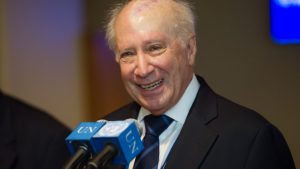 Του ΓΙΩΡΓΟΥ ΧΑΡΒΑΛΙΑ

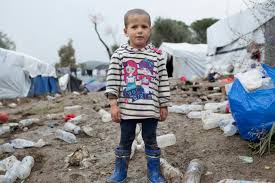


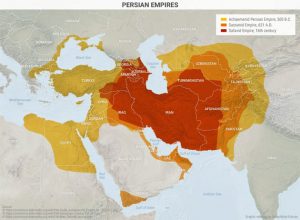 BY
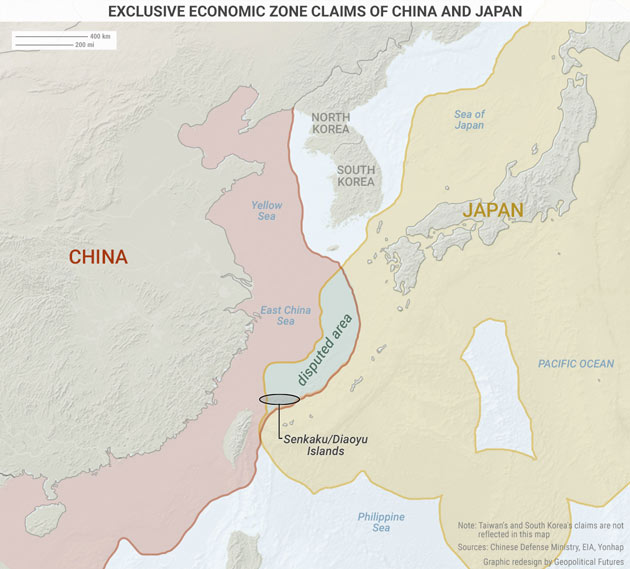

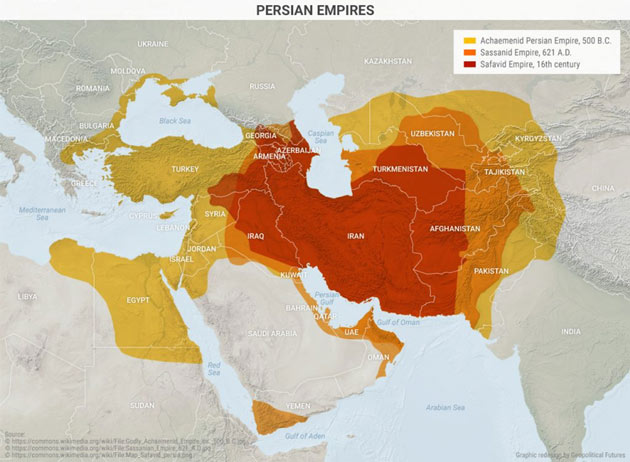
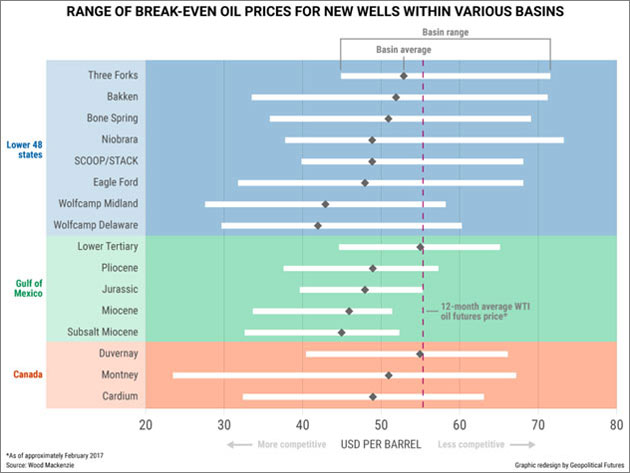
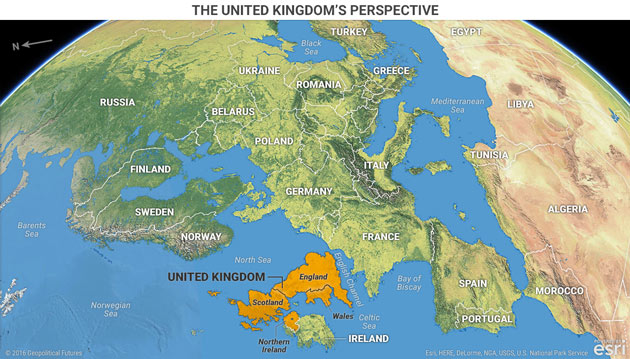
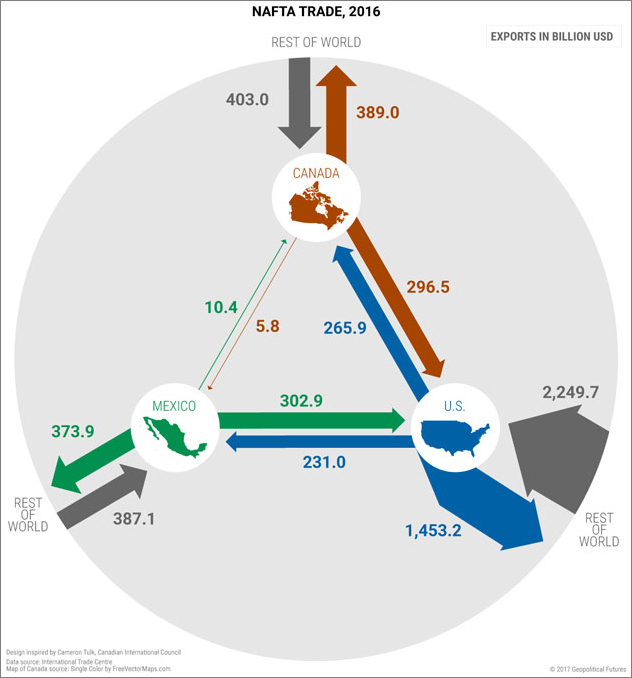

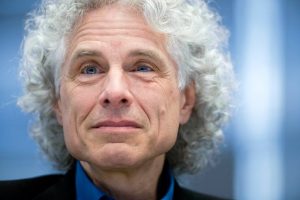
 ΧΡΗΣΤΟΣ Γ. ΖΑΧΑΡΑΚΙΣ*
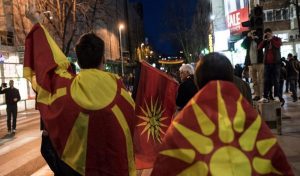 του ΠΑΝΤΕΛΗ ΣΑΒΒΙΔΗ
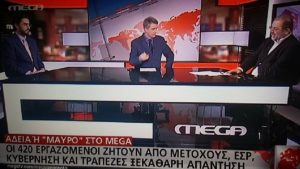 Της Έλλης Αυξεντίου
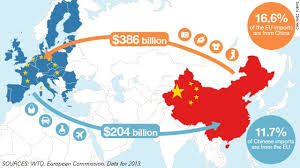 Των Πλάμεν Τόντσεφ, επικεφαλής του Τμήματος Ασιατικών Σπουδών στο Ινστιτούτο Διεθνών Οικονομικών Σχέσεων (ΙΔΟΣ), Πολυξένης Νταβαρίνου, ερευνήτριας στο Ινστιτούτο Διεθνών Οικονομικών Σχέσεων (ΙΔΟΣ)* Κυριακή 14 Ιανουαρίου 2018
 Του Αλκη Καλλιαντζίδη Οικονομολόγου
 ψηφισάντων κατά τον 1ο Γύρο, τίθενται στο μικροσκόπιο μιας ειδικής επιτροπής ελέγχου νομιμότητας με την επωνυμία η «Εθνική Επιτροπή των Προεκλογικών Λογαριασμών και Πολιτικών Χρηματοδοτήσεων» (Commission nationale des comptes de campagne et des financements politiques-CNCCFP) που έχει την έδρα της στο Παρίσι στο κτήριο της φωτογραφίας. Όσοι υποψήφιοι δεν υπερέβησαν το κατώφλι του 5% των ψήφων δεν δικαιούνται την εκ των υστέρων κρατική αποζημίωση η οποία, ούτως ή άλλως δεν υπερβαίνει το 50% των πιστοποιηθεισών δαπανών από την εν λόγω Επιτροπή.
 παρουσιάσει κάποιο πρόβλημα, σύμφωνα με το δημοσίευμα της δημοσιογράφου Nathalie Schuck της εφημερίδας Le Parisien 7-1-2018. Κατά το δημοσίευμα, ο Jean-Guy de Chalvron ήταν επί 5 μήνες ένας από τους δυο ελεγκτές των προεκλογικών προεδρικών δαπανών του Mélenchon που ανήλθαν σε 10,7 εκατ. ευρώ. Και είχαν να ελέγξουν 52 χαρτόκουτα γεμάτα με 5.000 τιμολόγια δαπανών. Ο Jean-Guy de Chalvron, από τους επιφανέστερους ελεγκτές στη χώρα του, ισχυρίζεται ότι βρήκε ορισμένες αμφισβητούμενες δαπάνες ύψους 1,5 εκατ. ευρώ, (το ένα δέκατο δηλαδή επί του συνόλου) οι οποίες, κατά την άποψή του, δεν θα μπορούσαν να αποζημιωθούν από το κράτος, δηλαδή από τον Γάλλο φορολογούμενο. Αλλά δεν θα μπορούσαν, ωστόσο, να οδηγήσουν και στην απόρριψη του συνολικού πακέτου δαπανών της προεδρικής εκστρατείας του Mélenchon !
 εκατομμύρια, τον François Fillon, με σχεδόν 14 εκατομμύρια, την Marine Le Pen με 12,4 εκατομμύρια ευρώ και τον Jean-Luc Mélenchon με 10,676 εκατομμύρια ευρώ.