Αρχική Blog Σελίδα 2868

Η Λέγκα του Βορρά

1
ΚΩΣΤΑΣ ΙΟΡΔΑΝΙΔΗΣ  

Ε​​κεί στην Πειραιώς, προ πενθημέρου, ο πρόεδρος της Ν.Δ. Κυριάκος Μητσοτάκης, αναφερόμενος στο μακεδονικό ζήτημα, υπό τη νέα του μορφή, αποπειράθηκε τον τετραγωνισμό του κύκλου. Επί αιώνες παραμένει άλυτη η άσκηση αυτή, τόσο στα μαθηματικά όσο και στην πολιτική.

Διέγνωσε το επιτελείο της Ν.Δ. μεθόδευση του πρωθυπουργού Αλέξη Τσίπρα να δημιουργήσει ρήγμα στο κόμμα της αξιωματικής αντιπολιτεύσεως μεταξύ της «Δεξιάς» και των «Εκσυγχρονιστών», όταν ξεκίνησαν οι διαπραγματεύσεις Αθηνών και Σκοπίων για λύση ενός προβλήματος που εκκρεμεί εδώ και είκοσι πέντε χρόνια. Οι αντιδράσεις της Ν.Δ. πέρασαν από διάφορες φάσεις και δημιουργήθηκε σύγχυση.

Το γεγονός, ωστόσο, που συνεκλόνησε το πολιτικό σύστημα ήταν η θηριώδης συγκέντρωση της περασμένης Κυριακής στη Θεσσαλονίκη. Τα «συστημικά» κόμματα στα οποία ενετάχθη και ο ΣΥΡΙΖΑ αποθάρρυναν την προσέλευση των οπαδών τους και απέτυχαν παταγωδώς. Το ενδεχόμενο δημιουργίας κόμματος στα δεξιά της Ν.Δ. ως φαίνεται ανησυχεί την ηγεσία της Κεντροδεξιάς.

Εγινε αναφορά σε πιθανούς ηγέτες του νέου κόμματος –τον στρατηγό Φραγκούλη Φράγκο– και σε ενδεχόμενους χρηματοδότες του. Δεν είναι απίθανο. Υπάρχουν κάποιοι που προσομοιάζουν τον στρατηγό Φράγκο με τον αρχιστράτηγο Παπάγο, όταν αποφάσισε να πολιτευθεί. Αλλά ας μη λησμονούν ότι υπήρξε και ο στρατηγός Γρίβας Διγενής που εδοξάσθη στην Κύπρο και γελοιοποιήθηκε ως αρχηγός πολιτικού κόμματος.

Η δημιουργία νέου κόμματος της Δεξιάς είναι από μιαν άποψη παρεμπίπτον θέμα. Διότι το μείζον πρόβλημα είναι μια διαδικασία αποξενώσεως που άρχισε εδώ και χρόνια να είναι αισθητή στη Βόρεια Ελλάδα. Δεν ευθύνεται για την εξέλιξη αυτή αποκλειστικά η πολιτική τάξη της χώρας ή ειδικότερα η Κεντροδεξιά.

Μετά την κατάρρευση του ευλογημένου όντως Σιδηρού Παραπετάσματος, άρχισε να υφέρπει μια επικίνδυνη αποσύνθεση. Την ευφορία της οικονομικής διεισδύσεως προς Βορράν, τα πρώτα χρόνια της καταρρεύσεως των κομμουνιστικών καθεστώτων, διαδέχθηκε η φυγή των ελληνικών επιχειρήσεων στη Βαλκανική. Μέγας οικονομικός παράγων ανεδείχθη ο κ. Ιβάν Σαββίδης, διότι απλούστατα αδράνησαν οι Ελληνες επιχειρηματίες. Οι Μακεδόνες εκδότες της Θεσσαλονίκης εγκατέλειψαν τη μάχη. Η οικονομική κρίση, την τελευταία οκταετία, έχει επιδεινώσει περαιτέρω την κατάσταση.

Η ελευθέρα διακίνηση βαλκανικών πληθυσμών στη Βόρεια Ελλάδα δεν παραπέμπει στα πρότυπα της Ενωμένης Ευρώπης αλλά στην Οθωμανική Αυτοκρατορία. Διότι ενώ οι Βαλκάνιοι γείτονές μας διαθέτουν διεκδικητικό δυναμισμό, το ελληνικό σύστημα χαρακτηρίζεται από παθητικότητα και αυτό οδηγεί σε πολιτικές στρεβλώσεις.

Η ιδέα της δημιουργίας μιας Λέγκας του Βορρά κατά τα πρότυπα της Ιταλίας διακινούνταν ήδη από τα χρόνια της οικονομικής ακμής της Βορείου Ελλάδος. Εάν προκύψει, λόγω της συγκυρίας, αυτό θα συμβεί εκ του μηδενός, όχι από πρωτοβουλία κάποιου εκ των υποψηφίων ηγετών νέου κόμματος της Δεξιάς. Το θέμα δεν αφορά μόνον τη Ν.Δ. ή τον κ. Μητσοτάκη αλλά το σύνολο του πολιτικού κόσμου της χώρας. Αρκετά πλέον με τους αυτοσχεδιασμούς.

“Καθημερινή”

«Απολαμβάνουμε βάσει των… likes»

0

Πολιτικές του βίου ΙΙ: Η επιμέλεια εαυτού στην εικονιστική κοινωνία

Θεοφάνης Τάσης  Αρμός, 2017

ΑΝΤΩΝΗΣ ΠΑΓΚΡΑΤΗΣ

Ο Θεοφάνης Τάσης γεννήθηκε και μεγάλωσε στο Μόναχο: «Ο πατέρας μου ήταν τορναδόρος, έφυγε φτωχός από την Ελλάδα το 1962», εξομολογείται. «Η μητέρα μου ήρθε μερικά χρόνια μετά από το χωριό της όπου δούλευε στα χωράφια. Πολύ σκληρή ζωή, ελάχιστοι ξένοι υπήρχαν στο Μόναχο και αντιμετωπίζονταν συχνά περιφρονητικά. Κληρονόμησα τον νόστο της πατρίδας και μεγάλωσα ως άτοπος. Εμαθα τα ελληνικά με ελάχιστο γαλανό».

Σήμερα είναι υποψήφιος υφηγητής στο Freie Universität Berlin, ενώ ταυτόχρονα διδάσκει ως καθηγητής στην Αυστρία και στο Ελληνικό Ανοικτό Πανεπιστήμιο. Μιλήσαμε με αφορμή το βιβλίο του «Πολιτικές του βίου ΙΙ: Η επιμέλεια εαυτού στην εικονιστική κοινωνία» από τις Εκδόσεις Αρμός.

– Μιλάτε για την επιμέλεια εαυτού, πρέπει όμως να ξεκαθαρίσουμε τι είναι ο εαυτός.

– Οταν στο βιβλίο αναφέρομαι στον εαυτό, εννοώ το σύνολο εκείνο που αποτελείται, πρώτον, από το ασυνείδητο, δεύτερον, το συνειδητό ως προϊόν της κοινωνικής θέσμισης και της εκάστοτε οικογενειακής ιστορίας και βιογραφικής διαδρομής, και τέλος την αυτοκατανόηση, η οποία περιλαμβάνει τα προηγούμενα και τον αναστοχασμό επί αυτών.

– Το βιβλίο πραγματεύεται μεν το δυτικό υποκείμενο, αλλά εμείς, ως Ελληνες, είμαστε δυτικά υποκείμενα;

– Πριν από τον Β΄ Παγκόσμιο Πόλεμο οι Γερμανοί είχαν μια έντονη συζήτηση για το κατά πόσο ανήκαν ή θέλουν να ανήκουν στη Δύση. Θεωρούσαν το αγγλοσαξονικό πρότυπο εμπειρικό και βάρβαρο μπροστά στην πνευματικότητα –την Kultur– που χαρακτηρίζει τους Γερμανούς και το αντιμαχόταν. Aρχισαν να αυτοκατανοούνται ως μέρος της Δύσης βαθμιαία μετά τον Β΄ Παγκόσμιο Πόλεμο. Ούτε εκεί, λοιπόν, ήταν δεδομένο το δυτικό υποκείμενο. Εμείς θεωρώ ότι είμαστε δυτικοί, καθώς ρητά ή άρρητα αντλούμε στην τέχνη του βίου μας από την αρχαία Ελλάδα, που είναι μήτρα της Δύσης.

– Θα ήθελα να ακούσω τη διαφορά ανάμεσα στο υποκείμενο της αρχαίας Ελλάδας και το σημερινό για να λυθεί η παρεξήγηση ότι πρόκειται για το ίδιο.

– Η διαφορά τους είναι ότι ο Αθηναίος αυτοκατανοείται ως μέρος ενός ιδιαίτερου συνόλου, της δημοκρατικής πόλης. Χάρη στη δημοκρατική πόλη εμφανίζεται στην Ελλάδα, σε αντίθεση με τους άλλους πολιτισμούς της αρχαιότητας, το άτομο. Στον Ελληνα καλλιτέχνη που υπογράφει τα έργα του και ακολούθως στον Σωκράτη συναντούμε το σπέρμα μιας υποκειμενικότητας, στην οποία αργότερα θα αναγνωρίσουμε και τη δική μας.

– Πιστεύετε ότι ένας Eλληνας μπορεί να αυτοαναγνωριστεί και να αυτοπραγματωθεί χωρίς να κατοπτρίζεται στα μέλη της υπόλοιπης κοινότητας όπως στην αρχαία Ελλάδα; Μπορεί να είναι ψυχικά αυτόνομος;

– Η αυτονομία του καθενός είναι πάντοτε μερική ως προς την κοινωνική θέσμιση: οι δυνατότητες αυτονομίας που μας παρέχονται στην Ελλάδα είναι πολύ μεγαλύτερες από ό,τι στο Ιράν ή στο Αφγανιστάν. Από κει και ύστερα, η θέσμιση συγκαθορίζει την ποιότητα της ατομικής αυτονομίας και τις δυνατότητες για τη διαμόρφωση της ζωής σε βίο, δηλαδή, για πολιτικές του βίου.

– Πώς αναπτύσσεται το συναίσθημα σε ένα εικονιστικό υποκείμενο;

– Μιλώντας για εικονιστικό υποκείμενο, ουσιαστικά μιλώ για έναν πολλαπλασιασμό του εαυτού μέσω της ψηφιοποίησης. Ο καθένας από εμάς διαθέτει μια ψηφιακή εικόνα εαυτού π.χ. στα μέσα κοινωνικής δικτύωσης. Συχνά αυτή αυτονομείται και γίνεται είδωλο. Τα είδωλά μας διαμορφώνουν εν αγνοία μας και καθώς αποξενωνόμαστε ως νάρκισσοι στην ίδια μας την εικόνα εαυτού γινόμαστε ειδωλολάτρες. Πλέον οι εμπειρίες και τα συναισθήματα βιώνονται και επιβεβαιώνονται μέσω της εικόνας. Η απόλαυση ενός τοπίου ή ενός φαγητού ανάγεται στα likes που θα αποσπάσει. Το εικονιστικό υποκείμενο έχει μια βαθιά ανάγκη αναγνώρισης για να πιστοποιηθεί η ορατότητά του, δηλαδή, η ύπαρξή του.

– Είναι, δηλαδή, η πληρότητα της ορατότητας η αλήθεια του;

– Το να είσαι αόρατος στην εικονιστική κοινωνία σημαίνει ότι είσαι ανύπαρκτος. Αν μεγαλώσεις με το Facebook και το tablet από έξι χρονών, τότε για ποια εσωτερική αλήθεια μπορούμε να μιλάμε; Η ενδοσκόπηση, την οποία αυτή προϋποθέτει, προαπαιτεί τη σιωπή, την ικανότητα νοηματοδότησης του αοράτου. Aραγε είναι αυτή εφικτή σε μια κοινωνία που απωθεί τη θνητότητα;

– Τι θετικό έχει το εικονιστικό υποκείμενο;

– Μπορεί να συνδέεται με ταχύτητα και ευκολία με εκατοντάδες άλλους ανθρώπους. Καταλύοντας τα όρια του χρόνου και του χώρου, έχει απεριόριστη πρόσβαση στο παρόν και το μέλλον, ανταλλάσσει πληροφορίες για οτιδήποτε ταχύτατα. Κατά συνέπεια βιώνει την ύπαρξή του πιο απελευθερωμένα, ως εκκολαπτόμενος Θεός, αν και εξακολουθεί να διαθέτει σώμα. Eνα σώμα θνητό με ανάγκες.

– Πώς βιώνεται ο χρόνος γι’ αυτό;

– Λόγω της πληθωριστικής ελευθερίας, της ελευθερίας όπου οι επιλογές αυξάνονται με καταιγιστικό ρυθμό, βιώνεται ως ένα διηνεκές παρόν. Το παρόν διαστέλλεται στο παρελθόν και στο μέλλον, με αποτέλεσμα να δημιουργεί μια ασφυκτική επιτάχυνση. Γι’ αυτό και γινόμαστε όλο και πιο βιαστικοί. Αυτό που χάνει το εικονιστικό υποκείμενο είναι ο καιρός. Καιρός είναι ο χρόνος μεστός νοήματος, ο κατάλληλος χρόνος για μια πράξη. Αντίστοιχα, τόπος είναι ο χώρος μεστός νοήματος γιατί εμπεριέχει την πράξη. Στην εικονιστική κοινωνία ο καιρός και ο τόπος εξαϋλώνονται, με αποτέλεσμα να διακινδυνεύεται η ανθρωπινότητά μας.

– Γιατί γράψατε αυτό το βιβλίο;

– Από ανάγκη για προσανατολισμό, αλλά συγχρόνως ευελπιστώντας ότι ίσως βοηθήσει ορισμένους να διαμορφώσουν αναστοχαστικά τη ζωή τους σε βίο ως δημοκρατικοί πολίτες. Πιστεύω στη χειραφετητική αποστολή της φιλοσοφίας, υπό αυτή την έννοια ανήκω στην παράδοση του ανθρωπισμού.

“Καθημερινή”

Ο Ιστορικός Σαράντος Ι. Καργάκος για το Σκοπιανό: «Ἀμυκλαῖοι σιγῆ ἀπώλοντο»

0

Ἐάν τό Σκοπιανό ζήτημα εἶχε ἀντιμετωπισθεῖ ἀπό τή διεθνῆ κοινωνία μέ τούς κανόνες τῆς ὀρθῆς λογικῆς, ἡ λύση τοῦ ὀνόματος θά εἶχε βρεθεῖ ἀμέσως μετά τήν κατάρρευση τῶν τιτοϊκῶν κατασκευῶν. Στό μάθημα τῆς Λογικῆς, πού διδαχθήκαμε οἱ παλαιότεροι, μάθαμε ὅτι ὑπάρχουν ἔννοιες ΟΛΟΥ καί ΜΕΡΟΥΣ. Ἡ Ἑλλάς, ὡς κράτος, εἶναι ἔννοια ὅλου πού ἐμπεριέχει καί τήν Μακεδονία ἀλλά ὡς ἔννοια μέρους.
Ἐπί Γιουγκοσλαβίας, τό νῦν κράτος τῶν Σκοπίων ἦταν ἔννοια μέρους πού δέν τό νιώθαμε –καί πολύ κακῶς– σάν κάτι ἔντονα ἐνοχλητικό. Μετά τή διάλυση τῆς Γιουγκοσλαβίας, ἡ σκοπιανή κατασκευή, ὡς ἀνεξάρτητο κράτος, ἔκανε τό ὄνομα Μακεδονία ἔννοια ὅλου ἀλλά γιά τόν ἑαυτό της.

Ἔτσι, μονοπώλησε τό ὄνομα Μακεδονία, κάτι πού κάνει τή δική μας Μακεδονία στά μάτια τῆς διεθνοῦς γνώμης νά φαίνεται σάν μιά ἑλληνική κατάκτηση καί ὄχι ὡς ἑλληνικό ἔδαφος. Διότι, ἐφόσον τά Σκόπια θά ἔχουν τό μονοπώλιο τοῦ ὀνόματος τῆς Μακεδονίας, ἠθικά θά φαίνονται σάν κληρονόμοι ὅλης τῆς Μακεδονίας, δηλαδή ὅλης σχεδόν τῆς Βορείου Ἑλλάδος. Τό ὄνομα ἀπό μόνο του ἐγκρύπτει τόν ἀλυτρωτισμό.
Συνεπῶς, ἄς ἀφήσουμε τίς ἀερολογίες, ὅτι θά δεσμευθοῦν πώς δέν θά ἔχουν ἀλυτρωτικές τάσεις. Ἀλλά ἄς ποῦμε ὅτι ἔχουν. Αὐτό μᾶς φοβίζει; Εἶναι ἐντροπή γιά τή χώρα μας νά μᾶς τρομάζει μιά τέτοια ἀπειλή ἀπό ἕνα ἑτοιμόρροπο μόρφωμα 2,5 ἑκατομμυρίων κατοίκων. Ἄν οἱ Σκοπιανοί ἐκδηλώσουν ἀλυτρωτικές τάσεις, τότε μπορεῖ νά ἐκδηλώσουμε κι ἐμεῖς. Τό Μοναστήρι ἦταν μέχρι τό 1912 τό ἑλληνικό Παρίσι τῆς Βαλκανικῆς. Κάποιοι δικοί μας μέ βολική συνείδηση διατυπώνουν τή θεωρία περί «καινούργιου ἔθνους».
Καί ἀπορῶ: γιατί αὐτή ἡ θεωρία δέν προεκτείνεται μέχρι τή δημιουργία ἑνός καινούργιου ὀνόματος; Γιατί αὐτοί οἱ τάχα νεοφανεῖς γείτονες θέλουν νά μονοπωλοῦν τό πανάρχαιο ὄνομα τῆς Μακεδονίας, πού πάντα θά τούς φέρνει σέ ἀντιπαράθεση –πιθανῶς καί σέ σύγκρουση– μέ τούς Ἕλληνες καί αὔριο μέ τούς Βουλγάρους; Μέ τούς Ἀλβανούς βρίσκονται ἤδη σέ ρήξη. Καί μιά ἀκόμη ἀπορία: ἀφοῦ ἡ ἀλβανική γλῶσσα ἀναγνωρίστηκε πρόσφατα σάν ἰσότιμη τῆς σλαβικῆς, πού βαφτίστηκε ἀπό αὐτούς σάν μακεδονική, μήπως καί οἱ Ἀλβανοί τοῦ κρατιδίου θά συγκαταλεχθοῦν στούς Μακεδόνες; Καί μιά ἐπιπρόσθετη ἀπορία: ὅταν οἱ Σκοπιανοί μιλοῦν μέ τούς Σέρβους καί τούς λοιπούς Σλάβους, μιλοῦν μακεδονικά; Ἄν ναί, τότε ὅλοι οἱ Σλάβοι –ἄρα καί ὁ Πούτιν– εἶναι… Μακεδόνες;
Ὅλα αὐτά τά παράλογα, τά παρά τήν ἱστορία, τήν πληθυσμιακή σύνθεση καί τή νεώτερη γεωγραφική δομή, χάρη στήν εὐφυῆ ὄντως σκοπιανή προπαγάνδα καί τήν ὑπναλέα δική μας πολιτική, θεωρήθηκαν ἀπό τή διεθνῆ κοινότητα λογικά. Καί ἔτσι, οἱ Σκοπιανοί ἰδιοποιήθηκαν de facto καί de jure τό ὄνομα τῆς Μακεδονίας, μέ ἐκείνη τήν ἐνδιάμεση συμφωνία μέ τήν δῆθεν προσωρινή ὀνομασία. Δέν μπορῶ νά εἶμαι ἱκανοποιημένος ἀπό τή δική μας διπλωματία. Θυμᾶμαι τό «κάζο» μιᾶς ἐρίτιμης κυρίας πού ἦταν πρόξενος ἤ πρέσβυς στά Σκόπια, πού, γιά νά γίνει πιό φιλική, ἔγινε σκοπιανικώτερη τῶν Σκοπιανῶν. Δέν λείπουν ἀκόμη κάποιες ἄτσαλες ἐνέργειες. Ἄν ὄντως ὁ κ. ὑπουργός τῶν ἐξωτερικῶν ἐκφράστηκε μέ ἕνα τόσο βαρύ τρόπο κατά τοῦ ἀρχιεπισκόπου, μποροῦμε νά καταλάβουμε τό γιατί τά κάναμε μούσκεμα στόν διπλωματικό μας τομέα. Ἄν ὁ ἐπί κεφαλῆς τῆς ἑλληνικῆς διπλωματίας ἐκφράζεται ὅπως ἐκφράστηκε κατά τοῦ Ἱερωνύμου, τότε «κλαύσατε πικρῶς, διότι ἔρχεται ὁ νεκρός», ὅπως ἔλεγε καί ὁ Μπόστ.
Καί ἔρχομαι στόν εὐφυέστατο κυβερνητικό ἐκπρόσωπο πού, ἔχοντας σπουδάσει τήν τεχνική τῆς ταμπέλλας, ἔσπευσε νά δώσει στό συλλαλητήριο τῆς Θεσσαλονίκης ἀκροδεξιά ἀπόχρωση. Ὥστε, λοιπόν, εἶναι ἀκροδεξιοί οἱ χιλιάδες πολῖτες πού, ὑπό δυσμενεῖς συνθῆκες (κακοκαιρία καί προβοκάτσιες), συμμετεῖχαν στό ἐκπληκτικό σέ ὄγκο συλλαλητήριο; Καί εἶναι δημοκρατικοί οἱ οὐδέποτε συλλαμβανόμενοι λιθοβολιστές, βομβιστές καί σημαιοκάφτες; Ἄν ὑπῆρχε ἐθνικό φιλότιμο, ἔπρεπε ὅλοι σύσσσωμοι νά ἀπαιτήσουμε τήν ἐκδίωξη τοῦ ἀνεκδιήγητου σκοπιανόφρονα Νίμιτς πού, πέρα ἀπό τά τωρινά ἀτοπήματά του, εἶχε πρό ἐτῶν ὀνομάσει τόν Ἀλέξανδρο σφαγέα τῶν λαῶν, λές καί ὁ Ἀλέξανδρος ἦταν συμπατριώτης του!
Αὐτή ἡ δική μας παθητικότητα φέρνει στή μνήμη μου τό ἐπιφώνημα ἀπογοητεύσεως τοῦ μεγάλου τοῦ Γένους δασκάλου Βενιαμίν τοῦ Λεσβίου: «Ὤ, πόσο νήπιοι καί ψοφοδεεῖς εἴμεθα.» Καί κάτι τελευταῖο γιά τόν κυβερνητικό ἐκπρόσωπο: τόν ἀκροδεξιό δέν τόν γεννᾶ ἡ μάνα του, τόν γεννᾶ ἡ ἀναπηρία ἤ ὁ σαλτιμπαγκισμός τῶν δῆθεν δημοκρατικῶν κυβερνήσεων. Ἄν δέν τοῦ ἀρέσει ὁ λαός, τότε ἄς ἀλλάξει τόν λαό, κατά τήν εἰρωνική σύσταση τοῦ Μπρέχτ.
Ὅσο γιά τόν ἀρχιεπίσκοπο, πού τόσο συχνά χαμηλώνει τά φτερά γιά νά μή δυσαρεστήσει τόν πρωθυπουργό, ἄς θυμηθεῖ πόσες φορές μέ εἶχε καλέσει ὡς μητροπολίτης νά μιλήσω γιά τό Σκοπιανό στή Θήβα καί στή Λειβαδιά ἀλλά καί τίς πιέσεις πού δέχθηκε καί στίς ὁποῖες ὑπέκυψε γιά νά μήν εἶμαι ὁμιλητής σέ μιά ἀνοιχτή συγκέντρωση στή Λειβαδιά. Βέβαια, ὅπως ἔλεγε ὁ στρατηγός Ντέ Γκώλ, τά γηρατειά εἶναι ναυάγιο. Γιά μένα, πάντως, ὄχι. Ταῦτα ἔλεγα καί πρίν, ταῦτα λαλῶ καί νῦν.
Τό ὅτι χρειάζεται προσοχή στίς λαοσυνάξεις, εἶναι ἀναμφισβήτητο. Μπορεῖ ἀπό αὐτές νά προκύψει ἕνας δημεγέρτης πού νά ὁδηγήσει τή χώρα στήν καταστροφή. Ἀλλά ὁ κ. Τσίπρας ἀπό ποῦ βγῆκε; Δέν εἶναι γέννημα λαοσυνάξεων; Καί ἐκεῖνο τό «φωνή λαοῦ» θά πεταχτεῖ στά σκουπίδια;
Πρό ἐτῶν στήν «Ἑστία» εἶχα γράψει τήν ἀρχαία φράση: «Ἀμυκλαῖοι σιγῆ ἀπώλοντο». Εἶχα ὑποσχεθεῖ νά τήν ἐξηγήσω. Κατά μία παράδοση, οἱ κάτοικοι τῶν Ἀμυκλῶν εἶχαν λάβει ὅλα τά ἀναγκαῖα μέτρα γιά τήν προάσπιση τῆς πόλης τους, ὅταν οἱ Δωριεῖς κατέλαβαν τήν Σπάρτη καί τήν Λακωνία. Νύκτα καί ἡμέρα ἦσαν ὑπό τά ὅπλα. Οἱ Δωριεῖς τῆς Σπάρτης τούς ἄφησαν ἐπί πολύ ἀνενόχλητους. Ἔτσι, οἱ Ἀμυκλαῖοι χαλάρωσαν σταδιακά καί, ἀκολούθως, ὁλικά τήν ἀμυντική τους ἐπαγρύπνηση. Καί κάποιο βράδυ, οἱ Δωριεῖς τῆς γειτονικῆς Σπάρτης μπῆκαν στήν πόλη τους ἀμαχητί καί τούς κατέσφαξαν. Τό πάθημα τῶν Ἀμυκλαίων ἔγινε παροιμιακό. Μήπως κάποιοι τέτοιο πάθημα μᾶς ἑτοιμάζουν καί στόν παρόντα καιρό;
(τοῦ Σαράντου Ι. Καργάκου), Ἑστία, 26/1/18
Πηγή: facebook
infognomon

At Davos, the Real Star May Have Been China, Not Trump

0

Liu He, a top economic policy adviser to President Xi Jinping of China, drew a full house to his presentation during a meeting of global business and political leaders in Davos, Switzerland.CreditGian Ehrenzeller/European Pressphoto Agency

DAVOS, Switzerland — President Trump used the World Economic Forum meeting to woo investors and business leaders by reassuring them that “America first does not mean America alone.” But it was clear in Davos, Switzerland, this past week that geopolitical momentum lay with Beijing, not Washington.

At one end of town, President Michel Temer of Brazil welcomed an unexpected offer from Beijing for Latin American nations to work closely with a Chinese initiative, known as the Belt and Road, intended to spread its economic and diplomatic influence abroad.

At the other end of town, a senior Chinese diplomat helped introduce the prime minister of Pakistan at a breakfast meeting. Prime Minister Shahid Khaqan Abbasi used his talk to praise the rapidly expanding Chinese investments in his country, including to build power stations and a large port.

One of the best-attended speeches at the forum was that of Liu He, a member of China’s ruling Politburo, who promoted the Belt and Roadinitiative, also known as One Belt, One Road. Participants here said the Chinese initiative was already rivaling more established, traditionally American-led, international institutions.

“The China One Belt, One Road is going to be the new W.T.O. — like it or not,” said Joe Kaeser, chief executive of Siemens, the German industrial giant, referring to the World Trade Organization.

Belt and Road takes its name from the idea that Beijing is spreading its influence along the ancient Silk Road that once linked imperial China to the Roman Empire and to the medieval Europe of Marco Polo. But that was not the only push to extend its presence abroad that Beijing was trying to showcase.

On Friday, the Chinese government used a policy document issued in Beijing to call for a “Polar Silk Road” that would link China to Europe and the Atlantic via a shipping route past the melting Arctic ice cap.

Belt and Road has been a centerpiece of the foreign policy of President Xi Jinping, and his promises of a “China Dream” of restoring his nation to past greatness. Unveiled in Kazakhstan in 2013, Belt and Road started as a plan to revive economic, investment and diplomatic links across Central Asia.

The plan gradually extended to include the Mideast, Europe and eastern Africa, with Beijing promising hundreds of billions of dollars of investment in highways, rail lines, ports, power stations and other infrastructure, much of it through loans from Chinese state-owned banks.

Critics have been skeptical, arguing that projects bankrolled through the initiative will bury the recipients in debt and cause environmental damage. The initiative has also been criticized as an easy line of financing for authoritarian regimes. China says its projects will be environmentally and financially sound, and that it does not seek a say in how other countries are governed.

Photo

The foreign minister of Uruguay, Rodolfo Nin Novoa, right, met with the Chinese foreign minister, Wang Yi, last week in Montevideo, Uruguay. CreditAndres Stapff/Reuters

While Davos was underway, China was making other efforts to stretch the geographical ambitions of its Belt and Road initiative even further. At a summit meeting for Latin American and Caribbean foreign ministers in Santiago, Chile, Foreign Minister Wang Yi of China called for close cooperation and participation by the region’s countries, although he stopped short of formally including them in the initiative.

In Davos, President Temer of Brazil said that he was not concerned about the rising influence in South America of China, which has increased investments in his country and extended enormous loans to Venezuela and Ecuador.

Venezuela has already proved unable to repay its creditors, which include Moscow and Beijing. The Russian government has used Venezuela’s overdue debts as a bargaining chip to win the right for Russian warships to visit Venezuelan ports.

 Mr. Temer said the debts should be seen as a financial issue, not a geopolitical one. “The major concern they have is to recover the loans they gave Venezuela, they want their payment,” he said in an interview. “This was actually quite explained in the meetings we have.”

He also said that he was not worried by the strong Chinese interest in acquiring stakes in Brazil’s electrical distribution and other industries. “The U.S. invests as well in Brazil,” he said.

National leaders seemed to vie with one another in Davos in calling for closer cooperation with China. Mr. Abbasi of Pakistan dismissed recent controversy in his country over whether China’s giant construction projects were compromising Pakistan’s sovereignty, its environment or its financial stability.

“There is no major challenge we have not been able to resolve, and the sovereignty issues are very clear,” he said at a breakfast for business executives and the news media. He added that on financial and environmental issues relating to Belt and Road projects, “So far, I can tell you we are winning on both counts.”

Chinese officials used Davos as another opportunity to speak out against protectionism, in what analysts have described as an effort to take advantage of global concerns about the Trump administration and its warnings that it would pursue a more aggressive trade policy.

Beijing’s rhetoric comes despite China’s steep tariffs on a broad range of manufactured goods, including shoes and cars. China’s average tariffs on imports are actually triple those of the United States and double those of the European Union.

However, China has zero tariffs on many raw materials that it has in only limited quantities at home, like iron ore. As a result, its stance has been particularly welcomed by countries like Chile that produce a lot of raw materials but relatively few factory goods.

“In this, we see a very big difference with the United States,” Foreign Minister Heraldo Muñoz of Chile said, calling China’s “vision of openness and its rejection of protectionism very welcome.”

US Allies Should Back President Trump

0

By January 28, 2018

BESA Center Perspectives Paper No. 726, January 28, 2018

EXECUTIVE SUMMARY: Donald J. Trump is facing unprecedented criticism one year into his term as president of the world’s greatest power. The allies of the US can assist him by making clear how much he has advanced American foreign affairs interests.

It is not the business of allies to meddle in the domestic affairs of the US, and certainly not to take a position in domestic controversies over the performance of its leaders and politicians. It is the role of the vibrant democratic process in the US to handle such matters.

What is of utmost importance, however, is for allies to make known to American citizens how they see the US president advancing what they perceive to be the foreign affairs interests of the US.

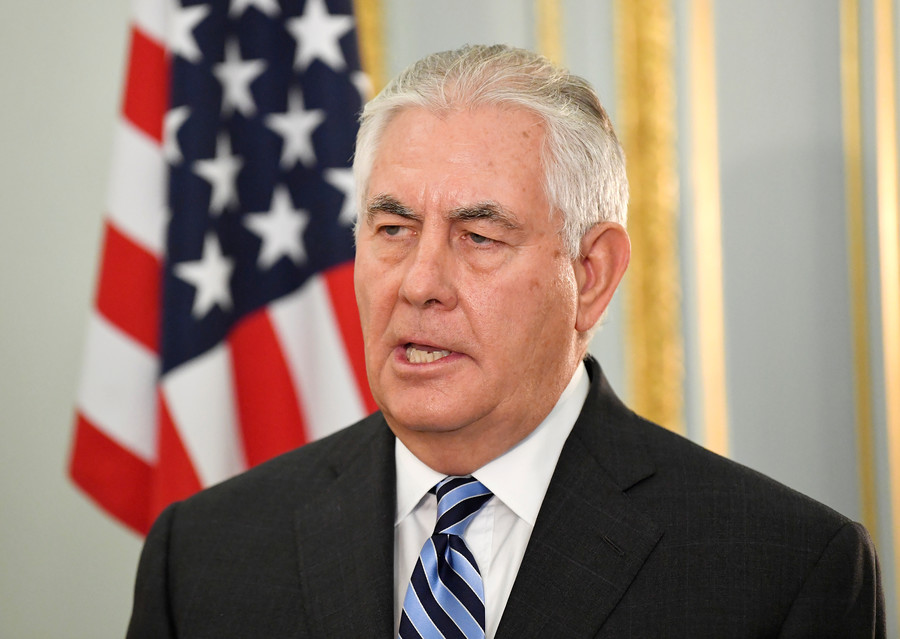
Most if not all US allies – with the possible exception of some in the EU – agree that President Trump and his team, Secretary of State Tillerson and Secretary of Defense Mattis, have made the world a safer place in Trump’s first year in office than it was under his predecessor, Barack Obama.  It is safer because Washington’s many allies, which, together with the US, easily amount to the greatest aggregation of power in the world today, are more assured of American resolve to lead.

Heading the list would no doubt be the important allies of the US in Asia – Japan, South Korea, Australia, India, Vietnam, and Singapore, who appreciate Trump’s tough rhetoric towards North Korea and US assertiveness in maintaining the freedom of the seas in hotspots such as the South China Sea. Trump’s fiery rhetoric contraposed against Tillerson’s and Mattis’s more measured responses make for an effective political symphony that blends resolve with prudence.

EU member states in central and eastern Europe feel the same way. For Poland, the Czech Republic, and even more so, the Baltic states and Ukraine, the initial worries emanating from President Trump’s relations with Putin before the assumption of the presidency, Tillerson’s oil dealings with Russia as an energy business executive, and Trump’s critical views of NATO, dissipated as the US under Trump fulfilled its obligations made by the previous administration at the Warsaw NATO summit in 2016 by deploying a US army combat battalion in Poland; provided sophisticated arms to Ukraine despite the protests and threats of the Russian leadership; and 3) sent Vice President Pence on a visit to the Baltic states to reassure them of the US commitment to their independence.

Trump’s administration is even more positively viewed by the US’s Middle East allies. For Saudi Arabia and the Gulf states, Trump’s administration is manna from heaven, coming on the heels of an administration that from their point of view favored foe over friends by signing a questionable nuclear agreement with Iran. The agreement only postponed Tehran’s  going nuclear, and also also paved the way for the withdrawal of punishing sanctions and the release of $50-100 billion of frozen funds into the Iranian treasury to support proxies in Iraq, Syria, Yemen, and Lebanon to undermine Arab states.  Trump’s sanctions against six organizations and seven individuals from Iran in July, three of whom were involved in procurement of weapons and equipment for the Revolutionary Guard; and the notice in October 2017 that Iran was failing to live up to the 2015 nuclear agreement (decertification), sent reassuring messages to these states, which are acutely worried about the recent gains of Iran and its proxies in the Syrian civil war and in Iraq.

Egypt, of course, joins its Arab Sunni allies in welcoming the change in administration and champions the new Trump-Tillerson-Mattis team over its predecessor.

The Obama administration had a particular soft spot towards the Muslim Brotherhood, which it perceived as a positive catalyst in the unfolding of Egyptian democracy during the so-called Arab Spring. Accordingly, it took a dim view of Morsi’s downfall by what it saw as a military coup headed by then chief-of-staff Abdel Fattah Sisi and, since July 2013, Egypt’s incumbent president. Obama suspended military aid to Egypt over human rights issues, and, for a considerable length of time, delayed the provision of 10 Apache helicopters earmarked to be used in the fight against ISIS in the Sinai Peninsula. Obama also refrained from hosting the Egyptian leader at the White House.

Trump reversed course and hosted Sisi in April 2017. Still, relations are not what they were in their heyday: $290 million in aid was withheld in August over human rights concerns and remain suspended over Egypt’s initiative in drafting a condemnation of Trump’s recognition of Jerusalem as Israel’s capital.

Paradoxically, from the point of view of its many allies, President Trump’s shortcoming is not recklessness but a lack of sufficient daring. Allies in the Middle East wonder if the one-time missile strike against Syria in April 2017 to contain its use of chemical warfare was sufficient. The same question is raised regarding the US air attack a month later on the Syrian army and its Hezbollah ally as they raced south to team up with Iran-led Iraqi Shiite militias to restore the Shiite Crescent, which ISIS had temporarily destroyed.

The Trump administration decided not to follow through, with the result that the restoration is now an established fact.

Yet for all these shortcomings, the Trump administration is good news to America’s allies.

For this reason, think tanks, journalists, commentators, and, above all, the political leadership in these countries should make known that President Trump and his team are promoting US interests abroad so that Americans can be better informed in their aggregate assessment of their president.

What is certain is that the allies’ interests as well as American interests will be grievously affected by the tumult engendered by an American president who does not survive his full term, given the US’s role as benevolent global policeman.

View PDF

Prof. Hillel Frisch is a professor of political studies and Middle East studies at Bar-Ilan University and a senior research associate at the Begin-Sadat Center for Strategic Studies.

BESA Center Perspectives Papers are published through the generosity of the Greg Rosshandler Family

How US went from supporting Syrian Kurds, to backing Turkey against them – in just 9 days

0
US Secretary of State Rex Tillerson has been left flailing as Washington desperately struggles to avoid being shut out of Syria by its own allies – following a crisis it helped provoke just days ago.

For all the backpedaling and reframing the US officials are now doing, the chronology of the volte-face from Afrin to Ankara is startlingly straightforward.

January 13

US-led coalition announces a 30,000-strong Kurdish SDF-led Border Security Force (BSF) to stave off a Islamic State “resurgence,” operating out of the quarter of Syria’s territory that the Kurdish minority now controls.

January 15

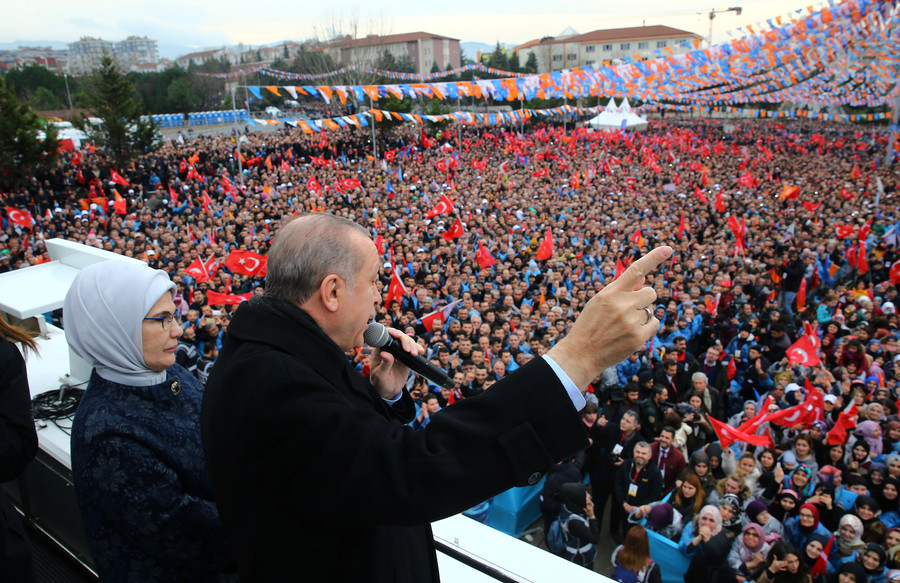
Turkish President Recep Tayyip Erdogan calls BSF an “army of terror” and promises to “strangle it before it is born,” saying it will imminently invade the north-western enclave of Afrin. Ankara says the US did not consult it over BSF, and insists Washington broke its promise to no longer arm YPG, whom Turkey views as separatist terrorists.

January 17

Tillerson to media: “That entire situation has been mis-portrayed, mis-described, some people misspoke. We are not creating a Border Security Force at all.”

Meanwhile, Pentagon spokesman Adrian Rankine-Galloway says of the 8,000-10,000 YPG militiamen in Afrin: “We don’t consider them as part of our ‘Defeat ISIS’ operations, which is what we are doing there and we do not support them. We are not involved with them at all.”

January 20

Turkey attacks Afrin. If there wasn’t enough disingenuousness here already, the airstrike-backed ground attack is called Operation Olive Branch. Turkey says that it will create a 30-km deep “security zone” inside the Syrian border, and announces plans to push the offensive further east.

January 21

“Turkey is a NATO ally. It’s the only NATO country with an active insurgency inside its borders. And Turkey has legitimate security concerns,” says US Secretary of Defense Jim Mattis. “We’ll sort this out.”

January 22

Tillerson to Turkey: “Let us see if we can work with you to create the kind of security zone you might need.” The kind of security zone that will operate on the same territory as the BSF? That force that was purportedly essential to the ‘Defeat Isis’ operations? Never mind all that.

Now, Tillerson deserves some sympathy. If Al-Qaeda turned into ISIS the last time US forces abandoned the region, what will ISIS turn into? Turkish and Kurdish tensions also predate the conflict, and it’s not Washington’s fault that Ankara is its NATO ally, while YPG provided America’s most motivated force against ISIS. All in all, Washington is now trying to make the best of a bad hand.

But the entire episode is emblematic of the incoherent and doomed-to-fail strategy the US has pursued in Syria for the past seven years. What did the US think was going to happen after its BSF announcement? Like the teenager who unexpectedly comes home with a tattoo, it didn’t tell Ankara in advance because it must have realized what the reaction would be, or perhaps underestimated Erdogan’s fury – yet again – before trotting out a series of implausible denials.

The bigger problem is that Washington supports actors who have few aims in common beyond their mission to destroy Islamic State – which for most of them is no longer a priority, and for some never was. And apart from a by-now almost mythical 2011 pro-democracy movement, none of them share American aims anyway.

In fact, most are probably questioning why the US is even there. For Syrians, this is their own conflict, Turkey borders it, Kurds have long coveted their own state, even Russia is here at the official behest of Assad. America’s desire to pin its colors to Kurds or Turkey or anyone else in Syria shows that is raring to remain a part of the post-conflict stage, but everyone else has either greater motivation, more legitimacy, or both. So at its current level of engagement – where it can’t even back its horses for a week – Washington is probably best-off helping quietly, and not lighting matches and then inching away in embarrassment while others wage real wars.

Igor Ogorodnev for RT

https://www.rt.com/news/416689-how-us-went-against-kurds/

4 factors affecting Turkey’s new operation in Syria

0

ARTICLE SUMMARY
As Turkey’s offensive against Kurdish forces in Syria nears the end of its first week, circumstances affecting the scope, progress and duration of the operation are complicated and full of risks.

Turkey’s latest incursion into Syria has just begun, but the significance of when it will end deserves attention now. By the end of the fifth day (Jan. 24) of Ankara’s operation targeting Kurdish control of Afrin, the Turkish army and its allied local forces, along with the close air support of Turkish warplanes, had reached about 7½ kilometers (4½ miles) into Syria from six beachheads and captured at least 11 villages. Now there is a new front at Mount Barsaya north of Azaz, where heavy clashes continue.

Contrary to general expectations, the operation was not launched from the relatively flat terrain of the Azaz/Tell Rifaat/Afrin line, but from the opposite direction, crossing hilly terrain in the north and northwest. The Turkish Armed Forces (TSK) first want to seize the dominating hill features and then lay a long-duration siege on the city, which has a population of 200,000. The TSK’s strategy seems to be to open multiple front lines in different areas to disperse the 8,000 to 10,000 troops of the Kurdish People’s Protection Units (YPG) and weaken their defense lines.

Unlike the earlier Operation Euphrates Shield (August 2016 to March 2017) that Turkey launched as a special forces operation, the Afrin effort began as a conventional armored movement. I’m inclined to define the Afrin effort as Turkey’s second “effect-based operation,” after Euphrates Shield. An effect-based operation relies on complex security to obtain a specific political outcome or effect on rivals’ strategic preferences rather than eliminating the enemy altogether or disrupting its will to fight. The prime objective now seems to be to influence the strategic goals of other actors with stakes in northern Syria, particularly the United States and Russia. So rather than eradicating the 8,000 to 10,000 YPG militants seemingly stuck in Afrin, Turkey wants to show it is a strong player capable of changing the operational environment.

Sources Al-Monitor spoke with in Ankara say political and security bureaucrats agree and are fully determined to expand the operation first to Manbij and then east of the Euphrates River to undermine US cooperation with the Kurdish YPG on the ground.

How long will the Afrin operation continue? As long as it takes to achieve its objectives, according to Turkish President Recep Tayyip Erdogan. After Afrin is cleared of the YPG and any militants that might remain, a new administration is to be installed with Turkey’s input. This process may last until the beginning of summer.

There are many factors that could affect the course of the Afrin operation.

Unlike the rest of Syria, the Afrin region is partially mountainous with an unusual density of trees. To these land features that limit armored movements we have to add the heavy rains and fog of January. The harsh weather and terrain conditions favor the YPG defenses.

Will the YPG refrain from frontal clashes and leave, or will it resist? If it resists, will it withdraw to the hilly terrain in the northwest? The YPG is making use of the mountainous terrain that restricts armored unit movements and airstrikes. Will it conduct guerrilla warfare or intensify its resistance under cover of the people congregated in city centers? The Islamic State frequently withdrew into the crowds of cities and at times even forced people to remain in the combat zone to protect itself from airstrikes and long-range artillery fire. If the YPG adopts the same tactic — and there are indications it may — there will be heavy civilian losses. The YPG may well use these civilian fatalities as a major propaganda tool against Turkey.

It appears Turkey had Moscow’s go-ahead for the offensive, given that Russia controls all Syrian airspace west of the Euphrates River. Russia no doubt sees that the operation will drive a deeper wedge between the NATO allies Turkey and the United States in light of the latter’s support for the YPG. Moreover, Russia probably calculates that, faced with the threat of being overrun by Turkey and its Free Syrian Army (FSA) allies, the YPG will now be more open to Moscow’s earlier suggestion of handing Afrin back to the regime of Syrian President Bashar al-Assad.

A key risk indicator will be whether Moscow provides Turkey with 24/7 access to the airspace over Afrin, or restricts the incursions, as was the case during Euphrates Shield. If it chooses the latter, Russia is likely to control the operation’s tempo, synchronizing it with the Syrian army’s advances in Idlib province south of Afrin and any confrontation with the US-backed YPG forces around Deir ez-Zor over the control of oil reserves. This would allow Russia to give the Syrian army more time to consolidate its territorial control in Idlib province, bringing it into a better position to take over the remaining YPG-controlled areas in Afrin and gain the upper hand in Deir ez-Zor to keep the YPG under pressure.

Turkey, which has gone back and forth on the issue of whether Assad should remain in power, has been negotiating with Assad about possibly working together against the YPG and the Kurdish nationalist Democratic Union Party (PYD). But the Syrian president knows Erdogan’s preference is an Assad-free Syria, so the Syrian army may end up assisting the Kurdish forces to an extent. Assad may decide to help evacuate the YPG units that appear to be squeezed in at Afrin, or help them receive reinforcements from east of the Euphrates. Still, another Assad policy could be to “wait and see,” thinking that at the end of the day Afrin will be handed over to the government.

Another consideration is the capacity of the Ankara-backed FSA force. The fighters aren’t the most dependable and could evaporate when faced with strong resistance, as happened at al-Bab during Euphrates Shield. That weakness could force Ankara to deploy more commando/infantry units to replace FSA units, increasing the risk of losing Turkish soldiers in urban warfare.

Then there is Turkish public opinion. Although there is no pertinent, reliable polling data, experience with Operation Euphrates Shield tells us the government won’t have much problem securing public support for the Afrin offensive.

If Turkey can wrap up the operation quickly, say by August, the country is likely to retain its current socio-economic posture. However, the longer the operation stretches out, and the more territory it involves — especially if it leads to a confrontation with the United States — the more likely it is to harm Turkey’s economic and political stability and its social cohesion.

Will Erdogan and his personal charisma manage the current operation in his favor, accelerating his fast-track toward becoming Turkey’s first executive president? Or will the operation spiral into more than the country can handle, further damaging Turkey’s already fluctuating economic performance, crippling bureaucratic capacity and deteriorating ethnic, sectarian and social-political neurological points?

Metin Gurcan is a columnist for Al-Monitor’s Turkey Pulse. He served in Afghanistan, Kazakhstan, Kyrgyzstan and Iraq as a Turkish military adviser from 2002 to 2008. After resigning from the military, he became an Istanbul-based independent security analyst. Gurcan obtained his PhD in 2016 with a dissertation on changes in the Turkish military over the preceding decade. He has published extensively in Turkish and foreign academic journals, and his book “What Went Wrong in Afghanistan: Understanding Counterinsurgency in Tribalized, Rural, Muslim Environments” was published in August 2016. On Twitter: @Metin4020

Read more: http://www.al-monitor.com/pulse/originals/2018/01/turkey-syria-olive-branch-continuing-under-fog.html#ixzz55XrchFf6

Syrian rebels gamble on Turkish alliance to fight Kurds and Assad

0

Ankara is retraining a core of fighters to wage its own war against Isis and Kurdish expansion

The young rebel from Idlib rolled down his sock to reveal a deep, blackened gash, a grim memento of weeks as an Islamic State captive. The man who tortured him in that prison was on his mind when he heard that Turkey was offering military training to 500 men, and decided to sign up.

Like all the recruits to Ankara’s latest experiment, he was a seasoned anti-Assad rebel with battlefield experience but no military education. Turkey promised to drill and discipline them, creating the nucleus of a new Syrian rebel army.

“They told us: ‘You have been fighting for six years, God bless you, but we want to train you to be soldiers’,” the former prisoner said. Like all Syrian fighters and officials who agreed to interviews about the latest offensive, he spoke on condition of anonymity because of the sensitivity of relations with Turkey.

After a month at a training camp near Antakya in 2016, they were sent back to fight in al-Bab, an Isis-dominated town over the border. The graduates, along with some others who would later train in Turkey, would come to be known by other Syrian rebels as “the Turkish army’s auxiliary force”, and last week they were called into action by their backers, playing a prominent role in a new Turkish offensive into Syria.

Their aim is to dislodge US-backed Kurdish militias from the enclave of Afrin, which lies on the border with Turkey. The groups are the Syrian wing of the Kurdistan Workers’ party (PKK), which has fought a decades-long insurgency against the Turkish state. The Kurds won Washington’s support when they took on a key role in the battle for Raqqa, but Ankara has long protested at the alliance.

The decision to cross over into Syria, and directly intervene in the seven-year-long civil war, has underlined the depth of Turkey’s concern about Kurdish fighters inside Syria. But it has also thrown Ankara’s ambitious training project into relief. According to rebel commanders, Turkey has for nearly two years been supporting the build-up and training of a unified army in Syria capable of resuming the battle against President Bashar al-Assad, now in the ascendant in the long civil war.

The genesis of the idea came in the opening months of Turkey’s first military campaign into Syria, when it launched Operation Euphrates Shield in the summer of 2016. Its troops had orders to both oust Isis from key border towns and limit the Kurdish militias’ westward expansion.

After taking the town of Jarablus near the border, Turkey sought to augment the Euphrates Shield forces – a disparate coalition of rebel militias – with a cadre of trained fighters to tackle Isis and guard the frontiers against Kurdish forces.

Rebel officials say the training programme has continued, building up Euphrates Shield into a force of 10,000 to 15,000 battle-ready soldiers, with an additional 10,000 recent recruits. After major military losses to Assad and his Russian and Iranian allies, the rebels see this force as a lifeline that could allow them to relaunch their waning insurgency. That rebel army, they say, could wage a campaign to eliminate al-Qaida-linked fighters who dominate the opposition-controlled province of Idlib, and go on to fight Assad again.

“We cannot accept military defeat, we have to reinforce and start over,” said one rebel official. “Euphrates Shield is against both terrorism and the regime, and it is the first step to build a state.” But their prime aim of unseating Assad seems increasingly divergent from their Turkish patrons’ focus on attacking Kurdish troops, meaning the force may ultimately amount to nothing but another proxy militia under a foreign power’s command – much like most other groups fighting in Syria.

“The [moderate] rebels previously didn’t establish themselves as useful proxies for other internationals,” said Sam Heller at the Century Foundation thinktank. “As a result, they were driven to the margins.”

The idea of a unified force dates back to the start of the armed opposition, but chronic divisions, and foreign powers backing rival factions, stalled its creation. In September 2017, hit by military setbacks, dozens of rebel groups got behind a national army project set up by the interim opposition government, a cabinet based in Syria with limited powers, which formally administered areas held by Euphrates Shield forces.

Turkey has quietly continued to support the project as it has grown into multiple divisions led by Syrian commanders who coordinate with Turkish officers, and who are spearheading the campaign in Afrin now. Therein lies the dilemma of the rebels leading the ground assault. Abandoned by all their international allies, they see no choice but to follow Turkey’s lead.

While they agree with the rationale of the Afrin campaign, they also hope that taking the Kurdish enclave will open up a ground corridor into Idlib that would allow the national rebel army its first test against their greatest enemies – Assad’s regime, and Hayat Tahrir al-Sham (HTS), the former wing of al-Qaida in Syria. Turkey has given them no promises of support for this. Its actions after the Afrin campaign will determine whether it has helped build up the rebel army to be its own proxy force, or to fight against the regime.

“We have to play on the differences between global powers negotiating in Syria,” said one rebel commander, whose group is not in Afrin but intends to join the national rebel army. “It is a strategic interest to open the ground corridor into Idlib, and it coincides with Turkish interests.”

The rebel who trained in Turkey said: “I would rather go fight [HTS] and the regime, but the Turks are the only ones who stood by us. How can I take on [HTS] and the regime by myself, without any allies?”

https://www.theguardian.com/world/2018/jan/27/syrian-rebels-gamble-turkish-alliance-fight-kurds-assad

Η διεύρυνση του ΝΑΤΟ με τα κεντρικά Βαλκάνια, είτε θα ολοκληρώσει, είτε θα διαλύσει την Ευρώπη

1

Του Δημήτρη Τσαϊλά* Δευτέρα 29 Ιανουαρίου 2018

Είμαστε αιχμάλωτοι της Γεωγραφίας;

Για να αναλύσουμε πώς, η γεωγραφία και η ιδεολογία συγκρούονται, ας εξετάσουμε τη πολύπαθη περιοχή του Βαρδάρη που βρίσκονται τα ελληνο-σκοπιανά σύνορα. Από τη μια πλευρά βρισκόμαστε εμείς, μια φιλελεύθερη δημοκρατική χώρα, που ανήκει στην ΕΕ και το ΝΑΤΟ. Από την άλλη, απλώνεται ένα τεχνητό κράτος διαφόρων εθνοτήτων, όπου κυριαρχούν ο εθνικισμός, η πολιτικο-οικονομική διαφθορά και ένας αυθάδης αλυτρωτισμός με στίγμα του το «Μακεδονισμό» που εφευρέθηκε με σκοπό την έξοδο των σλαβικών φύλλων στα θερμά νερά. Σήμερα η πΓΔΜ παίζει το ρόλο του «κράτους μαξιλάρι ή Buffer Zone» όπως συνηθίζεται να αναφέρεται στη Γεωπολιτική.

Αίφνης αντιλαμβανόμαστε, όταν πρόκειται για γεωπολιτικά συμφέροντα, τα σύνορα, ως δια μαγείας εξαφανίζονται, δεν υπάρχουν. Τα βουνά που σηματοδοτούν τα σύνορα της Ελλάδας με την πΓΔΜ απουσιάζουν, από τα μάτια των ισχυρών προκειμένου να διασφαλίσουν τα συμφέροντά τους. Από την άλλη πλευρά, οδοιπορώντας σε αυτή τη γεωγραφική περιοχή, σκέφτεσαι το τεράστιο πρόβλημα όχι μόνο για την Ελλάδα, αλλά και για τις δυτικές χώρες που ζουν με το φόβο της διάλυσης αυτού του μικροσκοπικού κράτους. Σκέφτεσαι πως η «μπαρουταποθήκη των Βαλκανίων» μπορεί να εκραγεί για ακόμη μια φορά από τη σπίθα των Σκοπίων.

Κάποτε σε ένα συνέδριο στις Βρυξέλλες ένας Αμερικανός αξιωματικός του στρατού μου εξήγησε ότι η κύρια δυσκολία που αντιμετωπίζουν οι κυβερνήσεις των ΗΠΑ, είναι η κατανόηση των Βαλκανίων, η οποία δεν είναι καθόλου απλό ζήτημα. Αυτό ώθησε και τους υπολοίπους που βρισκόντουσαν στη συζήτηση να του ρίξουν παράξενα βλέμματα. Έτσι ο Αμερικανός αξιωματικός είπε, «Αυτό που πρέπει να κατανοήσουμε είναι η ιστορία της περιοχής. Ότι έγινε στο Κοσσυφοπέδιο, το 1389.» Και συνέχισε την αναφορά του με την Μάχη του Κοσσυφοπεδίου τον 14ο αιώνα. Εγώ συμπλήρωσα στα λεγόμενά του τον επικίνδυνο «Μακεδονισμό» των Σκοπιανών με ρίζες τη Σοβιετική προπαγάνδα. Για να καταλήξουμε ότι οι μνήμες είναι βαθιές και οι ιστορικές έχθρες βρίσκονται ακόμη στην επιφάνεια και δεν είναι απλά τι όνομα θα λάβει ένα νεογέννητο κράτος αλλά πως θα εξυγιανθούν οι έχθρες.

Γεωγραφία, Ιστορία, Ιδεολογία και στο βάθος realpolitic

Η ανάλυση αυτή δεν αποσκοπεί στην υπενθύμιση της περίοπτης θέσης της γεωγραφίας στις διεθνείς σχέσεις, στις απειλές των κρατών, ακόμη και τις υβριδικές επιθέσεις. Αποσκοπεί στη διερεύνηση. Στις σχέσεις τις χώρας μας με τους Βόρειους γείτονές μας, που εξακολουθούν να υπαγορεύονται από τα φυσικά και ιστορικά χαρακτηριστικά τους. Έτσι, η Ελλάδα παραμένει ανήσυχη για τις διαθέσεις αλυτρωτισμού και τα σχέδια για κάθοδο στα θερμά νερά.

Οι ιδεολογίες μπορεί να έρχονται και να παρέρχονται, αλλά, τα γεωπολιτικά γεγονότα της ζωής αντέχουν στο χρόνο. Για παράδειγμα, ο ρώσος πρόεδρος Βλαντιμίρ Πούτιν δεν είχε άλλη επιλογή από το να εισβάλει στη Κριμαία για την εξασφάλιση του λιμανιού της Σεβαστούπολης, που του δίδει πρόσβαση μέσω της Μαύρης θάλασσας στη Μεσόγειο. Γι’ αυτό δεν έχει νόημα να συζητούμε, την εκ προθέσεως επίθεση της Ρωσίας αν είναι αποτέλεσμα λαθών, είτε της Μόσχας ή των δυτικών, ή ότι υπάρχει κάποια εναλλακτική λύση για το Σλαβικό εθνικισμό και μεγαλοϊδεατισμό. Πρόκειται για την ολοκλήρωση της realpolitik όπου οι ανίσχυροι αναγκάζονται να υποχωρούνε, μπροστά στην ισχύ των αντιπάλων, όπως θα έλεγε ο δικός μας ανυπέρβλητος Θουκυδίδης.

H γεωπολιτική εξηγεί τα πάντα;

Δεν υποστηρίζω ότι η γεωπολιτική εξηγεί τα πάντα. Εξ’ άλλου η πρόσφατη κατασταλτική και αντι-δυτική συμπεριφορά του ηγέτη της Ρωσίας, του πρόεδρου της Τουρκίας, ακόμη και του Ούγγρου πρωθυπουργού, οφείλονται όχι μόνο στις φυσικές ιδιότητες των εδαφών που κυβερνούν, αλλά και σε ένα σύμπλεγμα άλλων παραγόντων, κυρίως της μειωμένης ισχύος της Δύσης. Αφού πριν από μια δεκαετία, η γοητεία των ΗΠΑ, του ΝΑΤΟ και της ΕΕ ήταν αρκετά ισχυρές για να δελεάσουν ακόμη και αυταρχικούς ηγέτες να συνεργαστούν πιο στενά. Ο πόλεμος στο Ιράκ και τη Συρία, η μεγάλη ύφεση και η κρίση της ΕΕ αλλά και η διαχείριση της ροής των προσφύγων και μεταναστών, έχουν αποδυναμώσει τη Δύση. Έτσι μια έρευνα του σήμερα, στον κόσμο χωρίς αναφορά στην ιδεολογία δείχνει τουλάχιστον αφέλεια. Υπάρχει κάτι πολύ περισσότερο στον κόσμο από ότι τα ονόματα, τα ποτάμια, οι πεδιάδες και τα βουνά.

Οι απαντήσεις βρίσκονται στην ιστορία και τη γεωγραφία και η ιστορία έχει διαμορφωθεί με τη γεωγραφία. Η πΓΔΜ είναι τοποθετημένη είτε το θέλουμε είτε δεν το θέλουμε, στα Βόρεια σύνορά μας. Είναι πρωταρχικό στρατηγικό έδαφος για το ΝΑΤΟ, και χάνοντας τον έλεγχο του, είτε πρόκειται για την ΕΕ είτε για το ΝΑΤΟ, είτε και για τους δύο, θα δημιουργήσει τόσες ανασφάλειες που δεν έχουν δημιουργηθεί τα τελευταία χίλια χρόνια. Το αναφέρω αυτό καθώς δεν έχει σημασία αν η ιδεολογία των Ρώσων είναι τσαρική, κομμουνιστική ή καπιταλιστική. Οι λιμένες της Βόρειας θάλασσας ακόμα παγώνουν, η βορειοευρωπαϊκή πεδιάδα είναι ακόμα επίπεδη και η έξοδος στα θερμά νερά παραμένει η ίδια.

Συμπεράσματα

Συμπερασματικά αν δεν διευρυνθεί το ΝΑΤΟ με τα κεντρικά Βαλκάνια με αρχή τη πΓΔΜ, από τις πολλές πιθανές συγκρούσεις που ενδέχεται να κληθεί ο υπουργός Άμυνας των ΗΠΑ, James Mattis να αντιμετωπίσει, πιστεύω ότι θα είναι η αναβίωση της βιαιότητας στη πρώην Γιουγκοσλαβία. Αυτό έχει γίνει πλέον πεποίθηση καθώς από τα μέσα της δεκαετίας του ’90 ο ισλαμικός ριζοσπαστισμός έχει ριζώσει στα Βαλκάνια στη Βοσνία, την Αλβανία, το Κοσσυφοπέδιο, αλλά και στη πΓΔΜ. Σύμφωνα με αναφορές των υπηρεσιών πληροφοριών πολλοί μαχητές της ISIS πήγαν στη Συρία από το Κοσσυφοπέδιο. Επίσης να μη ξεχνάμε τα όπλα από τη Βοσνία που είχαν ανακαλυφθεί κατά τις επιθέσεις στην Ευρώπη.

Το συμπέρασμα μπορεί να είναι δυσάρεστο και να δείχνει μια απόγνωση της ανικανότητας της ανθρωπότητας να ζει πάντα με ειρήνη, αλλά δεν μπορώ να σκεφτώ πως υπάρχει τόσο μεγάλο ενδιαφέρον για να βρεθεί λύση άμεσα για την είσοδο της πΓΔΜ στο ΝΑΤΟ.

*O κ. Δημήτρης Τσαϊλάς είναι Υποναύαρχος ε.α. ΠΝ.

liberal.gr

Trump at Davos: Nationalism, Globalism, and American Sovereignty

0
 Though declaring the United States “open for business,” President Trump affirmed his preference for bilateral trade. And while trying to reassure the world that “America First does not mean America alone,” he continued to set preconditions on international cooperation.

January 26, 2018

U.S. President Donald J. Trump attends the World Economic Forum annual meeting in Davos, Switzerland on January 26, 2018. Carlos Barria/Reuters

Since Donald J. Trump’s inauguration a year ago, a war has raged within the White House between “nationalists and globalists.” Today in Davos, Switzerland, the president sought to lay this internecine struggle to bed, reassuring his fellow plutocrats that “America First does not mean America alone.” He insisted that the United States remains committed to free and open trade, provided that it is “FAIR and RECIPROCAL.” And it is willing to embrace international cooperation as long as it is premised on national sovereignty and permits each nation to chart its own destiny.

By turns boastful and uplifting, Trump’s speech touted an America that was “ROARING BACK.” Indulging his penchant for hyperbole, the president lauded the “extraordinary” and “historic” performance of the U.S. economy under his stewardship thanks to massive tax cuts, regulatory reform, and the repatriation of corporate profits. The United States, he crowed, was “open for business.”

More interesting than his marketing of the United States as a destination for foreign investment was his critique of the global economy and his explicit endorsement of bilateralism over multilateralism as a foundation for international trade. The United States seeks a global economy that delivers “broadly shared prosperity.” But it will no longer “turn a blind eye” to “predatory” behavior by trading partners that cynically violate international rules, whether by stealing intellectual property or by subsidizing domestic producers at the expense of U.S. businesses. These well-worn Trumpian themes came as no surprise to his global audience. (More puzzling was Trump’s critique of “state-led economic planning,” a common practice that is not, in itself inherently discriminatory.)

The president’s message—that reciprocity and non-discrimination are preconditions for a fair and open global trading system—was appropriate. So was his observation that “as president of the United States, I will always protect the interests of our country, our companies, and our workers.”

More worrisome, however, was Trump’s firm embrace of bilateralism as the foundation for U.S. trade policy. For the past seven decades, since the negotiation of the General Agreement on Tariffs and Trade, the United States has championed a multilateral trading system grounded in universal institutions. Since 1995, the centerpiece of this order has been the World Trade Organization (WTO). Over the past year, the president and senior officials in his administration have intimated that they are prepared to ignore the WTO in response to an adverse finding by its binding dispute resolution mechanism. Such a step would deal a devastating blow to the global trade regime, particularly on the heels of his administration’s disavowal of the Trans-Pacific Partnership.

Rejecting any suggestion that he is a protectionist, the president declared himself “prepared to negotiate mutually beneficial bilateral agreements with all countries.” Trump’s rationale for bilateralism is obvious: He is confident that the United States can exploit its enormous market leverage in one-on-one negotiations to secure a better deal for U.S. companies, workers, and consumers. As an approach to global trade liberalization, however, piecemeal bilateralism is a poor cousin to more comprehensive multilateral efforts, a regressive step that requires cumbersome negotiations with individual partners, foregoing the advantages of one-stop negotiations for market access with multiple trading partners. Beyond raising the risks of trade diversion and the fragmentation of the global trading system, bilateralism hinders the U.S. ability to shape the content of global trade rules and standards.

Equally noteworthy was the president’s emphasis on “sovereignty” as the precondition for international cooperation—a theme that also dominated his maiden speech to the United Nations General Assembly in September. As he had in New York, Trump emphasized to the World Economic Forum that the nation-state remains the fundamental unit of world order, with each government deriving its legitimacy from (and owing its obligations to) its citizens. “A nation’s greatness is the sum of its citizens, the values, pride, love, devotion and character of the people who call that nation home.” The president emphasized that his own actions in the world would always be driven by the interests of American citizens, not least the “voices of the forgotten” who elevated him to the White House.

Trump’s most telling sentence came toward the end of his address. “From my first international G7 summit, to the G20, to the UN General Assembly, to APEC, to the World Trade Organization, and today at the World Economic Forum,” the president explained, “my administration has not only been present, but has driven home the message that we are all stronger when free and sovereign Nations cooperate toward shared goals—and shared dreams.” The president called on the assembled political and corporate leaders to “resolve to use our power, our resources, our voices, not just for ourselves but for our people.”

Admirable and heartwarming sentiments, to be sure. Left unsaid—and to be determined—was what goals and dreams the president has in mind, whether they are sufficiently shared globally to permit cooperation, and what role the United States is willing to play in helping forge collective action on their realization. Coming from a president who has renounced the Paris Climate Accord, disparaged the WTO, and abandoned the cause of universal human rights, a certain skepticism would seem to be in order.

https://www.cfr.org/blog/trump-davos-nationalism-globalism-and-american-sovereignty

What the Global Elite Can Learn From Donald Trump

0
 by Richard N. Haass

Those attending Davos would be wise to realize that some of Trump’s populist message may be right. Likewise, the president must recognize that “making America great again” requires the U.S. to shape the world in partnership with others.

January 25, 2018

Carlos Barria/Reuters

This article was originally published at Time magazine.

Most years, the late-January gathering of the world’s political, business and financial heavyweights in Davos is dominated by an event or individual. In early 2002, it was 9/11 and terrorism. Last year, it was the coming-out party for China’s leader, Xi Jinping, who despite his authoritarian, mercantilist ways, spoke the language of globalization in a bid to supplant the U.S. around the world. This year, President Trump was determined to be the story of Davos 2018. The world’s most prominent populist and his globalist hosts have plenty at stake in whether they can find common ground–we all do. But it will take a big dose of realism on both sides to avoid making things worse.

The Davos crowd sees globalization as a good thing, in no small part because it has been very good to them. With few exceptions, they are highly educated, wealthy, successful and mobile. Their world has been defined much more by opportunity than by threat. But now comes Trump, the veritable Antichrist for much of what they hold sacred. He rejects free trade, opposes immigration, turns back refugees, denies climate change, denounces the Iran nuclear deal, attacks the media and courts, embraces autocrats, demeans women and speaks in a coded language that resonates with racists and ultranationalists.

From his gilded perches up and down the East Coast of the U.S., the 45th President, apostle of “America first,” sees globalization as bad for domestic prosperity and security and a direct threat to Washington’s sovereignty. He genuinely believes that the costs of U.S. leadership far outweigh the benefits.

As he made the pilgrimage to the Alps, Trump, buoyed by a robust economy and soaring stock market, had two options for how to bridge this ideological divide. He and the many Cabinet members in his retinue could reach out to the skeptics to try to convince them that American foreign policy under this President is, as was said about Wagner’s music, not as bad as it sounds, and is more in line with their thinking than they realized. Or Trump could try to win them over, making the case for trade that is narrowly balanced rather than free, calling out China, Russia, North Korea and Iran by name, criticizing America’s allies in Europe and Asia for free-riding on U.S. armed forces, and defending the unilateral American recognition of Jerusalem as Israel’s capital. He could ignore the importance of human rights and freedom and emphasize security over all else when it comes to immigration.

The truth is, neither option has much of a chance of working: the distance between Trump and the globalists is too great. Instead, both sides need to be more realistic. The Davos men and women need to open their minds to the idea that some of what Trump has to say may be right. They need to pay attention to the many people around the world who rightly fear globalization and modernity. Trump is wrong to paint trade and immigration as the culprits, but millions of jobs will disappear in the coming years thanks to new technologies, from robotics to driverless vehicles to artificial intelligence. What new jobs these advances create will require new skills and the training and education to perform them. The Davos globalists may well have to pay higher taxes to help fund needed retraining, transitional economic assistance and better public education. The stakes are high: the populism that, for the moment, is in modest retreat will return with a vengeance if large numbers of people around the world are left behind.

Elites need to get real about how to fix the world. The U.N. will, at best, play the most limited of roles given the revival of great power rivalry and the emergence of dangerous regional states and subnational entities like ISIS. No matter how frequently the phrase international community is mentioned, the reality is that there is little. There is, as well, a need to shift the balance of authority within the E.U. away from Brussels toward member countries so as to give governments greater control over their borders, tighten enforcement of trade pacts, increase spending on defense and do more to meet the existing North Korean nuclear threat and the potential one from Iran.

For his part, Trump needs to understand that globalization is, in many dimensions, not a choice but a reality. The U.S. can, at a significant cost, close its borders to people and trade. But it cannot wall off the country from computer viruses, biological viruses or greenhouse gases and the effects of climate change. Nor can the country be made invulnerable to missiles or terrorists. No one expects Donald Trump to depart Davos a card-carrying globalist, but it would serve him well to return home recognizing that “making America great again” requires that the world not come apart. That can only be avoided if the U.S. shapes the world in partnership with others.

https://www.cfr.org/article/what-global-elite-can-learn-donald-trump

The Time of theKurds

0

A CFR InfoGuide Presentation  https://www.cfr.org/interactives/time-kurds#!/time-kurds

The Kurds are one of the world’s largest peoples without a state, making up sizable minorities in Iran, Iraq, Syria, and Turkey. Their history is marked by marginalization and persecution. Yet some Kurds may be on the verge of achieving their century-old quest for independence in a Middle East undergoing the convulsions of Syria’s civil war, Iraq’s destabilization, and conflict with the self-proclaimed Islamic State.

Who Are the Kurds?

The Kurds are one of the indigenous peoples of the Middle East and the region’s fourth-largest ethnic group. They speak Kurdish, an Indo-European language, and are predominantly Sunni Muslims. Kurds have a distinct culture, traditional dress, and holidays, including Nowruz, the springtime New Year festival that is also celebrated by Iranians and others who use the Persian calendar. Kurdish nationalism emerged during the twentieth century following the disintegration of the Ottoman Empire and the formation of new nation-states across the Middle East.

The estimated thirty million Kurds reside primarily in mountainous regions of present-day Iran, Iraq, Syria, and Turkey and remain one of the world’s largest peoples without a sovereign state. The Kurds are not monolithic, however, and tribal identities and political interests often supersede a unifying national allegiance. Some Kurds, particularly those who have migrated to urban centers, such as Istanbul, Damascus, and Tehran, have integrated and assimilated, while many who remain in their ancestral lands maintain a strong sense of a distinctly Kurdish identity. The Kurdish diaspora of an estimated two million is concentrated primarily in Europe.

Kurds have a long history of marginalization and persecution, and, particularly in Iraq and Turkey, have repeatedly risen up to seek greater autonomy or complete independence.

At the outset of the twenty-first century they have achieved their greatest international prominence yet, most notably in Iraq. Iraqi Kurds were an important partner for the U.S.-led coalition that ousted Saddam Hussein from power in 2003. After more than a decade of serving as the “glue” that holds the country together amid sectarian tensions between Sunni and Shia Arabs, Iraqi Kurds are increasingly asserting their autonomy and charting a path toward independence.

The Iraqi Kurdish fighting force, known as peshmerga (Kurdish for “those who face death”), and Syrian Kurdish fighters have played a significant role in fighting the self-proclaimed Islamic State. Other Kurdish fighters, including Turkish guerrilla fighters of the Kurdistan Workers’ Party (PKK), a U.S.-designated terrorist organization, have also thwarted Islamic State advances in the region. Meanwhile, efforts by the Turkish government and the PKK to resolve their thirty-year conflict through a negotiated peace process have faltered and a thirty-month cease-fire broke down in 2015. Three thousand people, mostly security forces and militants, have been killed in the Turkey-PKK conflict since then. Southeastern Turkey has been devastated in the Turkish military campaign to drive PKK fighters from cities, while Kurdish militants set off car bombs in Istanbul and Ankara.

The role of Kurdish forces in the fight against the Islamic State in particular has raised their international profile. Some countries, including Germany, have directly armed and trained Iraqi Kurdish forces. Meanwhile, the Trump administration has begun arming Syrian Kurds over Turkey’s objections, expanding the United States’ involvement after years of providing air cover for Kurdish ground operations against the Islamic State.

We have to rectify the history of mistreatment of our people and those who are saying that independence is not good. Our question to them is, if it’s not good for us, why is it good for you?

~ Masoud Barzani, President of the Kurdistan Regional Government in Iraq

Multinational Heritage

Four countries are home to large Kurdish minorities, who call the mostly contiguous area they inhabit Kurdistan, or land of the Kurds. In two of these countries, Kurds have established different and separate forms of self-rule.

In Iraq, Kurds primarily reside in three provinces that make up the Kurdistan Regional Government (KRG). Iraqi Kurds have had de facto autonomy since 1991, when a U.S.-led coalition established a no-fly zone over Kurdish areas to protect them from Saddam Hussein’s attacks. The KRG was officially recognized as a semiautonomous region in the 2005 Iraqi constitution, following the U.S. invasion of Iraq and fall of Saddam’s regime two years earlier.

Some Iraqi Kurds live outside of the KRG, however, and the Kurds have laid claims to areas outside their recognized borders, including the contiguous oil-rich Kirkuk region. Kurdish leaders refer to the city of Kirkuk, located about sixty miles from the Iraqi Kurdish regional capital of Erbil, as their Jerusalem, alluding to the city’s disputed status among different ethnic groups decades after Saddam ousted thousands of Kurds and resettled the region as part of his “Arabization program.” Kirkuk has been the focal point of the Kurds’ disputes with Baghdad over territory and resources, with the region potentially contributing about half of the oil exported from the KRG. The Iraqi military fled the area in the face of Islamic State fighters’ advances in 2014, but peshmerga forces deployed against the insurgents were later able to retake control of Kirkuk. Kurdish rule has created a fragile peace, but efforts to reverse the Arabization of the region, which include the intimidation and forced displacement of some Sunni Arab residents, have raised tensions. Continued Kurdish control of the city, along with the solidifying positions of Shia militias to the south and west of Kirkuk city, may define the future status of these contested areas.

In northern Syria, Kurds inhabit two noncontiguous regions, which also have oil deposits, near the borders with Turkey and Iraq. Amid the Syrian civil war, Kurds declared self-rule in 2012 and have since expanded their territory as they defeated Islamic State forces, with crucial support from the U.S.-led coalition. Turkey, concerned that Syrian Kurds linked to the PKK have permitted the outlawed group to establish bases along its southern border, has increased support to Arab rebel groups in the region in order to prevent Kurds there from unifying the two cantons. It deployed troops to northern Syria in 2016 to halt the Kurdish advance, adding complexity to that conflict as the United States tried to keep its various partners focused on defeating the Islamic State in it’s self-made capital, Raqqa.

Sources: Kurds Inhabited Area: International Conflict Research, ETH Zurich; Kurdistan Regional Government: Michael Izady; Rojava: Agathocle de Syracuse; Islamic State: Institute for the Study of War

Historical Context

Since the fall of the Ottoman Empire dispersed Kurds into four nations nearly a century ago, they have pursued recognition, political rights, autonomy, and independence. Throughout this period, Kurds have been persecuted, Kurdish identity has been denied, and thousands of Kurds have been killed. In each of the four nations, Kurds have had uneasy relationships with authorities, at times rebelling and at other times cutting deals with the governments. The destabilization of Iraq, civil war in Syria, and the rise, and collapse, of the Islamic State present new challenges, but also opportunities, for the Kurds.

“Every day the regime is killing our people for nothing other than seeking their rights, and the world remains silent.”

~ Rezan Javid, co-chair of the Iranian PJAK’s political arm

Independence and Disunity

The quest for independence is intrinsic to Kurdish identity. However, not all Kurds envision a unified Kurdistan that would span the Kurdish regions of all four countries. Most Kurdish movements and political parties are focused on the concerns and the autonomy or independence of Kurds in their specific countries. Within each country, there are also Kurds who have assimilated, and whose aspirations may be limited to greater cultural freedoms and political recognition.

Kurds throughout the region have vigorously pursued their goals through a multitude of groups. While some Kurds established legitimate political parties and organizations in efforts to promote Kurdish rights and freedom, others have waged armed struggles. Some, like the Turkish PKK, employed guerrilla tactics as well as terror attacks on civilians, including fellow Kurds.

The wide array of Kurdish political parties and groups reflects the internal divisions among Kurds, which often follow tribal, linguistic, and national fault lines, in addition to political disagreements and rivalries. Tensions between the two dominant Iraqi Kurdish political parties, the Kurdistan Democratic Party (KDP) and Patriotic Union of Kurdistan (PUK), escalated to a civil war that killed more than two thousand Kurds in the mid-1990s.

Political disunity stretches across borders as well, with Kurdish parties and organizations forming offshoots or forging alliances in neighboring countries. Today, disagreement over the prospects for Kurdish autonomy in Syria or Iraqi Kurds’ relations with the Turkish government fosters tensions that have pitted the Iraqi KDP and its Syrian sister organization, the KDP-S, against the PKK and its Syrian offshoot, the PYD. Still, adversarial Kurdish groups have worked together when it has been expedient. The threat posed by the Islamic State has led KDP-affiliated peshmerga to fight alongside Syrian PYD forces.

Kurdish groups have at times bargained with not only their own governments but also neighboring ones, in some cases at the expense of their relations with their Kurdish brethren. The complex relationships among Kurdish groups and between the Kurds and the region’s governments have fluctuated, and alliances have formed and faltered as political conditions have changed. The Kurds’ disunity is cited by experts as one of the primary causes for their inability to form a state of their own. Another is that as a landlocked people they are reliant on governments that oppose their independence.

Kurdish Political Movements

YPG has proved to the whole world, especially the international coalition forces, that it is the main force fighting terrorism.

~ Redur Khalil, spokesman of Syrian Kurdish YPG militia

Kurds in the Emerging Middle East

Domestic upheaval and political changes throughout the region have made Kurds critical players on many fronts, particularly in Iraq, Syria, and Turkey.

In Iraq, sectarian conflict between Sunni and Shia Arabs threatens the country’s unity even as the Islamic State’s control recedes. The Kurdish region has been largely unharmed by the sectarian fighting, and Kurdish peshmerga forces halted the initial advance of Islamic State militants into their autonomous region. Amid the fighting, the Kurds deployed forces farther south, filling the void left by the retreating Iraqi military. The Kurds have taken control of Kirkuk, an oil-rich region to which they have long laid claim. Tensions between Erbil and Baghdad peaked in 2014 over oil-revenue sharing between the regional and federal governments. Though resolved later that year, the dispute exposed a widening rift.

Their dispute came to a head in September 2017, when the Kurdistan Regional Government (KRG) held a referendum on independence, extending voting to Kirkuk city and governorate as well. Iraq’s neighbors opposed the referendum, fearing that Iraqi Kurdish independence would inspire their own Kurdish minorities to seek autonomy. The move was also denounced by the United States and other Western powers, which have spent hundreds of billions of dollars and lost thousands of lives trying to keep Iraq unified. Some Iraqi Kurdish groups oppose it as well, fearing that an independent Kurdistan would perpetuate KRG President Masoud Barzani’s rule. The measure passed overwhelmingly, which Barzani believed would give him a strong hand to negotiate over boundaries and resources. While Baghdad has refused talks and demanded that the referendum be annulled, Kurdish officials have not made any unilateral moves toward independence.

In Syria, civil war between the Assad regime and its supporters and myriad antigovernment groups has killed more than 320,000. The Islamic State, which is fighting against both government and antigovernment forces, controls territory in the north and the east. The Kurds have not taken a side in the civil war but, filling the void after Syrian government forces left the area, have established self-rule in two regions. The PYD has governed since mid-2012, and its military arm, the People’s Protection Unit (YPG) has been fighting against the Islamic State, with support from U.S.-led air strikes. The coalition’s support for the PKK-affiliated group has caused tensions between the United States and Turkey, a NATO ally. As the major component of a mostly Kurdish fighting force known as the Syrian Democratic Forces, the YPG has made significant gains since expelling the Islamic State from the northern Syrian town of Kobani in 2014 and raced to consolidate its territory and capture Raqqa in 2017. Rights groups have compiled evidence of Kurdish efforts to alter the demographics of the captured territories, including the razing of some Arab villages.

Meanwhile, Turkey’s negotiations with the PKK and its jailed leader, Abdullah Ocalan, to end the insurgency, which has killed forty thousand people since 1984, have ended, and along with it a cease-fire that brought calm to Kurdish-majority regions in the southeast. The ruling AKP shifted away from aiming to integrate Kurds into Turkish society—ending a ban on broadcasting and teaching in the Kurdish language—to courting Turkish ultranationalists and seeking to expand the powers of the presidency, held by President Recep Tayyip Erdogan. The HDP, a pro-Kurdish party, played a role as mediator in the peace process, but its leaders and thousands of its members have since been jailed over alleged ties to militants.

Iran’s Kurds have received less international attention than their Iraqi, Syrian, and Turkish brethren. Experts attribute this partly to internal disunity, but mostly to the Iranian regime’s political repression and limits on international media coverage. In 2011, the government carried out a massive military campaign against the Kurdish guerrilla group Party for a Free Life in Kurdistan (PJAK), which left hundreds dead, including civilians. Iran has routinely executed Kurdish activists.

Flashpoints

Conflict fracturing two countries, a delicate normalization process in a third, and Kurdish nationalist aspirations could reshape the Middle East and trigger further upheaval. Experts point to three unfolding developments that could significantly affect the Kurds and the region.

Iraqi Kurdish Independence

A September 2017 referendum on independence that was overwhelmingly backed by Iraqi Kurdish voters has raised tensions between Erbil and Baghdad. While the Kurdish government has framed the vote as a mandate to negotiate with Baghdad over the terms of separation, President Haider al-Abadi has instead demanded that the referendum be annulled and threatened to isolate the landlocked region. A move toward independence would also risk conflict with Iran-backed Shia militias and possibly even inflame the sectarian competition between Iraq’s Sunni and Shia Arabs.

Neighboring Iran, Syria, and Turkey are concerned that independence for Iraq’s Kurds could inspire uprisings in their own countries and that an independent Iraqi Kurdistan might harbor militants. Under Erdogan, Turkey has forged extensive economic ties with the KRG, including a booming oil trade, but also targeted PKK posts in KRG territory in 2017. After the referendum it threatened to shut down an oil pipeline on which the KRG relies.

International support is seen as critical to the viability of an independent Kurdistan since it would be landlocked and reliant on its neighbors for the passage of goods and people. Iraqi Kurds moved forwardwith the September referendum, experts say, because they fear that U.S. support for them will only dry up as the campaign against the Islamic State winds down. But even so, the United States condemned the referendum, reiterating its commitment to a unified federal Iraq and reflecting the concerns of Turkey, a NATO ally. The European Union, too, called the vote illegitimate. Some countries may also be reluctant to support Kurdish independence due to minority secessionist movements within their own borders.

Iraqi Kurds have claimed disputed territories beyond the borders of the three provinces that make up the Kurdistan Regional Government and where Arabs, Turkmen, and others have lived for many years. Stoking tensions with Baghdad, Kurdish officials extended the referendum to the ethnically mixed, oil-rich Kirkuk area, which the peshmerga captured in 2014 from the Islamic State.

alt text

Battling the Islamic State

Kurds in both Iraq and Syria continue to be embroiled in the fight against the Islamic State, but the battle is waning. Thousands of Kurds have been killed in battles that shrunk the Islamic State’s footprint to a fraction of its 2014 peak, a sacrifice which has earned the Kurds a global reputation as the most effective ground forces against the militant group.

The United States has trained Iraqi Kurds and backed Syrian Kurds with airpower, though notably, it has refused to circumvent Baghdad and directly provide arms to the Peshmerga. The U.S. decided to provide weapons to Syrian fighters, angering Turkey, which sees arms provided to the YPG as tantamount to backing the PKK. The Iraqi Kurds have also received training and weapons from European countries, as well as Iran. Meanwhile, the PKK has also supported the Syrian Kurds with training, arms, and fighters. Support from foreign powers has also raised concerns in Iraq, which is wary of further empowering its autonomous Kurdish region. As the battle against the Islamic State winds down, Syrian Kurds are expected to reap the spoils, solidifying control over large parts of northern Syria. But their ascendency may end up being short-lived if U.S. support wanes and both Turkey and the Assad regime return their focus to thwarting the potential for an autonomous Kurdish state.

Turkey-PKK Relations

The fragile peace process between the Turkish government and the outlawed Kurdish insurgent group, the PKK, is broken, and both sides appear entrenched in a violent struggle that most analysts say can’t be resolved militarily. The Turkish army is one of the world’s largest, but Kurdish militias have proven resilient and their fighters, if not their cause, have gained international recognition after successes against the Islamic State. Tensions have been exacerbated by the conflicts in Iraq and Syria. The Turkish military has driven out PKK fighters from urban centers and has targeted the group and other militants in Syria and Iraq, earning rebukes from rights groups for alleged abuses in its domestic operations and from the United States for impeding the campaign against the Islamic State.

The Turkish military’s operations in the southeast destroyed entire districts of major towns in 2016, and the PKK escalated its attacks on Turkish government targets. Advances by U.S.-allied Kurds in northern Syria have given the PKK sanctuary that Ankara intends to eliminate. And with the ruling party’s continued pressure on opposition groups and critical media, there were few signs in mid-2017 that relations will improve and the peace process will be resumed.

Taking the YPG and PYD into consideration in the region will never be accepted and will go against a global agreement that we have reached.

~ Recep Tayyip Erdogan, President of Turkey

Experts

    • Namo Abdulla – Washington Bureau Chief, Rudaw
    • Henri Barkey – Bernard L. and Bertha F. Cohen Professor, Lehigh University
    • Steven A. Cook – Eni Enrico Mattei Senior Fellow for Middle East and Africa Studies, CFR