Αρχική Blog Σελίδα 2857

History Lessons from Years Under Islamism

0

The Story Behind the Rise of Turkey’s Ulema

0
by Ceren Lord | published February 4, 2018

At the heart of the controversy over Islamization in Turkey has been the accelerated rise and visibility of the Islamic scholars or clergy known as the ulema. Despite the ostensibly secular nature of the republic, the majority of Turkey’s ulema are employed by the state’s Directorate of Religious Affairs (Diyanet İşleri Başkanlığı). The directorate is the country’s chief Islamic authority and holds a legal monopoly on Muslim religious life and activity. [1] Indeed, a spate of legislation in recent years has significantly expanded the Diyanet’s influence over all spheres of life, from education to family relations, and from psychological support at hospitals to the provision of religious services for refugees and during national crises.

Conventional wisdom has tended to interpret these developments as the instrumentalization of the Diyanetby the Islamist Justice and Development Party (Adalet ve Kalkınma Partisi, or AKP) for political purposes. In the same vein, prior to AKP rule the Diyanet was considered as a tool of the ostensibly secular and “Kemalist” state. Certainly, most political authorities and other state actors (such as the military) have sought to influence and assert control over the Diyanet in pursuit of differing political agendas. And the unprecedented expansion of the Diyanet in the AKP era is also a function of the government’s push for Islamization. There is, however, another side to the story of the Diyanet’s expansion: its own agency.

Like any state institution, the Diyanet is by no means a monolithic institution. It has developed and pursued its own agenda and interests, bolstered by continuity with the Ottoman ulema. Historically, the Diyanetadopted multiple strategies against the efforts of other state institutions and political authorities to influence and control it. These efforts resulted in a degree of reciprocity and subversion that enabled the Diyanet to reinforce its authority as an Islamic institution. The AKP, in pushing the expansion of the Diyanet for political purposes, also has enhanced the capacity of the institution to pursue its own agenda. Indeed, the unprecedented expansion of the Diyanet in recent years demonstrates its ability to seize opportunities arising from its common cause with AKP to expand its role in order to pursue, in tandem, the expansion of the religious field and Islamization of public space and morality.

Diyanet as the AKP’s Stalwart Ally

A crucial moment marking the rise of the Diyanet and its “com[ing] out of its closet” [2] was the night of the failed July 15, 2016 coup, which the AKP government blamed on its former Islamist allies, the Gülenists. Having learned of the planned coup during a dinner with intelligence chief Hakan Fidan and Moaz al Khatib (a leading member of the Syrian opposition and ulema), then Diyanet chief Mehmet Görmez (2010–July 2017) [3] rallied the body’s 112,725—strong religious corps, including the imams of some 82,381 mosques controlled by the body. The ulema were beckoned to mobilize opposition to the coup with the battle cry, “Turn on the lights of every mosque and encourage the people to [join] the independence struggle! Our people should be at ease! We should all pray! Tonight, together we will eliminate the biggest [act of] murder and betrayal against our people!” [4] As salah prayers were heard from the mosques across the country, the ulema were joined in the streets over the next few hours with exclamations of tekbir (the expression of Allahüekber, “God is great”) from the anti-coup crowds, which lasted for days. Görmez looked back at the failed coup and claimed, “with the salah prayer in its ears, tekbir in its mouth, and the flag in its hand, the nation defeated the traitors.” [5]

The Diyanet’s steadfast stand with the AKP government on July 15 and its positioning firmly against the Gülenists over the next days are seen by many in Turkey as confirmation that the institution has become an extension of the AKP. Even prior to coup attempt, the Diyanet appeared faithfully aligned with the AKP. Görmez, for example, had been criticized for supporting the AKP’s incendiary allegations that the Gezi Park protestors in 2013 had consumed alcohol at a mosque in a central Istanbul neighborhood. Similarly, Diyanetsermons are widely seen as a channel for pro-AKP propaganda. Imams have been reportedly pressured to solicit votes for the AKP, including for the constitutional referendum in April 2017. [6] Having come under fire for his apparent loyalty to the regime, Görmez’s July 2017 resignation—rumored to have been forced—came as a surprise. His departure appeared to be yet another sign of the Diyanet’s deepening submission to the will of President Recep Tayyip Erdoğan.

A Golden Era for the Diyanet

The Diyanet was establishment in 1924, following the declaration of the republic in 1923. The new institution marked a major diminution of the power and role of the ulema and replaced the abolished Ministry of Shariʿa and Foundations (Şeriye ve Evkaf Vekaleti). That ministry had been instituted in 1920 by the nationalist government in Ankara to replace the office of the Shaykh al-Islām, the chief Islamic authority of the Ottoman Empire based in Istanbul. With the unfolding reforms in the early republic, the ulema lost control over education and legal jurisdiction.

Despite waves of expansion following the transition to multiparty system in the late 1940s, the AKP’s assent to power in 2002 has marked the beginning of a golden era for the Diyanet. Since then, the institution has enjoyed unprecedented expansion domestically and internationally and increased prominence and visibility in politics and public life. It also plays a central role in the AKP’s Islamization drive, which has meant greater involvement of ulema in social and foreign policies as well as influence in shaping public morality. The Diyanet has enjoyed ever increasing annual budgets, while a stream of regulations and laws have equipped it with greater legal reach.

Further extending the Diyanet’s monopoly and status as the chief Islamic authority has been its growing media presence and adoption of legal prescriptions that, for example, have enhanced its ability to monitor and censor religious content on the internet. Political authorities increasingly point to the
as the relevant authority to issue judgment on a variety of matters, from pronouncements on the Islamic credentials of tariqat [Sufi orders] and terrorist groups like ISIS, to the recognition of Alevi places of worship (the country’s second largest faith community after Sunni Muslims). In 2010, a new organizational law sealed both the Diyanet’s expansion over the years and its growing role by outlining new duties and responsibilities, such as examining and pronouncing views on the acceptability according to Islamic norms of laws, statues, regulations and draft laws forwarded by ministers and other departments. In 2012, the Diyanet director’s position on the state protocol list was elevated from fifty-first to tenth place.

Diyanet’s Islamization Agenda

The institutional expansion of the Diyanet and religious infrastructure more broadly was not merely a product of the AKP and government manipulation. The Diyanet has taken advantage of the opportunities created by the AKP government and its common cause with it to pursue its own agenda. This agenda, according to the institution itself, is to advance the “traditional mission” of the Ottoman Shaykh al-Islām in which the Diyanetsees itself as “historically rooted.” [7]

The Diyanet’s push to expand religious infrastructure has been accompanied by a hitherto unseen level of explicit attacks against secularism and the secular legal framework. Following a spate of jihadi terrorist attacks in 2015, Görmez declared that secularism was responsible for “sen[ding] the world into a total war.” He argued that more religion was the antidote to conflict with radical Islamists, who have “learnt [Islam] in an incorrect way.” [8] Likewise, during his handover ceremony, the newly appointed Diyanet Director Ali Erbaş emphasized the ulema’s fight against secularism, vowing to “work harder to reach mankind, which is wallowing in the grip of secularism…to deliver to mankind the eternal call of Allah and his messenger.” [9]

Recent legislation empowering Diyanet muftis to perform civil marriages, which were previously conducted by municipal authorities, has been perceived as marking a creeping attack on the secular legal framework, particularly the secular civil code adopted in 1926. This new legislation, proposed in 2014 by an AKP member of parliament with the public support of Görmez, was previously proposed in 2007 by Diyanet–Sen, the Diyanet’s trade union. Diyanet–Sen also has campaigned for the appointment of Diyanet ulema as “religion psychologists” to hospitals and as religious personnel to the military. Many of these demands have been realized in the AKP era.

The Diyanet long has sought to reassert its influence over education. The 1924 closure of the medreses (religious schools) and the concomitant loss of the ulema’s control over education, which was centralized under the Ministry of Education in 1924, marked a significant element of the diminution of its role. Here, too, the AKP has paved the way for greater collaboration between the Ministry of Education and the Diyanet. This collaboration has included the Diyanet becoming more involved in shaping the curriculum of religious education and, in late 2017, transferring more than 5,000 Diyanet personnel to the education ministry. [10]The Diyanet’s ambitions were underlined by the new chief Erbaş in his handover ceremony, when he declared that the institution would “strengthen” its collaboration with the state’s (Islamic) religious secondary schools (called imam-hatips) [11] and theology faculties. [12] Yet, together with its push for expansion of the infrastructure behind religion, the Diyanet is equally cautious to maintain its monopoly on religious life. Following the July 15, 2016 coup attempt, the institution called for greater control and resources to monitor tariqat orders to prevent the rise of organizations like the Gülenists. That can be regarded as an opportunistic move aimed at re-asserting the institution’s authority and monopoly.

A further aspect of the Diyanet’s Islamization agenda has been the institution’s bid to dominate public morality and expand its penetration of private spaces and lives, as underlined by Görmez’s periodic assertions of a new transformation of the Diyanet’s role ‘outside of the mosque’. For example, he called on the ulema to take a leading role in public life by stepping “outside the mosque” to not only offer moral leadership, but also to actively pursue Islamization:

no Muslim should be deprived of reading the Qur’an. For this reason, in recent years, as the Directorate of Religious Affairs, we have completely changed the curriculum, program and methodology. Previously, we taught the Qur’an to those that came to us… now… I say we should go to those that do not come to us, we should go their homes, shops… and teach them the Qur’an. To achieve this, we will be at the service of our nation with our 120,000 personnel. We will come to you. There should be no one that has not read the Qu’ran. [13]

The ulema has extended its penetration of private spaces through the establishment of Family and Moral Guidance Bureaus (Aile İrşat ve Rehberlik Büroları) from the late 2000s and by tasking imams with offering moral support and guidance to families, workers, youth and particularly women. [14] Its capacity to refashion social mores was further broadened in July 2017 with the establishment of a new Department of Migration and Moral Support Services (Göç ve Manevi Destek Hizmetleri Daire Başkanlığı). The new agency would provide religious services during crises and emergencies such as earthquakes and terror attacks, with duties such as the provision of services to Syrian refugees, drug addicts, prisoners, seasonal workers and child care centers. [15]

Equally important is that despite its fruitful partnership with the AKP, the Diyanet has continued to demand autonomy. Indeed, even Görmez, seen as one of the most politicized and compliant Diyanet chiefs, periodically demanded autonomy. [16] Following the July 15, 2016 coup attempt, for example, he demanded to be tied directly to the president’s office, rather than the Office of the Prime Minister. His efforts were consistent with the Diyanet’s vision of its continuity with the historic role of Ottoman ulema as a key pillar of the state with extensive powers and degrees of autonomy.

From the Ottoman Ulema to the Republic’s Diyanet

The Diyanet’s establishment in 1924 is often treated as a “year zero,” representing a break from the Ottoman Empire’s state-religion relations and those of the new republic. This illusion of a sharp break that marginalized the ulema was reinforced by the abandonment of the word ulema during the one-party period. [17] Even today, scholarly and non-scholarly analyses of the Diyanet rarely use the word ulema, reinforcing the illusion of the ulema’s demise. Yet as historians such as Amit Bein have shown, the 1924 Diyanetabsorbed rather than replaced the Ottoman ulema. That historic connection with the Ottoman ulema shaped the Diyanet’s identity as a continuing institution rather than as a new institution that broke from an earlier one.

One such continuity is the Diyanet’s approach towards Alevis. The Diyanet, having absorbed the guardians of Sunni Hanefi orthodoxy in the Ottoman Empire, became a key preserver of Sunni Hanefi Muslim identity. Its approach to Alevism was shaped by this legacy, viewing Alevis as heretical while later targeting them with assimilationist Sunnification policies and re-articulating Alevism as a kind of “Turkish Islam.” The Diyanet has been the greatest opponent of Alevi demands, including state recognition of Alevi places of worship, and has stood in the way of equal citizenship rights. In this way, the Diyanet is engaged in negotiating the bounds of national identity and citizenship. [18]

Undoubtedly, the secularization of the legal framework in the early republic did mean that Diyanet ulemahad to operate on a more constrained domain compared to peers in other parts of the Muslim world, where constitutions incorporated aspects of Islamic law. Yet, from the 1940s, the republic’s concern with the spread of communism facilitated the successive expansions of religious infrastructure, including religious schools and the Diyanet, with the latter’s enthusiastic encouragement and presentation of itself as a bulwark against communism, superstition and fanaticism during the Cold War.

The Diyanet next expanded during the ostensibly secularist military’s interventions. In the aftermath of military intervention in 1960—supposedly one of the most secularist of interventions—the Diyanet’s legal institutional role was expanded to include the provision of “moral guidance to the nation.” Its reach was increased significantly through the enlargement of its provincial presence and its monopoly augmented through the absorption of peripheral ulema, including village imams. Likewise, the junta regime that assumed power following the 1980 coup envisioned a key role for the Diyanet in the implementation of its Islamization program. Dubbed the “Turkish-Islamic Synthesis,” the move was presented as a means to quell violent social contestation between leftist and rightist movements prior to the intervention. The Diyanet was tasked, much like it is in the AKP era, with disseminating religious teachings and morality in all aspects of life from prisons to factories, hospitals to homes. In both periods, Diyanet chiefs have been more than happy to oblige, if not actively shaping such policies themselves. Like the Ottoman ulema, the Diyanet ulema also developed multiple strategies in its relationship with other institutions, including direct struggle, cooperation and tactical collaboration. For example, the Diyanet has resisted pressure since the 1980s to issue a fetva declaring the headscarf a matter of choice rather than Islamic principle.

The AKP era thus resembles past junta regimes and governments in seeking Diyanet support to bolster its legitimacy, such as though sermons supporting government reforms and policies. In exchange, the Diyanetincreases the ability to draw the bounds of what is Islamically acceptable and to turn these policies to its advantage by strengthening and expanding its authority and monopoly. Indeed, it pushed its own agenda for the Islamization of public space and morality long before the AKP era, including the prohibition of alcohol, the expansion of religious education and opposition to teaching the theory of human evolution.

Diyanet’s Positioning as a Global Islamic Authority

The growing influence of the Diyanet ulema extends well beyond Turkey’s borders. Its foreign policy activism has included delivering religious services to Turkish and Muslim citizens across Europe since at least the 1980s and in Central Asia and the Balkans since the 1990s. The Diyanet’s realm of activity has widened in recent years to include policies targeting the Alevi-Bektashi communities in the Balkans, humanitarian aid and relief activities in Africa, Islamic education scholarships to students around the world [19] and a growing presence in the Middle East.

The Diyanet has been active in Syria, revealed by the former chief’s meeting on the evening of the July 15, 2016 coup attempt with Sheikh Moaz al-Khatib—the same individual who caused controversy in 2012 by calling on the United States to reconsider its decision to list Syria’s Jabhat al-Nusra as a terrorist organisation. [20] Al-Khatib is also the former president of the National Coalition of Syrian Revolutionary and Opposition Forces, former imam of the Umayyad mosque in Damascus, and a member of the League of the Ulema of Sham (Rabitat Ulama al-Sham, established in 2012 by opposition ulema from Damascus and Homs, and member of the umbrella group, the Syrian Islamic Council, Al-Majlis al-Islami al-Suri), which is ideologically close to the Muslim Brotherhood. [21]

The Diyanet has dispatched muftis as emissaries and coordinators to Syrian opposition areas taken by Turkey under Operation Euphrates Shield. These individuals are involved in repairing damaged mosques and appointing hundreds of Syrian imams and female Qur’an instructors to serve in these regions and in refugee camps in Syria. In addition, the Diyanet is directly training Syrian ulema in new educational centers such as in Gaziantep, a city in southeastern Turkey. [22] This foray into Syria is matched inside Turkey by the provision of religious services for Syrian refugees, which includes plans for the establishment of religious advisory bureaus in refugee camps and the employment of Syrian imams by the Diyanet. An important aspect of this project is the leading role played by the Diyanet in the education of Syrian children to “protect” them from the “manipulation” of terrorist organisations. [23] The Diyanet Foundation has worked together with the Ministry of Education and the Qatari Sheikh Thani bin Abdullah Foundation for Humanitarian Services to publish four million school books for Syrian children. [24]

More broadly, these moves represent a wider agenda of positioning the Diyanet as an Islamic authority beyond Turkey. In this vein, Görmez has underlined that

the Diyanet has become not just Turkey’s but the Diyanet of all Muslims. The Diyanet has become the organization that our brothers in Central Asia, Balkan, Africa and other geographies come to for religious services and religious education. Since 2006, it has become an organization that is serving in forty locations in Africa, providing services for seven million brothers in Latin America, and for our Muslim brothers in the Asia Pacific region. [25]

This international outreach is not unconnected to AKP efforts to position Turkey as the leader of the Muslim umma. A recent government-supported conference in Istanbul on the future of the umma, well attended by various exiled Islamist actors and organisations, advanced that very theme.

The Diyanet’s plans to establish centers of Islamic learning in Turkey for training ulema also include a project to establish an international “Islamic university” in Istanbul. The Diyanet has been pushing for the project since at least 2014 and recently won the support of President Erdoğan. Both AKP circles and the Diyanethave pitched the project as an alternative to the more historically prestigious Islamic centers such as Egypt’s Al-Azhar, which they argue has been undermined by military pressure since the 2013 coup ousting the democratically elected Muslim Brotherhood government. For the Diyanet’s former chief Görmez, traditional centers of Islamic learning from Egypt, Saudi Arabia, Iran and Pakistan to Malaysia are “unable to find solutions to problems in the world,” [26] and have “collapsed.” [27] Former chairman of the Muslim Brotherhood-linked [28] Association of Syrian Scholars (Rabitat al-Ulema al-Suriyin) Muhammad Ali al-Sabuni has praised Diyanet’s Islamic education projects, describing Turkey as playing a leading role in training ulema in the Islamic world and spreading the correct version of Islam. [29] According to Görmez, one thousand ulema have taken refuge in Turkey from countries such as Syria, Iran, Yemen and Libya.

Another aspect of the Diyanet’s global outreach is its deepening relationship with the Muslim Brotherhood, with which the AKP government has a strong affinity. [30] Pro-government media suggest that the planned university, and the Diyanet itself, is seeking to absorb and collaborate with foreign ulema as well as the Association of Syrian Scholars based in Turkey. For some years there have been reports of a possible relocation to Istanbul of Yusuf al-Qaradawi, a spiritual leader of the Muslim Brotherhood based in Qatar. Al-Qaradawi frequently has voiced his admiration for President Erdoğan, calling him the “hope of all Muslims and of Islam.” [31] Media reports suggesting that al-Qaradawi might head the Islamic university remain unverified. With the launch planned for 2019–2020, the university is envisioned to be linked to Frankfurt Goethe University’s Islamic Research Centre, Strasbourg University’s Islamic Theology Faculty, the Higher Islamic Institute in Sofia and the theology faculties in Kyrgyzstan, Kazakhstan and Azerbaijan. [32] Such an international expansion is likely to further enhance the Diyanet’s role and status.

Regime change and the prospects for the Diyanet

Since the AKP came to power, the Diyanet has been portrayed less as a “protector” and complementary element of Kemalist ideology and more as an “imposer” of the AKP’s Islamist ideology. [33] But this widespread perception misses a key element of the story: It neglects the ways in which the Diyanet is both expanding its power and playing a critical role in the Islamization of public space and morality in Turkey.

This narrow understanding of the Turkish ulema also reflects a deeper problem in many scholarly analyses of Turkey—what Deniz Kandiyoti has described as the “master narrative” of secularism. [34] According to this narrative, modern Turkish history is defined by a struggle between an authoritarian, secular Kemalist state and a Muslim society. Indeed, this narrative remains prevalent despite revelations of the breadth of Gülenist infiltration of the state over at least the last thirty years. Scholars that view the state as monolithic neglect the ways in which the Diyanet developed its own interests and strategies of survival—including elements of continuity following its absorption of the Ottoman ulema. The Diyanet’s recent rise is not only an outcome of the AKP’s Islamization drive, but also of the ulema’s own efforts to expand its domain of activity and status as an Islamic authority.

The current revision of the regime underway in Turkey heralds not only greater opportunities, but also risks for the Diyanet, much in the same way that the establishment of the republic marked a new era and challenges for the ulema. The AKP government may well seek to subdue the Diyanet ulema to bring the institution under control. Yet if it seeks to exploit the Diyanet to advance its own agenda, the AKP may continue to enhance the Diyanet’s infrastructural capacity to maintain its credibility as an Islamic authority. Historically, similar efforts by political authorities elsewhere in the Muslim world have tended to empower the ulema in the long run.

With the unprecedented expansion of the religious infrastructure, religious education and the chipping away of the secular legal framework (such as empowering muftis to undertake civil marriages), the ulema face an historic opportunity to achieve a level of authority and influence not seen since the establishment of the republic. This change means an acceleration Islamization and a greater role for the Diyanet to pursue, in its words, the traditional mission of the Ottoman Shaykh al-Islām. Given the government’s evolution toward personalized autocracy, the future trajectory of the Diyanet may further parallel the status of the office of the Shaykh al-Islām in the Ottoman state, when it was both beholden to the Sultan but also enjoyed a sphere of autonomy as an Islamic authority.


Endnotes

[1] Non-Muslim (Christian and Jewish) religious institutions are regulated by the General Directorate for Foundations (Vakıflar Genel Müdürlüğu). Alevis, who comprise the second largest faith community after Sunni Muslims and are estimated to number 10–20 percent of the population, are not recognised.
[2] Pinar Tremblay, “How Erdogan used the power of the mosques against coup attempt,” Al-Monitor, July 25, 2016; 
[3] Abdulkadir Selvi, “O gece MİT’e gelen telefon,” Hürriyet, July 27, 2017. However, subsequent allegations suggest that it may not have been Görmez after all. See, Türkiye Gazetesi, August 10, 2017.
[4] Dini Haberler, July 16, 2016. [Turkish]
[5] Yeni Akit, August 29, 2016.
[6] Pinar Tremblay, “How Erdogan uses Turkey’s mosques to push ‘yes’ vote,” Al-Monitor, April 12, 2017.
[7] See the Diyanet’s website: https://diyanet.gov.tr/tr/icerik/kurulus-ve-tarihce/8
[8] Hurriyet Daily News, December 14, 2015.
[9] Cumhuriyet, September 18, 2017.
[10] Turan Eser, “Yeni rejim kurulurken Diyanet’in rolü,” BirGün, November 12, 2017.
[11] These schools were originally established by the state in 2014 as vocational schools for training prayer leaders (imams) and preachers (hatips). Since 1950, they have remained nominally as vocational schools but function as a parallel education system that provides more emphasis on religious training alongside the mainstream education system. Under the AKP, religious content within mainstream schools has expanded.
[12] Cumhuriyet, September 18, 2017.
[13] TRT Haber, November 15, 2015.
[14] See Sevgi Adak, “”Yeni” Türkiye’nin “Yeni” Diyaneti,” Birikim, November 2015.
[15] CNN-Turk, August 14, 2017.
[16] See, for example, Haber 7, July 24, 2013.; CNN-Turk, March 8, 2016.
[17] Amit Bein, Ottoman Ulema, Turkish Republic, (Stanford University Press, 2011).
[18] Ceren Lord, “Between Islam and the Nation; Nation-building, the Ulama and Alevi Identity in Turkey.” Nations and Nationalism, 23(1), (2016): 48–67.
[19] Daily Sabah, June 15, 2017.
[20] The Christian Science Monitor, December 12, 2012.
[21] Thomas Pierret, “The Syrian Islamic Council,” Carnegie Middle East Center, May 2014. Carnegie Middle East Center, “Profiles of Syrian Sunni Clerics in the Uprising,” May 25, 2014.
[22] See Diyanet İşleri Başkanlığı, June 12, 2017.
[23] Haber Turk, November 7, 2017.
[24] Hurriyet, December 21, 2016.
[25] Yeni Akit, November 6, 2016.
[26] Hurriyet Daily News, October 1, 2014.
[27] Yeni Akit, November 6, 2016.
[28] Thomas Pierret, “The Syrian Islamic Council”; Thomas Pierret, “The Struggle for Religious Authority in Syria,” Carnegie, May 14, 2014.
[29] Yeni Akit, May 21, 2016.
[30] See, for example, Al Monitor, December 12, 2014.
[31] Behlul Ozkan, “The Failure of a Neo-Ottoman Foreign Policy,” New York Times, December 7, 2016.
[32] Hürriyet, October 1, 2014.
[33] See, for example, İştar B. Gözaydın. Diyanet, Türkiye Cumhuriyeti’nde Dinin Tanzimi. İstanbul, (İstanbul; İletişim, 2009); Ahmet Erdi Öztürk, “Turkey’s Diyanet Under AKP Rule: From Protector to Imposer of State Ideology?” Southeast European and Black Sea Studies, 16(4), (2016): 619-635.
[34] Deniz Kandiyoti, “The Travails of the Secular: Puzzle and Paradox in Turkey,” Economy and Society, 41(4), (2012): 513-531.

http://www.merip.org/mero/mero020418

Το τουρκικό ΥΠΕΞ κατά Κοτζιά και υπέρ Τσίπρα.

2
Όπως θα διαβάσετε στις ειδήσεις, το τουρκικό υπουργείο εξωτερικών επιτίθεται κατά του Κοτζιά για τη δήλωσή του ότι την επόμενη φορά δεν θα αντιμετωπίσουμε ειρηνικά περιπτώσεις στα Ίμια σαν και αυτή που συνέβη στις αρχές της εβδομάδας.
Προσωπικά το περίμενα, γι αυτό, στο χθεσινό μου σχόλιο αναρωτήθηκα πως μπορεί να κάνει τέτοια δήλωση ο υπουργός εξωτερικών μιας χώρας. Και επισήμανα ότι για να διατηρήσει το κύρος της η Ελλάδα, θα πρέπει να τηρούνται οι δημόσιες δηλώσεις των επίσημων προσώπων της. Δηλαδή, αν υπάρξει επόμενη φορά- που θα υπάρξει- η Ελλάδα θα πρέπει να απαντήσει δυναμικά.
Το παράξενο στη δήλωση του Τούρκου εκπροσώπου είναι ότι καλεί τον Κοτζιά να συμμορφωθεί με τη βούληση των δύο πρωθυπουργών.
Και το ερώτημα είναι ποια είναι η βούληση του Έλληνα πρωθυπουργού στην προκειμένη περίπτωση; Διαφέρει απο του Υπουργού Εξωτερικών;

Μπορούμε να συμβιώσουμε με τους Τούρκους;

31

του ΠΑΝΤΕΛΗ ΣΑΒΒΙΔΗ.

Η απάντηση στο ερώτημα του τίτλου είναι: θέλουμε δεν θέλουμε θα συμβιώσουμε. Ούτε να τους διώξουμε μπορούμε, ούτε και αυτοί εμάς. Το ζητούμενο είναι να βρούμε τρόπους συμβίωσης.

Δυστυχώς, η ηγεσία της γειτονικής χώρας, που καθοδηγεί εύκολα την κοινωνία, επιλέγει τους παραδοσιακούς δρόμους. Οι Τούρκοι ποτέ δεν εγκατέλειψαν τον παλιό τρόπο με τον οποίο εμφανίστηκαν στην περιοχή. Πόλεμος, πλιάτσικο, υποδούλωση. Απλώς, τον εκσυγχρόνισαν. Ο πολιτικός τους πολιτισμός απέχει από την Δυτική αντίληψη.

Όπως, όμως, και να έχουν τα πράγματα θα πρέπει να αναζητήσουμε και να βρούμε τρόπους συμβίωσης που δεν θα είναι πολεμικές αναμετρήσεις.

Σε προηγούμενο σχόλιό μας αναφέραμε πως υπάρχουν τρία ήδη ισχύος; Η ήπια ισχύς (θεσμοί, επιρροή), η οξεία ισχύς  (σύγχρονες τεχνολογίες) και η σκληρή ισχύς (στρατιωτική δύναμη).

Ας δούμε, σήμερα, την ήπια ισχύ. Δεν σημαίνει ότι με την άσκησή της θα ξεπεράσουμε τα προβλήματα. Αλλά, με καμιά εκ των τριών μορφών δεν πρόκειται να έχουμε απόλυτα και ολοκληρωτικά αποτελέσματα. Ένας συνδυασμός τους μπορεί να έχει θετικές επιπτώσεις.

Είναι εντυπωσιακή η απήχηση που συναντά στο κομματικό του ακροατήριο ο Ερντογάν όταν καταφέρεται κατά της Ελλάδας. Αν και το δείγμα της τουρκικής κοινωνίας με το οποίο θα μπορούσαμε να έρθουμε σε επαφή και συνεννόηση δεν είναι το ισλαμικό, δεν μπορεί να μας αφήσει αδιάφορους.

Δεν είναι, όμως, ούτε και το κεμαλικό το τμήμα των τούρκων με το οποίο θα μπορούσαμε να συνεννοηθούμε, αν και αναφέρεται ως πιο δυτικόστροφο.

Η κεμαλική ιδεολογία μπορεί να συνιστά στους τούρκους να στρέψουν τα βλέμματα προς την Δύση, δεν έχει, όμως, ευρωπαϊκά χαρακτηριστικά πολιτικής κουλτούρας και συμπεριφοράς. Είναι μια εθνικιστική ιδεολογία που περιλαμβάνει και φασιστικά χαρακτηριστικά. Η εθνοκάθαρση και η ομοιογενοποίηση δια της βίας είναι τα πιο συνηθισμένα.

Έχει διαμορφωθεί, ωστόσο, και ένα τμήμα της τουρκικής κοινωνίας που δεν είναι ούτε ισλαμιστικό ούτε κεμαλικό. Έχει ήπια χαρακτηριστικά και ευρωπαϊκό προσανατολισμό. Με το τμήμα αυτό θα μπορούσε η Ελλάδα σε επίπεδο κοινωνικών φορέων να έρθει σε επαφή και συνεννόηση. Και αυτή η προσπάθεια θα έπρεπε να είχε ενθαρρυνθεί.

Είναι εντυπωσιακό το πόσο λίγο γνωρίζουμε και πόσο λίγο μας γνωρίζει η τουρκική κοινωνία.

Ένας ολιγάριθμος πόλος επαφής μπορεί να αποδειχθούν οι τούρκοι που κατέφυγαν στην Ελλάδα διωκόμενοι από το καθεστώς Ερντογάν. Με όρους ανθρώπινης αξιοπρέπειας θα πρέπει να προσεγγισθούν από κοινωνικούς φορείς και να βοηθηθούν στις δυσκολίες που αντιμετωπίζουν στη χώρα μας.

Είναι μοναδική ευκαιρία και θα αποτελέσει υπολογίσιμο καταλύτη να αναπτυχθεί, έστω και μεσοπρόθεσμα  η επαφή και η γνωριμία μεταξύ των δύο λαών. Στον βαθμό που μπορεί να επιτευχθεί.

Η επιτυχία της πρότασης αυτής θα καταδειχθεί από τις αντιδράσεις που θα συναντήσει σε κρατικό, τουρκικό επίπεδο. Την αποξένωση των δύο λαών την επιδιώκει σφόδρα το τουρκικό κατεστημένο. Και με διάφορους τρόπους την επιβάλλει.

Ένας άλλος τρόπος ήπιας προσέγγισης είναι η αξιοποίηση των Μέσων Ενημέρωσης. Όσο και αν φαίνεται δύσκολο θα πρέπει να επιδιώξουμε το μέρος της μειονότητας που μιλά τουρκικά να αποτελέσει γέφυρα μεταξύ των δύο λαών.

Στην κατεύθυνση αυτή καταλυτικός θα μπορούσε να ήταν ο ρόλος της ΕΡΤ3 η οποία εδώ και καιρό έχει χάσει τον προσανατολισμό της. Θα πρέπει να τον ξαναβρεί.

Η ΕΡΤ3 έχει διαμορφώσει χαρακτηριστικά όπως και τα δύο άλλα κρατικά κανάλια και αυτό θα πρέπει να προβληματίσει και τους εργαζόμενους αλλά και φορείς, όπως η Ένωση Συντακτών, για το μέλλον του τρίτου καναλιού. Τίποτα, πια, δεν αντέχει στη ζωή αν δεν έχει κάποια πρακτική σημασία. Η διαφοροποίησή της από τα άλλα δύο κρατικά κανάλια είναι όρος επιβίωσής της.

Όταν δημιουργήθηκε το τρίτο κανάλι της Ελληνικής Τηλεόρασης είχε ως στόχο να υποστηρίξει τις παραγωγικές και πνευματικές δυνάμεις της Βόρειας Ελλάδας, να προβάλλει τις ελληνικές θέσεις σε ζητήματα που αφορούν τους γειτονικούς λαούς και να μεταφέρει στην ελληνική κοινωνία εικόνες και γεγονότα από τους γείτονές μας. Σε σημαντικό βαθμό το πέτυχε. Γι αυτό και καταξιώθηκε.

Σήμερα, δεν φαίνεται να έχει στόχους και η έλλειψη αυτή και δεν βοηθάει τη χώρα και υπονομεύει το μέλλον του τρίτου καναλιού.

Ίσως είναι ευκαιρία να αναζητήσει νέους στόχους.

Αν και μερικά από αυτά που θα αναφέρω σε σχέση με την Τουρκία θα μπορούσαν να ισχύσουν και για άλλες γειτονικές χώρες, θα εστιάσω, κυρίως, στο θέμα που μας αφορά. Την ήπια πολιτική απέναντι στην εξ ανατολών γείτονα.

Υπάρχουν αρκετοί, και σημαντικοί δημοσιογράφοι στη Θράκη που μιλούν τουρκικά και θα μπορούσαν να αξιοποιηθούν σε μια σειρά εκπομπών που θα απευθύνονταν και στο τουρκόφωνο εσωτερικό ακροατήριο και στη γειτονική χώρα. Αλλά, οι εκπομπές αυτές που θα ξεκινούσαν από τη διδασκαλία της ελληνικής στα τουρκικά και θα κατέληγαν στην προβολή ενημερωτικών και ψυχαγωγικών εκπομπών, θα είχαν ποιότητα που θα τις έκανε ελκυστικές στους τηλεθεατές της γειτονικής χώρας. Δεν θα ήταν κάτι να περάσει η ώρα. Και αυτό προϋποθέτει ότι θα γίνονται από ανθρώπους με μεράκι για τη δουλειά.

Θα ήταν μια καταλυτική παρέμβαση που θα έσπαγε και πάγους και σε πολιτικό επίπεδο μεταξύ των δύο χωρών.

Κατά τη διάρκεια  των χρόνων που εργάστηκα στην ΕΡΤ3, συνεργάστηκα με δημοσιογράφο που προέρχεται από τη μειονότητα. Επισκέφθηκα, μαζί του, μάλιστα, και την Τουρκία και την Κύπρο. Μπορώ να σας βεβαιώσω πως έκανε εντύπωση στους τούρκους πολιτικούς με τους οποίους συναντηθήκαμε το γεγονός ότι η κρατική τηλεόραση στην Ελλάδα απασχολεί μέλος της μειονότητας.

Αντί να σκεφτεί η ελληνική πλευρά να κάνει ένα πολιτιστικό και κοινωνικό άνοιγμα στη γειτονική χώρα, το κάνει σε κάποιο βαθμό και με διαφορετικά χαρακτηριστικά, αλλά, πάντως με σημαντική επιρροή, η Τουρκία. Τα τουρκικά σήριαλ έχουν μεγάλη τηλεθέαση στην ελληνική κοινωνία και όπως είναι γνωστό μέσα από τη διαδικασία αυτή μπορείς να περάσεις σε έναν λαό τον πολιτισμό σου αλλά και την πολιτική σου.

Εκπομπή ή εκπομπές στην τουρκική, εκμάθηση της ελληνικής στα τουρκικά, εκπομπές για αγροτικά θέματα ή ό,τι άλλο θα μπορούσε να ενδιαφέρει τους τουρκόφωνους κατοίκους της ελληνικής επικράτειας και να έχουν και εμβέλεια στη γειτονική χώρα, ειδήσεις ή πολιτικές συζητήσεις, προσκλήσεις δημοσιογράφων, αναλυτών, πολιτιστικών παραγόντων, ακόμη και πολιτικών παραγόντων από τη γειτονική χώρα για να συμμετάσχουν σε εκπομπές που θα τις έβλεπαν και στην Τουρκία, ακόμη και συμπαραγωγές, θα αποτελούσαν την αρχή μιας προσπάθειας αλληλογνωριμίας.

Επίσης, έδρες ή τμήματα τουρκικών σπουδών στα ελληνικά πανεπιστήμια. Δεν θα μπορέσουμε να γνωρίσουμε το γειτονικό λαό, τις συνήθειες και τις αγκυλώσεις του αν δεν τον μελετήσουμε σε βάθος.

Αξιοποίηση διαβαλκανικών φορέων που θα μπορούσαν να βοηθήσουν στη συνεργασία. Ο Πρύτανης του ΑΠΘ Περικλής Μήτκας είναι φέτος Πρόεδρος της Ένωσης Βαλκανικών Πανεπιστημίων. Θα κινηθεί, βεβαίως, σε εκπαιδευτικό επίπεδο αλλά τέτοιου είδους Ενώσεις έχουν ευρύτερο χαρακτήρα. Αποσκοπούν στο να φέρουν σε στενότερη επαφή και επικοινωνία τους φορείς που τους συνιστούν. Θα ενθαρρυνθεί στην προσπάθειά του η θα υπονομευθεί απο την ελληνική πολιτεία;

Στη Θεσσαλονίκη, λειτουργεί, επίσης, Σύλλογος Αποφοίτων Αριστοτελείου Πανεπιστημίου Θεσσαλονίκης. Έχει την διάθεση να δραστηριοποιηθεί στην κατεύθυνση συνεργασίας με άλλους, ανάλογους, συλλόγους στα Βαλκάνια και την Τουρκία. Θα ενθαρρυνθεί στην προσπάθειά του αυτή ή, σημαντικής σημασίας πολιτικές περνούν μέσα απο τη μικροπολιτική των εκάστοτε κυβερνήσεων ή, ακόμη χειρότερα, των εκάστοτε αρμόδιων υπουργών;

Δεν έχουμε την ψευδαίσθηση πως η πολιτική αυτή θα οδηγούσε σε υπέρβαση των προβλημάτων μεταξύ των δύο κρατών (δεδομένης της εμμονής του τουρκικού πολιτικού κατεστημένου σε αναθεωρητική πολιτική) αλλά θα μπορούσε να αποτελέσει έναν πρώτο πυρήνα πίεσης για να αποφευχθούν οι εντάσεις.

Ανέφερα, ελάχιστες απο τις πολιτικές που θα μπορούσαν να αναπτυχθούν προς τη γειτονική χώρα και αυτές σε κοινωνικό επίπεδο. Στην ήπια ισχύ περιλαμβάνεται η συμμετοχή της χώρας σε διεθνείς θεσμούς, όπως είναι η Ε.Ε., το ΝΑΤΟ, οι συμμαχίες της χώρας, η εικόνα της στο εξωτερικό, ο πολιτισμός της, ο τρόπος ζωής της και πολλά άλλα.  Αυτά, όμως, είναι γνωστά. Σε σχέση με την Τουρκία θα πρέπει να προχωρήσουμε σε κάποια συγκεκριμένα μέτρα. Παραπάνω πρότεινα μερικά.


Erdogan Wants to Challenge the Lausanne Treaty? Let’s Take a Look

0

By Philippe Raffi Kalfayan, French lawyer and international legal expert, the former secretary general of the International Federation for Human Rights (FIDH), an associate researcher at the Paris Human Rights Center at the University of Paris 2 Pantheon Assas. The article was published in The Armenian Mirror-Spectator, the Ramgavarian weekly of Boston, Feb 15, 2018.

Observers were surprised when President Recep Tayyip Erdoğan questioned the fair application of the Lausanne Treaty recently. In a visit to Athens in December, he asked for its revision, claiming that “the Muslim minorities on the Greek border of Western Thrace were not able to choose their own chief mufti, while the Christian communities in Turkey enjoyed greater freedom when choosing their Patriarch.” Previously, he had declared that Lausanne was not such a great victory, because Turkey had to give away some [now Greek] islands. Meanwhile, he praised the Lausanne Treaty as the result of the first victory for the independence of Turkey.

The reaction of the CHP [Republican Kemalist Party] was prompt, condemning those comments, recalling that the Lausanne Treaty is the title deed of the Republic of Turkey.

We should take a closer look at that treaty, especially the conditions in which the treaty was concluded, its consequences for Armenians inside or outside the country, and how it has been applied so far by Turkey.

A Diplomatic and Moral Defeat for Western Allies, Armenians

In the Treaty of Sèvres, Turkey recognized an independent Armenia. It admitted to the massacres and agreed to deliver those responsible for the massacres committed on Turkish soil to the Allied Powers with the latter having the authority to establish tribunals and conduct criminal trials. Further, Turkey agreed to a new system of Capitulations, which protected the Allied Powers and their nationals from Turkish courts. The Treaty of Sèvres also established duties on Turkey to protect minorities. The Allied Powers signing the Treaty of Sèvres were the British Empire, France, Italy and Japan. Armenia was among the Principal Allied Powers and could present its memorandums and claims.

The promises of the Treaty of Sèvres were short-lived as Turkey failed to ratify the treaty. The rise of the nationalist movement under Mustafa Kemal (later “Ataturk”) changed the dynamics within Turkey. On the ground, the war between Turkey and Armenia and the subsequent agreements between Turkey and Russia led to the non-ratification of the Sèvres Treaty by Turkey. Moreover, the unstable situation of Armenia’s frontiers and of its domestic politics made the Council of the League of Nations refuse Armenia as a member of the League.

In the meantime, the Allied Powers lost focus and cohesion and signed bilateral agreements with the Government of Angora. On July 24, 1923, about three years after signing the Treaty of Sèvres, Turkey and the Allied Powers signed the Treaty of Lausanne which established the boundaries of Turkey largely as they exist today. The parties to that treaty were Turkey, the British Empire, France, Italy, Japan, Greece, Romania, and the Serb-Croat-Slovene State.

Despite the coordinated efforts of Lord Curzon [UK], the promised homeland and justice for Armenians totally disappeared from the treaty terms. No Armenian delegation was accepted into the discussions. However, two delegations [the Paris Delegation and Republic of Armenia] came and presented their claims.

Even before the Turkish delegation joined the conference, the Turkish Cabinet approved a three-page brief consisting of 14 items, where the first item, related to the eastern frontiers, stressed: “there can be no ‘Armenian Homeland’; if the question comes up, the negotiations shall be terminated.” Although the Armenian Homeland gave rise to heated debates, the Turkish delegation, headed by Ismet Pasha [later “Inonu”], stood inflexible and the Allies gave away.

Noticeably, the United States of America recalled particularly the official guarantees given by the Powers and by the League of Nations for the establishment of an Armenian homeland. The United States Senate refused to give its consent to the Treaty of Lausanne as the treaty failed to provide justice for the Armenians.

Almost 100 years later, Turkey plays the same scenario of blackmail to its advantage. The promises made to the Kurds for the establishment of a homeland are sacrificed for geopolitical interests: the US ones in the context of the new Cold War with Russia and of Europeans’ protective politics; Turkey supposedly containing flows of migrants.

Lausanne: ‘Protection of Minorities’ or à la carte Violation of Minorities’ Rights

Unlike the Treaty of Sèvres, no reference was made in the Treaty of Lausanne to the Armenians, to the massacres and deportations or to the means by which perpetrators of those crimes would be held accountable. The Treaty of Lausanne imposed duties on Turkey regarding its minorities, defined in an ad hoc section of the Treaty as non-Muslims. Article 37 indicates that “Turkey undertakes that the stipulations contained in articles 38 to 44 shall be recognized as fundamental laws and that no law, regulation nor official action shall conflict or interfere with them or prevail over them.”

Since the treaty is international, there is no incompatibility with the 2004 Constitution, where it stated that “international treaties on fundamental rights have precedence over national laws treating the same subject.” After the coup in 1982, the constitution imposed by the military regime was in clear violation of the treaty, because it proscribed the use of languages other than Turkish.

The first violations of the treaty occurred as soon as 1926 with regard to positive rights, such as religious marriage ceremonies. In order to protect itself, the Turkish state asked that non-Moslem minorities give up their rights and agree to civil marriages before the church or synagogue ceremonies. The Armenians waived their rights under article 42 by a letter on January 3, 1926 (a decision taken by an Extraordinary General Assembly composed of the Patriarchate locum tenens, the religious and secular members of the Council, and the “representatives of the Nation”), where “their commitment to the Republican Government and the hope to earn back the confidence they were having before” were the grounds for their decision. The Jewish community leadership did the same. As for the Greeks, Greece lodged a complaint in September 1926 with the League of Nations claiming that the provisions of the Treaty were not being observed.

Under article 40 of the Treaty, the Turkish nationals belonging to non-Muslim minorities “shall have an equal right to establish, manage and control at their own expense, any charitable, religious and social institutions, any schools and other establishments for instruction and education (…).” The Turkish government never stopped interfering in the affairs of the Patriarchate: this is true those days (Istanbul Governor’s Office cancelled the election of Karekin Bekjian, who was unanimously elected last year). Back in 1932, the Turkish Government even prevented the Istanbul Patriarchate delegate from taking part to the election of Catholicos in Echmiadzin.

The current violation of Armenian minority rights to elect their patriarch sheds light on Turkish President Erdogan’s remarks about the non-respect of Moslem minorities’ rights in Greece. Erdogan picks on a non-existent violation in Greece in order to retaliate against the Treaty in Turkey. Indeed, article 45 of the Treaty provides reciprocity as for the protection of minorities: “the rights conferred…on the non-Moslem minorities in Turkey will be similarly conferred by Greece on the Moslem minority in their territory.”

The Instrument for Final Plundering of Armenian Properties

The surrender of the Allied Powers in Lausanne was total and had an even worse outcome on Armenians’ rights.

Despite the claims submitted to the League in the 1920s and 1930s demanding restitution for properties and citizenships – the most vocal and organized claims were filed by Levon Pachalian (Paris) and Ohannes Essayan (Athens) — neither succeeded. The official line was that all Armenians who had left the country before or during the war were considered “fugitives” and “guilty” and thus could not be protected by the Treaty.

The Law on “Abandoned Properties” (April 20, 1922) deprived all those “fugitives” from their properties. In addition, Turkey allegedly declared during the Lausanne conference (on July 17, 1923) its privilege to consider the right to return in Turkey to those nationals, who have left the country before [the War] and who will not present inconveniences; all others being deprived of their nationality. On June 8, 1929, Turkey completed its legislative arsenal by withdrawing the competence of Turkish civil law tribunals for admitting and reviewing cases related to “abandoned properties.”

The legal opinion drafted in 1929 by four internationally renowned consultants did not change that situation. Some individuals, such as Mrs. Nektar Duz, repeatedly filed a very well argued claim on her father’s properties. It unsuccessfully continued until 1938, though she was not considered a “fugitive.”

Thanks to this extremely despicable trick, Armenian survivors of the Genocide were turned into fugitives, since they allegedly escaped the country at a time they should have been at the side of Turkish people, fighting for its existence.

Political and Legal Perspectives of Challenging the Lausanne Treaty

An international treaty is a primary source of international law and challenging it would be rather difficult, although this treaty is built on a complete abstraction of International Wrongful Acts (massive and systematic massacres, enforced deportations and disappearances, stolen properties, enforced Turkification and conversion to Islam) in the meaning of the Law on State responsibility. By surrendering to Turkey’s blackmail in 1923, the Allied Powers are to be held accountable for the prejudice and harms caused to the Armenian Nation by the content of that Treaty since they betrayed their commitments of Sèvres.

The acts perpetrated in 1915-1923 were undeniably prohibited by the Treaty of Berlin (1878) and the Laws and Customs of War of Hague Convention (1899) and thus were wrongful acts. Thus it follows that the laws depriving the victims or their heirs from their citizenship and properties consequent to the enforced deportation are unlawful.

A second avenue is legally challenging the treaty’s application toward Armenians. Turkey consented that “any difference of opinion as to questions of law or of fact arising out of these Articles” between Turkey, another party to the Treaty of Lausanne, and any other power that is a member of the Council “shall be held to be a dispute of an international character under Article 14.” Turkey then consented to have such a dispute referred to the Permanent Court of International Justice (PCIJ), the interstate court of the League.

The United Nations (UN) determined their role as to the minority treaties, including the Treaty of Lausanne. It is established that the UN assumed the role of the League of Nations under the treaties, even though it is “not legally the successor” of the League.

The next question relates to the state that could bring the claim. Consistent with Article 44 of the Treaty of Lausanne, the United Kingdom, France, Italy, Japan, Greece, Romania, and the Serb-Croat-Slovene State (its successors Serbia, Croatia, and Slovenia), as parties to the Treaty, could lodge a claim against Turkey in the ICJ, successor of PCIJ in the UN system.

Members of the Security Council, especially the US, due to its stance at the time of the Treaty, would be ideal candidates to challenge the unfair application of the Treaty. This perspective would of course imply a revision of the current Armenian foreign policy and objectives.

The third question concerns the merits of the claim. At first, it would appear that what happened in Turkey in 1915-16 would not be relevant to the Treaty. Yet, a number of possible acts constitute a continuation of the Genocide that could fit within a violation of the Treaty’s minority protection measures: the Armenian women and girls who endured sexual violence, were forced into marriages, and also forced to convert to Islam; Armenians in Turkey that hide their Armenian identity up to this day. Perceived threats and insecurity due to being Armenian have caused them to deny their religion, which is at odds with the protection of freedom of religion under Article 38 of the Treaty; Acts of deportations and banishment of Armenians that occurred after the Treaty; the removal in the summer of 1929 of 30,000 Armenians from Harput, Diyarbekir and Mardin; Discriminatory tax revenues in 1942, etc.

No case was ever filed by a State before the PCIJ to seek enforcement of the minority protections in the Treaty. Any claim under the Treaty would face formidable obstacles due to the elapsed time and to the political consequences.

The perspective of revising the Lausanne Treaty is then quite tempting and Erdogan’s statement laudable, especially in the context of high tensions in the region. The scenario of geopolitical changes is not so unrealistic, and Armenians should anticipate them.

Nevertheless, the case would not be a substitute for a formal claim against Turkey for reparations due to the Genocide. Although never ratified, Sèvres Treaty contains provisions that may have legal effects if Armenians decide to invoke them today.

https://mirrorspectator.com/…/erdogan-wants-challenge-laus…/
———————————
Philipp Raffi Kalfayan is a French lawyer and international law expert whose name has come to associate with human rights advocacy. From 2001 to 2007 he was the deputy secretary general of the International Federation for Human Rights (FIDH), and to this day he plays a prominent role in the organization. Since 2003 Kalfayan has also been serving as a consulting legal expert for the Council of Europe’s Directorate General for Human Rights and Rule of Law. More than just his heritage ties Raffi to Armenia: he pioneered the establishment of the bar association in the newly independent republic. Raffi doesn’t like to dwell on his family’s history, but he seems happy and eager to remember his grandmother Agavni. “When grandmother sewed her vests on the Singer sewing machine, I would sit at her feet and listen to her stories. I would tirelessly ask her to tell me about life in Afyonkarahisar before 1915, about her ancestral home, about the trip to Izmir and the hasty flight from there, along with her aunt, in September of 1922. Looking back, I realize how fortunate I am — I have this necessary and unbreakable connection with the generation of survivors,” he says. https://auroraprize.com/…/regu…/9464/philippe-raffi-kalfayan

Ο ισλαμοκεμαλοφασισμός και η Ωραία Κοιμωμένη

1

ΤΟΥ ΠΑΝΤΕΛΗ ΣΑΒΒΙΔΗ

Νίκος Κοτζιάς και Ταγίπ Ερντογάν κατά την πρόσφατη επίσκεψη του Τούρκου προέδρου στην Αθήνα (φωτ.: ΑΠΕ-ΜΠΕ / Ορέστης Παναγιώτου)

Ο υπουργός Εξωτερικών Νίκος Κοτζιάς έκανε μια δήλωση («Την επόμενη φορά η απάντηση [στην Τουρκία] δεν θα είναι ειρηνική») που ικανοποίησε μεγάλο μέρος της κοινής γνώμης. Το πρόβλημα, με τη δήλωση, είναι πως αν υπάρξει επόμενη φορά –που θα υπάρξει– θα πρέπει αυτά που είπε ο υπουργός, να εφαρμοστούν. Αν και πάλι ποιήσουμε την νήσσαν χάνουμε ένα ακόμη μέρος της αποτρεπτικής μας δυνατότητας.

Διότι αποτροπή σημαίνει πως όταν προειδοποιούμε για κάτι το υλοποιούμε και έχει αποτέλεσμα.

Άρα, η δήλωση του υπουργού Εξωτερικών αναδεικνύει δύο ζητήματα: το ένα είναι η συνέπεια λόγων και έργων και το άλλο η δυνατότητα να υλοποιήσουμε όσα οι επίσημοι εκπρόσωποι του κράτους δηλώνουν. Στις εξωτερικές σχέσεις, και ιδιαιτέρως στις σχέσεις με την Τουρκία, οι δηλώσεις χρειάζονται προσοχή. Ό,τι λέμε, το εννοούμε.

Η κρίση που ζήσαμε τις τελευταίες ημέρες με την Τουρκία θα επαναληφθεί με υπαιτιότητα της γειτονικής χώρας για πολλούς λόγους. Όλα συγκλίνουν στην εκτίμηση αυτή. Και το ερώτημα είναι πώς αναχαιτίζεται η επιθετικότητα της Τουρκίας χωρίς καταφυγή σε πολεμική αναμέτρηση. Διότι μια πολεμική σύγκρουση θα είναι μεν καταστροφική και για τις δύο χώρες, αλλά θα επηρεάσει βαρύτερα την Ελλάδα και τον ελληνισμό. Άρα, πρέπει να την αποκλείσουμε.

Ο ρητός αποκλεισμός της πολεμικής αναμέτρησης δεν μειώνει τη δυνατότητα αντιμετώπισης της τουρκικής επιθετικότητας. Θα δούμε γιατί.

Γιατί γίνεται η εκτίμηση επανάληψης φαινομένων κρίσης; Για τους εξής τρείς λόγους: Ο πρώτος είναι η κυρίαρχη ιδεολογία στη γειτονική χώρα. Η Τουρκία ουδέποτε λειτούργησε ως Δυτικού τύπου δημοκρατία. Κάποιες παραχωρήσεις έγιναν σε μια σκληρή εθνικιστική ιδεολογία που άλλοτε εκφράστηκε με τα χαρακτηριστικά του κεμαλισμού και άλλοτε του ισλαμισμού. Η σημερινή σύνθεσή της τα έχει όλα. Έχει ισλαμισμό, όπως εκφράζεται από τον Ερντογάν και τους ακολούθους που του απέμειναν, έχει κεμαλισμό όπως εκφράζεται από τους κεμαλιστές στρατιωτικούς που συνεργάζονται μαζί του, και έχει τα παραδοσιακά φασιστικά χαρακτηριστικά, αυτά που θαύμαζαν οι Γερμανοί στην ιδεολογία και πρακτική του Κεμάλ, την οποία εν πολλοίς υπαγόρευσαν και βοήθησαν στην υλοποίησή της. Αυταρχισμό, ακραίο εθνικισμό, εθνική εκκαθάριση.

Η τριπλή αυτή σύνθεση είναι προβληματική για τους γείτονες της Τουρκίας, αλλά είναι, πλέον, καταστρεπτική για την ίδια την Τουρκία. Μπορεί να απέδωσε έως σήμερα, δεν έχει όμως άλλα περιθώρια να συνεχίσει να αποδίδει. Κρατά τη χώρα σε έναν αναχρονισμό ο οποίος θα της κοστίσει ακριβά. Η έξοδος από τις πολεμικές περιπέτειες στις οποίες την έχει οδηγήσει θα επιφέρει καίριο πλήγμα, ακόμη και στην εδαφική της ακεραιότητα.

Ούτε η ιδεολογία του ισλαμοκεμαλοφασισμού ούτε η Τουρκία ως κρατική υπόσταση με τα σημερινά δεδομένα –και κυρίως με τη σημερινή συμπεριφορά– βοηθούν στην αναζήτηση μιας νέας ισορροπίας στην περιοχή. Το αδιέξοδο στο οποίο οδηγούνται οι αμερικανοτουρκικές σχέσεις το επιβεβαιώνει. Η Τουρκία με την κυρίαρχη ιδεολογία που έχει καλλιεργήσει στην κοινωνία της δεν μπορεί να αποδεχθεί τις αλλαγές που συντελούνται. Η απομόνωσή της θα αποβεί μοιραία, πρωτίστως για την ίδια.

Ο δεύτερος λόγος που θα ξαναζήσουμε φαινόμενα κρίσης Ελλάδας-Τουρκίας είναι το στρατιωτικό της δόγμα και η πολιτική της στην περιοχή.

Η Τουρκία στην προσπάθειά της να διχοτομήσει το Αιγαίο στον 25ο Μεσημβρινό (περνά από το μέσον του Αιγαίου) επιχειρεί να γκριζάρει περιοχές που ανήκουν στην ελληνική κυριαρχία. Τα Ίμια είναι μια τέτοια περίπτωση. Προκειμένου να πετύχει το στόχο της, φθάνει μέχρι του σημείου να διακινδυνεύει ρήξη στρατιωτικού χαρακτήρα με την Ελλάδα. Διότι στην περίπτωση που εμβόλιζε το λιμενικό σκάφος στα Ίμια και υπήρχαν νεκροί, θα ήταν πολύ δύσκολο να μην κλιμακωθεί η κρίση.

Τα Ίμια, όμως, για την Τουρκία είναι μόνο η αρχή. Δεν την βοηθούν στην προσπάθειά της να διχοτομήσει το Αιγαίο. Χρειάζεται και άλλα νησιά. Τα έχει προσδιορίσει. Είναι τα 18 νησιά των οποίων αμφισβητεί την ελληνική κυριαρχία. Η δυναμική της ιδεολογίας της, που επισημάνθηκε παραπάνω, δεν της επιτρέπει να μην τα διεκδικήσει. Και μιλάμε για την Τουρκία. Όχι για την Τουρκία του Ερντογάν. Διότι ακόμη και ο Ερντογάν υφίσταται στο θέμα αυτό την πίεση της κεμαλικής αντιπολίτευσης.

Είναι χειρότεροι σ’ αυτό το θέμα οι κεμαλιστές από τον Ερντογάν. Όχι μόνο ο πολύς Κιλιτσντάρογλου, ηγέτης της αντιπολίτευσης, πιέζει προς αυτήν την κατεύθυνση, αλλά είναι σίγουρο πως το ίδιο κάνουν και οι κεμαλικοί στρατιωτικοί. Θα πρέπει να περιμένουμε μια κλιμάκωση από πλευράς της Τουρκίας. Σε μερικά από τα νησιά αυτά τοποθετήθηκε στρατιωτική φρουρά –πολύ ορθώς–, αλλά υπάρχουν και άλλα τα οποία δεν κατοικούνται και στα οποία εύκολα θα μπορούσε να αποβιβαστεί μια τουρκική δύναμη. Το δίλημμα για την Ελλάδα στην περίπτωση αυτή είναι τι θα κάνει. Το πιθανότερο που θα μπορούσε να σκεφτεί κανείς είναι να αρχίσουν συνομιλίες αποκλιμάκωσης.

Τι θα ζητήσει η Τουρκία για την υποχώρησή της; Δεν αποκλείεται, ακόμη και την αποστρατικοποίηση της Δωδεκανήσου.

Να αφεθούν δηλαδή τα νησιά χωρίς στρατιωτική προστασία. Ίσως για να αποφευχθεί ένα τέτοιο ενδεχόμενο ο υπουργός Άμυνας δηλώνει κατά καιρούς πως θα υπάρξει κτύπημα εναντίον οποιουδήποτε πατήσει ελληνικό νησί. Δηλαδή; Τι άλλο χτύπημα από στρατιωτικό;

Υπάρχει και ένας ακόμη λόγος που δεν αποκλείεται ένα νέο θερμό επεισόδιο. Οι επικείμενες προεδρικές εκλογές στην Τουρκία. Ο Ερντογάν παίζει τη ζωή του στις εκλογές αυτές. Πρέπει πάση θυσία να τις κερδίσει. Έτσι όπως έχει διαμορφωθεί η πλειονότητα της τουρκικής κοινής γνώμης, από τη μια δεν μπορεί να συγχωρεθεί μια στρατιωτική ήττα όπως διαφαίνεται στο Αφρίν, από την άλλη οποιαδήποτε πρόκληση προς την Ελλάδα γίνεται ενθουσιωδώς αποδεκτή. Άρα, ο δρόμος για τη νίκη του Ερντογάν έχει ορισμένα χαρακτηριστικά απολύτως προσδιορισμένα. Η πρόκληση προς την Ελλάδα θα του δώσει πόντους.

Φθάσαμε έτσι στην περιγραφή της πραγματικής κατάστασης στις ελληνοτουρκικές σχέσεις: για τους λόγους που προαναφέραμε, μια ελληνοτουρκική σύγκρουση δεν πρέπει να αποκλείεται. Και το μεγάλο ερώτημα είναι πώς αντιμετωπίζεται.

Η απάντηση είναι εύκολη. Με τα τρία ήδη ισχύος: Την ήπια, τη μεσαία και τη σκληρή.

  • Ήπια ισχύς είναι η δύναμη που δίνουν σε μια χώρα οι συμμαχίες της, η συμμετοχή της σε οργανισμούς, η οικονομία της, ο πολιτισμός της, η πολιτισμική της επιρροή, η ομόνοια στο εσωτερικό της, ο ομαλός και μη διχαστικός πολιτικός βίος της και άλλα πολλά.
  • Μεσαία ισχύς είναι οι δυνατότητες που έχει μια χώρα να ασκεί πολιτική μέσω των νέων μέσων που έχουν ως πυρήνα τους υπολογιστές και τη σύγχρονη τεχνολογία.
  • Και σκληρή ισχύς είναι η στρατιωτική της δύναμη.

Και για τις τρείς θα μιλήσουμε στο επόμενο άρθρο μας. Η ανάπτυξη των τριών αυτών μορφών ισχύος ίσως είναι το φιλί του πρίγκιπα στην Ωραία Κοιμωμένη.

Άνευ ορίων σύγκρουση Rama – Berisha για τη συμφωνία οριοθέτησης ΑΟΖ με την Ελλάδα

0

Του Νίκου Μελέτη

Στον αέρα απειλεί να τινάξει την Συμφωνία Στρατηγικής Συνεργασίας Ελλάδας – Αλβανίας που θα περιλαμβάνει και την νέα συμφωνία οριοθέτησης θαλάσσιων ζωνών, η ανελέητη σύγκρουση μεταξύ Rama – Berisha αλλά και η παρέμβαση του προέδρου της χώρας Ilir Meta που αμφισβητεί την δυνατότητα της κυβέρνησης να υπογράψει αυτή την συμφωνία, χωρίς την έγκρισή του.
Το κλίμα που διαμορφώνεται τελικά απλώς καλλιεργεί και πυροδοτεί τον ανθελληνισμό και τον εθνικισμό, όπου ενώ κατηγορείται η Ελλάδα σχεδόν για τα πάντα, φαίνεται ότι η Αλβανία βγαίνει κερδισμένη από την νέα οριοθέτηση των θαλάσσιων ζωνών, καθώς γίνονται οι «διορθώσεις» που είχε απαιτήσει στους χάρτες της Συμφωνίας του 2009. Μένει φυσικά να φανεί εάν ικανοποιούνται οι ελληνικές επιδιώξεις ώστε η συμφωνία αυτή να είναι η πρώτη που συνάπτει η Ελλάδα με γειτονική χώρα για οριοθέτηση θαλάσσιων ζωνών στην βάση των προβλέψεων της Σύμβασης για το Δίκαιο της Θάλασσας και με αναγνώριση των ελληνικών χωρικών υδάτων στα 12 ν.μ. έστω και σε μια πολύ περιορισμένη περιοχή στο βόρειο τμήμα συνάντησης των ΑΟΖ Ελλάδας και Αλβανίας.
Καθώς εκκρεμεί ο καθορισμός της επίσκεψης του Αλέξη Τσίπρα στα Τίρανα όπου θα επιβεβαιωθεί η συμφωνία την Δευτέρα, σύμφωνα με δημοσιεύματα του αλβανικού Τύπου, πηγές της Προεδρίας δήλωσαν ότι ο πρόεδρος Ιλιρ Μετα δεν έχει δώσει την εξουσιοδότηση, για τη σύναψη συμφωνίας, όπως απαιτείται από το σύνταγμα ,επισημαίνοντας ότι χωρίς αυτήν, η Συμφωνία θα είναι άκυρη.
Αυτός όμως ήταν ο λόγος, η έλλειψη εξουσιοδότησης του Προέδρου, τον οποίο επικαλέστηκε το Συνταγματικό Δικαστήριο της Αλβανιας όταν προσέφυγε ο τότε αρχηγός της Αντιπολίτευσης και νυν πρωθυπουργός E. Rama για να ακυρώσει την Συμφωνία που είχε υπογράψει η κυβέρνηση Berisha με την Ελλάδα.
Πληροφορίες αναφέρουν πάντως ότι ο κ. Bushati υπέβαλλε χθες το αίτημα για εξουσιοδότηση του I. Meta για την συνέχιση των διαπραγματεύσεων, αλλά ο κ. Meta επιφυλάχθηκε να απαντήσει αφου προηγουμένως συμβουλευθεί τους πρώην προέδρους της χώρας.
ΟΙ ειδήσεις είναι αντιφατικές για το τι ακριβώς έχει συζητήσει ο Ν. Κοτζιάς με την αλβανική πλευρά στο θέμα των θαλασσίων συνόρων, με την αλβανική πλευρά να διαρρέει ότι της επιστρέφεται ένα τμήμα της υφαλοκρηπίδας το οποίο είχε με την αρχική συμφωνία παραχωρηθεί στην Ελλάδα.
Όμως οι σχέσεις με την Ελλάδα έχουν δώσει την αφορμή για οξύτατη αντιπαράθεση στο εσωτερικό της Αλβανίας με τον E. Rama και τον S. Berisha να ανταλλάσσουν βαρύτατους χαρακτηρισμούς με αιχμή την συμφωνία για τις θαλάσσιες ζώνες αλλά και την δήλωση Κοτζιά ότι η Αλβανία αναγνώρισε τα 12 ν.μ. ελληνικών χωρικών υδάτων.
Όλα ξεκίνησαν με μια μακροσκελή ανάρτηση του Sali Berisha:
«Ο Edi Rama, που συνθηκολόγησε με τα βρώμικα παζάρια του, αφού ποδοπάτησε την ακεραιότητα της χώρας και τα εθνικά συμφέροντα και αφού χάρισε στην Ελλάδα τα μεγαλύτερα οικόπεδα με πετρέλαιο και φυσικό αέριο στο Ιόνιο, της χάρισε έξι ακόμα μίλια από τα διεθνή ύδατα, επί των οποίων, η Αλβανία έχει τα ίδια δικαιώματα με την Ελλάδα…».
Ο S. Berisha επανέλαβε την γνωστή δήλωση του ότι ο κ. Ραμα προσέφυγε εναντίον της Συμφωνίας του 2009, για λογαριασμό τρίτου παράγοντα, εννοώντας την Τουρκία. Σε ένα πραγματικό παραλήρημα ο S. Berisha κατηγορεί την κυβέρνηση, ότι η Αθηνα της «επέβαλε την Συμφωνία για τις θαλάσσιες ζώνες, παίρνοντας ότι ήθελε, τα πετρελαιοφόρα, οικόπεδα και την επέκταση των χωρικών υδάτων στα 12 μίλια, και άφησε στα χέρια του Bushati ένα άχρηστο χαρτί, ντροπιαστικό υπόλειμμα από όλες τις ελληνικές κυβερνήσεις, το νόμο του εμπολέμου» και υποστηρίζει ότι δεν έπρεπε να υπαρχει εμπόλεμο και είναι «ελληνική απάτη» γιατι η «Αλβανία ήταν υπό κατοχή και δεν επιτέθηκε στην Ελλάδα».
Η συνέχεια δόθηκε στην αλβανική Βουλή όπου Berisha και Rama αντάλλαξαν πυρά και πάλι για την Συμφωνία με την Ελλάδα.
Rama: Εσύ Berisha, μαζί με τον φίλο μου, τον Lulzim Basha (σ.σ. τον νυν αρχηγό της αντιπολίτευσης), βάλατε τη θάλασσα στη λεκάνη της καταρρέουσας εξουσίας σας και στη συνέχεια υπογράψατε μια αντισυνταγματική Συμφωνία, η οποία σε απλή γλώσσα μεταφράζεται ως προδοσία απέναντι στην πατρίδα, για παραβίαση εδαφικής κυριαρχίας. Σήμερα είστε πρόθυμοι, να φέρετε και την θάλασσα στους δρόμους, να μας πάρει όλους μαζί της (σ.σ. εννοεί τις διαμαρτυρίες που έχουν υπάρξει), μόνο και μόνο για να μην πέσετε εσείς στο λάκκο που καθημερινά ανοίγει για σας που είναι ο λάκκος της τιμωρίας σας από τη δικαιοσύνη, την οποία δεν θα μπορέσετε να αποφύγετε».
Και η απάντηση του S. Berisha ήρθε στους ίδιους τόνους: «Μίλησες εδώ, δεν είπες όμως στους Αλβανούς, σε ποια ποντικότρυπα κρύφτηκες στις 27 Ιανουαρίου στη διαδήλωση. Ο Rama, ζήτησε από τους άνδρες της Φρουράς εδώ στην αίθουσα, να τον προστατεύσουν. Σε σχέση με την Συμφωνία… Εμείς ως Αλβανοί, έχουμε τα δικά μας προβλήματα, αλλά για ένα πράγμα δεν μπορεί να μας κατηγορήσει, κανείς και ποτέ.
Κανείς δεν μπορεί να μας κατηγορήσει για το μυαλό μας. Όχι πως δεν έχουμε ψυχολογικά βάσανα (ο κ. Berisha έχει επανειλημμένα κατηγορήσει τον Rama ότι έχει ψυχολογικά προβλήματα) αλλά έχουμε το μυαλό μας. Δεν υπάρχει Αλβανός που να πιστέψει ότι η Ελλάδα αγνόησε τα εθνικά της συμφέροντα για χάρη μας. Με το σχέδιο Συμφωνίας, σε έβγαλαν οι Έλληνες με το δάκτυλο στο στόμα. Κανείς δεν θα μπορέσει να πάρει ούτε σπιθαμή θαλάσσιου χώρου. Ποια είναι η συμφωνία που έκανες για το νόμο του εμπολέμου; Λες στους Αλβανούς: είτε δεχθείτε αυτή τη συμφωνία, είτε θα έχουμε πόλεμο. Να βρεις τρύπα να κρυφτείς».

Ανάλυση: Τι κρύβεται πίσω από τις τουρκικές διεκδικήσεις στην Κυπριακή ΑΟΖ  

0
Ανάλυση του Διευθυντή του Κυπριακού Κέντρου Μελετών, Χρήστου Ιακώβου για τις τουρκικές διεκδικήσεις στους θαλάσσιους χώρους του Αιγαίου και της Ανατολικής Μεσογείου:
Παρατηρούμε ότι η Τουρκία τα τελευταία χρόνια έχει αυξήσει την ένταση σε ό,τι αφορά τις διεκδικήσεις της στους θαλάσσιους χώρους του Αιγαίου και της Ανατολικής Μεσογείου. Αυτή η συμπεριφορά υπαγορεύεται από τη στρατηγική προτεραιότητα της Τουρκίας να αυξήσει τη θαλάσσια ισχύ της, κάτι που θα της επιτρέψει να διευρύνει ακόμη περισσότερο τη θεμελιακή έννοια για την εξωτερική της πολιτική, αυτή δηλαδή του στρατηγικού βάθους.

Το ερώτημα στρατηγικής που εγείρεται από τις διεκδικήσεις της Άγκυρας στο δεδομένο θέμα είναι: Γιατί η Τουρκία επιδεικνύει τόση ευαισθησία για τον θαλάσσιο χώρο της Ελλάδας και της Κύπρου, την οποία συνοδεύει μάλιστα και με ανοικτές απειλές;
Η πολυσύνθετη έννοια της θαλάσσιας ισχύος αναλύθηκε για πρώτη φορά από τον κορυφαίο θεωρητικό της γεωπολιτικής του θαλασσίου χώρου, τον αμερικανό Άλφρεντ Μάχαν (1840-1914), από τον οποίο επηρεάστηκε και ο Νταβούτογλου και ο οποίος προσδιορίζει τη θαλάσσια ισχύ ως τη δυνατότητα ελέγχου των θαλασσίων οδών, καθώς επίσης και της νομής και κατοχής των θαλασσίων πόρων, οι οποίοι προσδίδουν πολιτική δύναμη και οικονομική ευρωστία στα κράτη.
Ο Μάχαν, αφού αφιέρωσε χρόνια μελέτης στην ιστορία της ανόδου της Μεγάλης Βρετανίας ως μεγάλης ευρωπαϊκής δυνάμεως, κατέληξε στο συμπέρασμα ότι η θαλάσσια ισχύς μπορεί να παίξει καθοριστικό ρόλο στη μετατροπή ενός κράτους σε ισχυρό, αν συντρέχουν οι εξής προϋποθέσεις:
Αν διαθέτει κατάλληλη γεωγραφική θέση, όπως για παράδειγμα να γειτνιάζει με σημαντικές θαλάσσιες διόδους. Αν η φυσική διαμόρφωση των ακτογραμμών του τού παρέχει πρόσθετα πλεονεκτήματα, όπως νησιά και φυσικά λιμάνια. Αν διαθέτει μεγάλη έκταση ακτογραμμής σε σχέση με τον πληθυσμό του. Αν έχει υψηλό ποσοστό πληθυσμού το οποίο στρέφεται προς τη θάλασσα (αλιεία, εμπορικό ναυτικό, ισχυρό πολεμικό ναυτικό). Αν η πολιτική της κυβέρνησης παρέχει συστηματική και ευφυή καθοδήγηση με στόχο την ανάπτυξη της θαλάσσιας ισχύος.
Αυτό που σήμερα περιορίζει την ανάπτυξη της τουρκικής θαλάσσιας ισχύος, σε σχέση με τις πέντε προαναφερθείσες προϋποθέσεις, είναι το μειονέκτημα που προσδιορίζεται από την ανισορροπία που προκαλείται από την ύπαρξη μεγάλης έκτασης ακτογραμμής της χώρας, χωρίς όμως να έχει ελεύθερη πρόσβαση σε ανοικτή θάλασσα, τόσο στο Αιγαίο, λόγω του ελλαδικού πλεονεκτήματος, όσο στην Α. Μεσόγειο, λόγω της ύπαρξης της Κυπριακής Δημοκρατίας.
Αυτή η πραγματικότητα επιβάλλει στην Τουρκία το «σύνδρομο της Συνθήκης των Σεβρών», τη μειονεκτική γεωπολιτική θέση δηλαδή ότι είναι εγκλωβισμένη στα δικά της χωρικά ύδατα, λόγω του ότι τρία βασικά της λιμάνια (Κωνσταντινούπολης, Σμύρνης και Μερσίνας) είναι από θαλάσσης αποκλεισμένα, καθώς επίσης παραμένει χωρίς πρόσβαση στις ναυτικές οδούς που εξασφαλίζουν διασύνδεση της Τουρκίας με τον δυτικό κόσμο και τη Μέση Ανατολή. Ως εκ τούτου, η Τουρκία παραμένει κράτος ξηράς, όπως επέβαλαν οι δυτικές δυνάμεις με τη Συνθήκη των Σεβρών το 1920.
Με τον στρατηγικό σχεδιασμό των ισλαμιστών, σύμφωνα με τον οποίο η Τουρκία θα πρέπει να αναδυθεί, μέχρι τα μέσα του τρέχοντος αιώνος, με πλανητικούς όρους, σε δύναμη διεθνούς εμβέλειας, το «σύνδρομο της Συνθήκης των Σεβρών» περιορίζει την Τουρκία από τον ζωτικό χώρο της εγγύς θαλάσσιας λεκάνης (Μαύρη Θάλασσα, Αν. Μεσόγειο, Ερυθρά Θάλασσα και Περσικός Κόλπος) ο οποίος είναι κομβικής σημασίας, κατά τον Νταβούτογλου, για τα μακροχρόνια σχέδια της χώρας του.
Επιπλέον, παράγοντες οι οποίοι αναγκάζουν την Τουρκία να κινηθεί προς την κατεύθυνση απόκτησης θαλάσσιας ισχύος, είναι:
α) Η επιτάχυνση της παγκοσμιοποίησης, η οποία αυξάνει τις προϋποθέσεις του διεθνούς εμπορίου, και μάλιστα διά θαλάσσης.
β) Η ραγδαία αύξηση των παγκοσμίων ενεργειακών αναγκών, γεγονός που καθιστά τόσο τις υποθαλάσσιες ενεργειακές πηγές όσο και τις θαλάσσιες ενεργειακές οδούς του Αιγαίου και της Ανατολικής Μεσογείου σε μείζονος σημασίας γεωστρατηγικά εργαλεία, ιδιαίτερα αν δει κάποιος αυτόν τον παράγοντα σε σχέση με τις ευρωπαϊκές προσπάθειες απεξάρτησης της Ευρώπης από τα ρωσικά ορυκτά καύσιμα.
Ο Νταβούτογλου, με το δόγμα του στρατηγικού βάθους, εισάγει στη σύγχρονη τουρκική εξωτερική πολιτική κεντρικές γεωπολιτικές έννοιες, όπως της εγγύτητας, της ενδοχώρας και του κεντρικού βάρους.
Κατά τον Νταβούτογλου, η Τουρκία δεν θα μπορέσει ποτέ να αυξήσει την επιρροή της στην ενδοχώρα, δηλαδή στην Κεντρική Ασία και Μέση Ανατολή, εκεί που βρίσκονται οι πλούσιες ενεργειακές πηγές, αν πρώτα στην εγγύς θαλάσσια λεκάνη (γεωπολιτική εγγύτητα) δεν υλοποιήσει μία στρατηγική υπεροχής θαλάσσιας ισχύος. Γι’ αυτό, εισηγείται η Τουρκία να γίνει η κύρια ναυτική δύναμη στην Ανατολική Μεσόγειο, Μαύρη Θάλασσα, Αδριατική, Ερυθρά Θάλασσα, μέχρι τα μέσα του 21ου αιώνα. Μέσα σε αυτό το πλαίσιο, κομβικής σημασίας για την ανάπτυξη της τουρκικής θαλάσσιας ισχύος είναι οι θαλάσσιοι χώροι του Αιγαίου και αυτοί γύρω από την Κύπρο.
 
Στο πλαίσιο γεωστρατηγικού αναθεωρητισμού
Θεμελιακής σημασίας για την κατανόηση της γεωπολιτικής σκέψης του Νταβούτογλου και κατ’ επέκταση της σημερινής τουρκικής διπλωματίας είναι η έμφαση την οποία αποδίδει στη θεωρία της ναυτικής ισχύος, σύμφωνα με την οποία η θαλάσσια δύναμη εξασφαλίζει τον μέγιστο βαθμό ελέγχου με τον ελάχιστο βαθμό επιβολής.
Η ουσία αυτής της γεωστρατηγικής προσέγγισης βρίσκεται στην αντίληψη ότι ο έλεγχος επί των ηπειρωτικών περιοχών απαιτεί πλήρη επιβολή στους τοπικούς πληθυσμούς.
Ενώ, αντιθέτως, η κυριαρχία στους θαλασσίους χώρους απαιτεί όχι πλήρη έλεγχο και συνεχή στρατιωτική παρουσία, όπως στις ηπειρωτικές περιοχές, αλλά αποτελεσματικό έλεγχο επί των θαλασσίων χώρων και οδών.
Επομένως, θα ήταν παιδαριώδες σφάλμα στρατηγικής προσπέλασης και ανάλυσης να μη θεωρείται ως πηγή των τουρκικών διεκδικήσεων και ηγεμονικών αξιώσεων επί του Αιγαίου και των θαλασσίων χώρων της Κύπρου ο γεωστρατηγικός αναθεωρητισμός της Τουρκίας.
* Του Χρήστου Ιακώβου – Διευθυντή του Κυπριακού Κέντρου Μελετών
 
Φιλελεύθερος

Η Τουρκία μπορεί να εντείνει τις προκλήσεις στην Κύπρο

0

Ως επεκτατικές ενέργειες χαρακτηρίζει το Stratfor τις τουρκικές προκλήσεις στο Αιγαίο και στην κυπριακή ΑΟΖ, σημειώνοντας πως η επιθετική συμπεριφορά της Τουρκίας μπορεί να ενταθεί. «Κλειδί» τα κοιτάσματα.

Οι διαμάχες μεταξύ των πολλών κρατών που βρίσκονται στην περιοχή της Ανατολικής Μεσογείου «θερμαίνουν» τα νερά της περιοχής.

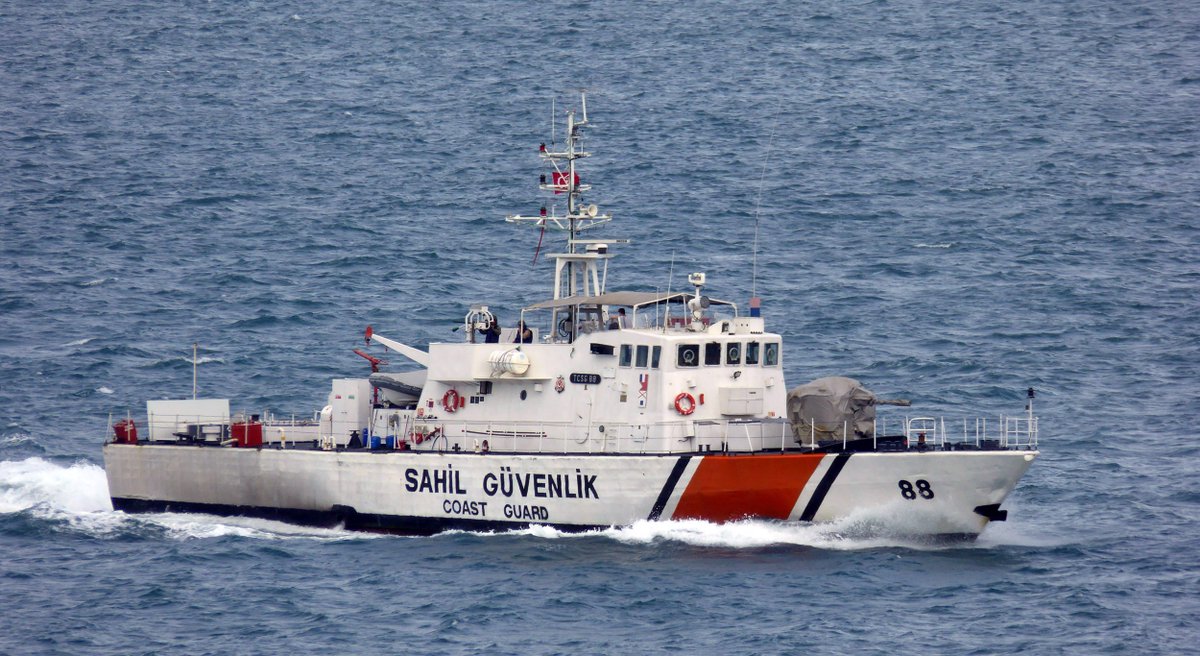
Στις 11 Φεβρουαρίου, η Κύπρος ανακοίνωσε πως ο τουρκικός στρατός διενήργησε ασκήσεις που εμπόδισαν πλοίο της ιταλικής εταιρείας Eni. Η Κύπρος έχει προσλάβει την εταιρεία για εξορύξεις στα ύδατά της, τα οποία η Τουρκία διεκδικεί ως δικά της. Στη συνέχεια, στις 12 Φεβρουαρίου, τουρκική ακταιωρός εμβόλισε πλοίο του ελληνικού λιμενικού το οποίο βρισκόταν αγκυροβολημένο ανοικτά των Ιμίων, που τα διεκδικούν τόσο η Ελλάδα όσο και η Τουρκία. Ως απάντηση και στα δύο επεισόδια, η Ευρωπαϊκή Ένωση εξέδωσε ανακοίνωση ζητώντας από την Τουρκία να «αποφύγει οποιεσδήποτε ενέργειες μπορεί να βλάψουν τους δεσμούς καλής γειτονίας».

Τώρα, υπήρξε νέα εξέλιξη. Δείχνοντας να αναγνωρίζουν το αίτημα της ΕΕ, τόσο η Ελλάδα όσο και η Τουρκία στις 14 Φεβρουαρίου απέσυραν τα πλοία τους από την περιοχή των Ιμίων, σε μια προσπάθεια να αποκλιμακωθούν οι εντάσεις. Όμως, η διαμάχη μεταξύ της Κύπρου και της Τουρκίας για τα οικόπεδα εξόρυξης πετρελαίου/αερίου παραμένει σε εξέλιξη.

Η Κύπρος διενεργεί έρευνες σε αρκετά πετρελαϊκά οικόπεδα της Ανατολικής Μεσογείου, σε μια περιοχή που η διεθνής κοινότητα θεωρεί ως Αποκλειστική Οικονομική Ζώνη της Κύπρου. Η Τουρκία, από την άλλη πλευρά, λέει πως τα οικόπεδα αποτελούν μέρος των εδαφών της, και γι’ αυτό ανακοίνωσε τη διενέργεια των στρατιωτικών ασκήσεων στην περιοχή. Ως απάντηση, η Κύπρος ανακοίνωσε στις 14 Φεβρουαρίου ότι σχεδιάζει στρατιωτική άσκηση με πραγματικά πυρά στις 15 Φεβρουαρίου -σ.σ. η οποία όμως τελικά δεν πραγματοποιήθηκε. Το ναυτικό της Κύπρου και το ναυτικό της Τουρκίας είναι παρόντα στα αμφισβητούμενα ύδατα, ενώ τα πλοία εξόρυξης εξακολουθούν να μην μπορούν να φτάσουν στα οικόπεδα στα οποία πρέπει να διενεργήσουν έρευνες.

Τα επεισόδια αυτά αποτελούν μέρος μιας μακροχρόνιας διαμάχης στη Μεσόγειο, η οποία έχει ενταθεί μετά την επιτυχή εύρεση κοιτασμάτων πετρελαίου και φυσικού αερίου από την Κύπρο σε ύδατα που αμφισβητεί η Τουρκία. Ίσως προειδοποιώντας για τα πρόσφατα επεισόδια, ο υπουργός Εξωτερικών της Τουρκίας Μεβλούτ Τσαβούσογλου δήλωσε την πρώτη εβδομάδα του Φεβρουαρίου πως η Τουρκία είναι έτοιμη να λάβει «όλα τα απαραίτητα μέτρα» για να προστατεύσει την τουρκική (και τουρκοκυπριακή) ιδιοκτησία της υφαλοκρηπίδας στο ανατολικό Αιγαίο. Η Τουρκία πράγματι έχει αναλάβει επεκτατικές ενέργειες στα ύδατα και, καθώς η Κύπρος συνεχίζει να ανακαλύπτει πετρέλαιο στην περιοχή, αυτή η επιθετική συμπεριφορά μπορεί να ενταθεί.

«Κάθε βήμα που οδηγεί την Τουρκία μακριά από τη δημοκρατία και το κράτος δικαίου θα επιδεινώνει την αναταραχή και τους κινδύνους που την απειλούν»

1

Του Αλκη Καλλιαντζίδη  Οικονομολόγου [email protected] www.kalkis.eu

Αυτά είναι ορισμένα λόγια από την κατάθεση υπεράσπισης του Τούρκου κατηγορούμενου Mehmet Atlan που συνελήφθη στις 10 Σεπτεμβρίου 2016, δύο μήνες μετά την αποτυχημένη απόπειρα πραξικοπήματος τον Ιούλιο στην Τουρκία, σύμφωνα με τον δημοσιογράφο Nicolas Bourcier στον ηλεκτρονικό LE MONDE στις 12-02-2018.

Ποιος είναι και γιατί κατηγορείται ο Mehmet Atlan;

Όπως λέει το σχετικό ρεπορτάζ, ο Mehmet Atlan είναι διανοούμενος, συγγραφέας, δοκιμιογράφος, δημοσιογράφος, άνθρωπος της τηλεόρασης και καθηγητής πανεπιστημίου. Αυτό-προσδιορίζεται  ως «μαρξιστής-φιλελεύθερος» (είδατε μήπως κάποια σχετική υποστηρικτική διαδήλωση στην Αθήνα ή αλλαχού από τους «ευαίσθητους για τα ανθρώπινα δικαιώματα» Συριζαίους τώρα που είναι στην εξουσία κι όχι στην αντιπολίτευση ;),  πεπεισμένος δημοκράτης, φανατικός  υποστηρικτής της ενσωμάτωσης της Τουρκίας στην Ευρωπαϊκή Ένωση (ΕΕ). Με διάταγμα, στις 29 Οκτωβρίου 2016, ο Mehmet Altan απολύθηκε από το πανεπιστήμιο της Κωνσταντινούπολης, χάνοντας έτσι τα δικαιώματά του ως καθηγητή. Δεν υπάρχει πλέον συνταξιοδότηση και ασφαλιστική κάλυψή του. Στις 11 Ιανουαρίου είχε  τα 65α γενέθλιά του πίσω από τα κάγκελα.

Πριν να πάρει τις αποστάσεις του, ο Mehmet Atlan, είχε φτάσει μέχρι του σημείου να υποστηρίξει, όπως και πολλοί άλλοι αφελείς Τούρκοι αριστεροί, τον Ερντογάν όταν προσπαθούσε να αποδυναμώσει το στρατιωτικό κατεστημένο και να γίνει Σουλτάνος στη θέση του. Ο Mehmet Atlan κατηγορείται για «τρομοκρατία» και «για απόπειρα ανατροπής της κυβέρνησης με πραξικόπημα». Η ποινή που επισύρει αυτό το κατηγορητήριο είναι τρις ισόβια και η υπόθεσή του άρχισε να εκδικάζεται από την περασμένη Δευτέρα και επί 5 μέρες, μέσω τηλεδιάσκεψης από ειδική αίθουσα της φυλακής στην οποία είναι κρατούμενος. Ο λόγος αυτής της οργής του καθεστώτος Ερντογάν ; Ο Mehmet Altan βοήθησε το Hizmet, δηλαδή το  κίνημα που ξεκίνησε ο ιεροκήρυκας Fethullah Gülen, το οποίο οι τουρκικές αρχές θεωρούν ως τον εγκέφαλο της ανατροπής της 15ης Ιουλίου 2016, προσπαθώντας να περάσει «ένα υποσυνείδητο μήνυμα πραξικοπήματος» (!) κατά τη διάρκεια τηλεοπτικής συζήτησης που μεταδόθηκε την παραμονή του  πραξικοπήματος (14 Ιουλίου) στην οποία ήταν καλεσμένος.

Μια «δικαστική  μηχανορραφία»

Δύο φορές, στα μέσα Ιουνίου και το Σεπτέμβριο του 2017, ο Mehmet Altan προσπάθησε ενώπιον του αρμόδιου δικαστή της υπόθεσης, να καταγγείλει με τα λόγια του και τον τρόπο του την  καφκική πτυχή της κράτησής του. Υποστήριξε και υπενθύμισε υπομονετικά τα στάδια της καριέρας του και τη στάση του υπέρ του κοσμικού κράτους (τι σχέση θα μπορούσε αλήθεια να έχει ένας μουσουλμάνος ιεροκήρυκας σαν τον Fethullah Gülen με την κοσμικότητα😉 και ενάντια στον αυταρχισμό. Σε αυτό το σημείο μίλησε για το πλαίσιο των εντάσεων στις οποίες βυθίστηκε η Τουρκία και επανέλαβε, μία προς μία, τις φράσεις που  διατύπωσε εκείνο το βράδυ, κατά τη διάρκεια αυτής της εβδομαδιαίας εκπομπής στην οποία προσκαλούνταν τακτικά. Χωρίς περιστροφές, κατήγγειλε ο Mehmet Altan μια «δικαστική μηχανορραφία που βασίζεται όχι στην εφαρμογή του νόμου αλλά στις υποκειμενικές εκτιμήσεις». Επεσήμανε τις αντιφάσεις ενός κατηγορητηρίου 247 σελίδων «απλά και μόνο αντιγραμμένο από μια άλλη υπόθεση και από τις οποίες μόνο δύο σελίδες τον αφορούν». Υπογράμμισε τον δυσνόητο χαρακτήρα του επιθέτου «βραχίονας των μέσων ενημέρωσης της απόπειρας πραξικοπήματος» που του αποδόθηκε από τους δικαστικούς. «Αναλύω τα πραξικοπήματα στην Τουρκία για περισσότερα από 30 χρόνια, έγραψα βιβλία για το θέμα αυτό και ως εκ τούτου παρείχα προειδοποιήσεις στην τηλεοπτική εκπομπή. Προειδοποιήσεις ενάντια στις αυταρχικές υπερβολές μιας κυβέρνησης, τις δυσλειτουργίες ενός κράτους και τους συναφείς κινδύνους. «Δεν έχω τίποτα να κρύψω, τίποτα δεν φοβάμαι», είπε. Εάν κατηγορούμαι και απειλούμαι με τρεις φορές ισόβια κάθειρξη, είναι επειδή δεν φοβάμαι, γιατί δεν εκφοβίζομαι, γιατί αντιμάχομαι τις προκατασκευασμένες ιδέες, επειδή δεν είμαι πένα που πωλείται, γιατί ποτέ δεν μείωσα τον αγώνα μου για την ελευθερία, δημοκρατία και τον νόμο. Και τελειώνοντας συμπλήρωσε : «Κάθε βήμα που μας οδηγεί μακριά από τη δημοκρατία και το κράτος δικαίου θα επιδεινώνει την αναταραχή και τους κινδύνους που απειλούν την Τουρκία».

Υπάρχουν άλλοι κατηγορούμενοι στην ίδια υπόθεση ;

Δύο άλλοι καλεσμένοι της τηλεοπτικής εκπομπής της 14ης Ιουλίου 2016 συνελήφθησαν επίσης. Ο αδελφός του, Ahmet Altan, διάσιμη προσωπικότητα της τουρκικής δημοσιογραφίας, πρώην συντάκτης της καθημερινής εφημερίδας Taraf, ένα από τα 160 κλεισμένα μέσα ενημέρωσης μετά το αποτυχημένο πραξικόπημα, και η Nazli Ilicak, μια συντηρητική πολιτική δημοσιογράφος και πρώην βουλευτίνα του κόμματος Δικαιοσύνης και Ανάπτυξης (ΑΚΡ), υπό την ηγεσία του Ρετζέπ Ταγίπ Ερντογάν. Κινδυνεύουν από μια παρόμοια ποινή. Στο μεταξύ το Τουρκικό Συνταγματικό Δικαστήριο (AYM) ανακοίνωσε ότι η κράτηση του Mehmet Altan ήταν μια «παραβίαση του νόμου». Όμως το δικαστήριο που εκδικάζει την υπόθεση αυτή αρνείται την εντολή του Ανωτάτου Δικαστηρίου, με αποτέλεσμα να διατηρείται η φυλάκισή του. Ο Ergin Cinmen, ο δικηγόρος που συντονίζει την υπεράσπιση των αδελφών Mehmet και Ahmet Altan δεν είναι πολύ αισιόδοξος για την έκβαση της δίκης. Για αυτό κι έχει γίνει προσφυγή ενώπιον του Ευρωπαϊκού Δικαστηρίου Ανθρωπίνων Δικαιωμάτων.

Αφού λοιπόν το μαλακό δικτατορικό υπογάστριο της Τουρκίας είναι η συνεχής παραβίαση των ανθρωπίνων δικαιωμάτων των Τούρκων που την εκθέτει παγκοσμίως, ας φέρνουμε διαρκώς στο φως της δημοσιότητας τα πραγματικά περιστατικά που πέφτουν στην αντίληψή μας από τα διεθνή μέσα ενημέρωσης : έντυπα, ηλεκτρονικά, διαδικτυακά.


INFOGRAPHICS OF COAST GUARD VESSELS #6: The large patrol vessels of the Turkish Coast Guard

0

Written by D-Mitch 

Thursday, 15 February 2018

The Turkish Coast Guard 1,700-ton Guven. Photo by Yoruk Isik
This is the sixth post about infographics of various coast guard vessels and coast guard fleets from around the world. Following the previous post about the offshore patrol vessels of the Hellenic Coast Guard and due to the very recent incident between the two countries where their largest ships were involved (Umut from Turkish side and Gavdos from the Greek side), I created an infographic where I depict the large patrol vessels (>100tons and >34 meters) of the Turkish Coast Guard (Türk Sahil Güvenliği), as of February 2018. It should be mentioned here that the Turkish Coast Guard has much more large boats (55 boats larger than 30 meters) than the Hellenic Coast Guard (Λιμενικό Σώμα), has built several new and highly sophisticated patrol boat classes locally, and the majority of those ships have or received modern electro-optical sensors and remote-controlled stabilized machine gun platforms (RWS). Moreover, 33 boats are equipped with 40mm gun turrets except the usual armament of a pair of 12.7mm heavy machine guns. Notice though that Turkey currently has only four (very) large offshore patrol vessels while all the rest are smaller than 41 meters. There are plans to replace older classes such as the Type 80 class.
Electro-optical sensor on a TCG
vessel. Photo by turkishnavy.net
STAMP RWS. Photo by Aselsan
SAR 33 class PB, modernized with
an EO sensor among others.
By turkeythroughmycameralens.com
40-meter Type 80 PB with eo-sensorr
Photo by alper boler
45m KAAN 33PB and 31m KAAN 29
Photo by alper boler

In comparison with Turkey, Greece has just five boats larger than 47 meters while all the rest of its boats in the fleet are smaller than 30 meters. There is no single boat between 30 meters and 47 meters (Arkoi) in the Greek fleet. In order to fill this gap, Greece will acquire at least three (3) boats (plus one option) between 30-40 meters, fully armed with RWS, in the near future, as it was reported in the previous post.  Also, except the three Sa’ar 4 class OPVs and the three CB-90HCG CPBs, the rest of the patrol boats are armed with just one or two machine guns manually operated.

The Turkish Coast Guard large patrol vessels as of February 2018. High resolution image here.

Sources:

INSTEAD OF TURNING EAST, TURKEY IS GOING IT ALONE

0

NICK DANFORTH

Since Recep Tayyip Erdogan’s Justice and Development Party (AKP) came to power in late 2002, there’s been talk about the West “losing Turkey.” Now, amidst mutual recrimination and the frightening possibility of direct U.S.-Turkish military confrontation in northern Syria, Washington’s worst fears about Turkish foreign policy seem dangerously close to being realized.
And yet something strange seems to have happened. For the last 15 years, the risk of “losing Turkey” was usually linked to the idea of Turkey “turning East.” The fear was that the AKP would shift Turkey’s orientation from West to East, with new allies like Iran and Syria replacing America and Europe. What happened instead was that Turkey turned against the West without necessarily having anywhere else to turn. Today, as Turkey threatens the U.S. military in northern Syria, relations with Tehran and Damascus, not to mention Moscow, remain tense.
In other words, the West is in real danger of losing Turkey, but this has not resulted from, or been accompanied by, improved relations between Turkey and any of its Eastern neighbors. If anything, it was the failure of Turkey’s sequential turns East, both before and after the Arab Spring, that set the stage for its current rift with the West. Unfortunately, this unexpected situation does not offer Washington much cause for relief. Turkey’s willingness to take on America in the absence of other potential allies suggests how difficult the current crisis could be to overcome.
In the 2000s, Turkey, under the guidance of the AKP’s then-foreign policy guru Ahmet Davutoglu, worked to improve relations with its Middle Eastern neighbors. At the time, supporters of this approach, including those outside the AKP, argued that Turkey’s new regional relationships need not come at the expense of older allies. On the contrary, they claimed better ties with the Middle East would improve Turkey’s economy and regional prestige, thereby making it a more appealing partner for, say, the European Union. In Syria, for example, Turkish rhetoric emphasized that Turkey could act as a big brother helping to coax Assad, still viewed by many as a potential reformer, into the Western world. And with Turkish businessmen making money in Syria while Turkish diplomats sought to negotiate a Syrian-Israeli peace deal, it seemed for a spell as if Turkey was successfully embracing its cliché of being a bridge between East and West.
But when the so-called Arab Spring began, it forced a recalibration of Turkish policy by disrupting Turkey’s profitable relationships with a number of regional strongmen. Ankara initially opposed NATO intervention in Libya, where Turkish businesses had 15 billion dollars’ worth of outstanding contracts. And after protests broke out in Syria, Davutoglu first went to Damascus, where he encouraged Assad to pursue a more moderate path. Quickly, though, with uprisings gaining momentum across the region, Ankara concluded that they were likely to succeed and that supporting them could be a source of expanded regional influence.
As a result, in the early years of the Arab Spring the United States and Turkey were, broadly speaking, on the same side. If Ankara was considerably more enthusiastic about the Islamist character of these popular uprisings, there was nonetheless a shared hope that in Tunisia, Egypt, Libya, and Syria some form of self-government would replace autocracy. When these hopes were dashed, however, the differences between American and Turkish goals came to the fore.
In 2013, for example, when the Egyptian military ousted an elected Muslim Brotherhood government, Washington took it in stride. Whatever reservations the Obama administration may have had, it was prepared to work with General Abdel Fattah el-Sisi, to this end even maintaining the official fiction that he had not come to power in a coup. Erdogan, by contrast, stood by the Brotherhood, adopting the movement’s Rabia symbol as his own while relations with Sisi soured. Whether principled, obstinate, or a mix of the two, Erdogan’s approach put him at odds not only with Washington but also Saudi Arabia and the United Arab Emirates, setting the stage for Turkey’s isolation in the region.
At the same time, setbacks in Syria’s civil war were also exacerbating the same fissures. While both Washington and Ankara supported the anti-Assad opposition, they differed considerably in the lengths they were prepared to go in that support. Turkey became frustrated after coming to expect, rightly or wrongly, that the United States would intervene directly in the summer of 2013. U.S. policymakers, for their part, became alarmed at Turkey’s willingness to back the most radical elements of the opposition, with Turkish support for al-Nusra — an arm of al-Qaeda — becoming a festering wound in the bilateral relationship.
These tensions ultimately grew into the strategic rift tearing the United States and Turkey apart today. In 2014, ISIL emerged as Washington’s primary concern in Syria, pushing the goal of toppling Assad further into the background. For Erdogan, by contrast, the focus was still Assad (and, increasingly, the Kurdish nationalist movement). As a result, when the United States proposed a series of joint operations narrowly targeting ISIL in northern Syria, Turkey countered with more sweeping proposals, arguing that a lasting solution to the threat posed by ISIL required regime change in Damascus.
The consequences of this impasse are now clear. Like its predecessor, the Trump administration embraced a Syrian Kurdish force called the People’s Protection Units (YPG) as its preferred partner against ISIL. Ankara, by contrast, following four decades of conflict with Kurdish separatists, identified the YPG — an arm of the PKK — as its primary security threat. As a result, Erdogan reoriented its Syria policy toward countering the YPG, and now the United States and Turkey are engaged in a dangerous game of chicken in northern Syria. Erdogan, for his part, is demanding that U.S. soldiers evacuate the YPG-held territory of Manbij in anticipation of a Turkish attack. U.S. officials, in turn, have refused, saying that the special operation forces there “will be able to defend themselves.”
And yet while Syria has driven the United States and Turkey apart, it has also stubbornly prevented improved relations with other regional powers. Erdogan has repeatedly signaled his willingness, however grudging, to accept Assad’s victory. But despite pictures of Erdogan, Putin and Iranian President Hassan Rouhani smiling together at Sochi, a negotiated settlement remains out of reach. Neither Russia nor Iran — both of whom Turkish politicians sometimes tout as potential replacements for the United States — seem terribly eager to accommodate Turkish interests. In recent weeks, a de-escalation agreement covering the territory of Idlib has broken down, pitting Turkey and its proxies and the regime and its backers.  Amidst allegations that Turkey has renewed its support for rebel groups in Idlib, Turkish military convoys entering the territory were attacked and Turkey has shelled regime targets there. After rebels downed a Russian plane, Russia temporarily cut off Turkish access to Syrian airspace, showing its ability to undermine Turkey’s campaign against the YPG in Afrin at will. At the same time, reports emerged that Iran was providing the YPG forces with direct assistance, suggesting Turkey had succeeded however briefly in bringing Washington and Tehran together behind its enemy.
Meanwhile, with Syria dominating Turkish foreign policy, many other Middle Eastern states still remain skeptical of Turkish influence in the region. Turkish policymakers once used “Neo-Ottomanism”  as a positive term for their attempt to capitalize on historic and religious ties with the Muslim world. Now, it appears more often in the rhetoric of Middle Eastern writers and politicians condemning what they see as Turkish imperial interference. In a recent spat between Turkey and the United Arab Emirates, the Emirati Foreign Minister accused the Ottomans of plundering sacred relics from Medina during World War I. Erdogan, in response, accused the Arabs of betrayal for siding with the British against their Ottoman co-religionists. More substantially, Turkey’s support for Qatar, as well as Islamist factions in Libya, has inflamed tensions with Saudi Arabia, Egypt and the United Arab Emirates. In Iraq, by turn, Ankara improved its strained relations with Baghdad by firmly opposing a Kurdish bid for independencelast fall. But disagreements still remain, while Turkish relations with the Kurdistan Regional Government, which had once been quite close, have yet to fully recover.
So what does this mean for the United States? Will Turkey’s strained relations with its neighbors help save its fraying ties with the West? Not necessarily.
Debates about Turkey’s “turn east” over the past decade often focused on whether this policy was part of a coherent Islamist agenda or simply a pragmatic response to Turkey’s evolving economic and geopolitical circumstances. But in retrospect this framing failed to address the role of anti-American or anti-Western sentiment as a factor in itself.  Both Turkey’s pre- and post-2011 Syria policies, befriending Assad and trying to overthrow him, could have been pragmatic policies pursued in cooperation with Turkey’s Western partners.  And yet both approaches, for different reasons, were also compatible with an underlying hostility toward the West.
What makes the current situation alarming is that anti-Western hostility, which extends far beyond Erdogan’s base, now appears to be driving policy independent of pragmatic or specifically Islamist concerns. Erdogan, for example, is now courting U.S. sanctions by purchasing S-400 air defense systems from Moscow. His decision appears motivated in part by a genuine belief that he needs them for self-protection following a 2016 coup attempt that he, like a majority of his citizens, believes was orchestrated by the United States. By comparison, Ankara’s anger over U.S. support for the YPG makes much more sense. But it has been dangerously inflamed by a climate of rampant nationalism. Most recently, Meral Aksener, a nationalist politician who has emerged as a potential challenger to Erdogan, called for Turkish forces to move east and attack territories where American soldiers are present.
Only against this backdrop is it possible to imagine a worst-case scenario where, say, direct fighting between U.S. and Turkish troops pushes both sides toward a decisive rupture that each hopes to avoid. Were this to happen, Ankara would face hard decisions about whether to try to pragmatically patch things up or embrace an unequal and unrewarding relationship with an unsympathetic power like Russia.  It remains to be seen whether Ankara’s lack of other options will be enough to save the U.S.-Turkish alliance. But Washington would do well not to count on it.
Nick Danforth is a Senior Policy Analyst at the Bipartisan Policy Center. He completed a PhD in Turkish history at Georgetown University and has written widely on Middle Eastern politics.
https://warontherocks.com/2018/02/turkey/