Αρχική Blog Σελίδα 2850

Now is the time to act against Iran.

0

By RACHEL AVRAHAM

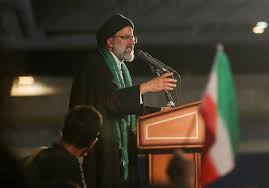
Ebrahim Raisi speaks during a campaign meeting at the Mosalla mosque in Tehran, Iran, May 16, 2017. Picture taken May 16, 2017. . (photo credit:” REUTERS)
In recent days, it appears that both Israel and the United States are increasingly determined to act against the Islamic Republic of Iran. After Iran shot down an Israeli jet, the need for Israel to take strong action against Iran and its proxies has become apparent, for the Iranian regime is a threat to the entire free world and the State of Israel in particular.

The Iranian regime calls for the annihilation of Israel. With the Iranian nuclear deal, the Iranian regime has become emboldened to spread its tentacles across the Middle East, thus creating a “Shi’ite crescent” that connects Tehran to the Red Sea and the Mediterranean Sea. And presently, it is in the process of building a terrorist base in Syria that poses a direct strategic threat to the State of Israel.

Speaking at a Munich Security Conference, Prime Minister Benjamin Netanyahu implied that the State of Israel will no longer sit by silently as Iran creates a terrorist base along the country’s northern border: “Israel will continue to prevent Iran from establishing a permanent military presence in Syria. Israel will continue to act to prevent Iran from establishing another terror base from which to threaten Israel. Israel will not allow Iran’s regime to put a noose of terror around our neck. We will act without hesitation to defend ourselves. And we will act, if necessary, not just against Iran’s proxies that are attacking us but against Iran itself.”

Netanyahu’s remarks come after US Secretary of State Rex Tillerson proclaimed that the US will stay in Syria to ensure that areas newly liberated from Islamic State (ISIS) will not fall into the hands of Iran: “We cannot repeat the mistake of 2011. A premature departure from Iraq allowed al-Qaida in Iraq to survive and to eventually become ISIS.”

Given these new developments, the time has come for both the US and Israel to form an alliance with locals in Syria, Lebanon, Iraq and in Iran itself, to bring the Iranian threat to a halt once and for all. As the recent war against ISIS demonstrated, air-strikes alone will not do the job of eliminating any threat to the free world. To eliminate the danger posed by the Iranian regime, one truly needs boots on the ground. During the war against ISIS, the Kurds were America’s boots on the ground, and combined with the coalition air-strikes successfully rid most of Syria and Iraq of the ISIS menace.

Based upon this model, both the US and Israel should be reaching out to the Kurds, Druze, Beduin and moderate Sunni Arabs in Syria; the Christians and Druze in Lebanon; the Balochis, Kurds, Azeris, Ahwazi Arabs and young Persians opposed to the Iranian regime in Iran; and of course, the Kurds who have autonomy in northern Iraq. They are our best hope for countering the negative influence of the Iranian regime in the Middle East.

Both Israel and the US should empower them to take on the Iranian regime directly on the ground while both countries provide them with support from the air. This is the only effective way to rid the Middle East region of the Iranian threat. Anything short of this will not have the desired result of countering negative Iranian influence in the Middle East.

As we speak, on the ground in Syria, Lebanon and Iraq, Iran has created essentially a Persian terrorist empire. Iraqi Prime Minister Haider Abadi, Hezbollah and Syrian President Bashar Assad are all puppets of Iran who have much in common with the Iranian regime. Each of these Iranian-backed regimes is brutally suppressing any and all dissent. Each of these regimes is a major human rights abuser opposed to Israel’s right to exist and willing to use brute force to suppress its own people.

And given the present weakness of Hezbollah, the Assad regime and Abadi, all of these puppets rely upon Tehran to stay in power. When Iran is their lifeline, these regimes won’t be persuaded to distance themselves from Iran no matter how much foreign pressure is placed upon them.

Without Iranian support, Iraq would have been divided into three states, Assad’s regime would have fallen and Hezbollah would have been significantly weakened in Lebanon long ago. For this reason, Iran has become deeply entrenched in Iraq, Syria and Lebanon. In fact, Iran has become so deeply entrenched within these three countries that Iranian influence will not fade away with a couple of air-strikes; Iran’s control over Iraq, Syria and Lebanon impacts every aspect of life in these countries.

Therefore, it is only via complete regime change in Syria, Lebanon, Iraq and in Iran itself that the adverse influence of the Iranian regime will come to an end. And who is most likely to bring this regime change about? In Syria and Iraq, there already is some Kurdish autonomy. This autonomy has been weakened after Abadi and his Shi’ite militias, backed by the Iranian Revolutionary Guards, attacked the disputed areas of the Kurdistan Region, and Turkey, backed by its ex-Muslim Brotherhood, ex-ISIS and ex-Al Nusra Front allies attacked Afrin and the surrounding areas. However, the damage that was done can be undone with both Israeli and American air support.

Despite the damage inflicted upon the Kurds in Afrin and Kirkuk, the Kurds remain our most trusted partner, who have the potential to entirely block the pathway of the Shi’ite crescent from Tehran to the Mediterranean Sea. The Kurds together with the Christian Arabs and Druze in Lebanon, the Druze and Beduin in Syria and the Balochis, Ahwazi Arabs, Azeris and young revolutionaries in Iran present a viable alternative to the Iranian regime’s reign of terror. If emboldened by Israeli and American air support, they can change the status quo in the region in both America’s and Israel’s favor.

The author is a senior media research analyst at the Center for Near East Policy Research and a correspondent for the Israel Resource News Agency. She is the author of Women and Jihad: Debating Palestinian Female Suicide Bombings in the American, Israeli and Arab media.

http://m.jpost.com/Opinion/Now-is-the-time-to-act-against-Iran-543696/amp?__twitter_impression=true

Erdogan Tells a Weeping Girl, 6, She’d Receive Honors if Martyred

0
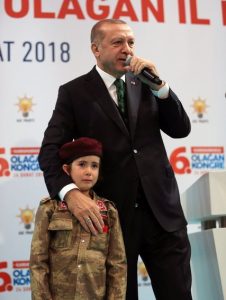
President Recep Tayyip Erdogan of Turkey with Amine Tiras, 6, in Kahramanmaras on Saturday. “Maroon berets don’t cry,” he told her.CreditTurkish Presidential Press Office, via European Pressphoto Agency

ISTANBUL — From a stage where he led a raucous rally exhorting Turks to support their soldiers in Syria, the Turkish president spotted a 6-year-old girl cadet in the crowd, dressed in military-style camouflage and wearing a maroon beret. Her lips trembling, she stood ramrod-straight as she gave a salute.

Beckoned by the president, the girl was lifted into the air and toward the stage to meet with him. But she looked hesitant, and eventually began crying, as the president went on to say that she would be honored if she were killed in combat.

Video clips of the encounter between the president, Recep Tayyip Erdogan, and the first grader, Amine Tiras, ricocheted across the internet over the weekend. While Turkish news agencies focused on the girl’s emotions — portraying her as brave and resolute — some online commentators said she had been used as a political prop and called it inappropriate.

At the very least, the themes of military service, patriotism and martyrdom seemed rather mature for a first grader.

“Her Turkish flag is in her pocket,” Mr. Erdogan proclaimed after calling Amine onstage. “If she becomes a martyr, God willing, she will be wrapped with it,” he said. “She is ready for everything, aren’t you?”

Mr. Erdogan has dispatched Turkish forces to the border area of Syria to battle Kurdish militias he considers Turkey’s enemies, and has been rallying his country for the fight including in daily public speeches.

The girl, according to Turkish news agency reports, had been attending the provincial congress of Mr. Erdogan’s Justice and Development Party in a military-style uniform on Saturday.

Erdoğan’dan küçük kız çocuğuna Video by Artı Gerçek

The Maroon Berets are fighting in Afrin, a Syrian enclave the Turks are trying to take from the Kurds, and when the president noticed the girl’s beret, he called her to the stage.

“Look, look, look, what is there? Girl, what are you doing there?” he called out. She held her salute, but her face began to crumple in anxiety as she was lifted out of the crowd to meet the president. “Here are our Maroon Berets. Look, we have our own Maroon Berets,” Mr. Erdogan said as she crossed the stage.

Mr. Erdogan kissed her on both cheeks, but by then she was in tears.

“But Maroon Berets don’t cry,” the president said.

Amid the applause, supporters in the audience chanted: “Chief, take us to Afrin,” news agencies reported. Mr. Erdogan thanked the volunteers but said the Turkish Army had professional soldiers to do the job.

Turkey has a longstanding culture of nationalist militarism, with popular slogans such as “Every Turk born a soldier.” Since the Afrin operation began last month, the government has mounted a national campaign in support of the war, with billboards and banners praising the armed forces and saluting those fallen in battle, who are accorded the honor of martyrs.

Mr. Erdogan recently made an alliance with the right-wing Nationalist Movement Party to bolster his chances for coming elections and has used the military campaign to improve his stance with nationalists.

He makes public speeches every day and sometimes several times a day, peppering his speeches with nationalist and anti-Western jibes as well as poetry and religious sayings, conjuring glories of Turkish history. He vows to protect Turkey’s borders and to fight terrorism, and rallies popular support for the war, listing the number of enemies killed and commending the nation’s martyrs.

Mr. Erdogan’s remarks to the girl on Saturday drew criticism from some on social media, who felt that the talk of martyrdom was inappropriate for a child so young. “Oh my God, I am shocked. Could Erdogan have said the same thing for his grandchild?” one user wrote on Twitter.

The mainstream press, which has been increasingly under the thumb of the government, did not focus on the girl’s tears. Many newspapers showed images of Mr. Erdogan with Amine under his arm. One had the headline, “She is ready for anything.” Other news agencies reported that Mr. Erdogan had consoled the girl as she cried.

https://www.nytimes.com/2018/02/26/world/europe/turkey-erdogan-girl-martyr.html

Italy’s Election Is a Shipwreck

0

Italians are rearranging the deck chairs as their country irrevocably sinks.

 
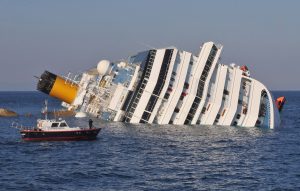
The cruise ship Costa Concordia off the Italian island of Giglio, on Jan. 14, 2012. (Laura Lezza/Getty Images)

A few weeks ago, an Italian magazine asked me to illustrate graphically how I see Italy from abroad. I am incompetent at drawing, but an image instantly popped in my mind: the Costa Concordia shipwreck in the Mediterranean Sea in 2012. Italy, too, is a beautiful ship slowly sinking because of the ineptitude of its captain — or captains, as it were.

Surprisingly, this is not the view most Italians have of their own country. Most recognize the Italian ship is taking water on board, and that in theory it could sink by defaulting on its public debt. But Italians have faith that the Stellone Italiano (the Italian lucky star) will save them at the last minute, just as it has historically bailed out the Italian soccer team in World Cup matches.

Yet, just as the Italian lucky star seems to have abandoned the national soccer team, which failed to qualify for the upcoming World Cup for the first time in 60 years, it might also be inadequate as Italy approaches the astral combination of three crucial events: the end of monetary quantitative easing, the possibility of a U.S. recession (which some forecasters estimate at 50 percent in the next two years), and the national election on March 4.

The latter is the only event within the direct control of Italians themselves. But looking at the economic platforms of their various political parties, there’s little reason to hope they will take this last chance to save their country.

A light at the end of the tunnel?

My image might appear unjust. People in the United States are familiar with high-quality Italian exports, not only in fashion and food (the success of Eataly is an example), but also in high-tech manufacturing, from Ferrari to Technogym. If you are lucky enough to travel to Italy, you will find a beautiful country with high standards of living and lovely people. This rosy picture is also supported by recent economic data. In 2017, Italian GDP grew 1.5 percent, industrial production was up 4.9 percent, and Italians are now feeling — for the first time in a decade — more optimistic about their future. So why do I portray Italy as a sinking ship?

What is jeopardizing the future of Italy is a lethal combination of four factors: lack of productivity growth, a very negative demographic outlook, oppressive levels of public debt, and a political impasse in the eurozone that on the one hand puts the country at continuous risk of speculative attacks, and on the other makes election superfluous, engendering a sense of loss sovereignty that fuels nationalism and populism.

Why productivity growth halted

In the 1950s and 1960s, Italian productivity (output per hour worked) grew faster than most advanced nations, generating what is commonly known as the “Italian economic miracle.” In the 1970s and 1980s, in spite of high inflation and social tensions which led to a serious terrorism problem, Italian productivity grew in line with most developed nations. Yet in the mid-1990s, Italian productivity stopped growing. This phenomenon predated the 2008 financial crisis and persisted afterward. As a result, Italian per capita income today is no different than a quarter-century ago. What can explain such a sudden stop?

Opponents of the euro blame Italy’s productivity stagnation on the fixed exchange rate imposed by the common currency. While the inability to devalue might impact the amount of export, it is not obvious why it should impact productivity. In fact, the competitiveness lost in the exchange rate should have pushed firms to increase their efficiency. If the euro is to be blamed, the only possible channel is through demand effects: the combination between demographic stagnation and export decline might have curtailed new investments, reducing the embedded technological improvements that would have come with new machines.

However, Italian problems are deeper than the euro. As Bruno Pellegrino and I have shown, the lack of productivity growth can be blamed on two main factors: low capital investments and an inability to exploit the information and communication technology (ICT) revolution that hit the Western economies in the mid-1990.

It is easy to explain the low capital investment with the Italian distorted tax system that taxes productive capital more than financial and real estate investments. But why was Italy unable to take advantage of the ICT revolution?

Several studies show the complementarity between merit-based management and ICT investment. Compiling data on performance is of little value if workers are not compensated and promoted based on performance, but rather for loyalty owed to their boss. Italian small and medium enterprises are controlled by old patriarchs who value loyalty more than performance. Large Italian firms are controlled by the government or severely influenced by the government, and political affiliation matters more than performance. In other words, the lack of meritocracy pervading the country has jeopardized its ability to take advantage of the ICT revolution.

One of my favorite lines — which greatly endears me to the Italian establishment — is that Italy is the country with the smartest secretaries and the dumbest managers. This outcome is not just the result of bad luck, but of lack of meritocracy. If you are not born in the right family, if you are not politically connected, and especially if you are a woman, you will find the career ladder blocked. By contrast, well-born charming men can easily make it to the top, even when they lack the necessary talents.

No country for young men (or women)

In Goethe’s masterpiece The Sorrows of Young Werther, the protagonist commits suicide not just for the pain of love, but for the lack of hope. Born bourgeois in an aristocracy-dominated society, he saw no opportunity for social promotion.

Young Italian people face similar despair. If you are honest and bright your best chance is to emigrate. While youth unemployment has declined in the last year, still one out of three people between the 15 and 24 years old is without a job. Even those who are lucky enough to have one, tend to have temporary positions, are paid poorly and lack stability. Selection is based more on who you know than what you know. The best student in my high school class in Padua, who went to the best university in Italy and later earned a doctorate in the United States, is still a high school teacher in Italy. My young niece, with a pharmaceutical degree, was shocked to see how nurturing American doctors are of young pharmacists and how and respectful they are; in Italy she was belittled when not harassed.

When I emigrated 30 years ago, only a few Italians felt like that was the only option for them. Today, it is a common feeling

When I emigrated 30 years ago, only a few Italians felt like that was the only option for them. Today, it is a common feeling

. In 2016, 124,000 Italians between the ages of 18 and 34 left the bel paese, roughly 2 percent of the population in that cohort. This is the reason why talented Italians populate American universities and firms all over the world: They find a way to emerge which they cannot find at home.This lack of meritocracy has not only hampered productivity and induced the brightest and more dynamic young people to leave; it has also reduced fertility. When young people are unemployed or poorly paid, how can they afford to have children? By the time they can afford to start a family, they are too old to do so. In the United States my son could support himself completely and choose to get married at age 24. Who could do the same in Italy? As a result, the fertility rate in Catholic Italy is only 1.37 births per woman, well below the rate of 2.1 needed to maintain the population at its current level.

Unpleasant arithmetic

Lack of productivity growth, lack of population growth, loss of talent, and now an increased opposition to immigration make the Italian public debt difficult to sustain. Unlike personal debt, government debt does not need to be repaid; it can be rolled over as long as a government is able to pay the current interest and the market expects it will continue to do so in the future. For that to hold, the ratio between debt and GDP must not rise in perpetuity.

In practice, that condition depends upon two factors: the size of the government’s primary surplus (the difference between the tax revenues and government expenditures other than interest expenses) and the difference between nominal interest paid and nominal growth of GDP. Large primary surpluses are difficult to sustain, both economically and politically. Thus, the difference between the nominal interest rates on debt and the growth rate is crucial.

This condition held in 2017, yet for only the first time in a decade. And it was due to the lucky coincidence of three factors. First, Italy was increasing its capacity utilization after years of recessions, generating a real growth rate above what can be expected in the long term, when the real growth rate is driven only by productivity growth and the growth in the number of existing workers. Second, Italy was greatly benefiting from U.S. and European expansion, which increased demand for exports and from relatively low oil prices that increased the competitiveness of its export. Third, the interest cost on the government debt was kept artificially low by the massive purchases of government debt undertaken by the European Central Bank through its quantitative easing (QE) program.

Were any of these lucky factors to disappear, the sustainability of the Italian debt would be jeopardized

Were any of these lucky factors to disappear, the sustainability of the Italian debt would be jeopardized

. And we know that QE is unlikely to continue beyond the current year and several forecasters put the odds of a U.S. recession in the next two years at 50 percent. Therefore, in the next few years Italy will have to navigate between the Scylla of the end of the quantitative easing in Europe, which will lead to higher interest rates, and the Charybdis of a U.S. recession, which might lead to lower growth. Either one could be fatal; the combination of the two will be absolutely lethal. If the market perceives Italian debt to be unsustainable, there would either have to be a European bailout or Italy would be forced to exit the eurozone. Thus, it would be obliged to choose between Greece’s fate of recent years or Argentina’s in 2001.Rational fatalism

Despite all these risks, the interest spread between Italian bonds and German bunds hovers around 140 basis points, a low level for a country that has seen its debt-to-GDP ratio continuously increase in the last 10 years to a whopping 133 percent. If the situation is so dire, why are not only Italian voters, but also international financial markets so complacent?

The answer is very simple: They have all learned the lesson of the past euro crisis. In 2011, the Italian government debt market was hit by a crisis of confidence. The additional interest (spread) investors were demanding to invest in Italian debt skyrocketed in a few months from less than 200 basis points to 554. Between November 2011 and June 2012, the country did everything it could to improve its fiscal situation by passing a very tough pension reform and overseeing a significant increase in the primary surplus. Yet, in July the spread was still around 500 basis points. It was only when the European Central Bank President Mario Draghi promised to do “whatever it takes” to save the integrity of the euro (and so the survival of Italy in it) that the spread started to decline, shrinking even further with the beginning of the QE program.

The lesson learned here is that Italian policies do not matter, only those of the ECB. This lesson cuts two ways. First, even if the antiestablishment parties win on Sunday, they will find it impossible to govern without the ECB’s consent. Thus, the European Union and the ECB will ultimately shape Italian economic policy, as we have seen in Greece. This is the reason why the markets are so calm. But this is also the reason why nationalist and populist sentiments are rising in Italy. If voting does not impact economic policy, why not use it to express frustration? And frustration against Europe runs high, especially due to the way it dumped the responsibility of dealing with the immigration flow on frontier countries like Italy and Greece.

The second lesson learned from the crisis is there’s no clear reason a government should cut expenditures and raise taxes if this effort can be easily undone by decisions made in Europe. For example, the former German Finance Minister Wolfgang Schäuble wanted to impose a form of bail-in even for government debt (which will force losses on Italian debtholders before accessing any European help package). If European officials begin to seriously discuss this possibility, it could trigger a panic in the Italian debt market — a panic that would easily destroy years of hypothetical economic sacrifices.

A surreal election

With these incentives, even Scandinavian politicians would behave in a shortsighted manner; Italian politicians are considerably less restrained.

The platforms of the various parties are surreal. They either idolize or blame the EU for all of Italy’s problems

The platforms of the various parties are surreal. They either idolize or blame the EU for all of Italy’s problems

, without understanding that the Italian economy cannot function outside the European market, but that the rules in place — which allow a German politician’s musings to threaten Italy’s basic sustainability — make it difficult for Italy to survive within the euro area. The only hope is a renegotiation of the rules between Italy and its European partners. But no party has a plan on how to go about doing it.Almost all the major platforms demand an increase in government expenditures, which will only worsen the Italian fiscal situation. The antiestablishment Five Star Movement is the only party that seems to put at the forefront the problem of corruption and lack of meritocracy in Italian society. Yet, it is not clear how it proposes to address these problems it if it were to win the election outright.

This is practically an impossibility, in any case, since the present government changed the electoral law in October to essentially require any future government to be a coalition between parties. This arrangement gives incumbent parties greater power; since these are the parties who have abetted all of Italy’s endemic problems, it also jeopardizes any possibility of serious reform. After the election, the likely kingmaker will be Silvio Berlusconi, resurrected as the “wise and reliable leader” despite a criminal conviction for tax fraud, which prevents him from holding any office until 2019.

The boiled frog

Lore has it that a frog put in a pot full of cold water will not jump out even when the temperature rises gradually, resulting in it being boiled alive. Italy risks the same fate. The pot is the debt burdening the country, but Europe controls the temperature. It does not want to raise it enough, because it fears the spillover of a crisis. But it has no interest in cooling it down, because this will take away the incentives for Italian politicians to act wisely (or at least so Europe thinks).

Some cynics claim that cooking Italy slowly greatly benefits Germany, the hegemonic country in Europe, which gets the best and the brightest young Italians in its workforce and can suffocate its most competitive rivals in manufacturing. But never attribute to malice what can simply be explained with inertia. Italy’s trap is a combination of its poor economic conditions and the European rules to which Italy has willingly agreed. It is too easy to blame others after the fact.

Will the election change anything? I do not think so, and neither does the market. Italian decline is likely to continue slowly and inexorably, gradually accelerated by decisions made elsewhere. To borrow from Franklin D. Roosevelt, the only thing to fear about Italy is a lack of fear itself.

Luigi Zingales is Robert C. McCormack professor of entrepreneurship and finance at the University of Chicago’s Booth School of Business, and host of the podcast Capitalisn’t.

Italy’s Election Is a Shipwreck

Thirteen Russians: a Defense Lawyer Decodes the Mueller Indictments

0


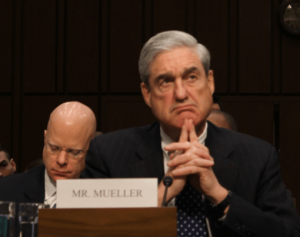
Photo by Medill DC

“A courtroom is not a place where truth and innocence inevitably triumph; it is only an arena where contending lawyers fight not for justice, but to win.”

Though there is disagreement  about the exact wording used by the legendary defense attorney, Clarence Darrow, in describing what he did better than anyone of his day, perhaps of any day, the sentiment outpaces its many incarnations and puts to rest the preaching that trial proceedings or pleadings are necessarily a welcome home to justice.

Ultimately, it’s a search in look for a happy and honest end that, for most, is ever present but just never quite gets there.

Darrow spent his life in the trenches of migrant and trade union camps among anarchists and suffragettes… those who believed collective struggle was more than slogan driven chants that seem to find an almost recurring desperate chorus each and every electoral cycle.

Though remembered largely for his timely, but far too brief, court-room burying of obedient evangelical submissions, he went on to “Inherit the Wind” in real time for real people.

Having tried and saved the lives of over 150 accused in capital punishment cases, Darrow had that unique ability to speak to jurors, in court and out, well above and beyond the seductive devotee roar of the crowd or the crime of the moment. In courtrooms from coast to coast, he reduced often complex legal theories to simple steps while deconstructing cases  built of overt acts but, in reality, frequently maneuvered by little more than pain and passion.

Like any seasoned defense attorney, Darrow spent hours consumed not with the literal language of a given charging instrument but the nuanced message contained somewhere in between each fine line.  For those of us who have been there, that study says as much about what a prosecutor has, and where they plan to take it, as it does what an accused did that swept them within the eye of the storm.

While endless debate has been unleashed with the most recent indictment returned by the grand jury empaneled by Special Counsel Mueller, most of it is but more tea leaves to be read as so much wishful partisan cheer for Putin… or jeer for Trump.

Watching journalists and fans, alike, weigh in, with expert certainty, on matters of complex litigation and sophisticated criminal procedure, as if a mere cotton candy purchase may pass time with sweetened fancy,  however,  it provides little informed answer by way of what a “case” is, or is not, and where it may ultimately lead.

To acquire a meaningful glimpse of what the most recent indictment… and, perhaps, those yet to come… augurs for the future, one must necessarily understand not just what an indictment is and is not, but why some are pursued at all during the life of a complex investigation.

The Grand Jury Process

Indictments are not verdicts of guilt proven beyond a reasonable doubt as found by a unanimous jury of twelve following a full and fare adversarial proceeding in which both sides get to challenge and recast evidence or introduce their own.

They are simply pleading instruments; basic charging documents that reflect probable cause sufficient enough to convince a majority of typically 23 jurors who heard all the relevant evidence that various crimes were committed and that certain defendants participated in them.

As for the proceeding, itself, under federal law, while live testimony is the usual, preferred way of presenting evidence to a grand jury, hearsay is permitted. Often an agent simply reads to jurors from reports he or she generated that include what a witness said about what they saw or did or what another source told them.  Unlike a trial, where jurors can assess firsthand the credibility of each witness through direct and cross-examination, in the grand jury no such vehicle for challenge or impeachment exists. Indeed, not at all a search for the ultimate “truth”, prosecutors are under no obligation to present Brady material, that is to say, exculpatory evidence to grand jurors.

While federal judges oversee a grand jury presentation and are available to resolve unusual issues or conflicts that may unexpectedly arise during its term, unlike at trial, they are not physically present in the jury room and rarely make rulings on the admissibility of evidence that it hears. Nor do they provide legal or curative instructions about either the relevance or significance of evidence, nor define the elements of a given offense, nor provide final legal instructions before jurors decide whether to return what is known as a “true bill.”

For those stunned by this brief thumb-nail sketch of the ex-partenature of the grand jury process and the ability of prosecutors… should they be so inclined… to essentially stage manage each case as so much a tailored grade B movie… welcome to the real world of the criminal bar.

Although there are “special grand juries” that issue non-criminal reports to a court that may release their findings, a federal grand jury almost exclusively hears “routine” criminal matters. It is empaneled for an 18 month period and, while it can be extended by the court for up to another 18 months, this rarely happens.

Indeed, while the specter of a “deep-state” grand jury sitting in some secret catacomb-like courtroom for 7 plus years targeting Julian Assange and Wikileaks has, for some, become a mantra of political faith, for them I suggest a long peaceful walk in the country. This prophecy is little more than an expedient exercise in convenient reality rewrite.

Most grand juries hear evidence related to multiple unrelated criminal matters with responsibility largely limited to that of reviewing evidence as it is introduced and issuing indictments (or not)  based upon investigations that have already been largely completed.

Although very rare, a grand jury can, as here, be empaneled to investigate a single matter and related offenses.  Given its by-in-large narrow focus, it is clear that the grand jury that returned the recent indictment against 13 Russian nationals and three Russian entities was, when empaneled, expected to do a lot of proactive hands-on work including a review of classified material as it proceeded.

In high profile, complex cases, these particular grand juries are essential to the underlying investigation itself because… unlike prosecutors and law enforcement agents… they can issue subpoenas and compel witnesses to answer questions under oath.

Generally, indictments are not rich with unnecessary or particularly graphic detail but rather provide a bare bones view of the government’s case. This is not by accident. Strategically, seasoned prosecutors know better than to memorialize prior testimony of witnesses which must be provided to the defense and can be later used for impeachment purposes should they be called to testify at trial on the government’s case in chief.

In relevant part under federal law a true bill must simply contain 1) a plain, concise and definite written statement of the essential facts constituting the specific offense charged and 2) allegations of each element of the offense so that an accused is provided fair notice of the charge against which they must defend.

Although by statute the burden of proof for a legally sufficient indictment is merely probable cause, under long settled Department of Justice policy, charges cannot be brought as a simply a means to harass an accused, to coerce a plea (where evidence to convict is otherwise lacking) or to secure additional time in which to build a case against those indicted to be tried at some future date. Likewise, an indictment may not be obtained simply to toll a statute of limitations that is otherwise in danger of lapsing thereby prohibiting a future prosecution of a given offense.

While prosecutors are under no obligation to present their case, in its entirety, to a grand jury, they are prohibited from seeking a true bill unless they possess sufficient evidence to prove one’s guilt beyond a reasonable doubt for the charges returned as of the time of the indictment.

That holds true for superseding indictments that add additional charges as evidence of new crimes, against those already charged, often unfold as prosecutors prepare for trial or add new co-defendants.

Although distasteful, yet entirely lawful, at other times superseding indictments are sought to bring added pressure upon defendants to dispose of a case by plea or to cooperate against others as they watch their own personal exposure increase exponentially with the return of a second or third indictment.

Likewise, there is nothing untoward or prohibited for prosecutors to obtain an indictment as a part of a broader strategy that includes an on-going investigation that may produce future related charges against, as yet, unknown co-conspirators or to induce cooperation agreements from them as they emerge.

The 13 Defendant Indictment

The recently returned indictment for Conspiracy to Defraud the United States is rich with comical imagery. Whether it’s a U.S. citizen standing in front of the White House holding a sign that reads “Happy 55th Birthday Dear Boss” or another depicting Clinton stating “I think Sharia Law will be a powerful new direction of freedom” or a person paid to ride in a cage on a flatbed truck wearing a costume portraying Clinton in a prison uniform, it appears a lot of money was invested, but little original creative talent expended, in crafting a nonetheless entertaining virtual SNL.

No less amusing were inventive hash tags that ran the gamut from “#IWontProtectHillary,” to “#Hillary4Prison” to “#TrumpTrain” to social media ads such as “Donald wants to defeat terrorism… Hillary wants to sponsor it”  to “Hillary is a Satan, and her crimes and lies had proved just how evil she is” to “Among all the candidates, Donald Trump is the one and only who can defend the police from terrorists.”

Likewise, giving snark a dilettante’s name, indeed, various fraudulent Facebook, Twitter and Instagram accounts were apparently set up by the co-defendants including the “Clinton FRAUDation” and, my favorite of all, under the name of “Woke Blacks” which, no doubt, swung the election to Trump through the ad: “[A] particular hype and hatred for Trump is misleading the people and forcing Blacks to vote Killary. We cannot resort to the lesser of two devils. Then we’d surely be better off without voting AT ALL.”

And then there were the memorable rallies such as “Support Hillary… Save American Muslims.”  Hopefully this one was recorded by the NSA to be shown over and over again on Turner Classic Movies as evidence of just how desperate and obtuse the US body politic had become by the time of the election in 2016.

Humor aside, the indictment returned by the DC-based grand jury includes a number of serious, often used, generic stand-alone offenses that are easy to prove and difficult to defend.

Indeed, over the years the Bureau of Prisons has been a frequent habitat for thousands of people of color, the poor and political dissidents charged with such crimes as bank and wire fraud, identity theft, money laundering, credit card fraud and visa violations… all of which are covered by the indictment at hand but conveniently overlooked by those partisans who wish to trivialize it as little more than desperate McCarthy like overreach.

Under federal law, identity theft and identity fraud are terms used to refer to all types of crime in which someone wrongfully obtains and uses another person’s personal data in some way that involves fraud or deception. It includes credit card fraud that covers s a wide range of activity such as:

+ False applications for loans and credit cards,

+ Fraudulent withdrawals from bank accounts,

+ Fraudulent use of telephone calling cards or online accounts, or

+ Obtaining other goods or privileges which might be denied if the applicant were to use their real name.

In one form or another, each of these designated offenses were set forth as overt acts in the indictment returned against the identified Russian nationals and each carries a significant prison sentence upon conviction.

Thus, the Department of Justice prosecutes cases of identity theft and fraud under a variety of federal statutes including the Identity Theft and Assumption Deterrence Act. This now 20 year old law prohibits “knowingly transfer[ring] or us[ing], without lawful authority, a means of identification of another person with the intent to commit, or to aid or abet, any unlawful activity that constitutes a violation of Federal law, or that constitutes a felony under any applicable State or local law.”  It carries a maximum term of 15 years imprisonment.

Schemes to commit identity theft or fraud may also involve violations of other statutes such as identification fraud (18 U.S.C. § 1028), credit card fraud (18 U.S.C. § 1029), computer fraud (18 U.S.C. § 1030), mail fraud (18 U.S.C. § 1341), wire fraud (18 U.S.C. § 1343), or financial institution fraud (18 U.S.C. § 1344).

Each of these offenses carries substantial penalties as high as 30 years imprisonment.

Likewise under federal criminal law one who submits a visa application that knowingly contains false information can be charged with a fraud against the U.S. government. And when, as here, multiple defendants are charged with participation in the same underlying offense conspiracy to commit fraud becomes the designated charge.

In relevant part “whoever knowingly forges, counterfeits, alters, or falsely makes any immigrant or non immigrant visa… for entry into, or as evidence of, authorized stay or employment in the United States, knowing it to be… falsely made, or to have been procured by means of any false claim or statement is guilty of a violation of 18 U.S. Code § 1546.

Upon conviction of such offense, and absent aggravating circumstances, one faces a sentence of up to 15 years imprisonment to be followed by deportation.

According to the so-called “Russian” indictment, most of the defendants committed a per se violation of the applicable statute by falsifying the reason for their visit to the United States and accordingly faces significant criminal exposure upon conviction.

Although thousands of women and men have been convicted, imprisoned and deported for run of the mill visa violations no more serious than those set forth in the indictment this past week, a cursory search of such prosecutions reflects a clear and long standing preference for targeting political activists and dissidents.

Thus, Mousa Abu Marzook was arrested and detained for some 22 months in 1995 for failure to update his visa status by including his membership in Hamas. The head of its political wing, Abu Marzook, had lived in the United States for some 14 years as a lawful permanent resident… entirely before the group’s designation as a foreign terrorist organization in 1999. Ultimately, Marzook was deported to Jordan.

Mazen Al Najjar was accused of being part of Palestinian Islamic Jihad leadership and the editor of WISE (World and Islam Enterprise) Journal. Al Najjar was detained for 8 years for fraud arising from his overstay of his student visa and providing false information about his marriage to a US citizen for the purpose of obtaining permanent resident status. He was ultimately deported in 2002.

Mohamad Mustafa Ali Masfaka, also known as Abu Ratib, a Syrian singer and one time lawful permanent resident was sentenced to a year and a day in prison for failure to include pertinent facts in his immigration application. According to the Government, he was an unreported “operative” of the Holy Land Foundation from 1997-98. However, it was only years later, and after his involvement with HLF had ended, that it was declared a pro-Hamas terrorist organization.

Year before, in 1984, Joe Cahill, a famed Irish Republican and former Chief of Staff of the provisional Irish Republican Army, was deported from the United States for a second time on the basis of illegal entry. On this occasion, he entered the country through the use of a false Irish passport and provided untruthful information as part of his visa application.

After ten years of imprisonment, Joseph Patrick “Joe” Doherty, a volunteer with the Provisional Irish Republican Army, was deported from the United States, in 1992, for visa violations arising from his illegal entry through the use of a false passport.

In 2004, Elana Lappin, a British journalist, became another in a long line of journalists deported from the US for use of an improper visa to obtain entry in the country.

In 2010, Vicky Peláez pleaded guilty to working in the United States as an unregistered foreign agent for Russia and was deported in exchange for the government dropping the more serious charge of money laundering, thereby, avoiding any jail time.

At the same time, Anna Chapman (née Kushchyenko), a Russian national, had her British citizenship revoked and was deported from the US along with nine others in exchange for the government dropping criminal charges lodged against them. They were removed because of visa violations connected to their alleged work with the so-called “Ilegals Program” spy ring under the Russian Federation’s external intelligence agency, the SVR. According to charging documents the ten became “Americanized” as they spent years living under false names adopting American identities and building relationships with sources as they gathered intelligence information ranging from that about nuclear weapons to the gold market to personnel changes at the CIA.

Recently, Rasmea Odeh‘s U.S. citizenship was revoked for failure to include information about an almost 50 year old conviction in Israel which she had failed to include in her visa application when she entered the United States in 1994.

Convicted ,in 2014, and sentenced to 18 months in prison, after her conviction was reversed, she accepted a plea agreement which stripped her of her citizenship and deported her to Jordan.

Although the sentencing court praised Ms. Odeh for her years of service as an organizer among Palestinian women in Chicago, the judge went on to announce from the bench that the “immigration system relies on honesty.”

Why this Indictment?

There is abundant evidence that the various overt acts set forth, and criminal counts returned, in the recent indictment pose significant criminal liability and prison time for those charged.

Yet, understandably, many are torn by the reality that given their status as Russian nationals and the absence of an extradition treaty with Russia, the accused stand no chance of ever ending up in a US court lest they be foolish enough to risk arrest through a cross border passage into a country bound by the Interpol Treaty.

Indeed, typically, when the government does not know where the subject of an indictment is, or does, but knows they are beyond the reach of the court, indictments remain sealed in the hope that an unwitting suspect will one day make the mistake of returning to the United States or another country with which it shares an extradition treaty. Why then was the indictment returned, let alone unsealed?

As for the unsealing, the cynic in me says it was done as a matter of political expedience and power providing an opportunity for the Special Counsel to push back against the political narrative that has deflected the search for truth wrapping millions of Americans in the garb of hoax, fake news or witch hunt.

For many on the right or so-called left, this deflection has become a resounding glee club whether in defense of the president or to support Russia as the enemy of my enemy (the US) or the friend of my friend (Assad).

Others are terrified with the prospect of an indictment to come which names Assange, not as a journalist or publisher, but rather as a common co-conspirator involved in various overt acts related to an alleged hack or possible cover-up that ensued.

For them, Assange is the flawless golden calf beyond challenge or corruption and anything that might tarnish that sculpt must be staved off no matter where the truth may go or just how selective and unequally the law is applied to get there.

Be that as it may, in one fell swoop the public release of this indictment has with predictable political precision retired claims that there is no evidence that Russians and Russian entities conspired to use various publicity and social media platforms to defraud the United States in the run up to the election of 2016… as that term is commonly applied and historically enforced.

In point of fact, to whatever extent the White House was contemplating ending this now wide reaching investigation through a slow burn “Saturday-night massacre”, this indictment has likely turned it into an interesting chapter of what was… in a book yet to come.

As for the practical consequences of obtaining and unsealing the indictment, as a matter of both substantive and procedural law it makes perfect sense.

While a debate has raged on among legal scholars as to whether an obstruction of justice count may lie in the absence of a real-time predicate offense, the return of this indictment has now rendered it an interesting, but moot, point.

For those who believe a conspiracy to obstruct justice compels an actual underlying offense (I do not) or an investigation into one, with the arrival of these charges both prongs of this construct have now been retired to little more than a law school contest.

Conspiracies are not finite; members come and go, often without knowledge or familiarity with others who may share its broad brush aim or even just one of its narrow components. Conspiracies arise when there is an agreement among parties… a meeting of the minds… and overt acts carried out in furtherance of them.  Under federal law, all are equally responsible for the foreseeable consequences of a given conspiracy no matter what their individual role.

Some conspiracies involve an illegal end accomplished through lawful overt acts. Others a lawful end carried out by illegal overt acts. Overt acts are simply steps undertaken in furtherance of a particular end. “Impossibility” is no defense to conspiracy to commit a crime.

For example, an agreement to sell fake drugs is nonetheless a crime. Nor does impossibility render a conspiracy any less illegal. Accordingly, a conspiracy comprised of 6 undercover law enforcement agents and one civilian will, of course, not come to fruition but yet remains a crime. So, too, an agreement to illegally impact a given election through impossible means does not discharge its participants from accountability no matter how unrealistic the effort may have been.

By law, a conspiracy does not necessarily end when its intended goal is either reached or fails but can, by agreement, continue to include a host of on-going overt acts or activity intended to hide its existence.

Thus agreements to provide or pay for legal counsel or bail, to care for family, to hide or destroy records such as emails, text messages, audio and video recordings, to mislead investigators about meetings or discussions, promises to pardon, provide future employment or cash, to hinder or end investigations can constitute core components and tangible evidence of a continuing conspiracy as well as the discrete charge of obstruction of justice.

From a technical standpoint, the presence of a charged conspiracy empowers prosecutors to introduce various statements of defendants as evidence in chief against all co-conspirators that would otherwise be deemed to be hearsay and thus inadmissible. For example, if person A in the current indictment is overheard talking to person B about what, as yet, uncharged person X  has said or is to do in furtherance of the conspiracy, that discussion may be used against X to build a case against her.

Thus is provided a powerful tool in proving the reach and roles of those accused of criminal involvement.

From a practical standpoint under the applicable sentencing guidelines, there is no difference of consequence in sentence exposure arising from the conspiracy or the underlying substantive offense, itself.  That is to say, conspiracy to commit bank robbery and the robbery itself are essentially a difference without a distinction when it comes to sentence upon conviction.

The indictment returned not long ago is what is known in criminal law parlance as a “speaking” one. Well above and beyond the requisite bare bones recitation of events, its precision was intended to give notice of the nature and extent of a sophisticated multi-jurisdictional investigation.

To be sure, it’s unnecessary depth and breadth was crafted as much to serve as an enticement for others to cooperate as it was to lay the foundation for superseding indictments sure to follow. For those schooled in the prosecution or defense of complex criminal enterprises, this tactic is very much the norm.

The indictment itself is not static. As noted, it can, and likely will, be superseded to include new charges and defendants who, by additional overt acts or aims, shared the criminal intent set forth within the underlying indictment; namely to illegally impact the election of 2016 and thus to defraud the United States.

One need not be a soothsayer to envision a host of additional overt acts that may very well end up swept within the reach of the conspiracy found to date, or as evidence of a new one.  For example, a meeting, let’s say in a tower, between campaign officials and foreign nationals in which discussions about how to obtain an unlawful election edge, information or otherwise, could easily be weaved into a variation of the current conspiracy. Exchanges of emails, calls and texts before or after the meeting to further its aim are no less problematic for potential co-conspirators.

So, too, an agreement to provide a benefit such as the end of an international sanction law or to change a political platform  in exchange for campaign contributions or payments or large unsecured loans are the very kind of overt acts upon which criminal conspiracies are built and proven.

Evidence that individuals, candidates or staff  wittingly approved and abetted in the release and use of protected computer data to further one candidate at the expense of another, whether obtained by hacks or internal leaks, adds a new dimension to the case at bar as additional suspects are drawn closer to the gravamen of the prosecution.

These are but a few examples of just how an indictment currently involving 13 foreign nationals and entities and a relatively sedate but criminal social media campaign can explode as so much a launch pad overnight to draw dozens of additional defendants into a federal criminal court and, possibly, prison.

If history is, in fact, a guidepost of what is yet to come, the current complex investigation is not at all without precedent. As Richard Nixon was to painfully learn… what can begin quietly in the dead of night with an obscure offense born of arrogance and greed can tip the scales of justice in ways that even the most powerful of all cannot withstand or avoid.

Only time will tell.

More articles by:

Stanley L. Cohen is lawyer and activist in New York City.

Thirteen Russians: a Defense Lawyer Decodes the Mueller Indictments

Χωρίζουν οι δρόμοι ΗΠΑ-Τουρκίας

0

stratfor/ euro2day

Μετά από δεκαετίες, η στρατηγική συνεργασία ΗΠΑ-Τουρκίας έχει φτάσει σε σημείο κρίσης. Τα αποκλίνοντα συμφέροντα στη Συρία, οι κινήσεις Ερντογάν μετά το πραξικόπημα και γιατί η διπλωματία δεν φαίνεται να αποτελεί πλέον βιώσιμη επιλογή.

  • του Sinan Ciddi
Ο Αμερικανός υπουργός Εξωτερικών Ρεξ Τίλερσον είπε πρόσφατα αυτό που πολλοί αναλυτές σκέφτονταν από καιρό: οι σχέσεις μεταξύ της Τουρκίας και των ΗΠΑ έχουν φτάσει σε «σημείο κρίσης».

Η στρατηγική συνεργασία των δύο χωρών γίνεται όλο και πιο ακανθώδης, καθώς η Ουάσινγκτον και η Άγκυρα ακολουθούν αποκλίνουσες προσεγγίσεις ως προς τον εμφύλιο πόλεμο στη Συρία. Όμως, πέραν των παρατεταμένων διαφωνιών πολιτικής, η επιδείνωση των σχέσεων ΗΠΑ-Τουρκίας οφείλεται σε μια θεμελιώδη απώλεια εμπιστοσύνης. Οι επισκέψεις βασικών κυβερνητικών αξιωματούχων των ΗΠΑ -περιλαμβανομένου του κ. Τίλερσον και του συμβούλου εθνικής ασφάλειας Χέρμπερτ Ρέιμοντ ΜακΜάστερ αυτόν τον μήνα- απλώς έκρυψαν το διευρυνόμενο χάσμα. Αν και οι αξιωματούχοι από τις δύο πλευρές επανέλαβαν δημοσίως σε κάθε ευκαιρία την αξία της συμμαχίας, ωστόσο οι προκλήσεις που αντιμετωπίζουν οι δύο χώρες ίσως είναι πλέον πολύ μεγάλες για να ξεπεραστούν.

Ευκαιριακή συμμαχία

Ο στρατηγικός δεσμός που αναπτύχθηκε μεταξύ των ΗΠΑ και της Τουρκίας σχηματίστηκε σε μεγάλο βαθμό ως υποπροϊόν του Ψυχρού Πολέμου. Στο τελευταίο κεφάλαιο του Β’ Παγκοσμίου Πολέμου, η κυβέρνηση στην Άγκυρα παρακολουθούσε με αγωνία, καθώς η Σοβιετική Ένωση πρόβαλε εδαφικές διεκδικήσεις στην Τουρκία και στράφηκε προς την αναδυόμενη φιλελεύθερη διεθνή τάξη και τη διατλαντική συμμαχία, κυρίως για να αποφύγει την «απελευθέρωση» από τα στρατεύματα του Ιωσήφ Στάλιν. Οι Αμερικανοί πρόεδροι Χάρι Τρούμαν και Ντουάιτ Άιζενχαουερ, με τη σειρά τους, έφεραν την Τουρκία στην «αγκαλιά» του ΝΑΤΟ προκειμένου να αποτρέψουν την επέκταση της σοβιετικής επιρροής στη Μεσόγειο και για να εξασφαλίσουν ότι θα έχουν στρατιωτικά μέσα και μυστικές υπηρεσίες ακριβώς στο κατώφλι της Σοβιετικής Ένωσης.

Προερχόμενη από τη συνεργασία στον τομέα της ασφάλειας, η συνεργασία «άνθισε» τις επόμενες επτά δεκαετίες και βασίστηκε στην προβλεψιμότητα και σε ένα υψηλό επίπεδο εμπιστοσύνης μεταξύ του στρατιωτικού προσωπικού, των διπλωματών και των αρχηγών των κρατών.

Η συμμαχία, ωστόσο, και τότε πέρασε κάποια σκαμπανεβάσματα. Μετά την εισβολή της Τουρκίας στην Κύπρο το 1974, για παράδειγμα, οι ΗΠΑ επέβαλαν εμπάργκο όπλων στη χώρα (η κίνηση αυτή αύξησε το αίσθημα προδοσίας που αισθάνθηκε η Άγκυρα αφότου η Ουάσινγκτον κανόνισε να αποσύρει τους πυρηνικούς πυραύλους της από την Τουρκία, κατά τη διάρκεια της πυραυλικής κρίσης της Κούβας το 1962).

Πιο πρόσφατα, η αμερικανική εισβολή στο Ιράκ το 2003 -κατά τη διάρκεια της οποίας η Τουρκία αρνήθηκε να επιτρέψει την ανάπτυξη αμερικανικού στρατιωτικού προσωπικού στο έδαφός της- ψύχρανε τις σχέσεις μεταξύ των δύο ηγετών στις δύο πλευρές του Ατλαντικού. Η Άγκυρα έβαλε κατά της πολιτικής «ή είστε μαζί μας, ή εναντίον μας» του Τζορτζ Μπους, ενώ το Πεντάγωνο αμφισβήτησε την αξιοπιστία της Τουρκίας ως συμμάχου. Ωστόσο, οι δύο πλευρές κατάφεραν να ξεπεράσουν τις διαφορές τους πίσω από κλειστές πόρτες και να καταλήξουν σε μια αμοιβαία αποδεκτή λύση.

Αυτή η διαδικασία δεν είναι πλέον αποτελεσματική, σήμερα. Ο εμφύλιος πόλεμος στη Συρία ήταν το τέλος της.

Σύγκρουση συμφερόντων

Η ανικανότητα των ΗΠΑ να αρθρώσουν μια ξεκάθαρη πολιτική για τον πόλεμο, και για τη Μέση Ανατολή γενικότερα, έχει ενθαρρύνει περιφερειακές δυνάμεις όπως η Τουρκία, η Ρωσία και το Ιράν να επιδιώξουν τα δικά τους εθνικά συμφέροντα. Εν τω μεταξύ, η άνοδος του Ισλαμικού Κράτους έχει κλιμακώσει τις εντάσεις μεταξύ της Ουάσινγκτον και της Άγκυρας.

Οι ΗΠΑ, επικεντρωνόμενες στην εξάλειψη της τζιχαντιστικής οργάνωσης, έχουν βασιστεί σε Κούρδους αντάρτες όπως οι Μονάδες Λαϊκής Προστασίας (YPG) για βοήθεια στη μάχη. Όμως η στήριξη της Ουάσινγκτον στους Κούρδους αποτέλεσε πηγή εκνευρισμού και διαμάχης για τον Τούρκο πρόεδρο Ρετζέπ Ταγίπ Ερντογάν, εν μέρει διότι η Τουρκία θεωρεί το YPG τρομοκρατική οργάνωση. Επιπλέον, η Άγκυρα αισθάνθηκε πως με το να βάζουν σε προτεραιότητα τη μάχη κατά του Ισλαμικού Κράτους και με το να παρέχουν στήριξη στην πρωτοβουλία για τη δημιουργία Κουρδικού κράτους στα νότια σύνορα της Τουρκίας, οι ΗΠΑ ηθελημένα αγνοούν τις τουρκικές ανησυχίες για την ασφάλεια.

Ως απάντηση, η Τουρκία επικεντρώνεται όλο και περισσότερο στους δικούς της στόχους, έναντι αυτών των ΗΠΑ. Η Άγκυρα έχει επικεντρώσει τις προσπάθειές της στη Συρία στην ανατροπή της κυβέρνησης του προέδρου Μπασάρ αλ Άσαντ, ενώ στηρίζει ριζοσπαστικές εξτρεμιστικές ομάδες στη χώρα για να τα βάλουν με το YPG.

Από τότε που ανέλαβε την προεδρία των ΗΠΑ ο Ντόναλντ Τραμπ, τον Ιανουάριο του 2017, οι στάσεις της Τουρκίας και των ΗΠΑ στο θέμα της Συρίας έχουν αποκλίνει ακόμα περισσότερο. Η απόφαση της Ουάσινγκτον να παράσχει βαρύ οπλισμό και στήριξη σε επίπεδο logistics στις δυνάμεις του YPG ώθησε τον Ερντογάν να αναθερμάνει τις σχέσεις με τη Ρωσία -προς δυσαρέσκεια των ΗΠΑ.

Η Τουρκία προκάλεσε την οργή αξιωματούχων από ΗΠΑ και ΝΑΤΟ όταν κήρυξε την πρόθεσή της να αγοράσει από τη Ρωσία πυραυλικό αμυντικό σύστημα S-400,που είναι ασύμβατο με την τεχνολογία του διατλαντικού μπλοκ. Επιπλέον, η Άγκυρα έπρεπε να εξασφαλίσει την άδεια του Ρώσου προέδρου Βλαντιμίρ Πούτιν για να ξεκινήσει την Επιχείρηση Κλάδος Ελαίας, την επίθεσή της δηλαδή στην περιοχή Αφρίν της Συρίας για να εξαλείψει το YPG.

Οι εξελίξεις αυτές δεν έχουν συμβάλει στην εξομάλυνση των σχέσεων Τουρκίας-ΗΠΑ. Ούτε όμως και η δυναμική εξωτερική πολιτική του Ερντογάν. Ο Τούρκος πρόεδρος βασίζει τη στάση του στη Συρία σε μεγάλο βαθμό στο πώς θα την εκλάβουν οι ψηφοφόροι του. Τώρα που ο Ερντογάν θέτει εκ νέου υποψηφιότητα για να καταστεί ο πρώτος «εκτελεστικός πρόεδρος» της χώρας, η διασφάλιση της έγκρισης του τουρκικού εκλογικού σώματος είναι ακόμα πιο σημαντική.

Η Επιχείρηση Κλάδος Ελαίας, που ξεκίνησε τον Ιανουάριο, υπήρξε επιτυχής από αυτή την άποψη, εξασφαλίζοντας μεγάλη στήριξη από τον τουρκικό λαό διότι όρθωσε θαρραλέα ανάστημα έναντι των ΗΠΑ. Καθώς πλησιάζουν οι εκλογές, ο Ερντογάν θα συνεχίσει να χρησιμοποιεί την εξωτερική πολιτική προκειμένου να προσπαθήσει να προσελκύσει το 51% των ψηφοφόρων που θα χρειαστεί για να κερδίσει.

Κλιμακούμενες εχθροπραξίες

Ο Ερντογάν βάλλει όλο και περισσότερο κατά της Δύσης -και ιδιαίτερα των ΗΠΑ- μετά το αποτυχημένο πραξικόπημα του Ιουλίου του 2016. Η τουρκική κυβέρνηση κατηγορεί τακτικά τις ΗΠΑ για υπόθαλψη του φερόμενου ως «εγκέφαλου» του πραξικοπήματος, Φετουλά Γκιουλέν, τον οποίον ο Ερντογάν έχει χαρακτηρίσει ως τον Οσάμα μπιν Λάντεν της Τουρκίας.

Επιπλέον, όπως αποκάλυψε η πρόσφατη δίκη και καταδίκη Τούρκου τραπεζίτη στις ΗΠΑ, ο Ερντογάν και η κυβέρνησή του έχουν εργαστεί για να υπονομεύσουν την Ουάσινγκτον, αψηφώντας τις κυρώσεις που έχουν επιβάλει οι ΗΠΑ στο Ιράν, μέσω της πώλησης ιρανικού πετρελαίου.

Τα τουρκικά ΜΜΕ, παίρνοντας «γραμμή» από τον Ερντογάν, έχουν κατηγορήσει τις ΗΠΑ για στημένες δίκες κατά Τούρκων πολιτών, προκειμένου να προσπαθήσουν να υπονομεύσουν την ανάπτυξη της χώρας τους. Και ως «αντάλλαγμα», η Τουρκία έχει αρχίσει να φυλακίζει Αμερικανούς πολίτες καθώς και Τούρκους υπαλλήλους αμερικανικών επιχειρήσεων και αποστολών στη χώρα, κάτι που αξιωματούχοι της Ουάσινγκτον καταδικάζουν ως συλλήψεις με πολιτικά κίνητρα. Υπάρχει κάθε λόγος να θεωρηθεί πως οι εχθροπραξίες μεταξύ των δύο χωρών θα συνεχίσουν να κλιμακώνονται καθώς περνά ο χρόνος.

Η διπλωματία δεν φαίνεται να αποτελεί πλέον μια βιώσιμη επιλογή για την Άγκυρα και την Ουάσινγκτον. Τα τελευταία χρόνια, ο πρόεδρος της Τουρκίας έχει εκμεταλλευτεί κάθε ευκαιρία για να συγκεντρώσει εξουσία. Η κυβέρνησή του απέλυσε περισσότερους από 150.000 δημόσιους υπαλλήλους σε μια προσπάθεια να εξαλείψουν τους διαφωνούντες, όμως έτσι έχει μειώσει δραστικά τον αριθμό των μερών και των απόψεων που εμπλέκονται  στην εξωτερική πολιτική της Τουρκίας. Οι ΗΠΑ, εν τω μεταξύ, δεν έχουν καν πρέσβη στην Άγκυρα αυτή τη στιγμή.

Η διατλαντική συμμαχία μεταξύ των ΗΠΑ και της Τουρκίας χρειάστηκε δεκαετίες για να χτιστεί πάνω σε θεμέλια αμοιβαίας εμπιστοσύνης και συνεργασίας. Σήμερα, μια σειρά συνειδητών επιλογών από τους ηγέτες και των δύο χωρών έχουν φέρει τη σχέση σε μια κατάσταση αποσύνθεσης, που μπορεί να χρειαστεί και μια γενιά για να αντιστραφεί, εάν μπορέσει ποτέ να αντιστραφεί.

Euro2day.gr

Israel’s Intelligence Contribution to US Security: The Cold War Years

0

By

EXECUTIVE SUMMARY: Israel and the United States have a long history of close intelligence cooperation. Apart from the regular provision of useful strategic and political intelligence, Israel’s wars against the Soviet-armed and trained Arab armies afforded invaluable insights into Soviet military doctrine and weapons systems. In the late 1970s and early 1980s, Israel made a unique and particularly valuable contribution by shedding fresh light on Moscow’s nuclear-equipped intercontinental ballistic missiles threatening the US.

The intelligence cooperation between Washington and Jerusalem is one of the cornerstones of the strategic alliance between the two states. Given the extensive US military aid to Israel along with Washington’s and the American public’s backing of Israel in the international arena, it has been widely argued that the alliance unilaterally favors Israel. In reality, however, the partnership has been bidirectional. From the global standpoint, Israel has provided a bulwark that protects US and Western interests in the Middle East and has taken the brunt of Islam’s Manichean confrontation with Western civilization.

To be sure, Israeli-American intelligence cooperation has encountered some bumps along the road. Thus, for example, Israeli prime minister Menachem Begin did not inform the Reagan administration of Israel’s plans to destroy the Iraqi nuclear reactor in 1981, even though the two intelligence communities had signed a memorandum on this issue about a year earlier; Washington responded by chilling intelligence cooperation with Jerusalem for a short while. Conversely, the US, along with Britain, kept Israel in the dark about secret contacts with Muammar Qaddafi in 2003, which led to the dismantling of Libya’s mass-destruction weapons program. Likewise, in May 2017 Trump reportedly shared with Russian foreign minister Lavrov sensitive obtained by Israel about ISIS’ terrorist plans.

These mishaps notwithstanding, Washington and Jerusalem have maintained a strong intelligence relationship since the 1950s. The foundation for this relationship was laid in 1956, when the Mossad obtained the text of a secret speech by the then Soviet leader, Nikita Khrushchev, at the Communist Party Congress, in which he lambasted the tyrannical practices of his predecessor, Joseph Stalin. After the speech was published in the New York Times, the shock over Stalin’s crimes helped delegitimize the Soviet regime among the Western public.

During the 1950s and 1960s, the Middle East served as a combat testing ground for Soviet military doctrine and advanced weaponry, with the experience amassed by Israel in its wars against the Egyptian, Syrian, and Iraqi armies – trained by Soviet advisers and equipped with Soviet weapons – providing the US military with operational lessons; information about new Israeli technologies to neutralize the Soviet weaponry; and direct access to Soviet weapons systems captured by Israel. Within this framework,

  • In 1966, an Iraqi pilot defected to Israel in a MiG-21 fighting aircraft.
  • After the June 1967 War, Israel transferred to the US a SA-2 surface-to-air-missile battery seized by the IDF.
  • In August 1968, two Syrian MiG-17s landed by mistake in a Galilee landing site.
  • In December 1969, during the Egyptian-Israeli War of Attrition, Israeli paratroopers raided an Egyptian radar station in Ras Gharib near the western shore of the Gulf of Suez, bringing back an advanced radar of the P-12 model.
  • According to Professor Yuval Neeman, who, during the October 1973 War attended meetings of the cabinet and the IDF General Staff, Maj. Gen. Ariel Sharon’s division seized (on October 18) a complete Egyptian SA-6 surface-to-air-missile battery.
  • Similarly, during the 1967 and 1973 wars the IDF seized over a thousand Egyptian and Syrian T-54 and T-55 tanks. A large number of T-62 tanks, some of them intact, were captured on the Syrian front during the 1973 war.
  • In his book Red Flag over the Mediterranean (2017), Pesach Malovany noted that during the 1982 Lebanon War Israel reportedly obtained unknown information concerning the Russian T-72 tank.
  • Finally, in October 1989 a Syrian MiG-23 defected to Israel.

An especially valuable Israeli contribution, however, involved a mysterious intelligence episode related to an issue of existential significance for the US: the Soviet nuclear threat to the American homeland, and, indeed, to the survival of the Western world as a whole. The gravity of this threat was starkly demonstrated during the Cuban Missile Crisis of October 1962, when Moscow deployed nuclear missiles in Cuba about 240 kilometers from the Florida coast. Viewing the move as casus belli, US President John Kennedy imposed a naval blockade on Cuba, leading Khrushchev to back down and to withdraw the missiles in return for the withdrawal of US nuclear missiles from Turkey.

At the time of this crisis, the Soviets had already gone far in developing nuclear-equipped intercontinental ballistic missiles. The first operational nuclear missile was the dual-stage R-16, which, along with its more advanced model the R-16U, formed the backbone of the Soviet strategic missile force, with a total of 186 launchers, from 1961 to 1976. In the initial years, the launchers and missiles were deployed on the ground and hidden in forests, but by the mid-1960s they had already been placed in underground siloes. According to the available information, they were initially dispersed among nine sites across the Soviet Union: Nizhny Tagil, in the Ural Mountains; Yoshkar-Ola, about 640 kilometers northeast of Moscow; Bershet about 1,250 kilometers east of Moscow; Yurya, about 800 kilometers northeast of Moscow; Shadrinsk, about 1,650 kilometers east of Moscow; Itatka, in southwestern Siberia; Novosibirsk, in southwestern Siberia; and Krasnoyarsk, in the heart of Siberia. The dimensions of the missile were impressive: a height of over 30 meters and a diameter of about 3 meters. It had a flight range of 10,500-13,000 kilometers depending on the weight of the warhead. The missiles were equipped with three- to six-megaton thermonuclear warheads capable of destroying large cities like New York or Chicago.

During the Cold War, US intelligence had difficulty collecting information from behind the Iron Curtain, instead concentrating on technical means of collection, especially aerial photography: first by U-2 planes, then by satellites. Thus, particularly in domains of a clearly technological nature such as the Soviet nuclear threat, it was easy to err through over- or underestimation.

Yet, the thick cloak of secrecy surrounding the Soviet Union was its Achilles Heel.  It was the need to ensure secrecy in all areas of life that caused an “information explosion” by requiring to maintain huge databases in an endless quantity of cardboard files crammed with documents; and the more they multiplied the more difficult access to them became. Most likely, the personal files of not a few members of the Soviet defense establishment with a high security classification were lost over the years, and at some point after their retirement their security classification disappeared. Indeed, they became free agents, but there were still some difficulties in locating them and gaining access to them. Against this backdrop, the Israeli intelligence community succeeded, in the latter half of the 1970s and the early 1980s, to provide its American counterpart with highly valuable, original information on the Soviet strategic missile array as it existed at the end of the 1960s.

Based on the information that Israel provided, one could construct a detailed and quite accurate picture of the structure and dispersal of at least some of the Soviet army’s strategic missile brigades. The information also included details about the testing grounds for these missiles: they were launched from a field in Baikonur in Kazakhstan, or from the Plesetsk field in the Arkhangelsk region about 800 kilometers north of Moscow. The missiles were aimed at the Kora testing ground in the northern Kamchatka peninsula—more than 8,000 kilometers east of Baikonur and about 5,500 kilometers east of Plesetsk. At the same time, it appears that the main importance of the information was technical; it contained detailed technical data on the R-16 intercontinental missile and its operation. The data also included highly original information on the thermonuclear warheads of this missile.

Some of the intelligence information could be verified with aerial photographs. But it also included details, as well as rumors, that were verified only later. For example, it included a rumor about the fatal disaster that occurred in Baikonur field on October 24, 1960, in which Marshal Mitrofan Nedelin, the first commander of the Soviet strategic missile force, was killed along with about a hundred members of his staff. The occasion was the first test launch of an R-16 missile to mark the anniversary of the Bolshevik Revolution. A short time after the incident, the Soviet authorities reported that Marshal Nedelin had been killed in a plane crash. Soon thereafter, however, the Italian news agency gave a brief report on the disaster. Nevertheless, the incident with its full details remained a secret in Russia. It was only in 1989, almost 30 years later, that the Russian weekly Ogonek revealed the circumstances of the tragic death of Nedelin and his crew. The accident occurred when a short circuit in the engine of the missile’s prototype caused an explosion as it was being positioned and fueled on the launching pad. Khrushchev had kept goading Nedelin to carry out the test. Thus, when the problem that prevented the launching of the missile was discovered, the marshal rushed to the launching pad to learn what had happened with his entourage in tow, and then the explosion transpired. The planner of the missile, Mikhail  Yangel, was saved by being in a bunker far from the launching pad to smoke a cigarette. After the disaster, Khrushchev summoned  Yangel and asked, in anger laced with cynicism, “How did you remain alive?” Khrushchev also appointed Leonid Brezhnev, who would succeed him as Soviet leader, to head the commission that investigated the disaster. Ironically, Brezhnev decided against any retribution, declaring that “The guilty ones have already met their punishment!”

Another reported rumor concerned the “Kyshtym disaster” (Kyshtym was the city close to the site of the explosion). This was a radiological-contamination accident that occurred on September 29, 1957, at the Soviet Mayak facility for recycling irradiated nuclear fuel and extracting plutonium for nuclear weapons, which operated in the “closed city” of Chelyabinsk-40 on the eastern slopes of the southern Ural Mountains. The disaster ensued when the cooling system of one of the tanks, which contained 70 to 80 tons of liquid nuclear waste at a high radioactivity level, malfunctioned and was not immediately repaired. The nuclear waste in the tanks evaporated, and the high temperature caused a chemical explosion with the power of 70 to 100 tons of TNT. The cloud of radioactive fallout spread for about 300 kilometers, and over the next several years, thousands of people died as a result.

Another anecdote that was reported and already known in the West concerned the Tsar Bomba — “king of the bombs” — explosion of a 50-megaton hydrogen bomb, the largest explosion yield ever. The bomb was dropped on October 30, 1961, by a Tu-16 bomber over the Novaya Zemlya Archipelago in the Arctic Ocean — on Khrushchev’s orders with the aim of defying America: “We’ll show you!” The fireball that emerged from the explosion was eight kilometers in diameter, and when the blast wave reached Arkhangelsk, about 2,000 kilometers southwest of the explosion site, it caused ships in the harbor to crash into each other.

The CIA expressed its gratitude to the Israeli intelligence community, noting that the received information was “unique” and had enabled the agency to adjust its intelligence overestimation on the issue in question. According to a senior CIA official, the information obtained from Israel indicated that the Soviet strategic missile technology was of inferior quality than the CIA had believed. The official said the US intelligence community had feared, because of the information gaps it faced, that by the 1970s the Soviets had already developed a technological capability to equip their intercontinental missiles with MIRV (Multiple Independently Targetable Reentry Vehicle) warheads. This technology enables the missile, when reaching the target, to strike a number of objectives simultaneously. Furthermore, if a MIRV warhead includes decoy devices in addition to nuclear bombs, it is more immune to interception. Thus, the Israeli information made a particularly important contribution to the US defensive capability against a Soviet nuclear strike.

History, however, tends to repeats itself to a certain extent. The current nuclear threat to the US comes from North Korea, and, as in the 1970s and 1980s, the US intelligence community has difficulty collecting and assessing intelligence. But, unlike the Soviet leadership during the Cold War, which acted in a rational and calculating manner, Kim Jong-Un’s main hallmark is his unpredictability.

 View PDF

Lt. Col. (ret.) Dr. Raphael Ofek is an expert in the field of nuclear physics and technology, who served as a senior analyst in the Israeli intelligence community.

He can be reached at [email protected]

BESA Center Perspectives Papers are published through the generosity of the Greg Rosshandler Family.

Ο επερχόμενος πόλεμος του Ισραήλ με την Χεζμπολάχ

0

Μια νέα σύγκρουση ίσως να είναι αναπόφευκτη

Καθώς η μάχη εναντίον του Ισλαμικού Κράτους φθίνει στρατιωτικά, το ίδιο θα κάνουν και οι πολλοί ευκαιριακοί γάμοι μεταξύ των εχθρών του. Αυτά τα επερχόμενα διαζύγια θα επιστρέψουν μια σειρά από ζητήματα στο προσκήνιο.

Η MARA KARLIN είναι αναπληρώτρια καθηγήτρια της Σχολής Προωθημένων Διεθνών Σπουδών του Πανεπιστημίου Johns Hopkins και ανώτερη συνεργάτις του Ινστιτούτου Brookings. Είναι η συγγραφέας του βιβλίου με τίτλο Building Militaries in Fragile States: Challenges for the United States [1] (University of Pennsylvania Press, 2017).

Άλλος ένας πόλεμος μεταξύ Ισραήλ και Χεζμπολάχ είναι σχεδόν αναπόφευκτος. Παρόλο που καμία πλευρά δεν θέλει τώρα μια σύγκρουση, η μεταβαλλόμενη ισορροπία ισχύος στο Λεβάντε [στμ: περιοχή που περιλαμβάνει εδάφη τα οποία βρίσκονται στις ανατολικές ακτές της Μεσογείου και μέχρι τη Μεσοποταμία] και η συρρίκνωση των διαμφισβητούμενων περιοχών είναι δείκτες μιας διαφαινόμενης αναμέτρησης [2]. Οι πραγματικές ερωτήσεις είναι το πώς και το πού –όχι το εάν- θα συμβεί η επικείμενη πυρκαγιά.

Τα γεγονότα της 10ης Φεβρουαρίου υπογράμμισαν την αστάθεια του Λεβάντε (Levant). Το Ισραήλ κατέστρεψε ένα ιρανικό drone που πετούσε στον εναέριο χώρο του και βομβάρδισε την τοποθεσία στην Συρία από όπου φέρεται ότι είχε εκτοξευθεί το drone˙ κατά την διάρκεια αυτής της τελευταίας αποστολής, συριακά αντιαεροπορικά πυρά κατέστρεψαν ένα ισραηλινό F-16, το πρώτο ισραηλινό μαχητικό που καταρρίφθηκε από εχθρικά πυρά εδώ και δεκαετίες. Το Ισραήλ απάντησε με μαζικά αντίποινα εναντίον πολλών στρατιωτικών στόχων του Ιράν και του καθεστώτος στην Συρία.

22022018-1.jpg

Ισραηλινοί στρατιώτες κατά την διάρκεια μιας άσκησης αστικής μάχης, τον Ιούλιο του 2017. AMIR COHEN / REUTERS
—————————————————————————-

Οι εντάσεις στην περιοχή πρόκειται μόνο να επιδεινωθούν. Ο εμφύλιος πόλεμος της Συρίας [3] έχει μέχρι στιγμής ως αποτέλεσμα σχεδόν μισό εκατομμύριο νεκρούς, έξι εκατομμύρια εσωτερικά εκτοπισμένους και πάνω από πέντε εκατομμύρια πρόσφυγες, ένα συντριπτικό ποσοστό των οποίων έχει περάσει χρόνια σε γειτονικές χώρες όπως ο Λίβανος και η Ιορδανία, οι οποίες είναι ανυπόμονες για την ταχεία αναχώρησή τους. Ωστόσο, καθώς η μάχη εναντίον του Ισλαμικού Κράτους (ISIS) [4] σβήνει στρατιωτικά, το ίδιο θα κάνουν και οι πολλοί ευκαιριακοί γάμοι μεταξύ των εχθρών του. Αυτά τα επερχόμενα διαζύγια θα επιστρέψουν μια σειρά από ζητήματα στο προσκήνιο, συμπεριλαμβανομένης της διακυβέρνησης και της συμφιλίωσης, του μέλλοντος των εξωτερικών δυνάμεων στην Συρία και της μεταβαλλόμενης περιφερειακής ισορροπίας ισχύος. Οι προκύπτουσες εντάσεις είναι πιθανό να φέρουν το Ισραήλ στο χείλος ενός περιφερειακού πολέμου, ακόμη μεγαλύτερου από τον τελευταίο το 2006, όταν εισέβαλε στον νότιο Λίβανο [5].

Ο ΕΠΟΜΕΝΟΣ ΠΟΛΕΜΟΣ

Για το Ισραήλ και την Χεζμπολάχ, η ήττα του ISIS και οι συνακόλουθες μετατοπίσεις εστίασης θα διευκρινίσουν τις όλο και πιο πολύπλοκες και επικίνδυνες σχέσεις μεταξύ τους. Η Χεζμπολάχ έχει χάσει περίπου 2.000 μαχητές στην Συρία, έπληξε την φήμη της μέσω της απεριόριστης υποστήριξής της προς τα καθεστώτα του Ιράν και της Συρίας και φημολογείται ότι αντιμετωπίζει οικονομικό πρόβλημα. Παρ’ όλα αυτά, παραμένει δημοφιλής στο κεντρικό πολιτικό της σώμα [6], τους Λιβανέζους Σιίτες. Έχει διαμεσολαβήσει σε πολιτικές συμφωνίες με άλλες ομολογίες στον Λίβανο και οι αναλυτές αναμένουν ότι οι βουλευτικές εκλογές του Λιβάνου αυτή την άνοιξη -οι πρώτες υπό τον νέο εκλογικό νόμο που δημιουργεί ένα σύστημα αναλογικής εκπροσώπησης- θα οδηγήσουν σε μεγάλες νίκες για την Χεζμπολάχ.

Οι στρατιωτικές ικανότητες της Χεζμπολάχ έχουν σχεδόν αυξηθεί κατά την διάρκεια του συριακού πολέμου [7], όπως αποδεικνύεται από τα περίπου εκατό χτυπήματα που πραγματοποίησε το Ισραήλ κατά του προσωπικού ή των εγκαταστάσεων της Χεζμπολάχ τα τελευταία χρόνια. Ίσως το πιο σημαντικό, η Χεζμπολάχ έχει αποκτήσει σημαντική επιχειρησιακή εμπειρία στην Συρία, όπου έχει ουσιαστικά υφάνει έναν αριθμό βίαιων μη κρατικών δρώντων για να υποστηρίξει την εκστρατευτική αποστολή της για να στηρίξει τον πρόεδρο Μπασάρ αλ-Άσαντ. Πράγματι, είναι δύσκολο να βρεθεί ένας δρων στην περιοχή που να μην έχει εντυπωσιαστεί από την απόδοση της Χεζμπολάχ στον συριακό πόλεμο. Αυτές οι προσπάθειες, σε συνδυασμό με τις δυσοίωνες απειλές της Χεζμπολάχ να επιτεθεί κατά του υποτιθέμενου ισραηλινού πυρηνικού αντιδραστήρα στην Dimona και στις εγκαταστάσεις αποθήκευσης αμμωνίας στην Χάιφα, προμηνύουν μια αδίστακτη μάχη.

Για το Ισραήλ, η στρατηγική εικόνα έχει επίσης μεταβληθεί σημαντικά. Τα σύνορά του με την Συρία, ιστορικά το πιο ήσυχα, είναι τώρα διαταραγμένα. Η ισραηλινή ηγεσία δεν κρύβει την ανησυχία της για την στρατιωτική ωρίμανση της Χεζμπολάχ στην συριακή σύγκρουση. Και καθώς οι ανησυχίες για ένα πυρηνικά ικανό Ιράν εξασθενίζουν, το Ισραήλ άρχισε αντί γι’ αυτό να επικεντρώνεται στον επόμενο πόλεμο με την Χεζμπολάχ, όπως έδειξε μια μαζική στρατιωτική άσκηση [8] πριν από μερικούς μήνες -η μεγαλύτερη του Ισραήλ από το 1998. Από το 2006, Ισραηλινοί αξιωματούχοι έχουν προειδοποιήσει επανειλημμένα ότι σε μελλοντικές συγκρούσεις θα ακολουθήσουν το δόγμα Dahiya, το οποίο πήρε το όνομά του από το οχυρό της Χεζμπολάχ στα νότια προάστια της Βηρυτού κοντά στο διεθνές αεροδρόμιο Beirut-Rafic Hariri, το οποίο καταστράφηκε από βομβαρδισμούς του Ισραήλ τον τελευταίο πόλεμο. Σύμφωνα με τον Gadi Eizenkot, τον αρχηγό του Γενικού Επιτελείου των Αμυντικών Δυνάμεων του Ισραήλ, στην επόμενη σύγκρουση οι δυνάμεις του θα ακολουθήσουν τους ίδιους κανόνες εμπλοκής, αλλά σε ένα ευρύτερο τοπίο.

22022018-2.jpg

Ένας μαχητής της Hezbollah, φρουρός στην Jaroud Arsal, στον Λίβανο, τον Ιούλιο του 2017. ALI HASHISHO / REUTERS
———————————————————————-

Οι μακροπρόθεσμοι στρατηγικοί στόχοι της Χεζμπολάχ και του Ισραήλ είναι επομένως εντελώς αντίθετοι. Ωστόσο, σήμερα, ούτε η Χεζμπολάχ ούτε το Ισραήλ θέλουν να πυροδοτήσουν έναν πόλεμο. Το Ισραήλ αντιμετωπίζει την πιθανή κατάρρευση της Παλαιστινιακής Αρχής, μια ανθρωπιστική κρίση στην Γάζα, και βαθιά αστάθεια στα βόρεια σύνορά του, για να μην πούμε τίποτα για την πολιτική κρίση γύρω από τον πρωθυπουργό Βενιαμίν Νετανιάχου, ο οποίος ίσως σύντομα να κατηγορηθεί για διαφθορά. Ωστόσο, οι ανησυχίες σχετικά με τις αυξανόμενες δυνατότητες της Χεζμπολάχ στο εσωτερικό του Λιβάνου –δηλαδή, τα δυνητικά εργοστάσια κατασκευής όπλων- μπορεί να κάνουν την ισραηλινή ηγεσία να αισθανθεί ότι δεν έχει άλλη επιλογή παρά να ενεργήσει.

Η Χεζμπολάχ, από την πλευρά της, θα ήθελε ίσως χρόνο να ανακάμψει από τη μακρά και σκληρή σύγκρουση στην Συρία. Ωστόσο, η περιφερειακή δημοφιλία της οργάνωσης έχει κατακρημνιστεί, και τα αντι-ισραηλινά διαπιστευτήρια της, τα οποία έχουν αμαυρωθεί από χρόνια φόνων Συρίων, χρειάζονται ένα λούστρο. Ίσως ορισμένοι από τους νεοπροσκτηθέντες εταίρους της στην Συρία να είναι ως και πρόθυμοι να βοηθήσουν στον επόμενο πόλεμο με το Ισραήλ, όπως ισχυρίστηκαν τουλάχιστον δύο Ιρακινοί ηγέτες πολιτοφυλακών τους τελευταίους μήνες. Και καθώς το καθεστώς Assad εδραιώνει την θέση του, η προσοχή της Χεζμπολάχ θα αποσπάται όλο και περισσότερο από την Συρία.

Μια εκούσια κλιμάκωση από το Ισραήλ ή την Χεζμπολάχ είναι απίθανο να συμβεί βραχυπρόθεσμα˙ αλλά, όμως, είναι πιθανή μια ακούσια, όπως είναι και το φλερτ με την κλιμάκωση από τους άλλους δρώντες που καταρρακώνουν σήμερα το Λεβάντε, όπως το Ιράν, το καθεστώς Άσαντ ή η Ρωσία. Και οι τρεις θα μπορούσαν να επωφεληθούν με διαφορετικούς τρόπους από μια τέτοια σύγκρουση. Το Ιράν και το καθεστώς Assad θα μπορούσαν να την χρησιμοποιήσουν για να αποσπάσουν την προσοχή από την φρικτή κατάσταση των πραγμάτων στην Συρία, ενώ παράλληλα θα κινητοποιούν περιφερειακή υποστήριξη κατά του Ισραήλ. Οι Ρώσοι θα μπορούσαν να χρησιμοποιήσουν μια σύγκρουση για να εδραιώσουν τον ρόλο τους στην περιφερειακή ηγεσία [9] με το να μεσολαβήσουν για μια παύση των εχθροπραξιών και να αποδείξουν περαιτέρω την εδραίωσή τους έναντι των Ηνωμένων Πολιτειών. Σε ένα πολύ τακτικό επίπεδο, το πεδίο μάχης που στενεύει στην Συρία σχεδόν σίγουρα θα διευκολύνει ένα ακούσιο ατύχημα ανάμεσα σε κάποιο συνδυασμό αυτών των δρώντων. Ο τρόπος με τον οποίο θα επιλέξουν να ανταποκριθούν θα είναι κρίσιμος, αλλά είναι λιγότερο προβλέψιμος καθώς οι κανόνες δέσμευσης έχουν γίνει πιο σκοτεινοί.

ΤΟΠΟΘΕΣΙΑ, ΤΟΠΟΘΕΣΙΑ, ΤΟΠΟΘΕΣΙΑ

Ένα άλλο ερώτημα είναι η τοποθεσία ενός μελλοντικού πολέμου. Ιστορικά, οι συγκρούσεις μεταξύ Ισραήλ και Χεζμπολάχ έχουν σε μεγάλο βαθμό -αν και όχι εξ ολοκλήρου- περιοριστεί στο έδαφος του Λιβάνου. Από το 1978, οι εισβολές και οι σποραδικές επιθέσεις του Ισραήλ στον Λίβανο έχουν στοχεύσει σε βίαιους μη κρατικούς δρώντες που αποσταθεροποίησαν τα βόρεια σύνορά του, συμπεριλαμβανομένων του Οργανισμού Απελευθέρωσης της Παλαιστίνης και της Χεζμπολάχ. Ωστόσο, η Χεζμπολάχ προσπάθησε περιστασιακά να πάει την σύγκρουση με τους πολίτες του Ισραήλ στο εξωτερικό (και τις εβραϊκές κοινότητες ευρύτερα). Μερικά αξιοσημείωτα παραδείγματα περιλαμβάνουν την βομβιστική επίθεση της ισραηλινής πρεσβείας στο Μπουένος Άιρες το 1992, την επίθεση σε λεωφορείο με Ισραηλινούς τουρίστες στην Βουλγαρία το 2012 και την επίθεση κατά εβραϊκών και ισραηλινών τόπων στην Κύπρο το 2015.

22022018-3.jpg

Ένα ισραηλινό τανκ στα Υψίπεδα του Γκολάν, κοντά στα σύνορα με την Συρία, τον Φεβρουάριο του 2018. AMMAR AWAD / REUTERS
—————————————————————–

Η επόμενη σύγκρουση πιθανότατα επίσης θα διεξαχθεί μέσα στον Λίβανο, αν και πιθανόν να υπερβεί τον νότιο Λίβανο [και να φθάσει] στην Βηρυτό. Επίσης, δεδομένου του δόγματος Dahiya, θα συνεπάγεται την καταστροφή πολύ περισσότερων από τους υποτιθέμενους στρατιωτικούς στόχους της Χεζμπολάχ -οι ισραηλινές ένοπλες δυνάμεις θα μπορούσαν εύκολα να καταστρέψουν τις υποδομές και τις στρατιωτικές εγκαταστάσεις του Λιβάνου επίσης. Και είναι δύσκολο να φανταστεί κανείς το πώς μια ισραηλινή προσπάθεια να καταστρέψει την Χεζμπολάχ στο εσωτερικό του Λιβάνου δεν θα έκανε το ίδιο σε πλήθος Λιβανέζων πολιτών. Από την πλευρά της, η Χεζμπολάχ αναμφίβολα υπολογίζει στην διεθνή καταδίκη του Ισραήλ, που θα προκύψει σίγουρα σε μια τέτοια κατάσταση.

Αντίθετα από τις προηγούμενες συγκρούσεις, ωστόσο, ένας νέος γύρος μαχών μεταξύ των Ισραηλινών και της Χεζμπολάχ θα μπορούσε να περιλαμβάνει και στρατιωτικές επιχειρήσεις στην Συρία. Από την αρχή του πολέμου στην Συρία, οι ισραηλινές αεροπορικές επιθέσεις εναντίον της Χεζμπολάχ περιορίστηκαν σε μεγάλο βαθμό στο συριακό έδαφος και μέχρι σήμερα η Χεζμπολάχ εν πολλοίς απέφυγε να απαντήσει. Ωστόσο, η εδραίωση της οργάνωσης στην Συρία έχει καταστήσει την περιοχή αυτή ευάλωτη σε περαιτέρω επιθέσεις από το Ισραήλ. Οι ισραηλινοί σχεδιαστές θα δώσουν ιδιαίτερη προσοχή στο πώς η παρουσία της οργάνωσης στην Συρία συνεχίζει να εξελίσσεται καθώς η εξάρτηση του Assad από αυτήν μειώνεται˙ θα σημειώσουν επίσης τις [γεωγραφικές] θέσεις της Χεζμπολάχ, τα όπλα της, τον αριθμό του προσωπικού της και την έκταση της υποδομής της στην Συρία, ιδίως στη νοτιοδυτική Συρία κοντά στα ισραηλινά σύνορα. Ο Νετανιάχου προειδοποίησε ότι το Ιράν δεν μπορεί «να εδραιωθεί στρατιωτικά στην Συρία» [2], αλλά η πραγματική συζήτηση θα αφορά στην έκταση αυτής της εδραίωσης -όπως το πόσο κοντά στα ισραηλινά σύνορα θα μπορεί να βρίσκεται το προσωπικό του Ιράν και της Χεζμπολάχ- όχι εάν θα υπάρχει καθόλου.

ΕΝΑ ΠΑΙΧΝΙΔΙ ΑΝΑΜΟΝΗΣ

Αν και ο επόμενος πόλεμος Ισραήλ-Χεζμπολάχ παραμένει στον ορίζοντα προς το παρόν, είναι σχεδόν βέβαιο ότι θα συμβεί τελικά, δεδομένου τόσο των κινδύνων τυχαίας κλιμάκωσης όσο και των μακροπρόθεσμων στρατηγικών στόχων των δύο πλευρών. Όταν συμβεί, θα είναι άσχημος και σχεδόν σίγουρα θα σύρει εντός του εξωτερικούς δρώντες, ηθελημένα ή όχι. Η ασφάλεια στο Λεβάντε ίσως τότε να φτάσει σε ένα νέο ναδίρ, και ο λαός του Λιβάνου και της Συρίας θα χάσουν ακόμη περισσότερα, καθώς οι χώρες τους θα μετατραπούν σε τόπο παιχνιδιού για τις ατζέντες άλλων.

Copyright © 2018 by the Council on Foreign Relations, Inc.
All rights reserved.

Στα αγγλικά: https://www.foreignaffairs.com/articles/israel/2018-02-21/israels-coming…

Σύνδεσμοι:
[1] https://www.amazon.com/Building-Militaries-Fragile-States-Challenges/dp/…
[2] https://www.foreignaffairs.com/articles/middle-east/2017-12-14/israel-dr…
[3] https://www.foreignaffairs.com/articles/syria/2017-10-16/keeping-out-syria
[4] https://www.foreignaffairs.com/articles/middle-east/2017-09-25/how-isis-…
[5] https://www.foreignaffairs.com/articles/israel/2006-11-01/future-lebanon
[6] https://www.foreignaffairs.com/articles/lebanon/2017-11-20/dont-let-saud…
[7] https://www.foreignaffairs.com/articles/lebanon/2017-09-29/how-washingto…
[8] http://www.newsweek.com/israel-preparing-another-war-hezbollah-idf-pract…
[9] https://www.foreignaffairs.com/articles/israel/2017-10-06/russia-and-nex…

Μπορείτε να ακολουθείτε το «Foreign Affairs, The Hellenic Edition» στο TWITTER στην διεύθυνση www.twitter.com/foreigngr αλλά και στο FACEBOOK, στην διεύθυνση www.facebook.com/ForeignAffairs.gr και στο linkedin στην διεύθυνση https://www.linkedin.com/company/foreign-affairs-the-hellenic-edition

Το μισθοφορικό φιάσκο της Ρωσίας στην Συρία

0
Μήπως το Κρεμλίνο χάνει τον έλεγχο;
Ο Yevgeny Prigozhin (αριστερά) με τον Βλαντιμίρ Πούτιν στη Μόσχα, τον Φεβρουάριο του 2018. REUTERS.
Περίληψη:

Η χρησιμότητα μιας μισθοφορικής ομάδας όπως το Wagner Group στην Συρία και αλλού, είναι για το Κρεμλίνο προφανής: Επιτρέπει στην Ρωσία να χρησιμοποιεί δυνάμεις ξηράς χωρίς να υφίσταται το πολιτικό ρίσκο πιθανών απωλειών.

Ο NEIL HAUER είναι ένας ανεξάρτητος αναλυτής θεμάτων ασφαλείας, εστιασμένος στην Συρία, την Ρωσία και τον Καύκασο.

Τη νύχτα της 7ης Φεβρουαρίου, ένα πετρελαϊκό κοίτασμα υπό κουρδική κατοχή στην βορειοανατολική Συρία υπέστη ξαφνική επίθεση [1] από δυνάμεις συνασπισμένες με το καθεστώς του Σύρου προέδρου Μπασάρ αλ-Άσαντ [2]. Οι βαριές αεροπορικές επιδρομές των ΗΠΑ και τα πυρά του πυροβολικού απώθησαν την επίθεση, με αρχικές αναφορές που υποδηλώνουν ότι τουλάχιστον 100 φιλοκυβερνητικοί μαχητές σκοτώθηκαν μέσα σε τρεις ώρες.

Την επόμενη εβδομάδα, άρχισαν να ανακύπτουν πληροφορίες ότι πολλοί από αυτούς που σκοτώθηκαν ήταν Ρώσοι μισθοφόροι [3] συμβασιούχοι στο Wagner Group, μια ιδιωτική στρατιωτική εταιρεία με στενούς δεσμούς με το Κρεμλίνο. Δυο ηχογραφήσεις στην ρωσική γλώσσα περιγράφουν 200 νεκρούς μαχητές του Wagner [4]˙ άλλες πηγές έδωσαν αριθμούς θυμάτων μέχρι και 600 [5]. Αν και οι αριθμοί αυτοί ακούγονταν αρχικά ως παράλογοι, καθώς άλλες ρωσικές πηγές εκτιμούν μόνο 20 έως 25 νεκρούς [6], τα επιβεβαιωμένα αποδεικτικά στοιχεία υποστηρίζουν όλο και περισσότερο έναν λογαριασμό απωλειών [που μετρώνται] σε εκατοντάδες. Πρώην μαχητές του Wagner με συνδέσμους με αυτούς που σκοτώθηκαν, ανέφεραν μεταξύ 80 και 100 νεκρούς και 200 τραυματίες [7], ενώ ρωσικά νοσοκομεία περιέθαλψαν εκατοντάδες τραυματίες [8]. Μια ηχητική εγγραφή από την Συρία στα τσετσενικά ισχυρίστηκε ότι 170 από τους 200 μαχητές του Wagner [9] που συμμετείχαν στην επίθεση ήταν νεκροί. Τα τριακόσια θύματα τώρα εμφανίζονται όχι μόνο ως αληθοφανής αλλά πιθανός αριθμός.

27022018-1.jpg

Ο Yevgeny Prigozhin (αριστερά) με τον Βλαντιμίρ Πούτιν στη Μόσχα, τον Φεβρουάριο του 2018. REUTERS
————————————————————————

Η πρόσφατη επιχείρηση φαίνεται να έχει πιάσει την ρωσική κυβέρνηση εντελώς απροετοίμαστη. Οι αρχικές δηλώσεις του Κρεμλίνου περιορίζονταν σε ένα μόνο ευφυολόγημα [10] στις 14 Φεβρουαρίου ότι «ίσως υπάρχουν πολίτες της Ρωσικής Ομοσπονδίας» που πολεμούν στην Συρία, αλλά ότι «δεν συνδέονται» με τις ένοπλες δυνάμεις της Ρωσίας. Την επόμενη μέρα, το ρωσικό Υπουργείο Εξωτερικών παραδέχθηκε ότι «πέντε Ρώσοι μπορεί να έχουν σκοτωθεί» στην επίθεση του Wagner. Στο μεταξύ, προέκυψαν αρκετές συνεντεύξεις [11] με μέλη της οικογένειας [12] των θανόντων, όπως και η ανεξάρτητη επιβεβαίωση τουλάχιστον δέκα θανάτων [13]. Στις 20 Φεβρουαρίου, το Υπουργείο Εξωτερικών αύξησε αυτόν τον αριθμό [14], δηλώνοντας ότι «αρκετές δεκάδες» πολίτες της Ρωσίας και άλλων ρωσόφωνων χωρών σκοτώθηκαν ή τραυματίστηκαν στην Συρία. Η συμπεριφορά της Μόσχας φαίνεται να έχει δημιουργηθεί μέσα από πραγματική σύγχυση παρά από υπολογισμένη παραπληροφόρηση.

Τα τελευταία πέντε χρόνια, το Wagner Group εξελίχθηκε στον κορυφαίο ρωσικό στρατιωτικό εργολάβο, διαδραματίζοντας κεντρικό ρόλο στις στρατιωτικές επιχειρήσεις της Μόσχας στην Συρία και την Ουκρανία. Αυτή η σύγχυση γύρω από την επίθεση, ωστόσο, υποδηλώνει ότι οι επιθετικές ενέργειες του Wagner είχαν ως αποτέλεσμα μια πανωλεθρία που το Κρεμλίνο δεν περίμενε. Με την ικανότητά του να ελέγχει το καθεστώς Άσαντ ήδη υπό αμφισβήτηση [15], η Ρωσία φαίνεται να αντιμετωπίζει τώρα προβλήματα που περιορίζουν ακόμη και τους δικούς της μισθοφορικούς εργολάβους.

ΚΙΝΗΤΡΑ ΚΕΡΔΟΥΣ

Αν η επίθεση της 7ης Φεβρουαρίου ήρθε όντως ως έκπληξη για το Κρεμλίνο, πώς και γιατί συνέβη εξ’ αρχής; Σε αυτή την περίπτωση, μια έκθεση από την ρωσική ημερήσια εφημερίδα Kommersant παρέχει κρίσιμες λεπτομέρειες. Ένας πρώην υπάλληλος του Wagner και σύντροφος πολλών από αυτούς που σκοτώθηκαν στο περιστατικό, δήλωσε ότι ήταν μια προσπάθεια «τοπικών μεγάλων επιχειρηματιών που υποστηρίζουν σήμερα τον Bashar Assad» [16] να καταλάβουν κοιτάσματα πετρελαίου και φυσικού αερίου που ελέγχονται από τους υποστηριζόμενους από τις ΗΠΑ Κούρδους. Το σχέδιο, προφανώς, ήταν να επιτεθούν στην βάση των Κούρδων και να την καταλάβουν πριν η αεροπορική δύναμη των ΗΠΑ μπορέσει να τους απωθήσει.

Με μια πρώτη ματιά, μια τέτοια κίνηση είναι άνευ προηγουμένου: Από την στιγμή που η Ρωσία παρενέβη στην Συρία τον Σεπτέμβριο του 2015, δεν υπήρχαν αξιόπιστες ενδείξεις ότι το Wagner Group επιχειρούσε πέραν των εντολών του Κρεμλίνου. Ωστόσο, ένα περιστατικό το 2013 δίνει περισσότερες ενδείξεις. Εκείνο το έτος, το Σλαβονικό Σώμα (Slavonic Corps), ένας προκάτοχος του Wagner, είχε συνάψει ένα συμβόλαιο με έναν άγνωστο Σύρο πελάτη για να καταλάβει πετρελαϊκά κοιτάσματα [17] στα ανατολικά, περίπου στην ίδια περιοχή όπου έλαβαν χώρα οι μάχες της 7ης Φεβρουαρίου. Και εκείνο ήταν μια πανωλεθρία -η ομάδα ήταν κακώς εξοπλισμένη και απωθήθηκε από Σύρους αντάρτες μαχητές. Δείχνει, ωστόσο, ότι τέτοιες επιθέσεις μπορεί να συμβούν χωρίς την ρητή γνώση της Μόσχας.

Μια συγκλονιστική δημοσιογραφική επιτυχία [18] στην εφημερίδα The Washington Post στα τέλη της περασμένης εβδομάδας αποκάλυψε ότι η διαταγή για την επίθεση προήλθε από μια εξαιρετικά πηγή σε υψηλή θέση: Τον Yevgeny Prigozhin. Μέλος του εσωτερικού κύκλου του Ρώσου προέδρου Βλαντιμίρ Πούτιν και ελέγχων πολλές ισχυρές επιχειρήσεις, ο Prigozhin όχι μόνο συνδέεται στενά [19] με το Wagner Group αλλά έχει και άλλα συμφέροντα στην βορειοανατολική Συρία. Είναι επικεφαλής της εταιρίας Evro Polis, η οποία υπέγραψε σύμβαση [20] με την κρατική εταιρεία General Petroleum Corporation της Συρίας στις αρχές του περασμένου έτους για να εξασφαλίσει δικαιώματα παραγωγής για το 25% όλων των κοιτασμάτων πετρελαίου και φυσικού αερίου της Συρίας [21]. Με τα περισσότερα από αυτά τα κοιτάσματα να βρίσκονται υπό κουρδικό έλεγχο, ο Prigozhin συντονίστηκε με ανώτερους Σύρους αξιωματούχους για να σχεδιάσουν «μια καλή έκπληξη» για την κυβέρνηση Assad. Φαίνεται ότι ο Prigozhin εξασφάλισε όχι μόνο υποσχέσεις για πρόσθετη αμοιβή από την Δαμασκό αλλά και τουλάχιστον σιωπηρή συμφωνία από το Κρεμλίνο: Ο ολιγάρχης ήταν σε επαφή με τον προσωπάρχη του Πούτιν, Anton Vaino, τις ημέρες πριν και μετά την επίθεση.

Αυτή η αποκάλυψη εγείρει περισσότερα ερωτήματα από όσα απαντά, τα σημαντικότερα από τα οποία αφορούν τον βαθμό στον οποίο η ρωσική κυβέρνηση ενέκρινε την επίθεση και εάν ο Prigozhin και οι Σύροι γνώριζαν την παρουσία των ΗΠΑ στην περιοχή. Η πιο πιθανή απάντηση σε αυτό το σημείο είναι ότι το Κρεμλίνο γνώριζε ότι το Wagner Group και ο Prigozhin σχεδίαζαν να στέλνουν στους Κούρδους ένα μήνυμα κατ’ εντολήν της Δαμασκού, αλλά περίμεναν ελάχιστη ή καθόλου ανταπόκριση από τις δυνάμεις των ΗΠΑ και σίγουρα όχι τα χτυπήματα που δέχθηκε το Wagner.

ΤΑ ΚΑΛΑ ΚΑΙ ΤΑ ΑΣΧΗΜΑ ΤΩΝ ΜΙΣΘΟΦΟΡΩΝ

Το επεισόδιο της 7ης Φεβρουαρίου σηματοδότησε επίσης τον ρόλο που έπαιξε το Wagner ως μέσο ρωσικής εξωτερικής πολιτικής. Μετά το ξεκάθαρο ξεκίνημά του ως Slavonic Corps στην Συρία το 2013, το Group υποτίθεται ότι συμμετείχε στην κατάληψη της Κριμαίας τον Φεβρουάριο του 2014 [22]. Οι μισθοφόροι του Wagner Group συμμετείχαν σε μεγάλο βαθμό [23] στις ρωσικές στρατιωτικές επιχειρήσεις στην ανατολική Ουκρανία το 2014, συμπεριλαμβανομένης της μάχης για την Debaltseve [24] τον Ιανουάριο και τον Φεβρουάριο του 2015. Και παρόλο που οι ιδιωτικές στρατιωτικές εταιρείες παραμένουν τεχνικά παράνομες [25] στην ίδια την Ρωσία, η Μόσχα υπέγραψε συμβάσεις για μια σειρά καθηκόντων στην Συρία μετά την επέμβασή της εκεί το 2015. Το Wagner ήταν ιδιαίτερα δραστήριο στο κέντρο της χώρας και στα ανατολικά: Οι μαχητές του συμμετείχαν στην κατάληψη της Παλμύρας [26] τον Μάρτιο του 2016, καθώς και στην εκστρατεία για την ανατολική πόλη Deir ez-Zor [27] στα τέλη του 2017.

27022018-2.jpg

Ένας Ρώσος στρατιώτης στην Homs, τον Μάιο του 2017. OMAR SANADIKI / REUTERS
—————————————————————

Οι τρέχουσες καλύτερες εκτιμήσεις τοποθετούν τους αριθμούς του Wagner στην Συρία σε περίπου 2.500 στρατιώτες [28]. Για σύγκριση, τον Σεπτέμβριο του 2016 η Ρωσία εκτιμάται ότι είχε προσωπικό μόλις 5.000 άτομα [29] στην Συρία, καθιστώντας το απόσπασμα του Wagner ίσο με το ήμισυ περίπου της επίσημης [δύναμης]. Οι μισθοφόροι έπαιξαν συχνά έναν ρόλο ελαφρού πεζικού, κάνοντας αναγνώριση εδάφους και εντοπίζοντας σημεία για αεροπορικές επιθέσεις, αλλά επίσης χρησιμοποιήθηκαν στην πρώτη γραμμή [30]. Η χρησιμότητα μιας τέτοιας ομάδας είναι προφανής -επιτρέπει στην Ρωσία να χρησιμοποιεί δυνάμεις ξηράς χωρίς να υφίσταται το πολιτικό ρίσκο πιθανών απωλειών. Αυτό είναι ιδιαίτερα βολικό όταν υπάρχουν σοβαρές συγκρούσεις -μόνο τον Σεπτέμβριο του 2017, το Wagner υπέστη, σύμφωνα με πληροφορίες, 54 θανάτους σε μάχες [31]. Η υπηρεσία του γκρουπ ανταμείφθηκε δημοσίως: Ο Πούτιν εθεάθη να δίνει ένα μετάλλιο στον επικεφαλής του Wagner, Dmitry Utkin [32], σε μια τελετή στο Κρεμλίνο τον Δεκέμβριο του 2016.

Όπως δείχνουν τα γεγονότα της 7ης Φεβρουαρίου, το Wagner μπορεί να μειώνει το πολιτικό ρίσκο των απωλειών, αλλά δεν μπορεί να εξαλείψει συνολικά την απειλή. Μια μάχη που παράγει 100 θανάτους είναι αδύνατο να κρυφτεί στην εποχή των μέσων κοινωνικής δικτύωσης (social media) και ορισμένοι δημοσιογράφοι έχουν ήδη μιλήσει με μέλη της οικογένειας των θανόντων. Η μητέρα ενός νεκρού μαχητή, σε μια μικρή πόλη στα Ουράλια, δήλωσε ότι τα μέλη της μονάδας του αντιμετωπίστηκαν «όπως τα γουρούνια … που στέλνονται στην σφαγή» [11]. Ένας άλλος ήταν ομοίως αγανακτισμένος, λέγοντας ότι η ρωσική κυβέρνηση είναι «υπεύθυνη για τις ενέργειες του [γκρουπ]». Η ζημιογόνος δημοσιότητα δεν είναι αυτό που χρειάζεται ο Πούτιν με τις ρωσικές γενικές εκλογές να έχουν προγραμματιστεί για τα μέσα Μαρτίου.

Αλλά όσο κακή κι αν είναι η επίθεση της 7ης Φεβρουαρίου στο ρωσικό εγχώριο μέτωπο, ο αντίκτυπός της στην συριακή σύγκρουση είναι πιθανό να είναι χειρότερος. Η Μόσχα το βρίσκει ήδη δύσκολο να ελέγξει την πορεία της κρίσης, με το πολυδιαφημισμένο συριακό ειρηνευτικό συνέδριο στο Σότσι να έχει καταλήξει πρόσφατα σε πανωλεθρία. Η σύγκρουση εξακολουθεί να μαίνεται μεταξύ Σύρων Κούρδων και την Τουρκία στα βορειοδυτικά, και οι αναφορές δείχνουν ότι οι Κούρδοι και το συριακό καθεστώς -φαινομενικά πελάτης της Μόσχας- απέρριψαν την ρωσική συμμετοχή [33] στις διαπραγματεύσεις τους. Ακόμη και αν η επίθεση του Wagner Group σιωπηρώς επικυρώθηκε με κάποιο τρόπο από το Κρεμλίνο, τα καταστρεπτικά της αποτελέσματα και η κλίμακα της μάχης που ακολούθησε θα κάνουν ελάχιστα για τη νομιμοποίηση της Μόσχας ως δύναμης σταθεροποίησης στην Συρία. Η αποκάλυψη ότι το Κρεμλίνο είτε δεν μπορεί είτε δεν πρόκειται να ασκήσει τον έλεγχο επί πληρεξουσίων όπως το Wagner, προξενεί μόνο μια ακόμα πρόκληση στην αφήγηση της Ρωσίας ως επικυρίαρχου στην Συρία.

Όσο για το ίδιο το Wagner, τα επόμενα βήματα είναι ασαφή. Η Μόσχα θα προσπαθήσει σίγουρα να κυριαρχήσει στο γκρουπ, πιθανόν με την αναδιάταξη στοιχείων από την περιοχή του περιστατικού της 7ης Φεβρουαρίου στα περίχωρα της Δαμασκού, όπου επίκειται μια μείζων επίθεση από το καθεστώς [34]. Το Wagner είναι επίσης πιθανό να εμπλακεί περισσότερο στην επαρχία Idlib στην βορειοδυτική Συρία, που τώρα γίνεται ένα επίκεντρο της μάχης μεταξύ του καθεστώτος και των επιζώντων ανταρτικών ομάδων. Η αποκάλυψη ότι ο Prigozhin χρησιμοποίησε ουσιαστικά το Wagner ως εργαλείο για τον προσωπικό του πλουτισμό σε συνδυασμό με Σύρους αξιωματούχους, ακόμη και αν εγκρίθηκε σε κάποιο βαθμό από το Κρεμλίνο, καταδεικνύει μια ανησυχητική και μέχρι σήμερα άγνωστη δυνατότητα κλιμάκωσης. Οι Ηνωμένες Πολιτείες κατάφεραν στο Wagner ένα σημαντικό χτύπημα που σίγουρα θα κάνει τους διοικητές του να το σκεφτούν δύο φορές πριν επιχειρήσουν ξανά κάτι τέτοιο -αλλά το προηγούμενο του γκρουπ που μάχεται με δυνάμεις που υποστηρίζονται από τις ΗΠΑ έχει, παρά ταύτα, τεθεί. Για τον Πούτιν, αυτή η επίθεση φαίνεται να είναι μόνο η τελευταία από μια σειρά ανεπιθύμητων κλιμακώσεων σε μια χώρα όπου κήρυξε τη νίκη μόλις δύο μήνες πριν -και η απόδειξη ότι οι πληρεξούσιες δυνάμεις όπως το Wagner μπορούν να χτυπήσουν σαν μπούμερανγκ με ανεπιθύμητο τρόπο.

Copyright © 2018 by the Council on Foreign Relations, Inc.
All rights reserved.

Στα αγγλικά: https://www.foreignaffairs.com/articles/syria/2018-02-26/russias-mercena…

Σύνδεσμοι:
[1] https://businessinsider.com/us-syria-killed-100-russian-syrian-backed-fi…
[2] https://www.foreignaffairs.com/articles/syria/2016-01-19/assad-has-it-hi…
[3] https://www.cnbc.com/2018/02/13/dozens-of-russian-mercenaries-killed-in-…
[4] https://thedefensepost.com/2018/02/10/russians-killed-coalition-strikes-…
[5] https://www.znak.com/2018-02-12/cit_nazvala_pervye_imena_rossiyskih_naem…
[6] https://twitter.com/NeilPHauer/status/962363619626377217
[7] https://mobile.reuters.com/article/amp/idUSKCN1FZ2DZ?__twitter_impressio…
[8] https://www.bloomberg.com/news/articles/2018-02-14/kremlin-stays-aloof-a…
[9] https://www.youtube.com/watch?v=ub51gdh_qv4
[10] https://www.rferl.org/a/mattis-russia-mercenaries-syria-killed-us-strike…
[11] https://www.znak.com/2018-02-13/intervyu_s_suprugoy_pogibshego_v_sirii_u…
[12] https://apnews.com/410f9f2047d04460907ed08f3a9d3651
[13] https://www.facebook.com/CITeam.org/photos/a.522854614534187.1073741828….
[14] https://www.theguardian.com/world/2018/feb/20/russia-admits-several-doze…
[15] https://www.foreignaffairs.com/articles/syria/2017-12-13/putins-plan-syria
[16] https://www.kommersant.ru/doc/3548170
[17] http://www.interpretermag.com/the-last-battle-of-the-slavonic-corps/
[18] https://www.washingtonpost.com/world/national-security/putin-ally-said-t…
[19] https://meduza.io/en/news/2017/10/31/the-man-allegedly-behind-russia-s-t…
[20] https://www.apnews.com/7f9e63cb14a54dfa9148b6430d89e873/Thousands-of-Rus…
[21] http://www.fontanka.ru/2017/06/26/084/
[22] https://en.censor.net.ua/news/453586/private_military_companies_in_russi…
[23] http://www.fontanka.ru/2015/10/16/118/
[24] http://www.telegraph.co.uk/news/2016/03/30/vladimir-putin-sent-russian-m…
[25] http://www.latimes.com/world/europe/la-fg-russia-mercenaries-20180218-st…
[26] https://www.fontanka.ru/2016/03/28/171/
[27] https://citeam.org/families-of-russian-mercenaries-killed-in-syria-left-…
[28] https://www.economist.com/news/europe/21730873-captured-soldiers-cast-li…
[29] https://themoscowtimes.com/news/duma-voting-figures-reveal-over-4000-rus…
[30] https://citeam.org/list-of-ru-mercenary-losses-in-syria-grows/
[31] http://www.bbc.com/russian/features-43090457
[32] https://www.rferl.org/a/russia-paramilitary-mercenaries-emerge-from-the-…
[33] https://anfarabic.com/%D8%B1%D9%88%D8%AC-%D8%A2%D9%81%D8%A7-%D8%B3%D9%88…
[34] https://www.middleeastmonitor.com/20180220-syria-regime-prepares-for-gro…

Μπορείτε να ακολουθείτε το «Foreign Affairs, The Hellenic Edition» στο TWITTER στην διεύθυνση www.twitter.com/foreigngr αλλά και στο FACEBOOK, στην διεύθυνση www.facebook.com/ForeignAffairs.gr και στο linkedin στην διεύθυνση https://www.linkedin.com/company/foreign-affairs-the-hellenic-edition

Μην εκπλαγείτε αν δείτε τον Τσίπρα σε ρόλο υπερεθνικιστή

1

του ΠΑΝΤΕΛΗ ΣΑΒΒΙΔΗ

(Φωτ.: ΑΠΕ-ΜΠΕ / EU COUNCIL / Mario Salerno – Zucchi Enzo)

Όλα δείχνουν πως η κυβέρνηση έχει μπει σε μια φάση παράλυσης, και συμβολικές κινήσεις παραπέμπουν στη σκέψη ότι χάνει και εσωτερικά και κάποια διεθνή στηρίγματα. Αυτά τα στηρίγματα τα οποία την κρατούσαν στην εξουσία. Ξεκίνησε με βολονταρισμό και καταλήγει σε απόγνωση. Μοιραίο. Σ’ έναν περίπλοκο κόσμο κανείς δεν μπορεί να επιβάλει τα «θέλω» του. Η σύγχρονη πολιτική είναι ένα σύνθετο φαινόμενο για να το χειριστούν ιδεοληπτικοί άνθρωποι που νομίζουν πως ο κόσμος περιστρέφεται γύρω από τις δικές τους, παρωχημένες ιδέες.

Τα αδιέξοδα θα ακολουθούν το ένα το άλλο, και στις κρίσιμες αυτές ώρες που χρειάζεται νηφαλιότητα, ικανότητα πρόβλεψης του άμεσου μέλλοντος και διαμόρφωση πολιτικής, φαίνεται το πολιτικό δέμας των ηγετών της κυβέρνησης. Ακόμη και των υπερεκτιμημένων.

Στην εξωτερική πολιτική, για λόγους ακατανόητους, η κυβέρνηση άνοιξε όλα τα μέτωπα. Το γιατί παραμένει μετέωρο. Είναι αστείος ο ισχυρισμός πως αν τα κλείσει στα Βαλκάνια θα μπορέσει να αντιμετωπίσει την τουρκική προκλητικότητα. Η τουρκική προκλητικότητα, η οποία έχει σαφή και αναγνωρίσιμα χαρακτηριστικά, δεν αντιμετωπίζεται με το κλείσιμο των βαλκανικών μετώπων.

Με τη χρονική απόσταση που ήταν αναγκαία, μπορεί σήμερα να υποστηριχθεί ότι οι διαφορές της χώρας με τους Βαλκάνιους γείτονες άνοιξαν μετά την επίσκεψη της κυβερνητικής αντιπροσωπείας στην Ουάσινγκτον. Σε εκείνο το περίφημο ταξίδι του πρωθυπουργού, του οποίου τα αποτελέσματα, που ανακοινώθηκαν, δεν δικαιολογούσαν τις υψηλές επαφές. Γράφαμε και τότε πως κάτι συμφωνήθηκε που δεν έχει ανακοινωθεί.

Αν εξαιρέσει κανείς το ενδεχόμενο ο υπουργός Εξωτερικών να εζήλωσε την δόξαν φημισμένων συναδέλφων του του παρελθόντος (π.χ. Μέτερνιχ) και να θέλει να αφήσει παρακαταθήκη ότι με το πέρασμά του από το ΥΠΕΞ έλυσε όλα τα εκκρεμή ζητήματα της χώρας, τότε δεν μένει παρά το συμπέρασμα πως οι κινήσεις που παρακολουθήσαμε μετά την επίσκεψη στην Ουάσινγκτον συνδέονται με συγκεκριμένες δεσμεύσεις.

Το ποιο θα μπορούσε να είναι το αντάλλαγμα αυτών των δεσμεύσεων, μόνο με εικασίες μπορούμε να το προσδιορίσουμε.

Γράφηκε πως θα μπορούσε να είναι η ελάφρυνση του χρέους. Είναι μια λογική εξήγηση, δεδομένου ότι στο σημείο που βρίσκεται η κυβέρνηση μόνο με ένα οικονομικό αφήγημα μπορεί να ελπίζει ότι έχει πιθανότητες να διεκδικήσει τις επόμενες εκλογές. Και αυτή –η διεκδίκηση, δηλαδή, των επόμενων εκλογών– είναι η μεγάλη κυβερνητική αγωνία.

Θα αντιπαρέλθουμε το ότι δεν είναι και τόσο ευφυές να ανοίγεις όλα τα ζητήματα εξωτερικής πολιτικής και να τα διαπραγματεύεσαι υπό την επίβλεψη δύο υπερεποπτών. Διότι η άτυπη, βεβαίως, επίβλεψη σημαίνει ότι κάτι παίρνεις αλλά και κάτι θα δώσεις.

Υποτίθεται ότι τα κράτη προσέρχονται σε διαπραγματεύσεις διαμορφώνοντας τις συνθήκες που θα τα επιτρέψουν την ικανοποίηση των εθνικών τους συμφερόντων. Από αυτήν την πλευρά, θεωρήσαμε σε προηγούμενο σχόλιό μας τελείως λανθασμένη την έναρξη των συνομιλιών με τα Σκόπια παραδεχόμενοι εξαρχής αυτό στο οποίο η κυβέρνηση θα ήθελε να καταλήξει. Για λόγους ακατανόητους και στον πιο ανίδεο από διπλωματία, η σύγχρονη φάση των διαπραγματεύσεων ξεκίνησε με ανεξήγητες παραδοχές του πρωθυπουργού και στη συνέχεια του υπουργού Εξωτερικών (π.χ. δεν έχουν τα Σκόπια το αποκλειστικό δικαίωμα χρήσης του όρου Μακεδονία).

Το αποτέλεσμα είναι σήμερα ο Ζάεφ να δίνει μια εικόνα των διαθέσεών του για λύση που την είχαμε σε όλες τις συνομιλίες: δεν αλλάζουμε, είπε, το εσωτερικό όνομα της γειτονικής χώρας (παραμένει το Δημοκρατία της Μακεδονίας), δεν αλλάζει η ταυτότητα, ούτε η γλώσσα. Το erga omnes αφορά τη χρήση στο εξωτερικό.

Και μάλιστα, όχι αμετάφραστο. Δεν θα ονομάζεται δηλαδή η χώρα π.χ. Gornomakedonija, αλλά όποιος θέλει θα τη λέει Άνω Μακεδονία.

Τι ακολούθησε; Μια δήλωση του Έλληνα ΥΠΕΞ Νίκου Κοτζιά που θύμιζε όχι εραστή της «Μακεδονίας», όπως είπε προσφάτως, αλλά πληγωμένη κορασίδα. Ο Ν. Κοτζιάς, με ύφος παρακλητό, παραπονιέται γιατί ο πρωθυπουργός της πΓΔΜ δεν υποστηρίζει μέχρι τέλους την αρχική συμφωνία τους (προφανώς προφορική) για λύση κοινά αποδεκτή.

Κρίμα. Γιατί πιστεύαμε πως ο Ν. Κοτζιάς, ο οποίος πέρασε από το ΥΠΕΞ και ως εμπειρογνώμονας και ως σύμβουλος του Γ. Παπανδρέου, γνώριζε ότι τα Σκόπια ελίσσονται και δεν πρόκειται να δεχθούν τίποτε άλλο από αυτό που διακήρυξαν από εποχής Γκλιγκόροφ: Δημοκρατία της Μακεδονίας.

Σημειωτέον ότι αυτό που δεν μπόρεσε να αντιληφθεί ο Ν. Κοτζιάς το αντιλήφθηκαν δημοσιογράφοι που παρακολουθούν χρόνια το θέμα. Απλώς παρασύρθηκαν στην αρχή από τον ενθουσιασμό του Έλληνα υπουργού και από το γεγονός ότι μια νέα κυβέρνηση στα Σκόπια πιθανώς να ήθελε κάτι να αλλάξει.

Οι εξελίξεις επιβεβαιώνουν πως αναζητείται, απλώς, το φύλο συκής που θα καλύψει τις υποχωρήσεις της κυβερνητικής πολιτικής.

Αν σε όλα αυτά προστεθεί και ο απολύτως λανθασμένος χειρισμός των διαδηλώσεων από κυβερνητικής πλευράς (ο ηγέτης των Ευρωπαίων λαϊκιστών Αλέξης Τσίπρας χαρακτήρισε τους διαδηλωτές όχλο), αντιλαμβάνεται κανείς το προφανές κυβερνητικό αδιέξοδο. Το οποίο επιτείνεται από τις εξελίξεις και στο θέμα της οικονομίας, στο Eurogroup.

Της κυβέρνησης δεν της βγαίνει το αφήγημα που είχε ετοιμάσει για να καλλιεργήσει το προεκλογικό κλίμα. Και δεν της βγαίνει σε κανένα μέτωπο.

  • Ο Αμερικανός πρέσβης με διπλωματικότητα την άδειασε χθες στο θέμα των τακτικισμών της στην υπόθεση Novartis. Και οι Αμερικανοί δεν κάνουν τυχαίες κινήσεις. Σημειωτέον ότι ο Τζέφρι Πάιατ προσφάτως επισκέφθηκε την Κωνσταντινούπολη για να συναντήσει τον προϊστάμενό του υπουργό Εξωτερικών των ΗΠΑ.
  • Ο Π. Καμμένος δήλωσε στη Βουλή πριν από μερικές ημέρες πως δεν θα ψηφίσει τη συμφωνία για το όνομα, αν περιλαμβάνει τη λέξη Μακεδονία.
  • Οι Οικολόγοι δήλωσαν χθες πως είναι αντίθετοι στις εξορύξεις υδρογονανθράκων στο Ιόνιο. Κι εκεί υπάρχει ένα σοβαρό ζήτημα με την ελληνολαβανική συμφωνία, το οποίο θα το δούμε σε επόμενο σημείωμα.

Όλα δείχνουν ένα κυβερνητικό αδιέξοδο που η επιμονή του σ’ αυτό θα έχει οδυνηρές συνέπειες και για το κυβερνών κόμμα, και κυρίως για τη χώρα. Γι’ αυτό ας μην εκπλαγούμε αν δούμε τον Τσίπρα να βγαίνει στις τηλεοράσεις και να το παίζει πατριώτης, υπερεθνικιστής. Να ανακρούει πρύμναν, δηλαδή.

Αλλά πλέον ο κόσμος τον έχει μάθει. Δεν πιάνουν πια οι τακτικές του.

Τι συμβαίνει στις ελληνοτουρκικές σχέσεις;

0

του Σάββα Καλεντερίδη.

Σημείο καμπής στις ελληνοτουρκικές σχέσεις είναι η Συμφωνία του Ελσίνκι, με την οποία η Ελλάδα παραχώρησε τη συγκατάθεσή της για την απόδοση στην Τουρκία του καθεστώτος της υποψήφιας για ένταξη χώρας στην Ευρωπαϊκή Ένωση (Δεκέμβριος 1999). Είχε προηγηθεί η άρση του βέτο για την τελωνειακή ένωση της Τουρκίας με την ΕΕ, με την οποία η ελληνική διπλωματία αντάλλαξε το βέτο, με την σιωπηρή αποδοχή από πλευράς της Τουρκίας της απρόσκοπτης πορείας της Κύπρου προς την ΕΕ.

Και οι δύο αυτές κινήσεις ήταν μέρος ενός ενιαίου σχεδίου, το οποίο, εξ όσων γνωρίζω, ήταν έμπνευσης του αείμνηστου Γιάννου Κρανιδιώτη.

Ποιο ήταν το σχέδιο: Το σχέδιο προέβλεπε από τη μια πλευρά την είσοδο της Κύπρου στην ΕΕ και από την άλλη την υποστήριξη της ευρωπαϊκής πορείας της Τουρκίας. Δεδομένης της σταθερής βούλησης της Τουρκίας να γίνει μέλος της ΕΕ –κυρίως για να εξουδετερώσει το στρατηγικό πλεονέκτημα που είχε αποκτήσει απέναντί της η Ελλάδα, με την είσοδό της στην ΕΟΚ το 1981–, μέσω της ενταξιακής διαδικασίας η Άγκυρα θα υποχρεωνόταν να είναι πιο προσεκτική απέναντι στην Ελλάδα. Εκτός αυτού, μέσω της διαδικασίας του ανοίγματος των 38 Κεφαλαίων θα υποχρεωνόταν να προβεί σε νομοθετικές μεταρρυθμίσεις και αλλαγή πολιτικών σε ζητήματα ενδιαφέροντος της Αθήνας και της Λευκωσίας.

Όλη αυτή η στρατηγική συμπληρώθηκε από τη διαδικασία των «διερευνητικών επαφών» που ξεκίνησε το 2002 και συνεχίζεται μέχρι σήμερα, με αρκετά προβλήματα τα τελευταία 2-3 χρόνια.

Αυτός είναι ο κύριος λόγος που όλα αυτά τα χρόνια η Τουρκία είχε περιορίσει τις προκλήσεις της στο Αιγαίο και δεν είχαμε κάποια σοβαρή κρίση από το 1999 μέχρι σήμερα.

Τι άλλαξε και η Τουρκία έχει διαφοροποιήσει τη στάση της απέναντι στην Ελλάδα τα τελευταία χρόνια;

Η Τουρκία, όταν ξέσπασαν οι ταραχές και εκδηλώθηκε η «Αραβική Άνοιξη» στη Συρία, τον Μάρτιο του 2001, ήταν με το πλευρό των ΗΠΑ, του Κατάρ και της Σ. Αραβίας, που υποστήριζαν τη Συριακή Αντιπολίτευση. Τότε η Ρωσία, η Κίνα και το Ιράν ήταν σχεδόν οι μοναδικοί υποστηρικτές του Άσαντ.

Όταν στις 30 Σεπτεμβρίου 2015 η Ρωσία άρχισε τους αεροπορικούς βομβαρδισμούς στη Συρία, εναντίον του Ισλαμικού Κράτους αλλά και των δυνάμεων της συριακής αντιπολίτευσης, η Τουρκία αντέδρασε, φθάνοντας στο σημείο να καταρρίψει ένα ρωσικό μαχητικό, στις 24 Νοεμβρίου 2015.

Η εμπλοκή της Ρωσίας στα πολεμικά μέτωπα της Συρίας, στην κυριολεξία άλλαξε το ρου της ιστορίας.

Τότε οι ΗΠΑ αναγκάστηκαν να συσφίξουν τις σχέσεις τους και να αναπτύξουν τη συνεργασία τους με τους Κούρδους της Συρίας, γεγονός που δημιούργησε τεράστιο πρόβλημα στην Τουρκία και τον Ερντογάν, ο οποίος είδε ξαφνικά να δημιουργείται στα νότια σύνορα ένα δεύτερο κουρδικό κράτος, το οποίο μάλιστα υποστηρίζεται με τη φυσική παρουσία Αμερικανών στρατιωτών.

Το γεγονός αυτό ήταν που απώθησε την ευρωπαϊκή προοπτική της Τουρκίας από την πρώτη θέση ανάμεσα στους στόχους της τουρκικής εξωτερικής πολιτικής.

Τώρα πρώτος στόχος ήταν να αποτραπεί η ίδρυση κουρδικού κράτους στη Συρία, γεγονός που έφερε την Τουρκία απέναντι στις ΗΠΑ και την έστρεψε προς τη Ρωσία.

Άρα, από τη στιγμή που η ΕΕ έχασε την ελκυστικότητά της για την Τουρκία, άρχισε να χάνει την αποτελεσματικότητά του και το σχέδιο της ανάσχεσης της τουρκικής επιθετικότητας μέσω Βρυξελλών.

Ο Ερντογάν, υπό το φόβο να μείνει στην ιστορία ως ο πρόεδρος που επέτρεψε την ίδρυση δεύτερου κουρδικού κράτους, που αναπόφευκτα θα οδηγήσει στην ομοσπονδιοποίηση και της Τουρκίας, ριζοσπαστικοποιήθηκε, συγκρούστηκε με τις ΗΠΑ και έκανε ρηξικέλευθα βήματα για προσέγγιση με τη Ρωσία και το Ιράν.

Αυτοί είναι οι δύο βασικοί λόγοι που οδήγησαν στην αλλαγή στάσης του Ερντογάν απέναντι στην Ελλάδα. Το κοίτασμα φυσικού αερίου που ανακαλύφθηκε στο οικόπεδο 6 της κυπριακής ΑΟΖ, τα 18 νησιά στα οποία η τουρκική αντιπολίτευση ισχυρίζεται ότι η Ελλάδα έχει εγκαταστήσει στρατιωτικές δυνάμεις, οι οκτώ Τούρκοι αξιωματικοί που ζητούν άσυλο, η ένταση στα Ίμια, είναι παράγοντες που αυξάνουν την τουρκική επιθετικότητα.

Όμως η στροφή και η ριζοσπαστικοποίηση της τουρκικής εξωτερικής πολιτικής γενικώς, που επηρεάζει και τη συμπεριφορά της Τουρκίας προς την Ελλάδα, οφείλεται στην αλλαγή προτεραιοτήτων της τουρκικής εξωτερικής πολιτικής σε σχέση με την ευρωπαϊκή της πορεία και στη βοήθεια που παρέχουν οι ΗΠΑ στους Κούρδους της Συρίας.

Η κατάσταση είναι κρίσιμη και πολυπαραμετρική, και εκτός του ότι απαιτείται προσεκτική ανάλυση και ψύχραιμοι χειρισμοί, είναι επιτακτική η επαναχάραξη στρατηγικής στην ελληνική εξωτερική πολιτική.

Χθες.

pontos-news.gr

Τα ψεύδη της κυβέρνησης στο Σκοπιανό με παραδείγματα

1

– Αποδόμηση της κυβερνητικής προπαγάνδας

Του Παναγιώτη Μπαλακτάρη

Η ελληνική κυβέρνηση αποφάσισε να ασχοληθεί με το ζήτημα της ονομασίας των Σκοπίων, ενόψει της διεύρυνσης του ΝΑΤΟ τον Ιούλιο, προφανώς, επειδή θέλει να ζητήσει και λάβει ανταλλάγματα στο θέμα του χρέους, τα οποία και θα παρουσιάσει ως προεκλογικό αφήγημα στις επικείμενες εθνικές εκλογές, όποτε αυτές και εάν γίνουν.

Το κατά πόσον η κυβέρνηση δέχεται πιέσεις για να υποχωρήσει στην παραχώρηση του όρου «Μακεδονία» ή όχι, πρέπει να μας προβληματίζει, αλλά όχι έως του σημείου να θεωρούμε ότι έτσι καθορίζεται η εξωτερική μας πολιτική. Κάθε κράτος επιδιώκει να εξυπηρετεί μόνο τα συμφέροντά του και, ως γνωστόν, τα συμφέροντα των κρατών δεν ταυτίζονται. Πλείστες όσες φορές, τα κρατικά συμφέροντα στη διεθνή σκηνή είναι αντιτιθέμενα, αντικρουόμενα και πάντοτε ζωτικά! Αυτός είναι και ο αποκλειστικός λόγος, για τον οποίον οι χώρες προσπαθούν να διατηρούν υπολογίσιμη άμυνα, ισχυρή οικονομία και αποτελεσματική διπλωματία.

Η κυβέρνηση, στον δρόμο της «επίλυσης» του ζητήματος της ονομασίας του γειτονικού κράτους, έχει πολιτευθεί με χαρακτηριστική επιπολαιότητα και ίσως έχει προκαλέσει ανεπανόρθωτη βλάβη στα εθνικά δίκαια. Μάλιστα, έχει καταστεί σαφές, ότι ακόμη και τα επιχειρήματα που χρησιμοποιεί είναι διπλωματικώς αβάσιμα, εθνικώς ανυπόστατα και πολιτικώς ιλαρά.

Γι’ αυτό, θα παραθέσουμε στη συνέχεια τα ψεύδη της κυβέρνησης και θα αιτιολογήσουμε γιατί είναι απαράδεκτα, ως εσφαλμένα.

1.Η κυβέρνηση ισχυρίζεται ότι διαπραγματεύεται επιτυχώς.

Όμως, η διαπραγμάτευση είναι μια διαδικασία που υπακούει σε ορισμένες αρχές. Η πρώτη είναι ότι εισέρχεσαι σε διαπραγματεύσεις για να επιλύσεις επωφελώς μια διαφορά ή να την εξομαλύνεις. Η δεύτερη είναι ότι δεν εισέρχεσαι σε διαπραγματεύσεις με σκοπό να ηττηθείς. Η τρίτη είναι ότι δεν εισέρχεσαι σε διαπραγματεύσεις αποκαλύπτοντας εξαρχής τις κόκκινες γραμμές σου. Και η τέταρτη και τελευταία, ότι δεν διαπραγματεύεσαι ζητήματα έν ού παικτοίς*.

Ουδεμία εκ των ανωτέρω αρχών έχει τηρήσει η κυβέρνηση. Ειδικότερα, έχει αρχίσει ταχύρρυθμες διαπραγματεύσεις με τα Σκόπια, προκειμένου να «επιλύσει» τη διαφορά, αλλά όχι επωφελώς για την Ελλάδα. Έτσι, φαίνεται ότι έχει εισέλθει στις διαπραγματεύσεις με σκοπό να ηττηθεί. Επιπλέον, έχει αποκαλύψει – κακώς – την κόκκινη γραμμή της, αφού έχει αποδεχθεί σύνθετη ονομασία με δεύτερο συνθετικό τον όρο «Μακεδονία». Και κυρίως, έχει κάνει το ολέθριο λάθος να διαπραγματεύεται την ψυχή της Ελλάδος, όπως είναι η Μακεδονία, διότι είναι βέβαιον, πως εάν παραχωρηθεί ο όρος, σε λίγα χρόνια θα υποστούμε αλυτρωτικές διεκδικήσεις εκ μέρους των Σκοπίων. Και τότε θα είναι πολύ αργά.

Επιπροσθέτως, η κυβέρνηση έχει αρχίσει και έχει επικεντρωθεί στις διαπραγματεύσεις στο ζήτημα του ονόματος. Το ουσιώδες, όμως, δεν είναι αυτό. Το καίριο είναι η αλλαγή του συντάγματος των Σκοπίων και η επιρροή στην επίπλαστη ταυτότητά των γειτόνων μας και τα επικίνδυνα όνειρά τους περί «μακεδονισμού».

ΕΠΟΜΕΝΩΣ, η κυβέρνηση ΔΕΝ διαπραγματεύεται επιτυχώς. Αντιθέτως, πόρρω απέχει από το να χαρακτηρίσει κάποιος επιτυχή την προσπάθειά της.

2.Η κυβέρνηση ισχυρίζεται ότι άνοιξε το ζήτημα για να αποκτήσει η Ελλάδα διείσδυση στα Σκόπια.

Όμως, η Ελλάδα έχει διεισδύσει ήδη οικονομικώς στο κράτος των Σκοπίων. Σύμφωνα με ειδικούς, η χώρα μας είναι σήμερα μεταξύ των πέντε κορυφαίων επενδυτών στα Σκόπια, με τις ελληνικές επενδύσεις, κυρίως στους τομείς των πετρελαιοειδών και καυσίμων, των τραπεζών και του λιανεμπορίου, να υπερβαίνουν το 1 δισεκατομμύριο ευρώ δημιουργώντας 40.000 θέσεις εργασίας. Είναι, επίσης, ο έκτος κυριότερος εμπορικός εταίρος της ΠΓΔΜ, με το συνολικό διμερές εμπόριο να φθάνει σε αξία τα 787 εκατ. ευρώ το 2016 και τις ελληνικές εξαγωγές προς τη γείτονα χώρα τα 566 εκατ. ευρώ. Η Ελλάδα βρίσκεται στην έβδομη θέση της κατάταξης, στην εισροή ΄Αμεσων Ξένων Επενδύσεων στην ΠΓΔΜ, με το σύνολο των ελληνικών επενδύσεων, κατά το πρώτο εξάμηνο του 2017 να ανέρχεται στα 2,86 εκατ. ευρώ. Στις 200 μεγαλύτερες εταιρείες των Σκοπίων με βάση το τζίρο τους το 2016, οι οκτώ ήταν οι εξής ελληνικές: OKTA (ΕΛΠΕ), USJE-TITAN, VEROPOULOS, PIVARA SKOPJE (Coca-Cola, Heineken), DOJRAN STEEL (ΣΙΔΕΝΟΡ), ΑΚΤΩΡ, ZITO LUKS (ELBISCO), MERMEREN (Μάρμαρα Παυλίδης)**.

ΕΠΟΜΕΝΩΣ, η πατρίδα μας έχει ήδη μερίδιο και λόγο στην αγορά του όμορου κράτους. Σημασία έχει το πώς θα χειριστεί αυτή τη δυνατότητα.

3.Η κυβέρνηση ισχυρίζεται ότι πρέπει να επιλυθεί όπως-όπως το ζήτημα της ονομασίας, επειδή έτσι θα αποτραπεί η επιχειρούμενη από την Τουρκία γεωπολιτική περικύκλωση της χώρας μας.

Όμως, το επιχείρημα αυτό αποκρύπτει ότι, με την εθνοκτόνα λύση που προωθεί η κυβέρνηση, η επιχειρούμενη γεωπολιτική περικύκλωση της Ελλάδος θα ολοκληρωθεί. Και τούτο, διότι αφενός μεν η Αλβανία είναι ήδη από το 2009 μέλος της Βορειοατλαντικής Συμμαχίας (ΝΑΤΟ), αφετέρου δε – εάν εισέλθουν και τα Σκόπια στο παρόν στάδιο – η Τουρκία θα έχει δύο μέσα πίεσης εις βάρος μας. Εάν δεν αλλάξουν τακτική η Αλβανία και τα Σκόπια και δεν πάψουν να αποτελούν χώρους ανάπτυξης, προώθησης και εξαγωγής της τουρκικής προπαγάνδας, προβλήματα θα σωρεύουν στις μεταξύ μας σχέσεις και τίποτε άλλο.

ΕΠΟΜΕΝΩΣ, παρά τα περί του αντιθέτου θρυλούμενα, με την προωθούμενη «λύση» η κυβέρνηση δεν αποτρέπει την επιχειρούμενη γεωπολιτική περικύκλωση της Ελλάδος από την Τουρκία, αλλά την ενισχύει.

4.Η κυβέρνηση ισχυρίζεται ότι απλώς συνεχίζει τις διαπραγματεύσεις στον δρόμο που είχαν ανοίξει οι προηγούμενες κυβερνήσεις.

Όμως, αυτό είναι ένα παντελώς αδιάφορο επιχείρημα. Το γεγονός, ότι προηγούμενες κυβερνήσεις της πατρίδας μας ακολούθησαν μια συγκεκριμένη πολιτική σε ορισμένα ζητήματα ήταν η γενεσιουργός αιτία της ύπαρξης αντιπολίτευσης, η οποία με αυτές ακριβώς τις πολιτικές διαφωνούσε. Δηλαδή, η αντιπολίτευση – όπως ήταν και ο ΣΥ.ΡΙΖ.Α. – βασίζεται στον άλλον πόλο από αυτόν της κυβερνητικής πολιτικής. Μάλιστα, αυτές ακριβώς τις πολιτικές επιδιώκει να αλλάξει, γι’ αυτό εκτίθεται στις εκλογές ως εναλλακτική λύση. Ενώ, λοιπόν, σε όλες τις κορυφαίες πολιτικές των προηγουμένων κυβερνήσεων εναντιώθηκε, ως είχε απόλυτο δικαίωμα, έρχεται και διατυπώνει το επιχείρημα ότι εν προκειμένω, δεν μπορεί να κάνει αλλιώς, διότι δήθεν έτσι πολιτεύθηκαν οι πρώην κυβερνώντες.

Πέραν αυτού, ωστόσο, ευλόγως προκύπτει και η απορία: εάν οι προηγούμενες κυβερνήσεις έχουν ακολουθήσει έναν ολισθηρό δρόμο σε διάφορα ζητήματα, τότε γιατί η αντιπολίτευση ήθελε να γίνει κυβέρνηση και δεν ταυτιζόταν απλώς με αυτές;

ΕΠΟΜΕΝΩΣ, το επιχείρημα αυτό είναι παιδαριώδες.

5.Η κυβέρνηση ισχυρίζεται ότι έχουν αναγνωρίσει τα Σκόπια ως «Μακεδονία» 140 χώρες, άρα δε γίνεται να μην το αποδεχθεί η Ελλάδα.

Όμως, το επιχείρημα αυτό αποκαλύπτει τη διαπραγματευτική ένδεια της κυβέρνησης και την εγγενή υποχωρητικότητά της. Είναι α-νόητο να γίνεται χρήση, στο πεδίο της εξωτερικής πολιτικής, του πλήθους των κρατών που συμπεριφέρονται με τον ίδιο τρόπο, διότι αρχικώς αυτό το κριτήριο ουδεμία σχέση έχει με τα εθνικά συμφέροντα και τη διαφύλαξή τους. Περαιτέρω, αυτό το κριτήριο μπορεί να λειτουργεί αντίθετα στα εθνικά δίκαια. Αυτό ισχύει και στην παρούσα περίπτωση.

Για παράδειγμα, το Κοσσυφοπέδιο έχει αναγνωρισθεί από 110 και πλέον χώρες και κρατικές οντότητες***. Εάν το επιχείρημα των περιπλανώμενων κυβερνητικών βουλευτών και η αναμετάδοση της αθλιότητας, ότι αφού έχουν αναγνωρίσει 140 χώρες τα Σκόπια με το συνταγματικό τους όνομα μάς δένει τα χέρια, είναι βάσιμο, τότε η Ελλάδα θα πρέπει αύριο – σύμφωνα με τη λογική τους – να αναγνωρίσει την ανεξαρτησία του Κοσσυφοπεδίου. Είναι δυνατόν να προβεί η χώρα μας στην ανεξαρτησία του Κοσσόβου; Ασφαλώς και όχι!

Και κάτι άλλο: εάν, ο μη γένοιτο, αναγνωρίσουν κάποιες χώρες το ψευδοκράτος των κατεχομένων εδαφών στη βόρεια Κύπρο, αυτό σημαίνει – πάλι σύμφωνα με τη λογική αυτή – ότι θα το αναγνωρίσει και η Ελλάδα..;

ΕΠΟΜΕΝΩΣ, το επιχείρημα ότι αφού εκατόν τόσες χώρες έχουν αναγνωρίσει τα Σκόπια με τη συνταγματική τους ονομασία πρέπει να το κάνει και η χώρα μας δεν είναι μόνο νομικώς και διεθνώς αβάσιμο, αλλά είναι και εθνικώς επιζήμιο.

6.Η κυβέρνηση ισχυρίζεται ότι η συμφωνία που επεξεργάζεται είναι προς όφελος της χώρας μας.

Πέραν του προφανούς που ήδη αναφέραμε, ότι το όνομα της Μακεδονίας μας είναι από τα έν ού παικτοίς, άρα η όποια συμφωνία με δεύτερο συνθετικό τον όρο «Μακεδονία» θα αντιστρατεύεται τα εθνικά μας συμφέροντα, υφίστανται και άλλες παράμετροι.

Για παράδειγμα, εάν παραχωρηθεί ο όρος «Μακεδονία» στα Σκόπια, είτε με τη μη μορφή της «Άνω Μακεδονίας», είτε με τη μορφή του «Gornamakedonija», τότε θα πρέπει να αλλάξει και ο τρόπος που αποκαλούμε και γράφουμε την Μακεδονία μας, ως περιφέρεια και γεωγραφική περιοχή. Άλλωστε, αυτό ειπώθηκε, χωρίς να διαψευστεί από την ελληνική πλευρά, από τον Σκοπιανό υπουργό εξωτερικών Νικόλα Ντιμιτρόφ****. Είναι ποτέ δυνατόν να αλλάξει η Ελλάδα τον τρόπο που αποκαλεί και γράφει επισήμως τη Μακεδονία και πλέον, μετά τη συμφωνία να μετονομαστεί σε Κάτω Μακεδονία; Και δια του τρόπου αυτού, βραχυ-μεσοπροθέσμως να προσυπογράψει η ίδια η Ελλάδα τις όποιες εδαφικές, εθνοτικές, πολιτιστικές ή ιστορικές διεκδικήσεις προβάλλουν τα Σκόπια;

ΕΠΟΜΕΝΩΣ, είναι σαφέστατο, ότι η συμφωνία που επεξεργάζεται η κυβέρνηση με δεύτερο συνθετικό τον όρο «Μακεδονία» ΔΕΝ είναι προς όφελος της Ελλάδος. Αντιθέτως, θα δημιουργήσει δομικά προβλήματα στη σχέση μας με τα Σκόπια, ενώ ΟΥΔΕΝ θα επιλύσει.

7.Η κυβέρνηση ισχυρίζεται ότι τα Σκόπια αρύουν νόμιμο δικαίωμα να χρησιμοποιούν τον όρο «Μακεδονία», επειδή κατοικούν στο 30% της αρχαίας Μακεδονίας.

Η γεωγραφική διαίρεση της αρχαίας Μακεδονίας και η απόδοση ενός τμήματός της στα Σκόπια και του άλλου στη Βουλγαρία αποτελεί προϊόν της προπαγάνδας του Τίτο, των συνεχιστών και των συνοδοιπόρων του, εθνικών και ιδεολογικών. Είναι ανεπίτρεπτο, όμως, να διαδίδεται αυτός ο αντιεπιστημονικός και κατά τούτο ανακριβής ισχυρισμός από την κυβέρνηση της Ελληνικής Δημοκρατίας! Πρώτον, διότι είναι ευθέως αντίθετος με την ιστορική αλήθεια και δεύτερον, διότι εξυπηρετεί τα συμφέροντα των Σκοπίων και της Βουλγαρίας.

Η αρχαία Μακεδονία ήταν αδιαίρετη γεωγραφικά και ουδεμία σχέση είχε με την σημερινή περιοχή των Σκοπίων. Για την ακρίβεια, ήταν όμορη αυτής. Στην Άνω Μακεδονία αναπτύχθηκαν τα Βασίλεια της Άνω Μακεδονίας. Αυτά είναι τα βασίλεια της Ελίμειας ή Ελιμιώτιδας, της Εορδαίας και της Ορεστίδας (το νότιο μέρος της)*****.

Εισέτι δε, επί τη ευκαιρία της ανάδειξης του θέματος είδαν το φως της δημοσιότητος χάρτες, στους οποίους η Μακεδονία απλωνόταν μέχρι τα σημερινά φυσικά όρια Ελλάδος – Σκοπίων.

ΕΠΟΜΕΝΩΣ, τα Σκόπια και οι κάτοικοί τους ΔΕΝ έχουν νόμιμο δικαίωμα ούτε στη γεωγραφική Μακεδονία.

8.Η κυβέρνηση ισχυρίζεται ότι με τη συμφωνία που θα φέρει θα επιλυθεί το πρόβλημα.

Όμως, ο ισχυρισμός της κυβέρνησης είναι κυριολεκτικώς στον αέρα, δεδομένου ότι εάν τα Σκόπια δεν αλλάξουν το Σύνταγμά τους, τότε τα προβλήματα που θα ανακύψουν στο εγγύς μέλλον θα είναι μεγαλύτερα.

Οι συμπολιτευόμενοι βουλευτές μάλλον το αγνοούν, αλλά η κυβέρνηση το αποκρύπτει, ότι το Σύνταγμα των Σκοπίων κρύβει πολλές παγίδες. Μία εξ αυτών προβλέπεται στο άρθρο 73******. Εκεί αναφέρεται, ότι η εθνοσυνέλευση των Σκοπίων είναι υποχρεωμένη να προκηρύξει δημοψήφισμα εάν προταθεί από 150.000 ψηφοφόρους. Αναφέρεται, επίσης, ότι το αποτέλεσμα του δημοψηφίσματος είναι δεσμευτικό.

Και το ερώτημα που τίθεται είναι: εάν υπογραφεί η συμφωνία μεταξύ Ελλάδος και Σκοπίων, χωρίς να αλλάξουν τα Σκόπια το Σύνταγμά του, πώς διασφαλίζεται η Ελλάδα ότι δεν θα βρεθούν 150.000 «στρατευμένοι», προκειμένου να επιβάλουν ένα δημοψήφισμα σχετικό με τροποποιήσεις της συμφωνίας μονομερώς;

ΕΠΟΜΕΝΩΣ, η κυοφορούμενη συμφωνία ΟΥΔΕΝ πρόβλημα θα επιλύσει. Ίσα ίσα, που αθα γεννήσει κι άλλα.

Εκ των ανωτέρω συνάγεται, ότι πρόταγμα της κυβέρνησης δεν είναι το εθνικό συμφέρον, αλλά η όσο το δυνατόν ταχύτερη απόδραση από το ζήτημα της ονομασίας των Σκοπίων, το οποίο μαζί με άλλα (βλ. Αλβανία, Τουρκία, κ.λπ.) αποτελούν το αντίβαρο για την ελάφρυνση χρέους.

Δηλαδή, εθνική προδοσία με προοπτική…

Παραπομπές:

*http://www.babiniotis.gr/wmt/webpages/index.php?lid=1&pid=19&catid=%CE%A0&apprec=243

**http://www.taxydromos.gr/Epistoles/286868-oikonomikh-dieisdysh-kai-diapragmateyseis-me-to-kratos-twn-skopiwn.html, http://www.tovima.gr/politics/article/?aid=933121

*** https://el.wikipedia.org/wiki/%CE%9A%CE%BF%CF%83%CF%83%CF%85%CF%86%CE%BF%CF%80%CE%AD%CE%B4%CE%B9%CE%BF

**** http://www.athensvoice.gr/world/412497_prokalei-o-skopianos-ypex-na-allaxei-ki-i-ellada-onoma-ti-makedonias

*****«ΚΟΖΑΝΗ, ΣΤΗΝ ΑΓΚΑΛΙΑ ΤΩΝ ΒΟΥΝΩΝ», Σάββας Καλεντερίδης, εκδόσεις Ινφωγνώμων 2004, σελ. 11.

****** http://www.hri.org/docs/fyrom/fyrom-const.html

Πικραμένος- Αντωνοπούλου

0

του Γιάννη Παππά

Ανάλγητη Αστική Δημοκρατία είναι να είσαι ο Παναγιώτης Πικραμένος, να έχεις κάνει μεταπτυχιακές σπουδές στο Πανεπιστήμιο Παντεόν-Ασσάς. (θεωρείται η πρώτη τη τάξει Νομική Σχολή της Γαλλίας), να έχεις διατελέσει Γενικός Δ/ντής της Εθνικής Σχολής Δικαστών, Πρόεδρος του Συμβουλίου της Επικρατείας και μετά από 40 χρόνια κρυστάλλινης και αξιοζήλευτης επαγγελματικής πορείας στη Νομική επιστήμη, να σε καλεί η πατρίδα να την υπηρετήσεις και από τη θέση του υπηρεσιακού πρωθυπουργού και ενώ εσύ αρνήθηκες (λόγω του ήθους σου) το μισθό του πρωθυπουργού, βρίσκεσαι – 5,5 χρόνια αργότερα – κατηγορούμενος από την κυβέρνηση ΣΥ.ΡΙΖ.Α., ότι κατά τη διάρκεια της – μόλις 35 ημερών – (υπηρεσιακής) πρωθυπουργίας σου πρόλαβες να διαπλεχθείς, να διαφθαρείς και τελικά να χρηματιστείς από τη Novartis.

Λαϊκή Αριστερά πάλι, είναι να είσαι η αναπληρώτρια υπουργός Εργασίας στην ως άνω κυβέρνηση ΣΥ.ΡΙΖ.Α, Ράνια Αντωνοπούλου, να δηλώνεις κάτοικος Ν. Υόρκης, ώστε να νομιμοποίησε να δώσεις στον εαυτό σου €12.000 τον χρόνο κρατική επιδότηση ενοικίου, προκειμένου να νοικιάζεις πολυτελές διαμέρισμα στο Κολωνάκι, ενώ το 2015 – μαζί με τον σύζυγό σου, επίσης υπουργό στην ίδια κυβέρνηση – είχες €450.000 εισόδημα, καταθέσεις που προσεγγίζουν το μισό εκατομμύριο ευρώ, επενδύσεις που ξεπερνούν τα $3 εκατ., πολυτελή βίλα στη Σύρο, διαμέρισμα στη Γλυφάδα και σπίτι στις ΗΠΑ (σύμφωνα με το Πόθεν Εσχες σου), και μετά από όλα τα παραπάνω, να μην ντρέπεσαι στο ελάχιστο για το ενοίκιο που εισπράττεις, τη στιγμή που η κυβέρνηση στην οποία συμμετέχεις εκπλειστηριάζει ηλεκτρονικά πρώτες κατοικίες, για χρέη 500 ευρώ στο Δημόσιο.

Αλλά έτσι είναι αυτοί οι Δεξιοί, μικρόψυχοι. Μη δουν κανέναν Αριστερό να πάει μπροστά. Αμέσως να πέσουν να τον φάνε.

The Banker