Αρχική Blog Σελίδα 2774

Tα Erdoganomics και η… στρατηγική της Aγκυρας

0
  • της Reva Goujon Stratfor/euro2day.gr

Γιατί ο Ερντογάν αντιστέκεται στην αλλαγή οικονομικού μοντέλου για την Τουρκία παρά την κρίση. Οι «θεωρίες συνωμοσίας», οι επερχόμενες δημοτικές εκλογές και οι «ασκήσεις ισορροπίας» ανάμεσα στις μεγάλες δυνάμεις. Η αναζήτηση νέων συμμάχων.

Για μια ακόμα φορά, οι οικονομολόγοι και χρηματοοικονομικοί ειδήμονες τραβάνε τα μαλλιά τους προσπαθώντας να καταλάβουν το λαϊκιστικό, αυταρχικό αίνιγμαπου λέγεται Ρετζέπ Ταγίπ Ερντογάν. Με τη λίρα να κάνει «βουτιά» σε τρομακτικά νέα βάθη, πολλοί θα διερωτηθούν με δυσπιστία πώς ο πολιτικός διαχειριστής μιας οικονομίας ύψους 850 δισ. δολαρίων θα μπορούσε να είναι τόσο απερίσκεπτος ώστε να χαρακτηρίσει απόλυτα λογικούς επενδυτές ως εχθρούς του κράτους.

Γιατί, ρωτούν, να μας κατηγορήσει η κυβέρνηση ότι συνωμοτούμε στις παγκόσμιες οικονομικές πρωτεύουσες για να ρίξουμε την Τουρκία –όταν είναι ακριβώς αυτή η εκρηκτική φρασεολογία που θα στείλει ακόμα περισσότερα κεφάλαια προς την έξοδο; Και γιατί δεν προχωρά ο Ερντογάν σε μια φαινομενικά απλή διπλωματική συμφωνία για έναν αμερικανό πάστορα αν αυτό είναι σίγουρο πως θα «ρίξει» τον «πυρετό» της λίρας; Καλωσήλθατε στην Τουρκία φίλοι μου. Για να καταλάβουμε τη συμπεριφορά του Ερντογάν σήμερα, πρέπει να πάμε πίσω 15 χρόνια.

Η άνοδος ενός ευλαβούς παιδιού του δρόμου

Εκείνη την εποχή, η Τουρκία έβγαινε από μια βαριά οικονομική καταιγίδα που είχε οδηγήσει τις τράπεζες σε κατάρρευση και την κυβέρνηση στην «αγκαλιά» του Διεθνούς Νομισματικού Ταμείου για «μηχανική υποστήριξη» ύψους δισεκατομμυρίων δολαρίων. Πολιτικά, η χώρα είχε επίσης φτάσει σε ένα σημαντικό σημείο καμπής: μια εκπληκτική εκλογική νίκη το 2002 από το προσφάτως ιδρυθέν Κόμμα της Δικαιοσύνης και της Ανάπτυξης (AKP), έδωσε στον ισλαμιστικό οργανισμό μια αποφασιστική πλειοψηφία. Η νίκη αποδόθηκε σε μεγάλο βαθμό στο τεράστιο χάρισμα ενός μαχητικού και ευλαβούς πολιτικού από τους σκληρούς δρόμους της περιοχής Κασίμπασα της Κωνσταντινούπολης.

Ως δήμαρχος της Κωνσταντινούπολης, και όταν έγινε πρωθυπουργός το 2003, ο ταπεινός και παθιασμένος Ερντογάν θάμπωσε τα δυσαρεστημένα πλήθη με τις υποσχέσεις του για οικονομική μεταρρύθμιση, πόλεμο κατά της διαφθοράς και εξάπλωση της θρησκευτικής ανεκτικότητας ως «δημοκρατικοί Μουσουλμάνοι», φροντίζοντας να διαχωρίσει τον εαυτόν του από την αυστηρότερη, αντιδυτική γραμμή του μέντορά του και πρώτη Ισλαμιστή πρωθυπουργού της χώρας, Νετζμεντίν Ερμπακάν.

Οι Τούρκοι, που είχαν βαρεθεί τον ξέφρενο πληθωρισμό και την οικονομική κακοδιαχείριση του παλαιού πολιτικού κατεστημένου, ανυπομονούσαν για –ή τουλάχιστον ήταν ανοικτοί σε- μια αλλαγή. Και η αλλαγή ήρθε. Μεταξύ του 2002 και του 2007, το ΑΕΠ αναπτύχθηκε με μέσο όρο 7% πριν την παγκόσμια οικονομική κρίση. Το κατά κεφαλήν ΑΕΠ σχεδόν τετραπλασιάστηκε τα χρόνια αυτά, οδηγώντας στην άνοδο μιας νέας και αισιόδοξης μεσαίας τάξης.

Ο Δυτικός κόσμος, στο μεταξύ, έβλεπε αυτή την αγαπημένη αναδυόμενη αγορά με μεγάλο ενδιαφέρον. Η Τουρκία βρίσκονταν σε ταχεία οικονομική άνοδο και ετοιμάζονταν να αποτελέσει μια στρατηγική γέφυρα για τις αγορές της ανατολής και της δύσης. Και μετά την τραπεζική κρίση του 2001 που ανάγκασε την Τουρκία να κάνει βαθιές και επώδυνες διορθώσεις, η Τουρκία φαίνονταν να βρίσκεται «κλειδωμένη» σε έναν μεταρρυθμιστικό δρόμο, αντίληψη που ενισχύθηκε από την πολιτική απόφαση της Άγκυρας να ξεκινήσει επισήμως τις ενταξιακές διαπραγματεύσεις με την ΕΕ το 2005.

Η Δύση, ωστόσο, άργησε να αναγνωρίσει πως η Τουρκία «ξυπνούσε» επίσης από τον μεταψυχροπολεμικό λήθαργό της. Η Δύση άργησε επίσης να καταλάβει πως, υπό το ισλαμιστικό πολιτικό μοντέλο, η Τουρκία θα παρασέρνονταν φυσικά από το χάος που δημιουργούνταν στην «πίσω αυλή» της, τη Μέση Ανατολή, από τις ΗΠΑ, με την έναρξη του πολέμου στο Ιράκ. Η νοσταλγική άποψη της Δύσης για έναν κοσμικό και σταθερό σύμμαχο του ΝΑΤΟ σε μια κατά τα άλλα ευμετάβλητη περιοχή του κόσμου, είχε ήδη αρχίσει να εμφανίζει ρωγμές.

Παλιά χούγια

Για να βγάλει νόημα η δριμεία αντίσταση του Ερντογάν στη σύσφιξη της νομισματικής και δημοσιονομικής πολιτικής εν μέσω κρίσης, θα πρέπει να θυμόμαστε ένα απλό γεγονός: ότι έχτισε την πολιτική δυναστεία του σε μια περίοδο ιλιγγιώδους ανάπτυξης και θα παραμείνει απρόθυμος να διαφοροποιηθεί από ένα οικονομικό μοντέλο που του έφερε τεράστια επιτυχία. Ένα οικονομικό περιβάλλον που χαρακτηρίζονταν από χαμηλά επιτόκια, ακμάζουσα κατανάλωση, μεγάλες εισροές χαρτοφυλακίων και τεράστια, στηριζόμενα από το κράτος, κατασκευαστικά έργα, είναι αυτά που του έδωσαν τα «συστατικά» που χρειάζονταν για να χτίσει ένα εκτεταμένο πελατειακό δίκτυο.

Ο Ερντογάν εργάστηκε γρήγορα και με δεξιοτεχνία για να διασφαλίσει την πολιτική του βάση, πρώτα δημιουργώντας συμμαχίες στην ενδοχώρα και αντικαθιστώντας τις κοσμικές ελίτ βασικών ινστιτούτων με πιστούς του καθεστώτος. Στη συνέχεια, εξουδετέρωσε επιθετικά το πολιτικό «βάρος» του στρατού και σταδιακά θυσίασε τους πρώην ισλαμιστές συμμάχους του από το κίνημα του Γκιουλέν.

Η «σημαία» κατά τις διαφθοράς που κουνούσε για να έρθει στην εξουσία, σταδιακά έδωσε τη θέση της σε κραυγαλέες επιδείξεις νεποτισμού. Αυτό θα τόνιζε την αντίληψη πως οι πολιτικές προκλήσεις του Ερντογάν θα οδηγούσαν μόνο σε οικονομική καταστροφή, ενώ η ένθερμη στήριξη θα έφερνε πλούτη. Καθώς η προσπάθεια ένταξης στην ΕΕ σταμάτησε να αποτελεί προτεραιότητα και καθώς ο Ερντογάν εδραίωσε την θεσμική κυριαρχία του στη χώρα, ο Τούρκος ηγέτης μπόρεσε εύκολα να αποφύγει το ευρύτερο κύμα κατά της διαφθοράς που σάρωνε άλλες αναδυόμενες οικονομίες.

Η στρατηγική της εμμονής σε μια βασική βάση στήριξης για τη συγκέντρωση εξουσίας, αποτρέποντας ταυτόχρονα τους κύκλους οικονομικής διόρθωσης, εξυπηρέτησε καλά τον Ερντογάν. Όσο πολωτικός και αν έχει γίνει ο Ερντογάν για το βαθύτατα διχασμένο εκλογικό σώμα της Τουρκίας, έχει διατηρήσει τη σταθερή στήριξη σχεδόν του μισού εκλογικού σώματος. Όσο πιο πολύ μειώνονται τα εκλογικά του περιθώρια σε κάθε κύκλο, τόσο πιο επινοητικός γίνεται για να διατηρήσει την ήδη ισχυρή εξουσία του. Αυτό εξηγεί το «τζογάρισμά» του το 2017 με το δημοψήφισμα για το Σύνταγμα, που του έδωσε περισσότερες εξουσίες και παρέτεινε τη θητεία του στην προεδρία. Εξηγεί επίσης γιατί είναι ιδεολογικά κολλημένος στο ξεπερασμένο οικονομικό μοντέλο που τροφοδότησε την πολιτική του άνοδο. Δεν είναι να απορεί κανείς γιατί ο Ερντογάν αντικατέστησε τους φιλικούς προς την αγορά τεχνοκράτες του υπουργικού του συμβουλίου με τον άπειρο αλλά πιστό γαμπρό του, για να διαχειριστεί το ισχυρό υπουργείο Οικονομίας και Οικονομικών.

Καλώς ή καλώς, ο Ερντογάν είναι αποφασισμένος να τηρήσει την οικονομική του πορεία για όσο μπορεί και δεν θέλει οι τεχνοκράτες να του σταθούν εμπόδιο.

Ρίχνοντας λάδι στη φωτιά του εθνικισμού

Όταν ο Ερντογάν κηρύσσει πόλεμο κατά των «κακών» επιτοκίων και παρομοιάζει τα δολάρια, τα ευρώ και τον χρυσό με «σφαίρες, μπάλες κανονιού και πυραύλους» σε έναν πόλεμο που στόχο έχουν να καταστρέψουν την Τουρκία, δεν σκέφτεται τη Δυτική χρηματοοικονομική κοινότητα· διοχετεύει μια βαθιά ριζωμένη παράνοια που πηγάζει από τη Συνθήκη των Σεβρών του 1920, η οποία οδήγησε στη διάλυση της Οθωμανικής Αυτοκρατορίας από της Συμμαχικές δυνάμεις.

Το επωνομαζόμενο «Σύνδρομο των Σεβρών» μπορεί να διοχετευτεί στην Τουρκική πολιτική ακόμα και σήμερα για να προκαλέσει υστερία για τη συνωμοσία των ξένων δυνάμεων να καταστρέψουν την Τουρκία τώρα που έχει γονατίσει. Μπορεί επίσης να χρησιμοποιηθεί για να ενισχύσει τα πολιτικά υποκινούμενα μποϊκοτάζ ξένων προϊόντων. Πολλοί μορφωμένοι Τούρκοι που απεχθάνονται τον Ερντογάν αλλά έχουν βομβαρδιστεί με την προπαγάνδα ότι η Τουρκία δέχεται οικονομική επίθεση, λογικό είναι να προσπαθούν να πουλήσουν λίρες και να εξασφαλίσουν πιο σταθερά περιουσιακά στοιχεία, όμως επίσης διερωτούνται σοβαρά αν η χώρα τους πράγματι πολιορκείται από ξένες δυνάμεις. Η προσπάθεια του Αμερικανού προέδρου Ντόναλντ Τραμπ να ρίξει λάδι στην οικονομική φωτιά της Τουρκίας μέσω των τουιταρισμάτων του για δασμούς την περασμένη εβδομάδα, απλώς αύξησαν αυτές τις υποψίες.

Ο Τραμπ ενισχύει, επίσης, ακούσια την πολιτική αξιοπιστία του Ερντογάν στο εσωτερικό. Ο Ερντογάν έχει ήδη περάσει το μεγάλο εμπόδιο του δημοψηφίσματος και των εκλογών για να διασφαλίσει την προεδρία για τουλάχιστον τα επόμενα πέντε χρόνια και ενδεχομένως την επόμενη δεκαετία. Όμως, βραχυπρόθεσμα, έχει αντιμετωπίσει τις δημοτικές εκλογές το επόμενο έτος.

Οι φιλοκυβερνητικοί ειδήμονες λένε πως παίρνουν σήματα πως ο Ερντογάν μπορεί να φέρει έξι μήνες μπροστά τις τοπικές εκλογές, και να διενεργηθούν στις 4 Νοεμβρίου φέτος. Ο συλλογισμός θα ήταν πως έρχονται μεγαλύτερα οικονομικά προβλήματα και ο Ερντογάν μπορεί να θελήσει να εκμεταλλευτεί την πολιτική αλληλεγγύη που μπορεί να συγκεντρώσει από τις εθνικιστικές πολεμικές κραυγές του κατά των εχθρών κερδοσκόπων. Αυτή είναι μια φήμη που θα την λάμβανα σοβαρά. Θα υποδήλωνε επίσης πως η όποια σοβαρή διαρθρωτική μεταρρύθμιση θα είχε πιθανότητες να έρθει μόνο μετά τις εκλογές, ενώ η Τουρκία θα προσπαθήσει βραχυπρόθεσμα να αντέξει και να ξεπεράσει την καταιγίδα.

Ένα αδυσώπητο γεωπολιτικό κλίμα

Οι γεωπολιτικές εντάσεις που περικυκλώνουν την Τουρκία θα επιδεινώσουν την οικονομική κρίση της χώρας τους επόμενους μήνες. Η διπλωματική αντιπαράθεση ΗΠΑ-Τουρκίας, η οποία καθοδηγείται από την προσπάθεια του Τραμπ να κερδίσει την εύνοια των Αμερικάνων ευαγγελιστών με το να πιέζει για την απελευθέρωση του πάστορα Άντριου Μπράνσον, είναι ένα θραύσμα στο ναρκοπέδιο των αμερικανοτουρκικών σχέσεων.

Έχοντας παγιδεύσει τον Μπράνσον για συνεργασία με το ίδιο ισλαμιστικό κίνημα του Φετουλά Γκιουλέν που επιχείρησε και απέτυχε να ανατρέψει τον Ερντογάν με πραξικόπημα, η Άγκυρα θα αντιμετωπίσει τον όποιον διπλωματικό συμβιβασμό για τον Μπράνσον ως διακινδύνευση της εθνικής της ασφάλειας και θα ζητήσει σημαντικό τίμημα για την απελευθέρωσή του. Αυτό εξηγεί την αναμφίβολα μη ρεαλιστική προσπάθεια του Ερντογάν να εξισώσει τον Μπράνσον με τον Γκιουλέν σε μια ανταλλαγή αλλά και το τρέχον διπλωματικό αδιέξοδο.

Πέραν του Μπράνσον και του Γκιουλέν, η Τουρκία περιμένει υπομονετικά οι ΗΠΑ να φύγουν από την «πίσω αυλή» της στη Μέση Ανατολή. Στη Συρία, η Τουρκία είναι επιτακτικά αντίθετη στην αμερικανική στήριξη Κούρδων μαχητών στις Συριακές Δημοκρατικές Δυνάμεις (SDF), μπορεί όμως επίσης να βλέπει να πλησιάζει το τέλος του παιχνιδιού στον εμφύλιο πόλεμο και θα διατηρήσει ισχυρό «πάτημα» στη χώρα προκειμένου να διασφαλίσει πως τα Κουρδικά καντόνια στη βόρεια Συρία θα παραμείνουν διχασμένα και πολιτικά εξουδετερωμένα πολύ μετά την αποχώρηση των ΗΠΑ από την περιοχή. Εν τω μεταξύ, η στήριξη των ΗΠΑ στο SDF και η επιτακτική ανάγκη της Τουρκίας να διχάσει και να αποδυναμώσει τους Κούρδους στη Συρία θα παραμείνει ένα σημαντικό σημείο τριβής.

Η Τουρκία αναμένεται επίσης να είναι ένας από τους μεγαλύτερους παραβάτες των κυρώσεων κατά του Ιράν τους επόμενους μήνες, καθώς οι ΗΠΑ προετοιμάζονται να επαναφέρουν τον Νοέμβριο τις σκληρές ενεργειακές κυρώσεις. Η Τουρκία εξαρτάται από τις ξένες εισαγωγές για σχεδόν όλες τις ενεργειακές της ανάγκες και το Ιράν είναι ένας σημαντικός προμηθευτής της για πετρέλαιο και φυσικό αέριο. Ακόμα και σήμερα, η Άγκυρα προσπαθεί να διαπραγματευτεί μια μικρότερη τιμωρία της κρατικής Halkbank, της βασικής τουρκικής τράπεζας που εμπλέκεται στην παραβίαση των κυρώσεων κατά του Ιράν υπό την προηγούμενη αμερικανική προεδρία. Αν και θα χρειαστεί χρόνος για να ενταχθούν στο τωρινό κύμα κυρώσεων οι αμερικανικές έρευνες και επιχειρήματα κατά της Τουρκίας, ωστόσο η αιωρούμενη απειλή δευτερευουσών αμερικανικών κυρώσεων θα αποτελέσει έναν ακόμα παράγοντα εξωτερικών πιέσεων στον τραπεζικό τομέα της χώρας, σε δύσκολες οικονομικές εποχές.

Αναζητώντας νέους συμμάχους

Η αναζήτηση της Τουρκίας για οικονομική βοήθεια θα είναι ένα συναρπαστικό δείγμα της προσπάθειας εξισορρόπησης μιας στρατηγικής μεσαίας δύναμης που βρίσκεται εν μέσω ενός ανταγωνισμού μεταξύ μεγάλων δυνάμεων.

Οι ΗΠΑ αντιμετωπίζουν αυξανόμενο ανταγωνισμό από την Κίνα και τη Ρωσία, που επίσης αναζητούν εταίρους με παρόμοια σκέψη για να αμφισβητήσουν την τάξη πραγμάτων της οποίας ηγούνται οι ΗΠΑ. η Τουρκία θα διατηρήσει «πάτημα» στη Δύση και δεν αναμένεται να αποχωρήσει από μια κρίσιμης σημασίας στρατηγική συμμαχία όπως το ΝΑΤΟ. Όμως, παράλληλα προσπαθεί να βρει ισορροπία ανάμεσα σε αυτούς τους πόλους της Ανατολής και της Δύσης, άρα θα επικεντρωθεί στη δημιουργία στρατηγικών σχέσεων με την Κίνα, την ώρα που θα διαχειρίζεται προσεκτικά τη σχέση της με παλαιούς γεωπολιτικούς αντιπάλους όπως η Ρωσία. Στην περίπτωση της Ρωσίας, αυτό θα περιλαμβάνει τη διατήρηση μεγάλων ενεργειακών δεσμών και τη δημιουργία αμυντικής συνεργασίας με τη Ρωσία παρά τις προσπάθειες της αμερικανικής Γερουσίας να αναγκάσει την Τουρκία να διακόψει τους δεσμούς αυτούς.

Σε εποχές οικονομικής ανάγκης, κράτη με οικονομικά προβλήματα που βρίσκονται υπό την πολιορκία αμερικανικών κυρώσεων, όπως η Ρωσία και το Ιράν, προφανώς δεν θα αποτελέσουν το δίχτυ ασφαλείας της Τουρκίας. Και δεν θα θελήσει να επιστρέψει ζητιανεύοντας στο ΔΝΤ –κάτι που μπορεί ένας τεχνοκράτης όπως ο πρόεδρος της Αργεντινής Μαουρίσιο Μακρι, να αντέξει με μεγάλο πολιτικό κόστος, όχι όμως και ένας υπερεθνικιστής όπως ο Ερντογάν.

Η Κίνα, ωστόσο, έχει την οικονομική δυνατότητα να παράσχει μεγάλα δάνεια σε χώρες με στρατηγική αξία, όπως φαίνεται από την εξαιρετική οικονομική υπομονή που δείχνει το Πεκίνο με τη Βενεζουέλα και την πιθανότητα το Πεκίνο -αντί του ΔΝΤ- να παράσχει δάνειο ύψους 10 δισ. δολαρίων στο Πακιστάν.

Ομοίως, η Κίνα μπορεί να βρει στρατηγικό συμφέρον στη δημιουργία σχέσεων με ένα κράτος, όπως η Τουρκία, που έχει κρίσιμης σημασίας σχέσεις με την Πρωτοβουλία της «Μίας Ζώνης και Ενός Δρόμου», που είναι κεντρικής σημασίας για την εξωτερική πολιτική τόσο των ΗΠΑ όσο και της Ρωσίας, και τη συνεργασία του οποίου το Πεκίνο χρειάζεται για να περιορίσει την κρατική στήριξη τουρκογενών ενόπλων ομάδων που δρουν στη Συρία και των ουιγούρων στα σύνορα της Κίνας. Πέραν της Κίνας, η Τουρκία ίσως στραφεί επίσης για βοήθεια σε δυνάμεις του Κόλπου όπως το Κατάρ και το Κουβέιτ.

Η πολιτική ανυπακοή της Τουρκίας στις οικονομικές προκλήσεις δεν θα σταματήσουν ποτέ να σοκάρουν και να προκαλούν δέος στους επενδυτές που αναμένουν οι χώρες να επιδιώκουν τα μέγιστα οικονομικά οφέλη. Όμως η οικονομία της Τουρκίας δεν μπορεί να γίνει κατανοητή στο κενό. Ο Ερντογάν είναι απλώς ο σύγχρονος ηγέτης σε μια μακραίωνη ιστορία γεωπολιτικής ίντριγκας. Η προστασία μιας πολιτικής δυναστείας που βρίσκεται εν μέσω ανταγωνισμού Ανατολής-Δύσης, απαιτεί μια τελείως διαφορετική στρατηγική.
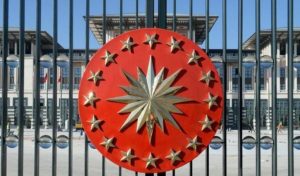
Η βαθιά Τουρκία επιτίθεται

0

του ΠΑΝΤΕΛΗ ΣΑΒΒΙΔΗ.
(Φωτ.: EPA)

Η είδηση, σήμερα, είναι ότι «άγνωστοι» άνοιξαν πυρ κατά της αμερικανικής πρεσβείας στην Άγκυρα. Είναι άλλη μια εκδήλωση του βαθέος τουρκικού κράτους, που συνήθως σε τέτοιες περιπτώσεις καθοδηγείται από θεσμούς της επίσημης εξουσίας, και ένα μήνυμα προς την Ουάσιγκτον με ποιους έχει να κάνει.

Η πραγματική φύση της Τουρκίας είναι αυτή. Επίθεση, λεηλασία, δολοφονίες, απειλές και άλλα παρόμοια.

Το μεγαλύτερο μέρος της τουρκικής κοινωνίας δεν καταλαβαίνει τίποτε από το τι συμβαίνει στις σχέσεις της χώρας του με τις ΗΠΑ και γιατί συμβαίνει. Έχει μια τυφλή προσήλωση στο κράτος και τον ηγέτη του και συσπειρώνεται γύρω του, όταν καλείται χωρίς να αναζητά τις αιτίες της πρόσκλησης για αυτήν τη συσπείρωση.

Το έζησαν οι Έλληνες το ’22, όταν φιλήσυχοι γείτονές τους με τους οποίους διατηρούσαν καλές σχέσεις, κλήθηκαν από την ηγεσία τους και τους επιτέθηκαν με θανάσιμα αποτελέσματα. Το ξαναέζησαν οι Έλληνες το ’55 με τους βανδαλισμούς στην Κωνσταντινούπολη που εξαφάνισαν τον ελληνισμό από την Πόλη υπό τα υποκριτικά βλέμματα των Δυτικών. Όποιος παρακολουθεί την Τουρκία αντιλαμβάνεται ότι αυτό το πνεύμα δεν εξέλιπε. Αντιθέτως, κυριαρχεί στη γειτονική χώρα περισσότερο, τώρα, με τον Ερντογάν, μετά και την απόπειρα πραξικοπήματος. Αυτή η βαρβαρότητα είναι διαχρονικό στοιχείο της τουρκικής κοινωνίας παρά τις επιμέρους διαφοροποιήσεις της. Η βαθιά Τουρκία διακατέχεται από τέτοιες αντιλήψεις.

  • Αυτή ήταν, και μάλιστα στα ακραία όριά της η Τουρκία με την οποία πολέμησε ο ελληνικός στρατός το ’22.
  • Αυτή ήταν η Τουρκία που αναζήτησε εκδίκηση με την αντεπίθεσή της.
  • Αυτή ήταν η Τουρκία το ’55 στην Πόλη και το ’74 στην Κύπρο.
  • Αυτή είναι η Τουρκία με την οποία έχουμε να κάνουμε. Η Τουρκία της Εργένεκον (Ergenekon), της υπόθεσης «Βαριοπούλα», του ερντογανικού παρακράτους.
  • Αυτή η Τουρκία, που συνεχίζει να υπάρχει, δεν αντιμετωπίζεται με τα γλυκανάλατα της Αθήνας.

Η μόνο δύναμη που καταλαβαίνει είναι η ισχύς του αντιπάλου της. Ας μην έχουμε ψευδαισθήσεις.

Ένα μέρος αυτής της Τουρκίας θα το αντιληφθεί και η σύγχρονη Αμερική αν συνεχίσει να αντιπαρατίθεται μαζί της αλλά και η, πάντοτε, υποκριτική Ευρώπη. Το πιθανότερο είναι πως και οι δύο θα υποταχθούν. Με κάποια ψιμύθια θα ανακρούσουν πρύμναν.

Η Τουρκία είναι ένα πρόβλημα. Γενικότερα για τη Δύση.

Σε όσους κάνουν τον παραλληλισμό με μερικές ελληνικές ομάδες ανάλογης συμπεριφοράς, θα έλεγα πως οι δικές μας δεν είναι ούτε καν παιδικές χαρές μπροστά στις τουρκικές. Αν συνεχιστεί το επεισόδιο Τουρκίας-ΗΠΑ θα έχουμε να δούμε πολλές ενδιαφέρουσες σκηνές του κλίματος του εξπρές του μεσονυχτίου.

pontos-news.gr

The West Must Face Reality in Turkey

0


Turkey’s currency crisis and standoff with the United States over the imprisonment of an American pastor have exposed the crumbling edifice of the two countries’ Cold War-era partnership. Rather than hold out hope that Turkey will return to the Western fold, US and European policymakers must consider a new policy toward the country.

NEW YORK – Now that Turkey is at loggerheads with its erstwhile ally, the United States, the country’s currency crisis has morphed into a political problem of the first order. The immediate issue is Turkey’s refusal to release the American pastor Andrew Brunson, who is being held on charges of terrorism, espionage, and subversion for his alleged role in the failed July 2016 coup against Turkish President Recep Tayyip Erdoğan. 

The US government is right to object to Brunson’s detention. But its reaction has been counterproductive. In particular, the imposition of additional US tariffs on imports of Turkish steel and aluminum could further undermine confidence in Turkey’s economy, triggering a wider crisis that would do serious harm to the global economy. Moreover, tariffs allow Erdoğan to blame his country’s economic woes on America, rather than on his own government’s incompetence.

It is still possible that the Turkish government will find a way to release Brunson, and that US President Donald Trump, anxious to demonstrate fealty to the evangelicals who form a core part of his base, will rescind the tariffs. But even if the immediate crisis is resolved, the structural crisis in US-Turkish relations – and Western-Turkish relations generally – will remain. We are witnessing the gradual but steady demise of a relationship that is already an alliance in name only. Though the Trump administration is right to have confronted Turkey, it chose not only the wrong response, but also the wrong issue.

The relationship between Turkey and the West has long been predicated on two principles, neither of which obtains any longer. The first is that Turkey is a part of the West, which implies that it is a liberal democracy. Yet Turkey is neither liberal nor a democracy. It has effectively been subjected to one-party rule under the Justice and Development Party (AKP), and power has become concentrated in the hands of Erdoğan, who is also the AKP’s leader.

Under Erdoğan, checks and balances have largely been eliminated from the Turkish political system, and the president controls the media, the bureaucracy, and the courts. The same failed coup that Erdoğan cites as grounds to imprison Brunson has also served as an excuse for detaining thousands of others. At this point, it is impossible to see how Erdoğan’s Turkey could ever qualify for EU membership.

The second principle underlying Turkey’s “Western” status is alignment on foreign policy. Turkey recently bought more than 100 advanced F-35 fighter jets from the US. Yet, in recent years, Turkey has also supported jihadist groups in Syria, moved closer to Iran, and contracted to purchase S-400 surface-to-air missiles from Russia. 

Above all, Turkey and the US find themselves on different sides in Syria. While the Syrian Kurds have been close partners of the US, they have been deemed terrorists by Turkey, owing to their ties to Kurdish groups inside Turkey that historically have sought autonomy, if not independence. Against this backdrop, it is not far-fetched to imagine US and Turkish forces coming to blows.

Some might say that the current level of US-Turkish friction is nothing new; the two countries have long had their share of differences. The Turks were not happy with the US decision to withdraw medium-range missiles from Turkey as part of the deal that ended the 1962 Cuban Missile Crisis. The two countries clashed repeatedly over the Turkish intervention and subsequent occupation of Northern Cyprus in 1974, and over US support for Greece. Turkey refused to give US military forces access to Incirlik Air Base during the Iraq war in 2003. And in recent years, the Turkish government has been infuriated by America’s refusal to extradite the Pennsylvania-based cleric Fethullah Gülen, whom Erdoğan believes masterminded the 2016 coup attempt.

Still, what we are seeing today is something different. The anti-Soviet glue that kept the two countries close during the Cold War is long gone. What we have now is a loveless marriage in which the two parties continue to cohabitate under the same roof, even though there is no longer any real connection between them.

The problem is that the NATO treaty provides no mechanism for divorce. Turkey can withdraw from the alliance, but it cannot be forced out. Given this reality, the US and the European Union should maintain a two-pronged approach toward Turkey.

First, policymakers should criticize Turkish policy when warranted. But they must also reduce their reliance on access to Turkish bases such as Incirlik, deny Turkey access to advanced military hardware like F-35s, and reconsider the policy of basing nuclear weapons in Turkey. Moreover, the US should not extradite Gülen unless Turkey can prove his involvement in the coup with evidence that would stand up in a US court and satisfy the provisions of the 1981 mutual extradition treaty. Nor should the US abandon the Kurds, given their invaluable role in the fight against the Islamic State (ISIS).

Second, the US and Europe should wait until the Erdoğan era is over, and then approach Turkey’s new leadership with a grand bargain. The offer should be Western support in exchange for a Turkish commitment to liberal democracy and to a foreign policy focused on fighting terrorism and pushing back against Russia.

Erdoğan recently warned in the New York Times that the US-Turkish partnership “could be in jeopardy,” and that Turkey would soon start looking for new friends and allies if US unilateralism and disrespect were not reversed. In fact, the partnership was already in jeopardy, largely because of Turkish actions, and Erdoğan had already begun the process of looking for new friends and allies. It is time for the US and Europe to adjust to this reality.

The Rise of Chinese Eurasianism

0

EXECUTIVE SUMMARY: Chinese Eurasianism, which – if the Belt and Road Initiative (BRI) is successful – will give Beijing new foreign policy tools to use against Washington, could prove more threatening to the US in the long run than the USSR was during the Cold War.

Many powers throughout history have tried to bring large parts of the Eurasian landmass into their folds. The Achaemenid Empire in antiquity, the Mongols and Tamerlane in the Middle Ages, and many others worked prodigiously to create a unified Eurasian space. After their military successes, though, the invaders could not offer any clear economic or cultural benefit to the various Eurasian peoples. The result was more or less rapid disintegration of their conquests.

The Russians of the 16th century, on the other hand, embarked on a project wherein they gradually built an empire with a clear philosophical vision of its role in world history. A strong Russian military was backed up by relatively attractive economic incentives for the peoples of Central Asia, the Caucasus, and parts of Eastern Europe.

One of the ideologies underpinning the Russian drive to dominate Eurasia was Eurasianism, a concept that emerged as a philosophical movement in the 1920s. There are multiple definitions of Eurasianism, but the most prominent sees Russia as neither a European nor an Asian culture but as a perfect mixture of the two. The Eurasian doctrine implied a specific geographic and philosophical identity for Russia.

During the Soviet period, Russian Eurasianism was overshadowed by Communist universalism, which encouraged direct Russian influence to spread not just to Eurasia but everywhere around the globe. The current Russian government wants to reinvigorate the notion of Eurasianism, but has so far largely failed to do so. The new integration project dubbed the “Eurasian Economic Union” is not a powerful entity and cannot compete with Europe or the Asia-Pacific.

Roughly speaking, the Russian long-term integration project for the Eurasian landmass was relatively successful until 2013, when the Chinese government unveiled its new, Eurasia-wide economic and political idea: the Belt and Road Initiative (BRI).

The Chinese focus on connectivity and integration across Eurasia distinguishes it from Russian Eurasianism insofar as the latter failed to counter Western economic, cultural, and military encroachment into the Russian backyard. The BRI, by contrast, is based on strong economic potential as well as solid institutions. The BRI seeks cross-continental connectivity and integration between China and Europe. Unlike Russian Eurasianism, Chinese Eurasianism would eventually challenge what we may provisionally call Atlanticism: a situation in which the US has built a security umbrella across the entire Eurasian landmass to prevent the emergence of a unified Eurasia.

Chinese Eurasianism will allow Beijing to gain additional foreign policy tools to use against the US, which pressures it in the Asia-Pacific region. China’s pivot to the West goes primarily through Central Asia, a region militarily dominated by Russia. At present, the US has few means of preventing China from increasing its influence in the region and will have to dedicate more economic and military resources to the purpose of countering the Chinese. As of now, Beijing is in a relatively good geopolitical position to bargain with Washington.

Since domination of the oceans is at the heart of US global power, Chinese initiatives to economically restructure the Eurasian landmass are bound to increase Washington’s suspicions of Beijing over the next years and decades.

In the long run, China is more problematic for the US than the USSR was during the Cold War. The Soviets were competing militarily, and did not attempt any large or long-lasting economic projects. It is true that the US had to expend great military and economic resources to stall Soviet influence, but the Soviet threat nevertheless remained solely military. The attractiveness of Communism was nonexistent and the Soviet economy was in a shambles. Taking a long view, it was predictable that the US would win the Cold War.

Today, China, with its powerful economic incentives, represents a much bigger threat to the US-led Eurasian order. China, Iran, and Russia are the pivotal countries in the Eurasian landmass and Washington has largely tense relations with all of them, which limits American power to prevent an alliance of convenience among anti-American countries.

Overall, the Russian vision of the Eurasian landmass is being gradually overshadowed by the Chinese vision. China as a continental power sees the advantages of moving through Central Asia and the Middle East to Europe, and Moscow does not possess the necessary capabilities to oppose Beijing.

View PDF

Emil Avdaliani teaches history and international relations at Tbilisi State University and Ilia State University. He has worked for various international consulting companies and currently publishes articles focused on military and political developments across the former Soviet space.

BESA Center Perspectives Papers are published through the generosity of the Greg Rosshandler Family

Η σύγκρουση ΗΠΑ-Τουρκίας ευκαιρία για “ξεκαθάρισμα” των σχέσεων με Ουάσιγκτον και Μόσχα

0

Του ΠΑΝΙΚΟΥ ΠΑΝΑΓΙΩΤΟΥ Hellas Journal

File Photo: US President Donald J. Trump (L) and Russian President Vladimir Putin (R). EPA, MAURI RATILAINEN TOPICS:ΕλλάδαΗΠΑΚυπριακόΡωσίαΤουρκία AUGUST 20, 2018

Υποψήφιοι για την προεδρία των Ηνωμένων Πολιτειών (Κάρτερ, Κλίντον, Ομπάμα) είχαν κάνει λόγο για τουρκική κατοχή στην Κύπρο και προεκλογικά υποσχέθηκαν να εργαστούν για τον τερματισμό της. Ως ένοικοι του Λευκού Οίκου, όπως όλοι οι πρόεδροι των ΗΠΑ -Δημοκρατικοί και Ρεπουμπλικάνοι-, δεν μίλησαν ποτέ για την αναγκαιότητα αποχώρησης των τουρκικών κατοχικών στρατευμάτων από το νησί.

Το ίδιο σκηνικό, με διαφορετικές προσεγγίσεις λόγω διαφορετικών συμφερόντων, επικράτησε όλα αυτά τα χρόνια και στη Μόσχα σε σχέση με την Κύπρο.

Η σταθερή θέση της Ρωσίας, και πριν της ΕΣΣΔ, για «πολιτική αρχών» στο Κυπριακό δεν ήταν ποτέ ξεκάθαρη υπέρ της αποχώρησης των τουρκικών στρατευμάτων.

Βέβαια, δεν σημαίνει συνάμα ότι θα πρέπει να τα βάζουμε όλα στο ίδιο καλάθι, ούτε για το χουντικό πραξικόπημα και την τουρκική εισβολή του 1974, αλλά ούτε και για τα όσα ακολούθησαν μέχρι σήμερα.

Όταν το Λονδίνο και η Ουάσιγκτον επεξεργάζονταν σχέδια λύσης του Κυπριακού που οδηγούσαν στη μόνιμη εξάρτηση της Κύπρου από την Τουρκία, η Λευκωσία αναζητούσε συνεχώς την υποστήριξη της Μόσχας στο Συμβούλιο Ασφαλείας του ΟΗΕ.

Για παράδειγμα, τρεις μέρες πριν το δημοψήφισμα της 24ης Απριλίου 2004, όταν αξιωματούχοι των Ηνωμένων Εθνών, των ΗΠΑ, της Βρετανίας και της ΕΕ απειλούσαν τον Κυπριακό λαό για αρνητικότατες συνέπειες και ότι θα πέσουν κεραμίδια στα κεφάλαια των Κυπρίων αν απορρίψουν το σχέδιο Ανάν, στην έδρα του ΟΗΕ είχαμε βιώσει τις προσπάθειες της Λευκωσίας για να αποφευχθεί η συντονισμένη επιχείρηση εξαναγκασμού για αποδοχή του «τουρκοβρετανικού σχεδίου». Τελικά, το ψήφισμα απορρίφθηκε λόγω του ρωσικού βέτο.

Επίσης, δεν ήταν λίγες οι φορές που η Λευκωσία και η Αθήνα αναζητούσαν τον Σεργκέι Λαβρόφ, αρχικά ως Μόνιμο Αντιπρόσωπο της Ρωσίας στον ΟΗΕ και μετά ως υπουργό Εξωτερικών, για να του ζητήσουν τη βοήθεια και την παρέμβασή του με σκοπό να αποφευχθούν δυσάρεστες εξελίξεις όχι μόνο στο Κυπριακό, αλλά και για άλλα ελληνικά ζητήματα.

Ανεξάρτητα ποιες ήταν και είναι οι πραγματικές προθέσεις της Μόσχας, στο πλαίσιο της υπεράσπισης των δικών της συμφερόντων, και πέρα από το πώς κρίνει ο καθένας μας την πραγματικότητα και την προοπτική του Κυπριακού, τα γεγονότα είναι γεγονότα.

Αν η Ελλάδα και η Τουρκία δεν ήταν μέλη του ΝΑΤΟ, τη λεγόμενη «πολιτική αρχών», που επικαλείται όλα αυτά τα χρόνια η Ρωσία, θα την ασκούσε πολύ πιθανόν η Ουάσιγκτον και οι ρόλοι θα αντιστρέφονταν.

Μέσα απ’ όλα αυτά, η Άγκυρα δεν ένιωσε ποτέ από κανένα -ούτε από Δύση ούτε από Ανατολή- κάποια μορφή πίεσης ώστε να αναλογιστεί το πιθανό κόστος που θα έχει αν συνεχίσει να κατέχει παράνομα κυπριακό έδαφος και να γεμίζει τα κατεχόμενα με έποικους.

Μετά από 44 και πλέον χρόνια, που εξακολουθούμε (αν όχι όλοι, τουλάχιστον οι περισσότεροι), να λέμε: την προδοσία προδοσία, την κατοχή κατοχή, την προσφυγιά προσφυγιά και την απελευθέρωση απελευθέρωση, βρισκόμαστε μπροστά σε μια νέα πραγματικότητα σε σχέση με το πώς αντιμετωπίζουν οι ΗΠΑ και η Ρωσία την Τουρκία και φαίνεται ότι για πρώτη φορά ενδεχομένως να αντιστραφούν οι ρόλοι.

Στο προηγούμενο κείμενό μας, σημειώναμε ότι «ο Ντόναλντ Τραμπ δεν είναι μόνο απρόβλεπτος, αλλά και ο νέος πολέμιος του Ταγίπ Ερντογάν. Στη βράση κολλάει το σίδερο και τώρα προσφέρεται μια μοναδική ευκαιρία για πιθανή ανατροπή του σκηνικού στο Κυπριακό και στα Ελληνοτουρκικά». Και τέτοιες ευκαιρίες, με τα όσα εξελίσσονται μεταξύ ΗΠΑ και Τουρκίας, αλλά και μεταξύ Ισραήλ και Τουρκίας, δεν παρουσιάζονται συχνά.

Την ίδια στιγμή, ο Βλαντιμίρ Πούτιν αξιοποιεί μεθοδικά στο έπακρο τον αντιδυτικό ισλαμισμό του Ερντογάν και την υποβόσκουσα κρίση, εδώ και αρκετό καιρό, στις αμερικανοτουρκικές σχέσεις. Ανάλογα με την τροπή των εξελίξεων στο πεδίο της σύγκρουσης Ουάσιγκτον – Άγκυρας, ορισμένοι Αμερικανοί αναλυτές δεν αποκλείουν ακόμη και την πιθανότητα ο Τούρκος πρόεδρος να οδηγήσει τη χώρα του στην έξοδο από το ΝΑΤΟ.

Παρά τα όσα συμβαίνουν σήμερα στις σχέσεις Ρωσίας-Τουρκίας και ΗΠΑ-Τουρκίας, η Αθήνα και η Λευκωσία δεν πρέπει να ξεχνούν, αλλά ίσως έφτασε και η ώρα για να «ξεκαθαριστούν οι σχέσεις» τους με τη Μόσχα, ειλικρινά και φιλικά. Και «ξεκαθάρισμα των σχέσεων» σημαίνει ότι οι «αξιόπιστες συμμαχίες» και οι «δυνατές φιλίες» συνοδεύονται με ουσιαστική στήριξη για την αποχώρηση του τουρκικού κατοχικού στρατού από την Κύπρο, την προάσπιση των ελληνικών κυριαρχικών δικαιωμάτων στο Αιγαίο και την υπεράσπιση της απρόσκοπτης άσκησης του δικαιώματος αξιοποίησης της ελληνικής και της κυπριακής ΑΟΖ.

Ακριβώς με την ίδια φιλοσοφία να αντιμετωπιστούν οι σχέσεις με τις ΗΠΑ, στο πλαίσιο της νέας πραγματικότητας. Και όπως αναφέραμε ξανά, στη διεθνή πολιτική σκακιέρα κανείς δεν αποκτά «δώρα» χωρίς διεκδικητική πολιτική. Η Ελλάδα και η Κύπρος δεν αναζητούν τον Άγιο Βασίλη, αλλά την εφαρμογή του Διεθνούς Δικαίου, της Σύμβασης του Δικαίου της Θάλασσας, των Ανθρωπίνων Δικαιωμάτων και του Καταστατικού Χάρτη των Ηνωμένων Εθνών. Αυτό θα είναι το «ξεκαθάρισμα των σχέσεων» με Ουάσιγκτον και Μόσχα!

Πηγή: Η σύγκρουση ΗΠΑ-Τουρκίας ευκαιρία για “ξεκαθάρισμα” των σχέσεων με Ουάσιγκτον και Μόσχα https://hellasjournal.com/2018/08/i-sygkroysi-ipa-toyrkias-eykairia-gia-quot-xekatharisma-quot-ton-scheseon-me-oyasigkton-kai-moscha/

Jour J pour la Grèce

0

Marqué par huit ans d’austérité, le pays sort du programme d’assistance de l’UE. La Grèce aura reçu en tout 289 milliards d’euros de prêts.

Le chômage vient seulement de redescendre sous 20 % après un pic à 27,5 % en 2013.

« Personne n’y croyait », expliquait en juin dernier au Point Alexis Tsipras. Le Premier ministre grec et son pays voient le bout du tunnel. Le dernier des plans d’aide qui régissent la Grèce depuis 2010 s’achève lundi, avec un pays mieux portant mais marqué par huit ans d’austérité. Après le Portugal, l’Irlande, l’Espagne et Chypre, la Grèce était le dernier pays de la zone euro encore sous programme d’assistance depuis la crise.

As pro-Palestinian pols win primaries, US Jews ask if it’s ‘a wave or a ripple’

0
SEYMOUR REICH: ISRAELI GOV’T POLICIES ARE COSTING SUPPORT

In recent weeks, three Democratic candidates highly critical of Israel have won elections; Jewish Democratic leaders deny a broader trend

This summer has been a good one for pro-Palestinian candidates running for the US Congress.

Alexandria Ocasio-Cortez, who has slammed Israel’s West Bank occupation, shocked the political world with her upset victory over veteran congressman Joe Crowley for his New York House seat.

Illhan Omar, who has called Israel an “apartheid regime,” won the Democratic nomination for a Minnesota House seat.

And Rashida Tlaib, a Palestinian-American who calls for a one-state solution that would spell the end of Israel as a Jewish state, and for gutting US military aid to Israel, won her party’s nomination for a Michigan House seat.

All of these candidates are heavily favored to win the general election in their reliably blue districts. And they are posing a question for Washington’s pro-Israel establishment: What does their collective ascendance forebode about the future of US-Israel relations?

The answer depends on who you ask. Pro-Israel operatives who focus on maintaining bipartisan support for the Jewish State insist it means very little. Presuming they go to Capitol Hill, they will be just three of 535 members of Congress.

In this November 6, 2008 photo, Rashida Tlaib, a Democrat, is photographed outside the Michigan Capitol in Lansing, Michigan. (AP Photo/Al Goldis)

“Viewed in the context of all of the congressional candidates running this year, we anticipate that the next Congress will continue to have a strong bipartisan consensus in support of the US-Israel relationship,” an AIPAC spokesperson told The Times of Israel.

But there are others who think what’s beginning to unfold is the inevitable outcome when an Israeli prime minister aligns himself, or is perceived to align himself, with one political party, and who advances policies that are known to ostracize America’s progressive movement — with which most US Jews happen to associate.

“It’s troubling,” said Seymour Reich, a former chair of the Conference of Presidents of Major American Jewish Organization, US Jewry’s umbrella group, and international president of B’Nai Brith. “This government of Israel doesn’t understand that its policies are losing support not only with American Jews but many on the left.”

“The Israeli government seems to be relying on Republicans and evangelicals for its long-range support,” he went on, “and that’s a losing proposition.”

Ilhan Omar, Democrat Minnesota House of Representatives, seen here after she was elected to the state legislature in January 5, 2017. (Jim Mone/AP)

Some of these candidates are beyond the pale for even Washington’s most fervent defenders of Palestinian rights. The Middle East advocacy group J Street withdrew its endorsement of Tlaib on Friday afternoon, citing her opposition to a two-state outcome between Israelis and Palestinians.

“While we have long championed the value of a wide range of voices in the discussion of the conflict and related issues, we cannot endorse candidates who come to the conclusion that they can no longer publicly express unequivocal support for a two-state solution,” the organization said.

But Jewish Democratic leaders, for their part, argue that the emergence of these three candidates don’t reflect a broader trend within the party.

US Congressman Ron Klein, D-Florida. (Public Domain/Wikipedia)

“It means nothing about the Democratic Party,” said Ron Klein, a former Florida congressman who now chairs the Jewish Democratic Council of America. “It means we have two or three candidates in those communities who we don’t think are supportive of Israel and our role is to reach out and inform them about our positioning and see if can persuade them.”

Klein said that his organization — the Democrats’ political advocacy arm with the American Jewish community — has been in touch with Ocasio-Cortez’s staff, and they are planning a meeting for after the election.

Ocasio-Cortez, a rising political star who has denounced Israel’s “occupation of Palestine” and called the killing of Palestinian protesters by Israeli troops at the Gaza fence in May a “massacre,” has tempered some of her stances. On a July edition of PBS’s “Firing Line,” the 28-year-old said she was “not the expert” on the intractable Israeli-Palestinian conflict.

Klein is also quick to note that her campaign was centered not around Middle East politics, but social issues, like racial injustices and growing inequality.

“If you understand where she came from, her candidacy, she was all about domestic liberal issues: Bernie Sanders, healthcare for all, free higher education for all, very socially liberal positions,” he said. “The positions she took on Israel were not what she based her campaign on.”

Meanwhile, there are some in the pro-Israel sphere who don’t associate with either party, but who think US President Donald Trump is at least partly responsible for the rise of candidates highly critical of Israel.

US President Donald Trump (r) meets with Israeli Prime Minister Benjamin Netanyahu in the Oval Office of the White House, March 5, 2018, in Washington. (AP Photo/Evan Vucci)

“The extreme progressive wing of the Democratic Party has been energized by Donald Trump’s presidency and they are coming out in force,” said Ron Halber, the Jewish Community Relations Council of Greater Washington’s executive director.

Beyond his close relationship with Prime Minister Benjamin Netanyahu, Trump delighted Israelis and intensely angered Palestinians over his decision last year to formally recognize Jerusalem as Israel’s capital, which culminated in his opening the new US embassy there in May.

Palestinian Authority President Mahmoud Abbas fumed over the Jerusalem recognition last December, and has since refused to meet with Trump officials, casting them off as unable to act as honest mediators in any negotiating process.

That may have galvanized candidates and constituencies who are already antithetical to Trump to take a stronger stance on behalf of the Palestinian cause, Halber suggested.

“Among the population of [far left candidates] who are running, there are many who have hostile views [toward Israel],” he said. “But I still believe that the majority of the Democratic Party is pro-Israel.”

At this stage of Trump’s term, and with an American political landscape rapidly changing, it’s not quite clear how marginal such candidates as Ocasio-Cortez, Omar, and Tlaib will prove to be in the not-too-distant future.

“Is it a wave or is it a ripple?” Halber wondered out loud. “Or is it a bubble?”

New York congressional candidate Alexandria Ocasio-Cortez addresses supporters at a fundraiser Thursday, Aug. 2, 2018, in Los Angeles. (AP Photo/Jae C. Hong)


www.timesofisrael.com

Turkey Could Create A Larger Crisis Than Greece

0

The Turkish lira collapse should have surprised no one. Yet, in this bubble-justifying market, it did.

First and foremost, the lira decline has been ongoing for some time, and has nothing to do with the strength of the US dollar in 2018. The collapse of Turkey was an accident waiting to happen and is fully self-inflicted.

It is yet more evidence of the trainwreck that monetarists cause in economies. Those that say that “a country with monetary sovereignty can issue all the currency it wants without risk of default ” are wrong yet again. Like in Argentina, Brazil, Iran, Venezuela, monetary sovereignty means nothing without strong fundamentals to back the currency.

Turkey took all the actions that MMT lovers applaud. The Erdogan government seized control of the central bank, and decided to print and keep extremely low rates to “boost the economy” without any measure or control.

Turkey-Money-supply-currency-600x408.jpg

Turkey’s Money Supply tripled in seven years, and rates were brought down massively to 4.5%.

However, the lira depreciation was something that was not just accepted by the government but encouraged.  Handouts in fresh-printed liras were given to pensioners in order to increase votes for the current government, subsidies in rapidly devaluing lira soared by more than 20% (agriculture, fuel, tourism industry) as the government tried to compensate the loss of tourism revenues due to security concerns with subsidies and grants.

Loss of foreign currency reserves ensued, but the government soldiered on promoting excessive debt and borrowing. Fiscal deficits soared, and the rapidly devaluing lira led to a rising amount of loans in US dollars.

This is the typical flaw of monetarists, they believe monetary sovereignty shields the country from external shocks and loans in foreign currencies soar because no one wants to lend in a constantly-debased currency at affordable rates. Then the central bank raises rates but the monetary hole keeps rising as the money supply continues to grow to pay for handouts in local currency.

Now the Risk Is Rising for the Rest of Europe

On one hand, the exposure of eurozone banks like BBVA, BNP, Unicredit to Turkey is very relevant.  Between 15% and 20% of all assets.

On the other hand, the rise in non-performing loans is evident.  Turkey’s loans in US dollars account for around 30% of GDP according to the Washington Post, but loans in euro could be as much as another 20%. Turkey’s lenders and governments made the same incorrect bet that Argentina or Brazil made. Betting on a constantly weakening US dollar and that the Federal Reserve would not raise rates as announced. They were obviously wrong. But that erroneous bet only adds to the already existing monetary and fiscal imbalances.

Money supply continues to grow at almost double-digit rates, the government’s outlays exceed the diminishing reserves and capital flight starts to be evident as savers and investors fear that the Erdogan government prefers to take the option of capital controls in order to seize complete power than to restore economic credibility with sound money policies.

Like Argentina before, raising rates too late does not calm the market when the risk is capital controls and a bank run. Raising rates to 18% does not encourage anyone in Turkey to keep money in the bank when the risk is to lose all the money. Rates went from 8 to 17.5% and the crisis worsened. It will not stop because of slightly higher rates.

Because the problem of Turkey is monetary and fiscal. Turkey will need a massive adjustment program and a credible opening of its institutions and markets to attract capital and restore growth. Unfortunately, the route seems to be more government control of institutions, less investment security, and deepening the crisis blaming the inexistent external enemy.

Erdogan is fighting against a very dangerous economic foe: himself.

For Europe, this is a devil’s alternative. Bailing out Turkey will give further control to Erdogan and increase the imbalances of the economy while imposing higher restrictions to freedom.

Not bailing out Turkey, on the other hand, would cause a  much larger crisis than Greece was. Because too many eurozone funds and bank investments have been directed towards Turkey as a way to get access to some growth and inflation. What they got was a risk of capital controls and currency debasement.

The biggest risk for Europe will be to try to cover this mess with some aid in exchange for refugee and border support. Because what is already a relevant risk, but contained, will likely balloon to unmanageable proportions.

Daniel Lacalle has a PhD in Economics and is author of Escape from the Central Bank Trap, Life In The Financial Markets and The Energy World Is Flat.

mises.org

Can Manila get a good joint exploration deal with China in the West PHL Sea?

0

In Photo: In this April 21, 2017, file photo, Chinese structures and buildings on the man-made Subi Reef at the Spratlys group of islands are seen from the Thitu Island off the South China Sea.

NOW that the ball has started rolling for the possible joint exploration by the Philippines and China in the West Philippine Sea, analysts are wary of the risks it will bring. At the same time, however, they see that this can be averted if the technical working group (TWG) entrusted with the hard task of crafting the nitty-gritty of such an initiative will do its job well.

Experts also believe that the TWG must ensure that any joint exploration deal will be in accord with the Philippine Constitution and will not imperil what the country has already won in the arbitral ruling by the Permanent Court of Arbitration in The Hague in July 2016.

At the same time, they concede that allowing the status quo to continue—where there will be no progress in petroleum exploration and development—could be fatal to an economy with high growth projections.

Meanwhile, both Victor Andres C. Manhit, president of Stratbase ADR Institute, and maritime law expert Jay Batongbacal did not discount the possibility that China may use the deal as a trap for the Philippines to later give in to what it wants.

Batongbacal, director of the University of the Philippines Institute for Maritime Affairs and Law of the Sea, said the TWG’s role is crucial since the group has to be the one to watch out for the Philippine interest.

He added the TWG’s work is tough, since they need to do a lot of homework and research to ensure that this joint development “does not end up becoming a means for the Philippines to surrender some aspect of what it has already won in the arbitration.”

More than two years since the historic victory of the Philippines when The Hague-based UN tribunal issued the landmark decision invalidating China’s massive claims of ownership under its nine-dash-line principle in the South China Sea, Beijing still does not recognize the arbitral ruling.

The arbitral decision had also underscored that the Asian superpower has no legal basis to claim historic rights within the sea areas falling within their “nine-dash line.”

TWG ‘approved in principle’

Last week the President approved “in principle” the establishment of a TWG on the joint exploration, according to Foreign Secretary Alan Peter Cayetano.

The secretary said the TWG will have representatives from the Departments of Environment and Natural Resources, Energy and of National Defense; National Security Council; National Intelligence Coordinating Agency; and the Department of the Interior and Local Government.

To advise and help in the negotiation stage, a legal team with representatives from the Department of Justice and the Office of the Solicitor General will be formed.

Cayetano said China is also ready with its own TWG and is hoping that the framework agreement between the two countries could be signed in September.

Batongbacal said the agreement with China could either be so simple that will not help at all, or be too detailed that the country might end up giving up more than it is supposed to.

“The very important part there [that the TWG should watch out for] is the aspect of control and exclusive sovereign rights. They [TWG members] should not be placed in a position that because of this deal we will be unable to continue exploring and developing our own resources without China and we might end up being locked in this kind of deal,” he said.

Batongbacal said he doesn’t rule out that possibility, adding that China doesn’t have an urgent need for these resources.

For Manhit, there is a need for strong safeguards in forging this deal with China, such as the possibility of filing cases against China if they deviate from what was agreed upon.

“There is a saying that the greatest equalizer among nations is international law. Because we are small compared to them, they’re big so you have to build on the contract, on the strength of the law. What can we do if we don’t put that safeguard? Then we basically sell ourselves out. We have to protect our nation’s interest,” he said.

Manhit hopes the government will be mindful of its actions that can affect future generations.

“I hope that our government [officials] remember that they are accountable to the Filipino people and their actions today will have an effect [beyond] the term of office of this administration,” he said. “I use the word accountability. They will be made accountable by the Filipino people or the Philippine republic, so they need to take that into consideration, just like anyone who negotiated for Shell Malampaya,” he added, referring to the gas field in Palawan operated by a foreign-led consortium of experienced petroleum players, with a revenue-sharing scheme between the private companies and the Philippine government.

In Manhit’s view, negotiations for the Shell Malampaya went well, because they satisfied the profit requirements of Shell and its consortium partners, but more so, the Filipino people. Furthermore, no money was spent by Philippine taxpayers in that joint exploration, while they got a stable energy source and a substantial revenue stream.

For the country to avoid being trapped in a bad deal, Manhit stressed the importance of consulting with the Philippine lawyers who built the case that brought the country victory in The Hague in 2016.  “They would understand the limits or what we got from the arbitral award since they studied it already,” he said. “It’s best to consult them [to ensure] that we are not violating any award we got from the arbitral decision in 2016.”

These lawyers, he noted, are some of the best legal minds, and are committed to protect the interest of the Filipino people. They are not beholden to China and are not politically affiliated with either President Duterte or Chinese President Xi Jinping.

There are urgent reasons for extracting resources and there is nothing wrong with working with China, Manhit said, as long as it does not violate any part of the UN arbitral decision and the deal works within the bounds of Philippine laws.

“China should be welcomed just like any investment from China, Japan or any other country, just like Shell Malampaya. This is a consortium of Western nations. We’re happy to serve them but it is within the laws of the Philippines,” he said.

Other players

Manhit and Batongbacal both believe the Philippines could also work with other countries aside from China.

For Manhit, it would be best for the country to also explore possible contracting or exploration with other big nations that have the technical and financial capacity, but the same rules should apply—everything is done in accordance with Philippine laws.

“I always believe that we should be open to anyone who can give us the best deal or partnership. At the end of the day, what we should keep in mind is we are here for the interest of the Filipino nation,” he said. “What’s best for the Filipino nation today in the long term is more important than what is best for the political concern of certain individuals. So what’s best for the Filipino nation should be our primary goal.”

Batongbacal said China is not just the “only kid in town” when it comes to petroleum development, as the government can tap other countries and corporations, if it has the political will to do it.

It is not a matter of life and death for the country to push through with the joint exploration, he said, but added that a power crisis will ensue if there is no progress on petroleum exploration and development, particularly to fill in what the country will lose from Malampaya when it shuts down around 2024 or 2025.

“There are other ways to fill in that gap, but more likely it’s going to be more expensive and more environment-costly,” he said.

‘Only way forward’

Because of the suspension of all petroleum exploration, which has not been lifted until now, the joint exploration track seems to be the “only way to move forward.”

The track record of China in joint exploration deals is also “not really encouraging,” Batongbacal said, noting that its deals with Japan, Korea and Vietnam were not successful for various reasons.

Assuming the Philippines-China joint exploration deal will be successful, Batongbacal said this will be a new thing.

Cayetano has since defended the decision on the joint exploration, saying that the country will not allow the oil and gas to be harvested “unilaterally.”

He earlier noted that the Philippines will not agree unless the resulting deal is as good as, or better than the Malampaya agreement.

The Philippine government and the Malampaya consortium have a 60-40 sharing of revenues for the gas deposits off the shore of Palawan.

Given that the Duterte administration boasts friendlier ties with China compared to the previous administration, getting a comparative or even better deal than the Shell Malampaya should be a realistic goal.

Cayetano has since said both parties have to temporarily set aside their claims to both territory and sovereign rights for the joint exploration to push through.

To be sure, the work of any TWG will not be easy or simple, but the challenge should be enough motivation to move forward.

mm

Bernadette D. Nicolas currently covers Malacanang, Consultative Committee tasked to review 1987 Constitution, Department of Budget and Management and Philippine Competition Commission. She has more than 2 years experience of working with a multiplatform media group before transferring to BusinessMirror in February 2018. She earned her Journalism degree at University of Santo Tomas in 2014.
https://businessmirror.com.ph/can-manila-get-a-good-joint-exploration-deal-with-china-in-the-west-phl-sea/

This new Defense Department map shows how China says one thing and does another with its military operations at sea

0
Lamar Salter
  • China frequently protests military operations in its Exclusive Economic Zone, the area adjacent to a country’s coast in which it has economic rights.
  • But China doesn’t appear to have reservations about conducting its own military operations in other countries’ EEZs.
  • The US and others continue to use military operations to contest Beijing’s expansive claims in the South China Sea.

China’s expansive claims in the South China Sea and its broad interpretations of international law often lead it to protest what many other countries consider to be normal naval maneuvers in the area. But farther afield, Beijing’s activity indicates that it doesn’t abide by the standard it applies to others.

China frequently protests military operations by US and other countries in its Exclusive Economic Zone, which can extend up to 230 miles from a country’s coast. Beijing has referred to those operations as “close-in surveillance.”

The US and other countries have countered that the UN Convention on the Law of the Sea, or UNCLOS, permits military activity inside EEZs. (The US is not a signatory to the UNCLOS.) An international tribunal has also ruled that China’s claims in the South China Sea have no legal basis.

In addition to its protests about military operations inside its EEZ, China has also protested ships passing within the territorial waters — which extend nearly 14 miles from a coast — of disputed islands in the South China Sea where China has constructed military facilities. The international tribunal also rejected those claims.

China naval EEZ operations mapUS Defense Department

According to the US Defense Department, however, China’s People’s Liberation Army Navy has carried out a number of military operations inside the exclusive economic zones of other countries, seemingly contradicting the stance it takes in waters closer to home.

“Although China has long challenged foreign military activities in its maritime zones in a manner that is inconsistent with the rules of customary international law as reflected in the [law of the sea convention], the PLA has recently started conducting the very same types of military activities inside and outside the first island chain in the maritime zones of other countries,” the department said in its annual China military-power report, released this week.

“This contradiction highlights China’s continued lack of commitment to the rules of customary international law,” the report adds.

China Navy
Chinese subs and warships during an international fleet review to celebrate the 60th anniversary of the founding of the People’s Liberation Army Navy in Qingdao, Shandong province, April 23, 2009.
 Reuters

Since 2014, the Chinese navy has conducted what the Defense Department refers to as “uninvited” operations throughout the Pacific and Indian Oceans.

In 2017, a Chinese spy ship entered Australia’s EEZ to observe US and Australian ships during military exercises; entered the US’s EEZ around the Aleutian Islands, in what was likely an attempt to monitor testing of the Terminal High Altitude Area Defense system; and carried out air and naval operations inside Japan’s EEZ.

Chinese naval vessels also carried out a delivery to Beijing’s base in Djibouti, which is China’s first overseas base and is near a major US outpost.

This year, China dispatched a spy ship to monitor the US-led Rim of the Pacific exercise around Hawaii, as it has done in years past, after the US rescinded Beijing’s invitation to the exercise over the latter’s actions in the South China Sea.

The U.S. Navy destroyer USS John S. McCain conducts a patrol in the South China Sea
US Navy destroyer USS John S. McCain conducts a patrol in the South China Sea.
U.S. Navy/Petty Officer 3rd Class James Vazquez/Handout via REUTERS

The US and other countries involved in those incidents have not protested the presence of Chinese ships in their EEZs, seeing it as allowed under international law. Some have cited China’s presence in foreign EEZs as justification for similar movements in China’s EEZ and as a tacit acknowledgement by Beijing of those rules.

In the South China Sea, the US has continued to carry out freedom-of-navigation operations around disputed islands, in part to show it does not recognize China’s claims there as valid under international law.

Days after one of the most recent FONOPS, as they are known, Defense Secretary Jim Mattis promised more and underscored their significance.

“They’re freedom of navigation operations. And you’ll notice there’s only one country that seems to take active steps to rebuff them or state their resentment of them,” Mattis said in late May, adding that the US would continue “confront what we believe is out of step with international law, out of step with international tribunals that have spoken on the issue.”

https://www.businessinsider.com/defense-department-map-shows-chinas-naval-operations-in-maritime-eezs-2018-8

Η Τουρκία, οι υποβαθμίσεις και το υπόγειο «παζάρι» με τις ΗΠΑ

0
  • των Katrina Manson (Ουάσινγκτον), Jessica Dye και Robin Wigglesworth (Νέα Υόρκη) Financial Times/euro2day.gr

Τις παρασκηνιακές κινήσεις για εκτόνωση της κρίσης Ουάσινγκτον-Άγκυρας αποκαλύπτουν οι Financial Times, την ώρα που η αγορά κλιμακώνει τις πιέσεις της στην Τουρκία. Τα ανταλλάγματα για την απελευθέρωση του αμερικανού πάστορα Μπράνσον, και ποια εμμονή του Ερντογάν οδήγησε σε “ναυάγιο” το deal.

Οι σχέσεις μεταξύ των δυο συμμάχων του ΝΑΤΟ  επιδεινώθηκαν σημαντικά από τότε που «ναυάγησε», τον περασμένο μήνα,  μια προσεκτικά σχεδιασμένη συμφωνία που θα διασφάλιζε την απελευθέρωση του ευαγγελιστή πάστορα Άντριου Μπράνσον, ο οποίος συνελήφθη από τις Τουρκικές αρχές το 2016.

Ο αμερικανός πρόεδρος Ντόναλντ Τραμπ ίσως είναι έτοιμος να επαναφέρει τη συμφωνία μόνο όμως εάν πρώτα απελευθερωθεί ο πάστορας, σύμφωνα με άτομα που γνωρίζουν το θέμα.

Στο πλαίσιο της συμφωνίας, ο Μεχμέτ Χακάν Ατίλα, ο Τούρκος τραπεζίτης που έχει φυλακιστεί στις ΗΠΑ για παραβίαση των αμερικανικών κυρώσεων κατά του Ιράν, θα επιστρέψει στην Τουρκία για να εκτίσει την ποινή του, κάποιες εβδομάδες αφού απελευθερωθεί ο Μπράνσον. Μετά από αυτό, οι Τουρκικές αρχές θα απελευθερώσουν τουλάχιστον τέσσερις άλλους αμερικανούς πολίτες που βρίσκονται υπό κράτηση.

Ωστόσο, η Τουρκία εξακολουθεί να επιμένει πως θα πρέπει να εγκαταλειφθεί τελείως η υπόθεση κατά της κρατικής τράπεζας Halkbank για την παραβίαση των κυρώσεων, περιλαμβανομένης της πιθανότητας να της επιβληθούν πρόστιμα ύψους δισεκατομμυρίων δολαρίων. Αμερικανοί αξιωματούχοι, από την πλευρά τους, έχουν επανειλημμένως πει στην Άγκυρα πως δεν μπορούν να παρέμβουν στη νομική διαδικασία που έχουν κινήσει ομοσπονδιακοί εισαγγελείς της Νέας Υόρκης.

Το αδιέξοδο απειλεί να υπονομεύσει τις επίπονες προσπάθειες της Άγκυρας αυτήν την εβδομάδα να καθησυχάσει τις αγορές για την οικονομική της πολιτική, μετά τη «βουτιά» της τουρκικής λίρας που είχε επιπτώσεις σε άλλες αναδυόμενες αγορές.

Υπογραμμίζοντας τις εντεινόμενες ανησυχίες, οι Moody’s και Standard & Poor’s υποβάθμισαν το χρέος της Τουρκίας σε ακόμα μεγαλύτερη μη επενδυτική βαθμίδα –την περιοχή junk όπως λέγεται- και προειδοποίησαν πως η νομισματική της κρίση θα έχει βαρύ οικονομικό και χρηματοπιστωτικό τίμημα.

«Η έλλειψη ή οι καθυστερήσεις στην κατάρτιση ενός ολοκληρωμένου και αποτελεσματικού οικονομικού σχεδίου για την αντιμετώπιση των υποβοσκόντων αιτιών της πρόσφατης χρηματοοικονομικής πίεσης είναι μια ξεκάθαρη ένδειξη της επιδεινούμενης προβλεψιμότητας και αποτελεσματικότητας της πολιτικής», ανέφερε η Moody’s. «Οι εξωτερικές χρηματοδοτικές ανάγκες της Τουρκίας παραμένουν σημαντικές, και ο κίνδυνος μιας κρίσης στο ισοζύγιο πληρωμών συνεχίζει να αυξάνεται».

Η τουρκική λίρα υποχώρησε κατά 3,1% την Παρασκευή στις 6,02 λίρες/δολάριο, μειώνοντας στο 5,5% τα κέρδη που κατέγραψε κατά τη διάρκεια της εβδομάδας μετά την ανακοίνωση του πακέτου μέτρων από την κεντρική τράπεζα της χώρας.

Αμερικανοί αξιωματούχοι έχουν περάσει μήνες εργαζόμενοι πάνω σε μια επαναφορά των διπλωματικών σχέσεων με την Τουρκία με σκοπό να επιλυθούν πολλαπλά προβλήματα, που κυμαίνονται από τις εντάσεις για την στήριξη που παρέχουν οι ΗΠΑ σε εχθρούς της Τουρκίας στη Συρία, μέχρι την απελευθέρωση φυλακισμένων αμερικανών πολιτών –ο αριθμός των οποίων είναι απόρρητος και εκτιμάται πως είναι γύρω στα 20 άτομα.

Όταν «ναυάγησαν» αυτές οι προσπάθειες, η κυβέρνηση Τραμπ επέβαλε κυρώσεις σε δυο Τούρκους υπουργούς. Την περασμένη εβδομάδα, είπε πως θα διπλασιάσει τους δασμούς στις τουρκικές εισαγωγές χάλυβα και αλουμινίου.

“Έπρεπε να τον είχαν επιστρέψει (τον Μπράνσον) πριν από πολύ καιρό και η Τουρκία έχει, κατά την άποψή μου, ενεργήσει πολύ, πολύ κακώς», δήλωσε ο κ. Τραμπ στον Λευκό Οίκο την Παρασκευή. «Επομένως, δεν έχουμε δει ακόμη το τέλος αυτής της ιστορίας. Δεν πρόκειται να το δεχτούμε χωρίς να κάνουμε τίποτα. Δεν μπορούν να παίρνουν τους ανθρώπους μας».

Ο κ. Τραμπ προσβλήθηκε προσωπικά στην υπόθεση αυτή, καθώς ο ίδιος είχε προσωπικά παρέμβει για να διασφαλίσει την απελευθέρωση μιας Τουρκάλας που κρατούνταν στο Ισραήλ, και στήριξε τη διενέργεια έρευνας ως προς το αν οι ΗΠΑ θα πρέπει να εκδώσουν τον Φετουλά Γκιουλέν, τον κληρικό που έχει έδρα στην Πενσιλβάνια και τον οποίον η Άγκυρα θεωρεί υπεύθυνο για την απόπειρα πραξικοπήματος του 2016.

Στον κ. Ατίλα επιβλήθηκε ποινή φυλάκισης 32 μηνών τον Μάιο για τον ρόλο που έπαιξε σε συνομωσία για παράκαμψη των κυρώσεων κατά του Ιράν. Εργάζονταν στο τμήμα διεθνούς τραπεζικής της κρατικής Halkbank, που εξακολουθεί δυνητικά να αντιμετωπίζει κατηγορίες εγκληματικής ενέργειας για το ρόλο που έπαιξε στο «ξέπλυμα» 1 δις. δολαρίων από έσοδα ιρανικού πετρελαίου μέσω των ΗΠΑ.

Ο κ. Ατίλα θα έκτιε το υπόλοιπο της ποινής του στην Τουρκία, μια απόφαση που πήρε το «πράσινο φως» από επίπεδα της αμερικανικής κυβέρνησης που έφταναν μέχρι τον Τζεφ Σέσιονς, τον γενικό εισαγγελέα. Το υπουργείο Δικαιοσύνης αρνήθηκε να σχολιάσει.

Άτομο που βρίσκεται σε επαφή με αξιωματούχους που διαπραγματεύτηκαν την συμφωνία, τη χαρακτήρισαν ως «μια ανταλλαγή χωρίς ανταλλαγή».

Αμερικανοί αξιωματούχοι βρίσκονταν σε ετοιμότητα με ένα διαβατήριο για τον κ. Μπράνσον και με εισιτήρια επιστροφής για αυτόν και τη σύζυγό του. Ωστόσο, η συμφωνία δεν υλοποιήθηκε, καθώς ο πρόεδρος της Τουρκίας, Ρετζέπ Ταγίπ Ερντογάν, απαίτησε περισσότερες υποχωρήσεις για την Halkbank.

Μια πηγή δήλωσε πως οι υποχωρήσεις αυτές περιελάμβαναν μια δέσμευση από τις ΗΠΑ να αποσύρει την όποια περαιτέρω έρευνα στην τράπεζα, περίπου όπως έγινε με τη συμφωνία με την HSBC, όπου υπήρξε διακανονισμός παρόμοιας υπόθεσης με το Ιράν.

«Ο Ατίλα είναι ένα δευτερεύον ζήτημα. Η συζήτηση είναι για την απόσυρση του προστίμου και των κατηγοριών της Halkbank», ανέφερε πηγή που έχει γνώση της τουρκικής πλευράς των διαπραγματεύσεων.

«Νομίζουμε πως οι Αμερικάνοι χωρίς προϋποθέσεις θα πρέπει απλώς να αφήσουν το θέμα (της υπόθεσης Halkbank)», δήλωσε τουρκική κυβερνητική πηγή.

Η γενικότερη συμφωνία ήταν αποτέλεσμα μιας συντονισμένης προσπάθειας Τούρκων διαμεσολαβητών που επιδίωκαν μια επαναφορά των αμερικανοτουρκικών σχέσεων αρχής γενομένης από τον Δεκέμβριο.

Με τη βοήθεια του Μάθιου Μπράιζα, του πρώην αμερικανού διπλωμάτη που τώρα ζει στην Τουρκία, ο Αλί Ιχσάν Αρσλάν, τούρκος πολιτικός που βρίσκεται κοντά στον κ. Ερντογάν και είναι γνωστός ως «αυτός που κρατάει μυστικά», προσπάθησε να μηχανευτεί την επαναφορά αυτή όταν ο Τούρκος ηγέτης αποφάσισε να μαλακώσει την προσέγγισή του, όπως ανέφεραν τρεις πηγές που γνωρίζουν το θέμα.

Ο κ. Αρσλάν δεν βρέθηκε για να σχολιάσει. Ο κ. Μπράιζα αρνήθηκε να σχολιάσει.

Αυτοί που εμπλέκονται στις διαπραγματεύσεις, τονίζουν πως ο κ. Αρσλάν είναι ένας μόνο από τα πολλά «κρυφά κανάλια» και τους διαμεσολαβητές, και πως μεγάλο μέρος των συζητήσεων τώρα συνεχίζεται μέσω επίσημων διακυβερνητικών καναλιών.

Τουρκική αντιπροσωπεία επισκέφθηκε την Ουάσινγκτον την περασμένη εβδομάδα όμως δεν κατάφερε να εξασφαλίσει μια συμφωνία. Ομάδα που εκπροσωπούσε την Halkbank επίσης επισκέπτεται την Ουάσιγκτον αυτήν την εβδομάδα.

Η κυβέρνηση Τραμπ είναι απίθανο να δημοσιοποιήσει αυτή την πρόταση συμφωνίας, ωστόσο, υποστηρίζοντας πως η Τουρκία πρέπει απλά να απελευθερώσει τον κ. Μπράνσον προκειμένου να ξεμπλοκάρει την κρίση.

Ορισμένοι αμερικανοί αξιωματούχοι ανησυχούν πως τα φώτα που έχουν πέσει πάνω στον κ. Μπράνσον βάζουν σε κίνδυνο το μέλλον άλλων αμερικανών κρατούμενων, που δεν είναι Χριστιανοί ευαγγελιστές.

Copyright The Financial Times Limited 2017. All rights reserved.

Ελλειμμα διαχείρισης της τουρκικής κρίσης

0

EDWARD HADAS / REUTERS BREAKINGVIEWS

Η τουρκική νομισματική κρίση ήταν εύκολο να προβλεφθεί. Αυτό που προκαλεί μεγάλη έκπληξη είναι πόσο ατελέσφορη αποδείχθηκε η αντίδραση της παγκόσμιας κοινότητας. Η απουσία της παλιάς οικονομικής τάξης πραγμάτων είναι πιο έντονη από ποτέ. Ηταν σχεδόν βέβαιο ότι η αναταραχή θα έπληττε μια χώρα που βασιζόταν συνεχώς σε βραχυπρόθεσμα δάνεια για να χρηματοδοτεί μεγάλο έλλειμμα ισοζυγίου τρεχουσών συναλλαγών. Και δεν ήταν μόνο αυτό το πρόβλημα. Ο υψηλός εσωτερικός δανεισμός σε ξένο νόμισμα και ο υψηλός πληθωρισμός επιδείνωσαν το πρόβλημα. Το ίδιο έκανε και η τουρκική κυβέρνηση, η οποία περιφρόνησε τις συμβουλές των ξένων χρηματοδοτών που την έχουν βοηθήσει να διατηρεί σε λειτουργία την οικονομία της.

Τώρα, ο Τούρκος πρόεδρος Ταγίπ Ερντογάν βρίσκεται αντιμέτωπος με την καταστροφή. Η τουρκική λίρα έχει υποχωρήσει κατά περίπου 40% έναντι του δολαρίου από τις αρχές Μαΐου. Θα απαιτηθεί ένα θαύμα ή μια διεθνής πρωτοβουλία προκειμένου να αποφευχθεί το ξέσπασμα τραπεζικής κρίσης στην Τουρκία. Το ΔΝΤ διαθέτει τις γνώσεις πιθανότατα και τους πόρους που απαιτούνται για να σταθεροποιήσει τη λίρα. Ωστόσο, ο Ερντογάν το έχει παρουσιάσει ως εχθρό του λαού του. Η αντιπάθεια που δείχνει ο Ερντογάν ταιριάζει με την εθνικιστική και αυταρχική ατζέντα του, όμως δείχνει, παράλληλα, ότι έχει τρωθεί το κύρος παραδοσιακών φορέων με βαρύνουσα γνώμη στην παγκόσμια οικονομία. Η υπόληψη του ΔΝΤ έχει τρωθεί από αυτό που ευρέως θεωρείται τυφλή πίστη στα δόγματα του ελεύθερου εμπορίου, της ελεύθερης κίνησης κεφαλαίων και των ελεύθερων αγορών. Παρότι το Ταμείο έχει ακολουθήσει πιο ήπια προσέγγιση υπό την Κριστίν Λαγκάρντ, η απροθυμία της Τουρκίας να προσφύγει στο ΔΝΤ δείχνει ότι το Ταμείο δεν έχει πια το ηθικό κύρος που είχε κάποτε.

Οι ΗΠΑ αποτελούσαν στο παρελθόν αξιόπιστη πηγή πίεσης για αμφιταλαντευόμενες κυβερνήσεις, πιστωτές και διαπραγματευτές. Οχι πια. Ο Ντόναλντ Τραμπ επέτεινε την τουρκική κρίση, επιβάλλοντας επιπλέον δασμούς στην Τουρκία σε αντίποινα για τη φυλάκιση του Αμερικανού πάστορα. Η κυβέρνηση Τραμπ φαίνεται να μην ενδιαφέρεται για την οικονομική τύχη του συμμάχου της στο ΝΑΤΟ ή για την επίπτωση που θα έχει μια εχθρικά διακείμενη και εξασθενημένη Τουρκία στα αμερικανικά συμφέροντα στην περιοχή. Η χώρα που εγγυόταν κάποτε την παγκόσμια τάξη είναι πλέον απρόβλεπτη. Απομένει η Ε.Ε. Το 2017 το 47% των τουρκικών εξαγωγών είχε κατευθυνθεί προς την Ενωση, οι ευρωπαϊκές τράπεζες έχουν τη μεγαλύτερη έκθεση από όλες τις υπόλοιπες στην Τουρκία, η οποία φιλοξενεί περίπου 3,5 εκατ. Σύρους πρόσφυγες, ορισμένοι εκ των οποίων θα κατευθύνονταν προς την Ευρώπη σε διαφορετική περίπτωση. Κι όμως η Ε.Ε. μόλις και μετά βίας προσπαθεί να παρέμβει.

Δεν υπάρχει αμφιβολία ότι η παλαιά οικονομική τάξη πραγμάτων ήταν κουρασμένη και βαθιά προβληματισμένη. Το ΔΝΤ ήταν αρτηριοσκληρωτικό, οι ΗΠΑ δεν αποτελούσαν πάντοτε ειλικρινή μεσολαβητή και οι Ευρωπαίοι δεν ήταν ποτέ ουσιαστικά ενωμένοι. Η τριάδα αυτή δεν έχει κάνει πολλά για να ελέγξει τις επικίνδυνες τάσεις του παγκόσμιου χρηματοπιστωτικού συστήματος. Αλλά και πάλι ήταν προτιμότερη από το τίποτα. Τι θα ακολουθήσει; Η τουρκική κυβέρνηση έχει υποσχεθεί να εφαρμόσει ένα οικονομικό πρόγραμμα, αλλά χωρίς σημαντική υποστήριξη από διεθνείς πιστωτές, είναι σχεδόν αναπόφευκτο να υποστεί βαθιά και πολιτικά δύσκολη οικονομική ύφεση. Ορισμένες φορές οι κρίσεις αναγκάζουν τους υπευθύνους να συγκεντρωθούν. Ισως οι παλιές δυνάμεις να συνασπιστούν και να βρουν μια σχετικά αξιοπρεπή λύση για την Τουρκία. Ακόμη και αν το κάνουν, η μεγάλη υποχώρηση της τουρκικής λίρας αποτελεί σημαντική προειδοποίηση. Είναι πολύ πιθανόν να ξεσπάσουν και άλλες νομισματικές κρίσεις. Αυτό συμβαίνει σε μια παγκόσμια οικονομία χωρίς ηγετική αρχή για να την καθοδηγεί.

Καθημερινή