Αρχική Blog Σελίδα 2744

«Το κίνημα των γαλλικών κίτρινων γιλέκων»

1

Του Αλκη Καλλιαντζίδη, Οικονομολόγου [email protected]  www.kalkis.eu

Είναι το αίνιγμα που απασχολεί Γάλλους πολιτικούς και κοινωνιολόγους από την εμφάνισή του ενάντια στην άνοδο των τιμών των καυσίμων, το οποίο προγραμμάτισε διαδικτυακά και οδήγησε σε πάνω από 2.000  καταλήψεις δρόμων στο σύνολο της Γαλλίας  το Σάββατο, 17 Νοεμβρίου, με κύριο σύνθημα : «Macron, demission- Μακρόν παραιτήσου» ; «Ton gasoil nous fout à poil-Τα καύσιμά σου μας απογυμνώνουν», με μια νεκρή και δεκάδες τραυματίες.

Ποιος θα στοιχημάτιζε, πριν από μερικούς μήνες ή πριν 2 χρόνια, για την διοργάνωση μιας μεγάλης παν-γαλλικής κινητοποίησης ενάντια στην άνοδο των τιμών των καυσίμων ή ακόμα και για το διαθέσιμο εισόδημα των Γάλλων ; Το κίνημα αυτό είναι εξίσου απροσδόκητο, καθώς και απροσδιόριστο. Ένα σύνολο διαφόρων αυθόρμητων θυμωμένων πολιτών σε απευθείας διαδικτυακή σύνδεση, μέσα από ένα ψήφισμα διαμαρτυρίας, ένα βίντεο μιας κυρίας που το είδαν 5.000.000 άνθρωποι, μια σχετική σελίδα στο facebook  ….

Το εν λόγω κίνημα δεν έχει έναν ηγέτη επί του παρόντος, αλλά πολλά πρόσωπα στα μέσα μαζικής ενημέρωσης. Προβάλει διεκδικήσεις με μεταβλητή γεωμετρία, οι οποίες αφορούν όχι μόνο την τιμή των καυσίμων, αλλά και τα διόδια (σήκωσαν μπάρες διοδίων λέγοντας στους οδηγούς, «περάστε ελεύθερα, πληρώνει ο Μακρόν»), τους τεχνικούς ελέγχους των αυτοκινήτων και όλα τα πρόσφατα μέτρα που είναι δυσμενή για τους οδηγούς (με ανώτατη ταχύτητα 80 χιλ./ώρα στο επαρχιακό οδικό δίκτυο), μερικές φορές ακόμη και την γενικευμένη κοινωνική εισφορά αλληλεγγύης (CSG), τις συντάξεις και την εκπαίδευση, την παρακμή των αγροτικών και περιαστικών περιοχών προς όφελος των αστικών περιοχών.

Το 69 % των Γάλλων διάκεινται ευμενώς στο κίνημα τα «κίτρινα γιλέκα», σύμφωνα με μια έρευνα της εταιρείας Ifop-Fiducial για το CNews και το Sud Radio που δημοσιεύθηκε χθες, σύμφωνα με την δημοσιογράφο SOPHIE AMSILI, στην ηλεκτρονική έκδοση Les echos, στις 16/11/2018.

Ας δούμε επεξηγηματικά 5 θέματα της εν λόγω κινητοποίησης.

1 – Ποιοι ήταν στα μπλόκα το Σάββατο;

Η διαμαρτυρία ξεκίνησε από τα κοινωνικά δίκτυα. Και κυρίως μέσω μιας σελίδας Facebook που συσπειρώνει γάλλους έτοιμους να συμμετάσχουν στα «εθνικά μπλόκα κατά της αύξησης της τιμής των καυσίμων» και μιας γραπτής διαμαρτυρίας (συγκέντρωσε περισσότερες από 850.000 υπογραφές μέχρι την Παρασκευή το μεσημέρι) που ξεκίνησε από την Priscillia Ludosky, μια κάτοικο του Savigny-le- Marne), 32 χρονών. «Δεν σκέφτονται τους ανθρώπους που βρίσκονται στην περιφέρεια, στην επαρχία, στις αγροτικές περιοχές […]. Τους λένε να μετακινούνται εναλλακτικά, αλλά η πραγματικότητα δεν είναι απλή. Δεν έχουν άλλη επιλογή από το να πληρώσουν», δήλωσε στο Γαλλικό Πρακτορείο Ειδήσεων (AFP), σύμφωνα με την Anne-Charlotte Dusseaulx στην ηλεκτρονική έκδοση της εφημερίδας Le journal de dimanche στις 16-11-2018. Έτσι, πολλές τοπικές ομάδες των ολιγάριθμων ατόμων οργανώθηκαν στο Διαδίκτυο και συμμετείχαν σε αυτήν την κινητοποίηση για να δείξουν τη δυσαρέσκειά τους.

Εκτοτε, η αντίθεση στην αύξηση των τιμών των καυσίμων, η πρώτη των διεκδικήσεων για τα «κίτρινα γιλέκα»  διευρύνθηκε  σε μια ευρύτερη αμφισβήτηση της κυβερνητικής πολιτικής, και κυρίως για τον φόρο του διοξειδίου του άνθρακα που επιβαρύνει ιδιαίτερα τα καύσιμα,  που κατατρώγει την αγοραστική δύναμη και που προβλέπεται να αυξηθεί και πάλι την 1η Ιανουαρίου 2019.

2 – Και από την πλευρά των πολιτικών κομμάτων;

Τα γνωστά κόμματα θα μπορούσαν να μπουν στον πειρασμό να καπελώσουν το ψηφιακό κίνημα, αλλά δεν επιθυμούν να εκδηλωθούν στο πλευρό των ακραίων. Πράγματι, ο Nicolas Dupont-Aignan του ακροδεξιού κόμματος Η Γαλλία όρθια και ο Εθνικός Συναγερμός της Marine Le Pen ήταν οι πρώτοι που έδειξαν τη συμπάθειά τους για την κίνηση των “κίτρινων γιλέκων”.

«Δεν μπορώ να φανταστώ το συνδικάτο μου CGT να διαδηλώνει δίπλα στο Εθνικό Μέτωπο», συνόψισε ο κομμουνιστής ηγέτης του Philippe Martinez την Παρασκευή στο ραδιόφωνο France Inter. Πολλοί καταγγέλλουν την εκμετάλλευση των κινητοποιήσεων από  τα πολιτικά κόμματα. «Κάποιοι χρησιμοποιούν αυτήν την ένταση για να υποστηρίξουν ομιλίες μίσους», δήλωσε στην εφημερίδα Le journal de dimanche ο βουλευτής της «Γαλλίας Εμπρός» της περιοχής Isere Olivier Veran, ο οποίος καλεί τους Γάλλους να είναι προσεκτικοί σχετικά με τις διεκδικήσεις των «κίτρινων γιλέκων».

Στη δεξιά πτέρυγα, ο Laurent Wauquiez (οι Ρεπουμπλικάνοι), υποστηρίζει το κίνημα και προβλεπόταν να διαδηλώσει στην περιοχή Haute-Loire. Στην αριστερά, οι απόψεις αποκλίνουν. Ο Jean-Luc Mélenchon (Ανυπότακτη Γαλλία) επιθυμεί την «επιτυχία» του κινήματος, αλλά δεν θα συμμετάσχει, σε αντίθεση με ορισμένους συναδέλφους του. Το Σοσιαλιστικό Κόμμα (PS) «θα είναι δίπλα στους διαδηλωτές για να υπερασπιστεί την αγοραστική τους δύναμη». Οι οικολόγοι λένε ότι ακούνε «έναν θυμό τροφοδοτούμενο από ένα νόμιμο αίσθημα αδικίας», αλλά «δεν καλούν σε συμμετοχή στην ημέρα των μπλόκων».

Σύμφωνα όμως με το ρεπορτάζ της Lucie Soullier στον ηλεκτρονικό Le Monde στις 17-11-2018, στο «Bar-le-Duc, μελανσονικοί, λεπενιστές και μοναρχικοί φορούν όλοι ένα κίτρινο γιλέκο». Να γιατί δεν πρέπει να μας παραξενεύει πλέον η συμμαχία των ΣΥΡΙΖΑΝΕΛ.

3 – Η έκταση των κινητοποιήσεων ;

Εδώ είναι όπου τα πράγματα περιπλέκονται. Οι διοργανωτές  ανέμεναν  1.500 μπλόκα σε ολόκληρη την γαλλική επικράτεια, αν πιστέψουμε τον ιστότοπό τους https://www.blocage17novembre.com/. Από αυτά μόνο 100 είχαν δηλωθεί στις κατά τόπους νομαρχίες, όπως απαιτεί ο γαλλικός νόμος. Σήμερα όμως ο γαλλικός τύπος μεταδίδει ότι διοργανώθηκαν, δίκην ψηφιακής παρέας, πάνω από 2.000 καταλήψεις δρόμων (240.000 συνολικά συμμετεχόντων κατά το υπουργείο Εσωτερικών). Όμως, η ελλείψει εθνικού συντονισμού των «κίτρινων γιλέκων», καθιστά δύσκολο να εκτιμηθεί η έκταση των κινητοποιήσεων.

Τρεις ήταν οι κύριες μορφές κινητοποίησης :

@ Μια «επιχείρηση σαλιγκαριού στους δρόμους μεγάλης ταχύτητας», δηλαδή οι διαδηλωτές μπαίνουν μπροστά με τα οχήματά τους, πηγαίνουν πολύ αργά κι έτσι καθυστερούν την κυκλοφορία των οχημάτων που έρχονται από πίσω.
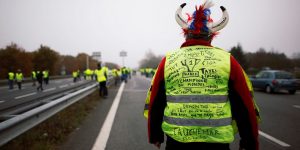
@ Αποκλεισμός διοδίων αυτοκινητοδρόμων ή εισόδου μεγάλης πόλης, σήκωμα της μπάρας των διοδίων.

@ Μια διαδήλωση σε μια δεδομένη σταθερή θέση, χωρίς να εμποδίζεται ή να προτίθεται να επιβραδύνει την κυκλοφορία.

Στα κοινωνικά δίκτυα, ορισμένοι κάλεσαν επίσης τους διαδηλωτές να εμποδίσουν την πρόσβαση στα σούπερ μάρκετ και τα βενζινάδικα όλο το σαββατοκύριακο ή να διαδηλώσουν το Σάββατο μπροστά στα κτήρια της εξουσίας. Στο Παρίσι, αν και η κινητοποίηση σχεδιάστηκε αρχικά στον περιφερειακό δρόμο της πόλης, στο Porte de Bercy, τίθεται πλέον θέμα «να φτάσουν μέχρι το προεδρικό μέγαρο Elysée» (κάτι που δεν έγινε τελικά). Παρακολουθώ τώρα στο ειδησεογραφικό κανάλι France 24, μια ολιγάριθμη συγκέντρωση στην Place de la Concorde η οποία διαλύθηκε ησύχως.

4 – Γιατί ένα «κίτρινο γιλέκο»;

O γαλλικός κώδικας οδικής κυκλοφορίας επιβάλει στους οδηγούς αυτοκινήτου να έχουν στο πορτμπαγκάζ τους, μαζί με το τρίγωνο κι ένα φωσφορίζον κίτρινο γιλέκο για να το φορούν για λόγους ασφαλείας, σε περίπτωση που σταματούν επί των οδικών αξόνων εξαιτίας βλάβης, ατυχήματος, κλπ. . Οι διοργανωτές φορούν λοιπόν αυτό το γιλέκο για να αναγνωρίζονται μεταξύ τους και να δείχνουν μια ομοιομορφία.

5 – Τι ρισκάρουν οι διαδηλωτές των «κίτρινων γιλέκων» ;

«Μπορούμε να διαδηλώσουμε», αλλά η «παρακώλυση μιας χώρας» είναι «μη αποδεκτή», δήλωσε ο πρωθυπουργός Edouard Philippe την Παρασκευή στο περιθώριο ενός ταξιδιού στην περιοχή Essonne, αφιερωμένη ακριβώς στα συνοδευτικά μέτρα ελάφρυνσης των νοικοκυριών που έλαβε η κυβέρνηση εξαιτίας της ανόδου των τιμών των καυσίμων. Αλλά συγκεκριμένα, ποιον κίνδυνο διατρέχουν τα «κίτρινα γιλέκα» που συμμετείχαν στα μπλόκα το Σάββατο;

@ Σε περίπτωση διοργάνωσης μιας διαδήλωσης στον δημόσιο δρόμο χωρίς άδεια, η ποινή μπορεί να φτάσει έως και 6 μήνες φυλάκιση και πρόστιμο 7.500 ευρώ, όπως αναφέρεται στον ιστότοπο service-public.fr.

@ Το άρθρο L-412-1 του κώδικα οδικής κυκλοφορίας ορίζει ότι όταν «τοποθετείται ή επιχειρείται η τοποθέτηση σε λωρίδα ανοικτής δημόσιας κυκλοφορίας αντικειμένου που παρεμποδίζει τη διέλευση οχημάτων», το αδίκημα τιμωρείται με «δύο έτη φυλάκιση και 4.500 ευρώ πρόστιμο». Μπορεί επίσης να αποφασιστεί η αναστολή της άδειας οδήγησης και η ακινητοποίηση του οχήματος.

@ Η απόκρυψη των πινακίδων κυκλοφορίας τιμωρείται με πρόστιμο ύψους από 135 έως 750 ευρώ.

Συμπερασματικά

Πρόκειται για πυρκαγιά από άχυρο τα κίτρινα γιλέκα ή είναι ένα βαθύ κίνημα ; Θα επιτύχει, όπως ο Μακρόν πριν δυο χρόνια, ή θα ξεφουσκώσει ; Η «νεκροψία» θα το δείξει…

Πάντως το βέβαιο είναι ότι ολόκληρο το υπάρχον γαλλικό πολιτικό σύστημα σήμερα, περιλαμβανομένου και του νεόδμητου κόμματος του Γάλλου προέδρου, δεν έχει τον έλεγχο των «ψηφιακών κινητοποιήσεων». Τις παρακολουθεί αμήχανα, επειδή έχει χάσει την πολιτική αξιοπιστία του.
Μη χαϊδεύετε άλλο τον Ράμα. Πάρτε αντίμετρα που πονούν

0

του Στέλιου Παπαθεμελή*

Το δικτατορικό καθεστώς της Αλβανίας συνεχίζει το ασίγαστο μένος του κατά παντός ελληνικού. Με μια ηλίθια απόφαση που διακρίνει μόνο ένα κράτος – συμμορία, ποτέ ένα κράτος δικαίου,  το αλβανικό ΥπΕξ χαρακτήρισε τη γνωστή αγωνίστρια Κυπρία ευρωβουλευτή Ελένη Θεοχάρους persona non grata. Είναι η υψηλότερη τιμητική διάκριση για την πολιτικό.

«Γυνή ανδρεία» στην αριστοτελική έκφραση η Ελένη δήλωσε:

«Δεν πρόκειται να κάμψουν ούτε την αντίστασή μου, ούτε τη βούλησή μου, ούτε το πάθος μου για κατοχύρωση των ανθρωπίνων δικαιωμάτων των φρικτά καταπιεσμένων Ελλήνων της Βορείου Ηπείρου».

Σημαδιακή η εποχή μας όπως «τω καιρώ εκείνω» της Παλαιάς Διαθήκης  οπότε «δια το μη είναι άνδρας εν Ιερουσαλήμ εβασίλευσε Δεβόρα η γυνή»(Κριταί, 4,9 & 5) και τώρα «διά το μη είναι άνδρας εν Ελλάδι και Κύπρω έδρασεν Ελένη η Θεοχάρους».

Προηγήθηκε το τρομώδες παραλήρημα τού αλβανού πρωθυπουργού, ο οποίος μη λαμβάνοντας τη παραμικρή προειδοποίηση από τους δικούς μας εκστασιάζεται στον κύβο και εκτροχιάζεται τελείως. Άλλωστε, όπως έχει γραφεί σε αλβανικά έντυπα, ο άνθρωπός τους έχει βαρύ ιστορικό σχιζοφρένειας, γεγονός που εξηγεί και τους χυδαίους χαρακτηρισμούς «γαϊδούρια», «γουρούνια», που χρησιμοποίησε για τους Ελλαδίτες και Βορειοηπειρώτες που τίμησαν την εκφορά τού Κωνσταντίνου Κατσίφα.

Το αλβανικό δικτατορικό καθεστώς δεν εξημερώνεται με χάδια όπως αυτά που μετέρχεται η επίσημη Ελλάς σήμερα. Καταλαβαίνει μόνο με αντίμετρα που πονούν.

Ο προεδρεύων αντιπρόεδρος της Βουλής Νικήτας Κακλαμάνης έσωσε την τιμή τού σώματος με την πρωτοβουλία του να τιμηθεί ο Κωνσταντίνος Κατσίφας. Θλιβερά τα κλαψουρίσματα από τον πρόεδρο τού σώματος και μία κυβερνητική βουλευτή ότι ο προεδρεύων ενήργησε χωρίς προηγούμενη απόφαση της διασκέψεως των προέδρων (=Μήνυμα στον εγκληματία Ράμα ότι είναι … «άκυρη η  σιγή ενός  λεπτού» μη και μας παρεξηγήσει! …).

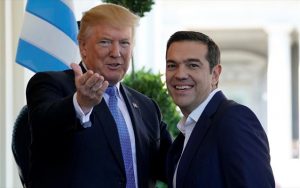
Στο μεταξύ τα κόμματα, κατεξοχήν το κυβερνών εν όψει της μακράς προεκλογικής περιόδου που de facto άρχισε προώρως εγκαινίασαν πλειστηριασμό υποσχέσεων. Είναι αηδές, αλλά η κυβέρνηση επιμένει να πουλάει τις 10.000 θέσεις των ιερέων που με την αμφιλεγόμενη   συμφωνία, ή προσυμφωνία, ή απλώς συζήτηση για συμφωνία Ιερωνύμου – Τσίπρα  «αδειάζουν» από το Δημόσιο. Αυτό, ένα από τα δεκάδες προβλήματα της καθημερινότητάς μας.

Στη δεκαετία τής κρίσης απωλέσαμε το 1/3 του ΑΕΠ. Είναι το αποτέλεσμα των κτηνωδιών άμα και  ηλιθίων «προγραμμάτων σωτηρίας» που μας επέβαλαν οι μαθητευόμενοι μάγοι των «θεσμών». Μη αποκρυπτόμενος και ήδη αποκαλυπτόμενος από τους πρωτεργάτες των μέτρων στόχος των «προγραμμάτων σωτηρίας» ήταν να σωθεί το μεγαλοτραπεζικό σύστημα των ισχυρών της Ευρώπης και το πεφιλημένο ευρωνόμισμα.

Η χώρα, παρά την διατυμπανιζόμενη σε όλους τους ήχους έξοδο, βρίσκεται καθηλωμένη στις συνθήκες αποικίας χρέους.

Είναι έκδηλη η αδυναμία των κυβερνώντων απέναντι στους ποικιλώνυμους «αντεξουσιαστές». Τους ανέχονται προφανώς ως σάρκα εκ της σαρκός τους και οστούν εκ των οστέων τους. Γι’ αυτό τους έχουν αφήσει ασύδοτους.

Πρόσφατο ιδιαιτέρως εύγλωττο επεισόδιο όπου αστυνομικοί που κατέθεσαν ως μάρτυρες σε δίκη αναρχικών στοΠρωτοδικείο Αθηνών δέχθηκαν επίθεση με κράνη και ξύλα από ομάδα περίπου 50 ατόμων που βρίσκονταν συγκεντρωμένα έξω από τα δικαστήρια. Τρεις αστυνομικοί τραυματίστηκαν και μεταφέρθηκαν για τις πρώτες βοήθειες στο 401 Στρατιωτικό Νοσοκομείο. Ο ένας υπέστη κάταγμα στο χέρι, ο δεύτερος εξάρθρωση ώμου και ο τρίτος δέχθηκε χτύπημα στο κεφάλι. Αν και το επεισόδιο εκτυλίχθηκε ακριβώς έξω από τα δικαστήρια παρουσία ενστόλων τής ΥΜΕΤ,  δεν έγινε καμιά προσπάθεια για τη σύλληψη των δραστών.

Η Αστυνομία είναι ένα άκρως πειθαρχημένο Σώμα. Υπακούει τυφλά στα κελεύσματα τής  ηγεσίας της, της εκάστοτε, πολιτικής βέβαια. Και είναι προφανές ότι η απραξία της  έναντι των διαφόρων αναρχοειδών  είναι διατεταγμένη άνωθεν.

Αν και κομμένη και ραμμένη στα μέτρα των σκοπιανών, η προδοτική συμφωνία των Πρεσπών παραβιάζεται ακόμη και αυτή από το Ζάεφ.

Ενδεικτικά: δεν αλλάζει το άρθρο 36 τού συντάγματός του που εγκωμιάζει τους βετεράνους των «Μακεδονικών απελευθερωτικών αγώνων» και αυτούς που «εξορίστηκαν και φυλακίστηκαν» για τις ιδέες της ξεχωριστής ταυτότητα τού «Μακεδονικού λαού» και της Μακεδονικής» κρατικής οντότητας». Εμμέσως εξ άλλου θέτει ζήτημα «Μακεδονικού έθνους» και φυσικά «Μακεδονικών μειονοτήτων». Με δόλιο τρόπο ο Ζάεφ αντί να απαλείψει το συγκεκριμένο άρθρο κάνει αναφορά σε «μέλη τού μακεδονικού λαού» που ζουν στο εξωτερικό.

Ο Οδυσσέας Ελύτης «φωτογράφισε» τους Νεοέλληνες για το «συν» που διαθέτουν απέναντι στους άλλους. Έλεγε: «Είμαστε γεμάτοι ελαττώματα, σύμφωνοι, έχουμε όμως, κοντά στα πολλά  πλην  κι ένα  σύν  απέναντι στους άλλους, που είναι μοναδικό. Οι ξένοι το καταλαβαίνουν περισσότερο από εμάς τους ίδιους. Γι’ αυτό και ή μάς ζηλεύουν, όπως οι γείτονές μας, ή μάς φοβούνται και δεν εννοούν να μας αφήσουν να σηκώσουμε κεφάλι, όπως απαξάπαντες οι Δυτικοί. Το έδειξαν με την αισχρή στάση τους απέναντί μας και στα χρόνια τής Μικρασιατικής εκστρατείας και στις ημέρες μας με την Κύπρο. Αφήνω ότι η ιστορία αυτή είναι βαθύτερη και, άμα την ξεσκαλίσεις, θα φτάσεις ως τις Σταυροφορίες και ως το Σχίσμα. Μόνιμη επιδίωξη τής Δύσης ανέκαθεν ήταν να μας χωρέσει τα δύο πόδια στα δικά της παπούτσια. Και να που τα καταφέρνει στις ημέρες μας. από εδώ κι εμπρός, θα περπατάμε με το ένα πόδι στην ΕΟΚ και με το άλλο στο ΝΑΤΟ»(Συν τοις άλλοις).

*Πρόεδρος Δημοκρατικής Αναγέννησης

E-mail: [email protected], [email protected]

How Hamas Brought Israel to the Brink of Election Chaos

0
Israel’s defense minister Avigdor Lieberman resigned on November 14 in the wake of a ceasefire agreement with Hamas in Gaza. His resignation has now plunged Israeli politics into chaos as Prime Minister Benjamin Netanyahu must juggle what’s left of his fragile coalition government and is being pressured to appoint Naftali Bennett, head of the Jewish Home party, as the new defense minister. Hamas, which has been challenging Israel with six months of protests and rocket fire from Gaza, has now achieved what it sees as a victory. Despite its inability to penetrate Israel’s defenses around Gaza, it may bring down the government.

The latest round of violence, that resulted in Lieberman’s departure, began on Sunday, November 11, when an Israeli Defense Forces (IDF) special unit ran into trouble in Gaza during what has been characterized as a sensitive reconnaissance or surveillance operation. During an exchange of fire with Hamas near Khan Yunis, a high-ranking Israeli officer was killed and in subsequent air strikes seven Palestinians were also killed, including a senior Hamas commander. The next day tensions were palpable, and Israel heightened security around the Gaza Strip. Armored personnel carriers were brought up to the border. At dusk Hamas fired a Kornet anti-tank missile at a bus carrying soldiers and unleashed a barrage of rockets. Over the next twenty-four hours more than 460 rockets were fired at Israel, killing one man in Ashkelon. Israel’s Iron Dome defense system intercepted most of the rockets that were headed for towns and cities near Gaza. Others landed in open areas. The IDF retaliated by striking 160 targets.

This kind of cycle of rocket fire and air strikes has become common over the last six months. It began with Hamas launching the Great March of Return in late March of this year, sending tens of thousands of protesters to the border fence. Hamas wants to achieve relevance after twelve years of governing Gaza with nothing to show for it. Hamas has been isolated in the last year not only by Israel’s blockade, but also because the Palestinian Authority in the West Bank has sought to sanction civil servants in Gaza and cut their salaries. Opposed by Egypt, Hamas receives some financial support from Qatar and Iran, and verbal backing from Turkey, but it has failed to govern. It has also failed in its terror campaign against Israel as Jerusalem has found ways to stop Hamas tunnels, confront its “naval commandos” and thwart its rockets. In October, Palestinian Islamic Jihad fired dozens of rockets at Israel and the IDF struck eighty targets in Gaza. In July, after Hamas fired 170 mortars and rockets into Israel, the air force also struck forty sites in Gaza.

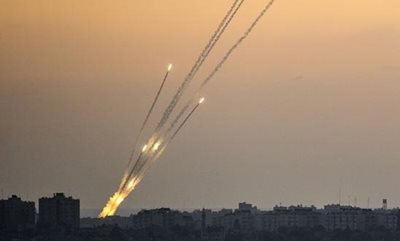
rockets_being_fired_from_the_gaza_strip_into_israel_1-(1).jpg
               Rockets being fired from the Gaza Strip into Israel 

Netanyahu’s real concern is the Iranian threat and especially Iran’s role in Syria and Lebanon. He has called for Iran to leave Syria and Israel has waged a campaign against Iranian targets in Syria and against Iranian weapons transfers to Hezbollah. Since 2011, Israel has struck three hundred targets in Syria, two hundred in the last two years. Israel has also warned about Hezbollah’s growing network of rocket factories and facilities in Lebanon, especially as Iran’s ballistic missiles become more precise and Iran is alleged to have transferred that precision guidance to Hezbollah. In October, Russia transferred the S-300 anti-aircraft system to Syria and warned in late October against any “hot heads” in Israel testing the air defense. This means Israel has to work doubly hard to figure out how to continue to confront the Iranian threat in Syria. It also means working with the U.S. administration. U.S. envoy James Jeffrey said on November 14 that it was the U.S. goal to see Iranian forces leave Syria. Also, Netanyahu recently visited Oman and Israeli ministers visited the United Arab Emirates in early November. This points to a breakthrough in Israeli relations with the Gulf and is part of the wider regional strategy to confront Iran.

Given the Iran-focused regional strategy, the last thing Netanyahu wants is a difficult ground war in Gaza. Netanyahu already presided over the 2014 war in Gaza and the 2012 Operation Pillar of Defense, which achieved little except setting back Hamas’s capabilities. Those conflicts were largely the result of Hamas importing weapons and expertise via smuggling from Sinai, taking advantage of the chaos of the Arab Spring. Now Hamas is weaker and its conduit to Sinai is cut off. Netanyahu and his security establishment, according to numerous conversations I had, are prone to avoid another war. They want an Egyptian-backed ceasefire to hold while maintaining the status quo in Gaza. This enables Israel to focus on the region, instead of inflaming the region with a war in Gaza.

It was in this complex context that Lieberman resigned. A competent defense minister who helped manage Israel’s $19 billion defense budget and helped secure the $3.8 billion in annual U.S. military aid that was signed in 2016, he shepherded through deliveries of the first F-35s and also contemplated new purchases by Israel of a squadron of F-15s and new helicopters.

But politically Lieberman found himself isolated at the defense ministry. Eran Lerman, vice-president of the Jerusalem Institute for Strategic Studies, and a former deputy director for foreign policy and international affairs at the National Security Council in the Israeli prime minister’s office, describes Lieberman as isolated by the rest of Netanyahu’s security cabinet which supported the ceasefire. Those who supported the ceasefire included the Mossad, the Israel security agency (Shin Bet) and the chief of staff of the army. In such a position, Lieberman’s role as defense minister became less relevant and he chose to resign so as to appear more hardline on Gaza than Netanyahu. This will play well in upcoming elections, which will be held sometime next year, because many Israelis in the south who have been affected by the rockets think that Jerusalem should deal Hamas a strong blow. That was clear on Wednesday and Thursday night as protesters burned tires near Sderot, one of the towns often targeted by Hamas. Protesters have also marched on Jerusalem and Tel Aviv.

Domestic policy is now ruffling Netanyahu’s carefully crafted foreign policy and strategic equation. In this respect, Hamas’s claims of “victory” in the ceasefire are not just empty rhetoric. Hamas didn’t achieve a military victory. But toppling the defense minister is a kind of victory because it shows that Hamas can shake Jerusalem’s politics at the very top, after years of being unable to put a dent in the iron ring of security fences and missile defenses around Gaza.

Now Netanyahu will be faced with several complex choices. Naftali Bennett, the head of the Jewish Home party, says he wants the defense portfolio. But Bennett, like Lieberman, will want to be an independent defense minister. This would once again challenge Netanyahu to do more in Gaza. The prime minister could also take on the job of defense minister himself, something former Israeli prime ministers have done. But Netanyahu is already the foreign minister, how he would handle the three top jobs, concentrating so much power, is unclear.

5a4b9cb7fc7e9302188b4567.jpg
         Israeli Prime Minister Benjamin Netanyahu and Iran’s President Hassan Rouhani © Reuters

If Israel’s Prime Minister is unable to sort out the current instability, then the country will go to elections. Given Netanyahu’s interest in the current regional strategy, elections would be another distraction. This was exactly what he sought to avoid in Gaza, but now it may be presented in another form. After almost ten years in power, Netanyahu will have trouble winning another election. He wants to preserve his legacy and being forced into elections and potentially forced from office now would be humiliating. Lieberman has thrown Israel’s politics into momentary chaos at a crucial time in the region. Hamas thinks it has gained an advantage and it may try to press that advantage or seek to interfere if it thinks it can gain something amid the instability in Netanyahu’s coalition.


Seth J. Frantzman is a Jerusalem-based journalist who holds a PhD from the Hebrew University of Jerusalem. He is the executive director of the Middle East Center for Reporting and Analysis and a writing fellow at Middle East Forum.

www.meforum.org

Από το Πολυτεχνείο στην πιο φιλοαμερικανική κυβέρνηση: Οι συμμαχίες χρειάζονται προσοχή

2

του ΠΑΝΤΕΛΗ ΣΑΒΒΙΔΗ

Πριν από 45 χρόνια, τέτοια μέρα, ο λαός ξεσηκώθηκε κατά της δικτατορίας και άρχισε η αντίστροφη μέτρηση της «επταετίας», όπως αποκαλείται εύηχα η χούντα που κατέλαβε την εξουσία στις 21 Απριλίου 1967. Στα χρόνια αυτά έγινε προσπάθεια, και από τις δύο πλευρές, να αποδοθούν ευθύνες: Η μια τις απέδιδε στους Αμερικανούς, η άλλη προσπαθούσε να τις εντοπίσει στις εσωτερικές εξελίξεις. Οι Αμερικανοί δεν ήσαν αμέτοχοι. Ούτε στην επιβολή της δικτατορίας το ’67, ούτε στην αλλαγή της ηγεσίας της το ’73. Στη δεύτερη περίπτωση έφεραν στην παρασκηνιακή εξουσία έναν φανατικό, αγροίκο ταξίαρχο, με ελάχιστη σχέση με την πολιτική, που οδήγησε τη χώρα στο πραξικόπημα κατά του Μακαρίου και έφερε την καιροφυλακτούσα Τουρκία στη νησί. Πάλι με την ανοικτή υποστήριξη των ΗΠΑ, και προσωπικώς του Κίσινγκερ.

Κατά τα μεταπολιτευτικά χρόνια το μένος κατά των ΗΠΑ, γι’ αυτήν τη συμπεριφορά τους απέναντι στον ελληνικό λαό, κυριάρχησε στις δημόσιες αντιδράσεις και καθόρισε τις πολιτικές εξελίξεις.

Ο κύκλος του αντιαμερικανισμού φαίνεται να έκλεισε και σήμερα η χώρα έχει μια κατά δήλωσή της «αριστερή» κυβέρνηση, την πιο φιλοαμερικανική, ίσως, μετά τον πόλεμο – όχι απλώς τη Μεταπολίτευση.

Όχι πως είναι κακό. Οι χώρες έχουν συμφέροντα, και αυτήν την περίοδο το ευρύτερο συμφέρον ΗΠΑ και Ελλάδας συμπίπτει. Οι τριμερείς συνεργασίες στις οποίες συμμετέχει η Ελλάδα στην Ανατολική Μεσόγειο (με Κύπρο και Ισραήλ η μία, με Κύπρο και Αίγυπτο η άλλη) και η υποστήριξη των συνεργασιών αυτών από τις ΗΠΑ δεν δίνουν, απλώς, τη δυνατότητα παρουσίας της Αθήνας στην περιοχή όπου διακυβεύονται συμφέροντά της, αλλά επαναφέρει το Κυπριακό στο τραπέζι αναζήτησης λύσεως.

Οι συνεργασίες, όμως, χρειάζονται προσοχή. Γιατί όποιος δεν κατέχει από πολιτική, δεν έχει γνώση της ιστορίας και δεν προσέχει ιδιαίτερα, οδηγεί τη χώρα και το λαό της στην καταστροφή.

Για πρώτη φορά μετά τον Β΄ ΠΠ η Ελλάδα είναι παρούσα με ναυτικές και αεροπορικές δυνάμεις τόσο μακριά από τον ηπειρωτικό κορμό της, στην Ανατολική Μεσόγειο. Το επιχείρησε και το ’74 κατά την τουρκική εισβολή στην Κύπρο, αλλά το αποτέλεσμα ήταν τραγικό. Από εκείνη την επιχείρηση προφανώς εξήχθησαν ορισμένα στρατιωτικά συμπεράσματα, αλλά τα πολιτικά και διπλωματικά εξάγονται από μια άλλη αποτυχία, τη Μικρασιατική Εκστρατεία.

Θα αναρωτηθείτε: Υπάρχουν ομοιότητες; Ίσως όχι άμεσες και εμφανείς. Υπάρχουν όμως διδάγματα για τις περιπτώσεις που μια χώρα προβαίνει σε κινήσεις που ξεπερνούν την καθημερινή ρουτίνα και τη διαχείρισή της.

Ποια είναι αυτά;

  • Το πρώτο, όταν βγάζεις τη χώρα από τα τετριμμένα χρειάζεται ικανή πολιτική ηγεσία και αρραγές εσωτερικό μέτωπο για να καταφέρεις να πετύχεις τους στόχους σου. Το εγχείρημα της Μικρασιατικής Εκστρατείας ταίριαζε στις ικανότητες του Βενιζέλου, ήταν τεράστιο για τους ασθενείς ώμους των διαδόχων του (Γούναρη κτλ.).
  • Το δεύτερο, να έχεις ικανή στρατιωτική ηγεσία που να αντιλαμβάνεται πότε πρέπει να κάνει τη μια η την άλλη κίνηση. Να γνωρίζει τη στιγμή της αναδίπλωσης.
  • Το τρίτο να παρακολουθείς τους συμμάχους σου. Μπορεί να ανακρούσουν πρύμναν. Και να χρειαστεί να αναδιπλωθείς για να μην έχεις τραγικές απώλειες. Δεν χρειάζεται, άραγε, προσοχή η αμερικανική υπερδύναμη, όταν για να ικανοποιήσει μια δευτερεύουσας σημασίας πολιτική επιλογή της (τη στήριξη του σαουδαραβικού καθεστώτος) αναζητά τρόπους να εκδώσει τον Τούρκο ιεροκήρυκα Φετουλάχ Γκιουλέν στην Άγκυρα; Ο Γκιουλέν έχει προσφέρει μεγάλες υπηρεσίες στην Ουάσινγκτον.

Μπορεί μετά τη δεκαετία του ’50 η Ελλάδα να έχει απέναντί της τη βρετανική πολιτική, αλλά μέχρι τότε, και κυρίως στη Μικρασιατική Εκστρατεία, το Λονδίνο ήταν η συνεπέστερη δύναμη προς την Ελλάδα. Αντιθέτως, οι Ιταλοί ήταν μονίμως απέναντι και βοηθούσαν, δήθεν μυστικά, τον Κεμάλ. Πολύ γρήγορα εγκατέλειψε την Ελλάδα και η Γαλλία (κυρίως μετά τον Νοέμβριο του ’20, επικαλούμενη την επιστροφή του βασιλιά ως πρόσχημα). Η κομμουνιστική Ρωσία, με πρόσχημα και αυτή τη συμμετοχή της Ελλάδας στην ουκρανική εκστρατεία, είχε την πιο εχθρική στάση απέναντι στη χώρα και αποτέλεσε τον βασικότερο υποστηριχτή και συμπαραστάτη του Κεμάλ.

Τις δυνάμεις αυτές θα τις συναντήσουμε και τώρα στην περιοχή. Ας έχουμε υπόψη μας πως η Ρώμη ήταν πάντα απέναντι στην Αθήνα. Υποστήριξε τη δημιουργία του αλβανικού κράτους για να μην έχει έξοδο η Ελλάδα στην Αδριατική. Το ’22 υποστήριξε τον Κεμάλ. Τον Αύγουστο του ’40 βύθισε την «Έλλη» και τον Οκτώβριο επιχείρησε να εισβάλει στη χώρα. Το ’48 αντιτάχθηκε στην παραχώρηση των Δωδεκανήσων και τη δεκαετία του ’90 ακολούθησε, στην Αλβανία, μια ανταγωνιστική πολιτική.

Βεβαίως τα δεδομένα έχουν αλλάξει, αλλά το παρελθόν διδάσκει για τη συμπεριφορά δυνάμεων στις διεθνείς σχέσεις.

Η απειλή για την Ελλάδα είναι η Τουρκία, και για την αντιμετώπισή της χρειάζονται συμμαχίες και ελιγμοί.

Προς το παρόν, με την αλαζονική πολιτική του Ερντογάν, η Τουρκία φαίνεται να απομονώνεται. Αλλά οι εξελίξεις απαιτούν μεγάλη προσοχή.

Το τέλος των “αυτοκρατορικών” φαντασιώσεων της Βρετανίας

0

Του Κώστα Ράπτη

Προσπαθώντας να αποκρούσει τις βολές που δέχεται ένθεν κακείθεν ως προς το σχέδιο συμφωνίας στο οποίο κατέληξε με τους “27” για το Brexit, η Βρετανίδα πρωθυπουργός Τερέζα Μέι τονίζει ότι οι διαθέσιμες επιλογές είναι μόνο τρεις: είτε το σχέδιό της να εγκριθεί από τη Βουλή των Κοινοτήτων, είτε να υπάρξει άτακτη έξοδος χωρίς συμφωνία, είτε να ακυρωθεί η ίδια η ιδέα της εξόδου (αν και στη συνέχεια φρόντισε να αποκλείσει την τελευταία δυνατότητα).

Σε ένα βαθύτερο επίπεδο, η Τερέζα Μέι καλείται να επιτύχει ταυτοχρόνως τρεις ενδεχομένως ασυμβίβαστους στόχους: τη διατήρηση της συνοχής και ακεραιότητας του Ηνωμένου Βασιλείου, τον σεβασμό της δημοκρατίας και την ανάκτηση οικονομικής ανεξαρτησίας.

Ο πρώτος στόχος σχετίζεται άμεσα με το θέμα της Βορείου Ιρλανδίας, το οποίο επιδέξια μόχλευσε η ευρωπαϊκή πλευρά (και έμμεσα με την οργή της Σκωτίας και Ουαλίας για την παραμέληση των δικών τους ευαισθησιών), ενώ ο δεύτερος αφορά τις δυνάμει διαλυτικές πολιτικές επιπτώσεις μιας αγνόησης της λαϊκής ετυμηγορίας στο δημοψήφισμα του 2016 και ο τρίτος με την δυνατότητα εκμετάλλευσης των όποιων πλεονεκτημάτων μπορεί να προσφέρει η απελευθέρωση από το κανονιστικό πλαίσιο της Ε.Ε.

Θυμίζει κάπως η κατάσταση αυτή το “αδύνατο τρίγωνο” της μακροοικονομικής πολιτικής, ήτοι το γεγονός ότι δεν μπορεί μία χώρα να έχει ταυτοχρόνως νομισματική ανεξαρτησία, σταθερές ισοτιμίες και ελεύθερη κυκλοφορία κεφαλαίων. Ή όπως το αναδιατύπωσε με πιο γενικούς όρους ο Dani Rodik, ότι η δημοκρατία, η εθνική κυριαρχία και η ενσωμάτωση στην διεθνή οικονομία μπορούν να συνδυαστούν ανά δύο, αλλά δεν μπορούν να επιτευχθούν και οι τρεις. Πρόκειται για το λεγόμενο “παράδοξο της παγκοσμιοποίησης”.

Το “βρετανικό παράδοξο”, εν προκειμένω, συνίσταται στο ότι από τις τρεις δυνατότητες που παρουσίασε η Τερέζα Μέι, η λιγότερο δημοφιλής στον βρετανικό πληθυσμό είναι ακριβώς το δικό της σχέδιο συμφωνίας με τους “27”, καθότι πολύ “σκληρό” για τα γούστα των θιασωτών της παραμονής στην Ε.Ε. και πολύ “μαλακό” για τους ακραιφνείς οπαδούς της εξόδου. Εξ ού και η εντυπωσιακή κακοφωνία που επικρατεί στην Βουλή των Κοινοτήτων μετά την ανακοίνωση της επίτευξης συμφωνίας.

Και όμως: για τους ίδιους λόγους, το “σχέδιο Μέι” είναι το περισσότερο πιθανό να εφαρμοστεί – καθώς η προοπτική του άτακτου Brexit δεν παύει να φοβίζει τους Βρετανούς, ενώ η αντιστροφή του αποτελέσματος του δημοψηφίσματος έχει, πέρα από τα προφανή πολιτικά ρίσκα, το μειονέκτημα να γίνεται όλο και λιγότερο εφικτή με κάθε μέρα που περνά.

Στην πραγματικότητα, με το να καθιστούν σαφές ότι δεν υπάρχει περιθώριο περαιτέρω διαπραγμάτευσης και με το να διαδίδουν ότι η έκτακτη Σύνοδος Κορυφής της 25ης Νοεμβρίου θα πραγματοποιηθεί ούτως ή άλλως (αν όχι για την επικύρωση της συμφωνίας, τότε για την προετοιμασία της “σκληρής εξόδου”) οι “27” λειτουργούν ως οι καλύτεροι υποστηρικτές της βαλλόμενης στο εσωτερικό Μέι.

Οι ένθερμοι Bremainers που πιστεύουν ότι με την καταψήφιση του σχεδίου της πρωθυπουργού θα δρομολογήσουν πολιτικές ανατροπές με κορύφωση τη διενέργεια δεύτερου δημοψηφίσματος κινδυνεύουν να ενισχύσουν τις πιθανότητες επικράτησης του σεναρίου που κατεξοχήν απεύχονται, δηλ. του άτακτου Brexit. Αδυνατούν να αντιληφθούν ότι οι “27” επείγονται, για ευρύτερους “παιδαγωγικούς” λόγους, αλλά και ενόψει επικείμενων ευρωεκλογών, να ξεμπερδεύουν με τη Βρετανία, χωρίς διάθεση για χρονοτριβή ή παλινωδίες.

Οι φίλοι των Εργατικών, πάλι, που πιστεύουν ότι όσο πιο “μαλακό” είναι το Brexit (λ.χ. με συμμετοχή όχι μόνο στην τελωνειακή ένωση, αλλά και στην κοινή αγορά) τόσο το καλύτερο, προφανώς δεν έχουν συνειδητοποιήσει ότι η προβλεπόμενη από το “σχέδιο Μέι” συμμόρφωση με τους κανόνες ανταγωνισμού της Ε.Ε. αποκλείει την υλοποίηση του προεκλογικού προγράμματος του Τζέρεμι Κόρμπιν περί επανεθνικοποιήσεων κ.ο.κ., που αναστήλωσε την απήχηση του κόμματος.

Προκειμένου να αποτρέψει την οιονεί απόσπαση της Βορείου Ιρλανδίας από το Ηνωμένο Βασίλειο, η Ντάουνινγκ Στριτ αποδέχθηκε την υπαγωγή ολόκληρης της χώρας σε καθεστώς τελωνειακής ένωσης. Όμως το τίμημα είναι βαρύτατο: η Βρετανία υποχρεώνεται (έναντι μάλιστα τιμήματος ύψους 40 δισ. λιρών) να ακολουθεί, για αδιευκρίνιστο χρονικό ορίζοντα, ένα κοινοτικό κεκτημένο που δεν θα μπορεί πια να συνδιαμορφώνει, χωρίς επαρκή πρόσβαση του χρηματοπιστωτικού της κλάδου στην ηπειρωτική Ευρώπη και χωρίς τη δυνατότητα σύναψης εμπορικών συμφωνιών με τρίτα μέρη – αυτών που θα απελευθέρωναν, κατά τους Brexiteers, τις “πλανητικές φιλοδοξίες” της.

Η περίκλειστη ελίτ της αθεράπευτα νησιωτικής Βρετανίας κλήθηκε να υλοποιήσει μια επιλογή εξόδου, που την αιφνιδίασε πλήρως, προερχόμενη στη διαπραγμάτευση με την ψευδαίσθηση ότι θα μπορούσε να διεμβολίσει τους “27” μέσω διμερών συνεννοήσεων. Από αυτή την άποψη, το παιχνίδι κρίθηκε από πολύ νωρίς – διαψεύδοντας τις φαντασιώσεις της πάλαι ποτέ αυτοκρατορίας και επιβεβαιώνοντας την ισχύ του “αδύνατου τριγώνου”.

capital.gr

Η «άθλια» συμφωνία της Μέι και οι εναλλακτικές

0
  • του Martin Wolf Financial Times/euro2day.gr

Η Βρετανία πρέπει να βρει ένα μονοπάτι που θα αποφεύγει τη ρήξη με την ΕΕ και τις επιπτώσεις της. Το σενάριο νέου δημοψηφίσματος και η εναλλακτική της επαναδιαπραγμάτευσης. Γιατί η πρόταση Μέι δεν ικανοποιεί κανέναν.

Για τους υπέρμαχους της παραμονής, είναι προφανές ότι αυτή η ημιμόνιμη ενδιάμεση κατάσταση, η οποία θα κρατήσει το Ηνωμένο Βασίλειο εντός της τελωνειακής ένωσης της Ευρωπαϊκής Ένωσης και θα χωρίσει τη Βόρεια Ιρλανδία από την υπόλοιπη χώρα επ’ αόριστον, είναι πολύ χειρότερη από την ιδιότητα του μόνιμου μέλους της Ε.Ε. Για τους υπέρμαχους της αποχώρησης, είναι εξίσου προφανές ότι αυτή η ίδια ενδιάμεση κατάσταση θα είναι πολύ χειρότερη από μια καθαρή έξοδο.

Επιτέλους επιτυγχάνεται σύμπνοια στον εμφύλιο της Βρετανίας για τη μελλοντική της σχέση με την Ευρώπη: και οι δύο πλευρές αντιτίθενται σε ό,τι συμφωνήθηκε.

Δύο είναι οι πιθανές αντιδράσεις στο αποτέλεσμα αυτό.

Η πρώτη είναι να υποστηρίξει κανείς ότι μια συμφωνία που ενώνει τη χώρα μπροστά στον τρόμο είναι ακριβώς αυτό που θα έπρεπε να αναμένεται και είναι, στην πραγματικότητα, το λιγότερο κακό δυνατό αποτέλεσμα. Επιτρέπει στο Ηνωμένο Βασίλειο να αποχωρήσει, χωρίς να έρθει σε μετωπική σύγκρουση και αφήνει περιθώριο για επιπρόσθετες διαπραγματεύσεις σχετικά με τη μελλοντική σχέση με την Ε.Ε. Το γεγονός ότι κανείς δεν είναι ικανοποιημένος την καθιστά τον λιγότερο παράλογο συμβιβασμό για το πώς θα προχωρήσουμε προς τα μπρος. Κανείς δεν κερδίζει απόλυτα και κανείς δεν χάνει απόλυτα.

Η δεύτερη αντίδραση είναι πως αυτό το ντιλ δεν θα έπρεπε και -το σημαντικότερο- δεν πρόκειται να επικυρωθεί. Δεν θα έπρεπε να είχε συμφωνηθεί, γιατί όλοι συμφωνούν πως δεν είναι ικανοποιητικό. Δεν θα επικυρωθεί για τον ίδιο ακριβώς λόγο.

Στην περίπτωση αυτή, θα πρέπει να βρεθεί ένας τρόπος να προχωρήσουμε προς τα μπρος, ο οποίος θα αποφεύγει τη βίαιη σύγκρουση με την Ε.Ε., με όλες τις επιβλαβείς οικονομικές και πολιτικές επιπτώσεις που θα είχε το αποτέλεσμα αυτό. Εν τω μεταξύ, όποιο και αν είναι αυτό, θα πρέπει να διατηρεί το Ηνωμένο Βασίλειο ως μια λειτουργική συνταγματική δημοκρατία.

Η επίτευξη αυτού του δύσκολου εγχειρήματος, σε περίπτωση που απορριφθεί η συμφωνία που επιτεύχθηκε με την Ε.Ε., θα είναι το πρωταρχικό μέλημα της βρετανικής πολιτικής. Θα ανοίξει επίσης αναγκαστικά το ζήτημα του Brexit για τα υπόλοιπα 27 μέλη της Ε.Ε.

Αυτό μπορεί να σημαίνει ένα ακόμα δημοψήφισμα, βουλευτικές εκλογές, ένα αίτημα για παράταση της αποχώρησης και μια απόπειρα επαναδιαπραγμάτευσης ή ένα συνδυασμό και των δύο. Η μόνη βεβαιότητα είναι πως με τον έναν ή τον άλλο τρόπο, το Brexit θα κυνηγά τη βρετανική οικονομία και πολιτική στο μέλλον.

Η Βρετανία δεν μπορεί αυτή τη στιγμή να ξεκαθαρίσει τη σχέση της με την ευρωπαϊκή ήπειρο. Αυτή είναι μια ακόμα προφανής αλήθεια. Οι συγκρίσεις με την κρίση του Σουέζ είναι εντελώς άστοχες. Αυτό είναι ένα πολύ μεγαλύτερο μπέρδεμα.
Copyright The Financial Times Limited 2017. All rights reserved.

Οι Τούρκοι μελετούν Θουκυδίδη, εμείς;

1

Των Δημήτριου Τσαϊλά, Αλέξανδρου Δρίβα*
16 Νοεμβρίου 2018, 00:03 – Τελευταία ενημέρωση: Πέμπτη 15/11/2018, 20:34

Τα υποτιθέμενα διδάγματα από παλαιότερους πολέμους ή των παρελθόντων συγκρούσεων, περνούν στην κοινή ιστορική μνήμη μας, συνιστώντας ένα σύνολο αξιών για τον κόσμο και πώς η κοινωνία θα πρέπει να συμβάλει στη διαχείρισή της. Με αυτό τον τρόπο τα ιστορικά μαθήματα αποκλείουν ορισμένες πολιτικές και στρατηγικές επιλογές σε μελλοντικές αντιπαραθέσεις, προωθώντας παράλληλα μια κοινωνία και την ηγεσία της προς το κοινό συμφέρον.

Αυτός είναι και ο λόγος που πρέπει να προχωρήσουμε όσο το δυνατόν πληρέστερα στην κατανόηση των ιστορικών γεγονότων, βοηθώντας έτσι να μάθουμε τα ακριβή μαθήματα από αυτά τα γεγονότα. Τα ψευδή μαθήματα της ιστορίας θα μπορούσαν να προκαλέσουν κακές αποφάσεις εδώ και τώρα, ενώ τα σοφά μαθήματα ενισχύουν τις πιθανότητες μας να μην επαναλάβουμε σφάλματα του παρελθόντος. Η ιστορία είναι απαραίτητη για να εκτελείται σωστά η εξωτερική πολιτική και η στρατηγική. Όμως με λύπη διαφαίνεται ότι υπάρχει έλλειμμα γνώσης από την ελληνική ηγεσία, ενώ αντίθετα η τουρκική ηγεσία μελετάει με ευλάβεια το Θουκυδίδη.

Κατά τη διάρκεια του Πελοποννησιακού πολέμου, οι Σπαρτιάτες πίστευαν ότι και να χάσουνε κάποιες μάχες στο ναυτικό αγώνα δεν αποτελούσε τίποτα παρά ασήμαντες ήττες, δεδομένου ότι ήταν αδιαμφισβήτητα οι ισχυροί στις χερσαίες επιχειρήσεις και ανίκητοι, όμως μια αποφασιστική ήττα της Αθήνας στη θάλασσα θα οδηγούσε τους Αθηναίους σε απεγνωσμένες χερσαίες επιχειρήσεις όπου θα αγωνίζονταν για την επιβίωση τους και θα βρεθούν σε δεινή θέση. Πράγματι, οι Αθηναίοι βρέθηκαν σε αυτή την εύθραυστη κατάσταση, με τους πόρους να φθίνουν, ενώ το «κέντρο βάρους» της Σπάρτης, η Πελοπόννησος, ήταν ασφαλής από τις πολεμικές επιχειρήσεις των Αθηναίων.

Αυτή η επιτελική σκέψη που μετά την κατατριβή του αντιπάλου και των συμμάχων του, οδηγεί στη μια αποφασιστική μάχη, παρουσιάζει μια εντυπωσιακή προσομοίωση στις αρχές του εικοστού αιώνα κατά τη διάρκεια του πρώτου Παγκοσμίου Πολέμου. Θυμίζει τη γερμανική ναυτική στρατηγική του ναυάρχου Τίπριτζ περί «διαχείρισης κινδύνου στη θάλασσα», καθώς η υπεροπλία του Βρετανικού Βασιλικού Ναυτικού δεν άφηνε την ψευδαίσθηση στο γερμανικό Ναυαρχείο ότι θα μπορούσε να επικρατήσει σε μία αποφασιστική ναυμαχία.

Έτσι, κατάρτισε σχέδιο επιδρομών και βομβαρδισμών της ανατολικής ακτής της Βρετανίας από τα γερμανικά καταδρομικά μάχης. Οι Γερμανοί εκτιμούσαν ότι, υπό το βάρος της πίεσης της κοινής γνώμης, ο Μέγας Στόλος (GrandFleet) θα λάμβανε αμυντική διάταξη, η οποία θα οδηγούσε αναγκαστικά στη διασπορά των δυνάμεών του. Έτσι ο Στόλος Ανοικτής Θάλασσας θα μπορούσε να δράσει εναντίον αποσπασμάτων του Μεγάλου Στόλου και να επιτύχει τη σταδιακή φθορά του, που θα μπορούσε να μεταβάλλει την ισορροπία της ναυτικής ισχύος υπέρ της Γερμανίας.

Οι Αθηναίοι το 480πΧ εκμεταλλευόμενοι τις συγκυρίες, δυσμενείς καιρικές συνθήκες και υπέρτερη ναυτοσύνη έναντι του αντιπάλου, βρέθηκαν σε ευνοϊκή θέση να απομειώσουν την ναυτική ισχύ του Περσικού Στόλου στο Αρτεμίσιο, και αμέσως μετά στη Σαλαμίνα, αξιοποιώντας και τη γεωγραφία, ήταν σε θέση να νικήσουν τους Πέρσες, καθιστώντας δυνατή την αποφασιστική μάχη στις Πλαταιές και να σώσουν έτσι την Ελλάδα.

Διακρίνουμε την αποτελεσματικότητα της αποφασιστικής ναυμαχίας μετά την κατατριβή του αντιπάλου ως μια συνειδητή στρατηγική. Εξ’ άλλου αυτή τη στρατηγική ακολούθησε η Ελλάδα στους νικηφόρους Βαλκανικούς πολέμους με τις ναυμαχίες της Έλλης και της Λήμνου, απελευθερώνοντας ολόκληρο το Αιγαίο και στερώντας ενισχύσεων του οθωμανικού στρατού, με αποτέλεσμα την απελευθέρωση της Βορείου Ελλάδος. Αυτή, η έννοια της στρατηγικής του Κουντουριώτη δίνοντας τη μάχη στη θάλασσα για να καθορίσει την έκβαση του πολέμου διακρίνουμε ότι παρέμεινε μια ελκυστική και βιώσιμη στρατηγική με ρίζες στην κλασική ελληνική εποχή.

Ο σκοπός που αναφέρομαι στα ιστορικά γεγονότα δεν είναι για να αγνοηθούν οι σύγχρονες ναυτικές στρατηγικές ή να ελαχιστοποιήσω τη σημασία των πολλαπλασιαστών ισχύος που προέρχονται κυρίως από τα τεχνολογικά εξελιγμένα όπλα, τις συμμαχίες και τους διπλωματικούς ελιγμούς που καταλήγουν σε συμφωνίες, αλλά για να τονίσω το διαρκή χαρακτήρα ορισμένων βασικών αρχών της ναυτικής στρατηγικής.

Πιστεύουμε ότι και η Τουρκία θα χρησιμοποιήσει τις ναυτικές δυνάμεις της ως εργαλεία της διπλωματίας, ειδικά ως μέσα καταναγκασμού και κατατριβής του Ελληνικού Στόλου. Εξ’ άλλου ο Θουκυδίδης υποστήριζε πως το δίκαιο μπορεί να φανεί χρήσιμο μόνο σε ισοδύναμους διεκδικητές. Όπως αναφέρει διδακτικά στον Διάλογο Αθηναίων-Μηλίων, ο ισχυρός πόλος προβαίνει σε όλες εκείνες τις ενέργειες που του επιτρέπει η διαθέσιμη ισχύς του και ο αδύναμος πόλος, περιορίζεται στο να προβαίνει σε ότι του επιβάλλει η αδυναμία του.

Η Τουρκία δεν έχει αίσθηση του δικαίου καθώς είναι αναθεωρητική δύναμη. Μια αναθεωρητική δύναμη φιλοδοξεί στο να ανατρέψει το statusquo το οποίο φυσιολογικά, είναι θεμελιωμένο πάνω σε διεθνείς συμφωνίες που πλαισιώνονται από το Διεθνές Δίκαιο. Η επιχειρηματολογία της Τουρκίας, στηρίζεται σε πολιτικά επιχειρήματα καθώς μέσω αυτών, εξαργυρώνεται η αίσθηση υπεροχής έναντι της Ελλάδας. Η Ελλάδα αρθρώνει νομική επιχειρηματολογία. Θα μπορούσε να υποστηρίξει κανείς ότι η αλλαγή της εξωτερικής πολιτικής της Ελλάδας απέναντι στην Τουρκία την εποχή Σημίτη, ήταν βλαπτική για τα ελληνικά συμφέροντα.

Το επιχείρημα που μπορεί να κατατεθεί στηρίζεται στο ότι: Η Ελλάδα αφού εγκατέλειψε την στρατηγική του ”μη διαλόγου” για όσα ήγειρε η Τουρκία, (πέραν της μόνης νομικής διαφοράς ορισμού της υφαλοκρηπίδας που αναγνώριζε η Ελληνική Δημοκρατία) δέχτηκε να ανοίξει διάλογο με την Τουρκία για όλα όσα η Τουρκία διεκδικεί.

Συμπεράσματα

Η Τουρκία στις μέρες μας φαίνεται να βρίσκεται στο τελικό στάδιο της αναθεώρησης (υπέρ της) των ελληνοτουρκικών σχέσεων, διαταράσσοντας την ισορροπία ισχύος και προωθώντας έναν ιδιότυπο “πόλεμο”.

Η ρητορική της Τουρκίας είναι σκληρή και απειλητική έναντι της Ελλάδας και μάλιστα, εντός των αναφορών της για την Ελλάδα, επιστρατεύει συναισθηματικά επιχειρήματα και καλλιεργεί στρατηγικό πολιτισμό ή κουλτούρα πολέμου, προετοιμάζοντας τους πολίτες της για θυσίες που πρέπει να γίνουν εκ μέρους τους προκειμένου τα σύνορα της καρδιάς της μητέρας πατρίδας, να επεκταθούν, αναθεωρώντας τη συνθήκη της Λωζάνης.

Αν θέλουμε να αποκωδικοποιήσουμε τη συμπεριφορά της Τουρκίας, που μόνο παράτολμη δεν είναι (ακολουθεί τακτική ήσσονος κινδύνου) αναμένουμε πως θα επιδιώξει εντός του προσεχούς διαστήματος τη δημιουργία ενός σημειακού θερμού επεισοδίου χαμηλής εντάσεως και μικρής διάρκειας στο Αιγαίο ή ανάμεσα στο “τρίγωνο” Κύπρος, Καστελόριζο και Κρήτη με σκοπό, να “γκριζάρει” περιοχές που ο Ελληνισμός κατέχει κυριαρχικά δικαιώματα.

Αυτό που μονίμως μπορεί να κατατίθεται ως πρόταση λύσης για την πατρίδα μας είναι ο συγκερασμός αυτοβοήθειας (εσωτερική εξισορρόπηση: αύξηση όλων των συντελεστών ισχύος μας) και δημιουργίας σημαντικών συμμαχιών (εξωτερική εξισορρόπηση). Εξωτερική εξισορρόπηση χωρίς την αντίστοιχη εσωτερική, δεν είναι αποτελεσματική καθώς τα κράτη συνάπτουν συμμαχίες με ισχυρά κράτη για να μπορέσουν να αυξήσουν την ασφάλειά τους. Οι αδύναμοι και μη αποφασιστικοί δρώντες, αποβάλλονται και δεν λογίζονται ως αξιόπιστοι στρατηγικοί εταίροι.

*Ο Δημήτριος Ν. Τσαϊλάς είναι Υποναύαρχος (ε.α.) ΠΝ

*Ο Αλέξανδρος Δρίβας είναι Συντονιστής ΤΟΡΕΝΕ – ΙΔΙΣ και μέλος της Ομάδας Θαλάσσιας Στρατηγικής του ΕΛΙΣΜΕ

liberal.gr

Julian Assange has been charged, prosecutors reveal inadvertently in court filing

0

The Washington Post

Wikileaks founder Julian Assange walks onto the balcony of the Ecuadorean Embassy in London. (Kirsty Wigglesworth/AP)
By Matt Zapotosky and
Devlin Barrett November 15 at 11:19 PM
WikiLeaks founder Julian Assange has been charged under seal, prosecutors inadvertently revealed in a recently unsealed court filing — a development that could significantly advance the probe into Russian interference in the 2016 election and have major implications for those who publish government secrets.

The disclosure came in a filing in a case unrelated to Assange. Assistant U.S. Attorney Kellen S. Dwyer, urging a judge to keep the matter sealed, wrote that “due to the sophistication of the defendant and the publicity surrounding the case, no other procedure is likely to keep confidential the fact that Assange has been charged.” Later, Dwyer wrote the charges would “need to remain sealed until Assange is arrested.”

Dwyer is also assigned to the WikiLeaks case. People familiar with the matter said what Dwyer was disclosing was true, but unintentional.

Joshua Stueve, a spokesman for the U.S. attorney’s office in the Eastern District of Virginia said, “The court filing was made in error. That was not the intended name for this filing.”

An FBI spokeswoman declined to comment.

Federal prosecutors in the Eastern District of Virginia have long been investigating Assange, and in the Trump administration had begun taking a second look at whether to charge members of the WikiLeaks organization for the 2010 leak of diplomatic cables and military documents that the anti-secrecy group published. Investigators also had explored whether WikiLeaks could face criminal liability for the more recent revelation of sensitive CIA cybertools.

Special counsel Robert S. Mueller III also has explored the publication by WikiLeaks of emails from the Democratic National Committee and the account of Hillary Clinton’s then-campaign chairman, John D. Podesta. Officials have alleged that the emails were hacked by Russian spies and transferred to WikiLeaks.

Mueller also has been exploring, among other things, communications between the group and associates of President Trump, including political operative Roger Stone and commentator and conspiracy theorist Jerome Corsi.

In July, his office charged 12 Russian military spies with conspiring to hack DNC computers, stealing the organization’s data and publishing the files in an effort to disrupt the election, and referred in an indictment to WikiLeaks, described only as “Organization 1,” as the platform the Russians used to release the stolen emails.

A spokesman for the special counsel’s office declined to comment.

It was not immediately clear what charges Assange would face. In the past, prosecutors had contemplated pursuing a case involving conspiracy, theft of government property or violating the Espionage Act. But whether to charge the WikiLeaks founder was hardly a foregone conclusion. In the Obama administration, the Justice Department had concluded that pursuing Assange would be akin to prosecuting a news organization. Then-Attorney General Jeff Sessions, though, had taken a more aggressive stance and vowed to crack down on all government leaks.

Barry J. Pollack, one of Assange’s attorneys, said, “The only thing more irresponsible than charging a person for publishing truthful information would be to put in a public filing information that clearly was not intended for the public and without any notice to Mr. Assange. Obviously, I have no idea if he has actually been charged or for what, but the notion that the federal criminal charges could be brought based on the publication of truthful information is an incredibly dangerous precedent to set.”

The filing in the Eastern District of Virginia came Aug. 22, in a case that combines national security and sex trafficking. Seitu Sulayman Kokayi, 29, was charged with enticing a 15-year-old girl to have sex with him and send him pornographic images of herself. But he was detained in part, according to the court filing, because he “has a substantial interest in terrorist acts.”

His father-in-law, according to the filing, has been convicted of terrorist acts. The case involves previously classified information, according to government filings, and prosecutors plan to use information obtained under the Foreign Intelligence Surveillance Act. Kokayi was indicted last week and is set to be arraigned Friday morning.

The case had been sealed until early September, though by itself it attracted little notice. On Thursday evening, Seamus Hughes, deputy director of the Program on Extremism at George Washington University who is known for scrubbing court filings, joked about the apparent error on Twitter — which first brought it to the attention of reporters.

Even if he is charged, Assange coming to the United States to face trial is no sure thing. Since June 2012, Assange has been living in the Ecuadoran Embassy, afraid that if he steps outside he will be arrested.

When he first sought asylum in the embassy, he was facing possible extradition to Sweden in a sex crimes case. He has argued that case was a pretext for what he predicted would be his arrest and extradition to the United States.

In the years since, the Swedish case has been closed, but Assange has said he cannot risk leaving the embassy because the United States would attempt to have him arrested and extradited for disclosures of U.S. government secrets. Throughout that time, the United States has refused to say whether there are any sealed charges against Assange.

If Assange were to leave the embassy and be arrested by British authorities, he would likely still fight extradition in the British courts.

Rachel Weiner and Ellen Nakashima contributed to this report.

https://www.washingtonpost.com/world/national-security/julian-assange-has-been-charged-prosecutors-reveal-in-inadvertent-court-filing/2018/11/15/9902e6ba-98bd-48df-b447-3e2a4638f05a_story.html?noredirect=on&utm_term=.82f7b8dc6897&wpisrc=al_news__alert-politics–alert-national&wpmk=1

Turkey’s Near Abroad Expansion

0

By Elizabeth Teoman Thursday, November 15, 2018 ISW
Key Takeaway: Turkey has effectively annexed large portions of Northern Syria. This land grab is similar to its occupation of Northern Cyprus and demonstrates that Turkish President Recep Tayyip Erdogan is applying a strategy of expeditionary imperialism across the former Ottoman Empire. Erdogan’s adventurism – coupled with Turkey’s complicated instability – risks undermining U.S. and NATO interests. The U.S. must hold Turkey accountable for its disruptive actions and encourage it to engage productively in its near abroad in line with the shared strategic objectives held by the U.S. and NATO. 

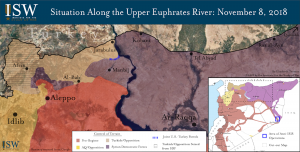
Turkey has effectively annexed large parts of Northern Syria since 2016. Turkey seized control of a wide swath of terrain along the Syrian-Turkish Border in two separate operations against ISIS and the Syrian Kurdish People’s Protection Units (YPG). Turkey has installed local proxies to manage the region – but these proxies remain subordinate to state institutions in Turkey. Gaziantep and Kilis Provincial governors in Southern Turkey exercise direct oversight of governance in Northern Syria. The Turkish Police Academy is training a force of Free Syrian Police while the Turkish Armed Forces is organizing opposition groups into a parallel Syrian National Army. These institutions could ultimately expand to other parts of Northern Syria including Idlib Province.

Turkey is enforcing economic integration upon its territories in Northern Syria. Turkey has funneled all economic activity in the area – including the payment of salaries and cross-border trade – through the Turkish Lira. It is investing in a new highway network to expedite trade between Southern Turkey and Northern Syria as well as a new industrial center in Al-Bab in Syria. Turkey is using these economic ties to bolster its own struggling economy and entrench the influence of Turkish President Recep Tayyip Erdogan. For example, Erdogan authorized agricultural imports from Northern Syria to stabilize rising food prices ahead of the 2018 Turkish General Elections.

Turkey is also conducting a parallel campaign of cultural integration in Northern Syria. Turkey has institutionalized the use of Turkish as the formal language of governance in Northern Syria. It has rebuilt local infrastructure across the area based on its own models including hospitals, universities, post offices, and cell towers. Turkey is also engineering demographic shifts that favor its long-term agenda in Northern Syria. It is resettling internally displaced persons including former opposition fighters in areas under its control at the expense of local Syrian Kurds. It is also attempting to alleviate its own domestic burden by encouraging the return of refugees from Turkey to Northern Syria. These returns may not always be voluntary.

Turkey’s actions in Northern Syria reflect lessons from its occupation of Northern Cyprus. Turkey invaded Northern Cyprus in 1974 to block a perceived threat from nationalist Greeks and preserve its own strategic interests in the Eastern Mediterranean Sea. It quickly acted to implement a program of political, economic, and cultural integration with Turkey. Turkey built and provided military protection for the so-called Turkish Republic of Northern Cyprus. It cultivated economic dependence through an entrenched network of telecommunications and postal services, investments in manufacturing centers, and exclusive export partnerships reliant upon the Turkish Lira. It also systematically relocated ethnic Turks to Northern Cyprus in order to dilute the influence of Greek Cypriots. Turkey is visibly pursuing the same lines of effort in Northern Syria.

Turkey likely plans to maintain a long-term strategic presence in Northern Syria. Turkey maintains its occupation of Northern Cyprus in order to exert influence across the Mediterranean Sea. Erdogan likely perceives similar geopolitical value in Northern Syria. Northern Syria provides a sustained source of leverage over Syrian President Bashar al-Assad and the Russo-Iranian Coalition. Erdogan – a major backer of the armed opposition – is unwilling to permit the full recapture of Syria by Assad. He has repeatedly applied military and diplomaticpressure to block pro-regime offensives against opposition-held Idlib Province in Northern Syria. He has also linked any potential military withdrawal to the need for free and fair elections in Syria – a condition unlikely to be met given the intransigence of Assad. Northern Syria also provides a base for Turkey to challenge the YPG in Eastern Syria. Erdogan is attempting to exploit seams between local Arabs and the Syrian Democratic Forces (SDF) – the primary partner of the U.S. Anti-ISIS Coalition in Syria. His ongoing efforts to undermine these governance structures and stir ethnic tensions in the region is facilitated by access to opposition and tribal networks in Northern Syria

Erdogan will likely undertake similar interventions under his vision of Neo-Ottomanism. Erdogan views the former Ottoman Empire as a model for a more assertive and quasi-imperial Turkey that exerts military, economic, social, and cultural influence across the Middle East. He champions Turkey as the only legitimate defender of Sunni Muslims. He is expanding a regional military footprint with bases in Northern Cyprus, Syria, Iraq, Qatar, and Somalia. He has also expressed interest in gaining a naval port on the Red Sea. These efforts are likely to accelerate in the coming months. Erdogan stated that Turkey will increase the number of troops deployed to Northern Cyprus as recently as September 16. He could order a similar boost to counterinsurgency operations against the Kurdistan Workers’ Party (PKK) in Northern Iraq. He may also intensify efforts to reestablish a socio-cultural foothold in the Balkans amidst rising interference by Russia.

Turkey may not be able to sustain its current level of regional involvement under Erdogan. Turkey is suffering from rising inflation that threatens to collapse its economy. This instability is already spreading to its de facto statelets in Northern Cyprus and Northern Syria. Locals in Northern Syria held protests and launched general strikes in October 2018 to condemn low wages and the economic hardship caused by the increasingly volatile Turkish Lira. Turkish Cypriots held similar protests expressing frustration towards their prolonged economic dependence on Turkey in September 2018. Erdogan is attempting – thus far unsuccessfully – to alleviate these concerns by securing reconstruction aid from Europe. Germany and France have thus far been reluctant to promise explicit economic packages in support of Turkey. Even if granted, international aid will likely remain insufficient to backstop the foreign interventions undertaken by Erdogan.

The U.S. must nonetheless adapt to a quasi-imperial Turkey. Erdogan continues to accelerate his interventionism in his near abroad. He is leveraging his expeditionary foreign policy in order to assert a role as a regional and international powerbroker. His adventurism – coupled with his own domestic instability – risks undermining regional security at the expense of the U.S. and NATO. At minimum, Erdogan’s inabilityto maintain security in Northern Syria presents an opportunity for renewed expansion by Al-Qaeda or ISIS. Turkey’s persistent interference with its neighbors also fosters instability that could be exploited by Iran and Russia. The U.S. must hold Turkey accountable for its disruptive actions and encourage it to engage productively in its near abroad in line with the shared strategic objectives held by the U.S. and NATO.

What Trump’s Latest Outburst About Mueller Could Mean

0

The Atlantic
The president was unusually specific in his attacks against the special counsel.

NATASHA BERTRAND
3:26 PM ET


EVAN VUCCI / AP
With his former personal lawyer Michael Cohen meeting with Special Counsel Robert Mueller’s team this week, and with his son, Donald Trump Jr., speculating that he himself will soon be indicted, President Donald Trump apparently couldn’t contain himself anymore.

“The inner workings of the Mueller investigation are a total mess,” he tweeted on Thursday morning. “They have found no collusion and have gone absolutely nuts.” He added, without providing evidence, that Mueller’s team was “screaming and shouting at people, horribly threatening them to come up with the answers they want,” and called the investigators “thugs,” “a disgrace to our Nation,” and “highly conflicted.”

It isn’t clear what prompted Trump’s early-morning tirade. After all, the outburst was not exactly out of character: Trump has attacked Mueller and the Russia investigation on Twitter nearly 50 times this year alone. But it could be a sign that he received negative news from his legal team or that new indictments against his family or associates are coming down the pike.

Benjamin Wittes: It’s probably too late to stop Mueller

Whereas Trump typically attacks Mueller’s investigation with the same perfunctory language—calling it a “witch hunt” and “rigged”—he was unusually specific in his accusation that Mueller’s investigators were “threatening” people “to come up with the answers they want.” He made a similar charge in August, claiming that Cohen, who is now cooperating with prosecutors in a separate investigation, “made up stories in order to get a ‘deal.’”

Trump’s outburst “could just be another rant,” said Elie Honig, a former federal prosecutor in the Southern District of New York who handled organized-crime cases. But on the other hand, it could signal action on the part of prosecutors that Trump registers as a threat. Honig explained that prosecutors sometimes get fed up with people they know are not being honest and threaten to bring charges against them. They may also threaten a person’s status as a potential cooperator, which typically comes with reduced charges. “My hunch is that prosecutors had some sort of ‘Time to get real’ conversation with someone implicated in the investigation, which was then relayed to Trump by defense attorneys,” Honig said.

The collective hunch in Washington that Mueller is due for his next big move could also be adding to Trump’s anxiety. The special counsel’s last major indictment came in July, when he brought charges against 12 Russian intelligence officers for hacking emails from the Democratic National Committee and a top Hillary Clinton campaign official in 2016. The four-month delay since the last indictment, combined with Mueller’s intensified interest in the Trump campaign’s relationship with WikiLeaks and Roger Stone, has left some observers with the sense that the investigation, tightly bottled up before the midterms, is ready to explode.

Like Honig, the former federal prosecutor Dan Goldman suggested that if Trump has learned anything about Mueller’s recent moves, it’d likely be from defense lawyers whose clients have been ensnared in the investigation. Goldman, who worked on mob-related cases in the Southern District of New York, speculated that the president may know in advance that “indictments are coming, probably tomorrow.” The special counsel’s office has a pattern of releasing indictments on Fridays.

The recent rumors about forthcoming indictments have not been baseless. Donald Trump Jr. has reportedly been telling friends that he expects to be indicted as early as this month, though it’s still unknown what he would be charged with. Roger Stone has also said he is “prepared” to be indicted “for some extraneous crime pertaining to my business, or maybe not even pertaining to the 2016 election.” (Stone’s shifting story to the House Intelligence Committee about his interactions with WikiLeaks in 2016 may have left him exposed legally.)

And a Stone associate, the right-wing conspiracy theorist Jerome Corsi, said earlier this week on a live-streamed video that he’d been informed by the special counsel that he will be indicted for lying to investigators. Prosecutors apparently confronted him with phone and email records that contradicted his testimony. After repeated interrogations, “my mind was mush,” he told NBC News.

Whatever set Trump off this morning, he does still appear to be cooperating with Mueller’s inquiry. Trump’s legal team is reportedly close to finishing its answers to written questions Mueller sent its way. Most, if not all, of those queries apparently have to do with the question of the Trump campaign’s collusion with Russia, rather than obstruction of justice. Mueller has been examining the latter issue since Trump fired FBI Director James Comey, who had previously led the investigation into Trump’s campaign team.

But written answers crafted carefully with the help of Trump’s attorneys may not be enough to shield the president from further scrutiny. Mueller could still try to subpoena Trump to testify before a grand jury without his lawyers present, though Matthew Whitaker, who Trump selected last week to replace Attorney General Jeff Sessions, could hypothetically intervene. With Mueller’s investigation potentially continuing well into 2019, however, and with so many questions still unanswered, Trump’s most recent outburst about the probe likely won’t be his last.

We want to hear what you think about this article. Submit a letter to the editor or write to [email protected].

NATASHA BERTRAND is a staff writer at The Atlantic where she covers national security and the intelligence community.

https://www.theatlantic.com/politics/archive/2018/11/trumps-tweets-criticizing-muellers-investigation/575971/

In the Middle East, You Win with Fear

0

by Efraim Inbar
Israel Hayom
November 13, 2018

https://www.meforum.org/articles/2018/in-the-middle-east,-you-win-with-fear

The past six months have brought us violent demonstrations along the Gaza Strip border, cross-border infiltration, rocket fire and incendiary kites and balloons. This means that a so-called “agreement” or truce is not a viable option.

We cannot trust Hamas to keep the calm. Only when Hamas is afraid of IDF retaliation, which has yet to come, will calm prevail. Israelis tend to overlook the fact that in the Middle East, it is fear, above everything else, that governs how people act.

Unfortunately, from time to time, we must give our enemies a violent reminder, lest they continue terrorizing us. The very fact that Hamas continues its actions unabated shows a lack of deterrence, without which no truce is worth the paper it is signed on. Expecting Hamas to honor agreements with the Jewish state it wants to annihilate is inexcusably naive. Extortion that leads to an “agreement” is a prelude to more extortion.

The assumption that boosting the quality of life for Gazans will reduce Hamas’ violence and hatred is fundamentally flawed. There is no place on this planet where there is a direct correlation between quality of life and terrorism. This holds true in the Palestinian case as well.

Recent polls show that Gazans are actually less hostile toward Israel than are their brethren in Judea and Samaria, where the quality of life is better. Perhaps the suffering in Gaza has taught them that prolonged conflict with Israel comes with great pain. While it is true that it takes time to change the behavior of large groups of people, what ultimately makes a population embark on a new political path is the degree to which it suffers. Germans suffered immensely during the two world wars and have since shed their violent past. Egypt also realized that a peace deal with Israel trumps more violence.

The goal of war is to inflict pain on the other side, to make it change its behavior. There is no point in giving Hamas candy while it fights against us. The exact opposite is true: It should be forced to pay a heavy price for its aggressive behavior. This is the message Israel should be sending Hamas, the Palestinian Authority and other enemies. To survive in the Middle East, Israel has to make it clear that it will inflict unimaginable pain on anyone who attacks it.

Israel is naturally reluctant to re-occupy the Gaza Strip. It would also serve no purpose to try to engineer its political system. Israel would not benefit from bringing the hostile Palestinian Authority back to the Gaza Strip. Likewise, it is understandable why Israel does not want to be dragged into a protracted military campaign when its eyes are trained on the most important threat: Iran. That said, the IDF can ratchet up the pressure by several notches without conquering the Gaza Strip, in order to send Hamas the message that more conflict will result in more pain.

Despite the events of this week, Israel must continue with its incursions into the Gaza Strip and even widen their scope. We must prove that we are not afraid of using ground forces to punish those who want us dead. The fear of casualties, however important, should not come at the expense of Israeli deterrence, which is essential for establishing long-term calm on the border and preventing future fatalities.

Only a crushing and devastating blow to Hamas will pave the way for a truce that would not be a victory for the terrorists. Such a truce would survive much longer than a half-baked truce that survives only several months until another extortion scheme.

Professor Efraim Inbar is president of the Jerusalem Institute for Strategic Studies and a Fellow at the Middle East Forum.

To ease Turkish pressure on Saudis over killing, White House weighs expelling Erdogan foe

0
NBC
“Once they realized it was a serious request, the career guys were furious,” a U.S. official said of request tied to Khashoggi killing.

Fethullah Gulen at his home in Saylorsburg, Pennsylvania, on July 29, 2016.Charles Mostoller / Reuters file

Nov. 15, 2018 / 6:44 PM GMT+2
By Carol E. Lee, Julia Ainsley and Courtney Kube

WASHINGTON — The White House is looking for ways to remove an enemy of Turkish President Recep Erdogan from the U.S. in order to placate Turkey over the murder of journalist Jamal Khashoggi, according to two senior U.S. officials and two other people briefed on the requests.

Trump administration officials last month asked federal law enforcement agencies to examine legal ways of removing exiled Turkish cleric Fethullah Gulen in an attempt to persuade Erdogan to ease pressure on the Saudi government, the four sources said.

The effort includes directives to the Justice Department and FBI that officials reopen Turkey’s case for his extradition, as well as a request to the Homeland Security Department for information about his legal status, the four people said.

They said the White House specifically wanted details about Gulen’s residency status in the U.S. Gulen has a Green Card, according to two people familiar with the matter. He has been living in Pennsylvania since the late 1990s.

Career officials at the agencies pushed back on the White House requests, the U.S. officials and people briefed on the requests said.

“At first there were eye rolls, but once they realized it was a serious request, the career guys were furious,” said a senior U.S. official involved in the process.

WH requests reopening Turkish cleric extradition case of Fethullah Gulen

NOV. 15, 201804:09

The State Department, Justice Department and the Department of Homeland Security did not respond to requests for comment.

A lawyer representing Gulen declined to comment. The FBI also declined to comment.

A Turkish official said the government does not link its concerns about the Khashoggi murder with Gulen’s extradition case.

“We definitely see no connection between the two,” the official said. “We want to see action on the end of the United States in terms of the extradition of Gulen. And we’re going to continue our investigation on behalf of the Khashoggi case.”

The secret effort to resolve one of the leading tensions in U.S.-Turkey relations — Gulen’s residency in the U.S. — provides a window into how President Donald Trump is trying to navigate hostility between two key allies after Saudi officials murdered Khashoggi on Oct. 2 at the kingdom’s consulate in Istanbul.

It suggests the White House could be looking for ways to contain Erdogan’s ire over the murder while preserving Trump’s close alliance with Saudi Arabia’s controversial de facto leader, Crown Prince Mohammed bin Salman.

JULY 17, 201601:23

The kingdom, after initially denying any role in Khashoggi’s disappearance, reversed course and admitted that Saudi officials were responsible for the killing. On Thursday, Saudi Arabia’s top prosecutor recommended the death penalty for five out of the 11 suspects charged with killing Khashoggi. A total of 21 suspects have been arrested in connection with the case, according to Saud al-Mojeb.

Erdogan, meanwhile, has kept the pressure up by leaking pieces of evidence and repeatedly speaking out to accuse Prince Mohammed of orchestrating the murder of Khashoggi, a Washington Post columnist and outspoken critic of the Saudi leadership.

Saudi Arabia is critical to Trump’s Middle East policy. The White House’s relationship with Prince Mohammed is key to Trump’s goals of countering Iran and helping to reach an Israeli-Palestinian peace agreement. Turkey is a NATO ally in possession of evidence about Khashoggi’s murder that positions Erdogan to stoke international outrage over Riyadh’s culpability in and cover-up of Khashoggi’s murder.

Erdogan has for years demanded the U.S. send Gulen back to Turkey. The Turkish leader accuses the elderly cleric of being a terrorist who was behind a failed coup against Erdogan’s government in 2016. After the coup attempt, Ankara made a formal request to the U.S. for Gulen’s extradition.

One option that Turkish and Trump administration officials recently discussed is forcing Gulen to relocate to South Africa rather than sending him directly to Turkey if extradition is not possible, said the U.S. officials and people briefed on the discussions. But the U.S. does not have any legal justification to send Gulen to South Africa, they said, so that wouldn’t be a viable option unless he went willingly.

Trump and Erdogan also recently discussed another option to relieve tensions — the release of Turkish banker Mehmet Hakan Atilla, who was sentenced in May to 32 months in prison by a U.S. federal judge for his role in a scheme to evade U.S. sanctions against Iran, two people familiar with the discussion said. Erdogan has criticized the case against Atilla as a political attack aimed at undermining his government.

The U.S. and Turkey have been engaged in negotiations over a series of sensitive diplomatic issues over the past few months, including a deal for last month’s release of an American pastor, Andrew Brunson, who was imprisoned in Turkey and an agreement for joint U.S. and Turkish military patrols in Manbij, Syria.

Image: An aerial view of the Golden Generation Worship and Retreat Center in Saylorsburg, Pennsylvania
The Golden Generation Worship and Retreat Center in rural Saylorsburg, Pennsylvania on July 9, 2013. The private compound is where Fethullah Gulen, an influential Islamist cleric, has lived for more than a decade.Reuters file

Gulen, who has lived in self-imposed exile in the U.S. for almost two decades, denies any involvement in the failed coup in Turkey in 2016. A one-time ally of Erdogan, he’s become an influential cleric with a wide network of followers known as “Gulenistas.” His movement includes a host of nonprofit organizations, businesses and schools, in the U.S., as well as South Africa.

After Khashoggi’s murder, Erdogan appeared to see an opportunity to ratchet up pressure on the Trump administration over Gulen, the U.S. officials and people familiar with the matter said.

Turkish officials made clear to Secretary of State Mike Pompeo during his Oct. 17 meeting with Erdogan in Ankara that they wanted the Trump administration to turn over Gulen, the U.S. officials and people familiar with the matter said.

“That was their number one ask,” said a person briefed on the meeting.

Image: Mike Pompeo Recep Tayyip Erdogan
Secretary of State Mike Pompeo shaking hands with Turkish President Recep Tayyip Erdogan during their meeting in Ankara, Turkey on Oct. 17, 2018.Turkish presidential office / EPA file

Pompeo asked if Erdogan had new evidence of Gulen’s involvement in the failed coup, prompting the Turkish leader to try to make the case that Gulen has terrorist ties, a senior U.S. official briefed on the meeting said.

In remarks to reporters traveling with him, Pompeo acknowledged having discussed Gulen with the Turks. “We did talk about Fethullah Gulen and we talked about the set of issues surrounding that organization as well,” Pompeo said. “It’s something that the Turks remind us of often, and we’re mindful of places that we can work with them to make sure that we all have a shared set of facts as well. But it’s mostly not a State Department issue; it’s mostly a Justice Department issue.”

The Turkish official wouldn’t discuss details of Erdogan’s conversation with Pompeo but said, “The Gulen issue is a part of any diplomatic conversation that we’re having with our American counterparts.”

Pompeo, who also met with Saudi leaders in Riyadh on that same trip, briefed Trump on his discussions after returning to Washington.

The Trump administration later sent word to Erdogan that officials would re-examine the Gulen issue, the U.S. officials and people familiar with the matter said.

Justice Department officials responded to the White House’s request saying the review of Turkey’s case against Gulen two years ago showed no basis for his extradition and that no new evidence to justify it has emerged, the U.S. officials and others familiar with the requests said.

Trump administration officials then asked for other options to legally remove him, the U.S. officials and others said.

They said the White House specifically wanted details about the terms under which Gulen resides in the U.S. Officials from the law enforcement agencies informed the White House there is no evidence that Gulen has broken any U.S. laws, the U.S. officials and others familiar with the requests said.

The requests on Gulen in mid-October mark at least the second time the Trump administration has re-examined Turkey’s extradition request since taking office. In the weeks after Trump’s inauguration, the White House asked the Justice Department to review Gulen’s case, NBC has reported.

Some officials have described the first request as a routine part of a new administration reviewing its relationship with a key ally. The request, however, took place under Trump’s former national security adviser, Michael Flynn, whose ties to Turkey came under scrutiny in special counsel Robert Mueller’s investigation into Russian election meddling. Flynn, who resigned in February 2017, entered into a plea agreement with Mueller last December and has been cooperating with the investigation.

Turkey provided boxes of materials to the U.S. in 2016 that Erdogan says shows Gulen was behind the failed coup. But officials at the Justice Department and FBI didn’t find evidence that met the standard for extradition, which requires U.S. prosecutors to determine that someone committed crimes abroad that would also be illegal in the U.S.

Relations between U.S. and Turkey have been strained under Trump.

Khashoggi’s disappearance after entering Saudi Arabia’s consulate in Istanbul introduced new friction. Turkey publicly accused Saudi Arabia of flying in an assassination team to murder Khashoggi. The two countries have long been rivals.

Amid Saudi denials over Khashoggi’s disappearance, Turkey ramped up international pressure on Riyadh by leaking its possession of evidence, including recordings from inside the consulate that Turkey officials say show the Saudi government murdered Khashoggi.

After nearly a month, Saudi Arabia admitted its government officials carried out a premeditated murder of Khashoggi. The government, though, has insisted Prince Mohammed knew nothing of it in advance. Some officials from the U.S. and other countries have said they believe otherwise.

Erdogan said this past weekend that he’s given Turkey’s audio recording of Khashoggi’s murder inside the consulate to U.S., U.K., Saudi, French and German government officials. His comments were a public reminder of the evidence Erdogan could expose at a time of his choosing, if he wanted to put pressure on the U.S. or Saudi Arabia. .

John Bolton, Trump’s national security adviser, said Tuesday that U.S. officials who listened to Turkey’s recording assessed it does not implicate Prince Mohammed.

Saudi Arabia has yet to disclose the location of Khashoggi’s remains, and Turkey continues to put public pressure on Riyadh.

Trump has expressed reluctance to respond too strongly given Saudi Arabia’s economic and strategic value to the U.S. At a news conference last week, Trump said he is working with Turkey, Congress and Saudi Arabia to determine next steps and will have a “much stronger opinion” on Khashoggi’s killing over the next week.

Following the Saudi prosecutor’s announcement Thursday, the Treasury Department announced sanctions against 17 people for their suspected role in Khashoggi’s murder.

The group includes Consul General Mohammed Alotaibi, who was in charge of the Saudi consulate in Istanbul, as well as senior Saudi officials and members of the suspected assassination team who arrived in Istanbul in the hours before Khashoggi disappeared.

The 17 were sanctioned under the Magnitsky Act, which bars foreign officials from entering the U.S. and freezes any assets they have in American banks.