Αρχική Blog Σελίδα 2727

Ugly Markets Might Contaminate the U.S. Economy

0

Missteps and mismanagement by the country’s leadership pose a growing risk.

Make it stop.

Photographer: Drew Angerer/Getty Images North America

The U.S. economy has a lot going for it. Consider its three biggest drivers of growth:
  • Consumer spending is underpinned by a robust labor market which, according to the last monthly jobs report, continues to create jobs well above what’s needed to absorb new entrants. Unemployment is at a historically low 3.7 percent, which is helping to deliver annual wage growth of more than 3 percent. Meanwhile, with a relatively low labor force participation rate and with job vacancies exceeding the number of unemployed, discouraged workers may be drawn back into the job market.
  • Business investment is also in a good place. With deregulation and favorable tax treatment, more companies have been looking into how to deploy their considerable cash holdings into new investments, rather than for stock buybacks and higher dividends. This shift is happening at a time when many corporations are keen to improve productivity through the application of recent advances in artificial intelligence, machine learning, big data and other technological innovations.
  • These private-sector growth prospects are turbocharged by higher government spending.

Thus, the U.S. economy is in a good position to sustain a 2.5-3 percent growth rate in 2019, while also resisting the headwinds created by the following:

  • Europe, where the implementation of pro-growth policies and a stronger regional economic architecture are hampered both by domestic political uncertainties in the five-largest economies and a pending regional parliamentary election;
  • China, where the government is tending to revert to policies that have lost potency,  risking greater distortions to the economy and the financial system;
  • Japan, where the implementation of the so-called third arrow of the government’s pro-growth initiative continues to struggle in overcoming deep social and institutional inertia; and
  • Oil producers, which are dealing with a sharp decline in crude prices that will quickly translate into lower export earnings and spending, including on imports.

The problem for the U.S. economy goes beyond just the challenges facing other major economies.

The  shutdown of the federal government amplifies uncertainties associated with what many market participants complain have become at times rather muddled and confusing signals from the nation’s two most important economic policy making agencies. Specifically:

  • Based on its recent communications, the Federal Reserve may be too focused on narrow, domestic economic issues and may underappreciate the need for greater responsiveness using a wider set of tools;
  • The Treasury Department’s effort to bolster confidence by calling banks over the weekend and issuing a follow-up statement about ample liquidity in the banking system, which ended up unsettling markets.

The impact of these two factors would be less worrisome if it weren’t for the fact that markets already confront unstable technical conditions and  a growing inclination by some market participants to talk themselves into recession-like behavior.

This should all be seen in the context of the prolonged period of ample and predictable liquidity injections by central banks, which gave rise to market features that have now become a source of volatility and vulnerability.  These include asset prices that were decoupled substantially from less-buoyant fundamentals; the rapid rise of passive investing; excessive risk taking; and the over-promise of liquidity, including through exchange-traded funds, in market segments prone to bouts of illiquidity. With that, the past inclination of investors to buy on market dips — a pattern that contributed to last year’s impressive market gains with virtually no volatility — has given rise to consistent selling on rallies when these occasionally arise.

The risk of a downward overshoot for markets cannot be dismissed absent external circuit breakers and/or the internal self-exhaustion of poor fundamentals, neither of which seems imminent. This increases the risk of bad market technicals contaminating the economy through the combination of a negative wealth effect and diminished household and business sentiment.

As of now, these mounting threats to U.S. economic growth are still risk factors in a relatively positive baseline scenario. Keeping it this way will require policy mindsets that are more agile, more global and more understanding of the underlying and changing psychology of markets.

This column does not necessarily reflect the opinion of the editorial board or Bloomberg LP and its owners.

To contact the author of this story:
Mohamed A. El-Erian at [email protected]

To contact the editor responsible for this story:
James Greiff at [email protected]

https://www.bloomberg.com/opinion/articles/2018-12-27/there-is-logic-behind-the-stock-market

Macedonia in 2018: Hope Betrayed

0
27 DEC 18
Balkan Insight
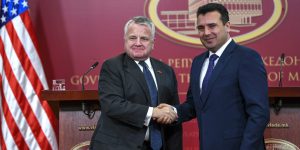
Macedonian Prime Minister Zoran Zaev shakes hand with US Deputy Secretary of State John J. Sullivan, after their joint press conference in Skopje, The Former Yugoslav Republic of Macedonia, 2018.Photo: EPA-EFE/GEORGI LICOVSKI

Macedonia’s Social Democrats have made big moves abroad, but disappointed at home. Both fronts are important if the country and the rest of the Western Balkans are to succeed.
Bence Földi BIRNAt the beginning of 2018, many of us hoped this would be a breakthrough 12 months for a small country in the Western Balkans – Macedonia.

After a change in government in 2017, the Social Democrats came to power with many promises, not least a break from the practices of the previous VMRO-DPMNE administration.

All those unhappy with what former Prime Minister Nikola Gruevski and his allies had done to this beautiful country were full of hope that things were about to change, relatively quickly.

At the beginning of January, I was in Sofia as Bulgaria took on the presidency of the Council of the European Union. Bulgaria’s foreign minister, Ekaterina Zakharieva, told reporters that although Sofia had been the first to recognise Macedonia under its chosen name, the relationship between them had soured over the past 15 years due to the previous government.

Zakharieva said Sofia was delighted that things were changing and that they would seal a friendship treaty designed to set aside years of disagreement. The Macedonian parliament later approved the treaty, marking the first major step in ending the foreign policy of the previous government that had isolated Macedonia.

Then the government of Prime Minister Zoran Zaev concluded a deal with Greece that meant a change of name for Macedonia in exchange for Athens lifting its veto on Skopje’s Western integration with the EU and NATO.

The deal was seen as a breakthrough, and an example to the rest of the Western Balkans on how neighbours can overcome strong disagreement. But it turns out that Macedonia’s new foreign policy (which supports reconciliation) may not prove a precedent for the region.

The so-called Prespa Agreement hasn’t collapsed yet, but Macedonia’s ruling coalition made a mistake, in a Machiavellian sense; it let the people decide on the name change, but turnout in the referendum was low and so the government moved ahead without proper legitimacy.

As I wrote previously on Balkan Insight, after the failed referendum the West was trying to push through the change to satisfy its own political interests in the Balkans.

When I first heard about the idea that Zoran Zaev and his Greek counterpart, Alexis Tsipras, should be nominated for the Nobel Peace Prize, I was in favour.

But later I saw the hurdles to this process. The prize should not go to a project that has yet to be implemented, before we know whether it will be a success or not (the Swedish Academy has done this before, when it gave the prize to US President Barack Obama in 2009).

Moreover, if the Prespa Agreement is implemented, it is unclear “whether Macedonia will receive a reward from the EU for its efforts”, as Florian Bieber wrote.

So it was a risky political move which probably won’t be rewarded, but many of the voters could be forgiven for thinking the government is pushing through the change against the will of the people.

Fugitive

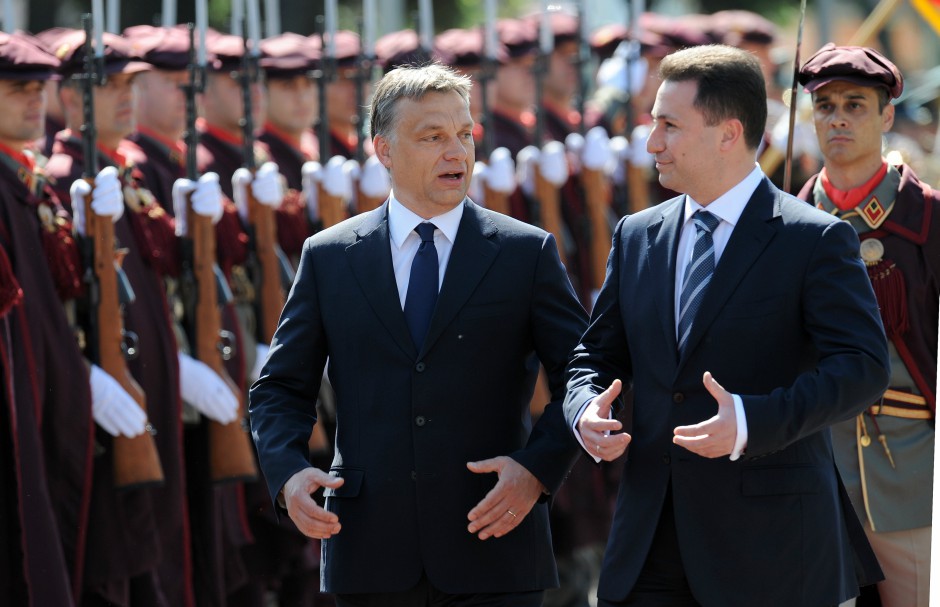
Hungarian Prime Minister Viktor Orban accompanied by his Macedonian counterpart Nikola Gruevski review a military guard of honor in Skopje, The Former Yugoslav Republic of Macedonia, 2011. Photo: EPA-EFE/GEORGI LICOVSKI

Gruevski’s subsequent escape suggested that perhaps this government isn’t much better than the last.

There are many signs that the Zaev government probably made a deal with VMRO–DPMNE to get the required votes in parliament for the constitutional amendments necessary to change the country’s name.

“It is it unthinkable that the government would not have known that Gruevski wanted to flee abroad,” Alajdin Demiri, Macedonia’s former ambassador to Switzerland, told the Hungarian weekly Magyar Hang.

And the head of Macedonia’s Helsinki Committee, Uranija Pirovska, told Balkan Insight last month: “This cannot be attributed to clumsiness or lack of expertise. I think this [escape] is a deal,”

The government has not been particularly vocal in asking for Gruevski’s extradition. Its supporters are not impressed by the whole story; many believe Zaev let Gruevski escape.

What is good for Zaev is that the former prime minister can no longer lead his party in person, clearing the way for the Social Democrats to tackle his legacy. At the same time, the debacle diverts attention away from the procedure to change the country’s name. But on the other hand, the government appears incompetent in handling the issue.

The Social Democrats are pushing the name change through parliament in order to distract attention from the government’s own failings, a tactic the previous government used.

Moreover, the parliament has approved a much-criticised partial amnesty for some of those involved in last year’s mob attack on the chamber. I wouldn’t want to be in the shoes of an MP who was beaten during the attack and was later expected to vote in favour of an amnesty for the perpetrators, as if spitting in my own face.

There are also some symbolic promises that current government has not kept.

Harald Schenker had an interesting piece on this on Balkan Insight. He wrote that the new government seems lost in details and has not broken from the practices of the previous government.

The people are waiting “for the one symbolic gesture that will convince them that the government means it,” Schenker writes. I must add: people are waiting for reforms regarding corruption, justice, etc. They won’t wait long. They will move on or turn against the current government, since people with high expectations are capable of anything if these expectations are not fulfilled.

Action in the field of foreign affairs, it seems, is not enough; you must govern your country as well. You need reforms. You have to make a clear break from from the acts of the previous government.

A sound foreign policy is not enough. You must act at home to have a stable background on which to make significant moves in diplomacy. The longer it takes for the Zaev government to learn this, the longer the Western Balkans will wait to move forward.

Bence Földi is a political scientist and a freelance journalist covering the Balkans and other topics in various Hungarian media outlets.

The opinions expressed in the Comment section are those of the authors only and do not necessarily reflect the views of BIRN.

http://www.balkaninsight.com/en/article/macedonia-in-2018-hope-betrayed-12-24-2018

Ο Μακιαβέλι γνώριζε από ελληνοτουρκικά!

0
Άγγελος Συρίγος

Το ερώτημα είναι καυτό και συνεχίζει να αιωρείται στην ελληνική κοινή γνώμη: θα επιχειρήσει ο Ερντογάν να προκαλέσει ένα θερμό επεισόδιο; Η απάντηση είναι πως μάλλον θα αποφύγει να δημιουργήσει μία κρίση, η οποία θα μπορούσε να οδηγήσει τα ελληνοτουρκικά σε πολεμική σύρραξη. Στο επίπεδο της εξωτερικής πολιτικής, άλλωστε, η προσοχή του είναι στραμμένη στη Συρία, ειδικά μετά την απόφαση του προέδρου Τραμπ να αποσύρει τις εκεί αμερικανικές δυνάμεις.

Γιατί να διακινδυνεύσει μία πολεμική εμπλοκή με την Ελλάδα, η οποία, ανεξαρτήτως της έκβασης θα είναι καταστροφική και για την Τουρκία; Δεν έχει κανένα πραγματικό λόγο εισέλθει σε μία τέτοια περιπέτεια, η οποία εκ των πραγμάτων θα χαλούσε την εικόνα του νικητή που έχει ήδη εξασφαλίσει από τη στρατιωτική εμπλοκή στη βόρειο Συρία. Εικόνα που μπορεί να ενισχυθεί πολύ εάν ο Λευκός Οίκος του λύσει τα χέρια να κινηθεί εναντίον των Κούρδων και ανατολικά του Ευφράτη.

Ο τρόπος που ο Ερντογάν είχε συμπεριφερθεί στις παραμονές του δημοψηφίσματος την άνοιξη του 2016 μας δίνει μία εικόνα και για το σήμερα. Υπενθυμίζουμε πως είχε στείλει την ηγεσία των τουρκικών ενόπλων δυνάμεων να κάνει μία ολιγόλεπτη βόλτα γύρω από τα Ίμια με προφανή επικοινωνιακή στόχευση. Κατά συνέπεια, το πραγματικά κρίσιμο ερώτημα είναι εάν η Άγκυρα θα παραμείνει στο γνωστό πλαίσιο των προκλήσεων, των τριβών και των αντιπαραθέσεων, ή θα αλλάξει ποιοτικά επίπεδο.

Οι συμμαχίες δεν αρκούν

Αν στο Αιγαίο μπορούμε να κάνουμε υποθέσεις, στην κυπριακή ΑΟΖ το σενάριο είναι στο επίπεδο σχεδόν της βεβαιότητας. Η Τουρκία ετοιμάζεται να πραγματοποιήσει γεώτρηση. Με τον τρόπο αυτό, αποφεύγει να έλθει σε αντιπαράθεση με τους Αμερικανούς και τους Γάλλους, αλλά αμφισβητεί εμπράκτως τα νόμιμα δικαιώματα της Κυπριακής Δημοκρατίας, με σκοπό να εγγράψει υποθήκη “συνιδιοκτησίας”. Και σ’ αυτό το επίπεδο, κανείς δεν θα συγκρουσθεί με την Άγκυρα για λογαριασμό των Ελληνοκυπρίων. Ούτε οι Αμερικανοί, ούτε οι Γάλλοι, ούτε βεβαίως και οι Ισραηλινοί. Το είπε προ ημερών καθαρά και ο αρχηγός ΓΕΕΘΑ ναύαρχος Αποστολάκης.

Είναι αρχή επιβεβαιωμένη από την ιστορία ότι οι συμμαχίες ενισχύουν και κάποιες φορές πολλαπλασιάζουν την ισχύ ενός κράτους. Δεν το υποκαθιστούν, όμως, ως προς την υποχρέωσή του να υπερασπισθεί τον εαυτό του. Μόνο εάν οι Έλληνες αντισταθούν ενδεχομένως κάποιοι σύμμαχοι να μας στηρίξουν. Κι αυτό θα το πράξουν, εάν το πράξουν, επειδή θα εξυπηρετεί τα δικά τους συμφέροντα, την ανάγκη τους να διατηρήσουν ισορροπίες.

Ας θυμηθούμε τον Μακιαβέλι. Συμβούλευε τον ηγεμόνα του ως εξής: «Από τους ισχυρούς ξένους προστατεύεσαι με τον καλό εξοπλισμό και τους καλούς συμμάχους». Δεν ζητούσε μόνο το ένα, ζητούσε και τα δύο. Η περιοχή μας είναι πλέον γεωπολιτικά ασταθής. Εδώ διασταυρώνονται αντικρουόμενα συμφέροντα και των μεγάλων και των τοπικών δυνάμεων. Η εθνική μας ασφάλεια, η ασφάλεια και της Ελλάδας και της Κυπριακής Δημοκρατίας προϋποθέτει ανάκαμψη της οικονομίας, ενίσχυση του αξιόμαχου των ενόπλων δυνάμεων με έξυπνες λύσεις και βεβαίως με τη σύναψη στρατηγικών συμμαχιών.

Ο Μακιαβέλι γνώριζε από ελληνοτουρκικά!

New York Times: Η επόμενη μέρα για τη Συρία

0

ΒΥΡΗΤΟΣ – Η Τουρκία απειλεί να εισβάλλει στη Συρία ώστε να εξολοθρεύσει τους Κούρδους μαχητές. Οι συριακές δυνάμεις κινούνται προς την περιοχή που οι Αμερικάνοι θα εγκαταλείψουν σύντομα. Το Ισραήλ βομβαρδίζει ιρανικά στρατεύματα στα βάθη της Συρίας. Η Ρωσία θα κινηθεί σύντομα για να εξαφανίσει και το τελευταίο ίχνος της συριακών αντικυβερνητικών δυνάμεων.

Η Συρία, την οποία μετά την απόφαση του Ντόναλντ Τραμπ να αποσύρει τα αμερικάνικα στρατεύματα από την χώρα, είναι πλέον μία «βαλκανοποιημένη» εκδοχή της χώρας, όπως αναφέρει χαρακτηριστικά το άρθρο των New York Times, σε σχέση με αυτή που ήταν οκτώ χρόνια πριν, όταν εισήλθε στον καταστροφικό εμφύλιο πόλεμο.

Η απόσυρση των αμερικάνικων στρατευμάτων και το «τέλος» της ανταρσίας κατά του προέδρου Μπασάρ αλ Άσαντ, δίνει ελευθερία στο Ιράν και τη Ρωσία να κάνουν επίδειξη δύναμης στην Συρία.

«Καλωσήρθατε, στην μετά-αμερικανική Μέση Ανατολή», δήλωσε ο Ρίτσαρντ Χάας, διπλωμάτης και πρόεδρος του Συμβουλίου Διεθνών Σχέσων, μέσω tweet του.

Οι New York Times στο νέο άρθρο τους αναλύουν την περίπλοκη σύνθεση του Συριακού πολέμου, μέσα από μία σειρά ερωτήσεων και απαντήσεων που παρουσιάζονται παρακάτω.
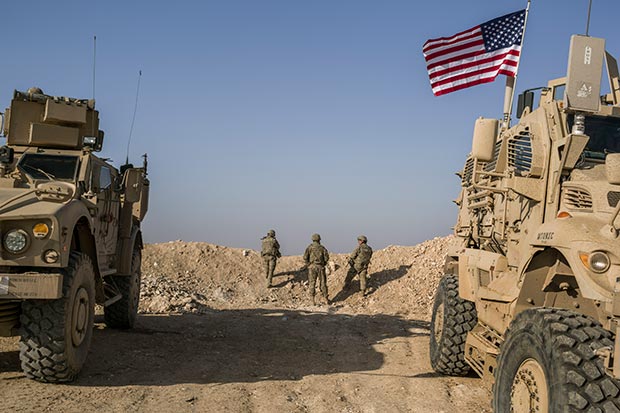

Φωτογραφεία αρχείου.

Πώς θα έμοιαζε η μεταπολεμική Συρία;

Μετά από χρόνια αιματοχυσιών, οι οποίες ξεκίνησαν από τις διαδηλώσεις της Αραβικής Άνοιξης, οι οποίες είχαν προσδώσει ελπίδα για δημοκρατικοποίηση της περιοχής, το πιο πιθανό σενάριο για τη σημερινή Συρία, σύμφωνα με τους ειδικούς για την περιοχή, είναι πολύ πιο «σκοτεινό» από την προ-πολεμική πραγματικότητα της χώρας: ο Άσαντ να ηγείται μία κατασταλτικής κυβέρνησης κάτω από τις εντολές της Ρωσίας και του Ιράν.

Και οι δύο χώρες είναι μακρόχρονοι σύμμαχοι του Άσαντ. Η διάσωση του, από την Ρωσική αεροπορία και το Ιρανικό πεζικό, εδραίωσε τη θέση τους ακόμη περισσότερο.

Το σιιτικό Ιράν, ανταγωνίζεται με τους Σουνίτες της Σαουδικής Αραβίας, για την επιρροή στην περιοχή έχοντας αποστείλει δεκάδες χιλιάδες στρατιώτες να πολεμήσουν στα συριακά εδάφη. Παράλληλα, όπως αναφέρει το άρθρο των New York Times, ανοικοδομεί σιιτικούς ναούς και ενδυναμώνει τα στρατεύματα των Σιιτών της περιοχής, ελπίζοντας να αποκτήσει το πλεονέκτημα ενάντια στο Ισραήλ.

Η Ρωσία, η οποία έχει εξασκήσει την πολιτική της δύναμη στη Συρία, επηρεάζει έντονα την εξωτερική πολιτική, το στρατό και τις μυστικές υπηρεσίες της χώρας. Αυτό είναι και το τίμημα που πλήρωσε ο Άσαντ για τη διάσωση, αναφέρει το άρθρο των New York Times.

Τι μπορεί να πάρει η Ρωσία και το Ιράν ως αντάλλαγμα;

Αν και η παραμονή στην Συρία μπορεί να κοστίσει πολιτικά στο εσωτερικό του Ιράν και της Ρωσίας, η επιβίωση των δύο χωρών στην περιοχή, μετά την απόσυρση των αμερικανικών στρατευμάτων τους εξασφαλίζει την τοπική ηγεμονία.

«Αυτό είναι το  “ιδανικό σενάριο” και για τις δύο χώρες», σύμφωνα με τον Ντάνιελ Μπενέμ, ειδικό στα θέματα της Μέσης Ανατολής και συνεργάτη του Κέντρου της Αμερικανικής Προόδου, ενός προοδευτικού ερευνητικού κέντρου στην Ουάσινγκτον.

«Από εδώ και πέρα, μπορούν να ελέγχουν την αφήγηση, τόσο προς στους φίλους, όσο και προς τους εχθρούς της Αμερικής: η Αμερική δεν είναι πλέον αξιόπιστος συνεργάτης στην Μέση Ανατολή».
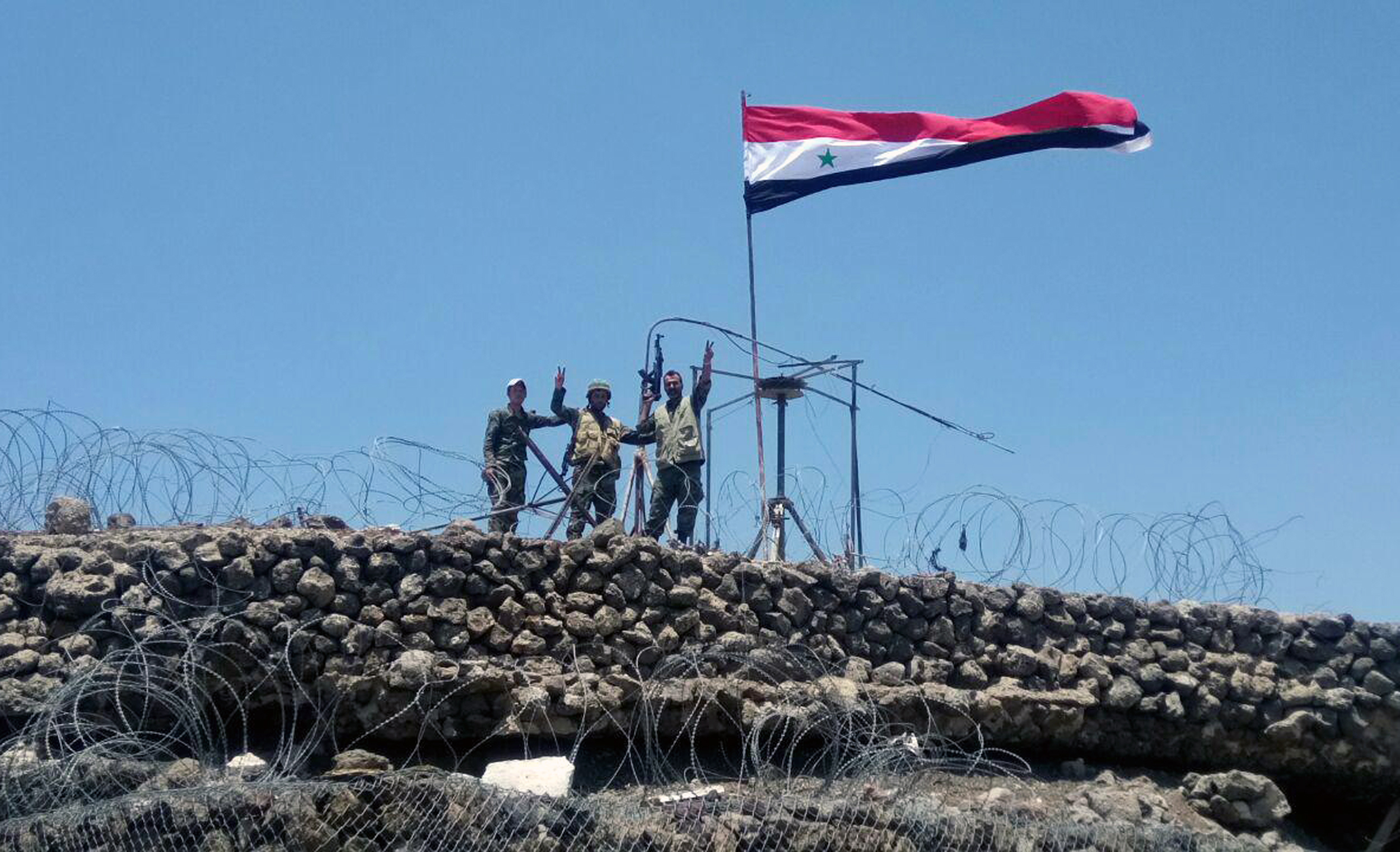

Φωτογραφία αρχείου.

Γιατί υπήρχαν αμερικανικά στρατεύματα στην Συρία;

Δύο χιλιάδες Αμερικάνοι αποστάλθηκαν στην βορειοανατολική Συρία, με σκοπό να συνεργαστούν με τα κουρδικά στρατεύματα της περιοχής, ώστε να εξαφανίσουν την παρουσία του Ισλαμικού Κράτους στην περιοχή. Η κίνηση αυτή βέβαια προκάλεσε την οργή της Τουρκίας, η οποία βλέπει τους αυτονομιστές Κούρδους ως μία σοβαρή απειλή.

Το πώς ή αν θα συνεχιστεί η μάχη κατά του Ισλαμικού Κράτους στη Συρία δεν έχει ξεκαθαρίσει ακόμα. Πιστεύεται ότι 30 χιλιάδες πιστοί στο Ισλαμικό Κράτος βρίσκονται διάσπαρτοι στην περιοχή.

Είναι πιθανό, όπως αναφέρουν οι New York Times, ότι οι Κούρδοι και ο Άσαντ θα συνθηκολογήσουν. Αν όχι, τότε ένας νέος γύρος συρράξεων θα μπορούσε να στείλει ένα νέο κύμα προσφύγων, Κούρδων και άλλων, προς το Ιράν προκαλώντας νέο γύρο εντάσεων, οδηγώντας έτσι και στην αναβίωση του Ισλαμικού Κράτους.

«Οπωσδήποτε υπάρχει αυτή η πιθανότητα, το ρίσκο του απόλυτου χάους», είπε ο Άρον Λουντ, ειδικός στα θέματα της Συρίας, «όταν η μόνη δύναμη που σταθεροποιούσε την περιοχή, χωρίς να την κρίνω θετικά ή αρνητικά, εξαφανίζεται τόσο γρήγορα».

Ποιος θα καταλάβει τις περιοχές που εγκαταλείπουν οι Αμερικάνοι;

Σύμφωνα με το Ινστιτούτο για την Μελέτη του Πολέμου, η Ρωσία, το Ιράν και οι δυνάμεις που έχουν την στήριξη του Ιράν, όπως η σιιτική οργάνωση Χεζμπολάχ, έχουν τις κατάλληλες θέσεις για να καταλάβουν τα βορειανατολικά εδάφη της Συρίας, τα οποία εγκατέλειψαν τα αμερικανικά στρατεύματα.

Το Συριακό Παρατηρητήριο για τα Ανθρώπινα Δικαιώματα, το οποίο καταγράφει την εξέλιξη του συριακού πολέμου μέσα από μαρτυρίες πολιτών, μετέδωσε την Κυριακή, ότι η Συριακή κυβέρνηση έχει στείλει χιλιάδες στρατιώτες να καταλάβουν τα τελευταία εδάφη του ISIS στα βορειοανατολικά της χώρας.

Τι έχει απομείνει από τους δυνάμεις κατά του Άσαντ;

Το τελευταίο μεγάλο οχυρό των ανταρτών κατά του Άσαντ βρίσκεται στην περιοχή Ιντλίμπ στα βορειοδυτικά της Συρίας, κοντά στα σύνορα με τη Τουρκία. Η Ρωσία είναι πιθανό να βοηθήσει τον Ασάντ να ανακαταλάβει την περιοχή. Βέβαια, θα πρέπει πρώτα να συζητήσει με την Τουρκία, η οποία έχει υποστηρίξει τους αντάρτες και έχει εκφράσει το έντονο ενδιαφέρον της για το τι συμβαίνει στα σύνορα της με την Συρία.
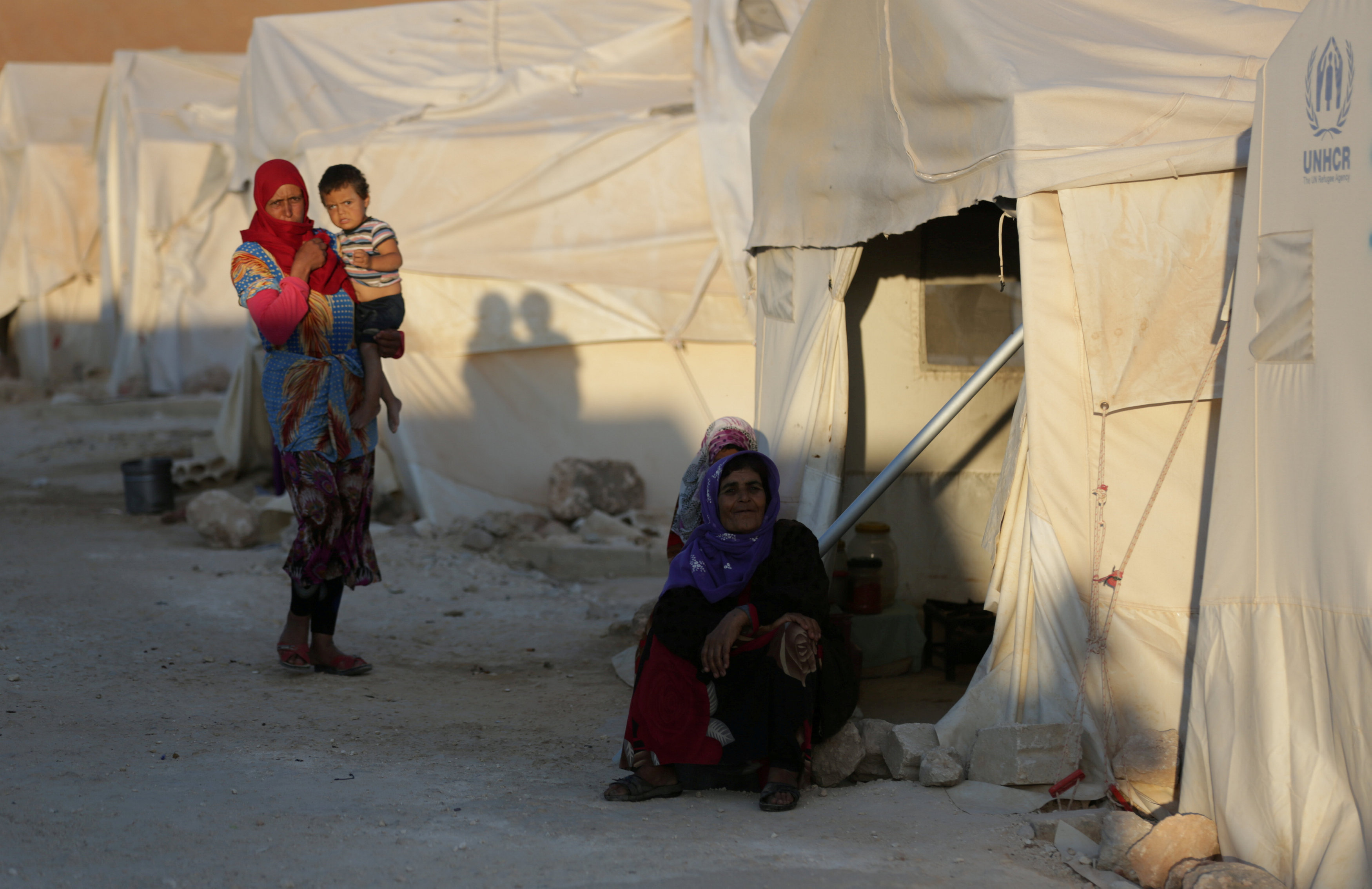

Φωτογραφεία αρχείου.

Πώς αυτές οι αλλαγές επηρεάζουν το Ισραήλ;

Οι αναλυτές πιστεύουν ότι το Ιράν μπορεί να συνεργαστεί με τους Σιίτες του Ιράκ, της Συρίας και του Λίβανου, σχηματίζοντας ένα ενωμένο μέτωπο ενάντια στο Ισραήλ. Στη Συρία, το Ιράν και η Χεζμπολάχ αποσκοπούν να ενδυναμώσουν την στρατιωτική παρουσία τους στα υψίπεδα του Γκολάν, τα οποία προσάρτησε το Ισραήλ μετά τον πόλεμο του 1967.

Το Ισραήλ έχει ξεκαθαρίσει ότι δεν θα ανεχθεί τις απειλές της Συρίας, δείχνοντας και τις προθέσεις του την Τρίτη με μία σειρά εναέριων βομβαρδισμών κοντά στη Δαμασκό.

Οι Ρώσοι, οι οποίοι έχουν καλές σχέσεις με το Ισραήλ, του έχουν επιτρέψει παρόμοιες επιχειρήσεις στο παρελθόν. Παρόλα αυτά, το Κρεμλίνο αντέδρασε έντονα στους βομβαρδισμούς του Ισραήλ, χαρακτηρίζοντας τους ως «έντονες παραβιάσεις» της συριακής ανεξαρτησίας

Πόσο δυνατή είναι η επιρροή του Ιράν στη Συρία;

Οι Σιίτες που βρίσκονται στην Συρία είναι αντιμέτωποι με μία μεγάλη δυσκολία: είναι μειοψηφία σε μία πλειοψηφία Σουνιτών. Παρόλα αυτά, το Ιράν έχει διευρύνει την σφαίρα επιρροής του τόσο στους Σύριους μαχητές, αλλά και πολίτες.

Σε μερικές περιοχές της Συρίας, το Ιράν έχει χρηματοδοτήσει την ανέγερση σπιτιών για τους ανθρώπους που έχασαν τα σπίτια τους στον πόλεμο, ενώ σε άλλες έχει οικοδομήσει ναούς, που σύμφωνα με το Συριακό Παρατηρητήριο, έχουν τραβήξει την προσοχή επισκεπτών από το Ιράν, το Ιράκ και τη Συρία.

Αψηφώντας τον ιστορικά κοσμικό χαρακτήρα του Συριακού κράτους, το Ιράν και η Χεζμπολάχ έχουν μεταδώσει σε αρκετές περιοχές της Συρίας ένα θρησκευτικό κλίμα. Για παράδειγμα σπάνια έβλεπες στο παρελθόν να γιορτάζεται η Ασούρα, μεγάλη Σιιτική γιορτή, στις μη-Σιιτικές περιοχές της Δαμασκού. Σήμερα, οι παρελάσεις και οι τελετές για την Ασούρα είναι πολλές περισσότερες.

Κάποιοι από τους στρατιώτες του ιστορικά κοσμικού συριακού στρατού έχουν γίνει περισσότερο θρήσκοι μετά την ένταξη τους στα στρατεύματα των Σιιτών. Άλλοι βέβαια έχουν ενταχθεί σε αυτά τα στρατεύματα για μη θρησκευτικούς λόγους. Τα στρατεύματα αυτά προσφέρουν καλύτερες αποδοχές και μεγαλύτερες άδειες από ότι ο συριακός στρατός, ενώ η ένταξη σε αυτά τα στρατεύματα δεν σημαίνει απαραίτητα και μεταστροφή στο Σιιτισμό. Σίγουρα, όμως σηματοδοτεί μία αλλαγή του παλιού κατεστημένου.

«Ο στρατός δεν είναι πλέον ξεκάθαρα κοσμικός», δήλωσε ο Άλι Ρίζκ, ένας αναλυτής, με βάση τη στη Βυρητό. Ο Ρίζκ πρόσθεσε πώς το Ιράν και η Χεζμπολάχ έχουν μεταδώσει τον Σιισμό στο συριακό στρατό. «Άλλωστε, είναι ανθρώπινο, όλοι αυτοί οι στρατιώτες πολέμησαν στο πλευρό ο ένας του άλλου».
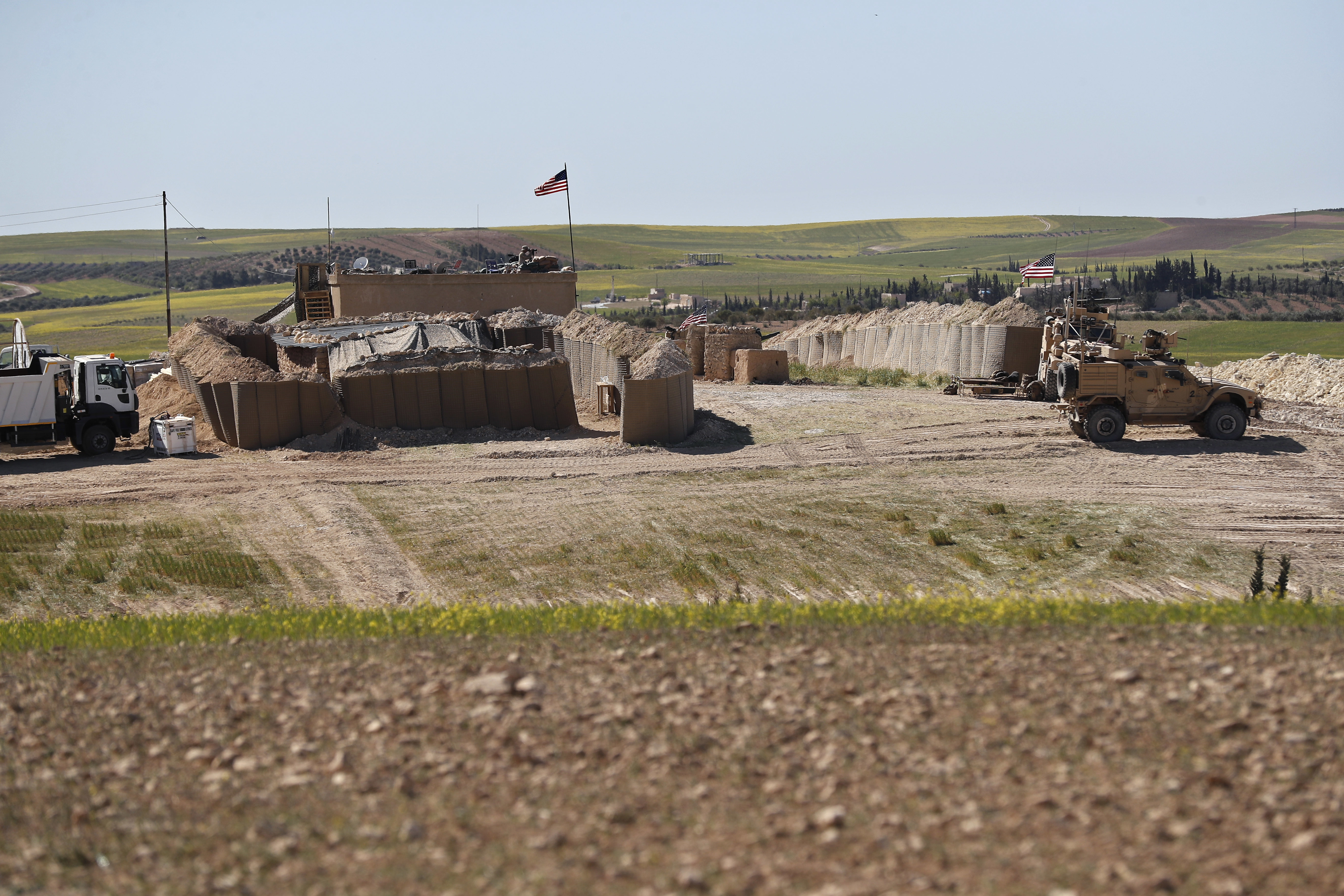

Φωτογραφία αρχείου.

Είναι οι Ρώσοι ευπρόσδεκτοι στη Συρία;

Η Ρωσία έχει ενισχύσει τις σχέσεις τις με τους Σύριους ηγέτες, έχει ενδυναμώσει τις σχέσεις της με την Τουρκία, ενώ έχει αφήσει πίσω και τις ΗΠΑ ως «πρώτη δύναμη» στη Μέση Ανατολή.

Οι Ρώσοι έχουν επιδείξει μία πολύ έξυπνη στάση σχετικά με τις ευαισθησίες της Συρίας, αποστέλνοντας για παράδειγμα, στρατονόμους από την περιοχή της Τσετσενίας, για να διαπραγματευτούν την ανακωχή των ανταρτών και να κρατήσουν την ειρήνη στις περιοχές των Σουνιτών, τις οποίες ανακατέλαβαν οι δυνάμεις του Άσαντ.

Πολλοί προτιμούν τους Ρώσους από τις σιιτικές ομάδες του Ιράν. Οι πολίτες που είναι εναντίον της κυβέρνησης, ενθαρρύνθηκαν όταν είδαν ένα βίντεο του YouTube, το οποίο έδειχνε δύο Ρώσους στρατονόμους να συλλαμβάνουν δύο Σύριους στρατιώτες. Τον Ιούνιο, όταν Σιίτες στρατιώτες συνέλαβαν δύο Σουνίτες, οι Ρώσοι πίεσαν για την απελευθέρωση τους.

Το συμβάν αυτό βοήθησε τους Ρώσους να πείσουν τους πολίτες ότι δεν έχουν κανένα ενδιαφέρον να αναζωπυρώσουν τη διαμάχη μεταξύ Σουνιτών και Σιιτών και οποιαδήποτε κίνηση εκδίκησης από τον Ασάντ θα τους έβρισκε απέναντι.

«Το Ιράν έχει ένα σεχταριστικό πλάνο»», δήλωσε στους New York Times ο Αχμέντ αλ Μούκα, του οποίου οι τρείς γιοί πολέμησαν με τους αντάρτες, «αλλά η Ρωσία δεν ενδιαφέρεται για την εθνικότητα και την θρησκεία των ανθρώπων».

Θα μπορούσε να υπάρξει ανταγωνισμός μεταξύ Ρωσίας και Ιράν για το μέλλον της Συρίας;

Το Ιράν και η Ρωσία ανταγωνίζονται ήδη, με την Ρωσία να υποστηρίζει μία αυτόνομη Συριακή κυβέρνηση, απογαλακτισμένη από τη ρωσική βοήθεια, ενώ το Ιράν θα προτιμούσε ένα πιο αποδυναμωμένο συριακό κράτος.

Και οι δύο χώρες έχουν αρχίσει να βάζουν τους δικούς του συμβούλους στις συριακές μυστικές υπηρεσίες, σύμφωνα με τον Τζόοστ Χίλτερμαν, ειδικό στα θέματα της Μέσης Ανατολής.

Και οι δύο είναι αντιμέτωποι όμως με μία μεγάλη πρόκληση. Καμία από τις δύο χώρες δεν μπορεί να αντέξει οικονομικά το σχέδιο για την ανοικοδόμηση της Συρίας, το οποίο θα μπορούσε και να ξεπεράσει τα 200 δισεκατομμύρια δολάρια.

Οι Ρώσοι «θέλουν να αποχωρήσουν στρατιωτικά από τη Συρία, αφήνοντας στη θέση τους τις δύο βάσεις τους και τους δικούς τους ανθρώπους, ενώ επιθυμούν ρωσικές εταιρίες να αναλάβουν την ανοικοδόμηση», πρόσθεσε ο Χίλτερμαν.

Η ιρανική κυβέρνηση έχει δεχθεί κριτική στο εσωτερικό σχετικά με την πολιτική της για τη Συρία, η οποία έγινε πιο έντονη μετά την επιβολή κυρώσεων από τις ΗΠΑ.

Η Ντανιέλ Πλέτκα, αντιπρόεδρος μιας ομάδας ανάλυσης, σχετικά με ζητήματα εξωτερικής πολιτικής και άμυνας, δήλωσε ότι μέχρι τώρα οι Ιρανοί έχουν εξασκήσει άνετα την δύναμη τους στη Συρία, «αλλά με τις οικονομικές τους περιπέτειες, που περνούν αυτή τη στιγμή θα δυσκολευτούν να συνεχίσουν».

“Καθημερινή”

Άποψη: Οι γεωστρατηγικές και ενεργειακές προεκτάσεις της συμφωνίας της Μπέρ Σεβά

0
ΘΕΟΔΩΡΟΣ ΤΣΑΚΙΡΗΣ*

Η τελική συμφωνία επί του κειμένου της τετραμερούς διακυβερνητικής συμφωνίας αναφορικά με την κατασκευή του East Med Gas Pipeline (EMGP) που επιτεύχθηκε στην Μπερ Σεβά στις 20 Δεκεμβρίου αποτέλεσε ευχάριστη έκπληξη για όσους παρακολουθούν εκ του σύνεγγυς τις ενεργειακές εξελίξεις στη σκακιέρα της Ν.Α.Μεσογείου. Οι μήνες περνούσαν και το χρονοδιάγραμμα το οποίο είχαν βάλει οι υπουργοί ενέργειας που ηγούντο των διαπραγματεύσεων τον Δεκέμβριο του 2017 για ολοκλήρωση και υπογραφή του κειμένου μέσα στο 2018 φαινόταν δύσκολο να επιτευχθεί.

Όπως παραδέχθηκε σε δηλώσεις στο ρ/φ σταθμό Active της Κύπρου στις 21 Δεκεμβρίου ο ΥΠΕΞ της Κύπρου Νίκος Χριστοδουλίδης πριν από τη 5η τριμερή σύνοδο κορυφής της Μπέρ Σεβά υπήρχαν τέσσερα ανοικτά θέματα που καθιστούσαν αμφίβολη την επίτευξη συμφωνίας αλλά αυτά υπό το συντονισμένο βάρος της παρουσίας των τριών ηγετών ξεπεράσθηκαν την ύστατη ώρα. Έχουμε λοιπόν κείμενο συμφωνίας στο οποίο μακρόθεν συμφώνησε και η ιταλική κυβέρνηση μολονότι δεν ευδόκησε να παραστεί στην Μπέρ Σεβά ούτε σε επίπεδο πρέσβη, κάτι που έκανε ο Αμερικάνος πρέσβης στο Ισραήλ κ.Φρίντμαν για να υπερτονίσει -και πολύ σωστά έκανε- τη σημασία του έργου για τη διαφοροποίηση των πηγών αλλά και των οδεύσεων εισαγωγής φυσικού αερίου της Ε.Ε.

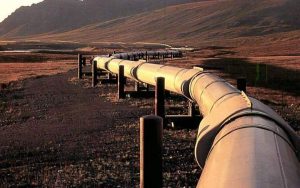
Το έργο άλλωστε συνάδει με τη βασική στρατηγική επιδίωξη των ΗΠΑ να μειώσουν την εξάρτηση της Ε.Ε. από τις ρωσικές εξαγωγές αερίου και για αυτόν ακριβώς το λόγο δημοσίως το υποστήριξαν. Δεν θα πρέπει να περιμένει ωστόσο κάτι το ουσιαστικότερο από την πλευρά τους σε αυτήν τη φάση, εκτός και εάν στην κατασκευή του έργου εμπλακούν ισραηλινές κρατικές εταιρίες όπως η Israeli Natural Gas Lines (INGL), δηλαδή το ισραηλινό αντίστοιχο του ΔΕΣΦΑ. Σε περίπτωση που όντως εκδηλωθεί ενδιαφέρον συμμετοχής από την INGL και μια αμερικανική ή έστω αμερικανό-ισραηλινή κοινοπραξία, τότε ο ισραηλινός πολιτικός μηχανισμός στην Ουάσινγκτον που θα μπορούσε να ανοίξει το δρόμο για τη διασφάλιση πιστώσεων από κρατικούς χρηματοδοτικούς φορείς όπως η US Export Import Bank και η Overseas Political Insurance Corporation. Η Ουάσιγκτον έχει προχωρήσει στο πρόσφατο παρελθόν σε τέτοιου είδους χρηματοδοτικές διευκολύνσεις για την κατασκευή έργων αντίστοιχης γεωστρατηγικής σημασίας όπως ο αζερό-τουρκικός αγωγός πετρελαίου που συνδέει το Μπακού με τον τουρκικό λιμένα του Τζεϋχάν στον Κόλπο της Ισσού απέναντι από την κατεχόμενη Κύπρο.

Ο EMGP, το χρηματοδοτικό βάρος του οποίου θα κληθεί να «σηκώσει» η Ευρωπαϊκή Επιτροπή μέσα από τα κονδύλια εξυπηρέτησης της πολιτικής για την Ενεργειακή Ένωση όπως το CEF (Connect Europe Facility), όντως εξυπηρετεί τους δύο ανωτέρω κεφαλαιώδεις στόχους της ευρωπαϊκής ενεργειακής στρατηγικής ασφάλειας. Μεταφέρει αέριο από μη-ρωσικές πηγές παραγωγής και μέσω οδεύσεων που παρακάμπτουν ταυτόχρονα και τη Ρωσία, και την Ουκρανία και την Τουρκία.

Για αυτόν ακριβώς το λόγο θα αποτελέσει μεγάλη έκπληξη αν η συμφωνία τελικά δεν εγκριθεί από την Ευρωπαϊκή Επιτροπή στην οποία πρέπει να υποβληθεί πριν υπογραφεί από τα συμβαλλόμενα κράτη έτσι ώστε να διασφαλισθεί η συμβατότητα της με το ενεργειακό δίκαιο ανταγωνισμού αλλά και τις στοχεύσεις της ευρωπαϊκής ενεργειακής στρατηγικής ασφαλείας.

Οι δυνητικοί όγκοι αερίου που θα μεταφερθούν από το έργο αυτό είναι τόσο σημαντικοί -υπολογιζόμενοι μεταξύ 10-20 ΔΚΜ έως το 2040- ώστε να επιβάλλουν την ενασχόληση της Επιτροπής a priori διευκολύνοντας έτσι την υλοποίηση του έργου και την πιθανή του χρηματοδότηση τόσο από κοινοτικά προγράμματα επιχορηγήσεων όπως το CEF όσο και από την Ευρωπαϊκή Τράπεζα Επενδύσεων (ΕΤΕ).

Η στρατηγική σπουδαιότητα του έργου έχει εδώ και καιρό αναγνωρισθεί από την Ευρωπαϊκή Επιτροπή και ειδικότερα από τον Επίτροπο για την Ενέργεια και την Κλιματική Αλλαγή Μιγκέλ Αρίας Κανιέτε ο οποίος και συμμετείχε στην καταλυτική σύνοδο των υπουργών ενέργειας των τεσσάρων συμβαλλομένων κρατών στο Ισραήλ τον Απρίλιο του 2017. Η ενσωμάτωση της Ιταλίας ως χώρας προώθησης του East Med και το προσωπικό ενδιαφέρον του Κανιέτε διασφάλισαν την περαιτέρω χρηματοδότηση του έργου με 34,5 εκατομμύρια ευρώ για την ολοκλήρωση της βασικής μελέτης σκοπιμότητας (FEED: Front End Engineering & Design).

Η μελέτη αυτή που θα συμπεριλαμβάνει λεπτομερή βαθυμετρικά στοιχεία καταγράφοντας την ακριβή δυνητική όδευση του αγωγού (routing), θα μας δώσει μια σαφέστερη εικόνα του πιθανού κόστους του έργου που αναμένεται να ξεπεράσει σαφώς τα $7 δις όταν αποσαφηνισθούν ευκρινέστερα οι κατασκευαστικές του λεπτομέρειες. Και αναφέρομαι μόνο στο υποθαλάσσιο τμήμα του έργου που ωστόσο αποτελεί την αρχή και όχι την κατάληξη του δικτύου αγωγών που θα χρειαστεί να κατασκευασθεί προκειμένου το αέριο της Λεβαντίνης να φτάσει στην Ιταλία και από εκεί στην Κεντρική Ευρώπη. Εάν κάποιος προσθέσει στο κόστος του υποθαλάσσιου αγωγού, το χερσαίο δίκτυο από την Πελοπόννησο έως την Ηγουμενίτσα απ’ όπου θα ξεκινήσει ο υποθαλάσσιος Έλληνο-ιταλικός αγωγός ΠΟΣΕΙΔΩΝ για να φτάσει στη Νότια Ιταλία, τότε το συνολικό κόστος του έργου είναι πιθανόν να ξεπεράσει και τα $12.

Το κόστος αυτό δυνητικά θα μειωνόταν σε λιγότερο των $10 δις εάν η πρώτη φάση δυναμικότητας του ΠΟΣΕΙΔΩΝ, τα αρχικά 10 ΔΚΜ/Ε, λειτουργούσε είτε με αζερικό είτε με ρωσικό αέριο αλλά κάτι τέτοιο δεν φαντάζει πλέον πιθανόν. Το μεν αζερικό αέριο θα κατευθυνθεί στην Νότια Ιταλία μέσω του ΤΑΡ και τώρα και στο μέλλον, όταν νέες ποσότητες παραγωγής θα διπλασιάσουν περί το 2025 τη δυναμικότητα του δια-Αδριατικού αγωγού από τα 10 στα 20 ΔΚΜ/Ε. Το δε ρωσικό αέριο που θα φτάσει στα ελληνοτουρκικά σύνορα με τον Turkstream 2, θα μπορούσε να κατευθυνθεί μέσω του ΠΟΣΕΙΔΩΝ εάν υλοποιείτο το σχέδιο Greek Stream. Ωστόσο, παρά τους ευσεβοποθισμούς του Έλληνα πρωθυπουργού κατά την πρόσφατη επίσκεψη του στη Μόσχα, η Ρωσία είναι πιθανότερο ότι θα επιλέξει τη χρήση του υφιστάμενου δικτύου από τη Βουλγαρία προς την Τουρκία σε αντίστροφη ροή, κατασκευάζοντας ένα νέο δίκτυο προς την Ουγγαρία και την Αυστρία είτε μέσω Ρουμανίας, είτε το πιθανότερο μέσω Σερβίας.

Αυτό συνεπάγεται ότι το συνολικό «Δίκτυο της Λεβαντίνης» θα είναι κατά πάσα πιθανότητα ακριβότερο τόσο από άποψη κατασκευής όσο και από άποψη συντήρησης συγκριτικά μ’ ένα διπλό τερματικό υγροποίησης στην Κύπρο. Αυτό σημαίνει ότι το «Δίκτυο της Λεβαντίνης» ίσως να μην αποτελέσει τη βέλτιστη εμπορική επιλογή για τους εξαγωγείς φυσικού αερίου της περιοχής εκτός εάν επιδοτηθεί σημαντικό τμήμα του κόστους κατασκευής του έργου από «θεσμικούς» επενδυτές και δημόσιους χρηματοδοτικούς οργανισμούς από την Ε.Ε. και δευτερευόντως τις ΗΠΑ.

Μια τέτοια χρηματοδότηση θα στοχεύει στη μείωση του κόστους χρήσης του δικτύου από τους δυνητικούς εξαγωγείς, στους οποίους θα συμπεριληφθούν κατά τα πρότυπα του ΤΑΡ οι παραγωγοί του αερίου της Λεβαντίνης. Κάτι τέτοιο προφανώς προϋποθέτει την πλήρη εξαίρεση του αγωγού από τις πρόνοιες του ευρωπαϊκού δικαίου ενέργειας καθώς οι παραγωγοί/εξαγωγείς θα απαιτήσουν -και πιθανότατα θα λάβουν- την άδεια δέσμευσης του συνόλου της δυναμικότητας του αγωγού από τους ίδιους, αποκλείοντας τυχόν ανταγωνιστικό προς το δικό τους αέριο. Οι προκλήσεις του έργου δεν σταματούν φυσικά εδώ. Παραμένουν σημαντικές παράμετροι γεωπολιτικού και οικονομικού ρίσκου που πρέπει να συνεκτιμηθούν.

Η αντίδραση της Τουρκίας αναμένεται να είναι ιδιαιτέρως έντονη ιδίως εν τη απουσία προοπτικής λύσης στο Κυπριακό, ενώ η απουσία οριοθετημένης υφαλοκρηπίδας Ελλάδος-Κύπρου-Αιγύπτου αποδυναμώνει περαιτέρω από γεωπολιτική άποψη το έργο. Ίσως η 4μερής να πρέπει να γίνει 5μερής, να συμπεριλάβει δηλαδή και την Αίγυπτο, προκειμένου να μειωθούν περαιτέρω οι γεωπολιτικοί δείκτες ρίσκου ενός τόσο κοστοβόρου και κατασκευαστικά δυσχερούς έργου. Για να γίνει ο αγωγός τα συμβαλλόμενα κράτη πρέπει να διαθέτουν τόσο τα στρατιωτικά μέσα (που τα διαθέτουν) όσο και την πολιτική βούληση προστασίας του έργου σε όλες τις φάσεις υλοποίησής του.

Για την αντιμετώπιση της τουρκικής αντίδρασης-που θα είναι επιχειρησιακά δύσκολο να υποστηριχθεί σε μεγάλη απόσταση από τις τουρκικές ακτές- χρειάζεται μια μικρή στρατιωτική συμμαχία προστασίας των ενεργειακών υποδομών και είναι ασαφές κατά πόσο κάτι τέτοιο θα προβλέπεται στο δεσμευτικό κείμενο της Διακυβερνητικής όταν αυτό αποκαλυφθεί στην Κνωσό το Φεβρουάριο του 2019. Ίσως να χρειαστεί περιστασιακά η συνδυαστική ισχύς του ελληνικού (και ενδεχομένως του) αιγυπτιακού πολεμικού ναυτικού όπως και της ισραηλινής πολεμικής αεροπορίας έτσι ώστε να κατασκευασθεί ο αγωγός με ασφάλεια.

Εάν κατασκευαστεί ο EMGP θα αποτελέσει το μεγαλύτερο αγωγό του κόσμου που θα λειτουργεί σε βάθη κοντά και πέραν των 3 χλμ., αλλά το σημαντικότερο προβληματικό του σημείο εντοπίζεται στην αιτιολογημένη απροθυμία τόσο του Ισραήλ όσο και της Κύπρου να αντιμετωπίσουν το έργο ως την υπ’ αριθμόν ένα προτεραιότητά τους. Δεν είναι τυχαίο το γεγονός ότι ως αναμενόμενη ημερομηνία υλοποίησης του έργου είναι το 2025. Γιατί; Γιατί πολύ απλά μόνο τότε θα έχει το Ισραήλ αέριο από τη ΄β φάση παραγωγής του πεδίου Λεβιάθαν για να δεσμεύει υπέρ του EMGP. Τα υπό παραγωγή πεδία, δηλαδή η πρώτη φάση παραγωγής του Λεβιάθαν και η δεύτερη φάση παραγωγής του Ταμάρ έχουν ήδη δεσμευθεί προς εξαγωγή στα τερματικά της Αιγύπτου καθόσον φυσικά η επιλογή ενός ισραηλινό-τουρκικού αγωγού παραμένει κλειστή για το Τέλ Αβίβ. Ακόμη και τότε οι διαθέσιμες από το Ισραήλ ποσότητες δεν θα επαρκούν για να καλύψουν και τα 20 ΔΚΜ/Ε, δηλαδή τη συνολική δυναμικότητα του EMGP. Θα είναι απαραίτητες ποσότητες και από την Κύπρο και ενδεχομένως από την Αίγυπτο

Ούτε η Κύπρος διαθέτει επαρκείς ποσότητες για να στηρίξει από μόνη της τον EMGP καθότι η παραγωγή του δικού της αερίου από το κοίτασμα Αφροδίτη που στην καλύτερη περίπτωση θα ξεκινήσει στα τέλη του 2022 μπορεί να δώσει μόλις 7ΔΚΜ/Ε από τα 20 ΔΚΜ/Ε της δυναμικότητας του «δικτύου της Λεβαντίνης». Πέραν αυτού, εάν η Λευκωσία δέσμευε την Αφροδίτη για τον East Med θα έχανε την πολύ πιο άμεση, εύκολη και προσοδοφόρα επιλογή του να κατασκευάσει έναν αγωγό προς το αιγυπτιακό τερματικό του Ίνκτου και να υγροποιήσει εκεί το αέριο της προς εξαγωγή. Αυτό θα τις έφερε εισοδήματα μέσα στο 2023 και είναι κάτι που μπορεί να το κάνει σχεδόν από μόνη της, με το ρίσκο μιας τουρκικής αντίδρασης να είναι πολύ πιο περιορισμένο συγκριτικά με την προοπτική κατασκευής του East Med. Ο EMGP θα αρχίσει στην καλύτερη περίπτωση να δίνει στην Κύπρο πολύ μικρότερα έσοδα και μάλιστα 2-3 χρόνια μετά την ενδεχόμενη χρησιμοποίηση του τερματικού υγροποίησης στο Ίνκτου.

*Επίκουρος Καθηγητής Γεωπολιτικής & Ενεργειακής Πολιτικής Πανεπιστημίου Λευκωσίας, Συντονιστής Ενεργειακού Προγράμματος στο ΕΛΙΑΜΕΠ 

“Καθημερινή”

Iraqi lawmakers criticize Trump visit as blow to Iraqi sovereignty

0

BAGHDAD (Reuters) – Iraqi political and militia leaders condemned U.S. President Donald Trump’s surprise visit to U.S. troops in Iraq on Wednesday as a violation of Iraq’s sovereignty, and lawmakers said a meeting between Trump and Iraqi Prime Minister Adel Abdul Mahdi was canceled due to a disagreement over venue.

Sabah al Saadi, the leader of the Islah parliamentary bloc, called for an emergency session of parliament “to discuss this blatant violation of Iraq’s sovereignty and to stop these aggressive actions by Trump who should know his limits: The U.S. occupation of Iraq is over.”

The Bina bloc, Islah’s rival in parliament and led by Iran-backed militia leader Hadi al-Amiri, also objected to Trump’s trip to Iraq.

“Trump’s visit is a flagrant and clear violation of diplomatic norms and shows his disdain and hostility in his dealings with the Iraqi government,” said a statement from Bina.

Abdul Mahdi’s office said in a statement that U.S. authorities had informed Iraq’s leadership of the president’s visit ahead of time. The statement said the Iraqi prime minister and U.S. president talked by telephone due to a “disagreement over how to conduct the meeting.”

Iraqi lawmakers told Reuters that the pair had disagreed over where their planned meeting should take place: Trump had asked to meet at the Ain al-Asad military base, an offer which Abdul Mahdi declined.

Trump’s visit comes amid a backdrop of escalating tensions between Washington and Tehran, as Washington seeks to counter Iran’s sway in the Middle East. The formation of Iraq’s government has stalled as well amid intensifying discord between the Islah and Bina blocs.

Falih Khazali, a former militia leader turned politician allied with Bina, accused the United States of wanting to increase its presence in Iraq. “The American leadership was defeated in Iraq and wants to return again under any pretext, and this is what we will never allow,” he said.

Bina said Trump’s visit “places many question marks on the nature of the U.S. military presence and its real objectives, and what these objectives could pose to the security of Iraq.”

While there has been no full-scale violence in Iraq since Islamic State suffered a series of defeats last year, some 5,200 U.S. troops train and advise Iraqi forces still waging a campaign against the militant group.

Islah is headed by populist Shi’ite cleric Moqtada al-Sadr. Sadr has long opposed the U.S. presence in Iraq since the U.S.-led invasion toppled Saddam Hussein in 2003. He led two uprisings against U.S. forces in Iraq and is one of the few Shi’ite leaders to also distance himself from Iran.

Iraq’s Shi’ite militias, also known as the PMF, many of which are supported by Iran, oppose the presence of U.S. troops in the region. The PMF was made formally part of the security forces this year after helping the military defeat Islamic State in Iraq in 2017.

Qais al-Khazali, the leader of the powerful Iran-backed Asaib Ahl al-Haq militia said on Twitter, “Iraqis will respond with a parliamentary decision to oust your (U.S.) military forces. And if they do not leave, we have the experience and the ability to remove them by other means that your forces are familiar with.”

Some Iraqis, however, were less concerned with the U.S. president’s visit.

“We won’t get anything from America,” said Baghdad resident Mohammad Abdullah. “They’ve been in Iraq 16 years, and they haven’t given anything to the country except destruction and devastation.”

(Reporting by Ahmed Rasheed and Raya Jalabi; additional reporting by Maher Nazih; editing by Chris Reese)

Reuters

Ο Παίσιος, το ξανθό γένος και η Ελλάδα

2

Υπάρχει μια κατηγορία Ελλήνων που περιστρέφεται γύρω απο την ψευδαίσθηση: “Θα μας σώσει το ξανθό γένος”. Αποδίδεται, μάλιστα, η ρήση στον Παίσιο. Δεν ξέρω αν είπε κάτι τέτοιο ο Παίσιος αλλά δεν θέλω να υπεισέλθω στα θρησκευτικά. Ένα σημαντικό μέρος νεοελλήνων ερμηνεύει τα σύγχρονα γεγονότα με βάση υπαρκτές ή μη ρήσεις αγίων της Εκκλησίας. Και μαζί τους καλύτερα να μην τα βάζεις.
Μετά την “ανεξαρτησία” του ελληνικού κράτους, οι σχέσεις του με τους Ρώσους δεν ήταν καλές.
Θα μείνω σε δύο μεγάλα ζητήματα.
-Το σκοπιανό που μας ταλανίζει και σήμερα είναι δημιούργημα τη ρωσικής πολιτικής του πανσλαβισμού.
-Η Ρωσική Εκκλησία υποβλέπει το Οικουμενικό Πατριαρχείο και εφαρμόζει την πολιτική “Τρίτης Ρώμης”. Η πρώτη υπήρξε η Ρώμη αυτή καθαυτή. Η δεύτερη η Κωνσταντινούπολη. Και μετά τη άλωση η Τρίτη Ρώμη είναι η Μόσχα.
Σήμερα, δε, η ρωσοτουρκική φιλία οδηγεί τον Πούτιν στην υποστήριξη του Ερντογάν.
Οι ρωσοτουρκικές σχέσεις δεν μπορεί να εξελιχθούν ομαλά. Κάποια στιγμή θα αρχίσουν να περνούν κρίση. Αλλά αυτό δεν σημαίνει πως θα μας σώσουν οι Ρώσοι. Οι Ρώσοι είναι μια σημαντική δύναμη με την οποία οι σχέσεις μας πρέπει να είναι καλές. Άριστες θα έλεγα. Αλλά, κανείς δεν θα μας σώσει. Αν σωθούμε θα σωθούμε μόνοι μας. Γιατί οι σωτήρες ζητούν, συνήθως, ανταλλάγματα.

Illicit Turkish Arms Still Flow Into Libya Despite UN Embargo

0

On Tuesday, Libyan port authorities at Al-Khoms seized two containers holding a large cache of weapons and ammunition that were delivered by the container ship BF ESPERANZA en route from Turkey. The illicit flow of Turkish weapons and ammunition – in defiance of a UN arms embargo – reinforces longstanding concerns over Ankara’s support for Islamist forces that worsen Libya’s instability.

According to a Libyan media report, the two intercepted containers held various types of pistols and rifles and around 4.8 million rounds of ammunition manufactured by two Turkish companies, Zorakiand Retay. Illicit transfers of Turkish weapons and ammunition have been a recurring problem. In December 2013, Egyptian customs officials reportedly intercepted four containers of weapons from Turkey. In September 2015, Greek authorities seized the freighter Haddad 1 carrying an undeclared shipment of weapons en route from Turkey to Libya. Greek coastguard also seized in January 2018 a Tanzanian-flagged Andromeda ship carrying explosive materials, reportedly loaded in the Turkish ports of Mersin and Iskenderum, allegedly on its way to the port of Misratah.

In Libya, the confiscation of the latest Turkish shipment trigged angry reactions. The Libyan National Army (LNA) demanded the UN to open an immediate investigation into the incident, blaming Turkey for undermining Libya’s security and stability. Soon after, the United Nations Support Mission in Libya condemned the shipment for violating the UN arms embargo, saying the UN Panel of Experts on Libya should investigate the incident.

Shortly after the UN statement, the internationally recognized Government of National Accord ordered a thorough investigation.

A September 2018 report from the UN Panel of Experts found that Turkey was one of the countries involved in shipping arms to Libya’s rival factions in violation of the UN arms embargo. The report said that the EU military operation, dubbed Operation Sophia, inspected the vessel El-Mukhtar twice in 2017 and seized numerous weapons, ammunition, and associated materiel produced by Turkish manufacturer Kapeks Ltd. The intended recipients of the seized materiel were Islamist fighters in Benghazi. Further, a 2016 Panel of Experts report disclosed the seizure from the Haddad 1 of two containers with 5,000 shotguns and 500,000 rounds of ammunition produced by two Turkish companies, Torun Arms and Yavaşçalar. The report also documented the presence of Torun Arms shotguns and Yavaşçalar ammunition in seizures of arms leaving Libya.

These findings clearly demonstrate that Turkey is pursuing a policy of backing Islamist groups in Libya. Ankara’s failure to align with UN efforts to promote stability has exposed it as a spoiler that fuels divisions and armed clashes among Libyans. To address Ankara’s destabilizing role, Washington should work closely with the UN to facilitate strict implementation of the arms embargo and prevent Libya from becoming a key hub for illicit arms sales and transfers to neighboring countries and Europe.

Romany Shaker is an Arabic-language research analyst at the Foundation for Defense of Democracies. Follow him on Twitter @RomanySh.

Follow FDD on Twitter @FDD. FDD is a Washington-based, nonpartisan research institute focusing on national security and foreign policy.

www.fdd.org

Νέα σενάρια: Ο Τσίπρας θέλει να αφήσει στον Μητσοτάκη την ένταξη των Σκοπίων στο ΝΑΤΟ

0

Αφού πριν η σημερινή κυβέρνηση κυρώσει τη Συμφωνία των Πρεσπών – Και νέες συζητήσεις για πρόωρες εκλογές τον Μάρτιο

Ως πολλαπλασιαστής των πιθανοτήτων για πρόωρες βουλευτικές εκλογές από τα τέλη Φεβρουαρίου του 2019 λειτουργεί το Σκοπιανό. Την Παρασκευή, 24 ώρες αφότου ο πρόεδρος της Βουλής Νίκος Βούτσης είχε αποκλείσει το ενδεχόμενο να στηθούν ξαφνικά κάλπες με τη φράση «συνέχεια τα ίδια θα λέμε; Ούτε τον Ιανουάριο, ούτε τον Φεβρουάριο, ούτε τον Μάρτιο. Μετά έχουμε διπλές εκλογές», ο αναπληρωτής υπουργός Εξωτερικών Γιώργος Κατρούγκαλος ανακοίνωσε ότι η Συμφωνία των Πρεσπών θα έρθει προς κύρωση στη Βουλή αμέσως μετά τις 15 Ιανουαρίου.

Την ημέρα εκείνη στο κοινοβούλιο της FYROM ολοκληρώνεται η συνταγματική αναθεώρηση και έρχεται η σειρά της Ελλάδας να υλοποιήσει τα προβλεπόμενα από τη συμφωνία. «Με την ολοκλήρωση των τροποποιήσεων στο σύνταγμα της FYROM η Ελλάδα θα κυρώσει το πρωτόκολλο για την ένταξη της ΠΓΔΜ στο ΝΑΤΟ. Η εν λόγω κυρωτική διαδικασία θα ολοκληρωθεί μαζί με τη διαδικασία κύρωσης της παρούσας συμφωνίας», αναφέρεται στο άρθρο 2 παρ. 4 της Συμφωνίας των Πρεσπών.

Με απλά λόγια, από τις 15 Ιανουαρίου και μετά η Βουλή των Ελλήνων υποχρεούται να κυρώσει τη συμφωνία για «Βόρεια Μακεδονία» και «μακεδονική γλώσσα». Ωστόσο οι διαδικασίες για την οριστικοποίηση ένταξης στο ΝΑΤΟ δεν έχουν ολοκληρωθεί. Τίθεται λοιπόν το ερώτημα: η κύρωση της Συμφωνίας των Πρεσπών θα γίνει από τη Βουλή των Ελλήνων μαζί με την επικύρωση του πρωτοκόλλου ένταξης της «Βόρειας Μακεδονίας» στο ΝΑΤΟ ή μήπως η κυβέρνηση θα επιλέξει να φέρει προς ψήφιση τη συμφωνία αλλαγής του συνταγματικού ονόματος των Σκοπίων τον Ιανουάριο αφήνοντας την επισημοποίηση της ένταξης της FYROM στη Συμμαχία για τον Μάρτιο, όταν θα έχουν ολοκληρωθεί οι διαδικασίες εισδοχής της γειτονικής χώρας στο ΝΑΤΟ;

Το ερώτημα αυτό έθεσαν οι εκπρόσωποι της αντιπολίτευσης στην πολιτική ηγεσία του υπουργείου Εξωτερικών την Παρασκευή, κατά τη διάρκεια του Εθνικού Συμβουλίου Εξωτερικής Πολιτικής (ΕΣΕΠ). «Εσείς πότε θέλετε να γίνει η κύρωση της συμφωνίας και του πρωτοκόλλου ένταξης της ‘‘Βόρειας Μακεδονίας’’ στο ΝΑΤΟ; Μαζί ή ξεχωριστά;» ήταν ο ελιγμός που επιχείρησε ο αναπληρωτής υπουργός Εξωτερικών Γιώργος Κατρούγκαλος απευθυνόμενος στους εκπροσώπους της Ν.Δ. στη συνεδρίαση του ΕΣΕΠ.

«Εσείς να μας πείτε πώς το ερμηνεύετε. Εσείς διαπραγματευθήκατε τη Συμφωνία των Πρεσπών, όχι εμείς», αντέτεινε ο τομεάρχης Εξωτερικών της Ν.Δ. Γιώργος Κουμουτσάκος και ρώτησε τον Γιώργο Κατρούγκαλο: «Είναι υποχρεωτικό να γίνει ταυτόχρονα η κύρωση της συμφωνίας για ‘‘Βόρεια Μακεδονία’’ με την κύρωση της ένταξης των γειτόνων στο ΝΑΤΟ;». Ο αναπληρωτής υπουργός Εξωτερικών δεν απάντησε. Επιλέγοντας την οδό της… δημιουργικής ασάφειας, ο Γιώργος Κατρούγκαλος αποκάλυψε ότι η κυβέρνηση του Αλέξη Τσίπρα έχει φροντίσει να διαμορφωθούν οι προϋποθέσεις ώστε να διατηρείται η επιλογή της κύρωσης των δύο συμφωνιών (η Συμφωνία των Πρεσπών και το πρωτόκολλο ένταξης των Σκοπίων στο ΝΑΤΟ) σε διαφορετικό χρόνο…

Η μισή κύρωση της Συμφωνίας

Τι επιδιώκει ο Αλέξης Τσίπρας από τον χειρισμό αυτό; Η άφιξη της Συμφωνίας των Πρεσπών στη Βουλή αμέσως μετά τις 15 Ιανουαρίου είναι δεδομένο ότι θα προκαλέσει κλυδωνισμούς στην κυβέρνηση. Ακόμη κι αν ο ΣΥΡΙΖΑ, ενισχυμένος από πρόθυμους βουλευτές όπως η Κατερίνα Παπακώστα και ο Σπύρος Δανέλλης καταφέρει να περάσει τη συμφωνία από τη Βουλή, το ενδεχόμενο οι αναταράξεις από την προαναγγελθείσα αποχώρηση Καμμένου και των πιστών του βουλευτών από την κυβέρνηση να οδηγήσουν σε πρόωρες εκλογές είναι σφόδρα πιθανό. Στο σενάριο αυτό, η νέα κυβέρνηση θα έχει μπροστά της το δύσκολο έργο να κυρώσει το πρωτόκολλο ένταξης της «Βόρειας Μακεδονίας» στο ΝΑΤΟ περί τον Μάρτιο, όταν θα έχουν ολοκληρωθεί οι εσωτερικές διαδικασίες στη Συμμαχία. Για τον Τσίπρα, που αντιδρά με οργή όταν οι βουλευτές της αντιπολίτευσης τον εμφανίζουν ως μειοδότη που είναι έτοιμος να δεχτεί εθνικές υποχωρήσεις, αυτή θα είναι μια χρυσή ευκαιρία να διώξει από πάνω του το στίγμα της προδοσίας. Εάν στο μεταξύ γιατρευτεί από την ασθένεια των πρωθυπουργών που θεωρούν ότι πάντα έχουν τη δυνατότητα να ανατρέπουν την επερχόμενη εκλογική ήττα εξαγοράζοντας ψήφους και συμφιλιωθεί με την παγιωμένη εικόνα υπέρ της Ν.Δ., η παράδοση της εξουσίας θα έχει μια γεύση πιο γλυκιά…

Η μισή κύρωση της Συμφωνίας των Πρεσπών θα είναι σαν ο Αλέξης Τσίπρας να υποχρεώνει το κόμμα του Κυριάκου Μητσοτάκη να γευτεί μαζί με τον ΣΥΡΙΖΑ (έστω και ετεροχρονισμένα) το δηλητηριασμένο μήλο της συμφωνίας για «Βόρεια Μακεδονία», «μακεδονική ταυτότητα και γλώσσα». Η Ν.Δ. ως κυβέρνηση θα πρέπει να ολοκληρώσει τη συμφωνία υπερψηφίζοντας την είσοδο των Σκοπίων στο ΝΑΤΟ, αφού πιθανή ακύρωση των συμφωνηθέντων θα προκαλέσει την οργή της αμερικανικής διοίκησης. Ο Μητσοτάκης θα αντιμετωπίσει τον κίνδυνο αποχωρήσεων «μακεδονομάχων» βουλευτών και ο ΣΥΡΙΖΑ θα έχει καταφέρει να αναβιώσει την απειλή διάσπασης της Ν.Δ. με αφορμή το Σκοπιανό, όπως επεδίωκε από την αρχή της προώθησης της συμφωνίας. Το ενδεχόμενο καταιγιστικών πολιτικών εξελίξεων μέσα στις επόμενες εβδομάδες με αφορμή το Σκοπιανό είναι πλέον πιθανό. Εκτός κι αν οι μεγάλες δυνάμεις του ΝΑΤΟ πειστούν να επιταχύνουν τις εσωτερικές διαδικασίες επικύρωσης του πρωτοκόλλου ένταξης της «Βόρειας Μακεδονίας» μέχρι τέλος Ιανουαρίου, προκειμένου η Βουλή των Ελλήνων να είναι σε θέση να κυρώσει μαζί τη συμφωνία για «Βόρεια Μακεδονία» και την εισδοχή της γειτονικής χώρας στην Ατλαντική Συμμαχία στις αρχές του 2019. Θέλουν όμως οι ΗΠΑ την ταχεία διεκπεραίωση της Συμφωνίας των Πρεσπών από την κυβέρνηση του ΣΥΡΙΖΑ ή θα επιλέξουν να επιμεριστούν και στη Ν.Δ. οι πολιτικές ευθύνες για την ολοκλήρωση μιας συμφωνίας με την οποία διαφωνεί η πλειονότητα των Ελλήνων πολιτών;

protothema .gr

Τα απόνερα της Συρίας φτάνουν μέχρι το Αιγαίο

0

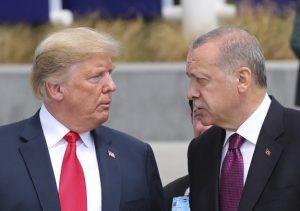
Ανατροπές και σοβαρές προκλήσεις ασφάλειας επιφέρει η απόφαση του Αμερικανού προέδρου Ντ. Τραμπ για απόσυρση των αμερικανικών δυνάμεων από τη Συρία, κίνηση η οποία έγινε σε συνεννόηση με την grκαι αφήνει το πεδίο ελεύθερο όχι μόνο στη Ρωσία και το Ιράν, αλλά και στην Τουρκία να προωθήσει τους στόχους της και να αναβαθμίσει τον ρόλο της στην ευρύτερη περιοχή.

Ο πρόεδρος Ντ. Τραμπ έλαβε την απόφαση αυτή αφού ο μέχρι τώρα ευρισκόμενος υποτίθεται στο στόχαστρο της Ουάσιγκτον, Τ. Ερντογάν του υποσχέθηκε σε τηλεφωνική επικοινωνία που είχαν ότι θα αναλάβουν οι τουρκικές ένοπλες δυνάμεις την αντιμετώπιση των υπολειμμάτων του ISIS, εξασφαλίζοντας έτσι άτυπα και το πράσινο φως των ΗΠΑ για εισβολή στη Συρία, που στόχο θα έχει φυσικά τους Κούρδους του YPG και πιθανόν τη δημιουργία μιας ζώνης ασφαλείας, η οποία σταδιακά θα «τουρκοποιείται» όπως έγινε και στο Αφρίν.

Η απορρύθμιση που προκαλεί στο διεθνές σύστημα ο Ντόναλντ Τραμπ, σε συνδυασμό με την αδυναμία ηγεσίας στην Ε.Ε., απελευθερώνει και αποθρασύνει αναθεωρητικές δυνάμεις όπως είναι η Τουρκία του Ταγίπ Ερντογάν, ο οποίος διεκδικεί συγχρόνως και τον ηγετικό ρόλο στο σουνιτικό Ισλάμ, κάτι που δεν είναι άσχετο με την προσπάθεια να μπει σφήνα στη Σαουδική Αραβία, η οποία πληρώνει τις συνέπειες της δολοφονίας Κασόγκι. Τα στοιχεία που ενοχοποιούν τη βασιλική οικογένεια της Σ. Αραβίας προέρχονται εξάλλου από τις υποκλοπές των τουρκικών μυστικών υπηρεσιών.

Παρά τους κινδύνους που ενέχει μια στρατιωτική εμπλοκή στη βορειοανατολική Συρία, οι Κούρδοι θα είναι αποδυναμωμένοι χωρίς την αμερικανική ενίσχυση και ο κ. Ερντογάν εν όψει και δημοτικών εκλογών θα χρησιμοποιήσει, όπως συνηθίζει, το εθνικιστικό χαρτί για να επαναβεβαιώσει την πολιτική ισχύ του.

Συγχρόνως η Τουρκία, παρά τις αδυναμίες (και τις προβλέψεις πριν από μερικούς μήνες περί χρεοκοπίας της οικονομίας), κατορθώνει να ξεπερνά τα προβλήματα και μάλιστα κτίζει μια εξαιρετικά σημαντική, καινοτόμα και εξελιγμένη αμυντική βιομηχανία, η οποία της προσδίδει τον στρατηγικό πολλαπλασιαστή ισχύος έναντι των άλλων χωρών της περιοχής.

Την ίδια στιγμή, στην Αθήνα, όπως και στο Σκοπιανό, υπάρχει διπλή γλώσσα, η οποία πάντως έχει δύο διαφορετικές αναγνώσεις για τις εξελίξεις με την Τουρκία αλλά και για τον τρόπο διαχείρισης της κατάστασης που διαμορφώνουν οι συνεχιζόμενες και κλιμακούμενες ρητορικές αμφισβητήσεις των ελληνικών κυριαρχικών δικαιωμάτων και το ξεδίπλωμα του τουρκικού αναθεωρητισμού με στόχο το στάτους κβο στο Αιγαίο και στην Ανατολική Μεσόγειο.

Πυρετός στην Αθήνα

Το Μέγαρο Μαξίμου και το υπουργείο Εξωτερικών εργάζονται εντατικά για τη διαμόρφωση του πλαισίου για την πραγματοποίηση της επίσκεψης του Αλέξη Τσίπρα στην Τουρκία. Στο Μέγαρο Μαξίμου, που κρατά χαμηλά τον πήχη των προσδοκιών, εκτιμάται ότι σε μια τέτοια κατάσταση και με την Τουρκία σχεδόν αχαλίνωτη, όπου όλες οι αποφάσεις λαμβάνονται από τον ίδιο τον Ερντογάν, είναι ζωτικής σημασίας η συχνή ή πάντως τακτική επαφή με τον ίδιο τον κ. Ερντογάν.

Την ίδια στιγμή όμως η κοινή γνώμη γίνεται μάρτυρας τις τελευταίες εβδομάδες μιας νέας τακτικής από το υπουργείο Άμυνας, η οποία μάλλον έχει στόχο περισσότερο το να αποστραφεί η προσοχή της κοινής γνώμης από τη συμφωνία των Πρεσπών -η οποία έρχεται σύντομα στην ελληνική Βουλή και στην οποία ακόμη και χωρίς να την ψηφίσει, θα έχει την υπογραφή του κ. Καμμένου- παρά τη διαμόρφωση ενός πλαισίου διαχείρισης και αντιμετώπισης της τουρκικής προκλητικότητας και των απειλών ασφάλειας.

Οι δηλώσεις του ΑΓΕΕΘΑ, ναυάρχου Αποστολάκη ότι θα «ισοπεδωθεί η βραχονησίδα στην οποία θα ανέβουν Τούρκοι στρατιώτες» ή του κ. Καμμένου ότι θα τους «συντρίψουμε και θα τους τσακίσουμε αν κάνουν ένα βήμα» υπερβαίνουν το γνωστό πλαίσιο κατά το οποίο παγίως το υπουργείο Αμυνας ομιλεί πάντα έναν τόνο υψηλότερα από το υπ. Εξωτερικών και την πολιτική ηγεσία.

Η υψηλή ρητορική, άνευ μάλιστα ουσιαστικού περιεχομένου, απλώς δίνει την ευκαιρία στην Τουρκία να ανεβάσει αντίστοιχα τους τόνους και ίσως τη βάζει στον πειρασμό να δοκιμάσει την αξιοπιστία των λεονταρισμών της άλλης πλευράς. Γιατί η αμφισβήτηση της ελληνικής κυριαρχίας δεν επιτυγχάνεται μόνο με την αποβίβαση σε κάποια βραχονησίδα Τούρκων στρατιωτών.

Δεν έχει περάσει ακόμη χρόνος απ’ όταν στην επέτειο των Ιμίων η ηγεσία του υπ. Άμυνας επέλεξε να πετάξει το στεφάνι στην θάλασσα σε απόσταση από τα Ιμια, ενώ στη φωτογραφία που δόθηκε στη δημοσιότητα διακρινόταν τουρκικό σκάφος να έχει παρεμβληθεί μεταξύ της ελληνικής φρεγάτας στην οποία επέβαινε ο υπ. Αμυνας και η στρατιωτική ηγεσία και τους εμπόδισε να προσεγγίσουν τα Ίμια.

Ο ίδιος ο κ. Καμμένος εξάλλου είναι αναρμόδιος για να προαναγγέλλει την κήρυξη ΑΟΖ, η οποία πάντως για να υπάρξει θα πρέπει να προηγηθεί συμφωνία οριοθέτησης με την Τουρκία, ενώ μάλλον δεν είναι υπεύθυνη στάση να αναγγέλλεται επέκταση χωρικών υδάτων γενικώς, όταν η επίσημη θέση, όπως εκφράστηκε από τον πρωθυπουργού Α. Τσίπρα, είναι ότι η επέκταση των χωρικών υδάτων μόνο στο Ιόνιο θα γίνει μέσω νομοθετικής διαδικασίας και αφού προηγηθεί διαβούλευση…
Η στρατιωτική ηγεσία οφείλει να προετοιμάζεται με τα λιγοστά μέσα που διαθέτει, ώστε να μπορεί να απαντήσει σε κάθε πρόκληση και όχι να προκαλεί την Τουρκία να υλοποιήσει τις απειλές της.

Μπαράζ διαρροών

Πριν από τις δηλώσεις Καμμένου – Αποστολάκη όμως είχε προηγηθεί ένα μπαράζ διαρροών από το Πεντάγωνο, που εμφάνιζαν λίγο – πολύ την Τουρκία ως εξασθενημένη στρατιωτικά, όπου τα τουρκικά πολεμικά σκάφη τρέπονται σε φυγή μόλις αντικρίζουν τα ελληνικά πλοία, όπου οι Τούρκοι πιλότοι είναι εύκολος στόχος για τα ελληνικά μαχητικά, διαρροές που δημιουργούν προβληματισμό, καθώς γίνονται σε μια χώρα που ο ίδιος ο υπουργός Αμυνας καλεί σε… έρανο για να εξοπλισθεί το Πολεμικό Ναυτικό, όταν η γειτονική χώρα κατασκευάζει πλέον δικές της φρεγάτες, τανκς, πυραυλικά συστήματα, επιθετικά ελικόπτερα…

Η απειλή από τον τουρκικό αναθεωρητισμό θα είναι διαρκής και κλιμακούμενη. Η Τουρκία, σε πείσμα πολλών, ξαναβρίσκει τρόπους να επανακαθορίσει τη σχέση της με τις ΗΠΑ, ενώ διατηρεί προνομιακή σχέση με τη Ρωσία και το Ιράν. Οσοι πίστεψαν ότι οι ΗΠΑ θα διαγράψουν μια και καλή την Τουρκία και θα ρίξουν το βάρος τους αποκλειστικά στη στρατηγική σχέση με την Ελλάδα κάνουν μεγάλο λάθος και με τον τρόπο αυτό απλώς υπονομεύουν και τα όποια οφέλη μπορεί να έχει η χώρα μας από αυτή τη στρατηγική σχέση.

Η ενίσχυση του ηθικού των Ενόπλων Δυνάμεων είναι αναγκαία, η προσπάθεια μικροπολιτικής εκμετάλλευσης ενός μείζονος ζητήματος όπως οι ελληνοτουρκικές σχέσεις είναι απαράδεκτη αλλά εύκολα αντιληπτή, αλλά αυτά δεν μπορεί ούτε πρέπει να γίνονται με κραυγές και ψιθύρους που δημιουργούν εικονική πραγματικότητα… ‘Η ίσως με την προσδοκία ότι θα σπεύσουν οι ΗΠΑ να παρέμβουν…

Ουδείς θα τρέξει να μας σώσει. Όποιος έχει άλλη γνώμη, ας ρωτήσει τους Κούρδους της Συρίας.

* Το άρθρο δημοσιεύθηκε στον «Φιλελεύθερο» της 24/12

How Artificial Intelligence Will Reshape the Global Order

0

The Coming Competition Between Digital Authoritarianism and Liberal Democracy

There is also a third way in which AI promises to reshape the world. By allowing governments to monitor, understand, and control their citizens far more closely than ever before, AI will offer authoritarian countries a plausible alternative to liberal democracy, the first since the end of the Cold War. That will spark renewed international competition between social systems.

For decades, most political theorists have believed that liberal democracy offers the only path to sustained economic success. Either governments could repress their people and remain poor or liberate them and reap the economic benefits. Some repressive countries managed to grow their economies for a time, but in the long run authoritarianism always meant stagnation. AI promises to upend that dichotomy. It offers a plausible way for big, economically advanced countries to make their citizens rich while maintaining control over them.

Some countries are already moving in this direction. China has begun to construct a digital authoritarian state by using surveillance and machine learning tools to control restive populations, and by creating what it calls a “social credit system.” Several like-minded countries have begun to buy or emulate Chinese systems. Just as competition between liberal democratic, fascist, and communist social systems defined much of the twentieth century, so the struggle between liberal democracy and digital authoritarianism is set to define the twenty-first.

DIGITAL AUTHORITARIANISM

New technologies will enable high levels of social control at a reasonable cost. Governments will be able selectively censor topics and behaviors to allow information for economically productive activities to flow freely, while curbing political discussions that might damage the regime. China’s so-called Great Firewall provides an early demonstration of this kind of selective censorship.

As well as retroactively censoring speech, AI and big data will allow predictive control of potential dissenters. This will resemble Amazon or Google’s consumer targeting but will be much more effective, as authoritarian governments will be able to draw on data in ways that are not allowed in liberal democracies. Amazon and Google have access only to data from some accounts and devices; an AI designed for social control will draw data from the multiplicity of devices someone interacts with during their daily life. And even more important, authoritarian regimes will have no compunction about combining such data with information from tax returns, medical records, criminal records, sexual-health clinics, bank statements, genetic screenings, physical information (such as location, biometrics, and CCTV monitoring using facial recognition software), and information gleaned from family and friends. AI is as good as the data it has access to. Unfortunately, the quantity and quality of data available to governments on every citizen will prove excellent for training AI systems.

Even the mere existence of this kind of predictive control will help authoritarians. Self-censorship was perhaps the East German Stasi’s most important disciplinary mechanism. AI will make the tactic dramatically more effective. People will know that the omnipresent monitoring of their physical and digital activities will be used to predict undesired behavior, even actions they are merely contemplating. From a technical perspective, such predictions are no different from using AI health-care systems to predict diseases in seemingly healthy people before their symptoms show.

In order to prevent the system from making negative predictions, many people will begin to mimic the behaviors of a “responsible” member of society. These may be as subtle as how long one’s eyes look at different elements on a phone screen. This will improve social control not only by forcing people to act in certain ways, but also by changing the way they think. A central finding in the cognitive science of influence is that making people perform behaviors can change their attitudes and lead to self-reinforcing habits. Making people expound a position makes them more likely to support it, a technique used by the Chinese on U.S. prisoners of war during the Korean War. Salespeople know that getting a potential customer to perform small behaviors can change attitudes to later, bigger requests. More than 60 years of laboratory and fieldwork have shown humans’ remarkable capacity to rationalize their behaviors.

As well as more effective control, AI also promises better central economic planning. As Jack Ma, the founder of the Chinese tech titan Alibaba, argues, with enough information, central authorities can direct the economy by planning and predicting market forces. Rather than slow, inflexible, one-size-fits-all plans, AI promises rapid and detailed responses to customers’ needs.

There’s no guarantee that this kind of digital authoritarianism will work in the long run, but it may not need to, as long as it is a plausible model for which some countries can aim. That will be enough to spark a new ideological competition. If governments start to see digital authoritarianism as a viable alternative to liberal democracy, they will feel no pressure to liberalize. Even if the model fails in the end, attempts to implement it could last for a long time. Communist and fascist models collapsed only after thorough attempts to implement them failed in the real world.

CREATING AND EXPORTING AN ALL-SEEING STATE

No matter how useful a system of social control might prove to a regime, building one would not be easy. Big IT projects are notoriously hard to pull off. They require high levels of coordination, generous funding, and plenty of expertise. For a sense of whether such a system is feasible, it’s worth looking to China, the most important non-Western country that might build one.

China has proved that it can deliver huge, society-spanning IT projects, such as the Great Firewall. It also has the funding to build major new systems. Last year, the country’s internal security budget was at least $196 billion, a 12 percent increase from 2016. Much of the jump was probably driven by the need for new big data platforms. China also has expertise in AI. Chinese companies are global leaders in AI research and Chinese software engineers often beat their American counterparts in international competitions. Finally, technologies, such as smartphones, that are already widespread can form the backbone of a personal monitoring system. Smartphone ownership rates in China are nearing those in the West and in some areas, such as mobile payments, China is the world leader.

China is already building the core components of a digital authoritarian system. The Great Firewall is sophisticated and well established, and it has tightened over the past year. Freedom House, a think tank, rates China the world’s worst abuser of Internet freedom. China is implementing extensive surveillance in the physical world, as well. In 2014, it announced a social credit scheme, which will compute an integrated grade that reflects the quality of every citizen’s conduct, as understood by the government. The development of China’s surveillance state has gone furthest in Xinjiang Province, where it is being used to monitor and control the Muslim Uighur population. Those whom the system deems unsafe are shut out of everyday life; many are even sent to reeducation centers. If Beijing wants, it could roll out the system nationwide.

To be sure, ability is not the same as intention. But China seems to be moving toward authoritarianism and away from any suggestion of liberalization. The government clearly believes that AI and big data will do much to enable this new direction. China’s 2017 AI Development Plan describes how the ability to predict and “grasp group cognition” means “AI brings new opportunities for social construction.”

Digital authoritarianism is not confined to China. Beijing is exporting its model.The Great Firewall approach to the Internet has spread to Thailand and Vietnam. According to news reports, Chinese experts have provided support for government censors in Sri Lanka and supplied surveillance or censorship equipment to Ethiopia, Iran, Russia, Zambia, and Zimbabwe. Earlier this year, the Chinese AI firm Yitu sold “wearable cameras with artificial intelligence-powered facial-recognition technology” to Malaysian law enforcement.

More broadly, China and Russia have pushed back against the U.S. conception of a free, borderless, and global Internet. China uses its diplomatic and market power to influence global technical standards and normalize the idea that domestic governments should control the Internet in ways that sharply limit individual freedom. After reportedly heated competition for influence over a new forum that will set international standards for AI, the United States secured the secretariat, which helps guide the group’s decisions, while Beijing hosted its first meeting, this April, and Wael Diab, a senior director at Huawei, secured the chairmanship of the committee. To the governments that employ them, these measures may seem defensive—necessary to ensure domestic control—but other governments may perceive them as tantamount to attacks on their way of life.

THE DEMOCRATIC RESPONSE

The rise of an authoritarian technological model of governance could, perhaps counterintuitively, rejuvenate liberal democracies.How liberal democracies respond to AI’s challenges and opportunities depends partly on how they deal with them internally and partly on how they deal with the authoritarian alternative externally. In both cases, grounds exist for guarded optimism.

Internally, although established democracies will need to make concerted efforts to manage the rise of new technologies, the challenges aren’t obviously greater than those democracies have overcome before. One big reason for optimism is path dependence. Countries with strong traditions of individual liberty will likely go in one direction with new technology; those without them will likely go another. Strong forces within U.S. society have long pushed back against domestic government mass surveillance programs, albeit with variable success. In the early years of this century, for example, the Defense Advanced Research Projects Agency began to construct “Total Information Awareness” domestic surveillance systems to bring together medical, financial, physical and other data. Opposition from media and civil liberties groups led Congress to defund the program, although it left some workarounds hidden from the public at the time. Most citizens in liberal democracies acknowledge the need for espionage abroad and domestic counterterrorism surveillance, but powerful checks and balances constrain the state’s security apparatus. Those checks and balances are under attack today and need fortification, but this will be more a repeat of past efforts than a fundamentally new challenge.

In the West, governments are not the only ones to pose a threat to individual freedoms. Oligopolistic technology companies are concentrating power by gobbling up competitors and lobbying governments to enact favorable regulations. Yet societies have overcome this challenge before, after past technological revolutions. Think of U.S. President Theodore Roosevelt’s trust-busting, AT&T’s breakup in the 1980s, and the limits that regulators put on Microsoft during the Internet’s rise in the 1990s.

Digital giants are also hurting media diversity and support for public interest content as well as creating a Wild West in political advertising. But previously radical new technologies, such as radio and television, posed similar problems and societies rose to the challenge. In the end, regulation will likely catch up with the new definitions of “media” and “publisher” created by the Internet. Facebook Chief Executive Mark Zuckerberg resisted labeling political advertising in the same way as is required on television, until political pressure forced his hand last year.

Liberal democracies are unlikely to be won over to digital authoritarianism. Recent polling suggests that a declining proportion in Western societies view democracy as “essential,” but this is a long way from a genuine weakening of Western democracy.

The external challenge of a new authoritarian competitor may perhaps strengthen liberal democracies. The human tendency to frame competition in us versus them terms may lead Western countries to define their attitudes to censorship and surveillance at least partly in opposition to the new competition. Most people find the nitty-gritty of data policy boring and pay little attention to the risks of surveillance. But when these issues underpin a dystopian regime in the real world they will prove neither boring nor abstract. Governments and technology firms in liberal democracies will have to explain how they are different.

LESSONS FOR THE WEST

The West can do very little to change the trajectory of a country as capable and confident as China. Digital authoritarian states will likely be around for a while. To compete with them, liberal democracies will need clear strategies. First, governments and societies should rigorously limit domestic surveillance and manipulation. Technology giants should be broken up and regulated. Governments need to ensure a diverse, healthy media environment, for instance by ensuring that overmighty gatekeepers such as Facebook do not reduce media plurality; funding public service broadcasting; and updating the regulations covering political advertising to fit the online world. They should enact laws preventing technology firms from exploiting other sources of personal data, such as medical records, on their customers and should radically curtail data collection from across the multiplicity of platforms with which people come into contact. Even governments should be banned from using such data except in a few circumstances, such as counterterrorism operations.

Second, Western countries should work to influence how states that are neither solidly democratic nor solidly authoritarian implement AI and big data systems. They should provide aid to develop states’ physical and regulatory infrastructure and use the access provided by that aid to prevent governments from using joined-up data. They should promote international norms that respect individual privacy as well as state sovereignty. And they should demarcate the use of AI and metadata for legitimate national security purposes from its use in suppressing human rights.

Finally, Western countries must prepare to push back against the digital authoritarian heartland. Vast AI systems will prove vulnerable to disruption, although as regimes come to rely ever more on them for security, governments will have to take care that tit-for-tat cycles of retribution don’t spiral out of control. Systems that selectively censor communications will enable economic creativity but will also inevitably reveal the outside world. Winning the contest with digital authoritarian governments will not be impossible—as long as liberal democracies can summon the necessary political will to join the struggle.

https://www.foreignaffairs.com/articles/world/2018-07-10/how-artificial-intelligence-will-reshape-global-order?cid=int-nbb&pgtype=hpg

BLACK SITES TURKEY

0

https://correctiv.org/en/top-stories-en/2018/12/06/black-sites/

In a near-repeat of the CIA’s ‘extraordinary renditions’, the regime of Turkish president Erdoğan is kidnapping dozens of members of the Gülen movement from around the world. Victims are now raising a serious accusation: secret torture sites are part of the repression. A team of nine media organizations from eight countries, coordinated by CORRECTIV, investigates.

11. December 2018

Kosovo

It’s just before 8am, Thursday, 29 March this year, on the outskirts of the Kosovan capital Pristina. Two cars, a family saloon and a police patrol car are parked, next to a road-side nursery selling pot-plants and tree seedlings. Two men in police uniform approach the vehicle they’ve just flagged down. It appears to be a routine traffic inspection.

One of the officers talks to the driver through his window. Meanwhile his partner slowly circles round the back of the car. Without warning he pulls open the front passenger door, grabs the passenger by the throat, and forces him outside the vehicle. A woman jumps out of the rear, and starts remonstrating. While this is happening, the other officer drags out the driver, handcuffs him, and bundles him into the patrol car. His partner rushes to join him and they make their getaway.

The woman runs out into the road, desperately trying to stop a passing car. “We’re teachers ! This is Erdoğan’s doing!” she screams in panic.
Just a few minutes earlier, a plane had touched down at nearby Pristina international airport, a Bombardier Challenger private jet with the registration TC-KLE.

Around 10am it takes off again. Onboard is the driver of the intercepted vehicle, as well as five other men. All but one of them are teachers at the Mehmet Akif school in Pristina. The jet’s official destination: a military base near Ankara.

As luck would have it, the roadside nursery’s CCTV camera had captured the kidnapping from start to finish.

In the past two years, this has been a far from unique occurrence. The same thing has happened over and again, in Gabon, Sudan, the Republic of Moldova, Azerbaijan, Ukraine, Malaysia, Switzerland and Mongolia. The list of countries in which Turkish nationals connected with the opposition Gülen movement have been abducted and forcibly returned to Turkey without the tedious need for lengthy extradition proceedings has become something that has the makings of an international scandal.

In the wake of the failed July 2016 coup, Turkish President Recep Tayyip Erdoğan promised that members of the Gülen movement would be brought back to the country and handed over to its justice system. Nine international media organizations, coordinated by the non-profit newsroom CORRECTIV can now reveal the extent and reach of the kidnapping programme run by the country’s National Intelligence Organization (Millî İstihbarat Teşkilatı’, or MIT, in Turkish). There are also accounts of another, darker side to the suppression machinery that has remained unreported till now: secret torture sites inside Turkey.

The Turkish government did not respond to a request for comment for this story. The government has in the past denied accusations of torture.

 ‘Extraordinary rendition’: that was the term the US notoriously gave to one of its secret operations in the “War against Terror“. The CIA kidnapped terror suspects from around the world and flew them to secret and remote locations, including in Poland and Thailand, where they were subjected to torture. Neither internationally recognized human rights nor local laws applied at these so-called black sites.

This investigation can now reveal that Turkey is running a similar programme, but with a difference. While the Turkish intelligence service MIT is kidnapping Turkish nationals in foreign countries often with the connivance of local governments, people are also being disappeared inside Turkey, according to accounts by victims and human rights activists. And unlike the CIA, the Turkish state has no need to fly the victims to locations abroad.

Speaking to CORRECTIV, Frontal 21, the investigative programme of German public broadcaster ZDF, and other journalists from the international team, two Turkish nationals have separately detailed what they say were their forced disappearances and their months-long ordeals in black sites in Turkey. These are the first eye-witness accounts of their kind. Both are followers of the Gülen movement. The details of their accounts are impossible to verify. But under examination, both appear credible.

Ankara
The first, ‘Tolga’, says his disappearance from the street, took about five seconds.

Tolga (a pseudonym) is a former employee of an institution run by the Gülen movement. President Erdoğan claimed the movement was behind the failed military coup in 2016. When Tolga was kidnapped off the street in the first half of 2017, he had been lying low for months, moving from flat to flat with his family.

Tolga had just dropped off his daughter at school when a man appeared abruptly in front of him, shouting and gesturing. While Tolga was still trying to understand what the man was saying, he was grabbed from behind. Four arms forced him into a transport van.

Inside, he was subjected to a vicious beating. Then everything went dark as a black sack was yanked over his head.
He would continue to wear it for the next three months. When he was no longer able to resist, his hands and feet were bound.

Tolga’s mind was racing. He had heard about these kidnappings: “Is that what’s happening to me now?”

The drive didn’t take long. Tolga heard a heavy door slide open and he was taken into a hall, forced to remove his clothes, given pyjamas and shoved into a cell.

From behind the locked door, he was ordered to kneel down with his back to the door and to lower his head.

Half an hour later, they entered. And took him from his cell to another room.

Then it started. Several men beat him with clubs, and administered electrical shocks. They screamed at him, insulted him.

Something was placed in his hand. A sex toy. The men stripped him and forced him onto his knees and onto the ground.

“Now you know what we’re going to do with it,” they jeered. One of them sat on his back.

There must have been a camera in the cell. Later, whenever he tried to worry the sack over his head, they screamed at him through a loud speaker. After ten days of this, Tolga was allowed to shower and for the first time since his arrival, he saw his own body. It was covered in bruises. He’d lost weight.

Tolga was given very little water. In the morning, he received a small cheese and tomato sandwich, in the evening, a bowl of rice soup and a piece of bread. Between meals, he was interrogated and tortured two or three times a day.

As soon as he closed his eyes, he had nightmares. He sees his crying children. That’s why he tries not to sleep. The beatings are easier to bear than the threats to his family. “We will do these same things to your wife, your parents. Your children are going to watch.”

Sometimes they remove the sack from his head and place him in front of a wall with pictures. They ask him for information about other members of the Gülen movement: who’s in financial trouble, who has a weakness for material things.

They seem to know almost everything anyway.

Erdoğan’s war on the Gülenists
No mercy for an enemy who was once a friend. Maybe that is the reason why the Erdoğan regime has so relentlessly pursued the Gülen movement since the failed coup attempt in the summer of 2016. “We will continue the fight against the Gülenists until we have completely eradicated them,” he told his Justice and Development Party (AKP) MPs in July this year.

Under military rule in Turkey, Islamists were effectively excluded from national government. The Gülen movement instead concentrated on a gradual, bottom-up Islamization of society. It focused on buildings schools and charitable organizations. It became a major power in the land and beyond.

The movement is now truly global. There are, according to some estimates, up to ten million followers of the preacher US-based Fethullah Gülen, aged 77, and his brand of Islam. They run about 2,000 schools in 160 countries, including, incidentally, the Mehmet Akif school in the Kosovan capital, Pristina. Commercial operations associated with the group are estimated to be worth in the tens of billions of euros.

It is this movement which in the 1990s established a strategic alliance with Erdoğan and the AKP. Together they challenged the secular political elite that had been underpinned by decades of on-off military rule. After AKP’s successes at the ballots, the Gülenists were able to place numerous supporters in the country’s administration, its justice system, in education, the security forces and the media.

Together, the AKP and the Gülen movement successfully went after their domestic enemies: the military, the secular elite and the Kurds. But in 2013, tensions started to emerge between the two. Now, it was the Gülenists who were Erdoğan’s biggest threat.

Unlike the CIA and its ‘extraordinary rendition’ programme set up after the 11 September terror attacks, Turkey makes no secret of its abductions. “We will return to the country one by one those Gülenists who have fled and now think they’re safe, and we will hand them over to our justice system,” Erdoğan promised.

In April, the deputy prime minister said that 80 Gülenists had been returned to Turkey from abroad. The abduction victims are often paraded in government media broadcasts.

He didn’t say what would they could expect. But Turkey’s economy minister Nihat Zeybekci speaking just after the July 2016 failed coup had been more explicit. “We will punish them in a way that they will beg us to slaughter them to stop their suffering. We will let them beg for death.”

A credible witness?
Since the failed coup attempt, the Gülen movement has every reason to present itself on the international stage as a victim. Could accounts of secret torture sites be an orchestrated public relations strategy by the movement?

Similar stories are being distributed by journalists close to the Gülen movement. A video published by Gülenist media outlet Bold Medya, for example, presents what it says is testimony of unidentified torture victims.

A number of details tally with what Tolga says.

We interviewed Tolga for hours over several days to assess his credibility. In order not to compromise his safety we selected hotels that could be accessed through underground entrances.

Finally, we met Tolga together with the CORRECTIV’s media partners in a small hotel somewhere in Europe. Some colleagues sit on beds, some on the floor, and they ask probing questions. His answers are detailed and there are no contradictions with his previous testimony.

 CORRECTIV and its media partners subsequently identified a second possible victim. We’ll call him ‘Ali’. We also interviewed him several times.

He too had worked at an organization tied to the Gülen movement in Turkey. According to his account, he was kidnapped in a different city and then held at a torture site in Ankara for more than three months. He confirms the kidnappers’ modus operandi as well as their torture methods independently from Tolga.

Ali says he was not allowed to pray, was forced to stand upright and naked until he collapsed from exhaustion. “They told me I was a terrorist and accused me of all kinds of crimes.”

„They had worked out a plot in their heads and handed one role to me. I was supposed to accept that role under torture.”

From the details of Ali’s account, it appears that he may have been held at a different location from Tolga. Ali was tortured using what his guards referred to as ‘the coffin’. This was a cramped closed box placed in the upright position in which he was forced to stand. Ali says that once inside, it was almost impossible to breath and that he quickly lost any sense of time or his surroundings.

Immediately after their kidnappings, Ali and Tolga’s families took to social media. This at least proves their accounts weren’t fabricated later, for example to support asylum applications abroad.

“Your wife is extremely annoying,” one of the guards once whispered in Tolga’s ear. That’s how he learnt that she was searching for him. She had been pestering the police and prosecutors, contacted international human rights organizations, called on social media for help in the search for her husband.

International human rights organizations such as New York-based Human Rights Watch have documented systemic torture and abuse in police stations and regular Turkish prisons. The Stockholm Center for Freedom, founded by Turkish journalists, has established about 20 cases of Gülenists who have disappeared without trace inside Turkey. Öztürk Türkdoğan, head of the Turkish human rights association IHD says he is aware of 15 cases and has himself worked on several of those. He assumes that Turkish intelligence services are behind the kidnappings, conducted in broad daylight, in most cases, according to witnesses, using a black unmarked van.

“Unfortunately, many of the victims who were abducted and held for a long time and then released do not speak about it,” Türkdoğan says. “But their families have told us that they were subjected to severe torture. The families also say that some could not cope and took their own lives.”

The Turkish government did not respond to a number of questions on its international abduction programme and the allegations of black sites. In the past, the government has denied torture. “They say that we torture. We have zero tolerance regarding torture,“ Erdoğan said after the coup attempt in 2016.

State cooperation
An international abduction programme does not become legal merely because the local justice systems are complicit.

Xhelal Sveçla, a senior opposition member of Kosovo’s parliament is clear on the point: “I can say that the evidence suggests that this is the most severe violation of our sovereignty since our declaration of independence. And it was committed by our own authorities.” As chairman of a parliamentary committee looking into the 29 March abductions, he is trying to get to the truth of the matter.

Kosovo is the beneficiary of significant official Turkish aid as well as private sector investment estimated at nearly 400 million euros in the past decade. The international airport of Pristina, for example, is owned by a Turkish businessman with close ties to Erdoğan. That adds up to considerable political clout.

Not all of the six men spirited out of Kosovo in March were forcibly taken from a car. Several were asked to report to local police stations that morning. CCTV footage from Pristina airport shows police escorting the six men through the airport building, their hands tied behind their backs, and then leading them to the private jet waiting on the tarmac.

The woman who jumped out of the car next to the tree nursery is Yasemin Karabina. She teaches at the same school as her abducted husband, Yusuf Karabina. Later that day, she called relatives of some of those who had been abducted in Turkey. They said that there had been no contact but that the authorities had already informed them that the six men had now been handed over to the courts in Turkey and had been asked if they wanted to nominate a lawyer. The families in Turkey did not believe this and continued to search for the six men.

A few hours after the abductions, staff and students from the Mehmet Akif school staged a protest at Pristina airport. Their chant: “Give us back our teachers !”

But what of the private jet used in the Pristina operation? An investigation by CORRECTIV and Frontal 21 strongly suggests that the aircraft involved, registration TC-KLE, is one of a fleet of planes linked to the Turkish intelligence service MIT. In the paperwork at Pristina airport, the crew left behind a document that named the jet’s owner: a Turkish construction and tourism company calledBirleşik İnşaat Turizm Ticaret ve Sanayi. The company was also listed as the jet’s operator.

The Turkish business registry gives the company’s address as 61, Ahmet Hamdi Street in Yenimahalle, a suburb of Ankara. This is exactly where employees of the Turkish intelligence service MIT are housed. The MIT premises are just down the road.

The company would appear to be a thinly-veiled MIT front company. It did not respond to a request for comment. The aircraft TC-KLE has twice flown to Germany recently, in February 2017 and again September this year, according to radar data and pictures taken by plane spotters. Both flights coincided with a visit by President Erdoğan and a high-ranking government delegation to Germany.

Yasemin Karabina, the teacher in Kosovo, has had no contact with her husband in the eight months since the kidnapping. She has been told by lawyers that he is in solitary confinement at the Istanbul Silivri prison. He has not been charged with any crime. Once a month, there is a custody hearing, from which both relatives and lawyers are barred. They’re informed only of the decision: a further extension of custody.

Not every country has been as obliging as Kosovo. On 27 July of this year in the Mongolian capital Ulaanbaatar, an abduction of Veysel Akçay, the head of a local Gülen school, failed after the authorities intervened.

Again, relatives raised alarms in social media and alerted local officials. At the last minute, the government prevented the jet from taking off with the victim. Akçay was released but no arrests were made, and Turkey denied involvement.

But local journalists took pictures of the aircraft: another Bombardier jet, type Challenger, registration this time TT-4010. The plane, it just so happens, is registered to the same construction and tourism company located close to the MIT headquarters in Ankara, according to Turkey’s civil aviation registry.

Turkish intelligence does not always rely only on its own assets, it seems. To abduct Gülen followers from the Republic of Moldova on 6 September, the kidnappers chartered a commercial airliner. On 12 May, 2017, the Malaysian authorities forced Ismet Özçelik, a physics teacher had who fled the country after the failed coup, to return to Turkey on a scheduled Turkish Airlines flight. He was accompanied by Turkish security personnel as well as two more captured Gülenists.

Somewhere in Sweden
The rest of the Özçelik family is now living in a remote rural area of Sweden in a small house surrounded by lakes. Ismet’s son Sühleyl Özçelik, previously a physics teacher at a Gülen school in Malaysia, now works as a nurse. His children are in the local kindergarten, his younger sister is at school.

Following the failed coup and the wave of arrests, Sühleyl encouraged his parents to join him in Kuala Lumpur. A few months after their arrival, they became an object of interest to the authorities. One day in December 2016, five immigration officials and four plain clothes officers paid a visit to his flat. They presented neither arrest warrant nor a search order, according to Sühleyl, but brought with them some documents from the Turkish embassy. Turkey had cancelled his father’s passport, they said, which was why they needed to take him with them.

Sühleyl recorded everything on his mobile phone. There was brawl, his father received a blow to the chest.
Five uniformed police officers then appeared and arrested Sühleyl, his father and three of his friends. All were eventually freed after spending two weeks in the son’s case, the father two months in Malaysian prisons. His father was finally released after he was granted a refugee passport by the United Nations.

In May 2017, plain clothes police broke into his apartment to find his father. An attempt the next day to take his father to a safe location failed when just outside the capital Sühleyl’s vehicle was boxed in at a service station by five unmarked cars. About 30 men got out, some with tattoos and long hair. They seized the father and prevented the son from leaving the service station for six hours.

The Turkish government under Erdoğan maintains excellent relationships with Malaysia. Several Gülenists have been detained there. Malaysian media initially reported as an abduction “by unknown individuals” CCTV footage of two Turkish nationals in an underground carpark in the Damansara Heights area of Kuala Lumpur in May 2017. Police later stated that the two had been detained “for activities that threaten the safety of Malaysia under Section 130 of the Penal Code.”

The Özçeliks say they’ve lost everything, including their house in Konya, where they used to live. At least they feel secure in Sweden. “Unlike Kosovo, Sweden is not a country in which the leader … can just kidnap people,” Ismet Özçelik’s wife Hatice says.

Little has been reported about possible kidnapping attempts against Gülenists in Europe. But they’re not entirely safe there either, as this investigation shows. Gülenists are under pressure in Denmark in particular. In early 2017, Danish security services moved a Gülen journalist to a safe house for a period of two weeks saying they were concerned about his safety. Gülenist educational establishments in the country have lost over 1,000 students since the Turkish government labelled them “terror schools”.

In Switzerland, two Turkish agents reportedly failed in a bungled attempt to kidnap a Zurich-based Gülenist businessman soon after the coup in 2016. The Turkish government denied reports about the kidnapping attempt but in June this year, prosecutors issued arrest warrants for two Turkish diplomats alleged to have been involved.

The tensions have also take a toll on Gülenists communities across Europe on a more personal level, as an example from Italy makes clear. Two children born to Gülenists families here since the failed coup will grow up stateless as Turkish consulates in Italy refuse to grant them passports.

Somewhere in Europe
“I’m afraid of the other Turkish people who live here,” says Tolga. “They may be supporters of the Erdoğan regime.” That is one reason why nothing on his life in Turkey or his present location can be disclosed.

We’re meeting him at a café for the first time, on the edge of a large square in a city centre. A black Volkswagen van drives into sight. Tolga is pointing to it. “I’m afraid of these vehicles,” he says. It’s a little over a year now since he was released from detention.

Without charge.

Tolga recounts his ordeal. His eyes fill with tears especially when he speaks about his family.

During the darkest moments of his detention, Tolga says, he accepted death. He just hoped it would be over quickly. And he kept praying that they would not burn his dead body. Because if his family could not find his body, they would always have to live with the question whether he would one day return to them.

Eventually Tolga understood they were not going to kill him. The guards always made sure he didn’t see their faces. When he was made to leave his cell they even stood in such a way that he couldn’t see their shadows.

After a few weeks, the interrogations were scaled back to every second or third day. Still wearing the hood, Tolga starts to take note of his surroundings by touch. The walls of his cells are padded, Tolga could feel metal below the stuffing. It’s a row of five or six cells that are built into a larger hall, he thinks.

Tolga can hear when somebody outside is passing by and he can hear voices from neighboring cells. A window is sometimes open in the interrogation room. Tolga can hear traffic from what sounds like a main road.

The guards try to persuade Tolga to collaborate. They want him to provide testimony against his own organization as an “anonymous witness”. In the Turkish legal system, the prosecution can rely on these witnesses. Sitting behind a curtain, identity hidden, nobody can assess their credibility.

“There is information the state cannot obtain through legal measures and wants to obtain it through the abduction of these people,” says human rights activist Öztürk Türkdoğan. “These people are released and forced to be anonymous witnesses.”

Turkish justice has lost all pretense of independence since the failed coup. Its actions resemble a witch hunt. Holders of accounts at banks linked to the Gülen movement are indicted. Thousands of Gülen supporters have been dealt with swiftly, sentenced to many years in prison, including through the use of “anonymous witnesses“. Thousands are still are being held without charged.

“We know everything about you anyway,” the guards had told Tolga, referring to the movement. “Just confirm it and save yourself.”

Tolga pretended to go along with them. To sound more convincing, he asked for money. And he pretended that his mind had been affected by the torture. At the same time, he worked out his own way of counting the days in detention, but when the guards asked him how many days he had been held, he provided a wrong answer.

One evening, after more than three months in detention, Tolga, still wearing a hood, was taken from his cell. He heard the same heavy sliding door being opened and found himself back in the van.

This time the drive took longer, maybe three hours. Tolga tried to memorize every noise, the bends in the road, the change of gears, the potholes. At some point he realized they’re driving in circles.

And then, he was freed. The guards returned his clothes and the items he had with him when he was abducted. Even the fake ID he had used when he was lying low.

Prior to his release, Tolga was instructed to drop a letter at a certain location in Ankara at a certain time. The document was to contain information about the first days after his detention. This is how his life as an informer for the Turkish state was to begin.

But Tolga baulked. He contacted his family and then went into hiding again. A few weeks later, he managed to escape to Europe. He explained the details of his escape route.

Tolga wants his story to be known. And he wants the perpetrators one day to be brought to justice. He wants that Turkey to become a country in which the rule of law is upheld and in which those accused of crimes can defend themselves in an independent open court. That Turkey is one day a country again in which the rule of the law of the strongest no longer applies instead.

https://correctiv.org/en/top-stories-en/2018/12/06/black-sites/