Αρχική Blog Σελίδα 2725

 Μπλόκο από τον Ιβάνοφ: Αρνείται να υπογράψει τη Συμφωνία των Πρεσπών, πρόβλημα για Αθήνα

0

Του ΝΙΚΟΥ ΜΕΛΕΤΗ

Ένα απρόβλεπτο νομικό κενό, προκύπτει από την διαδικασία κύρωσης της Συνθήκης των Πρεσπών στην ΠΓΔΜ λόγω της εσωτερικής σύγκρουσης της κυβέρνησης του Ζόραν Ζάεφ και του προέδρου Γκ. Ιβάνοφ ο οποίος ηγήθηκε του μετώπου εναντίον της συμφωνίας αυτής.

Ο κ. Ιβανόφ όπως είχε κάνει και με τον επίσης κρίσιμο για την κυβέρνηση Ζάεφ, νόμο για την ανάδειξη της αλβανικής γλώσσας ως επίσημης γλώσσας του κράτους , αρνείται να υπογράψει τον νόμο που κυρώνει την Συμφωνία των Πρεσπών, ώστε να δημοσιευθεί στην Εφημερίδα της Κυβέρνησης και να αποκτήσει και τυπική ισχύ. Ο κ. Ιβανόφ καθ΄ υπέρβαση των αρμοδιοτήτων του αλλά και εκμεταλλευόμενος το κενό που υπάρχει στο Σύνταγμα της χώρας του, αρνείται να υπογράψει τους νόμους αυτούς παρά το γεγονός ότι έχουν ψηφισθεί και σε δεύτερη ανάγνωση από την Βουλή της χώρας.

Η Συμφωνία των Πρεσπών αναφέρει ρητώς στο άρθρο1 παρ.4ζ ότι το Δεύτερο μέρος (σ.σ. ΠΓΔΜ) μόλις γνωστοποιήσει την ολοκλήρωση των προαναφερόμενων συνταγματικών τροποποιήσεων και όλων των εσωτερικών νομικών διαδικασιών του προκειμένου να τεθεί σε ισχύ η παρούσα Συμφωνία, το πρώτο μέρος θα κυρώσει χωρίς καθυστέρηση την παρούσα Συμφωνία». Όπου φυσικά η σύννομη δημοσίευση του νόμου κύρωσης της Συμφωνίας των Πρεσπών στην Εφημερίδα της Κυβέρνησης αποτελεί το τελικό μέρος των «εσωτερικών νομικών διαδικασιών».

Ο πρόεδρος της Βουλής Ταλατ Τζαφέρι ο οποίος λόγω και της καταγωγής του αλλά και της προέλευσης του από το αλβανικό κόμμα DUI το οποίο προσφέρει τις αναγκαίες ψήφους στην Βουλή για τον σχηματισμό της κυβέρνησης Ζάεφ, «καίγεται» για να περάσει να και κατοχυρωθεί ο νόμος για την αλβανική γλώσσα, καθώς αποτελούσε ένα από τα βασικά ανταλλάγματα που είχαν προβάλει τα αλβανικά κόμματα για να στηρίξουν την κυβέρνηση Ζάεφ.

Ο κ. Τζαφέρι δήλωσε ότι ο νόμος για την κύρωση της Συμφωνίας των Πρεσπών και ο νόμος περί των γλωσσών θα δημοσιευθούν στην Εφημερίδα της Κυβέρνησης, χωρίς την υπογραφή του προέδρου της χώρας Γκιόργκι Ιβάνοφ.

«Ο Ιβάνοφ έχει τη συνταγματική υποχρέωση να τους υπογράψει. Όταν εγκριθούν οι συνταγματικές τροποποιήσεις, οι δύο νόμοι τους οποίους θα υπογράψω θα δημοσιευθούν στην Εφημερίδα της Κυβερνήσεως, γιατί κανείς δεν θα μπορεί να εμποδίσει τη βούληση του Κοινοβουλίου», δήλωσε ο Ταλάτ Τζαφέρι.

Βεβαίως είναι προβληματικό το γεγονός ότι η εκκρεμότητα θα παραμένει τυπικά μέχρι την εκλογή νέου προέδρου ,εφόσον τελικά ο νέος πρόεδρος είναι φιλικά διακείμενος προς την Συμφωνία των Πρεσπών, κάτι που είναι εξαιρετικά πιθανό λόγω της δυναμικής που έχει δώσει στο κόμμα του κ. Ζάεφ η στήριξη της Δύσης αλλά και η ίδια η Συμφωνία για το κλείσιμο μια ιστορικής διαφοράς που κρατά την χώρα έξω από τους ευρωατλαντικούς θεσμούς.

Η εκλογή προέδρου όμως προβλέπεται να γίνει στο τέλος Απριλίου η στις Αρχές Μαΐου, ενώ η διαδικασία της ολοκλήρωσης έγκρισης των συνταγματικών αλλαγών μπορεί να γίνει και πριν ακόμη τις 15 Ιανουαρίου καθώς στην συζήτηση που θα ξεκινήσει στην Βουλή στις 9 Ιανουαρίου δεν θα συμμετάσχουν οι βουλευτές του κύριου κόμματος της αντιπολίτευσης VMRO-DPMNE.

Το πρόβλημα με την μη τυπική ολοκλήρωση της διαδικασίας κύρωσης της Συμφωνίας των Πρεσπών ,με την σύννομη δημοσίευση της στην Εφημερίδα της Κυβέρνησης, με την υπογραφή του προέδρου της χώρας, είχε επισημανθεί και από τον ίδιο τον Υπουργό Εξωτερικών Ν. Δημητρώφ στην διάρκεια της δημόσιας διαβούλευσης για τις συνταγματικές αλλαγές.

Στην τρίτη Διαβούλευση που έγινε στις αρχές Δεκεμβρίου στην Ακαδημία Επιστημών και Τεχνών στα Σκόπια ο κ. Δημητρόφ είχε παραδεχθεί το πρόβλημα που έχει προκύψει ,προτείνοντας μάλιστα να υπάρξει συνταγματική αναθεώρηση και του συγκεκριμένου άρθρου του Συντάγματος που προβλέπει ότι για την δημοσίευση νόμου στην Εφημερίδα της Κυβέρνησης απαιτείται η υπογραφή του προέδρου της Δημοκρατίας, ώστε αν ο Πρόεδρος δεν υπογράψει νόμο που έχει ψηφισθεί και σε δεύτερη ανάγνωση στην Βουλή, τότε ο νόμος αυτός θα δημοσιεύεται αυτομάτως στην Εφημερίδα της Κυβέρνησης.

Σύμφωνα με το πρακτορείο «ΜΙΑ» ο κ. Δημητρόφ είχε δηλώσει τα εξής :«Εδώ υπάρχει μία ακόμα πρόταση που δεν αφορά την Συμφωνία των Πρεσπών. Πιστεύω ότι οι συντάκτες του Συντάγματος ποτέ δεν προέβλεψαν ότι η “Μακεδονία” θα έχει κάποτε Πρόεδρο που δεν θα τηρήσει την υποχρέωσή του να υπογράψει έναν νόμο που έχει περάσει από το Κοινοβούλιο δύο φορές. Αυτό το Σύνταγμα το αναφέρει ρητά, αλλά σήμερα έχουμε στην “Μακεδονία” μία τέτοια κατάσταση. Ο νόμος κύρωσης της Συμφωνίας με την Ελλάδα πέρασε δύο φορές, αλλά δεν έχει υπογραφεί και δεν έχει δημοσιευθεί στην Εφημερίδα της Κυβερνήσεως. Ίσως πρέπει να υπάρξει μία πρόβλεψη για αυτό, που να λέει ότι ο νόμος θεωρείται υπογεγραμμένος από τον Πρόεδρο όταν περάσει από τη δεύτερη ψηφοφορία».

Αλλά και ο Ακαδημαϊκός Βλαντ Κάμποφσκι που συμμετείχε στην διαβούλευση τόνισε ότι η Συμφωνία των Πρεσπών δεν έχει τεθεί τυπικά σε ισχύ επειδή ο Πρόεδρος της πΓΔΜ αρνείται να υπογράψει τον σχετικό νόμο και πρότεινε στον Συνταγματικό Νόμο που θα ψηφιστεί να περιληφθεί ειδική διάταξη, που να αναφέρει ότι αυτή η Συμφωνία τίθεται σε ισχύ με την υπογραφή του Προέδρου της Βουλής.

Προκειμένου να ξεπερασθεί αυτό το κώλυμα σχετικά με την Συμφωνία των Πρεσπών, άλλος καθηγητής ο Σβέτομιρ Σκάριτς είχε προτείνει στην διαδικασία της αναθεώρησης του Συντάγματος μια ακόμη τροπολογία που θα αφορούσε την ίδια την Συμφωνία των Πρεσπών και θα ανέφερε ότι η « Συμφωνία, όπως είναι διατυπωμένη και με όλα τα στοιχεία της, αποτελεί συστατικό στοιχείο της συνταγματικής τάξης της “Δημοκρατίας της Μακεδονίας”», καθιστώντας έτσι την Συμφωνία μέρος του συνταγματικού ή του νομικού συστήματος.

Βεβαίως τέτοια τροπολογία που θα έδινε συνταγματικό κύρος στην Συμφωνία των Πρεσπών και θα ξεπέρναγε τα εμπόδια που εγείρει ο κ Ιβάνοφ, δεν συζητήθηκε ούτε υπήρχε χρόνος να τεθεί σε διαβούλευση.

Η κύρωση της Συμφωνίας των Πρεσπών στην γειτονική χώρα κινείται σε νομικό- συνταγματικό κενό και παρά το επιχείρημα το οποίο έχει η Αθήνα που εκπηγάζει από το Δίκαιο των Συνθηκών, υπάρχει σοβαρό ζήτημα καθώς η Ελληνική Βουλή θα κληθεί να κυρώσει με νόμο την Συμφωνία για την οποία τυπικά δεν θα έχει ολοκληρωθεί η διαδικασία κύρωσης της από την ΠΓΔΜ, όπως προβλέπει η ίδια η Συμφωνία.

Πάντως αυτή η εκκρεμότητα εφόσον δεν επιλυθεί με έγκυρο τρόπο, θα μπορεί να προσφέρει ένα επιχείρημα στην ελληνική κυβέρνηση εάν επιλέξει τελικά να καθυστερήσει την διαδικασία ώστε να τηρήσει το χρονοδιάγραμμα του Μαρτίου το οποίο αρκετές φορές έχει επικαλεσθεί και ο Υπ. Άμυνας.

Πηγή: https://hellasjournal.com


The US Withdrawal from Syria: A Blessing in Disguise?

0

EXECUTIVE SUMMARY: However misconceived, President Trump’s decision to withdraw US forces from Syria might have a silver lining for Israel. It forces Jerusalem to reevaluate the basic assumptions of the “peace process” with the Palestinians that has been actively and coercively led in recent decades by successive US administrations.

The Oslo process took place under unique global circumstances. The Soviet Union had just collapsed and the Cold War had come to an abrupt end with the West’s clear victory. The US became “the only remaining superpower” and the “End of History” loomed over the horizon.

Since then, far-reaching changes have taken place. Russia has reemerged as a major global force and has reassumed its great-power status through direct military interventions in Georgia, Ukraine, and Syria. The US, by contrast, has substantially reduced its global involvement over the past decade and has lost its hegemonic position in the Middle East. In this respect, President Trump’s recent decision to withdraw US troops from Syria is but the continuation of the disengagement policy begun by his immediate predecessor.

It is arguable, of course, that the withdrawal casts serious doubt on the credibility of the US as a strategic ally. Yet for all its attendant flaws, this step gives Israel a chance to reconsider its longstanding belief in seemingly unshakable US backing.

For quite some time, the Jewish state has found itself in a strategic quandary. On the one hand, the more omnipotent the American image, the stronger Israel’s reputation as a major military and political player. On the other hand, the widespread belief in Washington’s ostensible ability to guarantee any Arab-Israeli peace agreement has placed Jerusalem under constant pressure to take the risks associated with withdrawal from areas vital to its national security. Thus, for example, by way of paving the way for the IDF’s total withdrawal from the West Bank as part of an Israeli-Palestinian peace agreement, the Obama administration proposed a complex security package that substituted the deployment of US forces in the Jordan Valley for Israel’s longstanding demand for defensible borders (accepted by Security Council Resolution 242 of November 1967).

But to what extent can foreign military forces operating in a wholly alien environment provide an adequate substitute for the IDF in enforcing the West Bank’s demilitarization? Judging by the experience of international forces in the Middle East in recent decades, the answer is far from satisfactory. The United Nations Interim Force in Lebanon (UNIFIL), deployed along the Israeli-Lebanese border since 1978, for example, has miserably failed to prevent the transformation of the area under its jurisdiction into an unreconstructed terrorist entity – first by the PLO (until 1982), then by successive Shiite terrorist organizations. As starkly demonstrated by the recent exposure of Hezbollah’s attack tunnels penetrating Israel’s territory, UNIFIL has totally failed to enforce UN Security Council Resolution 1701 of August 11, 2006, at the end of the Second Lebanon War, which stipulated the disbanding of all armed militias in Lebanon and prohibited arms supplies to any group without government authorization, as well as the presence of armed forces south of the Litani River. Nor does the West’s experience in Afghanistan and Iraq over the past decades inspire much confidence in the ability of external powers to cope effectively with sustained subversive, terrorist, and jihadist insurgencies.

These operational constraints notwithstanding, the idea of international supervision suffers from an inherent political-constitutional flaw, namely its total dependence on the consent of the host government, which can demand the immediate withdrawal of all foreign forces from its territory (as happened with the removal of UN forces from Egypt in May 1967). To this must be added the numerous instances where international supervisory and/or intervention forces were withdrawn from countries they were supposed to protect as a result of unilateral decisions by the sending governments: from the evacuation of the American-French-British-Italian force from Lebanon following Hezbollah’s bombing of its Beirut headquarters in October 1983, to the hasty withdrawal of US forces from Iraq in 2011 with the attendant rise of ISIS and its takeover of large swaths of Iraq and Syria, to President Trump’s latest decision.

According to Israeli security experts, the US withdrawal has left Israel alone in the battle against Iran’s military entrenchment in Syria. True enough, but this setback can potentially entail an important silver lining. For the sooner Israel recognizes the precariousness of a regional “Pax Americana,” the sooner it will grasp the futility of “painful territorial concessions” in the West Bank, let alone on the Golan Heights.

What Israel needs most from the US at the present time is political and diplomatic backing in support of its vital national interests, primarily 1) support for its continued hold of the Golan as a vital condition for its defense; and 2) cessation of pressure for further territorial withdrawals in the West Bank. With luck, Trump’s Syria turnaround might catalyze a shift in US regional strategy in this direction.

BESA Center Perspectives Paper No. 1,051, December 30, 2018

A shorter version of this article was published in Israel Hayom on December 28.

Maj. Gen. (res.) Gershon Hacohen is a senior research fellow at the Begin-Sadat Center for Strategic Studies. He served in the IDF for forty-two years. He commanded troops in battles with Egypt and Syria. He was formerly a corps commander and commander of the IDF Military Colleges.

BESA Center Perspectives Papers are published through the generosity of the Greg Rosshandler Family

Israel, Greece, and Cyprus Join Hands in Beersheba

0

EXECUTIVE SUMMARY: Israel, Greece, and Cyprus are building a democratic bloc in the eastern Mediterranean. The Beersheba trilateral summit highlighted the strong momentum of this initiative, as well as American institutional support for it. Jerusalem, Athens, and Nicosia are expanding their collaboration in fields including defense, cyberspace, energy, and education. The potential construction of an East Med pipeline could be a flagship project contributing to security and prosperity in Europe and the Middle East.

Israel, Greece, and Cyprus are steadily strengthening their partnership in the eastern Mediterranean, with institutional dialogue organized in the form of tripartite summits. Five such meetings have already taken place – the most recent in Beersheba – and the sixth will be held in February 2019 on the island of Crete. In Beersheba, PMs Benjamin Netanyahu and Alexis Tsipras and President Nicos Anastasiades agreed to establish a permanent secretariat to be based in Nicosia. The three countries will also collaborate, inter alia, on cybersecurity, smart cities, innovation with emphasis on supporting young entrepreneurs, education, environmental protection, research on agriculture, meteorology, health, and tourism.

On the economic front, the Beersheba summit was preceded by the first trilateral business forum, which took place in Tel Aviv. Relevant chambers of commerce are expected to further engage the business communities of the three countries. The potential here is enormous. Israeli foreign direct investments in Greece, for instance, remain relatively low, amounting to €26.7 million in 2016 and €32 million in 2017. But the ongoing interest of Israeli companies in the real estate sector, hotels, and the food industry in Greece can lead to an increase in the future. Similarly, some Greek companies are seeking to increase their exports to Israel or invest in the energy sector. Recently, for example, Energean Oil & Gas announced the signing of a memorandum of understanding with Israel Natural Gas Lines regarding constructing and transferring the onshore and near shore part of natural gas facilities for the Karish and Tanin developments.

The Beersheba summit was significant for another reason: It was the first time the US participated in and publicly expressed support for the initiative. US Ambassador to Israel David Friedman said a few words on behalf of President Donald Trump, adding gravitas to the trilateral collaboration scheme. He called the partnership “an anchor of stability in the eastern Mediterranean” and spoke about the importance of the East Med pipeline project, which will “help diversify energy sources throughout the entire region…help bring energy security to Europe, [and contribute to] the stability and prosperity of the Middle East and Europe.”

The process has not always been harmonious. Turkish policy in the eastern Mediterranean is creating obstacles. In the Beersheba summit statement, Netanyahu, Tsipras, and Anastasiades reiterated their full support and solidarity with Cyprus in exercising its sovereign rights in its exclusive economic zone. Until now, Washington has preferred to publicly adopt a stance of equal distance between Athens/Nicosia and Ankara.  A recent interview with US Assistant Secretary of State for European and Eurasian Affairs Wess Mitchell might, however, signal the beginning of a change in that approach. Talking to the Kathimerini newspaper, Mitchell encouraged Cyprus to develop its resources, characterized Turkey’s view as “a minority of one versus the rest of the world,” and expressed his country’s opposition to any kind of harassment in Cypriot waters. While this message is important, it remains to be seen how Washington will react in the blocs of the Cypriot exclusive economic zone where US ships are not involved in drilling.

The construction of the East Med pipeline with America’s blessing would benefit the democratic bloc of Israel, Greece, and Cyprus and cancel plans for the transportation of natural gas from the Levantine Basin to Europe via Turkey. The US may well wish to warn or even punish Turkey for its expansion of its military cooperation with Russia (for example, Ankara’s deal with Moscow for the supply of S-400 missiles). But while the bilateral relationship with Turkey is vexing, Washington still counts on it.

The Department of State recently notified Congress of a proposal to sell the Patriot air and missile defense system to Ankara, which might be an attempt to halt the S-400 purchase. More importantly, the withdrawal of American troops from Syria means better coordination will now be required between Washington and Ankara. According to media reports, Trump has accepted an invitation from Erdoğan to visit Ankara in 2019.

While Washington is endeavoring to find a modus vivendi with Ankara, it still values its allies in the eastern Mediterranean and southeastern Europe. The fundamental strength of American-Israeli relations is largely taken for granted, and this is slowly becoming true for American-Cypriot-relations and American-Greek relations as well.

Russia is a catalyst in that process. The US and Cyprus are improving their bilateral relationship, a step Moscow is not prepared to handle. In November 2018, Washington and Nicosia signed a statement of intent on security affairs, prompting Moscow to react fiercely against what it sees as a US plan to militarize Cyprus. And in December 2018, the inaugural strategic dialogue between the US and Greece was launched. Among other things, Greece is supporting the enlargement of NATO in the Balkans, as the Prespes Agreement paves the way for the former Yugoslav Republic of Macedonia to join it. Moscow made very clear that it objects to the deal reached between the governments of Athens and Skopje (FYROM) last June.

While the Israeli-Greek-Cypriot institutionalized dialogue is yielding initial results and creating a strong basis for cooperation in the long term, further grassroots mobilization is necessary. Unacceptable acts such as the frequent vandalism of the Thessaloniki Holocaust Memorial do not align with Israel’s improving image in Greece and Cyprus and are a warning signal. A nexus of collaboration between the communities of the three countries – with the participation of representatives of several sectors, including media and culture – will certainly contribute to better understanding. The respective diaspora communities, as the Beersheba summit statement illustrated, will provide more assistance and depth.

Dr George N. Tzogopoulos is a BESA Research Associate, Lecturer at the Democritus University of Thrace, and Visiting Lecturer at the European Institute of Nice.

BESA Center Perspectives Papers are published through the generosity of the Greg Rosshandler Family

Γιατί ο Ντόναλντ Τραμπ αποχωρεί από τη Συρία; Είναι όντως η Αμερική μία “ανέντιμη” δύναμη;

0

Του ΑΛΕΞΑΝΔΡΟΥ Θ. ΔΡΙΒΑ (*)

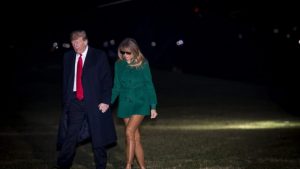
File Photo: US President Donald J. Trump (L) and First Lady Melania Trump make their way across the South Lawn of the White House after returning on Marine One from their surprise trip to Al Asad Air Base in Iraq to visit troops, in Washington, DC, USA, 27 December 2018. EPA, PETE MAROVICH

DECEMBER 30, 2018

Λίγες μέρες πριν, ο Αμερικανός Πρόεδρος άσκησε για ακόμη μια φορά το στοιχείο της έκπληξης για ένα σημαίνον θέμα της αμερικανικής εξωτερικής πολιτικής. Ο Τραμπ διέταξε την απόσυρση των αμερικανικών χερσαίων δυνάμεων από τη Συρία. Η αιτιολόγηση που έδωσε ήταν εφάμιλλη με αυτή που είχε δώσει ο Πούτιν τρία έτη πριν όταν και ανακοίνωσε το τέλος των ρωσικών επιχειρήσεων.

Ο Φρειδερικός Νίτσε, ένας φιλόσοφος που προχώρησε τη σκέψη της ανθρωπότητας έγραψε κάποτε “Το κράτος ψεύδεται σε όλες τις γλώσσες του κόσμου”. Με άλλα λόγια, δεν πρέπει να κοιτάμε τις δημόσιες δηλώσεις των δρώντων. Ποιοί όμως είναι οι λόγοι αυτής της απόσυρσης των ΗΠΑ από τη Συρία; Γιατί ο πανικός δεν πρέπει να μας κυριεύει όσο απρόβλεπτος και αν είναι ο Τραμπ;

Empire by Invitation

Η Αμερική έχει υιοθετήσει ένα New Look με την κυβέρνηση Τραμπ (παραφράζοντας τα όσα συνέστησαν κάποτε το Δόγμα Αϊζενχάουερ). Η οργή των Αμερικανών πολιτών έχει γίνει πολιτική πρακτική. Αυτό δεν είναι “καλό” ή “κακό”, αλλά ένα γεγονός που φανερώνει την κόπωση των Αμερικανών πολιτών από την παγκοσμιοποίηση από τα a la Vietnam λάθη σε Ιράκ και Αφγανιστάν και από την βαθιά πίστη των Αμερικανών ότι η Αμερική είναι πολύ μεγάλη για να ασχολείται με τον κόσμο.

Πριν καν αναλάβει τις τύχες της Αμερικής ο Πρόεδρος Ομπάμα, ο Charles A. Kupchan (σύμβουλος εξωτερικής πολιτικής του Μπιλ Κλίντον) στο βιβλίο του “Το Τέλος της Αμερικανικής Εποχής”, αναφέρεται στα προβλήματα των ΗΠΑ να προσαρμοστούν σε ένα νέο, μεταψυχροπολεμικό κόσμο.

Περιγράφει επίσης την σκέψη των ΗΠΑ όταν αμφιταλαντεύεται μεταξύ απομονωτισμού και μονομερισμού (isolationism & unilateralism). Η πολιτική του Τραμπ δεν είναι λοιπόν όσο απρόβλεπτη φαίνεται. Όχι περισσότερο από αυτήν του προέδρου Μπους Τζούνιορ. Η διαφορά των ΗΠΑ της εποχής του Μπους Τζούνιορ με του Τραμπ είναι ότι τότε, οι Αμερικανοί πολίτες επιθυμούσαν την εμπλοκή των ΗΠΑ σε οτιδήποτε θα τους έκανε περισσότερο ασφαλείς μετά τις 11/9. Σήμερα οι Αμερικανοί έχουν καταλάβει ότι η τρομοκρατία είναι αρκετά πολύπλοκη για να αντιμετωπιστεί με άγαρμπες παρεμβάσεις εντός άλλων κρατών. Ο αντιαμερικανισμός διογκώνεται και τελικά άθελά της, η Αμερική νομιμοποιεί την ύπαρξη φρικτών τρομοκρατικών ομάδων με γεγονότα που ακολουθούν έναν φαύλο κύκλο.

Τι θα συνέφερε επομένως την Αμερική;

Να γίνει αυτό που περιέγραφε κάποτε ένας Νορβηγός ιστορικός αναφορικά με το πώς οι ΗΠΑ μπήκαν στη θέση του οδηγού του δυτικού κόσμου μετά το Β.Π.Π’. Να γίνουν “αυτοκρατορία κατόπιν προσκλήσεως”. Αυτή η περίπτωση είναι βολική για τις ΗΠΑ καθώς τις βγάζει από το -βαθύτατα ιδεολογικό- αδιέξοδο του συσχετισμού απομονωτισμού και μονομερούς παρεμβατισμού (που χαλά τις σχέσεις της με τους συμμάχους της).

Η Συρία φιλοξενεί μια πολύ καλή περίπτωση για “πρόβα” αυτού του νέου “New Look”. Το σκεπτικό μπορεί να κριθεί απλό ή απλοϊκό, όμως είναι το ακόλουθο: Αν η Τουρκία, η Ρωσία και το Ιράν έχουν δημιουργήσει έναν ισχυρό άξονα με κοινό παρονομαστή την συσπείρωση έναντι της Αμερικής, αν η Αμερική φύγει τότε δεν υπάρχει λόγος ύπαρξης του άξονα αυτού. Απεναντίας δημιουργούνται συνθήκες γι’αυτό που λέμε στη στρατηγική θεωρία ως “Κατατριβή τρίτων”, συγγενής πρακτική με το πασίγνωστο “divide & conquer”.

Η φθορά των τριών αντιπάλων της Αμερικής θα καταστήσει αναγκαία την επαναφορά της Αμερικής στο συριακό κάδρο, κατόπιν προσκλήσεως και για να …μεσολαβήσει.

Οι Κούρδοι και η Αμερική που είναι στη Συρία ό,τι και αν γίνει.

Η “προδοσία” απέναντι στους Κούρδους δεν είναι και τόσο “προδοσία”. Δύο λόγοι στοιχειοθετούν αυτήν την άποψη:

Πρώτον, δεν υπάρχει κάποια ηθική μεζούρα, κάποια ηθική μονάδα μέτρησης του πολιτικού γίγνεσθαι.

Δεύτερον, οι Κούρδοι σε κάποιες δεκαετίες θα ξεπεράσουν τα 40 εκ. πληθυσμού. Ούτε η Αμερική, ούτε η Ρωσία, ούτε το Ισραήλ μπορούν να παραγνωρίσουν αυτήν την πραγματικότητα. Πολλά ακούγονται σε εκπομπές της ελληνικής τηλεόρασης από “κουρδολόγους” που περισσότερο ενδιαφέρονται γι’αυτούς παρά για τους Έλληνες. Η αλήθεια είναι οτι οι Κούρδοι συνιστούν μια υπολογίσιμη δύναμη με μέλλον. Το παρόν τους όμως φαίνεται να έχει εγκλωβιστεί στην “πολιτική ορθότητα”. Ακούγοντας δηλώσεις κάποιου εκπροσώπου Κούρδων, στο ερώτημα “τι επιδιώκετε εσείς;” δεν αναφέρθηκε κάποιος στόχος.

Πέραν αυτού, η αυτοδιάθεση και η δημιουργία συνθηκών κρατογένεσης, δυστυχώς -ιστορικά αποδεδειγμένο- πληρώνονται με βαρύ φόρο αίματος. Αν δεν είσαι ανεξάρτητος στην πολιτική, τότε προσδένεσαι και ρισκάρεις πάνω σε δυνάμεις. Το ρίσκο μεγαλώνει όταν άλλα θέλουν οι Κούρδοι της Τουρκίας και άλλα αυτοί του Ιράν, του Βορείου Ιράκ και της Συρίας. Οι Κούρδοι θα αυξήσουν την επιρροή τους σε Ουάσινγκτον και Ισραήλ (ακόμη και σε Ρωσία) αν δείξουν τάσεις ενοποιητικές. Στο τέλος, δε θα φτιαχτούν τέσσερα κουρδικά κράτη.

Οι ΗΠΑ δε φεύγουν από τη Συρία. Οι ΗΠΑ μαζί με συγκεκριμένες χώρες του ΝΑΤΟ μπορούν να πλήξουν ακόμη και από υποβρύχια θέσεις-στόχους της συριακής επικράτειας. Επιπλέον, η Αμερική έχει επενδύσει εδώ και καιρό στη συνεργασία Ελλάδος, Κύπρου, Ισραήλ και Αιγύπτου. Αν υπάρχει αποχώρηση των ΗΠΑ από τη Συρία, δεν πρέπει να φέρνει πανικό σε Ελλάδα και Κύπρο. Απεναντίας πρέπει να μας κάνει να αναρωτιόμαστε πόσο πιθανό είναι η Αμερική να εξαφανιστεί ως δια μαγείας από την Ανατολική Μεσόγειο. Θα αφήσει η Αμερική τα δύο κρίσιμα Στενά του πλανήτη; Απίθανο.

Αμερική και Τουρκία στην εποχή Τραμπ και Ερντογάν

Ο πανικός που έχει κυριεύσει την Ελλάδα αποδεικνύει ότι δεν έχουμε τακτική και στρατηγική παιδεία. Ας σκεφτούμε λοιπόν το εξής: Η Ελλάδα το καλοκαίρι για να κάνει τα γλυκά μάτια στην Αμερική, δια βοής απέλασε Ρώσους διπλωμάτες (ψέγουμε τον τρόπο και όχι την ουσία της απέλασης) και σήμερα γεμάτη αμηχανία βλέπει πως μέσα σε 3 μήνες οι ΗΠΑ συνομιλούν με την Τουρκία.

Τα πράγματα για τις σχέσεις ΗΠΑ και Τουρκίας είναι απλά: Δε θα γίνεται κάθε μέρα αυτό που είδαμε Αύγουστο-Σεπτέμβρη του 2018. Η Αμερική έστειλε μήνυμα στην Τουρκία ότι μπορεί να γονατιστεί οικονομικά μέσα σε ώρες. Δεύτερον, η Αμερική δε θέλει να χάσει την Τουρκία όμως δε θα κάνει το παν για να την κρατήσει. Αν δεν μπορέσει να την κρατήσει στη Δύση τότε καλό είναι να μη θέλουμε να σκεφτόμαστε το τι θα γίνει.

Τρίτον, οι σχέσεις Αμερικής -Τουρκίας δεν γίνεται να ξαναγίνουν θερμές όσο η Τουρκία είναι παγιδευμένη μεταξύ ρωσικής και αμερικανικής αγκάλης. Η Ρωσία δεν έχει την πολυτέλεια να αφήσει τον Ερντογάν να εξαπατήσει τη Ρωσία επιστρέφοντας ένα πρωί στις νατοικές του δεσμεύσεις. Η Τουρκία αποτελεί προσωρινή λύση για τη Ρωσία όσο η Ουκρανία βρίσκεται μεταξύ σφύρας και άκμονος.

Επίσης, η Τουρκία είναι για τη Μόσχα ο βατήρας για την επιτυχία της στη Συρία. Ο Τραμπ είναι ένας πολιτικός που είναι εξίσου παρορμητικός με τον Ερντογάν. Παρόλα αυτά, ο Ερντογάν μόνο τέτοιες “παρορμήσεις” σέβεται και υπολογίζει. Η Τουρκία είναι πολύ μεγάλη για να μη συνομιλείς μαζί της, πολύ μικρή όμως για να κάνει ό,τι θέλει. Σε κάθε περίπτωση, είναι θετικό ότι για τις ΗΠΑ, άλλο θέμα αποτελεί το ζήτημα της ΑΟΖ της Κύπρου και άλλο θέμα είναι η Συρία. Μπορεί η Ανατολική Μεσόγειος να είναι ένα ενιαίο σύμπλοκο όμως η Αμερική δεν έχει την πολυτέλεια να χάσει Ελλάδα, Κύπρο και Ισραήλ.

Ο Τραμπ και η εσωτερική πολιτική των ΗΠΑ

Σαν λήπτης απόφασης, ο Τραμπ είναι ένας άνθρωπος που δε θέλει κανείς να τον έχει απέναντί του. Η παιδεία του δεν είναι “πολιτική”. Ο Τραμπ προσπαθεί να συνεφέρει την αμερικανική γραφειοκρατία. Πιο ορθά, προσπαθεί να τη φέρει με το μέρος του. Το άλλα λέει το Πεντάγωνο, άλλα λέει η άλλη υπηρεσία, ενοχλεί ιδιαίτερα τον Τραμπ ο οποίος κατά βάθος…βλέπει παντού Δημοκρατικούς.

Όσο δύσκολο και αν είναι, ο Τραμπ προσπαθεί να φτιάξει ένα όσο το δυνατόν, ομόφωνο κράτος. Η αντιπολίτευση οδηγεί τον Αμερικανό πρόεδρο να παίρνει όλο και μεγαλύτερα ρίσκα στην εξωτερική πολιτική, πετώντας την μπάλα στην εξέδρα. Δεν είναι καθόλου τυχαίο οτι ο Τραμπ αυτήν την περίοδο νοιάζεται για το τείχος στα αμερικανικά σύνορα και κάνει ό,τι περνά από το χέρι του για να του περάσει. Στέλνει λοιπόν ταυτόχρονα μήνυμα στους Δημοκρατικούς οτι σε περίπτωση που αναλάβουν την εξουσία σε 2 έτη, θα φροντίσει να αφήσει καμμένη γη και μια Αμερική που στο εξωτερικό θα είναι κυριολεκτικά σε zero point.

Όλα τα παραπάνω, συνθέτουν μια επιχειρηματολογία στηριγμένη στον πολιτικό πραγματισμό ο οποίος σαφώς και εμπεριέχει τη χρήση του στοιχείου του αιφνιδιασμού. Η ταύτιση πολιτικού πραγματισμού και προβλεψιμότητας, είναι πέρα για πέρα λάθος. Ο πραγματισμός καλωσορίζει κάθε τακτική και κάθε μορφή δράσης η οποία υποστηρίζει μια στρατηγική στοχοθέτηση.

Η στρατηγική των ΗΠΑ, δε θα είναι ποτέ ξανά αυτή που ήταν 10 ή 20 ή 30 έτη πριν. Ο σημερινός κόσμος και η εικόνα του, υποχρεώνουν τις ΗΠΑ να ακολουθήσουν μια διαφορετική προσέγγιση αναφορικά με τις εξωτερικές τους υποθέσεις. Από την εποχή της άμεσης προσέγγισης (στρατηγική αντίληψη που ευνοεί παρεμβάσεις σε Ιράκ και Αφγανιστάν) οι ΗΠΑ έχουν περάσει ήδη -από τη θητεία του Προέδρου Ομπάμα- σε μια εποχή έμμεσης προσέγγισης.

(*) Alexander Th. Drivas PhD IR (Candidate at Panteion-Hellenic American Relations). Secretary AHEPA Solon HJ04

Πηγή: Γιατί ο Ντόναλντ Τραμπ αποχωρεί από τη Συρία; Είναι όντως η Αμερική μία “ανέντιμη” δύναμη; https://hellasjournal.com/2018/12/giati-o-ntonalnt-tramp-apochorei-apo-ti-syria-einai-ontos-i-ameriki-mia-quot-anentimi-quot-dynami/

Μπλόκο από τον Ιβάνοφ: Αρνείται να υπογράψει τη Συμφωνία των Πρεσπών, πρόβλημα για Αθήνα

0

Του ΝΙΚΟΥ ΜΕΛΕΤΗ Hellas Journal

Fyromian president Gjorge Ivanov speaks to the parliament during his regular annual speech in Skopje, the FYROM, on 28 December 2018. In his speech, the president condemned the government’s policy. He assessed the agreements with Bulgaria and Greece as harmful to the state. EPA, GEORGI LICOVSKI

DECEMBER 30, 2018

Ένα απρόβλεπτο νομικό κενό, προκύπτει από την διαδικασία κύρωσης της Συνθήκης των Πρεσπών στην ΠΓΔΜ λόγω της εσωτερικής σύγκρουσης της κυβέρνησης του Ζόραν Ζάεφ και του προέδρου Γκ. Ιβάνοφ ο οποίος ηγήθηκε του μετώπου εναντίον της συμφωνίας αυτής.

Ο κ. Ιβανόφ όπως είχε κάνει και με τον επίσης κρίσιμο για την κυβέρνηση Ζάεφ, νόμο για την ανάδειξη της αλβανικής γλώσσας ως επίσημης γλώσσας του κράτους , αρνείται να υπογράψει τον νόμο που κυρώνει την Συμφωνία των Πρεσπών, ώστε να δημοσιευθεί στην Εφημερίδα της Κυβέρνησης και να αποκτήσει και τυπική ισχύ.

Ο κ. Ιβανόφ καθ΄ υπέρβαση των αρμοδιοτήτων του αλλά και εκμεταλλευόμενος το κενό που υπάρχει στο Σύνταγμα της χώρας του, αρνείται να υπογράψει τους νόμους αυτούς παρά το γεγονός ότι έχουν ψηφισθεί και σε δεύτερη ανάγνωση από την Βουλή της χώρας.

Η Συμφωνία των Πρεσπών αναφέρει ρητώς στο άρθρο1 παρ.4ζ ότι το Δεύτερο μέρος (σ.σ. ΠΓΔΜ) μόλις γνωστοποιήσει την ολοκλήρωση των προαναφερόμενων συνταγματικών τροποποιήσεων και όλων των εσωτερικών νομικών διαδικασιών του προκειμένου να τεθεί σε ισχύ η παρούσα Συμφωνία, το πρώτο μέρος θα κυρώσει χωρίς καθυστέρηση την παρούσα Συμφωνία». Όπου φυσικά η σύννομη δημοσίευση του νόμου κύρωσης της Συμφωνίας των Πρεσπών στην Εφημερίδα της Κυβέρνησης αποτελεί το τελικό μέρος των «εσωτερικών νομικών διαδικασιών».

Ο πρόεδρος της Βουλής Ταλατ Τζαφέρι ο οποίος λόγω και της καταγωγής του αλλά και της προέλευσης του από το αλβανικό κόμμα DUI το οποίο προσφέρει τις αναγκαίες ψήφους στην Βουλή για τον σχηματισμό της κυβέρνησης Ζάεφ, «καίγεται» για να περάσει και να κατοχυρωθεί ο νόμος για την αλβανική γλώσσα, καθώς αποτελούσε ένα από τα βασικά ανταλλάγματα που είχαν προβάλει τα αλβανικά κόμματα για να στηρίξουν την κυβέρνηση Ζάεφ.

Ο κ. Τζαφέρι δήλωσε ότι ο νόμος για την κύρωση της Συμφωνίας των Πρεσπών και ο νόμος περί των γλωσσών θα δημοσιευθούν στην Εφημερίδα της Κυβέρνησης, χωρίς την υπογραφή του προέδρου της χώρας Γκιόργκι Ιβάνοφ. «Ο Ιβάνοφ έχει τη συνταγματική υποχρέωση να τους υπογράψει. Όταν εγκριθούν οι συνταγματικές τροποποιήσεις, οι δύο νόμοι τους οποίους θα υπογράψω θα δημοσιευθούν στην Εφημερίδα της Κυβερνήσεως, γιατί κανείς δεν θα μπορεί να εμποδίσει τη βούληση του Κοινοβουλίου», δήλωσε ο Ταλάτ Τζαφέρι.

Βεβαίως είναι προβληματικό το γεγονός ότι η εκκρεμότητα θα παραμένει τυπικά μέχρι την εκλογή νέου προέδρου ,εφόσον τελικά ο νέος πρόεδρος είναι φιλικά διακείμενος προς την Συμφωνία των Πρεσπών, κάτι που είναι εξαιρετικά πιθανό λόγω της δυναμικής που έχει δώσει στο κόμμα του κ. Ζάεφ η στήριξη της Δύσης αλλά και η ίδια η Συμφωνία για το κλείσιμο μια ιστορικής διαφοράς που κρατά την χώρα έξω από τους ευρωατλαντικούς θεσμούς.

Η εκλογή προέδρου όμως προβλέπεται να γίνει στο τέλος Απριλίου η στις Αρχές Μαΐου, ενώ η διαδικασία της ολοκλήρωσης έγκρισης των συνταγματικών αλλαγών μπορεί να γίνει και πριν ακόμη τις 15 Ιανουαρίου καθώς στην συζήτηση που θα ξεκινήσει στην Βουλή στις 9 Ιανουαρίου δεν θα συμμετάσχουν οι βουλευτές του κύριου κόμματος της αντιπολίτευσης VMRO-DPMNE.

Το πρόβλημα με την μη τυπική ολοκλήρωση της διαδικασίας κύρωσης της Συμφωνίας των Πρεσπών ,με την σύννομη δημοσίευση της στην Εφημερίδα της Κυβέρνησης, με την υπογραφή του προέδρου της χώρας, είχε επισημανθεί και από τον ίδιο τον Υπουργό Εξωτερικών Ν. Δημητρώφ στην διάρκεια της δημόσιας διαβούλευσης για τις συνταγματικές αλλαγές. Στην τρίτη Διαβούλευση που έγινε στις αρχές Δεκεμβρίου στην Ακαδημία Επιστημών και Τεχνών στα Σκόπια ο κ. Δημητρόφ είχε παραδεχθεί το πρόβλημα που έχει προκύψει ,προτείνοντας μάλιστα να υπάρξει συνταγματική αναθεώρηση και του συγκεκριμένου άρθρου του Συντάγματος που προβλέπει ότι για την δημοσίευση νόμου στην Εφημερίδα της Κυβέρνησης απαιτείται η υπογραφή του προέδρου της Δημοκρατίας, ώστε αν ο Πρόεδρος δεν υπογράψει νόμο που έχει ψηφισθεί και σε δεύτερη ανάγνωση στην Βουλή, τότε ο νόμος αυτός θα δημοσιεύεται αυτομάτως στην Εφημερίδα της Κυβέρνησης.

Σύμφωνα με το πρακτορείο «ΜΙΑ» ο κ. Δημητρόφ είχε δηλώσει τα εξής :«Εδώ υπάρχει μία ακόμα πρόταση που δεν αφορά την Συμφωνία των Πρεσπών. Πιστεύω ότι οι συντάκτες του Συντάγματος ποτέ δεν προέβλεψαν ότι η “Μακεδονία” θα έχει κάποτε Πρόεδρο που δεν θα τηρήσει την υποχρέωσή του να υπογράψει έναν νόμο που έχει περάσει από το Κοινοβούλιο δύο φορές. Αυτό το Σύνταγμα το αναφέρει ρητά, αλλά σήμερα έχουμε στην “Μακεδονία” μία τέτοια κατάσταση. Ο νόμος κύρωσης της Συμφωνίας με την Ελλάδα πέρασε δύο φορές, αλλά δεν έχει υπογραφεί και δεν έχει δημοσιευθεί στην Εφημερίδα της Κυβερνήσεως. Ίσως πρέπει να υπάρξει μία πρόβλεψη για αυτό, που να λέει ότι ο νόμος θεωρείται υπογεγραμμένος από τον Πρόεδρο όταν περάσει από τη δεύτερη ψηφοφορία».

Αλλά και ο Ακαδημαϊκός Βλαντ Κάμποφσκι που συμμετείχε στην διαβούλευση τόνισε ότι η Συμφωνία των Πρεσπών δεν έχει τεθεί τυπικά σε ισχύ επειδή ο Πρόεδρος της πΓΔΜ αρνείται να υπογράψει τον σχετικό νόμο και πρότεινε στον Συνταγματικό Νόμο που θα ψηφιστεί να περιληφθεί ειδική διάταξη, που να αναφέρει ότι αυτή η Συμφωνία τίθεται σε ισχύ με την υπογραφή του Προέδρου της Βουλής.

Προκειμένου να ξεπερασθεί αυτό το κώλυμα σχετικά με την Συμφωνία των Πρεσπών, άλλος καθηγητής ο Σβέτομιρ Σκάριτς είχε προτείνει στην διαδικασία της αναθεώρησης του Συντάγματος μια ακόμη τροπολογία που θα αφορούσε την ίδια την Συμφωνία των Πρεσπών και θα ανέφερε ότι η « Συμφωνία, όπως είναι διατυπωμένη και με όλα τα στοιχεία της, αποτελεί συστατικό στοιχείο της συνταγματικής τάξης της “Δημοκρατίας της Μακεδονίας”», καθιστώντας έτσι την Συμφωνία μέρος του συνταγματικού ή του νομικού συστήματος.

Βεβαίως τέτοια τροπολογία που θα έδινε συνταγματικό κύρος στην Συμφωνία των Πρεσπών και θα ξεπέρναγε τα εμπόδια που εγείρει ο κ Ιβάνοφ, δεν συζητήθηκε ούτε υπήρχε χρόνος να τεθεί σε διαβούλευση.

Η κύρωση της Συμφωνίας των Πρεσπών στην γειτονική χώρα κινείται σε νομικό- συνταγματικό κενό και παρά το επιχείρημα το οποίο έχει η Αθήνα που εκπηγάζει από το Δίκαιο των Συνθηκών, υπάρχει σοβαρό ζήτημα καθώς η Ελληνική Βουλή θα κληθεί να κυρώσει με νόμο την Συμφωνία για την οποία τυπικά δεν θα έχει ολοκληρωθεί η διαδικασία κύρωσης της από την ΠΓΔΜ, όπως προβλέπει η ίδια η Συμφωνία.

Πάντως αυτή η εκκρεμότητα εφόσον δεν επιλυθεί με έγκυρο τρόπο, θα μπορεί να προσφέρει ένα επιχείρημα στην ελληνική κυβέρνηση εάν επιλέξει τελικά να καθυστερήσει την διαδικασία ώστε να τηρήσει το χρονοδιάγραμμα του Μαρτίου το οποίο αρκετές φορές έχει επικαλεσθεί και ο Υπ. Άμυνας.

Πηγή: Μπλόκο από τον Ιβάνοφ: Αρνείται να υπογράψει τη Συμφωνία των Πρεσπών, πρόβλημα για Αθήνα https://hellasjournal.com/2018/12/mploko-apo-ton-ivanof-arneitai-na-ypograpsei-ti-symfonia-ton-prespon-provlima-gia-athina/

Τα καλύτερα άρθρα του 2018

0

Μια επιλογή των κειμένων της χρονιάςforeignaffairs.gr

Περίληψη:
Την επιλογή των άρθρων που παρατίθενται κατωτέρω έκανε η συντακτική ομάδα του ForeignAffairs.gr, με γνώμονα ότι αυτά τα κείμενα προσέφεραν στους αναγνώστες πληροφορίες και τροφή για σκέψη.

Ο κόσμος είναι σε αναβρασμό. Τα δύο χρόνια του Ντόναλντ Τραμπ στην προεδρία των ΗΠΑ έχουν φέρει αναταράξεις σε πολλές περιοχές του κόσμου, και μαζί έφεραν και τον φόβο ότι η μέχρι τώρα φιλελεύθερη τάξη που κυριαρχεί στον κόσμο πρόκειται να ανατραπεί.
Η διαδικασία της οικονομικής, πολιτικής και αμυντικής επανεξισορρόπησης του κόσμου επηρεάζει, φυσικά, και την Ελλάδα. Κι αν για κάποιους αυτά που συμβαίνουν στην Ουάσιγκτον, το Πεκίνο και την Μόσχα, ή ακόμα και το Βερολίνο, την Ρώμη, το Τόκιο, το Λονδίνο, το Νέο Δελχί και την Πόλη του Μεξικό, φαίνονται μακρινά, για κάποιους άλλους αποτελούν κρίσιμες πληροφορίες για το πού πηγαίνει ο κόσμος και πώς πρέπει να ανταποκριθούν οι ίδιοι και η χώρα τους.
Για αυτούς τους ανθρώπους, τους ενημερωμένους αναγνώστες, τους πολίτες του κόσμου, τους ανθρώπους που παίρνουν αποφάσεις και διαμορφώνουν την κοινή γνώμη, το Foreign Affairs The Hellenic Edition συνεχίζει την προσπάθειά του.
Την επιλογή των άρθρων που παρατίθενται κατωτέρω έκανε η συντακτική ομάδα του ForeignAffairs.gr, με γνώμονα ότι αυτά τα κείμενα προσέφεραν στους αναγνώστες πληροφορίες και τροφή για σκέψη.

———————————————————

28122018-1.jpg

Το ευρώ σε παρακμή

Kathleen R. McNamara

Καθώς τα ευρωσκεπτικιστικά κόμματα εμφανίζονται σε ολόκληρη την ΕΕ για να αμφισβητήσουν την ορθόδοξη φιλελεύθερη συναίνεση που κυβέρνησε την ΕΕ, δεν είναι σαφές εάν τα νομιμοποιητικά θεμέλια της ΕΚΤ και του ευρώ κρατάνε ακόμα σήμερα. https://goo.gl/xiZL8V
——————————————————–

Πώς η «οξεία ισχύς» απειλεί την «ήπια ισχύ»

Joseph S. Nye Jr.

Είναι αλήθεια ότι η ανοικτότητα των δημοκρατικών κοινωνιών παρέχει ευκαιρίες στις αυταρχικές κυβερνήσεις να χρησιμοποιούν παλαιότατες τεχνικές του πολέμου πληροφοριών. Αλλά η ανοικτότητα είναι επίσης μια βασική πηγή της ικανότητας των δημοκρατιών να προσελκύουν και να πείθουν. https://goo.gl/Z42ge6
————————————————————————————————-

Ξαναγράφοντας την ιστορία στην Ανατολική Ευρώπη

Volha Charnysh και Evgeny Finkel

Σε κράτη που αντιμετωπίζουν άμεσες απειλές από την Ρωσία και κυβερνώνται από δεξιά λαϊκίστικα κόμματα, η τάση για αστυνόμευση της ιστορίας και φίμωση ενοχλητικών γεγονότων σχετικά με τον ρόλο τους στον Β’ Παγκόσμιο Πόλεμο είναι πιθανό να συνεχιστεί. Αυτό θα αυξήσει τις εντάσεις με τις Ηνωμένες Πολιτείες και το Ισραήλ, θα διαιρέσει τους συμμάχους ακόμα και εντός της Ανατολικής Ευρώπης και θα καταπνίξει την ανοικτή συζήτηση. https://goo.gl/gW8rMt
————————————————————————————————-

28122018-2.jpg

Έχει αρχίσει όντως ένας νέος Ψυχρός Πόλεμος;

Odd Arne Westad

Στην κορύφωσή του, ο Ψυχρός Πόλεμος ήταν ένα παγκόσμιο σύστημα χωρών με επίκεντρο τις Ηνωμένες Πολιτείες και την Σοβιετική Ένωση. Δεν καθόριζε όλα όσα συνέβαιναν στον κόσμο των διεθνών υποθέσεων, αλλά επηρέαζε τα περισσότερα πράγματα. https://goo.gl/qdRQU5
————————————————————————————————-

28122018-3.jpg

Ο ανθρωπιστικός εφιάλτης της Υεμένης

Asher Orkaby

Η πρακτική αντιμετώπιση της κρίσης από διεθνείς οργανισμούς βοήθειας ήταν αναποτελεσματική. Τον Ιούλιο του 2017, ο Παγκόσμιος Οργανισμός Υγείας ανακοίνωσε ότι αναστέλλει επ’ αόριστον το πρόγραμμα εμβολίων για την χολέρα στην Υεμένη. Αναφέρθηκε στις δυσκολίες παράδοσης των φαρμάκων και στο γεγονός ότι η εκστρατεία εμβολιασμού θα είχε περιορισμένη επίδραση καθώς η νόσος είχε ήδη μολύνει περισσότερους από 300.000 ανθρώπους. https://goo.gl/qhzgXS
————————————————————————————————-

Οι μυστικές υπηρεσίες του Πούτιν

Andrei Soldatov

Το νέο μοντέλο του Πούτιν υποδηλώνει ελάχιστα περιθώρια για διαμάχες και φέουδα μεταξύ των υπηρεσιών. Όλοι οι γραφειοκράτες της Ρωσίας, από τους υπουργούς μέχρι τους στρατηγούς της FSB και μέχρι τους περιφερειακούς αξιωματούχους, αντιμετωπίζουν τώρα το ίδιο αβέβαιο μέλλον. https://goo.gl/2MGpjX
————————————————————————————————-

Η ιστορία δύο φωτογραφιών

Maura Elizabeth Cunningham και Jeffrey Wasserstrom

Στο Πεκίνο, ένα βασικό σημείο αναφοράς όταν σκέπτονται την ιστορία της αμερικανο-κινεζικής σχέσης παραμένει στο 1901, όταν η Ουάσινγκτον ήταν μέρος ενός συνασπισμού που εκφόβιζε μια εξασθενημένη κινεζική δυναστεία ώστε να αποδεχθεί μια άλλη άνιση συνθήκη. https://goo.gl/Fc6QZX
————————————————————————————————-

Το πραγματικό κινεζικό μοντέλο

Yuen Yuen Ang

Τι ακριβώς είναι το μοντέλο της Κίνας; Είναι σαφές ότι η οικονομία της Κίνας έχει αναπτυχθεί παρά την απόφασή της να αποκρούσει την δημοκρατία Δυτικού τύπου, αλλά μήπως αυτό σημαίνει ότι ο αυταρχισμός ήταν υπεύθυνος για την καπιταλιστική επιτυχία της χώρας; Η απάντηση είναι αρκετά πιο πολύπλοκη. https://goo.gl/GM3ewr
————————————————————————————————-

Η Ευρώπη στη νέα εποχή του ανταγωνισμού των μεγάλων δυνάμεων

Alina Polyakova και Benjamin Haddad

Εάν η Ευρώπη θέλει να είναι ένας δρων αντί για μια σκακιέρα στην οποία θα ανταγωνίζονται μεγάλες δυνάμεις, οι Ευρωπαίοι ηγέτες πρέπει να αναλάβουν την ευθύνη για την άμυνα και την ασφάλεια, και να βάλουν όλες τις οικονομικές τους δυνάμεις στο παιχνίδι. https://goo.gl/HsYLG2
————————————————————————————————-

Κλιματικές ακρότητες και παγκόσμια υγεία

Veerabhadran Ramanathan, Marcelo Sanchez Sorondo, Partha Dasgupta, Joachim von Braun και David G. Victor

Οι ειδικοί έχουν αποδώσει στην κλιματική αλλαγή καταστροφές όπως τον καύσωνα του 2003 στην Γαλλία που σκότωσε περισσότερους από 10.000 ανθρώπους και τον καύσωνα 2010 στην Ρωσία που σκότωσε περίπου 15.000, μαζί με άλλες μεγάλες καταιγίδες και ξηρασίες, όπως το καψάλισμα που καταστρέφει αγροτικές περιοχές στην Αυστραλία. https://goo.gl/hj6fEk
————————————————————————————————-

28122018-4.jpg

Η πραγματική ιστορία της φιλελεύθερης τάξης

Michael J. Mazarr

Καθώς ο κόσμος εισέρχεται σε μια εποχή μεγαλύτερου διεθνούς ανταγωνισμού, οι Αμερικανοί πολιτικοί θα πρέπει να προσέχουν να μην υποτιμούν την σημασία του μεταπολεμικού συστήματος. Η τάξη απέχει πολύ από το να είναι ένας μύθος. https://goo.gl/q5cxHV
————————————————————————————————-

Πόλεμοι για το νερό στον Νείλο

Daniel Benaim και Michael Wahid Hanna

Καθώς η Αιθιοπία προετοιμάζεται να λειτουργήσει το φράγμα και να εκτρέψει τα ύδατα του Νείλου για να γεμίσει τον τεράστιο ταμιευτήρα του, η διεθνής διαμάχη για το ποτάμι έχει φτάσει σε μια κρίσιμη στιγμή. https://goo.gl/mc8UPC
————————————————————————————————-

Οι χειρότερες συμφωνίες που έγιναν ποτέ

Philip H. Gordon

Ο Trump ανακαλύπτει την σκληρή πραγματικότητα ότι, σε έναν περίπλοκο κόσμο, όλες οι διεθνείς συμφωνίες απαιτούν κάποιο βαθμό συμβιβασμού. Παρ’ όλα τα ελαττώματά τους, οι ατελείς συμφωνίες είναι συχνά πολύ καλύτερες από το να μην υπάρχει καμία συμφωνία. https://goo.gl/6Mi8z4
————————————————————————————————-

Η Ευρώπη κάνει το μεταναστευτικό πρόβλημά της χειρότερο

Loren B. Landau, Caroline Wanjiku Kihato και Hannah Postel

Η απάντηση της Ευρώπης στη μετανάστευση από την Αφρική παίρνει δύο μορφές. Κατ’ αρχάς, η Ευρώπη επανακαθορίζει την αναπτυξιακή της βοήθεια για να εξαλειφθούν ορισμένες από τις «βασικές αιτίες» της μετανάστευσης, με επίκεντρο στην εκπαίδευση, στην ανεργία και στη μεγάλη γονιμότητα. Δεύτερον, η ΕΕ συμπιέζει την αφρικανική μετανάστευση μέσω της αυξανόμενης ασφάλειας των συνόρων, της συλλογής δεδομένων και της τεχνικής βοήθειας προς τους Αφρικανούς ισχυρούς άνδρες. Ωστόσο, καμία από αυτές τις δύο στρατηγικές δεν θα λειτουργήσει, τουλάχιστον όχι με τον τρόπο που προτίθενται οι Βρυξέλλες ή το Βερολίνο. https://goo.gl/2oBTF5
————————————————————————————————-

Η οικονομική κρίση εξακολουθεί να ενισχύει τους ακροδεξιούς λαϊκιστές

Manuel Funke, Moritz Schularick και Christoph Trebesch

Οι λαϊκιστές έχουν γίνει καλύτεροι στο να επιβιώνουν στην εξουσία. Πολλοί έχουν επανεκλεγεί πολλές φορές. Καλλιεργούν την εικόνα τους ως αουτσάιντερ, ακόμα και όταν φθάνουν να κυριαρχήσουν στον πολιτικό και επιχειρηματικό κόσμο. Σταδιακά διαβρώνουν τους ελέγχους και τις ισορροπίες και μετακινούνται για να κυριεύσουν τα μέσα μαζικής ενημέρωσης, όλα στο όνομα του «λαού». Άρχισαν να υιοθετούν και πιο ορθόδοξες οικονομικές πολιτικές. https://goo.gl/hYfBzw
————————————————————————————————-

28122018-5.jpg

Σταματήστε να έχετε εμμονή με την Κίνα

Michael Beckley

Οι Ηνωμένες Πολιτείες διατηρούν τεράστιο οικονομικό και στρατιωτικό προβάδισμα έναντι της Κίνας. Για να καλύψει την διαφορά, η Κίνα θα χρειαστεί να αυξήσει τους πόρους ισχύος της πιο γρήγορα. Αυτό, όμως, είναι ένα μακρινό πλάνο, όχι μόνο λόγω των τεράστιων χρεών της, της συρρίκνωσης των πόρων της και της αχαλίνωτης διαφθοράς, αλλά και λόγω της εργατικής της δύναμης που διαβρώνεται. https://goo.gl/tVhKrF
————————————————————————————————-

28122018-6.jpg

Ποιά στρατηγική για την Τουρκία;

Παναγιώτης Τσάκωνας

Η ενεργότερη και αποτελεσματικότερη διαχείριση των ελληνοτουρκικών σχέσεων στο επίπεδο της «εξωτερικής εξισορρόπησης» της τουρκικής απειλής, εξακολουθεί να παραμένει ακριβό ζητούμενο ήδη από τα μέσα της προηγούμενης δεκαετίας, όταν εξέπνευσε η στρατηγική του Ελσίνκι. https://goo.gl/HoRxsT
————————————————————————————————-

Πώς η Ρωσία και η Κίνα υπονομεύουν την δημοκρατία

Andrea Kendall-Taylor και David Shullman

Όσο ισχυρότερο είναι το κανονιστικό περιβάλλον μιας χώρας, η κοινωνία των πολιτών της, τα πολιτικά κόμματα και τα ανεξάρτητα μέσα μαζικής ενημέρωσης, τόσο οι λιγότερο αποτελεσματικές θα γίνονται οι επιθέσεις των αυταρχικών δυνάμεων στους δημοκρατικούς θεσμούς και τόσο λιγότερο ελκυστικά θα είναι το αυταρχικό αφήγημα και μοντέλο. https://goo.gl/pEjADz
————————————————————————————————-

Ανάγκη για ένα νέο μοντέλο εξοπλισμού των ελληνικών ενόπλων δυνάμεων

Δρ Κωνσταντίνος Γρίβας

Aν και αυτήν την στιγμή συνεχίζει να υφίσταται ισορροπία στρατιωτικής ισχύος στο ελληνοτουρκικό σύστημα, εις βάρος των κυρίαρχων αντιλήψεων και παρά τα μεγάλα προβλήματα που αντιμετωπίζουν οι ελληνικές Ένοπλες Δυνάμεις, στο μέλλον η κατάσταση αναμένεται να ανατραπεί εις βάρος της Ελλάδας, αν δεν κάνει κάτι για αλλάξει τα δεδομένα. https://goo.gl/6rTZ3X
————————————————————————————————-

Ευχές και κατάρες από την Κωνσταντινούπολη

George Soroka

Η αναγνώριση μιας πλήρως ανεξάρτητης, εθνικής ουκρανικής εκκλησίας έχει τεράστιο βάρος σε μια χώρα όπου περίπου επτά στους δέκα ανθρώπους ταυτοποιούνται ως Ορθόδοξοι Χριστιανοί. https://goo.gl/hed9aN
————————————————————————————————-

28122018-7.jpg

Το πρόβλημα οράματος της Angela Merkel

Yascha Mounk

Η Άνγκελα Μέρκελ θα ήταν εξαιρετική ηγέτις σε συνηθισμένες εποχές. Η αβάσταχτη ειρωνεία του ιστορικού της είναι ότι συνέβη να πάρει την εξουσία σε μια στιγμή στη μεταπολεμική ιστορία της Γερμανίας που η χώρα (και ο κόσμος) χρειαζόταν απεγνωσμένα ο καγκελάριος να ακολουθήσει ένα τολμηρό όραμα. https://goo.gl/xerhv2
————————————————————————————————-

Η ζωή σε μια κινεζική Ασία

Jennifer Lind

Καθώς η Κίνα γίνεται ισχυρότερη, οι γείτονές της μπορούν να περιμένουν ότι το Πεκίνο θα παρεμβαίνει όλο και περισσότερο στην εγχώρια πολιτική τους. Οι χώρες της Ανατολικής Ασίας πρέπει να αποφασίσουν εάν αυτό είναι κάτι που είναι πρόθυμες να δεχτούν. https://goo.gl/S1WMj4
————————————————————————————————-

Brexit και ανεκπλήρωτες υποσχέσεις

Peter Hall

Η ΕΕ έχει το πραγματικό πλεονέκτημα: Τα κράτη-μέλη της μπορούν να ζήσουν πιο εύκολα χωρίς ελεύθερη πρόσβαση στις βρετανικές αγορές από ό, τι το Ηνωμένο Βασίλειο μπορεί να ζήσει χωρίς ευρωπαϊκή πρόσβαση. Εξάλλου, τα ευρωπαϊκά έθνη παραμένουν μέρος μιας ενιαίας αγοράς που περιλαμβάνει περίπου 450 εκατομμύρια ανθρώπους. https://goo.gl/PbR6Gi
————————————————————————————————-

28122018-8.jpg

Κλιματικά σοκ και ανθρωπιστικές κρίσεις

Joshua Busby και Nina von Uexkull

Αρκετοί παράγοντες κινδύνου καθιστούν ορισμένες χώρες πιο ευάλωτες από άλλες στις συνέπειες της κλιματικής αλλαγής. Τρεις ξεχωρίζουν ειδικότερα: Ένα υψηλό επίπεδο εξάρτησης από την γεωργία, μια πρόσφατη ιστορία συγκρούσεων, και πολιτικοί θεσμοί που εφαρμόζουν διακρίσεις. https://goo.gl/fFSJCR
————————————————————————————————-

Ραγισμένη Ευρώπη

Helen Thompson

Η συγκέντρωση [ευρωπαϊκής] εξουσίας στα χέρια της Μέρκελ και οι διαρθρωτικές αντιφάσεις της πολυεθνικής ένωσης της ΕΕ, παρείχαν την τελική ώθηση που ήταν απαραίτητη για να επιτύχει η εκστρατεία υπέρ του Brexit στο βρετανικό δημοψήφισμα για την ΕΕ. https://goo.gl/vV3SSY

Copyright © 2018 by the Council on Foreign Relations, Inc.
All rights reserved.

Μπορείτε να ακολουθείτε το «Foreign Affairs, The Hellenic Edition» στο TWITTER στην διεύθυνση www.twitter.com/foreigngr αλλά και στο FACEBOOK, στην διεύθυνση www.facebook.com/ForeignAffairs.gr και στο linkedin στην διεύθυνση https://www.linkedin.com/company/foreign-affairs-the-hellenic-edition

Is One of Africa’s Oldest Conflicts Finally Nearing Its End?

0

A Polisario Front official surveys the Moroccan Berm in the Western Sahara. John Bolton and a former German President have helped spur the first negotiations over the disputed desert territory in six years.

Photograph by Nicolas Niarchos

For the past forty years, tens of thousands of Moroccan soldiers have manned a wall of sand that curls for one and a half thousand miles through the howling Sahara. The vast plain around it is empty and flat, interrupted only by occasional horseshoe dunes that traverse it. But the Berm, as the wall is known, is no natural phenomenon. It was built by the Kingdom of Morocco, in the nineteen-eighties, and it’s the longest defensive fortification in use today—and the second-longest ever, after China’s Great Wall. The crude barrier, surrounded by land mines, electric fences, and barbed wire, partitions a wind-blasted chunk of desert the size of Colorado known as the Western Sahara. Formerly a Spanish colony, the territory was annexed by its northern neighbor, Morocco, in 1975. An indigenous Sahrawi rebel group, called the Polisario Front, waged a guerrilla war for independence. In 1991, after sixteen years of conflict, the two sides agreed to a ceasefire. The wall keeping the foes apart stretches from the Atlantic Ocean to the mountains of Morocco, roughly the distance from New York City to Dallas.

Late last year, I visited the Berm from the Polisario side, to the east, accompanying a handful of supporters of the group from around the world. Until we were about a hundred feet away, I didn’t sense that I was anywhere in particular in the expanse of the desert. My Polisario guide pointed out painted rocks indicating a minefield ahead. A few feet away, an unexploded mortar shell lay in the sand. We walked into a United Nations-controlled buffer zone and the Berm appeared in front of us, rising about six and a half feet behind a barbed-wire fence. I glanced left and right. The wall seemed to stretch endlessly, almost into the blue sky.

As we approached one of the tent-topped fortifications that dot the length of the Berm, a handful of Moroccan soldiers began to scurry around inside. “Will they shoot?” I asked one the Polisario guides. We could see the peaks of the soldier’s flat caps. “No, no,” he replied, laughing. He said that Sahrawis often demonstrate in front of the wall, demanding that Morocco leave the territory. “They’re used to this.” Two women began to shout abuse at the soldiers about Morocco’s King Mohammed VI. “Mohammed, you asshole,” they screamed. “The Sahara is not yours.”

Today, Morocco controls the western eighty per cent of the disputed territory, and the Polisario (which stands for the Popular Front for the Liberation of Saguia el-Hamra and Río de Oro) occupies the rest. The Polisario movement initially began as an armed rebellion against Spanish occupiers. Today, the Polisario calls Western Sahara “Africa’s Last Colony,” asserts that Morocco has replaced Spain as colonizer, and accuses the kingdom of exploiting the territory’s resources. Negotiations have repeatedly stalled, making Western Sahara the site of one of the world’s oldest frozen conflicts. The Polisario’s self-declared Sahrawi Arab Democratic Republic is recognized by the African Union and Algeria, which has given the group military support for decades and currently hosts more than a hundred and seventy thousand Sahrawi refugees in squalid camps.

Morocco has poured money into its side of the Berm, expanding cities and developing tourism. But the Polisario accuses the kingdom of filling the territory it controls with secret police and soldiers, and of violently suppressing free speech and pro-independence protests. Videos abound online of police roughing up Sahrawi protesters. Omar Hilale, the Moroccan Ambassador to the U.N., denied the accusations of human-rights abuses in the territory and blamed incidents of violence on unlawful protests. “You want to protest, you have to register—everywhere, even here in the United States,” he told me. Hilale pointed the finger at Algeria, which he said had sent trained rabble-rousers into Western Sahara. Morocco’s largest foreign backer is France, the country’s former colonial overlord, and the French and Moroccan leadership retain strong political, economic, and personal ties. French companies frequently use Moroccan firms to invest in Africa, where they are often unpopular due to their colonial and postcolonial history. Many French politicians keep lavish holiday homes in Morocco.

On December 5th, for the first time in six years, negotiations were held in an effort to initiate a resolution to the conflict. To the surprise of longtime observers, the talks proceeded civilly and the parties agreed to meet again in several months. Officials present told me that President Trump’s new national-security adviser, John Bolton, played an important role in getting the groups to the table. “John Bolton and the enormous engagement the Americans are now putting in helped a lot,” a senior official close to the talks told me. Some diplomats involved in the negotiations call the changes “the Bolton effect.”

At an event in Washington in mid-December, where the Trump Administration’s new Africa strategy was unveiled, Bolton told me that he was eager to end the conflict. “You have to think of the people of the Western Sahara, think of the Sahrawis, many of whom are still in refugee camps near Tindouf, in the Sahara desert, and we need to allow these people and their children to get back and have normal lives,” he said.

Bolton knows the conflict well. He worked on the U.N. peacekeeping mandate for the region in 1991, and, starting in the late nineties, he was part of a U.N. negotiation team, led by James Baker III, the former Secretary of State, which came close to brokering an agreement to hold an independence referendum in the Western Sahara. (The Polisario agreed to the proposal, but Morocco did not.) The conflict, Baker told me in an interview in Houston, “has not been handled well, and that’s why it continues to persist.”

Since Bolton’s appointment, in March, there has been a flurry of activity regarding the Western Sahara conflict at the U.N. and in the State Department. “There are two Americans who really focus a lot on the Western Sahara: one’s Jim Baker, the other’s me,” Bolton told me. “I think there should be intense pressure on everybody involved to see if they can’t work it out.” This spring, at the insistence of the U.S. and to the chagrin of Moroccan and French diplomats, the U.N. peacekeeping mandate for the Western Sahara was extended by only six months rather than a year. (Bolton has long contended that the U.N. peacekeeping mission there has prolonged the conflict by detracting from efforts to resolve the underlying issues.) In October, the mandate was renewed for another six months. “After twenty-seven years, I don’t get impatient on a daily basis,” Bolton told me. “I just get impatient when I think about it.”

Bolton has repeatedly accused Morocco of engaging in delaying tactics to stymie negotiations. He wrote, in 2007, “Morocco is in possession of almost all of the Western Sahara, happy to keep it that way, and expecting that de facto control will morph into de jure control over time.”

Many Moroccan observers believe that Bolton is sympathetic to the Polisario. “John Bolton has distinguished himself by taking positions that are openly close to those of the separatists,” Tarik Qattab wrote in a story, this spring, for the Moroccan news outlet Le 360, which reflects the views of the government. Moroccan officials have also mounted a concerted effort to curry favor with Trump and Bolton. In May, Morocco cut off diplomatic relations with Iran, one of Trump’s most bitter enemies. Then, in September, the Moroccan foreign minister claimed in an interview with the conservative Web site Breitbart that the Polisario was being provided military training and weapons by Hezbollah, an Iranian proxy. (Morocco gave no proof of these claims, and analysts told me that such a connection was highly unlikely.)

Polisario officials, for their part, have welcomed the renewed U.S. engagement. Trump and other world leaders, they say, would create good will in the Arab world if they broker a peace settlement. European governments have also demonstrated interest in resolving the dispute; last year, Horst Köhler, a former German President, was appointed U.N. Special Envoy for the region. Köhler has long advocated solving internal problems in Africa in order to slow the flow of migrants northward. So far, he has been a forceful presence in the talks.

Initially, Morocco refused to meet with the Polisario, and the parties even fought over the shape of the bargaining table. But Köhler managed to hash out a format seen as a concession to all sides. Eventually, the participants—which included Morocco, Mauritania, Algeria, and the Polisario Front—met, in Geneva, on December 5th and 6th. Hilale, the Moroccan Ambassador to the U.N., was present. The talks, he told me, “took place in very respectful atmosphere and ambience.”

After the first day of the meeting, the delegates had a Swiss fondue dinner together. “The Europeans had to explain to the parties how that worked, and that worked to bring them together,” the official close to the talks told me, jokingly referring to the meal as “fondue diplomacy.” By the end, the Algerian foreign minister began to address the Moroccan foreign minister by his first name. However, when the Polisario suggested confidence-building measures, such as removing the mines along the Berm and releasing political prisoners, during the formal talks, they were rebuffed.

By the afternoon of the 6th, a communiqué was agreed upon that called for more talks in the coming months. “From our discussions, it is clear to me that nobody wins from maintaining the status quo,” Köhler said. The Polisario praised the renewed U.S. involvement in the talks and called for “a process of self-determination in Western Sahara.” But the Moroccan foreign minister rejected the idea of a plebiscite. “Self-determination, in Morocco’s view, is done by negotiation,” he said. “A referendum is not on the agenda.” A week later, at the event in Washington, Bolton appeared to back a referendum. “You know, being an American, I favor voting,” he said. “All we want to do is hold a referendum for seventy thousand voters. It’s twenty-seven years later—the status of the territory is still unresolved.”

Until now, the United States has largely backed Morocco in the conflict. During the Cold War, the Polisario was seen as pro-Soviet and received support from Muammar Qaddafi’s Libya, as well as Algeria and Cuba. The U.S., under both Republican and Democratic Administrations, sold hundreds of millions of dollars of weapons to the Moroccan armed forces. Baker remembers the conflict being portrayed in stark Cold War terms when he visited Morocco. “When I was Treasury Secretary, the Moroccans came to us and they wanted help in their war against Polisario,” Baker told me. “I gave them overhead intelligence.” The intelligence, and direct U.S. military support, were instrumental to the Moroccans as they built the Berm.

After the 9/11 attacks, the Moroccans tried to once again portray the Polisario as the enemy, arguing that an independent Western Sahara would become a haven for terrorists. Baker, in his capacity as the U.N. envoy, put forward two plans for the region. The first offered the Moroccans control over the Western Sahara but allowed the Sahrawis autonomy. The Polisario rejected the proposal, and it was never presented formally to the U.N. Security Council. Baker’s second plan called for an independence referendum by Sahrawis and Moroccans living in the territory after a period of autonomy under a Sahrawi government. In 2003, Baker’s second proposal was unanimously endorsed by the Security Council, but the Moroccans worried that they might lose the referendum. King Mohammed wrote to George W. Bush to scupper Baker’s plan, raising the threat of the “redeployment of terrorist groups in the region.” Elliott Abrams, then a key adviser to the National Security Council, argued that the Polisario was no friend to the United States. “I didn’t see any reason to think that it would turn into a democracy, or that it would be pro-Western,” Abrams told me, in an interview. Baker’s proposals were abandoned.

Today, the territory is caught in diplomatic limbo: the Polisario insists on a referendum, and Morocco insists that the region should be given a more limited autonomy, under the kingdom’s sovereignty. (Bolton has dismissed Morocco’s proposal in the past.) Baker told me he was still perturbed by the breakdown in negotiations. “I came up with a pretty damn good plan, I thought,” he said. The problem, he said, was that the international community and the U.N. Security Council didn’t support him. “You know, the U.N. can only be as effective as its member states,” he said. “The member states don’t want to solve this. They’re not willing to use political chips to solve it, so it ain’t going to get solved.”

The best-known among the Sahrawi protestors demonstrating against Moroccan rule in the Western Sahara is Aminatou Haidar, a slight, birdlike woman in her early fifties. She was nominated for the 2008 Nobel Peace Prize and has been called the “Sahrawi Gandhi.” A practitioner of nonviolent resistance, Haidar has been beaten, tortured, imprisoned, detained, and interrogated by the Moroccan security services for her protests against the kingdom’s rule in the Western Sahara. In 2009, after travelling abroad, she was barred from returning to the territory, and she went on a hunger strike that left her bones brittle and the vertebrae in her back warped.

I met Haidar last year, in the Canary Islands, in the lobby of a nondescript hotel. She wore a yellow-and-gray mulafa, a traditional veil worn in Northwest Africa, which drew the occasional glance from European holidaymakers walking nearby. She squinted at me through thick-framed glasses. Her eyesight was damaged, she said, when guards blindfolded her for long periods in a Moroccan jail. “I’ve lived the suffering in my own flesh,” she told me. On the day I met her, Sahrawi demonstrators in Laayoune, the capital of Moroccan-controlled Western Sahara, had been attacked by the police. “During the last six months, we have registered, I think, eighty-six demonstrations that were stopped or repressed,” she said.

In 1987, when she was twenty, Haidar organized a demonstration in advance of an official U.N. visit to the Western Sahara. Moroccan police came to her house the night before the U.N. team arrived. “I was arrested. They put me in a car, and they started to quickly drive around the street,” she said. The car circled the streets of Laayoune in order to give the impression that they had travelled farther than they actually had. She was worried that she had been taken to a secret jail inside Morocco, as some of her relatives had been, and that she would never return. In fact, she had been taken to a police barracks near her home.

For the next four years, she was imprisoned in various jails, and her family was not told of her whereabouts. For the first year, she lived in solitary confinement. “I contracted rheumatism, because I was thrown into a corridor where it was really cold. And in the summer it was boiling,” she told me. In the second year, Haidar was placed in a cell with other detainees. She said that some of her fellow-prisoners told her that they were bitten by dogs set on them by policemen.

Haidar was released in 1991, as the Moroccans and the Polisario signed a ceasefire. The two parties agreed that the U.N. would broker a vote on national self-determination. Disagreements over who would be allowed to vote delayed the referendum, which has still not taken place. Moroccan officials barred journalists and human-rights organizations from entering the territory and investigating police abuse. “We were totally isolated from the outside world,” Haidar said. Moroccan officials confiscated her passport in 1987 and declined to issue her a new one for nearly two decades.

Last year, I tried to visit Laayoune and make sense of two contradictory narratives that have emerged from Western Sahara. Haider and other independence supporters have told horror stories, yet tourists post enthusiastic reviews of the area’s resorts and beaches. I asked my brother, who is a photographer, to join me. Before leaving, I contacted local supporters of independence, including Haidar, and set up interviews with them in the city.

https://www.newyorker.com/news/news-desk/is-one-of-africas-oldest-conflicts-finally-nearing-its-end?mbid=nl_Daily%20122918&CNDID=51540738&utm_source=nl&utm_medium=email&utm_campaign=Daily%20122918&utm_content=&utm_brand=tny&utm_mailing=Daily%20122918&hasha=8e15f739cfe946c809369f7c95f587a1&hashb=47bd7ccca0606a80478f56ba6097e680a2021b0d&spMailingID=14873980&spUserID=MjYyMTE3MTkxMzQzS0&spJobID=1542338048&spReportId=MTU0MjMzODA0OAS2

Poroshenko signs law on adjacent zone of Ukraine

0

 18:58, 29 December 2018 www.unian.info

The law is aimed at preventing smuggling and illegal entry of ships into the officially closed ports of the Ukrainian Crimea. president.gov.ua Ukrainian President Petro Poroshenko has signed the law “On the adjacent zone of Ukraine,” backed by the Verkhovna Rada, Ukraine’s parliament, on December 6, 2018.

The main objective of the document is to harmonize the maritime legislation of Ukraine with the legislation of other Black Sea states and other states parties to the 1982 UN Convention on the Law of the Sea, the presidential press service said on Saturday, December 29. The law also aimed at preventing smuggling and illegal ship calls to the officially shut-down ports in the temporarily occupied territories of Ukraine. Read also Ukraine coast guards allowed to open aimed fire without warning when repelling attack According to the legislation, the adjacent zone of Ukraine is a zone of the open sea adjacent to the territorial sea of Ukraine, whose external border is at a distance of no more than 24 nautical miles measured from the baselines from which the width of the territorial sea of Ukraine is measured.

In its adjacent zone, Ukraine exercises control to prevent violations of customs, fiscal (tax), immigration (migration), and sanitary national legislation within the territory of Ukraine, including its internal waters or territorial sea. Control is carried out with the aim of bringing perpetrators to responsibility for violation of the legislation of Ukraine committed within the territory of Ukraine, including its internal waters or territorial sea.

In addition, to prevent violations of the legislation of Ukraine or to prosecute for its violation, an authorized agency that ensures the inviolability of the state border and the protection of Ukraine’s sovereign rights in its adjacent and exclusive (maritime) economic zones can stop vessels, inspect them, detain or seize vessels and/or their crew members, with the exception of warships and other state ships used for non-commercial purposes.

The law provides for the right to a hot pursuit of a ship that has violated the legislation of Ukraine and is trying to escape, with the aim of its detention and bringing the crew to responsibility in accordance with the 1982 UN Convention on the Law of the Sea. The right to persecution is no longer valid as soon as the pursued vessel enters the territorial sea of the state whose flag the ship flies, or that of any third country. The document comes into force the day following the date of its publication.

Read more on UNIAN: https://www.unian.info/politics/10395048-poroshenko-signs-law-on-adjacent-zone-of-ukraine.html

5 things to know about Romania’s EU presidency before Jan. 1

0

By ALISON MUTLER – 12/28/18 9:20 AM tribune.com

BUCHAREST, Romania — Romania will take over the rotating presidency of the European Union on Jan. 1 from Austria. The role is partly symbolic but does involve setting the EU agenda and being a diplomatic go-between to reach consensus among the 28 members on issues ranging from Brexit to fishing rights.

Here are five things you should know about the East European country’s first ever EU presidency.

IS IT READY?

President Klaus Iohannis last month said Romania wasn’t up to the presidency, creating momentary panic in the EU. Finland immediately upped its readiness (it’s due to take over from Romania on July 1).

Romania’s most powerful politician, Liviu Dragnea, the chairman of the Social Democratic Party, then asked party colleagues to find a way to prosecute Iohannis for treason over those remarks. Iohannis has since struck a more optimistic tone and there is reported to be an unstated agreement between Iohannis and Premier Viorica Dancila to present a reasonably united face regarding the EU presidency during its duration.

THE AGENDA

March 29 is the official date when Britain leaves the EU, deal or no-deal. Romania, which has up to half a million citizens working in the U.K., will host an EU summit in the picturesque Transylvanian city of Sibiu for the event.

European Parliamentary elections for the 751-seat Parliament will happen from May 23-26.

Romania has 257 files, including issues such as migration and a multiannual EU budget, to deal with during its presidency. It will likely try to close as many as possible, insiders say. A number of EU officials will be seconded to Bucharest to help out.

CORRUPTION

The big sticking point in the presidency is corruption and the rule of law in one of the bloc’s most graft-riddled states. When Romania joined the bloc in 2007, its justice system remained under special monitoring, and that hasn’t been lifted — most recently due to a contentious judicial overhaul the Social Democrats embarked on two years ago that critics say will stifle efforts to tackle high-level graft.

The government was successful in dismissing chief anti-corruption prosecutor Laura Codruta Kovesi over mismanagement allegations. That was in July and Kovesi — highly praised by the EU and U.S. for hundreds of successful prosecutions during her five-year mandate — still hasn’t been replaced.

Dragnea is pressing for an amnesty for “thousands of people” he says were wrongly imprisoned by anti-corruption prosecutors. Romania’s government claims prosecutors have had too much power and the country should be allowed to decide its own laws.

PRESIDENT v. GOVERNMENT

Romania’s presidency will likely bring to the fore disagreements between Iohannis, a centrist whom Brussels regards as a supporter of the anti-corruption fight, and Dragnea, who has recently been vocal in his criticism of foreign companies and banks and considers the anti-corruption fight to be deeply unfair.

Dragnea, who was handed a 3½-year prison sentence in June for abuse of office, will hear his appeal in that case during the presidency. Although he can’t be premier due to a 2016 conviction for vote-rigging, he recently hinted he may eye a run for president against Iohannis in the 2019 election.

ALISON MUTLER
The AP is one of the largest and most trusted sources of independent newsgathering. AP is neither privately owned nor government-funded; instead, as a not-for-profit news cooperative owned by its American newspaper and broadcast members, it can maintain its single-minded focus on newsgathering and its commitment to the highest standards of objective, accurate journalism.
http://www.tribtown.com/2018/12/28/eu-romania-eu-presidency-five-things/

Impending Turkish invasion and the revival of the National Pact

0

Dec 26 2018

Things are clearly hotting up in Northern Syria. President Erdoğan has publicly stated that the preparations for a Turkish invasion of the area east of the Euphrates, the region called Rojava by the Kurds, are now complete and that the invasion itself is imminent.

While preparations for a military invasion have been going on for months, the president now almost feels strong enough to give the order.

That strength is the result of Erdoğan’s masterful – if completely opportunist – use of the murder of the Saudi journalist Jamal Kashoggi. By using the Turkish security tapes of what happened in the consulate to create a constant flow of revelations that implicate America’s most important ally in the Muslim Middle East, Crown Prince Mohammad bin Salman, he put the American-Saudi relationship under severe strain.

At the same time, by holding back publicly on the information that would really constitute a “smoking gun”, he has managed to blackmail the Americans into making important concessions to Turkey. After all, they know (from the files handed over by the Turkish government to the CIA) that he knows, and probably can prove, that MBS ordered the murder, and they are ready to pay a high price in order to forestall the publication of the evidence of the involvement of the Saudi crown prince and keep in power their most important ally against Iran.

The price now seems to be clear: the US will investigate the possibilities to extradite Fethullah Gülen, and it will withdraw its troops from the Kurdish-held areas in Syria, opening the way for a Turkish invasion.

So: in all likelihood the Turkish tanks will start rolling again in the next weeks and months, as they have done before to the west of the Euphrates and in Afrin (operations “Euphrates Shield” and “Olive Branch”).

This  time the battle will be harder, but it is unlikely that the Kurdish YPG will be able to defeat a Turkish offensive. Hence, Turkey will quite probably (if the Russians allow) militarily occupy an area from Hatay in the West to the province of Mosul in the East and establish an armistice line on the Euphrates. That will fulfil at least part of the dreams of the nationalists about a revival of the “borders” of the National Pact (Misak-ı Milli) of February 1920.  Those borders have been on the agenda before in recent years.

Turkey’s neighbours were alarmed in October 2016, when President Erdoğan suddenly started talking borders that were not the current borders of Turkey, but those of the National Pact.

Pro-government newspapers reacted by publishing maps that showed all of northern Syria up to the Euphrates, the province of Mosul in Iraq as well as the Greek islands near the Turkish coast and Western Thrace as areas demanded by the Turkish national movement in its original manifesto of February 1920 .

According to Erdogan, these lands were a “Turkish geography” that had been “betrayed” by the Kemalist delegation at the Peace Conference of Lausanne in 1923. The implication seemed to be that Turkey was now, in the 21st century, once more an irredentist country – something it had not been since the campaign for the inclusion of Hatay in 1937-39.

There may still be an irredentist agenda, but Erdoğan’s argument rests on a double misunderstanding. Firstly the map he referred to was a visualisation of the words of the National Pact but that pact was a set of aims and demands, a programme, never a depiction of any kind of reality on the ground.

That the Kemalists should not have achieved the maximum demands with which they went to Lausanne should not come as a surprise. It was a peace negotiation, after all. Secondly, this and similar maps  depict the armistice line of 30 October 1918 as Turkey’s southern border. That, however, is based on the idea that the text of the National Pact calls for indivisibility and independence within the armistice lines (”hatt-ı mütareke dahilinde”).

That is indeed a version that has become widespread in Turkey since the appearance of the official Tarih Vol. IV in 1931.  But as long ago as 1976 Turkish political historian Mete Tunçay has shown conclusively in an article in Birikim that that reading is false; that the original text in fact reads “hatt-ı mütareke dahil ve haricinde” (inside and outside the armistice lines).

The online publication of the handwritten original of the text (which lies in the ATASE archives of the General Staff in Ankara) has recently confirmed that Tunçay was right.

The writers of the national pact demand independence for all Ottoman Muslims on both sides of the line; in all of the former Ottoman lands.

The only difference is that for some areas (the Arab-majority areas, Batumi, Western Thrace) they demand that the local people in these areas that were now under foreign occupation should freely determine their own future. In other words: they did not imagine the armistice line to be a future border. They demanded the same right to self-determination for all, but went about it differently for occupied and non-occupied areas.

So, the “National Pact flags” brandished by Erdoğan and others are an inaccurate depiction of the words of the national pact of 1920, which was anyway never a reality on the ground, but a set of demands.

Nevertheless, we can be convinced that, once the tanks start rolling, we will see a lot of them and there will be strong demands from Turkish nationalists to permanently incorporate these areas into Turkey “where they belong.”

https://ahvalnews.com/turkey-syria/impending-turkish-invasion-and-revival-national-pact

ΗΠΑ και Κίνα θα κλιμακώσουν τον «πόλεμο»

0

euro2day.gr/stratfor

Σε όλα τα επίπεδα θα επεκταθεί η διαμάχη μεταξύ των δυο χωρών. Γιατί οι ανακωχές στο εμπορικό μέτωπο θα αποδειχθούν «προσωρινές». Περισσότερες εντάσεις αναμένονται στη Θάλασσα της Νότιας Κίνας. Στο στόχαστρο της Ουάσιγκτον οι κινεζικοί τεχνολογικοί κολοσσοί και ο κυβερνοχώρος.

Ο ανταγωνισμός ΗΠΑ – Κίνας θα κλιμακωθεί σε όλα τα επίπεδα το 2019. Το Πεκίνο δεν θα αντιμετωπίσει μόνο αυξημένη οικονομική πίεση από τους δασμούς και τα ρυθμιστικά μπλόκα ενάντια σε κινεζικές εταιρείες, αλλά οι ΗΠΑ θα χρησιμοποιήσουν επίσης κυρώσεις για να σφίξουν τα λουριά κατά της ασιατικής δύναμης σε θέματα που σχετίζονται με τις κυβερνοεπιθέσεις και τα ανθρώπινα δικαιώματα (η αντιμετώπιση από την Κίνα των Ουιγούρων και άλλων μειονοτήτων, για παράδειγμα, θα αποτελέσουν ένα βασικό στόχο για την πολιτική κυρώσεων των ΗΠΑ).

Στο μέτωπο της ασφάλειας οι ΗΠΑ θα κινηθούν αποφασιστικά προκαλώντας την Κίνα άμεσα στην Θάλασσα της Νότιας Κίνας και την Ταιβάν, κάτι που πιθανότατα θα οδηγήσει σε περισσότερες αντιπαραθέσεις μεταξύ του αμερικανικού και κινεζικού ναυτικού σε «καυτά σημεία». Οι οικονομικές προσπάθειες να αντιμετωπιστεί άμεσα η πρωτοβουλία «Belt and Road» (Μια Ζώνη ένας Δρόμος) του Πεκίνου, από την άλλη πλευρά, θα αντιμετωπίσουν πολύ περισσότερους περιορισμούς, καθώς η Κίνα αξιοποιεί την κοινή οικονομική πρόσβαση και τις συμφωνίες συνεργασίας με μικρές και μεγάλες δυνάμεις για να εξασθενίσει τις συμμαχίες των ΗΠΑ.

Στο εμπόριο προσωρινές ανακωχές μεταξύ της Ουάσιγκτον και του Πεκίνου θα είναι πιθανές καθώς αμφότερες διαπραγματεύονται κάποιες οικονομικές «αναστολές» αλλά η κρίσιμη λέξη είναι «προσωρινές»: Το χάσμα μεταξύ των απαιτήσεων των ΗΠΑ για βαθιές δομικές μεταρρυθμίσεις στην οικονομία της Κίνας και η πραγματικότητα αναφορικά με το τι είναι πρόθυμο να προσφέρει το Πεκίνο, χωρίς να θέσει σε διακινδύνευση την κρίσιμη στρατηγική της για την βιομηχανική τεχνολογία και την σταθερότητα στο εσωτερικό, είναι απλά πολύ μεγάλο για να επιτρέψει μια περισσότερο περιεκτική και μακροχρόνια συμφωνία των δυο πλευρών.

Οι ΗΠΑ έχουν ήδη επιβάλει κυρώσεις σε κινεζικές εξαγωγές αξίας περίπου 250 δισ. δολαρίων. Απογοητευμένος από τις περιορισμένες παραχωρήσεις που θα είναι σε θέση να αποσπάσουν από την Κίνα, ο Λευκός Οίκος μπορεί ακόμα να χτυπήσει την χώρα με ένα ακόμα γύρο δασμών στοχεύοντας στα εναπομείναντα 267 δισ. δολάρια εισαγωγών.

Η οικονομική πίεση προς την Κίνα θα επεκταθεί πέραν των δασμών. Οι τεχνολογικές εταιρείες των ΗΠΑ θα αντιμετωπίσουν περισσότερη ρυθμιστική εποπτεία καθώς η υπερδύναμη προσπαθεί να περιορίσει την πρόσβαση της ασιατικής χώρας σε τεχνολογίες dual-use (σ.σ. συνήθως χρησιμοποιούνται για καταναλωτική χρήση, αλλά μπορούν να αποκτήσουν και στρατιωτική αξία) και ελέγχει εξονυχιστικά την εφοδιαστική αλυσίδα ΗΠΑ-Κίνας για αδυναμίες σε ότι αφορά την εθνική ασφάλεια.

Πιθανοί εξαγωγικοί έλεγχοι σε στόχους «dual-use», από υψηλής απόδοσης chips έως γενικές έρευνες τεχνητής νοημοσύνης θα προκαλέσουν αναστάτωση σε πολλές επιχειρήσεις. Η υπερδύναμη έχει ήδη σηκώσει τείχη σε κινεζικές επενδύσεις και έρευνες σε στρατηγικούς τομείς, αλλά θα προχωρήσει και σε ισχυρό λόμπινγκ σε άλλες χώρες (ειδικά σε Ιαπωνία, Καναδά, ευρωπαϊκές χώρες, Αυστραλία, Νέα Ζηλανδία, Νότια Κορέα και Ταιβάν) για να μειώσει τους δεσμούς τους με μεγάλες κινεζικές τεχνολογικές εταιρείες, όπως η Huawei και η ZTE, που θα ονομαστούν ως «κρίσιμος κίνδυνος εθνικής ασφάλειας» για άλλες χώρες.

Τα επόμενα δυο χρόνια θα αλλάξουν οι κανόνες του παιχνιδιού σε ότι αφορά την ταχύτητα και την συνδεσιμότητα ώστε να υποστηριχθούν τεχνολογίες μετασχηματισμού, όπως το «ίντερνετ των πραγμάτων», η εικονική πραγματικότητα, οι διαδικασίες τεχνητής νοημοσύνης, τα αυτοκινούμενα οχήματα και η τηλειατρική, τομείς στους οποίους ήδη υπάρχει έντονος ανταγωνισμός μεταξύ των δυο χωρών. Και καθώς η Huawei and ZTE και δυο μεταξύ των ελάχιστων τεχνολογικών εταιρειών που έχουν αναπτύξει τεχνολογική υποδομή και προδιαγραφές γύρω από το 5G, η αμερικανική κυβέρνηση θα κάνει ότι μπορεί για να εμποδίσει τον μεγαλύτερο στρατηγικό αντίπαλό της από το να εισχωρήσει βαθιά στα κεντρικά συστήματα της ίδιας και των συμμάχων της.

Αυτή η διογκούμενη επιτακτική ανάγκη φυσιολογικά θα ρίξει καύσιμο στην ήδη αυξανόμενη φωτιά μεταξύ του κράτους και των οργανισμών σε αρκετές αναπτυγμένες οικονομίες, καθώς οι πολυεθνικές τεχνολογικές εταιρείες με βαθιά στρωματοποιημένες αλυσίδες εφοδιασμού προσπαθούν να αντισταθούν στην αύξηση των ρυθμιστικών εμποδίων σε επιχειρηματικά μοντέλα που στηρίζονται στο ανοικτό εμπόριο και τη διασυνοριακή ροή δεδομένων.

Ο αυξανόμενος ανταγωνισμός στον κυβερνοχώρο θα επιδεινώσει το χάσμαμεταξύ κρατών και επιχειρήσεων σε ότι αφορά τις πολιτικές. Ως μεγαλύτερος στόχος κυβερνοεπιθέσεων οι ΗΠΑ ακολουθούν μια πιο επιθετική πορεία με την Κίνα και τη Ρωσία ξεκάθαρα στο στόχαστρο (στο δρόμο προς τις προεδρικές εκλογές του 2020 θα δώσει περισσότερη προσοχή στις κυβερνοαπειλή που θέτει η Κίνα).

Μια αυξανόμενη τάση είναι ορατή στις δυτικές χώρες, όπου οι κυβερνήσεις θα στηριχθούν στα υψηλά πρόστιμα και τη συσσώρευση αγωγών από καταναλωτές για να κρατήσουν τις επιχειρήσεις υπόλογες σε μεγάλης κλίμακας παραβίαση δεδομένων. Οι εκκλήσεις μεταξύ των μεγάλων δυνάμεων ώστε να αναπτυχθούν παγκόσμιες νόρμες για τον κυβερνοχώρο θα γίνουν περισσότερο επείγουσες, αλλά η συναίνεση και η επιβολή τέτοιας ατζέντας θα παραμείνουν αόριστες, δεδομένων των μεγάλων αποκλίσεων στις θέσεις μεταξύ ΗΠΑ, Ευρώπης, Κίνας και Ρωσίας για τις προτεραιότητες και της μεθόδους που απαιτούνται για τον έλεγχο του κυβερνοχώρου.

GOP and Democrats trade blame for shutdown, no deal in sight

0

WASHINGTON (AP) — The partial government shutdown will almost certainly be handed off to a divided government to solve in the new year, as President Donald Trump sought to raise the stakes Friday and both parties traded blame in the weeklong impasse.

Agreement eludes Washington in the waning days of the Republican monopoly on power, and that sets up the first big confrontation between Trump and newly empowered Democrats. Trump is sticking with his demand for money to build a wall along the southern border, and Democrats, who take control of the House on Jan. 3, are refusing to give him what he wants.

Trump worked to escalate the showdown Friday, reissuing threats to close the U.S.-Mexico border to pressure Congress to fund the wall and to shut off aid to three Central American countries from which many migrants have fled.

“We will be forced to close the Southern Border entirely if the Obstructionist Democrats do not give us the money to finish the Wall & also change the ridiculous immigration laws that our Country is saddled with,” he wrote in one of a series of tweets.

The president also signaled he was in no rush to seek a resolution, welcoming the fight as he heads toward his own bid for re-election in 2020. He tweeted Thursday evening that Democrats may be able to block him now, “but we have the issue, Border Security. 2020!”

Incoming acting chief of staff Mick Mulvaney said Trump had canceled his plans to travel to Florida to celebrate New Year’s at his private Mar-a-Lago club.

The shutdown is forcing hundreds of thousands of federal workers and contractors to stay home or work without pay, and many are experiencing mounting stress from the impasse. It also is beginning to pinch citizens who count on public services. Gates are closed at some national parks, new farm loans will be put on hold beginning next week, and in New York, the chief judge of Manhattan federal courts suspended work on civil cases involving U.S. government lawyers, including several civil lawsuits in which Trump himself is a defendant.

The Smithsonian Institution also announced that museums and galleries popular with visitors and locals in the nation’s capital will close starting midweek if the partial shutdown drags on.

The Environmental Protection Agency will keep disaster-response teams and other essential workers on the job as it becomes the latest agency to start furloughing employees in the government shutdown. Spokeswoman Molly Block says the EPA will implement its shutdown plan at midnight Friday. That will mean furloughing many of its roughly 14,000 workers.

Sen. Marco Rubio, R-Fla., released a statement applauding a decision by the administration to reverse new guidance issued by the Department of Homeland Security that prevented the Federal Emergency Management Agency from writing or renewing National Flood Insurance Program policies during the current government shutdown. He said it was important that people could continue to get and maintain their flood insurance.

With another long holiday weekend coming and nearly all lawmakers away from the Capitol there is little expectation of a quick fix.

“We are far apart,” White House press secretary Sarah Sanders told CBS on Friday, claiming of Democrats, “They’ve left the table all together.”

Mulvaney said Democrats are no longer negotiating with the administration over an earlier offer to accept less than the $5 billion Trump wants for the wall. Democrats said the White House offered $2.5 billion for border security, but that Senate Democratic leader Chuck Schumer told Vice President Mike Pence it wasn’t acceptable.

“There’s not a single Democrat talking to the president of the United States about this deal,” Mulvaney said Friday

Speaking on Fox News and later to reporters, he tried to drive a wedge between Democrats, pinning the blame on House Democratic leader Nancy Pelosi.

“My gut was that (Schumer) was really interested in doing a deal and coming to some sort of compromise. But the more we’re hearing this week is that it’s Nancy Pelosi who’s preventing that from happening,” he said, alleging that if Pelosi “cuts a deal with the president of any sort before her election on January 3rd she’s at risk of losing her speakership, so we’re in this for the long haul.”

Pelosi has all but locked up the support she needs to win the gavel on Jan. 3 and there is also no sign of daylight between her and Schumer in the negotiations over government funding.

Mulvaney added of the shutdown: “We do expect this to go on for a while.”

Democrats brushed off the White House’s attempt to cast blame.

“For the White House to try and blame anyone but the president for this shutdown doesn’t pass the laugh test,” said Justin Goodman, a spokesman for Schumer.

Pelosi has vowed to pass legislation to reopen the nine shuttered departments and dozens of agencies now hit by the partial shutdown as soon as she takes the gavel, which is expected when the new Congress convenes.

Pelosi spokesman Drew Hammill added that Democrats “are united against the President’s immoral, ineffective and expensive wall” and said Democrats won’t seriously consider any White House offer unless Trump backs it publicly because he “has changed his position so many times.”

“While we await the President’s public proposal, Democrats have made it clear that, under a House Democratic Majority, we will vote swiftly to re-open government on Day One,” Hammill said in a statement.

But even that may be difficult without a compromise because the Senate will remain in Republican hands and Trump’s signature will be needed to turn any bill into law.

“I think it’s obvious that until the president decides he can sign something — or something is presented to him — that we are where we are,” said Sen. Pat Roberts, R-Kan., who opened the Senate on Thursday for a session that only lasted minutes.

Trump had said during his campaign that Mexico would pay for his promised wall, but Mexico refuses to do so. It was unclear how Trump’s threat to close the border would affect his efforts to ratify an amended North American free trade pact.

He has repeatedly threatened to cut off U.S. aid to countries that he deems have not done enough to combat illegal immigration, but thus far he’s failed to follow through. Experts have warned that cutting off aid money to El Salvador, Guatemala and Honduras could actually exacerbate the problem by worsening the poverty and violence that push many migrants to leave.

And it is Congress, not the president, which appropriates aid money.

Mexican President Andres Manuel Lopez Obrador reacted cautiously to Trump’s threat to close the border, calling it an “internal affair of the U.S. government.”

“We are always seeking a good relationship with the United States. We do not want to be rash,” he said.

Zeke Miller, Jill Colvin and Lisa Mascaro, Associated Press

___

Associated Press writers Jill Colvin and Juliet Linderman contributed from Washington.