Η κλιματική αλλαγή θα είναι η πιο θανατηφόρα κληρονομιά που θα αφήσουμε τους νέους, λένε οι επιστήμονες. Την ίδια ώρα μια πιο προσεκτική ματιά στα συνθήματα των φοιτητικών και μαθητικών διαδηλώσεων στο Λονδίνο ή στο Παρίσι με αφορμή είτε το Brexit είτε τις «μεταρρυθμίσεις» του Μακρόν για την παιδεία, που πλήττουν τους ανέργους και τα λαϊκά στρώματα, θα μας βοηθήσει να υποψιαστούμε ότι η επόμενη σύγκρουση θα είναι για την «intergenerational inequality», την ανισότητα μεταξύ των γενεών. Δεν χωρά αμφιβολία ότι έχουμε στήσει μια διπλή παγίδα στα ίδια τα σπλάχνα μας.
Το τοπίο ξεκαθαρίζει με πικρό τρόπο για τα παιδιά μας:
Οι τιμές των ακινήτων, οι συντάξεις και η λιτότητα θα φανούν ασήμαντα θέματα σε σύγκριση με τις επιπτώσεις της υπερθέρμανσης του πλανήτη στην επόμενη γενιά, η οποία όμως είναι και η πρώτη που δεν μπορεί καν να διανοηθεί ότι θα μπορέσει βάλει κάποια χρήματα στην άκρη για τα γεράματα. Μονά ζυγά, αυτή είναι η χαμένη.
Χαρακτηριστικός είναι ο τίτλος του άρθρου της ρεπόρτερ και αρθρογράφου Poppy Noor στον Guardian: «Save for our pensions? We millennials can barely find the money to live». Ποιες συντάξεις; Εδώ δεν έχουμε λεφτά, για να ζήσουμε σήμερα!
«Οποιαδήποτε σκέψη για κάποια λεφτά στην άκρη συνθλίβεται από το χρέος του δανείου για σπουδές και από το νοίκι που δεν πληρώθηκε» συμπληρώνει.
Αν υπάρχει ένα πολιτικό, οικονομικό και κοινωνικό πρόβλημα «ταμπού», που παραμένει άλυτο, παραμελημένο και υποτιμημένο εξαιτίας του τρόπου με τον οποίο το διαχειρίζονται επί δεκαετίες οι προηγούμενες γενιές, είναι η μέριμνα για τα παιδιά. Οι millenials -όσοι γεννήθηκαν από τις αρχές της δεκαετίας του ’90 και μετά- πληρώνουν τώρα τα σπασμένα.
Η παλιότερη συζήτηση για το «χάσμα γενεών» φαίνεται σήμερα γραφική. Η εκδοχή εκείνη, που κράτησε για μεγάλο διάστημα του 20ού αιώνα και έδωσε στον αναπτυγμένο κόσμο ιδέες για ταινίες, βιβλία και υπέροχες μπαλάντες για τους «καιρούς που αλλάζουν», αναδείκνυε τα εκάστοτε χαρακτηριστικά του «συντηρητισμού» των παλιών και του «ριζοσπαστισμού» των νέων. Με μια διαφορά όμως: Η ζωή γινόταν σταδιακά καλύτερη, από τη μία γενιά στην άλλη. Πιο ασφαλής, πιο ευημερούσα, πιο υγιής, πιο μεγάλη σε διάρκεια. Αυτό το «κοινωνικό συμβόλαιο» φαινόταν απίθανο να ανατραπεί.
Κι όμως το παραπάνω περιγραφέν μοντέλο της σχέσης μεταξύ των γενεών έχει πια σπάσει. Κι αυτό αν δεν καταστεί μόνιμη κατάσταση, σίγουρα θα κρατήσει επί πολλές δεκαετίες με συνέπειες που ακόμα είναι δύσκολο να εκτιμηθούν στην έκταση και τη σοβαρότητά τους
Ας δούμε μια λεπτομέρεια: Η κρατική σύνταξη στο Ηνωμένο Βασίλειο καθιερώθηκε το 1908 και μπορούσε να την πάρει κάποιος όταν έφτανε στην ηλικία των 70 ετών. Ήταν τόσο λυτρωτική αυτή η απόφαση, που ελάχιστοι διαμαρτυρήθηκαν για το γεγονός ότι εκείνη την εποχή μόνο ένας στους τέσσερις έφτανε στα 70, για να επωφεληθεί. Με άλλα λόγια, οι περισσότεροι άνθρωποι πέθαναν πριν μπορέσουν να εισπράξουν οποιαδήποτε κρατική σύνταξη.
Σήμερα, το προσδόκιμο ζωής κατά τη γέννηση είναι 82,9 έτη για τις γυναίκες και 79,2 για τους άνδρες. Αυτό είναι, προφανώς, μια εξαιρετικά θετική εξέλιξη, αλλά αμέσως δημιουργεί ερωτήματα σε πιο «πεζά» πράγματα, όπως είναι το πώς θα εξασφαλιστούν χρήματα για συντάξεις σε καιρούς οικονομικής κρίσης. Όταν η συνταξιούχος γενιά τείνει να γίνει πολυπληθέστερη από τη γενιά εργασίας, το πρόβλημα θα καταστεί απλώς άλυτο Ένα τεράστιο σώμα κοινωνικών επιστημόνων και οικονομολόγων έχει πέσει στη μελέτη του θέματος και συνήθως καταλήγει στο συμπέρασμα ότι οι baby boomers -αυτοί που γεννηθήκαν μεταξύ 1945 και 1960- έφαγαν όλη την πίτα!
Ποιος θα φανταζόταν το 1980 λ.χ. ότι εκατομμύρια νέοι στον ευρωπαϊκό Νότο αλλά και σιγά σιγά πολλοί και στο Βορρά θα ήταν καταδικασμένοι να ζουν χωρίς δουλειά, χωρίς μόρφωση και κατάρτιση, χωρίς ασφάλιση και με μηδαμινές πιθανότητες να αλλάξει η μοίρα τους;
Είναι η συζήτηση την οποία ακόμα και σήμερα η φιλελεύθερη Ευρώπη αρνείται να ανοίξει με διάθεση να κάνει κάτι πέρα από ευχολόγια και διαπιστώσεις: Τι κάνουμε με τους νέους που μένουν επί χρόνια άνεργοι, έχοντας απολέσει σταδιακά την αυτοπεποίθησή τους, την αυτοεκτίμησή τους, τη διάθεση για ζωή, εργασία και γνώση;
Οι κυβερνήσεις αλλά και η υποταγμένη στο μονόδρομο των αγορών Ε.Ε., μάλλον αρκούνται στο ρόλο του «ρεπόρτερ»! Τι κάνουν βλέποντας τις κοινωνίες να γερνούν, την αυτοματοποίηση να καταργεί σε καταιγιστικούς ρυθμούς ολόκληρους κλάδους εργασίας, τους συνταξιούχους να αυξάνονται, τα χρέη να μεγαλώνουν, τους προϋπολογισμούς να γίνονται λάστιχο ; Απλώς ένα έγκυρο ρεπορτάζ. Πέραν τούτου ουδέν…
Με αφορμή τη νίκη του ΠΑΟΚ επι του Ολυμπιακού έκανα μια αναφορά στην ανάλυση του Λουί Αλτουσέρ για τους Ιδεολογικούς Μηχανισμούς του Κράτους που περιλαμβάνεται στο βιβλίο του “Θέσεις” το οποίο εκδόθηκε απο το “Θεμέλιο” αν δεν κάνω λάθος.
Παλαιοί αλτουσερικοί με ευχαρίστησαν που τους τον θύμισα.
Στον Αλτουσέρ, όπως και σε άλλους γάλλους διανοητές (Φουκώ, Λακάν κλπ) έκανε συνεχείς αναφορές η ομάδα που διασπάστηκε απο το “Ρήγα”, νεολαία του ΚΚΕ εσ, η οποία ονομάστηκε Β! Πανελλαδική.
Μου έκανε εξαιρετική εντύπωση η ταύτιση της ομάδας αυτής, την οποία στη νεότητά μου είδα με συμπάθεια, με το Συριζα. Εξέχοντα μέλη της, με πλέον γνωστό το Γιάννη Μηλιό πλαισίωσαν την ηγετική ομάδα του Συριζα αλλά απογοητεύτηκαν, φοβάμαι όχι λόγω ιδεολογικής διάψευσης αλλά διανομής της εξουσίας.
Θέλω να επανέλθω στον Αλτουσέρ και να θυμίσω τη θέση του ότι το ποδόσφαιρο, η εκκλησία, τα πανεπιστήμια, ο αθλητισμός γενικά, αποτελούν ιδεολογικούς μηχανισμούς του αστικού κράτους με τους οποίους ενσωματώνει τα άτομα στην κοινωνία που διαμορφώνει, εκτονώνει τις εσωτερικές εντάσεις τους και αλλοτριώνοντάς τα τα καθιστά χωρίς διάθεση να επαναστατήσουν κατά του καθεστώτος.
Ιδεολογικούς μηχανισμούς, βεβαίως, έχουν όλα τα πολιτικά και κοινωνικά συστήματα.
Στη ρωμαϊκή εποχή όπως και στη μεσαιωνική και φεουδαρχική Ευρώπη το ρόλο αυτό έπαιζαν οι αρένες με τις μονομαχίες ή τα άγρια θηρία.
Ο αντίστοιχος ρόλος στην αρχαία Ελλάδα διαδραματιζόταν απο τις θρησκευτικές γιορτές (Ολυμπιακούς αγώνες) αλλά και απο τις τραγωδίες.
Τα γράφω αυτά επειδή έχω μέρες να ακούσω πόσο φασίστες και εθνικιστές είναι όσοι βλέπουν κάτι, πολιτισμικά ξεχωριστό, στην αρχαιοελληνική εμπειρία.
Αναρωτιέμαι ποιοί είναι οι ιδεολογικοί μηχανισμοί της Αριστεράς. Κομμουνιστικής ή μη.
Αυτό αποκαλύπτει ο Thomas Liabot στις 11-2-2019 στην ηλεκτρονική έκδοση της εφημερίδας Lejournaldedimanche, επικαλούμενος σχετική έρευνα που διενέργησε η εταιρεία δημοσκοπήσεων Ifop για λογαριασμό του ιδρύματος Jean-Jaurès και της ιστοσελίδας ConspiracyWatch. Η μελέτη διεξήχθη μέσω ηλεκτρονικού ερωτηματολογίου από τις 21 έως τις 23 Δεκεμβρίου 2018, με ένα δείγμα 1.506 ατόμων αντιπροσωπευτικών του γαλλικού ενήλικου πληθυσμού, το οποίο συγκροτήθηκε σύμφωνα με τη μέθοδο ποσοστώσεων και ολοκληρώθηκε με ένα δεύτερο δείγμα 254 λιγότερων ατόμων, ηλικίας 35 ετών, τα αποτελέσματα των οποίων μειώθηκαν στο πραγματικό βάρος τους στον γαλλικό πληθυσμό. Υπενθυμίζω στους αναγνώστες μου ότι ανάλογη έρευνα διενεργήθηκε από την ίδια δημοσκοπική εταιρεία για τους ίδιους παραγγελιοδόχους και τον Ιανουάριο του 2018 στην οποία είχα αναφερθεί στις Ανιχνεύσεις στις 11-1-2018 :http://www.anixneuseis.gr/?p=182531. Τότε είχε ερευνηθεί η συνωμοσιολογία των Γάλλων εν γένει κι είχε βρεθεί ότι το 79% των Γάλλων πίστευε σε μια τουλάχιστον διαδεδομένη θεωρία συνωμοσίας !
Τα αποτελέσματα της φετινής γενικής έρευνας για την συνωμοσιολογία των Γάλλων δημοσιεύθηκαν στις 6-2-2019 από τον Michaël Bloch στην ηλεκτρονική έκδοση της εφημερίδας Lejournaldedimanche και δείχνουν ότι μια σημαντική μειοψηφία του γαλλικού λαού (το 21%) πιστεύει στη συνωμοσιολογία. Δηλαδή περίπου 1 στους 5 Γάλλους πιστεύει σε τουλάχιστον 5 θεωρίες συνωμοσιολογίας. «Οι ψηφοφόροι της MarineLePen, οι λιγότερο μορφωμένοι και οι νέοι είναι οι Γάλλοι που είναι πιο πιθανό να πιστεύουν αυτές τις θεωρίες».
Πιο αναλυτικά η ανωτέρω έρευνα εξάγει τα εξής 4 συμπεράσματα.
1 – Το 21% των Γάλλων πιστεύει το λιγότερο σε 5 συνωμοσιολογικές θεωρίες
Η έρευνα δείχνει ότι 2 στους 3 Γάλλους απορρίπτουν σχετικά τις θεωρίες συνωμοσίας, το 35% των ερωτηθέντων δεν υιοθετούν καμία θεωρία συνωμοσίας, το 21% όμως πιστεύει τουλάχιστον σε 5 . Ερωτηθέντες για τις πιο γνωστές θεωρίες, το 43% των ερωτηθέντων πιστεύει ότι «το Υπουργείο Υγείας είναι σε επαφή με τη φαρμακευτική βιομηχανίαγια να κρύψει από το ευρύ κοινό την πραγματικότητα της βλαπτικότητας των εμβολίων». Κάτι που την καθιστά την πιο διαδεδομένη θεωρία συνωμοσίας, μπροστά από την θεωρία ότι ο θάνατος της LadyDiana ήταν «μια μακιγιαρισμένη δολοφονία» (το 34% των Γάλλων υιοθετούν αυτήν την εκδοχή), ή την θεωρία για τους illuminati ότι είναι μια μυστική κοινωνία που επιδιώκει να χειραγωγήσει τον κόσμο (το 27% των Γάλλων το πιστεύουν) ή την θεωρία ότι η προσφυγιά προωθείται σκόπιμα για να αντικαταστήσει τον ευρωπαϊκό πληθυσμό (το 25% υιοθετεί αυτήν την συνωμοσιολογία). Επιπλέον, το 22% των Γάλλων πιστεύει ότι «υπάρχει μια σιωνιστική συνωμοσία σε παγκόσμια κλίμακα», εξ ου και η αύξηση κατά 74% των αντισημιτικών πράξεων (541) το 2018 σε σχέση με το 2017 (311 πράξεων) στη Γαλλία, όπως η αναγραφή της λέξης Εβραίος (Juden) σε 2 εβραϊκά εστιατόρια στο Παρίσι το Σάββατο 9-2-2018 ή του αγκυλωτού σταυρού πάνω σε αφίσες της Σιμόν Βέϊλ. Το 17% των Γάλλων πιστεύει στη θεωρία ότι «η αμερικανική κυβέρνηση συμμετείχε» στην διενέργεια των επιθέσεων της 11ης Σεπτεμβρίου στους δίδυμους πύργους. Το 15% των Γάλλων πιστεύει στη θεωρία των «ψεκασμένων» (chemtrails), σύμφωνα με την οποία οι λευκές ράβδοι καυσαερίων που δημιουργούνται από τη διέλευση των αεροπλάνων στον ουρανό αποτελούνται από χημικά προϊόντα για να ψεκάσουν τα άτομα με στόχο τη χειραγώγησή τους. Και το 9% των Γάλλων ότι ο άνθρωπος δεν έφτασε ποτέ στο φεγγάρι.
2 – Ένας στους δέκα Γάλλους πιστεύει ότι η επίθεση στο Στρασβούργο ήταν ένας «αποπροσανατολισμός της κυβέρνησης»
Δύο μήνες μετά την επίθεση στο Στρασβούργο, η οποία προκάλεσε τον θάνατο 5 ατόμων, το 10% των Γάλλων πιστεύουν ότι η επίθεση ήταν ένας «αποπροσανατολισμός της κυβέρνησης για να εκτρέψει την προσοχή» από το κίνημα των κίτρινων γιλέκων. Το 13% πιστεύει ότι υπάρχουν «σκοτεινές πλευρές στην περίπτωση αυτή και ότι δεν είναι πραγματικά βέβαιο ότι η επίθεση αυτή έγινε από τον CherifChekatt», έναν συμπαθούντα της οργάνωσης τζιχάντ ISIS.
3 –Η αναλογία των Γάλλων που πιστεύει σε συνωμοσιολογικές θεωρίες είναι μεγαλύτερη μεταξύ των νεότερων ηλικιών, των λιγότερο μορφωμένων και των εκλογέων της LePen
– Η έρευνα δείχνει μια συσχέτιση μεταξύ των πεποιθήσεων στις θεωρίες συνωμοσίας και του επιπέδου εκπαίδευσης (όσο χαμηλότερο είναι αυτό το επίπεδο, τόσο περισσότεροι ερωτηθέντες πιστεύουν στη συνωμοσία).
– Οι Γάλλοι που ψήφισαν την MarineLePen, τον NicolasDupont–Aignan (έταιρος ακροδεξιός Καπαδόκης) και τον Jean–LucMélenchon είναι πιο επιρρεπείς στις θεωρίες συνωμοσίας. Το 27% των ψηφοφόρων της Marine Le Pen πιστεύουν σε 5 ή περισσότερες θεωρίες συνωμοσίας. Το ποσοστό αυτό είναι 23% για τους ψηφοφόρους NicolasDupontAignan και το 20% για τους εκλογείς του Jean–LucMélenchon. Το ποσοστό πέφτει στο 10% για τους ψηφοφόρους Μακρόν.
– Η προσκόλληση στη δημοκρατία μειώνεται ανάλογα με την πίστη στις θεωρίες συνωμοσίας (θεωρείται πολύ σημαντική από το 57% των Γάλλων, αλλά μόνο από το 43% των ανθρώπων που πιστεύουν σε 5 ή περισσότερες θεωρίες συνωμοσίας).
– Τα άτομα κάτω των 35 ετών παραμένουν τα πιο επιρρεπή στις θεωρίες συνωμοσίας: το 28% των ατόμων ηλικίας 18-24 ετών πιστεύουν se5 ή περισσότερες θεωρίες, σε σύγκριση με μόνο το 9% των 65 ετών και άνω.
4 – Οι άνθρωποι που ενημερώνονται από το διαδίκτυο είναι πιο επιρρεπείς στη ρητορική της συνωμοσίας
Η έρευνα δείχνει ότι οι άνθρωποι ενημερώνονται κυρίως μέσω της τηλεόρασης ή του Διαδικτύου (συμπεριλαμβανομένων των κοινωνικών δικτύων). Ωστόσο, τα άτομα που ενημερώνονται κατά κύριο λόγο από το Διαδίκτυο είναι τα πιο επιρρεπή στη ρητορική συνωμοσίας (27% έναντι 21% για ολόκληρο τον πληθυσμό).
Η συνωμοσιολογία των Γάλλων κιτρινογελεκάδων είναι αυξημένη
Πράγματι οι Γάλλοι, οι οποίοι αυτοπροσδιορίζονται ως κίτρινα γιλέκα, είναι πιο επιρρεπείς στις θεωρίες συνωμοσίας, σε σχέση με τον μέσο πολίτη, σύμφωνα με μια νέα πτυχή της παραπάνω πρώτης έρευνας της δημοσκοπικής εταιρείας Ifop για λογαριασμό του Ιδρύματος JeanJaurès και του ObservatoryConspiracyWatch, που δημοσιεύθηκε από τον Thomas Liabot.
Η δημοσκόπηση δείχνει ότι το 23% συμφωνεί, όταν ερωτάται εάν η επίθεση στην αγορά των Χριστουγέννων στο Στρασβούργο είναι ένας «αποπροσανατολισμός της κυβέρνησης για να αποσπάσει την προσοχή των Γάλλων και για να δημιουργήσει ανησυχία στον λαό μέσα στην εξέλιξη του κινήματος των κίτρινων γιλέκων», έναντι μόνο 10% των Γάλλων κατά μέσο όρο.
Το 62% των Γάλλων που αυτοπροσδιορίζονται ως Κίτρινα Γιλέκα, προσυπογράφουν την ιδέα ότι «το Υπουργείο Υγείας βρίσκεται σε επαφή με τη φαρμακευτική βιομηχανία για να κρύψει από το ευρύ κοινό την πραγματικότητα σχετικά με τη βλαπτικότητα των εμβολίων», σε σύγκριση με το μέσο όρο των Γάλλων που ανέρχεται στο 43% αυτής της συνωμοσιολογίας.
Το 46% των κιτρινογελεκάδων υιοθετεί τη θεωρία της «μεγάλης αντικατάστασης» (ότι δηλαδή «η μετανάστευση οργανώνεται σκόπιμα από τις ελίτ μας για να οδηγήσει στην αντικατάσταση του ευρωπαϊκού πληθυσμού»), έναντι του 25% των Γάλλων.
Με τον ίδιο τρόπο, το 44% των κιτρινογελεκάδων συμφωνεί με την θεωρία ότι υπάρχει μια σιωνιστική συνωμοσία σε παγκόσμια κλίμακα (έναντι του 22% των Γάλλων).
Οι Γάλλοι που αυτοπροσδιορίζονται ως Κίτρινα Γιλέκα χαρακτηρίζονται από τη μαζική χρήση των κοινωνικών δικτύων και ιδιαίτερα των online διαδικτυακών βίντεο, όπου κυκλοφορούν αυτές οι θεωρίες. Συγκεκριμένα το 59% αυτών δηλώνουν ότι χρησιμοποιούν πρώτα τα κοινωνικά δίκτυα (έναντι του 37% όλων των Γάλλων) πριν από τις ενημερωτικές πύλες ή από τους ιστοτόπους των μεγάλων μέσων ενημέρωσης.
Συμπερασματικά
Μια σημαντική μερίδα των Γάλλων, ενώ βλέπει ότι χρόνο με το χρόνο η χώρα τους φτωχαίνει σε σχέση με άλλες πλούσιες χώρες (Γερμανία, Ελβετία, π.χ.), κι έτσι υποθηκεύει το υψηλό επίπεδο διαβίωσής τους, κλείνει τα μάτια και αδρανεί διαχρονικά μπροστά στην διαρθρωτική αναγκαιότητα μιας νέας γαλλικής καινοτομικότητας για να βελτιώσει την ανταγωνιστικότητα της Γαλλίας ως συνόλου και ως επιμέρους επιχειρήσεων. Αντί να φροντίσει να σταματήσει αυτό το καινοτομικό έλλειμμα, το έχει ρίξει στην συνωμοσιολογία (lecomplotisme) η οποία είναι εύπεπτη, ρίχνει τις ευθύνες της πτώσης σε Τρίτους και ευνοεί κυρίως την άκρα Δεξιά, όπως και σε άλλες ευρωπαϊκές χώρες.
Κάτι που μάλλον θα καταγραφεί με ευκρίνεια στις προσεχείς ευρωεκλογές.
FILE PHOTO: Greek Prime Minister Alexis Tsipras looks on during a parliamentary session before a confidence vote in Athens, Greece, January 16, 2019. REUTERS/Alkis Konstantinidis/File PhotoREUTERS
ATHENS (Reuters) – Prime Minister Alexis Tsipras has been implementing his re-election strategy to the letter over the past six months, steering Greece out of a humiliating bailout and resolving a decades-old dispute with neighboring Macedonia.
So far, it isn’t paying off. With a general election no more than eight months away, his Syriza party is far behind in opinion polls.
That is despite two signature projects since last summer, evidence that the economy is climbing out of years of depression and willingness at last among investors to lend.
Tsipras was elected as a firebrand leftist in 2015 on a promise to reject the austerity required in the bailout.
He later caved in to the lenders’ demands and has reinvented himself as a conformist. Now, after years of austerity many ordinary voters cannot afford to keep the lights on, others are deeply indebted, and almost one in five Greeks is unemployed.
“Our debt is huge and it’s still growing, unemployment is still very high,” said 30-year-old Athens resident Panagiotis, an environmentalist who works in the private sector.
“The crisis isn’t over. That’s a lie, we are not fools.”
Sources close to the prime minister say his strategy is only now reaching the point where his government can deliver on its pre-election promises and make amends for bailout pain — a plan he says aims at “fair growth”.
Creditors released Greece from its third bailout in August, putting it back on the path to full financial independence.
Tsipras has since used greater fiscal freedom to scrap further pension cuts, cut property and corporate taxes and ease some social security contributions. He raised the minimum wage for the first time in a decade, by 11 percent.
He also wants to extend a reduced value-added tax regime for five islands with huge migrant arrivals in past years, and to make it easier for people to pay off pension-fund arrears and bank loans, government officials said.
Tsipras aims to hire thousands of public-sector workers by 2020 as well as making constitutional reforms to separate the Greek Orthodox Church clearly from the state, important to left-wing voters.
Moves are also under way to extend Greece’s western maritime boundaries to 12 miles offshore from six, two officials said.
This could smooth some nationalist feathers ruffled over Macedonia and enable the creation of exclusive economic zones surrounding Greece, Albania and Italy but it could also inflame tensions with Turkey.
FINE LINE
The latest poll by Metron Analysis, for To Vima newspaper, puts Syriza 12 points behind the conservative New Democracy, whose leader Kyriakos Mitsotakis promises to ease tax and social contributions for businesses and boost investment.
The government aims to shrink that gap before European Parliament elections in May, Tsipras’ first official popularity test since winning power. Analysts say he may opt for a snap vote if the gap keeps widening, though he has repeatedly ruled that out. His term expires in October.
“We want to … showcase that Greece has returned to normality,” one of the government officials said. “The aim is to shrink the gap in the EU election to be able to win a national vote later in the year.”
His government has a razor-thin majority in parliament, beating a censure motion last month by a single vote with support from independent lawmakers, after his right-wing coalition ally resigned over the Macedonia name accord.
The neighboring ex-Yugoslav state agreed to rename itself North Macedonia to ease Greek fears that the old name implied a sovereignty claim over its northern province of Macedonia.
The deal proved unpopular for Tsipras at home, where tens of thousands of protesters condemned his decision to sanction the continued use of the word Macedonia.
However, the deal appears to have won him respect from the European Union, Greece’s major bailout creditor. It opens the way for the EU to start accession talks with the Balkan state and continue the bloc’s expansion eastward.
BAD ATMOSPHERE
The question now is whether Tsipras has built up enough goodwill with EU partners to further loosen the purse strings to win over voters.
Despite the end of the bailout, Athens has agreed to meet specific surplus targets, tied to potential debt relief. Its lenders are also monitoring its progress to decide whether to disburse million of euros in bond profits.
Euro zone officials note that although Greece is expected to exceed its fiscal targets this year its reform progress is low.
Tsipras’ cabinet applauded him when he announced the minimum wage raise last week, but a meeting of euro zone deputy finance ministers gave it a cooler reaction a few days later.
“The atmosphere … was not very positive,” said a euro zone official.
“Greece is moving back in many areas. The general political feeling is of course positive about Tsipras and what he did about Macedonia, but this is not the markets, you cannot trade one thing for the other.”
One euro zone official said a late February progress report on Greek reforms “did not look good”.
A negative EU report could unnerve markets — destabilizing another plank of Tsipras’ re-election strategy: the need for calm financial markets. Greece successfully tapped bond markets with a five-year bond last week, its first issue post-bailout, and plans more bond issues this year.
“There is a fine line that Greece needs to make sure it doesn’t cross,” said associate director at IHS Markit Economics Diego Iscaro. “Markets understand it’s a pre-election period but Athens needs to build a post-bailout reputation of reforms.”
(Additional reporting by Michele Kambas in Athens and Jan Strupzcewski in Brussels; Editing by Mark Bendeich and Anna Willard)
The progressives’ Green New Deal centralizes power.
Over the past generation, global capitalism has produced the greatest reduction in human poverty in history. Over the past 10 years, American capitalism has produced 20 million new jobs. The productive dynamism of capitalism is truly a wonder to behold.
But economic growth alone is not enough. Growth alone does not translate into economic security for the middle class and the less skilled. Growth alone does nothing to reverse the social decay afflicting communities across America.
This reality is transforming the political debate — and shifting everything leftward. Among conservatives there are now a bevy of thinkers who are trying to find ways to use government to reduce inequality, promote work and restore community.
For example, in the lead essay of the conservative journal National Affairs, Abby M. McCloskey notes that the family you are born into and the neighborhood you live in have a much stronger influence on your socioeconomic outcome than any other factors. Her essay is an outstanding compendium of proposals designed to strengthen family and neighborhood.
Pell grants could be used to pay for vocational and apprenticeship training and not just for college. The federal government could support a voluntary national service program by paying people, once in their lifetime, to work for a year at a local nonprofit. The tax code could be tweaked so that people with no income tax liability could receive a cash credit for making charitable donations.
These proposals are activist but humble. It’s not the federal government centrally deciding how to remake your community. It’s giving communities and people the resources to take responsibility and assume power for themselves.
As many conservatives have shifted leftward, so have progressives. From Bill Clinton through Barack Obama, Democrats respected market forces but tried to use tax credits and regulations to steer them in more humane ways. Obamacare was an effort to expand and reform private health insurance markets.
That Democratic Party is ending. Today, Democrats are much more likely to want government to take direct control. This is the true importance of the Green New Deal, which is becoming the litmus test of progressive seriousness. I don’t know if it is socialism or not socialism — that’s a semantic game — but it would definitely represent the greatest centralization of power in the hands of the Washington elite in our history.
The resolution is unabashed about this, celebrating and calling for more “federal government-led mobilizations.” Under the Green New Deal, the government would provide a job to any person who wanted one. The government would oversee the renovation of every building in America. The government would put sector after sector under partial or complete federal control: the energy sector, the transportation system, the farm economy, capital markets, the health care system.
The authors liken their plan to the New Deal, but the real parallel is to World War II. It is the state mobilizing as many of society’s resources as possible to wage a war on global warming and other ills. The document is notably coy about how all this would be implemented. Exactly which agency would inspect and oversee the renovation of every building in America? Exactly which agency would hire every worker?
But the underlying faith of the Green New Deal is a faith in the guiding wisdom of the political elite. The authors of the Green New Deal assume that technocratic planners can master the movements of 328 million Americans and design a transportation system so that “air travel stops becoming necessary.” (This is from people who couldn’t even organize the successful release of their own background document.)
They assume that congressional leaders have the ability to direct what in effect would be gigantic energy firms and gigantic investment houses without giving sweetheart deals to vested interests, without getting corrupted by this newfound power, without letting the whole thing get swallowed up by incompetence. (This is a Congress that can’t pass a budget.)
If this were ever put into practice, there would have to be several new Pentagons built to house the hundreds of thousands of new social planners. The elite universities would have to be transformed into technocratic academies in which the children of the rich were trained so they could be dirigistes for the state.
The authors of this fantasy are right that we need to do something about global warming and inequality. But simple attempts to realign incentives, like the carbon tax, would be more effective and more realistic than government efforts to reorganize vast industries.
In an alienated America, efforts to decentralize power are more effective and realistic than efforts to concentrate it in the Washington elite. The great paradox of progressive populism is that it leads to elitism in its purist form.
The impulse to create a highly centralized superstate recurs throughout American history. There were people writing such grand master plans in the 1880s, the 1910s, the 1930s. They never work out. As Richard Weaver once put it, the problem with the next generation is that it hasn’t read the minutes of the last meeting.
Κάθε εποχή προσφέρει παραδείγματα της σχέσης ανάμεσα στην αρχιτεκτονική και στην πολιτική. Ο νεοκλασικισμός συνέβαλε στην επιβολή των αξιών του Διαφωτισμού. Στη χώρα μας συνετέλεσε στη ρήξη με το οθωμανικό παρελθόν. Η αρχιτεκτονική του Αλμπερτ Σπέερ εξέφρασε τη ναζιστική ιδεολογία. Την ίδια εποχή, ο Στάλιν επέβαλε τον σοσιαλιστικό ρεαλισμό. Προσφάτως, η αρχιτεκτονική επιστρατεύθηκε και πάλι από τη ρωσική εξουσία – όχι μόνον για πολιτικούς, αλλά και για γεωπολιτικούς σκοπούς.
Το 2016 εγκαινιάστηκε στο Παρίσι ο τεράστιος ρωσικός καθεδρικός ναός της Αγίας Τριάδος. Καταλαμβάνει μία από τις πλέον περίοπτες θέσεις στη γαλλική πρωτεύουσα, υπάγεται στη ρωσική πρεσβεία και διευθύνεται από Ρώσο διπλωμάτη. Είναι χωροθετημένος στην αριστερή όχθη του Σηκουάνα, σε μικρή απόσταση από τον Πύργο του Αϊφελ. Η αρχιτεκτονική του μορφή, με τους χαρακτηριστικούς βολβοειδείς τρούλους, παραπέμπει ευθέως στη ρωσική Ορθοδοξία.
Για τη γαλλική κυβέρνηση και τον δήμο του Παρισιού, οι οποίοι ενέκριναν να ανεγερθεί αυτό το «θρησκευτικό και πολιτισμικό κέντρο», επρόκειτο για τον εμπλουτισμό του παρισινού τοπίου με ένα ακόμη σημαντικό αρχιτεκτονικό μνημείο. Ομως, για όσους γνωρίζουν τα εσωτερικά διακυβεύματα της Ορθοδοξίας, ήταν φανερά τα γεωπολιτικά συμφραζόμενα. Ο ρωσικός καθεδρικός ναός, σε μικρή απόσταση, αλλά στον ίδιον άξονα με τον απείρως διακριτικότερο ελληνορθόδοξο καθεδρικό ναό του Αγίου Στεφάνου, επαναλαμβάνει urbi et orbi τη ρωσική «αλήθεια»: ηγέτης της οικουμενικής Ορθοδοξίας είναι η Μόσχα.
Η άρνηση της Μόσχας να συμμετάσχει και να αναγνωρίσει την Πανορθόδοξη Σύνοδο της Κρήτης έδειξε τις διαθέσεις του ρωσικού καθεστώτος. Η μετα-σοβιετική Ρωσία επιστρέφει στη διεκδίκηση του ρόλου της Τρίτης Ρώμης, στον οποίο απέβλεπε από το 1453. Το 2018, η μείζων κρίση στις σχέσεις ανάμεσα στην Κωνσταντινούπολη και στη Μόσχα, με αφορμή την ουκρανική αυτοκεφαλία, προσέφερε την πρόφαση στο ρωσικό Πατριαρχείο να αυξήσει την παρέμβασή του στον χώρο της διασποράς, δημιουργώντας δύο εξαρχίες με παγκόσμια εμβέλεια. Η μία εγκαταστάθηκε στο Παρίσι, στο νεόδμητο θρησκευτικό και πολιτισμικό κέντρο της Αγίας Τριάδος. Θα εκτείνει την επιρροή της σε ολόκληρη τη Δυτική Ευρώπη. Αμέσως κατόπιν, τον Ιανουάριο του 2019, ο επικεφαλής της, ο επίσκοπος Ιωάννης, «ανυψώθηκε» σε μητροπολίτη. Ετσι τώρα συνυπάρχουν στο Παρίσι δύο ορθόδοξοι μητροπολίτες με διευρυμένο ευρωπαϊκό ρόλο: ο Εμμανουήλ του Οικουμενικού Πατριαρχείου, εγκατεστημένος στον σεμνό Αγιο Στέφανο· και ο Ιωάννης του Πατριαρχείου Μόσχας στο τεράστιο συγκρότημα της Αγίας Τριάδος.
Το Παρίσι υπήρξε παλαιόθεν σημείο τριβής ανάμεσα στην Κωνσταντινούπολη και στη Μόσχα. Ενα μεγάλο μέρος από τους Ρώσους πρόσφυγες, μετά τους σοβιετικούς διωγμούς, εγκαταστάθηκε στην γαλλική πρωτεύουσα. Ανέπτυξαν πλούσια θρησκευτική δραστηριότητα, καταφεύγοντας στην προστασία του Οικουμενικού Πατριαρχείου. Η Μόσχα συστηματικά επεδίωκε να απομακρύνει τις ορθόδοξες ρωσικές κοινότητες από την επιρροή της Κωνσταντινούπολης. Οι προσπάθειές της εντάθηκαν μετά το τέλος του Ψυχρού Πολέμου. Μετά την ουκρανική αυτοκεφαλία, το Παρίσι αναβαθμίζεται ακόμη περισσότερο ως πεδίο αντιπαράθεσης. Σαν να το ήξερε, η Μόσχα φρόντισε εγκαίρως να δημιουργήσει έναν φάρο για να προβάλει την ηγεμονική της φιλοδοξία.
Παλαιότερα, ο ελληνισμός κατανοούσε τη σημασία των συμβόλων. Ο Ελευθέριος Βενιζέλος είχε κατορθώσει να αναπτύξει εντυπωσιακά την ελληνική ήπια ισχύ. Σήμερα ελληνικοί φορείς, ιδιωτικοί και δημόσιοι, αναλώνουν σημαντικά κεφάλαια για πολιτιστικά κέντρα, χωρίς να λαμβάνουν υπόψη τα γεωπολιτικά διακυβεύματα. Εχει συμβάλει και μια μορφή αρχιτεκτονικού και πολεοδομικού μιμητισμού, η μεταφορά σχημάτων τα οποία έχουν επινοηθεί σε διαφορετικό πλαίσιο και για άλλες ανάγκες. Ομως, η αδυναμία να διαμορφωθεί μια αποτελεσματική πολιτική επιρροής πληρώνεται ακριβά. Φάνηκε ήδη στο Μακεδονικό. Δημιουργούνται κίνδυνοι για το Αιγαίο. Στον θρησκευτικό τομέα ελληνισμός και πανσλαβισμός επανασυγκρούονται. Οι εξελίξεις στο Παρίσι αναδεικνύουν την παγκόσμια διάσταση της αντιπαράθεσης.
«Ο Πάπας; Πόσες μεραρχίες;». Η απάντηση του Στάλιν στον πρωθυπουργό της Γαλλίας, ο οποίος τον καλούσε το 1935 σε προσέγγιση με το Βατικανό, εξέφρασε το πνεύμα των δεκαετιών που ακολούθησαν: την ισχύ της ύλης. Στον σημερινό, όμως, κόσμο έχει επανέλθει η ισχύς των συμβόλων. Ο Βλαντιμίρ Πούτιν το έχει αντιληφθεί πλήρως. Το απέδειξε, μεταξύ άλλων, εγκαθιστώντας το ρωσικό σύμβολο στην καρδιά ενός από τα σημαντικότερα παγκόσμια κέντρα. Μπορεί να απαντήσει ο ελληνισμός σε αυτή την πρόκληση; Διαθέτει πληθώρα αξιοποιήσιμων συμβόλων· ενδεχομένως, όμως, όχι και την αναγκαία ευθυκρισία και αποφασιστικότητα.
* Ο κ. Γιώργος Πρεβελάκης είναι συνδιευθυντής της Εδρας Εφαρμοσμένης Γεωπολιτικής, Collège d’ Etudes Mondiales, Fondation de la Maison des Sciences de l’ Homme (Παρίσι).
Summary: Bordered by great powers but with their own distinct cultures, Armenia, Azerbaijan, and Georgia lie at the crossroads of Asia and Europe. In his book, The Caucasus: An Introduction, Thomas de Waal explains this fascinating region.
WHAT MADE YOU WANT TO STUDY AND WRITE ABOUT THIS PART OF THE WORLD?
I’ve been going to the region for more than thirty years. When I was a student then a journalist in Moscow, I used to enjoy traveling south, where they still spoke Russian but I wasn’t in Russia. The people were friendly and the food was certainly better. There was lots to cover—it was a turbulent time with ongoing conflicts and state breakdown. Eventually, I became less of a Russia expert and more of a Caucasus expert, writing a book about the Karabakh conflict between Armenia and Azerbaijan.
Later I realized there was a gap in the market to write a short, readable introduction to the Caucasus as a whole. My pitch was that the book should be bought by someone traveling to the region. When they got off the plane, that person would know the basics. The first edition came out in 2010, so this is the updated version. I actually met someone in the Istanbul airport reading it, so that imaginary reader came to life!
WHERE IS THE CAUCASUS? IS IT CONSIDERED EUROPE OR ASIA?
I call the Caucasus “the lands in between.” Geographically, the countries lie between Europe, Asia, Russia, and the Middle East. Culturally, they are on the border where Islam meets Christianity, and where democracy meets authoritarianism.
Is the South Caucasus in Europe? It’s a bit of an open question. The conventional practice is to call it Europe and it is quite a secularized Europeanized place, but that means that Turkey to the west is in Asia and Azerbaijan to the east is in Europe. It’s a confusing, interesting region, which is a borderland in more ways than just geography.
WHAT IS THE REGION’S GEOGRAPHY LIKE AND HOW HAS IT INFLUENCED ITS DEVELOPMENT?
It is defined by two huge mountain ranges: the Greater and Lesser Caucasus. The book is about the southern side of the mountains, the Greater Caucasus, which is the highest mountain range in Europe.
There is an enormous variety of climates and landscapes—from desert to subtropical fertile on the Black Sea coast of Georgia to temperate wine country.
I call it three in three in three. There are three big neighbors which are all former imperial powers (Persia to the south, the Ottoman Empire, and Russia). There are three nation states: Georgia, Armenia and Azerbaijan. And there are three (disputed) breakaway territories: Nagorny-Karabakh (between Armenia and Azerbaijan), and Abkhazia and South Ossetia, which split from Georgia de facto in 1992-3 and were recognized as independent by Russia in 2008.
WHAT ARE SOME OF THE DIFFERENCES BETWEEN THE COUNTRIES THAT MAKE UP THE CAUCASUS?
It is incredibly diverse, ethnically and linguistically—the three main nations all have different alphabets and the languages belong to different groups. This is a product of both history and the region’s mountainous geography. Historically, it has been regarded as a land of conflict, but I like to stress that it is not fated to have conflict, that most people living there manage their differences pretty well most of the time. Obviously there is one big unresolved conflict between Armenia and Azerbaijan over the disputed territory of Nagorny Karabakh. That dates back more than 30 years, pits the two nations against one another in almost perpetual hostility and holds back the forward development of the region.
There are two ancient Christian nations, Armenia and Georgia. Back in the early fourth century, the kingdoms of Armenia and Georgia were the first two nations to convert to Christianity and their people have been Christian ever since. Armenia and Georgia have an uneasy friendship—they mostly get along but can be competitive.
Azerbaijan is the largest of the three countries and also very wealthy, thanks to oil and gas. It has a fascinating history. Azerbaijanis are ethnically Turkic but also predominantly Shia Muslim and they were Russified by the Soviet Union. So they have a mixed Turkic-Iranian-Russian cultural leagacy.
Through the bigger historical sweep, all three have managed to trade, intermarry, and largely get along with each other.
WHAT DO THEY HAVE IN COMMON?
It makes sense to think of these three small countries as one region. They have a shared common history—for some 200 years, they were part of the Russian Empire and then the Soviet Union. They share cultural traditions—there are similarities in the way food is served and guests are treated. More importantly, they also have a shared regional economy, although more in potential than in reality. The region’s biggest international asset is its status as a transport hub.
WHAT IS THE BIGGEST MISTAKE TO MAKE WHEN THINKING ABOUT THE CAUCASUS?
One mistake people make, which became even clearer to me as I updated the book, is to think too much in terms of Russia and to call the South Caucasus Russia’s backyard. People who don’t know much about it try to see it through the prism of Russia or even Putin but that is an outdated model. These countries have been independent for 25 years. They are not just neighbors of Russia. China is there, the EU is there, Turkey is there.
For example, in the spring of 2018, there was a peaceful revolution in Armenia. Most of the coverage was focused on Russia. But Russia did nothing. The idea that this is Russia’s backyard—when Armenia doesn’t even share a border with Russia, just a close economic and security partnership—was shown to be outmoded. People need to hit refresh on that concept.
WHAT IS A MORE USEFUL WAY TO APPROACH IT?
<p”>Think of the Caucasus both in its own terms but also as a region with many neighbors—Iran, Asia, Turkey, and the EU.
WHAT ABOUT THE CAUCASUS MIGHT MOST SURPRISE PEOPLE?
This is a region with many curious details. I have some small capsules of those in the book. For example, Georgia is the oldest wine-making country in the world. There are fermented grape pips that prove they were making wine several thousand years before anyone else.
For Georgians, wine drinking is more than just a matter of taste. German anthropologist Florian Mühlfried argues that it’s also very political. It is one way the Georgians assert their difference from others—particularly the vodka-drinking Russians.
There is also a passionately believed myth that Winston Churchill liked to drink Armenian brandy, or “cognac”, after being given a bottle by Joseph Stalin. Unfortunately, this was actually an invention of a popular Soviet spy drama called Seventeen Moments of Spring.
There is also a jazz scene in Azerbaijan and Georgia, which dates back to the 1960s. Comparatively speaking, the region did better than Russia during Soviet times—Baku and Tbilisi had a cosmopolitan culture, a jazz culture.
Finally, there is a new development, which is ecotourism. It is a stunningly beautiful region and nowadays there are opportunities for hiking in the mountains, mountain trails and small guest houses where tourists can stay.
WHAT IS THE FUTURE OF THE REGION LIKELY TO LOOK LIKE?
It is a cliché that the future is unpredictable, but at least it will keep me employed.
There is one major unresolved conflict over Karabakh and two somewhat smaller ones in Georgia. If Azerbaijan and Armenia go back to war, it could set the region back by a generation. As a whole, I feel that although the region is small, it has many assets. It is a place at an international crossroads, with a well-educated population and lots of potential. Personally, I feel optimistic, as I can see that this region has come a very long way in the last quarter of a century since I first started going there.
The second edition of Thomas de Waal’s book, The Caucasus: An Introduction, is published by Oxford University Press.
Cyber threats to Alliance security are becoming more frequent, complex, destructive, and coercive. The Allies have taken important steps in cyber defence over the past decade. Most recently, in 2018, they agreed how to integrate sovereign cyber effects, provided voluntarily by Allies, into Alliance operations and missions, as well as to stand up the initial Cyberspace Operations Centre. But is NATO doing enough to address the complex and evolving challenges of cyberspace?
Cyber in focus
The need to strengthen capabilities to defend against cyber attacks was first acknowledged by Allied leaders at their 2002 summit meeting in Prague. Since then, cyber has become an increasingly important focus of NATO’s summit agendas. In 2008, the first NATO cyber defence policy was adopted. In 2014, Allies made cyber defence a core part of collective defence, declaring that a cyber attack could lead to the invocation of the collective defence clause (Article 5) of NATO’s founding treaty. Moreover, in 2016, Allies recognised cyberspace as a domain of military operations, and further pledged to enhance the cyber defences of their national networks and infrastructure as a matter of priority.
NATO Allies are determined to employ the full range of capabilities, including cyber, to deter, defend against, and to counter the full spectrum of cyber threats, including those conducted as part of a hybrid campaign.
Significant strategic, operational and technical strides have been taken by NATO and its Allies to address malicious cyber activity. Nevertheless, Allied leaders warned at their most recent summit in Brussels in 2018 that cyber threats to the security of the Alliance are becoming more frequent, complex, destructive, and coercive.
The enduring challenge yet evolving nature of cyber threats requires that the Alliance continuously evaluate whether it is adapting and responding appropriately. Three questions are key to evaluating NATO’s role in cyberspace:
What is NATO’s primary purpose in cyberspace?
What challenges does NATO face in achieving this purpose?
Is NATO doing enough to address the complexities of cyberspace?
Purpose and challenges
The clearest statement of NATO’s purpose as an Alliance in cyberspace was made first at Warsaw and reiterated in Brussels: “We must be able to operate as effectively in cyberspace as we do in the air, on land, and at sea to strengthen and support the Alliance’s overall deterrence and defence posture.”
Perhaps the biggest challenge to this vision is that, while it is a military outcome, it cannot be achieved solely through military means. All Alliance operations and missions have some degree of reliance on civilian government or private industry, whether in the context of communications infrastructure, logistics, equipment, or host nation critical national infrastructure.
These enabling capabilities, as well as traditional military targets, have already been subject to cyber attack – and would certainly be so during crisis or conflict. Furthermore, malicious cyber activity has not been the sole purview of militaries, but has been publicly attributed to actors ranging from hacktivists to state intelligence services. So, what may be a military challenge is in fact inextricably linked with both civilian government, private industry and even individuals.
Addressing cyberspace threats is also complicated by the significant amount of activity that takes place below the threshold of armed conflict. Though it is complex to determine proportionate and effective response to such malicious cyber activity, individual Allies have been pursuing various strategies.
Some Allies – including Denmark, Estonia, Lithuania, the Netherlands, the United Kingdom and the United States – have sought to use public attribution of malicious cyber activity to change behavior. The United States has also signaled a new policy to attempt to reduce malicious cyber activity. The United States Cyber Command now recognises that “adversaries operate continuously below the threshold of armed conflict to weaken institutions and gain strategic advantages,” and the United States will now pursue persistent engagement, by which it seeks to similarly continuously interact with those who would seek to exploit vulnerabilities of the United States in cyberspace.
While NATO is often identified with its Article 5 collective defence commitment, it has a significant history of engagement below the threshold of armed conflict. NATO’s Strategic Concept lays out three essential core tasks for the Alliance: collective defence, crisis management, and cooperative security. Today, for example, NATO has a training mission in Iraq and is engaged in maritime security operations in the Mediterranean. NATO must continue to explore how best to similarly engage in cyberspace, as even a below-the-threshold cyber attack can be highly damaging, disruptive and destabilising.
Finally, these challenges – many stakeholders, myriad threat actors and actions in grey space – are compounded by the increasingly rapid pace of change: technology continues to evolve and vulnerability to attack increases as a greater range and number of devices connect to each other and to the internet. To simply keep abreast of the threat requires significant information, investment, human talent and technical capability.
With this understanding of NATO’s fundamental cyberspace objective and the characteristics of cyberspace that make achieving this difficult, let us explore the programme of cyberspace work that has already been undertaken, before moving on to consider whether NATO is suitably ambitious in both its objective and actions.
Current state of work
NATO has devoted serious attention to achieving the military end of operating in cyberspace, while not being able to rely on solely military means or stakeholders. Two main strands of NATO activity are addressing this: first, the implementation of cyberspace as a domain of operations and, second, the enactment of the Cyber Defence Pledge.
Cyberspace as a domain of operations
Since the Allies recognised cyberspace as a domain of operations in 2016, NATO has achieved several important milestones. Perhaps most notably, in October 2018, NATO announced the initial stand up of the Cyberspace Operations Centre, or CyOC, in its trial structure. The CyOC serves as NATO’s theatre component for cyberspace and is responsible for providing cyberspace situational awareness, centralised planning for the cyberspace aspects of Alliance operations and missions, and coordination for cyberspace operational concerns.
Along with this critical organisational adaptation, Allies agreed at the Brussels Summit how to integrate sovereign cyber effects, provided voluntarily by Allies, into Alliance operations and missions. This is fully coherent with NATO’s defensive mandate, as it aligns how NATO defends itself in cyberspace as it does in other domains, with Allies contributing tanks, planes, and ships to Alliance operations and missions.
Strategy and guidance is also maturing. In June 2018, Allies approved the Vision and Strategy on Cyberspace as a Domain of Operations. It is anticipated that, in 2019, NATO’s first cyberspace operations doctrine will be completed, subject to Allied approval, which will provide guidance to NATO commanders.
These structures and concepts are only of value if implemented and put to use. To this end, NATO is adapting its education, training, and exercising programmes. The NATO Cooperative Cyber Defence Center of Excellence has been given responsibility for identifying and coordinating education and training solutions in the field of cyber defence operations for all NATO bodies across the Alliance.
Cyber-specific exercises are being continually updated in light of changed policy and doctrine. In 2018, Cyber Coalition – NATO’s flagship cyber defence exercise with more than 700 participants from Allies, partners and NATO – exercised the integration of sovereign cyber effects voluntarily provided by an Ally. Other NATO exercises, such as the Crisis Management Exercise (aimed at NATO Headquarters) and Trident Juncture 2018 (aimed at the entire military chain of command), have and will continue to include more robust cyber scenarios.
The Cyber Defence Pledge
Along with this progress at NATO, concurrent whole-of-government adaptation for each Ally is being encouraged through the Cyber Defence Pledge. The Pledge was taken in the context of Article 3 of the Washington Treaty, which states that “Allies will maintain and develop their individual and collective capacity to resist armed attack.” As it is impossible to entirely separate military, civil, and industrial concerns in this space, NATO has a strong interest in the improvement of the cyber defence capabilities of organisations outside of the defence establishment.
The Pledge highlights development in areas such as appropriately resourcing cyber defence across government; exchanging information and best practices; and leveraging innovative practices from academia and the private sector. Allies assess themselves on an annual basis against a common set of benchmarks. In their most recent report at the Brussels Summit, Allies highlighted the continued utility of the Pledge – it has brought senior political attention to cyber defence issues and has encouraged intra-government collaboration within Allied nations.
Responding to below-the-threshold cyber attacks
Allies are also taking steps to consider how to more systematically respond to malicious cyber activity that falls below the threshold of armed conflict. At the Brussels Summit, Allies expressed their determination “to employ the full range of capabilities, including cyber, to deter, defend against, and to counter the full spectrum of cyber threats, including those conducted as part of a hybrid campaign.”
Further, they resolved “to continue to work together to develop measures which would enable us to impose costs on those who harm us.” This full spectrum of response, always exercised in accordance with international law and following the principles of restraint and proportionality, is critical to effectively address the prevalence of problematic cyber activity below the threshold of armed conflict.
Working with partners
Lastly, to successfully adapt in this quickly changing environment, NATO is working more closely with an ever-increasing range of partners. In 2016, the Secretary General of NATO came together with the Presidents of the European Council and European Commission to issue a Joint Declaration on NATO-EU Cooperation. Under the auspices of this declaration, as well as a technical arrangement concluded between the incident response teams of NATO and the European Union, the two organisations have increased their collaboration, notably in such areas as information exchange, training, research, and exercises.
NATO is also deepening its ties to industry through the NATO Industry Cyber Partnership. This overarching programme provides numerous platforms for the exchange of information, threat trends, and best practices. These interactions help NATO build trusted relationships with industry and better enable all parties to prevent and respond to cyber attacks.
Level of ambition
In all these ways, the Alliance and its Allies are actively improving their cyber defences, positioning NATO to defend itself as effectively as it does on land, at sea, and in the air – allowing cyberspace to contribute to the overall defence and deterrence posture of the Alliance.
But are the Alliance and Allies doing enough?
Given the centrality of cyberspace to the modern way of warfare, it is imperative that the Alliance be equally capable in this domain as the others. The approach of the Alliance is sensible: it seeks to address the most significant challenges associated with operating in cyberspace. Ultimately, though, the Alliance must continue to consider how it can do more, since cyber threats are trending only towards more serious impact.
What more, then, should the Alliance be doing?
Allies may wish to consider what aspects of their current work should have the greatest priority and resourcing. The CyOC, for example, is the most significant aspect of adapting the NATO Command Structure for cyberspace. As the CyOC moves towards first initial then final operating capacity, it will be critical that it is resourced with sufficient – and sufficiently expert – personnel.
The level of malicious cyber activity below the threshold of armed conflict will remain a continuous challenge; as Allies consider how best to respond, both individually and as an Alliance, they may wish to consider existing tools. In addition to Article 5, generally the most well-known part of the Washington Treaty, Allies also have Article 4 at their disposal, which allows for consultation whenever any Ally believes an Ally’s “territorial integrity, political independence, or security” is threatened.
Finally, when seeking to keep pace with change in this domain, Allies might see benefit in continuing to evaluate how collaboration with industry might evolve – both how it shares information and how it procures technologies.
The Alliance, in short, should continue on its current path, ensuring that through continued attention and resources, cyberspace can become an ordinary part of business.
Laura Brent currently serves in NATO’s Emerging Security Challenges Division and has previously held cyber policy roles in both the public and private sectors, addressing complex strategy, policy and operational challenges in varied and fast-changing environments.
What is published in NATO Review does not necessarily represent the official position or policy of member governments, or of NATO.
Laura Brent currently serves in NATO’s Emerging Security Challenges Division and has previously held cyber policy roles in both the public and private sectors, addressing complex strategy, policy and operational challenges in varied and fast-changing environments.
Ενα διεθνές δικαστικό και διπλωματικό θρίλερ που εκτυλίσσεται το τελευταίο δίμηνο λειτουργεί ως θρυαλλίδα εξελίξεων στην παγκόσμια τηλεπικοινωνιακή αγορά. Ή, ακριβέστερα, αποτελεί την κορυφή του παγόβουνου σε ένα ιδιαίτερα σύνθετο πλέγμα σχέσεων πλανητικών διαστάσεων, με αφορμή την θεαματική εξάπλωση του κινεζικού ομίλου τηλεπικοινωνιακού εξοπλισμού Huawei.
Η σπίθα που προκάλεσε την φωτιά τον περασμένο Δεκέμβριο είναι η κράτηση της Sabrina Meng Wanzhou, ανώτατου στελέχους και κόρης του προέδρου της Huawei, από τις καναδικές αρχές βάσει αμερικανικού εντάλματος σύλληψης. Μέχρι τις αρχές Μαρτίου, ο Καναδάς πρέπει να αποφασίσει αν θα εκδώσει την Meng Wanzhou στις ΗΠΑ. Ως αντίποινα γι’αυτήν την σύλληψη, οι κινεζικές αρχές συνέλαβαν δύο Καναδούς πολίτες, ενώ στην συνέχεια μετέτρεψαν την καταδίκη ενός άλλου Καναδού από ισόβια κάθειρξη σε ποινή θανάτου.
Διεύρυνση των αντιδράσεων
Η επίσημη δικαιολογία που αναφέρει το Υπουργείο Δικαιοσύνης των ΗΠΑ είναι ότι η κόρη του προέδρου της Huawei εμπλέκεται σε εξαπάτηση ελεγκτικών αρχών και παραβίαση του αμερικανικού εμπάργκο επί του Ιράν. Ωστόσο, είναι προφανές ότι μαίνεται ένας αδυσώπητος πόλεμος στον τομέα των τηλεπικοινωνιών που επηρεάζει άμεσα και τις διεθνείς σχέσεις πολλών κρατών.
Πέντε δυτικές χώρες (ΗΠΑ, Καναδάς, Βρετανία, Αυστραλία και Νέα Ζηλανδία), οι οποίες έχουν συμπήξει τον λεγόμενο “συνασπισμό των 5 ματιών” (5 Eyes Alliance) για την ανταλλαγή πληροφοριών μεταξύ τους, τηρούν ολοένα και σκληρότερη στάση έναντι της Huawei και της Κίνας γενικότερα. Αναφέρεται, μάλιστα, ότι ο Ντόνταλντ Τραμπ ετοιμάζεται να υπογράψει προεδρικό διάταγμα, με το οποίο θα απαγορέψει την χρήση κινεζικού εξοπλισμού σε αμερικανικά ασύρματα τηλεπικοινωνιακά δίκτυα, λίγες μόλις ημέρες πριν τo παγκόσμιο φόρουμ Mobile World Congress στην Βαρκελώνη στα τέλη Φεβρουαρίου.
Εξελίξεις σημειώνονται και στην ηπειρωτική Ευρώπη. Στην Πολωνία, ανώτατο στέλεχος της Huawei συνελήφθη πρόσφατα από τις αρχές και αντιμετωπίζει κατηγορίες για κατασκοπεία. Η κυβέρνηση της Νορβηγίας έχει ανακοινώσει ότι εξετάζει τον αποκλεισμό της Huawei από τα τηλεπικοινωνιακά της δίκτυα 5ης γενιάς για λόγους εθνικής ασφάλειας. Στην Γερμανία εκφράζονται παρόμοιες ανησυχίες από την Ομοσπονδιακή Αρχή Ασφάλειας των Τηλεπικοινωνιών, αν και δεν έχει ληφθεί ακόμη σχετική απόφαση. Пαρόμοια συζήτηση διεξήχθη πρόσφατα και στην γαλλική Γερουσία, ενώ προειδοποιήσεις προς τις κυβερνήσεις τους φέρονται να έχουν απευθύνει και οι υπηρεσίες εθνικής ασφάλειας της Δανίας και της Τσεχίας. Το θέμα απασχολεί πλέον και την Ευρωπαϊκή Επιτροπή κι άλλα κοινοτικά όργανα.
Φαίνεται, λοιπόν, ότι η διαμάχη γύρω από την εξάπλωση της Huawei, αλλά κι του άλλου κινεζικού κολοσσού ZTE, παίρνει διαστάσεις και ανάγεται σε επίπεδο που ξεπερνά κατά πολύ τις καθαρά τεχνικές πτυχές της αντιπαράθεσης. Η ανάδειξη της ασφάλειας ως κυρίαρχης διάστασης (securitisation) ενδέχεται να αποδειχθεί ένα από τα κύρια γνωρίσματα αυτού του “τεχνολογικού πολέμου”. Ταυτόχρονα, υπάρχουν κι άλλες σημαντικές πτυχές που πρέπει να ληφθούν υπόψη.
Διαστάσεις της διαμάχης
Είναι σαφές πλέον ότι η μάχη του μέλλοντος θα δοθεί στο πεδίο των προηγμένων τεχνολογιών και της ψηφιακής οικονομίας. H 5η γενιά κινητής τηλεφωνίας (5G) εξασφαλίζει την διασυνδεσιμότητα συσκευών (device connectivity) σε παγκόσμια κλίμακα και ο οίκος McKinsey εκτιμά ότι η εξέλιξη αυτή, γνωστή και ως Διαδίκτυο Πραγμάτων (Ιnternet of Τhings – IoT), μπορεί να προσθέσει στην παγκόσμια οικονομία από 2,7 έως 6,2 τρις. δολάρια ετησίως μέχρι το 2025.
Η αντιπαράθεση με αφορμή την Huawei επιβεβαιώνει την επιδείνωση των σχέσεων ΗΠΑ-Κίνας που ήδη ήταν τεταμένες. Η Ουάσινγκτον κατηγορεί το Πεκίνο για υποκλοπή τεχνολογικών καινοτομιών και αυτό είναι ένα από τα πιο ακανθώδη θέματα στην εν εξελίξει διαπραγμάτευση για την αποφυγή ενός σινο-αμερικανικού εμπορικού πολέμου. Είναι αλήθεια ότι οικονομικός ανταγωνισμός και βιομηχανική κατασκοπεία υπήρχαν πάντα στην ιστορία της ανθρωπότητας. Αυτήν την φορά, όμως, οι τεχνολογίες δεν εξασφαλίζουν συγκριτικό πλεονέκτημα μόνο με όρους εμπορικούς. Το διακύβευμα αυτής της νέας κούρσας είναι πολύ μεγαλύτερο από το μερίδιο της αγοράς που διεκδικούν οι επιχειρήσεις. Σε συνδυασμό με την θεαματική πρόοδο στην ρομποτική και τις προοπτικές της τεχνητής νοημοσύνης, πρόκειται για την ουσία της λεγόμενης 4ης Βιομηχανικής Επανάστασης, η οποία ήδη αλλάζει τον κόσμο μας και σύντομα θα τον κάνει πραγματικά αγνώριστο.
Η τεχνολογική κοσμογονία που συντελείται στην εποχή μας αφορά και τα πρότυπα διακυβέρνησης στον 21ο αιώνα. Λ.χ. θα έχουμε το σύστημα κοινωνικής συμμόρφωσης (social credit system) της Κίνας με χαρακτηριστικά Μεγάλου Αδελφού ή το δυτικό μοντέλο που επιδιώκει να συγκεράσει – με δυσκολίες, ομολογουμένως – την προστασία των πολιτών και την ασφάλεια με τον σεβασμό των ατομικών δικαιωμάτων και των θεμελιωδών ελευθεριών; Υπογραμμίζεται ότι η Huawei ενσαρκώνει εν πολλοίς αυτό που ορίζεται ως “κινεζικό αναπτυξιακό μοντέλο” – επιθετική στρατηγική και παγκόσμια εξάπλωση, αλλά με “κινεζικά χαρακτηριστικά”. Ενώ ο όμιλος έχει παρουσία σε 170 χώρες, δεν ακολουθεί τα διεθνή στάνταρ εταιρικής κοινωνικής ευθύνης και είναι τουλάχιστον αμφιλεγόμενες οι μέθοδοι που μετέρχεται. Η Huawei, όπως και πολλές άλλες κινεζικές επιχειρήσεις, δεν εκτίθεται στα διεθνή χρηματιστήρια, είναι αδιαφανής ως προς την διαχείρισή της και υπάρχουν βάσιμες υποψίες ότι επιδοτείται αδρά από το κεντρικό κράτος.
O νέος Ψυχρός Πόλεμος…
Είναι αλήθεια ότι η αντιπαράθεση μεταξύ των μεγάλων δυνάμεων συχνά παίρνει την μορφή πολιτικού μπρα-ντε-φερ και έχουμε δει πολλά σχετικά επεισόδια την εποχή του Ψυχρού Πολέμου – άλλοτε με την απέλαση διπλωματών, άλλοτε με εκβιαστικής λογικής συλλήψεις στελεχών και πολιτών, όπως συμβαίνει αυτήν την φορά. Πολλοί αναρωτιούνται μήπως οδεύουμε προς ένα ψηφιακό “σιδηρούν παραπέτασμα” κι έναν νέο Ψυχρό Πόλεμο, όχι μεταξύ των ΗΠΑ και της Σοβιετικής Ενωσης, αλλά μεταξύ των ΗΠΑ και της Κίνας αυτήν την φορά; Το εν λόγω ερώτημα κάθε άλλο παρά ρητορικό είναι, καθώς φαίνεται να διαμορφώνονται ζώνες επιρροής και πολλές χώρες καλούνται να επιλέξουν ανάμεσα στις δύο υπερδυνάμεις και τις τεχνολογίες τους.
Να σημειωθεί ότι, ενώ η καχυποψία έναντι της Κίνας εντείνεται στον δυτικό κόσμο, οι αναπτυσσόμενες χώρες υποδέχονται τις προσφορές των κινεζικών τηλεπικοινωνιακών ομίλων με πολύ μεγαλύτερη προθυμία – αφενός, προσδοκούν υψηλότερους ρυθμούς ανάπτυξης χάρη στις προηγμένες τεχνολογίες και, αφετέρου, βρίσκουν δελεαστικές τις συγκριτικά χαμηλές τιμές που προσφέρουν οι Κινέζοι. Δεν είναι τυχαίο ότι μέχρι σήμερα η Huawei και η ZTE έχουν αναλάβει να κατασκευάσουν δίκτυα 5G σε 36 από τις 55 χώρες της Αφρικής. Όπως επισημαίνεται από αναλυτές της παγκόσμιας αγοράς τηλεπικοινωνιών, εάν η Αφρική κληθεί να επιλέξει ανάμεσα στην Κίνα και τις ΗΠΑ, η επιλογή αυτή έχει ήδη γίνει. Η πληθυσμιακή έκρηξη στην Αφρική εξηγεί, μεταξύ άλλων, την δίψα των νέων κατοίκων της ηπείρου για σύγχρονες και ταχύτατες τηλεπικοινωνίες.
…και τα διλήμματα
Προς το παρόν, δεν φαίνεται να υπάρχουν αδιάσειστα στοιχεία (smoking gun) που να αποδεικνύουν την εμπλοκή των κινεζικών επιχειρήσεων σε κατασκοπεία υπέρ του Πεκίνου. Ωστόσο, η συμπεριφορά των κινεζικών αρχών, με τον κεντρικό ρόλο του Κομμουνιστικού Κόμματος και την απόλυτη εξουσία του προέδρου Xi Jinping, δεν ενισχύει την επιχειρηματολογία της Huawei περί ανεξαρτησίας από τις πολιτικές αρχές της χώρας της – για την ακρίβεια, τροφοδοτεί την αυξανόμενη καχυποψία έναντι της Κίνας.
Την ίδια στιγμή, όμως, ακόμη και στον ανεπτυγμένο κόσμο η Huawei έχει κερδίσει έδαφος σε τέτοιο βαθμό που η αναχαίτισή της δεν είναι καθόλου εύκολη υπόθεση. Π.χ. η Deutsche Telekom ανακοινώνει ότι ο αποκλεισμός του κινεζικού κολοσσού από δημόσιες συμβάσεις στην Γερμανία θα προκαλέσει τουλάχιστον διετή καθυστέρηση στην ανάπτυξη δικτύων 5G. Αντιμέτωπες με παρόμοια διλήμματα βρίσκονται και πολλές άλλες δυτικές χώρες, καθώς η ενίσχυση της ασφάλειας των σύγχρονων τηλεπικοινωνιών αποβαίνει εις βάρος της ταχείας εξάπλωσής τους.
Το μόνο σίγουρο είναι ότι οι τηλεπικοινωνίες είναι στρατηγικής σημασίας σ’έναν ιδιαίτερα σύνθετο κόσμο, χωρίς ευδιάκριτα όρια και χωρίς τις βεβαιότητες του παρελθόντος. Η οικονομική ανάπτυξη διαπλέκεται συχνά με ευρύτερες επιδιώξεις, οι επιχειρήσεις καθίστανται εργαλεία για την επίτευξη πολιτικών στόχων και οι τεχνολογίες ολοένα και περισσότερο προσεγγίζονται από την οπτική γωνία της ασφάλειας. Είναι φύσει αδύνατον ο πλανήτης να επιστρέψει στην ψυχροπολεμική λογική των δύο στρατοπέδων, αλλά η νέα εποχή επιτάσσει καινούρια ανάγνωση της έννοιας “παγκοσμιοποίηση”. Το θρίλερ με επίκεντρο την Huawei εντάσσεται, χωρίς καμία αμφιβολία, στα σημεία των καιρών.
*Ο κ. Πλάμεν Τόντσεφ είναι επικεφαλής του Τμήματος Ασιατικών Σπουδών, Ινστιτούτο Διεθνών Οικονομικών Σχέσεων (ΙΔΟΣ).
IMAGINE A SITUATION IN WHICH an American defendant hires a British lawyer for a trial in an American courtroom. The accused then demands that a British interpreter be found. British-American legal interpreters are hard to find, so the demand could delay the case for years, possibly even long enough that the case has to be simply thrown out due to the statute of limitations—despite the fact that, obviously, a British lawyer is perfectly capable of being understood in an American courtroom.
This actually happens on a regular basis in the countries that once made up Yugoslavia. The language situation in the Balkans is so unusual that there is no consensus, either among native speakers or linguistic researchers, about what to even call the … thing people speak in Serbia, Croatia, Bosnia and Herzegovina, and Montenegro. Outside the region, it’s usually referred to as “Serbo-Croatian,” but neither linguists nor the people who actually speak it like to call it that. When asked what language they speak as part of a census, some people in the Balkans simply mocked the question, writing “our language” or, its insensitivity probably owing to distance, “Eskimo.”
For 1,500 years, language in the Balkans has been a galvanizing force, a source of political identification, a blunt tool, a rallying cry. There are languages like it, but no language is treated in quite the same way.
Cover from the American Geographical Society’s “Around the World Program,” depicting the former Yugoslavia and its member states, 1961. TOM/FLICKR/CC BY 2.0
THE BALKAN REGION IS A peninsula stretching, roughly—depending on your definition—from the Adriatic to the Black Sea, south of Austria, Hungary, and Romania. The South Slavic region is merely a chunk of that, not including Greece and Turkey, and the former Yugoslavia left out Bulgaria and Albania. It’s a beautiful area, located right at the borders of many different empires throughout history. It was the meeting point for the Greeks and Romans, for the Ottomans and the Austro-Hungarians, for the Soviets and Western Europeans.
In the sixth century, the Slavs, who had probably originally lived in present-day Poland or Ukraine, began migrating both east and south, likely because of the infringing movements of competing Germanic groups. The Slavs ended up in three basic branches: West (Czech, Polish, Slovakian), East (Russian, Ukrainian, Belarusian), and South, into the Balkans. The South Slavs settled down and broke into many different groups—much like people all over Europe during the the medieval period—with a bunch of kingdoms and fiefdoms, all very fluid and subject to change by invasion or marriage or war. “Serbs like to look back on the medieval kingdom of Serbia, which got pretty big, way down into Greece and Macedonia,” says Wayles Browne, a linguistics professor at Cornell University who specializes in the language of the Balkans.
At this point, being separate from the other two main Slavic groups, you’d expect the language spoken by the South Slavs to start differentiating itself. It did, but it was hardly left alone to evolve naturally. Two branches of Christianity ended up basically dividing up the region: Catholic to the west, Orthodox to the east. Religion wielded huge power over language and literature at the time. The Catholic parts generally used Latin letters, while the Orthodox parts at first used various alphabets, often one for each region, to match local dialects; these were often created by church officials, either based on historical lettering or invented out of whole cloth. The Greeks ended up with their own alphabet, as did the Armenians and the Georgians.
But in church services, which were incredibly influential on most aspects of culture, the language used was what’s now called Old Church Slavonic, developed in Bulgaria and probably based on a Slavic dialect spoken at the time in modern-day Greece. An alphabet for this language was created in a Bulgarian literary school, and based sort of on the Greek letters. That alphabet was Cyrillic, which today is used for Russian, Mongolian, Ukrainian, and various other languages. If you think you’re confused now …
Old Church Slavonic spread throughout the Balkans before making its way north and east to other Slavic lands, but it was definitely a Balkan language first, and served to bring the South Slavs together. Prior to this, there wasn’t much to connect a Croat and a Serb; they lived in different kingdoms, had different lives. But Old Church Slavonic, even though it was not spoken on the street, was a unifying force, a source of shared words and experiences.
You can think of Old Church Slavonic, and later Church Slavonic, as serving the same purpose as Latin in the Catholic Church, or Hebrew in Judaism. Church languages unite different communities, sometimes very disparate ones, even without being a native language for members. Old Church Slavonic differs in that it actually developed out of the languages people spoke in the Balkans, making it both easier to learn and allowing it to serve as more of a connective tissue for the region. It wasn’t a precursor of Serbo-Croatian, exactly, but it was a factor that allowed Serbo-Croatian to be born.
Starting in the 14th century, huge neighboring empires moved into the Balkans to annex it, piece by piece. The Byzantines, and later the Ottomans, controlled most of Serbia and Bosnia from their base in what is now Turkey. The Austro-Hungarian Empire took Croatia and Slovenia. The Ottomans promoted a multiethnic society (albeit with bonuses for anyone who converted to Islam; many, especially in Bosnia, did), leading to the flourishing of various minority groups, including Sephardic Jews.
It’s worth mentioning that the Balkan states have always been diverse. The division of ethnicities among the countries is not now and never has been clear. There are minority Serbian populations in Croatia, Hungarians in northern Serbia, Albanians in Macedonia, and many, many more. Some of these groups speak minority languages and some don’t. It’s far too complex to fully get into every one of these, so this article focuses on what is commonly called Serbo-Croatian, which in some form or another is the official language of most of the Balkan states.
Anyway! Back to the 14th century. You might expect the languages spoken in these various empires to be different, and they were, but it wasn’t as cleanly split along geographic lines as one might think. Turkish and Hungarian loanwords are very common in the modern Balkan language. Because the Ottomans were essentially hands-off in terms of language, and because the empires themselves were constantly changing borders, the entire region essentially evolved together. People in different parts of the Balkans wouldn’t necessarily have been able to communicate perfectly, but there were enough commonalities among the dialects that most would have been able to interact in basic ways. Some parts were more homogenous linguistically than others; Bosnia was fairly consistent throughout, while Croatia had larger differences between its coastal, inland, and island populations.
The French Revolution kicked off a trend of European nationalism, and formerly separate kingdoms came together to create nations. A national language became a major part of what this idea of a “nation” even was. In France, Germany, and elsewhere, academies and agencies were formed to iron out what the national language should be, and ensure that it was taught in schools, that books were written in it, and that local dialects would fade away.
Over in the Balkans, nation-fever hit just as hard. A Serbian revolution kicked off in 1804, and while rebels were trying to overthrow the Ottomans in Belgrade, a Serbian named Vuk Karadžić went to Vienna. Vuk, as he’s usually called, is probably the most important linguist in Serbia’s history. He began collecting folk songs and epic poems, and used what he learned of the way “common people” spoke to craft an entirely new version of standardized Serbian. He changed the Cyrillic alphabet and spelling to be more accommodating to the way Serbs actually conversed, wrote the first modern Serbian dictionary in 1818 under his new rules, and translated the Bible. His work was based on one dialect, called Štokavian, which was spoken in most of Serbia, Bosnia, Montenegro, and northeastern Croatia.
When the Serbs finally declared independence (Serbia had been largely independent since 1835, but wasn’t officially recognized until in 1878), the country finally got the ability to do all that fun nationalism stuff, and there was external pressure to do so. Hungary was just to the north and wanted to push its newly standardized language to other regions, putting linguistic pressure on Serbia. The national language was a top priority, and Vuk’s dictionary was basically the best option. So the country adopted it.
In 1830, Croatia was under the control of the Habsburgs in Austria, and not happy about the Germanization of the region. A writer, editor, and linguist named Ljudevit Gaj created a Latin alphabet designed to help Croats write the way they actually spoke, as well. There are sounds in the Balkan language that needed addressing: accents, standardized spelling, decisions on which letter would represent which sound. Gaj, in 1835, did something very bold: He began printing one of his newspapers in his own Latin alphabet, using a language based heavily on Štokavian—Vuk’s Serbian language. Gaj was a proponent of the Illyrian movement, aiming to unify the South Slavs against the Habsburgs. He was incredibly influential, and this one decision was momentous in terms of uniting the South Slavs: Their languages had never been closer together.
Before Vuk and Gaj, the populations of Croatia, Serbia, and Bosnia spoke a variety of dialects, generally related but certainly not standardized. Those two linguists had modernized and standardized a single one of those dialects. But the east-west divide, and the reason the language is now sometimes known as Serbo-Croatian, had less to do with minor differences in idiom, pronunciation, and vocabulary, and more with the chosen alphabet. Vuk did most of the pioneering work in creating the Cyrillic Serbian alphabet, but Croatia, being Catholic and Austrian rather than Orthodox and recently freed from the Ottomans, didn’t use Cyrillic. Instead, Gaj did a one-to-one mapping of his new Latin alphabet with Vuk’s Cyrillic. Educated youngsters ended up having to learn two alphabets for essentially one language; in fact, they still do.
We’re concerned with language, so we’ll skip through the part where the Balkan countries literally started World War I, created a short-lived Kingdom of the Serbs, Croats, and Slovenes (now sometimes called “the first Yugoslavia”), and then barely survived World War II. Not a whole lot changed linguistically during this period. The fact that the Serbs and Croats were finally joined together in a kingdom did further cement the Vuk/Gaj language as, if not an official language, the most commonly spoken. (Slovenia has always had a separate language. Theirs evolved from a different South Slavic dialect than the one Vuk and Gaj used. It’s in the same family, sort of like Spanish and Portuguese.)
In 1945, Josip Broz Tito succeeded in creating Yugoslavia, a federation of six states: Serbia, Croatia, Slovenia, Montenegro, Macedonia, and Bosnia and Herzegovina. Later, two semi-autonomous parts of Serbia—Kosovo and the Vojvodina—would get state-like voting rights, for a total of eight.
“Under Tito, Yugoslavia started out with a fairly liberal language policy,” says Browne. “Slovenians can use Slovenian, Macedonians can use Macedonian.” Macedonian, like Slovenian, is in the same general family of South Slavic languages as Serbo-Croatian, but isn’t the same, it’s actually closely related to Buglarian. There was, in short, no national language at the beginning of Tito’s Yugoslavia.
But over the decades of Yugoslavia’s existence, divisions began to widen, and soon Tito cracked down on the use of any language that promoted nationalism of any of the individual Yugoslav states. “You’d see things in certain newspapers for or against certain words—is it okay to use this word, yes it is or no it isn’t,” says Browne. Browne says that local linguists even became celebrities, of a sort, for their writing and thinking about language. Sometimes censorship was clear-cut. The word časnik, for example, simply means “officer,” but that was the word used in Croatia prior to the creation of Yugoslavia. The approved word is oficir, and people actually went to jail for using the wrong word. Other banned terms were more nebulous. Perhaps a noted Serbian nationalist liked one word, and therefore that word could not be used by anyone.
Upon the breakup of Yugoslavia in 1991 and 1992, the newly independent countries declared their own national languages. For some, like Slovenia and Macedonia, this made sense. They really did speak a different language than the other countries. But Bosnia, Serbia, Montenegro, and Croatia all declared their own separate national languages. “There is no doubt that Bosniaks, Croats, Serbs, and Montenegrins have a common language, but in all four countries, the laws are framed as if they speak four different languages,” said Snježana Kordić, a prominent Croatian linguist, in a talk on the subject she gave last year.
There is a peculiar form of theater going on in the Balkans today, this suggests, where the governments pretend that the language spoken by their immediate neighbors (and former fellow Yugoslavs) is completely different from their own. Criminals frequently demand interpreters in court, and a lack of interpreters has led to a huge backlog of criminal cases. Bosnia, being sort of in the middle of the peninsula and always having been pretty diverse, has three official languages: Bosnian, Croatian, and Serbian. To this day, children in school are put in different, language-specific classrooms, theoretically because of what they speak, but really for ethnic reasons. The children are sometimes separated by chain-link fence. They speak through it, and while one might theoretically be speaking in Bosnian and the other in Serbian, understand each other perfectly well.
In Croatia, censors have since the 1990s monitored the language used in textbooks and the media, ostensibly for language that opposes the purity of the Croatian language. In practice, this tends to be arbitrary; the language spoken in these Balkan states is so intertwined that it can be very difficult to distinguish between “Croatian” and “Serbian” words.
Some word differences are very obvious. In Serbia, the word for bread is hleb, compared with kruh Croatia. But those are exceptions; hleb is to kruh as truck is to lorry (in American and British English). In general, the languages look like this, a translation of the phrase “universal declaration of human rights,” from Quartz:
Croatian: Opća deklaracija o pravima čovjeka
Bosnian: Opća deklaracija o pravima čovjeka
Serbian: Opšta deklaracija o pravima čov(j)eka
Montenegrin: Univerzalna deklaracija o ljudskim pravima
Montenegrin looks pretty different there, but it’s not as drastic as it seems. In both Serbian and Croatian, there’s a synonym for “universal” that looks quite a bit like the Montenegrin univerzalna (it’s univerzalan in Croatian). Same with ljudskim and čovjeka; the former is understood by all languages to mean “human,” while the latter is more like “mankind.”
By virtue of very recent conflicts, there is perhaps more animosity among these four countries than between, say, Australia and the United States. So using a word, intonation, or phrase that highlights these national differences could, depending on the situation, result in a raised eyebrow, a fistfight, or nothing at all.
Does it make sense for those of us outside the region to think of them as one language—Serbo-Croatian—or four different ones, or a series of dialects, or something else entirely?
IN 2017, A GROUP OF linguists in Sarajevo signed what they called a “Declaration of Common Language,” insisting that all four languages are actually one. Sort of. What the declaration actually says is that the language spoken by these four countries is a polycentric or pluricentric (the terms mean the same thing) language.
A pluricentric language is a single language with different standardized variations, usually codified in different countries. English is one—Americans, Brits, and Australians, among others, have all declared that we speak English, because we can all basically understand each other. If pressed, we might say we speak “American English,” and each country has its own language rules, which vary slightly. There are different dictionaries; Brits do not use Merriam-Webster, for example, because those dictionaries are specifically for American English. But if the definition of a language is a system that allows people to communicate, well, we all clearly speak the same language.
The language of Bosnia and Herzegovina, Serbia, Croatia, and Montenegro is, these linguists declared, simply a pluricentric language. Normally such a position wouldn’t be that big of a deal. After all, who really cares what a bunch of linguists think?
But forcefully demarcating the way people in these countries speak as four different languages has serious social effects. From the declaration: “These include using language as an argument justifying the segregation of schoolchildren in some multiethnic environments, unnecessary ‘translation’ in administration or the media, inventing differences where they do not exist, bureaucratic coercion, as well as censorship (and necessarily also self-censorship), where linguistic expression is imposed as a criterion of ethnonational affiliation and a means of affirming political loyalty.”
The linguists have been fighting for years to end this language segregation, and the declaration is their latest, and most collaborative, effort. Their basic point—the presence of a pluricentric language in the Balkans—is not controversial to international linguists. The international community has even given awards to students who protested Bosnian school segregation. But within these four countries, opposition could be fierce and passionate.
Nationalists in Croatia and Serbia saw the declaration as a treasonous affront. Accusations of “Yugonostalgia”—a longing for the days of Yugoslavia, today something no politician wants to be accused of—were launched. A prominent Croatian linguist called it a “deliberate provocation” (in Croatian, of course, so possibly this is an inexact translation).
You might have noticed the struggle throughout this article to talk about this pluricentric language, and that’s because there is absolutely no consensus on what to call it. The name “Serbo-Croatian” is considered outdated, maybe even offensive, in the Balkans. Browne renamed his language course at Cornell in 2009 from “Serbo-Croatian” to “BCS,” for Bosnian-Croatian-Serbian. Polls in each of the countries reveal no consensus, either. In Montenegro, about 40 percent of the population says they speak Serbian, and another 40 percent say Montenegrin, and a big chunk of the remainder say it’s the same freaking language.
There’s no easy solution here. If all the countries agreed that they spoke one language with some regional differences, perhaps practices such as school segregation would end—or maybe they would just find another excuse to continue the practice. I suggested to Browne that maybe the language should just be called “South Slavic.” A good suggestion, except for one serious problem: In these languages, that would translate as “Yugoslavic.”
With the imminent entry of North Macedonia, NATO is consolidating its position in the Western Balkans as a producer of security and a facilitator of inter-state cooperation. The Alliance has always combined two missions – military and political. While its military muscle has been consistently acknowledged, particularly by arch-rivals such as Russia, NATO’s promotion of political agreements between members states is often underestimated.
The Prespa accords between Greece and North Macedonia would not have been possible without the government in Skopje recognizing that NATO entry helps guarantee the country’s sovereignty and the government in Athens understanding that Macedonia’s inclusion in NATO will help stabilize its northern neighborhood. The fact that virtually every country is eager to enter the Alliance underscores that NATO is boosting its two crucial roles despite attacks from ultra-nationalists and Russian officials.
In the western part of the Balkan peninsula, NATO already encompasses Albania, Montenegro, and Croatia and has contributed to enhancing security links between the three coastal neighbors. In effect, the Adriatic is now a NATO sea and protected from hostile outside powers. On the eastern side of the Balkans, both Romania and Bulgaria are NATO members and have contributed to its missions for several years. They help to protect the western littoral of the Black Sea but will need more significant assistance to preclude Russia’s provocative penetrations.
Greece and Turkey achieved NATO membership in 1952 – a crucial decision that helped to stabilize relations between two traditional rivals with unresolved territorial claims in the Aegean Sea. Although Alliance membership did not settle every dispute, it has dampened the prospects for outright conflict and channeled political and diplomatic energies into a common alliance.
In the case of North Macedonia, the governments in both Skopje and Athens proved brave enough to make landmark compromises regarding the country’s name to enhance their national interests in precluding future confrontations. The entry of North Macedonia will fill one regional security vacuum, with only Kosova, Bosnia-Herzegovina, and Serbia as the missing pieces. While Bosnia remains divided in its NATO aspirations between the Bosniak-Croat and Serb entities, Kosova is at an early stage of statehood and the development of its own military.
Only Serbia has thus far balked at joining NATO even though it participates in Alliance exercises. Nonetheless, military and political leaders in Belgrade are well aware that they would more effectively enhance their capabilities within NATO rather than integrating with an inferior Russian-controlled alliance – the Collective Security Treaty Organization. Serbia would also significantly improve relations with all NATO allies, including North Macedonia, Albania, and Croatia.
North Macedonia has launched the process of joining NATO by signing accession protocols in Brussels. The process should take several months, as each NATO capital needs to ratify the entry of any new member. In a sign of solidarity with its northern neighbor, the Greek government became the first to ratify the protocols. Once Skopje implements all details of the Prespa agreement and enters NATO it will have the right to vote in all Alliance decisions and participate in all of its programs.
North Macedonia already has an impressive track record in its relations with NATO and completed the Membership Action Plan (MAP) that qualified it for accession. It contributes to NATO’s peacekeeping mission in Kosova and to NATO’s Resolute Support Mission in Afghanistan, with about 50 service members currently deployed in that country. Skopje is also planning to restore the Krivolak army training center, one of the biggest in South East Europe, to its full capacity to enable thousands of NATO soldiers to conduct exercises.
On the political front, North Macedonia has served as a leader in regional security initiatives, including the U.S.-Adriatic Charter and the Balkan Medical Task Force, and has participated in several European Union peacekeeping missions and United Nations operations.
For several states, NATO membership has proved to be a valuable stepping-stone toward EU accession, with Croatia being the most pertinent recent example. EU Enlargement Commissioner Johannes Hahn has congratulated Skopje for achieving “the first crucial step of Euroatlantic integration” and pledged that the EU will follow NATO and support the opening of EU accession talks with North Macedonia this year.
In stark contrast to the messages from Brussels and Washington, Moscow has expressed anger at the sovereign decisions of both Greece and North Macedonia. While claiming that NATO enlargement threatens regional security, the Kremlin’s main fear is that Alliance entry diminishes the prospects for exploiting inter-state conflicts. NATO membership should make North Macedonia less vulnerable to Russia’s subversive strategies and less prone to inter-ethnic discord.
Moscow’s NATO-phobia, broadcast through proxy channels and social networks, contains a fundamental contradiction. On the one hand, it claims that the Alliance is a threat to Russia and to other countries that are not members. Conversely, it asserts that NATO is obsolete and ineffective. On both counts, the truth is deliberately inverted, as the evidence demonstrates that NATO is an effective regional stabilizer and has no aspirations to launch attacks against Russian territory.
Europe’s Edge is an online journal covering crucial topics in the transatlantic policy debate. All opinions are those of the author and do not necessarily represent the position or views of the institutions they represent or the Center for European Policy Analysis.
Ο Βλαντιμίρ Πούτιν, σε ομιλία για την τέταρτη επέτειο της προσάρτησης της Κριμαίας από την Ρωσία, στη Μόσχα, τον Μάρτιο του 2018. ALEXANDER ZEMLIANICHENKO / POOL VIA REUTERS
Περίληψη:
Δεδομένου ότι η αβεβαιότητα και το χάος είναι τα κύρια μέσα της πολιτικής του Πούτιν, το Κρεμλίνο πιθανότατα θα επιλέξει να διατηρήσει το status quo στην ανατολική Ουκρανία, καθώς αυτό του επιτρέπει να κάνει απρόσμενα βήματα στην ουκρανική σκακιέρα.
Ο KONSTANTIN SKORKIN είναι ανεξάρτητος δημοσιογράφος με βάση του την Ρωσία.
Στα τέλη του 2013, ο πρόεδρος της Ουκρανίας, Βίκτορ Γιανουκόβιτς, ανέβαλε την υπογραφή συμφωνίας σύνδεσης με την Ευρωπαϊκή Ένωση, και αντ’ αυτού επέλεξε να επιδιώξει στενότερους δεσμούς με την Ρωσία. Διαδηλωτές άρχισαν να μαζεύονται στην κεντρική πλατεία του Κιέβου, γνωστή ως Maidan. Εβδομάδες εντάσεων που διολίσθησαν στην βία κορυφώθηκαν με την ανατροπή του Γιανουκόβιτς στις 22 Φεβρουαρίου.
Ο Ρώσος πρόεδρος, Βλαντιμίρ Πούτιν [1], παρακολουθούσε με θυμό και μεγάλη ανησυχία. Αν υποθέσουμε ότι αυτό που είχε συμβεί στο Μαϊντάν προκαλούσε παρόμοιες διαμαρτυρίες στην Ρωσία;
Ο Ρώσος πρόεδρος, Βλαντιμίρ Πούτιν, σε ομιλία κατά την διάρκεια μιας συγκέντρωσης και συναυλίας που σηματοδοτούν την τέταρτη επέτειο της προσάρτησης της Κριμαίας από την Ρωσία στην κεντρική Μόσχα, τον Μάρτιο του 2018. ALEXANDER ZEMLIANICHENKO / POOL VIA REUTERS
———————————————————————-
Ο Πούτιν άρχισε να αναφέρεται στην ουκρανική κυβέρνηση ως «χούντα» σε ομιλίες του. Ο όρος ανήκε στο λεξικό της σοβιετικής προπαγάνδας: Το Κρεμλίνο τον χρησιμοποιούσε για να περιγράψει τις δικτατορίες της Λατινικής Αμερικής τις οποίες υποστήριξαν οι Ηνωμένες Πολιτείες κατά την διάρκεια του Ψυχρού Πολέμου. Η αναβίωση αυτής της γλώσσας από τον Putin σηματοδότησε μια απότομη πτώση στις σχέσεις μεταξύ Μόσχας και Κιέβου. Τα ρωσικά κρατικά ελεγχόμενα μέσα μαζικής ενημέρωσης ανέλαβαν ένα προπαγανδιστικό αφήγημα, στο οποίο οι νέες Αρχές της Ουκρανίας ήταν παράνομες και η Ρωσία δεν θα δίσταζε να «προστατεύει» τους ρωσόφωνους πολίτες της Ουκρανίας από αυτούς τους «φασιστές σφετεριστές».
Οι δράσεις στις οποίες προχώρησε η Ρωσία μετά την ανατροπή του Γιανουκόβιτς -η προσάρτηση της Κριμαίας [2] και η επιθετική στρατιωτική υποστήριξη των φιλορώσων αυτονομιστών στην ανατολική Ουκρανία- είναι γνωστές. Για τον Πούτιν, τέτοιες κινήσεις σηματοδότησαν την αναγέννηση της Ρωσίας ως μεγάλη δύναμη, έτοιμη να αγνοήσει την παγκόσμια γνώμη κατά την επιδίωξη των εθνικών συμφερόντων της. Και η πολιτική της Ουκρανίας του Πούτιν ήταν στην αρχή εξαιρετικά ικανοποιητική [3] εγχωρίως, επωφελούμενη από μια εξελιγμένη εκστρατεία τηλεοπτικής προπαγάνδας καθώς και από την αύξηση του λαϊκού ρεβανσιστικού αισθήματος.
Ο Πούτιν πέτυχε ένα ρεκόρ περίπου 86% στα ποσοστά της δημοφιλίας του τους μήνες μετά την προσάρτηση της Κριμαίας. Ως εκ τούτου, θεωρεί κάθε παραχώρηση στην Κριμαία μια «κόκκινη γραμμή» που δεν μπορεί να περάσει χωρίς να θέσει σε κίνδυνο την λαβή του στην εξουσία. Η θέση αυτή αποκλείει την δυνατότητα συμφιλίωσης με το Κίεβο για το άμεσο μέλλον, δεδομένου ότι η πλειοψηφία των Ουκρανών δεν θα δεχτεί την απώλεια της χερσονήσου. Επιπλέον, με τις προεδρικές και κοινοβουλευτικές εκλογές να πλησιάζουν γρήγορα στην Ουκρανία, η Ρωσία βλέπει την ευκαιρία να ξαναφέρει την χώρα στην σφαίρα επιρροής της. Το Κρεμλίνο θέλει να επωφεληθεί από τον οξύ πολιτικό διχασμό στην Ουκρανία και, σε περίπτωση πιθανής αλλαγής στην εξουσία, να αναγκάσει το Κίεβο να προβεί σε παραχωρήσεις. Η Donbas, η αυτονομιστική περιοχή στην ανατολική Ουκρανία, η οποία ελέγχεται πλήρως από τη Μόσχα, θα παραμείνει το κύριο διαπραγματευτικό χαρτί της Ρωσίας σε αυτό το παιχνίδι.
ΕΝΑ ΜΕΤΑΒΑΛΛΟΜΕΝΟ ΠΟΛΙΤΙΚΟ ΤΟΠΙΟ
Η Μόσχα βλέπει τις επερχόμενες προεδρικές εκλογές της Ουκρανίας στα τέλη Μαρτίου ως ευκαιρία για αλλαγή της πολιτικής πορείας στο Κίεβο. Η ρωσική αισιοδοξία χρονολογείται από το 2004, όταν οι Ουκρανοί είχαν εκτοπίσει μια διαφορετική κυβέρνηση φιλική προς τη Μόσχα μέσω διαδηλώσεων γνωστών ως Πορτοκαλί Επανάσταση. Ο φιλοδυτικός ωφελημένος αυτού του κινήματος, ο πρόεδρος Βίκτορ Γιούσενκο, κυβέρνησε μόλις πέντε χρόνια πριν οι Ουκρανοί απογοητευθούν από τον ρυθμό των μεταρρυθμίσεων και προχωρήσουν για να εκλέξουν τον Γιανουκόβιτς το 2010.
Η κατάσταση σήμερα είναι εντυπωσιακά παρόμοια. Ο σημερινός πρόεδρος της Ουκρανίας, Πέτρο Ποροσένκο, δεν κατάφερε να ανταποκριθεί στις ελπίδες των ψηφοφόρων. Πολλοί Ουκρανοί πιστεύουν ότι έχει κάνει λίγα για να καταπολεμήσει την διαφθορά ή να αυξήσει το βιοτικό επίπεδο, τα ποσοστά δημοφιλίας του είναι καταστροφικά χαμηλά [4] τουλάχιστον από το 2016, αν όχι πριν, και στις δημοσκοπήσεις [5] βρίσκεται πολύ πίσω από τους άλλους δύο πρωταγωνιστές υποψηφίους. Ο Ποροσένκο προσπάθησε απελπισμένα να ξανακερδίσει το χαμένο έδαφος, για παράδειγμα πιέζοντας για μια αυτόνομη Ορθόδοξη Εκκλησία της Ουκρανίας [6], ανεξάρτητη από το Πατριαρχείο της Μόσχας, αλλά η δημοτικότητά του παραμένει χαμηλή. Ανοιχτά φιλορώσοι υποψήφιοι, ωστόσο, είναι επίσης μη δημοφιλείς στην Ουκρανία από την εποχή των γεγονότων του 2014.
Προς το παρόν, ένας από τους πρωταγωνιστές της κούρσας προς την προεδρία είναι η Γιούλια Τιμοσένκο, μια έμπειρη και χαρισματική βετεράνος της ουκρανικής πολιτικής σκηνής, η οποία επί του παρόντος καθοδηγεί τόσο τις λαϊκιστικές όσο και τις φιλοευρωπαϊκές τάσεις και είναι ιδιαίτερα επικριτική κατά του Ποροσένκο. Το Κρεμλίνο την αντιμετωπίζει πιο ευνοϊκά απ΄ όσο τον νυν πρόεδρο, παρά το γεγονός ότι εκείνη επικρίνει δημοσίως την πολιτική του Ποροσένκο προς την Ρωσία ως ανεπαρκώς αυστηρή. Ο Πούτιν την γνωρίζει πολύ καλά από τον ρόλο της στην διαπραγμάτευση μιας συμφωνίας Ρωσίας-Ουκρανίας για το φυσικό αέριο το 2009, που αποδείχθηκε ωφέλιμη για τη Μόσχα. Στα μάτια του Πούτιν, ο κυνισμός και η προθυμία της Τιμοσένκο να διαπραγματευτεί στο παρασκήνιο, την καθιστούν έναν καλό δυνητικό εταίρο, παρά την ρητορική της κατά της Ρωσίας. Πράγματι, έχει εκφράσει την προθυμία της να διεξάγει συνομιλίες με την Ρωσία με τη μεσολάβηση των Ηνωμένων Πολιτειών και του Ηνωμένου Βασιλείου.
Αλλά η Τιμοσένκο δεν είναι η μόνη σοβαρή υποψήφια. Ο Volodymyr Zelenskiy, ένας κωμικός ηθοποιός και νεαρός λαϊκιστής, ανακοίνωσε τον περασμένο μήνα ότι θα επιδιώξει επίσης την προεδρία, εισάγοντας ένα βαθμό τυχαιότητας και απρόβλεπτου στις εκλογές. Ο Zelenskiy πήρε το προβάδισμα στις δημοσκοπήσεις του Ιανουαρίου [5] και θα μπορούσε να βρεθεί στον δεύτερο γύρο με την Τιμοσένκο. Έχει δηλώσει ότι είναι έτοιμος να ξεκινήσει απευθείας διαπραγματεύσεις με την Ρωσία για να τερματίσει την σύγκρουση και τόσο το προσωπικό όσο και το επιχειρηματικό του υπόβαθρο τον καθιστούν πιθανό φαβορί μεταξύ των ρωσόφωνων στα νοτιοανατολικά της χώρας. Προέρχεται από την ανατολική περιοχή του Dnipro και το τηλεοπτικό του στούντιο παράγει προγράμματα στα ρωσικά. Ωστόσο, η εικόνα του πρόσφατα υπέστη ένα πλήγμα όταν Ουκρανοί δημοσιογράφοι ανακάλυψαν ότι κατέχει ένα οικονομικό μερίδιο στην ρωσική κινηματογραφική βιομηχανία.
Η Ουκρανή πολιτικός της αντιπολίτευσης, Γιούλια Τιμοσένκο, σε ομιλία της κατά την διάρκεια ενός συνεδρίου του Κόμματος της Πατρίδας στο Κίεβο, τον Ιανουάριο του 2019. VALENTYN OGIRENKO / REUTERS
————————————————————–
Για την Ρωσία, το μακρύ παιχνίδι απαιτεί προσοχή όχι μόνο στην ουκρανική προεδρία, αλλά στην Βέρκχοφνα Ράντα (Verkhovna Rada) ή αλλιώς στο κοινοβούλιο. Ο Γιανουκόβιτς ανήκε στο Κόμμα των Περιφερειών, ένα φιλο-ρωσικό μπλοκ που είχε τις ρίζες του στα ανατολικά της Ουκρανίας. Από το 2014, το κόμμα αυτό διαλύθηκε, τα απομεινάρια του παρασύρθηκαν στο πολύ μικρότερο και λιγότερο αποτελεσματικό Μπλοκ της Αντιπολίτευσης. Τώρα ο Viktor Medvedchuk, ένας γνωστός φιλορώσος πολιτικός που συνδέεται στενά με τον Πούτιν, σχεδιάζει να δημιουργήσει έναν συνασπισμό πρώην μελών του Κόμματος των Περιφερειών για να διορθώσει την φιλοδυτική πορεία της χώρας και να προσπαθήσει να συμφιλιωθεί με την Ρωσία. Το ουκρανικό πολιτικό τοπίο, ωστόσο, έχει αλλάξει και δεν είναι όλα τα μέλη του πρώην Κόμματος των Περιφερειών πρόθυμα να συνεργαστούν με κάποιον που πιστεύεται ότι είναι φίλος του Πούτιν.
Πράγματι, για πρώτη φορά μετά την ανεξαρτησία της Ουκρανίας, οι εθνικές εκλογές δεν θα έχουν μια ισχυρή, φιλορωσική δύναμη ικανή να κερδίσει. Δεδομένων των ισχυρών αντιρωσικών αισθημάτων στην Ουκρανία, η ανοικτή υποστήριξη από τη Μόσχα κάνει στους υποψηφίους περισσότερο κακό παρά καλό. Και έτσι το Κρεμλίνο θα προσπαθήσει πιθανώς να επιβάλει την θέλησή του με το να χειραγωγεί πληροφορίες και να προωθεί τα αφηγήματα της προπαγάνδας που τροφοδοτούν τον διχασμό μέσα στην ουκρανική κοινωνία. Τα ρωσικά κυβερνητικά μέσα ενημέρωσης, για παράδειγμα, περιγράφουν την πρόσφατα ανεξάρτητη Ορθόδοξη Εκκλησία της Ουκρανίας ως εργαλείο για την δίωξη όσων εξακολουθούν να κοιτάζουν προς το Πατριαρχείο της Μόσχας. Αυτοί οι [ενημερωτικοί] σταθμοί προβλέπουν έναν «θρησκευτικό πόλεμο» επί των ορθόδοξων ιερών.
Η ΣΥΓΚΡΟΥΣΗ ΣΥΝΕΧΙΖΕΤΑΙ
Οι εκλογές της Ουκρανίας πραγματοποιούνται στο πλαίσιο των συνεχιζόμενων συγκρούσεων στην ανατολή της χώρας. Στη Donbas, την ανατολική περιοχή πάνω στην οποία ασκεί ελάχιστο έλεγχο η ουκρανική κυβέρνηση, ο ουκρανικός στρατός εξακολουθεί να μάχεται τους φιλορώσους αυτονομιστές που απολαμβάνουν την πλήρη υποστήριξη της Ρωσίας. Η διαδικασία του Μινσκ, η οποία περιλαμβάνει συμφωνίες που έχουν συναφθεί από την Ουκρανία και την Ρωσία με τη συμμετοχή της Γερμανίας και της Γαλλίας, έχει φθάσει σε αδιέξοδο. Το φθινόπωρο του 2018, οι αυτοανακηρυγμένες δημοκρατίες των πόλεων Ντόνετσκ και Λουάνσκ διεξήγαγαν εκλογές που δεν αναγνωρίστηκαν από την Ουκρανία.
Οι δύο χώρες έχουν λίγα να προσφέρουν η μια στην άλλη σε πιθανές διαπραγματεύσεις. Η Ουκρανία φοβάται ότι η επανένταξη της Ντόνμπας και του φιλορωσικού πληθυσμού της θα αποσταθεροποιήσει την χώρα και ότι οι υποστηρικτές των αυτονομιστών στην συνέχεια θα εκλεγούν στο κοινοβούλιο. Η συνέχιση του πολέμου στα ανατολικά παρείχε επίσης στους πολιτικούς του Κιέβου δικαιολογία για να απομακρύνει τις μεταρρυθμίσεις, ζητώντας επιπλέον βοήθεια από την Δύση.
Για την Ρωσία, η Ντόνμπας χρησιμεύει ως μέσο για την άσκηση πίεσης στην Ουκρανία. Οι αρχές των μη αναγνωρισμένων δημοκρατιών είναι εντελώς υπό τον έλεγχο του Κρεμλίνου, και είναι έτοιμες να εκπληρώσουν τις όποιες οδηγίες -είτε να επιστρέψουν στην Ουκρανία ως υποστηρικτές του «ρωσικού κόσμου», την εξαπλούμενη σφαίρα της ρωσικής πολιτιστικής και πολιτικής κυριαρχίας που η Μόσχα επιδιώκει να οικοδομήσει, είτε να συνεχίσουν ως ηγέτες μη αναγνωρισμένων δημοκρατιών, είτε ακόμη και να ενσωματώσουν τυπικά τα εδάφη τους στην Ρωσία. Η Μόσχα κρατάει στην επιφάνεια τις οικονομίες των δημοκρατιών της Ντόνμπας και παρέχει πολλά από τα κοινωνικά προγράμματα που απέσυρε η Ουκρανία, όταν κήρυξε αυτά τα εδάφη ως μια ζώνη ρωσικής κατοχής.
Ανεξάρτητα από το ποιος θα κερδίσει τις επερχόμενες εκλογές, η σύγκρουση μεταξύ των δύο χωρών είναι πιθανό να συνεχιστεί. Η κατάσταση στην Αζοφική Θάλασσα είναι ένα καλό παράδειγμα του πώς θα μπορούσε να μοιάζει η επόμενη αντιπαράθεση. Η Ρωσία θεωρεί ότι η Αζοφική αποτελεί μέρος των χωρικών της υδάτων και η ζώνη των στενών του Κερτς έχει καταστεί ιδιαίτερα σημαντική από τότε που η Μόσχα δημιούργησε μια γέφυρα που συνδέει την Κριμαία με την ηπειρωτική Ρωσία. Ωστόσο, η Ουκρανία θεωρεί ότι ο ρωσικός έλεγχος επί της Αζοφικής Θάλασσας αποτελεί απειλή για τα εθνικά της συμφέροντα, κυρίως επειδή η Ρωσία θα μπορούσε να αποκλείσει την πρόσβαση σε ουκρανικούς λιμένες, οι οποίοι είναι κρίσιμοι για την οικονομία της χώρας.
Η Ουκρανία υποπτεύεται ότι ο Πούτιν σχεδιάζει να καταλάβει αυτούς τους λιμένες και τα παρακείμενα εδάφη τους προκειμένου και να δημιουργήσει έναν χερσαίο διάδρομο στην Κριμαία και να εξασφαλίσει την παροχή νερού στην χερσόνησο. (Στην Κριμαία πρακτικά δεν υπάρχει πόσιμο νερό). Η Ρωσία, με την σειρά της, ανησυχεί για την στρατιωτική παρουσία του ΝΑΤΟ [7] στη Μαύρη Θάλασσα και την κατασκευή μιας νέας ουκρανικής στρατιωτικής βάσης στο Berdyansk, ένα από τα λιμάνια της Αζοφικής.
Η σύγκρουση της Αζοφικής οδήγησε στην ταχεία στρατιωτικοποίηση της περιοχής. Στις 25 Νοεμβρίου, η Ρωσία πυροβόλησε εναντίον και κατέλαβε τρία πλοία του ουκρανικού Πολεμικού Ναυτικού που διέσχιζαν το στενό του Κερτς. Οι δύο στρατοί συγκρούστηκαν ανοιχτά για πρώτη φορά. Ο Ποροσένκο κήρυξε στρατιωτικό νόμο σε όλες τις παραμεθόριες περιοχές και απαγόρευσε στους Ρώσους άνδρες να εισέρχονται στην Ουκρανία.
Ο κίνδυνος μιας πλήρους σύγκρουσης παραμένει, εν μέρει λόγω του παρορμητικού στυλ ηγεσίας του Πούτιν -δεν θα ήταν εκτός του χαρακτήρα του να ξεκινήσει μια στρατιωτική επιχείρηση για να αντιμετωπίσει μια πτώση στα ποσοστά εγχώριας δημοφιλίας του- και εν μέρει λόγω της ανισορροπίας της πολιτικής του Κιέβου.
Συνεχίζοντας την συγκρουσιακή πορεία του, ο Πούτιν είναι πιθανό να επιδιώξει να χρησιμοποιήσει την στήριξη προς την Ουκρανία ως σφήνα για να διχάσει τις Δυτικές δημοκρατίες. Η αγαπημένη θέση του Πούτιν είναι ότι οι χώρες που έχουν επιβάλει κυρώσεις στο καθεστώς του υποφέρουν πολύ περισσότερο εξαιτίας τους από όσο η Ρωσία, διότι η Ρωσία μπορεί εύκολα να αντισταθμίσει όλες τις απώλειες χάρη στα οικονομικά αποθέματα που έχουν συσσωρευθεί από [πολλών] ετών πετρελαϊκά κέρδη. Συνεπώς, είναι πιθανό να προσπαθήσει να πείσει τις ευρωπαϊκές κυβερνήσεις που ενδιαφέρονται για την ανανέωση των οικονομικών δεσμών να εναντιωθούν στην Ουάσιγκτον και να εγκαταλείψουν τις κυρώσεις.
Η [περιοχή] Donbas, εν τω μεταξύ, παραμένει το κύριο διαπραγματευτικό χαρτί του Πούτιν με το Κίεβο. Υπάρχουν δυο πιθανοί δρόμοι για την Ρωσία. Θα μπορούσε να επιλέξει να διατηρήσει το status quo, με τις λαϊκές δημοκρατίες Luhansk και Ντόνετσκ να παραμένουν ημι-ανεξάρτητα κράτη. Σε αυτό το σενάριο, η Μόσχα θα συνεχίσει να ελέγχει τις ελίτ των εδαφών αυτών και θα διατηρεί την τρέχουσα πολιτική του της πίεσης στο Κίεβο. Μπορεί ενδεχομένως να προχωρήσει στην επιστροφή της Ντόνμπας στην Ουκρανία, υπό την προϋπόθεση ότι το έδαφος θα διατηρεί ειδικό καθεστώς (το σχέδιο που προβλέπεται στις συμφωνίες του Μινσκ), το οποίο θα είναι τεχνικά αυτόνομο, αλλά θα βρίσκεται λειτουργικά υπό τον ρωσικό πολιτικό έλεγχο. Αυτή η επιλογή είναι απαράδεκτη για την ουκρανική κυβέρνηση, η οποία θα αναλάμβανε όλα τα κόστη για την ανάκαμψη ενός θύλακα επί του οποίου δεν θα ασκούσε κανέναν πολιτικό έλεγχο. Εναλλακτικά, η Ρωσία θα μπορούσε να προσαρτήσει την Ντόνμπας όπως έκανε και με την Κριμαία, κάτι που σχεδόν σίγουρα θα οδηγούσε σε νέες Δυτικές κυρώσεις και σε μια σημαντική κλιμάκωση της σύγκρουσης. Δεδομένου ότι η αβεβαιότητα και το χάος είναι τα κύρια μέσα της πολιτικής του Πούτιν, πιθανότατα θα επιλέξει να διατηρήσει το status quo, καθώς αυτό του επιτρέπει να κάνει απρόσμενα βήματα στην ουκρανική σκακιέρα.
ΚΑΝΕΝΑ ΤΕΛΟΣ ΕΝ ΟΨΕΙ
Καθώς οι Ρώσοι και οι Ουκρανοί πλήττονται από την συνεχή ένταση μεταξύ των χωρών τους, οι προσκλήσεις για συμφιλίωση θα αυξηθούν. Δυστυχώς, τόσο η Μόσχα όσο και το Κίεβο έχουν ακολουθήσει πολιτικές από το 2014 που ενθάρρυναν το κοινό της κάθε χώρας να κατηγορήσει την αντίθετη πλευρά για όλες τις αμαρτίες. Μέχρι να συμφιλιωθούν οι δύο χώρες, θα συνεχίσουν να βρίσκουν πηγές συγκρούσεων τριγύρω τους, είτε στις εκλογές για το κοινοβούλιο είτε στην Αζοφική θάλασσα.


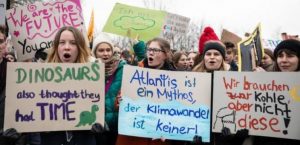

 Με αφορμή τη νίκη του ΠΑΟΚ επι του Ολυμπιακού έκανα μια αναφορά στην ανάλυση του Λουί Αλτουσέρ για τους Ιδεολογικούς Μηχανισμούς του Κράτους που περιλαμβάνεται στο βιβλίο του “Θέσεις” το οποίο εκδόθηκε απο το “Θεμέλιο” αν δεν κάνω λάθος.
 Του Αλκη Καλλιαντζίδη, Οικονομολόγου,
 dimanche, επικαλούμενος σχετική έρευνα που διενέργησε η εταιρεία δημοσκοπήσεων Ifop για λογαριασμό του ιδρύματος Jean-Jaurès και της ιστοσελίδας ConspiracyWatch. Η μελέτη διεξήχθη μέσω ηλεκτρονικού ερωτηματολογίου από τις 21 έως τις 23 Δεκεμβρίου 2018, με ένα
 δείγμα 1.506 ατόμων αντιπροσωπευτικών του γαλλικού ενήλικου πληθυσμού, το οποίο συγκροτήθηκε σύμφωνα με τη μέθοδο ποσοστώσεων και ολοκληρώθηκε με ένα δεύτερο δείγμα 254 λιγότερων ατόμων, ηλικίας 35 ετών, τα αποτελέσματα των οποίων μειώθηκαν στο πραγματικό βάρος τους στον γαλλικό πληθυσμό.
 Υπενθυμίζω στους αναγνώστες μου ότι ανάλογη έρευνα διενεργήθηκε από την ίδια δημοσκοπική εταιρεία για τους ίδιους παραγγελιοδόχους και τον Ιανουάριο του 2018 στην οποία είχα αναφερθεί στις Ανιχνεύσεις στις 11-1-2018 :
 Ερωτηθέντες για τις πιο γνωστές θεωρίες, το 43% των ερωτηθέντων πιστεύει ότι «το Υπουργείο Υγείας είναι σε επαφή με τη φαρμακευτική βιομηχανία για να κρύψει
 από το ευρύ κοινό την πραγματικότητα της βλαπτικότητας των εμβολίων». Κάτι που την καθιστά την πιο διαδεδομένη θεωρία συνωμοσίας, μπροστά από την θεωρία ότι ο θάνατος της Lady Diana ήταν «μια μακιγιαρισμένη δολοφονία» (το 34% των Γάλλων υιοθετούν αυτήν την εκδοχή), ή την θεωρία για τους illuminati ότι είναι μια μυστική κοινωνία που επιδιώκει να χειραγωγήσει τον κόσμο (το 27% των Γάλλων το πιστεύουν) ή την θεωρία ότι η προσφυγιά προωθείται σκόπιμα για να αντικαταστήσει τον ευρωπαϊκό πληθυσμό (το 25% υιοθετεί αυτήν την συνωμοσιολογία). Επιπλέον, το 22% των Γάλλων πιστεύει ότι «υπάρχει
 μια σιωνιστική συνωμοσία σε παγκόσμια κλίμακα», εξ ου και η αύξηση κατά 74% των αντισημιτικών πράξεων (541) το 2018 σε σχέση με το 2017 (311 πράξεων) στη Γαλλία, όπως η αναγραφή της λέξης Εβραίος (Juden) σε 2 εβραϊκά εστιατόρια στο Παρίσι το Σάββατο 9-2-2018 ή του αγκυλωτού σταυρού πάνω σε αφίσες της Σιμόν Βέϊλ. Το 17% των Γάλλων πιστεύει στη θεωρία ότι «η αμερικανική κυβέρνηση συμμετείχε» στην διενέργεια των επιθέσεων της 11ης Σεπτεμβρίου στους δίδυμους πύργους. Το 15% των Γάλλων πιστεύει στη θεωρία των «ψεκασμένων» (chemtrails), σύμφωνα με την οποία οι λευκές ράβδοι καυσαερίων που δημιουργούνται από τη διέλευση των αεροπλάνων στον ουρανό αποτελούνται από χημικά προϊόντα για να ψεκάσουν τα άτομα με στόχο τη χειραγώγησή τους. Και το 9% των Γάλλων ότι ο άνθρωπος δεν έφτασε ποτέ στο φεγγάρι.
 της κυβέρνησης»
 νεότερων ηλικιών, των λιγότερο μορφωμένων και των εκλογέων της Le Pen
 άλλες πλούσιες χώρες (Γερμανία, Ελβετία, π.χ.), κι έτσι υποθηκεύει το υψηλό επίπεδο διαβίωσής τους, κλείνει τα μάτια και αδρανεί διαχρονικά μπροστά στην διαρθρωτική αναγκαιότητα μιας νέας γαλλικής καινοτομικότητας για να βελτιώσει την ανταγωνιστικότητα της Γαλλίας ως συνόλου και ως επιμέρους επιχειρήσεων. Αντί να φροντίσει να σταματήσει αυτό το καινοτομικό έλλειμμα, το έχει ρίξει στην συνωμοσιολογία (le complotisme) η οποία είναι εύπεπτη, ρίχνει τις ευθύνες της πτώσης σε Τρίτους και ευνοεί κυρίως την άκρα Δεξιά, όπως και σε άλλες ευρωπαϊκές χώρες.

 By
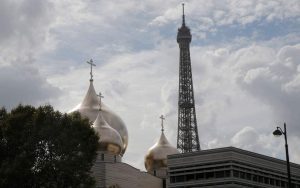

 Laura Brent 12/02/2019 NATO REVIEW


 Του Πλάμεν Τόντσεφ* liberal.gr
 No one can seem to agree.


