Την Πέμπτη 27 Φεβρουαρίου η πολεμική αεροπορία της Συρίας βομβάρδισε μια μονάδα του τουρκικού στρατού, σε περιοχή της επαρχίας Ιντλίμπ. Οι απώλειες τεράστιες, περίπου 100 νεκροί και τραυματίες.
Και το χειρότερο, η Ρωσία δεν έδωσε άδεια σε ελικόπτερα να μεταφέρουν νεκρούς και τραυματίες στο τουρκικό έδαφος και τους μετέφεραν οι συνάδελφοί τους με φορτηγά, αφού είχαν βληθεί και τα ασθενοφόρα.
Ο Ερντογάν εκείνη τη βραδιά ένιωσε μόνος και αδύναμος. Διέταξε να κλείσουν όλα τα μέσα κοινωνικής δικτύωσης για να μπορέσει να διαχειριστεί την κατάσταση με την τουρκική κοινή γνώμη, και έδωσε εντολή στη Διεύθυνση Θρησκευτικών Υποθέσεων οι ιμάμηδες στα 90.000 τζαμιά της Τουρκίας όλη την Παρασκευή να ψέλνουν κατά τη μουσουλμανική θρησκεία ύμνους για τους νεκρούς, τους «μάρτυρες».
Εκείνο το δύσκολο βράδυ, που ο Ερντογάν ένιωσε μόνος και αδύναμος απέναντι στη Ρωσία και εγκαταλελειμμένος από τις ΗΠΑ και την Ευρώπη, αποφάσισε να εκδικηθεί. Και επειδή δεν μπορούσε να τα βάλει με τη Ρωσία και τις ΗΠΑ, έβαλε στο στόχαστρο την Ελλάδα και την Ευρώπη.
Εκείνο το βράδυ αποφάσισε να παίξει το «χαρτί» των μεταναστών, εμπλέκοντας στην ουσία όλον τον κρατικό μηχανισμό.
Συντονιστικό ρόλο στην όλη επιχείρηση έπαιξε ο υπουργός Εσωτερικών Σουλεϊμάν Σοϊλού, ο οποίος είναι ο νέος «πρίγκιπας» του βαθέος κράτους στην Τουρκία. Με δική του πρωτοβουλία οδηγήθηκαν στη φυλακή δεκάδες Κούρδοι βουλευτές και δήμαρχοι, και χιλιάδες στελέχη του Κόμματος Δικαιοσύνης και Ανάπτυξης.
Ο Ερντογάν έθεσε δύο στόχους με την επιχείρηση αυτή:
Πρώτον, να σπάσει η ελληνική άμυνα, να χαθεί ο έλεγχος και να διαλύσει τα ελληνικά σύνορα στον Έβρο, με εισβολή στην αρχή δεκάδων χιλιάδων και μετά εκατοντάδων χιλιάδων μεταναστών στη Θράκη. Γνώριζε ότι αυτό θα ήταν το τέλος της κυβέρνησης, η Ελλάδα θα έμπαινε σε φάση πολιτικής αστάθειας και έτσι θα μπορούσε να διαχειριστεί καλύτερα τα προβλήματα που αντιμετωπίζει στην ΑΟΖ της Κύπρου, έτσι θα μπορούσε να υλοποιήσει πιο εύκολα τους στόχους του στο Αιγαίο, που είναι η συγκυριαρχία δια της συνεκμετάλλευσης.
Δεύτερον, να εκβιάσει την Ευρώπη με την απειλή αποστολής εκατομμυρίων προσφύγων και μεταναστών. Αυτό γνωρίζει ότι θα οδηγήσει σε πολιτικές ανατροπές – ακόμα και στη διάλυση της Ευρώπης.
Ποντάροντας σ’ αυτό, ήθελε να πείσει τους Ευρωπαίους ηγέτες αφενός μεν να πιέσουν τον Πούτιν να γίνει πιο διαλλακτικός απέναντί του στο θέμα του Ιντλίμπ και αφετέρου να τον στηρίξουν στο στόχο που έχει να χτίσει πόλεις για τους πρόσφυγες σε περιοχές των Κούρδων της Συρίας, για να διαλύσει διά της δημογραφικής αλλοίωσης το στόχο τους για δημιουργία μιας αυτόνομης κουρδικής περιοχής στη ΒΑ Συρία.
Και επειδή είναι καλό να παίρνουμε και τις γνώμες πολιτών της Τουρκίας για το θέμα, ειδικά όταν αυτοί είναι πολιτικοί και μάλιστα βουλευτές, μεταφράσαμε άρθρο και δηλώσεις του βουλευτή Ομέρ Φαρούκ Γκεργκερλίογλου, ο οποίος επισκέφθηκε την περιοχή ως μέλος επιτροπής της τουρκικής Βουλής.
«Ο Γκεργκερλίογλου μιλάει για τις εντυπώσεις του από τα σύνορα: Αυτοί οι άνθρωποι χρησιμοποιούνται ως υλικό εκβιασμού»
Ο υπερασπιστής των ανθρωπίνων δικαιωμάτων, βουλευτής του Κόμματος της Δημοκρατίας των Λαών (HDP) δρ Ομέρ Φαρούκ Γκεργκερλίογλου, μιλάει για τις εντυπώσεις που αποκόμισε από την επίσκεψη που έκανε ως μέλος της Υποεπιτροπής Μετανάστευσης και Ενσωμάτωσης της τουρκικής Βουλής στην περιοχή Παζάρκουλε της Αδριανούπολης και στη συνοριακή διάβαση των Υψάλων, στο χωριό Ντοϊράν, όπου συνωστίζονται χιλιάδες μετανάστες.
Ο Γκεργκερλίογλου λέει ότι οι μετανάστες χρησιμοποιούνται ως υλικό εκβιασμού για να ξεπεράσει το πολιτικό αδιέξοδο που αντιμετωπίζει η κυβέρνησης στην πολιτικής της στο Ιντλίμπ.
Ο βουλευτής είπε ότι «αυτοί οι άνθρωποι σύρθηκαν στα σύνορα και χρησιμοποιούνται ως δόλωμα για τη Δύση, για να αλλάξει την απόφασή της για το Ιντλίμπ», συμπληρώνοντας ότι εκεί γίνεται εμπόριο ψυχών, δεδομένου ότι οι ελληνικές αρχές έδωσαν σκληρή απάντηση και έκλεισαν τα σύνορα.
Συνεχίζει ο Γκεργκερλίογλου: Η έξοδος των μεταναστών ήταν απαγορευμένη και η Τουρκία έκανε διαπραγματεύσεις με την ΕΕ για να εξασφαλίσει ανταλλάγματα για να συνεχίσει να απαγορεύει την έξοδό τους προς την Ευρώπη. Όμως η αποτυχία της Τουρκίας στο Ιντλίμπ, ιδιαίτερα μετά το θάνατο των 36 στρατιωτών, οδήγησε την Τουρκία στην αλλαγή της πολιτικής της. Οδήγησε τους μετανάστες στα σύνορα λέγοντας ότι πλέον η έξοδός τους προς την Ελλάδα επιτρέπεται, με σκοπό να εκβιάσει την ΕΕ.
Οι άνθρωποι, από τα κέντρα επαναπροώθησης όπου κατοικούσαν, άρχισαν να φορτώνονται στα λεωφορεία και τα αυτοκίνητα και να κατευθύνονται προς τα σύνορα. Χρησιμοποιούνται ως υλικό εκβιασμού. Δυστυχώς υπάρχει μια ανθρώπινη τραγωδία.
Έκανα μια πρόταση στην επιτροπή της Βουλής, να πάμε στην περιοχή να δούμε επιτόπου τι γίνεται. Έγινε αποδεκτή. Όμως είναι μια επιτροπή που την προεδρία και την πλειοψηφία έχουν βουλευτές του ΑΚΡ και του ΜΗΡ. Ο σκοπός της Προεδρίας δεν ήταν να δει την τραγωδία. Η επίσκεψη της επιτροπής είχε ως στόχο να ξεπλύνει την κυβέρνηση. Φρόντισε μόνο να μιλήσει για τις παραβιάσεις που έγιναν από την Ελλάδα.
Αυτοί οι άνθρωποι στέλνονται στα σύνορα και χρησιμοποιούνται ως δόλωμα για τις χώρες της Δύσης, για να αλλάξουν την απόφασή τους για το Ιντλίμπ. Η Ελλάδα αντέδρασε αυστηρά σε αυτή την ενέργεια.
Αρχικά συναντηθήκαμε με τον νομάρχη Αδριανούπολης. Ο νομάρχης μάς είπε αυτό που λέει ο υπουργός Εσωτερικών Σουλεϊμάν Σοϊλού, ότι δηλαδή πέρασαν από τα σύνορα στην Ελλάδα 135.000 άνθρωποι. Πού είναι αυτοί οι άνθρωποι; Εμείς είπαμε ότι στην Ελλάδα πέρασαν μόνο 70 άτομα, αυτοί οι άνθρωποι κρατήθηκαν και έγινε και σχετική επίσημη δήλωση.
Γιατί προσπαθούν να δείξουν αυτόν τον υψηλό αριθμό; Μα αυτό αποτελεί επίσης μέρος της πολιτικής εκβιασμού. Η Τουρκία λέει στη Δύση ότι πέρασαν από τα σύνορα και κατευθύνονται στις χώρες σας εκατοντάδες χιλιάδες άνθρωποι, και αν δεν πάρετε μέτρα ο αριθμός τους θα γίνει εκατομμύρια. Γι’ αυτό, για να μην γίνουν όλα αυτά, κάντε αυτά που θέλουμε. Συζητήσαμε το θέμα αυτό με τον υπερβολικό αριθμό που δίνεται στις ανακοινώσεις με τον νομάρχη, όμως δεν πήραμε κάποια ικανοποιητική απάντηση.
Οι άνθρωποι που περίμεναν εκεί ήταν περίπου 5.000. Στη συνοριακή πύλη του Πάζαρκουλε αυτό που είδαμε ήταν ένας καταυλισμός προσφύγων σε καιρό πολέμου.
Εμείς πήγαμε στο μηδέν, εκεί που δεν επιτρέπουν την είσοδο των δημοσιογράφων. Εκεί υπήρχαν μετανάστες. Υπήρχαν και φρουροί των σωμάτων ασφαλείας. Προσπάθησαν να ανοίξουν και να διασχίσουν την συνοριακή πύλη. Η ελληνική αστυνομία δεν το επέτρεψε. Στη συνέχεια, οι μετανάστες έριχναν εναντίον των Ελλήνων αστυνομικών πέτρες κι εκείνοι έριχναν δακρυγόνα. […]
Η πλειοψηφία των μεταναστών δεν είναι Σύροι, οι περισσότεροι από αυτούς είναι Αφγανοί και Αφρικανοί. Ο υπουργός Εσωτερικών Σουλεϊμάν Σοϊλού λέει ότι έφυγαν 135.000 άνθρωποι, αλλά οι ΜΚΟ και οι παρατηρητές εκτιμούν ότι εκεί υπάρχουν το πολύ 10.000 άνθρωποι, ενώ η Ελλάδα δίνει μικρό αριθμό ατόμων που πέρασαν τα σύνορα. […] και η Ελλάδα δείχνει σκληρή στάση, παραβιάζει τα ανθρώπινα δικαιώματα, όμως η Τουρκία μεταφέρει τους ανθρώπους αυτούς στα σύνορα δωρεάν και τους ωθεί να περάσουν τα σύνορα.
Ένα κράτος ωθεί τους ανθρώπους στα σύνορα, το άλλο κράτος λαμβάνει αυστηρά μέτρα και ανοίγει πυρ.
Προσπαθούν να κάνουν πολιτική χρησιμοποιώντας τους ανθρώπους. Αυτά είναι εξαιρετικά λυπηρά και απαράδεκτα. Σε καμία περίπτωση δεν μπορούμε να δεχτούμε να γίνονται οι άνθρωποι εργαλείο για τέτοιες πολιτικές.
Over 200 Palestinians were killed and nearly 8,000 were injured during almost two years of weekly protests at the Israel-Gaza border. Israeli army snipers tell their stories.
I know exactly how many knees I’ve hit, says Eden, who completed his service in the Israel Defense Forces as a sniper in its Golani infantry brigade six months ago. For much of the time, he was stationed along the border with the Gaza Strip. His assignment: to repel Palestinian demonstrators who approached the fence.
“I kept the casing of every round I fired,” he says. “I have them in my room. So I don’t have to make an estimate – I know: 52 definite hits.”
But there are also “non-definite” hits, right?
“There were incidents when the bullet didn’t stop and also hit the knee of someone behind [the one I aimed at]. Those are mistakes that happen.”
Is 52 a lot?
“I haven’t really thought about it. It’s not hundreds of liquidations like in the movie ‘American Sniper’: We’re talking about knees. I’m not making light of it, I shot a human being, but still …”
Where do you stand in comparison to others who served in your battalion?
“From the point of view of hits, I have the most. In my battalion they would say: ‘Look, here comes the killer.’ When I came back from the field, they would ask, ‘Well, how many today?’ You have to understand that before we showed up, knees were the hardest thing to rack up. There was a story about one sniper who had 11 knees all told, and people thought no one could outdo him. And then I brought in seven-eight knees in one day. Within a few hours, I almost broke his record.”
Israeli snipers on the Gaza border.UPI / Alamy
Seeing is believing
The mass demonstrations on Israel’s border with the Strip began on Land Day, in March 2018, and continued on a weekly basis until this past January. These ongoing confrontations, in protest of Israel’s siege of Gaza, exacted the lives of 215 demonstrators, while 7,996 were wounded by live ammunition, according to the UN Office for the Coordination of Humanitarian Affairs. Despite the large number of casualties, the grim protests and responses along the fence continued unabated for nearly two years, until it was decided to reduce the frequency to once a month. Yet even in real time, the violent Friday afternoon ritual provoked little public interest in Israel. Similarly, the international condemnations – from allegations of the use of disproportionate force to accusations that Israel was perpetrating massacres – faded like so much froth on the waves.
Shedding light on this very recent slice of history entails talking to snipers: After all, they were the dominant and most significant force in suppressing the demonstrations at the fence. Their targets ranged from young Palestinians who were trying to infiltrate into Israel or who threw Molotov cocktails at soldiers, to prominent, unarmed protesters who were considered to be major inciters. Both categories drew the same response: Live ammunition fired at the legs.
Of the dozens of snipers that we approached, six (all of them discharged from the IDF) agreed to be interviewed and to describe what reality looks like through their gun sights. Five are from infantry brigades – two each from Golani and Givati, one from Kfir – plus one from the Duvdevan counter-terrorism unit. The names of all of them have been changed. They are not out to “break the silence” or to atone for their deeds, only to relate what happened from their point of view. In Eden’s case, even the fact that he also killed a protester by mistake doesn’t rattle him. “I believe I was on the right side and that I did the right thing,” he insists, “because if not for us, the terrorists would try to cross the fence. It’s obvious to you that there is a reason that you’re there.”
Eden says he broke the “knee record” in the demonstration that took place on the day the new U.S. Embassy in Jerusalem was inaugurated, on May 14, 2018. He did it jointly: Snipers usually work in pairs – together with a locator, who is also a sniper by training, and whose task is to give his partner precise data (distance from the target, wind direction, etc.).
Eden: “On that day, our pair had the largest number of hits, 42 in all. My locator wasn’t supposed to shoot, but I gave him a break, because we were getting close to the end of our stint, and he didn’t have knees. In the end you want to leave with the feeling that you did something, that you weren’t a sniper during exercises only. So, after I had a few hits, I suggested to him that we switch. He got around 28 knees there, I’d say.”
Eden clearly recalls his first knee. His target was a demonstrator standing on coils of concertina wire about 20 meters away. “In that period [early during the protests], you were allowed to shoot a major inciter only if he was standing still,” he says. “That means, even if he was walking around calmly, shooting was prohibited, so we wouldn’t miss and waste ammunition. In any event, that inciter is on the barbed wire, I’m with the weapon right at the fence, and there’s still no authorization to open fire. At one stage he stands opposite me, looks at me, provokes me, gives me a look of ‘Let’s see you try.’ Then the authorization comes. Standing above me is the battalion commander, to my left is his deputy, to the right the company commander – soldiers all around me, the whole world and their wife are watching me in my first go. Very stressful. I remember the view of the knee in the crosshairs, bursting open.”
Palestinian amputee who lost his leg when he was shot by Israeli troops during a protest on the border, Gaza Strip, October 2, 2019.Adel Hana,AP
“Roy,” who served as a sniper in the Givati Brigade until his discharge a year and a half ago, says the hit he remembers most vividly is the one that drew the largest audience. “There was pressure, because the battalion commander had showed up, and everyone was on our case. There was a Palestinian who looked like he was about 20, who didn’t stop moving around. Pink shirt, gray pants. What they do is run-run-run, and then end up in the concertina wire. He was really good at it. In that situation you can finish him off or hit someone behind him. I clearly remember being worried about missing his leg – and then feeling relief that I made a precise hit.”
Relief is also how Itay, a former Haredi who was a sniper in the Netzah Yehuda Battalion (the ultra-Orthodox equivalent of the Nahal brigade). “I saw a guy who was about to light a Molotov cocktail. In a case like that you don’t do calculations. I got on the radio, described the target and got an ‘authorized.’ The pressure is insane. Everything you learned and trained for is distilled into that moment. You get yourself together, remind yourself to breathe and then, boom. I shot at the knee and he fell. I made sure everything was all right – that I hit the right place.”
Is that sort of confirmation part of the protocol?
Itay: “The directive is to keep watching after shooting to see whether the goal was achieved. You only report a hit after an additional look. To look afterward is the easy part, or more correctly, it’s the part that brings relief. Because in this specific case, the terrorist was less than 100 meters from my buddies, and it could have ended badly.”
And after you look a second time and you see the actual wound, is it still easy?
“You are not meant to see massive bleeding, because in the region of the knee and bones there aren’t a lot of capillaries. If you see blood, that’s not a good sign, because you probably hit too high. The regular scenario is supposed to be that you hit, break a bone – in the best case, break the kneecap – within a minute an ambulance comes to evacuate him, and after a week he gets a disability pension.”
But Shlomi, a sniper from Duvdevan, says hitting the kneecap is also not desirable: “The objective is to cause the inciter minimal damage, so he will stop doing what he’s doing. So I, at least, would try to aim at a fattier place, in the muscle region.”
Can you be that precise?
Shomi: “Yes, because the Ruger [a type of rifle used mainly at demonstrations] is intended for use at 100, 150 meters. From that distance, you see the leg even with the eye, and with a telescopic lens that enlarges to the power of 10, you can actually see the tendons.”
Palestinain medic Razan al-Najjar before she was shot dead at the Gaza Strip border, April 1, 2018. IBRAHEEM ABU MUSTAFA/ REUTERS
Guys with megaphones
Who is considered a major inciter at these demonstrations? The criteria are quite vague. “A major inciter is a major inciter,” Amir asserts simply. The commander of a Golani sniper squad who saw action during the first wave of disturbances along the fence, he explains that “it’s not so complicated to figure out who’s organizing and firing up [the other protesters]. You identify him, for example, by the fact that he has his back to you and is facing the crowd. In many cases, he’s also holding a megaphone.”
Itay’s impression is that “major inciters are, for example, people who stand around in the back, arranging things. They are not necessarily a target, but to let them know that we see what they’re doing, I would shoot in the air around them. You know, the one who arms others is not a concrete threat to me, at least not directly, but he makes things happen. So to hit him is a problem, but also not to hit him is a problem. That’s why the moment he gets tired of activating others and starts to take an active part in the chaos, he’ll be the first one we hit, because he’s the most important in terms of the group around him. He’s the key to stopping the flare-up.”
He adds, “You don’t hit those who whip up the crowd because of what they’re doing. It doesn’t come from an emotional place of ‘He’s the one who’s causing the uprising, so let’s take him down.’ This isn’t a war, it’s a Friday afternoon D.O. [disruption of order]. The goal is not to take down as many as possible, but to make this thing stop as quickly as possible.”
According to IDF protocol, a minor is not to be classified as a major inciter. According to Eden, “There are borderline ages, and so you don’t go there.”
Eliyahu Hershkovitz
Is it really possible to tell the difference between a lean man and a well-built teenager, in the heat of a demonstration? “You try to understand according to their body language,” Amir says. “The way he holds the stone, whether it looks like he’s been dragged into the situation or is leading it. These demonstrations are a little like a youth movement, from their point of view. Even if you don’t know their precise ‘ranks,’ you can tell by the charisma who the group leader is.”
Roy maintains that, “in 99.9 percent of the cases, the identification is precise. There are a lot of images of the target, and a lot of crosshairs focused on it. A drone above, lookouts, the sniper, his commanders. It’s not just one, two or even three people who are watching him, so there will be no doubt.”
Shlomi is a little less certain: “Sometimes it really is hard to tell the difference [between minors and adults]. You look at facial features, height, body mass. Clothing is also a certain index. The younger ones are usually wearing T-shirts. But listen, a 16-year-old can cause you harm, too. If he presents a threat, the age parameter is not necessarily relevant.”
Itay agrees: “The goal is not to hit minors, but a Molotov cocktail is a Molotov cocktail, and the bottle doesn’t know whether the person holding it is a man of 20, a teenager of 14 or a kid of 8.”
Amir recalls experiencing a similar dilemma. “For example, there was a boy whose behavior justified a hit, but we estimated that he was 12 and we deliberately didn’t hit him – not only because of how it would look in the media, but because of our own substantive considerations. We decided we would really scare him and we hit the person next to him. It was not urgent for us. He’ll be here the next week, too.”
Palestinian demonstrators run away from Israeli fire and tear gas during a protest at the border fence in the southern Gaza Strip, February 15, 2019.Ibraheem Abu Mustafa/Reuters
No ‘shooting and crying’
It’s been 53 years since publication of “The Seventh Day,” a collection of testimonies from soldiers who came from kibbutzim that gave expression to their emotional distress after seeing combat in the Six-Day War. It is a seminal text in the way it depicts Israel as a society of people who “shoot and cry.” More than half a century later, the lament of soldiers returning from the battlefield is still being heard, but at least according to the voices quoted here, their ideological and moral foundations have turned inside out. The soul-searching over the cost in blood has been replaced by criticism of the army’s weakness and the feeling that it is shackling its fighters.
“I’ve seen inciters who got across the fence and I couldn’t do a thing,” Roy says. “They would jump over it and provoke us, and then go back. Of course, you don’t get authorization to shoot them. Why? Because, once they are within Israel proper, they’re not considered hostile if they’re not holding a knife or a rifle. The restraints on us are shameful. You have to understand: Even if there’s a 20-year-old across from me who’s inciting others and setting tires on fire, I only have a second to hit him, otherwise he’ll disappear. But the moment he’s in my sights, I must first inform the company commander, who informs the battalion commander, who speaks to the brigade commander, who speaks with the division commander. There were some ridiculous cases. During that time, the target has already moved or gone into hiding.”
Amir depicts the chain of command in this way: “For every sniper there was a commander at a junior level [a non-com], like me, and also a senior commander – a company commander or a deputy company commander. The superior officer would request authorization to fire from the sector’s brigade commander. He would get on the radio to him and ask: ‘Can I add another knee for this afternoon?’”
The impression gleaned by Daniel, a lone soldier who immigrated from the United States and served in the Givati Brigade, is that the procedures were more flexible than that. “Like everything in the IDF, it wasn’t completely clear, at least not in my time. But in general, you had to request authorization for shooting from your superior officer and he requested authorization from the company commander or the battalion commander. If it worked like it’s supposed to, it could take less than 10 seconds. The commanders were not particularly stingy with shooting authorizations. They would trust you when you said you had identified a justifiable target.”
According to Eden, the threads of the command chain have loosened over time. “If you look back at the first demonstrations, four or five years ago, before the wave of the past two years, you’ll find that it was very hard to get authorization. Back then they said that every knee was a really big deal. In the period when the protests really heated up, it became easier to get a green light. In my time it came from the level of battalion commander or company commander, depending on the situation.”
Did the requirement to get authorization for every sniper shot from the brigade commander have an impact on the number of Palestinian casualties? The data indicate that the number of those killed fell sharply only after the transition to the Ruger, about a year after the weekly disturbances erupted. The Ruger is considered less lethal than other rifles. Eden, a veteran of the Gaza sector, says he used M24 and Barak (HTR-2000) rifles: “With the Barak, if you shoot someone in the knee, you don’t incapacitate him – you detach his leg. He could die from loss of blood.”
Last July, after 16 months of confrontations at the Gaza fence, the IDF revised its guidelines for snipers in an attempt to reduce the number of fatalities. One senior officer explained the changes in a report by the Kan Broadcasting Corporation’s military correspondent, Carmela Menashe: “At first we told them to shoot at the leg. We saw that you could be killed like that, so we told them to shoot below the knee. Afterward, we made the order more precise and instructed them to shoot at the ankle.”
Eden confirms this. “There was a stage when the order really was to aim at the ankle,” he notes. “I didn’t like that change. Believe in your snipers. To me it felt like they were trying to make our life harder for no reason.”
Israeli snipers on the Gaza border, April 13, 2018. Eliyahu Hershkovitz
How so?
Eden: “Because it’s clear that the surface of the body between the knee and the sole of the foot is much larger than that of the ankle and the sole. It’s the difference between grabbing 40 centimeters [16 inches] and grabbing 10 centimeters.”
Roy, who completed his service before the instructions were updated, says he usually aimed lower in any case. “During my time you were allowed to shoot anywhere from the knee down, but I aimed at the ankle, so as not to hit higher, God forbid, or all hell would break loose. I preferred it that way. I didn’t have pity on the inciters, but that I knew I wouldn’t be backed up by the army. I didn’t want to be a second Elor Azaria [the so-called Hebron shooter, who served a jail term after being convicted of killing an incapacitated Palestinian assailant]. I gave less thought to the target and more to myself and my family, so they wouldn’t have to go through the same thing Elor’s family did.”
Amir adds: “If you mistakenly hit the main artery of the thigh instead of the ankle, then either you intended to make a mistake or you shouldn’t be a sniper. There are snipers, not many, who ‘choose’ to make mistakes [and aim higher]. Still, the numbers aren’t high. [In comparison,] there are days when you collect 40 knees in the whole sector. Those are the proportions.”
A Palestinian amputee walks on crutches with another holding a Palestinian flag as they head toward a demonstration near the border with Israel, east of Gaza City, March 30, 2019.Anas Baba/AFP
In Amir’s view, the discussion over where to shoot – thigh, knee or ankle – misses the point. “Let me tell you a story. One day there was a big to-do, real chaos. A soldier of mine wanted to take down a major inciter who met all the criteria. He requested authorization, but the company commander refused, because the guy was too close to an ambulance. The slightest deviation, even if he had just hit the headlight, and there would have been a media report that the IDF shot at an ambulance. My soldier heard the refusal, but fired anyway. He hit the ankle, like you’re supposed to, a precision shot, surgical. So on the one hand he violated an order, but on the other hand he fulfilled his mission.” (The soldier was later disciplined and assigned to menial labor.)
And you understand his thinking?
Amir: “Obviously. For a soldier like that, that shot is his purpose, his self-definition. These are kids of 18, mostly from a pretty poor socioeconomic background. The fact that you put them through a sniper’s course doesn’t mean you turned them into mature, sensible people. On the contrary, you turned them into a machine, you made them think small, you reduced their possibilities of choice, diminished their humanity and their personality. The moment you turn someone into a sniper – that is his essence. So now you want to take that away from him, too? This might sound radical, because I’m a commander, but there’s a place inside me that says, ‘Hey, you disappointed me, true, but you came out a man, you proved that the function [of sniper] works.’”
Amir, who majored in theater in high school and calls himself a “boy scout from the north,” describes another case of deviating from the rules that occurred in his company.
“Even when there is no demonstration and everything seems calm, they rush you to the fence with the patrol when shepherds approach it. You have to understand, these are not innocent shepherds, they work for Hamas and Islamic Jihad in order to drive you crazy. They cross the line to get a response from you. Will you take a vehicle and go threaten him? By the time you get there he’s gone. Will you shoot into the air? He couldn’t care less. And because of that nonsense you don’t sleep and a whole company becomes the shepherd’s puppets,” Amir says.
“One day, one of the noncoms said to me, ‘Enough, we can’t go on like this, let’s take down one of his sheep, it’s worth a few thousand.’ Think about what leads a soldier, a musician from a good high school, the last kind of guy you’d say is out for blood, to get on the radio with the lookout and say, ‘Do you see a sheep, to the north? You’re going to see it fall.’ After that, the shepherd didn’t return. What’s the conclusion? The deterrence worked.”
Amir says that those two incidents must be understood in light of the nature of his battalion’s activity on the Gaza border. “Even before the demonstrations started, we were in an ambush that lasted two months straight,” he relates. “We observed a squad that managed to improvise a bomb and stick it on the fence. There was some sort of defect with it, the device didn’t explode, and we had intelligence that they were coming to pick it up. But it went on and on. Every day they approach it, and even when the squad leader was standing right above the bomb, we didn’t have authorization to shoot. Why? Only because of the media sensitivity. As long as he wasn’t actually holding the device, it was impossible to prove beyond a doubt that he had anything to do with it – so then go figure what kind of narrative Hamas will build around that. Think how frustrating that is for the soldiers. We lay there in the rain for two months and did nothing.”
And the frustration justifies rebelling under other circumstances?
Amir: “No, but that case illustrates the paradox of the rules of engagement. A terrorist who deserves to die is standing opposite me, but because we have to justify ourselves to Haaretz or to the BBC, he gets out of it without a scratch. Cowardice is created that trickles down. So instead you go and take out knees in demonstrations. Not only does that not have an effect, these people also don’t deserve to lose their knees. I really identify with what [former IDF Chief of Staff] Ehud Barak once said – that if he were a Palestinian he would have become a terrorist. It only resonated for me when I was in the territories. You look at small kids crying when you pummel their father, and you say to yourself: Hey, I wouldn’t expect anything else from them.”
Palestinian protesters, climb over the border fence during a protest on the beach at the border with Israel, October 15, 2018.Khalil Hamra,AP
Sports connection
Are there snipers who have found it difficult to get on with their life after their discharge? Tuly Flint, a mental health officer in the reserves and a clinical social worker who specializes in trauma, has treated snipers who took part in curbing demonstrations in Gaza during the past two years. Snipers, he says, manifest singular characteristics when it comes to post-traumatic stress.
“If I am one of 30 soldiers who is in the area and fires a volley, I don’t necessarily know that I did the killing,” he says, whereas the sniper knows when he’s hit his target. “The second trait derives from the fact that the sniper is required not to turn his gaze. Through the telescopic lens, he sees the person he’s shooting and the impact of the hit, and that can fixate the picture in his memory.”
Flint describes a sniper from an elite unit who aimed at a demonstrator’s knee but hit too high, and the demonstrator died from loss of blood. “That soldier, a sniper who was very dedicated to his mission, describes watching the demonstrator bleed to death. He can’t forget the man’s screaming not to be left alone. He also remembers vividly the evacuation [of the body], and the women who wept over him. From then on, that’s all he thinks about and all he dreams about. He says, ‘I wasn’t sent to defend the state, I was sent to murder.’ Thoughts of the girlfriend of the person he killed also continue haunting him. The result is that he breaks up with his own girlfriend of two years. ‘I don’t deserve to have one,’ he says.”
Daniel has sharp memories of his buddies after they made an exact hit. “People look sick or shocked. The meaning of it doesn’t hit home at that instant. A second ago I shot someone, and a minute later, I’m eating matza with chocolate? What the hell is going on here?”
He adds: “There are awful, dreadful stories about soldiers who aimed at a demonstrator and hit someone else. I know someone who took aim at one of the leaders of a demonstration, who was standing on a box and urging the people to keep marching ahead. The soldier aimed at his leg, but at the last moment the man moved and the bullet missed him. Instead, he hit a little girl, who was killed on the spot. That soldier is a wreck today. He is being watched 24/7, so he won’t commit suicide.”
Snipers burdened with experiences like that are the minority. For his part, Amir says the kind of feelings most snipers have are completely different, reminiscent of the world of sports. “The arena of the disturbances is like a sports arena, a situation you can sell tickets for,” he says. “Group versus group, with a line down the middle and an audience of fans on both sides. You can totally tell a story of a sports encounter here.”
On the front line, he continues, “are the inciters: They mark the starting line from which people burst out in sprints, alone or in groups. Everything is coordinated and planned in advance. There are these pits in the terrain [for hiding], and this lets them play with us. They can run 100 meters without my being able to take off their foot. They are also skilled at zigzagging. Two of them pop up, they hide, one throws a stone so the other one can move forward. They use diversionary tactics on you. It’s a kind of game, you know.”
Ilan Assayag
What is the purpose of the game?
Amir: “To get points. If they succeeded in putting the flag on the fence, that’s worth a point. A booby-trapped flag is a point. Throwing back a smoke grenade is a point. Even just touching the wall, I mean the fence, is a point. There’s a battle going on here, but it’s not certain when it will be decided, no one has a clue how you win the cup, but in the meantime both sides continue to play the game.”
A game for the record. The forces aren’t exactly equally matched.
“True. And we’re not even using a quarter of the force we could wield.”
In other words, we could beat them by a knockout, but we prefer to win on points?
“We’re not even winning on points. After some time there, in a debriefing, I said: ‘Let me just once take down a kid of 16, even 14, but not with a bullet in the leg – let me blow his head open in front of his whole family and his whole village. Let him spurt blood. And then maybe for a month I won’t have to take off another 20 knees.’ That is shocking mathematics on the brink of the unimaginable – but when you don’t use your capabilities it’s not clear what you’re trying to do there. You ask me what my mission was? Walla, it’s hard for me answer you. What was considered a success from my point of view? Even the number of knees I took out wasn’t dependent on me, it derived from the number of ‘ducks’ that chose to cross the line.”
But to kill a kid at random? Do you really think that’s the solution?
“Obviously, we shouldn’t liquidate kids. I was saying that to make a point: that if you kill one you might be sparing 20 others. If you were to take me back to that two-month stakeout and let me act, I would have taken down that son of a bitch who was standing above the bomb, even if it meant that he would come to me in my dreams afterward. The reality today, that there are five to 10 people who will be invalids their entire lives, to whom my name is connected somehow, is also shit. And not only in the sense that it is or is not weighing on my heart. Think about it: There’s a whole generation of children there who won’t be able to play soccer.”
Palestinian amputees compete in a local run racing in the Gaza Strip, December 5, 2019. IBRAHEEM ABU MUSTAFA/ REUTERS
Just teenagers
It seems that the presence of children at demonstrations stirs the most powerful emotional response among the snipers.
“One day there was a girl, I think she was probably 7, who was holding a Hamas flag and she just ran toward us,” Shlomi from Duvdevan says. “I made sure through the lens that there was nothing suspicious on her, that her blouse wasn’t sticking out, that there was no sign of wires or bombs, and we shouted to deter her. Fortunately, she got scared and ran away. It was clear to me that I wouldn’t shoot even if she had crossed the line, but I remember thinking: I really hope she doesn’t keep going.”
Daniel: “From the guard post, you observe a Hamasnik, his face is opposite you, and you think to yourself: I really hope he does something, so I can shoot him. But with demonstrators, the picture gets complicated, because lots of them are only teenagers. They’re thin, they’re small, you don’t feel threatened by them. You need to remind yourself that what they’re doing is dangerous.”
Like some of the other interviewees, Daniel emphasizes the soldiers’ anger at the parents. “A mother who brings her child to a demonstration like that is a terrible mother,” he says.
Amir says he can understand the children: “They make a living from it, and I don’t have to tell you how bad the economic situation is in Gaza. But their parents I don’t understand. What are you dragging him there for? Send them to sneak [into Israel] secretly and work in construction, topple the Hamas government, whatever, just not this.”
Roy, who identifies himself as right-wing, agrees that “it’s not them we need to be fighting, but Hamas, the terrorists, the ones who organize the buses to bring people and toss them a few dollars so they’ll burn tires. I pity them [the children], they really are unfortunate. They remind me of the kids in the neighborhood who play with firecrackers. I was like those kids, too, so in that sense I identify with them.”
But while expressing objections to wholesale shooting, Itay, from Netzah Yehudah, still thinks that the number of Palestinians wounded by live fire at the border over almost two years actually demonstrates that the soldiers were not trigger-happy. “Every Friday there are thousands of demonstrators,” he notes, “and if you multiply that number by 52 and then double it, you’ll get to hundreds of thousands of people. Out of them, 8,000 is a tiny fraction.”
He adds, however, that “the power you have when someone comes into your sights, the knowledge that it depends on you whether he will be able to walk or not, is frightening. From my perspective, it is not intoxicating power. I don’t like it, but it’s impossible to ignore it. It’s there all the time. After my discharge, I realized that it’s something I didn’t want to feel anymore. So I went right into university straight off and not into some security job that I could have landed because of my combat background.”
View of a March of Return protest in Gaza and Israeli snipers in the foreground, March 30, 2018. Ilan Assayag
‘It’s your destiny’
Not everyone succeeds in restraining his feeling of intoxication. A video clip that circulated in 2018 showed a Palestinian approaching the fence and being shot by a sniper, as the soldiers celebrated the direct hit with shouts of “Right on!” and “What a fab clip!” Roy says the soldiers’ response there attests to a lack of professionalism and too much enthusiasm, although he saw nothing similar in his squad.
“On the other hand, I think it’s human,” he says. “When you have a certain goal, even if you are shooting arrows at a target, obviously there’s joy at the hit. The soldiers’ mistake was in their behavior. Let them laugh somewhere in the back, but don’t make a clip of it. There’s such a thing as appearances, too.”
Amir, too, distinguishes between personal satisfaction and public manifestations that don’t look good on film. “The snipers in the squad we replaced were legends. They were IDF champions and they had two or three super-cool Xs [on their rifles] from manning the line in Gaza. We heard the story about the Xs, and we wanted them, too. It’s your profession, your destiny, the essence of your being from the moment you get up until you go to sleep. Obviously you want to display your capabilities.”
Do you have to celebrate? Isn’t there some other way?
Amir: “No. Take the most baboonish guy you know – and that’s what the IDF does, transforms kids into baboons – and try to stop him from telling about his first time. It’s chaos there, everyone is shooting, making hits – you expect that he won’t open a bottle of champagne? He has fulfilled himself just now, it’s a rare moment. Actually, the more he does it, the more indifferent he’ll become. He will no longer be especially happy, or sad. He’ll just be.”
The army comments
The IDF Spokesman’s Office provided this statement to Haaretz: “The operational response to the violent disturbances and the hostile terrorist activity with which the IDF has been coping since March 2018, is adapted appropriately to the threat posed by these incidents, amid an effort to reduce as far as possible the injury to those causing the disorder, as well as the use of live ammunition. For the past two years, the operational response has been influenced by the intensity of the events, by changes in the violence of those disrupting the order, by the smoke they have spread and so on.
“In light of the change that has occurred in the nature of the disturbances, it was decided to equip the forces also with the Ruger bullet, which causes less damage. As to the use of M24 rifles, we note that this is a standard sniper’s rifle. In general, within the framework of the events in question, use was not made of the Barak sniper’s rifle. We have been made aware of exceptional, specific use of the latter, which was reported and investigated. The findings were conveyed to the military advocate general’s unit for further examination.
“The statements attributed to a senior officer concerning the rules of engagement do not reflect IDF operational policy. The officer intended to explain that when there were reports of unintentional shooting injuries that were not below the knee, the sector commanders decided to toughen the rules of engagement in certain circumstances, and to instruct the snipers to aim for the ankle.
“As to the case in which a fighter fired at a major disrupter, even though he did not receive authorization from his superior officer, the shooting was done in accordance with the rules of engagement with the exception of this deviation. The case was dealt with at the command level and was not passed on to the military advocate general’s unit for handling.
“Similarly, in the case where improper shooting at a sheep took place, that incident was dealt with at the command level and was not sent to the military advocate general’s unit for handling. The company’s deputy commander was tried for breaching military discipline and sentenced to seven days’ detention.”
Thousands of refugees and migrants are gathering on the Turkish side of the border with Greece with the intention of crossing into the European Union. (Sedat Suna/EPA-EFE)
March 4, 2020 at 8:12 p.m. EST
Turkey is in mourning. Last week, in a small village in the province of Idlib, in northern Syria, a Turkish military convoy was targeted by several Russian and Syrian regime planes in a coordinated attack that lasted hours. Ambulances were hit and medevac helicopters were prevented from evacuating Turkish casualties because Russia controls the air space. We lost more than 30 young men.
What was once an unfolding humanitarian crisis is now a full-blown conflict, and recent weeks have shown the terrible consequences of the West’s unwise decision to turn a blind eye to the inferno in Idlib, Syria’s last rebel-held territory, for months. Before the attack, Idlib’s unfolding crisis saw 900,000 internally displaced Syrians moving to the Turkish border regions since the start of the Syrian regime offensive to conquer the area three months ago. Now, the province is in a state of open war (two Turkish soldiers were killed Wednesday) involving not just Turkey, Russia and Syria, but also Europe and possibly Iran.
In retaliation for the killing of its soldiers, Turkey has been targeting Syrian troops and facilities, hitting pro-Iranian militias fighting on behalf of the Bashar al-Assad regime along the way. As the long-standing proxy fight between Turkey and the Syrian regime has morphed into a direct war, Ankara is asking for Western military support. But neither NATO nor the United States is willing to get entangled and risk a direct confrontation with Russia. Europe has also been slow to react to the humanitarian crisis. Frustrated, Turkey has announced that it will let refugees cross into Europe. Now thousands of refugees who had been living in Turkey are lining up on Turkish shores and borders hoping to reach European soil. It’s all a dangerous mess.
The West can no longer afford to look away. Leaders must act decisively.
Turkish President Recep Tayyip Erdogan is flying to Moscow on Thursday to meet with Russian President Vladimir Putin. In its official accounts, Ankara has been careful to hide the Russian fingerprints in the attack on its forces, putting the blame squarely on the Syrian regime. This lacks credibility but allows for diplomacy.
Europe and the United States have ample reason to resent Erdogan’s frequent anti-Western tirades, but a Turkey in conflict with Russia and Iran would ultimately drag in more powers and upset the balance of power on the fringes of Europe. It is in everyone’s interests for Erdogan to negotiate a cease-fire in Moscow and a realistic north-south partition plan for Idlib along the main highways that cut across the province. The north, which borders Turkey, could be a safe zone for refugees.
President Trump and German Chancellor Angela Merkel should push Putin to agree to this outcome. Some European politicians have called for new sanctions on Russia over Idlib. But if we have learned anything in recent years (see Ukraine), it is that Russia is not deterred by sanctions or pleas about human suffering, as my colleague Julien Barnes-Dacey recently argued. Recognizing Russia’s position in Syria and dangling the possibility of future financial aid for its reconstruction is the way to go.
Russia has certainly been instrumental in propping up a regime that massacres its own people. But Slobodan Milosevic had Bosnian blood on his hands when he signed the Dayton peace accords to end the war. For now, saving lives and averting an international quagmire seem more important than preserving a sense of moral purity.
More urgently, Washington must use its existing channels with the Russians in Syria to ask for de-escalation. While Pentagon officials have made clear that the United States will not get involved in a new front against Russia or Syria over Idlib, or enforce a no-fly zone, they should do more, and do so publicly, to demonstrate to the Turkish public that their country’s interests lie in staying within the Western alliance, not in seeking an unstable partnership with Russia.
In return, Washington can ask for greater suppression of Hayat Tahrir al-Sham, an al-Qaeda offshoot in Idlib that controls parts of the province and is now forming the backbone of Syrian opposition forces fighting the regime.
For refugees, Turkey and Europe need to sit together to hammer out a new financial arrangement to build on the 2016 migration deal. They also need to start thinking in the longer term about reconstruction in Idlib. Europeans have given plenty to support humanitarian aid but remain steadfast about not supporting reconstruction as long as the Assad regime is there. At this point, this seems like a luxury the European Union can no longer afford.
It is certainly ironic that last fall Erdogan teamed up with Russia to kick U.S. forces out of eastern Syria only to turn around a few months later and seek U.S. support against Russia. Erdogan’s impetuous foreign policy has isolated Turkey to such an extent that he now finds himself fighting Russia, Iran and Syria and abandoned by Europe and Washington. But now is not the time to revel in Erdogan’s missteps — keeping Turkey stable and within the Western alliance is more important than settling scores with Erdogan.
Η είδηση ότι η τουρκική κυβέρνηση έδωσε εντολή στην ακτοφυλακή της να απαγορεύει στους μετανάστες να διασχίζουν το Αιγαίο για τα ελληνικά νησιά ήταν αναπάντεχη. Προφανώς, κάτι έχει συμβεί στο παρασκήνιο, κυρίως, με τις γερμανοτουρκικές επαφές.
Η Γερμανία θεωρεί Τουρκία και Ρωσία χώρες με τις οποίες θα μπορούσε να αναπτύξει συνεργασία ως αντίβαρο στις πιέσεις που δέχεται απο τις ΗΠΑ του Τράμπ. Οι δύο Nordstream και ο Turkish stream είναι η ενεργειακή βάση γύρω απο την οποία οικοδομείται η περαιτέρω συνεργασία.
Ο Ερντογάν χρησιμοποίησε τους πρόσφυγες για να πιέσει την Ευρώπη να παρέμβει υπέρ αυτού, στη Ρωσία, στο θέμα του Ιντλίμπ, αλλά απέτυχε. Δεν έχει κανέναν λόγο να επιμένει. Δεν τα κατάφερε ούτε με τις ΗΠΑ και το ΝΑΤΟ. Επιδίωκε να μπλέξει την Ατλαντική Συμμαχία! Να φέρει, δηλαδή, το ΝΑΤΟ απέναντι στη Ρωσία. Προσήλθε ταπεινωμένος στον Πούτιν και έχασε.Όσα συμφώνησε ήταν σε βάρος του.
Το Ιντλίμπ ήταν μια στρατηγική επιλογή του Ερντογάν. Προφανώς, στο νου του είχε να το προσαρτήσει όπως την Αλεξανδρέττα. Για τον παραλληλισμό θα γράψω λίγο αργότερα,
Εδώ, μάλλον, βασίζεται και η εκτίμηση του Τούρκου ναύαρχου ε.α. ότι αν η Τουρκία χάσει το Ιντλίμπ υπονομεύει την παρουσία της στην Ανατολική Μεσόγειο.
Το Ιντλίμπ δεν θα το κερδίσει.Το θέμα είναι να φύγει και απο τις άλλες δύο περιοχές της Συρίας στις οποίες εισέβαλε με ισάριθμες επιχειρήσεις του.
Να δούμε πως θα αλλάξει ρότα ο τούρκος πρόεδρος που δεν τα πάει καλά σε κανένα απο τα μέτωπα που άνοιξε.
Το χειρότερο; Κούρασε όλους όσοι είχαν καλή διάθεση να συνεργαστούν μαζί του.
Μάλλον, τον έχουν ξεγραμμένο.
Αλλά πάλι πόντιος, όπως βλέπω, θα αναλάβει τα ηνία. Εκρέμ Ιμάμογλου.
Μπορεί να κυβερνάνε πολλά χρόνια τώρα την Τουρκία οι «ισλαμιστές» του Κόμματος Δικαιοσύνης και Ανάπτυξης (ΑΚΡ), μπορεί νε έχουν θέσει ως επιδίωξη την ανατροφή μιας «ευλαβούς γενεάς», μπορεί να έχουν δεκαπλασιάσει τον αριθμό των θρησκευτικών λυκείων, τα αποτελέσματά τους όμως είναι απογοητευτικά, αν κρίνουμε τουλάχιστο από τις δημοσκοπήσεις της εταιρείας ΚONDA, που μελέτησε την εξέλιξη της τουρκικής νεολαίας επί μία δεκαετία (2008-18). Οι νέοι Τούρκοι απομακρύνονται από τη θρησκεία.
Aν όμως μειώνεται η προσήλωση στη θρησκεία, αυξάνεται εντυπωσιακά η ανάγνωση βιβλίων που έφτασε το 42% έναντι 30%. To 10% του συνολικού τουρκικού πληθυσμού θεωρεί την ανάγνωση βιβλίων μία από τις βασικές δραστηριότητες στις οποίες διαθέτει χρόνο καθημερινά. Σύμφωνα με τη Eurostat ο μέσος χρόνος που διαθέτει κάθε Τούρκος στην ανάγνωση βιβλίων είναι επτά λεπτά την ημέρα. Χάριν συγκρίσεως, τα αντίστοιχα ποσοστά για την Ελλάδα είναι 11.9 % και εννέα λεπτά.
Μάλιστα η τάση αυτή, αύξησης της ανάγνωσης βιβλίων, είναι αντίθετη προς τη Δυτική Ευρώπη όπου μειώνεται η ανάγνωση βιβλίων και εκτινάσσεται η χρήση έξυπνων τηλεφώνων (smartphones). Και τα τηλέφωνα μπορεί μεν να είναι έξυπνα, αυτοί όμως που τα χρησιμοποιούν κινδυνεύουν σοβαρά με αποβλάκωση, κοινωνικά και ψυχιατρικά προβλήματα
Αντί να αυξηθεί, πέφτει ο αριθμός των νέων που προσεύχονται και νηστεύουν στη διάρκεια του Ραμαζανιού. Και αν υπάρχει μια εξέλιξη αυτή είναι προς απομάκρυνση από τις παραδοσιακές θρησκευτικές πρακτικές, με μείωση των νέων που προσεύχονται, νηστεύουν ή φοράνε μαντήλα.
Το 2008 μόνο, το 29% των νέων αυτοχαρακτηρίζονταν «μοντέρνοι». Σήμερα το ποσοστό αυτό ανέβηκε στο 42%. Ταυτόχρονα μειώθηκε το ποσοστό όσων αυτοχαρακτηρίζονται «ευλαβείς συντηρητικοί» από 25% σε 15%. Το ποσοστό που αυτοπεριγράφεται ως «παραδοσιακοί συντηρητικοί» διατηρεί βασικά τις δυνάμεις του, καταγράφοντας όμως κι αυτό ελαφρά πτώση (από 45% σε 43%).
Οι νηστεύοντες νέοι έπεσαν από 78% σε 54%. Αυτοί που προσεύχονται τακτικά έπεσαν σε 24% από 27%, ενώ το ποσοστό όσων δηλώνουν άθεοι αυξήθηκε από 1% σε 4%. Οι κοπέλες που φοράνε μαντήλα μειώθηκαν από το 57-58% στο 50%.
Ο επικεφαλής της εταιρείας που έκανε τη μελέτη υποστήριξε ότι η κύρια αιτία πίσω από αυτές τις αλλαγές είναι η αστικοποίηση και ο «εκσυγχρονισμός» της κοινωνικής ζωής. Οι νέοι επηρεάζονται περισσότερο από όλα αυτά, γιατί είναι συχνά έξω, σε κινηματογράφους και θέατρα.
Σημαντικό ρόλο, πρόσθεσε, παίζει και το γεγονός ότι αυξήθηκε το ποσοστό Τούρκων νέων που διαβάζουν βιβλία, γεγονός που μεταβάλλει τη νοοτροπία τους και προκαλεί θετικές αλλαγές, στο πως προσλαμβάνονται οι θρησκευτικές πεποιθήσεις και οι ταυτότητες.
Επίσης με τα χρόνια αλλάζουν οι καθημερινές πρακτικές όσων αυτό-ορίζονται ως «ευλαβείς», όπως αίφνης με το ποσοστό όσων νηστεύουν και προσεύχονται. Επίσης, οι νέοι παντρεύονται αργότερα ενώ ζουν περισσότερο μόνοι τους, κα δεν έχουν χρόνο για θρησκευτικές διαδικασίες.
Αν τον πιστέψουμε, η αλλαγή στην Τουρκία είναι ακόμα πιο σοβαρή, γιατί εμφανίστηκε μια νέα γενηά για την οποία η πλειοψηφία των ηθικών και πολιτιστικών αναφορών δεν συνδέονται πλέον με τη θρησκεία, όπως συνέβαινε στο παρελθόν.
Δεν είναι μόνο οι δημοσκοπήσεις. Την ίδια και ακόμα πιο έντονη τάση, δείχνει για παράδειγμα αυτό το ρεπορτάζ του BBC, αν το δεχθούμε ως ακριβές και αντιπροσωπευτικό, υπό τον χαρακτηριστικό τίτλο «οι νέοι Τούρκοι απορρίπτουν το Ισλάμ»
Για να αντιληφθούμε καλύτερα τη σημερινή κατάσταση στα ανατολικά σύνορά μας πρέπει να ανατρέξουμε 40 χρόνια νωρίτερα στην δύσκολη περίοδο της δεκαετίας του 1970, όταν, ουσιαστικά, άρχισε η ελληνοτουρκική κρίση. Μάθαμε την αρχή του ελληνοτουρκικού δράματος από ένα διαβαθμισμένο έγγραφο του υπουργείου Εξωτερικών της Μεγάλης Βρετανίας. Την περίοδο που ήταν πρωθυπουργός ο Κωνσταντίνος Καραμανλής, έγινε μια συνάντηση του τότε γενικού διευθυντή του υπουργείου Εξωτερικών Ιωάννη Τζούνη με τον I.J.M. Sutherland*, πρέσβη της Μεγάλης Βρετανίας στην Αθήνα.
Σε αυτό το εμπιστευτικό έγγραφο ο Βρετανός πρέσβης περιγράφει την συνομιλία που είχε με τον Τζούνη στο γραφείο του, στις 23 Ιανουαρίου 1979. Εξηγεί ότι την συνάντηση την ζήτησε ο Έλληνας πρέσβης για να τον ενημερώσει για τις επαφές που είχε με τους Τούρκους στην Βιέννη μεταξύ 9 και 12 Ιανουαρίου. Ο Τζούνης εξηγεί ότι σε μια συνάντηση στο Παρίσι τον προηγούμενο Δεκέμβριο οι δυο πλευρές συμφώνησαν να συζητήσουν την οριοθέτηση της υφαλοκρηπίδας και να ανταλλάξουν χάρτες με τη γραμμή οριοθέτησης της κάθε πλευράς, χωρίς να καταθέσουν τις μέγιστες θέσεις τους.
Στην συνέχεια αναφέρει ότι τις δυο πρώτες ημέρες στην Βιέννη δεν έγινε απολύτως τίποτα, γιατί μεσολάβησε ένας σοβαρός καυγάς, επειδή οι Τούρκοι δεν ήθελαν να καταθέσουν τον χάρτη και αργότερα επέμεναν ότι θα δώσουν τον χάρτη σε μια μυστική συνάντηση με ελάχιστους παρόντες και από τις δυο πλευρές. Βλέπετε πως αλλάζουν οι καιροί. Τριάντα χρόνια αργότερα άρχισαν να μας βομβαρδίζουν με χάρτες! Φαίνεται λοιπόν ότι ο Τζούνης παρέδωσε στον Sutherland τον γνωστό σήμερα τουρκικό χάρτη, που μοιράζει στα δύο το Αιγαίο Πέλαγος στον 38ο παράλληλο.
Η ελληνική πλευρά αιφνιδιάσθηκε, διότι δεν περίμενε έναν τέτοιο χάρτη, που δεν έδινε δικαίωμα υφαλοκρηπίδας σε κανένα ελληνικό νησί. Ο χάρτης αντιπροσώπευε για τους Τούρκους τη θεωρητική μέση γραμμή του Αιγαίου, που δεν μετρούσε ούτε καν την Εύβοια και έφτανε στο σημείο να μη δίνει υφαλοκρηπίδα ούτε στην Κρήτη! (Σας θυμίζει κάτι αυτό;).
Από ό, τι είμαι σε θέση να γνωρίζω, την θέση αυτή επανέλαβε ο Τούρκος εκπρόσωπος, σε κατ’ ιδίαν συνομιλία του με τον Μανώλη Γούναρη, εκπρόσωπο της Ελλάδας στην σύνοδο της Διεθνούς Επιτροπής για την εξερεύνηση της Μεσογείου (CIESM), στην Μασσαλία το 2013.
Η πρόταση του Τζούνη ήταν μια οριοθετημένη γραμμή ανάμεσα στα νησιά του ανατολικού Αιγαίου και στην τουρκική ακτή, αλλά τροποποίησαν τον χάρτη για να λάβουν υπόψη την φόρμουλα «φυσική προέκταση» προτείνοντας τρία «δάκτυλα» μεταξύ Λήμνου και Λέσβου, Λέσβου και Χίου, Χίου και Ικαρίας. Έτσι θα προέκυπταν τρεις λωρίδες ανάμεσα σε αυτά τα νησιά, όπου η θάλασσα θα ανήκε στην Τουρκία.
Χάρτης βορείου Αιγαίου.
Σε ερώτηση του Βρετανού πρέσβη, ο Τζούνης του διευκρίνησε ότι αυτή η διευθέτηση με τα “δάκτυλα” ήταν μικρή σε έκταση, αλλά ήταν η αρχική θέση της διαπραγμάτευσης που θα ακολουθούσε. Επίσης πρόσθεσε ότι η Ελλάδα ήταν διατεθειμένη να συζητήσει και άλλη φόρμουλα, όπου θα προσδιοριζόταν το μέγεθος των “δακτύλων”. Από την άλλη πλευρά, φάνηκε ότι οι Τούρκοι δεν έδειχναν καμία διάθεση να προσφέρουν άλλες εναλλακτικές λύσεις.
Μια καλή ερώτηση
Τέλος, ο Ιωάννης Τζούνης εξήγησε στον Sutherland ότι η Ελλάδα προτίθετο να αναλάβει δεσμεύσεις που θα περιλάμβαναν την εγγύηση της ελεύθερης ναυσιπλοΐας για τα τουρκικά πλοία από περιοχές που ανήκαν στην ελληνική υφαλοκρηπίδα και ότι «κανένα μέρος δεν θα ανακηρύξει Αποκλειστική Οικονομική Ζώνη στο Αιγαίο» (η έμφαση δική μου), καθώς επίσης και ότι κανένα κράτος δεν θα τοποθετήσει επιθετικά όπλα στον βυθό της δικής του υφαλοκρηπίδας.
Ναι, το διαβάσατε σωστά. Η Ελλάδα το 1978-1979 υποσχέθηκε στην Τουρκία ότι δεν θα ανακηρύξει ΑΟΖ και φαίνεται αυτή την υπόσχεση την τήρησαν όλοι οι Έλληνες πρωθυπουργοί από τον Κωνσταντίνο Καραμανλή μέχρι τον Κυριάκο Μητσοτάκη.
Κάποιος, βέβαια, δικαιολογημένα θα ρωτήσει «Μα είναι δυνατόν να υποσχεθήκαμε στην Τουρκία ότι δεν θα ανακηρύξουμε ΑΟΖ, όταν η έννοια της ΑΟΖ δεν είχε ακόμη θεσμοθετηθεί;»
Καλή ερώτηση. Αλλά πρέπει να υπενθυμίσουμε εδώ ότι οι εργασίες της Τρίτης Διάσκεψης του ΟΗΕ για το Δίκαιο της Θάλασσας άρχισαν τον Δεκέμβριο του 1973 και διήρκησαν μέχρι τον Δεκέμβριο του 1982, όταν ετέθη προς υπογραφή και επικύρωση από τα κράτη, η νέα Σύμβαση των Ηνωμένων Εθνών για το Δίκαιο της Θάλασσας (UNCLOS). Έτσι η συζήτηση για την νέα έννοια της ΑΟΖ είχε αρχίσει πέντε χρόνια, πριν την βολιδοσκόπηση του Τζούνη με τους Τούρκους.
Στόχος η συνδιαχείριση
Θυμήθηκα πάλι τα λόγια του δημοσιογράφου Γ. Τετράδη Παπαδόπουλου, που σε ένα άρθρο του στην ιστοσελίδα liberal.gr, αναφέρει: «Η Τουρκία δεν επιθυμεί καμιά ειρηνική συνύπαρξη. Επιθυμεί αλλαγή συνόρων σε βάρος της Ελλάδας. Και το δηλώνει ξεκάθαρα σε κάθε ευκαιρία. Επιθυμεί αρπαγή κυριαρχικών δικαιωμάτων, αέρα, θαλάσσης και ξηράς. Και οι ΗΠΑ επιθυμούν να υπάρχει η ένταση (ελεγχόμενη, «ακόμα κι αν αλλάξει χέρια κανένα παλιονησάκι») για να διατηρούν το status του ρυθμιστή, άρα του ουσιαστικού κυρίαρχου στην περιοχή».
Παρακολουθώντας τις τελευταίες κινήσεις των Αμερικανών στην Ουάσιγκτον, φαίνεται ότι αντιλαμβάνονται την κρισιμότητα της σημερινής κατάστασης και ενδιαφέρονται να λύσουν μια για πάντα την ελληνοτουρκική διαφορά. Σε περίπτωση πολεμικής σύγκρουσης είναι διατεθειμένοι να παρέμβουν άμεσα, ώστε η σύρραξη να μη διαρκέσει πάνω από δύο ημέρες.
Το σχέδιο είναι έτοιμο. Θέλουν να μας σύρουν στο τραπέζι των διαπραγματεύσεων μετά από αυτό το σύντομο επεισόδιο και να επιβάλουν έναν διάλογο που θα έχει στόχο την συνδιαχείριση, δηλαδή το μοίρασμα των υδρογονανθράκων στην Ανατολική Μεσόγειο, που θα περιλαμβάνει όχι μόνο την Ελλάδα και την Τουρκία αλλά και την Κύπρο.
* I.J.M. Sutherland, “Greek/Turkish Talks on the Continental Shelf” εμπιστευτική επιστολή του Βρετανού πρέσβη στην Αθήνα, 24 Ιανουαρίου 1979, προς το Foreign Office της Βρετανικής κυβέρνησης.
” alt=”” aria-hidden=”true” />Refugees wait Saturday to cross the border between Turkey and Greece near the Pazarkule border post, in Turkey. Thousands of migrants and refugees, including Afghans, Syrians and Iraqis, have massed at Turkey’s border with Greece after Erdogan announced on February 28 that Turkey would no longer prevent them from leaving for the European Union. Photo: AFP / Burcu Okutan / Sputnik
Well, it’s more complicated than that. What Erdogan is in fact weaponizing is mostly economic migrants – from Afghanistan to the Sahel – and not Syrian refugees.
Informed observers in Brussels know that interlocking mafias – Iraqi, Afghan, Egyptian, Tunisian, Moroccan – have been active for quite a long time smuggling everyone and his neighbor from the Sahel via Turkey, as the Greek route towards the EU Holy Grail is much safer than the Central Mediterranean.
The EU sending a last-minute emissary to Ankara will yield no new facts on the ground – even as some in Brussels, in bad faith, continue to carp that the one million “refugees” trying to leave Idlib could double and that, if Turkey does not open its borders with Syria, there will be a “massacre.”
Those in Brussels spinning the “Turkey as victim” scenario list three conditions for a possible solution. The first is a ceasefire – which in fact already exists, via the Sochi agreement, and was not respected by Ankara. The second is a “political process” – which, once again, does exist: the Astana process involving Russia, Turkey and Iran. And the third is “humanitarian aid” – a euphemism that means, in fact, a NATO intervention of the Libya “humanitarian imperialism” kind.
As it stands, two facts are inescapable. Number one: the Greek military don’t have what it takes to resist, in practice, Ankara’s weaponizing of the so-called “refugees.”
Number two is the kind of stuff that makes NATO fanatics recoil in horror: Since the Ottoman siege of Vienna, this is the first time in four centuries that a “Muslim invasion” of Europe is being prevented by, who else, Russia.
Fed up with sultan
This past Sunday, Ankara launched yet another Pentagon-style military adventure, baptized as Spring Shield. All decisions are centralized by a triumvirate: Erdogan, Defense Minister Hulusi Akar and the head of MIT (Turkish intel) Hakan Fidan. John Helmer has memorably called them the SUV (Sultan and the Ugly Viziers).
Behlul Ozkan, from the University of Marmara, a respected Kemalist scholar, frames the whole tragedy as having been played since the 1980s, now back on the stage on a much larger scale since the start of the so-called Syrian chapter of the Arab Spring in 2011.
Ozkan charges Erdogan with creating “conquering troops out of five unlikely fundamentalist groups” and “naming the armed groups after Ottoman sultans,” claiming they are a sort of national salvation army. But this time, argues Ozkan, the results are much worse – from millions of refugees to the terrible destruction in Syria, and “the emergence of our political and military structures affecting national security in a dangerous way.”
To say that the Russian General Staff are absolutely fed up with the SUV’s shenanigans is the ultimate understatement. That’s the background for the meeting this Thursday in Moscow between Putin and Erdogan. Methodically, the Russians are disrupting Turk operations to an unsustainable level – ranging from renewed air cover to the Syrian Arab Army to electronic countermeasures totally smashing all Turkish drones.
Russian diplomatic sources confirm that no one in Moscow believes any word, promise or cajoling emanating from Erdogan anymore. So it’s useless to ask him to respect the Sochi agreement. Imagine a Sun Tzu-style meeting with the Russian side displaying the very picture of self-restraint while scrutinizing Erdogan on how much he is willing to suffer before desisting from his Idlib adventure.
Those non-nonsense proto-Mongols
What ghosts from the past evolve in Erdogan’s unconscious? Let history be our guide – and let’s go for a ride among the empires of the steppes.
In the 5th century, the Juan Juan people, proto-Mongols as much as their cousins the White Huns (who lived in today’s Afghanistan), were the first to give their princes the title of khan – afterwards used by the Turks as well as the Mongols.
A vast Eurasian Turco-Mongol linguistic spectrum – studied in detail by crack French experts such as J.P. Roux – evolved via conquering migrations, more or less ephemeral imperial states, and aggregating diverse ethnic groups around rival Turkish or Mongol dynasties. We can talk about an Eurasian Turk space from Central Asia to the Mediterranean for no less than a millennium and a half – but only, crucially, for 900 years in Asia Minor (today’s Anatolia).
These were highly hierarchical and militarized societies, unstable, but still capable, given the right conditions, such as the emergence of a charismatic personality, to engage in a strong collective project of building political constructions. So the charismatic Erdogan Khan mindset is not much different from what happened centuries ago.
The first form of this socio-cultural tradition appeared even before the conversion to Islam – which happened after the battle of Talas in 751, won by the Arabs against the Chinese. But most of all it all crystallized around Central Asia from the 10th and 11th centuries onwards.
Unlike Greece in the Aegean, unlike India or Han China, there was never a central focus in terms of a cultural berth or supreme identity organizing this process. Today this role in Turkey is played by Anatolia – but that’s a 20th century phenomenon.
What history has shown is an east-west Eurasian axis across the steppes, from Central Asia to Anatolia, through which nomad tribes, Turk and Turkmen, then the Ottoman Turks, migrated and progressed, as conquerors, between the 7th and the 17th centuries: a whole millennium building an array of sultanates, emirates and empires. No wonder the Turkish president pictures himself as Erdogan Khan or Sultan Erdogan.
“Idlib is mine”
So there is a link between the turcophone tribes of Central Asia from the 5th and 6th centuries and the current Turkish nation. From the 6th to the 11th centuries they were set up as a confederation of big tribes. Then, going southwest, they founded states. Chinese sources document the first turkut (Turkish empires) as eastern Turks in Mongolia and western Turks in Turkestan.
They were followed by more or less ephemeral empires of the steppes such as the Uighurs in the 8th century (who, by the way, were originally Buddhists). It’s interesting that this original past of the Turks in Central Asia, before Islam, was somewhat elevated to mythic status by the Kemalists.
This universe was always enriched by outside elements – such as Arab-Persian Islam and its institutions inherited from the Sassanids, as well as the Byzantine empire, whose structural elements were adapted by the Ottomans. The end of the Ottoman empire and multiple convulsions (the Balkan wars, WWI, the Greek-Turkish war) ended up with a Turkish nation-state whose sanctuary is Asia Minor (or Anatolia) and eastern Thrace, conformed into a national territory that’s exclusively Turk and denies every minority presence that is non-Sunni and non-turcophone.
Evidently that’s not enough for Erdogan Khan.
Even Hatay province, which joined Turkey in 1939, is not enough. Home to the historic Antioch and Alexandretta, Hatay was then re-baptized as Antakya and Iskenderun.
Under the Treaty of Lausanne, Hatay was included in the French mandate of Syria and Lebanon. The Turkish version is that Hatay declared its independence in 1938 – when Ataturk was still alive – and then decided to join Turkey. The Syrian version is that Hatay was acquired via a rigged referendum ordered by France to bypass the Treaty of Lausanne.
Erdogan Khan has proclaimed, “Idlib is mine.” Syria and Russia are responding, “No, it’s not.” Those were the days, when turcophone empires of the steppes could just advance and capture their prey.
March 3 was the most important day for the rival Democrats ahead of the presidential elections, Super Tuesday. 14 states chose who they would like to contend against Donald Trump this November.
While the candidates have important and diverse views regarding domestic policy, we should not forget about their foreign policy programs. For instance, what do the current candidates think about Turkey?
Donald Trump
The only candidate from the Republican Party, current US President Donald Trump, has tried to avoid following a purely globalist line, preferring a pragmatic approach that excludes intervention in the Middle East. However, there is an influential neoconservative lobby around him that supports the Kurdish agenda. For example, James Jeffrey, the United States Special Representative for Syria Engagement, has long been pushing a pro-Kurdish agenda that runs counter to the interests of Ankara.
Thus, the current administration, much like the previous one, demonstrates duplicity in relation to Turkey.
When it comes to Turkey, the United States has serious business interests, particularly in terms of selling the country American arms. Trump’s opinion about the Turkish campaign in Syria could essentially be summarized in this statement:
“If Turkey goes into Syria, that’s between Turkey and Syria. It’s not between Turkey and the United States.” Despite these words, his administration is imposing economic sanctions against Turkey and regularly criticizes its leadership.
Despite the tension between Turkey and the United States in recent years, Washington, on the one hand, has demonized Erdogan’s “authoritarian regime” and, on the other, has tried to push it back into NATO’s orbit of influence. In many ways this manifested itself as a policy of “stick and carrot”, either threats of sanctions or offers of assistance (and obsessive reminders of Turkey’s F-35 purchase).
For example, it recently became known that Trump had promised Erdogan to lobby NATO members to provide Turkey with Patriot missile systems (although they had previously refused to support open air assistance in the Idlib operation).
Trump’s reaction came as no surprise to officials in Ankara– the US president does not want to lose voters by getting involved an additional military conflict during an election year. However, according to recent data, the US is at least ready to provide Turkey with ammunition for the operation in Idlib.
The US recently announced additional humanitarian assistance worth $108 million for civilians in war-torn Syria, however, it was not specified to whom it would be given.
There is suspicion that the US is still working to destabilize the region – it is very possible that the money will go not to the “people of Syria” but rather to Islamic militants or the Kurds.
Thus, while the Trump administration made some formal gestures toward Turkey, they were in opposition to the multipolar world and the integrity of Syria. Ultimately, Washington’s alleged assistance is about undermining Turkish sovereignty.
Joe Biden
Former Vice President Joe Biden has been quite consistent in his anti-Turkish attitude, although he has long tried to maneuver between demonizing Turkey and trying to draw into the American orbit.
Relations between Ankara and Washington cooled down sharply after Fethullah Gulen’s coup attempt in Turkey in 2016. That same year, Biden became the first senior American official from the Obama administration to visit Turkey after the attempt to overthrow the government. Biden tried to conduct a diplomatic dialogue but made no real progress.
In 2016, Biden and Turkish Prime Minister Binali Yildirim held a joint news conference in Ankara.
However, in his speeches throughout 2016, Biden expressed consistent opposition to Turkey.
For example, Biden criticized Turkey as a “poor example” for freedom of expression.
In so doing, he struck a difficult balance between demonstrating support for a NATO ally facing multiple security threats and criticizing the country’s record on freedom of speech and dissent.
It is worth noting that at that time, Biden was vice president and acting as an executive bureaucrat working in line with Obama administration’s globalist ambitions.
Biden’s current presidential program promises to end the wars in Afghanistan, the Middle East and Yemen. Biden says he will bring the vast majority of troops home from Afghanistan and narrowly focus intervention against Al-Qaeda and ISIS. He also says he will end US support for the Saudi-led war in Yemen. He was, however, careful to say that military force would always be an option in his White House.
″’America first’’ means America alone,” Biden said criticising Trump’s foreign policy.
Nonetheless, Biden will likely continue to relate to Turkey in globalist terms, given that he continues to refer to the “success” of Barack Obama’s administration, which supported the Atlanticist project of the Greater Middle East and Kurdish separatism. Like most Democrats, Biden regularly criticizes Trump for “betraying the Kurds.”
Trump’s decision, according to Biden, created a humanitarian crisis and gave terrorists “a new lease on life by forcing the Kurds to defend themselves against Turkey instead of fighting ISIS remnants.”
Bernie Sanders
Realizing the mistakes of 2016 when Sanders focused exclusively on domestic politics, this time, the socialist spoke more about foreign policy than other Democrats and seriously worked to find a common foreign policy framework to unite potential Democrats voters. In general, commentators agree that Saunders challenges the arrogant US attitude toward international relations: if his policies follow suit, that could mean a lot of relief for the rest of the world.
However, in Sanders’ program there is almost nothing about Turkey: he refers to Afghanistan, Iraq and the Israeli-Palestinian conflict, but rarely Turkey.
As noted by Turkish political analysts, the problem is that Sanders’ political career has never been closely associated with Turkey or the Middle East region. Sanders began his career in local politics in Vermont as mayor, then entered the House of Representatives in 1990 as a self-proclaimed socialist- he has spent most of his life dealing almost exclusively with domestic issues.
Bernie has, however, had words of criticism for Turkey. He has expressed dissatisfaction with Ankara’s operations in north-eastern Syria and around the “Kurdish question”.
“Turkey is not a US ally when it invades another country and engages in mass slaughter,” he said during the debates.
In other words, Sanders is also supporting the Kurds in the region. Sanders criticizes Trump for betraying the Kurds “one day after a phone call with Erdogan.”
According to him, 11,000 Kurdish militants and Syrian democratic forces were killed in the war with ISIS, and trusted the US with protecting them in exchange.
Sanders attached his name to a letter forwarded to President Trump in October 2017 by a group of Senators led by John McCain urging Trump to demand that President Erdogan “respect human rights and the rule of law.”
In some ways, Sanders does criticize the globalist agenda of the United States – for example, in regard to CIA sponsored coups in Iran and Chile. At the same time he criticizes Trump for generating resentment among the US’ European allies, comparing the American president to “authoritarian leaders like Putin, Orban in Hungary, Erdogan in Turkey, Duterte in the Philippines, and North Korea’s Kim Jong-un”.
In general, Sanders does not approve of Turkey. For example, in October 2018 at the John Hopkins School of Advanced International Studies, he referred to the Turkish government as authoritarian.
Elizabeth Warren
Warren takes a balanced: she says she wants to withdraw troops from Afghanistan, Iraq and Syria (“I don’t think we should have troops in the Middle East.”), but says it should be done differently than the way Trump is doing it, although she has not been clear about how her plan would be different. Her campaign later clarified that she meant pulling out combat troops from the Middle East.
Elizabeth Warren
✔@ewarren
I believe in the America that we can build together. Thank you, Detroit!
Unlike Sanders, Warren’s team has some experience with foreign policy issues.
Her work at the Armed Services Committee has given her some practical insight into the international environment. We can presume she was party to numerous discussions about Turkey’s purchasing F-35 fighter jets, Turkey’s role in the F-35 program and Turkey’s purchase of the Russian S-400 missile defense system.
However, it is curious that Warren did not participate in the aforementioned letter sent by the four senators.
However, Warren has made her own open attacks against undesirable “regimes” including Turkey. For example, during a speech at American University she said:
“From Hungary to Turkey, from the Philippines to Brazil, wealthy elites work together to grow the state’s power while the state works to grow the wealth of those who remain loyal to the leader. That’s corruption, pure and simple.”
Warren focuses on wealth inequality and argues that threats to democracy abroad have arisen because inequality is growing rapidly, turning popular rule into elite rule.
Back in 2014, Bloomberg had plenty of nice things to say about Turkey and even personally visited Erdogan, expressing interest in transforming Turkey into a financial center.
However, his current position is far from clear.
Bloomberg criticizes Trump’s foreign policy broadly in his program which reads “Mike will repair the damage done by President Trump and return the United States to a position of global leadership.”
“The greatest source of American strength abroad is not our tanks or planes or ships, but our partnerships with countries in every corner of the world. Mike will repair those frayed relationships, giving the State, Treasury and Commerce Departments the mandate and resources to intensify diplomacy, promote democracy and human rights and negotiate high-standard trade deals,” it continues.
It is important to note that Bloomberg, like Trump, openly supports the Israeli government’s positions in regard to international politics.
“If I am elected president, I can promise you I will always have Israel’s back,” Bloomberg told.
Bloomberg remains the most slippery and unclear candidate for Turkey – it is likely that he will be guided primarily by the opinions of Israel and Saudi Arabia, and otherwise act pragmatically as a global businessman.
United World International
Independent analytical center where political scientists and experts in international relations from various countries exchange their opinions and views.
Between 11:30 Moscow time on Thursday and 14:00, President Vladimir Putin spent two and a half hours talking with the Turkish President, Recep Tayyip Erdogan, with interpreters present but no one else, and including lunch and toilet breaks. The two presidents then spent three hours and twenty minutes in talks with delegations of their officials before appearing at 17:22 for another sixteen minutes in front of the press. The Turkish clock for the negotiations counted 5 hours 40 minutes; the Kremlin clock, six hours.
The outcome was a document entitled “Additional Protocol to the Memorandum on Stabilization of the Situation in the Idlib De-escalation Area”. This comprises an agreement of three paragraphs amounting to ten lines, and a preamble of four paragraphs repeating what professionals call boilerplate; that’s to say, points with which everyone agrees in principle, and no one in practice.
The difference between the amount of time and effort expended and the outcome isn’t between the mountain and the molehill. It is the result of the Russian side applying the brief script dictated to Putin by the Defence Minister Sergei Shoigu, the Foreign Minister Sergei Lavrov, and the General Staff led by General Valery Gersasimov, and confirmed the day before by the Security Council.
The script is dictated by the principle of the tsarina, Empress Catherine II, during the Turkish-Russian wars of 1768 to 1792. The principle is that nothing the Turks say they agree to or sign can be relied upon; and that everything the Turks can’t achieve with their army will be tested again and again, until and unless they are defeated by the battle of arms and the defence of territory by more force than the Turks can overcome. The corollary of the Catherine principle is that the new agreement between Putin and Erdogan cannot last for long. Because both sides know this, their heads were in the down position, their eyes averted, for longer than has ever been recorded at their summit meetings before.
The Russian state news agency Sputnik has published this minute-by-minute time line of the Kremlin talks. The Kremlin website has published much less.
Erdogan began the negotiations by announcing he didn’t want to be there, but agreed out of solicitude for Putin. “As you know,” he told Putin in the scene pictured below, “we were going to hold this meeting in Turkey but due to your ongoing work on constitutional amendments, we decided to accept your invitation and come here.” It was difficult for either man to look each other in the eye over a lie like that.
A Syrian commentator did not miss the significance of the location, publishing a photograph of the Turkish delegation – including Defence Minister Hulusi Akar, MIT intelligence chief Hakan Fidan, Foreign Minister Mevlüt Çavuşoğlu — standing beneath a statue of Catherine which he ringed in red for emphasis.
The Kremlin has so far been a model of public reticence. The one important photograph published on the Kremlin website of the initial meeting before the talks got under way was of Defence Minister Shoigu shaking hands with Akar and Erdogan. The statue under which they were standing was of Tsar Peter I in military uniform. The day before, Shoigu’s spokesman at the Defence Ministry, Major General Igor Konashenkov, had laid down a marker for the incoming Turks.
Left image: Erdogan, Akar and Shoigu; right image, Konashenkov.
“No one in the West notices the actions of the Turkish side,” Konashenkov said in a prepared statement, “which, in violation of international law, has deployed a strike force the size of a mechanised division to Syria’s Idlib in order to ‘enforce the Sochi agreements at any cost’”. A mechanised division usually amounts to at least 10,000 troops; Russian estimates to date of the Turkish Army deployment in the Idlib zone have counted no more than five battalion groups of about 5,000 men.
These numbers were important in the talks between Putin and Erdogan because the Turks want to add more; through Konashenkov the Russians have said there were already too many. There is no telling what Putin replied to Erdogan in their one-on-one session. The terms of agreement released after the meeting of delegations announce a ceasefire along the line of contact between Turkish and Syrian forces, as they are this morning, together with a 6-kilometre deep “security corridor” on the northern and southern sides of the M4 Syrian national highway, with joint patrolling of the highway and the corridors by Turkish and Russian units, commencing in ten days’ time.
Two sentences in the preamble which the presidents agreed make fresh Turkish arms and additional troops in the Idlib area unlikely. The first is that the Turks accept “their strong commitment to the sovereignty, independence, unity and territorial integrity of the Syrian Arab Republic”; the second sentence says “there can be no military solution to the Syrian conflict”. Western analysts judge these points mean that “this for now also ends the Turkish threat to attack the Syrian army and to reconquer all areas it had liberated over the last months. Erdogan, who had made many demands, saw none of them fulfilled.”
Russian analysts are more cautious: “Erdogan had to make substantial concessions to get out of the situation,” Boris Rozhin (“Colonel Cassad”) commented. “The new status quo is fixed by the state of the current front line. The Sochi Line is restored. The М5 highway, although not explicitly mentioned, remains in Assad’s control, and Turkey is obliged to accept this. Turkey undertakes to unlock Route M4 by March 15. This is one of the conditions of the Sochi deal, which Turkey had not fulfilled. Now she has an express deadline. In addition, it should provide a buffer security zone north and south of the route of 6 kilometres.”
“On the other hand, Erdogan has not given specific commitments to separate the ‘moderate’ and ‘unsettled’ militants, meaning that the presence of jihadi gangs in Idlib retains a high potential for escalation, both with Turkey’s knowledge and simply at the wishes of individual field commanders.”
Read the full text of the agreement in its English version, published outside Russia for the time being:
If Erdogan got Putin’s permission to send in more men, tanks and artillery to fill the corridors and reinforce the Turkish side of the contact line, the paper doesn’t say so. As Konashenkov made clear for Shoigu and the Defence Ministry, they do not agree. So far, Lavrov and the Foreign Ministry have remained silent on the talks. The Foreign Ministry website reports Lavrov had a busy day on Thursday, including a meeting with the President of Togo. There is no mention of Lavrov at the Turkish talks.
At the presidents’ press conference both Putin and Erdogan had their heads down to read from carefully prepared scripts before Lavrov and Cavusoglu read out the Russian and Turkish versions of the new protocol.
In Erdogan’s script, he said: “Turkey retains the right to respond to any attacks on the part of Syria.” Since this refers to the Syrian Army’s attempts to operate on Syrian territory to recover Syrian sovereignty and territorial integrity, Erdogan’s claim is his excuse to violate the agreement. This was a press conference without questions or answers.
Όταν η, καθοδηγούμενη από την Τουρκία, «άοπλη εισβολή» των λαθρομεταναστών έτεινε να λάβει ανεξέλεγκτες διαστάσεις η κυβέρνηση (ΚΥΣΕΑ) αναγκάστηκε να εξαγγείλει ορισμένα μέτρα για την προστασία της εθνικής ασφάλειας της Ελλάδας.
Η εξαγγελία των μέτρων δημιούργησε ικανοποίηση (κάλιο αργά παρά ποτέ) αλλά και πολλά ερωτήματα στους ιθαγενείς κατοίκους αυτής της χώρας. Αυτά τα ερωτήματα απειλούν την αξιοπιστία του κυρίαρχου πολιτικού συστήματος, γιατί αμφισβητούν την επάρκεια και την ικανότητά του να προστατεύσει εγκαίρως και αποτελεσματικά τα εθνικά συμφέροντα.
Καταγράφουμε τα μέτρα κατά των λαθρομεταναστών και τα ερωτήματα που δημιουργούνται σε μεγάλο τμήμα της κοινής γνώμης :
1ον. Αναβάθμιση σε μέγιστο επίπεδο των μέτρων φύλαξης των ανατολικών, χερσαίων και θαλασσίων, συνόρων από τα σώματα ασφαλείας και τις ένοπλες δυνάμεις για την αποτροπή παράνομων εισόδων στη χώρα.
Γιατί τα τελευταία τριάντα χρόνια, από τις αρχές της δεκαετίας του ’90, μέχρι σήμερα δε φυλάσσονταν τα σύνορα; Γιατί αφέθηκαν εκατοντάδες χιλιάδες λαθρομεταναστών, πάνω από 1.200.000, να εγκατασταθούν στη χώρα και στη συνέχεια, σ’ ένα τμήμα από αυτούς, χορηγήθηκε η ελληνική ιθαγένεια; Γιατί τα μικρά και αδύναμα Σκόπια, η Βουλγαρία καθώς και άλλες ευρωπαϊκές χώρες έχουν σφραγίσει ουσιαστικά τα σύνορά τους και η Ελλάδα δεν μπορούσε μέχρι τώρα να σφραγίσει τουλάχιστον τον Έβρο;
2ον. Την προσωρινή αναστολή , για ένα (1) μήνα, από την ημέρα λήψης της παρούσης απόφασης, της υποβολής αιτήσεων ασύλου όσων εισέρχονται στη χώρα παράνομα.
Γιατί το μέτρο αυτό δεν ελήφθη νωρίτερα; Γιατί μόνο για ένα μήνα; Μήπως, για να μη μας «μαλώσουν» οι Ευρωπαίοι ότι παραβιάζουμε τα δικαιώματα των «προσφύγων»; Μετά το μήνα θα επανέλθει η προηγούμενη κατάσταση; Γιατί έπρεπε να δημιουργηθούν τα άθλια Hot-Spots και να σχεδιάζονται πέντε ημίκλειστα κέντρα των 20.000 ατόμων στα νησιά για τους αιτούντες άσυλο; Γιατί αφέθηκαν, επί χρόνια, να καταστρέφονται τα νησιά του Ανατολικού Αιγαίου; Γιατί έπρεπε πρώτα τα ΜΑΤ να επιχειρήσουν να κάμψουν τις αντιδράσεις των νησιωτών που υπερασπίζονταν τον τόπο τους;
3ον. Την άμεση επιστροφή, όπου αυτό είναι δυνατόν, στη χώρα προέλευσης, χωρίς καταγραφή, όσων εισέρχονται παράνομα στο ελληνικό έδαφος.
Γιατί το μέτρο δεν έχει ληφθεί εδώ και χρόνια; Γιατί δημιουργήθηκαν ανά την επικράτεια «συνοικίες» και «χωριά» αλλοεθνών; Γιατί νοικιάζονται κατοικίες και δίνονται επιδόματα – προπληρωμένες κάρτες στους αιτούντες άσυλο για να διαβιούν στη χώρα; Αυτό δεν αποτελεί «μαγνήτη» για περισσότερες αφίξεις; Γιατί δε χορηγούνται οι ίδιες παροχές στους αναξιοπαθούντες Έλληνες; Τι θα γίνει με αυτούς που δε θα είναι δυνατή η επαναπροώθησή τους;
4ον. Την υποβολή αιτήματος στην FRONTEXγια ανάπτυξη της ομάδας RABIT, με στόχο τη φύλαξη των εξωτερικών συνόρων της χώρας που συνιστούν και σύνορα της ΕΕ.
Γιατί ζητάμε τη βοήθεια των ξένων για τη φύλαξη των συνόρων μας; Ομολογούμε ότι είμαστε ανίκανοι να υπερασπιστούμε την ελληνική επικράτεια; Δε γνωρίζουμε ότι μέχρι σήμερα η FRONTEX δεν αποτρέπει τις αφίξεις αλλά λειτουργεί ως επιτροπή υποδοχής, καταγραφής και ταυτοποίησης των λαθρομεταναστών; Δε γνωρίζουμε ότι η FRONTEX και η RABIT έχουν κληθεί από το 2015 στην Ελλάδα με τα γνωστά καταστροφικά αποτελέσματα;
5ον.Την άμεση γνωστοποίηση της παρούσας απόφασης στο Συμβούλιο Υπουργών Εξωτερικών της ΕΕ και την κίνηση της διαδικασίας του άρθρου 78 παρ. 3 της Συνθήκης της Ευρωπαϊκής Ένωσης, ώστε να ληφθούν προσωρινά μέτρα υπέρ της Ελληνικής Δημοκρατίας, για την αντιμετώπιση επείγουσας κατάστασης λόγω αιφνίδιας εισροής υπηκόων τρίτων χωρών, στο πλαίσιο της αλληλεγγύης μεταξύ των κρατών-μελών της ΕΕ.
Τι ακριβώς θα μας προσφέρει η ΕΕ, οικονομική βοήθεια (350 εκ.) για να συντηρούμε τους λαθρομετανάστες εντός της ελληνικής επικράτειας, μήπως λόγια παρηγοριάς και συμπαράστασης ή εκκλήσεις για διατήρηση, της πρακτικά νεκρής, Κοινής Δήλωσης ΕΕ-Τουρκίας του 2016; Μήπως η ΕΕ θα χρηματοδοτήσει τον κ. Ερντογάν προκειμένου αυτός να σταματήσει τις υβριδικές επιχειρήσεις κατά της Ελλάδας και της Κύπρου; Τι θα γίνει με τους 112.000 μετανάστες (71.000 στην ενδοχώρα και 42.000 στα νησιά), που σύμφωνα με την Ύπατη Αρμοστεία του ΟΗΕ ήταν εγκλωβισμένοι, στο τέλος Δεκεμβρίου 2019, στην Ελλάδα; Σημειώνεται ότι ο αριθμός αποτελεί απλή εκτίμηση γιατί δεν υπάρχει κεντρική καταγραφή. Μήπως οι χώρες της ΕΕ πειστούν να αποδεχτούν μια ισότιμη κατανομή των μεταναστών – εποίκων στα εδάφη τους;
Τα κυβερνητικά μέτρα ελήφθησαν όταν «ο κόμπος έφτασε στο κτένι», δηλαδή, πολύ καθυστερημένα. Από το πρωί του Σαββάτου 29 Φεβρουαρίου μέχρι τη στιγμή που γράφεται αυτό το άρθρο έχουν συλληφθεί 244 άτομα που πέρασαν παράνομα τα σύνορα στον Έβρο. Οι συλληφθέντες έχουν μεταφερθεί σε κέντρα κράτησης προκειμένου να απελαθούν, μαζί με όσους, το ίδιο διάστημα, αποβιβάστηκαν στα νησιά του Αιγαίου. Γιατί αλήθεια τώρα μόλις άρχισε να εφαρμόζεται η ισχύουσα νομοθεσία;
Δυστυχώς ο εποικισμός της Ελλάδας από αλλοεθνείς – αλλόθρησκούς πληθυσμούς θα συνεχισθεί, γιατί αυτό επιβάλλεται από την παγκοσμιοποίηση που υλοποιείται από την ΕΕ. Τα μέτρα αποτελούν ένα αναγκαίο «διάλλειμα» εν’ όψη εξαιρετικών συνθηκών. Η αντικατάσταση του ελληνικού πληθυσμού στον ελλαδικό χώρο θα συνεχισθεί το επόμενο διάστημα με ηπιότερους ρυθμούς, όπως γινόταν όλα τα προηγούμενα χρόνια, για να μην υπάρχουν μεγάλες αντιδράσεις. Όπως δήλωσε ο κυβερνητικός εκπρόσωπος, όποιος εισέρχεται νόμιμα στη χώρα και κάνει αίτηση για άσυλο αλλά και όποιος έμπαινε παράνομα θα μπορεί να πάρει την ελληνική ιθαγένεια σε 7 χρόνια. Ο απώτερος στόχος είναι η δημιουργία μιας πολυπολιτισμικής κοινωνίας όπως έχει πει και ο πρωθυπουργός Κ. Μητσοτάκης.
Σ’ αυτήν την πολυπολιτισμική κοινωνία οι Έλληνες θα αποτελούν μία από τις διάφορες εθνικές, θρησκευτικές και πολιτισμικές μειονότητες. Εκτός εάν λειτουργήσουν εγκαίρως τα αντανακλαστικά επιβίωσης του έθνους.
Στις 4-3-20 ο κυβερνητικός εκπρόσωπος Στέλιος Πέτσας απηύθυνε μήνυμα προς τους μετανάστες : «Μην επιχειρείτε να μπείτε παράνομα στην Ελλάδα, δε θα τα καταφέρετε και αναλαμβάνετε ακέραια την ευθύνη των επιλογών σας». Η δήλωση αυτή θα ισχύσει μόνο για ένα μήνα ή αποτελεί επανακαθορισμό της μέχρι σήμερα εφαρμοζόμενης πολιτικής; Σύντομα θα το διαπιστώσουμε.
Παράλληλα όμως υπάρχει ύψιστος κίνδυνος η Τουρκία να μεθοδεύσει, με τη χρήση ειδικών δυνάμεων και μέσων, την ξαφνική εισβολή μεγάλου αριθμού μεταναστών για να ανατρέψει την ελληνική πολιτική ανάσχεσης. Σε μια τέτοια περίπτωση μέχρι πού είναι αποφασισμένη να φτάσει η κυβέρνηση; Θα χρησιμοποιήσει τα όπλα για να υπερασπιστεί τα σύνορα ή όχι; Κανένας δεν εύχεται να συμβεί κάτι τέτοιο, αλλά είναι ένα πιθανό ενδεχόμενο και πρέπει η αντίδραση να είναι προαποφασισμένη. Αν π.χ. 3.000 άνθρωποι μπουν έστω 100 μέτρα μέσα στο ελληνικό έδαφος, τότε όλα θα έχουν καταρρεύσει.
Υ.Γ. Γιατί τις τελευταίες μέρες χάθηκαν από την επικαιρότητα οι προπαγανδιστές της πολυπολιτισμικότητας και οι κάθε είδους ανθρωπιστές, δικαιωματιστές – αλληλέγγυοι των μεταναστών; Όλοι αυτοί που ζητούσαν από το χρεοκοπημένο κράτος να προσφέρει σπίτια, να βρει εργασία, να εξασφαλίσει σχολεία και να παρέχει ιατροφαρμακευτική περίθαλψη στον κάθε έποικο, από την Ασία και την Αφρική, που έφτανε στην Ελλάδα;
Η ελεύθερη κυκλοφορία των ευρωπαίων πολιτών, με την απλή επίδειξη της ταυτότητάς τους, μέσα στα κράτη-μέλη, ήταν μια από τις σημαντικότερες κατακτήσεις του ευρωπαϊκού οικοδομήματος, όσες ατέλειες κι αν είχε αυτό. Ποιος όμως ευρωπαίος θα μπορούσε σήμερα να υπερασπιστεί φωναχτά αυτήν την κατάκτηση, μετά τα τυφλά χτυπήματα των τζιχαντιστών, τις ανεξέλεγκτες μεταναστευτικές ροές του 2015 της κ. Τασίας και τους σημερινούς ερτογανικούς μεταναστευτικούς εκβιασμούς, δίχως να κινδυνεύει να χαρακτηριστεί ως αφελής ευρω-λιγούρης, ή να γιουχαϊστεί, ή ακόμα και να λιντσαριστείαπό ακραίους της ευρωπαϊκής κοινής γνώμης ;
Πράγματι, «Στην Κεντρική Ευρώπη, τα δεξιά εθνικιστικά κόμματα εγείρουν το φάντασμα μιας νέας μεταναστευτικής κρίσης», σύμφωνα με το ρεπορτάζ του Jean–BaptisteChastand, ανταποκριτή στη Βιέννη της εφημερίδας Le Monde στις 4-3-2020. Μετά τα νέα νταηλίκια του Ερντογάν που ώθησε χιλιάδες πρόσφυγες προς τα ελληνο-τουρκικά σύνορα, «στην Ουγγαρία, στην Αυστρία και στη Σερβία, οι πολιτικές αυτές δυνάμεις πολλαπλασιάζουν τα μηνύματα συναγερμού», όπως αναφέρει το εν λόγω δημοσίευμα με την παρακάτω φωτογραφία που δείχνει : τους πρωθυπουργούς της Σλοβακίας PeterPellegrini (αριστερά) και της Ουγγαρίας ViktorOrban (δεξιά) στο Roszke, στα σύνορα μεταξύ Σερβίας και Ουγγαρίας, στις 13 Φεβρουαρίου 2020, ZSOLT SZIGETVARY / AP.
«Κρίση μετανάστευσης 2020», «Το 2020 θα είναι το νέο 2015;». Ιδού μερικά από τα συνθήματα με τα οποία τα δεξιά εθνικιστικά κόμματα της Κεντρικής Ευρώπης προσπαθούν να ξυπνήσουν το φάντασμα μιας νέας μεταναστευτικής κρίσης, μετά τον υβριδικό πόλεμο που μας κήρυξε ο Ερντογάν, ο οποίος ωθεί χιλιάδες μετανάστες προς την Ευρωπαϊκή Ένωση (ΕΕ) από την Παρασκευή 28 Φεβρουαρίου 2020, μέσω των ελληνικών και κυπριακών συνόρων κυρίως, με την Βουλγαρία να το παίζει η επιτήδεια συμφιλιωτική γειτόνισσα. Κι ας βγήκαν σχετικά κοινές καταδικαστικές ανακοινώσεις από τους υπουργούς εσωτερικών και εξωτερικών των 27 χωρών της Ευρώπης ενάντια στην Τουρκία.
Σε μια περιοχή που θυμάται την μεταναστευτική κρίση του 2015, κατά την οποία περίπου ένα εκατομμύριο άνθρωποι είχαν περάσει από τη «βαλκανική οδό» για να φτάσουν κυρίως στη Γερμανία και τη Σκανδιναβία, η προοπτική να δούνε το ίδιο έργο χρησιμοποιήθηκε πολύ γρήγορα από τις εν λόγω ακραίες πολιτικές δυνάμεις οι οποίες επωφελήθηκαν εξάλλου σε μεγάλο βαθμό από αυτήν στις εθνικές εκλογές τους που ακολούθησαν.
«Πρέπει να προλάβουμε τις τακτικές μαζικές επιθέσεις κατά μήκος του φράχτη» που χτίστηκε στα νότια σύνορα της Ουγγαρίας, κατήγγειλε ο Ούγγρος εθνικιστής πρωθυπουργός Βίκτορ Ορμπάν, από το πρωί της 28ης Φεβρουαρίου 2020, «κατηγορώντας χωρίς λόγο τους Έλληνες ότι δεν προστατεύουν πλέον τα σύνορά τους, τα οποία επί του παρόντος παραμένουν ερμητικά κλειστά. Ενώ δεν έκανε καμία επίκριση για τον φίλο του τον Ερντογάν, τον οποίο ο Orban προσέγγισε σημαντικά τα τελευταία χρόνια». Χτισμένος το 2015, αυτός ο φράχτης, με αρκετά μέτρα ύψος, έχει γίνει το σύμβολο της άρνησης της Ουγγαρίας να δεχτεί τους αιτούντες άσυλο στην επικράτειάς της. Είχε επιτρέψει στον Orban να γίνει ο ήρωας των αντι-μεταναστευτικών κομμάτων της γηραιάς ηπείρου. Εξ ου κι ο δανεισμένος από το ΠΑΣΟΚ παραλλαγμένος τίτλος του άρθρου. Σύμφωνα με το ίδιο ρεπορτάζ, η «Βουδαπέστη αποφάσισε επίσης να αναστείλει όλες τις αιτήσεις ασύλου, επίσημα λόγω του κοροναϊού». Και, από την Παρασκευή, οι αξιωματούχοι της Ουγγαρίας έχουν πολλαπλασιάσει τα ανησυχητικά μηνύματα. «Δεκάδες χιλιάδες άνθρωποι περιμένουν να μεταφερθούν από τα ελληνικά νησιά», υποστήριξε ένας σύμβουλος του Orban, ενώ ο επικεφαλής της επικοινωνίας του συνέχισε τα δελτία τύπου στα αγγλικά, καταγγέλλοντας την αύξηση του αριθμού παράνομων διαβάσεων από τον φράχτη. Λόγω των δραστικών ελέγχων στην εναλλακτική διαδρομή που διέρχεται από τη Βοσνία και την Κροατία, οι μετανάστες θα προσπαθήσουν να περάσουν από την Ουγγαρία, αλλά ο αριθμός τους εξακολουθεί να είναι πολύ χαμηλότερος από ό, τι το 2015.
Στην Αυστρία, η οποία ήταν μια από τις κυριότερες χώρες υποδοχής το 2015, ο κίνδυνος επιστροφής των μεταναστευτικών κυμάτων καταγγέλλεται συνεχώς στα κοινωνικά δίκτυα από το Κόμμα Ελευθερίας της Αυστρίας (FPÖ, άκρα δεξιά) . Ο Υπουργός Εσωτερικών μέχρι τον Μάιο του 2019, και σημερινός πρόεδρος της κοινοβουλευτικής ομάδας, ο HerbertKickl, ζήτησε ειδικότερα να προβληματιστούν οι αυστριακοί σχετικά με την εγκατάσταση αστυνομικών εξοπλισμένων, όπως «κανόνια νερού και πυρομαχικά από καουτσούκ», κατά μήκος των αυστριακών συνόρων. Ο πρώην σύμμαχός του και νυν πρωθυπουργός, ο συντηρητικός SebastianKurz, υποσχέθηκε να «εξασφαλίσει ότι η κρίση του 2015 δεν θα μπορεί να επαναληφθεί», καταγγέλλοντας «μια επίθεση της Τουρκίας ενάντια στην ΕΕ και στην Ελλάδα». Οπαδός της σκληρής γραμμής για τα θέματα μετανάστευσης, ο Kurz επωφελήθηκε, κι αυτός, από αυτή την κρίση για να εδραιώσει τη δημοτικότητά του και να γίνει καγκελάριος τον Μάιο του 2017, με την υποστήριξη της άκρας δεξιάς. Τώρα, κυβερνώντας με τους οικολόγους, απέρριψε το αίτημά τους να καλωσορίσουν ένα μέρος των μεταναστών γυναικών και των παιδιών. «Πρέπει ήδη να φροντίσουμε για την ένταξη εκείνων που είναι εδώ, κάτι που αποτελεί ένα βάρος για την οικονομία μας, αλλά και για την κοινωνική μας συναίνεση», εξήγησε ο υπουργός του των Εσωτερικών. Ο τελευταίος, από την άλλη πλευρά, υποσχέθηκε να στείλει αστυνομικές ενισχύσεις στην Ουγγαρία.
Πιο κάτω προς τη «βαλκανική οδό», στη Σερβία, που επί του παρόντος βρίσκεται σε προεκλογική περίοδο για τις βουλευτικές εκλογές της 26ης Απριλίου 2020, ο ακροδεξιός βουλευτής BoskoObradovic ζήτησε ρητά «από τον στρατό και την αστυνομία να αξιοποιήσει την εξουσία για την προστασία των συνόρων», επικρίνοντας τον πρόεδρο AleksandarVucic για την ανεκτική του θέση απέναντι στους μετανάστες που διέρχονται από το έδαφος της Σερβίας. Ο Σέρβος υπουργός Άμυνας κατηγόρησε τον βουλευτή για «ανυπόστατα ψεύδη», αφού μόνο 6.000 μετανάστες βρίσκονται στη Σερβία σήμερα. Το Βελιγράδι, ωστόσο, υποσχέθηκε να «αποτρέψει την παράνομη είσοδο μεταναστών στη Σερβία».
Αυτή η ευρέως διαδεδομένη επιθυμία των ευρωπαϊκών κυβερνήσεων να κάνουν τα πάντα για να εμποδίσουν τους μετανάστες να περάσουν τα ελληνικά σύνορα, τα οποία επιτέλους έγιναν και ευρωπαϊκά, δυσκολεύει σοβαρά μια πιθανή επανάληψη του έργου του 2015 «του μπάτε σκύλοι, αλέστε και αλεστικά μην πληρώσετε» των ΣΥΡΙΖΑΝΕΛ. Όσο και να σκούζει ο νταής γείτονας της Ελλάδας.
Αλλά αυτό όμως δεν εμποδίζει τον Βίκτορ Ορμπάν και τους θαυμαστές του να ονειρεύονται ότι θα εκμεταλλευτούν και πάλι πολιτικά αυτήν την μεταναστευτική κατάσταση, στο όνομα του «κυριαρχισμού» τους. Πόσοι όμως από τους οπαδούς τους θα εξετάσουν, πίσω από την θωράκιση των συνόρων, ότι τους αποκρύπτουν ότι παράλληλαπροσπαθούν να χαλιναγωγήσουν τη δικαιοσύνη και τα μέσα μαζικής ενημέρωσης στις χώρες τους, αφού είναι λάτρεις του illiberalisme, ήτοι του περιορισμένου πολιτικού φιλελευθερισμού, στην ενωμένη Ευρώπη ; Ο μεταναστευτικός εκβιασμός του Ερντογάν συμβάλει στο να καθορίζουν σήμερα τον ρουν της ευρωπαϊκής ιστορίας οι οπαδοί του Βίκτορ Ορμπάν, επιστήθιου φίλου και του Πούτιν.
Ο γράφων δεν είναι οπαδός των αιθεροβαμόνων«δικαιωματιστών». Απλά απεχθάνεται τις υστερίες των ακραίων οι οποίοι ιστορικά ποτέ δεν οδήγησαν σε κάτι καλό για τον απλό κόσμο.
Η πληροφόρηση απο τη συνάντηση Πούτιν-Ερντογάν είναι περιορισμένη και γι αυτό οι πρώτες εκτιμήσεις παρακινδυνευμένες. Θα κάνουμε, όμως, ένα σχόλιο με βάση όσα έχουν δημοσιοποιηθεί.:
1.-Απο τα μέτρα που ανακοινώθηκαν προκύπτει πως κύριο μέλημα των δύο πλευρών ήταν η διασφάλιση της λειτουργίας του δρόμου Μ4. Πριν την κλιμάκωση της κρίσης ήταν κλειστός. Τον ήλεγχαν οι φιλοτούρκοι τζιχαντιστές. Το συριακό καθεστώς τον απελευθέρωσε και, τώρα, υπάρχει μια συμφωνία απο κοινού προστασίας της λειτουργίας του. Δηλαδή κοινές περιπολίες Ρώσων και Τούρκων.Ο Ερντογάν παραδέχθηκε τη νέα κατάσταση.
2.-Έχει συμφωνηθεί μια ζώνη ασφαλείας 12 χιλιομέτρων, απο 6 χιλ εκατέρωθεν του διαδρόμου αυτού. Η Τουρκία πρέπει να τηρήσει όσα συμφωνήθηκαν στην Αστάνα. Αυτά που συμφωνήθηκαν είναι να ξεκαθαρίσει η Άγκυρα το τοπίο μεταξύ τζιχαντιστών και απλών πολιτών στην επαρχία Ιντλίμπ, να προστατευθούν οι άμαχοι της περιοχής και να εκδιωχθούν οι τζιχαντιστές. Η Τουρκία δεν τήρησε την υπόσχεση που έδωσε και αυτός ήταν ένας λόγος κλιμάκωσης της τελευταίας κρίσης. Τώρα, δεσμεύθηκε να το κάνει. Άρα και εδώ ο Ερντογάν δεν πέτυχε αυτό που ήθελε. Ο Λαβρόφ μίλησε για ακεραιότητα, ανεξαρτησία και κυριαρχία της Συρίας στο Ιντλίμπ. Που σημαίνει ότι ο έλεγχος που επεδίωκε ο Ερντογάν δεν επετεύχθη.
3.-Υπάρχει και κάτι που αφορά στο Αφρίν αλλά δεν έχω καμιά περαιτέρω πληροφορία και δεν μπορώ να σχολιάσω. Οτιδήποτε, όμως. συμβεί που θα αποσταθεροποιεί την τουρκική παρουσία θα είναι θετικό
4.- Γιατί τα αποδέχθηκε όλα αυτά ο Ερντογάν. Διότι μετά την τελευταία κρίση στο Ιντλίμπ επιχείρησε να εμπλέξει και πάλι το ΝΑΤΟ στρατιωτικά και πολιτικά στη συριακή κρίση χωρίς επιτυχία. Δεν είχε επιτυχία ούτε και η προσπάθειά του να εμπλέξει πολιτικά (πίεση προς τη Ρωσία) την Ευρωπαϊκή Ένωση. Η συγκέντρωση δεκάδων χιλιάδων προσφύγων στα σύνορα με την Ελλάδα αποτελεί μια τέτοια πίεση προς την Ευρωπη. Κανείς δεν είναι διατεθειμένος να μπλέξει στο συριακό βούρκο. Ακόμη και η Ρωσία θέλει να απεγκλωβιστεί κερδίζοντας όσα έχει επιτύχει μέχρι στιγμής. Αυτός είναι και ο λόγος που κρατά ανοικτές τις πόρτες στον Ερντογάν.Η επαναπροσέγγιση δημιουργεί θετικό κλίμα να επαναλειτουργήσει η “Ομάδα της Αστάνα” (Ρωσία, Τουρκία, Ιράν).
5.-Ούτε ο Ερντογάν, ούτε ο Πούτιν έχουν εμπιστοσύνη στη Δύση. Αυτή είναι η βάση της συνεργασίας τους. Στην Τουρκία ορισμένες τάσεις προσπαθούν να δώσουν στρατηγικά χαρακτηριστικά σ αυτήν τη συνεργασία αλλά στη Μόσχα τη βλέπουν πιο ευκαιριακή.
6.-Η αποφυγή της ρήξης Τουρκίας- Ρωσίας στο Ιντλίμπ αφήνει ανοικτές τις δυνατότητες ενεργειακής και άλλης συνεργασίας τους σε άλλα μέτωπα. Αυτό είναι κάπως ανησυχητικό για την Ελλάδα με την έννοια ότι μπορεί η Ρωσία να ενθαρρύνει τις τουρκικές επιδιώξεις σε θέματα που αφορούν την Αθήνα. Δεν είναι σίγουρο. Και η Λιβύη αποτελεί πεδίο αντιπαράθεσης Άγκυρας- Μόσχας.
7.- “Η Τουρκία αντιλαμβάνεται ότι μια σύγκρουση με τη Ρωσία θα ήταν καταστροφικό σενάριο. Ο Ερντογάν δεν ήθελε τα πράγματα να πάνε με αυτόν τον τρόπο, αλλά βρέθηκε σε μια πολύ δυσμενή θέση. Η Ρωσία είναι η μόνη σημαντική δύναμη με την οποία η Τουρκία είναι σε θέση να βρει κάποια κατανόηση για την υλοποίηση των στόχων της, παρά τις σοβαρές αντιφάσεις και τη βαριά αύρα της δυσπιστίας. Απλώς δεν υπάρχουν άλλες επιλογές” σημειώνει Ρώσος αναλυτής.
8.-Δεν πρόκειται για την τελευταία κρίση. Μια νέα κλιμάκωση είναι αναπόφευκτη. Υπάρχει όμως η πιθανότητα να επιλυθούν και άλλες τριβές με παρόμοιο τρόπο.
9.-Η εξέλιξη δείχνει πως η Τουρκία του Ερντογάν δεν επιστρέφει στη Δύση. Τι περιμένουν οι αμερικανοί για να το αντιληφθούν;


 του Σάββα Καλεντερίδη
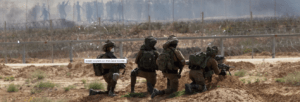


 The Washington Post

 Του Δημήτρη Κωνσταντακόπουλου
 slpress.gr


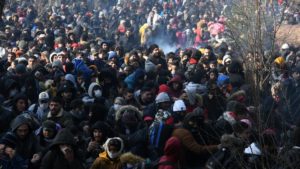
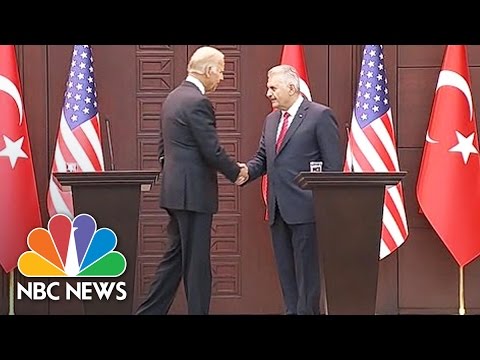




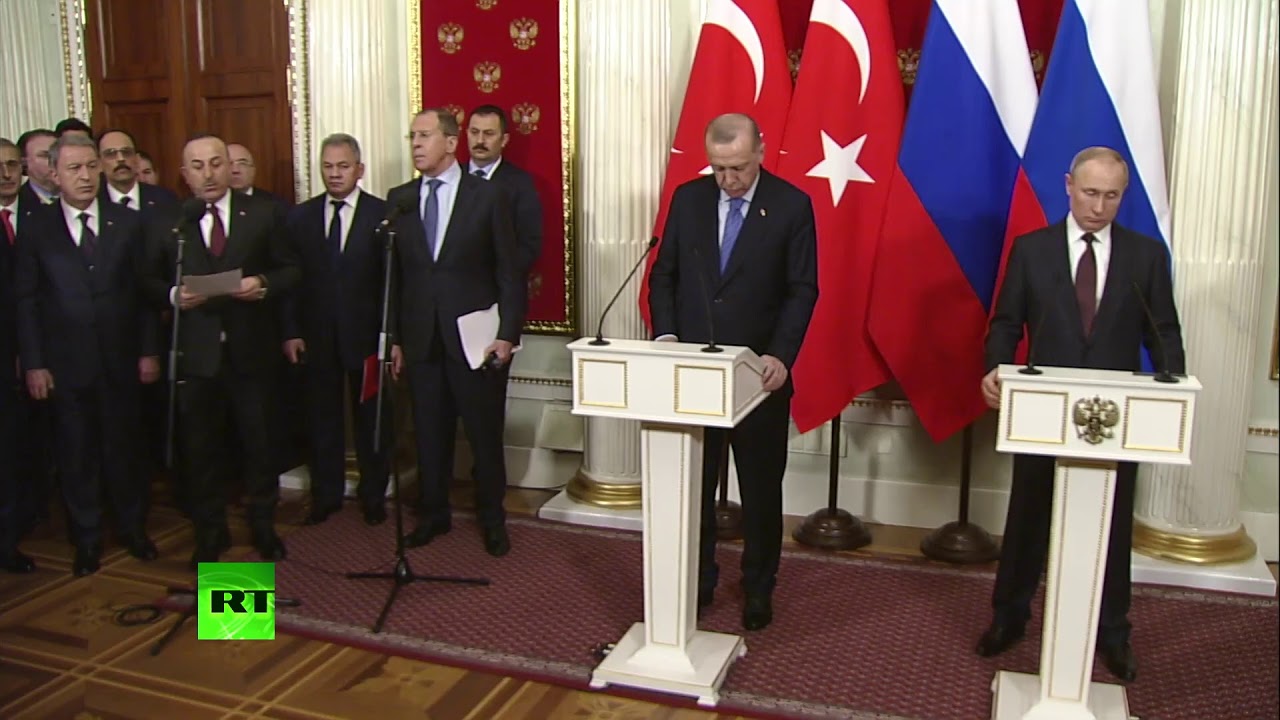


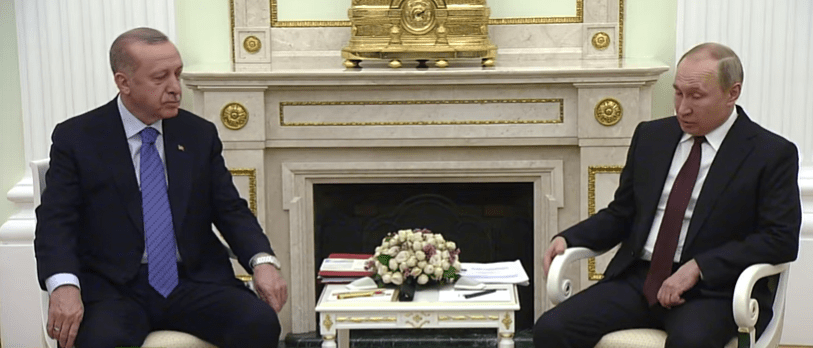
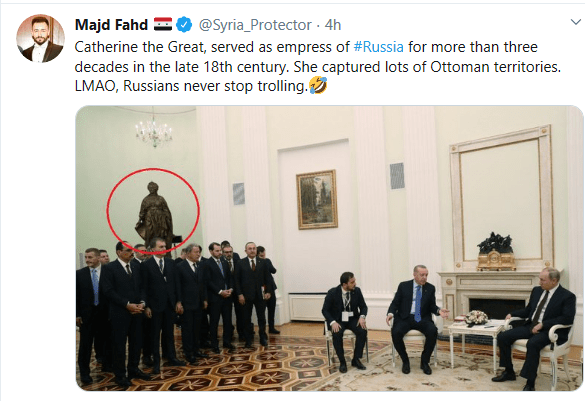
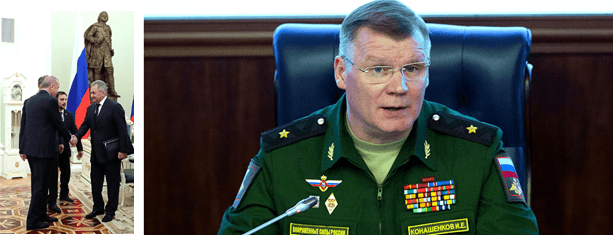
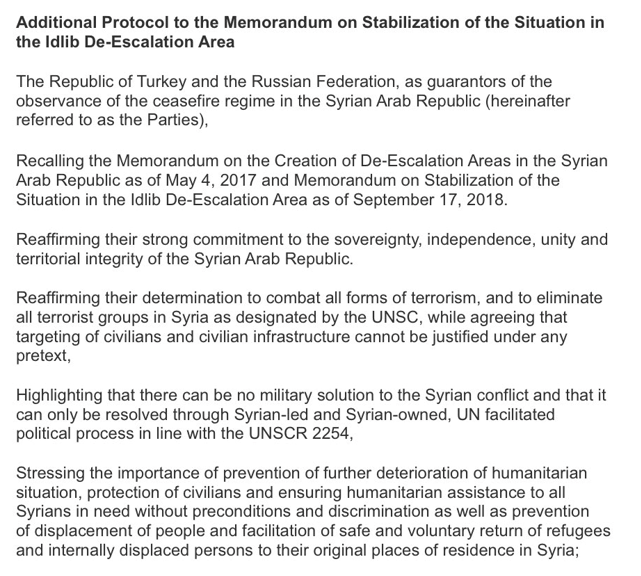
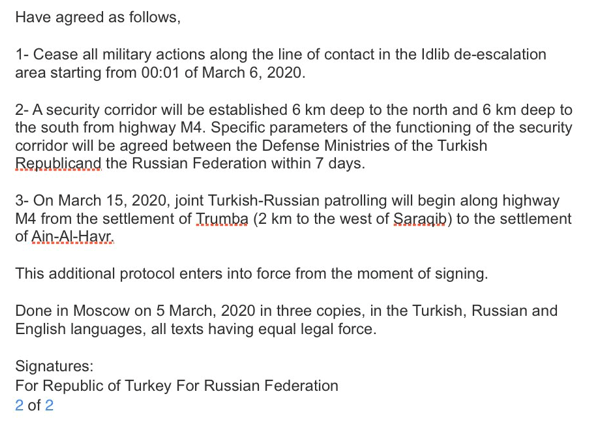
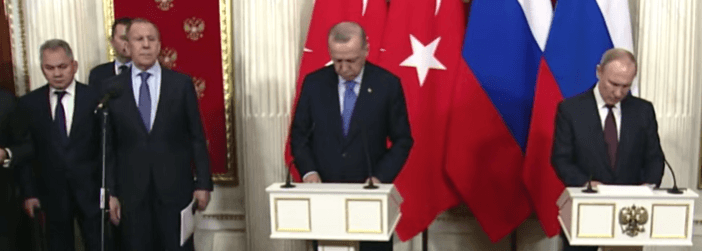
 Του Νίκου Ιγγλέση 05/03/2020
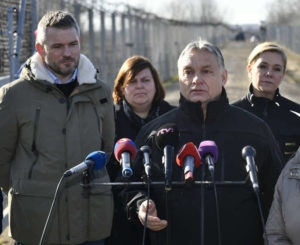
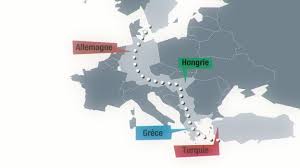 άνθρωποι είχαν περάσει από τη «βαλκανική οδό» για να φτάσουν κυρίως στη Γερμανία και τη Σκανδιναβία, η προοπτική να δούνε το ίδιο έργο χρησιμοποιήθηκε πολύ γρήγορα από τις εν λόγω ακραίες πολιτικές δυνάμεις οι οποίες επωφελήθηκαν εξάλλου σε μεγάλο βαθμό από αυτήν στις εθνικές εκλογές τους που ακολούθησαν.
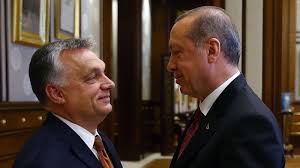 «Πρέπει να προλάβουμε τις τακτικές μαζικές επιθέσεις κατά μήκος του φράχτη» που χτίστηκε στα νότια σύνορα της Ουγγαρίας, κατήγγειλε ο Ούγγρος εθνικιστής πρωθυπουργός Βίκτορ Ορμπάν, από το πρωί της 28ης Φεβρουαρίου 2020, «κατηγορώντας χωρίς λόγο τους Έλληνες ότι δεν προστατεύουν πλέον τα σύνορά τους, τα οποία επί του παρόντος παραμένουν ερμητικά κλειστά. Ενώ δεν έκανε καμία επίκριση για τον φίλο του τον Ερντογάν, τον οποίο ο Orban προσέγγισε σημαντικά τα τελευταία χρόνια». Χτισμένος το 2015, αυτός ο φράχτης, με αρκετά μέτρα ύψος, έχει γίνει το σύμβολο της άρνησης της Ουγγαρίας να δεχτεί τους αιτούντες άσυλο στην επικράτειάς της. Είχε
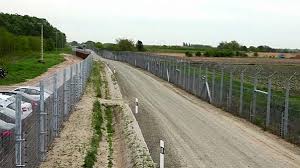 επιτρέψει στον Orban να γίνει ο ήρωας των αντι-μεταναστευτικών κομμάτων της γηραιάς ηπείρου. Εξ ου κι ο δανεισμένος από το ΠΑΣΟΚ παραλλαγμένος τίτλος του άρθρου. Σύμφωνα με το ίδιο ρεπορτάζ, η «Βουδαπέστη αποφάσισε επίσης να αναστείλει όλες τις αιτήσεις ασύλου, επίσημα λόγω του κοροναϊού». Και, από την Παρασκευή, οι αξιωματούχοι της Ουγγαρίας έχουν πολλαπλασιάσει τα ανησυχητικά μηνύματα. «Δεκάδες χιλιάδες άνθρωποι περιμένουν να μεταφερθούν από τα ελληνικά νησιά», υποστήριξε ένας σύμβουλος του Orban, ενώ ο επικεφαλής της επικοινωνίας του συνέχισε τα δελτία τύπου στα αγγλικά, καταγγέλλοντας την αύξηση του αριθμού παράνομων διαβάσεων από τον φράχτη. Λόγω των δραστικών ελέγχων στην εναλλακτική διαδρομή που διέρχεται από τη Βοσνία και την Κροατία, οι μετανάστες θα προσπαθήσουν να περάσουν από την Ουγγαρία, αλλά ο αριθμός τους εξακολουθεί να είναι πολύ χαμηλότερος από ό, τι το 2015.
 για τις βουλευτικές εκλογές της 26ης Απριλίου 2020, ο ακροδεξιός βουλευτής Bosko Obradovic ζήτησε ρητά «από τον στρατό και την αστυνομία να αξιοποιήσει την εξουσία για την προστασία των συνόρων», επικρίνοντας τον πρόεδρο Aleksandar Vucic για την ανεκτική του θέση απέναντι στους μετανάστες που διέρχονται από το έδαφος της Σερβίας. Ο Σέρβος υπουργός Άμυνας κατηγόρησε τον βουλευτή για «ανυπόστατα ψεύδη», αφού μόνο 6.000 μετανάστες βρίσκονται στη Σερβία σήμερα. Το Βελιγράδι, ωστόσο, υποσχέθηκε να «αποτρέψει την παράνομη είσοδο μεταναστών στη Σερβία».
 του ΠΑΝΤΕΛΗ ΣΑΒΒΙΔΗ

