Αρχική Blog Σελίδα 2530

Turkey’s foreign policy zigzags out of control in Idlib

0


The theory on the subject makes it clear that Islamism is bound to turn Turkey into a belligerent state. This theory avers that Islamism normalises the state of war, making it permanent feature.

A popular saying in Turkey suggests that we should get used to living with earthquakes. In political terms, this means getting used to war.

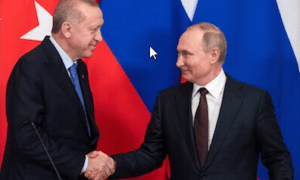
President Recep Tayyip Erdoğan said in a recent speech, before his meeting with Russia’s Vladimir Putin last Thursday, that he wished to fight the Syrian government more openly. In that speech he challenged Putin to step out of the fray in Syria’s Idlib province and allow Turkey and Syria to fight it out one on one, thus laying bare the Turkish decision makers’ appetite for war.

Over the last three years, Turkey had focused on Russia in its policy, becoming a persistent source of pain for the NATO bloc. This made none happier than Putin.

But in the last few weeks, Turkey has come to the point where its Syrian proxies are targeting Russians and battling  militias from Iran and from the Lebanese militant group Hezbollah in Idlib.

If this amounts to more than lashing out in retribution for the killing of its soldiers, then Ankara has performed a volte-face and is now letting its NATO allies know that it is ready to inflict pain on Russia and its allies.

The important part here is that neither Russia nor Iran ever expected Turkey to come completely, willingly and permanently to their ranks. The relations between Turkey and these two countries is superficial and based mainly on economic and political pragmatism.

But, even worse for Turkey, Ankara has failed to fully convince the West with its latest moves. Turkish foreign policy has followed a series of zigzags for nearly six years, and the Western bloc is naturally suspicious of a policy that does not remain consistent from one day to the next.

At this point Turkey is nothing more than a buffer country for the West.

If Turkey willingly plays a spoiling role for Russia, Iran and Hezbollah in Syria, of course it will receive encouragement from some Westerners.

The real problem here is that Turkey has failed to realise that its attempts to play the two sides off against each other are not free of political costs. Turkey’s pointless zigzags have not come without a price, and the costs to the country’s economy and society have been mounting.

A critical point here is the politicisation of the military. Of course, the armed forces must be accountable to the civil administration. But that should not mean that civilians dictate the army’s tactics.

It is Defence Minister Hulusi Akar, formerly chief of general staff of the Turkish Armed Forces, who has de facto command of the Turkish army – not as the leader who sets its policy, but effectively as its commander. In other words, it is Akar, technically a civilian leader, who is heading the Turkish army’s operation in Syria.

The government has tried to establish a new regime through the concept of a struggle with the Gülen religious movement, which it accuses of orchestrating  the July 15, 2016 coup attempt. The war in Syria will serve a similar purpose.

I do not believe that the like of the militarist, nationalist wave that is swelling in Turkey today was seen even in the days of Turkey’s war for Independence. It is vital to see that this wave has created a new society.

What is stranger is that individuals from every faction in Turkey appear to have adhered to Erdoğan’s new militarist-Islamist-Turkist wave: some from religious circles who have grown angry with the president still subscribe to his religious views, while there are secularists who appreciate his anti-migrant policies.

In short, society has happily welcomed this new wave.

There were two great parameters holding Turkey accountable to reason.  One of them, foreign policy, has collapsed. The other is the economy. But in the face of Erdoğan’s great populist wave, we should not place too much faith in economic reality to keep the ship on course.

Clearly, Erdoğan has charted a new destination for Turkey, and there is nothing for us to do but wait and see where his course leads us.


Turkey used a new weapon in Syria that was so effective it looks like Russia won’t dare confront Turkey directly

0

insider.com

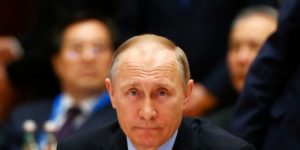
Vladimir Putin: Not always willing to risk everything. 
Pool/Getty Images
Analysis banner
  • Turkey and Russia have avoided all-out war, despite Turkey’s full-scale offensive against the Moscow-backed Syrian regime.
  • Why did Russia think twice about escalating the Syrian conflict into a direct confrontation with Turkey?
  • It turns out that Turkey has a cheap and effective new drone program.
  • Peace in Syria will no doubt be welcomed. And military analysts are raising their eyebrows at the news that there are some wars that Russia is apparently not willing to fight.
  • Visit Insider’s homepage for more stories.

The Turkish military’s devastating display of power against the Syrian army last week — which saw the destruction of hundreds of regime tanks, artillery pieces and armored vehicles — came from a cheap but effective domestic drone program that NATO officials say has changed the military equation against Russia in Syria’s Idlib Province.

The confrontation began in late February. Syrian regime forces, backed by Russian air support and “special forces advisors”, began to push into Idlib, the last major area held by rebels against Syrian dictator Bashar Assad’s regime. Syria’s civil war has lasted nearly a decade.

After regime forces took control of the critical crossroad town of Saraqeb, the Idlib rebel “pocket” began to collapse, sending hundreds of thousands of refugees trudging north through the snow towards safety in Turkey.

In theory, Turkey and Russia could have gone into an all-out war

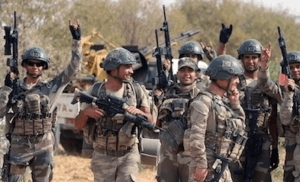
Turkey’s response was to send thousands of regular army units into Idlib to prevent the pocket’s collapse. That sparked a battle between the Syrian regime and Turkey. Hundreds of regime troops were killed. There were scores of nightly airstrikes on Syria’s tanks, artillery and armored vehicles.

The conflict was a dramatic turning point: Turkey’s actions were more than a mere exchange of fire with hostiles just across the border. It looked more like a full-fledged act of war. Turkey using multiple assets in its military, and inflicted heavy damage on the Syrian military.

The mini-war was, in theory, a dangerous gamble, because it threatened to pit Turkey’s military — the largest among NATO’s European partners — directly against the formidable Russian military and air force, which backs Syria. That conflict, if escalated to its logical extent, could have resulted in all-out war between Turkey and Russia.

Russia should have won this one — but it didn’t

In theory, Russia would win such a conflict.

Yet Turkey won this round.

How?

Turkey has a new ace up its sleeve, one that forced Russia to think twice about escalating against President Recep Erdogan’s government, military sources told Insider.

Turkey’s offensive was conducted with about 100 domestically produced drones launching cheap guided munitions with deadly efficiency.

FILE PHOTO: Turkish President Tayyip Erdogan attends a joint news conference with Russian President Vladimir Putin (not pictured) following their talks in Moscow, Russia March 5, 2020. Pavel Golovkin/Pool via REUTERS
Turkish President Erdogan. 
Reuters

“The Turks have been developing their own drone program for almost a decade now and Idlib highlights how successful they have been,” said a NATO military official who has been regularly based in the region over the past ten years.

“By domestically producing them with commercially available technology, they managed to build a very large and effective fleet far more cheaply than purchasing them from the US or other allies,” the official said. “And because of their conflict with the [Kudish separatist  movement] PKK, they’ve had years to practice and hone their capability without concerns about human rights conditions.”

A US ban on drones somehow worked to Turkey’s advantage

The source points to the US policies restricting sales of armed drone technology to Turkey out of concerns the technology would be used on Kurdish targets as critical to the development of a domestic program. By 2007 the Turkish military had tired of limitations on what it could buy from the Americans. Disappointed by the poor performance of Israeli drones on the market, it then began to develop their own program.

The Turks established an aerospace firm in 2009, Baykar, under the control of President Recep Erdogan’s son-in-law. Baykar developed the Bayraktar TB2 drone, a medium range drone that could spend 24 hours over a target. By 2015, the TB2 was test firing domestically produced weapons and was deployed for the first time a year later targeting PKK targets.

“The MAM-L [drone] stuff they deployed in Idlib worked spectacularly. It’s cheap, easy to make and clearly doesn’t miss,” said the NATO official.

The source is referring to the MAM-L SMART MICRO MUNITION, a small, guided anti-armor bomblet with a range of about 10 KM and a highly accurate laser-GPS guidance system that directs the bomb to within a meter or so of its target.

“Dropping these bomblets on Syrian regime tanks all night got Putin’s attention”

While Turkey guards the exact cost of producing the Bayraktar TB2 as a state secret, it sold 12 drones and three ground command centers to Ukraine last year for $69 million. At less than $6 million per drone, the TB2 is about a third of the cost of the similarly capable US produced Reaper MQ-9, which retails for US allies at about $16 million a piece.

Turkey’s President of Defence Industries İsmail Demir, in a 2016 panel discussion hosted by the Atlantic Council, lauded the U.S. restriction on drone sales for pushing Turkey to become an independent UAV manufacturer.  “I don’t want to be sarcastic, but I would like to thank [the U.S. government] for any of the projects that was not approved by the U.S. because it forced us to develop our own systems,” Demir quipped, adding that Turkey no longer wanted U.S.-made armed drones.

“Flying dozens of these drones over Idlib and dropping these bomblets on Syrian regime tanks all night got [Russian President Vladimir] Putin’s attention,” said the NATO official. “Sure in a direct confrontation, Russia could use its airpower and standoff munitions like cruise missiles to breakdown Turkey’s air defenses and drone command and control, but at a cost that would be inconceivable in a conflict over Idlib. Turkey knows it can’t force Russia out of Syria as much as they might like to, but they did reinforce that Putin and Assad cannot force Turkey out of Idlib. So it’s back to agreements and discussions for now.”

Today, Turkey and Russia agreed to another ceasefire in Idlib, with Russian troops patrolling a corridor about 6km on either side of the disputed M4/5 highway that is a critical link between the regime-controlled cities of Damascus and Aleppo.

The peace will no doubt be welcomed. And among military analysts, so will the news that there are some wars that Russia is apparently not willing to fight.

insider.com

Don’t Expect a Turkey-Russia War in Syria

0

Can Turkey Defeat Russia’s Army in Syria?

0

‘We Are Like Animals’: Inside Greece’s Secret Site for Migrants

0

The extrajudicial center is one of several tactics Greece is using to prevent a repeat of the 2015 migration crisis.

The ‘black site’ where migrants are being held

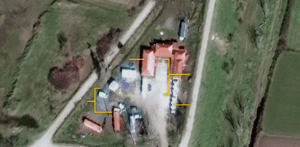
A 23-year-old migrant was held here. Hundreds of migrants were held in this open area in the rain. Security vehicles Women and children were held here.

100 FEET

The New York Times·Satellite image © Maxar Technologies

POROS, Greece — The Greek government is detaining migrants incommunicado at a secret extrajudicial location before expelling them to Turkey without due process, one of several hard-line measures taken to seal the borders to Europe that experts say violate international law.

Several migrants said in interviews that they had been captured, stripped of their belongings, beaten and expelled from Greece without being given a chance to claim asylum or speak to a lawyer, in an illegal process known as refoulement. Meanwhile, Turkish officials said that at least three migrants had been shot and killed while trying to enter Greece in the past two weeks.

The Greek approach is the starkest example of European efforts to prevent a reprise of the 2015 migration crisis in which more than 850,000 undocumented people passed relatively easily through Greece to other parts of Europe, roiling the Continent’s politics and fueling the rise of the far right.

If thousands more refugees reach Greece, Greek officials fear being left to care for them for years, with little support from other members in the European Union, exacerbating social tensions and further fraying a strained economy. Tens of thousands of migrants already live in squalor on several Greek islands, and many Greeks feel they have been left to shoulder a burden created by wider European indifference.

The Greek government has defended its actions as a legitimate response to recent provocations by the Turkish authorities, who have transported thousands of migrants to the Greek-Turkish border since late February and have encouraged some to charge and dismantle a border fence.

The Greek authorities have denied reports of deaths along the border. A spokesman for the Greek government, Stelios Petsas, did not comment on the existence of the site, but said that Greece detained and expelled migrants in accordance with local law. An act passed March 3, by presidential decree, suspended asylum applications for a month and allowed immediate deportations.

But through a combination of on-the-ground reporting and forensic analysis of satellite imagery, The Times has confirmed the existence of the secret center in northeastern Greece.

Presented with diagrams of the site and a description of its operations, François Crépeau, a former U.N. Special Rapporteur on the human rights of migrants, said it was the equivalent of a domestic “black site,” since detainees are kept in secret and without access to legal recourse.

Migrants who crossed the border here were held at a nearby black site. Another was shot and killed.

Istanbul

GREECE Aegean Sea

TURKEY

Athens

The Greek Coast Guard violently pushed back migrants on a dinghy here.

The New York Times

Using footage supplied to several media outlets, The Times has also established that the Greek Coast Guard, nominally a lifesaving institution, fired shots in the direction of migrants onboard a dinghy that was trying to reach Greek shores early this month, beat them with sticks and sought to repel them by driving past them at high speed, risking tipping them into water.

Forensic analysis of videos provided by witnesses also confirmed the death of at least one person — a Syrian factory worker — after he was shot on the Greek-Turkish border.

When Turkish officials began to bus migrants to the Greek border on Feb. 28, a Syrian Kurd named Somar al-Hussein had a seat on one of the first coaches.

Turkey already hosts more refugees than any other country — over four million, mostly Syrians — and fears that it may be forced to admit another million because of a recent surge in fighting in northern Syria. To alleviate this pressure, and to force Europe to do more to help, it has weaponized refugees like Mr. al-Hussein by shunting them toward the Continent.

Mr. al-Hussein, a trainee software engineer, spent that night in the rain on the bank of the Evros River, which divides western Turkey from eastern Greece. Early the next morning, he reached the Greek side in a rubber dinghy packed with other migrants.

But his journey ended an hour later, he said in a recent interview. Captured by Greek border guards, he said, he and his group were taken to a detention site. Following the group’s journey on his mobile phone, he determined that the site was a few hundred yards east of the border village of Poros.

The site consisted principally of three red-roofed warehouses set back from a farm road and arranged in a U-shape. Hundreds of other captured migrants waited outside. Mr. al-Hussein was taken indoors and crammed into a room with dozens of others.

His phone was confiscated to prevent him from making calls, he said, and his requests to claim asylum and contact United Nations officials were ignored.

“To them, we are like animals,” Mr. al-Hussein said of the Greek guards.

After a night without food or drink, on March 1 Mr. al-Hussein and dozens of others were driven back to the Evros River, where Greek police officers ferried them back to the Turkish side in a small speedboat.

Mr. al-Hussein was one of several migrants to provide similar accounts of extrajudicial detentions and expulsions, but his testimony was the most detailed.

ImageA group of Syrians walking barefoot on a highway in northwestern Turkey after being sent back by Greek border guards. They said they had been detained and beaten in Greek government facilities.
Credit…The New York Times

By cross-referencing drawings, descriptions and satellite coordinates that he provided, The Times was able to locate the detention center — in farmland between Poros and the river.

A former Greek official familiar with police operations confirmed the existence of the site, which is not classified as a detention facility but is used informally during times of high migration flows.

On Friday, three Times journalists were stopped at a roadblock near the site by uniformed police officers and masked special forces officers.

The site’s existence was also later confirmed by Respond, a Sweden-based research group.

3. Saturday morning

Police take Mr. al-Hussein

to this black site.

TURKEY

GREECE

2. Saturday 8 a.m.

Mr. al-Hussein is arrested

by Greek police.

1. Saturday 7 a.m.

Mr. al-Hussein crosses

the Evros River into

Greece in a rubber dinghy.

Area of detail

N

TURKEY

GREECE

2 MILES

The New York Times·Source: Bing maps (satellite image)

Mr. Crépeau, now a professor of international law at McGill University, said the center represented a violation of the right to seek asylum and “the prohibition of cruel, inhuman and degrading treatment, and of European Union law.”

Hundreds of miles to the south, in the straits of the Aegean Sea between the Turkish mainland and an archipelago of Greek islands, the Greek Coast Guard is also using force.

On March 2, a Coast Guard ship violently repelled an inflatable dinghy packed with migrants, in an incident that Turkish officials captured on video, which they then distributed to the press.

Video

Cinemagraph
Credit

The footage shows the Coast Guard vessel and an unmarked speedboat circling the dinghy. A gunman on one boat shot at least twice into waters by the dinghy, with what appeared to be a rifle, before men from both vessels shoved and struck the dinghy with long black batons.

It is not clear from the footage whether the man was firing live or non-lethal rounds.

Mr. Petsas, the government spokesman, did not deny the incident, but said the Coast Guard did not fire live rounds.

The larger Greek boat also sought to tip the migrants into the water by driving past them at high speed.

Video

Cinemagraph
Credit

Forensic analysis by The Times shows that the incident took place near the island of Kos after the migrants had clearly entered Greek waters.

“The action of Greek Coast Guard ships trying to destabilize the refugees’ fragile dinghies, thus putting at risk the life and security of their passengers, is also a violation,” said Mr. Crépeau, the former United Nations official.

The most contested incident concerns the lethal shooting of Mohammed Yaarub, a 22-year-old Syrian from Aleppo who tried to cross Greece’s northern land border with Turkey last week.

The Greek government has dismissed his death as “fake news” and denied that anyone has died at the border during the past week.

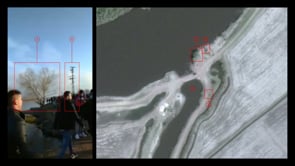
An analysis of videos, coupled with interviews with witnesses, confirmed that Mr. Yaarub was killed on the morning of March 2 on the western bank of the Evros River.

Mr. Yaarub had lived in Turkey for five years, working at a shoe factory, according to Ali Kamal, a friend who was traveling with him. The two friends crossed the Evros on the night of March 1 and camped with a large group of migrants on the western bank of the river.

By a cartographical quirk, they were still in Turkey: Although the river mostly serves as the border between the two countries, this small patch of land is one of the few parts of the western bank that belongs to Turkey rather than Greece.

Mr. Kamal last saw his friend alive around 7:30 a.m. the next morning, when the group began walking to the border. The two men were separated, and soon Greek security forces blocked them, according to another Syrian man who filmed the aftermath of the incident and was later interviewed by The Times. He asked to remain anonymous because he feared retribution.

During the confrontation, Mr. Yaarub began speaking to the men who were blocking their path and held up a white shirt, saying that he came in peace, the Syrian man said.

Shortly afterward, Mr. Yaarub was shot.

There is no known video of the moment of impact, but several videos captured his motionless body being carried away from the Greek border and toward the river.

Video

Cinemagraph
Credit

Several migrants who were with Mr. Yaarub at the time of his death said a Greek security officer had shot him.

Using video metadata and analyzing the position of the sun, The Times confirmed that he was shot around 8:30 a.m., matching a conclusion reached by Forensic Architecture, an investigative research group.

Video

Cinemagraph
Credit

Video shows that it took other migrants about five minutes to ferry Mr. Yaarub’s body back across the river and to a car. He was then taken to an ambulance and later a Turkish hospital.

Video

Cinemagraph
Credit

An analysis of other footage shot elsewhere on the border showed that Greek security forces used lethal and non-lethal ammunition in other incidents that day, likely fired from a mix of semiautomatic and assault rifles.

Mr. Petsas, the government spokesman, defended Greece’s tough actions as a reasonable response to “an asymmetrical and hybrid attack coming from a foreign country.”

Besides ferrying migrants to the border, the Turkish police also fired tear-gas canisters in the direction of Greek security forces and stood by as migrants dismantled part of a border fence, footage filmed by a Times journalist showed.

Video

Cinemagraph
Video filmed by The New York Times shows Turkish police fired tear gas towards Greek border guards while migrants tried to dismantle barbed wire from the border fence on March 7.Credit

Before this evidence of violence and secrecy had surfaced, Greece won praise from leaders of the European Union, who visited the border on March 3.

“We want to express our support for all you did with your security services for the last days,” said Charles Michel, the president of the European Council, the bloc’s top decision-making body.

The European Commission, the bloc’s administrative branch, said that it was “not in a position to confirm or deny” The Times’s findings, and called on the Greek justice system to investigate.

Matina Stevis-Gridneff and Patrick Kingsley reported from Poros, and Haley Willis and Sarah Almukhtar from New York. Reporting was contributed by Carlotta Gall from Istanbul, John Ismay from Washington, Hwaida Saad from Beirut and Malachy Browne, Christiaan Triebert, Abeer Pamuk, Dmitriy Khavin and David Botti from New York.

Το όργιο της τουρκικής προπαγάνδας. Tale quale  Goebbels

3

Του Ανδρέα Νικολόπουλου.*

Δεν υπάρχει καμία αμφιβολία ότι στον Έβρο είμαστε αντιμέτωποι με μία υβριδική μορφή αντιπαράθεσης. Μέχρι στιγμής εκεί, κερδίζει η Ελλάδα! Αυτή η μορφή πολέμου όμως είναι πολυμετωπική. Ένα από τα σημαντικότερα μέτωπα είναι της πληροφορίας, επικοινωνίας. Ένα μέτωπο που η γειτονική χώρα, δυστυχώς,  παίζει χωρίς αντίπαλο.

Η Τουρκία στο επικοινωνιακό κομμάτι, τις τελευταίες δεκαετίες κινήθηκε μεθοδικά και αποφασιστικά. «Έσπρωξε» τεράστια χρηματικά ποσά στα μεγάλα διεθνή μ.μ.ε αγοράζοντας χρόνο και επιρροή. Έτσι φτάσαμε, αυτές τις ημέρες, να παρακολουθούμε εμβρόντητοι ρεπορτάζ του CNN, του BBC, της Βελγικής, της Ολλανδικής, της Γερμανικής δημόσιας τηλεόρασης από την Τουρκική πλευρά των συνόρων και μόνο. Υιοθετούσαν την επίσημη τουρκική θέση, περί ανήμπορων και ανυπεράσπιστων προσφύγων πολέμου, που οι κακοί Έλληνες Αστυνομικοί και Στρατιωτικοί συμπεριφέρονταν με βαναυσότητα. Ευτυχές που το Al Jazeera έχασε τον παλιό του αντίκτυπο στον Αραβικό κόσμο.

Η Τουρκία επίσης έδωσε μεγάλη σημασία στα μ.κ.δ. Εκμεταλλεύτηκε την πληθυσμιακή της υπεροχή και την αγάπη μεγάλης μερίδας της τουρκικής νεολαίας προς τον Ρ.Τ. Ερντοάν. Εργαλειοποίησε και χρησιμοποίησε τακτικά τους δύο αυτούς παράγοντες. Ό,τι δηλώνει π.χ ο Πρόεδρος αναπαράγεται ταυτόχρονα από εκατομμύρια χρήστες. Είναι απαραίτητη η αναφορά μας στο ρόλο των τρολ. Γνωρίζουμε ότι στην Τουρκία, το γειτονικό της Αζερμπαϊτζάν, αλλά και στην πγδΜ και στο ψευδοκράτος του Κοσόβου, η τουρκική Κυβέρνηση πληρώνει και χρησιμοποιεί «φάρμες τρολ».

Έχει φθάσει στο ευχάριστο, για αυτήν, σημείο η βρώμικη προπαγάνδα της να αναπαράγεται ως είδηση σε έθνη, κράτη φιλικά σε εμάς και εχθρικότατα σε αυτήν. Χαρακτηριστικά σημειώνουμε πως ενώ σε κεντρικό σημείο του Βελιγραδίου, μαζεύτηκαν αρκετές εκατοντάδες Σέρβοι διατρανώνοντας την αντίθεσή τους στα παιχνίδια του Ερντοάν κατά της αγαπημένης τους Ελλάδας, την ίδια στιγμή λάμβαναν ως έκτακτη είδηση στις φορητές συσκευές τους, το θάνατο 2 αθώων προσφύγων από άνδρες της ΕΛ.ΑΣ… Εκεί όμως που η Τουρκία έκανε επίδειξη δύναμης ήταν τα ρεπορτάζ της δημόσιας τηλεόρασης του Μαυροβουνίου (CGRT). Μεταφράζω επί λέξει αυτό τις 07/03:

«Στην τουρκική πόλη της Αδριανούπολης φθάνει μια ακόμη ομάδα ανθρώπων προκειμένου να περάσει τα ελληνοτουρκικά σύνορα, στο δρόμο της προς τις ευρωπαϊκές χώρες. Εκατοντάδες άνθρωποι παραμένουν στη νεκρή ζώνη του Παζάρ Κουλέ. Αυτοί βρέθηκαν σε κατάσταση πανικού μετά από επέμβαση των ελληνικών δυνάμεων με κανόνια νερού και δακρυγόνα. Χτυπήθηκε μεγάλος αριθμός αιτούντων άσυλο, συμπεριλαμβανομένων και παιδιών. Ο Υπουργός Εσωτερικών της Τουρκίας δήλωσε εχθές ότι ο αριθμός των ανθρώπων που πέρασαν από την Αδριανούπολη στην Ελλάδα ανέρχεται σε 142.175. Πολλοί από αυτούς διασχίζουν τον Έβρο ποταμό σε μια προσπάθεια να περάσουν στην Ελληνική πλευρά. Τώρα στο Παζάρ Κουλέ περιμένουν 3.500 αιτούντες άσυλο να διασχίσουν τα σύνορα. Η Τουρκία έχει σήμερα πάνω από 3.700.000 πρόσφυγες από την Συρία, καθιστώντας την, τη χώρα με τους περισσότερους πρόσφυγες στον κόσμο!»

Στο Μαυροβούνιο η πλειονότητα των πολιτών είναι Ορθόδοξοι χριστιανοί και απολύτως φυσιολογικά, σε αντίθεση με την Κυβέρνηση, αγαπούν την Ελλάδα! Βέβαια το ερώτημα είναι αμείλικτο ‘με τέτοια ρεπορτάζ, με τέτοιο όργιο τουρκικής προπαγάνδας και παραπληροφόρησης ως πότε;’

Η Ελλάδα δεν μπορεί να παραμείνει αμέτοχη. Υπάρχουν οι υποδομές και οι υπηρεσίες ώστε να δηλώσουμε δυναμικό παρών! Βέβαια χρειάζεται ομόνοια, ομοψυχία και σοβαρότητα. Η προηγούμενη κυβέρνηση έχοντας πείρα επί του πεδίου, μπορεί να διδάξει τη νέα και γιατί όχι να ηγηθεί της εθνικής προσπάθειας. Το έθνος θα της οφείλει αιώνιο σεβασμό!

*Ο Ανδρέας Νικολόπουλος είναι Στρατηγικός Σύμβουλος Ασφαλείας MSc Στρατιωτικής επιστήμης και Στρατηγικής διοίκησης έργων ασφαλείας, Επιστημονικός συνεργάτης του Κέντρου Πρόληψης Εγκληματικότητας της Σερβίας. Στο παρελθόν εργάστηκε σε Ελλάδα, Ελβετία, Σερβία και Ρουμανία ως Διευθυντής ή Σύμβουλος Ασφαλείας


ΚΟΡΩΝΟΪΟΣ: Πόσο επικίνδυνος είναι;

1

Nicolas Faure
10/03/2020

Μετάφραση Ε.Δ. Νιάνιος

Η επικινδυνότητα του ιού

1 / Θνησιμότητα

Η θνησιμότητα του ιού εκτιμάται από την ΠΟΥ (Παγκόσμιου Οργανισμού Υγείας) μεταξύ 2 και 5% αποδεδειγμένων περιπτώσεων.

Δημοσιεύτηκε πρόσφατα μια μελέτη, βασισμένη τόσο στα δεδομένα του Diamond Princess όσο και στα κινεζικά δεδομένα. Παρόλο που η εργασία αυτή δεν έχει αξιολογηθεί ακόμη από τους ερευνητές, είναι εντούτοις σύμφωνη με όλες τις εκτιμήσεις των εμπειρογνωμόνων.

Σύμφωνα με τις εκτιμήσεις των ερευνητών, η θνησιμότητα του κορωνοϊού θα είναι:

– 18% των περιστατικών που δηλώνονται σε άτομα άνω των 70 ετών

– 2,3% των περιστατικών που δηλώνονται για ολόκληρο τον πληθυσμό

Το βασικό πρόβλημα αυτής της εκτίμησης είναι, βεβαίως, ότι ο συνολικός αριθμός των μολυσμένων ανθρώπων δεν είναι γνωστός ακριβώς επειδή πολλές περιπτώσεις είναι πολύ ήπιες και συνεπώς δεν μετρούνται.

Ωστόσο, όλες οι εκτιμήσεις θνησιμότητας του ιού από τον ΠΟΥ έχουν το ίδιο πρόβλημα.  Παράδειγμα, η θνησιμότητα της Ισπανικής Γρίπης, η οποία προκάλεσε 50 με 100 εκατομμύρια θανάτους το 1918, υπολογίστηκε επίσης στο 2,5%, με τους ίδιους περιορισμούς.

Δεδομένου όμως ότι η επιδημία κορωνοϊού ξεπερνάει πολλά επιστημονικά όρια, η μελέτη αυτή δεν αρκέστηκε στην εκτίμηση της θνησιμότητας με βάση τα δηλωθέντα περιστατικά.

Επίσης εκτιμά την “IFR”, τη θνησιμότητα σε σύγκριση με τους “πραγματικά” μολυσμένους, συμπεριλαμβανομένων των περιπτώσεων με πολύ αδύναμα ή ανύπαρκτα συμπτώματα. Είναι επομένως μια εκτίμηση της θνησιμότητας του ιού σε όλους τους μολυσμένους ενός πληθυσμού .

Η IFR θα είναι:

– 9% για τα άτομα άνω των 70 ετών

– 1,2% για ολόκληρο τον πληθυσμό

Το ποσοστό θνησιμότητας είναι επομένως χαμηλότερο από αυτό άλλων πολύ θανατηφόρων ιών, όπως ο Ebola (50%).

Παρ ‘όλα αυτά, είναι ένα ποσοστό πολύ υψηλότερο από αυτό της απλής γρίπης (0,1%).

2 / Μεταδοτικότητα

Ένα από τα πράγματα που καθιστά τον ιό ιδιαίτερα επικίνδυνο είναι η πολύ υψηλή μεταδοτικότητά του.

Οι τελευταίες μελέτες για το θέμα αυτό την εκτιμούν – ελλείψει περιοριστικών μέτρων – σε περίπου 3,8! Αυτό σημαίνει ότι ένα άτομο που έχει μολυνθεί από τον ιό θα μολύνει – κατά μέσο όρο – σχεδόν τέσσερα άλλα!

Πρόκειται για ένα πολύ υψηλότερο ποσοστό μεταδοτικότητας από εκείνο της κλασικής γρίπης (1), υψηλότερο από εκείνο της ισπανικής γρίπης (2,2), του SARS (2,8) και εκείνο της … βουβωνικής πανώλης (3, 5)!

Το καλό είναι ότι τα αυστηρά μέτρα κοινωνικής απομόνωσης και περιορισμού μπορούν να σταματήσουν τη μηχανική διάχυσης.

Οι κινεζικές μέθοδοι κατέστησαν έτσι δυνατή τη μείωση αυτού του ποσοστού μέχρι του … 0,32 περίπου!

Το πρόβλημα με το Coronavirus είναι ότι για τη διάδοσή του αρκούν άτομα με ελάχιστα ή καθόλου συμπτώματα, γεγονός που επιβάλλει δρακόντεια μέτρα για την καταπολέμηση της μόλυνσης.

Σημειώστε ότι, σύμφωνα με αρκετές μελέτες σε διάφορους τύπους κορωνοϊού, ο ιός είναι πιθανό να επιβιώσει έως και 9 ημέρες σε ανόργανα υλικά.

Μια άλλη μελέτη έδειξε ότι ο κορωνοϊός μπορεί να εξαπλωθεί σε απόσταση 4,50 μ. από το μολυσμένο άτομο και να παραμείνει στον αέρα για 30 λεπτά.

Αυτό που πολλοί παρατηρητές δεν κατανοούν απαραιτήτως με την πρώτη ματιά είναι ότι ο αριθμός των ατόμων που μολύνονται από έναν ιό, με μεταδοτικότητα περίπου παρόμοια με εκείνη του κορωνοϊού, διπλασιάζεται περίπου κάθε 6 ημέρες.

Ωστόσο, ο διπλασιασμός των περιπτώσεων κάθε 6 ημέρες μολύνει στη Γαλλία πολλά εκατομμύρια ανθρώπους σε 2 μήνες!

Εάν δεν ληφθούν γρήγορα δραστικά μέτρα για τη μείωση του ποσοστού μεταδοτικότητας, οι συνέπειες θα είναι δραματικές.

Ο κίνδυνος άμεσων συνεπειών

3 / Ο αντίκτυπος στο νοσοκομειακό σύστημα

Εάν η παρατηρούμενη θνησιμότητα του ιού (μεταξύ 1 και 5%) είναι υψηλή, παραμένει γενικά ανεκτή για μια ανεπτυγμένη χώρα.

Αλλά είναι ένα ποσοστό που δεν είναι ανεκτό για τον κορωνοϊό που απαιτεί νοσηλεία σε εντατική μονάδα.

Σύμφωνα με τα δεδομένα,10 με 15% των αποδεδειγμένων περιπτώσεων απαιτούν εντατική φροντίδα με διασωλήνωση και οξυγόνωση. Όλα για μερικές ημέρες ή ακόμα και πολλές εβδομάδες.

Αν ακολουθήσουμε μια προσεκτική προσέγγιση και εξετάσουμε – με βάση το μοντέλο της IFR που αναφέρθηκε παραπάνω – ότι αυτό το ποσοστό, που αφορά σε όλα τα περιστατικά, μπορεί να μειωθεί στο μισό, αυτό θα σήμαινε ότι 5 έως 8 % των περιστατικών εντάσσονται στην εντατική θεραπεία.

Η κλασική γρίπη προσβάλλει 2 έως 6 εκατομμύρια ανθρώπους κάθε χρόνο.

Θεωρήστε ότι μόνο ένα εκατομμύριο Γάλλοι θα μολυνθούν από το κορωνοϊό – πολύ πιο μεταδοτικό από τη γρίπη – μέχρι το καλοκαίρι.

Αυτό θα σήμαινε ότι 50.000 με 80.000 άτομα θα πρέπει να νοσηλευτούν σε εντατικές μονάδες.

Στην Ιταλία, το νοσοκομειακό σύστημα καταρρέει για λιγότερα από 800 άτομα στην εντατική θεραπεία.

Το 2012, η ​​Ιταλία είχε 12,5 κρεβάτια εντατικής θεραπείας ανά 100.000 κατοίκους. Η Γαλλία είχε 11,6 ανά 100.000 κατοίκους.

Το νοσοκομειακό σύστημα απειλείται επίσης από ένα ιδιαίτερα ολέθριο κακό.

Πολλά τμήματα, ακόμη και ολόκληρα νοσοκομεία έχουν ήδη κλείσει – τουλάχιστον προσωρινά – λόγω μόλυνσης στην ομάδα υγειονομικής περίθαλψης.

Η κατάσταση αναγκαστικά θα επαναληφθεί. Τι θα αποφασίσει τότε το προσωπικό του νοσοκομείου; Τι θα αποφασίσουν οι γιατροί, οι οποίοι θα πρέπει να εργάζονται σε περιορισμένο περιβάλλον με πολλούς ασθενείς, χωρίς κατάλληλο εξοπλισμό προστασίας;

Πολλοί γιατροί στο Γουχάν πέθαναν. Στην Ιταλία, ένας διάσημος ειδικός στο Alzheimer πέθανε από μόλυνση με κορωνοϊό.

Πολλοί γιατροί – που υπερεκτίθενται σε κίνδυνο από την εργασία τους στα νοσοκομεία – θα πεθάνουν.

Αυτές οι προβλέψιμες απώλειες είναι δραματικές.

Σύντομα, το γαλλικό προσωπικό του νοσοκομείου θα αντιμετωπίσει ένα κολοσσιαίο δίλημμα: Θα παραμείνουν στο νοσοκομειακό μέτωπο παρά τον κίνδυνο θνησιμότητας ή θα επιλέξουν την υγεία τους αφήνοντας το ιατρικό πεδίο μάχης;

Μια προσωπική επιλογή με τεράστιες επιπτώσεις στο σύνολο.

Και αυτή η τεράστια υπερβολική επιβάρυνση του νοσοκομειακού συστήματος θα προστεθεί σε ένα ήδη μεγάλο φόρτο εργασίας, θέτοντας τα νοσοκομεία και τους υπεύθυνους σε μεγάλη δοκιμασία.

Αυτός είναι ίσως ο κύριος κίνδυνος του κορωνοϊού. Το γαλλικό νοσοκομειακό σύστημα πολύ απλά κινδυνεύει να καταρρεύσει.

4 / Η οικονομία

Ένας άλλος τομέας που κινδυνεύει με κατάρρευση είναι βεβαίως η οικονομία.

Πρώτον, η “πραγματική” οικονομία. Όλες οι επιχειρήσεις που δέχονται κοινό θα βρεθούν αντιμέτωπες με μαζική, αν όχι ολική, πτώση της δραστηριότητάς τους.

Ξενοδοχεία, τουριστικά μέρη, μπαρ, εστιατόρια, αίθουσες συναυλιών, νυχτερινά κέντρα, πολυκαταστήματα … Όλες αυτές οι επιχειρήσεις θα χτυπηθούν σκληρά.

Το ίδιο ισχύει για τις αεροπορικές εταιρείες, τις κρουαζιέρες και τους τομείς των δημόσιων συγκοινωνιών εν γένει.

Από την πλευρά της “χρηματιστηριακής” οικονομίας, το χρηματιστήριο θίγεται άμεσα από την επιδημία.

Ως μη εξοικειωμένος με αυτόν τον περίεργο κόσμο, δεν θα προχωρήσω περισσότερο, αλλά νομίζω ότι μπορώ να προβλέψω ότι οι τεράστιες πτώσεις των τελευταίων ημερών υποδηλώνουν ότι μια νέα κρίση χρηματιστηρίου δεν είναι αδιανόητη …

Συμπέρασμα

Ο κορωνοϊός δεν είναι τόσο επικίνδυνος λόγω της θνησιμότητάς του – η οποία εξακολουθεί να παραμένει υψηλή – όσο λόγω της μεγάλης μεταδοτικότητας και, κυρίως, του εντυπωσιακού ποσοστού των ανθρώπων που πρέπει να εισαχθούν στις εντατικές μονάδες.

Αυτό το τεράστιο βάρος που πέφτει στο νοσοκομειακό σύστημα, δυστυχώς μπορεί να προκαλέσει την κατάρρευσή του και, ως εκ τούτου, την καταστροφική αύξηση του αριθμού των θανάτων.

Επιπλέον, η επικινδυνότητά του οδηγεί απαραιτήτως σε γενική απομόνωση που θα επιβαρύνει σημαντικά την οικονομία.

Όλα αυτά τα δεδομένα καλούν τους εχέφρονες άνδρες και γυναίκες να παραδεχτούν ότι ο κορωνοϊός αποτελεί όντως κίνδυνο.

Ο αγώνας κατά του κορωνοϊού θα είναι μια πραγματική μάχη. Και ένας από τους πρώτους κανόνες του πολέμου είναι ποτέ να μην υποτιμούμε τον εχθρό.

Nicolas Faure
10/03/2020

Crédit photo : NIAID [CC BY 2.0]

Πηγή: https://www.polemia.com/coronavirus-dangereux-reponse-4-points/

Τρία αγαθά από τον Έβρο: κατάρρευση μυθεύματος «ανοιχτών συνόρων», και «φόβου της Τουρκίας», και επαναφορά κοινωνικής ομόνοιας

1

Γράφει ο Ανδρέας Σταλίδης.

Ακολουθούν δύο άρθρα. Το ένα συνέχεια του άλλου

  • «Επιτέλους, κλείσιμο συνόρων στον Έβρο», Εστία 3 Μαρτίου 2020.
  • «Τρία αγαθά από τον Έβρο», Εστία 10 Μαρτίου 2020.

Τα τρία αγαθά

α. κατέρρευσε το μύθευμα για «ανοιχτά σύνορα»

β. κατέρρευσε ο φόβος και τρόμος της Τουρκίας

γ. επήλθε κοινωνική ομόνοια.


Φαίνεαι ότι η ελληνική κυβέρνηση κατάλαβε τελικά ότι το λαθρομεταναστευτικό αποτελεί άξονα ενός υβριδικού πολέμου που διεξάγει η Τουρκία εις βάρος μας. Φανταστείτε την αυξομείωση των ροών, σαν έναν μοχλό στο γραφείο του Ερντογάν. Είναι οφθαλμοφανές ότι αυτό ακριβώς συνέβη τώρα.

Η αποτυχία επιχειρήσεων στο Ιντλίπ της Συρίας και οι δεκάδες νεκροί στρατιώτες που επιστρέφουν στην Τουρκία, έκανε το «σύστημα Ερντογάν» να εκτραχυθνεί και να αποκαλυφθεί. Μετέφερε με κρατικά λεωφορεία μετανάστες προς την Ελλάδα, διαφήμισε ότι δήθεν 76000 έχουν ήδη φύγει από την Τουρκία και μεταδίδουν τέτοιες εικόνες τα ελεγχόμενα ΜΜΕ της χώρας. Εχθές (2.3) στο ραδιόφωνο του BBC, υψηλόβαθμη σύμβουλος του Ερντογάν κατηγόρησε την Ευρώπη για αδράνεια να λύσει τα προβλήματα της Τουρκίας! Λες και η Ευρώπη εισέβαλε στη Συρία.

Είναι ίσως λιγότερο ορατό ότι τα σημεία της ραγδαίας αύξησης των ροών ήταν οι εκλογικοί μήνες στην Ελλάδα! Μέσος όρος το δωδεκάμηνο πριν τον Ιανουάριο του 2015 ήταν 3400 ανά μήνα. Μέσος όρος το επόμενο δωδεκάμηνο, 71500 τον μήνα! Μέσος όρος 3800 το τελευταίο δωδεκάμηνο μέχρι τον Ιούλιο του 2019, μέσος όρος 7800 από τον Ιούλιο μέχρι σήμερα. Υπερδιπλάσιοι. Είναι κι αυτός ένας από τους τρόπους που «μετράει» η Τουρκία τις πιθανές αντιδράσεις της ελληνικής ηγεσίας.

Το 2015, ο ΣΥΡΙΖΑ έκλεισε 2 κλειστά κέντρα, άνοιξε τα σύνορα και διαφήμισε 6μηνη άδεια παραμονής σε όλους. Η αριστερά θεωρεί τους κατατρεγμένους μετανάστες εν δυνάμει πολιτικούς συμμάχους. Κατά την ιεράρχησή της, αυτό είναι υπέρτερης σημασίας από το έθνος κράτος και την επιβίωσή του. Η ΝΔ κινήθηκε μεταξύ μεταφοράς στην ενδοχώρα, αναγγελίας κλειστών κέντρων στα νησιά και υποσχέσεων για πολλές επιστροφές και ταχεία διεκπαιρέωση αιτήσεων.

Ο θεσμικός ρόλος της αξιωματικής αντιπολίτευσης είναι να ελέγχει την κυβέρνηση, δηλαδή να ασκεί κριτική στα λάθη της. Έτσι, διαχειρίζεται την κατεύθυνση της κριτικής. Επιλέγει ποια λάθη θα επισημάνει και την προσέγγισή τους. Μοιραία λοιπόν, οι δύο πόλοι του δημοσίου διαλόγου ήταν αφ’ ενός οι υποσχέσεις της κυβέρνησης, αφ’ ετέρου η αποτυχία της να τις υλοποιήσει.

Με την αλλαγή των συνθηκών και την στροφή της κυβέρνησης να κλείσει τα σύνορα στον Έβρο, αυτομάτως το δίπολο αυτό εξαφανίστηκε, προς όφελός της. Ο ΣΥΡΙΖΑ απομονώθηκε στις εμμονές του, ενώ οι απλοί άνθρωποι ομονόησαν στο πλευρό της σκληρής γραμμής.

Η αλλαγή αυτή έγινε την ύστατη στιγμή, διότι η κοινωνία ήδη έβραζε στο εσωτερικό της από την αποδυνάμωση του ηθικού και την αποσταθεροποίηση. Οι εσωτερικές τριβές, η οργή, η κοινωνική αντιπαλότητα είχαν φτάσει στο έπακρο. Δεν μπορούσε να συνεχιστεί αυτό. Δύο χρόνια μετά το «Βούλγαροι» που φώναζαν οι μεταφερόμενες αστυνομικές δυνάμεις στους Μακεδόνες στο Πισοδέρι και στην ΔΕΘ, αποκαλούσαν «τουρκόσπορους» τους νησιώτες.

Βεβαίως, αυτό που επίσης δεν μπορεί να συνεχιστεί είναι η διαρκής ηττοπάθεια με την οποία ποτίζουν τους Έλληνες ορισμένοι. Είναι ανεπίτρεπτο να προπαγανδίζεται η εθελούσια υποταγή μας στην Τουρκία.

Το μήνυμα των Ελλήνων προς τον κόσμο, δηλαδή προς τις χώρες από όπου ξεκινούν οι λαθρομετανάστες (Αφγανιστάν, Πακιστάν, Ιράκ, βόρεια Αφρική), προς την Τουρκία και προς την Ευρώπη, είναι ότι η Ελλάδα εφαρμόζει στο ακέραιο την κυριαρχία στα σύνορά της, δεν θα επιτρέψει να περάσουν άνθρωποι που ο Ερντογάν χρησιμοποιεί ως πιόνια για τις επιδιώξεις του, αλλά και ότι δεν θα δεχθεί καμία έκπτωση στα δικαιώματά της στη θάλασσα, στην ξηρά ή στον αέρα.

Τρία αγαθά από τον Έβρο.

Η περασμένη εβδομάδα απετέλεσε σημείο καμπής στην μάχη αξιών οπισθοφυλακής, που διεξάγεται στην ελληνική κοινωνία. Σηματοδοτεί μία τεράστια αλλαγή στην πολιτική ορολογία και στη διαμόρφωση της άποψης της κοινής γνώμης. Ήδη στην προηγούμενη εβδομάδα λέγαμε στην στήλη αυτή ότι ως προς τις αυξημένες ροές από την Τουρκία το δίπολο της πολιτικής αντιπαράθεσης ήταν οι υποσχέσεις της κυβέρνησης και η αδυναμία να τις υλοποιήσει. Συμπληρώναμε ότι με το κλείσιμο των συνόρων στον Έβρο, το δίπολο εξαφανίστηκε και ότι ο ΣΥΡΙΖΑ απομονώθηκε.

Στο μεταξύ, ο πρώην πρωθυπουργός κ. Τσίπρας άδειασε όσους από το κόμμα του τοποθετήθηκαν πριν από αυτόν. Είπε επί λέξη: «Από τη στιγμή που υπάρχει μαζική απόπειρα εισβολής ορθώς έκλεισαν τα σύνορα». Ο δε πρωθυπουργός, ενώπιον της Ευρωπαϊκής ηγεσίας, από τα ελληνοτουρκικά και ευρωτουρκικά σύνορα μίλησε ξεκάθαρα για «ασύμμετρη απειλή», η οποία «παίρνει τη μορφή της επιβολής του εθνικού μας εδάφους», καθώς και για την «υποχρέωση να περιφρουρίσει την ακεραιότητα και την κυριαρχία της χώρας».

Το στίγμα μεταξύ τους είναι κοινό. Και μάλιστα είναι τέτοιο που και οι δύο πριν από μερικές εβδομάδες μόνο, θα το χαρακτήριζαν «ακραίο». Σήμερα όμως είναι αποδεκτό ότι τα λεγόμενα «ανοιχτά σύνορα» είναι μύθευμα.

Μέχρι και ο μέντορας των «εθνομηδενιστών», έγραφε δημοσίως, πριν τα γεγονότα του Έβρου, ότι «χρειαζόμαστε μέχρι 1 εκατομμύριο πρόσφυγες». Μετά το ένα εκατομμύριο σταματάμε δηλαδή και τα κλείνουμε τα σύνορα. Πώς αλλιώς θα το διασφαλίσουμε; Αυτό είναι όλο τελικά, επί των αριθμών η διαφωνία.

Να τα βάλουμε λοιπόν σε μία σειρά: οι ροές χρησιμοποιούνται ως όπλα του Ερντογάν με στόχο την αποσταθεροποίηση της Ελλάδας, αλλά και της Ευρώπης. Τα κράτη έχουν δικαίωμα εξασφάλισης των συνόρων τους. Ήδη το Ευρωπαϊκό Δικαστήριο απέρριψε εχθές τα ασφαλιστικά μέτρα κατά της Ελλάδας για την προσωρινή αναστολή της διαδικασίας χορήγησης ασύλου σε πρόσφυγες. Η κυριαρχία της χώρας προηγείται.

Ένα άλλο μύθευμα που κατέρρευσε είναι ο φόβος και τρόμος της Τουρκίας. Επί ένα τέταρτο του αιώνα, διάφορες σοβαροφανείς φωνές, μας προετοιμάζουν ψυχολογικά για μία εθελούσια υποδούλωση στις ορέξεις της, με μόνο το επιχείρημα της αδυναμίας. Αγνοούν το βασικότερο γεωπολιτικό δεδομένο της περιόδου, δηλαδή την περίπτωση της Κύπρου και τα οφέλη που απεκόμισε από την σθεναρή στάση της κόντρα σε όλους τους άξονες συσχετισμού δυνάμεων.

Η Τουρκία λαμβάνει πολύ περισσότερο υπόψιν της μία απρόβλεπτη στάση, η οποία μπορεί να φτάσει μέχρι και σε τέτοιες ενέργειες αντίδρασης στα σχέδιά της, και συνετίζεται αναλόγως, παρά από μία διαρκή υποχωρητικότητα, από την οποία μάλιστα ουδέν όφελος έχουμε δει. Όπως έλεγε και κάποιος παλαιότερα, «κάθε φορά που τείνουμε χέρι φιλίας στην Τουρκία, μας κόβει κι από ένα δάχτυλο». Ε να που μία φορά είδε η Τουρκία ότι δεν μπορούν να γίνονται όλα όπως τα θέλει.

Η τρίτη αλλαγή που συντελέστηκε την περασμένη εβδομάδα ήταν η ομόνοια στο κοινωνικό επίπεδο. Ένας συντονισμός αλληλοβοηθείας και υποστήριξης που, σε ορισμένους θύμισε πολύ σκληρές περιόδους της ελληνικής Ιστορίας. Η χώρα αύξησε κατά πολύ τα αντισώματά της στην καταπόνηση του ηθικού και την εξαχρείωση. Ας το κρατήσουμε ως κόρην οφθαλμού.


Μήνας

Έτος λαθρομετανάστες
1 2014                    955
2 2014                 1,001
3 2014                 1,501
4 2014                 1,257
5 2014                 1,703
6 2014                 3,198
7 2014                 3,927
8 2014                 6,742
9 2014                 7,454
10 2014                 7,432
11 2014                 3,812
12 2014                 2,056
1 2015                 1,694
2 2015                 2,873
3 2015                 7,874
4 2015                13,556
5 2015                17,889
6 2015                31,318
7 2015                54,899
8 2015              107,843
9 2015              147,123
10 2015              211,663
11 2015              151,249
12 2015              108,742
1 2016                67,415
2 2016                57,066
3 2016                26,971
4 2016                 3,650
5 2016                 1,721
6 2016                 1,554
7 2016                 1,920
8 2016                 3,447
9 2016                 3,080
10 2016                 2,970
11 2016                 1,991
12 2016                 1,665
1 2017                 1,393
2 2017                 1,089
3 2017                 1,526
4 2017                 1,156
5 2017                 2,110
6 2017                 2,012
7 2017                 2,249
8 2017                 3,584
9 2017                 4,886
10 2017                 4,134
11 2017                 3,215
12 2017                 2,364
1 2018                 2,164
2 2018                 1,800
3 2018                 3,944
4 2018                 6,854
5 2018                 4,734
6 2018                 3,665
7 2018                 4,144
8 2018                 4,320
9 2018                 5,662
10 2018                 6,048
11 2018                 3,203
12 2018                 3,970
1 2019                 2,652
2 2019                 2,316
3 2019                 3,159
4 2019                 3,020
5 2019                 3,198
6 2019                 4,059
7 2019                 5,842
8 2019                 9,334
9 2019                12,530
10 2019                10,983
11 2019                 9,965
12 2019                 7,555
1 2020                 3,992
2 2020                 2,692

Πηγή δεδομένων: Ύπατη Αρμοστεία του ΟΗΕ για τους Πρόσφυγες. (άντληση δεδομένων και μεταφορά σε πίνακα, από το Αντίβαρο)

Πηγές (παλαιότερα άρθρα στα οποία γίνονται αναφορές στο κείμενο)

Άρθρο – http://www.antibaro.gr/article/26202 

Oil Prices

0

By George Friedman Geopolitical Futures

March 10, 2020

Since before World War I and throughout the 1970s, the people who controlled oil had a lever for controlling others. Since the 1980s, the equation has shifted; oil producers have become dependent on oil consumers. Demand was always there, and then it started to vary and the political stability of oil producers also varied.

Geopolitical Futures’ forecast for 2020 was that there would be a global economic slowdown, whose effects would be intensified by dynamics kicked off by the 2008 crisis. We saw the 2008 crisis as being an exporters’ crisis, in which countries dependent on exports, particularly China, had been badly hit by the decline of global demand for manufactured goods, and exporters of raw materials, particularly Russia and Saudi Arabia, were hurt by the decline of demand in manufacturing countries like China. Our view of 2020 was that a routine business cycle would resurrect those pressures.

We did not anticipate the coronavirus, nor the global panic, particularly the disruption of the Chinese economy. We predicted that the Chinese economy would be disrupted as a result of a decline in global demand, and this would be followed by a decline in oil prices. The result would be increased global political stress, particularly on oil producers. Energy accounts for 30 percent of Russia’s gross domestic product and 60 percent of Russia’s exports. It accounts for 50 percent of Saudi Arabia’s GDP and 70 percent of its exports.

The political consequences of the global slowdown, according to our forecast, would be most intensely felt by countries most dependent on energy production. The second tier of countries that would be most affected were those most dependent on exports, led by China and Germany, which relies on exports for nearly 50 percent of its GDP. These countries would face internal political turbulence as the decline affected internal economic systems, and social systems as a whole.

European countries have seen contractions in their economies, or declines in growth. China was under heavy economic pressure before the U.S. imposition of tariffs, and was facing instability in Hong Kong and Xinjiang. Russian President Vladimir Putin had imposed a radical new model for Russian governance and was obviously sensitive to weakness in oil prices, which could not return to the high prices that had previously fueled the Russian economy. The United States is the strongest economy in the world, partly because among the major economies it is least dependent on exports, which account for about 13 percent of GDP, with nearly half going to Canada and Mexico. What is happening is in outline what we expected: China is staggering, triggering a decline in oil prices, and the U.S. is slowing but not going into crisis.

The question now is what the effects of the decline of oil prices will be on Saudi Arabia and, most important, Russia. The economic consequence has to be substantial. Russia has reserves, and it has claimed that the Russian system would continue to function well with oil as low as $40 per barrel. At the time of writing, the price is below that level, and reports of serious economic stringency, especially outside of Moscow and St. Petersburg, were rampant even before this crisis. More important, when the Russians speak of reserves, they are speaking of their national budget. That budget is a vital part of their economy but far from all of it. The budget may have some buffering, but the rest of the economy is highly vulnerable to the impact of low oil prices.

Russia is a major power, and as with the Soviet Union, which was difficult to read until it collapsed, economic instability in Russia is significant globally. Many have argued that the Soviet Union collapsed because of low oil prices and high defense spending. I think these were contributing factors but not decisive. We are seeing those forces at work now as well. This also explains why the Russians were not prepared to cut oil production when the Saudis demanded it. The Russians simply could not absorb the cost of stabilizing the price of oil. It is not clear that the Saudis can either, but their global significance, once massive, has declined greatly since the 1970s, and even Saudi Arabia’s regional power is limited. Whether the Saudis miscalculated, acted out of domestic pressures, or now expect the Russians to limit the damage on them by aligning with the Saudis is unknown, but the damage to the global economy is intense and has been inevitable for some time. It is the speed that is unique and damaging.

There have been analyses arguing that the Russians engineered the decline in prices to hurt U.S. shale producers. Given that it was not Russia but Saudi Arabia that engineered the decline (Russia was resisting the Saudi price cut), this would be Russia cutting off an American finger while cutting its own throat. The Russians are enormously more dependent on higher oil prices than the Americans are. Texas oil will be hurt, but that is a fairly small part of the American economy, and nowhere near the 30 percent of Russia’s economy.

The economic and political question surrounding the coronavirus is how long it will take to normalize its presence. The virus is new and frightening. It is likely not going to disappear. If it does not, it will be integrated into expectations around the world. As with other diseases, some people will get it and some will die. Shutting down the movement of people and goods and slashing economic output will likely produce net negative results greater than the coronavirus. Unless it appears that it has the characteristics of the Black Death, it will become part of the panoply of diseases like tuberculosis, Lyme disease or malaria that the world lives with. The arrival of treatments and vaccines will of course speed this up.

The question then is what the economic damage will be, and therefore what the political damage will be. China is the fulcrum of the issue, and its problems go beyond the coronavirus. It is also the largest importer of oil in the world. As its economy weakens, oil prices will decline. And with the decline of oil prices, oil exporters will face serious economic problems, and political tension as their economies weaken. The coronavirus did not cause this. It did, however, intensify the time frame dramatically.

Civility needed to end battle of the radicals

0

Nearly lost in this week’s chaos along Turkey’s Greek border was the way European officials sided strongly with Greece in its efforts to keep migrants from reaching Europe with the use of tear gas, live fire and aggressive Coast Guard vessels.

European Union Commission President Ursula von der Leyen on Tuesday expressed support for Greek actions, describing Greece as Europe’s shield. The next day, the European Union laid out 700 million euros to strengthen Greece’s borders and keep out refugees, while offering just 60 million euros in humanitarian aid for the 2 million displaced people in Idlib.

Most observers put this prioritisation of security down to widespread fears that another refugee wave washing over Europe would give far-right political parties another boost. In Italy, Germany, France, The Netherlands and other countries these parties have surged in recent years largely thanks to their anti-Muslim stance and gained greater support after about 1.5 million predominantly Muslim migrants arrived in 2015 and 2016.

In 2018, anti-Muslim incidents increased by 52 percent in France and 74 percent in Austria. A 2018 study by a Leipzig research centre on extremism found a sharp rise in anti-Muslim sentiment in Germany, helping fuel a surge for the anti-immigrant, far-right party Alternative for Germany (AfD). Among Germany’s 4.7 million Muslims, around 3 million are of Turkish origin, more than in any country outside Turkey.

“There is obviously a really growing tide of Islamophobia in Europe,” Ayhan Kaya, politics professor at Istanbul Bilgi University, told Ahval in a podcast. “And now it’s becoming even bigger.”

Anti-Muslim sentiment emerged in the West during the 1970s oil embargo, then increased after the 9/11 attacks and received a major boost with the 2015 refugee crisis, which coincided with a slew of deadly Islamist bomb attacks across Europe and the emergence of Islamic State in Syria and Iraq.

Anti-Muslim organisations like Stop Islamisation of Denmark and the English Defence League soon popped up to boost the efforts of far-right parties.

“Their ideas have been incorporated into – and in some instances fed by – the machinery of the modern state, which surveils and supervises Muslims, casting them as threats to the life of the nation,” Narzanin Massoumi, a sociologist and co-editor of the book “What is Islamophobia?”, wrote in the New York Times this week.

In Kaya’s 2019 book, “Populism and Heritage in Europe”, far-right supporters in several European countries expressed fears of the infiltration of Islam and described Muslim migrants as extremists.

“Portrayals in the media and by far-right parties as terrorists and criminals, and as taking their jobs, have shaped their views,” he said. “The framing is the decisive element here.”

This perspective has also been driven by considerable antagonism. On one side, far-right parties, aided by questionable media coverage, portray migrants as Muslim invaders intent on taking European jobs and plotting terrorist attacks.

On the other, leaders like Turkish President Recep Tayyip Erdoğan depict European officials as racist and prejudiced against Muslims in particular, while pro-government news outlets pump out anti-Western conspiracy theories.

“Erdoğan at one point called Europeans ‘Nazi remnants,’” Lehigh University professor Henri Barkey told Ahval in a podcast, adding that this only created more tension and ill will. “Again, the Europeans, or the West in general, is put as the enemy. If you really think that they’re the enemy, then pull out, find yourself new allies.”

Erdoğan is not the only leader to engage in hostile rhetoric. In 2018, German Interior Minister Horst Seehofer suggested that Islam did not belong in Germany. And last month French President Emanuel Macron declared that France does not want Muslim men who “won’t shake the hands of women” or Muslim women who “won’t go to a male doctor,” which some observers saw as Islamophobic, rather than an example of French secularism.

Just as Erdoğan feels he needs to stand up for his people, European supporters of far-right groups believe they need to do the same. As detailed in his book, Kaya found that what drives far-right voters is socio-economic marginalisation and humiliation and a subsequent quest for dignity – largely the same things that tend to drive Muslim migrants toward radicalisation.

“If these things were happening back in the 1960s, these two groups would collaborate together in an alliance,” said Kaya. “These are actually two groups negatively impacted by the same detrimental effects of globalisation … Some are using Islam as a form of radicalism. Some are using nationalism as a form of radicalism. But the common denominator here is that they are not happy with the political structure.”

In years past, the main terrorist concern in the West was Muslims. Today it may well be radicals from the far-right. A November report from the Global Terrorism Index found that right-wing terrorism in the West had more than tripled in the last five years and that in 2018 far-right attacks accounted for more than 17 percent of such incidents, while Islamist groups accounted for less than 7 percent.

When we think of terrorism today we may be more likely to think of far-right attacks like the car ploughing through protesters in Charlottesville, the stabbing and anti-Muslim violence in Chemnitz, Germany, or the Christchurch mosque attacks last year. Erdoğan showed horrifying video footage of that attack at election rallies and argued that it had been organised by the West, which he said had given the shooter his manifesto.

The most recent major attack in Europe came last month in Hanau, Germany, where nine people were killed at two shisha bars, including at least four people of Turkish-Kurdish origin. According to his online profile, suspected shooter Tobias Rathjen was a racist neo-Nazi who sought to rid the world of Muslims. This echoed the view of Norwegian attacker Anders Breivik, who killed 77 mostly young people in 2011 and has said his assault was meant to save Europe from becoming “Eurabia”.

Yet the Hanau attack, Germany’s deadliest incident in years, seems to have spurred a shift in tone. Both Germany and Turkey have been relatively muted in their response. Erdoğan said Turkey was keeping a close eye on developments in Germany, while German Chancellor Angela Merkel blamed the poison of racist hate for many crimes in Germany.

“This is the first time we see in Germany that racism has really become an issue to be discussed in public in politics at the highest level,” said Kaya, noting President Frank-Walter Steinmeier’s acknowledgement of German Islamophobia at the Hanau victims’ memorial on Wednesday.

The day before, the German and Turkish interior ministers issued a joint statement affirming their willingness to cooperate on efforts to curb hatred. “Peaceful co-existence requires mutual awareness and appreciation,’’ the statement said. “We are calling for the fight against right-wing extremism and xenophobia to be pursued with determination.”

Turkey’s leader has in recent days suggested he might allow the 2 million displaced people in Syria’s Idlib province to enter Europe, which could unleash another spiral of radicalisation. Kaya called for a move away from such threats, as well as the use of Islamophobia or Islamism as a tool to rally one’s community.

“We need civic approaches,” he said. “We need to really be critical against all kinds of civilizational, religious, culturalist rhetoric. We need a civil rhetoric immediately.”

The opinions expressed in this column are those of the author and do not necessarily reflect those of Ahval.

The EU should revise its 2016 refugee deal with Turkey – analyst

0

ahvalnews.com

Mar 09 2020 06:15 Gmt+3  Last Updated On: Mar 09 2020 06:28 Gmt+3

The EU has a responsibility to urgently address the migrant crisis on the Greek islands and the problems facing refugees in Turkey by revising the bloc’s 2016 agreement with Ankara, wrote René Wildangel, policy fellow at the European Council on Foreign Relations (ECFR).

While the agreement fulfilled the EU’s key goal of decreasing migration from Turkey to Greece, Wildangel wrote, the closure of access to other EU states and the Balkans, essentially left Greece alone with continuous arrivals on its islands.

According to the 2016 deal, the EU promised the allocation of €3 billion in aid to Turkey to help migrants. The deal also included the end of visa restrictions applied to Turkish citizens when travelling to Europe as of June 2016, but the visa restrictions still remain. Furthermore, both parties agreed to “re-energise” Turkey’s EU bid.

Turkey is home to some 3.6 million Syrian refugees and the country’s President Recep Tayyip Erdoğan threatened last month to send millions of refugees to Europe citing the EU’s failure to honour parts of the deal. Thousands of migrants have amassed at neighbouring Greece’s eastern border, where clashes have erupted between Greek police and migrants, since.

In the face of threats by Ankara, the EU must end the unsustainable situation on the islands and not deal with the current crisis by military means, Wildangel said.

The European Commission and member states have initially and wrongfully focused on reinforcing Greek border protection, as well as the capacity of the Turkish navy, he added.

Looking at the Greek islands, where “42,000 people are stuck in “hotspots” that the authorities originally created to identify and register new arrivals before relocating them to other EU member states,” Wildangel wrote, the bloc must move to immediately resettle the most vulnerable.

In doing so, he said, the sides should abandon the deal’s malfunctioning logic of deportation and resettlement.

“Secondly, the EU needs to acknowledge that the arrangement with Turkey is not working as envisioned in 2016 and needs to be revised,’’ he wrote.

Turkey has been an official EU candidate country since 1999 and has maintained a customs union deal with the bloc since January 1996. Accession negotiations formally began in October 2005, however have stalled in the last few years due to what is being called Turkey’s failure to comply with required criteria pertaining to the EU candidacy.

Since Turkey’s accession talks have become a very distant prospect, the EU-Turkey deal should now “exclusively focus on support for refugees and their protection in Turkey,’’ Wildangel added.

The EU “facility” for refugees in Turkey, its financial package, is the only part of the deal that has worked: the EU had disbursed almost half of the €6 billion in financial support it pledged to Turkey for the facility. Much of the other €3 billion is already earmarked for specific projects. These funds are intended to support the most vulnerable refugees in Turkey, as well as host communities.

The EU should massively expand the EU “facility” for refugees in Turkey as part of its financial package, the analyst said.

Wilful blindness: How the EU should revise its refugee deal with Turkey

Commentary

9th March, 2020

The EU needs to acknowledge that the deal with Turkey is not working as envisioned in 2016.

In March 2016, EU and Turkish leaders outlined an agreement under which Turkey was expected to prevent migration from Turkey to Greece. In return, Turkey would receive increased financial support, as it hosted more than 4 million refugees, including 3.7 million Syrians. The deal also included a mechanism that would resettle one vulnerable Syrian refugee in the European Union for every migrant Greece returned to Turkey. Furthermore, both parties agreed to “re-energise” Turkey’s EU accession process.

The arrangement fulfilled the EU’s key goal: a decline in migration from Turkey to Greece. In the period immediately after the implementation of the agreement, such migration decreased considerably. But, in combination with the closure of access to other EU states and the Balkans, Greece was left alone with continuous arrivals on its islands. The sides could not implement the logic of the deal – to push refugees in Greece back to Turkey – as those who arrived in Greece had a right to claim asylum there and the international principle of non-refoulement prohibits the deportation of refugees. By late 2019, Greece had deported only 2,000 people to Turkey. As the EU and Greek authorities were slow to process asylum applications, inhumane conditions in overcrowded refugee camps became the new normal in Greece.

Turkish President Recep Tayyip Erdogan’s recent claims that Turkey may send “millions” of refugees to Europe is absurd political propaganda. Only the most desperate refugees – most of them Afghans and other non-Syrians, who find it very difficult to obtain refugee status in Turkey – might be willing to follow such calls and find themselves trapped in a precarious situation near the EU’s border. The EU now has a twofold responsibility to urgently address both the situation on the Greek islands and that faced by refugees in Turkey. This should involve the revision of the bloc’s agreement with Turkey.

Firstly, the EU must end the unsustainable situation on the islands. The EU has a right to protect its borders, but a response to the current crisis that is based exclusively on military means – as seen in the deployment of navy warships to push back small boats carrying refugees, as well as the use of life-threatening violence at the border – is deeply flawed. Yet the European Commission and member states have initially focused on reinforcing Greek border protection, as well as the capacity of the Turkish navy.

Despite the Greek government’s recent attempts to restrict the right to asylum, the EU is obliged to prevent acts of aggression against refugees and reinforce its commitment to international law, including the 1951 Refugee Convention. An effective response to the crisis on the Greek islands is long overdue: 42,000 people are stuck in “hotspots” that the authorities originally created to identify and register new arrivals before quickly processing their asylum applications and relocating them to other EU member states. The EU needs to immediately resettle the most vulnerable people in these facilities, including thousands of unaccompanied minors and those who are critically ill. The German government has signalled that it is prepared to receive 1,500 vulnerable people and asked for help in this from a coalition of willing EU member states. And there have been signs that Germany will receive such help from several countries, including France, Portugal, and Finland.

The sides should abandon the deal’s malfunctioning logic of deportation and resettlement

Greece’s fellow member states have left the country alone within the framework of the EU-Turkey deal and done nothing to improve the poor conditions refugees and migrants live in – perhaps reasoning that these circumstances will deter others from making the journey. This needs to change. European states should take substantive steps towards reforming the European asylum system so that it guarantees the basic rights of refugees and migrants. While they should restart the debate about fairly sharing responsibility for hosting refugees and migrants between member states, those that are ready to accept refugees need to act quickly in the face of the current crisis.

Secondly, the EU needs to acknowledge that the arrangement with Turkey is not working as envisioned in 2016 and needs to be revised. Since the failed coup attempt against Erdogan in summer 2016 and his unprecedented campaign against the political opposition in Turkey, European-Turkish relations have been strained, and accession talks have become a very distant prospect. Therefore, the EU-Turkey deal should now exclusively focus on support for refugees and their protection in Turkey. The EU’s “facility” for refugees in Turkey, its financial package, is the only part of the deal that has worked: the EU had disbursed almost half of the €6 billion in financial support it pledged to Turkey for the facility. Much of the other €3 billion is already earmarked for specific projects. These funds are intended to support the most vulnerable refugees in Turkey, as well as host communities.

The EU should massively expand this part of the arrangement with additional funds and projects. The bloc should request that, in return, Erdogan makes a strong commitment to stop using refugees to achieve his political goals. At the same time, the sides should abandon the deal’s malfunctioning logic of deportation and resettlement. European asylum procedures and resettlement efforts should not be based on the mechanism of a deal but defined by the rights of refugees and the needs of the most vulnerable. By focusing the agreement on a renewed commitment to substantively increase support for refugees in Turkey, the EU would improve its chances of establishing more constructive dialogue with the country.

At the same time, the EU should step up humanitarian action directed at civilians in Idlib and those fleeing armed conflict. Given that neither the Russian-Turkish ceasefire in Idlib nor Turkish plans for a “safe zone” in Syria will fully guarantee civilians’ safety, displacement to Turkey will continue. Refugees from Idlib will benefit from a revised EU-Turkey agreement that focuses on the protection and well-being of refugees in Turkey and creates resettlement options for the most vulnerable among them. A renewed European commitment to international norms and a strong humanitarian response to the crisis on the Greek islands, as well as in Turkey and Idlib, would not immediately fix EU-Turkish relations or address the root causes of the conflict in northern Syria. But it would balance out the EU’s current reliance on border security measures. It would also help the bloc regain some moral high ground and political initiative in a crisis that it has ignored for too long.

The European Council on Foreign Relations does not take collective positions. This commentary, like all publications of the European Council on Foreign Relations, represents only the views of its authors.

ahvalnews.com

Γιατί ξεκίνησε η Σαουδική Αραβία παγκόσμιο πετρελαϊκό πόλεμο

0

Η επιθετική κίνηση της μεγαλύτερης πετρελαιοεξαγωγικής χώρας του κόσμου προκάλεσε σεισμό στις αγορές. Η στάση της Ρωσίας, τα προβλήματα των αμερικανικών εταιρειών σχιστολιθικού πετρελαίου και ο παράγοντας «κορωνοϊός».

Οι τιμές του πετρελαίου κατέρρευσαν, καταγράφοντας πτώση έως και 30%, μετά την πρώτη «βολή» που «έριξε» η Σαουδική Αραβία στον πόλεμο τιμών, σημειώνοντας την μεγαλύτερη ημερήσια πτώση από τον Πόλεμο του Κόλπου στις αρχές της δεκαετίας του 1990.

Η απειλή του Ριάντ να μειώσει την τιμή του πετρελαίου και να αυξήσει την παραγωγή οδήγησε την τιμή του brent, του διεθνούς πετρελαϊκού σηματωρού, σε πτώση έως τα 31,02 δολάρια το βαρέλι. Το West Texas Intermediate, ο αμερικανικός σηματωρός, υποχώρησε στα 27,71 δολάρια το βαρέλι.

Γιατί, όμως, αποφάσισε ο μεγαλύτερος εξαγωγέας του κόσμου να κινηθεί τόσο επιθετικά, όταν η ζήτηση έχει κλονιστεί λόγω της κρίσεως του κορωνοϊού; Και τι σημαίνει αυτό για την ευρύτερη πετρελαϊκή βιομηχανία;

Γιατί ξεκίνησε η Σαουδική Αραβία πόλεμο τιμών;

Η Σαουδική Αραβία ήθελε να οδηγήσει τον OPEC και τη Ρωσία σε μεγαλύτερες μειώσεις της πετρελαϊκής παραγωγής προκειμένου να στηριχθούν οι τιμές του αργού λόγω της επιδημίας του κορωνοϊού, η οποία έχει διαταράξει την παγκόσμια οικονομική δραστηριότητα. Όταν, όμως, η Ρωσία απέρριψε το σχέδιο, το βασίλειο του Κόλπου στράφηκε σε έναν σύμμαχο με τον οποίον συνεργάζονταν για να ενισχύσει την πετρελαϊκή αγορά από το 2016.

Το Ριάντ αντέδρασε αυξάνοντας την παραγωγή και προσφέροντας το αργό της με μεγάλες εκπτώσεις. Οι αναλυτές ανέφεραν πως πρόκειται για προσπάθεια να τιμωρηθεί η Ρωσία για την εγκατάλειψη της λεγόμενης συμμαχίας OPEC+.

Η Σαουδική Αραβία μπορεί επίσης να επιθυμούσε να εδραιώσει τη θέση της ως κορυφαίας πετρελαιοεξαγωγικής χώρας του κόσμου, σύμφωνα με τους αναλυτές. Η κίνηση έδειξε πως το Ριάντ είναι πρόθυμο να τα βάλει ανοικτά με τη Ρωσία και με άλλους παραγωγούς υψηλότερου κόστους.

«Υπήρχε μια γενική συναίνεση στον OPEC (για μείωση της παραγωγής). Η Ρωσία είχε αντιρρήσεις και είπε πως από την 1η Απριλίου όλοι μπορούν να παράγουν ό,τι θέλουν. Άρα, και το βασίλειο ασκεί το δικαίωμά του», ανέφερε πηγή που γνωρίζει την πετρελαϊκή πολιτική της Σαουδικής Αραβίας.

Οι αναλυτές αμφισβητούν το πόσο σοφή είναι η προσέγγιση της Σαουδικής Αραβίας. Η οικονομία της δεν είναι απρόσβλητη σε μια κατάρρευση των τιμών, ακόμα και αν πιστεύει πως μπορεί να κερδίσει μερίδιο αγοράς από τους αντιπάλους της. Όμως, υπό τον διάδοχο του θρόνου, Mohammed bin Salman, το βασίλειο έχει αποκτήσει μια φήμη για τις ριψοκίνδυνες και απρόβλεπτες κινήσεις του όταν αισθάνονταν πως έπρεπε να υποστηρίξει τη θέση του.

Γιατί δεν συμφώνησε η Ρωσία σε μείωση της παραγωγής;

Η Ρωσία είπε πως θέλει να δει την πλήρη επίπτωση του κορωνοϊού στην πετρελαϊκή ζήτηση προτού λάβει μέτρα. Αλλά η Μόσχα ήθελε επίσης να δοκιμάσει τον αμερικανικό κλάδο σχιστολιθικού πετρελαίου. Πιστεύει πως με τη μείωση της παραγωγής θα δοθεί βοήθεια σε έναν κλάδο η ανάπτυξη του οποίου έχει μετατρέψει τις ΗΠΑ στον μεγαλύτερο παραγωγού πετρελαίου του κόσμου, κερδίζοντας πελάτες σε βάρος της Ρωσίας.

Οι κυρώσεις των ΗΠΑ στις ρωσικές ενεργειακές εταιρείες, περιλαμβανομένων αυτών που στόχευαν στον εμπορικό βραχίονα της κρατικής πετρελαϊκής Rosneft τον προηγούμενο μήνα, αλλά και οι προσπάθειες να σταματήσει ο αγωγός Nord Stream 2 προς τη Γερμανία, έχουν εξοργίσει το Κρεμλίνο.

Η αμερικανική βιομηχανία σχιστολιθικού πετρελαίου δυσκολεύεται να είναι κερδοφόρα παρά την ανάπτυξή της την τελευταία δεκαετία. Πηγές που ενημερώθηκαν για τη στρατηγική της Μόσχας είπαν πως η Ρωσία θεώρησε πως υπάρχει μια ευκαιρία να βλάψει την αμερικανική πετρελαϊκή βιομηχανία.

«Ο συνολικός όγκος του πετρελαίου που μειώθηκε ως αποτέλεσμα της επανειλημμένης παράτασης της συμφωνίας του OPEC+ αντικαταστάθηκε παντελώς και γρήγορα στην παγκόσμια αγορά από αμερικανικό σχιστολιθικό πετρέλαιο», ανέφερε την Κυριακή εκπρόσωπος της Rosneft.

Η προσέγγιση της Σαουδικής Αραβίας για μια πιθανή συμφωνία με τη Ρωσία ήταν μια απαίτηση της λογικής «ή όλα ή τίποτα» προκειμένου η Ρωσία να συμμετέχει στη μείωση επιπλέον 1,5 εκατ. βαρελιών ημερησίως, ανεβάζοντας τη συνολική μείωση στα 3,6 εκατ. βαρέλια ημερησίως ή περίπου 4% της παγκόσμιας προμήθειας. Αυτό φαίνεται πως ενόχλησε τη Μόσχα, η οποία δεν θεωρεί πως είναι μικρός εταίρος.

Τι θα συμβεί στην αμερικανική βιομηχανία σχιστολιθικού πετρελαίου;

Η κατάρρευση των τιμών έρχεται σε μια δύσκολη περίοδο για το αμερικανικό σχιστολιθικό πετρέλαιο. Αν και η παραγωγή έχει εκτιναχθεί την τελευταία δεκαετία, ξεπερνώντας κατά πολύ αυτήν της Ρωσίας και της Σαουδικής Αραβίας, ωστόσο ο κλάδος κινούνταν με δανεικά, κάτι που αποξένωσε τους επενδυτές.

Έτσι, έγινε ευάλωτος στις πτώσεις των τιμών. Η τεράστια πτώση της τιμής του πετρελαίου από την αρχή του έτους έχει θέσει εν αμφιβόλω τα οποιαδήποτε σχέδια περαιτέρω επέκτασης.

Το πλήγμα στην παραγωγή, ωστόσο, μπορεί να είναι περιορισμένο. Πολλοί μικροί ανεξάρτητοι παραγωγοί που απαρτίζουν το μεγαλύτερο μέρος του κλάδου, έχουν αντισταθμίσει την παραγωγή τους με υψηλότερες τιμές. Η προμήθεια είναι απίθανο να μειωθεί αμέσως.

«Κατά την άποψή μας, η παραγωγή αμερικανικού σχιστολιθικού πετρελαίου δεν θα μειωθεί αρκετά γρήγορα για να δικαιώσει τη ρωσική άποψη για τον περιορισμό της», ανέφερε ο Ayham Kamel, του τμήματος Μέσης Ανατολής και Νότιας Αφρικής του Eurasia Group.

Όμως, πολλοί παραγωγοί σχιστολιθικού πετρελαίου θα μπορούσαν να δυσκολευτούν να εξασφαλίσουν νέα χρηματοδότηση για να μετακυλίσουν τα υφιστάμενα χρέη τους. Πολλά ομόλογα junk -αυτά δηλαδή που αξιολογούνται χαμηλότερα της επενδυτικής βαθμίδας- που έχουν εκδώσει ενεργειακές εταιρείες, διαπραγματεύονται σε επίπεδα distressed.

Για τον πρόεδρο Donald Trump, η κατάρρευση των τιμών δημιουργεί δίλημμα. Οι χαμηλότερες τιμές πετρελαίου είναι ένα σημαντικό μέρος αυτού που προσπαθεί να «πλασάρει» στους ψηφοφόρους, ζητώντας συχνά από τον OPEC να μειώσει τις τιμές. Όμως μια παρατεταμένη μείωση τιμών θα μπορούσε να προκαλέσει οικονομικά προβλήματα σε πολιτείες που παράγουν ενέργεια, όπως αυτές του Τέξας και της Βόρειας Ντακότα.

Θα συνεχίσουν να πέφτουν οι τιμές;

Οι ελπίδες για μια ανάκαμψη των τιμών βραχυπρόθεσμα στηρίζονται στο ενδεχόμενο ενός ταχύτερου του αναμενόμενου περιορισμού της επιδημίας του κορωνοϊού.

Οι traders έχουν προειδοποιήσει πως η παγκόσμια ζήτηση πετρελαίου του 2020 θα συρρικνωθεί για πρώτη φορά από τότε που ξέσπασε η χρηματοπιστωτική κρίση πριν από περισσότερο από μια δεκαετία. Η κατανάλωση πετρελαίου θα μπορούσε να είναι τουλάχιστον 1-2% χαμηλότερη φέτος απ’ όσο ανέμεναν οι αναλυτές στην αρχή του έτους, με τη ζήτηση να πλήττεται από τους περιορισμούς στις αεροπορικές και χερσαίες μεταφορές.

Όμως, καθώς υπάρχει πιθανότητα η επιδημία του κορωνοϊού να μετατραπεί σε παγκόσμια πανδημία, οι βραχυπρόθεσμες προοπτικές του αργού πετρελαίου φαίνονται ζοφερές.

Πολλά θα εξαρτηθούν από το πόσο επιθετικά θα αυξήσει την παραγωγή της η Σαουδική Αραβία. Έχει περισσότερη πλεονάζουσα παραγωγική ικανότητα από οποιαδήποτε άλλη χώρα, άρα μπορεί να αυξήσει την παραγωγή της γρήγορα και δυνητικά να προσθέσει περισσότερα από 1 εκατ. βαρέλια ημερησίως τους επόμενους μήνες. Θα μπορούσε επίσης να βγάλει από τις αποθήκες πετρέλαιο για να αυξήσει τις εξαγωγές.

Η ικανότητα της Ρωσίας να αυξήσει την παραγωγή της πιθανότατα είναι πιο περιορισμένη. Οι χαμηλές τιμές θα έθεταν σε κίνδυνο τις πιο μακροπρόθεσμες του προέδρου Vladimir Putin για επενδύσεις σε τομείς όπως οι υποδομές και οι κοινωνικές δαπάνες.

Η Σαουδική Αραβία μπορεί να ήλπιζε πως το τεράστιο μέγεθος της πτώσης των τιμών θα ανάγκαζε τη Ρωσία να επιστρέψει στο τραπέζι των διαπραγματεύσεων, όμως αυτό φαίνεται απίθανο. «Αυτή η νέα Σαουδαραβική προσέγγιση θα σκληρύνει τη στάση της Ρωσίας», σύμφωνα με την Amrita Sen, επικεφαλής οικονομολόγο σε θέματα πετρελαίου της Energy Aspects.

Αν επιμείνουν οι πολύ χαμηλές τιμές, τότε και άλλοι παραγωγοί πετρελαίου θα αναγκαστούν να μειώσουν τα σχέδια επέκτασής τους ή η παραγωγή τους θα μπορούσε να μειωθεί λόγω έλλειψης επενδύσεων. Όμως αυτό θα μπορούσε να πάρει καιρό και η ανάπτυξη της πετρελαϊκής ζήτησης ήδη προβλέπεται πως θα επιβραδυνθεί το δεύτερο ήμισυ της δεκαετίας. Τα «στοιχήματα» για μια ταχεία ανάκαμψη τιμών φαίνονται πρώιμα.

Τι σημαίνει αυτό για τις μεγάλες πετρελαϊκές;

Μετά την κατάρρευση των πετρελαϊκών τιμών το 2014, εταιρείες όπως η Royal Dutch Shell, BP και ExxonMobil έκαναν περικοπές. Μείωσαν επιθετικά τα κόστη τους, πούλησαν περιουσιακά στοιχεία και εξορθολόγισαν τις δραστηριότητές τους για να παραμείνουν κερδοφόρες εν μέσω χαμηλότερων πετρελαϊκών τιμών αλλά και για να προστατεύσουν τις επιχειρήσεις τους από τις διολισθήσεις των αγορών.

Όμως, ενώ έχουν γίνει πιο αποδοτικές, παράγοντας περισσότερο ρευστό όταν οι τιμές διαμορφώνονταν κατά μέσο όρο στα 65 δολάρια το βαρέλι τα τελευταία δυο χρόνια απ’ ότι όταν οι τιμές ήταν στα 100 δολάρια, ωστόσο αντιμετωπίζουν διαφορετικές πιέσεις.

Οι εταιρείες προσπαθούν εναγωνίως να διατηρήσουν μερίσματα και αποδόσεις για τους μετόχους, οι οποίοι ανησυχούν με τις προβλέψεις για κορύφωση της πετρελαϊκής ζήτησης την επόμενη δεκαετία. Την ίδια ώρα, χρειάζεται να μειώσουν χρέη και να αναζητήσουν νέες ενεργειακές πηγές, όπως οι ΑΠΕ, φοβούμενοι μια μακροπρόθεσμη στροφή και απομάκρυνση από τα ορυκτά καύσιμα.

Με τις τιμές του πετρελαίου να διαμορφώνονται χαμηλότερα των 40 δολαρίων το βαρέλι, πολλοί επενδυτές αμφιβάλουν αν αυτό είναι δυνατό. Οι τιμές των μετοχών πιθανότατα θα πιεστούν τις επόμενες ημέρες.

«Εταιρείες με μεγάλη μόχλευση θα επηρεαστούν περισσότερο από τη μείωση των τιμών του αργού», σύμφωνα με τον Neil Beveridge, αναλυτή της Bernstein.

© The Financial Times Limited 2020. All rights reserved.
FT and Financial Times are trademarks of the Financial Times Ltd.
Not to be redistributed, copied or modified in any way.
Euro2day.gr is solely responsible for providing this translation and the Financial Times Limited does not accept any liability for the accuracy or quality of the translation