Ο νέος κορονοϊός επεκτείνει κάθε ημέρα τη ζώνη της μόλυνσής του. Προκαλεί την κατάρρευση των αγορών και κακοποιεί την παγκόσμια οικονομία. Θέτει σε δοκιμασία τα συστήματα υγείας. Ο Covid-19, όμως, δοκιμάζει και τα πολιτικά συστήματα. Για να καταπολεμηθεί μια προελαύνουσα επιδημία, τι είναι πιο αποτελεσματικό: ο αυταρχισμός ή η δημοκρατία;
Το ερώτημα τίθεται σε μια σημαντική στιγμή για τη φιλελεύθερη δημοκρατία. Σε πολλές δημοκρατικές χώρες, οι ψηφοφόροι εμφανίζονται δύσπιστοι ή αποστασιοποιούνται από τους πολιτικούς τους θεσμούς. Την ίδια στιγμή, το «αντιφιλελεύθερο» δημοκρατικό μοντέλο εδραιώνεται στην Άγκυρα, στη Βαρσοβία ή στη Βουδαπέστη. Ο Βλαντίμιρ Πούτιν δεν θέλει να αφήσει πια το Κρεμλίνο. Και η Κίνα του Σι Τζινπίνγκ εξαίρει την αυταρχική διακυβέρνηση με κινεζικά χαρακτηριστικά (άλλοτε την αποκαλούσαμε «δικτατορία»).
Κι όμως, αυτό που ο κορονοϊός έχει αποδείξει είναι η ακαταλληλότητα ενός καθεστώτος που καταστέλλει την ελευθερία της έκφρασης. Μπορεί ο Παγκόσμιος Οργανισμός Υγείας να επαινεί την απόφαση των κινεζικών αρχών να βάλουν σε καραντίνα εκατομμύρια ανθρώπους, αλλά πολλοί Κινέζοι προβληματίζονται για τις πέντε εβδομάδες που χάθηκαν από τότε που πρωτοεμφανίστηκε ο ιός.
Αν είχαν εισακουστεί εκείνοι που απηύθυναν τις πρώτες προειδοποιήσεις, αν η περιφερειακή ηγεσία είχε τολμήσει να ενημερώσει το «κέντρο» ότι τα πράγματα πήγαιναν πολύ άσχημα στην Ουχάν, εκατομμύρια Κινέζοι δεν θα ζούσαν σήμερα αυτή τη δοκιμασία. Η διαχείριση αυτής της επιδημίας φέρει τη σφραγίδα της εποχής Σι: συγκεντρωτισμός, εμμονή με τον κοινωνικό έλεγχο και καταστολή της παραμικρής διαφωνίας, ακόμη και ιατρικού χαρακτήρα. Η φιλοδοξία του Σι να προωθήσει το κινεζικό μοντέλο διακυβέρνησης, δηλαδή την παντοδυναμία του κομματικού κράτους, βγαίνει από την ιστορία αυτή αποδυναμωμένη.
Σε καλύτερη κατάσταση δεν βρίσκεται ούτε ο ναρκισσιστικός λαϊκισμός τον οποίο ασκεί ο Ντόναλντ Τραμπ στις Ηνωμένες Πολιτείες. Ο Αμερικανός πρόεδρος αρχικά υποτίμησε τον ιό, λέγοντας ότι θα τα λύσει όλα η ζέστη. Ύστερα κατηγόρησε τους Δημοκρατικούς ότι διογκώνουν το πρόβλημα για να προκαλέσουν ύφεση και να πλήξουν την εκστρατεία επανεκλογής του. Και στη συνέχεια τα έβαλε με την Ευρώπη. Στη διάρκεια όλης αυτής της κρίσης, έδειξε ανίκανος να εμπνεύσει εμπιστοσύνη.
Ο ιός φέρνει στο φως τις αδυναμίες του αμερικανικού συστήματος υγείας, το οποίο ο Τραμπ βάλθηκε να ξεχαρβαλώσει. Ο Αμερικανός πρόεδρος περιόρισε όμως σημαντικά και τα μέσα που απαιτούνται για την ανάκαμψη της οικονομίας, καθώς το δημοσιονομικό έλλειμμα είναι ήδη υψηλό λόγω των «δώρων» προς τους πλούσιους και τα περιθώρια νομισματικών ελιγμών μικρά λόγω της πίεσης προς τη Fed για χαμηλά επιτόκια. Και αυτό μπορεί να το πληρώσει ακριβά τον Νοέμβριο.
Απέναντι σε μια τέτοια κρίση, είναι λογικό οι πλούσιες χώρες να τα πηγαίνουν καλύτερα από τις φτωχές. Η Ευρωπαϊκή Ένωση, πάλι, δοκιμάζεται διπλά. Πρώτον, πρέπει να δείξει την πίστη της σε ένα ισχυρό κοινωνικό κράτος που τη διαχωρίζει από τις Ηνωμένες Πολιτείες. Δεύτερον, πρέπει να προετοιμαστεί για το ενδεχόμενο μιας ύφεσης που δεν θα γνωρίζει σύνορα. Η Γερμανία δεν μπορεί σε αυτές τις συνθήκες να μιλάει πλέον για λιτότητα.
Το 2008, το χειρότερο αποφεύχθηκε. Μια μείζων ύφεση αποτράπηκε χάρις στη συντονισμένη δράση όλων των μεγάλων οικονομιών, δημοκρατικών ή μη. Ο κίνδυνος ήταν παγκόσμιος, η απάντηση πολυμερής. Αλλά η πολυμέρεια δεν είναι πια της μόδας.
Ο κορονοίός δοκιμάζει όλη την έπαρσή μας για τις επιτυχίες και την οργάνωσή μας.
Δοκιμάζει:
1.-Την σύγχρονη επιστήμη. Η ανάπτυξη των νέων τεχνολογιών είναι σε θέση να εντοπίσει τα χαρακτηριστικά και να απαντήσει στην επικινδυνότητα του ιού σε σύντομο χρονικό διάστημα; Αμέσως, δεν στάθηκε δυνατόν. Να δούμε πόσο χρόνο θα πάρει. Και, κυρίως, σε σύγκριση με το παρελθόν. Όταν δεν υπήρχε η σημερινή επιστημονική εξέλιξη.
2.-Την οργάνωση των κρατών σε όλα τα επίπεδα. Από την οικονομία, την κοινωνική συμπεριφορά, την ιατρική δεοντολογία, την αλληλεγγύη ως την ικανότητα των αρχών να συμβουλεύουν ορθά. Υπάρχουν μηχανισμοί διαχείρισης της κοινής γνώμης ή, καθώς το πρόβλημα θα παρατείνεται, θα εμφανιστούν φαινόμενα διαλυτικά και αποσταθεροποιητικά; Τι επιπτώσεις θα έχουν τέτοια διαλυτικά φαινόμενα στον έλεγχο της ακεραιότητας των κρατών;
3.-Την οργάνωση της παγκόσμιας κοινωνίας. Υπάρχει σήμερα μια τέτοια οργάνωση που μπορεί να διαχειριστεί αποτελεσματικά την παγκόσμια κοινή γνώμη και να αντιμετωπίσει τον ιό και να αρθεί στο ύψος των περιστάσεων; Τα μέτρα που έλαβε ο αμερικανός πρόεδρος περισσότερο παραπέμπουν σε προεκλογικές εξαγγελίες για να κερδίσει ψήφους και λιγότερο απηχούν στάση ευθύνης του ηγέτη της υπερδύναμης. Μπορεί η Αμερική να συνεχίσει να διαδραματίζει έναν ηγετικό ρόλο ή θα υποκύψει στην μικροπολιτική να κερδίσει πόντους και να αναπτύξει την πολιτική της σε σχέση με την Ευρώπη και, κυρίως, την Κίνα, αδιαφορώντας για τις επιπτώσεις στην παγκόσμια κοινωνία;
4.-Υπάρχουν διαδικασίες συντονισμού της παγκόσμιας επιστημονικής κοινότητας ώστε να κάνουν συμπληρωματικές έρευνες για την αντιμετώπιση του προβλήματος ή ο καθένας κινείται μόνος του σε όλα με αποτέλεσμα να σπαταλάται πολύτιμος χρόνος;
5-Η περίφημη παγκοσμιοποίηση, διαδικασία αναπόφευκτη λόγω νέων τεχνολογιών, μπορεί με τον τρόπο που αναπτύχθηκε να διαμορφώσει έναν παγκόσμιο συντονισμό ή το κάθε κράτος ακολουθεί δική του πολιτική;
6.-Είναι η λογική «ο σώζων εαυτόν σωθείτω» η λύση; Θα σώσει, ακόμη και αυτούς που την ακολουθούν η η αναζήτηση μιας παγκόσμιας συνεργασίας μπορεί να έχει ευεργετικά αποτελέσματα σε όλους;
7.-Ποιος θα αναλάβει την πρωτοβουλία αυτής της παγκόσμιας συνεργασίας; Υπάρχουν θεσμοί; Αν όχι μπορεί να διαμορφωθούν άμεσα; Καταλήγουν οι ηγέτες του κόσμου σε συμπεράσματα για το δέον γενέσθαι;
8.-Υπάρχουν διαδικασίες καταγγελίας, απομόνωσης και αντιμετώπισης όποιου θελήσει να εκμεταλλευθεί την κρίση για να επιτύχει εθνικές και γεωπολιτικές επιδιώξεις;
9.-Αν παραταθεί η κρίση και βρεθεί η οικονομία σε βαθιά ύφεση θα μπορέσουν τα κράτη να αντιμετωπίσουν τις οικονομικές επιπτώσεις;
10.-Μήπως απέτυχε η παγκοσμιοποίηση που αναπτύχθηκε ως σήμερα και χρειάζεται η διαμόρφωση των αρχών μιας νέας μορφής της; Σχεδιάζονται εναλλακτικές λύσεις;
To believe in a noble cause is commendable. To write in its service, in order to enlighten your fellow human beings about your high values, even more so. There is just one problem however: if you are a journalist, you must put facts above values—else you are a mere propagandist.
Apostolos Doxiadis
To believe in a noble cause is commendable. To write in its service, in order to enlighten your fellow human beings about your high values, even more so. There is just one problem however: if you are a journalist, you must put facts above values—else you are a mere propagandist. And the nobility of the cause does not whitewash the capital crime, for a journalist, of twisting facts to fit your views. No matter how noble the views. The European, and especially Greek, refugee crisis of recent years has given ample material to many capable and idealistic journalists to do excellent work, combining facts and values. Alas, the same cannot be said of the authors of the recent article of the The New York Times “We Are Like Animals: inside Greece’s Secret Site for Migrants” (March 10, 2020). In it, the writers have swallowed bait and hook the material fed to them by the highly effective Turkish propaganda machine. And the worst of it, is they appear to have no clue of it.
The gist of the article is that the Greek state has created a “secret site”—echoes of Guantanamo, the CIA, etc, during the Afghanistan/Irag wars—in which people seeking political asylum are treated “like animals”.
Idealism is no excuse for extreme naivety, sloppy fact-checking and, worst of all, ignorance of context. Thus, for example, the journalists of the New York Times article must have read somewhere—they are journalist after all, and thus should be better informed than the average person—that Erdogan’s Turkey is all but a totalitarian regime, in which tens of thousands of innocent citizens are incarcerated either without trial or after the proceedings of kangaroo courts; in which many thousands are being inhumanly tortured and at least some hundreds have been, as the official announcement goes, “been found dead in their cells”. Furthermore, the writers of the article should have been aware that in recent years the media are subservient to the regime, on pain of shut-down and jailing of their owners and writers and anyone who openly voices criticism of the government ends up in jail. Among them, is a huge number of journalists.
The International Committee to Protect Journalists recently called Turkey “the world’s worst jailer of journalists.” One would expect that that particular piece of information, if none of the previous, should have made young Western idealistic journalists less trustful of official Turkish sources, and more keen to investigate the stories fed to them by the state and its functionaries. Not so in the case of “We Are Like Animals”. On the contrary, they innocently report “Turkish officials”, as actual sources of veritable facts. Well, how about that! I wonder, does “according to a functionary of the Ministry of Propaganda of the Third Reich” sound like a prelude to a truth? No, not unless you are a moron or a Nazi. Well, neither does the appeal to Turkish officials, nowadays, especially in a matter as politically charged as the hybrid warfare that their country has recently unleashed on Greece. Is my analogy an exaggeration? Yes, but alas not a big one—yet its shock value makes my point: you don’t trust functionaries of repressive regimes as reliable sources. What makes this more annoying in the article is that the journalists present the denial by the Greek state of their claims as possessing the same, or, by insinuation, a lower a priori truth value. It should not: Greece, for all its faults, is a democracy, with functioning checks and balances and rule of law, a free press and a totally free opposition, which freely can investigate or criticize government actions—try that in Erdogan’s Turkey and you end up in jail.
Buses parked in the city centre of Istanbul “advertised” by Elhüsseyin in his Facebook account as the means of mass transport to enter Greece.
One would expect from the journalists writing in a free country, for a major newspaper, professionals who purportedly have learned to respect the values of an open society, to be aware that guided misinformation, fake-news, propaganda-posing-as-truth and outright lying is the staple of an unfree state, and a trademark of Erdogan’s Turkey, whose despot has claimed to his associates that he is “the only infallible.” (Must we expect a protest from the Vatican, I wonder?) Well, the journalists who wrote “We are Like Animals” do not seem to be so aware. Gullibility is rarely a virtue. But never in a journalist.
Apart from their simple-minded acceptance of Turkish official sources as truthful, the main thrust of the journalists’ opus is based on one (!) source, a certain gentleman presented as a “Syrian-Kurd” whose name is spelled in the article, as Somar al-Hussein, presumbably to make it sound as the real thing. But the case is a bit more complicated. What has escaped the attention of the good journalists is that Mr. Somar Elhüseyin, as he himself writes his name, in accordance with Turkish spelling, is in fact a golden boy of the Turkish state. And that though he is a of Syrian-Kurdish origin, he is a Turkish citizen, who is paraded in the past few years in Turkey as a case of the perfect immigrant, showing off the wonders that assimilation to Turkish society can do. Of course, to be a golden boy of the Turkish state, today, means to be a golden boy of the Turkish propaganda machine of a ruthless dictator.
It’s worth to give a closer look at this young gentleman, the same who was presented in the New York Times article as a poor, long-suffering refugee, trying to make a better life in Europe, having escaped the very real horrors of the Syrian war.
In 2017, Mr. Elhüseyin was accepted to Karamanoglu Mehmetbey University, in the city of Karaman, in southern Turkey, to study energy engineering, as an international exchange student. His name had already been Turkified, at the time he took his entrance exams. And it became obvious very soon that after that he had been singled out, as a special case, a man who could work for and with the state and showcase its purported triumphs. In fact, as soon as he passed his exams, the fanatically pro-Erdoganist newspaper Hürriyet chose Mr. Elhüseyin (yes, the man whose name the New York Times orientalise as Al-Hussein) to give an interview, on September 14, 2017, on the benefits of the Turkish educational system for foreign students. Fact: you are not promoted by Hürriyet if you are not a friend of Erdogan’s state, as you were not promoted by Pravda if you were not a friend of the Communist state—and there is no exaggeration here.
Soon after his entrance exams, Mr. Elhüseyin was preferrentially transferred to the much more prestigious Maltepe University, in Istanbul. From then on, he started to appear as a state-sponsored student organizer, and also a regular speaker to events for refugees, passing to them the official government line on Turkey as a haven of freedom. Soon after, he was rewarded for his loyalty with Turkish citizenship—and anyone who knows anything at all about refugees, understands that to do achieve citizen status in less than three yeas, in any country is an extraordinary feat, showing strong state interest in your advancement.
Since then, Mr. Elhüseyin has continued his work as propagandist and organiser for the Turkish state. He is of course an outspoken enemy of the Syrian regime—and I have no quarrel with that—and a fanatic supporter of Turkey’s war effort, which I do not side with. And I especially don’t side with Mr. Elhüseyin’ s blood-thirstiness (“Let’s burn all Syria!” was one of his recent public comments, while jubilating for the downing of a Syrian helicopter—and Syria is his country, according to the New York Times.) But more recently, when Erdogan decided to storm the Greek, and thus the European, borders, staging an incursion with tens of thousands of non-Turkish nationals, some of them released from jails, some of them awarded a bonus of 800 Euros, all attempting to violently push their way into the country, supported by Turkish army transport and Army units, Mr. Elhüseyin was among the first to join the movement. Mind you, this was a violent, massive attempt to cross the Greek borders, with the crowds on the Turkish side, uncontrolled by police or army, throwing stones, fire-bombs and tear gas at the Greek border guards.
Mr. Elhüseyin was instrumental in organizing the campaign, effectively acting as an incursive tour-organiser, posting calls to all and sundry to join the attempt to enter Greece, most definitely under government sanction and support. Should anyone dout this, it is enough to see his Facebook page, still active and still carrying this information until this morning. On it, he advertised—I presume Facebook is accessible to American journalists, yes?—the high-tech buses that would be transferring immigrants, whether rightful claimants to refugee status or not, into Greece.
Well, I’ve spoken to hundreds of immigrants who have taken the hard road to Greece, clandestinely crossing the river Evros (Meriç in Turkish) to seek, and almost always get, refugee status in Greece. All of them have horror stories to tell about their travels on the Turkish side, stories with criminal smugglers and thousands of dollars paid and constant fear of being apprehended by the Turkish Gendarmerie before crossing the river. Not a single one has mentioned to me the conditions of the luxury tour, like the one Mr. Elhüseyin advertised on his Facebook page, complete with state-of-the art buses. Also, to calm any doubts to those he invited to his expedition to cross with him “the open European borders”, as to the approval of the state for his venture, he announced that “we will depart as soon as we have the clearance Turkish security.” The NYT articles states that Mr. Elhüseyin had a seat on one of the first coaches. It’s more precise than that: he had the front seat, next to the driver, from which he filmed part of the journey to the Greek border, filming and giving an online commentary, which he later posted on Facebook.
Greece, protecting its rights as a sovereign state, resisted the mass, violent incursion attempted by Erdogan and beat the attempt to break down the Greek (and, incidentally, European) borders by force. Out of the tens of thousands of those enlisted by the Turkish state in this operation, a few dozen managed to cross illegally and were duly arrested. Among them was Mr. Elhüseyin, who was incidentally the only man of Syrian descent, in what he advertised as an expedition that would carry his fellow Syrians to Europe and freedom. But he had ample freedom in Turkey, and his citizenship guaranteed to him also the right to a passport. If he wanted to go to Europe, he could have taken a plane. Why didn’t he? Because his mission was to lead others in the operation of the storming of the Greek borders.
After his misadventures described to the gullible journalists, about how he was treated “as an animal”, in a regular police station (“the secret site” of the article), he was returned to Turkey, having both entered illegally and not made a demand for asylum—if he had, he would have been moved to a special place of temporary detention, as happens in any European country, and released after a few days with the documents of an asylum seeker. But he did not ask for asylum because he did not want one—nor could he possibly make a case for it, being the citizen of a state that provides him with royal treatment. And as if to dispel any doubts about his feelings for Turkey, Mr. Elhüseyin expressed his relief publicly, as soon as he was returned to Turkey: “Home at last!” Home, here, meant Turkey. That information was available to the journalists who wrote the article, presenting him as a poor asylum seeker—if they only cared to look.
I will not say much more, and not comment more than it deserves on the new fad of using the pseudo-science of “forensic architecture” (which is neither architecture or forensic) which consists of nothing more than analysing photographs from Google Earth or other sources, with the skills of observation that any high-school student has, and as a rule applies more intelligently than the self-proclaimed “forensic architects,” who attempt to make a living out of presenting the trivial as profound. And this would be excusable in the particular case of the analysis of photos of the so-called “secret site”, if those putting them forth as evidence in the New York Times were at least looking a little more carefully. If they did so, they would notice that the “secret site”, proudly apparent on Google Earth, is a small installation with a few decrepit buildings and a couple of containers, with has no walls around it and no gate—just an open space that anyone can walk in and out of, with not even a wooden bar to stop them. Some secret site! What that location is, in reality, is a police station created in haste during the refugee crisis, where people arrested for illegal entry are transferred and kept for a couple of days. Those seeking asylum, are sent where they can legally apply. Those who entered illegally without valid reason are taken to court and given a supended two-month sentence. Those returned to Turkey are only those who really want to—like Mr. Elhüseyin and his happy return “home.”
As a student in the United States during the Vietnam War years, I read the New York Times every day with devotion, and learned from it not just facts, but lessons in diligence, hard work in fact-finding and objectivity. So, I respect the tradition of this newspaper too much to make generalisations about their progress in time. I will just finish by saying that their most recent article, “We Are Like Animals”, which is little more than rehashed Turkish propaganda, does them no honour. It is so sloppily researched, and leads to such faulty conclusions, that it’s appearance raises questions. I assume the editors have some hard thinking to do, as the truth comes to light. As to the article’s writers, I have two choices: to blame either their intentions or their very low professional competence. As I have no evidence on the first, I have to accept the second, judging them by their work. As Forest Gump famously said, “Stupid is as stupid does.”
Apostolos Doxiadis is a writer. Among his books are the international bestsellers “Uncle Petros and Goldbach’s Conjecture” and “Logicomix.”
ΣΗΜΕΙΩΣΗ “ΑΝΙΧΝΕΥΣΕΩΝ: Ο συντάκτης του κειμένου θεωρείται σημαντικός δημοσιογράφος. Στην ίδια σελίδα (BESA) προσπαθούσε, πριν λίγες εβδομάδες, να απαντήσει στο ερώτημα αν υπάρχει δυνατότητα μιας τουρκοισραηλινής επαναπροσέγγισης. Εκείνο το άρθρο του παρουσιάστηκε, επίσης, απο τις “Ανιχνεύσεις”.
Του Burak Bekdil*
ΣΥΝΟΠΤΙΚΗ ΠΕΡΙΛΗΨΗ: Το νησί Καστελόριζο, το μικρότερο νησί των Δωδεκανήσων, βρίσκεται μόλις 2 χλμ. μακριά από τις τουρκικές ακτές με πληθυσμό μόλις 500 κατοίκων, είναι το επίκεντρο μιας πολυεθνικής ναυτικής διαμάχης. Κανείς δεν φαίνεται να έχει βρει έναν τρόπο να επιλύσει τη διαμάχη μεταξύ Τουρκίας και ΕΕ + ΗΠΑ + Ισραήλ + Αιγύπτου γύρω από αυτό το νησί.
Αν και το επίσημο όνομα του ελληνικού νησιού Καστελλόριζο, Μεγίστη, σημαίνει “μέγιστο”, η έκτασή του είναι εξαιρετικά μικρή, 11,98 τετραγωνικά χιλιόμετρα και ο πληθυσμός του μόλις 500 άτομα. Είναι το μικρότερο νησί των Δωδεκανήσων. Αυτή ή, διαφορετικά, ξεχασμένη λωρίδα γης, έχει κερδίσει νέα φήμη – όχι λόγω της αναβίωσης της βραβευμένης ταινίας που γυρίστηκε εκεί (Mediterraneo, 1991), αλλά επειδή βρίσκεται στο επίκεντρο μιας πολυεθνικής ναυτικής διαμάχης.
Τα ελληνικά νησιά του βορείου Αιγαίου υφίστανται το ακραίο βάρος της διαρκούς ροής παράνομων μεταναστών, οι οποίοι τώρα κατοικούν στα νησιά, όπως η Λέσβος, σε ίδιο αριθμό με τους ντόπιους. Το Καστελόριζο είναι ένα από τα τυχερά νησιά που γειτνιάζουν με την Τουρκία και έχει παραμείνει απομονωμένο από μια καταστροφική παρουσία προσφύγων. Στο Αιγαίο, οι Έλληνες θέλουν τα νησιά τους και τη ζωή τους πίσω. Δυστυχώς, η απογοήτευσή τους συμβαίνει σε μια εποχή που δεν προσεγγίζουν διπλωματικά οι δύο ιστορικοί αντίπαλοι.
Τον Ιανουάριο, ο ελληνικός στρατός ισχυρίστηκε ότι ένα ζεύγος τουρκικών F-16 πέταξε πάνω από το νησί Λειψοί, στο νοτιοανατολικό Αιγαίο χωρίς άδεια. Αλλά οι υπερπτήσεις δεν είναι το μόνο καυτό ζήτημα στο Αιγαίο και τώρα στη Μεσόγειο. Η Τουρκία κατηγορεί την Ελλάδα ότι διατηρεί στρατεύματα στα νησιά, παραβιάζοντας τη Συνθήκη της Λωζάννης του 1923, η οποία διέπει το Αιγαίο. Η Αθήνα ανταπαντά στην τουρκική αξίωση για αποστρατιωτικοποίηση των 16 νησιών.
Δεν είναι, μόνο, όλα αυτά. Οι τουρκικές και ελληνικές εντάσεις κλιμακώθηκαν ακόμη περισσότερο το Δεκέμβριο, όταν η Άγκυρα υπέγραψε μια αμφιλεγόμενη συμφωνία για τα θαλάσσια σύνορα με μια από τις αντιμαχόμενες φατρίες στη Λιβύη, με την ελπίδα ότι η κίνηση θα εμποδίσει μια ισραηλινο-αιγυπτο-κυπριο-ελληνική φιλοδοξία μεταφοράς φυσικού αερίου της Ανατολικής Μεσογείου στην Ευρώπη. Τον Ιανουάριο, ο Τούρκος πρόεδρος Ρετζέπ Ταγίπ Ερντογάν αύξησε περαιτέρω τις εντάσεις ανακοινώνοντας ότι τα τουρκικά ερευνητικά πλοία θα χρησιμοποιηθούν σε αμφισβητούμενα κυπριακά ύδατα για την αναζήτηση υδρογονανθράκων.
Το Δεκέμβριο, ο Πρωθυπουργός της Ελλάδας κ. Κυριάκος Μητσοτάκης δήλωσε: “Η προσπάθεια της Τουρκίας να καταργήσει τα θαλάσσια σύνορα νησιών όπως η Κρήτη, η Ρόδος, η Κάρπαθος και το Καστελόριζο με τεχνάσματα, όπως διμερή μνημόνια κατανόησης, δεν θα παράγει διεθνή νομικά αποτελέσματα”.
Από τα νησιά που ανέφερε, ίσως, το πιο μικρό είναι το πιο κρίσιμο στα παιχνίδια που παίζονται, τώρα, στον πολυεθνικό EastMed: Το Καστελόριζο, απέχει μόλις 2 χλμ απο την τουρκική ακτή. Δεν χρειάζεται να είναι, κάποιος, πολύ καλός κολυμβητής για να κολυμπήσει εύκολα από το Καστελόριζο στην Τουρκία.
Το Καστελόριζο παραχωρήθηκε στην Ιταλία με τη Συνθήκη της Λωζάνης και το 1947 δόθηκε στην Ελλάδα από τους Ιταλούς με τη Συνθήκη των Παρισίων. Η διαμάχη σχετικά με αυτό το μικρότερο από τα νησιά του Αιγαίου αφορά στο αν το Καστελόριζο δικαιούται Αποκλειστική Οικονομική Ζώνη (ΑΟΖ) και Υφαλοκρηπίδα.
Τον Ιούλιο, η Τουρκία εξέδωσε μια NAVTEX με την οποία δέσμευε μια μεγάλη περιοχή νότια του Καστελόριζου, στην υφαλοκρηπίδα της Ελλάδας, για στρατιωτικές ασκήσεις. Η τουρκική Navtex δέσμευε μια περιοχή που εκτείνεται από τα νότια του Καστελόριζου προς τα δυτικά, προς τη Ρόδο, για ασκήσεις με τη χρήση πυρών. Αυτή ήταν μια έμμεση ανακοίνωση για την έναρξη περισσοτέρων εντάσεων. Σύμφωνα με την ΑΟΖ της Ελλάδας, η ναυτική γραμμή που εκτείνεται απο Κρήτη-Ρόδο-Καστελλόριζο είναι η βάση για την οριοθέτηση των χωρικών της υδάτων. Με αυτή και μια πιθανή οριοθέτηση της ΑΟΖ της Ελλάδας με την Αίγυπτο και την Κύπρο, η υφαλοκρηπίδα και η τουρκική ΑΟΖ περιορίζονται αυτόματα μόνο σε ένα ανοιχτό σημείο της Μεσογείου στον κόλπο της Αττάλειας, καθιστώντας το Καστελόριζο εστιακό σημείο που καθορίζει την ΑΟΖ της Ελλάδας.
Η Άγκυρα υποστηρίζει ότι η γραμμή από τη Ρόδο προς το Καστελόριζο κλείνει τις τουρκικές ακτές και η γραμμή μεταξύ Καστελόριζου και Αιγύπτου (με τις αντίστοιχες ΑΟΖ της Ελλάδας και της Κύπρου) θα περιορίσει την τουρκική θαλάσσια ζώνη. Η Τουρκία λέει επίσης ότι η στενή εγγύτητα του Καστελλόριζο εμποδίζει την Άγκυρα να ασκεί τα δικαιώματά της στη δική της θαλάσσια ζώνη.
Ο τούρκος υπουργός Άμυνας Χουλουσί Ακάρ δήλωσε: “Η Ελλάδα στρατιωτικοποίησε παράνομα 16 από τα 23 νησιά (σύμφωνα με τη Συνθήκη της Λωζάννης) από το 1936. Από την άλλη πλευρά, αξιώνει μια υφαλοκρηπίδα 6 μιλίων, (σσ προφανώς αναφέρεται σε χωρικά ύδατα) ενώ ισχυρίζεται ότι έχει εναέριο χώρο 10 μιλίων – δεν υπάρχει κάτι παρόμοιο στην ιστορία. Αυτό δεν έχει νόημα”.
Αγνοώντας τις τουρκικές απειλές, με τη διεξαγωγή γεώτρησης στην Κύπρο και διατηρώντας μια ναυτική παρουσία σε αμφισβητούμενα ύδατα, ο Κύπριος πρόεδρος Νίκος Αναστασιάδης δήλωσε ότι η Κύπρος δεν θα αναστείλει τα ερευνητικά της σχέδια για γεωτρήσεις. «Η διακοπή των γεωτρήσεων λόγω τουρκικής πίεσης θα ισοδυναμούσε με την κατάργηση των κυριαρχικών δικαιωμάτων της Κύπρου», είπε.
Ένα χέρι βοήθειας επεκτάθηκε στην Κύπρο και τους σημερινούς και πιθανούς μελλοντικούς εταίρους της από την Ουάσινγκτον σε μια εποχή που η τουρκο-αμερικανική διπλωματία βρίσκεται σε χαμηλά επίπεδα. Οι νομοθέτες των ΗΠΑ κατάφεραν να περάσουν ένα σημαντικό νομοθέτημα που θα μπορούσε, ενδεχομένως, να επαναπροσδιορίσει τη γεωπολιτική της Μέσης Ανατολής και της Ευρώπης: έβαλαν μια σκοτεινή διάταξη σε ένα πακέτο συνολικών δαπανών που ξεκινά από την άρση του περιορισμού πώλησης όπλων και ώθησε την αμφιλεγόμενη συμφωνία αγωγών στην Ανατολική Μεσόγειο. Το νομοθετικό κείμενο υπόσχεται μια σειρά αμερικανικών ενισχύσεων για την αξιοποίηση των πηγών φυσικού αερίου στα ανοικτά των ακτών του Ισραήλ και της Κύπρου, συμπεριλαμβανομένης της στήριξης για την κατασκευή αγωγών και τερματικών σταθμών υγροποιημένου φυσικού αερίου και τη δημιουργία ενός Ενεργειακού Κέντρου ΗΠΑ-Ανατολικής Μεσογείου στην περιοχή από το Υπουργείο Ενέργειας των ΗΠΑ.
Η Τουρκία θεωρεί ότι είναι αιχμάλωτος της γεωγραφίας. Αλλά τι να γίνει; Σύμφωνα με τον Dominick Chilcott, πρεσβευτή της Βρετανίας στην Άγκυρα, οι θαλάσσιες διαμάχες στη Μεσόγειο πρέπει να αντιμετωπίζονται με διεθνή διαιτησία εάν δεν μπορούν να επιλυθούν μέσω διαπραγματεύσεων.
Ωστόσο, σύμφωνα με τον Ιωάννη Κοραντή, πρώην Έλληνα πρεσβευτή στην Άγκυρα, οι αυξανόμενες εντάσεις τροφοδοτούνται από μια συνεχή αναταραχή εχθρικών δηλώσεων από την Άγκυρα σε όλα τα επίπεδα. Η Ελλάδα ανταποκρίνεται σε ένα πνεύμα “αν θέλετε την ειρήνη προετοιμαστείτε για πόλεμο”.
O Κοράντης δήλωσε:
«Οι Τούρκοι αξιωματούχοι θα πρέπει να συνειδητοποιήσουν ότι ένα «σημείο κρίσης» ως προοίμιο ενός μικρότερου ή μεγαλύτερου «ένοπλου γεγονότος» συνεπάγεται για την Άγκυρα πολύ βαρύτερο κόστος από ό, τι τα οφέλη που αναζητά. Με τη σειρά του το ΝΑΤΟ και ειδικότερα οι ΗΠΑ πρέπει να εξετάσουν προσεκτικά τις επιζήμιες συνέπειες ενός τέτοιου “σημείου κρίσης” για την ασφάλεια και τη σταθερότητα στην Ανατολική Μεσόγειο και παραπέρα. Ο East-Med έχει μεγάλη σημασία για την ΕΕ, δεδομένου ότι θα προσφέρει περισσότερο από το 10% του φυσικού αερίου που χρειάζεται η Ευρώπη. Είναι ένα από τα έργα κοινού ενδιαφέροντος της ΕΕ και συνεπώς συγχρηματοδοτείται από το μπλοκ. Υποστηρίζεται επίσης από τις ΗΠΑ ως αντιστάθμισμα των εξαγωγών ρωσικής ενέργειας προς την Ευρώπη. Η απρόσκοπτη πρόσβαση και η προμήθεια από τις πηγές υδρογονανθράκων είναι κρίσιμης σημασίας για την ΕΕ, η οποία δεν έχει την τάση να επιτρέπει σε τρίτους να υπαγορεύουν τη θέλησή τους στους ευρωπαίους καταναλωτές. Οι συνεχιζόμενοι απειλητικοί θόρυβοι και ο εκφοβισμός από την Άγκυρα δεν είναι καλοί οιωνοί».
Ένα πρόβλημα είναι ότι η Τουρκία δεν έχει υπογράψει τη Σύμβαση των Ηνωμένων Εθνών για το Δίκαιο της Θάλασσας. Η σύμβαση παραχωρεί σε νησιά υφαλοκρηπίδα και ΑΟΖ πέρα από τα χωρικά ύδατα.
“Η γεωγραφική εγγύτητα του Καστελόριζο προς την Τουρκία δεν έχει καμία σχέση με το καθεστώς που του αποδίδουν οι διεθνείς συνθήκες”, υποστηρίζει ο Κοραντής. “Διαφορετικά, αν ακολουθήσουμε την τουρκική γραμμή σκέψης, η Βενεζουέλα ή η Δομινικανή Δημοκρατία μπορούν να ισχυριστούν ότι η Μαρτινίκα και η Γουαδελούπη είναι πιο κοντά τους απ ‘ό, τι στη Γαλλία – στην οποία ανήκουν -χιλιάδες μίλια μακριά και επομένως πρέπει να έχουν περιορισμένα δικαιώματα σε θαλάσσιες ζώνες».
Στις 6 Φεβρουαρίου, ο εκπρόσωπος του Ερντογάν, Ιμπραήμ Καλίν, δήλωσε ότι η Τουρκία θα προχωρήσει στο εγγύς μέλλον σε γεωτρήσεις στην Ανατολική Μεσόγειο, νότια και ανατολικά των νησιών Κρήτη, Ρόδος και Κάρπαθος.
“Δηλαδή στην περιοχή που ορίζεται από το παράνομο μνημόνιο συμφωνίας μεταξύ της Τουρκίας και της κυβέρνησης της Τρίπολης – που έχει κηρυχθεί άκυρη, αντίθετη προς το διεθνές δίκαιο, από την ΕΕ, τις ΗΠΑ και όλες τις χώρες της περιοχής. [Αυτό] ανοίγει το δρόμο για περαιτέρω ένταση στην περιοχή “, προειδοποιεί ο Corantis.
Με τις νεο-οθωμανικές ναυτικές φιλοδοξίες του, ο Ερντογάν ταξιδεύει σε άγνωστο έδαφος με την Τουρκία και την κυβέρνηση της Τρίπολης να έχουν απέναντι την ΕΕ, τις ΗΠΑ, το Ισραήλ και την Κύπρο – για να μην αναφέρουμε την Ιορδανία και τον Λίβανο. Αυτό δεν μοιάζει με έναν πόλεμο που μπορεί να κερδηθεί απο τον Ισλαμιστή ισχυρό άνδρα της Τουρκίας.
*Ο Burak Bekdil είναι αρθρογράφος με έδρα την Άγκυρα. Συχνά γράφει για το Ινστιτούτο Gatestone και για την Defense News και είναι συνάδελφος στο Φόρουμ Μέσης Ανατολής. Είναι επίσης ιδρυτής της ομάδας σκέψης Sigma της Αγκυρας.
Kastellorizo Harbor, photo by Mark Gregory via Flickr CC
BESA Center Perspectives Paper No. 1,479, March 11, 2020
EXECUTIVE SUMMARY: Sitting just 2 km away from the Turkish coast and containing a population of only 500, the island of Kastellorizo, the tiniest of the Greek Dodecanese islands, is the focal point of a multinational maritime dispute. No one seems to have found a way to resolve the quarrel between Turkey and the EU + US + Israel + Egypt over this island.
Though the official name of the Greek island of Kastellorizo, Megisti, means “biggest”, its area is a minuscule 11.98 square kilometers and its population barely 500 people. It is the smallest of Greece’s Dodecanese islands. This otherwise largely forgotten scrap of land has gained new fame, however—not because of a revival of the award-winning movie that was filmed there (Mediterraneo, 1991) but because it is at the center of a multinational maritime dispute.
Greece’s northern Aegean islands are suffering the extreme burden of a constant flow of illegal migrants who now populate islands like Lesbos in the same numbers as do the locals. Kastellorizo is one of the lucky few islands neighboring Turkey to have remained isolated from a refugee catastrophe. In the Aegean, the Greeks want their islands and their lives back. Unfortunately, their frustration does not come at a time of diplomatic rapprochement between the two historical rivals.
In January, the Greek military claimed that a pair of Turkish F-16 fighter jets had flown over the southeastern Aegean island of Lipsoi without authorization. But overflights are not the only hot issue in the Aegean and, now, the Mediterranean. Turkey accuses Greece of keeping troops on the islands in violation of the 1923 Treaty of Lausanne, which governs the Aegean Sea. Athens is pushing back against Turkish demands to demilitarize the 16 islands.
Nor is that all. Turkish-Greek tensions escalated even further in December when Ankara signed a controversial maritime border accord with one of the warring factions in Libya (the Government of National Accord) in the hope that the move would block an Israeli-Egyptian-Cypriot-Greek ambition to transport East Mediterranean natural gas into Europe. In January, Turkish president Recep Tayyip Erdoğan further ratcheted up tensions by announcing that Turkish research ships would be deployed in contested Cypriot waters to search for hydrocarbons.
In December, Greek PM Kyriakos Mitsotakis said: “Turkey’s attempt to abolish the maritime borders of islands like Crete, Rhodes, Karpathos, and Kastellorizo with tricks, such as voiding bilateral memorandums of understanding, will not produce internationally legal results.” Of the islands he mentioned, perhaps the tiniest is the most critical in the now multinational EastMed games: Kastellorizo, which lies just 2 km away from the Turkish coast. One need not be much of a swimmer to easily swim from Kastellorizo to Turkey.
Kastellorizo was granted to Italy in the Treaty of Lausanne and in 1947 was given to Greece by the Italians in the Treaty of Paris. The dispute over this tiniest of the Aegean islands concerns whether or not Kastellorizo is entitled to an Exclusive Economic Zone (EEZ) and a continental shelf.
In July, Turkey issued a navigational telex reserving a large area south of Kastellorizo, within Greece’s continental shelf, for military exercises. The Turkish Navtex reserved an area stretching from the south of Kastellorizo westward towards Rhodes for exercises using live ammunition. This was a subtle announcement that more tensions were in the offing.
According to Greece’s EEZ, the maritime line stretching through Crete-Rhodes-Kastellorizo is the basis for the demarcation of its territorial waters. With that and a possible delimitation of the Greek EEZ with Egypt and Cyprus, the continental shelf and the Turkish EEZ are automatically confined only to an open point in the Mediterranean in the Gulf of Antalya, making Kastellorizo a focal point that defines the Greek EEZ.
Ankara argues that the line from Rhodes to Kastellorizo closes off the Turkish coastline and the line between Kastellorizo and Egypt (with the Greek and Cypriot EEZs now matched) would limit the Turkish maritime zone. Turkey also says Kastellorizo’s close proximity prevents Ankara from exercising its rights in its own maritime zone.
Turkish Defense Minister Hulusi Akar said: “Greece has illegally militarized 16 of the 23 islands (under the Treaty of Lausanne) since 1936. On the other hand it claims a continental shelf of six miles while claiming it has an airspace of 10 miles—never before seen in history. This does not make sense.”
Ignoring Turkish threats by conducting its own drilling activity off Cyprus and keeping a naval presence in contested waters, Cypriot president Nikos Anastasiades said Cyprus would not put its exploratory gas drilling plans on hold. “Pausing drilling in the face of Turkish pressure would be tantamount to Cyprus abrogating its sovereign rights,” he said.
A helping hand was extended to Cyprus and its present and potential future partners by Washington at a time when Turkish-American diplomacy is at a low ebb. US lawmakers managed to pass major legislation that could potentially remake the geopolitics of the Middle East and Europe: they tucked an obscure provision into an omnibus spending package that lifted arms restrictions and boosted the controversial pipeline deal in the Eastern Mediterranean. The legislative text promises a range of US assistance for the development of natural gas resources off the coasts of Israel and Cyprus, including support for construction of pipelines and liquified natural gas terminals and the creation of a US-Eastern Mediterranean Energy Center in the region run by the US Department of Energy.
Turkey feels it is a prisoner of geography. But what to do? According to Dominick Chilcott, Britain’s ambassador to Ankara, maritime disputes in the Mediterranean should be handled by international arbitration if they cannot be resolved through negotiations.
But according to Ioannis Corantis, a former Greek ambassador to Ankara, the rising tensions are being fueled by a continuous flurry of hostile statements from Ankara at all levels. Greece is responding in a “si vis pacem, para bellum” frame of mind. Corantis said:
Turkish officials should realize that a “crisis point” as a preamble to a smaller or larger “armed event” would entail for Ankara far heavier costs than the benefits they look for. In turn NATO, and the US in particular, should carefully consider the detrimental consequences of such a “crisis point” for security and stability in the Eastern Mediterranean and further on. East-Med is of great importance to the EU as it will provide more than 10% of the natural gas Europe needs. It is one of the EU’s Projects of Common Interest and is thus co-financed by the bloc. It is also strongly supported by the US as a counterbalance to Russian energy exports to Europe. Unhindered access to, and supply from, hydrocarbon sources is of critical importance to the EU which is not inclined to allow third parties to dictate their will on European consumers. Continued threatening noises and bullying from Ankara do not augur well.
One problem is that Turkey is not a signatory to the UN Convention on the Law of the Sea. The convention grants a continental shelf and EEZ to islands concerning territorial waters.
“Kastellorizo’s geographical proximity to Turkey has no bearing on the status given it by international treaties,” Corantis argues. “Otherwise, if we follow the Turkish line of thinking, Venezuela or the Dominican Republic may claim that Martinique and Guadeloupe are closer to them than to France—to which they belong—several thousands of miles away, and therefore should have limited rights on their maritime zones.”
On Feb. 6, Erdoğan’s spokesman, Ibrahim Kalın, said Turkey will proceed in the near future with drilling in the Eastern Mediterranean, south and east of the islands of Crete, Rhodes, and Karpathos. “That is to say in the area defined by the illegal MoU between Turkey and the Tripoli Government—which has been declared null and void, as contrary to international law, by the EU, the US and all countries of the region. [This] paves the way for further tension in the area,” Corantis warns.
With his neo-Ottoman naval ambitions, Erdoğan is sailing into uncharted territory with Turkey and the Tripoli government facing down the EU, the US, Israel, and Cyprus—not to mention Jordan and Lebanon. This does not look like a winnable war for Turkey’s Islamist strongman.
Burak Bekdil is an Ankara-based columnist. He regularly writes for the Gatestone Institute and Defense News and is a fellow at the Middle East Forum. He is alsoa founder of the Ankara-based think tank Sigma.
της Sonja van den Ende, 26 Φεβρουαρίου 2020, στο oneworld.press
Η εισροή μεταναστών στα ελληνικά νησιά, οι οποίοι θεωρούνται από την ΕΕ ως πρόσφυγες, καθιστά τη ζωή αδύνατη για τους Ελληνες κατοίκους. Τα νησιά που επηρεάζονται περισσότερο είναι: Λέσβος, Σάμος, Χίος, Κω, Κάλυμνος, Ρόδος, Σύμη, Αγαθονήσι και Λέρος: αυτά είναι νησιά κοντά στην ηπειρωτική Ελλάδα και όχι μακριά από την Τουρκία, σε αυτό που ονομάζεται αρχιπέλαγος των Δωδεκανήσων. Αυτά τα νησιά είναι γεμάτα με πολλούς μετανάστες από το Αφγανιστάν, τη Συρία, το Ιράκ και από αλλού. Πρόκειται για χώρες προέλευσης στις οποίες η ΕΕ, σε συνεργασία με την Τουρκία και τις Ηνωμένες Πολιτείες, υποστηρίζει την τρομοκρατία καθώς και τους σκληρούς πολέμους που διεξάγονται εναντίον του πληθυσμού, που ονομάζονται εμφύλιοι πόλεμοι από αυτά τα κράτη.
Ένα πρόσφατο ντοκιμαντέρ, στην ολλανδική τηλεόραση, δείχνει ότι η τεταμένη κατάσταση που αντιμετωπίζουν τα ελληνικά νησιά αναμένεται να εκραγεί, ενώ αναμένονται νέοι μετανάστες το 2020. Η ελληνική κυβέρνηση προβλέπει την άφιξη 100.000 επιπλέον ανθρώπων από την Τουρκία το 2020. Γιατί μια τέτοια νέα εισροή μεταναστών; Η Συρία σχεδόν απελευθερώνεται, αλλά συνεχίζονται οι πόλεμοι στο Αφγανιστάν και στο Ιράκ, αν και έχουν διαρκέσει σχεδόν 20 χρόνια από την αρχική απόφαση των ΗΠΑ και του ΝΑΤΟ να εισβάλουν και να καταστρέψουν αυτές τις χώρες. Το λόγο έχει η Τουρκία, η οποία έχει συνάψει συμφωνία με την ΕΕ για τον τερματισμό της εισροής μεταναστών που διέρχονται από το έδαφός της. Πριν από τέσσερα χρόνια, η ΕΕ και η Τουρκία υπέγραψαν συμφωνία μετανάστευσης (το 2016).
Καθώς τα “τελευταία χτυπήματα” των ΗΠΑ έπεφταν στη Συρία, οι ευρωπαϊκές χώρες επέλεξαν διαφορετικές στρατηγικές για να διαχειριστούν τους εθνικούς “τζιχαντιστές“. Η Τουρκία σήμερα φιλοξενεί τον μεγαλύτερο προσφυγικό πληθυσμό στον κόσμο και βλέπει τακτικά να βρίσκεται στο στόχαστρο, όταν ανακύπτει θέμα μετανάστευσης προς την ΕΕ. Η χώρα αυτή αναμφισβήτητα διαδραματίζει βασικό ρόλο στην υπόθεση, λόγω της γεωγραφικής της θέσης μεταξύ της Ευρώπης αφενός και του Νότου και της Ανατολής αφετέρου. Οι περισσότεροι από τους 3,9 εκ. πρόσφυγες προέρχονται από χώρες που έχουν καταστραφεί από τον πόλεμο ή από εύθραυστα κράτη εντός ή γύρω από τη Μέση Ανατολή. Αυτός ο τεράστιος πληθυσμός αποτελείται συντριπτικά από 3,6 εκ. Σύρους. Υπάρχουν επίσης 170.000 πρόσφυγες από το Αφγανιστάν, 142.000 από το Ιράκ, 39.000 από το Ιράν, 5.700 από τη Σομαλία και χιλιάδες από άλλες άγνωστες χώρες.
Περισσότεροι από 100.000 πρόσφυγες και λαθρομετανάστες – ανάμεσά τους 5.000 τζιχαντιστές – αναμένονται το 2020 στα νησιά του ανατολικού Αιγαίου, εκτός και αν…
Μια εξέταση της κατάστασης αποκαλύπτει ότι σε περίπτωση κατάρρευσης αυτής της συμφωνίας, κάτι που συνέβη πρόσφατα, το κλειδί της συμφωνίας μετανάστευσης με την ΕΕ, το κατέχει η Τουρκία. Θυμηθείτε, όλοι οι ηγέτες της ΕΕ πήγαν στην Ελλάδα και στην Τουρκία το 2015 για να γίνουν «στενοί» φίλοι του προέδρου Ερντογάν. Αλλά όπως γνωρίζουν πολλοί, ο Ερντογάν, ή η τουρκική κυβέρνηση, δεν είναι αξιόπιστος εταίρος: δεν μπορούμε να τους εμπιστευόμαστε. Στο Ιντλίμπ της Συρίας η κατάσταση ξεκαθαρίζει, και ο Ερντογάν γύρισε την πλάτη του στη Ρωσία για να γίνει “φιλαράκι” με την ΕΕ, τις ΗΠΑ και το ΝΑΤΟ, αλλά δεν πρόκειται για μια πραγματική γεωπολιτική φιλία. Αποφάσισε να αδειάσει το al-Hawl, μεγαλύτερο προσφυγικό στρατόπεδο της Τουρκίας, και να αφήσει τους πρόσφυγές του να φύγουν για την Ευρώπη.
Εκτός από τις οικονομικές και κοινωνικές δυσκολίες που αντιμετωπίζει η Συρία και άλλες χώρες που έχουν καταστραφεί από τον πόλεμο, δύο επικείμενα προβλήματα μπορούν επίσης να περάσουν από την Τουρκία. Το πρώτο αφορά στους πολίτες της ΕΕ που είναι μαχητές του “Ισλαμικού Κράτους και άλλων τρομοκρατικών ομάδων“. Καθώς η πλήρης ήττα πλησιάζει για τις ομάδες αυτές στο Iντλίμπ, αναμένεται ότι περίπου 5.000 μαχητές θα επιχειρήσουν να επιστρέψουν στην Ευρώπη μέσω της Τουρκίας. Και πολλοί από αυτούς διαμένουν επί του παρόντος στο στρατόπεδο al-Hawl. Ας μην ξεχνάμε τις συζύγους και τα παιδιά τους που παρευρίσκονται επίσης στο ίδιο στρατόπεδο, γεγονός που τους ανεβάζει σε 10.000 ή και περισσότερους.
Επιστρέφοντας στα ελληνικά νησιά, από το 2015 εκτυλίσσεται μια καταστροφή. Περισσότεροι από ένα εκατομμύριο μετανάστες έχουν πατήσει το πόδι τους στα νησιά και ο αριθμός αυτός θα αυξηθεί πάλι φέτος, κατά 100.000 ή περισσότερους. Τα ελληνικά νησιά δεν είναι αναγνωρίσιμα και ο εξαιρετικός πολιτισμός της Ελλάδας εξαφανίζεται. Είναι σαν να συμβαίνει ένας πόλεμος, οι Έλληνες ντόπιοι έχουν χάσει το εισόδημά τους, οι τουρίστες δεν έρχονται πλέον, οι μετανάστες κλέβουν τις ελιές και τους κορμούς τους, διαπράττουν λεηλασίες και διαρρήξεις και οι γυναίκες δεν είναι πλέον ασφαλείς. Οι μετανάστες ζουν σε τρομερές συνθήκες, τα γκέτο αυτά φέρνουν κάθε είδους ασθένειες, μολύνσεις από ψείρες και ψώρα, κάτι που δεν είναι ευχάριστο με την έλευση του κορωνοϊού. Η Ευρώπη ξαναβρίσκεται εν μέρει στον Μεσαίωνα, κάποιοι την περιγράφουν ως χαμένη ήπειρο και αυτό ισχύει πλήρως για τα ελληνικά νησιά. Η δυτική Ευρώπη κατακλύζεται από τζιχαντιστές, τρομοκρατικές επιθέσεις και βιώνει την άνοδο των νεοναζί χάρη στις πολιτικές ανοιχτών συνόρων της ΕΕ και τις ΜΚΟ που χρηματοδοτεί ο Σόρος. Δεν υπάρχει επιστροφή: Ανοιξε το κουτί της Πανδώρας και είναι πολύ δύσκολο να κλείσει.
Το ταξίδι του κινέζου προέδρου Σι Τζινπίνγκ αυτή την εβδομάδα στην Ουχάν, το πρώτο από τότε που ο κορονοϊός σάρωσε όλα τα στρώματα της κινεζικής κοινωνίας, αποσκοπούσε στο να καθησυχάσει την κοινή γνώμη και να της δείξει ότι η κυβέρνηση συγκράτησε τον ιό.
Ο προπαγανδιστικός μηχανισμός όμως της Κίνας λειτουργεί από τον περασμένο Ιανουάριο. Πόσο αποτελεσματικός υπήρξε;
Οι διεθνείς μελέτες δείχνουν ότι οι σημερινές αυταρχικές κυβερνήσεις στρέφονται όλο και περισσότερο στη χειραγώγηση της πληροφορίας, αντί για την ιδεολογική διαπαιδαγώγηση ή τη φυσική καταστολή. Και το κάνουν αυτό για να δημιουργήσουν μια εικόνα κύρους. Μια χρήσιμη τακτική είναι να συνδέουν τα καλά νέα με την κυβέρνηση και να αποσείουν την ευθύνη για τα κακά νέα. Για τον λόγο αυτό, οι προσπάθειες του προπαγανδιστικού μηχανισμού της Κίνας επικεντρώθηκαν στα αποφασιστικά μέτρα για τον έλεγχο της επιδημίας. Ορισμένα μέσα εμπορικού χαρακτήρα δημοσίευσαν ερευνητικά κείμενα, τα περισσότερα επίσημα μέσα όμως μιλούν αποκλειστικά για τον «λαϊκό πόλεμο» κατά του ιού.
Αυτό που δεν κάλυψαν τα επίσημα μέσα ήταν κατά πόσον το αυταρχικό σύστημα της Κίνας παρακινεί τους αξιωματούχους να δίνουν προτεραιότητα στην κοινωνική τάξη και την κολακεία των ανωτέρων έναντι της ανοιχτής αντιμετώπισης μιας δύσκολης επιδημίας. Δεν ασχολήθηκαν επίσης με τον ρόλο της ηγεσίας στις πρώτες καθυστερήσεις και με τη συμβολή της έλλειψης ελεύθερης πληροφόρησης στη διάδοση του ιού.
Τα κρατικά μέσα της Κίνας αντιμετωπίζουν την επιδημία ως μια φυσική καταστροφή, το πώς όμως μια κυβέρνηση χειρίζεται μια καταστροφή αποκαλύπτει την ποιότητά της.
Τα επίσημα μέσα και το Διαδίκτυο βομβαρδίζουν επίσης τους πολίτες με ιστορίες για τον ηρωισμό και τις θυσίες των γιατρών, των νοσηλευτών και των εθελοντών. Ο ηρωισμός αυτός είναι πραγματικός, ο βομβαρδισμός όμως του κοινού 24 ώρες το 24ωρο με τέτοιες ιστορίες βοηθά στο να στρέφει την προσοχή του μακριά από τις κυβερνητικές επιδόσεις.
Πρόσφατες μελέτες δείχνουν επίσης ότι οι πολίτες χρησιμοποιούν πληροφορίες για τις επιδόσεις άλλων χωρών για να κρίνουν την κυβέρνησή τους. Οι κακές επιδόσεις λοιπόν πολλών χωρών έκαναν τους κινέζους αξιωματούχους να εξαίρουν τη στάση της χώρας τους και να λένε ότι ο κόσμος θα έπρεπε να ευχαριστεί την Κίνα για τις θυσίες της.
Το κινεζικό Διαδίκτυο έχει γεμίσει όμως και από θεωρίες συνωμοσίας που υποστηρίζουν ότι πηγή του κορονοϊού ήταν οι ΗΠΑ, όχι η Κίνα. Δεν υπάρχουν ενδείξεις ότι το κινεζικό κράτος ενθαρρύνει τέτοιες θεωρίες. Ένας χρήστης μάλιστα που έγραψε ότι ο κορονοϊός αποτελεί αμερικανικό γενετικό όπλο συνελήφθη. Αλλά και αυτές οι θεωρίες συμβάλλουν στο να αποσπάται η προσοχή από ενδεχόμενα λάθη στην απάντηση της Κίνας στην κρίση.
Ήταν αποτελεσματικός αυτός ο προπαγανδιστικός μηχανισμός; Η προσωπική μου επικοινωνία με ανθρώπους που ζουν στην Κίνα δείχνει ότι οι Κινέζοι είναι σε γενικές γραμμές υπερήφανοι για τις επιδόσεις της κυβέρνησής τους και την εμπιστεύονται. Οργή ασφαλώς υπάρχει, στρέφεται όμως περισσότερο κατά των τοπικών αρχών στο Ουχάν και την επαρχία Χουμπέι παρά στο πολιτικό σύστημα ή την κεντρική κυβέρνηση της Κίνας.
Όταν η προπαγάνδα όμως ξεφεύγει από τα όρια, υπάρχουν αντιδράσεις. Ένα βιβλίο που μιλούσε για το όραμα και τις ικανότητες του Σι απέναντι στον ιό και για την ανωτερότητα του κινεζικού πολιτικού συστήματος αποσύρθηκε από τις μεγάλες κινεζικές ηλεκτρονικές πλατφόρμες λόγω των αντιδράσεων στις πρόωρες κραυγές νίκης. Με τον ίδιο τρόπο «εξαφανίστηκαν» και οι δηλώσεις του νέου κομματικού γραμματέα της Ουχάν που ευχαριστούσε τον γενικό γραμματέα του κόμματος για τους χειρισμούς του.
(*) Ο Χαϊφένγκ Χουανγκ είναι αναπληρωτής καθηγητής πολιτικής επιστήμης στο Πανεπιστήμιο της Καλιφόρνια
It is now clear that Syria’s President Bashar Assad has won the Syria war – at least militarily – while the United States has suffered a major strategic defeat to Russia, said John McLaughlin, a former deputy director of the CIA, writing in the online platform OZY on Thursday.
“Of the regional leaders who inspired violent domestic protests, Assad is the only one left in power (aside from the Bahrain monarchy that survived a brief protest with Saudi protection),” said McLaughlin.
But Assad owes his survival to Russia and Iran, and “with 400,000 Syrians killed, 5.7 million having fled the country, and 6.1 million internally displaced, Assad emerges as a ruler with no legitimacy – and one with little claim on international assistance for reconstruction,” he wrote.
Assad’s forces are currently engaged in a Russian-backed offensive to re-take the last rebel-held province of Idlib, northwest Syria.
Out of Iran, Russia, Turkey, and the United States – the four major powers with interests on the Syrian battlefield – Russia has emerged as the most willing and able to exert its influence and, while it shares huge blame for humanitarian suffering, its skilful diplomacy has put it on good terms with the Arab states, Israel, and Iran, said McLaughlin.
“Russian President Vladimir Putin may now be the most influential foreign leader in the Middle East,” he said.
While Iran’s position is entrenched in Syria as an ally of Assad, Turkey finds itself pulled in multiple directions; opposed to Assad, but eager to avoid a direct confrontation with Russia. Turkey’s stance on receiving more refugees has strained its relationship with Europe, and its attitude towards forces led by Syrian Kurds has put it at odds with the United States.
The United States has meanwhile forfeited most of its influence in Syria, through its drawdown in troops and inconsistent mission, said McLaughlin. “Strategically, the U.S. has probably lost more than we can now realise,” he wrote.
He argued that a clearly defined purpose, combined with skilful diplomacy and a modest amount of force had been required from the United States. “The moment for such an amalgam may have passed, but the world is often surprisingly open to U.S. leadership … even when it shows up late,” he said.
Τον Μάρτιο του 2016, οι ηγέτες της ΕΕ και της Τουρκίας σύναψαν μια συμφωνία με βάση την οποία η Τουρκία αναμενόταν να αποτρέπει την μετανάστευση από τα εδάφη της προς την Ελλάδα. Ως αντάλλαγμα, η Τουρκία θα λαμβάνει αυξημένη οικονομική βοήθεια, καθώς φιλοξενεί περισσότερους από 4 εκατ. πρόσφυγες, συμπεριλαμβανομένων και. 3,7 εκατ. Σύριων. Η συμφωνία επίσης περιλάμβανε έναν μηχανισμό που θα επανεγκαθιστούσε έναν ευάλωτο Σύριο πρόσφυγα στην Ευρωπαϊκή Ένωση για κάθε μετανάστη που επιστρέφει η Ελλάδα στην Τουρκία. Επιπλέον, και τα δύο μέρη συμφώνησαν να ενεργοποιηθεί εκ νέου η διαδικασία ένταξης της Τουρκίας στην ΕΕ.
Η συμφωνία εκπλήρωσε τον βασικό στόχο της ΕΕ: μία πτώση στη μετανάστευση από την Τουρκία στην Ελλάδα. Στην περίοδο αμέσως μετά από την εφαρμογή της συμφωνίας, αυτού του είδους η μετανάστευση μειώθηκε σημαντικά. Αλλά σε συνδυασμό με το κλείσιμο της πρόσβασης σε άλλα κράτη της ΕΕ και στα Βαλκάνια, η Ελλάδα έμεινε μόνη να αντιμετωπίσει τις συνεχείς αφίξεις στα νησιά της. ΟΙ δύο πλευρές δεν μπόρεσαν να εφαρμόσουν τη λογική της συμφωνίας -να επαπροωθούνται πρόσφυγες στην Ελλάδα πίσω στην Τουρκία- καθώς εκείνοι που έφθαναν στην Ελλάδα είχαν το δικαίωμα να αιτηθούν ασύλου εκεί και η διεθνής αρχή της μη επαναπροώθησης απαγορεύει την απέλαση προσφύγων. Μέχρι τα τέλη του 2019, η Ελλάδα είχε επαναπροωθήσει μόλις 2.000 ανθρώπους στην Τουρκία. Καθώς οι αρχές της ΕΕ και της Ελλάδος καθυστερούσαν να επεξεργαστούν αιτήσεις ασύλου, οι απάνθρωπες συνθήκες στα ασφυκτικά γεμάτα κέντρα προσφύγων έγιναν το new normal στην Ελλάδα.
Οι πρόσφατες δηλώσεις του Τούρκου προέδρου Erdogan, ότι η Τουρκία μπορεί να στέλνει “εκατομμύρια” προσφύγων στην Ευρώπη, είναι παράλογη πολιτική προπαγάνδα. Μόνο οι πιο απελπισμένοι πρόσφυγες -οι περισσότεροι εκ των οποίων Αφγανοί και άλλοι μη-Σύριοι, για τους οποίους είναι πολύ δύσκολο να αποκτήσουν καθεστώς πρόσφυγα στην Τουρκία- ενδέχεται να είναι πρόθυμοι να ακολουθήσουν τέτοιες εκκλήσεις και να βρεθούν παγιδευμένοι σε μια επισφαλή κατάσταση κοντά στα σύνορα της ΕΕ. Η ΕΕ έχει τώρα διπλή ευθύνη να αντιμετωπίσει άμεσα και την κατάσταση στα ελληνικά νησιά και αυτή που αντιμετωπίζουν οι πρόσφυγες στην Τουρκία. Αυτό θα πρέπει να περιλαμβάνει την αναθεώρηση της συμφωνίας της Ένωσης με την Τουρκία.
Πρώτον, η ΕΕ πρέπει να δώσει τέλος στην μη βιώσιμη κατάσταση στα νησιά. Η ΕΕ έχει το δικαίωμα να προστατεύσει τα σύνορα της, αλλά μια απάντηση στην τρέχουσα κρίση που βασίζεται αποκλειστικά σε στρατιωτικά μέσα, είναι βαθιά λανθασμένη. Ωστόσο η Κομισιόν και τα κράτη-μέλη έχουν αρχικά εστιάσει στην ενίσχυση της προστασίας των ελληνικών συνόρων, καθώς και στην ικανότητα του τουρκικού ναυτικού.
Παρά τις πρόσφατες προσπάθειες της ελληνικής κυβέρνησης να περιορίσει το δικαίωμα ασύλου, η ΕΕ είναι υποχρεωμένη να αποτρέψει πράξεις επίθεσης εναντίον των προσφύγων και να ενισχύσει τη δέσμευσή της στο διεθνές δίκαιο, συμπεριλαμβανομένης της Σύμβασης του 1951 για τους Πρόσφυγες. Μια αποτελεσματική απάντηση στην κρίση στα ελληνικά νησιά έχει καθυστερήσει καιρό: 42.000 άνθρωποι έχουν “κολλήσει” στα hotspots, τα οποία αρχικά οι αρχές δημιούργησαν για να προσδιορίσουν και να καταγράψουν τις νέες αφίξεις πριν επεξεργαστούν άμεσα τις αιτήσεις τους για άσυλο και τους ανακατανείμουν σε άλλα κράτη-μέλη της ΕΕ. Η ΕΕ χρειάζεται να επαναπροωθήσει άμεσα τις πιο ευπαθείς ομάδες σε αυτές τις εγκαταστάσεις, συμπεριλαμβανομένων χιλιάδων ασυνόδευτων παιδιών και εκείνων που είναι σοβαρά άρρωστοι. Η γερμανική κυβέρνηση έχει αφήσει να εννοηθεί ότι είναι έτοιμη να αναλάβει 1.500 ευάλωτους ανθρώπους και ζήτησε σε βοήθεια για αυτό από έναν συνασπισμό προθύμων κρατών-μελών της ΕΕ. Και υπάρχουν ενδείξεις ότι η Γερμανία θα λάβει τέτοια βοήθεια από αρκετές χώρες, συμπεριλαμβανομένης της Γαλλίας, της Πορτογαλίας και της Φινλανδίας.
Τα ομόλογα κράτη-μέλη της Ελλάδας, την έχουν αφήσει μόνη στο πλαίσιο της συμφωνίας ΕΕ-Τουρκίας και δεν έχουν κάνει τίποτα να βελτιώσουν τις άσχημες συνθήκες στις οποίες ζουν πρόσφυγες και μετανάστες -ίσως να πιστεύουν ότι οι συνθήκες αυτές θα αποτρέψουν άλλους από το να κάνουν το ίδιο ταξίδι. Αυτό χρειάζεται να αλλάξει. Τα ευρωπαϊκά κράτη θα πρέπει να αναλάβουν ουσιαστικά μέτρα προς την μεταρρύθμιση του ευρωπαϊκού συστήματος ασύλου έτσι ώστε να εγγυάται τα βασικά δικαιώματα μεταναστών και προσφύγων. Ενώ θα πρέπει να ξεκινήσουν εκ νέου τη συζήτηση για μια δίκαιη κατανομή ευθυνών για την φιλοξενία προσφύγων και μεταναστών μεταξύ των κρατών-μελών, αυτές οι χώρες που είναι έτοιμες να δεχθούν πρόσφυγες, πρέπει να δράσουν άμεσα εν όψει της τωρινής κρίσης.
Δεύτερον, η ΕΕ πρέπει να αναγνωρίσει ότι η συμφωνία με την Τουρκία δεν λειτουργεί όπως προβλεπόταν το 2016 και πρέπει να αναθεωρηθεί. Από το καλοκαίρι του 2016 και την αποτυχημένη απόπειρα πραξικοπήματος εναντίον του Erdogan, και την πρωτοφανή εκστρατεία του εναντίον της πολιτικής αντιπολίτευσης στη χώρα, οι ευρω-τουρκικές σχέσεις έχουν περιοριστεί και οι συνομιλίες πρόσβασης έχουν γίνει μια απομακρυσμένη περιοχή. Επομένως, η συμφωνία ΕΕ-Τουρκίας θα πρέπει να εστιάσει τώρα αποκλειστικά στην στήριξη για τους πρόσφυγες και την προστασία τους στην Τουρκία. Οι εγκαταστάσεις της ΕΕ για πρόσφυγες στην Τουρκία, το οικονομικό της πακέτο, είναι το μόνο μέρος της συμφωνίας που λειτουργεί: η ΕΕ έχει εκταμιεύσει σχεδόν τα μισά από την οικονομική στήριξη των 6 δισ. Ευρώ που δεσμεύει στην Τουρκία για τις εγκαταστάσεις. Αυτά τα κεφάλαια αναμένεται να υποστηρίξουν τους πιο ευάλωτους πρόσφυγες στην Τουρκία, καθώς και τις κοινότητες υποδοχής.
Η ΕΕ θα πρέπει να επεκτείνει μαζικά αυτό το σημείο της συμφωνίας με επιπλέον κεφάλαια και projects. Η Ένωση θα πρέπει να απαιτήσει ως αντάλλαγμα, ο Erdogan να προχωρήσει σε μια ισχυρή δέσμευση για να σταματήσει να χρησιμοποιεί τους πρόσφυγες για να πετύχει τους πολιτικούς του σκοπούς. Την ίδια στιγμή, οι πλευρές θα πρέπει να εγκαταλείψουν την δυσλειτουργική λογική της απέλασης και της επανεγκατάστασης. Οι διαδικασίες ασύλου στην Ευρώπη και οι προσπάθειες επανεγκατάστασης δεν θα πρέπει να βασίζονται στον μηχανισμό μιας συμφωνίας αλλά να καθορίζονται από τα δικαιώματα των προσφύγων και τις ανάγκες των πιο ευάλωτων. Επικεντρώνοντας τη συμφωνία σε μια ανανεωμένη δέσμευση για ουσιαστική αύξηση της υποστήριξης των προσφύγων στην Τουρκία, η ΕΕ θα βελτιώσει τις πιθανότητες καθιέρωσης ενός πιο εποικοδομητικού διαλόγου με τη χώρα.
Την ίδια στιγμή, η ΕΕ πρέπει να ενισχύσει την ανθρωπιστική δράση που απευθύνεται στους πολίτες στην Ιντλίμπ και σε εκείνους που προσπαθούν να ξεφύγουν από τις ένοπλες συγκρούσεις. Δεδομένου ότι ούτε η ρωσο-τουρκική κατάπαυση πυρός στην Ιντλίμπ ούτε τα τουρκικά σχέδια για μια “ασφαλή ζώνη” στη Συρία θα εγγυώνται πλήρως την ασφάλεια των αμάχων, θα συνεχιστεί ο εκτοπισμός προς την Τουρκία. Οι πρόσφυγες από την Ιντλίμπ θα επωφεληθούν από μια αναθεωρημένη συμφωνία ΕΕ-Τουρκίας που εστιάζει στην προστασία και στην ευημερία των προσφύγων στην Τουρκία και δημιουργεί επιλογές επανεγκατάστασης για τους πιο ευάλωτους μεταξύ τους. Μια ανανεωμένη ευρωπαϊκή δέσμευση στα διεθνή πρότυπα και μια ισχυρή ανθρωπιστική απάντηση στην κρίση στα ελληνικά νησιά, όπως και στην Τουρκία και στην Ιντλίμπ, δεν θα διορθώσει άμεσα τις σχέσεις ΕΕ-Τουρκίας ούτε θα αντιμετωπίσει τα βασικά αίτια της σύγκρουσης στη Βόρεια Συρία. Αλλά θα ισορροπήσει την τρέχουσα εξάρτηση της ΕΕ από τα μέτρα ασφαλείας στα σύνορα. Θα βοηθήσει επίσης την Ένωση να ανακτήσει κάποια ηθική και πολιτική πρωτοβουλία σε μια κρίση την οποία έχει αγνοήσει για πολύ καιρό.
Μπορείτε να δείτε το κείμενο εδώ: https://www.ecfr.eu/article/commentary_wilful_blindness_how_the_eu_should_revise_its_refugee_deal_with
Σύντομα. Η εικόνα-ενέργεια ενός στρατιωτικού οχήματος μιας χώρας να επιχειρεί παραβίαση των συνόρων ενός όμορου κράτους έχει συγκεκριμένο χαρακτηρισμό. Η φωτογραφία που συμβολίζει την έναρξη του Β΄ Παγκ Πολέμου είναι η παραβίαση των συνόρων της Πολωνίας από το στρατό της ναζιστικής Γερμανίας, 1η-9-1939.
Ο Τούρκος Πρόεδρος ας μην μπερδεύεται. Η μικρή Ελλάδα δεν υπόγραψε σύμφωνο μη επίθεσης με την Γερμανία, όπως η Τουρκία και επιπλέον αρνήθηκε να προσυπογράψει το Τριμερές Σύμφωνο των δυνάμεων του Άξονα, το οποίο υπόγραψαν άλλες Βαλκανικές χώρες εκείνη την εποχή.
Η μικρή Ελλάδα είπε πάνδημο ΟΧΙ στη φασιστική εισβολή στις 28 Οκτωβρίου 1940, από την ηγεσία, τους αντιπάλους του καθεστώτος, μέχρι τον τελευταίο πολίτη. Νίκησε τον ιταλικό φασισμό, πολέμησε ενάντια στη γερμανική εισβολή και παλλαϊκά αντιστάθηκε στην τριπλή γερμανο-ιταλο-βουλγαρική κατοχή από την 1η ημέρα κατοχής μέχρι την απελευθέρωση, δίνοντας εκατοντάδες χιλιάδες νεκρούς στον αγώνα ενάντια στο φασισμό-ναζισμό, για “ελεύθερη πατρίδα και πανανθρώπινη λευτεριά”. Όσα λίγες κοινωνίες, έθνη, λαοί, έδωσαν. Και ακόμα υπάρχουν, εκκρεμούν ανεξόφλητοι λογαριασμοί και οφειλές από τότε.
Η Τουρκία εκείνη την περίοδο έπαιξε το ρόλο του περίφημου επιτήδειου ουδέτερου, όπως χαρακτηρίστηκε. Υπογράφοντας σύμφωνο μη επίθεσης με τη ναζιστική Γερμανία στις 18-6-1941, τέσσερις (4) μόλις ημέρες πριν την έναρξη της επιχείρησης Μπαρμπαρόσα, της εισβολής δηλαδή της ναζιστικής Γερμανίας στη Σοβιετική Ένωση, προσδοκώντας οφέλη από μια γερμανική νίκη στις τουρκόφωνες δημοκρατίες της ΕΣΣΔ.
Παράλληλα, ακριβώς την περίοδο που ο ελληνικός λαός αγωνιζόταν, παλλαϊκά αντιστεκόμενος απέναντι στις δυνάμεις του Άξονα, το τουρκικό κράτος εντατικοποίησε το διωγμό των Ελλήνων της Κων/πολης, συνεχίζοντας τις γενοκτονικές πολιτικές της «τελικής λύσης» της 2ης και 3ης δεκαετίας του 20ου αιώνα σε βάρος των Ελλήνων και των Αρμενίων (η σειρά των Κούρδων θα έρθει μετά) της Μικράς Ασίας, υπό τις συμβουλές Γερμανών αξιωματούχων. Αυτές τις πολιτικές της «τελικής λύσης», που εκτέλεσε η οθωμανική/νεοτουρκική και συνέχεια κεμαλική Τουρκία, θα συστηματοποιήσει η ναζιστική Γερμανία με το Ολοκαύτωμα. Η Τουρκία κήρυξε τον πόλεμο στη ναζιστική Γερμανία μόλις στις 23-2-1945, μετά και τη συμφωνία της Γιάλτας δηλαδή, προσδοκώντας να αρπάξει κάτι στο ανατολικό Αιγαίο, κυρίως στα Δωδεκάνησα ή από τις όμορες αραβικές χώρες. Ότι προσπαθεί να κάνει και τώρα δηλαδή, σε Συρία, Κύπρο και Αιγαίο.
Ας μην μπερδεύεται λοιπόν ο Τούρκος Πρόεδρος και όσοι υιοθετούν αντίστοιχα σχήματα
Η Γερμανο–Τουρκική Συνθήκη Φιλίας (γερμανικά: Türkisch-Deutscher Freundschaftsvertrag, τουρκικά: Türk-Alman Dostluk Paktı) ήταν σύμφωνο μη επίθεσης που υπεγράφη μεταξύ της Ναζιστικής Γερμανίας και της Τουρκίας στις 18 Ιουνίου 1941 στην Άγκυρα από τον Γερμανό πρέσβη στην Τουρκία, τον Φραντς φον Πάπεν και τον Υπουργό Εξωτερικών της Τουρκίας Σουκρού Σαράτζογλου.[1][2] Αυτή άρχισε να ισχύει την ίδια ημέρα.
Το σύμφωνο, το οποίο προοριζόταν να είναι σε ισχύ για μια περίοδο δέκα ετών, κράτησε μόνο μέχρι τις 23 Φεβρουαρίου του 1945, όταν η Τουρκία κήρυξε πόλεμο στη Γερμανία.
Γεωπολιτικό πλαίσιο
Μετά το ξέσπασμα του Β΄ Παγκοσμίου Πολέμου το 1939, ο τούρκος πρόεδρος Ισμέτ Ινονού ακολούθησε μια πολιτική ουδετερότητας, προσπαθώντας να αποφύγει την εμπλοκή της στον πόλεμο και ρωτήθηκε για παραδόσεις στρατιωτικού εξοπλισμού και από τις δύο πλευρές.[3] Από την πλευρά της, η Ναζιστική Γερμανία προσπάθησε να σύρει την Τουρκία μακριά από τη Βρετανία, χρησιμοποιώντας διπλωματικές προσπάθειες.[4]
Καθώς η Γερμανία ετοιμάζεται να εισβάλλει Γιουγκοσλαβία και την Ελλάδα τον Απρίλιο του 1941, τα γερμανικά στρατεύματα έφτασαν στα βουλγαρικά σύνορα, και ζήτησαν την άδεια να περάσουν από το έδαφός της. Την 1η Μαρτίου 1941, η Βουλγαρία υπέγραψε το Τριμερές Σύμφωνο, και έτσι είχε εντάχθηκε επίσημα στις δυνάμεις του Άξονα.
Στις 4 Μαρτίου 1941, ο Φραντς φον Πάπεν απέστειλε μια επιστολή από τον Αδόλφο Χίτλερ προς τον Ινονού. Στην επιστολή του, ο Χίτλερ έγραφε ότι δεν είχε αρχίσει πόλεμος και ότι δεν είχε πρόθεση να επιτεθεί στην Τουρκία. Τόνισε ακόμη ότι είχε διατάξει τα στρατεύματά του στη Βουλγαρία να μείνουν μακριά από τα τουρκικά σύνορα για να μην κάνουν ψευδή εντύπωση της παρουσίας τους. Ο Χίλερ προσέφερε σύμφωνο μη επίθεσης με την Τουρκία.
Στις 6 Απριλίου, τα στρατεύματα του Άξονα επιτέθηκαν κατά της Γιουγκοσλαβίας (στην Επιχείριση 25) και της Ελλάδας (στην Επιχείρηση Μαρίτα) μέσω της Βουλγαρίας σε μια προσπάθεια να ασφαλίσει την νότια πλευρά. Η εισβολή στη Γιουγκοσλαβία πραγματοποιήθηκε στις 17 Απριλίου. Με αυτό, η προσάρτηση και κατάληψη της περιοχής των Βαλκανίων από τις δυνάμεις του Άξονα ήταν πλήρης.[5]
Ένα στρατιωτικό πραξικόπημα που ξεκίνησε στις 1 Απριλίου του 1941 από τον Ρασίντ Αλί Αλ-Γκαϋλανί ανέτρεψε το καθεστώς του Ιράκ, το οποίο ήταν συμπαθητικό προς τη Βρετανία. Οι τέσσερις στρατηγοί που ηγήθηκαν της εξέγερσης εργάζονταν στενά με τους Γερμανούς, και η στρατιωτική βοήθεια από τη Γερμανία έγινε αποδεκτή. Ο Χίτλερ ζήτησε από την Τουρκία άδεια να περάσει μέσα από τουρκικό έδαφος για να δώσει στο Ιράκ στρατιωτική βοήθεια. Η τουρκική κυβέρνηση ζήτησε συνοριακές παραχωρήσεις από το Ιράκ σε απάντηση στο γερμανικό αίτημα. Καθώς οι διαπραγματεύσεις λάμβαναν χώρα, οι Βρετανικές δυνάμεις επιτέθηκαν στο Ιράκ. Από τις 18 Απριλίου έως τις 3 Ιουνίου, η Βρετανία αποκατέστησε το καθεστώς του Εμίρη Αμπντούλ-Ιλλάχ, αντιβασιλέας του τετράχρονου Βασιλέα Φαϊσάλ Β΄. Το ζήτημα μεταξύ Τουρκίας και Γερμανίας επιλύθηκε με αυτή την εξέλιξη.
Στις 22 Ιουνίου 1941, μόλις τέσσερις ημέρες μετά την υπογραφή του Γερμανο–Τουρκικού Συμφώνου Μη Επίθεσης, τα γερμανικά στρατεύματα εισέβαλαν στη Σοβιετική Ένωση, στην Επιχείρηση “Μπαρμπαρόσα”, παραβιάζοντας το γερμανο-Σοβιετικό Σύμφωνο Μη επίθεσης.
Greece’s borders are sealed off, Europe is becoming a fortress, and most EU countries are turning their backs on refugees; so much for Europe’s values and adherence to international law.
March 12, 2020
IAN BONDDIRECTOR OF FOREIGN POLICY AT THE CENTRE FOR EUROPEAN REFORM
Europe has been betraying refugees since Syria’s civil war began, but the situation is worsening. Year after year, the EU has wrung its hands while Syrian President Bashar al-Assad and Russian President Vladimir Putin have carried out well-documented atrocities against the civilian population in rebel-held areas of Syria.
Increasingly, Europe’s focus has been on defending its borders against desperate civilians in search of peace and a better life and keeping them out of the EU.
Now, the conflict is in its final stages, and Europe’s priority is not to raise the cost for Russia of continued military action, or to aid Turkey in creating a zone of relative safety in Idlib by deterring further assaults from Assad, or to help refugees make new lives in safe countries. It is to “hold the line,” as European Commission President Ursula von der Leyen said when visiting the Greek-Turkish border on March 3, 2020.
If von der Leyen really wants the EU to uphold the rules-based international order and to be “ambitious, strategic and assertive” in its approach to the world, she has to focus on removing the root cause of refugee flows, while ensuring that all EU member states comply with their obligations to asylum seekers. Europe’s policy for the wretched civilians of Syria cannot be “out of sight, out of mind.”
CAROLINE DE GRUYTEREUROPEAN AFFAIRS CORRESPONDENT FOR NRC HANDELSBLAD
Yes. In its eagerness to keep illegal migrants out, Europe makes it almost impossible for genuine refugees fleeing war and prosecution to seek asylum here. This right to seek asylum is anchored in international law.
Since immigrants have almost no legal ways to come to Europe, they have become creative and disguise as refugees. It is difficult to doublecheck their stories. Often, real refugees aren’t believed either. It has become a mess.
There is a simple way out: we must open a separate track for migrants.
First of all, we should recognize that the only way to stop illegal immigration is to legalize and regularize it. Europe needs migrants. It must open legal ways for them. We should agree on how many workers we need, which ones, and where. We should open legal application possibilities across the world. Those who obtain working visa can come by plane. As soon as legal ways exist, no one will take dangerous illegal routes across the Mediterranean or risk being beaten up by Greek or Bulgarian border guards. Smugglers will soon be out of a job. We will be in charge.
Once the track for refugees becomes unclogged, we should reinforce this, too. We must let them apply for asylum in their region, then let them come in a regular way by ferry or plane. Afterward, they should be distributed fairly over EU member states: we decide the destination.
MARTIN EHLCHIEF INTERNATIONAL EDITOR AT HOSPODÁŘSKÉ NOVINY
No. Europe is finally learning its historical lesson of geopolitical change in the world and is looking at how to navigate in it.
The quarrel with Turkey is only the latest chapter where we could see lessons learned from the refugee crisis in 2015. In a world of more intense geopolitical competition and stronger hands, the EU is unable to be a savior of last resort to anybody anywhere. It should, more like the United States during the Cold War years, export its values and ideas and not import instability.
On the other hand, the EU has left Syria to its own demons and other outside powers. But the crisis in the immediate vicinity of the EU and Europe is where it should have a more active role, otherwise it will be blackmailed by countries like Turkey or Russia. They know how to play geopolitics there, having boots on the ground, for example.
Both points speak in favor of a much stronger and more determined common foreign policy, which is hard to achieve in today’s Europe. But it might be possible if such a common approach was packaged (for the voters of nationalist parties, mainly) as a way to increase the security of EU citizens.
NICHOLAS KARIDESDIRECTOR OF AMPERSAND PUBLIC AFFAIRS
Yes, Europe is clearly betraying refugees. Because of failures within and outside its control.
Remember the Euro-Mediterranean Partnership? Peace and stability with Maghreb and Mashreq countries through political and security dialogue and free trade to create a zone of shared prosperity? Remember the funds that poured into strengthening democratic values and economic capacity in these countries to fend off future waves of migration?
A worthy initiative, but, crucially, it also required of the EU to invest within, in itself: to solidify foreign affairs and defense and deepen political integration. Why? To be ready for when the reasons outside its control would arrive: when Iraq, Libya, and Syria emerged as threats—especially after the United States messed them up and abandoned them—the EU was not able to engage, lacking the unity and clout to respond, succumbing to old instincts.
When the United States subprime crisis struck and contagion brought Greece to its knees, the EU saved banks not citizenry, betraying people’s faith in the union. When over ten years ago on its eastern edge a neo-Ottoman dictator began bullying his neighbors, instead of standing up to him, the EU chose to appease him, repeatedly. Europe is now betraying refugees because it first betrayed itself.
STEFAN LEHNEVISITING SCHOLAR AT CARNEGIE EUROPE
Yes, absolutely! In September 2015, the EU was divided between those who wanted to give refugees shelter and those who wanted to keep them out. In March 2020, member states and EU institutions are all backing the efforts of Greece and Bulgaria to stop new arrivals.
Of course, Turkish President Recep Tayyip Erdoğan’s cynical weaponization of refugees to extort concessions from the EU cannot be justified in any way. But neither can one overlook the fact that Turkey has taken in 3.5 million refugees and that the situation in Idlib is turning into a vast humanitarian catastrophe.
Financial assistance to Turkey for hosting the refugees on its territory must continue despite the deterioration of EU-Turkey relations. EU member states should also increase their resettlement programs for refugees in Turkey. The 25,000 that have been resettled in recent years seem embarrassingly few in light of the scale of the problem.
At the same time, the EU must urgently help (and put pressure on) Greece to improve the situation on its islands and to upgrade its asylum system. Instead of panicky warnings about a repeat of the 2015–2016 crisis, EU politicians need to focus on the concrete concerns of refugees. Otherwise, their constant rhetoric on values will lose the rest of its credibility.
MARC PIERINIVISITING SCHOLAR AT CARNEGIE EUROPE
Greece sealing its border with Turkey and temporarily suspending the processing of asylum requests has understandably sent shockwaves through many circles in the EU.
The bigger shock, however, is what triggered this situation—that is, a small yet significant exodus of refugees deliberately organized by the Turkish authorities in order to put pressure on the EU and to divert attention from the military situation in Syria. This is the first time in this region that a Council of Europe and NATO member country takes action against a fellow member country by using refugees as pawns, busing them freely, dispatching 1,000 riot police, sending the Turkish interior minister to tour the selected area, and disseminating fake news.
Clearly, this action wasn’t going to be tolerated by Greece and the EU because of the rogue method used by an allied government.
This being said, the 2016 EU-Turkey agreement is in clear need of revision and updating. Even more importantly, the European asylum system is in need of a long-awaited modernization. What is at stake here is the future of European democracy.
Without a proper asylum system, without a clearer agreement with Turkey, and without a genuine foreign policy in critical regions such as Syria, issues such as refugee movements will continue to put pressure on politics across the European Union.
IVAN VEJVODAPERMANENT FELLOW AT THE INSTITUTE FOR HUMAN SCIENCES
It certainly seems so at the moment. There is a token effort of a minority of EU member states to take in children who are stranded. The refugees seeking a haven of peace are seen by some in Europe as “barbarians at the gates,” and the EU and national governments have reacted viscerally. The memory of the summer of 2015 lurks in the minds of leaders.
The EU is caught in a bind between the “hammer” of the obligation to live up to its proclaimed values of defending and supporting human life and dignity and the “anvil” of its domestic political environments in which the far right has been making significant inroads.
The answer is not to try and incorporate far-right, xenophobic arguments to save the mainstream political arena. The populist worldview purports that European nations are in danger of being overrun and, thus, are about to lose their soul, identity, and culture, and that the continent faces dechristianization. Leadership is lacking to counter these narratives more forcefully by putting the issue in perspective. More importantly, European-wide policies on asylum and burden sharing have been sorely missing.
Finally, the EU has been derelict in thinking it did not need to play a role in the Syrian war. It left the space open to other geopolitical actors. It is reaping the effects of its absence in the Middle East.
ASTRID ZIEBARTHSENIOR MIGRATION FELLOW AT THE GERMAN MARSHALL FUND OF THE UNITED STATES
Yes, because Europe’s attitude on this file can be characterized as a snooze-button mentality.
For months, we watched the situation in Idlib deteriorate before our eyes. We have known at least since the summer of last year that new funding pledges and a revision or extension of the EU-Turkey deal were necessary to continue the support of refugees in Turkey. But all the EU did was hit the snooze button and ask for “just five more minutes” on a deal it liked and did not want to tamper with.
Now that Erdogan uses his leverage, partly blackmailing the EU, partly highlighting the plight of refugees in an economically deteriorating Turkey, the EU has reacted with beefed up border protection. Greece then decided to put its asylum procedures on hold for months. And the very moment these measures produce horrible scenes on the news, we hear the soft voice of von der Leyen kindly asking Greece to live up to its legal asylum obligations.
Even if Athens were to abide by them, this would only be a provisional band-aid attached to a bigger challenge. In reality, what is needed is a clear European strategy on how to deal with mixed migration flows, one of the trickiest new geopolitical realities we are facing. Such a policy would have to protect the rights of migrants and refugees, be practically implementable on the ground, and be sellable to domestic audiences in EU member states. Most likely, this kind of deal would not be an EU deal at all, but one between willing member states.
Von der Leyen has at least started to be honest about the huge dilemma EU countries are facing. Hard compromises and more ugly scenes on television will have to be swallowed until some workable solution emerges. But maybe von der Leyen—by hitting the wake-up button—can finally stop the shameful snoozing.
director of the Carnegie Moscow Center, has been with the center since its inception. He also chairs the research council and the Foreign and Security Policy Program.
Summary: Those looking at Russia’s foreign relations would soon discover that the country is essentially a loner. It is not part of any international large family, whether Europe, the Atlantic community or the West. Asians do not recognize Russia as Asian, either.
U.S. diplomats dealing with Russia need, above all, to have a firm grasp of the main trend lines in Russia’s history. Spanning 1,250 years from mid-ninth-century Viking Prince Ryurik to President Vladimir Putin, in power for the last two decades, this history matters immensely. They also need to appreciate the unique advantages and attendant vulnerabilities of Russia’s geography, stretching as it does across 11 time zones from Norway in the northwest to North Korea in the southeast, and covering much of northern Eurasia in between.
Equipped with a basic understanding of Russia’s roots and its physical position, they then need to be able to look at the world, including the United States, from Moscow’s perspective.
THE PRIMACY OF THE STATE
American diplomats intent on understanding Russia would probably appreciate the primacy of the state in Russian collective experience and thinking. They might even gain the insight that while foreign invasions—Napoleon’s in 1812 and Hitler’s in 1941 immediately come to mind—were disasters on a scale unimaginable by most Americans (the war to push back and defeat the Nazis alone cost 26-28 million lives of a total Russian population of about 200 million), domestic chaos on account of the failure of the rulers of the day to control the vast country and manage popular discontent was far worse, leading to the collapse of the state, the economy, international standing and public morals at least three times: in the early 17th century, in 1917 and, most recently, in 1991.
An uncanny capacity for self-destruction has brought Russia over the precipice several times in the course of the country’s history. Yet each time Russia was able to make a comeback—in a somewhat different form and shape, usually repudiating its previous incarnation, but soon proving to be its former self’s rightful heir in more ways than one. There is a continuum of Russian history from ancient Rus of Novgorod and Kiev to the grand duchy and later czardom of Muscovy, to the Russian empire of St. Petersburg, and on to the Soviet Union and the present-day Russian Federation. A resurgent Russia is not unusual; it is a time-tested historical phenomenon.
Keeping this in mind, Americans dealing with Russia would not be surprised by the near-absolute priority of domestic stability and external security considerations in successive Russian governments’ policies. Understanding that the Russian people spent 250 years under the yoke of Mongol rule, these American diplomats would not be surprised by the stubborn prevalence of Asian political culture in contemporary Russia. Nor would they be surprised—looking at the plains to the west of Moscow stretching all the way to Berlin and Paris, and the steppes populated by nomadic warriors all the way to the Caspian and Central Asia to the southeast—by the profound sense of insecurity shared by all Russian leaders or by their need for rapid mobilization of available resources.
Students of Russian politics and history would probably have to conclude that the roots of Russian autocracy run very deep, and that replacing them with a democratic model cannot be an easy task. The task is not made any easier by the extent to which sheer survival has been the country’s top concern historically and, in light of that, the relatively secondary importance attached to economic and trade issues and even the population’s living standards. This does not close the path to representative government accountable to the people, but it does suggest that a successful model can only arise indigenously rather than be imported.
THE ROOTS OF RUSSIAN REALPOLITIK
Those looking at Russia’s foreign relations would soon discover that the country is essentially a loner. It is not part of any international large family, whether Europe, the Atlantic community or the West. Asians do not recognize Russia as Asian, either. Its identity is distinct and unique. At bottom, it is ethnically mainly Eastern Slavic, but culturally most profoundly affected by Christian orthodoxy. For centuries after the fall of Constantinople, Russia was the only independent Eastern Orthodox nation in the world, standing between the Catholic and Muslim-dominated worlds.
Another highly relevant layer was added by Russia’s imperial experience. Its contiguous empire stretched at some point from Finland’s Aland Islands just off Stockholm to Alaska, and from northern Persia to northeastern China. As it expanded, Russia incorporated vast areas populated by Turkic, Finno-Ugric and Mongol peoples, as well as a plethora of ethnic communities in the Caucasus and elsewhere, to create a highly diverse imperial polity, where religious and cultural diversity was usually preserved. While deeply involved in European power politics, Russia was also playing a “Great Game” against the British empire in Asia. The Soviet period added a revolutionary fervor that set Russia apart from the rest of the world. This was followed by superpower rivalry, which brought both true globalism and an Iron Curtain. Now, with the Soviet Union and superpower status gone, Moscow is back on its feet, globally active again, but also virtually alone in the world.
This proud but precarious stance makes it imperative that Russia handle itself—and be seen by others—as a great power. This is particularly important because Russia has often been coming from behind, and was looked down on by the more advanced Western countries as an undeserving upstart, a barbarian, or some such. These days, great power status implies a high degree of national sovereignty, resilience in the face of outside pressure, and freedom of action. In the past, Russia has been willing to pay a high price rather than submit to foreign dominance. World War II—or the Great Patriotic War against Hitler’s invasion, as the Russians refer to it—is a prime example. The experience of that war, with its untold tragedies and ultimate triumph, is the most sacred part of Russia’s collective memory.
Except in the early post-revolutionary period, Russia’s foreign policy has been squarely built on the principles of realpolitik. What matters most is one’s power and one’s will. The weak get beaten; the cowards are cowed. A sound foreign policy is guided by national interests, and requires sobriety and pragmatism. Russia’s preferred model of global governance is a concert of powers, as after the Vienna Congress of 1814-1815 or the Yalta Conference of 1945.
Indeed, the United Nations Security Council, where five permanent members decide jointly on the most crucial security issues in the world, is an ideal model in Moscow’s eyes. True, Russia cannot impose its will on others; but, more important, it can prevent any decision that would not agree with its interests. With bitter memories of communism still fresh, Russian leaders deem all ideologies misleading, and believe that high-sounding values often reveal themselves as hypocritical. In this, basic Russian cynicism about international relations inevitably clashes with what Russians perceive as Western hypocrisy.
This reveals itself most starkly in Russia’s attitude toward U.S. democracy promotion. Even though this endeavor is very different in form and results from the Soviet-era promotion of communism, Russians believe that it conveniently combines ideological needs with geopolitical advantages. Just as any newly established communist regime in the past looked up to Moscow for guidance and support, so new democracies, they argue, seek to curry favor with the United States to consolidate their power and protect their security.
Ukraine Is More Than a Foreign Policy Matter
Moscow does not care much about—and does not think much of—nascent democracy in Georgia or Ukraine, where it prefers to see mostly chaos, oligarchy and mob rule; but it is wary of U.S. military presence and activities in its neighborhood and Washington’s virtually unconditional support for Russian neighbors’ historical or current grievances against Russia.
Ukraine’s movement away from Russia represents a most difficult and painful divorce within the core of the historical Russian state. As such, it is only partly a foreign policy matter. The Russo-Ukrainian separation will take decades and likely generations to become a fact fully accepted in Russia. For Ukraine, the process of nation-building has involved a thorough rejection of anything to do with Russia and severance of all contacts with it.
In Moscow, U.S. policies in Ukraine have been largely seen as aimed at diminishing Russia through undermining its great power position (e.g., Zbigniew Brzezinski’s famous quote that Russia without Ukraine cannot be an empire) and even as a dry run for regime change in Moscow. In Russian eyes, the most dangerous element of U.S. policy has been Washington’s support for Ukraine’s NATO membership. For Russians, the Atlantic alliance is a U.S.-owned platform for pressuring Russia in order to weaken it and, in extremis, an advanced position from which to attack the Russian heartland. Fears of the dangers associated with NATO’s eastern enlargement are probably exaggerated, but they remain an article of faith within the Russian security and military communities, where memories of Hitler’s surprise attack of 1941 live on.
The United States is unlikely to stop supporting its Ukrainian clients, Russian leaders believe. U.S. political and diplomatic support, as well as military assistance, to Ukraine will continue into the future; and thus, a major irritant in U.S.-Russian relations will continue to exist. Yet NATO membership for Ukraine— intolerable for Russia for security reasons—will probably remain out of reach, Russians conclude. Without acknowledging it, Washington cannot ignore the possibility that such a move, even before it is consummated, might precipitate a preemptive Russian action. Since Ukraine clearly matters much more to Russia than it does to the United States, Moscow believes it has a de facto veto on Ukraine’s NATO membership through high-cost military intervention. Should the conflict escalate, Russia will have an edge in escalation dominance. A prudent U.S. policy needs to make sure that its actions in Ukraine do not cause it to stumble into a military conflict with Russia.
A TRYING PERIOD AHEAD
From Moscow’s vantage point, as far as overall U.S. relations with Russia are concerned, the United States has no best way forward now, only a least bad one. Confrontation is here to stay, at least for the medium term. Possibilities for any serious U.S.- Russian cooperation will be extremely limited over the next five years or so. Whatever the outcome of the 2020 elections, the U.S. body politic will probably continue to need Russia as a villain. This attitude will express itself in ever-mounting sanctions pressure. The specter of an all-powerful America having no real use for Russia while seeking to hurt it whenever it can will, in turn, be used by the Kremlin and its allies to shore up Russian patriotism and civic nationalism.
Vladimir Putin regards President Donald Trump as a realist politician, defending and promoting the U.S. national interest while eschewing liberal expansionism. He believes he can do business with Trump on the basis of Russian and American interests. Alas, Putin also has to acknowledge that the embattled U.S. president has to deal with a Congress and media that are very hostile to Russia, and thus is not capable of materially improving U.S.-Russia relations. Apart from U.S. and Western weariness with Ukraine after six years of conflict there and the relatively modest U.S. interest in that country, the Kremlin has not seen any serious change in the U.S. position on Ukraine under Trump as compared to the Obama administration.
Russians see past and present Ukrainian leaders as desperately trying to ingratiate themselves with those who wield power in the White House or are likely to emerge as winners in U.S. presidential elections: whether Hillary Clinton in 2016 or Donald Trump in 2020. Trump’s own actions, recently subject to impeachment proceedings, are shrugged off as part of the messy business of politics, where abuse of office, even in democracies, is far more frequent than publicly revealed or admitted.
During this trying period, the United States and Russia need to prevent direct military collision between themselves. Unlike during the Cold War, the worst might now result not from a premeditated all-out attack, but rather from accidents, incidents or proxy conflicts escalating to a dangerous level. Conflict prevention and management will require, above all else, direct contacts and 24/7 communication between the military and security departments of the two countries. More substantive dialogue will remain severely constrained.


 του Alain Frachon (*)
 του ΠΑΝΤΕΛΗ ΣΑΒΒΙΔΗ


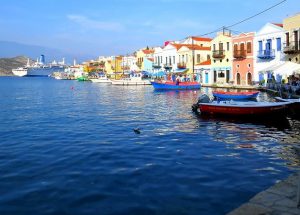
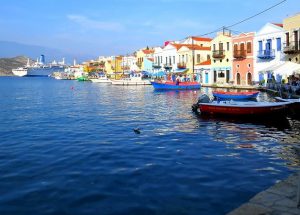
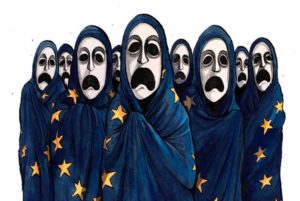 της Sonja van den Ende, 26 Φεβρουαρίου 2020, στο
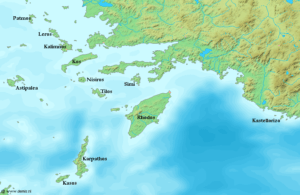
 του Haifeng Huang (*)

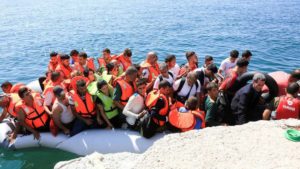
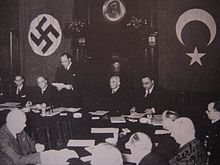

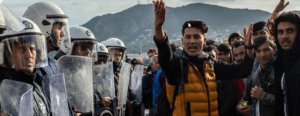
 carnegie.ru
 DMITRI TRENIN