Αρχική Blog Σελίδα 2415

Τι εστί Βερίκοκο;

1

Βερίκοκο είναι ένα φρούτο το οποίο, μεταξύ άλλων τοποθεσιών, ευδοκιμεί στην τουρκική πόλη Μαλάτεια στην Ανατολική Τουρκία. (Βλέπε χάρτη).

Η πόλη φαίνεται να βγάζει και ωραία κορίτσια τα οποία, πλην της ομορφιάς τους διαπρέπουν και στον δικαστικό κλάδο, και μάλιστα, στο διεθνή.

Σααντέτ Γιουκσέλ

Από την πόλη Μαλάτεια κατάγεται η τουρκάλα δικαστής του Δικαστηρίου Ανθρωπίνων Δικαιωμάτων  Σααντέτ Γιουκσέλ. (φωτογραφία).

Πρόεδρος στο δικαστήριο αυτό είναι ο ισλανδός Ρόμπερτ Σπάνο ο οποίος, όπως γράψαμε χθες, επιτιμοποιήθηκε από πανεπιστήμιο της Κωνσταντινούπολης και στη σχετική του ομιλία δεν έβγαλε τσιμουδιά για την καταπάτηση των ανθρωπίνων δικαιωμάτων στην Τουρκία του Ερντογάν.

Το γεγονός προκάλεσε παγκόσμια κατακραυγή, πλην της επαρχιακής Ελλάδας η οποία βλέπει μόνο τον ομφαλό της.

Εφημερίδες όπως η Le Monde προέβαλαν το θέμα και τις αντιδράσεις τούρκων δημοκρατών και διανοουμένων. Ενώ έγκυρα ευρωπαϊκά sites ζήτησαν την παραίτηση  του Ρόμπερτ Σπάνο.

Ο Ρόμπετ Σπάνο κατά τη παραμονή του στην Τουρκία επισκέφθηκε και τη Μαλάτεια, τόπο τον οποίο κανένας επίσημος δεν επισκέπτεται.

Γιατί τη Μαλάτεια;

Ο Ρόμπερτ Σπάνο με τον Ερντογάν.

Διότι είναι ο τόπος καταγωγής της τουρκάλας δικαστή του Ευρωπαϊκού Δικαστηρίου Ανθρωπίνων Δικαιωμάτων Σααντέτ Γιουκσέλ με την οποίο, ο πρόεδρος Σπάνο είναι τρελά ερωτευμένος, όπως μου λένε τούρκοι φίλοι δημοκράτες εξόριστοι σε ευρωπαϊκές χώρες.

Περιμένετε και θα ακούσετε σε λίγες ημέρες τη βόμβα που θα σκάσει.

Τώρα, πως απο όλα αυτά μπορεί να προκύψει δικαιοσύνη; Απαντήστε το εσείς. Πάντως, ο Ερντογάν έκανε και με τον τρόπο αυτό τη δουλειά του.

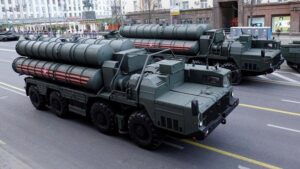
Geçtiğimiz yıl Rusya’dan S-400 hava savunma sistemleri alınmasının üzerine yeni bir S-400 sevkiyatı için anlaşma yapıldığı açıklandı.

0

23:25 – 

Türkiye ile Rusya arasında ikinci S-400 anlaşması!

Rusya’nın başkenti Moskova’da bugün başlayan Uluslararası Askeri ve Teknik Forumu Army-2020 forumunda gazetecilere konuşan Rus devlet silah ihracat şirketi (Rosoboronexport) Başkanı Aleksandr Miheyev, Rusya ile Türkiye arasında ikinci bir S-400 sevkiyatına yönelik anlaşmanın imzalandığını açıkladı.

Yapılan anlaşmanın uygulanması için mali şartlar konusunda görüşmelerin devam ettiğini söyleyen Mihayev, “Anlaşma imzalandı. Partnerlermizle anlaşmanın uygulanmasına yönelik mali modeli görüşüyoruz” ifadelerini kullandı.

SEVKİYAT GEÇEN YIL YAPILMIŞTI

Rusya’nın geliştirdiği S-400 Hava Savunma Sistemleri konusunda Türkiye ile Rusya arasında 2017 yılında bir anlaşma yapılmış, Rusya’dan Türkiye’ye hava savunma sistemlerinin sevkiyatı geçtiğimiz yıl gerçekleşmişti. (İHA)

sozcu.com.tr

Wall Street Journal: Αν ο Ερντογάν συνεχίσει, Ευρώπη και ΗΠΑ θα πρέπει να δώσουν ενιαία απάντηση

0

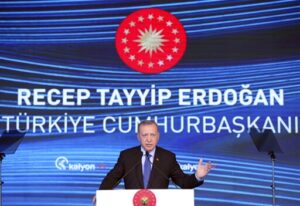
Ομιλία του Ταγίπ Ερντογάν σε μέλη του κόμματός του

Για «σημείο βρασμού» στη θάλασσα του Αιγαίου κάνει λόγο δημοσίευμα της Wall Street Journal περιγράφοντας την ελληνοτουρκική κρίση των τελευταίων ημερών, καθώς όπως τονίζει μπορεί ο Ρετζέπ Ταγίπ Ερντογάν να επιμένει ότι οι διαφορές με την Ελλάδα μπορούν να επιλυθούν μέσω διπλωματίας, ωστόσο το ζήτημα είναι κατά πόσο «ο Ερντογάν θέλει να διαπραγματευτεί ή απλά θέλει να επιδείξει την δύναμη της Τουρκίας».

«Οι διαμάχες για τις περιοχές γύρω από τις τουρκικές ακτές και αρκετά κοντινά ελληνικά νησιά υπήρχαν πριν να έρθει στην εξουσία ο Ερντογάν αλλά η αυξανόμενη επιθετικότητα έχει προκαλέσει τον τελευταίο γύρο της έντασης. Μονομερώς διεκδικεί μεγάλα κομμάτια κυριαρχίας για την Τουρκία και έχει κλιμακώσει στέλνοντας ερευνητικά πλοία σε αμφισβητούμενες περιοχές με τη στήριξη του ναυτικού. Κάθε πλευρά έχει τα δικά της νόμιμα επιχειρήματα αλλά η Άγκυρα δικαιολογεί την άσχημη συμπεριφορά της με εθνικιστική ρητορική» αναφέρεται στο άρθρο της WSJ.

Η WSJ θυμίζει τη δήλωση του Ερντογάν από το περασμένο Σάββατο ότι «είτε θα καταλάβουν τη γλώσσα της πολιτικής και της διπλωματίας είτε θα το καταλάβουν στο πεδίο με επώδυνες συνέπειες» και παρατηρεί ότι «ενώ ηγέτες χρησιμοποιούν συνήθως τέτοια ρητορική για εχθρούς, ο κ. Ερντογάν απειλεί έναν σύμμαχο στο ΝΑΤΟ».

«Η συμμαχία ήλπιζε ότι οι σχέσεις ανάμεσα στην Ελλαδα και την Τουρκία θα βελτιωνόταν με την ένταξή τους το 1952 αλλά οι δύο χώρες έχουν έρθει κοντά στον πόλεμο τρεις φορές από τη δεκαετία του ’70. Η ένταση επιδεινώθηκε όταν εντοπίστηκε φυσικό αέριο στην ανατολική Μεσόγειο τα τελευταία χρόνια» συνεχίζει το άρθρο.

«Η στρατιωτική διένεξη ανάμεσα στην Ελλάδα και την Τουρκία παραμένει μια λιγότερο πιθανή αλλά πραγματική πιθανότητα. Το ΝΑΤΟ προσπάθησε να οργανώσει συνομιλίες αλλά η Ελλάδα λέει ότι δεν θα συμμετάσχει μέχρι η Τουρκία να αποσύρει όλα τα πολεμικά πλοία από τις αμφισβητούμενες περιοχές. Αυτές οι δυσκολίες προκάλεσαν το ξέσπασμα το Σαββατοκύριακο του Ερντογάν, ο οποιος αντιμετωπίζει την διαμάχη αυτή ως κάτι περισσότερο από ό,τι για τα αβέβαια ενεργειακά αποθέματα».

Η WSJ υπενθυμίζει ότι η δημοτικότητα του κ. Ερντογάν έχει υποχωρήσει εν μέσω των οικονομικών προβλημάτων της Τουρκίας «αλλά μια σκληρή στάση στην ανατολική Μεσόγειο προκαλεί στήριξη σε όλο το φάσμα του πολιτικού συστήματος της Τουρκίας. Η Άγκυρα έχει επενδύσει κατά βάση στις ναυτικές της φιλοδοξίες με ένα αεροπλανοφόρο να ετοιμάζεται να βγει στη θάλασσα τον επόμενο χρόνο. Η Ελλάδα από την πλευρά της έχει ανακοινώσει χρήματα για εξοπλιστικά προγράμματα αλλά θα απαιτηθούν χρόνια για να έχουν αποτέλεσμα».

«Στο παρελθόν ΗΠΑ και Ευρώπη έχουν εργαστεί από κοινού προκειμένου να διαχειριστούν τις εντάσεις στην περιοχή. Αυτή τη φορά η Ουάσινγκτον έχει καλέσει σε διάλογο αλλά η Ευρώπη το μεταθέτει. Οι Βρυξέλλες παραμένουν διαιρεμένες – με τη Γαλλία να κλιμακώνει σε συμβολικό επίπεδο απέναντι στην Τουρκία και τη Γερμανία να προσπαθεί να παίξει το ρόλο του δίκαιου διαμεσολαβητή – και οι προσπάθειές της δεν θα έχουν αποτέλεσμα χωρίς το οικονομικό και στρατιωτικό βάρος των ΗΠΑ» προστίθεται στο άρθρο.

«Η Τουρκία αποτελεί έναν στρατηγικά σημαντικό μέλος του ΝΑΤΟ κυρίως στην Μαύρη Θάλασσα αλλά οι απειλες προς άλλο σύμμαχο απαιτούν απάντηση. Αν ο κ. Ερντογάν χρησιμοποιήσει δύναμη ή απειλεί να ανοίξει την “κάνουλα” με τους μετανάστες για την Ευρώπη, Ουάσινγκτον και Βρυξέλλες θα πρέπει να δώσουν ενιαία απάντηση» τονίζει η WSJ.

Και το άρθρο καταλήγει: «Οι αναρτήσεις του Τραμπ στο twitter και το πρίσμα της συναλλαγής με το οποίο αντιμετωπίζει τις διεθνείς σχέσεις συγκεντρώνουν την προσοχή των media. Αλλα το ΝΑΤΟ όπως το ξέρει ο κόσμος μπορεί να ξηλωθεί στην ανατολική Μεσόγειο».

liberal.gr

BloombegOpinion: H EE πρέπει να σταθεί ξεκάθαρα στο πλευρό της Ελλάδας έναντι της Τουρκίας

0
Του Ferdinando Giugliano

Οι εντάσεις μεταξύ Ελλάδας και Τουρκίας στην Ανατολική Μεσόγειο θα έπρεπε να είναι εξαιρετικά απλό ζήτημα για την Ευρωπαϊκή Ένωση. Ένα κράτος μέλος, η Ελλάδα, αντιμετωπίζει εδαφικές αξιώσεις από μια γειτονική της χώρα, την Τουρκία.

Ωστόσο, αντί να συσπειρωθούν πίσω από την Ελλάδα, αρκετές χώρες της ΕΕ ακολουθούν μια αμφίσημη προσέγγιση, καθώς φοβούνται τις πολιτικές και οικονομικές επιπτώσεις μιας αντιπαράθεσης με την Άγκυρα.

Αυτό θέτει ένα θεμελιώδες ζήτημα για το μπλοκ των “27”: Ποια η σημασία της ύπαρξης αυτού του κλαμπ χωρών εάν αυτό δεν είναι έτοιμο να προστατεύσει τα μέλη του;

Ο κίνδυνος της διστακτικής στάσης

Οι δισταγμοί κινδυνεύουν να προκαλέσουν μια δικαιολογημένη αίσθηση δυσαρέσκειας στην Αθήνα, λίγα χρόνια μετά τον τουλάχιστον ατυχή χειρισμό από πλευράς ΕΕ της κρίσης δημοσίου χρέους της Ελλάδας.

Κινδυνεύουν επίσης να δημιουργήσουν επικίνδυνο προηγούμενο, το οποίο να αφορά όλα τα κράτη μέλη. Εάν η Τουρκία μπορεί να εκμεταλλευτεί τις διαιρέσεις εντός της ΕΕ, το ίδιο θα μπορέσουν να κάνουν και άλλες χώρες, όπως η Ρωσία και η Κίνα.

Η Τουρκία επιδιώκει εδώ και καιρό να επαναχαράξει τα θαλάσσια σύνορά της με την Ελλάδα. Όμως οι μακροχρόνιες διεκδικήσεις της έχουν λάβει νέα ένταση υπό το φως των πρόσφατων ανακαλύψεων κοιτασμάτων φυσικού αερίου στην Ανατολική Μεσόγειο και η Τουρκία έχει γίνει πιο επιθετική στην διείσδυσή της στην περιοχή.

Η διπλωματική διαμάχη απειλεί τώρα να κλιμακωθεί σε πραγματική στρατιωτική σύγκρουση, καθώς οι δύο χώρες εμπλέκονται σε στρατιωτικές αψιμαχίες σε μια όλο και πιο τεταμένη περιοχή του κόσμου, η οποία περιλαμβάνει τη Λιβύη, το Ισραήλ και την Αίγυπτο. Η Κύπρος, έτερο κράτος – μέλος της ΕΕ, αντιμετωπίζει επίσης τουρκικές διεκδικήσεις.

Οι Ευρωπαϊκές Συνθήκες, τα ιδρυτικά ντοκουμέντα της ΕΕ, μιλούν ρητά για την ανάγκη ανάπτυξης “αμοιβαίας πολιτικής αλληλεγγύης μεταξύ των κρατών μελών”. Πράγματι, η Γαλλία έχει υποστηρικτική στάση έναντι της Ελλάδας, ωστόσο άλλες χώρες είναι πιο “προσεκτικές”.

Η Γερμανία και η Ιταλία είναι πιο επιφυλακτικές όσον αφορά μια πιθανή υπονόμευση των ισχυρών οικονομικών δεσμών τους με την Τουρκία. Φοβούνται επίσης μια υπαναχώρηση του προέδρου Ρετζέπ Ταγίπ Ερντογάν από τις συμφωνίες της χώρας του με την ΕΕ για το μεταναστευτικό, η οποία θα προκαλούσε νέες εισροές μεταναστών σε μια εποχή μεγάλης αβεβαιότητας στην Ευρώπη.

Ώρα αποφάσεων η Σύνοδος Κορυφής

Οι ηγέτες της ΕΕ θα συνέλθουν σε δύο εβδομάδες για να συζητήσουν την συγκεκριμένη κρίση. Η απεμπλοκή των ΗΠΑ από την περιοχή καθιστά ακόμη σημαντικότερο τα κράτη μέλη να συμπήξουν ένα ενιαίο μέτωπο.

Πρέπει να ρίξουν το βάρος τους στην υποστήριξη της Ελλάδας και της Κύπρου, επιβάλλοντας περισσότερες κυρώσεις στην Τουρκία στην περίπτωση που η τελευταία δεν κινηθεί σε κατεύθυνση ουσιαστικής αποκλιμάκωσης. Το μπλοκ έχει ήδη πλήξει με απαγόρευση ταξιδίων και πάγωμα περιουσιακών στοιχείων δύο Τούρκους πολίτες τον Φεβρουάριο.

Η ΕΕ αντιμετωπίζει και ορισμένα άλλα διλήμματα εξωτερικής πολιτικής. Πρέπει να αποφασίσει εάν θα παγώσει τη σχέση της με τη Ρωσία, μετά τη δηλητηρίαση του Αλεξέι Ναβάλνι, καθώς και πώς θα χειριστεί τυχόν εξωτερική επέμβαση ενάντια στις διογκούμενες πολιτικές διαμαρτυρίες στη Λευκορωσία.

Πρέπει να επιλέξει εάν θα ακολουθήσει μια πιο αποφασιστική στάση απέναντι στην Κίνα, μετά τις αυταρχικές κινήσεις του Πεκίνου στο Χονγκ Κονγκ.

Πάνω απ’ όλα, πρέπει να αναλογιστεί τι θα πράξει εάν ο Ντόναλντ Τραμπ κερδίσει μια δεύτερη θητεία στην προεδρία των ΗΠΑ και αποσταθεροποιήσει περαιτέρω τις διμερείς εμπορικές σχέσεις και τον Οργανισμό του Βορειοατλαντικού Συμφώνου (NATO).

Η περίπτωση της Ελλάδας δίνει στην ΕΕ την ευκαιρία να σχηματίσει ένα ισχυρό και ενιαίο μέτωπο εν όψει μιας εξωτερικής απειλής. Εάν η αλληλεγγύη συνεχίζει να έχει κάποια αξία ως έννοια, τώρα είναι η ώρα αυτό να αποδειχθεί.

capital.gr

Τα λαϊκιστικά κόμματα αποσυντίθενται όταν έρχονται σε επαφή με την πραγματικότητα

0

του Simon Kuper (*)

Ο επίσημος λογαριασμός του βρετανού πρωθυπουργού στο Twitter (15.400 tweets μέχρι τώρα) δεν περιλαμβάνει τη λέξη «Brexit» από τότε που το Ηνωμένο Βασίλειο εγκατέλειψε την ΕΕ στις 31 Ιανουαρίου. Ο προσωπικός λογαριασμός του Μπόρις Τζόνσον την αναφέρει μόνο μια φορά σε αυτό το διάστημα.

Ο βρετανός πρωθυπουργός θα ήθελε η παραβίαση της Συμφωνίας Εξόδου να έχει περάσει απαρατήρητη, και να μην έχει προκαλέσει όλον αυτόν τον θόρυβο. Αλλά και ο Ντόναλντ Τραμπ τηρεί σιγή ιχθύος για τις παλιές του υποσχέσεις να αποκαταστήσει τις δουλειές στα εργοστάσια, να εξαλείψει το ομοσπονδιακό χρέος, να αντικαταστήσει το Obamacare με κάτι πολύ καλύτερα και να σταματήσει τον «βιασμό» των ΗΠΑ από την Κίνα στο πεδίο του εμπορίου.

Ο λογαριασμός του αμερικανού προέδρου στο Twitter, έτσι, δεν έχει αναφερθεί στη λέξη «χρέος» από τον περασμένο Ιανουάριο. Ισως επειδή το ομοσπονδιακό χρέος (που είχε αρχίσει να αυξάνεται πριν από την πανδημία) θα ξεπεράσει του χρόνου το ετήσιο ΑΕΠ για πρώτη φορά από το Β’ Παγκόσμιο Πόλεμο.

Ο Τραμπ, ο Τζόνσον και άλλοι λαϊκιστές εγκαταλείπουν τις υποσχέσεις που είχαν δώσει. Και αντιμετωπίζουν ένα δίλημμα: είτε να το ρίξουν στον πόλεμο πολιτισμών χωρίς να ασκούν πολιτική είτε να επιστρέψουν στον παραδοσιακό, βαρετό, τρόπο άσκησης πολιτικής.

Ο λαϊκισμός πέρασε τη χρυσή περίοδό του από τον Οκτώβριο του 2015 ως τον Νοέμβριο του 2016. Η προσφυγική κρίση και οι ισλαμιστικές τρομοκρατικές επιθέσεις στην Ευρώπη αποτέλεσαν το ιδανικό υπόβαθρο γι’αυτά τα κινήματα, που τότε υπόσχονταν μια γενική βελτίωση. Θα καταργούσαν τις σκανδαλώδεις εμπορικές συμφωνίες, θα καταπολεμούσαν τη διαφθορά, θα επέστρεφαν την εξουσία στο λαό, θα έδιναν ξανά ζωή στη βιομηχανία και θα έκαναν γενικά καλύτερη διαχείριση από τους προκατόχους τους.

Το PiS εξελέγη τον Οκτώβριο του 2015 στην Πολωνία με την υπόσχεση ότι θα έδινε σε κάθε ζευγάρι 500 ζλότι (110 ευρώ) τον μήνα για κάθε παιδί που θα έκανε μετά τα δύο πρώτα. Το Κίνημα των Πέντε Αστέρων κέρδισε τον Ιούνιο του 2016 τους δήμους της Ρώμης και του Τορίνο δεσμευόμενο ότι θα επιβάλει χρονικά όρια στους εκλεγμένους αξιωματούχους και ότι δεν θα συμμαχήσει με παραδοσιακά κόμματα. Τέσσερις ημέρες αργότερα, οι Βρετανοί ψήφισαν υπέρ του Brexit. Ο Τραμπ κέρδισε τις εκλογές ως ένας λαμπρός επιχειρηματίας που θα έκανε τις ΗΠΑ πλούσιες ξανά.

Την άνοιξη του 2018, όταν τα Πέντε Αστέρια και η Λέγκα σχημάτισαν κυβέρνηση στην Ιταλία, κάπου 500 εκατομμύρια άνθρωποι την Ευρώπη και τη Βόρεια Αμερική τελούσαν υπό λαϊκιστική διακυβέρνηση.

Το PiS ακολούθησε το πρόγραμμα 500+, αλλά δεν τόνωσε τις γεννήσεις: η διαφορά των θανάτων από τις γεννήσεις ήταν το 2019 η μεγαλύτερη από το 1945. Η ακριβή αυτή πολιτική οδήγησε όμως κάπου 100.000 γυναίκες να εγκαταλείψουν την αγορά εργασίας.

Από τις υπόλοιπες υποσχέσεις των λαϊκιστών, ελάχιστες εκπληρώθηκαν. Και οι προσδοκίες για μια ικανή διαχείριση διαλύθηκαν με την πανδημία. Το πρόγραμμα του Τραμπ για τις υποδομές αγνοείται, όπως και η πολυδιαφημισμένη εμπορική συμφωνία της Βρετανίας με τις ΗΠΑ. Και στην Ιταλία, τα Πέντε Αστέρια συμμάχησαν σε εθνικό επίπεδο με το Δημοκρατικό Κόμμα.

Το μόνο που έμεινε στους λαϊκιστές είναι ο πόλεμος των πολιτισμών. Το PiS τα έβαλε με τους ΛΟΑΤΚΙ, που όπως είπε ο πρόεδρος Ντούντα δεν είναι άνθρωποι, αλλά μια ιδεολογία χειρότερη από τον κομμουνισμό. Ο Τραμπ πολεμά τους διαδηλωτές του κινήματος Black Lives Matter και τις ίδιες τις πόλεις. Ο Τζόνσον προσπαθεί να στρέψει το ενδιαφέρον στη μάχη για το άγαλμα του Τσόρτσιλ και το τραγούδι «Rule, Britannia!», αλλά η Αριστερά δεν τον ακολουθεί.

Όλα τα λαϊκιστικά κόμματα αποσυντίθενται όταν έρχονται σε επαφή με την πραγματικότητα. Όπως λέει και η αμερικανίδα συγγραφέας Αν Απλμπαουμ, ήρθε η στιγμή να μάθουμε κατά πόσον η μάχη από την αρχή ήταν για την ταυτότητα και τον πολιτισμό.

(*) Ο Σάιμον Κούπερ είναι αρθρογράφος των Financial Times

(Πηγή: Financial Times)/ΑΠΕ-ΜΠΕ

US eyes Greek island as alternative to Turkish base due to ‘disturbing’ Erdogan actions, senior senator claims

0

washingtonexaminer.com

Turkish President Recep Tayyip Erdogan’s “disturbing” foreign policy has spurred U.S. officials to intensify preparations to withdraw from Incirlik Air Force base, according to a senior Republican senator and American analysts.

“We don’t know what’s gonna happen to Incirlik,” Wisconsin Sen. Ron Johnson, who chairs the Senate Foreign Relations subcommittee for Europe, told the Washington Examiner. “We hope for the best, but we have to plan for the worst.”

Erdogan has threatened American access to the base, which reportedly houses dozens of U.S. nuclear weapons, multiple times since he squashed a failed coup attempt in 2016.

A withdrawal would signal a major shift in the balance of trust between the United States and the country that boasts the second-largest military in NATO, but Erdogan’s increasing affinity for Russian President Vladimir Putin and truculence with other NATO allies has angered American officials and raised the specter of other crises in the transatlantic alliance.

Recommended For You

Amid coronavirus, Army Basic Combat Training shows better results for Gen Z recruits

“We want to maintain our full presence and cooperation in Turkey,” Johnson said. “I don’t think we want to make that strategic shift, but I think, from a defensive posture, I think we have to look at the reality of the situation that the path that Erdogan is on is not good.”

The disagreements between Turkey and other NATO allies has grown in recent years, in part due to Erdogan’s purchase of advanced Russian anti-aircraft missile systems — a decision that led President Trump’s administration to expel Turkey from the F-35 stealth fighter program. More recently, Erdogan has gotten embroiled in a maritime boundary dispute with Greece, a controversy grave enough to prompt NATO officials to intervene to try to ensure that the two alliance members avoided a military clash.

“My main worry is an unintentional clash,” the Foundation for Defense of Democracies’ senior Turkey analyst Aykan Erdemir, a former Turkish lawmaker and Erdogan critic, said during a discussion of the Turkey-Greece dispute. “Even a short-lived military conflict could be extremely detrimental to NATO. Because when you think about it, you know, from the Russian perspective, nothing could be better than two key members of NATO’s southeastern flank fighting with one another.”

Both Turkey and Greece joined NATO in 1952, but the U.S. relationship with the two countries is trending in opposite directions. “We’re already looking at Greece as an alternative,” Johnson said while considering a prospective exit from Incirlik.

The U.S. Navy maintains a base at Souda Bay on the Greek island of Crete, and the significance of the outpost is growing along with the tensions between Washington and Ankara.

“It’s very unfortunate the path that Erdogan is taking Turkey, or has put Turkey on,” Johnson said. “It’s disturbing. It’s very concerning, which is one of the reasons we certainly are increasing and improving our military cooperation with Greece … beefing up our presence in Souda Bay, because our presence, quite honestly, in Turkey is certainly threatened.”

Erdogan’s dispute with Greece is just one of the maritime boundary controversies involving his government, spurred in part by recent natural gas discoveries that make the eastern Mediterranean a desirable economic asset. Turkey and Cyprus, where Turkey has maintained a major military presence since seizing part of the island in 1974, also disagree about who has jurisdiction over energy-rich waters.

And in the midst of these controversies, Secretary of State Mike Pompeo announced last week that Cyprus would be allowed to purchase “nonlethal defense articles and services,” providing partial relief from an arms embargo imposed in 1987.

“It is in our national security interest to lift these outdated decadeslong arms restrictions and deepen our security relationship with the Republic of Cyprus,” New Jersey Sen. Bob Menendez, the top Democrat on the Foreign Relations Committee, said in support of Pompeo’s announcement.

State Department officials identified the Cyprus decision as a way to help mitigate Russian influence on the island, which traditionally allows Russian naval vessels to refuel at Cypriot ports. Yet the strengthening of security ties between Cyprus and the U.S. also stands as a warning to Erdogan and a sign that the U.S. is preparing an array of new basing options in case the Turkish leader’s policy decisions makes Incirlik untenable for American forces.

“One of the issues with regard to the Cyprus arms embargo was just allowing them to be prepared to host our forces a lot more — not in a formal base, but in various exercises,” the American Enterprise Institute’s Michael Rubin said.

Erdemir, the former Turkish lawmaker, agreed that the overtures to Cyprus and Greece are partly designed as a hedge against Erdogan’s threats to Incirlik.

“Washington is not necessarily thinking of one alternative to Incirlik, but a number of rebasing options which are complementary as a contingency plan to Incirlik,” he said. “This has been going on for quite some time, in steps. I would definitely argue that it’s nothing new, but it might be changing qualitatively in terms of the nature and the extent of U.S. presence and investments in these alternative sites.”

washingtonexaminer.com

Why Robert Spano should resign as President of the ECtHR

0

On 3-5 September 2020, the ECtHR’s new president Robert Spano paid an official visit to Turkey. Spano’s visit is scandalous for multiple reasons and has caused serious damage to the reputation of the ECtHR that warrants his resignation.

Not the perfect timing, is it Mr. President?

The first ever visit by an ECtHR president to Turkey came at a time when the country is in the grips of an increasingly autocratic regime. Judge Spano knows very well that Recep Tayyip Erdoğan has eradicated any remnant of judicial independence and the rule of law in Turkey. He knows because until last year, he was the President of the ECtHR’s Second Section which oversees the case law against Turkey. Spano has experienced first-hand how new applications from Turkey skyrocketed after the July 2016 coup attempt against Erdoğan; 8,300 in 2016 (nearly four times as many as in 2015) and 25,978 in 2017 alone. The list of new petitioners is long: civil servants purged without any evidence of involvement in the coup attempt; parliamentarians, journalists, judges, civil society activists arrested, prosecuted and convicted on dubious terrorism charges; individuals whose life savings, pensions, properties and passports were confiscated without a shred of due process.

The judiciary was also dismantled. According to an ECtHR judgment issued during Spano’s section presidency, on 16 July 2016 alone (only one day after the coup attempt), some 3,000 judges and prosecutors were arrested and subsequently detained. Spano is perfectly aware that none of this would have been possible without the complicity of Turkish courts. For reasons of fear, duress, ideological bias or personal grudge, judicial authorities authorized the purge and arrest of anyone and everyone believed to be remotely linked to the Gülen movement, which Erdoğan declared to be the culprit within hours of the coup attempt. In a matter of few weeks, the Turkish Constitutional Court (TCC) gave its blessing to Erdoğan’s crackdown, dismissing two of its own members without any evidence of their involvement with the Gülenists, let alone in the coup attempt. According to the TCC, the “conviction” of the remaining judges was sufficient. As the Venice Commission noted, from then on there would be “little chance of success” for lower-level judges and prosecutors to challenge their dismissals before the Turkish courts. A favorable ECtHR ruling would not change this reality. In its July 2020 ruling in Yıldırım Turan, the TCC unanimously dismissed the complaint of a lower court judge held in pre-trial detention since July 2016, notwithstanding the ECtHR’s 2019 Alparslan Altan v. Turkey judgment finding, after nearly three years, an Article 5(1) violation in the pre-trial detention of a former TCC judge. In defying the ECtHR precedent, the TCC declared itself to be “much better situated” than the Strasbourg court for interpreting national law. The TCC thus effectively declared its intention to selectively follow the ECtHR case law – at least as far as post-coup purges are concerned.

An ECtHR President in Turkey

Evidently, Spano carried out this visit to personally communicate to the authorities their obligations under the European Convention system through a lecture on judicial independence at the Justice Academy in Ankara, a talk on academic freedom at Istanbul University and a conference on freedom of religion at Artuklu University in Mardin. In addressing judges and prosecutors, Spano stressed the indispensability of judicial independence and impartiality for the rule of law, and emphasized in this regard the importance of training judges on human rights standards. In his lecture to legal scholars, he emphasized the importance of high-quality legal education. And in addressing the provincial representatives of the national government in Mardin, he underscored the importance of protecting religious freedom and minority rights in democratic societies. To bring home his message, Spano highlighted an ECtHR ruling on each theme. On judicial independence, he singled out the TCC’s reaction to the Alparslan Altan ruling, setting the record straight by reminding that the ECtHR’s mandate includes and indeed requires the interpretation of domestic laws. On academic freedom, he recalled Kula v. Turkey where the ECtHR found the sanctioning of an academic for participating in a TC program without his superior’s authorization to infringe freedom of expression. This time, he expressed his happiness that this judgment “f[ound] its expression” in a TCC judgment of July 2019 (not citing the judgment or summarizing the issue and the ruling in the case). As for religious freedom, he underscored the state’s duty of neutrality in reference to the Grand Chamber’s 2016 ruling in Izzettin Doğan and Others v. Turkey, where the ECtHR found, among others, that members of the Alevi religious faith in Turkey “suffered discrimination as compared with the followers of the majority version of Sunni Islam, who benefited from … rights and services” such as the ability to build places of worship, to receive subsidies and to have their places of worship recognized under the law.

In a nutshell, Spano delivered the remarks that a legal scholar specialized on the ECtHR would at an academic conference. He is, however, no longer a law professor. He was speaking in his capacity as the ECtHR President and addressing the judicial, executive and administrative authorities of a signatory state who have been systematically defying the ECHR with their rulings, decisions and practices. And not because they did not know any better; the Council of Europe and the EU have been training thousands of Turkish judges and prosecutors since the early 1990s. Those in positions of power in Turkey, from Erdoğan to rectors of public universities, know exactly what they are doing. Does President Spano really think that the TCC’s President Zühtü Arslan, a hitherto renowned legal scholar specialized in the ECHR system before his appointment to Turkey’s highest court, would have not voted for the dismissal of his colleagues on the whim of the regime and openly defied the ECtHR’s authority with the Yıldırım Turan judgment had he received more training on ECtHR jurisprudence?

Let’s now walk through the TCC ruling concerning academic freedom that Spano alluded to. The case does not concern the over 6,000 academics purged from Turkish universities since the failed coup, but a distinct group of academics, who had started to be purged before the coup attempt for having signed a petition (along with over 1,000 others) accusing the government of “deliberate massacre and deportation” of civilians in the Kurdish region. Hundreds were fired from their jobs, had their (and sometimes their spouses’ and children’s) passports cancelled, preventing them from finding academic jobs abroad, and were banned from finding other jobs in Turkey, including in the private sector. In other words, they faced “civil death” solely for signing a petition. The TCC ruling did not address any of these issues. It is limited to the criminal conviction of nine of these academics on charges of spreading terrorist propaganda. Moreover, the judgment was passed with an extremely narrow vote; eight assenting and eight dissenting votes, with the president’s vote bringing the decisive result. The TCC found the applicants’ freedom of expression to have been violated, awarded them monetary compensation and ordered lower courts to conduct retrials. The judgment is of course important; it implicates nearly 800 academics currently facing prosecution and will (hopefully) lead to their acquittal after over three years. But it does not make the TCC the bastion of ECHR norms in Turkey.

More problematic even is Spano’s discussion of İzzettin Doğan and Others. In this landmark judgment, the Grand Chamber had found Turkey’s policies towards the Alevi religious minority as a whole to violate not only freedom of religion under Article 9 but also to constitute discrimination under Article 14. From imposing on all ‘Muslim’ pupils mandatory religion courses in secondary education to refusing to grant Alevi places of worship (cemevis) the exemption from paying electricity bills granted to Sunni places of worship (mosques), from refusing to grant legal status to cemevis to not allowing the training of Alevi religious leaders (dedes), Turkey infringed its duty of neutrality and equal treatment to its Alevi citizens. This was in 2016. As of 5 September 2020, when Spano reiterated the state’s duty of neutrality and impartiality in the realm of religion, all of these policies were still in effect. And yet, President Spano did not say a word about Turkey’s non-compliance with a Grand Chamber ruling.

Used for public display

So far, Spano could be excused or even perhaps justified for trying to appeal to Turkish authorities without antagonizing them. But, for reasons of political inexperience, naïveté or, worst, a belief that Turkey should not be held to the same standards as liberal democracies, he allowed himself to be used for public display by Erdoğan’s regime.

Spano could have limited his visit to meetings with his counterparts in the Turkish judiciary. He did not have to meet with Erdoğan. But he did – arguably with the hope to talk some sense into him. In reality, in posing with Erdoğan he ended up legitimizing the ‘Turkish-style presidency’ introduced in 2017 which vested Erdoğan with the powers to, among others, dissolve the Parliament on any ground, issue decrees exempt from constitutional review and declare a state of emergency – a move which the Council of Europe’s own Venice Commission considered to be a decisive move “towards an authoritarian and personal regime”.

Spano could have spoken on academic freedom at an institution which respects that principle. But he chose Istanbul University, which expelled over 200 academics pursuant to executive decrees issued by the regime. He must know this because the list includes the husband of his former colleague Işıl Karakaş, who served with Spano at the Second Section until 2019. Most notably, Spano accepted an honorary doctorate from that university. In his open letter, Professor Mehmet Altan, who was dismissed from Istanbul University after thirty years of teaching, reminded President Spano that he now shared the “honour” with Kenan Evren, the junta leader who staged the 1980 coup d’etat and led the military regime for the next three years. In another post on this blog, I had discussed the ECtHR’s judgment finding Altan’s prolonged pre-trial detention to violate Article 5(1). Although Turkish courts finally acquitted him after resisting to comply with the ECtHR ruling for nearly twenty months, Altan is still fighting to get his job back. In his letter, Altan made a striking reminder to Spano: “These proceedings are ongoing and it is likely that they will also be brought before the ECtHR that you preside over. But in the meantime you will have become a Judge who has received an honorary doctorate from Istanbul University.”

I am not one who rushes to call individuals to resign any time they violate their professional duties or ethnical principles governing their jobs. But one photograph that appeared on the social media at the end of Spano’s visit leaves no doubt, in my opinion, that he is no longer qualified for his post. The photo was taken in Mardin, on the steps of a high school. Spano is seen standing next to Saadet Yüksel, the recently elected ECtHR judge in respect of Turkey. We find out from news reports that Yüksel’s parents donated the funds for the construction of the school building in their hometown (is this why Spano visited Mardin out of Turkey’s remaining 79 provinces other than the capital and Istanbul?). The gentleman to Yüksel’s left is her brother Cüneyt Yüksel, a former member of the parliament from Erdogan’s ruling Justice and Development Party (AKP) and currently holding the party’s vice-chairmanship on political and legal affairs. The other woman in the photo is reportedly the head of AKP’s provincial branch in Mardin. Among the officials that Spano met during his Mardin visit is Mahmut Demirtaş who is currently both the (government appointed) governor and current mayor of Mardin.

This single photograph raises so many ethical questions. Why was this school visit even on Spano’s agenda? It is evident from Spano’s lectures that he has developed a close friendship with Yüksel – so much so that he seems to have let Judge Yüksel determine the agenda of his entire trip. After all, Mardin is Yüksel’s hometown, before being elected to the ECtHR she was a member of the faculty at Istanbul Law Faculty, and there she is standing next to her politician brother. Is it ethical for the ECtHR President to conduct private visits during an official visit? More significantly, however, why did he meet with several representatives of the ruling political party when he did not get together with a single representative of any of the opposition parties in Turkey? This photo gives the impression that Spano’s host in Turkey was not the Turkish government, but the AKP.

But that is not all. Governor/mayor Mahmut Demirtaş personifies an unlawful policy put in place by the Erdoğan regime to grasp by executive force the local governance of a significant part of the Kurdish region that it had been unable to gain through electoral means. His target were mayors elected to office from the pro-Kurdish Peoples’ Democratic Party (HDP). In September 2016, taking advantage of the coup attempt to further curb democratic opposition, Erdoğan adopted an emergency decree authorizing the government to dismiss, arrest or ban from public office mayors and municipal officials accused of terrorism and to replace them with appointed bureaucrats (trustees). According to information I obtained from the HDP, by September 2019, ninety-three HDP mayors and deputy mayors were in pre-trial detention and eighty-four of the 100 HDP mayors had been replaced by AKP-appointed trustees. Mahmut Demirtaş is one of them. And in this case, the AKP seems to not even have bothered to keep up appearances, having Demirtaş continue to serve as governor while also serving as a mayor. Truly amazing. By meeting and posing with Demirtaş, Spano not only effectively endorsed the unconstitutional executive takeover of a democratically elected office, but also sent an extremely worrisome message to former HDP mayors whose cases are either pending before the ECtHR or will soon arrive there. How can they be assured of “the possibility of a remedy before an independent and impartial court”?

An untenable position

With so many ethical errors of judgment in the course of one trip, and so many instances where Spano engaged with institutions and politicians who are deeply implicated in cases that are or will come before the ECtHR under his Presidency, he has made his position at the Court untenable. One cannot be the President of a court and receive an honorary doctorate from a university that has dismissed academics whose cases are pending before the ECtHR; one cannot absolve photo opportunities with government-appointed trustees who have replaced democratically elected mayors, whose cases are on the ECtHR’s docket; one cannot pay private favours to Turkey’s judge on the ECtHR by paying a visit to a school funded by her parents; one cannot meet with ruling AKP politicians without meeting any member of the opposition. By doing all these things, Judge Spano has not only shown that he lacks awareness of the ethical standards required by his job, but has also tainted the reputation of neutrality of the ECtHR to such an extent that Turkish plaintiffs can no longer feel that the Court under his leadership can guarantee a fair and impartial trial. Judge Spano should therefore do what is best for the ECtHR and its credibility: he should resign.

—

For a detailed analysis of the ECHR system’s complex engagement with Turkey since the 1950s, see the author’s upcoming book titled Limits of Supranational Justice: The European Court of Human Rights and Turkey’s Kurdish Conflict (CUP 2020).

*Dilek Kurban, PhD, is a Fellow at the Hertie School of Governance. She is a legal scholar with research interests in the European Court of Human Rights, legal mobilisation, forced displacement, minority rights and human rights abuses during ethnic conflicts. She is specialised on Turkey.

verfassungsblog.de

Now Is the Time for the US to Revive the Cypriot Peace Talks

0

By September 10, 2020

BESA Center Perspectives Paper No. 1,740, September 10, 2020

EXECUTIVE SUMMARY: In order to counter Ankara’s aggression in the eastern Mediterranean and disrupt its plans to dominate Cyprus, the US should make a peace deal on the island a top regional priority for 2021.

It has been 16 years since the last serious peace proposal for the Mediterranean island of Cyprus was put forward. The island, which was colonized by Britain and then ethnically divided in 1974 through a Turkish military intervention and Greek-inspired coup, has fallen victim to Russian and Turkish exploitation. Its economy has been unable to function properly since at least the Great Recession, a crisis that has only been exacerbated by the coronavirus pandemic. The recent signing of deals with Egypt, Italy, Israel, and Greece to export its natural gas to members of the EU could help the Cyprus economy stabilize and grow, but Turkey has vowed to thwart those plans under the guise of a failed peace process.

Both Greek-Cypriot and Turkish-Cypriot leaders have expressed interest in restarting peace talks. However, massive power imbalances, a history of prejudice and mistrust, and EU bias toward the internationally recognized Republic of Cyprus (the southern Greek-dominated administration) have made it extremely difficult to resume negotiations.

Further undermining the situation is the continued Turkish military occupation of the north, which has morphed from a guarantor of security for the Turkish minority into a semi-permanent military position that gives Ankara a foothold in the region and control over Cypriot resources and economics.

The granting of EU membership to the Republic, despite its rejection of the 2004 peace deal, has removed any reason for the south to negotiate with the self-proclaimed Turkish Republic of Northern Cyprus (TRNC). The south has a much more stable economy, thanks to its EU membership, international recognition, and generally greater access to the outside world.

The UN has failed repeatedly in its efforts to make peace between warring parties—not just in Cyprus, but also throughout Africa and the Middle East. It is time for a new and more removed power, specifically the US, to step in and restart the process in Cyprus.

The US has expressed concern about Russia’s role in Cyprus and the broader Mediterranean. It is also worried about growing Chinese clout in the region as part of its Belt and Road Initiative (BRI) throughout Eurasia. The BRI, if successful, will give Beijing more economic influence and military/ intelligence assets throughout a region long dominated by Western powers.

Given the great differences in the handling of the region by Brussels and Washington, and in view of the EU’s past failures to resolve the Cyprus problem, Washington should replace it. The US has already ended an arms embargo on the island that had been in place for over three decades and begun joint combat training with Cypriot military forces. The US is also a guiding partner for the emerging energy axis in the eastern Mediterranean among Greece, Israel, Italy, Egypt, and Cyprus, and is growing more concerned about Turkish activity in the region.

Washington’s involvement in the conflict would be a welcome game-changer that could benefit all sides. Whether or not a US plan is successful, Washington would gain clout in the region and respect from the Europeans for its international engagement and efforts at peacemaking. The US could become more involved (possibly in terms of investment as well) in modernizing Cyprus’s military forces and participating in its energy sector. It would also be able to effectively counter Moscow and Ankara in the region. In short, US involvement could lead to the reunification of Cyprus, or at the very least could rescue it from the whims of failed and self-interested peacemakers like Brussels and the UN.

An American-sponsored agreement would provide Cyprus with better protection from Turkey’s designs, which seem increasingly to include a two-state solution and annexation of the north of the country to mainland Turkey. Britain could potentially withdraw its military forces from the island, as would Turkey. Cyprus would likely also be wealthier and better able to defend its sovereignty. As for the two “motherlands,” Turkey would see to it that its “brothers” on the island would have their rights and safety respected while Greece could do the same for their Cypriot brethren. The UN and EU could breathe a sigh of relief that this longstanding problem has been peacefully concluded, which should ease Greek-Turkish tensions somewhat.

The Annan Plan should be thrown out and replaced with a new, realistic peace initiative drawn up by the US. For it (or any plan) to work, there must first be trust-building measures. Like the Nicosia Master Plan, which revitalized the walled city between north and south for the good of all Cypriots, a similar plan should be drawn up to repair infrastructure abandoned or damaged in the Buffer Zone. Joint projects, such as the building of desalinization facilities or water recycling plants throughout the island to combat drought, can be created and sponsored by the US and other international donors.

The US should also create a compensation fund for people displaced during the 1974 war. While some refugees may return in a final agreement to their ancestral villages, others will likely receive compensation. The money for such a fund could come from the UN, Britain, the US, and the EU—but mainly from Turkey and Greece, given that they were largely the ones who instigated the 1974 conflict and displacement. A joint commission to locate the missing bodies of those killed during the 1974 war, as well as a joint reconciliation ceremony to take place annually, could help both communities acknowledge their sides’ war crimes, apologize, and mourn, both separately and together.

A Cypriot educational program should be formed that acknowledges that both sides committed atrocities, suffered in the conflict, and want a better future for the island. Both sides have legitimate grievances that can be resolved through negotiation—and both are wary of Ankara’s plans to Islamize the north of the island, which poses a risk to the south as well. Nobody wants to see an ethno-national conflict turn into a religious one.

Any future peace agreement in Cyprus should start small. Bridges can be built between the two societies, which have a great deal in common but have become estranged due to misconceptions, mistrust, and failed peace models. Once trust and cooperation become the norm, a more concrete and wide-ranging agreement can be negotiated.

But new negotiations should be sponsored by a new power, not dictated by the failed and self-interested EU or UN. If the US wants to assert itself on the world stage as a respected power while preventing war in the Mediterranean and bringing peace to the Middle East, it needs to make Cyprus a top foreign policy priority going into 2021.

View PDF

Dmitri Shufutinsky is a graduate of Arcadia University’s Masters program in International Peace & Conflict Resolution. He currently lives as a Lone Soldier in Kibbutz Erez, Israel, serving in the Givati Brigade under the Garin Tzabar program.

Bloomberg και Guardian: Για δύο λόγους Ελλάδα και Τουρκία βρίσκονται στο χείλος μιας σύρραξης

0

ΕΝΕΡΓΕΙΑΚΑ ΚΑΙ ΜΕΓΑΛΟΪΔΕΑΤΙΣΜΟΣ

Ενταση στη Μεσόγειο / Φωτογραφία: AP
Τους λόγους που έχουν φέρει την Ελλάδα και την Τουρκία στο χείλος μιας στρατιωτικής αντιπαράθεσης, με πρώτο και κύριο την εκμετάλλευση των ενεργειακών πόρων της Ανατολικής Μεσογείου, επιχειρούν να αναλύσουν το Bloomberg και ο Guardian.

Πρόκειται για μια προβληματική σχέση με μια σειρά ακανθωδών ζητημάτων που λίγο έλειψαν να ανάψουν τρεις φορές σε διάσημα μισού αιώνα το φιτίλι του πολέμου μεταξύ των δύο νατοϊκών εταίρων Ελλάδας και Τουρκίας, αναφέρει το Bloomberg, παραθέτοντας τα σημεία τριβών μεταξύ Άγκυρας και Αθήνας.

Το πρακτορείο σημειώνει ότι η διαίρεση της Κύπρου άρχισε ουσιαστικά το 1963, όταν ξέσπασαν διαμάχες μεταξύ των Ελληνοκυπρίων και των Τουρκοκυπρίων, και ολοκληρώθηκε με την εισβολή του «Αττίλα» το 1974, την κατοχή του βόρειου τμήματος της Μεγαλονήσου και τη δημιουργία του «κράτους» της ΤΔΒΚ, που αναγνωρίζει μόνο η Τουρκία.
Οι προσπάθειες επανένωσης δεν έχουν αποφέρει μέχρι στιγμής καρπούς, ενώ πρόσφατα οι ΗΠΑ χαλάρωσαν το εμπάργκο όπλων προς την Κυπριακή Δημοκρατία, κίνηση που καταδίκασε η Τουρκία.

Ανατολική Μεσόγειος
Οι εντάσεις κλιμακώθηκαν φέτος με τις έρευνες της Τουρκίας για πετρέλαιο και φυσικό αέριο σε διαφιλονικούμενα ύδατα της Ανατολικής Μεσογείου, όπου εντοπίστηκαν μεγάλα κοιτάσματα τα τελευταία χρόνια για λογαριασμό του Ισραήλ, της Αιγύπτου και της Τουρκίας.

Η κόντρα προκύπτει από τις αντικρουόμενες ερμηνείες των θαλασσίων συνόρων και το ζήτημα της κυριαρχίας στην Κύπρο, με την Άγκυρα να αμφισβητεί το δικαίωμα των ελληνικών νησιών να έχουν υφαλοκρηπίδα και να αρνείται να υπογράψει τη Σύμβαση του ΟΗΕ για το Δίκαιο της Θάλασσας (UNCLOS), ενώ η διοίκηση των Κατεχομένων στην Κύπρο διεκδικεί δικαιώματα σε όλους τους ενεργειακούς πόρους που ανακαλύφθηκαν ανοικτά των ακτών της Μεγαλονήσου.

Διαφωνίες στο Αιγαίο
Ελλάδα και Τουρκία έφθασαν στο χείλος του πολέμου το 1987, με αφορμή τα δικαιώματα εξόρυξης πετρελαίου στo κατάσπαρτο με νησιά Αιγαίο, αλλά και το 1996 για τα Ίμια. Η Τουρκία έχει διαμηνύσει από το 1995 ότι θεωρεί casus belli την επέκταση των ελληνικών χωρικών υδάτων στα 12 ν.μ. στο Αιγαίο.

Πηγή προστριβών αποτελεί και το καθεστώς αποστρατιωτικοποίησης των Δωδεκανήσων, με την Τουρκία να πνέει μένεα μετά την -πρόσφατη- κυκλοφορία φωτογραφιών που έδειχναν Έλληνες στρατιώτες να φθάνουν στο Καστελόριζο, αλλά και ο εναέριος χώρος των 10 ν.μ. από τις ελληνικές ακτές, που η Τουρκία επιμένει ότι θα έπρεπε να περιορίζεται στα 6 ναυτικά μίλια -όσο και τα χωρικά ύδατα της Ελλάδας.

Οι μουσουλμάνοι της Θράκης
Ο Τούρκος πρόεδρος Ρετζέπ Ταγίπ Ερντογάν καταγγέλλει διακρίσεις εις βάρος των τουρκογενών μουσουλμάνων της δυτικής Θράκης, ενώ κατηγορεί την Ελλάδα ότι κλείνει δεκάδες «τουρκικά» σχολεία, συνεχίζει το Bloomberg. Ο Ερντογάν έχει απαιτήσει επίσης αναθεώρηση της Συνθήκης της Λωζάνης του 1923 με στόχο την ενίσχυση των δικαιωμάτων της μουσουλμανικής μειονότητας στην Ελλάδα και τη διευθέτηση των ζητημάτων εδαφικής κυριαρχίας στο Αιγαίο, με την Ελλάδα να απαντά ότι η Τουρκία δεν έχει το δικαίωμα να μιλά για τέτοια θέματα από τη στιγμή που κρατά κλειστή από το 1971 τη Θεολογική Σχολή της Χάλκης και πρόσφατα μετέτρεψε σε τζαμιά την Αγία Σοφία και τη Μονή της Χώρας.

Guardian: Κόντρα για τα ενεργειακά ή κρύβεται από πίσω ο μεγαλοϊδεατισμός του Ερντογάν;
Για τον Guardian, το ζητούμενο είναι αν η κόντρα Ελλάδας – Τουρκίας αφορά μόνο μια διαμάχη για τα ενεργειακά, ή αντίθετα ωθείται από τον ενστερνισμό από μέρους του Ερντογάν «μιας πανισλαμικής οθωμανικής ιδεολογίας, σε μεγάλο βαθμό λόγω της εσωτερικής πολιτικής του αποδυνάμωσης».

Όπως σημειώνει ο διπλωματικός συντάκτης της βρετανικής εφημερίδας, Πάτρικ Γουίντουρ, «όσοι ενστερνίζονται στην Τουρκία τη θεωρία της “Γαλάζιας Πατρίδας” υποστηρίζουν ότι τα προβλήματα της χώρας τους πηγάζουν από την άδικη μεταχείρισή της από τις παλιές αποικιοκρατικές δυνάμεις (…). Οι οπαδοί του Ερντογάν ισχυρίζονται ότι η Τουρκία -σε μια περίοδο αδυναμίας και χωρίς πολεμικό ναυτικό- υποχρεώθηκε να υπογράψει τη Συνθήκη των Σεβρών και την ανεπαρκή αναθεώρησή της με τη Συνθήκη της Λωζάνης το 1923, που στην πράξη άφησαν την Τουρκία εγκλωβισμένη στα όρια των ακτών της, μολονότι διαθέτει μια ακτογραμμή περίπου 8.000 χλμ.».

Στο άρθρο επισημαίνεται η αυξανόμενη ανησυχία στη Γαλλία για τη συνολική κατεύθυνση της Τουρκίας, με τον πρώην σύμβουλο του Φρανσουά Μιτεράν, Ζακ Αταλί, να σημειώνει πρόσφατα ότι θα πρέπει να ληφθούν πολύ σοβαρά όλα όσα λέει η Τουρκία και «να είμαστε έτοιμοι να δράσουμε με όλα τα μέσα. Αν οι προκάτοχοί μας είχαν ακούσει σοβαρά της ομιλίες του Φύρερ από το 1933 μέχρι το 1936, θα μπορούσαν να αποτρέψουν αυτό το τέρας να συγκεντρώσει τα μέσα για να κάνει αυτό που έκανε». Σημειώνεται, ακόμη, η τοποθέτηση του πρώην πρέσβη της Γαλλίας στον ΟΗΕ, Ζεράρ Αρό, ότι «η Ρωσία, η Κίνα και η Τουρκία είναι δυνάμεις του αναθεωρητισμού που δεν αποδέχονται ένα status quo στηριζόμενο στην παγκόσμια τάξη που όρισε η Δύση από το 1945 μέχρι το 1991, καθώς νιώθουν ενισχυμένη τη θέση τους από μια νέα παγκόσμια ισορροπία και την αμερικανική πολιτική. Πού θα σταματήσουν; Τι πρέπει να κάνουν οι Ευρωπαίοι;».

Την απάντηση, λέει ο Guardian, έδωσε πρόσφατα ο Εμανουέλ Μακρόν, όταν μίλησε για την ανάγκη μιας Pax Mediterranea, ενόψει της επιστροφής μιας «αυτοκρατορικής περιφερειακής δύναμης με κάποιες φαντασιώσεις από την ιστορία της», δηλαδή της Τουρκίας.

Το άρθρο αναφέρεται στις βολές της Άγκυρας κατά της Γαλλίας, η οποία ενοχλήθηκε, όπως λέει η τουρκική ηγεσία, από τις κινήσεις της Τουρκίας στη Λιβύη, όπου στήριξε στρατιωτικά τη διεθνώς αναγνωρισμένη κυβέρνηση στην Τρίπολη και «εκμεταλλεύτηκε την ευγνωμοσύνη και την πολιτική αδυναμία της για να δελεάσει τον πρωθυπουργό της Φαγιέζ αλ Σάρατζ να υπογράψει τη διμερή συμφωνία για τα θαλάσσια σύνορα», που παραβιάζει τα δικαιώματα εξόρυξης Ελλάδας και Κύπρου αγνοώντας ουσιαστικά την ύπαρξη της Κρήτης. Και καταλήγει: «Ο Ερντογάν χαιρέτισε τη συμφωνία ως αναθεώρηση της Συνθήκης των Σεβρών και ως αυγή μιας νέας τάξης. Τους επόμενους μήνες θα κριθεί αν έχει δίκιο και κατά πόσον αυτή η τάξη θα επιτευχθεί μέσω ενός πολέμου ή της διπλωματίας».
Πηγή: iefimerida.gr

Η Γαλλία «κλείνει το μάτι» της εξωθεσμικής στρατηγικής συνεννόησης Η Ελλάδα αδυνατεί να “διαβάσει” την ταυτότητα των εξελίξεων

6

του Κ. ΚΥΡΙΑΚΟΠΟΥΛΟΥ

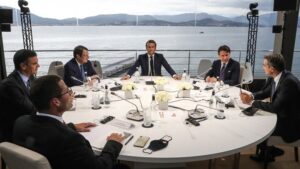
φωτ, Απο την ευρωμεσογειακή συνδιάσκεψη.

Η αναβάθμιση της τουρκικής επιθετικότητας και η στρατηγική αντιστοίχισή της με την δυναμική προβολή της νέο-οθωμανικής ατζέντας, δρομολογεί σταδιακά και ανατροπές επί του πεδίου. H Τουρκία εδραιώνει την στρατιωτική της παρουσία σε μια σειρά χώρες, χτίζοντας έτσι ένα ευρύ περιφερειακό δίκτυο γεωπολιτικού ελέγχου και ελέγχου υποδομών, σε Αφρική, Βαλκάνια, Μεσόγειο και Ν.Α Ασία…

Τουρκικές αεροναυτικές βάσεις φιγουράρουν ήδη, και άλλες δρομολογείται να δημιουργηθούν, στο Κατάρ, στην Σομαλία, στην κατεχόμενη Κύπρο, αλλά και στην Συρία, στο Ιρακινό Κουρδιστάν, στην Αλβανία, στην Λιβύη κλπ. Πρόκειται για ένα δίκτυο περιφερειακής προβολής ισχύος και ελέγχου, που τροποποιεί δραματικά της παραμέτρους που θα καθορίσουν τις ισορροπίες στην νέα εποχή.

Η ενισχυμένη τουρκική παρουσία συνδυάζεται με μια στρατηγικά σχεδιασμένη όσο και συστηματική προσπάθεια ασφυκτικού πολιτικού ελέγχου των εθνικών πολιτικών δυνάμεων και πολλαπλού ελέγχου των κοινωνιών σε μια σειρά χώρες, και η επιδίωξη δημιουργίας ενός περιφερειακού δικτύου απολύτως ελεγχόμενων γεωπολιτικών δορυφόρων είναι εμφανής. Αζερμπαϊτζάν, Λιβύη, Αλβανία, Κόσοβο, Βοσνία, αλλά και Παλαιστίνη, είναι μερικά μόνο χαρακτηριστικά παραδείγματα που επιβεβαιώνουν την παραπάνω διαπίστωση.

Η συνεχής διεύρυνση αυτής της προσπάθειας, είναι φανερό πως ενεργοποιεί, ως συνέπεια, τις άμυνες των παραδοσιακά ισχυρών δρώντων που διαβλέπουν τον κίνδυνο να οικοδομηθεί ένα νέο-οθωμανικό imperium, εκεί που συρρικνώνεται δραματικά η βάση της δικής τους παραδοσιακής επιρροής, και σπεύδουν να οργανώσουν την δική τους απάντηση, η οποία προσλαμβάνει πλέον πολύ ιδιαίτερα χαρακτηριστικά, αφού διαμορφώνεται σε ένα περιβάλλον που το επιβαρύνουν μεταξύ άλλων ΚΑΙ ισχυροί εσωτερικοί ανταγωνισμοί αλλά ΚΑΙ ποικίλες αποδομητικές αντιπαραθέσεις.

Η Ελληνική κυβέρνηση, με την πατρίδα μας να βρίσκεται κυριολεκτικά στο μάτι του κυκλώνα αυτών των τεκτονικών ανατροπών, αδυνατεί να «διαβάσει» την ταυτότητα των εξελίξεων, και συνακόλουθα εμφανίζεται ανίκανη να ερμηνεύσει τις επιλογές εκείνων που επιλέγουν να προσεταιριστούν και να αβαντάρουν την επιθετική Τουρκία. Κυρίως όμως εμφανίζεται παντελώς ανίκανη να αξιολογήσει στρατηγικά το εύρος της δυνητικής διαφοροποίησης των δυνάμεων εκείνων που επιλέγουν να αποστασιοποιηθούν από αυτήν την λογική και να τοποθετηθούν απέναντι από τις τουρκικές επιδιώξεις.

Πρόκειται για μια πολύ αρνητική διαπίστωση, διότι αυτή η ανικανότητα εκδηλώνεται σε μια συγκεκριμένη ιστορική εποχή κατά την οποία η χώρα μας θα έπρεπε να εγκαταλείψει οριστικά την θέση του παθητικού θεατή των εξελίξεων, και να λειτουργήσει ως στρατηγικός καταλύτης, ικανός να ενθαρρύνει διεργασίες και να συμπαρασύρει και άλλους δρώντες στην κατεύθυνση της δημιουργίας ενός ισχυρού διηπειρωτικού περιφερειακού αντισταθμίσματος, επιβάλλοντας έτσι στους πάντες το δικαίωμα να της αναγνωρίσουν έναν αναβαθμισμένο γεωστρατηγικό ρόλο στην υπό διαμόρφωσην νέα Αρχιτεκτονική.

Δυστυχώς, αλλά όταν η Γαλλία «κλείνει το μάτι» της εξωθεσμικής στρατηγικής συνεννόησης, σε διαδρομές παράλληλες και ανεξάρτητες από τις υπάρχουσες συμμαχικές δομές, η Ελλάδα κοιτάζει πίσω για να δει το νεύμα της Μέρκελ και τις άγαρμπες υποδείξεις του κ. Τράμπ.

Οφείλουμε όμως να συνειδητοποιήσουμε ως χώρα, ότι η Ιστορία δεν παρέχει ανεξάντλητη πίστωση χρόνου στους άτολμους και διστακτικούς κομπάρσους που αδυνατούν να ενσωματωθούν στις απαιτήσεις της γεωπολιτικής της «υπερπαραγωγής».

Τόσο η Αμερική όσο και η Γερμανία, για τους δικούς της ιδιαίτερους λόγους η κάθε μια, αντιτίθενται σθεναρά σε μια τέτοια εξέλιξη, διότι αυτό που ΔΕΝ θα ήθελαν, είναι να δουν να δημιουργείται μια δυναμική ικανή να παράξει έναν νέο ισχυρό πόλο που θα διεμβολίσει τους δικούς τους σχεδιασμούς και θα τις υπερβαίνει στην πράξη.

Θα κάνουν και οι δύο ότι μπορούν για να ανακόψουν ή να ευνουχίσουν έστω και με ανταλλάγματα την δυναμική αντίληψη με την οποία παρεμβαίνει η Γαλλία στις εξελίξεις, και ένας κλασικός τρόπος είναι να αποθαρρύνουν ή να εμποδίσουν άλλους από το να την ακολουθήσουν σε αυτήν την διαδρομή.

Η Ελληνική κυβέρνηση λοιπόν έχει υποχρέωση να συνειδητοποιήσει – και οφείλει να το κάνει πριν αδειάσει ολοκληρωτικά η κλεψύδρα της Ιστορίας – δύο πράγματα:

  • Ότι τόσο οι ΗΠΑ όσο και η Γερμανία, ΔΕΝ θα είναι σύμμαχοι και υποστηρικτές της Ελλάδας στο πλαίσιο της ελληνοτουρκικής αντιπαράθεσης, αλλά ορκισμένοι αντίπαλοι και υπονομευτές της. Και…
  • Ότι τα εμπόδια που ορθώνουν ΚΑΙ οι ΗΠΑ αλλά ΚΑΙ η Γερμανία, ώστε να μην ευοδωθούν οι εξοπλιστικοί σχεδιασμοί με την Γαλλία, ΔΕΝ έχουν την βάση τους σε κοντόφθαλμα οικονομικά συμφέροντα, αλλά έχουν αποτύπωμα αμιγώς στρατηγικό και πολύ ευρύτερο.

Η κλιμάκωση της τουρκικής επιθετικότητας επομένως – όπως τονίσαμε κατ’ επανάληψη – έχει χάσει οριστικά τα παραδοσιακά της χαρακτηριστικά που την οριοθετούσαν ως «Ελληνοτουρκική». Έχει τροποποιήσει ευρύτερα τα ταυτοτικά χαρακτηριστικά στο πλαίσιο της αναθεωρητικής νέο-οθωμανικής ατζέντας, και ταυτόχρονα, στο επίπεδο της στρατηγικής της διαχείρισης, σε ότι αφορά στις επιλογές των παραδοσιακών μας «συμμάχων», η ανεξέλεγκτα επιθετική Τουρκία, είναι το «μαντρόσκυλο» που επιστρατεύεται για να ανακόψει ευρύτερες γεωστρατηγικές διεργασίες ώστε να μην σαλαμοποιηθεί περαιτέρω η σφαίρα της παραδοσιακής τους επιρροής.

Φιλοδοξούν έτσι – έστω και δι’ αντιπροσώπων – να ελέγξουν τις περιφερειακές και γενικότερες εξελίξεις της επόμενης μέρας, και οι αυταπάτες που συντηρούν για την πιθανότητα ενός ελεγχόμενα συμπληρωματικού ρόλου της Τουρκίας σε αυτήν την υπόθεση, σχετίζονται άμεσα με αυτήν τους την συλλογιστική.

Η Ελλάδα δεν έχει απολύτως τίποτε να επενδύσει σε αυτήν την ολοκληρωτικά χαμένη υπόθεση. Δεν έχει απολύτως τίποτε να περιμένει, γιατί ακριβώς δεν ενσωματώνεται στα κρίσιμα διαχειριστικά γεωπολιτικά εργαλεία των ισχυρών, αφού παραμένει καθηλωμένη στην λίστα με τα αναλώσιμα ως δεδομένη και άβουλη γεωπολιτική παρουσία.

Και αυτός είναι ένας ισχυρός λόγος που υποχρεώνει την πατρίδα μας να οργανώσει την μεθοδολογία αντιμετώπισης των πολλαπλών τουρκικών απειλών και προκλήσεων, μέσα από εναλλακτικές διαδρομές που αναδεικνύουν ως κυρίαρχο ζητούμενο την στρατηγική της επιβίωση, άρα και την ουσιαστική αναβάθμιση του ρόλου της στις νέες συνθήκες.

Να γιατί και η σχέση που διαφαίνεται πως είναι δυνατόν να οικοδομηθεί με την στρατηγικά χειραφετημένη Γαλλία, δεν θα πρέπει να εκφυλιστεί με παλινωδίες, ατολμίες, αναποφασιστικότητα και ανεπίτρεπτα πισωγυρίσματα, αλλά να αποπνεύσει αέρα στρατηγικής ισοτιμίας και αταλάντευτης  αυτοπεποίθησης από τα πρώτα κιόλας βήματα της συγκρότησής της.

Επίλογος…Η Ελλάδα θα πρέπει να περάσει τις Συμπληγάδες αυτής της σύνθετης πρόκλησης με την οποία βρίσκεται αντιμέτωπη, όχι ζητιανεύοντας τριτεγγυήσεις πρόθυμες να διασφαλίσουν τρόπους ώστε να χάσει τα λιγότερα δυνατά σε αυτό το ανελέητο γεωπολιτικό παζάρι, αλλά φιλοδοξώντας να αναγορεύσει τον Ελληνισμό σε κρίσιμη και συμπρωταγωνιστική παράμετρο στις εξελίξεις της επόμενης μέρας.

Θα πρέπει να τις περάσει, όχι ως προσκολλημένο «πελατάκι» στην μπίζνα των ισχυρών, αλλά ως συνδιαμορφωτής της νέας περιφερειακής τάξης και ισορροπίας ισχύος.

Η Ελλάδα οφείλει να επενδύσει στις φιλοδοξίες της χειραφετημένης Γαλλίας, διεκδικώντας τον δικό της αναβαθμισμένο περιφερειακό ρόλο, στο πλαίσιο μιας πραγματικά στρατηγικής συμμαχίας και αξιοποιώντας στο έπακρο της δυνατότητες μιας πολυδιάστατης εξωτερικής πολιτικής.

Αλλά και η Γαλλία σε αυτήν την κρίσιμη φάση των εξελίξεων, δεν θα πρέπει να αισθανθεί μόνη και ευάλωτη στις «επιθέσεις» της δήθεν Γερμανικής φιλίας που επιδιώκουν να ακυρώσουν τον αυτοτελή ρόλο της, αλλά να αισθανθεί πως η δυναμική που διαμορφώνεται δεν της επιτρέπει πισωγυρίσματα, αλλά αντιθέτως, επιβάλει σταθερή πορεία πλήρους απογαλακτισμού από την Γερμανική επιρροή και πιέσεις.

Ο ρόλος της Ελλάδας επομένως, είναι από κάθε άποψη πολλαπλά σημαντικός και επείγει να τον συνειδητοποιήσει επαρκώς η πολιτική τάξη της χώρας.

Δυστυχώς αλλά το κατ’ απαίτηση των Αμερικανών ναυάγιο με τις Γαλλικές φρεγάτες Belharra… Oι ομολογημένοι πλέον χειρισμοί του πρωθυπουργού στην επιτηρούμενη από τους Γερμανούς απόπειρα συμφωνίας με τους Τούρκους… Aλλά και το εύρος των προσδοκιών με τις οποίες μετέβη στην Κορσική καθώς και αυτών με τις οποίες αναμένεται να υποδεχτεί την Σύνοδο Κορυφής της 23ης του Σεπτέμβρη, μόνο αισιοδοξία δεν εμπνέουν για το μέτρο της αποφασιστικότητάς του και του προσανατολισμού του να αξιοποιήσει «επιθετικά» τα καινούρια δεδομένα που διαμορφώνονται.

Όχι… Οι Έλληνες πολίτες ΔΕΝ μπορούν να κοιμούνται ήσυχοι… Αναμένονται εξελίξεις και η κοινωνία οφείλει να επαγρυπνεί για την υπόθεση της πατρίδας, μακριά από λογικές σκοπούμενου διχασμού για τον οποίο επιστρατεύεται ακόμη και η ανοησία των συνομωσιολόγων.

 

Ο Μπόρις Τζόνσον θέλει να μιμηθεί τον Ερβιν Σρέντινγκερ

0

του Lluís Bassets (*)

Τα φαινόμενα απατούν. Εδώ δεν πρόκειται για το μέλλον των σχέσεων της Βρετανίας και της ΕΕ μετά το 2021, αφού περάσει δηλαδή η μεταβατική περίοδος κατά την οποία οι Βρετανοί θα παραμένουν στην ενιαία αγορά μετά το διαζύγιο με την Ευρώπη. Η ουσία της σημερινής κρίσης, με άρωμα εκδίκησης, βρίσκεται στην Ιρλανδία και στις σχέσεις ανάμεσα στο Δουβλίνο και το Λονδίνο . Είναι σαν η αυτοκρατορία, χάρις στο Brexit, να θέλει να ανακτήσει τον έλεγχο επί της παλιάς της αποικίας.

Όλα παίζονται στα σύνορα της Βόρειας Ιρλανδίας και της Ιρλανδικής Δημοκρατίας, που διέπονται από τις Συμφωνίες της Μεγάλης Παρασκευής και μετατρέπονται πλέον σε εξωτερικά σύνορα της ΕΕ. Η σχέση που θέλει ο Μπόρις Τζόνσον με τις Βρυξέλλες, και του δίνει την ελευθερία να υπογράφει εμπορικές συμφωνίες με όλο τον κόσμο, θέτει ένα δίλημμα: ή το Ηνωμένο Βασίλειο θα παραιτηθεί από τον ενιαίο χαρακτήρα της εσωτερικής του αγοράς, επιτρέποντας την ύπαρξη συνόρων στη θάλασσα της Ιρλανδίας ανάμεσα στη Μεγάλη Βρετανία και το Ολστερ, ή θα είναι η Ευρωπαϊκή Ενωση εκείνη που θα παραιτηθεί από τον ενιαίο χαρακτήρα της εσωτερικής της αγοράς, επιτρέποντας την οικονομική επανένταξη της Ιρλανδικής Δημοκρατίας στην παλιά αυτοκρατορική δύναμη.

Η Τερέζα Μέι προσπάθησε να λύσει αυτό το δίλημμα με τη βοήθεια του χρόνου και της τεχνολογίας. Οι συνεχείς αναβολές κρατούσαν το Λονδίνο στο εσωτερικό της τελωνειακής ένωσης, ενώ εξακολουθούσε να διαπραγματεύεται. Στο μεταξύ, ένα τεχνολογικό όνειρο με τη μορφή του μονόκερου θα αντικαθιστούσε τα φυσικά σύνορα με ψηφιακά και αόρατα σύνορα, μέσω ελέγχων στην αφετηρία και τον προορισμό. Ο Τζόνσον και οι φίλοι του συμφώνησαν με όλα αυτά, προτού αναλάβουν οι ίδιοι την εξουσία μετά τη σκανδαλώδη κοινοβουλευτική ήττα της Μέι και αποφασίσουν να διαπραγματευθούν με τις Βρυξέλλες ένα νέο και οριστικό Brexit σύμφωνα με τα γούστα τους.

Ο ιρλανδικός προστατευτικός μηχανισμός εξαφανίστηκε, αλλά ο Τζόνσον δεσμεύτηκε να αποτρέψει κι αυτός τα σκληρά σύνορα ανάμεσα στις δύο Ιρλανδίες και να διατηρήσει τόσο τον χαρακτήρα της ενιαίας αγοράς όσο και τη βρετανική τελωνειακή ένωση. Μυστήριο. Η διατήρηση του Ολστερ εντός και εκτός ταυτοχρόνως είναι δυνατή μόνο αν το σύνολο παραμείνει στο εσωτερικό της ενιαίας αγοράς ή τουλάχιστον στην τελωνειακή ένωση με την ΕΕ. Και τα δύο αυτά σενάρια όμως έχουν αποκλειστεί από τον Τζόνσον. Εκτός αν προσφύγει στον Ερβιν Σρέντινγκερ, τον φυσικό που υποστήριξε τη δυνατότητα μια γάτα κλεισμένη σε ένα κλουβί με μια δηλητηριώδη παγίδα να είναι ταυτόχρονα ζωντανή και νεκρή – χάρις στην κβαντική θεωρία.

Η θεωρία του Τζόνσον είναι πιο στοιχειώδης. Πρόκειται για την υπονόμευση δύο διεθνών συνθηκών, των Συμφωνιών της Μεγάλης Παρασκευής και της συμφωνίας του Brexit. Δεδομένου ότι οι Βρυξέλλες δεν πρόκειται να δεχθούν κάτι τέτοιο, το μέλλον προμηνύεται δυσοίωνο τόσο για τη Βρετανία όσο και για τον πρωθυπουργό της.

(*) O Λουίς Μπάσετς είναι αρθρογράφος της El País

(Πηγή: El País)

ΑΠΕ-ΜΠΕ

Serbia-Kosovo Agreement Falls Far Short Of Ending Their Conflict

0

September 10, 2020

The recent agreement between Kosovo and Serbia, brokered by the US, to normalize economic relations between the two countries fell short of the needed reconciliation process that would lead to full recognition of Kosovo’s independence by Serbia. Some elements of the economic normalization agreement are positive, including operationalizing the peace highway and the rail link between Pristina and Merdare, sharing Gazivode/Ujmani Lake and exploring its use as a reliable water and energy supply, and receiving financial support from the US International Development Finance Corporation and Export-Import Bank of the United States (EXIM) for the above. These and other projects will create job opportunities for several thousand Kosovars and alleviate some of the economic hardship in the country.

Sadly, the agreement will prove to be superficial not only because it does not require Serbia to recognize Kosovo at one point in the future, but it does not even commit Serbia to renounce, once and for all, its illegitimate de-recognition campaign against Kosovo. The fact that Serbia agreed to “refrain from formally or informally requesting any nation or International Organization not to recognize Kosovo [Pristina] as an independent state” amounts to no more than lip service. Belgrade knows that Russia will veto any UNSC resolution to recognize Kosovo, which is the most important international body.

What is also disturbing is that there are a number of side-shows in the agreement designed to boost Trump’s standing in his struggle for reelection that have little or nothing to do with the Serbia-Kosovo conflict. This includes mutual Israeli-Kosovo recognition, which requires Pristina to open its embassy in Jerusalem, to which the EU sternly opposes, and agreeing to designate Hezbollah as terrorist organization. Furthermore, apart from these sidebars, there isn’t anything in the agreement that wasn’t already in the works or fully agreed to prior to US involvement. Finally, the agreement is not a treaty; either country can walk away from it without any penalty.

Customarily, Trump is fixated on economic development as if it were a panacea that can resolve all conflicts, irrespective of history, the psychological dimension (which continues to haunt Kosovo in particular), and the prevailing adversarial political environment they have been living with and continue to embrace. The Israeli-Palestinian conflict offers one example. At an economic summit in Bahrain, it was agreed that the Palestinians would be provided with a massive economic package as a part of the process to lead to peace; however, it fell flat on its face as it ignored past and current economic relations between the two sides, and did nothing to resolve their conflict.

The conflict between Serbia and Kosovo is deeply imbedded in their psyche, and as long as historic reconciliation is absent, no amount of economic normalization will mitigate deep-seeded distrust and their fundamental demands. To end the conflict there indeed must be a process of reconciliation, and economic normalization is only one of several prerequisites for such a process to succeed.

The process of reconciliation, however, must be anchored on Serbia’s permanent renunciation of its de-recognition campaign against Kosovo. To simply suspend such a campaign for a year, as stipulated in the agreement, demonstrates Serbia’s lack of commitment to recognize Kosovo now or at any time in the future.

Kosovo’s Prime Minister Hoti made a terrible mistake by not making this requirement a prerequisite to any agreement with Serbia. Indeed, what is the point of developing economic relations when Serbia can after one year resume its de-recognition campaign? Hoti’s failure to insist that on this requirement makes a mockery of the whole agreement, which benefits Serbia economically without requiring it to make the commitment (central to reconciliation and building trust) to end its sinister campaign. Economic normalization should be treated only as a first step in a process of reconciliation, which must be based on the following to lead to mutual recognition:

First: People and goods should be allowed to move freely across the border in both directions to increase people-to-people interactions, which will gradually help heal wounds and nurture mutual trust. Serbians who have habitually looked down on Kosovar Albanians need to reorient themselves to the new realty. Equal treatment of their neighbors is central to reconciliation, especially because Serbia is larger, more affluent, and superior to Kosovo militarily. Kosovo cannot negotiate from a position of weakness and make any significant concessions without public outrage.

Second: A free trade agreement is vital not only to expand and improve relations from which both sides can greatly benefit, but to maximize efficiency and production of items uniquely designed for export to the other. Moreover, without tariffs on all imported goods, they would become more affordable and receive greater demand. The imposition of a 100 percent tariff on Serbian goods imported to Kosovo, which has since been lifted, offers an abject experience from which both countries should draw an instructive lesson.

Third: Serbia must admit to and accept responsibility for the war crimes it committed against Kosovo during the war in 1999. Without such an admission, no economic normalization or any other interaction on any socio-political levels can be sustained. Serbian atrocities and the horror Kosovar Albanians endured during the war will not fade away simply because of economic normalization. Serbia should borrow a page from Germany. Had Germany not admitted to the crimes against humanity it committed during World War II, it would have never been able to move past the horrifying, historic stain, let alone integrate into the European community and become one of the top leaders of the EU.

Fourth: EU observers must be involved in the process of “locat[ing] and identify[ing] the remains of missing persons…and identifying and implementing long-term, durable solutions for refugees and internally displaced persons” as stipulated by the agreement to ensure that this lingering and painful residue of the war is addressed, which is essential to reconciliation. Serbia has been reticent in this regard in the past, fearing that the uncovering of mass graves would provide further proof that it in fact committed war crimes on a large scale. Oversight is necessary to ensure the past is uncovered and wounds can begin to heal.

Fifth: Following this process, Serbia must commit to recognize Kosovo as an independent state within three to four years, during which many of the conflicting issues should be resolved through direct negotiations. When deadlocked, the EU would mediate any disagreement, especially because both countries want to integrate into the EU. Ending their conflict with the EU’s input would help facilitate an agreement, which is a precondition to integration.

In the final analysis, Serbia must accept the irreversible reality of Kosovo as an independent state and that there is nothing it can do to change that reality. Over 110 countries have recognized Kosovo, including the US and a majority of EU member states. It is time for Belgrade to stop dreaming about Kosovo as if it still is or can be restored as one of its provinces.

Serbia, just like Kosovo however, knows well that its future security and prosperity lay with the EU. Entering into good-faith negotiations to settle their conflicts with the objective of reaching mutual recognition will open up a new horizon for both countries, where they can grow and flourish and give the new generation a hopeful future instead of remaining enslaved by the past.