

By George Friedman
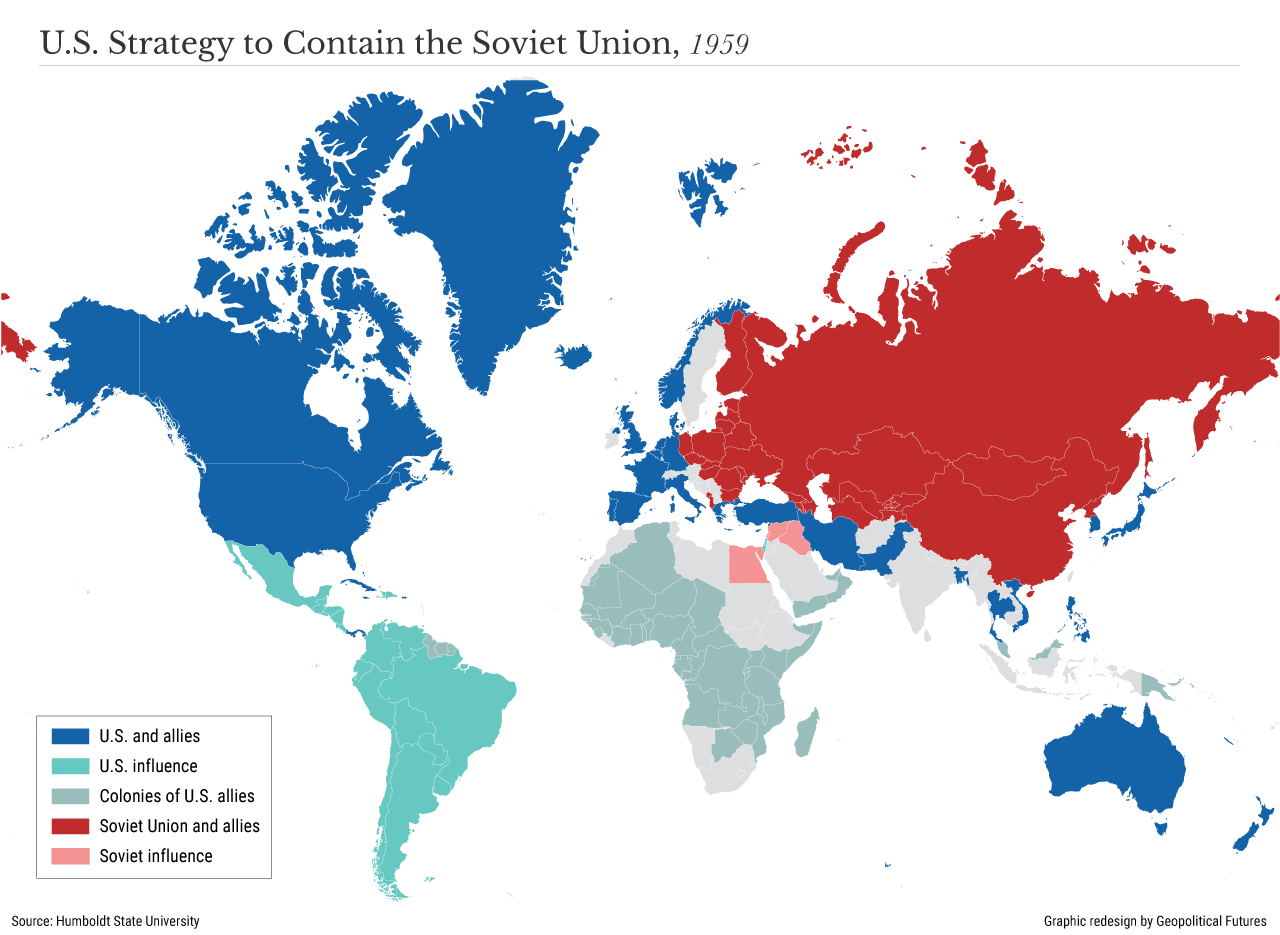
During the Cold War, the United States opposed the Soviet Union wherever the Soviet Union sought to make inroads. Some interventions were necessary and therefore took place in obvious locales: in Germany to shield Europe, in Turkey to limit Soviet naval movement into the Mediterranean, and in Japan to block the Soviet port of Vladivostok and the Pacific. Others such as Angola and Afghanistan were less so.
The United States was in a global competition with the Soviets, and they both used the tools they had available to counter each other. Washington’s primary tool was its military, particularly its massive navy. Moscow’s was what were called “wars of national liberation.” They involved covert support to insurgents in countries throughout the world, most notably in former colonies of European imperialists. The United States usually had little interest in the battleground country. It had an overriding interest in blocking Soviet success in these countries, since success might create the perception of greater Soviet power. The U.S. tended to use covert forces to wage a covert war against Soviet proxies, though some such as Vietnam are notable exceptions.
During the Cold War, everything mattered to the United States, because the Soviets could and would exploit any opening. The Soviet Union was a global power, with a military second only to the United States’ and a covert capability that frequently put Washington in difficult situations.
But there is no threat from the Soviet Union today. Only some things now matter to Washington. This is a shock to a world that expects the U.S. to take a leadership role, indifferent to the price the U.S. paid in the Cold War for taking the reins. Engaging globally carries with it a high price that can be paid when necessary but should be avoided when possible.
Between then and now, in late 2008, Russia went to war in Georgia. The United States was deeply enmeshed in Iraq and Afghanistan, and it made clear it had no intention of intervening. Limited by its commitment elsewhere, it was not in a position to rush troops there, though it did bring other forces such as sanctions to bear. After the war, the United States sent troops to Georgia, primarily to train the Georgian army, and its presence and commitment have lasted to this day.
It was a far slower response than it would have been during the Cold War, but it was no less significant. The question of why Russia’s actions should cause the U.S. to take risks and spend resources was still not challenged. A Russian threat to Georgia triggered a visceral reaction: Russian expansion must be blocked wherever it emerges, especially when the victim is America’s ally. The question of whether this even interests the United States was overridden by the assumption from the Cold War: The U.S. has a responsibility to stabilize the world.
The current dispute over Nagorno-Karabakh, a territory that like Georgia is located in the Caucasus, represents a fundamental shift in U.S. policy. Azerbaijan lost the territory to Armenia in the early 1990s. Since then, its recovery was a fundamental wish of Azerbaijan, but other internal issues preoccupied its time. But last week, the Azerbaijani military began an artillery attack that lasted for days. Armenia has refused to cede the territory. Turkey has sided with Azerbaijan, both because of historical affinity for Azerbaijan and because of long-standing hostility to Armenia. The Russians are allied with Armenia but also had close relations with Azerbaijan. The Iranians gave lukewarm support to Azerbaijan but overall made it clear that they wished to remain out of the conflict.
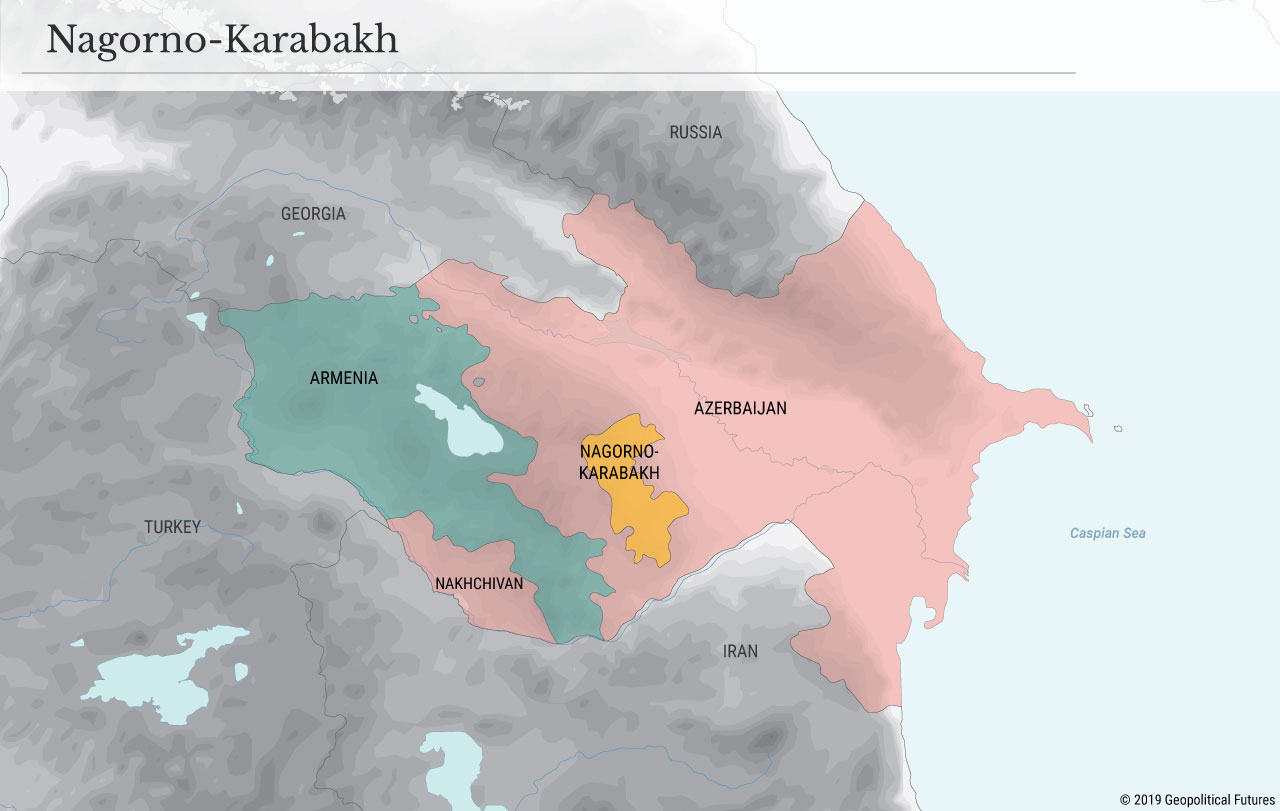
If there was an automatic assumption that the U.S. had to “manage” a crisis such as this in 2008, in 2020 it is apparent that the crisis is unmanageable. For one thing, who owns Nagorno-Karabakh is not a matter that concerns the U.S. For another, the outcome of a war – if it comes to that – would have minimal effect on the U.S. Last, U.S. relations with Turkey and Russia are already frayed, and the risks of navigating a war in the Caucasus would outweigh the benefits. Hence why Washington has offered only expected platitudes since last week.
The shift of U.S. strategy was inevitable and predictable. During the Cold War, it took the (not unreasonable) view that the world was of a single fabric such that it couldn’t stand by if it was being tugged far afield. In time, the Cold War ended but the strategy did not, as evidenced by bombing campaigns in Serbia and Libya. During this transitional period, it became much more difficult to define U.S. goals, and more difficult still to explain how military action would achieve the goal. The U.S. had spent half a century built around the principle of constant and urgent global involvement. Strategic principles die hard.
The United States is still singularly powerful, but the experience of war and hostile diplomacy can be painful even for the strong. There was a connection between U.S. power and risk in the Cold War. There is precious little connection between this and the future of Azerbaijani-Armenian relations. It’s the recognition that there is no global war underway, and that some things simply mean more to the U.S. than others. In a tiny place that few outside the region have heard of, the new necessity and logic of U.S. foreign policy are being carried out. In a way, that makes the U.S. more like other powers, accumulating political capital and spending it after calculating the risks of and rewards for acting.









 Rauf Baker


 με το ρεπορτάζ του Guillaume Perrier, στην ηλεκτρονική έκδοση της εφημερίδας Le journal du dimanche, στις 5-10-2020, με τίτλο : «Στη Γαλλία, η τουρκική διασπορά διατελεί υπό την επιρροή του Ερντογάν» (En France, la diaspora turque reste sous l’influence d’Erdogan).
 Οθωμανικής αυτοκρατορίας, οι οποίες ενσταλάζονται στα μυαλά θερμοκέφαλων Τούρκων μπουνταλάδων, όπως του Ahmet Cetin, και βιώνουμε την επιθετικότητα της Τουρκίας στα μέτωπα της Συρίας, του Ιράκ, της Λιβύης, της ανατολικής Μεσογείου και εσχάτως στο Ναμπόρνο Καραμπάχ, δεν εκπλήσσομαι που ο Emmanuel Macron ξεκίνησε τη μάχη ενάντια στον «αποσχισμό» (séparatisme) από την Μιλούζ, έδρα μιας μεγάλης τουρκικής κοινότητας στη Γαλλία. Τον περασμένο Φεβρουάριο, το φιλο-Ερντογανικό νεφέλωμα στη
 Γαλλία ήταν ο κύριος στόχος της πρώτης προεδρικής ομιλίας για τον «αποσχισμό». Αυτό δεν εμπόδισε το δημοτικό σχολείο της Avicenna, ένα μουσουλμανικό ίδρυμα εξωθεσμικό, να ανοίξει τις πόρτες του στις αρχές του σχολικού έτους του Σεπτεμβρίου 2020. Στην ρίζα του βρίσκεται η τουρκική
 ισλαμική οργάνωση Millî Görüs («Εθνικό όραμα»), που πήρε το όνομά της από το δόγμα που ξεκίνησε στα τέλη της δεκαετίας του 1960, στην Κολωνία, του Necmettin Erbakan, ιδρυτή του τουρκικού πολιτικού Ισλάμ. Ο Ερντογάν μαθήτευσε δίπλα του, πριν χειραφετηθεί από αυτόν για να ιδρύσει το κόμμα AKP το 2001.
 Ισλαμική Συνομοσπονδία Millî Görüs προωθεί ένα αντι-δυτικό εθνικιστικό Ισλάμ. Επιβλέπει
 περίπου 500 τζαμιά στη Δυτική Ευρώπη, κυρίως στη Γερμανία αλλά και στη Γαλλία (71τζαμιά), με νέα σχέδια στο Grigny και στο Creil. Επενδύει επίσης σε ιδιωτικά σχολεία όπου παρέχεται μια πολύ συντηρητική σουνιτική θρησκευτική εκπαίδευση. Εκτός από τη Mulhouse, η τουρκική οργάνωση διαχειρίζεται το σχολικό συγκρότημα Eyyûb Sultan στο Στρασβούργο, που σχετίζεται με το μεγάλο Τζαμί με το ίδιο όνομα, καθώς και άλλα στο Clichy, Corbeil–Essonnes και Villefranche–sur–Saône. Σύμφωνα με τη σελίδα της στο Facebook, πολλά σχολεία βρίσκονται υπό σχεδιασμό, στο Metz, στη Grenoble, στο Bordeaux, στη Besançon και στο Belfort της Γαλλίας. Επί μακρόν αυτόνομη από την τουρκική κυβέρνηση, η Millî Görüs βρίσκεται τώρα στην υπηρεσία της πολιτικής του Τούρκου προέδρου Ερντογάν και χρησιμεύει ως σύνδεσμος (ρελέ) για την τουρκική διασπορά στη Γαλλία. Για αυτό, συνεργάζεται με το DITIB, το γαλλικό υποκατάστημα της Diyanet, την ισχυρή κρατική θρησκευτική διοίκηση που πληρώνει ιμάμηδες και ελέγχει 250 τουρκικά τζαμιά, στην Τουρκία αλλά και στο εξωτερικό. Περισσότεροι από 150 Τούρκοι ιμάμηδες,
 αποσπασμένοι δημόσιοι υπάλληλοι από την Diyanet που στις περισσότερες περιπτώσεις δεν μιλούν γαλλικά, λειτουργούν σε αυτά τα τζαμιά. Συνολικά, το τουρκικό Κράτος κυριαρχεί στο γαλλικό τοπίο, έχοντας τον έλεγχο των σχεδόν 400 τζαμιών και αιθουσών προσευχής, επί
 συνόλου περίπου 2.500. Ο Ahmet Ogras, ένας μακρινός ξάδερφος της συζύγου του Τούρκου προέδρου, προήδρευσε του Γαλλικού Συμβουλίου Μουσουλμανικής Λατρείας (CFCM) από το 2017 έως το 2019, εξ ονόματος των τουρκικών οργανώσεων. Πέρα από τα τζαμιά και τα σχολεία, ο φιλοτουρκικός πολιτικο-θρησκευτικός ακτιβισμός έχει ενταθεί τα τελευταία χρόνια, με την τουρκική κυβέρνηση να προσπαθεί να ενισχύσει τον έλεγχό του σε 500.000 Τούρκους πολίτες ή τουρκικής καταγωγής. Το Cojep (Συμβούλιο Δικαιοσύνης, Ισότητας και Ειρήνης), που ιδρύθηκε τη δεκαετία του 1990 στο Belfort από κάποιους ισλαμιστές και εθνικιστές ακτιβιστές της τουρκικής διασποράς, έπαιξε ένα πρωτοποριακό ρόλο.
 το Συμβούλιο της Ευρώπης, έχει μια σαφή πολιτική ατζέντα. Συμμετέχει στην άρνηση της «φερόμενης γενοκτονίας των Αρμενίων» και κατά της διδασκαλίας της στο γαλλικό σχολείο, υποστηρίζει την καταπολέμηση της «τρομοκρατίας» της τουρκικής κυβέρνησης
 και καταγγέλλει την ισλαμοφοβία στη Γαλλία. Το Cojep, το οποίο έχει αναγνωρίσει τους οικονομικούς δεσμούς του με το AKP, το κυβερνών κόμμα στην Τουρκία, καθοδηγείται από τον Ali Gedikoglu, έναν υπερεθνικιστή ακτιβιστή που καταδικάστηκε για «υποκίνηση μίσους» το 2018. Σύμφωνα με αυτόν, ο Ρετζέπ Ταγίπ Ερντογάν είναι «ο Μαντέλα του 21ου αιώνα» ! Ο γιος του Hamza Gedikoglu διορίστηκε σύμβουλος του Ερντογάν φέτος το καλοκαίρι. Ένα πρώην μέλος του Cojep, ο Saban Kiper, πρώην δημοτικός σύμβουλος (του Σοσιαλιστικού Κόμματος-PS) στον Δήμο του Στρασβούργου, έχει προσχωρήσει στο DITIB. Άλλοι ήταν και οι επικεφαλής του κόμματος «Ισότητα και Δικαιοσύνη» που κατέβασε δεκάδες υποψηφίους στη Γαλλία στις βουλευτικές εκλογές του 2017. Ανάμεσά τους κι ο παραπάνω Ahmet Cetin.
