Αρχική Blog Σελίδα 2326

Pensées suicidaires, racisme… Les confidences de Meghan et Harry à Oprah Winfrey

0

La duchesse a notamment révélé que des membres de la famille royale s’étaient inquiétés de la couleur de peau de son fils Archie avant sa naissance.

Η Τουρκία επιδιώκει πράγματι μια λύση με την Αίγυπτο και το Ισραήλ; Ποια είναι η πραγματική κατάσταση;

1
Γράφει ο Φεχμί Κορού

Η Τουρκία θέλει να προσεγγίσει ξανά την Αίγυπτο, μετά από ένα μεγάλο χρονικό διάστημα τεταμένων και κακών σχέσεων μεταξύ τους …

Τα διεθνή μέσα ενημέρωσης, που παρακολουθούν στενά τη Μέση Ανατολή, ερμηνεύουν τα μηνύματα της Άγκυρας με αυτόν τον τρόπο.

Ο υπουργός Εξωτερικών Mevlüt Çavuşoğlu έκανε μια δήλωση που άξιζε αυτό το σχόλιο την περασμένη εβδομάδα. Ο Υπουργός Εξωτερικών της Τουρκίας δήλωσε ότι η Αίγυπτος το τελευταίο διάστημα υιοθετεί μια διαφορετική προσέγγιση για τα όρια της ΑΟΖ στην Αν. Μεσόγειο από την Ελλάδα. Δηλαδή αναγνωρίζει την ηπειρωτική υφαλοκρηπίδα της Τουρκίας και δεν δίνει επήρεια στο Καστελλόριζο, κάτι που το ερμηνεύει ως πρόθεση του Καΐρου να εξομαλύνει τις σχέσεις με την Άγκυρα.

Ο υπουργός Εθνικής Άμυνας, Χουλούσι Ακάρ, έκανε άλλα πιο προχωρημένες δηλώσεις κατά τη διάρκειας ομιλίας που έκανε στην ναυτική άσκηση που παρακολούθησε με ανώτερους διοικητές.

Ας διαβάσουμε τι είπε:

«Έχουμε πολλές κοινές ιστορικές και πολιτιστικές αξίες με την Αίγυπτο. Με την ενεργοποίηση αυτών των κοινών αξιών, θεωρούμε ότι ενδέχεται να υπάρξουν κάποιες εξελίξεις τις επόμενες ημέρες. Θέλω να γίνει γνωστό ότι αυτή η απόφαση που ελήφθη από την Αίγυπτο, με την οποία δείχνει σεβασμό των θαλάσσιων δικαιοδοσιών μας, εξυπηρετεί τόσο τα δικά μας συμφέροντα, όσο και στα συμφέροντα του αιγυπτιακού λαού.

Ο υπουργός Akar αποκάλυψε επίσης ότι τα στελέχη των υπουργείων Εξωτερικών των δύο χωρών συναντιούνται για να φέρουν τις σχέσεις σε θετικό σημείο.

Επίσης μάθαμε ότι οι επαφές μεταξύ των υπηρεσιών πληροφοριών της Αιγύπτου και της Τουρκίας, δεν διακόπηκε ποτέ.

[Η συνεργασία πληροφοριών Αιγύπτου-Τουρκίας είναι παλιά ιστορία. Στη δεκαετία του 1970 έξι χώρες, συμπεριλαμβανομένων των υπηρεσιών πληροφοριών της Αιγύπτου και της Τουρκίας, είχαν δημιουργήσει μια εταιρική σχέση για την ανταλλαγή πληροφοριών. Το πνευματικό τέκνο αυτού του σχηματισμού με την ονομασία “Safari Club” ήταν ο Kemal Adham, τουρκικής καταγωγής, που ήταν επικεφαλής της μυστικής υπηρεσίας της Σαουδικής Αραβίας. Τις υποδομές ασφάλειας και επικοινωνιών παρείχε επίσης ο Count Alexandre de Marenches, επικεφαλής της γαλλικής υπηρεσίας πληροφοριών.]

Άντε με το καλό…

Μάθαμε επίσης από ελληνική εφημερίδα ότι η Ελλάδα ενοχλείται από την πιθανότητα προσέγγισης της Τουρκίας με την Αίγυπτο. Ο Έλληνας πρωθυπουργός Κυριάκος Μητσοτάκης κάλεσε τηλεφωνικώς τον Πρόεδρο της Αιγύπτου Σίσι και στέλνει τον Υπουργό Εξωτερικών στο Κάιρο για να μάθει τι συμβαίνει.

Η συνεργασία μεταξύ Αιγύπτου και Ελλάδας δεν είναι διμερής. Η Γαλλία και το Ισραήλ είναι οι χώρες που έχουν γίνει μέρος της ίδιας συνεργασίας σε διάφορους τομείς… Και οι τέσσερις αυτοί προσπαθούν να προσελκύσουν και την Ιταλία.

Η κίνηση της Τουρκίας να γκρεμίσει το τείχος που την χωρίζει από την Αίγυπτο, είναι μια πολύ σωστή κίνηση που μπορεί να δρομολογήσει πολύ θετικά αποτελέσματα.

Εάν επιτύχει η προσέγγιση, όχι μόνο θα εξαλείψει την απομόνωση που έχει περιέλθει η Τουρκία στον τομέα των διεθνών σχέσεων, αλλά αυτή η σύγκλιση θα κάνει τη χώρα μας μέρος μιας νέας ισορροπίας στον τομέα της ενέργειας.

Θα πρέπει να έχετε παρατηρήσει ήδη ότι αμφιβάλλω για την επιτυχία του εγχειρήματος.

Ο λόγος: Ο λόγος για τον οποίον επιδεινώθηκαν οι σχέσεις της Τουρκίας με την Αίγυπτο, δεν ήταν η παρουσία της Αιγύπτου σε κοινό μέτωπο με την Ελλάδα, το Ισραήλ και τη Γαλλία, ούτε οι κινήσεις που έκανε ως μέλος αυτής της τετραμερούς. Υπάρχουν βαθύτεροι λόγοι που κατέστρεψαν τις σχέσεις μεταξύ των δύο χωρών.

Στο στρατιωτικό πραξικόπημα του Abdülfettah el-Sisi με το οποίο κατέλαβε την εξουσία στην Αίγυπτο το 2013, η Τουρκία έδειξε την ισχυρότερη αντίδραση. Ακόμα και την περασμένη εβδομάδα, ο Πρόεδρος Ταγίπ Ερντογάν εκδήλωσε την ενόχλησή του στον Σίσι, κάνοντας το σήμα της “Ραμπία” (Μουσουλμανική Αδελφότητα).

Άρα, πίσω από την επιδείνωση των διμερών σχέσεων βρίσκεται η αντίδραση της Τουρκίας στο στρατιωτικό πραξικόπημα …

Εκτός αυτού, η Αίγυπτος λαμβάνει σοβαρά υπ’ όψιν της το γεγονός ότι η Τουρκία και το ΑΚΡ φιλοξενεί τα στελέχη της Μουσουλμανικής Αδελφότητας που εκδιώχθηκαν από την Αίγυπτο, αλλά και τα δημοσιεύματα που στρέφονται εναντίον του καθεστώτος Σίσι.

Η Σαουδική Αραβία και άλλες χώρες του Κόλπου μένουν μακριά από την Τουρκία για τους ίδιους λόγους.

[Η Μουσουλμανική Αδελφότητα αντιμετωπίζεται ως «τρομοκρατική οργάνωση» στις περισσότερες αραβικές χώρες.]

Στο Ισραήλ, επίσης, δεν βλέπει με καλό μάτι την υποστήριξη που παρέχει η Τουρκία στη Χαμάς, παρακλάδι της Μουσουλμανικής Αδελφότητας.

Το Κατάρ είναι η μόνη χώρα στην περιοχή με την οποία διατηρεί καλές  σχέσεις η Τουρκία …

Το Κατάρ προσπαθεί επίσης να διευθετήσει τις σχέσεις του με τις χώρες της περιοχής που έχουν επιβάλει εμπάργκο για ένα διάστημα. Μετά από τις προσπάθειες αυτές το εμπάργκο άρθηκε.

Ισραηλινές εφημερίδες αναφέρουν ότι το Κατάρ μπορεί να ενταχθεί στις αραβικές χώρες που συνάπτουν διπλωματικές σχέσεις με το Ισραήλ.

Η προσέγγιση του Κατάρ με τη Σαουδική Αραβία και τις άλλες χώρες του Κόλπου, αλλά και με την Αίγυπτο και το Ισραήλ, μπορεί να απομονώσουν ακόμα περισσότερο την Τουρκία στην περιοχή.

Αυτός είναι ο λόγος για τον οποίο οι προσπάθειες για τη βελτίωση των σχέσεων με την Αίγυπτο είναι σημαντικές.

Ένα παρόμοιο πρόβλημα μεταξύ της χώρας μας και της Αιγύπτου σημειώθηκε επίσης στη δεκαετία του 1950.

Όταν ο Αιγυπτιακός στρατός, υπό τον στρατηγό Necip, με ένα στρατιωτικό πραξικόπημα ανέτρεψε την ηγεσία του Βασιλιά Φαρούκ (1952) η Τουρκία είχε ως πρέσβη στο Κάιρο τον Dr. Hulusi Fuad Tugay. Η σύζυγος του πρέσβη είχε συγγενική σχέση με τον ανατραπέντα βασιλιά. Όταν η πραγματική δύναμη πίσω από τον στρατηγό Necip, ο Gamal Abdel Nasser, ανέλαβε την εξουσία και εφάρμοσε την πολιτική των εθνικοποιήσεων, μαζί με την Αγγλία στοχοποίησαν την Τουρκία. Τότε άρχισε μια επίθεση δια του τύπου, στον πρέσβη της Τουρκίας, Hulusi Fuad Tugay και τη σύζυγό του.

Δεν είναι ξεκάθαρο εάν ο Νάσερ χαρακτήρισε τον πρέσβη της Τουρκίας ‘persona non-grata’ ή εάν η Τουρκία απέσυρε μόνη της τον πρέσβη. Ωστόσο, σε μια δεξίωση που συμμετείχε ο πρέσβης μας, μίλησε προσβλητικά για τον Νάσερ, με αποτέλεσμα την επόμενη ημέρα ο πρέσβης μας να δεχτεί επίθεση στο αεροδρόμιο κατά την αναχώρησή του (1954). Μετά από αυτό πάγωσαν οι σχέσεις  της Τουρκίας με την Αίγυπτο.

Η Τουρκία, κατά την εθνικοποίηση της διώρυγας του Σουέζ, αποφάσισε να υποστηρίξει την επίθεση της Βρετανίας, του Ισραήλ και της Γαλλίας εναντίον της Αιγύπτου (1956). [Η τριπλή επίθεση δεν έφερε αποτέλεσμα όταν οι ΗΠΑ αρνήθηκαν την υποστήριξή τους.]

Ο Νάσερ πήρε το μέρος της Ελλάδας όταν το Κυπριακό ήταν στην ημερήσια διάταξη.

Υπάρχει επίσης μια άλλη περίπτωση ενός πρέσβη της Τουρκίας που χαρακτηρίζεται ως persona non grata από τον Nasir.

Οι σχέσεις που επιδεινώθηκαν κατά το πρώτο μισό της δεκαετίας του 1950 συνέχισαν να είναι ψυχρές μέχρι το 1988. Κατά τη διάρκεια της κυβέρνησης συνασπισμού του Refahyol, ο Πρωθυπουργός Νετζμέτνιν Ερμπακάν επισκέφθηκε το Κάιρο για να βελτιώσει τις σχέσεις των δύο χωρών (1996).

[Ο Amr Musa, που ήταν τότε υπουργός εξωτερικών της Αιγύπτου, στα απομνημονεύματά του που δημοσιεύθηκαν με το όνομα “Kitabiyye”, εξηγεί ότι οι σχέσεις με τον Erbakan ήταν επίσης προβληματικές. Ο Amr Musa αναφέρει ότι όταν ο Χόσνι Μουμπάρακ ήρθε στην Άγκυρα για να προειδοποιήσει τον Ερμπακάν για τις σχέσεις με το Ισραήλ, όταν ο Ερμπακάν τον συμβούλεψε να απελευθερώσει τους ηγέτες της Μουσουλμανικής Αδελφότητας που φυλακίστηκαν, ο Μουμπάρακ τερμάτισε τη συνάντηση λέγοντας “Αυτή είναι η εσωτερική μας υπόθεση, μην ανακατεύεσαι”.]

Οι σχέσεις που έστω και με δυσκολία διατήρησε το κόμμα του Ερμπακάν (Refah Partisi) με την Αίγυπτο, έπεσαν και πάλι στα επίπεδα της δεκαετίας του 1950 κατά την περίοδο του Κόμματος του Ερντογάν (ΑΚΡ).

Αυτό που βλέπω είναι το εξής: Για να ανανεωθούν οι σχέσεις με την Αίγυπτο, είναι απαραίτητο να βελτιωθούν οι σχέσεις με το Ισραήλ ταυτόχρονα και για να επιτευχθεί αυτό, η Άγκυρα πρέπει να αλλάξει την προσέγγισή της για τη Μουσουλμανική Αδελφότητα.

Πηγή: Ιστοσελίδα του Φεχμί Κορού

infognomonpolitics.gr

Το οικόπεδο «W18» και το παρασκήνιο των επαφών Αθήνας-Καΐρου

0

Το οικόπεδο «W18» και το παρασκήνιο των επαφών Αθήνας-Καΐρου

Τις ημέρες που ακολούθησαν τη 18η Φεβρουαρίου και την προκήρυξη οικοπέδων προς εκμετάλλευση στην Ανατολική Μεσόγειο από το υπουργείο Πετρελαίου της Αιγύπτου, στην Αθήνα επικράτησε αρχικά μια αναστάτωση. Και τούτο διότι, όπως αποκάλυψε ήδη προ δεκαημέρου η «Κ», σε ένα προς παραχώρηση οικόπεδο (EGY-MED-W18) ακολουθούνταν από τους Αιγύπτιους τα εξωτερικά όρια της τουρκικής υφαλοκρηπίδας, όπως αυτά έχουν κατατεθεί από την Αγκυρα στον ΟΗΕ (Νοέμβριος 2019). Της συνειδητοποίησης αυτής ακολούθησε ένα τηλεφώνημα του υπουργού Εξωτερικών Νίκου Δένδια στον Αιγύπτιο ομόλογό του Σάμεχ Σούκρι (26 Φεβρουαρίου) και λίγες ημέρες αργότερα (3 Μαρτίου) ο πρωθυπουργός Κυριάκος Μητσοτάκης τηλεφώνησε στον πρόεδρο της Αιγύπτου, Αμπντέλ Φατάχ αλ Σίσι. Οι δύο ηγέτες συμφώνησαν ότι η σχέση Ελλάδας – Αιγύπτου είναι αρκετά ισχυρή, ωστόσο καλό θα ήταν αυτά τα θέματα να λύνονται από κοντά. Ως εκ τούτου, τη Δευτέρα, ο κ. Δένδιας θα μεταβεί στο Κάιρο και από εκεί στη Λευκωσία, όπου θα συναντηθεί με τον ομόλογό του Νίκο Χριστοδουλίδη αλλά και την κυπριακή ηγεσία, προκειμένου να κάμψει και τις ανησυχίες των Κυπρίων σχετικά με την αναμενόμενη μεν, ανησυχητική δε, τροπή που λαμβάνει η πιθανότητα υλοποίησης του αγωγού East Med. Σύμφωνα με καλά πληροφορημένες πηγές, σε όλες τις έως τώρα επαφές που είχαν οι Ελληνες με τους Αιγυπτίους, σχετικά με την έμμεση αναγνώριση των νοτίων ορίων της τουρκικής υφαλοκρηπίδας από το υπουργείο Πετρελαίου της χώρας, αλλά και τις παρελκυστικές δηλώσεις που ακολούθησαν κυρίως από τον υπουργό Εξωτερικών της Τουρκίας Μεβλούτ Τσαβούσογλου για επαφές Καΐρου – Αγκυρας, οι απαντήσεις ήταν διττού χαρακτήρα. Από το Κάιρο μεταδίδεται ότι πράγματι καταφθάνουν θετικά μηνύματα από την Αγκυρα, ωστόσο η Αίγυπτος παραμένει άκαμπτη, καθώς αντιλαμβάνεται ότι πρόκειται για προσπάθειες της Τουρκίας να παρουσιάσει ένα εποικοδομητικό προφίλ, το οποίο, ωστόσο, δεν συνοδεύεται από πράξεις. Η αιγυπτιακή πλευρά παρέμεινε μάλλον ασαφής σχετικά με τις προκηρύξεις του υπουργείου Πετρελαίου και Ορυκτών Πόρων (που παραμένει ενεργή έως την 1η Αυγούστου), αποφεύγοντας να διευκρινίσει για ποιο λόγο σε ένα οικόπεδο το οποίο χωρίζεται από τον 28 μεσημβρινό, επιλέχθηκε στα ανατολικά αυτού του ορίου (βλέπε χάρτη) η τουρκική άποψη σχετικά με την υφαλοκρηπίδα.

Κατά τα λοιπά, ως προς το σκέλος των δυνατοτήτων εξαγωγής υγροποιημένου φυσικού αερίου (LNG) από την Αίγυπτο και το Ισραήλ προς τη Δύση, η Ελλάδα ενδιαφέρεται να διαδραματίσει ρόλο σταθμού, μάλιστα με την Αλεξανδρούπολη να διαδραματίζει κομβικό ρόλο. Η συγκεκριμένη πιθανότητα, αντιθέτως, ανησυχεί την Κυπριακή Δημοκρατία, ιδιαίτερα εφόσον πρακτικά δεν μπορεί να συμμετάσχει στο σχήμα αυτό, καθώς η εκμετάλλευση των κυπριακών κοιτασμάτων είναι ακόμα πολύ μακριά.

Επί της ουσίας, οι τουρκικές δηλώσεις θυμίζουν σε σημαντικό βαθμό ανάλογες απόπειρες (που έπεσαν στο κενό) περί συνεννόησης με το Ισραήλ και αντικατοπτρίζουν και την προσπάθεια της Αγκυρας να βελτιώσει την πολύ αρνητική διεθνή εικόνα της. Ωστόσο, η κίνηση του Καΐρου να λάβει υπόψη ένα κείμενο που έχει κατατεθεί στον ΟΗΕ για τα εξωτερικά σύνορα της τουρκικής υφαλοκρηπίδας, εμπεριέχει πιθανά στοιχεία μιας μελλοντικής λύσης στην Ανατολική Μεσόγειο. Και τούτο διότι με τη συγκεκριμένη αποτύπωση οι Αιγύπτιοι δεν αμφισβητούν τις υφιστάμενες συμφωνίες με την Ελλάδα και την Κυπριακή Δημοκρατία, αλλά αφήνουν χώρο και για την Τουρκία. Αλλωστε, οι ίδιοι οι Αιγύπτιοι, όταν αναφέρονται σε τέτοιου είδους προκηρύξεις, επικαλούνται τη κρατική «θεσμική μνήμη». Το πρόβλημα συνίσταται, βέβαια, στο ότι η Τουρκία αποτελεί έναν αυθεντικά επεκτατικό παράγοντα και δεν εμφανίζεται διατεθειμένη να συζητήσει κάτι πέρα από τις μαξιμαλιστικές απόψεις της.

kathimerini.gr

Για τον Πάπα Φραγκίσκο είναι αναγκαία η συμμαχία με τον αλ-Σιστάνι

0

του Gilles Kepel (*)

H συνάντηση του Πάπα Φραγκίσκου με τον αγιατολάχ αλ-Σιστάνι αποτελεί ένα θεμελιώδες γεγονός στη στρατηγική του Ποντίφικα με στόχο τον διάλογο με το ισλάμ και έναν ενεργότερο ρόλο της καθολικής εκκλησίας στο διεθνές σκηνικό. Tον Νοέμβριο του 2019, ο Πάπας είχε συναντηθεί με τον μεγάλο σουνίτη ιμάμη της Αιγύπτου στο πανεπιστήμιο Αλ Αζχάρ, τον Αχμεντ Αλ-Ταγέμπ. Δεν είναι τυχαίο ότι είχε διαλέξει ένα πρόσωπο που συνδεόταν με τη μυστικιστική παράδοση του σουφισμού, με τον οποίο ένας χριστιανός μπορεί πάντα να βρει κοινά σημεία. Το ίδιο κάνει τώρα με τους Σιίτες. Ο Σιστάνι ήταν πάντα αντίθετος με την πολιτική εργαλειοποίηση της θρησκείας, αντιπροσωπεύει μια εναλλακτική εκδοχή του χομεϊνισμού. Ενδιαφέρεται περισσότερο για την προσευχή παρά για τη δημόσια ζωή. Επιπλέον, η σιιτική παράδοση έχει ισχυρές ρίζες στον χριστιανισμό.

Το σιιτικό ισλάμ διαμορφώθηκε από την παράδοση των ανατολικών εκκλησιών που βρίσκονταν σε εδάφη ανάμεσα στα σημερινά Ιράκ, Κουβέιτ, Εμιράτα και Μπαχρέιν. Εκεί, οι χριστιανοί δεν αντιστάθηκαν στο ισλάμ, αλλά προσπάθησαν να προσαρμοστούν σε αυτό. Αντίθετα με τη σουνιτική ιεραρχία, η σιιτική ιεραρχική δομή έχει ορισμένες ομοιότητες με τη χριστιανική. Δεν υπάρχει το αλάθητο του Πάπα, αλλά υπάρχουν βαθμίδες εξουσίες μεταξύ των κληρικών όπως γίνεται στις αρχαίες αυτοκέφαλες εκκλησίες. Επιπλέον, ορισμένα χαρακτηριστικά του Χουσεϊν, γιου του Αλί, ανιψιού του Προφήτη, θυμίζουν τον Χριστό. Και οι δύο πέθαναν ως μάρτυρες και πάνω στο μαρτύριό τους αναπτύχθηκαν οι δύο θρησκείες. Ετσι, με τον Αλ-Ταγέμπ ο Πάπας συγκρότησε μια συμμαχία κατά των σουνιτών Αδελφών Μουσουλμάνων και με τον αλ-Σιστάνι δείχνει ότι υπάρχει εναλλακτική λύση στην ιρανική επανάσταση του 1979.

Οι χριστιανοί έχουν βέβαια υποστεί τρομακτικές διακρίσεις και σφαγές. Και ο Πάπας επιμένει να επαναβεβαιώσει την παρουσία της χριστιανικής κοινότητας στη χώρα. Γι’αυτό θέλησε να επισκεφθεί τη Μοσούλη, την πεδιάδα της Νινευή και του Ερμπίλ. Εκεί είδε πρόσωπα όπως ο χαλδαίος αρχιεπίσκοπος Νατζίμπ Μούσα Μιχαέλ, ο οποίος το 2014 έδωσε μάχη για να σώσει τα αρχαία χειρόγραφα από την εικονοκλαστική μανία του Isis. Ο Φραγκίσκος γνωρίζει όμως ότι για να διαφυλάξει τον πλούτο της τοπικής θρησκευτικής παράδοσης είναι απαραίτητη η συμμαχία με τους Σιίτες, που αποτελούν την πλειοψηφία των Ιρακινών. Οι χριστιανοί πρέπει να γίνουν πολίτες με πλήρη δικαιώματα.

Ο Πάπας είναι θαρραλέος. Επισκέφθηκε το Ιράκ παρά την πανδημία και τον κίνδυνο μιας τρομοκρατικής επίθεσης. Το κύρος της Αγίας Εδρας ενισχύεται. Εμμέσως, ωφελείται και ο Μουσταφά αλ-Καντίμι, που το 2003 ήταν ο πρώτος σιίτης πρωθυπουργός που προσπάθησε να αποστασιοποιηθεί από την Τεχεράνη. Αντιθέτως, ο πρώην πρωθυπουργός Νούρι Αλ-Μαλίκι συνέβαλε με την υποστήριξή του προς τις σιιτικές εξτρεμιστικές πολιτοφυλακές στην ενίσχυση του σουνιτικού φονταμενταλισμού.

Οι ηγέτες του Ιράν φοβούνται και σέβονται τον αλ-Σιστάνι. Η εξουσία του είναι αδιαμφισβήτητη. Μαζί του συντάσσονται και οι κύκλοι της Τεχεράνης που θέλουν να αξιοποιήσουν τα ανοίγματα του προέδρου Μπάιντεν και να επαναλάβουν τις συνομιλίες για τα πυρηνικά του Ιράν. Το πρόσφατο «σύμφωνο του Αβραάμ» μεταξύ Εμιράτων, Μπαχρέιν, Ισραήλ και ΗΠΑ φέρνει μεγάλες αλλαγές στη Μέση Ανατολή. Το Ιράν έχει λοιπόν ανάγκη να ξαναμπεί στο παιχνίδι και οι κύκλοι που συνδέονται με τον Σιστάνι ευνοούν τη μετριοπάθεια.

(*) Ο Ζιλ Κεπέλ είναι γάλλος ισλαμολόγος. Το τελευταίο του βιβλίο τιτλοφορείται «Ο Προφήτης και η Πανδημία».

(Πηγή: συνέντευξη στην Corriere della Sera)

Φοβάμαι πως τα έκαναν “σαλάτα” με την Αίγυπτο, το Ισραήλ και την Κύπρο: Ώρα να ξυπνήσουμε…

0

Ο πρωθυπουργός Κυριάκος Μητσοτάκης και ο υπουργός Εξωτερικών της Ελλάδας Νίκος Δένδιας (Δ) με τον Αιγύπτιο Sameh Shoukry (Α) στην Αθήνα. EPA, Petros Giannakouris / POOL


Του ΜΙΧΑΛΗ ΙΓΝΑΤΙΟΥ, Hellas Journal

Το χθεσινό κείμενο μου με τίτλο «Κάποιος να απαντήσει το ερώτημα: Συνωμότησε η Αθήνα με το Κάιρο και την Ιερουσαλήμ εναντίον της Λευκωσίας;» ήταν η αφορμή για να λάβω αρκετά μηνύματα από θυμωμένους αναγνώστες. Αλλά ήμουν αποδέκτης και μηνυμάτων από νυν διπλωμάτες και καθηγητές, οι οποίοι προσθέτουν στο διάλογο που ξεκίνησε.

Αυτό που έχει σημασία -και λυπάμαι ειλικρινά- είναι ότι έγιναν πολλές λάθος κινήσεις από την Αθήνα και το Κάιρο, που έθεσαν σε κίνδυνο τις συνεργασίες με την Κύπρο και το Ισραήλ στην ανατολική Μεσόγειο. Θα τολμήσω να υποστηρίξω ότι η Τουρκία εισήλθε στο διπλωματικό «παιγνίδι» ελπίζοντας ότι θα δελεάσει την Αίγυπτο, όταν πληροφορήθηκε τις συζητήσεις για τον πιθανό αποκλεισμό της Κύπρου από τους αγωγούς, με ελληνική εισήγηση…

Η Άγκυρα εκμεταλλεύθηκε επίσης το γεγονός ότι μέσα στην κυβέρνηση της Αιγύπτου παραμένουν ακόμα στοιχεία από την εποχή του ακραίου ισλαμιστή Μόρσι, ηγέτη των Αδελφών Μουσουλμάνων, οι οποίοι ελέγχονται απόλυτα από τις τουρκικές μυστικές υπηρεσίες.

  • Όπως και να έχουν τα πράγματα, απαιτείται περισσή προσοχή με την Αίγυπτο, η οποία ανά πάσα στιγμή θα μπορούσε να αλλάξει στρατόπεδο, ιδιαίτερα εάν ανατραπεί ο πρόεδρος αλ Σίσι.

Παρακάτω θα καταγράψω πληροφορίες που εστάλησαν στην ιστοσελίδα μας και στην συντριπτική τους πλειοψηφία έχουν επιβεβαιωθεί από εμάς.

Αυτό που μου είπε διπλωματική πηγή (και δεν το είδα πουθενά) -μου γράφει ο ένας διπλωμάτης- είναι ότι η ιδέα για εναλλακτικό αγωγό που να παρακάμπτει την Κύπρο προτάθηκε αρχικά από τον Νίκο Δένδια προς τον Αιγύπτιο ομόλογό του Σούκρι. Η συζήτηση έγινε αυτή τη χρονιά. Ο συνομιλητής του Έλληνα υπουργού Εξωτερικών ήταν αρνητικός στην ιδέα. Γενικά ομιλώντας το κλίμα για την Τουρκία στο αιγυπτιακό υπουργείο των Εξωτερικών είναι άσχημο.

Στη συνέχεια το θέμα συζητήθηκε μεταξύ του προέδρου Σίσι και του πρωθυπουργού Κυριάκου Μητσοτάκη. Ο τελευταίος ανέλαβε να ενημερώσει τον πρωθυπουργό του Ισραήλ και τον πρόεδρο της Κύπρου. Για κάποιο λόγο που δεν γνωρίζουμε, δεν συζήτησε το θέμα με τον κ. Αναστασιάδη, ο οποίος -σύμφωνα με όλες τις πληροφορίες, το πληροφορήθηκε από τον Μπενιαμίν Νετανιάχου. Και αυτό ήταν μέγα λάθος των ηγετών της Αιγύπτου και της Ελλάδας.

Ακόμα και αν ο κ. Μητσοτάκης έκανε την διαρροή στους καλούς συναδέλφους της εφημερίδας Το ΒΗΜΑ, για να στείλει μήνυμα στον αλ Σίσι, στο στιλ ότι εγώ σε εξυπηρέτησα με την ακύρωση του EastMed, κάνε και εσύ πίσω στο θέμα των οικοπέδων στην ΑΟΖ, έπρεπε να εμπιστευθεί τον πρόεδρο της Κύπρου.

  • Κατά τα άλλα τα γεγονότα βοούν: Με την τμηματική οριοθέτηση με την Αίγυπτο, η Αθήνα άφησε εκτεθειμένη την Κύπρο και ανοικτό το πεδίο για συνεννόηση μεταξύ της Άγκυρας και του Καΐρου στις θαλάσσιες ζώνες ανατολικά του 28ου μεσημβρινού.

Το παιγνίδι όμως -όπως μου γράφει ο καθηγητής- χάθηκε το 2003, όταν η Κύπρος βγήκε μπροστά και έπεισε τον Χόσνι Μουμπάρακ να συμφωνήσει σε ΑΟΖ με βάση τη μέση γραμμή. Προσεγγίστηκε και η Αθήνα. Ο Μουμπάρακ ήταν έτοιμος για συμφωνία τριμερούς σημείου και οριοθέτησης ΑΟΖ και με την Ελλάδα. Η Αθήνα όμως, όχι μόνο κλώτσησε την ευκαιρία, αλλά έκανε παρέμβαση για να “τραβήξουν” πίσω το δυτικό άκρο της συμφωνίας Κύπρου-Αιγύπτου για να μην ενοχληθεί η Τουρκία.

Με άλλα λόγια, η Αθήνα δεν ήθελε η συμφωνία Αιγύπτου-Κύπρου να υπονοήσει και την αναγνώριση της επήρειας του Καστελόριζου για να μην έχει προβλήματα με την Τουρκία. Οι άνθρωποι που χειρίστηκαν τις υποθέσεις τότε στη Λευκωσία είναι ζωντανοί και οι διηγήσεις τους ανατριχιαστικές.

Η ζώνη της ΑΟΖ της Κυπριακής Δημοκρατίας θα ήταν φυσικά μερικά τετραγωνικά χιλιόμετρα μεγαλύτερη. Εάν δεν έκανε παρέμβαση η Αθήνα, η Αίγυπτος θα είχε αναλάβει δέσμευση ως προς την αρχή μελλοντικής οριοθέτησης με την Ελλάδα.

Όταν ξεκίνησαν οι διερευνητικές συναντήσεις μεταξύ της Ελλάδας και της Αιγύπτου το 2005, ο αέρας στο Κάιρο άλλαξε, η Τουρκία άρχισε τις δικές τις προσφορές προς την Αίγυπτο και γενικά το τρένο έφυγε…

Θυμίζω -μου γράφει ο καθηγητής- ότι τότε που γινόταν η διαπραγμάτευση Κύπρου-Αιγύπτου (2002-2003), στην εξουσία ήταν το δίδυμο Κώστα Σημίτη και Γιώργο Παπανδρέου και στο επίκεντρο ήταν το φιλοτουρκικό σχέδιο Ανάν. «Ήταν, η τάχα «νέα ισορροπία Ελλάδας-Τουρκίας» που προέβλεπε το κείμενο του Ανάν στην Ανατολική Μεσόγειο, τα παιγνίδια των Βρετανών και οι ψευδαισθήσεις της ένταξης στην Ευρωπαϊκή Ένωση.

Είναι τυχαίο ότι η συμφωνία οριοθέτησης Κύπρου-Αιγύπτου είχε αφαιρεθεί από τον κατάλογο των διεθνών συμφωνιών που θα δέσμευαν το κράτος-έκτρωμα που πρόβλεπε το σχέδιο Ανάν, ερωτά ο καθηγητής…

Πόσο δίκιο έχει…

Ως κατάληξη των σκέψεων του αναφέρει: Η σημερινή κατάσταση θα μπορούσε να αποτραπεί πλήρως εάν η Αθήνα είχε λίγο παραπάνω μυαλό το 2003 και αν δεν αποφάσιζαν κάποιοι στην ελληνική πρωτεύουσα να χαρίσουν τον χώρο της Ανατολικής Μεσογείου στην Τουρκία. Η Αίγυπτος όπως βλέπουμε διεκδικεί πια τα δικά της συμφέροντα και αυτό ανοίγει δίαυλο προς Άγκυρα.

Ποιοί είναι αυτοί που χάρισαν τον χώρο της Ανατολικής Μεσογείου στην κατοχική δύναμη το 2003; Ποιοι άλλοι…

Προκαλούν κατάθλιψη οι παραπάνω σκέψεις, είτε κανείς διαφωνεί, είτε συμφωνεί.  Το πρόβλημα, βεβαίως, είναι ότι και με την κυβέρνηση του Κυριάκου Μητσοτάκη υπερισχύουν οι σύμβουλοι και οι παρασύμβουλοι που πιστεύουν δυστυχώς, ότι η Κύπρος είναι πρόβλημα για την Ελλάδα. Οι τύποι αυτοί είναι εντελώς εκτός κάθε λογικής. Άρα είναι και επικίνδυνοι.

Η παράδοση της Κύπρου στην Τουρκία μέσω της λύσης που υποστηρίζουν οι κυβερνήσεις στη Λευκωσία και την Αθήνα θα δημιουργήσει περισσότερα προβλήματα. Θα προκαλέσει συγκρούσεις στην Κύπρο -τις πρώτες από την άνανδρη τουρκική εισβολή- και θα στρέψει όλο το ενδιαφέρον και τις δυνάμεις της κατοχικής Τουρκίας στο Αιγαίο. Η Άγκυρα θα έχει και σύμμαχο σε τούτη την εκστρατεία τη νέα Κύπρο, καθώς αυτή θα ελέγχεται από την Τουρκία.

Όλα αυτά που συμβαίνουν τελευταίο διάστημα είναι λυπηρά και άκρως ενοχλητικά.

ΥΣΤΕΡΟΓΡΑΦΟ: Η ελληνική κυβέρνηση πρέπει να βγει καθαρή από αυτή την ιστορία. Γι’ αυτό περιμένουμε την απάντηση από το Μέγαρο Μαξίμου ή το υπουργείο των Εξωτερικών…

Hellas Journal

Άγρια κόντρα Άγκυρας – Καΐρου, την ώρα που ο Τσαβούσογλου ονειρεύεται συμφωνίες…

0

Νίκος Μελέτης

Την ώρα που ο κ. Τσαβούσογλου με εξυπνακισμούς αναφέρεται στην Αίγυπτο και οραματίζεται συμφωνίες, έχει ξεσπάσει σφοδρή αντιπαράθεση της Άγκυρας με το Κάιρο και αραβικές χώρες οι οποίες στην συνάντηση της οποίας προέδρευσε ο Αιγύπτιος ΥΠΕΞ, Σ. Σουκρή στο πλαίσιο  του Αραβικού Συνδέσμου, καταδίκασαν με εντονότατο τρόπο την ανάμειξη της Τουρκίας  στις  εσωτερικές υποθέσεις αραβικών χωρών, προκαλώντας την αντίδραση του τουρκικού ΥΠΕΞ.

Την Τετάρτη συγκλήθηκε στο Κάιρο η 155η Υπουργική Συνάντηση του Αραβικού Συνδέσμου και στο περιθώριο των εργασιών συνεδρίασε υπό την προεδρία του Σ. Σουκρή και η «Αραβική Υπουργική Επιτροπή  για την παρακολούθηση των παρεμβάσεων της  Τουρκίας στις εσωτερικές υποθέσεις Αραβικών Χωρών» καθώς τα βασικά θέματα της  Συνόδου ήταν οι παρεμβάσεις στην περιοχή από το Ιράν και την Τουρκία και το Παλαιστινιακό.

Η Συνεδρίαση εξελίχθηκε σε πραγματικό καταπέλτη εναντίον των τουρκικών παρεμβάσεων στην περιοχή, αποκαλύπτοντας το βαθύ ρήγμα  στις σχέσεις των αραβικών χωρών με το καθεστώς Ερντογάν.

Ο κ. Σουκρή στην ομιλία του τόνισε ότι στην συνεδρίαση της «Αραβικής Υπουργικής Επιτροπής για την παρακολούθηση των τουρκικών παρεμβάσεων», επιβεβαιώθηκε η «κατηγορηματική αντίθεση στην συνέχιση των τουρκικών παρεμβάσεων στην περιοχή, οι οποίες περιλαμβάνουν την ύπαρξη τουρκικών στρατιωτικών δυνάμεων στα εδάφη των αδελφών αραβικών χωρών» τονίζοντας ότι «αυτές οι πολιτικές δεν έχουν αποφέρει παρά μόνο την εμβάθυνση της πόλωσης και των διαφορών». Και ο Αιγύπτιος υπουργός κάλεσε σε «ενότητα για αντιμετώπιση της τουρκικής  κατοχής στην Συρία…».

Στην προηγουμένη συνάντηση της Επιτροπής ο τότε υπουργός ευρωπαϊκών υποθέσεων των Ηνωμένων Αραβικών Εμιράτων Δρ Ανβάρ Καργκάς είχε καταδικάσει τις δραστηριότητες της Τουρκίας στην περιοχή και δεν περιορίστηκε μόνο στις παρεμβάσεις στον Αραβικό κόσμο αλλά έκανε αναφορά και στις προκλήσεις εναντίον της Ελλάδας και της Κύπρου τονίζοντας ότι: «οι πρόσφατες ενέργειες στην Ανατολική Μεσόγειο υπονόμευσαν την ασφάλεια και την προστασία της θαλάσσιας κυκλοφορίας στα νερά της Μεσογείου, παραβιάζοντας σαφώς τους σχετικούς διεθνείς νόμους και συμβάσεις και παραβιάζοντας την κυριαρχία των κρατών”.

Οι αποφάσεις της Επιτροπής στο Κάιρο ήταν αποκαλυπτικές για την οργή του αραβικού κόσμου εναντίον της παρεμβατικής και επεκτατικής πολιτικής της Τουρκίας:

Η Επιτροπή συζήτησε την επιμονή της τουρκικής παρέμβασης στις εσωτερικές υποθέσεις των αραβικών χωρών, και  καταδίκασε την τουρκική στρατιωτική παρουσία στα εδάφη αρκετών αραβικών χωρών και όλες τις μορφές επιθετικής τουρκικής παρέμβασης στις αραβικές εσωτερικές υποθέσεις.

Η Επιτροπή ανέφερε ότι η παρέμβαση αποσκοπεί στην υπονόμευση της σταθερότητάς τους, παράλληλα με την ενεργοποίηση  των πλατφορμών των μέσων ενημέρωσης και την υποκίνηση χρήσης βίας, ιδίως στη Συρία, τη Λιβύη και το Ιράκ.

Η Επιτροπή τόνισε επίσης την «παρενόχληση τρομοκρατικών ομάδων όπως η Μουσουλμανική Αδελφότητα, την παροχή ασφαλούς καταφυγίου για αυτές και τις επανειλημμένες τουρκικές παραβιάσεις των ψηφισμάτων του Συμβουλίου Ασφαλείας σχετικά με την επιβολή εμπάργκο όπλων στη Λιβύη.

Καταδίκασε επίσης τις συνεχιζόμενες παραβιάσεις και την κατάφωρη καταπάτηση από την τουρκική πλευρά της κυριαρχίας ορισμένων αραβικών χωρών, είτε μέσω άμεσης επέμβασης είτε μέσω της στήριξης τρομοκρατικών και εξτρεμιστικών ομάδων και οργανώσεων». Και η Επιτροπή προτρέπει «για αραβική και διεθνή δράση για την αντιμετώπιση αυτής της κακόβουλης τουρκικής προσέγγισης και την αντιμετώπισή της σε όλα τα επίπεδα, καθώς αποτελεί σοβαρή παραβίαση του διεθνούς δικαίου και των σχετικών ψηφισμάτων του Συμβουλίου Ασφαλείας και σοβαρή απειλή για την αραβική εθνική ασφάλεια.

Η επιτροπή καταδίκασε την τουρκική προσπάθεια αλλαγής της δημογραφικής σύνθεσης σε ορισμένες αραβικές περιοχές υπό την κατοχή της, όπως η βορειοανατολική Συρία. Υπογραμμίζει την παρανομία της παρουσίας τουρκικών δυνάμεων στη Δημοκρατία του Ιράκ, το κράτος της Λιβύης και την Αραβική Δημοκρατία της Συρίας, καθώς και την ανάγκη άνευ όρων απόσυρσης όλων των δυνάμεών της.

Υπογράμμισε επίσης την ανάγκη να ληφθούν όλα τα αναγκαία μέτρα για την αντιμετώπιση των επιχειρήσεων χορηγίας, στρατολόγησης, κατάρτισης και μεταφοράς αλλοδαπών τρομοκρατών και μισθοφόρων εντός των αραβικών χωρών. Καλεί επίσης το τουρκικό καθεστώς να σταματήσει αμέσως να παραβιάζει τα δικαιώματα των υδάτων τόσο της Δημοκρατίας του Ιράκ όσο και της Αραβικής Δημοκρατίας της Συρίας, τα οποία επηρέασαν αρνητικά τις ποσοστώσεις νερού των δύο αραβικών χωρών, καθώς και τη σοβαρή περιβαλλοντική και οικονομική ζημία που προκαλεί και στις δύο χώρες.

Έντονη ήταν η αντίδραση  της Τουρκίας η οποία για ευνόητους λόγους αναφέρθηκε  σε «κάποια μέλη» του Αραβικού Συνδέσμου  που υποκρίνουν τα άλλα κράτη εναντίον της Άγκυρας  αποφεύγοντας να κατονομάσει την Αίγυπτο, τα ΗΑΕ αλλά και την Σαουδική Αραβία που συμμετέχουν στην Επιτροπή.

Το τουρκικό ΥΠΕΞ απορρίπτει ως αβάσιμες τις αποφάσεις που ελήφθησαν κατά της Τουρκίας στη συνεδρίαση του Συμβουλίου Υπουργών Εξωτερικών του Αραβικού Συνδέσμου» αποδίδοντας σε ορισμένα μέλη  του την επιμονή «να συνεχίσουν τις τυποποιημένες κατηγορίες κατά της Τουρκίας, προκειμένου να αποκρύψουν τις δικές τους καταστροφικές ενέργειες, που δεν υποστηρίζεται από τους φιλικούς και αδελφικούς αραβικούς λαούς.

Και η Άγκυρα υποστηρίζει ότι είναι και αυτή «μεταξύ των χωρών που καταβάλλουν κάθε δυνατή προσπάθεια για να διασφαλίσουν την ασφάλεια, τη σταθερότητα και την ειρήνη στην περιοχή και τον κόσμο, δίνοντας έμφαση στην διατήρηση της κυριαρχίας και της εδαφικής ακεραιότητας των Αραβικών χωρών…».

Η Άγκυρα απευθύνει και σύσταση στον Αραβικό Σύνδεσμο  καλώντας τον «να δώσει προτεραιότητα στην ειρήνη, την ευημερία και την ευημερία των αραβικών λαών και να συμβάλει εποικοδομητικά στη διασφάλιση της ασφάλειας και της σταθερότητας στην περιοχή, αντί να στοχεύει την Τουρκία με αβάσιμες κατηγορίες».

liberal.gr

Doubts over Turkey’s tactical move to extend olive branch to Egypt

0

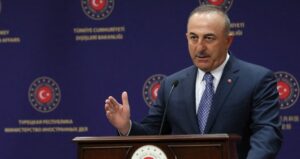
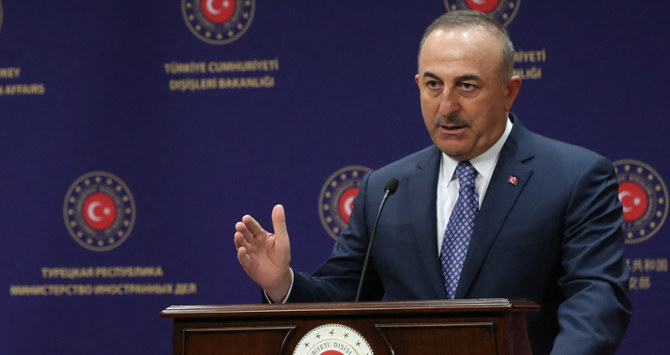
Turkey's Foreign Affairs minister Mevlut Cavusoglu. (AFP)
Turkey’s Foreign Affairs minister Mevlut Cavusoglu. (AFP)
Short Url
  • Bilateral relations strained in recent years by Muslim Brotherhood, Libya conflict and other matters

ANKARA: With Turkey hinting at a potential deal with Egypt on exclusive maritime zones in the gas-rich Eastern Mediterranean, the impact of such an agreement on energy transit routes and the political concessions that Turkey might be obliged to make have come under the spotlight.

Turkey’s Foreign Minister Mevlut Cavusoglu on Wednesday said that the country wanted to sign a deal over maritime boundaries.

But this willingness is currently limited to declarations from the Turkish side, with no tangible reaction from the Egyptians.

Turkey’s tactical move indicates a willingness to reduce escalatory policies in the region in order to bypass any criticism from Brussels and US President Joe Biden’s administration.

Potential sanctions against Turkey’s controversial exploratory activities in the Eastern Mediterranean would be discussed at the European Summit on March 25-26, pushing it to not make aggressive moves ahead of that meeting.

But experts regard such a deal to still be far-fetched, at least in the short-term, because Egypt has had an exclusive economic zone (EEZ) agreement with Greece since last year. This pact angered Turkey because it has had longstanding disagreements with Greece over the extent of their mutual continental shelves.

Egyptian President Abdel Fattah El-Sisi and Greek Prime Minister Kyriakos Mitsotakis had a phone call on Wednesday evening, after Cavusoglu’s statement, on regional issues of common interest, with a special emphasis on energy and Eastern Mediterranean issues, another strong signal that Greece would do its best to not let a Turkish-Egyptian rapprochement happen.

Turkey said the deal between Greece and Egypt did not include a disputed zone to the south of the Greek island of Kastellorizo which Turkey claims under its own EEZ.

Relations with Egypt have been strained after the Turkish-backed Mohammed Mursi, a member of the Muslim Brotherhood, was ousted by El-Sisi in 2013.

Last year, Egypt, Cyprus and Greece released a joint declaration accusing Turkey of carrying out “provocations” in the Eastern Mediterranean, and Egypt has been involved in the East Mediterranean Gas Forum since 2019 without involving Turkey.

Turkey and Egypt have also backed opposing sides in Libya’s civil war.

“Turkey has tried to lure Egypt into signing an EEZ agreement with it by claiming it will receive a bigger share than it will from a bilateral agreement between Athens and Cairo,” Gallia Lindenstrauss, a senior research fellow at the Institute for National Security Studies in Israel, told Arab News. “In a similar manner, it has presented the claim that the EEZ agreement between Israel and Cyprus gives Israel less than what it would receive had it signed an agreement with Turkey.”

While a relaxation in tensions between Turkey and Egypt was plausible, Lindenstrauss did not expect a serious rapprochement happening soon, so an EEZ agreement between the sides was not likely to materialize.

In late February, Egypt and Israel agreed on linking an Israeli offshore natural gas field to liquefied natural gas facilities in northern Egypt through an underwater pipeline to meet the increased demand for natural gas in Europe.

The pipeline will begin from Israel’s Leviathan gas field and then head to Egypt by land before going to Crete through the Greek-Egyptian EEZ.

This route sidesteps Cyprus. In other words, the gas is not likely to be exported through disputed areas that might draw Turkish objections.

Emre Caliskan, a research fellow at the UK’s Foreign Policy Centre, thought  that Turkey’s recent efforts to improve its relations with Israel and Egypt was motivated by a need to break the alliance between Greece, Israel, Cyprus and Egypt.

“These countries have been united against Turkey’s increasing influence and gas searches in the Eastern Mediterranean,” he told Arab News. “From the Turkish policymakers’ strategic view, Greece and Cyprus interests are in contradiction with Turkey’s ambitions in the region. Therefore, Turkey will try to distance Greece and Cyprus from Egypt and Israel.”

These moves require a change in Turkey’s support to the Muslim Brotherhood ideology that inspires Hamas in order to bring Egypt onside and end the bilateral dispute. Turkey hosts several of the organization’s members and supporters since the group’s activities were banned in Egypt.

Last month, the Israeli Defense Ministry announced seizing goods worth $121,000 sent by Turkey-based Hamas members to individuals in the West Bank through two Turkish companies.

“We have recently heard claims that Turkey has been reassessing its ties with the Muslim Brotherhood and Hamas. It is too early to assess any policy change in relation to this. Any substantial reconciliation with Israel and Egypt will require Turkey to distance its relations with the Muslim Brotherhood,” Caliskan said.

For Caliskan, Turkey’s relations with the Muslim Brotherhood was based on ideology and also on a strategic partnership.

“Distancing Turkey’s relationship with the Muslim Brotherhood would impact Turkey’s influence in Libya for example. Turkey is likely to compartmentalize its relations with the Muslim Brotherhood, reducing its support to their presence in Egypt and Palestine, but will continue supporting them in North Africa, especially in Libya and Tunisia.”

arabnews.com

Η Ελληνική Πρεσβεία στη Λιβύη

1

Του Θεόδωρου Θεοδώρου*

Η κατάθεση του Οργανισμού του Υπουργείου Εξωτερικών προκάλεσε πολλές συζητήσεις τόσο μέσα στο Κοινοβούλιο όσο και στην κοινωνία. Θεωρείται τελικώς πολύ αδύναμη η προσπάθεια αναδιοργάνωσης του Υπουργείου Εξωτερικών όταν ο εισηγητής αναγκάζεται να υποσχεθεί ότι θα επανεξετάσει το θέμα των νοσηλίων σε ένα κείμενο που εισήχθη στη Βουλή ως προσεκτικά επεξεργασμένο και απολύτως ανταποκρινόμενο στις απαιτήσεις μίας σύγχρονης Διπλωματικής Υπηρεσίας.

Όμως η πραγματικότητα είναι αμείλικτη και ο Οργανισμός θα δοκιμασθεί άμεσα μετά τη δημόσια δήλωση και διεθνή δέσμευση του Υπουργού Εξωτερικών κ. Νικ. Δένδια για επαναλειτουργία της Πρεσβείας στη Λιβύη. Αναμφίβολα προκρίνεται ως σημαντική προτεραιότητα η αποκατάστση και αναβάθμιση του συνόλου των σχέσεων με τη Λιβύη. Μήπως όμως η ανακοίνωση ξεπερνά σε βιασύνη την πραγματικότητα των διπλωματικών δυνατοτήτων και  επιδιώξεων μας έναντι της Τρίπολης; Η σοβαρότητα των εξαγγελθένων πολιτικών και διπλωματικών επιλογών υποχρεώνει να επικεντρωθούμε όχι μόνο στη διπλωματική αξία της απόφασης, αλλά και στα  οργανωτικά θέματα, καθημερινές απαιτήσεις, προκειμένου η επιλογή να αποφέρει αποτελέσματα.

Η συγκυρία συνηγορεί στην ταχύτατη αποκατάσταση των σχέσεών μας με την Τρίπολη, την επαναλειτουργία της Πρεσβείας μας, αλλά και του Προξενείου μας στη Βεγγάζη. Με απλά λόγια το Υπουργείο Εξωτερικών υποχρεώνεται μετά τις επίσημες δηλώσεις και τοποθετήσεις του να τηρήσει ό,τι υποσχέθηκε στους συνομιλητές,στον  διεθνή παράγοντα, στις επιχειρήσεις καθώς και στην νέα μεταβατική ηγεσία της Λιβύης. Με αμεσότητα ενεργειών και καλή οργάνωση, όπως απαιτείται από τις επιταγές του Νέου Οργανισμού του Υπουργείου Εξωτερικών, η αποκατάσταση πλήρων διπλωματικών σχέσεων θα πρέπει:

  1. Να εξασφαλίζει τα πολιτικά, οικονομικά και πολιτιστικά συμφέροντα της χώρας μας στη Λιβύη
  2. Να προωθεί τις διμερείς σχέσεις των δύο χωρών
  3. Να προωθεί την επιχειρηματικότητα και την εξωστρέφεια
  4. Να εξασφαλίζει το διεθνές δίκαιο, τον αμοιβαίο σεβασμό και την αλληλοκατανόηση

Οι απαιτήσεις αυτές σε πραγματικά μεγέθη, ανθρώπινου δυναμικού και άμεσης διάθεσης οικονομικών μέσων, μεταφράζονται ως εξής:

  1. Λειτουργικότητα και ασφάλεια των κτηρίων
  2. Έμπειρη και ικανή ομάδα διπλωματών, διοικητικών υπαλλήλων και τεχνικών που μπορούν να ανταποκριθούν στις απαιτήσεις της αποστολής
  3. Εξασφάλιση όρων καλής και ασφαλούς εργασίας και διαβίωσης των μελών της αποστολής
  4. Πρόσθετα μέτρα ασφαλείας κατά την επικοινωνία με κάθε συνομλητή και κατά τις μετακινήσεις των υπαλλήλων και πέραν του ωραρίου εργασίας σε μία περιοχή υψηλού κινδύνου
  5. Παροχή όλων των απαραίτητων μέσων για την εκτέλεση του έργου, πολιτικού και προξενικού
  6. Εφαρμογή υψηλών προϋποθέσεων ασφάλειας (τεθωρακισμένα οχήματα, μέτρα ασφαλείας εντός και εκτός της Αρχής, συμπληρωματική ειδική φύλαξη της Πρεσβείας και του προσωπικού) πέραν αυτών που παρέχονται από τη χώρα υποδοχής στην περίμετρο και τις εισόδους της Πρεσβείας/Προξενείου της Ελλάδος στη Λιβύη.

Από μελέτη, που έχει προηγηθεί των δημοσίων τοποθετήσεων, στο Υπουργείο Εξωτερικών και στις αρμόδιες ελληνικές υπηρεσίες προέκυψε προϋπολογισμός και τεχνικές ανάγκες που θα επέτρεπαν  την επαναλειτουργία των αρχών μας στη Λιβύη. Η έντονη επιθυμία αποτελεσματικής Εξωτερικής Πολιτικής, που εκφράζεται τόσο με τη δήλωση του Υπουργού Εξωτερικών όσο και με την επιμέλειά του στην προώθηση του Οργανισμού, δημιουργεί τη σιγουριά ότι πλέον έφτασε η στιγμή από τα θεωρητικά δημιουργήματα να προχωρήσουμε σε εφαρμόσιμες πολιτικές. Το αισιόδοξο αυτό μήνυμα, που εκπέμπεται για πρώτη φορά μετά από πολλά χρόνια, επιτρέπει να αντιληφθούμε ότι το Υπουργείο Εξωτερικών επέτυχε πλέον αποκατάσταση τον προϋπολογισμό του και ανακοινώνει άμεση υλοποίηση πρωτοβουλιών και δράσεων που αναδεικνύουν την Εξωτερική Πολιτική και εξασφαλίζουν τα συμφέροντα μας στην ευρύτερη περιοχή των Βαλκανίων και της Ανατολικής Μεσογείου. Εάν όμως ο προγραμματισμός αυτής της πολιτικής βασίζεται απλώς στην εξοικονόμηση πόρων από το κλεισίμο αρχών μας, προκειμένου να ανοίξουμε τη Λιβύη και όχι σε πραγματική αύξηση του προϋπολογισμού τότε μάλλον κάτι και πάλι δεν θα λειτουργήσει σωστά. Η ένταση στην περιοχή έχει αυξηθεί . Η επικινδυνότητα κινείται στο «κόκκινο, γεγονός το οποίο επιβάλλει να προστατευθούν τόσο τα συμφέροντα της χώρας όσο και οι συμμετέχοντες σε αυτή την αποστολή.

Μετά από μία περίοδο διαταραγμένων σχέσεων με τη Λιβύη, με την οποία τα συμφέροντά και τα ενδιαφέροντά μας συναντιούνται σε πολλά σημεία, μπορούμε με τα σημερινά δεδομένα να προσβλέπουμε σε ταχύτατη αποκατάσταση των σχέσεων σε όλα τα πεδία. Οι προοπτικές, πολιτικές, οικονομικές και πολιτιστικές, εμφανίζονται ευοίωνες. Στην περιοχή κινούνται πολλά και μεγάλα συμφέροντα πολλαπλών προελεύσεων. Η παρουσία μερικών εξ αυτών έχει σημαντικό ιστοτικό βάθος και αναμφισβήτητη πολιτική επιρροή.  Επιστρέφουμε στη χώρα μετά από μακρά φυσική απουσία, αλλά έχοντας διατηρήσει την διπλωματική και πολιτική μας παρουσία κυρίως δια της ΕΕ. Στη διαμόρφωση της μελλοντικής Λιβύης και ενόψει των εξελίξεων στην Ανατολική Μεσόγειο δεν υπάρχει περιθώριο αναστολών. Από τη στιγμή που εξαγγέλθηκε η απόφαση μας να επανέλθουμε διπλωματικά στη Λιβύη, να αναπτύξουμε τις διμερείς μας σχέσεις και να συμμετάσχουμε από κοινού στη διαμόρφωση αναπτυξιακής προοπτικής στην Ανατολική Μεσόγειο, η Διπλωματική Υπηρεσία και ο πολιτικός της προϊστάμενος επέλεξαν, μετά από προσεκτική μελέτη, επαναλειτουργία των διπλωματικών και Προξενικών Αρχών μας προωθόντας την προοπτική διπλωματικής επιτυχίας σε όλα τα πεδία και όχι αποζητώντας ένα στοίχημα προβολής και εφήμερου εντυπωσιασμού.

*Ο Θεόδωρος Θεοδώρου είναι πρέσβης ε.τ. Γενικός Διευθυντής Ερευνητικού Κέντρου ΜΟΧΑ, Καβάλα

“Μακεδονία” Κυριακή 07.03.21

Οι μάστιγες…

0

Ο κομματισμός, ο κοτζαμπασισμός και από ένα σημείο και πέρα ο αθηνοκεντρισμός είναι οι μάστιγες της ομαλής, δημοκρατικής εξέλιξης του ελληνικού κράτους.

Το οποίο, δεν στερήθηκε σύγχρονων θεσμών, που άντεξαν και σε δύσκολες στιγμές.

Τους θεσμούς, όμως, όπως και την ποιότητα της δημοκρατίας την καθορίζουν οι άνθρωποι. Πολιτική ηγεσία και λαός.

Στα 200 χρόνια από τότε που ένα τμήμα του ελληνισμού απέκτησε την ανεξαρτησία του, η Ελληνική Δημοκρατία δεν κατάφερε α απαλλαγεί ούτε από τον κομματισμό ούτε απο τον κοτζαμπασισμό.

Σε μια αποκαλυπτική του συνέντευξη στη διαδικτυακή τηλεόραση Anixnefseis web tv ο πρώην υπουργός και ομότιμος καθηγητής της Νομικής του ΑΠΘ Αντώνης Μανιτάκης μιλά, μεταξύ άλλων για την εμπειρία του στην αριστερά και στην κυβέρνηση συνεργασίας Σαμαρά-Βενιζέλου-Κουβέλη.

Δείτε την ΕΔΩ

On Saudi Arabia and Iran, will Joe Biden change US policy?

0

BY EMILY TAMKIN

GETTY

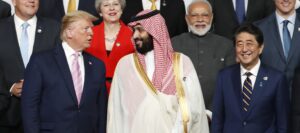
Then US president Donald Trump with Saudi Arabia’s Crown Prince Mohammed bin Salman, pictured in June 2019 at the G20 summit in Japan

America’s relationship with the Middle East’s two rival powers must become more multilateral and with a stronger grounding in human rights.

Something was shifting in American public consciousness – or at least liberal-leaning American public consciousness – during the Trump years.

The typical thinking in Washington, DC has long been that Saudi Arabia is a security partner and Iran a security threat. There have been periods when this has been less true – for example, after 9/11, when it was discovered that the majority of the perpetrators were from Saudi Arabia – but this has been generally the conventional wisdom.

Yet the vulgarity with which Donald Trump made that same case created space for his detractors to question this long-held establishment view. When, for example, the former president said that he would not punish Saudi Arabia for the murder in 2018 of Jamal Khashoggi, a US resident and journalist, because Saudi is a reliable purchaser of US arms, America was confronted with an uncomfortable truth: that it was willing to sell out its purported values for the price of some weapons.

Similarly, when Trump unilaterally pulled out of the Iran nuclear deal and proceeded to sanction and threaten Iran, or when he began his last year in office by killing Iranian general Qasem Soleimani, some wondered whether it was prudent to take such an aggressive approach to Iran. Would it not be better, as some lawmakers put it to me in 2018 after Khashoggi’s death, for the US to take a step back from the Saudi partnership and stop crafting policy in the Middle East primarily to isolate Iran?

There was some reason to believe that Joe Biden would do what Trump had not. As a candidate, Biden pledged to make Saudi Arabia a “pariah” and to rejoin the Iran nuclear deal. But a little over a month into the new president’s administration, progress has been mixed.

The United States has ended its support for the Saudi-led war in Yemen and is reportedly planning to stop the sale of “offensive” weapons to Saudi Arabia. Yet when the declassified US intelligence report on Khashoggi’s murder was made public last week, the Biden administration announced it would not sanction Mohammed bin Salman, the Saudi crown prince and heir apparent, whom the report said was ultimately responsible for Khashoggi’s murder. Representative Ilhan Omar, a progressive member of Congress from Minnesota, put forth a bill to sanction the crown prince after it became clear that the Biden administration would not.

Biden has also not so far rejoined the Iran nuclear deal, or entered formal negotiations to do so, and has conducted a military strike in Syria to retaliate against Iran-backed militia without congressional authorisation. Representative Ro Khanna, one of the leading voices against the war in Yemen, spoke out against the strike.

[Also listen to: The Iranian Playbook]

Despite what has undoubtedly been a disappointing month for some progressives, however, Biden is still altering America’s regional relationship, but slowly.

“I don’t expect [the] recalibration to be radically reforming or transforming [of] the relationship,” said Yasmine Farouk, a visiting fellow in the Middle East programme at think tank the Carnegie Endowment for International Peace.

What should be expected, she said, is for the US-Saudi relationship to be more “institutionalised,” in that policy will go through traditional channels rather than being shaped by the whims of the president and his inner circle, as was the case under Trump. The longstanding privileged access Saudi Arabia has had with Washington policymakers will likely be further reduced. And all of that, she said, can be achieved without sanctioning the crown prince. Avoiding the latter is important since it would probably be a unilateral move, thus running counter to another Biden promise: the return of multilateral cooperation.

Furthermore, what Biden has done so far has already changed Saudi behaviour, Farouk noted. In the past two months, Saudi women’s rights activist Loujain al-Hathloul was released from jail and the country healed its rift with its fellow Gulf nation Qatar.

There’s also the reality that, at least on the Iran nuclear deal, Biden can’t change the status quo on his own. Candidate Biden may have said he would do certain things on foreign policy, Farouk said, but realising his campaign promises also depends on the extent to which the other parties are willing to collaborate.

Recalibration and re-engagement in the Middle East also can’t simply mean swapping one regional nemesis for another, added Esfandyar Batmanghelidj, founder of Bourse & Bazaar Foundation, a think tank focused on economic development and diplomacy in the Middle East and Central Asia. “The principal way in which human rights issues are dealt with by the West [is by making an] effort to isolate countries committing human rights violations,” he said. If the go-to strategy in dealing with human rights violators is to isolate them, then it is also difficult to bring them to the table to press for domestic, diplomatic and regional change.

That paradigm needs to change, according to Batmanghelidj. That isn’t to say progressives shouldn’t continue to press the Biden administration to implement better, less militaristic policy. But if isolating Iran wasn’t sound policy, then isolating Saudi Arabia likely won’t be either, Batmanghelidj said: the point is to change America’s relationship in both cases so that it’s more diplomatic and multilateral, and with a stronger grounding in human rights.

That will take time. But there is “still the potential”, Batmanghelidj said, “that the United States will have a different role in the region at the end of these four years than at the end of [the past] four decades”.

[See also: Why should Joe Biden’s foreign policy be different?]

Emily Tamkin is the New Statesman’s US editor.

She co-hosts our weekly global affairs podcast, World Review.

newstatesman.com

Conspiracy Theories BY ANDREW LEVINE

0

Photograph Source: Dave Center – CC BY 2.0

From time immemorial, people have plotted together, unlawfully, treacherously, and surreptitiously, in order to further generally nefarious objectives. In other words, conspiracies happen.

Sometimes they never come to light; more often, they do, but only after, sometimes long after, they are executed or aborted. And sometimes they happen in plain view.

The term has negative connotations. Inasmuch as conspirators generally conspire for what they take to be worthwhile purposes, this is odd, to say the least. But the dictionaries insist.

Those who speak of “conspiracy theories” nowadays seldom dwell on conspirators’ surreptitiousness or treachery. This hardly casts the term in a more positive light, however. Conspirators’ evil ways may not be Topic A, but their craziness is. It is the kind of craziness commonly associated with paranoia.

It goes without saying that the conspiracy theories we have lately heard so much about are almost always false, usually in obvious, but not always in uncomplicated, ways.

Like paranoid delusions, good conspiracy theories fit the known facts, or some pertinent subset of them, tolerably well. They could even be defended for putting the facts they focus upon together in more cogent ways than more plausible explanations do. This is especially the case when the more plausible explanations are incomplete or otherwise problematic.

For example, because there were oddities about the way the buildings collapsed in the 9/11 attack on the World Trade Center that could arguably be accounted for better by explosive devices on site than by the televised collision with a highjacked airliner, conspiracy theories started appearing almost from Day One. Inasmuch as the collision was seen by millions, countless times as the cable networks replayed their video evidence, it was hard to deny that a collision occurred.

One would expect that this would have stopped conspiracy theorists in their tracks. Perhaps it has to some extent, but not one hundred percent. When determined, conspiracy theorists are nothing if not ingenious.

Their ingenuity often works because there are usually ways to combine conspiracy theories with evidence that even the most gullible people are unable entirely to reject.

Thus, with 9/11, it was sometimes argued that even if the video evidence wasn’t entirely made up – photo shopped, as it were, concocted just to mislead the public and to throw investigators off track — that the planes that collided with the buildings were not what ultimately brought those building down; that, contrary to what people saw, explosive devices planted by terrorists within the buildings themselves were responsible for that.

Why go out on that limb? Part of the explanation may be that conspiracy theorists are contrarian by nature. A larger part is that they also tend to be wedded to fixed, ideologically or theologically driven beliefs that they will stand by come what may.

Being generally more interested in getting people to think in certain ways than in discovering or clarifying what is or was actually the case, why would they not? Thus, conspiracy theories are almost always tendentious, if not downright fraudulent.

Because their proponents take themselves to be accountable, above all, to political agendas, rather than to getting matters of fact right, they are therefore often indifferent to the truth, except insofar as true claims are generally more convincing than false ones.

In this, as in so much else of political consequence, ironies abound. Thus, except in those comparatively rare instances in which conspiracy theories are contrived in propaganda mills or their functional equivalents in order to bring about certain results, conspiracy theories seldom have much to do with actual conspiracies, in the strictest sense of the term.

When they function politically, it is more usually in the course of spontaneously evolving turns of events than, as would be the case were plotters behind the goings on, with thoughtful determination.

The idea that Trump, not Biden, actually won the last election, “the Big Lie,” as it has come to be called, is an extreme example.

There is not a scintilla of evidence supporting that contention (unless the “gut feelings” of Trump besotted cultists count). Moreover, of the sixty-two lawsuits Trump and his allies have filed challenging the presidential election, sixty-one have failed – dismissed on the merits or for lack of standing. The one that more or less succeeded was on a minor point of no real consequence.

Many of the courts that rejected Trump’s pleadings, including the Supreme Court, are packed with Trump-appointed judges, few if any of whom are paragons of honesty or good sense, and all of whom were vetted by Trump operatives for loyalty to the Dear Leader wannabe.

But the Big Lie exceeds even their capacity to sign on to the all-consuming mendacity that Trump exudes. And so, we got the court rulings we did.

“Too much light blinds us,” wrote Blaise Pascal (1623-1662). He meant that, in the extreme, things turn into their opposite, a point that made him one of the “founding fathers,” as it were, of the dialectical logic that Hegel and Marx and many others would later put to use.

Could some lies be so transparently false that, even if, in the extreme, they do not quite turn into their opposite, they stop functioning as lies altogether. This is what seems to have happened with the Big Lie; it has become nothing more than s rallying cry for those who care a lot about keeping America on an authoritarian track and could care less about the truth.

Getting that idea across would be the best, perhaps the only, chance that proponents of, say, the QAnon conspiracy theory have for coming out of the current glut of bruhaha that they, egged on by liberals hellbent on ridiculing them, have generated, without looking like a bunch of raving lunatics.

The competition is stiff, but, even so, QAnon is arguably the dumbest conspiracy theory ever to be taken seriously by substantial portions of the citizenry of any purportedly democratic state.

It also provides a sterling example of what the conspiracy theories we hear so much about have become. Whether or not they are entirely or partly true or, as is usually the case, just plain false, is, for all intents and purposes, irrelevant. What matters is that they serve as markers of political identity.

This is why so many later-day Republican conservatives can subscribe to them at the same time that they say they believe — and, very likely, do believe — unassailable theories that contradict them.

Trump was a major promoter of the conspiracy theory we now call “birtherism,” the main tenet of which is that because the Constitution requires American presidents to be native born, Barack Obama’s presidency was illegitimate — since he was born in Uganda, not Hawaii, where, of course, he actually was born.

I, for one, would be surprised to learn that Trump actually believes QAnon drivel, but then who really knows what goes on in that “big and very stable” brain of his.

It is not at all surprising, however, that birtherism appeals to older, mainly but not exclusively rural or less educated men and women, who suffer from an increasingly acute sense of the precariousness of their own status positions –as economic circumstances change for the worse for most workers and as “persons of color” assert themselves in white America.

It is unclear what Trump actually believes, but there can be little doubt that his thinking, such as it is, has a certain reptilian quality which enables him to know how to manipulate gullible and pathetic people, like the ones that comprise his vaunted “base.”

Thus, birtherism was useful to him four or five years ago; as much as anything else, including his money, it helped make him a viable candidate for the Republican nomination by bringing conspiracy theories into the political mainstream.

This, in turn, enabled a cult to grow up around the Donald that, in time, became powerful enough to worry the bejesus out of his more mainstream, but no less loathsome, Republican rivals, just as the idea of a Trump presidency has always done for persons whose heads are screwed on right.

How remarkable that they are worried even now, even after the loser lost big time, of falling out of his good graces!

But as the Trump juggernaut took shape in the 2016 campaign against Hillary Clinton, a need to reach beyond the base, even as it was growing like a weed around him, became increasingly apparent even to the Donald and his cohort, their self-deceptions and delusions of grandeur notwithstanding. In those circumstances, Trump and his advisors evidently decided that birtherism was too preposterous to do him much good in the election ahead.

And so, without ever quite rejecting their signature conspiracy theory – except once or twice inconspicuously, when actively pressed – they let it slip into desuetude. It has remained there ever since, coexisting with true beliefs that contradict it.

It is a testament to Trump’s luck or cunning or both that he has been able to pull this off as well as he has, and to revel in it. He is evidently proud of himself, and rightly so; not for what he did, but for how well he did it.

“Do I contradict myself?” Walt Whitman asked. “Very well, then,” he went on, “I contradict myself; I am large, I contain multitudes.” Whitman was a great poet; his exuberance overflowed.

Trump is a great nothing, a mediocre conman, who, instead of multitudes, contains nothing except his own, hyper-abundant, megalomaniacal fantasy land. That he contradicts himself is nothing to reflect upon appreciatively, much less to boast about. Trump is pathetic and, at some level, even his own, everyone knows it.

***

Neither is he any better at conspiracy itself than at forging and defending conspiracy theories.

To be sure, Trump and the miscreants who hang on his every word do seem to have gotten away with their January 6 “insurrection,” at least for now. But they would have to be even bigger fools than we know them to be if they were to think, even for a moment, that their own cleverness was what got them through.

Our electoral system has so many undemocratic characteristics and flaws that it can function not only to impede much needed changes that are broadly desired, but also to protect insurgents when they are called upon or when they take it upon themselves to further reactionary objectives by going beyond what the system allows.

This had much more to do with how January 6 turned out than the repellent faces, forms, and figures of Donald Trump and his co-conspirators, or their imaginary strategic and tactical genius.

What wretched conspirators those dunces were! What could they have been thinking when they undertook an insurrection after having alienated the most adept and practiced perpetrators and organizers of government overthrows in modern world history — the CIA, their partners in perfidy in other intelligence agencies, the military (without which, in modern times, no coup is possible), the police and other forces of domestic order, and virtually all respectable media outlets?

How could they have thought that it would be enough just to intimidate a few hapless rightwing legislators, and then to rely upon a vice president notable only for his servility, piety, and for never being alone in social contexts with a woman not his wife.

Trump is better at running gaudy casinos and golf resorts than at conspiracy; and as we will likely soon find out, when the forensic accountants get going, he is not and never has been much of a golden boy in real estate either, nor in the hospitality industry and in other areas such as those, in which, until recently, he has had pitifully little to contribute except for his now irrevocably tarnished name.

It is almost enough to make an observer take pity on that poor bastard until the realization dawns, as it must for anyone with a moral compass still intact, that he and his closest confederates, especially those related to him by blood or marriage, will amply deserve every punishment that he and they would get, were justice truly served.

ANDREW LEVINE is the author most recently of THE AMERICAN IDEOLOGY (Routledge) and POLITICAL KEY WORDS (Blackwell) as well as of many other books and articles in political philosophy. His most recent book is In Bad Faith: What’s Wrong With the Opium of the People. He was a Professor (philosophy) at the University of Wisconsin-Madison and a Research Professor (philosophy) at the University of Maryland-College Park.  He is a contributor to Hopeless: Barack Obama and the Politics of Illusion (AK Press).

counterpunch.org

Cancel the US Military

0

By William Astore

The Nation

The Pentagon is running a system that seems to eternally reward failure, from poorly performing generals to endless wars that cost a fortune.

“Cancel culture” is a common, almost viral, term in political and social discourse these days. Basically, somebody expresses views considered to be outrageous or vile or racist or otherwise insensitive and inappropriate. In response, that person is “canceled,” perhaps losing a job or being otherwise sidelined and silenced. In being deplatformed by Twitter, Facebook, and other social media sites, for instance, this country’s previous president has, it could be argued, been canceled—at least by polite society. More than a few might add, good riddance.

Cancel culture is all around us, with a single glaring exception: the US military. No matter how poorly a major weapons system performs, no matter how much it goes over budget, no matter how long it takes to field, it almost never gets canceled. As a corollary to this, no matter how poorly a general performs in one of our 21st century wars, no matter his lack of victories or failure to achieve mission objectives, he almost never gets cashiered, demoted, or even criticized. A similar thing could be said of America’s 21st century wars themselves. They are disasters that simply never get canceled. They just go on and on and on.

Is it any surprise, then, that a system that seems to eternally reward failure consistently produces it as well? After all, if cancel culture should apply anywhere, it would be to faulty multibillion-dollar weapons systems and more than a few generals, who instead either get booted upstairs to staff positions or retire comfortably onto the boards of directors of major weapons companies.

op ArticlesCould One of Your Facebook Friends Be the Next Qanon Shaman?Don’t Stop Thinking About (Tom) TomorrowWithdrawing US Troops From Afghanistan Is Only a Start. We Have to End the Air War Too.READ MOREMarching Through GeorgiaWhy Are We Still Giving the Pentagon More Money?The Supreme Court Is Poised to Find New Ways to Disenfranchise Black Voters

Let’s take a closer look at several major weapons systems that are begging to be canceled—and a rare case of one that finally was.

  • The F-35 stealth fighter: I’ve written extensively on the F-35 over the years. Produced by Lockheed Martin, the plane was at one point seven years behind schedule and $163 billion over budget. Nonetheless, the US military persisted and it is now nearing full production at a projected total cost of $1.7 trillion by the year 2070. Even so, nagging problems persist, including engine difficulties and serious maintenance deficiencies. Even more troubling: The plane often can’t be cleared for flying if lightning is anywhere in the area, which is deeply ironic, given that it’s called the Lightning II. Let’s hope that there are no thunderstorms in the next war.
  • The Boeing KC-46 tanker: A tanker is basically a flying gas station, air-to-air refueling being something the Air Force mastered half a century ago. Never underestimate the military’s ability to produce new problems while pursuing more advanced technology, however. Doing away with old-fashioned windows and an actual airman as a “boom operator” in the refueling loop (as in a legacy tanker like the KC-135), the KC-46 uses a largely automated refueling system via video. Attractive in theory, that system has yet to work reliably in practice. (Maybe, it will, however, by the year 2024, the Air Force now says.) And what good is a tanker that isn’t assured of actually transferring fuel in mid-air and turns out to be compromised as well by its own fuel leaks? The Air Force is now speaking of “repurposing” its new generation of tankers for missions other than refueling. That’s like me saying that I’m repurposing my boat as an anchor since it happened to spring a leak and sink to the bottom of the lake.
  • And speaking of boats, perhaps you won’t be surprised to learn that the Navy has had serious problems of its own with its most recent Gerald R. Ford–class aircraft carriers. That service started building carriers in the 1920s, so one might imagine that, by now, the brass would have gained some mastery of the process of updating them and building new ones. But never underestimate the allure of cramming unproven and expensive technologies for “next generation” success on board such vessels. Include among them, when it comes to the Ford-class carriers, elevators for raising munitions that notoriously don’t operate well and a catapult system for launching planes from the deck (known as the Electromagnetic Aircraft Launch System) that’s constantly breaking down. As you might imagine, not much can happen on an aircraft carrier when you can’t load munitions or launch planes effectively. Each new Ford-class carrier costs in the neighborhood of $14 billion, yet despite all that money, it simply “isn’t very good at actually being a carrier,” as an article in Popular Mechanics magazine bluntly put it recently. Think of it as the KC-46 of the seas.
  • And speaking of failing ships, let’s not forget the Navy’s Littoral Combat Ships (LCS), which have earned the nickname “little crappy ships.” A serious propulsion design flaw may end up turning them into “floating garbage piles,” defense journalist Jared Keller recently concluded. The Navy bought 10 of them for roughly half a billion dollars each, with future orders currently on hold. Lockheed Martin is the lead contractor, the same one responsible for the wildly profligate (and profitable) F-35.
  • Grimly for the Navy, problems were so severe with its Zumwalt-class of stealth destroyers that the program was actually canceled after only three ships had been built. (The Navy initially planned to build 32 of them.) Critiqued as a vessel in search of a mission, the Zumwalt-class was also bedeviled by problems with its radar and main armament. In total, the Navy spent $22 billion on a failed “next generation” concept whose cancellation offers us that utter rarity of our moment: a weapon so visibly terrible that even the military-industrial complex couldn’t continue to justify it.

Chief of Naval Operations Adm. Michael Gilday has gone on record as re bnvjecting the idea of integrating exotic, largely untried and untested technologies into new ship designs (known in the biz as “concurrent development”). Godspeed, admiral!

Much like the troubled F-35 and the Littoral Combat Ship, the Zumwalt’s spiraling costs were due in part to the Pentagon’s fixation on integrating just such “leading-edge” technologies into designs that themselves were in flux. (Not for nothing do military wags refer to them as bleeding edge technologies.) Such wildly ambitious concurrent development, rather than saving time and money, tends to waste plenty of both, leading to ultra-expensive less-than-fully effective weapons like the Zumwalt, the original version of which had a particularly inglorious breakdown while passing through (or rather not passing through) the Panama Canal in November 2016.

Given such expensive failures, you might be forgiven for wondering whether, in the 21st century, while fighting never-ending disastrous wars across significant parts of the planet, America’s military isn’t also actively working to disarm itself. Seriously, if we’re truly talking about weapons that are vital to national defense, failure shouldn’t be an option, but far too often it is.

With this dubious record, one might imagine the next class of Navy vessel could very well be named for Philip Francis Queeg, the disturbed and incompetent ship captain of novelist Herman Wouk’s The Caine Mutiny. It’s also quite possible that the Pentagon’s next advanced fighter jet will fulfill former Martin Marietta CEO Norman Augustine’s estimate from the 1980s that by the year 2054, the entire Pentagon budget would be needed to buy one—and only one—combat aircraft. Perhaps a Death Star for America’s new Space Force?

IS IT EVEN POSSIBLE TO CANCEL A MAJOR WEAPONS SYSTEM LIKE THE F-35?

The Navy’s Zumwalt-class of destroyers was such a disaster that the program was indeed canceled a mere $22 billion along the line, but what about a program like the F-35? Is it even possible to cancel such a behemoth of a weapons system?

That question was put to me by Christian Sorensen, author of Understanding the War Industry, who like me is a member of the Eisenhower Media Network. Overpriced and underperforming weapons, Sorensen noted, are a feature of, rather than some sort of bug in, the military-industrial complex as future profits for giant weapons companies drive design and fielding decisions, not capability, efficiency, or even need. He’s right, of course. There may even be a perverse incentive within the system to build flawed weapons, since there’s so much money to be made in troubleshooting and “fixing” those flaws. Meanwhile, the F-35, like America’s leading financial institutions in the 2007–09 Great Recession, is treated as if it were too big to fail. And perhaps it is.

Jobs, profits, influence, and foreign trade are all involved here, so much so that mediocre (or worse) performance is judged acceptable, if only to keep the money flowing and the production lines rolling. And as it happens, the Air Force really has no obvious alternative to the F-35. During the 1950s and 1960s, the aerospace industry used to build a wealth of models: the “century series” of fighters, from the F-100 through the F106. (The notorious F-111 was an early version of the F-35.) The Air Force could also tap Navy designs like for the F-4 Phantom. Now, it’s essentially the F-35 or bust.

In its obvious desperation, that service is turning to older designs like the F-15 Eagle (circa 1970) and the F-117 Stealth Fighter (circa 1980) to bridge the gap created by delays and cost overruns in the F-35 program. Five decades after its initial flight, it’s something of a miracle that the F-15 is still being produced—and, of course, an obvious indictment of the soaring costs and inadequate performance of its replacements.

The exorbitant pricing of the F-35, as well as the F-22 Raptor, has recently even driven top Air Force officials to propose the creation of an entirely new “low cost” fighter. Irony of ironies, once upon a time in another universe, the F-35 was supposed to be the low-cost replacement for “fourth-generation” F-15s and F-16s. Last month, current Air Force Chief of Staff Gen. Charles “CQ” Brown exhibited the usual convoluted and nonsensical logic of the military-industrial complex when he discussed that new dream fighter: “If we have the capability to do something even more capable [than the F-16] for cheaper and faster, why not? Let’s not just buy off the shelf, let’s actually take a look at something else out there that we can build.”

In other words, why buy already-proven and much-improved variants of the F-16 when you could design and build an entirely new plane from scratch, supposedly in a “cheaper” and “faster” manner? Of course, given that new fighters now take roughly two decades to design and field, that’s an obvious fantasy from the start. If my old service—I’m a retired Air Force officer—wants fast and cheap, it should simply go with the tried-and-true F-16. Yet an entirely new plane is so much more attractive to a service under the spell of the giant weapons makers, even as the F-35 continues to be produced under its old, now demonstrably false, mantra of cheaper-and-better.

As Christian Sorensen summed up our present situation to me: “If an exorbitant under-performing platform like the F-35 can’t be canceled, then what are we doing? How do we ever expect to bring home the troops [garrisoning the globe] if we can’t even end one awful weapons platform or address the underlying systemic issues that cause such a platform to be created?”

Of course, an “alert and knowledgeable citizenry” like the one that President Dwight D. Eisenhower described in his 1961 farewell address to the nation (in which he first warned of the dangers if a “military-industrial complex” gained “unwarranted influence”) would work to cancel wasteful, unnecessary weapons systems like the F-35. But what if the forces in place in American society act to keep that very citizenry apathetic and ignorant instead?

Call me jaded, but I can’t see the F-35 being canceled outright, even though it hasn’t technically yet reached the stage of full production. Likely enough, however, such a cancellation would only happen in the wake of major cuts to the defense budget that forced the services to make hard choices. But such cuts clearly aren’t on the agenda of a Congress that continues to fund record Pentagon budgets in a bipartisan fashion; a Congress that, unchecked as it is by us citizens, simply won’t force the Pentagon to make tough choices.

And here’s one more factor to consider as to why cancel culture is never applied to Pentagon weaponry: Americans generally love weaponry. We embrace weapons, celebrate them, pose with them. To cancel them, we’d have to cancel a version of ourselves that revels in high-tech mayhem. To cancel them, we’d have to cancel a made-in-America mindset that equates such weaponry—the stealthier and sexier the better—with safety and security, and that sees destruction overseas as serving democracy at home.