Αρχική Blog Σελίδα 1437

GEOPOLITICAL CONCEPTION OF ROMANIA

0


(ROMANIA – A GEOPOLITICAL CONCEPT / ROMANIA’S ROLE IN THE CURRENT REGIONAL GEOPOLITICAL CONTEXT)
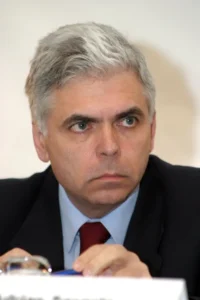
Prof. Dr. Adrian Severin

Minister of Foreign Affairs of Romania (1996-1997)

Talking points

  1. THESIS AND ANTITHESIS RELATING TO THE GEOSTRATEGIC IDENTITY OF ROMANIA
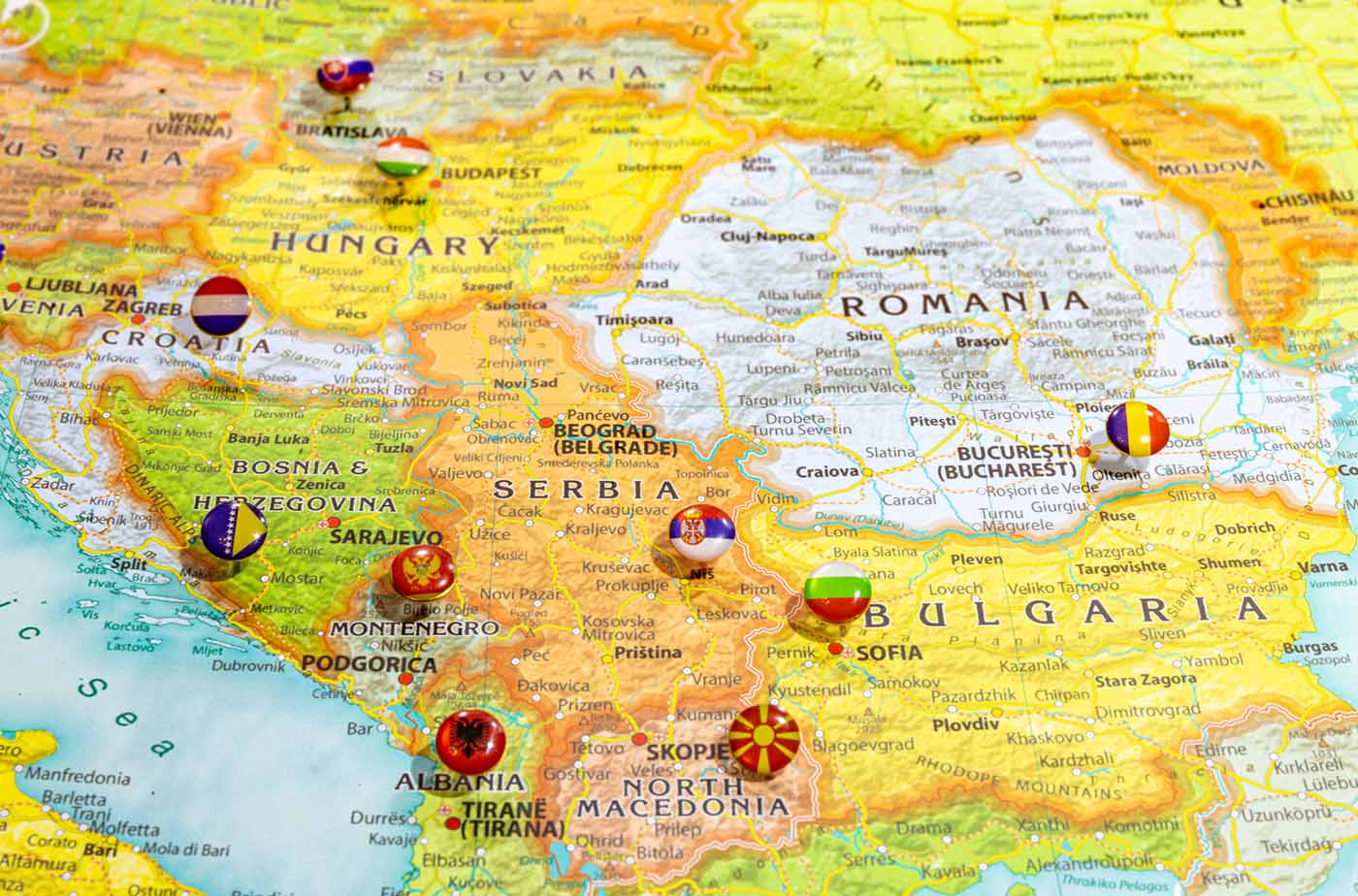
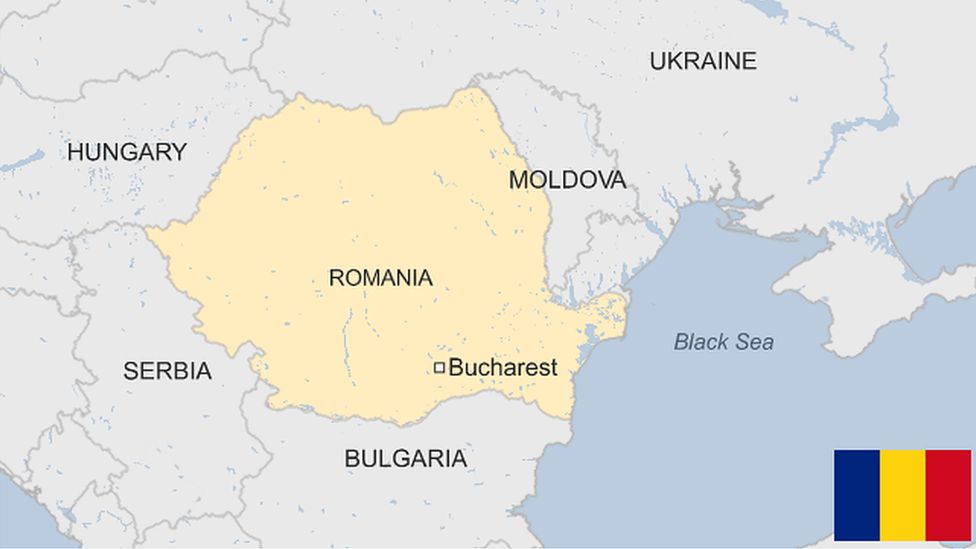
  2. Romania was conceived at birth (1859) as an obstacle to Russian expansion. That is why, at the Congress of Paris (1856), the Romanian territories from the mouths of the Danube, previously occupied by Russia, in the process of its expansion towards the Balkans and Central Europe, were returned to Moldova, from where they became part of the United Romanian Principalities. This also explains why, after the union of these principalities, also known as the Danubian Principalities, the capital of Romania did not remain in the north-east of the country, in Iasi, near the Russian border, but was established in the south, close to the Danube. in the vicinity of the Ottoman Empire. Then and now, the Ottomans were favored over the Russians. This is how we arrived at “Romania – Danubian state”. Europe entrusted Romania, in the middle of the 19th century, when it emerged as a national state, with the role of guardian of the mouths of the Danube, at that time a main gateway to the heart of the continent.
  3. From a geographical point of view, Romania is not located on any of the main passage corridors from the West Euro-Atlantic to the East-Eurasia, or from the North Baltic to the South Mediterranean. These corridors pass either through the south of the Danube, i.e. through the south of Romania, or through the Pannonian plain, i.e. through the north of Romania. The corridors with a north-south orientation also bypass Romania, either to the east, through the Russian steppe, to reach the Black Sea or the Caspian Sea, or to the west, through the Hungarian desert or the Mazurian plains. The settlement of Romania around the citadel of the Carpathian Mountains, which even today is not crossed by convenient traffic arteries, makes its crossing difficult. No major invasion, regardless of which side it came from, had the gateway to Romania. Hence, the second geopolitical identity thesis: “Romania – flank country”. The powers that wanted to control Romania did so either to protect their flanks or to harass the opponent by threatening their flank.

3. At the Berlin Congress (1978), at which Russia, with the competition of the main emerging power, the German Reich, was repressed in the Concert of European Powers, Romania was seen both as a buffer state capable of stopping the expansionist temptations of the three old women European empires – Czarist, Habsburg and Ottoman – keeping them apart from each other, as well as a middle power of Christian religion able to hold the strategic balance in the Balkans, so as to prevent the exploding of the south-eastern European powder keg. As its explosion was seen, when it took place, it broke the windows of the palaces in all the great European capitals and beyond. In this context, the thesis appeared “Romania – Balkan state” (although technically it belonged to the Balkans only through the territory of Dobrogea, its only part south of the Danube), doubled by the thesis “Romania – Byzantium after Byzantium” or “successor of the second Rome”. Romania’s involvement in the two Balkan wars, gloriously ended by the Peace of Bucharest, showed the world that Romania can build regional order, even despite the opposition of the great European powers.4. At the beginning of the First World War, during the years 1914-1916, Romania’s dilemma regarding which camp to join was related to the clarification of its geopolitical identity: “(pseudo)Balkan state” or “Central European state”. Entering the war on the side of the Entente, Romania chose, also playing the card of its Latinity, to be a Central European state, and thus opted to join Western civilization. Paradoxically, however, she remained Orthodox. “Romania – a Latin country of oriental denomination”.5. After the First World War, which he technically lost on the battlefield, Little Romania became Great Romania, Danubian Romania became Carpatho-Pontic (that is, geographically located on the territory between the Carpathian Mountains and the Black Sea), and Balkan Romania became Central-European Romania. At the Versailles Peace Conference, the victorious imperial nations (France, Germany, Great Britain and even the USA) decided that a Greater Romania was needed to prevent the revanchism and revisionism of the old fallen empires (Czarist, Habsburg / Austro-Hungarian, Ottoman, German). In 1919, by occupying, even without the approval of the Western powers, Budapest, and thus extirpating the Bolshevik regime of Bella Kuhn and stopping the Bolshevization of Europe, Romania once again showed its ability to play a regional leadership role with continental relevance. This is how we arrived at “Carpatho-Danubian-Pontic Romania”.6. In the following period, Romania played an important role in the construction of the new European order, apart from being a champion of the League of Nations, having a prominent role in the adoption of the Montreaux Convention, regarding the regime of the Black Sea straits. Thus, Romania established itself as a protagonist in the strategic region of the Black Sea, becoming “Pontic Romania”.7. Created as a barrier against Russian expansionism and then against Hungarian revisionism, Romania had two geostrategic fears in its foreign policy: the fear of Russia and the fear of Hungary.
These two fears pressed for over a hundred years on Romania’s geopolitical conception, explaining many of its weaknesses, some of its conceptual rigidities and a certain almost dogmatic conservatism that made it miss numerous historical opportunities.8. The Second World War, also lost by Romania, led to the emergence of the bipolar world order. Romania then entered the sphere of influence of Soviet Russia. There, however, she was the “inventor” of the so-called “national-communism”, a doctrine that allowed her to achieve a certain strategic autonomy and, in its logic, a multi-vector foreign policy. Thus, Romania became the most non-aligned among the aligned countries and the most aligned among the non-aligned countries. In this context, however, its natural geopolitical assets had few opportunities to fully express themselves. Romanian geopolitics was then more tactical than strategic, the almost unique objective being the preservation of its independence regardless of the conditions. Independence and sovereignty were the goal, not the means, of its assertion as a power with its own conception of the regional and world order. Romania then had its own speech regarding the world order, but the speech was not served by independence to materialize but was meant to safeguard its independence.9. In the context of the bipolar order, two other older fears of Romania were accentuated: the fear of isolation and the fear of domination. Romania did not want to remain alone in front of its potential adversaries, but neither did it want to remain at the discretion of its stronger “allies” wishing to dominate it.10.

The geopolitical conception of Romania was influenced not only by geography, but also by history, with its ethno-cultural dimension. Romania was a political project. This project was successful and endured because it had a solid cultural base. This rested on two pillars: language unity and confessional unity; the Romanian language (without dialects) carried by shepherds on both sides of the Carpathians, up to the Danube, Dniester, Tisza and the Black Sea, on the one hand, and the Orthodox Church, born from the people and not imposed by princely decree, on the other . That is why Romania is still resisting today, despite the dismemberment projects that have accompanied its entire modern history and are still in force today.11. Under these conditions, the sui generis character of Romanian nationalism is also explained. This is a geostrategic nationalism, not an ethnic one. A culturally based political project has made Romanians not interested in asserting their cultural superiority, but in seeking their national security, accepting integration into the more comprehensive Western civilization all the more easily as long as they do not renounce their national traditions. They are preserved without nationalistic ostentation and reappear when people least expect it.12. The collapse of the bipolar world order put Romania in a position to adapt to the unipolar order spontaneously installed after the end of the Cold War – the so-called pax Americana. It made her aware that such an order was not in accordance with her interests and assets. For Romania, objectively, the only convenient order remains the multipolar one.13. Anticipating the end of the unipolar order, as well as the challenges brought by the disorder that would follow unipolarism, in the mid-1990s, Romania developed a foreign policy doctrine based on its geopolitical assets and intended to capitalize on them by fulfilling its regional role recommended by those assets. This doctrine remains valid even today, even if, since the beginning of the 2000s, it was gradually but consistently abandoned in order to completely subordinate Romania to the geopolitical agenda of the USA (and less of the EU, which, by the way, is an entity in strategic identity crisis).
II. ROMANIA’S FOREIGN POLICY BETWEEN 1990-1998 A. Changing international context

1. The data according to which Romania had to act in the early 1990sa) the agreements in Malta – the de-ideologization and demilitarization of international relations and the reunification of Europe;b) the disappearance of the USSR – “the greatest geopolitical catastrophe of the 20th century”; post-Soviet disorder and the problem of “frozen crises” (components of a coherent post-imperial crisis)c) German unification – the preamble to the transition from European Germany to German Europe;d) the spontaneous transition from the bipolar world system to American unipolarism (victoria pax americana) – from the “balance of terror” to the abuse of power;i. the ability to abuse its power, in the absence of a formidable opponent, has affected American political discernment, analysis, and planningii. external de-ideologization triggered internal ideological conflicts that then infected American foreign policye) the reawakening of the imperial instincts of the nations of Western Europei. from the reconciliation of European history with European geography and the reunification of Europe, to the expansion of the EU in the post-Soviet “wild east”ii. the objective of emancipating Europe (German or Franco-German) from tutelage (American domination and occupation) – which required a Euro-Russian entente;f) the alignment of the non-aligned and the political reorientation of Third World markets.2. American confusion between:a) the armistice proposed by the USSR and the capitulation of the USSR;b) the victory of the values ​​proclaimed by pax americana and the victory of the USA3. The post-bipolar history of Europe as an opposition of two strategic conceptions, namely:a) “America in; Russia out; Germany down!”b) “America out; Russia in; Germany (German Europe) up!”


B. Romanian-sceptic prejudices and geopolitical threats

1. Two Romanian-skeptic Western doctrines:a) the geopolitical conflict – “A Romania too big for a Europe too small / A Romania too strong for a Europe too weak”b) the cultural conflict – an Orthodox Romania on the Carpathian border with the collective Catholic, Protestant and Neo-Protestant West2. Three immediate political threats:a) promoting European integration policies in contradiction with Romania’s development policies (on the basis inherited from the previous political regimes)b) the territorial dismemberment of Romania by starting inter-ethnic conflicts (the events at Tg Mureș in March 1990)c) the decoupling of Romania from the countries of the Viszegrád Group3. Romanian-skeptic theses in the post-Soviet / post-bipolar propaganda wara) Neo and crypto-communist Romania / unreformed Romania (including the lack of a reformed communist party) – anti-monarchism; authoritarianism (the University Square phenomenon); hyper-statism (refusal of privatization); hyper-centralism (rejection of decentralization, including local autonomy based on ethnic criteria, with the corollary of hyper-bureaucracy); militarism (military leadership of civilian institutions); anti-reformism (rejection of “shock therapy”)b) Archaic Romania – autochthonism and clericalism

C. Anti-Romanian policies of international neoconservative and corporatist circlesa)

Opposition to the hypothetical reunification of Romania in the east (reunification with Bessarabia / Republic of Moldova)b) Support for the territorial destructuring of Romania in the west. (the problem of Transylvania)c) Opposition to policies supporting the emergence of Romanian private capital.d) The pressure in favor of “shock therapy” (unlike in the case of Poland, it was a “shock without therapy”) and “restitutio in integrum” (the privatization of branches strategic economic benefits in favor of foreign corporations)e) External support for the creation of militant political NGOs, with occult funding and (external) dependencies, fueling internal political instability

III. THE PHASES OF THE ROMANIAN FOREIGN POLICY FROM 1990 TO 2023

a)     1992-1996 – a mimetic and reactive policy, of approximation, groping and balance between “old friends” and “new friends”, in the context of the beginning of the expansion of the Euro-Atlantic West towards the Euro-Asian East;b)     1996-1998 – a multi-vector, anticipatory and offensive policy, which would ensure Romania a regional leadership role in Eastern and South-Eastern Europe, with security guarantees outside the Western alliances, under the conditions of reconciliation between (Euro-Atlantic) integration and independence;c)     1998-2000 – Russophobic, American-skeptic, Germanophile and Euro-compliant politics, in all its aspects moderate and adynamic;d)     2000-2007 – the policy of the unidirectional national consensus of Euro-Atlantic integration (“rush to the collective West”), seen as an end in itself and not as a means (and therefore achievable at any price);e)     2007-2023 – de facto abandonment of sovereignty with the effect of self-deprivation of any foreign policy (colonies and protectorates – generally state entities lacking sovereignty – have no foreign policy).  

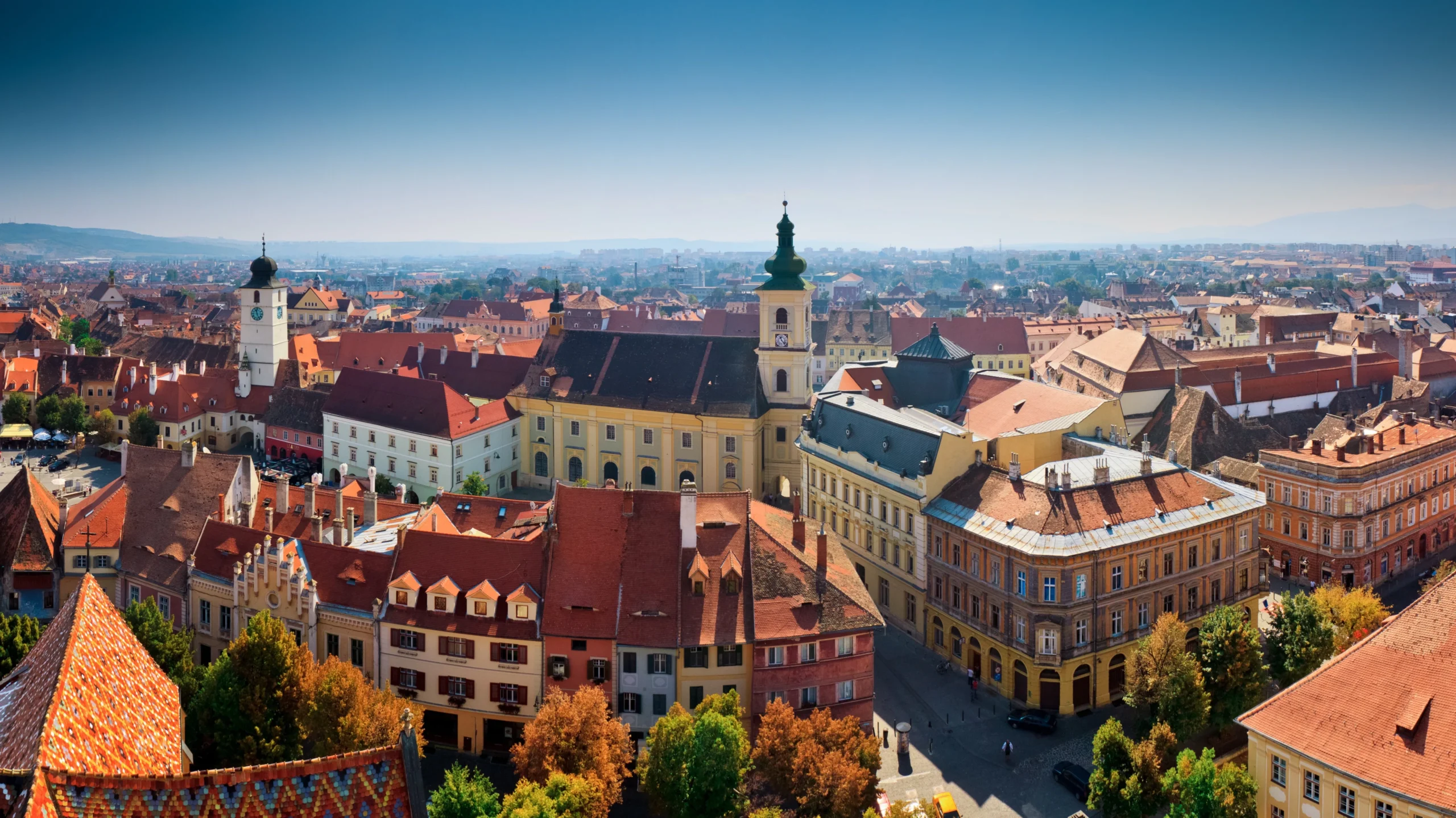
PW00K3 Brasov, Transylvania. Romania. The medieval Castle of Bran, known for the myth of Dracula.

IV. THE FOREIGN POLICY DOCTRINE OF ROMANIA IN THE YEARS 1996-1997 1. The doctrine of the “three concentric circles” – neighbors, regional powers, global powers; the basic elements of the “three circles” doctrinea)

The “reconciliation” strategy – interethnic, interconfessional, historical (between the republic and the monarchy), international (with neighbors)b) The strategy of building strategic partnerships in bilateral, trilateral and quadrilateral format with the states in the immediate and close neighborhood (Poland, Ukraine, Republic of Moldova, Hungary, Austria, Bulgaria, Greece, Turkey, Croatia, Serbia / Yugoslavia, Slovakia), all intersecting in Bucharest, to grant their members:- the ability to obtain security outside alliances with regional and global powers;- the ability to provide security to regional and global powers, under conditions of advantageous reciprocity;- the ability to negotiate with regional and global powers, from positions of superior strength and efficiency, integration into the security structures created by them;- the ability to be usefully inserted into the regional strategies (Balkans, Black Sea, Danube) of the global powersc) Romania as a regional leader, a member of the informal international network of regional leaders and a strategic partner of strategic partnersd) Establishing regional strategic partnerships with Germany and Italye) Establishing global strategic partnerships with the US and Chinaf) “Silk Road” (South Caucasian route), “Amber Road” (from Gdansk to Alexandropolis) and “Southern Road” (from the extended Middle East to the Persian Gulf)

2. Map of the main resistance structures of the security architecture designed by Romania in its immediate and close neighborhood – Central, Eastern and South-Eastern Europei.

The Romania-Hungary quasi-confederal partnershipii. The in-depth partnership Romania-Polandiii. The Romania-Moldova-Ukraine-Poland quadrangleiv. The “back to back” trilaterals Romania-Bulgaria-Greece and Romania-Bulgaria-Turkeyv. Trilateral Romania-Hungary-Austriavi. Trilateral Poland-Romania-Turkey

3. The principles and strategic objectives of Romania’s international relations 

a) The basic political treaty with Ukraine – objectives (in descending order of importance at the date of their conclusion)i. Protection of the Romanian communities in Ukraine (endowing Recommendation 1201 of the PACE with legal force and including the rights conferred by treaty on the Romanian minority in, including through the creation of the Euroregions Lower Danube and Upper Prut (Northern Bucovina and Hotin)ii. The creation of the premises for the realization of the strategic trilateral Romania-Ukraine-Poland (which also meant the proximity of Romania, through Poland, to the Viszegrád Group, the favorite of the collective Western powers)iii. Achieving the conditions for the recognition of Romania’s rights over the continental shelf of the Black Sea.iv. Fulfilling the conditions for Romania’s entry into NATO and the EUv. Obtaining the right of navigation on the internal waters of Ukraine (Chilia branch)vi. Obtaining a buffer space between Romania and Russia under the conditions of a certain balance of power between Ukraine and Russiaare you coming. Finding a first-rate strategic object of the cooperation between Poland and Romania, of maximum interest for the USA and the EU, consisting in the anchoring of Ukraine, through the coordinated effort of the two, in the West European geopolitical soil (with the perspective of bringing Romanians from Ukraine, with the inhabited territories by them, in the EU) – this was supposed to take place under the conditions of improving relations between the collective West (especially the EU) and Russia, as well as the federalization and finnishing of Ukraineviii. Countering accusations that Romania is a revisionist state (revision of the 1947 Paris Peace Treaty) and irredentist (claiming the territories assigned to Ukraine by the peace treaty at the end of the Second World War).
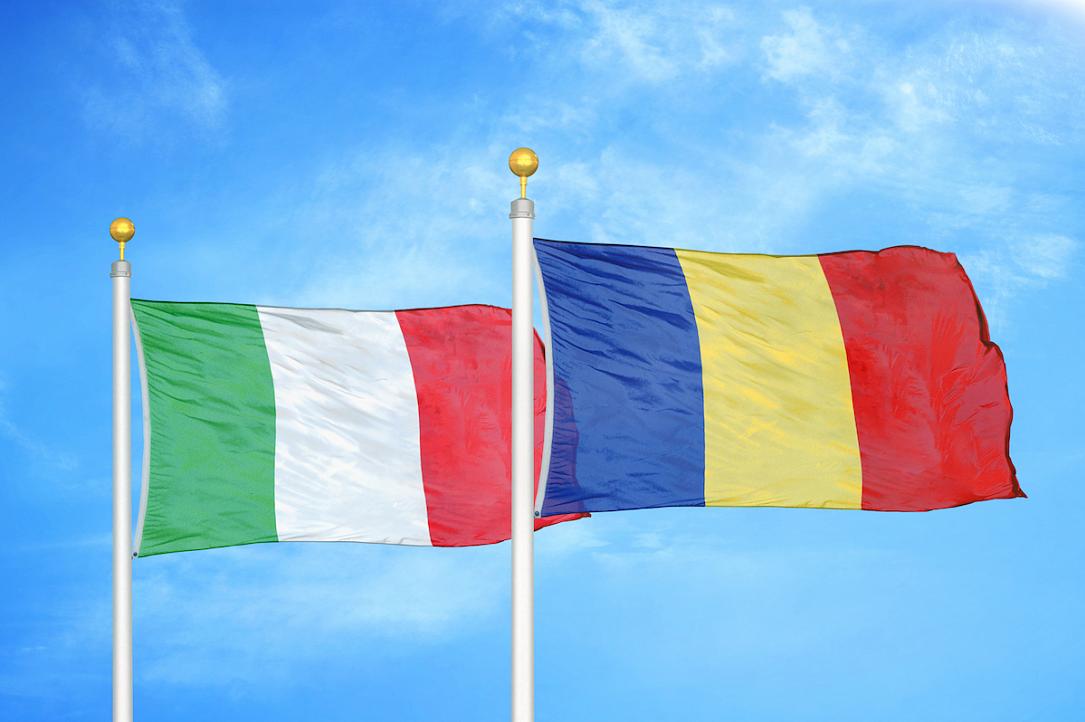
b) Romania’s strategic partnership with Italyi. an actor with regional (European) relevance, equally privileged partner of the USA and Russia, member of the G7 and founder of the EU, with a vocation to a permanent member position in the UN Security Council;ii. Italy had cultural affinities with Romania;iii. Italy was Romania’s springboard towards the creation of a “Latin European Pact” (France, Italy, Portugal, Romania, Spain) as a bridge to a special relationship with Latin American states (MERCOSUR and the Andean Pact)iv. N.B. The strategic partnership with Germany could not be realized, and other so-called “strategic” partnerships with different European states (e.g. France), proclaimed by different Romanian governments, are false because they lack the congruence of strategic interests. That’s why they never worked. c) The principles and objectives of Romania’s strategic partnership with the USAi. The principles provided for in the founding document agreed in Bucharest in October 1997: communication; consultation; concertation; cooperation – in all areas of strategic interest, specifying that, at the time of its birth, the partnership was not considered a substitute for Romania’s entry into NATO and did not include a military component in the strict sense)ii. “Romania prefers to become a member of NATO as a partner of the USA, than to become a partner of the USA as a member of NATO.” – SA statement in Washington (April 1997)iii. The option for the alliance with the sole global superpower of the 1990s provided that:- Russia had no strategic offer for Romania (nor could it have in the years 1990-2014), preferring direct agreements with the USA and the EU- Romania advocated for the US to remain a “European actor”, being the only one capable of providing Europe with the nuclear security umbrella in relations with third parties and at the same time imposing on the European powers the avoidance of war between them- Romania was interested in and had in mind in the medium term the realization of a multipolar world order whose main pillars would have been the two hard powers of the former bipolar order, now in decline – the USA and Russia, and the two emerging soft powers –
China and the EU.- Romania supported the idea of ​​creating a European defense capacity (within the EU) in strategic connection with the US, but capable of acting autonomously when US participation was not necessary or possible. d) The principles and objectives of Romania’s strategic relationship with Chinai. Recognition of the objective nature of the Romanian-Chinese bond based on the solidarity of their strategic interests, independent of ideologies, political regimes and governments.ii. Recognizing the need to include China in a system of symmetric multipolar globalism (the dynamic balance of the main powers together with the alliances made by them is the guarantee of the durability of the order created by the system) which ensures the stability of the world order.iii. Capitalizing on China’s economic and commercial potential, as well as the traditions in Romanian-Chinese bilateral relations that have the potential to make Romania China’s gateway to the EU (in the meantime, Romania has been replaced in this function by Hungary).e) The principles and objectives of Romania’s relationship with Russiai. Economic cooperation, including regarding the strategic South Stream project (Russian gas pipeline crossing the Black Sea and Romania to Central Europe)ii. Avoiding a German-Russian agreement that would resume the Ribbentrop-Molotov Pact (in this sense the trilateral Romania-Ukraine-Poland had to be used)iii. iii. Avoiding an American-Russian agreement that overshadows Romania (in this sense, the Romanian-American strategic partnership had to be used)iv. Creating the necessary framework, under the conditions of a friendly Romanian neighborhood, for the clarification of some litigious aspects from the past of Romanian-Russian relations (the treasury problem, the problem of Bessarabia/Moldovenism and the problem of the reactivation of the Metropolis of Bessarabia) f) The principles and objectives of joining NATOi. Romania to strengthen its defense capacity against any third party aggressor, without its membership in the alliance being directed against a third party, directly or indirectlyii. Romania as an equal member with all other members (rejection of the idea that a priori Romania should not host military bases or NATO weapons)iii.
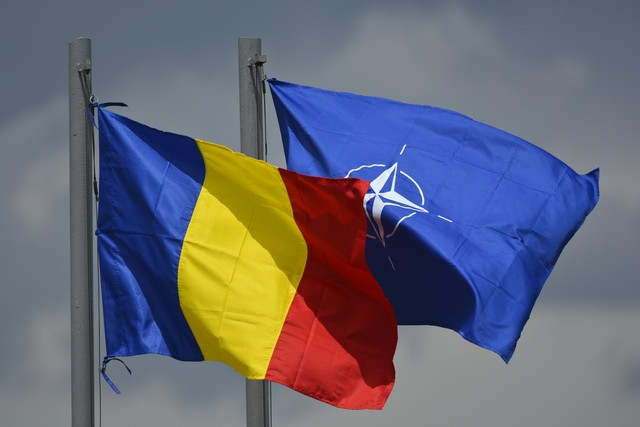
The alliance should allow the development of its own defense capabilities without foreign troops being stationed on Romanian territory or weapons of mass destruction being stored.iv. Romania to be placed in the same political-military alliance with Hungaryv. Romania to offer a stable and safe neighborhood to Russia, from the position of which it can develop a rational and positive relationship with Russiavi. Consolidating Romania’s security to offer it credit on the financial and capital market, facilitating its entry into the EUg) The principles and objectives of entering the EUi. Romania’s entry into the EU as part of the European reunification process, a consequence of the reconciliation between Europe’s geography and history – the refounding of the EU and Romania, alongside the new members from Central and Eastern Europe, as a co-founding member of the EUii. The enlargement of the EU as a process of synthesis of the history and culture of the old and new members, and not as a process of colonial / imperial expansion of the European West into the territories of the European Eastiii. Entering the EU as a solution for overcoming the crisis of the national state and strengthening the Romanian nation-state under the conditions of the exercise of national sovereignty by delegating (not ceding) some of its attributions simultaneously to transnational institutions and local communities – Europeanization and decentralizationiv. The organization of the EU as a union of states and citizens operating on a federal basis as a transnational (not supranational) democracy mandated by member nations to manage their common interests, through institutions jointly created and under common democratic control, for common benefit – “the United States of Europe’ as a sui generis federation of sovereign nation-states; sovereignty and federalism were to be reconciled in the EU.v. Promoting the national interests of Romanians consisting in obtaining individual (personal) and collective (social), national (identity) and international (geostrategic) security – peace, well-being, freedom, dignityvi. Achieving the objective of national reunification by bringing together all Romanian historical territories, with the Romanians who live in them, within a single political structure – the European Union 4. The relationship with the Republic of Moldovai. The doctrine of the two Romanian statesii. The doctrine of union with Bessarabia within the EUiii. The strategy of joining at the base:- Metropolis of Bessarabia;- the training of the Moldovan clergy in the theological education institutions in Iași;- training young Moldovans in political and administrative sciences;- standardization of administrative forms;- the purchase of Moldtelecom;- Romanian credit for the purchase and completion of one of the groups of the Cernavodă Nuclear Power Plant;- making the European gauge;- assistance for training and equipping the Moldovan armyNB – some remained in the draft stage, and others were abandoned along the way
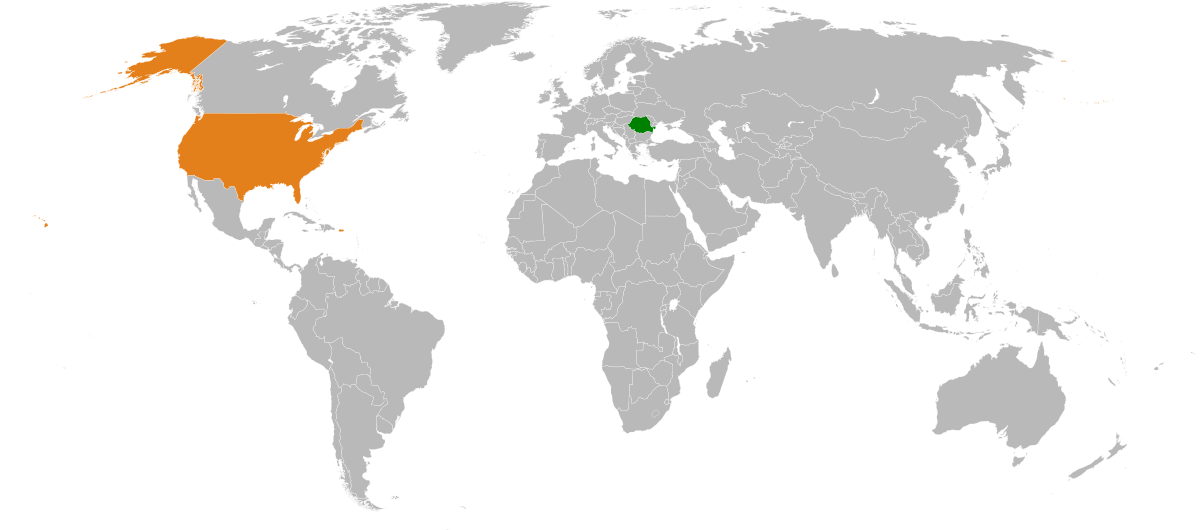
IV. EXTERNAL REACTIONS TO ROMANIA’S FOREIGN POLICY DOCTRINE

1. US positioni. Major interest in concluding the Treaty with Ukraine and the trilateral Poland-Ukraine-Romania, under the Brzezinski doctrineii. Interest in back-to-back Romania-Bulgaria-Turkey and Romania-Bulgaria-Greece trilaterals, as a way to help maintain a non-conflictual relationship between Turkey and Greece, two US NATO allies (the State Department created a collective that to study this form of “trilateral diplomacy” promoted by Romania)iii. Reluctance towards the idea of ​​raising Romania as a regional leader and towards that of the emergence of a central, eastern and south-eastern European mini-bloc outside the US-controlled alliancesiv. Rejecting any suggestion of US or NATO negotiations with the ex-communist states in the bloc – the thesis of assessing each one on its own merits (see “Sintra principles”) 2. Germany’s positioni. Opposition to a policy of creating a Central-Eastern European bloc of states that could find out and negotiate their security together – Germany sought to fragment Mittel Europe in order to more easily control and trade with it, especially with Russiaii. The privilege of the member states of the Viszegrád Group, in general and especially in relations with Romaniaiii. Opposition to any revival of the intermarium project that would have risked erecting a roadblock that would make it difficult to return to the Ribbentrop-Molotov Pact strategy3. The position of Francei. Before German reunification he was ready to offer Russia a Greater Hungary in exchange for opposition to the unification of East and West Germany.ii. After the German reunification, he saw in the Romanian “sister” the outpost of France in Eastern Europe and on the Black Sea, in the immediate / close vicinity of Russiaiii. Opposition to the Romanian foreign policy doctrine that favors the strategic partnership with Germany, and not with France, in the context of the strategic approach to the USA4. The position of Russiai. Until the orange revolutions, Russia’s priority was to associate with the collective West in order to delimit the spheres of influence in Eastern Europe together with it (with Romania placed on the Russian road towards the Slavs and the Orthodox in the Balkans)ii. Opposition to any attempt to move Ukraine towards Western alliances and therefore fueling tensions between Romania and Ukraineiii. The lack of a personalized offer for Romania in terms of security, associated with assuming the idea that Romania did not represent a danger similar to the Polish or Baltic ones, and that it would remain in a constructive relationship with Russia, even under the conditions of joining NATO and the EU

V. THE SERVIAL ALIGNMENT OF ROMANIAN FOREIGN POLICY TO THE EURO-ATLANTIC AGENDA AND THE RESIGNATION OF ROMANIA’S GEOPOLITICAL IDENTITY.

1. 1998 – The defeat of the Romanian political-diplomatic counter-offensive against the strategy of foreign powers to take over the leadership of Romania through local agents and annex its foreign policy to their geostrategic priorities2. 1999-2000 – Subordination to German demands (the policy of relations with neighbors became an annex of the geopolitics of global powers)3. 2000-2004 – Gradual subordination to American demands4. 2000 -2024 – The doctrine of the “Great Firefly” – the doctrine of the surrender of national sovereignty.
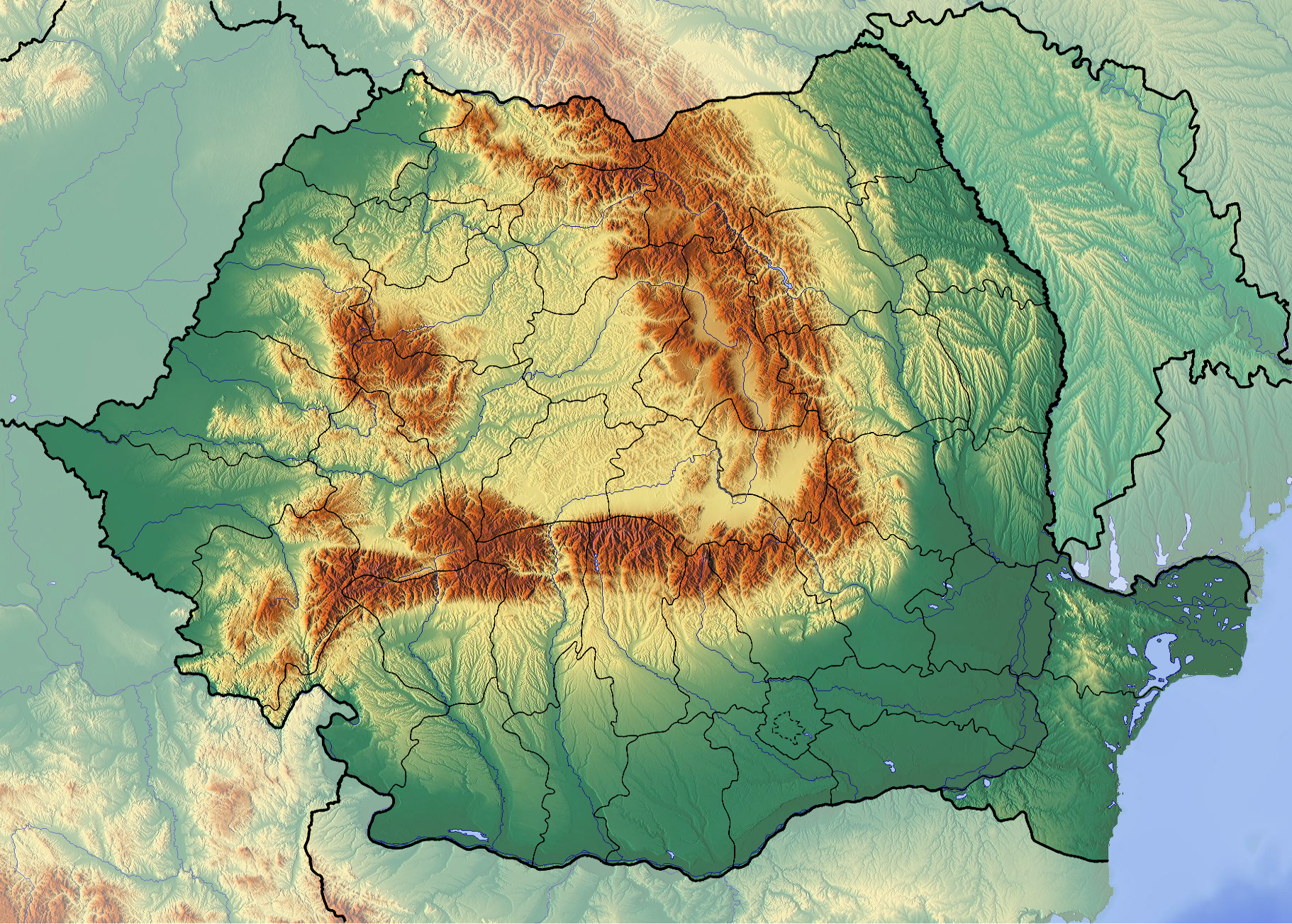
VI. CURRENT ROMANIAN GEOPOLITICAL OBJECTIVES AND ALTERNATIVES(The margin of freedom and Romania’s options in the current geopolitical context) 

1. The need for Romanianization of Romanian foreign policy; the premise is the recovery of sovereignty – colonies, protectorates and trust territories have no foreign policy 2. Re-examining and resetting alliances – current alliances should not be abandoned but it should be made clear that they cannot last if they compromise our national interests. a) Partnership with the USA – return to initial principles – “the four Cs” b) NATOi. Romania must ensure the maintenance of the defensive political-military alliance character.ii. NATO can globalize but only within the framework of a global defensive Pact.iii. NATO should help Romania to consolidate its military strength, instead of occupying Romania with military forces belonging to other member states and thus transforming Romania into a first line target.iv. NATO should bear the cost of its presence in Romania from its own budget and not from the Romanian budget.

3. Relations with (near)neighborsa)

The partnership with Hungary – must be reinvented based on the principle of synergy between the foreign and security policies of the two states b) Partnership with Poland – redefined common strategic interests and created a mechanism for current cooperation c) The relationship with Serbia – rehabilitates the former cordial antante based on the solidarity of their national interests. d) The relationship with Ukrainei. Romania is not interested in a Greater Ukraine, hypercentralized, militarized and authoritarianii. Romania is not interested in a dysfunctional and unviable Little Ukraineiii. Ukraine (what will remain of it after the war with Russia) must be de-Soviet, self-determined on the national principle (if applicable), federal, neutral and a member of the EU. e) The relationship with Turkey – a consolidated partnership, similar to the one built by Hungary, which would make the Bucharest-Ankara binomial a factor of stability both in the Black Sea and in the entire Balkan peninsula, in synergy with the Romania-Bulgaria-Greece partnership. f) The relationship with the Republic of Moldova – economic integration, political association, legislative unification, institutional harmonization, European integration, cooperation in regaining national consciousness; Moldova must choose between being Stefanian or Stalinian and between Europeanization and Transnistrianization.

4. Relations with regional and global powersa)

Relations with Russia – normalizationb) The relationship with China – strategic partnershipc) The relationship with Indiad) The relationship with Irane) The relationship with Saudi Arabiaf) The relationship with Israelg) The relationship with Egypt

5. Relations with the EU

(in context, with the Group from Viszegrád and with the first founders of the European Community – Germany, France, Italy)a) EU reform along the lines of the agreement between sovereignty and federalism, with the strengthening of democratic legitimacyb) Creating a group of states with converging visions and interests within the EU, in the EU neighborhood or in a mixed formula, from which Romania can influence EU policies or promote alternatives to them

6. Relations with international political organizations – UN, OSCE, Council of Europe – rehabilitation, updating and reinvention

7. Relations with international funding organizations – democratization / deoligarchyzation.

8. Romania’s position towards the crisis of international law

– the updating of international law according to the current structure of the balance of power and the configuration of the current contest of interests, on a consensual basis and with the removal of the unilateralist concept expressed in the formula “international order based on rules”.

9. Romania’s position towards the reform of the world order

– instead of unipolarism, a multipolar order whose stability is guaranteed by the balance of power circles, circles that have a variable composition depending on the interests of their members in the realization of common projects.

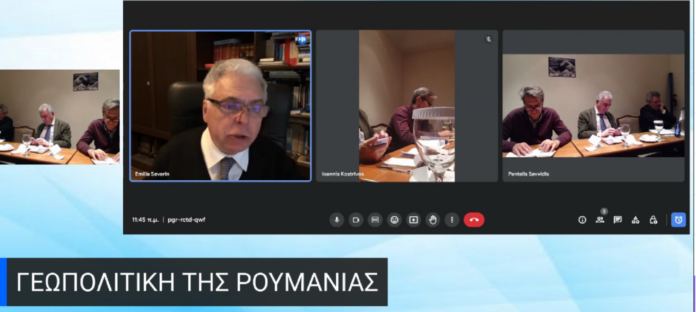
Mr. Severin’s speech at the Geopolitics Conference in Thessaloniki
 

Explained: Why Egypt and Turkey are ending a decade-long rift

0

A watershed moment is underway as President Erdogan is set to visit Cairo, in a trip overshadowed by the war on Gaza

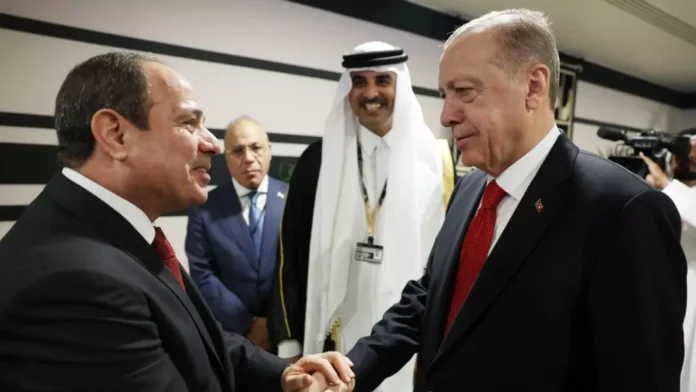
Turkish President Recep Tayyip Erdogan (R) shakes hands with Egyptian President Abdel Fattah el-Sisi at the opening ceremony of the 2022 Fifa World Cup in Doha, Qatar, 20 November 2022 (AFP)

After nearly a decade of strained relations with Egypt, Turkish President Recep Tayyip Erdogan is due to visit Cairo on Wednesday at the invitation of President Abdel Fattah el-Sisi.

Both leaders had been regarding each other as persona non grata for almost a decade primarily due to Sisi’s 2013 coup against his predecessor Mohamed Morsi, an Erdogan ally.

But relations have improved since 2021 after a period of behind the scenes diplomatic efforts, with the first evidence of a detente appearing during the World Cup in Doha in 2022, when Erdogan and Sisi briefly met for the first time.

In the latest sign of a major upgrade in relations, Turkish foreign minister Hakan Fidan said last week that Turkey could sell drones to Egypt. “We have an agreement to provide (Egypt) unmanned air vehicles and other technologies,” Fidan said in a TV interview, without further providing details.

Fidan, who has been on shuttle diplomacy in the region following the Israeli onslaught on Gaza, travelled to Cairo in October and met with senior Egyptian officials, including Sisi.

Mehmet Ozkan, a professor at the National Defence University in Turkey, sees the detente as “a shift from strategic stubbornness to strategic relations”.

“After the Arab Spring, there were certain issues that Turkey and Egypt stubbornly defended. However, the changing conditions are now causing this stubbornness to be relatively broken,” he said.

“Of course, it remains to be seen how vibrant the relations between the two countries will be.”

The normalisation drive with regional powers is part of the foreign policy goals of the current government, elected in May, he said.

Turkey’s Erdogan plans to visit Egypt on Valentine’s Day

Fidan, the new foreign minister, has been attempting to ameliorate relations with other countries since his appointment, Ozkan added.

For example, as part of its post-elections foreign policy, Turkey has finally ratified Sweden’s accession bid to Nato, agreed with the US on the sale of F-16 warplanes, held bilateral talks with Greece, and consolidated its relations with the UAE and Saudi Arabia.

“The recent talks with Greece and Iraq are a sign of this. The process with Egypt is also part of this,” Ozkan said.

Mevlut Cavusoglu, then Turkey’s foreign minister, travelled to Cairo on an official visit in March 2023 in the first official visit by a top Turkish diplomat since Sisi became president. This was followed by a reciprocal visit by Egyptian Foreign Minister Sameh Shoukry to Ankara the following month. Ambassadors were then mutually reassigned.

Meanwhile, Ankara has taken a number of steps to reduce the presence of Muslim Brotherhood leaders in Turkey, one of Egypt’s biggest concerns. Mekameleen satellite channel, an anti-Sisi outlet, ceased broadcasting from Turkey in 2021, and some prominent exiles in Turkey were asked to reduce their criticism of the Sisi regime.

Decade of rupture

Turkey and Egypt, which have had a rather bumpy relationship over the past century, achieved significant rapprochement with the signing of a free trade agreement in 2005.

A few years later, during and immediately after the ousting of former Egyptian President Hosni Mubarak in 2011, Ankara gave its full support to democratisation steps in the country. Erdogan travelled to Cairo during the transitional government and was welcomed with great enthusiasm.

Following the elections in 2012, Mohamed Morsi, then a leading figure in the Muslim Brotherhood, became Egypt’s first democratically elected president. Morsi’s victory led to a boost in relations partly due to the affinity between his party and Erdogan’s AK Party, both rooted in political Islamic ideology.

However, Morsi’s presidency lasted for only one year.

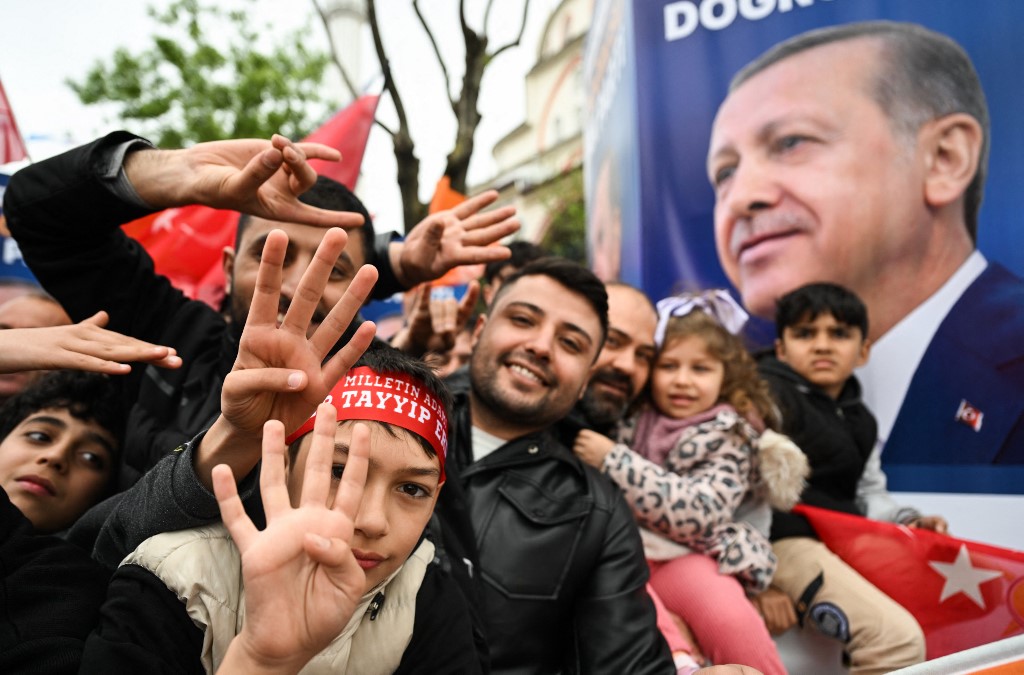
Supporters of Turkish President and Leader of the Justice and Development (AK) Party, Recep Tayyip Erdogan make the "four finger" Rabaa sign next to a portrait of the President as they attend his campaign rally in the Sultangazi district of Istanbul, on May 12, 2023.
Supporters of Erdogan make the ‘four finger’ Rabaa sign next to a portrait of the president during a campaign rally in Istanbul, 12 May 2023 (AFP)

Relations between the two countries came to a breaking point in 2013 when Sisi, then defence minister, with the support of the United Arab Emirates and Saudi Arabia, overthrew Morsi’s government, killed over a thousand protesters, and imprisoned tens of thousands of dissidents.

For Erdogan, the coup in Egypt triggered a domestic political movement, with the four-fingered Rabaa hand sign as its symbol, as used by the pro-democracy movement following the massacre of hundreds at Rabaa Square in August 2013.

Sisi’s government, on the other hand, mobilised media outlets and public figures against Erdogan and his alleged support to the Muslim Brotherhood, which Cairo outlawed after the coup. In addition, disagreements over a number of regional issues, notably Libya and the continental shelf in the eastern Mediterranean, remained obstacles to repairing relations.

Regional factor

Turkey-Egypt relations are of critical importance not only for the two countries but also for the region, analysts say.

Countries from the Gulf to Libya, from Sudan to Israel and Palestine, are directly affected by a rapprochement in relations between Egypt and Turkey, said Giuseppe Dentice, head of Middle East and North Africa desk at the Italian Center for International Studies (CeSI).

In the process that started with the Arab Spring, Gulf countries, with the exception of Qatar, adopted a very protectionist attitude and put obstacles in front of the democratisation moves in the Arab world.

In Tunisia, Nahda, one of the most established movements of the country, was pushed out of the political game after Kais Saied came to power, while figures such as General Hemeti in Sudan and Khalifa Haftar in Libya, who used the power of their unofficial armies instead of party politics, were supported.

Likewise, Sisi came to power with the financial support of the Gulf, relying on the brute force of the army.

Unlike Gulf countries, Turkey backed new democratically elected actors in these countries. It even militarily supported the internationally recognised government against Haftar in Libya.

But this has changed over the past decade.

Both Turkey, the Gulf and Egypt have started to compromise on intractable issues that cause tensions, especially given the economic difficulties Egypt and Turkey have been facing.

Correspondingly, Turkey has re-established its ties with the UAE as well in a bid to lure investments from the oil-rich Gulf country after years of strained relations over Turkey’s support for the Arab Spring.

“We may see a new fruitful era between the two countries, especially given the common internal socio-economic problems,” Dentice said.

According to Ozkan, the normalisation process between Turkey and Egypt must be evaluated as part of changing circumstances within the region.

Likewise, Dentice argues that Erdogan’s visit is “an opportunity for the ongoing regional de-escalation discourse.”

“Clearly, from an Egyptian perspective, this breakthrough is a very positive situation because it could provide it with some stability on several domestic and regional issues.”

Israeli-Palestine conflict

The Israeli-Palestinian conflict, particularly since 7 October, is one of the most important issues affecting Turkey-Egypt relations.

The Israeli military operation in Gaza that followed the 7 October attack has so far killed more than 28,000 Palestinians and is advancing towards Rafah at the northeastern Egyptian border.

Over 1.4 million Palestinians are sheltering in Rafah, the southernmost part of Gaza, after most of them were displaced from the north and centre of the enclave during the hostilities. The Israeli government is also threatening a ground invasion of the city, which Egypt views as a major escalation.

Since the first day of the attacks, Israeli officials have been discussing the possibility of evacuating Gaza and relocating Palestinians to Sinai, across the border from Rafah. The Egyptian side has vehemently rejected this proposal and is completely impotent in the face of the humanitarian crisis unfolding right next door. In the last week, Israel has also begun targeting Palestinians in Rafah, a few metres from Egypt.

According to Ozkan, after 7 October, regional actors have realised that there was a “need for communication”.

“Inevitably, a communication space has opened up. Therefore, the normalisation process in Turkey-Egypt relations has accelerated,” he said.

Dentice also believes that besides other factors, the situation in Gaza has paved the way for both sides to resume talks.

Cautious detente

However, according to Ozkan, Cairo and Ankara remain wary of each other.

“There is a serious crisis of trust that has developed over the past 10 years. Both sides are making efforts to overcome this crisis,” he said.

“Turkey’s agreement to provide Egypt with defence industry equipment and even technology is part of an effort to break this mistrust.”

Dentice argued that political will is a key factor in the rapprochement.

“Much of this new potential reset will depend on the will at leadership level to resolve the critical points: the Libyan dossier; energy and exploration in the Eastern Mediterranean; the Muslim Brotherhood issue,” he said.

Middle East Eye delivers independent and unrivalled coverage and analysis of the Middle East, North Africa and beyond. To learn more about republishing this content and the associated fees, please fill out this form. More about MEE can be found here.

The Day After: Postwar U.S. Strategy Toward Russia

0

Image adapted from sameer chogale/Getty Images

While it might not come soon, eventually there will be an end to the Russia-Ukraine war. What then?

Preparing for the Aftermath

No matter when the hot phase of the current war ends, Russia will remain a threat both to Ukraine and to the interests of the United States and its allies. How, then, should the United States deal with Russia after the war? How should postwar considerations affect wartime policy?

Whenever the conflict ends, the way that the United States approaches its relationship with Russia will affect U.S. interests in Europe and, likely, around the globe. Given these stakes, U.S. strategists need to plan for the postwar period now.

Answers to these questions matter immensely. Decisions made in the immediate aftermath of wars can have significant long-term consequences. The settlements that ended the First and Second World Wars reshaped nations, societies, and the international order in ways that are still felt today. RAND analysis has found that policymakers’ assumptions about the trajectory of major wars — such as how long such wars will last and what postwar environments will be — often prove wrong, complicating the planning for their aftermath.

Although the Russia-Ukraine war is not (as of this writing in late 2023) a great power conflict like World War I and World War II, it pits one major power against a large neighboring state that is supported by another major power, the United States, and its allies. Whenever the conflict ends, the way that the United States approaches its relationship with Russia will affect U.S. interests in Europe and, likely, around the globe. Given these stakes, U.S. strategists need to plan for the postwar period now. The first step is to identify possible U.S. policy approaches and assess their likely impact.

Imagining Possible Futures

Planning for after the war is fraught with significant uncertainty: Strategists do not know the conflict’s trajectory, when the fighting will stop, or how the international environment will change as a result. Given this uncertainty, the implications of U.S. strategic choices must be explored in different contexts.

Myriad contexts can be imagined. To make analysis feasible, RAND researchers constructed two ideal-type postwar worlds — a combination of the outcome of the war and nature of the international environment when it ends.

As detailed in Box 1, one of these worlds is modestly less favorable from the U.S. perspective (World A) and the other modestly more favorable (World B). The research focused on these moderate variations rather than extremely negative or very positive ones.

Box 1. Two Postwar Worlds

World A: After the Less Favorable War

War outcomes
  • The conflict ends after a long war of attrition
  • China provides lethal aid to Russia
  • The war ends in a weak ceasefire
  • Ukraine suffers modest territorial setbacks
Strategic setting in the immediate aftermath of the war
  • Russia is primarily imperialist and also security-motivated
  • Russia is weakened by the war but poised to rearm
  • Russia-China relations are very close
  • Ukraine is focused on territorial reconquest
  • Ukraine is economically devastated
  • NATO is divided over wartime policy toward Russia and Ukraine
  • The U.S. shift to the Indo-Pacific region is limited by the war in Europe
  • There are U.S.-China tensions because of Beijing’s support for Moscow
  • Global economic fragmentation occurs because of sanctions and counter-sanctions

World B: After the More Favorable War

War outcomes
  • The war ends soon
  • China does not provide Russia with lethal aid
  • The war ends in a robust ceasefire
  • Ukraine makes modest territorial gains
Strategic setting in the immediate aftermath of the war
  • Russia is primarily security-motivated
  • Russia is severely weakened by the war and its defense industry is struggling
  • Russia-China relations are somewhat strained
  • Ukraine is focused on economic recovery
  • Ukraine’s economy is significantly harmed by the war
  • NATO maintains unity on wartime policy toward Russia and Ukraine
  • The U.S. shift to the Indo-Pacific region is not significantly limited by the war in Europe
  • The war does not have a major impact on U.S.-China tensions
  • Russia is much less economically integrated with the West

Researchers then assessed how two ideal-type U.S. strategies — a hardline approach and a less hardline approach — would perform in these two worlds (see Box 2).

If the United States adopts the hardline strategy, it would seek to punish, deter, and weaken Russia by sustaining many elements of wartime strategy, such as sanctions and enhanced U.S. force posture in Europe. If the United States chooses the less hardline strategy, it would be open to negotiations and more-restrained political and military policies aimed at stabilizing relations with Russia.

Box 2. Two Ideal-Type U.S. Strategies

Hardline Approach

Strategic stability
  • Reject arms control negotiations
  • Develop new nuclear capabilities and expand force posture
  • Deploy more BMD installations
  • Deploy intermediate-range ground-based missiles to Europe
Military presence in Europe
  • Sustain elevated force levels
  • Deploy more forces into Eastern Europe
  • Reject talks on limiting conventional forces in Europe
Security relationship with Ukraine
  • Provide assistance that enables offensive operations
  • Integrate Ukraine’s military into NATO
  • Support open door and Ukrainian membership
Policy toward other non-NATO former Soviet states
  • Support Georgia’s NATO integration and membership
  • Increase security cooperation with regional states
  • Roll back Russian influence
Economic relations with Russia
  • Sustain most wartime sanctions

Less Hardline Approach

Strategic stability
  • Open to arms control negotiations
  • Restraint on nuclear weapons policy
  • Open to limits on U.S. BMD
  • Open to limits on intermediate-range ground-based missiles in Europe
Military presence in Europe
  • Draw down forces
  • No additional forces to Eastern Europe
  • Open to talks on CFE–like limitations
Security relationship with Ukraine
  • Provide assistance for a defensive posture and resiliency
  • Do not integrate Ukraine’s military into NATO
  • Open to Ukraine’s neutrality; no promotion of NATO membership
Policy toward other non-NATO former Soviet states
  • No steps toward Georgia’s NATO integration or membership
  • Reduce modestly security cooperation with regional states
  • Limit efforts to undermine Russian influence
Economic relations with Russia
  • Open to conditional sanctions relief

NOTE: BMD = ballistic missile defense; CFE = Treaty on Conventional Armed Forces in Europe.

How the Future Plays Out Under Different U.S. Strategies

Researchers then assessed the impact of both strategies in both worlds, yielding four alternative futures. Table 1 depicts the futures derived from this interaction of the two strategies with the two worlds.

Table 1. Alternative Futures in the Decade After the Russia-Ukraine War

Hardline U.S. Approach Less Hardline U.S. Approach
World A:
After the Less Favorable War
Future 1:
Pervasive instability
Future 2:
Localized instability
World B:
After the More Favorable War
Future 3:
Cold War 2.0
Future 4:
Cold peace

The following section summarizes the key dynamics in each future in the decade following the war and explores the implications for the following five U.S. interests:

  • The U.S. position in the distribution of power in key regions
  • The risk of a major power war
  • The strength of the U.S. economy
  • Ukraine’s security and prosperity
  • Conflict risk in other non-NATO former Soviet states

Four Alternative Futures

Each future scenario includes a description of how international events evolve in the decade after the war ends and an assessment of how those events affect the aforementioned five U.S. interests.

Future 1: Pervasive Instability

Photo by Staff Sgt. Shawn Coover/U.S. Marine Corps

This future envisions a postwar decade of instability at many levels: on the ground in Ukraine, between Russia and NATO in Europe, and at the strategic level between the United States and its two main nuclear rivals, Russia and China.

  • The situation in Ukraine remains a powder keg: Both sides violate the ceasefire and prepare for a second war.
  • Political relations between NATO and Russia are worse than before the war.
  • U.S. policy fuels a nuclear arms race with Russia and China, and the two rivals cooperate to undermine U.S. interests more deeply than ever before.
  • High tensions accelerate global economic fragmentation and inhibit Europe’s growth, factors that drag modestly on the U.S. economy.

How Did We Get Here?

The war ends with a less favorable outcome (World A), and the United States adopts a hardline policy toward Russia to impose costs on Moscow, deter another invasion of Ukraine, and send the message to all U.S. rivals that aggression does not pay.

Russia reinvigorated its defense industry during the war, addressed some military challenges (such as poor training), and gained lethal aid from China. Although NATO is still stronger than Russia, hardline postwar U.S. policies, such as bilateral agreements to deploy more forces to Eastern Europe, lead some allies (such as France and Germany) to see the United States as a provocateur. As a result, those allies’ commitments to collective defense are less robust. By the end of the decade, however, Russia’s belligerent behavior leads to greater alliance cohesion.

U.S. support for Ukraine’s NATO integration and its increased security cooperation with other former Soviet countries clash with Russia’s continued imperialist agenda in the region, driving political tensions to new highs.

Both the United States and Russia bolster their force postures along the NATO-Russia frontier. Diplomatic relations remain poor and threat perceptions run high, creating conditions ripe for misperception about intentions. Therefore, the risk of catastrophic conflict is higher than before the war in Ukraine, even if the absolute risk remains low.

The United States refuses to engage in arms control, given Russia’s past noncompliance and the atrocities that it committed during the war. U.S. deployments of intermediate-range missiles and BMD infrastructure in Europe provoke Russian fears about its assured retaliation capability. In response, Russia begins a nuclear buildup and closer cooperation with China on countering U.S. capabilities. Without arms control, these dynamics fuel a nuclear arms race. Beijing is also unsettled by the hardline U.S. nuclear policy and accelerates its own buildup.

More worrisome, Russia’s and China’s concerns about their assured retaliation capabilities in this setting increase pressures to use nuclear weapons first in the event of a crisis. Although nuclear war is not likely, there is a greater risk than before the war in Ukraine.

Russia’s strong imperialist drive continues, so it uses the ceasefire to prepare for another invasion when the opportunity presents itself. Ukraine’s focus on reconquest leads it to continue militarizing and centralizing power, eroding its democracy and reducing investment, which undermines economic growth. U.S. support for Ukraine’s integration with NATO and its assistance to enable an offensively oriented Ukrainian military increases the likelihood that Russia will strike preventively to forestall Kyiv’s NATO membership or degrade its capabilities. The weak ceasefire, combined with Russia and Ukraine’s ambitions, means that war could also recur through an escalation of skirmishes along the line of contact. Increased U.S. security cooperation with other non-NATO former Soviet states leads to more-intense competition with Russia in the region.

Future 2: Localized Instability

Photo by miodrag ignjatovic/Getty Images

This future features greater regional and strategic stability, but the risk of conflict recurrence in Ukraine remains high.

  • Ukraine and Russia are not committed to ceasefire, so the risk of escalation along the line of contact remains high.
  • Political and military tensions between NATO and Russia, while still elevated, are lower than in Future 1.
  • Nuclear dynamics with Russia and China are more stable.
  • Reduced global economic fragmentation translates into less fallout for the U.S. economy.

How Did We Get Here?

In the aftermath of the unfavorable war (World A), the United States decides that it devoted too many resources to Europe with very little to show for it. Washington adopts a less hardline approach toward Russia, hoping to stabilize relations and shift its focus to the Indo-Pacific region.

Although the United States reduces force levels in Europe from their wartime high, the regional military balance still favors NATO. Not only has Russia suffered major combat and economic losses during the war, but Moscow, seeing a less acute threat to its west, also invests less in capabilities for a high-end fight than it does in Future 1. Instead, with its imperialist drive still strong, Russia concentrates on preparations for another war in Ukraine. Unlike in Future 1, NATO members remain unified on the alliance’s core collective defense mission through the postwar decade, despite some disagreements. Such allies as Germany are more comfortable with the less hardline U.S. approach to Russia. Although Eastern European allies lobby the United States to take a more hawkish stance, they are no less committed to the alliance. The less hardline approach toward Russia requires fewer U.S. resources in Europe, freeing up funds and forces to dedicate to the Indo-Pacific region.

Washington’s willingness to return to bilateral arms control, its lack of support for deeper Ukrainian integration with NATO, and its restraint on engagement with other non-NATO former Soviet countries all reduce U.S.-Russia political tensions. Despite fears that such moves would embolden Russia, these less hardline policies do not undermine NATO‘s already strong deterrent. After all, Russia did not attack NATO member states during the war, despite the allies’ unprecedented support for Ukraine. Still, the situation on the ground in Ukraine is unstable. The weak ceasefire provisions fail to restrain both sides, which are equally committed to taking more territory by force. However, the risk of war in Ukraine is lower than in Future 1 due to differences in U.S. policy. With Washington’s encouragement, Kyiv adopts a military posture optimized for defense — known as a porcupine strategy — rather than focusing its force on offensive maneuvers. This posture is more effective at deterring opportunistic Russian aggression and limits Moscow’s incentives to strike Ukrainian forces preventively. Still, Ukraine remains on a war footing: Militarization and centralization of power are undermining its democracy and economy, as in Future 1. U.S. restraint on security cooperation with other non-NATO former Soviet states means that Russia has less incentive than before the war to use force to keep those countries in its orbit.

Future 3: Cold War 2.0

Photo by zrfphoto/iStock

In this future, strategic and regional tensions, rather than the risk of another conflict in Ukraine, create a new Cold War–like atmosphere.

  • Tensions along the line of contact in Ukraine become less pronounced, Ukraine’s economy recovers, and its democratic institutions grow stronger.
  • Feeling under threat from assertive U.S. force posture in Europe, a weakened Russia relies more on nuclear signaling and gray zone tactics to defend its interests.
  • The United States is in a nuclear arms race with both Russia and China.

How Did We Get Here?

After the more favorable war outcome (World B), the United States adopts a hardline policy, with the intent to kick a major power rival while it’s down.

The longer war weakened Russia even more relative to NATO than in Futures 1 and 2, leading some allies to question the need for a hardline U.S. approach toward Moscow. These divisions continue throughout the decade, raising persistent questions about the allies’ commitment to collective defense.

As in Future 1, the United States adopts a less restrained nuclear policy and increases deployments of conventional forces in Eastern Europe. Russia has fewer resources to respond with a conventional buildup in this future. Therefore, Moscow relies on gray zone activities (e.g., election interference, information operations) and, more troublingly, nuclear signaling. The risk of nuclear conflict is thus elevated compared with the other futures.

Political tensions also run high as U.S. support for Ukraine’s NATO membership and enhanced security cooperation with other non-NATO former Soviet states provokes more-intense U.S.- Russia competition. Russia seeks to counter U.S. influence in the region, leading to greater risk of conflict in these countries than in Future 2. But the risk is lower than in Future 1 because Moscow’s less imperialist outlook in this future leads it to preserve limited resources for the strategic competition with the United States.

The risk of renewed conflict along the line of contact in Ukraine is lower than in Futures 1 and 2, thanks to restraint on both sides and the robust ceasefire, which includes such mechanisms as a demilitarized zone and processes for addressing disputes. Ukraine’s respect for the ceasefire and focus on recovery and reform bring greater support from the European Union (EU), a return of refugees, and more private investment, which all fuel its economy. Shifting focus away from territorial reconquest, Ukraine becomes less militarized and eases wartime emergency powers, strengthening its democracy. However, the U.S. policy of supporting Ukraine’s capacity for offensive maneuver and integration with NATO could drive Russia to attack preventively.

The hardline U.S. strategy and more-intense U.S.-Russia competition demands significant resources in Europe, limiting capacity for the Indo-Pacific region. Moreover, the intense postwar nuclear competition incentivizes Russia and China to engage in technology transfers and joint development to counter the U.S. quest for nuclear superiority.

While Europe’s economy is better off in this future — thus creating fewer ripple effects for the United States than in Future 1 — tensions with Russia and China continue to fuel global economic fragmentation, dragging on U.S. growth.

Future 4: Cold Peace

Photo by Lawrence Jackson/The White House via Wikimedia Commons

While the Russia-Ukraine war has permanently transformed the security landscape, this future is defined by greater stability — strategically, regionally, and locally — than the others.

  • Nuclear tensions among the United States, Russia, and China are lower than in the other futures.
  • NATO-Russia relations are more fraught than before the war, but they are less likely to lead to a direct clash than in the other futures.
  • The ceasefire in Ukraine has held up and is more likely to hold indefinitely than in the other three scenarios.
  • Ukraine is integrating with the EU, consolidating its democracy, and building a strong independent deterrent against future Russian aggression.

How Did We Get Here?

After the more favorable war outcome (World B), the United States adopts a less hardline approach to reduce political and military tensions in Europe. As a result, the Kremlin is less preoccupied with perceived threats from the West and devotes fewer resources to defense in this scenario.

U.S. miliary restraint and willingness to negotiate on conflicts of interest lead to lower tensions than in the other futures. The two sides remain rivals with even more mistrust than before the war. But the risk of a NATO-Russia conflict resulting from escalating competition and misperception about intentions is lower than in any of the other futures. Moreover, lower political tensions and progress on arms control reduce Russia’s concerns about its assured retaliation capabilities, mitigating first-use pressures. Although the new strategic arms competition with China continues, the more restrained U.S. nuclear posture does not add further fuel to the fire.

Lower major power tensions in this future lead to less global economic fragmentation. Meanwhile, the shorter war and greater postwar stability leave European economies relatively stronger. As a result, geopolitics does not drag on the U.S. economy as much in this future as it does in the others.

Ukraine is focused on economic development and EU integration and adopts a defensive posture. The robust ceasefire reduces the risk that incidents along the line of contact could escalate. The two sides are far from reaching a peace settlement, but they make progress on narrower issues, such as prisoner exchanges and freedom of movement for civilians across the conflict line. Because Ukraine’s government is focused on reform and the risk of war is low, its economy does comparatively well in this future. U.S. restraint in other non-NATO former Soviet states, combined with Moscow’s less pronounced imperialism, reduces regional conflict risk.

Comparing the Futures

Figure 1 shows how the futures compare across five key U.S. interests. Future 1 is uniformly worse for U.S. interests, while Future 4 is the most positive. In all futures, the United States faces a higher risk of a major power conflict than before the war, but the risk of such a conflict is lowest in Future 4.

Figure 1. Summary of Implications for U.S. Interests

Interests Future 1: Pervasive Instability Future 2: Localized Instability Future 3:
Cold War 2.0
Future 4:
Cold Peace
U.S. position in the global distribution of power in Europe Somewhat favorable Favorable Very favorable Extremely favorable
U.S. position in the global distribution of power in Asia Very unfavorable Unfavorable Very unfavorable Somewhat unfavorable
Avoiding a major power conflict Very unfavorable Unfavorable Very unfavorable Somewhat unfavorable
Strength of the U.S. economy Extremely unfavorable Very unfavorable Very unfavorable Somewhat unfavorable
Ukraine’s security and prosperity Extremely unfavorable Very unfavorable Unfavorable Somewhat unfavorable
Minimizing conflict risk in other non-NATO former Soviet states Extremely unfavorable Unfavorable Very unfavorable Somewhat favorable

NOTE: On each dimension, futures are ranked from the most favorable to the United States to least favorable. Reference the full report for a discussion of assumptions and uncertainties associated with these assessments. All assessments are compared with the prewar status quo, except Ukraine’s security and prosperity, which is compared across the futures.

Observations

This alternative future analysis for the decade after the Russia-Ukraine war highlights important considerations and trade-offs for U.S. policymakers. These additional observations came out of the alternative futures exercise:

  • Wartime choices shape the postwar world. Not taking these factors into consideration could lead to missed opportunities to shape the postwar environment.
  • A longer, more violent war would lock in adverse consequences for U.S. interests. A longer war could drag on the economies of the United States and its allies and significantly undermine Ukraine’s postwar recovery.
  • Decisions made in the immediate aftermath of the war can have ripple effects on many long-term U.S. interests. These effects are not straightforward. Therefore, policymakers need to take time long before the war ends to consider these choices.
  • U.S. policy during and after the war can reduce the risk of Russia-Ukraine conflict recurrence. The United States has instruments to increase the likelihood that any peace endures, such as incentivizing the parties to adopt a more robust ceasefire agreement during possible future negotiations.
  • The United States has policy options to influence the conflict outcome to promote its long-term postwar interests. The United States cannot determine the outcome of the war on its own; its decisions will never have the same impact as those of the two combatants. But Washington has leverage and could use it to affect the trajectory of the conflict.
  • Ramping up military pressure on Russia in Europe after the war could pose more risks than benefits. The war has weakened Russia and demonstrated that NATO has a strong deterrent against Russian attacks on allies. Further forward deployments and other force posture enhancements in Europe are likely unnecessary to deter opportunistic Russian aggression, but they may make war more likely through misperception.
  • Rand Corporation

Ερντογάν: Πάει στο Κάιρο με… δολώματα για Αίγυπτο και Λιβύη – Πώς θα ψάξει την εμπέδωση της “Γαλάζιας Πατρίδας” εις βάρος Κύπρου-Ελλάδας

0

Ο πρόεδρος της Τουρκίας επιχειρεί να επαναφέρει στην επιφάνεια προτάσεις για συμφωνία Τουρκίας – Αιγύπτου για τις θαλάσσιες ζώνες κόντρα στο Δίκαιο της θάλασσας και τα ελληνικά συμφέροντα

Να εκμεταλλευθεί την συγκυρία και με όχημα τον πόλεμο στην Γάζα και την παλαιστινιακή υπόθεση να κλείσει μέτωπα και να ανακατέψει τα χαρτιά στην

Ανατολική Μεσόγειο και στην Μ.Ανατολή, επιχειρεί η Τουρκία και το πρωτο δύσκολο τέστ θα είναι η επίσκεψη του Τ. Ερντογάν στο Κάϊρο που έχει προγραμματισθεί για τις 14 Φεβρουαρίου.

Παρά το γεγονός ότι η διαδικασία εξομάλυνσης των σχέσεων με την Αίγυπτο έχει ξεκινήσει πριν σχεδόν ένα χρόνο η ανταλλαγή επισκέψεων των δυο ηγετών έχει καθυστερήσει σημαντικά και ο λόγος βεβαίως είναι η αμοιβαία προσωπική «δυσανεξία» των δυο ηγετών .

Οι εξελίξεις στην Γάζα, η ανάγκη αντιμετώπισης της ανθρωπιστικής καταστροφής και η δρομολόγηση επίλυσης του Παλαιστινιακού φέρνει πιο κοντά τις δυο χώρες καθώς ο μεν Τ. Ερντογάν θέλει να προβάλλεται ως ο ηγέτης του αντι ισραηλινού μετώπου για την προωθηση της Παλαιστινιακής Υπόθεσης ,ενώ ο Αλ Σισι είναι από τους σημαντικότερους παίκτες στο Παλαιστινιακό λόγω και της γειτνίασής της Γάζας με την Αίγυπτο και της ειδικής σχέσης με το Ισραήλ και για το γεγονός ότι η χώρα του αποτελεί την μοναδική δίοδο για την ανθρωπιστική βοήθεια στους Παλαιστινίους.

Όμως ενώ η Τουρκία και ο ίδιος ο Τ. Ερντογάν έχει υιοθετήσει ακραία ρητορική εναντίον του Ισραήλ , η Αίγυπτος όπως και η Σ.Αραβία και τα ΗΑΕ παρά την έντονη αντίδραση τους στην πολιτική του Ισραήλ και την προώθηση του αιτήματος για διακοπή των επιχειρήσεων στο έδαφος της Γάζας έχουν αποφύγει την ρητορική η οποία θα οδηγούσε σε οριστικό ρήγμα των σχέσεων με το Ισραήλ ενώ ο Αραβικός κόσμος βλέπει με ιδιαίτερη καχυποψία την προσπάθεια της Τουρκίας να εμφανισθεί ως ηγέτιδα δύναμη στον μουσουλμανικό κόσμο.

Η επίσκεψη Ερντογάν στο Κάϊρο έχει εξαιρετικα μεγάλη σημασία για την Αγκυρα. Η ρήξη των σχεσεων με το καθεστώς Σισι εδώ και 11 χρόνια λόγω της υποστήριξης του Τ.Ερντογάν στην κυβέρνηση Μορσι και στους Αδελφούς Μουσουλμάνους είχε σοβαρές συνέπειες για την Τουρκία. Όχι μόνο οικονομικές καθώς η Αιγυπτος αποτελεί έναν από τους σημαντικούς εμπορικούς εταίρους της Τουρκίας στην ευρύτερη περιοχή και μια μεγάλη αγορά 100 εκατομμυρίων ανθρώπων για τα τουρκικά προϊόντα , αλλά και πολιτικές -διπλωματικές. Η Άγκυρα έβρισκε απέναντι της την Αίγυπτο σε διεθνή φόρα και οργανισμούς , όπως η Ισλαμική Διάσκεψη και ο Αραβικός Σύνδεσμος και κυρίως λόγω της αντιπαράθεσης με την Αίγυπτο αλλα και των πειρατικών ενεργειών της στην Μεσόγειο ,βρέθηκε αποκλεισμένη από το ενεργειακό γίγνεσθαι στην Ανατολική Μεσόγειο.

Η Αίγυπτος έχει υπογράψει συμφωνία οριοθέτησης των θαλασσίων ζωνών με την Κύπρο ,η οποία ακυρώνει μονομερείς διεκδικήσεις εις βάρος της Κυπριακής ΑΟΖ και με την Ελλάδα έχει υπογράψει συμφωνία μερικής οριοθέτησης θαλασσίων ζωνών η οποία ακυρώνει το Τουρκολυβικό Μνημόνιο. Συγχρόνως η αντιπαλότητα με την Αίγυπτο την άφησε εξω από το Φορουμ Φυσικού Αερίου της Ανατολικής Μεσογείου έναν οργανισμό που συμμετέχουν όλες οι χώρες της περιοχής .Ενώ πλέον και οι συμφωνίες για την ηλεκτρική διασύνδεση Ασίας-Ευρώπης και Αιγύπτου- Ευρώπης παρακάμπτουν την Τουρκία και επιλέγεται η όδευση μεσω Ελλάδας.

Τα χρόνια που διαρκεί η αντιπαράθεση με το Κάϊρο ,ο κ.Ερντογάν είδε να αναπτύσσεται ένα πυκνό πλέγμα τριμερών και πολυμερών συνεργασιών που έφεραν κοντά τις χώρες της Ανατολικής Μεσογείου με άξονα την Ελλάδα και την Κυπριακή Δημοκρατία και μάλιστα σε καποια από τα σχήματα αυτά έχουν συμπράξει οι ΗΠΑ(Ελλάδα, Κυπρος Ισρηαλ +ΗΠΑ) ενώ και η Γαλλία έχει συμμετάσχει την τριμερή Ελλάδας-Αιγύπτου -Κύπρου.

Όμως η στάση της Αιγύπτου είναι κρίσιμη και για τις επιδιώξεις της Τουρκίας στην Λιβύη.

Το αντίπαλο δέος στην τουρκική διείσδυση και έλεγχο της Λιβύης είναι η Αίγυπτος η οποία έχει στηρίξει τους θεσμούς της Ανατολικής Λιβύης και ήταν αυτή που ενίσχυσε μαζί με τα ΗΑΕ το 2019 τον στρατηγό Χαφταρ να φθάσει μέχρι τα περίχωρα της Τρίπολης ,όταν την κυβέρνηση Σάρατζ έσωσε ο τουρκικός Στρατός και τα Bayraktar που άρχιζαν τοτε να κάνουν την εμφάνιση τους επι του πεδίου .

Τώρα η Άγκυρα επιχειρεί ανοίγματα και στην Ανατολική Λιβύη και δεν είναι τυχαίο ότι ο ίδιος ο Χ.Φιντάν ο οποίος επισκέφθηκε αιφνιδιαστικά την Τρίπολη για συνομιλίες με τον πρωθυπουργό Ντμπεϊμπά ανήγγειλε την ίδρυση προξενείου στην Βεγγάζη.

Η συνεννόηση με το Κάϊρο δεν θα είναι εύκολη καθώς η Αίγυπτος έχει παγώσει τις σχέσεις με την Τρίπολη και δεν αναγνωρίζει την προσωρινή κυβέρνηση και μάλιστα έχει έναν λογο παραπάνω καθώς οι δυο χώρες εσχάτως έχουν έρθει σε ευθεία αντιπαράθεση λόγω της οριοθέτησης των θαλασσίων συνόρων τους. Η Λιβύη επιμένει σε μια οριοθετικη γραμμή η οποία θα συμφωνεί με την «οριοθέτηση» του παράνομου Τουρκολυβικού Μνημονίου και αμφισβητεί την μονομερή οριοθέτηση που έγινε με υπογραφή του προέδρου Σίσι.

Το Κάϊρο έχει καταδικάσει το Μνημόνιο του 2019 και γι αυτό εξάλλου προχώρησε στην συμφωνία μερικής οριοθέτησης με την Ελλάδα ,αλλά βεβαίως παραμένει ανοικτό και αυτό αποτελεί μια επικίνδυνη εκκρεμότητα η οριοθετηση με την Ελλάδα ανατολικά του 28ου μεσημβρινού ,εκει που υπάρχει η αμφισβήτηση της Τουρκίας που επιδιώκει τον διαμοιρασμό της υφαλοκρηπίδας μεταξυ Τουρκίας -Αιγύπτου ,με την πλήρη αγνόηση της επήρειας των ελληνικών νησιών.

Ο Τ.Ερντογάν πηγαίνοντας στο Κάϊρο θα επιδιώξει να επαναφέρει στο τραπέζι την συνεννόηση που ειχε προωθήσει με τους προέδρους Μουμπάρακ και Μόρσι, προσφέροντας ως δέλεαρ στον Αιγύπτιο ηγέτη μια Συμφωνία οροθέτησης θαλασσίων ζωνών η οποία ουσιαστικά θα διαμοιράζει την ελληνική και κυπριακή υφαλοκρηπιδα της Ανατολικής Μεσογείου μεταξύ των δυο χωρών τους. Αυτό θα προσφέρει μεν στην Αίγυπτο μια σημαντική διεύρυνση της ΑΟΖ της αλλα προϋποθέτει ότι θα ακυρώσει τις διεθνείς συμφωνίες που έχει υπογράψει με την Ελλάδα και κυρίως την Κύπρο ,συμφωνίες που στηρίχθηκαν στο Δίκαιο της Θάλασσας και βάσει των οποίων στην περίπτωση της Κύπρου έχουν αδειοδοτηθεί και θαλάσσια οικόπεδα για έρευνες σε μεγάλες ξένες εταιρίες. Και φυσικά μια τέτοια κίνηση θα οδηγούσε σε πλήρη ρήξη των σχέσεων του Καΐρου με την Ε.Ε. και θα δημιουργούσε μια σημαντική εστία τριβής και με τις ΗΠΑ καθώς μια τέτοια εξέλιξη θα οδηγούσε σε επικίνδυνη περιφερειακή κρίση μια και η Ελλάδα δεν θα έμενε φυσικά αδρανής.

Αν και η γραφειοκρατία του αιγυπτιακού ΥΠΕΞ κοίταζε πάντοτε με συμπάθεια τις «προσφορές» της Τουρκίας εκτιμάται ότι ο Προέδρος Σίσι δεν θα λάβει εύκολα μια τέτοια απόφαση που θα ανέτρεπε ισορροπίες στην Ανατολική Μεσόγειο και ουσιαστικά θα αναβάθμιζε την Τουρκία ως το «αφεντικό» στην περιοχή . Γνωρίζοντας μάλιστα οτι το τουρκικό καθεστώς θα καιροφυλακτεί ώστε μόλις δοθεί η ευκαιρία να πριμοδοτήσει τους Αδελφούς Μουσουλμάνους για την ανατροπή του. Σε μια κίνηση μάλιστα ώστε να καθησυχαστούν τυχόν ανησυχίες ο Αιγύπτιος ΥΠΕΞ Σ.Σούκρυ επισκέφθηκε για λίγες ώρες την Λευκωσία για συνομιλίες με τον πρόεδρο Ν.Χριστοδουλίδη παρά το γεγονός ότι την ιδια μέρα έπρεπε να βρεθεί στο Ριαντ για μια κρίσιμη συνάντηση σχετικά με την Γάζα.

Αλλα και στην Λιβύη ο πρόεδρος Σίσι αν και στηρίζει πλήρως την προσπάθεια για εξομάλυνση της πολιτικής κατάστασης και την διεξαγωγή εκλογών επιμένει στον όρο για αποχώρηση των ξένων δυνάμεων ,φωτογραφίζοντας τον τουρκικό Στρατό ,καθώς γνωρίζει ότι η μετατροπή της Λιβύης σε σφαίρα επιρροής της Τουρκίας θα δημιουργήσει μια επικίνδυνη ανοικτή πληγή στα δυτικά σύνορα του.

Η Τουρκία πιθανότατα θα επιχειρήσει να εμφανισθεί ως καλοπροαίρετος μεσολαβητής προς την κυβέρνηση της Τρίπολης υποσχόμενη ότι θα πείσει τον Ντμπεϊμπά να υποχωρήσει στο θέμα της οριοθέτησης με την Αίγυπτο ,αλλά αυτό δεν θα είναι αρκετό για να μεταστρέψει την Αιγυπτιακή ηγεσία.

Το άλλο μεγάλο χαρτί που επιστρατεύει ο Τ.Ερντογάν είναι η «διπλωματία των Drones» καθώς όπως ο ίδιος ο Χ.Φιντάν αποκάλυψε η χώρα του προτίθεται να πουλήσει στην Αίγυπτο drones και αλλα τουρκικής κατασκευής οπλικά συστήματα. Μια χώρα όπως η Αίγυπτος με ανοικτά μέτωπα στα ανατολικά ,στα δυτικά και νότια σύνορα της αλλά και στο εσωτερικό έχει απόλυτη ανάγκη από drones και μάλιστα απο μια χώρα η οποία δεν θα θέτει περιορισμούς .Οπως γίνεται με την πώληση εξοπλισμών από τις ΗΠΑ και ευρωπαϊκές χώρες που συναντούν πολιτικά εμπόδια κυρίως λόγω της κατάστασης των ανθρώπινων δικαιωμάτων στην Αίγυπτο.

Το μεγάλο προβλημα όμως για την Τουρκία είναι ότι την ίδια στιγμή προμηθεύει drones και στην Αιθιοπία η οποία βρίσκεται σε ανοικτή αντιπαράθεση με την Αίγυπτο λόγω του εξαιρετικά σημαντικού για την ίδια την επιβίωση της Αιγύπτου , προβλήματος των υδάτων Νείλου , τα οποία θέλει να εκμεταλλευθεί η Αντις Αμπέμπα με την κατασκευή ενός γιγαντιαίου φράγματος .

Οι κινήσεις της Αγκυρας πρεπει να είναι υπό την διαρκή παρακολούθηση της ελληνικής διπλωματίας καθώς τελικός στόχος των πρωτοβουλιών της σε Κάϊρο και Τρίπολη δεν είναι άλλος από την ανάληψη ηγεμονικού ρόλου στην περιοχή και η εμπέδωση της «Γαλάζιας Πατρίδας» εις βάρος της Ελλάδας και της Κύπρου.

ΠΗΓΗ ΠρώτοΘέμα

Αθ. Πλατιάς: Πόλεμος-Ουκρανία: “WAR of Attrition” και η “Στρατηγική Κόπωση” Φέρνουν Ραγδαίες Εξελίξεις

0

 του Αθανασίου Πλατιά*
 Τρι, 13 Φεβρουαρίου 2024 – 18:09

Στρατηγική “κόπωση” και ο πόλεμος εξουθένωσης στην Ουκρανία – Δυο χρόνια μετά την Ρωσική εισβολή οι οιωνοί δεν είναι καλοί για την Ουκρανία. Το αμερικανικό Κογκρέσο έχει μπλοκάρει κάθε βοήθεια προς την Ουκρανία ενώ οι πιθανότητες να ξεμπλοκαριστεί είναι ισχνές. Το ζήτημα αυτό έχει καταστεί πλέον αντικείμενο εσωτερικής πολιτικής αντιπαράθεσης εν όψη των αμερικανικών προεδρικών εκλογών. Ταυτόχρονα, η ίδια η Ουκρανία ταλανίζεται από την αντιπαράθεση μεταξύ πολιτικής και στρατιωτικής ηγεσίας, ενώ η αποτυχία της Ουκρανικής αντεπίθεσης το 2023 έχει δημιουργήσει κλίμα ηττοπάθειας. Οι ηγεσίες της Δύσης και της Ουκρανίας αρχίζουν να συνειδητοποιούν ότι δεν διαθέτουν «θεωρία νίκης». Πως φθάσαμε ως εδώ;

Η ρωσική στρατηγική πριν την εισβολή απέβλεπε να διακόψει την εκκολαπτόμενη στρατηγική σχέση της Ουκρανίας με το ΝΑΤΟ και να επαναφέρει την Ουκρανία στην ρωσική σφαίρα επιρροής. Για την επίτευξη αυτού του στόχου η Ρωσία κινητοποίησε στρατιωτικές δυνάμεις και απείλησε τον Δεκέμβριο του 2021 με εισβολή. Όταν η εκβιαστική αυτή στρατηγική (coersive diplomacy) απέτυχε, η Ρωσία κλιμάκωσε, εισβάλλοντας τον Φεβρουάριο του 2022, με την ελπίδα ότι μέσω αστραπιαίου πολέμου (blitzkrieg) θα καταλάμβανε το Κίεβο και θα εγκαθιστούσε φιλορωσική κυβέρνηση. Όταν και αυτή η στρατηγική απέτυχε η Ρωσία κατέφυγε στην στρατηγική της εξουθένωσης (strategy of exhaustion) υπολογίζοντας ότι η παράταση του πολέμου δουλεύει υπέρ της.

Όταν η εκβιαστική αυτή στρατηγική (coersive diplomacy) απέτυχε, η Ρωσία κλιμάκωσε, εισβάλλοντας τον Φεβρουάριο του 2022, με την ελπίδα ότι μέσω αστραπιαίου πολέμου (blitzkrieg) θα καταλάμβανε το Κίεβο και θα εγκαθιστούσε φιλορωσική κυβέρνηση. Όταν και αυτή η στρατηγική απέτυχε η Ρωσία κατέφυγε στην στρατηγική της εξουθένωσης (strategy of exhaustion) υπολογίζοντας ότι η παράταση του πολέμου δουλεύει υπέρ της.

Έτσι αφού κατέλαβε το 20% των ουκρανικών εδαφών στην νοτιοανατολική Ουκρανία -περιοχές όπου κυριαρχούσε το Ρωσικό στοιχείο- κατέφυγε σε πόλεμο κατατριβής (war of attrition). Ένας πόλεμος χαρακωμάτων ευνόησε την Ρωσία, αφού διέθετε το ποσοτικό πλεονέκτημα τόσο δημογραφικά, όσο και στρατιωτικά. Ταυτόχρονα φρόντισε να περιορίσει το όποιο ποιοτικό πλεονέκτημα που θα μπορούσε να  δώσει η Δύση στην Ουκρανία απειλώντας με πυρηνική κλιμάκωση. Η ρωσική πυρηνική απειλή απέτρεψε το ΝΑΤΟ από το να επέμβει στρατιωτικά στο πλευρό της Ουκρανίας και την παροχή μέσων που θα της επέτρεπαν να κτυπήσει στρατηγικούς στόχους στην Ρωσία. Έτσι η Ουκρανία αναγκάστηκε να μπει σε ένα πόλεμο εξουθένωσης, όπου το κέντρο βάρους (center of gravity) του πολέμου, δεν ήταν πλέον το πεδίο μάχης, αλλά οι κοινωνίες της Ρωσίας, της Δύσης και βέβαια της ίδιας της Ουκρανίας.

Ο πόλεμος εξουθένωσης είναι ένας πόλεμος αντοχής των κοινωνιών (society centric warfare) και σε αυτό το πόλεμο η κοινωνία της Ρωσίας αποδεικνύεται μέχρι στιγμής πιο ανθεκτική σε σχέση με τις κοινωνίες της Δύσης και της Ουκρανίας. Η στρατηγική της Δύσης να κάμψει την ρωσική οικονομία και κοινωνία μέσω εμπάργκο και οικονομικών κυρώσεων δεν απέφερε τα αναμενόμενα αποτελέσματα. Η Ρωσία από την πλευρά της προσάρμοσε την οικονομία της στις ανάγκες του πολέμου αυξάνοντας την βιομηχανική παραγωγή σε αναγκαίο πολεμικό υλικό, εκμεταλλεύτηκε την αύξηση των τιμών της ενέργειας να συσσωρεύσει πλούτο, εμβάθυνε τις οικονομικές της σχέσεις με την Κίνα για να καλύψει τα κενά από τον οικονομικό πόλεμο της Δύσης και απρόσμενα, σημείωσε άνοδο του ΑΕΠ, εν μέσω πολέμου.

Έτσι, η κοινωνία της Ρωσίας προστατεύθηκε σε μεγάλο βαθμό από τις από τις οικονομικές επιπτώσεις του πολέμου, ενώ η εθνικιστική προπαγάνδα κράτησε ενωμένο το εσωτερικό μέτωπο, παρά τις σοβαρές απώλειες στο πεδίο των μαχών. Αντίθετα, η κοινωνία της Ουκρανίας υπέστη μεγαλύτερη πίεση από ότι η ρωσική, αφού είδε μια ολόκληρη γενιά να χάνεται, είτε στα πεδία των μαχών είτε μεταναστεύοντας στο εξωτερικό, ο πλούτος της χώρας να αφανίζεται, οι υποδομές να καταστρέφονται, η οικονομία να μειώνεται κατά 29% τον πρώτο χρόνο του πολέμου, ενώ οι θυσίες αυτές να γίνονται χωρίς βάσιμες ελπίδες αντιστροφής των τετελεσμένων στο πεδίο της μάχης. Επιπλέον, η κόπωση της Δύσης να συνεχίσει να υποστηρίζει την Ουκρανία στο βαθμό που την υποστήριζε στην αρχή του πολέμου, οδήγησε τους Ουκρανούς να αισθάνονται προδομένοι.

Η κόπωση της Δύσης ήταν αναμενόμενη. Αυτό φαίνεται πιο έντονα στις ΗΠΑ. Η αμερικανική κοινωνία είναι βαθύτατα διχασμένη αναφορικά με την υποστήριξη της Ουκρανίας ενώ ούτε η πολιτική ελίτ της χώρας δείχνει πλέον τον ίδιο ενθουσιασμό παροχής βοήθειας στην Ουκρανία που έδειχνε πριν δυο χρόνια, με δεδομένο ότι έχει ανοίξει ένα νέο γεωπολιτικό μέτωπο στη Μέση Ανατολή (Γάζα, Χούθι) με πιθανότητες κλιμάκωσης που ενδέχεται να φέρουν τις ΗΠΑ αντιμέτωπες με το Ιράν.

Η πιο πάνω ανάλυση δείχνει να επιβεβαιώνει τη ρήση του Θουκυδίδη ότι “στην αρχή κάθε πολέμου οι άνθρωποι δείχνουν μεγαλύτερο ενθουσιασμό”. Η στρατηγική κόπωση της Δύσης στον πόλεμο εξουθένωσης που σχεδίασε η Ρωσία είναι πιθανό να καταλήξει σε ένα τερματισμό πολέμου που θα βρει την Ρωσία να κατέχει έχει σημαντικό ποσοστό Ουκρανικού εδάφους και την υπόλοιπη Ουκρανία σε ένα καθεστώς ουδετερότητας.

*Ομότιμος καθηγητής στρατηγικής στο Πανεπιστήμιο Πειραιώς – έχει συγγράψει, με τον Βασίλειο Τρίγκα, το βιβλίο “Αποδομώντας την Παγίδα του Θουκυδίδη: Υψηλή Στρατηγική και Γεωπολιτικός Ανταγωνισμός ΗΠΑ-Κίνας” (Αθήνα: Δίαυλος, 2023)

πηγή: tovima.gr

Middle East Forum: η Τουρκία απειλεί να εισβάλει στην Ελλάδα και την Αρμενία

4


Μάικλ Ρούμπιν
12 Φεβρουαρίου 2024

Στις 27 Ιανουαρίου 2024, δύο ημέρες αφότου η κυβέρνηση Μπάιντεν προέτρεψε εκ νέου το Κογκρέσο να δώσει πράσινο φως στις πωλήσεις F-16 στην Τουρκία, ο Πρόεδρος της Τουρκίας Ρετζέπ Ταγίπ Ερντογάν είπε σε δημόσια εκδήλωση του κυβερνώντος Κόμματος Δικαιοσύνης και Ανάπτυξης (AKP), «Ο αγώνας μας δεν τελειώσει με την εκδίωξη του εχθρού [Ελλήνων] από τα εδάφη μας και τη ρίψη τους στη θάλασσα από τη Σμύρνη». Ήταν μια προκλητική δήλωση δεδομένης της σφαγής στη Σμύρνη, κατά την οποία δολοφονήθηκαν έως και 100.000 και, σύμφωνα με μελετητές, ισοδυναμούσε με γενοκτονία κατά των Ελλήνων Χριστιανών της Ανατολίας.

Εν συνεχεία, λίγο περισσότερο από μια εβδομάδα αργότερα, Τούρκοι αναλυτές στο CNN Türk συζήτησαν τις προοπτικές εκτόξευσης εκ μέρους της Τουρκίας Tayfuns, του πρώτου εγχώριου βαλλιστικού πυραύλου, στην Ελλάδα. «Αν το ρίξουμε από την Αδριανούπολη ή τη Σμύρνη, μπορούμε να χτυπήσουμε την Αθήνα», κατέληξαν.

Η υπερηφάνεια για το «ρίξιμο των Ελλήνων στη θάλασσα» είναι κυρίαρχη τάση στην κυβέρνηση του Ερντογάν. Είναι επίσης δημοφιλές σλόγκαν στην Τουρκία. Υπάρχουν τουρκικά εθνικιστικά τραγούδια καθώς και ετήσιες δημόσιες τελετές που γιορτάζουν τη σφαγή του αιωνόβιου χριστιανικού πληθυσμού της Σμύρνης ως «Η απελευθέρωση της Σμύρνης από τις εχθρικές δυνάμεις». Για τον εορτασμό της 100ής επετείου της σφαγής το 2022, για παράδειγμα, ένας από τους μεγαλύτερους ποπ σταρ της Τουρκίας έδωσε μια συναυλία στο κέντρο της πόλης στη Σμύρνη, γιορτάζοντας τη σφαγή. Εκατοντάδες χιλιάδες παρευρέθηκαν.

Η υπερηφάνεια για το «ρίξιμο των Ελλήνων στη θάλασσα» είναι κυρίαρχη τάση στην κυβέρνηση του Ερντογάν. Είναι επίσης δημοφιλές σλόγκαν στην Τουρκία.

Η απειλή για εκτόξευση πυραύλων στην Αθήνα έρχεται σε ένα σκηνικό τουρκικού ρεβανσισμού. Τα μέσα ενημέρωσης της Τουρκίας διεκδικούν επανειλημμένα την ιδιοκτησία 152 νησιών και βραχονησίδων στο Αιγαίο Πέλαγος που έχουν ανατεθεί στην Ελλάδα με τη Συνθήκη της Λωζάνης το 1923, τη Σύμβαση του 1932 μεταξύ Τουρκίας και Ιταλίας και τη Συνθήκη του Παρισιού το 1947.

Η Ελλάδα δεν είναι μόνη ως στόχος των εδαφικών διεκδικήσεων της Τουρκίας. Ο Χουλουσί Ακάρ, πρώην υπουργός Άμυνας που σήμερα προεδρεύει της Επιτροπής Εθνικής Άμυνας του κοινοβουλίου, απείλησε την Αρμενία κατά τη διάρκεια επίσκεψης στο Αζερμπαϊτζάν στις 29 Ιανουαρίου 2024, προτείνοντας η Τουρκία να επαναλάβει την εθνοκάθαρση του γηγενούς αρμενικού πληθυσμού του Ναγκόρνο-Καραμπάχ. Με την τουρκική υποστήριξη, το Αζερμπαϊτζάν συνεχίζει να κατέχει αρκετές δεκάδες τετραγωνικά χιλιόμετρα αρμενικού εδάφους.

Καθώς η Τουρκία άσκησε πιέσεις για F-16 ως μέρος μιας προσπάθειας για την άρση της ένταξης της Σουηδίας στο ΝΑΤΟ, σταμάτησε τις υπερπτήσεις και την παρενόχληση των ελληνικών νησιών. Το ότι ο Ερντογάν τόσο γρήγορα παραβίασε τη συμφωνία αφού έλαβε την έγκριση της κυβέρνησης Μπάιντεν για την πώληση των F-16 υποδηλώνει τρομερά κακή πίστη.

Η κυβέρνηση Μπάιντεν μπορεί να γιορτάζει τη συμφωνία της Τουρκίας να επιτρέψει την ένταξη της Σουηδίας στο ΝΑΤΟ ως διπλωματική νίκη, αλλά ο αυξανόμενος κίνδυνος ενός ενδοΝΑΤΟϊκού πολέμου αντιστάθμισε οποιοδήποτε όφελος μπορεί να φέρει η ένταξη της Σουηδίας. Η αντιμετώπιση των αιτημάτων του Ερντογάν ή η ενίσχυση του στρατού του δεν θα επαναφέρει την Τουρκία στην κοινότητα των υπεύθυνων εθνών. Αντίθετα, το πρόβλημα παραμένει η ιδεολογία του Ερντογάν. Η αγνόηση αυτής της πραγματικότητας δεν θα φέρει σταθερότητα ή ασφάλεια, αλλά θα μπορούσε μάλλον να καταστρέψει το ΝΑΤΟ και να αναγκάσει τις Ηνωμένες Πολιτείες να αντιμετωπίσουν έναν ακόμη απροσδόκητο πόλεμο στην Ευρώπη.

*Ο Michael Rubin είναι διευθυντής ανάλυσης πολιτικής στο Middle East Forum και ανώτερος συνεργάτης στο American Enterprise Institute.

www.meforum.org

Τι είπε στην πολυσυζητημένη συνέντευξή του ο Πούτιν.- Τι περιμένει απο τον πόλεμο Ρωσίας-Ουκρανίας

0

Τζώρτζ Φρίντμαν

Ο Ρώσος πρόεδρος Βλαντιμίρ Πούτιν έκανε κάτι πρωτόγνωρο την περασμένη εβδομάδα: Διεξήγαγε μια δίωρη συνέντευξη Τύπου απευθυνόμενος στο αμερικανικό κοινό. Δεν ήταν ακριβώς μια συνέντευξη Τύπου, με την έννοια ότι ο Τάκερ Κάρλσον, ένας παρουσιαστής τοκ σόου συμπαθών την Ρωσία, ήταν ο μόνος ρεπόρτερ παρών. Ούτε όμως, για την ακρίβεια, ήταν μια συνέντευξη, καθώς στο μεγαλύτερο μέρος του προγράμματος, ο Πούτιν μιλούσε χωρίς ερωτήσεις. Κατά μία έννοια, αυτό έκανε τη συνέντευξη πιο ενδιαφέρουσα επειδή επέτρεψε στον Πούτιν να εκθέσει τις απόψεις του με έναν ενδιαφέροντα και σημαντικό τρόπο που δεν θα ήταν δυνατός αν ο Carlson έθετε ερωτήσεις που επικεντρώνονταν σε μια αμερικανική οπτική.

Αντίθετα, αποκτήσαμε μια γνήσια ρωσική οπτική για τον πόλεμο στην Ουκρανία και ο Πούτιν φαινόταν λογικός και στοχαστικός άνθρωπος. Έκανε μερικούς πολύ αμφίβολους ισχυρισμούς, αλλά κάθε ηγέτης κάνει αμφίβολους ισχυρισμούς καθώς εμφανίζεται οξυδερκής, και η συμπεριφορά του Πούτιν οδήγησε το αμερικανικό κοινό στην άποψη ότι η θέση του δεν είναι χωρίς κάποια αξία. Κατέστησε επίσης σαφές ότι είναι ένας Ρώσος πατριώτης που εργάζεται για τα ρωσικά συμφέροντα, και σε αυτό το πνεύμα πρέπει να λάβουμε υπόψη τους ισχυρισμούς του. Δεν ήθελε να φαίνεται σαν τον Στάλιν. Φαινόταν επίσης εξαιρετικά γνώστης, πολύ πέρα από τους περισσότερους πολιτικούς, αν και είχε το πλεονέκτημα να ξέρει τι έπρεπε να πει καθώς ένας μεταφραστής βρισκόταν πάντα ανάμεσα σε αυτόν και το κοινό του. Αλλά πιστεύω ότι αυτός ήταν ο Πούτιν, βοηθούμενος από ερωτήσεις που γνώριζε προηγουμένως, δίνοντας την αίσθηση ευρείας γνώσης. Αν αυτό λειτούργησε, τότε έδειξε ότι τη Ρωσία κυβερνιέται απο έναν εκλεπτυσμένο στοχαστή. Ωστόσο, δεδομένης της διάρκειας και της πολυπλοκότητας της συνέντευξης, το αμερικανικό κοινό μπορεί να την εγκατέλειψε νωρίς και να μην την άκουσε ολόκληρη.

Ωστόσο, το ιστορικό πλαίσιο, η στόχευση σε ένα αμερικανικό κοινό και η εξαιρετικά λεπτομερής περιγραφή της Ρωσίας και της ρωσικής ιστορίας φαίνεται να διαμορφώνουν το σκηνικό για συζητήσεις. Προς υπεράσπιση της επιθετικής ενέργειας της Ρωσίας, ο Πούτιν κατηγόρησε τις ΗΠΑ και το ΝΑΤΟ για ανεντιμότητα και διπροσωπία απέναντι στη Ρωσία, η οποία απλώς επιδίωξε την ιστορική της επιταγή. Αυτό δεν ήταν ένα συνηθισμένο πρόγραμμα, ούτε ήταν αυτοεπιεικής περιπλάνηση. Η έμφαση του Πούτιν στην αποτυχία των διαπραγματεύσεων στην Τουρκία στις αρχές του πολέμου το καθιστά σαφές.

Η κεντρική παρουσίαση του Πούτιν αφορούσε τη ρωσική ιστορία. Εξήγησε πώς σχηματίστηκε η Ρωσία πριν από πολλούς αιώνες σε αντιπαραβολή με τον σχηματισμό της Ανατολικής Ευρώπης. Με αυτόν τον τρόπο υποστήριξε ότι η Ουκρανία ήταν πάντα μέρος της Ρωσίας, φυσικά και γλωσσικά. Χωρίς να δηλώνεται αλλά σιωπηρά στο επιχείρημά του, η Ουκρανία είναι Ρωσία και η εισβολή στην Ουκρανία αντιπροσωπεύει απλώς την επιστροφή του ρωσικού κόσμου σε μια παλαιότερη πραγματικότητα. Γι’ αυτό, σύμφωνα με τον Πούτιν, οι ενέργειες της Ρωσίας στην Ουκρανία συνιστούν ειδική στρατιωτική επιχείρηση και όχι ενέργεια πολέμου. Μίλησε επίσης για την Πολωνία, αφήνοντας να εννοηθεί ότι η Πολωνία και η Λιθουανία είναι αποστάτες των οποίων οι ρίζες είναι αχώριστες από τη Ρωσία. Η συζήτηση για τη ρωσική ιστορία ήταν μακρά, αλλά δεν ήταν απλώς ακαδημαϊκή. Το επιχείρημα του Πούτιν ήταν ότι η ιστορία δένει ένα μέρος με το περιβάλλον και τους κατοίκους του και, σε αυτή την περίπτωση, δίνει στη Ρωσία το δικαίωμα να διεκδικεί ξένα εδάφη. Θαύμασα τον τρόπο που γλίστρησε στις αξιώσεις του για την περιοχή έναν τρόπο που θα μπορούσε να απορριφθεί ή να αγνοηθεί.

Έθεσε, ωστόσο, τα θεμέλια για τις ρωσικές διεκδικήσεις στην Πολωνία.

Μερικά από αυτά που είπε ο Πούτιν ήταν μπερδεμένα. Για παράδειγμα, ισχυρίστηκε ότι η σημερινή ουκρανική κυβέρνηση και οι προκάτοχοί της ήταν Ναζί και ως εκ τούτου ήταν εχθροί της Ρωσίας. Ανέφερε δύο άνδρες που είχαν γίνει συνεργάτες των Ναζί προτού καταλήξει στο συμπέρασμα ότι αυτό έκανε την Ουκρανία απομεινάρι της ναζιστικής Γερμανίας και ως εκ τούτου εχθρική προς τη Ρωσία και άλλες χώρες που είχαν πολεμήσει τον Χίτλερ. Αυτό με μπέρδεψε, καθώς δεν υπάρχει χώρα που να ήταν κατεχόμενη από τους Γερμανούς και να μην είχε κατοίκους που συνεργάστηκαν μαζί της από τη Γαλλία μέχρι την Ολλανδία και ούτω καθεξής. Κάποιοι μπορεί να ήταν ιδεολογικά Ναζί, αλλά όλοι προσπαθούσαν να επιβιώσουν ή να ευημερήσουν. Ο Πούτιν προέβαλε αυτό το επιχείρημα από την αρχή, αλλά αν ακολουθηθεί λογικά θα ανάγκαζε τη Ρωσία να εισβάλει στο μεγαλύτερο μέρος της Ευρώπης ως ηθική υποχρέωση. Ο Πούτιν έδειξε ότι είναι πολύ στοχαστικός, επομένως πρέπει να έχει καταλάβει τι είπε και εξαρτάται από τον κόσμο να μην κατανοεί τις αξιώσεις του ή να τις παίρνει στα σοβαρά.

Σε άλλο μέρος, ενώ εξέφρασε την ετοιμότητά του να διαπραγματευτεί, ο Πούτιν είπε ότι οι Ηνωμένες Πολιτείες βλάπτουν τον εαυτό τους χρησιμοποιώντας το δολάριο για να υποχρεώσουν τις ξένες δυνάμεις να ευθυγραμμιστούν με την κοσμοθεωρία τους. Στη συνέχεια, υποστήριξε, στις πιο συγκεχυμένες παρατηρήσεις του, ότι η οικονομία της Κίνας επισκιάζει την οικονομία της Αμερικής και ότι το οικονομικό της μέλλον είναι λαμπρό. Είναι σαν να έχει χάσει την πραγματικότητα της Κίνας τα δύο χρόνια από την επίθεση στην Ουκρανία.

Το είπε στο πλαίσιο του ισχυρισμού ότι μια νέα οικονομική τάξη πραγμάτων αναδύεται και για να συμβεί αυτό, η Κίνα πρέπει να την οδηγήσει.

Είναι ενδιαφέρον ότι η σοβαρά βαθιά ανάλυση των πραγμάτων από τον Πούτιν, ακόμα κι αν ορισμένα μέρη είναι συζητήσιμα, ολοκληρώθηκε με προφανώς λανθασμένους ισχυρισμούς, αλλά μάλλον ήταν κουρασμένος.

Ένα άλλο πράγμα που με εντυπωσίασε ήταν οι παρατηρήσεις του σχετικά με τους διηπειρωτικούς υπερηχητικούς πυραύλους της Ρωσίας. Η ταχύτητα και η ευελιξία των υπερηχητικών καθιστούν την άμυνα ενάντια σε μια επίθεση – στις ΗΠΑ ή αλλού – πολύ δύσκολη. Υποστήριξα την ανάπτυξη διηπειρωτικών υπερηχητικών στο βιβλίο μου «The Future of War». Οι ΗΠΑ δεν έχουν ακόμη εκτοξεύσει υπερηχητικό πύραυλο, ούτε έχω αποδείξεις ότι αναπτύσσουν διηπειρωτική έκδοση.

Εάν ο διηπειρωτικός υπερηχητικός πύραυλος της Ρωσίας είναι τόσο ικανός όσο είπε ο Πούτιν, τότε αυτό μπορεί να ήταν το πιο σημαντικό πράγμα που ακούσαμε.

Οι υπόλοιπες δηλώσεις του Πούτιν αποτελούνταν από παράπονα για το ΝΑΤΟ και τις Ηνωμένες Πολιτείες και την επιμονή του ότι η εξέγερση στο Κίεβο το 2014 ήταν η πραγματική αρχή του πολέμου. Άφησε ανεξήγητο πώς η Ρωσία θα μπορούσε να αγνοήσει μια τόσο τρομερή απειλή για τόσο καιρό.

Ο Πούτιν είναι ο πρόεδρος ενός σύγχρονου έθνους-κράτους, επομένως πρέπει να εξηγήσει τις πολιτικές του στον λαό του και να προσπαθήσει να επηρεάσει άλλες κυβερνήσεις και ξένο κοινό. Ο στόχος δεν είναι να είναι ειλικρινής αλλά πειστικός προκειμένου να θέσει άλλες κυβερνήσεις υπό προσεκτικά διαμορφωμένη πίεση. Αυτό που μπορεί να λεχθεί είναι ότι η Ρωσία έχει προχωρήσει πλήρως στη νεωτερικότητα με μια εξαιρετική παρουσίαση της αλήθειας και των μύθων, επιτρέποντας στον Carlson μερικές αντικρούσεις, ο Πούτιν τον είδε ως φιλικό αλλά μπαλαντέρ, οπότε του μοίρασε μερικά χαρτιά.

geopoliticalfutures.com

Ο Άρειος Πάγος στην υπηρεσία της κυβέρνησης: Η Κλάπα συγκαλεί την Ολομέλεια για να αντικρούσει το πόρισμα του Ευρωκοινοβουλίου

7

Πρωτοφανής μεθόδευση από την Πρόεδρο του Αρείου Πάγου – Διοικητική Ολομέλεια για να συζητηθεί και το πόρισμα του ΕΚ για το κράτος δίκαιου στην Ελλάδα.

H Πρόεδρος του Αρείου Πάγου Ιωάννα Κλάπα, συγκαλεί Διοικητική Ολομέλεια, την ερχόμενη Πέμπτη 15 Φεβρουαρίου, στην οποία αναμένεται να παραβρεθούν όλοι οι δικαστές και οι εισαγγελείς του Ανωτάτου Δικαστηρίου.

Σύμφωνα με πληροφορίες, ένα από τα θέματα συζήτησης, θα είναι η καταδίκη της Ελλάδας, με ψήφισμα του Ευρωπαϊκού Κοινοβουλίου, στο οποίο εκφράστηκαν «αρκετές ανησυχητικές εξελίξεις στην Ελλάδα που απειλούν το κράτος δικαίου», αναφορικά με την ελευθερία του Τύπου, στα Μέσα Ενημέρωσης στην Ελλάδα, τις παράνομες παρακολουθήσεις και τις ατομικές ελευθερίες.

Η πρωτοβουλία της Προέδρου του Αρείου Πάγου, που συγκαλεί Ολομέλεια, για την καταδίκη της χώρας μας από το Ευρωπαϊκό Κοινοβούλιο, πέρα από ασυνήθης προκαλεί και τεράστια ερωτηματικά.

Όπως τόνισαν νομικοί κύκλοι, ενώ πότε μέχρι σήμερα ο Άρειος Πάγος δεν είχε ασχοληθεί με ψηφίσματα του Ευρωπαϊκού Κοινοβουλίου, γατί τώρα ήρθε η ώρα να το κάνει?

Δεν γνωρίζουμε τι θα γίνει στην Ολομέλεια και τι θα κάνουν οι ανώτατοι δικαστές και εισαγγελείς.

Οι ίδιες πηγές ωστόσο τόνισαν ότι, δεν θα πρέπει να προχωρήσει ο Άρειος Πάγος σε απόφαση, που θα συνιστούσε απάντηση στην απόφαση του Ευρωπαϊκού Κοινοβουλίου.

Έγκριτοι συνταγματολόγοι υποστηρίζουν ότι, «οι δικαστές και οι εισαγγελείς του Αρείου Πάγου, γνωρίζουν καλύτερα από τον καθένα πως, το Ευρωπαϊκό Κοινοβούλιο είναι θεσμικό – πολιτικό όργανο της Ευρωπαϊκής Ένωσης και τις απαντήσεις σε αυτό μπορεί να τις δώσει μόνον η Εκτελεστική Εξουσία, δηλαδή η Κυβέρνηση και όχι ο Άρειος Πάγος».

Σε αντίθετη περίπτωση, όπως τόνισαν, «το Ανώτατο Δικαστήριο της χώρας κινδυνεύει να διαπράξει θεσμικό ολίσθημα, διότι με τον τρόπο αυτό, προβαίνοντας σε στήριξη ή όχι της Εκτελεστικής Εξουσίας, παραβιάζει βάναυσα την Αρχή της Διάκρισης των Εξουσιών».

Και καταλήγουν:

«Πρέπει να καταλάβουν στον Άρειο Πάγο ότι, η Δικαστική Εξουσία είναι ΚΡΙΤΗΣ και δεν μπορεί να μετατραπεί σε ΘΕΡΑΠΑΙΝΙΔΑ της ΕΞΟΥΣΙΑΣ»!

https://www.ieidiseis.gr/ellada/234934/o-areios-pagos-stin-ypiresia-tis-kyvernisis-sygkalei-tin-olomeleia-gia-na-antikroysei-to-psifisma-tou-evropaikoy-koinovouliou

Απέρριψαν οι αγρότες τις προτάσεις Κ.Μητσοτάκη: Χιλιάδες τρακτέρ ετοιμάζουν έφοδο στην Αθήνα!

0

Η κυβέρνηση απειλεί: «Μη αποδεκτό το κλείσιμο δρόμων»

Οι αγρότες απέρριψαν τις προτάσεις του πρωθυπουργού Κ.Μητσοτάκη, αποχώρησαν εξαιρετικά δυσαρεστημένοι από την συνάντηση μαζί του και ξεκινούν την πολιορκία της Αθήνας, κατά τα πρότυπα των Ευρωπαίων αγροτών!

Από Θεσσαλία, Πελοπόννησο, Μακεδονία και Δυτική Ελλάδα, όλοι οι αγρότες κλείνουν τα πάντα

Οι Μακεδόνες αγρότες, αποφασίζουν μπλόκα παντού. Το πρώτο μπλόκο μετά τη συνάντηση με τον κ. Μητσοτάκη σημειώνεται στον τελωνειακό σταθμό των Ευζώνων από τις 8 μέχρι τις 9 το βράδυ μόνο για τα φορτηγά.

Πελοπόννησος – Δυτική Ελλάδα

Οι αγρότες του Αιγίου αναμένεται να κλείσουν και πάλι τη νέα Εθνική Οδό. Αποφάσισαν κλιμάκωση των κινητοποιήσεων με μεγαλύτερη διάρκεια μπλόκων σε δρόμους και κυρίως εθνικές οδούς. Η πρόταση που θα φύγει από το Αίγιο προς τα υπόλοιπα μπλόκα είναι η συνέχιση των κινητοποιήσεων με πιο δυναμικό τρόπο. Ανάλογο κλίμα για κλιμάκωση των κινητοποιήσεων επικρατεί και στις εν εξελίξει συνελεύσεις σε Αγρίνιο και Πύργο. Η πρόταση που θα φτάσει στην Πανελλαδική Επιτροπή των μπλόκων είναι να πάνε στην Αθήνα.

https://www.pronews.gr/koinonia/agrotes-den-emeinan-ikanopoiimenoi-apo-ti-synantisi-me-ton-k-mitsotaki-apofasisan-klimakosi-kinitopoiiseon-me-kathodo-stin-athina/

Λάρισα: «Ανήλικοι» αλλοδαποί σκορπούσαν τον τρόμο – Προσπάθησαν να ασελγήσουν σε γυναίκα και να ληστέψουν παιδιά

0

Χτύπησαν και τους αστυνομικούς που τους εντόπισαν

Τον τρόμο έσπερναν δύο «ανήλικοι» αλλοδαποί οι οποίοι προσπάθησαν να ασελγήσουν σε γυναίκα και να ληστέψουν παιδιά, ενώ δεν δίστασαν να χτυπήσουν και τους αστυνομικούς που τους εντόπισαν!

Το μπαράζ των επιθέσεων εκδηλώθηκε τις πρώτες πρωινές ώρες της Κυριακής, όταν οι δράστες πλησίασαν αρχικά μια γυναίκα και ένα ανήλικο αγόρι και ο ένας έκανε χειρονομίες γενετήσιου χαρακτήρα σε βάρος της γυναίκας ενώ αποπειράθηκε να αρπάξει χρήματα από τις τσέπες του αγοριού.

Στη συνέχεια, πλησίασαν ένα ζευγάρι ανήλικων παιδιών και ο ένας έκανε γενετήσιες χειρονομίες στο κορίτσι, ενώ ο άλλος αποπειράθηκε να ληστέψει το αγόρι με την απειλή μαχαιριού, χωρίς να τα καταφέρει.

Στη συνέχεια, τράπηκαν σε φυγή, όμως εντοπίστηκαν από αστυνομικούς της Ομάδας ΔΙ.ΑΣ. που είχαν κινητοποιηθεί μετά τις καταγγελίες των θυμάτων, αλλά αντιστάθηκαν χτυπώντας τους με γροθιές και κλωτσιές, πριν ακινητοποιηθούν με χειροπέδες και κατασχεθεί ένα πτυσσόμενο μαχαίρι στην κατοχή του ενός.

Σε βάρος των ανήλικων αλλοδαπών σχηματίστηκε από την Ασφάλεια δικογραφία για απόπειρα ληστείας, απόπειρα κλοπής, προσβολή της γενετήσιας αξιοπρέπειας, βία κατά υπαλλήλων και παράβαση της νομοθεσίας περί όπλων, με την οποία παραπέμφθηκαν στον εισαγγελέα Πρωτοδικών Λάρισας, που έδωσε εντολή να παραμείνουν στα κρατητήρια ώσπου να δικαστούν από το Αυτόφωρο.

Φυσικά, το θράσος με το οποίο πραγματοποιούσαν συνεχείς επιθέσεις σε όποιον έβρισκαν μπροστά τους αλλά και κατά αστυνομικών δείχνουν πως έχουν πλήρη γνώση ότι δεν διατρέχουν σοβαρό κίνδυνο να τιμωρηθούν από τον υπάρχοντα ποινικό κώδικα.

https://www.pronews.gr/amyna-asfaleia/esoteriki-asfaleia/larisa-anilikoi-allodapoi-skorpousan-ton-tromo-prospathisan-na-aselgisoun-se-gynaika-kai-na-listepsoun-paidia/

«Δεν νοικιάζουμε εξοπλισμό σκι σε Εβραίους»: Σοκ και αλυσιδωτές αντιδράσεις για την αντισημιτική αφίσα σε κατάστημα του Νταβός

0

Έρευνα για τις αφίσες ενός καταστήματος ενοικίασης εξοπλισμού σκι στο Νταβός, ξεκίνησαν οι ελβετικές αρχές, καθώς σύμφωνα με αυτές, το κατάστημα δεν εξυπηρετεί (πλέον) Εβραίους πελάτες.

Το κατάστημα, στο διάσημο θέρετρο του Νταβός, έχει πλέον αποσύρει τις ρατσιστικές αφίσες, ωστόσο, πολλοί διαμαρτυρήθηκαν ότι το εν λόγω περιστατικό αποτελεί κατάφωρη παραβίαση των νόμων της Ελβετίας κατά των διακρίσεων και της υποκίνησης φυλετικού ή θρησκευτικού μίσους.

Η Ελβετική Ομοσπονδία Εβραϊκών Κοινοτήτων έχει ξεκινήσει ήδη τη δική της νομική δράση, καταδικάζοντας το κατάστημα για σαφείς διακρίσεις. Οι αφίσες στη βιτρίνα του καταστήματος αθλητικών ειδών ενημέρωναν τους πελάτες ότι, λόγω περιστατικών κλοπής «δεν νοικιάζουμε πλέον αθλητικό εξοπλισμό στους Εβραίους αδελφούς μας».

Το εν λόγω κατάστημα, μέρος του ορεινού εστιατορίου Pischa, ανέφερε σε μια πρώτη δήλωση ότι ο εξοπλισμός συχνά δεν επιστρέφεται και το προσωπικό του δεν ήθελε πλέον «να ταλαιπωρείται» να ψάχνει τις πλαγιές των βουνών προσπαθώντας να βρει εγκαταλελειμμένο εξοπλισμό.

Αλλά μόλις 24 ώρες μετά την ανάρτηση των αφισών, κατέβηκαν μετά από θύελλα διαμαρτυριών. Ο δήμαρχος του Νταβός, Φίλιπ Βίλχελμ, δήλωσε στα ελβετικά μέσα ενημέρωσης ότι «κάθε μορφή αντισημιτισμού, ρατσισμού και διακρίσεων πρέπει να καταδικαστεί. Αυτά δεν χωράνε στο Νταβός».

Ο διευθυντής του καταστήματος ζήτησε συγγνώμη, συμφωνώντας ότι η αφίσα είχε «κακή διατύπωση», σημειώνοντας πως οι Εβραίοι πελάτες ήταν ευπρόσδεκτοι.

Όμως οι ελβετικές αντιρατσιστικές ομάδες επισημαίνουν ότι η στοχοποίηση μιας ολόκληρης φυλετικής, θρησκευτικής ή εθνοτικής ομάδας εξαιτίας της υποτιθέμενης κακής συμπεριφοράς λίγων είναι σοβαρότερη από την αδέξια διατύπωση, που στην πραγματικότητα αποτελεί κλασική ένδειξη ρατσισμού και διακρίσεων.

Με πληροφορίες από BBC/Hellas Journal 

Δίκη Φρέντη Μπελέρη: Φυλάκιση 2,5 ετών ζήτησε η εισαγγελία του ειδικού δικαστηρίου* Η Αλβανική δικαιοσύνη δεν είναι αμερόληπτη καταγγέλλει ο ομογενής

0

Στις 28/2/2024 θα συνεχιστεί η δίκη του Φρέντι Μπελέρη στο ειδικό δικαστήριο με την αγόρευση των δικηγόρων υπερασπίσεις του Κατηγορούμενου.

Κατά την ακροαματική διαδικασία οι δύο εισαγγελείς έκριναν ένοχο των εκλεγμένο δήμαρχο Χειμάρρας Φρέντh Μπελερη για το αδίκημα της ενεργoύς διαφθοράς προτείνοντας την ποινή φυλάκισης 2 χρόνια και 6 μηνών.

Για τον συγκατηγορούμενο Παντελή Κοκαβέση η εισαγγελία πρότεινε ποινή φυλάκισης ενός χρόνου με ανασταλτικό χαρακτήρα λόγω προβλημάτων υγείας και τον έθεσαν σε περιοδικό έλεγχο από της αρχές.

Ο Φρέντη Μπελέρη απευθυνόμενος στους δικαστές είπε: Έχω παράπονο για το πώς λειτουργεί η εισαγγελία συνεχώς δεν δέχεται δικά μου στοιχεία και τα απορρίπτει, δεν ανακρίνει τα άτομα που έχουμε υπόδειξη ως μάρτυρες και στην υπόθεση μου έχει γίνει πλαστογραφία αποδεικτικών στοιχείων. Όποιος πλαστογράφησε έγραφα του Αλβανικού κράτους φέρει ποινική ευθύνη.

Εδώ στην Αλβανία δεν έχουμε αμερόληπτη δικαιοσύνη γιατί η διαδικασία έχει πολιτικά κίνητρα και βλέπουμε ο πρωθυπουργός να παρεμβαίνει σε αυτή την υπόθεση και έχετε αφήσει το λαό της Χειμάρρας χωρίς τον δήμαρχο τους. Αυτή είναι μια πολιτική φυλακή και δεν μου επιτρέπετε να ορκιστώ ως δήμαρχος»,

Ο ομογενειακός ιστότοπος himara.gr σημειώνει: Οδεύουμε προς τον τραγικό επίλογο της υπόθεσης και όπως όλα δείχνουν το σχέδιο του Ράμα θα στεφθεί με απόλυτη επιτυχία. Εάν δεν αλλάξει κάτι στο εφετείο, θα έχει κατορθώσει να κρατήσει τον έλεγχο του δήμου της Χιμάρας παρόλο που έχασε στις εκλογές και θα «βγάλει» από το προσκήνιο τον εκλεγμένο δήμαρχο Φρέντη Μπελέρη αφήνοντας τον στη φυλακή και στερώντας του το δικαίωμα να μπορέσει να ξαναπολιτευθεί. Και η μάνα Ελλάς κωφεύει…

Με πληροφορίες από ΕΡΤ, Himara.gr